EP4084483A1 - Media presentation description - Google Patents
Media presentation description Download PDFInfo
- Publication number
- EP4084483A1 EP4084483A1 EP22166636.5A EP22166636A EP4084483A1 EP 4084483 A1 EP4084483 A1 EP 4084483A1 EP 22166636 A EP22166636 A EP 22166636A EP 4084483 A1 EP4084483 A1 EP 4084483A1
- Authority
- EP
- European Patent Office
- Prior art keywords
- advertisement
- media
- period
- client
- occurrence
- Prior art date
- Legal status (The legal status is an assumption and is not a legal conclusion. Google has not performed a legal analysis and makes no representation as to the accuracy of the status listed.)
- Granted
Links
Images






Classifications
-
- H—ELECTRICITY
- H04—ELECTRIC COMMUNICATION TECHNIQUE
- H04N—PICTORIAL COMMUNICATION, e.g. TELEVISION
- H04N21/00—Selective content distribution, e.g. interactive television or video on demand [VOD]
- H04N21/20—Servers specifically adapted for the distribution of content, e.g. VOD servers; Operations thereof
- H04N21/23—Processing of content or additional data; Elementary server operations; Server middleware
- H04N21/234—Processing of video elementary streams, e.g. splicing of video streams or manipulating encoded video stream scene graphs
- H04N21/23424—Processing of video elementary streams, e.g. splicing of video streams or manipulating encoded video stream scene graphs involving splicing one content stream with another content stream, e.g. for inserting or substituting an advertisement
-
- H—ELECTRICITY
- H04—ELECTRIC COMMUNICATION TECHNIQUE
- H04N—PICTORIAL COMMUNICATION, e.g. TELEVISION
- H04N21/00—Selective content distribution, e.g. interactive television or video on demand [VOD]
- H04N21/20—Servers specifically adapted for the distribution of content, e.g. VOD servers; Operations thereof
- H04N21/23—Processing of content or additional data; Elementary server operations; Server middleware
- H04N21/235—Processing of additional data, e.g. scrambling of additional data or processing content descriptors
- H04N21/2353—Processing of additional data, e.g. scrambling of additional data or processing content descriptors specifically adapted to content descriptors, e.g. coding, compressing or processing of metadata
-
- H—ELECTRICITY
- H04—ELECTRIC COMMUNICATION TECHNIQUE
- H04N—PICTORIAL COMMUNICATION, e.g. TELEVISION
- H04N21/00—Selective content distribution, e.g. interactive television or video on demand [VOD]
- H04N21/40—Client devices specifically adapted for the reception of or interaction with content, e.g. set-top-box [STB]; Operations thereof
- H04N21/43—Processing of content or additional data, e.g. demultiplexing additional data from a digital video stream; Elementary client operations, e.g. monitoring of home network or synchronising decoder's clock; Client middleware
- H04N21/433—Content storage operation, e.g. storage operation in response to a pause request, caching operations
- H04N21/4335—Housekeeping operations, e.g. prioritizing content for deletion because of storage space restrictions
-
- H—ELECTRICITY
- H04—ELECTRIC COMMUNICATION TECHNIQUE
- H04N—PICTORIAL COMMUNICATION, e.g. TELEVISION
- H04N21/00—Selective content distribution, e.g. interactive television or video on demand [VOD]
- H04N21/40—Client devices specifically adapted for the reception of or interaction with content, e.g. set-top-box [STB]; Operations thereof
- H04N21/43—Processing of content or additional data, e.g. demultiplexing additional data from a digital video stream; Elementary client operations, e.g. monitoring of home network or synchronising decoder's clock; Client middleware
- H04N21/44—Processing of video elementary streams, e.g. splicing a video clip retrieved from local storage with an incoming video stream or rendering scenes according to encoded video stream scene graphs
- H04N21/44004—Processing of video elementary streams, e.g. splicing a video clip retrieved from local storage with an incoming video stream or rendering scenes according to encoded video stream scene graphs involving video buffer management, e.g. video decoder buffer or video display buffer
-
- H—ELECTRICITY
- H04—ELECTRIC COMMUNICATION TECHNIQUE
- H04N—PICTORIAL COMMUNICATION, e.g. TELEVISION
- H04N21/00—Selective content distribution, e.g. interactive television or video on demand [VOD]
- H04N21/80—Generation or processing of content or additional data by content creator independently of the distribution process; Content per se
- H04N21/81—Monomedia components thereof
- H04N21/812—Monomedia components thereof involving advertisement data
-
- H—ELECTRICITY
- H04—ELECTRIC COMMUNICATION TECHNIQUE
- H04N—PICTORIAL COMMUNICATION, e.g. TELEVISION
- H04N9/00—Details of colour television systems
- H04N9/79—Processing of colour television signals in connection with recording
- H04N9/80—Transformation of the television signal for recording, e.g. modulation, frequency changing; Inverse transformation for playback
- H04N9/82—Transformation of the television signal for recording, e.g. modulation, frequency changing; Inverse transformation for playback the individual colour picture signal components being recorded simultaneously only
- H04N9/8205—Transformation of the television signal for recording, e.g. modulation, frequency changing; Inverse transformation for playback the individual colour picture signal components being recorded simultaneously only involving the multiplexing of an additional signal and the colour video signal
Definitions
- Determining whether the period element is the last period element may include determining whether the period element includes a descriptor element that may indicate that the period element is the last period element of the media asset.
- Managing the playback resource may include purging a playback buffer based on determining that the period element is the last period element associated with the media asset.
- Managing the playback resource may include maintaining a current state of a playback buffer based on determining that the period element is not the last period element.
- the computing device may include a processor.
- the processor may be configured to perform one or more of the above methods.
- the computing device may include a communication interface.
- the computing device may include an output interface.
- the base station 114a and the WTRUs 102a, 102b, 102c may implement radio technologies such as IEEE 802.16 (e . g ., Worldwide Interoperability for Microwave Access (WiMAX)), CDMA2000, CDMA2000 1X, CDMA2000 EV-DO, Interim Standard 2000 (IS-2000), Interim Standard 95 (IS-95), Interim Standard 856 (IS-856), Global System for Mobile communications (GSM), Enhanced Data rates for GSM Evolution (EDGE), GSM EDGE (GERAN), and the like.
- IEEE 802.16 e . g ., Worldwide Interoperability for Microwave Access (WiMAX)
- CDMA2000, CDMA2000 1X, CDMA2000 EV-DO Code Division Multiple Access 2000
- IS-95 Interim Standard 95
- IS-856 Interim Standard 856
- GSM Global System for Mobile communications
- GSM Global System for Mobile communications
- EDGE Enhanced Data rates for GSM Evolution
- GERAN GSM EDGERAN
- the RAN 103/104/105 may be in communication with the core network 106/107/109, which may be any type of network configured to provide voice, data, applications, and/or voice over internet protocol (VoIP) services to one or more of the WTRUs 102a, 102b, 102c, 102d.
- the core network 106/107/109 may provide call control, billing services, mobile location-based services, pre-paid calling, Internet connectivity, video distribution, etc., and/or perform high-level security functions, such as user authentication.
- the processor 118 may also be coupled to the GPS chipset 136, which may be configured to provide location information (e.g .. longitude and latitude) regarding the current location of the WTRU 102.
- location information e.g .. longitude and latitude
- the WTRU 102 may receive location information over the air interface 115/116/117 from a base station (e.g., base stations 114a, 114b) and/or determine its location based on the timing of the signals being received from two or more nearby base stations. It will be appreciated that the WTRU 102 may acquire location information by way of any suitable location-determination implementation while remaining consistent with an embodiment.
- the core network 107 may facilitate communications with other networks.
- the core network 107 may provide the WTRUs 102a, 102b, 102c with access to circuit-switched networks, such as the PSTN 108, to facilitate communications between the WTRUs 102a, 102b, 102c and traditional land-line communications devices.
- the core network 107 may include, or may communicate with, an IP gateway (e.g ., an IP multimedia subsystem (IMS) server) that serves as an interface between the core network 107 and the PSTN 108.
- IMS IP multimedia subsystem
- the core network 107 may provide the WTRUs 102a, 102b, 102c with access to the networks 112, which may include other wired or wireless networks that are owned and/or operated by other service providers.
- Targeted media advertising may use second-order proxies for targeting.
- targeted advertising may track online or mobile web activities of consumers, associate historical webpage consumer demographics with new consumer web page access, and/or use a search word as the basis for implied interest or contextual advertising.
- Targeted advertisements may be more valuable than network wide ads, and the specificity with which the targeting is performed may be important.
- Age may be estimated from facial still images.
- Other anthropometric parameters such as race, ethnicity, etc. , may be estimated. These techniques may rely on image data as an input in order to estimate dernographic/anthropometric parameters.
- a media playback client may receive a MPD.
- the MPD may indicate a media content time, for example a time at which the media content started.
- the media playback client may determine a playback position of the media content based on the media content time. For example, the media playback client may correctly determine that period M4 starts at the 48 th minute mark based on a media content start time included in the fifth version 604e.
- the media playback client may correctly display that period M4 starts at the 48 th minute mark even though the current version of the MPD may not include previous periods.
- a media playback client may preserve resources for a media content (e . g ., each media content).
- Media playback clients may be prone to excessive resource consumption. For example, a 24/7 broadcast channel that shows drama may show different media content throughout the day.
- Media playback clients may stay tuned and may maintain states for a media content even after the media content has been presented. The amount of resources consumed by the media playback; client may continue increasing.
- Example states that a media playback client may maintain include play out buffers, decoder memory, state variables, etc.
Landscapes
- Engineering & Computer Science (AREA)
- Multimedia (AREA)
- Signal Processing (AREA)
- Business, Economics & Management (AREA)
- Marketing (AREA)
- Library & Information Science (AREA)
- Mobile Radio Communication Systems (AREA)
- Two-Way Televisions, Distribution Of Moving Picture Or The Like (AREA)
- Information Transfer Between Computers (AREA)
Abstract
Description
- This application claims priority to
U.S. provisional patent application no. 61/910,007, filed November 27, 2013 U.S. provisional patent application no. 62/062,734, filed October 10, 2014 - Television has been used to present media content, for example advertisements. Media content may also be presented through a computing device, for example a personal computer, a tablet computers, or a smartphone. A computing device may present the media content through a browser or through an application. The computing device may download the media content, either partially or entirely, before presenting the media content. The computing device may stream the media content. The media content may include one or more advertisements. The advertisements may be selected based on the media content being presented. The advertisements may be selected based on a user profile associated with the computing device.
- Advertising may occur during breaks over the duration of a show. Advertising rates may be determined by a media content rating system, for example the Nielsen ratings. Media content distributors may distribute content to local affiliates and cable television providers nationwide. Media content may be distributed as video streams that may be rendered, for example, by a digital television system or a video on demand (VOD) system. The video streams may carry advertisements that may be shown at the national level, but that may also allow for regional and/or local advertisements to be inserted in the stream.
- A method may include one or more of the following. The method may include inserting a first descriptor element for a media content in a media presentation description (MPD) associated with the media content The method may include inserting a second descriptor element for a repeat occurrence of the media content in the MPD. The second descriptor element may indicate that, during the repeat occurrence of the media content, the media content be presented from the beginning.
- Inserting the first descriptor element may include inserting a media content identifier that identifies the media content. Inserting the first descriptor element may include inserting a first occurrence identifier that identifies a first occurrence of the media content. Inserting the second descriptor element may include inserting a second occurrence identifier that identifies a second occurrence of the media content.
- The first descriptor element may indicate a placement of the media content in a media stream. The second descriptor element may indicate a placement of the repeat occurrence of the media content in the media stream. The second descriptor element may include an AssetIdentifier descriptor element.
- The method may include receiving the MPD from a network entity over a communication network. The method may include sending the MPD to a media playback client. The sent MPD may include the first descriptor element and the second descriptor element. The media content may include an advertisement.
- The MPD may include a first version of the MPD and a second version of the MPD. The first descriptor element may be inserted in the first version of the MPD. The second descriptor element may be inserted in the second version of the MPD.
- A method may include one or more of the following. The method may include inserting an advertisement identifier in a MPD. The advertisement identifier may identify an advertisement. The method may include inserting a first occurrence identifier in the MPD. The first occurrence identifier may identify a first occurrence of the advertisement in a media stream. The method may include inserting a second occurrence identifier in the MPD. The second occurrence identifier may identify a second occurrence of the advertisement in the media stream. The second occurrence identifier may indicate that, during the second occurrence of the advertisement in the media stream, the advertisement be played from the beginning.
- The advertisement identifier and the first occurrence identifier may be inserted in a first descriptor element associated with the first occurrence of the advertisement. The advertisement identifier and the second occurrence identifier are inserted in a second descriptor element associated with the second occurrence of the advertisement.
- A method for presenting media may include one or more of the following. The method may include receiving a first descriptor element in a MPD. The first descriptor element may be for a first occurrence of an advertisement in a media stream. The first descriptor element may include an advertisement identifier and a first occurrence identifier that may identify the first occurrence the advertisement. The method may include receiving a second descriptor element in the MPD. The second descriptor element may be for a second occurrence of the advertisement in the media stream. The second descriptor element may include the advertisement identifier and a second occurrence identifier that may identify the second occurrence of the advertisement. The method may include playing the advertisement from the beginning during the second occurrence of the advertisement in the media stream.
- A method may include one or more of the following. The method may include providing a plurality of period elements in a media presentation description (MPD) for a MPEG-DASH media asset. The method may include inserting a descriptor element in a period element of the plurality of period elements to indicate a last period clement corresponding with the MPEG-DASH media asset.
- Inserting the descriptor element may include inserting a string that indicates the last period element corresponding with the MPEG-DASH media asset The period element with the descriptor element may be the last period element corresponding with the MPEG-DASH media asset.
- Providing the plurality of period elements may include generating the plurality of period elements. Providing the plurality of period elements may include receiving the plurality of period elements.
- The method may include inserting a second descriptor element in a second period element of the plurality of period elements. The second descriptor element may indicate that the second period element is not the last period clement associated with the MPEG-DASH media asset.
- Inserting the descriptor element to indicate the last period element may include inserting an expected duration of the media asset in the descriptor element. Inserting the descriptor element to indicate the last period element may include inserting an expected end time of the media asset in the descriptor element.
- The descriptor element may include a SupplementalProperty descriptor element. The media asset may include a live broadcast. The method may include sending the plurality of period elements to a media playback client over a communication network.
- A method may include one or more of the following. The method may include receiving a period element corresponding with a MPEG-DASH media asset. The method may include determining whether the period element is the last period clement associated with the media asset. The method may include managing a playback resource associated with the media asset based on determining whether the period element is the last period element associated with the media asset.
- Determining whether the period element is the last period element may include determining whether the period element includes a descriptor element that may indicate that the period element is the last period element of the media asset. Managing the playback resource may include purging a playback buffer based on determining that the period element is the last period element associated with the media asset. Managing the playback resource may include maintaining a current state of a playback buffer based on determining that the period element is not the last period element.
- One or more of the above methods may be implemented by a computing device. The computing device may include a processor. The processor may be configured to perform one or more of the above methods. The computing device may include a communication interface. The computing device may include an output interface.
- A computing device may comprise a processor. The processor may be configured for one or more of the following. The processor may insert a first descriptor element for a media content in a media presentation description (MPD) associated with the media content. The processor may insert a second descriptor element for a repeat occurrence of the media content in the MPD. The second descriptor element may indicate that, during the repeat occurrence of the media content, the media content be presented from the beginning.
- The processor may be configured to insert the first descriptor element by inserting a media content identifier that identifies the media content and inserting a first occurrence identifier that identifies a first occurrence of the media content. The processor may be configured to insert the second descriptor element by inserting a second occurrence identifier that may identify a second occurrence of the media content.
- A computing device may comprise a processor. The processor may be configured for one or more of the following. The processor may insert, in a media presentation description (MPD), an advertisement identifier that identifies an advertisement. The processor may insert, in the MPD, a first occurrence identifier that identifies a first occurrence of the advertisement in a media stream. The processor may insert, in the MPD, a second occurrence identifier that identifies a second occurrence of the advertisement in the media stream.
- The second occurrence identifier may indicate that, during the second occurrence of the advertisement in the media stream, the advertisement be played from the beginning. The advertisement identifier and the first occurrence identifier may be inserted in a first descriptor element associated with the first occurrence of the advertisement. The advertisement identifier and the second occurrence identifier may be inserted in a second descriptor element associated with the second occurrence of the advertisement.
- A computing device may comprise a communication interface and a processor. The processor may be configured for one or more of the following. The processor may receive, in a media presentation description (MPD), a first descriptor clement for a first occurrence of an advertisement in a media stream. The first descriptor element may comprise an advertisement identifier and a first occurrence identifier that may identify the first occurrence the advertisement. The processor may receive, in the MPD, a second descriptor element for a second occurrence of the advertisement in the media stream. The second descriptor element may comprise the advertisement identifier and a second occurrence identifier that may identify the second occurrence of the advertisement. The computing device may comprise a display. The processor may be configured to play the advertisement from the beginning during the second occurrence of the advertisement in the media stream.
- A computing device may comprise a processor. The processor may be configured to provide a plurality of period elements in a media presentation description (MPD) for a MPEG-DASH media asset The processor may insert a descriptor clement in a period element of the plurality of period elements to indicate a last period element corresponding with the MPEG-DASH media asset.
- The processor may be configured to insert the descriptor element by inserting a string that indicates the last period element corresponding with the MPEG-DASH media asset. The period element may be the last period element corresponding with the MPEG-DASH media asset. The processor may be configured to provide the plurality of period elements by generating the plurality of period elements. The processor may be configured to provide the plurality of period elements by receiving the plurality of period elements.
- A computing device may comprise a communication interface and a processor. The processor may be configured for one or more of the following. The processor may receive a period element corresponding with a MPEC-DASH media asset. The processor may determine whether the period clement is the last period clement associated with the media asset. The processor may manage a playback resource associated with the media asset based on determining whether the period element is the last period element associated with the media asset.
- The processor may be configured to determine whether the period element is the last period element by determining whether the period element includes a descriptor element that indicates that the period element is the last period element of the media asset. The processor may be configured to manage the playback resource by purging a playback buffer based on determining that the period clement is the last period element associated with the media asset. The processor may be configured to manage the playback resource by maintaining a current state of a playback buffer based on determining that the period element is not the last period element.
-
-
FIG. 1A is a system diagram of an example communications system in which one or more disclosed embodiments may be implemented. -
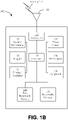
FIG. 1B is a system diagram of an example wireless transmit/receive unit (WTRU) that may be used within the communications system illustrated inFIG. 1A . -
FIG. 1C is a system diagram of an example radio access network and an example core network that may be used within the communications system illustrated inFIG. 1A . -
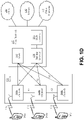
FIG. 1D is a system diagram of another example radio access network and another example core network that may be used within the communications system illustrated inFIG. 1A . -
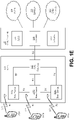
FIG. 1E is a system diagram of another example radio access network and another example core network that may be used within the communications system illustrated inFIG. 1A . -
FIG. 2 illustrates an example bandwidth-adaptive multimedia system for delivering content. -
FIG. 3 illustrates an example operation of a splicing server. -
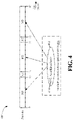
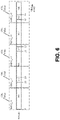
FIG. 4 illustrates an example presentation of media periods and advertisements. -
FIG. 5 illustrates an example case where multiple inserted advertisement objects may be insertions of the same advertisement object. -
FIG. 6 illustrates an example presentation of media periods and advertisements for a dynamic asset with MPDs that vary over time. -
FIG. 7A-C illustrate example media periods that indicate the last period of an asset. -
FIG. 8 illustrates an example arrangement of operations for managing resources when presenting a dynamic asset. -
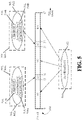
FIG. 9A-B illustrate an example presentation of media periods and repeated advertisements. - A detailed description of illustrative embodiments will now be described with reference to the various Figures. Although this description provides a detailed example of possible implementations, it should be noted that the details are intended to be exemplary and in no way limit the scope of the application.
-
FIG. 1A is a diagram of anexample communications system 100 in which one or more disclosed embodiments may be implemented. Thecommunications system 100 may be a multiple access system that provides content, such as voice, data, video, messaging, broadcast, etc., to multiple wireless users. Thecommunications system 100 may enable multiple wireless users to access such content through the sharing of system resources, including wireless bandwidth. For example, thecommunications system 100 may employ one or more channel access methods, such as code division multiple access (CDMA), time division multiple access (TDMA), frequency division multiple access (FDMA), orthogonal FDMA (OFDMA), single-carrier FDMA (SC-FDMA), and the like. - As shown in
FIG. 1A , thecommunications system 100 may include wireless transmit/receive units (WTRUs) 102a, 102b, 102c, and/or 102d (which generally or collectively may be referred to as WTRU 102), a radio access network (RAN) 103/104/105, acore network 106/107/109, a public switched telephone network (PSTN) 108, theInternet 110, andother networks 112, though it will be appreciated that the disclosed embodiments contemplate any number of WTRUs, base stations, networks, and/or network elements. Each of theWTRUs WTRUs - The
communications system 100 may also include abase station 114a and abase station 114b. Each of thebase stations WTRUs core network 106/107/109, theInternet 110, and/or thenetworks 112. By way of example, thebase stations base stations base stations - The
base station 114a may be part of theRAN 103/104/105, which may also include other base stations and/or network elements (not shown), such as a base station controller (BSC), a radio network controller (RNC), relay nodes, etc. Thebase station 114a and/or thebase station 114b may be configured to transmit and/or receive wireless signals within a particular geographic region, which may be referred to as a cell (not shown). The cell may further be divided into cell sectors. For example, the cell associated with thebase station 114a may be divided into three sectors. Thus, in one embodiment, thebase station 114a may include three transceivers, e.g., one for each sector of the cell. In another embodiment, thebase station 114a may employ multiple-input multiple output (MIMO) technology and, therefore, may utilize multiple transceivers for each sector of the cell. - The
base stations WTRUs air interface 115/116/117, which may be any suitable wireless communication link (e.g., radio frequency (RF), microwave, infrared (IR), ultraviolet (UV), visible light, etc.). Theair interface 115/116/117 may be established using any suitable radio access technology (RAT). - More specifically, as noted above, the
communications system 100 may be a multiple access system and may employ one or more channel access schemes, such as CDMA, TDMA, FDMA, OFDMA, SC-FDMA, and the like. For example, thebase station 114a in theRAN 103/104/105 and theWTRUs air interface 115/116/117 using wideband CDMA (WCDMA). WCDMA may include communication protocols such as High-Speed Packet Access (HSPA) and/or Evolved HSPA (HSPA+). HSPA may include High-Speed Downlink Packet Access (HSDPA) and/or High-Speed Uplink Packet Access (HSUPA). - In another embodiment, the
base station 114a and theWTRUs - In other embodiments, the
base station 114a and theWTRUs - The
base station 114b inFIG. 1A may be a wireless router, Home Node B, Home eNode B, or access point, for example, and may utilize any suitable RAT for facilitating wireless connectivity in a localized area, such as a place of business, a home, a vehicle, a campus, and the like. In one embodiment, thebase station 114b and theWTRUs base station 114b and theWTRUs base station 114b and theWTRUs FIG. 1A , thebase station 114b may have a direct connection to theInternet 110. Thus, thebase station 114b may not be required to access theInternet 110 via thecore network 106/107/109. - The
RAN 103/104/105 may be in communication with thecore network 106/107/109, which may be any type of network configured to provide voice, data, applications, and/or voice over internet protocol (VoIP) services to one or more of theWTRUs core network 106/107/109 may provide call control, billing services, mobile location-based services, pre-paid calling, Internet connectivity, video distribution, etc., and/or perform high-level security functions, such as user authentication. Although not shown inFIG. 1A , it will be appreciated that theRAN 103/104/105 and/or thecore network 106/107/109 may be in direct or indirect communication with other RANs that employ the same RAT as theRAN 103/104/105 or a different RAT. For example, in addition to being connected to theRAN 103/104/105, which may be utilizing an E-UTRA radio technology, thecore network 106/107/109 may also be in communication with another RAN (not shown) employing a GSM radio technology. - The
core network 106/107/109 may also serve as a gateway for theWTRUs PSTN 108, theInternet 110, and/orother networks 112. ThePSTN 108 may include circuit-switched telephone networks that provide plain old telephone service (POTS). TheInternet 110 may include a global system of interconnected computer networks and devices that use common communication protocols, such as the transmission control protocol (TCP), user datagram protocol (UDP) and the internet protocol (IP) in the TCP/IP internet protocol suite. Thenetworks 112 may include wired or wireless communications networks owned and/or operated by other service providers. For example, thenetworks 112 may include another core network connected to one or more RANs, which may employ the same RAT as theRAN 103/104/105 or a different RAT. - Some or all of the
WTRUs communications system 100 may include multi-mode capabilities, e.g., theWTRUs WTRU 102c shown inFIG. 1A may be configured to communicate with thebase station 114a, which may employ a cellular-based radio technology, and with thebase station 114b, which may employ an IEEE 802 radio technology. -
FIG. 1B is a system diagram of anexample WTRU 102. As shown inFIG. 1B , theWTRU 102 may include aprocessor 118, atransceiver 120, a transmit/receiveelement 122, a speaker/microphone 124, akeypad 126, a display/touchpad 128,non-removable memory 130,removable memory 132, apower source 134, a global positioning system (GPS)chipset 136, andother peripherals 138. It will be appreciated that theWTRU 102 may include any subcombination of the foregoing elements while remaining consistent with an embodiment. Also, embodiments contemplate that thebase stations base stations FIG. 1B and described herein. - The
processor 118 may be a general purpose processor, a special purpose processor, a conventional processor, a digital signal processor (DSP), a plurality of microprocessors, one or more microprocessors in association with a DSP core, a controller, a microcontroller, Application Specific Integrated Circuits (ASICs), Field Programmable Gate Array (FPGAs) circuits, any other type of integrated circuit (1C), a state machine, and the like. Theprocessor 118 may perform signal coding, data processing, power control, input/output processing, and/or any other functionality that enables theWTRU 102 to operate in a wireless environment. Theprocessor 118 may be coupled to thetransceiver 120, which may be coupled to the transmit/receiveelement 122. WhileFIG. 1B depicts theprocessor 118 and thetransceiver 120 as separate components, it will be appreciated that theprocessor 118 and thetransceiver 120 may be integrated together in an electronic package or chip. - The transmit/receive
element 122 may be configured to transmit signals to, or receive signals from, a base station (e.g., thebase station 114a) over theair interface 115/116/117. For example, in one embodiment, the transmit/receiveelement 122 may be an antenna configured to transmit and/or receive RF signals. In another embodiment, the transmit/receiveelement 122 may be an emitter/detector configured to transmit and/or receive 1R, UV, or visible light signals, for example. In yet another embodiment, the transmit/receiveelement 122 may be configured to transmit and receive both RF and light signals. It will be appreciated that the transmit/receiveelement 122 may be configured to transmit and/or receive any combination of wireless signals. - In addition, although the transmit/receive
element 122 is depicted inFIG. 1B as a single element, theWTRU 102 may include any number of transmit/receiveelements 122. More specifically, theWTRU 102 may employ MIMO technology. Thus, in one embodiment, theWTRU 102 may include two or more transmit/receive elements 122 (e.g., multiple antennas) for transmitting and receiving wireless signals over theair interface 115/116/117. - The
transceiver 120 may be configured to modulate the signals that are to be transmitted by the transmit/receiveelement 122 and to demodulate the signals that are received by the transmit/receiveelement 122. As noted above, theWTRU 102 may have multi-mode capabilities. Thus, thetransceiver 120 may include multiple transceivers for enabling theWTRU 102 to communicate via multiple RATs, such as UTRA and IEEE 802.11, for example. - The
processor 118 of theWTRU 102 may be coupled to, and may receive user input data from, the speaker/microphone 124, thekeypad 126, and/or the display/touchpad 128 (e.g., a liquid crystal display (LCD) display unit or organic light-emitting diode (OLED) display unit). Theprocessor 118 may also output user data to the speaker/microphone 124, thekeypad 126, and/or the display/touchpad 128. In addition, theprocessor 118 may access information from, and store data in, any type of suitable memory, such as thenon-removable memory 130 and/or theremovable memory 132. Thenon-removable memory 130 may include random-access memory (RAM), read-only memory (ROM), a hard disk, or any other type of memory storage device. Theremovable memory 132 may include a subscriber identity module (SIM) card, a memory stick, a secure digital (SD) memory card, and the like. In other embodiments, theprocessor 118 may access information from, and store data in, memory that is not physically located on theWTRU 102, such as on a server or a home computer (not shown). - The
processor 118 may receive power from thepower source 134, and may be configured to distribute and/or control the power to the other components in theWTRU 102. Thepower source 134 may be any suitable device for powering theWTRU 102. For example, thepower source 134 may include one or more dry cell batteries (e.g.. nickel-cadmium (NiCd), nickel-zinc (NiZn), nickel metal hydride (NiMH), lithium-ion (Li-ion), etc.), solar cells, fuel cells, and the like. - The
processor 118 may also be coupled to theGPS chipset 136, which may be configured to provide location information (e.g.. longitude and latitude) regarding the current location of theWTRU 102. In addition to, or in lieu of, the information from theGPS chipset 136, theWTRU 102 may receive location information over theair interface 115/116/117 from a base station (e.g.,base stations WTRU 102 may acquire location information by way of any suitable location-determination implementation while remaining consistent with an embodiment. - The
processor 118 may further be coupled toother peripherals 138, which may include one or more software and/or hardware modules that provide additional features, functionality and/or wired or wireless connectivity. For example, theperipherals 138 may include an accelerometer, an e-compass, a satellite transceiver, a digital camera (for photographs or video), a universal serial bus (USB) port, a vibration device, a television transceiver, a hands free headset, a Bluetooth® module, a frequency modulated (FM) radio unit, a digital music player, a media player, a video game player module, an Internet browser, and the like. -
FIG. 1C is a system diagram of theRAN 103 and thecore network 106 according to an embodiment. As noted above, theRAN 103 may employ a UTRA radio technology to communicate with theWTRUs air interface 115. TheRAN 103 may also be in communication with thecore network 106. As shown inFIG. 1C , theRAN 103 may include Node-Bs WTRUs air interface 115. The Node-Bs RAN 103. TheRAN 103 may also includeRNCs RAN 103 may include any number of Node-Bs and RNCs while remaining consistent with an embodiment. - As shown in
FIG. 1C , the Node-Bs RNC 142a. Additionally, the Node-B 140c may be in communication with theRNC 142b. The Node-Bs RNCs RNCs Bs RNCs - The
core network 106 shown inFIG. 1C may include a media gateway (MGW) 144, a mobile switching center (MSC) 146, a serving GPRS support node (SGSN) 148, and/or a gateway GPRS support node (GGSN) 150. While each of the foregoing elements are depicted as part of thecore network 106, it will be appreciated that any one of these elements may be owned and/or operated by an entity other than the core network operator. - The
RNC 142a in theRAN 103 may be connected to theNISC 146 in thecore network 106 via an IuCS interface. TheMSC 146 may be connected to theMGW 144. TheMSC 146 and theMGW 144 may provide theWTRUs PSTN 108, to facilitate communications between theWTRUs - The
RNC 142a in theRAN 103 may also be connected to theSGSN 148 in thecore network 106 via an IuPS interface. TheSGSN 148 may be connected to theOGSN 150. TheSGSN 148 and theGGSN 150 may provide theWTRUs Internet 110, to facilitate communications between and theWTRUs - As noted above, the
core network 106 may also be connected to thenetworks 112, which may include other wired or wireless networks that are owned and/or operated by other service providers. -
FIG. 1D is a system diagram of theRAN 104 and thecore network 107 according to an embodiment. As noted above, theRAN 104 may employ an E-UTRA radio technology to communicate with theWTRUs air interface 116. TheRAN 104 may also be in communication with thecore network 107. - The
RAN 104 may include eNode-Bs RAN 104 may include any number of eNode-Bs while remaining consistent with an embodiment. The eNode-Bs WTRUs air interface 116. In one embodiment, the eNode-Bs B 160a, for example, may use multiple antennas to transmit wireless signals to, and receive wireless signals from, theWTRU 102a. - Each of the eNode-
Bs FIG. 1D , the eNode-Bs - The
core network 107 shown inFIG. 1D may include a mobility management gateway (MME) 162, a servinggateway 164, and a packet data network (PDN)gateway 166. While each of the foregoing elements are depicted as part of thecore network 107, it will be appreciated that any one of these elements may be owned and/or operated by an entity other than the core network operator. - The
MME 162 may be connected to each of the eNode-Bs RAN 104 via an S1 interface and may serve as a control node. For example, theMME 162 may be responsible for authenticating users of theWTRUs WTRUs MME 162 may also provide a control plane function for switching between theRAN 104 and other RANs (not shown) that employ other radio technologies, such as GSM or WCDMA. - The serving
gateway 164 may be connected to each of the eNode-Bs RAN 104 via the S1 interface. The servinggateway 164 may generally route and forward user data packets to/from theWTRUs gateway 164 may also perform other functions, such as anchoring user planes during inter-eNode B handovers, triggering paging when downlink data is available for theWTRUs WTRUs - The serving
gateway 164 may also be connected to thePDN gateway 166, which may provide theWTRUs Internet 110, to facilitate communications between theWTRUs - The
core network 107 may facilitate communications with other networks. For example, thecore network 107 may provide theWTRUs PSTN 108, to facilitate communications between theWTRUs core network 107 may include, or may communicate with, an IP gateway (e.g., an IP multimedia subsystem (IMS) server) that serves as an interface between thecore network 107 and thePSTN 108. In addition, thecore network 107 may provide theWTRUs networks 112, which may include other wired or wireless networks that are owned and/or operated by other service providers. -
FIG. 1E is a system diagram of theRAN 105 and thecore network 109 according to an embodiment. TheRAN 105 may be an access service network (ASN) that employs IEEE 802.16 radio technology to communicate with theWTRUs air interface 117. As will be further discussed below, the communication links between the different functional entities of theWTRUs RAN 105, and thecore network 109 may be defined as reference points. - As shown in
FIG. 1E , theRAN 105 may includebase stations ASN gateway 182, though it will be appreciated that theRAN 105 may include any number of base stations and ASN gateways while remaining consistent with an embodiment Thebase stations RAN 105 and may each include one or more transceivers for communicating with theWTRUs air interface 117. In one embodiment, thebase stations base station 180a, for example, may use multiple antennas to transmit wireless signals to, and receive wireless signals from, theWTRU 102a. Thebase stations ASN gateway 182 may serve as a traffic aggregation point and may be responsible for paging, caching of subscriber profiles, routing to thecore network 109, and the like. - The
air interface 117 between theWTRUs RAN 105 may be defined as an R1 reference point that implements the IEEE 802.16 specification. In addition, each of theWTRUs core network 109. The logical interface between theWTRUs core network 109 may be defined as an R2 reference point, which may be used for authentication, authorization, IP host configuration management, and/or mobility management. - The communication link between each of the
base stations base stations ASN gateway 182 may be defined as an R6 reference point. The R6 reference point may include protocols for facilitating mobility management based on mobility events associated with each of theWTRUs - As shown in
FIG. 1E , theRAN 105 may be connected to thecore network 109. The communication link, between theRAN 105 and thecore network 109 may defined as an R3 reference point that includes protocols for facilitating data transfer and mobility management capabilities, for example. Thecore network 109 may include a mobile IP home agent (MTP-HA) 184, an authentication, authorization, accounting (AAA)server 186, and agateway 188. While each of the foregoing elements are depicted as part of thecore network 109, it will be appreciated that any one of these elements may be owned and/or operated by an entity other than the core network operator. - The MIP-HA may be responsible for IP address management, and may enable the
WTRUs HA 184 may provide theWTRUs Internet 110, to facilitate communications between theWTRUs AAA server 186 may be responsible for user authentication and for supporting user services. Thegateway 188 may facilitate interworking with other networks. For example, thegateway 188 may provide theWTRUs PSTN 108, to facilitate communications between theWTRUs gateway 188 may provide theWTRUs networks 112, which may include other wired or wireless networks that arc owned and/or operated by other service providers. - Although not shown in
FIG. 1E , it will be appreciated that theRAN 105 may be connected to other ASNs and thecore network 109 may be connected to other core networks. The communication link between theRAN 105 the other ASNs may be defmed as an R4 reference point, which may include protocols for coordinating the mobility of theWTRUs RAN 105 and the other ASNs. The communication link between thecore network 109 and the other core networks may be defined as an R5 reference, which may include protocols for facilitating interworking between home core networks and visited core networks. - The subject matter disclosed herein may be used in multimedia delivery systems for mobile devices (e.g., smart phones, tablets, laptops) and home devices such as set-top boxes, streaming devices, gaming consoles, consumer/commercial TVs and SmartTVs, and personal computers. Multimedia delivery frameworks including. but not limited to, cable, IPTV, progressive download, streaming technologies, and bandwidth adaptive streaming may be supported.
- A system for multimedia delivery system may use information about a user's viewing conditions to adapt an encoding and delivery process to reduce or minimize usage of network bandwidth, power, and other system resources. The system may use sensors (e.g., front-faced camera, ambient light sensor, accelerometer, etc.) of a device (e.g., smart phone or tablet) to detect the presence of the viewer. An adaptation system may use this information to determine parameters of visual content that a viewer may be able to see and may adjust encoding and delivery options accordingly. This adaptation mechanism may allow the delivery system to achieve a satisfactory user experience, while saving network bandwidth and other system resources. A system may detect and adapt to user presence using sensors such as an IR remote control, range finder, TV camera; smart phone or tablets used as remote controls and second screens; and capabilities that may be available at home.
-
FIG. 2 illustrates anexample multimedia system 200 that may be used for delivering media content. Thesystem 200 may be bandwidth-adaptive. Themultimedia system 200 may include acontent provider 210, aclient 250 and acommunication network 260. Thecontent provider 2 1 0 may send media content (e.g., multimedia content) to theclient 250 over thecommunication network 260. - The
content provider 2 10 may store media content 212. The media content 212 may comprise anadvertisement 2 12a and/or non-advertising media content 212b. The non-advertising media content 212b may be, for example, a movie, a show, etc. The media content 212 may include a media content identifier 214 that may identify the media content 212. The media content identifier 214 may include an advertisement identifier 214a that may identify an advertisement 212a. The media content identifier 214 may include a media content identifier 214b that may identify the non-advertising media content 212b. - The
content provider 210 may store the media content 212 in adata store 216. Thedata store 216 may include an advertisement data store that may store advertisement(s) 212a. Thedata store 216 may include a non-advertising media content data store that may store the non-advertising media content 212b. Thecontent provider 210 may include acomputing device 220. Thecomputing device 220 may include one or more servers. Thecomputing device 220 may include aprocessor 222. Theprocessor 222 may be configured to do one or more of the following. Theprocessor 222 may access thedata store 216. Theprocessor 222 may retrieve media content 212 from thedata store 216 and provide the media content 212 to theclient 250. - A
user 252 may control theclient 250. An example of theclient 250 may be a WTRU (e.g., WTRU 102). Theuser 252 may, for example, request a particular media content 212 from thecontent provider 210. Theuser 252 may purchase the media content 212 from thecontent provider 210, Theuser 252 may provide payment information, for example, credit card information, to thecontent provider 210 via theclient 250. Thecommunication network 260 may include theInternet 262. Thecommunication network 260 may include a cellular communication network. The cellular communication network may include agateway 264. The cellular communication network may include a base station, for example aneNodeB 266. The cellular communication network may include awireless link 268. Thecommunication network 260 may include a Wi-Fi network 270. Thecommunication network 260 may include ahome gateway 272. Thecommunication network 260 may include astreaming device 274. - The
system 200 may include acontent distribution network 280. Thecontent provider 210 may receive the media content 212 via thecontent distribution network 280. A content source 282 (e.g., a video source, for example a camera) may capture media content (e.g., video, audio, or both). Anencoder 284 may encode the media content captured by thecontent source 282. Theencoder 284 may send the encoded media content to thecontent provider 210 through thecontent distribution network 280. Thecontent provider 210 may receive media content from thecontent source 282 via thecontent distribution network 280. Thecontent provider 210 may store the received media content in thedata store 216. - User presence, proximity to screen, and attention to video content may be established, for example, using built-in sensors (e.g., a camera accelerometer) in mobile devices or built-in sensors in a TV, a set-top box, a remote control, or other TV-attached devices (e.g., game consoles, Kinect, and the like) in a home environment. Information about user presence and proximity may be used to optimize multimedia delivery. For example, information regarding the presence of the
user 252 and/or proximity of theuser 252 to theclient 250 may be used (e.g., by theclient 250 or by the content provider 210) to optimize the delivery of the media content 212 on theclient 250. - Content distributors (e.g.,
content provider 2 10) may distribute content (e.g., media content 212) to local affiliates and cable television providers nationwide. Content may be distributed as video streams that may be rendered, for example, by a digital television system (e.g., client 250) or a video on demand (VOD) system. The video streams may carry advertisements (e.g., advertisements 212a) that may be shown at the national level, but that may also allow for regional and/or local advertisements to be inserted in a media stream (e.g., in betweennon-advertising media content 2 12b). In analog television, in-band dual-tone multifrequency (DTMF) subcarrier audio cue tones may be used to trigger a cutover from a show or national advertisement to a regional or local advertisement. Cue messages may be embedded in MPEG-2TS. - One or more advertisement splicers may scan incoming content for messages (e.g., cue messages). The advertisement splicer may query an advertising decision server for an advertisement or advertisements that may be displayed. The advertisement splicer may insert the advertisement(s) into the media content that reaches the viewer.
FIG. 3 illustrates anexample system 300 that may be used for inserting or splicing advertisements in a media stream. Thesystem 300 may include anadvertisement splicer 310. Theadvertisement splicer 310 may receive anetwork feed 320. The network feed 320 may include a media stream. For example, thenetwork feed 320 may include non-advertising media content(s) 2 12b. The network feed 320 may include one or more cue messages. A cue message may indicate a position 322 (e.g., an insertion point) within the network feed 320 where an advertisement may be inserted. The cue message may indicate a type of the advertisement The cue message may indicate a particular advertisement that may be inserted in thenetwork feed 320, e.g., the cue message may specify a particular advertisement identifier 214a. - The
system 300 may include an advertisement server 340 (e.g., data store 216). Theadvertisement server 340 may include one or more advertisements 342 (e.g., advertisements 212a). The advertisement splicer 3 10 may be configured for one or more of the following. The advertisement splicer 3 10 may be configured to receive thenetwork feed 320. Theadvertisement splicer 310 may scan the network feed 320 for one or more cue messages. Theadvertisement splicer 310 may identify aposition 322 within the network feed 320 where theadvertisement splicer 310 may insert anadvertisement 342. Theadvertisement splicer 310 may access theadvertisement server 340. Theadvertisement splicer 310 may retrieve theadvertisement 342 from theadvertisement server 340. Theadvertisement splicer 310 may insert theadvertisement 342 in the network feed 320 at theposition 322 that is indicated by the cue message. Theadvertisement splicer 310 may output a modifiednetwork feed 350. The modifiednetwork feed 350 may include afirst portion 320a of thenetwork feed 320, the insertedadvertisement 342 and asecond portion 320b of thenetwork feed 320. Theadvertisement splicer 310 may send the modifiednetwork feed 350 to another network entity, for example to theclient 250 and/or to the content provider 230, etc. - The
system 300 may be implemented, either entirely or partially, by thecontent provider 210. Thesystem 300 may be implemented by different network entities. For example, theadvertisement server 340 may be implemented by thecontent provider 210. Theadvertisement 342 may include the advertisement 212a. The network feed 320 may include non-advertising media content(s) 212b. Thesystem 300 and/or theadvertisement splicer 310 may be implemented by a computing device (e.g., computing device 220). The computing device may have a processor (e.g., processor 222) that may be configured to implement theadvertisement splicer 310. - Web sites hosting media content (e.g., YouTube, Hulu, Facebook, CBS, Yahoo, etc.) may obtain revenue by showing advertisements to users during a multimedia delivery session (e.g., progressive download or streaming). Ads may be shown at the beginning (pre-roll), end (post-roll), and/or during (mid-roll) of the delivery session. When a video advertisement is rendered, rules may be inserted to alter the user's control of the playback. For example, users may be prevented from skipping or fast-forwarding through the ad.
- Advertisers may compensate web publishers for inserting ads in their content. In a Cost Per Mille (CPM) model, for example, advertisers may pay for every thousand displays of their message to potential customers. Each instance when an advertisement is displayed may be referred to as an impression. Accuracy of counting and/or verifying impressions may be performed. If an impression is verified as one that was watched by the viewer it may be worth more than an impression that is not verifiable as having reached a viewer's attention. Other compensation models include Cost Per Click (CPC) and Cost Per Action (CPA) models.
- Advertisement verification techniques may relate to techniques related to image ads, such as but not limited to determining whether an advertisement has been served (e.g., using cookies or invisible or transparent images), whether the page with advertisements may have been requested by a human (e.g., to prevent fraud by inflating the number of impressions), and/or by determining the location of an advertisement within a web page (e.g., visible by the user on page load, referred to as "above the fold").
- An IAB Video Ad Serving Template (VAST) may be used for advertisement tracking. Beyond tracking the fact that the first frame of the advertisement was displayed (e.g., an impression), a richer set of tracking events may be provided (e.g., percentage of the advertisement reached, mute/unmute, and the like), These events may trigger requests, such as HTTP GET requests, to URLs specified in the advertisement server response expressed in VAST. SCTE 35 may be used for advertisement insertion in adaptive streaming, for example, in a binary format or in an XML format,
- Advertisement impressions may not be verified directly if there may be no built-in feedback mechanism in the content delivery system, for example, as may be the case in broadcast and cable TV. Ads may be served when a user is active and a user's presence may be determined by using the mouse or the keyboard, for example, as may be the case in video streaming for laptops and PCs with an Internet connection.
- Targeted advertising may involve placing advertisements so as to reach consumers based on various traits such as, for example, demographics, psychographics, behavioral variables (e.g., product purchase history), and/or other second-order activities that may serve as a proxy for these consumer traits.
- Targeted media advertising may use second-order proxies for targeting. For example, targeted advertising may track online or mobile web activities of consumers, associate historical webpage consumer demographics with new consumer web page access, and/or use a search word as the basis for implied interest or contextual advertising.
- Addressable advertising systems may serve ads (e.g., directly serve ads) based on demographic, psychographic, and/or behavioral attributes associated with the consumer(s) exposed to the advertisement. These systems may be digital and may be addressable in that the end point that serves the advertisement (e.g., set-top box, website, or digital sign) may render an advertisement independently of any other end points based on consumer attributes specific to, that end point at the time the advertisement may be served. Addressable advertising systems may use consumer traits associated with the end points as the basis for selecting and serving ads.
- Targeted advertisements may be more valuable than network wide ads, and the specificity with which the targeting is performed may be important. Age may be estimated from facial still images. Other anthropometric parameters, such as race, ethnicity, etc., may be estimated. These techniques may rely on image data as an input in order to estimate dernographic/anthropometric parameters.
- Other sensor inputs, such as accelerometers, gyroscopes, IR cameras, etc., may be used to estimate age and/or other demographic information. Accelerometers, e.g., in a smart phone, may be used to monitor a user's essential physiological kinetic tremor, which may have characteristics that may correlate to age. Other sensors (e.g., gyroscope) may also be used to obtain or complement this information. For additional demographic data, the accelerometer data may be mined for gender, height, and weight.
- Advertising may be inserted in a video stream using, for example, an application-driven architecture or a server-driven architecture. A server-driven architecture may use a client (e.g., a DASH client), and communication with advertising decision services may be performed at the server side. Communication may be triggered by a client request for a segment, a remote element, or an media presentation description (MPD). An application-driven architecture may use an application running on a wireless transmit/receive unit (WTRU) that may control one or more DASH clients.
- A server-driven architecture may assume DASH functionality. An application-driven architecture may use an application that controls multiple DASH clients. For example, multiple client instances may execute on a client device for context switching, e.g., between main content and advertising or for another purpose.
-
FIG. 4 illustrates anexample presentation sequence 400 of media content (e.g., media content 212). Adescriptor element 402 may enable the presentation of multi-period assets (e.g., multi-period media content). An example of the descriptor element may be an AssetIdentifier. Thedescriptor element 402 may be included in a media presentation description (MPD)file 404. Thedescriptor element 402 may include acontent identifier 414 that may identify the media content. An example of the media content may be the non-advertising media content 212b ofFIG. 2 . Thecontent identifier 414 may identify the media content. An example of the content identifier may be the non-advertising media content identifier 214b, Thedescriptor element 402 may establish a media content specific (e.g., an asset-specific) timeline. Multi-period media content may be media content that may be split into several periods. For example, a 45-mim movie may be separated into three 15-minute periods. M1, M2, and M3. Two 1-min ads, A 1 and A2, may be inserted between the movie periods. The presentation may be thesequence 400 of five periods, M1, A1, M2, A2, and M3, as illustrated inFIG. 4 . - A period (e.g., each period) may be associated with a
descriptor element 402 that may identify the media content to which the period belongs. Using an equivalent descriptor element for M1, M2, and M3 may establish that these three periods belong to the same media content (e.g., a particular media content 212b that may include a 45 minute movie object). This description structure may be used to inform a media playback client (e.g., a DASH client or client 250) that a single content object may flow across periods M1, M2, and M3. M2 may be a continuation of M1, and M3 may be a continuation of M2. - The mapping of periods (e.g., periods M1, M2 and M3) to descriptor elements (e.g., descriptor element 402) may be used by a media playback client (e.g., client 250) to switch contexts appropriately between different media content at the proper times. The mapping of periods to descriptor elements may be used by a media playback client to properly display the playback progress bar (e.g., scrub bar), which may show the current playback position. The mapping of periods to descriptor elements may enable the media playback client to properly handle trick modes, such as seeking forward or backward within a media content.
- The
MPD 404 may be delivered to the media playback client (e.g., client 250). TheMPD 404 may comprise a description of the periods M1, M2 and M3. TheMPD 404 may specify an associated descriptor element for each period. For example, theMPD 404 may specify that thedescriptor element 402 is associated with periods M1, M2 and M3. A media playback client may compare descriptor elements using an equivalence rule in order to determine whether the descriptor elements specified for different periods may be equivalent and may map to the same media content (e.g., media content 212, for example the 45 minute movie object). For example, two descriptor elements may be considered equivalent if the fields and/or payload associated with a first descriptor element matches the corresponding fields and/or payload of a second descriptor element. Whitespace characters may be ignored. The specific definition of equivalence may vary. - HTTP may be stateless and client-driven. Push-style events may be emulated using frequent polls. In cable/IPTV systems, upcoming advertisement breaks may be signaled, for example, three to eight seconds before their start. A straightforward poll-based implementation may be inefficient. Events may address such use cases.
- Events may be blobs with explicit time and duration information and may include application-specific payloads. An application may subscribe to events of a certain type and handle them. This may be a sink, for example, the event processing model of the application may be completely opaque to the DASH client, and it may not expect any feedback regarding the event.
- In-band events may refer to small message boxes that may appear at the beginning of media segments. MPD events may refer to a period-level list of timed elements. DASH may define MPD Validity Expiration and MPD Patch events. MPD Validity Expiration events may notify the client when a newly published MPD may become valid (and may be fetched). MPD Patch events may apply a patch to the current MPD. A DASH client may handle these events rather than pass them to an application.
- DASH may define several template parameters. The template parameters may have pre-defined names and/or semantics. The template parameters may be used for URL creation. DASH may define generalized parameters. The generalized parameters may be used by the author to declare a variable in the MPD. The declared variable may be instantiated at MPD fetch time or in real time. An application may provide a value of the declared variable. The declared variable may be used to create the URL when templates are used. For example, one may declare a variable named '$UserID$', instantiate '$UserID$' at the beginning of a period and append a value of '$UserID$' to a segment request.
- Advertisement insertion primitives may be mapped to DASH functionality. An advertisement may be a period element (e.g., period A1 or A2). An advertisement cue may be a remote period element. Main content (e.g., periods M1, M2 and M3, for example non-advertising media content 212b) may be distinguished from inserted content (e.g., periods A1 and A2, for example advertisements 212(a) using descriptor elements. MPD updates may be used to notify a client of new periods, for example, using client-side polling (e.g., at a given frequency) or asynchronously using an lseg brand and/or in-band events.
- A hybrid approach may be provided. A hybrid approach may involve using generic DASH functionality for server-side advertisement insertion and using VAST embedded within DASH MPD events to provide integration with an advertising infrastructure for tracking, reporting, and companion advertising functionality.
- HTTP GET requests may be logged. This approach may have issues, for example, related to establishing a notion of sessions and/or to the complexity of data aggregation across content delivery networks (CDNs).
- Descriptor elements may be used to distinguish main content (e.g., non-advertising media content 212b, for example a movie) from inserted advertising content (e.g., advertisements 212a), for example, in MPEG DASH and/or 3GPP DASH systems. The
descriptor element 404 may comprise a content identifier 414 (e.g., an identifier component, for example a string, etc.). Thecontent identifier 414 may identify the media content. Thecontent identifier 414 may include an advertisement identifier that may specify an advertisement, for example when the descriptor element includes the advertisement. For example, the descriptor element for a given video advertisement object may comprise an advertisement identifier. The advertisement identifier may include an Ad-ID that may be provided by a system, for example, at www.ad-id.org. The advertisement identifier may include a MovieLabs Content ID URN, or another identifier. This may enable the media playback client to identify an advertisement object, for example for functions such as retrieval, playback, and/or reporting. For example, theclient 250 may use a value of the content identifier 414 (e.g., advertisement identifier 214a) to retrieve a corresponding advertisement 212a, - For example, the Asset Identifier descriptor element may be as follows:
      <AssetIdentifier schemeIdUri="urn:org:dashif:ad-id:2013"
             value="md:cid:EIDR:10.5240%2fF592-58D1-A4D9-E968-5435-L"/>
      <AssetIdentifier schemeIdUri="urn:org:dashif:ad-id:2013"
             value="md:cid:EIDR:10.5240%2fF592-58D1-A4D9-E968-5435-L"
             id="2905e3a2-dee1-46a2-ac0b-98526e45a27b" />
      <AssetIdentifier schemeIdUri-"urn:org:dashif:ad-id:2013"
             vaiue="md:cid:EIDR:10.5240%2fF592-58D1-A4D9-E968-5435-L">
             2905e3a2-dee1-46a2-ac0b-98526e45a27b
      </AssetIdentifier>
      AssetIdentifier schemneIdUri=''urn:org:dashif:ad-id:2013"
             values="md:cid:EIDR:10.5240%2fP592-58D1-A4D9-E968-5435-L"
             id="ad-server1.adsrus.com">
             2013-11-25T08:15:30-05:00
      </AssetIdentifier>
<!-- Movie → <Period duration="PT600S" id="movie period # 1"> <SupplementalProperty schemeIdUri="urn:org:example:to-be-continued"/> <AssetIdentifier schemeIdUri="urn:org:dashif:asset-id:2013" value="md:cid:EIDR:10.5240%2fF592-58D1-A4D9-E968-543.5-L"/> [...] </Period> <!-Movie, cont'd → <Period duration="PT600S" id="movie period # 2"> AssetIdentifier schemeIdUri="urn:org:dashif:asset-id:2013" value="md:cid:EIDR:10.5240%2fF592-58D1-A4D9-E968-5435-L"/> <SupplementalProperty schemeIdUri="urn:org:example:asset-time" value="00:10:00/00:42:42"/> [...] </Period> <!-Movie, end → <Period duration="PT1320S" id="movie period #3"> <AssetIdentifier schemeIdUri="urn:org:dashif:asset-id:2013" value="md:cid:EIDR:10.5240%2fF592-58D1-A4D9-E968-5435-L"/> <SupplementalProperty schemeIdUri="urn:org:example:end-of-asset"/> <SupplementalProperty schemeIdUri="urn:org:example:asset-time" value="00:20:00/00:42:42"/> </Period>
- 1. A method comprising:
- inserting a first descriptor element for a media content in a media presentation description (MPD) associated with the media content; and
- inserting a second descriptor element for a repeat occurrence of the media content in the MPD, wherein the second descriptor element indicates that, during the repeat occurrence of the media content, the media content be presented from the beginning.
- 2. The method of
item 1, wherein inserting the first descriptor element comprises:- inserting a media content identifier that identifies the media content; and
- inserting a first occurrence identifier that identifies a first occurrence of the media content.
- 3. The method of
item 2, wherein inserting the second descriptor element comprises:
inserting a second occurrence identifier that identifies a second occurrence of the media content. - 4. The method of
item 1, wherein the first descriptor element indicates a placement of the media content in a media stream, and wherein the second descriptor element indicates a placement of the repeat occurrence of the media content in the media stream. - 5. The method of
item 1, wherein the second descriptor element comprises an AssetIdentifier descriptor element. - 6. The method of
item 1, further comprising receiving the MPD from a network entity over a communication network. - 7. The method of
item 1, further comprising sending the MPD to a media playback client, wherein the sent MPD comprises the first descriptor element and the second descriptor element. - 8. The method of
item 1, wherein the media content comprises an advertisement. - 9. The method of
item 1, wherein the MPD comprises a first version of the MPD and a second version of the MPD, wherein the first descriptor element is inserted in the first version of the MPD, and wherein the second descriptor element is inserted in the second version of the MPD. - 10. A method comprising:
- inserting, in a media presentation description (MPD), an advertisement identifier that identifies an advertisement;
- inserting, in the MPD, a first occurrence identifier that identifies a first occurrence of the advertisement in a media stream; and
- inserting, in the MPD, a second occurrence identifier that identifies a second occurrence of the advertisement in the media stream.
- 11. The method of item 10, wherein the second occurrence identifier indicates that, during the second occurrence of the advertisement in the media stream, the advertisement be played from the beginning.
- 12. The method of item 10, wherein the advertisement identifier and the first occurrence identifier are inserted in a first descriptor element associated with the first occurrence of the advertisement.
- 13. The method of item 10, wherein the advertisement identifier and the second occurrence identifier are inserted in a second descriptor element associated with the second occurrence of the advertisement.
- 14. A method for presenting media, the method comprising:
- receiving, in a media presentation description (MPD), a first descriptor element for a first occurrence of an advertisement in a media stream, the first descriptor element comprising an advertisement identifier and a first occurrence identifier that identifies the first occurrence the advertisement; and
- receiving, in the MPD, a second descriptor element for a second occurrence of the advertisement in the media stream, the second descriptor element comprising the advertisement identifier and a second occurrence identifier that identifies the second occurrence of the advertisement
- 15. The method of item 14, further comprising playing the advertisement from the beginning during the second occurrence of the advertisement in the media stream.
- 16. A method comprising:
- providing a plurality of period elements in a media presentation description (MPD) for a MPEG-DASH media asset; and
- inserting a descriptor element in a period element of the plurality of period elements to indicate a last period element corresponding with the MPEG-DASH media asset.
- 17. The method of
item 16, wherein inserting the descriptor element comprises inserting a string that indicates the last period element corresponding with the MPEG-DASH media asset. - 18. The method of
item 16, wherein the period element is the last period element corresponding with the MPEG-DASH media asset. - 19. The method of
item 16, wherein providing the plurality of period elements comprises generating the plurality of period elements. - 20. The method of
item 16, wherein providing the plurality of period elements comprises receiving the plurality of period elements. - 21. The method of
item 16, further comprising inserting a second descriptor element in a second period element of the plurality of period elements, wherein the second descriptor element indicates that the second period element is not the last period clement associated with the MPEG-DASH media asset. - 22. The method of
item 16, wherein inserting the descriptor element to indicate the last period element comprises inserting an expected duration of the media asset in the descriptor element. - 23. The method of
item 16, wherein inserting the descriptor element to indicate the last period element comprises inserting an expected end time of the media asset in the descriptor element. - 24. The method of
item 16, wherein the descriptor element comprises a SupplementalProperty descriptor element. - 25. The method of
item 16, wherein the media asset comprises a live broadcast. - 26. The method of
item 16, further comprising sending the plurality of period elements to a media playback client over a communication network. - 27. A method comprising:
- receiving a period element corresponding with a MPEG-DASH media asset;
- determining whether the period element is the last period element associated with the media asset; and
- managing a playback resource associated with the media asset based on determining whether the period element is the last period element associated with the media asset.
- 28. The method of item 27, wherein determining whether the period element is the last period element comprises determining whether the period element includes a descriptor element that indicates that the period element is the last period element of the media asset.
- 29. The method of item 27, wherein managing the playback resource comprises purging a playback buffer based on determining that the period element is the last period element associated with the media asset.
- 30. The method of item 27, wherein managing the playback resource comprises maintaining a current state of a playback buffer based on determining that the period element is not the last period element.
- 31. A computing device comprising:
a processor configured to:- insert a first descriptor element for a media content in a media presentation description (MPD) associated with the media content; and
- insert a second descriptor element for a repeat occurrence of the media content in the MPD, wherein the second descriptor element indicates that, during the repeat occurrence of the media content, the media content be presented from the beginning.
- 32. The computing
device ol item 31, wherein the processor is configured to insert the first descriptor element by:- inserting a media content identifier that identifies the media content; and
- inserting a first occurrence identifier that identifies a first occurrence of the media content.
- 33. The computing device of
item 32, wherein the processor is configured to insert the second descriptor element by inserting a second occurrence identifier that identifies a second occurrence of the media content. - 34. A computing device comprising:
a processor configured to:- insert, in a media presentation description (MPD), an advertisement identifier that identifies an advertisement;
- insert, in the MPD, a first occurrence identifier that identifies a first occurrence of the advertisement in a media stream; and
- insert, in the MPD, a second occurrence identifier that identifies a second occurrence of the advertisement in the media stream.
- 35. The computing device of item 34, wherein the second occurrence identifier indicates that, during the second occurrence of the advertisement in the media stream, the advertisement be played from the beginning.
- 36. The computing device of item 34, wherein the advertisement identifier and the first occurrence identifier are inserted in a first descriptor element associated with the first occurrence of the advertisement.
- 37. The computing device of item 34, wherein the advertisement identifier and the second occurrence identifier are inserted in a second descriptor element associated with the second occurrence of the advertisement.
- 38. A computing device comprising:
- a communication interface; and
- a processor coupled with the communication interface, wherein the processor is configured to:
- receive, in a media presentation description (MFD), a first descriptor element for a first occurrence of an advertisement in a media stream, the first descriptor element comprising an advertisement identifier and a first occurrence identifier that identifies the first occurrence the advertisement; and
- receive, in the MPD, a second descriptor clement for a second occurrence of the advertisement in the media stream, the second descriptor element comprising the advertisement identifier and a second occurrence identifier that identifies the second occurrence of the advertisement,
- 39. The computing device of item 38, further comprising a display, and wherein the processor is further configured to play the advertisement from the beginning during the second occurrence of the advertisement in the media stream.
- 40. A computing device comprising:
a processor configured to:- provide a plurality of period elements in a media presentation description (MPD) for a MPEG-DASH media asset; and
- insert a descriptor element in a period element of the plurality of period elements to indicate a last period element corresponding with the MPEG-DASH media asset.
- 41. The computing device of item 40, wherein the processor is configured to insert the descriptor element by inserting a string that indicates the last period clement corresponding with the MPEG-DASH media asset.
- 42. The computing device of item 40, wherein the period element is the last period element corresponding with the MPEG-DASH media asset.
- 43. The computing device of item 40, wherein the processor is configured to provide the plurality of period elements by generating the plurality of period elements.
- 44. The computing device of item 40, wherein the processor is configured to provide the plurality of period elements by receiving the plurality of period elements.
- 45. A computing device comprising:
- a communication interface;
- a processor coupled with the communication interface, wherein the processor is configured to:
- receive a period element corresponding with a MPEG-DASH media asset;
- determine whether the period element is the last period element associated with the media asset; and
- manage a playback resource associated with the media asset based on determining whether the period element is the last period element associated with the media asset.
- 46. The computing device of item 45, wherein the processor is configured to determine whether the period element is the last period element by determining whether the period element includes a descriptor element that indicates that the period element is the last period element of the media asset.
- 47. The computing device of item 45, wherein the processor is configured to manage the playback resource by purging a playback buffer based on determining that the period element is the last period element associated with the media asset.
- 48. The computing device of item 45, wherein the processor is configured to manage the playback resource by maintaining a current state of a playback buffer based on determining that the period element is not the last period element.
- Example 1 is a computing device, comprising: a processor configured to:
- receive an MPEG-DASH event scheme indicating a uniform resource locator, URL, for an MPEG-DASH callback event; generate the URL based on the received MPEG-DASH event scheme indicating the URL; send an HTTP GET Request via the generated URL; receive an HTTP Response in response to the HTTP GET Request; and
- disregard the HTTP Response received in response to the HTTP GET Request.
- Example 2 is the computing device of
claim 1, wherein the processor is further configured to identify a timing parameter. - Example 3 is the computing device of
claim 2, wherein the URL is generated at a time based on the timing parameter. - Example 4 is the computing device of
claim 2, wherein the HTTP GET Request is sent at a time based on the timing parameter. - Example 5 is the computing device of
claim 1, wherein the processor is further configured to: identify a payload based on the MPEG-DASH event scheme, wherein the payload comprises a URL template. - Example 6 is the computing device of claim 5, wherein client-side parameters are generated based on the URL template, the client-side parameters comprising at least one of a GPS coordinate, a social network ID, and viewer information.
- Example 7 is the computing device of claim 5, wherein client-side parameters are generated based on the URL template, the client-side parameters comprising at least one of device information or connection information.
- Example 8 is the computing device of
claim 1, wherein the processor is further configured to: send at least one of an HTTP PUT Request and an HTTP POST Request via the URL. - Example 9 is the computing device of
claim 1, wherein disregarding the HTTP Response received in response to the HTTP GET Request comprises disregarding the HTTP Response without parsing contents of the HTTP Response. - Example 10 is a method of scheduling an MPEG-DASH event, comprising:
- receiving an MPEG-DASH event scheme indicating a uniform resource locator, URL, for an MPEG-DASH callback event;
- generating the URL based on the received MPEG-DASH event scheme indicating the URL; sending an HTTP GET Request via the generated URL; receiving an HTTP Response in response to the HTTP GET Request; and disregarding the HTTP Response received in response to the HTTP GET Request.
- Example 11 is the method of claim 10, further comprising: identifying a timing parameter.
- Example 12 is the method of claim 11, wherein the URL is generated at a time based on the timing parameter.
- Example 13 is the method of claim 11, wherein the HTTP GET Request is sent at a time based on the timing parameter.
- Example 14 is the method of claim 10, further comprising:
identifying a payload based on the MPEG-DASH event scheme, wherein the payload comprises a URL template. - Example 15 is the method of claim 14, wherein client-side parameters are generated based on the URL template, the client-side parameters comprising at least one of a GPS coordinate, a social network ID, and viewer information.
- Example 16 is the method of claim 14, wherein client-side parameters are generated based on the URL template, the client-side parameters comprising at least one of device information or connection information.
- Example 17 is the method of claim 10, further comprising:
sending at least one of an HTTP PUT Request and an HTTP POST Request via the URL. - Example 18 is the method of claim 10, wherein disregarding the HTTP Response received in response to the HTTP GET Request comprises disregarding the HTTP Response without parsing contents of the HTTP Response.
Claims (14)
- A computing device, comprising:
a processor configured to:receive an MPEG-DASH event scheme comprising a payload, the payload indicating a uniform resource locator, URL, template for enabling the computing device to respond to an MPEG-DASH callback event using at least one client-side URL parameter, wherein the at least one client-side URL parameter is at least one of a GPS coordinate, a social network identification, or viewer information of the computing device;compute the at least one client-side URL parameter;generate a URL based on the URL template that is received in the payload of the MPEG-DASH event scheme and the at least one computed client-side URL parameter;send an HTTP GET Request using the generated URL to respond to the MPEG-DASH callback event; andreceive an HTTP Response in response to the HTTP GET Request. - The computing device of claim 1, wherein the processor is further configured to identify a timing parameter.
- The computing device of claim 2, wherein the URL is generated at a time based on the timing parameter.
- The computing device of claim 2, wherein the HTTP GET Request is sent at a time based on the timing parameter.
- The computing device of claim 2, wherein the timing parameter comprises callbacks synchronized to a media timeline.
- The computing device of claim 1, wherein the at least one computed client-side URL parameter comprises at least one of device information or connection information.
- The computing device of claim 1, wherein the processor is further configured to:
send at least one of an HTTP PUT Request and an HTTP POST Request via the URL - A method of scheduling an MPEG-DASH event, comprising:receiving an MPEG-DASH event scheme comprising a payload, the payload indicating a uniform resource locator, URL, template for enabling a computing device to respond to an MPEG-DASH callback event using at least one client-side URL parameters;compute the at least one client-side URL parameters;generating a URL based on the URL template that is received in the MPEG-DASH event scheme and the at least one computed client-side parameters;sending an HTTP GET Request using the generated URL to respond to the MPEG-DASH callback event;receiving an HTTP Response in response to the HTTP GET Request; anddisregarding the HTTP Response received in response to the HTTP GET Request without parsing contents of the HTTP Response.
- The method of claim 8, further comprising:
identifying a timing parameter. - The method of claim 9, wherein the URL is generated at a time based on the timing parameter.
- The method of claim 9, wherein the HTTP GET Request is sent at a time based on the timing parameter.
- The method of claim 9, wherein the timing parameter comprises callbacks synchronized to a media timeline.
- The method of claim 8, wherein the at least one computed client-side URL parameters comprise at least one of device information or connection information.
- The method of claim 8, further comprising:
sending at least one of an HTTP PUT Request and an HTTP POST Request via the URL
Applications Claiming Priority (5)
| Application Number | Priority Date | Filing Date | Title |
|---|---|---|---|
| US201361910007P | 2013-11-27 | 2013-11-27 | |
| US201462062734P | 2014-10-10 | 2014-10-10 | |
| EP18199224.9A EP3448042B1 (en) | 2013-11-27 | 2014-11-26 | Media presentation description |
| EP14824605.1A EP3075159A1 (en) | 2013-11-27 | 2014-11-26 | Media presentation description |
| PCT/US2014/067647 WO2015081218A1 (en) | 2013-11-27 | 2014-11-26 | Media presentation description |
Related Parent Applications (2)
| Application Number | Title | Priority Date | Filing Date |
|---|---|---|---|
| EP14824605.1A Division EP3075159A1 (en) | 2013-11-27 | 2014-11-26 | Media presentation description |
| EP18199224.9A Division EP3448042B1 (en) | 2013-11-27 | 2014-11-26 | Media presentation description |
Publications (2)
| Publication Number | Publication Date |
|---|---|
| EP4084483A1 true EP4084483A1 (en) | 2022-11-02 |
| EP4084483B1 EP4084483B1 (en) | 2025-10-29 |
Family
ID=52293169
Family Applications (3)
| Application Number | Title | Priority Date | Filing Date |
|---|---|---|---|
| EP18199224.9A Active EP3448042B1 (en) | 2013-11-27 | 2014-11-26 | Media presentation description |
| EP22166636.5A Active EP4084483B1 (en) | 2013-11-27 | 2014-11-26 | Media presentation description |
| EP14824605.1A Withdrawn EP3075159A1 (en) | 2013-11-27 | 2014-11-26 | Media presentation description |
Family Applications Before (1)
| Application Number | Title | Priority Date | Filing Date |
|---|---|---|---|
| EP18199224.9A Active EP3448042B1 (en) | 2013-11-27 | 2014-11-26 | Media presentation description |
Family Applications After (1)
| Application Number | Title | Priority Date | Filing Date |
|---|---|---|---|
| EP14824605.1A Withdrawn EP3075159A1 (en) | 2013-11-27 | 2014-11-26 | Media presentation description |
Country Status (8)
| Country | Link |
|---|---|
| US (3) | US20170006315A1 (en) |
| EP (3) | EP3448042B1 (en) |
| JP (3) | JP2017504996A (en) |
| KR (2) | KR102221066B1 (en) |
| CN (2) | CN105900434A (en) |
| AU (3) | AU2014354766B2 (en) |
| MX (1) | MX372715B (en) |
| WO (1) | WO2015081218A1 (en) |
Families Citing this family (28)
| Publication number | Priority date | Publication date | Assignee | Title |
|---|---|---|---|---|
| MX372715B (en) | 2013-11-27 | 2020-05-26 | Interdigital Patent Holdings Inc | DESCRIPTION OF PRESENTATION MEDIA. |
| US9781459B2 (en) | 2015-04-21 | 2017-10-03 | Edge2020 LLC | Nonlinear manifold clustering to determine a recommendation of multimedia content |
| WO2016208161A1 (en) * | 2015-06-21 | 2016-12-29 | Sharp Kabushiki Kaisha | Extensible Watermark Associated Information Retrieval |
| US10205991B2 (en) * | 2015-07-27 | 2019-02-12 | Sony Corporation | Hidden replaceable media slots |
| US10510241B2 (en) | 2015-09-03 | 2019-12-17 | Sony Corporation | Communication apparatus and data processing method |
| US10305746B2 (en) | 2016-08-09 | 2019-05-28 | Conviva Inc. | Network insights |
| CN106331898A (en) * | 2016-09-09 | 2017-01-11 | 三星电子(中国)研发中心 | Multimedia content inserting playing method based on DASH and equipment |
| US10791367B1 (en) | 2017-03-31 | 2020-09-29 | Conviva Inc. | Correlating playback information of video segments |
| US10637715B1 (en) | 2017-05-02 | 2020-04-28 | Conviva Inc. | Fault isolation in over-the-top content (OTT) broadband networks |
| US11044533B1 (en) | 2017-06-02 | 2021-06-22 | Conviva Inc. | Automatic diagnostics alerts |
| US10462203B2 (en) * | 2017-06-13 | 2019-10-29 | Wowza Media Systems, LLC | Hardware encoder |
| JP6500132B1 (en) * | 2018-01-15 | 2019-04-10 | ヤフー株式会社 | Information processing apparatus, information processing method, and information processing program |
| KR101982968B1 (en) * | 2018-02-26 | 2019-05-28 | 강준택 | A toy and a customized toy system |
| US11336506B1 (en) | 2018-05-31 | 2022-05-17 | Conviva Inc. | Automatic diagnostics alerts for streaming content encoded by multiple entities |
| CN108989883B (en) * | 2018-07-06 | 2021-05-28 | 武汉斗鱼网络科技有限公司 | Live broadcast advertisement method, device, equipment and medium |
| US11445271B2 (en) | 2018-10-19 | 2022-09-13 | Arris Enterprises Llc | Real-time ad tracking proxy |
| US11064249B2 (en) | 2019-02-26 | 2021-07-13 | At&T Intellectual Property I, L.P. | System and method for pushing scheduled content to optimize network bandwidth |
| US11356723B2 (en) * | 2019-09-06 | 2022-06-07 | Tencent America LLC | In-manifest update event |
| US11606592B2 (en) * | 2019-10-01 | 2023-03-14 | Tencent America LLC | Playlist events for combining multiple media timelines and content-insertion in dash streaming |
| US11675879B2 (en) | 2020-02-20 | 2023-06-13 | K2Ai, LLC | Apparatus and method for operating a detection and response system |
| KR102841273B1 (en) | 2020-02-28 | 2025-07-31 | 훌루, 엘엘씨 | Identification of elements in a group for dynamic element replacement |
| AU2021296280A1 (en) * | 2020-06-22 | 2023-02-02 | Interdigital Patent Holdings, Inc. | Adaptive streaming of geometry-based point clouds |
| CN112333344B (en) * | 2021-01-04 | 2021-04-06 | 零犀(北京)科技有限公司 | A line proxy method, device, proxy server and storage medium |
| US11451602B2 (en) * | 2021-01-06 | 2022-09-20 | Tencent America LLC | Methods and apparatuses for dynamic adaptive streaming over HTTP |
| US11973820B2 (en) * | 2021-10-06 | 2024-04-30 | Tencent America LLC | Method and apparatus for mpeg dash to support preroll and midroll content during media playback |
| US12167110B2 (en) * | 2022-01-12 | 2024-12-10 | Tencent America LLC | Auxiliary MPDS for MPEG DASH to support prerolls, midrolls and endrolls with stacking properties |
| US12670317B2 (en) | 2023-04-18 | 2026-06-30 | Bank Of America Corporation | Systems, methods, and apparatuses for implementing a multimedia generator in an electronic network |
| US12375737B1 (en) | 2024-01-24 | 2025-07-29 | Charter Communications Operating, Llc | System and methods for providing a converged advertisement insertion architecture in a content delivery network |
Citations (6)
| Publication number | Priority date | Publication date | Assignee | Title |
|---|---|---|---|---|
| WO2000016544A2 (en) * | 1998-09-16 | 2000-03-23 | Actv, Inc. | Compressed digital-data seamless video switching system |
| EP1667404A1 (en) * | 2004-12-03 | 2006-06-07 | Microsoft Corporation | Method for the transmission of structured data using a byte stream |
| WO2009063317A2 (en) * | 2007-11-16 | 2009-05-22 | Accenture Global Services Gmbh | Presentation of auxiliary content via a content presentation device |
| US20120303766A1 (en) * | 2010-06-30 | 2012-11-29 | Unicorn Media, Inc. | Dynamic audio track selection for media streaming |
| US20130091251A1 (en) * | 2011-10-05 | 2013-04-11 | Qualcomm Incorporated | Network streaming of media data |
| US20130268761A1 (en) * | 2012-04-05 | 2013-10-10 | Futurewei Technologies, Inc. | System and Method for Secure Asynchronous Event Notification for Adaptive Streaming Based on ISO Base Media File Format |
Family Cites Families (44)
| Publication number | Priority date | Publication date | Assignee | Title |
|---|---|---|---|---|
| US5956196A (en) * | 1993-04-09 | 1999-09-21 | Western Digital Corporation | Disk drive employing dynamically reconfigured read channel to process a read signal at two different frequencies |
| US6272566B1 (en) * | 1998-11-18 | 2001-08-07 | International Business Machines Corporation | System for maintaining proper buffering within video play list |
| JP4214665B2 (en) * | 2000-07-25 | 2009-01-28 | ソニー株式会社 | Playback device |
| US20020191950A1 (en) * | 2001-06-15 | 2002-12-19 | Xiaoling Wang | Apparatus and a method for preventing commercial skipping |
| US20040006575A1 (en) * | 2002-04-29 | 2004-01-08 | Visharam Mohammed Zubair | Method and apparatus for supporting advanced coding formats in media files |
| US7415652B1 (en) * | 2002-08-19 | 2008-08-19 | Marvell International Ltd. | Out of order checksum calculation for fragmented packets |
| JP4524492B2 (en) * | 2003-05-20 | 2010-08-18 | ネットスター株式会社 | Data relay system having HTTP request method control function and method control method thereof |
| KR100556911B1 (en) * | 2003-12-05 | 2006-03-03 | 엘지전자 주식회사 | Structure of Video Data for Wireless Video Streaming Service |
| CA2562137C (en) * | 2004-04-07 | 2012-11-27 | Nielsen Media Research, Inc. | Data insertion apparatus and methods for use with compressed audio/video data |
| US7773630B2 (en) * | 2005-11-12 | 2010-08-10 | Liquid Computing Corportation | High performance memory based communications interface |
| US9209934B2 (en) * | 2006-06-09 | 2015-12-08 | Qualcomm Incorporated | Enhanced block-request streaming using cooperative parallel HTTP and forward error correction |
| JP2008258790A (en) * | 2007-04-02 | 2008-10-23 | Dreamboat Co Ltd | User terminal device |
| ATE536728T1 (en) * | 2007-08-30 | 2011-12-15 | Brainstorm Sms Technologies Llc | INTERACTIVE SHORT MESSAGE SERVICE |
| KR20110035647A (en) * | 2009-09-30 | 2011-04-06 | 엘지전자 주식회사 | Display device and buffering method thereof |
| JP2011199567A (en) | 2010-03-19 | 2011-10-06 | Panasonic Corp | Content reproducing device, and content reproducing method |
| KR20120034550A (en) | 2010-07-20 | 2012-04-12 | 한국전자통신연구원 | Apparatus and method for providing streaming contents |
| WO2012011450A1 (en) * | 2010-07-20 | 2012-01-26 | シャープ株式会社 | Content distribution device, content playback device, content distribution system, method for controlling a content distribution device, control program, and recording medium |
| US9319448B2 (en) | 2010-08-10 | 2016-04-19 | Qualcomm Incorporated | Trick modes for network streaming of coded multimedia data |
| US8677428B2 (en) * | 2010-08-20 | 2014-03-18 | Disney Enterprises, Inc. | System and method for rule based dynamic server side streaming manifest files |
| KR101206698B1 (en) | 2010-10-06 | 2012-11-30 | 한국항공대학교산학협력단 | Apparatus and method for providing streaming contents |
| US8725759B2 (en) * | 2011-01-04 | 2014-05-13 | Bank Of America Corporation | Exposing data through simple object access protocol messages |
| US20120192231A1 (en) * | 2011-01-20 | 2012-07-26 | Shalong Maa | Web computer TV system |
| JP2013021574A (en) * | 2011-07-12 | 2013-01-31 | Sharp Corp | Generation device, distribution server, generation method, reproduction device, reproduction method, reproduction system, generation program, reproduction program, recording medium, and data structure |
| US9253233B2 (en) * | 2011-08-31 | 2016-02-02 | Qualcomm Incorporated | Switch signaling methods providing improved switching between representations for adaptive HTTP streaming |
| US9445136B2 (en) * | 2011-09-21 | 2016-09-13 | Qualcomm Incorporated | Signaling characteristics of segments for network streaming of media data |
| JP2013115592A (en) | 2011-11-28 | 2013-06-10 | Toshiba Corp | Information processing device, information processing method, and information processing program |
| US9264481B2 (en) * | 2012-03-30 | 2016-02-16 | Qualcomm Incorporated | Responding to hypertext transfer protocol (HTTP) requests |
| EP2842338A1 (en) * | 2012-04-24 | 2015-03-04 | VID SCALE, Inc. | Method and apparatus for smooth stream switching in mpeg/3gpp-dash |
| PT2842311T (en) * | 2012-04-25 | 2016-12-27 | Huawei Tech Co Ltd | Systems and methods for segment integrity and authenticity for adaptive streaming |
| BR112014026741B1 (en) | 2012-04-26 | 2021-10-26 | Qualcomm Incorporated | METHOD FOR STRUCTURING THE CONTENT DATA TO BE SERVED USING A MEDIA SERVER, MEDIA SERVER AND COMPUTER-READABLE MEMORY |
| EP2834984B1 (en) * | 2012-04-27 | 2016-03-30 | Huawei Technologies Co., Ltd. | Support for short cryptoperiods in template mode |
| CN104756505B (en) | 2012-06-28 | 2020-04-07 | 爱立信股份有限公司 | Method and system for ad insertion in over-the-top live media delivery |
| US10616297B2 (en) * | 2012-07-09 | 2020-04-07 | Futurewei Technologies, Inc. | Content-specific identification and timing behavior in dynamic adaptive streaming over hypertext transfer protocol |
| US9003443B2 (en) * | 2012-07-31 | 2015-04-07 | Wideorbit Inc. | Systems, methods and articles to provide content in networked environment |
| US9560392B2 (en) * | 2012-09-07 | 2017-01-31 | Google Inc. | Dynamic bit rate encoding |
| WO2014093900A1 (en) * | 2012-12-13 | 2014-06-19 | Huawei Technologies Co., Ltd. | Content based traffic engineering in software defined information centric networks |
| ES2744216T3 (en) * | 2013-01-16 | 2020-02-24 | Huawei Tech Co Ltd | Inserting and adding URL parameters in adaptive stream |
| HUE037479T2 (en) * | 2013-01-17 | 2018-08-28 | Intel Ip Corp | Content url authentication for dash |
| BR112015025871A8 (en) | 2013-04-19 | 2019-12-31 | Sony Corp | server device, method, and non-transitory computer-readable media |
| US20150206177A1 (en) * | 2013-10-18 | 2015-07-23 | Google Inc. | Using content selection urls |
| US9325624B2 (en) * | 2013-11-12 | 2016-04-26 | Twilio, Inc. | System and method for enabling dynamic multi-modal communication |
| MX372715B (en) | 2013-11-27 | 2020-05-26 | Interdigital Patent Holdings Inc | DESCRIPTION OF PRESENTATION MEDIA. |
| US9860612B2 (en) * | 2014-04-10 | 2018-01-02 | Wowza Media Systems, LLC | Manifest generation and segment packetization |
| US9973345B2 (en) * | 2014-09-10 | 2018-05-15 | Qualcomm Incorporated | Calculating and signaling segment availability times for segments of media data |
-
2014
- 2014-11-26 MX MX2016006798A patent/MX372715B/en active IP Right Grant
- 2014-11-26 KR KR1020187012174A patent/KR102221066B1/en active Active
- 2014-11-26 EP EP18199224.9A patent/EP3448042B1/en active Active
- 2014-11-26 WO PCT/US2014/067647 patent/WO2015081218A1/en not_active Ceased
- 2014-11-26 KR KR1020167016848A patent/KR101854895B1/en active Active
- 2014-11-26 AU AU2014354766A patent/AU2014354766B2/en active Active
- 2014-11-26 US US15/100,070 patent/US20170006315A1/en not_active Abandoned
- 2014-11-26 CN CN201480072444.4A patent/CN105900434A/en active Pending
- 2014-11-26 CN CN201811168814.0A patent/CN109379576B/en active Active
- 2014-11-26 EP EP22166636.5A patent/EP4084483B1/en active Active
- 2014-11-26 EP EP14824605.1A patent/EP3075159A1/en not_active Withdrawn
- 2014-11-26 JP JP2016534939A patent/JP2017504996A/en active Pending
-
2018
- 2018-05-18 AU AU2018203537A patent/AU2018203537A1/en not_active Abandoned
- 2018-10-05 US US16/153,144 patent/US11582495B2/en active Active
- 2018-11-26 JP JP2018220398A patent/JP2019057932A/en active Pending
-
2020
- 2020-07-27 JP JP2020126773A patent/JP7023329B2/en active Active
- 2020-08-03 AU AU2020213280A patent/AU2020213280B2/en active Active
-
2023
- 2023-02-13 US US18/109,091 patent/US12244879B2/en active Active
Patent Citations (6)
| Publication number | Priority date | Publication date | Assignee | Title |
|---|---|---|---|---|
| WO2000016544A2 (en) * | 1998-09-16 | 2000-03-23 | Actv, Inc. | Compressed digital-data seamless video switching system |
| EP1667404A1 (en) * | 2004-12-03 | 2006-06-07 | Microsoft Corporation | Method for the transmission of structured data using a byte stream |
| WO2009063317A2 (en) * | 2007-11-16 | 2009-05-22 | Accenture Global Services Gmbh | Presentation of auxiliary content via a content presentation device |
| US20120303766A1 (en) * | 2010-06-30 | 2012-11-29 | Unicorn Media, Inc. | Dynamic audio track selection for media streaming |
| US20130091251A1 (en) * | 2011-10-05 | 2013-04-11 | Qualcomm Incorporated | Network streaming of media data |
| US20130268761A1 (en) * | 2012-04-05 | 2013-10-10 | Futurewei Technologies, Inc. | System and Method for Secure Asynchronous Event Notification for Adaptive Streaming Based on ISO Base Media File Format |
Non-Patent Citations (2)
| Title |
|---|
| 5 August 2014 (2014-08-05), XP050806057, Retrieved from the Internet <URL:http://www.3gpp.org/ftp/Meetings_3GPP_SYNC/SA4/Docs/> [retrieved on 20140805] * |
| THOMAS STOCKHAMMER: "MPEG's Dynamic Adaptive Streaming over HTTP (DASH) ? Enabling Formats for Video Streaming over the Open Internet DASH", 22 November 2011 (2011-11-22), XP055636318, Retrieved from the Internet <URL:https://tech.ebu.ch/docs/events/webinar043-mpeg-dash/presentations/ebu_mpeg-dash_webinar043.pdf> * |
Also Published As
| Publication number | Publication date |
|---|---|
| KR20180049203A (en) | 2018-05-10 |
| EP4084483B1 (en) | 2025-10-29 |
| US11582495B2 (en) | 2023-02-14 |
| JP2020181601A (en) | 2020-11-05 |
| JP2017504996A (en) | 2017-02-09 |
| AU2014354766A1 (en) | 2016-06-16 |
| KR102221066B1 (en) | 2021-02-26 |
| AU2014354766B2 (en) | 2018-03-08 |
| EP3448042A1 (en) | 2019-02-27 |
| US20190045235A1 (en) | 2019-02-07 |
| CN105900434A (en) | 2016-08-24 |
| CN109379576B (en) | 2021-07-06 |
| AU2020213280B2 (en) | 2022-04-14 |
| US20230199235A1 (en) | 2023-06-22 |
| AU2020213280A1 (en) | 2020-08-27 |
| WO2015081218A1 (en) | 2015-06-04 |
| US12244879B2 (en) | 2025-03-04 |
| EP3448042B1 (en) | 2022-04-06 |
| KR101854895B1 (en) | 2018-05-04 |
| JP2019057932A (en) | 2019-04-11 |
| CN109379576A (en) | 2019-02-22 |
| US20170006315A1 (en) | 2017-01-05 |
| JP7023329B2 (en) | 2022-02-21 |
| EP3075159A1 (en) | 2016-10-05 |
| MX372715B (en) | 2020-05-26 |
| KR20160089482A (en) | 2016-07-27 |
| AU2018203537A1 (en) | 2018-06-07 |
| MX2016006798A (en) | 2016-11-28 |
Similar Documents
| Publication | Publication Date | Title |
|---|---|---|
| US12244879B2 (en) | Media presentation description | |
| US20160219332A1 (en) | Verification of ad impressions in user-adaptive multimedia delivery framework | |
| US10911789B2 (en) | Automatic failover for live video streaming | |
| CN111316655B (en) | Interface for service interactivity support between DASH-aware applications and DASH clients | |
| US9491496B2 (en) | Systems and methods for delivering content to a media content access device | |
| US9635398B2 (en) | Real-time tracking collection for video experiences | |
| CN111954033B (en) | Method and system for reducing bandwidth required for streaming media content | |
| US20200366944A1 (en) | Apparatus and method for configuring a control message in a broadcast system | |
| US20080004957A1 (en) | Targeted advertising for portable devices | |
| US20170134466A1 (en) | Server-side session control in media streaming by media player devices | |
| US20100263005A1 (en) | Method and system for egnaging interactive web content | |
| US11178453B2 (en) | Signaling and reporting interactivity usage in streaming services | |
| WO2015090095A1 (en) | Information pushing method, device, and system | |
| US20220417617A1 (en) | Watermark-based metadata acquisition and processing | |
| US20130144691A1 (en) | Product showcase based advertising systems and methods |
Legal Events
| Date | Code | Title | Description |
|---|---|---|---|
| PUAI | Public reference made under article 153(3) epc to a published international application that has entered the european phase |
Free format text: ORIGINAL CODE: 0009012 |
|
| STAA | Information on the status of an ep patent application or granted ep patent |
Free format text: STATUS: REQUEST FOR EXAMINATION WAS MADE |
|
| 17P | Request for examination filed |
Effective date: 20220405 |
|
| AC | Divisional application: reference to earlier application |
Ref document number: 3075159 Country of ref document: EP Kind code of ref document: P Ref document number: 3448042 Country of ref document: EP Kind code of ref document: P |
|
| AK | Designated contracting states |
Kind code of ref document: A1 Designated state(s): AL AT BE BG CH CY CZ DE DK EE ES FI FR GB GR HR HU IE IS IT LI LT LU LV MC MK MT NL NO PL PT RO RS SE SI SK SM TR |
|
| RAP3 | Party data changed (applicant data changed or rights of an application transferred) |
Owner name: INTERDIGITAL PATENT HOLDINGS, INC. |
|
| STAA | Information on the status of an ep patent application or granted ep patent |
Free format text: STATUS: EXAMINATION IS IN PROGRESS |
|
| 17Q | First examination report despatched |
Effective date: 20230711 |
|
| GRAP | Despatch of communication of intention to grant a patent |
Free format text: ORIGINAL CODE: EPIDOSNIGR1 |
|
| STAA | Information on the status of an ep patent application or granted ep patent |
Free format text: STATUS: GRANT OF PATENT IS INTENDED |
|
| RIC1 | Information provided on ipc code assigned before grant |
Ipc: H04N 21/845 20110101ALN20250505BHEP Ipc: H04N 21/61 20110101ALN20250505BHEP Ipc: H04N 21/6587 20110101ALN20250505BHEP Ipc: H04N 21/458 20110101ALN20250505BHEP Ipc: H04N 21/44 20110101ALN20250505BHEP Ipc: H04N 21/2668 20110101ALN20250505BHEP Ipc: H04N 21/81 20110101ALI20250505BHEP Ipc: H04N 21/4335 20110101ALI20250505BHEP Ipc: H04N 9/82 20060101ALI20250505BHEP Ipc: H04N 21/235 20110101ALI20250505BHEP Ipc: H04N 21/234 20110101AFI20250505BHEP |
|
| INTG | Intention to grant announced |
Effective date: 20250519 |
|
| RIC1 | Information provided on ipc code assigned before grant |
Ipc: H04N 21/845 20110101ALN20250512BHEP Ipc: H04N 21/61 20110101ALN20250512BHEP Ipc: H04N 21/6587 20110101ALN20250512BHEP Ipc: H04N 21/458 20110101ALN20250512BHEP Ipc: H04N 21/44 20110101ALN20250512BHEP Ipc: H04N 21/2668 20110101ALN20250512BHEP Ipc: H04N 21/81 20110101ALI20250512BHEP Ipc: H04N 21/4335 20110101ALI20250512BHEP Ipc: H04N 9/82 20060101ALI20250512BHEP Ipc: H04N 21/235 20110101ALI20250512BHEP Ipc: H04N 21/234 20110101AFI20250512BHEP |
|
| RIN1 | Information on inventor provided before grant (corrected) |
Inventor name: GILADI, ALEXANDER |
|
| GRAS | Grant fee paid |
Free format text: ORIGINAL CODE: EPIDOSNIGR3 |
|
| GRAA | (expected) grant |
Free format text: ORIGINAL CODE: 0009210 |
|
| STAA | Information on the status of an ep patent application or granted ep patent |
Free format text: STATUS: THE PATENT HAS BEEN GRANTED |
|
| AC | Divisional application: reference to earlier application |
Ref document number: 3448042 Country of ref document: EP Kind code of ref document: P Ref document number: 3075159 Country of ref document: EP Kind code of ref document: P |
|
| AK | Designated contracting states |
Kind code of ref document: B1 Designated state(s): AL AT BE BG CH CY CZ DE DK EE ES FI FR GB GR HR HU IE IS IT LI LT LU LV MC MK MT NL NO PL PT RO RS SE SI SK SM TR |
|
| REG | Reference to a national code |
Ref country code: CH Ref legal event code: F10 Free format text: ST27 STATUS EVENT CODE: U-0-0-F10-F00 (AS PROVIDED BY THE NATIONAL OFFICE) Effective date: 20251029 Ref country code: GB Ref legal event code: FG4D |
|
| P01 | Opt-out of the competence of the unified patent court (upc) registered |
Free format text: CASE NUMBER: UPC_APP_9059_4084483/2025 Effective date: 20251006 |
|
| REG | Reference to a national code |
Ref country code: IE Ref legal event code: FG4D |
|
| REG | Reference to a national code |
Ref country code: DE Ref legal event code: R096 Ref document number: 602014092529 Country of ref document: DE |
|
| PGFP | Annual fee paid to national office [announced via postgrant information from national office to epo] |
Ref country code: NL Payment date: 20251124 Year of fee payment: 12 |
|
| PGFP | Annual fee paid to national office [announced via postgrant information from national office to epo] |
Ref country code: DE Payment date: 20251126 Year of fee payment: 12 |
|
| PGFP | Annual fee paid to national office [announced via postgrant information from national office to epo] |
Ref country code: GB Payment date: 20251125 Year of fee payment: 12 |
|
| REG | Reference to a national code |
Ref country code: NL Ref legal event code: FP |
|
| PGFP | Annual fee paid to national office [announced via postgrant information from national office to epo] |
Ref country code: FR Payment date: 20251125 Year of fee payment: 12 |
|
| PG25 | Lapsed in a contracting state [announced via postgrant information from national office to epo] |
Ref country code: ES Free format text: LAPSE BECAUSE OF FAILURE TO SUBMIT A TRANSLATION OF THE DESCRIPTION OR TO PAY THE FEE WITHIN THE PRESCRIBED TIME-LIMIT Effective date: 20251029 |
|
| REG | Reference to a national code |
Ref country code: LT Ref legal event code: MG9D |
|
| PG25 | Lapsed in a contracting state [announced via postgrant information from national office to epo] |
Ref country code: NO Free format text: LAPSE BECAUSE OF FAILURE TO SUBMIT A TRANSLATION OF THE DESCRIPTION OR TO PAY THE FEE WITHIN THE PRESCRIBED TIME-LIMIT Effective date: 20260129 |
|
| PG25 | Lapsed in a contracting state [announced via postgrant information from national office to epo] |
Ref country code: HR Free format text: LAPSE BECAUSE OF FAILURE TO SUBMIT A TRANSLATION OF THE DESCRIPTION OR TO PAY THE FEE WITHIN THE PRESCRIBED TIME-LIMIT Effective date: 20251029 Ref country code: AT Free format text: LAPSE BECAUSE OF FAILURE TO SUBMIT A TRANSLATION OF THE DESCRIPTION OR TO PAY THE FEE WITHIN THE PRESCRIBED TIME-LIMIT Effective date: 20251029 Ref country code: FI Free format text: LAPSE BECAUSE OF FAILURE TO SUBMIT A TRANSLATION OF THE DESCRIPTION OR TO PAY THE FEE WITHIN THE PRESCRIBED TIME-LIMIT Effective date: 20251029 |
|
| REG | Reference to a national code |
Ref country code: AT Ref legal event code: MK05 Ref document number: 1853017 Country of ref document: AT Kind code of ref document: T Effective date: 20251029 |
|
| PG25 | Lapsed in a contracting state [announced via postgrant information from national office to epo] |
Ref country code: RS Free format text: LAPSE BECAUSE OF FAILURE TO SUBMIT A TRANSLATION OF THE DESCRIPTION OR TO PAY THE FEE WITHIN THE PRESCRIBED TIME-LIMIT Effective date: 20260129 |
|
| PG25 | Lapsed in a contracting state [announced via postgrant information from national office to epo] |
Ref country code: IS Free format text: LAPSE BECAUSE OF FAILURE TO SUBMIT A TRANSLATION OF THE DESCRIPTION OR TO PAY THE FEE WITHIN THE PRESCRIBED TIME-LIMIT Effective date: 20260228 |
|
| PG25 | Lapsed in a contracting state [announced via postgrant information from national office to epo] |
Ref country code: PT Free format text: LAPSE BECAUSE OF FAILURE TO SUBMIT A TRANSLATION OF THE DESCRIPTION OR TO PAY THE FEE WITHIN THE PRESCRIBED TIME-LIMIT Effective date: 20260302 |
|
| PG25 | Lapsed in a contracting state [announced via postgrant information from national office to epo] |
Ref country code: PL Free format text: LAPSE BECAUSE OF FAILURE TO SUBMIT A TRANSLATION OF THE DESCRIPTION OR TO PAY THE FEE WITHIN THE PRESCRIBED TIME-LIMIT Effective date: 20251029 |
|
| PG25 | Lapsed in a contracting state [announced via postgrant information from national office to epo] |
Ref country code: LV Free format text: LAPSE BECAUSE OF FAILURE TO SUBMIT A TRANSLATION OF THE DESCRIPTION OR TO PAY THE FEE WITHIN THE PRESCRIBED TIME-LIMIT Effective date: 20251029 |
|
| PG25 | Lapsed in a contracting state [announced via postgrant information from national office to epo] |
Ref country code: BG Free format text: LAPSE BECAUSE OF FAILURE TO SUBMIT A TRANSLATION OF THE DESCRIPTION OR TO PAY THE FEE WITHIN THE PRESCRIBED TIME-LIMIT Effective date: 20251029 |
|
| PG25 | Lapsed in a contracting state [announced via postgrant information from national office to epo] |
Ref country code: RO Free format text: LAPSE BECAUSE OF FAILURE TO SUBMIT A TRANSLATION OF THE DESCRIPTION OR TO PAY THE FEE WITHIN THE PRESCRIBED TIME-LIMIT Effective date: 20251029 |
|
| REG | Reference to a national code |
Ref country code: CH Ref legal event code: H13 Free format text: ST27 STATUS EVENT CODE: U-0-0-H10-H13 (AS PROVIDED BY THE NATIONAL OFFICE) Effective date: 20260623 |
|
| PG25 | Lapsed in a contracting state [announced via postgrant information from national office to epo] |
Ref country code: LT Free format text: LAPSE BECAUSE OF FAILURE TO SUBMIT A TRANSLATION OF THE DESCRIPTION OR TO PAY THE FEE WITHIN THE PRESCRIBED TIME-LIMIT Effective date: 20251029 |
|
| PG25 | Lapsed in a contracting state [announced via postgrant information from national office to epo] |
Ref country code: SM Free format text: LAPSE BECAUSE OF FAILURE TO SUBMIT A TRANSLATION OF THE DESCRIPTION OR TO PAY THE FEE WITHIN THE PRESCRIBED TIME-LIMIT Effective date: 20251029 |
|
| PG25 | Lapsed in a contracting state [announced via postgrant information from national office to epo] |
Ref country code: MC Free format text: LAPSE BECAUSE OF FAILURE TO SUBMIT A TRANSLATION OF THE DESCRIPTION OR TO PAY THE FEE WITHIN THE PRESCRIBED TIME-LIMIT Effective date: 20251029 |
|
| PG25 | Lapsed in a contracting state [announced via postgrant information from national office to epo] |
Ref country code: DK Free format text: LAPSE BECAUSE OF FAILURE TO SUBMIT A TRANSLATION OF THE DESCRIPTION OR TO PAY THE FEE WITHIN THE PRESCRIBED TIME-LIMIT Effective date: 20251029 |
|
| PG25 | Lapsed in a contracting state [announced via postgrant information from national office to epo] |
Ref country code: IT Free format text: LAPSE BECAUSE OF FAILURE TO SUBMIT A TRANSLATION OF THE DESCRIPTION OR TO PAY THE FEE WITHIN THE PRESCRIBED TIME-LIMIT Effective date: 20251029 |
|
| PG25 | Lapsed in a contracting state [announced via postgrant information from national office to epo] |
Ref country code: LU Free format text: LAPSE BECAUSE OF NON-PAYMENT OF DUE FEES Effective date: 20251126 Ref country code: CH Free format text: LAPSE BECAUSE OF NON-PAYMENT OF DUE FEES Effective date: 20251130 |
|
| PG25 | Lapsed in a contracting state [announced via postgrant information from national office to epo] |
Ref country code: EE Free format text: LAPSE BECAUSE OF FAILURE TO SUBMIT A TRANSLATION OF THE DESCRIPTION OR TO PAY THE FEE WITHIN THE PRESCRIBED TIME-LIMIT Effective date: 20251029 |
|
| PG25 | Lapsed in a contracting state [announced via postgrant information from national office to epo] |
Ref country code: CZ Free format text: LAPSE BECAUSE OF FAILURE TO SUBMIT A TRANSLATION OF THE DESCRIPTION OR TO PAY THE FEE WITHIN THE PRESCRIBED TIME-LIMIT Effective date: 20251029 |
|
| PG25 | Lapsed in a contracting state [announced via postgrant information from national office to epo] |
Ref country code: SK Free format text: LAPSE BECAUSE OF FAILURE TO SUBMIT A TRANSLATION OF THE DESCRIPTION OR TO PAY THE FEE WITHIN THE PRESCRIBED TIME-LIMIT Effective date: 20251029 |
|
| PG25 | Lapsed in a contracting state [announced via postgrant information from national office to epo] |
Ref country code: SE Free format text: LAPSE BECAUSE OF FAILURE TO SUBMIT A TRANSLATION OF THE DESCRIPTION OR TO PAY THE FEE WITHIN THE PRESCRIBED TIME-LIMIT Effective date: 20251029 |