EP4082569A1 - Collagen hydrolysates as vaccine adjuvants - Google Patents
Collagen hydrolysates as vaccine adjuvants Download PDFInfo
- Publication number
- EP4082569A1 EP4082569A1 EP21171614.7A EP21171614A EP4082569A1 EP 4082569 A1 EP4082569 A1 EP 4082569A1 EP 21171614 A EP21171614 A EP 21171614A EP 4082569 A1 EP4082569 A1 EP 4082569A1
- Authority
- EP
- European Patent Office
- Prior art keywords
- collagen
- hydrolysate
- peptan
- lps
- hydrolysates
- Prior art date
- Legal status (The legal status is an assumption and is not a legal conclusion. Google has not performed a legal analysis and makes no representation as to the accuracy of the status listed.)
- Withdrawn
Links
- 108010035532 Collagen Proteins 0.000 title claims abstract description 56
- 102000008186 Collagen Human genes 0.000 title claims abstract description 55
- 229920001436 collagen Polymers 0.000 title claims abstract description 55
- 239000012646 vaccine adjuvant Substances 0.000 title claims abstract description 6
- 229940124931 vaccine adjuvant Drugs 0.000 title claims abstract description 6
- 230000000770 proinflammatory effect Effects 0.000 claims abstract description 14
- 239000000413 hydrolysate Substances 0.000 claims description 21
- 239000002671 adjuvant Substances 0.000 claims description 20
- 241000283690 Bos taurus Species 0.000 claims description 19
- 102000004190 Enzymes Human genes 0.000 claims description 12
- 108090000790 Enzymes Proteins 0.000 claims description 12
- 229940088598 enzyme Drugs 0.000 claims description 12
- 238000000034 method Methods 0.000 claims description 12
- 238000011282 treatment Methods 0.000 claims description 12
- 241000251468 Actinopterygii Species 0.000 claims description 11
- 239000004365 Protease Substances 0.000 claims description 11
- 230000002255 enzymatic effect Effects 0.000 claims description 11
- 108090000526 Papain Proteins 0.000 claims description 7
- 101710118538 Protease Proteins 0.000 claims description 7
- 229940055729 papain Drugs 0.000 claims description 7
- 235000019834 papain Nutrition 0.000 claims description 7
- 210000005007 innate immune system Anatomy 0.000 claims description 4
- 108010005843 Cysteine Proteases Proteins 0.000 claims description 3
- 102000005927 Cysteine Proteases Human genes 0.000 claims description 3
- ONIBWKKTOPOVIA-BYPYZUCNSA-N L-Proline Chemical compound OC(=O)[C@@H]1CCCN1 ONIBWKKTOPOVIA-BYPYZUCNSA-N 0.000 claims description 3
- ONIBWKKTOPOVIA-UHFFFAOYSA-N Proline Natural products OC(=O)C1CCCN1 ONIBWKKTOPOVIA-UHFFFAOYSA-N 0.000 claims description 3
- 230000000890 antigenic effect Effects 0.000 claims description 3
- 230000008569 process Effects 0.000 claims description 3
- 208000035473 Communicable disease Diseases 0.000 claims description 2
- 239000003795 chemical substances by application Substances 0.000 claims description 2
- 210000000987 immune system Anatomy 0.000 claims description 2
- 208000015181 infectious disease Diseases 0.000 claims description 2
- 230000003213 activating effect Effects 0.000 claims 1
- IAZDPXIOMUYVGZ-UHFFFAOYSA-N Dimethylsulphoxide Chemical compound CS(C)=O IAZDPXIOMUYVGZ-UHFFFAOYSA-N 0.000 description 36
- XKTZWUACRZHVAN-VADRZIEHSA-N interleukin-8 Chemical compound C([C@H](NC(=O)[C@H](CC(O)=O)NC(=O)[C@H](CC=1C2=CC=CC=C2NC=1)NC(=O)[C@@H](NC(C)=O)CCSC)C(=O)N[C@@H](CC(O)=O)C(=O)N[C@@H](CC(O)=O)C(=O)N[C@@H](CC(C)C)C(=O)N[C@@H](CC(N)=O)C(=O)N[C@@H](CC=1C=CC=CC=1)C(=O)N[C@@H]([C@@H](C)O)C(=O)NCC(=O)N[C@@H](CCSC)C(=O)N1[C@H](CCC1)C(=O)N1[C@H](CCC1)C(=O)N[C@@H](C)C(=O)N[C@H](CC(O)=O)C(=O)N[C@H](CCC(O)=O)C(=O)N[C@H](CC(O)=O)C(=O)N[C@H](CC=1C=CC(O)=CC=1)C(=O)N[C@H](CO)C(=O)N1[C@H](CCC1)C(N)=O)C1=CC=CC=C1 XKTZWUACRZHVAN-VADRZIEHSA-N 0.000 description 32
- XUFQPHANEAPEMJ-UHFFFAOYSA-N famotidine Chemical compound NC(N)=NC1=NC(CSCCC(N)=NS(N)(=O)=O)=CS1 XUFQPHANEAPEMJ-UHFFFAOYSA-N 0.000 description 30
- 229960005486 vaccine Drugs 0.000 description 28
- 210000004027 cell Anatomy 0.000 description 24
- 239000002158 endotoxin Substances 0.000 description 24
- 229920006008 lipopolysaccharide Polymers 0.000 description 24
- 230000028327 secretion Effects 0.000 description 21
- 239000007788 liquid Substances 0.000 description 16
- 108090000765 processed proteins & peptides Proteins 0.000 description 16
- 102000000018 Chemokine CCL2 Human genes 0.000 description 15
- 102000004889 Interleukin-6 Human genes 0.000 description 15
- 108090001005 Interleukin-6 Proteins 0.000 description 15
- 102000004890 Interleukin-8 Human genes 0.000 description 15
- 108090001007 Interleukin-8 Proteins 0.000 description 15
- LEEIJTHMHDMWLJ-CQSZACIVSA-N ethyl (6r)-6-[(2-chloro-4-fluorophenyl)sulfamoyl]cyclohexene-1-carboxylate Chemical compound CCOC(=O)C1=CCCC[C@H]1S(=O)(=O)NC1=CC=C(F)C=C1Cl LEEIJTHMHDMWLJ-CQSZACIVSA-N 0.000 description 15
- 229940096397 interleukin-8 Drugs 0.000 description 15
- 101710155857 C-C motif chemokine 2 Proteins 0.000 description 14
- 102000004196 processed proteins & peptides Human genes 0.000 description 14
- 206010061218 Inflammation Diseases 0.000 description 13
- 230000004054 inflammatory process Effects 0.000 description 13
- 102000004127 Cytokines Human genes 0.000 description 12
- 108090000695 Cytokines Proteins 0.000 description 12
- 229940100601 interleukin-6 Drugs 0.000 description 12
- 239000013641 positive control Substances 0.000 description 12
- 238000011534 incubation Methods 0.000 description 11
- 230000000694 effects Effects 0.000 description 9
- 230000028993 immune response Effects 0.000 description 9
- 238000004088 simulation Methods 0.000 description 9
- 239000002904 solvent Substances 0.000 description 9
- 229940035032 monophosphoryl lipid a Drugs 0.000 description 8
- 239000000843 powder Substances 0.000 description 8
- 108090000145 Bacillolysin Proteins 0.000 description 6
- 102000035092 Neutral proteases Human genes 0.000 description 6
- 108091005507 Neutral proteases Proteins 0.000 description 6
- 238000003556 assay Methods 0.000 description 6
- 102000004169 proteins and genes Human genes 0.000 description 6
- 108090000623 proteins and genes Proteins 0.000 description 6
- 241000894006 Bacteria Species 0.000 description 5
- 239000000203 mixture Substances 0.000 description 5
- 238000002360 preparation method Methods 0.000 description 5
- 102000035195 Peptidases Human genes 0.000 description 4
- 108091005804 Peptidases Proteins 0.000 description 4
- XAGFODPZIPBFFR-UHFFFAOYSA-N aluminium Chemical compound [Al] XAGFODPZIPBFFR-UHFFFAOYSA-N 0.000 description 4
- 229910052782 aluminium Inorganic materials 0.000 description 4
- 239000000427 antigen Substances 0.000 description 4
- 108091007433 antigens Proteins 0.000 description 4
- 102000036639 antigens Human genes 0.000 description 4
- OPTASPLRGRRNAP-UHFFFAOYSA-N cytosine Chemical compound NC=1C=CNC(=O)N=1 OPTASPLRGRRNAP-UHFFFAOYSA-N 0.000 description 4
- 230000006698 induction Effects 0.000 description 4
- 235000019419 proteases Nutrition 0.000 description 4
- 235000018102 proteins Nutrition 0.000 description 4
- 229940032046 DTaP vaccine Drugs 0.000 description 3
- 241001454523 Quillaja saponaria Species 0.000 description 3
- 235000009001 Quillaja saponaria Nutrition 0.000 description 3
- 241000700605 Viruses Species 0.000 description 3
- AZDRQVAHHNSJOQ-UHFFFAOYSA-N alumane Chemical class [AlH3] AZDRQVAHHNSJOQ-UHFFFAOYSA-N 0.000 description 3
- 235000001014 amino acid Nutrition 0.000 description 3
- 238000002347 injection Methods 0.000 description 3
- 239000007924 injection Substances 0.000 description 3
- 229930014626 natural product Natural products 0.000 description 3
- YYGNTYWPHWGJRM-UHFFFAOYSA-N (6E,10E,14E,18E)-2,6,10,15,19,23-hexamethyltetracosa-2,6,10,14,18,22-hexaene Chemical compound CC(C)=CCCC(C)=CCCC(C)=CCCC=C(C)CCC=C(C)CCC=C(C)C YYGNTYWPHWGJRM-UHFFFAOYSA-N 0.000 description 2
- 229940124957 Cervarix Drugs 0.000 description 2
- 102000029816 Collagenase Human genes 0.000 description 2
- 108060005980 Collagenase Proteins 0.000 description 2
- 208000007514 Herpes zoster Diseases 0.000 description 2
- 229940032047 Tdap vaccine Drugs 0.000 description 2
- BHEOSNUKNHRBNM-UHFFFAOYSA-N Tetramethylsqualene Natural products CC(=C)C(C)CCC(=C)C(C)CCC(C)=CCCC=C(C)CCC(C)C(=C)CCC(C)C(C)=C BHEOSNUKNHRBNM-UHFFFAOYSA-N 0.000 description 2
- 102100039360 Toll-like receptor 4 Human genes 0.000 description 2
- GUIRUWRHBDQCQJ-UHFFFAOYSA-N [(6-oxo-1,7-dihydropurin-2-yl)amino]phosphonic acid Chemical compound P(=O)(O)(O)NC=1NC(C=2NC=NC=2N=1)=O GUIRUWRHBDQCQJ-UHFFFAOYSA-N 0.000 description 2
- WNROFYMDJYEPJX-UHFFFAOYSA-K aluminium hydroxide Chemical compound [OH-].[OH-].[OH-].[Al+3] WNROFYMDJYEPJX-UHFFFAOYSA-K 0.000 description 2
- ILRRQNADMUWWFW-UHFFFAOYSA-K aluminium phosphate Chemical compound O1[Al]2OP1(=O)O2 ILRRQNADMUWWFW-UHFFFAOYSA-K 0.000 description 2
- 150000001413 amino acids Chemical class 0.000 description 2
- 230000001580 bacterial effect Effects 0.000 description 2
- 210000000424 bronchial epithelial cell Anatomy 0.000 description 2
- 229960002424 collagenase Drugs 0.000 description 2
- 150000001875 compounds Chemical class 0.000 description 2
- 229940104302 cytosine Drugs 0.000 description 2
- 201000010099 disease Diseases 0.000 description 2
- 208000037265 diseases, disorders, signs and symptoms Diseases 0.000 description 2
- PRAKJMSDJKAYCZ-UHFFFAOYSA-N dodecahydrosqualene Natural products CC(C)CCCC(C)CCCC(C)CCCCC(C)CCCC(C)CCCC(C)C PRAKJMSDJKAYCZ-UHFFFAOYSA-N 0.000 description 2
- 235000013305 food Nutrition 0.000 description 2
- 238000009472 formulation Methods 0.000 description 2
- 230000002757 inflammatory effect Effects 0.000 description 2
- 239000004615 ingredient Substances 0.000 description 2
- 239000003112 inhibitor Substances 0.000 description 2
- 230000015788 innate immune response Effects 0.000 description 2
- 210000005265 lung cell Anatomy 0.000 description 2
- 239000007764 o/w emulsion Substances 0.000 description 2
- GRLPQNLYRHEGIJ-UHFFFAOYSA-J potassium aluminium sulfate Chemical compound [Al+3].[K+].[O-]S([O-])(=O)=O.[O-]S([O-])(=O)=O GRLPQNLYRHEGIJ-UHFFFAOYSA-J 0.000 description 2
- 108020003175 receptors Proteins 0.000 description 2
- 102000005962 receptors Human genes 0.000 description 2
- TUHBEKDERLKLEC-UHFFFAOYSA-N squalene Natural products CC(=CCCC(=CCCC(=CCCC=C(/C)CCC=C(/C)CC=C(C)C)C)C)C TUHBEKDERLKLEC-UHFFFAOYSA-N 0.000 description 2
- 229940031439 squalene Drugs 0.000 description 2
- 239000011550 stock solution Substances 0.000 description 2
- 239000000126 substance Substances 0.000 description 2
- 239000006228 supernatant Substances 0.000 description 2
- 230000003612 virological effect Effects 0.000 description 2
- 229940124962 ActHIB Drugs 0.000 description 1
- 239000004475 Arginine Substances 0.000 description 1
- 241000228245 Aspergillus niger Species 0.000 description 1
- 240000006439 Aspergillus oryzae Species 0.000 description 1
- 235000002247 Aspergillus oryzae Nutrition 0.000 description 1
- 241000193830 Bacillus <bacterium> Species 0.000 description 1
- 241000193738 Bacillus anthracis Species 0.000 description 1
- 229940124900 Boostrix Drugs 0.000 description 1
- 201000006082 Chickenpox Diseases 0.000 description 1
- 229940124902 Daptacel Drugs 0.000 description 1
- 241000196324 Embryophyta Species 0.000 description 1
- 206010014596 Encephalitis Japanese B Diseases 0.000 description 1
- 208000037487 Endotoxemia Diseases 0.000 description 1
- 229940124884 Engerix-B Drugs 0.000 description 1
- 241000588724 Escherichia coli Species 0.000 description 1
- 108010050195 Haemophilus influenzae-type b polysaccharide-Neisseria meningitidis outer membrane protein conjugate vaccine Proteins 0.000 description 1
- 229940124914 Havrix Drugs 0.000 description 1
- 241000282412 Homo Species 0.000 description 1
- 101000669447 Homo sapiens Toll-like receptor 4 Proteins 0.000 description 1
- 101000637726 Homo sapiens Toll/interleukin-1 receptor domain-containing adapter protein Proteins 0.000 description 1
- 229940124915 Infanrix Drugs 0.000 description 1
- 241000371980 Influenza B virus (B/Shanghai/361/2002) Species 0.000 description 1
- 229940124956 Ixiaro Drugs 0.000 description 1
- 201000005807 Japanese encephalitis Diseases 0.000 description 1
- 241000710842 Japanese encephalitis virus Species 0.000 description 1
- 229940124919 Kinrix Drugs 0.000 description 1
- COLNVLDHVKWLRT-QMMMGPOBSA-N L-phenylalanine Chemical compound OC(=O)[C@@H](N)CC1=CC=CC=C1 COLNVLDHVKWLRT-QMMMGPOBSA-N 0.000 description 1
- 206010024769 Local reaction Diseases 0.000 description 1
- KDXKERNSBIXSRK-UHFFFAOYSA-N Lysine Natural products NCCCCC(N)C(O)=O KDXKERNSBIXSRK-UHFFFAOYSA-N 0.000 description 1
- 239000004472 Lysine Substances 0.000 description 1
- 201000005505 Measles Diseases 0.000 description 1
- 229940124904 Menactra Drugs 0.000 description 1
- 229940124951 Menveo Drugs 0.000 description 1
- 241001092142 Molina Species 0.000 description 1
- 208000005647 Mumps Diseases 0.000 description 1
- 241000699670 Mus sp. Species 0.000 description 1
- 206010028289 Muscle atrophy Diseases 0.000 description 1
- 208000002193 Pain Diseases 0.000 description 1
- 229940124908 Pediarix Drugs 0.000 description 1
- 229940124909 PedvaxHIB Drugs 0.000 description 1
- 229940124910 Pentacel Drugs 0.000 description 1
- 208000000474 Poliomyelitis Diseases 0.000 description 1
- 229940124950 Prevnar 13 Drugs 0.000 description 1
- 101710180012 Protease 7 Proteins 0.000 description 1
- 108010009736 Protein Hydrolysates Proteins 0.000 description 1
- 206010037660 Pyrexia Diseases 0.000 description 1
- 241000702670 Rotavirus Species 0.000 description 1
- 108090000083 Serine Endopeptidases Proteins 0.000 description 1
- 102000003667 Serine Endopeptidases Human genes 0.000 description 1
- 108010056079 Subtilisins Proteins 0.000 description 1
- 102000005158 Subtilisins Human genes 0.000 description 1
- QAOWNCQODCNURD-UHFFFAOYSA-L Sulfate Chemical compound [O-]S([O-])(=O)=O QAOWNCQODCNURD-UHFFFAOYSA-L 0.000 description 1
- 210000001744 T-lymphocyte Anatomy 0.000 description 1
- 229940124930 TENIVAC Drugs 0.000 description 1
- 108010060804 Toll-Like Receptor 4 Proteins 0.000 description 1
- 102100032120 Toll/interleukin-1 receptor domain-containing adapter protein Human genes 0.000 description 1
- 229940124922 Twinrix Drugs 0.000 description 1
- 229940124937 Vaqta Drugs 0.000 description 1
- 206010046980 Varicella Diseases 0.000 description 1
- 208000003152 Yellow Fever Diseases 0.000 description 1
- 229940124925 Zostavax Drugs 0.000 description 1
- 230000004913 activation Effects 0.000 description 1
- 229940102614 adacel Drugs 0.000 description 1
- 239000012082 adaptor molecule Substances 0.000 description 1
- 229940037003 alum Drugs 0.000 description 1
- 229940047712 aluminum hydroxyphosphate Drugs 0.000 description 1
- 229940103272 aluminum potassium sulfate Drugs 0.000 description 1
- 150000001408 amides Chemical class 0.000 description 1
- -1 amino acid esters Chemical class 0.000 description 1
- 210000004102 animal cell Anatomy 0.000 description 1
- 239000005557 antagonist Substances 0.000 description 1
- 230000003110 anti-inflammatory effect Effects 0.000 description 1
- ODKSFYDXXFIFQN-UHFFFAOYSA-N arginine Natural products OC(=O)C(N)CCCNC(N)=N ODKSFYDXXFIFQN-UHFFFAOYSA-N 0.000 description 1
- 229940090821 bexsero Drugs 0.000 description 1
- 229960000074 biopharmaceutical Drugs 0.000 description 1
- 208000027499 body ache Diseases 0.000 description 1
- 238000004113 cell culture Methods 0.000 description 1
- 230000010261 cell growth Effects 0.000 description 1
- 239000012094 cell viability reagent Substances 0.000 description 1
- 238000006243 chemical reaction Methods 0.000 description 1
- 210000002808 connective tissue Anatomy 0.000 description 1
- 210000004443 dendritic cell Anatomy 0.000 description 1
- 206010013023 diphtheria Diseases 0.000 description 1
- 229960005097 diphtheria vaccines Drugs 0.000 description 1
- 238000002474 experimental method Methods 0.000 description 1
- 230000002538 fungal effect Effects 0.000 description 1
- 229940102767 gardasil 9 Drugs 0.000 description 1
- 238000009650 gentamicin protection assay Methods 0.000 description 1
- 230000013595 glycosylation Effects 0.000 description 1
- 238000006206 glycosylation reaction Methods 0.000 description 1
- 239000001963 growth medium Substances 0.000 description 1
- 230000036039 immunity Effects 0.000 description 1
- 238000003018 immunoassay Methods 0.000 description 1
- 239000000411 inducer Substances 0.000 description 1
- 206010022000 influenza Diseases 0.000 description 1
- 229960003971 influenza vaccine Drugs 0.000 description 1
- 230000000977 initiatory effect Effects 0.000 description 1
- 230000003993 interaction Effects 0.000 description 1
- 210000002540 macrophage Anatomy 0.000 description 1
- 239000000463 material Substances 0.000 description 1
- 238000005259 measurement Methods 0.000 description 1
- 210000003071 memory t lymphocyte Anatomy 0.000 description 1
- 230000000813 microbial effect Effects 0.000 description 1
- 210000001616 monocyte Anatomy 0.000 description 1
- 208000010805 mumps infectious disease Diseases 0.000 description 1
- 201000000585 muscular atrophy Diseases 0.000 description 1
- 231100000028 nontoxic concentration Toxicity 0.000 description 1
- COLNVLDHVKWLRT-UHFFFAOYSA-N phenylalanine Natural products OC(=O)C(N)CC1=CC=CC=C1 COLNVLDHVKWLRT-UHFFFAOYSA-N 0.000 description 1
- 230000001681 protective effect Effects 0.000 description 1
- 230000002797 proteolythic effect Effects 0.000 description 1
- 229940037230 quadracel Drugs 0.000 description 1
- 229940114241 recombivax Drugs 0.000 description 1
- 229950006318 resatorvid Drugs 0.000 description 1
- 201000005404 rubella Diseases 0.000 description 1
- 230000001932 seasonal effect Effects 0.000 description 1
- 230000011664 signaling Effects 0.000 description 1
- 238000005549 size reduction Methods 0.000 description 1
- 210000002027 skeletal muscle Anatomy 0.000 description 1
- 239000007858 starting material Substances 0.000 description 1
- 230000000638 stimulation Effects 0.000 description 1
- 239000000725 suspension Substances 0.000 description 1
- 230000008961 swelling Effects 0.000 description 1
- 230000009885 systemic effect Effects 0.000 description 1
- 229960002766 tetanus vaccines Drugs 0.000 description 1
- 238000009210 therapy by ultrasound Methods 0.000 description 1
- 229940035144 trumenba Drugs 0.000 description 1
- 230000035899 viability Effects 0.000 description 1
Images
Classifications
-
- A—HUMAN NECESSITIES
- A61—MEDICAL OR VETERINARY SCIENCE; HYGIENE
- A61K—PREPARATIONS FOR MEDICAL, DENTAL OR TOILETRY PURPOSES
- A61K39/00—Medicinal preparations containing antigens or antibodies
- A61K39/39—Medicinal preparations containing antigens or antibodies characterised by the immunostimulating additives, e.g. chemical adjuvants
-
- A—HUMAN NECESSITIES
- A61—MEDICAL OR VETERINARY SCIENCE; HYGIENE
- A61P—SPECIFIC THERAPEUTIC ACTIVITY OF CHEMICAL COMPOUNDS OR MEDICINAL PREPARATIONS
- A61P37/00—Drugs for immunological or allergic disorders
- A61P37/02—Immunomodulators
-
- A—HUMAN NECESSITIES
- A61—MEDICAL OR VETERINARY SCIENCE; HYGIENE
- A61K—PREPARATIONS FOR MEDICAL, DENTAL OR TOILETRY PURPOSES
- A61K39/00—Medicinal preparations containing antigens or antibodies
- A61K2039/555—Medicinal preparations containing antigens or antibodies characterised by a specific combination antigen/adjuvant
- A61K2039/55511—Organic adjuvants
- A61K2039/55516—Proteins; Peptides
-
- A—HUMAN NECESSITIES
- A61—MEDICAL OR VETERINARY SCIENCE; HYGIENE
- A61K—PREPARATIONS FOR MEDICAL, DENTAL OR TOILETRY PURPOSES
- A61K39/00—Medicinal preparations containing antigens or antibodies
- A61K2039/555—Medicinal preparations containing antigens or antibodies characterised by a specific combination antigen/adjuvant
- A61K2039/55588—Adjuvants of undefined constitution
-
- Y—GENERAL TAGGING OF NEW TECHNOLOGICAL DEVELOPMENTS; GENERAL TAGGING OF CROSS-SECTIONAL TECHNOLOGIES SPANNING OVER SEVERAL SECTIONS OF THE IPC; TECHNICAL SUBJECTS COVERED BY FORMER USPC CROSS-REFERENCE ART COLLECTIONS [XRACs] AND DIGESTS
- Y02—TECHNOLOGIES OR APPLICATIONS FOR MITIGATION OR ADAPTATION AGAINST CLIMATE CHANGE
- Y02A—TECHNOLOGIES FOR ADAPTATION TO CLIMATE CHANGE
- Y02A50/00—TECHNOLOGIES FOR ADAPTATION TO CLIMATE CHANGE in human health protection, e.g. against extreme weather
- Y02A50/30—Against vector-borne diseases, e.g. mosquito-borne, fly-borne, tick-borne or waterborne diseases whose impact is exacerbated by climate change
Definitions
- An adjuvant is an ingredient used in some vaccines that helps create a stronger immune response in people receiving the vaccine. In other words, adjuvants help vaccines work better.
- Some vaccines that are made from weakened or killed bacteria or viruses contain naturally occurring adjuvants and help the body produce a strong protective immune response. However, most vaccines developed today include just small components of bacteria or viruses, such as a proteins.
- Adjuvants help the body to produce an immune response strong enough to protect the person from the disease he or she is being vaccinated against.
- Adjuvanted vaccines can cause more local reactions (such as redness, swelling, and pain at the injection site) and more systemic reactions (such as fever, chills and body aches) than non-adjuvanted vaccines.
- Adjuvants have been used safely in vaccines for decades.
- Aluminum salts such as aluminum hydroxide, aluminum phosphate, and aluminum potassium sulfate have been used safely in vaccines for more than 70 years. Aluminum salts were initially used in the 1930s, 1940s, and 1950s with diphtheria and tetanus vaccines after it was found they strengthened the body's immune response to these vaccines.
- Adjuvant Composition Vaccines Aluminum One or more of the following: amorphous aluminum hydroxyphosphate sulfate (AAHS), aluminum hydroxide, aluminum phosphate, potassium aluminum sulfate (Alum) Anthrax, DT, DTaP (Daptacel), DTaP (Infanrix), DTaP-IPV (Kinrix), DTaP-IPV (Quadracel), DTaP-HepB-IPV (Pediarix), DTaP -IPV/Hib (Pentacel), Hep A (Havrix), Hep A (Vaqta), Hep B (Engerix-B), Hep B (Recombivax), HepA/Hep B (Twinrix), HIB (PedvaxHIB), HPV (Gardasil 9), Japanese encephalitis (Ixiar), aluminum hydroxide, aluminum phosphate, potassium aluminum sulfate (Alum) Anthrax, DT, DTa
- Aluminum-containing adjuvants are vaccine ingredients that have been used in vaccines since the 1930s. Small amounts of aluminum are added to help the body build stronger immunity against the virus or bacteria in the vaccine.
- MPL monophosphoryl lipid A
- MF59 is the adjuvant contained in Fluad (an influenza vaccine licensed for adults aged 65 or older).
- Fluad an influenza vaccine licensed for adults aged 65 or older.
- MF59 is an oil-in-water emulsion composed of squalene, which is a naturally occurring oil found in many plant and animal cells, as well as in humans. MF59, has been used in flu vaccines in Europe since 1997 and in the United States since 2016.
- AS01 B is an adjuvant suspension used with the antigen component of Shingrix vaccine.
- Shingrix is the recombinant zoster vaccine recommended for persons aged 50 years or older.
- AS01 B is made of up of monophosphoryl lipid A (MPL), an immune-boosting substance isolated from the surface of bacteria, and QS-21, a natural compound extracted from the Chilean soapbark tree ( Quillaja saponaria Molina).
- MPL monophosphoryl lipid A
- QS-21 a natural compound extracted from the Chilean soapbark tree ( Quillaja saponaria Molina
- CpG 1018 is a recently developed adjuvant used in Heplisav-B vaccine. It is made up of cytosine phosphoguanine (CpG) motifs, which is a synthetic form of DNA that mimics bacterial and viral genetic material. When CpG 1018is included in a vaccine, it increases the body's immune response.
- CpG cytosine phosphoguanine
- Interleukin-8 is part of the innate immune system and important in the initiation of an immune response.
- Interleukin-6 is secreted by T-lymphocytes and macrophages and helps also to stimulate an immune response.
- Monocyte chemoattractant protein-1 MCP-1 recruits monocytes, memory T-lymphocytes and dendritic cells to the site of inflammation.
- one embodiment of this invention is a vaccine adjuvant comprising a pro-inflammatory amount of a collagen hydrolysate.
- the treatment may be selected from known procedures such as subjecting the protein/peptide to mechanical shear force, ultrasound treatment, or enzyme treatment. In some preferred embodiments, an enzyme treatment is used.
- another embodiment of this invention is a composition comprising a collagen hydrolysate which has undergone further enzymatic treatment.
- the collagen hydrolysate is of bovine or fish origin. Bovine or fish collagens are often sold in hydrolyzed form for use in the food industry are readily available from commercial sources.
- the hydrolysate is made by treating commercially available collagen with at least one an enzyme, preferably selected from the group consisting of: a papain, a cysteine protease, or combinations of an endoprotease and a proline specific endoprotease, while retaining the sites which have sugar residues.
- an enzyme preferably selected from the group consisting of: a papain, a cysteine protease, or combinations of an endoprotease and a proline specific endoprotease, while retaining the sites which have sugar residues.
- the enzymatic treatment is typically for 1-6 hours, preferably for about two hours.
- Another embodiment of this invention is a collagen enzymatic hydrolysate made by a process comprising subjecting a collagen hydrolysate to an enzyme treatment, so that the resulting enzymatic hydrolysate is characterized as being pro-inflammatory.
- the hydrolysates of this invention can be used as a vaccine adjuvant. They can help activate the immune system, and particularly help to stimulate innate immunity to allow the vaccine antigen to be more antigenic, and thus improve the performance of the vaccine.
- a vaccine comprising an antigenic agent in combination with an enzymatic collagen hydrolysate.
- the collagen hydrolysate is a bovine or fish collagen hydrolysate.
- a further embodiment is a method of activation of the innate immune system in a person at risk of suffering from an infectious disease comprising administering a composition comprising a collagen hydrolysate to a person in need thereof.
- the method of application is injection or co-injection.
- the amount of adjuvant in the vaccine is usually quite low, for example under 2 mg per dose of vaccine.
- the adjuvant of this invention is present in amounts from 0.1 mg to 0.75 mg per dose, but this can vary due to the nature of the vaccine antigen.
- the human bronchial epithelial cell line BEAS-2B was from ATCC (American Type Culture Collection, Manassas, VA, ATCC CRL-9609) and cultured in Bronchial Epithelial cell Growth Medium (BEGM, CC-3170, Lonza, Wakersville, MD) in CellBIND ® surface plastic flasks (Corning Inc., Corning, NY). The cells were cultured at 37 °C in a humidified atmosphere containing 5 % CO 2 .
- BEAS-2B cells were seeded in 12-well CellBIND ® surface culture plates (Corning Inc.) at 3 to 5 ⁇ 10 5 cells per well.
- Cells were treated with 900 ⁇ l diluted with collagen hydrolysates or peptides for 2 hrs, the 100 ⁇ l 10 x LPS was added, and incubated overnight.
- Final Concentrations of peptides were: 10 ⁇ M, 2 ⁇ M, 400 nM, 80 nM.
- the final DSMO concentrations were 0.1%. Untreated cells or cells treated with 0.1 % DMSO were used as controls. After 24 h, cell supernatants were collected.
- the concentrations of IL-6, IL-8, and MCP-1 in the supernatants were determined by Luminex kits (BIO-RAD Laboratories, Hercules, CA) and used in the LiquiChip Workstation IS 200 (Qiagen, Hilden, Germany). The data were evaluated with the LiquiChip Analyser software (Qiagen).
- TAK-242 (Resatorvid, CAS 243984-11-4) (5 mg from Sigma (614316), Lot 3523494) was used as positive control for the assay.
- Stock solution was 25 mM in DMSO, and final concentrations were: 25 ⁇ M, 10 ⁇ M, 1 ⁇ M.
- This is a cell-permeable compound that selectively binds to Cys747 of TLR4 and selectively disrupts its interaction with adaptor molecules TIRAP and TRAM ( Ono, Y., Maejima, Y., Saito, M. et al. TAK-242, a specific inhibitor of Toll-like receptor 4 signaling, prevents endotoxemia-induced skeletal muscle wasting in mice. Sci Rep 10, 694 (2020 ).
- LPS Lipopolysaccharides from Escherichia coli (O55:B5, Sigma L6529) ware used to induce inflammation.
- the stock solution was 500 ⁇ g/ml BEGM, the final concentration on cells 200 ng/ml.
- Table 1 Collagen hydrolysates. Protease treatments are indicated.
- Collagen Hydrolysates Collagen Number Protease name pH incubation Temp incubation, C Dose enzyme (%w/w DM)* Time, h Enzyme form Peptan (Bovine) 1 No enzyme 5.5 45 - 2 2 Collupulin (papain) 5.5 45 0.1 2 liquid 3 Denazyme PMC soft (collagenase - Nagase) 5.5 45 0.5** 2 powder 4 Maxipro FPC 5.5 45 0.1 2 powder 5 Maxipro NPU 5.5 45 0.1 2 liquid 6 Maxipro BAP 5.5 45 0.1 2 liquid 7 Maxipro PSP 5.5 45 0.1 2 liquid 8 Maxipro NPU + Maxipro PSP 5.5 45 0.1+0.1 2 Liquid 9 Denazyme PMC +Maxipro PSP 5.5 45 0.1+0.1 2 Liquid 10 Maxipro FPC +Maxipro PSP 5.5 45 0.1+0.1 2 Powder /liquid 11 Maxipro PSP + XPP-015 (
- Enzymes used in Table 1 above are as follows:
- Bovine Peptan 1 and peptan 2 showed an increase of IL-6 ( Figure 1A ), IL-8 ( Figure 1B ), and MCP-1 ( Figure 1C ) secretion even in the absence of LPS.
- cytokine secretion ( Figure 1A-C ) was further enhanced, especially with peptan 1.
- MCP-1 cytokine secretion was weaker by peptan 3 ( Figure 1A-C ).
- bovine peptan4 and peptan 10 are shown in Figure 2 .
- the positive control was TAK-242 from 0.16 ⁇ M to 10 ⁇ M.
- peptan 4 and peptan 10 showed effects on cytokine secretion even stronger to peptan 1 ( Figure 2A-C ).
- Peptan 4 and peptan 10 induced the secretion of the pro-inflammatory cytokines IL-6 ( Figure 2A ), IL-8 ( Figure 2B ), and MCP-1 ( Figure 2C ) in the same range as LPS.
- collagen-derived peptides used at concentrations of 50 - 100 ⁇ M had no effect on LPS-induced secretion of cytokines IL-6 and IL-8 in BEAS-2B cells (data not shown). MCP-1 was not measured. Therefore, we speculate that the sugar moieties present in the hydrolysates are responsible for the pro-inflammatory effect.
Landscapes
- Health & Medical Sciences (AREA)
- Chemical & Material Sciences (AREA)
- Immunology (AREA)
- Life Sciences & Earth Sciences (AREA)
- Pharmacology & Pharmacy (AREA)
- Animal Behavior & Ethology (AREA)
- General Chemical & Material Sciences (AREA)
- Medicinal Chemistry (AREA)
- Chemical Kinetics & Catalysis (AREA)
- Veterinary Medicine (AREA)
- Public Health (AREA)
- General Health & Medical Sciences (AREA)
- Nuclear Medicine, Radiotherapy & Molecular Imaging (AREA)
- Engineering & Computer Science (AREA)
- Bioinformatics & Cheminformatics (AREA)
- Organic Chemistry (AREA)
- Microbiology (AREA)
- Mycology (AREA)
- Epidemiology (AREA)
- Medicines That Contain Protein Lipid Enzymes And Other Medicines (AREA)
Abstract
It has been found that collagen hydrolysates have pro-inflammatory activities, and thus can be used as vaccine adjuvants.
Description
- We tested effects of collagen peptides and hydrolysates on LPS-induced pro-inflammatory cytokines in an assay with BEAS-2B cells, a human lung cell line. Cytokines measured were IL-6, IL-8, MCP-1. The peptides did not show any significant effect on the secretion of inflammatory cytokines. The hydrolysates, on the other hand, showed an increase in the three tested inflammatory markers. Thus the collagen hydrolysates are pro-inflammatory action and can be used as adjuvants in vaccines.
- An adjuvant is an ingredient used in some vaccines that helps create a stronger immune response in people receiving the vaccine. In other words, adjuvants help vaccines work better. Some vaccines that are made from weakened or killed bacteria or viruses contain naturally occurring adjuvants and help the body produce a strong protective immune response. However, most vaccines developed today include just small components of bacteria or viruses, such as a proteins. Adjuvants help the body to produce an immune response strong enough to protect the person from the disease he or she is being vaccinated against. Adjuvanted vaccines can cause more local reactions (such as redness, swelling, and pain at the injection site) and more systemic reactions (such as fever, chills and body aches) than non-adjuvanted vaccines.
- Adjuvants have been used safely in vaccines for decades.
- Aluminum salts, such as aluminum hydroxide, aluminum phosphate, and aluminum potassium sulfate have been used safely in vaccines for more than 70 years. Aluminum salts were initially used in the 1930s, 1940s, and 1950s with diphtheria and tetanus vaccines after it was found they strengthened the body's immune response to these vaccines.
- Newer adjuvants have been developed to target specific components of the body's immune response, so that protection against disease is stronger and lasts longer.
Adjuvant Composition Vaccines Aluminum One or more of the following: amorphous aluminum hydroxyphosphate sulfate (AAHS), aluminum hydroxide, aluminum phosphate, potassium aluminum sulfate (Alum) Anthrax, DT, DTaP (Daptacel), DTaP (Infanrix), DTaP-IPV (Kinrix), DTaP-IPV (Quadracel), DTaP-HepB-IPV (Pediarix), DTaP -IPV/Hib (Pentacel), Hep A (Havrix), Hep A (Vaqta), Hep B (Engerix-B), Hep B (Recombivax), HepA/Hep B (Twinrix), HIB (PedvaxHIB), HPV (Gardasil 9), Japanese encephalitis (Ixiaro), MenB (Bexsero, Trumenba), Pneumococcal (Prevnar 13), Td (Tenivac), Td (Mass Biologics), Tdap (Adacel), Tdap (Boostrix) AS04 Monophosphoryl lipid A (MPL) + aluminum salt Cervarix MF59 Oil in water emulsion composed of squalene Fluad AS01 B Monophosphoryl lipid A (MPL) and QS-21, a natural compound extracted from the Chilean soapbark tree, combined in a liposomal formulation Shingrix CpG 1018 Cytosine phosphoguanine (CpG), a synthetic form of DNA that mimics bacterial and viral genetic material Heplisav-B No adjuvant ActHIB, chickenpox, live zoster (Zostavax), measles, mumps & rubella (MMR), meningococcal (Menactra, Menveo), rotavirus, seasonal influenza (except Fluad), single antigen polio (IPOL), yellow fever - Aluminum-containing adjuvants are vaccine ingredients that have been used in vaccines since the 1930s. Small amounts of aluminum are added to help the body build stronger immunity against the virus or bacteria in the vaccine.
- Beginning in 2009, monophosphoryl lipid A (MPL) was used in one U.S. vaccine (Cervarix®); however, the vaccine is no longer available in the United States due to low market demand. This immune-boosting substance was isolated from the surface of bacteria.
- MF59 is the adjuvant contained in Fluad (an influenza vaccine licensed for adults aged 65 or older). MF59 is an oil-in-water emulsion composed of squalene, which is a naturally occurring oil found in many plant and animal cells, as well as in humans. MF59, has been used in flu vaccines in Europe since 1997 and in the United States since 2016.
- AS01 B is an adjuvant suspension used with the antigen component of Shingrix vaccine. Shingrix is the recombinant zoster vaccine recommended for persons aged 50 years or older. AS01 B is made of up of monophosphoryl lipid A (MPL), an immune-boosting substance isolated from the surface of bacteria, and QS-21, a natural compound extracted from the Chilean soapbark tree (Quillaja saponaria Molina
- CpG 1018 is a recently developed adjuvant used in Heplisav-B vaccine. It is made up of cytosine phosphoguanine (CpG) motifs, which is a synthetic form of DNA that mimics bacterial and viral genetic material. When CpG 1018is included in a vaccine, it increases the body's immune response.
- Inflammation is a key process of the innate immune system to activate an active immune response. Thereby, Interleukin-8 (IL-8) is part of the innate immune system and important in the initiation of an immune response. Interleukin-6 (IL-6) is secreted by T-lymphocytes and macrophages and helps also to stimulate an immune response. Monocyte chemoattractant protein-1 (MCP-1) recruits monocytes, memory T-lymphocytes and dendritic cells to the site of inflammation.
- It would be desirable to have a new vaccine adjuvant which is derived from a natural product.
- We tested effects of collagen peptides and hydrolysates on LPS-induced pro-inflammatory cytokines in an assay with BEAS-2B cells, a human lung cell line. Cytokines measured were: IL-6, IL-8, and MCP-1. Four collagen-derived peptides were tested in the assay, along with the commercial preparations of collagen hydrolysates (bovine or fish), and also enzymatic hydrolysates of the commercial preparations. Surprisingly, the peptides were not active, however the hydrolysates and the further hydrolyzed preparations were. Thus, the collagen hydrolysates can be used as adjuvants in vaccines.
- While not wishing to be bound by theory, we believe that the difference in activity is due to the presence of glycosylated or other sugar moieties on the peptides, as the non-glycosylated peptides were not active, but the hydrolysates were. The various receptors involved in generating innate immune responses, including the TOLL receptors, are known to interact with glycosylation sites. Further, the activity did not depend on the type of collagen, as both bovine and fish collagen was found to be pro-inflammatory. Further, the size of the hydrolysates did not seem to be a critical factor, as both the hydrolysates which were commercially obtained, and the subsequently treated enzyme-treated hydrolysates were also active.
- Thus one embodiment of this invention is a vaccine adjuvant comprising a pro-inflammatory amount of a collagen hydrolysate.
-
-
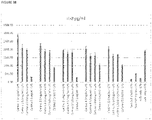
Figure 1A : IL-6 secretion (pg/ml) of BEAS-2B cells pretreated for 2 h with the indicated concentrations of bovinecollagen hydrolysates peptan 1,peptan 2, andpeptan 3 in a final DMSO solvent concentration of 0.1 %, followed by a simulation of inflammation with 200 ng/ml LPS and overnight incubation. Positive control TAK-242, is given at the left, LPS-controls are at the right. The experiment was done in triplicate. -
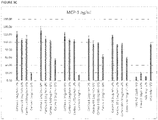
Figure 1B : IL-8 secretion (pg/ml) of BEAS-2B cells pretreated for 2 h with the indicated concentrations of bovinecollagen hydrolysates peptan 1,peptan 2, andpeptan 3 in a final DMSO solvent concentration of 0.1 %, followed by a simulation of inflammation with 200 ng/ml LPS and overnight incubation. Positive control TAK-242, is given at the left, LPS-controls are at the right. -
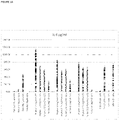
Figure 1C : MCP-1 secretion (pg/ml) of BEAS-2B cells pretreated for 2 h with the indicated concentrations of bovinecollagen hydrolysates peptan 1,peptan 2, andpeptan 3 in a final DMSO solvent concentration of 0.1 %, followed by a simulation of inflammation with 200 ng/ml LPS and overnight incubation. Positive control TAK-242, is given at the left, LPS-controls are at the right. -
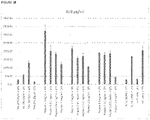
Figure 2A : IL-6 secretion (pg/ml) of BEAS-2B cells pretreated for 2 h with the indicated concentrations of bovinecollagen hydrolysates peptan 1,peptan 4, andpeptan 10 in a final DMSO solvent concentration of 0.1 %, followed by a simulation of inflammation with 200 ng/ml LPS and overnight incubation. The positive control TAK-242 is given at the left, LPS-controls are at the right. -
Figure 2B : IL-8 secretion (pg/ml) of BEAS-2B cells pretreated for 2 h with the indicated concentrations of bovinecollagen hydrolysates peptan 1,peptan 4, andpeptan 10 in a final DMSO solvent concentration of 0.1 %, followed by a simulation of inflammation with 200 ng/ml LPS and overnight incubation. The positive control TAK-242 is given at the left, LPS-controls are at the right. -
Figure 2C : MCP-1 secretion (pg/ml) of BEAS-2B cells pretreated for 2 h with the indicated concentrations of bovinecollagen hydrolysates peptan 1,peptan 4, andpeptan 10 in a final DMSO solvent concentration of 0.1 %, followed by a simulation of inflammation with 200 ng/ml LPS and overnight incubation. The positive control TAK-242 is given at the left, LPS-controls are at the right. -
Figure 3A : IL-6 secretion (pg/ml) of BEAS-2B cells pretreated for 2 h with the indicated concentrations of fish collagen hydrolysates cartino 1,cartino 2,cartino 3, andcartino 4 in a final DMSO solvent concentration of 0.1 %, followed by a simulation of inflammation with 200 ng/ml LPS and overnight incubation. The positive control TAK-242 and the LPS-control are at the right. -
Figure 3B : IL-8 secretion (pg/ml) of BEAS-2B cells pretreated for 2 h with the indicated concentrations of fish collagen hydrolysates cartino 1,cartino 2,cartino 3, andcartino 4 in a final DMSO solvent concentration of 0.1 %, followed by a simulation of inflammation with 200 ng/ml LPS and overnight incubation. The positive control TAK-242 and the LPS-control are at the right. -
Figure 3C : MCP-1 secretion (pg/ml) of BEAS-2B cells pretreated for 2 h with the indicated concentrations of fish collagen hydrolysates cartino 1,cartino 2,cartino 3, andcartino 4 in a final DMSO solvent concentration of 0.1 %, followed by a simulation of inflammation with 200 ng/ml LPS and overnight incubation. The positive control TAK-242 and the LPS-control are at the right. - In some embodiments is may be helpful to reduce the size of the commercially available collagen by subjecting it to a size-reduction treatment. The treatment may be selected from known procedures such as subjecting the protein/peptide to mechanical shear force, ultrasound treatment, or enzyme treatment. In some preferred embodiments, an enzyme treatment is used.
- Thus, another embodiment of this invention is a composition comprising a collagen hydrolysate which has undergone further enzymatic treatment. In some embodiments, the collagen hydrolysate is of bovine or fish origin. Bovine or fish collagens are often sold in hydrolyzed form for use in the food industry are readily available from commercial sources.
- In another embodiment, the hydrolysate is made by treating commercially available collagen with at least one an enzyme, preferably selected from the group consisting of: a papain, a cysteine protease, or combinations of an endoprotease and a proline specific endoprotease, while retaining the sites which have sugar residues.
- As the size of the resultant peptide fractions does not seem to be critical, the enzymatic treatment is typically for 1-6 hours, preferably for about two hours.
- Thus another embodiment of this invention is a collagen enzymatic hydrolysate made by a process comprising subjecting a collagen hydrolysate to an enzyme treatment, so that the resulting enzymatic hydrolysate is characterized as being pro-inflammatory.
- The hydrolysates of this invention can be used as a vaccine adjuvant. They can help activate the immune system, and particularly help to stimulate innate immunity to allow the vaccine antigen to be more antigenic, and thus improve the performance of the vaccine. Thus another embodiment of this invention is a vaccine comprising an antigenic agent in combination with an enzymatic collagen hydrolysate. Preferably the collagen hydrolysate is a bovine or fish collagen hydrolysate.
A further embodiment is a method of activation of the innate immune system in a person at risk of suffering from an infectious disease comprising administering a composition comprising a collagen hydrolysate to a person in need thereof. - Since collagen hydrolysate will be digested to small peptides and amino acids, the method of application is injection or co-injection. The amount of adjuvant in the vaccine is usually quite low, for example under 2 mg per dose of vaccine. In preferred amounts the adjuvant of this invention is present in amounts from 0.1 mg to 0.75 mg per dose, but this can vary due to the nature of the vaccine antigen.
- The following non-limiting Examples are presented to further illustrate the invention.
- The human bronchial epithelial cell line BEAS-2B was from ATCC (American Type Culture Collection, Manassas, VA, ATCC CRL-9609) and cultured in Bronchial Epithelial cell Growth Medium (BEGM, CC-3170, Lonza, Wakersville, MD) in CellBIND® surface plastic flasks (Corning Inc., Corning, NY). The cells were cultured at 37 °C in a humidified atmosphere containing 5 % CO2.
- BEAS-2B cells were seeded in 12-well CellBIND® surface culture plates (Corning Inc.) at 3 to 5 × 10⁵ cells per well. Cells were treated with 900 µl diluted with collagen hydrolysates or peptides for 2 hrs, the 100 µl 10 x LPS was added, and incubated overnight. Final Concentrations of peptides were: 10 µM, 2 µM, 400 nM, 80 nM. The final DSMO concentrations were 0.1%. Untreated cells or cells treated with 0.1 % DMSO were used as controls. After 24 h, cell supernatants were collected.
- The concentrations of IL-6, IL-8, and MCP-1 in the supernatants were determined by Luminex kits (BIO-RAD Laboratories, Hercules, CA) and used in the LiquiChip Workstation IS 200 (Qiagen, Hilden, Germany). The data were evaluated with the LiquiChip Analyser software (Qiagen).
- Cell survival assays of the BEAS-2B and A549 cells were performed with PrestoBlue Cell Viability Reagent Kit (Lubioscience) according to the protocol of the manufacturer. Non-toxic concentrations of the peptides, collagen hydrolysates and single compounds were selected for the assays.
- TAK-242 (Resatorvid, CAS 243984-11-4) (5 mg from Sigma (614316), Lot 3523494) was used as positive control for the assay. Stock solution was 25 mM in DMSO, and final concentrations were: 25 µM, 10 µM, 1 µM. This is a cell-permeable compound that selectively binds to Cys747 of TLR4 and selectively disrupts its interaction with adaptor molecules TIRAP and TRAM (Ono, Y., Maejima, Y., Saito, M. et al. TAK-242, a specific inhibitor of Toll-).
- Lipopolysaccharides (LPS) from Escherichia coli (O55:B5, Sigma L6529) ware used to induce inflammation. The stock solution was 500 µg/ml BEGM, the final concentration on cells 200 ng/ml.
- Starting material:
- Hydrolyzed Bovine collagen (Peptan B 5000 LD, Peptan); https://www.ulprospector.com/en/na/Food/Detail/1694/195077/Peptan-B-5000-HD, also containing the datasheet
- Hydrolyzed Fish collagen (Car2006, Cartino) http://www.cartinogelatin.co.th/cartinogelatin/cartinocollagen.html
-
Table 1: Collagen hydrolysates. Protease treatments are indicated. Collagen Hydrolysates: Collagen Number Protease name pH incubation Temp incubation, C Dose enzyme (%w/w DM)* Time, h Enzyme form Peptan (Bovine) 1 No enzyme 5.5 45 - 2 2 Collupulin (papain) 5.5 45 0.1 2 liquid 3 Denazyme PMC soft (collagenase - Nagase) 5.5 45 0.5** 2 powder 4 Maxipro FPC 5.5 45 0.1 2 powder 5 Maxipro NPU 5.5 45 0.1 2 liquid 6 Maxipro BAP 5.5 45 0.1 2 liquid 7 Maxipro PSP 5.5 45 0.1 2 liquid 8 Maxipro NPU + Maxipro PSP 5.5 45 0.1+0.1 2 Liquid 9 Denazyme PMC +Maxipro PSP 5.5 45 0.1+0.1 2 Liquid 10 Maxipro FPC +Maxipro PSP 5.5 45 0.1+0.1 2 Powder /liquid 11 Maxipro PSP + XPP-015 (Nagase) 5.5 45 0.1+0.1 2 Liquid / powder Cartino (Fish) 1 No enzyme 5.5 45 - 2 2 Collupulin (papain) 5.5 45 0.1 2 liquid 3 Denazyme PMC soft (collagenase - Nagase) 5.5 45 0.5** 2 powder 4 Maxipro FPC 5.5 45 0.1 2 powder 5 Maxipro NPU 5.5 45 0.1 2 liquid 6 Maxipro BAP 5.5 45 0.1 2 liquid 7 Maxipro PSP 5.5 45 0.1 2 liquid 8 Maxipro NPU + Maxipro PSP 5.5 45 0.1+0.1 2 Liquid 9 Denazyme PMC +Maxipro PSP 5.5 45 0.1+0.1 2 Liquid 10 Maxipro FPC +Maxipro PSP 5.5 45 0.1+0.1 2 Powder /liquid 11 Maxipro PSP + XPP-015 (Nagase) 5.5 45 0.1+0.1 2 Liquid / powder - Preparations Bovine 4-9 were not tested in the immunoassay; Preparations Fish 4-9 were also not yet tested in the assay.
- Enzymes used in Table 1 above are as follows:
- Collupulin (papain)(Sigma Aldrich) is a cysteine protease of the papain family. Papain exhibits proteolytic activity against amide links, amino acid esters, peptides, proteins. It mainly cleaves peptide bonds containing amino acids such as lysine, arginine and residues succeeding phenylalanine
- Denazyme PMC (Nagase) is a pure, microbial protease that selectively hydrolyzes connective tissue (the triple-helical protein called collagen).
- Maxipro FPC (Protease A form Amano), fungal aspecific endoprotease from Aspergillus oryzae
- MAxipro NPU (Neutral Protease), (Sigma Aldrich) A serine endopeptidase that consists primarily of subtilisin A from Bacillus Lichenifornis, a specific endoprotease.
- Maxipro PSP, proline specific protease from Aspergillus Niger (DSM), Cleaves specifically at the C-terminus of Proilin, endoprotease.
- We tested the effect of different collagen hydrolysates on the secretion of anti-inflammatory cytokines. The test system were BEAS-2B cells treated with LPS. The used collagen hydrolysates and their treatments are summarized in Table 1, above.
- For all hydrolysates and peptides viability was determined (data not shown) as describes in the methods section and based on these result concentrations were selected.
- Upon stimulation with LPS, BEAS-2B cells secreted the pro-inflammatory cytokines IL-6, IL-8, and MCP-1. Therefore, we concentrated our measurements on these three cytokines.
Unexpectedly all tested collagen hydrolysates did not show a decrease of the concentration of the cytokines, but rather an increase (Figures 1 - 3 ). Therefore, collagen hydrolysates are pro-inflammatory in our cell-culture system.
For bovine collagen hydrolysates results are shown inFigures 2 and3 . LPS induced a strong secretion of all three cytokines which was not significantly changed in the presence of 0.1 % DMSO. A strong inhibitor of LPS-induced secretion of pro-inflammatory cytokines is the TLR4-antagonist TAK-242, used as control. -
Bovine Peptan 1 andpeptan 2 showed an increase of IL-6 (Figure 1A ), IL-8 (Figure 1B ), and MCP-1 (Figure 1C ) secretion even in the absence of LPS. In the presence of LPS, cytokine secretion (Figure 1A-C ) was further enhanced, especially withpeptan 1. The induction of IL-6, IL-8. And MCP-1 cytokine secretion was weaker by peptan 3 (Figure 1A-C ). - Similarly, the effects of bovine peptan4 and
peptan 10 are shown inFigure 2 . Here, the positive control was TAK-242 from 0.16 µM to 10 µM. Both, peptan 4 andpeptan 10, showed effects on cytokine secretion even stronger to peptan 1 (Figure 2A-C ). Peptan 4 andpeptan 10 induced the secretion of the pro-inflammatory cytokines IL-6 (Figure 2A ), IL-8 (Figure 2B ), and MCP-1 (Figure 2C ) in the same range as LPS. - Similar results were obtained with fish collagen hydrolysates (
Figure 3 ).Cartino 2,cartino 4, and cartino 10 showed a strong induction of IL-6 (Figure 1A ), IL-8 (Figure 1B ), and MCP-1 (Figure 1C ) secretion, again in the absence of LPS. In these cases, the levels reached were blow those obtained with LPS (Figure 3 ). Forcartino 1 andcartino 3 no IL-6 induction was detected (Figure 3A ). Induction of secretion of IL-8 (Figure 3B ) and MCP-1 (Figure 3C ) was weak forcartino 1 andcartino 3. - In contrast to the results with collagen hydrolysates, collagen-derived peptides used at concentrations of 50 - 100 µM had no effect on LPS-induced secretion of cytokines IL-6 and IL-8 in BEAS-2B cells (data not shown). MCP-1 was not measured. Therefore, we speculate that the sugar moieties present in the hydrolysates are responsible for the pro-inflammatory effect.
Claims (10)
- A vaccine adjuvant comprising a pro-inflammatory amount of a collagen hydrolysate.
- An adjuvant according to claim 1 which is bovine or fish collagen.
- An adjuvant according to Claim 1 or 2 which is a collagen hydrolysate which has undergone further enzymatic treatment.
- An adjuvant according to any of Claims 1-3 characterized in that the hydrolysate is made by treating commercially available collagen with at least one an enzyme, preferably selected from the group consisting of: a papain, a cysteine protease, or combinations of an endoprotease and a proline specific endoprotease, while retaining the sites which have sugar residues.
- An adjuvant according to Claim 3 or 4, wherein the enzymatic treatment is typically for 1-6 hours, preferably for about two hours.
- A collagen enzymatic hydrolysate made by a process comprising subjecting a collagen hydrolysate to a further enzyme treatment, and the resulting enzymatic hydrolysate is characterized as being pro-inflammatory.
- A method of activating a person's immune system comprising administering an antigenic agent in combination with an enzymatic collagen hydrolysate.
- A method according to claim 7 wherein the innate immune system is activated.
- A method according to claim 7 or 8 wherein the collagen hydrolysate is a bovine or fish collagen hydrolysate.
- A method according to any of Claims 7-9 wherein the person is at risk of suffering from an infectious disease.
Priority Applications (1)
| Application Number | Priority Date | Filing Date | Title |
|---|---|---|---|
| EP21171614.7A EP4082569A1 (en) | 2021-04-30 | 2021-04-30 | Collagen hydrolysates as vaccine adjuvants |
Applications Claiming Priority (1)
| Application Number | Priority Date | Filing Date | Title |
|---|---|---|---|
| EP21171614.7A EP4082569A1 (en) | 2021-04-30 | 2021-04-30 | Collagen hydrolysates as vaccine adjuvants |
Publications (1)
| Publication Number | Publication Date |
|---|---|
| EP4082569A1 true EP4082569A1 (en) | 2022-11-02 |
Family
ID=76034408
Family Applications (1)
| Application Number | Title | Priority Date | Filing Date |
|---|---|---|---|
| EP21171614.7A Withdrawn EP4082569A1 (en) | 2021-04-30 | 2021-04-30 | Collagen hydrolysates as vaccine adjuvants |
Country Status (1)
| Country | Link |
|---|---|
| EP (1) | EP4082569A1 (en) |
-
2021
- 2021-04-30 EP EP21171614.7A patent/EP4082569A1/en not_active Withdrawn
Non-Patent Citations (5)
| Title |
|---|
| CAS, no. 243984-11-4 |
| FRANZ J ET AL: "Adjuvant efficacy of gelatin particles and microparticles", INTERNATIONAL JOURNAL OF PHARMACEUTICS, vol. 168, no. 2, 1 June 1998 (1998-06-01), NL, pages 153 - 161, XP055853736, ISSN: 0378-5173, DOI: 10.1016/S0378-5173(98)00069-6 * |
| JIN-FENG DING ET AL: "Study on effect of jellyfish collagen hydrolysate on anti-fatigue and anti-oxidation", FOOD HYDROCOLLOIDS, ELSEVIER BV, NL, vol. 25, no. 5, 23 December 2010 (2010-12-23), pages 1350 - 1353, XP028163286, ISSN: 0268-005X, [retrieved on 20110104], DOI: 10.1016/J.FOODHYD.2010.12.013 * |
| NAKAOKA R ET AL: "Potentiality of gelatin microsphere as immunological adjuvant", VACCINE, ELSEVIER, AMSTERDAM, NL, vol. 13, no. 7, 1 January 1995 (1995-01-01), pages 653 - 661, XP004057590, ISSN: 0264-410X, DOI: 10.1016/0264-410X(94)00024-H * |
| ONO, Y.MAEJIMA, Y.SAITO, M. ET AL.: "TAK-242, a specific inhibitor of Toll-like receptor 4 signaling, prevents endotoxemia-induced skeletal muscle wasting in mice", SCI REP, vol. 10, 2020, pages 694 |
Similar Documents
| Publication | Publication Date | Title |
|---|---|---|
| TW202142555A (en) | Coronavirus vaccine formulations | |
| RU2121849C1 (en) | Vaccine composition against hepatitis, a method of hepatitis prophylaxis | |
| Ebensen et al. | Bis-(3′, 5′)-cyclic dimeric adenosine monophosphate: strong Th1/Th2/Th17 promoting mucosal adjuvant | |
| KR100365373B1 (en) | Hepatitis B Vaccine | |
| EP2114444B1 (en) | Extracellular matrix materials as vaccine adjuvants for diseases associated with infectious pathogens or toxins | |
| EP2281830A2 (en) | Varicella Zoster virus vaccine | |
| JP5642672B2 (en) | Attenuated pestivirus | |
| CN1086142A (en) | Vaccine | |
| CN1238696A (en) | Vaccines | |
| HUP0400445A2 (en) | Novel vaccine composition | |
| PT1090033E (en) | HCV ENVELOPE PROTEIN PARTICLES: USED FOR VACCINATION | |
| CZ246795A3 (en) | Vaccine and process for preparing thereof | |
| RU2013155470A (en) | IMMUNOGENIC COMPOSITIONS OF HENDRA AND NIPAH VIRUSES Glycoprotein G | |
| AU2005328028A1 (en) | Composition for adjuvant containing poly-gamma-glutamic acid | |
| US12569553B2 (en) | Shingles vaccines comprising a TLR9 agonist | |
| ECSP024257A (en) | OLD PROTEINS OF THE VIRUS DISEASE OF THE WHITE SPOT DISEASE IN THE SHRIMP AND USES OF THE SAME | |
| BR9506272A (en) | Isolated and purified protein analog hin 47 haemophilus influenzae chimeric molecule purified and isolated recombinant plasmid cell transformed process to produce a portein analog hin 47 haemophilus influenzae immunogenic composition process to determine the presence of process antibodies to determine the presence of protein hin 47 in one sample and hin 47 diagnostic kit | |
| JPH02149530A (en) | Use of zinc or iron hydroxide as adjuvant in antigen solution | |
| EP4082569A1 (en) | Collagen hydrolysates as vaccine adjuvants | |
| JP2536751B2 (en) | Combined vaccine | |
| EP3119428B1 (en) | Toll-like receptor 2 agonists and vaccines and uses thereof | |
| WO2018162428A1 (en) | Pentavalent streptococcus suis vaccine composition | |
| EP1490100B1 (en) | Combined dna/protein vaccine compositions | |
| KR102859798B1 (en) | T-cell epitope-based peptide vaccine against Middle East respiratory syndrome coronavirus and its uses | |
| CA2525615C (en) | Vaccine composition comprising iron phosphate as a pharmaceutical aid to said vaccine |
Legal Events
| Date | Code | Title | Description |
|---|---|---|---|
| PUAI | Public reference made under article 153(3) epc to a published international application that has entered the european phase |
Free format text: ORIGINAL CODE: 0009012 |
|
| STAA | Information on the status of an ep patent application or granted ep patent |
Free format text: STATUS: THE APPLICATION HAS BEEN PUBLISHED |
|
| AK | Designated contracting states |
Kind code of ref document: A1 Designated state(s): AL AT BE BG CH CY CZ DE DK EE ES FI FR GB GR HR HU IE IS IT LI LT LU LV MC MK MT NL NO PL PT RO RS SE SI SK SM TR |
|
| STAA | Information on the status of an ep patent application or granted ep patent |
Free format text: STATUS: THE APPLICATION HAS BEEN WITHDRAWN |
|
| 18W | Application withdrawn |
Effective date: 20221107 |