EP4079789A1 - Thin film material and preparation method for thin film material - Google Patents
Thin film material and preparation method for thin film material Download PDFInfo
- Publication number
- EP4079789A1 EP4079789A1 EP20725610.8A EP20725610A EP4079789A1 EP 4079789 A1 EP4079789 A1 EP 4079789A1 EP 20725610 A EP20725610 A EP 20725610A EP 4079789 A1 EP4079789 A1 EP 4079789A1
- Authority
- EP
- European Patent Office
- Prior art keywords
- polymer
- compound
- thin film
- film material
- manufacturing
- Prior art date
- Legal status (The legal status is an assumption and is not a legal conclusion. Google has not performed a legal analysis and makes no representation as to the accuracy of the status listed.)
- Withdrawn
Links
Images


Classifications
-
- C—CHEMISTRY; METALLURGY
- C08—ORGANIC MACROMOLECULAR COMPOUNDS; THEIR PREPARATION OR CHEMICAL WORKING-UP; COMPOSITIONS BASED THEREON
- C08G—MACROMOLECULAR COMPOUNDS OBTAINED OTHERWISE THAN BY REACTIONS ONLY INVOLVING UNSATURATED CARBON-TO-CARBON BONDS
- C08G73/00—Macromolecular compounds obtained by reactions forming a linkage containing nitrogen with or without oxygen or carbon in the main chain of the macromolecule, not provided for in groups C08G12/00 - C08G71/00
- C08G73/06—Polycondensates having nitrogen-containing heterocyclic rings in the main chain of the macromolecule
- C08G73/10—Polyimides; Polyester-imides; Polyamide-imides; Polyamide acids or similar polyimide precursors
- C08G73/1003—Preparatory processes
- C08G73/1007—Preparatory processes from tetracarboxylic acids or derivatives and diamines
- C08G73/1028—Preparatory processes from tetracarboxylic acids or derivatives and diamines characterised by the process itself, e.g. steps, continuous
-
- C—CHEMISTRY; METALLURGY
- C08—ORGANIC MACROMOLECULAR COMPOUNDS; THEIR PREPARATION OR CHEMICAL WORKING-UP; COMPOSITIONS BASED THEREON
- C08G—MACROMOLECULAR COMPOUNDS OBTAINED OTHERWISE THAN BY REACTIONS ONLY INVOLVING UNSATURATED CARBON-TO-CARBON BONDS
- C08G73/00—Macromolecular compounds obtained by reactions forming a linkage containing nitrogen with or without oxygen or carbon in the main chain of the macromolecule, not provided for in groups C08G12/00 - C08G71/00
- C08G73/06—Polycondensates having nitrogen-containing heterocyclic rings in the main chain of the macromolecule
- C08G73/10—Polyimides; Polyester-imides; Polyamide-imides; Polyamide acids or similar polyimide precursors
- C08G73/1085—Polyimides with diamino moieties or tetracarboxylic segments containing heterocyclic moieties
-
- B—PERFORMING OPERATIONS; TRANSPORTING
- B05—SPRAYING OR ATOMISING IN GENERAL; APPLYING FLUENT MATERIALS TO SURFACES, IN GENERAL
- B05D—PROCESSES FOR APPLYING FLUENT MATERIALS TO SURFACES, IN GENERAL
- B05D3/00—Pretreatment of surfaces to which liquids or other fluent materials are to be applied; After-treatment of applied coatings, e.g. intermediate treating of an applied coating preparatory to subsequent applications of liquids or other fluent materials
- B05D3/02—Pretreatment of surfaces to which liquids or other fluent materials are to be applied; After-treatment of applied coatings, e.g. intermediate treating of an applied coating preparatory to subsequent applications of liquids or other fluent materials by baking
- B05D3/0209—Multistage baking
-
- C—CHEMISTRY; METALLURGY
- C08—ORGANIC MACROMOLECULAR COMPOUNDS; THEIR PREPARATION OR CHEMICAL WORKING-UP; COMPOSITIONS BASED THEREON
- C08G—MACROMOLECULAR COMPOUNDS OBTAINED OTHERWISE THAN BY REACTIONS ONLY INVOLVING UNSATURATED CARBON-TO-CARBON BONDS
- C08G73/00—Macromolecular compounds obtained by reactions forming a linkage containing nitrogen with or without oxygen or carbon in the main chain of the macromolecule, not provided for in groups C08G12/00 - C08G71/00
- C08G73/06—Polycondensates having nitrogen-containing heterocyclic rings in the main chain of the macromolecule
- C08G73/10—Polyimides; Polyester-imides; Polyamide-imides; Polyamide acids or similar polyimide precursors
- C08G73/1003—Preparatory processes
-
- C—CHEMISTRY; METALLURGY
- C08—ORGANIC MACROMOLECULAR COMPOUNDS; THEIR PREPARATION OR CHEMICAL WORKING-UP; COMPOSITIONS BASED THEREON
- C08G—MACROMOLECULAR COMPOUNDS OBTAINED OTHERWISE THAN BY REACTIONS ONLY INVOLVING UNSATURATED CARBON-TO-CARBON BONDS
- C08G73/00—Macromolecular compounds obtained by reactions forming a linkage containing nitrogen with or without oxygen or carbon in the main chain of the macromolecule, not provided for in groups C08G12/00 - C08G71/00
- C08G73/06—Polycondensates having nitrogen-containing heterocyclic rings in the main chain of the macromolecule
- C08G73/10—Polyimides; Polyester-imides; Polyamide-imides; Polyamide acids or similar polyimide precursors
- C08G73/1039—Polyimides; Polyester-imides; Polyamide-imides; Polyamide acids or similar polyimide precursors comprising halogen-containing substituents
-
- C—CHEMISTRY; METALLURGY
- C08—ORGANIC MACROMOLECULAR COMPOUNDS; THEIR PREPARATION OR CHEMICAL WORKING-UP; COMPOSITIONS BASED THEREON
- C08G—MACROMOLECULAR COMPOUNDS OBTAINED OTHERWISE THAN BY REACTIONS ONLY INVOLVING UNSATURATED CARBON-TO-CARBON BONDS
- C08G73/00—Macromolecular compounds obtained by reactions forming a linkage containing nitrogen with or without oxygen or carbon in the main chain of the macromolecule, not provided for in groups C08G12/00 - C08G71/00
- C08G73/06—Polycondensates having nitrogen-containing heterocyclic rings in the main chain of the macromolecule
- C08G73/10—Polyimides; Polyester-imides; Polyamide-imides; Polyamide acids or similar polyimide precursors
- C08G73/1067—Wholly aromatic polyimides, i.e. having both tetracarboxylic and diamino moieties aromatically bound
-
- C—CHEMISTRY; METALLURGY
- C08—ORGANIC MACROMOLECULAR COMPOUNDS; THEIR PREPARATION OR CHEMICAL WORKING-UP; COMPOSITIONS BASED THEREON
- C08J—WORKING-UP; GENERAL PROCESSES OF COMPOUNDING; AFTER-TREATMENT NOT COVERED BY SUBCLASSES C08B, C08C, C08F, C08G or C08H
- C08J5/00—Manufacture of articles or shaped materials containing macromolecular substances
- C08J5/18—Manufacture of films or sheets
-
- H—ELECTRICITY
- H10—SEMICONDUCTOR DEVICES; ELECTRIC SOLID-STATE DEVICES NOT OTHERWISE PROVIDED FOR
- H10K—ORGANIC ELECTRIC SOLID-STATE DEVICES
- H10K71/00—Manufacture or treatment specially adapted for the organic devices covered by this subclass
-
- H—ELECTRICITY
- H10—SEMICONDUCTOR DEVICES; ELECTRIC SOLID-STATE DEVICES NOT OTHERWISE PROVIDED FOR
- H10K—ORGANIC ELECTRIC SOLID-STATE DEVICES
- H10K77/00—Constructional details of devices covered by this subclass and not covered by groups H10K10/80, H10K30/80, H10K50/80 or H10K59/80
- H10K77/10—Substrates, e.g. flexible substrates
- H10K77/111—Flexible substrates
-
- C—CHEMISTRY; METALLURGY
- C08—ORGANIC MACROMOLECULAR COMPOUNDS; THEIR PREPARATION OR CHEMICAL WORKING-UP; COMPOSITIONS BASED THEREON
- C08G—MACROMOLECULAR COMPOUNDS OBTAINED OTHERWISE THAN BY REACTIONS ONLY INVOLVING UNSATURATED CARBON-TO-CARBON BONDS
- C08G2150/00—Compositions for coatings
-
- C—CHEMISTRY; METALLURGY
- C08—ORGANIC MACROMOLECULAR COMPOUNDS; THEIR PREPARATION OR CHEMICAL WORKING-UP; COMPOSITIONS BASED THEREON
- C08G—MACROMOLECULAR COMPOUNDS OBTAINED OTHERWISE THAN BY REACTIONS ONLY INVOLVING UNSATURATED CARBON-TO-CARBON BONDS
- C08G73/00—Macromolecular compounds obtained by reactions forming a linkage containing nitrogen with or without oxygen or carbon in the main chain of the macromolecule, not provided for in groups C08G12/00 - C08G71/00
- C08G73/06—Polycondensates having nitrogen-containing heterocyclic rings in the main chain of the macromolecule
- C08G73/10—Polyimides; Polyester-imides; Polyamide-imides; Polyamide acids or similar polyimide precursors
- C08G73/1046—Polyimides containing oxygen in the form of ether bonds in the main chain
-
- C—CHEMISTRY; METALLURGY
- C08—ORGANIC MACROMOLECULAR COMPOUNDS; THEIR PREPARATION OR CHEMICAL WORKING-UP; COMPOSITIONS BASED THEREON
- C08J—WORKING-UP; GENERAL PROCESSES OF COMPOUNDING; AFTER-TREATMENT NOT COVERED BY SUBCLASSES C08B, C08C, C08F, C08G or C08H
- C08J2379/00—Characterised by the use of macromolecular compounds obtained by reactions forming in the main chain of the macromolecule a linkage containing nitrogen with or without oxygen, or carbon only, not provided for in groups C08J2361/00 - C08J2377/00
- C08J2379/04—Polycondensates having nitrogen-containing heterocyclic rings in the main chain; Polyhydrazides; Polyamide acids or similar polyimide precursors
- C08J2379/08—Polyimides; Polyester-imides; Polyamide-imides; Polyamide acids or similar polyimide precursors
-
- Y—GENERAL TAGGING OF NEW TECHNOLOGICAL DEVELOPMENTS; GENERAL TAGGING OF CROSS-SECTIONAL TECHNOLOGIES SPANNING OVER SEVERAL SECTIONS OF THE IPC; TECHNICAL SUBJECTS COVERED BY FORMER USPC CROSS-REFERENCE ART COLLECTIONS [XRACs] AND DIGESTS
- Y02—TECHNOLOGIES OR APPLICATIONS FOR MITIGATION OR ADAPTATION AGAINST CLIMATE CHANGE
- Y02E—REDUCTION OF GREENHOUSE GAS [GHG] EMISSIONS, RELATED TO ENERGY GENERATION, TRANSMISSION OR DISTRIBUTION
- Y02E10/00—Energy generation through renewable energy sources
- Y02E10/50—Photovoltaic [PV] energy
- Y02E10/549—Organic PV cells
Definitions
- the present disclosure relates to the field of display technologies, and more particularly, to a thin film material and a manufacturing method thereof.
- OLEDs Organic light-emitting diodes
- OLEDs have characteristics of self-illumination, high brightness, wide viewing angles, high contrast, flexibility, and low energy consumption, so OLED display panels, especially flexible OLED display panels, have received widespread attention.
- Heat resistance, mechanical properties, and optical properties of current polymer thin film materials used as a substrate material for flexible OLED display panels are difficult to meet the needs at a same time for being a substrate material.
- the present disclosure provides a thin film material and a manufacturing method thereof to solve the problem that heat resistance, mechanical properties, and optical properties of current polymer thin film materials are difficult to meet the needs at a same time for being a flexible substrate material used in display panels.
- the present disclosure provides a manufacturing method of a thin film material.
- the method comprises:
- a structural formula of the compound A is: wherein R 1 , R 2 , R 3 , R 4 , R 5 , R 6 , R 7 , and R 8 are independently a hydrogen atom or an aliphatic alkyl group.
- step S1 comprises:
- the first reactant comprises sodium nitrite.
- step S1 further comprises:
- step S2 comprises:
- the second reactant comprises hydrazine dihydrochloride.
- step S2 further comprises: S24: rotarily evaporating the first mixture to obtain a second crude product, and rotarily evaporating a filtrate obtained by leaching the second crude product by a second eluent to obtain the purified compound C1 or the purified compound C2.
- step S3 comprises:
- the third reactant is a fluorine-containing dianhydride compound.
- step S4 comprises:
- step S5 comprises:
- step S52 comprises:
- the present disclosure further provides a thin film material which comprises a polymer F or a polymer H;
- the present disclosure manufactures a polyimide thin film material having pyridine rings as a main chain structure by a new manufacturing method of a thin film material, thereby effectively improving heat resistance, mechanical properties, and optical properties of the polyimide thin film material.
- the present disclosure provides a thin film material and a manufacturing method thereof.
- the following further describes the present disclosure in detail with reference to the drawings and embodiments. It should be understood that the specific embodiments described herein are only used to explain the disclosure, and are not used to limit the disclosure.
- the present disclosure provides the thin film material and the manufacturing method thereof.
- the manufacturing method of the thin film material comprises:
- a structural formula of the polymer F is: or
- a structural formula of the polymer H is:
- R 1 , R 2 , R 3 , R 4 , R 5 , R 6 , R 7 , and R 8 are independently a hydrogen atom or an aliphatic alkyl group, and R 9 is a fluorine-containing group.
- the structural formula of the compound A may be one of: or
- R 9 may be one of
- the present disclosure manufactures a polyimide thin film material having pyridine rings as a main chain structure by a new manufacturing method of a thin film material, thereby effectively improving heat resistance, mechanical properties, and optical properties of the polyimide thin film material.
- the step S1 comprises: S11: providing a first container containing a first solvent dissolving with the compound A.
- the first solvent can be trifluoroacetate.
- a structural formula of the compound B1 may be
- the first reactant comprises sodium nitrite.
- the first reactant can be prepared by dissolving sodium nitrite in trifluoroacetate or in double distilled water.
- the first reaction temperature may range from 15°C to 30°C, and preferably is 25°C.
- reaction temperature When the reaction temperature is less than 15°C, a reaction rate would be too low that causes a too long reaction time. When the reaction temperature is too high, it would cause reaction by-products to increase that causes the yield of the compound B1 or the compound B2 to decrease. When the reaction temperature is 25°C, it would not produce excessive by-products, which causes the yield of the compound B1 or the compound B2 to decrease, and the reaction time would not be too long.
- the first reaction time can range from 5 to 35 minutes, and preferably 12 to 30 minutes.
- the reaction time when the first reaction time is less than 5 minutes, the reaction time would be too short and cause the yield of the compound B1 or the compound B2 being too low.
- the first reaction time is greater than 35 minutes, the reaction time would be too long and cause the reaction by-products to increase, which decreases the yield of the compound B1 or the compound B2.
- the first reaction time ranges from 12 to 30 minutes, the yield of the compound B1 or the compound B2 is the maximum.
- the step S1 further comprises: S13: adding a first volume of a first separating agent in the first container, then stirring, and setting aside.
- the first separating agent can be deionized water.
- the first volume can range from 80 ml to 120 ml, and is preferably 100 ml.
- the volume of the first separating agent is less than 80 ml, the compound B cannot completely be separated from a mixed solution containing the first solvent and the first separating agent, which causes a loss of the compound B.
- the volume of the first separating agent is greater than 120 ml, the dosage of the first separating agent is excessive, which causes a waste of the first separating agent.
- the volume of the first separating agent is 100 ml, the compound B can completely be separated from the mixed solution containing the first solvent and the first separating agent, and it can prevent overuse of the first separating agent.
- the second separating agent can be an organic solvent that could dissolve the compound B and is not miscible with the first solvent and the first separating agent, such as dichloromethane.
- the first eluent can be a mixed solution of dichloromethane and petroleum ether, and a volume ratio of dichloromethane and petroleum ether is preferably 5:3.
- the step S2 comprises: S21: providing a second container containing a second solvent dissolving with the compound B.
- the second solvent can be trifluoroacetate.
- the second reactant comprises hydrazine dihydrochloride.
- the second reaction temperature may range from 30 °C to 70°C, and preferably range from 40°C to 60°C.
- the second reaction temperature is less than 30°C, solubility of the compound B in the second solvent is too small, which causes the compound B reacts incompletely with the second reactant and the yield of the produced compound C is too low.
- the second reaction temperature is greater than 70°C, the second reaction temperature is too high, which causes by-products produced by reacting the second reactant and the compound B to increase and then the yield of the compound C to decrease.
- the second reaction temperature ranges from 40°C to 60°C, the second solvent can completely dissolve the compound B, and it would not cause the reaction by-products to increase due to the second reaction temperature being too high and not cause the yield of the compound C to decrease.
- the third reaction temperature may range from 70°C to 110°C, and preferably range from 75°C to 100°C.
- the second reaction time can range from 10 to 32 hours, and preferably 12 to 30 hours.
- a reason for a selection of the third reaction temperature and the second reaction time in the embodiment is the same as or similar to a reason for a selection of the first reaction temperature and the first reaction time, which is not repeated herein.
- the step S2 further comprises: S24: rotarily evaporating the first mixture to obtain a second crude product, and rotarily evaporating a filtrate obtained by leaching the second crude product by a second eluent to obtain the purified compound C1 or the purified compound C2.
- the second eluent can be a mixed solution of dichloromethane and ethyl acetate.
- a volume ratio of dichloromethane and ethyl acetate ranges from 6:1 to 14:1, and preferably 8:1 to 12:1.
- the volume ratio of dichloromethane and ethyl acetate is less than 6:1 or greater than 14:1, an amount of the purified compound C which can be obtained after leaching the second crude product and rotarily evaporating is too small, thereby causing the yield of the compound C to decrease.
- the volume ratio of dichloromethane and ethyl acetate ranges from 8:1 to 12:1, the yield of the purified compound C obtained after the step S24 is the maximum.
- the step S3 comprises:
- the third solvent can be a solvent that could dissolve the compound C and the third reactant, such as N-methylpyrrolidone.
- the fourth reaction temperature may range from 15°C to 30°C, and is preferably 25°C.
- the third reaction time can range from 12 to 108 hours, and preferably 24 to 96 hours.
- a reason for a selection of the fourth reaction temperature and the third reaction time in the embodiment is the same as or similar to a reason for a selection of the first reaction temperature and the first reaction time, which is not repeated herein.
- a structural formula of the polymer D1 is: or
- a structural formula of the polymer D2 is: or
- the third reactant can be a fluorine-containing dianhydride compound.
- the third reactant can be one of following compounds: and
- the step S4 comprises: S41: providing a fourth container containing a fourth solvent dissolving with the polymer D.
- the fourth solvent can be toluene.
- a volume of the fourth solvent can range from 5 ml to 110 ml.
- the fifth reaction temperature may range from 120°C to 270°C, and preferably 150°C to 250°C.
- the fourth reaction time can range from 3 to 7 hours, and preferably 4 to 6 hours.
- a reason for a selection of the fifth reaction temperature and the fourth reaction time in the embodiment is the same as or similar to a reason for a selection of the first reaction temperature and the first reaction time, which is not repeated herein.
- the first filter temperature can range from 70°C to 90 °C, and is preferably 80°C.
- the first filter temperature is less than 70°C, the polymer F or the polymer H would precipitate, thereby causing the yield of the polymer F or the polymer H to decrease.
- the first filter temperature is greater than 90°C, by-products in the second mixture would incompletely precipitate, thereby causing the obtained solution including the polymer F or the polymer H to have impurities.
- the first filter temperature is 80°C, the polymer F or the polymer H would not precipitate and the by-products in the second mixture could completely precipitate.
- the step S5 comprises: S51: coating the solution including the polymer F or the solution including the polymer H on the substrate.
- the substrate can be a glass substrate.
- S52 forming the polymer F or the polymer H on the substrate by a first predetermined process.
- the step S52 comprises: S52a: transferring the substrate to a first oven to remove a fourth solvent at a first drying temperature for a first drying time.
- the first oven can be an oven having a vacuum environment.
- the first drying temperature can range from 70°C to 90°C, and is preferably 80°C.
- the first drying time can range from 0.2 hour to 1.2 hours, and preferably 0.5 hour to 1.5 hours.
- an amount of the fourth solvent removed in the step S52a can range from 60% to 80% of the fourth solvent in the solution including the polymer F or in the solution including the polymer H, and is preferably 70%.
- the amount of the fourth solvent removed in the step S52a is less than 60%, the amount of the fourth solvent remaining on the substrate is excessive, which is unfavorable for cross-linking and curing of the polymer F or the polymer H in the step S52b.
- the amount of the fourth solvent removed in the step S52a is greater than 80%, the amount of the fourth solvent remaining on the substrate is too small, which causes a less solvent for cross-linking and curing of the polymer F or the polymer H in the step S52b, thereby making the formed thin film material have defects such as cracks.
- S52b transferring the substrate to a second oven to form the polymer F or the polymer H on the substrate at a second drying temperature for a second drying time.
- the second oven can be a muffle furnace.
- the second drying temperature can range from 400°C to 520°C, and preferably 420°C to 500°C.
- the second drying time can range from 2 hours to 6 hours.
- the second predetermined process comprises immersing the substrate formed with the polymer F or the polymer H into a third separating agent, separating the substrate from the polymer F or the polymer H after a first soaking time, and transferring the separated polymer F or the polymer H to a third oven to obtain the thin film material after drying at a third drying temperature.
- the third separating agent can be deionized water.
- the first soaking time can range from 60 hours to 108 hours, and preferably 72 hours to 96 hours.
- the first soaking time is less than 60 hours, the polymer F or the polymer H cannot be completely separated from the substrate, thereby causing the obtained thin film material to have defects such as damage.
- the first soaking time is greater than 108 hours, the soaking time is too long, thereby affecting a manufacturing efficiency of the thin film material.
- the first soaking time ranges from 72 hours to 96 hours, the polymer F or the polymer H can be completely separated from the substrate, and the manufacturing efficiency of the thin film material can be ensured.
- the third drying temperature can range from 70°C to 90°C, and is preferably 80°C.
- the step S1 comprises: S11: providing a first container containing trifluoroacetate with a volume ranging from 12 ml to 50 ml dissolving with the compound A having an amount ranging from 0.3 mol to 1.1 mol.
- the compound A may be any organic compound having the same or chirality.
- the compound A may be any organic compound having the same or chirality.
- step S2 comprises:
- step S3 comprises:
- the third reactant is N-(2-aminoethyl)-2-aminoethyl-N-(2-aminoethyl)-2-aminoethyl-N-(2-aminoethyl)-2-aminoethyl-N-(2-aminoethyl)-2-aminoethyl-N-(2-aminoethyl)-2-aminoethyl
- the structural formula of the polymer D1 is: or
- step S4 comprises:
- step S5 comprises:
- step S52 comprises:
- the substrate is transferred to the muffle furnace, a temperature in the muffle furnace ranges from 110°C to 130°C, and is preferably 120°C for 25 minutes to 35 minutes.
- a temperature in the muffle furnace ranges from 110°C to 130°C, and is preferably 120°C for 25 minutes to 35 minutes.
- the temperature rises to 450°C at a rate of 4°C/min to 10°C/min and is kept at 450°C for about 1 hour, and then decreases to 120°C at a rate of 5°C/min to 10°C/min, preferably at a rate of 7°C/min to take out the substrate.
- the second predetermined process comprises immersing the substrate formed with the polymer F into deionized water, separating the substrate from the polymer F or the polymer H after soaking for 72 hours to 96 hours, and transferring the separated polymer F or the polymer H to a third oven to obtain the thin film material after drying at 80°C.
- the structural formula of the polymer F is:
- the step S12 comprises: S12: adding 2 ml to 5 ml of the trifluoroacetate solution containing 0.1 mol to 2.5 mol of sodium nitrite to the first container at one time, and forming a compound B2 at 25°C for 12 to 30 minutes.
- the structural formula of the compound D is: or
- the structural formula of the polymer H is:
- the embodiment is the same as or similar to the above embodiments.
- the difference is that: S52b: transferring the substrate to a muffle furnace to form the polymer F or the polymer H on the substrate at a temperature ranging from 420°C to 500 °C for 3 hours to 5 hours.
- the substrate is transferred to the muffle furnace, a temperature in the muffle furnace ranges from 110°C to 130°C, and is preferably 120°C for 10 minutes to 35 minutes.
- the temperature rises to 160°C to 200°C at a rate of 2°C/min to 4°C/min, preferably, after 180°C, the temperature is kept for 15 minutes to 25 minutes, then increases to 220°C to 380°C for 15 minutes to 25 minutes at a rate of 1°C/min to 8°C/min, then increases to 420°C to 500°C for 15 minutes to 50 minutes at a rate of 2°C/min to 12°C/min, and then decreases to 110°C to 130°C at a rate of 5°C/min to 10 °C/min, preferably below 120°C, to take out the substrate.
- synthesis of the compound B, the compound C, the polymer D, the polymer F, or the polymer H are performed at an inert atmosphere.
- the inert atmosphere can be formed by argon filling in a reaction container.
- the compound A, the first reactant, the second reactant, and the third reactant can be obtained through commercial channels.
- the present disclosure further provides a thin film material which comprises the polymer F or the polymer H.
- the structural formula of the polymer F is: or
- the structural formula of the polymer H is:
- R1, R2, R3, R4, R5, R6, R7, and R8 are independently a hydrogen atom or an aliphatic alkyl group, and R9 is a fluorine-containing group.
- the structural formula of the polymer F can be:
- the structural formula of the polymer H can be:
- a light transmittance test of the polymer F or the polymer H shows that the light transmittance of the polymer F and the polymer H can achieve above 80% in most wavelengths, and can achieve above 85% in a big part of wavelengths.
- the present disclosure provides the thin film material and the manufacturing method thereof.
- the manufacturing method of the thin film material comprises: in the first container, the compound A and the first reactant reacting to form the compound B; in the second container, the compound B and the second reactant reacting to form the compound C; in the third container, the compound C and the third reactant reacting to form the polymer D; in the fourth container, the polymer D reacting to obtain the second mixture including the polymer F or the polymer H; and the solution including the polymer F or the polymer H forming the polymer F or the polymer H on the substrate.
- the present disclosure manufactures a polyimide thin film material having pyridine rings as a main chain structure by a new manufacturing method of a thin film material, thereby effectively improving heat resistance, mechanical properties, and optical properties of the polyimide thin film material.
Landscapes
- Chemical & Material Sciences (AREA)
- Health & Medical Sciences (AREA)
- Chemical Kinetics & Catalysis (AREA)
- Medicinal Chemistry (AREA)
- Polymers & Plastics (AREA)
- Organic Chemistry (AREA)
- Engineering & Computer Science (AREA)
- Manufacturing & Machinery (AREA)
- Materials Engineering (AREA)
- Macromolecular Compounds Obtained By Forming Nitrogen-Containing Linkages In General (AREA)
- Manufacture Of Macromolecular Shaped Articles (AREA)
Abstract
Description
- The present disclosure relates to the field of display technologies, and more particularly, to a thin film material and a manufacturing method thereof.
- Organic light-emitting diodes (OLEDs) have characteristics of self-illumination, high brightness, wide viewing angles, high contrast, flexibility, and low energy consumption, so OLED display panels, especially flexible OLED display panels, have received widespread attention.
- Heat resistance, mechanical properties, and optical properties of current polymer thin film materials used as a substrate material for flexible OLED display panels are difficult to meet the needs at a same time for being a substrate material.
- Therefore, a new thin film material and a manufacturing method of the thin film material are needed to solve the above technical problem.
- Technical problem: the present disclosure provides a thin film material and a manufacturing method thereof to solve the problem that heat resistance, mechanical properties, and optical properties of current polymer thin film materials are difficult to meet the needs at a same time for being a flexible substrate material used in display panels.
- The present disclosure provides a manufacturing method of a thin film material. The method comprises:
- S1: in a first container, a compound A and a first reactant reacting to form a compound B;
- S2: in a second container, the compound B and a second reactant reacting to form a compound C;
- S3: in a third container, the compound C and a third reactant reacting to form a polymer D;
- S4: in a fourth container, the polymer D reacting to obtain a second mixture including a polymer F or a polymer H; and
- S5: a solution including the polymer F or a solution including the polymer H forming the polymer F or the polymer H on a substrate;
- wherein a structural formula of the polymer F is:

- a structural formula of the polymer H is:

- wherein R1, R2, R3, R4, R5, R6, R7, and R8 are independently a hydrogen atom or an aliphatic alkyl group, and R9 is a fluorine-containing group.
- In the manufacturing method of the thin film material provided in the present disclosure, a structural formula of the compound A is:

- In the manufacturing method of the thin film material provided in the present disclosure, wherein the step S1 comprises:
- S11: providing a first container containing a first solvent dissolving with the compound A; and
- S12: adding the first reactant to the first container drop by drop and forming a compound B1 at a first reaction temperature for a first reaction time or
- adding the first reactant to the first container at one time and forming a compound B2 at a first reaction temperature for a first reaction time.
- In the manufacturing method of the thin film material provided in the present disclosure, wherein a structural formula of the compound B1 is:

- In the manufacturing method of the thin film material provided in the present disclosure, wherein a structural formula of the compound B2 is:

- In the manufacturing method of the thin film material provided in the present disclosure, wherein the first reactant comprises sodium nitrite.
- In the manufacturing method of the thin film material provided in the present disclosure, wherein the step S1 further comprises:
- S13: adding a first volume of a first separating agent in the first container, then stirring, and setting aside;
- S14: adding a second volume of a second separating agent in the first container, then extracting, collecting an organic layer, and rotarily evaporating to obtain a first crude product including the compound B1 or the compound B2; and
- S15: leaching the first crude product by a first eluent and rotarily evaporating to obtain the purified compound B1 or the purified compound B2.
- In the manufacturing method of the thin film material provided in the present disclosure, wherein the step S2 comprises:
- S21: providing a second container containing a second solvent dissolving with the compound B;
- S22: adding the second reactant to the second container slowly at a second reaction temperature; and
- S23: terminating a reaction in the second container after reacting at a third reaction temperature for a second reaction time to obtain a first mixture including a compound C1 or a compound C2.
- In the manufacturing method of the thin film material provided in the present disclosure, wherein a structural formula of the compound C1 is:

- In the manufacturing method of the thin film material provided in the present disclosure, wherein a structural formula of the compound C2 is:

- In the manufacturing method of the thin film material provided in the present disclosure, wherein the second reactant comprises hydrazine dihydrochloride.
- In the manufacturing method of the thin film material provided in the present disclosure, wherein the step S2 further comprises:
S24: rotarily evaporating the first mixture to obtain a second crude product, and rotarily evaporating a filtrate obtained by leaching the second crude product by a second eluent to obtain the purified compound C1 or the purified compound C2. - In the manufacturing method of the thin film material provided in the present disclosure, wherein the step S3 comprises:
- S31: providing a third container containing a third solvent dissolving with the compound C; and
- S32: adding the third reactant to the third container at a fourth reaction temperature for a third reaction time to form a polymer D1 or a polymer D2.
- In the manufacturing method of the thin film material provided in the present disclosure, wherein a structural formula of the polymer D1 is:


- In the manufacturing method of the thin film material provided in the present disclosure, wherein a structural formula of the polymer D2 is:


- In the manufacturing method of the thin film material provided in the present disclosure, wherein the third reactant is a fluorine-containing dianhydride compound.
- In the manufacturing method of the thin film material provided in the present disclosure, wherein the step S4 comprises:
- S41: providing a fourth container containing a fourth solvent dissolving with the polymer D;
- S42: terminating a reaction in the fourth container after reacting at a fifth reaction temperature for a fourth reaction time to obtain the second mixture including the polymer F or the polymer H; and
- S43: filtering the second mixture using an organic filtration membrane at a first filter temperature to obtain the solution including the polymer F or the solution including the polymer H.
- In the manufacturing method of the thin film material provided in the present disclosure, wherein the step S5 comprises:
- S51 coating the solution including the polymer F or the solution including the polymer H on the substrate;
- S52: forming the polymer F or the polymer H on the substrate by a first predetermined process; and
- S53: the polymer F or the polymer H forming the thin film material by a second predetermined process.
- In the manufacturing method of the thin film material provided in the present disclosure, wherein the step S52 comprises:
- S52a: transferring the substrate to a first oven to remove a fourth solvent at a first drying temperature for a first drying time; and
- S52b: transferring the substrate to a second oven to form the polymer F or the polymer H on the substrate at a second drying temperature for a second drying time.
- The present disclosure further provides a thin film material which comprises a polymer F or a polymer H;
- wherein a structural formula of the polymer F is:


- a structural formula of the polymer H is:

- wherein R1, R2, R3, R4, R5, R6, R7, and R8 are independently a hydrogen atom or an aliphatic alkyl group, and R9 is a fluorine-containing group.
- Beneficial effect: the present disclosure manufactures a polyimide thin film material having pyridine rings as a main chain structure by a new manufacturing method of a thin film material, thereby effectively improving heat resistance, mechanical properties, and optical properties of the polyimide thin film material.
- The following detailed description of specific embodiments of the present disclosure will make the technical solutions and other beneficial effects of the present disclosure obvious with reference to the accompanying drawings.
-
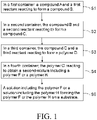
FIG. 1 is a flowchart of a manufacturing method of a thin film material according to an embodiment of the present disclosure. -
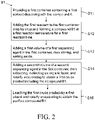
FIG. 2 is a flowchart of a first step S1 of a manufacturing method of a thin film material according to an embodiment of the present disclosure. -
FIG. 3 is a flowchart of a second step S1 of a manufacturing method of a thin film material according to an embodiment of the present disclosure. -
FIG. 4 is a flowchart of a step S2 of a manufacturing method of a thin film material according to an embodiment of the present disclosure. -
FIG. 5 is a flowchart of a step S3 of a manufacturing method of a thin film material according to an embodiment of the present disclosure. -
FIG. 6 is a flowchart of a step S4 of a manufacturing method of a thin film material according to an embodiment of the present disclosure. -
FIG. 7 is a flowchart of a step S5 of a manufacturing method of a thin film material according to an embodiment of the present disclosure. -
FIG. 8 is a flowchart of a step S52 of a manufacturing method of a thin film material according to an embodiment of the present disclosure. -
FIG. 9 is a tensile performance curve diagram of a polymer F and a polymer H of a thin film material according to an embodiment of the present disclosure. -
FIG. 10 is a thermogravimetric curve diagram of a polymer F and a polymer H of a thin film material according to an embodiment of the present disclosure. -
FIG. 11 is a light transmission performance diagram of a polymer F and a polymer H of a thin film material according to an embodiment of the present disclosure. - The present disclosure provides a thin film material and a manufacturing method thereof. In order to make the purpose, technical solutions, and effects of the present disclosure clearer and more definite, the following further describes the present disclosure in detail with reference to the drawings and embodiments. It should be understood that the specific embodiments described herein are only used to explain the disclosure, and are not used to limit the disclosure.
- Current thin film materials have a problem that their heat resistance, mechanical properties, and optical properties are difficult to meet the needs at a same time for being a flexible substrate material used in display panels. Therefore, the present disclosure provides the thin film material and the manufacturing method thereof.
- Referring to
FIG. 1 , the manufacturing method of the thin film material comprises: - S1: in a first container, a compound A and a first reactant reacting to form a compound B;
- S2: in a second container, the compound B and a second reactant reacting to form a compound C;
- S3: in a third container, the compound C and a third reactant reacting to form a polymer D;
- S4: in a fourth container, the polymer D reacting to obtain a second mixture including a polymer F or a polymer H; and
- S5: a solution including the polymer F or a solution including the polymer H forming the polymer F or the polymer H on a substrate.
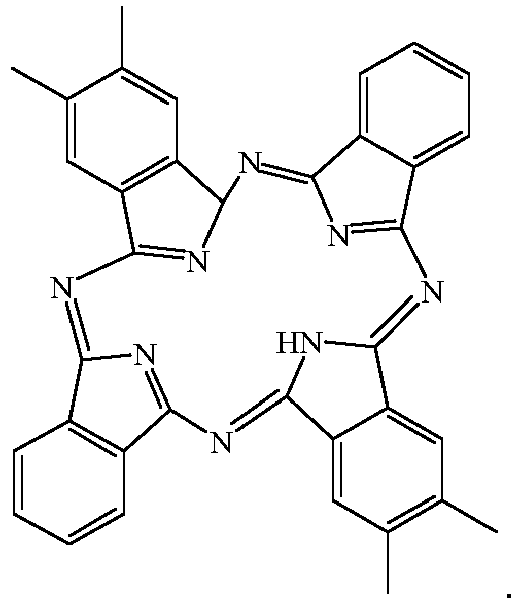
- Wherein, a structural formula of the compound A is:

- A structural formula of the polymer F is:


- A structural formula of the polymer H is:

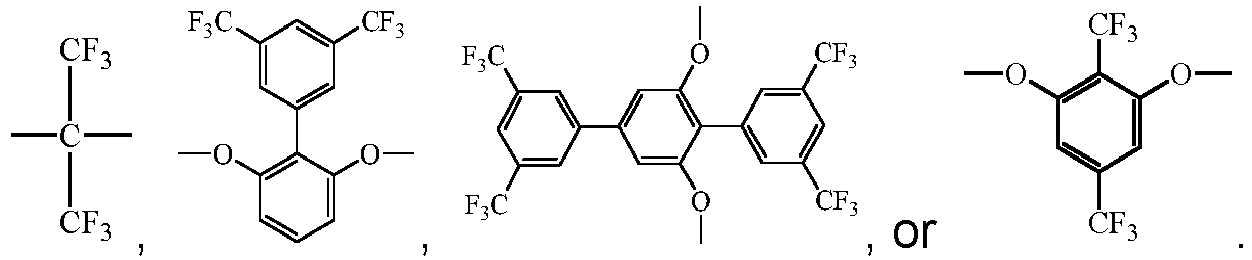
- Wherein, R1, R2, R3, R4, R5, R6, R7, and R8 are independently a hydrogen atom or an aliphatic alkyl group, and R9 is a fluorine-containing group.
- In the embodiment, the structural formula of the compound A may be one of:


- In the embodiment, R9 may be one of
- The present disclosure manufactures a polyimide thin film material having pyridine rings as a main chain structure by a new manufacturing method of a thin film material, thereby effectively improving heat resistance, mechanical properties, and optical properties of the polyimide thin film material.
- Referring to
FIG. 2 andFIG. 3 , the step S1 comprises:
S11: providing a first container containing a first solvent dissolving with the compound A. - In the embodiment, the first solvent can be trifluoroacetate.
- S12: adding the first reactant to the first container drop by drop and forming a compound B1 at a first reaction temperature for a first reaction time or
- adding the first reactant to the first container at one time and forming a compound B2 at a first reaction temperature for a first reaction time.
- In the embodiment, a structural formula of the compound B1 may be

- In the embodiment, a structural formula of the compound B2 is

- In the embodiment, the first reactant comprises sodium nitrite.
- In the embodiment, the first reactant can be prepared by dissolving sodium nitrite in trifluoroacetate or in double distilled water.
- In the embodiment, the first reaction temperature may range from 15°C to 30°C, and preferably is 25°C.
- When the reaction temperature is less than 15°C, a reaction rate would be too low that causes a too long reaction time. When the reaction temperature is too high, it would cause reaction by-products to increase that causes the yield of the compound B1 or the compound B2 to decrease. When the reaction temperature is 25°C, it would not produce excessive by-products, which causes the yield of the compound B1 or the compound B2 to decrease, and the reaction time would not be too long.
- In the embodiment, the first reaction time can range from 5 to 35 minutes, and preferably 12 to 30 minutes.
- In the embodiment, when the first reaction time is less than 5 minutes, the reaction time would be too short and cause the yield of the compound B1 or the compound B2 being too low. When the first reaction time is greater than 35 minutes, the reaction time would be too long and cause the reaction by-products to increase, which decreases the yield of the compound B1 or the compound B2. When the first reaction time ranges from 12 to 30 minutes, the yield of the compound B1 or the compound B2 is the maximum.
- Referring to
FIG. 2 andFIG. 3 , the step S1 further comprises:
S13: adding a first volume of a first separating agent in the first container, then stirring, and setting aside. - In the embodiment, the first separating agent can be deionized water. The first volume can range from 80 ml to 120 ml, and is preferably 100 ml. When the volume of the first separating agent is less than 80 ml, the compound B cannot completely be separated from a mixed solution containing the first solvent and the first separating agent, which causes a loss of the compound B. When the volume of the first separating agent is greater than 120 ml, the dosage of the first separating agent is excessive, which causes a waste of the first separating agent. When the volume of the first separating agent is 100 ml, the compound B can completely be separated from the mixed solution containing the first solvent and the first separating agent, and it can prevent overuse of the first separating agent.
- S14: adding a second volume of a second separating agent in the first container, then extracting, collecting an organic layer, and rotarily evaporating to obtain a first crude product including the compound B1 or the compound B2.
- In the embodiment, the second separating agent can be an organic solvent that could dissolve the compound B and is not miscible with the first solvent and the first separating agent, such as dichloromethane.
- S15: leaching the first crude product by a first eluent and rotarily evaporating to obtain the purified compound B1 or the purified compound B2.
- In the embodiment, the first eluent can be a mixed solution of dichloromethane and petroleum ether, and a volume ratio of dichloromethane and petroleum ether is preferably 5:3.
- Referring to
FIG. 4 , the step S2 comprises:
S21: providing a second container containing a second solvent dissolving with the compound B. - In the embodiment, the second solvent can be trifluoroacetate.
S22: adding the second reactant to the second container slowly at a second reaction temperature. - In the embodiment, the second reactant comprises hydrazine dihydrochloride.
- In the embodiment, the second reaction temperature may range from 30 °C to 70°C, and preferably range from 40°C to 60°C.
- When the second reaction temperature is less than 30°C, solubility of the compound B in the second solvent is too small, which causes the compound B reacts incompletely with the second reactant and the yield of the produced compound C is too low. When the second reaction temperature is greater than 70°C, the second reaction temperature is too high, which causes by-products produced by reacting the second reactant and the compound B to increase and then the yield of the compound C to decrease. When the second reaction temperature ranges from 40°C to 60°C, the second solvent can completely dissolve the compound B, and it would not cause the reaction by-products to increase due to the second reaction temperature being too high and not cause the yield of the compound C to decrease.
- S23: terminating a reaction in the second container after reacting at a third reaction temperature for a second reaction time to obtain a first mixture including a compound C1 or a compound C2.
- In the embodiment, a structural formula of the compound C1 is

- A structural formula of the compound C2 is

- In the embodiment, the third reaction temperature may range from 70°C to 110°C, and preferably range from 75°C to 100°C.
- The second reaction time can range from 10 to 32 hours, and preferably 12 to 30 hours.
- A reason for a selection of the third reaction temperature and the second reaction time in the embodiment is the same as or similar to a reason for a selection of the first reaction temperature and the first reaction time, which is not repeated herein.
- Referring to
FIG. 4 , the step S2 further comprises:
S24: rotarily evaporating the first mixture to obtain a second crude product, and rotarily evaporating a filtrate obtained by leaching the second crude product by a second eluent to obtain the purified compound C1 or the purified compound C2. - In the embodiment, the second eluent can be a mixed solution of dichloromethane and ethyl acetate.
- Wherein, a volume ratio of dichloromethane and ethyl acetate ranges from 6:1 to 14:1, and preferably 8:1 to 12:1. When the volume ratio of dichloromethane and ethyl acetate is less than 6:1 or greater than 14:1, an amount of the purified compound C which can be obtained after leaching the second crude product and rotarily evaporating is too small, thereby causing the yield of the compound C to decrease. When the volume ratio of dichloromethane and ethyl acetate ranges from 8:1 to 12:1, the yield of the purified compound C obtained after the step S24 is the maximum.
- Referring to
FIG. 5 , the step S3 comprises: - S31: providing a third container containing a third solvent dissolving with the compound C; and
- S32: adding the third reactant to the third container at a fourth reaction temperature for a third reaction time to form a polymer D1 or a polymer D2.
- In the embodiment, the third solvent can be a solvent that could dissolve the compound C and the third reactant, such as N-methylpyrrolidone.
- In the embodiment, the fourth reaction temperature may range from 15°C to 30°C, and is preferably 25°C.
- In the embodiment, the third reaction time can range from 12 to 108 hours, and preferably 24 to 96 hours.
- A reason for a selection of the fourth reaction temperature and the third reaction time in the embodiment is the same as or similar to a reason for a selection of the first reaction temperature and the first reaction time, which is not repeated herein.
- In the embodiment, a structural formula of the polymer D1 is:


- In the embodiment, a structural formula of the polymer D2 is:


- In the embodiment, the third reactant can be a fluorine-containing dianhydride compound.
- The third reactant can be one of following compounds:


- Referring to
FIG. 6 , the step S4 comprises:
S41: providing a fourth container containing a fourth solvent dissolving with the polymer D. - In the embodiment, the fourth solvent can be toluene.
- In the embodiment, a volume of the fourth solvent can range from 5 ml to 110 ml.
- S42: terminating a reaction in the fourth container after reacting at a fifth reaction temperature for a fourth reaction time to obtain the second mixture including the polymer F or the polymer H.
- In the embodiment, the fifth reaction temperature may range from 120°C to 270°C, and preferably 150°C to 250°C.
- The fourth reaction time can range from 3 to 7 hours, and preferably 4 to 6 hours.
- A reason for a selection of the fifth reaction temperature and the fourth reaction time in the embodiment is the same as or similar to a reason for a selection of the first reaction temperature and the first reaction time, which is not repeated herein.
- S43: filtering the second mixture using an organic filtration membrane at a first filter temperature to obtain the solution including the polymer F or the solution including the polymer H.
- In the embodiment, the first filter temperature can range from 70°C to 90 °C, and is preferably 80°C. When the first filter temperature is less than 70°C, the polymer F or the polymer H would precipitate, thereby causing the yield of the polymer F or the polymer H to decrease. When the first filter temperature is greater than 90°C, by-products in the second mixture would incompletely precipitate, thereby causing the obtained solution including the polymer F or the polymer H to have impurities. When the first filter temperature is 80°C, the polymer F or the polymer H would not precipitate and the by-products in the second mixture could completely precipitate.
- Referring to
FIG. 7 , the step S5 comprises:
S51: coating the solution including the polymer F or the solution including the polymer H on the substrate. - In the embodiment, the substrate can be a glass substrate.
S52: forming the polymer F or the polymer H on the substrate by a first predetermined process. - Referring to
FIG. 8 , in the embodiment, the step S52 comprises:
S52a: transferring the substrate to a first oven to remove a fourth solvent at a first drying temperature for a first drying time. - In the embodiment, the first oven can be an oven having a vacuum environment.
- In the embodiment, the first drying temperature can range from 70°C to 90°C, and is preferably 80°C.
- In the embodiment, the first drying time can range from 0.2 hour to 1.2 hours, and preferably 0.5 hour to 1.5 hours.
- In the embodiment, an amount of the fourth solvent removed in the step S52a can range from 60% to 80% of the fourth solvent in the solution including the polymer F or in the solution including the polymer H, and is preferably 70%.
- When the amount of the fourth solvent removed in the step S52a is less than 60%, the amount of the fourth solvent remaining on the substrate is excessive, which is unfavorable for cross-linking and curing of the polymer F or the polymer H in the step S52b. When the amount of the fourth solvent removed in the step S52a is greater than 80%, the amount of the fourth solvent remaining on the substrate is too small, which causes a less solvent for cross-linking and curing of the polymer F or the polymer H in the step S52b, thereby making the formed thin film material have defects such as cracks.
- S52b: transferring the substrate to a second oven to form the polymer F or the polymer H on the substrate at a second drying temperature for a second drying time.
- In the embodiment, the second oven can be a muffle furnace.
- In the embodiment, the second drying temperature can range from 400°C to 520°C, and preferably 420°C to 500°C.
- In the embodiment, the second drying time can range from 2 hours to 6 hours.
- S53: the polymer F or the polymer H forming the thin film material by a second predetermined process.
- In the embodiment, the second predetermined process comprises immersing the substrate formed with the polymer F or the polymer H into a third separating agent, separating the substrate from the polymer F or the polymer H after a first soaking time, and transferring the separated polymer F or the polymer H to a third oven to obtain the thin film material after drying at a third drying temperature.
- In the embodiment, the third separating agent can be deionized water.
- In the embodiment, the first soaking time can range from 60 hours to 108 hours, and preferably 72 hours to 96 hours.
- When the first soaking time is less than 60 hours, the polymer F or the polymer H cannot be completely separated from the substrate, thereby causing the obtained thin film material to have defects such as damage. When the first soaking time is greater than 108 hours, the soaking time is too long, thereby affecting a manufacturing efficiency of the thin film material. When the first soaking time ranges from 72 hours to 96 hours, the polymer F or the polymer H can be completely separated from the substrate, and the manufacturing efficiency of the thin film material can be ensured.
- In the embodiment, the third drying temperature can range from 70°C to 90°C, and is preferably 80°C.
- Specific embodiments are used to describe technical solutions of the present disclosure.
- S1: in a first container, a compound A and a first reactant reacting to form a compound B.
- In the embodiment, the step S1 comprises:
S11: providing a first container containing trifluoroacetate with a volume ranging from 12 ml to 50 ml dissolving with the compound A having an amount ranging from 0.3 mol to 1.1 mol. - In the embodiment, the compound A may be

- S12: adding 2 ml to 5 ml of the trifluoroacetate solution containing 0.1 mol to 2.5 mol of sodium nitrite to the first container drop by drop, and forming a compound B1 at 25°C for 12 to 30 minutes.
- S13: adding 100 ml of deionized water in the first container, then stirring, and setting aside.
- S14: adding dichloromethane in the first container, then extracting, collecting an organic layer, and rotarily evaporating to obtain a first crude product including the compound B1 or the compound B2.
- S15: leaching the first crude product by a mixed solution of dichloromethane and petroleum ether with a volume ratio of 5:3, and rotarily evaporating to obtain the purified compound B1.
- The structural formula of the compound B1 is:

- S2: in a second container, the compound B and a second reactant reacting to form a compound C.
- In the embodiment, the step S2 comprises:
- S21: providing a second container containing 10 ml to 40 ml of trifluoroacetate dissolving with the compound B.
- S22: adding 0.1 mol to 2.3 mol of hydrazine dihydrochloride to the second container slowly at 40°C to 60°C.
- S23: terminating the reaction in the second container after reacting at a temperature ranging from 75°C to 100°C for 12 hours to 30 hours to obtain a first mixture including a compound C1.
- S24: rotarily evaporating the first mixture to obtain a second crude product, and rotarily evaporating a filtrate obtained by leaching the second crude product by a mixed solution of dichloromethane and ethyl acetate with a volume ratio ranging from 8:1 to 12:1 to obtain the purified compound C1.
- The structural formula of the compound C1 is:

- S3: in a third container, the compound C and a third reactant reacting to form a polymer D.
- In the embodiment, the step S3 comprises:
- S31: providing a third container containing N-methylpyrrolidone dissolving with 1 mol to 4.7 mol of the compound C.
- S32: adding 0.5 mol to 9.5 mol of the third reactant to the third container at 25°C for 24 hours to 96 hours to form a polymer D1.
- The third reactant is

- The structural formula of the polymer D1 is:


- S4: in a fourth container, the polymer D reacting to obtain a second mixture including a polymer F or a polymer H.
- In the embodiment, the step S4 comprises:
- S41: providing a fourth container containing 10 ml to 105 ml of toluene dissolving with the polymer D.
- S42: terminating the reaction in the fourth container after reacting at a temperature ranging from 150°C to 250°C for 4 hours to 6 hours to obtain the second mixture including the polymer F or the polymer H.
- S43: filtering the second mixture using an organic filtration membrane at 80°C to obtain the solution including the polymer F or the solution including the polymer H.
- S5: a solution including the polymer F or a solution including the polymer H forming the polymer F or the polymer H on a substrate.
- In the embodiment, the step S5 comprises:
- S51 coating the solution including the polymer F or the solution including the polymer H on a glass substrate.
- S52: forming the polymer F or the polymer H on the substrate by a first predetermined process.
- In the embodiment, the step S52 comprises:
- S52a: transferring the substrate to an oven having a vacuum environment to remove 70% of toluene at 80°C for 0.5 hour to 1 hour.
- S52b: transferring the substrate to a muffle furnace to form the polymer F or the polymer H on the substrate at a temperature ranging from 420°C to 450 °C for 3 hours to 5 hours.
- In the embodiment, the substrate is transferred to the muffle furnace, a temperature in the muffle furnace ranges from 110°C to 130°C, and is preferably 120°C for 25 minutes to 35 minutes. Preferably, after 30 minutes, the temperature rises to 450°C at a rate of 4°C/min to 10°C/min and is kept at 450°C for about 1 hour, and then decreases to 120°C at a rate of 5°C/min to 10°C/min, preferably at a rate of 7°C/min to take out the substrate.
- S53: the polymer F or the polymer H forming the thin film material by a second predetermined process.
- In the embodiment, the second predetermined process comprises immersing the substrate formed with the polymer F into deionized water, separating the substrate from the polymer F or the polymer H after soaking for 72 hours to 96 hours, and transferring the separated polymer F or the polymer H to a third oven to obtain the thin film material after drying at 80°C.
- In the embodiment, the structural formula of the polymer F is:

- The embodiment is the same as or similar to
embodiment 1. The difference is that:
In the embodiment, the step S12 comprises:
S12: adding 2 ml to 5 ml of the trifluoroacetate solution containing 0.1 mol to 2.5 mol of sodium nitrite to the first container at one time, and forming a compound B2 at 25°C for 12 to 30 minutes. - The structural formula of the compound B2 is:

- In the embodiment, the structural formula of the compound C is:

- In the embodiment, the structural formula of the compound D is:


- In the embodiment, the structural formula of the polymer H is:

- The embodiment is the same as or similar to the above embodiments. The difference is that:
S52b: transferring the substrate to a muffle furnace to form the polymer F or the polymer H on the substrate at a temperature ranging from 420°C to 500 °C for 3 hours to 5 hours. - In the embodiment, the substrate is transferred to the muffle furnace, a temperature in the muffle furnace ranges from 110°C to 130°C, and is preferably 120°C for 10 minutes to 35 minutes. The temperature rises to 160°C to 200°C at a rate of 2°C/min to 4°C/min, preferably, after 180°C, the temperature is kept for 15 minutes to 25 minutes, then increases to 220°C to 380°C for 15 minutes to 25 minutes at a rate of 1°C/min to 8°C/min, then increases to 420°C to 500°C for 15 minutes to 50 minutes at a rate of 2°C/min to 12°C/min, and then decreases to 110°C to 130°C at a rate of 5°C/min to 10 °C/min, preferably below 120°C, to take out the substrate.
- In the above embodiment, synthesis of the compound B, the compound C, the polymer D, the polymer F, or the polymer H are performed at an inert atmosphere. The inert atmosphere can be formed by argon filling in a reaction container.
- In the embodiment, the compound A, the first reactant, the second reactant, and the third reactant can be obtained through commercial channels.
- The present disclosure further provides a thin film material which comprises the polymer F or the polymer H.
- The structural formula of the polymer F is:


- The structural formula of the polymer H is:

- Wherein, R1, R2, R3, R4, R5, R6, R7, and R8 are independently a hydrogen atom or an aliphatic alkyl group, and R9 is a fluorine-containing group.
- In the embodiment, the structural formula of the polymer F can be:

- The structural formula of the polymer H can be:

- Referring to
FIG. 9 , in the embodiment, a tensile performance curve of the polymer F or the polymer H shows that the maximum stress of the polymer F can achieve δF-max=389MPa, εF-max=17.4%, and the maximum stress of the polymer H can achieve δH-max=374MPa, εH-max=16.2%, which shows a good mechanical property. - Referring to
FIG. 10 , in the embodiment, a thermogravimetric curve of the polymer F or the polymer H demonstrates that when a weight loss is 1%, temperatures thereof are TF=592.1°C, and TH =594.8°C, which shows a good heat resistance. - Referring to
FIG. 11 , in the embodiment, a light transmittance test of the polymer F or the polymer H shows that the light transmittance of the polymer F and the polymer H can achieve above 80% in most wavelengths, and can achieve above 85% in a big part of wavelengths. - The present disclosure provides the thin film material and the manufacturing method thereof. The manufacturing method of the thin film material comprises: in the first container, the compound A and the first reactant reacting to form the compound B; in the second container, the compound B and the second reactant reacting to form the compound C; in the third container, the compound C and the third reactant reacting to form the polymer D; in the fourth container, the polymer D reacting to obtain the second mixture including the polymer F or the polymer H; and the solution including the polymer F or the polymer H forming the polymer F or the polymer H on the substrate. The present disclosure manufactures a polyimide thin film material having pyridine rings as a main chain structure by a new manufacturing method of a thin film material, thereby effectively improving heat resistance, mechanical properties, and optical properties of the polyimide thin film material.
- It can be understood that for a person of ordinary skill in the art, equivalent replacements or changes can be made according to the technical solution of the present disclosure and its inventive concept, and all these changes or replacements should fall within the protection scope of the claims attached to the present disclosure.
Claims (20)
- A manufacturing method of a thin film material, comprising:S1: in a first container, a compound A and a first reactant reacting to form a compound B;S2: in a second container, the compound B and a second reactant reacting to form a compound C;S3: in a third container, the compound C and a third reactant reacting to form a polymer D;S4: in a fourth container, the polymer D reacting to obtain a second mixture including a polymer F or a polymer H; andS5: a solution including the polymer F or a solution including the polymer H forming the polymer F or the polymer H on a substrate;wherein a structural formula of the polymer F is:
 a structural formula of the polymer H is:
 wherein R1, R2, R3, R4, R5, R6, R7, and R8 are independently a hydrogen atom or an aliphatic alkyl group, and R9 is a fluorine-containing group.
 - The manufacturing method of the thin film material according to claim 1, wherein a structural formula of the compound A is:

- The manufacturing method of the thin film material according to claim 1, wherein the step S1 comprises:S11: providing a first container containing a first solvent dissolving with the compound A; andS12: adding the first reactant to the first container drop by drop and forming a compound B1 at a first reaction temperature for a first reaction time oradding the first reactant to the first container at one time and forming a compound B2 at a first reaction temperature for a first reaction time.
- The manufacturing method of the thin film material according to claim 3, wherein a structural formula of the compound B1 is:

- The manufacturing method of the thin film material according to claim 3, wherein a structural formula of the compound B2 is:

- The manufacturing method of the thin film material according to claim 3, wherein the first reactant comprises sodium nitrite.
- The manufacturing method of the thin film material according to claim 3, wherein the step S1 comprises:S13: adding a first volume of a first separating agent in the first container, then stirring, and setting aside;S14: adding a second volume of a second separating agent in the first container, then extracting, collecting an organic layer, and rotarily evaporating to obtain a first crude product including the compound B1 or the compound B2; andS15: leaching the first crude product by a first eluent and rotarily evaporating to obtain the purified compound B1 or the purified compound B2.
- The manufacturing method of the thin film material according to claim 1, wherein the step S2 comprises:S21: providing a second container containing a second solvent dissolving with the compound B;S22: adding the second reactant to the second container slowly at a second reaction temperature; andS23: terminating a reaction in the second container after reacting at a third reaction temperature for a second reaction time to obtain a first mixture including a compound C1 or a compound C2.
- The manufacturing method of the thin film material according to claim 8, wherein a structural formula of the compound C1 is:

- The manufacturing method of the thin film material according to claim 8, wherein a structural formula of the compound C2 is:

- The manufacturing method of the thin film material according to claim 8, wherein the second reactant comprises hydrazine dihydrochloride.
- The manufacturing method of the thin film material according to claim 8, wherein the step S2 comprises:
S24: rotarily evaporating the first mixture to obtain a second crude product, and rotarily evaporating a filtrate obtained by leaching the second crude product by a second eluent to obtain the purified compound C1 or the purified compound C2. - The manufacturing method of the thin film material according to claim 1, wherein the step S3 comprises:S31: providing a third container containing a third solvent dissolving with the compound C; andS32: adding the third reactant to the third container at a fourth reaction temperature for a third reaction time to form a polymer D1 or a polymer D2.
- The manufacturing method of the thin film material according to claim 13, wherein a structural formula of the polymer D1 is:

- The manufacturing method of the thin film material according to claim 13, wherein a structural formula of the polymer D2 is:


- The manufacturing method of the thin film material according to claim 13, wherein the third reactant is a fluorine-containing dianhydride compound.
- The manufacturing method of the thin film material according to claim 1, wherein the step S4 comprises:S41: providing a fourth container containing a fourth solvent dissolving with the polymer D;S42: terminating a reaction in the fourth container after reacting at a fifth reaction temperature for a fourth reaction time to obtain the second mixture including the polymer F or the polymer H; andS43: filtering the second mixture using an organic filtration membrane at a first filter temperature to obtain the solution including the polymer F or the solution including the polymer H.
- The manufacturing method of the thin film material according to claim 1, wherein the step S5 comprises:S51 coating the solution including the polymer F or the solution including the polymer H on the substrate;S52: forming the polymer F or the polymer H on the substrate by a first predetermined process; andS53: the polymer F or the polymer H forming the thin film material by a second predetermined process.
- The manufacturing method of the thin film material according to claim 18, wherein the step S52 comprises:S52a: transferring the substrate to a first oven to remove a fourth solvent at a first drying temperature for a first drying time; andS52b: transferring the substrate to a second oven to form the polymer F or the polymer H on the substrate at a second drying temperature for a second drying time.
- A thin film material, comprising a polymer F or a polymer H;wherein a structural formula of the polymer F is:
 a structural formula of the polymer H is:
 wherein R1, R2, R3, R4, R5, R6, R7, and R8 are independently a hydrogen atom or an aliphatic alkyl group, and R9 is a fluorine-containing group.
Applications Claiming Priority (2)
| Application Number | Priority Date | Filing Date | Title |
|---|---|---|---|
| CN201911310621.9A CN111072961B (en) | 2019-12-18 | 2019-12-18 | Film material and method for producing film material |
| PCT/CN2020/070603 WO2021120348A1 (en) | 2019-12-18 | 2020-01-07 | Thin film material and preparation method for thin film material |
Publications (2)
| Publication Number | Publication Date |
|---|---|
| EP4079789A1 true EP4079789A1 (en) | 2022-10-26 |
| EP4079789A4 EP4079789A4 (en) | 2023-12-20 |
Family
ID=76437853
Family Applications (1)
| Application Number | Title | Priority Date | Filing Date |
|---|---|---|---|
| EP20725610.8A Withdrawn EP4079789A4 (en) | 2019-12-18 | 2020-01-07 | MATERIAL FOR THIN FILM AND PREPARATION METHOD FOR MATERIAL FOR THIN FILM |
Country Status (2)
| Country | Link |
|---|---|
| US (1) | US12122888B2 (en) |
| EP (1) | EP4079789A4 (en) |
Family Cites Families (10)
| Publication number | Priority date | Publication date | Assignee | Title |
|---|---|---|---|---|
| NL233195A (en) * | 1957-11-13 | |||
| JPS5973994A (en) * | 1982-10-20 | 1984-04-26 | Tdk Corp | Optical recording medium |
| US4499260A (en) * | 1982-11-10 | 1985-02-12 | The United States Of America As Represented By The Administrator Of The National Aeronautics And Space Administration | Phthalocyanine polymers |
| CN1119369C (en) | 2000-04-26 | 2003-08-27 | 中国科学院理化技术研究所 | Cross-linked phthalocyanine polymer and preparation of uniform transparent film thereof |
| CN101787130B (en) | 2010-03-04 | 2012-04-25 | 浙江大学 | Porphyrin-containing polyimide and its preparation method and application |
| DE112011101279T5 (en) | 2010-04-07 | 2013-03-14 | Cornell University | Covalent organic frameworks and process for their preparation |
| CN105017504B (en) | 2015-07-08 | 2017-10-31 | 江西理工大学 | A kind of phthalocyanine polymer, optical Limiting device and preparation method thereof |
| CN105778090B (en) | 2016-05-19 | 2018-06-08 | 吉林大学 | Hyperbranched metal phthalocyanine oligomer containing imide structure and preparation method thereof |
| CN107857880B (en) | 2017-11-03 | 2020-08-11 | 东华大学 | A kind of preparation method of highly adhesive phthalocyanine-containing polyimide resin |
| CN109232892B (en) | 2018-08-24 | 2020-11-06 | 吉林大学 | A kind of crosslinkable hyperbranched polyimide and its preparation method and application |
-
2020
- 2020-01-07 EP EP20725610.8A patent/EP4079789A4/en not_active Withdrawn
- 2020-01-07 US US16/971,372 patent/US12122888B2/en active Active
Also Published As
| Publication number | Publication date |
|---|---|
| US20210189077A1 (en) | 2021-06-24 |
| US12122888B2 (en) | 2024-10-22 |
| EP4079789A4 (en) | 2023-12-20 |
Similar Documents
| Publication | Publication Date | Title |
|---|---|---|
| WO2005084082A1 (en) | Organic electronic devices | |
| JP2013509390A (en) | Novel compounds for electronic materials and organic electronic devices using the same | |
| KR20120022989A (en) | Composition for forming doped or non-doped zinc oxide thin film, and method for producing zinc oxide thin film using same | |
| CN114989224A (en) | Metal complex, organic electroluminescent element and consumer product | |
| CN114933559A (en) | Luminous auxiliary material and preparation method thereof, light-emitting device and light-emitting device | |
| CN119351998B (en) | A method for preparing lead-tin doped perovskite material in an aqueous solvent | |
| KR101430976B1 (en) | Preparation method of colorless and transparent polyimide film | |
| EP4079789A1 (en) | Thin film material and preparation method for thin film material | |
| WO2021035977A1 (en) | Polyimide and preparation method therefor | |
| CN114957342A (en) | Metal complex, organic electroluminescent element and consumer product | |
| US11753506B2 (en) | Polyimide thin film, preparing method thereof, and display device | |
| WO2021120348A1 (en) | Thin film material and preparation method for thin film material | |
| CN108409584A (en) | A kind of new organic materials and its application in electroluminescent device | |
| CN104031090B (en) | A kind of preparation method of ring-type phosphorus nitrogen synergistic halogen-free flame retardants | |
| CN113929719B (en) | Metal complex, organic electroluminescent element and consumer product thereof | |
| CN116854747A (en) | A metal complex, organic electroluminescent element and consumer product | |
| CN108383735A (en) | A kind of organic compound and its synthetic method and application | |
| CN109608384A (en) | A kind of organic material and preparation method thereof and its application in electroluminescent device | |
| CN111620855B (en) | Benzoxanthene compound-containing material and application thereof | |
| CN110872303B (en) | Compound containing spiro acridine structure and application thereof | |
| CN116003476A (en) | Cyclic metal palladium dimer and preparation method and application thereof | |
| CN108530305A (en) | A kind of new organic materials and its application in display device | |
| CN116970000B (en) | A multi-resonance metallic complex and its applications | |
| CN113773226A (en) | Process for the preparation of cyanopropine derivatives, liquid-crystalline medium and liquid-crystalline lens | |
| WO2021196431A1 (en) | Polyimide base material and manufacturing method therefor, and display panel |
Legal Events
| Date | Code | Title | Description |
|---|---|---|---|
| STAA | Information on the status of an ep patent application or granted ep patent |
Free format text: STATUS: UNKNOWN |
|
| STAA | Information on the status of an ep patent application or granted ep patent |
Free format text: STATUS: THE INTERNATIONAL PUBLICATION HAS BEEN MADE |
|
| PUAI | Public reference made under article 153(3) epc to a published international application that has entered the european phase |
Free format text: ORIGINAL CODE: 0009012 |
|
| STAA | Information on the status of an ep patent application or granted ep patent |
Free format text: STATUS: REQUEST FOR EXAMINATION WAS MADE |
|
| 17P | Request for examination filed |
Effective date: 20200522 |
|
| AK | Designated contracting states |
Kind code of ref document: A1 Designated state(s): AL AT BE BG CH CY CZ DE DK EE ES FI FR GB GR HR HU IE IS IT LI LT LU LV MC MK MT NL NO PL PT RO RS SE SI SK SM TR |
|
| DAV | Request for validation of the european patent (deleted) | ||
| DAX | Request for extension of the european patent (deleted) | ||
| A4 | Supplementary search report drawn up and despatched |
Effective date: 20231120 |
|
| RIC1 | Information provided on ipc code assigned before grant |
Ipc: C08L 79/08 20060101ALI20231114BHEP Ipc: C08J 5/18 20060101ALI20231114BHEP Ipc: C08G 73/10 20060101AFI20231114BHEP |
|
| STAA | Information on the status of an ep patent application or granted ep patent |
Free format text: STATUS: THE APPLICATION IS DEEMED TO BE WITHDRAWN |
|
| 18D | Application deemed to be withdrawn |
Effective date: 20240608 |