EP4079751A1 - Identification of a new gene involved in sex determination in cucurbitaceae - Google Patents
Identification of a new gene involved in sex determination in cucurbitaceae Download PDFInfo
- Publication number
- EP4079751A1 EP4079751A1 EP21305528.8A EP21305528A EP4079751A1 EP 4079751 A1 EP4079751 A1 EP 4079751A1 EP 21305528 A EP21305528 A EP 21305528A EP 4079751 A1 EP4079751 A1 EP 4079751A1
- Authority
- EP
- European Patent Office
- Prior art keywords
- protein
- plant
- identity
- sequence seq
- plant according
- Prior art date
- Legal status (The legal status is an assumption and is not a legal conclusion. Google has not performed a legal analysis and makes no representation as to the accuracy of the status listed.)
- Withdrawn
Links
Images



Classifications
-
- A—HUMAN NECESSITIES
- A01—AGRICULTURE; FORESTRY; ANIMAL HUSBANDRY; HUNTING; TRAPPING; FISHING
- A01H—NEW PLANTS OR NON-TRANSGENIC PROCESSES FOR OBTAINING THEM; PLANT REPRODUCTION BY TISSUE CULTURE TECHNIQUES
- A01H1/00—Processes for modifying genotypes ; Plants characterised by associated natural traits
- A01H1/12—Processes for modifying agronomic input traits, e.g. crop yield
-
- C—CHEMISTRY; METALLURGY
- C12—BIOCHEMISTRY; BEER; SPIRITS; WINE; VINEGAR; MICROBIOLOGY; ENZYMOLOGY; MUTATION OR GENETIC ENGINEERING
- C12N—MICROORGANISMS OR ENZYMES; COMPOSITIONS THEREOF; PROPAGATING, PRESERVING, OR MAINTAINING MICROORGANISMS; MUTATION OR GENETIC ENGINEERING; CULTURE MEDIA
- C12N15/00—Mutation or genetic engineering; DNA or RNA concerning genetic engineering, vectors, e.g. plasmids, or their isolation, preparation or purification; Use of hosts therefor
- C12N15/09—Recombinant DNA-technology
- C12N15/63—Introduction of foreign genetic material using vectors; Vectors; Use of hosts therefor; Regulation of expression
- C12N15/79—Vectors or expression systems specially adapted for eukaryotic hosts
- C12N15/82—Vectors or expression systems specially adapted for eukaryotic hosts for plant cells, e.g. plant artificial chromosomes (PACs)
- C12N15/8241—Phenotypically and genetically modified plants via recombinant DNA technology
- C12N15/8261—Phenotypically and genetically modified plants via recombinant DNA technology with agronomic (input) traits, e.g. crop yield
-
- A—HUMAN NECESSITIES
- A01—AGRICULTURE; FORESTRY; ANIMAL HUSBANDRY; HUNTING; TRAPPING; FISHING
- A01H—NEW PLANTS OR NON-TRANSGENIC PROCESSES FOR OBTAINING THEM; PLANT REPRODUCTION BY TISSUE CULTURE TECHNIQUES
- A01H1/00—Processes for modifying genotypes ; Plants characterised by associated natural traits
- A01H1/06—Processes for producing mutations, e.g. treatment with chemicals or with radiation
-
- C—CHEMISTRY; METALLURGY
- C07—ORGANIC CHEMISTRY
- C07K—PEPTIDES
- C07K14/00—Peptides having more than 20 amino acids; Gastrins; Somatostatins; Melanotropins; Derivatives thereof
- C07K14/415—Peptides having more than 20 amino acids; Gastrins; Somatostatins; Melanotropins; Derivatives thereof from plants
-
- C—CHEMISTRY; METALLURGY
- C12—BIOCHEMISTRY; BEER; SPIRITS; WINE; VINEGAR; MICROBIOLOGY; ENZYMOLOGY; MUTATION OR GENETIC ENGINEERING
- C12N—MICROORGANISMS OR ENZYMES; COMPOSITIONS THEREOF; PROPAGATING, PRESERVING, OR MAINTAINING MICROORGANISMS; MUTATION OR GENETIC ENGINEERING; CULTURE MEDIA
- C12N15/00—Mutation or genetic engineering; DNA or RNA concerning genetic engineering, vectors, e.g. plasmids, or their isolation, preparation or purification; Use of hosts therefor
- C12N15/09—Recombinant DNA-technology
- C12N15/63—Introduction of foreign genetic material using vectors; Vectors; Use of hosts therefor; Regulation of expression
- C12N15/79—Vectors or expression systems specially adapted for eukaryotic hosts
- C12N15/82—Vectors or expression systems specially adapted for eukaryotic hosts for plant cells, e.g. plant artificial chromosomes (PACs)
- C12N15/8241—Phenotypically and genetically modified plants via recombinant DNA technology
- C12N15/8261—Phenotypically and genetically modified plants via recombinant DNA technology with agronomic (input) traits, e.g. crop yield
- C12N15/8287—Phenotypically and genetically modified plants via recombinant DNA technology with agronomic (input) traits, e.g. crop yield for fertility modification, e.g. apomixis
Definitions
- the present invention relates to a new gene involved in sex determination in Cucurbitaceae.
- the loss of function of the protein encoded by this gene induces a transformation of female flowers to hermaphrodite flowers and fruits with non-altered shape.
- hybrid plants owing to the phenomenon of heterosis, also called hybrid vigour, display superiority for many characters, relative to the average of their two parents. This superiority may be reflected for example in better vigour, better yield, greater adaptation to the medium in which the hybrid is cultivated, and great uniformity of the hybrid relative to its parents. This hybrid vigour is even greater when the parents are more distant genetically.
- the creation of pure and stable lines, the future parents of the hybrid is an indispensable step for creating homogeneous and reproducible hybrid varieties expressing the greatest heterosis.
- the creation of pure lines involves the self-fertilization of a plant so as to obtain plants having one and the same germplasm, fixed for all of the required characters of productivity, regularity of yield, or of resistance to diseases.
- the family of the Cucurbitaceae includes more than 800 vegetable species distributed in 120 genera in the tropical and subtropical regions. This plant family includes several species of a major agronomic interest and which are cultivated in temperate regions such as the cucumber ( Cucumis sativus ) , the melon ( Cucumis melo ), the watermelon ( Citrullus lanatus ) , the zucchini ( Cucurbita pepo ) or the pumpkin ( Cucurbita maxima ).
- the Cucurbitaceae have served as a model for the study of sex dimorphism for decades.
- cucumber Cucumis sativus
- sex determinism is genetically controlled by three loci, F (Female), A (Androecious) and M (Monoecious).
- cucumber is an important economical vegetable crop. Gynoecy has been shown to be positively correlated with the production, and elongated fruit shape is an important determinant of marketable yield.
- the association of fruit shape and sex expression is a very interesting phenomenon in cucumber.
- the majority of cucumber cultivars are monoecious or gynoecious, and their fruits usually show elongated shape.
- the fruits developed from perfect flowers on andromonoecious or hermaphroditic plants are round. Similar observations are also well documented in melon ( Loy JB, "Fruit size in melon in monoecious and andromonoecious isolines" Cucurbit Genetics Cooperative Report 2006 N° 28-29, pp 12-13 ). It is known that this association of bisexual flower and altered fruit shape is due to the pleiotropic effects of the monoecy locus (m in cucumber and ⁇ in melon) rather than due to its close linkage with a fruit shape gene.
- the Inventors have identified a new gene CmHB40 of Cucumis melo (SEQ ID N°1). Surprisingly, plants with a loss of function of CmHB40 develop hermaphrodite flowers instead of female flowers without any negative impact on the shape of fruits. The obtained plants may thus be andromonoecious or hermaphrodite.
- the Inventors have shown that when the gene CsHB40 of Cucumis sativus, orthologous of CmBH40, is inactivated, the female flowers become hermaphrodite and the wild type elongated shape of fruits is maintained.
- the present invention thus relates to a plant belonging to the Cucurbitaceae family harboring a protein (i) having at least 70%, preferably at least 75%, 80%, 85%, 90%, 95%, 98% or 100% identity with the sequence SEQ ID N°3 and (ii) being preferably expressed in the stamen primordia of female flowers at flower development stages 5 and 6 (corresponding to bisexual stage of flower development), said plant being characterized in that:
- Analysis of the expression of a gene in the stamen primordia of female flower may be performed by laser microdissection of stamina primordia, extracting RNA and analyzing the expression of the target gene using Real-Time Quantitative Reverse Transcription PCR; said localized expression may also be observed by in-situ hybridization of mRNA to be assessed with a labelled antisense probe as described in Boualem et al., "A cucurbit androecy gene reveals how unisexual flowers develop and dioecy emerges" (Science, 2015, 350; 6261: 688-691 ).
- genetic engineering techniques means in the sense of the present invention all the techniques for manipulating the genome of a living being so as to modify its genotype and consequently its phenotype.
- the term “abolish the function of the protein” means that the protein having at least 70% identity with the sequence SEQ ID N°3 that belongs to the homeodomain leucine zipper transcription factor family, losses its function and is not anymore able to link to its DNA target or to activate transcription of target genes.
- Genetic engineering techniques to abolish function of a protein are well known by the person skilled in the art and include mutagenesis, such as, ionizing radiation (X-ray, Gamma rays and neutrons); chemical mutagenesis; genome editing with site-directed nucleases (SDNs), e.g., using clustered regularly interspaced short palindromic repeat (CRISPR)-directed nucleases, transcription activator-like effector nuclease (TALENs), zinc-finger nucleases (ZFNs) or meganucleases; and targeting induced local lesions in genomes (TILLING).
- SDNs site-directed nucleases
- CRISPR clustered regularly interspaced short palindromic repeat
- TALENs transcription activator-like effector nuclease
- ZFNs zinc-finger nucleases
- meganucleases targeting induced local lesions in genomes
- TILLING is a method of reverse genetics which is based on the ability of an endonuclease to detect mismatches in a double strand of DNA and to create a DNA cleavage at the unpaired bases ( MC Callum et al., 2000, Plant Physiology, Vol. 123: 439-442 ). TILLING could be also based on direct sequencing of amplicons of mutant lines or full sequencing of mutant lines to identify individual plants harboring induced mutations.
- TILLING technique thus allows the identification of a series of alleles of a given gene and is particularly well suited to the implementation of methods of high throughput screenings for allowing the selection, in the target genes of interest, mutations induced by chemical mutagenesis, like EMS chemical exposition.
- the chemical mutagenesis may be realized by exposing the plant cells, the protoplasts or the seeds to the EMS (ethyl methanesulfonate, see Koornbeef et al., 1982, Mutat Res, Vol. 93: 109-123 ), sodium azide or methylnitrourea mutagenic agents.
- EMS ethyl methanesulfonate
- Mutagenesis can also be carried by a combination of TILLING and gene editing technics as described in Jacob P. et al., 2018 (Translational Research: Exploring and Creating Genetic Diversity Trends in Plant Sciences 23(1):42-52 ).
- mutagenesis is performed with the TILLING method and the example of primers are listed in table 2 (see example 3).
- the loss of protein function could be measured using techniques such as DAPseq ( Bartlett, A. et al., “Mapping genome-wide transcription-factor binding sites using DAP-seq", Nat Protoc 12, 1659-1672,2017 ), ChIP-seq ( Park P. "ChIP-seq: advantages and challenges of a maturing technology” Nat Rev Genet 10, 669-680 (2009 )), promoter reporter gene such as I-Block ( Sarolta S.
- DAPseq Bartlett, A. et al., “Mapping genome-wide transcription-factor binding sites using DAP-seq", Nat Protoc 12, 1659-1672,2017 )
- ChIP-seq Park P. "ChIP-seq: advantages and challenges of a maturing technology” Nat Rev Genet 10, 669-680 (2009 )
- promoter reporter gene such as I-Block ( Sarolta S.
- the binding motif "CAATAAT" of the protein of SEQ ID N°3 (CmBH40) or a related motif is inserted in at least one copy upstream of 35S minimal promoter driving Luciferase reporter gene and expressed via Agrobacterium binary vector such as pgreen or pCAMBIA vectors.
- the construct is agroinfiltrated with Agrobacterium binary vector expressing CmBH40 coding sequence under constitutive promoter such as 35S promoter. Wildtype CmBH40 protein will lead to expression of the reporter gene. Loss of function mutant of CmBH40 will not permit transcription of the reporter gene.
- This low expression could be obtained by further genetic engineering techniques such as gene silencing induced by an interference technics such as RNAi, antisense RNA or aptamers or mutation in the promoter of the protein having at least 70% identity with the sequence SEQ ID N°3.
- an interference technics such as RNAi, antisense RNA or aptamers or mutation in the promoter of the protein having at least 70% identity with the sequence SEQ ID N°3.
- the accumulation of mRNA encoding the protein can be measured using technics such as qPCR and digital PCR.
- the loss of function of the protein having at least 70% identity with the sequence SEQ ID N°3 transforms female flowers into hermaphrodite flowers. This inactivation leads to sexual transition from monoecy to andromonoecy and gynoecy to hermaphroditism.
- the fruits produced by the plant with the loss of function of the protein having at least 70% identity with the sequence SEQ ID N°3 have a non-altered or normal shape.
- normal shape also designated as non-altered shape
- non-altered shape means the shape of wild type fruit.
- FSi Fruit Shape index
- the plant is Cucumis melo and the protein has at least 90% identity with the sequence SEQ ID N°3.
- the protein of SEQ ID N°3 is called CmHB40.
- Melon fruits display wide varieties of fruit shapes, varying from round, oblate, ovate, elliptical, or extremely elongated, as in the case of flexuosus variety of melon ( Antonio J. Monforte et al., "The genetic basis of fruit morphology in horticultural crops: lessons from tomato and melon", Journal of Experimental Botany, Volume 65, Issue 16, August 2014, Pages 4625-4637 ).
- the shape of fruits produced by the mutated plant of the invention is similar to the shape of fruits developed from the wild type female flower whatever its initial forms and shapes.
- Fruit shape index (FSi) the ratio of the fruit length (FL) by the fruit diameter (FD) at mature stage could be used to measure the roundness of a given fruit.
- FSi Fruit shape index
- fruits developed by female flowers are elliptical with a FSi score of about 1.8.
- the plant is Cucumis sativus and the protein has at least 90% identity with the sequence SEQ ID N°5.
- the protein of SEQ ID N°5 is called CsHB40.
- the shape of fruits produced by the mutated plant is similar to the shape of fruits developed from the initial wild type female flowers, that is to say an elongated shape. In PoinSett variety of cucumber, fruits developed by female flowers are elongated with a FSi of with score of about 4.
- the plant is Cucurbita pepo.
- Cucurbita pepo genome comprises two copies of CpHB40, encoding CpHB40-1 (SEQ ID N°9) and CpHB40-2 (SEQ ID N°10).
- the inactivation of both of these proteins of SEQ ID N°9 and SEQ ID N°10 is required to lead to hermaphrodite flowers.
- it is preferably the expression and/or function of the protein having at least 90% identity with the sequence SEQ ID N°9 and of the protein having at least 90% identity with the sequence SEQ ID N°10 that is abolished.
- the shape of fruits produced by the mutated plant is similar to the shape of fruits of developed from the initial wild type female flowers.
- the plant is Citrullus lanatus; and the protein has at least 90% identity with the sequence SEQ ID N°8.
- the protein of SEQ ID N°8 is called CIHB40.
- the shape of fruits produced by the mutated plant is similar to the shape of fruits developed from the initial wild type female flowers.
- the plant is Lagenaria siceraria; and the protein has at least 90% identity with the sequence SEQ ID N°11.
- the protein of SEQ ID N°11 is called LsHB40.
- the shape of fruits produced by the mutated plant is similar to the shape of fruits of developed from the initial wild type female flowers.
- the present invention also relates to seeds of the plants of the invention, in particular to the seeds obtained from plant belonging to the Cucurbitaceae family, such as Cucumis melo, Cucumis sativus, Cucurbita pepo, Lagenaria siceraria and Citrullus lanatus with expression and/or activity abolished for the protein having at least 70% identity with SEQ ID N°3.
- the invention relates a method to produce andromonoecious or hermaphrodite Cucurbitaceae plant with normal fruits, wherein the method comprises the following steps:
- the plant is Cucumis melo and the protein has at least 90% identity with the sequence SEQ ID N°3, the plant is Cucumis sativus and said protein has at least 90% identity with the sequence SEQ ID N°5; the plant is Cucumis pepo and said protein comprises a protein that has at least 90% identity with the sequence SEQ ID N°9 and a protein that has at least 90% identity with the sequence SEQ ID N°10; the plant is Citrullus lanatus and said protein has at least 90% identity with the sequence SEQ ID N°8; or the plant is Lagenaria siceraria and said protein has at least 90% identity with the sequence SEQ ID N°11.
- the mutation of the protein having at least 70% identity with the sequence SEQ ID N°3 leads to insertion, deletion and/or substitution of one or more nucleotides in the nucleic sequence encoding for said protein; according to a preferred embodiment of the invention, the mutation leads to a nonsense mutation.
- the mutation of the protein of SEQ ID N°3 is a nonsense mutation at amino acid at position 107 or at position 113 (see for example mutant of SEQ ID N°4); the mutations of proteins of SEQ ID N°5, 8, 9, 10 and 11 may also be nonsense mutation of amino acid located at a position corresponding to the position 107 or the position 113 when aligning the protein sequence to SEQ ID N°3 (see for example mutants of Cucumis sativus of SEQ ID N°6 and 7).
- identity percentages are calculated from a global alignment of amino acid sequences using the "needle” algorithm (Needleman and Wunsch, 1970) using the default settings: “Matrix”: EBLOSUM62, “Gap penalty”: 10.0 and “Extend penalty”: 0.5.
- the invention also relates a method for producing a hybrid Cucurbitaceae, wherein the method comprises crossing a plant belonging to the Cucurbitaceae family characterized in that the expression and/or activity of the protein having at least 70%, preferably at least 75%, 80%, 85%, 90%, 95%, 98% or 100% identity with the sequence SEQ ID N°3 is abolished by mutations induced by genetic engineering techniques with a different Cucurbitaceae plant and harvesting the resultant F1 Cucurbitaceae seed.
- a further object of the invention is F1 Cucurbitaceae seed produced by the method for producing a hybrid Cucurbitaceae.
- the present invention provides a method to transform female flowers into hermaphrodite flowers in melon, cucumber, watermelon, bottle gourd and zucchini with a resulting plant showing a correct shape of fruits, which refers to non-limiting Figures and Examples illustrating the identification of CmHB40 and its orthologs in accordance with the invention and the demonstration of its impact on sex determination.
- BC1 More than 200 BC1 descendant plants were phenotyped for sex determination (monoecy versus andromonoecy); about 50% of the plants were monoecious and 50% were andromonecious, confirming the dominance of the andromonoecy versus monoecy.
- CAPS markers Click amplified polymorphisms
- CAPS markers were mapped relative to m2 locus in a segregating population of more than 3000 plants.
- the inventors mapped m2 locus to a DNA sequence of 11 kb between marker M8 and marker M9 (Table 1).
- MELO3C007809 SEQ ID N°1
- induced mutations in MELO3C007809 were screened, using the TILLING concept.
- induced mutations in the two genes flanking MELO3C007809 were also screened.
- TILLING experiment a melon EMS mutagenized population of more than 10 000 M2 families described in Boualem et al. 2015, were used.
- the TILLING screens were also performed, as described in Boualem et al. 2015.
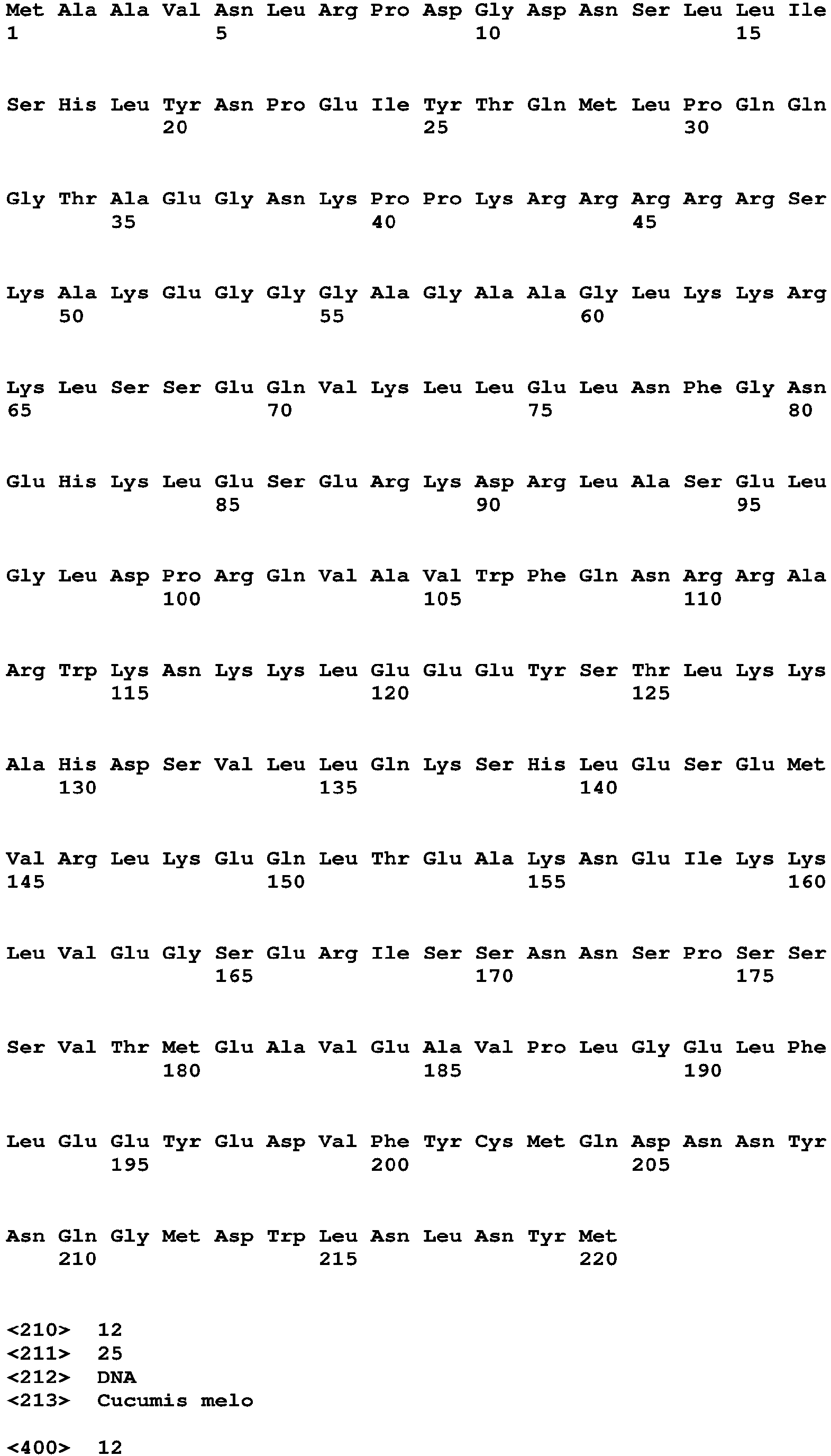
- G428A stop codon mutation leads to a truncated form of the protein of 113 amino acids instead of a protein of 224 amino acids (SEQ ID N°4). Seeds belonging to the stop mutant family (annotated here by CmHB40_W113STOP*) were sown and resulting plants genotyped using CAPS technique, where primers 7809-143For and 7809-145Rev where used to amplify genomic targeted region and Hph1 enzyme was used to detect the polymorphism.
- AT4G36740 encodes for a protein belonging to the family of Homeodomain leucine Zipper class I transcription factor. Based on this, MELO3C007809 was re-annotated as Homeodomain leucine Zipper class I gene CmHB40.
- MELO3C007809 (coding for CmHB40 protein of SEQ ID N°3), Csa6G501990 (coding for CsHB40 protein of SEQ ID N°5), CICG01G019340 (coding for CIHB40 protein of SEQ ID N°8), Cp4.1LG10G00850 (coding for CpHB40-1 of SEQ ID N°9), Cp4.1LG19g09540 (coding for CpHB40-2 of SEQ ID N°10), and Lsi01G006990 (coding for LsHB40 protein of SEQ ID N°11) are syntenic ( Figure 4 and Figure 5 ).
- CsHB40 -Q107* carries a mutation at a position 394 bp from ATG, leading to truncated protein sequence (SEQ ID N°6).
- Cshb40- W113 * carries a mutation at a position 414 bp from ATG, leading to truncated protein sequence (SEQ ID N°7).
- SEQ ID N°7 truncated protein sequence
- Sex determination genes were shown to be associated to QTL controlling fruit shape.
- Fruit shape is one of the most important physical properties and quality parameters of all agricultural products. The appearance of fruits and vegetables also has a major influence on the perceived fruit quality, with consumers preferring fruits of uniform shape. It has been found that mutation affecting the enzymatic activity of CmACS-7 in melon or CsACS2 in cucumber alter the sex of the flower as well as fruit shape. The inventors tested whether induced mutations in CmHB40 or CsHB40 leading to andromonoecious phenotype are also associated with alteration of fruit shape.
- the fruit shape here is referred to as the shape of the fruit developed from wildtype female flower, varying from round, oblate, ovate, elliptical, or extremely elongated, as in the case of flexuosus variety of melon. All the mutant plants, harboring mutations in CmHB40 or in CsHB40 and displaying sex transition, were found to develop fruits without alteration of fruit shape of the non-mutated wildtype plant. In contrast CmACS-7 or CsACS2 sex transition mutant developed alteration of fruit shape index ( Figure 7 ). In Charentais-Mono variety of melon, fruits developed by female flowers are elongated with a FSi of about 1.8. Fruits of CmHB40 mutants have FSi score of about 1.8 and fruits of CmACS7 mutant have FSi score of about 1.4.
Landscapes
- Health & Medical Sciences (AREA)
- Life Sciences & Earth Sciences (AREA)
- Genetics & Genomics (AREA)
- Chemical & Material Sciences (AREA)
- Organic Chemistry (AREA)
- Molecular Biology (AREA)
- Engineering & Computer Science (AREA)
- General Health & Medical Sciences (AREA)
- Zoology (AREA)
- Wood Science & Technology (AREA)
- Bioinformatics & Cheminformatics (AREA)
- General Engineering & Computer Science (AREA)
- Biotechnology (AREA)
- Biomedical Technology (AREA)
- Biophysics (AREA)
- Biochemistry (AREA)
- Botany (AREA)
- Plant Pathology (AREA)
- Physics & Mathematics (AREA)
- Cell Biology (AREA)
- Microbiology (AREA)
- Proteomics, Peptides & Aminoacids (AREA)
- Medicinal Chemistry (AREA)
- Gastroenterology & Hepatology (AREA)
- Environmental Sciences (AREA)
- Developmental Biology & Embryology (AREA)
- Breeding Of Plants And Reproduction By Means Of Culturing (AREA)
- Peptides Or Proteins (AREA)
Abstract
The present invention relates to a new gene involved in sex determination in Cucurbitaceae. The loss of function of the protein encoded by this gene induces a transformation of female flowers to hermaphrodite flowers and fruits with non-altered shape.
The present invention is thus directed to Cucurbitaceae plant modified so that expression and/or function of the protein encoded by said new gene is abolished; said plant having hermaphrodite flowers instead of female flowers and preferably fruits with a non-altered shape.
Description
- The present invention relates to a new gene involved in sex determination in Cucurbitaceae. The loss of function of the protein encoded by this gene induces a transformation of female flowers to hermaphrodite flowers and fruits with non-altered shape.
- The production of hybrid plants is of great interest in agronomy and in agriculture. In fact, hybrid plants, owing to the phenomenon of heterosis, also called hybrid vigour, display superiority for many characters, relative to the average of their two parents. This superiority may be reflected for example in better vigour, better yield, greater adaptation to the medium in which the hybrid is cultivated, and great uniformity of the hybrid relative to its parents. This hybrid vigour is even greater when the parents are more distant genetically. The creation of pure and stable lines, the future parents of the hybrid, is an indispensable step for creating homogeneous and reproducible hybrid varieties expressing the greatest heterosis. The creation of pure lines involves the self-fertilization of a plant so as to obtain plants having one and the same germplasm, fixed for all of the required characters of productivity, regularity of yield, or of resistance to diseases.
- Many dicotyledonous plants, and in particular the Cucurbitaceae, can be gynoecious, androecious, monoecious, hermaphrodite or andromonoecious. The plants having only female flowers are called gynoecious. The plants having only male flowers are called androecious. Androecy is quite a sought-after agronomic character; indeed exclusively male flowers produce more pollen. Besides, the plants having male flowers and separate female flowers but on the same plant are called monoecious. The plants having bisexual flowers are called hermaphrodite and the plants having bisexual and male flowers on the same plant are called andromonoecious.
- The family of the Cucurbitaceae includes more than 800 vegetable species distributed in 120 genera in the tropical and subtropical regions. This plant family includes several species of a major agronomic interest and which are cultivated in temperate regions such as the cucumber (Cucumis sativus), the melon (Cucumis melo), the watermelon (Citrullus lanatus), the zucchini (Cucurbita pepo) or the pumpkin (Cucurbita maxima).
- To facilitate the creation of hybrids, there is therefore a need for a system which would enable to control the development of the floral type of a plant of the Cucurbitaceae family and to obtain a plant of a determined floral type.
- The Cucurbitaceae have served as a model for the study of sex dimorphism for decades. In the cucumber (Cucumis sativus), a monoecious plant, sex determinism is genetically controlled by three loci, F (Female), A (Androecious) and M (Monoecious). Using a candidate gene approach, it has been shown that an ACC synthase co-segregated with the locus F (Trebitsh et al., (1997) "Identification of a 1-aminocyclopropane-1-carboxylic acid synthase gene linked to the female (F) locus that enhances female sex expression in cucumber" Plant Physiol 113: 987-995) and that the monoecious plants have a single copy of this gene while gynoecious plants have an additional copy, the CsACS1G gene. Boualem et al. in "A conserved ethylene biosynthesis enzyme leads to andromonoecy in two cucumis species" (PloS ONE, July 2009, Vol. 4, ) demonstrated that the gene CsACS2 of Cucumis sativus co-segregates with the Monoecious (M) locus. They also showed that CsACS2 is mainly expressed in female and hermaphrodite flowers. The loss of activity of that enzyme caused the transition from monoecia to andromonoecia.
- In the melon, another model Cucurbitaceae, sex determinism is controlled by two loci, the locus A (andromonoecious) and the locus G (gynoecious). The nature of the locus A, responsible for the transition from the monoecious towards the andromonoecious sex type, has been revealed by Boualem et al. in "A Conserved Mutation in an Ethylene Biosynthesis Enzyme Leads to Andromonoecy in Melons" (Science, 321, 836. 2008). This publication has demonstrated that the A gene encoded for an ACC synthase, CmACS-7. In the PCT international application published under No.
WO2007/125264 - The Inventors in the PCT international application published under No.
WO2010/012948 describes in Cucumis melo that the two alleles (G) and (g) differ from one another by different levels of a new protein, the protein CmWIP1. Martin et al. ("A transposon-induced epigenetic changes leads to sex determination in melon" Nature, 2009, 461(7267):1135-8) demonstrated that plants with allele G have a higher level of protein CmWIP1 that plants with allele g. Eleblu et al. ("The gynoecious CmWIP1 transcription factor interacts with CmbZIP48 to inhibit carpel development" Scientific reports 9, 15443, 2019) demonstrated that CmWIP1 inhibits carpel development leading to the development of unisexual male flowers. - For breeding application, cucumber is an important economical vegetable crop. Gynoecy has been shown to be positively correlated with the production, and elongated fruit shape is an important determinant of marketable yield. The association of fruit shape and sex expression is a very interesting phenomenon in cucumber. The majority of cucumber cultivars are monoecious or gynoecious, and their fruits usually show elongated shape. However, the fruits developed from perfect flowers on andromonoecious or hermaphroditic plants are round. Similar observations are also well documented in melon (Loy JB, "Fruit size in melon in monoecious and andromonoecious isolines" Cucurbit Genetics Cooperative Report 2006 N° 28-29, pp 12-13). It is known that this association of bisexual flower and altered fruit shape is due to the pleiotropic effects of the monoecy locus (m in cucumber and α in melon) rather than due to its close linkage with a fruit shape gene.
- Tan et al. in "A novel allele of monoecious (m) locus is responsible or elongated fruit shape and perfect flowers in cucumber (Cucumis sativus L.)" (Theor. Appl. Genet., 2015, 128: 2483-2493) have identified an andromonoecious cucumber line H38 with bisexual flowers and elongated fruits. This is due to the deletion in CsACS2 encoding a truncated loss-of-function protein. But they also demonstrated that the elongated fruits are not found in the F2 population (crossing hermaphrodite H34 and andromonoecious H38). Even the fruits from a same plant showed different shapes. The Authors conclude that the action of the m locus on fruit shape might not depend on the enzymatic function of the CsACS2 gene in cucumber. To create pure lines, it is therefore necessary to use plants whose sexual type permits self-fertilization, for example hermaphrodite plants. In Cucurbitaceae, previous studies have shown that the shape of fruits from hermaphrodite flowers have not the shape required by the market.
- Considering these drawbacks, the Inventors have further studied the relationship between sex determination and fruit shape in Cucurbitaceae.
- The Inventors have identified a new gene CmHB40 of Cucumis melo (SEQ ID N°1). Surprisingly, plants with a loss of function of CmHB40 develop hermaphrodite flowers instead of female flowers without any negative impact on the shape of fruits. The obtained plants may thus be andromonoecious or hermaphrodite.
- Notably, the Inventors have shown that when the gene CsHB40 of Cucumis sativus, orthologous of CmBH40, is inactivated, the female flowers become hermaphrodite and the wild type elongated shape of fruits is maintained.
- The present invention thus relates to a plant belonging to the Cucurbitaceae family harboring a protein (i) having at least 70%, preferably at least 75%, 80%, 85%, 90%, 95%, 98% or 100% identity with the sequence SEQ ID N°3 and (ii) being preferably expressed in the stamen primordia of female flowers at flower development stages 5 and 6 (corresponding to bisexual stage of flower development), said plant being characterized in that:
- expression and/or function of said protein is abolished by genetic engineering techniques, and
- said plant has hermaphrodite flowers instead of female flowers and preferably fruits with a non-altered shape.
- Analysis of the expression of a gene in the stamen primordia of female flower may be performed by laser microdissection of stamina primordia, extracting RNA and analyzing the expression of the target gene using Real-Time Quantitative Reverse Transcription PCR; said localized expression may also be observed by in-situ hybridization of mRNA to be assessed with a labelled antisense probe as described in Boualem et al., "A cucurbit androecy gene reveals how unisexual flowers develop and dioecy emerges" (Science, 2015, 350; 6261: 688-691).
- Flower developmental stages are described in "Developmental analyses reveal early arrests of the spore-bearing parts of reproductive organs in unisexual flowers of cucumber (Cucumis sativus L.)" (Su-Lan Bai, et al., Planta, 2004, 220: 230-240).
- The term "genetic engineering techniques" means in the sense of the present invention all the techniques for manipulating the genome of a living being so as to modify its genotype and consequently its phenotype.
- The term "abolish the function of the protein" means that the protein having at least 70% identity with the sequence SEQ ID N°3 that belongs to the homeodomain leucine zipper transcription factor family, losses its function and is not anymore able to link to its DNA target or to activate transcription of target genes.
- Genetic engineering techniques to abolish function of a protein are well known by the person skilled in the art and include mutagenesis, such as, ionizing radiation (X-ray, Gamma rays and neutrons); chemical mutagenesis; genome editing with site-directed nucleases (SDNs), e.g., using clustered regularly interspaced short palindromic repeat (CRISPR)-directed nucleases, transcription activator-like effector nuclease (TALENs), zinc-finger nucleases (ZFNs) or meganucleases; and targeting induced local lesions in genomes (TILLING).
- "TILLING" is a method of reverse genetics which is based on the ability of an endonuclease to detect mismatches in a double strand of DNA and to create a DNA cleavage at the unpaired bases (MC Callum et al., 2000, Plant Physiology, Vol. 123: 439-442). TILLING could be also based on direct sequencing of amplicons of mutant lines or full sequencing of mutant lines to identify individual plants harboring induced mutations. This technique makes it possible to detect unique mutation points generated by the exposure of plants to a mutagenic chemical compound (http://ips2.u-psud.fr/en/platforms/epitrans-epigenomic-translational-biology/applications/mutation-screening.html). TILLING technique thus allows the identification of a series of alleles of a given gene and is particularly well suited to the implementation of methods of high throughput screenings for allowing the selection, in the target genes of interest, mutations induced by chemical mutagenesis, like EMS chemical exposition. The chemical mutagenesis may be realized by exposing the plant cells, the protoplasts or the seeds to the EMS (ethyl methanesulfonate, see Koornbeef et al., 1982, Mutat Res, Vol. 93: 109-123), sodium azide or methylnitrourea mutagenic agents.
- Mutagenesis can also be carried by a combination of TILLING and gene editing technics as described in Jacob P. et al., 2018 (Translational Research: Exploring and Creating Genetic Diversity Trends in Plant Sciences 23(1):42-52).
- According to a specific embodiment, mutagenesis is performed with the TILLING method and the example of primers are listed in table 2 (see example 3).
- The loss of protein function could be measured using techniques such as DAPseq (Bartlett, A. et al., "Mapping genome-wide transcription-factor binding sites using DAP-seq", Nat Protoc 12, 1659-1672,2017), ChIP-seq (Park P. "ChIP-seq: advantages and challenges of a maturing technology" )), promoter reporter gene such as I-Block (Sarolta S. et al., "I-Block: a simple Escherichia coli-based assay for studying sequence-specific DNA binding of proteins", Nucleic Acids Research, Volume 48, Issue 5, 18 March 2020) or luciferase reporter system as described in Hernandez-Garcia and Finer ("Identification and validation of promoters and cis-acting regulatory elements", Plant Science, Volumes 217-218, 2014, Pages 109-119) or Lin, Yuan et al. ("Rapid validation of transcriptional enhancers using agrobacterium-mediated transient assay." Plant methods vol. 15 21. 6 Mar. 2019). Briefly, in the case of CmBH40 for example, the binding motif "CAATAAT" of the protein of SEQ ID N°3 (CmBH40) or a related motif is inserted in at least one copy upstream of 35S minimal promoter driving Luciferase reporter gene and expressed via Agrobacterium binary vector such as pgreen or pCAMBIA vectors. The construct is agroinfiltrated with Agrobacterium binary vector expressing CmBH40 coding sequence under constitutive promoter such as 35S promoter. Wildtype CmBH40 protein will lead to expression of the reporter gene. Loss of function mutant of CmBH40 will not permit transcription of the reporter gene.
- The term "abolish the expression of the protein" means preventing the accumulation of mRNA encoding said protein in the plant.
- This low expression could be obtained by further genetic engineering techniques such as gene silencing induced by an interference technics such as RNAi, antisense RNA or aptamers or mutation in the promoter of the protein having at least 70% identity with the sequence SEQ ID N°3.
- The accumulation of mRNA encoding the protein can be measured using technics such as qPCR and digital PCR.
- The loss of function of the protein having at least 70% identity with the sequence SEQ ID N°3 transforms female flowers into hermaphrodite flowers. This inactivation leads to sexual transition from monoecy to andromonoecy and gynoecy to hermaphroditism.
- According to a preferred embodiment, the fruits produced by the plant with the loss of function of the protein having at least 70% identity with the sequence SEQ ID N°3 have a non-altered or normal shape.
- The term "normal shape" (also designated as non-altered shape) means the shape of wild type fruit.
- One way to assess the shape of a fruit is to calculate the Fruit Shape index (FSi) that is the ratio of the fruit length (FL, i.e. the longer dimension measured from the peduncle) by the fruit diameter (FD, that is the larger dimension in a perpendicular axis compared to the length) at mature stage (see example 6); it is considered that the shape of a fruit is not altered and is thus "normal" in case its FSi does not vary more than 20%, preferably 15%, more preferably 10%, compared to the fruit of a wild type plant.
- According to a preferred embodiment, the plant is Cucumis melo and the protein has at least 90% identity with the sequence SEQ ID N°3. The protein of SEQ ID N°3 is called CmHB40.
- Melon fruits display wide varieties of fruit shapes, varying from round, oblate, ovate, elliptical, or extremely elongated, as in the case of flexuosus variety of melon (Antonio J. Monforte et al., "The genetic basis of fruit morphology in horticultural crops: lessons from tomato and melon", Journal of Experimental Botany, Volume 65, Issue 16, August 2014, Pages 4625-4637). The shape of fruits produced by the mutated plant of the invention is similar to the shape of fruits developed from the wild type female flower whatever its initial forms and shapes.
- Fruit shape index (FSi), the ratio of the fruit length (FL) by the fruit diameter (FD) at mature stage could be used to measure the roundness of a given fruit. In Charentais-Mono variety, fruits developed by female flowers are elliptical with a FSi score of about 1.8.
- According to another preferred embodiment, the plant is Cucumis sativus and the protein has at least 90% identity with the sequence SEQ ID N°5. The protein of SEQ ID N°5 is called CsHB40. The shape of fruits produced by the mutated plant is similar to the shape of fruits developed from the initial wild type female flowers, that is to say an elongated shape. In PoinSett variety of cucumber, fruits developed by female flowers are elongated with a FSi of with score of about 4.
- According to a preferred embodiment, the plant is Cucurbita pepo. Cucurbita pepo genome comprises two copies of CpHB40, encoding CpHB40-1 (SEQ ID N°9) and CpHB40-2 (SEQ ID N°10). The inactivation of both of these proteins of SEQ ID N°9 and SEQ ID N°10 is required to lead to hermaphrodite flowers. Accordingly, in Cucurbita pepo, it is preferably the expression and/or function of the protein having at least 90% identity with the sequence SEQ ID N°9 and of the protein having at least 90% identity with the sequence SEQ ID N°10 that is abolished.
- The shape of fruits produced by the mutated plant is similar to the shape of fruits of developed from the initial wild type female flowers.
- According to another preferred embodiment, the plant is Citrullus lanatus; and the protein has at least 90% identity with the sequence SEQ ID N°8. The protein of SEQ ID N°8 is called CIHB40. The shape of fruits produced by the mutated plant is similar to the shape of fruits developed from the initial wild type female flowers.
- According to another preferred embodiment, the plant is Lagenaria siceraria; and the protein has at least 90% identity with the sequence SEQ ID N°11. The protein of SEQ ID N°11 is called LsHB40. The shape of fruits produced by the mutated plant is similar to the shape of fruits of developed from the initial wild type female flowers.
- The present invention also relates to seeds of the plants of the invention, in particular to the seeds obtained from plant belonging to the Cucurbitaceae family, such as Cucumis melo, Cucumis sativus, Cucurbita pepo, Lagenaria siceraria and Citrullus lanatus with expression and/or activity abolished for the protein having at least 70% identity with SEQ ID N°3.
- Further the invention relates a method to produce andromonoecious or hermaphrodite Cucurbitaceae plant with normal fruits, wherein the method comprises the following steps:
- a) abolition of the expression and/or the function of the protein having at least 70%, preferably at least 75%, 80%, 85%, 90%, 95%, 98% or 100% identity with the sequence SEQ ID N°3 in a protoplast derived from a plant cell or a seed, preferably a seed, by genetic engineering techniques;
- b) selection of a protoplast or a seed obtained of step a) with the expression and/or activity of the protein having at least 70%, preferably at least 75%, 80%, 85%, 90%, 95%, 98% or 100% identity with the sequence SEQ ID N°3 that is abolished. Once identified, the plants harboring mutations in SEQ ID N°3 could be also directly phenotyped for sex transition.
- Genetic engineering techniques are as defined above.
- According to specific embodiments of this method, the plant is Cucumis melo and the protein has at least 90% identity with the sequence SEQ ID N°3, the plant is Cucumis sativus and said protein has at least 90% identity with the sequence SEQ ID N°5; the plant is Cucumis pepo and said protein comprises a protein that has at least 90% identity with the sequence SEQ ID N°9 and a protein that has at least 90% identity with the sequence SEQ ID N°10; the plant is Citrullus lanatus and said protein has at least 90% identity with the sequence SEQ ID N°8; or the plant is Lagenaria siceraria and said protein has at least 90% identity with the sequence SEQ ID N°11.
- According to a particular embodiment, the mutation of the protein having at least 70% identity with the sequence SEQ ID N°3 leads to insertion, deletion and/or substitution of one or more nucleotides in the nucleic sequence encoding for said protein; according to a preferred embodiment of the invention, the mutation leads to a nonsense mutation.
- For example, the mutation of the protein of SEQ ID N°3 is a nonsense mutation at amino acid at position 107 or at position 113 (see for example mutant of SEQ ID N°4); the mutations of proteins of SEQ ID N°5, 8, 9, 10 and 11 may also be nonsense mutation of amino acid located at a position corresponding to the position 107 or the
position 113 when aligning the protein sequence to SEQ ID N°3 (see for example mutants of Cucumis sativus of SEQ ID N°6 and 7). Unless otherwise specified, identity percentages are calculated from a global alignment of amino acid sequences using the "needle" algorithm (Needleman and Wunsch, 1970) using the default settings: "Matrix": EBLOSUM62, "Gap penalty": 10.0 and "Extend penalty": 0.5. - The invention also relates a method for producing a hybrid Cucurbitaceae, wherein the method comprises crossing a plant belonging to the Cucurbitaceae family characterized in that the expression and/or activity of the protein having at least 70%, preferably at least 75%, 80%, 85%, 90%, 95%, 98% or 100% identity with the sequence SEQ ID N°3 is abolished by mutations induced by genetic engineering techniques with a different Cucurbitaceae plant and harvesting the resultant F1 Cucurbitaceae seed.
- A further object of the invention is F1 Cucurbitaceae seed produced by the method for producing a hybrid Cucurbitaceae.
- As described above, the prior art has shown that mutations in genes involved in sex determination in Cucurbitaceae have a negative impact on the shape of fruits and can consequently not be used in seed industry.
- The present invention provides a method to transform female flowers into hermaphrodite flowers in melon, cucumber, watermelon, bottle gourd and zucchini with a resulting plant showing a correct shape of fruits, which refers to non-limiting Figures and Examples illustrating the identification of CmHB40 and its orthologs in accordance with the invention and the demonstration of its impact on sex determination.
-
-
Figure 1 : Development of the M2/m2 mapping population -
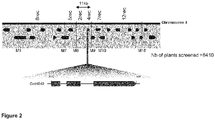
Figure 2 : Positional cloning of M2 locus responsible for dominant andromonoecy in melon (Cucumis melo) -
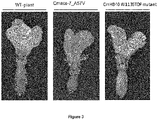
Figure 3 : CmHB40_Wl13STOP mutation in CmHB40 protein leads to andromonoecy in melon -
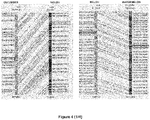
Figure 4 . Synteny analysis between the melon MELO3C007809 (coding for CmHB40 protein), the cucumber Csa6G501990 (coding for CsHB40 protein), the watermelon CICG01G019340 (coding for CIHB40 protein), the zucchini Cp4.1LG10G00850 and Cp4.1LG19g09540 (coding for CpHB40-1 and CpHB40-2) and the lagenaria Lsi01G006990 (coding for LsHB40). -
Figure 5 : Phylogenetic tree of HD-ZIP class I proteins in cucurbits and percentage of identity between HB40 orthologous proteins. -
Figure 6 : W113STOP and Q107STOP mutations in CsHB40 lead to andromonoecy in cucumber. -
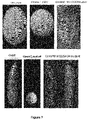
Figure 7 : Mutations in HB40 in melon and cucumber leads to andromonoecy without altering fruit shape. - To genetically characterize the locus m2 responsible for dominant andromonoecy in melon (Cucumis melo), a segregating population has been generated and the offspring has been phenotyped. To do so, monoecious melon plants (male flowers and female flowers on the same plant) have been crossed with Tibish accession harboring male flowers and hermaphrodite flowers on the same plant. Obtained F1 hybrids were andromonoecious, confirming that Tibish andromonoecy is dominant. The F1 hybrids were then crossed with the monoecious parent to produce the backcross descendant 1 (BC1) plants (
Figure 1 ). More than 200 BC1 descendant plants were phenotyped for sex determination (monoecy versus andromonoecy); about 50% of the plants were monoecious and 50% were andromonecious, confirming the dominance of the andromonoecy versus monoecy. - To identify molecular markers linked to m2 locus, bulked-genomic DNA from monoecious and andromonoecious backcross plants were sequenced and the delta-SNP index was determined. This technique is a combination of genome sequencing and Bulk Segregant Analysis (BSA), (Michelmore, R.W. et al. "Identification of markers linked to disease-resistance genes by bulked segregant analysis: A rapid method to detect markers in specific genomic regions by using segregating populations". Proc. Natl. Acad. Sci. USA. 88: 9828-9832, 1991).
- Linked polymorphic sequences were converted into CAPS markers (Cleaved amplified polymorphisms). To develop a high resolution genetic map, CAPS markers were mapped relative to m2 locus in a segregating population of more than 3000 plants. In this analysis the inventors mapped m2 locus to a DNA sequence of 11 kb between marker M8 and marker M9 (Table 1).
Table 1: Primer sequence of the genetic markers Marker Name Primer sequence 5' --> 3' SEQ ID N° M8_F GAAGGACCCGTAAGAATATAATGTC 12 M8_R GGGGCATTTTGCCTAATTTTGGTGA 13 M9_F TATTGAGAATGACTGTCACTT 14 M9_R CTTCACTATCTTGCCTTTCC 15 M7809 AGG CAAACACAAATGG GCATAACAACC 16 M7809 GTAATTGTTGTCTTGCATGCA 17 P7809.1_F AGTGTGTGAGATGATGGATGATGTG 18 P7809.1_R TGCCAAACTTGAGAAAGAGTTG 19 P7809.2_F ACAAACCGAACTTTATGAGGTAGGC 20 P7809.2_R TGACTCGATGAAATGGGAAGCTTGT 21 P7809.3_F GAGAGTGAATCACGTGTCTTGATGT 22 P7809.3_R AGTTGGAAATGGAATCCCTTTTTGG 23 - Annotation of DNA sequence located between marker M8 and marker M9 revealed a single gene coding for MELO3C007809 (SEQ ID N°1) (
Figure 2 ). - To further confirm that MELO3C007809 (SEQ ID N°1) is indeed the gene controlling dominant andromonoecy versus monoecy, induced mutations in MELO3C007809 were screened, using the TILLING concept. As control, induced mutations in the two genes flanking MELO3C007809 were also screened. In the TILLING experiment a melon EMS mutagenized population of more than 10 000 M2 families described in Boualem et al. 2015, were used. The TILLING screens were also performed, as described in Boualem et al. 2015.
- To identify induced mutations in MELO3C007809 three amplicons covering all the coding sequence of MELO3C007809 were screened (see Table 2).
Table 2: Sequence of the TILLING primers for melon and cucumber screens TILLING Primers Primer sequence 5' --> 3' SEQ ID N° Cm7809For139 AATTCCCGTGTAAGCCATCC 24 Cm7809Rev142 CAAAGTTCATCTCCAAAAGC 25 Cm7809For143 TACGGGAGAGGGAAATAAGC 26 Cm7809Rev14S ACAATTATAGCTCTCTGACC 27 Cm7809For147 CACAAATGGGCATAACAACC 28 Cm7809Rev149 TATGAGAGTTCTATATCTA 29 Cs7809For1 CTCAAACCTATCCACATACC 30 Cs7809Rev2 CCTCTCCGATTCCAATTTAT 31 Cs7809For3 GGAGATGAATTTTGGGAATG 32 Cs7809Rev4 TAACTCTCTGACCGTACGTA 33 Cs7809For9 CTGCCATCTGAGGCAAATAT 34 Cs7809Rev10 TTAAGCTAGAGATGATCTAA 35 - In altogether 8 Missense mutations and one G428A nonsense mutation were identified and the G428A nonsense mutation was found to be located at 428 bp from ATG start site. G428A stop codon mutation leads to a truncated form of the protein of 113 amino acids instead of a protein of 224 amino acids (SEQ ID N°4). Seeds belonging to the stop mutant family (annotated here by CmHB40_W113STOP*) were sown and resulting plants genotyped using CAPS technique, where primers 7809-143For and 7809-145Rev where used to amplify genomic targeted region and Hph1 enzyme was used to detect the polymorphism. Andromonoecious plants homozygote for G428A stop codon mutation were obtained. Conversely plants harboring the wildtype allele are monoecious. These data confirmed that M2 locus encodes for MELO3C007809 gene, the wildtype allele inhibits stamina development and loss of function allele of MELO3C007809 leads to andromonoecy (
Figure 3 ). - Blasting the sequence of MELO3C007809 gene against Arabidopsis thaliana database identified the gene AT4G36740 as the closest homolog. AT4G36740 encodes for a protein belonging to the family of Homeodomain leucine Zipper class I transcription factor. Based on this, MELO3C007809 was re-annotated as Homeodomain leucine Zipper class I gene CmHB40. Blasting the sequence of CmHB40 gene against the cucurbit genomes identified Csa6G501990, CICG01G019340, Cp4.1LG19g09540, Cp4.1LG10G00850 and Lsi01G006990 as the most homologous sequences in cucumber, watermelon, Cucurbita pepo (zucchini) and Lagenaria siceraria (bottle gourd), respectively. Using synteny analysis it has been found that MELO3C007809 (coding for CmHB40 protein of SEQ ID N°3), Csa6G501990 (coding for CsHB40 protein of SEQ ID N°5), CICG01G019340 (coding for CIHB40 protein of SEQ ID N°8), Cp4.1LG10G00850 (coding for CpHB40-1 of SEQ ID N°9), Cp4.1LG19g09540 (coding for CpHB40-2 of SEQ ID N°10), and Lsi01G006990 (coding for LsHB40 protein of SEQ ID N°11) are syntenic (
Figure 4 andFigure 5 ). - To check whether the function of CmHB40 is conserved throughout cucurbits, the effect of CsHB40 on the control of stamina development in cucumber has been tested. As for melon induced mutations in CsHB40 in cucumber EMS mutagenized population were screened (Table 2) and the mutant plants for sex transition were phenotyped. 5 mutations were identified among which two were predicted to lead to nonsense mutations, Cshb40-Q107* and Chb40-W113*. Cshb40-Q107* carries a mutation at a position 394 bp from ATG, leading to truncated protein sequence (SEQ ID N°6). Cshb40-W113* carries a mutation at a position 414 bp from ATG, leading to truncated protein sequence (SEQ ID N°7). As in the case of C. melo, seeds of these two families were backcrossed to wildtype and F2 seeds sown and plant assessed for sex transition. All the plants homozygote for Cshb40-W113* or Cshb40-Q107* mutations were andromonecious. In contrast sibling plants that do not carrying Cshb40-W113* or Cshb40-Q107* mutations were monoecious. Based on these findings, it has been concluded that CsHB40 in cucumber, as CmHB40 in melon, inhibits stamina development in female flowers and loss of function mutations release the inhibitions, leading to hermaphrodite flowers (
Figure 6 ). - Sex determination genes were shown to be associated to QTL controlling fruit shape. Fruit shape is one of the most important physical properties and quality parameters of all agricultural products. The appearance of fruits and vegetables also has a major influence on the perceived fruit quality, with consumers preferring fruits of uniform shape. It has been found that mutation affecting the enzymatic activity of CmACS-7 in melon or CsACS2 in cucumber alter the sex of the flower as well as fruit shape. The inventors tested whether induced mutations in CmHB40 or CsHB40 leading to andromonoecious phenotype are also associated with alteration of fruit shape. The fruit shape here is referred to as the shape of the fruit developed from wildtype female flower, varying from round, oblate, ovate, elliptical, or extremely elongated, as in the case of flexuosus variety of melon. All the mutant plants, harboring mutations in CmHB40 or in CsHB40 and displaying sex transition, were found to develop fruits without alteration of fruit shape of the non-mutated wildtype plant. In contrast CmACS-7 or CsACS2 sex transition mutant developed alteration of fruit shape index (
Figure 7 ). In Charentais-Mono variety of melon, fruits developed by female flowers are elongated with a FSi of about 1.8. Fruits of CmHB40 mutants have FSi score of about 1.8 and fruits of CmACS7 mutant have FSi score of about 1.4. - In PoinSett variety of cucumber, fruits developed by female flowers are elongated with a FSi of about 4. Fruits of CsHB40 mutants have FSi score of about 4 and fruits of CsACS7 mutant have FSi score of about 1.




Claims (15)
- A plant belonging to the Cucurbitaceae family harboring a protein having at least 70%, preferably at least 75%, 80%, 85%, 90%, 95%, 98% or 100% identity with the sequence SEQ ID N°3, said plant being characterized in that:- expression and/or function of said protein is abolished by genetic engineering techniques,- said plant has hermaphrodite flowers instead of female flowers, and- the Fruit Shape index (FSi) of said plant does not vary more than 20% compared to the fruit of a wild type plant.
- The plant according to claim 1 characterized in that the plant is Cucumis melo.
- The plant according to claim 2 characterized in that said protein has at least 90% identity with the sequence SEQ ID N°3.
- The plant according to claim 1 characterized in that the plant is Cucumis sativus.
- The plant according to claim 4, characterized in that said protein has at least 90% identity with the sequence SEQ ID N°5.
- The plant according to claim 1 characterized in that the plant is Cucurbita pepo.
- The plant according to claim 6, characterized in that said protein comprises a protein having at least 90% identity with the sequence SEQ ID N°9 and a protein having at least 90% identity with the sequence SEQ ID N°10 and in that expression and/or function of both proteins is abolished.
- The plant according to claim 1 characterized in that the plant is Citrullus lanatus.
- The plant according to claim 8 characterized in that said protein has at least 90% identity with the sequence SEQ ID N°8.
- The plant according to claim 1 characterized in that the plant is Lagenaria siceraria.
- The plant according to claim 10 characterized in that said protein has at least 90% identity with the sequence SEQ ID N°11.
- The seeds of the plant according to any claims 1 to 11.
- A method to produce Cucurbitaceae plants according to anyone of claims 1 to 11, wherein the method comprises the following steps:a) abolition of the expression and/or the activity of the protein having at least 70%, preferably at least 75%, 80%, 85%, 90%, 95%, 98% or 100% identity with the sequence SEQ ID N°3 in a seed by genetic engineering techniques;b) selection of a seed obtained from step a) wherein the expression and/or activity of the protein having at least 70%, preferably at least 75%, 80%, 85%, 90%, 95%, 98% or 100% identity with the sequence SEQ ID N°3 is abolished.
- The method according to claim 13, characterized in that the genetic engineering technique of step a) is performed by Ethyl Methane sulfonate (EMS) treatment and targeting induced local lesions in genomes (TILLING).
- The method as claimed in claim 13 or 14 characterized in that the abolition of the expression and/or the function of said protein is obtained by a nonsense mutation at amino acid located at position corresponding to position 107 or position 113 of protein of SEQ ID N°3 after alignment.
Priority Applications (5)
| Application Number | Priority Date | Filing Date | Title |
|---|---|---|---|
| EP21305528.8A EP4079751A1 (en) | 2021-04-22 | 2021-04-22 | Identification of a new gene involved in sex determination in cucurbitaceae |
| IL307728A IL307728A (en) | 2021-04-22 | 2022-04-15 | Identification of a new gene involved in sex determination in cucurbitaceae |
| EP22716098.3A EP4326748A1 (en) | 2021-04-22 | 2022-04-15 | Identification of a new gene involved in sex determination in cucurbitaceae |
| PCT/EP2022/060184 WO2022223487A1 (en) | 2021-04-22 | 2022-04-15 | Identification of a new gene involved in sex determination in cucurbitaceae |
| US18/287,923 US20240206413A1 (en) | 2021-04-22 | 2022-04-15 | Identification of a new gene involved in sex determination in cucurbitaceae |
Applications Claiming Priority (1)
| Application Number | Priority Date | Filing Date | Title |
|---|---|---|---|
| EP21305528.8A EP4079751A1 (en) | 2021-04-22 | 2021-04-22 | Identification of a new gene involved in sex determination in cucurbitaceae |
Publications (1)
| Publication Number | Publication Date |
|---|---|
| EP4079751A1 true EP4079751A1 (en) | 2022-10-26 |
Family
ID=75919267
Family Applications (2)
| Application Number | Title | Priority Date | Filing Date |
|---|---|---|---|
| EP21305528.8A Withdrawn EP4079751A1 (en) | 2021-04-22 | 2021-04-22 | Identification of a new gene involved in sex determination in cucurbitaceae |
| EP22716098.3A Pending EP4326748A1 (en) | 2021-04-22 | 2022-04-15 | Identification of a new gene involved in sex determination in cucurbitaceae |
Family Applications After (1)
| Application Number | Title | Priority Date | Filing Date |
|---|---|---|---|
| EP22716098.3A Pending EP4326748A1 (en) | 2021-04-22 | 2022-04-15 | Identification of a new gene involved in sex determination in cucurbitaceae |
Country Status (4)
| Country | Link |
|---|---|
| US (1) | US20240206413A1 (en) |
| EP (2) | EP4079751A1 (en) |
| IL (1) | IL307728A (en) |
| WO (1) | WO2022223487A1 (en) |
Citations (4)
| Publication number | Priority date | Publication date | Assignee | Title |
|---|---|---|---|---|
| WO2007125264A2 (en) | 2006-04-28 | 2007-11-08 | Institut National De La Recherche Agronomique - Inra | Genetic system for controlling the floral development of a dicotyledonous plant, and use thereof in detection and selection processes |
| WO2010012948A2 (en) | 2008-07-28 | 2010-02-04 | Institut National De La Recherche Agronomique - Inra | Combination of two genetic elements for controlling the floral development of a dicotyledonous plant, and use in detection and selection methods |
| WO2012148835A1 (en) * | 2011-04-29 | 2012-11-01 | Pioneer Hi-Bred International, Inc. | Down-regulation of a homeodomain-leucine zipper i-class homeobox gene for improved plant performance |
| US20140283189A1 (en) * | 2013-03-13 | 2014-09-18 | Rijk Zwaan Zaadteelt En Zaadhandel B.V. | Hybrid melon variety 34-765 rz |
-
2021
- 2021-04-22 EP EP21305528.8A patent/EP4079751A1/en not_active Withdrawn
-
2022
- 2022-04-15 IL IL307728A patent/IL307728A/en unknown
- 2022-04-15 EP EP22716098.3A patent/EP4326748A1/en active Pending
- 2022-04-15 WO PCT/EP2022/060184 patent/WO2022223487A1/en not_active Ceased
- 2022-04-15 US US18/287,923 patent/US20240206413A1/en active Pending
Patent Citations (4)
| Publication number | Priority date | Publication date | Assignee | Title |
|---|---|---|---|---|
| WO2007125264A2 (en) | 2006-04-28 | 2007-11-08 | Institut National De La Recherche Agronomique - Inra | Genetic system for controlling the floral development of a dicotyledonous plant, and use thereof in detection and selection processes |
| WO2010012948A2 (en) | 2008-07-28 | 2010-02-04 | Institut National De La Recherche Agronomique - Inra | Combination of two genetic elements for controlling the floral development of a dicotyledonous plant, and use in detection and selection methods |
| WO2012148835A1 (en) * | 2011-04-29 | 2012-11-01 | Pioneer Hi-Bred International, Inc. | Down-regulation of a homeodomain-leucine zipper i-class homeobox gene for improved plant performance |
| US20140283189A1 (en) * | 2013-03-13 | 2014-09-18 | Rijk Zwaan Zaadteelt En Zaadhandel B.V. | Hybrid melon variety 34-765 rz |
Non-Patent Citations (27)
| Title |
|---|
| ANTONIO J. MONFORTE ET AL.: "The genetic basis of fruit morphology in horticultural crops: lessons from tomato and melon", JOURNAL OF EXPERIMENTAL BOTANY, vol. 65, August 2014 (2014-08-01), pages 4625 - 4637 |
| BARTLETT, A. ET AL.: "Mapping genome-wide transcription-factor binding sites using DAP-seq", NAT PROTOC, vol. 12, 2017, pages 1659 - 1672 |
| BOUALEM ET AL.: "A conserved ethylene biosynthesis enzyme leads to andromonoecy in two cucumis species", PLOS ONE, vol. 4, July 2009 (2009-07-01), pages 1 - 10 |
| BOUALEM ET AL.: "A Conserved Mutation in an Ethylene Biosynthesis Enzyme Leads to Andromonoecy in Melons", SCIENCE, vol. 321, 2008, pages 836 |
| BOUALEM ET AL.: "A cucurbit androecy gene reveals how unisexual flowers develop and dioecy emerges", SCIENCE, vol. 350, no. 6261, 2015, pages 688 - 691 |
| DATABASE UniProt [online] 12 April 2017 (2017-04-12), "SubName: Full=homeobox-leucine zipper protein ATHB-40 {ECO:0000313|RefSeq:XP_008441120.1};", XP002804377, retrieved from EBI accession no. UNIPROT:A0A1S3B2Q4 Database accession no. A0A1S3B2Q4 * |
| ELEBLU ET AL.: "The gynoecious CmWIP1 transcription factor interacts with CmbZIP48 to inhibit carpel development", SCIENTIFIC REPORTS, vol. 9, 2019, pages 15443 |
| ELŻBIETA U KOZIK ET AL: "PROCEEDINGS OF CUCURBITACEAE 2016 The XI th Eucarpia Meeting on Cucurbit Genetics & Breeding European Association for Research on Plant Breeding", 1 January 2016 (2016-01-01), pages 1 - 353, XP055360977, Retrieved from the Internet <URL:http://cuke.hort.ncsu.edu/cgc/conferences/cuc2016proceedings.pdf> [retrieved on 20170331] * |
| HERNANDEZ-GARCIAFINER: "Identification and validation of promoters and cis-acting regulatory elements", PLANT SCIENCE, vol. 217-218, 2014, pages 109 - 119 |
| J. GARCIA-MAS ET AL: "The genome of melon (Cucumis melo L.)", PROCEEDINGS OF THE NATIONAL ACADEMY OF SCIENCES, vol. 109, no. 29, 2 July 2012 (2012-07-02), US, pages 11872 - 11877, XP055415574, ISSN: 0027-8424, DOI: 10.1073/pnas.1205415109 * |
| JACOB P. ET AL.: "Translational Research: Exploring and Creating Genetic Diversity Trends", PLANT SCIENCES, vol. 23, no. 1, 2018, pages 42 - 52, XP085319622, DOI: 10.1016/j.tplants.2017.10.002 |
| KOORNBEEF ET AL., MUTAT RES, vol. 93, 1982, pages 109 - 123 |
| KUMAR VIPIN ET AL: "Studies on Genetic Variability, Heritability and Genetic Advance among Quantitative and Qualitative Characters in Bottle Gourd (Lagenaria siceraria Standl.)", 12 December 2020 (2020-12-12), pages 617 - 621, XP055848156, Retrieved from the Internet <URL:https://www.researchgate.net/profile/Rajat-Singh-13/publication/352739744_Studies_on_Genetic_Variability_Heritability_and_Genetic_Advance_among_Quantitative_and_Qualitative_Characters_in_Bottle_Gourd_Lagenaria_siceraria_Standl/links/60d5dadf299bf1ea9ebba6b2/Studies-on-Genetic-Variability-Heritabilit> [retrieved on 20211006] * |
| LI DANDAN ET AL: "Gene Interactions Regulating Sex Determination in Cucurbits", FRONTIERS IN PLANT SCIENCE, vol. 10, 10 October 2019 (2019-10-10), CH, XP055844567, ISSN: 1664-462X, DOI: 10.3389/fpls.2019.01231 * |
| LIN, YUAN ET AL.: "Rapid validation of transcriptional enhancers using agrobacterium-mediated transient assay", PLANT METHODS, vol. 15, 6 March 2019 (2019-03-06), pages 21 |
| LOY JB: "Fruit size in melon in monoecious and andromonoecious isolines", CUCURBIT GENETICS COOPERATIVE REPORT, no. 28-29, 2006, pages 12 - 13 |
| MARTIN ET AL.: "A transposon-induced epigenetic changes leads to sex determination in melon", NATURE, vol. 461, no. 7267, 2009, pages 1135 - 8, XP002568870, DOI: 10.1038/nature08498 |
| MARTOS-FEUNTES ET AL.: "Pleiotropic effects of CmACS7 on fruit growth and quality parameters in melon (Cucumis melo)", ACTA HORTIC, 2017, pages 1151 |
| MC CALLUM ET AL., PLANT PHYSIOLOGY, vol. 123, 2000, pages 439 - 442 |
| MICHELMORE, R.W. ET AL.: "Identification of markers linked to disease-resistance genes by bulked segregant analysis: A rapid method to detect markers in specific genomic regions by using segregating populations", PROC. NATL. ACAD. SCI. USA., vol. 88, 1991, pages 9828 - 9832, XP002184162, DOI: 10.1073/pnas.88.21.9828 |
| PAN YUPENG ET AL: "Genetic architecture of fruit size and shape variation in cucurbits: a comparative perspective", THEORETICAL AND APPLIED GENETICS ; INTERNATIONAL JOURNAL OF PLANT BREEDING RESEARCH, SPRINGER, BERLIN, DE, vol. 133, no. 1, 25 November 2019 (2019-11-25), pages 1 - 21, XP036983429, ISSN: 0040-5752, [retrieved on 20191125], DOI: 10.1007/S00122-019-03481-3 * |
| PARK P.: "ChIP-seq: advantages and challenges of a maturing technology", NAT REV GENET, vol. 10, 2009, pages 669 - 680, XP002604157, DOI: 10.1038/NRG2641 |
| SAROLTA S. ET AL.: "I-Block: a simple Escherichia coli-based assay for studying sequence-specific DNA binding of proteins", NUCLEIC ACIDS RESEARCH, vol. 48, 18 March 2020 (2020-03-18) |
| SU-LAN BAI ET AL., PLANTA, vol. 220, 2004, pages 230 - 240 |
| TAN ET AL.: "A novel allele of monoecious (m) locus is responsible or elongated fruit shape and perfect flowers in cucumber (Cucumis sativus L.)", THEOR. APPL. GENET., vol. 128, 2015, pages 2483 - 2493 |
| TAN JUNYI ET AL: "A novel allele ofmonoecious(m) locus is responsible for elongated fruit shape and perfect flowers in cucumber (Cucumis sativusL.)", THEORETICAL AND APPLIED GENETICS ; INTERNATIONAL JOURNAL OF PLANT BREEDING RESEARCH, SPRINGER, BERLIN, DE, vol. 128, no. 12, 8 September 2015 (2015-09-08), pages 2483 - 2493, XP035583209, ISSN: 0040-5752, [retrieved on 20150908], DOI: 10.1007/S00122-015-2603-0 * |
| TREBITSH ET AL.: "Identification of a 1-aminocyclopropane-1-carboxylic acid synthase gene linked to the female (F) locus that enhances female sex expression in cucumber", PLANT PHYSIOL, vol. 113, 1997, pages 987 - 995 |
Also Published As
| Publication number | Publication date |
|---|---|
| WO2022223487A1 (en) | 2022-10-27 |
| IL307728A (en) | 2023-12-01 |
| US20240206413A1 (en) | 2024-06-27 |
| EP4326748A1 (en) | 2024-02-28 |
Similar Documents
| Publication | Publication Date | Title |
|---|---|---|
| US12234467B2 (en) | Diplospory gene | |
| US11479784B2 (en) | Modulation of seed vigor | |
| WO2013060136A1 (en) | Cloning and application of semi-dominant gene qgl3 capable of controlling grain length and grain weight of rice kernel | |
| US20230054527A1 (en) | Enhanced disease resistance of maize to northern corn leaf blight by a qtl on chromosome 4 | |
| WO2015103136A1 (en) | Low chalk rice plants and related materials and methods | |
| WO2022013268A1 (en) | Methods for identifying and selecting maize plants with resistance to northern corn leaf blight | |
| CN114269934A (en) | Method for identifying, selecting and producing anthracnose stalk rot resistant crops | |
| WO2022208489A1 (en) | Semi-determinate or determinate growth habit trait in cucurbita | |
| US10633668B2 (en) | Extending juvenility in grasses | |
| US20240206413A1 (en) | Identification of a new gene involved in sex determination in cucurbitaceae | |
| WO2023183895A2 (en) | Use of cct-domain proteins to improve agronomic traits of plants | |
| US10858664B2 (en) | Modifying flowering time in maize | |
| WO2023020938A1 (en) | Lettuce plant having delayed bolting | |
| EP4358699A2 (en) | Enhanced disease resistance of maize to northern corn leaf blight by a qtl on chromosome 4 | |
| Dalmadi | MsDwf1-dwarf plants of diploid M. sativa carry a mutation in the gibberellin 3-β-hydroxylase gene |
Legal Events
| Date | Code | Title | Description |
|---|---|---|---|
| PUAI | Public reference made under article 153(3) epc to a published international application that has entered the european phase |
Free format text: ORIGINAL CODE: 0009012 |
|
| STAA | Information on the status of an ep patent application or granted ep patent |
Free format text: STATUS: THE APPLICATION HAS BEEN PUBLISHED |
|
| AK | Designated contracting states |
Kind code of ref document: A1 Designated state(s): AL AT BE BG CH CY CZ DE DK EE ES FI FR GB GR HR HU IE IS IT LI LT LU LV MC MK MT NL NO PL PT RO RS SE SI SK SM TR |
|
| STAA | Information on the status of an ep patent application or granted ep patent |
Free format text: STATUS: THE APPLICATION IS DEEMED TO BE WITHDRAWN |
|
| 18D | Application deemed to be withdrawn |
Effective date: 20230427 |