EP4074843A1 - Method and test kit for detecting human papillomavirus - Google Patents
Method and test kit for detecting human papillomavirus Download PDFInfo
- Publication number
- EP4074843A1 EP4074843A1 EP20897930.2A EP20897930A EP4074843A1 EP 4074843 A1 EP4074843 A1 EP 4074843A1 EP 20897930 A EP20897930 A EP 20897930A EP 4074843 A1 EP4074843 A1 EP 4074843A1
- Authority
- EP
- European Patent Office
- Prior art keywords
- seq
- hpv
- pcr
- primer pairs
- sample
- Prior art date
- Legal status (The legal status is an assumption and is not a legal conclusion. Google has not performed a legal analysis and makes no representation as to the accuracy of the status listed.)
- Granted
Links
Images


Classifications
-
- C—CHEMISTRY; METALLURGY
- C12—BIOCHEMISTRY; BEER; SPIRITS; WINE; VINEGAR; MICROBIOLOGY; ENZYMOLOGY; MUTATION OR GENETIC ENGINEERING
- C12Q—MEASURING OR TESTING PROCESSES INVOLVING ENZYMES, NUCLEIC ACIDS OR MICROORGANISMS; COMPOSITIONS OR TEST PAPERS THEREFOR; PROCESSES OF PREPARING SUCH COMPOSITIONS; CONDITION-RESPONSIVE CONTROL IN MICROBIOLOGICAL OR ENZYMOLOGICAL PROCESSES
- C12Q1/00—Measuring or testing processes involving enzymes, nucleic acids or microorganisms; Compositions therefor; Processes of preparing such compositions
- C12Q1/70—Measuring or testing processes involving enzymes, nucleic acids or microorganisms; Compositions therefor; Processes of preparing such compositions involving virus or bacteriophage
- C12Q1/701—Specific hybridization probes
- C12Q1/708—Specific hybridization probes for papilloma
-
- C—CHEMISTRY; METALLURGY
- C12—BIOCHEMISTRY; BEER; SPIRITS; WINE; VINEGAR; MICROBIOLOGY; ENZYMOLOGY; MUTATION OR GENETIC ENGINEERING
- C12Q—MEASURING OR TESTING PROCESSES INVOLVING ENZYMES, NUCLEIC ACIDS OR MICROORGANISMS; COMPOSITIONS OR TEST PAPERS THEREFOR; PROCESSES OF PREPARING SUCH COMPOSITIONS; CONDITION-RESPONSIVE CONTROL IN MICROBIOLOGICAL OR ENZYMOLOGICAL PROCESSES
- C12Q1/00—Measuring or testing processes involving enzymes, nucleic acids or microorganisms; Compositions therefor; Processes of preparing such compositions
- C12Q1/68—Measuring or testing processes involving enzymes, nucleic acids or microorganisms; Compositions therefor; Processes of preparing such compositions involving nucleic acids
- C12Q1/6844—Nucleic acid amplification reactions
- C12Q1/686—Polymerase chain reaction [PCR]
-
- C—CHEMISTRY; METALLURGY
- C12—BIOCHEMISTRY; BEER; SPIRITS; WINE; VINEGAR; MICROBIOLOGY; ENZYMOLOGY; MUTATION OR GENETIC ENGINEERING
- C12Q—MEASURING OR TESTING PROCESSES INVOLVING ENZYMES, NUCLEIC ACIDS OR MICROORGANISMS; COMPOSITIONS OR TEST PAPERS THEREFOR; PROCESSES OF PREPARING SUCH COMPOSITIONS; CONDITION-RESPONSIVE CONTROL IN MICROBIOLOGICAL OR ENZYMOLOGICAL PROCESSES
- C12Q1/00—Measuring or testing processes involving enzymes, nucleic acids or microorganisms; Compositions therefor; Processes of preparing such compositions
- C12Q1/68—Measuring or testing processes involving enzymes, nucleic acids or microorganisms; Compositions therefor; Processes of preparing such compositions involving nucleic acids
- C12Q1/6876—Nucleic acid products used in the analysis of nucleic acids, e.g. primers or probes
- C12Q1/6888—Nucleic acid products used in the analysis of nucleic acids, e.g. primers or probes for detection or identification of organisms
-
- C—CHEMISTRY; METALLURGY
- C12—BIOCHEMISTRY; BEER; SPIRITS; WINE; VINEGAR; MICROBIOLOGY; ENZYMOLOGY; MUTATION OR GENETIC ENGINEERING
- C12Q—MEASURING OR TESTING PROCESSES INVOLVING ENZYMES, NUCLEIC ACIDS OR MICROORGANISMS; COMPOSITIONS OR TEST PAPERS THEREFOR; PROCESSES OF PREPARING SUCH COMPOSITIONS; CONDITION-RESPONSIVE CONTROL IN MICROBIOLOGICAL OR ENZYMOLOGICAL PROCESSES
- C12Q2600/00—Oligonucleotides characterized by their use
- C12Q2600/16—Primer sets for multiplex assays
Definitions
- the present invention pertains to the field of biotechnology, and in particular, relates to a method and a kit for detecting human papillomaviruses.
- Cervical cancer ranks the second most common female malignancy worldwide, with around 530,000 new cases and 274000 deaths being reported annually. It can take quite long for cervical cancer to develop and to progress. Typically, it may take over 10 to 20 years for precancerosis to develop into invasive carcinoma through carcinoma in situ. Given the long reversible precancerosis phase before onset, early diagnosis at the precancerosis stage, which begets follow-up treatment or testing, is believed crucial to reduce incidence and mortality of cervical cancer.
- HPV Human Papillomavirus
- E region early coding region
- L region late coding region
- LCR long control region
- HPV Human Papillomavirus
- HPV Human Papillomavirus
- NMPA National Medical Products Administration
- 13 HPV genotypes i.e., HPV 16, 18, 31, 33, 35, 39, 45, 51, 52, 56, 58, 59 and 68
- 5 genotypes i.e., HPV 26, 53, 66, 73 and 82
- HPV 26, 53, 66, 73 and 82 are classified as medium-risk genotypes.
- the Guidelines also suggests that all these 18 HPV genotypes should be assayed in clinical practice to support an early diagnosis of cervical cancer.
- virus screening also plays an important role in quality and especially safety controls for biological products such as cell products and blood products. It is a problem to be solved that there lacks comprehensive detection of HPV viruses of medium and high risk genotypes to allow for improved the detection rate and prevention of miss-detection.
- the inventors conducted a phylogenetic analysis (MegAlign software (https://www.dnastar.com/)) on the DNA sequences of the L1 region of the already known 222 HPV genotypes, and found that the above-said 18 HPV genotypes are not adjacent to one another in the phylogenetic tree.
- the inventors traced to the large branch covering the above 18 HPV genotypes and identified the specific genotypes under this large branch, whereby anexpanded group of genotypes were obtained, which enables comprehensive detection of medium and high risk genotypes of the HPV virus to thereby solve the problem in the art.
- the present invention provides a method for detecting presence of human papillomavirus (HPV) in a sample, comprising the step of detecting presence of HPVs of at least the following 65 HPV genotypes: HPV32, HPV42, HPV54, HPV3, HPV10, HPV28, HPV29, HPV77, HPV78, HPV94, HPV117, HPV125, HPV160, HPV83, HPV102, HPV89, HPV61, HPV62, HPV72, HPV81, HPV84, HPV86, HPV87, HPV114, HPV2, HPV27, HPV57, HPV71, HPV90, HPV106, HPV26, HPV51, HPV69, HPV82, HPV30, HPV53, HPV56, HPV66, HPV18, HPV45, HPV97, HPV39, HPV68, HPV70, HPV59, HPV85, HPV7, HPV40, HPV43, HPV91,
- the presence of said genotypes is detected by polymerase chain reaction (PCR) assays, and the presence of HPV in the sample is determined according to results of said PCR assays.
- the PCR assays are conducted using a set of primer pairs capable of detecting the at least 65 human papillomavirus genotypes, wherein one or more primer pairs is(are) degenerate primer pair(s).
- the method includes the following steps:
- the step of determining the presence of HPV in the sample according to results of the PCR assays comprises comparing the measured Ct (Threshold Cycle) in each of the PCR assays with a reference Ct; wherein the result of the PCR assay is to be determined positive when said measured Ct is less than said reference Ct or when a unimodal dissociation curve of PCR product is observed and said measured Ct is less than said reference Ct, and the result of the PCR assay is to be determined negative when said measured Ct is greater than or equal to said reference Ct or no logarithmic amplification curve is observed; and whereby, said sample is to be determined positive for presence of HPV when the PCR assay with any one of said primer pairs gives a positive result; wherein, preferably, the reference Ct ranges from 30 to 35, from 32 to 35 or from 33 to 35 or is 34 or 35.
- the primer pair set comprises one or more primer pairs as set forth in Table 1, wherein F and R respectively refer to the forward primer and the reverse primer as paired.
- Table 1 Sequence SEQ ID NO Sequence SEQ ID NO F1: CWGGWRCWGAYAATAGRGAAAATG 1
- R1 YRCCATATCMCCATCCTGWATA 2
- F2 GCRACAAWCTTGAGGACCARAT 3
- R2 YGTGTGCTAGATACRGGTTCAAATG 4
- F3 TGCGTGCCAGGAGABGYTAATAGAC 5
- R3 RKGTCCTGGGTRCTAGATAC 6
- F4 CCYGAKGTGRTTGACCTACA 7
- F5 TGCWGAGCCBTATGGCGATTG 9
- R5 ACMCCAAAATTCCACTCATC 10
- F6 TGTGGCCTAAACGACGTAAAC 11
- R6 CGCGTGACATAGACATCCGTACTG 12
- F7 GGAGA
- annealing temperatures for the PCR assays are independently 40°C-60°C, preferably 50°C-60°C, and more preferably 55°C.
- said PCR assays each comprise independently 30 to 50 cycles, preferably 35-45 cycles and more preferably 40 cycles of PCR reaction.
- a sample refers to an isolated ex vivo sample.
- the sample is selected from the group consisting of cells, blood or secretions.
- the sample is a sample of cells, such as stem cells, and particularly mesenchymal stem cells (MSCs).
- the present invention provides a kit for detection of human papillomavirus.
- the kit comprises one or more reagents that is(are) capable of detecting the at least the 65 HPV genotypes as defined above.
- the reagents include or consist of a set of primer pairs capable of detecting the at least 65 HPV genotypes.
- one or more primer pairs in the set is(are) degenerate primer pair(s).
- the primer pair set includes one or more primer pairs selected from the list of Table 1.
- the kit is one for PCR-based assays.
- the kit may further include other components of a polymerase chain reaction system, references and/or quality controls, etc..
- the kit may further include an instruction on how to use the kit to detect the at least 65 HPV genotypes described above or indication of access to the instruction.
- the kit is one for assays on a sample selected from the group consisting of cells, blood or secretions.
- the sample is a sample of cells, for example, stem cells, and particularly MSCs.
- the present invention provides a set of primer pairs for use in detection of HPV, including one or more primer pairs selected from Table 1.
- a set of primer pairs capable of detecting at least the 65 HPV genotypes as defined above, including one or more primer pairs selected from Table 1.
- the set may include or consist of all the primer pairs listed in Table 1.
- the present invention provides use of the at least 65 HPV genotypes as defined above and/or one or more reagents capable of detecting same for manufacturing tools for detecting HPV.
- the tools may include software products and hardware products, such as kits, instruments, devices, systems, etc.
- the reagents include or consist of a set of primer pairs capable of detecting the at least 65 HPV genotypes, wherein, preferably, one or more primer pairs in the set is(are) degenerate primer pair(s); and preferably, the set of primer pairs comprise one or more primer pairs selected from Table 1.
- a system for determining presence of HPV in a sample may include a device for detecting HPVs of the at least 65 HPV genotypes as defined above.
- the device may include hardware, software such as a program, or both, for implementing said use.
- the system is used for detecting medium- and high-risk HPV genotypes, for disease screening, such as cervical cancer screening.
- the system of the invention includes a device for detecting presence of said genotypes in a sample by PCR assays, and a device for determining presence of HPV in a sample according to results of the PCR assays.
- the PCR assays are conducted using a set of primer pairs capable of detecting HPVs of at least the said 65genotypes, wherein one or more primer pairs in the set is(are) degenerate primer pair(s).
- the system of the invention includes: 1) a device for obtaining DNAs from a sample; 2) a device for reacting the obtained DNAs with each primer pair in said set of primer pairs capable of detecting HPVs of said at least 65 genotypes in a PCR assay separately; and 3) a device for determining the presence of HPV in a sample according to results of the PCR assays.
- one or more primer pairs in the set is(are) degenerate primer pair(s).
- the instructions or the program on the storage medium when being executed by a processor, direct(s) performing of the following steps: detecting presence of the at least 65 HPV genotypes in a sample via PCR assays; and determining presence of HPV in a sample according to results of the PCR assays.
- the PCR assays are conducted using a set of primer pairs capable of detecting the at least 65 HPV genotypes, wherein one or more primer pairs in the set is(are) degenerate primer pair(s).
- the instruction or the program on the storage medium when being executed by a processor, direct(s) performing of the following steps: 1) obtaining DNAs from a sample; 2) reacting the DNAs obtained in step 1) with each primer pair in a set of primer pairs capable of detecting HPVs of said at least 65 genotypes in a PCR assay separately; and 3) determining presence of HPV in said sample according to results of said PCR assays.
- one or more primer pairs in the set is(are) degenerate primer pair(s).
- the storage medium may be any available medium that can be accessed by a computer.
- useful computer-readable media may include random access memories (RAMs), read-only memories (ROMs), electrically erasable programmable read-only memories (EEPROMs), CD-ROMs or other optical-disk storage, magnetic-disk storage or other magnetic storage devices, or any other media that carry or store program codes as desired in the form of instructions or data structures and can be accessed by a computer.
- the 65 genotypes according to the present invention cover the 13 high-risk genotypes and the 5 medium-risk genotypes as recommended by the International Agency for Research on Cancer (IARC) of WHO. And, all of the 65 genotypes stemmed from the same branch of the phylogenetic tree (Examples 1-4), which indicates that the 65 genotypes are closely related in phylogenesis and thus also pose risks of infection leading to development of cervical cancer.
- IARC International Agency for Research on Cancer
- the method and the tools according to the present invention by encompassing the at least 65 genotypes as defined above, provide maximized detection of HPV genotypes of medium and high risks and improved efficiency in disease screening.
- the method and the tools according to the present invention by enabling comprehensive inspection of HPVs of medium- and high-risk genotypes in samples, avoid miss-detection to the maximum and thereby provide improved product quality, safety and quality control efficiency for biological products such as cell products and blood products.
- a "range” can be defined by a lower limit or an upper limit or both, wherein either the lower limit or the upper limit or both can be assigned with multiple values.
- a range can be defined by a selected lower limit and a selected upper limit, whereby specific boundaries of the particular range are defined. All ranges that can be defined in this way are inclusive and combinable. That is, any lower limit can be combined with any upper limit to form a range without departing from the spirit and the scope of the present description and claims. For example, disclosure of a range of 30-50 and a range of 35-45 for a particular parameter should be interpreted as also disclosing the ranges of 30-45 and 35-50 for the parameter.
- PCR Polymerase chain reaction
- the present invention relates to a detection method for detecting HPV genotypes and uses thereof in the field of biotechnology.
- the inventors found in a genetic relationship analysis (i.e., phylogenetic tree analysis) of the DNA sequences of the already known HPV genotypes a group of additional HPV genotypes that are closely related to the 18 medium- and high-risk HPV genotypes recommended in the "Guidelines for Technical Review of Nucleic Acid Detection, Genotyping and Reagents for Human Papillomavirus (HPV)" issued by China Food and Drug Administration (CFDA), including the following 65 genotypes of human papillomavirus: HPV32, HPV42, HPV54, HPV3, HPV10, HPV28, HPV29, HPV77, HPV78, HPV94, HPV117, HPV125, HPV160, HPV83, HPV102, HPV89, HPV61, HPV62, HPV72, HPV81, HPV84, HPV86, HP
- the full-length sequences and partition sequences of the HPV genotypes involved in the present invention are available from the DNA database (GenBank: https://www.ncbi.nlm.nih.gov/nuccore/) established by National Center for Biotechnology Information (NCBI), the Japan DNA Database (DDBJ: https://www.ddbj.nie.ac.jp). the European DNA Database (EMBI: https://www.embl.org), and the Master Database of Human Papillomaviruses (Human Reference clones - hpvcenter: https://www.hpvcenter.se/), and can also be obtained by other methods as well known to those skilled in the art, like gene sequencing.
- NCBI National Center for Biotechnology Information
- DDBJ Japan DNA Database
- EMBI European DNA Database
- EMBI https://www.embl.org
- Human Reference clones - hpvcenter https://www.hpvcenter.se/
- the genetic relationship analysis was conducted using well-established methods, such as the phylogenetic tree analysis. Multiple sequence alignment analysis was conducted using softwares including MegAlign, Cluster X, Muscle and Phylip. In a specific example, MegAlign analysis software was used.
- the selected tree-building methods include distance-based methods, character-based methods, etc., with distance-based methods being preferred.
- the method of detection according to the present invention may be based on a polymerase chain reaction (PCR) including the specific steps of DNA denaturation, annealing, extension and cycling, or any other methods of detection known to those skilled in the art.
- PCR polymerase chain reaction
- the method may include the following steps:
- the method may include the following steps:
- useful DNA polymerase may include Taq DNA polymerase, Super Taq DNA polymerase, UlltraPF TM DNA polymerase, LA Taq DNA polymerase and Tth DNA polymerase, and preferably, Taq DNA polymerase.
- the reaction buffer system may comprise potassium chloride (KCl), magnesium chloride (MgCl 2 ), ammonium sulfate ((NH 4 ) 2 SO 4 ) and Tris-HCl.
- the annealing temperature may preferably be 40°C-60°C, more preferably 50°C-60°C, and most preferably 55°C; and the number of cycles may be 30-50, preferably 35-45, and more preferably 40.
- determining the presence of HPV in a sample according to results of said PCR assays may comprise comparing the measured Ct value in each of the polymerase chain reactions with a reference Ct; wherein the result of the PCR assay is to be determined positive when said measured Ct is less than said reference Ct or when a unimodal dissociation curve of PCR product is observed and said measured Ct is less than said reference Ct, and the result of the PCR assay is to be determined negative when said measured Ct is greater than or equal to said reference Ct or no logarithmic amplification curve is observed; and whereby, said sample is to be determined positive for presence of HPV when the PCR assay with any one of said primer pairs gives a positive result.
- the presence may also be determined using any other methods for such determination as appropriate and as known to those skilled in the art.
- the value of the reference Ct is preset depending on the minimum copy number (sensitivity) of viral DNA intended with the detection. For instance, when the virus copy number in a sample is 10 6 , the measured Ct will generally be 17-18; when the virus copy number in a sample is 10 5 , the measured Ct will generally be 21-22; when the virus copy number in a sample is 10 4 , the measured Ct will generally be 24-25; when the virus copy number in a sample is 10 3 , the measured Ct will generally be 28-29; when the virus copy number in a sample is 100, the measured Ct will generally be 31-32; when the virus copy number in a sample is 50, the measured Ct will generally be 32-33; and when the virus copy number in a sample is 5-10, the measured Ct will generally be around 34.
- the reference Ct may range from 30 to 35, from 32 to 35 or from 33 to 35, or may be 34 or 35. In an embodiment, the reference Ct is 35.
- primer pairs refer to the paired forward primer (indicated by “F”) and the reverse primer (indicated by “R”) in PCR.
- F forward primer
- R reverse primer
- degenerate primer pairs i.e., primer pairs each allowing for detection of multiple HPV genotypes, may be used.
- the primer pairs include primers that are capable of detecting at least the 65 HPV genotypes, with degenerate primer pairs being preferred.
- a degenerate primer pair refers to a mixture of primers that represent all possible sequences encoding each single amino acid, which is usually an isometric mixture.
- R represents A or G
- Y represents C or T
- M represents A or C
- K represents G or T
- S represents C or G
- W represents A or T
- H represents A, C or T
- B represents C, G or T
- V represents A, C or G
- D represents A, G or T
- N represents A, C, G or T.
- primer pairs having the following sequences are preferred: Genotype group HPV genotypes detectable by degenerate primer pair Sequences of degenerate primer pair 1 HPV32 F1:CWGGWRCWGAYAATAGRGAAAATG (SEQ ID NO: 1) HPV42 R1: YRCCATATCMCCATCCTGWATA (SEQ ID NO: 2) HPV54 2 HPV3 F2: GCRACAAWCTTGAGGACCARAT (SEQ ID NO: 3) HPV10 R2: YGTGTGCTAGATACRGGTTCAAATG (SEQ ID NO: 4) HPV28 HPV29 HPV77 HPV78 HPV94 HPV117 HPV125 HPV160 3 HPV83 F3: TGCGTGCCAGGAGABGYTAATAGAC (SEQ ID NO: 5) HPV102 R3: RKGTCCTGGGTRCTAGATAC (SEQ ID NO: 6) HPV89 4 HPV61 F4: CCYGAKGTGRTTGACCTACA (SEQ ID NO:
- the sample is selected from the group consisting of cells, blood or secretions.
- the sample is cells, for example, stem cells, and particularly MSCs.
- the present invention further provides a kit for detection of human papillomavirus.
- the kit may comprise one or more reagents capable of detecting at least the 65 HPV genotypes as defined above.
- the reagents may contain or consist of primer pairs, preferably degenerate primer pairs.
- the kit of the invention may include one or more primer pairs selected from Table 1.
- the kit may be one for PCR-based assays.
- the kit may further comprise other components to form a complete polymerase chain reaction system.
- a polymerase chain reaction system may further comprise other components such as dNTPs, DNA polymerases, buffers, etc., in addition to a template and primers, as well known to and can be determined as appropriate by those skilled in the art.
- the kit may further include negative and positive controls.
- the kit may be one for assays on a sample selected from the group consisting of cells, blood or secretions, wherein the cells may be stem cells, for example, MSCs.
- the present invention further provides a set of primer pairs for detecting HPV, including one or more primer pairs selected from Table 1.
- a set of primer pairs capable of detecting at least the 65 HPV genotypes as defined above, including or consisting of all the primer pairs as listed in Table 1.
- the templates in the gDNA positive control and the gDNA negative control were genomic DNAs (also referred to "gDNA templates” herein) extracted from human cells without HPV infection., which were purchased from Shanghai SXBIO Biotech Co., Ltd. under the name of "Human Marrow Mesenchymal Stem Cell Genomic DNA (HMSC-bm gDNA)".
- the primers added to the gDNA positive control were human ⁇ -globin primers (F: GAAGAGCCAAGGACAGGTAC, R: CAACTTCATCCACGTTCACC).
- the primers added to the water control and the gDNA negative control were those listed in Table 3, wherein each PCR system contains one primer pair to thereby create 18 water control PCR systems in parallel each comprising a distinct primer pair and 18 gDNA negative control PCR systems in parallel each comprising a distinct primer pair.
- each of the 65 HPV genotype templates was reacted with the primer pair assigned to the group it belongs to at the specified copy number as set forth in Table 3 to thereby create multiplex PCR assays comprising reactions of the 65 different HPV genotype templates in parallel.
- the PCR amplification parameters were as follows: denaturation at 94°C for 30 seconds, followed by 40 cycles of 94°C for 5 seconds, 55°C for 15 seconds, and 72°C for 35 seconds. 2) Fluorescence value was measured at 72°C, and the Ct value was determined from the fluorescence curve, i.e., the sigmoid logarithmic amplification curve. 3) Quality control is shown in the table below: Sample Ct value Result Water control No logarithmic amplification curve HPV negative gDNA negative control No logarithmic amplification curve HPV negative gDNA positive control Ct ⁇ 35 gDNA positive
- the reference threshold Ct was set at 35. The result was determined positive, when a unimodal dissociation curve of PCR product was observed and the Ct value was less than 35; and the result was determined negative, when the Ct value was greater than or equal to 35 or no logarithmic amplification curve was observed.
- the samples were added with HPV viruses to mimic viral infection or contamination so as to test on feasibility of the method for detecting HPV infection in samples.
- Negative Control 10 ⁇ L PBS+250 ⁇ L QuickExtract TM DNA extraction solution
- Test group supernatant of MSC lysate with addition of synthesized fragment templates of genotypes HPV61, HPV84, and HPV26 (100 copies for each).
- the primers added into the positive control were human ⁇ -globin primers (F: GAAGAGCCAAGGACAGGTAC, R: CAACTTCATCCACGTTCACC).
- the primers added into the negative control were the 18 degenerate primer pairs shown in Table 4, whereby 18 PCR systems were formed for respective amplifications with these primer pairs.
- the primers added into the test group were the 18 degenerate primer pairs shown in Table 4, whereby 18 PCR systems were formed for respective amplifications with these primer pairs.
- the PCR amplification parameters were as follows: denaturation at 94°C for 30 seconds, followed by 40 cycles of 94°C for 5 seconds, 55°C for 15 seconds, and 72°C for 35 seconds. 2) Fluorescence value was measured at 72°C, and the result of the Ct value was determined from the fluorescence curve, i.e., the sigmoid logarithmic amplification curve. 3) Quality control is shown in the table below: Sample Ct value Result Negative control No logarithmic amplification curve HPV negative Positive control Ct ⁇ 35 gDNA positive
- the reference threshold Ct was set at 35. The result was determined positive, when a unimodal dissociation curve of PCR product was observed and the Ct value was less than 35; and the result was determined negative, when the Ct value was greater than or equal to 35 or no logarithmic amplification curve was observed.
- the cell sample was determined positive for HPV detection.
- the sample was added with HPV viruses to mimic viral infection or contamination, so as to test on feasibility of the method for detecting HPV infection in samples.
- Test group supernatant of secretion lysate with addition of synthesized fragment templates of genotypes HPV42, HPV28, and HPV102 (100 copies for each).
- the primers added into the positive control were human ⁇ -globin primers (F: GAAGAGCCAAGGACAGGTAC, R: CAACTTCATCCACGTTCACC); and the primers added into the negative control were the 18 degenerate primer pairs shown in Table 5, whereby 18 PCR systems were respectively formed for respective amplifications with these primer pairs.
- the primers added to the test group were 18 degenerate primer pairs shown in Table 5, whereby 18 PCR systems were formed for respective amplifications with these primer pairs.
- the PCR amplification parameters were as follows: denaturation at 94°C for 30 seconds, followed by 40 cycles of 94°C for 5 seconds, 55°C for 15 seconds, and 72°C for 35 seconds. 2) Fluorescence value was measured at 72°C, and the result of the Ct value was determined from the fluorescence curve, i.e., the sigmoid logarithmic amplification curve. 3) Quality control is shown in the table below: Sample Ct value Result Negative control No logarithmic amplification curve HPV negative Positive control Ct ⁇ 35 gDNA positive
- the reference threshold Ct was set at 35. The result was determined positive, when a unimodal dissociation curve of PCR product was observed and the Ct value was less than 35; and the result was determined negative, when the Ct value was greater than or equal to 35 or no logarithmic amplification curve was observed.
- HPV32 F1 CWGGWRCWGAYAATAGRGAAAATG (SEQ ID NO: 1)
- R1 YRCCATATCMCCATCCTGWATA (SEQ ID NO: 2)
- HPV3 F2 GCRACAAWCTTGAGGACCARAT (SEQ ID NO: 3)
- R2 YGTGTGCTAGATACRGGTTCAAATG (SEQ ID NO: 4)
- HPV83 F3 TGCGTGCCAGGAGABGYTAATAGAC (SEQ ID NO: 5)
- R3 RKGTCCTGGGTRCTAGATAC (SEQ ID NO: 6)
- HPV61 F4 CCYGAKGTGRTTGACCTACA (SEQ ID NO: 7)
- R4 VVHR
Landscapes
- Chemical & Material Sciences (AREA)
- Life Sciences & Earth Sciences (AREA)
- Organic Chemistry (AREA)
- Health & Medical Sciences (AREA)
- Proteomics, Peptides & Aminoacids (AREA)
- Zoology (AREA)
- Wood Science & Technology (AREA)
- Engineering & Computer Science (AREA)
- Immunology (AREA)
- Analytical Chemistry (AREA)
- Biotechnology (AREA)
- Microbiology (AREA)
- Molecular Biology (AREA)
- Physics & Mathematics (AREA)
- Biophysics (AREA)
- Biochemistry (AREA)
- Bioinformatics & Cheminformatics (AREA)
- General Engineering & Computer Science (AREA)
- General Health & Medical Sciences (AREA)
- Genetics & Genomics (AREA)
- Chemical Kinetics & Catalysis (AREA)
- Virology (AREA)
- Measuring Or Testing Involving Enzymes Or Micro-Organisms (AREA)
Abstract
Description
- The present invention pertains to the field of biotechnology, and in particular, relates to a method and a kit for detecting human papillomaviruses.
- Cervical cancer ranks the second most common female malignancy worldwide, with around 530,000 new cases and 274000 deaths being reported annually. It can take quite long for cervical cancer to develop and to progress. Typically, it may take over 10 to 20 years for precancerosis to develop into invasive carcinoma through carcinoma in situ. Given the long reversible precancerosis phase before onset, early diagnosis at the precancerosis stage, which begets follow-up treatment or testing, is believed crucial to reduce incidence and mortality of cervical cancer.
- Human Papillomavirus (HPV), belonging to the family Papillomaviridae, is a small, non-enveloped circular double-stranded DNA virus with a genome consisting of approximately 8000 base pairs (bp). The genome is divided into 3 functional regions: the early coding region (E region), the late coding region (L region) and the non-coding region (long control region, LCR). HPV infection is a major cause of cervical intraepithelial neoplasia and cervical cancer. The results of studies worldwide showed that presence of high-risk HPV DNAs was detected in 99.7% of patients with cervical cancer. Currently, formal classification of HPV is based on sequence typing of the L1 region (Ethel-Michele de Villiers, Claude Fauquet, Thomas R Broker. Classification of papillomaviruses[J]. Virology, 2004: 324(1): 17-27.). As defined, two HPV isolates are to be classified into different types if there exists between them more than 10% sequence variation in the L1 region. According to the data from the International Human Papillomavirus (HPV) Reference Center, 222 HPV genotypes have been identified, wherein around 40 are associated with human genital skin and mucous membrane lesions. The Technical Review Guidelines for Human Papillomavirus (HPV) Nucleic Acid Detection, Genotyping and Reagents issued by the National Medical Products Administration (NMPA), based on the research results of International Agency for Research on Cancer (IARC) of WHO and other international organizations, have suggests that 13 HPV genotypes, i.e., HPV 16, 18, 31, 33, 35, 39, 45, 51, 52, 56, 58, 59 and 68, are classified as high-risk genotypes, and 5 genotypes, i.e., HPV 26, 53, 66, 73 and 82, are classified as medium-risk genotypes. The Guidelines also suggests that all these 18 HPV genotypes should be assayed in clinical practice to support an early diagnosis of cervical cancer. In a further aspect, virus screening also plays an important role in quality and especially safety controls for biological products such as cell products and blood products. It is a problem to be solved that there lacks comprehensive detection of HPV viruses of medium and high risk genotypes to allow for improved the detection rate and prevention of miss-detection.
- The inventors conducted a phylogenetic analysis (MegAlign software (https://www.dnastar.com/)) on the DNA sequences of the L1 region of the already known 222 HPV genotypes, and found that the above-said 18 HPV genotypes are not adjacent to one another in the phylogenetic tree. In a further study, the inventors traced to the large branch covering the above 18 HPV genotypes and identified the specific genotypes under this large branch, whereby anexpanded group of genotypes were obtained, which enables comprehensive detection of medium and high risk genotypes of the HPV virus to thereby solve the problem in the art.
- In one aspect, the present invention provides a method for detecting presence of human papillomavirus (HPV) in a sample, comprising the step of detecting presence of HPVs of at least the following 65 HPV genotypes: HPV32, HPV42, HPV54, HPV3, HPV10, HPV28, HPV29, HPV77, HPV78, HPV94, HPV117, HPV125, HPV160, HPV83, HPV102, HPV89, HPV61, HPV62, HPV72, HPV81, HPV84, HPV86, HPV87, HPV114, HPV2, HPV27, HPV57, HPV71, HPV90, HPV106, HPV26, HPV51, HPV69, HPV82, HPV30, HPV53, HPV56, HPV66, HPV18, HPV45, HPV97, HPV39, HPV68, HPV70, HPV59, HPV85, HPV7, HPV40, HPV43, HPV91, HPV16, HPV31, HPV35, HPV33, HPV58, HPV52, HPV67, HPV6, HPV11, HPV13, HPV44, HPV74, HPV34, HPV73 and HPV177.
- In some embodiments, the presence of said genotypes is detected by polymerase chain reaction (PCR) assays, and the presence of HPV in the sample is determined according to results of said PCR assays. In some embodiments, the PCR assays are conducted using a set of primer pairs capable of detecting the at least 65 human papillomavirus genotypes, wherein one or more primer pairs is(are) degenerate primer pair(s).
- In some embodiments, the method includes the following steps:
- 1) Obtaining DNAs from the sample;
- 2) Reacting the DNAs obtained in step 1) with each primer pair in said set of primer pairs capable of detecting the at least 65 human papillomavirus genotypes in a PCR assay separately, wherein, preferably, one or more primer pairs in the set is(are) degenerate primer pair(s); and
- 3) Determining the presence of HPV in the sample according to results of the PCR assays.
- In some embodiments, the step of determining the presence of HPV in the sample according to results of the PCR assays comprises comparing the measured Ct (Threshold Cycle) in each of the PCR assays with a reference Ct; wherein the result of the PCR assay is to be determined positive when said measured Ct is less than said reference Ct or when a unimodal dissociation curve of PCR product is observed and said measured Ct is less than said reference Ct, and the result of the PCR assay is to be determined negative when said measured Ct is greater than or equal to said reference Ct or no logarithmic amplification curve is observed; and whereby, said sample is to be determined positive for presence of HPV when the PCR assay with any one of said primer pairs gives a positive result; wherein, preferably, the reference Ct ranges from 30 to 35, from 32 to 35 or from 33 to 35 or is 34 or 35.
- In some embodiments, the primer pair set comprises one or more primer pairs as set forth in Table 1, wherein F and R respectively refer to the forward primer and the reverse primer as paired.
Table 1: Sequence SEQ ID NO Sequence SEQ ID NO F1: CWGGWRCWGAYAATAGRGAAAATG 1 R1: YRCCATATCMCCATCCTGWATA 2 F2: GCRACAAWCTTGAGGACCARAT 3 R2: YGTGTGCTAGATACRGGTTCAAATG 4 F3: TGCGTGCCAGGAGABGYTAATAGAC 5 R3: RKGTCCTGGGTRCTAGATAC 6 F4: CCYGAKGTGRTTGACCTACA 7 R4: VVHRTYRGCCATGTCTCTTATG 8 F5: TGCWGAGCCBTATGGCGATTG 9 R5: ACMCCAAAATTCCACTCATC 10 F6: TGTGGCCTAAACGACGTAAAC 11 R6: CGCGTGACATAGACATCCGTACTG 12 F7: GGAGAMGTTRCTAGAACTGTATGA 13 R7: GGYDCTGYGTCCCACATTTC 14 F8: GTGCCAGGAGAAAATACTAGACT 15 R8: YSCYGBAGGTACTAGATACA 16 F9: YGCCTATGGBGATTCTATGTG 17 R9: CCACTAGGHGTAGCAACATATAC 18 F10: GGCMCAGGGYCATAACAATGGT 19 R10: DCGWCCAAGRGGATATTGAT 20 F11: GCWGATGTRTATGGRGACAGTATGT 21 R11: RGGCTTRTTAAAYAACTGGGARTC 22 F12: TGTCCACCAATGCTTATTACA 23 R12: CCTCTTCCTSGTKCAAATCTAATC 24 F13: GATGGWAACCCAACTAGYATAG 25 R13: CCGTTGCTGTCAAATGGAAATG 26 F14: ASYGAAGTATCCTCTGTTGCGTCTA 27 R14: TCGAATCGCACTCGCTTTCTA 28 F15: GTTGTWAGCACKGATGAATATG 29 R15: CCACTAATRCCYACACCYAATG 30 F16: GACGTGARCARATGTTTGTTAG 31 R16: GGWGGKGTWARRCCAAATTG 32 F17: TRCACGYARACGCCGTAAAC 33 R17: KKCCYACWGCAAGTAGTCTA 34 F18: GGCMWTRTTAGATGATGCWACA 35 R18: CACGTTCATACAGTTCTAGGA 36 - In some embodiments, annealing temperatures for the PCR assays are independently 40°C-60°C, preferably 50°C-60°C, and more preferably 55°C.
- In some embodiments, said PCR assays each comprise independently 30 to 50 cycles, preferably 35-45 cycles and more preferably 40 cycles of PCR reaction.
- The method of the present invention is carried out in vitro or ex vivo. In the present invention, a sample refers to an isolated ex vivo sample. In some embodiments, the sample is selected from the group consisting of cells, blood or secretions. In some embodiments, the sample is a sample of cells, such as stem cells, and particularly mesenchymal stem cells (MSCs).
- In a further aspect, the present invention provides a kit for detection of human papillomavirus. The kit comprises one or more reagents that is(are) capable of detecting the at least the 65 HPV genotypes as defined above.
- In some embodiments, the reagents include or consist of a set of primer pairs capable of detecting the at least 65 HPV genotypes. Preferably, one or more primer pairs in the set is(are) degenerate primer pair(s). And, preferably, the primer pair set includes one or more primer pairs selected from the list of Table 1.
- In an embodiment, the kit is one for PCR-based assays. For example, in addition to the above primers, the kit may further include other components of a polymerase chain reaction system, references and/or quality controls, etc.. The kit may further include an instruction on how to use the kit to detect the at least 65 HPV genotypes described above or indication of access to the instruction.
- In some embodiments, the kit is one for assays on a sample selected from the group consisting of cells, blood or secretions. For example, in some embodiments, the sample is a sample of cells, for example, stem cells, and particularly MSCs.
- In a further aspect, the present invention provides a set of primer pairs for use in detection of HPV, including one or more primer pairs selected from Table 1. In some embodiments, provided is a set of primer pairs capable of detecting at least the 65 HPV genotypes as defined above, including one or more primer pairs selected from Table 1. For example, the set may include or consist of all the primer pairs listed in Table 1.
- In a further aspect, the present invention provides use of the at least 65 HPV genotypes as defined above and/or one or more reagents capable of detecting same for manufacturing tools for detecting HPV. The tools may include software products and hardware products, such as kits, instruments, devices, systems, etc. In an embodiment, the reagents include or consist of a set of primer pairs capable of detecting the at least 65 HPV genotypes, wherein, preferably, one or more primer pairs in the set is(are) degenerate primer pair(s); and preferably, the set of primer pairs comprise one or more primer pairs selected from Table 1.
- Also contemplated is a system for determining presence of HPV in a sample, wherein the system may include a device for detecting HPVs of the at least 65 HPV genotypes as defined above. The device may include hardware, software such as a program, or both, for implementing said use. In some embodiments, the system is used for detecting medium- and high-risk HPV genotypes, for disease screening, such as cervical cancer screening.
- In some embodiments, the system of the invention includes a device for detecting presence of said genotypes in a sample by PCR assays, and a device for determining presence of HPV in a sample according to results of the PCR assays. Preferably, the PCR assays are conducted using a set of primer pairs capable of detecting HPVs of at least the said 65genotypes, wherein one or more primer pairs in the set is(are) degenerate primer pair(s).
- In some embodiments, the system of the invention includes: 1) a device for obtaining DNAs from a sample; 2) a device for reacting the obtained DNAs with each primer pair in said set of primer pairs capable of detecting HPVs of said at least 65 genotypes in a PCR assay separately; and 3) a device for determining the presence of HPV in a sample according to results of the PCR assays. Preferably, one or more primer pairs in the set is(are) degenerate primer pair(s).
- Also contemplated is a computer-readable storage medium with instructions or a program stored thereon, wherein the instructions or the program, when being executed by a processor, direct(s) performing of a process of detecting presence of HPVs of said at least 65 genotypes in a sample.
- In some embodiments, the instructions or the program on the storage medium, when being executed by a processor, direct(s) performing of the following steps: detecting presence of the at least 65 HPV genotypes in a sample via PCR assays; and determining presence of HPV in a sample according to results of the PCR assays. Preferably, the PCR assays are conducted using a set of primer pairs capable of detecting the at least 65 HPV genotypes, wherein one or more primer pairs in the set is(are) degenerate primer pair(s).
- In some embodiments, the instruction or the program on the storage medium, when being executed by a processor, direct(s) performing of the following steps: 1) obtaining DNAs from a sample; 2) reacting the DNAs obtained in step 1) with each primer pair in a set of primer pairs capable of detecting HPVs of said at least 65 genotypes in a PCR assay separately; and 3) determining presence of HPV in said sample according to results of said PCR assays. Preferably, one or more primer pairs in the set is(are) degenerate primer pair(s).
- The storage medium may be any available medium that can be accessed by a computer. For example, useful computer-readable media may include random access memories (RAMs), read-only memories (ROMs), electrically erasable programmable read-only memories (EEPROMs), CD-ROMs or other optical-disk storage, magnetic-disk storage or other magnetic storage devices, or any other media that carry or store program codes as desired in the form of instructions or data structures and can be accessed by a computer.
- The 65 genotypes according to the present invention cover the 13 high-risk genotypes and the 5 medium-risk genotypes as recommended by the International Agency for Research on Cancer (IARC) of WHO. And, all of the 65 genotypes stemmed from the same branch of the phylogenetic tree (Examples 1-4), which indicates that the 65 genotypes are closely related in phylogenesis and thus also pose risks of infection leading to development of cervical cancer.
- The method and the tools according to the present invention, by encompassing the at least 65 genotypes as defined above, provide maximized detection of HPV genotypes of medium and high risks and improved efficiency in disease screening. In another aspect, the method and the tools according to the present invention, by enabling comprehensive inspection of HPVs of medium- and high-risk genotypes in samples, avoid miss-detection to the maximum and thereby provide improved product quality, safety and quality control efficiency for biological products such as cell products and blood products.
-
-
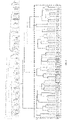
FIG. 1 shows a phylogenetic tree diagram for DNA sequence alignment in L1 regions of different HPV genotypes according to Example 1 and a zoom-in of selected portion. -
FIG. 2 shows a phylogenetic tree diagram for DNA sequence alignment in L2 regions of different HPV genotypes according to Example 2 and a zoom-in of selected portion. -
FIG. 3 shows a phylogenetic tree diagram for DNA sequence alignment in E1 regions of different HPV genotypes according to Example 3 and a zoom-in of selected portion. -
FIG. 4 shows a phylogenetic tree diagram for DNA sequence alignment in E6 regions of different HPV genotypes according to Example 4 and a zoom-in of selected portion. - In the present disclosure, unless otherwise specified, the involved components or the preferred components thereof can be combined with each other to form a new technical solution.
- In the present disclosure, unless otherwise specified, all the embodiments and preferred embodiments mentioned herein can be combined with each other to form a new technical solution.
- In the present disclosure, unless otherwise specified, all the technical features and preferred features mentioned herein can be combined with each other to form a new technical solution.
- As used herein, unless otherwise specified, the terms "a" and "an" mean "at least one".
- In the present disclosure, a "range" can be defined by a lower limit or an upper limit or both, wherein either the lower limit or the upper limit or both can be assigned with multiple values. For example, a range can be defined by a selected lower limit and a selected upper limit, whereby specific boundaries of the particular range are defined. All ranges that can be defined in this way are inclusive and combinable. That is, any lower limit can be combined with any upper limit to form a range without departing from the spirit and the scope of the present description and claims. For example, disclosure of a range of 30-50 and a range of 35-45 for a particular parameter should be interpreted as also disclosing the ranges of 30-45 and 35-50 for the parameter.
- "Polymerase chain reaction" is also referred to as "PCR" herein.
- Specifically, the present invention relates to a detection method for detecting HPV genotypes and uses thereof in the field of biotechnology. The inventors found in a genetic relationship analysis (i.e., phylogenetic tree analysis) of the DNA sequences of the already known HPV genotypes a group of additional HPV genotypes that are closely related to the 18 medium- and high-risk HPV genotypes recommended in the "Guidelines for Technical Review of Nucleic Acid Detection, Genotyping and Reagents for Human Papillomavirus (HPV)" issued by China Food and Drug Administration (CFDA), including the following 65 genotypes of human papillomavirus: HPV32, HPV42, HPV54, HPV3, HPV10, HPV28, HPV29, HPV77, HPV78, HPV94, HPV117, HPV125, HPV160, HPV83, HPV102, HPV89, HPV61, HPV62, HPV72, HPV81, HPV84, HPV86, HPV87, HPV114, HPV2, HPV27, HPV57, HPV71, HPV90, HPV106, HPV26, HPV51, HPV69, HPV82, HPV30, HPV53, HPV56, HPV66, HPV18, HPV45, HPV97, HPV39, HPV68, HPV70, HPV59, HPV85, HPV7, HPV40, HPV43, HPV91, HPV16, HPV31, HPV35, HPV33, HPV58, HPV52, HPV67, HPV6, HPV11, HPV13, HPV44, HPV74, HPV34, HPV73, and HPV177.
- The full-length sequences and partition sequences of the HPV genotypes involved in the present invention are available from the DNA database (GenBank: https://www.ncbi.nlm.nih.gov/nuccore/) established by National Center for Biotechnology Information (NCBI), the Japan DNA Database (DDBJ: https://www.ddbj.nie.ac.jp). the European DNA Database (EMBI: https://www.embl.org), and the Master Database of Human Papillomaviruses (Human Reference clones - hpvcenter: https://www.hpvcenter.se/), and can also be obtained by other methods as well known to those skilled in the art, like gene sequencing. The genetic relationship analysis was conducted using well-established methods, such as the phylogenetic tree analysis. Multiple sequence alignment analysis was conducted using softwares including MegAlign, Cluster X, Muscle and Phylip. In a specific example, MegAlign analysis software was used. The selected tree-building methods include distance-based methods, character-based methods, etc., with distance-based methods being preferred.
- The method of detection according to the present invention may be based on a polymerase chain reaction (PCR) including the specific steps of DNA denaturation, annealing, extension and cycling, or any other methods of detection known to those skilled in the art.
- In some embodiments, the method may include the following steps:
- 1) Obtaining DNAs from the sample;
Specifically, this may include, for example, the following steps: preparing or isolating cells from the sample; preparing the cells into a suspension in PBS at a concentration of, for example, 1×10⁵-1×10⁷ cells/ml; and obtaining a DNA extract via lysis of the cells, wherein the method of lysis may be any of those known in the art, such as mechanical lysis, chemical lysis, enzymatic lysis , or any combination thereof; - 2) Reacting the DNA extract obtained in step 1) with primer pairs capable of detecting HPVs of said at least 65 genotypes in PCR assays separately;
Generally, one PCR system contains only one primer pair including a forward (i.e., upstream) primer and a reverse (i.e., downstream) primer. As well understood, a polymerase chain reaction system may further comprise, for example, dNTPs, DNA polymerase, buffer, etc., in a volume of, for example, 20-50 µL; - 3) Determining presence of HPV in the sample according to results of these PCR assays.
- In another embodiment, the method may include the following steps:
- 1) Obtaining DNAs from the sample;
Specifically, this may include, for example, the following steps: thoroughly eluting the secretion from a cervical sampling brush; collecting and pooling fractions of eluate, then centrifuging, for example, at 13,000 rpm for 10 minutes; discarding the supernatant to obtain the precipitate at the bottom of the tube; obtaining a DNA extract via lysis of the precipitate, wherein the method of lysis may be any of those known in the art, such as mechanical lysis, chemical lysis, enzymatic lysis, or any combination thereof; - 2) Reacting the DNA extract obtained in step 1) with primer pairs capable of detecting HPVs of said at least 65 genotypes in PCR assays separately;
One PCR system contains only one primer pair. For example, in concurrent detections using multiple primer pairs, a plurality of PCR systems may run independently in parallel. The specific steps may include, for example, mixing the primers, dNTPs, DNA polymerase, the DNA extract, a reaction buffer system and double-distilled water into a PCR system with a total volume of, for example, 20-50 µL; and optionally, film sealing the plate, centrifuging and transferring it to the amplification and detection zoon; - 3) Determining presence of HPV in the sample according to results of these PCR assays.
- In some embodiments, useful DNA polymerase may include Taq DNA polymerase, Super Taq DNA polymerase, UlltraPF™ DNA polymerase, LA Taq DNA polymerase and Tth DNA polymerase, and preferably, Taq DNA polymerase. In some embodiments, the reaction buffer system may comprise potassium chloride (KCl), magnesium chloride (MgCl2), ammonium sulfate ((NH4)2SO4) and Tris-HCl.
- For the polymerase chain reaction (PCR), the annealing temperature may preferably be 40°C-60°C, more preferably 50°C-60°C, and most preferably 55°C; and the number of cycles may be 30-50, preferably 35-45, and more preferably 40.
- In some embodiments, determining the presence of HPV in a sample according to results of said PCR assays may comprise comparing the measured Ct value in each of the polymerase chain reactions with a reference Ct; wherein the result of the PCR assay is to be determined positive when said measured Ct is less than said reference Ct or when a unimodal dissociation curve of PCR product is observed and said measured Ct is less than said reference Ct, and the result of the PCR assay is to be determined negative when said measured Ct is greater than or equal to said reference Ct or no logarithmic amplification curve is observed; and whereby, said sample is to be determined positive for presence of HPV when the PCR assay with any one of said primer pairs gives a positive result. Meanwhile, the presence may also be determined using any other methods for such determination as appropriate and as known to those skilled in the art.
- It will be understood that the value of the reference Ct is preset depending on the minimum copy number (sensitivity) of viral DNA intended with the detection. For instance, when the virus copy number in a sample is 106, the measured Ct will generally be 17-18; when the virus copy number in a sample is 105, the measured Ct will generally be 21-22; when the virus copy number in a sample is 104, the measured Ct will generally be 24-25; when the virus copy number in a sample is 103, the measured Ct will generally be 28-29; when the virus copy number in a sample is 100, the measured Ct will generally be 31-32; when the virus copy number in a sample is 50, the measured Ct will generally be 32-33; and when the virus copy number in a sample is 5-10, the measured Ct will generally be around 34. Thereby, a person skilled in the art is capable of setting an appropriate reference Ct according practical needs in detection. For example, in some embodiments of the present invention, the reference Ct may range from 30 to 35, from 32 to 35 or from 33 to 35, or may be 34 or 35. In an embodiment, the reference Ct is 35.
- In the present disclosure, primer pairs refer to the paired forward primer (indicated by "F") and the reverse primer (indicated by "R") in PCR. In order to reduce the number of PCR assays, degenerate primer pairs, i.e., primer pairs each allowing for detection of multiple HPV genotypes, may be used.
- In an embodiment, the primer pairs include primers that are capable of detecting at least the 65 HPV genotypes, with degenerate primer pairs being preferred. A degenerate primer pair refers to a mixture of primers that represent all possible sequences encoding each single amino acid, which is usually an isometric mixture. In sequences of degenerate primer pairs, R represents A or G; Y represents C or T; M represents A or C; K represents G or T; S represents C or G; W represents A or T; H represents A, C or T; B represents C, G or T; V represents A, C or G; D represents A, G or T; and N represents A, C, G or T. In the present disclosure, primer pairs having the following sequences are preferred:
Genotype group HPV genotypes detectable by degenerate primer pair Sequences of degenerate primer pair 1 HPV32 F1:CWGGWRCWGAYAATAGRGAAAATG (SEQ ID NO: 1) HPV42 R1: YRCCATATCMCCATCCTGWATA (SEQ ID NO: 2) HPV54 2 HPV3 F2: GCRACAAWCTTGAGGACCARAT (SEQ ID NO: 3) HPV10 R2: YGTGTGCTAGATACRGGTTCAAATG (SEQ ID NO: 4) HPV28 HPV29 HPV77 HPV78 HPV94 HPV117 HPV125 HPV160 3 HPV83 F3: TGCGTGCCAGGAGABGYTAATAGAC (SEQ ID NO: 5) HPV102 R3: RKGTCCTGGGTRCTAGATAC (SEQ ID NO: 6) HPV89 4 HPV61 F4: CCYGAKGTGRTTGACCTACA (SEQ ID NO: 7) HPV62 HPV72 R4: VVHRTYRGCCATGTCTCTTATG (SEQ ID NO: 8) HPV81 5 HPV84 F5: TGCWGAGCCBTATGGCGATTG (SEQ ID NO: 9) HPV86 HPV87 R5: ACMCCAAAATTCCACTCATC (SEQ ID NO: 10) HPV114 6 HPV2 F6: TGTGGCCTAAACGACGTAAAC (SEQ ID NO: 11) HPV27 R6: CGCGTGACATAGACATCCGTACTG (SEQ ID NO: 12) HPV57 7 HPV71 F7: GGAGAMGTTRCTAGAACTGTATGA (SEQ ID NO: 13) HPV90 R7: GGYDCTGYGTCCCACATTTC (SEQ ID NO: 14) HPV106 8 HPV26 F8: GTGCCAGGAGAAAATACTAGACT (SEQ ID NO: 15) HPV51 HPV69 R8: YSCYGBAGGTACTAGATACA (SEQ ID NO: 16) HPV82 9 HPV30 F9: YGCCTATGGBGATTCTATGTG (SEQ ID NO: 17) HPV53 HPV56 R9: CCACTAGGHGTAGCAACATATAC (SEQ ID NO: 18) HPV66 10 HPV18 F10: GGCMCAGGGYCATAACAATGGT (SEQ ID NO: 19) HPV45 R10: DCGWCCAAGRGGATATTGAT (SEQ ID NO: 20) HPV97 11 HPV39 F11: GCWGATGTRTATGGRGACAGTATGT (SEQ ID NO: 21) HPV68 R11: RGGCTTRTTAAAYAACTGGGARTC (SEQ ID NO: 22) HPV70 12 HPV59 F12: TGTCCACCAATGCTTATTACA (SEQ ID NO: 23) HPV85 R12: CCTCTTCCTSGTKCAAATCTAATC (SEQ ID NO: 24) 13 HPV7 F13: GATGGWAACCCAACTAGYATAG (SEQ ID NO: 25) HPV40 R13: CCGTTGCTGTCAAATGGAAATG (SEQ ID NO: 26) 14 HPV43 F14: ASYGAAGTATCCTCTGTTGCGTCTA (SEQ ID NO: 27) HPV91 R14: TCGAATCGCACTCGCTTTCTA (SEQ ID NO: 28) 15 HPV16 F15: GTTGTWAGCACKGATGAATATG (SEQ ID NO: 29) HPV31 R15: CCACTAATRCCYACACCYAATG (SEQ ID NO: 30) HPV35 16 HPV33 F16: GACGTGARCARATGTTTGTTAG (SEQ ID NO: 31) HPV58 HPV52 R16: GGWGGKGTWARRCCAAATTG (SEQ ID NO: 32) HPV67 17 HPV6 F17: TRCACGYARACGCCGTAAAC (SEQ ID NO: 33) HPV11 HPV13 R17: KKCCYACWGCAAGTAGTCTA (SEQ ID NO: 34) HPV44 HPV74 18 HPV34 F18: GGCMWTRTTAGATGATGCWACA (SEQ ID NO: 35) HPV73 R18: CACGTTCATACAGTTCTAGGA (SEQ ID NO: 36) HPV177 - In some embodiments, the sample is selected from the group consisting of cells, blood or secretions. In some embodiments, the sample is cells, for example, stem cells, and particularly MSCs.
- The present invention further provides a kit for detection of human papillomavirus. The kit may comprise one or more reagents capable of detecting at least the 65 HPV genotypes as defined above. The reagents may contain or consist of primer pairs, preferably degenerate primer pairs. In an embodiment, the kit of the invention may include one or more primer pairs selected from Table 1. The kit may be one for PCR-based assays. For example, the kit may further comprise other components to form a complete polymerase chain reaction system. A polymerase chain reaction system may further comprise other components such as dNTPs, DNA polymerases, buffers, etc., in addition to a template and primers, as well known to and can be determined as appropriate by those skilled in the art. The kit may further include negative and positive controls. The kit may be one for assays on a sample selected from the group consisting of cells, blood or secretions, wherein the cells may be stem cells, for example, MSCs.
- The present invention further provides a set of primer pairs for detecting HPV, including one or more primer pairs selected from Table 1. In an embodiment, provided is a set of primer pairs capable of detecting at least the 65 HPV genotypes as defined above, including or consisting of all the primer pairs as listed in Table 1.
- The present invention will be further described in details with reference to the examples below. It should be understood that these examples are merely provided for the purpose of illustration, with no intention to limit the scope of the invention in any sense.
-
- 1) Sequences of the L1 region for all the HPV genotypes that have been characterized with defined DNA sequences so far were obtained from the Master Database of Human Papillomaviruses (Human Reference clones - hpvcenter: https://www.hpvcenter.se/), the DNA database (GenBank: https://www.ncbi.nlm.nih.gov/nuccore/) established by National Center for Biotechnology Information (NCBI), the Japan DNA Database (DDBJ: https://www.ddbj.nig.ac.jp),), and the European DNA Database (EMBI: https://www.embl.org)), and the DNA sequences of L1 region of 222 different HPV genotypes were downloaded.
- 2) The obtained DNA sequences of L1 region of the 222 different HPV genotypes were imported into the software MegAlign (https://www.dnastar.com/) for phylogenetic tree analysis, including alignment of the DNA sequences of L1 region.
- 3) By analyzing the phylogenetic tree (see
FIG. 1 for the result), the inventors found the large branch covering all the high-risk genotypes, i.e., HPV16, 18, 31, 33, 35, 39, 45, 51, 52, 56, 58, 59 and 68, and the medium-risk genotypes, i.e., HPV26, 53, 66, 73 and 82, and further identified all the HPV genotypes covered under this large branch. A total of 65 HPV genotypes were thus identified as follows: HPV32, HPV42, HPV54, HPV3, HPV10, HPV28, HPV29, HPV77, HPV78, HPV94, HPV117, HPV125, HPV160, HPV83, HPV102, HPV89, HPV61, HPV62, HPV72, HPV81, HPV84, HPV86, HPV87, HPV114, HPV2, HPV27, HPV57, HPV71, HPV90, HPV106, HPV26, HPV51, HPV69, HPV82, HPV30, HPV53, HPV56, HPV66, HPV18, HPV45, HPV97, HPV39, HPV68, HPV70, HPV59, HPV85, HPV7, HPV40, HPV43, HPV91, HPV16, HPV31, HPV35, HPV33, HPV58, HPV52, HPV67, HPV6, HPV11, HPV13, HPV44, HPV74, HPV34, HPV73, and HPV177. -
- 1) Sequences of the L2 region for all the HPV genotypes that have been characterized with defined DNA sequences so far were obtained from the Master Database of Human Papillomaviruses (Human Reference clones - hpvcenter: https://www.hpvcenter.se/), the DNA database (GenBank: https://www.ncbi.nlm.nih.gov/nuccore/) established by National Center for Biotechnology Information (NCBI), the Japan DNA Database (DDBJ: https://www.ddbj.nig.ac.jp),), and the European DNA Database (EMBI: https://www.embl.org)), and the DNA sequences of L2 region of 221 different HPV genotypes were downloaded.
- 2) The obtained DNA sequences of L2 region of the 221 HPV genotypes were imported into the software MegAlign (https://www.dnastar.com/) for phylogenetic tree analysis, including alignment of the DNA sequences of L2 region.
- 3) By analyzing the phylogenetic tree (see
FIG. 2 for the result), the inventors found the large branch covering all the high-risk genotypes, i.e., HPV16, 18, 31, 33, 35, 39, 45, 51, 52, 56, 58, 59 and 68, and the medium-risk genotypes, i.e., HPV26, 53, 66, 73 and 82, and further identified all the HPV genotypes covered under this large branch. A total of 65 HPV genotypes were thus identified as follows: HPV32, HPV42, HPV54, HPV3, HPV10, HPV28, HPV29, HPV77, HPV78, HPV94, HPV117, HPV125, HPV160, HPV83, HPV102, HPV89, HPV61, HPV62, HPV72, HPV81, HPV84, HPV86, HPV87, HPV114, HPV2, HPV27, HPV57, HPV71, HPV90, HPV106, HPV26, HPV51, HPV69, HPV82, HPV30, HPV53, HPV56, HPV66, HPV18, HPV45, HPV97, HPV39, HPV68, HPV70, HPV59, HPV85, HPV7, HPV40, HPV43, HPV91, HPV16, HPV31, HPV35, HPV33, HPV58, HPV52, HPV67, HPV6, HPV11, HPV13, HPV44, HPV74, HPV34, HPV73, and HPV177. -
- 1) Sequences in the E1 region for all the HPV genotypes that have been characterized with defined DNA sequences so far were obtained from the Master Database of Human Papillomaviruses (Human Reference clones - hpvcenter: https://www.hpvcenter.se/), the DNA database (GenBank: https://www.ncbi.nlm.nih.gov/nuccore/) established by National Center for Biotechnology Information (NCBI), the Japan DNA Database (DDBJ: https://www.ddbj.nig.ac.jp),), and the European DNA Database (EMBI: https://www.embl.org)), and the DNA sequences of E1 region of 220 HPV genotypes were downloaded.
- 2) The obtained DNA sequences of E1 region of the 220 HPV genotypes were imported into the software MegAlign (https://www.dnastar.com/) for phylogenetic tree analysis, including alignment of the DNA sequences of E1 region.
- 3) By analyzing the phylogenetic tree (see
FIG. 3 for the result), the inventors found the large branch covering all the high-risk genotypes, i.e., HPV16, 18, 31, 33, 35, 39, 45, 51, 52, 56, 58, 59 and 68, and the medium-risk genotypes, i.e., HPV26, 53, 66, 73 and 82, and further identified all the HPV genotypes covered under this large branch. A total of 65 HPV genotypes were thus identified as follows: HPV32, HPV42, HPV54, HPV3, HPV10, HPV28, HPV29, HPV77, HPV78, HPV94, HPV117, HPV125, HPV160, HPV83, HPV102, HPV89, HPV61, HPV62, HPV72, HPV81, HPV84, HPV86, HPV87, HPV114, HPV2, HPV27, HPV57, HPV71, HPV90, HPV106, HPV26, HPV51, HPV69, HPV82, HPV30, HPV53, HPV56, HPV66, HPV18, HPV45, HPV97, HPV39, HPV68, HPV70, HPV59, HPV85, HPV7, HPV40, HPV43, HPV91, HPV16, HPV31, HPV35, HPV33, HPV58, HPV52, HPV67, HPV6, HPV11, HPV13, HPV44, HPV74, HPV34, HPV73, and HPV177. -
- 1) Sequences of the E6 region for all the HPV genotypes that have been characterized with defined DNA sequences so far were obtained from the Master Database of Human Papillomaviruses (Human Reference clones - hpvcenter: https://www.hpvcenter.se/), the DNA database (GenBank: https://www.ncbi.nlm.nih.gov/nuccore/) established by National Center for Biotechnology Information (NCBI), the Japan DNA Database (DDBJ: https://www.ddbj.nig.ac.jp,), and the European DNA Database (EMBI: https://www.embl.org)), and the DNA sequences of E6 region of 214 HPV genotypes were downloaded.
- 2) The obtained DNA sequences of E6 region of the 214 HPV genotypes were imported into the software MegAlign (https://www.dnastar.com/) for phylogenetic tree analysis, including alignment of the DNA sequences of E6 region.
- 3) By analyzing the phylogenetic tree (see
FIG. 4 for the result), the inventors found the large branch covering all the high-risk genotypes, i.e., HPV16, 18, 31, 33, 35, 39, 45, 51, 52, 56, 58, 59 and 68, and the medium-risk HPVs genotypes, i.e., HPV26, 53, 66, 73 and 82, and further identified all the HPV genotypes covered under this large branch. A total of 65 HPV genotypes were thus identified as follows: HPV32, HPV42, HPV54, HPV3, HPV10, HPV28, HPV29, HPV77, HPV78, HPV94, HPV117, HPV125, HPV160, HPV83, HPV102, HPV89, HPV61, HPV62, HPV72, HPV81, HPV84, HPV86, HPV87, HPV114, HPV2, HPV27, HPV57, HPV71, HPV90, HPV106, HPV26, HPV51, HPV69, HPV82, HPV30, HPV53, HPV56, HPV66, HPV18, HPV45, HPV97, HPV39, HPV68, HPV70, HPV59, HPV85, HPV7, HPV40, HPV43, HPV91, HPV16, HPV31, HPV35, HPV33, HPV58, HPV52, HPV67, HPV6, HPV11, HPV13, HPV44, HPV74, HPV34, HPV73, and HPV177. -
- (I) Design and synthesis of primers
Whole genomes of the 65 HPV genotypes were aligned, whereby the 65 genotypes were divided into 18 groups; and then, a degenerate primer pair was designed for HPV genotypes of the same group (see Table 3). The degenerate primer pairs were synthesized, for which the threshold of the sensitivity was set to be 5-100 copies. - (II) Settings of control and test groups
- Negative control 1: water control;
- Negative control 2: gDNA negative control;
- Positive control: gDNA positive control; and
- Test group: gDNA templates plus synthesized fragment templates of HPV genotypes. Sequences of said fragment templates of HPV genotypes were as summarize in Table 2 below, wherein the Gene IDs came from the data published by the International Human Papillomavirus (HPV) Reference Center (https://www.hpvcenter.se/human_reference_clones/).
- The templates in the gDNA positive control and the gDNA negative control were genomic DNAs (also referred to "gDNA templates" herein) extracted from human cells without HPV infection., which were purchased from Shanghai SXBIO Biotech Co., Ltd. under the name of "Human Marrow Mesenchymal Stem Cell Genomic DNA (HMSC-bm gDNA)".
- The primers added to the gDNA positive control were human β-globin primers (F: GAAGAGCCAAGGACAGGTAC, R: CAACTTCATCCACGTTCACC). The primers added to the water control and the gDNA negative control were those listed in Table 3, wherein each PCR system contains one primer pair to thereby create 18 water control PCR systems in parallel each comprising a distinct primer pair and 18 gDNA negative control PCR systems in parallel each comprising a distinct primer pair. In the test group, each of the 65 HPV genotype templates was reacted with the primer pair assigned to the group it belongs to at the specified copy number as set forth in Table 3 to thereby create multiplex PCR assays comprising reactions of the 65 different HPV genotype templates in parallel.
Table 1 Fragment templates of HPV genotypes HPV genotype Gene ID Position of the Start of fragment template Position of the End of fragment template HPV32 X74475 6233 6513 HPV42 M73236 6199 6480 HPV54 U37488 5967 6254 HPV3 X74462 2744 3396 HPV10 X74465 2796 3451 HPV28 U31783 2735 3390 HPV29 U31784 2744 3402 HPV77 Y15175 2747 3405 HPV78 AB793779 2634 3149 HPV94, AJ620211 2795 3450 HPV117 GQ246950 2793 3451 HPV125 FN547152 2640 3292 HPV160 AB745694 2746 3395 HPV83 AF151983 2591 3287 HPV102 DQ080083 2588 3284 HPV89 AF436128 2603 3307 HPV61 U31793 516 872 HPV62 AY395706 421 780 HPV72 X94164 522 893 HPV81 AJ620209 540 905 HPV84 AF293960 6337 6937 HPV86 AF349909 6330 6933 HPV87 AJ400628 6427 7033 HPV114 GQ244463 6573 7188 HPV2 X55964 5698 5928 HPV27 X74473 5672 5902 HPV57 X55965 5659 5889 HPV71 AB040456 2689 3070 HPV90 AY057438 2592 2973 HPV106 DQ080082 2628 3009 HPV26 X74472 2715 3398 HPV51 M62877 2699 3379 HPV69 AB027020 2711 3394 HPV82 AB027021 2725 3405 HPV30 X74474 6321 6591 HPV53 X74482 6318 6588 HPV56 X74483 6263 6533 HPV66 U31794 6313 6583 HPV18 X05015 6507 7063 HPV45 X74479 6511 7064 HPV97 DQ080080 6387 6943 HPV39 M62849 6304 6619 HPV68 X67161 858 1173 HPV70 U21941 6248 6563 HPV59 X77858 2478 2782 HPV85 AF131950 2532 2836 HPV7 X74463 2435 2707 HPV40 X74478 2438 2709 HPV43 AJ620205 3303 3530 HPV91 AF419318 3370 3594 HPV16 K02718 5647 6042 HPV31 J04353 5562 5960 HPV35 X74477 5611 6006 HPV33 M12732 6295 6854 HPV58 D90400 6344 6903 HPV52 X74481 6353 6918 HPV67 D21208 6320 6879 HPV6 X00203 5698 5974 HPV11 M14119 5680 5956 HPV13 X62843 5651 5927 HPV44 U31788 5603 5879 HPV74 AF436130 5500 5776 HPV34 X74476 2348 2849 HPV73 X94165 2356 2857 HPV177 KR816168 2315 2816 -
1) Place a 96-well PCR plate on ice for later use.
2) Onto the plate, PCR systems of the following compositions for the control and the test groups were added:Volume Component Water control gDNA negative control gDNA positive control Test group Fragment templates of HPV genotypes - - - 1µL gDNA - 50ng 50ng 50ng 2xTransStart R Top Green qPCR 10µL SuperMix Forward primer (10 µM) 0.5µL Reverse primer (10 µM) 0.5µL Distilled water, making up to 20µL
3) The plate was film sealed, centrifuged at 2000 rpm for 1 minute, and then transferred to the amplification and detection zoon. -
1) The PCR amplification parameters were as follows: denaturation at 94°C for 30 seconds, followed by 40 cycles of 94°C for 5 seconds, 55°C for 15 seconds, and 72°C for 35 seconds.
2) Fluorescence value was measured at 72°C, and the Ct value was determined from the fluorescence curve, i.e., the sigmoid logarithmic amplification curve.
3) Quality control is shown in the table below:Sample Ct value Result Water control No logarithmic amplification curve HPV negative gDNA negative control No logarithmic amplification curve HPV negative gDNA positive control Ct<35 gDNA positive - In this study, the reference threshold Ct was set at 35. The result was determined positive, when a unimodal dissociation curve of PCR product was observed and the Ct value was less than 35; and the result was determined negative, when the Ct value was greater than or equal to 35 or no logarithmic amplification curve was observed.
- When the results of the water control and the gDNA negative control were negative while the result of the gDNA positive control was positive, and the result of the test was positive, the degenerate primer pair were determined effective to amplify the HPV genotypes of the group to which the pair were assigned, and the result of verification was defined as positive. The verification results of degenerate primer pairs for 65 HPV genotypes were as summarized in Table 3.
Table 2 Verification of degenerate primer pairs corresponding to HPVs in different group Group HPV genotype Template copy number Sequences of degenerate primer pairs Verification result 1 HPV32 50 F1: CWGGWRCWGAYAATAGRGAAAATG (SEQ ID NO: 1) R1: YRCCATATCMCCATCCTGWATA (SEQ ID NO: 2) Positive HPV42 10 Positive HPV54 10 Positive 2 HPV3 10 F2: GCRACAAWCTTGAGGACCARAT (SEQ ID NO: 3) R2: YGTGTGCTAGATACRGGTTCAAATG (SEQ ID NO: 4) Positive HPV10 50 Positive HPV28 10 Positive HPV29 5 Positive HPV77 50 Positive HPV78 10 Positive HPV94 10 Positive HPV117 50 Positive HPV125 10 Positive HPV160 10 Positive 3 HPV83 50 F3: TGCGTGCCAGGAGABGYTAATAGAC (SEQ ID NO: 5) R3: RKGTCCTGGGTRCTAGATAC (SEQ ID NO: 6) Positive HPV102 5 Positive HPV89 10 Positive 4 HPV61 50 F4: CCYGAKGTGRTTGACCTACA (SEQ ID NO: 7) R4: VVHRTYRGCCATGTCTCTTATG (SEQ ID NO: 8) Positive HPV62 100 Positive HPV72 10 Positive HPV81 100 Positive 5 HPV84 10 F5: TGCWGAGCCBTATGGCGATTG (SEQ ID NO: 9) R5: ACMCCAAAATTCCACTCATC (SEQ ID NO: 10) Positive HPV86 10 Positive HPV87 50 Positive HPV114 50 Positive 6 HPV2 10 F6: TGTGGCCTAAACGACGTAAAC (SEQ ID NO: 11) R6: CGCGTGACATAGACATCCGTACTG (SEQ ID NO: 12) Positive HPV27 10 Positive HPV57 10 Positive 7 HPV71 100 F7: GGAGAMGTTRCTAGAACTGTATGA (SEQ ID NO: 13) R7: GGYDCTGYGTCCCACATTTC (SEQ ID NO: 14) Positive HPV90 100 Positive HPV106 100 Positive 8 HPV26 100 F8: GTGCCAGGAGAAAATACTAGACT (SEQ ID NO: 15) R8: YSCYGBAGGTACTAGATACA (SEQ ID NO: 16) Positive HPV51 50 Positive HPV69 50 Positive HPV82 50 Positive 9 HPV30 50 F9: YGCCTATGGBGATTCTATGTG (SEQ ID NO: 17) R9: CCACTAGGHGTAGCAACATATAC (SEQ ID NO: 18) Positive HPV53 50 Positive HPV56 10 Positive HPV66 50 Positive 10 HPV18 50 F10: GGCMCAGGGYCATAACAATGGT (SEQ ID NO: 19) R10: DCGWCCAAGRGGATATTGAT (SEQ ID NO: 20) Positive HPV45 100 Positive HPV97 50 Positive 11 HPV39 50 F11: GCWGATGTRTATGGRGACAGTATGT (SEQ ID NO: 21) R11: RGGCTTRTTAAAYAACTGGGARTC (SEQ ID NO: 22) Positive HPV68 50 Positive HPV70 50 Positive 12 HPV59 5 F12: TGTCCACCAATGCTTATTACA (SEQ ID NO: 23) R12: CCTCTTCCTSGTKCAAATCTAATC (SEQ ID NO: 24) Positive HPV85 10 Positive 13 HPV7 100 F13: GATGGWAACCCAACTAGYATAG (SEQ ID NO: 25) R13: CCGTTGCTGTCAAATGGAAATG (SEQ ID NO: 26) Positive HPV40 10 Positive 14 HPV43 10 F14: ASYGAAGTATCCTCTGTTGCGTCTA (SEQ ID NO: 27) R14: TCGAATCGCACTCGCTTTCTA (SEQ ID NO: 28) Positive HPV91 10 Positive 15 HPV16 50 F15: GTTGTWAGCACKGATGAATATG (SEQ ID NO: 29) R15: CCACTAATRCCYACACCYAATG (SEQ ID NO: 30) Positive HPV31 50 Positive HPV35 10 Positive 16 HPV33 10 F16: GACGTGARCARATGTTTGTTAG (SEQ ID NO: 31) R16: GGWGGKGTWARRCCAAATTG (SEQ ID NO: 32) Positive HPV58 10 Positive HPV52 50 Positive HPV67 50 Positive 17 HPV6 50 F17: TRCACGYARACGCCGTAAAC (SEQ ID NO: 33) R17: KKCCYACWGCAAGTAGTCTA (SEQ ID NO: 34) Positive HPV11 10 Positive HPV13 50 Positive HPV44 50 Positive HPV74 10 Positive 18 HPV34 10 F18: GGCMWTRTTAGATGATGCWACA (SEQ ID NO: 35) R18: CACGTTCATACAGTTCTAGGA (SEQ ID NO: 36) Positive HPV73 10 Positive HPV177 10 Positive - Specifically, no sigmoid logarithmic amplification curve was observed with the 18 PCR reactions of the water control and the 18 PCR reactions of the gDNA negative control, and therefore, the results for these controls were negative. The gDNA positive control showed a unimodal dissolution curve of PCR product and a Ct value of 22 that was less than 35, and therefore, the result was positive. All the 65 PCR products in the test group each showed a unimodal dissolution curve and a Ct ranging from 31 to 34 that were all less than 35. Therefore, the results of verification for the primer pairs were all positive.
-
- 1) MSCs derived from hair follicles were resuspended in PBS to a concentration of 1×10⁶/ml, and 5-10 µL of the suspension was added into 250 µL of lysate, i.e., QuickExtract™ DNA extraction solution.
- 2) The resultant mixture was oscillated for 15 seconds, followed by a water bath at 65°C for 6 minutes, then oscillated for another 15 seconds, followed by a water bath at 98°C for 2 minutes after a short-spin, and then oscillated for 15 seconds, followed by a short-spin to obtain a supernatant of cell lysate. The supernatant of lysate was used as fresh or stored at -20°C.
- In this example, the samples were added with HPV viruses to mimic viral infection or contamination so as to test on feasibility of the method for detecting HPV infection in samples.
- Negative Control: 10 µL PBS+250 µL QuickExtract™ DNA extraction solution
- Positive control: supernatant of MSC lysate
- Test group: supernatant of MSC lysate with addition of synthesized fragment templates of genotypes HPV61, HPV84, and HPV26 (100 copies for each).
- The primers added into the positive control were human β-globin primers (F: GAAGAGCCAAGGACAGGTAC, R: CAACTTCATCCACGTTCACC). The primers added into the negative control were the 18 degenerate primer pairs shown in Table 4, whereby 18 PCR systems were formed for respective amplifications with these primer pairs. The primers added into the test group were the 18 degenerate primer pairs shown in Table 4, whereby 18 PCR systems were formed for respective amplifications with these primer pairs.
-
1) A 96-well PCR plate was placed on ice for later use.
2) Onto the plate, PCR systems of the following compositions for the control group and the test group were added:Volume Component Negative control Positive control Test group Fragment templates of genotypes HPV61, HPV84 and HPV26 - - 1µL PBS + QuickExtract™ DNA extraction solution 2µL - - Supernatant of MSC lysate - 2µL 2µL 2xTransStartR Top Green qPCR SuperMix 10µL Forward primer (10 µM) 0.5µL Reverse primer (10 µM) 0.5µL Distilled water, making up to 20µL
3) The plate was film sealed, centrifuged at 2000 rpm for 1 minute, and then transferred to the amplification and detection zoon. -
1) The PCR amplification parameters were as follows: denaturation at 94°C for 30 seconds, followed by 40 cycles of 94°C for 5 seconds, 55°C for 15 seconds, and 72°C for 35 seconds.
2) Fluorescence value was measured at 72°C, and the result of the Ct value was determined from the fluorescence curve, i.e., the sigmoid logarithmic amplification curve.
3) Quality control is shown in the table below:Sample Ct value Result Negative control No logarithmic amplification curve HPV negative Positive control Ct<35 gDNA positive - In this study, for the method of the present invention, the reference threshold Ct was set at 35. The result was determined positive, when a unimodal dissociation curve of PCR product was observed and the Ct value was less than 35; and the result was determined negative, when the Ct value was greater than or equal to 35 or no logarithmic amplification curve was observed.
- When result of the negative control was negative while the result of positive control positive, and PCR with any one of the primer pairs in the test group gave a positive result, it was determined that a HPV genotype corresponding to the primer pair was detected and marked positive for its presence; and meanwhile, the virus detection result for the sample was also determined positive, which stood as an indication of HPV infection. The test results were as summarized in Table 4.
Table 4 Detection results of HPV genotypes Group HPV genotype Sequences of degenerate primer pair Test result 1 HPV32 F1: CWGGWRCWGAYAATAGRGAAAATG (SEQ ID NO: 1) R1: YRCCATATCMCCATCCTGWATA (SEQ ID NO: 2) Negative HPV42 HPV54 2 HPV3 F2: GCRACAAWCTTGAGGACCARAT (SEQ ID NO: 3) R2: YGTGTGCTE1GATE1CRGGTTCAAATG (SEQ ID NO: 4) Negative HPV10 HPV28 HPV29 HPV77 HPV78 HPV94 HPV117 HPV125 HPV160 3 HPV83 F3: TGCGTGCCAGGAGABGYTAATAGAC (SEQ ID NO: 5) R3: RKGTCCTGGGTRCTAGATAC (SEQ ID NO: 6) Negative HPV102 HPV89 4 HPV61 F4: CCYGAKGTGRTTGACCTACA (SEQ ID NO: 7) R4: VVHRTYRGCCATGTCTCTTATG (SEQ ID NO: 8) Positive HPV62 HPV72 HPV81 5 HPV84 F5: TGCWGAGCCBTATGGCGATTG (SEQ ID NO: 9) R5: ACMCCAAAATTCCACTCATC (SEQ ID NO: 10) Positive HPV86 HPV87 HPV114 6 HPV2 F6: TGTGGCCTAAACGACGTAAAC (SEQ ID NO: 11) R6: CGCGTGACATAGACATCCGTACTG (SEQ ID NO: 12) Negative HPV27 HPV57 7 HPV71 F7: GGAGAMGTTRCTAGAACTGTATGA (SEQ ID NO: 13) R7: GGYDCTGYGTCCCACATTTC (SEQ ID NO: 14) Negative HPV90 HPV106 8 HPV26 F8: GTGCCAGGAGAAAATACTAGACT (SEQ ID NO: 15) R8: YSCYGBAGGTACTAGATACA (SEQ ID NO: 16) Positive HPV51 HPV69 HPV82 9 HPV30 F9: YGCCTATGGBGATTCTATGTG (SEQ ID NO: 17) R9: CCACTAGGHGTAGCAACATATAC (SEQ ID NO: 18) Negative HPV53 HPV56 HPV66 10 HPV18 F10: GGCMCAGGGYCATAACAATGGT (SEQ ID NO: 19) R10: DCGWCCAAGRGGATATTGAT (SEQ ID NO: 20) Negative HPV45 HPV97 11 HPV39 F11: GCWGATGTRTATGGRGACAGTATGT (SEQ ID NO: 21) R11: RGGCTTRTTAAAYAACTGGGARTC (SEQ ID NO: 22) Negative HPV68 HPV70 12 HPV59 F12:TGTCCACCAATGCTTATTACA (SEQ ID NO: 23) R12:CCTCTTCCTSGTKCAAATCTAATC (SEQ ID NO: 24) Negative HPV85 13 HPV7 F13: GATGGWAACCCAACTAGYATAG (SEQ ID NO: 25) R13: CCGTTGCTGTCAAATGGAAATG (SEQ ID NO: 26) Negative HPV40 14 HPV43 F14: ASYGAAGTATCCTCTGTTGCGTCTA (SEQ ID NO: 27) R14: TCGAATCGCACTCGCTTTCTA (SEQ ID NO: 28) Negative HPV91 15 HPV16 F15: GTTGTWAGCACKGATGAATATG (SEQ ID NO: 29) R15: CCACTAATRCCYACACCYAATG (SEQ ID NO: 30) Negative HPV31 HPV35 16 HPV33 F16: GACGTGARCARATGTTTGTTAG (SEQ ID NO: 31) R16: GGWGGKGTWARRCCAAATTG (SEQ ID NO: 32) Negative HPV58 HPV52 HPV67 17 HPV6 F17: TRCACGYARACGCCGTAAAC (SEQ ID NO: 33) R17: KKCCYACWGCAAGTAGTCTA (SEQ ID NO: 34) Negative HPV11 HPV13 HPV44 HPV74 18 HPV34 F18: GGCMWTRTTAGATGATGCWACA (SEQ ID NO: 35) R18: CACGTTCATACAGTTCTAGGA (SEQ ID NO: 36) Negative HPV73 HPV177 - Specifically, none of the 18 PCR systems of negative control showed a sigmoid logarithmic amplification curve, and therefore, the results were negative. The positive control showed a unimodal dissolution curve of PCR product and a Ct value of 29 that was less than 35, and therefore, the result was positive. In the test group, PCR products of the primer pairs in groups 4, 5 and 8 showed unimodal dissolution curves, with the Ct values ranging from 31 to 32 that were all less than 35. Therefore, the detection results for these groups were positive. As for the other primer pairs in the test group, no logarithmic amplification curve was observed, and thus, the results were negative.
- Based on the above PCR results, the cell sample was determined positive for HPV detection.
-
- 1) Sampled secretion was thoroughly eluted from a cervical sampling brush, and the brush was squeezed to dry on tube wall and then discarded. All fractions of eluate were collected into a 1.5 ml microcentrifuge tube and centrifuged at 13,000 rpm for 10 minutes. The supernatant was discarded to obtain the precipitate at the bottom of the tube. 50 µL of lysate, i.e., the QuickExtract™ DNA extraction solution, was added to the sample precipitate.
- 2) The resultant mixture was oscillated for 15 seconds, followed by a water bath at 65°C for 6 minutes, then oscillated for another 15 seconds, followed by a water bath at 98°C for 2 minutes after a short-spin, and then oscillated for 15 seconds, followed by a short-spin to obtain a supernatant of secretion lysate. The supernatant of lysate was used as fresh or stored at -20°C.
- In this example, the sample was added with HPV viruses to mimic viral infection or contamination, so as to test on feasibility of the method for detecting HPV infection in samples.
- Negative control: QuickExtract™ DNA extraction solution
- Positive control: supernatant of secretion lysate
- Test group: supernatant of secretion lysate with addition of synthesized fragment templates of genotypes HPV42, HPV28, and HPV102 (100 copies for each).
- The primers added into the positive control were human β-globin primers (F: GAAGAGCCAAGGACAGGTAC, R: CAACTTCATCCACGTTCACC); and the primers added into the negative control were the 18 degenerate primer pairs shown in Table 5, whereby 18 PCR systems were respectively formed for respective amplifications with these primer pairs. The primers added to the test group were 18 degenerate primer pairs shown in Table 5, whereby 18 PCR systems were formed for respective amplifications with these primer pairs.
-
1) A 96-well PCR plate was placed on ice for later use.
2) On to the plate, PCR systems of the following compositions for the control group and the test group were added :Volume Component Negative control Positive control Test group Fragments of genotypes HPV42, HPV28, HPV102 - - 1µL QuickExtractTM DNA extraction solution 2µL - - Supernatant of secretion lysate - 2µL 2µL 2xTransStartR Top Green qPCR SuperMix 10µL Forward primer (10 µM) 0.5µL Reverse primer (10 µM) 0.5µL Distilled water, making up to 20µL
3) The plate was film sealed, centrifuged at 2000 rpm for 1 minute, and then transferred to an amplification and detection zoon. -
1) The PCR amplification parameters were as follows: denaturation at 94°C for 30 seconds, followed by 40 cycles of 94°C for 5 seconds, 55°C for 15 seconds, and 72°C for 35 seconds.
2) Fluorescence value was measured at 72°C, and the result of the Ct value was determined from the fluorescence curve, i.e., the sigmoid logarithmic amplification curve.
3) Quality control is shown in the table below:Sample Ct value Result Negative control No logarithmic amplification curve HPV negative Positive control Ct<35 gDNA positive - In this study, for the method of the present invention, the reference threshold Ct was set at 35. The result was determined positive, when a unimodal dissociation curve of PCR product was observed and the Ct value was less than 35; and the result was determined negative, when the Ct value was greater than or equal to 35 or no logarithmic amplification curve was observed.
- When result of the negative control was negative while the result of positive control result positive, and PCR with any one of the primer pairs in the test group gave a positive result, it was determined that a HPV genotype corresponding to the primer pair was detected and marked as positive for its presence; and meanwhile, the virus detection result for the sample was also determined positive, which stood as an indication of HPV infection. The test results were as summarized in Table 5.
Table 5 Detection results of HPV genotypes Group HPV genotype Sequences of degenerate primer pair Test result 1 HPV32 F1: CWGGWRCWGAYAATAGRGAAAATG (SEQ ID NO: 1) R1: YRCCATATCMCCATCCTGWATA (SEQ ID NO: 2) Positive HPV42 HPV54 2 HPV3 F2: GCRACAAWCTTGAGGACCARAT (SEQ ID NO: 3) R2: YGTGTGCTAGATACRGGTTCAAATG (SEQ ID NO: 4) Positive HPV10 HPV28 HPV29 HPV77 HPV78 HPV94, HPV117 HPV125 HPV160 3 HPV83 F3: TGCGTGCCAGGAGABGYTAATAGAC (SEQ ID NO: 5) R3: RKGTCCTGGGTRCTAGATAC (SEQ ID NO: 6) Positive HPV102 HPV89 4 HPV61 F4: CCYGAKGTGRTTGACCTACA (SEQ ID NO: 7) R4: VVHRTYRGCCATGTCTCTTATG (SEQ ID NO: 8) Negative HPV62 HPV72 HPV81 5 HPV84 F5: TGCWGAGCCBTATGGCGATTG (SEQ ID NO: 9) R5: ACMCCAAAATTCCACTCATC (SEQ ID NO: 10) Negative HPV86 HPV87 HPV114 6 HPV2 F6: TGTGGCCTAAACGACGTAAAC (SEQ ID NO: 11) R6: CGCGTGACATAGACATCCGTACTG (SEQ ID NO: 12) Negative HPV27 HPV57 7 HPV71 F7: GGAGAMGTTRCTAGAACTGTATGA (SEQ ID NO: 13) R7: GGYDCTGYGTCCCACATTTC (SEQ ID NO: 14) Negative HPV90 HPV106 8 HPV26 F8: GTGCCAGGAGAAAATACTAGACT (SEQ ID NO: 15) Negative HPV51 HPV69 R8: YSCYGBAGGTACTAGATACA (SEQ ID NO: 16) HPV82 9 HPV30 F9: YGCCTATGGBGATTCTATGTG (SEQ ID NO: 17) R9: CCACTAGGHGTAGCAACATATAC (SEQ ID NO: 18) Negative HPV53 HPV56 HPV66 10 HPV18 F10: GGCMCAGGGYCATAACAATGGT (SEQ ID NO: 19) R10: DCGWCCAAGRGGATATTGAT (SEQ ID NO: 20) Negative HPV45 HPV97 11 HPV39 F11: GCWGATGTRTATGGRGACAGTATGT (SEQ ID NO: 21) R11: RGGCTTRTTAAAYAACTGGGARTC (SEQ ID NO: 22) Negative HPV68 HPV70 12 HPV59 F12: TGTCCACCAATGCTTATTACA (SEQ ID NO: 23) R12: CCTCTTCCTSGTKCAAATCTAATC (SEQ ID NO: 24) Negative HPV85 13 HPV7 F13: GATGGWAACCCAACTAGYATAG (SEQ ID NO: 25) R13: CCGTTGCTGTCAAATGGAAATG (SEQ ID NO: 26) Negative HPV40 14 HPV43 F14: ASYGAAGTATCCTCTGTTGCGTCTA (SEQ ID NO: 27) R14: TCGAATCGCACTCGCTTTCTA (SEQ ID NO: 28) Negative HPV91 15 HPV16 F15: GTTGTWAGCACKGATGAATATG (SEQ ID NO: 29) R15: CCACTAATRCCYACACCYAATG (SEQ ID NO: 30) Negative HPV31 HPV35 16 HPV33 F16: GACGTGARCARATGTTTGTTAG (SEQ ID NO: 31) R16: GGWGGKGTWARRCCAAATTG (SEQ ID NO: 32) Negative HPV58 HPV52 HPV67 17 HPV6 F17: TRCACGYARACGCCGTAAAC (SEQ ID NO: 33) R17: KKCCYACWGCAAGTAGTCTA (SEQ ID NO: 34) Negative HPV11 HPV13 HPV44 HPV74 18 HPV34 F18: GGCMWTRTTAGATGATGCWACA (SEQ ID NO: 35) R18: CACGTTCATACAGTTCTAGGA (SEQ ID NO: 36) Negative HPV73 HPV177 - Specifically, none of the 18 PCR systems of negative control showed a sigmoid logarithmic amplification curve, and therefore, the results were negative. The positive control showed a unimodal dissolution curve of PCR product and a Ct value of 30 which was less than 35, and therefore, the result was positive. In the test group, PCR products of the primer pairs in
groups 1, 2 and 3 showed unimodal dissolution curves, with the Ct values ranging from 31 to 32, which were all less than 35, and therefore, the detection results were positive. As for the other primer pairs in the test group, no logarithmic amplification curve was observed, and thus, the results were negative. - Based on the above PCR results, it was determined that the cervical secretion samples were positive for HPV presence in the detection.
- Although specific examples are described above, it will be understood that various changes and modifications can be made without departing from the spirit and scope of the present invention, which were thus all included in the scope of the invention as defined by the appended claims.


Claims (11)
- A method for detecting presence of human papillomavirus (HPV) in a sample, comprising the step of detecting presence of HPVs of at least the following 65 genotypes: HPV32, HPV42, HPV54, HPV3, HPV10, HPV28, HPV29, HPV77, HPV78, HPV94, HPV117, HPV125, HPV160, HPV83, HPV102, HPV89, HPV61, HPV62, HPV72, HPV81, HPV84, HPV86, HPV87, HPV114, HPV2, HPV27, HPV57, HPV71, HPV90, HPV106, HPV26, HPV51, HPV69, HPV82, HPV30, HPV53, HPV56, HPV66, HPV18, HPV45, HPV97, HPV39, HPV68, HPV70, HPV59, HPV85, HPV7, HPV40, HPV43, HPV91, HPV16, HPV31, HPV35, HPV33, HPV58, HPV52, HPV67, HPV6, HPV11, HPV13, HPV44, HPV74, HPV34, HPV73, and HPV177.
- The method according to claim 1, wherein, the presence of said genotypes is detected via polymerase chain reaction (PCR) assays and the presence of HPV in said sample is determined according to results of said PCR assays; wherein, preferably, said PCR assays are conducted using a set of primer pairs capable of detecting HPVs of said at least 65 genotypes, wherein one or more primer pairs in said set is(are) degenerate primer pair(s).
- The method according to claim 2, comprising the following steps:1) Obtaining DNAs from said sample;2) Reacting the DNAs obtained in step 1) with each primer pair in said set of primer pairs capable of detecting HPVs of said at least 65 genotypes in a PCR assay separately, wherein, preferably, one or more primer pairs in said set is(are) degenerate primer pair(s); and3) Determining the presence of HPV in said sample according to results of said PCR assays.
- The method according to claim 2, wherein said step of determining the presence of HPV in said sample according to results of said PCR assays comprises comparing the measured Ct in each of the PCR assays with a reference Ct; wherein the result of the PCR assay is to be determined positive when said measured Ct is less than said reference Ct or when a unimodal dissociation curve of PCR product is observed and said measured Ct is less than said reference Ct, and the result of the PCR assay is to be determined negative when said measured Ct is greater than or equal to said reference Ct or no logarithmic amplification curve is observed; and whereby, said sample is to be determined positive for presence of HPV when the PCR assay with any one of said primer pairs gives a positive result; wherein, preferably, said reference Ct ranges from 30 to 35, from 32 to 35 or from 33 to 35, or is 34 or 35.
- The method according to claim 2, wherein said set of primer pairs include one or more primer pairs selected from the following list, wherein F refers to the forward primer and R refers to the reverse primer as paired:
F1: CWGGWRCWGAYAATAGRGAAAATG, R1: YRCCATATCMCCATCCTGWATA; F2: GCRACAAWCTTGAGGACCARAT, R2: YGTGTGCTAGATACRGGTTCAAATG; F3: TGCGTGCCAGGAGABGYTAATAGAC, R3: RKGTCCTGGGTRCTAGATAC; F4: CCYGAKGTGRTTGACCTACA, R4: VVHRTYRGCCATGTCTCTTATG; F5: TGCWGAGCCBTATGGCGATTG, R5: ACMCCAAAATTCCACTCATC; F6: TGTGGCCTAAACGACGTAAAC, R6: CGCGTGACATAGACATCCGTACTG; F7: GGAGAMGTTRCTAGAACTGTATGA, R7: GGYDCTGYGTCCCACATTTC; F8: GTGCCAGGAGAAAATACTAGACT, R8: YSCYGBAGGTACTAGATACA; F9: YGCCTATGGBGATTCTATGTG, R9: CCACTAGGHGTAGCAACATATAC; F10: GGCMCAGGGYCATAACAATGGT, R10: DCGWCCAAGRGGATATTGAT; F11: GCWGATGTRTATGGRGACAGTATGT, R11: RGGCTTRTTAAAYAACTGGGARTC; F12: TGTCCACCAATGCTTATTACA, R12: CCTCTTCCTSGTKCAAATCTAATC; F13: GATGGWAACCCAACTAGYATAG, R13: CCGTTGCTGTCAAATGGAAATG; F14: ASYGAAGTATCCTCTGTTGCGTCTA, R14: TCGAATCGCACTCGCTTTCTA; F15: GTTGTWAGCACKGATGAATATG, R15: CCACTAATRCCYACACCYAATG; F16: GACGTGARCARATGTTTGTTAG, R16: GGWGGKGTWARRCCAAATTG; F17: TRCACGYARACGCCGTAAAC, R17: KKCCYACWGCAAGTAGTCTA; and F18: GGCMWTRTTAGATGATGCWACA, R18: CACGTTCATACAGTTCTAGGA; - The method according to claim 2, wherein,(a) annealing temperatures for said PCR assays are independently 40°C-60°C, preferably 50°C-60°C, and more preferably 55°C; or/and,(b) said PCR assays each comprise independently 30 to 50 cycles, preferably 35-45 cycles and more preferably 40 cycles of PCR reaction.
- The method according to claim 1, wherein, said sample is selected from the group consisting of cells, blood or secretions; or, said sample is a sample of cells, such as stem cells, particularly mesenchymal stem cells.
- A kit for detection of human papillomavirus, comprising one or more reagents capable of detecting HPVs of at least the following 65 genotypes: HPV32, HPV42, HPV54, HPV3, HPV10, HPV28, HPV29, HPV77, HPV78, HPV94, HPV117, HPV125, HPV160, HPV83, HPV102, HPV89, HPV61, HPV62, HPV72, HPV81, HPV84, HPV86, HPV87, HPV114, HPV2, HPV27, HPV57, HPV71, HPV90, HPV106, HPV26, HPV51, HPV69, HPV82, HPV30, HPV53, HPV56, HPV66, HPV18, HPV45, HPV97, HPV39, HPV68, HPV70, HPV59, HPV85, HPV7, HPV40, HPV43, HPV91, HPV16, HPV31, HPV35, HPV33, HPV58, HPV52, HPV67, HPV6, HPV11, HPV13, HPV44, HPV74, HPV34, HPV73, and HPV177.
- The kit according to claim 8, wherein said reagents comprise or consist of a set of primer pairs capable of detecting HPVs of said at least 65 HPV genotypes; preferably, one or more primer pairs in said set is(are) degenerate primer pair(s); and preferably, said set of primer pairs include one or more primer pairs selected from the following list, wherein F refers to the forward primer and R refers to the reverse primer as paired:
F1: CWGGWRCWGAYAATAGRGAAAATG, R1: YRCCATATCMCCATCCTGWATA; F2: GCRACAAWCTTGAGGACCARAT, R2: YGTGTGCTAGATACRGGTTCAAATG; F3: TGCGTGCCAGGAGABGYTAATAGAC, R3: RKGTCCTGGGTRCTAGATAC; F4: CCYGAKGTGRTTGACCTACA, R4: VVHRTYRGCCATGTCTCTTATG; F5: TGCWGAGCCBTATGGCGATTG, R5: ACMCCAAAATTCCACTCATC; F6: TGTGGCCTAAACGACGTAAAC, R6: CGCGTGACATAGACATCCGTACTG; F7: GGAGAMGTTRCTAGAACTGTATGA, R7: GGYDCTGYGTCCCACATTTC; F8: GTGCCAGGAGAAAATACTAGACT, R8: YSCYGBAGGTACTAGATACA; F9: YGCCTATGGBGATTCTATGTG, R9: CCACTAGGHGTAGCAACATATAC; F10: GGCMCAGGGYCATAACAATGGT, R10: DCGWCCAAGRGGATATTGAT; F11: GCWGATGTRTATGGRGACAGTATGT, R11: RGGCTTRTTAAAYAACTGGGARTC; F12: TGTCCACCAATGCTTATTACA, R12: CCTCTTCCTSGTKCAAATCTAATC; F13: GATGGWAACCCAACTAGYATAG, R13: CCGTTGCTGTCAAATGGAAATG; F14: ASYGAAGTATCCTCTGTTGCGTCTA, R14: TCGAATCGCACTCGCTTTCTA; F15: GTTGTWAGCACKGATGAATATG, R15: CCACTAATRCCYACACCYAATG; F16: GACGTGARCARATGTTTGTTAG, R16: GGWGGKGTWARRCCAAATTG; F17: TRCACGYARACGCCGTAAAC, R17: KKCCYACWGCAAGTAGTCTA; and F18: GGCMWTRTTAGATGATGCWACA, R18: CACGTTCATACAGTTCTAGGA; - The kit according to claim 8, which is characterized in one or more of the following features:(a) Said kit is one for PCR-based assays; preferably, said kit further comprises other components of a polymerase chain reaction system;(b) Said kit is one for assays on a sample selected from the group consisting of cells, blood or secretions; and/or(c) Said kit is one for assays on a sample of cells, such as stem cells, particularly mesenchymal stem cells.
- A set of primer pairs for use in detection of HPV, comprising one or more primer pairs selected from the following list, wherein F refers to the forward primer and R refers to the reverse primer as paired:
F1: CWGGWRCWGAYAATAGRGAAAATG, R1: YRCCATATCMCCATCCTGWATA; F2: GCRACAAWCTTGAGGACCARAT, R2: YGTGTGCTAGATACRGGTTCAAATG; F3: TGCGTGCCAGGAGABGYTAATAGAC, R3: RKGTCCTGGGTRCTAGATAC; F4: CCYGAKGTGRTTGACCTACA, R4: VVHRTYRGCCATGTCTCTTATG; F5: TGCWGAGCCBTATGGCGATTG, R5: ACMCCAAAATTCCACTCATC; F6: TGTGGCCTAAACGACGTAAAC, R6: CGCGTGACATAGACATCCGTACTG; F7: GGAGAMGTTRCTAGAACTGTATGA, R7: GGYDCTGYGTCCCACATTTC; F8: GTGCCAGGAGAAAATACTAGACT, R8: YSCYGBAGGTACTAGATACA; F9: YGCCTATGGBGATTCTATGTG, R9: CCACTAGGHGTAGCAACATATAC; F10: GGCMCAGGGYCATAACAATGGT, R10: DCGWCCAAGRGGATATTGAT; F11: GCWGATGTRTATGGRGACAGTATGT, R11: RGGCTTRTTAAAYAACTGGGARTC; F12: TGTCCACCAATGCTTATTACA, R12: CCTCTTCCTSGTKCAAATCTAATC; F13: GATGGWAACCCAACTAGYATAG, R13: CCGTTGCTGTCAAATGGAAATG; F14: ASYGAAGTATCCTCTGTTGCGTCTA, R14: TCGAATCGCACTCGCTTTCTA; F15: GTTGTWAGCACKGATGAATATG, R15: CCACTAATRCCYACACCYAATG; F16: GACGTGARCARATGTTTGTTAG, R16: GGWGGKGTWARRCCAAATTG; F17: TRCACGYARACGCCGTAAAC, R17: KKCCYACWGCAAGTAGTCTA; and F18: GGCMWTRTTAGATGATGCWACA, R18: CACGTTCATACAGTTCTAGGA;
Applications Claiming Priority (2)
| Application Number | Priority Date | Filing Date | Title |
|---|---|---|---|
| CN201911283675.0A CN112961938B (en) | 2019-12-13 | 2019-12-13 | Method and kit for detecting human papilloma virus |
| PCT/CN2020/135565 WO2021115406A1 (en) | 2019-12-13 | 2020-12-11 | Method and test kit for detecting human papillomavirus |
Publications (4)
| Publication Number | Publication Date |
|---|---|
| EP4074843A1 true EP4074843A1 (en) | 2022-10-19 |
| EP4074843A4 EP4074843A4 (en) | 2024-01-17 |
| EP4074843C0 EP4074843C0 (en) | 2026-03-11 |
| EP4074843B1 EP4074843B1 (en) | 2026-03-11 |
Family
ID=76270780
Family Applications (1)
| Application Number | Title | Priority Date | Filing Date |
|---|---|---|---|
| EP20897930.2A Active EP4074843B1 (en) | 2019-12-13 | 2020-12-11 | Method and test kit for detecting human papillomavirus |
Country Status (6)
| Country | Link |
|---|---|
| US (1) | US20230022218A1 (en) |
| EP (1) | EP4074843B1 (en) |
| JP (1) | JP7463513B2 (en) |
| CN (2) | CN112961938B (en) |
| ES (1) | ES3066479T3 (en) |
| WO (1) | WO2021115406A1 (en) |
Family Cites Families (16)
| Publication number | Priority date | Publication date | Assignee | Title |
|---|---|---|---|---|
| FR2678284B1 (en) * | 1991-06-28 | 1993-10-08 | Pasteur Institut | DNA SEQUENCES DERIVED FROM THE GENOME OF PAPILLOMAVIRUS HPV42, APPLICATION OF THESE SEQUENCES TO IN VITRO DIAGNOSIS OF PAPILLOMAVIRUS INFECTION AND TO THE PRODUCTION OF IMMUNOGENIC COMPOSITIONS. |
| CN101017141A (en) * | 2006-02-09 | 2007-08-15 | 港龙生物技术(深圳)有限公司 | Polymerase chain reaction (PCR) method for diagnosing human papillomavirus (HPV) and reagent kit thereof |
| CN101851630A (en) * | 2009-03-30 | 2010-10-06 | 白向阳 | Human papillomavirus HPV DNA fragment, specific primer and application thereof |
| CN101864493B (en) * | 2009-04-17 | 2012-11-28 | 上海生物信息技术研究中心 | Assay kit for detecting human papillomavirus and preparation and use thereof |
| CA2981303C (en) * | 2010-02-16 | 2020-06-30 | Becton, Dickinson And Company | Assay for detecting closely-related serotypes of human papillomavirus (hpv) |
| CN103725792A (en) * | 2012-10-12 | 2014-04-16 | 江苏默乐生物科技有限公司 | Human papilloma virus (24 types) detection (fluorescent PCR method) kit and detection method |
| CN102994651B (en) * | 2012-11-28 | 2014-04-30 | 英科新创(厦门)科技有限公司 | Primer, probe and kit for fluorescence PCR (Polymerase Chain Reaction) detection of 18 high-risk human papilloma viruses |
| CN104293974A (en) * | 2013-07-19 | 2015-01-21 | 浦艳 | Detection method and kit for human papilloma virus |
| CN104560962B (en) * | 2013-10-25 | 2017-07-21 | 博奥生物集团有限公司 | Fluorescent PCR kit and its primer special group for detecting HPV |
| CN104630384A (en) * | 2013-11-08 | 2015-05-20 | 江苏默乐生物科技有限公司 | Human papilloma virus detection method |
| WO2016005789A1 (en) | 2014-07-07 | 2016-01-14 | Institut Pasteur | Broad range gene and genotype papillomavirus transcriptome as a biomarker of papillomavirus- associated cancer stages |
| CN105506173B (en) * | 2014-09-25 | 2019-03-12 | 苏州新波生物技术有限公司 | The kit for detecting nucleic acid and its application method of human papilloma virus and application |
| GB201511470D0 (en) * | 2015-06-30 | 2015-08-12 | Cellcall Kft | HPV detection method |
| CN109554506A (en) * | 2016-01-15 | 2019-04-02 | 艾康生物技术(杭州)有限公司 | It is a kind of for detecting the design method of the primer and probe of pathogen |
| CN107119147A (en) * | 2017-05-08 | 2017-09-01 | 韩林志 | HPV kit for detecting nucleic acid and its application |
| WO2018235109A1 (en) * | 2017-06-20 | 2018-12-27 | Ulisse Biomed S.R.L. | Molecular fingerprinting methods to detect and genotype dna targets through polymerase chain reaction |
-
2019
- 2019-12-13 CN CN201911283675.0A patent/CN112961938B/en active Active
-
2020
- 2020-12-11 WO PCT/CN2020/135565 patent/WO2021115406A1/en not_active Ceased
- 2020-12-11 ES ES20897930T patent/ES3066479T3/en active Active
- 2020-12-11 CN CN202080086017.7A patent/CN114929901A/en active Pending
- 2020-12-11 JP JP2022534410A patent/JP7463513B2/en active Active
- 2020-12-11 US US17/784,918 patent/US20230022218A1/en active Pending
- 2020-12-11 EP EP20897930.2A patent/EP4074843B1/en active Active
Also Published As
| Publication number | Publication date |
|---|---|
| EP4074843C0 (en) | 2026-03-11 |
| US20230022218A1 (en) | 2023-01-26 |
| EP4074843B1 (en) | 2026-03-11 |
| CN114929901A (en) | 2022-08-19 |
| WO2021115406A1 (en) | 2021-06-17 |
| EP4074843A4 (en) | 2024-01-17 |
| CN112961938B (en) | 2022-06-07 |
| JP2023505510A (en) | 2023-02-09 |
| ES3066479T3 (en) | 2026-05-13 |
| JP7463513B2 (en) | 2024-04-08 |
| CN112961938A (en) | 2021-06-15 |
Similar Documents
| Publication | Publication Date | Title |
|---|---|---|
| Brink et al. | HPV detection methods | |
| Meyer et al. | Association of human papillomavirus infections with cutaneous tumors in immunosuppressed patients | |
| CN104830869B (en) | The gene loci and its application that HPV relevant with uterine neck carcinogenesis is integrated | |
| Barzon et al. | Human papillomavirus genotyping by 454 next generation sequencing technology | |
| Ekström et al. | Diversity of human papillomaviruses in skin lesions | |
| MX2007008553A (en) | Systems, methods, and compositions for detection of human papilloma virus in biological samples. | |
| CN114891922B (en) | Primer and probe compositions, kits, and detection methods for genotyping detection of 23 types of human papillomaviruses. | |
| WO2016005789A1 (en) | Broad range gene and genotype papillomavirus transcriptome as a biomarker of papillomavirus- associated cancer stages | |
| Ding et al. | Distribution of human papillomavirus 58 and 52 E6/E7 variants in cervical neoplasia in Chinese women | |
| Baleriola et al. | Comparison of a novel HPV test with the Hybrid Capture II (hcII) and a reference PCR method shows high specificity and positive predictive value for 13 high-risk human papillomavirus infections | |
| CN117126963A (en) | Primers, probes, kits and applications for fluorescent quantitative detection of human papillomavirus E6/E7 mRNA | |
| Tachezy et al. | Human papillomavirus genotype distribution in Czech women and men with diseases etiologically linked to HPV | |
| CN104560962B (en) | Fluorescent PCR kit and its primer special group for detecting HPV | |
| CN113584225A (en) | Primer and probe combination for detecting HPV (human papillomavirus), reagent for typing detection of HPV and application of HPV primer and probe combination | |
| CN102971437B (en) | Primer composition for amplifying a gene region with multiple variations within a target gene | |
| CN101871014B (en) | HPV (human papillomavirus) detection and typing method | |
| CN116042920A (en) | NGS detection method and kit for tiny residual focus of cervical cancer patient after treatment based on targeting HPV | |
| EP4074843B1 (en) | Method and test kit for detecting human papillomavirus | |
| Choi et al. | The clinical performance of primary HPV screening, primary HPV screening plus cytology cotesting, and cytology alone at a tertiary care hospital | |
| Aggarwal | HPV Infection: pathogenesis and detection | |
| Jeney et al. | Detection and typing of 46 genital human papillomaviruses by the L1F/L1R primer system based multiplex PCR and hybridization | |
| CN117625844A (en) | Multiplex Q-PCR detection kit for HPV virus and preparation thereof | |
| Li et al. | Integration of human papillomavirus 16 in esophageal carcinoma samples | |
| Vince et al. | Diagnostic methods and techniques in cervical cancer prevention Part II: Molecular diagnostics of HPV infection. | |
| US20180148780A1 (en) | Next-Generation Sequencing-Based Genotyping Assay for Human Papilloma Virus (HPV) |
Legal Events
| Date | Code | Title | Description |
|---|---|---|---|
| STAA | Information on the status of an ep patent application or granted ep patent |
Free format text: STATUS: THE INTERNATIONAL PUBLICATION HAS BEEN MADE |
|
| PUAI | Public reference made under article 153(3) epc to a published international application that has entered the european phase |
Free format text: ORIGINAL CODE: 0009012 |
|
| STAA | Information on the status of an ep patent application or granted ep patent |
Free format text: STATUS: REQUEST FOR EXAMINATION WAS MADE |
|
| 17P | Request for examination filed |
Effective date: 20220613 |
|
| AK | Designated contracting states |
Kind code of ref document: A1 Designated state(s): AL AT BE BG CH CY CZ DE DK EE ES FI FR GB GR HR HU IE IS IT LI LT LU LV MC MK MT NL NO PL PT RO RS SE SI SK SM TR |
|
| DAV | Request for validation of the european patent (deleted) | ||
| DAX | Request for extension of the european patent (deleted) | ||
| A4 | Supplementary search report drawn up and despatched |
Effective date: 20231214 |
|
| RIC1 | Information provided on ipc code assigned before grant |
Ipc: C12R 1/93 20060101ALI20231208BHEP Ipc: C12N 15/11 20060101ALI20231208BHEP Ipc: C12Q 1/6888 20180101ALI20231208BHEP Ipc: C12Q 1/6844 20180101ALI20231208BHEP Ipc: C12Q 1/68 20180101ALI20231208BHEP Ipc: C12Q 1/70 20060101AFI20231208BHEP |
|
| GRAP | Despatch of communication of intention to grant a patent |
Free format text: ORIGINAL CODE: EPIDOSNIGR1 |
|
| STAA | Information on the status of an ep patent application or granted ep patent |
Free format text: STATUS: GRANT OF PATENT IS INTENDED |
|
| INTG | Intention to grant announced |
Effective date: 20250912 |
|
| GRAJ | Information related to disapproval of communication of intention to grant by the applicant or resumption of examination proceedings by the epo deleted |
Free format text: ORIGINAL CODE: EPIDOSDIGR1 |
|
| STAA | Information on the status of an ep patent application or granted ep patent |
Free format text: STATUS: REQUEST FOR EXAMINATION WAS MADE |
|
| INTC | Intention to grant announced (deleted) | ||
| GRAP | Despatch of communication of intention to grant a patent |
Free format text: ORIGINAL CODE: EPIDOSNIGR1 |
|
| STAA | Information on the status of an ep patent application or granted ep patent |
Free format text: STATUS: GRANT OF PATENT IS INTENDED |
|
| INTG | Intention to grant announced |
Effective date: 20251222 |
|
| GRAS | Grant fee paid |
Free format text: ORIGINAL CODE: EPIDOSNIGR3 |
|
| GRAA | (expected) grant |
Free format text: ORIGINAL CODE: 0009210 |
|
| STAA | Information on the status of an ep patent application or granted ep patent |
Free format text: STATUS: THE PATENT HAS BEEN GRANTED |
|
| AK | Designated contracting states |
Kind code of ref document: B1 Designated state(s): AL AT BE BG CH CY CZ DE DK EE ES FI FR GB GR HR HU IE IS IT LI LT LU LV MC MK MT NL NO PL PT RO RS SE SI SK SM TR |
|
| REG | Reference to a national code |
Ref country code: CH Ref legal event code: F10 Free format text: ST27 STATUS EVENT CODE: U-0-0-F10-F00 (AS PROVIDED BY THE NATIONAL OFFICE) Effective date: 20260311 Ref country code: GB Ref legal event code: FG4D |
|
| REG | Reference to a national code |
Ref country code: DE Ref legal event code: R096 Ref document number: 602020068596 Country of ref document: DE |
|
| REG | Reference to a national code |
Ref country code: IE Ref legal event code: FG4D |
|
| U01 | Request for unitary effect filed |
Effective date: 20260320 |
|
| U07 | Unitary effect registered |
Designated state(s): AT BE BG DE DK EE FI FR IT LT LU LV MT NL PT RO SE SI Effective date: 20260325 |
|
| REG | Reference to a national code |
Ref country code: ES Ref legal event code: FG2A Ref document number: 3066479 Country of ref document: ES Kind code of ref document: T3 Effective date: 20260513 |
|
| PG25 | Lapsed in a contracting state [announced via postgrant information from national office to epo] |
Ref country code: RS Free format text: LAPSE BECAUSE OF FAILURE TO SUBMIT A TRANSLATION OF THE DESCRIPTION OR TO PAY THE FEE WITHIN THE PRESCRIBED TIME-LIMIT Effective date: 20260611 |
|
| PG25 | Lapsed in a contracting state [announced via postgrant information from national office to epo] |
Ref country code: GR Free format text: LAPSE BECAUSE OF FAILURE TO SUBMIT A TRANSLATION OF THE DESCRIPTION OR TO PAY THE FEE WITHIN THE PRESCRIBED TIME-LIMIT Effective date: 20260612 |
|
| PG25 | Lapsed in a contracting state [announced via postgrant information from national office to epo] |
Ref country code: NO Free format text: LAPSE BECAUSE OF FAILURE TO SUBMIT A TRANSLATION OF THE DESCRIPTION OR TO PAY THE FEE WITHIN THE PRESCRIBED TIME-LIMIT Effective date: 20260611 |
|
| PG25 | Lapsed in a contracting state [announced via postgrant information from national office to epo] |
Ref country code: HR Free format text: LAPSE BECAUSE OF FAILURE TO SUBMIT A TRANSLATION OF THE DESCRIPTION OR TO PAY THE FEE WITHIN THE PRESCRIBED TIME-LIMIT Effective date: 20260311 |