EP4074177A1 - Conjugates between a biopolymer and a photoactivated antimicrobial agent for combating fungal diseases of agricultural interest and methods for producing said conjugates - Google Patents
Conjugates between a biopolymer and a photoactivated antimicrobial agent for combating fungal diseases of agricultural interest and methods for producing said conjugates Download PDFInfo
- Publication number
- EP4074177A1 EP4074177A1 EP20899708.0A EP20899708A EP4074177A1 EP 4074177 A1 EP4074177 A1 EP 4074177A1 EP 20899708 A EP20899708 A EP 20899708A EP 4074177 A1 EP4074177 A1 EP 4074177A1
- Authority
- EP
- European Patent Office
- Prior art keywords
- biopolymer
- chitosan
- composition according
- agent
- fungicidal composition
- Prior art date
- Legal status (The legal status is an assumption and is not a legal conclusion. Google has not performed a legal analysis and makes no representation as to the accuracy of the status listed.)
- Pending
Links
Images





Classifications
-
- A—HUMAN NECESSITIES
- A01—AGRICULTURE; FORESTRY; ANIMAL HUSBANDRY; HUNTING; TRAPPING; FISHING
- A01N—PRESERVATION OF BODIES OF HUMANS OR ANIMALS OR PLANTS OR PARTS THEREOF; BIOCIDES, e.g. AS DISINFECTANTS, AS PESTICIDES OR AS HERBICIDES; PEST REPELLANTS OR ATTRACTANTS; PLANT GROWTH REGULATORS
- A01N25/00—Biocides, pest repellants or attractants, or plant growth regulators, characterised by their forms, or by their non-active ingredients or by their methods of application, e.g. seed treatment or sequential application; Substances for reducing the noxious effect of the active ingredients to organisms other than pests
- A01N25/08—Biocides, pest repellants or attractants, or plant growth regulators, characterised by their forms, or by their non-active ingredients or by their methods of application, e.g. seed treatment or sequential application; Substances for reducing the noxious effect of the active ingredients to organisms other than pests containing solids as carriers or diluents
- A01N25/10—Macromolecular compounds
-
- A—HUMAN NECESSITIES
- A01—AGRICULTURE; FORESTRY; ANIMAL HUSBANDRY; HUNTING; TRAPPING; FISHING
- A01N—PRESERVATION OF BODIES OF HUMANS OR ANIMALS OR PLANTS OR PARTS THEREOF; BIOCIDES, e.g. AS DISINFECTANTS, AS PESTICIDES OR AS HERBICIDES; PEST REPELLANTS OR ATTRACTANTS; PLANT GROWTH REGULATORS
- A01N43/00—Biocides, pest repellants or attractants, or plant growth regulators containing heterocyclic compounds
- A01N43/48—Biocides, pest repellants or attractants, or plant growth regulators containing heterocyclic compounds having rings with two nitrogen atoms as the only ring hetero atoms
- A01N43/60—1,4-Diazines; Hydrogenated 1,4-diazines
-
- A—HUMAN NECESSITIES
- A01—AGRICULTURE; FORESTRY; ANIMAL HUSBANDRY; HUNTING; TRAPPING; FISHING
- A01N—PRESERVATION OF BODIES OF HUMANS OR ANIMALS OR PLANTS OR PARTS THEREOF; BIOCIDES, e.g. AS DISINFECTANTS, AS PESTICIDES OR AS HERBICIDES; PEST REPELLANTS OR ATTRACTANTS; PLANT GROWTH REGULATORS
- A01N43/00—Biocides, pest repellants or attractants, or plant growth regulators containing heterocyclic compounds
- A01N43/90—Biocides, pest repellants or attractants, or plant growth regulators containing heterocyclic compounds having two or more relevant hetero rings, condensed among themselves or with a common carbocyclic ring system
-
- A—HUMAN NECESSITIES
- A01—AGRICULTURE; FORESTRY; ANIMAL HUSBANDRY; HUNTING; TRAPPING; FISHING
- A01N—PRESERVATION OF BODIES OF HUMANS OR ANIMALS OR PLANTS OR PARTS THEREOF; BIOCIDES, e.g. AS DISINFECTANTS, AS PESTICIDES OR AS HERBICIDES; PEST REPELLANTS OR ATTRACTANTS; PLANT GROWTH REGULATORS
- A01N59/00—Biocides, pest repellants or attractants, or plant growth regulators containing elements or inorganic compounds
-
- A—HUMAN NECESSITIES
- A01—AGRICULTURE; FORESTRY; ANIMAL HUSBANDRY; HUNTING; TRAPPING; FISHING
- A01P—BIOCIDAL, PEST REPELLANT, PEST ATTRACTANT OR PLANT GROWTH REGULATORY ACTIVITY OF CHEMICAL COMPOUNDS OR PREPARATIONS
- A01P3/00—Fungicides
Definitions
- the invention consists of a chemical formulation based on a biopolymer, a linker and a photoactive agent, which can be used for the biological control of different pathogens of agronomic interest.
- the method of application of this formulation is by means of an aerosol spray and by means of visible light irradiation the photoactive effects are activated, thus inhibiting the growth of fungi of the genera Botritys, Penicillium and Rhizopus, by the generation of singlet oxygen.
- Poli-(BGA-AGA) also known generically as chitosan (although this name covers a wider family of biopolymer with different proportions between the monomers 2-amino-2-deoxi-D-glucopyranose and 2-acetamide-2-deoxi-D-glucopyranose), is a biopolymer formed from the organic or polymeric units (polymeric) of ⁇ (1-4)-2-acetamide-2-deoxy-D-glucose and monomers of ⁇ (1-4)-2-amino-2-deoxy-D-glucose, where the first monomer predominates the second in at least a 2:1 ratio. Selective interaction of Poli-(BGA-AGA) with trace metals inhibits toxin production and microbial growth.
- Poli-(BGA-AGA) has antifungal and antibacterial activity that can be bactericidal or bacteriostatic, depending on the strains and the specific characteristics of Poli-(BGA-AGA).
- the antimicrobial activity of Poli-(BGA-AGA) is influenced by the nature and/or the physico-chemical structure of each polymer. Thus, the degree of deacetylation (GD) and the length of the molecule are related to the intensity of the antifungal action. In general, the higher Gd, the greater the antimicrobial capacity.
- the antimicrobial activity of Poli-(BGA-AGA) depends on some factors inherent to the substrate on which it acts, such as environmental conditions (temperature and humidity), nutrient composition, pH and water activity.
- Poli-(BGA-AGA) has reached a progressive and sustained interest in recent years, since its use prevents the accumulation of slowly degrading waste such as chitin.
- Poli-(BGA-AGA) has antimicrobial properties, its application constitutes an alternative to synthetic chemicals for the conservation of edible fruits and vegetables.
- LAAM light-activated antimicrobial materials
- the problem of the technique is therefore to provide efficient products for the control of these pathogens in the post-harvest stage, and in particular there are no products on the market that efficiently direct antimicrobial agents to the cell walls of the white pathogenic microorganisms.
- the search focused on documents related to antimicrobial formulations that inhibit the growth of pathogens of agronomic interest. More specifically, the search focused on formulations comprising chitosan and a photoactivable antimicrobial compound, to be used as an antimicrobial agent of pathogens of the genus Penicillium, Botrytis and Rhizopus. In general, the analysis carried out suggests that there is no formulation that can be used as an antimicrobial having the same characteristics, composition and/or excipients as compared to the formulation described in the present invention.
- WO2010017386A2 teaches a composition comprising a light-activated antimicrobial material that has one or more singlet oxygen generating groups, it also includes a mediator polymer capable of bonding the microbial agent to a surface.
- chitosan as a polymer is not mentioned, nor is the use of a composition to combat fungal infections such as Botrytis, Penicillium and Rhizopus described. Additionally, none of these documents describe that chitosan can be linked to a photoactivable antimicrobial agent, to surprisingly inhibit the growth of each of the microorganisms identified above.
- the invention describes a chemical formulation comprising a nanometer biopolymer, a linker and a photoactive agent, which are at a percentage of 1% in the formulation.
- the method of application of this formulation is by means of an aerosol atomizer and by means of visible light irradiation the photoactive effects of the compound are activated, thus inhibiting the growth of fungi of the genera Botritys, Penicillium and Rhizopus, by the generation of oxygen singlet, chemical species known for its fungicidal activity.
- the invention is a formulation comprising a biopolymer selected from the group consisting of chitosan, modified chitosan or its derivatives, poly-lysine or its derivatives, alginate, modified alginate or its derivatives, cellulose, modified cellulose or its derivatives, among others, and one or more photoactive antimicrobial agents.
- biopolymer is selected from chitosan, modified chitosan or its derivatives.
- photoactive agents are selected from porphyrins, phthalocyanins, naphthalocyanins, chlorines, phenothiazines, achridines, bodipys, among others.
- photoactive agents are selected from rivoflavin and protoporphyrin.
- CH-RF and CH-PPIX Two new chemical compounds. Both correspond to a chemical formulation based on two components: A photoactive or photosensitizing agent called Riboflavin (RF) or Protoporphyrin IX (PPIX) and Chitosan Polymer (CH), chemically conjugated through an isocyanate coupling agent of 4-maleimidophenyl (PMPI) or 1-ethyl-3-(3-dimethylaminopropyl)carbodiimide (EDC), respectively.
- RF Riboflavin
- PPIX Protoporphyrin IX
- CH Chitosan Polymer
- the CH-RF formulation is presented as a yellow solid which is very soluble in water and dilute acid solutions.
- the CH-PPIX formulation is presented as a purple solid, soluble in acidic solutions diluted with surfactants.
- a low molecular weight chitosan hydrolyzed by microwave treatment in the presence of salts is used to prepare both compounds.
- the present invention additionally consists of a method of production of an antimicrobial compound comprising chitosan linked to riboflavin or protoporphyrin.
- Biopolymer-Active Photo Agent Antimicrobial Compound comprises the following 3 steps: (1) the photoactivable agent (FA) is conjugated with the PMPI coupling agent at 45°C in nitrogen atmosphere for 24 h, obtaining the derivative FA-PMPI; (2) the previously hydrolyzed biopolymer (BP) is treated with thioglycolic acid, EDC and N-hydroxysuccinimide to anchor reactive thiol groups to the biopolymer (BP-SH); (3) Finally, the FA-PMPI derivative and BP-SH are reacted in aqueous solution at pH 6 for 24 hours. The product is then dialyzed and lyophilized for storage.
- the production method uses the chitosan biopolymer and selected photoactivable agents of riboflavin and protoporphyrin IX.
- CH-PPIX compound The preparation of the CH-PPIX compound is done in one step: PPIX, EDC and CH are reacted in a mixture of 1% aqueous acetic acid (50%) and methanol (50%) for 24 h. The product is then precipitated with an ammonia:methanol 7:3 solution and dried in a stove at 30°C
- the formulation of the present invention contains between 0.1 and 5% chitosan.
- the formulation contains between 0.1% to 2.5% chitosan.
- the formulation of the present invention contains between 0.1 and 15% riboflavin.
- the formulation contains between 0.1% to 1% riboflavin.
- the formulation of the present invention contains between 0.1 and 5% protoporphyrin.
- the formulation contains between 0.1% to 1% of protoporphyrin.
- the formulation of the present invention consists of between 0.1 and 5.0 % chitosan, between 0.1% and 5.0% of riboflavin or protoporphyrin.
- the formulation of the present invention consists of between 0.1 and 1.0 % of chitosan, between 0.1% and 1.0% of riboflavin or protoporphyrin.
- the formulation of the present invention consists of 1.0 % of chitosan and 1.0% of riboflavin or protoporphyrin.
- the formulation of the present invention is used as an antimicrobial agent to control the growth of pathogens of fruits, vegetables and other foods.
- the formulation of this invention is used to combat infections caused by bacterial and fungal pathogens of different cultures of agronomic interest.
- the target pathogens of the formulation are selected from the genera Penicillum, Botrytis and Rhizopus.
- the disease to be controlled by the formulation corresponds to the disease of gray rot ( B.cinerea ) , green rot ( P.digitatum ) and soft rot ( Rhizopus stoloniser ) .
- the synthesis conditions of the 2 precursors of the biofungicide molecule are presented in Figure 2 . These correspond to a riboflavin derivative (RF-PMPI), to which the coupling agent PMPI and thiolate chitosane (CH-SH) are incorporated. This prior preparation of the precursors is intended to give the conditions of reactivity between these 2 (RF-PMPI and CH-SH) to form the chemical conjugate between chitosane and riboflavin (CH-RF).
- RF-PMPI riboflavin derivative
- CH-SH thiolate chitosane
- Example 5 In vitro fungicidal activity of the chitosan-photoactive agent formulations
- the conjugate is the system that has the most antifungal activity against the fruit pathogen fungus Penicillium digitatum.
- the antifungal activity of the chemical conjugate between riboflavin and chitosan is greater than that of the separate components, and it was observed that the effect is effectively enhanced when subjected to a light regime. It should be noted that this synergistic surprising activity has not been reported previously.
- Riboflavin has green fluorescence, therefore in Figure 10 specifically it can be seen that riboflavin alone has no interaction with the spores of the fungus, whereas the conjugate does have interaction with the surface structures of the fungus, with the characteristic fluorescence of riboflavin, it can then be concluded that the chemical conjugation of riboflavin with chitosan causes this transport to the photoactive agent to the vicinity of the spore, so the photoactive effect is generated " in situ " .
- the conjugate possesses antifungal activity against these 2 pathogens and that in both cases this antifungal effect is enhanced by light (irradiation for one hour with white LED light).
- the biofungicide eliminates 100% growth at a concentration of 1% (m/v) under ambient light, whereas, under an irradiation of 1 hours, only 0.5% in concentration of the biofungicide is needed to control 100% of the pathogen.
- Penicillium digitatum total control is obtained with a concentration of 1% under 1 hours of irradiation.
- the efficacy of the formulation developed in the present invention which comprises the light-activable biopolymer, under more challenging conditions, was evaluated.
- Three treatments were used to demonstrate the technical advantages of this polymer: (1) witness with wound and inoculated with sterile water, (2) standard wound treatment and inoculated with the pathogen, and (3) treatment with the composition of the molecule described in this request to 0.7%, with wound and inoculated with the pathogen.
- the berries used were obtained from a commercial orchard, which had a maturity of more than 16% of soluble solids, and these berries were collected from clusters that had never been treated with fungicides.
- Berries were taken randomly from bunches with adhered pedicel, and were superficially disinfected with sodium hypochlorite at 0.5% for 1 min, followed by 95% ethanol for 30 seconds and rinsed twice with sterile distiled water, ensuring that no residue remains on the berries. They were then allowed to dry at room temperature under laminar flow chamber.
- the berries collected were distributed in a number of 10 berries with pedicel on metal grids in appropriately sized polyethylene boxes (e.g.: 20 ⁇ 15 ⁇ 10 cm), placing absorbent paper towel moistened with 40 ml sterile water under the grids to assemble wet chambers. The water level was adjusted depending on the size of the container.
- a fixed point was punctured in each berry with a hypodermic syringe and then a 10 ⁇ l drop of 10 6 conidia/ml B. cinerea suspension was mounted on the wound using a micropipette.
- wet chambers were closed and maintained at 20°C and relative humidity (RH) ⁇ 90% avoiding the displacement of the drop on the surface of the berry for 24 hours.
- Example 7 Control of green mold ( Penicillium digitatum ) in citrus fruits
- a puncture was made with the tip of a scalpel not more than 3 mm deep by 3 mm wide in the equatorial area of the fruit. After the above action, the wound was inoculated with a 10 ⁇ l drop of conidial suspension of P . digitatum of 10 4 conidia/ml using a micropipette.
- wet chambers were closed and maintained at 20°C and relative humidity (RH) ⁇ 90% avoiding the displacement of the drop on the surface of the berry for 24 hours.
- T3 is expected that the development of patients after treatment 3 (T3) is significantly lower than the other treatments.
- T3 is expected to be more efficient in inhibiting disease development compared to T2.
Landscapes
- Life Sciences & Earth Sciences (AREA)
- Zoology (AREA)
- Pest Control & Pesticides (AREA)
- Plant Pathology (AREA)
- Wood Science & Technology (AREA)
- Engineering & Computer Science (AREA)
- Environmental Sciences (AREA)
- General Health & Medical Sciences (AREA)
- Health & Medical Sciences (AREA)
- Dentistry (AREA)
- Agronomy & Crop Science (AREA)
- Chemical & Material Sciences (AREA)
- Microbiology (AREA)
- Mycology (AREA)
- Chemical Kinetics & Catalysis (AREA)
- General Chemical & Material Sciences (AREA)
- Toxicology (AREA)
- Inorganic Chemistry (AREA)
- Agricultural Chemicals And Associated Chemicals (AREA)
- Pharmaceuticals Containing Other Organic And Inorganic Compounds (AREA)
Abstract
Description
- The invention consists of a chemical formulation based on a biopolymer, a linker and a photoactive agent, which can be used for the biological control of different pathogens of agronomic interest. The method of application of this formulation is by means of an aerosol spray and by means of visible light irradiation the photoactive effects are activated, thus inhibiting the growth of fungi of the genera Botritys, Penicillium and Rhizopus, by the generation of singlet oxygen.
- Agriculture is the fundamental basis for the sustainability of food security on the planet, as it represents the main source of food and is part of the economy of developing countries. Demand for food has now increased, so there is a need to optimize agricultural production. To minimize losses in agricultural production, different biological control agents are used in order to minimize losses caused by different pathogens both pre- and post-harvest.
- Two approaches to controlling post-harvest diseases have been described: The use and management of beneficial microflora that already exists in fruits and vegetable surfaces, or the introduction of artificial antagonists. The state of art teaches that methods to manipulate populations of microorganisms in a beneficial manner are not widely used due mainly to the limited knowledge of how these populations of microorganisms grow in the different food matrix. At present the most commonly used method of biological control is the use of different antagonists.
- Within this approach the elimination or reduction of pathogenic microorganisms is typically carried out by surfactants, irradiation, exposure to solvents or exposure to agents that cause oxidative damage to biological macromolecules of microorganisms. These latter treatments include gases such as ethylene oxide and chlorine dioxide. In environments where humans are present, the use of gamma-ray or high-intensity UV radiation is undesirable, as is exposure of humans to organic solvents and harmful gases.
- In addition, the use of biodegradable substances that do not harm the environment and are safe for human health is one of the challenges of both agriculture and the post-harvest fruit and vegetable industry. Poli-(BGA-AGA), also known generically as chitosan (although this name covers a wider family of biopolymer with different proportions between the monomers 2-amino-2-deoxi-D-glucopyranose and 2-acetamide-2-deoxi-D-glucopyranose), is a biopolymer formed from the organic or polymeric units (polymeric) of β(1-4)-2-acetamide-2-deoxy-D-glucose and monomers of β(1-4)-2-amino-2-deoxy-D-glucose, where the first monomer predominates the second in at least a 2:1 ratio. Selective interaction of Poli-(BGA-AGA) with trace metals inhibits toxin production and microbial growth.
- Poli-(BGA-AGA) has antifungal and antibacterial activity that can be bactericidal or bacteriostatic, depending on the strains and the specific characteristics of Poli-(BGA-AGA). The antimicrobial activity of Poli-(BGA-AGA), is influenced by the nature and/or the physico-chemical structure of each polymer. Thus, the degree of deacetylation (GD) and the length of the molecule are related to the intensity of the antifungal action. In general, the higher Gd, the greater the antimicrobial capacity. In addition, the antimicrobial activity of Poli-(BGA-AGA) depends on some factors inherent to the substrate on which it acts, such as environmental conditions (temperature and humidity), nutrient composition, pH and water activity.
- The use of Poli-(BGA-AGA) has reached a progressive and sustained interest in recent years, since its use prevents the accumulation of slowly degrading waste such as chitin. In addition, since Poli-(BGA-AGA) has antimicrobial properties, its application constitutes an alternative to synthetic chemicals for the conservation of edible fruits and vegetables.
- On the other hand, the state of the technique teaches that certain compounds such as dyes, porphyrins, fluorescenes, phenothiaziniums and phthalocyanins generate high-energy singlet oxygen, a potent antimicrobial agent, when exposed to light and air. These materials are often referred to as "light-activated antimicrobial materials" (LAAM). However, in order for these LAAM compounds to exercise their antimicrobial activity, they have to be activated very close to the microorganisms against which they are desired to act. These are inefficient if there is not an appropriate method of addressing these agents to the cell walls of pathogenic microorganisms.
- It has been described that one of the main problems suffered by fruit exporters is the scrap losses on arrival in the country of destination, and in the case of grapes it has been estimated that the percentage of loss reaches 15 per cent. The main agent causing rejection in the exported grapes corresponds to the development of gray rot, caused by the fungus Botrytis cinerea. This fungus not only causes problems in grape production but also affects a number of economically important crops such as berries, tomatoes, pears, almonds, avocado, Etc. Although different compounds have been evaluated in terms of their activity against this fungus, there are currently no effective treatments. Additionally, fungi of the genus Penicillium and Rhizopus are important pathogens of different fruits and vegetables of great economic importance, such as citrus.
- The problem of the technique is therefore to provide efficient products for the control of these pathogens in the post-harvest stage, and in particular there are no products on the market that efficiently direct antimicrobial agents to the cell walls of the white pathogenic microorganisms.
- To assess the merits of the invention described in this document, a brief summary of the most relevant documents present in the technique is presented for the present invention. The search focused on documents related to antimicrobial formulations that inhibit the growth of pathogens of agronomic interest. More specifically, the search focused on formulations comprising chitosan and a photoactivable antimicrobial compound, to be used as an antimicrobial agent of pathogens of the genus Penicillium, Botrytis and Rhizopus. In general, the analysis carried out suggests that there is no formulation that can be used as an antimicrobial having the same characteristics, composition and/or excipients as compared to the formulation described in the present invention.
- The document that may be considered the closest to the present invention is document
WO2010017386A2 , which teaches a composition comprising a light-activated antimicrobial material that has one or more singlet oxygen generating groups, it also includes a mediator polymer capable of bonding the microbial agent to a surface. However, the use of chitosan as a polymer is not mentioned, nor is the use of a composition to combat fungal infections such as Botrytis, Penicillium and Rhizopus described. Additionally, none of these documents describe that chitosan can be linked to a photoactivable antimicrobial agent, to surprisingly inhibit the growth of each of the microorganisms identified above. - In order to better illustrate the invention, this document describes the present invention considering some cases in which it may be applied, however, these examples should not be considered as limiting the invention.
- The invention describes a chemical formulation comprising a nanometer biopolymer, a linker and a photoactive agent, which are at a percentage of 1% in the formulation. The method of application of this formulation is by means of an aerosol atomizer and by means of visible light irradiation the photoactive effects of the compound are activated, thus inhibiting the growth of fungi of the genera Botritys, Penicillium and Rhizopus, by the generation of oxygen singlet, chemical species known for its fungicidal activity.
- In a generally preferred realization the invention is a formulation comprising a biopolymer selected from the group consisting of chitosan, modified chitosan or its derivatives, poly-lysine or its derivatives, alginate, modified alginate or its derivatives, cellulose, modified cellulose or its derivatives, among others, and one or more photoactive antimicrobial agents.
- In a specific realization the biopolymer is selected from chitosan, modified chitosan or its derivatives.
- In a more specific performance, photoactive agents are selected from porphyrins, phthalocyanins, naphthalocyanins, chlorines, phenothiazines, achridines, bodipys, among others.
- In another even more specific performance, photoactive agents are selected from rivoflavin and protoporphyrin.
- In a preferred realization the invention describes two new chemical compounds called CH-RF and CH-PPIX. Both correspond to a chemical formulation based on two components: A photoactive or photosensitizing agent called Riboflavin (RF) or Protoporphyrin IX (PPIX) and Chitosan Polymer (CH), chemically conjugated through an isocyanate coupling agent of 4-maleimidophenyl (PMPI) or 1-ethyl-3-(3-dimethylaminopropyl)carbodiimide (EDC), respectively.
- In a specific preferred realization the CH-RF formulation is presented as a yellow solid which is very soluble in water and dilute acid solutions.
- The CH-PPIX formulation is presented as a purple solid, soluble in acidic solutions diluted with surfactants.
- Both formulations take advantage of the fungicidal effect potential of the 2 components: CH, known for its fungicidal effect on agriculture and RF or PPIX for its action on antimicrobial photodynamic therapy (APDT).
- A low molecular weight chitosan hydrolyzed by microwave treatment in the presence of salts is used to prepare both compounds.
- The present invention additionally consists of a method of production of an antimicrobial compound comprising chitosan linked to riboflavin or protoporphyrin.
- The conjugate production method involves the following steps: Biopolymer-Active Photo Agent Antimicrobial Compound (BP-FA) comprises the following 3 steps: (1) the photoactivable agent (FA) is conjugated with the PMPI coupling agent at 45°C in nitrogen atmosphere for 24 h, obtaining the derivative FA-PMPI; (2) the previously hydrolyzed biopolymer (BP) is treated with thioglycolic acid, EDC and N-hydroxysuccinimide to anchor reactive thiol groups to the biopolymer (BP-SH); (3) Finally, the FA-PMPI derivative and BP-SH are reacted in aqueous solution at pH 6 for 24 hours. The product is then dialyzed and lyophilized for storage.
- In a more specific preferred realization the production method uses the chitosan biopolymer and selected photoactivable agents of riboflavin and protoporphyrin IX.
- The preparation of the CH-PPIX compound is done in one step: PPIX, EDC and CH are reacted in a mixture of 1% aqueous acetic acid (50%) and methanol (50%) for 24 h. The product is then precipitated with an ammonia:methanol 7:3 solution and dried in a stove at 30°C
- In another preferred realization, the formulation of the present invention contains between 0.1 and 5% chitosan.
- In a more specific realization the formulation contains between 0.1% to 2.5% chitosan.
- In another preferred realization, the formulation of the present invention contains between 0.1 and 15% riboflavin.
- In a more specific realization the formulation contains between 0.1% to 1% riboflavin.
- In another preferred realization, the formulation of the present invention contains between 0.1 and 5% protoporphyrin.
- In a more specific realization the formulation contains between 0.1% to 1% of protoporphyrin.
- In a specific realization, the formulation of the present invention consists of between 0.1 and 5.0 % chitosan, between 0.1% and 5.0% of riboflavin or protoporphyrin.
- In an even more specific realization, the formulation of the present invention consists of between 0.1 and 1.0 % of chitosan, between 0.1% and 1.0% of riboflavin or protoporphyrin.
- In a much more specific realization, the formulation of the present invention consists of 1.0 % of chitosan and 1.0% of riboflavin or protoporphyrin.
- In a preferred modality, the formulation of the present invention is used as an antimicrobial agent to control the growth of pathogens of fruits, vegetables and other foods.
- In another preferred modality the formulation of this invention is used to combat infections caused by bacterial and fungal pathogens of different cultures of agronomic interest.
- In a more specific preferred modality, the target pathogens of the formulation are selected from the genera Penicillum, Botrytis and Rhizopus.
- In an even more specific modality the disease to be controlled by the formulation corresponds to the disease of gray rot (B.cinerea), green rot (P.digitatum) and soft rot (Rhizopus stoloniser).
-
-
Figure 1 . Determination of the degree of deacetylation (GD) of hydrolyzed chitosan. Analysis performed by Nuclear Magnetic Resonance. GD determined by the ratio between the integration of signals between 4.5 to 3 ppm and the signal at 2 ppm. -
Figure 2 . Chemical formulae and synthesis conditions of the precursors of the biofungicide. The first equation shows the chitosan on the left, the reagents and conditions necessary for the reaction to the medium and the thiolated chitosan product on the right. The second equation is riboflavin derivatization with PMPI. To the left is the PMPI and riboflavin respectively, to the middle the catalyst and the conditions used and to the right the product RF-PMPI. -
Figure 3 . Separation of RF-PMPI reaction mixture by preparative chromatography on board (eluent Acetate: Methanol 9:1). The lower fractions correspond to unreacted riboflavin, the central fraction corresponds to the RF-PMPI product and the upper fraction corresponds to unreacted PMPI and the DBTDL catalyst. -
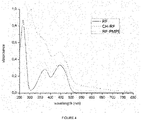
Figure 4 . UV-visible absorption spectra from Riboflavin-based systems. Diluted RF and RF-PMPI from DMSO solution to aqueous solution and CH-RF in aqueous solution. Spectra measured at room temperature. Solid line: RF, Dashed Line: CH-RF. Scored Line: RF-PMPI. λ max absorption at 450nm in all cases. -
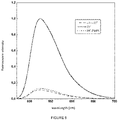
Figure 5 . Emission spectra from Riboflavin-based systems. Diluted RF and RF-PMPI from DMSO solution to aqueous solution and CH-RF in aqueous solution. Spectra obtained with an excitation - λ of 450nm.λ max fluorescence at 524nm in all cases. Spectra measured at room temperature. Solid line: RF, Dashed Line: CH-RF. Scored Line: RF-PMPI.
-
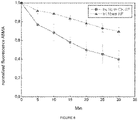
Figure 6 . Singlet oxygen generation profiles of riboflavin and chitosan conjugate. Profiles obtained by monitoring the fluorescence decrease of a oxygen-sensitive singlet acid 9.10-anthracenodiylbis(methylene)dimalonic (ABMA) probe. Samples adjusted to 0.1 u.a of absorption. Excitation wavelength at 450nm and fluorescence tracking at 412 nm. -
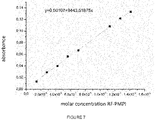
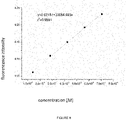
Figure 7 . RF-PMPI absorption curve A 450nm for determination of RF content in CH-RF. Diluted RF-PMPI from DMSO concentrated solution. Conjugate (sample) measured at 0.1% m/v concentration. -
Figure 8 . Fluorescence emission curve at 524nm RF-PMPI for determination of RF content in CH-RF. Excitation wavelength at 450nm. Diluted RF-PMPI from DMSO concentrated solution. Conjugate (sample) measured at 0.1% m/v concentration. -
Figure 9 . Evaluation of fungicidal activity against Penicillium digitatum (1×10⁴ spores/mL) of RF, CH, CH/RF (physical mixture) and CH-RF (chemical conjugate) systems. All samples were preincubated for 1 hours. APDT samples were irradiated with white LED light for 1 hours. The growth of the fungus was carried to 30°C for 7 days, on the seventh day the growth diameters were measured and the growth percentages were determined. -
Figure 10 . Fluorescence microscopy photos of Penicillium digitatum spores in the presence of RF or CH-RF using 450 nm excitation light and a 510 nm fluorescence filter in 50. The same conditions of spore concentration and systems were used. 3 washes were performed withtween 20 0.1% solution prior to measurement. -
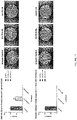
Figure 11 . Growth percentages and representative photos of CH-RF fungicide activity against Botrytis cinerea under new growth conditions: 1×10⁶ spores/mL, growth with light regime of 12 hours and at 20°C. (PS stands for photosensitizer, in this case for riboflavin) -
Figure 12 . Results of fungicidal activity of CH-RF against Penicillium digitatum under new growing conditions: 1×10⁴ spores/mL, growth with light regime of 12 hours and at 20°C. (PS stands for photosensitizer, in this case for riboflavin) - The following are examples of realization for this invention as described above:
- A process of hydrolyzing the commercial chitosan used for the fungicide was carried out in order to improve its solubility and reactivity to subsequent processes. It has been observed that the degree of deacetylation of this is important for its biological properties, and therefore this parameter was evaluated. As shown in Table 1 and
Figure 1 , it is observed that this polymer has a molecular weight of 2.4 kDa and a degree of deacetylation of 86%. Chitosan with this degree of deacetylation is the one that was used to produce the antimicrobial compounds described in the following examples. - Table 1. Characterization of commercial chitosan and hydrolyzed chitosan.
- The synthesis conditions of the 2 precursors of the biofungicide molecule are presented in
Figure 2 . These correspond to a riboflavin derivative (RF-PMPI), to which the coupling agent PMPI and thiolate chitosane (CH-SH) are incorporated. This prior preparation of the precursors is intended to give the conditions of reactivity between these 2 (RF-PMPI and CH-SH) to form the chemical conjugate between chitosane and riboflavin (CH-RF). - To obtain the pure precursor for chemical characterization and then its binding with chitosane, a separation was performed by preparative chromatography on board, the band in the middle of the plate corresponds to the RF-PMPI derivative, obtaining a successful separation (
Figure 3 ).System t (s) nr nsp [n] Mv g/mol c g/mL α K CH 132 5.07 4.07 3.69E+04 39585 6.0E-05 0.96 1.424 CHH 51 1.96 0.96 2.53E+03 2426 3.0E-04 --- --- Solvent 26 --- --- --- --- --- --- --- - Additionally, a characterization of the absorption and emission spectra of riboflavin, the RF-PMPI derivative and the chemical conjugate was performed. It is important to know the absorption spectrum because in this way it is known what type of light the molecule absorbs to photoactivate. It absorbs in the region of blue light and UV (white and solar light have these light components present). The fluorescence spectrum is used to know in which region of the light spectrum this molecule emits light, useful for later experiments. As shown in
Figures 4 and5 , the conjugate fluoresces less than riboflavin, this phenomenon does not affect its performance as a fungicide. - Subsequently, an additional characterization was performed in which the life-times and fluorescence anisotropy of riboflavin and riboflavin derivatives were determined. The data obtained are shown in Table 2, and these results show that highlighting riboflavin is chemically bound to the polymeric matrix of chitosan.
Table 2. Life-time and fluorescence anisotropy of RF-based systems System τ(ns) αi r0 ϕ (ns) r∞ RF 4.8 --- 0.278 0.276 0 RF-PMPI 1.6 0.033 0.276 0.374 0 3.9 0.146 CHH-RF 1.58 0.046 0.237 0.485 0.011 3.75 0.132 - In this example, the capacity of singlet oxygen generation mediated by riboflavin and chitosan-riboflavin conjugate was evaluated. As shown in
Figure 6 , the results obtained show that the CH-RF conjugate has a higher capacity for singlet oxygen generation than riboflavin. This result is a good indicator that the CH-RF conjugate will have a good fungicide effect. - The results from Table 3 and
Figures 7 and8 were obtained with the aim of quantifying how much riboflavin binds to chitosan in the final conjugate. A determination was made by absorption curve, by molar extinction coefficient using the Lambert-Beer Law formula and finally by fluorescence curve. - Concentrations calculated in 3 different ways are within the same order of magnitude, which is good indication that the amount of riboflavin that was achieved by chitosan is within the micromolar magnitude. Therefore, the percentage composition of the final conjugate is:
- GLCN: 2.11m ×10-4 moles, 70%
- GlcNAc: 0.10-×10-4 moles, 14%
- Thiol groups: 61.10-×10-6 moles, 15%
- Riboflavin: 4.3-×10-6 moles, 1%
- The conjugate possesses 1% riboflavin as a photoactive agent.
- It can be seen in
Figure 9 that the conjugate is the system that has the most antifungal activity against the fruit pathogen fungus Penicillium digitatum. The antifungal activity of the chemical conjugate between riboflavin and chitosan is greater than that of the separate components, and it was observed that the effect is effectively enhanced when subjected to a light regime. It should be noted that this synergistic surprising activity has not been reported previously. - Riboflavin has green fluorescence, therefore in
Figure 10 specifically it can be seen that riboflavin alone has no interaction with the spores of the fungus, whereas the conjugate does have interaction with the surface structures of the fungus, with the characteristic fluorescence of riboflavin, it can then be concluded that the chemical conjugation of riboflavin with chitosan causes this transport to the photoactive agent to the vicinity of the spore, so the photoactive effect is generated "in situ". - Subsequently, tests were carried out on Penicillium digitatum and Botrytis cinerea to see the photodynamic fungicidal activity of the conjugate, under conditions closer to the industry and optimal for the growth of both pathogens (20°C, light regime 12/12, Potato Agar culture medium). The results obtained for Botrytis cinerea and Penicillium digitatum can be seen in
figures 11 and12 , respectively. - These new results indicate that the conjugate possesses antifungal activity against these 2 pathogens and that in both cases this antifungal effect is enhanced by light (irradiation for one hour with white LED light). In the specific case of Botrytis cinerea, the biofungicide eliminates 100% growth at a concentration of 1% (m/v) under ambient light, whereas, under an irradiation of 1 hours, only 0.5% in concentration of the biofungicide is needed to control 100% of the pathogen. In the case of Penicillium digitatum , total control is obtained with a concentration of 1% under 1 hours of irradiation.
- Additionally, the efficacy of the formulation developed in the present invention, which comprises the light-activable biopolymer, under more challenging conditions, was evaluated. Three treatments were used to demonstrate the technical advantages of this polymer: (1) witness with wound and inoculated with sterile water, (2) standard wound treatment and inoculated with the pathogen, and (3) treatment with the composition of the molecule described in this request to 0.7%, with wound and inoculated with the pathogen.
- The berries used were obtained from a commercial orchard, which had a maturity of more than 16% of soluble solids, and these berries were collected from clusters that had never been treated with fungicides.
- Berries were taken randomly from bunches with adhered pedicel, and were superficially disinfected with sodium hypochlorite at 0.5% for 1 min, followed by 95% ethanol for 30 seconds and rinsed twice with sterile distiled water, ensuring that no residue remains on the berries. They were then allowed to dry at room temperature under laminar flow chamber. The berries collected were distributed in a number of 10 berries with pedicel on metal grids in appropriately sized polyethylene boxes (e.g.: 20 × 15 × 10 cm), placing absorbent paper towel moistened with 40 ml sterile water under the grids to assemble wet chambers. The water level was adjusted depending on the size of the container.
- A fixed point was punctured in each berry with a hypodermic syringe and then a 10 µl drop of 106 conidia/ml B. cinerea suspension was mounted on the wound using a micropipette.
- Subsequently, wet chambers were closed and maintained at 20°C and relative humidity (RH) ≥ 90% avoiding the displacement of the drop on the surface of the berry for 24 hours.
- Finally, the treatments were applied (except T1), reselling chambers and arranging containers randomly in a storage chamber at 20°C and relative humidity (RH) ≥ 90% for 7 days. The incidence of the disease (gray mold) will be assessed 7 days after each treatment is applied.
- Results:
- Disease control efficiency T3> Disease control efficiency T2
- An experimental strategy very similar to the previous example was used. Briefly, fruits were obtained from a commercial orchard at its point of harvest, of uniform size and color, without defects in the shell or deformations, and the fruits were not treated with fungicide prior to collection. The fruits were then disinfected with sodium hypochlorite at 0.5% for 5 minutes, followed by 95% ethanol for 30 seconds and rinsed twice with sterile distiled water, ensuring that no residue remains on the fruits. They were allowed to dry at room temperature. 12 fruits were then taken and distributed in wet polyethylene chambers of an appropriate size according to the size of the fruit. The water level under the wet chamber louvers was adjusted according to the size of the container.
- A puncture was made with the tip of a scalpel not more than 3 mm deep by 3 mm wide in the equatorial area of the fruit. After the above action, the wound was inoculated with a 10 µl drop of conidial suspension of P. digitatum of 104 conidia/ml using a micropipette.
- Subsequently, wet chambers were closed and maintained at 20°C and relative humidity (RH) ≥ 90% avoiding the displacement of the drop on the surface of the berry for 24 hours.
- Finally, the treatments were applied (except T1), reselling chambers and arranging containers randomly in a storage chamber at 20°C and relative humidity (RH) ≥ 90% for 7 days. The incidence of the disease (green mold) will be assessed 7 days after each treatment is applied.
- It is expected that the development of patients after treatment 3 (T3) is significantly lower than the other treatments. In particular, T3 is expected to be more efficient in inhibiting disease development compared to T2.
- Results: Disease control efficiency T3> Disease control efficiency T2.
Claims (11)
- Fungicidal composition to combat fungal infections in cultures of agronomic interest mediated by fungi of the genera Botritys, Penicillium and Rhizopus, CHARACTERIZED by comprising a conjugate between a biolpolymer selected from the group format by chitosan, modified chitosan or its derivatives, poly-lysine or its derivatives, alginate, modified alginate or its derivatives, cellulose, modified cellulose or its derivatives, among others, and a photoactivable agent selected from the group of porphyrins, phthalocyanins, naphthalocyanins, chlorines, phenothiazines, acridines, bodypys, among others, and where such a photoactivable agent when activated by natural light generates oxygen singlet, thereby inhibiting the growth of these fungi.
- Fungicidal composition according to claim 1, WHEREIN the biopolymer is at a concentration between 0.1 and 5%.
- Fungicidal composition according to claims 1 or 2, WHEREIN the biopolymer is at a concentration between 0.1 and 2.5%.
- Fungicide composition according to claim 1, WHEREIN the photoactivable agent is at a concentration between 0.1% and 15%.
- Fungicide composition according to claim 4, WHEREIN the photoactivable agent is at a concentration between 0.1% and 1%.
- Fungicidal composition according to claim 6, WHEREIN the biopolymer and photoactivable agent are at 1%.
- Fungicidal composition according to claims 1 or 6, WHEREIN the biopolymer is chitosan and the photoactivable agent is riboflavin or protoporphyrin IX.
- Method for obtaining the fungicidal composition described in claims 1 to 9, WHEREIN IT comprises the following stages:a) The photoactivable agent (FA) is combined with a PMPI coupling agent at 45°C in nitrogen atmosphere for 24 h, obtaining the derivative FA-PMPI;b) Biopolymer (BP) is treated with thioglycolic acid, EDC and N-hydroxysuccinimide to anchor reactive thiol groups to that biopolymer (BP-SH);c) The FA-PMPI derivative and BP-SH are reacted in aqueous solution at pH 6 for 24 hours.d) the conjugate is dialysate and lyophilized for storage.
- The method of claim 8, WHEREIN the biopolymer is chitosan and the photoactivable agent is riboflavin or protoporphyrin IX.
- Use of the fungicidal composition according to any of claims 1 to 7, WHEREIN the fungal infections to combat correspond to gray decay, green decay and soft decay.
- Use of the fungicidal composition according to any of claims 1 to 7 and 10, WHEREIN the pathogens to combat are selected from B.cinerea, P.digitatum and Rhizopus stoloniser.
Applications Claiming Priority (2)
| Application Number | Priority Date | Filing Date | Title |
|---|---|---|---|
| CL2019003654A CL2019003654A1 (en) | 2019-12-12 | 2019-12-12 | Conjugates between a biopolymer and a photoactivatable antimicrobial agent to combat fungal diseases of agronomic interest and methods of production of said conjugates |
| PCT/CL2020/050154 WO2021114003A1 (en) | 2019-12-12 | 2020-11-16 | Conjugates between a biopolymer and a photoactivated antimicrobial agent for combating fungal diseases of agricultural interest and methods for producing said conjugates |
Publications (2)
| Publication Number | Publication Date |
|---|---|
| EP4074177A1 true EP4074177A1 (en) | 2022-10-19 |
| EP4074177A4 EP4074177A4 (en) | 2023-12-27 |
Family
ID=76329250
Family Applications (1)
| Application Number | Title | Priority Date | Filing Date |
|---|---|---|---|
| EP20899708.0A Pending EP4074177A4 (en) | 2019-12-12 | 2020-11-16 | Conjugates between a biopolymer and a photoactivated antimicrobial agent for combating fungal diseases of agricultural interest and methods for producing said conjugates |
Country Status (5)
| Country | Link |
|---|---|
| US (1) | US12616195B2 (en) |
| EP (1) | EP4074177A4 (en) |
| BR (1) | BR112022011326A2 (en) |
| CL (1) | CL2019003654A1 (en) |
| WO (1) | WO2021114003A1 (en) |
Families Citing this family (1)
| Publication number | Priority date | Publication date | Assignee | Title |
|---|---|---|---|---|
| WO2024138275A1 (en) * | 2022-12-29 | 2024-07-04 | Pontificia Universidad Católica De Chile | Fungicide formulations for combating diseases of agronomic interest and production methods for same |
-
2019
- 2019-12-12 CL CL2019003654A patent/CL2019003654A1/en unknown
-
2020
- 2020-11-16 US US17/784,797 patent/US12616195B2/en active Active
- 2020-11-16 WO PCT/CL2020/050154 patent/WO2021114003A1/en not_active Ceased
- 2020-11-16 EP EP20899708.0A patent/EP4074177A4/en active Pending
- 2020-11-16 BR BR112022011326A patent/BR112022011326A2/en unknown
Also Published As
| Publication number | Publication date |
|---|---|
| US20230000075A1 (en) | 2023-01-05 |
| BR112022011326A2 (en) | 2022-08-23 |
| CL2019003654A1 (en) | 2021-08-13 |
| WO2021114003A1 (en) | 2021-06-17 |
| EP4074177A4 (en) | 2023-12-27 |
| US12616195B2 (en) | 2026-05-05 |
Similar Documents
| Publication | Publication Date | Title |
|---|---|---|
| La et al. | Effects of antibacterial ZnO nanoparticles on the performance of a chitosan/gum arabic edible coating for post-harvest banana preservation | |
| Luksiene et al. | Impact of chlorophyllin-chitosan coating and visible light on the microbial contamination, shelf life, nutritional and visual quality of strawberries | |
| Yang et al. | Amphiphilic chitosan/carboxymethyl gellan gum composite films enriched with mustard essential oil for mango preservation | |
| AU2007327613B2 (en) | Composition comprising oligogalacturonans and polycationic saccharides | |
| LIU et al. | Effects of molecularweight and concentration of chitosan on antifungal activity against Aspergillus niger | |
| Teng et al. | Garlic essential oil microcapsules prepared using gallic acid grafted chitosan: Effect on nitrite control of prepared vegetable dishes during storage | |
| Liu et al. | Defense and inhibition integrated mesoporous nanoselenium delivery system against tomato gray mold | |
| Arslan et al. | Chitosan-based films grafted with citrus waste-derived antifungal agents: An innovative and sustainable approach to enhance post-harvest preservation of citrus fruit | |
| Yang et al. | Preparation of ferulic acid-grafted chitosan using recombinant bacterial laccase and its application in mango preservation | |
| Saade et al. | System feasibility: Designing a chlorine dioxide self-generating package label to improve fresh produce safety part II: Solution casting approach | |
| Liu et al. | Preparation and properties of chitosan‐based bacteriostatic agents and their application in strawberry bacteriostatic preservation | |
| Lima et al. | Integration of biocontrol agents and food-grade additives for enhancing protection of stored apples from Penicillium expansum | |
| Jannoo et al. | Electron beam assisted synthesis of silver nanoparticle in chitosan stabilizer: Preparation, stability and inhibition of building fungi studies | |
| US12616195B2 (en) | Conjugates between a biopolymer and a photoactivated antimicrobial agent for combating fungal diseases of agricultural interest and methods for producing said conjugates | |
| Liu et al. | Antibacterial activity of Osmunda japonica (Thunb) polysaccharides and its effect on tomato quality maintenance during storage | |
| Bai et al. | Contactless and biosafe freshness protection package consists of geraniol@ β-cyclodextrin MOF complex for emperor banana storage | |
| Larrea et al. | Development of new photoinactivation strategies for microbial decontamination in fruits and packaging | |
| Tohamy | Novel onion derived sulfur nitrogen carbon quantum dots/cellulose sulfate naked-eye pH-sensitive sensor for chromium, bacterial and fungal detection in green beans | |
| Liu et al. | A temperature-responsive selenium nanohydrogel for strawberry grey mould management | |
| Rad et al. | Fabrication and investigation of chitosan-based edible coating derived mushroom substrates: Efficient performance on storage and improving postharvest quality of strawberry | |
| Li et al. | NIR-triggered spatiotemporal control of cinnamaldehyde release in antibacterial pickering emulsion hydrogel for prolonged preservation of table grapes | |
| Wang et al. | Multifunctional carbon dots nanozyme films for pH-responsive fluorescence indication and food preservation | |
| Wu | Production and characterization of fungal chitin and chitosan | |
| Singh et al. | Evaluate the efficacy of guava-derived CuO, and ZnO nanocomposite coating on shelf life of grapes | |
| Chen et al. | Aggregation-induced potentiation of photodynamic inactivation and its application in food preservation |
Legal Events
| Date | Code | Title | Description |
|---|---|---|---|
| STAA | Information on the status of an ep patent application or granted ep patent |
Free format text: STATUS: THE INTERNATIONAL PUBLICATION HAS BEEN MADE |
|
| PUAI | Public reference made under article 153(3) epc to a published international application that has entered the european phase |
Free format text: ORIGINAL CODE: 0009012 |
|
| STAA | Information on the status of an ep patent application or granted ep patent |
Free format text: STATUS: REQUEST FOR EXAMINATION WAS MADE |
|
| 17P | Request for examination filed |
Effective date: 20220712 |
|
| AK | Designated contracting states |
Kind code of ref document: A1 Designated state(s): AL AT BE BG CH CY CZ DE DK EE ES FI FR GB GR HR HU IE IS IT LI LT LU LV MC MK MT NL NO PL PT RO RS SE SI SK SM TR |
|
| DAV | Request for validation of the european patent (deleted) | ||
| DAX | Request for extension of the european patent (deleted) | ||
| A4 | Supplementary search report drawn up and despatched |
Effective date: 20231124 |
|
| RIC1 | Information provided on ipc code assigned before grant |
Ipc: A01N 59/00 20060101ALI20231120BHEP Ipc: A61L 2/23 20060101ALI20231120BHEP Ipc: A61K 47/36 20060101ALI20231120BHEP Ipc: A01N 43/90 20060101ALI20231120BHEP Ipc: A01N 43/16 20060101AFI20231120BHEP |
|
| STAA | Information on the status of an ep patent application or granted ep patent |
Free format text: STATUS: EXAMINATION IS IN PROGRESS |
|
| 17Q | First examination report despatched |
Effective date: 20241218 |