EP4071180A1 - Polycationic polysaccharide and application thereof - Google Patents
Polycationic polysaccharide and application thereof Download PDFInfo
- Publication number
- EP4071180A1 EP4071180A1 EP20895428.9A EP20895428A EP4071180A1 EP 4071180 A1 EP4071180 A1 EP 4071180A1 EP 20895428 A EP20895428 A EP 20895428A EP 4071180 A1 EP4071180 A1 EP 4071180A1
- Authority
- EP
- European Patent Office
- Prior art keywords
- compound
- polysaccharide
- dex
- polycationic
- polycationic polysaccharide
- Prior art date
- Legal status (The legal status is an assumption and is not a legal conclusion. Google has not performed a legal analysis and makes no representation as to the accuracy of the status listed.)
- Pending
Links
- 150000004676 glycans Chemical class 0.000 title claims abstract description 133
- 229920001282 polysaccharide Polymers 0.000 title claims abstract description 132
- 239000005017 polysaccharide Substances 0.000 title claims abstract description 132
- 150000001875 compounds Chemical class 0.000 claims abstract description 148
- 230000000844 anti-bacterial effect Effects 0.000 claims abstract description 26
- 229920000768 polyamine Polymers 0.000 claims abstract description 25
- 239000000463 material Substances 0.000 claims abstract description 19
- 238000006243 chemical reaction Methods 0.000 claims description 18
- 239000003814 drug Substances 0.000 claims description 16
- 241000894006 Bacteria Species 0.000 claims description 15
- 230000000694 effects Effects 0.000 claims description 8
- 125000004435 hydrogen atom Chemical group [H]* 0.000 claims description 8
- 125000003277 amino group Chemical group 0.000 claims description 7
- 230000002265 prevention Effects 0.000 claims description 7
- 208000037976 chronic inflammation Diseases 0.000 claims description 6
- 208000037893 chronic inflammatory disorder Diseases 0.000 claims description 6
- 239000003242 anti bacterial agent Substances 0.000 claims description 5
- GLGNXYJARSMNGJ-VKTIVEEGSA-N (1s,2s,3r,4r)-3-[[5-chloro-2-[(1-ethyl-6-methoxy-2-oxo-4,5-dihydro-3h-1-benzazepin-7-yl)amino]pyrimidin-4-yl]amino]bicyclo[2.2.1]hept-5-ene-2-carboxamide Chemical compound CCN1C(=O)CCCC2=C(OC)C(NC=3N=C(C(=CN=3)Cl)N[C@H]3[C@H]([C@@]4([H])C[C@@]3(C=C4)[H])C(N)=O)=CC=C21 GLGNXYJARSMNGJ-VKTIVEEGSA-N 0.000 claims description 4
- 206010048038 Wound infection Diseases 0.000 claims description 4
- 239000004480 active ingredient Substances 0.000 claims description 4
- 239000002671 adjuvant Substances 0.000 claims description 4
- 229940125758 compound 15 Drugs 0.000 claims description 4
- 229940125782 compound 2 Drugs 0.000 claims description 4
- SZUVGFMDDVSKSI-WIFOCOSTSA-N (1s,2s,3s,5r)-1-(carboxymethyl)-3,5-bis[(4-phenoxyphenyl)methyl-propylcarbamoyl]cyclopentane-1,2-dicarboxylic acid Chemical compound O=C([C@@H]1[C@@H]([C@](CC(O)=O)([C@H](C(=O)N(CCC)CC=2C=CC(OC=3C=CC=CC=3)=CC=2)C1)C(O)=O)C(O)=O)N(CCC)CC(C=C1)=CC=C1OC1=CC=CC=C1 SZUVGFMDDVSKSI-WIFOCOSTSA-N 0.000 claims description 3
- IUSARDYWEPUTPN-OZBXUNDUSA-N (2r)-n-[(2s,3r)-4-[[(4s)-6-(2,2-dimethylpropyl)spiro[3,4-dihydropyrano[2,3-b]pyridine-2,1'-cyclobutane]-4-yl]amino]-3-hydroxy-1-[3-(1,3-thiazol-2-yl)phenyl]butan-2-yl]-2-methoxypropanamide Chemical compound C([C@H](NC(=O)[C@@H](C)OC)[C@H](O)CN[C@@H]1C2=CC(CC(C)(C)C)=CN=C2OC2(CCC2)C1)C(C=1)=CC=CC=1C1=NC=CS1 IUSARDYWEPUTPN-OZBXUNDUSA-N 0.000 claims description 3
- KKHFRAFPESRGGD-UHFFFAOYSA-N 1,3-dimethyl-7-[3-(n-methylanilino)propyl]purine-2,6-dione Chemical compound C1=NC=2N(C)C(=O)N(C)C(=O)C=2N1CCCN(C)C1=CC=CC=C1 KKHFRAFPESRGGD-UHFFFAOYSA-N 0.000 claims description 3
- MHSLDASSAFCCDO-UHFFFAOYSA-N 1-(5-tert-butyl-2-methylpyrazol-3-yl)-3-(4-pyridin-4-yloxyphenyl)urea Chemical compound CN1N=C(C(C)(C)C)C=C1NC(=O)NC(C=C1)=CC=C1OC1=CC=NC=C1 MHSLDASSAFCCDO-UHFFFAOYSA-N 0.000 claims description 3
- QEBYEVQKHRUYPE-UHFFFAOYSA-N 2-(2-chlorophenyl)-5-[(1-methylpyrazol-3-yl)methyl]-4-[[methyl(pyridin-3-ylmethyl)amino]methyl]-1h-pyrazolo[4,3-c]pyridine-3,6-dione Chemical compound C1=CN(C)N=C1CN1C(=O)C=C2NN(C=3C(=CC=CC=3)Cl)C(=O)C2=C1CN(C)CC1=CC=CN=C1 QEBYEVQKHRUYPE-UHFFFAOYSA-N 0.000 claims description 3
- PYRKKGOKRMZEIT-UHFFFAOYSA-N 2-[6-(2-cyclopropylethoxy)-9-(2-hydroxy-2-methylpropyl)-1h-phenanthro[9,10-d]imidazol-2-yl]-5-fluorobenzene-1,3-dicarbonitrile Chemical compound C1=C2C3=CC(CC(C)(O)C)=CC=C3C=3NC(C=4C(=CC(F)=CC=4C#N)C#N)=NC=3C2=CC=C1OCCC1CC1 PYRKKGOKRMZEIT-UHFFFAOYSA-N 0.000 claims description 3
- PAYROHWFGZADBR-UHFFFAOYSA-N 2-[[4-amino-5-(5-iodo-4-methoxy-2-propan-2-ylphenoxy)pyrimidin-2-yl]amino]propane-1,3-diol Chemical compound C1=C(I)C(OC)=CC(C(C)C)=C1OC1=CN=C(NC(CO)CO)N=C1N PAYROHWFGZADBR-UHFFFAOYSA-N 0.000 claims description 3
- RSIWALKZYXPAGW-NSHDSACASA-N 6-(3-fluorophenyl)-3-methyl-7-[(1s)-1-(7h-purin-6-ylamino)ethyl]-[1,3]thiazolo[3,2-a]pyrimidin-5-one Chemical compound C=1([C@@H](NC=2C=3N=CNC=3N=CN=2)C)N=C2SC=C(C)N2C(=O)C=1C1=CC=CC(F)=C1 RSIWALKZYXPAGW-NSHDSACASA-N 0.000 claims description 3
- UHNRLQRZRNKOKU-UHFFFAOYSA-N CCN(CC1=NC2=C(N1)C1=CC=C(C=C1N=C2N)C1=NNC=C1)C(C)=O Chemical compound CCN(CC1=NC2=C(N1)C1=CC=C(C=C1N=C2N)C1=NNC=C1)C(C)=O UHNRLQRZRNKOKU-UHFFFAOYSA-N 0.000 claims description 3
- AVYVHIKSFXVDBG-UHFFFAOYSA-N N-benzyl-N-hydroxy-2,2-dimethylbutanamide Chemical compound C(C1=CC=CC=C1)N(C(C(CC)(C)C)=O)O AVYVHIKSFXVDBG-UHFFFAOYSA-N 0.000 claims description 3
- SPXSEZMVRJLHQG-XMMPIXPASA-N [(2R)-1-[[4-[(3-phenylmethoxyphenoxy)methyl]phenyl]methyl]pyrrolidin-2-yl]methanol Chemical compound C(C1=CC=CC=C1)OC=1C=C(OCC2=CC=C(CN3[C@H](CCC3)CO)C=C2)C=CC=1 SPXSEZMVRJLHQG-XMMPIXPASA-N 0.000 claims description 3
- 229940125773 compound 10 Drugs 0.000 claims description 3
- 229940126543 compound 14 Drugs 0.000 claims description 3
- 229940125807 compound 37 Drugs 0.000 claims description 3
- 229940127271 compound 49 Drugs 0.000 claims description 3
- 230000006872 improvement Effects 0.000 claims description 3
- ZLVXBBHTMQJRSX-VMGNSXQWSA-N jdtic Chemical compound C1([C@]2(C)CCN(C[C@@H]2C)C[C@H](C(C)C)NC(=O)[C@@H]2NCC3=CC(O)=CC=C3C2)=CC=CC(O)=C1 ZLVXBBHTMQJRSX-VMGNSXQWSA-N 0.000 claims description 3
- ASGMFNBUXDJWJJ-JLCFBVMHSA-N (1R,3R)-3-[[3-bromo-1-[4-(5-methyl-1,3,4-thiadiazol-2-yl)phenyl]pyrazolo[3,4-d]pyrimidin-6-yl]amino]-N,1-dimethylcyclopentane-1-carboxamide Chemical compound BrC1=NN(C2=NC(=NC=C21)N[C@H]1C[C@@](CC1)(C(=O)NC)C)C1=CC=C(C=C1)C=1SC(=NN=1)C ASGMFNBUXDJWJJ-JLCFBVMHSA-N 0.000 claims description 2
- UAOUIVVJBYDFKD-XKCDOFEDSA-N (1R,9R,10S,11R,12R,15S,18S,21R)-10,11,21-trihydroxy-8,8-dimethyl-14-methylidene-4-(prop-2-enylamino)-20-oxa-5-thia-3-azahexacyclo[9.7.2.112,15.01,9.02,6.012,18]henicosa-2(6),3-dien-13-one Chemical compound C([C@@H]1[C@@H](O)[C@@]23C(C1=C)=O)C[C@H]2[C@]12C(N=C(NCC=C)S4)=C4CC(C)(C)[C@H]1[C@H](O)[C@]3(O)OC2 UAOUIVVJBYDFKD-XKCDOFEDSA-N 0.000 claims description 2
- AOSZTAHDEDLTLQ-AZKQZHLXSA-N (1S,2S,4R,8S,9S,11S,12R,13S,19S)-6-[(3-chlorophenyl)methyl]-12,19-difluoro-11-hydroxy-8-(2-hydroxyacetyl)-9,13-dimethyl-6-azapentacyclo[10.8.0.02,9.04,8.013,18]icosa-14,17-dien-16-one Chemical compound C([C@@H]1C[C@H]2[C@H]3[C@]([C@]4(C=CC(=O)C=C4[C@@H](F)C3)C)(F)[C@@H](O)C[C@@]2([C@@]1(C1)C(=O)CO)C)N1CC1=CC=CC(Cl)=C1 AOSZTAHDEDLTLQ-AZKQZHLXSA-N 0.000 claims description 2
- ABJSOROVZZKJGI-OCYUSGCXSA-N (1r,2r,4r)-2-(4-bromophenyl)-n-[(4-chlorophenyl)-(2-fluoropyridin-4-yl)methyl]-4-morpholin-4-ylcyclohexane-1-carboxamide Chemical compound C1=NC(F)=CC(C(NC(=O)[C@H]2[C@@H](C[C@@H](CC2)N2CCOCC2)C=2C=CC(Br)=CC=2)C=2C=CC(Cl)=CC=2)=C1 ABJSOROVZZKJGI-OCYUSGCXSA-N 0.000 claims description 2
- GHYOCDFICYLMRF-UTIIJYGPSA-N (2S,3R)-N-[(2S)-3-(cyclopenten-1-yl)-1-[(2R)-2-methyloxiran-2-yl]-1-oxopropan-2-yl]-3-hydroxy-3-(4-methoxyphenyl)-2-[[(2S)-2-[(2-morpholin-4-ylacetyl)amino]propanoyl]amino]propanamide Chemical compound C1(=CCCC1)C[C@@H](C(=O)[C@@]1(OC1)C)NC([C@H]([C@@H](C1=CC=C(C=C1)OC)O)NC([C@H](C)NC(CN1CCOCC1)=O)=O)=O GHYOCDFICYLMRF-UTIIJYGPSA-N 0.000 claims description 2
- GCTFTMWXZFLTRR-GFCCVEGCSA-N (2r)-2-amino-n-[3-(difluoromethoxy)-4-(1,3-oxazol-5-yl)phenyl]-4-methylpentanamide Chemical compound FC(F)OC1=CC(NC(=O)[C@H](N)CC(C)C)=CC=C1C1=CN=CO1 GCTFTMWXZFLTRR-GFCCVEGCSA-N 0.000 claims description 2
- YJLIKUSWRSEPSM-WGQQHEPDSA-N (2r,3r,4s,5r)-2-[6-amino-8-[(4-phenylphenyl)methylamino]purin-9-yl]-5-(hydroxymethyl)oxolane-3,4-diol Chemical compound C=1C=C(C=2C=CC=CC=2)C=CC=1CNC1=NC=2C(N)=NC=NC=2N1[C@@H]1O[C@H](CO)[C@@H](O)[C@H]1O YJLIKUSWRSEPSM-WGQQHEPDSA-N 0.000 claims description 2
- VIJSPAIQWVPKQZ-BLECARSGSA-N (2s)-2-[[(2s)-2-[[(2s)-2-[[(2s)-2-[[(2s)-2-[[(2s)-2-acetamido-5-(diaminomethylideneamino)pentanoyl]amino]-4-methylpentanoyl]amino]-4,4-dimethylpentanoyl]amino]-4-methylpentanoyl]amino]propanoyl]amino]-5-(diaminomethylideneamino)pentanoic acid Chemical compound NC(=N)NCCC[C@@H](C(O)=O)NC(=O)[C@H](C)NC(=O)[C@H](CC(C)C)NC(=O)[C@H](CC(C)(C)C)NC(=O)[C@H](CC(C)C)NC(=O)[C@H](CCCNC(N)=N)NC(C)=O VIJSPAIQWVPKQZ-BLECARSGSA-N 0.000 claims description 2
- WWTBZEKOSBFBEM-SPWPXUSOSA-N (2s)-2-[[2-benzyl-3-[hydroxy-[(1r)-2-phenyl-1-(phenylmethoxycarbonylamino)ethyl]phosphoryl]propanoyl]amino]-3-(1h-indol-3-yl)propanoic acid Chemical compound N([C@@H](CC=1C2=CC=CC=C2NC=1)C(=O)O)C(=O)C(CP(O)(=O)[C@H](CC=1C=CC=CC=1)NC(=O)OCC=1C=CC=CC=1)CC1=CC=CC=C1 WWTBZEKOSBFBEM-SPWPXUSOSA-N 0.000 claims description 2
- STBLNCCBQMHSRC-BATDWUPUSA-N (2s)-n-[(3s,4s)-5-acetyl-7-cyano-4-methyl-1-[(2-methylnaphthalen-1-yl)methyl]-2-oxo-3,4-dihydro-1,5-benzodiazepin-3-yl]-2-(methylamino)propanamide Chemical compound O=C1[C@@H](NC(=O)[C@H](C)NC)[C@H](C)N(C(C)=O)C2=CC(C#N)=CC=C2N1CC1=C(C)C=CC2=CC=CC=C12 STBLNCCBQMHSRC-BATDWUPUSA-N 0.000 claims description 2
- QFLWZFQWSBQYPS-AWRAUJHKSA-N (3S)-3-[[(2S)-2-[[(2S)-2-[5-[(3aS,6aR)-2-oxo-1,3,3a,4,6,6a-hexahydrothieno[3,4-d]imidazol-4-yl]pentanoylamino]-3-methylbutanoyl]amino]-3-(4-hydroxyphenyl)propanoyl]amino]-4-[1-bis(4-chlorophenoxy)phosphorylbutylamino]-4-oxobutanoic acid Chemical compound CCCC(NC(=O)[C@H](CC(O)=O)NC(=O)[C@H](Cc1ccc(O)cc1)NC(=O)[C@@H](NC(=O)CCCCC1SC[C@@H]2NC(=O)N[C@H]12)C(C)C)P(=O)(Oc1ccc(Cl)cc1)Oc1ccc(Cl)cc1 QFLWZFQWSBQYPS-AWRAUJHKSA-N 0.000 claims description 2
- IWZSHWBGHQBIML-ZGGLMWTQSA-N (3S,8S,10R,13S,14S,17S)-17-isoquinolin-7-yl-N,N,10,13-tetramethyl-2,3,4,7,8,9,11,12,14,15,16,17-dodecahydro-1H-cyclopenta[a]phenanthren-3-amine Chemical compound CN(C)[C@H]1CC[C@]2(C)C3CC[C@@]4(C)[C@@H](CC[C@@H]4c4ccc5ccncc5c4)[C@@H]3CC=C2C1 IWZSHWBGHQBIML-ZGGLMWTQSA-N 0.000 claims description 2
- UDQTXCHQKHIQMH-KYGLGHNPSA-N (3ar,5s,6s,7r,7ar)-5-(difluoromethyl)-2-(ethylamino)-5,6,7,7a-tetrahydro-3ah-pyrano[3,2-d][1,3]thiazole-6,7-diol Chemical compound S1C(NCC)=N[C@H]2[C@@H]1O[C@H](C(F)F)[C@@H](O)[C@@H]2O UDQTXCHQKHIQMH-KYGLGHNPSA-N 0.000 claims description 2
- OOKAZRDERJMRCJ-KOUAFAAESA-N (3r)-7-[(1s,2s,4ar,6s,8s)-2,6-dimethyl-8-[(2s)-2-methylbutanoyl]oxy-1,2,4a,5,6,7,8,8a-octahydronaphthalen-1-yl]-3-hydroxy-5-oxoheptanoic acid Chemical compound C1=C[C@H](C)[C@H](CCC(=O)C[C@@H](O)CC(O)=O)C2[C@@H](OC(=O)[C@@H](C)CC)C[C@@H](C)C[C@@H]21 OOKAZRDERJMRCJ-KOUAFAAESA-N 0.000 claims description 2
- HUWSZNZAROKDRZ-RRLWZMAJSA-N (3r,4r)-3-azaniumyl-5-[[(2s,3r)-1-[(2s)-2,3-dicarboxypyrrolidin-1-yl]-3-methyl-1-oxopentan-2-yl]amino]-5-oxo-4-sulfanylpentane-1-sulfonate Chemical compound OS(=O)(=O)CC[C@@H](N)[C@@H](S)C(=O)N[C@@H]([C@H](C)CC)C(=O)N1CCC(C(O)=O)[C@H]1C(O)=O HUWSZNZAROKDRZ-RRLWZMAJSA-N 0.000 claims description 2
- MPDDTAJMJCESGV-CTUHWIOQSA-M (3r,5r)-7-[2-(4-fluorophenyl)-5-[methyl-[(1r)-1-phenylethyl]carbamoyl]-4-propan-2-ylpyrazol-3-yl]-3,5-dihydroxyheptanoate Chemical compound C1([C@@H](C)N(C)C(=O)C2=NN(C(CC[C@@H](O)C[C@@H](O)CC([O-])=O)=C2C(C)C)C=2C=CC(F)=CC=2)=CC=CC=C1 MPDDTAJMJCESGV-CTUHWIOQSA-M 0.000 claims description 2
- OMBVEVHRIQULKW-DNQXCXABSA-M (3r,5r)-7-[3-(4-fluorophenyl)-8-oxo-7-phenyl-1-propan-2-yl-5,6-dihydro-4h-pyrrolo[2,3-c]azepin-2-yl]-3,5-dihydroxyheptanoate Chemical compound O=C1C=2N(C(C)C)C(CC[C@@H](O)C[C@@H](O)CC([O-])=O)=C(C=3C=CC(F)=CC=3)C=2CCCN1C1=CC=CC=C1 OMBVEVHRIQULKW-DNQXCXABSA-M 0.000 claims description 2
- YQOLEILXOBUDMU-KRWDZBQOSA-N (4R)-5-[(6-bromo-3-methyl-2-pyrrolidin-1-ylquinoline-4-carbonyl)amino]-4-(2-chlorophenyl)pentanoic acid Chemical compound CC1=C(C2=C(C=CC(=C2)Br)N=C1N3CCCC3)C(=O)NC[C@H](CCC(=O)O)C4=CC=CC=C4Cl YQOLEILXOBUDMU-KRWDZBQOSA-N 0.000 claims description 2
- STPKWKPURVSAJF-LJEWAXOPSA-N (4r,5r)-5-[4-[[4-(1-aza-4-azoniabicyclo[2.2.2]octan-4-ylmethyl)phenyl]methoxy]phenyl]-3,3-dibutyl-7-(dimethylamino)-1,1-dioxo-4,5-dihydro-2h-1$l^{6}-benzothiepin-4-ol Chemical compound O[C@H]1C(CCCC)(CCCC)CS(=O)(=O)C2=CC=C(N(C)C)C=C2[C@H]1C(C=C1)=CC=C1OCC(C=C1)=CC=C1C[N+]1(CC2)CCN2CC1 STPKWKPURVSAJF-LJEWAXOPSA-N 0.000 claims description 2
- OIIOPWHTJZYKIL-PMACEKPBSA-N (5S)-5-[[[5-[2-chloro-3-[2-chloro-3-[6-methoxy-5-[[[(2S)-5-oxopyrrolidin-2-yl]methylamino]methyl]pyrazin-2-yl]phenyl]phenyl]-3-methoxypyrazin-2-yl]methylamino]methyl]pyrrolidin-2-one Chemical compound C1(=C(N=C(C2=C(C(C3=CC=CC(=C3Cl)C3=NC(OC)=C(N=C3)CNC[C@H]3NC(=O)CC3)=CC=C2)Cl)C=N1)OC)CNC[C@H]1NC(=O)CC1 OIIOPWHTJZYKIL-PMACEKPBSA-N 0.000 claims description 2
- VUEGYUOUAAVYAS-JGGQBBKZSA-N (6ar,9s,10ar)-9-(dimethylsulfamoylamino)-7-methyl-6,6a,8,9,10,10a-hexahydro-4h-indolo[4,3-fg]quinoline Chemical compound C1=CC([C@H]2C[C@@H](CN(C)[C@@H]2C2)NS(=O)(=O)N(C)C)=C3C2=CNC3=C1 VUEGYUOUAAVYAS-JGGQBBKZSA-N 0.000 claims description 2
- DEVSOMFAQLZNKR-RJRFIUFISA-N (z)-3-[3-[3,5-bis(trifluoromethyl)phenyl]-1,2,4-triazol-1-yl]-n'-pyrazin-2-ylprop-2-enehydrazide Chemical compound FC(F)(F)C1=CC(C(F)(F)F)=CC(C2=NN(\C=C/C(=O)NNC=3N=CC=NC=3)C=N2)=C1 DEVSOMFAQLZNKR-RJRFIUFISA-N 0.000 claims description 2
- KQZLRWGGWXJPOS-NLFPWZOASA-N 1-[(1R)-1-(2,4-dichlorophenyl)ethyl]-6-[(4S,5R)-4-[(2S)-2-(hydroxymethyl)pyrrolidin-1-yl]-5-methylcyclohexen-1-yl]pyrazolo[3,4-b]pyrazine-3-carbonitrile Chemical compound ClC1=C(C=CC(=C1)Cl)[C@@H](C)N1N=C(C=2C1=NC(=CN=2)C1=CC[C@@H]([C@@H](C1)C)N1[C@@H](CCC1)CO)C#N KQZLRWGGWXJPOS-NLFPWZOASA-N 0.000 claims description 2
- ONBQEOIKXPHGMB-VBSBHUPXSA-N 1-[2-[(2s,3r,4s,5r)-3,4-dihydroxy-5-(hydroxymethyl)oxolan-2-yl]oxy-4,6-dihydroxyphenyl]-3-(4-hydroxyphenyl)propan-1-one Chemical compound O[C@@H]1[C@H](O)[C@@H](CO)O[C@H]1OC1=CC(O)=CC(O)=C1C(=O)CCC1=CC=C(O)C=C1 ONBQEOIKXPHGMB-VBSBHUPXSA-N 0.000 claims description 2
- UNILWMWFPHPYOR-KXEYIPSPSA-M 1-[6-[2-[3-[3-[3-[2-[2-[3-[[2-[2-[[(2r)-1-[[2-[[(2r)-1-[3-[2-[2-[3-[[2-(2-amino-2-oxoethoxy)acetyl]amino]propoxy]ethoxy]ethoxy]propylamino]-3-hydroxy-1-oxopropan-2-yl]amino]-2-oxoethyl]amino]-3-[(2r)-2,3-di(hexadecanoyloxy)propyl]sulfanyl-1-oxopropan-2-yl Chemical compound O=C1C(SCCC(=O)NCCCOCCOCCOCCCNC(=O)COCC(=O)N[C@@H](CSC[C@@H](COC(=O)CCCCCCCCCCCCCCC)OC(=O)CCCCCCCCCCCCCCC)C(=O)NCC(=O)N[C@H](CO)C(=O)NCCCOCCOCCOCCCNC(=O)COCC(N)=O)CC(=O)N1CCNC(=O)CCCCCN\1C2=CC=C(S([O-])(=O)=O)C=C2CC/1=C/C=C/C=C/C1=[N+](CC)C2=CC=C(S([O-])(=O)=O)C=C2C1 UNILWMWFPHPYOR-KXEYIPSPSA-M 0.000 claims description 2
- WGFNXGPBPIJYLI-UHFFFAOYSA-N 2,6-difluoro-3-[(3-fluorophenyl)sulfonylamino]-n-(3-methoxy-1h-pyrazolo[3,4-b]pyridin-5-yl)benzamide Chemical compound C1=C2C(OC)=NNC2=NC=C1NC(=O)C(C=1F)=C(F)C=CC=1NS(=O)(=O)C1=CC=CC(F)=C1 WGFNXGPBPIJYLI-UHFFFAOYSA-N 0.000 claims description 2
- FQMZXMVHHKXGTM-UHFFFAOYSA-N 2-(1-adamantyl)-n-[2-[2-(2-hydroxyethylamino)ethylamino]quinolin-5-yl]acetamide Chemical compound C1C(C2)CC(C3)CC2CC13CC(=O)NC1=CC=CC2=NC(NCCNCCO)=CC=C21 FQMZXMVHHKXGTM-UHFFFAOYSA-N 0.000 claims description 2
- VCUXVXLUOHDHKK-UHFFFAOYSA-N 2-(2-aminopyrimidin-4-yl)-4-(2-chloro-4-methoxyphenyl)-1,3-thiazole-5-carboxamide Chemical compound ClC1=CC(OC)=CC=C1C1=C(C(N)=O)SC(C=2N=C(N)N=CC=2)=N1 VCUXVXLUOHDHKK-UHFFFAOYSA-N 0.000 claims description 2
- FMKGJQHNYMWDFJ-CVEARBPZSA-N 2-[[4-(2,2-difluoropropoxy)pyrimidin-5-yl]methylamino]-4-[[(1R,4S)-4-hydroxy-3,3-dimethylcyclohexyl]amino]pyrimidine-5-carbonitrile Chemical compound FC(COC1=NC=NC=C1CNC1=NC=C(C(=N1)N[C@H]1CC([C@H](CC1)O)(C)C)C#N)(C)F FMKGJQHNYMWDFJ-CVEARBPZSA-N 0.000 claims description 2
- VVCMGAUPZIKYTH-VGHSCWAPSA-N 2-acetyloxybenzoic acid;[(2s,3r)-4-(dimethylamino)-3-methyl-1,2-diphenylbutan-2-yl] propanoate;1,3,7-trimethylpurine-2,6-dione Chemical compound CC(=O)OC1=CC=CC=C1C(O)=O.CN1C(=O)N(C)C(=O)C2=C1N=CN2C.C([C@](OC(=O)CC)([C@H](C)CN(C)C)C=1C=CC=CC=1)C1=CC=CC=C1 VVCMGAUPZIKYTH-VGHSCWAPSA-N 0.000 claims description 2
- YSUIQYOGTINQIN-UZFYAQMZSA-N 2-amino-9-[(1S,6R,8R,9S,10R,15R,17R,18R)-8-(6-aminopurin-9-yl)-9,18-difluoro-3,12-dihydroxy-3,12-bis(sulfanylidene)-2,4,7,11,13,16-hexaoxa-3lambda5,12lambda5-diphosphatricyclo[13.2.1.06,10]octadecan-17-yl]-1H-purin-6-one Chemical compound NC1=NC2=C(N=CN2[C@@H]2O[C@@H]3COP(S)(=O)O[C@@H]4[C@@H](COP(S)(=O)O[C@@H]2[C@@H]3F)O[C@H]([C@H]4F)N2C=NC3=C2N=CN=C3N)C(=O)N1 YSUIQYOGTINQIN-UZFYAQMZSA-N 0.000 claims description 2
- TVTJUIAKQFIXCE-HUKYDQBMSA-N 2-amino-9-[(2R,3S,4S,5R)-4-fluoro-3-hydroxy-5-(hydroxymethyl)oxolan-2-yl]-7-prop-2-ynyl-1H-purine-6,8-dione Chemical compound NC=1NC(C=2N(C(N(C=2N=1)[C@@H]1O[C@@H]([C@H]([C@H]1O)F)CO)=O)CC#C)=O TVTJUIAKQFIXCE-HUKYDQBMSA-N 0.000 claims description 2
- NPRYCHLHHVWLQZ-TURQNECASA-N 2-amino-9-[(2R,3S,4S,5R)-4-fluoro-3-hydroxy-5-(hydroxymethyl)oxolan-2-yl]-7-prop-2-ynylpurin-8-one Chemical compound NC1=NC=C2N(C(N(C2=N1)[C@@H]1O[C@@H]([C@H]([C@H]1O)F)CO)=O)CC#C NPRYCHLHHVWLQZ-TURQNECASA-N 0.000 claims description 2
- LFOIDLOIBZFWDO-UHFFFAOYSA-N 2-methoxy-6-[6-methoxy-4-[(3-phenylmethoxyphenyl)methoxy]-1-benzofuran-2-yl]imidazo[2,1-b][1,3,4]thiadiazole Chemical compound N1=C2SC(OC)=NN2C=C1C(OC1=CC(OC)=C2)=CC1=C2OCC(C=1)=CC=CC=1OCC1=CC=CC=C1 LFOIDLOIBZFWDO-UHFFFAOYSA-N 0.000 claims description 2
- DFRAKBCRUYUFNT-UHFFFAOYSA-N 3,8-dicyclohexyl-2,4,7,9-tetrahydro-[1,3]oxazino[5,6-h][1,3]benzoxazine Chemical compound C1CCCCC1N1CC(C=CC2=C3OCN(C2)C2CCCCC2)=C3OC1 DFRAKBCRUYUFNT-UHFFFAOYSA-N 0.000 claims description 2
- QBWKPGNFQQJGFY-QLFBSQMISA-N 3-[(1r)-1-[(2r,6s)-2,6-dimethylmorpholin-4-yl]ethyl]-n-[6-methyl-3-(1h-pyrazol-4-yl)imidazo[1,2-a]pyrazin-8-yl]-1,2-thiazol-5-amine Chemical compound N1([C@H](C)C2=NSC(NC=3C4=NC=C(N4C=C(C)N=3)C3=CNN=C3)=C2)C[C@H](C)O[C@H](C)C1 QBWKPGNFQQJGFY-QLFBSQMISA-N 0.000 claims description 2
- WFOVEDJTASPCIR-UHFFFAOYSA-N 3-[(4-methyl-5-pyridin-4-yl-1,2,4-triazol-3-yl)methylamino]-n-[[2-(trifluoromethyl)phenyl]methyl]benzamide Chemical compound N=1N=C(C=2C=CN=CC=2)N(C)C=1CNC(C=1)=CC=CC=1C(=O)NCC1=CC=CC=C1C(F)(F)F WFOVEDJTASPCIR-UHFFFAOYSA-N 0.000 claims description 2
- WYFCZWSWFGJODV-MIANJLSGSA-N 4-[[(1s)-2-[(e)-3-[3-chloro-2-fluoro-6-(tetrazol-1-yl)phenyl]prop-2-enoyl]-5-(4-methyl-2-oxopiperazin-1-yl)-3,4-dihydro-1h-isoquinoline-1-carbonyl]amino]benzoic acid Chemical compound O=C1CN(C)CCN1C1=CC=CC2=C1CCN(C(=O)\C=C\C=1C(=CC=C(Cl)C=1F)N1N=NN=C1)[C@@H]2C(=O)NC1=CC=C(C(O)=O)C=C1 WYFCZWSWFGJODV-MIANJLSGSA-N 0.000 claims description 2
- MPMKMQHJHDHPBE-RUZDIDTESA-N 4-[[(2r)-1-(1-benzothiophene-3-carbonyl)-2-methylazetidine-2-carbonyl]-[(3-chlorophenyl)methyl]amino]butanoic acid Chemical compound O=C([C@@]1(N(CC1)C(=O)C=1C2=CC=CC=C2SC=1)C)N(CCCC(O)=O)CC1=CC=CC(Cl)=C1 MPMKMQHJHDHPBE-RUZDIDTESA-N 0.000 claims description 2
- GSDQYSSLIKJJOG-UHFFFAOYSA-N 4-chloro-2-(3-chloroanilino)benzoic acid Chemical compound OC(=O)C1=CC=C(Cl)C=C1NC1=CC=CC(Cl)=C1 GSDQYSSLIKJJOG-UHFFFAOYSA-N 0.000 claims description 2
- VKLKXFOZNHEBSW-UHFFFAOYSA-N 5-[[3-[(4-morpholin-4-ylbenzoyl)amino]phenyl]methoxy]pyridine-3-carboxamide Chemical compound O1CCN(CC1)C1=CC=C(C(=O)NC=2C=C(COC=3C=NC=C(C(=O)N)C=3)C=CC=2)C=C1 VKLKXFOZNHEBSW-UHFFFAOYSA-N 0.000 claims description 2
- XFJBGINZIMNZBW-CRAIPNDOSA-N 5-chloro-2-[4-[(1r,2s)-2-[2-(5-methylsulfonylpyridin-2-yl)oxyethyl]cyclopropyl]piperidin-1-yl]pyrimidine Chemical compound N1=CC(S(=O)(=O)C)=CC=C1OCC[C@H]1[C@@H](C2CCN(CC2)C=2N=CC(Cl)=CN=2)C1 XFJBGINZIMNZBW-CRAIPNDOSA-N 0.000 claims description 2
- GDUANFXPOZTYKS-UHFFFAOYSA-N 6-bromo-8-[(2,6-difluoro-4-methoxybenzoyl)amino]-4-oxochromene-2-carboxylic acid Chemical compound FC1=CC(OC)=CC(F)=C1C(=O)NC1=CC(Br)=CC2=C1OC(C(O)=O)=CC2=O GDUANFXPOZTYKS-UHFFFAOYSA-N 0.000 claims description 2
- XASOHFCUIQARJT-UHFFFAOYSA-N 8-methoxy-6-[7-(2-morpholin-4-ylethoxy)imidazo[1,2-a]pyridin-3-yl]-2-(2,2,2-trifluoroethyl)-3,4-dihydroisoquinolin-1-one Chemical compound C(N1C(=O)C2=C(OC)C=C(C=3N4C(=NC=3)C=C(C=C4)OCCN3CCOCC3)C=C2CC1)C(F)(F)F XASOHFCUIQARJT-UHFFFAOYSA-N 0.000 claims description 2
- IRBAWVGZNJIROV-SFHVURJKSA-N 9-(2-cyclopropylethynyl)-2-[[(2s)-1,4-dioxan-2-yl]methoxy]-6,7-dihydropyrimido[6,1-a]isoquinolin-4-one Chemical compound C1=C2C3=CC=C(C#CC4CC4)C=C3CCN2C(=O)N=C1OC[C@@H]1COCCO1 IRBAWVGZNJIROV-SFHVURJKSA-N 0.000 claims description 2
- IYHHRZBKXXKDDY-UHFFFAOYSA-N BI-605906 Chemical compound N=1C=2SC(C(N)=O)=C(N)C=2C(C(F)(F)CC)=CC=1N1CCC(S(C)(=O)=O)CC1 IYHHRZBKXXKDDY-UHFFFAOYSA-N 0.000 claims description 2
- 208000035143 Bacterial infection Diseases 0.000 claims description 2
- JQUCWIWWWKZNCS-LESHARBVSA-N C(C1=CC=CC=C1)(=O)NC=1SC[C@H]2[C@@](N1)(CO[C@H](C2)C)C=2SC=C(N2)NC(=O)C2=NC=C(C=C2)OC(F)F Chemical compound C(C1=CC=CC=C1)(=O)NC=1SC[C@H]2[C@@](N1)(CO[C@H](C2)C)C=2SC=C(N2)NC(=O)C2=NC=C(C=C2)OC(F)F JQUCWIWWWKZNCS-LESHARBVSA-N 0.000 claims description 2
- PKMUHQIDVVOXHQ-HXUWFJFHSA-N C[C@H](C1=CC(C2=CC=C(CNC3CCCC3)S2)=CC=C1)NC(C1=C(C)C=CC(NC2CNC2)=C1)=O Chemical compound C[C@H](C1=CC(C2=CC=C(CNC3CCCC3)S2)=CC=C1)NC(C1=C(C)C=CC(NC2CNC2)=C1)=O PKMUHQIDVVOXHQ-HXUWFJFHSA-N 0.000 claims description 2
- 229940126657 Compound 17 Drugs 0.000 claims description 2
- 229940126639 Compound 33 Drugs 0.000 claims description 2
- 229940127007 Compound 39 Drugs 0.000 claims description 2
- LVDRREOUMKACNJ-BKMJKUGQSA-N N-[(2R,3S)-2-(4-chlorophenyl)-1-(1,4-dimethyl-2-oxoquinolin-7-yl)-6-oxopiperidin-3-yl]-2-methylpropane-1-sulfonamide Chemical compound CC(C)CS(=O)(=O)N[C@H]1CCC(=O)N([C@@H]1c1ccc(Cl)cc1)c1ccc2c(C)cc(=O)n(C)c2c1 LVDRREOUMKACNJ-BKMJKUGQSA-N 0.000 claims description 2
- POFVJRKJJBFPII-UHFFFAOYSA-N N-cyclopentyl-5-[2-[[5-[(4-ethylpiperazin-1-yl)methyl]pyridin-2-yl]amino]-5-fluoropyrimidin-4-yl]-4-methyl-1,3-thiazol-2-amine Chemical compound C1(CCCC1)NC=1SC(=C(N=1)C)C1=NC(=NC=C1F)NC1=NC=C(C=C1)CN1CCN(CC1)CC POFVJRKJJBFPII-UHFFFAOYSA-N 0.000 claims description 2
- OPFJDXRVMFKJJO-ZHHKINOHSA-N N-{[3-(2-benzamido-4-methyl-1,3-thiazol-5-yl)-pyrazol-5-yl]carbonyl}-G-dR-G-dD-dD-dD-NH2 Chemical compound S1C(C=2NN=C(C=2)C(=O)NCC(=O)N[C@H](CCCN=C(N)N)C(=O)NCC(=O)N[C@H](CC(O)=O)C(=O)N[C@H](CC(O)=O)C(=O)N[C@H](CC(O)=O)C(N)=O)=C(C)N=C1NC(=O)C1=CC=CC=C1 OPFJDXRVMFKJJO-ZHHKINOHSA-N 0.000 claims description 2
- QOVYHDHLFPKQQG-NDEPHWFRSA-N N[C@@H](CCC(=O)N1CCC(CC1)NC1=C2C=CC=CC2=NC(NCC2=CN(CCCNCCCNC3CCCCC3)N=N2)=N1)C(O)=O Chemical compound N[C@@H](CCC(=O)N1CCC(CC1)NC1=C2C=CC=CC2=NC(NCC2=CN(CCCNCCCNC3CCCCC3)N=N2)=N1)C(O)=O QOVYHDHLFPKQQG-NDEPHWFRSA-N 0.000 claims description 2
- 206010036410 Postoperative wound infection Diseases 0.000 claims description 2
- PNUZDKCDAWUEGK-CYZMBNFOSA-N Sitafloxacin Chemical compound C([C@H]1N)N(C=2C(=C3C(C(C(C(O)=O)=CN3[C@H]3[C@H](C3)F)=O)=CC=2F)Cl)CC11CC1 PNUZDKCDAWUEGK-CYZMBNFOSA-N 0.000 claims description 2
- 208000031650 Surgical Wound Infection Diseases 0.000 claims description 2
- LJOOWESTVASNOG-UFJKPHDISA-N [(1s,3r,4ar,7s,8s,8as)-3-hydroxy-8-[2-[(4r)-4-hydroxy-6-oxooxan-2-yl]ethyl]-7-methyl-1,2,3,4,4a,7,8,8a-octahydronaphthalen-1-yl] (2s)-2-methylbutanoate Chemical compound C([C@H]1[C@@H](C)C=C[C@H]2C[C@@H](O)C[C@@H]([C@H]12)OC(=O)[C@@H](C)CC)CC1C[C@@H](O)CC(=O)O1 LJOOWESTVASNOG-UFJKPHDISA-N 0.000 claims description 2
- LNUFLCYMSVYYNW-ZPJMAFJPSA-N [(2r,3r,4s,5r,6r)-2-[(2r,3r,4s,5r,6r)-6-[(2r,3r,4s,5r,6r)-6-[(2r,3r,4s,5r,6r)-6-[[(3s,5s,8r,9s,10s,13r,14s,17r)-10,13-dimethyl-17-[(2r)-6-methylheptan-2-yl]-2,3,4,5,6,7,8,9,11,12,14,15,16,17-tetradecahydro-1h-cyclopenta[a]phenanthren-3-yl]oxy]-4,5-disulfo Chemical compound O([C@@H]1[C@@H](COS(O)(=O)=O)O[C@@H]([C@@H]([C@H]1OS(O)(=O)=O)OS(O)(=O)=O)O[C@@H]1[C@@H](COS(O)(=O)=O)O[C@@H]([C@@H]([C@H]1OS(O)(=O)=O)OS(O)(=O)=O)O[C@@H]1[C@@H](COS(O)(=O)=O)O[C@H]([C@@H]([C@H]1OS(O)(=O)=O)OS(O)(=O)=O)O[C@@H]1C[C@@H]2CC[C@H]3[C@@H]4CC[C@@H]([C@]4(CC[C@@H]3[C@@]2(C)CC1)C)[C@H](C)CCCC(C)C)[C@H]1O[C@H](COS(O)(=O)=O)[C@@H](OS(O)(=O)=O)[C@H](OS(O)(=O)=O)[C@H]1OS(O)(=O)=O LNUFLCYMSVYYNW-ZPJMAFJPSA-N 0.000 claims description 2
- PSLUFJFHTBIXMW-WYEYVKMPSA-N [(3r,4ar,5s,6s,6as,10s,10ar,10bs)-3-ethenyl-10,10b-dihydroxy-3,4a,7,7,10a-pentamethyl-1-oxo-6-(2-pyridin-2-ylethylcarbamoyloxy)-5,6,6a,8,9,10-hexahydro-2h-benzo[f]chromen-5-yl] acetate Chemical compound O([C@@H]1[C@@H]([C@]2(O[C@](C)(CC(=O)[C@]2(O)[C@@]2(C)[C@@H](O)CCC(C)(C)[C@@H]21)C=C)C)OC(=O)C)C(=O)NCCC1=CC=CC=N1 PSLUFJFHTBIXMW-WYEYVKMPSA-N 0.000 claims description 2
- ZEEBGORNQSEQBE-UHFFFAOYSA-N [2-(3-phenylphenoxy)-6-(trifluoromethyl)pyridin-4-yl]methanamine Chemical compound C1(=CC(=CC=C1)OC1=NC(=CC(=C1)CN)C(F)(F)F)C1=CC=CC=C1 ZEEBGORNQSEQBE-UHFFFAOYSA-N 0.000 claims description 2
- SMNRFWMNPDABKZ-WVALLCKVSA-N [[(2R,3S,4R,5S)-5-(2,6-dioxo-3H-pyridin-3-yl)-3,4-dihydroxyoxolan-2-yl]methoxy-hydroxyphosphoryl] [[[(2R,3S,4S,5R,6R)-4-fluoro-3,5-dihydroxy-6-(hydroxymethyl)oxan-2-yl]oxy-hydroxyphosphoryl]oxy-hydroxyphosphoryl] hydrogen phosphate Chemical compound OC[C@H]1O[C@H](OP(O)(=O)OP(O)(=O)OP(O)(=O)OP(O)(=O)OC[C@H]2O[C@H]([C@H](O)[C@@H]2O)C2C=CC(=O)NC2=O)[C@H](O)[C@@H](F)[C@@H]1O SMNRFWMNPDABKZ-WVALLCKVSA-N 0.000 claims description 2
- QBYJBZPUGVGKQQ-SJJAEHHWSA-N aldrin Chemical compound C1[C@H]2C=C[C@@H]1[C@H]1[C@@](C3(Cl)Cl)(Cl)C(Cl)=C(Cl)[C@@]3(Cl)[C@H]12 QBYJBZPUGVGKQQ-SJJAEHHWSA-N 0.000 claims description 2
- XRWSZZJLZRKHHD-WVWIJVSJSA-N asunaprevir Chemical compound O=C([C@@H]1C[C@H](CN1C(=O)[C@@H](NC(=O)OC(C)(C)C)C(C)(C)C)OC1=NC=C(C2=CC=C(Cl)C=C21)OC)N[C@]1(C(=O)NS(=O)(=O)C2CC2)C[C@H]1C=C XRWSZZJLZRKHHD-WVWIJVSJSA-N 0.000 claims description 2
- KGNDCEVUMONOKF-UGPLYTSKSA-N benzyl n-[(2r)-1-[(2s,4r)-2-[[(2s)-6-amino-1-(1,3-benzoxazol-2-yl)-1,1-dihydroxyhexan-2-yl]carbamoyl]-4-[(4-methylphenyl)methoxy]pyrrolidin-1-yl]-1-oxo-4-phenylbutan-2-yl]carbamate Chemical compound C1=CC(C)=CC=C1CO[C@H]1CN(C(=O)[C@@H](CCC=2C=CC=CC=2)NC(=O)OCC=2C=CC=CC=2)[C@H](C(=O)N[C@@H](CCCCN)C(O)(O)C=2OC3=CC=CC=C3N=2)C1 KGNDCEVUMONOKF-UGPLYTSKSA-N 0.000 claims description 2
- 229940125797 compound 12 Drugs 0.000 claims description 2
- 229940126142 compound 16 Drugs 0.000 claims description 2
- 229940125810 compound 20 Drugs 0.000 claims description 2
- 229940126086 compound 21 Drugs 0.000 claims description 2
- 229940126208 compound 22 Drugs 0.000 claims description 2
- 229940125833 compound 23 Drugs 0.000 claims description 2
- 229940125961 compound 24 Drugs 0.000 claims description 2
- 229940125846 compound 25 Drugs 0.000 claims description 2
- 229940125851 compound 27 Drugs 0.000 claims description 2
- 229940127204 compound 29 Drugs 0.000 claims description 2
- 229940126214 compound 3 Drugs 0.000 claims description 2
- 229940125877 compound 31 Drugs 0.000 claims description 2
- 229940125878 compound 36 Drugs 0.000 claims description 2
- 229940127573 compound 38 Drugs 0.000 claims description 2
- 229940126540 compound 41 Drugs 0.000 claims description 2
- 229940125936 compound 42 Drugs 0.000 claims description 2
- 229940125844 compound 46 Drugs 0.000 claims description 2
- 229940125898 compound 5 Drugs 0.000 claims description 2
- 229940126545 compound 53 Drugs 0.000 claims description 2
- 229940127113 compound 57 Drugs 0.000 claims description 2
- 229940125900 compound 59 Drugs 0.000 claims description 2
- 229940126179 compound 72 Drugs 0.000 claims description 2
- BJXYHBKEQFQVES-NWDGAFQWSA-N enpatoran Chemical compound N[C@H]1CN(C[C@H](C1)C(F)(F)F)C1=C2C=CC=NC2=C(C=C1)C#N BJXYHBKEQFQVES-NWDGAFQWSA-N 0.000 claims description 2
- GWNFQAKCJYEJEW-UHFFFAOYSA-N ethyl 3-[8-[[4-methyl-5-[(3-methyl-4-oxophthalazin-1-yl)methyl]-1,2,4-triazol-3-yl]sulfanyl]octanoylamino]benzoate Chemical compound CCOC(=O)C1=CC(NC(=O)CCCCCCCSC2=NN=C(CC3=NN(C)C(=O)C4=CC=CC=C34)N2C)=CC=C1 GWNFQAKCJYEJEW-UHFFFAOYSA-N 0.000 claims description 2
- 125000003712 glycosamine group Chemical group 0.000 claims description 2
- 208000027096 gram-negative bacterial infections Diseases 0.000 claims description 2
- JAXFJECJQZDFJS-XHEPKHHKSA-N gtpl8555 Chemical compound OC(=O)C[C@H](N)C(=O)N[C@@H](CCC(O)=O)C(=O)N[C@@H](C(C)C)C(=O)N[C@@H](C(C)C)C(=O)N1CCC[C@@H]1C(=O)N[C@H](B1O[C@@]2(C)[C@H]3C[C@H](C3(C)C)C[C@H]2O1)CCC1=CC=C(F)C=C1 JAXFJECJQZDFJS-XHEPKHHKSA-N 0.000 claims description 2
- 125000002887 hydroxy group Chemical group [H]O* 0.000 claims description 2
- ZBELDPMWYXDLNY-UHFFFAOYSA-N methyl 9-(4-bromo-2-fluoroanilino)-[1,3]thiazolo[5,4-f]quinazoline-2-carboximidate Chemical compound C12=C3SC(C(=N)OC)=NC3=CC=C2N=CN=C1NC1=CC=C(Br)C=C1F ZBELDPMWYXDLNY-UHFFFAOYSA-N 0.000 claims description 2
- YGBMCLDVRUGXOV-UHFFFAOYSA-N n-[6-[6-chloro-5-[(4-fluorophenyl)sulfonylamino]pyridin-3-yl]-1,3-benzothiazol-2-yl]acetamide Chemical compound C1=C2SC(NC(=O)C)=NC2=CC=C1C(C=1)=CN=C(Cl)C=1NS(=O)(=O)C1=CC=C(F)C=C1 YGBMCLDVRUGXOV-UHFFFAOYSA-N 0.000 claims description 2
- IOMMMLWIABWRKL-WUTDNEBXSA-N nazartinib Chemical compound C1N(C(=O)/C=C/CN(C)C)CCCC[C@H]1N1C2=C(Cl)C=CC=C2N=C1NC(=O)C1=CC=NC(C)=C1 IOMMMLWIABWRKL-WUTDNEBXSA-N 0.000 claims description 2
- PIDFDZJZLOTZTM-KHVQSSSXSA-N ombitasvir Chemical compound COC(=O)N[C@@H](C(C)C)C(=O)N1CCC[C@H]1C(=O)NC1=CC=C([C@H]2N([C@@H](CC2)C=2C=CC(NC(=O)[C@H]3N(CCC3)C(=O)[C@@H](NC(=O)OC)C(C)C)=CC=2)C=2C=CC(=CC=2)C(C)(C)C)C=C1 PIDFDZJZLOTZTM-KHVQSSSXSA-N 0.000 claims description 2
- 238000004806 packaging method and process Methods 0.000 claims description 2
- 238000002360 preparation method Methods 0.000 claims description 2
- FDBYIYFVSAHJLY-UHFFFAOYSA-N resmetirom Chemical compound N1C(=O)C(C(C)C)=CC(OC=2C(=CC(=CC=2Cl)N2C(NC(=O)C(C#N)=N2)=O)Cl)=N1 FDBYIYFVSAHJLY-UHFFFAOYSA-N 0.000 claims description 2
- KSAVQLQVUXSOCR-UHFFFAOYSA-M sodium lauroyl sarcosinate Chemical compound [Na+].CCCCCCCCCCCC(=O)N(C)CC([O-])=O KSAVQLQVUXSOCR-UHFFFAOYSA-M 0.000 claims description 2
- 239000000126 substance Substances 0.000 claims description 2
- 150000001412 amines Chemical class 0.000 abstract 1
- 239000000243 solution Substances 0.000 description 61
- IAZDPXIOMUYVGZ-UHFFFAOYSA-N Dimethylsulphoxide Chemical compound CS(C)=O IAZDPXIOMUYVGZ-UHFFFAOYSA-N 0.000 description 30
- LFQSCWFLJHTTHZ-UHFFFAOYSA-N Ethanol Chemical compound CCO LFQSCWFLJHTTHZ-UHFFFAOYSA-N 0.000 description 30
- 238000005303 weighing Methods 0.000 description 30
- 239000001913 cellulose Substances 0.000 description 24
- 229920002678 cellulose Polymers 0.000 description 24
- 241000699670 Mus sp. Species 0.000 description 21
- 229920000057 Mannan Polymers 0.000 description 19
- 229920000856 Amylose Polymers 0.000 description 18
- 229920001661 Chitosan Polymers 0.000 description 18
- 239000000047 product Substances 0.000 description 18
- 206010052428 Wound Diseases 0.000 description 16
- 208000027418 Wounds and injury Diseases 0.000 description 16
- 229920002307 Dextran Polymers 0.000 description 15
- 238000005119 centrifugation Methods 0.000 description 15
- 238000001035 drying Methods 0.000 description 15
- 238000000034 method Methods 0.000 description 15
- 239000011259 mixed solution Substances 0.000 description 15
- 239000002244 precipitate Substances 0.000 description 15
- 230000001376 precipitating effect Effects 0.000 description 15
- 238000003756 stirring Methods 0.000 description 15
- 238000005406 washing Methods 0.000 description 15
- 241000699666 Mus <mouse, genus> Species 0.000 description 13
- 230000029663 wound healing Effects 0.000 description 12
- RPNUMPOLZDHAAY-UHFFFAOYSA-N Diethylenetriamine Chemical compound NCCNCCN RPNUMPOLZDHAAY-UHFFFAOYSA-N 0.000 description 9
- 230000001580 bacterial effect Effects 0.000 description 8
- 230000003013 cytotoxicity Effects 0.000 description 8
- 231100000135 cytotoxicity Toxicity 0.000 description 8
- 210000004027 cell Anatomy 0.000 description 7
- 241001312219 Amorphophallus konjac Species 0.000 description 6
- 235000001206 Amorphophallus rivieri Nutrition 0.000 description 6
- 241001313857 Bletilla striata Species 0.000 description 6
- 229920002752 Konjac Polymers 0.000 description 6
- 241000589517 Pseudomonas aeruginosa Species 0.000 description 6
- 230000015572 biosynthetic process Effects 0.000 description 6
- 208000014674 injury Diseases 0.000 description 6
- 239000000252 konjac Substances 0.000 description 6
- 235000010485 konjac Nutrition 0.000 description 6
- 230000008733 trauma Effects 0.000 description 6
- 208000015181 infectious disease Diseases 0.000 description 5
- 230000001988 toxicity Effects 0.000 description 5
- 231100000419 toxicity Toxicity 0.000 description 5
- 238000004113 cell culture Methods 0.000 description 4
- 239000006143 cell culture medium Substances 0.000 description 4
- 238000010586 diagram Methods 0.000 description 4
- 210000002919 epithelial cell Anatomy 0.000 description 4
- 229910052739 hydrogen Inorganic materials 0.000 description 4
- 239000001257 hydrogen Substances 0.000 description 4
- 238000000655 nuclear magnetic resonance spectrum Methods 0.000 description 4
- 230000001737 promoting effect Effects 0.000 description 4
- 210000003606 umbilical vein Anatomy 0.000 description 4
- 238000012795 verification Methods 0.000 description 4
- UFHFLCQGNIYNRP-UHFFFAOYSA-N Hydrogen Chemical compound [H][H] UFHFLCQGNIYNRP-UHFFFAOYSA-N 0.000 description 3
- 241001465754 Metazoa Species 0.000 description 3
- QGMRQYFBGABWDR-UHFFFAOYSA-M Pentobarbital sodium Chemical compound [Na+].CCCC(C)C1(CC)C(=O)NC(=O)[N-]C1=O QGMRQYFBGABWDR-UHFFFAOYSA-M 0.000 description 3
- 229940088710 antibiotic agent Drugs 0.000 description 3
- 238000011161 development Methods 0.000 description 3
- 208000037265 diseases, disorders, signs and symptoms Diseases 0.000 description 3
- 238000002474 experimental method Methods 0.000 description 3
- 229920002521 macromolecule Polymers 0.000 description 3
- 238000004519 manufacturing process Methods 0.000 description 3
- 239000008204 material by function Substances 0.000 description 3
- 229960002275 pentobarbital sodium Drugs 0.000 description 3
- 239000002504 physiological saline solution Substances 0.000 description 3
- 230000001225 therapeutic effect Effects 0.000 description 3
- OTLLEIBWKHEHGU-UHFFFAOYSA-N 2-[5-[[5-(6-aminopurin-9-yl)-3,4-dihydroxyoxolan-2-yl]methoxy]-3,4-dihydroxy-6-(hydroxymethyl)oxan-2-yl]oxy-3,5-dihydroxy-4-phosphonooxyhexanedioic acid Chemical compound C1=NC=2C(N)=NC=NC=2N1C(C(C1O)O)OC1COC1C(CO)OC(OC(C(O)C(OP(O)(O)=O)C(O)C(O)=O)C(O)=O)C(O)C1O OTLLEIBWKHEHGU-UHFFFAOYSA-N 0.000 description 2
- IJGRMHOSHXDMSA-UHFFFAOYSA-N Atomic nitrogen Chemical compound N#N IJGRMHOSHXDMSA-UHFFFAOYSA-N 0.000 description 2
- VYPSYNLAJGMNEJ-UHFFFAOYSA-N Silicium dioxide Chemical compound O=[Si]=O VYPSYNLAJGMNEJ-UHFFFAOYSA-N 0.000 description 2
- 150000001720 carbohydrates Chemical class 0.000 description 2
- 238000001514 detection method Methods 0.000 description 2
- 238000009792 diffusion process Methods 0.000 description 2
- 201000010099 disease Diseases 0.000 description 2
- 239000002158 endotoxin Substances 0.000 description 2
- 230000003203 everyday effect Effects 0.000 description 2
- 239000002095 exotoxin Substances 0.000 description 2
- 231100000776 exotoxin Toxicity 0.000 description 2
- 230000035876 healing Effects 0.000 description 2
- 238000002329 infrared spectrum Methods 0.000 description 2
- 230000004048 modification Effects 0.000 description 2
- 238000012986 modification Methods 0.000 description 2
- IOLCXVTUBQKXJR-UHFFFAOYSA-M potassium bromide Chemical compound [K+].[Br-] IOLCXVTUBQKXJR-UHFFFAOYSA-M 0.000 description 2
- 239000000843 powder Substances 0.000 description 2
- 230000035755 proliferation Effects 0.000 description 2
- 238000003786 synthesis reaction Methods 0.000 description 2
- WZZBNLYBHUDSHF-DHLKQENFSA-N 1-[(3s,4s)-4-[8-(2-chloro-4-pyrimidin-2-yloxyphenyl)-7-fluoro-2-methylimidazo[4,5-c]quinolin-1-yl]-3-fluoropiperidin-1-yl]-2-hydroxyethanone Chemical compound CC1=NC2=CN=C3C=C(F)C(C=4C(=CC(OC=5N=CC=CN=5)=CC=4)Cl)=CC3=C2N1[C@H]1CCN(C(=O)CO)C[C@@H]1F WZZBNLYBHUDSHF-DHLKQENFSA-N 0.000 description 1
- 208000003322 Coinfection Diseases 0.000 description 1
- 239000005977 Ethylene Substances 0.000 description 1
- 241000192125 Firmicutes Species 0.000 description 1
- WQZGKKKJIJFFOK-GASJEMHNSA-N Glucose Chemical compound OC[C@H]1OC(O)[C@H](O)[C@@H](O)[C@@H]1O WQZGKKKJIJFFOK-GASJEMHNSA-N 0.000 description 1
- XLYOFNOQVPJJNP-ZSJDYOACSA-N Heavy water Chemical compound [2H]O[2H] XLYOFNOQVPJJNP-ZSJDYOACSA-N 0.000 description 1
- 238000004566 IR spectroscopy Methods 0.000 description 1
- 208000037581 Persistent Infection Diseases 0.000 description 1
- 208000025865 Ulcer Diseases 0.000 description 1
- 238000010521 absorption reaction Methods 0.000 description 1
- 230000003110 anti-inflammatory effect Effects 0.000 description 1
- 239000007864 aqueous solution Substances 0.000 description 1
- 238000005452 bending Methods 0.000 description 1
- 230000032770 biofilm formation Effects 0.000 description 1
- 230000004071 biological effect Effects 0.000 description 1
- 229910052799 carbon Inorganic materials 0.000 description 1
- 125000004432 carbon atom Chemical group C* 0.000 description 1
- 125000002915 carbonyl group Chemical group [*:2]C([*:1])=O 0.000 description 1
- 239000003795 chemical substances by application Substances 0.000 description 1
- 239000011248 coating agent Substances 0.000 description 1
- 238000000576 coating method Methods 0.000 description 1
- 230000002354 daily effect Effects 0.000 description 1
- 208000035475 disorder Diseases 0.000 description 1
- 238000000921 elemental analysis Methods 0.000 description 1
- 238000000227 grinding Methods 0.000 description 1
- 230000007124 immune defense Effects 0.000 description 1
- 230000003993 interaction Effects 0.000 description 1
- 239000004570 mortar (masonry) Substances 0.000 description 1
- 229920005615 natural polymer Polymers 0.000 description 1
- 229910052757 nitrogen Inorganic materials 0.000 description 1
- 150000007523 nucleic acids Chemical class 0.000 description 1
- 102000039446 nucleic acids Human genes 0.000 description 1
- 108020004707 nucleic acids Proteins 0.000 description 1
- 150000004804 polysaccharides Polymers 0.000 description 1
- 125000002924 primary amino group Chemical group [H]N([H])* 0.000 description 1
- 230000008569 process Effects 0.000 description 1
- 230000005588 protonation Effects 0.000 description 1
- 239000010453 quartz Substances 0.000 description 1
- 210000001626 skin fibroblast Anatomy 0.000 description 1
- 230000001954 sterilising effect Effects 0.000 description 1
- 238000004659 sterilization and disinfection Methods 0.000 description 1
- 238000006467 substitution reaction Methods 0.000 description 1
- 230000008961 swelling Effects 0.000 description 1
- 238000012360 testing method Methods 0.000 description 1
- 229940126672 traditional medicines Drugs 0.000 description 1
- 230000036269 ulceration Effects 0.000 description 1
- 230000037314 wound repair Effects 0.000 description 1
Images


Classifications
-
- C—CHEMISTRY; METALLURGY
- C08—ORGANIC MACROMOLECULAR COMPOUNDS; THEIR PREPARATION OR CHEMICAL WORKING-UP; COMPOSITIONS BASED THEREON
- C08B—POLYSACCHARIDES; DERIVATIVES THEREOF
- C08B37/00—Preparation of polysaccharides not provided for in groups C08B1/00 - C08B35/00; Derivatives thereof
- C08B37/0006—Homoglycans, i.e. polysaccharides having a main chain consisting of one single sugar, e.g. colominic acid
-
- A—HUMAN NECESSITIES
- A61—MEDICAL OR VETERINARY SCIENCE; HYGIENE
- A61P—SPECIFIC THERAPEUTIC ACTIVITY OF CHEMICAL COMPOUNDS OR MEDICINAL PREPARATIONS
- A61P31/00—Antiinfectives, i.e. antibiotics, antiseptics, chemotherapeutics
-
- A—HUMAN NECESSITIES
- A61—MEDICAL OR VETERINARY SCIENCE; HYGIENE
- A61K—PREPARATIONS FOR MEDICAL, DENTAL OR TOILETRY PURPOSES
- A61K31/00—Medicinal preparations containing organic active ingredients
- A61K31/70—Carbohydrates; Sugars; Derivatives thereof
- A61K31/715—Polysaccharides, i.e. having more than five saccharide radicals attached to each other by glycosidic linkages; Derivatives thereof, e.g. ethers, esters
-
- A—HUMAN NECESSITIES
- A61—MEDICAL OR VETERINARY SCIENCE; HYGIENE
- A61K—PREPARATIONS FOR MEDICAL, DENTAL OR TOILETRY PURPOSES
- A61K31/00—Medicinal preparations containing organic active ingredients
- A61K31/74—Synthetic polymeric materials
- A61K31/785—Polymers containing nitrogen
-
- A—HUMAN NECESSITIES
- A61—MEDICAL OR VETERINARY SCIENCE; HYGIENE
- A61K—PREPARATIONS FOR MEDICAL, DENTAL OR TOILETRY PURPOSES
- A61K47/00—Medicinal preparations characterised by the non-active ingredients used, e.g. carriers or inert additives; Targeting or modifying agents chemically bound to the active ingredient
- A61K47/30—Macromolecular organic or inorganic compounds, e.g. inorganic polyphosphates
- A61K47/36—Polysaccharides; Derivatives thereof, e.g. gums, starch, alginate, dextrin, hyaluronic acid, chitosan, inulin, agar or pectin
-
- A—HUMAN NECESSITIES
- A61—MEDICAL OR VETERINARY SCIENCE; HYGIENE
- A61P—SPECIFIC THERAPEUTIC ACTIVITY OF CHEMICAL COMPOUNDS OR MEDICINAL PREPARATIONS
- A61P17/00—Drugs for dermatological disorders
- A61P17/02—Drugs for dermatological disorders for treating wounds, ulcers, burns, scars, keloids, or the like
-
- A—HUMAN NECESSITIES
- A61—MEDICAL OR VETERINARY SCIENCE; HYGIENE
- A61P—SPECIFIC THERAPEUTIC ACTIVITY OF CHEMICAL COMPOUNDS OR MEDICINAL PREPARATIONS
- A61P29/00—Non-central analgesic, antipyretic or antiinflammatory agents, e.g. antirheumatic agents; Non-steroidal antiinflammatory drugs [NSAID]
-
- A—HUMAN NECESSITIES
- A61—MEDICAL OR VETERINARY SCIENCE; HYGIENE
- A61P—SPECIFIC THERAPEUTIC ACTIVITY OF CHEMICAL COMPOUNDS OR MEDICINAL PREPARATIONS
- A61P31/00—Antiinfectives, i.e. antibiotics, antiseptics, chemotherapeutics
- A61P31/04—Antibacterial agents
-
- C—CHEMISTRY; METALLURGY
- C08—ORGANIC MACROMOLECULAR COMPOUNDS; THEIR PREPARATION OR CHEMICAL WORKING-UP; COMPOSITIONS BASED THEREON
- C08B—POLYSACCHARIDES; DERIVATIVES THEREOF
- C08B15/00—Preparation of other cellulose derivatives or modified cellulose, e.g. complexes
- C08B15/05—Derivatives containing elements other than carbon, hydrogen, oxygen, halogens or sulfur
- C08B15/06—Derivatives containing elements other than carbon, hydrogen, oxygen, halogens or sulfur containing nitrogen, e.g. carbamates
-
- C—CHEMISTRY; METALLURGY
- C08—ORGANIC MACROMOLECULAR COMPOUNDS; THEIR PREPARATION OR CHEMICAL WORKING-UP; COMPOSITIONS BASED THEREON
- C08B—POLYSACCHARIDES; DERIVATIVES THEREOF
- C08B31/00—Preparation of derivatives of starch
-
- C—CHEMISTRY; METALLURGY
- C08—ORGANIC MACROMOLECULAR COMPOUNDS; THEIR PREPARATION OR CHEMICAL WORKING-UP; COMPOSITIONS BASED THEREON
- C08B—POLYSACCHARIDES; DERIVATIVES THEREOF
- C08B33/00—Preparation of derivatives of amylose
-
- C—CHEMISTRY; METALLURGY
- C08—ORGANIC MACROMOLECULAR COMPOUNDS; THEIR PREPARATION OR CHEMICAL WORKING-UP; COMPOSITIONS BASED THEREON
- C08B—POLYSACCHARIDES; DERIVATIVES THEREOF
- C08B37/00—Preparation of polysaccharides not provided for in groups C08B1/00 - C08B35/00; Derivatives thereof
- C08B37/0006—Homoglycans, i.e. polysaccharides having a main chain consisting of one single sugar, e.g. colominic acid
- C08B37/0009—Homoglycans, i.e. polysaccharides having a main chain consisting of one single sugar, e.g. colominic acid alpha-D-Glucans, e.g. polydextrose, alternan, glycogen; (alpha-1,4)(alpha-1,6)-D-Glucans; (alpha-1,3)(alpha-1,4)-D-Glucans, e.g. isolichenan or nigeran; (alpha-1,4)-D-Glucans; (alpha-1,3)-D-Glucans, e.g. pseudonigeran; Derivatives thereof
- C08B37/0021—Dextran, i.e. (alpha-1,4)-D-glucan; Derivatives thereof, e.g. Sephadex, i.e. crosslinked dextran
-
- C—CHEMISTRY; METALLURGY
- C08—ORGANIC MACROMOLECULAR COMPOUNDS; THEIR PREPARATION OR CHEMICAL WORKING-UP; COMPOSITIONS BASED THEREON
- C08B—POLYSACCHARIDES; DERIVATIVES THEREOF
- C08B37/00—Preparation of polysaccharides not provided for in groups C08B1/00 - C08B35/00; Derivatives thereof
- C08B37/0006—Homoglycans, i.e. polysaccharides having a main chain consisting of one single sugar, e.g. colominic acid
- C08B37/0024—Homoglycans, i.e. polysaccharides having a main chain consisting of one single sugar, e.g. colominic acid beta-D-Glucans; (beta-1,3)-D-Glucans, e.g. paramylon, coriolan, sclerotan, pachyman, callose, scleroglucan, schizophyllan, laminaran, lentinan or curdlan; (beta-1,6)-D-Glucans, e.g. pustulan; (beta-1,4)-D-Glucans; (beta-1,3)(beta-1,4)-D-Glucans, e.g. lichenan; Derivatives thereof
- C08B37/0027—2-Acetamido-2-deoxy-beta-glucans; Derivatives thereof
- C08B37/003—Chitin, i.e. 2-acetamido-2-deoxy-(beta-1,4)-D-glucan or N-acetyl-beta-1,4-D-glucosamine; Chitosan, i.e. deacetylated product of chitin or (beta-1,4)-D-glucosamine; Derivatives thereof
-
- C—CHEMISTRY; METALLURGY
- C08—ORGANIC MACROMOLECULAR COMPOUNDS; THEIR PREPARATION OR CHEMICAL WORKING-UP; COMPOSITIONS BASED THEREON
- C08B—POLYSACCHARIDES; DERIVATIVES THEREOF
- C08B37/00—Preparation of polysaccharides not provided for in groups C08B1/00 - C08B35/00; Derivatives thereof
- C08B37/006—Heteroglycans, i.e. polysaccharides having more than one sugar residue in the main chain in either alternating or less regular sequence; Gellans; Succinoglycans; Arabinogalactans; Tragacanth or gum tragacanth or traganth from Astragalus; Gum Karaya from Sterculia urens; Gum Ghatti from Anogeissus latifolia; Derivatives thereof
- C08B37/0087—Glucomannans or galactomannans; Tara or tara gum, i.e. D-mannose and D-galactose units, e.g. from Cesalpinia spinosa; Tamarind gum, i.e. D-galactose, D-glucose and D-xylose units, e.g. from Tamarindus indica; Gum Arabic, i.e. L-arabinose, L-rhamnose, D-galactose and D-glucuronic acid units, e.g. from Acacia Senegal or Acacia Seyal; Derivatives thereof
-
- C—CHEMISTRY; METALLURGY
- C08—ORGANIC MACROMOLECULAR COMPOUNDS; THEIR PREPARATION OR CHEMICAL WORKING-UP; COMPOSITIONS BASED THEREON
- C08B—POLYSACCHARIDES; DERIVATIVES THEREOF
- C08B37/00—Preparation of polysaccharides not provided for in groups C08B1/00 - C08B35/00; Derivatives thereof
- C08B37/006—Heteroglycans, i.e. polysaccharides having more than one sugar residue in the main chain in either alternating or less regular sequence; Gellans; Succinoglycans; Arabinogalactans; Tragacanth or gum tragacanth or traganth from Astragalus; Gum Karaya from Sterculia urens; Gum Ghatti from Anogeissus latifolia; Derivatives thereof
- C08B37/0087—Glucomannans or galactomannans; Tara or tara gum, i.e. D-mannose and D-galactose units, e.g. from Cesalpinia spinosa; Tamarind gum, i.e. D-galactose, D-glucose and D-xylose units, e.g. from Tamarindus indica; Gum Arabic, i.e. L-arabinose, L-rhamnose, D-galactose and D-glucuronic acid units, e.g. from Acacia Senegal or Acacia Seyal; Derivatives thereof
- C08B37/009—Konjac gum or konjac mannan, i.e. beta-D-glucose and beta-D-mannose units linked by 1,4 bonds, e.g. from Amorphophallus species; Derivatives thereof
-
- C—CHEMISTRY; METALLURGY
- C08—ORGANIC MACROMOLECULAR COMPOUNDS; THEIR PREPARATION OR CHEMICAL WORKING-UP; COMPOSITIONS BASED THEREON
- C08L—COMPOSITIONS OF MACROMOLECULAR COMPOUNDS
- C08L1/00—Compositions of cellulose, modified cellulose or cellulose derivatives
- C08L1/08—Cellulose derivatives
-
- C—CHEMISTRY; METALLURGY
- C08—ORGANIC MACROMOLECULAR COMPOUNDS; THEIR PREPARATION OR CHEMICAL WORKING-UP; COMPOSITIONS BASED THEREON
- C08L—COMPOSITIONS OF MACROMOLECULAR COMPOUNDS
- C08L3/00—Compositions of starch, amylose or amylopectin or of their derivatives or degradation products
- C08L3/14—Amylose derivatives; Amylopectin derivatives
-
- C—CHEMISTRY; METALLURGY
- C08—ORGANIC MACROMOLECULAR COMPOUNDS; THEIR PREPARATION OR CHEMICAL WORKING-UP; COMPOSITIONS BASED THEREON
- C08L—COMPOSITIONS OF MACROMOLECULAR COMPOUNDS
- C08L5/00—Compositions of polysaccharides or of their derivatives not provided for in groups C08L1/00 or C08L3/00
-
- C—CHEMISTRY; METALLURGY
- C08—ORGANIC MACROMOLECULAR COMPOUNDS; THEIR PREPARATION OR CHEMICAL WORKING-UP; COMPOSITIONS BASED THEREON
- C08L—COMPOSITIONS OF MACROMOLECULAR COMPOUNDS
- C08L5/00—Compositions of polysaccharides or of their derivatives not provided for in groups C08L1/00 or C08L3/00
- C08L5/02—Dextran; Derivatives thereof
-
- C—CHEMISTRY; METALLURGY
- C08—ORGANIC MACROMOLECULAR COMPOUNDS; THEIR PREPARATION OR CHEMICAL WORKING-UP; COMPOSITIONS BASED THEREON
- C08L—COMPOSITIONS OF MACROMOLECULAR COMPOUNDS
- C08L5/00—Compositions of polysaccharides or of their derivatives not provided for in groups C08L1/00 or C08L3/00
- C08L5/08—Chitin; Chondroitin sulfate; Hyaluronic acid; Derivatives thereof
Definitions
- the present disclosure relates to the technical field of biomedicine, in particular to a polycationic polysaccharide and its applications as an antibacterial material and as a medicament for the treatment of chronic inflammatory disease.
- Natural polymer polysaccharides have good biocompatibility and bioactivity, and are widely used in clinical and biomedical fields. At present, semi-synthetic cationization-modified natural polysaccharides are most widely studied. They can be used as a carrier for delivery of a nucleic acid medicament, since the amino group on the surface modification can be densely positively charged after protonation in aqueous solution. At the same time, there is a plenty of literature reporting that the polysaccharide structure containing a large number of positive charges has excellent antibacterial properties. Cationized polysaccharides can also bind to biological macromolecules via charge interaction, affecting the related functions of the biological molecules, thereby changing the activity of the biological molecules.
- Biofilm is a bacterial colony formed by bacteria, which is wrapped with bacterial extracellular macromolecules secreted by a variety of gram-negative bacteria or gram-positive bacteria, and thus adhered to the surface of an object. Biofilm can easily cause various infections. Biofilm coating can make cells protected by the extracellular macromolecules, thereby resisting against the body's immune defense, and can increase the resistance to antibiotics by 10-1000 times. The existence of biofilm greatly increases the difficulty in killing bacteria for traditional medicines, and promotes the occurrence of chronic infection or secondary infection. Therefore, there is a need to find a novel biofunctional material which can prevent biofilm formation and treat biofilm-related disorders, sterilize biomedical devices, and has better sterilization effects.
- a polycationic polysaccharide can be used as a medicament applied in the treatment of infection caused by bacterial biofilm and related chronic inflammatory disease, and can be used for the development and application of bactericidal smears for biomedical devices and new antibacterial functional materials.
- the present disclosure provides a polycationic polysaccharide, and the prepared polycationic polysaccharide can be used for the application in biomedical functional materials, biomedical devices and materials with antibacterial functions.
- a polycationic polysaccharide is a positively charged polycationic polysaccharide obtained by the reaction between a polysaccharide and a polyamine compound, wherein the polysaccharide has the following general formula: wherein
- the structural formula of the polycationic polysaccharide is:
- the molecular weight of the polyamine compound is less than 500 Daltons
- the polyamine compound is any one of the following compounds: No Compound Structure 1 compound 1 2 compound 2 3 compound 3 4 compound 4 5 compound 5 6 compound 6 7 compound 7 8 compound 8 9 compound 9 10 compound 10 11 compound 11 12 compound 12 13 compound 13 14 compound 14 15 compound 15 16 compound 16 17 compound 17 18 compound 18 19 compound 19 20 compound 20 21 compound 21 22 compound 22 23 compound 23 24 compound 24 25 compound 25 26 compound 26 27 compound 27 28 compound 28 29 compound 29 30 compound 30 31 compound 31 32 compound 32 33 compound 33 34 compound 34 35 compound 35 36 compound 36 37 compound 37 38 compound 38 39 compound 39 40 compound 40 41 compound 41 42 compound 42 43 compound 43 44 compound 44 45 compound 45 46 compound 46 47 compound 47 48 compound 48 49 compound 49 50 compound 50 51 compound 51 52 compound 52 53 compound 53 54 compound 54 55 compound 55 56 compound 56 57 compound 57 58 compound 58 59 compound 59 60 compound 60 61 compound 61 62 compound 62 63 compound 63 64 compound 64 65 compound 65 66 compound 66 67 compound 67
- the number of sugar units in the structure of the polysaccharide is 2 to 2000.
- the present disclosure also discloses the use of the polycationic polysaccharide described above as an antibacterial material.
- the antibacterial material achieves the effect of killing bacteria by destroying the biofilm structures of the bacteria.
- the antibacterial material is used for the preparation of a medicament or a medical device for the prevention or treatment of Gram-negative and/or Gram-positive bacterial infection.
- the antibacterial material is used as a biomedical functional material or a biomedical device.
- the antibacterial material is an antibacterial functional material, including a daily chemical product, a packaging product, and a home improvement product with antibacterial functions.
- the present disclosure also discloses an antibacterial agent, prepared from the polycationic polysaccharide described above as an active ingredient and a pharmaceutically acceptable adjuvant.
- the present disclosure also discloses an antibacterial medical device, prepared from the polycationic polysaccharide described above as an active ingredient and a pharmaceutically acceptable adjuvant.
- the present disclosure also discloses the use of the polycationic polysaccharide described above as a medicament for the treatment of chronic inflammatory disease.
- the medicament for the treatment of chronic inflammatory disease includes the medicament for the prevention of surgical wound infection, and the medicament for the prevention of scalding wound infection.
- the polycationic polysaccharide of the present disclosure has better antibacterial and anti-inflammatory capacities, and functions of promoting wound healing, and has lower cytotoxicity, resulting in a great potential to be applied in biomedical devices and biomedical functional materials.
- a method for producing a polycationic polysaccharide comprising the following steps:
- the prepared polycationic polysaccharide was characterized by infrared spectroscopy: 200 mg of potassium bromide and 2 mg of polycationic polysaccharide sample were weighted, and then ground in an agate mortar under baking with infrared lamp for the whole grinding process. The sample powder was placed into a mold and a pressure was applied up to 20 MPa. Maintained for 2 minutes, and then reduced the pressure to 0 slowly. The pressed sample tablet was took out and tested on a machine.
- Figure 1 The results are shown in Figure 1 .
- Figure A is the infrared spectrum of the dextran
- Figure B is the infrared spectrum of the polycationic polysaccharide.
- the peak at 1544 cm -1 represents the bending vibration peak of the nitrogen-hydrogen bond in primary amino group
- the peak at 1022 cm -1 represents the characteristic absorption peak of glucopyranose.
- the appearance of these peaks proved successful synthesis of the polycationic polysaccharide.
- the prepared polycationic polysaccharide was characterized by H NMR spectrum: 5 mg of dextran sample and 5 mg of polycationic polysaccharide sample were weighted, and fully dissolved in 500 ⁇ l deuterated water respectively. Then the samples obtained were putted into a quartz NMR tube, and tested on a machine.
- Figure 3 The results are shown in Figure 3 .
- Figure A is the H NMR spectrum of the dextran, in which the peak at 3.34-3.97 ppm is the peak generated by the hydrogen in the sugar ring of the dextran molecule.
- Figure B is the H NMR spectrum of the polycationic polysaccharide, in which the peak at 2.94-4.00 ppm is the peak generated by the hydrogen in the sugar ring of the polycationic polysaccharide, and the peak at 2.49-2.87 ppm is the peak generated by the hydrogen to which the carbon atom in ethylene amino group (-CH2CH2NH) in diethylene triamine grafted on the sugar ring of the polycationic polysaccharide is connected. The appearance of this peak indicates that the polycationic polysaccharide was successfully synthesized.
- Human umbilical vein epithelial cell HUVEC was selected, and inoculated into 96-well plate of cell culture at 10 4 cells/well, and then pre-cultured for 24h.
- the cationized polysaccharide solution (cDex, derived from patent 201810714603.6 ) as prior art control group and the polycationic polysaccharide solution in this disclosure (named as DETA-Dex) were formulated with cell culture medium to a final concentration of 0.5 ⁇ g/ml, 1 ⁇ g/ml, 2.5 ⁇ g/ml, 5 ⁇ g/ml, 10 ⁇ g/ml, 20 ⁇ g/ml, 50 ⁇ g/ml, 100 ⁇ g/ml, respectively, and then added to the cell culture system for 30 min. After which, the cells were washed with cell culture medium for detection of cell activity.
- mice Balb/c female mice were selected, weighed and recorded. The mice were randomized into groups with 10 mice per group. All the animals were intraperitoneally anesthetized with pentobarbital sodium. The back was dehaired and sterilized. At the thicker central part on the back of the mouse, a circular skin with a diameter of 0.5 cm was cut off to make a mouse back trauma model.
- mice Balb/c female mice were selected, weighed and recorded. The mice were randomized into groups with 10 mice per group. All the animals were intraperitoneally anesthetized with pentobarbital sodium. The back was dehaired and sterilized. At the thicker central part on the back of the mouse, a circular skin with a diameter of 0.5 cm was cut off to make a mouse back trauma model.
- mice in each group were evenly smeared with Pseudomonas aeruginosa bacterial solution at the wound site at a dose of 10 8 CFU/mouse, and the bacteria could form a complete biofilm within 72 hours.
- mice were placed in a warm, bright and comfortable environment to wait for them to wake up.
- the wounds of the mice were detected every day.
- the time for complete wound healing was recorded, and the mean and standard deviation SD of the time for wound healing were calculated.
- mice smeared with the polycationic polysaccharide solution of the present disclosure exhibited an accelerated wound healing (the time for healing was the shortest), which indicates that smearing the polycationic polysaccharide of the present disclosure can quickly inhibit the proliferation and diffusion of bacteria and the formation of bacterial biofilm, effectively inhibit the production of endotoxin and exotoxin and the like by bacteria, and slow down development of disease.
- a method for constructing the polycationic polysaccharide of the present disclosure with mannan comprising the following steps:
- a method for constructing the polycationic polysaccharide of the present disclosure with chitosan comprising the following steps:
- a method for constructing the polycationic polysaccharide of the present disclosure with Bletilla striata polysaccharide comprising the following steps:
- a method for constructing the polycationic polysaccharide of the present disclosure with konjac polysaccharide comprising the following steps:
- a method for constructing the polycationic polysaccharide of the present disclosure with amylose comprising the following steps:
- a method for constructing the polycationic polysaccharide of the present disclosure with cellulose comprising the following steps:
- a method for constructing the polycationic polysaccharide of the present disclosure with different polyamine compounds comprising the following steps:
- a method for constructing the polycationic polysaccharide of the present disclosure with dextran of different molecular weights comprising the following steps:
- a method for constructing the polycationic polysaccharide of the present disclosure with different polyamine compounds and mannan comprising the following steps:
- a method for constructing the polycationic polysaccharide of the present disclosure with different polyamine compounds and chitosan comprising the following steps:
- a method for constructing the polycationic polysaccharide of the present disclosure with different polyamine compounds and Bletilla striata polysaccharide comprising the following steps:
- a method for constructing the polycationic polysaccharide of the present disclosure with different polyamine compounds and konjac polysaccharide comprising the following steps:
- a method for constructing the polycationic polysaccharide of the present disclosure with different polyamine compounds and amylose comprising the following steps:
- a method for constructing the polycationic polysaccharide of the present disclosure with different polyamine compounds and cellulose comprising the following steps:
- Human umbilical vein epithelial cell HUVEC was selected, and inoculated into 96-well plate of cell culture at 10 4 cells/well, and then pre-cultured for 24h.
- the polycationic polysaccharide solution in this disclosure (named as DETA-Dex, DETA-Mannan, DETA-Chitosan, DETA-BSP, DETA-KGM, DETA-Amylose, DETA-Cellulose) were formulated with cell culture medium to a final concentration of 0.5 ⁇ g/ml, 1 ⁇ g/ml, 2.5 ⁇ g/ml, 5 ⁇ g/ml, 10 ⁇ g/ml, 20 ⁇ g/ml, 50 ⁇ g/ml, 100 ⁇ g/ml, respectively, and then added to the cell culture system for 30 min. After which, the cells were washed with cell culture medium for detection of cell activity.
- Verification of therapeutic effect of the polycationic polysaccharides of the present disclosure constructed with different polysaccharides on the model of wound infection by Pseudomonas aeruginosa.
- mice Balb/c female mice were selected, weighed and recorded. The mice were randomized into groups with 10 mice per group. All the animals were intraperitoneally anesthetized with pentobarbital sodium. The back was dehaired and sterilized. At the thicker central part on the back of the mouse, a circular skin with a diameter of 0.5 cm was cut off to make a mouse back trauma model.
- mice in each group were evenly smeared with Pseudomonas aeruginosa bacterial solution at the wound site at a dose of 10 8 CFU/mouse, and the bacteria could form a complete biofilm within 72 hours.
- mice were placed in a warm, bright and comfortable environment to wait for them to wake up.
- the wounds of the mice were detected every day.
- the time for complete wound healing was recorded, and the mean and standard deviation SD of the time for wound healing were calculated.
Landscapes
- Health & Medical Sciences (AREA)
- Chemical & Material Sciences (AREA)
- Life Sciences & Earth Sciences (AREA)
- Medicinal Chemistry (AREA)
- Chemical Kinetics & Catalysis (AREA)
- Organic Chemistry (AREA)
- Polymers & Plastics (AREA)
- General Health & Medical Sciences (AREA)
- Engineering & Computer Science (AREA)
- Biochemistry (AREA)
- Materials Engineering (AREA)
- Molecular Biology (AREA)
- Public Health (AREA)
- Veterinary Medicine (AREA)
- Pharmacology & Pharmacy (AREA)
- Animal Behavior & Ethology (AREA)
- Emergency Medicine (AREA)
- General Chemical & Material Sciences (AREA)
- Nuclear Medicine, Radiotherapy & Molecular Imaging (AREA)
- Epidemiology (AREA)
- Oncology (AREA)
- Communicable Diseases (AREA)
- Inorganic Chemistry (AREA)
- Pain & Pain Management (AREA)
- Rheumatology (AREA)
- Bioinformatics & Cheminformatics (AREA)
- Dermatology (AREA)
- Pharmaceuticals Containing Other Organic And Inorganic Compounds (AREA)
- Saccharide Compounds (AREA)
- Polysaccharides And Polysaccharide Derivatives (AREA)
Abstract
Description
- The present disclosure relates to the technical field of biomedicine, in particular to a polycationic polysaccharide and its applications as an antibacterial material and as a medicament for the treatment of chronic inflammatory disease.
- Natural polymer polysaccharides have good biocompatibility and bioactivity, and are widely used in clinical and biomedical fields. At present, semi-synthetic cationization-modified natural polysaccharides are most widely studied. They can be used as a carrier for delivery of a nucleic acid medicament, since the amino group on the surface modification can be densely positively charged after protonation in aqueous solution. At the same time, there is a plenty of literature reporting that the polysaccharide structure containing a large number of positive charges has excellent antibacterial properties. Cationized polysaccharides can also bind to biological macromolecules via charge interaction, affecting the related functions of the biological molecules, thereby changing the activity of the biological molecules.
- Biofilm is a bacterial colony formed by bacteria, which is wrapped with bacterial extracellular macromolecules secreted by a variety of gram-negative bacteria or gram-positive bacteria, and thus adhered to the surface of an object. Biofilm can easily cause various infections. Biofilm coating can make cells protected by the extracellular macromolecules, thereby resisting against the body's immune defense, and can increase the resistance to antibiotics by 10-1000 times. The existence of biofilm greatly increases the difficulty in killing bacteria for traditional medicines, and promotes the occurrence of chronic infection or secondary infection. Therefore, there is a need to find a novel biofunctional material which can prevent biofilm formation and treat biofilm-related disorders, sterilize biomedical devices, and has better sterilization effects.
- Currently, in clinical treatment, the formation and growth of biofilm is still a problem to be solved. The prevention and treatment of bacterial biofilm still remains at killing bacteria with antibiotics to reduce the formation of biofilm. However, the existence of biofilm will protect bacteria from the threat of antibiotics, leading to a vicious circle. Researchers found that polycationic polysaccharides are more effective than previous anti-bacterial biofilm agents because of their unique structure and positive charges, which results in excellent antibacterial activity and unique biological activity such as functions of promoting wound repair. Therefore, a polycationic polysaccharide can be used as a medicament applied in the treatment of infection caused by bacterial biofilm and related chronic inflammatory disease, and can be used for the development and application of bactericidal smears for biomedical devices and new antibacterial functional materials.
- In view of the above-mentioned problems in the prior art, the present disclosure provides a polycationic polysaccharide, and the prepared polycationic polysaccharide can be used for the application in biomedical functional materials, biomedical devices and materials with antibacterial functions.
- The technical solution of the present disclosure is as follows:
A polycationic polysaccharide, the polycationic polysaccharide is a positively charged polycationic polysaccharide obtained by the reaction between a polysaccharide and a polyamine compound, wherein the polysaccharide has the following general formula:
- R1 to R5 are each independently selected from protected or unprotected hydroxyl group, protected or unprotected amino group, and sugar residue connected by glycosidic bond, and the sugar residue meets the requirements of Formula 1;
- the polyamine compound has the following general formula:

- R6 is selected from hydrogen atom or

- R7 is selected from protected or unprotected amino group;
- R8 is selected from hydrogen atom or R6.
- R6 is selected from hydrogen atom or
- Preferably, the structural formula of the polycationic polysaccharide is:


- formula 4 is a polycationic polysaccharide composed of a polysaccharide molecule with (1→6) glycosidic bond as the main chain and grafted by a polyamine compound;
-
formula 5 is a polycationic polysaccharide composed of a polysaccharide molecule with (1→5) glycosidic bond as the main chain and grafted by a polyamine compound; -
formula 6 is a polycationic polysaccharide composed of a polysaccharide molecule with (1→4) glycosidic bond as the main chain and grafted by a polyamine compound; - formula 7 is a polycationic polysaccharide composed of a polysaccharide molecule with (1→3) glycosidic bond as the main chain and grafted by a polyamine compound;
wherein- R6 is selected from hydrogen atom or

- R7 is selected from protected or unprotected amino group;
- R8 is selected from hydrogen atom or R6.
- R6 is selected from hydrogen atom or
- Preferably, the molecular weight of the polyamine compound is less than 500 Daltons, and the polyamine compound is any one of the following compounds:
No Compound Structure 1 compound 1
2 compound 2
3 compound 3
4 compound 4 
5 compound 5
6 compound 6
7 compound 7 
8 compound 8 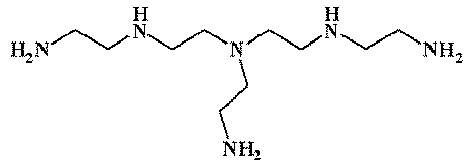
9 compound 9 
10 compound 10
11 compound 11 
12 compound 12 
13 compound 13 
14 compound 14 
15 compound 15
16 compound 16 
17 compound 17 
18 compound 18 
19 compound 19 
20 compound 20
21 compound 21 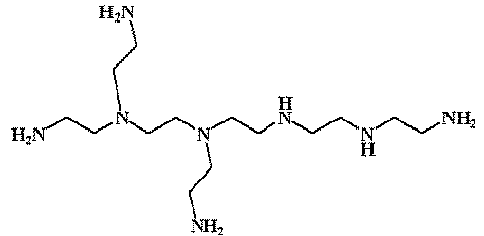
22 compound 22 
23 compound 23 
24 compound 24 
25 compound 25
26 compound 26 
27 compound 27 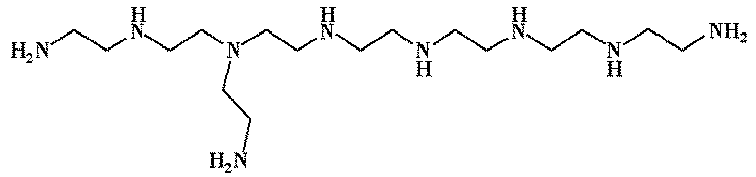
28 compound 28 
29 compound 29 
30 compound 30
31 compound 31 
32 compound 32 
33 compound 33 
34 compound 34 
35 compound 35 
36 compound 36 
37 compound 37 
38 compound 38 
39 compound 39 
40 compound 40
41 compound 41 
42 compound 42 
43 compound 43 
44 compound 44 
45 compound 45 
46 compound 46 
47 compound 47 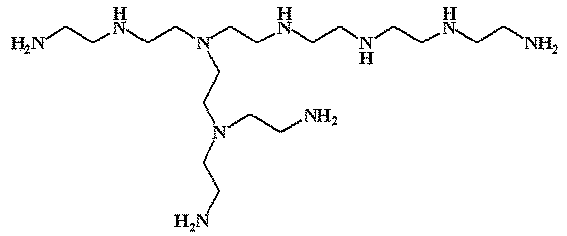
48 compound 48 
49 compound 49 
50 compound 50
51 compound 51 
52 compound 52 
53 compound 53 
54 compound 54 
55 compound 55 
56 compound 56 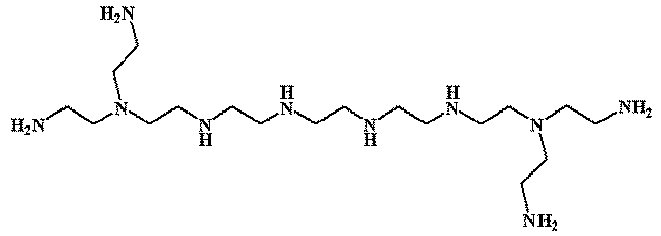
57 compound 57 
58 compound 58 
59 compound 59 
60 compound 60
61 compound 61 
62 compound 62 
63 compound 63 
64 compound 64 
65 compound 65 
66 compound 66 
67 compound 67 
68 compound 68 
69 compound 69 
70 compound 70 
71 compound 71 
72 compound 72 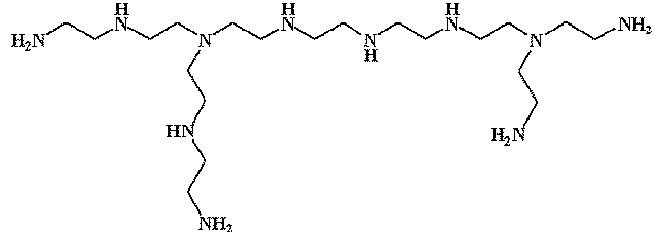
73 compound 73 
74 compound 74 
75 compound 75 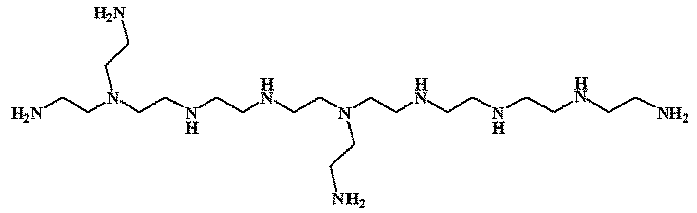
76 compound 76 
77 compound 77 
78 compound 78 
79 compound 79 
80 compound 80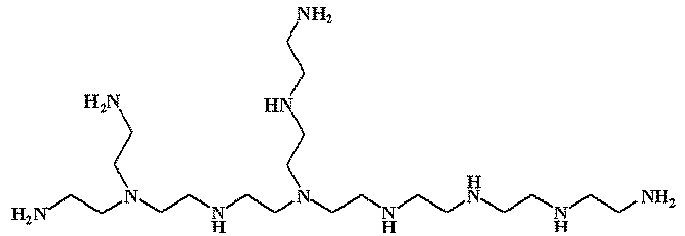
81 compound 81 
82 compound 82 
83 compound 83 
84 compound 84 
85 compound 85 
86 compound 86 
87 compound 87 
88 compound 88 
89 compound 89 
90 compound 90 
91 compound 91 
92 compound 92 
93 compound 93 
94 compound 94 
95 compound 95 
96 compound 96 
97 compound 97 
98 compound 98 
99 compound 99 
100 compound 100
101 compound 101 
102 compound 102 
103 compound 103 
104 compound 104 
105 compound 105 
106 compound 106 
107 compound 107 
108 compound 108 
109 compound 109 
110 compound 110 
111 compound 111 
112 compound 112 
113 compound 113 
114 compound 114 
115 compound 115 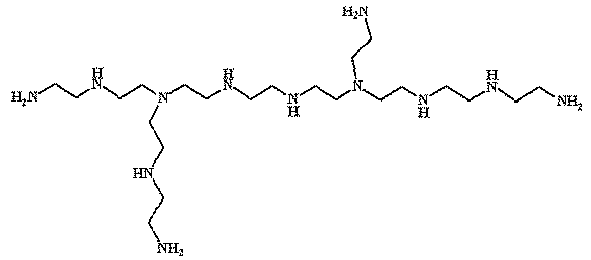
116 compound 116 
117 compound 117 
118 compound 118 
119 compound 119 
120 compound 120
121 compound 121 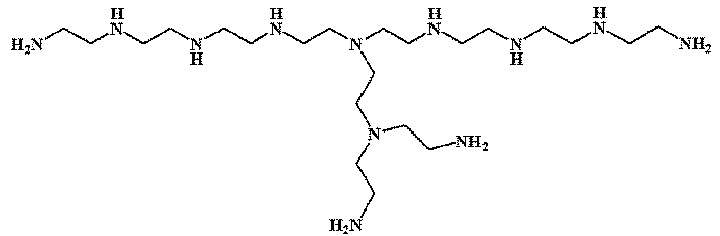
122 compound 122 
123 compound 123 
124 compound 124 
125 compound 125 
126 compound 126 
127 compound 127 
128 compound 128 
129 compound 129 
130 compound 130 
131 compound 131 
132 compound 132 
133 compound 133 
134 compound 134 
135 compound 135 
136 compound 136 
137 compound 137 
138 compound 138 
139 compound 139 
140 compound 140 
141 compound 141 
142 compound 142 
- Preferably, the number of sugar units in the structure of the polysaccharide is 2 to 2000.
- The present disclosure also discloses the use of the polycationic polysaccharide described above as an antibacterial material.
- Preferably, the antibacterial material achieves the effect of killing bacteria by destroying the biofilm structures of the bacteria.
- Preferably, the antibacterial material is used for the preparation of a medicament or a medical device for the prevention or treatment of Gram-negative and/or Gram-positive bacterial infection.
- Preferably, the antibacterial material is used as a biomedical functional material or a biomedical device.
- Preferably, the antibacterial material is an antibacterial functional material, including a daily chemical product, a packaging product, and a home improvement product with antibacterial functions.
- The present disclosure also discloses an antibacterial agent, prepared from the polycationic polysaccharide described above as an active ingredient and a pharmaceutically acceptable adjuvant.
- The present disclosure also discloses an antibacterial medical device, prepared from the polycationic polysaccharide described above as an active ingredient and a pharmaceutically acceptable adjuvant.
- The present disclosure also discloses the use of the polycationic polysaccharide described above as a medicament for the treatment of chronic inflammatory disease.
- Preferably, the medicament for the treatment of chronic inflammatory disease includes the medicament for the prevention of surgical wound infection, and the medicament for the prevention of scalding wound infection.
- Compared with the prior art (such as the solution with application number of 201810714603.6), the polycationic polysaccharide of the present disclosure has better antibacterial and anti-inflammatory capacities, and functions of promoting wound healing, and has lower cytotoxicity, resulting in a great potential to be applied in biomedical devices and biomedical functional materials.
-
-
Figure 1 is the infrared spectrogram of the polycationic polysaccharide in example 1 of the present disclosure. -
Figure 2 is the elemental analysis diagram of the polycationic polysaccharide in example 1 of the present disclosure. -
Figure 3 is the H NMR spectrum of the polycationic polysaccharide in example 1 of the present disclosure. -
Figure 4 is a graph showing the cytotoxicity results of the polycationic polysaccharide in example 1 of the present disclosure. -
Figure 5 is a graph showing the tissue toxicity results of the polycationic polysaccharide in example 1 of the present disclosure. -
Figure 6 is a diagram for the comparison of time in promoting wound healing for the polycationic polysaccharide of the present disclosure and the existing cationized polysaccharide. -
Figure 7 is a diagram for the comparison of cytotoxicity for the polycationic polysaccharides of the present disclosure constructed with saccharides from different sources. -
Figure 8 is a diagram for the comparison of time in promoting wound healing for the polycationic polysaccharides of the present disclosure constructed with saccharides from different sources. - The following examples are further descriptions of the present disclosure to be an illustration of the present technical content, but the essential content of the present disclosure is not limited to the following examples. Those of ordinary skill in the art can and shall know that any simple changes or substitutions based on the essential spirit of the disclosure shall be within the protection scope of the present disclosure claimed.
- A method for producing a polycationic polysaccharide, comprising the following steps:
- 1) Weighing 0.5 g of dextran with a molecular weight of 70,000 Daltons (purchased from Shanghai Macklin Biochemical Co., Ltd, cat # D806715), dissolving it in 25 ml dimethyl sulfoxide fully to obtain a mixed solution;
- 2) Weighing 1 g of N'N-carbonyldiimidazole, directly adding it to the dissolved dextran solution, and remaining reacting at room temperature for 2 hours;
- 3) Adding 2 g of diethylenetriamine dropwise to the solution obtained above, and remaining reacting at 25°C for 24 hours;
- 4) After the reaction completed, adding 5 times in volume of anhydrous ethanol to the solution obtained, stirring fully and then precipitating with centrifugation at 12,000 rpm for 10 minutes, then washing the obtained precipitate three times with anhydrous ethanol, and drying it in vacuum for 48 hours to yield a product, which was stored under dry conditions for later use, and named as DETA-Dex.
- The specific reaction process is shown in the following formula:

- The prepared polycationic polysaccharide was characterized by infrared spectroscopy:
200 mg of potassium bromide and 2 mg of polycationic polysaccharide sample were weighted, and then ground in an agate mortar under baking with infrared lamp for the whole grinding process. The sample powder was placed into a mold and a pressure was applied up to 20 MPa. Maintained for 2 minutes, and then reduced the pressure to 0 slowly. The pressed sample tablet was took out and tested on a machine. - The results are shown in
Figure 1 . Figure A is the infrared spectrum of the dextran, and Figure B is the infrared spectrum of the polycationic polysaccharide. In Figure B, the peak at 1711 cm-1 represents the stretching vibration peak of C=O in carbonyl, the peak at 1544 cm-1 represents the bending vibration peak of the nitrogen-hydrogen bond in primary amino group, and the peak at 1022 cm-1 represents the characteristic absorption peak of glucopyranose. The appearance of these peaks proved successful synthesis of the polycationic polysaccharide. - In addition, 5 mg of the prepared polycationic polysaccharide sample was weighted, then baked and ground fully under an infrared lamp. The sample powder was added to an elemental analyzer for testing. The results are shown in
Figure 2 , where the synthesis of the polycationic polysaccharide can be considered successful if the nitrogen content is more than 7%. - The prepared polycationic polysaccharide was characterized by H NMR spectrum:
5 mg of dextran sample and 5 mg of polycationic polysaccharide sample were weighted, and fully dissolved in 500 µl deuterated water respectively. Then the samples obtained were putted into a quartz NMR tube, and tested on a machine. - The results are shown in
Figure 3 . Figure A is the H NMR spectrum of the dextran, in which the peak at 3.34-3.97 ppm is the peak generated by the hydrogen in the sugar ring of the dextran molecule. Figure B is the H NMR spectrum of the polycationic polysaccharide, in which the peak at 2.94-4.00 ppm is the peak generated by the hydrogen in the sugar ring of the polycationic polysaccharide, and the peak at 2.49-2.87 ppm is the peak generated by the hydrogen to which the carbon atom in ethylene amino group (-CH2CH2NH) in diethylene triamine grafted on the sugar ring of the polycationic polysaccharide is connected. The appearance of this peak indicates that the polycationic polysaccharide was successfully synthesized. - Verification of cytotoxicity and tissue toxicity of the polycationic polysaccharide of the present disclosure.
- Human umbilical vein epithelial cell HUVEC was selected, and inoculated into 96-well plate of cell culture at 104 cells/well, and then pre-cultured for 24h. The cationized polysaccharide solution (cDex, derived from patent
201810714603.6 - Statistical results are shown in
Figure 4 , showing that for human umbilical vein epithelial cell HUVEC and human skin fibroblast HFF-1, the polycationic polysaccharide of the present disclosure has lower cytotoxicity, and has better biocompatibility. - Balb/c female mice were selected, weighed and recorded. The mice were randomized into groups with 10 mice per group. All the animals were intraperitoneally anesthetized with pentobarbital sodium. The back was dehaired and sterilized. At the thicker central part on the back of the mouse, a circular skin with a diameter of 0.5 cm was cut off to make a mouse back trauma model.
- In order to detect the tissue toxicity of the polycationic polysaccharide of the present disclosure to wound tissue, an experiment was performed as follows:
- Blank control group: 100 µl of physiological saline was smeared to the wound area during administration;
- Prior art control group: 100 µl of 1 mg/ml cationized polysaccharide solution (c-Dextran, hereinafter referred to as c-Dex, derived from patent
201810714603.6 - Experimental group: 100 µl of 1 mg/ml polycationic polysaccharide solution (named DETA-Dex) was smeared to the wound area during administration;
- The treated mice were placed in a warm, bright and comfortable environment to wait for them to wake up, and the wounds of the mice were examined 10 days later.
- Statistical results are shown in
Figure 5 , showing that the mice smeared with the polycationic polysaccharide solution of the present disclosure exhibited an accelerated wound healing, and there was no obvious swelling and ulceration around the wound, which indicates that smearing the polycationic polysaccharide of the present disclosure can promote healing of wound and has no significant tissue toxicity. - Verification of therapeutic effect of the polycationic polysaccharide of the present disclosure on the model of wound infection by Pseudomonas aeruginosa.
- Balb/c female mice were selected, weighed and recorded. The mice were randomized into groups with 10 mice per group. All the animals were intraperitoneally anesthetized with pentobarbital sodium. The back was dehaired and sterilized. At the thicker central part on the back of the mouse, a circular skin with a diameter of 0.5 cm was cut off to make a mouse back trauma model.
- Mice in each group were evenly smeared with Pseudomonas aeruginosa bacterial solution at the wound site at a dose of 108 CFU/mouse, and the bacteria could form a complete biofilm within 72 hours.
- In order to detect the influence of the polycationic polysaccharide of the present disclosure on biofilm activity, an experiment was performed as follows:
- Blank control group: 100 µl of physiological saline was smeared to the wound area during administration;
- Prior art control group: 100 µl of 1 mg/ml cationized polysaccharide solution (cDex, derived from patent
201810714603.6 - Experimental group: 100 µl of 1 mg/ml polycationic polysaccharide solution (named DETA-Dex) was smeared to the wound area during administration;
- The treated mice were placed in a warm, bright and comfortable environment to wait for them to wake up. The wounds of the mice were detected every day. The time for complete wound healing was recorded, and the mean and standard deviation SD of the time for wound healing were calculated.
- Statistical results are shown in
Figure 6 , showing that the mice smeared with the polycationic polysaccharide solution of the present disclosure exhibited an accelerated wound healing (the time for healing was the shortest), which indicates that smearing the polycationic polysaccharide of the present disclosure can quickly inhibit the proliferation and diffusion of bacteria and the formation of bacterial biofilm, effectively inhibit the production of endotoxin and exotoxin and the like by bacteria, and slow down development of disease. - A method for constructing the polycationic polysaccharide of the present disclosure with mannan, comprising the following steps:
- 1) Weighing 0.5 g of mannan with a molecular weight of 70,000 Daltons (purchased from Shanghai Macklin Biochemical Co., Ltd, cat # M861453), dissolving it in 25 ml dimethyl sulfoxide fully to obtain a mixed solution;
- 2) Weighing 1 g of N'N-carbonyldiimidazole, directly adding it to the dissolved mannan solution, and remaining reacting at room temperature for 2 hours;
- 3) Adding 2 g of diethylenetriamine dropwise to the solution obtained above, and remaining reacting at 25°C for 24 hours;
- 4) After the reaction completed, adding 5 times in volume of anhydrous ethanol to the solution obtained, stirring fully and then precipitating with centrifugation at 12,000 rpm for 10 minutes, then washing the obtained precipitate three times with anhydrous ethanol, and drying it in vacuum for 48 hours to yield a product, which was stored under dry conditions for later use, and named as DETA-Mannan.
- A method for constructing the polycationic polysaccharide of the present disclosure with chitosan, comprising the following steps:
- 1) Weighing 0.5 g of chitosan with a molecular weight of 70,000 Daltons (purchased from Shanghai Macklin Biochemical Co., Ltd, cat # C804726), dissolving it in 25 ml dimethyl sulfoxide fully to obtain a mixed solution;
- 2) Weighing 1 g of N'N-carbonyldiimidazole, directly adding it to the dissolved chitosan solution, and remaining reacting at room temperature for 2 hours;
- 3) Adding 2 g of diethylenetriamine dropwise to the solution obtained above, and remaining reacting at 25°C for 24 hours;
- 4) After the reaction completed, adding 5 times in volume of anhydrous ethanol to the solution obtained, stirring fully and then precipitating with centrifugation at 12,000 rpm for 10 minutes, then washing the obtained precipitate three times with anhydrous ethanol, and drying it in vacuum for 48 hours to yield a product, which was stored under dry conditions for later use, and named as DETA-chitosan.
- A method for constructing the polycationic polysaccharide of the present disclosure with Bletilla striata polysaccharide, comprising the following steps:
- 1) Weighing 0.5 g of Bletilla striata polysaccharide (purchased from Lanzhou wotelaisi Biotechnology Co., Ltd.), dissolving it in 25 ml dimethyl sulfoxide fully to obtain a mixed solution;
- 2) Weighing 1 g of N'N-carbonyldiimidazole, directly adding it to the dissolved Bletilla striata polysaccharide solution, and remaining reacting at room temperature for 2 hours;
- 3) Adding 2 g of diethylenetriamine dropwise to the solution obtained above, and remaining reacting at 25°C for 24 hours;
- 4) After the reaction completed, adding 5 times in volume of anhydrous ethanol to the solution obtained, stirring fully and then precipitating with centrifugation at 12,000 rpm for 10 minutes, then washing the obtained precipitate three times with anhydrous ethanol, and drying it in vacuum for 48 hours to yield a product, which was stored under dry conditions for later use, and named as DETA-BSP.
- A method for constructing the polycationic polysaccharide of the present disclosure with konjac polysaccharide, comprising the following steps:
- 1) Weighing 0.5 g of konjac polysaccharide (purchased from Lanzhou wotelaisi Biotechnology Co., Ltd.), dissolving it in 25 ml dimethyl sulfoxide fully to obtain a mixed solution;
- 2) Weighing 1 g of N'N-carbonyldiimidazole, directly adding it to the dissolved konjac polysaccharide solution, and remaining reacting at room temperature for 2 hours;
- 3) Adding 2 ml of diethylenetriamine dropwise to the solution obtained above, and remaining reacting at 25°C for 24 hours;
- 4) After the reaction completed, adding 5 times in volume of anhydrous ethanol to the solution obtained, stirring fully and then precipitating with centrifugation at 12,000 rpm for 10 minutes, then washing the obtained precipitate three times with anhydrous ethanol, and drying it in vacuum for 48 hours to yield a product, which was stored under dry conditions for later use, and named as DETA-KGM.
- A method for constructing the polycationic polysaccharide of the present disclosure with amylose, comprising the following steps:
- 1) Weighing 0.5 g of amylose (Shanghai Macklin Biochemical Co., Ltd, cat # S817547), dissolving it in 25 ml dimethyl sulfoxide fully to obtain a mixed solution;
- 2) Weighing 1 g of N'N-carbonyldiimidazole, directly adding it to the dissolved amylose solution, and remaining reacting at room temperature for 2 hours;
- 3) Adding 2 g of diethylenetriamine dropwise to the solution obtained above, and remaining reacting at 25°C for 24 hours;
- 4) After the reaction completed, adding 5 times in volume of anhydrous ethanol to the solution obtained, stirring fully and then precipitating with centrifugation at 12,000 rpm for 10 minutes, then washing the obtained precipitate three times with anhydrous ethanol, and drying it in vacuum for 48 hours to yield a product, which was stored under dry conditions for later use, and named as DETA-amylose.
- A method for constructing the polycationic polysaccharide of the present disclosure with cellulose, comprising the following steps:
- 1) Weighing 0.5 g of cellulose (Shanghai Macklin Biochemical Co., Ltd, 25µm, cat # C804602), dissolving it in 25 ml dimethyl sulfoxide fully to obtain a mixed solution;
- 2) Weighing 1 g of N'N-carbonyldiimidazole, directly adding it to the dissolved cellulose solution, and remaining reacting at room temperature for 2 hours;
- 3) Adding 2 g of diethylenetriamine dropwise to the solution obtained above, and remaining reacting at 25°C for 24 hours;
- 4) After the reaction completed, adding 5 times in volume of anhydrous ethanol to the solution obtained, stirring fully and then precipitating with centrifugation at 12,000 rpm for 10 minutes, then washing the obtained precipitate three times with anhydrous ethanol, and drying it in vacuum for 48 hours to yield a product, which was stored under dry conditions for later use, and named as DETA-cellulose.
- A method for constructing the polycationic polysaccharide of the present disclosure with different polyamine compounds, comprising the following steps:
- 1) Weighing 0.5 g of dextran with a molecular weight of 70,000 Daltons, dissolving it in 25 ml dimethyl sulfoxide fully to obtain a mixed solution;
- 2) Weighing 1 g of N'N-carbonyldiimidazole, directly adding it to the dissolved dextran solution, and remaining reacting at room temperature for 2 hours;
- 3) Adding 2 g of
compound 2 to compound 142 respectively to the solution obtained above, and remaining reacting at 25°C for 24 hours; - 4) After the reaction completed, adding 5 times in volume of anhydrous ethanol to the solution obtained, stirring fully and then precipitating with centrifugation at 12,000 rpm for 10 minutes, then washing the obtained precipitates three times with anhydrous ethanol, and drying them in vacuum for 48 hours to yield products, which were stored under dry conditions for later use, and named as 2-Dex to142-Dex respectively.
- A method for constructing the polycationic polysaccharide of the present disclosure with dextran of different molecular weights, comprising the following steps:
- 1) Weighing 0.5 g of dextran with molecular weights of 360 Daltons, 50,000 Daltons, and 304,000 Daltons, respectively, dissolving each of them in 25 ml dimethyl sulfoxide fully to obtain a mixed solution;
- 2) For each dissolved dextran solution, weighing 1 g of N'N-carbonyldiimidazole, directly adding it to the dextran solution, and remaining reacting at room temperature for 2 hours;
- 3) Adding 2 g of diethylenetriamine to the solution obtained above respectively, and remaining reacting at 25°C for 24 hours;
- 4) After the reaction completed, adding 5 times in volume of anhydrous ethanol to the solution obtained, stirring fully and then precipitating with centrifugation at 12,000 rpm for 10 minutes, then washing the obtained precipitates three times with anhydrous ethanol, and drying them in vacuum for 48 hours to yield products, which were stored under dry conditions for later use, and named as DETA-0.36, DETA-50, DETA-304 respectively.
- A method for constructing the polycationic polysaccharide of the present disclosure with different polyamine compounds and mannan, comprising the following steps:
- 1) Weighing 0.5 g of dextran with a molecular weight of 70,000 Daltons, dissolving it in 25 ml dimethyl sulfoxide fully to obtain a mixed solution;
- 2) Weighing 1 g of N'N-carbonyldiimidazole, directly adding it to the dissolved dextran solution, and remaining reacting at room temperature for 2 hours;
- 3) Adding 2 g of compound 7,
compound 15, compound 92 and compound 128 respectively to the solution obtained above, and remaining reacting at 25°C for 24 hours; - 4) After the reaction completed, adding 5 times in volume of anhydrous ethanol to the solution obtained, stirring fully and then precipitating with centrifugation at 12,000 rpm for 10 minutes, then washing the obtained precipitates three times with anhydrous ethanol, and drying them in vacuum for 48 hours to yield products, which were stored under dry conditions for later use, and named as 7-Mannan, 15-Mannan, 92-Mannan, and 128-Mannan respectively.
- A method for constructing the polycationic polysaccharide of the present disclosure with different polyamine compounds and chitosan, comprising the following steps:
- 1) Weighing 0.5 g of chitosan with a molecular weight of 70,000 Daltons, dissolving it in 25 ml dimethyl sulfoxide fully to obtain a mixed solution;
- 2) Weighing 1 g of N'N-carbonyldiimidazole, directly adding it to the dissolved chitosan solution, and remaining reacting at room temperature for 2 hours;
- 3) Adding 2 g of
compound 2, compound 61 and compound 94 respectively to the solution obtained above, and remaining reacting at 25°C for 24 hours; - 4) After the reaction completed, adding 5 times in volume of anhydrous ethanol to the solution obtained, stirring fully and then precipitating with centrifugation at 12,000 rpm for 10 minutes, then washing the obtained precipitates three times with anhydrous ethanol, and drying them in vacuum for 48 hours to yield products, which were stored under dry conditions for later use, and named as 2-chitosan, 61-chitosan, and 94-chitosan respectively.
- A method for constructing the polycationic polysaccharide of the present disclosure with different polyamine compounds and Bletilla striata polysaccharide, comprising the following steps:
- 1) Weighing 0.5 g of Bletilla striata polysaccharide with a molecular weight of 70,000 Daltons, dissolving it in 25 ml dimethyl sulfoxide fully to obtain a mixed solution;
- 2) Weighing 1 g of N'N-carbonyldiimidazole, directly adding it to the dissolved Bletilla striata polysaccharide solution, and remaining reacting at room temperature for 2 hours;
- 3) Adding 2 g of compound 4, compound 14, compound 62 and compound 103 respectively to the solution obtained above, and remaining reacting at 25°C for 24 hours;
- 4) After the reaction completed, adding 5 times in volume of anhydrous ethanol to the solution obtained, stirring fully and then precipitating with centrifugation at 12,000 rpm for 10 minutes, then washing the obtained precipitates three times with anhydrous ethanol, and drying them in vacuum for 48 hours to yield products, which were stored under dry conditions for later use, and named as 4-BSP, 14-BSP, 62-BSP, and 103-BSP respectively.
- A method for constructing the polycationic polysaccharide of the present disclosure with different polyamine compounds and konjac polysaccharide, comprising the following steps:
- 1) Weighing 0.5 g of konjac polysaccharide with a molecular weight of 70,000 Daltons, dissolving it in 25 ml dimethyl sulfoxide fully to obtain a mixed solution;
- 2) Weighing 1 g of N'N-carbonyldiimidazole, directly adding it to the dissolved konjac polysaccharide solution, and remaining reacting at room temperature for 2 hours;
- 3) Adding 2 g of compound 8, compound 44, compound 67 and compound 102 respectively to the solution obtained above, and remaining reacting at 25°C for 24 hours;
- 4) After the reaction completed, adding 5 times in volume of anhydrous ethanol to the solution obtained, stirring fully and then precipitating with centrifugation at 12,000 rpm for 10 minutes, then washing the obtained precipitates three times with anhydrous ethanol, and drying them in vacuum for 48 hours to yield products, which were stored under dry conditions for later use, and named as 8-KGM, 44-KGM, 67-KGM, and 102-KGM respectively.
- A method for constructing the polycationic polysaccharide of the present disclosure with different polyamine compounds and amylose, comprising the following steps:
- 1) Weighing 0.5 g of amylose with a molecular weight of 70,000 Daltons, dissolving it in 25 ml dimethyl sulfoxide fully to obtain a mixed solution;
- 2) Weighing 1 g of N'N-carbonyldiimidazole, directly adding it to the dissolved amylose solution, and remaining reacting at room temperature for 2 hours;
- 3) Adding 2 g of
compound 15, compound 37 and compound 112 respectively to the solution obtained above, and remaining reacting at 25°C for 24 hours; - 4) After the reaction completed, adding 5 times in volume of anhydrous ethanol to the solution obtained, stirring fully and then precipitating with centrifugation at 12,000 rpm for 10 minutes, then washing the obtained precipitates three times with anhydrous ethanol, and drying them in vacuum for 48 hours to yield products, which were stored under dry conditions for later use, and named as 15-Amylose, 37-Amylose and 111-Amylose respectively.
- A method for constructing the polycationic polysaccharide of the present disclosure with different polyamine compounds and cellulose, comprising the following steps:
- 1) Weighing 0.5 g of cellulose with a molecular weight of 70,000 Daltons, dissolving it in 25 ml dimethyl sulfoxide fully to obtain a mixed solution;
- 2) Weighing 1 g of N'N-carbonyldiimidazole, directly adding it to the dissolved cellulose solution, and remaining reacting at room temperature for 2 hours;
- 3) Adding 2 g of
compound 10, compound 49, compound 87, compound 102 and compound 140 respectively to the solution obtained above, and remaining reacting at 25°C for 24 hours; - 4) After the reaction completed, adding 5 times in volume of anhydrous ethanol to the solution obtained, stirring fully and then precipitating with centrifugation at 12,000 rpm for 10 minutes, then washing the obtained precipitates three times with anhydrous ethanol, and drying them in vacuum for 48 hours to yield products, which were stored under dry conditions for later use, and named as 10-Cellulose, 49-Cellulose, 87-Cellulose, 102-Cellulose, and 140-Cellulose respectively.
- Verification of cytotoxicity of the polycationic polysaccharide of the present disclosure.
- Human umbilical vein epithelial cell HUVEC was selected, and inoculated into 96-well plate of cell culture at 104 cells/well, and then pre-cultured for 24h. The polycationic polysaccharide solution in this disclosure (named as DETA-Dex, DETA-Mannan, DETA-Chitosan, DETA-BSP, DETA-KGM, DETA-Amylose, DETA-Cellulose) were formulated with cell culture medium to a final concentration of 0.5 µg/ml, 1 µg/ml, 2.5 µg/ml, 5 µg/ml, 10 µg/ml, 20 µg/ml, 50 µg/ml, 100 µg/ml, respectively, and then added to the cell culture system for 30 min. After which, the cells were washed with cell culture medium for detection of cell activity.
- Statistical results are shown in
Figure 7 , showing that for human umbilical vein epithelial cell HUVEC, the polycationic polysaccharide of the present disclosure has lower cytotoxicity, and has better biocompatibility. For actual application, higher concentrations and larger doses can achieve better therapeutic effects. - Verification of therapeutic effect of the polycationic polysaccharides of the present disclosure constructed with different polysaccharides on the model of wound infection by Pseudomonas aeruginosa.
- Balb/c female mice were selected, weighed and recorded. The mice were randomized into groups with 10 mice per group. All the animals were intraperitoneally anesthetized with pentobarbital sodium. The back was dehaired and sterilized. At the thicker central part on the back of the mouse, a circular skin with a diameter of 0.5 cm was cut off to make a mouse back trauma model.
- Mice in each group were evenly smeared with Pseudomonas aeruginosa bacterial solution at the wound site at a dose of 108 CFU/mouse, and the bacteria could form a complete biofilm within 72 hours.
- In order to detect the influence of the polycationic polysaccharides of the present disclosure on biofilm activity, an experiment was performed as follows:
- Blank control group: physiological saline was smeared to the wound area during administration;
- Experimental group: 100 µl of 1 mg/ml polycationic polysaccharide solution (named as DETA-Dex, DETA-Mannan, DETA-Chitosan, DETA-BSP, DETA-KGM, DETA-Amylose, DETA-Cellulose, 2-Dex to 142-Dex, DETA-0.36, DETA-50, DETA-304, 7-Mannan, 15-Mannan, 92-Mannan, 128-Mannan, 2-chitosan, 61-chitosan, 94-chitosan, 4-BSP, 14-BSP, 62-BSP, 103-BSP, 8-KGM, 44-KGM, 67-KGM, 102-KGM, 15-Amylose, 37-Amylose, 111-Amylose, 10-Cellulose, 49-Cellulose, 87-Cellulose, 102-Cellulose, 140-Cellulose) was smeared to the wound area during administration;
- The treated mice were placed in a warm, bright and comfortable environment to wait for them to wake up. The wounds of the mice were detected every day. The time for complete wound healing was recorded, and the mean and standard deviation SD of the time for wound healing were calculated.
- Statistical results are shown in
Figure 8 and Table 1, showing that all the mice smeared with the polycationic polysaccharide solution of the present disclosure constructed with polysaccharides from different sources exhibited an accelerated wound healing, which indicates that smearing the polycationic polysaccharide of the present disclosure can quickly inhibit the proliferation and diffusion of bacteria and the formation of bacterial biofilm, effectively inhibit the production of endotoxin and exotoxin and the like by bacteria, and slow down development of disease.Table 1. Time for wound healing of mice treated with polycationic polysaccharide Name of polycationic polysaccharide Time for wound healing (day) Standard deviation 2-Dex 15.64 1.42 3-Dex 15.21 1.18 4-Dex 13.97 0.95 5-Dex 15.80 0.92 6-Dex 13.84 0.54 7-Dex 15.58 0.51 8-Dex 14.96 0.87 9-Dex 15.24 1.08 10-Dex 13.84 0.87 11-Dex 14.35 0.58 12-Dex 15.22 1.05 13-Dex 14.50 0.98 14-Dex 14.88 1.26 15-Dex 15.22 1.15 16-Dex 14.83 0.78 17-Dex 15.99 1.47 18-Dex 15.91 1.25 19-Dex 14.78 1.31 20-Dex 13.66 0.91 21-Dex 14.66 1.04 22-Dex 14.21 0.78 23-Dex 14.23 0.96 24-Dex 14.24 1.20 25-Dex 14.44 1.39 26-Dex 16.01 1.30 27-Dex 14.75 1.19 28-Dex 15.87 1.14 29-Dex 13.58 0.88 30-Dex 14.11 1.47 31-Dex 15.71 0.82 32-Dex 15.78 1.11 33-Dex 14.81 1.03 34-Dex 15.67 1.31 35-Dex 14.70 0.66 36-Dex 14.81 0.53 37-Dex 13.73 0.83 38-Dex 13.58 0.78 39-Dex 15.55 0.78 40-Dex 14.09 1.39 41-Dex 13.60 0.59 42-Dex 14.88 0.68 43-Dex 14.47 0.87 44-Dex 14.14 0.97 45-Dex 14.89 0.68 46-Dex 14.19 1.32 47-Dex 14.12 0.93 48-Dex 15.95 1.42 49-Dex 13.73 1.37 50-Dex 15.58 1.13 51-Dex 14.00 0.51 52-Dex 15.78 1.39 53-Dex 14.57 0.95 54-Dex 15.48 0.93 55-Dex 15.53 0.99 56-Dex 14.84 1.14 57-Dex 14.29 0.64 58-Dex 13.61 0.92 59-Dex 15.62 1.48 60-Dex 13.87 1.28 61-Dex 15.71 0.84 62-Dex 14.69 0.57 63-Dex 15.68 1.48 64-Dex 15.65 0.99 65-Dex 14.52 0.74 66-Dex 15.98 0.85 67-Dex 15.65 1.18 68-Dex 15.90 1.33 69-Dex 15.41 0.85 70-Dex 13.81 0.66 71-Dex 14.48 1.49 72-Dex 15.34 1.13 73-Dex 13.95 1.10 74-Dex 15.66 1.47 75-Dex 13.61 0.54 76-Dex 13.76 1.31 77-Dex 14.12 1.32 78-Dex 15.39 0.76 79-Dex 15.61 0.62 80-Dex 15.96 0.98 81-Dex 15.10 0.73 82-Dex 15.06 1.21 83-Dex 14.12 1.32 84-Dex 15.86 1.04 85-Dex 13.66 0.89 86-Dex 15.92 1.45 87-Dex 15.85 1.13 88-Dex 14.13 0.81 89-Dex 15.07 1.25 90-Dex 14.21 1.23 91-Dex 15.18 0.77 92-Dex 14.61 0.60 93-Dex 15.27 1.14 94-Dex 14.16 1.43 95-Dex 15.38 1.26 96-Dex 14.39 0.82 97-Dex 16.01 1.25 98-Dex 14.28 0.59 99-Dex 14.87 1.22 100-Dex 13.83 0.71 101-Dex 15.10 0.65 102-Dex 15.08 1.10 103-Dex 15.22 1.27 104-Dex 14.22 1.02 105-Dex 14.49 1.36 106-Dex 14.63 0.74 107-Dex 15.36 1.28 108-Dex 14.17 0.79 109-Dex 15.30 1.04 110-Dex 15.20 0.86 111-Dex 15.13 1.25 112-Dex 14.65 0.76 113-Dex 14.77 0.86 114-Dex 15.66 0.57 115-Dex 14.51 1.40 116-Dex 15.81 1.45 117-Dex 13.91 1.19 118-Dex 15.34 1.43 119-Dex 14.34 1.39 120-Dex 14.63 0.68 121-Dex 15.66 1.42 122-Dex 14.21 0.90 123-Dex 13.69 1.16 124-Dex 15.14 1.35 125-Dex 15.25 1.23 126-Dex 13.58 0.67 127-Dex 14.10 0.54 128-Dex 15.09 1.30 129-Dex 14.08 0.58 130-Dex 15.90 0.91 131-Dex 14.77 1.17 132-Dex 14.97 1.47 133-Dex 15.58 1.48 134-Dex 14.39 1.28 135-Dex 15.96 0.95 136-Dex 14.01 1.31 137-Dex 15.26 0.73 138-Dex 15.35 1.19 139-Dex 14.99 0.71 140-Dex 14.16 1.20 141-Dex 13.93 0.91 142-Dex 15.69 1.38 DETA-0.36 17.38 2.41 DETA-50 13.2 2.67 DETA-304 16.31 1.38 7-Mannan 15.77 2.11 15-Mannan 15.54 1.71 92-Mannan 14.84 1.00 128-Mannan 14.99 1.33 2-chitosan 15.14 0.55 61-chitosan 14.95 1.51 94-chitosan 15.52 1.14 4-BSP 15.92 0.33 14-BSP 14.75 1.27 62-BSP 14.09 1.46 103-BSP 14.45 2.35 8-KGM 13.98 1.31 44-KGM 15.16 1.28 67-KGM 14.86 2.34 102-KGM 14.01 1.76 15-Amylose 15.12 0.27 37-Amylose 14.04 1.71 111-Amylose 14.99 1.86 10-Cellulose 14.41 1.99 49-Cellulose 14.49 1.25 87-Cellulose 15.36 0.53 102-Cellulose 15.45 1.77 140-Cellulose 15.19 0.76 - The above descriptions are only preferred examples of the present disclosure and are not intended to limit the present disclosure. Any modification, equivalent replacement or improvement made within the spirit and principle of the present disclosure shall be included in the protection scope of the present disclosure.


Claims (13)
- A polycationic polysaccharide, the polycationic polysaccharide is a positively charged polycationic polysaccharide obtained by the reaction between a polysaccharide and a polyamine compound, wherein the polysaccharide has the following general formula:
 R1 to R5 are each independently selected from protected or unprotected hydroxyl group, protected or unprotected amino group, and sugar residue connected by glycosidic bond, and the sugar residue meets the requirements of Formula 1;the polyamine compound has the following general formula:
 R6 is selected from hydrogen atom or
 R7 is selected from protected or unprotected amino group;R8 is selected from hydrogen atom or R6.
 - The polycationic polysaccharide according to claim 1, wherein the structural formula of the polycationic polysaccharide is one of the following structures:
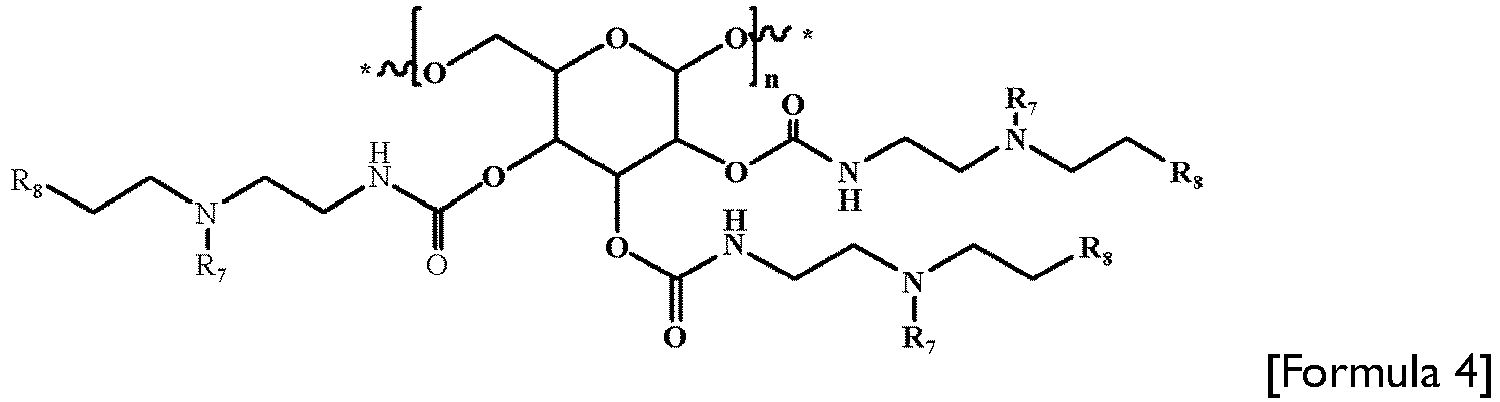


 formula 4 is a polycationic polysaccharide composed of a polysaccharide molecule with (1→6) glycosidic bond as the main chain and grafted by a polyamine compound;formula 5 is a polycationic polysaccharide composed of a polysaccharide molecule with (1→5) glycosidic bond as the main chain and grafted by a polyamine compound;formula 6 is a polycationic polysaccharide composed of a polysaccharide molecule with (1→4) glycosidic bond as the main chain and grafted by a polyamine compound;formula 7 is a polycationic polysaccharide composed of a polysaccharide molecule with (1→3) glycosidic bond as the main chain and grafted by a polyamine compound;whereinR6 is selected from hydrogen atom or
 R7 is selected from protected or unprotected amino group;R8 is selected from hydrogen atom or R6.
 - The polycationic polysaccharide according to claim 1 or 2, wherein the molecular weight of the polyamine compound is less than 500 Daltons, and the polyamine compound is any one of the following compounds:
No Compound Structure 1 compound 1 
2 compound 2 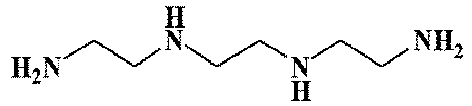
3 compound 3 
4 compound 4 
5 compound 5 
6 compound 6 
7 compound 7 
8 compound 8 
9 compound 9 
10 compound 10 
11 compound 11 
12 compound 12 
13 compound 13 
14 compound 14 
15 compound 15 
16 compound 16 
17 compound 17 
18 compound 18 
19 compound 19 
20 compound 20 
21 compound 21 
22 compound 22 
23 compound 23 
24 compound 24 
25 compound 25 
26 compound 26 
27 compound 27 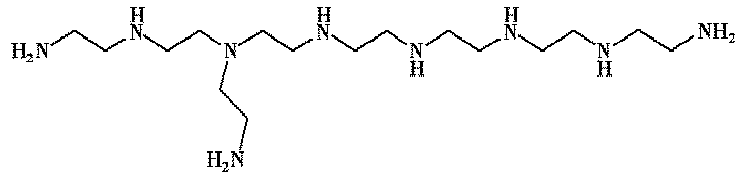
28 compound 28 
29 compound 29 
30 compounc 30 
31 compound 31 
32 compound 32 
33 compound 33 
34 compound 34 
35 compound 35 
36 compound 36 
37 compound 37 
38 compound 38 
39 compound 39 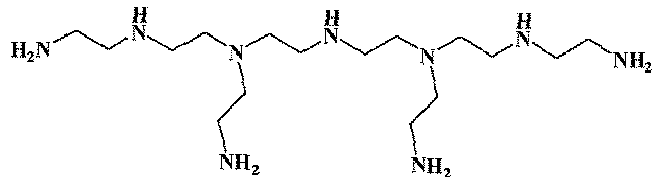
40 compound 40 
41 compound 41 
42 compound 42 
43 compound 43 
44 compound 44 
45 compound 45 
46 compound 46 
47 compound 47 
48 compound 48 
49 compound 49 
50 compound 50 
51 compound 51 
52 compound 52 
53 compound 53 
54 compound 54 
55 compound 55 
56 compound 56 
57 compound 57 
58 compound 58 
59 compound 59 
60 compound 60 
61 compound 61 
62 compound 62 
63 compound 63 
64 compound 64 
65 compound 65 
66 compound 66 
67 compound 67 
68 compound 68 
69 compound 69 
70 compound 70 
71 compound 71 
72 compound 72 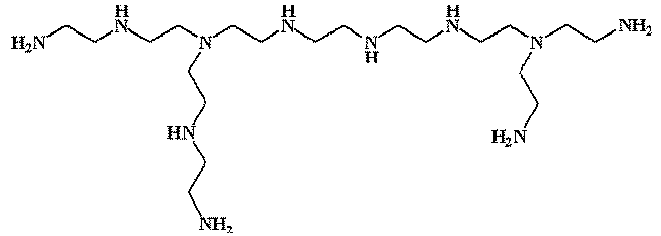
73 compound 73 
74 compound 74 
75 compound 75 
76 compound 76 
77 compound 77 
78 compound 78 
79 compound 79 
80 compound 80 
81 compound 81 
82 compound 82 
83 compound 83 
84 compound 84 
85 compound 85 
86 compound 86 
87 compound 87 
88 compound 88 
89 compound 89 
90 compound 90 
91 compound 91 
92 compound 92 
93 compound 93 
94 compound 94 
95 compound 95 
96 compound 96 
97 compound 97 
98 compound 98 
99 compound 99 
100 compound 100 
101 compound 101 
102 compound 102 
103 compound 103 
104 compound 104 
105 compound 105 
106 compound 106 
107 compound 107 
108 compound 108 
109 compound 109 
110 compound 110 
111 compound 111 
112 compound 112 
113 compound 113 
114 compound 114 
115 compound 115 
116 compound 116 
117 compound 117 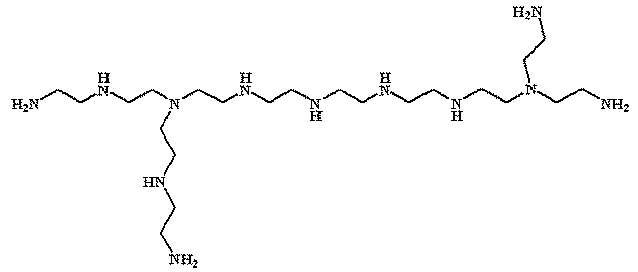
118 compound 118 
119 compound 119 
120 compound 120 
121 compound 121 
122 compound 122 
123 compound 123 
124 compound 124 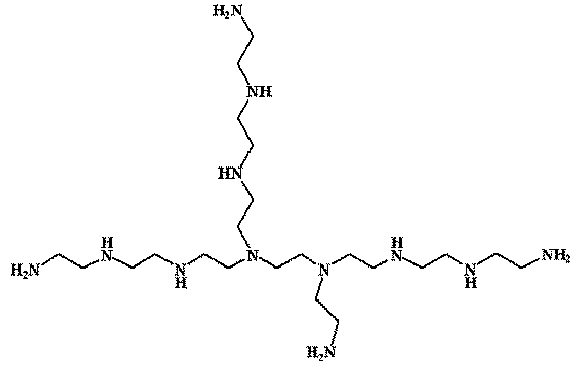
125 compound 125 
126 compound 126 
127 compound 127 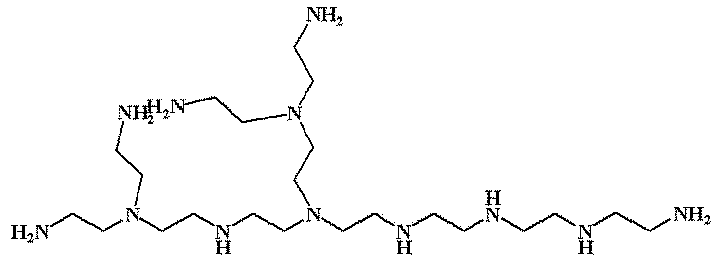
128 compound 128 
129 compound 129 
130 compound 130 
131 compound 131 
132 compound 132 
133 compound 133 
134 compound 134 
135 compound 135 
136 compound 136 
137 compound 137 
138 compound 138 
139 compound 139 
140 compound 140 
141 compound 141 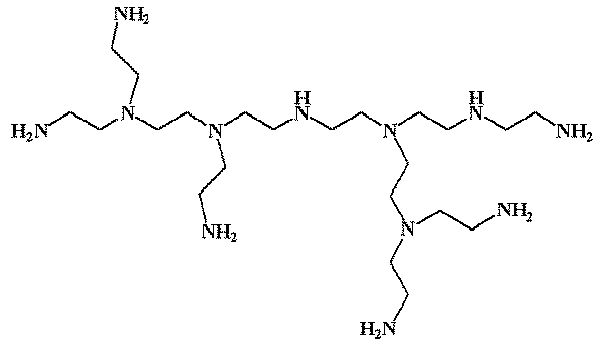
142 compound 142 
- The polycationic polysaccharide according to claim 3, wherein the number of sugar units in the structure of the polysaccharide is 2 to 2000.
- Use of the polycationic polysaccharide according to any one of claims 1 to 4 as an antibacterial material.
- The use according to claim 5, wherein the antibacterial material achieves the effect of killing bacteria by destroying the biofilm structures of the bacteria.
- The use according to claim 6, wherein the antibacterial material is used for the preparation of a medicament or a medical device for the prevention or treatment of Gram-negative and/or Gram-positive bacterial infection.
- The use according to claim 6, wherein the antibacterial material is used as a biomedical functional material or a biomedical device.
- The use according to claim 5, wherein the antibacterial material is an antibacterial functional material, including a daily chemical product, a packaging product, and a home improvement product with antibacterial functions.
- An antibacterial agent, prepared from the polycationic polysaccharide according to any one of claims 1-4 as an active ingredient and a pharmaceutically acceptable adjuvant.
- An antibacterial medical device, prepared from the polycationic polysaccharide according to any one of claims 1-4 as an active ingredient and a pharmaceutically acceptable adjuvant.
- Use of the polycationic polysaccharide according to any one of claims 1 to 4 as a medicament for the treatment of chronic inflammatory disease.
- The use according to claim 13, wherein the medicament for the treatment of chronic inflammatory disease includes the medicament for the prevention of surgical wound infection, and the medicament for the prevention of scalding wound infection.
Applications Claiming Priority (2)
| Application Number | Priority Date | Filing Date | Title |
|---|---|---|---|
| CN201911235541.1A CN110903410B (en) | 2019-12-05 | 2019-12-05 | Polycationic polysaccharide and its application |
| PCT/CN2020/071067 WO2021109317A1 (en) | 2019-12-05 | 2020-01-09 | Polycationic polysaccharide and application thereof |
Publications (2)
| Publication Number | Publication Date |
|---|---|
| EP4071180A1 true EP4071180A1 (en) | 2022-10-12 |
| EP4071180A4 EP4071180A4 (en) | 2023-01-18 |
Family
ID=69823007
Family Applications (1)
| Application Number | Title | Priority Date | Filing Date |
|---|---|---|---|
| EP20895428.9A Pending EP4071180A4 (en) | 2019-12-05 | 2020-01-09 | Polycationic polysaccharide and application thereof |
Country Status (5)
| Country | Link |
|---|---|
| US (1) | US20240093006A1 (en) |
| EP (1) | EP4071180A4 (en) |
| JP (1) | JP7613763B2 (en) |
| CN (1) | CN110903410B (en) |
| WO (1) | WO2021109317A1 (en) |
Families Citing this family (2)
| Publication number | Priority date | Publication date | Assignee | Title |
|---|---|---|---|---|
| CN114989711A (en) * | 2022-06-23 | 2022-09-02 | 安徽高正新材料科技有限公司 | Glass fiber reinforced plastic protective paint based on fluorine-containing hydroxypropyl resin and preparation method thereof |
| CN119775149A (en) * | 2023-10-07 | 2025-04-08 | 中国石油化工股份有限公司 | Compound and preparation method and application thereof |
Family Cites Families (11)
| Publication number | Priority date | Publication date | Assignee | Title |
|---|---|---|---|---|
| IL140844A0 (en) * | 2001-01-10 | 2002-02-10 | Polygene Ltd | Cationic polysaccharide compositions |
| US6702983B2 (en) * | 2001-05-15 | 2004-03-09 | Bausch & Lomb Incorporated | Low ionic strength method and composition for reducing bacterial attachment to biomaterials |
| FR2915748B1 (en) * | 2007-05-03 | 2012-10-19 | Flamel Tech Sa | POLYGLUTAMIC ACIDS FUNCTIONALIZED BY CATIONIC GROUPS AND HYDROPHOBIC GROUPS AND THEIR APPLICATIONS, IN PARTICULAR THERAPEUTIC |
| FR2940078B1 (en) * | 2008-12-19 | 2011-05-13 | Oreal | COMPOSITION COMPRISING A FATTY BODY AND A CATIONIC POLYMER, A METHOD FOR COLORING THE SAME AND DEVICES |
| WO2011120156A1 (en) * | 2010-04-02 | 2011-10-06 | Alberta Innovates - Technology Futures | Polyamine-containing polymers and methods of synthesis and use |
| JP5862195B2 (en) * | 2010-12-08 | 2016-02-16 | ライオン株式会社 | Oral composition and oral biofilm disinfectant |
| CN103966892A (en) * | 2013-02-05 | 2014-08-06 | 金东纸业(江苏)股份有限公司 | Papermaking auxiliary agent, papermaking process and paper product |
| CN105820267B (en) * | 2016-04-27 | 2017-12-29 | 河北大学 | A kind of skin wound preparation for repairing and its preparation method and application |
| CN105949344B (en) | 2016-05-13 | 2019-05-17 | 中山大学 | A kind of cation hyperbranched polysaccharide derivates and its in enhancing blood porphyrin photosensitizer to the application in terms of tumour cell phototoxicity |
| CN108938662A (en) * | 2018-07-03 | 2018-12-07 | 南京大学 | A kind of purposes of cationised polysaccharide in the drug of preparation prevention and treatment bacterial biof iotalm |
| CN109078192B (en) | 2018-08-30 | 2021-07-16 | 中山大学 | A small intestine targeted absorption, biodegradable glycogen derivative, its preparation method and tea polysaccharide-loaded nanoparticles |
-
2019
- 2019-12-05 CN CN201911235541.1A patent/CN110903410B/en active Active
-
2020
- 2020-01-09 US US17/791,796 patent/US20240093006A1/en active Pending
- 2020-01-09 JP JP2022539741A patent/JP7613763B2/en active Active
- 2020-01-09 EP EP20895428.9A patent/EP4071180A4/en active Pending
- 2020-01-09 WO PCT/CN2020/071067 patent/WO2021109317A1/en not_active Ceased
Also Published As
| Publication number | Publication date |
|---|---|
| EP4071180A4 (en) | 2023-01-18 |
| CN110903410A (en) | 2020-03-24 |
| JP2023504932A (en) | 2023-02-07 |
| WO2021109317A1 (en) | 2021-06-10 |
| CN110903410B (en) | 2021-07-23 |
| US20240093006A1 (en) | 2024-03-21 |
| JP7613763B2 (en) | 2025-01-15 |
Similar Documents
| Publication | Publication Date | Title |
|---|---|---|
| ES2244198T3 (en) | AMIDAS OF HIALURONIC ACID AND DERIVATIVES OF THE SAME AND PROCEDURE FOR MANUFACTURE | |
| US7683038B2 (en) | Percarboxylated polysaccharides, and a process for their preparation | |
| Ibrahim et al. | Potential use of N-carboxyethylchitosan in biomedical applications: Preparation, characterization, biological properties | |
| CN110314242B (en) | Preparation method and application of controlled-release antibiotic composite hydrogel | |
| CN109293948B (en) | Hydrogel and preparation method and application thereof | |
| CN101649007B (en) | Chitosan quaternary phosphate derivative and preparation method thereof | |
| Ding et al. | Alpha-terpineol grafted acetylated lentinan as an anti-bacterial adhesion agent | |
| CN102492182B (en) | Biofilms of rare-earth element contained chitosan and/or derivatives of chitosan | |
| KR20060048401A (en) | Polyaminosaccharides Chemically Modified by Hydrocarbyl Sultone Compounds | |
| CA3048554A1 (en) | Composition of mannuronic diacid | |
| Jiang et al. | Insect chitosan/pullulan/gallium photo-crosslinking hydrogels with multiple bioactivities promote MRSA-infected wound healing | |
| CN110680952B (en) | Injectable medical wound dressing with antibacterial function | |
| Park et al. | Preparation and evaluation of β-glucan hydrogel prepared by the radiation technique for drug carrier applications | |
| CN111732674A (en) | A kind of chitosan oligosaccharide-M-cinnamyl alcohol derivative and preparation method and use thereof | |
| CN112472705A (en) | Preparation method and application of dual-drug combined intelligent antibacterial hydrogel | |
| CN110903410B (en) | Polycationic polysaccharide and its application | |
| Hosny et al. | In-vitro evaluation of antibacterial and antibiofilm efficiency of radiation-modified polyurethane–ZnO nanocomposite to be used as a self-disinfecting catheter | |
| CN108503726A (en) | A kind of phthalocyanine-chitooligosaccharide conjugate and its preparation method and application | |
| US20260132273A1 (en) | Polycationic polysaccharide and application thereof | |
| CN103784968B (en) | A kind of antibiotic-chitosan covalent complex and its preparation method and application | |
| US10047172B2 (en) | Single step functionalization and cross-linking of hyaluronic acid | |
| CN114479124B (en) | Self-healing hydrogel, preparation method and application thereof | |
| CN113388044B (en) | Snail glycosaminoglycan compound, pharmaceutically acceptable salt thereof, preparation method and application | |
| CN117860664A (en) | Procyanidine injectable hydrogel and preparation method and application thereof | |
| CN102382206A (en) | Chitooligosaccharide quaternary ammonium salt and preparation method thereof |
Legal Events
| Date | Code | Title | Description |
|---|---|---|---|
| STAA | Information on the status of an ep patent application or granted ep patent |
Free format text: STATUS: THE INTERNATIONAL PUBLICATION HAS BEEN MADE |
|
| PUAI | Public reference made under article 153(3) epc to a published international application that has entered the european phase |
Free format text: ORIGINAL CODE: 0009012 |
|
| STAA | Information on the status of an ep patent application or granted ep patent |
Free format text: STATUS: REQUEST FOR EXAMINATION WAS MADE |
|
| 17P | Request for examination filed |
Effective date: 20220705 |
|
| AK | Designated contracting states |
Kind code of ref document: A1 Designated state(s): AL AT BE BG CH CY CZ DE DK EE ES FI FR GB GR HR HU IE IS IT LI LT LU LV MC MK MT NL NO PL PT RO RS SE SI SK SM TR |
|
| A4 | Supplementary search report drawn up and despatched |
Effective date: 20221221 |
|
| RIC1 | Information provided on ipc code assigned before grant |
Ipc: C08L 5/08 20060101ALI20221215BHEP Ipc: C08L 5/02 20060101ALI20221215BHEP Ipc: C08L 5/00 20060101ALI20221215BHEP Ipc: C08L 3/14 20060101ALI20221215BHEP Ipc: C08L 1/08 20060101ALI20221215BHEP Ipc: C08B 33/00 20060101ALI20221215BHEP Ipc: C08B 15/06 20060101ALI20221215BHEP Ipc: A61P 17/02 20060101ALI20221215BHEP Ipc: A61P 31/04 20060101ALI20221215BHEP Ipc: A61P 31/00 20060101ALI20221215BHEP Ipc: A61P 29/00 20060101ALI20221215BHEP Ipc: A61K 31/785 20060101ALI20221215BHEP Ipc: C08B 31/00 20060101ALI20221215BHEP Ipc: C08B 37/08 20060101ALI20221215BHEP Ipc: C08B 37/00 20060101ALI20221215BHEP Ipc: C08B 37/02 20060101AFI20221215BHEP |
|
| DAV | Request for validation of the european patent (deleted) | ||
| DAX | Request for extension of the european patent (deleted) |