EP4067495A1 - Mrna construct for protein expression, and use thereof - Google Patents
Mrna construct for protein expression, and use thereof Download PDFInfo
- Publication number
- EP4067495A1 EP4067495A1 EP20893955.3A EP20893955A EP4067495A1 EP 4067495 A1 EP4067495 A1 EP 4067495A1 EP 20893955 A EP20893955 A EP 20893955A EP 4067495 A1 EP4067495 A1 EP 4067495A1
- Authority
- EP
- European Patent Office
- Prior art keywords
- car
- mrna
- cell
- bgh
- mrna construct
- Prior art date
- Legal status (The legal status is an assumption and is not a legal conclusion. Google has not performed a legal analysis and makes no representation as to the accuracy of the status listed.)
- Pending
Links
Images







Classifications
-
- C—CHEMISTRY; METALLURGY
- C12—BIOCHEMISTRY; BEER; SPIRITS; WINE; VINEGAR; MICROBIOLOGY; ENZYMOLOGY; MUTATION OR GENETIC ENGINEERING
- C12N—MICROORGANISMS OR ENZYMES; COMPOSITIONS THEREOF; PROPAGATING, PRESERVING, OR MAINTAINING MICROORGANISMS; MUTATION OR GENETIC ENGINEERING; CULTURE MEDIA
- C12N15/00—Mutation or genetic engineering; DNA or RNA concerning genetic engineering, vectors, e.g. plasmids, or their isolation, preparation or purification; Use of hosts therefor
- C12N15/09—Recombinant DNA-technology
- C12N15/63—Introduction of foreign genetic material using vectors; Vectors; Use of hosts therefor; Regulation of expression
- C12N15/79—Vectors or expression systems specially adapted for eukaryotic hosts
- C12N15/85—Vectors or expression systems specially adapted for eukaryotic hosts for animal cells
-
- A—HUMAN NECESSITIES
- A61—MEDICAL OR VETERINARY SCIENCE; HYGIENE
- A61P—SPECIFIC THERAPEUTIC ACTIVITY OF CHEMICAL COMPOUNDS OR MEDICINAL PREPARATIONS
- A61P35/00—Antineoplastic agents
-
- A—HUMAN NECESSITIES
- A61—MEDICAL OR VETERINARY SCIENCE; HYGIENE
- A61K—PREPARATIONS FOR MEDICAL, DENTAL OR TOILETRY PURPOSES
- A61K35/00—Medicinal preparations containing materials or reaction products thereof with undetermined constitution
- A61K35/12—Materials from mammals; Compositions comprising non-specified tissues or cells; Compositions comprising non-embryonic stem cells; Genetically modified cells
- A61K35/14—Blood; Artificial blood
- A61K35/17—Lymphocytes; B-cells; T-cells; Natural killer cells; Interferon-activated or cytokine-activated lymphocytes
-
- A—HUMAN NECESSITIES
- A61—MEDICAL OR VETERINARY SCIENCE; HYGIENE
- A61K—PREPARATIONS FOR MEDICAL, DENTAL OR TOILETRY PURPOSES
- A61K39/00—Medicinal preparations containing antigens or antibodies
- A61K39/0013—Therapeutic immunisation against small organic molecules, e.g. cocaine, nicotine
-
- A—HUMAN NECESSITIES
- A61—MEDICAL OR VETERINARY SCIENCE; HYGIENE
- A61K—PREPARATIONS FOR MEDICAL, DENTAL OR TOILETRY PURPOSES
- A61K40/00—Cellular immunotherapy
- A61K40/10—Cellular immunotherapy characterised by the cell type used
- A61K40/15—Natural-killer [NK] cells; Natural-killer T [NKT] cells
-
- A—HUMAN NECESSITIES
- A61—MEDICAL OR VETERINARY SCIENCE; HYGIENE
- A61K—PREPARATIONS FOR MEDICAL, DENTAL OR TOILETRY PURPOSES
- A61K40/00—Cellular immunotherapy
- A61K40/30—Cellular immunotherapy characterised by the recombinant expression of specific molecules in the cells of the immune system
- A61K40/31—Chimeric antigen receptors [CAR]
-
- A—HUMAN NECESSITIES
- A61—MEDICAL OR VETERINARY SCIENCE; HYGIENE
- A61K—PREPARATIONS FOR MEDICAL, DENTAL OR TOILETRY PURPOSES
- A61K40/00—Cellular immunotherapy
- A61K40/40—Cellular immunotherapy characterised by antigens that are targeted or presented by cells of the immune system
- A61K40/41—Vertebrate antigens
- A61K40/42—Cancer antigens
- A61K40/4254—Adhesion molecules, e.g. NRCAM, EpCAM or cadherins
-
- A—HUMAN NECESSITIES
- A61—MEDICAL OR VETERINARY SCIENCE; HYGIENE
- A61K—PREPARATIONS FOR MEDICAL, DENTAL OR TOILETRY PURPOSES
- A61K40/00—Cellular immunotherapy
- A61K40/40—Cellular immunotherapy characterised by antigens that are targeted or presented by cells of the immune system
- A61K40/429—Small organic molecules e.g. cocaine or nicotine
-
- C—CHEMISTRY; METALLURGY
- C07—ORGANIC CHEMISTRY
- C07K—PEPTIDES
- C07K14/00—Peptides having more than 20 amino acids; Gastrins; Somatostatins; Melanotropins; Derivatives thereof
- C07K14/435—Peptides having more than 20 amino acids; Gastrins; Somatostatins; Melanotropins; Derivatives thereof from animals; from humans
- C07K14/705—Receptors; Cell surface antigens; Cell surface determinants
-
- C—CHEMISTRY; METALLURGY
- C07—ORGANIC CHEMISTRY
- C07K—PEPTIDES
- C07K14/00—Peptides having more than 20 amino acids; Gastrins; Somatostatins; Melanotropins; Derivatives thereof
- C07K14/435—Peptides having more than 20 amino acids; Gastrins; Somatostatins; Melanotropins; Derivatives thereof from animals; from humans
- C07K14/705—Receptors; Cell surface antigens; Cell surface determinants
- C07K14/70503—Immunoglobulin superfamily
- C07K14/7051—T-cell receptor (TcR)-CD3 complex
-
- C—CHEMISTRY; METALLURGY
- C07—ORGANIC CHEMISTRY
- C07K—PEPTIDES
- C07K14/00—Peptides having more than 20 amino acids; Gastrins; Somatostatins; Melanotropins; Derivatives thereof
- C07K14/435—Peptides having more than 20 amino acids; Gastrins; Somatostatins; Melanotropins; Derivatives thereof from animals; from humans
- C07K14/705—Receptors; Cell surface antigens; Cell surface determinants
- C07K14/70503—Immunoglobulin superfamily
- C07K14/70521—CD28, CD152
-
- C—CHEMISTRY; METALLURGY
- C07—ORGANIC CHEMISTRY
- C07K—PEPTIDES
- C07K14/00—Peptides having more than 20 amino acids; Gastrins; Somatostatins; Melanotropins; Derivatives thereof
- C07K14/795—Porphyrin- or corrin-ring-containing peptides
- C07K14/805—Haemoglobins; Myoglobins
-
- C—CHEMISTRY; METALLURGY
- C07—ORGANIC CHEMISTRY
- C07K—PEPTIDES
- C07K16/00—Immunoglobulins [IG], e.g. monoclonal or polyclonal antibodies
- C07K16/18—Immunoglobulins [IG], e.g. monoclonal or polyclonal antibodies against material from animals or humans
- C07K16/28—Immunoglobulins [IG], e.g. monoclonal or polyclonal antibodies against material from animals or humans against receptors, cell surface antigens or cell surface determinants
- C07K16/2803—Immunoglobulins [IG], e.g. monoclonal or polyclonal antibodies against material from animals or humans against receptors, cell surface antigens or cell surface determinants against the immunoglobulin superfamily
-
- C—CHEMISTRY; METALLURGY
- C12—BIOCHEMISTRY; BEER; SPIRITS; WINE; VINEGAR; MICROBIOLOGY; ENZYMOLOGY; MUTATION OR GENETIC ENGINEERING
- C12N—MICROORGANISMS OR ENZYMES; COMPOSITIONS THEREOF; PROPAGATING, PRESERVING, OR MAINTAINING MICROORGANISMS; MUTATION OR GENETIC ENGINEERING; CULTURE MEDIA
- C12N15/00—Mutation or genetic engineering; DNA or RNA concerning genetic engineering, vectors, e.g. plasmids, or their isolation, preparation or purification; Use of hosts therefor
- C12N15/09—Recombinant DNA-technology
- C12N15/11—DNA or RNA fragments; Modified forms thereof; Non-coding nucleic acids having a biological activity
- C12N15/62—DNA sequences coding for fusion proteins
-
- C—CHEMISTRY; METALLURGY
- C12—BIOCHEMISTRY; BEER; SPIRITS; WINE; VINEGAR; MICROBIOLOGY; ENZYMOLOGY; MUTATION OR GENETIC ENGINEERING
- C12N—MICROORGANISMS OR ENZYMES; COMPOSITIONS THEREOF; PROPAGATING, PRESERVING, OR MAINTAINING MICROORGANISMS; MUTATION OR GENETIC ENGINEERING; CULTURE MEDIA
- C12N5/00—Undifferentiated human, animal or plant cells, e.g. cell lines; Tissues; Cultivation or maintenance thereof; Culture media therefor
- C12N5/06—Animal cells or tissues; Human cells or tissues
- C12N5/0602—Vertebrate cells
- C12N5/0634—Cells from the blood or the immune system
- C12N5/0646—Natural killers cells [NK], NKT cells
-
- A—HUMAN NECESSITIES
- A61—MEDICAL OR VETERINARY SCIENCE; HYGIENE
- A61K—PREPARATIONS FOR MEDICAL, DENTAL OR TOILETRY PURPOSES
- A61K2239/00—Indexing codes associated with cellular immunotherapy of group A61K40/00
- A61K2239/31—Indexing codes associated with cellular immunotherapy of group A61K40/00 characterized by the route of administration
-
- A—HUMAN NECESSITIES
- A61—MEDICAL OR VETERINARY SCIENCE; HYGIENE
- A61K—PREPARATIONS FOR MEDICAL, DENTAL OR TOILETRY PURPOSES
- A61K2239/00—Indexing codes associated with cellular immunotherapy of group A61K40/00
- A61K2239/38—Indexing codes associated with cellular immunotherapy of group A61K40/00 characterised by the dose, timing or administration schedule
-
- A—HUMAN NECESSITIES
- A61—MEDICAL OR VETERINARY SCIENCE; HYGIENE
- A61K—PREPARATIONS FOR MEDICAL, DENTAL OR TOILETRY PURPOSES
- A61K2239/00—Indexing codes associated with cellular immunotherapy of group A61K40/00
- A61K2239/46—Indexing codes associated with cellular immunotherapy of group A61K40/00 characterised by the cancer treated
- A61K2239/49—Breast
-
- A—HUMAN NECESSITIES
- A61—MEDICAL OR VETERINARY SCIENCE; HYGIENE
- A61K—PREPARATIONS FOR MEDICAL, DENTAL OR TOILETRY PURPOSES
- A61K2239/00—Indexing codes associated with cellular immunotherapy of group A61K40/00
- A61K2239/46—Indexing codes associated with cellular immunotherapy of group A61K40/00 characterised by the cancer treated
- A61K2239/55—Lung
-
- A—HUMAN NECESSITIES
- A61—MEDICAL OR VETERINARY SCIENCE; HYGIENE
- A61K—PREPARATIONS FOR MEDICAL, DENTAL OR TOILETRY PURPOSES
- A61K48/00—Medicinal preparations containing genetic material which is inserted into cells of the living body to treat genetic diseases; Gene therapy
- A61K48/005—Medicinal preparations containing genetic material which is inserted into cells of the living body to treat genetic diseases; Gene therapy characterised by an aspect of the 'active' part of the composition delivered, i.e. the nucleic acid delivered
-
- C—CHEMISTRY; METALLURGY
- C07—ORGANIC CHEMISTRY
- C07K—PEPTIDES
- C07K2317/00—Immunoglobulins specific features
- C07K2317/60—Immunoglobulins specific features characterized by non-natural combinations of immunoglobulin fragments
- C07K2317/62—Immunoglobulins specific features characterized by non-natural combinations of immunoglobulin fragments comprising only variable region components
- C07K2317/622—Single chain antibody (scFv)
-
- C—CHEMISTRY; METALLURGY
- C07—ORGANIC CHEMISTRY
- C07K—PEPTIDES
- C07K2319/00—Fusion polypeptide
- C07K2319/01—Fusion polypeptide containing a localisation/targetting motif
- C07K2319/02—Fusion polypeptide containing a localisation/targetting motif containing a signal sequence
-
- C—CHEMISTRY; METALLURGY
- C12—BIOCHEMISTRY; BEER; SPIRITS; WINE; VINEGAR; MICROBIOLOGY; ENZYMOLOGY; MUTATION OR GENETIC ENGINEERING
- C12N—MICROORGANISMS OR ENZYMES; COMPOSITIONS THEREOF; PROPAGATING, PRESERVING, OR MAINTAINING MICROORGANISMS; MUTATION OR GENETIC ENGINEERING; CULTURE MEDIA
- C12N2501/00—Active agents used in cell culture processes, e.g. differentation
- C12N2501/50—Cell markers; Cell surface determinants
- C12N2501/51—B7 molecules, e.g. CD80, CD86, CD28 (ligand), CD152 (ligand)
-
- C—CHEMISTRY; METALLURGY
- C12—BIOCHEMISTRY; BEER; SPIRITS; WINE; VINEGAR; MICROBIOLOGY; ENZYMOLOGY; MUTATION OR GENETIC ENGINEERING
- C12N—MICROORGANISMS OR ENZYMES; COMPOSITIONS THEREOF; PROPAGATING, PRESERVING, OR MAINTAINING MICROORGANISMS; MUTATION OR GENETIC ENGINEERING; CULTURE MEDIA
- C12N2501/00—Active agents used in cell culture processes, e.g. differentation
- C12N2501/50—Cell markers; Cell surface determinants
- C12N2501/515—CD3, T-cell receptor complex
-
- C—CHEMISTRY; METALLURGY
- C12—BIOCHEMISTRY; BEER; SPIRITS; WINE; VINEGAR; MICROBIOLOGY; ENZYMOLOGY; MUTATION OR GENETIC ENGINEERING
- C12N—MICROORGANISMS OR ENZYMES; COMPOSITIONS THEREOF; PROPAGATING, PRESERVING, OR MAINTAINING MICROORGANISMS; MUTATION OR GENETIC ENGINEERING; CULTURE MEDIA
- C12N2501/00—Active agents used in cell culture processes, e.g. differentation
- C12N2501/65—MicroRNA
-
- C—CHEMISTRY; METALLURGY
- C12—BIOCHEMISTRY; BEER; SPIRITS; WINE; VINEGAR; MICROBIOLOGY; ENZYMOLOGY; MUTATION OR GENETIC ENGINEERING
- C12N—MICROORGANISMS OR ENZYMES; COMPOSITIONS THEREOF; PROPAGATING, PRESERVING, OR MAINTAINING MICROORGANISMS; MUTATION OR GENETIC ENGINEERING; CULTURE MEDIA
- C12N2510/00—Genetically modified cells
-
- C—CHEMISTRY; METALLURGY
- C12—BIOCHEMISTRY; BEER; SPIRITS; WINE; VINEGAR; MICROBIOLOGY; ENZYMOLOGY; MUTATION OR GENETIC ENGINEERING
- C12N—MICROORGANISMS OR ENZYMES; COMPOSITIONS THEREOF; PROPAGATING, PRESERVING, OR MAINTAINING MICROORGANISMS; MUTATION OR GENETIC ENGINEERING; CULTURE MEDIA
- C12N2830/00—Vector systems having a special element relevant for transcription
- C12N2830/50—Vector systems having a special element relevant for transcription regulating RNA stability, not being an intron, e.g. poly A signal
-
- C—CHEMISTRY; METALLURGY
- C12—BIOCHEMISTRY; BEER; SPIRITS; WINE; VINEGAR; MICROBIOLOGY; ENZYMOLOGY; MUTATION OR GENETIC ENGINEERING
- C12N—MICROORGANISMS OR ENZYMES; COMPOSITIONS THEREOF; PROPAGATING, PRESERVING, OR MAINTAINING MICROORGANISMS; MUTATION OR GENETIC ENGINEERING; CULTURE MEDIA
- C12N2840/00—Vectors comprising a special translation-regulating system
- C12N2840/20—Vectors comprising a special translation-regulating system translation of more than one cistron
- C12N2840/203—Vectors comprising a special translation-regulating system translation of more than one cistron having an IRES
Definitions
- the present invention relates to an mRNA construct capable of inducing the expression of a target protein with stable and high efficiency while maintaining the function of the target protein, and the mRNA construct of the present invention includes a 5'- ⁇ -globin UTR upstream of a region coding for a target protein (or peptide) and includes a BGH, BGH-IRES, or IRES-BGH region downstream thereof.
- TIL tumor infiltrating lymphocytes
- CAR chimeric antigen receptor
- TCR T-cell receptor
- an aspect of the present invention provides an mRNA construct that can be used in transfection to enable a target protein (or peptide) expression without genomic mutations within a cell.
- an mRNA construct including (a) a region coding for a target protein or peptide, (b) 5'- ⁇ -globin UTR region upstream of the target protein coding region, and (c) a BGH, BGH-IRES, or IRES-BGH region downstream of the target protein coding region.
- the mRNA construct may be for transient transfection.
- the target protein (a) may be a chimeric antigen receptor (CAR).
- CAR chimeric antigen receptor
- the CAR may include an ectodomain capable of specifically binding to a target, a transmembrane (TM) domain penetrating a cell membrane, and an endodomain inducing intracellular signal transduction.
- TM transmembrane
- the ectodomain may be an antibody fragment (ScFv) in which a light chain and a heavy chain are linked via a linker
- the endodomain may be CD28 and may further include DAP10 and/or CD3z.
- the ectodomain and TM domain of the CAR may be linked via a spacer, and the spacer may be Myc-Hinge.
- the mRNA construct may include Cap at the 5'-terminal and may include poly(A)tail at the 3'-terminal.
- the present invention provides a recombinant vector including a base sequence of the mRNA construct, or a base sequence complementary thereto.
- the present invention provides a transient transformant preparation method including the following steps:
- the step (2) may utilize electroporation and may preferably utilize the NEPA21 system.
- the electroporation using the NEPA21 system may be performed under a condition of 110 V to 200 V, and may be preferably performed under a condition of 110 V to 140 V, and more preferably under a condition of 110 V.
- the cell may be a plant cell or an animal cell, but preferably may be an animal cell, and may be a natural killer cell (NK cell) among animal cells.
- NK cell natural killer cell
- the present invention provides a transfected cell including the mRNA construct or the recombinant vector.
- the transfected cell may be a transient transfected cell.
- the transfected cell may be prepared by the above preparation method and express a target protein (or peptide) without DNA insertions in chromosomes.
- the target protein (or peptide) may be expressed for 3 days.
- the NK cell is a primary NK cell or a NK cell line
- the CAR-NK may undergo a transfection via the NEPA21 system.
- the above transfection may be performed under a condition of 110 V to 200 V.
- the transfected cell preparation method of the present invention may be utilized as a preparation method for a chimeric antigen receptor natural killer (CAR-NK) cell, wherein the transfection of the mRNA construct or the recombinant vector into the cell may be performed utilizing the NEPA21 system under a condition of 110 V to 200 V (preferably, 110 V for the NK host cell, and 200 V for the primary NK cell).
- CAR-NK chimeric antigen receptor natural killer
- the present invention may provide a CAR-NK cell prepared by the above CAR-NK cell preparation method, and the CAR-NK cell thus prepared expresses a chimeric antigen receptor (CAR) without DNA insertions in chromosomes and thus, has high in vivo stability.
- CAR chimeric antigen receptor
- the present invention provides a pharmaceutical composition for treating a cancer, comprising the CAR-NK cell.
- the cancer may be a solid cancer, and the solid cancer may be a breast cancer and/or a lung cancer.
- the present invention provides a cancer treatment method including a step of administering the above CAR-NK cell to a subject.
- the present invention provides a use of the CAR-NK cell for the preparation of an anticancer agent.
- the mRNA of the present invention is stable and can be introduced into a cell to express a functional target protein over a long period, and is thus expected to be extremely useful in transfection techniques, and transient transfection techniques in particular.
- the transfected CAR-NK prepared by the method of the present invention shows excellent cancer cell cytotoxicity and expresses CAR without genetic insertions in the genome of NK cells, and thus has secured in-vivo safety, and thus can be advantageously utilized in anticancer pharmaceutical compositions and an anticancer immunotherapy targeting solid cancer.
- the present inventors investigated for the preparation of CAR-NK cells having improved therapeutic efficacy and secured safety via transient transfection, and identified an mRNA construct that is structurally stable and when injected into a cell, can actively induce the expression of a functional target protein for a long period of time, thereby completing the present invention.
- the present invention provides an mRNA construct, comprising: (a) a region coding for a target protein or peptide; (b) 5'- ⁇ -globin UTR region upstream of the target protein coding region; and (c) a BGH, BGH-IRES, or IRES-BGH region downstream of the target protein coding region.
- the term "IRES (internal ribosome entry site)" refers to an internal ribosome entry site or ribosome binding site, which is known to form a loop structure on mRNA and initiate translation in a cap-independent mechanism.
- IRES internal ribosome entry site
- ribosome binding site a ribosome binding site
- insertion of IRES region in order to induce the expression of a target protein is widely utilized in genetic recombination technology.
- the present inventors have confirmed that when the loop structure of IRES is located at 3' UTR of mRNA, the mRNA is structurally stable and can express a target protein with high efficiency.
- the RNA containing IRES-BGH sequence at 3' UTR has higher structural unity, stability, and protein expression efficiency than RNA containing BGH-IRES sequence.
- the present inventors used the IRES region of encephalomyocarditis virus (EMCV) for IRES in the mRNA construct investigation.
- EMCV encephalomyocarditis virus
- the location and order of IRES region are important.
- the present inventors have confirmed that mRNA stability and protein expression efficiency are lower when the IRES region is included in 5' UTR, than when the IRES region is included in 3' UTR.
- the present inventors have confirmed that even when the IRES is located at 3' UTR, mRNA stability and protein expression efficiency are lower when IRES is positioned in a reverse direction, than when IRES is positioned in a forward direction. From here, it could be confirmed that not only the ring structure of IRES, but also an organic combination of the position at which the ring structure is positioned (3'UTR) and its following BGH region, etc. contributes to an increase in mRNA stability and translation efficiency.
- BGH bovine growth hormone
- the BGH region includes a polyadenylation signal with 5'- ⁇ -globin UTR region.
- the present inventors have confirmed, through experiments, that the 5'- ⁇ -globin UTR region present in the mRNA construct increases the mRNA stability by about 36%, and the BGH region located at 3' UTR increases the mRNA stability by about 20%.
- the mRNA construct of the present invention is for use in transfection, and preferably transient transfection, that expresses a target protein for a predetermined time without genetic insertions in chromosomes of a host cell.
- transfection and preferably transient transfection, that expresses a target protein for a predetermined time without genetic insertions in chromosomes of a host cell.
- the mRNA is structurally stable that a protein can be expressed with high efficiency for a long time, it is an essential condition to achieve an ultimate goal of transfection that a protein successfully expressing the inherent function of a target protein can be expressed with high efficiency.
- the present inventors have prepared a transient CAR-NK cell by transfecting a NK cell with a chimeric antigen receptor (CAR) as the target protein expressed by the above-described mRNA construct, and have confirmed the cancer cell cytotoxicity of the transient CAR-NK cell.
- CAR chimeric antigen receptor
- UTR untranslated region
- 5' UTR upstream of coding region
- the UTR there are a 5 UTR (5 untranslated region) and a 3 UTR (3 untranslated region), and the 5 UTR refers to the 5' terminal region and the 3 UTR refers to the 3' terminal region.
- the 3 UTR is known as an important regulatory element in messenger RNA (mRNA) of eukaryotes, and the 3' UTR refers to a translation terminator that contributes to the stability of mRNA in prokaryotes.
- mRNA messenger RNA
- the 3' UTR refers to a translation terminator that contributes to the stability of mRNA in prokaryotes.
- UTR untranslated region
- 5' UTR motifs for example, an upstream open reading frame (uORF) or an internal ribosomal entry site (IRES) is involved in gene regulation, in particular, translation initiation, but the function of IRES located at 3' UTR has been unknown.
- uORF upstream open reading frame
- IRES internal ribosomal entry site
- UTR influences not only mRNA stability and intracellular localization, but also translation initiation, elongation, and termination. According to a particular motif within a UTR, mRNA turnover rate may be increased or decreased.
- UTRs such as an upstream sequence of ⁇ -globin gene at 5' terminal, and a poly-A sequence and the bovine growth hormone (BGH) sequence at 3' terminal are added to thereby complete the invention.
- the target protein of the mRNA construct of the present invention is CAR
- the mRNA construct of the present invention may be used in the preparation of CAR-NK cells.
- the mRNA construct with its target protein being CAR is separately referred to as "CAR mRNA”.
- the CAR mRNA may be understood as including a functional region that increases a protein expression rate from mRNA.
- the CAR mRNA may include all of a region inducing ribosomes, a region involved in translation initiation or translation promotion of mRNA, a region involved in extranuclear transport of mRNA, a domain involved in binding with respect to endoplasmic reticulum membranes, a domain containing an endoplasmic reticulum-containing signal (ER-containing signal) sequence, and a region containing an endoplasmic reticulum signal sequence.
- ER-containing signal endoplasmic reticulum-containing signal
- the present invention provides a recombinant vector including a DNA base sequence corresponding or complementary to the above mRNA.
- the vector of the present invention is an expression vector, and the expression vector refers to a genetic construct containing essential regulatory elements operably linked to an insert so that the insert can be expressed within a cell.
- the above expression vector may be prepared and purified utilizing standard recombinant DNA techniques.
- the expression vector is not limited to any particular kind as long as it serves the function of expressing a desired gene and producing a desired protein in various host cells of prokaryotes and eukaryotes, but preferably is a vector capable of producing a target protein in large volumes while containing a promoter expressing a potent activity and high expression levels.
- the expression vector preferably includes at least a promotor, an initiation codon, a gene coding a desired protein, and a stop codon terminator, but is not limited thereto.
- the expression vector may include a DNA coding a signal peptide, an enhancer sequence, untranslated regions on the 5 and 3 sides of a desired gene, a selection marker region, or a cloning unit, etc. but is not limited thereto.
- the expression vector refers to an expression cassette in which one or more transcriptional regulatory regions essentially containing a coding sequence and a promotor are operably linked together, or to a vector containing the expression cassette.
- the target protein which is a protein serving as a target to be produced utilizing a protein secretion mechanism, or a protein sought to be produced in large volumes by one of ordinary skill in the art, refers to any protein which can be expressed in a transformant by inserting a polynucleotide coding the corresponding protein in a recombinant expression vector.
- the target protein also refers to a chimeric antigen receptor (CAR), the CAR protein, a ScFv of the CAR, an antibody, and the like.
- the present invention provides an NK cell containing a chimeric antigen receptor (CAR) mRNA, wherein the NK cell is a chimeric antigen receptor natural killer (CAR-NK) cell, which may be a cell transfected with the CAR mRNA or the recombinant vector via the NEPA21 system.
- CAR chimeric antigen receptor
- transfection or transduction refers to introducing an exogenous DNA into a cell .
- Transfection may be performed by various methods known in the corresponding field, such as calcium phosphate-DNA copre-cipitation method, DEAE Dextran- mediated transfection method, polybrene-mediated transfection method, electroporation method, microinjection method, liposome fusion method, lipofectamine, and protoplast fusion method.
- transfection refers to delivering a gene into a cell by using a virus or virus vector particle by means of infection.
- transfection and transduction may be interchangeably used, and preferably interpreted, in a wider sense, as transformation by delivering an exogenous gene in a host cell, and cells into which an exogenous gene is introduced by transfection or transduction is referred to as a transformant.
- transfection is distinguished as stable transfection when the introduced exogenous gene is an independently cloning form or inserted in a chromosome DNA of a host cell, or as a transient transfection when it is not.
- the present invention is an mRNA construct provided to transfection, which has no DNA insertions in chromosomes of a host cell and has no risk of mutations, and which disappears in vivo within a few days, and has thus a high in-vivo stability, and the mRNA construct may be provided to transient transfection in particular.
- transformation or transfection is performed by electroporation using NEPA21 super electroporator (Negagene, Japan).
- the present invention uses a transient transfection method or a transient transformation method.
- the transient expression is rapidly being used as a selection system for rapid mammalian protein production. Flexibility of transient transfection enables rapid demonstration from the concept of the present protein, and numerous different proteins can be simultaneously or continuously produced.
- Rodrigo Vazquez-Lombardi et al Transient expression of human antibodies in mammalian cells, Nat Protoc. 2018 Jan;13(1) 99-117 ) reports that transient mammalian expression systems are capable of producing recombinant antibodies of 100 mg/liter or more at a reasonable cost.
- a pharmaceutical composition of the present invention includes a pharmaceutically or pharmacologically acceptable carrier.
- the pharmaceutically or pharmacologically acceptable carrier of the present invention is commonly used in preparations, and the pharmaceutical composition of the present invention may further include suspensions, preservatives, etc. other than the above-mentioned ingredients.
- Appropriate pharmacologically acceptable carriers or preparations are described in detail in Remington s Pharmaceutical Sciences (19th ed., 1995).
- compositions of the present invention when used in the form of administration to a subject, may be formulated before use, into preparations in a unit dose form that is appropriate for administration into a patient's body, by common methods in the pharmaceutical field, such as intravenous injection, subcutaneous injection, intramuscular injection, and the like.
- a preferable dose of the pharmaceutical composition of the present invention may vary depending on a patient's state, body weight, severity of disease, and drug form, and administration route and period, but may be appropriately selected by a person skilled in the art.
- the pharmaceutical composition of the present invention may be used through an injection ampoule.
- the injection ampoule may be prepared by mixing with an injection solution immediately before use, and for the injection solution, a saline solution, glucose, mannitol, Ringer's solution, etc. may be used.
- the pharmaceutical composition or preparation of the present invention thus prepared may be administered in a form of a mixture with cells used for transplantation and other uses, by using an administration method that is commonly used in the corresponding field.
- the actual amount of an active ingredient administered shall be determined in view of other factors such as a disease to be treated, severity of the disease, an administration route, a patient's body weight, age, and sex.
- Chimeric antigen receptor (CAR) used in the present invention consists of an ectodomain recognizing a target, an endodomain inducing intracellular signal transduction (cell signaling), a spacer (Myc-Hinge) connecting the ectodomain and imparting flexibility, and a transmembrane (TM) domain that passing through cellular membranes.
- the ectodomain consists of a ScFv composed of a heavy chain and a light chain connected via a linker, and the endodomain adopts CD28 and DAP10 as a co-activator and is a third-generation CAR construct composed of CD3z responsible for cytotoxic signaling as shown in FIG. 1 .
- GFP expressions were observed from transfection performed using the NEPA21 system while varying the voltage from 110 V to 200 V using 2 ⁇ g GFP-mRNA in 1 X 10 6 cells ( FIG. 2 ), and as a result, along with increased voltage, lower cell viability was observed.
- NK92 cell lines NK cell line, natural killer cell cell line
- GFP expressions of 90% or more were observed at 110 V, 125 V, and 140 V, and in the CAR-mRNA transfection efficiency evaluation, the highest cell viability and expression rate were observed at 110 V.
- Increasing the amount of mRNA used per cell in NK92 1 X 10 6 to 5 ⁇ g from 2 ⁇ g results in increased expression levels, and CAR expressions were observed up to 3 days post transfection. After scaling-up based thereon, expression levels were good when transfected with 20 ⁇ g mRNA per cell in 1 X 10 7 and were found to be sustained for 3 days post transfection, which is the same duration as in 1 X 10 6 cells.
- CAR mRNAs having anti-CEACAM6 scFv recognizing CEACAM6, cotinine-tagged antibody with respect to an antigen, and anti-cotinine scFv capable of recognizing the same were transfected in NK92, and CAR expression profiles over time, and cytotoxicity of transient CAR-NK cells were examined.
- CAR expression levels in NK92 cells according to scFV sequence with respect to cotinine and CEACAM6 were examined.
- anti-CEACAM6-CAR sustained a high expression level of 90% or more up to 48 h post mRNA introduction
- anti-continine-CAR showed an expression level of 70% or more up to 16 h post mRNA introduction, and the expression sustained for up to 2 days.
- conjugate molecules of EGFR cytolytic activity of Cotinine-CAR-NK cells was measured. As a result, it was found that cytotoxicity is high when the protein expression is high after CAR mRNA transfection, and cytotoxicity decreases along with a decrease in expression level thereafter ( FIG. 4 and FIG. 5 ).
- ⁇ Ecto-TM-10z which is free of ectodomain
- ZEGFR-CAR which has an affibody having anti-EGFR activity as ectodomain
- ZEGFR-CAR ZEGFR-TM vector having ITAM motif and TM motif of CD28 in the pSK vector as background
- ZEGFR-TM-10z vector having both DAP10 and CD3z were constructed ( FIG. 6 ). From here, CAR mRNA were synthesized, and CAR expressions were measured in NK92 cells using FACS ( FIG.
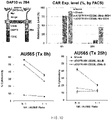
- ZEGFR-10z using DAP10 motif showed better CAR expression levels and duration than ZEGFR-BBz having 4-1BB motif, and cytotoxicity with respect to lung cancer cell line A549 and breast cancer cell line AU565 were similar, or higher with ZEGFR-10z ( FIG. 9 ).
- ZEGFR-10z using DAP10 motif showed better CAR expression level and duration than ZEGFR-2B4z having 2B4 motif, and cytotoxicity with respect to breast cancer cell line, AU565 cells, performed at 8h and 25h post CAR mRNA transfection were also higher with ZEGFR-10z ( FIG. 10 ).
- mRNA constructs 1-7 with various 5' UTR and 3' UTR modifications were designed ( FIG. 11A ), and mRNA constructs 1-7 were prepared by obtaining transcriptomes from vectors having T7 promoter region and coding each mRNA construct ( FIG. 11B ).
- Table 1 and FIG. 11A show the designed mRNA constructs, and the mRNA constructs used in the experiments contained 5'-Cap and 3'-Poly-A tail. DNA sequences complementary to each region contained in the mRNA constructs are shown in Table 2 below. [Table 1] Construct No.
- NK92 cells In 1 ⁇ 10 7 NK92 cells, transfections of 20 ⁇ g of the mRNA constructs 1 to 7 were induced under the optimization conditions identified in Example 2, and mRNA levels introduced in the NK92 cells were monitored over time.
- CAR protein expression decrease levels at 4, 8, 18, and 24 h post transfection induction were identified for ( FIG. 13 ).
- ZE-BBz-BGH showed a protein expression level improved by 28.4% than ZE-BBz
- 5U-ZE-BBz-BGH showed a protein expression level improved by 24.3% than 5U-ZE-BBz
- 5U-ZE-BBz-IRES-BGH showed a protein expression level improved by 33.3% than 5U-ZE-BBz-BGH.
- 3'-BGH and 3'-EMCV-IRES contribute to an increase in protein expression levels.
- cytolytic activity was evaluated by treatment of lung cancer cell line A549 and breast cancer cell line AU565 with the NK92 cells ( FIG. 14A and FIG. 14B ).
- cytolytic activity corresponding to the expression level of CAR protein was observed, and a chain of responses, IFN ⁇ and TNF ⁇ secretion, also increased in response thereto.
- the expression level of CAR protein and cytolytic activity were observed to be high in 5U-ZE-BBz-BGH and 5U-ZE-BBz-IRES-BGH, and were the highest in 5U-ZE-BBz-IRES-BGH in particular.
- mRNAs were designed as shown in Table 3 below, and the mRNAs were prepared by the method illustrated in FIG. 12 and electrophoresis was performed. As a result, it could be confirmed that for the mRNA with BGH-IRES sequence at 3'UTR, separate transcriptomes without and with IRES were formed in the mRNA, whereas for the mRNA with IRES-BGH, a single mRNA with IRES at 3' UTR was formed. From this result, it could be confirmed that due to a complex two-dimensional structure of IRES, when IRES follows after BGH, separation of IRES from the mRNA occurred ( FIG. 15A ). [Table 3] Construct No. Name 1 UTR-COT-MH-10Z-IRES-BGH-PolyA 2 UTR-COT-MH-10Z-BGH-IRES-PolyA
Landscapes
- Health & Medical Sciences (AREA)
- Life Sciences & Earth Sciences (AREA)
- Chemical & Material Sciences (AREA)
- Organic Chemistry (AREA)
- General Health & Medical Sciences (AREA)
- Genetics & Genomics (AREA)
- Immunology (AREA)
- Engineering & Computer Science (AREA)
- Zoology (AREA)
- Biomedical Technology (AREA)
- Biochemistry (AREA)
- Biotechnology (AREA)
- Veterinary Medicine (AREA)
- Public Health (AREA)
- Animal Behavior & Ethology (AREA)
- Medicinal Chemistry (AREA)
- Molecular Biology (AREA)
- Cell Biology (AREA)
- Bioinformatics & Cheminformatics (AREA)
- Wood Science & Technology (AREA)
- Biophysics (AREA)
- Epidemiology (AREA)
- General Engineering & Computer Science (AREA)
- Proteomics, Peptides & Aminoacids (AREA)
- Gastroenterology & Hepatology (AREA)
- Microbiology (AREA)
- Toxicology (AREA)
- Hematology (AREA)
- Pharmacology & Pharmacy (AREA)
- Plant Pathology (AREA)
- Physics & Mathematics (AREA)
- General Chemical & Material Sciences (AREA)
- Chemical Kinetics & Catalysis (AREA)
- Nuclear Medicine, Radiotherapy & Molecular Imaging (AREA)
- Developmental Biology & Embryology (AREA)
- Virology (AREA)
- Mycology (AREA)
- Micro-Organisms Or Cultivation Processes Thereof (AREA)
- Medicinal Preparation (AREA)
- Medicines Containing Material From Animals Or Micro-Organisms (AREA)
Abstract
Description
- The present invention relates to an mRNA construct capable of inducing the expression of a target protein with stable and high efficiency while maintaining the function of the target protein, and the mRNA construct of the present invention includes a 5'-β-globin UTR upstream of a region coding for a target protein (or peptide) and includes a BGH, BGH-IRES, or IRES-BGH region downstream thereof.
- The present application is based on and claims priority to
Korean Patent Application No.2019-0152938, filed on November 26, 2019 - Over a few decades, there have been continuous change and advances in the methods for treating cancer. From 1800's to 1900's, methods such as surgery, chemotherapy, and radiation therapy were commonly practiced, but as their limitations started to come to light, in recent years, as immune-cell therapy, a cell therapy technique has been under development, which extracts immune cells from the body and enhances or modifies the cells via genetic engineering, before placing them back. Well-known examples of such a technique include tumor infiltrating lymphocytes (TIL), chimeric antigen receptor (CAR), T-cell receptor (TCR) techniques, and the like, and in particular, research and clinical trials using a CAR (chimeric antigen receptor), which is an artificial receptor using genetic recombineering, are underway. However, gene therapy or cellular therapy techniques using the above genetic engineering are facing multiple challenges from undesirable immune responses to safety issues, due to genes being incidentally introduced at random locations in the genome. In this regard, there are issues in transfected CAR-NK cells (chimeric antigen receptor natural killer cells) using DNA that the CAR gene is integrated in the genome or mutations occur, and therefore, safety cannot be secured. To address these issues, there has been an attempt to use transient transfected CAR-NK cells. However, in transient transfection using mRNA, instability of mRNA and low transfection levels and target protein expression levels act as hurdles, and thus, there has been no studies yet that have yielded positive result.
- To address the above issues, an aspect of the present invention provides an mRNA construct that can be used in transfection to enable a target protein (or peptide) expression without genomic mutations within a cell.
- According to an aspect of the present invention, there is provided an mRNA construct including (a) a region coding for a target protein or peptide, (b) 5'-β-globin UTR region upstream of the target protein coding region, and (c) a BGH, BGH-IRES, or IRES-BGH region downstream of the target protein coding region.
- According to one embodiment of the present invention, the mRNA construct may be for transient transfection.
- According to another embodiment of the present invention, the target protein (a) may be a chimeric antigen receptor (CAR).
- According to another embodiment of the present invention, the CAR may include an ectodomain capable of specifically binding to a target, a transmembrane (TM) domain penetrating a cell membrane, and an endodomain inducing intracellular signal transduction.
- According to another embodiment of the present invention, the ectodomain may be an antibody fragment (ScFv) in which a light chain and a heavy chain are linked via a linker, and the endodomain may be CD28 and may further include DAP10 and/or CD3z.
- According to another embodiment of the present invention, the ectodomain and TM domain of the CAR may be linked via a spacer, and the spacer may be Myc-Hinge.
- According to another embodiment of the present invention, the mRNA construct may include Cap at the 5'-terminal and may include poly(A)tail at the 3'-terminal.
- In addition, the present invention provides a recombinant vector including a base sequence of the mRNA construct, or a base sequence complementary thereto.
- In addition, the present invention provides a transient transformant preparation method including the following steps:
- (1) preparing the mRNA construct or the recombinant vector; and
- (2) introducing the mRNA construct or the recombinant vector into a cell.
- According to one embodiment of the present invention, the step (2) may utilize electroporation and may preferably utilize the NEPA21 system. The electroporation using the NEPA21 system may be performed under a condition of 110 V to 200 V, and may be preferably performed under a condition of 110 V to 140 V, and more preferably under a condition of 110 V.
- In the above preparation method, the cell may be a plant cell or an animal cell, but preferably may be an animal cell, and may be a natural killer cell (NK cell) among animal cells.
- In addition, the present invention provides a transfected cell including the mRNA construct or the recombinant vector. The transfected cell may be a transient transfected cell. The transfected cell may be prepared by the above preparation method and express a target protein (or peptide) without DNA insertions in chromosomes. The target protein (or peptide) may be expressed for 3 days.
- According to one embodiment of the present invention, the NK cell is a primary NK cell or a NK cell line, and the CAR-NK may undergo a transfection via the NEPA21 system. In addition, the above transfection may be performed under a condition of 110 V to 200 V.
- Meanwhile, in a case in which the cell in the above preparation method is an NK cell, and the target protein encoded by the mRNA construct or recombinant vector introduced into the cell is a CAR, the transfected cell preparation method of the present invention may be utilized as a preparation method for a chimeric antigen receptor natural killer (CAR-NK) cell, wherein the transfection of the mRNA construct or the recombinant vector into the cell may be performed utilizing the NEPA21 system under a condition of 110 V to 200 V (preferably, 110 V for the NK host cell, and 200 V for the primary NK cell).
- In addition, the present invention may provide a CAR-NK cell prepared by the above CAR-NK cell preparation method, and the CAR-NK cell thus prepared expresses a chimeric antigen receptor (CAR) without DNA insertions in chromosomes and thus, has high in vivo stability.
- In addition, the present invention provides a pharmaceutical composition for treating a cancer, comprising the CAR-NK cell. The cancer may be a solid cancer, and the solid cancer may be a breast cancer and/or a lung cancer.
- In addition, the present invention provides a cancer treatment method including a step of administering the above CAR-NK cell to a subject.
- In addition, the present invention provides a use of the CAR-NK cell for the preparation of an anticancer agent.
- The mRNA of the present invention is stable and can be introduced into a cell to express a functional target protein over a long period, and is thus expected to be extremely useful in transfection techniques, and transient transfection techniques in particular. In addition, the transfected CAR-NK prepared by the method of the present invention shows excellent cancer cell cytotoxicity and expresses CAR without genetic insertions in the genome of NK cells, and thus has secured in-vivo safety, and thus can be advantageously utilized in anticancer pharmaceutical compositions and an anticancer immunotherapy targeting solid cancer.
-
-
FIG. 1 shows the structure of CAR-mRNA and the domain and motif constructs of CAR. -
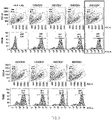
FIG. 2 shows a result of transfection optimization, and a result of establishing transfection conditions for NK92 cells using the NEPA21 system. -
FIG. 3 shows a result of transfection optimization, and a result of establishing transfection conditions for primary NK cells cells using the NEPA21 system. -
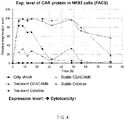
FIG. 4 shows a result of characterization of CAR expressions over time in transient CAR NK92 cells and stable CAR NK92 cells. -
FIG. 5 shows a result of characterization cancer cell cytotoxity over time with respect to transient CAR NK92 cells and stable CAR NK92 cells. -
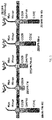
FIG. 6 shows vector constructs or domains and motifs constituting CAR for experiments for characterization of cancer cell cytotoxicity and expression rates of a chimeric antigen receptor containing DAP10, -
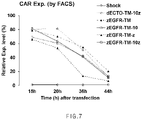
FIG. 7 , in association withFIG 6 , shows the characterization of CAR expression levels depending on the presence of DAP10 when CAR mRNA transfection using FACS. -
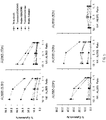
FIG. 8 shows a result of differences in CAR expression levels and cytotoxicity according to the form of a third-generation CAR with two co-activators (CD28, DAP10) and a second-generation CAR with one co-activator (DAP10) in the CAR structure. -
FIG. 9 shows a result of confirming differences in CAR expression levels and cytotoxicity between co-activator DAP10 and 4-1BB in the CAR structure. -
FIG. 10 shows a result of confirming differences in CAR expression levels and cytotoxicity between co-activator DAP10 and 2B4 in the CAR structure. -
FIG. 11A is a schematic diagram of mRNA constructs designed with or without 5'-β-globin UTR, 3'-BGH, and EMCV-IRES constructs, and by varying the forward/reverse direction or 5'/3' locations of EMCV-IRES, andFIG. 11B is a schematic diagram of a preparation process of mRNA constructs. -
FIG. 12 is a diagram showing the comparison of time-dependent regression ratios ofmRNA constructs 1 to 7 introduced into a cell. -
FIG. 13 is diagrams showing comparison and characterization of CAR protein expression levels in transient NK92 cells withmRNA constructs 1 to 7 introduced therein. -
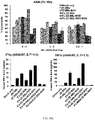
FIG. 14 is diagrams showing comparison and characterization of cytotoxicity in a lung cancer cell line and a breast cancer cell line of transient NK92 cells withmRNA constructs 1 to 7 introduced therein. -
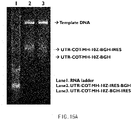
FIG. 15A is electrophoresis for transcriptomes obtained from a vector containing a DNA sequence corresponding or complementary to a base sequence of mRNA with different order of BGH and IRES at 3' terminal. -
FIG. 15B shows characterizations of the target protein performance and target protein expression efficiency in cells, of mRNA constructs with BGH and IRES in different orders at 3' terminal. - The present inventors investigated for the preparation of CAR-NK cells having improved therapeutic efficacy and secured safety via transient transfection, and identified an mRNA construct that is structurally stable and when injected into a cell, can actively induce the expression of a functional target protein for a long period of time, thereby completing the present invention.
- The present invention provides an mRNA construct, comprising: (a) a region coding for a target protein or peptide; (b) 5'-β-globin UTR region upstream of the target protein coding region; and (c) a BGH, BGH-IRES, or IRES-BGH region downstream of the target protein coding region.
- In the present invention, the term "IRES (internal ribosome entry site)" refers to an internal ribosome entry site or ribosome binding site, which is known to form a loop structure on mRNA and initiate translation in a cap-independent mechanism. Using the same to position IRES between two or more genes to prepare a single vector can express each of two genes simultaneously on a single mRNA. In this context, insertion of IRES region in order to induce the expression of a target protein is widely utilized in genetic recombination technology. However, the present inventors have confirmed that when the loop structure of IRES is located at 3' UTR of mRNA, the mRNA is structurally stable and can express a target protein with high efficiency. In particular, it was found that the RNA containing IRES-BGH sequence at 3' UTR has higher structural unity, stability, and protein expression efficiency than RNA containing BGH-IRES sequence.
- The present inventors used the IRES region of encephalomyocarditis virus (EMCV) for IRES in the mRNA construct investigation.
- Meanwhile, for enhancement in mRNA stability and protein expression efficiency, the location and order of IRES region are important. The present inventors have confirmed that mRNA stability and protein expression efficiency are lower when the IRES region is included in 5' UTR, than when the IRES region is included in 3' UTR. In addition, the present inventors have confirmed that even when the IRES is located at 3' UTR, mRNA stability and protein expression efficiency are lower when IRES is positioned in a reverse direction, than when IRES is positioned in a forward direction. From here, it could be confirmed that not only the ring structure of IRES, but also an organic combination of the position at which the ring structure is positioned (3'UTR) and its following BGH region, etc. contributes to an increase in mRNA stability and translation efficiency.
- In the present invention, the term "BGH" refers to bovine growth hormone (bGH), which is a polyadenyl signal of bGH. The BGH region includes a polyadenylation signal with 5'-β-globin UTR region. The present inventors have confirmed, through experiments, that the 5'-β-globin UTR region present in the mRNA construct increases the mRNA stability by about 36%, and the BGH region located at 3' UTR increases the mRNA stability by about 20%.
- The mRNA construct of the present invention is for use in transfection, and preferably transient transfection, that expresses a target protein for a predetermined time without genetic insertions in chromosomes of a host cell. Although it is important that the mRNA is structurally stable that a protein can be expressed with high efficiency for a long time, it is an essential condition to achieve an ultimate goal of transfection that a protein successfully expressing the inherent function of a target protein can be expressed with high efficiency.
- In this context, the present inventors have prepared a transient CAR-NK cell by transfecting a NK cell with a chimeric antigen receptor (CAR) as the target protein expressed by the above-described mRNA construct, and have confirmed the cancer cell cytotoxicity of the transient CAR-NK cell. As a result, it could be confirmed that the protein expression rate of the mRNA construct and the cancer cell cytotoxicity of the NK cell transfected with the mRNA construct are in a proportional relationship with respect to each other, and the mRNA construct of the present invention does not affect the inherent function of the target protein.
- In the present invention, the term "UTR (untranslated region)" is also known as untranslated region, and the portion in an mRNA chain that does not serve as the template of protein gene, that is, untranslated portion, and the untranslated portion of mRNA, and generally, the upstream of coding region is referred to as 5' UTR, and the downstream thereof as 3' UTR.
- Generally, in the UTR, there are a 5 UTR (5 untranslated region) and a 3 UTR (3 untranslated region), and the 5 UTR refers to the 5' terminal region and the 3 UTR refers to the 3' terminal region. The 3 UTR is known as an important regulatory element in messenger RNA (mRNA) of eukaryotes, and the 3' UTR refers to a translation terminator that contributes to the stability of mRNA in prokaryotes. In addition, it has been reported that an untranslated region (UTR) in mRNA plays a pivotal role in regulating both mRNA stability and mRNA translation.
- It is known that 5' UTR motifs, for example, an upstream open reading frame (uORF) or an internal ribosomal entry site (IRES) is involved in gene regulation, in particular, translation initiation, but the function of IRES located at 3' UTR has been unknown.
- It is known that through RNA-binding proteins and interactions therewith, UTR influences not only mRNA stability and intracellular localization, but also translation initiation, elongation, and termination. According to a particular motif within a UTR, mRNA turnover rate may be increased or decreased.
- As described above, in order to enhance target protein expressions and mRNA construct stability of a chimeric antigen receptor utilizing the natural killer cells (CAR-NK), UTRs such as an upstream sequence of β-globin gene at 5' terminal, and a poly-A sequence and the bovine growth hormone (BGH) sequence at 3' terminal are added to thereby complete the invention.
- Meanwhile, when the target protein of the mRNA construct of the present invention is CAR, high cancer cell cytotoxicity is shown when injected into NK cells, and therefore, the mRNA construct of the present invention may be used in the preparation of CAR-NK cells. In the present invention, the mRNA construct with its target protein being CAR is separately referred to as "CAR mRNA". In the present invention, the CAR mRNA may be understood as including a functional region that increases a protein expression rate from mRNA. Specifically, the CAR mRNA may include all of a region inducing ribosomes, a region involved in translation initiation or translation promotion of mRNA, a region involved in extranuclear transport of mRNA, a domain involved in binding with respect to endoplasmic reticulum membranes, a domain containing an endoplasmic reticulum-containing signal (ER-containing signal) sequence, and a region containing an endoplasmic reticulum signal sequence.
- The present invention provides a recombinant vector including a DNA base sequence corresponding or complementary to the above mRNA. The vector of the present invention is an expression vector, and the expression vector refers to a genetic construct containing essential regulatory elements operably linked to an insert so that the insert can be expressed within a cell. The above expression vector may be prepared and purified utilizing standard recombinant DNA techniques. The expression vector is not limited to any particular kind as long as it serves the function of expressing a desired gene and producing a desired protein in various host cells of prokaryotes and eukaryotes, but preferably is a vector capable of producing a target protein in large volumes while containing a promoter expressing a potent activity and high expression levels. The expression vector preferably includes at least a promotor, an initiation codon, a gene coding a desired protein, and a stop codon terminator, but is not limited thereto. Other than the aforementioned components, the expression vector may include a DNA coding a signal peptide, an enhancer sequence, untranslated regions on the 5 and 3 sides of a desired gene, a selection marker region, or a cloning unit, etc. but is not limited thereto. Also, the expression vector refers to an expression cassette in which one or more transcriptional regulatory regions essentially containing a coding sequence and a promotor are operably linked together, or to a vector containing the expression cassette. The target protein, which is a protein serving as a target to be produced utilizing a protein secretion mechanism, or a protein sought to be produced in large volumes by one of ordinary skill in the art, refers to any protein which can be expressed in a transformant by inserting a polynucleotide coding the corresponding protein in a recombinant expression vector. In the present invention, the target protein also refers to a chimeric antigen receptor (CAR), the CAR protein, a ScFv of the CAR, an antibody, and the like.
- Also, the present invention provides an NK cell containing a chimeric antigen receptor (CAR) mRNA, wherein the NK cell is a chimeric antigen receptor natural killer (CAR-NK) cell, which may be a cell transfected with the CAR mRNA or the recombinant vector via the NEPA21 system.
- Meanwhile, transfection or transduction refers to introducing an exogenous DNA into a cell . Transfection may be performed by various methods known in the corresponding field, such as calcium phosphate-DNA copre-cipitation method, DEAE Dextran- mediated transfection method, polybrene-mediated transfection method, electroporation method, microinjection method, liposome fusion method, lipofectamine, and protoplast fusion method. In addition, transfection refers to delivering a gene into a cell by using a virus or virus vector particle by means of infection. In the present specification, transfection and transduction may be interchangeably used, and preferably interpreted, in a wider sense, as transformation by delivering an exogenous gene in a host cell, and cells into which an exogenous gene is introduced by transfection or transduction is referred to as a transformant.
- Meanwhile, transfection is distinguished as stable transfection when the introduced exogenous gene is an independently cloning form or inserted in a chromosome DNA of a host cell, or as a transient transfection when it is not.
- The present invention is an mRNA construct provided to transfection, which has no DNA insertions in chromosomes of a host cell and has no risk of mutations, and which disappears in vivo within a few days, and has thus a high in-vivo stability, and the mRNA construct may be provided to transient transfection in particular.
- In the present invention, transformation or transfection is performed by electroporation using NEPA21 super electroporator (Negagene, Japan). In addition, the present invention uses a transient transfection method or a transient transformation method. The transient expression is rapidly being used as a selection system for rapid mammalian protein production. Flexibility of transient transfection enables rapid demonstration from the concept of the present protein, and numerous different proteins can be simultaneously or continuously produced. In this regard, Rodrigo Vazquez-Lombardi et al (Transient expression of human antibodies in mammalian cells, Nat Protoc. 2018 Jan;13(1) 99-117) reports that transient mammalian expression systems are capable of producing recombinant antibodies of 100 mg/liter or more at a reasonable cost.
- Meanwhile, a pharmaceutical composition of the present invention includes a pharmaceutically or pharmacologically acceptable carrier. The pharmaceutically or pharmacologically acceptable carrier of the present invention is commonly used in preparations, and the pharmaceutical composition of the present invention may further include suspensions, preservatives, etc. other than the above-mentioned ingredients. Appropriate pharmacologically acceptable carriers or preparations are described in detail in Remington s Pharmaceutical Sciences (19th ed., 1995).
- The pharmaceutical composition of the present invention, when used in the form of administration to a subject, may be formulated before use, into preparations in a unit dose form that is appropriate for administration into a patient's body, by common methods in the pharmaceutical field, such as intravenous injection, subcutaneous injection, intramuscular injection, and the like.
- A preferable dose of the pharmaceutical composition of the present invention may vary depending on a patient's state, body weight, severity of disease, and drug form, and administration route and period, but may be appropriately selected by a person skilled in the art.
- The pharmaceutical composition of the present invention may be used through an injection ampoule. The injection ampoule may be prepared by mixing with an injection solution immediately before use, and for the injection solution, a saline solution, glucose, mannitol, Ringer's solution, etc. may be used. The pharmaceutical composition or preparation of the present invention thus prepared may be administered in a form of a mixture with cells used for transplantation and other uses, by using an administration method that is commonly used in the corresponding field. The actual amount of an active ingredient administered shall be determined in view of other factors such as a disease to be treated, severity of the disease, an administration route, a patient's body weight, age, and sex.
- Hereinafter, the present invention will be described in more detail through the examples. However, the following examples are provided merely to illustrate the present invention and as such, should not be construed as limiting the scope of the present invention.
- Chimeric antigen receptor (CAR) used in the present invention consists of an ectodomain recognizing a target, an endodomain inducing intracellular signal transduction (cell signaling), a spacer (Myc-Hinge) connecting the ectodomain and imparting flexibility, and a transmembrane (TM) domain that passing through cellular membranes. The ectodomain consists of a ScFv composed of a heavy chain and a light chain connected via a linker, and the endodomain adopts CD28 and DAP10 as a co-activator and is a third-generation CAR construct composed of CD3z responsible for cytotoxic signaling as shown in
FIG. 1 . - To establish optimal transfection conditions, GFP expressions were observed from transfection performed using the NEPA21 system while varying the voltage from 110 V to 200 V using 2 µg GFP-mRNA in 1
X 106 cells (FIG. 2 ), and as a result, along with increased voltage, lower cell viability was observed. In NK92 cell lines (NK cell line, natural killer cell cell line) GFP expressions of 90% or more were observed at 110 V, 125 V, and 140 V, and in the CAR-mRNA transfection efficiency evaluation, the highest cell viability and expression rate were observed at 110 V. Increasing the amount of mRNA used per cell in NK92 1 X 10⁶ to 5 µg from 2 µg results in increased expression levels, and CAR expressions were observed up to 3 days post transfection. After scaling-up based thereon, expression levels were good when transfected with 20 µg mRNA per cell in 1 X 10⁷ and were found to be sustained for 3 days post transfection, which is the same duration as in 1X 10⁶ cells. - Using the NEPA21 system, 5 µg GFP-mRNA was transfected into primary NK 1 X 10⁶ cells obtained by treating and aging monocytes obtained by CD3-depletion from umbilical cord blood with hydrocortisone and cytokines (IL15, IL21) for 7 days or more. As a result, high transfection efficiency was shown under at condition of 190 V and 200 V (
FIG. 3 ). As shown above, in the evaluation of CAR-mRNA transfection efficiency, the highest efficiency was observed at 200 V. - Using the NEPA21 system, CAR mRNAs having anti-CEACAM6 scFv recognizing CEACAM6, cotinine-tagged antibody with respect to an antigen, and anti-cotinine scFv capable of recognizing the same were transfected in NK92, and CAR expression profiles over time, and cytotoxicity of transient CAR-NK cells were examined. CAR expression levels in NK92 cells according to scFV sequence with respect to cotinine and CEACAM6 were examined. As a result, anti-CEACAM6-CAR sustained a high expression level of 90% or more up to 48 h post mRNA introduction, and anti-continine-CAR showed an expression level of 70% or more up to 16 h post mRNA introduction, and the expression sustained for up to 2 days. In addition, using conjugate molecules of EGFR, cytolytic activity of Cotinine-CAR-NK cells was measured. As a result, it was found that cytotoxicity is high when the protein expression is high after CAR mRNA transfection, and cytotoxicity decreases along with a decrease in expression level thereafter (
FIG. 4 andFIG. 5 ). - To evaluate the function and effect of each component constituting the signaling endodomain, △Ecto-TM-10z, which is free of ectodomain, and ZEGFR-CAR, which has an affibody having anti-EGFR activity as ectodomain, were prepared. For ZEGFR-CAR, ZEGFR-TM vector having ITAM motif and TM motif of CD28 in the pSK vector as background, ZEGFR-TM-10 vector having DAP10 added thereto or ZEGFR-TM-z vector having CD3z added thereto, and ZEGFR-TM-10z vector having both DAP10 and CD3z were constructed (
FIG. 6 ). From here, CAR mRNA were synthesized, and CAR expressions were measured in NK92 cells using FACS (FIG. 7 ). For ZEGFR-TM-10z having both DAP10 and CD3z, the CAR expression level was similar to ZEGFR-TM-10. Comparison between a third-generation CAR construct having two co-activation motifs such as CD28 and DAP10, and the second-generation CAR construct having only one activation motif, DAP10 results in the finding that the expression level and expression regression ratio of CAR were similar, cytotoxicity was similar at 8 h post transfection of CAR mRNA, and at 25 h post transfection, the second-generation CAR construct showed a higher cytotoxicity (FIG. 8 ). In addition, when using 4-1BB motif, instead of DAP10 motif, in the third-generation CAR composed of two co-activation domains, ZEGFR-10z using DAP10 motif showed better CAR expression levels and duration than ZEGFR-BBz having 4-1BB motif, and cytotoxicity with respect to lung cancer cell line A549 and breast cancer cell line AU565 were similar, or higher with ZEGFR-10z (FIG. 9 ). Next, when using 2B4 motif instead of DAP10 motif, ZEGFR-10z using DAP10 motif showed better CAR expression level and duration than ZEGFR-2B4z having 2B4 motif, and cytotoxicity with respect to breast cancer cell line, AU565 cells, performed at 8h and 25h post CAR mRNA transfection were also higher with ZEGFR-10z (FIG. 10 ). - To enhance the structural stability of mRNA and the target protein expressions, mRNA constructs 1-7 with various 5' UTR and 3' UTR modifications were designed (
FIG. 11A ), and mRNA constructs 1-7 were prepared by obtaining transcriptomes from vectors having T7 promoter region and coding each mRNA construct (FIG. 11B ). Table 1 andFIG. 11A show the designed mRNA constructs, and the mRNA constructs used in the experiments contained 5'-Cap and 3'-Poly-A tail. DNA sequences complementary to each region contained in the mRNA constructs are shown in Table 2 below.[Table 1] Construct No. Name mRNA Size Rank 1 ZE-BBz 1286 bp 1 2 ZE-BBz-BGH 1519 bp 3 3 5U-ZE-BBz 1345 bp 2 4 5U-ZE-BBz-BGH 1578 bp 4 5 5U-ZE-BBz-IRES-BGH 2164 bp 5 6 5U-ZE-BBz-reIRES-BGH 2164 bp 5 7 5U-IRES-ZE-BBz-BGH 2164 bp 5 [Table 2] Seq uen ce Num ber Gene Sequence 1 β- globin UTR 
2 BGH 
3 EMCV-IRES 
- In 1 × 10⁷ NK92 cells, transfections of 20 µg of the mRNA constructs 1 to 7 were induced under the optimization conditions identified in Example 2, and mRNA levels introduced in the NK92 cells were monitored over time.
- To evaluate CAR mRNA stability according to the presence/absence of 5'-β-globin UTR, 3'-BGH, or EMCV-IRES, and 5'/3' location or forward/reverse direction of EMCV-IRES, reduction ratios of the mRNA introduced into cells over time were identified (FIG. 12(A)).
- As a result, with the amount of mRNA construct present, evaluated at 4 h post transfection, which is in an early stage of transformation, as a reference (1), 5U-ZE-BBz showed an mRNA stability improved by 36.9% than ZE-BBz, and 5U-ZE-BBz-BGH showed an mRNA stability improved by 35.9% than ZE-BBz-BGH, ZE-BBz-BGH showed an mRNA stability improved by 20.2% than ZE-BBz, and 5U-ZE-BBz-BGH showed mRNA stability improved by 19.1% than 5U-ZE-BBz, and U-ZE-BBz-BGH containing both 5'-β-globin and 3'-BGH showed mRNA stability improved by 56.1% than ZE-BBz. Thus, it could be confirmed that the presence of 5'-β-globin and 3'-BGH enhances mRNA stability (FIG. 12(B) and FIG. 12(C)).
- Subsequently, to evaluate CAR mRNA translation stability depending on the presence of 5'-β-globin UTR, 3'-BGH, and EMCV-IRES constructs, and forward/reverse direction or 5'/3' location of EMCV-IRES, CAR protein expression decrease levels at 4, 8, 18, and 24 h post transfection induction were identified for (
FIG. 13 ). - As a result, with the CAR protein expression level at 8 h post transfection induction at which the CAR protein expression is the highest as a reference (1), ZE-BBz-BGH showed a protein expression level improved by 28.4% than ZE-BBz, and 5U-ZE-BBz-BGH showed a protein expression level improved by 24.3% than 5U-ZE-BBz, and 5U-ZE-BBz-IRES-BGH showed a protein expression level improved by 33.3% than 5U-ZE-BBz-BGH. Thus, it could be confirmed that 3'-BGH and 3'-EMCV-IRES contribute to an increase in protein expression levels.
- Meanwhile, contrary to the fact that the presence of 3'-EMCV-IRES enhances the expression of protein, the protein expression levels drastically decreased when the looping structure for translation is modified by inserting EMCV-IRES in a reverse direction, and EMCV-IRES is located at 5'.
- Subsequently, to characterize the expression level of functional CAR protein in transient NK92 cells, cytolytic activity was evaluated by treatment of lung cancer cell line A549 and breast cancer cell line AU565 with the NK92 cells (
FIG. 14A andFIG. 14B ). - As a result, in the transient NK92 cells, cytolytic activity corresponding to the expression level of CAR protein was observed, and a chain of responses, IFNγ and TNFα secretion, also increased in response thereto. The expression level of CAR protein and cytolytic activity were observed to be high in 5U-ZE-BBz-BGH and 5U-ZE-BBz-IRES-BGH, and were the highest in 5U-ZE-BBz-IRES-BGH in particular.
- The influence of the sequence of IRES and BGH positioned at 3' UTR was identified.
- First, mRNAs were designed as shown in Table 3 below, and the mRNAs were prepared by the method illustrated in
FIG. 12 and electrophoresis was performed. As a result, it could be confirmed that for the mRNA with BGH-IRES sequence at 3'UTR, separate transcriptomes without and with IRES were formed in the mRNA, whereas for the mRNA with IRES-BGH, a single mRNA with IRES at 3' UTR was formed. From this result, it could be confirmed that due to a complex two-dimensional structure of IRES, when IRES follows after BGH, separation of IRES from the mRNA occurred (FIG. 15A ).[Table 3] Construct No. Name 1 UTR-COT-MH-10Z-IRES-BGH- PolyA 2 UTR-COT-MH-10Z-BGH-IRES-PolyA - Also, expression levels of CAR protein and cancer cell cytotoxicity were identified by transfecting NK92 cells utilizing the mRNA construct prepared above by the method described in Example 2. As a result, it was confirmed that the mRNA with IRES-BGH sequence expressed CAR protein with high efficiency and showed a higher cancer cell cytotoxicity than that of the mRNA with BGH-IRES sequence (
FIG. 15B ).

Claims (13)
- An mRNA construct, comprising: (a) a region coding for a target protein or peptide; (b) 5'-β-globin UTR region upstream of the target protein coding region; and (c) a BGH, BGH-IRES, or IRES-BGH region downstream of the target protein coding region.
- The mRNA construct of claim 1, wherein the target protein or peptide (a) is a chimeric antigen receptor (CAR).
- The mRNA construct of claim 2, wherein the CAR comprises an ectodomain capable of specifically binding to a target, a transmembrane domain penetrating a cell membrane, and an endodomain inducing intracellular signal transduction.
- The mRNA construct of claim 3, wherein the ectodomain is an antibody fragment (ScFv) in which a light chain and a heavy chain are connected via a linker, and the endodomain is CD28.
- The mRNA construct of claim 4, wherein the endodomain further comprises DAP10 and/or CD3z.
- A recombinant vector, comprising a DNA base sequence corresponding or complementary to a base sequence of the mRNA construct of any one of claims 1 to 5.
- A transformant preparation method, comprising the steps of:(1) preparing the mRNA construct of any one of claims 1 to 5; and(2) introducing the mRNA construct into a host cell.
- The transformant preparation method of claim 7, wherein the step (2) is performed by NEPA21 electroporation under a condition of 110 V to 140 V.
- A CAR-NK cell preparation method, comprising the steps of:(a) preparing the mRNA construct of claim 2; and (b) introducing the mRNA construct into an NK cell.
- The CAR-NK cell preparation method of claim 9, wherein the NK cell of the step (b) is a primary NK cell, and the introducing of the mRNA construct into the NK cell is performed by NEPA21 electroporation under a condition of 190 V to 200 V.
- A CAR-NK cell prepared by the method of claim 9 or claim 10, wherein the cell is characterized by expressing a CAR protein for 3 days.
- A pharmaceutical composition for treating a cancer, comprising the CAR-NK cell of claim 11 as an active ingredient.
- The pharmaceutical composition of claim 12, wherein the cancer is a solid cancer.
Applications Claiming Priority (2)
| Application Number | Priority Date | Filing Date | Title |
|---|---|---|---|
| KR20190152938 | 2019-11-26 | ||
| PCT/KR2020/016988 WO2021107647A1 (en) | 2019-11-26 | 2020-11-26 | Mrna construct for protein expression, and use thereof |
Publications (2)
| Publication Number | Publication Date |
|---|---|
| EP4067495A1 true EP4067495A1 (en) | 2022-10-05 |
| EP4067495A4 EP4067495A4 (en) | 2023-06-14 |
Family
ID=76129534
Family Applications (1)
| Application Number | Title | Priority Date | Filing Date |
|---|---|---|---|
| EP20893955.3A Pending EP4067495A4 (en) | 2019-11-26 | 2020-11-26 | CONSTRUCTION OF mRNA FOR PROTEIN EXPRESSION AND ASSOCIATED USE |
Country Status (6)
| Country | Link |
|---|---|
| US (1) | US12637689B2 (en) |
| EP (1) | EP4067495A4 (en) |
| JP (1) | JP7451705B2 (en) |
| KR (1) | KR102490457B1 (en) |
| CN (1) | CN114846145A (en) |
| WO (1) | WO2021107647A1 (en) |
Families Citing this family (6)
| Publication number | Priority date | Publication date | Assignee | Title |
|---|---|---|---|---|
| KR102490457B1 (en) | 2019-11-26 | 2023-01-19 | 한국생명공학연구원 | mRNA construct for expression protein and use thereof |
| KR102900116B1 (en) * | 2021-05-25 | 2025-12-16 | 한국생명공학연구원 | Method for preparing mRNA constructs for protein expression and the use of mRNA constructs prepared by the same |
| CN113444744A (en) * | 2021-06-28 | 2021-09-28 | 北京鼎成肽源生物技术有限公司 | mRNA template for gene editing NK (natural killer) cells, construction method of mRNA template, mRNA in-vitro transcription method and application |
| EP4722367A1 (en) * | 2023-05-26 | 2026-04-08 | Korea Research Institute of Bioscience and Biotechnology | Mrna structure platform for protein expression with high efficiency |
| CN122055450A (en) * | 2023-10-16 | 2026-05-15 | 韩国生命工学研究院 | RNA structure for improving protein translation efficiency, mRNA structure comprising same and use thereof |
| KR20250075514A (en) * | 2023-11-20 | 2025-05-28 | 한국생명공학연구원 | mRNA structures for improving protein translation efficiency, and uses thereof |
Family Cites Families (21)
| Publication number | Priority date | Publication date | Assignee | Title |
|---|---|---|---|---|
| US5824497A (en) * | 1995-02-10 | 1998-10-20 | Mcmaster University | High efficiency translation of mRNA molecules |
| DK1222298T3 (en) * | 1999-10-13 | 2006-04-10 | Immunex Corp | Vectors and methods for recombinant protein expression |
| US7468275B2 (en) * | 2000-01-28 | 2008-12-23 | The Scripps Research Institute | Synthetic internal ribosome entry sites and methods of identifying same |
| CN100471956C (en) * | 2001-03-09 | 2009-03-25 | 基因流股份有限公司 | Novel expression vector |
| WO2005017149A1 (en) | 2003-06-03 | 2005-02-24 | Cell Genesys, Inc. | Compositions and methods for enhanced expression of recombinant polypeptides from a single vector using a peptide cleavage site |
| JP4964493B2 (en) | 2006-04-28 | 2012-06-27 | 株式会社カネカ | Efficient production of whole recombinant antibodies using internal ribosome binding sites |
| JP5686399B2 (en) | 2010-02-18 | 2015-03-18 | 国立大学法人横浜国立大学 | Foreign gene expression elements and their use |
| KR20140060541A (en) * | 2011-09-16 | 2014-05-20 | 더 트러스티스 오브 더 유니버시티 오브 펜실바니아 | Rna engineered t cells for the treatment of cancer |
| EP3303377B1 (en) | 2015-06-05 | 2022-11-23 | Dana-Farber Cancer Institute, Inc. | Compositions and methods for transient gene therapy with enhanced stability |
| CN106467906B (en) * | 2015-08-20 | 2019-09-27 | 北京马力喏生物科技有限公司 | Construct, transgenic lymphocyte, preparation method and use thereof |
| KR102312903B1 (en) | 2016-03-31 | 2021-10-15 | 에트리스 게엠베하 | New minimal UTR sequence |
| IL264439B2 (en) | 2016-08-17 | 2024-08-01 | Factor Bioscience Inc | A suitable viral preparation containing a synthetic messenger RNA encoding a gene editing protein for use in cancer treatment and a synthetic messenger RNA encoding a gene editing protein for use in therapy |
| CN107868791B (en) | 2016-09-26 | 2021-11-23 | 阿思科力(苏州)生物科技有限公司 | Preparation method and application of reinforced Slit2CAR-T and CAR-NK cells |
| KR102863181B1 (en) * | 2016-12-30 | 2025-09-23 | 더 트러스티스 오브 더 유니버시티 오브 펜실베니아 | Gene therapy for treating wilson's disease |
| AU2018251187B2 (en) | 2017-04-14 | 2024-03-28 | Dana-Farber Cancer Institute, Inc. | Compositions and methods for transient gene therapy with enhanced stability |
| CN109553686A (en) | 2017-09-26 | 2019-04-02 | 南京安吉生物科技有限公司 | The novel regulatable double Chimeric antigen receptor T cells of one kind and its construction method and application |
| WO2019082721A1 (en) | 2017-10-23 | 2019-05-02 | 日本たばこ産業株式会社 | Construct for expressing g-protein-coupled receptor or sub-unit thereof, and use of said construct |
| WO2019129851A1 (en) * | 2017-12-29 | 2019-07-04 | Cellectis | Method for improving production of car t cells |
| CN109097396B (en) | 2018-09-10 | 2022-10-11 | 上海细胞治疗集团有限公司 | Method for preparing mesothelin-targeted CAR-T cells |
| KR102490457B1 (en) | 2019-11-26 | 2023-01-19 | 한국생명공학연구원 | mRNA construct for expression protein and use thereof |
| KR102900116B1 (en) | 2021-05-25 | 2025-12-16 | 한국생명공학연구원 | Method for preparing mRNA constructs for protein expression and the use of mRNA constructs prepared by the same |
-
2020
- 2020-11-26 KR KR1020200161549A patent/KR102490457B1/en active Active
- 2020-11-26 EP EP20893955.3A patent/EP4067495A4/en active Pending
- 2020-11-26 CN CN202080082008.0A patent/CN114846145A/en active Pending
- 2020-11-26 WO PCT/KR2020/016988 patent/WO2021107647A1/en not_active Ceased
- 2020-11-26 JP JP2022531074A patent/JP7451705B2/en active Active
-
2022
- 2022-05-26 US US17/825,800 patent/US12637689B2/en active Active
Also Published As
| Publication number | Publication date |
|---|---|
| CN114846145A (en) | 2022-08-02 |
| JP2023503636A (en) | 2023-01-31 |
| EP4067495A4 (en) | 2023-06-14 |
| JP7451705B2 (en) | 2024-03-18 |
| US12637689B2 (en) | 2026-05-26 |
| WO2021107647A1 (en) | 2021-06-03 |
| KR102490457B1 (en) | 2023-01-19 |
| KR20210065065A (en) | 2021-06-03 |
| US20220290176A1 (en) | 2022-09-15 |
Similar Documents
| Publication | Publication Date | Title |
|---|---|---|
| KR102490457B1 (en) | mRNA construct for expression protein and use thereof | |
| JP7207786B2 (en) | Interleukin 21 protein (IL21) mutants and their applications | |
| CN115867291A (en) | Circular RNA compositions and methods | |
| EP3970736A1 (en) | Drug resistant immunotherapy for treatment of a cancer | |
| WO2017190684A1 (en) | Interleukin combination and use thereof | |
| JP2025500373A (en) | Composition for MRNA treatment | |
| JP2001511647A (en) | IL-2 gene expression and delivery systems and uses | |
| JP2024041782A (en) | Recombinant erIL-15 NK cells | |
| KR102900116B1 (en) | Method for preparing mRNA constructs for protein expression and the use of mRNA constructs prepared by the same | |
| WO2023173116A1 (en) | Membrane-bound il-12 for cellular immunotherapy | |
| CN119307525A (en) | Methods and applications of RNA in vitro circularization and rolling circle translation based on group I introns | |
| WO2015149708A1 (en) | New recombinant bifunctional fusion protein, preparation method therefor and use thereof | |
| US20250388695A1 (en) | Epcam-cd3 epsilon bispecific antibodies | |
| WO2023107920A1 (en) | Anisamide-containing lipids and compositions and methods of use thereof | |
| CN109554349B (en) | Engineered immune cells with silenced PD-1 gene expression | |
| TWI756223B (en) | Chimeric antigen receptors, and their utilization | |
| WO2022166665A1 (en) | Chimeric antigen receptor with endogenous protein molecule replacing single domain antibody | |
| JP2026513742A (en) | Synthesis circuits and their use | |
| US20230212247A1 (en) | Modified cxcl10 for immunotherapy of cancer diseases | |
| CN107513107A (en) | Antineoplastic amalgamation protein and its preparation method and application | |
| WO2023179768A1 (en) | High-affinity tcr for identifying mage-a4 antigen, and sequence and use thereof | |
| CN116535491B (en) | Therapeutic nucleic acid molecules, mixtures, drugs and applications in the treatment of solid tumors | |
| WO2025138501A1 (en) | Off-the-shelf in-vivo in-situ car and tumor vaccine combined immunotherapy technology based on circular rna and use thereof | |
| CN122038427A (en) | Construction and application of targeted exosome chimeric antigen receptor molecule | |
| CN119701015A (en) | Cytokine mRNA (messenger ribonucleic acid) combination medicine and application thereof |
Legal Events
| Date | Code | Title | Description |
|---|---|---|---|
| STAA | Information on the status of an ep patent application or granted ep patent |
Free format text: STATUS: THE INTERNATIONAL PUBLICATION HAS BEEN MADE |
|
| PUAI | Public reference made under article 153(3) epc to a published international application that has entered the european phase |
Free format text: ORIGINAL CODE: 0009012 |
|
| STAA | Information on the status of an ep patent application or granted ep patent |
Free format text: STATUS: REQUEST FOR EXAMINATION WAS MADE |
|
| 17P | Request for examination filed |
Effective date: 20220617 |
|
| AK | Designated contracting states |
Kind code of ref document: A1 Designated state(s): AL AT BE BG CH CY CZ DE DK EE ES FI FR GB GR HR HU IE IS IT LI LT LU LV MC MK MT NL NO PL PT RO RS SE SI SK SM TR |
|
| DAV | Request for validation of the european patent (deleted) | ||
| DAX | Request for extension of the european patent (deleted) | ||
| A4 | Supplementary search report drawn up and despatched |
Effective date: 20230512 |
|
| RIC1 | Information provided on ipc code assigned before grant |
Ipc: A61P 35/00 20060101ALI20230509BHEP Ipc: A61K 35/17 20150101ALI20230509BHEP Ipc: C07K 14/725 20060101ALI20230509BHEP Ipc: C07K 14/705 20060101ALI20230509BHEP Ipc: C12N 5/0783 20100101ALI20230509BHEP Ipc: C12N 15/85 20060101AFI20230509BHEP |