EP4062951A2 - Injectable hydrogel composition capable of capturing endogenous progenitor cells or stem cells, and inducing vascular differentiation of captured cells - Google Patents
Injectable hydrogel composition capable of capturing endogenous progenitor cells or stem cells, and inducing vascular differentiation of captured cells Download PDFInfo
- Publication number
- EP4062951A2 EP4062951A2 EP20889312.3A EP20889312A EP4062951A2 EP 4062951 A2 EP4062951 A2 EP 4062951A2 EP 20889312 A EP20889312 A EP 20889312A EP 4062951 A2 EP4062951 A2 EP 4062951A2
- Authority
- EP
- European Patent Office
- Prior art keywords
- solution
- cells
- hydrogel
- factor
- hydrogel composition
- Prior art date
- Legal status (The legal status is an assumption and is not a legal conclusion. Google has not performed a legal analysis and makes no representation as to the accuracy of the status listed.)
- Granted
Links
Images






Classifications
-
- A—HUMAN NECESSITIES
- A61—MEDICAL OR VETERINARY SCIENCE; HYGIENE
- A61L—METHODS OR APPARATUS FOR STERILISING MATERIALS OR OBJECTS IN GENERAL; DISINFECTION, STERILISATION OR DEODORISATION OF AIR; CHEMICAL ASPECTS OF BANDAGES, DRESSINGS, ABSORBENT PADS OR SURGICAL ARTICLES; MATERIALS FOR BANDAGES, DRESSINGS, ABSORBENT PADS OR SURGICAL ARTICLES
- A61L27/00—Materials for grafts or prostheses or for coating grafts or prostheses
- A61L27/50—Materials characterised by their function or physical properties, e.g. injectable or lubricating compositions, shape-memory materials, surface modified materials
- A61L27/52—Hydrogels or hydrocolloids
-
- A—HUMAN NECESSITIES
- A61—MEDICAL OR VETERINARY SCIENCE; HYGIENE
- A61L—METHODS OR APPARATUS FOR STERILISING MATERIALS OR OBJECTS IN GENERAL; DISINFECTION, STERILISATION OR DEODORISATION OF AIR; CHEMICAL ASPECTS OF BANDAGES, DRESSINGS, ABSORBENT PADS OR SURGICAL ARTICLES; MATERIALS FOR BANDAGES, DRESSINGS, ABSORBENT PADS OR SURGICAL ARTICLES
- A61L27/00—Materials for grafts or prostheses or for coating grafts or prostheses
- A61L27/14—Macromolecular materials
- A61L27/20—Polysaccharides
-
- A—HUMAN NECESSITIES
- A61—MEDICAL OR VETERINARY SCIENCE; HYGIENE
- A61L—METHODS OR APPARATUS FOR STERILISING MATERIALS OR OBJECTS IN GENERAL; DISINFECTION, STERILISATION OR DEODORISATION OF AIR; CHEMICAL ASPECTS OF BANDAGES, DRESSINGS, ABSORBENT PADS OR SURGICAL ARTICLES; MATERIALS FOR BANDAGES, DRESSINGS, ABSORBENT PADS OR SURGICAL ARTICLES
- A61L27/00—Materials for grafts or prostheses or for coating grafts or prostheses
- A61L27/14—Macromolecular materials
- A61L27/22—Polypeptides or derivatives thereof, e.g. degradation products
- A61L27/227—Other specific proteins or polypeptides not covered by A61L27/222, A61L27/225 or A61L27/24
-
- A—HUMAN NECESSITIES
- A61—MEDICAL OR VETERINARY SCIENCE; HYGIENE
- A61L—METHODS OR APPARATUS FOR STERILISING MATERIALS OR OBJECTS IN GENERAL; DISINFECTION, STERILISATION OR DEODORISATION OF AIR; CHEMICAL ASPECTS OF BANDAGES, DRESSINGS, ABSORBENT PADS OR SURGICAL ARTICLES; MATERIALS FOR BANDAGES, DRESSINGS, ABSORBENT PADS OR SURGICAL ARTICLES
- A61L27/00—Materials for grafts or prostheses or for coating grafts or prostheses
- A61L27/14—Macromolecular materials
- A61L27/26—Mixtures of macromolecular compounds
-
- A—HUMAN NECESSITIES
- A61—MEDICAL OR VETERINARY SCIENCE; HYGIENE
- A61L—METHODS OR APPARATUS FOR STERILISING MATERIALS OR OBJECTS IN GENERAL; DISINFECTION, STERILISATION OR DEODORISATION OF AIR; CHEMICAL ASPECTS OF BANDAGES, DRESSINGS, ABSORBENT PADS OR SURGICAL ARTICLES; MATERIALS FOR BANDAGES, DRESSINGS, ABSORBENT PADS OR SURGICAL ARTICLES
- A61L27/00—Materials for grafts or prostheses or for coating grafts or prostheses
- A61L27/36—Materials for grafts or prostheses or for coating grafts or prostheses containing ingredients of undetermined constitution or reaction products thereof, e.g. transplant tissue, natural bone, extracellular matrix
- A61L27/38—Materials for grafts or prostheses or for coating grafts or prostheses containing ingredients of undetermined constitution or reaction products thereof, e.g. transplant tissue, natural bone, extracellular matrix containing added animal cells
- A61L27/3895—Materials for grafts or prostheses or for coating grafts or prostheses containing ingredients of undetermined constitution or reaction products thereof, e.g. transplant tissue, natural bone, extracellular matrix containing added animal cells using specific culture conditions, e.g. stimulating differentiation of stem cells, pulsatile flow conditions
-
- A—HUMAN NECESSITIES
- A61—MEDICAL OR VETERINARY SCIENCE; HYGIENE
- A61L—METHODS OR APPARATUS FOR STERILISING MATERIALS OR OBJECTS IN GENERAL; DISINFECTION, STERILISATION OR DEODORISATION OF AIR; CHEMICAL ASPECTS OF BANDAGES, DRESSINGS, ABSORBENT PADS OR SURGICAL ARTICLES; MATERIALS FOR BANDAGES, DRESSINGS, ABSORBENT PADS OR SURGICAL ARTICLES
- A61L27/00—Materials for grafts or prostheses or for coating grafts or prostheses
- A61L27/50—Materials characterised by their function or physical properties, e.g. injectable or lubricating compositions, shape-memory materials, surface modified materials
- A61L27/507—Materials characterised by their function or physical properties, e.g. injectable or lubricating compositions, shape-memory materials, surface modified materials for artificial blood vessels
-
- A—HUMAN NECESSITIES
- A61—MEDICAL OR VETERINARY SCIENCE; HYGIENE
- A61L—METHODS OR APPARATUS FOR STERILISING MATERIALS OR OBJECTS IN GENERAL; DISINFECTION, STERILISATION OR DEODORISATION OF AIR; CHEMICAL ASPECTS OF BANDAGES, DRESSINGS, ABSORBENT PADS OR SURGICAL ARTICLES; MATERIALS FOR BANDAGES, DRESSINGS, ABSORBENT PADS OR SURGICAL ARTICLES
- A61L27/00—Materials for grafts or prostheses or for coating grafts or prostheses
- A61L27/50—Materials characterised by their function or physical properties, e.g. injectable or lubricating compositions, shape-memory materials, surface modified materials
- A61L27/54—Biologically active materials, e.g. therapeutic substances
-
- A—HUMAN NECESSITIES
- A61—MEDICAL OR VETERINARY SCIENCE; HYGIENE
- A61L—METHODS OR APPARATUS FOR STERILISING MATERIALS OR OBJECTS IN GENERAL; DISINFECTION, STERILISATION OR DEODORISATION OF AIR; CHEMICAL ASPECTS OF BANDAGES, DRESSINGS, ABSORBENT PADS OR SURGICAL ARTICLES; MATERIALS FOR BANDAGES, DRESSINGS, ABSORBENT PADS OR SURGICAL ARTICLES
- A61L2300/00—Biologically active materials used in bandages, wound dressings, absorbent pads or medical devices
- A61L2300/20—Biologically active materials used in bandages, wound dressings, absorbent pads or medical devices containing or releasing organic materials
- A61L2300/25—Peptides having up to 20 amino acids in a defined sequence
-
- A—HUMAN NECESSITIES
- A61—MEDICAL OR VETERINARY SCIENCE; HYGIENE
- A61L—METHODS OR APPARATUS FOR STERILISING MATERIALS OR OBJECTS IN GENERAL; DISINFECTION, STERILISATION OR DEODORISATION OF AIR; CHEMICAL ASPECTS OF BANDAGES, DRESSINGS, ABSORBENT PADS OR SURGICAL ARTICLES; MATERIALS FOR BANDAGES, DRESSINGS, ABSORBENT PADS OR SURGICAL ARTICLES
- A61L2300/00—Biologically active materials used in bandages, wound dressings, absorbent pads or medical devices
- A61L2300/40—Biologically active materials used in bandages, wound dressings, absorbent pads or medical devices characterised by a specific therapeutic activity or mode of action
- A61L2300/412—Tissue-regenerating or healing or proliferative agents
- A61L2300/414—Growth factors
-
- A—HUMAN NECESSITIES
- A61—MEDICAL OR VETERINARY SCIENCE; HYGIENE
- A61L—METHODS OR APPARATUS FOR STERILISING MATERIALS OR OBJECTS IN GENERAL; DISINFECTION, STERILISATION OR DEODORISATION OF AIR; CHEMICAL ASPECTS OF BANDAGES, DRESSINGS, ABSORBENT PADS OR SURGICAL ARTICLES; MATERIALS FOR BANDAGES, DRESSINGS, ABSORBENT PADS OR SURGICAL ARTICLES
- A61L2400/00—Materials characterised by their function or physical properties
- A61L2400/06—Flowable or injectable implant compositions
-
- A—HUMAN NECESSITIES
- A61—MEDICAL OR VETERINARY SCIENCE; HYGIENE
- A61L—METHODS OR APPARATUS FOR STERILISING MATERIALS OR OBJECTS IN GENERAL; DISINFECTION, STERILISATION OR DEODORISATION OF AIR; CHEMICAL ASPECTS OF BANDAGES, DRESSINGS, ABSORBENT PADS OR SURGICAL ARTICLES; MATERIALS FOR BANDAGES, DRESSINGS, ABSORBENT PADS OR SURGICAL ARTICLES
- A61L2430/00—Materials or treatment for tissue regeneration
- A61L2430/34—Materials or treatment for tissue regeneration for soft tissue reconstruction
Definitions
- the present invention relates to an injectable hydrogel composition having the recruitment of endogenous progenitors or stem cells and the induction of vascular differentiation of recruited cells, and more specifically to an injectable hydrogel composition having the recruitment of endogenous progenitors or stem cells and the induction of vascular differentiation of recruited cells, which consists of: a first solution including anionic hyaluronic acid into which a vascular differentiation inducing factor is introduced; and a second solution including a cationic material, wherein a stem cell recruitment factor is further included in the first solution and/or the second solution, and wherein a hydrogel is formed by electrostatic interaction.
- Angiogenesis is a process in which endothelial cells of existing blood vessels decompose, migrate, divide and differentiate the extracellular matrix (ECM) to form new capillaries, and it is involved in various physiological and pathological phenomena such as wound repair, embryogenesis, tumor formation, chronic inflammation, obesity and the like.
- ECM extracellular matrix
- the angiogenic process includes the proliferation and migration of vascular endothelial cells from the vessel wall to surrounding tissues in the direction of stimulation. Subsequently, various proteolytic enzymes are activated such that vascular endothelial cells infiltrate the basement membrane and form loops, and the formed loops are differentiated to form tubes.
- angiogenesis In order to induce or promote angiogenesis, many studies have been conducted to induce differentiation of stem cells into vascular endothelial cells, but in fact, it has been mainly reported that angiogenesis of the host is induced by growth factors secreted from stem cells rather than stem cells themselves induce angiogenesis. In addition, it has been reported that among the cells produced by decomposing adipose tissue, a structural vascular fraction (SVF) can be transplanted into animals without culturing to differentiate into vascular endothelial cells.
- SVF structural vascular fraction
- the method does not induce proliferation by subculture of adipose stem cells, and thus, the amount of vascular endothelial cells differentiated from adipose stem cells is very small, and in particular, since the proliferation and differentiation rates of differentiated vascular endothelial cells are low, the application thereof is limited.
- the method of using "self-regeneration” activates the endogenous progenitor cells/stem cells originally present in the patient's own body, thereby regenerating damaged organs and/or tissues to recover of their functions.
- Endogenous progenitor cells/stem cells can differentiate into different types of cells depending on the different types of cells in contact, the content of extracellular matrix and the microenvironment in which the cells are present, such as cytokines and growth factors.
- stem cell recruitment factors can be used, and among them, substance P (SP), which is known as a stem cell recruitment factor, has been reported to be helpful in wound treatment, but since it is used in a simple solution state, it has the disadvantage that it does not stay for a long period of time in the tissue damaged site, and thus, the development of a method that can continuously release substance P from the damaged area is required.
- SP substance P
- VP vascular endothelial growth factor mimic peptide
- An object of the present invention is to provide an injectable hydrogel composition having the recruitment of progenitor cells/stem cells and the induction of vascular differentiation of recruited cells.
- the present invention provides an injectable hydrogel composition having the recruitment of endogenous progenitors or stem cells and the induction of vascular differentiation of recruited cells, which consists of a first solution including anionic hyaluronic acid into which a vascular differentiation inducing factor is introduced; and a second solution including a cationic material, wherein a stem cell recruitment factor is further included in any one or more of the first solution and the second solution, and wherein when the first solution and the second solution are mixed, a hydrogel is formed by electrostatic interaction.
- the anionic hyaluronic acid into which the vascular differentiation inducing factor is introduced may be prepared by reacting the vascular differentiation inducing factor and anionic hyaluronic acid in which a carboxylic acid functional group is activated.
- the cationic material may be at least one selected from the group consisting of chitosan, cationic dextran, polyethyleneimine, polylysine and polyhistidine.
- the stem cell recruitment factor may be at least one selected from the group consisting of substance P, WKYMVM, SDF1 ⁇ , G-SCF and MCP-1.
- the ratio of the anionic hyaluronic acid into which the vascular differentiation inducing factor of the first solution is introduced and the cationic material of the second solution may be 3:1 to 1:3.
- the storage modulus of the hydrogel formed by mixing the first solution and the second solution may be 10 to 100 Pa.
- the present invention provides an injection for tissue regeneration or an injection for fillers, including the injectable hydrogel composition.
- the present invention relates to an injectable hydrogel composition having the recruitment of endogenous progenitors or stem cells and the induction of vascular differentiation of recruited cells, which consists of a first solution including anionic hyaluronic acid into which a vascular differentiation inducing factor is introduced; and a second solution including a cationic material, wherein a stem cell recruitment factor is further included in any one or more of the first solution and the second solution, and wherein when the first solution and the second solution are mixed, a hydrogel is formed by electrostatic interaction.
- the injectable hydrogel composition consists of a first solution including anionic hyaluronic acid into which a vascular differentiation inducing factor is introduced; and a second solution including a cationic material,
- the injectable hydrogel may be formed by the electrostatic interaction of the anionic hyaluronic acid into which a vascular differentiation inducing factor is introduced and the cationic material.
- the first solution and the second solution are injected into the target site, they are mixed to form a hydrogel, but depending on the purpose, the first solution and the second solution are mixed immediately before injection to form a hydrogel and then injected.
- the target site is a place requiring tissue regeneration, such as a damaged organ, a depressed tissue or a wound site, and the injectable hydrogel composition having the recruitment of endogenous progenitor cells or stem cells and the induction of vascular differentiation of the recruited cells according to the present invention has an advantage in that tissue can be regenerated more efficiently, because it recruits endogenous progenitor cells/stem cells with a hydrogel and induces the recruited progenitor cells/stem cells to differentiate into blood vessels.
- the stem cells refer to endogenous progenitor cells or endogenous stem cells
- the endogenous progenitor cells or endogenous stem cells refer to cells with self-renewal and pluripotency that are originally present in a specific organ and/or tissue and contribute to the regeneration of the tissue and/or organ, when the corresponding organ and/or tissue is damaged.
- Specific examples include mesenchymal stem cells, corneal stem cells, myocardial stem cells, neural stem cells and vascular endothelial progenitor cells.
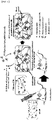
- FIG. 1 is a mimetic diagram of the injectable hydrogel composition having the recruitment of endogenous progenitor cells or stem cells and the induction of vascular differentiation of the recruited cells according to the present invention, and in the present invention, the vascular endothelial growth factor mimic peptide (VP), which is capable of differentiating progenitor/stem cells into vascular cells, was chemically introduced into hyaluronic acid to prepare HA-VP in which VP was chemically introduced, and anionic HA-VP (first solution) and cationic chitosan (CH, second solution) were mixed to form a hydrogel through electrostatic interaction.
- VP vascular endothelial growth factor mimic peptide
- the progenitor cell/stem cell recruitment factor (substance P, WKYMVM, SDF1 ⁇ , G-SCF, MCP-1, etc .) on the hydrogel
- the progenitor cell/stem cell recruitment factor was mixed in each of the HA-VP solution and the chitosan solution, and the HA-VP solution and the chitosan solution including the progenitor/stem cell recruitment formed a hydrogel through electrostatic interaction when injected in vivo.
- the stem cell recruitment factor was released from the formed hydrogel, and endogenous progenitor cells/stem cells were recruited in the hydrogel, and the endogenous progenitor cells/stem cells recruited in the hydrogel differentiated into vascular cells by chemically introduced VP to promote the induction of angiogenesis.
- the vascular differentiation inducing factor is a vascular endothelial growth factor mimic peptide, and may include the amino acid sequence of SEQ ID NO: 1 (KLTWQELYQLKYKGI), but is not limited thereto, and depending on the purpose, angiogenesis promoting factors such as vascular endothelial growth factor (VEGF), basic fibroblast growth factor (bFGF) and the like, or thrombin may be applied.
- VEGF vascular endothelial growth factor
- bFGF basic fibroblast growth factor
- thrombin thrombin
- the anionic hyaluronic acid into which the vascular differentiation inducing factor is introduced may be prepared by reacting the vascular differentiation inducing factor with anionic hyaluronic acid in which a carboxylic acid functional group is activated.
- the molecular weight of the hyaluronic acid is preferably in the range of 500,000 Da to 6,000,000 Da. In this case, if the molecular weight of hyaluronic acid is less than 500,000 Da, the physical properties are too low to form a significant hydrogel, and if it is more than 6,000,000 Da, the viscosity may increase to bring a limitation to application as an injection, and thus, it is not preferable.
- the cationic material may be at least one selected from the group consisting of chitosan, cationic dextran, polyethyleneimine, polylysine and polyhistidine.
- the stem cell recruitment factor may be at least one selected from the group consisting of substance P, WKYMVM, SDF1 ⁇ , G-SCF and MCP-1.
- it may be substance P or a derivative of substance P, but a substance having the endogenous progenitor/stem cell recruitment ability may be used without limitation.
- the injectable hydrogel may be formed through electrostatic interaction between anionic hyaluronic acid, into which the vascular differentiation inducing factor is introduced, and a cationic material.
- the ratio of the anionic hyaluronic acid, into which the vascular differentiation inducing factor is introduced, and the cationic material (chitosan) in the first solution may be 3:1 to 1:3, and preferably, 2:1 to 1:2.
- the storage modulus of the hydrogel formed by mixing the first solution and the second solution may be 10 to 100 Pa.
- hyaluronic acid (HA-VP) into which the vascular endothelial growth factor mimic peptide was introduced was prepared by reacting hyaluronic acid in which a carboxylic acid functional group was activated and the vascular endothelial forming factor mimic peptide (Table 1 and Table 2), and when the chitosan (CH) solution and the HA-VP solution were mixed, it was confirmed that the chitosan and HA-VP formed a hydrogel through electrostatic interaction ( FIG. 2 ).
- hydrogel was prepared through the electrostatic interaction of the cationic polymer such as chitosan (CH), cationic dextran (CD), polyethyleneimine (PEI), polylysine (PL) or poly histidine (PH) and the anionic HA or hyaluronic acid (HA-VP) into which the endothelial growth factor mimic peptide was introduced ( FIG. 3 ).
- the cationic polymer such as chitosan (CH), cationic dextran (CD), polyethyleneimine (PEI), polylysine (PL) or poly histidine (PH)
- HA-VP anionic HA or hyaluronic acid
- the hydrogel of the present invention is nontoxic ( FIG. 7 ), and it was confirmed that substance P, which is the stem cell recruitment factor, effectively recruits stem cells ( FIG. 8 ).
- the injectable hydrogel composition having the recruitment of endogenous progenitor cells or stem cells and the induction of vascular differentiation of the recruited cells according to the present invention releases the stem cell recruitment factor from the injected hydrogel to thereby recruit endogenous progenitor cells/stem cells into the hydrogel, and the induction of angiogenesis was promoted by differentiating into vascular cells by the vascular differentiation inducing factor which was chemically introduced into the hyaluronic acid, and in particular, when the blood vessel differentiation inducing factor was chemically introduced into hyaluronic acid, it was confirmed that it exhibited a high angiogenesis-inducing effect.
- the hydrogel composition of the present invention can be used for tissue regeneration by utilizing endogenous progenitor cells/stem cells in the field of regenerative medicine, it can be applied to tissue improvement, wound treatment, scar improvement, skin tissue improvement, soft tissue connective correction, wrinkle removal or improvement, contour correction, tissue enlargement, breast enlargement or the like.
- the present invention relates to an injection for tissue regeneration including the injectable hydrogel composition.
- the present invention relates to an injection for fillers including the injectable hydrogel composition.
- the injection for fillers is preferably an injection for dermal fillers, and it may be applied to the improvement and treatment of wrinkles, scars or dermal tissue.
- the stem cell recruitment factor was released from the injected hydrogel, and endogenous progenitor cells/stem cells were recruited in the hydrogel, and the induction of angiogenesis was promoted by differentiating into vascular cells by the vascular differentiation inducing factor chemically introduced into hyaluronic acid.
- the vascular differentiation inducing factor was chemically introduced into hyaluronic acid, a high angiogenesis-inducing effect was observed. Therefore, the hydrogel composition of the present invention has excellent recruitment of endogenous progenitor cells/stem cells and induction of vascular differentiation, and thus, it can be effectively applied to various tissue regenerations and wound treatments in addition to the formation of blood vessels.
- an injectable hydrogel composition having the recruitment of endogenous progenitor cells or stem cells and the induction of vascular differentiation of the recruited cells, first, hyaluronic acid into which a vascular endothelial growth factor mimic peptide was introduced was prepared.
- an HA solution was prepared by dissolving hyaluronic acid (HA) in distilled water at 10 mg/mL, and then 0.3 mg of 4-(4,6-dimethoxy-1,3,5-triazin-2-yl)-4-methylmorpholinium chloride (DMTMM, Sigma, USA) was added to 10 mL of the HA solution and stirred for 1 hour to activate the carboxylic acid functional group of hyaluronic acid.
- HA hyaluronic acid
- DTMM 4-(4,6-dimethoxy-1,3,5-triazin-2-yl)-4-methylmorpholinium chloride
- VP vascular endothelial growth factor mimic peptide
- the Zeta potential and rheological properties according to the ratio of chitosan and HA-VP were measured.
- a CH solution was prepared by dissolving chitosan (CH, sigma, USA) in a 0.1 M aqueous acetic acid solution at a concentration of 20 mg/mL, and HA-VP was dissolved in distilled water at 20 mg/mL to prepare an HA-VP solution.
- the CH solution and the HA-VP solution were mixed in proportions and the zeta potential of the hydrogel formed through electrostatic bonding was measured with ELS-Z (Otsuka Electronics, Japan), and the rheological properties were measured with a modular compact rheometer (MCR 102, Anton Paar, Austria).
- the measurement conditions for rheological properties were that the parallel plate had a diameter of 25 mm, the distance from the bottom surface was 0.3 mm, and the strain was 2% at 25°C and 1 Hz.
- hydrogels were prepared by electrostatic interaction by respectively mixing the cationic polymer chitosan (CH), cationic dextran (CD), polyethyleneimine (PEI), polylysine (PL) or polyhistidine (PH) and anionic HA or hyaluronic acid (HA-VP) introduced with a vascular endothelial growth factor mimic peptide.
- CH cationic polymer chitosan
- CD cationic dextran
- PEI polyethyleneimine
- PL polylysine
- PH polyhistidine
- HA-VP anionic HA or hyaluronic acid
- a CH solution was prepared by dissolving chitosan (CH, sigma, USA) in a 0.1 M aqueous acetic acid solution at a concentration of 20 mg/mL, and CD, PEI, PL, PH, HA and HA-VP were each dissolved in distilled water at 20 mg/mL to prepare a CD solution, a PEI solution, a PL solution, a PH solution, an HA solution and an HA-VP solution.
- hydrogels were prepared by mixing the CH solution, CD solution, PEI solution, PL solution or PH solution and HA solution, or the CH solution, CD solution, PEI solution, PL solution or PH solution and HA-VP solution in the same volume. As a result, as shown in FIG. 3 , it was confirmed that hydrogels were formed according to the electrostatic interaction between the cationic material and the anionic hyaluronic acid.
- a CHHA hydrogel or CHHA-VP hydrogel was prepared by mixing the CH solution and the HA solution prepared in Example 3-1 or the CH solution and the HA-VP solution in the same volume.
- one of SP, WKYMVM, SDF1 ⁇ , G-SCF and MCP-1 was dissolved in each of the CH, HA and HA-VP solutions having the same concentration at a concentration of 1 ⁇ g/mL, respectively, to prepare solutions, and it was carried out in the same way as forming the hydrogels previously.
- hydrogels were formed through electrostatic interaction regardless of before and after the chemical introduction of VP and the presence or absence of mixed progenitor cells/stem cell recruitment factors.
- the modulus and viscosity were measured using a modular compact rheometer (MCR 102, Anton Paar, Austria).
- MCR 102 Anton Paar, Austria
- the used parallel plate had a diameter of 25 mm, an interval from the bottom surface of 0.3 mm, and a strain of 2% at 25°C and 1 Hz.
- an HA+VP solution was prepared by simply mixing VP with the HA solution prepared in Example 3 at a concentration of 320 ⁇ g/mL, and SP, which is a stem cell recruitment factor, was mixed with each of the HA solution and HA-VP solution at a concentration of 2 ⁇ g/mL to prepare an HA+SP solution and HA-VP+SP solution, respectively.
- 3 mL of a physiological saline was placed in each vial and stored in an incubator at 100 rpm and 37°C, and after taking 1 mL of the physiological saline from the vial at a predetermined time, 1 mL of a new physiological saline was added to the vial, and it was carried it out for 28 days to conduct a release experiment.
- human mesenchymal stem cells were mixed at a concentration of 1 ⁇ 10 6 cells/mL in each of the CH, HA, HA-VP solutions prepared in Example 3 above and the HA+VP solution prepared in Example 5 above.
- Cytotoxicity evaluation test was performed for the prepared solutions, and in order to form hydrogels, (1) 200 ⁇ L of the CH solution and 200 ⁇ L of the HA solution were mixed to form 400 ⁇ L of a CHHA hydrogel, (2) 200 ⁇ L of the CH solution and 200 ⁇ L of the HA+VP solution were mixed to form 400 ⁇ L of a CHHA+VP hydrogel, and (3) 200 ⁇ L of the CH solution and 200 ⁇ L of the HA-VP solution were mixed to form 400 ⁇ L of a CHHA-VP hydrogel in 24-well plates.
- 4 ⁇ 10 5 hMSC cells were added to a 24-well plate. The medium was added by 1 mL and was replaced every 3 days, and cytotoxicity was measured by MTT analysis on days 1, 4 and 7.
- the ability of the SP to recruit stem cells was confirmed.
- hMSCs human-derived mesenchymal stem cells
- PKH 26 dye Sigma, USA
- SPL, Korea 24-well trans well plate
- DMEM serum-free DMEM
- FBS fetal bovine serum
- CHHA, CHHA+VP and CHHA-VP hydrogels including human-derived mesenchymal stem cells were prepared in the same manner as in Example 6, respectively, and the medium was exchanged every 3 days and cultured for 4 weeks.
- the hydrogel was fixed with formalin, and immunofluorescence analysis was performed to observe the expression of CD31, which is known to be expressed in vascular cells.
- cDNA was synthesized using the extracted mRNA, and changes in the expressions of the von Willebrand factor (vWF) gene and the CD31 gene expressed in vascular cells were confirmed through qRT-PCR (quantitative real-time polymerase chain reaction).
- vWF von Willebrand factor
- red fluorescence by the cells was not observed in the absence of the stem cell recruitment factor, and red fluorescence by the cells was observed in the presence of the recruitment factor. That is, it was confirmed that the stem cells were recruited toward the hydrogel by the stem cell recruitment factor.
- CD31 stained green it was confirmed that the number of cells expressing CD31 was increased when VP was chemically introduced, compared to when VP was physically mixed.
- the mRNA was extracted from the hydrogels extracted in Example 10-1, and qRT-PCR was performed in the same manner as in Example 8-2.
- the stem cell recruitment factor was released from the injected hydrogel, and endogenous progenitor cells/stem cells were recruited in the hydrogel, and the induction of angiogenesis was promoted by differentiating into vascular cells by the vascular differentiation inducing factor chemically introduced into hyaluronic acid.
- the vascular differentiation inducing factor was chemically introduced into hyaluronic acid, a high angiogenesis-inducing effect was observed.
- the hydrogel composition of the present invention has excellent recruitment of endogenous progenitor cells/stem cells and induction of vascular differentiation, and thus, since it can be effectively applied to various tissue regenerations and wound treatments in addition to the formation of blood vessels, it has high industrial applicability.
Landscapes
- Health & Medical Sciences (AREA)
- Life Sciences & Earth Sciences (AREA)
- Chemical & Material Sciences (AREA)
- Medicinal Chemistry (AREA)
- Veterinary Medicine (AREA)
- Animal Behavior & Ethology (AREA)
- Public Health (AREA)
- General Health & Medical Sciences (AREA)
- Epidemiology (AREA)
- Transplantation (AREA)
- Dermatology (AREA)
- Oral & Maxillofacial Surgery (AREA)
- Biomedical Technology (AREA)
- Engineering & Computer Science (AREA)
- Developmental Biology & Embryology (AREA)
- Cell Biology (AREA)
- Botany (AREA)
- Zoology (AREA)
- Chemical Kinetics & Catalysis (AREA)
- Dispersion Chemistry (AREA)
- Molecular Biology (AREA)
- Vascular Medicine (AREA)
- Materials For Medical Uses (AREA)
- Medicinal Preparation (AREA)
- Micro-Organisms Or Cultivation Processes Thereof (AREA)
- Medicines Containing Material From Animals Or Micro-Organisms (AREA)
Abstract
Description
- This application claims priority to and the benefit of
Korean Patent Application No. 10-2019-0151219, filed on November 22, 2019 - The present invention relates to an injectable hydrogel composition having the recruitment of endogenous progenitors or stem cells and the induction of vascular differentiation of recruited cells, and more specifically to an injectable hydrogel composition having the recruitment of endogenous progenitors or stem cells and the induction of vascular differentiation of recruited cells, which consists of: a first solution including anionic hyaluronic acid into which a vascular differentiation inducing factor is introduced; and a second solution including a cationic material, wherein a stem cell recruitment factor is further included in the first solution and/or the second solution, and wherein a hydrogel is formed by electrostatic interaction.
- With the exception of cornea and cartilage, all tissue engineering substitute materials require vascular neural networks to supply nutrients and oxygen necessary for survival in vivo. Since angiogenesis in artificial tissues can take several weeks to occur spontaneously, the tissue develops necrosis during this time due to a lack of supply of essential nutrients. Therefore, the formation of blood vessels in regenerative medicine is a very important problem in the regeneration of damaged tissues or the development of artificial organs.
- Angiogenesis is a process in which endothelial cells of existing blood vessels decompose, migrate, divide and differentiate the extracellular matrix (ECM) to form new capillaries, and it is involved in various physiological and pathological phenomena such as wound repair, embryogenesis, tumor formation, chronic inflammation, obesity and the like. The angiogenic process includes the proliferation and migration of vascular endothelial cells from the vessel wall to surrounding tissues in the direction of stimulation. Subsequently, various proteolytic enzymes are activated such that vascular endothelial cells infiltrate the basement membrane and form loops, and the formed loops are differentiated to form tubes.
- In order to induce or promote angiogenesis, many studies have been conducted to induce differentiation of stem cells into vascular endothelial cells, but in fact, it has been mainly reported that angiogenesis of the host is induced by growth factors secreted from stem cells rather than stem cells themselves induce angiogenesis. In addition, it has been reported that among the cells produced by decomposing adipose tissue, a structural vascular fraction (SVF) can be transplanted into animals without culturing to differentiate into vascular endothelial cells. However, the method does not induce proliferation by subculture of adipose stem cells, and thus, the amount of vascular endothelial cells differentiated from adipose stem cells is very small, and in particular, since the proliferation and differentiation rates of differentiated vascular endothelial cells are low, the application thereof is limited.
- Among the methods using stem cells, the method of using "self-regeneration" activates the endogenous progenitor cells/stem cells originally present in the patient's own body, thereby regenerating damaged organs and/or tissues to recover of their functions. Endogenous progenitor cells/stem cells can differentiate into different types of cells depending on the different types of cells in contact, the content of extracellular matrix and the microenvironment in which the cells are present, such as cytokines and growth factors.
- In order to recruit endogenous progenitor cells/stem cells into the wound site or the tissue damaged site, stem cell recruitment factors can be used, and among them, substance P (SP), which is known as a stem cell recruitment factor, has been reported to be helpful in wound treatment, but since it is used in a simple solution state, it has the disadvantage that it does not stay for a long period of time in the tissue damaged site, and thus, the development of a method that can continuously release substance P from the damaged area is required.
- Accordingly, in the present invention, as a result of diligent efforts to develop a substance that can effectively recruit endogenous progenitor cells/stem cells and promote angiogenesis by inducing vascular differentiation at the same time, it was confirmed that when the vascular endothelial growth factor mimic peptide (VP), which is capable of differentiating progenitor/stem cells into vascular cells, was mixed with HA-VP, which was chemically introduced into anionic hyaluronic acid, and a cationic material, a hydrogel was formed by electrostatic interaction, and the present invention was completed by confirming that when the progenitor cell/stem cell recruitment factor (substance P, WKYMVM, SDF1α, G-SCF, MCP-1, etc.) was physically supported and injected in vivo, the stem cell recruitment factor was released from the injected hydrogel such that endogenous progenitor cells/stem cells were recruited in the hydrogel, and the induction of angiogenesis was promoted by differentiation into vascular cells by VP which was chemically introduced into hyaluronic acid.
- An object of the present invention is to provide an injectable hydrogel composition having the recruitment of progenitor cells/stem cells and the induction of vascular differentiation of recruited cells.
- In order to achieve the aforementioned object, the present invention provides an injectable hydrogel composition having the recruitment of endogenous progenitors or stem cells and the induction of vascular differentiation of recruited cells, which consists of a first solution including anionic hyaluronic acid into which a vascular differentiation inducing factor is introduced; and a second solution including a cationic material, wherein a stem cell recruitment factor is further included in any one or more of the first solution and the second solution, and wherein when the first solution and the second solution are mixed, a hydrogel is formed by electrostatic interaction.
- According to a preferred exemplary embodiment of the present invention, the anionic hyaluronic acid into which the vascular differentiation inducing factor is introduced may be prepared by reacting the vascular differentiation inducing factor and anionic hyaluronic acid in which a carboxylic acid functional group is activated.
- According to another preferred exemplary embodiment of the present invention, the cationic material may be at least one selected from the group consisting of chitosan, cationic dextran, polyethyleneimine, polylysine and polyhistidine.
- According to still another preferred exemplary embodiment of the present invention, the stem cell recruitment factor may be at least one selected from the group consisting of substance P, WKYMVM, SDF1α, G-SCF and MCP-1.
- According to still another preferred exemplary embodiment of the present invention, the ratio of the anionic hyaluronic acid into which the vascular differentiation inducing factor of the first solution is introduced and the cationic material of the second solution may be 3:1 to 1:3.
- According to still another preferred exemplary embodiment of the present invention, the storage modulus of the hydrogel formed by mixing the first solution and the second solution may be 10 to 100 Pa.
- In addition, the present invention provides an injection for tissue regeneration or an injection for fillers, including the injectable hydrogel composition.
- In one aspect, the present invention relates to an injectable hydrogel composition having the recruitment of endogenous progenitors or stem cells and the induction of vascular differentiation of recruited cells, which consists of a first solution including anionic hyaluronic acid into which a vascular differentiation inducing factor is introduced; and a second solution including a cationic material, wherein a stem cell recruitment factor is further included in any one or more of the first solution and the second solution, and wherein when the first solution and the second solution are mixed, a hydrogel is formed by electrostatic interaction.
- More specifically, the injectable hydrogel composition consists of a first solution including anionic hyaluronic acid into which a vascular differentiation inducing factor is introduced; and a second solution including a cationic material,
- In the present invention, the injectable hydrogel may be formed by the electrostatic interaction of the anionic hyaluronic acid into which a vascular differentiation inducing factor is introduced and the cationic material. Preferably, when the first solution and the second solution are injected into the target site, they are mixed to form a hydrogel, but depending on the purpose, the first solution and the second solution are mixed immediately before injection to form a hydrogel and then injected.
- The target site is a place requiring tissue regeneration, such as a damaged organ, a depressed tissue or a wound site, and the injectable hydrogel composition having the recruitment of endogenous progenitor cells or stem cells and the induction of vascular differentiation of the recruited cells according to the present invention has an advantage in that tissue can be regenerated more efficiently, because it recruits endogenous progenitor cells/stem cells with a hydrogel and induces the recruited progenitor cells/stem cells to differentiate into blood vessels.
- In the present invention, the stem cells refer to endogenous progenitor cells or endogenous stem cells, and the endogenous progenitor cells or endogenous stem cells refer to cells with self-renewal and pluripotency that are originally present in a specific organ and/or tissue and contribute to the regeneration of the tissue and/or organ, when the corresponding organ and/or tissue is damaged. Specific examples include mesenchymal stem cells, corneal stem cells, myocardial stem cells, neural stem cells and vascular endothelial progenitor cells.
-
FIG. 1 is a mimetic diagram of the injectable hydrogel composition having the recruitment of endogenous progenitor cells or stem cells and the induction of vascular differentiation of the recruited cells according to the present invention, and in the present invention, the vascular endothelial growth factor mimic peptide (VP), which is capable of differentiating progenitor/stem cells into vascular cells, was chemically introduced into hyaluronic acid to prepare HA-VP in which VP was chemically introduced, and anionic HA-VP (first solution) and cationic chitosan (CH, second solution) were mixed to form a hydrogel through electrostatic interaction. - In order to physically support the progenitor cell/stem cell recruitment factor (substance P, WKYMVM, SDF1α, G-SCF, MCP-1, etc.) on the hydrogel, the progenitor cell/stem cell recruitment factor was mixed in each of the HA-VP solution and the chitosan solution, and the HA-VP solution and the chitosan solution including the progenitor/stem cell recruitment formed a hydrogel through electrostatic interaction when injected in vivo. The stem cell recruitment factor was released from the formed hydrogel, and endogenous progenitor cells/stem cells were recruited in the hydrogel, and the endogenous progenitor cells/stem cells recruited in the hydrogel differentiated into vascular cells by chemically introduced VP to promote the induction of angiogenesis.
- In the present invention, the vascular differentiation inducing factor is a vascular endothelial growth factor mimic peptide, and may include the amino acid sequence of SEQ ID NO: 1 (KLTWQELYQLKYKGI), but is not limited thereto, and depending on the purpose, angiogenesis promoting factors such as vascular endothelial growth factor (VEGF), basic fibroblast growth factor (bFGF) and the like, or thrombin may be applied.
- In the present invention, the anionic hyaluronic acid into which the vascular differentiation inducing factor is introduced may be prepared by reacting the vascular differentiation inducing factor with anionic hyaluronic acid in which a carboxylic acid functional group is activated.
- The molecular weight of the hyaluronic acid is preferably in the range of 500,000 Da to 6,000,000 Da. In this case, if the molecular weight of hyaluronic acid is less than 500,000 Da, the physical properties are too low to form a significant hydrogel, and if it is more than 6,000,000 Da, the viscosity may increase to bring a limitation to application as an injection, and thus, it is not preferable.
- In the present invention, the cationic material may be at least one selected from the group consisting of chitosan, cationic dextran, polyethyleneimine, polylysine and polyhistidine.
- In the present invention, the stem cell recruitment factor may be at least one selected from the group consisting of substance P, WKYMVM, SDF1α, G-SCF and MCP-1. Preferably, it may be substance P or a derivative of substance P, but a substance having the endogenous progenitor/stem cell recruitment ability may be used without limitation.
- In the present invention, the injectable hydrogel may be formed through electrostatic interaction between anionic hyaluronic acid, into which the vascular differentiation inducing factor is introduced, and a cationic material.
- In the present invention, the ratio of the anionic hyaluronic acid, into which the vascular differentiation inducing factor is introduced, and the cationic material (chitosan) in the first solution may be 3:1 to 1:3, and preferably, 2:1 to 1:2.
- In the present invention, the storage modulus of the hydrogel formed by mixing the first solution and the second solution may be 10 to 100 Pa.
- In a specific exemplary embodiment of the present invention, hyaluronic acid (HA-VP) into which the vascular endothelial growth factor mimic peptide was introduced was prepared by reacting hyaluronic acid in which a carboxylic acid functional group was activated and the vascular endothelial forming factor mimic peptide (Table 1 and Table 2), and when the chitosan (CH) solution and the HA-VP solution were mixed, it was confirmed that the chitosan and HA-VP formed a hydrogel through electrostatic interaction (
FIG. 2 ). - It was confirmed that the hydrogel was prepared through the electrostatic interaction of the cationic polymer such as chitosan (CH), cationic dextran (CD), polyethyleneimine (PEI), polylysine (PL) or poly histidine (PH) and the anionic HA or hyaluronic acid (HA-VP) into which the endothelial growth factor mimic peptide was introduced (
FIG. 3 ). - In addition, as a result of confirming whether the hydrogel formation is affected by the chemical introduction of VP and the presence or absence of a stem cell recruitment factor, it was confirmed that the hydrogel was formed through electrostatic attractive regardless of before and after the chemical introduction of VP and whether the progenitor cell/stem cell recruitment factor was mixed (
FIG. 4 ), and it was confirmed that the introduction of VP did not significantly affect the rheological properties of the hydrogel (FIG. 5 ). - In another specific exemplary embodiment of the present invention, as a result of confirming the degree of the release of the stem cell recruitment factor and VP in the hydrogel prepared by electrostatic interaction, it was confirmed that the introduction of VP did not affect the characteristics of the hydrogel as a carrier, and when VP was chemically introduced, it had high sustained-release properties compared to the case where VP was simply mixed (
FIG. 6 ). - In addition, it was confirmed that the hydrogel of the present invention is nontoxic (
FIG. 7 ), and it was confirmed that substance P, which is the stem cell recruitment factor, effectively recruits stem cells (FIG. 8 ). - In still another specific exemplary embodiment of the present invention, as a result of confirming the angiogenesis effect by the hydrogel of the present invention in vitro, compared to the hydrogel (CHHA + VP) prepared by simply mixing the vascular endothelial growth factor mimic peptide with hyaluronic acid, the number of CD31-expressing stem cells was significantly increased in the hydrogel (CHHA-VP) prepared by chemically introducing the vascular endothelial growth factor mimic peptide into hyaluronic acid (
FIG. 8 ), and it was confirmed that the expressions of the von Willebrand factor (vWF) gene and the CD31 gene expressed in vascular cells also significantly increased (FIG. 9 ). - In still another specific exemplary embodiment of the present invention, as a result of confirming the ability to recruit stem cells by the hydrogel of the present invention in vivo, it was confirmed that the mesenchymal stem cells injected into the tail of mice were recruited toward the hydrogel by the stem cell recruitment factor included in the hydrogel (
FIG. 11a andFIG. 11b ). - As a result of confirming whether actual angiogenesis is induced in vivo by the hydrogel of the present invention, it was confirmed that the hydrogels maintained their shape well for 4 weeks, and more blood vessels were observed on the surface of the hydrogel when VP was chemically introduced (
FIG. 12 ). In addition, compared to the hydrogel (CHHA+VP (+SP)) in which VP was simply mixed, it was confirmed that the recruited stem cells were observed in the hydrogel including the stem cell recruitment factor and chemically introduced with VP (CHHA-VP (+SP)), and the number of stem cells expressing CD31 increased (FIG. 13a andFIG. 13b ), and it was also confirmed that the expression levels of the vWF gene and the CD31 gene were significantly increased (FIG. 14 ). - That is, it was confirmed that the injectable hydrogel composition having the recruitment of endogenous progenitor cells or stem cells and the induction of vascular differentiation of the recruited cells according to the present invention releases the stem cell recruitment factor from the injected hydrogel to thereby recruit endogenous progenitor cells/stem cells into the hydrogel, and the induction of angiogenesis was promoted by differentiating into vascular cells by the vascular differentiation inducing factor which was chemically introduced into the hyaluronic acid, and in particular, when the blood vessel differentiation inducing factor was chemically introduced into hyaluronic acid, it was confirmed that it exhibited a high angiogenesis-inducing effect.
- Further, in the present invention, since endogenous progenitor cells/stem cells are recruited without injecting progenitor cells/stem cells from the outside, various side effects caused by injection into external cells may be solved. Therefore, since the hydrogel composition of the present invention can be used for tissue regeneration by utilizing endogenous progenitor cells/stem cells in the field of regenerative medicine, it can be applied to tissue improvement, wound treatment, scar improvement, skin tissue improvement, soft tissue connective correction, wrinkle removal or improvement, contour correction, tissue enlargement, breast enlargement or the like.
- In another aspect, the present invention relates to an injection for tissue regeneration including the injectable hydrogel composition.
- In another aspect, the present invention relates to an injection for fillers including the injectable hydrogel composition.
- The injection for fillers is preferably an injection for dermal fillers, and it may be applied to the improvement and treatment of wrinkles, scars or dermal tissue.
- In the hydrogel composition of the present invention, it was confirmed that the stem cell recruitment factor was released from the injected hydrogel, and endogenous progenitor cells/stem cells were recruited in the hydrogel, and the induction of angiogenesis was promoted by differentiating into vascular cells by the vascular differentiation inducing factor chemically introduced into hyaluronic acid. In particular, it was confirmed that when the vascular differentiation inducing factor was chemically introduced into hyaluronic acid, a high angiogenesis-inducing effect was observed. Therefore, the hydrogel composition of the present invention has excellent recruitment of endogenous progenitor cells/stem cells and induction of vascular differentiation, and thus, it can be effectively applied to various tissue regenerations and wound treatments in addition to the formation of blood vessels.
-
-
FIG. 1 is a mimetic diagram of the injectable hydrogel composition having the recruitment of endogenous progenitor cells or stem cells and the induction of vascular differentiation of the recruited cells according to the present invention. -
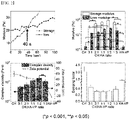
FIG. 2 is data obtained by measuring the zeta potential and rheological properties according to the ratio of a cationic material (chitosan) and anionic hyaluronic acid (HA-VP) introduced with a vascular endothelial growth factor mimic peptide, and it shows (a) the modulus according to reaction time, (b) the modulus according to the ratio of chitosan (CH) and hyaluronic acid (HA), (c) the viscosity and zeta potential according to the ratio of chitosan and HA-VP, and (d) the damping factor according to the ratio of chitosan and HA-VP. -
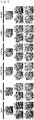
FIG. 3 is a set of images of hydrogels formed by electrostatic interaction, when cationic chitosan (CH), cationic dextran (CD), polyethyleneimine (PEI), polylysine (PL) or polyhistidine (PH) was mixed with an anionic hyaluronic acid (HA) solution or an HA-VP solution. -
FIG. 4 is a set of images of hydrogels prepared through electrostatic interaction, and it is a set of images of hydrogels formed by electrostatic interaction, when a cationic chitosan (CH) solution with or without a progenitor/stem cell recruitment factor and an anionic hyaluronic acid (HA) solution or an HA-VP solution were mixed. -
FIG. 5 is data obtained by measuring (a) the storage modulus/loss modulus and (b) the viscosity of a hydrogel (CHHA) prepared by reacting chitosan and hyaluronic acid and a hydrogel (CHHA-VP) prepared by reacting chitosan and HA-VP. -
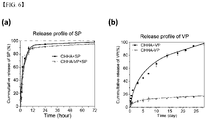
FIG. 6 is data obtained by measuring the release behaviors of (a) substance P and (b) VP in hydrogels formed by electrostatic interaction, when VP was simply mixed (CHHA + VP) or VP was chemically introduced (CHHA-VP) in hyaluronic acid. -
FIG. 7 is data for evaluating the toxicity of the hydrogel. -
FIG. 8 is data confirming the ability of substance P to recruit stem cells, showing (a) fluorescence microscopy observation images (red: stem cells) and (b) the number of migrated cells. -
FIG. 9 is a set of images obtained by observing cells through immunostaining for CD31, in order to confirm the degree of induction of vascular differentiation by the hydrogel of the present invention in vitro, showing (a) fluorescence microscopy observation images and (b) the results of measuring the number of CD31-expressing cells. -
FIG. 10 is data confirming the changes in the gene expressions of (a) vWF and (b) CD31 in vitro, in order to confirm the degree of induction of vascular differentiation by the hydrogel of the present invention. -
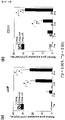
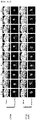
FIG. 11a is data confirming the stem cell recruitment of the hydrogel according to the presence or absence of a stem cell recruitment factor in vivo, and shows the results of observing the migration of human-derived mesenchymal stem cells (hMSC) through a fluorescence measuring device. Green indicates hydrogels and red indicates cells. -
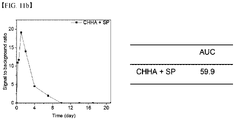
FIG. 11b is data confirming the stem cell recruitment of the hydrogel according to the presence or absence of a stem cell recruitment factor in vivo, and quantitatively shows the results ofFIG. 11a . -
FIG. 12 is a set of images showing the appearance when the hydrogel injected in vivo was extracted in order to confirm the induction of angiogenesis by the hydrogel. -
FIG. 13a shows images of immunostaining for BrdU and CD31 in the extracted hydrogel. -
FIG. 13b shows data obtained by quantifying BrdU and CD31-positive cells in the extracted hydrogel. -
FIG. 14 is data confirming the angiogenesis effect of the extracted hydrogel through the changes in the gene expressions of (a) vWF and (b) CD31. - In the present invention, in order to prepare an injectable hydrogel composition having the recruitment of endogenous progenitor cells or stem cells and the induction of vascular differentiation of the recruited cells, first, hyaluronic acid into which a vascular endothelial growth factor mimic peptide was introduced was prepared.
- Specifically, an HA solution was prepared by dissolving hyaluronic acid (HA) in distilled water at 10 mg/mL, and then 0.3 mg of 4-(4,6-dimethoxy-1,3,5-triazin-2-yl)-4-methylmorpholinium chloride (DMTMM, Sigma, USA) was added to 10 mL of the HA solution and stirred for 1 hour to activate the carboxylic acid functional group of hyaluronic acid.
- 10 mL of the HA solution in which the carboxylic acid functional group was activated was added dropwise to a VP solution prepared by dissolving 1.9 mg of the vascular endothelial growth factor mimic peptide (VP, SEQ ID NO: 1: KLTWQELYQLKYKGI) in 1 mL of distilled water, and it was reacted by stirring for 24 hours. The reaction solution was dialyzed for 72 hours and freeze-dried at -80°C to prepare HA-VP into which VP was introduced.
- As shown in Tables 1 and 2 below, the VP introduced into the HA was confirmed through TNBSA analysis (Table 1) and elemental analysis (Table 2).
[Table 1] Sample VP (µg/mg)cald VP (µg/mg)meas Introduction ratio (%) HA-VP 19.1 16.0 84 [Table 2] Sample C (%) H (%) N (%) C/N mole ratio DS (%), cald DS (%), EA Introductio n ratio (%) HA 34.5 5.7 2.8 14.45 - - - HA-VP 38.3 5.7 3.2 13.86 0.40 0.34 85 - In the present invention, in order to confirm whether the HA-VP and chitosan prepared in Example 1 above formed a hydrogel through electrostatic interaction, the Zeta potential and rheological properties according to the ratio of chitosan and HA-VP were measured.
- First, a CH solution was prepared by dissolving chitosan (CH, sigma, USA) in a 0.1 M aqueous acetic acid solution at a concentration of 20 mg/mL, and HA-VP was dissolved in distilled water at 20 mg/mL to prepare an HA-VP solution.
- The CH solution and the HA-VP solution were mixed in proportions and the zeta potential of the hydrogel formed through electrostatic bonding was measured with ELS-Z (Otsuka Electronics, Japan), and the rheological properties were measured with a modular compact rheometer (
MCR 102, Anton Paar, Austria). The measurement conditions for rheological properties were that the parallel plate had a diameter of 25 mm, the distance from the bottom surface was 0.3 mm, and the strain was 2% at 25°C and 1 Hz. - As a result, as shown in
FIG. 2 , when the CH solution and the HA-VP solution were mixed, a gelation point was observed in about 40 seconds, and it was confirmed that the zeta potential and the modulus changed according to the ratio. Through this, it was confirmed that chitosan and HA-VP formed an electrostatic bond. In addition, it was confirmed that the damping factor was less than 1 when both solutions were mixed, and through this, it was confirmed that chitosan and HA-VP formed a hydrogel through electrostatic interaction. - In the present invention, hydrogels were prepared by electrostatic interaction by respectively mixing the cationic polymer chitosan (CH), cationic dextran (CD), polyethyleneimine (PEI), polylysine (PL) or polyhistidine (PH) and anionic HA or hyaluronic acid (HA-VP) introduced with a vascular endothelial growth factor mimic peptide.
- First, a CH solution was prepared by dissolving chitosan (CH, sigma, USA) in a 0.1 M aqueous acetic acid solution at a concentration of 20 mg/mL, and CD, PEI, PL, PH, HA and HA-VP were each dissolved in distilled water at 20 mg/mL to prepare a CD solution, a PEI solution, a PL solution, a PH solution, an HA solution and an HA-VP solution.
- Then, hydrogels were prepared by mixing the CH solution, CD solution, PEI solution, PL solution or PH solution and HA solution, or the CH solution, CD solution, PEI solution, PL solution or PH solution and HA-VP solution in the same volume. As a result, as shown in
FIG. 3 , it was confirmed that hydrogels were formed according to the electrostatic interaction between the cationic material and the anionic hyaluronic acid. - A CHHA hydrogel or CHHA-VP hydrogel was prepared by mixing the CH solution and the HA solution prepared in Example 3-1 or the CH solution and the HA-VP solution in the same volume. In addition, one of SP, WKYMVM, SDF1α, G-SCF and MCP-1 (Genscript, USA) was dissolved in each of the CH, HA and HA-VP solutions having the same concentration at a concentration of 1 µg/mL, respectively, to prepare solutions, and it was carried out in the same way as forming the hydrogels previously.
[Table 3] Stem cell recruitment factor Classification Protein Peptide Peptide sequence Stem cell recruitment factor Substance P (SP) RPKPQQFFGLM(SEQ ID NO: 2) WKYMVM WKYMVM(SEQ ID NO: 3) SDF1 MCP-1 G-SCF - As shown in
FIG. 4 , it was confirmed that the hydrogels were formed through electrostatic interaction regardless of before and after the chemical introduction of VP and the presence or absence of mixed progenitor cells/stem cell recruitment factors. - In order to evaluate the rheological properties of the CHHA and CHHA-VP hydrogels prepared in Example 3 above, the modulus and viscosity were measured using a modular compact rheometer (
MCR 102, Anton Paar, Austria). In this case, the used parallel plate had a diameter of 25 mm, an interval from the bottom surface of 0.3 mm, and a strain of 2% at 25°C and 1 Hz. - As a result, as shown in
FIG. 5 , it was confirmed that CHHA and CHHA-VP had equal levels of storage modulus and loss modulus, and also exhibited equal levels of viscosity. Therefore, it can be seen that the introduction of VP did not significantly affect the rheological properties of the hydrogels. - In the present invention, it was attempted to confirm the release degree of the stem cell recruitment factor and VP in the hydrogels prepared by electrostatic interaction.
- First, an HA+VP solution was prepared by simply mixing VP with the HA solution prepared in Example 3 at a concentration of 320 µg/mL, and SP, which is a stem cell recruitment factor, was mixed with each of the HA solution and HA-VP solution at a concentration of 2 µg/mL to prepare an HA+SP solution and HA-VP+SP solution, respectively.
- Next, 100 µL of the CH solution and 100 µL of the HA+VP solution were mixed in a vial to prepare 200 µL of a CHHA+VP hydrogel, and 100 µL of the CH solution and 100 µL of the HA-VP solution were mixed in a vial to prepare 200 µL of a CHHA-VP hydrogel.
- In addition, 100 µL of the CH solution and 100 µL of HA+SP solution were mixed in a vial to prepare 200 µL of a CHHA+SP hydrogel, and 100 µL of the CH solution and 100 µL of the HA-VP+SP solution were mixed in a vial to prepare 200 µL of a CHHA-VP + SP hydrogel.
- 3 mL of a physiological saline was placed in each vial and stored in an incubator at 100 rpm and 37°C, and after taking 1 mL of the physiological saline from the vial at a predetermined time, 1 mL of a new physiological saline was added to the vial, and it was carried it out for 28 days to conduct a release experiment.
- As a result, as shown in
FIG. 6(a) , it was confirmed that the release of SP occurred regardless of the chemical introduction of VP, and in other words, it was confirmed that the introduction of VP did not affect the properties of the hydrogel as a carrier. - In addition, as shown in
FIG. 6(b) , almost all VP was released at the beginning of the release experiment in the release result of VP when VP was simply mixed, whereas when VP was chemically introduced like CHHA-VP, it was confirmed that it was hardly released inside the hydrogel. That is, it was confirmed that the chemically introduced VP had higher sustained-release properties compared to the simple mixing of VP. - The presence or absence of toxicity of the hydrogels prepared in the present invention was evaluated.
- First, human mesenchymal stem cells (hMSCs) were mixed at a concentration of 1 × 10⁶ cells/mL in each of the CH, HA, HA-VP solutions prepared in Example 3 above and the HA+VP solution prepared in Example 5 above.
- Cytotoxicity evaluation test was performed for the prepared solutions, and in order to form hydrogels, (1) 200 µL of the CH solution and 200 µL of the HA solution were mixed to form 400 µL of a CHHA hydrogel, (2) 200 µL of the CH solution and 200 µL of the HA+VP solution were mixed to form 400 µL of a CHHA+VP hydrogel, and (3) 200 µL of the CH solution and 200 µL of the HA-VP solution were mixed to form 400 µL of a CHHA-VP hydrogel in 24-well plates. As a control group for comparison, 4×10⁵ hMSC cells were added to a 24-well plate. The medium was added by 1 mL and was replaced every 3 days, and cytotoxicity was measured by MTT analysis on
days - As a result, as shown in
FIG. 7 , it was confirmed that no significant toxicity was observed in all hydrogel groups compared to the control group. - In the present invention, the ability of the SP to recruit stem cells was confirmed.
- First, human-derived mesenchymal stem cells (hMSCs) were labeled with PKH 26 dye (Sigma, USA) and then dispensed in the upper chamber (8.0 µm pore size) of a 24-well trans well plate (SPL, Korea) to be 5 × 10⁴ cells. After culturing in the upper chamber for 48 hours using serum-free DMEM (Dubelco's modified eagle medium, Gibco, USA) medium, DMEM containing 1 µg/mL SP and 1% FBS (fetal bovine serum, Gibco, USA) was added to the bottom well, and the medium was replaced every 3 days, and the hMSCs that migrated to the bottom well were observed using a fluorescence microscope (Olympus, Japan). As a control group, DMEM (including 1% FBS) without SP was added to the bottom well and observed.
- As a result, as shown in
FIG. 8 , it was confirmed that more cells migrated to the lower side when SP was present than in the case when SP was absent, and through this, it was confirmed that the SP recruited stem cells. [Table 4] below is the results of quantitative analysis of the data confirming the stem cell recruitment of substance P.[Table 4] Migration rate of hMSC (cells/day) Rate constant (1/day) Relative migration rate Cont 1.1×10³ -0.47 - SP 1.9×10³ -0.49 1.7 - In order to confirm the angiogenesis-inducing effect of the injectable hydrogel of the present invention, CHHA, CHHA+VP and CHHA-VP hydrogels including human-derived mesenchymal stem cells were prepared in the same manner as in Example 6, respectively, and the medium was exchanged every 3 days and cultured for 4 weeks.
- At the 1st, 2nd, 3rd and 4th weeks of culture, the hydrogel was fixed with formalin, and immunofluorescence analysis was performed to observe the expression of CD31, which is known to be expressed in vascular cells.
- As a result, as shown in
FIG. 9 , compared to the hydrogel (CHHA+VP) prepared by simply mixing the vascular endothelial growth factor mimic peptide with hyaluronic acid, it was confirmed that the number of stem cells expressing CD31 was significantly increased in the hydrogel (CHHA-VP) prepared by chemically introducing the vascular endothelial growth factor mimic peptide into hyaluronic acid. - After extracting mRNA from the hydrogels of Example 8-1, cDNA was synthesized using the extracted mRNA, and changes in the expressions of the von Willebrand factor (vWF) gene and the CD31 gene expressed in vascular cells were confirmed through qRT-PCR (quantitative real-time polymerase chain reaction).
[Table 5] Primer sequence Gene Base sequence (5'->3') SEQ ID NO vWF Forward CGG CTT GCA CCA TTC AGC TA SEQ ID NO: 4 Reverse TGC AGA AGT GAG TAT CAC AGC CAT C SEQ ID NO: 5 CD31 Forward ATT GCA GTG GTT ATC ATC GGA GTG SEQ ID NO: 6 Reverse CTC GTT GTT GGA GTT CAG AAG TGG SEQ ID NO: 7 GAPDH Forward GAA GGT GAA GGT CGG AGT C SEQ ID NO: 8 Reverse GAA GAT GGT GAT GGG ATT TC SEQ ID NO: 9 - As a result, as shown in
FIG. 10 , when VP was chemically introduced, it was confirmed that the expressions of the vWF gene and the CD31 gene were higher than when there was no VP and when VP was simply mixed. That is, it was confirmed that the hydrogel of the present invention effectively induces differentiation into vascular cells. - It was confirmed whether the actual stem cells were recruited in vivo by the hydrogel of the present invention.
- First, for fluorescence imaging, 1 µg/mL of SP, which is a stem cell recruitment factor, was added to each of an FITC-labeled chitosan (CH) solution and a hyaluronic acid (HA) solution, and a total of 200 µL of the hydrogel by 100 µL each was injected subcutaneously in nude mice through a dual syringe.
- Afterwards, 1 × 10⁶ hMSCs labeled with IR-783 were injected into the tail vein of nude mice, and cell migration was observed through fluorescence imaging. The results are shown in
FIG. 10 , and the hydrogel is shown in green color and the cell is shown in red color. - As a result, as shown in
FIG. 11a andFIG. 11b , red fluorescence by the cells was not observed in the absence of the stem cell recruitment factor, and red fluorescence by the cells was observed in the presence of the recruitment factor. That is, it was confirmed that the stem cells were recruited toward the hydrogel by the stem cell recruitment factor. - It was confirmed whether actual angiogenesis was induced in vivo by the hydrogel of the present invention.
- First, 1 µg/mL of SP, which is a stem cell recruitment factor, was added to the CH, HA, HA+VP, and HA-VP solutions, respectively, and then, a total of 200 µL of the hydrogel by 100 µL each was injected subcutaneously in nude mice through a dual syringe in the combination of CH and HA, CH and HA+VP, and CH and HA-VP. For comparison, the CH, HA, HA+VP and HA-VP solutions without the recruitment factor were injected in the same way. Afterwards, 1 × 10⁶ hMSCs labeled with BrdU were injected into the tail vein of nude mice. The hydrogel was extracted at the 1st, 2nd, 3rd and 4th weeks, and it was observed whether angiogenesis occurred.
- As a result, as shown in
FIG. 12 , it was confirmed that the hydrogels maintained their shape well for 4 weeks, and more blood vessels were observed on the surface of the hydrogel when VP was chemically introduced. - Immunofluorescence analysis was performed on BrdU and CD31 to confirm the degrees of hMSCs recruited in the hydrogels extracted in Example 10-1 and angiogenesis. The observation results are shown in
FIG. 13a andFIG. 13b , and BrdU was stained with red, and CD31 was stained with green. - As a result, as shown in
FIG. 13a andFIG. 13b , no red color was observed in the absence of the recruitment factor, which means that hMSCs were not recruited. On the other hand, when the recruitment factor was included, red-stained cells were observed inside the hydrogel, and through this, it was confirmed that the hMSCs were recruited inside the hydrogel. - In the case of CD31 stained green, it was confirmed that the number of cells expressing CD31 was increased when VP was chemically introduced, compared to when VP was physically mixed.
- Further, in the case of cells stained with BrdU and CD31 at the same time, it was confirmed that it was increased more in the hydrogel in which VP was chemically introduced, and through this, it was confirmed that the differentiation into vascular cells and the promotion of angiogenesis were more effectively induced in the presence of the recruitment factor by VP which was chemically introduced and recruited hMSCs inside the hydrogel than VP which was simply mixed.
- The mRNA was extracted from the hydrogels extracted in Example 10-1, and qRT-PCR was performed in the same manner as in Example 8-2.
- As a result, as shown in
FIG. 14 , it was confirmed that the vWF gene and CD31 gene, which are expressed in human cells, were expressed in the hydrogels extracted from nude mice, and through this, it was confirmed that hMSC, which were injected into the tail veil, migrated by the recruitment factor and were recruited in the hydrogel. In addition, when VP was chemically introduced, it was confirmed that the expression levels of the vWF gene and the CD31 gene were significantly increased compared to the cases where there was no VP and VP was simply mixed, and through this, it was confirmed that angiogenesis was induced by the hydrogel of the present invention. - In the hydrogel composition having the recruitment of endogenous progenitors or stem cells and the induction of vascular differentiation of recruited cells according to the present invention, it was confirmed that the stem cell recruitment factor was released from the injected hydrogel, and endogenous progenitor cells/stem cells were recruited in the hydrogel, and the induction of angiogenesis was promoted by differentiating into vascular cells by the vascular differentiation inducing factor chemically introduced into hyaluronic acid. In particular, it was confirmed that when the vascular differentiation inducing factor was chemically introduced into hyaluronic acid, a high angiogenesis-inducing effect was observed. Therefore, the hydrogel composition of the present invention has excellent recruitment of endogenous progenitor cells/stem cells and induction of vascular differentiation, and thus, since it can be effectively applied to various tissue regenerations and wound treatments in addition to the formation of blood vessels, it has high industrial applicability.
-
- SEQ ID NO: 1 shows the amino acid sequence of the vascular endothelial growth factor mimic peptide, which is a vascular differentiation inducing factor.
- SEQ ID NO: 2 shows the amino acid sequence of the substance P (SP) peptide, which is a stem cell recruitment factor.
- SEQ ID NO: 3 shows the amino acid sequence of the WKYMVM peptide, which is a stem cell recruitment factor.
- SEQ ID NO: 4 shows the nucleotide sequence of the forward primer of vWF.
- SEQ ID NO: 5 shows the nucleotide sequence of the reverse primer of vWF.
- SEQ ID NO: 6 shows the nucleotide sequence of the forward primer of CD31.
- SEQ ID NO: 7 shows the nucleotide sequence of the reverse primer of CD31.
- SEQ ID NO: 8 shows the nucleotide sequence of the forward primer of GAPDH.
- SEQ ID NO: 9 shows the nucleotide sequence of the reverse primer of GAPDH.


Claims (10)
- An injectable hydrogel composition having the recruitment of endogenous progenitors or stem cells and the induction of vascular differentiation of recruited cells, consisting of:a first solution comprising anionic hyaluronic acid into which a vascular differentiation inducing factor is introduced; anda second solution comprising a cationic material,wherein a stem cell recruitment factor is further comprised in any one or more of the first solution and the second solution, andwherein when the first solution and the second solution are mixed, a hydrogel is formed by electrostatic interaction.
- The injectable hydrogel composition of claim 1, wherein the vascular differentiation inducing factor is a vascular endothelial cell growth factor mimic peptide.
- The injectable hydrogel composition of claim 2, wherein the vascular endothelial cell growth factor mimic peptide comprises the amino acid sequence represented by SEQ ID NO: 1.
- The injectable hydrogel composition of claim 1, wherein the anionic hyaluronic acid into which the vascular differentiation inducing factor is introduced is prepared by reacting the vascular differentiation inducing factor and anionic hyaluronic acid in which a carboxylic acid functional group is activated.
- The injectable hydrogel composition of claim 1, wherein the cationic material is at least one selected from the group consisting of chitosan, cationic dextran, polyethyleneimine, polylysine and polyhistidine.
- The injectable hydrogel composition of claim 1, wherein the stem cell recruitment factor is at least one selected from the group consisting of substance P, WKYMVM, SDF1α, G-SCF and MCP-1.
- The injectable hydrogel composition of claim 1, wherein the ratio of the anionic hyaluronic acid into which the vascular differentiation inducing factor of the first solution is introduced and the cationic material of the second solution is 3:1 to 1:3.
- The injectable hydrogel composition of claim 1, wherein the storage modulus of the hydrogel formed by mixing the first solution and the second solution is 10 to 100 Pa.
- An injection for tissue regeneration, comprising the injectable hydrogel composition according to any one of claims 1 to 8.
- An injection for fillers, comprising the injectable hydrogel composition according to any one of claims 1 to 8.
Applications Claiming Priority (2)
| Application Number | Priority Date | Filing Date | Title |
|---|---|---|---|
| KR1020190151219A KR102337350B1 (en) | 2019-11-22 | 2019-11-22 | Injectable hydrogel composition having endogenous progenitor or stem cell recruitment and induction of vascular differentiation of recruited cells |
| PCT/KR2020/016135 WO2021101198A2 (en) | 2019-11-22 | 2020-11-17 | Injectable hydrogel composition capable of capturing endogenous progenitor cells or stem cells, and inducing vascular differentiation of captured cells |
Publications (3)
| Publication Number | Publication Date |
|---|---|
| EP4062951A2 true EP4062951A2 (en) | 2022-09-28 |
| EP4062951A4 EP4062951A4 (en) | 2023-12-20 |
| EP4062951B1 EP4062951B1 (en) | 2025-07-23 |
Family
ID=75980906
Family Applications (1)
| Application Number | Title | Priority Date | Filing Date |
|---|---|---|---|
| EP20889312.3A Active EP4062951B1 (en) | 2019-11-22 | 2020-11-17 | Injectable hydrogel composition capable of capturing endogenous progenitor cells or stem cells, and inducing vascular differentiation of captured cells |
Country Status (5)
| Country | Link |
|---|---|
| US (1) | US20220409775A1 (en) |
| EP (1) | EP4062951B1 (en) |
| JP (1) | JP7390759B2 (en) |
| KR (1) | KR102337350B1 (en) |
| WO (1) | WO2021101198A2 (en) |
Families Citing this family (2)
| Publication number | Priority date | Publication date | Assignee | Title |
|---|---|---|---|---|
| KR20240127500A (en) * | 2023-02-14 | 2024-08-23 | 주식회사 하이셀텍 | Hyaluronic acid derivatives-wkymvm conjugates and use thereof |
| CN118141984B (en) * | 2024-01-24 | 2024-09-24 | 广东医科大学附属医院 | Hydrogel with redox sensitivity and bioactivity, and preparation method and application thereof |
Family Cites Families (15)
| Publication number | Priority date | Publication date | Assignee | Title |
|---|---|---|---|---|
| US5616568A (en) * | 1993-11-30 | 1997-04-01 | The Research Foundation Of State University Of New York | Functionalized derivatives of hyaluronic acid |
| JP2002308798A (en) * | 2001-02-09 | 2002-10-23 | Ltt Institute Co Ltd | Conjugate composition for sustained release preparation, method for producing the same and sustained release preparation containing the same |
| WO2005113749A2 (en) * | 2004-05-14 | 2005-12-01 | Becton, Dickinson And Company | Stem cell populations and methods of use |
| KR100996259B1 (en) * | 2008-04-23 | 2010-11-24 | 한국화학연구원 | Temperature-sensitive hydrogels containing anionic and cationic polymers |
| KR101382484B1 (en) * | 2012-04-10 | 2014-04-10 | 한국과학기술연구원 | Polypeptide with recruiting activity of stem cell |
| KR101481447B1 (en) * | 2012-11-26 | 2015-01-13 | 전북대학교산학협력단 | Radioisotope-labeled and angiogenesis-promoting protein or peptide-loaded polymeric hydrogel and method for preparing the same, and pharmaceutical composition comprising the same for preventing or treating ischemic disease |
| WO2014161085A1 (en) * | 2013-04-02 | 2014-10-09 | University Of Manitoba | Schiff-based aldehydic hyaluronic acid-chitosan hydrogel compositions and uses thereof |
| FR3005056B1 (en) * | 2013-04-24 | 2016-04-01 | Ayawane | HYDROGEL BASED ON NATIVE AND / OR FUNCTIONALIZED POLYSACCHARIDES, CO-RETICULATED PHOSPHATES |
| KR101492051B1 (en) * | 2013-07-08 | 2015-02-16 | 아주대학교산학협력단 | hydrogel prepared by electrostatic attraction between cationic material and anionic material, and method for preparing the same |
| US9526762B1 (en) * | 2013-08-09 | 2016-12-27 | William Marsh Rice University | Multidomain peptides for promoting angiogenesis |
| FR3029116B1 (en) * | 2014-12-01 | 2018-03-30 | Advanced Chitosan Solutions Biotech | PROCESS FOR OBTAINING A CARTILAGE GEL FOR CARTILAGE REPAIR COMPRISING CHITOSAN AND CHONDROCYTES |
| KR101913374B1 (en) * | 2015-07-21 | 2018-10-30 | 주식회사 바이오잉크솔루션 | Composition of bio-ink having improved physical and biological properties |
| EP3895742A1 (en) * | 2016-10-13 | 2021-10-20 | Allergan, Inc. | Coacervate hyaluronan hydrogels for dermal filler applications |
| KR102071111B1 (en) * | 2017-10-11 | 2020-01-29 | 아주대학교산학협력단 | Biomaterial induced growth factor mimicking peptide and method for manufacturing the same and application of the same |
| JP7186417B2 (en) * | 2018-05-07 | 2022-12-09 | 国立大学法人神戸大学 | Angiogenesis promoter |
-
2019
- 2019-11-22 KR KR1020190151219A patent/KR102337350B1/en active Active
-
2020
- 2020-11-17 JP JP2022528310A patent/JP7390759B2/en active Active
- 2020-11-17 EP EP20889312.3A patent/EP4062951B1/en active Active
- 2020-11-17 US US17/778,809 patent/US20220409775A1/en active Pending
- 2020-11-17 WO PCT/KR2020/016135 patent/WO2021101198A2/en not_active Ceased
Also Published As
| Publication number | Publication date |
|---|---|
| WO2021101198A2 (en) | 2021-05-27 |
| US20220409775A1 (en) | 2022-12-29 |
| KR102337350B1 (en) | 2021-12-08 |
| EP4062951B1 (en) | 2025-07-23 |
| EP4062951A4 (en) | 2023-12-20 |
| KR20210062947A (en) | 2021-06-01 |
| JP2023501795A (en) | 2023-01-19 |
| WO2021101198A3 (en) | 2021-07-15 |
| JP7390759B2 (en) | 2023-12-04 |
Similar Documents
| Publication | Publication Date | Title |
|---|---|---|
| Han et al. | Programmed release of vascular endothelial growth factor and exosome from injectable chitosan nanofibrous microsphere-based PLGA-PEG-PLGA hydrogel for enhanced bone regeneration | |
| Li et al. | ECM-mimicking composite hydrogel for accelerated vascularized bone regeneration | |
| Rijal et al. | Native-mimicking in vitro microenvironment: an elusive and seductive future for tumor modeling and tissue engineering | |
| Zhang et al. | A PEGylated fibrin patch for mesenchymal stem cell delivery | |
| Luo et al. | Time-responsive osteogenic niche of stem cells: a sequentially triggered, dual-peptide loaded, alginate hybrid system for promoting cell activity and osteo-differentiation | |
| Caron et al. | A new three dimensional biomimetic hydrogel to deliver factors secreted by human mesenchymal stem cells in spinal cord injury | |
| US8911723B2 (en) | Hybrid hydrogel scaffold compositions and methods of use | |
| EP1272204B1 (en) | Soft tissue and bone augmentation and bulking utilizing muscle-derived progenitor cells, compositions and treatments thereof | |
| JP2020193202A (en) | Compositions and methods for heart treatment | |
| Wu et al. | Efficiently directing differentiation and homing of mesenchymal stem cells to boost cartilage repair in osteoarthritis via a nanoparticle and peptide dual-engineering strategy | |
| US20040242469A1 (en) | Angiogenesis and cardiac tissue engineering with peptide hydrogels and related compositions and methods of use thereof | |
| US20040203148A1 (en) | Support for cell/tissue culture and culture method | |
| US20120039857A1 (en) | Systems and methods for cardiac tissue repair | |
| WO2009048166A1 (en) | Therapeutic agent for heart disease, which is intended to be used in cell transplantation therapy | |
| EP4062951B1 (en) | Injectable hydrogel composition capable of capturing endogenous progenitor cells or stem cells, and inducing vascular differentiation of captured cells | |
| Park et al. | The three dimensional cues-integrated-biomaterial potentiates differentiation of human mesenchymal stem cells | |
| EP3988580A2 (en) | Hydrogel inclusion complex containing bioactive substance bound to temperature-sensitive polyphosphazene by host-guest interaction through beta-cyclodextrin, and use thereof | |
| Chu et al. | Injectable dual drug-loaded thermosensitive liposome-hydrogel composite scaffold for vascularised and innervated bone regeneration | |
| KR102071111B1 (en) | Biomaterial induced growth factor mimicking peptide and method for manufacturing the same and application of the same | |
| Yen et al. | pH-driven continuous stem cell production with enhanced regenerative capacity from polyamide/chitosan surfaces | |
| US7674452B2 (en) | Polymer coating of cells | |
| WO2019148140A2 (en) | Implantable biomaterials that enhance stem cell survival and function | |
| Terrie et al. | The Triad of Tissue Engineering: Investigating Cells, Stimulation, and Biomaterials for Skeletal Muscle Development | |
| Park et al. | Esophageal Reconstruction with Myogenesis-Inducing Gene Transfected Mesenchymal Stem Cell-Seeded Film with Leaf-Stacked Structure | |
| Clough | Engineering the tumour microenvironment in vitro using self-assembling peptide hydrogels |
Legal Events
| Date | Code | Title | Description |
|---|---|---|---|
| STAA | Information on the status of an ep patent application or granted ep patent |
Free format text: STATUS: THE INTERNATIONAL PUBLICATION HAS BEEN MADE |
|
| PUAI | Public reference made under article 153(3) epc to a published international application that has entered the european phase |
Free format text: ORIGINAL CODE: 0009012 |
|
| STAA | Information on the status of an ep patent application or granted ep patent |
Free format text: STATUS: REQUEST FOR EXAMINATION WAS MADE |
|
| 17P | Request for examination filed |
Effective date: 20220513 |
|
| AK | Designated contracting states |
Kind code of ref document: A2 Designated state(s): AL AT BE BG CH CY CZ DE DK EE ES FI FR GB GR HR HU IE IS IT LI LT LU LV MC MK MT NL NO PL PT RO RS SE SI SK SM TR |
|
| DAV | Request for validation of the european patent (deleted) | ||
| DAX | Request for extension of the european patent (deleted) | ||
| A4 | Supplementary search report drawn up and despatched |
Effective date: 20231122 |
|
| RIC1 | Information provided on ipc code assigned before grant |
Ipc: A61L 27/20 20060101ALI20231116BHEP Ipc: A61L 27/50 20060101ALI20231116BHEP Ipc: A61L 27/38 20060101ALI20231116BHEP Ipc: A61L 27/52 20060101ALI20231116BHEP Ipc: A61L 27/54 20060101AFI20231116BHEP |
|
| STAA | Information on the status of an ep patent application or granted ep patent |
Free format text: STATUS: EXAMINATION IS IN PROGRESS |
|
| 17Q | First examination report despatched |
Effective date: 20240711 |
|
| GRAP | Despatch of communication of intention to grant a patent |
Free format text: ORIGINAL CODE: EPIDOSNIGR1 |
|
| STAA | Information on the status of an ep patent application or granted ep patent |
Free format text: STATUS: GRANT OF PATENT IS INTENDED |
|
| INTG | Intention to grant announced |
Effective date: 20250218 |
|
| GRAS | Grant fee paid |
Free format text: ORIGINAL CODE: EPIDOSNIGR3 |
|
| GRAA | (expected) grant |
Free format text: ORIGINAL CODE: 0009210 |
|
| STAA | Information on the status of an ep patent application or granted ep patent |
Free format text: STATUS: THE PATENT HAS BEEN GRANTED |
|
| AK | Designated contracting states |
Kind code of ref document: B1 Designated state(s): AL AT BE BG CH CY CZ DE DK EE ES FI FR GB GR HR HU IE IS IT LI LT LU LV MC MK MT NL NO PL PT RO RS SE SI SK SM TR |
|
| REG | Reference to a national code |
Ref country code: GB Ref legal event code: FG4D |
|
| REG | Reference to a national code |
Ref country code: CH Ref legal event code: EP |
|
| REG | Reference to a national code |
Ref country code: DE Ref legal event code: R096 Ref document number: 602020055221 Country of ref document: DE |
|
| REG | Reference to a national code |
Ref country code: IE Ref legal event code: FG4D |
|
| REG | Reference to a national code |
Ref country code: NL Ref legal event code: MP Effective date: 20250723 |
|
| PG25 | Lapsed in a contracting state [announced via postgrant information from national office to epo] |
Ref country code: PT Free format text: LAPSE BECAUSE OF FAILURE TO SUBMIT A TRANSLATION OF THE DESCRIPTION OR TO PAY THE FEE WITHIN THE PRESCRIBED TIME-LIMIT Effective date: 20251124 |
|
| PG25 | Lapsed in a contracting state [announced via postgrant information from national office to epo] |
Ref country code: NL Free format text: LAPSE BECAUSE OF FAILURE TO SUBMIT A TRANSLATION OF THE DESCRIPTION OR TO PAY THE FEE WITHIN THE PRESCRIBED TIME-LIMIT Effective date: 20250723 |
|
| REG | Reference to a national code |
Ref country code: AT Ref legal event code: MK05 Ref document number: 1815751 Country of ref document: AT Kind code of ref document: T Effective date: 20250723 |
|
| PG25 | Lapsed in a contracting state [announced via postgrant information from national office to epo] |
Ref country code: IS Free format text: LAPSE BECAUSE OF FAILURE TO SUBMIT A TRANSLATION OF THE DESCRIPTION OR TO PAY THE FEE WITHIN THE PRESCRIBED TIME-LIMIT Effective date: 20251123 |
|
| PGFP | Annual fee paid to national office [announced via postgrant information from national office to epo] |
Ref country code: DE Payment date: 20251119 Year of fee payment: 6 |
|
| PG25 | Lapsed in a contracting state [announced via postgrant information from national office to epo] |
Ref country code: NO Free format text: LAPSE BECAUSE OF FAILURE TO SUBMIT A TRANSLATION OF THE DESCRIPTION OR TO PAY THE FEE WITHIN THE PRESCRIBED TIME-LIMIT Effective date: 20251023 |
|
| REG | Reference to a national code |
Ref country code: LT Ref legal event code: MG9D |
|
| PG25 | Lapsed in a contracting state [announced via postgrant information from national office to epo] |
Ref country code: AT Free format text: LAPSE BECAUSE OF FAILURE TO SUBMIT A TRANSLATION OF THE DESCRIPTION OR TO PAY THE FEE WITHIN THE PRESCRIBED TIME-LIMIT Effective date: 20250723 |
|
| PG25 | Lapsed in a contracting state [announced via postgrant information from national office to epo] |
Ref country code: FI Free format text: LAPSE BECAUSE OF FAILURE TO SUBMIT A TRANSLATION OF THE DESCRIPTION OR TO PAY THE FEE WITHIN THE PRESCRIBED TIME-LIMIT Effective date: 20250723 |
|
| PG25 | Lapsed in a contracting state [announced via postgrant information from national office to epo] |
Ref country code: HR Free format text: LAPSE BECAUSE OF FAILURE TO SUBMIT A TRANSLATION OF THE DESCRIPTION OR TO PAY THE FEE WITHIN THE PRESCRIBED TIME-LIMIT Effective date: 20250723 |
|
| PG25 | Lapsed in a contracting state [announced via postgrant information from national office to epo] |
Ref country code: GR Free format text: LAPSE BECAUSE OF FAILURE TO SUBMIT A TRANSLATION OF THE DESCRIPTION OR TO PAY THE FEE WITHIN THE PRESCRIBED TIME-LIMIT Effective date: 20251024 |
|
| PG25 | Lapsed in a contracting state [announced via postgrant information from national office to epo] |
Ref country code: SE Free format text: LAPSE BECAUSE OF FAILURE TO SUBMIT A TRANSLATION OF THE DESCRIPTION OR TO PAY THE FEE WITHIN THE PRESCRIBED TIME-LIMIT Effective date: 20250723 |
|
| PG25 | Lapsed in a contracting state [announced via postgrant information from national office to epo] |
Ref country code: LV Free format text: LAPSE BECAUSE OF FAILURE TO SUBMIT A TRANSLATION OF THE DESCRIPTION OR TO PAY THE FEE WITHIN THE PRESCRIBED TIME-LIMIT Effective date: 20250723 |
|
| PG25 | Lapsed in a contracting state [announced via postgrant information from national office to epo] |
Ref country code: BG Free format text: LAPSE BECAUSE OF FAILURE TO SUBMIT A TRANSLATION OF THE DESCRIPTION OR TO PAY THE FEE WITHIN THE PRESCRIBED TIME-LIMIT Effective date: 20250723 Ref country code: PL Free format text: LAPSE BECAUSE OF FAILURE TO SUBMIT A TRANSLATION OF THE DESCRIPTION OR TO PAY THE FEE WITHIN THE PRESCRIBED TIME-LIMIT Effective date: 20250723 |
|
| PG25 | Lapsed in a contracting state [announced via postgrant information from national office to epo] |
Ref country code: RS Free format text: LAPSE BECAUSE OF FAILURE TO SUBMIT A TRANSLATION OF THE DESCRIPTION OR TO PAY THE FEE WITHIN THE PRESCRIBED TIME-LIMIT Effective date: 20251023 |
|
| PG25 | Lapsed in a contracting state [announced via postgrant information from national office to epo] |
Ref country code: ES Free format text: LAPSE BECAUSE OF FAILURE TO SUBMIT A TRANSLATION OF THE DESCRIPTION OR TO PAY THE FEE WITHIN THE PRESCRIBED TIME-LIMIT Effective date: 20250723 |
|
| PG25 | Lapsed in a contracting state [announced via postgrant information from national office to epo] |
Ref country code: RO Free format text: LAPSE BECAUSE OF FAILURE TO SUBMIT A TRANSLATION OF THE DESCRIPTION OR TO PAY THE FEE WITHIN THE PRESCRIBED TIME-LIMIT Effective date: 20250723 |
|
| PG25 | Lapsed in a contracting state [announced via postgrant information from national office to epo] |
Ref country code: SM Free format text: LAPSE BECAUSE OF FAILURE TO SUBMIT A TRANSLATION OF THE DESCRIPTION OR TO PAY THE FEE WITHIN THE PRESCRIBED TIME-LIMIT Effective date: 20250723 |
|
| PG25 | Lapsed in a contracting state [announced via postgrant information from national office to epo] |
Ref country code: DK Free format text: LAPSE BECAUSE OF FAILURE TO SUBMIT A TRANSLATION OF THE DESCRIPTION OR TO PAY THE FEE WITHIN THE PRESCRIBED TIME-LIMIT Effective date: 20250723 |
|
| PG25 | Lapsed in a contracting state [announced via postgrant information from national office to epo] |
Ref country code: IT Free format text: LAPSE BECAUSE OF FAILURE TO SUBMIT A TRANSLATION OF THE DESCRIPTION OR TO PAY THE FEE WITHIN THE PRESCRIBED TIME-LIMIT Effective date: 20250723 |
|
| PG25 | Lapsed in a contracting state [announced via postgrant information from national office to epo] |
Ref country code: CZ Free format text: LAPSE BECAUSE OF FAILURE TO SUBMIT A TRANSLATION OF THE DESCRIPTION OR TO PAY THE FEE WITHIN THE PRESCRIBED TIME-LIMIT Effective date: 20250723 |
|
| PG25 | Lapsed in a contracting state [announced via postgrant information from national office to epo] |
Ref country code: EE Free format text: LAPSE BECAUSE OF FAILURE TO SUBMIT A TRANSLATION OF THE DESCRIPTION OR TO PAY THE FEE WITHIN THE PRESCRIBED TIME-LIMIT Effective date: 20250723 Ref country code: SK Free format text: LAPSE BECAUSE OF FAILURE TO SUBMIT A TRANSLATION OF THE DESCRIPTION OR TO PAY THE FEE WITHIN THE PRESCRIBED TIME-LIMIT Effective date: 20250723 |