EP4053082A1 - Method for degrading perfluorinated compound - Google Patents
Method for degrading perfluorinated compound Download PDFInfo
- Publication number
- EP4053082A1 EP4053082A1 EP20914075.5A EP20914075A EP4053082A1 EP 4053082 A1 EP4053082 A1 EP 4053082A1 EP 20914075 A EP20914075 A EP 20914075A EP 4053082 A1 EP4053082 A1 EP 4053082A1
- Authority
- EP
- European Patent Office
- Prior art keywords
- pfcs
- solution
- assembled
- ctab
- iaa
- Prior art date
- Legal status (The legal status is an assumption and is not a legal conclusion. Google has not performed a legal analysis and makes no representation as to the accuracy of the status listed.)
- Granted
Links
Images




Classifications
-
- C—CHEMISTRY; METALLURGY
- C02—TREATMENT OF WATER, WASTE WATER, SEWAGE, OR SLUDGE
- C02F—TREATMENT OF WATER, WASTE WATER, SEWAGE, OR SLUDGE
- C02F1/00—Treatment of water, waste water, or sewage
- C02F1/70—Treatment of water, waste water, or sewage by reduction
-
- C—CHEMISTRY; METALLURGY
- C02—TREATMENT OF WATER, WASTE WATER, SEWAGE, OR SLUDGE
- C02F—TREATMENT OF WATER, WASTE WATER, SEWAGE, OR SLUDGE
- C02F1/00—Treatment of water, waste water, or sewage
- C02F1/30—Treatment of water, waste water, or sewage by irradiation
- C02F1/32—Treatment of water, waste water, or sewage by irradiation with ultraviolet light
-
- C—CHEMISTRY; METALLURGY
- C07—ORGANIC CHEMISTRY
- C07C—ACYCLIC OR CARBOCYCLIC COMPOUNDS
- C07C51/00—Preparation of carboxylic acids or their salts, halides or anhydrides
- C07C51/347—Preparation of carboxylic acids or their salts, halides or anhydrides by reactions not involving formation of carboxyl groups
- C07C51/377—Preparation of carboxylic acids or their salts, halides or anhydrides by reactions not involving formation of carboxyl groups by splitting-off hydrogen or functional groups; by hydrogenolysis of functional groups
-
- C—CHEMISTRY; METALLURGY
- C02—TREATMENT OF WATER, WASTE WATER, SEWAGE, OR SLUDGE
- C02F—TREATMENT OF WATER, WASTE WATER, SEWAGE, OR SLUDGE
- C02F1/00—Treatment of water, waste water, or sewage
- C02F1/66—Treatment of water, waste water, or sewage by neutralisation; pH adjustment
-
- C—CHEMISTRY; METALLURGY
- C02—TREATMENT OF WATER, WASTE WATER, SEWAGE, OR SLUDGE
- C02F—TREATMENT OF WATER, WASTE WATER, SEWAGE, OR SLUDGE
- C02F1/00—Treatment of water, waste water, or sewage
- C02F2001/007—Processes including a sedimentation step
-
- C—CHEMISTRY; METALLURGY
- C02—TREATMENT OF WATER, WASTE WATER, SEWAGE, OR SLUDGE
- C02F—TREATMENT OF WATER, WASTE WATER, SEWAGE, OR SLUDGE
- C02F2101/00—Nature of the contaminant
- C02F2101/30—Organic compounds
- C02F2101/36—Organic compounds containing halogen
-
- C—CHEMISTRY; METALLURGY
- C02—TREATMENT OF WATER, WASTE WATER, SEWAGE, OR SLUDGE
- C02F—TREATMENT OF WATER, WASTE WATER, SEWAGE, OR SLUDGE
- C02F2209/00—Controlling or monitoring parameters in water treatment
- C02F2209/06—Controlling or monitoring parameters in water treatment pH
-
- C—CHEMISTRY; METALLURGY
- C02—TREATMENT OF WATER, WASTE WATER, SEWAGE, OR SLUDGE
- C02F—TREATMENT OF WATER, WASTE WATER, SEWAGE, OR SLUDGE
- C02F2305/00—Use of specific compounds during water treatment
- C02F2305/04—Surfactants, used as part of a formulation or alone
-
- Y—GENERAL TAGGING OF NEW TECHNOLOGICAL DEVELOPMENTS; GENERAL TAGGING OF CROSS-SECTIONAL TECHNOLOGIES SPANNING OVER SEVERAL SECTIONS OF THE IPC; TECHNICAL SUBJECTS COVERED BY FORMER USPC CROSS-REFERENCE ART COLLECTIONS [XRACs] AND DIGESTS
- Y02—TECHNOLOGIES OR APPLICATIONS FOR MITIGATION OR ADAPTATION AGAINST CLIMATE CHANGE
- Y02W—CLIMATE CHANGE MITIGATION TECHNOLOGIES RELATED TO WASTEWATER TREATMENT OR WASTE MANAGEMENT
- Y02W10/00—Technologies for wastewater treatment
- Y02W10/30—Wastewater or sewage treatment systems using renewable energies
- Y02W10/37—Wastewater or sewage treatment systems using renewable energies using solar energy
Definitions
- the present invention belongs to the field of degradation of persistent pollutants, and more particularly, relates to a method for degrading perfluorinated compounds (PFCs).
- PFCs perfluorinated compounds
- PFCs are a series of synthetic chemicals. Since perfluorooctanoic acid (PFOA) was successfully synthesized for the first time by 3M in the 1950s, it has received extensive attention in many fields. However, its massive production and use make the problem of PFCs pollution in surface water and groundwater more and more serious ( Paul, A. G.; Jones, K. C.; Sweetman, A. J., A First Global Production, Emission, And Environmental Inventory For Perfluorooctane Sulfonate. Environmental science & technology 2009, 43, (2), 386-392 . Wang, Z.; Cousins, I. T.; Scheringer, M.; Buck, R.
- Perfluorinated molecules usually consist of two parts, a fluorinated alkyl chain tail and an ionic functional group head ( Stein, C. R.; Savitz, D. A., Serum Perfluorinated Compound Concentration and Attention Deficit/Hyperactivity Disorder in Children 5-18 Years of Age. Environmental health perspectives 2011, 119, (10), 1466-1471 .
- Wang, T.; Wang, Y.; Liao, C.; Cai, Y.; Jiang, G. Perspectives on the Inclusion of Perfluorooctane Sulfonate into the Sweden Convention on Persistent Organic Pollutants.
- Environmental science & technology 2009, 43, (14), 5171-5175
- PFCs generally have hydrophobic and lipophobic properties.
- fluorocarbon bonds Hu, X. C.; Andrews, D. Q.; Lindstrom, A. B.; Bruton, T. A.; Schaider, L. A.; Grandjean, P.; Lohmann, R.; Carignan, C. C.; Blum, A.; Balan, S. A.; Higgins, C. P.; Sunderland, E. M., Detection of Poly- and Perfluoroalkyl Substances (PFASs) in US Drinking Water Linked to Industrial Sites, Military Fire Training Areas, and Wastewater Treatment Plants.
- PFASs Poly- and Perfluoroalkyl Substances
- the present invention provides a method for degrading PFCs.
- positively charged cationic surfactant cetyltrimethylammonium bromide (CTAB) is added into negatively charged indoleacetic acid (IAA) and PFCs solution, the mutually exclusive IAA and PFCs are connected with each other by utilizing the bridging effect of the CTAB to form compact self-assembled micelles, and then the self-assembled micelles are illuminated by a high-voltage mercury lamp, so that PFCs can be rapidly degraded in the micelles, thereby improving the degradation efficiency of PFCs.
- a method for degrading PFCs according to the present invention comprising the following steps:
- the present invention has the following beneficial effects:
- a method for degrading PFCs according to the present invention comprises the following steps:
- PFCs are degraded by the method of the present invention, so that the PFOA concentration can be reduced from 10 mg L -1 to about 60 ng L -1 , and the degradation rate is close to 100%.
- CTAB positively charged cationic surfactant
- the positively charged CTAB combines IAA and PFCs which are originally mutually exclusive to form compact self-assembled micelles through electrostatic action, and PFCs are rapidly degraded in the micelles under ultraviolet irradiation.
- the CTAB-induced mixed self-assembled micelles make IAA and PFCs more closely combined, which greatly improves the reaction rate of hydrated electrons generated by PFCs and IAA under illumination.
- the hydrated electrons generated in the micelles are well protected due to they are wrapped in colloid, thus slowing down the quenching of hydrated electrons by oxygen and protons; and which also improves the utilization efficiency of hydrated electrons and realizes the rapid degradation and defluorination of PFCs under aerobic and acidic conditions.
- the mixed self-assembled micelles can polymerize quickly; after the photoreaction is completed, the self-assembled micelles settle quickly, and almost all of the organic substances remaining in a system settle, so the introduced CTAB and IAA do not cause secondary pollution to the environment, thereby implementing the green and environment-friendly technology for degrading PFCs.
- the mixed self-assembled micelles induced by CTAB were shot by cryoelectron microscope, with the steps as follows:
- the particle size and ⁇ potential of generated micelles were measured by dynamic light scattering, with the steps as follows:
- the mixed self-assembled micelles are not only effective for the degradation of PFOA, but also effective for the light degradation and defluorination of PFOS.
- the method for degrading PFCs according to the present invention adopts a novel self-assembled micelle system, so that PFCs are rapidly degraded and defluorinated in the micelles, thereby improving the degradation efficiency of PFCs.
- the method is a green and environment-friendly PFC degradation method, which is suitable for wide application.
Landscapes
- Chemical & Material Sciences (AREA)
- Organic Chemistry (AREA)
- Engineering & Computer Science (AREA)
- Water Supply & Treatment (AREA)
- Hydrology & Water Resources (AREA)
- Environmental & Geological Engineering (AREA)
- Life Sciences & Earth Sciences (AREA)
- Health & Medical Sciences (AREA)
- Toxicology (AREA)
- Chemical Kinetics & Catalysis (AREA)
- Oil, Petroleum & Natural Gas (AREA)
- Physical Water Treatments (AREA)
- Organic Low-Molecular-Weight Compounds And Preparation Thereof (AREA)
Abstract
Description
- The present invention belongs to the field of degradation of persistent pollutants, and more particularly, relates to a method for degrading perfluorinated compounds (PFCs).
- PFCs are a series of synthetic chemicals. Since perfluorooctanoic acid (PFOA) was successfully synthesized for the first time by 3M in the 1950s, it has received extensive attention in many fields. However, its massive production and use make the problem of PFCs pollution in surface water and groundwater more and more serious (Paul, A. G.; Jones, K. C.; Sweetman, A. J., A First Global Production, Emission, And Environmental Inventory For Perfluorooctane Sulfonate. Environmental science & technology 2009, 43, (2), 386-392. Wang, Z.; Cousins, I. T.; Scheringer, M.; Buck, R. C.; Hungerbuehler, K., Global emission inventories for C-4-C-14 perfluoroalkyl carboxylic acid (PFCA) homologues from 1951 to 2030, part II: The remaining pieces of the puzzle. Environment international 2014, 69, 166-176. Renner, R., Evidence of toxic effects and environmental impacts has sent researchers scrambling to obtain more data. Environmental science & technology 2001, 35, (7), 154A-160A. Giesy, J. P.; Kannan, K., Perfluorochemical surfactants in the environment. Environmental science & technology 2002, 36, (7), 146A-152A).
- Recently, some scholars have found that PFCs not only have negative effects on the ecological environment, but also can cause human health problems such as liver and kidney damage, cancer, and affect normal embryo growth and development, etc. (Hansen, K. J.; Johnson, H. O.; Eldridge, J. S.; Butenhoff, J. L.; Dick, L. A., Quantitative characterization of trace levels of PFOS and PFOA in the Tennessee River. Environmental science & technology 2002, 36, (8), 1681-1685. Nakayama, S.; Harada, K.; Inoue, K.; Sasaki, K.; Seery, B.; Saito, N.; Koizumi, A., Distributions of perfluorooctanoic acid (PFOA) and perfluorooctane sulfonate (PFOS) in Japan and their toxicities. Environmental sciences: an international journal of environmental physiology and . Koustas, E.; Lam, J.; Sutton, P.; Johnson, P. I.; Atchley, D. S.; Sen, S.; Robinson, K. A.; Axelrad, D. A.; Woodruff, T. J., The Navigation Guide - evidence-based medicine meets environmental health: systematic review of nonhuman evidence for PFOA effects on fetal growth. Environmental health perspectives 2014, 122, (10), 1015-27). In order to better control this pollutant, the international community has already listed PFCs on the pollutant priority control list of Stockholm Convention. At the same time, U.S. Environmental Protection Agency has also set health risk values (< 70 ng L-1) for PFOA and perfluorooctanesulfonic acid (PFOS) in drinking water. Although all parties are trying to control the environmental problems caused by PFCs, some environmental problems caused by PFCs are still emerging. For example, Michigan declared a state of emergency in 2018 because of PFCs pollution in tap water.
- Perfluorinated molecules usually consist of two parts, a fluorinated alkyl chain tail and an ionic functional group head (Stein, C. R.; Savitz, D. A., Serum Perfluorinated Compound Concentration and Attention Deficit/Hyperactivity Disorder in Children 5-18 Years of Age. Environmental health perspectives 2011, 119, (10), 1466-1471. Wang, T.; Wang, Y.; Liao, C.; Cai, Y.; Jiang, G., Perspectives on the Inclusion of Perfluorooctane Sulfonate into the Stockholm Convention on Persistent Organic Pollutants. Environmental science & technology 2009, 43, (14), 5171-5175). Such structures make PFCs generally have hydrophobic and lipophobic properties. In addition, due to the high bond energy (485 kJ/mol) of fluorocarbon bonds (Hu, X. C.; Andrews, D. Q.; Lindstrom, A. B.; Bruton, T. A.; Schaider, L. A.; Grandjean, P.; Lohmann, R.; Carignan, C. C.; Blum, A.; Balan, S. A.; Higgins, C. P.; Sunderland, E. M., Detection of Poly- and Perfluoroalkyl Substances (PFASs) in US Drinking Water Linked to Industrial Sites, Military Fire Training Areas, and Wastewater Treatment Plants. Environmental Science & ), PFCs show strong structural stability (Park, H.; Vecitis, C. D.; Cheng, J.; Choi, W.; Mader, B. T.; Hoffmann, M. R., Reductive Defluorination of Aqueous Perfluorinated Alkyl Surfactants: Effects of Ionic Headgroup and Chain Length. Journal of Physical Chemistry A 2009, 113, (4), 690-696).
- Although the strong stability expands the application of PFCs, it also makes PFCs have strong resistance to chemical and biological degradation. With regard to common advanced oxidation technologies, photocatalytic technologies and electrochemical technologies, some practical problems, including reaction efficiency and technical costs, limit their promotion (O'Hagan, D., Understanding organofluorine chemistry. An introduction to the C-F bond. Chemical Society Reviews 2008, 37, (2), 308-319. Schroder, H. F.; Meesters, R. J. W., Stability of fluorinated surfactants in advanced oxidation processes - A follow up of degradation products using flow injection-mass spectrometry, liquid chromatography-mass spectrometry and liquid chromatography-multiple stage mass spectrometry. Journal of Chromatography A 2005, 1082, (1), 110-119). The adsorption technologies based on activated carbon or ion exchange resin still need to be improved in efficiency and selectivity (Luo, Q.; Yan, X.; Lu, J.; Huang, Q., Perfluorooctanesulfonate Degrades in a Laccase-Mediator System. Environmental science & technology 2018, 52, (18), 10617-10626. Tang, H.; Xiang, Q.; Lei, M.; Yan, J.; Zhu, L.; Zou, J., Efficient degradation of perfluorooctanoic acid by UV-Fenton process. Chemical Engineering Journal 2012, 184, 156-162.).
- At present, advanced reduction technologies based on reductive active species such as hydrated electrons have been proved to effectively degrade PFCs, but their low adaptability to the environment and low reaction rate with PFCs also limit their promotion and use (Tian, H.; Gao, J.; Li, H.; Boyd, S. A.; Gu, C., Complete Defluorination of Perfluorinated Compounds by Hydrated Electrons Generated from 3-Indole-acetic-acid in Organomodified Montmorillonite. . Song, Z.; Tang, H.; Wang, N.; Zhu, L., Reductive defluorination of perfluorooctanoic acid by hydrated electrons in a sulfite-mediated UV photochemical system. Journal of hazardous materials 2013, 262, 332-8).
- In view of the problem of low degradation efficiency in existing PFC degradation technologies, the present invention provides a method for degrading PFCs. According to the present invention, positively charged cationic surfactant cetyltrimethylammonium bromide (CTAB) is added into negatively charged indoleacetic acid (IAA) and PFCs solution, the mutually exclusive IAA and PFCs are connected with each other by utilizing the bridging effect of the CTAB to form compact self-assembled micelles, and then the self-assembled micelles are illuminated by a high-voltage mercury lamp, so that PFCs can be rapidly degraded in the micelles, thereby improving the degradation efficiency of PFCs.
- In order to solve the foregoing problems, the technical solutions adopted by the present invention are as follows:
A method for degrading PFCs according to the present invention, comprising the following steps: - S10: uniformly mixing CTAB, IAA and PFCs to obtain ternary mixed self-assembled micelles; and
- S20: illuminating the ternary mixed self-assembled micelles obtained in step S10 by a high-voltage mercury lamp to implement photoreaction to degrade PFCs.
- Preferably, in step S10, the concentration ratio of IAA to CTAB is 1:(0.055-1.4).
- Preferably, in step S10, the concentration ratio of PFCs to IAA is 1:(40-42).
- Preferably, the process of step S10 comprises: mixing CTAB, IAA and PFCs at a concentration ratio of 1.4:1:0.024 and stirring for 5-15 min at the speed of 400-600 rmp to obtain a solution of ternary mixed self-assembled micelle.
- Preferably, the solution of ternary mixed self-assembled micelle obtained in step S10 is charged into a photoreactor, the pH of the solution is adjusted to 5-7, and then a high-voltage mercury lamp is turned on to illuminate the solution of ternary mixed self-assembled micelle to implement photoreaction to degrade PFCs.
- Preferably, the high-voltage mercury lamp is a mercury lamp with a power of 500 W.
- Preferably, the photoreaction is performed at 20-30°C for 2-3 h.
- Compared with the prior art, the present invention has the following beneficial effects:
- (1) A method for degrading PFCs according to the present invention uses a positively charged CTAB solution as a bridge to form compact mixed self-assembled micelles of IAA and PFOA/PFOS, which are originally mutually exclusive, through electrostatic action. Surprisingly, it is found that the mixed self-assembled micelles closely combine PFOA/PFOS and IAA, greatly improving the utilization rate and reaction rate of hydrated electrons generated under the ultraviolet radiation to IAA in the photoreaction process, promoting the degradation of PFOA, and further improving the degradation efficiency.
- (2) According to the method for degrading PFCs of the present invention, the hydrated electrons generated in the micelles are well protected due to they are wrapped in colloid, thus slowing down the quenching of the hydrated electrons by oxygen and protons, effectively inhibiting the influence of oxygen's and proton's present in the environment on the reduction and degradation of PFOA/PFOS, thus enabling the degradation reaction to occur under aerobic and acidic conditions and improving the adaptability to the environment.
- (3) According to the method for degrading PFCs of the present invention, when performing photoreaction under ultraviolet irradiation, the mixed self-assembled micelles can polymerize quickly, and almost all of the organic substances in the system settle after the reaction. Therefore, the introduced CTAB and IAA do not cause secondary pollution to the environment, thus realizing the green and environment-friendly technology for degrading PFCs.
-
-
FIG. 1 is a schematic diagram showing the degradation of PFCs in the mixed self-assembled micelles of the present invention; -
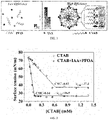
FIG. 2 is a surface tension diagram of alone CTAB solutions with different concentrations and the CTAB solution containing 1 mM IAA and 0.024 mM PFOA of the present invention; -
FIG. 3 shows cryoelectron microscopy images of the binary system only with IAA and PFOA (a) and the ternary system with CTAB, IAA and PFOA (b) of the present invention; -
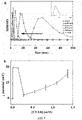
FIG. 4 shows dynamic light scattering particle size diagram (a) and ζ potential diagram (b) of the ternary system with 1 mM IAA, 0.024 mM PFOA and different concentrations of CTAB of the present invention; -
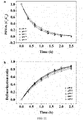
FIG. 5 shows degradation diagram (a) and defluorination diagram (b) of PFOA by the mixed self-assembled micelle system of the present invention; -
FIG. 6 is an electron paramagnetic resonance spectrogram of the present invention; -
Figs 7a-f are laser flash photolysis diagram of the present invention; -
FIG. 8 shows photographs of the self-assembled system after the reaction and after settling for 30 min; -
FIG. 9 shows particle size distribution diagram (a) and ζ potential diagram (b) of the self-assembled system in the reaction process of the present invention; -
FIG. 10 is a diagram showing the variation of dissolved organic carbon (DOC) of the self-assembled system in the reaction process system of the present invention; -
FIG. 11 shows degradation diagram (a) and defluorination diagram (b) of PFOA by the mixed self-assembled system under different pH of the present invention; and -
FIG. 12 shows degradation diagram (a) and defluorination diagram (b) of PFOS by the mixed self-assembled system of the present invention. - The present invention is further described below with reference to specific embodiments.
- The following is the detailed description of exemplary embodiments of the present invention with reference to the accompanying drawings. Although these exemplary embodiments are described in sufficient detail to enable those skilled in the art to implement the present invention, it should be understood that other embodiments may be implemented and various changes may be made to the present invention without departing from the spirit and scope of the present invention. The following more detailed description of the embodiments of the present invention is not intended to limit the claimed scope of the present invention, but is merely for illustration and does not limit the description of the characteristics and features of the present invention to suggest the best mode of implementing the present invention and is sufficient to enable those skilled in the art to implement the present invention. Therefore, the scope of the present invention is limited only by the appended claims.
- A method for degrading PFCs according to the present invention comprises the following steps:
- S10: respectively preparing 300 mL of 2 mM IAA solution, 100 mL of 5.6 mM CTAB solution and 10 mL of 1 g L-1 (i.e. 2.4 mM) PFOA solution; taking 15 mL of 2 mM IAA solution, 0.29-7.5 mL of 5.6 mM CTAB solution and 0.3 mL of 2.4 mM PFOA solution and mixing, and then adding water to the volume of 30 mL; wherein the concentration ratio of IAA to CTAB is 1:(0.055-1.4) and the concentration ratio of PFCs to IAA is 1:(40-42); followed by stirring for 5-15 min at the speed of 400-600 rmp, and obtaining a solution of ternary mixed self-assembled micelle after uniform mixing;
- S20: charging the solution of ternary mixed self-assembled micelle obtained in step S10 into cylindrical quartz photoreaction tubes (d = 1 cm, h = 15 cm), and adjusting the pH of the solution to 5-7, preferably 6; then, using a 500 W high-voltage mercury lamp as a light source to perform photoreaction on the solution of ternary mixed self-assembled micelle to degrade PFCs, and controlling the reaction to be performed at 20-30°C for 2-3 h.
- PFCs are degraded by the method of the present invention, so that the PFOA concentration can be reduced from 10 mg L-1 to about 60 ng L-1, and the degradation rate is close to 100%.
- It should be noted that, as shown in
FIG. 1 , a certain amount of positively charged cationic surfactant CTAB is added into the mixed solution of IAA and PFCs which are both negatively charged, and the positively charged CTAB combines IAA and PFCs which are originally mutually exclusive to form compact self-assembled micelles through electrostatic action, and PFCs are rapidly degraded in the micelles under ultraviolet irradiation. On the one hand, the CTAB-induced mixed self-assembled micelles make IAA and PFCs more closely combined, which greatly improves the reaction rate of hydrated electrons generated by PFCs and IAA under illumination. On the other hand, the hydrated electrons generated in the micelles are well protected due to they are wrapped in colloid, thus slowing down the quenching of hydrated electrons by oxygen and protons; and which also improves the utilization efficiency of hydrated electrons and realizes the rapid degradation and defluorination of PFCs under aerobic and acidic conditions. - In addition, when ultraviolet irradiation is performed for photoreaction, the mixed self-assembled micelles can polymerize quickly; after the photoreaction is completed, the self-assembled micelles settle quickly, and almost all of the organic substances remaining in a system settle, so the introduced CTAB and IAA do not cause secondary pollution to the environment, thereby implementing the green and environment-friendly technology for degrading PFCs.
- In this example, the surface energies of IAA/PFOA/CTAB mixed micelle systems formed by adding different concentrations of CTAB were measured, with the steps as follows:
- (1) the mixed systems containing 1 mM IAA, 10 mg L-1 (0.024 mM) PFOA and CTAB with different concentrations (0-1.4 mM) were stirred at 500 rmp for 10 min to obtain mixed self-assembled micelle solutions; the concentrations of CTAB were 0, 0.027, 0.055, 0.082, 0.11, 0.14, 0.17, 0.22, 0.27, 0.41, 0.55, 0.82, 1.1, 1.4 mM respectively, and control solutions had only different concentrations of CTAB.
- (2) the pH of the mixed self-assembled micelle solutions and the control solutions obtained in Step (1) were adjusted to 6, and the surface energies were measured by using a surface tension meter, as shown in
FIG. 2 . - It can be concluded that the CMC value and the equilibrium surface tension value of the IAA/PFOA/CTAB mixed systems are significantly lower than those of the alone CTAB systems.
- In this example, the mixed self-assembled micelles induced by CTAB were shot by cryoelectron microscope, with the steps as follows:
- (1) 15 mL of prepared 2 mM IAA solution, 0.75 mL of prepared 5.6 mM CTAB solution and 0.3 mL of prepared 1 g L-1 PFOA solution were mixed and then water was added to the volume of 30 mL, and then stirred at 500 rmp for 10 min to obtain the mixed self-assembled micelle solution; meanwhile, 15 mL of 2 mM IAA solution and 0.3 mL of 1 g L-1 PFOA solution were mixed and water was added to the volume of 30 mL as control solution.
- (2) the pH of the mixed self-assembled micelle solution and the control solution obtained in Step (1) were adjusted to 6, then 10 µL of the foregoing solutions were taken respectively and added to two different lace carbon films. The lace carbon films were quickly inserted into liquid nitrogen cooled ethane liquid for cooling, and the cooled sample films were put into the cryoelectron microscope for shooting, specifically as shown in
Figs 3a-b . - It can be concluded that self-assembled micelles are not formed in the mixed solution of IAA and PFOA without CTAB (
FIG. 3a ), and mixed self-assembled micelles are formed in the mixed solution containing CTAB, IAA and PFOA (FIG. 3b ). - In this example, the particle size and ζ potential of generated micelles were measured by dynamic light scattering, with the steps as follows:
- (1) the mixed systems containing 1 mM IAA, 10 mg L-1 PFOA and CTAB with different concentrations were stirred at 500 rmp for 10 min to obtain mixed self-assembled micelle solutions, wherein the concentrations of CTAB were 0, 0.055, 0.14, 0.27, 0.82 and 1.4 mM respectively, and the mixed system with the CTAB concentration of 0 mM was used as a control solution.
- (2) the pH of the mixed self-assembled micelle solutions and the control solution obtained in Step (1) were adjusted to 6, and then 1 mL of the foregoing solutions were taken respectively to measure the particle sizes, specifically as shown in
FIGs. 4a-b . - It can be concluded that the size of self-assembled micelles gradually decreases with the increase of concentration of CTAB added (
FIG. 4a ), while with the increase of the CTAB concentration, the ζ potential of the systems are different (FIG. 4b ), which may be caused by the difference of charge density on the micelle surface. - In this example, the impact of mixed self-assembled micelles on PFOA degradation was investigated, with the steps as follows:
- (1) mixed systems containing 1 mM IAA, 10 mg L-1 PFOA and CTAB with different concentrations were stirred at 500 rmp for 10 min to obtain mixed self-assembled micelle solutions, wherein the concentrations of CTAB were 0.055, 0.14, 0.27, 0.82 and 1.4 mM respectively, and the solution only with IAA and PFOA and without CTAB was taken as a control solution.
- (2) the mixed self-assembled micelle solutions and the control solution in Step (1) were charged into cylindrical quartz photoreaction tubes (d = 1 cm, h = 15 cm), the pH values were adjusted to 6, and put in a photoreaction meter with a 500 W mercury lamp as a light source; the reaction was controlled to be performed at 25±2°C for 2.5 h; the sampling times were set to 0 h, 0.33 h, 0.67 h, 1 h, 1.3 h, 1.7 h, 2 h and 2.5 h respectively; the sample was divided into two parts, one part was extracted with acetonitrile in the volume ratio of 1:2 and the content of remaining PFOA was measured by LC-MS/MS; the other part was filtered and the content of generated F- was measured by ion chromatography (IC) to calculate the degradation rate and defluorination rate of PFOA, the specific degradation and defluorination curves were shown in
FIGs. 5a-b . - It can be concluded that the mixed self-assembled micelles significantly promote the light degradation and defluorination of PFOA, and the degradation and defluorination rate of PFOA is the fastest when 0.14 mM CTAB is added.
- In this example, the impact of mixed self-assembled micelles on the amount of hydrated electrons generated was investigated, with the steps as follows:
- (1) mixed systems containing 1 mM IAA, 10 mg L-1 PFOA and CTAB with different concentrations were stirred at 500 rmp for 10 min to obtain mixed self-assembled micelle solutions, and the solutions were aerated nitrogen to remove oxygen for half an hour, wherein the concentrations of CTAB were 0, 0.055, 0.14, 0.27, 0.82 and 1.4 mM respectively.
- (2) the mixed self-assembled micelle solutions and the control IAA solution were transferred to two 20 mL glass tubes respectively, the pH of the solutions were adjusted to 6 with 0.1 mM NaOH, and hydrated electron trapping agent 5,5-dimethyl-1-pyrroline-N-oxide (DMPO) was added, wherein the DMPO concentration was 20 mM; after irradiation with a 180 W mercury lamp for 3.5 min, 20 µL of samples were taken and put into an electron paramagnetic resonance (EPR) spectrometer to detect free radical signals, specifically as shown in
FIG. 6 . - It can be concluded that mixed self-assembled micelles inhibit the generation of hydrated electrons.
- In this example, the decay rate of hydrated electrons in mixed self-assembled micelles was investigated, with the steps as follows:
- (1) mixed systems containing 1 mM IAA, 10 mg L-1 PFOA and CTAB with different concentrations were stirred at 500 rmp for 10 min to obtain mixed self-assembled micelle solutions, and the solutions were aerated nitrogen to remove oxygen for half an hour, wherein the concentrations of CTAB were 0, 0.055, 0.14, 0.27, 0.82 and 1.4 mM respectively.
- (2) 3 mL of mixed self-assembled micelle solutions obtained in Step (1) were taken respectively and charged into 1 cm∗1 cm∗4 cm quartz cuvette; the solutions were aerated nitrogen for 30 min, and then the service lives of generated hydrated electrons after excitation with 266 nm exciting light were measured, specifically as shown in
Figs 7a-f . - It can be concluded that the service lives of hydrated electrons in mixed self-assembled micelles are greatly shortened, which is caused by the rapid binding reaction between hydrated electrons and CTAB. The results also demonstrate that the ESR signal intensity of the hydrated electrons decreases after CTAB is added.
- In this example, changes of mixed self-assembled micelles in the reaction process were investigated, with the steps as follows:
- (1) 15 mL of prepared 2 mM IAA solution, 0.75 mL of prepared 5.6 mM CTAB solution and 0.3 mL of prepared 1 g L-1 PFOA solution were mixed and water was added to the volume of 30 mL, and then stirred at 500 rmp for 10 min to obtain a mixed self-assembled micelle solution.
- (2) the mixed self-assembled micelle solution obtained in Step (1) was charged into cylindrical quartz light reaction tube (d = 1 cm, h = 15 cm), the pH was adjusted to 6, and put in a photoreaction meter with a 500 W mercury lamp as a light source; the reaction was controlled to be performed at 25±2°C for 25 min; the sampling times were set to 0 min, 3 min, 6 min, 10 min, 15 min, 20 min and 25 min respectively; and then the photos were taken (in
FIG. 8 , the upper shows the photograph of the solution after reaction, and the lower shows the photograph of the solution after settling for 30 min upon the completion of the reaction). - It can be concluded that the mixed self-assembled micelles undergo phase change after ultraviolet irradiation and eventually form precipitates.
- In this example, changes of the particle size and ζ potential of mixed self-assembled micelles in the reaction process were investigated, with the steps as follows:
- (1) 15 mL of prepared 2 mM IAA solution, 0.75 mL of prepared 5.6 mM CTAB solution and 0.3 mL of prepared 1 g L-1 PFOA solution were mixed and water was added to the volume of 30 mL, and then stirred at 500 rmp for 10 min to obtain a mixed self-assembled micelle solution.
- (2) the mixed self-assembled micelle solution obtained in Step (1) was charged into cylindrical quartz photoreaction tube (d = 1 cm, h = 15 cm), the pH was adjusted to 6, and put in a photoreaction meter with a 500 W mercury lamp as a light source; the reaction was controlled to be performed at 25±2°C for 25 min; the sampling times were set to 0 min, 3 min, 6 min, 10 min, 15 min, 20 min and 25 min respectively; and then the changes of particle size in a system were monitored, specifically as shown in
Figs 9a-b . - It can be concluded that the particle size of mixed self-assembled micelles increases obviously and ζ potential decreases continuously after ultraviolet irradiation, which indicates that the final precipitate is mainly formed by aggregation of micelles.
- In this example, changes of DOC of a mixed self-assembled micelle system in the reaction process were investigated, with the steps as follows:
- (1) 15 mL of prepared 2 mM IAA solution, 0.75 mL of prepared 5.6 mM CTAB solution and 0.3 mL of prepared 1 g L-1 PFOA solution were mixed and water was added to the volume of 30 mL, and then stirred at 500 rmp for 10 min to obtain a mixed self-assembled micelle solution.
- (2) the mixed self-assembled micelle solution obtained in Step (1) was charged into cylindrical quartz photoreaction tube (d = 1 cm, h = 15 cm), the pH was adjusted to 6, and put in a photoreaction meter with a 500 W mercury lamp as a light source; the reaction was controlled to be performed at 25±2°C for 2.5 h; the sampling times were respectively set to be 0 h and 2.5 h; 9 mL of the solution was taken into a 10 mL glass bottle at each time point, standing for 30 min and then the supernatant was removed to measure DOC, specifically as shown in
FIG. 10 . - It can be concluded that the DOC value of the system decreased from about 94 mg L-1 to about 3 mg L-1 after the reaction, demonstrating that the longer the reaction time observed by the above scanning electron microscope, the more the retentate.
- In this example, the impact of pH on the mixed self-assembled micelle system was investigated, with the steps as follows.
- (1) 15 mL of prepared 2 mM IAA solution, 0.75 mL of prepared 5.6 mM CTAB solution and 0.3 mL of prepared 1 g L-1 PFOA solution were mixed and water was added to the volume of 30 mL, and then stirred at 500 rmp for 10 min to obtain a mixed self-assembled micelle solution.
- (2) the mixed self-assembled micelle solution obtained in Step (1) was charged into cylindrical quartz photoreaction tubes (d = 1 cm, h = 15 cm), the initial pH values were adjusted to 4, 5, 6, 7 and 8 respectively, and put in a photoreaction meter with a 500 W mercury lamp as a light source; the reaction was controlled to be performed at 25±2°C for 2.5 h; the sampling times were set to 0 h, 0.33 h, 0.67 h, 1 h, 1.3 h, 1.7 h, 2.0 h and 2.5 h respectively; the sample was divided into two parts, one part was extracted with acetonitrile at the volume ratio of 1:2 and then the content of remaining PFOA was measured by high performance liquid chromatography (HPLC); the other part was filtered and then the content of generated F- was measured by IC to calculate the degradation rate and defluorination rate of PFOA, the specific degradation and defluorination curves were shown in
Figs 11a-b . - It can be concluded that pH has little impact on the system, which is mainly due to the repulsion of the positive electricity on the micelle surface to protons in the solution, thus protecting the reactions inside the micelles.
- In this example, the impact of mixed self-assembled micelles on PFOS degradation was mainly investigated, with the steps as follows:
- (1) 15 mL of prepared 2 mM IAA solution, 0.75 mL of prepared 5.6 mM CTAB solution and 0.3 mL of prepared 1 g L-1 PFOA solution were mixed and water was added to the volume of 30 mL, and then stirred at 500 rmp for 10 min to obtain a mixed self-assembled micelle solution, meanwhile, the control solution is 30 mL of 10 mg L-1 PFOS solution.
- (2) the mixed self-assembled micelle solution and the control solution in Step (1) were charged into cylindrical quartz photoreaction tubes (d = 1 cm, h = 15 cm), the pH values were adjusted to 6, and put in a photoreaction meter with a 500 W mercury lamp as a light source; the reaction was controlled to be performed at 25±2°C for 2.5 h; the sampling times were set to 0 h, 0.33 h, 0.67 h, 1 h, 1.3 h, 1.7 h, 2 h and 2.5 h respectively; the sample was divided into two parts, one part was extracted with acetonitrile at the volume ratio of 1:2, and then the content of remaining PFOS was measured by LC-MS/MS; the other part was filtered and then the content of generated F- was measured by IC to calculate the degradation rate and defluorination rate of PFOS, the specific degradation and defluorination curves were shown in
Figs 12a-b . - It can be concluded that the mixed self-assembled micelles are not only effective for the degradation of PFOA, but also effective for the light degradation and defluorination of PFOS.
- In summary, the method for degrading PFCs according to the present invention adopts a novel self-assembled micelle system, so that PFCs are rapidly degraded and defluorinated in the micelles, thereby improving the degradation efficiency of PFCs. And the method is a green and environment-friendly PFC degradation method, which is suitable for wide application.
Claims (7)
- A method for degrading perfluorinated compounds (PFCs), comprising the following steps:S10: uniformly mixing cetyltrimethylammonium bromide (CTAB), indoleacetic acid (IAA) and PFCs to obtain ternary mixed self-assembled micelles; andS20: illuminating the ternary mixed self-assembled micelles obtained in step S10 by a high-voltage mercury lamp to implement photoreaction to degrade PFCs.
- The method for degrading PFCs according to claim 1, wherein in step S10, the concentration ratio of IAA to CTAB is 1:(0.055-1.4).
- The method for degrading PFCs according to claim 1, wherein in step S10, the concentration ratio of PFCs to IAA is 1:(40-42).
- The method for degrading PFCs according to claim 1, wherein the process of step S10 comprises: mixing CTAB, IAA and PFCs at a concentration ratio of 1.4:1:0.024 and stirring for 5-15 min at the speed of 400-600 rmp to obtain a solution of ternary mixed self-assembled micelle.
- The method for degrading PFCs according to claim 1, wherein the process of step S20 comprises: charging the solution of ternary mixed self-assembled micelle obtained in step S10 into a photoreactor, adjusting the pH of the solution to 5-7, and then turning on a high-voltage mercury lamp to illuminate the solution of ternary mixed self-assembled micelle to implement photoreaction to degrade PFCs.
- The method for degrading PFCs according to claim 5, wherein the high-voltage mercury lamp is a mercury lamp with a power of 500 W.
- The method for degrading PFCs according to claim 5, wherein the photoreaction is performed at 20-30°C for 2-3 h.
Applications Claiming Priority (2)
| Application Number | Priority Date | Filing Date | Title |
|---|---|---|---|
| CN202010037007.6A CN111153462B (en) | 2020-01-14 | 2020-01-14 | A method of degrading perfluorinated compounds |
| PCT/CN2020/137429 WO2021143454A1 (en) | 2020-01-14 | 2020-12-18 | Method for degrading perfluorinated compound |
Publications (4)
| Publication Number | Publication Date |
|---|---|
| EP4053082A1 true EP4053082A1 (en) | 2022-09-07 |
| EP4053082A4 EP4053082A4 (en) | 2022-09-28 |
| EP4053082B1 EP4053082B1 (en) | 2025-03-12 |
| EP4053082C0 EP4053082C0 (en) | 2025-03-12 |
Family
ID=70563102
Family Applications (1)
| Application Number | Title | Priority Date | Filing Date |
|---|---|---|---|
| EP20914075.5A Active EP4053082B1 (en) | 2020-01-14 | 2020-12-18 | Method for degrading a perfluorinated compound |
Country Status (5)
| Country | Link |
|---|---|
| US (1) | US11072574B2 (en) |
| EP (1) | EP4053082B1 (en) |
| CN (1) | CN111153462B (en) |
| AU (1) | AU2020422054B2 (en) |
| WO (1) | WO2021143454A1 (en) |
Families Citing this family (12)
| Publication number | Priority date | Publication date | Assignee | Title |
|---|---|---|---|---|
| CA3160668A1 (en) * | 2019-11-08 | 2021-05-14 | Board Of Trustees Of Michigan State University | Nano-reactor system for decomposition of per- and polyfluoroalkyl substances |
| CN111153462B (en) * | 2020-01-14 | 2021-04-30 | 南京大学 | A method of degrading perfluorinated compounds |
| CN112551778B (en) * | 2020-11-20 | 2022-06-21 | 南京大学 | Method for efficiently treating water polluted by perfluorinated compounds |
| CN113135608A (en) * | 2021-04-28 | 2021-07-20 | 南京大学 | Self-assembled micelle and method for treating perfluorinated compound polluted water body |
| WO2023229682A1 (en) * | 2022-05-25 | 2023-11-30 | The Regents Of The University Of California | Uv water purification system and methods |
| CN115321635B (en) * | 2022-07-11 | 2023-11-17 | 南京大学 | Interfacial adsorption method for efficiently removing perfluorinated compounds in water body |
| US12599800B2 (en) | 2022-12-09 | 2026-04-14 | Uop Llc | Processes for removing perfluoroalkyl substances and regenerating an adsorbent used with same |
| CN116573711B (en) * | 2023-05-15 | 2023-10-10 | 苏州科技大学 | A polyindole-montmorillonite composite and its preparation method and application |
| US12534390B2 (en) | 2023-07-14 | 2026-01-27 | Claros Technologies Inc. | Methods and systems of nitrate removal in aqueous systems for improved PFAS destruction |
| US12545601B2 (en) | 2023-07-14 | 2026-02-10 | Claros Technologies Inc. | Methods and systems of photosensitizer recovery for improved PFAS destruction |
| US12351498B2 (en) | 2023-07-14 | 2025-07-08 | Claros Technologies Inc. | Methods and systems of PFAS destruction using UV irradiation at 222 nanometers |
| CN118598271A (en) * | 2024-05-30 | 2024-09-06 | 同济大学 | A method for sacrificial electron donor-enhanced ultraviolet light reduction of perfluoroorganic acid |
Family Cites Families (14)
| Publication number | Priority date | Publication date | Assignee | Title |
|---|---|---|---|---|
| GB2413553A (en) * | 2004-04-29 | 2005-11-02 | Seiko Epson Corp | UV decomposable molecules and a photopatternable monomolecular film formed therefrom |
| CN100351185C (en) * | 2004-10-28 | 2007-11-28 | 力晶半导体股份有限公司 | A method for treating fluorine-containing wastewater |
| CN100347137C (en) * | 2005-01-07 | 2007-11-07 | 清华大学 | Method for defluorinating and degrading complete fluorine substituted compounds |
| CN101130157A (en) * | 2007-07-19 | 2008-02-27 | 中国科学院生态环境研究中心 | Preparation of mixed glue nucleus solitarius shell-type fe3o4 nano solid phase extractive agent and application of the same |
| CN101884831A (en) * | 2009-05-13 | 2010-11-17 | 同济大学 | A method for degrading perfluorinated compounds by photoreduction defluorination |
| CN104193056B (en) * | 2014-09-22 | 2016-09-07 | 中国科学技术大学 | A kind of efficient degradation method of multi-fluorinated compounds PFOA in waste water |
| CN104492378B (en) * | 2014-11-13 | 2017-01-18 | 华中科技大学 | Magnetic nano composite capable of absorbing perfluorochemicals and preparation method thereof |
| CN105271501A (en) * | 2015-10-28 | 2016-01-27 | 哈尔滨工业大学深圳研究生院 | Advanced reduction method and device for rapidly removing perfluoro-compounds from water |
| CN105536198B (en) * | 2015-12-23 | 2018-10-30 | 南京大学 | A kind of method of efficient degradation perfluorochemical |
| CN108828128B (en) * | 2018-06-20 | 2019-08-13 | 清华大学 | A method for measuring total organic fluorine in water samples and aqueous solutions |
| CN109019746A (en) * | 2018-08-29 | 2018-12-18 | 临沂大学 | The method of active carbon mediation aqueous electron deoxidization, degradation PFASs |
| CN109759116B (en) * | 2019-02-22 | 2021-06-04 | 大连理工大学 | Method for promoting decomposition and purification of perfluorinated compounds by photoelectric coupling |
| CN109745962A (en) * | 2019-03-15 | 2019-05-14 | 南京大学 | A kind of mixed and modified organo montmorillonite and its synthetic method and application |
| CN111153462B (en) * | 2020-01-14 | 2021-04-30 | 南京大学 | A method of degrading perfluorinated compounds |
-
2020
- 2020-01-14 CN CN202010037007.6A patent/CN111153462B/en active Active
- 2020-07-09 US US16/925,038 patent/US11072574B2/en active Active
- 2020-12-18 WO PCT/CN2020/137429 patent/WO2021143454A1/en not_active Ceased
- 2020-12-18 EP EP20914075.5A patent/EP4053082B1/en active Active
- 2020-12-18 AU AU2020422054A patent/AU2020422054B2/en active Active
Also Published As
| Publication number | Publication date |
|---|---|
| EP4053082B1 (en) | 2025-03-12 |
| AU2020422054B2 (en) | 2023-09-07 |
| CN111153462B (en) | 2021-04-30 |
| WO2021143454A1 (en) | 2021-07-22 |
| AU2020422054A1 (en) | 2022-06-23 |
| CN111153462A (en) | 2020-05-15 |
| EP4053082A4 (en) | 2022-09-28 |
| US11072574B2 (en) | 2021-07-27 |
| CA3161412A1 (en) | 2021-07-22 |
| US20210047256A1 (en) | 2021-02-18 |
| EP4053082C0 (en) | 2025-03-12 |
Similar Documents
| Publication | Publication Date | Title |
|---|---|---|
| EP4053082B1 (en) | Method for degrading a perfluorinated compound | |
| Gu et al. | Efficient decomposition of perfluorooctanoic acid by a high photon flux UV/sulfite process: Kinetics and associated toxicity | |
| Guo et al. | Synergistic impact of humic acid on the photo-reductive decomposition of perfluorooctanoic acid | |
| Hu et al. | Catalytic degradation of p-nitrophenol by magnetically recoverable Fe3O4 as a persulfate activator under microwave irradiation | |
| Luo et al. | Removal and toxic forecast of microplastics treated by electrocoagulation: Influence of dissolved organic matter | |
| CN105536198B (en) | A kind of method of efficient degradation perfluorochemical | |
| Luo et al. | Synergistic effects of persistent free radicals and visible radiation on peroxymonosulfate activation by ferric citrate for the decomposition of organic contaminants | |
| CN114307941A (en) | Aminated surface defect sphalerite material, preparation method and application thereof in degrading perfluorinated compounds | |
| Song et al. | Catalytic degradation of carbamazepine by metal organic frameworks (MOFs) derived magnetic catalyst Fe@ PC in an electro-Fenton coupled membrane filtration system: performance, pathway, and mechanism | |
| CN113173621B (en) | Method for enhancing photolysis of perfluoroalkyl compound in water body by ultraviolet light | |
| Lin et al. | Nitrogen-doped carbon dots as an effective fluorescence enhancing system for the determination of perfluorooctyl sulfonate | |
| Gong et al. | N/B co-doped polymeric carbon nitride with boosted charge transfer property and enhanced photocatalytic degradation of tetracycline | |
| Sun et al. | A magnetically recyclable Fe3O4/ZnIn2S4 type-II heterojunction to boost photocatalytic degradation of gemifloxacin | |
| CN113135608A (en) | Self-assembled micelle and method for treating perfluorinated compound polluted water body | |
| Chu et al. | Efficient decomposition of perfluorooctane sulfonate by hydrated electrons: Performance, mechanism, and carbon emission reduction | |
| Sampath et al. | Solvothermal synthesis of magnetically separable Co–ZnO nanowires for visible light driven photocatalytic applications | |
| Hao et al. | The synthesis of carbon dots by folic acid and utilized as sustainable probe and paper sensor for Hg2+ sensing and cellular imaging | |
| Wang et al. | Readily separable and stable CoFe2O4 beads for activating peroxymonosulfate to degrade lomefloxacin hydrochloride: Optimization, performance and degradation mechanism | |
| Yu et al. | Photolysis of bis (2-ethylhexyl) phthalate in aqueous solutions at the presence of natural water photoreactive constituents under simulated sunlight irradiation | |
| Yao et al. | Visible light promoted the removal of tetrabromobisphenol A from water by humic acid-FeS colloid | |
| Zhang et al. | Nanobubbles improve peroxymonosulfate-based advanced oxidation: High efficiency, low toxicity/cost, and novel collaborative mechanism | |
| Yang et al. | Removal of fulvic acid from water electrochemically using active carbon fiber electrode | |
| Zheng et al. | Enhanced micropollutant degradation over catalyst-free synergistic activation of periodate and persulfate under solar light | |
| Kang et al. | Solar photocatalytic CeO2/g-C3N4 removal of micropollutants in the water environment through the generation of singlet oxygen | |
| CA3161412C (en) | Method for degrading perfluorinated compounds |
Legal Events
| Date | Code | Title | Description |
|---|---|---|---|
| STAA | Information on the status of an ep patent application or granted ep patent |
Free format text: STATUS: THE INTERNATIONAL PUBLICATION HAS BEEN MADE |
|
| PUAI | Public reference made under article 153(3) epc to a published international application that has entered the european phase |
Free format text: ORIGINAL CODE: 0009012 |
|
| STAA | Information on the status of an ep patent application or granted ep patent |
Free format text: STATUS: REQUEST FOR EXAMINATION WAS MADE |
|
| 17P | Request for examination filed |
Effective date: 20220601 |
|
| AK | Designated contracting states |
Kind code of ref document: A1 Designated state(s): AL AT BE BG CH CY CZ DE DK EE ES FI FR GB GR HR HU IE IS IT LI LT LU LV MC MK MT NL NO PL PT RO RS SE SI SK SM TR |
|
| A4 | Supplementary search report drawn up and despatched |
Effective date: 20220831 |
|
| RIC1 | Information provided on ipc code assigned before grant |
Ipc: C02F 101/36 20060101ALN20220825BHEP Ipc: C02F 1/70 20060101ALN20220825BHEP Ipc: C02F 1/66 20060101ALN20220825BHEP Ipc: C02F 1/32 20060101AFI20220825BHEP |
|
| DAV | Request for validation of the european patent (deleted) | ||
| DAX | Request for extension of the european patent (deleted) | ||
| GRAP | Despatch of communication of intention to grant a patent |
Free format text: ORIGINAL CODE: EPIDOSNIGR1 |
|
| STAA | Information on the status of an ep patent application or granted ep patent |
Free format text: STATUS: GRANT OF PATENT IS INTENDED |
|
| RIC1 | Information provided on ipc code assigned before grant |
Ipc: C02F 101/36 20060101ALN20240924BHEP Ipc: C02F 1/70 20060101ALN20240924BHEP Ipc: C02F 1/66 20060101ALN20240924BHEP Ipc: C02F 1/32 20060101AFI20240924BHEP |
|
| INTG | Intention to grant announced |
Effective date: 20241016 |
|
| GRAS | Grant fee paid |
Free format text: ORIGINAL CODE: EPIDOSNIGR3 |
|
| GRAA | (expected) grant |
Free format text: ORIGINAL CODE: 0009210 |
|
| STAA | Information on the status of an ep patent application or granted ep patent |
Free format text: STATUS: THE PATENT HAS BEEN GRANTED |
|
| AK | Designated contracting states |
Kind code of ref document: B1 Designated state(s): AL AT BE BG CH CY CZ DE DK EE ES FI FR GB GR HR HU IE IS IT LI LT LU LV MC MK MT NL NO PL PT RO RS SE SI SK SM TR |
|
| REG | Reference to a national code |
Ref country code: GB Ref legal event code: FG4D |
|
| REG | Reference to a national code |
Ref country code: CH Ref legal event code: EP |
|
| REG | Reference to a national code |
Ref country code: DE Ref legal event code: R096 Ref document number: 602020047766 Country of ref document: DE |
|
| REG | Reference to a national code |
Ref country code: IE Ref legal event code: FG4D |
|
| U01 | Request for unitary effect filed |
Effective date: 20250312 |
|
| U07 | Unitary effect registered |
Designated state(s): AT BE BG DE DK EE FI FR IT LT LU LV MT NL PT RO SE SI Effective date: 20250321 |
|
| PG25 | Lapsed in a contracting state [announced via postgrant information from national office to epo] |
Ref country code: RS Free format text: LAPSE BECAUSE OF FAILURE TO SUBMIT A TRANSLATION OF THE DESCRIPTION OR TO PAY THE FEE WITHIN THE PRESCRIBED TIME-LIMIT Effective date: 20250612 |
|
| PG25 | Lapsed in a contracting state [announced via postgrant information from national office to epo] |
Ref country code: ES Free format text: LAPSE BECAUSE OF FAILURE TO SUBMIT A TRANSLATION OF THE DESCRIPTION OR TO PAY THE FEE WITHIN THE PRESCRIBED TIME-LIMIT Effective date: 20250312 |
|
| PG25 | Lapsed in a contracting state [announced via postgrant information from national office to epo] |
Ref country code: NO Free format text: LAPSE BECAUSE OF FAILURE TO SUBMIT A TRANSLATION OF THE DESCRIPTION OR TO PAY THE FEE WITHIN THE PRESCRIBED TIME-LIMIT Effective date: 20250612 |
|
| PG25 | Lapsed in a contracting state [announced via postgrant information from national office to epo] |
Ref country code: HR Free format text: LAPSE BECAUSE OF FAILURE TO SUBMIT A TRANSLATION OF THE DESCRIPTION OR TO PAY THE FEE WITHIN THE PRESCRIBED TIME-LIMIT Effective date: 20250312 |
|
| PG25 | Lapsed in a contracting state [announced via postgrant information from national office to epo] |
Ref country code: GR Free format text: LAPSE BECAUSE OF FAILURE TO SUBMIT A TRANSLATION OF THE DESCRIPTION OR TO PAY THE FEE WITHIN THE PRESCRIBED TIME-LIMIT Effective date: 20250613 |
|
| PG25 | Lapsed in a contracting state [announced via postgrant information from national office to epo] |
Ref country code: SM Free format text: LAPSE BECAUSE OF FAILURE TO SUBMIT A TRANSLATION OF THE DESCRIPTION OR TO PAY THE FEE WITHIN THE PRESCRIBED TIME-LIMIT Effective date: 20250312 |
|
| PG25 | Lapsed in a contracting state [announced via postgrant information from national office to epo] |
Ref country code: PL Free format text: LAPSE BECAUSE OF FAILURE TO SUBMIT A TRANSLATION OF THE DESCRIPTION OR TO PAY THE FEE WITHIN THE PRESCRIBED TIME-LIMIT Effective date: 20250312 |
|
| PG25 | Lapsed in a contracting state [announced via postgrant information from national office to epo] |
Ref country code: CZ Free format text: LAPSE BECAUSE OF FAILURE TO SUBMIT A TRANSLATION OF THE DESCRIPTION OR TO PAY THE FEE WITHIN THE PRESCRIBED TIME-LIMIT Effective date: 20250312 |
|
| PG25 | Lapsed in a contracting state [announced via postgrant information from national office to epo] |
Ref country code: SK Free format text: LAPSE BECAUSE OF FAILURE TO SUBMIT A TRANSLATION OF THE DESCRIPTION OR TO PAY THE FEE WITHIN THE PRESCRIBED TIME-LIMIT Effective date: 20250312 |
|
| PG25 | Lapsed in a contracting state [announced via postgrant information from national office to epo] |
Ref country code: IS Free format text: LAPSE BECAUSE OF FAILURE TO SUBMIT A TRANSLATION OF THE DESCRIPTION OR TO PAY THE FEE WITHIN THE PRESCRIBED TIME-LIMIT Effective date: 20250712 |
|
| U20 | Renewal fee for the european patent with unitary effect paid |
Year of fee payment: 6 Effective date: 20251127 |
|
| PLBE | No opposition filed within time limit |
Free format text: ORIGINAL CODE: 0009261 |
|
| STAA | Information on the status of an ep patent application or granted ep patent |
Free format text: STATUS: NO OPPOSITION FILED WITHIN TIME LIMIT |
|
| REG | Reference to a national code |
Ref country code: CH Ref legal event code: L10 Free format text: ST27 STATUS EVENT CODE: U-0-0-L10-L00 (AS PROVIDED BY THE NATIONAL OFFICE) Effective date: 20260121 |
|
| 26N | No opposition filed |
Effective date: 20251215 |