EP4052970B1 - Lock pin assembly - Google Patents
Lock pin assembly Download PDFInfo
- Publication number
- EP4052970B1 EP4052970B1 EP22159735.4A EP22159735A EP4052970B1 EP 4052970 B1 EP4052970 B1 EP 4052970B1 EP 22159735 A EP22159735 A EP 22159735A EP 4052970 B1 EP4052970 B1 EP 4052970B1
- Authority
- EP
- European Patent Office
- Prior art keywords
- lock pin
- roll
- rotor
- releasably
- snap
- Prior art date
- Legal status (The legal status is an assumption and is not a legal conclusion. Google has not performed a legal analysis and makes no representation as to the accuracy of the status listed.)
- Active
Links
Images



Classifications
-
- B—PERFORMING OPERATIONS; TRANSPORTING
- B60—VEHICLES IN GENERAL
- B60R—VEHICLES, VEHICLE FITTINGS, OR VEHICLE PARTS, NOT OTHERWISE PROVIDED FOR
- B60R16/00—Electric or fluid circuits specially adapted for vehicles and not otherwise provided for; Arrangement of elements of electric or fluid circuits specially adapted for vehicles and not otherwise provided for
- B60R16/02—Electric or fluid circuits specially adapted for vehicles and not otherwise provided for; Arrangement of elements of electric or fluid circuits specially adapted for vehicles and not otherwise provided for electric constitutive elements
- B60R16/0207—Wire harnesses
- B60R16/0215—Protecting, fastening and routing means therefor
-
- B—PERFORMING OPERATIONS; TRANSPORTING
- B60—VEHICLES IN GENERAL
- B60R—VEHICLES, VEHICLE FITTINGS, OR VEHICLE PARTS, NOT OTHERWISE PROVIDED FOR
- B60R16/00—Electric or fluid circuits specially adapted for vehicles and not otherwise provided for; Arrangement of elements of electric or fluid circuits specially adapted for vehicles and not otherwise provided for
- B60R16/02—Electric or fluid circuits specially adapted for vehicles and not otherwise provided for; Arrangement of elements of electric or fluid circuits specially adapted for vehicles and not otherwise provided for electric constitutive elements
- B60R16/023—Electric or fluid circuits specially adapted for vehicles and not otherwise provided for; Arrangement of elements of electric or fluid circuits specially adapted for vehicles and not otherwise provided for electric constitutive elements for transmission of signals between vehicle parts or subsystems
- B60R16/027—Electric or fluid circuits specially adapted for vehicles and not otherwise provided for; Arrangement of elements of electric or fluid circuits specially adapted for vehicles and not otherwise provided for electric constitutive elements for transmission of signals between vehicle parts or subsystems between relatively movable parts of the vehicle, e.g. between steering wheel and column
-
- B—PERFORMING OPERATIONS; TRANSPORTING
- B62—LAND VEHICLES FOR TRAVELLING OTHERWISE THAN ON RAILS
- B62D—MOTOR VEHICLES; TRAILERS
- B62D1/00—Steering controls, i.e. means for initiating a change of direction of the vehicle
- B62D1/02—Steering controls, i.e. means for initiating a change of direction of the vehicle vehicle-mounted
- B62D1/16—Steering columns
-
- H—ELECTRICITY
- H01—ELECTRIC ELEMENTS
- H01R—ELECTRICALLY-CONDUCTIVE CONNECTIONS; STRUCTURAL ASSOCIATIONS OF A PLURALITY OF MUTUALLY-INSULATED ELECTRICAL CONNECTING ELEMENTS; COUPLING DEVICES; CURRENT COLLECTORS
- H01R35/00—Flexible or turnable line connectors, i.e. the rotation angle being limited
- H01R35/02—Flexible line connectors without frictional contact members
-
- H—ELECTRICITY
- H01—ELECTRIC ELEMENTS
- H01R—ELECTRICALLY-CONDUCTIVE CONNECTIONS; STRUCTURAL ASSOCIATIONS OF A PLURALITY OF MUTUALLY-INSULATED ELECTRICAL CONNECTING ELEMENTS; COUPLING DEVICES; CURRENT COLLECTORS
- H01R2201/00—Connectors or connections adapted for particular applications
- H01R2201/26—Connectors or connections adapted for particular applications for vehicles
Definitions
- the present disclosure relates to a steering assembly and, more particularly, to a steering roll connector of the steering assembly.
- Steering assemblies typically include a steering column coupling between a hand wheel and wheels of the vehicle. When the hand wheel rotates, relative rotation of the hand wheel transfers through the steering column to turn the wheels and steer the vehicle. Accordingly, a driver engaging, and rotating, the hand wheel may steer the vehicle.
- Hand wheels typically include electronic components in communication with an electrical system of the vehicle. More specifically, wires connect between the electrical components of the hand wheel and the electrical system of the vehicle. These wires, however, can become tangled and break due to over rotation of the hand wheel. Accordingly, the steering column typically employs a steering roll connector configured to connect between wires of the electronic components and the electrical system to prevent the wires from becoming tangled and breaking.
- the steering roll connector typically includes a roll stator and a roll rotor rotatably coupled to the roll stator.
- the roll rotor may also include an electrical connector that electrically connects between the wires of the electronic components and the electrical system.
- the relative rotation between the roll stator and the roll rotor prevents the wires from becoming tangled and breaking. However, the relative rotation may cause a misalignment between the hand wheel and the steering column during assembly of the steering system.
- US 2016/036184 A1 discloses a lock member for a rotary connector device including a ring portion defining an aperture.
- the steering roll connector assembly includes a roll stator.
- the assembly also includes a roll rotor telescoped in and rotatably coupled to the roll stator to allow relative rotation between the roll rotor and roll stator.
- the assembly further includes a lock pin operatively engaging the roll rotor, and the lock pin is releasable from the operative engagement with the roll rotor.
- the assembly yet further includes an arm extending from the lock pin and operatively engaging the roll stator when the lock pin couples to the roll rotor to prevent relative rotation between the roll rotor and the roll stator.
- the lock pin releasably engages and releasably couples to the roll rotor by a snap-fitting arrangement.
- the roll rotor includes an upper surface, and the upper surface defines a rotor recess.
- a lock pin support includes protrusion, and the protrusion, when disposed in the rotor recess, engages and couples to the roll rotor to define the snap-fitting arrangement between the lock pin support and the roll rotor.
- the lock pin support couples to the roll rotor and the lock pin releasably engages and releasably couples to the lock pin support.
- the lock pin releasably engages and releasably couples to the lock pin support by a snap-fitting arrangement, wherein the roll stator defines a slot for receiving and engaging the arm of the lock pin to prevent relative rotation between the roll rotor and the roll stator.
- the lock pin support defines a female portion of the snap-fitting arrangement, and the lock pin has an end configured as a male portion of the snap-fitting arrangement.
- the lock pin support includes a base defining a lock pin opening configured to receive the male portion of the lock pin.
- the lock pin also includes a plurality to teeth extending from the base and radially inwardly into the lock pin opening, where the teeth are configured to releasably engage and releasably couple to the male portion of lock pin.
- the base includes a top end, a bottom end spaced from the top end, and an interior surface at least partially defining the lock pin opening and disposed between the top and bottom end.
- Each of the plurality of teeth have a base interface end in contact with the interior surface.
- Each of the plurality of teeth extends from the base interface end upwardly, in a direction towards the top end, to a tab end, and the tab end is releasably engageable and releasably coupleable to the male portion of the lock pin.
- the male portion of the lock pin includes a male end.
- the male portion also includes a flared edge spaced from the male end, and the flared edge configured to engage and reset on the tab ends of the plurality of teeth when the lock pin engages and couples to the lock pin support.
- the male portion further includes an engagement section positioned adjacent the flared edge, and between the flared edge and the male end, and the plurality of teeth releasably engaging and releasably coupling to the engagement section when the lock pin releasably engages and releasably couples to the lock pin support.
- the tab ends of the plurality of teeth define a tooth opening, where the tooth opening is smaller in size than the lock pin opening.
- the male portion of the lock pin has a flared section defining a taper from the engagement section to the male end.
- the male end is larger in size than the tooth opening to prevent engagement and coupling between the lock pin and the lock pin support when the lock pin is released from its releasable engagement and releasable coupling to the lock pin support.
- the lock pin is released from its releasable engagement and releasable coupling to the lock pin support when a force is applied to the lock pin in a direction away from the top end of the lock pin support.
- the method includes providing a roll stator defining a stator recess.
- the method also includes providing a roll rotor having an outer wall, and the outer wall defines a rotor recess.
- the method further includes providing a lock pin having an arm, and the lock pin defining a male portion of a snap-fitting.
- the method yet further includes providing a lock pin support defining a female portion of the snap-fitting, and the lock pin assembly having a protrusion.
- the method also includes coupling the lock pin to the lock pin support by snap-fitting the male portion to the female portion.
- the method further includes disposing the arm of the lock pin in the stator recess.
- the method yet further includes coupling the lock pin support to the roll rotor by snap-locking the protrusion in the rotor recess.
- Steering assemblies typically include a steering column, which may include a steering shaft, coupling between a hand wheel and wheels of the vehicle.
- a steering column which may include a steering shaft, coupling between a hand wheel and wheels of the vehicle.
- the hand wheel rotates, relative rotation of the hand wheel transfers through the steering column to the wheels of the vehicle. Accordingly, a driver engaging, and turning, the hand wheel may steer the vehicle.
- the steering roll connector 20 may include a roll stator 22 and a roll rotor 24, 124 telescoped in and rotatably coupled to the roll stator 22.
- the telescoped relationship between the roll stator 22 and the roll rotor 24, 124 facilitates relative rotation between the roll rotor 24, 124 and the roll stator 22.
- the roll stator 22 may define a female seat 26 ( FIG. 2 ) and the roll rotor 24, 124 may define a male seat 28 ( FIG. 2 ).
- the female and male seats 26, 28 may engage one another and be configured to facilitate the relative rotation between the roll stator 22 and the roll rotor 24, 124.
- the steering roll connector 20 may also include a lock pin 38, 138 ( FIGS. 3 and 6 ) operatively engaged with the roll rotor 24, 124.
- the operative engagement of the lock pin 38, 138 with the roll rotor 24, 124 provides for the lock pin 38, 138 to engage, and to be releasable from its engagement with, the roll rotor 24, 124. More specifically, the lock pin 38, 138 may engage and disengage from the roll rotor 24 without breaking.
- the lock pin 38, 138 may include an arm 40, 140 extending from the lock pin 38, 138.
- the arm 40, 140 may operatively engage (i.e., may directly or indirectly couple to) the roll stator 22 to prevent the relative rotation between the roll rotor 24, 124 and the roll stator 22.
- the roll stator 22 may have an exterior wall 42 that defines one or more slots, or stator recesses, 44 for receiving the arm 40, 140 of the lock pin 38, 138.
- a lock pin support 46, 146 may couple, directly or indirectly, to the roll rotor 24, 124.
- the lock pin support 46, 146 is coupled to the roll rotor 24 by being integrally formed with the roll rotor 24, 124.
- the lock pin support 146 is coupled to the roll rotor 124 by being integrally formed with the roll rotor 124.
Landscapes
- Engineering & Computer Science (AREA)
- Mechanical Engineering (AREA)
- Chemical & Material Sciences (AREA)
- Combustion & Propulsion (AREA)
- Transportation (AREA)
- Snaps, Bayonet Connections, Set Pins, And Snap Rings (AREA)
- Manufacturing Of Electrical Connectors (AREA)
- Steering Controls (AREA)
Description
- The present disclosure relates to a steering assembly and, more particularly, to a steering roll connector of the steering assembly.
- Vehicles such as cars, trucks, sport utility vehicles, crossovers, mini-vans, or other suitable vehicles employ steering assemblies to facilitate steering of the vehicle. Steering assemblies typically include a steering column coupling between a hand wheel and wheels of the vehicle. When the hand wheel rotates, relative rotation of the hand wheel transfers through the steering column to turn the wheels and steer the vehicle. Accordingly, a driver engaging, and rotating, the hand wheel may steer the vehicle.
- Hand wheels typically include electronic components in communication with an electrical system of the vehicle. More specifically, wires connect between the electrical components of the hand wheel and the electrical system of the vehicle. These wires, however, can become tangled and break due to over rotation of the hand wheel. Accordingly, the steering column typically employs a steering roll connector configured to connect between wires of the electronic components and the electrical system to prevent the wires from becoming tangled and breaking.
- The steering roll connector typically includes a roll stator and a roll rotor rotatably coupled to the roll stator. The roll rotor may also include an electrical connector that electrically connects between the wires of the electronic components and the electrical system. The relative rotation between the roll stator and the roll rotor prevents the wires from becoming tangled and breaking. However, the relative rotation may cause a misalignment between the hand wheel and the steering column during assembly of the steering system.
-
US 2016/036184 A1 discloses a lock member for a rotary connector device including a ring portion defining an aperture. - It is an object of the invention to provide an improved steering roll connector assembly.
- The object is satisfied by a steering roll connector assembly according to claim 1. The steering roll connector assembly includes a roll stator. The assembly also includes a roll rotor telescoped in and rotatably coupled to the roll stator to allow relative rotation between the roll rotor and roll stator. The assembly further includes a lock pin operatively engaging the roll rotor, and the lock pin is releasable from the operative engagement with the roll rotor. The assembly yet further includes an arm extending from the lock pin and operatively engaging the roll stator when the lock pin couples to the roll rotor to prevent relative rotation between the roll rotor and the roll stator. The lock pin releasably engages and releasably couples to the roll rotor by a snap-fitting arrangement. The roll rotor includes an upper surface, and the upper surface defines a rotor recess. A lock pin support includes protrusion, and the protrusion, when disposed in the rotor recess, engages and couples to the roll rotor to define the snap-fitting arrangement between the lock pin support and the roll rotor.
- According to some embodiments of the disclosure, the lock pin support couples to the roll rotor and the lock pin releasably engages and releasably couples to the lock pin support.
- According to some embodiments of the disclosure, the lock pin releasably engages and releasably couples to the lock pin support by a snap-fitting arrangement, wherein the roll stator defines a slot for receiving and engaging the arm of the lock pin to prevent relative rotation between the roll rotor and the roll stator.
- According to some embodiments of the disclosure, the lock pin support defines a female portion of the snap-fitting arrangement, and the lock pin has an end configured as a male portion of the snap-fitting arrangement.
- According to some embodiments of the disclosure, the lock pin support includes a base defining a lock pin opening configured to receive the male portion of the lock pin. The lock pin also includes a plurality to teeth extending from the base and radially inwardly into the lock pin opening, where the teeth are configured to releasably engage and releasably couple to the male portion of lock pin.
- According to some embodiments of the disclosure, the base includes a top end, a bottom end spaced from the top end, and an interior surface at least partially defining the lock pin opening and disposed between the top and bottom end. Each of the plurality of teeth have a base interface end in contact with the interior surface. Each of the plurality of teeth extends from the base interface end upwardly, in a direction towards the top end, to a tab end, and the tab end is releasably engageable and releasably coupleable to the male portion of the lock pin.
- According to some embodiments of the disclosure, the male portion of the lock pin includes a male end. The male portion also includes a flared edge spaced from the male end, and the flared edge configured to engage and reset on the tab ends of the plurality of teeth when the lock pin engages and couples to the lock pin support. The male portion further includes an engagement section positioned adjacent the flared edge, and between the flared edge and the male end, and the plurality of teeth releasably engaging and releasably coupling to the engagement section when the lock pin releasably engages and releasably couples to the lock pin support.
- According to some embodiments of the disclosure, the tab ends of the plurality of teeth define a tooth opening, where the tooth opening is smaller in size than the lock pin opening.
- According to some embodiments of the disclosure, the male portion of the lock pin has a flared section defining a taper from the engagement section to the male end.
- According to some embodiments of the disclosure, the male end is larger in size than the tooth opening to prevent engagement and coupling between the lock pin and the lock pin support when the lock pin is released from its releasable engagement and releasable coupling to the lock pin support.
- According to some embodiments of the disclosure, the lock pin is released from its releasable engagement and releasable coupling to the lock pin support when a force is applied to the lock pin in a direction away from the top end of the lock pin support.
- Another aspect of the invention is a method of assembling a steering roll assembly, as defied in claim 12. The method includes providing a roll stator defining a stator recess. The method also includes providing a roll rotor having an outer wall, and the outer wall defines a rotor recess. The method further includes providing a lock pin having an arm, and the lock pin defining a male portion of a snap-fitting. The method yet further includes providing a lock pin support defining a female portion of the snap-fitting, and the lock pin assembly having a protrusion. The method also includes coupling the lock pin to the lock pin support by snap-fitting the male portion to the female portion. The method further includes disposing the arm of the lock pin in the stator recess. The method yet further includes coupling the lock pin support to the roll rotor by snap-locking the protrusion in the rotor recess.
- These and other advantages and features will become more apparent from the following description taken in conjunction with the drawings.
- The subject matter which is regarded as the invention is particularly pointed out and distinctly claimed in the claims at the conclusion of the specification. The foregoing and other features, and advantages of the invention are apparent from the following detailed description taken in conjunction with the accompanying drawings in which:
-
FIG. 1 is a perspective view illustrating an embodiment of a steering roll connector without a lock pin or lock pin support. -
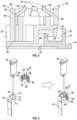
FIG. 2 is a sectional view of the steering roll connector, taken along line A ofFIG. 4 . -
FIG. 3 is a perspective view illustrating an embodiment of a lock pin and a lock pin support. -
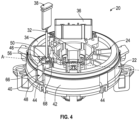
FIG. 4 is a perspective view illustrating the steering roll connector including the lock pin and lock pin support ofFIG. 3 . -
FIG. 5 is a perspective view illustrating the steering roll connector and illustrating the lock pin and lock pin support ofFIG. 3 being removed from the steering roll connector. -
FIG. 6 is a perspective view illustrating an embodiment of a lock pin. -
FIG. 7 is a perspective view illustrating an embodiment of the steering roll connector including the lock pin ofFIG. 6 . -
FIG. 8 is a sectional view, taken along line B ofFIG. 7 , illustrating the steering roll connector with, taken along line B ofFIG. 7 , and illustrating the lock pin ofFIG. 6 being installed with a tool. -
FIGS. 9 and 10 are perspective views illustrating the lock pin ofFIG. 6 and the toll ofFIG. 8 . - It is to be appreciated that the Figures are not necessarily to scale; some features may be exaggerated or minimized to show details of particular components. Therefore, specific structural and functional details disclosed herein are not to be interpreted as limiting, but merely as a representative basis for teaching one skilled in the art to variously employ the present invention.
- The following disclosure is directed to various embodiments of the invention. Although one or more of these embodiments may be preferred, the embodiments disclosed should not be interpreted, or otherwise used, as limiting the scope of the disclosure, including the claims. In addition, one skilled in the art will understand that the following description has broad application, and the discussion of any embodiment is meant only to be exemplary of that embodiment, and not intended to intimate that the scope of the disclosure, including the claims, is limited to that embodiment.
- Generally, vehicles employ steering assemblies to facilitate steering of a vehicle by a driver. Steering assemblies typically include a steering column, which may include a steering shaft, coupling between a hand wheel and wheels of the vehicle. When the hand wheel rotates, relative rotation of the hand wheel transfers through the steering column to the wheels of the vehicle. Accordingly, a driver engaging, and turning, the hand wheel may steer the vehicle.
- Hand wheels typically include electronic components in communication with an electrical system of the vehicle. More specifically, wires connect between the electrical components of the hand wheel and the electrical system of the vehicle. To prevent tangling and breakage of the wires due to over rotation of the hand wheel, a steering roll connector may be used to connect between the electrical components of the hand wheel and the electrical system of the vehicle.
- With reference to the FIGS., a
steering roll connector 20 of the present disclosure is illustrated. Thesteering roll connector 20 may include aroll stator 22 and aroll rotor roll stator 22. The telescoped relationship between theroll stator 22 and theroll rotor roll rotor roll stator 22. In some embodiments, theroll stator 22 may define a female seat 26 (FIG. 2 ) and theroll rotor FIG. 2 ). The female andmale seats roll stator 22 and theroll rotor - The
roll stator 22 may define a first central opening 30 (FIG. 2 ), and theroll rotor central opening central opening 30. The secondcentral opening roll rotor roll rotor steering roll connector 20 to the steering column. It is to be appreciated theroll rotor roll rotor electrical connector housing upper surface electrical connector housing - The
steering roll connector 20 may also include alock pin 38, 138 (FIGS. 3 and6 ) operatively engaged with theroll rotor lock pin roll rotor lock pin roll rotor lock pin roll rotor 24 without breaking. In some embodiments, thelock pin arm lock pin lock pin roll rotor arm roll stator 22 to prevent the relative rotation between theroll rotor roll stator 22. In some embodiments, theroll stator 22 may have anexterior wall 42 that defines one or more slots, or stator recesses, 44 for receiving thearm lock pin - In some embodiments, a
lock pin support roll rotor lock pin support roll rotor 24 by being integrally formed with theroll rotor FIGS. 7 and8 , thelock pin support 146 is coupled to theroll rotor 124 by being integrally formed with theroll rotor 124. - In some embodiments, the
lock pin support 46 may couple to theroll rotor 24 by a snap-fitting or snap-locking arrangement. More specifically, and as best illustrated inFIG. 1 , theroll rotor 24 may have amale protrusion 64 that may be integrally formed with, or coupled to, theupper surface male protrusion 64 may have one ormore clips 66 configured to engage thelock pin support 46 to facilitate the snap-fitting or snap-locking arrangement. As best illustrated inFIG. 3-5 , thelock pin support 46 may define one or more female, or clip, recesses 68 configure to receive theclips 66 of themale protrusion 64 to facilitate the snap-fitting or snap-locking arrangement. It is to be appreciated that the snap-fitting or snap-locking arrangement may be permanent (e.g., thelock pin support 46 and themale protrusion 64, once coupled, cannot be uncoupled) or releasable (e.g., thelock pin support 46 and themale protrusion 64 may be coupled and uncoupled). - In some embodiments, the
lock pin lock pin support lock pin lock pin support lock pin lock pin support lock pin lock pin support lock pin support male portion - With reference to
FIGS. 2-6 , thelock pin support 46 may have a base 48 that defines alock pin opening 52. Thelock pin opening 52 may be configured to receive the male portion of thelock pin 38. Thelock pin support 46 may also include a plurality ofteeth 54. Theteeth 54 may extend from thebase 48 and radially inward into thelock pin opening 48, and theteeth 54 may be configured to releasably engage and couple to the male portion of thelock pin 38. - In some embodiments, the
base 48 has atop end 56 and abottom end 58 spaced from thetop end 56. The base 48 may also have an interior surface (shown in the FIGS., but not numbered) that at least partially defines thelock pin opening 52 and is disposed between the top and bottom ends 56, 58. Each of theteeth 54 may have a base interface end 60 (FIG. 2 ) that is in contact with the interior surface. Thebase interface end 60 may directly or indirectly couple to the interior surface. Each of theteeth 54 may extend from thebase interface end 60 upwardly, in a direction towards the top of thebase 48, to a tab end 62 (FIG. 2 ). As best illustrated inFIG. 3 , thetab end 62 may releasably engage and couple to the male portion of thelock pin 38. - In some embodiments, and as best illustrated in
FIG. 3 , themale portion 50 of thelock pin 38 may have amale end 70 and a flarededge 72 spaced from themale end 70. The flarededge 72 may be configured to engage and reset on the tab ends 62 of theteeth 54 when thelock pin 38 engages and couples to thelock pin support 46. Themale portion 50 may also have anengagement section 74 positioned adjacent the flarededge 72 and between the flarededge 72 and themale end 70. Thelock pin 38 may also have a flaredsection 76 that defines a taper from theengagement section 74 to themale end 70. When thelock pin 38 releasably engages and couples to thelock pin support 46 theteeth 54 releasably engage and couple to the engagement section 74 (e.g., theteeth 54 compress against theengagement section 74 to releasably engage and couple to the engagement section 74). In some embodiments, the tab ends 62 of theteeth 54 may define a tooth opening (not numbered), where the tooth opening is smaller in size than thelock pin opening 52. In some embodiments, themale end 70 is larger in size than the tooth opening to prevent re-engagement and re-coupling between thelock pin 38 and thelock pin support 46 when thelock pin 38 is pulled from thelock pin support 46. - In some embodiments, the
upper surface roll rotor lock pin support 46 may include one or more locking protrusions (not illustrated). The locking protrusions, when disposed in the rotor recess, may engage and couple to theroll rotor lock pin support 46 and theroll rotor - In some embodiments, and as best illustrated in
FIG. 6 , thelock pin 38 may define a pair ofsnap legs 180. Thesnap legs 180 may releasably engage and couple to thelock pin support 146. In some embodiments, thelock pin support 146 may include aledge 190 that defines alock pin opening 192 having a width and/or diameter. Thelock pin support 146 may also include a bottom 194, and alock pin recess 196 defined between theledge 192 and the bottom 194. Thelock pin recess 196 may be configured to receive the pair ofsnap legs 180, and theledge 190 and the bottom 194 are configured to retain the pair ofsnap legs 180 in therecess 196. In some embodiments, thesnap legs 180 extend outwardly from thelock pin 138 to a snap leg width, and thesnap legs 180 are configured to releasably engage and couple to thelock pin support 146 when disposed in therecess 196. Moreover, to prevent engagement and coupling between thelock pin 138 and thelock pin support 146 when thelock pin 138 is pulled from thelock pin support 46. - The present disclosure also includes a method of assembling the
steering roll assembly 20. In some embodiments, the method may include coupling thelock pin 38 to thelock pin support male portion lock pin support FIG. 3 , thelock pin 38 is illustrated in uncoupled with thelock pin support 46 and illustrated coupled to thelock pin support 46 by snap-fitting themale portion 50 to the female portion of thelock pin support - The method may also include disposing the
arm lock pin stator recess 44, 144. With reference toFIG. 4 and7 , thearm lock pin stator recess 44, 144. The method may also include coupling thelock pin support roll rotor - In some embodiments, and as best illustrated in
FIGS 8-10 , the method may provide atool 200 having aslot 202 with a slot width. As best illustrated inFIG. 8 , the method may include disposing thelock pin 138 in the slot of thetool 200, wherein the snap-leg width is compressed to the slot width. The method may also include positioning thetool 200 to align theslot 202 with the lock pin opening192. The method may also include sliding thelock pin 138, in theslot 202, towards thelock pin opening 192 to dispose the pair ofsnap legs 180 into thelock pin recess 196, whereby the pair ofsnap legs 180 expend to the snap-leg width to retain the lock-p 138 in the recess. - While the invention has been described in detail in connection with only a limited number of embodiments, it should be readily understood that the invention is not limited to such disclosed embodiments. Rather, the invention can be modified to incorporate any number of variations, alterations, substitutions or equivalent arrangements not heretofore described, but which are commensurate with the scope of the invention. Additionally, while various embodiments of the invention have been described, it is to be understood that aspects of the invention may include only some of the described embodiments. Accordingly, the invention is not to be seen as limited by the foregoing description.
Claims (12)
- A steering roll connector assembly, comprising:a roll stator (22);a roll rotor (24, 124) telescoped in and rotatably coupled to the roll stator (22) to allow relative rotation between the roll rotor (24, 124) and roll stator (22);a lock pin (38, 138) operatively engaging the roll rotor (24, 124), and the lock pin (38, 138) is releasable from the operative engagement with the roll rotor (24, 124); and,an arm (40 ,140) extending from the lock pin (38, 138) and operatively engaging the roll stator (22) when the lock pin (38, 138) couples to the roll rotor (24, 124) to prevent relative rotation between the roll rotor (24, 124) and the roll stator (22),wherein the lock pin (38, 138) releasably engages and releasably couples to the roll rotor (24, 124) by a snap-fitting arrangement,wherein the roll rotor (24, 124) includes an upper surface (34, 134), and the upper surface (34, 134) defines a rotor recess, andwherein a lock pin support (46, 146) includes a protrusion, and the protrusion, when disposed in the rotor recess, engages and couples to the roll rotor (24, 124) to define the snap-fitting arrangement between the lock pin support (46, 146) and the roll rotor (24, 124).
- The steering roll assembly of claim 1, wherein the lock pin support (46, 146) couples to the roll rotor (24, 124) and the lock pin (38, 138) releasably engages and releasably couples to the lock pin support (46, 146).
- The steering roll assembly of claim 2, wherein the lock pin (38, 138) releasably engages and releasably couples to the lock pin support (46, 146) by a snap-fitting arrangement, wherein the roll stator (22) defines a slot for receiving and engaging the arm (40, 140) of the lock pin (38, 138) to prevent relative rotation between the roll rotor (24, 124) and the roll stator (22).
- The steering roll assembly of claim 3, wherein the lock pin support (46, 46) defines a female portion of the snap-fitting arrangement, and the lock pin (38, 138) has an end configured as a male portion (50, 150) of the snap-fitting arrangement.
- The steering roll assembly of claim 4, wherein the lock pin support (46, 146) comprises:a base (48) defining a lock pin opening (192) configured to receive the male portion (50, 150) of the lock pin (38, 138); anda plurality to teeth (54) extending from the base (48) and radially inwardly into the lock pin opening (192), wherein the teeth (54) are configured to releasably engage and releasably couple to the male portion (50, 150) of lock pin (38, 138).
- The steering roll assembly of claim 5, wherein the base (48) comprises:a top end (56);a bottom end (58) spaced from the top end (56);an interior surface at least partially defining the lock pin opening (52) and disposed between the top and bottom ends (56, 58);each of the plurality of teeth (54) having a base interface end (60) in contact with the interior surface;each of the plurality of teeth (54) extend from the base interface end (60) upwardly, in a direction towards the top end (56), to a tab end (62), and the tab end (62) is releasably engageable and releasably coupleable to the male portion (50, 150) of the lock pin (38, 138).
- The steering roll assembly of claim 6, wherein the male portion (50, 150) of the lock pin (38, 138) comprises:a male end (70);a flared edge (72) spaced from the male end (70), and the flared edge (72) configured to engage and reset on the tab ends (56) of the plurality of teeth (54) when the lock pin (38, 138) engages and couples to the lock pin support (46, 146); andan engagement section (74) positioned adjacent the flared edge (72), and between the flared edge (72) and the male end (70), and the plurality of teeth (54) releasably engaging and releasably coupling to the engagement section when the lock pin (38, 138) releasably engages and releasably couples to the lock pin support (46, 146).
- The steering roll assembly of claim 7, wherein the tab ends (56) of the plurality of teeth (54) define a tooth opening, where the tooth opening is smaller in size than the lock pin opening (52).
- The steering roll assembly of claim 8, wherein the male portion (50, 150) of the lock pin (38, 138) has a flared section (76) defining a taper from the engagement section (74) to the male end (70).
- The steering roll assembly of claim 9, wherein the male end (70) is larger in size than the tooth opening to prevent engagement and coupling between the lock pin (38, 138) and the lock pin support (46, 146) when the lock pin (38, 138) is released from its releasable engagement and releasable coupling to the lock pin support (46, 146).
- The steering roll assembly of claim 10, wherein the lock pin (38, 138) is released from its releasable engagement and releasable coupling to the lock pin support (46, 146) when a force is applied to the lock pin (38, 138) in a direction away from the top end of the lock pin support (46, 146).
- A method of assembling a steering roll assembly, the method comprising:providing a roll stator (22) defining a stator recess;providing a roll rotor (24, 124) having an outer wall (34, 134), and the outer wall (34, 134) defines a rotor recess;providing a lock pin (38, 138) having an arm (40, 140), and the lock pin (38, 138) defining a male portion (50, 150) of a snap-fitting;providing a lock pin support (46, 146) defining a female portion of the snap-fitting, and the lock pin assembly having a protrusion,coupling the lock pin (38, 138) to the lock pin support (46, 146) by snap-fitting the male portion (50, 150) to the female portion;disposing the arm (40, 140) of the lock pin (38, 138) in the stator recess;coupling the lock pin support (46, 146) to the roll rotor (22) by snap-locking the protrusion in the rotor recess.
Applications Claiming Priority (1)
| Application Number | Priority Date | Filing Date | Title |
|---|---|---|---|
| US17/192,608 US11498498B2 (en) | 2021-03-04 | 2021-03-04 | Lock-pin assembly |
Publications (2)
| Publication Number | Publication Date |
|---|---|
| EP4052970A1 EP4052970A1 (en) | 2022-09-07 |
| EP4052970B1 true EP4052970B1 (en) | 2025-07-02 |
Family
ID=80560786
Family Applications (1)
| Application Number | Title | Priority Date | Filing Date |
|---|---|---|---|
| EP22159735.4A Active EP4052970B1 (en) | 2021-03-04 | 2022-03-02 | Lock pin assembly |
Country Status (4)
| Country | Link |
|---|---|
| US (1) | US11498498B2 (en) |
| EP (1) | EP4052970B1 (en) |
| JP (1) | JP7394899B2 (en) |
| CN (1) | CN115009186B (en) |
Family Cites Families (16)
| Publication number | Priority date | Publication date | Assignee | Title |
|---|---|---|---|---|
| JPH0644053Y2 (en) * | 1989-08-29 | 1994-11-14 | 古河電気工業株式会社 | Connector device |
| JP2524419Y2 (en) | 1991-02-26 | 1997-01-29 | アルプス電気株式会社 | Cable reel |
| JPH0719989U (en) | 1993-09-17 | 1995-04-07 | 株式会社東海理化電機製作所 | Temporary fixing pin for roll connector |
| DE4446901C2 (en) | 1993-12-27 | 2001-01-25 | Nihon Plast Co Ltd | Electrical clock spring connector |
| JP3231206B2 (en) | 1995-02-08 | 2001-11-19 | アルプス電気株式会社 | Rotating connector |
| JP3025626B2 (en) | 1995-05-11 | 2000-03-27 | 矢崎総業株式会社 | Lock mechanism for electrical connection device |
| JPH11339917A (en) * | 1998-05-29 | 1999-12-10 | Tokai Rika Co Ltd | Roll connector |
| US6059590A (en) | 1999-04-08 | 2000-05-09 | Methode Electronics, Inc. | Clockspring tamper proof external lock |
| JP3927483B2 (en) * | 2002-11-25 | 2007-06-06 | アルプス電気株式会社 | Rotating connector |
| JP2005190971A (en) * | 2003-12-26 | 2005-07-14 | Alps Electric Co Ltd | Rotative connector |
| JP4383244B2 (en) | 2004-05-13 | 2009-12-16 | 古河電気工業株式会社 | Rotating connector |
| US7452224B1 (en) * | 2007-07-06 | 2008-11-18 | Bourns, Inc. | Clockspring sensor with locking clip and centering mechanism |
| KR101133890B1 (en) * | 2010-01-06 | 2012-04-09 | 대성전기공업 주식회사 | Steering roll connector having neutral locking unit |
| JP4974195B2 (en) * | 2010-10-20 | 2012-07-11 | 古河電気工業株式会社 | Rotating connector device |
| FR3009850B1 (en) | 2013-08-26 | 2016-01-29 | Peugeot Citroen Automobiles Sa | MULTIFUNCTION AND REUSABLE ELEMENT FOR ROTATION BLOCKING OF A MOBILE PIECE OF AN ORGAN, AND ORGAN HAVING SUCH A MEMBER |
| US9627832B2 (en) * | 2014-08-04 | 2017-04-18 | American Furukawa, Inc. | Lock member for a rotary connector device |
-
2021
- 2021-03-04 US US17/192,608 patent/US11498498B2/en active Active
-
2022
- 2022-03-02 JP JP2022031805A patent/JP7394899B2/en active Active
- 2022-03-02 EP EP22159735.4A patent/EP4052970B1/en active Active
- 2022-03-02 CN CN202210204399.XA patent/CN115009186B/en active Active
Also Published As
| Publication number | Publication date |
|---|---|
| CN115009186A (en) | 2022-09-06 |
| EP4052970A1 (en) | 2022-09-07 |
| JP2022136014A (en) | 2022-09-15 |
| JP7394899B2 (en) | 2023-12-08 |
| CN115009186B (en) | 2026-01-09 |
| US20220281395A1 (en) | 2022-09-08 |
| US11498498B2 (en) | 2022-11-15 |
Similar Documents
| Publication | Publication Date | Title |
|---|---|---|
| US6916988B1 (en) | Electrical connector with frustro conical snap fit retaining ring | |
| CN104009330B (en) | rotary locking connector | |
| EP2287973B1 (en) | Electrical connector having a locking collar | |
| KR950031678A (en) | Two-piece clock spring with lock and wire harness assembly | |
| JP2005267930A (en) | Rotating mating connector | |
| WO2012096797A1 (en) | Contact assembly for an electrical connector | |
| WO2013052571A1 (en) | Power terminal connector and system | |
| CN103988376B (en) | Power socket and contact unit used for the power socket | |
| WO2006099007A1 (en) | Electrical connector assembly having lever assist with latch hold down mechanism | |
| WO1998043855A1 (en) | Steering assembly with self-docking connector | |
| EP4052970B1 (en) | Lock pin assembly | |
| MX2008003851A (en) | Electrical connector having lever with protective shroud. | |
| JP2011134519A (en) | Battery terminal | |
| KR101006942B1 (en) | connector | |
| JP6505144B2 (en) | Terminal bracket connection structure and connection method | |
| US20090250327A1 (en) | Steering column module and associated assembly method | |
| JP3258810B2 (en) | Rotating connector | |
| JP2012506507A (en) | Car anti-theft lock | |
| CN220272927U (en) | Latches, clock springs, clock spring assemblies and steering wheel mechanisms for clock springs | |
| GB2333744A (en) | Air bag assembly | |
| EP4039546B1 (en) | Auto-lock assembly | |
| JP2020170633A (en) | Connector housing and electric wire with connector housing | |
| JPH0831534A (en) | Roll connector device | |
| KR101506742B1 (en) | Vehicle roll connector device | |
| JP2008226586A (en) | Steering roll connector |
Legal Events
| Date | Code | Title | Description |
|---|---|---|---|
| PUAI | Public reference made under article 153(3) epc to a published international application that has entered the european phase |
Free format text: ORIGINAL CODE: 0009012 |
|
| STAA | Information on the status of an ep patent application or granted ep patent |
Free format text: STATUS: REQUEST FOR EXAMINATION WAS MADE |
|
| 17P | Request for examination filed |
Effective date: 20220302 |
|
| AK | Designated contracting states |
Kind code of ref document: A1 Designated state(s): AL AT BE BG CH CY CZ DE DK EE ES FI FR GB GR HR HU IE IS IT LI LT LU LV MC MK MT NL NO PL PT RO RS SE SI SK SM TR |
|
| GRAP | Despatch of communication of intention to grant a patent |
Free format text: ORIGINAL CODE: EPIDOSNIGR1 |
|
| STAA | Information on the status of an ep patent application or granted ep patent |
Free format text: STATUS: GRANT OF PATENT IS INTENDED |
|
| RIC1 | Information provided on ipc code assigned before grant |
Ipc: B60R 16/027 20060101AFI20241118BHEP |
|
| INTG | Intention to grant announced |
Effective date: 20241206 |
|
| RIN1 | Information on inventor provided before grant (corrected) |
Inventor name: PADILLA, ALBERTO CASTRO Inventor name: WADE, JERE |
|
| GRAS | Grant fee paid |
Free format text: ORIGINAL CODE: EPIDOSNIGR3 |
|
| GRAA | (expected) grant |
Free format text: ORIGINAL CODE: 0009210 |
|
| STAA | Information on the status of an ep patent application or granted ep patent |
Free format text: STATUS: THE PATENT HAS BEEN GRANTED |
|
| AK | Designated contracting states |
Kind code of ref document: B1 Designated state(s): AL AT BE BG CH CY CZ DE DK EE ES FI FR GB GR HR HU IE IS IT LI LT LU LV MC MK MT NL NO PL PT RO RS SE SI SK SM TR |
|
| REG | Reference to a national code |
Ref country code: GB Ref legal event code: FG4D |
|
| REG | Reference to a national code |
Ref country code: CH Ref legal event code: EP |
|
| REG | Reference to a national code |
Ref country code: DE Ref legal event code: R096 Ref document number: 602022016664 Country of ref document: DE |
|
| REG | Reference to a national code |
Ref country code: IE Ref legal event code: FG4D |
|
| REG | Reference to a national code |
Ref country code: NL Ref legal event code: MP Effective date: 20250702 |
|
| PG25 | Lapsed in a contracting state [announced via postgrant information from national office to epo] |
Ref country code: PT Free format text: LAPSE BECAUSE OF FAILURE TO SUBMIT A TRANSLATION OF THE DESCRIPTION OR TO PAY THE FEE WITHIN THE PRESCRIBED TIME-LIMIT Effective date: 20251103 |
|
| PG25 | Lapsed in a contracting state [announced via postgrant information from national office to epo] |
Ref country code: NL Free format text: LAPSE BECAUSE OF FAILURE TO SUBMIT A TRANSLATION OF THE DESCRIPTION OR TO PAY THE FEE WITHIN THE PRESCRIBED TIME-LIMIT Effective date: 20250702 |
|
| REG | Reference to a national code |
Ref country code: AT Ref legal event code: MK05 Ref document number: 1808905 Country of ref document: AT Kind code of ref document: T Effective date: 20250702 |
|
| PG25 | Lapsed in a contracting state [announced via postgrant information from national office to epo] |
Ref country code: IS Free format text: LAPSE BECAUSE OF FAILURE TO SUBMIT A TRANSLATION OF THE DESCRIPTION OR TO PAY THE FEE WITHIN THE PRESCRIBED TIME-LIMIT Effective date: 20251102 |
|
| PG25 | Lapsed in a contracting state [announced via postgrant information from national office to epo] |
Ref country code: NO Free format text: LAPSE BECAUSE OF FAILURE TO SUBMIT A TRANSLATION OF THE DESCRIPTION OR TO PAY THE FEE WITHIN THE PRESCRIBED TIME-LIMIT Effective date: 20251002 |
|
| REG | Reference to a national code |
Ref country code: LT Ref legal event code: MG9D |
|
| PG25 | Lapsed in a contracting state [announced via postgrant information from national office to epo] |
Ref country code: AT Free format text: LAPSE BECAUSE OF FAILURE TO SUBMIT A TRANSLATION OF THE DESCRIPTION OR TO PAY THE FEE WITHIN THE PRESCRIBED TIME-LIMIT Effective date: 20250702 |
|
| PG25 | Lapsed in a contracting state [announced via postgrant information from national office to epo] |
Ref country code: FI Free format text: LAPSE BECAUSE OF FAILURE TO SUBMIT A TRANSLATION OF THE DESCRIPTION OR TO PAY THE FEE WITHIN THE PRESCRIBED TIME-LIMIT Effective date: 20250702 |
|
| PG25 | Lapsed in a contracting state [announced via postgrant information from national office to epo] |
Ref country code: HR Free format text: LAPSE BECAUSE OF FAILURE TO SUBMIT A TRANSLATION OF THE DESCRIPTION OR TO PAY THE FEE WITHIN THE PRESCRIBED TIME-LIMIT Effective date: 20250702 |
|
| PG25 | Lapsed in a contracting state [announced via postgrant information from national office to epo] |
Ref country code: GR Free format text: LAPSE BECAUSE OF FAILURE TO SUBMIT A TRANSLATION OF THE DESCRIPTION OR TO PAY THE FEE WITHIN THE PRESCRIBED TIME-LIMIT Effective date: 20251003 |
|
| PG25 | Lapsed in a contracting state [announced via postgrant information from national office to epo] |
Ref country code: CZ Free format text: LAPSE BECAUSE OF FAILURE TO SUBMIT A TRANSLATION OF THE DESCRIPTION OR TO PAY THE FEE WITHIN THE PRESCRIBED TIME-LIMIT Effective date: 20250702 Ref country code: SE Free format text: LAPSE BECAUSE OF FAILURE TO SUBMIT A TRANSLATION OF THE DESCRIPTION OR TO PAY THE FEE WITHIN THE PRESCRIBED TIME-LIMIT Effective date: 20250702 |
|
| PG25 | Lapsed in a contracting state [announced via postgrant information from national office to epo] |
Ref country code: LV Free format text: LAPSE BECAUSE OF FAILURE TO SUBMIT A TRANSLATION OF THE DESCRIPTION OR TO PAY THE FEE WITHIN THE PRESCRIBED TIME-LIMIT Effective date: 20250702 |
|
| PG25 | Lapsed in a contracting state [announced via postgrant information from national office to epo] |
Ref country code: PL Free format text: LAPSE BECAUSE OF FAILURE TO SUBMIT A TRANSLATION OF THE DESCRIPTION OR TO PAY THE FEE WITHIN THE PRESCRIBED TIME-LIMIT Effective date: 20250702 Ref country code: BG Free format text: LAPSE BECAUSE OF FAILURE TO SUBMIT A TRANSLATION OF THE DESCRIPTION OR TO PAY THE FEE WITHIN THE PRESCRIBED TIME-LIMIT Effective date: 20250702 |
|
| PG25 | Lapsed in a contracting state [announced via postgrant information from national office to epo] |
Ref country code: RS Free format text: LAPSE BECAUSE OF FAILURE TO SUBMIT A TRANSLATION OF THE DESCRIPTION OR TO PAY THE FEE WITHIN THE PRESCRIBED TIME-LIMIT Effective date: 20251002 |
|
| PG25 | Lapsed in a contracting state [announced via postgrant information from national office to epo] |
Ref country code: ES Free format text: LAPSE BECAUSE OF FAILURE TO SUBMIT A TRANSLATION OF THE DESCRIPTION OR TO PAY THE FEE WITHIN THE PRESCRIBED TIME-LIMIT Effective date: 20250702 |
|
| PG25 | Lapsed in a contracting state [announced via postgrant information from national office to epo] |
Ref country code: SM Free format text: LAPSE BECAUSE OF FAILURE TO SUBMIT A TRANSLATION OF THE DESCRIPTION OR TO PAY THE FEE WITHIN THE PRESCRIBED TIME-LIMIT Effective date: 20250702 |
|
| PG25 | Lapsed in a contracting state [announced via postgrant information from national office to epo] |
Ref country code: DK Free format text: LAPSE BECAUSE OF FAILURE TO SUBMIT A TRANSLATION OF THE DESCRIPTION OR TO PAY THE FEE WITHIN THE PRESCRIBED TIME-LIMIT Effective date: 20250702 |
|
| PG25 | Lapsed in a contracting state [announced via postgrant information from national office to epo] |
Ref country code: IT Free format text: LAPSE BECAUSE OF FAILURE TO SUBMIT A TRANSLATION OF THE DESCRIPTION OR TO PAY THE FEE WITHIN THE PRESCRIBED TIME-LIMIT Effective date: 20250702 |
|
| PG25 | Lapsed in a contracting state [announced via postgrant information from national office to epo] |
Ref country code: EE Free format text: LAPSE BECAUSE OF FAILURE TO SUBMIT A TRANSLATION OF THE DESCRIPTION OR TO PAY THE FEE WITHIN THE PRESCRIBED TIME-LIMIT Effective date: 20250702 Ref country code: SK Free format text: LAPSE BECAUSE OF FAILURE TO SUBMIT A TRANSLATION OF THE DESCRIPTION OR TO PAY THE FEE WITHIN THE PRESCRIBED TIME-LIMIT Effective date: 20250702 |