EP4052578A1 - Method for preparation of extract from fraxinus ornus and the use thereof - Google Patents
Method for preparation of extract from fraxinus ornus and the use thereof Download PDFInfo
- Publication number
- EP4052578A1 EP4052578A1 EP21160111.7A EP21160111A EP4052578A1 EP 4052578 A1 EP4052578 A1 EP 4052578A1 EP 21160111 A EP21160111 A EP 21160111A EP 4052578 A1 EP4052578 A1 EP 4052578A1
- Authority
- EP
- European Patent Office
- Prior art keywords
- distillation
- extract
- plasmopara viticola
- fraxinus ornus
- ornus
- Prior art date
- Legal status (The legal status is an assumption and is not a legal conclusion. Google has not performed a legal analysis and makes no representation as to the accuracy of the status listed.)
- Withdrawn
Links
- 244000182067 Fraxinus ornus Species 0.000 title claims abstract description 17
- 238000000034 method Methods 0.000 title claims abstract description 17
- 235000002917 Fraxinus ornus Nutrition 0.000 title claims abstract description 16
- 238000002360 preparation method Methods 0.000 title claims description 3
- 241001281803 Plasmopara viticola Species 0.000 claims abstract description 19
- 238000004821 distillation Methods 0.000 claims description 26
- 235000014787 Vitis vinifera Nutrition 0.000 claims description 15
- 240000006365 Vitis vinifera Species 0.000 claims description 14
- 241000233679 Peronosporaceae Species 0.000 claims description 10
- 241000196324 Embryophyta Species 0.000 claims description 7
- XLYOFNOQVPJJNP-UHFFFAOYSA-N water Substances O XLYOFNOQVPJJNP-UHFFFAOYSA-N 0.000 claims description 4
- 230000000694 effects Effects 0.000 abstract description 7
- 230000036541 health Effects 0.000 abstract description 4
- 208000037265 diseases, disorders, signs and symptoms Diseases 0.000 description 11
- 201000010099 disease Diseases 0.000 description 10
- 239000000417 fungicide Substances 0.000 description 8
- 208000015181 infectious disease Diseases 0.000 description 8
- 150000001875 compounds Chemical class 0.000 description 7
- 230000028070 sporulation Effects 0.000 description 5
- 238000011282 treatment Methods 0.000 description 5
- 230000000855 fungicidal effect Effects 0.000 description 4
- 238000012552 review Methods 0.000 description 4
- 239000000126 substance Substances 0.000 description 4
- 241001331901 Mediterranea Species 0.000 description 3
- 241000607479 Yersinia pestis Species 0.000 description 3
- 230000003902 lesion Effects 0.000 description 3
- 238000007726 management method Methods 0.000 description 3
- 244000052769 pathogen Species 0.000 description 3
- 230000001717 pathogenic effect Effects 0.000 description 3
- 239000000523 sample Substances 0.000 description 3
- 239000002689 soil Substances 0.000 description 3
- XHUBSJRBOQIZNI-UHFFFAOYSA-N (4-Hydroxy-3-methoxyphenyl)ethanol Chemical compound COC1=CC(CCO)=CC=C1O XHUBSJRBOQIZNI-UHFFFAOYSA-N 0.000 description 2
- YCCILVSKPBXVIP-UHFFFAOYSA-N 2-(4-hydroxyphenyl)ethanol Chemical compound OCCC1=CC=C(O)C=C1 YCCILVSKPBXVIP-UHFFFAOYSA-N 0.000 description 2
- RYGMFSIKBFXOCR-UHFFFAOYSA-N Copper Chemical compound [Cu] RYGMFSIKBFXOCR-UHFFFAOYSA-N 0.000 description 2
- QPLDLSVMHZLSFG-UHFFFAOYSA-N Copper oxide Chemical compound [Cu]=O QPLDLSVMHZLSFG-UHFFFAOYSA-N 0.000 description 2
- 239000005751 Copper oxide Substances 0.000 description 2
- 239000003429 antifungal agent Substances 0.000 description 2
- 229940121375 antifungal agent Drugs 0.000 description 2
- 229910052802 copper Inorganic materials 0.000 description 2
- 239000010949 copper Substances 0.000 description 2
- 229910000431 copper oxide Inorganic materials 0.000 description 2
- 229960004643 cupric oxide Drugs 0.000 description 2
- HALQELOKLVRWRI-VDBOFHIQSA-N doxycycline hyclate Chemical compound O.[Cl-].[Cl-].CCO.O=C1C2=C(O)C=CC=C2[C@H](C)[C@@H]2C1=C(O)[C@]1(O)C(=O)C(C(N)=O)=C(O)[C@@H]([NH+](C)C)[C@@H]1[C@H]2O.O=C1C2=C(O)C=CC=C2[C@H](C)[C@@H]2C1=C(O)[C@]1(O)C(=O)C(C(N)=O)=C(O)[C@@H]([NH+](C)C)[C@@H]1[C@H]2O HALQELOKLVRWRI-VDBOFHIQSA-N 0.000 description 2
- 230000008659 phytopathology Effects 0.000 description 2
- 230000009467 reduction Effects 0.000 description 2
- 238000012360 testing method Methods 0.000 description 2
- PAYRUJLWNCNPSJ-UHFFFAOYSA-N Aniline Chemical class NC1=CC=CC=C1 PAYRUJLWNCNPSJ-UHFFFAOYSA-N 0.000 description 1
- 239000005747 Chlorothalonil Substances 0.000 description 1
- 208000003322 Coinfection Diseases 0.000 description 1
- 239000005764 Dithianon Substances 0.000 description 1
- 241001506775 Epicoccum nigrum Species 0.000 description 1
- 241000233866 Fungi Species 0.000 description 1
- 241000282412 Homo Species 0.000 description 1
- 241001465754 Metazoa Species 0.000 description 1
- 208000031888 Mycoses Diseases 0.000 description 1
- 241000233654 Oomycetes Species 0.000 description 1
- ABLZXFCXXLZCGV-UHFFFAOYSA-N Phosphorous acid Chemical class OP(O)=O ABLZXFCXXLZCGV-UHFFFAOYSA-N 0.000 description 1
- 241000219095 Vitis Species 0.000 description 1
- 235000009754 Vitis X bourquina Nutrition 0.000 description 1
- 235000012333 Vitis X labruscana Nutrition 0.000 description 1
- 230000009471 action Effects 0.000 description 1
- 239000013543 active substance Substances 0.000 description 1
- 230000004071 biological effect Effects 0.000 description 1
- 239000012677 causal agent Substances 0.000 description 1
- 239000013043 chemical agent Substances 0.000 description 1
- CRQQGFGUEAVUIL-UHFFFAOYSA-N chlorothalonil Chemical compound ClC1=C(Cl)C(C#N)=C(Cl)C(C#N)=C1Cl CRQQGFGUEAVUIL-UHFFFAOYSA-N 0.000 description 1
- 239000013068 control sample Substances 0.000 description 1
- 229910000365 copper sulfate Inorganic materials 0.000 description 1
- ARUVKPQLZAKDPS-UHFFFAOYSA-L copper(II) sulfate Chemical compound [Cu+2].[O-][S+2]([O-])([O-])[O-] ARUVKPQLZAKDPS-UHFFFAOYSA-L 0.000 description 1
- 238000011161 development Methods 0.000 description 1
- 230000018109 developmental process Effects 0.000 description 1
- 231100000676 disease causative agent Toxicity 0.000 description 1
- 208000035475 disorder Diseases 0.000 description 1
- PYZSVQVRHDXQSL-UHFFFAOYSA-N dithianon Chemical compound S1C(C#N)=C(C#N)SC2=C1C(=O)C1=CC=CC=C1C2=O PYZSVQVRHDXQSL-UHFFFAOYSA-N 0.000 description 1
- 239000012990 dithiocarbamate Substances 0.000 description 1
- 150000004659 dithiocarbamates Chemical class 0.000 description 1
- -1 drainage Substances 0.000 description 1
- 238000002474 experimental method Methods 0.000 description 1
- 238000000605 extraction Methods 0.000 description 1
- 230000002349 favourable effect Effects 0.000 description 1
- 244000053095 fungal pathogen Species 0.000 description 1
- 238000002290 gas chromatography-mass spectrometry Methods 0.000 description 1
- 235000002532 grape seed extract Nutrition 0.000 description 1
- 239000001963 growth medium Substances 0.000 description 1
- 230000002262 irrigation Effects 0.000 description 1
- 238000003973 irrigation Methods 0.000 description 1
- TWNIBLMWSKIRAT-VFUOTHLCSA-N levoglucosan Chemical compound O[C@@H]1[C@@H](O)[C@H](O)[C@H]2CO[C@@H]1O2 TWNIBLMWSKIRAT-VFUOTHLCSA-N 0.000 description 1
- 230000007246 mechanism Effects 0.000 description 1
- 244000005700 microbiome Species 0.000 description 1
- 239000000203 mixture Substances 0.000 description 1
- 230000004487 negative regulation of sporulation resulting in formation of a cellular spore Effects 0.000 description 1
- 230000007170 pathology Effects 0.000 description 1
- 125000005543 phthalimide group Chemical class 0.000 description 1
- 239000000049 pigment Substances 0.000 description 1
- 244000000003 plant pathogen Species 0.000 description 1
- 239000002574 poison Substances 0.000 description 1
- 231100000614 poison Toxicity 0.000 description 1
- 239000001965 potato dextrose agar Substances 0.000 description 1
- 239000008223 sterile water Substances 0.000 description 1
- 230000004083 survival effect Effects 0.000 description 1
- 239000000725 suspension Substances 0.000 description 1
- 231100000331 toxic Toxicity 0.000 description 1
- 230000002588 toxic effect Effects 0.000 description 1
- 231100000027 toxicology Toxicity 0.000 description 1
- 238000009966 trimming Methods 0.000 description 1
- LDLOCPJLLDCCGO-UHFFFAOYSA-N tyrosyl acetate Natural products CC(=O)OCCC1=CC=C(O)C=C1 LDLOCPJLLDCCGO-UHFFFAOYSA-N 0.000 description 1
Images

Classifications
-
- A—HUMAN NECESSITIES
- A01—AGRICULTURE; FORESTRY; ANIMAL HUSBANDRY; HUNTING; TRAPPING; FISHING
- A01N—PRESERVATION OF BODIES OF HUMANS OR ANIMALS OR PLANTS OR PARTS THEREOF; BIOCIDES, e.g. AS DISINFECTANTS, AS PESTICIDES OR AS HERBICIDES; PEST REPELLANTS OR ATTRACTANTS; PLANT GROWTH REGULATORS
- A01N65/00—Biocides, pest repellants or attractants, or plant growth regulators containing material from algae, lichens, bryophyta, multi-cellular fungi or plants, or extracts thereof
- A01N65/08—Magnoliopsida [dicotyledons]
- A01N65/22—Lamiaceae or Labiatae [Mint family], e.g. thyme, rosemary, skullcap, selfheal, lavender, perilla, pennyroyal, peppermint or spearmint
Definitions
- This invention relates to the field of plant protection, especially to the protection against downy mildew.
- This invention aims to solve is to provide plant protection treatment, especially solution to grapevine protection against downy mildew that would at the same time be efficient, not causing any health related problems for human, ecological and sustainable.
- Downy mildew caused by Plasmopara viticola, is a major disease of grapevine that can cause significant impact on the yield. It is characterized by the presence of oil spots on the surface of leaves and white down that can be seen on the underside of the leaves, canes and bunches in periods of high humidity.
- Plasmopara viticola the causal agent of grapevine downy mildew, is the most devastating disease of the grapevine in climates with relatively warm and humid summers. The impact it has on the yield is typically reduction of 20-50% but in extreme cases, it can go up to the 100% (for a review see: Gessler, C. et al. (2011) Plasmopara viticola: a review of knowledge on downy mildew of grapevine and effective disease management. Phytopathologia Mediterranea 50(1):3-44 )).
- Plasmopara viticola is a heterothallic oomycete that overwinters as oospores in leaf litter and soil. In the spring, oospores germinate to produce macrosporangia, which under wet condition release zoospores. Zoospores are splashed by rain into the canopy, where they swim to and infect through stomata. After 7-10 days, yellow lesions appear on foliage. During favourable weather, the lesions sporulate and new secondary infections occur ( Kennely et al. (2007). Primary Infection, Lesion Productivity, and Survival of Sporangia in the Grapevine Downy Mildew Pathogen Plasmopara viticola.
- Another method for the disease control includes the reduction of risk by carefully choosing the location, soil, drainage, soil and irrigation systems. This method obviously has its limitations since it works only at the stage of planning on establishing the vineyards. It cannot be used on already established vineyards.
- Pre-infection fungicides are, for example, phthalimides, dithiocarbamates, chlorothalonil and dithianon. Both pre and post infection activity have several compound classes: phenylamides and strobilurines ( Nicholas et al. (1994) Diseases and Pests. Cowandilla, Australia: Winetitles; Wong and Wilcox (2001) Heterothalism in Plasmopara viticola. Plant Pathology 50(4):427-432 ).
- Another options include biological control using microorganisms (e.g. Epicoccum nigrum - a plant pathogen, a widespread fungus which produces coloured pigments can be used as antifungal agents against other pathogenic fungi).
- microorganisms e.g. Epicoccum nigrum - a plant pathogen, a widespread fungus which produces coloured pigments can be used as antifungal agents against other pathogenic fungi.
- these solutions are relatively non efficient ( Gessler, C. et al. (2011) Plasmopara viticola: a review of knowledge on downy mildew of grapevine and effective disease management. Phytopathologia Mediterranea 50(1):3-44 ).
- the present invention describes method wherein the natural extract of Fraxinus ornus has been surprisingly found to be efficient against Plasmopara viticola and at the same time does not have negative effect on the environment as well as human health.
- the invention relates to the method of extraction from part of the bark of Fraxinus ornus and use thereof against sporulation of Plasmopara viticola, causative agent of grapevine downy mildew.
- Method for preparation of extract from Fraxinus ornus comprised following steps:
- the final distillation product showed biological activity in terms of inhibition of sporulation of Plasmopara viticola comparable to the activity of commercial fungicide.
- the extract of Fraxinus ornus prepared according to the method of the present invention could be successfully used in the plant protection procedures against pathogen Plasmopara viticola.
- Extract of the Fraxinus ornus was obtained, according to the method of the invention.
- Fraxinus ornus plant grown in Montenegro, bark pieces were collected and cut into smaller pieces and transferred into the distillation balloon and water was added.
- Distillation is performed for 40 min, and the distillation product is discarded.
- Further distillation is performed for 40 min (distillation from 40 min to 80 min), and again the distillation product is discarded.
- Final distillation is performed from about 80 min to about 120 min, in order to obtain the final distillation product.
Landscapes
- Health & Medical Sciences (AREA)
- Life Sciences & Earth Sciences (AREA)
- General Health & Medical Sciences (AREA)
- Engineering & Computer Science (AREA)
- Natural Medicines & Medicinal Plants (AREA)
- Agronomy & Crop Science (AREA)
- Biotechnology (AREA)
- Microbiology (AREA)
- Mycology (AREA)
- Plant Pathology (AREA)
- Dentistry (AREA)
- Wood Science & Technology (AREA)
- Zoology (AREA)
- Environmental Sciences (AREA)
- Agricultural Chemicals And Associated Chemicals (AREA)
Abstract
The present invention describes method wherein the natural extract of Fraxinus ornus has been found to be efficient against Plasmopara viticola and at the same time does not have negative effect on the environment as well as human health.
Description
- This invention relates to the field of plant protection, especially to the protection against downy mildew.
- Technical problem this invention aims to solve is to provide plant protection treatment, especially solution to grapevine protection against downy mildew that would at the same time be efficient, not causing any health related problems for human, ecological and sustainable.
- Downy mildew, caused by Plasmopara viticola, is a major disease of grapevine that can cause significant impact on the yield. It is characterized by the presence of oil spots on the surface of leaves and white down that can be seen on the underside of the leaves, canes and bunches in periods of high humidity.
- Plasmopara viticola, the causal agent of grapevine downy mildew, is the most devastating disease of the grapevine in climates with relatively warm and humid summers. The impact it has on the yield is typically reduction of 20-50% but in extreme cases, it can go up to the 100% (for a review see: Gessler, C. et al. (2011) Plasmopara viticola: a review of knowledge on downy mildew of grapevine and effective disease management. Phytopathologia Mediterranea 50(1):3-44)).
- Plasmopara viticola is a heterothallic oomycete that overwinters as oospores in leaf litter and soil. In the spring, oospores germinate to produce macrosporangia, which under wet condition release zoospores. Zoospores are splashed by rain into the canopy, where they swim to and infect through stomata. After 7-10 days, yellow lesions appear on foliage. During favourable weather, the lesions sporulate and new secondary infections occur (Kennely et al. (2007). Primary Infection, Lesion Productivity, and Survival of Sporangia in the Grapevine Downy Mildew Pathogen Plasmopara viticola. Phytopathology 97: 512-22; Compendium of Grape Diseases, Disorders and Pests. Second Edition. The American Phytopathological Society (2015) pp. 46-51)). Most commonly the diseases is treated by copper-based methods, for example, copper sulfate (3-4%) or (1-1.5%), depending on the level of the risk of infection, is used (Gessler, C. et al. (2011) Plasmopara viticola: a review of knowledge on downy mildew of grapevine and effective disease management. Phytopathologia Mediterranea 50(1):3-44). Although this treatment may be sufficient at some of the occasions, copper is known to accumulate in the environment and higher concentrations are known to be toxic to humans (Casarett, L. et al. (1996) Casarett & Doull's Toxicology, The Basic Science of Poisons (5th ed.). McGraw-Hill. p.715).
- Another method for the disease control includes the reduction of risk by carefully choosing the location, soil, drainage, soil and irrigation systems. This method obviously has its limitations since it works only at the stage of planning on establishing the vineyards. It cannot be used on already established vineyards.
- Additionally, there are also certain canopy practices (e.g. low planting density, vine trimming, hedging, shoot thinning) which can make the leaves drier and therefore less susceptible to the downy mildew (Wearing L.P. et al. (1999) Grapevine canopy density affects the developments of fungal diseases. Phytopathology 89:S83). Again, the method does not work in very humid areas and therefore is limited to dry and mildly humid areas.
- Other methods include chemical-based treatments which can be pre-infection fungicides method which can prevent the zoospores to enter the leaf stomata. Also, post-infection fungicides can be used as soon as possible after infection to kill the pathogen tissues inside the leaves. Pre-infection fungicides are, for example, phthalimides, dithiocarbamates, chlorothalonil and dithianon. Both pre and post infection activity have several compound classes: phenylamides and strobilurines (Nicholas et al. (1994) Diseases and Pests. Cowandilla, Australia: Winetitles; Wong and Wilcox (2001) Heterothalism in Plasmopara viticola. Plant Pathology 50(4):427-432). Another group of compounds that have post-infection activity are phosphonates (Nicholas et al. (1994) Diseases and Pests. Cowandilla, Australia: Winetitles). All chemical-based methods have negative impact on ecological systems and very often can cause negative impact on human and/or animal health. Additionally, Plasmopara viticola is a pathogen which quite easily becomes resistant to various chemical agents so it is necessary to apply substances with different mechanisms of action in order to have the effective treatment against it.
- Another options include biological control using microorganisms (e.g. Epicoccum nigrum - a plant pathogen, a widespread fungus which produces coloured pigments can be used as antifungal agents against other pathogenic fungi). However, these solutions are relatively non efficient (Gessler, C. et al. (2011) Plasmopara viticola: a review of knowledge on downy mildew of grapevine and effective disease management. Phytopathologia Mediterranea 50(1):3-44).
- The present invention describes method wherein the natural extract of Fraxinus ornus has been surprisingly found to be efficient against Plasmopara viticola and at the same time does not have negative effect on the environment as well as human health.
- The invention relates to the method of extraction from part of the bark of Fraxinus ornus and use thereof against sporulation of Plasmopara viticola, causative agent of grapevine downy mildew.
-
-
Figure 1 Set up of the experiment aiming to examine the efficacy of the Fraxinus ornus extract -
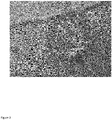
Figure 2 Sporulation of the Plasmopara viticola in the control sample (without any treatment) -
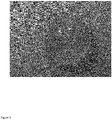
Figure 3 Lack of sporulation in sample where Fraxinus ornus extract has been applied -
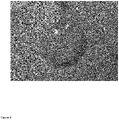
Figure 4 Lack of sporulation in sample where commercial fungicide (Nordox, active substance copper oxide) has been applied - Method for preparation of extract from Fraxinus ornus comprised following steps:
- a) collecting and cutting plant bark into pieces;
- b) transferring the chipped bark obtained in step b into the distillation balloon and adding water;
- c) distillation is performed for 40 min, and the distillation product is discarded;
- d) further distillation is performed for 40 min (distillation from 40 min to 80 min), and again the distillation product is discarded;
- e) final distillation is performed from about 80 min to about 120 min, in order to obtain the final distillation product.
- The final distillation product showed biological activity in terms of inhibition of sporulation of Plasmopara viticola comparable to the activity of commercial fungicide.
- Therefore, the extract of Fraxinus ornus prepared according to the method of the present invention could be successfully used in the plant protection procedures against pathogen Plasmopara viticola.
- Extract of the Fraxinus ornus was obtained, according to the method of the invention. Fraxinus ornus plant, grown in Montenegro, bark pieces were collected and cut into smaller pieces and transferred into the distillation balloon and water was added. Distillation is performed for 40 min, and the distillation product is discarded. Further distillation is performed for 40 min (distillation from 40 min to 80 min), and again the distillation product is discarded. Final distillation is performed from about 80 min to about 120 min, in order to obtain the final distillation product.
- Final distillation product, i.e. Fraxinus ornus extract was analysed by GC-MS and the results of this activity is shown in Table 1.
Table 1 Chemical composition of the Fraxinus ornus extract Relative area under the peak* [%] COMPOUND 6,97 Unknown compound, Mr = 131 g/mol 5,10 Unknown compound, Mr = 131 g/mol 3,03 Unknown compound, Mr = 154 g/mol 16,13 2-(4-Hydroxyphenyl)ethanol 57,09 1,6-Anhydro-β-D-glucopyranose 6,59 Homovanillyl alcohol 5,09 Tyrosyl acetate 100,00 TOTAL * Relative area under the peak relates to the amount of the compound present in the extract in percentage. - Testing was performed in the laboratory setting in order to examine the potential of the extract as antifungal agent against Plasmopara viticola.
- Healthy leaves of grapevine (Vitis vinifera) were cut into discs having approximately diameter equal to 9 mm and were positioned on the sterile Petri dish with potato-dextrose agar growth medium. After that 10 µl suspension of Plasmopara viticola was applied to these grapevine leaves discs.
- In order to compare the activity of Fraxinus ornus extract with known fungicides, altogether three different samples were applied to the discs inoculated with spores. First one comprised 10 µl of the Fraxinus ornus extract, second one 10 µl of commercial fungicide based on copper-oxide (Nordox) while the third one served as an untreated control since 10 µl of sterile water was added (
Figure 1 ). - All Petri dishes were incubated at 23°C and after 6 days, the readings were performed. As shown on
Figure 2 , the Plasmopara viticola sporulated in the untreated control while the sporulation was equally inhibited in the sample containing Fraxinus ornus extract (Figure 3 ) and the known fungicide (Figure 4 ). The readings were repeated on two more occasions (on 4th and 6th day after the first reading) and the results remained the same.
Claims (3)
- Method for preparation of extract from Fraxinus ornus comprising:a) collecting and cutting plant bark into pieces;b) transferring the chipped bark obtained in step b into the distillation balloon and adding water;c) distillation is performed for 40 min, and the distillation product is discarded;d) further distillation is performed for 40 min (distillation from 40 min to 80 min), and again the distillation product is discarded;e) final distillation is performed from about 80 min to about 120 min, in order to obtain the final distillation product.
- Extract from Fraxinus ornus obtainable by process of claim 1.
- Use of extract of claim 2 in plant protection against grapevine downy mildew (Plasmopara viticola).
Priority Applications (1)
| Application Number | Priority Date | Filing Date | Title |
|---|---|---|---|
| EP21160111.7A EP4052578A1 (en) | 2021-03-02 | 2021-03-02 | Method for preparation of extract from fraxinus ornus and the use thereof |
Applications Claiming Priority (1)
| Application Number | Priority Date | Filing Date | Title |
|---|---|---|---|
| EP21160111.7A EP4052578A1 (en) | 2021-03-02 | 2021-03-02 | Method for preparation of extract from fraxinus ornus and the use thereof |
Publications (1)
| Publication Number | Publication Date |
|---|---|
| EP4052578A1 true EP4052578A1 (en) | 2022-09-07 |
Family
ID=74853604
Family Applications (1)
| Application Number | Title | Priority Date | Filing Date |
|---|---|---|---|
| EP21160111.7A Withdrawn EP4052578A1 (en) | 2021-03-02 | 2021-03-02 | Method for preparation of extract from fraxinus ornus and the use thereof |
Country Status (1)
| Country | Link |
|---|---|
| EP (1) | EP4052578A1 (en) |
Citations (2)
| Publication number | Priority date | Publication date | Assignee | Title |
|---|---|---|---|---|
| US6849276B1 (en) * | 1998-10-26 | 2005-02-01 | Action Pin | Liquid composition with fungicide, bactericidal and bacteriostatic activity |
| US20060257351A1 (en) * | 2001-10-09 | 2006-11-16 | Fancel Corporation | Compositions for potentiating glutatthione |
-
2021
- 2021-03-02 EP EP21160111.7A patent/EP4052578A1/en not_active Withdrawn
Patent Citations (2)
| Publication number | Priority date | Publication date | Assignee | Title |
|---|---|---|---|---|
| US6849276B1 (en) * | 1998-10-26 | 2005-02-01 | Action Pin | Liquid composition with fungicide, bactericidal and bacteriostatic activity |
| US20060257351A1 (en) * | 2001-10-09 | 2006-11-16 | Fancel Corporation | Compositions for potentiating glutatthione |
Non-Patent Citations (11)
| Title |
|---|
| "Compendium of Grape Diseases, Disorders and Pests", 2015, THE AMERICAN PHYTOPATHOLOGICAL SOCIETY, pages: 46 - 51 |
| BUTORAC LUKRECIJA ET AL: "Assessment of wild grapevine (Vitis vinifera ssp. sylvestris) chlorotypes and accompanying woody species in the Eastern Adriatic region", PLOS ONE, vol. 13, no. 6, 21 June 2018 (2018-06-21), pages e0199495, XP055818894, DOI: 10.1371/journal.pone.0199495 * |
| CABÚS ALBA ET AL: "Efficacy of reduced copper dosages againstPlasmopara viticolain organic agriculture", CROP PROTECTION, ELSEVIER SCIENCE, GB, vol. 96, 16 February 2017 (2017-02-16), pages 103 - 108, XP029951087, ISSN: 0261-2194, DOI: 10.1016/J.CROPRO.2017.02.002 * |
| CASARETT, L ET AL.: "Casarett & Doull's Toxicology, The Basic Science of Poisons", 1996, MCGRAW-HILL, pages: 715 |
| ESMAIL AL-SNAFI ALI: "Chemical constituents and pharmacological effects of Fraxinus ornus-a review", INDO AMERICAN JOURNAL OF PHARMACEUTICAL SCIENCES, vol. 5, no. 3, 1 January 2018 (2018-01-01), pages 1721 - 1725, XP055818873 * |
| GESSLER, C ET AL.: "Plasmopara viticola: a review of knowledge on downy mildew of grapevine and effective disease management", PHYTOPATHOLOGIA MEDITERRANEA, vol. 50, no. 1, 2011, pages 3 - 44, XP055127120 |
| GESSLER, C ET AL.: "Ptasmopara viticola: a review of knowledge on downy mildew of grapevine and effective disease management", PHYTOPATHOLOGIA MEDITERRANEA, vol. 50, no. 1, 2011, pages 3 - 44, XP055127120 |
| KENNELY ET AL.: "Primary Infection, Lesion Productivity, and Survival of Sporangia in the Grapevine Downy Mildew Pathogen Plasmopara viticola", PHYTOPATHOLOGY, vol. 97, 2007, pages 512 - 22 |
| NICHOLAS ET AL.: "Diseases and Pests", 1994, WINETITLES |
| WEARING L.P. ET AL.: "Grapevine canopy density affects the developments of fungal diseases", PHYTOPATHOLOGY, vol. 89, 1999, pages S83 |
| WONGWILCOX: "Heterothalism in Plasmopara viticola", PLANT PATHOLOGY, vol. 50, no. 4, 2001, pages 427 - 432 |
Similar Documents
| Publication | Publication Date | Title |
|---|---|---|
| Bertsch et al. | Grapevine trunk diseases: complex and still poorly understood | |
| Fontaine et al. | Grapevine trunk diseases. A review | |
| Rolshausen et al. | Use of boron for the control of Eutypa dieback of grapevines | |
| Anandaraj | Diseases of black pepper | |
| Bezos et al. | Epidemiology and management of pine pitch canker disease in Europe—A review | |
| De la Fuente et al. | Grapevine trunk diseases. A review | |
| Zentmyer | Avocado diseases | |
| EP3685668B1 (en) | COMPOSITION WITH ACIBENZOLAR-S-METHYL AS AN ACTIVE INGREDIENT FOR CONTROLLING BURSAPHELENCHUS-XYLOPHILUS INFESTATION AND METHOD FOR CONTROLLING BURSAPHELENCHUS-XYLOPHILUS INFESTATION WITH IT | |
| EP2692232B1 (en) | Use of natural antifungal agents in order to prevent the infection of pruning wounds, grafts and lesions in woody plants by phytopathogenic fungi | |
| KR101143033B1 (en) | Compositions for protecting Plant diseases | |
| Youssefi et al. | Shot hole disease, survival and pathogenicity of the causal agent on stone fruit trees in Northeast Iran | |
| Abd El-Hai et al. | Amelioration of the structural and biochemical features of kidney bean against root rot and rust diseases | |
| Adaskaveg et al. | Common preharvest diseases of peach and nectarine caused by fungi and bacteria: Biology, epidemiology and management | |
| Kouamé et al. | Effectiveness of garlic and onion aqueous extracts on tomato root-knot nematodes (Meloidogyne sp.) in the autonomous district of Yamoussoukro in Central Côte d’Ivoire | |
| Di Marco et al. | First studies on the potential of a copper formulation for the control of leaf stripe disease within esca complex in grapevine | |
| EP4052578A1 (en) | Method for preparation of extract from fraxinus ornus and the use thereof | |
| Kirk et al. | Efficacy of new active ingredient formulations and new biopesticides for managing Fusarium root rot disease of gladiolus hybrids | |
| Lecomte et al. | Studies on the infestation by Eutypa lata of grapevine spring wounds | |
| Makatini | The role of sucker wounds as portals for grapevine trunk pathogen infections | |
| Kumar et al. | Major diseases of betelvine and their management | |
| Kumhar et al. | Economically important diseases of tea (Camellia sp.) and their management | |
| Kovács et al. | The increasing importance of grapevine trunk diseases | |
| Shafi | Botryosphaeria dieback in vineyards: conidial dispersal, infection, disease development and control | |
| AE Hassan et al. | Incidence of root-rot and wilt disease complex of olive trees in New Valley Governorate in Egypt and its control | |
| Tegegn et al. | Efficacy of pepper tree (Schinus molle) extracts to suppress growth of Botrytis fabae and manage chocolate spot severity on faba bean (Vicia faba) at Sinana, Bale zone, Southeastern Ethiopia |
Legal Events
| Date | Code | Title | Description |
|---|---|---|---|
| PUAI | Public reference made under article 153(3) epc to a published international application that has entered the european phase |
Free format text: ORIGINAL CODE: 0009012 |
|
| STAA | Information on the status of an ep patent application or granted ep patent |
Free format text: STATUS: THE APPLICATION HAS BEEN PUBLISHED |
|
| AK | Designated contracting states |
Kind code of ref document: A1 Designated state(s): AL AT BE BG CH CY CZ DE DK EE ES FI FR GB GR HR HU IE IS IT LI LT LU LV MC MK MT NL NO PL PT RO RS SE SI SK SM TR |
|
| STAA | Information on the status of an ep patent application or granted ep patent |
Free format text: STATUS: THE APPLICATION IS DEEMED TO BE WITHDRAWN |
|
| 18D | Application deemed to be withdrawn |
Effective date: 20230308 |