EP4051834B1 - Impact resistant, wrappable multilayered woven sleeve and method of construction thereof - Google Patents
Impact resistant, wrappable multilayered woven sleeve and method of construction thereof Download PDFInfo
- Publication number
- EP4051834B1 EP4051834B1 EP20821074.0A EP20821074A EP4051834B1 EP 4051834 B1 EP4051834 B1 EP 4051834B1 EP 20821074 A EP20821074 A EP 20821074A EP 4051834 B1 EP4051834 B1 EP 4051834B1
- Authority
- EP
- European Patent Office
- Prior art keywords
- layers
- outermost layer
- radially
- innermost layer
- wrappable
- Prior art date
- Legal status (The legal status is an assumption and is not a legal conclusion. Google has not performed a legal analysis and makes no representation as to the accuracy of the status listed.)
- Active
Links
Images


Classifications
-
- D—TEXTILES; PAPER
- D03—WEAVING
- D03D—WOVEN FABRICS; METHODS OF WEAVING; LOOMS
- D03D1/00—Woven fabrics designed to make specified articles
- D03D1/0035—Protective fabrics
- D03D1/0041—Cut or abrasion resistant
-
- B—PERFORMING OPERATIONS; TRANSPORTING
- B32—LAYERED PRODUCTS
- B32B—LAYERED PRODUCTS, i.e. PRODUCTS BUILT-UP OF STRATA OF FLAT OR NON-FLAT, e.g. CELLULAR OR HONEYCOMB, FORM
- B32B1/00—Layered products having a non-planar shape
- B32B1/08—Tubular products
-
- B—PERFORMING OPERATIONS; TRANSPORTING
- B32—LAYERED PRODUCTS
- B32B—LAYERED PRODUCTS, i.e. PRODUCTS BUILT-UP OF STRATA OF FLAT OR NON-FLAT, e.g. CELLULAR OR HONEYCOMB, FORM
- B32B5/00—Layered products characterised by the non- homogeneity or physical structure, i.e. comprising a fibrous, filamentary, particulate or foam layer; Layered products characterised by having a layer differing constitutionally or physically in different parts
- B32B5/02—Layered products characterised by the non- homogeneity or physical structure, i.e. comprising a fibrous, filamentary, particulate or foam layer; Layered products characterised by having a layer differing constitutionally or physically in different parts characterised by structural features of a fibrous or filamentary layer
- B32B5/024—Woven fabric
-
- B—PERFORMING OPERATIONS; TRANSPORTING
- B32—LAYERED PRODUCTS
- B32B—LAYERED PRODUCTS, i.e. PRODUCTS BUILT-UP OF STRATA OF FLAT OR NON-FLAT, e.g. CELLULAR OR HONEYCOMB, FORM
- B32B5/00—Layered products characterised by the non- homogeneity or physical structure, i.e. comprising a fibrous, filamentary, particulate or foam layer; Layered products characterised by having a layer differing constitutionally or physically in different parts
- B32B5/22—Layered products characterised by the non- homogeneity or physical structure, i.e. comprising a fibrous, filamentary, particulate or foam layer; Layered products characterised by having a layer differing constitutionally or physically in different parts characterised by the presence of two or more layers which are next to each other and are fibrous, filamentary, formed of particles or foamed
- B32B5/24—Layered products characterised by the non- homogeneity or physical structure, i.e. comprising a fibrous, filamentary, particulate or foam layer; Layered products characterised by having a layer differing constitutionally or physically in different parts characterised by the presence of two or more layers which are next to each other and are fibrous, filamentary, formed of particles or foamed one layer being a fibrous or filamentary layer
- B32B5/26—Layered products characterised by the non- homogeneity or physical structure, i.e. comprising a fibrous, filamentary, particulate or foam layer; Layered products characterised by having a layer differing constitutionally or physically in different parts characterised by the presence of two or more layers which are next to each other and are fibrous, filamentary, formed of particles or foamed one layer being a fibrous or filamentary layer another layer next to it also being fibrous or filamentary
- B32B5/262—Layered products characterised by the non- homogeneity or physical structure, i.e. comprising a fibrous, filamentary, particulate or foam layer; Layered products characterised by having a layer differing constitutionally or physically in different parts characterised by the presence of two or more layers which are next to each other and are fibrous, filamentary, formed of particles or foamed one layer being a fibrous or filamentary layer another layer next to it also being fibrous or filamentary characterised by one fibrous or filamentary layer being a woven fabric layer
- B32B5/263—Layered products characterised by the non- homogeneity or physical structure, i.e. comprising a fibrous, filamentary, particulate or foam layer; Layered products characterised by having a layer differing constitutionally or physically in different parts characterised by the presence of two or more layers which are next to each other and are fibrous, filamentary, formed of particles or foamed one layer being a fibrous or filamentary layer another layer next to it also being fibrous or filamentary characterised by one fibrous or filamentary layer being a woven fabric layer next to one or more woven fabric layers
-
- D—TEXTILES; PAPER
- D03—WEAVING
- D03D—WOVEN FABRICS; METHODS OF WEAVING; LOOMS
- D03D1/00—Woven fabrics designed to make specified articles
- D03D1/0035—Protective fabrics
- D03D1/0043—Protective fabrics for elongated members, i.e. sleeves
-
- D—TEXTILES; PAPER
- D03—WEAVING
- D03D—WOVEN FABRICS; METHODS OF WEAVING; LOOMS
- D03D11/00—Double or multi-ply fabrics not otherwise provided for
-
- D—TEXTILES; PAPER
- D03—WEAVING
- D03D—WOVEN FABRICS; METHODS OF WEAVING; LOOMS
- D03D13/00—Woven fabrics characterised by the special disposition of the warp or weft threads, e.g. with curved weft threads, with discontinuous warp threads, with diagonal warp or weft
- D03D13/004—Woven fabrics characterised by the special disposition of the warp or weft threads, e.g. with curved weft threads, with discontinuous warp threads, with diagonal warp or weft with weave pattern being non-standard or providing special effects
-
- D—TEXTILES; PAPER
- D03—WEAVING
- D03D—WOVEN FABRICS; METHODS OF WEAVING; LOOMS
- D03D13/00—Woven fabrics characterised by the special disposition of the warp or weft threads, e.g. with curved weft threads, with discontinuous warp threads, with diagonal warp or weft
- D03D13/008—Woven fabrics characterised by the special disposition of the warp or weft threads, e.g. with curved weft threads, with discontinuous warp threads, with diagonal warp or weft characterised by weave density or surface weight
-
- D—TEXTILES; PAPER
- D03—WEAVING
- D03D—WOVEN FABRICS; METHODS OF WEAVING; LOOMS
- D03D15/00—Woven fabrics characterised by the material, structure or properties of the fibres, filaments, yarns, threads or other warp or weft elements used
- D03D15/40—Woven fabrics characterised by the material, structure or properties of the fibres, filaments, yarns, threads or other warp or weft elements used characterised by the structure of the yarns or threads
- D03D15/43—Woven fabrics characterised by the material, structure or properties of the fibres, filaments, yarns, threads or other warp or weft elements used characterised by the structure of the yarns or threads with differing diameters
-
- B—PERFORMING OPERATIONS; TRANSPORTING
- B32—LAYERED PRODUCTS
- B32B—LAYERED PRODUCTS, i.e. PRODUCTS BUILT-UP OF STRATA OF FLAT OR NON-FLAT, e.g. CELLULAR OR HONEYCOMB, FORM
- B32B2571/00—Protective equipment
-
- B—PERFORMING OPERATIONS; TRANSPORTING
- B60—VEHICLES IN GENERAL
- B60R—VEHICLES, VEHICLE FITTINGS, OR VEHICLE PARTS, NOT OTHERWISE PROVIDED FOR
- B60R16/00—Electric or fluid circuits specially adapted for vehicles and not otherwise provided for; Arrangement of elements of electric or fluid circuits specially adapted for vehicles and not otherwise provided for
- B60R16/02—Electric or fluid circuits specially adapted for vehicles and not otherwise provided for; Arrangement of elements of electric or fluid circuits specially adapted for vehicles and not otherwise provided for electric constitutive elements
- B60R16/0207—Wire harnesses
- B60R16/0215—Protecting, fastening and routing means therefor
-
- D—TEXTILES; PAPER
- D10—INDEXING SCHEME ASSOCIATED WITH SUBLASSES OF SECTION D, RELATING TO TEXTILES
- D10B—INDEXING SCHEME ASSOCIATED WITH SUBLASSES OF SECTION D, RELATING TO TEXTILES
- D10B2331/00—Fibres made from polymers obtained otherwise than by reactions only involving carbon-to-carbon unsaturated bonds, e.g. polycondensation products
- D10B2331/02—Fibres made from polymers obtained otherwise than by reactions only involving carbon-to-carbon unsaturated bonds, e.g. polycondensation products polyamides
- D10B2331/021—Fibres made from polymers obtained otherwise than by reactions only involving carbon-to-carbon unsaturated bonds, e.g. polycondensation products polyamides aromatic polyamides, e.g. aramides
-
- D—TEXTILES; PAPER
- D10—INDEXING SCHEME ASSOCIATED WITH SUBLASSES OF SECTION D, RELATING TO TEXTILES
- D10B—INDEXING SCHEME ASSOCIATED WITH SUBLASSES OF SECTION D, RELATING TO TEXTILES
- D10B2331/00—Fibres made from polymers obtained otherwise than by reactions only involving carbon-to-carbon unsaturated bonds, e.g. polycondensation products
- D10B2331/04—Fibres made from polymers obtained otherwise than by reactions only involving carbon-to-carbon unsaturated bonds, e.g. polycondensation products polyesters, e.g. polyethylene terephthalate [PET]
Definitions
- This invention relates generally to textile sleeves for protecting elongate members, and more particularly to impact resistant, wrappable multilayered woven tubular sleeves.
- wrappable woven sleeves having multiple layers are known.
- Each of the layers of the multilayered wall are typically formed having the same width and yarn density per unit area, and thus, upon wrapping the wall of the sleeve to bring opposite edges into overlapping relation with one another, thereby encircling the elongate being protected therein, wrinkles are typically formed in the innermost layers.
- Wrinkles not only cause the sleeve wall to bulge and appear unsightly and non-uniform in appearance, by they can also press and rub on the elongate member being protected, which ultimately can prove damaging and provide non-uniform protection to the elongate member.
- Patent document US 2016/309626 A1 describes a wrappable textile sleeve for protecting a conductive elongate member against at least one of EMI, RFI or ESD and method of construction thereof.
- Patent document US 2016/016376 A1 describes a wrappable textile sleeve for protecting a conductive elongate member according to the preambles of claims 1, 9 and 13.
- a wrappable multilayered woven sleeve that provides enhanced uniform protection to an elongate member contained therein, particularly against impact, abrasion and contamination, while having an aesthetically pleasing appearance, is economical in manufacture and assembly, and exhibits a long and useful life.
- One aspect of the disclosure provide a wrappable, woven sleeve having a wall with opposite edges extending lengthwise between opposite ends, with the opposite edges being wrappable into overlapping relation to bound a central cavity.
- the wall has a plurality of layers extending from one edge to the opposite edge and from one end to the opposite end in overlying relation with one another. Each of the layers include warp yarns and fill yarns woven together.
- the wrapped wall has a radially outermost layer and a radially innermost layer.
- the radially outermost layer has at least one of a first tightness and/or first width and the radially innermost layer has at least one of a second tightness and/or second width, with the first tightness and first width being greater than the second tightness and second width.
- a wrappable, multilayered woven sleeve for routing and protecting elongate members.
- the sleeve includes an elongate wall having opposite edges extending lengthwise between opposite ends. The opposite edges are wrappable about a central axis into overlapping relation with one another to bound a central cavity.
- the wall has a plurality of layers extending in overlying relation with one another between the opposite ends. Each of the layers include warp yarns extending generally parallel to the central axis woven with fill yarns extending generally transversely to the warp yarns.
- one of the plurality of layers forms a radially outermost layer and one of the plurality of layers forms a radially innermost layer.
- the radially outermost layer has a first tightness and the radially innermost layer has a second tightness, with the first tightness being greater than the second tightness.
- the radially outermost layer has a first width extending between the opposite edges and the radially innermost layer has a second width extending between the opposite edges, with the first width being greater than the second width, thereby preventing wrinkles from being formed in the innermost layer upon wrapping the wall about the elongate member to be protected.
- the plurality of layers include intermediate layers sandwiched between the radially outermost layer and the radially inner most layer.
- the intermediate layers have respective widths decreasing in width relative to one another such that the widths decrease relative to one another progressively from the radially outermost layer to the radially innermost layer, thereby preventing wrinkles from being formed in the individual layers upon wrapping the wall about the elongate member to be protected.
- the radially outermost layer has a first weave pattern having a first weave tightness and the radially innermost layer has a second weave pattern having a second weave tightness, with the first weave tightness being greater than the second weave tightness.
- the first weave pattern is a plain weave and the second weave pattern is other than a plain weave pattern, such that the other weave patterns have a reduced weave tightness relative to the plain weave pattern.
- the second weave pattern is one of a twill weave, satin weave, or basket weave.
- the outermost layer is woven with yarn having a first diameter and/or first denier and the innermost layer is woven with yarn having a second diameter and/or second denier, with the first diameter and/or first denier being greater than the second diameter and/or second denier, thereby providing the outermost layer having a density that is greater than the innermost layer, and thus, preventing wrinkles from being formed in the innermost layer upon wrapping the wall about the elongate member to be protected.
- a method of constructing a wrappable, multilayered woven sleeve includes weaving an elongate wall having opposite edges extending lengthwise between opposite ends, with the elongate wall being configured to be wrapped about a central axis to bring the opposite edges into overlapping relation with one another to bound a central cavity.
- weaving the wall to include a plurality of layers extending in overlying relation with one another between the opposite edges and the opposite ends, with each of the layers including warp yarns extending generally parallel to the central axis woven with fill yarns extending generally transversely to the warp yarns, such that upon wrapping the opposite edges into overlapping relation with one another, one of the plurality of layers forms a radially outermost layer and one of the plurality of layers forms a radially innermost layer. Further, weaving the radially outermost layer having a first tightness and weaving the radially innermost layer having a second tightness, with the first tightness being greater than the second tightness.
- the method can further include weaving the radially outermost layer having a first width extending between the opposite edges and weaving the radially innermost layer having a second width extending between the opposite edges, with the first width being greater than the second width.
- the method can further include weaving the plurality of layers including intermediate layers sandwiched between the radially outermost layer and the radially inner most layer, and weaving the intermediate layers having respective widths decreasing in width relative to one another such that the widths decrease relative to one another progressively from the radially outermost layer to the radially innermost layer.
- the method can further include weaving the radially outermost layer with a first weave pattern having a first weave tightness and weaving the radially innermost layer with a second weave pattern having a second weave tightness, with the first weave tightness being greater than the second weave tightness.
- the method can further include weaving the first weave pattern as a plain weave and weaving the second weave pattern as other than a plain weave pattern.
- the method can further include weaving the second weave pattern as one of a twill weave, satin weave, or basket weave.
- the method can further include weaving the outermost layer with yarn having a first diameter and/or first denier and weaving the innermost layer with yarn having a second diameter and/or second denier, with the first diameter and/or first denier being greater than the second diameter and/or second denier.
- Figure 1 schematically illustrates a flexible, wrappable, multilayered, woven sleeve, referred to hereafter as sleeve 10, constructed in accordance with one aspect of the invention having a wall 12 wrapped about an elongate member 11 to be protected, such as a wire harness, conduit, or the like.
- the wall 12 includes has opposite edges 14, 16 extending lengthwise between opposite ends 18, 20.
- the opposite edges 12, 14 are wrappable about a central axis 22 into overlapping relation with one another to bound a central cavity 24, through which the elongate member 11 extends and in which the elongate member 11 is protected against impact forces, such as may be experienced in a vehicle crash, abrasion, and ingress of contamination, by way of example and without limitation.
- the wall 12 has a plurality of layers, shown as four layers 26a, 26b, 26c, 26d, by way of example and without limitation, extending in overlying, abutting relation with one another between the opposite ends 18, 20.
- Each of the layers 26a, 26b, 26c, 26d include warp yarns 28 extending generally parallel to the central axis 22 woven with fill yarns 30 extending generally transversely to the warp yarns 28.
- one of the plurality of layers forms a radially outermost layer 26a and one of the plurality of layers forms a radially innermost layer 26d.
- the radially outermost layer 26a has a first weave density, also referred to as first tightness D1 per unit area and the radially innermost layer 26d has a second weave density, also referred to as second tightness D2 per unit area, wherein the first tightness D1 is greater than the second tightness D2, which results in the wall 12, and all layers 26a, 26b, 26c, 26d thereof, being smooth and free from wrinkles upon wrapping the wall 12 into a tubular configuration. With the wall 12 being free from wrinkles, maximum protection can be provided to the elongate member 11 against impact forces and abrasion.
- At least some of the fill yarns 30 within one or more of the layers 26a, 26b, 26c, 26d can be provided as heat-settable fill yarns 30, such that a suitable heat treat process causes the wall 12 to be heat-set to remain biased in its wrapped state absent an externally applied force to the opposite edges 14, 16, such as can be used to insert the elongate member 11 into the cavity 24 during assembly and to remove the elongate member 11 from the cavity during service.
- the innermost layer 26d having a reduced tightness relative to the outermost layer 26a, the innermost layer 26d can be heat-set to be smooth and free from wrinkles.
- the relatively reduced tightness of the innermost layer 26d allows the innermost layer 26d to shrink without causing wrinkles to be formed.
- the intermediate layers 26b, 26c sandwiched between the radially outermost layer 26a and the radially inner most layer 26d are woven such that the layers 26a, 26b, 26c, 26d have respective tightness D1, D2, D3, D4, also referred to as weave densities, that decreases relative to one another such that the tightness decreases progressively from the radially outermost layer 26a to the radially innermost layer 26d. Accordingly, D1>D2>D3>D4. As a result, upon heat-setting the wall 12, each of the layers 26a, 26b, 26c, 26d remains smooth and free from wrinkles.
- the radially outermost layer 26a can be woven having a first width Wa extending between the opposite edges 14, 16 and the radially innermost layer 26d can be woven having a second width Wd ( Figure 4D ) extending between the opposite edges 14, 16, with the first width Wa being greater than the second width Wd.
- the innermost layer 26d is caused to take on a heat-set with without having wrinkles formed therein.
- the intermediate layers 26b, 26c sandwiched between the radially outermost layer 26a and the radially inner most layer 26d can be woven having respective widths Wb ( Figure 4B ), Wc ( Figure 4C ) decreasing in width relative to one another such that the widths Wa, Wb, Wc, Wd decrease relative to one another progressively from the radially outermost layer 26a to the radially innermost layer 26d. Accordingly, Wa>Wb>Wc>Wd. As a result, upon heat-setting the wall 12, each of the layers 26a, 26b, 26c, 26d remains smooth and free from wrinkles.
- the radially outermost layer 26a can be woven having a first weave pattern WPa having a first weave tightness WDa and the radially innermost layer 26d can be woven having a second weave pattern WPd having a second weave tightness WDd, with the first weave tightness WDa being greater than the second weave tightness WDd.
- the innermost layer 26d is caused to take on a heat-set with without having wrinkles formed therein.
- the intermediate layers 26b, 26c sandwiched between the radially outermost layer 26a and the radially inner most layer 26d can be woven having respective weave patterns WPb, WPc decreasing in weave tightness to one another such that the weave tightness WDa, WDb, WDc, WDd decreases relative to one another progressively from the radially outermost layer 26a to the radially innermost layer 26d. Accordingly, WDa>WDb>WDc>WDd. As a result, upon heat-setting the wall 12, each of the layers 26a, 26b, 26c, 26d remains smooth and free from wrinkles.
- the outermost layer 26a can be woven with warp and/or weft yarn Ya having a first diameter (monofilament) and/or first denier (multifilament) Da and the innermost layer 26d can be woven with warp and weft yarn Yd having a second diameter and/or second denier Dd, with the first diameter and/or first denier Da being greater than the second diameter and/or second denier Dd, thereby resulting in the innermost layer 26d having a reduced density relative the outermost layer 26a, and thus, upon heat-setting the outermost and innermost layers 26a, 26d, the innermost layer 26d is caused to take on a heat-set without having wrinkles formed therein.
- the outermost layer 26a can include warp yarn having a denier of about 1000dtex, while the innermost layer can include warp yarn having a denier of about 750dtex, by way of example and without limitation.
- the intermediate layers 26b, 26c sandwiched between the radially outermost layer 26a and the radially inner most layer 26d can be woven having respective warp and weft yarns Yb, Yc having diameters and/or deniers Db, Dc decreasing relative to one another such that the respective yarn diameters and/or deniers Da, Db, Dc, Dd decrease relative to one another progressively from the radially outermost layer 26a to the radially innermost layer 26d.
- the two outermost layers 26a, 26b could have warp yarns having a denier of about 1000dtex, while the two innermost layers 26c, 26d could have warp yarns having a denier of about 75.
- the tightness of the innermost layers 26c, 26d is less than the tightness of the outermost layers 26a, 26b, and upon heat-setting the wall 12, each of the layers 26a, 26b, 26c, 26d remains smooth and free from wrinkles.
- the respective warp yarns 28 of one or more of the layers 26a, 26b, 26c, 26d can be provided as multifilaments to provide softness and coverage, while the respective weft yarns 30 of one or more of the layers 26a, 26b, 26c, 26d can be provided as heat-set monofilaments to provide the self-wrapping function to automatically bias the opposite edges 14, 16 into overlapping relation with one another and to provide increased hoop strength and increased resistance to abrasion.
- the outermost layer 26a can be woven with a first number of ends Ea and the innermost layer 26d can be woven with a second number of ends Ed, with the first number of ends Ea being greater than the second number of ends Ed, thereby resulting in the innermost layer 26d having a reduced density relative the outermost layer 26a, and thus, upon heat-setting the outermost and innermost layers 26a, 26d, the innermost layer 26d is caused to take on a heat-set without having wrinkles formed therein.
- the intermediate layers 26b, 26c sandwiched between the radially outermost layer 26a and the radially inner most layer 26d can be woven having respective numbers of ends Eb, Ec decreasing relative to one another such that the respective number of ends Ea, Eb, Ec, Ed decrease relative to one another progressively from the radially outermost layer 26a to the radially innermost layer 26d. Accordingly, Ea>Eb>Ec>Ed.
- the outermost layer 26a can be woven with a first number of texturized ends (TEa), in part or in entirety, and the innermost layer 26d can be woven with a second number of texturized ends (TEd), in part or in entirety, with the first number of texturized ends TEa being greater than the second number of ends TEd, thereby resulting in the innermost layer 26d having a reduced tightness relative the outermost layer 26a, and thus, upon heat-setting the outermost and innermost layers 26a, 26d, the innermost layer 26d is caused to take on a heat-set without having wrinkles formed therein.
- TEa first number of texturized ends
- TEd second number of texturized ends
- the intermediate layers 26b, 26c, if provided, sandwiched between the radially outermost layer 26a and the radially inner most layer 26d can be woven having respective numbers of texturized ends (TEb, TEc), in part or in entirety, decreasing relative to one another such that the respective number of ends TEa, TEb, TEc, TEd decrease relative to one another progressively from the radially outermost layer 26a to the radially innermost layer 26d. Accordingly, TEa>TEb>TEc>TEd.
- the texturized ends TEa, TEb, TEc, TEd can be provided as air texturized yarn 32 having small loops 34 (ATY, Figure 5A ) and/or draw texturized yarn 132 having small loops 134 (DTY, Figure 5B ), wherein the loops 34, 134 provide energy absorption capacity to protect the elongate member 11 against damage from impact forces that may be experienced in a vehicle crash condition.
- the loops ATY and/or DTY can be provided in any one or more of the layers 26a, 26b, 26c, 26d desired, in part, whether provided as warp yarns 28 and/or fill yarns 30, or in entirety, to attain the desired impact resistance, while providing the wall 12 having the desired thickness and flexibility.
- the loops ATY and DTY within the one or more layers 26a, 26b, 26c, 26d can be provided of the same or different material type and having the same or different size (denier), depending on the type of protection desired.
- the warp yarns 28 and/or fill yarns 30 can be provided as high tenacity yarns, such as from high tenacity polyethylene terephthalate (PET), para-aramid, liquid-crystal polymer, and the like.
- PET polyethylene terephthalate
- the high tenacity provides increased resistance to cut-through and absorbs an increased amount of impact energy without breaking, thereby provided optimal crash resistance and protection to the elongate member 11.
- a method of constructing a wrappable, multilayered woven sleeve 10 includes weaving an elongate wall 12 having opposite edges 14, 16 extending lengthwise between opposite ends 18, 20, with the elongate wall 12 being configured to be wrapped about a central axis 22 to bring the opposite edges 14m 16 into overlapping relation with one another to bound a central cavity 24. Further, the method includes weaving the wall 12 to include a plurality of layers 26a, 26b, 26c, 26d extending in overlying relation with one another between the opposite ends 18, 20 and between the opposite edges 14, 16.
- the method further includes weaving each of the layers 26a, 26b, 26c, 26d including warp yarns 28 extending generally parallel to the central axis 22 being woven with fill yarns 30 extending generally transversely to the warp yarns 28, with one of the plurality of layers 26a being woven to form a radially outermost layer and one of the plurality of layers 26d being woven to form a radially innermost layer, wherein the radially outermost layer 26a is woven to have a first tightness D1 and the radially innermost layer 26d is woven to have a second tightness D2, with the first tightness D1 being greater than the second tightness D2.
- the method upon weaving the wall 12, the method includes wrapping the opposite edges 14, 16 into overlapping relation with one another and heat-setting the wall 12 such that the wall 12 is formed to maintain the opposite edges 14, 16 in overlapping relation with one another, with some degree of shrinkage be contemplated within the yarns, such as greater than about 3% shrinkage during the heat-setting process.
- the innermost layer 26d having a reduced tightness relative to the outermost layer 26a, the respective outermost and innermost layers 26a, 26d are able to remain free of wrinkles, thereby optimizing the protection to the elongate member 11 against impact forces and abrasion.
- the warp yarns 28 and/or fill yarns 30 shrink 3% or more, it is contemplated that the warp yarns 28 have a common degree of shrinking capacity with one another and that the fill yarns 30 have a common degree of shrinking capacity with one another to avoid the formation of wrinkles.
Landscapes
- Engineering & Computer Science (AREA)
- Textile Engineering (AREA)
- Mechanical Engineering (AREA)
- Woven Fabrics (AREA)
Description
- This invention relates generally to textile sleeves for protecting elongate members, and more particularly to impact resistant, wrappable multilayered woven tubular sleeves.
- It is known to contain elongate members, such as wires, wire harnesses, cables and conduits of various types in woven sleeves to provide protection to the elongate members against impact and abrasion, fluid and thermal affects. In applications where high impact resistance is needed to prevent damage to the sleeve and the contents therein, wrappable woven sleeves having multiple layers are known. Each of the layers of the multilayered wall are typically formed having the same width and yarn density per unit area, and thus, upon wrapping the wall of the sleeve to bring opposite edges into overlapping relation with one another, thereby encircling the elongate being protected therein, wrinkles are typically formed in the innermost layers. Wrinkles not only cause the sleeve wall to bulge and appear unsightly and non-uniform in appearance, by they can also press and rub on the elongate member being protected, which ultimately can prove damaging and provide non-uniform protection to the elongate member.
- Patent document
US 2016/309626 A1 describes a wrappable textile sleeve for protecting a conductive elongate member against at least one of EMI, RFI or ESD and method of construction thereof. Patent documentUS 2016/016376 A1 describes a wrappable textile sleeve for protecting a conductive elongate member according to the preambles ofclaims 1, 9 and 13. - Accordingly, what is needed is a wrappable multilayered woven sleeve that provides enhanced uniform protection to an elongate member contained therein, particularly against impact, abrasion and contamination, while having an aesthetically pleasing appearance, is economical in manufacture and assembly, and exhibits a long and useful life.
- The invention is defined in the appended claims. One aspect of the disclosure provide a wrappable, woven sleeve having a wall with opposite edges extending lengthwise between opposite ends, with the opposite edges being wrappable into overlapping relation to bound a central cavity. The wall has a plurality of layers extending from one edge to the opposite edge and from one end to the opposite end in overlying relation with one another. Each of the layers include warp yarns and fill yarns woven together. The wrapped wall has a radially outermost layer and a radially innermost layer. The radially outermost layer has at least one of a first tightness and/or first width and the radially innermost layer has at least one of a second tightness and/or second width, with the first tightness and first width being greater than the second tightness and second width. As a result of the differing tightnesses and/or widths of the radially outermost and radially innermost layers, the individual layers, and thus the wall, is formed being free of lengthwise extending buckled regions, also referred to as wrinkles, and thus, the elongate member contained within the sleeve receives optimal protection against damage and the wall remains aesthetically pleasing and free from bulges that may tend to inhibit the opposite edges from remaining closed in overlapping relation with one another.
- In accordance with another aspect of the disclosure, a wrappable, multilayered woven sleeve for routing and protecting elongate members is provided. The sleeve includes an elongate wall having opposite edges extending lengthwise between opposite ends. The opposite edges are wrappable about a central axis into overlapping relation with one another to bound a central cavity. The wall has a plurality of layers extending in overlying relation with one another between the opposite ends. Each of the layers include warp yarns extending generally parallel to the central axis woven with fill yarns extending generally transversely to the warp yarns. Upon wrapping the opposite edges into overlapping relation with one another, one of the plurality of layers forms a radially outermost layer and one of the plurality of layers forms a radially innermost layer. The radially outermost layer has a first tightness and the radially innermost layer has a second tightness, with the first tightness being greater than the second tightness. As a result of the differing tightness, the individual layers of the wall are formed being free of wrinkles, and thus, the elongate member contained within the sleeve receives optimal protection against damage.
- In accordance with another aspect of the invention, the radially outermost layer has a first width extending between the opposite edges and the radially innermost layer has a second width extending between the opposite edges, with the first width being greater than the second width, thereby preventing wrinkles from being formed in the innermost layer upon wrapping the wall about the elongate member to be protected.
- In accordance with another aspect of the invention, the plurality of layers include intermediate layers sandwiched between the radially outermost layer and the radially inner most layer. The intermediate layers have respective widths decreasing in width relative to one another such that the widths decrease relative to one another progressively from the radially outermost layer to the radially innermost layer, thereby preventing wrinkles from being formed in the individual layers upon wrapping the wall about the elongate member to be protected.
- In accordance with another aspect of the invention, the radially outermost layer has a first weave pattern having a first weave tightness and the radially innermost layer has a second weave pattern having a second weave tightness, with the first weave tightness being greater than the second weave tightness.
- In accordance with another aspect of the invention, the first weave pattern is a plain weave and the second weave pattern is other than a plain weave pattern, such that the other weave patterns have a reduced weave tightness relative to the plain weave pattern.
- In accordance with another aspect of the invention, the second weave pattern is one of a twill weave, satin weave, or basket weave.
- In accordance with another aspect of the invention, the outermost layer is woven with yarn having a first diameter and/or first denier and the innermost layer is woven with yarn having a second diameter and/or second denier, with the first diameter and/or first denier being greater than the second diameter and/or second denier, thereby providing the outermost layer having a density that is greater than the innermost layer, and thus, preventing wrinkles from being formed in the innermost layer upon wrapping the wall about the elongate member to be protected.
- In accordance with another aspect of the invention, a method of constructing a wrappable, multilayered woven sleeve is provided. The method includes weaving an elongate wall having opposite edges extending lengthwise between opposite ends, with the elongate wall being configured to be wrapped about a central axis to bring the opposite edges into overlapping relation with one another to bound a central cavity. Further, weaving the wall to include a plurality of layers extending in overlying relation with one another between the opposite edges and the opposite ends, with each of the layers including warp yarns extending generally parallel to the central axis woven with fill yarns extending generally transversely to the warp yarns, such that upon wrapping the opposite edges into overlapping relation with one another, one of the plurality of layers forms a radially outermost layer and one of the plurality of layers forms a radially innermost layer. Further, weaving the radially outermost layer having a first tightness and weaving the radially innermost layer having a second tightness, with the first tightness being greater than the second tightness.
- In accordance with another aspect of the invention, the method can further include weaving the radially outermost layer having a first width extending between the opposite edges and weaving the radially innermost layer having a second width extending between the opposite edges, with the first width being greater than the second width.
- In accordance with another aspect of the invention, the method can further include weaving the plurality of layers including intermediate layers sandwiched between the radially outermost layer and the radially inner most layer, and weaving the intermediate layers having respective widths decreasing in width relative to one another such that the widths decrease relative to one another progressively from the radially outermost layer to the radially innermost layer.
- In accordance with another aspect of the invention, the method can further include weaving the radially outermost layer with a first weave pattern having a first weave tightness and weaving the radially innermost layer with a second weave pattern having a second weave tightness, with the first weave tightness being greater than the second weave tightness.
- In accordance with another aspect of the invention, the method can further include weaving the first weave pattern as a plain weave and weaving the second weave pattern as other than a plain weave pattern.
- In accordance with another aspect of the invention, the method can further include weaving the second weave pattern as one of a twill weave, satin weave, or basket weave.
- In accordance with another aspect of the invention, the method can further include weaving the outermost layer with yarn having a first diameter and/or first denier and weaving the innermost layer with yarn having a second diameter and/or second denier, with the first diameter and/or first denier being greater than the second diameter and/or second denier.
- These and other aspects, features and advantages will become readily apparent to those skilled in the art in view of the following detailed description of presently preferred embodiments and best mode, appended claims, and accompanying drawings, in which:
-
Figure 1 is a schematic perspective view of a wrappable, multilayered, woven sleeve constructed in accordance with one aspect of the invention shown warppable about an elongate member to be protected; -
Figure 2 is a cross-sectional view taken generally along the line 2-2 ofFigure 1 with the elongate member removed; -
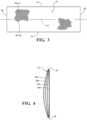
Figure 3 is a schematic plan view of a wall of the sleeve ofFigure 1 shown in a flattened state prior to being wrapped; -
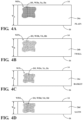
Figure 4 is a schematic end view of the wall ofFigure 3 illustrating the relative widths of a plurality of individual layers of the wall; -
Figures 4A-4D illustrate schematic plan views of individual layers of the wall ofFigure 4 ; -
Figure 5A is a fragmentary side view of a yarn used in the construction of a wall of a sleeve in accordance with one aspect of the disclosure; and -
Figure 5B is a fragmentary side view of a yarn used in the construction of a wall of a sleeve in accordance with another aspect of the disclosure. - Referring in more detail to the drawings,
Figure 1 schematically illustrates a flexible, wrappable, multilayered, woven sleeve, referred to hereafter assleeve 10, constructed in accordance with one aspect of the invention having awall 12 wrapped about an elongate member 11 to be protected, such as a wire harness, conduit, or the like. Thewall 12 includes hasopposite edges opposite ends opposite edges central axis 22 into overlapping relation with one another to bound acentral cavity 24, through which the elongate member 11 extends and in which the elongate member 11 is protected against impact forces, such as may be experienced in a vehicle crash, abrasion, and ingress of contamination, by way of example and without limitation. Thewall 12 has a plurality of layers, shown as fourlayers opposite ends layers Figure 3 , includewarp yarns 28 extending generally parallel to thecentral axis 22 woven withfill yarns 30 extending generally transversely to thewarp yarns 28. Upon wrapping theopposite edges outermost layer 26a and one of the plurality of layers forms a radiallyinnermost layer 26d. The radiallyoutermost layer 26a has a first weave density, also referred to as first tightness D1 per unit area and the radiallyinnermost layer 26d has a second weave density, also referred to as second tightness D2 per unit area, wherein the first tightness D1 is greater than the second tightness D2, which results in thewall 12, and alllayers wall 12 into a tubular configuration. With thewall 12 being free from wrinkles, maximum protection can be provided to the elongate member 11 against impact forces and abrasion. - To facilitate maintaining the
wall 12 in its wrapped state about the elongate member 11, at least some of thefill yarns 30 within one or more of thelayers settable fill yarns 30, such that a suitable heat treat process causes thewall 12 to be heat-set to remain biased in its wrapped state absent an externally applied force to theopposite edges cavity 24 during assembly and to remove the elongate member 11 from the cavity during service. With theinnermost layer 26d having a reduced tightness relative to theoutermost layer 26a, theinnermost layer 26d can be heat-set to be smooth and free from wrinkles. The relatively reduced tightness of theinnermost layer 26d allows theinnermost layer 26d to shrink without causing wrinkles to be formed. Theintermediate layers outermost layer 26a and the radially innermost layer 26d are woven such that thelayers outermost layer 26a to the radiallyinnermost layer 26d. Accordingly, D1>D2>D3>D4. As a result, upon heat-setting thewall 12, each of thelayers - In accordance with an aspect of the disclosure, as illustrated in
Figures 4 and4A , the radiallyoutermost layer 26a can be woven having a first width Wa extending between theopposite edges innermost layer 26d can be woven having a second width Wd (Figure 4D ) extending between theopposite edges layers innermost layer 26d is caused to take on a heat-set with without having wrinkles formed therein. It is to be recognized that theintermediate layers outermost layer 26a and the radially innermost layer 26d can be woven having respective widths Wb (Figure 4B ), Wc (Figure 4C ) decreasing in width relative to one another such that the widths Wa, Wb, Wc, Wd decrease relative to one another progressively from the radiallyoutermost layer 26a to the radiallyinnermost layer 26d. Accordingly, Wa>Wb>Wc>Wd. As a result, upon heat-setting thewall 12, each of thelayers - In accordance with an aspect of the disclosure, the radially
outermost layer 26a can be woven having a first weave pattern WPa having a first weave tightness WDa and the radiallyinnermost layer 26d can be woven having a second weave pattern WPd having a second weave tightness WDd, with the first weave tightness WDa being greater than the second weave tightness WDd. As such, upon heat-setting thelayers innermost layer 26d is caused to take on a heat-set with without having wrinkles formed therein. It is to be recognized that theintermediate layers outermost layer 26a and the radially innermost layer 26d can be woven having respective weave patterns WPb, WPc decreasing in weave tightness to one another such that the weave tightness WDa, WDb, WDc, WDd decreases relative to one another progressively from the radiallyoutermost layer 26a to the radiallyinnermost layer 26d. Accordingly, WDa>WDb>WDc>WDd. As a result, upon heat-setting thewall 12, each of thelayers - In accordance with an aspect of the disclosure, the
outermost layer 26a can be woven with warp and/or weft yarn Ya having a first diameter (monofilament) and/or first denier (multifilament) Da and theinnermost layer 26d can be woven with warp and weft yarn Yd having a second diameter and/or second denier Dd, with the first diameter and/or first denier Da being greater than the second diameter and/or second denier Dd, thereby resulting in theinnermost layer 26d having a reduced density relative theoutermost layer 26a, and thus, upon heat-setting the outermost andinnermost layers innermost layer 26d is caused to take on a heat-set without having wrinkles formed therein. For example, theoutermost layer 26a can include warp yarn having a denier of about 1000dtex, while the innermost layer can include warp yarn having a denier of about 750dtex, by way of example and without limitation. It is to be recognized that theintermediate layers outermost layer 26a and the radially innermost layer 26d can be woven having respective warp and weft yarns Yb, Yc having diameters and/or deniers Db, Dc decreasing relative to one another such that the respective yarn diameters and/or deniers Da, Db, Dc, Dd decrease relative to one another progressively from the radiallyoutermost layer 26a to the radiallyinnermost layer 26d. Accordingly, Da>Db>Dc>Dd. Otherwise, the twooutermost layers innermost layers innermost layers outermost layers wall 12, each of thelayers respective warp yarns 28 of one or more of thelayers respective weft yarns 30 of one or more of thelayers opposite edges - In accordance with an aspect of the disclosure, the
outermost layer 26a can be woven with a first number of ends Ea and theinnermost layer 26d can be woven with a second number of ends Ed, with the first number of ends Ea being greater than the second number of ends Ed, thereby resulting in theinnermost layer 26d having a reduced density relative theoutermost layer 26a, and thus, upon heat-setting the outermost andinnermost layers innermost layer 26d is caused to take on a heat-set without having wrinkles formed therein. It is to be recognized that theintermediate layers outermost layer 26a and the radially innermost layer 26d can be woven having respective numbers of ends Eb, Ec decreasing relative to one another such that the respective number of ends Ea, Eb, Ec, Ed decrease relative to one another progressively from the radiallyoutermost layer 26a to the radiallyinnermost layer 26d. Accordingly, Ea>Eb>Ec>Ed. - In accordance with an aspect of the disclosure, the
outermost layer 26a can be woven with a first number of texturized ends (TEa), in part or in entirety, and theinnermost layer 26d can be woven with a second number of texturized ends (TEd), in part or in entirety, with the first number of texturized ends TEa being greater than the second number of ends TEd, thereby resulting in theinnermost layer 26d having a reduced tightness relative theoutermost layer 26a, and thus, upon heat-setting the outermost andinnermost layers innermost layer 26d is caused to take on a heat-set without having wrinkles formed therein. It is to be recognized that theintermediate layers outermost layer 26a and the radially innermost layer 26d can be woven having respective numbers of texturized ends (TEb, TEc), in part or in entirety, decreasing relative to one another such that the respective number of ends TEa, TEb, TEc, TEd decrease relative to one another progressively from the radiallyoutermost layer 26a to the radiallyinnermost layer 26d. Accordingly, TEa>TEb>TEc>TEd. Further yet, the texturized ends TEa, TEb, TEc, TEd can be provided as air texturizedyarn 32 having small loops 34 (ATY,Figure 5A ) and/or draw texturizedyarn 132 having small loops 134 (DTY,Figure 5B ), wherein theloops layers warp yarns 28 and/or fillyarns 30, or in entirety, to attain the desired impact resistance, while providing thewall 12 having the desired thickness and flexibility. The loops ATY and DTY within the one ormore layers - In addition, within the aspects discussed above, the
warp yarns 28 and/or fillyarns 30 can be provided as high tenacity yarns, such as from high tenacity polyethylene terephthalate (PET), para-aramid, liquid-crystal polymer, and the like. The high tenacity provides increased resistance to cut-through and absorbs an increased amount of impact energy without breaking, thereby provided optimal crash resistance and protection to the elongate member 11. - In accordance with an aspect of the disclosure, a method of constructing a wrappable, multilayered
woven sleeve 10 is provided. The method includes weaving anelongate wall 12 havingopposite edges elongate wall 12 being configured to be wrapped about acentral axis 22 to bring theopposite edges 14m 16 into overlapping relation with one another to bound acentral cavity 24. Further, the method includes weaving thewall 12 to include a plurality oflayers opposite edges layers warp yarns 28 extending generally parallel to thecentral axis 22 being woven withfill yarns 30 extending generally transversely to thewarp yarns 28, with one of the plurality oflayers 26a being woven to form a radially outermost layer and one of the plurality oflayers 26d being woven to form a radially innermost layer, wherein the radiallyoutermost layer 26a is woven to have a first tightness D1 and the radiallyinnermost layer 26d is woven to have a second tightness D2, with the first tightness D1 being greater than the second tightness D2. Then, upon weaving thewall 12, the method includes wrapping theopposite edges wall 12 such that thewall 12 is formed to maintain theopposite edges innermost layer 26d having a reduced tightness relative to theoutermost layer 26a, the respective outermost andinnermost layers warp yarns 28 and/or fillyarns 30 shrink 3% or more, it is contemplated that thewarp yarns 28 have a common degree of shrinking capacity with one another and that thefill yarns 30 have a common degree of shrinking capacity with one another to avoid the formation of wrinkles. - Obviously, many modifications and variations of the present invention are possible in light of the above teachings. It is, therefore, to be understood that within the scope of the appended claims, the invention may be practiced otherwise than as specifically described.
Claims (15)
- A wrappable, multilayered woven sleeve (10) for routing and protecting elongate members (11), comprising:an elongate wall (12) having opposite edges (14, 16) extending lengthwise between opposite ends (18, 20), said opposite edges being wrappable about a central axis (22) into overlapping relation with one another to bound a central cavity (24), said wall having a plurality of layers (26a, 26b, 26c, 26d) extending between said opposite ends in overlying relation with one another, each of said layers including warp yarns (28) extending generally parallel to the central axis woven with fill yarns (30) extending generally transversely to said warp yarns, upon wrapping said opposite edges into overlapping relation with one another, one of said plurality of layers (26a, 26b, 26c, 26d), forming a radially outermost layer (26a), and one of said plurality of layers, forming a radially innermost layer (26d), said radially outermost layer having a first weave density (D1),characterized in that said radially innermost layer having a second weave density (D2), said first weave density (D1) being greater than said second weave density.
- The wrappable, multilayered woven sleeve (10) of claim 1, wherein said radially outermost layer (26a) has a first width (Wa) extending between said opposite edges (14, 16) and said radially innermost layer (26d) has a second width (Wd) extending between said opposite edges, said first width being greater than said second width.
- The wrappable, multilayered woven sleeve (10) of claim 2, wherein said plurality of layers (26a, 26b, 26c, 26d) include intermediate layers (26b, 26c) sandwiched between said radially outermost layer (26a) and said radially innermost layer (26d), said intermediate layers having respective widths (Wb, Wc) decreasing in width relative to one another such that the widths decrease relative to one another progressively from the radially outermost layer to the radially innermost layer.
- The wrappable, multilayered woven sleeve (10) of claim 1, wherein said radially outermost layer (26a) has a first weave pattern (WPa) and said radially innermost layer (26d) has a second weave pattern (WPd), said first weave pattern being different from said second weave pattern, and optionally said first weave pattern is a plain weave and said second weave pattern is other than a plain weave pattern.
- The wrappable, multilayered woven sleeve (10) of claim 1, wherein said outermost layer (26a) is woven with yarn (Ya) having a first diameter and/or first denier (Da) and said innermost layer (26d) is woven with yarn (Yd) having a second diameter and/or second denier (Dd), said first diameter and/or first denier being greater than said second diameter and/or second denier.
- The wrappable, multilayered woven sleeve (10) of claim 1, wherein said outermost layer (26a) has a first number of ends (Ea) and said innermost layer (26d) has a second number of ends (Ed), said first number of ends being greater than said second number of ends.
- The wrappable, multilayered woven sleeve (10) of claim 1, wherein at least one of said outermost layer (26a) and said innermost layer (26d) is woven with texturized warp yarn (28) and/or texturized fill yarn (30).
- The wrappable, multilayered woven sleeve (10) of claim 1, wherein at least one of said outermost layer (26a) and said innermost layer (26d) is woven with heat-shrinkable warp yarn (28) and/or heat-shrinkable fill yarn (30), wherein said heat-shrinkable warp yarn and said heat-shrinkable fill yarn shrinks 3% or more in length.
- A wrappable, multilayered woven sleeve (10) for routing and protecting elongate members (11), comprising:
an elongate wall (12) having opposite edges (14, 16) extending lengthwise between opposite ends (18, 20), said opposite edges being wrappable about a central axis (22) into overlapping relation with one another to bound a central cavity (24), said wall having a plurality of layers (26a, 26b, 26c, 26d) extending between said opposite ends in overlying relation with one another, each of said layers including warp yarns (28) extending generally parallel to the central axis woven with fill yarns (30) extending generally transversely to said warp yarns, upon wrapping said opposite edges into overlapping relation with one another, one of said plurality of layers, forming a radially outermost layer (26a), and one of said plurality of layers, forming a radially innermost layer (26d), characterized in that said radially outermost layer (26a) has a first width (Wa) extending between said opposite edges (14, 16) and said radially innermost layer (26d) has a second width (Wd) extending between said opposite edges, said first width being greater than said second width. - The wrappable, multilayered woven sleeve (10) of claim 9, wherein said plurality of layers (26a, 26b, 26c, 26d) include intermediate layers (26b, 26c) sandwiched between said radially outermost layer (26a) and said radially innermost layer (26d), said intermediate layers having respective widths (Wb, Wc) decreasing in width relative to one another such that the widths decrease relative to one another progressively from the radially outermost layer to the radially innermost layer.
- The wrappable, multilayered woven sleeve (10) of claim 9, wherein said radially outermost layer (26a) has a first weave pattern (WPa) and said radially innermost layer (26d) has a second weave pattern (WPd), said first weave pattern being different from said second weave pattern, and optionally said first weave pattern is a plain weave and said second weave pattern is other than a plain weave pattern.
- The wrappable, multilayered woven sleeve (10) of claim 9, wherein said outermost layer (26a) is woven with yarn having a first diameter and/or first denier (Da) and said innermost layer (26d) is woven with yarn having a second diameter and/or second denier (Dd), said first diameter and/or first denier being greater than said second diameter and/or second denier.
- A method of constructing a wrappable, multilayered woven sleeve (10), comprising:weaving an elongate wall (12) having opposite edges (14, 16) extending lengthwise between opposite ends (18, 20), said elongate wall being configured to be wrapped about a central axis (22) to bring said opposite edges into overlapping relation with one another to bound a central cavity (24), weaving said wall to include a plurality of layers (26a, 26b, 26c, 26d) extending in overlying relation with one another between said opposite edges and between said opposite ends, with each of said layers including warp yarns (28) extending generally parallel to the central axis woven with fill yarns (30) extending generally transversely to said warp yarns, weaving one of said plurality of layers to form a radially outermost layer (26a) and weaving one of said plurality of layers to form a radially innermost layer (26d) upon wrapping the opposite edges into overlapping relation with one another, weaving said radially outermost layer having a first weave density (D1),characterized in that that method further comprises weaving said radially innermost layer having a second weave density (D2), said first weave density (D1) being greater than said second weave density.
- The method of claim 13, further including weaving said radially outermost layer (26a) having a first width (Wa) extending between said opposite edges (14, 16) and weaving said radially innermost layer (26d) having a second width (Wd) extending between said opposite edges, said first width being greater than said second width, and optionally further including weaving said plurality of layers (26a, 26b, 26c, 26d) including intermediate layers (26b, 26c) sandwiched between said radially outermost layer (26a) and said radially innermost layer (26d), and weaving said intermediate layers having respective widths (Wb, Wc) decreasing in width relative to one another such that the widths decrease relative to one another progressively from the radially outermost layer to the radially innermost layer.
- The method of claim 13, further including weaving said outermost layer (26a) with yarn having a first diameter and/or first denier (Da) and weaving said innermost layer (26d) with yarn having a second diameter and/or second denier (Dd), said first diameter and/or first denier being greater than said second diameter and/or second denier.
Applications Claiming Priority (3)
| Application Number | Priority Date | Filing Date | Title |
|---|---|---|---|
| US201962926998P | 2019-10-28 | 2019-10-28 | |
| US17/081,874 US11401631B2 (en) | 2019-10-28 | 2020-10-27 | Impact resistant, wrappable multilayered woven sleeve and method of construction thereof |
| PCT/US2020/057681 WO2021086925A1 (en) | 2019-10-28 | 2020-10-28 | Impact resistant, wrappable multilayered woven sleeve and method of construction thereof |
Publications (2)
| Publication Number | Publication Date |
|---|---|
| EP4051834A1 EP4051834A1 (en) | 2022-09-07 |
| EP4051834B1 true EP4051834B1 (en) | 2024-02-14 |
Family
ID=75585714
Family Applications (1)
| Application Number | Title | Priority Date | Filing Date |
|---|---|---|---|
| EP20821074.0A Active EP4051834B1 (en) | 2019-10-28 | 2020-10-28 | Impact resistant, wrappable multilayered woven sleeve and method of construction thereof |
Country Status (4)
| Country | Link |
|---|---|
| US (1) | US11401631B2 (en) |
| EP (1) | EP4051834B1 (en) |
| CN (1) | CN114729476B (en) |
| WO (1) | WO2021086925A1 (en) |
Families Citing this family (6)
| Publication number | Priority date | Publication date | Assignee | Title |
|---|---|---|---|---|
| EP3947796B1 (en) * | 2019-03-26 | 2024-06-19 | Federal-Mogul Powertrain LLC | Flexible, abrasion resistant, woven sleeve and method of construction thereof |
| EP4028589B1 (en) * | 2019-09-10 | 2024-10-30 | Federal-Mogul Powertrain LLC | Corrugated woven sleeve and method of construction thereof |
| US11401631B2 (en) * | 2019-10-28 | 2022-08-02 | Federal-Mogul Powertrain Llc | Impact resistant, wrappable multilayered woven sleeve and method of construction thereof |
| JP7687061B2 (en) * | 2021-06-04 | 2025-06-03 | 株式会社豊田自動織機 | Fiber Structure |
| KR102592189B1 (en) * | 2023-02-27 | 2023-10-20 | 안켐 주식회사 | Textile sleeve having multi layer |
| CN121488076A (en) * | 2023-07-13 | 2026-02-06 | 系统保护集团美国有限责任公司 | Multilayer braided tubular sleeve and its manufacturing method |
Family Cites Families (45)
| Publication number | Priority date | Publication date | Assignee | Title |
|---|---|---|---|---|
| US4741087A (en) * | 1983-09-16 | 1988-05-03 | Plummer Jr Walter A | Method of making pre-expanded braided sleeving |
| JPH0692121B2 (en) * | 1987-10-05 | 1994-11-16 | 東京瓦斯株式会社 | Pipe liner and manufacturing method thereof |
| US5202186A (en) * | 1989-05-23 | 1993-04-13 | The Boeing Company | Thermal protection sleeve for reducing overheating of wire bundles utilized in aircraft applications |
| US5393582A (en) * | 1993-06-04 | 1995-02-28 | Sonoco Products Company | Enhanced crush strength construction multi-grade paperboard tubes |
| JP3203456B2 (en) * | 1993-09-06 | 2001-08-27 | 芦森工業株式会社 | Fiber cylindrical body for reinforcing composite rolls |
| JPH0770865A (en) * | 1993-09-06 | 1995-03-14 | Ashimori Ind Co Ltd | Tubular multilayer woven fabric and its production |
| US5681640A (en) * | 1995-10-27 | 1997-10-28 | Flame Seal Products, Inc. | Passive fire protection systems for conduit, cable trays, support rods, and structural steel |
| CN100365739C (en) * | 2002-08-28 | 2008-01-30 | Tvc通信有限责任公司 | cable guide sleeve structure |
| FR2853148B1 (en) * | 2003-03-24 | 2008-11-14 | Fed Mogul Systems Prot Group | ELECTRO-MAGNETIC SHIELDING SHIELD, IN PARTICULAR FOR PROTECTING CABLE BEAMS IN AERONAUTICS. |
| US7410550B2 (en) * | 2003-12-11 | 2008-08-12 | Sherwin Michael J | Flexible insulating sleeve |
| US20050217747A1 (en) * | 2004-03-30 | 2005-10-06 | Buriak Paul J | Thermoplastic pipe and liners |
| US8455080B2 (en) * | 2005-12-30 | 2013-06-04 | Federal-Mogul World Wide, Inc. | Self-adhesive protective substrate |
| US8273429B2 (en) * | 2006-01-19 | 2012-09-25 | Federal-Mogul World Wide, Inc. | Fabric for end fray resistance and protective sleeves formed therewith and methods of construction |
| US8283563B2 (en) * | 2006-03-29 | 2012-10-09 | Federal-Mogul Powertrain, Inc. | Protective sleeve fabricated with hybrid yard, hybrid yarn, and methods of construction thereof |
| US20080135119A1 (en) * | 2006-12-07 | 2008-06-12 | Takashi Tonooka | Protective sleeve assembly having a support member and method of construction |
| FR2916081B1 (en) * | 2007-05-07 | 2009-09-25 | Fed Mogul Systems Prot Group S | ELECTROMAGNETIC PROTECTIVE SHEATH IN TEXTILE. |
| US9028937B2 (en) * | 2008-01-07 | 2015-05-12 | Federal-Mogul Powertrain, Inc. | Multilayer protective textile sleeve and method of construction |
| US8747582B2 (en) * | 2008-09-05 | 2014-06-10 | Federal-Mogul Powertrain, Inc. | Self-wrapping textile sleeve with protective coating and method of construction thereof |
| JP5257180B2 (en) * | 2008-11-19 | 2013-08-07 | 住友電装株式会社 | Wire protection material |
| JP5957445B2 (en) * | 2010-05-10 | 2016-07-27 | フェデラル−モーグル パワートレイン インコーポレイテッドFederal−Mogul Powertrain, Inc. | Non-woven automatic winding thermal sleeve and its construction method |
| US10632939B2 (en) * | 2011-04-18 | 2020-04-28 | Federal-Mogul Powertrain, Llc | Multilayer textile sleeve and method of construction thereof |
| US9362725B2 (en) * | 2011-10-28 | 2016-06-07 | Milliken & Company | Electromagnetic shielded sleeve |
| FR2986100B1 (en) * | 2012-01-20 | 2016-09-30 | Aerazur | PROTECTIVE SLEEVE, IN PARTICULAR FOR ELECTRIC CABLES AND METHOD FOR MANUFACTURING THE SAME |
| JP6042620B2 (en) * | 2012-02-16 | 2016-12-14 | 矢崎総業株式会社 | Manufacturing method of wire harness |
| CN104583661A (en) * | 2012-06-15 | 2015-04-29 | 迪普弗莱克斯有限公司 | Pressure armor with integral anti-collapse layer |
| US8875746B2 (en) * | 2012-10-02 | 2014-11-04 | Federal-Mogul Powertrain, Inc. | Textile sleeve with twisted hybrid fill yarn and method of construction thereof |
| KR102145648B1 (en) * | 2013-02-04 | 2020-08-18 | 페더럴-모걸 파워트레인 엘엘씨 | Non-kinking self-wrapping woven sleeve and method of construction thereof |
| US9913415B2 (en) * | 2013-03-13 | 2018-03-06 | Federal-Mogul Powertrain Llc | EMI shielding textile fabric, wrappable sleeve constructed therefrom and method of construction thereof |
| JP6294616B2 (en) * | 2013-09-24 | 2018-03-14 | 古河電気工業株式会社 | Underwater cable and multilayer tape for water shielding layer |
| BR112016010754A2 (en) * | 2013-11-29 | 2022-07-12 | Toray Industries | MULTI-LAYER TUBULAR TISSUE CONSTRUCTION |
| JP6641293B2 (en) * | 2014-05-01 | 2020-02-05 | フェデラル−モーグル・パワートレイン・リミテッド・ライアビリティ・カンパニーFederal−Mogul Powertrain Llc | Microporous reflective fiber sleeve and method of manufacturing the same |
| CN106573433A (en) * | 2014-07-16 | 2017-04-19 | 费德罗-莫格尔动力系有限责任公司 | Wrappable abrasion resistant, reflective thermal protective textile sleeve and method of construction thereof |
| RU2713413C2 (en) * | 2014-11-26 | 2020-02-05 | Федерал-Могал Пауэртрейн Ллк | Non-woven sound-absorbing sleeve and method for production thereof |
| US10542645B2 (en) * | 2015-04-17 | 2020-01-21 | Federal-Mogul Powertrain Llc | EMI protective sleeve and method of construction thereof |
| US10357933B2 (en) * | 2015-08-04 | 2019-07-23 | Federal-Mogul Powertrain Llc | Woven tubular thermal sleeve and method of construction thereof |
| CN105200606B (en) * | 2015-08-27 | 2017-03-22 | 浙江理工大学 | Design and weaving method of continuous weft-direction tubular multilayer woven fabric |
| US10519578B2 (en) * | 2015-10-29 | 2019-12-31 | Federal-Mogul Powertrain Llc | Self-wrapping, braided textile sleeve with self-sustaining expanded and contracted states and method of construction thereof |
| US10982355B2 (en) * | 2016-07-25 | 2021-04-20 | Federal-Mogul Powertrain Llc | Knit tubular protective sleeve and method of construction thereof |
| US11180872B2 (en) * | 2016-08-24 | 2021-11-23 | Federal-Mogul Powertrain Llc | Impact resistant, shrinkable woven tubular sleeve and method of construction thereof |
| US10393307B2 (en) * | 2016-10-28 | 2019-08-27 | Federal-Mogul Powertrain Llc | Multi-cavity, shrinkable sleeve and method of construction thereof |
| US10993355B2 (en) * | 2016-12-14 | 2021-04-27 | Federal-Mogul Powertrain Llc | Ground strap and method of grounding a plurality of electrically conductive members therewith |
| CN206467392U (en) * | 2017-02-16 | 2017-09-05 | 瑞纳智绝缘材料(苏州)有限公司 | A kind of volume sleeve pipe certainly |
| JP7320361B2 (en) * | 2018-03-30 | 2023-08-03 | セーレン株式会社 | Conductive fabric, conductive member, and method for producing conductive fabric |
| CA3141469A1 (en) * | 2019-05-22 | 2020-11-26 | First Quality Tissue Se, Llc | Woven base fabric with laser energy absorbent md and cd yarns and tissue product made using the same |
| US11401631B2 (en) * | 2019-10-28 | 2022-08-02 | Federal-Mogul Powertrain Llc | Impact resistant, wrappable multilayered woven sleeve and method of construction thereof |
-
2020
- 2020-10-27 US US17/081,874 patent/US11401631B2/en active Active
- 2020-10-28 WO PCT/US2020/057681 patent/WO2021086925A1/en not_active Ceased
- 2020-10-28 CN CN202080074197.7A patent/CN114729476B/en active Active
- 2020-10-28 EP EP20821074.0A patent/EP4051834B1/en active Active
Also Published As
| Publication number | Publication date |
|---|---|
| WO2021086925A1 (en) | 2021-05-06 |
| EP4051834A1 (en) | 2022-09-07 |
| CN114729476B (en) | 2023-08-18 |
| US11401631B2 (en) | 2022-08-02 |
| CN114729476A (en) | 2022-07-08 |
| US20210123168A1 (en) | 2021-04-29 |
Similar Documents
| Publication | Publication Date | Title |
|---|---|---|
| EP4051834B1 (en) | Impact resistant, wrappable multilayered woven sleeve and method of construction thereof | |
| US9404204B2 (en) | Flexible, abrasion resistant textile sleeve and method of construction thereof | |
| EP1994210B1 (en) | Low profile textile wire bundler sleeve | |
| EP4103774B1 (en) | Impact resistant, wrappable, corrugated, multilayered woven sleeve and method of construction thereof | |
| EP2951340B1 (en) | Non-kinking self-wrapping woven sleeve and method of construction thereof | |
| KR101992513B1 (en) | Wrappable end fray resistant protective textile sleeve and method of construction thereof | |
| RU2660521C2 (en) | Flexible, abrasion resistant textile sleeve and method for construction thereof | |
| EP4028589B1 (en) | Corrugated woven sleeve and method of construction thereof | |
| EP3533122B1 (en) | Multi-cavity, shrinkable sleeve and method of construction thereof | |
| EP3947796B1 (en) | Flexible, abrasion resistant, woven sleeve and method of construction thereof | |
| EP3146099B1 (en) | Flexible, abrasion resistant woven textile sleeve and method of contruction thereof |
Legal Events
| Date | Code | Title | Description |
|---|---|---|---|
| STAA | Information on the status of an ep patent application or granted ep patent |
Free format text: STATUS: UNKNOWN |
|
| STAA | Information on the status of an ep patent application or granted ep patent |
Free format text: STATUS: THE INTERNATIONAL PUBLICATION HAS BEEN MADE |
|
| PUAI | Public reference made under article 153(3) epc to a published international application that has entered the european phase |
Free format text: ORIGINAL CODE: 0009012 |
|
| STAA | Information on the status of an ep patent application or granted ep patent |
Free format text: STATUS: REQUEST FOR EXAMINATION WAS MADE |
|
| 17P | Request for examination filed |
Effective date: 20220506 |
|
| AK | Designated contracting states |
Kind code of ref document: A1 Designated state(s): AL AT BE BG CH CY CZ DE DK EE ES FI FR GB GR HR HU IE IS IT LI LT LU LV MC MK MT NL NO PL PT RO RS SE SI SK SM TR |
|
| DAV | Request for validation of the european patent (deleted) | ||
| DAX | Request for extension of the european patent (deleted) | ||
| P01 | Opt-out of the competence of the unified patent court (upc) registered |
Effective date: 20230528 |
|
| GRAP | Despatch of communication of intention to grant a patent |
Free format text: ORIGINAL CODE: EPIDOSNIGR1 |
|
| STAA | Information on the status of an ep patent application or granted ep patent |
Free format text: STATUS: GRANT OF PATENT IS INTENDED |
|
| INTG | Intention to grant announced |
Effective date: 20230927 |
|
| GRAS | Grant fee paid |
Free format text: ORIGINAL CODE: EPIDOSNIGR3 |
|
| GRAA | (expected) grant |
Free format text: ORIGINAL CODE: 0009210 |
|
| STAA | Information on the status of an ep patent application or granted ep patent |
Free format text: STATUS: THE PATENT HAS BEEN GRANTED |
|
| AK | Designated contracting states |
Kind code of ref document: B1 Designated state(s): AL AT BE BG CH CY CZ DE DK EE ES FI FR GB GR HR HU IE IS IT LI LT LU LV MC MK MT NL NO PL PT RO RS SE SI SK SM TR |
|
| REG | Reference to a national code |
Ref country code: GB Ref legal event code: FG4D |
|
| REG | Reference to a national code |
Ref country code: CH Ref legal event code: EP |
|
| REG | Reference to a national code |
Ref country code: DE Ref legal event code: R096 Ref document number: 602020025788 Country of ref document: DE |
|
| REG | Reference to a national code |
Ref country code: IE Ref legal event code: FG4D |
|
| REG | Reference to a national code |
Ref country code: LT Ref legal event code: MG9D |
|
| REG | Reference to a national code |
Ref country code: NL Ref legal event code: MP Effective date: 20240214 |
|
| PG25 | Lapsed in a contracting state [announced via postgrant information from national office to epo] |
Ref country code: IS Free format text: LAPSE BECAUSE OF FAILURE TO SUBMIT A TRANSLATION OF THE DESCRIPTION OR TO PAY THE FEE WITHIN THE PRESCRIBED TIME-LIMIT Effective date: 20240614 |
|
| PG25 | Lapsed in a contracting state [announced via postgrant information from national office to epo] |
Ref country code: LT Free format text: LAPSE BECAUSE OF FAILURE TO SUBMIT A TRANSLATION OF THE DESCRIPTION OR TO PAY THE FEE WITHIN THE PRESCRIBED TIME-LIMIT Effective date: 20240214 |
|
| PG25 | Lapsed in a contracting state [announced via postgrant information from national office to epo] |
Ref country code: GR Free format text: LAPSE BECAUSE OF FAILURE TO SUBMIT A TRANSLATION OF THE DESCRIPTION OR TO PAY THE FEE WITHIN THE PRESCRIBED TIME-LIMIT Effective date: 20240515 |
|
| REG | Reference to a national code |
Ref country code: AT Ref legal event code: MK05 Ref document number: 1657077 Country of ref document: AT Kind code of ref document: T Effective date: 20240214 |
|
| PG25 | Lapsed in a contracting state [announced via postgrant information from national office to epo] |
Ref country code: HR Free format text: LAPSE BECAUSE OF FAILURE TO SUBMIT A TRANSLATION OF THE DESCRIPTION OR TO PAY THE FEE WITHIN THE PRESCRIBED TIME-LIMIT Effective date: 20240214 Ref country code: RS Free format text: LAPSE BECAUSE OF FAILURE TO SUBMIT A TRANSLATION OF THE DESCRIPTION OR TO PAY THE FEE WITHIN THE PRESCRIBED TIME-LIMIT Effective date: 20240514 Ref country code: NL Free format text: LAPSE BECAUSE OF FAILURE TO SUBMIT A TRANSLATION OF THE DESCRIPTION OR TO PAY THE FEE WITHIN THE PRESCRIBED TIME-LIMIT Effective date: 20240214 |
|
| PG25 | Lapsed in a contracting state [announced via postgrant information from national office to epo] |
Ref country code: ES Free format text: LAPSE BECAUSE OF FAILURE TO SUBMIT A TRANSLATION OF THE DESCRIPTION OR TO PAY THE FEE WITHIN THE PRESCRIBED TIME-LIMIT Effective date: 20240214 |
|
| PG25 | Lapsed in a contracting state [announced via postgrant information from national office to epo] |
Ref country code: AT Free format text: LAPSE BECAUSE OF FAILURE TO SUBMIT A TRANSLATION OF THE DESCRIPTION OR TO PAY THE FEE WITHIN THE PRESCRIBED TIME-LIMIT Effective date: 20240214 |
|
| PG25 | Lapsed in a contracting state [announced via postgrant information from national office to epo] |
Ref country code: RS Free format text: LAPSE BECAUSE OF FAILURE TO SUBMIT A TRANSLATION OF THE DESCRIPTION OR TO PAY THE FEE WITHIN THE PRESCRIBED TIME-LIMIT Effective date: 20240514 Ref country code: NO Free format text: LAPSE BECAUSE OF FAILURE TO SUBMIT A TRANSLATION OF THE DESCRIPTION OR TO PAY THE FEE WITHIN THE PRESCRIBED TIME-LIMIT Effective date: 20240514 Ref country code: NL Free format text: LAPSE BECAUSE OF FAILURE TO SUBMIT A TRANSLATION OF THE DESCRIPTION OR TO PAY THE FEE WITHIN THE PRESCRIBED TIME-LIMIT Effective date: 20240214 Ref country code: LT Free format text: LAPSE BECAUSE OF FAILURE TO SUBMIT A TRANSLATION OF THE DESCRIPTION OR TO PAY THE FEE WITHIN THE PRESCRIBED TIME-LIMIT Effective date: 20240214 Ref country code: IS Free format text: LAPSE BECAUSE OF FAILURE TO SUBMIT A TRANSLATION OF THE DESCRIPTION OR TO PAY THE FEE WITHIN THE PRESCRIBED TIME-LIMIT Effective date: 20240614 Ref country code: HR Free format text: LAPSE BECAUSE OF FAILURE TO SUBMIT A TRANSLATION OF THE DESCRIPTION OR TO PAY THE FEE WITHIN THE PRESCRIBED TIME-LIMIT Effective date: 20240214 Ref country code: GR Free format text: LAPSE BECAUSE OF FAILURE TO SUBMIT A TRANSLATION OF THE DESCRIPTION OR TO PAY THE FEE WITHIN THE PRESCRIBED TIME-LIMIT Effective date: 20240515 Ref country code: FI Free format text: LAPSE BECAUSE OF FAILURE TO SUBMIT A TRANSLATION OF THE DESCRIPTION OR TO PAY THE FEE WITHIN THE PRESCRIBED TIME-LIMIT Effective date: 20240214 Ref country code: ES Free format text: LAPSE BECAUSE OF FAILURE TO SUBMIT A TRANSLATION OF THE DESCRIPTION OR TO PAY THE FEE WITHIN THE PRESCRIBED TIME-LIMIT Effective date: 20240214 Ref country code: BG Free format text: LAPSE BECAUSE OF FAILURE TO SUBMIT A TRANSLATION OF THE DESCRIPTION OR TO PAY THE FEE WITHIN THE PRESCRIBED TIME-LIMIT Effective date: 20240214 Ref country code: AT Free format text: LAPSE BECAUSE OF FAILURE TO SUBMIT A TRANSLATION OF THE DESCRIPTION OR TO PAY THE FEE WITHIN THE PRESCRIBED TIME-LIMIT Effective date: 20240214 |
|
| PG25 | Lapsed in a contracting state [announced via postgrant information from national office to epo] |
Ref country code: PL Free format text: LAPSE BECAUSE OF FAILURE TO SUBMIT A TRANSLATION OF THE DESCRIPTION OR TO PAY THE FEE WITHIN THE PRESCRIBED TIME-LIMIT Effective date: 20240214 Ref country code: PT Free format text: LAPSE BECAUSE OF FAILURE TO SUBMIT A TRANSLATION OF THE DESCRIPTION OR TO PAY THE FEE WITHIN THE PRESCRIBED TIME-LIMIT Effective date: 20240614 |
|
| PG25 | Lapsed in a contracting state [announced via postgrant information from national office to epo] |
Ref country code: SE Free format text: LAPSE BECAUSE OF FAILURE TO SUBMIT A TRANSLATION OF THE DESCRIPTION OR TO PAY THE FEE WITHIN THE PRESCRIBED TIME-LIMIT Effective date: 20240214 Ref country code: PT Free format text: LAPSE BECAUSE OF FAILURE TO SUBMIT A TRANSLATION OF THE DESCRIPTION OR TO PAY THE FEE WITHIN THE PRESCRIBED TIME-LIMIT Effective date: 20240614 Ref country code: PL Free format text: LAPSE BECAUSE OF FAILURE TO SUBMIT A TRANSLATION OF THE DESCRIPTION OR TO PAY THE FEE WITHIN THE PRESCRIBED TIME-LIMIT Effective date: 20240214 Ref country code: LV Free format text: LAPSE BECAUSE OF FAILURE TO SUBMIT A TRANSLATION OF THE DESCRIPTION OR TO PAY THE FEE WITHIN THE PRESCRIBED TIME-LIMIT Effective date: 20240214 |
|
| PG25 | Lapsed in a contracting state [announced via postgrant information from national office to epo] |
Ref country code: DK Free format text: LAPSE BECAUSE OF FAILURE TO SUBMIT A TRANSLATION OF THE DESCRIPTION OR TO PAY THE FEE WITHIN THE PRESCRIBED TIME-LIMIT Effective date: 20240214 |
|
| PG25 | Lapsed in a contracting state [announced via postgrant information from national office to epo] |
Ref country code: SM Free format text: LAPSE BECAUSE OF FAILURE TO SUBMIT A TRANSLATION OF THE DESCRIPTION OR TO PAY THE FEE WITHIN THE PRESCRIBED TIME-LIMIT Effective date: 20240214 |
|
| PG25 | Lapsed in a contracting state [announced via postgrant information from national office to epo] |
Ref country code: CZ Free format text: LAPSE BECAUSE OF FAILURE TO SUBMIT A TRANSLATION OF THE DESCRIPTION OR TO PAY THE FEE WITHIN THE PRESCRIBED TIME-LIMIT Effective date: 20240214 Ref country code: EE Free format text: LAPSE BECAUSE OF FAILURE TO SUBMIT A TRANSLATION OF THE DESCRIPTION OR TO PAY THE FEE WITHIN THE PRESCRIBED TIME-LIMIT Effective date: 20240214 |
|
| PG25 | Lapsed in a contracting state [announced via postgrant information from national office to epo] |
Ref country code: SK Free format text: LAPSE BECAUSE OF FAILURE TO SUBMIT A TRANSLATION OF THE DESCRIPTION OR TO PAY THE FEE WITHIN THE PRESCRIBED TIME-LIMIT Effective date: 20240214 |
|
| PG25 | Lapsed in a contracting state [announced via postgrant information from national office to epo] |
Ref country code: SM Free format text: LAPSE BECAUSE OF FAILURE TO SUBMIT A TRANSLATION OF THE DESCRIPTION OR TO PAY THE FEE WITHIN THE PRESCRIBED TIME-LIMIT Effective date: 20240214 Ref country code: SK Free format text: LAPSE BECAUSE OF FAILURE TO SUBMIT A TRANSLATION OF THE DESCRIPTION OR TO PAY THE FEE WITHIN THE PRESCRIBED TIME-LIMIT Effective date: 20240214 Ref country code: RO Free format text: LAPSE BECAUSE OF FAILURE TO SUBMIT A TRANSLATION OF THE DESCRIPTION OR TO PAY THE FEE WITHIN THE PRESCRIBED TIME-LIMIT Effective date: 20240214 Ref country code: EE Free format text: LAPSE BECAUSE OF FAILURE TO SUBMIT A TRANSLATION OF THE DESCRIPTION OR TO PAY THE FEE WITHIN THE PRESCRIBED TIME-LIMIT Effective date: 20240214 Ref country code: DK Free format text: LAPSE BECAUSE OF FAILURE TO SUBMIT A TRANSLATION OF THE DESCRIPTION OR TO PAY THE FEE WITHIN THE PRESCRIBED TIME-LIMIT Effective date: 20240214 Ref country code: CZ Free format text: LAPSE BECAUSE OF FAILURE TO SUBMIT A TRANSLATION OF THE DESCRIPTION OR TO PAY THE FEE WITHIN THE PRESCRIBED TIME-LIMIT Effective date: 20240214 |
|
| REG | Reference to a national code |
Ref country code: DE Ref legal event code: R097 Ref document number: 602020025788 Country of ref document: DE |
|
| PG25 | Lapsed in a contracting state [announced via postgrant information from national office to epo] |
Ref country code: IT Free format text: LAPSE BECAUSE OF FAILURE TO SUBMIT A TRANSLATION OF THE DESCRIPTION OR TO PAY THE FEE WITHIN THE PRESCRIBED TIME-LIMIT Effective date: 20240214 |
|
| PLBE | No opposition filed within time limit |
Free format text: ORIGINAL CODE: 0009261 |
|
| STAA | Information on the status of an ep patent application or granted ep patent |
Free format text: STATUS: NO OPPOSITION FILED WITHIN TIME LIMIT |
|
| PG25 | Lapsed in a contracting state [announced via postgrant information from national office to epo] |
Ref country code: IT Free format text: LAPSE BECAUSE OF FAILURE TO SUBMIT A TRANSLATION OF THE DESCRIPTION OR TO PAY THE FEE WITHIN THE PRESCRIBED TIME-LIMIT Effective date: 20240214 |
|
| 26N | No opposition filed |
Effective date: 20241115 |
|
| PG25 | Lapsed in a contracting state [announced via postgrant information from national office to epo] |
Ref country code: SI Free format text: LAPSE BECAUSE OF FAILURE TO SUBMIT A TRANSLATION OF THE DESCRIPTION OR TO PAY THE FEE WITHIN THE PRESCRIBED TIME-LIMIT Effective date: 20240214 |
|
| REG | Reference to a national code |
Ref country code: CH Ref legal event code: PL |
|
| GBPC | Gb: european patent ceased through non-payment of renewal fee |
Effective date: 20241028 |
|
| PG25 | Lapsed in a contracting state [announced via postgrant information from national office to epo] |
Ref country code: MC Free format text: LAPSE BECAUSE OF FAILURE TO SUBMIT A TRANSLATION OF THE DESCRIPTION OR TO PAY THE FEE WITHIN THE PRESCRIBED TIME-LIMIT Effective date: 20240214 |
|
| PG25 | Lapsed in a contracting state [announced via postgrant information from national office to epo] |
Ref country code: GB Free format text: LAPSE BECAUSE OF NON-PAYMENT OF DUE FEES Effective date: 20241028 |
|
| PG25 | Lapsed in a contracting state [announced via postgrant information from national office to epo] |
Ref country code: LU Free format text: LAPSE BECAUSE OF NON-PAYMENT OF DUE FEES Effective date: 20241028 Ref country code: BE Free format text: LAPSE BECAUSE OF NON-PAYMENT OF DUE FEES Effective date: 20241031 |
|
| PG25 | Lapsed in a contracting state [announced via postgrant information from national office to epo] |
Ref country code: CH Free format text: LAPSE BECAUSE OF NON-PAYMENT OF DUE FEES Effective date: 20241031 |
|
| REG | Reference to a national code |
Ref country code: BE Ref legal event code: MM Effective date: 20241031 |
|
| PGFP | Annual fee paid to national office [announced via postgrant information from national office to epo] |
Ref country code: FR Payment date: 20250925 Year of fee payment: 6 |
|
| PG25 | Lapsed in a contracting state [announced via postgrant information from national office to epo] |
Ref country code: IE Free format text: LAPSE BECAUSE OF NON-PAYMENT OF DUE FEES Effective date: 20241028 |
|
| REG | Reference to a national code |
Ref country code: DE Ref legal event code: R081 Ref document number: 602020025788 Country of ref document: DE Owner name: SYSTEMS PROTECTION GROUP US LLC (N.D.GES.D. ST, US Free format text: FORMER OWNER: FEDERAL-MOGUL POWERTRAIN LLC, SOUTHFIELD, MI, US |
|
| PGFP | Annual fee paid to national office [announced via postgrant information from national office to epo] |
Ref country code: DE Payment date: 20250923 Year of fee payment: 6 |
|
| PG25 | Lapsed in a contracting state [announced via postgrant information from national office to epo] |
Ref country code: HU Free format text: LAPSE BECAUSE OF FAILURE TO SUBMIT A TRANSLATION OF THE DESCRIPTION OR TO PAY THE FEE WITHIN THE PRESCRIBED TIME-LIMIT; INVALID AB INITIO Effective date: 20201028 |
|
| PG25 | Lapsed in a contracting state [announced via postgrant information from national office to epo] |
Ref country code: CY Free format text: LAPSE BECAUSE OF FAILURE TO SUBMIT A TRANSLATION OF THE DESCRIPTION OR TO PAY THE FEE WITHIN THE PRESCRIBED TIME-LIMIT; INVALID AB INITIO Effective date: 20201028 |