EP4049889B1 - Child restraint - Google Patents
Child restraint Download PDFInfo
- Publication number
- EP4049889B1 EP4049889B1 EP22158178.8A EP22158178A EP4049889B1 EP 4049889 B1 EP4049889 B1 EP 4049889B1 EP 22158178 A EP22158178 A EP 22158178A EP 4049889 B1 EP4049889 B1 EP 4049889B1
- Authority
- EP
- European Patent Office
- Prior art keywords
- child restraint
- secured
- stroller
- mode
- infant carrier
- Prior art date
- Legal status (The legal status is an assumption and is not a legal conclusion. Google has not performed a legal analysis and makes no representation as to the accuracy of the status listed.)
- Active
Links
Images



Classifications
-
- B—PERFORMING OPERATIONS; TRANSPORTING
- B60—VEHICLES IN GENERAL
- B60N—SEATS SPECIALLY ADAPTED FOR VEHICLES; VEHICLE PASSENGER ACCOMMODATION NOT OTHERWISE PROVIDED FOR
- B60N2/00—Seats specially adapted for vehicles; Arrangement or mounting of seats in vehicles
- B60N2/24—Seats specially adapted for vehicles; Arrangement or mounting of seats in vehicles for particular purposes or particular vehicles
- B60N2/26—Seats specially adapted for vehicles; Arrangement or mounting of seats in vehicles for particular purposes or particular vehicles for children
- B60N2/28—Seats readily mountable on, and dismountable from, existing seats or other parts of the vehicle
-
- B—PERFORMING OPERATIONS; TRANSPORTING
- B60—VEHICLES IN GENERAL
- B60N—SEATS SPECIALLY ADAPTED FOR VEHICLES; VEHICLE PASSENGER ACCOMMODATION NOT OTHERWISE PROVIDED FOR
- B60N2/00—Seats specially adapted for vehicles; Arrangement or mounting of seats in vehicles
- B60N2/24—Seats specially adapted for vehicles; Arrangement or mounting of seats in vehicles for particular purposes or particular vehicles
- B60N2/26—Seats specially adapted for vehicles; Arrangement or mounting of seats in vehicles for particular purposes or particular vehicles for children
- B60N2/28—Seats readily mountable on, and dismountable from, existing seats or other parts of the vehicle
- B60N2/2887—Fixation to a transversal anchorage bar, e.g. isofix
-
- B—PERFORMING OPERATIONS; TRANSPORTING
- B60—VEHICLES IN GENERAL
- B60N—SEATS SPECIALLY ADAPTED FOR VEHICLES; VEHICLE PASSENGER ACCOMMODATION NOT OTHERWISE PROVIDED FOR
- B60N2/00—Seats specially adapted for vehicles; Arrangement or mounting of seats in vehicles
- B60N2/002—Seats provided with an occupancy detection means mounted therein or thereon
- B60N2/0021—Seats provided with an occupancy detection means mounted therein or thereon characterised by the type of sensor or measurement
-
- B—PERFORMING OPERATIONS; TRANSPORTING
- B60—VEHICLES IN GENERAL
- B60N—SEATS SPECIALLY ADAPTED FOR VEHICLES; VEHICLE PASSENGER ACCOMMODATION NOT OTHERWISE PROVIDED FOR
- B60N2/00—Seats specially adapted for vehicles; Arrangement or mounting of seats in vehicles
- B60N2/24—Seats specially adapted for vehicles; Arrangement or mounting of seats in vehicles for particular purposes or particular vehicles
- B60N2/26—Seats specially adapted for vehicles; Arrangement or mounting of seats in vehicles for particular purposes or particular vehicles for children
- B60N2/266—Seats specially adapted for vehicles; Arrangement or mounting of seats in vehicles for particular purposes or particular vehicles for children with detection or alerting means responsive to presence or absence of children; with detection or alerting means responsive to improper locking or installation of the child seats or parts thereof
- B60N2/268—Seats specially adapted for vehicles; Arrangement or mounting of seats in vehicles for particular purposes or particular vehicles for children with detection or alerting means responsive to presence or absence of children; with detection or alerting means responsive to improper locking or installation of the child seats or parts thereof detecting or alerting means responsive to the installation of the child seats in the vehicle
-
- B—PERFORMING OPERATIONS; TRANSPORTING
- B60—VEHICLES IN GENERAL
- B60N—SEATS SPECIALLY ADAPTED FOR VEHICLES; VEHICLE PASSENGER ACCOMMODATION NOT OTHERWISE PROVIDED FOR
- B60N2/00—Seats specially adapted for vehicles; Arrangement or mounting of seats in vehicles
- B60N2/24—Seats specially adapted for vehicles; Arrangement or mounting of seats in vehicles for particular purposes or particular vehicles
- B60N2/26—Seats specially adapted for vehicles; Arrangement or mounting of seats in vehicles for particular purposes or particular vehicles for children
- B60N2/266—Seats specially adapted for vehicles; Arrangement or mounting of seats in vehicles for particular purposes or particular vehicles for children with detection or alerting means responsive to presence or absence of children; with detection or alerting means responsive to improper locking or installation of the child seats or parts thereof
- B60N2/271—Seats specially adapted for vehicles; Arrangement or mounting of seats in vehicles for particular purposes or particular vehicles for children with detection or alerting means responsive to presence or absence of children; with detection or alerting means responsive to improper locking or installation of the child seats or parts thereof detecting or alerting means responsive to securing the child in the seat
-
- B—PERFORMING OPERATIONS; TRANSPORTING
- B60—VEHICLES IN GENERAL
- B60N—SEATS SPECIALLY ADAPTED FOR VEHICLES; VEHICLE PASSENGER ACCOMMODATION NOT OTHERWISE PROVIDED FOR
- B60N2/00—Seats specially adapted for vehicles; Arrangement or mounting of seats in vehicles
- B60N2/24—Seats specially adapted for vehicles; Arrangement or mounting of seats in vehicles for particular purposes or particular vehicles
- B60N2/26—Seats specially adapted for vehicles; Arrangement or mounting of seats in vehicles for particular purposes or particular vehicles for children
- B60N2/28—Seats readily mountable on, and dismountable from, existing seats or other parts of the vehicle
- B60N2/2821—Seats readily mountable on, and dismountable from, existing seats or other parts of the vehicle having a seat and a base part
-
- B—PERFORMING OPERATIONS; TRANSPORTING
- B60—VEHICLES IN GENERAL
- B60N—SEATS SPECIALLY ADAPTED FOR VEHICLES; VEHICLE PASSENGER ACCOMMODATION NOT OTHERWISE PROVIDED FOR
- B60N2/00—Seats specially adapted for vehicles; Arrangement or mounting of seats in vehicles
- B60N2/24—Seats specially adapted for vehicles; Arrangement or mounting of seats in vehicles for particular purposes or particular vehicles
- B60N2/26—Seats specially adapted for vehicles; Arrangement or mounting of seats in vehicles for particular purposes or particular vehicles for children
- B60N2/28—Seats readily mountable on, and dismountable from, existing seats or other parts of the vehicle
- B60N2/2842—Seats readily mountable on, and dismountable from, existing seats or other parts of the vehicle adapted to carry the child, when dismounted from the vehicle
- B60N2/2845—Seats readily mountable on, and dismountable from, existing seats or other parts of the vehicle adapted to carry the child, when dismounted from the vehicle having handles
-
- B—PERFORMING OPERATIONS; TRANSPORTING
- B60—VEHICLES IN GENERAL
- B60N—SEATS SPECIALLY ADAPTED FOR VEHICLES; VEHICLE PASSENGER ACCOMMODATION NOT OTHERWISE PROVIDED FOR
- B60N2/00—Seats specially adapted for vehicles; Arrangement or mounting of seats in vehicles
- B60N2/24—Seats specially adapted for vehicles; Arrangement or mounting of seats in vehicles for particular purposes or particular vehicles
- B60N2/26—Seats specially adapted for vehicles; Arrangement or mounting of seats in vehicles for particular purposes or particular vehicles for children
- B60N2/28—Seats readily mountable on, and dismountable from, existing seats or other parts of the vehicle
- B60N2/2842—Seats readily mountable on, and dismountable from, existing seats or other parts of the vehicle adapted to carry the child, when dismounted from the vehicle
- B60N2/2848—Seats readily mountable on, and dismountable from, existing seats or other parts of the vehicle adapted to carry the child, when dismounted from the vehicle being convertible or adaptable to a preambulator, e.g. a baby-carriage or a push-chair
-
- B—PERFORMING OPERATIONS; TRANSPORTING
- B60—VEHICLES IN GENERAL
- B60Q—ARRANGEMENT OF SIGNALLING OR LIGHTING DEVICES, THE MOUNTING OR SUPPORTING THEREOF OR CIRCUITS THEREFOR, FOR VEHICLES IN GENERAL
- B60Q9/00—Arrangement or adaptation of signal devices not provided for in one of main groups B60Q1/00 - B60Q7/00, e.g. haptic signalling
-
- B—PERFORMING OPERATIONS; TRANSPORTING
- B60—VEHICLES IN GENERAL
- B60R—VEHICLES, VEHICLE FITTINGS, OR VEHICLE PARTS, NOT OTHERWISE PROVIDED FOR
- B60R21/00—Arrangements or fittings on vehicles for protecting or preventing injuries to occupants or pedestrians in case of accidents or other traffic risks
- B60R21/01—Electrical circuits for triggering passive safety arrangements, e.g. airbags, safety belt tighteners, in case of vehicle accidents or impending vehicle accidents
- B60R21/015—Electrical circuits for triggering passive safety arrangements, e.g. airbags, safety belt tighteners, in case of vehicle accidents or impending vehicle accidents including means for detecting the presence or position of passengers, passenger seats or child seats, and the related safety parameters therefor, e.g. speed or timing of airbag inflation in relation to occupant position or seat belt use
- B60R21/01556—Child-seat detection systems
-
- B—PERFORMING OPERATIONS; TRANSPORTING
- B62—LAND VEHICLES FOR TRAVELLING OTHERWISE THAN ON RAILS
- B62B—HAND-PROPELLED VEHICLES, e.g. HAND CARTS OR PERAMBULATORS; SLEDGES
- B62B9/00—Accessories or details specially adapted for children's carriages or perambulators
- B62B9/005—Safety means for traffic, e.g. lights, reflectors, mirrors etc.
-
- B—PERFORMING OPERATIONS; TRANSPORTING
- B62—LAND VEHICLES FOR TRAVELLING OTHERWISE THAN ON RAILS
- B62B—HAND-PROPELLED VEHICLES, e.g. HAND CARTS OR PERAMBULATORS; SLEDGES
- B62B9/00—Accessories or details specially adapted for children's carriages or perambulators
- B62B9/10—Perambulator bodies; Equipment therefor
- B62B9/102—Perambulator bodies; Equipment therefor characterized by details of the seat
-
- B—PERFORMING OPERATIONS; TRANSPORTING
- B62—LAND VEHICLES FOR TRAVELLING OTHERWISE THAN ON RAILS
- B62B—HAND-PROPELLED VEHICLES, e.g. HAND CARTS OR PERAMBULATORS; SLEDGES
- B62B9/00—Accessories or details specially adapted for children's carriages or perambulators
- B62B9/10—Perambulator bodies; Equipment therefor
- B62B9/12—Perambulator bodies; Equipment therefor involving parts that are adjustable, attachable or detachable
-
- F—MECHANICAL ENGINEERING; LIGHTING; HEATING; WEAPONS; BLASTING
- F21—LIGHTING
- F21V—FUNCTIONAL FEATURES OR DETAILS OF LIGHTING DEVICES OR SYSTEMS THEREOF; STRUCTURAL COMBINATIONS OF LIGHTING DEVICES WITH OTHER ARTICLES, NOT OTHERWISE PROVIDED FOR
- F21V23/00—Arrangement of electric circuit elements in or on lighting devices
- F21V23/04—Arrangement of electric circuit elements in or on lighting devices the elements being switches
- F21V23/0442—Arrangement of electric circuit elements in or on lighting devices the elements being switches activated by means of a sensor, e.g. motion or photodetectors
- F21V23/0471—Arrangement of electric circuit elements in or on lighting devices the elements being switches activated by means of a sensor, e.g. motion or photodetectors the sensor detecting the proximity, the presence or the movement of an object or a person
-
- F—MECHANICAL ENGINEERING; LIGHTING; HEATING; WEAPONS; BLASTING
- F21—LIGHTING
- F21V—FUNCTIONAL FEATURES OR DETAILS OF LIGHTING DEVICES OR SYSTEMS THEREOF; STRUCTURAL COMBINATIONS OF LIGHTING DEVICES WITH OTHER ARTICLES, NOT OTHERWISE PROVIDED FOR
- F21V33/00—Structural combinations of lighting devices with other articles, not otherwise provided for
-
- H—ELECTRICITY
- H05—ELECTRIC TECHNIQUES NOT OTHERWISE PROVIDED FOR
- H05B—ELECTRIC HEATING; ELECTRIC LIGHT SOURCES NOT OTHERWISE PROVIDED FOR; CIRCUIT ARRANGEMENTS FOR ELECTRIC LIGHT SOURCES, IN GENERAL
- H05B47/00—Circuit arrangements for operating light sources in general, i.e. where the type of light source is not relevant
- H05B47/10—Controlling the light source
- H05B47/105—Controlling the light source in response to determined parameters
- H05B47/115—Controlling the light source in response to determined parameters by determining the presence or movement of objects or living beings
-
- B—PERFORMING OPERATIONS; TRANSPORTING
- B60—VEHICLES IN GENERAL
- B60N—SEATS SPECIALLY ADAPTED FOR VEHICLES; VEHICLE PASSENGER ACCOMMODATION NOT OTHERWISE PROVIDED FOR
- B60N2/00—Seats specially adapted for vehicles; Arrangement or mounting of seats in vehicles
- B60N2/02—Seats specially adapted for vehicles; Arrangement or mounting of seats in vehicles the seat or part thereof being movable, e.g. adjustable
- B60N2/0224—Non-manual adjustments, e.g. with electrical operation
- B60N2/0244—Non-manual adjustments, e.g. with electrical operation with logic circuits
- B60N2/0272—Non-manual adjustments, e.g. with electrical operation with logic circuits using sensors or detectors for detecting the position of seat parts
-
- B—PERFORMING OPERATIONS; TRANSPORTING
- B60—VEHICLES IN GENERAL
- B60N—SEATS SPECIALLY ADAPTED FOR VEHICLES; VEHICLE PASSENGER ACCOMMODATION NOT OTHERWISE PROVIDED FOR
- B60N2/00—Seats specially adapted for vehicles; Arrangement or mounting of seats in vehicles
- B60N2/90—Details or parts not otherwise provided for
- B60N2002/981—Warning systems, e.g. the seat or seat parts vibrates to warn the passenger when facing a danger
-
- B—PERFORMING OPERATIONS; TRANSPORTING
- B60—VEHICLES IN GENERAL
- B60N—SEATS SPECIALLY ADAPTED FOR VEHICLES; VEHICLE PASSENGER ACCOMMODATION NOT OTHERWISE PROVIDED FOR
- B60N2210/00—Sensor types, e.g. for passenger detection systems or for controlling seats
- B60N2210/10—Field detection presence sensors
- B60N2210/16—Electromagnetic waves
- B60N2210/18—Infrared
-
- B—PERFORMING OPERATIONS; TRANSPORTING
- B60—VEHICLES IN GENERAL
- B60Y—INDEXING SCHEME RELATING TO ASPECTS CROSS-CUTTING VEHICLE TECHNOLOGY
- B60Y2400/00—Special features of vehicle units
- B60Y2400/30—Sensors
- B60Y2400/303—Speed sensors
Definitions
- the present invention relates to a child restraint for a vehicle.
- the present invention relates to a child restraint with integrated lighting.
- Child restraints are configured to be installed within a vehicle and may be held in place by a vehicle seat belt, or alternate connecting means, such as ISOFIX. Child restraints are sometimes configured to be securable to and separable from a base that remains secured in a vehicle via seat belt or alternative connecting means. Many of these infant carriers are also configured to be securable to and separable from strollers, either directly or through the use of adapters that enable cooperative engagement of infant carriers and strollers made by different manufacturers.
- US 2014 / 265 480 A1 discloses systems for soothing and prolonging sleep maintaining an experience of riding in a vehicle in a car seat, even as a pattern of driving changes, when vehicle motion ceases or when the car seat is removed from the vehicle.
- Sensors detect one or more of motion, light and sound in an environment of the car seat.
- a controller automatically controls actuators to apply compensatory motion, light and / or sound in the environment of the car seat, in order to provide continuity of the riding experience and decrease likelihood of an infant awakening or fussing. This allows the driver of the vehicle to concentrate on driving safely, rather than breaking concentration on the road in order to soothe the infant.
- a child restraint configured to be securable to and separable from a base installed in a vehicle, the child restraint comprising an illumination means positioned on an external portion of the child restraint, configured to operate in a first mode, illuminating a first region external to the child restraint, wherein, in the event that the child restraint is not secured to the base, and the child restraint is moved, the illumination means will be activated in its first mode, illuminating the first region external to the child restraint for the purpose of aiding securement to the base, and wherein in the event that the child restraint is secured to the base, the first mode will be deactivated.
- the child restraint further comprises a movement sensor for detecting movement of the child restraint.
- the movement sensor is a tilt sensor.
- the child restraint further comprises a sensor for detecting whether or not the child restraint has been secured to the base.
- the senor for detecting whether or not the child restraint has been secured to the base is in the form of a switch, which is actuated when the child restraint is secured to the base.
- the child restraint is further configured to be securable to and separable from a stroller, wherein in the event that the child restraint is not secured to the stroller, and the child restraint is moved, the illumination means will be activated in its first mode, illuminating the first region external to the child restraint for the purpose of aiding securement to the stroller, and wherein in the event that the child restraint is secured to the stroller, the first mode will be deactivated.
- the child restraint further comprises a sensor for detecting whether or not the child restraint has been secured to the stroller.
- the senor for detecting whether or not the child restraint has been secured to the stroller is in the form of a switch, which is actuated when the child restraint is secured to the stroller.
- the illumination means is further configured to operate in a second mode, illuminating a second region external to the child restraint, and wherein, in the event that the child restraint is secured to the stroller, and the child restraint is moved, the illumination means will be activated in its second mode.
- the second region external to the child restraint is a region fore and aft of the child restraint.
- the first region external to the child restraint is a region below the child restraint.
- the child restraint further comprises a sensor for detecting ambient light levels, wherein, in the event that the ambient light levels exceed a predetermined amount, the illumination means will be deactivated.
- the child restraint is an infant carrier.
- the infant carrier 100 comprises at least one illumination means 120 positioned on an external portion of the infant carrier 100, configured to operate in a first mode (or installation mode), illuminating a first region external to the infant carrier 100 (as best shown in Figure 5 ).
- the infant carrier 100 also comprises a movement sensor 140 for detecting movement of the infant carrier 100 and a sensor 160 for detecting whether or not the infant carrier 100 has been secured to the base 200.
- the child restraint is configured to activate the illumination means 120 in its first mode, illuminating the first region external to the infant carrier 100 for the purpose of aiding securement to the base 200.
- the first mode will be deactivated.
- the first region external to the child restraint is a region below the child restraint, it will however be appreciated that in alternative embodiments, the size and directionality of the first region may differ, but still fall within the scope of this invention, if not departing from the scope of the claims.
- the first region may include a region directly below as well as a region fore and aft, and/or left and right of the infant carrier.
- the movement sensor 140 for detecting movement of the infant carrier 100 is in the form of a tilt sensor 141. It will be appreciated that in alternative embodiments, different types of movement sensors could be employed, such as accelerometers, infra-red sensors or occupant presence sensors.
- the sensor 160 for detecting whether or not the infant carrier 100 has been secured to the base 200 is in the form of a first switch 161 which is actuated when the infant carrier 100 is secured to the base 200.
- the switch 161 may be positioned on or near the underside of the infant carrier 100, such that a portion of the base 200 will bear against and activate the switch 161 during securement.
- the infant carrier 100 also comprises at least one sensor 150 for detecting ambient light levels in the form of an ambient light sensor 151, wherein in the event that ambient light levels exceed a pre-determined amount, the illumination means will be deactivated.
- the infant carrier 100 is also configured to be securable to and separable from a stroller 300, and also comprises a sensor 170 for detecting whether or not the infant carrier 100 has been secured to the stroller 300.
- the illumination means 120 will also activate the first mode, illuminating the region below the infant carrier 100 for the purpose of aiding securement to the stroller 300.
- the first mode will also be deactivated.
- the illumination means 120 is further configured to operate in a second mode (or safety mode), illuminating a second region external to the infant carrier 100, and wherein, in the event that the infant carrier 100 is secured to the stroller 300, the child restraint is configured to activate the illumination means 120 in its second mode in order to improve the visibility of the stroller 300 and infant carrier 100.
- a second mode or safety mode
- the second region external to the child restraint is a region fore and aft of the child restraint
- the size and directionality of the second region may differ, but still fall within the scope of this invention if not departing from the scope of the claims.
- the second region may include a region fore and aft, and/or left and right of the infant carrier.
- the sensor 170 for detecting whether or not the infant carrier 100 has been secured to the stroller 300 is in the form of a second switch 171 which is actuated when the infant carrier 100 is secured to the stroller.
- the second switch 171 may be positioned within or near where the stroller 300 connects with the infant carrier 100, such that a portion of the stroller 300 will bear against and activate the switch 171 during securement.
- the sensors used for detecting whether or not the infant carrier is secured to the base or the stroller are in the form of a switch, it will be appreciated that alternate sensing arrangements could be employed, and are intended to fall within the scope of this invention if not departing from the scope of the claims.
- the infant carrier 100 comprises a body 110 providing a support surface for an occupant.
- the illumination means 120 takes the form of an external light assembly 121 provided on either side of the body.
- the external light assembly 121 comprises a housing 122, four light emitting diodes (LEDs) 124a, 124b, a lens 123, and associated circuitry.
- the housing 122 forms part of a structure secured to the sides 112 of the body 110, providing a mounting location for a carry handle 113 for the infant carrier 100, as well as a receiving socket 114 for securing the infant carrier 100 to the stroller 300 directly or via an adapter.
- the LEDs 124a, 124b are arranged in a row such that when operating in the installation mode, the two inner LEDs (the installation lights) 124a are activated, and when operating in the safety mode, the two outer LEDs (the safety lights) 124b are activated. It will be appreciated that the installation lights 124a are oriented downward, and the safety lights 124b are oriented fore and aft respectively, in order to achieve the desired lighting outcome.
- each internal light assembly 130 comprises a housing 131, four LEDs 132, a lens 133, two user inputs in the form of upper and lower buttons 134, 135 and associated circuitry.
- the internal LEDs (the internal lights) 132 are arranged in a row and oriented such that when activated, they are intended to illuminate the occupant of the infant carrier 100.
- the internal lights 132 are able to be operated by virtue of the upper button 134, and the installation and safety lights 124a, 124b are able to be operated by virtue of the lower button 135, their operation will be described in further detail below.
- the light arrangement may comprise the two internal light assemblies 130, the two external light assemblies 121 and a battery assembly 180, wherein the battery assembly 180 comprises a rechargeable battery 181 and battery management system 182 provided within a housing 193.
- the internal light assemblies 130 may also comprise charging ports 136, on board microcontrollers 137 and battery status indicators 138.
- the internal light assemblies 130 are then connected in parallel to the battery assembly 180.
- a first external light assembly 121 is connected to the battery assembly 180, and in addition to the safety and installation lights 124a, 124b, also comprises the tilt sensor 141, light sensor 151, second switch 171 and a microcontroller 127.
- the second external light assembly 121 is then connected to the first light assembly 121.
- the first switch 161 is directly connected to the battery assembly 180.
- the light arrangement may comprise the two internal light assemblies 130, the two external light assemblies 121 and an electronic control unit (ECU) 190 electronically connected to the two internal and two external light assemblies 130, 121.
- the ECU 190 is provided within a housing 193 which may be positioned on the underside of the infant carrier 100, and comprises a rechargeable battery 191 and battery management system 192, tilt sensor 141, speaker 194, microcontroller 195 and associated circuitry for receiving and/or sending signals to the internal and external light assemblies 130, 121 as well as the first and second switches 161, 171.
- the internal light assemblies 130 may also comprise charging ports 136 and ambient light sensors 151.
- the internal and external light assemblies 130, 121 and first and second switches 161, 171 are then individually connected to the ECU 190. While in the embodiment shown in Figure 2 , a visual battery status indicator is provided, Figure 3 provides a speaker 194 which can provide an acoustic signal.
- communication between the various components occurs via a cable link
- communication may occur via fibre optics, infra-red, or various wireless communication protocols such as Wi-Fi or Bluetooth.
- the internal lights 132 are operated manually with either of the upper buttons 134.
- a short press of either upper button 134 will switch on both sets of internal lights 132, with further short presses within a predetermined time period of 10 seconds, increasing the intensity of the lights. If a short press is performed after the predetermined time period, the internal lights will switch off.
- the internal lights 132 also feature an auto-off function, where at any intensity, a long press on either upper button 134 will active the auto-off timer function. Once activated a countdown will start and the internal lights will switch off automatically after 2 minutes. It will be appreciated that this function gives an operator enough time to ensure that the child has been buckled in to the carrier, to walk to the drivers seat, sit in the car, start driving and have the lights switch off automatically.
- the default mode of operation is an automatic mode, where the system will detect darkness/brightness, movement/non-movement and usage on base or stroller and activate/deactivate the lights accordingly.
- a short press on either of the lower buttons 135 will set the system to automatic mode.
- both the installation and safety lights 124a, 124b remain off (or will be switched off when moving from a dark environment to a bright environment).
- the installation lights 124a will turn on and the safety lights 124b will remain off. If after a predetermined period of time of no movement, the installation lights 124a will switch off again (time-out).
- the installation lights 124a will switch off and the safety lights 124b will switch on. If after a predetermined period of time of no movement, the safety lights 124b will turn off (time out).
- the safety lights 124b will switch off and the installation lights will turn on 124a.
- the installation lights 124a will switch off.
- a first short press on the lower button 135 will activate the manual mode and both the safety and installation lights 124a, 124b will turn on (regardless of bright or dark environment).
- a second short press within a predetermined time period of 10 seconds on the lower button 135 will lead to safety lights 124b on, installation light 124a off.
- a third short press within a predetermined time period of 10 seconds on the lower button 135 will lead to safety light 124b off, installation light 124a on.
- a fourth short press within a predetermined time period of 10 seconds on the lower button 135 will lead back to auto mode. If in manual mode and the infant carrier 100 is released from the stroller 300 or base 200, it will revert to automatic mode. If in manual mode, after the predetermined time period of 10 seconds, a short press on the lower button 135 will revert back to automatic mode.
- the interior and exterior lights were operated using buttons located on the interior light assemblies, it will be appreciated that numerous other arrangements and modes of operation may be applied, for example the location or number of buttons may vary.
- the lights may be operated by means of an "on-board" user interface such as a touch screen, further still the lights may be operated by an "external” user interface such as an app on a connected smart device, a remote control, voice control device, or integrated as part of the vehicle entertainment and control system.
- the infant carrier 100 features an integrated lighting arrangement, however it will be appreciated that in alternate embodiments, the various components making up the lighting arrangement could be retrofitted to an existing seat or infant carrier. It will also be appreciated that the above invention does not have to be limited to an infant carrier if not departing from the scope of the claims.
Landscapes
- Engineering & Computer Science (AREA)
- Mechanical Engineering (AREA)
- Transportation (AREA)
- Health & Medical Sciences (AREA)
- Aviation & Aerospace Engineering (AREA)
- General Health & Medical Sciences (AREA)
- Child & Adolescent Psychology (AREA)
- Public Health (AREA)
- Chemical & Material Sciences (AREA)
- Combustion & Propulsion (AREA)
- General Engineering & Computer Science (AREA)
- Human Computer Interaction (AREA)
- Seats For Vehicles (AREA)
- Physics & Mathematics (AREA)
- Carriages For Children, Sleds, And Other Hand-Operated Vehicles (AREA)
- Pediatric Medicine (AREA)
- General Physics & Mathematics (AREA)
- Electromagnetism (AREA)
- Business, Economics & Management (AREA)
- Emergency Management (AREA)
- Chair Legs, Seat Parts, And Backrests (AREA)
- Air Bags (AREA)
- Materials For Medical Uses (AREA)
- Pens And Brushes (AREA)
- Mechanical Pencils And Projecting And Retracting Systems Therefor, And Multi-System Writing Instruments (AREA)
Description
- The present invention relates to a child restraint for a vehicle. In a particular form the present invention relates to a child restraint with integrated lighting.
- Child restraints (including infant carriers) are configured to be installed within a vehicle and may be held in place by a vehicle seat belt, or alternate connecting means, such as ISOFIX. Child restraints are sometimes configured to be securable to and separable from a base that remains secured in a vehicle via seat belt or alternative connecting means. Many of these infant carriers are also configured to be securable to and separable from strollers, either directly or through the use of adapters that enable cooperative engagement of infant carriers and strollers made by different manufacturers.
- Securement of infant carriers to bases and strollers can be fiddly and cumbersome, and particularly daunting and stressful for first time parents or users of the equipment, where correct alignment of latches and adapters with their respective sockets / receivers is required. This task is made even more difficult in low light environments, or in instances where it is undesirable to illuminate the vehicle so as not to disturb or wake a sleeping child.
- It is against this background that the present invention has been developed.
-
US 2014 / 265 480 A1 discloses systems for soothing and prolonging sleep maintaining an experience of riding in a vehicle in a car seat, even as a pattern of driving changes, when vehicle motion ceases or when the car seat is removed from the vehicle. Sensors detect one or more of motion, light and sound in an environment of the car seat. As motion, light and / or sound associated with the ride decrease, change or stop, a controller automatically controls actuators to apply compensatory motion, light and / or sound in the environment of the car seat, in order to provide continuity of the riding experience and decrease likelihood of an infant awakening or fussing. This allows the driver of the vehicle to concentrate on driving safely, rather than breaking concentration on the road in order to soothe the infant. - The problems underlying the invention are solved with the features of the independent patent claim 1. Embodiments of the invention are subject of the dependent patent claims.
- According to a first aspect, there is provided a child restraint configured to be securable to and separable from a base installed in a vehicle, the child restraint comprising an illumination means positioned on an external portion of the child restraint, configured to operate in a first mode, illuminating a first region external to the child restraint, wherein, in the event that the child restraint is not secured to the base, and the child restraint is moved, the illumination means will be activated in its first mode, illuminating the first region external to the child restraint for the purpose of aiding securement to the base, and wherein in the event that the child restraint is secured to the base, the first mode will be deactivated.
- The child restraint further comprises a movement sensor for detecting movement of the child restraint.
- In one form, the movement sensor is a tilt sensor.
- The child restraint further comprises a sensor for detecting whether or not the child restraint has been secured to the base.
- In one form, the sensor for detecting whether or not the child restraint has been secured to the base, is in the form of a switch, which is actuated when the child restraint is secured to the base.
- In one form, the child restraint is further configured to be securable to and separable from a stroller, wherein in the event that the child restraint is not secured to the stroller, and the child restraint is moved, the illumination means will be activated in its first mode, illuminating the first region external to the child restraint for the purpose of aiding securement to the stroller, and wherein in the event that the child restraint is secured to the stroller, the first mode will be deactivated.
- In one form, the child restraint further comprises a sensor for detecting whether or not the child restraint has been secured to the stroller.
- In one form, the sensor for detecting whether or not the child restraint has been secured to the stroller is in the form of a switch, which is actuated when the child restraint is secured to the stroller.
- In one form, the illumination means is further configured to operate in a second mode, illuminating a second region external to the child restraint, and wherein, in the event that the child restraint is secured to the stroller, and the child restraint is moved, the illumination means will be activated in its second mode.
- In one form, the second region external to the child restraint is a region fore and aft of the child restraint.
- In one form, the first region external to the child restraint is a region below the child restraint.
- In one form, the child restraint further comprises a sensor for detecting ambient light levels, wherein, in the event that the ambient light levels exceed a predetermined amount, the illumination means will be deactivated.
- In one form, the child restraint is an infant carrier.
- Examples of the present invention will be discussed with reference to the accompanying drawings wherein:
-
Figure 1 is a perspective view of a child restraint in the form of an infant carrier, according to an embodiment; -
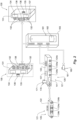
Figure 2 is a schematic of a lighting system for the infant carrier ofFigure 1 , according to an embodiment; -
Figure 3 is a schematic of a lighting system for the infant carrier ofFigure 1 , according to an alternate embodiment; -
Figure 4 is a perspective view of the infant carrier ofFigure 1 installed on a base; -
Figure 5 is a detailed view of the external lights activated in a first "installation mode"; -
Figure 6 is a detailed view of the external lights activated in a second "safety mode"; -
Figure 7 is a perspective view of the infant carrier ofFigure 1 installed on a stroller. - Referring now to
Figures 1 to 7 , where there is shown a child restraint in the form of aninfant carrier 100 configured to be securable to and separable from abase 200 installed in a vehicle. Theinfant carrier 100 comprises at least one illumination means 120 positioned on an external portion of theinfant carrier 100, configured to operate in a first mode (or installation mode), illuminating a first region external to the infant carrier 100 (as best shown inFigure 5 ). Theinfant carrier 100 also comprises a movement sensor 140 for detecting movement of theinfant carrier 100 and asensor 160 for detecting whether or not theinfant carrier 100 has been secured to thebase 200. In the event that theinfant carrier 100 has not been secured to thebase 200 and theinfant carrier 100 is moved, the child restraint is configured to activate the illumination means 120 in its first mode, illuminating the first region external to theinfant carrier 100 for the purpose of aiding securement to thebase 200. In the event that theinfant carrier 100 is secured to thebase 200, the first mode will be deactivated. - While in the embodiment shown, the first region external to the child restraint is a region below the child restraint, it will however be appreciated that in alternative embodiments, the size and directionality of the first region may differ, but still fall within the scope of this invention, if not departing from the scope of the claims.
- For example, the first region may include a region directly below as well as a region fore and aft, and/or left and right of the infant carrier.
- The movement sensor 140 for detecting movement of the
infant carrier 100 is in the form of atilt sensor 141. It will be appreciated that in alternative embodiments, different types of movement sensors could be employed, such as accelerometers, infra-red sensors or occupant presence sensors. - The
sensor 160 for detecting whether or not theinfant carrier 100 has been secured to thebase 200 is in the form of afirst switch 161 which is actuated when theinfant carrier 100 is secured to thebase 200. Theswitch 161 may be positioned on or near the underside of theinfant carrier 100, such that a portion of thebase 200 will bear against and activate theswitch 161 during securement. - The
infant carrier 100 also comprises at least onesensor 150 for detecting ambient light levels in the form of anambient light sensor 151, wherein in the event that ambient light levels exceed a pre-determined amount, the illumination means will be deactivated. - The
infant carrier 100 is also configured to be securable to and separable from astroller 300, and also comprises asensor 170 for detecting whether or not theinfant carrier 100 has been secured to thestroller 300. In the event that theinfant carrier 100 has not been secured to thestroller 300 and theinfant carrier 100 is moved, the illumination means 120 will also activate the first mode, illuminating the region below theinfant carrier 100 for the purpose of aiding securement to thestroller 300. In the event that theinfant carrier 100 is secured to thestroller 300, the first mode will also be deactivated. - The illumination means 120 is further configured to operate in a second mode (or safety mode), illuminating a second region external to the
infant carrier 100, and wherein, in the event that theinfant carrier 100 is secured to thestroller 300, the child restraint is configured to activate the illumination means 120 in its second mode in order to improve the visibility of thestroller 300 andinfant carrier 100. - While in the embodiment shown, the second region external to the child restraint is a region fore and aft of the child restraint, it will however be appreciated that in alternative embodiments, the size and directionality of the second region may differ, but still fall within the scope of this invention if not departing from the scope of the claims. For example, the second region may include a region fore and aft, and/or left and right of the infant carrier.
- The
sensor 170 for detecting whether or not theinfant carrier 100 has been secured to thestroller 300 is in the form of asecond switch 171 which is actuated when theinfant carrier 100 is secured to the stroller. Thesecond switch 171 may be positioned within or near where thestroller 300 connects with theinfant carrier 100, such that a portion of thestroller 300 will bear against and activate theswitch 171 during securement. - While in the embodiments described, the sensors used for detecting whether or not the infant carrier is secured to the base or the stroller are in the form of a switch, it will be appreciated that alternate sensing arrangements could be employed, and are intended to fall within the scope of this invention if not departing from the scope of the claims.
- With reference to
Figure 1 , it can be seen that theinfant carrier 100 comprises abody 110 providing a support surface for an occupant. The illumination means 120 takes the form of anexternal light assembly 121 provided on either side of the body. As shown schematically inFigures 2 and3 , theexternal light assembly 121 comprises ahousing 122, four light emitting diodes (LEDs) 124a, 124b, alens 123, and associated circuitry. In the embodiment shown, thehousing 122 forms part of a structure secured to thesides 112 of thebody 110, providing a mounting location for acarry handle 113 for theinfant carrier 100, as well as a receivingsocket 114 for securing theinfant carrier 100 to thestroller 300 directly or via an adapter. - The
LEDs installation lights 124a are oriented downward, and thesafety lights 124b are oriented fore and aft respectively, in order to achieve the desired lighting outcome. - Referring now to
Figures 1 to 4 , it can be seen that theinfant carrier 100 also comprises a pair of internallight assemblies 130 provided on either side of thebody 110. As shown schematically inFigures 2 and3 , each internallight assembly 130 comprises ahousing 131, fourLEDs 132, a lens 133, two user inputs in the form of upper andlower buttons - The internal LEDs (the internal lights) 132 are arranged in a row and oriented such that when activated, they are intended to illuminate the occupant of the
infant carrier 100. Theinternal lights 132 are able to be operated by virtue of theupper button 134, and the installation andsafety lights lower button 135, their operation will be described in further detail below. - It will be appreciated that the type, number, position and orientation of the internal, installation and
safety lights - There are a number of different ways that the internal and external light assemblies and associated switches and sensors can be configured, as evidenced by the two alternate schematics presented in
Figures 2 and3 . - With reference to
Figure 2 , it can be seen that the light arrangement may comprise the twointernal light assemblies 130, the twoexternal light assemblies 121 and a battery assembly 180, wherein the battery assembly 180 comprises arechargeable battery 181 andbattery management system 182 provided within ahousing 193. In addition to theinternal lights 132, the internallight assemblies 130 may also comprise chargingports 136, onboard microcontrollers 137 andbattery status indicators 138. The internallight assemblies 130 are then connected in parallel to the battery assembly 180. It can also be seen that in this arrangement, a first externallight assembly 121 is connected to the battery assembly 180, and in addition to the safety andinstallation lights tilt sensor 141,light sensor 151,second switch 171 and amicrocontroller 127. It can be seen that the second externallight assembly 121 is then connected to the firstlight assembly 121. Thefirst switch 161 is directly connected to the battery assembly 180. - With reference to
Figure 3 , it can be seen that the light arrangement may comprise the twointernal light assemblies 130, the twoexternal light assemblies 121 and an electronic control unit (ECU) 190 electronically connected to the two internal and twoexternal light assemblies ECU 190 is provided within ahousing 193 which may be positioned on the underside of theinfant carrier 100, and comprises arechargeable battery 191 andbattery management system 192,tilt sensor 141,speaker 194,microcontroller 195 and associated circuitry for receiving and/or sending signals to the internal and externallight assemblies second switches internal lights 132, the internallight assemblies 130 may also comprise chargingports 136 and ambientlight sensors 151. The internal and externallight assemblies second switches ECU 190. While in the embodiment shown inFigure 2 , a visual battery status indicator is provided,Figure 3 provides aspeaker 194 which can provide an acoustic signal. - It will be appreciated that these two arrangements offer one option where the internal and external lights are centrally controlled by the ECU 190 (as per
Figure 3 ) or self-controlled as stand-alone modules that are simply powered by the battery housing 180 (as perFigure 2 ). It will however be appreciated that further configurations are also possible, for instance, in an alternate embodiment, a child restraint may be provided with only interior or exterior lights, or in a further embodiment, the number of interior and exterior light assemblies may vary. - While in the embodiments shown, communication between the various components occurs via a cable link, it will be appreciated that in alternate embodiments, communication may occur via fibre optics, infra-red, or various wireless communication protocols such as Wi-Fi or Bluetooth.
- An example of how the
internal lights 132 may be operated will now be described. Theinternal lights 132 are operated manually with either of theupper buttons 134. A short press of eitherupper button 134 will switch on both sets ofinternal lights 132, with further short presses within a predetermined time period of 10 seconds, increasing the intensity of the lights. If a short press is performed after the predetermined time period, the internal lights will switch off. - The
internal lights 132 also feature an auto-off function, where at any intensity, a long press on eitherupper button 134 will active the auto-off timer function. Once activated a countdown will start and the internal lights will switch off automatically after 2 minutes. It will be appreciated that this function gives an operator enough time to ensure that the child has been buckled in to the carrier, to walk to the drivers seat, sit in the car, start driving and have the lights switch off automatically. - An example of how the
external lights - A short press on either of the
lower buttons 135 will set the system to automatic mode. In a bright environment, both the installation andsafety lights installation lights 124a will turn on and thesafety lights 124b will remain off. If after a predetermined period of time of no movement, theinstallation lights 124a will switch off again (time-out). When theinfant carrier 100 is secured to astroller 300 in the dark, theinstallation lights 124a will switch off and thesafety lights 124b will switch on. If after a predetermined period of time of no movement, thesafety lights 124b will turn off (time out). When theinfant carrier 100 is separated from thestroller 300, thesafety lights 124b will switch off and the installation lights will turn on 124a. When theinfant carrier 100 is secured to the base 200 in the vehicle in the dark, theinstallation lights 124a will switch off. - It is also possible to switch to a manual mode of operation, where, when in automatic mode, a first short press on the
lower button 135 will activate the manual mode and both the safety andinstallation lights lower button 135 will lead tosafety lights 124b on,installation light 124a off. A third short press within a predetermined time period of 10 seconds on thelower button 135 will lead tosafety light 124b off,installation light 124a on. A fourth short press within a predetermined time period of 10 seconds on thelower button 135 will lead back to auto mode. If in manual mode and theinfant carrier 100 is released from thestroller 300 orbase 200, it will revert to automatic mode. If in manual mode, after the predetermined time period of 10 seconds, a short press on thelower button 135 will revert back to automatic mode. - It is also possible to turn off the
exterior lights - In the embodiments shown and described, the interior and exterior lights were operated using buttons located on the interior light assemblies, it will be appreciated that numerous other arrangements and modes of operation may be applied, for example the location or number of buttons may vary. Alternatively, the lights may be operated by means of an "on-board" user interface such as a touch screen, further still the lights may be operated by an "external" user interface such as an app on a connected smart device, a remote control, voice control device, or integrated as part of the vehicle entertainment and control system.
- In the embodiments shown and described, the
infant carrier 100 features an integrated lighting arrangement, however it will be appreciated that in alternate embodiments, the various components making up the lighting arrangement could be retrofitted to an existing seat or infant carrier. It will also be appreciated that the above invention does not have to be limited to an infant carrier if not departing from the scope of the claims. - While a child restraint in the form of an infant carrier has been shown and described, it will be appreciated that all or at least some of the above described features could also be employed on another type of child restraint, such as a forward and/or rearward facing restraint.
Claims (11)
- A child restraint configured to be securable to and separable from a base (200) installed in a vehicle, the child restraint comprising:an illumination means (120) positioned on an external portion of the child restraint, configured to operate in a first mode, illuminating a first region external to the child restraint;a movement sensor (140) for detecting movement of the child restraint; anda sensor (160) for detecting whether or not the child restraint has been secured to the base (200);wherein, in the event that the child restraint is not secured to the base (200), and the child restraint is moved, the illumination means (120) will be activated in its first mode, illuminating the first region external to the child restraint for the purpose of aiding securement to the base (200), and wherein in the event that the child restraint is secured to the base (200), the first mode will be deactivated.
- The child restraint as claimed in claim 1, wherein the movement sensor (140) is a tilt sensor (141).
- The child restraint as claimed in either claim 1 or claim 2, wherein the sensor (160) for detecting whether or not the child restraint has been secured to the base (200), is in the form of a switch (161), which is actuated when the child restraint is secured to the base (200).
- The child restraint as claimed in any one of the preceding claims, further configured to be securable to and separable from a stroller (300), wherein in the event that the child restraint is not secured to the stroller (300), and the child restraint is moved, the illumination means (120) will be activated in its first mode, illuminating the first region external to the child restraint for the purpose of aiding securement to the stroller (300), and wherein in the event that the child restraint is secured to the stroller (300), the first mode will be deactivated.
- The child restraint as claimed in claim 4, further comprising a sensor (170) for detecting whether or not the child restraint has been secured to the stroller (300).
- The child restraint as claimed in claim 5, wherein the sensor (170) for detecting whether or not the child restraint has been secured to the stroller (300) is in the form of a switch (171), which is actuated when the child restraint is secured to the stroller (300).
- The child restraint as claimed in any one of claims 4 to 6, wherein the illumination means (120) is further configured to operate in a second mode, illuminating a second region external to the child restraint, and wherein, in the event that the child restraint is secured to the stroller (300), and the child restraint is moved, the illumination means (120) will be activated in its second mode.
- The child restraint as claimed in claim 7, wherein the second region external to the child restraint is a region fore and aft of the child restraint.
- The child restraint as claimed in any one of the preceding claims, wherein the first region external to the child restraint is a region below the child restraint.
- The child restraint as claimed in any one of the preceding claims, further comprising a sensor (150, 151) for detecting ambient light levels, wherein, in the event that the ambient light levels exceed a predetermined amount, the illumination means (120) will be deactivated.
- The child restraint as claimed in any one of the preceding claims, wherein the child restraint is an infant carrier (100).
Priority Applications (1)
| Application Number | Priority Date | Filing Date | Title |
|---|---|---|---|
| EP24191257.5A EP4431335A3 (en) | 2021-02-24 | 2022-02-23 | Child restraint |
Applications Claiming Priority (1)
| Application Number | Priority Date | Filing Date | Title |
|---|---|---|---|
| AU2021201211A AU2021201211B1 (en) | 2021-02-24 | 2021-02-24 | Child restraint |
Related Child Applications (2)
| Application Number | Title | Priority Date | Filing Date |
|---|---|---|---|
| EP24191257.5A Division-Into EP4431335A3 (en) | 2021-02-24 | 2022-02-23 | Child restraint |
| EP24191257.5A Division EP4431335A3 (en) | 2021-02-24 | 2022-02-23 | Child restraint |
Publications (2)
| Publication Number | Publication Date |
|---|---|
| EP4049889A1 EP4049889A1 (en) | 2022-08-31 |
| EP4049889B1 true EP4049889B1 (en) | 2024-09-25 |
Family
ID=77195636
Family Applications (2)
| Application Number | Title | Priority Date | Filing Date |
|---|---|---|---|
| EP22158178.8A Active EP4049889B1 (en) | 2021-02-24 | 2022-02-23 | Child restraint |
| EP24191257.5A Pending EP4431335A3 (en) | 2021-02-24 | 2022-02-23 | Child restraint |
Family Applications After (1)
| Application Number | Title | Priority Date | Filing Date |
|---|---|---|---|
| EP24191257.5A Pending EP4431335A3 (en) | 2021-02-24 | 2022-02-23 | Child restraint |
Country Status (5)
| Country | Link |
|---|---|
| US (4) | US11786057B2 (en) |
| EP (2) | EP4049889B1 (en) |
| KR (2) | KR102663534B1 (en) |
| CN (2) | CN114954157A (en) |
| AU (1) | AU2021201211B1 (en) |
Families Citing this family (6)
| Publication number | Priority date | Publication date | Assignee | Title |
|---|---|---|---|---|
| CN113386639A (en) | 2020-03-13 | 2021-09-14 | 宝钜瑞士股份有限公司 | Child safety seat |
| CN113815502B (en) | 2020-06-19 | 2024-07-26 | 宝钜瑞士股份有限公司 | Child safety seat and side-impact protection mechanism thereof |
| CN118544909A (en) | 2020-06-30 | 2024-08-27 | 宝钜瑞士股份有限公司 | Child safety seat and side-impact protection mechanism thereof |
| AU2021201211B1 (en) * | 2021-02-24 | 2021-08-12 | BRITAX RÖMER Kindersicherheit GmbH | Child restraint |
| JP2025528951A (en) | 2022-09-23 | 2025-09-02 | エルジー エナジー ソリューション リミテッド | Secondary battery and battery module including the same |
| WO2024112608A1 (en) * | 2022-11-21 | 2024-05-30 | Wonderland Switzerland Ag | Child safety seat |
Family Cites Families (32)
| Publication number | Priority date | Publication date | Assignee | Title |
|---|---|---|---|---|
| US6149489A (en) * | 1999-04-08 | 2000-11-21 | Johnson; Russell G. | Infant amusement device |
| US6126233A (en) | 1999-05-21 | 2000-10-03 | Gaetano; Steven | Child safety seat with integrated illumination |
| DE10037260C2 (en) | 2000-07-28 | 2002-07-04 | Van Riesen Gmbh U Co Kg | Device for monitoring the closed position of at least one lock of an attachment child seat for a motor vehicle |
| TW539633B (en) * | 2000-11-24 | 2003-07-01 | Combi Co | Child car seat and baby carriage |
| US6863286B2 (en) * | 2002-11-18 | 2005-03-08 | Evenflo Company, Inc. | Infant carrier-receiving component with indicator |
| US7422283B2 (en) * | 2004-06-07 | 2008-09-09 | Delphi Technologies, Inc. | Child restraint system and method for monitoring installation of the child restraint system |
| EP1755916B1 (en) * | 2004-06-07 | 2015-04-22 | Delphi Technologies Inc. | Child restraint system comprising weight sensor |
| US7439866B2 (en) * | 2004-08-09 | 2008-10-21 | Delphi Technologies, Inc. | Child restraint system comprising event data recorder, and method for providing data relating to installation or adjustment |
| US7288009B2 (en) * | 2004-09-08 | 2007-10-30 | Delphi Technologies, Inc. | Apparatus and method for interconnecting a child seat and monitoring system |
| US7201444B2 (en) | 2005-02-03 | 2007-04-10 | Evenflo Company, Inc. | Child car seat reading light |
| US20090295128A1 (en) * | 2008-03-04 | 2009-12-03 | Nagelski Keith C | Stroller, child safety seat and child safety system |
| EP2269861B1 (en) | 2008-04-22 | 2016-12-07 | Takata Corporation | Child seat |
| US8113579B2 (en) | 2008-08-12 | 2012-02-14 | Wonderland Nurserygoods Company Limited | Child safety seat |
| US8007043B1 (en) * | 2008-09-19 | 2011-08-30 | Thien Vuong | Child car seat with enhanced features |
| JP5381322B2 (en) | 2009-05-21 | 2014-01-08 | タカタ株式会社 | child seat |
| US20100301645A1 (en) | 2009-06-02 | 2010-12-02 | Bill Uwnawich | Lighted baby seat carrier for use in passenger vehicles |
| US20120155097A1 (en) * | 2010-12-20 | 2012-06-21 | Gerald Gross | Illuminable baby stroller |
| SE536465C2 (en) | 2012-04-04 | 2013-11-26 | Sakta Ab | Car seat / Belt cushion with illumination on the side of the seat cushion |
| CA2871592A1 (en) * | 2012-04-26 | 2013-10-31 | Joy Mm Delaware, Inc. | Controlled area lighting for mining environments |
| US9663004B2 (en) * | 2013-03-16 | 2017-05-30 | Heather F. Perrin | Systems for soothing and prolonging sleep of a child in a car seat |
| KR101565754B1 (en) * | 2014-02-11 | 2015-11-04 | 한일이화 주식회사 | apparatus for take-down and installation of child seat |
| DE102014007618A1 (en) | 2014-05-22 | 2015-11-26 | Audi Ag | Device and method for illuminating an object arranged on a seat in a vehicle |
| DE102014007619B4 (en) | 2014-05-22 | 2018-07-12 | Audi Ag | Motor vehicle comprising a child seat for insertion into a motor vehicle |
| US9744903B2 (en) * | 2014-08-26 | 2017-08-29 | Ford Global Technologies, Llc | Urgent vehicle warning indicator using vehicle illumination |
| US20160304004A1 (en) | 2015-04-16 | 2016-10-20 | Thorley Industries Llc | Child restraint system |
| US20170113602A1 (en) * | 2015-10-23 | 2017-04-27 | Ford Global Technologies, Llc | Illuminated exterior badge |
| WO2018046019A1 (en) | 2016-09-12 | 2018-03-15 | Suzhou Swandoo Children's Articles Co., Ltd. | Occupancy sensing for a child transportation system |
| US10086752B1 (en) | 2016-11-21 | 2018-10-02 | Demetris A. Bobo | Illuminable seat cover assembly |
| FR3069498B1 (en) | 2017-07-28 | 2019-08-23 | Dorel France | CHILDREN'S AUTO SEAT WITH AUTOMATIC LIGHTING MEANS |
| CN211672710U (en) * | 2020-01-22 | 2020-10-16 | 麦克英孚(宁波)婴童用品有限公司 | A child seat buckle with lighting function |
| CN211918444U (en) * | 2020-02-19 | 2020-11-13 | 宁波宝贝第一母婴用品有限公司 | Child safety seat color recognition device and child safety seat comprising same |
| AU2021201211B1 (en) * | 2021-02-24 | 2021-08-12 | BRITAX RÖMER Kindersicherheit GmbH | Child restraint |
-
2021
- 2021-02-24 AU AU2021201211A patent/AU2021201211B1/en active Active
-
2022
- 2022-02-23 US US17/678,380 patent/US11786057B2/en active Active
- 2022-02-23 CN CN202210167150.6A patent/CN114954157A/en active Pending
- 2022-02-23 CN CN202220373307.6U patent/CN217259696U/en active Active
- 2022-02-23 EP EP22158178.8A patent/EP4049889B1/en active Active
- 2022-02-23 EP EP24191257.5A patent/EP4431335A3/en active Pending
- 2022-02-23 KR KR1020220023844A patent/KR102663534B1/en active Active
-
2023
- 2023-08-25 US US18/238,370 patent/US11998122B2/en active Active
-
2024
- 2024-04-26 US US18/648,026 patent/US12269378B2/en active Active
- 2024-04-29 KR KR1020240056839A patent/KR102788890B1/en active Active
-
2025
- 2025-03-11 US US19/076,678 patent/US20250206205A1/en active Pending
Also Published As
| Publication number | Publication date |
|---|---|
| EP4049889A1 (en) | 2022-08-31 |
| KR102788890B1 (en) | 2025-03-31 |
| AU2021201211B1 (en) | 2021-08-12 |
| CN217259696U (en) | 2022-08-23 |
| US11998122B2 (en) | 2024-06-04 |
| US12269378B2 (en) | 2025-04-08 |
| US11786057B2 (en) | 2023-10-17 |
| US20250206205A1 (en) | 2025-06-26 |
| KR20240063097A (en) | 2024-05-09 |
| EP4431335A2 (en) | 2024-09-18 |
| US20240268575A1 (en) | 2024-08-15 |
| US20230404291A1 (en) | 2023-12-21 |
| EP4431335A3 (en) | 2024-11-27 |
| KR102663534B1 (en) | 2024-05-08 |
| KR20220121207A (en) | 2022-08-31 |
| CN114954157A (en) | 2022-08-30 |
| US20220265065A1 (en) | 2022-08-25 |
Similar Documents
| Publication | Publication Date | Title |
|---|---|---|
| EP4049889B1 (en) | Child restraint | |
| JP7305683B2 (en) | Child seat with attachment presentation function and its attachment presentation method | |
| US20030062996A1 (en) | Object-proximity monitoring and alarm system | |
| US20110222302A1 (en) | Lighting system | |
| US10549718B2 (en) | Vehicle warning device | |
| CN110723037A (en) | An intelligent control system for a car child safety seat | |
| WO2015107485A1 (en) | Child protection system and apparatus | |
| WO2024112607A1 (en) | Child seat illumination system | |
| CN201784571U (en) | Automobile safety belt alarm device | |
| EP0683476B1 (en) | Remote control device for automotive vehicle | |
| US20110282543A1 (en) | Seat belt monitoring system and method of use | |
| CN112277874B (en) | In-vehicle communication system | |
| JP2008522882A (en) | Safety device for automobile by optical signal transmission | |
| CN220243042U (en) | Child seat and child seat state detection communication device | |
| JP3222175U (en) | Wheelchair fixer light | |
| CN119189813A (en) | Child seat and child seat status detection communication system | |
| CA2704390A1 (en) | Seat belt monitoring system and method of use | |
| ITMI20120297A1 (en) | DEVICE FOR REPORTING THE PRESENCE OF CHILDREN ON BOARD A VEHICLE ON THEIR SEAT. |
Legal Events
| Date | Code | Title | Description |
|---|---|---|---|
| PUAI | Public reference made under article 153(3) epc to a published international application that has entered the european phase |
Free format text: ORIGINAL CODE: 0009012 |
|
| STAA | Information on the status of an ep patent application or granted ep patent |
Free format text: STATUS: THE APPLICATION HAS BEEN PUBLISHED |
|
| AK | Designated contracting states |
Kind code of ref document: A1 Designated state(s): AL AT BE BG CH CY CZ DE DK EE ES FI FR GB GR HR HU IE IS IT LI LT LU LV MC MK MT NL NO PL PT RO RS SE SI SK SM TR |
|
| STAA | Information on the status of an ep patent application or granted ep patent |
Free format text: STATUS: REQUEST FOR EXAMINATION WAS MADE |
|
| 17P | Request for examination filed |
Effective date: 20230228 |
|
| RBV | Designated contracting states (corrected) |
Designated state(s): AL AT BE BG CH CY CZ DE DK EE ES FI FR GB GR HR HU IE IS IT LI LT LU LV MC MK MT NL NO PL PT RO RS SE SI SK SM TR |
|
| STAA | Information on the status of an ep patent application or granted ep patent |
Free format text: STATUS: EXAMINATION IS IN PROGRESS |
|
| 17Q | First examination report despatched |
Effective date: 20230710 |
|
| GRAP | Despatch of communication of intention to grant a patent |
Free format text: ORIGINAL CODE: EPIDOSNIGR1 |
|
| STAA | Information on the status of an ep patent application or granted ep patent |
Free format text: STATUS: GRANT OF PATENT IS INTENDED |
|
| INTG | Intention to grant announced |
Effective date: 20240513 |
|
| GRAS | Grant fee paid |
Free format text: ORIGINAL CODE: EPIDOSNIGR3 |
|
| GRAA | (expected) grant |
Free format text: ORIGINAL CODE: 0009210 |
|
| STAA | Information on the status of an ep patent application or granted ep patent |
Free format text: STATUS: THE PATENT HAS BEEN GRANTED |
|
| AK | Designated contracting states |
Kind code of ref document: B1 Designated state(s): AL AT BE BG CH CY CZ DE DK EE ES FI FR GB GR HR HU IE IS IT LI LT LU LV MC MK MT NL NO PL PT RO RS SE SI SK SM TR |
|
| REG | Reference to a national code |
Ref country code: GB Ref legal event code: FG4D |
|
| REG | Reference to a national code |
Ref country code: CH Ref legal event code: EP |
|
| REG | Reference to a national code |
Ref country code: DE Ref legal event code: R096 Ref document number: 602022006274 Country of ref document: DE |
|
| REG | Reference to a national code |
Ref country code: IE Ref legal event code: FG4D |
|
| REG | Reference to a national code |
Ref country code: LT Ref legal event code: MG9D |
|
| PG25 | Lapsed in a contracting state [announced via postgrant information from national office to epo] |
Ref country code: NO Free format text: LAPSE BECAUSE OF FAILURE TO SUBMIT A TRANSLATION OF THE DESCRIPTION OR TO PAY THE FEE WITHIN THE PRESCRIBED TIME-LIMIT Effective date: 20241225 |
|
| PG25 | Lapsed in a contracting state [announced via postgrant information from national office to epo] |
Ref country code: GR Free format text: LAPSE BECAUSE OF FAILURE TO SUBMIT A TRANSLATION OF THE DESCRIPTION OR TO PAY THE FEE WITHIN THE PRESCRIBED TIME-LIMIT Effective date: 20241226 Ref country code: FI Free format text: LAPSE BECAUSE OF FAILURE TO SUBMIT A TRANSLATION OF THE DESCRIPTION OR TO PAY THE FEE WITHIN THE PRESCRIBED TIME-LIMIT Effective date: 20240925 |
|
| PG25 | Lapsed in a contracting state [announced via postgrant information from national office to epo] |
Ref country code: BG Free format text: LAPSE BECAUSE OF FAILURE TO SUBMIT A TRANSLATION OF THE DESCRIPTION OR TO PAY THE FEE WITHIN THE PRESCRIBED TIME-LIMIT Effective date: 20240925 |
|
| PG25 | Lapsed in a contracting state [announced via postgrant information from national office to epo] |
Ref country code: LV Free format text: LAPSE BECAUSE OF FAILURE TO SUBMIT A TRANSLATION OF THE DESCRIPTION OR TO PAY THE FEE WITHIN THE PRESCRIBED TIME-LIMIT Effective date: 20240925 |
|
| PG25 | Lapsed in a contracting state [announced via postgrant information from national office to epo] |
Ref country code: RS Free format text: LAPSE BECAUSE OF FAILURE TO SUBMIT A TRANSLATION OF THE DESCRIPTION OR TO PAY THE FEE WITHIN THE PRESCRIBED TIME-LIMIT Effective date: 20241225 |
|
| REG | Reference to a national code |
Ref country code: NL Ref legal event code: MP Effective date: 20240925 |
|
| PG25 | Lapsed in a contracting state [announced via postgrant information from national office to epo] |
Ref country code: RS Free format text: LAPSE BECAUSE OF FAILURE TO SUBMIT A TRANSLATION OF THE DESCRIPTION OR TO PAY THE FEE WITHIN THE PRESCRIBED TIME-LIMIT Effective date: 20241225 Ref country code: NO Free format text: LAPSE BECAUSE OF FAILURE TO SUBMIT A TRANSLATION OF THE DESCRIPTION OR TO PAY THE FEE WITHIN THE PRESCRIBED TIME-LIMIT Effective date: 20241225 Ref country code: LV Free format text: LAPSE BECAUSE OF FAILURE TO SUBMIT A TRANSLATION OF THE DESCRIPTION OR TO PAY THE FEE WITHIN THE PRESCRIBED TIME-LIMIT Effective date: 20240925 Ref country code: GR Free format text: LAPSE BECAUSE OF FAILURE TO SUBMIT A TRANSLATION OF THE DESCRIPTION OR TO PAY THE FEE WITHIN THE PRESCRIBED TIME-LIMIT Effective date: 20241226 Ref country code: FI Free format text: LAPSE BECAUSE OF FAILURE TO SUBMIT A TRANSLATION OF THE DESCRIPTION OR TO PAY THE FEE WITHIN THE PRESCRIBED TIME-LIMIT Effective date: 20240925 Ref country code: BG Free format text: LAPSE BECAUSE OF FAILURE TO SUBMIT A TRANSLATION OF THE DESCRIPTION OR TO PAY THE FEE WITHIN THE PRESCRIBED TIME-LIMIT Effective date: 20240925 |
|
| REG | Reference to a national code |
Ref country code: AT Ref legal event code: MK05 Ref document number: 1726401 Country of ref document: AT Kind code of ref document: T Effective date: 20240925 |
|
| PG25 | Lapsed in a contracting state [announced via postgrant information from national office to epo] |
Ref country code: NL Free format text: LAPSE BECAUSE OF FAILURE TO SUBMIT A TRANSLATION OF THE DESCRIPTION OR TO PAY THE FEE WITHIN THE PRESCRIBED TIME-LIMIT Effective date: 20240925 |
|
| PG25 | Lapsed in a contracting state [announced via postgrant information from national office to epo] |
Ref country code: PT Free format text: LAPSE BECAUSE OF FAILURE TO SUBMIT A TRANSLATION OF THE DESCRIPTION OR TO PAY THE FEE WITHIN THE PRESCRIBED TIME-LIMIT Effective date: 20250127 Ref country code: IS Free format text: LAPSE BECAUSE OF FAILURE TO SUBMIT A TRANSLATION OF THE DESCRIPTION OR TO PAY THE FEE WITHIN THE PRESCRIBED TIME-LIMIT Effective date: 20250125 |
|
| PG25 | Lapsed in a contracting state [announced via postgrant information from national office to epo] |
Ref country code: RO Free format text: LAPSE BECAUSE OF FAILURE TO SUBMIT A TRANSLATION OF THE DESCRIPTION OR TO PAY THE FEE WITHIN THE PRESCRIBED TIME-LIMIT Effective date: 20240925 Ref country code: SM Free format text: LAPSE BECAUSE OF FAILURE TO SUBMIT A TRANSLATION OF THE DESCRIPTION OR TO PAY THE FEE WITHIN THE PRESCRIBED TIME-LIMIT Effective date: 20240925 |
|
| PG25 | Lapsed in a contracting state [announced via postgrant information from national office to epo] |
Ref country code: ES Free format text: LAPSE BECAUSE OF FAILURE TO SUBMIT A TRANSLATION OF THE DESCRIPTION OR TO PAY THE FEE WITHIN THE PRESCRIBED TIME-LIMIT Effective date: 20240925 |
|
| PG25 | Lapsed in a contracting state [announced via postgrant information from national office to epo] |
Ref country code: AT Free format text: LAPSE BECAUSE OF FAILURE TO SUBMIT A TRANSLATION OF THE DESCRIPTION OR TO PAY THE FEE WITHIN THE PRESCRIBED TIME-LIMIT Effective date: 20240925 Ref country code: EE Free format text: LAPSE BECAUSE OF FAILURE TO SUBMIT A TRANSLATION OF THE DESCRIPTION OR TO PAY THE FEE WITHIN THE PRESCRIBED TIME-LIMIT Effective date: 20240925 |
|
| PG25 | Lapsed in a contracting state [announced via postgrant information from national office to epo] |
Ref country code: CZ Free format text: LAPSE BECAUSE OF FAILURE TO SUBMIT A TRANSLATION OF THE DESCRIPTION OR TO PAY THE FEE WITHIN THE PRESCRIBED TIME-LIMIT Effective date: 20240925 Ref country code: PL Free format text: LAPSE BECAUSE OF FAILURE TO SUBMIT A TRANSLATION OF THE DESCRIPTION OR TO PAY THE FEE WITHIN THE PRESCRIBED TIME-LIMIT Effective date: 20240925 |
|
| PG25 | Lapsed in a contracting state [announced via postgrant information from national office to epo] |
Ref country code: SK Free format text: LAPSE BECAUSE OF FAILURE TO SUBMIT A TRANSLATION OF THE DESCRIPTION OR TO PAY THE FEE WITHIN THE PRESCRIBED TIME-LIMIT Effective date: 20240925 Ref country code: IT Free format text: LAPSE BECAUSE OF FAILURE TO SUBMIT A TRANSLATION OF THE DESCRIPTION OR TO PAY THE FEE WITHIN THE PRESCRIBED TIME-LIMIT Effective date: 20240925 |
|
| REG | Reference to a national code |
Ref country code: DE Ref legal event code: R097 Ref document number: 602022006274 Country of ref document: DE |
|
| PG25 | Lapsed in a contracting state [announced via postgrant information from national office to epo] |
Ref country code: DK Free format text: LAPSE BECAUSE OF FAILURE TO SUBMIT A TRANSLATION OF THE DESCRIPTION OR TO PAY THE FEE WITHIN THE PRESCRIBED TIME-LIMIT Effective date: 20240925 |
|
| PLBE | No opposition filed within time limit |
Free format text: ORIGINAL CODE: 0009261 |
|
| STAA | Information on the status of an ep patent application or granted ep patent |
Free format text: STATUS: NO OPPOSITION FILED WITHIN TIME LIMIT |
|
| 26N | No opposition filed |
Effective date: 20250626 |
|
| PG25 | Lapsed in a contracting state [announced via postgrant information from national office to epo] |
Ref country code: SE Free format text: LAPSE BECAUSE OF FAILURE TO SUBMIT A TRANSLATION OF THE DESCRIPTION OR TO PAY THE FEE WITHIN THE PRESCRIBED TIME-LIMIT Effective date: 20240925 |
|
| PG25 | Lapsed in a contracting state [announced via postgrant information from national office to epo] |
Ref country code: MC Free format text: LAPSE BECAUSE OF FAILURE TO SUBMIT A TRANSLATION OF THE DESCRIPTION OR TO PAY THE FEE WITHIN THE PRESCRIBED TIME-LIMIT Effective date: 20240925 |
|
| REG | Reference to a national code |
Ref country code: CH Ref legal event code: PL |
|
| PG25 | Lapsed in a contracting state [announced via postgrant information from national office to epo] |
Ref country code: LU Free format text: LAPSE BECAUSE OF NON-PAYMENT OF DUE FEES Effective date: 20250223 |
|
| PG25 | Lapsed in a contracting state [announced via postgrant information from national office to epo] |
Ref country code: CH Free format text: LAPSE BECAUSE OF NON-PAYMENT OF DUE FEES Effective date: 20250228 |
|
| REG | Reference to a national code |
Ref country code: BE Ref legal event code: MM Effective date: 20250228 |
|
| PG25 | Lapsed in a contracting state [announced via postgrant information from national office to epo] |
Ref country code: HR Free format text: LAPSE BECAUSE OF FAILURE TO SUBMIT A TRANSLATION OF THE DESCRIPTION OR TO PAY THE FEE WITHIN THE PRESCRIBED TIME-LIMIT Effective date: 20240925 |
|
| PG25 | Lapsed in a contracting state [announced via postgrant information from national office to epo] |
Ref country code: BE Free format text: LAPSE BECAUSE OF NON-PAYMENT OF DUE FEES Effective date: 20250228 |
|
| PG25 | Lapsed in a contracting state [announced via postgrant information from national office to epo] |
Ref country code: IE Free format text: LAPSE BECAUSE OF NON-PAYMENT OF DUE FEES Effective date: 20250223 |
|
| PGFP | Annual fee paid to national office [announced via postgrant information from national office to epo] |
Ref country code: GB Payment date: 20260219 Year of fee payment: 5 |
|
| PGFP | Annual fee paid to national office [announced via postgrant information from national office to epo] |
Ref country code: DE Payment date: 20260217 Year of fee payment: 5 |
|
| PGFP | Annual fee paid to national office [announced via postgrant information from national office to epo] |
Ref country code: FR Payment date: 20260219 Year of fee payment: 5 |