EP4046633A1 - The use of repirinast in the prophylaxis or treatment of renal fibrosis or kidney disease - Google Patents
The use of repirinast in the prophylaxis or treatment of renal fibrosis or kidney disease Download PDFInfo
- Publication number
- EP4046633A1 EP4046633A1 EP22165228.2A EP22165228A EP4046633A1 EP 4046633 A1 EP4046633 A1 EP 4046633A1 EP 22165228 A EP22165228 A EP 22165228A EP 4046633 A1 EP4046633 A1 EP 4046633A1
- Authority
- EP
- European Patent Office
- Prior art keywords
- subject
- per
- amount
- repirinast
- treatment
- Prior art date
- Legal status (The legal status is an assumption and is not a legal conclusion. Google has not performed a legal analysis and makes no representation as to the accuracy of the status listed.)
- Pending
Links
Images






Classifications
-
- A—HUMAN NECESSITIES
- A61—MEDICAL OR VETERINARY SCIENCE; HYGIENE
- A61K—PREPARATIONS FOR MEDICAL, DENTAL OR TOILETRY PURPOSES
- A61K31/00—Medicinal preparations containing organic active ingredients
- A61K31/16—Amides, e.g. hydroxamic acids
- A61K31/165—Amides, e.g. hydroxamic acids having aromatic rings, e.g. colchicine, atenolol, progabide
- A61K31/167—Amides, e.g. hydroxamic acids having aromatic rings, e.g. colchicine, atenolol, progabide having the nitrogen of a carboxamide group directly attached to the aromatic ring, e.g. lidocaine, paracetamol
-
- A—HUMAN NECESSITIES
- A61—MEDICAL OR VETERINARY SCIENCE; HYGIENE
- A61K—PREPARATIONS FOR MEDICAL, DENTAL OR TOILETRY PURPOSES
- A61K31/00—Medicinal preparations containing organic active ingredients
- A61K31/13—Amines
-
- A—HUMAN NECESSITIES
- A61—MEDICAL OR VETERINARY SCIENCE; HYGIENE
- A61K—PREPARATIONS FOR MEDICAL, DENTAL OR TOILETRY PURPOSES
- A61K31/00—Medicinal preparations containing organic active ingredients
- A61K31/13—Amines
- A61K31/135—Amines having aromatic rings, e.g. ketamine, nortriptyline
- A61K31/136—Amines having aromatic rings, e.g. ketamine, nortriptyline having the amino group directly attached to the aromatic ring, e.g. benzeneamine
-
- A—HUMAN NECESSITIES
- A61—MEDICAL OR VETERINARY SCIENCE; HYGIENE
- A61K—PREPARATIONS FOR MEDICAL, DENTAL OR TOILETRY PURPOSES
- A61K31/00—Medicinal preparations containing organic active ingredients
- A61K31/185—Acids; Anhydrides, halides or salts thereof, e.g. sulfur acids, imidic, hydrazonic or hydroximic acids
- A61K31/19—Carboxylic acids, e.g. valproic acid
- A61K31/195—Carboxylic acids, e.g. valproic acid having an amino group
- A61K31/196—Carboxylic acids, e.g. valproic acid having an amino group the amino group being directly attached to a ring, e.g. anthranilic acid, mefenamic acid, diclofenac, chlorambucil
-
- A—HUMAN NECESSITIES
- A61—MEDICAL OR VETERINARY SCIENCE; HYGIENE
- A61K—PREPARATIONS FOR MEDICAL, DENTAL OR TOILETRY PURPOSES
- A61K31/00—Medicinal preparations containing organic active ingredients
- A61K31/33—Heterocyclic compounds
- A61K31/335—Heterocyclic compounds having oxygen as the only ring hetero atom, e.g. fungichromin
- A61K31/365—Lactones
- A61K31/366—Lactones having six-membered rings, e.g. delta-lactones
-
- A—HUMAN NECESSITIES
- A61—MEDICAL OR VETERINARY SCIENCE; HYGIENE
- A61K—PREPARATIONS FOR MEDICAL, DENTAL OR TOILETRY PURPOSES
- A61K31/00—Medicinal preparations containing organic active ingredients
- A61K31/33—Heterocyclic compounds
- A61K31/395—Heterocyclic compounds having nitrogen as a ring hetero atom, e.g. guanethidine or rifamycins
- A61K31/41—Heterocyclic compounds having nitrogen as a ring hetero atom, e.g. guanethidine or rifamycins having five-membered rings with two or more ring hetero atoms, at least one of which being nitrogen, e.g. tetrazole
- A61K31/4164—1,3-Diazoles
-
- A—HUMAN NECESSITIES
- A61—MEDICAL OR VETERINARY SCIENCE; HYGIENE
- A61K—PREPARATIONS FOR MEDICAL, DENTAL OR TOILETRY PURPOSES
- A61K31/00—Medicinal preparations containing organic active ingredients
- A61K31/33—Heterocyclic compounds
- A61K31/395—Heterocyclic compounds having nitrogen as a ring hetero atom, e.g. guanethidine or rifamycins
- A61K31/41—Heterocyclic compounds having nitrogen as a ring hetero atom, e.g. guanethidine or rifamycins having five-membered rings with two or more ring hetero atoms, at least one of which being nitrogen, e.g. tetrazole
- A61K31/4164—1,3-Diazoles
- A61K31/4184—1,3-Diazoles condensed with carbocyclic rings, e.g. benzimidazoles
-
- A—HUMAN NECESSITIES
- A61—MEDICAL OR VETERINARY SCIENCE; HYGIENE
- A61K—PREPARATIONS FOR MEDICAL, DENTAL OR TOILETRY PURPOSES
- A61K31/00—Medicinal preparations containing organic active ingredients
- A61K31/33—Heterocyclic compounds
- A61K31/395—Heterocyclic compounds having nitrogen as a ring hetero atom, e.g. guanethidine or rifamycins
- A61K31/435—Heterocyclic compounds having nitrogen as a ring hetero atom, e.g. guanethidine or rifamycins having six-membered rings with one nitrogen as the only ring hetero atom
- A61K31/44—Non condensed pyridines; Hydrogenated derivatives thereof
-
- A—HUMAN NECESSITIES
- A61—MEDICAL OR VETERINARY SCIENCE; HYGIENE
- A61K—PREPARATIONS FOR MEDICAL, DENTAL OR TOILETRY PURPOSES
- A61K31/00—Medicinal preparations containing organic active ingredients
- A61K31/33—Heterocyclic compounds
- A61K31/395—Heterocyclic compounds having nitrogen as a ring hetero atom, e.g. guanethidine or rifamycins
- A61K31/435—Heterocyclic compounds having nitrogen as a ring hetero atom, e.g. guanethidine or rifamycins having six-membered rings with one nitrogen as the only ring hetero atom
- A61K31/44—Non condensed pyridines; Hydrogenated derivatives thereof
- A61K31/445—Non condensed piperidines, e.g. piperocaine
-
- A—HUMAN NECESSITIES
- A61—MEDICAL OR VETERINARY SCIENCE; HYGIENE
- A61K—PREPARATIONS FOR MEDICAL, DENTAL OR TOILETRY PURPOSES
- A61K31/00—Medicinal preparations containing organic active ingredients
- A61K31/33—Heterocyclic compounds
- A61K31/395—Heterocyclic compounds having nitrogen as a ring hetero atom, e.g. guanethidine or rifamycins
- A61K31/435—Heterocyclic compounds having nitrogen as a ring hetero atom, e.g. guanethidine or rifamycins having six-membered rings with one nitrogen as the only ring hetero atom
- A61K31/47—Quinolines; Isoquinolines
- A61K31/4738—Quinolines; Isoquinolines ortho- or peri-condensed with heterocyclic ring systems
- A61K31/4741—Quinolines; Isoquinolines ortho- or peri-condensed with heterocyclic ring systems condensed with ring systems having oxygen as a ring hetero atom, e.g. tubocuraran derivatives, noscapine, bicuculline
-
- A—HUMAN NECESSITIES
- A61—MEDICAL OR VETERINARY SCIENCE; HYGIENE
- A61K—PREPARATIONS FOR MEDICAL, DENTAL OR TOILETRY PURPOSES
- A61K31/00—Medicinal preparations containing organic active ingredients
- A61K31/33—Heterocyclic compounds
- A61K31/395—Heterocyclic compounds having nitrogen as a ring hetero atom, e.g. guanethidine or rifamycins
- A61K31/495—Heterocyclic compounds having nitrogen as a ring hetero atom, e.g. guanethidine or rifamycins having six-membered rings with two or more nitrogen atoms as the only ring heteroatoms, e.g. piperazine or tetrazines
- A61K31/505—Pyrimidines; Hydrogenated pyrimidines, e.g. trimethoprim
- A61K31/519—Pyrimidines; Hydrogenated pyrimidines, e.g. trimethoprim ortho- or peri-condensed with heterocyclic rings
-
- A—HUMAN NECESSITIES
- A61—MEDICAL OR VETERINARY SCIENCE; HYGIENE
- A61K—PREPARATIONS FOR MEDICAL, DENTAL OR TOILETRY PURPOSES
- A61K31/00—Medicinal preparations containing organic active ingredients
- A61K31/33—Heterocyclic compounds
- A61K31/395—Heterocyclic compounds having nitrogen as a ring hetero atom, e.g. guanethidine or rifamycins
- A61K31/495—Heterocyclic compounds having nitrogen as a ring hetero atom, e.g. guanethidine or rifamycins having six-membered rings with two or more nitrogen atoms as the only ring heteroatoms, e.g. piperazine or tetrazines
- A61K31/505—Pyrimidines; Hydrogenated pyrimidines, e.g. trimethoprim
- A61K31/519—Pyrimidines; Hydrogenated pyrimidines, e.g. trimethoprim ortho- or peri-condensed with heterocyclic rings
- A61K31/52—Purines, e.g. adenine
- A61K31/522—Purines, e.g. adenine having oxo groups directly attached to the heterocyclic ring, e.g. hypoxanthine, guanine, acyclovir
-
- A—HUMAN NECESSITIES
- A61—MEDICAL OR VETERINARY SCIENCE; HYGIENE
- A61K—PREPARATIONS FOR MEDICAL, DENTAL OR TOILETRY PURPOSES
- A61K38/00—Medicinal preparations containing peptides
- A61K38/16—Peptides having more than 20 amino acids; Gastrins; Somatostatins; Melanotropins; Derivatives thereof
- A61K38/17—Peptides having more than 20 amino acids; Gastrins; Somatostatins; Melanotropins; Derivatives thereof from animals; from humans
- A61K38/18—Growth factors; Growth regulators
- A61K38/1816—Erythropoietin [EPO]
-
- A—HUMAN NECESSITIES
- A61—MEDICAL OR VETERINARY SCIENCE; HYGIENE
- A61K—PREPARATIONS FOR MEDICAL, DENTAL OR TOILETRY PURPOSES
- A61K45/00—Medicinal preparations containing active ingredients not provided for in groups A61K31/00 - A61K41/00
- A61K45/06—Mixtures of active ingredients without chemical characterisation, e.g. antiphlogistics and cardiaca
-
- A—HUMAN NECESSITIES
- A61—MEDICAL OR VETERINARY SCIENCE; HYGIENE
- A61P—SPECIFIC THERAPEUTIC ACTIVITY OF CHEMICAL COMPOUNDS OR MEDICINAL PREPARATIONS
- A61P13/00—Drugs for disorders of the urinary system
- A61P13/12—Drugs for disorders of the urinary system of the kidneys
Definitions
- the present invention relates to the use of compounds for treating kidney disorders, and in particular, the use of particular compounds for treating renal fibrosis and/or chronic kidney disease.
- CKD Chronic kidney disease
- CKD chronic CKD
- symptoms can include muscle cramps, nausea and vomiting, loss of appetite, swelling in your feet and ankles, and tiredness.
- Symptoms of acute kidney failure include abdominal and back pain, diarrhea, vomiting, and fever.
- Factors which increase the risk of CKD include diabetes, high blood pressure, heart disease, advanced age and a family history of the condition. Blood tests checking for glomerular filtration rate and urine tests to check for albumin
- albumin being a protein that can pass into the urine when the kidneys are damaged
- CKD albumin being a protein that can pass into the urine when the kidneys are damaged
- the murine model of UUO surgical intervention is a well-characterized experimental model of renal injury that ultimately leads to tubulointerstitial fibrosis, depending on the duration of obstruction.
- the progression of renal fibrosis is highly predictable and reproducible, leading to significant fibrosis and nephron loss in a relatively short period of 7 to 14 days ( Eddy et al., Investigating mechanisms of chronic kidney disease in mouse models, Pediatr Nephrol. 2012 August; 27(8): 1233-47 ; Grande M T and Lopez-Novoa J M, Fibroblast activation and myofibroblast generation in obstructive nephropathy, Nat Rev Nephrol., 2009 June; 5(6):319-28 ).
- Telmisartan is an angiotensin receptor blockcer used to treat hypertension. It is the lead candidate studied for treatment of chronic kidney disease ( Agrawal et al., J. Drug. Assess. 2016; 5(1):24-28 ).
- the present invention provides a novel use of existing drugs, typically studied as potential therapies for other pathologies, for the treatment and/or alleviation of renal fibrosis and chronic kidney disease.
- the present invention provides methods and uses of Iguratimod in the prophylaxis or treatment of renal fibrosis or kidney disease in a subject.
- the present invention provides methods and uses of Repirinast in the prophylaxis or treatment of renal fibrosis or kidney disease in a subject.
- the present invention provides methods and uses of Lobenzarit in the prophylaxis or treatment of renal fibrosis or kidney disease in a subject.
- the present invention provides methods and uses of Actarit in the prophylaxis or treatment of renal fibrosis or kidney disease in a subject.
- the present invention provides methods and uses of Ifenprodil in the prophylaxis or treatment of renal fibrosis or kidney disease in a subject.
- the present invention provides methods and uses of Bemithyl in the prophylaxis or treatment of renal fibrosis or kidney disease in a subject.
- the present invention provides methods and uses of Bromantane in the prophylaxis or treatment of renal fibrosis or kidney disease in a subject.
- the present invention provides methods and uses of Emoxypine in the prophylaxis or treatment of renal fibrosis or kidney disease in a subject.
- the present invention provides methods and uses of Udenafil in the prophylaxis or treatment of renal fibrosis or kidney disease in a subject.
- the present invention provides methods and uses of Istradefylline in the prophylaxis or treatment of renal fibrosis or kidney disease in a subject.
- kidney disease is chronic kidney disease.
- FIG. 1 shows a comparison of the change in mean body weight in grams for each of the 14 study groups of C57BL/6 mice a first example consisting of the sham surgery control group "Sham + Vehicle (Control)", the surgery vehicle control group “Vehicle (Control)”, and the 12 treatment groups including the positive control treatment group, Telmisartan.
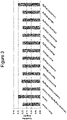
- FIG. 2 shows an evaluation of renal function consisting of the plasma urea nitrogen (BUN) in mg/dL for each of the 14 study groups of C57BL/6 mice consisting of the sham surgery control group "Sham + Vehicle (Control)", the surgery vehicle control group “Vehicle (Control)”, and the 12 treatment groups including the positive control treatment group.
- BUN plasma urea nitrogen
- FIG. 3 shows an evaluation of renal function consisting of the Creatinine in mg/dL for each of the 14 study groups of C57BL/6 mice consisting of the sham surgery control group "Sham + Vehicle (Control)", the surgery vehicle control group “Vehicle (Control)”, and the 12 treatment groups including the positive control treatment group.
- FIG. 4 shows a comparison of the mean weight difference between the left (ligated UUO) and right (non-ligated) kidneys in grams for each of the 14 study groups of C7BL/6 mice consisting of the sham surgery control group "Sham + Vehicle (Control)", the surgery vehicle control group “Vehicle (Control)”, and the 12 treatment groups including the positive control treatment group, Telmisartan.
- FIG. 5 shows an evaluation of renal fibrosis and interstitial damage with the level of fibrosis indicated by Histology Scores of 0 (normal), 1 (light), 2 (moderate) or 3(severe) in three randomly selected fields of renal cross-sections stained with Sirius Red at x20 magnification for each of the 14 study groups of C57BL/6 mice consisting of the sham surgery control group, the surgery vehicle control group, and the 12 treatment groups including the positive control treatment group.
- FIG. 6 shows the reduction in renal fibrosis for each the 14 study groups of C57BL/6 mice consisting of the sham surgery control group, the surgery vehicle control group, and the 12 treatment groups including the positive control treatment group.
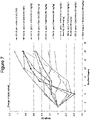
- FIG. 7 shows a comparison of the change in mean body weight in grams for each of the 10 study groups of C57BL/6 mice from a second example consisting of the sham surgery control group "Sham + Vehicle (Control)", the surgery vehicle control group “Vehicle (Control)”, and the 8 treatment groups including the positive control treatment group, Telmisartan.
- FIG. 8 shows an evaluation of renal function consisting of the plasma urea nitrogen (BUN) in mg/dL for each of the 10 study groups of C57BL/6 mice consisting of the sham surgery control group "Sham + Vehicle (Control)", the surgery vehicle control group "Vehicle (Control)”, and the 8 treatment groups including the positive control treatment group.
- BUN plasma urea nitrogen
- FIG. 9 shows an evaluation of renal function consisting of the Creatinine in mg/dL for each of the 10 study groups of C57BL/6 mice consisting of the sham surgery control group "Sham + Vehicle (Control)", the surgery vehicle control group “Vehicle (Control)”, and the 8 treatment groups including the positive control treatment group.
- FIG. 10 shows the weight of the right kidney in grams for each of the 10 study groups of C57BL/6 mice consisting of the sham surgery control group "Sham + Vehicle (Control)", the surgery vehicle control group “Vehicle (Control)”, and the 8 treatment groups including the positive control treatment group, Telmisartan.
- FIG. 11 shows the weight of the left kidney in grams for each of the 10 study groups of C57BL/6 mice consisting of the sham surgery control group "Sham + Vehicle (Control)", the surgery vehicle control group “Vehicle (Control)”, and the 8 treatment groups including the positive control treatment group, Telmisartan.
- FIG. 12 shows an evaluation of renal fibrosis and interstitial damage with the level of fibrosis indicated by Histology Scores of 0 (normal), 1 (light), 2 (moderate) or 3(severe) in three randomly selected fields of renal cross-sections stained with Sirius Red at x20 magnification for each of the 10 study groups of C57BL/6 mice consisting of the sham surgery control group, the surgery vehicle control group, and the 8 treatment groups including the positive control treatment group.
- FIG. 13 shows the reduction in renal fibrosis for each the 10 study groups of C57BL/6 mice consisting of the sham surgery control group, the surgery vehicle control group, and the 8 treatment groups including the positive control treatment group.
- the inventor has found that a number of pharmacologic compounds approved for use in other pathologies are useful in inhibiting renal fibrosis and may be useful in the prophylaxis and/or treatment of kidney disease. In some embodiments, it is found that in the murine model of UUO surgical intervention, the level of fibrosis is inhibited or alleviated. Based on the experimental results described herein, it is shown that the compounds described herein will be useful in some embodiments in the prophylaxis and/or treatment of kidney disease and chronic kidney disease.
- test agents are approved for use in other pathologies, and are formulated with a pharmaceutically acceptable vehicle for the purpose of delivery and absorption.
- the current standard for treating kidney disease is administering the pharmacologic compound Telmisartan, which was used as a positive control in the experimental examples described herein.
- Telmisartan 2-(4- ⁇ [4-Methyl-6-(1-methyl-1H-1,3-benzodiazol-2-yl)-2-propyl-1H-1,3-benzodiazol-1-yl]methyl ⁇ phenyl)benzoic acid, is an angiotensin receptor blocker known in the art for treating hypertension.
- the chemical structure of Telmisartan is as follows:
- Iguratimod N-(7-(Methylsulfonamido)-4-oxo-6-phenoxy-4H-chromen-3-yl)formamide, is known in the art as an anti-inflammatory small molecule drug, often used in the treatment of rheumatoid arthritis.
- the chemical structure of Iguratimod is as follows:
- the present invention provides a use and method of treatment or prophylaxis of renal fibrosis or kidney disease in a subject with Iguratimod or a pharmaceutically acceptable variation thereof.
- the kidney disease may be chronic kidney disease.
- the amount of Iguratimod used is between 0.4 to 2 mg per kg of the subject per day. In a preferred embodiment, the amount of Iguratimod used is between 0.4 to 0.8 mg per kg of the subject per day ( Xiao F, Zhang F, Zhang LL, Wei W (2016) A randomized phase I study to evaluate the safety, tolerability, pharmacokinetics and food-effect of Iguratimod in healthy adult volunteers. Eur J Clin Pharmacol; 74(1):69-77 ). In a yet further preferred embodiment, the amount of Iguratimod used is about 1.25 mg per kg of the subject per day.
- the Iguratimod, or pharmaceutically acceptable variation thereof may be administered to the subject orally, intravenously or in a manner known in the art.
- the Iguratimod, or pharmaceutically acceptable variation thereof may also be administered with one or more pharmaceutically acceptable excipients.
- Repirinast 3-methylbutyl 7,8-dimethyl-4,5-dioxo-5,6-dihydro-4H-pyrano[3,2-c]quinoline-2-carboxylate, is known in the art as an antihistamine.
- the chemical structure of Repirinast is as follows:
- the present invention provides a use and method of treatment or prophylaxis of renal fibrosis or kidney disease in a subject with Repirinast or a pharmaceutically acceptable variation thereof.
- the kidney disease may be chronic kidney disease.
- the amount of Repirinast used is between 0.5 to 25 mg per kg of the subject. In a preferred embodiment, the amount of Repirinast used is between 1 to 5 mg per kg of the subject. In a further preferred embodiment, the amount of Repirinast used is about 2.5 mg per kg of the subject. In a further preferred embodiment, the amount of Repirinast used is about 7.5 mg per kg of the subject.
- the present invention also provides a use and method of treatment or prophylaxis of renal fibrosis or kidney disease in the subject with Telmisartan.
- the amount of Telmisartan used in combination with the Repirinast is between 0.1 to 5 mg per kg of the subject.
- the amount of Telmisartan used in combination with the Repirinast is between 0.1 to 1 mg per kg of the subject.
- the amount of Telmisartan used in combination with the Repirinast is about .25 mg per kg of the subject.
- the amount of Repirinast used is between 75 to 105 mg per kg of the subject. In a preferred embodiment, the amount of Repirinast used is between 80 to 100 mg per kg of the subject. In another preferred embodiment, the amount of Repirinast used is between 85 to 95 mg per kg of the subject. In a further preferred embodiment, the amount of Repirinast used is about 90 mg per kg of the subject.
- the Repirinast, or pharmaceutically acceptable variation thereof, along with the Telmisartan may be administered to the subject orally, intravenously or in a manner known in the art.
- the Repirinast, or pharmaceutically acceptable variation thereof, along with the Telmisartan may also be administered with one or more pharmaceutically acceptable excipients.
- Lobenzarit 2-[(2-Carboxyphenyl)amino]-4-chlorobenzoic acid, is an immunomodulator known in the art for treatment of arthritis.
- the chemical structure of Lobenzarit is as follows:
- the present invention provides a use and method of treatment or prophylaxis of renal fibrosis or kidney disease in a subject with Lobenzarit or a pharmaceutically acceptable variation thereof.
- the kidney disease may be chronic kidney disease.
- the amount of Lobenzarit used is between 1 to 20 mg per kg of the subject. In a preferred embodiment, the amount of Lobenzarit used is between 2 to 15 mg per kg of the subject. In another preferred embodiment, the amount of Lobenzarit used is between 3 to 10 mg per kg of the subject. In a yet further preferred embodiment, the amount of Lobenzarit used is about 4 mg per kg of the subject.
- the Lobenzarit, or pharmaceutically acceptable variation thereof may be administered to the subject orally, intravenously or in a manner known in the art.
- the Lobenzarit, or pharmaceutically acceptable variation thereof may also be administered with one or more pharmaceutically acceptable excipients.
- Actarit (4-Acetamidophenyl)acetic acid, is a disease-modifying antirheumatic drug known in the art for treatment of rheumatoid arthritis.
- the chemical structure of Actarit is as follows:
- the present invention provides a use and method of treatment or prophylaxis of renal fibrosis or kidney disease in a subject with Actarit or a pharmaceutically acceptable variation thereof.
- the kidney disease may be chronic kidney disease.
- the amount of Actarit used is between 1 to 20 mg per kg of the subject. In a preferred embodiment, the amount of Actarit used is between 2 to 10 mg per kg of the subject. In another preferred embodiment, the amount of Actarit used is between 3 to 8 mg per kg of the subject. In a yet further preferred embodiment, the amount of Actarit used is about 5 mg per kg of the subject.
- the Actarit, or pharmaceutically acceptable variation thereof may be administered to the subject orally, intravenously or in a manner known in the art.
- the Actarit, or pharmaceutically acceptable variation thereof may also be administered with one or more pharmaceutically acceptable excipients.
- Ifenprodil 4-[2-(4-benzylpiperidin-1-ium-1-yl)-1-hydroxypropyl] phenol; 2,3,4-trihydroxy-4-oxobutanoate, is known in the art as a selective NMDA receptor (glutamate) antagonist. Ifenprodil was originally (in the early 1970's) developed as a vasodilator. Ifenprodil is currently being studied for treatment of adolescent PTSD. The chemical structure is as follows:
- the present invention provides a use and method of treatment or prophylaxis of renal fibrosis or kidney disease in a subject with Ifenprodil or a pharmaceutically acceptable variation thereof.
- the kidney disease may be chronic kidney disease.
- the amount of Ifenprodil used is between 0.2 and 20 mg per kg, preferably between 0.5 to 10 mg per kg of the subject. In a further preferred embodiment, the amount of Ifenprodil used is between 1 to 5 mg per kg of the subject. In a still further preferred embodiment, the amount of Ifenprodil used is abut 1 mg per kg of the subject.
- the Ifenprodil, or pharmaceutically acceptable variation thereof may be administered to the subject orally, intravenously or in a manner known in the art.
- the Ifenprodil, or pharmaceutically acceptable variation thereof may also be administered with one or more pharmaceutically acceptable excipients.
- Bemithyl 2-Ethylsulfanyl-1H-benzoimidazole
- the chemical structure of Bemithyl is as follows:
- the present invention provides a use and method of treatment or prophylaxis of renal fibrosis or kidney disease in a subject with Bemithyl or a pharmaceutically acceptable variation thereof.
- the kidney disease may be chronic kidney disease.
- the amount of Bemithyl used is between 1 to 80 mg per kg of the subject. In a preferred embodiment, the amount of Bemithyl used is between 5 to 50 mg per kg of the subject. In a further preferred embodiment, the amount of Bemithyl used is between 10 to 30 mg per kg of the subject. In a yet further preferred embodiment, the amount of Bemithyl used is between 15 to 20 mg per kg of the subject. In a still further preferred embodiment, the amount of Bemithyl used is about 17 mg per kg of the subject.
- the present invention also provides a use and method of treatment or prophylaxis of renal fibrosis or kidney disease in the subject with Telmisartan.
- the amount of Telmisartan used in combination with the Bemithyl is between 0.1 to 2 mg per kg of the subject.
- the amount of Telmisartan used in combination with the Bemithyl is between 0.1 to 0.5 mg per kg of the subject.
- the amount of Telmisartan used in combination with the Bemithyl is about 0.25 mg per kg of the subject.
- the Bemithyl, or pharmaceutically acceptable variation thereof, along with the Telmisartan may be administered to the subject orally, intravenously or in a manner known in the art.
- the Bemithyl, or pharmaceutically acceptable variation thereof, along with the Telmisartan may also be administered with one or more pharmaceutically acceptable excipients.
- Bromantane, N-(4-Bromophenyl)adamantan-2-amine is an atypical psychostimulant and anxiolytic drug of the adamantine family known in the art of treatment of neurasthenia.
- the chemical structure of Bromantane is as follows:
- the present invention provides a use and method of treatment or prophylaxis of renal fibrosis or kidney disease in a subject with Bromantane or a pharmaceutically acceptable variation thereof.
- the kidney disease may be chronic kidney disease.
- the amount of Bromantane used is between 0.5 to 10 mg per kg of the subject. In a preferred embodiment, the amount of Bromantane used is between 1 to 3 mg per kg of the subject. In a preferred embodiment, the amount of Bromantane used is between 1.7 to 3.3 mg per kg of the subject. In a further preferred embodiment, the amount of Bromantane used is about 2.5 mg per kg of the subject.
- the Bromantane, or pharmaceutically acceptable variation thereof may be administered to the subject orally, intravenously or in a manner known in the art.
- the Bromantane, or pharmaceutically acceptable variation thereof may also be administered with one or more pharmaceutically acceptable excipients.
- Emoxypine 2-Ethyl-6-methyl-3-hydroxypyridine
- the chemical structure of Emoxypine is as follows:
- the present invention provides a use and method of treatment or prophylaxis of renal fibrosis or kidney disease in a subject with Emoxypine or a pharmaceutically acceptable variation thereof.
- the kidney disease may be chronic kidney disease.
- the amount of Emoxypine used is between 1 to 50 mg per kg of the subject. In a further preferred embodiment, the amount of Emoxypine used is between 5 to 30 mg per kg of the subject. In a yet further preferred embodiment, the amount of Emoxypine used is between 10 to 20 mg per kg of the subject. In a still further preferred embodiment, the amount of Emoxypine used is about 13 mg per kg of the subject.
- Emoxypine, or pharmaceutically acceptable salt thereof may be administered to the subject orally, intravenously or in a manner known in the art.
- the Emoxypine, or pharmaceutically acceptable salt thereof may also be administered with one or more pharmaceutically acceptable excipients.
- Udenafil C 25 H 36 N 6 O 4 S, is an phosphodiesterase type 5 (PDE5) inhibitor used to treat erectile dysfunction.
- PDE5 phosphodiesterase type 5
- the present invention provides a use and method of treatment or prophylaxis of renal fibrosis or kidney disease in a subject with Udenafil or a pharmaceutically acceptable variation thereof.
- the kidney disease may be chronic kidney disease.
- the amount of Udenafil used is between 1 to 10 mg per kg of the subject. In a preferred embodiment, the amount of Udenafil used is between 2 to 5 mg per kg of the subject. In a preferred embodiment, the amount of Udenafil used is between 1.7 to 3.3 mg per kg of the subject. In a further preferred embodiment, the amount of Udenafil used is about 3 mg per kg of the subject.
- the Udenafil, or pharmaceutically acceptable variation thereof may be administered to the subject orally, intravenously or in a manner known in the art.
- the Udenafil, or pharmaceutically acceptable variation thereof may also be administered with one or more pharmaceutically acceptable excipients.
- Istradefylline 8-[(E)-2-(3,4-dimethoxyphenyl)vinyl]-1,3-diethyl-7-methyl-3,7-dihydro-1H-purine-2,6-dione, is a selective A2A receptor antagonist known in the art for treatment of dyskinesia in Parkinson's disease.
- the chemical structure of Istradefylline is as follows:
- the present invention provides a use and method of treatment or prophylaxis of renal fibrosis or kidney disease in a subject with Istradefylline or a pharmaceutically acceptable variation thereof.
- the kidney disease may be chronic kidney disease.
- the amount of Istradefylline used is between 0.2 to 5 mg per kg of the subject. In a preferred embodiment, the amount of Istradefylline used is between 0.3 to 1.3 mg per kg of the subject. In a further preferred embodiment, the amount of Istradefylline used is about 0.7 mg per kg of the subject.
- the Istradefylline, or pharmaceutically acceptable variation thereof may be administered to the subject orally, intravenously or in a manner known in the art.
- the Istradefylline, or pharmaceutically acceptable variation thereof may also be administered with one or more pharmaceutically acceptable excipients.
- Suplatast Tosylate (3- ⁇ [4-(3-ethoxy-2-hydroxypropoxy)phenyl]amino ⁇ -3-oxopropyl)(dimethyl)sulfonium 4-methylbenzenesulfonate, is a Th2 cytokine inhibitor known in the art as an antiallergic agent.
- the chemical structure of Suplatast Tosylate is as follows:
- the present invention provides a use and method of treatment or prophylaxis of renal fibrosis or kidney disease in a subject with Suplatast Tosylate or a pharmaceutically acceptable salt thereof.
- the kidney disease may be chronic kidney disease.
- the amount of Suplatast Tosylate used is between 1 to 20 mg per kg of the subject. In another preferred embodiment, the amount of Suplatast Tosylate used is between 2 to 10 mg per kg of the subject. In a yet further preferred embodiment, the amount of Suplatast Tosylate used is about 5 mg per kg of the subject.
- the Suplatast Tosylate, or pharmaceutically acceptable salt thereof may be administered to the subject orally, intravenously or in a manner known in the art.
- the Suplatast Tosylate, or pharmaceutically acceptable salt thereof may also be administered with one or more pharmaceutically acceptable excipients.
- the present invention provides a use and method of treatment or prophylaxis of chronic kidney disease in a subject with one or more of Iguratimod, Repirinast, Lobenzarit, Actarit, Ifenprodil, Bemithyl, Bromantane, Emoxypine , Udenafil, Istradefyllne, and Suplatast Tosylate, , in combination.
- the present invention provides a use and method of treatment or prophylaxis of chronic kidney disease in a subject with one or more of Iguratimod, Repirinast, Lobenzarit, Actarit, Ifenprodil, Bemithyl, Bromantane, Emoxypine, Udenafil, Istradefyllne, Suplatast Tosylate, and in combination with one or more of Cenicriviroc, telmisartan, a cholesterol lowering drug, an antihypertension drug, or erythropoietin.
- Examples of cholesterol lowering drugs for use in combinations include Atorvastatin (Lipitor), Fluvastatin (Lescol), Lovastatin, Pitavastatin (Livalo), Pravastatin (Pravachol), Rosuvastatin calcium (Crestor), Simvastatin (Zocor) and niacin, Alirocumab (Praluent), Evolocumab (Repatha), Alirocumab (Praluent), and Evolocumab (Repatha).
- Examples of antihypertension drugs for use in combinations include antihypertensives, calcium channel blockers, ACE inhibitors angiotensin II receptor blockers, diuretics, and beta blockers.
- angiotensin II receptor antagonists include both angiotensin I receptor subtype antagonists and angiotensin II receptor subtype antagonists.
- Suitable antiotensin II receptor antagonists include losartan and valsartan.
- Suitable calcium channel blockers include, for example, verapamil, diltiazem, nicardipine, nifedipine, amlodipine, felodipine, nimodipine, and bepridil.
- Diuretics include, for example, furosemide, diuril, amiloride, and hydrodiuril.
- Losartan, candesartan, telmisartan, valsartan, olmesartan, irbesartan, and the like can be used as a hypotensive agent.
- an effective amount refers to the amount of an active ingredient sufficient to confer a desired prophylactic or therapeutic effect in a treated subject.
- an effective amount for inhibiting or alleviating hepatic steatosis, lobular inflammation, hepatocellular ballooning or NASH-derived HCC improves or reduces one or more symptoms, conditions or progression thereof.
- the symptoms, conditions or progression are determined and evaluated using methods known in the art that measure various disease progress-related indexes, for example by analyzing liver sections via immunohistochemical staining.
- the effective amount is determined by persons skilled in the art evaluating, for example, the administration route and frequency, body weight and species of the subject receiving the pharmacologic compound.
- an effective amount of the pharmacologic compound is formulated with a pharmaceutically acceptable vehicle and administered to the subject.
- pharmaceutically acceptable means that the vehicle is known in the art as compatible with the pharmacologic compound while also being safe to the subject receiving the treatment.
- the pharmaceutically acceptable vehicle is determined by persons skilled in the art evaluating, for example, the solubility of the pharmacologic compound in said vehicle.
- mice Male 9-12 week old C57BL/6 mice of 23-25 grams body weight were used. All mice were acclimated for a minimum of 5 days prior to the start of the study and housed individually in microisolators throughout the study in a 12:12 light-dark cycle on a standard maintenance mouse chow diet (Harlan Teklad 2018) with food and water given ad libitum. Prior to surgery, all mice were weighed for baseline body weight.
- the UUO surgical intervention was performed according to previously described methods known in the art ( Le Meur Y et al., Macrophage accumulation at a site of renal inflammation is dependent on the M-CSF/c-fms pathway, J Leukocyte Biol., 72:530-537; 2002 ).
- mice were first anesthetized by intraperitoneal injection with a rodent cocktail (ketamine 10mg/mL and Xyaline 1mg/mL) in normal saline (10 ⁇ L/g body weight). Pedal reflex and movement of the vibrissae were used to determine the state of unconsciousness. A state of unconsciousness was confirmed after a period of about 5 minutes in all animals. All mice were then shaved on the left side of the abdomen. The shaved area was first swabbed with iodine and then swabbed with alcohol. A vertical incision was made through the skin with a #22 scalpel and the skin was then retracted. A further incision of about 2.5cm was then made through the peritoneum avoiding any major blood vessels. The peritoneum was then retracted and the left kidney was exposed.
- ketamine 10mg/mL and Xyaline 1mg/mL normal saline (10 ⁇ L/g body weight.
- the left kidney was then brought to the surface by hooking the ureter directly beneath the kidney with sterile forceps and gently manipulating the kidney upward.
- the ureter was ligated at two points directly below the kidney with 5-0 surgical silk with excess suture cut away and discarded post-ligation.
- the kidney was then gently placed back to its correct anatomical position and the abdomen was lavaged with 1mL sterile saline to replenish fluid loss.
- the peritoneum and then skin were sutured with 5-0 Mersilene, and the incision site was gently wiped with iodine. All mice were then placed individually in clean cages that were set on top of a thermal blanket until recovery at about 30-60 minutes later.
- sham surgery was performed as a control by following all steps of the UUO surgical intervention procedure except ligation.
- mice were divided into 14 individual study groups of 8 mice each and, following post-surgical recovery, administered a once-daily oral treatment for 14 days.
- the mice in 12 of the 14 study groups (hereafter known as "treatment groups") had all received the UUO surgical ligation and were treated individually with a distinct pharmacologic compound as set out in Table 1.
- the mice in 2 of the 14 study groups were treated individually with a pharmaceutically acceptable vehicle with no active ingredient.
- the pharmaceutically acceptable vehicle in all groups was 0.5% carboxymethyl cellulose (CMC). All mice were sacrificed with CO2 on post-surgical day 15.
- CMC carboxymethyl cellulose
- the dose selected for the animal studies was determined by taking the maximum known human daily dose, dividing by the average weight of an adult ( ⁇ 60-70 kg) to get a human mg/kg dose. Then that number was multiplied by 12 to convert to a mouse dose based on conventional dosing tables. See Nair and Jacob, J Basic Clin Pharm March 2016-May 2016, 7(2): 27-31 .
- Body Weight Evaluation Results of the evaluation of mean body weight change are shown in FIG. 1 and Table 2. Body weights were measured on post-surgical days 1, 2, 5, 8, 10 and 14 as previously described. The mean body weight change of each study group was calculated using the body weight average of all mice in each study group. Table 2.
- the mean body weight change on post-surgical day 14 for all treatment groups except Repirinast and Istradefylline showed a more positive value than the positive control treatment group.
- the positive control treatment group Telmisartan
- the mean body weight change on post-surgical day 14 for the Bemithyl treatment group was even greater than that of the sham surgery control group.
- Renal Function Evaluation Renal function and disease progression was evaluated by BUN (blood urea nitrogen) as previously described.
- BUN blood urea nitrogen
- the BUN of each study group consisted of the BUN average of all mice in each study group. Results are shown in FIGS. 2 and 3 . and Table 3. Table 3. Results of Renal Function Evaluation.
- the BUN for all treatment groups were decreased in comparison to the surgery vehicle control group except for the Istradefylline treatment group.
- the BUN for all treatment groups were decreased in comparison to the positive control treatment group except for the Istradefylline treatment group. This indicated that the treatment groups of Iguratimod, Repirinast, Lobenzarit, Actarit, Ifenoprodil, Bemithyl, Bromantane, Emoxypine and Udenafil had less renal dysfunction and disease progression than the positive control treatment with Telmisartan, the current gold standard for treatment of renal fibrosis.
- the BUN for treatment groups Suplatast Tosylate, Iguratimod, Repirinast, Lobenzarit, Actarit, Bemithyl, Bromantane and Udenafil were decreased in comparison to the sham surgery control group. This indicated that treatment with these compounds resulted in an improved renal function as compared to the study group that did not receive any surgical ligation (UUO). Of these compounds, treatment with Bemithyl resulted in the most improved renal function of all.
- Repirinast (30 mg/kg), Bemithyl (200 mg/kg), and Bromantane (20 mg/kg) showed significant reductions in the levels of BUN compared to vehicle (p ⁇ 0.05, Tamhane post-test).
- a Bonferroni post-test is applied, significant reductions in BUN are also observed for Suplatast Tosylate (60 mg/kg), Iguratimod (15 mg/kg), Lobenzarit (48 mg/kg), Actarit (60 mg/kg),and Udenafil (40 mg/kg).
- the positive control, Telmisartan (5 mg/kg) did not show a significant reduction compared to the vehicle. Differences between the test compounds were insignificant. All of the agents tested reduced the levels of serum creatinine compared to vehicle.
- Kidney Weight Evaluation Kidney weight indicating, which indicates functional and pathological changes in the kidney, was evaluated by measuring the weight of both the ligated (UUO) and non-ligated kidneys as previously described.
- the ligated and non-ligated kidney weights of each study group consisted of the respective kidney weight averages of all mice in each study group. Results are shown in Table 4 and FIG. 4 . Table 4. Kidney Weights for Study Groups.
- the ligated kidney weights for all treatment groups and surgery vehicle control group were increased in comparison to the sham surgery control group.
- the ligated kidney weights for all treatment groups except Istradefylline were increased in comparison to the ligated kidney weight of the positive control treatment group and decreased in comparison to the ligated kidney weight of the surgery vehicle control group.
- the ligated kidney weight for the Istradefylline treatment group was increased in comparison to the remaining 13 study groups, including the surgery vehicle control group.
- the increase in weight of the ligated kidney in comparison to the non-ligated kidney was greater in all treatment groups as compared to the positive control treatment group.
- the positive control Telmisartan (5 mg/kg) showed the greatest numerical reduction in the disparity between the two kidneys. A number of other agents showed smaller reductions in this disparity.
- Renal Fibrosis Evaluation Renal fibrosis and interstitial damage was evaluated by histochemical staining of renal cross-sections with Sirius Red as previously described.
- the Histology Score of each study group consisted of the histology score average of all mice in each study group. Results are shown in Table 5 and FIGS. 5 and 6 . Table 5. Sirius Red Stain Scoring.
- the Histology Scores for treatment groups Suplatast Tosylate and Emoxypine were the same as the positive control treatment group.
- the Histology Scores for the Bemithyl treatment group was decreased in comparison to the positive control treatment group Telmisartan.
- Bemithyl 200 mg/kg
- Emoxypine 160 mg/kg
- Suplatast Tosylate 60 mg/kg
- Udenafil 40 mg/kg
- the positive control Telmisartan 5 mg/kg also showed a significant reduction.
- Oral administration of Bemithyl showed significant improvement in kidney fibrosis and reduction in BUN compared to vehicle, and appeared to reverse the negative effects of UUO on body weight gain.
- Repirinast at 30 mg/kg and Bromantane at 20 mg/kg showed significant reductions in BUN compared to vehicle, while Udenafil (40 mg/kg), Emoxypine (160 mg/kg) and Suplatast Tosylate (60 mg/kg) showed significant reduction in fibrosis compared to vehicle.
- Telmisartan appeared to reduce the disparity in kidney size in the UUO-model, but the significance of this effect was not determined.
- mice healthy young female C57BL/6 mice were used for the study. At the commencement of the study, mice were between 9-12 weeks of age, weighing 23-25g. All the mice were obtained from Charles River Laboratories.
- mice were maintained in a controlled environment with a temp 70-72° F, humidity 30-70 %, with a photo cycle of 12 hours of light and 12 hours of dark. They were provided with Harlan Teklad 2018 standard maintenance mouse chow diet and drinking water ad libitium.
- mice After five days of acclimatization, the mice were grouped according to their body weight. There were ten groups of ten mice each. Nine groups of ten mice each underwent UUO as described above and the other group of ten mice underwent a sham procedure to serve as a no-surgery control.
- mice were divided into 10 individual study groups of 10 mice each and, following post-surgical recovery, administered a once-daily oral treatment for 14 days.
- the mice in 8 of the 10 study groups had all received the UUO surgical ligation and were treated individually with a distinct pharmacologic compound as set out in Table 6.
- the mice in 2 of the 10 study groups were treated individually with a pharmaceutically acceptable vehicle with no active ingredient.
- the pharmaceutically acceptable vehicle in all groups was 0.5% carboxymethyl cellulose (CMC). All mice were sacrificed with CO2 on post-surgical day 15.
- CMC carboxymethyl cellulose
- the dose selected for the animal studies was determined by taking the maximum known human daily dose, dividing by the average weight of an adult ( ⁇ 60-70 kg) to get a human mg/kg dose. That number was multiplied by 12 to convert to a mouse dose based on conventional dosing tables. See Nair and Jacob, J Basic Clin Pharm March 2016-May 2016, 7(2): 27-31.
- Body weight The body weights were measured on days 1, 4, 7, 10 and 14 using a laboratory balance.
- Serum collection A blood sample was then collected from all mice and plasma analyzed for urea nitrogen and creatinine. Plasma was stored at -80 °C for possible future analysis.
- Kidney weight The UUO was then examined in situ to ensure that the surgical ligation ties remained patent. Both the ligated (UUO) and non-ligated kidneys were removed for analysis. Weights of both kidneys were measured using a laboratory balance.
- the data are presented as the mean obtained from Microsoft Excel or GraphPad Prism version 5.00 for Windows (GraphPad Software, San Diego California USA). Data were analyzed using two-way ANOVA using Bonferroni and Tamhane post-tests. Differences between groups were considered significant at p ⁇ 0.05.
- Body Weight Evaluation Results of the evaluation of mean body weight change are shown in FIG. 7 and Table 7. Body weights were measured on post-surgical days 1, 4, 7, 10 and 14 as previously described. The mean body weight change of each study group was calculated using the body weight average of all mice in each study group. Table 7.
- Renal Function Evaluation Renal function and disease progression was evaluated by BUN (blood urea nitrogen) as previously described.
- BUN blood urea nitrogen
- the BUN of each study group consisted of the BUN average of all mice in each study group. Results are shown in FIGS. 8 and 9 and Table 8. Table 8. Results of Renal Function Evaluation.
- BUN urea nitrogen
- Table 3 The urea nitrogen (BUN) and creatinine data are presented in Figures 2 & 3 and Table 3, respectively.
- Bromantane was the most effective compound tested, followed by Repirinast and Bemithyl.
- the positive control Telmisartan did not reduce levels of BUN, and when combined with Repirinast or Bemithyl appeared to mitigate the ability of these agents to reduce BUN levels.
- Kidney Weight which indicates functional and pathological changes in the kidney, was evaluated by measuring the weight of both the ligated (UUO) and non-ligated kidneys as previously described.
- the ligated and non-ligated kidney weights of each study group consisted of the respective kidney weight averages of all mice in each study group. Results are shown in Table 9 and FIGS. 10 and 11 . Table 9. Kidney Weights for Study Groups.
- the weight of the left (ligated) kidney in the vehicle group was greatly increased. All of the tested compounds effected numerical reductions in the weight of the left kidney. The greatest reductions were achieved by the administration of Telmisartan (3 mg/kg) combined with Bemithyl (200 mg/kg) or Repirinast (30 mg/kg) - only these reductions were significant following the application of Bonferroni (for both) or Tamhane (for Repirinast) corrections. The combination of Telmisartan and Repirinast was also able to significantly reduce the weight of the drained left kidney compared to the vehicle group; a similar effect was observed for Bemithyl (200 mg/kg). During the experiment, the vehicle group also saw a significant increase in the weight of the right (unligated) kidney. All of the treatments tested were able to significantly reduce the weight of this organ.
- Renal Fibrosis Evaluation Renal fibrosis and interstitial damage was evaluated by histochemical staining of renal cross-sections with Sirius Red as previously described. The Histology Score of each study group consisted of the histology score average of all mice in each study group. Results are shown in Table 10 and FIGS. 12 and 13 . Table 10.
- the agents Bemithyl (200 mg/kg), Repirinast (90 mg/kg) and Bromantane (40 mg/kg) as well as Telmisartan (3 mg/kg) in combination with either Bemithyl (200 mg/kg) or Repirinast (30 mg/kg) were able to significantly reduce the level of kidney fibrosis compared to vehicle, whereas lower dose Repirinast (30 mg/kg), Cenicriviroc (40 mg/kg) and the positive control Telmisartan (3 mg/kg) showed statistically insignificant improvements.
- test compounds Bemithyl 200 mg/kg
- Repirinast 90 mg/kg
- Bromantane 40 mg/kg
- Bromantane offered the highest reductions in both fibrosis and BUN levels.
- Telmisartan in combination with Repirinast (30 mg/kg) or Bemithyl (200 mg/kg) significantly reduced the size of the ligated kidney in the UUO-model.
Landscapes
- Health & Medical Sciences (AREA)
- Life Sciences & Earth Sciences (AREA)
- Veterinary Medicine (AREA)
- Chemical & Material Sciences (AREA)
- Medicinal Chemistry (AREA)
- Pharmacology & Pharmacy (AREA)
- Animal Behavior & Ethology (AREA)
- General Health & Medical Sciences (AREA)
- Public Health (AREA)
- Epidemiology (AREA)
- Bioinformatics & Cheminformatics (AREA)
- Engineering & Computer Science (AREA)
- Organic Chemistry (AREA)
- Urology & Nephrology (AREA)
- Chemical Kinetics & Catalysis (AREA)
- General Chemical & Material Sciences (AREA)
- Nuclear Medicine, Radiotherapy & Molecular Imaging (AREA)
- Pain & Pain Management (AREA)
- Zoology (AREA)
- Gastroenterology & Hepatology (AREA)
- Immunology (AREA)
- Proteomics, Peptides & Aminoacids (AREA)
- Pharmaceuticals Containing Other Organic And Inorganic Compounds (AREA)
- Medicines That Contain Protein Lipid Enzymes And Other Medicines (AREA)
- Acyclic And Carbocyclic Compounds In Medicinal Compositions (AREA)
Abstract
Description
- The present application claims priority from
US provisional application no. 62/690,738 filed June 27, 2018 US provisional application no. 62/809,330 filed February 22, 2019 - The present invention relates to the use of compounds for treating kidney disorders, and in particular, the use of particular compounds for treating renal fibrosis and/or chronic kidney disease.
- Chronic kidney disease (CKD) is a form of kidney disease characterized by damage to the kidneys that worsens over time, often as result of renal fibrosis. This causes gradual loss of kidney functions, so that excess fluid and waste from the blood remain in the body and may cause other health problems.
- Early on, an individual with CKD is generally asymptomatic. As the disease progresses, however, symptoms can include muscle cramps, nausea and vomiting, loss of appetite, swelling in your feet and ankles, and tiredness. Symptoms of acute kidney failure include abdominal and back pain, diarrhea, vomiting, and fever.
- Factors which increase the risk of CKD include diabetes, high blood pressure, heart disease, advanced age and a family history of the condition. Blood tests checking for glomerular filtration rate and urine tests to check for albumin
- (albumin being a protein that can pass into the urine when the kidneys are damaged) can be used to diagnose CKD.
- There is currently no cure for renal fibrosis or CKD. Treatment of CKD generally focus on controlling the risk factors, the goal of therapy is simply to slow down or halt the progression of CKD.
- The murine model of UUO surgical intervention is a well-characterized experimental model of renal injury that ultimately leads to tubulointerstitial fibrosis, depending on the duration of obstruction. In this model, the progression of renal fibrosis is highly predictable and reproducible, leading to significant fibrosis and nephron loss in a relatively short period of 7 to 14 days (Eddy et al., Investigating mechanisms of chronic kidney disease in mouse models, Pediatr Nephrol. 2012 August; 27(8): 1233-47; Grande M T and Lopez-Novoa J M, Fibroblast activation and myofibroblast generation in obstructive nephropathy, Nat Rev Nephrol., 2009 June; 5(6):319-28).
- Telmisartan is an angiotensin receptor blockcer used to treat hypertension. It is the lead candidate studied for treatment of chronic kidney disease (Agrawal et al., J. Drug. Assess. 2016; 5(1):24-28).
- The present invention provides a novel use of existing drugs, typically studied as potential therapies for other pathologies, for the treatment and/or alleviation of renal fibrosis and chronic kidney disease.
- In another embodiment, the present invention provides methods and uses of Iguratimod in the prophylaxis or treatment of renal fibrosis or kidney disease in a subject.
- In another embodiment, the present invention provides methods and uses of Repirinast in the prophylaxis or treatment of renal fibrosis or kidney disease in a subject.
- In another embodiment, the present invention provides methods and uses of Lobenzarit in the prophylaxis or treatment of renal fibrosis or kidney disease in a subject.
- In another embodiment, the present invention provides methods and uses of Actarit in the prophylaxis or treatment of renal fibrosis or kidney disease in a subject.
- In another embodiment, the present invention provides methods and uses of Ifenprodil in the prophylaxis or treatment of renal fibrosis or kidney disease in a subject.
- In another embodiment, the present invention provides methods and uses of Bemithyl in the prophylaxis or treatment of renal fibrosis or kidney disease in a subject.
- In another embodiment, the present invention provides methods and uses of Bromantane in the prophylaxis or treatment of renal fibrosis or kidney disease in a subject.
- In another embodiment, the present invention provides methods and uses of Emoxypine in the prophylaxis or treatment of renal fibrosis or kidney disease in a subject.
- In another embodiment, the present invention provides methods and uses of Udenafil in the prophylaxis or treatment of renal fibrosis or kidney disease in a subject.
- In another embodiment, the present invention provides methods and uses of Istradefylline in the prophylaxis or treatment of renal fibrosis or kidney disease in a subject.
- In a further aspect, the kidney disease is chronic kidney disease.
- Exemplary embodiments are illustrated in referenced figures of the drawings. It is intended that the embodiments and figures disclosed herein are to be considered illustrative rather than restrictive.
-
FIG. 1 shows a comparison of the change in mean body weight in grams for each of the 14 study groups of C57BL/6 mice a first example consisting of the sham surgery control group "Sham + Vehicle (Control)", the surgery vehicle control group "Vehicle (Control)", and the 12 treatment groups including the positive control treatment group, Telmisartan. -
FIG. 2 shows an evaluation of renal function consisting of the plasma urea nitrogen (BUN) in mg/dL for each of the 14 study groups of C57BL/6 mice consisting of the sham surgery control group "Sham + Vehicle (Control)", the surgery vehicle control group "Vehicle (Control)", and the 12 treatment groups including the positive control treatment group. -
FIG. 3 shows an evaluation of renal function consisting of the Creatinine in mg/dL for each of the 14 study groups of C57BL/6 mice consisting of the sham surgery control group "Sham + Vehicle (Control)", the surgery vehicle control group "Vehicle (Control)", and the 12 treatment groups including the positive control treatment group. -
FIG. 4 shows a comparison of the mean weight difference between the left (ligated UUO) and right (non-ligated) kidneys in grams for each of the 14 study groups of C7BL/6 mice consisting of the sham surgery control group "Sham + Vehicle (Control)", the surgery vehicle control group "Vehicle (Control)", and the 12 treatment groups including the positive control treatment group, Telmisartan. -
FIG. 5 shows an evaluation of renal fibrosis and interstitial damage with the level of fibrosis indicated by Histology Scores of 0 (normal), 1 (light), 2 (moderate) or 3(severe) in three randomly selected fields of renal cross-sections stained with Sirius Red at x20 magnification for each of the 14 study groups of C57BL/6 mice consisting of the sham surgery control group, the surgery vehicle control group, and the 12 treatment groups including the positive control treatment group. -
FIG. 6 shows the reduction in renal fibrosis for each the 14 study groups of C57BL/6 mice consisting of the sham surgery control group, the surgery vehicle control group, and the 12 treatment groups including the positive control treatment group. -
FIG. 7 shows a comparison of the change in mean body weight in grams for each of the 10 study groups of C57BL/6 mice from a second example consisting of the sham surgery control group "Sham + Vehicle (Control)", the surgery vehicle control group "Vehicle (Control)", and the 8 treatment groups including the positive control treatment group, Telmisartan. -
FIG. 8 shows an evaluation of renal function consisting of the plasma urea nitrogen (BUN) in mg/dL for each of the 10 study groups of C57BL/6 mice consisting of the sham surgery control group "Sham + Vehicle (Control)", the surgery vehicle control group "Vehicle (Control)", and the 8 treatment groups including the positive control treatment group. -
FIG. 9 shows an evaluation of renal function consisting of the Creatinine in mg/dL for each of the 10 study groups of C57BL/6 mice consisting of the sham surgery control group "Sham + Vehicle (Control)", the surgery vehicle control group "Vehicle (Control)", and the 8 treatment groups including the positive control treatment group. -
FIG. 10 shows the weight of the right kidney in grams for each of the 10 study groups of C57BL/6 mice consisting of the sham surgery control group "Sham + Vehicle (Control)", the surgery vehicle control group "Vehicle (Control)", and the 8 treatment groups including the positive control treatment group, Telmisartan. -
FIG. 11 shows the weight of the left kidney in grams for each of the 10 study groups of C57BL/6 mice consisting of the sham surgery control group "Sham + Vehicle (Control)", the surgery vehicle control group "Vehicle (Control)", and the 8 treatment groups including the positive control treatment group, Telmisartan. -
FIG. 12 shows an evaluation of renal fibrosis and interstitial damage with the level of fibrosis indicated by Histology Scores of 0 (normal), 1 (light), 2 (moderate) or 3(severe) in three randomly selected fields of renal cross-sections stained with Sirius Red at x20 magnification for each of the 10 study groups of C57BL/6 mice consisting of the sham surgery control group, the surgery vehicle control group, and the 8 treatment groups including the positive control treatment group. -
FIG. 13 shows the reduction in renal fibrosis for each the 10 study groups of C57BL/6 mice consisting of the sham surgery control group, the surgery vehicle control group, and the 8 treatment groups including the positive control treatment group. - The inventor has found that a number of pharmacologic compounds approved for use in other pathologies are useful in inhibiting renal fibrosis and may be useful in the prophylaxis and/or treatment of kidney disease. In some embodiments, it is found that in the murine model of UUO surgical intervention, the level of fibrosis is inhibited or alleviated. Based on the experimental results described herein, it is shown that the compounds described herein will be useful in some embodiments in the prophylaxis and/or treatment of kidney disease and chronic kidney disease.
- The examples and data below show the effects of inhibiting or alleviating renal fibrosis using test compounds in two studies. In the first study, a therapeutically effective amount of 11 pharmacologic compounds was administered. In the second study, a therapeutically effective amount of 4 pharmacologic compounds were administered, some in combination with Telmisartan. The pharmacologic compounds, hereinafter known as "test agents", are approved for use in other pathologies, and are formulated with a pharmaceutically acceptable vehicle for the purpose of delivery and absorption.
- The current standard for treating kidney disease is administering the pharmacologic compound Telmisartan, which was used as a positive control in the experimental examples described herein.
- Telmisartan, 2-(4-{[4-Methyl-6-(1-methyl-1H-1,3-benzodiazol-2-yl)-2-propyl-1H-1,3-benzodiazol-1-yl]methyl}phenyl)benzoic acid, is an angiotensin receptor blocker known in the art for treating hypertension. The chemical structure of Telmisartan is as follows:

- Iguratimod, N-(7-(Methylsulfonamido)-4-oxo-6-phenoxy-4H-chromen-3-yl)formamide, is known in the art as an anti-inflammatory small molecule drug, often used in the treatment of rheumatoid arthritis. The chemical structure of Iguratimod is as follows:

- In one aspect, the present invention provides a use and method of treatment or prophylaxis of renal fibrosis or kidney disease in a subject with Iguratimod or a pharmaceutically acceptable variation thereof. The kidney disease may be chronic kidney disease.
- In an embodiment, the amount of Iguratimod used is between 0.4 to 2 mg per kg of the subject per day. In a preferred embodiment, the amount of Iguratimod used is between 0.4 to 0.8 mg per kg of the subject per day (Xiao F, Zhang F, Zhang LL, Wei W (2018) A randomized phase I study to evaluate the safety, tolerability, pharmacokinetics and food-effect of Iguratimod in healthy adult volunteers. Eur J Clin Pharmacol; 74(1):69-77). In a yet further preferred embodiment, the amount of Iguratimod used is about 1.25 mg per kg of the subject per day.
- The Iguratimod, or pharmaceutically acceptable variation thereof, may be administered to the subject orally, intravenously or in a manner known in the art. The Iguratimod, or pharmaceutically acceptable variation thereof, may also be administered with one or more pharmaceutically acceptable excipients.
- Repirinast, 3-methylbutyl 7,8-dimethyl-4,5-dioxo-5,6-dihydro-4H-pyrano[3,2-c]quinoline-2-carboxylate, is known in the art as an antihistamine. The chemical structure of Repirinast is as follows:

- In one aspect, the present invention provides a use and method of treatment or prophylaxis of renal fibrosis or kidney disease in a subject with Repirinast or a pharmaceutically acceptable variation thereof. The kidney disease may be chronic kidney disease.
- In an embodiment, the amount of Repirinast used is between 0.5 to 25 mg per kg of the subject. In a preferred embodiment, the amount of Repirinast used is between 1 to 5 mg per kg of the subject. In a further preferred embodiment, the amount of Repirinast used is about 2.5 mg per kg of the subject. In a further preferred embodiment, the amount of Repirinast used is about 7.5 mg per kg of the subject.
- In combination with the above Repirinast embodiments, the present invention also provides a use and method of treatment or prophylaxis of renal fibrosis or kidney disease in the subject with Telmisartan. In an embodiment, the amount of Telmisartan used in combination with the Repirinast is between 0.1 to 5 mg per kg of the subject. In a preferred embodiment, the amount of Telmisartan used in combination with the Repirinast is between 0.1 to 1 mg per kg of the subject. In a further preferred embodiment, the amount of Telmisartan used in combination with the Repirinast is about .25 mg per kg of the subject.
- In another embodiment, the amount of Repirinast used is between 75 to 105 mg per kg of the subject. In a preferred embodiment, the amount of Repirinast used is between 80 to 100 mg per kg of the subject. In another preferred embodiment, the amount of Repirinast used is between 85 to 95 mg per kg of the subject. In a further preferred embodiment, the amount of Repirinast used is about 90 mg per kg of the subject.
- The Repirinast, or pharmaceutically acceptable variation thereof, along with the Telmisartan, may be administered to the subject orally, intravenously or in a manner known in the art. The Repirinast, or pharmaceutically acceptable variation thereof, along with the Telmisartan may also be administered with one or more pharmaceutically acceptable excipients.
- Lobenzarit, 2-[(2-Carboxyphenyl)amino]-4-chlorobenzoic acid, is an immunomodulator known in the art for treatment of arthritis. The chemical structure of Lobenzarit is as follows:

- In one aspect, the present invention provides a use and method of treatment or prophylaxis of renal fibrosis or kidney disease in a subject with Lobenzarit or a pharmaceutically acceptable variation thereof. The kidney disease may be chronic kidney disease.
- In an embodiment, the amount of Lobenzarit used is between 1 to 20 mg per kg of the subject. In a preferred embodiment, the amount of Lobenzarit used is between 2 to 15 mg per kg of the subject. In another preferred embodiment, the amount of Lobenzarit used is between 3 to 10 mg per kg of the subject. In a yet further preferred embodiment, the amount of Lobenzarit used is about 4 mg per kg of the subject.
- The Lobenzarit, or pharmaceutically acceptable variation thereof, may be administered to the subject orally, intravenously or in a manner known in the art. The Lobenzarit, or pharmaceutically acceptable variation thereof, may also be administered with one or more pharmaceutically acceptable excipients.
- Actarit, (4-Acetamidophenyl)acetic acid, is a disease-modifying antirheumatic drug known in the art for treatment of rheumatoid arthritis. The chemical structure of Actarit is as follows:

- In one aspect, the present invention provides a use and method of treatment or prophylaxis of renal fibrosis or kidney disease in a subject with Actarit or a pharmaceutically acceptable variation thereof. The kidney disease may be chronic kidney disease.
- In an embodiment, the amount of Actarit used is between 1 to 20 mg per kg of the subject. In a preferred embodiment, the amount of Actarit used is between 2 to 10 mg per kg of the subject. In another preferred embodiment, the amount of Actarit used is between 3 to 8 mg per kg of the subject. In a yet further preferred embodiment, the amount of Actarit used is about 5 mg per kg of the subject.
- The Actarit, or pharmaceutically acceptable variation thereof, may be administered to the subject orally, intravenously or in a manner known in the art. The Actarit, or pharmaceutically acceptable variation thereof, may also be administered with one or more pharmaceutically acceptable excipients.
- Ifenprodil, 4-[2-(4-benzylpiperidin-1-ium-1-yl)-1-hydroxypropyl] phenol; 2,3,4-trihydroxy-4-oxobutanoate, is known in the art as a selective NMDA receptor (glutamate) antagonist. Ifenprodil was originally (in the early 1970's) developed as a vasodilator. Ifenprodil is currently being studied for treatment of adolescent PTSD. The chemical structure is as follows:

- In one aspect, the present invention provides a use and method of treatment or prophylaxis of renal fibrosis or kidney disease in a subject with Ifenprodil or a pharmaceutically acceptable variation thereof. The kidney disease may be chronic kidney disease.
- In a preferred embodiment, the amount of Ifenprodil used is between 0.2 and 20 mg per kg, preferably between 0.5 to 10 mg per kg of the subject. In a further preferred embodiment, the amount of Ifenprodil used is between 1 to 5 mg per kg of the subject. In a still further preferred embodiment, the amount of Ifenprodil used is abut 1 mg per kg of the subject.
- The Ifenprodil, or pharmaceutically acceptable variation thereof, may be administered to the subject orally, intravenously or in a manner known in the art. The Ifenprodil, or pharmaceutically acceptable variation thereof, may also be administered with one or more pharmaceutically acceptable excipients.
- Bemithyl, 2-Ethylsulfanyl-1H-benzoimidazole, is known in the art as a synthetic actoprotector, antioxidant, and antimutagenic, and is often used to increase physical performance. The chemical structure of Bemithyl is as follows:

- In one aspect, the present invention provides a use and method of treatment or prophylaxis of renal fibrosis or kidney disease in a subject with Bemithyl or a pharmaceutically acceptable variation thereof. The kidney disease may be chronic kidney disease.
- In an embodiment, the amount of Bemithyl used is between 1 to 80 mg per kg of the subject. In a preferred embodiment, the amount of Bemithyl used is between 5 to 50 mg per kg of the subject. In a further preferred embodiment, the amount of Bemithyl used is between 10 to 30 mg per kg of the subject. In a yet further preferred embodiment, the amount of Bemithyl used is between 15 to 20 mg per kg of the subject. In a still further preferred embodiment, the amount of Bemithyl used is about 17 mg per kg of the subject.
- In combination with the above Bemithyl embodiments, the present invention also provides a use and method of treatment or prophylaxis of renal fibrosis or kidney disease in the subject with Telmisartan. In an embodiment, the amount of Telmisartan used in combination with the Bemithyl is between 0.1 to 2 mg per kg of the subject. In a preferred embodiment, the amount of Telmisartan used in combination with the Bemithyl is between 0.1 to 0.5 mg per kg of the subject. In a further preferred embodiment, the amount of Telmisartan used in combination with the Bemithyl is about 0.25 mg per kg of the subject.
- The Bemithyl, or pharmaceutically acceptable variation thereof, along with the Telmisartan may be administered to the subject orally, intravenously or in a manner known in the art. The Bemithyl, or pharmaceutically acceptable variation thereof, along with the Telmisartan may also be administered with one or more pharmaceutically acceptable excipients.
- Bromantane, N-(4-Bromophenyl)adamantan-2-amine, is an atypical psychostimulant and anxiolytic drug of the adamantine family known in the art of treatment of neurasthenia. The chemical structure of Bromantane is as follows:

- In one aspect, the present invention provides a use and method of treatment or prophylaxis of renal fibrosis or kidney disease in a subject with Bromantane or a pharmaceutically acceptable variation thereof. The kidney disease may be chronic kidney disease.
- In an embodiment, the amount of Bromantane used is between 0.5 to 10 mg per kg of the subject. In a preferred embodiment, the amount of Bromantane used is between 1 to 3 mg per kg of the subject. In a preferred embodiment, the amount of Bromantane used is between 1.7 to 3.3 mg per kg of the subject. In a further preferred embodiment, the amount of Bromantane used is about 2.5 mg per kg of the subject.
- The Bromantane, or pharmaceutically acceptable variation thereof, may be administered to the subject orally, intravenously or in a manner known in the art. The Bromantane, or pharmaceutically acceptable variation thereof, may also be administered with one or more pharmaceutically acceptable excipients.
- Emoxypine, 2-Ethyl-6-methyl-3-hydroxypyridine, is known in the art as an antioxidant. The chemical structure of Emoxypine is as follows:

- In one aspect, the present invention provides a use and method of treatment or prophylaxis of renal fibrosis or kidney disease in a subject with Emoxypine or a pharmaceutically acceptable variation thereof. The kidney disease may be chronic kidney disease.
- In an embodiment, the amount of Emoxypine used is between 1 to 50 mg per kg of the subject. In a further preferred embodiment, the amount of Emoxypine used is between 5 to 30 mg per kg of the subject. In a yet further preferred embodiment, the amount of Emoxypine used is between 10 to 20 mg per kg of the subject. In a still further preferred embodiment, the amount of Emoxypine used is about 13 mg per kg of the subject.
- The Emoxypine, or pharmaceutically acceptable salt thereof, may be administered to the subject orally, intravenously or in a manner known in the art. The Emoxypine, or pharmaceutically acceptable salt thereof, may also be administered with one or more pharmaceutically acceptable excipients.
- Udenafil, C25H36N6O4S, is an phosphodiesterase type 5 (PDE5) inhibitor used to treat erectile dysfunction. The chemical structure of Udenafil is as follows:

- In one aspect, the present invention provides a use and method of treatment or prophylaxis of renal fibrosis or kidney disease in a subject with Udenafil or a pharmaceutically acceptable variation thereof. The kidney disease may be chronic kidney disease.
- In an embodiment, the amount of Udenafil used is between 1 to 10 mg per kg of the subject. In a preferred embodiment, the amount of Udenafil used is between 2 to 5 mg per kg of the subject. In a preferred embodiment, the amount of Udenafil used is between 1.7 to 3.3 mg per kg of the subject. In a further preferred embodiment, the amount of Udenafil used is about 3 mg per kg of the subject.
- The Udenafil, or pharmaceutically acceptable variation thereof, may be administered to the subject orally, intravenously or in a manner known in the art. The Udenafil, or pharmaceutically acceptable variation thereof, may also be administered with one or more pharmaceutically acceptable excipients.
- Istradefylline, 8-[(E)-2-(3,4-dimethoxyphenyl)vinyl]-1,3-diethyl-7-methyl-3,7-dihydro-1H-purine-2,6-dione, is a selective A2A receptor antagonist known in the art for treatment of dyskinesia in Parkinson's disease. The chemical structure of Istradefylline is as follows:

- In one aspect, the present invention provides a use and method of treatment or prophylaxis of renal fibrosis or kidney disease in a subject with Istradefylline or a pharmaceutically acceptable variation thereof. The kidney disease may be chronic kidney disease.
- In an embodiment, the amount of Istradefylline used is between 0.2 to 5 mg per kg of the subject. In a preferred embodiment, the amount of Istradefylline used is between 0.3 to 1.3 mg per kg of the subject. In a further preferred embodiment, the amount of Istradefylline used is about 0.7 mg per kg of the subject.
- The Istradefylline, or pharmaceutically acceptable variation thereof, may be administered to the subject orally, intravenously or in a manner known in the art. The Istradefylline, or pharmaceutically acceptable variation thereof, may also be administered with one or more pharmaceutically acceptable excipients.
- Suplatast Tosylate, (3-{[4-(3-ethoxy-2-hydroxypropoxy)phenyl]amino}-3-oxopropyl)(dimethyl)sulfonium 4-methylbenzenesulfonate, is a Th2 cytokine inhibitor known in the art as an antiallergic agent. The chemical structure of Suplatast Tosylate is as follows:

- In one aspect, the present invention provides a use and method of treatment or prophylaxis of renal fibrosis or kidney disease in a subject with Suplatast Tosylate or a pharmaceutically acceptable salt thereof. The kidney disease may be chronic kidney disease.
- In a preferred embodiment, the amount of Suplatast Tosylate used is between 1 to 20 mg per kg of the subject. In another preferred embodiment, the amount of Suplatast Tosylate used is between 2 to 10 mg per kg of the subject. In a yet further preferred embodiment, the amount of Suplatast Tosylate used is about 5 mg per kg of the subject.
- The Suplatast Tosylate, or pharmaceutically acceptable salt thereof, may be administered to the subject orally, intravenously or in a manner known in the art. The Suplatast Tosylate, or pharmaceutically acceptable salt thereof, may also be administered with one or more pharmaceutically acceptable excipients.
- In another aspect, the present invention provides a use and method of treatment or prophylaxis of chronic kidney disease in a subject with one or more of Iguratimod, Repirinast, Lobenzarit, Actarit, Ifenprodil, Bemithyl, Bromantane, Emoxypine , Udenafil, Istradefyllne, and Suplatast Tosylate, , in combination. In another aspect, the present invention provides a use and method of treatment or prophylaxis of chronic kidney disease in a subject with one or more of Iguratimod, Repirinast, Lobenzarit, Actarit, Ifenprodil, Bemithyl, Bromantane, Emoxypine, Udenafil, Istradefyllne, Suplatast Tosylate, and in combination with one or more of Cenicriviroc, telmisartan, a cholesterol lowering drug, an antihypertension drug, or erythropoietin.
- Examples of cholesterol lowering drugs for use in combinations include Atorvastatin (Lipitor), Fluvastatin (Lescol), Lovastatin, Pitavastatin (Livalo), Pravastatin (Pravachol), Rosuvastatin calcium (Crestor), Simvastatin (Zocor) and niacin, Alirocumab (Praluent), Evolocumab (Repatha), Alirocumab (Praluent), and Evolocumab (Repatha). Examples of antihypertension drugs for use in combinations include antihypertensives, calcium channel blockers, ACE inhibitors angiotensin II receptor blockers, diuretics, and beta blockers. Examples of known angiotensin II receptor antagonists include both angiotensin I receptor subtype antagonists and angiotensin II receptor subtype antagonists. Suitable antiotensin II receptor antagonists include losartan and valsartan. Suitable calcium channel blockers include, for example, verapamil, diltiazem, nicardipine, nifedipine, amlodipine, felodipine, nimodipine, and bepridil. Diuretics include, for example, furosemide, diuril, amiloride, and hydrodiuril. Losartan, candesartan, telmisartan, valsartan, olmesartan, irbesartan, and the like can be used as a hypotensive agent.
- The term "effective amount" used herein refers to the amount of an active ingredient sufficient to confer a desired prophylactic or therapeutic effect in a treated subject. In one aspect, an effective amount for inhibiting or alleviating hepatic steatosis, lobular inflammation, hepatocellular ballooning or NASH-derived HCC improves or reduces one or more symptoms, conditions or progression thereof. In some embodiments, the symptoms, conditions or progression are determined and evaluated using methods known in the art that measure various disease progress-related indexes, for example by analyzing liver sections via immunohistochemical staining. In some embodiments, the effective amount is determined by persons skilled in the art evaluating, for example, the administration route and frequency, body weight and species of the subject receiving the pharmacologic compound. In some embodiments, an effective amount of the pharmacologic compound is formulated with a pharmaceutically acceptable vehicle and administered to the subject.
- The term "pharmaceutically acceptable" used herein means that the vehicle is known in the art as compatible with the pharmacologic compound while also being safe to the subject receiving the treatment. In some embodiments, the pharmaceutically acceptable vehicle is determined by persons skilled in the art evaluating, for example, the solubility of the pharmacologic compound in said vehicle.
- Exemplary embodiments of the present invention are further described with reference to the following examples, which are intended to be illustrative and not limiting in nature. In the first study, a therapeutically effective amount of 10 pharmacologic compounds was administered. In the second study, a therapeutically effective amount of 4 pharmacologic compounds were administered, some in combination with administration of Telmisartan.
- Male 9-12 week old C57BL/6 mice of 23-25 grams body weight were used. All mice were acclimated for a minimum of 5 days prior to the start of the study and housed individually in microisolators throughout the study in a 12:12 light-dark cycle on a standard maintenance mouse chow diet (Harlan Teklad 2018) with food and water given ad libitum. Prior to surgery, all mice were weighed for baseline body weight.
- The UUO surgical intervention was performed according to previously described methods known in the art (Le Meur Y et al., Macrophage accumulation at a site of renal inflammation is dependent on the M-CSF/c-fms pathway, J Leukocyte Biol., 72:530-537; 2002).
- All mice were first anesthetized by intraperitoneal injection with a rodent cocktail (ketamine 10mg/mL and Xyaline 1mg/mL) in normal saline (10µL/g body weight). Pedal reflex and movement of the vibrissae were used to determine the state of unconsciousness. A state of unconsciousness was confirmed after a period of about 5 minutes in all animals. All mice were then shaved on the left side of the abdomen. The shaved area was first swabbed with iodine and then swabbed with alcohol. A vertical incision was made through the skin with a #22 scalpel and the skin was then retracted. A further incision of about 2.5cm was then made through the peritoneum avoiding any major blood vessels. The peritoneum was then retracted and the left kidney was exposed.
- The left kidney was then brought to the surface by hooking the ureter directly beneath the kidney with sterile forceps and gently manipulating the kidney upward. The ureter was ligated at two points directly below the kidney with 5-0 surgical silk with excess suture cut away and discarded post-ligation. The kidney was then gently placed back to its correct anatomical position and the abdomen was lavaged with 1mL sterile saline to replenish fluid loss. The peritoneum and then skin were sutured with 5-0 Mersilene, and the incision site was gently wiped with iodine. All mice were then placed individually in clean cages that were set on top of a thermal blanket until recovery at about 30-60 minutes later. In some examples, sham surgery was performed as a control by following all steps of the UUO surgical intervention procedure except ligation.
- Following surgery, the mice were divided into 14 individual study groups of 8 mice each and, following post-surgical recovery, administered a once-daily oral treatment for 14 days. The mice in 12 of the 14 study groups (hereafter known as "treatment groups") had all received the UUO surgical ligation and were treated individually with a distinct pharmacologic compound as set out in Table 1. The mice in 2 of the 14 study groups were treated individually with a pharmaceutically acceptable vehicle with no active ingredient. The pharmaceutically acceptable vehicle in all groups was 0.5% carboxymethyl cellulose (CMC). All mice were sacrificed with CO2 on
post-surgical day 15.Table 1 Gro up Description N R O A Dose mg/ kg Dosing Volume Dosing Frequen cy 1 Sham + vehicle (0.5% CMC) 8 PO xxxx 10 ml/kg QD Days 1-14 2 Surgery + Vehicle 8 PO xxxx 10 ml/kg QD Days 1-14 3 Surgery + Telmisartan 8 PO 5 10 ml/kg QD Days 1-14 4 Surgery + Iguratimod 8 PO 15 10 ml/kg QD Days 1-14 5 Surgery + Repirinast 8 PO 30 10 ml/kg QD Days 1-14 6 Surgery + Lobenzarit 8 PO 48 10 ml/kg QD Days 1-14 7 Surgery + Actarit 8 PO 60 10 ml/kg QD Days 1-14 8 Surgery + Ifenprodil 8 PO 30 10 ml/kg QD Days 1-14 9 Surgery + Bemithyl 8 PO 200 10 ml/kg QD Days 1-14 10 Surgery + Bromantane 8 PO 20 10 ml/kg QD Days 1-14 11 Surgery + Emoxypine 8 PO 160 10 ml/kg QD Days 1-14 12 Surgery + Udenafil 8 PO 40 10 ml/kg QD Days 1-14 13 Surgery + Istradefyllne 8 PO 8 10 ml/kg QD Days 1-14 14 Surgery + Suplatast Tosylate 8 PO 60 10 ml/kg QD Days 1-14 - The dose selected for the animal studies was determined by taking the maximum known human daily dose, dividing by the average weight of an adult (~60-70 kg) to get a human mg/kg dose. Then that number was multiplied by 12 to convert to a mouse dose based on conventional dosing tables. See Nair and Jacob, J Basic Clin Pharm March 2016-May 2016, 7(2): 27-31.
- Thus, working backwards to arrive at a human dose, for example:

- The following measurements and assessments were taken for each mouse.
- Body weight: The body weights were measured on
days - Serum collection: A blood sample was then collected from all mice and plasma analyzed for urea nitrogen and creatinine. Plasma was stored at -80 °C for possible future analysis.
- Kidney weight: The UUO was then examined in situ to ensure that the surgical ligation ties remained patent. Both the ligated (UUO) and non-ligated kidneys were removed for analysis. Weights of both kidneys were measured using a laboratory balance.
- Histopathology: Formalin-fixed kidney cross-section samples were subjected histopathological scoring with Sirius Red staining, and imaged at a magnification of x20, using standard techniques. All three sections were stained and evaluated. The analysis was performed by a board-certified veterinarian pathologist. The presence of interstitial damage and severity score was assessed according to the following criteria: 0= normal, 1= light, 2= moderate, 3= severe.
- Values are arithmetic means. Comparison between the study group and positive control group was performed using a two-tailed, heteroscedastic (two-sample unequal variance) Student's T-Test. A p-value of <0.05 was considered statistically significant.
- Body Weight Evaluation: Results of the evaluation of mean body weight change are shown in
FIG. 1 and Table 2. Body weights were measured onpost-surgical days Table 2. Mean Body Weight Change Following Surgery (g) Days Post Surgery 1 2 5 8 10 14 Sham + Vehicle 0 0.86 0.14 0.02 0.60 1.44 Vehicle 0 0.71 1.68 0.07 0.32 0.90 Telmisartan 5mg/kg (Positive Control) 0 - 1.09 - 1.96 - 0.80 -0.64 - 0.13 Iguratimod 15mg/ kg 0 0.76 1.03 0.10 -0.45 0.11 Repirinast 30mg/ kg 0 0.77 1.69 1.24 -1.23 0.89 Lobenzarit 48mg/ kg 0 0.88 0.97 0.42 -0.49 0.04 Actarit 60mg/ kg 0 1.65 1.15 0.65 -0.18 0.00 Ifenoprodil 30mg/ kg 0 0.97 0.31 0.41 0.40 0.59 Bemithyl 200mg/ kg 0 0.14 0.84 0.86 1.30 1.60 Bromantane 20mg/ kg 0 0.45 0.06 0.01 0.60 0.89 Emoxypine 160mg/ kg 0 0.56 0.41 0.15 0.31 0.52 Udenafil 40mg/ kg 0 0.12 0.52 0.49 0.03 0.25 Suplatast Tosylate 60mg/kg 0 - 0.58 - 0.41 0.43 0.45 0.86 Istradefylline 8mg/ kg 0 0.25 0.50 0.34 -0.05 0.18 - All study groups showed an initial decrease in mean body weight change followed by an increase in mean body weight change until sacrifice.
- The mean body weight change on
post-surgical day 14 for all treatment groups except Repirinast and Istradefylline showed a more positive value than the positive control treatment group. As compared to the positive control treatment group (Telmisartan), this indicated a greater decrease in body weight onpost-surgical day 14 versuspost-surgical day 1 in treatment groups Repirinast and Istradefylline, and a greater increase in body weight in the remaining treatment groups. - The mean body weight change on
post-surgical day 14 for treatment groups Suplatast Tosylate Bromantane were comparable to that of the surgery vehicle control group. - The mean body weight change on
post-surgical day 14 for the Bemithyl treatment group was even greater than that of the sham surgery control group. - Renal Function Evaluation: Renal function and disease progression was evaluated by BUN (blood urea nitrogen) as previously described. The BUN of each study group consisted of the BUN average of all mice in each study group. Results are shown in
FIGS. 2 and3 . and Table 3.Table 3. Results of Renal Function Evaluation. Treatment BUN mg/dL Creatinine mg/dL Sham + Vehicle 19.125 0.20 Vehicle 25.425 0.25 Telmisartan 5mg/kg (Positive Control) 20.9 0.20 Iguratimod 15mg/kg 17.875∗ 0.20 Repirinast 30mg/kg 16.4∗# 0.20 Lobenzarit 48mg/kg 18.4625∗ 0.20 Actarit 60mg/kg 17.875∗ 0.20 Ifenprodil 30mg/kg 20.125 0.20 Bemithyl 200mg/kg 15.6125∗# 0.20 Bromantane 20mg/kg 16.2∗# 0.20 Emoxypine 160mg/kg 20.1625 0.20 Udenafil 40mg/kg 17.9875∗ 0.20 Suplatast Tosylate 60mg/kg 19.61429∗ 0.21 Istradefylline 8mg/kg 29.85 0.25 Note. Here and in Table 5: ∗ - p < 0.05 compared to vehicle (Bonferroni post-test) ; # - p < 0.05 compared to vehicle (Tamhane post-test) - The BUN for all treatment groups were decreased in comparison to the surgery vehicle control group except for the Istradefylline treatment group.
- The BUN for all treatment groups were decreased in comparison to the positive control treatment group except for the Istradefylline treatment group. This indicated that the treatment groups of Iguratimod, Repirinast, Lobenzarit, Actarit, Ifenoprodil, Bemithyl, Bromantane, Emoxypine and Udenafil had less renal dysfunction and disease progression than the positive control treatment with Telmisartan, the current gold standard for treatment of renal fibrosis.
- The BUN for treatment groups Suplatast Tosylate, Iguratimod, Repirinast, Lobenzarit, Actarit, Bemithyl, Bromantane and Udenafil were decreased in comparison to the sham surgery control group. This indicated that treatment with these compounds resulted in an improved renal function as compared to the study group that did not receive any surgical ligation (UUO). Of these compounds, treatment with Bemithyl resulted in the most improved renal function of all.
- In particular, Repirinast (30 mg/kg), Bemithyl (200 mg/kg), and Bromantane (20 mg/kg) showed significant reductions in the levels of BUN compared to vehicle (p < 0.05, Tamhane post-test). When a Bonferroni post-test is applied, significant reductions in BUN are also observed for Suplatast Tosylate (60 mg/kg), Iguratimod (15 mg/kg), Lobenzarit (48 mg/kg), Actarit (60 mg/kg),and Udenafil (40 mg/kg). The positive control, Telmisartan (5 mg/kg), did not show a significant reduction compared to the vehicle. Differences between the test compounds were insignificant. All of the agents tested reduced the levels of serum creatinine compared to vehicle.
- Kidney Weight Evaluation: Kidney weight indicating, which indicates functional and pathological changes in the kidney, was evaluated by measuring the weight of both the ligated (UUO) and non-ligated kidneys as previously described. The ligated and non-ligated kidney weights of each study group consisted of the respective kidney weight averages of all mice in each study group. Results are shown in Table 4 and
FIG. 4 .Table 4. Kidney Weights for Study Groups. L-kidney R-kidney Difference (L - R), g Reduction Sham + Vehicle 0.129 0.136 -0.007 - Vehicle 0.520 0.146 0.374 - Telmisartan 5mg/kg (Positive Control) 0.265 0.128 0.137 63% Iguratimod 15mg/kg 0.514 0.133 0.380 -2% Repirinast 30mg/kg 0.427 0.157 0.270 28% Lobenzarit 48mg/kg 0.510 0.152 0.357 5% Actarit 60mg/kg 0.426 0.131 0.295 21% Suplatast Tosylate 60mg/kg 0.475 0.133 0.342 9% Ifenoprodil 30mg/kg 0.411 0.148 0.263 30% Bemithyl 200mg/kg 0.497 0.139 0.357 5% Bromantane 20mg/kg 0.501 0.141 0.359 4% Emoxypine 160mg/kg 0.517 0.156 0.362 3% Udenafil 40mg/kg 0.491 0.144 0.347 7% Istradefylline 8mg/kg 0.526 0.153 0.373 0% - The ligated kidney weights for all treatment groups and surgery vehicle control group were increased in comparison to the sham surgery control group. The ligated kidney weights for all treatment groups except Istradefylline were increased in comparison to the ligated kidney weight of the positive control treatment group and decreased in comparison to the ligated kidney weight of the surgery vehicle control group. The ligated kidney weight for the Istradefylline treatment group was increased in comparison to the remaining 13 study groups, including the surgery vehicle control group.
- The increase in weight of the ligated kidney in comparison to the non-ligated kidney was greater in all treatment groups as compared to the positive control treatment group.
- In particular, the positive control Telmisartan (5 mg/kg) showed the greatest numerical reduction in the disparity between the two kidneys. A number of other agents showed smaller reductions in this disparity.
- Renal Fibrosis Evaluation: Renal fibrosis and interstitial damage was evaluated by histochemical staining of renal cross-sections with Sirius Red as previously described. The Histology Score of each study group consisted of the histology score average of all mice in each study group. Results are shown in Table 5 and
FIGS. 5 and6 .Table 5. Sirius Red Stain Scoring. Histology Score % Reduction Fibrosis (vs vehicle) Sham + Vehicle 0.00 100% Vehicle 2.27 0% Telmisartan 5mg/kg (Positive Control) 1.31 42% Iguratimod 15mg/kg 1.67 27% Repirinast 30mg/kg 1.52 33% Lobenzarit 48mg/kg 2.27 0% Actarit 60mg/kg 1.71 25% Suplatast Tosylate 60mg/kg 1.31 42% Ifenoprodil 30mg/kg 1.77 22% Bemithyl 200mg/kg 1.29 43% Bromantane 20mg/kg 1.88 17% Emoxypine 160mg/kg 1.31 42% Udenafil 40mg/kg 1.50 34% Istradefylline 8mg/kg 2.35 -4% - The p-values of all treatment groups were statistically significant except for the Lobenzarit and Istradefylline treatment groups.
- The Histology Scores for treatment groups Suplatast Tosylate and Emoxypine were the same as the positive control treatment group.
- The Histology Scores for the Bemithyl treatment group was decreased in comparison to the positive control treatment group Telmisartan.
- In particular, Bemithyl (200 mg/kg), Emoxypine (160 mg/kg), Suplatast Tosylate (60 mg/kg), and Udenafil (40 mg/kg) showed significant reductions in kidney fibrosis. The positive control Telmisartan (5 mg/kg) also showed a significant reduction.
- Oral administration of Bemithyl (200 mg/kg) showed significant improvement in kidney fibrosis and reduction in BUN compared to vehicle, and appeared to reverse the negative effects of UUO on body weight gain. Repirinast at 30 mg/kg and Bromantane at 20 mg/kg showed significant reductions in BUN compared to vehicle, while Udenafil (40 mg/kg), Emoxypine (160 mg/kg) and Suplatast Tosylate (60 mg/kg) showed significant reduction in fibrosis compared to vehicle.
- Oral administration of Telmisartan at 5 mg/kg also showed reduction in BUN levels and fibrosis, though the former was not statistically significant. Telmisartan appeared to reduce the disparity in kidney size in the UUO-model, but the significance of this effect was not determined.
- In this example, healthy young female C57BL/6 mice were used for the study. At the commencement of the study, mice were between 9-12 weeks of age, weighing 23-25g. All the mice were obtained from Charles River Laboratories.
- The mice were maintained in a controlled environment with a temp 70-72° F, humidity 30-70 %, with a photo cycle of 12 hours of light and 12 hours of dark. They were provided with Harlan Teklad 2018 standard maintenance mouse chow diet and drinking water ad libitium.
- After five days of acclimatization, the mice were grouped according to their body weight. There were ten groups of ten mice each. Nine groups of ten mice each underwent UUO as described above and the other group of ten mice underwent a sham procedure to serve as a no-surgery control.
- Following surgery, the mice were divided into 10 individual study groups of 10 mice each and, following post-surgical recovery, administered a once-daily oral treatment for 14 days. The mice in 8 of the 10 study groups had all received the UUO surgical ligation and were treated individually with a distinct pharmacologic compound as set out in Table 6. The mice in 2 of the 10 study groups were treated individually with a pharmaceutically acceptable vehicle with no active ingredient. The pharmaceutically acceptable vehicle in all groups was 0.5% carboxymethyl cellulose (CMC). All mice were sacrificed with CO2 on
post-surgical day 15.Table 6 Grou P Description N RO A Dose mg/ kg Dosin g Volu me Dosing Frequency 1 Sham + vehicle (0.5% CMC) 1 0 PO xxxx 10 ml/kq QD Days 1-14 2 Surgery + Vehicle 1 0 PO xxxx 10 ml/kg QD Days 1-14 3 Surgery + Telmisartan 1 0 PO 3 10 ml/kg QD Days 1-14 4 Surgery + Bemithyl 1 0 PO 200 10 ml/kg QD Days 1-14 5 Surgery + Repirinast 1 0 PO 90 10 ml/kg QD Days 1-14 6 Surgery + Repirinast 1 0 PO 30 10 ml/kg QD Days 1-14 7 Surgery + Telmisartan + Bemithyl 1 0 PO 3 + 200 10 ml/kg QD Days 1-14 8 Surgery + Telmisartan + Repirinast 1 0 PO 3 + 30 10 ml/kg QD Days 1-14 9 Surgery + Cenicriviroc 1 0 PO 40 10 ml/kg QD Days 1-14 10 Surgery + Bromantane 1 0 PO 40 10 ml/kg QD Days 1-14 - The dose selected for the animal studies was determined by taking the maximum known human daily dose, dividing by the average weight of an adult (~60-70 kg) to get a human mg/kg dose. That number was multiplied by 12 to convert to a mouse dose based on conventional dosing tables. See Nair and Jacob, J Basic Clin Pharm March 2016-May 2016, 7(2): 27-31.
- The following measurements and assessments were taken for each mouse.
- Body weight: The body weights were measured on
days - Serum collection: A blood sample was then collected from all mice and plasma analyzed for urea nitrogen and creatinine. Plasma was stored at -80 °C for possible future analysis.
- Kidney weight: The UUO was then examined in situ to ensure that the surgical ligation ties remained patent. Both the ligated (UUO) and non-ligated kidneys were removed for analysis. Weights of both kidneys were measured using a laboratory balance.
- Histopathology: Formalin-fixed kidney cross-section samples were subjected histopathological scoring with Sirius Red staining, and imaged at a magnification of x20, using standard techniques. All three sections were stained and evaluated. The analysis was performed by a board-certified veterinarian pathologist. The presence of interstitial damage and severity score was assessed according to the following criteria: 0= normal; 1= light; 2= moderate; 3= severe.
- The data are presented as the mean obtained from Microsoft Excel or GraphPad Prism version 5.00 for Windows (GraphPad Software, San Diego California USA). Data were analyzed using two-way ANOVA using Bonferroni and Tamhane post-tests. Differences between groups were considered significant at p < 0.05.
- Body Weight Evaluation: Results of the evaluation of mean body weight change are shown in
FIG. 7 and Table 7. Body weights were measured onpost-surgical days Table 7. Mean Body Weight Change Following Surgery (g) Group Treatment Change in body weight Day 1 Day 4Day 7 Day 10Day 141 Sham + Vehicle 0 0.16 0.22 0.59 0.88 2 Vehicle 0 0.41 0.46 0.68 0.86 3 Telmisartan (3 mg/kg) 0 - 0.24 0.39 0.45 0.58 4 Bemithyl (200 mg/kg) 0 0.16 0.16 0.36 0.54 5 Repirinast (90 mg/kg) 0 0.31 0.60 0.86 1.08 6 Repirinast (30 mg/kg) 0 0.34 0.35 0.83 0.86 7 Telmisartan (3 mg/kg) + Bemithyl (200 mg/kg) 0 0.08 - 0.07 0.04 0.08 8 Telmisartan (3 mg/kg) + Repirinast (30 mg/kg) 0 - 0.33 - 0.25 0.16 0.24 9 Cenicriviroc (40 mg/kg ) 0 - 0.30 - 0.12 0.18 0.82 10 Bromantane (40 mg/kg) 0 0.11 0.36 0.15 0.55 - A decrease in body weight gains was observed for the first 4 days in the vehicle group, after which these gains began to recover. In the groups treated with Repirinast (30 and 90 mg/kg), Bemithyl (200 mg/kg), Bromantane (40 mg/kg) and Telmisartan + Bemithyl (3 mg/kg + 200 mg/kg), there was no initial decrease in body weight, and weight gain continued for the duration of the experiment. The mean body weight change on
post-surgical day 14 for the Bemithyl treatment group was even greater than that of the sham surgery control group. - Renal Function Evaluation: Renal function and disease progression was evaluated by BUN (blood urea nitrogen) as previously described. The BUN of each study group consisted of the BUN average of all mice in each study group. Results are shown in
FIGS. 8 and9 and Table 8.Table 8. Results of Renal Function Evaluation. Group Treatment BUN Creatinine 1 Sham + Vehicle 19.4 0.20 2 Vehicle 23.3 0.21 3 Telmisartan (3 mg/kg) 23.5 0.20 4 Bemithyl (200 mg/kg) 19.4∗ 0.20 5 Repirinast (90 mg/kg) 17.6∗# 0.20 6 Repirinast (30 mg/kg) 18.5∗# 0.20 7 Telmisartan (3 mg/kg) + Bemithyl (200 mg/kg) 24.1 0.21 8 Telmisartan (3 mg/kg) + Repirinast (30 mg/kg) 24.8 0.20 9 Cenicriviroc (40 mg/kg ) 19.9 0.21 10 Bromantane (40 mg/kg) 17.3∗# 0.20 - For Tables 8: ∗ - significantly different from vehicle following a Bonferroni post-hoc test; # - following a Tamhane post-hoc test (p < 0.05)
- The urea nitrogen (BUN) and creatinine data are presented in
Figures 2 &3 and Table 3, respectively. Administration of Bemithyl (200 mg/kg), Repirinast (90 mg/kg and 30 mg/kg) and Bromantane (40 mg/kg) led to significant reductions in the level of BUN compared to vehicle. Cenicriviroc also reduced the level of BUN, but this reduction was not significant. Bromantane was the most effective compound tested, followed by Repirinast and Bemithyl. The positive control Telmisartan did not reduce levels of BUN, and when combined with Repirinast or Bemithyl appeared to mitigate the ability of these agents to reduce BUN levels. Bromantane was found to be superior to Telmisartan; otherwise the differences observed between the agents were not significant. There were no differences in the levels of serum creatinine in any of the groups tested. - Kidney Weight Evaluation: Kidney weight, which indicates functional and pathological changes in the kidney, was evaluated by measuring the weight of both the ligated (UUO) and non-ligated kidneys as previously described. The ligated and non-ligated kidney weights of each study group consisted of the respective kidney weight averages of all mice in each study group. Results are shown in Table 9 and
FIGS. 10 and11 .Table 9. Kidney Weights for Study Groups. Gp Treatment Excised Left Kidney (g) Drained Left Kidney (g) Right Kidney (g) 1 Sham + Vehicle 0.106 0.106 0.1116 2 Vehicle 0.5054 0.2325 0.1888 3 Telmisartan (3 mg/kg) 0.411 0.1853∗ 0.1263∗ 4 Bemithyl (200 mg/kg) 0.398 0.1565 0.1333∗ 5 Repirinast (90 mg/kg) 0.3681 0.1648 0.1378∗ 6 Repirinast (30 mg/kg) 0.412 0.1808 0.1468∗ 7 Tel (3 mg/kg) + Bemithyl (200 mg/kg) 0.3524∗ 0.167 0.1242∗# 8 Tel (3 mg/kg) + Repirinast (30 mg/kg) 0.3102∗# 0.145∗ 0.1222∗# 9 Cenicriviroc (40 mg/kg ) 0.4091 0.1683 0.1342∗ 10 Bromantane (40 mg/kg) 0.3995 0.1775 0.143∗ - For Table 9: ∗ - significantly different from vehicle following a Bonferroni post-hoc test; # - following a Tamhane post-hoc test (p < 0.05)
- The weight of the left (ligated) kidney in the vehicle group was greatly increased. All of the tested compounds effected numerical reductions in the weight of the left kidney. The greatest reductions were achieved by the administration of Telmisartan (3 mg/kg) combined with Bemithyl (200 mg/kg) or Repirinast (30 mg/kg) - only these reductions were significant following the application of Bonferroni (for both) or Tamhane (for Repirinast) corrections. The combination of Telmisartan and Repirinast was also able to significantly reduce the weight of the drained left kidney compared to the vehicle group; a similar effect was observed for Bemithyl (200 mg/kg). During the experiment, the vehicle group also saw a significant increase in the weight of the right (unligated) kidney. All of the treatments tested were able to significantly reduce the weight of this organ.
- Renal Fibrosis Evaluation: Renal fibrosis and interstitial damage was evaluated by histochemical staining of renal cross-sections with Sirius Red as previously described. The Histology Score of each study group consisted of the histology score average of all mice in each study group. Results are shown in Table 10 and
FIGS. 12 and13 .Table 10. Histology Group Treatment Histology Score Reduction of fibrosis (%) (versus vehicle) 1 Sham + Vehicle 0.00 100% 2 Vehicle 2.40 0% 3 Telmisartan (3 mg/kg) 1.62∗# 33% 4 Bemithyl (200 mg/kg) 1.15∗# 52% 5 Repirinast (90 mg/kg) 1.19∗# 51% 6 Repirinast (30 mg/kg) 1.90 21% 7 Telmisartan (3 mg/kg) + Bemithyl (200 mg/kg) 1.47∗# 39% 8 Telmisartan (3 mg/kg) + Repirinast (30 mg/kg) 1.10∗# 54% 9 Cenicriviroc (40 mg/kg ) 1.63∗# 32% 10 Bromantane (40 mg/kg) 1.02∗# 58% Note. The histology score for Bromantane was significantly lower than that for Telmisartan (after Bonferroni correction) and Cenicrivoc (after Bonferroni and Tamhane corrections) (p < 0.05) - The agents Bemithyl (200 mg/kg), Repirinast (90 mg/kg) and Bromantane (40 mg/kg) as well as Telmisartan (3 mg/kg) in combination with either Bemithyl (200 mg/kg) or Repirinast (30 mg/kg) were able to significantly reduce the level of kidney fibrosis compared to vehicle, whereas lower dose Repirinast (30 mg/kg), Cenicriviroc (40 mg/kg) and the positive control Telmisartan (3 mg/kg) showed statistically insignificant improvements. Bromantane had the greatest numerical reduction in the histology score; by this measure Bromantane was superior to both Telmisartan (p < 0.05 following Bonferroni post-correction) and Cenicrivoc (p < 0.05 following either Bonferroni or Tamhane post-corrections.
- Oral administration the test compounds Bemithyl (200 mg/kg), Repirinast (90 mg/kg) and Bromantane (40 mg/kg) showed significant improvement in kidney fibrosis and reduction in BUN compared to vehicle, and appeared to reverse the negative effects of UUO on body weight gain. Of these three agents, Bromantane offered the highest reductions in both fibrosis and BUN levels.
- Oral administration of Telmisartan at 3 mg/kg did not show significant reductions in BUN levels or fibrosis. Telmisartan in combination with Repirinast (30 mg/kg) or Bemithyl (200 mg/kg) significantly reduced the size of the ligated kidney in the UUO-model.
- Throughout the description specific details are set forth in order to provide a more thorough understanding to persons skilled in the art. However, well known elements may not have been shown or described in detail to avoid unnecessarily obscuring the disclosure. Accordingly, the description and drawings are to be regarded in an illustrative, rather than a restrictive, sense.
- While a number of exemplary aspects and embodiments have been discussed above, those of skill in the art will recognize certain modifications, permutations, additions and sub-combinations thereof. It is therefore intended that the following appended claims and claims hereafter introduced are interpreted to include all such modifications, permutations, additions and sub-combinations as are consistent with the broadest interpretation of the specification as a whole.
- The present application and invention further includes the subject matter of the following numbered clauses:
- 1. Use of Actarit in the prophylaxis or treatment of renal fibrosis or kidney disease in a subject.
- 2. The use of
clause 1, wherein the amount of Actarit is between 1 to 20 mg per kg of the subject. - 3. The use of
clause 2, wherein the amount of Actarit is between 2 to 10 mg per kg of the subject. - 4. The use of
clause 3, wherein the amount of Actarit is between 3 to 8 mg per kg of the subject. - 5. The use of
clause 4, wherein the amount of Actarit is about 5 mg per kg of the subject. - 6. Use of Iguratimod in the prophylaxis or treatment of renal fibrosis or kidney disease in a subject.
- 7. The use of
clause 6, wherein the amount of Iguratimod is between 0.4 to 2 mg per kg of the subject. - 8. The use of clause 7, wherein the amount of Iguratimod is between 0.4 to 0.8 mg per kg of the subject.
- 9. The use of
clause 8, wherein the amount of Iguratimod is about 1.25 mg per kg of the subject. - 10. Use of Repirinast in the prophylaxis or treatment of renal fibrosis or kidney disease in a subject.
- 11. The use of
clause 10, wherein the amount of Repirinast is between 0.1 to 50 mg per kg of the subject. - 12. The use of clause 11, wherein the amount of Repirinast is between 0.2 to 35 mg per kg of the subject.
- 13. The use of
clause 12, wherein the amount of Repirinast is about 7.5 mg per kg of the subject. - 14. The use of
clause 10, wherein the amount of Repirinast is between 0.5 to 10 mg per kg of the subject. - 15. The use of
clause 14, wherein the amount of Repirinast is between 1 to 5 mg per kg of the subject. - 16. The use of
clause 15, wherein the amount of Repirinast is between 2 to 3 mg per kg of the subject. - 17. The use of
clause 16, wherein the amount of Repirinast is about 2.5 mg per kg of the subject. - 18. The use of any one of clauses 10-17, in combination with the use of Telmisartan.
- 19. The use of clause 18, wherein the amount of Telmisartan is between 0.1 to 5 mg per kg of the subject.
- 20. The use of clause 19, wherein the amount of Telmisartan between 0.2 to 1 mg per kg of the subject.
- 21. The use of
clause 20, wherein the amount of Telmisartan is about 0.25 mg per kg of the subject. - 22. Use of Istradefylline in the prophylaxis or treatment of renal fibrosis or kidney disease in a subject.
- 23. The use of clause 22, wherein the amount of Istradefylline is between 0.2 to 5 mg per kg of the subject.
- 24. The use of clause 23, wherein the amount of Istradefylline is between 0.7 to 1.3 mg per kg of the subject.
- 25. The use of clause 24, wherein the amount of Istradefylline is about 0.7 mg per kg of the subject.
- 26. Use of Lobenzarit in the prophylaxis or treatment of renal fibrosis or kidney disease in a subject.
- 27. The use of clause 26, wherein the amount of Lobenzarit is between 1 to 25 mg per kg of the subject.
- 28. The use of clause 27, wherein the amount of Lobenzarit is between 2 to 15 mg per kg of the subject.
- 29. The use of
clause 28, wherein the amount of Lobenzarit is between 3 to 10 mg per kg of the subject. - 30. The use of clause 29, wherein the amount of Lobenzarit is about 4 mg per kg of the subject.
- 31. Use of Ifenprodil in the prophylaxis or treatment of renal fibrosis or kidney disease in a subject.
- 32. The use of clause 31, wherein the amount of Ifenprodil is between 0.1 to 10 mg per kg of the subject.
- 33. The use of clause 32, wherein the amount of Ifenprodil is between 0.5 to 5 mg per kg of the subject.
- 34. The use of clause 33, wherein the amount of Ifenprodil is about 1 mg per kg of the subject.
- 35. Use of Bemithyl for the treatment or prophylaxis of renal fibrosis or kidney disease in a subject.
- 36. The use of clause 35, wherein the amount of Bemithyl is between 1 to 80 mg per kg of the subject.
- 37. The use of clause 36, wherein the amount of Bemithyl is between 5 to 50 mg per kg of the subject.
- 38. The use of clause 37, wherein the amount of Bemithyl is between 10 to 30 mg per kg of the subject.
- 39. The use of clause 38, wherein the amount of Bemithyl between 8 to 17 mg per kg of the subject.
- 40. The use of clause 39, wherein the amount of Bemithyl is about 17 mg per kg of the subject.
- 41. The use of any one of clauses 35-40, in combination with the use of Telmisartan.
- 42. The use of clause 41, wherein the amount of Telmisartan is between 0.1 to 5 mg per kg of the subject.
- 43. The use of clause 42, wherein the amount of Telmisartan between 0.1 to 1 mg per kg of the subject.
- 44. The use of clause 43, wherein the amount of Telmisartan is about 0.25 mg per kg of the subject.
- 45. Use of Bromantane in the prophylaxis or treatment of renal fibrosis or kidney disease in a subject.
- 46. The use of clause 45, wherein the amount of Bromantane is between 0.2 to 50 mg per kg of the subject.
- 47. The use of clause 46, wherein the amount of Bromantane is between 0.1 to 100 mg per kg of the subject.
- 48. The use of clause 47, wherein the amount of Bromantane is about 5 mg per kg of the subject.
- 49. The use of clause 48, wherein the amount of Bromantane is between 0.5 to 10 mg per kg of the subject.
- 50. The use of clause 49, wherein the amount of Bromantane is between 1.7 to 3.3 mg per kg of the subject.
- 51. The use of
clause 50, wherein the amount of Bromantane is about 1.7 mg per kg of the subject. - 52. Use of Emoxypine for the treatment or prophylaxis of renal fibrosis or kidney disease in a subject.
- 53. The use of clause 52, wherein the amount of Emoxypine is between 1 to 100 mg per kg of the subject.
- 54. The use of clause 53, wherein the amount of Emoxypine is between 2 to 50 mg per kg of the subject.
- 55. The use of clause 54, wherein the amount of Emoxypine is between 5 to 30 mg per kg of the subject.
- 56. The use of clause 55, wherein the amount of Emoxypine between 10 to 20 mg per kg of the subject.
- 57. The use of clause 56, wherein the amount of Emoxypine is about 13 mg per kg of the subject.
- 58. Use of Udenafil in the prophylaxis or treatment of renal fibrosis or kidney disease in a subject.
- 59. The use of clause 58, wherein the amount of Udenafil is between 1 to 10 mg per kg of the subject.
- 60. The use of clause 59, wherein the amount of Udenafil is between 1.7 to 3.3 mg per kg of the subject.
- 61. The use of
clause 60, wherein the amount of Udenafil is about 3 mg per kg of the subject. - 62. A method for the treatment or prophylaxis of renal fibrosis or kidney disease in a subject, the method comprising:
administering a therapeutically effective amount of Iguratimod to the subject. - 63. The method of clause 62, wherein the amount of Iguratimod is between 0.1 to 5 mg per kg of the subject.
- 64. The method of clause 63, wherein the amount of Iguratimod is between 0.4 to 0.8 mg per kg of the subject.
- 65. The method of clause 64, wherein the amount of Iguratimod is about 1.25 mg per kg of the subject.
- 66. A method for the treatment or prophylaxis of renal fibrosis or kidney disease in a subject, the method comprising:
administering a therapeutically effective amount of Repirinast to the subject. - 67. The method of clause 66, wherein the amount of Repirinast is between 0.5 to 20 mg per kg of the subject.
- 68. The method of clause 67, wherein the amount of Repirinast is between 1 to 10 mg per kg of the subject.
- 69. The method of clause 68, wherein the amount of Repirinast is about 2.5 mg per kg of the subject.
- 70. The method of any one of clauses 66-69, further comprising administering a therapeutically effective amount of Telmisartan to the subject.
- 71. The method of
clause 70, wherein the amount of Telmisartan is between 0.1 to 5 mg per kg of the subject. - 72. The method of clause 71, wherein the amount of Telmisartan between 0.1 to 1 mg per kg of the subject.
- 73. The method of clause 72, wherein the amount of Telmisartan is about 0.25 mg per kg of the subject.
- 74. A method for the treatment or prophylaxis of renal fibrosis or kidney disease in a subject, the method comprising:
administering a therapeutically effective amount of Lobenzarit to the subject. - 75. The method of clause 74, wherein the amount of Lobenzarit is between 1 to 20 mg per kg of the subject.
- 76. The method of clause 75, wherein the amount of Lobenzarit is between 3 to 10 mg per kg of the subject.
- 77. The method of clause 76, wherein the amount of Lobenzarit is about 4 mg per kg of the subject.
- 78. A method for the treatment or prophylaxis of renal fibrosis or kidney disease in a subject, the method comprising:
administering a therapeutically effective amount of Actarit to the subject. - 79. The method of clause 78, wherein the amount of Actarit is between 1 to 20 mg per kg of the subject.
- 80. The method of clause 79, wherein the amount of Actarit is between 2 to 10 mg per kg of the subject.
- 81. The method of
clause 80, wherein the amount of Actarit is between 3 to 8 mg per kg of the subject. - 82. The method of clause 81, wherein the amount of Actarit is about 5 mg per kg of the subject.
- 83. A method for the treatment or prophylaxis of renal fibrosis or kidney disease in a subject, the method comprising:
administering a therapeutically effective amount of Ifenprodil to the subject. - 84. The method of clause 83, wherein the amount of Ifenprodil is between 0.1 to 10 mg per kg of the subject.
- 85. The method of clause 84, wherein the amount of Ifenprodil is between 0.5 to 5 mg per kg of the subject.
- 86. The method of clause 85, wherein the amount of Ifenprodil is about 1 mg per kg of the subject.
- 87. A method for the treatment or prophylaxis of renal fibrosis or kidney disease in a subject, the method comprising:
administering a therapeutically effective amount of Bemithyl to the subject. - 88. The method of clause 87, wherein the amount of Bemithyl is between 1 to 80 mg per kg of the subject.
- 89. The method of clause 88, wherein the amount of Bemithyl is between 5 to 50 mg per kg of the subject.
- 90. The method of clause 89, wherein the amount of Bemithyl is between 5 to 30 mg per kg of the subject.
- 91. The method of
clause 90, wherein the amount of Bemithyl between 8 to 17 mg per kg of the subject. - 92. The method of clause 91, wherein the amount of Bemithyl is about 17 mg per kg of the subject.
- 93. The method of any one of clauses 87-91, further comprising administering a therapeutically effective amount of Telmisartan to the subject.
- 94. The method of clause 93, wherein the amount of Telmisartan is between 0.1 to 5 mg per kg of the subject.
- 95. The method of clause 94, wherein the amount of Telmisartan between 0.1 to 1 mg per kg of the subject.
- 96. The method of clause 95, wherein the amount of Telmisartan is about 0.25 mg per kg of the subject.
- 97. A method for the treatment or prophylaxis of renal fibrosis or kidney disease in a subject, the method comprising:
administering a therapeutically effective amount of Bromantane to the subject. - 98. The method of clause 97, wherein the amount of Bromantane is between 0.5 to 10 mg per kg of the subject.
- 99. The method of clause 98, wherein the amount of Bromantane is between 1 to 3 mg per kg of the subject.
- 100. The method of clause 99, wherein the amount of Bromantane is about 1.7 mg per kg of the subject.
- 101. The use of
clause 100, wherein the amount of Bromantane is between 1.7 to 3.3 mg per kg of the subject. - 102. A method for the treatment or prophylaxis of renal fibrosis or kidney disease in a subject, the method comprising:
administering a therapeutically effective amount of Emoxypine to the subject. - 103. The method of clause 102, wherein the amount of Emoxypine is between 1 to 100 mg per kg of the subject.
- 104. The method of clause 103, wherein the amount of Emoxypine is between 1 to 50 mg per kg of the subject.
- 105. The method of clause 104, wherein the amount of Emoxypine is between 5 to 30 mg per kg of the subject.
- 106. The method of clause 105, wherein the amount of Emoxypine between 10 to 20 mg per kg of the subject.
- 107. The method of clause 106, wherein the amount of Emoxypine is about 13 mg per kg of the subject.
- 108. A method for the treatment or prophylaxis of renal fibrosis or kidney disease in a subject, the method comprising:
administering a therapeutically effective amount of Udenafil to the subject. - 109. The method of clause 108, wherein the amount of Udenafil is between 1 to 10 mg per kg of the subject.
- 110. The method of clause 109, wherein the amount of Udenafil is between 1.7 to 3.3 mg per kg of the subject.
- 111. The method of clause 110, wherein the amount of Udenafil is about 3 mg per kg of the subject.
- 112. A method for the treatment or prophylaxis of renal fibrosis or kidney disease in a subject, the method comprising:
administering a therapeutically effective amount of Istradefylline to the subject. - 113. The method of clause 112, wherein the amount of Istradefylline is between 0.2 to 5 mg per kg of the subject.
- 114. The method of clause 113, wherein the amount of Istradefylline is between 0.7 to 1.3 mg per kg of the subject.
- 115. The method of clause 114, wherein the amount of Istradefylline is about 0.7 mg per kg of the subject.
- 116. The method of any one of clauses 68-133, in combination with administering a therapeutically effective amount of one or more of cenicriviroc, telmisartan, a cholesterol lowering drug, an antihypertension drug, or erythropoietin.
Claims (15)
- Repirinast for use in the prophylaxis or treatment of renal fibrosis or kidney disease in a subject.
- The Repirinast for use of claim 1, wherein the amount of Repirinast is between 0.1 to 50 mg per kg of the subject;
optionally wherein the amount of Repirinast is between 0.2 to 35 mg per kg of the subject - The Repirinast for use of claim 1, wherein the amount of Repirinast is between 0.5 to 10 mg per kg of the subject;
optionally wherein:(i) the amount of Repirinast is between 1 to 5 mg per kg of the subject; or(ii) the amount of Repirinast is between 2 to 3 mg per kg of the subject. - The Repirinast for use of claim 1, wherein the amount of Repirinast is between 0.5 to 20 mg per kg of the subject;
optionally wherein the amount of Repirinast is between 1 to 10 mg per kg of the subject. - The Repirinast for use of claim 1, wherein the amount of Repirinast is about 7.5 mg per kg of the subject.
- The Repirinast use of claim 1, wherein the amount of Repirinast is about 2.5 mg per kg of the subject.
- The Repirinast for use of any one of claims 1 to 6 , wherein the prophylaxis or treatment further comprises administering a therapeutically effective amount of Telmisartan to the subject;
optionally wherein the Telmisartan is administered to the subject orally or intravenously. - The Repirinast for use of claim 7, wherein the amount of Telmisartan is between 0.1 to 5 mg per kg of the subject.
- The Repirinast for use of claim 7, wherein the amount of Telmisartan between 0.1 to 1 mg per kg of the subject.
- The Repirinast for use of claim 7, wherein the amount of Telmisartan is about 0.25 mg per kg of the subject.
- The Repirinast for use of any one of claims 1 to 10, for use in the prophylaxis or treatment of renal fibrosis.
- The Repirinast for use of any one of claims 1 to 10, for use in the prophylaxis or treatment of kidney disease.
- The Repirinast for use of any one of claims 1 to 10, for use in the prophylaxis or treatment of chronic kidney disease.
- The Repirinast for use of any one of claims 1 to 13, wherein the Repirinast is administered to the subject orally or intravenously.
- The Repirinast for use of any one of claims 1 to 14, wherein the subject is human.
Applications Claiming Priority (4)
| Application Number | Priority Date | Filing Date | Title |
|---|---|---|---|
| US201862690738P | 2018-06-27 | 2018-06-27 | |
| US201962809330P | 2019-02-22 | 2019-02-22 | |
| EP19827430.0A EP3813817A4 (en) | 2018-06-27 | 2019-06-25 | USE OF ACTARIT IN THE PROPHYLAXIS OR TREATMENT OF RENAL FIBROSIS OR KIDNEY DISEASE |
| PCT/CA2019/050881 WO2020000092A1 (en) | 2018-06-27 | 2019-06-25 | The use of actarit in the prophylaxis or treatment of renal fibrosis or kidney disease |
Related Parent Applications (2)
| Application Number | Title | Priority Date | Filing Date |
|---|---|---|---|
| EP19827430.0A Division EP3813817A4 (en) | 2018-06-27 | 2019-06-25 | USE OF ACTARIT IN THE PROPHYLAXIS OR TREATMENT OF RENAL FIBROSIS OR KIDNEY DISEASE |
| EP19827430.0A Division-Into EP3813817A4 (en) | 2018-06-27 | 2019-06-25 | USE OF ACTARIT IN THE PROPHYLAXIS OR TREATMENT OF RENAL FIBROSIS OR KIDNEY DISEASE |
Publications (1)
| Publication Number | Publication Date |
|---|---|
| EP4046633A1 true EP4046633A1 (en) | 2022-08-24 |
Family
ID=68985352
Family Applications (2)
| Application Number | Title | Priority Date | Filing Date |
|---|---|---|---|
| EP19827430.0A Withdrawn EP3813817A4 (en) | 2018-06-27 | 2019-06-25 | USE OF ACTARIT IN THE PROPHYLAXIS OR TREATMENT OF RENAL FIBROSIS OR KIDNEY DISEASE |
| EP22165228.2A Pending EP4046633A1 (en) | 2018-06-27 | 2019-06-25 | The use of repirinast in the prophylaxis or treatment of renal fibrosis or kidney disease |
Family Applications Before (1)
| Application Number | Title | Priority Date | Filing Date |
|---|---|---|---|
| EP19827430.0A Withdrawn EP3813817A4 (en) | 2018-06-27 | 2019-06-25 | USE OF ACTARIT IN THE PROPHYLAXIS OR TREATMENT OF RENAL FIBROSIS OR KIDNEY DISEASE |
Country Status (6)
| Country | Link |
|---|---|
| US (1) | US12280026B2 (en) |
| EP (2) | EP3813817A4 (en) |
| JP (1) | JP7304944B2 (en) |
| CN (1) | CN112423742B (en) |
| CA (1) | CA3105127A1 (en) |
| WO (1) | WO2020000092A1 (en) |
Families Citing this family (7)
| Publication number | Priority date | Publication date | Assignee | Title |
|---|---|---|---|---|
| JP2022519779A (en) * | 2019-02-07 | 2022-03-24 | アルサテック,インコーポレイテッド | Multivalent derivative of emoxipine |
| WO2020191502A1 (en) * | 2019-03-27 | 2020-10-01 | Algernon Pharmaceuticals Inc. | Use of emoxypine and derivatives thereof for treating kidney disorders and inflammatory bowel disease |
| WO2020191503A1 (en) * | 2019-03-27 | 2020-10-01 | Algernon Pharmaceuticals Inc. | Methods and uses of bromantane and derivatives thereof for treating lung disease, fatty liver disease, and kidney disorders |
| WO2020191501A1 (en) * | 2019-03-27 | 2020-10-01 | Algernon Pharmaceuticals Inc. | Methods and uses of bemithyl and derivatives for treating lung disease, fatty liver disease, and kidney disorders |
| CN113368106B (en) * | 2020-02-25 | 2023-09-29 | 渐宽(苏州)生物科技有限公司 | Use of etotimod as a drug for the prevention and treatment of idiopathic pulmonary fibrosis |
| IT202100014177A1 (en) * | 2021-05-31 | 2022-12-01 | Sunnutrapharma S R L | USE OF ISTRADEFILLINA TO REDUCE ORGAN FIBROSIS |
| AU2024326725A1 (en) * | 2023-08-09 | 2025-11-20 | Single Dose Therapeutics, Inc. | Drug to treat stimulant addiction |
Citations (5)
| Publication number | Priority date | Publication date | Assignee | Title |
|---|---|---|---|---|
| US20070014734A1 (en) * | 2005-01-31 | 2007-01-18 | O'donnell John P | Glucuronidated nebivolol metabolites |
| US20090054381A1 (en) * | 2005-10-04 | 2009-02-26 | Nitromed, Inc. | Methods for treating respiratory disorders |
| US7838552B2 (en) * | 2004-06-04 | 2010-11-23 | Forest Laboratories Holdings Limited | Compositions comprising nebivolol |
| EP2762466A1 (en) * | 2011-09-29 | 2014-08-06 | ONO Pharmaceutical Co., Ltd. | Phenyl derivative |
| WO2015051067A1 (en) * | 2013-10-03 | 2015-04-09 | Millennium Pharmaceuticals, Inc. | Method for the prophylaxis or treatment of systemic lupus erythematosus and/or lupus nephritis |
Family Cites Families (9)
| Publication number | Priority date | Publication date | Assignee | Title |
|---|---|---|---|---|
| RU1601978C (en) * | 1988-12-29 | 1995-10-27 | Научно-исследовательский институт фармакологии РАМН | Method of synthesis of n-(4-bromophenyl)-n-(2-adamantyl)amine |
| RU2109727C1 (en) * | 1994-06-10 | 1998-04-27 | Научно-исследовательский институт фармакологии РАМН | Method of synthesis of adamantane-2-one |
| JP4015954B2 (en) * | 2001-04-16 | 2007-11-28 | 大鵬薬品工業株式会社 | Suplatast tosilate crystal |
| JP2005089345A (en) | 2003-09-16 | 2005-04-07 | Tendou Seiyaku Kk | Therapeutic agent for insect bite and sting |
| JP4794148B2 (en) * | 2004-09-10 | 2011-10-19 | 大鵬薬品工業株式会社 | Nephrotic syndrome therapeutic agent |
| AU2007339153B2 (en) * | 2006-12-26 | 2010-11-25 | Taiho Pharmaceutical Co., Ltd. | Therapeutic agent for diabetic neuropathy |
| WO2017032384A1 (en) * | 2015-08-25 | 2017-03-02 | Conrig Pharma Aps | Compound and use in the treatment of cough |
| EP3393463B1 (en) * | 2015-12-23 | 2021-01-20 | Conrig Pharma ApS | Suplatast tosilate for treating cough associated with interstitial lung disease |
| MX2020010758A (en) | 2018-04-20 | 2020-11-09 | Tetra Laval Holdings & Finance | A sealed package containing a pourable food product and a sheet packaging material for producing a sealed package containing a pourable food product. |
-
2019
- 2019-06-25 EP EP19827430.0A patent/EP3813817A4/en not_active Withdrawn
- 2019-06-25 CN CN201980043698.6A patent/CN112423742B/en active Active
- 2019-06-25 CA CA3105127A patent/CA3105127A1/en active Pending
- 2019-06-25 JP JP2021522114A patent/JP7304944B2/en active Active
- 2019-06-25 US US17/255,364 patent/US12280026B2/en active Active
- 2019-06-25 EP EP22165228.2A patent/EP4046633A1/en active Pending
- 2019-06-25 WO PCT/CA2019/050881 patent/WO2020000092A1/en not_active Ceased
Patent Citations (5)
| Publication number | Priority date | Publication date | Assignee | Title |
|---|---|---|---|---|
| US7838552B2 (en) * | 2004-06-04 | 2010-11-23 | Forest Laboratories Holdings Limited | Compositions comprising nebivolol |
| US20070014734A1 (en) * | 2005-01-31 | 2007-01-18 | O'donnell John P | Glucuronidated nebivolol metabolites |
| US20090054381A1 (en) * | 2005-10-04 | 2009-02-26 | Nitromed, Inc. | Methods for treating respiratory disorders |
| EP2762466A1 (en) * | 2011-09-29 | 2014-08-06 | ONO Pharmaceutical Co., Ltd. | Phenyl derivative |
| WO2015051067A1 (en) * | 2013-10-03 | 2015-04-09 | Millennium Pharmaceuticals, Inc. | Method for the prophylaxis or treatment of systemic lupus erythematosus and/or lupus nephritis |
Non-Patent Citations (7)
| Title |
|---|
| AGRAWAL ET AL., J. DRUG. ASSESS., vol. 5, no. 1, 2016, pages 24 - 28 |
| AROZAL W ET AL: "Telmisartan prevents the progression of renal injury in daunorubicin rats with the alteration of angiotensin II and endothelin-1 receptor expression associated with its PPAR-@c agonist actions", TOXICOLOGY, LIMERICK, IR, vol. 279, no. 1-3, 11 January 2011 (2011-01-11), pages 91 - 99, XP027558090, ISSN: 0300-483X, [retrieved on 20101001] * |
| EDDY ET AL.: "Investigating mechanisms of chronic kidney disease in mouse models", PEDIATR NEPHROL, vol. 27, no. 8, August 2012 (2012-08-01), pages 1233 - 47 |
| GRANDE M TLOPEZ-NOVOA J M: "Fibroblast activation and myofibroblast generation in obstructive nephropathy", NAT REV NEPHROL., vol. 5, no. 6, June 2009 (2009-06-01), pages 319 - 28 |
| LE MEUR Y ET AL.: "Macrophage accumulation at a site of renal inflammation is dependent on the M-CSF/c-fms pathway", J LEUKOCYTE BIOL., vol. 72, 2002, pages 530 - 537, XP002539695 |
| NAIRJACOB, J BASIC CLIN PHARM, vol. 7, no. 2, 20 May 2016 (2016-05-20), pages 27 - 31 |
| XIAO FZHANG FZHANG LLWEI W: "A randomized phase I study to evaluate the safety, tolerability, pharmacokinetics and food-effect of Iguratimod in healthy adult volunteers", EUR J CLIN PHARMACOL, vol. 74, no. 1, 2018, pages 69 - 77, XP036396141, DOI: 10.1007/s00228-017-2342-z |
Also Published As
| Publication number | Publication date |
|---|---|
| CN112423742B (en) | 2024-03-19 |
| EP3813817A1 (en) | 2021-05-05 |
| US12280026B2 (en) | 2025-04-22 |
| JP2021529829A (en) | 2021-11-04 |
| WO2020000092A1 (en) | 2020-01-02 |
| JP7304944B2 (en) | 2023-07-07 |
| CA3105127A1 (en) | 2020-01-02 |
| EP3813817A4 (en) | 2022-08-10 |
| US20210260000A1 (en) | 2021-08-26 |
| CN112423742A (en) | 2021-02-26 |
Similar Documents
| Publication | Publication Date | Title |
|---|---|---|
| US12280026B2 (en) | Use of repirinast in the prophylaxis or treatment of renal fibrosis or kidney disease | |
| KR102871380B1 (en) | Methods of treating cancer | |
| US11744808B2 (en) | Compositions and methods for treating non-alcoholic steatohepatitis | |
| EP2545920A1 (en) | Therapy for complications of diabetes | |
| KR102860817B1 (en) | Method of Treatment with Tradipitant | |
| TWI539950B (en) | Angiotensin ii receptor antagonist for the prevention or treatment of systemic diseases in cats | |
| TWI900606B (en) | Combination of zibotentan and dapagliflozin for the treatment of endothelin related diseases | |
| TW201919703A (en) | Angiotensin II receptor antagonist for preventing or treating systemic diseases in cats | |
| JP2018521077A (en) | PDE4 inhibitor for the treatment of diabetic nephropathy | |
| JP2008063328A (en) | Treatment for glomerular diseases | |
| JP6934859B2 (en) | Medicines for the treatment of kidney disease | |
| JP4702054B2 (en) | Enhancer | |
| JPWO2006046528A1 (en) | Treatment for glomerular diseases | |
| Taal | Chronic kidney disease | |
| WO2020191503A1 (en) | Methods and uses of bromantane and derivatives thereof for treating lung disease, fatty liver disease, and kidney disorders | |
| Łukawski et al. | Aliskiren-an antihypertensive renin inhibitor in the treatment of patients with chronic kidney disease |
Legal Events
| Date | Code | Title | Description |
|---|---|---|---|
| PUAI | Public reference made under article 153(3) epc to a published international application that has entered the european phase |
Free format text: ORIGINAL CODE: 0009012 |
|
| STAA | Information on the status of an ep patent application or granted ep patent |
Free format text: STATUS: THE APPLICATION HAS BEEN PUBLISHED |
|
| AC | Divisional application: reference to earlier application |
Ref document number: 3813817 Country of ref document: EP Kind code of ref document: P |
|
| AK | Designated contracting states |
Kind code of ref document: A1 Designated state(s): AL AT BE BG CH CY CZ DE DK EE ES FI FR GB GR HR HU IE IS IT LI LT LU LV MC MK MT NL NO PL PT RO RS SE SI SK SM TR |
|
| STAA | Information on the status of an ep patent application or granted ep patent |
Free format text: STATUS: REQUEST FOR EXAMINATION WAS MADE |
|
| 17P | Request for examination filed |
Effective date: 20230223 |
|
| RBV | Designated contracting states (corrected) |
Designated state(s): AL AT BE BG CH CY CZ DE DK EE ES FI FR GB GR HR HU IE IS IT LI LT LU LV MC MK MT NL NO PL PT RO RS SE SI SK SM TR |
|
| STAA | Information on the status of an ep patent application or granted ep patent |
Free format text: STATUS: EXAMINATION IS IN PROGRESS |
|
| 17Q | First examination report despatched |
Effective date: 20230828 |
|
| GRAP | Despatch of communication of intention to grant a patent |
Free format text: ORIGINAL CODE: EPIDOSNIGR1 |
|
| STAA | Information on the status of an ep patent application or granted ep patent |
Free format text: STATUS: GRANT OF PATENT IS INTENDED |
|
| INTG | Intention to grant announced |
Effective date: 20250326 |
|
| GRAJ | Information related to disapproval of communication of intention to grant by the applicant or resumption of examination proceedings by the epo deleted |
Free format text: ORIGINAL CODE: EPIDOSDIGR1 |
|
| STAA | Information on the status of an ep patent application or granted ep patent |
Free format text: STATUS: EXAMINATION IS IN PROGRESS |
|
| GRAP | Despatch of communication of intention to grant a patent |
Free format text: ORIGINAL CODE: EPIDOSNIGR1 |
|
| STAA | Information on the status of an ep patent application or granted ep patent |
Free format text: STATUS: GRANT OF PATENT IS INTENDED |
|
| INTC | Intention to grant announced (deleted) | ||
| INTG | Intention to grant announced |
Effective date: 20250820 |
|
| GRAJ | Information related to disapproval of communication of intention to grant by the applicant or resumption of examination proceedings by the epo deleted |
Free format text: ORIGINAL CODE: EPIDOSDIGR1 |
|
| STAA | Information on the status of an ep patent application or granted ep patent |
Free format text: STATUS: EXAMINATION IS IN PROGRESS |
|
| GRAP | Despatch of communication of intention to grant a patent |
Free format text: ORIGINAL CODE: EPIDOSNIGR1 |
|
| INTC | Intention to grant announced (deleted) | ||
| RAP3 | Party data changed (applicant data changed or rights of an application transferred) |
Owner name: ALGERNON PHARMACEUTICALS INC. |
|
| STAA | Information on the status of an ep patent application or granted ep patent |
Free format text: STATUS: GRANT OF PATENT IS INTENDED |
|
| INTG | Intention to grant announced |
Effective date: 20260129 |