EP4046568A1 - Cardio pulmonary resuscitation feedback system - Google Patents
Cardio pulmonary resuscitation feedback system Download PDFInfo
- Publication number
- EP4046568A1 EP4046568A1 EP21157655.8A EP21157655A EP4046568A1 EP 4046568 A1 EP4046568 A1 EP 4046568A1 EP 21157655 A EP21157655 A EP 21157655A EP 4046568 A1 EP4046568 A1 EP 4046568A1
- Authority
- EP
- European Patent Office
- Prior art keywords
- metric
- cpr
- biosignal
- current
- ecg
- Prior art date
- Legal status (The legal status is an assumption and is not a legal conclusion. Google has not performed a legal analysis and makes no representation as to the accuracy of the status listed.)
- Granted
Links
Images

Classifications
-
- A—HUMAN NECESSITIES
- A61—MEDICAL OR VETERINARY SCIENCE; HYGIENE
- A61B—DIAGNOSIS; SURGERY; IDENTIFICATION
- A61B5/00—Measuring for diagnostic purposes; Identification of persons
- A61B5/0048—Detecting, measuring or recording by applying mechanical forces or stimuli
- A61B5/0053—Detecting, measuring or recording by applying mechanical forces or stimuli by applying pressure, e.g. compression, indentation, palpation, grasping, gauging
-
- A—HUMAN NECESSITIES
- A61—MEDICAL OR VETERINARY SCIENCE; HYGIENE
- A61H—PHYSICAL THERAPY APPARATUS, e.g. DEVICES FOR LOCATING OR STIMULATING REFLEX POINTS IN THE BODY; ARTIFICIAL RESPIRATION; MASSAGE; BATHING DEVICES FOR SPECIAL THERAPEUTIC OR HYGIENIC PURPOSES OR SPECIFIC PARTS OF THE BODY
- A61H31/00—Artificial respiration by a force applied to the chest; Heart stimulation, e.g. heart massage
- A61H31/004—Heart stimulation
- A61H31/005—Heart stimulation with feedback for the user
-
- A—HUMAN NECESSITIES
- A61—MEDICAL OR VETERINARY SCIENCE; HYGIENE
- A61B—DIAGNOSIS; SURGERY; IDENTIFICATION
- A61B5/00—Measuring for diagnostic purposes; Identification of persons
- A61B5/02—Detecting, measuring or recording for evaluating the cardiovascular system, e.g. pulse, heart rate, blood pressure or blood flow
- A61B5/021—Measuring pressure in heart or blood vessels
-
- A—HUMAN NECESSITIES
- A61—MEDICAL OR VETERINARY SCIENCE; HYGIENE
- A61B—DIAGNOSIS; SURGERY; IDENTIFICATION
- A61B5/00—Measuring for diagnostic purposes; Identification of persons
- A61B5/02—Detecting, measuring or recording for evaluating the cardiovascular system, e.g. pulse, heart rate, blood pressure or blood flow
- A61B5/024—Measuring pulse rate or heart rate
- A61B5/0245—Measuring pulse rate or heart rate by using sensing means generating electric signals, i.e. ECG signals
-
- A—HUMAN NECESSITIES
- A61—MEDICAL OR VETERINARY SCIENCE; HYGIENE
- A61B—DIAGNOSIS; SURGERY; IDENTIFICATION
- A61B5/00—Measuring for diagnostic purposes; Identification of persons
- A61B5/05—Detecting, measuring or recording for diagnosis by means of electric currents or magnetic fields; Measuring using microwaves or radio waves
- A61B5/053—Measuring electrical impedance or conductance of a portion of the body
- A61B5/0535—Impedance plethysmography
-
- A—HUMAN NECESSITIES
- A61—MEDICAL OR VETERINARY SCIENCE; HYGIENE
- A61B—DIAGNOSIS; SURGERY; IDENTIFICATION
- A61B5/00—Measuring for diagnostic purposes; Identification of persons
- A61B5/08—Measuring devices for evaluating the respiratory organs
- A61B5/085—Measuring impedance of respiratory organs or lung elasticity
- A61B5/086—Measuring impedance of respiratory organs or lung elasticity by impedance pneumography
-
- A—HUMAN NECESSITIES
- A61—MEDICAL OR VETERINARY SCIENCE; HYGIENE
- A61B—DIAGNOSIS; SURGERY; IDENTIFICATION
- A61B5/00—Measuring for diagnostic purposes; Identification of persons
- A61B5/103—Measuring devices for testing the shape, pattern, colour, size or movement of the body or parts thereof, for diagnostic purposes
- A61B5/11—Measuring movement of the entire body or parts thereof, e.g. head or hand tremor or mobility of a limb
- A61B5/113—Measuring movement of the entire body or parts thereof, e.g. head or hand tremor or mobility of a limb occurring during breathing
- A61B5/1135—Measuring movement of the entire body or parts thereof, e.g. head or hand tremor or mobility of a limb occurring during breathing by monitoring thoracic expansion
-
- A—HUMAN NECESSITIES
- A61—MEDICAL OR VETERINARY SCIENCE; HYGIENE
- A61B—DIAGNOSIS; SURGERY; IDENTIFICATION
- A61B5/00—Measuring for diagnostic purposes; Identification of persons
- A61B5/145—Measuring characteristics of blood in vivo, e.g. gas concentration or pH-value ; Measuring characteristics of body fluids or tissues, e.g. interstitial fluid or cerebral tissue
- A61B5/14542—Measuring characteristics of blood in vivo, e.g. gas concentration or pH-value ; Measuring characteristics of body fluids or tissues, e.g. interstitial fluid or cerebral tissue for measuring blood gases
-
- A—HUMAN NECESSITIES
- A61—MEDICAL OR VETERINARY SCIENCE; HYGIENE
- A61B—DIAGNOSIS; SURGERY; IDENTIFICATION
- A61B5/00—Measuring for diagnostic purposes; Identification of persons
- A61B5/24—Detecting, measuring or recording bioelectric or biomagnetic signals of the body or parts thereof
- A61B5/316—Modalities, i.e. specific diagnostic methods
- A61B5/318—Heart-related electrical modalities, e.g. electrocardiography [ECG]
- A61B5/33—Heart-related electrical modalities, e.g. electrocardiography [ECG] specially adapted for cooperation with other devices
-
- A—HUMAN NECESSITIES
- A61—MEDICAL OR VETERINARY SCIENCE; HYGIENE
- A61B—DIAGNOSIS; SURGERY; IDENTIFICATION
- A61B5/00—Measuring for diagnostic purposes; Identification of persons
- A61B5/24—Detecting, measuring or recording bioelectric or biomagnetic signals of the body or parts thereof
- A61B5/316—Modalities, i.e. specific diagnostic methods
- A61B5/318—Heart-related electrical modalities, e.g. electrocardiography [ECG]
- A61B5/346—Analysis of electrocardiograms
-
- A—HUMAN NECESSITIES
- A61—MEDICAL OR VETERINARY SCIENCE; HYGIENE
- A61B—DIAGNOSIS; SURGERY; IDENTIFICATION
- A61B5/00—Measuring for diagnostic purposes; Identification of persons
- A61B5/48—Other medical applications
- A61B5/4836—Diagnosis combined with treatment in closed-loop systems or methods
-
- A—HUMAN NECESSITIES
- A61—MEDICAL OR VETERINARY SCIENCE; HYGIENE
- A61N—ELECTROTHERAPY; MAGNETOTHERAPY; RADIATION THERAPY; ULTRASOUND THERAPY
- A61N1/00—Electrotherapy; Circuits therefor
- A61N1/18—Applying electric currents by contact electrodes
- A61N1/32—Applying electric currents by contact electrodes alternating or intermittent currents
- A61N1/38—Applying electric currents by contact electrodes alternating or intermittent currents for producing shock effects
- A61N1/39—Heart defibrillators
- A61N1/3904—External heart defibrillators [EHD]
- A61N1/39044—External heart defibrillators [EHD] in combination with cardiopulmonary resuscitation [CPR] therapy
-
- A—HUMAN NECESSITIES
- A61—MEDICAL OR VETERINARY SCIENCE; HYGIENE
- A61H—PHYSICAL THERAPY APPARATUS, e.g. DEVICES FOR LOCATING OR STIMULATING REFLEX POINTS IN THE BODY; ARTIFICIAL RESPIRATION; MASSAGE; BATHING DEVICES FOR SPECIAL THERAPEUTIC OR HYGIENIC PURPOSES OR SPECIFIC PARTS OF THE BODY
- A61H2230/00—Measuring physical parameters of the user
- A61H2230/04—Heartbeat characteristics, e.g. E.G.C., blood pressure modulation
- A61H2230/045—Heartbeat characteristics, e.g. E.G.C., blood pressure modulation used as a control parameter for the apparatus
-
- A—HUMAN NECESSITIES
- A61—MEDICAL OR VETERINARY SCIENCE; HYGIENE
- A61H—PHYSICAL THERAPY APPARATUS, e.g. DEVICES FOR LOCATING OR STIMULATING REFLEX POINTS IN THE BODY; ARTIFICIAL RESPIRATION; MASSAGE; BATHING DEVICES FOR SPECIAL THERAPEUTIC OR HYGIENIC PURPOSES OR SPECIFIC PARTS OF THE BODY
- A61H2230/00—Measuring physical parameters of the user
- A61H2230/20—Blood composition characteristics
- A61H2230/207—Blood composition characteristics partial O2-value
- A61H2230/208—Blood composition characteristics partial O2-value used as a control parameter for the apparatus
-
- A—HUMAN NECESSITIES
- A61—MEDICAL OR VETERINARY SCIENCE; HYGIENE
- A61H—PHYSICAL THERAPY APPARATUS, e.g. DEVICES FOR LOCATING OR STIMULATING REFLEX POINTS IN THE BODY; ARTIFICIAL RESPIRATION; MASSAGE; BATHING DEVICES FOR SPECIAL THERAPEUTIC OR HYGIENIC PURPOSES OR SPECIFIC PARTS OF THE BODY
- A61H2230/00—Measuring physical parameters of the user
- A61H2230/40—Respiratory characteristics
- A61H2230/405—Respiratory characteristics used as a control parameter for the apparatus
-
- A—HUMAN NECESSITIES
- A61—MEDICAL OR VETERINARY SCIENCE; HYGIENE
- A61H—PHYSICAL THERAPY APPARATUS, e.g. DEVICES FOR LOCATING OR STIMULATING REFLEX POINTS IN THE BODY; ARTIFICIAL RESPIRATION; MASSAGE; BATHING DEVICES FOR SPECIAL THERAPEUTIC OR HYGIENIC PURPOSES OR SPECIFIC PARTS OF THE BODY
- A61H2230/00—Measuring physical parameters of the user
- A61H2230/65—Impedance, e.g. skin conductivity; capacitance, e.g. galvanic skin response [GSR]
- A61H2230/655—Impedance, e.g. skin conductivity; capacitance, e.g. galvanic skin response [GSR] used as a control parameter for the apparatus
Definitions
- the invention relates to a cardio pulmonary resuscitation (CPR) feedback system, using electrocardiogram (ECG) signals and biosignals to assess the CPR and provide CPR feedback to a person during their performance of CPR on a subject.
- CPR cardio pulmonary resuscitation
- ECG electrocardiogram
- the CPR feedback system is used to treat a subject by instructing a person using the system to commence and maintain high quality CPR.
- CPR involves the compression of the chest of the subject to cause the heart to pump blood around the circulatory system, primarily to provide oxygenated blood to the subject's heart and brain. If the compression of the chest is too shallow, too slow or too fast, then the heart will not pump sufficient oxygenated blood. Changes in chest compression rate and chest compression depth evoke changes in biosignals measured from the subject, thus, these biosignals may be used to guide the person on CPR performance. It is advantageous if CPR feedback is provided to the person during CPR, as this can improve the CPR performance of the person.
- a cardio pulmonary resuscitation (CPR) feedback system for assessing CPR carried out by a person on a subject and providing CPR feedback to the person, comprising:
- the CPR feedback system provides dynamic CPR feedback to the person performing CPR on the subject, the CPR feedback being based on repeated monitoring of the chest compressions performed by the person on the subject using biosignal measurements and repeated monitoring of the ECG of the subject.
- the biosignal system may be configured to measure one or more type of biosignals of the subject.
- the types of biosignals may comprise any of chest impedance signals, end-tidal carbon dioxide signals, saturation of peripheral oxygen signals, blood pressure signals, chest compression depth signals.
- the biosignal system may comprise any of an impedance signal measurement system, a capnograph, an oximeter, a blood pressure measurement system, an accelerometer.
- Establishing the reference ECG signal metric may comprise receiving ECG signals from the ECG system measured over a predefined period of time prior to commencement of CPR and using the ECG signals to establish the reference ECG signal metric.
- Using the ECG signals to establish the reference ECG signal metric may comprise establishing a score of the ECG signals.
- the score may relate to quality of the measured ECG signals.
- the score may be derived from one or more time-domain features of the ECG signals.
- the time-domain features may comprise any of mean amplitude, peak amplitude, median slope of the ECG signals.
- the score may be derived from one or more frequency-domain features of the ECG signals.
- the frequency-domain features may comprise any of amplitude spectrum area (AMSA), power spectrum analysis features, centroid frequency.
- the score may be derived from one or more time-domain features and one or more frequency-domain features.
- the time-domain features and the frequency-domain features may be used as measures to estimate a condition of the subject.
- Establishing the target biosignal metric may comprise receiving a pre-determined target biosignal metric.
- the pre-determined target biosignal metric may comprise at least one target biosignal metric component for one or more types of biosignal.
- the at least one target biosignal metric component for the one or more types of biosignal may comprise any of at least one target frequency biosignal metric component, at least one target amplitude biosignal metric component, at least one target frequency biosignal metric component and at least one target amplitude biosignal metric component.
- Establishing the target biosignal metric may comprise (i) receiving one or more types of biosignals measured during a plurality of chest compressions by the person, and (ii) using the or each or some of the types of biosignals to establish the target biosignal metric.
- the target biosignal metric may comprise at least one target biosignal metric component for the or each or some of the types of biosignal.
- the at least one target biosignal metric component for the or each or some of the types of biosignal may comprise any of at least one target frequency biosignal metric component, at least one target amplitude biosignal metric component at least one target frequency biosignal metric component and at least one target amplitude biosignal metric component.
- the target biosignal metric component for each type of biosignals may provide a measure of target CPR performance for the person during CPR chest compressions.
- the target amplitude biosignal metric components may comprise any of average amplitude, average local maxima, average local minima, ratio of local maxima to local minima.
- the target frequency biosignal metric component may comprise dominant frequency.
- Receiving ECG signals measured during a plurality of chest compressions may comprise receiving ECG signals measured over a window of predefined duration.
- the predefined duration may be in a range of approximately 5 seconds to approximately 30 seconds.
- Using the ECG signals to establish a current ECG signal metric may comprise establishing a score of the ECG signals.
- the score may relate to quality of the measured ECG signals.
- the score may be derived from one or more time-domain feature of the ECG signals.
- the time-domain features may comprise any of mean amplitude, peak amplitude, median slope of the ECG signals.
- the score may be derived from one or more frequency-domain features of the ECG signals.
- the frequency-domain features may comprise any of amplitude spectrum area (AMSA), power spectrum analysis features, centroid frequency.
- the score may be derived from one or more time-domain features and one or more frequency-domain features.
- the time-domain features and the frequency-domain features may be used as measures to estimate subject condition.
- the ECG signals may be assessed to confirm the presence of ventricular fibrillation (VF) signals.
- VF ventricular fibrillation
- Receiving biosignals measured during the plurality of chest compressions may comprise receiving biosignals measured over a window of predefined duration.
- the predefined duration may be in a range of approximately 5 seconds to approximately 30 seconds.
- Receiving biosignals measured during the plurality of chest compressions may comprise receiving at least one type of biosignals measured during the plurality of chest compressions.
- Using the biosignals measured during the plurality of chest compressions to establish the current biosignal metric may comprise establishing at least one current biosignal metric component for at least one type of biosignals.
- the at least one current biosignal metric component for the at least one type of biosignals may comprise any of at least one current frequency biosignal metric component, at least one current amplitude biosignal metric component, at least one current frequency biosignal metric component and at least one current amplitude biosignal metric component.
- the current biosignal metric component for the least one type of biosignals may provide a measure of actual CPR performance by the person during the plurality of CPR chest compressions.
- the current amplitude biosignal metric components may comprise any of average amplitude, average local maxima, average local minima, ratio of local maxima to local minima.
- the current frequency biosignal metric component may comprise dominant frequency.
- Comparing the current biosignal metric with the target biosignal metric may comprise comparing at least one current biosignal metric component for at least one type of biosignals with at least one equivalent target biosignal metric component for the at least one type of biosignals.
- Increasing the target biosignal metric may comprise increasing the metric by 1% to 50%.
- the CPR feedback signal advising the person on how to adjust CPR may be received by the feedback unit and cause the feedback unit to issue CPR feedback to the person in the form of 'Push Harder' and/or 'Push Faster'.
- the CPR feedback signal advising the person to maintain current CPR performance may be received by the feedback unit and cause the feedback unit to issue CPR feedback to the person in the form of 'Good Compressions'.
- the CPR assessment system may be configured to repeat steps (iii) to (viii) over a predetermined period of time.
- the pre-determined period of time may be 2 minutes.
- the CPR assessment system may be configured to produce a CPR feedback signal advising the person to stop CPR.
- the CPR assessment system may then be configured to repeat steps (i) to (viii).
- the CPR assessment system may be further configured to carry out the steps:
- the CPR feedback signal advising the person to adjust the rate of performance of the CPR chest compressions to equal the adjusted rate of the audible metronome signal may be received by the feedback unit and cause the feedback unit to issue CPR feedback to the person in the form of 'Push Faster' or 'Push Slower'.
- the CPR feedback signal advising the person to maintain the rate of performance of the CPR chest compressions may be received by the feedback unit and cause the feedback unit to issue CPR feedback to the person in the form of 'Push Harder' or 'Good Compressions'.
- the ECG system may be configured to measure ECG signals of the subject using signals received from one or more electrodes placed on the subject.
- the biosignal system may be configured to measure biosignals of the subject using signals received from one or more sensors placed on the subject.
- the CPR feedback system may be a stand-alone system.
- the CPR feedback system may be part of a further system.
- the further system may be a defibrillator.
- a CPR start signal may be received from the further system.
- a CPR stop signal may be received from the further system.
- a defibrillator comprising a CPR feedback system according to the first aspect of the invention.
- the CPR feedback system 20 comprises an electrocardiogram (ECG) system 22, a biosignal system 24, a CPR assessment system 26 and a feedback unit 28.
- ECG electrocardiogram
- the CPR feedback system 20 assesses CPR carried out by a person (not shown) on a subject (not shown) and provides CPR feedback to the person.
- Th biosignal system 24 comprises each of an impedance signal measurement system, a capnograph, an oximeter, a blood pressure measurement system, an accelerometer.
- the CPR feedback system 20 will comprise other elements such as an activation mechanism, an ECG processing system, a power source and a sensing unit which is adapted to be attached to the subject.
- the ECG system 22 is connected to the sensing unit, which in this embodiment comprises thoracic electrodes, and is configured to measure ECG signals of the subject.
- the CPR feedback system 20 comprises an algorithm which uses the ECG signals to determine when the subject is exhibiting VF.
- the impedance signal measurement system of the biosignal system 24 is connected to the sensing unit, which in this embodiment comprises thoracic electrodes, and measures impedance signals of the subject during chest compressions by the person.
- the impedance signals of the subject comprise thoracic impedance signals.
- the impedance signals comprises sinusoidal waves, caused by the CPR chest compressions.
- the capnograph, oximeter, blood pressure measurement system and accelerometer of the biosignal system 24 are connected to sensors placed on the subject and receive biosignals of the subject from the sensors.
- the CPR assessment system 26 is connected to the ECG system 22 and the biosignal system 24.
- the CPR assessment system 26 receives ECG signals and biosignals and assesses CPR performance by the person on the subject over multiple pluralities of chest compressions, delivered to the subject by the person in a pre-determined time. This comprises performance of a number of steps, described below with reference to Figure 2 .
- the CPR assessment system 26 produces various feedback signals.
- the feedback unit 28 is connected to the CPR assessment system 26 and is configured to receive the feedback signals and issue CPR feedback to the person.
- the biosignal system 24 uses its impedance measurement system to measure impedance signals of the subject.
- the CPR assessment system 26 receives one type of biosignals, i.e. impedance signals.
- the CPR assessment system 26 first establishes a reference ECG metric.
- the CPR assessment system 26 receives ECG signals from the ECG system 22 measured over a predefined period of time of, for example, 5 to 30 seconds prior to commencement of CPR.
- the ECG signals are used to establish the reference ECG signal metric. This comprises using the ECG signals to establish a reference ECG score of the ECG signals.
- the reference ECG score relates to quality of the measured ECG signals.
- the reference ECG score is derived from one or more time-domain feature of the ECG signals and one or more frequency-domain features of the ECG signals.
- the time-domain features comprise any of mean amplitude, peak amplitude, median slope of the ECG signals.
- the frequency-domain features comprise any of amplitude spectrum area (AMSA), power spectrum analysis features, centroid frequency.
- the time-domain features and the frequency-domain features may be used as measures to estimate subject condition.
- the CPR assessment system 26 then establishes a target biosignal metric.
- establishing the target biosignal metric comprises producing a CPR feedback signal advising the person to start CPR, receiving biosignals, comprising impedance signals, measured during a plurality of chest compressions by the person, producing a CPR feedback signal advising the person to stop CPR and using the biosignals to establish the target biosignal metric.
- the target biosignal metric comprises one target biosignal metric component for the type of biosignals measured, i.e. impedance signals.
- the target biosignal metric component comprises a target amplitude biosignal metric component of average amplitude of peaks in the impedance signals measured during the plurality of CPR chest compressions by the person. It will be appreciated that the target biosignal metric may comprise more than one target biosignal metric component and that the components may be target amplitude biosignal metric components and/or target frequency biosignal metric components.
- the CPR assessment system 26 then produces a CPR feedback signal advising the person to start CPR. This is sent to the feedback unit 28 which issues CPR feedback in the form of a 'Start CPR and Push Hard' instruction to the person using the CPR feedback system 20.
- the CPR assessment system 26 receives ECG signals from the ECG system 22, measured over a window of approximately 5 seconds to approximately 30 seconds.
- the CPR assessment system 26 uses the ECG signals to establish a current ECG signal metric, by establishing a current ECG score of the ECG signals.
- the current ECG score relates to quality of the measured ECG signals.
- the current ECG score is derived from one or more time-domain feature of the ECG signals and one or more frequency-domain features.
- the time-domain features comprise any of mean amplitude, peak amplitude, median slope of the ECG signals.
- the frequency-domain features comprise any of amplitude spectrum area (AMSA), power spectrum analysis features, centroid frequency.
- the time-domain features and the frequency-domain features may be used as measures to estimate subject condition.
- the CPR assessment system 26 also receives impedance signals from the impedance measurement system of the biosignal system 24.
- the impedance signals are measured over the same window of approximately 5 seconds to approximately 30 seconds.
- the CPR assessment system 26 uses the impedance signals to establish a current biosignal metric.
- the current biosignal metric comprises one current biosignal metric component for the impedance signals.
- the current biosignal metric component comprises a current amplitude biosignal metric component of average amplitude of peaks in the impedance signals measured during the window.
- the CPR assessment system 26 compares the current ECG signal metric with the reference ECG signal metric and compares the current impedance signal metric with the target impedance signal metric. This comprises comparing the reference ECG score with the current ECG score and comparing the target amplitude biosignal metric component of average amplitude of impedance signal peaks with the current amplitude biosignal metric component of average amplitude of impedance signal peaks.
- the CPR assessment system 26 produces a CPR feedback signal advising the person on how to adjust CPR.
- the feedback signal is sent to the feedback unit 28 which issues CPR feedback in the form of a 'Push Harder' instruction to the person using the CPR feedback system 20.
- the CPR assessment system 26 increases the target biosignal metric and produces a CPR feedback signal advising the person to improve CPR performance.
- the feedback signal is sent to the feedback unit 28 which issues CPR feedback in the form of a 'Push Harder' instruction to the person using the CPR feedback system 20.
- the CPR assessment system sets the reference ECG signal metric equal to the current ECG signal metric and produces a CPR feedback signal advising the person to maintain current CPR performance.
- the feedback signal is sent to the feedback unit 28 which issues CPR feedback in the form of a 'Good Compressions' instruction to the person using the CPR feedback system 20.
- the CPR assessment system 26 is configured to repeat some of the steps described above over a predetermined period of time.
- the pre-determined period of time is 2 minutes and is measured by a clock of the CPR assessment system 26.
- the CPR assessment system 26 returns to the step of receiving ECG signals measured during a further plurality of chest compressions by the person.
- the further plurality of chest compressions do not overlap with the previous plurality of chest compressions.
- the analysis of the ECG and the biosignals comprising impedance signals and feedback to the subject therefore continues over several pluralities of chest compressions during the 2 min time.
- the CPR assessment system 26 produces a CPR feedback signal advising the person to stop CPR.
- the feedback signal is sent to the feedback unit 28 which issues CPR feedback in the form of a 'Stop CPR' instruction to the person using the CPR feedback system 20.
- the CPR assessment system 26 then returns to the steps of establishing a reference ECG signal metric and a target biosignal metric and repeats the further steps as described above. This continues for as long as is deemed necessary.
- the biosignal system 24 uses its oximeter and accelerometer to measure saturation of peripheral oxygen signals and CPR chest compression depth signals of the subject.
- the CPR assessment system 26 receives two types of biosignals, i.e. oxygen signals and CPR chest compression depth signals.
- the CPR assessment system 26 first establishes a reference ECG metric.
- the CPR assessment system 26 receives ECG signals from the ECG system 22 measured over a predefined period of time of, for example, 5 to 30 seconds prior to commencement of CPR.
- the ECG signals are used to establish the reference ECG signal metric. This comprises using the ECG signals to establish a reference ECG score of the ECG signals.
- the reference ECG score relates to quality of the measured ECG signals.
- the reference ECG score is derived from one or more time-domain feature of the ECG signals and one or more frequency-domain features of the ECG signals.
- the time-domain features comprise any of mean amplitude, peak amplitude, median slope of the ECG signals.
- the frequency-domain features comprise any of amplitude spectrum area (AMSA), power spectrum analysis features, centroid frequency.
- the time-domain features and the frequency-domain features may be used as measures to estimate subject condition.
- the CPR assessment system 26 then establishes a target biosignal metric.
- establishing the target biosignal metric comprises receiving a pre-determined target biosignal metric.
- the pre-determined target biosignal metric comprises at least one target biosignal metric component for each type of biosignals measured.
- the target biosignal metric components comprise a target amplitude biosignal metric component of average amplitude of oxygen signals and a target amplitude biosignal metric component of average CPR chest compression depth signals. It will be appreciated that the target biosignal metric may comprise more than one target biosignal metric component and that the components may be target amplitude biosignal metric components and/or target frequency biosignal metric components.
- the CPR assessment system 26 then produces a CPR feedback signal advising the person to start CPR. This is sent to the feedback unit 28 which issues CPR feedback in the form of a 'Start CPR and Push Hard' instruction to the person using the CPR feedback system 20.
- the CPR assessment system 26 receives ECG signals from the ECG system 22, measured over a window of approximately 5 seconds to approximately 30 seconds.
- the CPR assessment system 26 uses the ECG signals to establish a current ECG signal metric, by establishing a current ECG score of the ECG signals.
- the current ECG score relates to quality of the measured ECG signals.
- the current ECG score is derived from one or more time-domain feature of the ECG signals and one or more frequency-domain features.
- the time-domain features comprise any of mean amplitude, peak amplitude, median slope of the ECG signals.
- the frequency-domain features comprise any of amplitude spectrum area (AMSA), power spectrum analysis features, centroid frequency.
- the time-domain features and the frequency-domain features may be used as measures to estimate subject condition.
- the CPR assessment system 26 also receives oxygen signals from the oximeter of the biosignal system 24 and CPR chest compression depth signals from the accelerometer of the biosignal system 24.
- the oxygen signals and the CPR chest compression depth signals are measured over the same window of approximately 5 seconds to approximately 30 seconds.
- the CPR assessment system 26 uses the oxygen signals and the CPR chest compression depth signals to establish a current biosignal metric.
- the current biosignal metric comprises a current amplitude biosignal metric component for the oxygen signals of an average amplitude of the oxygen signals and a current amplitude biosignal metric component for the CPR chest compression depth signals of an average CPR chest compression depth.
- the CPR assessment system 26 compares the current ECG signal metric with the reference ECG signal metric. This comprises comparing the reference ECG score with the current ECG score.
- the CPR assessment system 26 further compares the current signal metric with the target signal metric. This comprises comparing the target amplitude biosignal metric component of the oxygen signals with the current amplitude biosignal metric component of the oxygen signals and comparing the target amplitude biosignal metric component of the CPR chest compression depth signals with the current amplitude biosignal metric component of the CPR chest compression depth signals.
- the CPR assessment system 26 produces a CPR feedback signal advising the person to improve CPR performance.
- the feedback signal is sent to the feedback unit 28 which issues CPR feedback in the form of a 'Push Faster', 'Push Slower' or 'Push Harder' instruction to the person using the CPR feedback system 20.
- the CPR assessment system 26 increases the target biosignal metric and produces a CPR feedback signal advising the person to improve CPR performance.
- the feedback signal is sent to the feedback unit 28 which issues CPR feedback in the form of a 'Push Harder' instruction to the person using the CPR feedback system 20.
- the CPR assessment system sets the reference ECG signal metric equal to the current ECG signal metric and produces a CPR feedback signal advising the person to maintain current CPR performance.
- the feedback signal is sent to the feedback unit 28 which issues CPR feedback in the form of a 'Good Compressions' instruction to the person using the CPR feedback system 20.
- the CPR assessment system 26 is configured to repeat some of the steps described above over a predetermined period of time.
- the pre-determined period of time is 2 minutes and is measured by a clock of the CPR assessment system 26.
- the CPR assessment system 26 returns to the step of receiving ECG signals measured during a further plurality of chest compressions by the person.
- the further plurality of chest compressions do not overlap with the previous plurality of chest compressions.
- the analysis of the ECG and the biosignals, comprising oxygen signals and CPR chest compression depth signals, and feedback to the subject therefore continues over several pluralities of chest compressions during the 2 min time.
- the CPR assessment system 26 When the clock reaches the pre-determined time, the CPR assessment system 26 produces a CPR feedback signal advising the person to stop CPR.
- the feedback signal is sent to the feedback unit 28 which issues CPR feedback in the form of a 'Stop CPR' instruction to the person using the CPR feedback system 20.
- the CPR assessment system 26 then returns to the step of establishing a reference ECG signal metric and a target biosignal metric and repeats the further steps as described above. This continues for as long as is deemed necessary.
- the CPR feedback system 20 provides dynamic CPR feedback to the person performing multiple sets of CPR chest compressions on the subject, the CPR feedback being based on monitoring of the sets of chest compressions using biosignals comprising impedance signals, oxygen signals and CPR chest compression depth signals and monitoring of the ECG of the subject. It will be appreciated that other types of biosignals may be used.
- the CPR feedback system 20 is described as a stand-alone device. It will be appreciated that the CPR feedback system 20 may comprise a part of a further system, such as a defibrillator.
Landscapes
- Health & Medical Sciences (AREA)
- Life Sciences & Earth Sciences (AREA)
- Cardiology (AREA)
- Heart & Thoracic Surgery (AREA)
- General Health & Medical Sciences (AREA)
- Veterinary Medicine (AREA)
- Public Health (AREA)
- Animal Behavior & Ethology (AREA)
- Engineering & Computer Science (AREA)
- Biomedical Technology (AREA)
- Physics & Mathematics (AREA)
- Medical Informatics (AREA)
- Biophysics (AREA)
- Pathology (AREA)
- Molecular Biology (AREA)
- Surgery (AREA)
- Physiology (AREA)
- Emergency Medicine (AREA)
- Nuclear Medicine, Radiotherapy & Molecular Imaging (AREA)
- Pulmonology (AREA)
- Radiology & Medical Imaging (AREA)
- Critical Care (AREA)
- Rehabilitation Therapy (AREA)
- Pain & Pain Management (AREA)
- Physical Education & Sports Medicine (AREA)
- Epidemiology (AREA)
- Oral & Maxillofacial Surgery (AREA)
- Dentistry (AREA)
- Signal Processing (AREA)
- Optics & Photonics (AREA)
- Vascular Medicine (AREA)
- Hematology (AREA)
- Measurement Of The Respiration, Hearing Ability, Form, And Blood Characteristics Of Living Organisms (AREA)
- Medicines Containing Material From Animals Or Micro-Organisms (AREA)
- Medicinal Preparation (AREA)
- Percussion Or Vibration Massage (AREA)
- Measurement And Recording Of Electrical Phenomena And Electrical Characteristics Of The Living Body (AREA)
Abstract
Description
- The invention relates to a cardio pulmonary resuscitation (CPR) feedback system, using electrocardiogram (ECG) signals and biosignals to assess the CPR and provide CPR feedback to a person during their performance of CPR on a subject.
- The CPR feedback system is used to treat a subject by instructing a person using the system to commence and maintain high quality CPR. CPR involves the compression of the chest of the subject to cause the heart to pump blood around the circulatory system, primarily to provide oxygenated blood to the subject's heart and brain. If the compression of the chest is too shallow, too slow or too fast, then the heart will not pump sufficient oxygenated blood. Changes in chest compression rate and chest compression depth evoke changes in biosignals measured from the subject, thus, these biosignals may be used to guide the person on CPR performance. It is advantageous if CPR feedback is provided to the person during CPR, as this can improve the CPR performance of the person.
- According to a first aspect of the invention there is provided a cardio pulmonary resuscitation (CPR) feedback system for assessing CPR carried out by a person on a subject and providing CPR feedback to the person, comprising:
- an electrocardiogram (ECG) system configured to measure ECG signals of the subject,
- a biosignal system configured to measure biosignals of the subject,
- a CPR assessment system connected to the ECG system to receive ECG signals and connected to the biosignal system to receive biosignals, and
- a CPR feedback unit connected to the CPR assessment system and configured to receive CPR feedback signals and issue CPR feedback to the person,
- wherein the CPR assessment system is configured to perform the steps:
- (i) establish a reference ECG signal metric and a target biosignal metric,
- (ii) produce a CPR feedback signal advising the person to start CPR,
- (iii) receive ECG signals measured during a plurality of chest compressions and use the ECG signals to establish a current ECG signal metric,
- (iv) receive biosignals measured during the plurality of chest compressions and use the biosignals to establish a current biosignal metric,
- (v) compare the current ECG signal metric with the reference ECG signal metric and compare the current biosignal metric with the target biosignal metric,
- (vi) when the current ECG signal metric is less than the reference ECG signal metric and the current biosignal metric is less than the target biosignal metric, produce a CPR feedback signal advising the person to improve CPR performance,
- (vii) when the current ECG signal metric is less than the reference ECG signal metric and the current biosignal metric is equal to or greater than the target biosignal metric, increase the target biosignal metric and produce a CPR feedback signal advising the person to improve CPR performance,
- (viii) when the current ECG signal metric is equal to or greater than the reference ECG signal metric, set the reference ECG signal metric equal to the current ECG signal metric and produce a CPR feedback signal advising the person to maintain current CPR performance.
- In the invention, the CPR feedback system provides dynamic CPR feedback to the person performing CPR on the subject, the CPR feedback being based on repeated monitoring of the chest compressions performed by the person on the subject using biosignal measurements and repeated monitoring of the ECG of the subject.
- The biosignal system may be configured to measure one or more type of biosignals of the subject. The types of biosignals may comprise any of chest impedance signals, end-tidal carbon dioxide signals, saturation of peripheral oxygen signals, blood pressure signals, chest compression depth signals. The biosignal system may comprise any of an impedance signal measurement system, a capnograph, an oximeter, a blood pressure measurement system, an accelerometer.
- Establishing the reference ECG signal metric may comprise receiving ECG signals from the ECG system measured over a predefined period of time prior to commencement of CPR and using the ECG signals to establish the reference ECG signal metric.
- Using the ECG signals to establish the reference ECG signal metric may comprise establishing a score of the ECG signals. The score may relate to quality of the measured ECG signals. The score may be derived from one or more time-domain features of the ECG signals. The time-domain features may comprise any of mean amplitude, peak amplitude, median slope of the ECG signals. The score may be derived from one or more frequency-domain features of the ECG signals. The frequency-domain features may comprise any of amplitude spectrum area (AMSA), power spectrum analysis features, centroid frequency. The score may be derived from one or more time-domain features and one or more frequency-domain features. The time-domain features and the frequency-domain features may be used as measures to estimate a condition of the subject.
- Establishing the target biosignal metric may comprise receiving a pre-determined target biosignal metric. The pre-determined target biosignal metric may comprise at least one target biosignal metric component for one or more types of biosignal. The at least one target biosignal metric component for the one or more types of biosignal may comprise any of at least one target frequency biosignal metric component, at least one target amplitude biosignal metric component, at least one target frequency biosignal metric component and at least one target amplitude biosignal metric component.
- Establishing the target biosignal metric may comprise (i) receiving one or more types of biosignals measured during a plurality of chest compressions by the person, and (ii) using the or each or some of the types of biosignals to establish the target biosignal metric. The target biosignal metric may comprise at least one target biosignal metric component for the or each or some of the types of biosignal. The at least one target biosignal metric component for the or each or some of the types of biosignal may comprise any of at least one target frequency biosignal metric component, at least one target amplitude biosignal metric component at least one target frequency biosignal metric component and at least one target amplitude biosignal metric component. The target biosignal metric component for each type of biosignals may provide a measure of target CPR performance for the person during CPR chest compressions.
- The target amplitude biosignal metric components may comprise any of average amplitude, average local maxima, average local minima, ratio of local maxima to local minima. The target frequency biosignal metric component may comprise dominant frequency.
- Receiving ECG signals measured during a plurality of chest compressions may comprise receiving ECG signals measured over a window of predefined duration. The predefined duration may be in a range of approximately 5 seconds to approximately 30 seconds.
- Using the ECG signals to establish a current ECG signal metric may comprise establishing a score of the ECG signals. The score may relate to quality of the measured ECG signals. The score may be derived from one or more time-domain feature of the ECG signals. The time-domain features may comprise any of mean amplitude, peak amplitude, median slope of the ECG signals. The score may be derived from one or more frequency-domain features of the ECG signals. The frequency-domain features may comprise any of amplitude spectrum area (AMSA), power spectrum analysis features, centroid frequency. The score may be derived from one or more time-domain features and one or more frequency-domain features. The time-domain features and the frequency-domain features may be used as measures to estimate subject condition.
- The ECG signals may be assessed to confirm the presence of ventricular fibrillation (VF) signals.
- Receiving biosignals measured during the plurality of chest compressions may comprise receiving biosignals measured over a window of predefined duration. The predefined duration may be in a range of approximately 5 seconds to approximately 30 seconds.
- Receiving biosignals measured during the plurality of chest compressions may comprise receiving at least one type of biosignals measured during the plurality of chest compressions. Using the biosignals measured during the plurality of chest compressions to establish the current biosignal metric may comprise establishing at least one current biosignal metric component for at least one type of biosignals. The at least one current biosignal metric component for the at least one type of biosignals may comprise any of at least one current frequency biosignal metric component, at least one current amplitude biosignal metric component, at least one current frequency biosignal metric component and at least one current amplitude biosignal metric component. The current biosignal metric component for the least one type of biosignals may provide a measure of actual CPR performance by the person during the plurality of CPR chest compressions.
- The current amplitude biosignal metric components may comprise any of average amplitude, average local maxima, average local minima, ratio of local maxima to local minima. The current frequency biosignal metric component may comprise dominant frequency.
- Comparing the current biosignal metric with the target biosignal metric may comprise comparing at least one current biosignal metric component for at least one type of biosignals with at least one equivalent target biosignal metric component for the at least one type of biosignals.
- Increasing the target biosignal metric may comprise increasing the metric by 1% to 50%.
- The CPR feedback signal advising the person on how to adjust CPR may be received by the feedback unit and cause the feedback unit to issue CPR feedback to the person in the form of 'Push Harder' and/or 'Push Faster'. The CPR feedback signal advising the person to maintain current CPR performance may be received by the feedback unit and cause the feedback unit to issue CPR feedback to the person in the form of 'Good Compressions'.
- The CPR assessment system may be configured to repeat steps (iii) to (viii) over a predetermined period of time. The pre-determined period of time may be 2 minutes. When the predetermined period of time has been reached, the CPR assessment system may be configured to produce a CPR feedback signal advising the person to stop CPR. The CPR assessment system may then be configured to repeat steps (i) to (viii).
- The CPR assessment system may be further configured to carry out the steps:
- produce a CPR feedback signal advising the person to perform CPR chest compressions at a rate equal to a rate of an audible metronome signal emitted by a metronome of the CPR assessment system,
- receive ECG signals measured during the chest compressions and use the ECG signals to establish a current ECG signal metric,
- compare the current ECG signal metric with the reference ECG signal metric,
- when the current ECG signal metric is less than the reference ECG signal metric, adjust the rate of the audible metronome signal, produce a CPR feedback signal advising the person to adjust the rate of performance of the CPR chest compressions to equal the adjusted rate of the audible metronome signal and go back to the second step,
- when the current ECG signal metric is equal to or greater than the reference ECG signal metric, produce a CPR feedback signal advising the person to maintain the rate of performance of the CPR chest compressions.
- The CPR feedback signal advising the person to adjust the rate of performance of the CPR chest compressions to equal the adjusted rate of the audible metronome signal may be received by the feedback unit and cause the feedback unit to issue CPR feedback to the person in the form of 'Push Faster' or 'Push Slower'. The CPR feedback signal advising the person to maintain the rate of performance of the CPR chest compressions may be received by the feedback unit and cause the feedback unit to issue CPR feedback to the person in the form of 'Push Harder' or 'Good Compressions'.
- The ECG system may be configured to measure ECG signals of the subject using signals received from one or more electrodes placed on the subject.
- The biosignal system may be configured to measure biosignals of the subject using signals received from one or more sensors placed on the subject.
- The CPR feedback system may be a stand-alone system. The CPR feedback system may be part of a further system. The further system may be a defibrillator.
- When the CPR feedback system is part of a further system, a CPR start signal may be received from the further system. When the CPR feedback system is part of a further system, a CPR stop signal may be received from the further system.
- According to a second aspect of the invention there is provided a defibrillator comprising a CPR feedback system according to the first aspect of the invention.
- An embodiment of the invention will now be described, by way of example only, with reference to the following drawings, in which :
-
Figure 1 is a schematic representation of a CPR feedback system according to the invention, and -
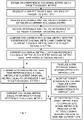
Figure 2 is a flowchart of steps carried out by a CPR assessment system of the CPR feedback system ofFigure 1 . - Referring to
Figure 1 , theCPR feedback system 20 comprises an electrocardiogram (ECG)system 22, abiosignal system 24, aCPR assessment system 26 and a feedback unit 28. TheCPR feedback system 20 assesses CPR carried out by a person (not shown) on a subject (not shown) and provides CPR feedback to the person.Th biosignal system 24 comprises each of an impedance signal measurement system, a capnograph, an oximeter, a blood pressure measurement system, an accelerometer. - It will be appreciated that the
CPR feedback system 20 will comprise other elements such as an activation mechanism, an ECG processing system, a power source and a sensing unit which is adapted to be attached to the subject. - The
ECG system 22 is connected to the sensing unit, which in this embodiment comprises thoracic electrodes, and is configured to measure ECG signals of the subject. TheCPR feedback system 20 comprises an algorithm which uses the ECG signals to determine when the subject is exhibiting VF. - The impedance signal measurement system of the
biosignal system 24 is connected to the sensing unit, which in this embodiment comprises thoracic electrodes, and measures impedance signals of the subject during chest compressions by the person. The impedance signals of the subject comprise thoracic impedance signals. The impedance signals comprises sinusoidal waves, caused by the CPR chest compressions. The capnograph, oximeter, blood pressure measurement system and accelerometer of thebiosignal system 24 are connected to sensors placed on the subject and receive biosignals of the subject from the sensors. - The
CPR assessment system 26 is connected to theECG system 22 and thebiosignal system 24. TheCPR assessment system 26 receives ECG signals and biosignals and assesses CPR performance by the person on the subject over multiple pluralities of chest compressions, delivered to the subject by the person in a pre-determined time. This comprises performance of a number of steps, described below with reference toFigure 2 . - During assessment of the CPR performance of the person, the
CPR assessment system 26 produces various feedback signals. The feedback unit 28 is connected to theCPR assessment system 26 and is configured to receive the feedback signals and issue CPR feedback to the person. - Referring to
Figure 2 , a first embodiment of the steps performed by theCPR assessment system 26 of theCPR feedback system 20 ofFigure 1 will be described. In this embodiment, thebiosignal system 24 uses its impedance measurement system to measure impedance signals of the subject. TheCPR assessment system 26 receives one type of biosignals, i.e. impedance signals. - The
CPR assessment system 26 first establishes a reference ECG metric. TheCPR assessment system 26 receives ECG signals from theECG system 22 measured over a predefined period of time of, for example, 5 to 30 seconds prior to commencement of CPR. The ECG signals are used to establish the reference ECG signal metric. This comprises using the ECG signals to establish a reference ECG score of the ECG signals. The reference ECG score relates to quality of the measured ECG signals. In this embodiment, the reference ECG score is derived from one or more time-domain feature of the ECG signals and one or more frequency-domain features of the ECG signals. The time-domain features comprise any of mean amplitude, peak amplitude, median slope of the ECG signals. The frequency-domain features comprise any of amplitude spectrum area (AMSA), power spectrum analysis features, centroid frequency. The time-domain features and the frequency-domain features may be used as measures to estimate subject condition. - The
CPR assessment system 26 then establishes a target biosignal metric. In this embodiment, establishing the target biosignal metric comprises producing a CPR feedback signal advising the person to start CPR, receiving biosignals, comprising impedance signals, measured during a plurality of chest compressions by the person, producing a CPR feedback signal advising the person to stop CPR and using the biosignals to establish the target biosignal metric. In this embodiment, the target biosignal metric comprises one target biosignal metric component for the type of biosignals measured, i.e. impedance signals. The target biosignal metric component comprises a target amplitude biosignal metric component of average amplitude of peaks in the impedance signals measured during the plurality of CPR chest compressions by the person. It will be appreciated that the target biosignal metric may comprise more than one target biosignal metric component and that the components may be target amplitude biosignal metric components and/or target frequency biosignal metric components. - The
CPR assessment system 26 then produces a CPR feedback signal advising the person to start CPR. This is sent to the feedback unit 28 which issues CPR feedback in the form of a 'Start CPR and Push Hard' instruction to the person using theCPR feedback system 20. - During a plurality of chest compressions by the person, the
CPR assessment system 26 receives ECG signals from theECG system 22, measured over a window of approximately 5 seconds to approximately 30 seconds. TheCPR assessment system 26 uses the ECG signals to establish a current ECG signal metric, by establishing a current ECG score of the ECG signals. The current ECG score relates to quality of the measured ECG signals. The current ECG score is derived from one or more time-domain feature of the ECG signals and one or more frequency-domain features. The time-domain features comprise any of mean amplitude, peak amplitude, median slope of the ECG signals. The frequency-domain features comprise any of amplitude spectrum area (AMSA), power spectrum analysis features, centroid frequency. The time-domain features and the frequency-domain features may be used as measures to estimate subject condition. - During the plurality of chest compressions carried out by the person on the subject, the
CPR assessment system 26 also receives impedance signals from the impedance measurement system of thebiosignal system 24. The impedance signals are measured over the same window of approximately 5 seconds to approximately 30 seconds. TheCPR assessment system 26 uses the impedance signals to establish a current biosignal metric. In this embodiment, the current biosignal metric comprises one current biosignal metric component for the impedance signals. The current biosignal metric component comprises a current amplitude biosignal metric component of average amplitude of peaks in the impedance signals measured during the window. - The
CPR assessment system 26 compares the current ECG signal metric with the reference ECG signal metric and compares the current impedance signal metric with the target impedance signal metric. This comprises comparing the reference ECG score with the current ECG score and comparing the target amplitude biosignal metric component of average amplitude of impedance signal peaks with the current amplitude biosignal metric component of average amplitude of impedance signal peaks. When the current ECG signal metric is less than the reference ECG signal metric (which suggests that the subject's condition is deteriorating) and the current biosignal metric is less than the target biosignal metric (which suggests that the CPR chest compressions are suboptimal), theCPR assessment system 26 produces a CPR feedback signal advising the person on how to adjust CPR. The feedback signal is sent to the feedback unit 28 which issues CPR feedback in the form of a 'Push Harder' instruction to the person using theCPR feedback system 20. - When the current ECG signal metric is less than the reference ECG signal metric (again suggesting that the subject's condition is deteriorating) and the current biosignal metric is equal to or greater than the target biosignal metric (which suggests that the target impedance signal metric may be improved), the
CPR assessment system 26 increases the target biosignal metric and produces a CPR feedback signal advising the person to improve CPR performance. The feedback signal is sent to the feedback unit 28 which issues CPR feedback in the form of a 'Push Harder' instruction to the person using theCPR feedback system 20. - When the current ECG signal metric is equal to or greater than the reference ECG signal metric (suggesting that the subject's condition is improving), the CPR assessment system sets the reference ECG signal metric equal to the current ECG signal metric and produces a CPR feedback signal advising the person to maintain current CPR performance. The feedback signal is sent to the feedback unit 28 which issues CPR feedback in the form of a 'Good Compressions' instruction to the person using the
CPR feedback system 20. - In this embodiment, the
CPR assessment system 26 is configured to repeat some of the steps described above over a predetermined period of time. The pre-determined period of time is 2 minutes and is measured by a clock of theCPR assessment system 26. When the clock has not reached the pre-determined time theCPR assessment system 26 returns to the step of receiving ECG signals measured during a further plurality of chest compressions by the person. The further plurality of chest compressions do not overlap with the previous plurality of chest compressions. The analysis of the ECG and the biosignals comprising impedance signals and feedback to the subject therefore continues over several pluralities of chest compressions during the 2 min time. When the clock reaches the pre-determined time, theCPR assessment system 26 produces a CPR feedback signal advising the person to stop CPR. The feedback signal is sent to the feedback unit 28 which issues CPR feedback in the form of a 'Stop CPR' instruction to the person using theCPR feedback system 20. - In this embodiment, the
CPR assessment system 26 then returns to the steps of establishing a reference ECG signal metric and a target biosignal metric and repeats the further steps as described above. This continues for as long as is deemed necessary. - Referring to
Figure 2 , a second embodiment of the steps performed by theCPR assessment system 26 of theCPR feedback system 20 ofFigure 1 will be described. In this embodiment, thebiosignal system 24 uses its oximeter and accelerometer to measure saturation of peripheral oxygen signals and CPR chest compression depth signals of the subject. TheCPR assessment system 26 receives two types of biosignals, i.e. oxygen signals and CPR chest compression depth signals. - The
CPR assessment system 26 first establishes a reference ECG metric. TheCPR assessment system 26 receives ECG signals from theECG system 22 measured over a predefined period of time of, for example, 5 to 30 seconds prior to commencement of CPR. The ECG signals are used to establish the reference ECG signal metric. This comprises using the ECG signals to establish a reference ECG score of the ECG signals. The reference ECG score relates to quality of the measured ECG signals. In this embodiment, the reference ECG score is derived from one or more time-domain feature of the ECG signals and one or more frequency-domain features of the ECG signals. The time-domain features comprise any of mean amplitude, peak amplitude, median slope of the ECG signals. The frequency-domain features comprise any of amplitude spectrum area (AMSA), power spectrum analysis features, centroid frequency. The time-domain features and the frequency-domain features may be used as measures to estimate subject condition. - The
CPR assessment system 26 then establishes a target biosignal metric. In this embodiment, establishing the target biosignal metric comprises receiving a pre-determined target biosignal metric. The pre-determined target biosignal metric comprises at least one target biosignal metric component for each type of biosignals measured. In this embodiment, the target biosignal metric components comprise a target amplitude biosignal metric component of average amplitude of oxygen signals and a target amplitude biosignal metric component of average CPR chest compression depth signals. It will be appreciated that the target biosignal metric may comprise more than one target biosignal metric component and that the components may be target amplitude biosignal metric components and/or target frequency biosignal metric components. - The
CPR assessment system 26 then produces a CPR feedback signal advising the person to start CPR. This is sent to the feedback unit 28 which issues CPR feedback in the form of a 'Start CPR and Push Hard' instruction to the person using theCPR feedback system 20. - During a plurality of chest compressions by the person, the
CPR assessment system 26 receives ECG signals from theECG system 22, measured over a window of approximately 5 seconds to approximately 30 seconds. TheCPR assessment system 26 uses the ECG signals to establish a current ECG signal metric, by establishing a current ECG score of the ECG signals. The current ECG score relates to quality of the measured ECG signals. The current ECG score is derived from one or more time-domain feature of the ECG signals and one or more frequency-domain features. The time-domain features comprise any of mean amplitude, peak amplitude, median slope of the ECG signals. The frequency-domain features comprise any of amplitude spectrum area (AMSA), power spectrum analysis features, centroid frequency. The time-domain features and the frequency-domain features may be used as measures to estimate subject condition. - During the plurality of chest compressions carried out by the person on the subject, the
CPR assessment system 26 also receives oxygen signals from the oximeter of thebiosignal system 24 and CPR chest compression depth signals from the accelerometer of thebiosignal system 24. The oxygen signals and the CPR chest compression depth signals are measured over the same window of approximately 5 seconds to approximately 30 seconds. TheCPR assessment system 26 uses the oxygen signals and the CPR chest compression depth signals to establish a current biosignal metric. In this embodiment, the current biosignal metric comprises a current amplitude biosignal metric component for the oxygen signals of an average amplitude of the oxygen signals and a current amplitude biosignal metric component for the CPR chest compression depth signals of an average CPR chest compression depth. - The
CPR assessment system 26 compares the current ECG signal metric with the reference ECG signal metric. This comprises comparing the reference ECG score with the current ECG score. TheCPR assessment system 26 further compares the current signal metric with the target signal metric. This comprises comparing the target amplitude biosignal metric component of the oxygen signals with the current amplitude biosignal metric component of the oxygen signals and comparing the target amplitude biosignal metric component of the CPR chest compression depth signals with the current amplitude biosignal metric component of the CPR chest compression depth signals. - When the current ECG signal metric is less than the reference ECG signal metric (which suggests that the subject's condition is deteriorating) and the current biosignal metric is less than the target biosignal metric (which suggests that the CPR chest compressions are suboptimal), the
CPR assessment system 26 produces a CPR feedback signal advising the person to improve CPR performance. The feedback signal is sent to the feedback unit 28 which issues CPR feedback in the form of a 'Push Faster', 'Push Slower' or 'Push Harder' instruction to the person using theCPR feedback system 20. - When the current ECG signal metric is less than the reference ECG signal metric (again suggesting that the subject's condition is deteriorating) and the current biosignal metric is equal to or greater than the target biosignal metric (which suggests that the target impedance signal metric may be improved), the
CPR assessment system 26 increases the target biosignal metric and produces a CPR feedback signal advising the person to improve CPR performance. The feedback signal is sent to the feedback unit 28 which issues CPR feedback in the form of a 'Push Harder' instruction to the person using theCPR feedback system 20. - When the current ECG signal metric is equal to or greater than the reference ECG signal metric (suggesting that the subject's condition is improving), the CPR assessment system sets the reference ECG signal metric equal to the current ECG signal metric and produces a CPR feedback signal advising the person to maintain current CPR performance. The feedback signal is sent to the feedback unit 28 which issues CPR feedback in the form of a 'Good Compressions' instruction to the person using the
CPR feedback system 20. - In this embodiment, the
CPR assessment system 26 is configured to repeat some of the steps described above over a predetermined period of time. The pre-determined period of time is 2 minutes and is measured by a clock of theCPR assessment system 26. When the clock has not reached the pre-determined time theCPR assessment system 26 returns to the step of receiving ECG signals measured during a further plurality of chest compressions by the person. The further plurality of chest compressions do not overlap with the previous plurality of chest compressions. The analysis of the ECG and the biosignals, comprising oxygen signals and CPR chest compression depth signals, and feedback to the subject therefore continues over several pluralities of chest compressions during the 2 min time. When the clock reaches the pre-determined time, theCPR assessment system 26 produces a CPR feedback signal advising the person to stop CPR. The feedback signal is sent to the feedback unit 28 which issues CPR feedback in the form of a 'Stop CPR' instruction to the person using theCPR feedback system 20. - In this embodiment, the
CPR assessment system 26 then returns to the step of establishing a reference ECG signal metric and a target biosignal metric and repeats the further steps as described above. This continues for as long as is deemed necessary. - Thus, the
CPR feedback system 20 provides dynamic CPR feedback to the person performing multiple sets of CPR chest compressions on the subject, the CPR feedback being based on monitoring of the sets of chest compressions using biosignals comprising impedance signals, oxygen signals and CPR chest compression depth signals and monitoring of the ECG of the subject. It will be appreciated that other types of biosignals may be used. - In these embodiments, the
CPR feedback system 20 is described as a stand-alone device. It will be appreciated that theCPR feedback system 20 may comprise a part of a further system, such as a defibrillator.
Claims (15)
- A cardio pulmonary resuscitation (CPR) feedback system for assessing CPR carried out by a person on a subject and providing CPR feedback to the person, comprising:an electrocardiogram (ECG) system configured to measure ECG signals of the subject,a biosignal system configured to measure biosignals of the subject,a CPR assessment system connected to the ECG system to receive ECG signals and connected to the biosignal system to receive biosignals, anda feedback unit connected to the CPR assessment system and configured to receive CPR feedback signals and issue CPR feedback to the person,wherein the CPR assessment system is configured to perform the steps:(i) establish a reference ECG signal metric and a target biosignal metric,(ii) produce a CPR feedback signal advising the person to start CPR,(iii) receive ECG signals measured during a plurality of chest compressions and use the ECG signals to establish a current ECG signal metric,(iv) receive biosignals measured during the plurality of chest compressions and use the biosignals to establish a current biosignal metric,(v) compare the current ECG signal metric with the reference ECG signal metric and compare the current biosignal metric with the at least one target biosignal metric,(vi) when the current ECG signal metric is less than the reference ECG signal metric and the current biosignal metric is less than the target biosignal metric, produce a CPR feedback signal advising the person to improve CPR performance,(vii) when the current ECG signal metric is less than the reference ECG signal metric and the current biosignal metric is equal to or greater than the target biosignal metric, increase the target biosignal metric and produce a CPR feedback signal advising the person to improve CPR performance,(viii) when the current ECG signal metric is equal to or greater than the reference ECG signal metric, set the reference ECG signal metric equal to the current ECG signal metric and produce a CPR feedback signal advising the person to maintain current CPR performance.
- A CPR feedback system according to claim 1 in which the biosignal system is configured to measure one or more type of biosignals of the subject.
- A CPR feedback system according to claim 2 in which the types of biosignals comprise any of chest impedance signals, end-tidal carbon dioxide signals, saturation of peripheral oxygen signals, blood pressure signals, chest compression depth signals.
- A CPR feedback system according to any preceding claim in which establishing the reference ECG signal metric comprises receiving ECG signals from the ECG system measured over a predefined period of time prior to commencement of CPR and using the ECG signals to establish the reference ECG signal metric.
- A CPR feedback system according to claim 4 in which using the ECG signals to establish the reference ECG signal metric comprises establishing a score of the ECG signal derived from any of one or more time-domain features of the ECG signals, one or more frequency-domain features of the ECG signals, one or more time-domain features and one or more frequency-domain features.
- A CPR feedback system according to any preceding claim in which establishing the target biosignal metric comprises receiving a pre-determined target biosignal metric comprising at least one target biosignal metric component for one or more types of biosignal comprising any of at least one target frequency biosignal metric component, at least one target amplitude biosignal metric component, at least one target frequency biosignal metric component and at least one target amplitude biosignal metric component.
- A CPR feedback system according to any of claims 1 to 5 in which establishing the target biosignal metric comprises (i) receiving one or more types of biosignals measured during a plurality of chest compressions by the person, and (ii) using the or each or some of the types of biosignals to establish the target biosignal metric.
- A CPR feedback system according to claim 7 in which the target biosignal metric comprises at least one target biosignal metric component for the or each or some of the types of biosignal comprising any of at least one target frequency biosignal metric component, at least one target amplitude biosignal metric component at least one target frequency biosignal metric component and at least one target amplitude biosignal metric component.
- A CPR feedback system according to any preceding claim in which using the ECG signals to establish a current ECG signal metric comprises establishing a score of the ECG signals derived from any of one or more time-domain feature of the ECG signals, one or more frequency-domain features of the ECG signals, one or more time-domain features and one or more frequency-domain features.
- A CPR feedback system according to any preceding claim in which using the biosignals measured during the plurality of chest compressions to establish the current biosignal metric comprises establishing at least one current biosignal metric component for at least one type of biosignals comprising any of at least one current frequency biosignal metric component, at least one current amplitude biosignal metric component, at least one current frequency biosignal metric component and at least one current amplitude biosignal metric component.
- A CPR feedback system according to claim 10 in which comparing the current biosignal metric with the target biosignal metric comprises comparing at least one current biosignal metric component for the at least one type of biosignals with at least one equivalent target biosignal metric component for the at least one type of biosignals.
- A CPR assessment system according to any preceding claim configured to repeat steps (iii) to (viii) over a predetermined period of time and when the predetermined period of time has been reached, produce a CPR feedback signal advising the person to stop CPR.
- A CPR assessment system according to any preceding claim configured to repeat steps (i) to (viii).
- A CPR assessment system according to any preceding claim configured to carry out the steps:produce a CPR feedback signal advising the person to perform CPR chest compressions at a rate equal to a rate of an audible metronome signal emitted by a metronome of the CPR assessment system,receive ECG signals measured during the chest compressions and use the ECG signals to establish a current ECG signal metric,compare the current ECG signal metric with the reference ECG signal metric,when the current ECG signal metric is less than the reference ECG signal metric, adjust the rate of the audible metronome signal, produce a CPR feedback signal advising the person to adjust the rate of performance of the CPR chest compressions to equal the adjusted rate of the audible metronome signal and go back to the second step,when the current ECG signal metric is equal to or greater than the reference ECG signal metric, produce a CPR feedback signal advising the person to maintain the rate of performance of the CPR chest compressions.
- A CPR feedback system according to any preceding claim which is part of a defibrillator.
Priority Applications (4)
| Application Number | Priority Date | Filing Date | Title |
|---|---|---|---|
| EP21157655.8A EP4046568B1 (en) | 2021-02-17 | 2021-02-17 | Cardio pulmonary resuscitation feedback system |
| JP2022020381A JP2022125983A (en) | 2021-02-17 | 2022-02-14 | Cardiopulmonary resuscitation feedback system |
| AU2022200992A AU2022200992A1 (en) | 2021-02-17 | 2022-02-15 | Cardio pulmonary resuscitation feedback system |
| US17/674,066 US20220257465A1 (en) | 2021-02-17 | 2022-02-17 | Cardio pulmonary resuscitation feedback system |
Applications Claiming Priority (1)
| Application Number | Priority Date | Filing Date | Title |
|---|---|---|---|
| EP21157655.8A EP4046568B1 (en) | 2021-02-17 | 2021-02-17 | Cardio pulmonary resuscitation feedback system |
Publications (2)
| Publication Number | Publication Date |
|---|---|
| EP4046568A1 true EP4046568A1 (en) | 2022-08-24 |
| EP4046568B1 EP4046568B1 (en) | 2024-03-20 |
Family
ID=74666609
Family Applications (1)
| Application Number | Title | Priority Date | Filing Date |
|---|---|---|---|
| EP21157655.8A Active EP4046568B1 (en) | 2021-02-17 | 2021-02-17 | Cardio pulmonary resuscitation feedback system |
Country Status (4)
| Country | Link |
|---|---|
| US (1) | US20220257465A1 (en) |
| EP (1) | EP4046568B1 (en) |
| JP (1) | JP2022125983A (en) |
| AU (1) | AU2022200992A1 (en) |
Families Citing this family (1)
| Publication number | Priority date | Publication date | Assignee | Title |
|---|---|---|---|---|
| US20260115095A1 (en) * | 2023-12-06 | 2026-04-30 | Impack-Cpr Inc. | Determination of cardiac compression location from electrocardiogram signals |
Citations (2)
| Publication number | Priority date | Publication date | Assignee | Title |
|---|---|---|---|---|
| US20170065484A1 (en) * | 2015-09-08 | 2017-03-09 | Covidien Lp | System and method for cardiopulmonary resuscitation |
| US20170120063A1 (en) * | 2015-10-30 | 2017-05-04 | Zoll Medical Corporation | Estimating Shock Success by Monitoring Changes in Spectral Data |
Family Cites Families (4)
| Publication number | Priority date | Publication date | Assignee | Title |
|---|---|---|---|---|
| US7190999B2 (en) * | 2003-06-27 | 2007-03-13 | Zoll Medical Corporation | Cardio-pulmonary resuscitation device with feedback from measurement of pulse and/or blood oxygenation |
| US8725253B2 (en) * | 2010-02-12 | 2014-05-13 | Zoll Medical Corporation | Defibrillator display including CPR depth information |
| US9522096B2 (en) * | 2012-05-17 | 2016-12-20 | Zoll Medical Corporation | CPR team performance |
| GB201902526D0 (en) * | 2019-02-25 | 2019-04-10 | Heartsine Tech Limited | Cardio pulmonary resuscitation feedback device |
-
2021
- 2021-02-17 EP EP21157655.8A patent/EP4046568B1/en active Active
-
2022
- 2022-02-14 JP JP2022020381A patent/JP2022125983A/en active Pending
- 2022-02-15 AU AU2022200992A patent/AU2022200992A1/en active Pending
- 2022-02-17 US US17/674,066 patent/US20220257465A1/en active Pending
Patent Citations (2)
| Publication number | Priority date | Publication date | Assignee | Title |
|---|---|---|---|---|
| US20170065484A1 (en) * | 2015-09-08 | 2017-03-09 | Covidien Lp | System and method for cardiopulmonary resuscitation |
| US20170120063A1 (en) * | 2015-10-30 | 2017-05-04 | Zoll Medical Corporation | Estimating Shock Success by Monitoring Changes in Spectral Data |
Also Published As
| Publication number | Publication date |
|---|---|
| AU2022200992A1 (en) | 2022-09-01 |
| US20220257465A1 (en) | 2022-08-18 |
| JP2022125983A (en) | 2022-08-29 |
| EP4046568B1 (en) | 2024-03-20 |
Similar Documents
| Publication | Publication Date | Title |
|---|---|---|
| US11172862B2 (en) | ECG rhythm advisory method | |
| CN107920951B (en) | Automatic cardio-pulmonary resuscitation device | |
| US10463566B2 (en) | Pulse oximetry-based cardio-pulmonary resuscitation (CPR) quality feedback systems and methods | |
| US10987012B2 (en) | Vector-based shock indication | |
| CN103860180B (en) | In cardio-pulmonary resuscitation (CPR) process, Real time identification spontaneous circulation recovers (ROSC) | |
| CN103735401B (en) | Cardio-pulmonary resuscitation quality feedback control system based on pulse blood oxygen | |
| US20080215102A1 (en) | Method and system aiding decision making during CPR | |
| US11213689B2 (en) | Estimating shock success by monitoring changes in spectral data | |
| CN115227215B (en) | Non-invasive vagus nerve stimulation system based on resonance breathing | |
| CN105473065A (en) | Determining return of spontaneous circulation during CPR | |
| US10667703B2 (en) | Apparatus for tracking a specific blood pressure | |
| EP4046568B1 (en) | Cardio pulmonary resuscitation feedback system | |
| AU2020201210B2 (en) | Defibrillator providing cardio pulmonary resuscitation feedback | |
| KR20190037782A (en) | Apparatus and method for measuring level of brain cell activity under induced artificial blood circulation | |
| EP3888741A1 (en) | Defibrillator assessing chest recoil in cardio pulmonary resuscitation | |
| EP4353306B1 (en) | DEFIBRILLATOR FOR ASSESSING THE PROBABILITY OF REFIBRILLATION IN A PATIENT | |
| US10499835B2 (en) | Methods and systems for determining fluid responsiveness in the presence of noise | |
| KR20200120325A (en) | Wireless detecting system and method for depth of nerve | |
| CN120393318A (en) | Multimodal nerve regeneration ultrasound parameter optimization method and system | |
| HK1250908B (en) | Automatic cardiopulmonary resuscitation device | |
| WO2017015610A1 (en) | Monitoring and feedback for resuscitation |
Legal Events
| Date | Code | Title | Description |
|---|---|---|---|
| PUAI | Public reference made under article 153(3) epc to a published international application that has entered the european phase |
Free format text: ORIGINAL CODE: 0009012 |
|
| STAA | Information on the status of an ep patent application or granted ep patent |
Free format text: STATUS: THE APPLICATION HAS BEEN PUBLISHED |
|
| AK | Designated contracting states |
Kind code of ref document: A1 Designated state(s): AL AT BE BG CH CY CZ DE DK EE ES FI FR GB GR HR HU IE IS IT LI LT LU LV MC MK MT NL NO PL PT RO RS SE SI SK SM TR |
|
| STAA | Information on the status of an ep patent application or granted ep patent |
Free format text: STATUS: REQUEST FOR EXAMINATION WAS MADE |
|
| 17P | Request for examination filed |
Effective date: 20221221 |
|
| RBV | Designated contracting states (corrected) |
Designated state(s): AL AT BE BG CH CY CZ DE DK EE ES FI FR GB GR HR HU IE IS IT LI LT LU LV MC MK MT NL NO PL PT RO RS SE SI SK SM TR |
|
| P01 | Opt-out of the competence of the unified patent court (upc) registered |
Effective date: 20230829 |
|
| GRAP | Despatch of communication of intention to grant a patent |
Free format text: ORIGINAL CODE: EPIDOSNIGR1 |
|
| STAA | Information on the status of an ep patent application or granted ep patent |
Free format text: STATUS: GRANT OF PATENT IS INTENDED |
|
| INTG | Intention to grant announced |
Effective date: 20240103 |
|
| GRAS | Grant fee paid |
Free format text: ORIGINAL CODE: EPIDOSNIGR3 |
|
| GRAA | (expected) grant |
Free format text: ORIGINAL CODE: 0009210 |
|
| STAA | Information on the status of an ep patent application or granted ep patent |
Free format text: STATUS: THE PATENT HAS BEEN GRANTED |
|
| RAP1 | Party data changed (applicant data changed or rights of an application transferred) |
Owner name: STRYKER EUROPEAN OPERATIONS LIMITED |
|
| AK | Designated contracting states |
Kind code of ref document: B1 Designated state(s): AL AT BE BG CH CY CZ DE DK EE ES FI FR GB GR HR HU IE IS IT LI LT LU LV MC MK MT NL NO PL PT RO RS SE SI SK SM TR |
|
| REG | Reference to a national code |
Ref country code: GB Ref legal event code: FG4D |
|
| REG | Reference to a national code |
Ref country code: CH Ref legal event code: EP |
|
| REG | Reference to a national code |
Ref country code: IE Ref legal event code: FG4D |
|
| REG | Reference to a national code |
Ref country code: DE Ref legal event code: R096 Ref document number: 602021010542 Country of ref document: DE |
|
| REG | Reference to a national code |
Ref country code: NL Ref legal event code: FP |
|
| PG25 | Lapsed in a contracting state [announced via postgrant information from national office to epo] |
Ref country code: LT Free format text: LAPSE BECAUSE OF FAILURE TO SUBMIT A TRANSLATION OF THE DESCRIPTION OR TO PAY THE FEE WITHIN THE PRESCRIBED TIME-LIMIT Effective date: 20240320 |
|
| REG | Reference to a national code |
Ref country code: LT Ref legal event code: MG9D |
|
| PG25 | Lapsed in a contracting state [announced via postgrant information from national office to epo] |
Ref country code: GR Free format text: LAPSE BECAUSE OF FAILURE TO SUBMIT A TRANSLATION OF THE DESCRIPTION OR TO PAY THE FEE WITHIN THE PRESCRIBED TIME-LIMIT Effective date: 20240621 |
|
| PG25 | Lapsed in a contracting state [announced via postgrant information from national office to epo] |
Ref country code: RS Free format text: LAPSE BECAUSE OF FAILURE TO SUBMIT A TRANSLATION OF THE DESCRIPTION OR TO PAY THE FEE WITHIN THE PRESCRIBED TIME-LIMIT Effective date: 20240620 Ref country code: HR Free format text: LAPSE BECAUSE OF FAILURE TO SUBMIT A TRANSLATION OF THE DESCRIPTION OR TO PAY THE FEE WITHIN THE PRESCRIBED TIME-LIMIT Effective date: 20240320 |
|
| PG25 | Lapsed in a contracting state [announced via postgrant information from national office to epo] |
Ref country code: RS Free format text: LAPSE BECAUSE OF FAILURE TO SUBMIT A TRANSLATION OF THE DESCRIPTION OR TO PAY THE FEE WITHIN THE PRESCRIBED TIME-LIMIT Effective date: 20240620 Ref country code: NO Free format text: LAPSE BECAUSE OF FAILURE TO SUBMIT A TRANSLATION OF THE DESCRIPTION OR TO PAY THE FEE WITHIN THE PRESCRIBED TIME-LIMIT Effective date: 20240620 Ref country code: LT Free format text: LAPSE BECAUSE OF FAILURE TO SUBMIT A TRANSLATION OF THE DESCRIPTION OR TO PAY THE FEE WITHIN THE PRESCRIBED TIME-LIMIT Effective date: 20240320 Ref country code: HR Free format text: LAPSE BECAUSE OF FAILURE TO SUBMIT A TRANSLATION OF THE DESCRIPTION OR TO PAY THE FEE WITHIN THE PRESCRIBED TIME-LIMIT Effective date: 20240320 Ref country code: GR Free format text: LAPSE BECAUSE OF FAILURE TO SUBMIT A TRANSLATION OF THE DESCRIPTION OR TO PAY THE FEE WITHIN THE PRESCRIBED TIME-LIMIT Effective date: 20240621 Ref country code: FI Free format text: LAPSE BECAUSE OF FAILURE TO SUBMIT A TRANSLATION OF THE DESCRIPTION OR TO PAY THE FEE WITHIN THE PRESCRIBED TIME-LIMIT Effective date: 20240320 Ref country code: BG Free format text: LAPSE BECAUSE OF FAILURE TO SUBMIT A TRANSLATION OF THE DESCRIPTION OR TO PAY THE FEE WITHIN THE PRESCRIBED TIME-LIMIT Effective date: 20240320 |
|
| REG | Reference to a national code |
Ref country code: AT Ref legal event code: MK05 Ref document number: 1667071 Country of ref document: AT Kind code of ref document: T Effective date: 20240320 |
|
| PG25 | Lapsed in a contracting state [announced via postgrant information from national office to epo] |
Ref country code: SE Free format text: LAPSE BECAUSE OF FAILURE TO SUBMIT A TRANSLATION OF THE DESCRIPTION OR TO PAY THE FEE WITHIN THE PRESCRIBED TIME-LIMIT Effective date: 20240320 Ref country code: LV Free format text: LAPSE BECAUSE OF FAILURE TO SUBMIT A TRANSLATION OF THE DESCRIPTION OR TO PAY THE FEE WITHIN THE PRESCRIBED TIME-LIMIT Effective date: 20240320 |
|
| PG25 | Lapsed in a contracting state [announced via postgrant information from national office to epo] |
Ref country code: IS Free format text: LAPSE BECAUSE OF FAILURE TO SUBMIT A TRANSLATION OF THE DESCRIPTION OR TO PAY THE FEE WITHIN THE PRESCRIBED TIME-LIMIT Effective date: 20240720 |
|
| PG25 | Lapsed in a contracting state [announced via postgrant information from national office to epo] |
Ref country code: PT Free format text: LAPSE BECAUSE OF FAILURE TO SUBMIT A TRANSLATION OF THE DESCRIPTION OR TO PAY THE FEE WITHIN THE PRESCRIBED TIME-LIMIT Effective date: 20240722 Ref country code: SM Free format text: LAPSE BECAUSE OF FAILURE TO SUBMIT A TRANSLATION OF THE DESCRIPTION OR TO PAY THE FEE WITHIN THE PRESCRIBED TIME-LIMIT Effective date: 20240320 |
|
| PG25 | Lapsed in a contracting state [announced via postgrant information from national office to epo] |
Ref country code: ES Free format text: LAPSE BECAUSE OF FAILURE TO SUBMIT A TRANSLATION OF THE DESCRIPTION OR TO PAY THE FEE WITHIN THE PRESCRIBED TIME-LIMIT Effective date: 20240320 |
|
| PG25 | Lapsed in a contracting state [announced via postgrant information from national office to epo] |
Ref country code: EE Free format text: LAPSE BECAUSE OF FAILURE TO SUBMIT A TRANSLATION OF THE DESCRIPTION OR TO PAY THE FEE WITHIN THE PRESCRIBED TIME-LIMIT Effective date: 20240320 Ref country code: CZ Free format text: LAPSE BECAUSE OF FAILURE TO SUBMIT A TRANSLATION OF THE DESCRIPTION OR TO PAY THE FEE WITHIN THE PRESCRIBED TIME-LIMIT Effective date: 20240320 |
|
| PG25 | Lapsed in a contracting state [announced via postgrant information from national office to epo] |
Ref country code: AT Free format text: LAPSE BECAUSE OF FAILURE TO SUBMIT A TRANSLATION OF THE DESCRIPTION OR TO PAY THE FEE WITHIN THE PRESCRIBED TIME-LIMIT Effective date: 20240320 |
|
| PG25 | Lapsed in a contracting state [announced via postgrant information from national office to epo] |
Ref country code: PL Free format text: LAPSE BECAUSE OF FAILURE TO SUBMIT A TRANSLATION OF THE DESCRIPTION OR TO PAY THE FEE WITHIN THE PRESCRIBED TIME-LIMIT Effective date: 20240320 |
|
| PG25 | Lapsed in a contracting state [announced via postgrant information from national office to epo] |
Ref country code: SK Free format text: LAPSE BECAUSE OF FAILURE TO SUBMIT A TRANSLATION OF THE DESCRIPTION OR TO PAY THE FEE WITHIN THE PRESCRIBED TIME-LIMIT Effective date: 20240320 |
|
| PG25 | Lapsed in a contracting state [announced via postgrant information from national office to epo] |
Ref country code: SM Free format text: LAPSE BECAUSE OF FAILURE TO SUBMIT A TRANSLATION OF THE DESCRIPTION OR TO PAY THE FEE WITHIN THE PRESCRIBED TIME-LIMIT Effective date: 20240320 Ref country code: SK Free format text: LAPSE BECAUSE OF FAILURE TO SUBMIT A TRANSLATION OF THE DESCRIPTION OR TO PAY THE FEE WITHIN THE PRESCRIBED TIME-LIMIT Effective date: 20240320 Ref country code: RO Free format text: LAPSE BECAUSE OF FAILURE TO SUBMIT A TRANSLATION OF THE DESCRIPTION OR TO PAY THE FEE WITHIN THE PRESCRIBED TIME-LIMIT Effective date: 20240320 Ref country code: PT Free format text: LAPSE BECAUSE OF FAILURE TO SUBMIT A TRANSLATION OF THE DESCRIPTION OR TO PAY THE FEE WITHIN THE PRESCRIBED TIME-LIMIT Effective date: 20240722 Ref country code: PL Free format text: LAPSE BECAUSE OF FAILURE TO SUBMIT A TRANSLATION OF THE DESCRIPTION OR TO PAY THE FEE WITHIN THE PRESCRIBED TIME-LIMIT Effective date: 20240320 Ref country code: IS Free format text: LAPSE BECAUSE OF FAILURE TO SUBMIT A TRANSLATION OF THE DESCRIPTION OR TO PAY THE FEE WITHIN THE PRESCRIBED TIME-LIMIT Effective date: 20240720 Ref country code: ES Free format text: LAPSE BECAUSE OF FAILURE TO SUBMIT A TRANSLATION OF THE DESCRIPTION OR TO PAY THE FEE WITHIN THE PRESCRIBED TIME-LIMIT Effective date: 20240320 Ref country code: EE Free format text: LAPSE BECAUSE OF FAILURE TO SUBMIT A TRANSLATION OF THE DESCRIPTION OR TO PAY THE FEE WITHIN THE PRESCRIBED TIME-LIMIT Effective date: 20240320 Ref country code: CZ Free format text: LAPSE BECAUSE OF FAILURE TO SUBMIT A TRANSLATION OF THE DESCRIPTION OR TO PAY THE FEE WITHIN THE PRESCRIBED TIME-LIMIT Effective date: 20240320 Ref country code: AT Free format text: LAPSE BECAUSE OF FAILURE TO SUBMIT A TRANSLATION OF THE DESCRIPTION OR TO PAY THE FEE WITHIN THE PRESCRIBED TIME-LIMIT Effective date: 20240320 |
|
| PG25 | Lapsed in a contracting state [announced via postgrant information from national office to epo] |
Ref country code: IT Free format text: LAPSE BECAUSE OF FAILURE TO SUBMIT A TRANSLATION OF THE DESCRIPTION OR TO PAY THE FEE WITHIN THE PRESCRIBED TIME-LIMIT Effective date: 20240320 |
|
| REG | Reference to a national code |
Ref country code: DE Ref legal event code: R097 Ref document number: 602021010542 Country of ref document: DE |
|
| PG25 | Lapsed in a contracting state [announced via postgrant information from national office to epo] |
Ref country code: IT Free format text: LAPSE BECAUSE OF FAILURE TO SUBMIT A TRANSLATION OF THE DESCRIPTION OR TO PAY THE FEE WITHIN THE PRESCRIBED TIME-LIMIT Effective date: 20240320 |
|
| PG25 | Lapsed in a contracting state [announced via postgrant information from national office to epo] |
Ref country code: DK Free format text: LAPSE BECAUSE OF FAILURE TO SUBMIT A TRANSLATION OF THE DESCRIPTION OR TO PAY THE FEE WITHIN THE PRESCRIBED TIME-LIMIT Effective date: 20240320 |
|
| PLBE | No opposition filed within time limit |
Free format text: ORIGINAL CODE: 0009261 |
|
| STAA | Information on the status of an ep patent application or granted ep patent |
Free format text: STATUS: NO OPPOSITION FILED WITHIN TIME LIMIT |
|
| PG25 | Lapsed in a contracting state [announced via postgrant information from national office to epo] |
Ref country code: DK Free format text: LAPSE BECAUSE OF FAILURE TO SUBMIT A TRANSLATION OF THE DESCRIPTION OR TO PAY THE FEE WITHIN THE PRESCRIBED TIME-LIMIT Effective date: 20240320 |
|
| 26N | No opposition filed |
Effective date: 20241223 |
|
| PG25 | Lapsed in a contracting state [announced via postgrant information from national office to epo] |
Ref country code: SI Free format text: LAPSE BECAUSE OF FAILURE TO SUBMIT A TRANSLATION OF THE DESCRIPTION OR TO PAY THE FEE WITHIN THE PRESCRIBED TIME-LIMIT Effective date: 20240320 |
|
| PG25 | Lapsed in a contracting state [announced via postgrant information from national office to epo] |
Ref country code: MC Free format text: LAPSE BECAUSE OF FAILURE TO SUBMIT A TRANSLATION OF THE DESCRIPTION OR TO PAY THE FEE WITHIN THE PRESCRIBED TIME-LIMIT Effective date: 20240320 |
|
| REG | Reference to a national code |
Ref country code: CH Ref legal event code: PL |
|
| PG25 | Lapsed in a contracting state [announced via postgrant information from national office to epo] |
Ref country code: LU Free format text: LAPSE BECAUSE OF NON-PAYMENT OF DUE FEES Effective date: 20250217 |
|
| PG25 | Lapsed in a contracting state [announced via postgrant information from national office to epo] |
Ref country code: CH Free format text: LAPSE BECAUSE OF NON-PAYMENT OF DUE FEES Effective date: 20250228 |
|
| REG | Reference to a national code |
Ref country code: BE Ref legal event code: MM Effective date: 20250228 |
|
| PGFP | Annual fee paid to national office [announced via postgrant information from national office to epo] |
Ref country code: NL Payment date: 20251215 Year of fee payment: 6 Ref country code: FR Payment date: 20251208 Year of fee payment: 6 |
|
| PG25 | Lapsed in a contracting state [announced via postgrant information from national office to epo] |
Ref country code: BE Free format text: LAPSE BECAUSE OF NON-PAYMENT OF DUE FEES Effective date: 20250228 |
|
| PG25 | Lapsed in a contracting state [announced via postgrant information from national office to epo] |
Ref country code: IE Free format text: LAPSE BECAUSE OF NON-PAYMENT OF DUE FEES Effective date: 20250217 |
|
| PGFP | Annual fee paid to national office [announced via postgrant information from national office to epo] |
Ref country code: GB Payment date: 20260106 Year of fee payment: 6 |
|
| PGFP | Annual fee paid to national office [announced via postgrant information from national office to epo] |
Ref country code: DE Payment date: 20251224 Year of fee payment: 6 |