EP4039282A1 - Nucleic acid that inhibits expression of mex3b gene, mex3b gene expression inhibiting agent, method for inhibiting mex3b gene expression, and prophylactic or therapeutic agent for disease caused by mex3b gene expression - Google Patents
Nucleic acid that inhibits expression of mex3b gene, mex3b gene expression inhibiting agent, method for inhibiting mex3b gene expression, and prophylactic or therapeutic agent for disease caused by mex3b gene expression Download PDFInfo
- Publication number
- EP4039282A1 EP4039282A1 EP20871241.4A EP20871241A EP4039282A1 EP 4039282 A1 EP4039282 A1 EP 4039282A1 EP 20871241 A EP20871241 A EP 20871241A EP 4039282 A1 EP4039282 A1 EP 4039282A1
- Authority
- EP
- European Patent Office
- Prior art keywords
- mex3b
- hmrgd
- nucleic acid
- mex3b gene
- gene expression
- Prior art date
- Legal status (The legal status is an assumption and is not a legal conclusion. Google has not performed a legal analysis and makes no representation as to the accuracy of the status listed.)
- Granted
Links
Images





Classifications
-
- A—HUMAN NECESSITIES
- A61—MEDICAL OR VETERINARY SCIENCE; HYGIENE
- A61P—SPECIFIC THERAPEUTIC ACTIVITY OF CHEMICAL COMPOUNDS OR MEDICINAL PREPARATIONS
- A61P1/00—Drugs for disorders of the alimentary tract or the digestive system
- A61P1/04—Drugs for disorders of the alimentary tract or the digestive system for ulcers, gastritis or reflux esophagitis, e.g. antacids, inhibitors of acid secretion, mucosal protectants
-
- A—HUMAN NECESSITIES
- A61—MEDICAL OR VETERINARY SCIENCE; HYGIENE
- A61K—PREPARATIONS FOR MEDICAL, DENTAL OR TOILETRY PURPOSES
- A61K31/00—Medicinal preparations containing organic active ingredients
- A61K31/70—Carbohydrates; Sugars; Derivatives thereof
- A61K31/7088—Compounds having three or more nucleosides or nucleotides
-
- A—HUMAN NECESSITIES
- A61—MEDICAL OR VETERINARY SCIENCE; HYGIENE
- A61P—SPECIFIC THERAPEUTIC ACTIVITY OF CHEMICAL COMPOUNDS OR MEDICINAL PREPARATIONS
- A61P1/00—Drugs for disorders of the alimentary tract or the digestive system
-
- A—HUMAN NECESSITIES
- A61—MEDICAL OR VETERINARY SCIENCE; HYGIENE
- A61P—SPECIFIC THERAPEUTIC ACTIVITY OF CHEMICAL COMPOUNDS OR MEDICINAL PREPARATIONS
- A61P11/00—Drugs for disorders of the respiratory system
-
- A—HUMAN NECESSITIES
- A61—MEDICAL OR VETERINARY SCIENCE; HYGIENE
- A61P—SPECIFIC THERAPEUTIC ACTIVITY OF CHEMICAL COMPOUNDS OR MEDICINAL PREPARATIONS
- A61P11/00—Drugs for disorders of the respiratory system
- A61P11/06—Antiasthmatics
-
- A—HUMAN NECESSITIES
- A61—MEDICAL OR VETERINARY SCIENCE; HYGIENE
- A61P—SPECIFIC THERAPEUTIC ACTIVITY OF CHEMICAL COMPOUNDS OR MEDICINAL PREPARATIONS
- A61P11/00—Drugs for disorders of the respiratory system
- A61P11/14—Antitussive agents
-
- A—HUMAN NECESSITIES
- A61—MEDICAL OR VETERINARY SCIENCE; HYGIENE
- A61P—SPECIFIC THERAPEUTIC ACTIVITY OF CHEMICAL COMPOUNDS OR MEDICINAL PREPARATIONS
- A61P13/00—Drugs for disorders of the urinary system
- A61P13/12—Drugs for disorders of the urinary system of the kidneys
-
- A—HUMAN NECESSITIES
- A61—MEDICAL OR VETERINARY SCIENCE; HYGIENE
- A61P—SPECIFIC THERAPEUTIC ACTIVITY OF CHEMICAL COMPOUNDS OR MEDICINAL PREPARATIONS
- A61P17/00—Drugs for dermatological disorders
-
- A—HUMAN NECESSITIES
- A61—MEDICAL OR VETERINARY SCIENCE; HYGIENE
- A61P—SPECIFIC THERAPEUTIC ACTIVITY OF CHEMICAL COMPOUNDS OR MEDICINAL PREPARATIONS
- A61P19/00—Drugs for skeletal disorders
- A61P19/02—Drugs for skeletal disorders for joint disorders, e.g. arthritis, arthrosis
-
- A—HUMAN NECESSITIES
- A61—MEDICAL OR VETERINARY SCIENCE; HYGIENE
- A61P—SPECIFIC THERAPEUTIC ACTIVITY OF CHEMICAL COMPOUNDS OR MEDICINAL PREPARATIONS
- A61P25/00—Drugs for disorders of the nervous system
- A61P25/18—Antipsychotics, i.e. neuroleptics; Drugs for mania or schizophrenia
-
- A—HUMAN NECESSITIES
- A61—MEDICAL OR VETERINARY SCIENCE; HYGIENE
- A61P—SPECIFIC THERAPEUTIC ACTIVITY OF CHEMICAL COMPOUNDS OR MEDICINAL PREPARATIONS
- A61P29/00—Non-central analgesic, antipyretic or antiinflammatory agents, e.g. antirheumatic agents; Non-steroidal antiinflammatory drugs [NSAID]
-
- A—HUMAN NECESSITIES
- A61—MEDICAL OR VETERINARY SCIENCE; HYGIENE
- A61P—SPECIFIC THERAPEUTIC ACTIVITY OF CHEMICAL COMPOUNDS OR MEDICINAL PREPARATIONS
- A61P3/00—Drugs for disorders of the metabolism
- A61P3/08—Drugs for disorders of the metabolism for glucose homeostasis
- A61P3/10—Drugs for disorders of the metabolism for glucose homeostasis for hyperglycaemia, e.g. antidiabetics
-
- A—HUMAN NECESSITIES
- A61—MEDICAL OR VETERINARY SCIENCE; HYGIENE
- A61P—SPECIFIC THERAPEUTIC ACTIVITY OF CHEMICAL COMPOUNDS OR MEDICINAL PREPARATIONS
- A61P35/00—Antineoplastic agents
-
- A—HUMAN NECESSITIES
- A61—MEDICAL OR VETERINARY SCIENCE; HYGIENE
- A61P—SPECIFIC THERAPEUTIC ACTIVITY OF CHEMICAL COMPOUNDS OR MEDICINAL PREPARATIONS
- A61P37/00—Drugs for immunological or allergic disorders
- A61P37/02—Immunomodulators
-
- A—HUMAN NECESSITIES
- A61—MEDICAL OR VETERINARY SCIENCE; HYGIENE
- A61P—SPECIFIC THERAPEUTIC ACTIVITY OF CHEMICAL COMPOUNDS OR MEDICINAL PREPARATIONS
- A61P37/00—Drugs for immunological or allergic disorders
- A61P37/08—Antiallergic agents
-
- A—HUMAN NECESSITIES
- A61—MEDICAL OR VETERINARY SCIENCE; HYGIENE
- A61P—SPECIFIC THERAPEUTIC ACTIVITY OF CHEMICAL COMPOUNDS OR MEDICINAL PREPARATIONS
- A61P43/00—Drugs for specific purposes, not provided for in groups A61P1/00-A61P41/00
-
- A—HUMAN NECESSITIES
- A61—MEDICAL OR VETERINARY SCIENCE; HYGIENE
- A61P—SPECIFIC THERAPEUTIC ACTIVITY OF CHEMICAL COMPOUNDS OR MEDICINAL PREPARATIONS
- A61P9/00—Drugs for disorders of the cardiovascular system
-
- C—CHEMISTRY; METALLURGY
- C12—BIOCHEMISTRY; BEER; SPIRITS; WINE; VINEGAR; MICROBIOLOGY; ENZYMOLOGY; MUTATION OR GENETIC ENGINEERING
- C12N—MICROORGANISMS OR ENZYMES; COMPOSITIONS THEREOF; PROPAGATING, PRESERVING, OR MAINTAINING MICROORGANISMS; MUTATION OR GENETIC ENGINEERING; CULTURE MEDIA
- C12N15/00—Mutation or genetic engineering; DNA or RNA concerning genetic engineering, vectors, e.g. plasmids, or their isolation, preparation or purification; Use of hosts therefor
- C12N15/09—Recombinant DNA-technology
- C12N15/11—DNA or RNA fragments; Modified forms thereof; Non-coding nucleic acids having a biological activity
- C12N15/113—Non-coding nucleic acids modulating the expression of genes, e.g. antisense oligonucleotides; Antisense DNA or RNA; Triplex- forming oligonucleotides; Catalytic nucleic acids, e.g. ribozymes; Nucleic acids used in co-suppression or gene silencing
-
- C—CHEMISTRY; METALLURGY
- C12—BIOCHEMISTRY; BEER; SPIRITS; WINE; VINEGAR; MICROBIOLOGY; ENZYMOLOGY; MUTATION OR GENETIC ENGINEERING
- C12N—MICROORGANISMS OR ENZYMES; COMPOSITIONS THEREOF; PROPAGATING, PRESERVING, OR MAINTAINING MICROORGANISMS; MUTATION OR GENETIC ENGINEERING; CULTURE MEDIA
- C12N2310/00—Structure or type of the nucleic acid
- C12N2310/10—Type of nucleic acid
- C12N2310/11—Antisense
-
- C—CHEMISTRY; METALLURGY
- C12—BIOCHEMISTRY; BEER; SPIRITS; WINE; VINEGAR; MICROBIOLOGY; ENZYMOLOGY; MUTATION OR GENETIC ENGINEERING
- C12N—MICROORGANISMS OR ENZYMES; COMPOSITIONS THEREOF; PROPAGATING, PRESERVING, OR MAINTAINING MICROORGANISMS; MUTATION OR GENETIC ENGINEERING; CULTURE MEDIA
- C12N2310/00—Structure or type of the nucleic acid
- C12N2310/30—Chemical structure
- C12N2310/31—Chemical structure of the backbone
- C12N2310/315—Phosphorothioates
-
- C—CHEMISTRY; METALLURGY
- C12—BIOCHEMISTRY; BEER; SPIRITS; WINE; VINEGAR; MICROBIOLOGY; ENZYMOLOGY; MUTATION OR GENETIC ENGINEERING
- C12N—MICROORGANISMS OR ENZYMES; COMPOSITIONS THEREOF; PROPAGATING, PRESERVING, OR MAINTAINING MICROORGANISMS; MUTATION OR GENETIC ENGINEERING; CULTURE MEDIA
- C12N2310/00—Structure or type of the nucleic acid
- C12N2310/30—Chemical structure
- C12N2310/32—Chemical structure of the sugar
- C12N2310/323—Chemical structure of the sugar modified ring structure
- C12N2310/3231—Chemical structure of the sugar modified ring structure having an additional ring, e.g. LNA, ENA
-
- C—CHEMISTRY; METALLURGY
- C12—BIOCHEMISTRY; BEER; SPIRITS; WINE; VINEGAR; MICROBIOLOGY; ENZYMOLOGY; MUTATION OR GENETIC ENGINEERING
- C12N—MICROORGANISMS OR ENZYMES; COMPOSITIONS THEREOF; PROPAGATING, PRESERVING, OR MAINTAINING MICROORGANISMS; MUTATION OR GENETIC ENGINEERING; CULTURE MEDIA
- C12N2310/00—Structure or type of the nucleic acid
- C12N2310/30—Chemical structure
- C12N2310/34—Spatial arrangement of the modifications
- C12N2310/341—Gapmers, i.e. of the type ===---===
-
- C—CHEMISTRY; METALLURGY
- C12—BIOCHEMISTRY; BEER; SPIRITS; WINE; VINEGAR; MICROBIOLOGY; ENZYMOLOGY; MUTATION OR GENETIC ENGINEERING
- C12N—MICROORGANISMS OR ENZYMES; COMPOSITIONS THEREOF; PROPAGATING, PRESERVING, OR MAINTAINING MICROORGANISMS; MUTATION OR GENETIC ENGINEERING; CULTURE MEDIA
- C12N2320/00—Applications; Uses
- C12N2320/10—Applications; Uses in screening processes
- C12N2320/11—Applications; Uses in screening processes for the determination of target sites, i.e. of active nucleic acids
-
- C—CHEMISTRY; METALLURGY
- C12—BIOCHEMISTRY; BEER; SPIRITS; WINE; VINEGAR; MICROBIOLOGY; ENZYMOLOGY; MUTATION OR GENETIC ENGINEERING
- C12N—MICROORGANISMS OR ENZYMES; COMPOSITIONS THEREOF; PROPAGATING, PRESERVING, OR MAINTAINING MICROORGANISMS; MUTATION OR GENETIC ENGINEERING; CULTURE MEDIA
- C12N2320/00—Applications; Uses
- C12N2320/30—Special therapeutic applications
Definitions
- the present invention relates to a nucleic acid that inhibits MEX3B gene expression; an MEX3B gene expression inhibitor including such a nucleic acid; a method for inhibiting MEX3B gene expression; and a prophylactic or therapeutic agent for a disease caused by MEX3B gene expression.
- inflammatory cytokines or chemokines such as IL-6, IL-13, TNF, G-CSF, CXCL1, CXCL2, or CXCL5
- serious diseases e.g., severe asthma, joint diseases, diabetes, inflammatory bowel diseases, atopic dermatitis, systemic erythematosus, cancer, psychiatric diseases, cardiovascular diseases, respiratory diseases, type 2 diabetes, renal diseases
- the MEX3B protein is known to be a molecule that binds to a variety of mRNAs to control their function (specifically, for translation to proteins) or stability (see, for example, Non-Patent Document 2).
- Patent Document 1 discloses that an MEX3B protein binds to mRNAs for inflammatory cytokines or chemokines to affect their function (specifically, for translation to a protein) or stability and thus to be involved in the development of diseases caused by inflammatory cytokines or chemokines. Thus, the inhibition of MEX3B expression is potentially important for treating or preventing such diseases.
- Patent Document 2 discloses nucleic acids having low cytotoxicity and being capable of inhibiting MEX3B gene expression. Unfortunately, such nucleic acids have room for improvement in the MEX3B gene expression-inhibiting effect.
- the present invention has been made in light of the circumstances mentioned above, and an object of the present invention is to provide a nucleic acid having low cytotoxicity and an improved ability to inhibit MEX3B gene expression; an MEX3B gene expression inhibitor comprising such a nucleic acid; a method for inhibiting MEX3B gene expression; and a prophylactic or therapeutic agent for diseases caused by MEX3B gene expression.
- the inventors have designed a large number of antisense oligonucleotides, which cover the full range of unspliced human MEX3B pre-mRNA, and comprehensively subjected them to testing for MEX3B gene expression inhibition.
- specific antisense oligonucleotides having sequences complementary to specific sequences in the MEX3B gene are significantly effective in inhibiting the expression of mRNA of the MEX3B gene and are also significantly effective in inhibiting MEX3B protein expression.
- the present invention has been completed based on the findings. Specifically, the present invention has the following aspects.
- the first aspect of the present invention is directed to a nucleic acid selected from the following oligonucleotides:
- the second aspect of the present invention is directed to an MEX3B gene expression inhibitor comprising the nucleic acid according to the first aspect.
- the third aspect of the present invention is directed to a method for inhibiting MEX3B gene expression, the method comprising bringing the inhibitor according to the second aspect into contact with a subject, excluding a human individual.
- the fourth aspect of the present invention is directed to a prophylactic or therapeutic agent for a disease caused by MEX3B gene expression, the agent comprising the inhibitor according to the second aspect.
- the present invention makes it possible to provide a nucleic acid having low cytotoxicity and an improved ability to inhibit MEX3B gene expression; an MEX3B gene expression inhibitor comprising such a nucleic acid; a method for inhibiting MEX3B gene expression; and a prophylactic or therapeutic agent for a disease caused by MEX3B gene expression.
- the MEX3B gene includes exon 1, an intron, and exon 2, and such a structure is highly conserved among humans, mice, and other mammals.
- the untranslated regions (UTRs) not encoding amino acids in the exons include 5'UTR upstream of the initiation codon and 3'UTR downstream of the termination codon.
- the human MEX3B gene encoding the human MEX3B mRNA has the sequence set forth in SEQ ID NO: 4 shown later. In SEQ ID NO: 4, the sequence from nucleotide 437 to 2146 is CDS, the sequence from nucleotide 1 to 436 is 5'UTR, and the sequence from nucleotide 2147 to 3532 is 3'UTR.
- the mouse MEX3B gene encoding the mouse MEX3B mRNA has the sequence set forth in SEQ ID NO: 5 shown later.
- SEQ ID NO: 5 the sequence from nucleotide 319 to 2049 is CDS
- the sequence from nucleotide 1 to 318 is 5'UTR
- the sequence from nucleotide 2050 to 3416 is 3'UTR.
- SEQ ID NO: 6 shown later is the 836-nucleotide sequence of the intronic region in the human MEX3B gene.
- SEQ ID NO: 7 is the sequence encoding unspliced human MEX3B pre-mRNA.
- sequence from nucleotide 437 to 692 and the sequence from nucleotide 1529 to 2982 are each CDS
- sequence from nucleotide 1 to 436 is 5'UTR
- sequence from nucleotide 2983 to 4368 is 3'UTR
- region from nucleotide 693 to 1528 corresponds to the intronic region represented by SEQ ID NO: 6 in the human MEX3B gene.
- Genes encoding MEX3B proteins e.g., a protein having an amino acid sequence represented by SEQ ID NO: 8 (human) or 9 (mouse)
- Suitable probes or primers may be prepared based on information indicating the nucleotide sequences of SEQ ID NOS: 4, 5, 6, and 7 and the amino acid sequences of SEQ ID NOS: 8 and 9 in the Sequence Listing provided herein, and then used to select desired clones from a human cDNA library, which is prepared from suitable MEX3B gene-expressing cells by a conventional method, when the MEX3B gene is isolated.
- the nucleic acid that exhibits MEX3B gene expression according to the first aspect is any one of the oligonucleotides (1), (2), and (3) shown below.
- the nucleic acid according to the first aspect may inhibit MEX3B gene expression by reducing the level of either or both of mRNA and protein.
- the inhibition may be at any level as long as at least mRNA level and/or the protein level is reduced as compared to the negative control level (or wild type level).
- at least mRNA level and/or the protein level is preferably reduced by 10% or more, more preferably by 15% or more, even more preferably by 20% or more, further more preferably by 30% or more, still more preferably by 40% or more, yet more preferably by 50% or more, and most preferably by 60% or more as compared to the negative control level (or wild type level).
- the sequence (GCGGATACTACAGCTT) set forth in SEQ ID NO: 1 and the sequence (GAGCGGATACTACAGC) set forth in SEQ ID NO: 2 are the sequences of the gapmer-type oligonucleotides: hmrGD-89-2 and hmrGD-89, respectively, which are shown later in the Examples section.
- the sequence has a deletion, substitution, and/or addition of one or two nucleotides and preferably has a deletion, substitution, and/or addition of one nucleotide with respect to the sequence set forth in SEQ ID NO: 1 or 2.
- the antisense oligonucleotide (2) preferably has a length of 14 nucleotides or more and more preferably has a length of 15 nucleotides or more.
- the length of the antisense oligonucleotide (2) preferably has an upper limit of 18 nucleotides or less, more preferably 17 nucleotides or less, even more preferably 16 nucleotides or less.
- the nucleotide sequence has a deletion, substitution, and/or addition of one or two nucleotides.
- the nucleotide sequence preferably has a deletion and/or substitution of one or two nucleotides, and more preferably has a deletion of one or two nucleotides.
- the variant oligonucleotide preferably has a sequence identity of 90% or more, more preferably 93% or more, even more preferably 95% or more, furthermore preferably 97% or more, most preferably 98% or more with respect to the sequence set forth in SEQ ID NO: 1 or 2 in the Sequence Listing.
- DNA sequence set forth in SEQ ID NO: 1 or 2 in the Sequence Listing may be partially modified by any of various artificial processes including, for example, site-directed mutagenesis, random mutation by treatment with a mutagenic agent, and mutation, deletion, or ligation of DNA fragments through restriction enzyme cleavage.
- the sequence (GCGGATACTACAGC) set forth in SEQ ID NO: 3 is a 14- nucleotide sequence common to SEQ ID NOS: 1 and 2 shown above.
- the antisense oligonucleotide preferably has a sequence complementary to an oligonucleotide comprising at least 12 contiguous nucleotides in the sequence of the MEX3B gene, more preferably has a sequence complementary to an oligonucleotide comprising at least 13 contiguous nucleotides in the sequence of the MEX3B gene, and even more preferably has a sequence complementary to an oligonucleotide comprising at least 14 contiguous nucleotides in the nucleotide sequence of the MEX3B gene.
- the antisense oligonucleotide preferably has a sequence complementary to an oligonucleotide comprising at most 25 contiguous nucleotides in the sequence of the MEX3B gene, more preferably has a sequence complementary to an oligonucleotide comprising at most 20 contiguous nucleotides in the nucleotide sequence of the MEX3B gene, even more preferably has a sequence complementary to an oligonucleotide comprising at most 19 contiguous nucleotides in the sequence of the MEX3B gene, further more preferably has a sequence complementary to an oligonucleotide comprising at most 18 contiguous nucleotides in the sequence of the MEX3B gene, still more preferably has a sequence complementary to an oligonucleotide comprising at most 17 contiguous nucleotides in the sequence of the MEX3B gene, and yet more preferably has a sequence complementary to an oligonucleotide comprising at most 17
- the antisense oligonucleotide (3) preferably has a sequence of 15 nucleotides or less.
- the variant oligonucleotide preferably has a sequence identity of 90% or more, more preferably 93% or more, even more preferably 95% or more, furthermore preferably 97% or more, most preferably 98% or more with respect to the sequence set forth in SEQ ID NO: 3 in the Sequence Listing.
- the antisense oligonucleotide (1), (2), or (3) is preferably, for example, such that after being introduced into cells, it can hybridize to an oligonucleotide in the MEX3B gene, which is complementary to it, and that the nucleotide chain-containing MEX3B mRNA can be degraded by a nuclease (e.g., RNase H) specific for a hybrid duplex resulting from the hybridization.
- the antisense oligonucleotide may be DNA or RNA.
- the antisense oligonucleotide is DNA for the mRNA cleavage by the specific nuclease.
- the antisense oligonucleotide (1), (2), or (3) preferably contains at least one nucleotide having at least one structure selected from the group consisting of a phosphorothioate structure, a crosslinked structure, and an alkoxy structure.
- the antisense oligonucleotide in which a phosphodiester bond moiety linking nucleotides has a phosphorothioate structure can have nuclease resistance and improved hydrophobicity, which will improve its uptake into the cells or their nuclei.
- the antisense oligonucleotide can have nuclease resistance and an improved ability to bind to mRNA.
- At least one phosphodiester bond moiety linking nucleotides preferably has a phosphorothioate structure.
- at least 50%, more preferably at least 70%, even more preferably at least 90%, most preferably all of the phosphodiester bonds have a phosphorothioate structure.
- at least one of the terminal nucleotides preferably has a crosslinked structure or an alkoxy structure.
- At least one of nucleotides from the terminal end to the fourth nucleotide on one terminal side preferably at least one of nucleotides from the terminal end to the third nucleotide on one terminal side, even more preferably at least one of nucleotides from the terminal end to the second or third nucleotide on one terminal side has a crosslinked structure or an alkoxy structure.
- Each terminal end of the antisense oligonucleotide preferably has a crosslinked structure or an alkoxy structure (what is called gapmer-type antisense oligonucleotides).
- nucleic acid according to the first aspect may be produced by a common method using a DNA synthesizer and a known organic synthesis technique.
- the nucleic acid according to the first aspect may be introduced into cells in vitro or in vivo by the contact with cells, for example, by adding it to the medium for any desired cells.
- the nucleic acid according to the first aspect can be more effectively introduced into cells.
- the nucleic acid according to the first aspect may be used in combination with the lipofection vehicle described later. In this case, the introduction of the nucleic acid into cells can be further improved.
- the nucleic acid according to the first aspect has such a strong MEX3B gene expression-inhibiting effect that there will be no need to use the lipofection vehicle. Moreover, as shown in Example 4 below, free uptake of the nucleic acid according to the first aspect into cells is possible.
- a method for introducing the nucleic acid according to the first aspect into cells may include inserting the nucleic acid into a suitable vector; and then introducing the vector into suitable host cells.
- the suitable vector may be any type, such as autonomously replicating vectors (e.g., plasmids).
- the vector can be incorporated into the genome of the host cell and replicated together with the host chromosome.
- suitable vectors include plasmids derived from E. coli (e.g., pBR322, pUC118), plasmids derived from B.
- subtilis e.g., pUB110, pSH19
- animal viruses such as bacteriophages, retroviruses, and vaccinia viruses.
- a translation initiation codon and a translation termination codon may be added using suitable synthetic DNA adapters.
- the nucleic acid according to the first aspect may be operably linked to a suitable terminator, such as a human growth hormone terminator or a TPI1 or ADH3 terminator for fungal hosts.
- a suitable terminator such as a human growth hormone terminator or a TPI1 or ADH3 terminator for fungal hosts.
- the recombinant vector may contain additional elements, such as a polyadenylation signal (e.g., one derived from SV40 or adenoviral 5E1b region), a transcription enhancer sequence (e.g., SV40 enhancer), and a translational enhancer sequence (e.g., one encoding an adenovirus VA RNA).
- the recombinant vector may further include a DNA sequence that allows the vector to replicate in the host cell, an example of which is an SV40 replication origin (for mammalian host cells).
- the recombinant vector may further contain a selection marker.
- the selection marker may be a gene for which the complement is missing in the host cell, such as a dihydrofolate reductase (DHFR) gene or a Schizosaccharomyces pombe TPI gene, or a drug resistance gene, such as a gene resistant to ampicillin, kanamycin, tetracycline, chloramphenicol, neomycin, or hygromycin.
- DHFR dihydrofolate reductase
- Schizosaccharomyces pombe TPI gene a gene resistant to ampicillin, kanamycin, tetracycline, chloramphenicol, neomycin, or hygromycin.
- the host cells into which the nucleic acid according to the first aspect or a vector containing the nucleic acid is to be introduced may be higher eukaryotic cells, bacterial cells, yeast cells, fungal cells, or other cells, and are preferably mammalian cells.
- mammalian cells include HEK293 cells, HeLa cells, COS cells (e.g., COS-7 cells), BHK cells, CHL or CHO cells, and BALB/c mouse cells (e.g., BALB/c mouse fetal fibroblasts).
- Known methods such as lipofection, electroporation, and calcium phosphate method, may be used to introduce the gene into mammalian cells and to transform the cells for the expression of the gene.
- the MEX3B gene expression inhibition by the nucleic acid according to the first aspect may be detected in vivo or in vitro using, for example, a probe or primer having part or the whole of the nucleotide sequence of the MEX3B gene, which is based on the information on the nucleotide sequence of the MEX3B gene.
- the level of mRNA expression of the MEX3B gene may be measured by RT-PCR, Northern blotting, or other conventional methods.
- any primers capable of specifically amplifying the MEX3B gene may be used, which may be appropriately selected based on the MEX3B gene sequence information.
- available probes or primers include oligonucleotides comprising at least 10 contiguous nucleotides derived from the MEX3B gene; and antisense oligonucleotides having sequences complementary to such oligonucleotides.
- oligonucleotides having a sequence of 10 to 60 contiguous nucleotides, preferably 10 to 40 contiguous nucleotides derived from the MEX3B gene may be used, and antisense oligonucleotides having sequences complementary to such oligonucleotides may be used.
- the level of MEX3B protein expression may be measured by common immunoassay, such as Western blotting or ELISA. Specifically, the protein expression level may be measured by common methods known to those skilled in the art, such as those described in Molecular Cloning 2nd Edition or Current Protocols in Molecular Biology .
- the MEX3B gene expression inhibitor according to the second aspect includes the nucleic acid according to the first aspect.
- the MEX3B expression inhibition may correspond to at least the reduction in transcription level and/or the reduction in protein expression level.
- the MEX3B gene expression inhibitor according to the second aspect may further include a lipofection vehicle.
- the inhibitor may be free of a lipofection vehicle because free uptake of the nucleic acid according to the first aspect is possible as shown in Example 4 below and a strong MEX3B gene expression-inhibiting effect can be achieved in that case.
- the lipofection vehicle may be a vehicle having a high affinity for cell membranes (e.g., liposomes, cholesterols), and is preferably Lipofectamine or Lipofectin, more preferably Lipofectamine.
- the nucleic acid according to the first aspect may be used in combination with the lipofection vehicle, so that it can be more effectively introduced into cells.
- the nucleic acid according to the first aspect having at least one selected from the group consisting of a phosphorothioate structure, a crosslinked structure, and an alkoxy structure may be brought into contact with a subject, which will be described later, in the presence of the lipofection vehicle.
- the inhibitor according to the second aspect may be in the form of a mixture including the nucleic acid according to the first aspect, the lipofection vehicle, and other optional components (e.g., water, buffer solution).
- the inhibitor may be in the form of a kit including the nucleic acid according to the first embodiment and other optional components, which are contained in a separate vessel, and the lipofection vehicle and other optional components, which are contained in another separate vessel.
- the inhibitor according to the second aspect may be in any dosage form, such as a liquid, a granule, a tablet, a capsule, or a patch. In the in vivo case, biological tissues may be directly exposed to the inhibitor according to the second aspect.
- the inhibitor may be applied (e.g., in the form of a liquid) or administered in vivo orally, intravascularly (intravenously or intraarterially), intraorally, sublingually, intrarectally, intraperitoneally, intravaginally, intraspinally, intramuscularly, dermally, subdermally, intradermally, intravesically, intratracheally (intrabronchially), ocularly, nasally, or intra-aurally by injection, spray, application, or any other means.
- intravascularly intravenously or intraarterially
- intraorally sublingually
- intrarectally intrarectally
- intraperitoneally intravaginally
- intraspinally intramuscularly
- dermally subdermally
- intradermally intradermally
- intravesically, intratracheally intrabronchially
- ocularly nasally, or intra-aurally by injection, spray, application, or any other means.
- the method for inhibiting MEX3B gene expression according to the third aspect includes bringing the inhibitor according to the second aspect into contact with a subject.
- the inhibitor according to the second aspect can be introduced into cells through free uptake, for example, without the need for calcium shock or the like, when brough into contact with the cells.
- the subject include individual organisms (e.g., individual mammals or birds), microorganisms, protozoans, biological tissues, biological tissue sections, human cells, and animal cells.
- mammals and birds include cattle, sheep, goats, pigs, horses, dogs, chickens, mice, rats, guinea pigs, hamsters, rabbits, and primates. Individual primates may be monkeys, and may or may not be humans.
- the inhibitor according to the second aspect may be brought into contact with the subject in any manner.
- the inhibitor according to the second aspect may be added to a medium containing the subject, or a medium containing the inhibitor according to the second aspect may be prepared in advance and then brought into contact with the subject.
- the contact may be performed at any temperature for any time period under any conditions.
- the contact temperature, the contact time period, and other contact conditions may be appropriately selected depending on the type of the subject and other factors.
- the prophylactic or therapeutic agent according to the fourth aspect for a disease caused by MEX3B gene expression includes the MEX3B gene expression inhibitor according to the second aspect.
- Interleukin 6 IL-6
- the activity of IL-6 is known to contribute generally to the transition from acute inflammation to acquired immune response, the development of chronic inflammatory diseases, and so on (see, for example, J Asthma. 2008;45 Suppl 1:41-4 ).
- Interleukin 13 (IL-13) is known to play a role as an inflammatory cytokine in enhancing allergic inflammation in peripheral tissues.
- IL-13 is known to be involved not only in the enhancement of allergic response, which is a main cause of allergic asthma, but also in refractoriness to asthma therapies, in other words, resistance to steroids. IL-13 is also involved in the pathogenesis not only of asthma but also of inflammatory bowel diseases and atopic dermatitis (e.g., J Allergy (Cairo). 2012;2012:316049 , N Engl J Med 2011;365:1088-1098 ).
- TNFs tumor necrosis factors
- TNF- ⁇ is an important factor for protection against infection because it is a signaling factor that triggers inflammatory responses.
- TNFs are also known to be involved in disorders caused by increased inflammation at the same time.
- TNFs are involved in exacerbation of the state of various diseases mainly including joint diseases (e.g., rheumatoid arthritis, psoriatic arthritis, spondylarthrosis, ankylosing spondylitis), inflammatory bowel diseases (e.g., ulcerative colitis, Crohn's disease), cancer (e.g., ovarian cancer, breast cancer), psychiatric disorders (e.g., depression, bipolar disorder, epilepsy, Alzheimer's disease, Parkinson's disease, multiple sclerosis), cardiovascular diseases (e.g., heart failure, arteriosclerosis), respiratory diseases (e.g., bronchial asthma, chronic bronchitis, chronic obstructive pulmonary disease, acute lung injury), type 2 diabetes, and renal diseases (e.g., ischemic kidney injury, post-transplantation rejection, glomerulonephritis) (see, for example, J Allergy Clin Immunol.
- joint diseases e.g., rheum
- G-CSF Granulocyte-colony stimulating factor
- CXCL1, CXCL2, and CXCL5 belong to the inflammatory chemokine CXC subfamily.
- the secretion of CXCL1, CXCL2, and CXCL5 in lung tissues due to excessively increased inflammation in the airway mucosa promotes the invasion of neutrophils, which express a high level of CXCR2, a receptor for CXCL1, CXCL2, and CXCL5. Consequently, the invasion of steroid-resistant neutrophils triggers chronic inflammation, which induces irreversible airway remodeling resulting from the occurrence of severe asthma.
- the inventors have found that the MEX3B gene is involved in the development of diseases caused by IL-6, IL-13, TNF, G-CSF, CXCL1, CXCL2, or CXCL5.
- the prophylactic or therapeutic agent according to the fourth aspect would be effective in preventing or treating diseases caused by increased expression (e.g., excessively increased expression, preferably higher expression than normal expression, more preferably excessively higher expression than normal expression) of IL-6, IL-13, TNF, G-CSF, CXCL1, CXCL2, or CXCL5, such as severe asthma, chronic obstructive pulmonary disease, rheumatoid arthritis, colitis, Crohn's disease, atopic dermatitis, systemic erythematosus, and cancer, in particular, severe asthma, chronic obstructive pulmonary disease, rheumatoid arthritis, colitis, Crohn's disease, atopic dermatitis, systemic erythematosus, and cancer attributable to IL-6, IL-13, TNF, G-CSF, CXCL1, CXCL2, or CXCL5 ( Int Immunol. 2015 Jan;27(1):21-9 , Cancer Discov. 2016 Jan;6
- Apoptosis is known to be involved not only in normal physiological processes but also in the development of serious diseases, such as neurodegenerative diseases.
- neurodegenerative diseases e.g., Alzheimer's disease, Parkinson's disease, amyotrophic lateral sclerosis, Huntington's chorea
- the prophylactic or therapeutic agent according to the fourth aspect would be effective in preventing or treating neurodegenerative diseases.
- the prophylactic or therapeutic agent according to the fourth aspect may be administered orally, parenterally, systemically, or topically.
- Parenteral administration methods include intravenous injection, such as infusion, intramuscular injection, intraperitoneal injection, and subcutaneous injection.
- An appropriate administration method may be selected depending on the age and symptoms of the patient.
- the dosage may vary depending on the age, the administration route, and the number of times of administration. Those skilled in the art can select an appropriate dosage depending on them.
- Formulations suitable for parenteral administration include those containing an additive, such as a stabilizer, a buffer, a preservative, or an isotonic agent, which may further contain a pharmaceutically acceptable carrier or additive.
- Such a carrier and additive include, but are not limited to, water, organic solvents, polymeric compounds (e.g., collagen, polyvinyl alcohol), stearic acid, human serum albumin (HSA), mannitol, sorbitol, lactose, and surfactants.
- polymeric compounds e.g., collagen, polyvinyl alcohol
- HSA human serum albumin
- the dosage of the nucleic acid according to the first aspect as an active ingredient may be usually in the range of about 0.1 ⁇ g to about 100 mg per kg body weight per dose.
- a large number of antisense oligonucleotides shifted by 5 nucleotides from one another were prepared to cover the full range of unspliced human MEX3B pre-mRNA, and then comprehensively subjected to testing for MEX3B gene expression inhibition.
- Table 1 shows gapmer-type nucleic acids hmrGD-87 (SEQ ID NO: 11), hmrGD-88 (SEQ ID NO: 12), hmrGD-89 (SEQ ID NO: 2), hmrGD-90 (SEQ ID NO: 13), hmrGD-91 (SEQ ID NO: 14), hmrGD-92 (SEQ ID NO: 15), hmrGD-93 (SEQ ID NO: 16), hmrGD-176 (SEQ ID NO: 17), hmrGD-178 (SEQ ID NO: 18), hmrGD-179 (SEQ ID NO: 19), hmrGD-180 (SEQ ID NO: 20), hmrGD-182 (SEQ ID NO: 21), hmrGD-199 (SEQ ID NO: 11), hmrGD-88 (SEQ ID NO: 12), hmrGD-89 (SEQ ID NO: 2), hmrGD-90 (SEQ ID NO: 13), hm
- gapmer-type nucleic acids hmrGD-176, hmrGD-178, hmrGD-179, hmrGD-180, hmrGD-182, hmrGD-199, hmrGD-201, hmrGD-202, hmrGD-203, and hmrGD-205 are disclosed in Patent Document 2.
- the negative control used was gapmer-type nucleic acid LNA-NC(2,2) (SEQ ID NO: 10).
- the positive control used was gapmer-type nucleic acid LNA-1(2,2), which was an antisense oligonucleotide complementary to a given target sequence on the human pre-mRNA and had been confirmed to show a certain level of MEX3B gene expression-inhibiting effect.
- a 2- or 3-base LNA (2',4'-BNA) was attached to each end of each of the gapmer-type nucleic acids.
- the other nucleotides between them were normal DNA, and the phosphodiester bond between nucleotides was phosphorothioated.
- the gapmer-type nucleic acid as the negative control had a total length of 15 nucleotides, and the other gapmer-type nucleic acids each had a total length of 16 nucleotides.
- (2,2) means that the two nucleotides at each end of the gapmer-type nucleic acid are LNA.
- Gapmer-type nucleic acid SEQ ID NO Gapmer sequence Oligonucleotide length Target sequence Target region (Human pre-mRNA)
- Target region Negative control 10 AACACGTCTATACGC 15 - - - hmrGD-87 11 TACAGCTTTCCAAGCT 16 AGCTTGGAAAGCTGTA 3129-3144 3'UTR hmrGD-88 12 GATACTACAGCTTTCC 16 GGAAAGCTGTAGTATC 3134-3149 3'UTR hmrGD-89 2
- GAGCGGATACTACAGC 16 GCTGTAGTATCCGCTC 3139-3154 3'UTR hmrGD-90
- Each of the gapmer-type nucleic acids of Examples and Comparative Examples was used to transfect (introduced into) cells.
- A549 human alveolar basal epithelial adenocarcinoma cells were transfected with each gapmer-type nucleic acid.
- the gapmer-type nucleic acid was introduced at a final concentration of 20 nM into the cells using Lipofectamine RNAiMAX (manufactured by Invitrogen) and its recommended protocol.
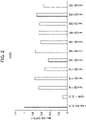
- the results of the quantitative RT-PCR shown in FIGS. 1 and 2 indicate that the gapmer-type nucleic acid hmrGD-89 (SEQ ID NO: 2) reduced the expression level to about 1/3 of that for the negative control gapmer-type nucleic acid LNA-NC(2,2) (SEQ ID NO: 10) and showed a human MEX3B mRNA expression-inhibiting effect at a similar level to that for the positive control gapmer-type nucleic acid LNA-1(2,2). The ability to inhibit the expression was remarkably superior to that of other gapmer-type nucleic acids targeting 3'UTR.
- hmrGD-89 SEQ ID NO: 2
- hmrGD-89-2 SEQ ID NO: 1
- Target region (Human pre-mRNA)
- Target region hmrGD-89-2 1 GCGGATACTACAGCTT 16 AAGCTGTAGTATCCGC 3137-3152 3'UTR
- hmrGD-89 2 GAGCGGATACTACAGC 16 GCTGTAGTATCCGCTC 3139-3154 3'UTR
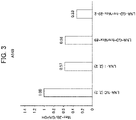
- gapmer-type nucleic acid hmrGD-89-2 (SEQ ID NO: 1) showed a human MEX3B mRNA expression-inhibiting effect higher than that of the gapmer-type nucleic acid hmrGD-89 (SEQ ID NO: 2), which was at a similar level to that for the positive control gapmer-type nucleic acid LNA-1(2,2). No adverse effects, such as cytotoxicity, were observed in the cells transfected with the gapmer-type nucleic acid hmrGD-89-2 as in the negative control.
- the gapmer-type nucleic acids hmrGD-89-2 and hmrGD-89 were subjected to a mouse MEX3B mRNA expression inhibition assay.
- Transfection with the gapmer-type nucleic acid hmrGD-89-2 or hmrGD-89 was performed as in Example 2 except that the cells to be transfected were altered to MLE-15 mouse pulmonary epithelial cells.
- a quantitative RT-PCR test was performed as in Example 2 except that the primers shown below were used instead in the quantitative RT-PCR test. The results are shown in FIG. 4 .
- results of the quantitative RT-PCR shown in FIG. 4 indicate that all of the gapmer-type nucleic acids hmrGD-89-2 and hmrGD-89 had a mouse MEX3B mRNA expression-inhibiting effect at a similar level to that for the positive control gapmer-type nucleic acid LNA-Ex-mMEX3B-4, which is complementary to a given target sequence on the mouse pre-mRNA and is known to exhibit a certain level of MEX3B gene expression-inhibiting effect.
- a human MEX3B mRNA expression inhibition assay was performed based on free uptake instead of the transfection method using Lipofectamine. The test was performed using not only the LNA gapmer-type nucleic acids hmrGD-89-2 and hmrGD-89, as used in Example 2, but also the ENA gapmer-type nucleic acids hmrGD-89-2 and hmrGD-89, which were prepared separately from the LNA type.
- Each nucleic acid was introduced into cells as in Example 2 except that the Lipofectamine RNAiMAX (manufactured by Invitrogen) was not used and that the nucleic acid was introduced at a final concentration of 1 ⁇ M into the cells.
- Lipofectamine RNAiMAX manufactured by Invitrogen
- Quantitative RT-PCR was performed as in Example 2 except that the cells were observed for their condition under a microscope 72 hours after the transfection and then the total RNA was collected from the cells. The results are shown in FIG. 5 .
- the "control" shown in FIG. 5 represents a negative control.
- results of the quantitative RT-PCR shown in FIG. 5 indicate that both of the LNA and ENA gapmer-types of hmrGD-89-2 and hmrGD-89 are highly effective in inhibiting human MEX3B mRNA expression even in the case of free uptake and can be expected to inhibit MEX3B gene expression even when they are administered in vivo.
- the LNA and ENA types of hmrGD-89-2 were highly effective.
- an MEX3B gene expression inhibition assay was performed comprehensively on the full length of unspliced human MEX3B pre-mRNA.
- the assay not only A549 human alveolar basal epithelial adenocarcinoma cells but also MLE-15 mouse pulmonary epithelial cells were transfected with the nucleic acid, then observed for their condition under a microscope 48 hours after the transfection, and then harvested. Subsequently, the total protein was collected from the cells using a radio-immunoprecipitation assay (RIPA) buffer (manufactured by FUJIFILM Wako Chemicals) and then subjected to human and mouse MEX3B protein analysis using Western blotting.
- part a) shows the results obtained from A549 human alveolar basal epithelial adenocarcinoma cells
- part b) shows the results obtained from MLE-15 mouse pulmonary epithelial cells.
- Lane NC shows the results obtained when the negative control gapmer-type nucleic acid LNA-NC(2,2) (SEQ ID NO: 10) was used, and both of lanes 1 and G4 show the results obtained when the positive control gapmer-type nucleic acid was used.
- the Western blotting results shown in parts a) and b) of FIG. 6 indicate that, similar to the positive control gapmer-type nucleic acid, the gapmer-type nucleic acid hmrGD-89 reduced the signals of both of the human and mouse MEX3B protein bands and inhibited the MEX3B protein expression. This effect was significantly higher than that of other gapmer-type nucleic acids targeting 3'UTR.
- hmrGD-178, hmrGD-179, hmrGD-180, hmrGD-182, hmrGD-199, hmrGD-201, hmrGD-202, hmrGD-203, and hmrGD-205 were also used to transfect A549 human alveolar basal epithelial adenocarcinoma cells. Subsequently, human MEX3B protein expression inhibition was examined using Western blotting. The results are shown in FIG. 7 . The Western blotting results shown in FIG.
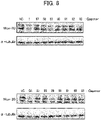
- hmrGD-179 and hmrGD-180 were used to transfect MLE-15 mouse pulmonary epithelial cells. Subsequently, mouse MEX3B protein expression inhibition was examined using Western blotting. The results are shown in FIG. 8 .
- the Western blotting results shown in FIG. 8 indicate that the MEX3B protein band was slightly faint when hmrGD-179 or hmrGD-180 was used than when the negative control NC was used.
- FIGS. 9 and 10 show the results of the test on human MEX3B and mouse MEX3B, respectively.
Landscapes
- Health & Medical Sciences (AREA)
- Life Sciences & Earth Sciences (AREA)
- Engineering & Computer Science (AREA)
- Chemical & Material Sciences (AREA)
- Organic Chemistry (AREA)
- Bioinformatics & Cheminformatics (AREA)
- General Health & Medical Sciences (AREA)
- Animal Behavior & Ethology (AREA)
- Veterinary Medicine (AREA)
- Medicinal Chemistry (AREA)
- Public Health (AREA)
- Pharmacology & Pharmacy (AREA)
- Nuclear Medicine, Radiotherapy & Molecular Imaging (AREA)
- General Chemical & Material Sciences (AREA)
- Chemical Kinetics & Catalysis (AREA)
- Genetics & Genomics (AREA)
- Biomedical Technology (AREA)
- Pulmonology (AREA)
- Immunology (AREA)
- Molecular Biology (AREA)
- Zoology (AREA)
- Wood Science & Technology (AREA)
- General Engineering & Computer Science (AREA)
- Biotechnology (AREA)
- Diabetes (AREA)
- Microbiology (AREA)
- Plant Pathology (AREA)
- Biophysics (AREA)
- Physics & Mathematics (AREA)
- Biochemistry (AREA)
- Rheumatology (AREA)
- Cardiology (AREA)
- Emergency Medicine (AREA)
- Neurosurgery (AREA)
- Physical Education & Sports Medicine (AREA)
- Dermatology (AREA)
- Neurology (AREA)
- Heart & Thoracic Surgery (AREA)
- Urology & Nephrology (AREA)
- Psychiatry (AREA)
Abstract
Description
- The present invention relates to a nucleic acid that inhibits MEX3B gene expression; an MEX3B gene expression inhibitor including such a nucleic acid; a method for inhibiting MEX3B gene expression; and a prophylactic or therapeutic agent for a disease caused by MEX3B gene expression.
- In recent years, an increase in expression of inflammatory cytokines or chemokines, such as IL-6, IL-13, TNF, G-CSF, CXCL1, CXCL2, or CXCL5, has been revealed to be involved in serious diseases (e.g., severe asthma, joint diseases, diabetes, inflammatory bowel diseases, atopic dermatitis, systemic erythematosus, cancer, psychiatric diseases, cardiovascular diseases, respiratory diseases, type 2 diabetes, renal diseases) (see, for example, Non-Patent Document 1). The MEX3B protein is known to be a molecule that binds to a variety of mRNAs to control their function (specifically, for translation to proteins) or stability (see, for example, Non-Patent Document 2).
Patent Document 1 discloses that an MEX3B protein binds to mRNAs for inflammatory cytokines or chemokines to affect their function (specifically, for translation to a protein) or stability and thus to be involved in the development of diseases caused by inflammatory cytokines or chemokines. Thus, the inhibition of MEX3B expression is potentially important for treating or preventing such diseases. -
- Patent Document 1:
PCT International Publication No. WO2 018/08750A1 - Patent Document 2:
PCT International Publication No. WO2018/08749A1 -
- Non-Patent Document 1: Int Immunol. 2015 Jan; 27(1):21-9, Cancer Discov. 2016 Jan;6(1):80-95
- Non-Patent Document 2: Nucleic Acids Res. 2007;35(4):1289-300
- Patent Document 2 discloses nucleic acids having low cytotoxicity and being capable of inhibiting MEX3B gene expression. Unfortunately, such nucleic acids have room for improvement in the MEX3B gene expression-inhibiting effect.
- The present invention has been made in light of the circumstances mentioned above, and an object of the present invention is to provide a nucleic acid having low cytotoxicity and an improved ability to inhibit MEX3B gene expression; an MEX3B gene expression inhibitor comprising such a nucleic acid; a method for inhibiting MEX3B gene expression; and a prophylactic or therapeutic agent for diseases caused by MEX3B gene expression.
- The inventors have designed a large number of antisense oligonucleotides, which cover the full range of unspliced human MEX3B pre-mRNA, and comprehensively subjected them to testing for MEX3B gene expression inhibition. As a result, the inventors have found that specific antisense oligonucleotides having sequences complementary to specific sequences in the MEX3B gene are significantly effective in inhibiting the expression of mRNA of the MEX3B gene and are also significantly effective in inhibiting MEX3B protein expression. The present invention has been completed based on the findings. Specifically, the present invention has the following aspects.
- The first aspect of the present invention is directed to a nucleic acid selected from the following oligonucleotides:
- (1) an oligonucleotide consisting of the nucleotide (base) sequence set forth in SEQ ID NO: 1 or 2 in the Sequence Listing;
- (2) an antisense oligonucleotide that consists of a nucleotide sequence comprising a deletion, substitution, and/or addition of one or two nucleotides with respect to the nucleotide sequence set forth in SEQ ID NO: 1 or 2 in the Sequence Listing and inhibits MEX3B gene expression; and
- (3) an antisense oligonucleotide that comprise the sequence set forth in SEQ ID NO: 3 in the Sequence Listing and inhibits MEX3B gene expression.
- The second aspect of the present invention is directed to an MEX3B gene expression inhibitor comprising the nucleic acid according to the first aspect.
- The third aspect of the present invention is directed to a method for inhibiting MEX3B gene expression, the method comprising bringing the inhibitor according to the second aspect into contact with a subject, excluding a human individual.
- The fourth aspect of the present invention is directed to a prophylactic or therapeutic agent for a disease caused by MEX3B gene expression, the agent comprising the inhibitor according to the second aspect.
- The present invention makes it possible to provide a nucleic acid having low cytotoxicity and an improved ability to inhibit MEX3B gene expression; an MEX3B gene expression inhibitor comprising such a nucleic acid; a method for inhibiting MEX3B gene expression; and a prophylactic or therapeutic agent for a disease caused by MEX3B gene expression.
-
-
FIG. 1 is a graph showing the reduction of the human MEX3B mRNA expression level by transfection with each of gapmer-type nucleic acids; -
FIG. 2 is a graph showing the reduction of the human MEX3B mRNA expression level by transfection with each of gapmer-type nucleic acids; -
FIG. 3 is a graph showing the reduction of the human MEX3B mRNA expression level by transfection with each of gapmer-type nucleic acids; -
FIG. 4 is a graph showing the reduction of the mouse MEX3B mRNA expression level by transfection with each of gapmer-type nucleic acids; -
FIG. 5 is a graph showing a result of the inhibition of the human MEX3B mRNA expression through free uptake of each of gapmer-type nucleic acids; -
FIG. 6 is a view showing a result of the inhibition of human and mouse MEX3B protein expression by transfection with each of gapmer-type nucleic acids; -
FIG. 7 is a view showing a result of the inhibition of human MEX3B protein expression by transfection with each of gapmer-type nucleic acids; -
FIG. 8 is a view showing a result of the inhibition of mouse MEX3B protein expression by transfection with each of gapmer-type nucleic acids; -
FIG. 9 is a view showing a result of the inhibition of human MEX3B protein expression by transfection with each of gapmer-type nucleic acids; and -
FIG. 10 is a view showing a result of the inhibition of mouse MEX3B protein expression by transfection with each of gapmer-type nucleic acids. - Hereinafter, embodiments of the present invention will be described in detail, which are not intended to limit the present invention and may be altered or modified as appropriate for implementation without departing from the gist of the present invention.
- The MEX3B gene includes
exon 1, an intron, and exon 2, and such a structure is highly conserved among humans, mice, and other mammals. The untranslated regions (UTRs) not encoding amino acids in the exons include 5'UTR upstream of the initiation codon and 3'UTR downstream of the termination codon. The human MEX3B gene encoding the human MEX3B mRNA has the sequence set forth in SEQ ID NO: 4 shown later. In SEQ ID NO: 4, the sequence from nucleotide 437 to 2146 is CDS, the sequence fromnucleotide 1 to 436 is 5'UTR, and the sequence from nucleotide 2147 to 3532 is 3'UTR. The mouse MEX3B gene encoding the mouse MEX3B mRNA has the sequence set forth in SEQ ID NO: 5 shown later. In SEQ ID NO: 5, the sequence from nucleotide 319 to 2049 is CDS, the sequence fromnucleotide 1 to 318 is 5'UTR, and the sequence from nucleotide 2050 to 3416 is 3'UTR. SEQ ID NO: 6 shown later is the 836-nucleotide sequence of the intronic region in the human MEX3B gene. SEQ ID NO: 7 is the sequence encoding unspliced human MEX3B pre-mRNA. In the sequence of SEQ ID NO: 7 encoding human MEX3B pre-mRNA, the sequence from nucleotide 437 to 692 and the sequence from nucleotide 1529 to 2982 are each CDS, the sequence fromnucleotide 1 to 436 is 5'UTR, the sequence from nucleotide 2983 to 4368 is 3'UTR, and the region from nucleotide 693 to 1528 corresponds to the intronic region represented by SEQ ID NO: 6 in the human MEX3B gene. Genes encoding MEX3B proteins (e.g., a protein having an amino acid sequence represented by SEQ ID NO: 8 (human) or 9 (mouse)) all belong to the MEX3B gene. - Any method may be used to acquire the MEX3B gene. Suitable probes or primers may be prepared based on information indicating the nucleotide sequences of SEQ ID NOS: 4, 5, 6, and 7 and the amino acid sequences of SEQ ID NOS: 8 and 9 in the Sequence Listing provided herein, and then used to select desired clones from a human cDNA library, which is prepared from suitable MEX3B gene-expressing cells by a conventional method, when the MEX3B gene is isolated.
- The nucleic acid that exhibits MEX3B gene expression according to the first aspect (hereinafter also simply referred to as "the nucleic acid according to the first aspect) is any one of the oligonucleotides (1), (2), and (3) shown below.
- (1) An oligonucleotide consisting of the sequence set forth in SEQ ID NO: 1 or 2 in the Sequence Listing.
- (2) An antisense oligonucleotide that consists of the sequence having a deletion, substitution, and/or addition of one or two nucleotides with respect to the sequence set forth in SEQ ID NO: 1 or 2 in the Sequence Listing and inhibits MEX3B gene expression.
- (3) An antisense oligonucleotide that comprises the sequence set forth in SEQ ID NO: 3 in the Sequence Listing and inhibits MEX3B gene expression.
- The nucleic acid according to the first aspect may inhibit MEX3B gene expression by reducing the level of either or both of mRNA and protein. The inhibition may be at any level as long as at least mRNA level and/or the protein level is reduced as compared to the negative control level (or wild type level). Specifically, at least mRNA level and/or the protein level is preferably reduced by 10% or more, more preferably by 15% or more, even more preferably by 20% or more, further more preferably by 30% or more, still more preferably by 40% or more, yet more preferably by 50% or more, and most preferably by 60% or more as compared to the negative control level (or wild type level). Regarding the oligonucleotide (1), the sequence (GCGGATACTACAGCTT) set forth in SEQ ID NO: 1 and the sequence (GAGCGGATACTACAGC) set forth in SEQ ID NO: 2 are the sequences of the gapmer-type oligonucleotides: hmrGD-89-2 and hmrGD-89, respectively, which are shown later in the Examples section.
- Regarding the oligonucleotide (2), the sequence has a deletion, substitution, and/or addition of one or two nucleotides and preferably has a deletion, substitution, and/or addition of one nucleotide with respect to the sequence set forth in SEQ ID NO: 1 or 2. The antisense oligonucleotide (2) preferably has a length of 14 nucleotides or more and more preferably has a length of 15 nucleotides or more. The length of the antisense oligonucleotide (2) preferably has an upper limit of 18 nucleotides or less, more preferably 17 nucleotides or less, even more preferably 16 nucleotides or less. The nucleotide sequence has a deletion, substitution, and/or addition of one or two nucleotides. In view of producibility, the nucleotide sequence preferably has a deletion and/or substitution of one or two nucleotides, and more preferably has a deletion of one or two nucleotides. Regarding the DNA mutation level, for example, the variant oligonucleotide preferably has a sequence identity of 90% or more, more preferably 93% or more, even more preferably 95% or more, furthermore preferably 97% or more, most preferably 98% or more with respect to the sequence set forth in SEQ ID NO: 1 or 2 in the Sequence Listing. The DNA sequence set forth in SEQ ID NO: 1 or 2 in the Sequence Listing may be partially modified by any of various artificial processes including, for example, site-directed mutagenesis, random mutation by treatment with a mutagenic agent, and mutation, deletion, or ligation of DNA fragments through restriction enzyme cleavage.
- Regarding the oligonucleotide (3), the sequence (GCGGATACTACAGC) set forth in SEQ ID NO: 3 is a 14- nucleotide sequence common to SEQ ID NOS: 1 and 2 shown above. Regarding the oligonucleotide (3), the antisense oligonucleotide preferably has a sequence complementary to an oligonucleotide comprising at least 12 contiguous nucleotides in the sequence of the MEX3B gene, more preferably has a sequence complementary to an oligonucleotide comprising at least 13 contiguous nucleotides in the sequence of the MEX3B gene, and even more preferably has a sequence complementary to an oligonucleotide comprising at least 14 contiguous nucleotides in the nucleotide sequence of the MEX3B gene. Regarding the upper limit of the length of the antisense oligonucleotide, the antisense oligonucleotide preferably has a sequence complementary to an oligonucleotide comprising at most 25 contiguous nucleotides in the sequence of the MEX3B gene, more preferably has a sequence complementary to an oligonucleotide comprising at most 20 contiguous nucleotides in the nucleotide sequence of the MEX3B gene, even more preferably has a sequence complementary to an oligonucleotide comprising at most 19 contiguous nucleotides in the sequence of the MEX3B gene, further more preferably has a sequence complementary to an oligonucleotide comprising at most 18 contiguous nucleotides in the sequence of the MEX3B gene, still more preferably has a sequence complementary to an oligonucleotide comprising at most 17 contiguous nucleotides in the sequence of the MEX3B gene, and yet more preferably has a sequence complementary to an oligonucleotide comprising at most 16 contiguous nucleotides in the nucleotide sequence of the MEX3B gene.
- In view of producibility and other properties, the antisense oligonucleotide (3) preferably has a sequence of 15 nucleotides or less. Regarding the level of DNA mutation of the oligonucleotide (3), for example, the variant oligonucleotide preferably has a sequence identity of 90% or more, more preferably 93% or more, even more preferably 95% or more, furthermore preferably 97% or more, most preferably 98% or more with respect to the sequence set forth in SEQ ID NO: 3 in the Sequence Listing.
- The antisense oligonucleotide (1), (2), or (3) is preferably, for example, such that after being introduced into cells, it can hybridize to an oligonucleotide in the MEX3B gene, which is complementary to it, and that the nucleotide chain-containing MEX3B mRNA can be degraded by a nuclease (e.g., RNase H) specific for a hybrid duplex resulting from the hybridization. The antisense oligonucleotide may be DNA or RNA. Preferably, the antisense oligonucleotide is DNA for the mRNA cleavage by the specific nuclease.
- The antisense oligonucleotide (1), (2), or (3) preferably contains at least one nucleotide having at least one structure selected from the group consisting of a phosphorothioate structure, a crosslinked structure, and an alkoxy structure. For example, the antisense oligonucleotide in which a phosphodiester bond moiety linking nucleotides has a phosphorothioate structure can have nuclease resistance and improved hydrophobicity, which will improve its uptake into the cells or their nuclei. When the nucleotide sugar moiety has a crosslinked structure, such as 2',4'-BNA (2',4'-bridged nucleic acid also called LNA (locked nucleic acid)) or ENA (2'-O,4'-C-ethylene-bridged nucleic acid), or an alkoxy structure, such as a 2'-O-methyl or 2'-O-methoxyethyl (2'-MOE) moiety, the antisense oligonucleotide can have nuclease resistance and an improved ability to bind to mRNA.
- In the antisense oligonucleotide, at least one phosphodiester bond moiety linking nucleotides preferably has a phosphorothioate structure. In the antisense oligonucleotide, preferably at least 50%, more preferably at least 70%, even more preferably at least 90%, most preferably all of the phosphodiester bonds have a phosphorothioate structure. In the antisense oligonucleotide, at least one of the terminal nucleotides preferably has a crosslinked structure or an alkoxy structure. More specifically, preferably at least one of nucleotides from the terminal end to the fourth nucleotide on one terminal side, more preferably at least one of nucleotides from the terminal end to the third nucleotide on one terminal side, even more preferably at least one of nucleotides from the terminal end to the second or third nucleotide on one terminal side has a crosslinked structure or an alkoxy structure. Each terminal end of the antisense oligonucleotide preferably has a crosslinked structure or an alkoxy structure (what is called gapmer-type antisense oligonucleotides). Preferably at least one of nucleotides from the terminal end to the fourth nucleotide on each of both terminal sides respectively, more preferably at least one of nucleotides from the terminal end to the third nucleotide on each of both terminal sides respectively, even more preferably at least one of nucleotides from the terminal end to the second or third nucleotide on each of both terminal sides respectively has a crosslinked structure or an alkoxy structure. The nucleic acid according to the first aspect may be produced by a common method using a DNA synthesizer and a known organic synthesis technique.
- The nucleic acid according to the first aspect may be introduced into cells in vitro or in vivo by the contact with cells, for example, by adding it to the medium for any desired cells. When having at least one selected from the group consisting of a phosphorothioate structure, a crosslinked structure, and an alkoxy structure, the nucleic acid according to the first aspect can be more effectively introduced into cells. When having at least one selected from the group consisting of a phosphorothioate structure, a crosslinked structure, and an alkoxy structure, the nucleic acid according to the first aspect may be used in combination with the lipofection vehicle described later. In this case, the introduction of the nucleic acid into cells can be further improved. As shown later, however, the nucleic acid according to the first aspect has such a strong MEX3B gene expression-inhibiting effect that there will be no need to use the lipofection vehicle. Moreover, as shown in Example 4 below, free uptake of the nucleic acid according to the first aspect into cells is possible.
- A method for introducing the nucleic acid according to the first aspect into cells may include inserting the nucleic acid into a suitable vector; and then introducing the vector into suitable host cells. The suitable vector may be any type, such as autonomously replicating vectors (e.g., plasmids). Preferably, after being introduced into host cells, the vector can be incorporated into the genome of the host cell and replicated together with the host chromosome. Examples of available suitable vectors include plasmids derived from E. coli (e.g., pBR322, pUC118), plasmids derived from B. subtilis (e.g., pUB110, pSH19), and animal viruses, such as bacteriophages, retroviruses, and vaccinia viruses. In the recombination, a translation initiation codon and a translation termination codon may be added using suitable synthetic DNA adapters.
- If necessary, the nucleic acid according to the first aspect may be operably linked to a suitable terminator, such as a human growth hormone terminator or a TPI1 or ADH3 terminator for fungal hosts. The recombinant vector may contain additional elements, such as a polyadenylation signal (e.g., one derived from SV40 or adenoviral 5E1b region), a transcription enhancer sequence (e.g., SV40 enhancer), and a translational enhancer sequence (e.g., one encoding an adenovirus VA RNA). The recombinant vector may further include a DNA sequence that allows the vector to replicate in the host cell, an example of which is an SV40 replication origin (for mammalian host cells). The recombinant vector may further contain a selection marker. The selection marker may be a gene for which the complement is missing in the host cell, such as a dihydrofolate reductase (DHFR) gene or a Schizosaccharomyces pombe TPI gene, or a drug resistance gene, such as a gene resistant to ampicillin, kanamycin, tetracycline, chloramphenicol, neomycin, or hygromycin.
- The host cells into which the nucleic acid according to the first aspect or a vector containing the nucleic acid is to be introduced may be higher eukaryotic cells, bacterial cells, yeast cells, fungal cells, or other cells, and are preferably mammalian cells. Examples of mammalian cells include HEK293 cells, HeLa cells, COS cells (e.g., COS-7 cells), BHK cells, CHL or CHO cells, and BALB/c mouse cells (e.g., BALB/c mouse fetal fibroblasts). Known methods, such as lipofection, electroporation, and calcium phosphate method, may be used to introduce the gene into mammalian cells and to transform the cells for the expression of the gene.
- The MEX3B gene expression inhibition by the nucleic acid according to the first aspect may be detected in vivo or in vitro using, for example, a probe or primer having part or the whole of the nucleotide sequence of the MEX3B gene, which is based on the information on the nucleotide sequence of the MEX3B gene. In particular, the level of mRNA expression of the MEX3B gene may be measured by RT-PCR, Northern blotting, or other conventional methods.
- When PCR is performed, any primers capable of specifically amplifying the MEX3B gene may be used, which may be appropriately selected based on the MEX3B gene sequence information. Examples of available probes or primers include oligonucleotides comprising at least 10 contiguous nucleotides derived from the MEX3B gene; and antisense oligonucleotides having sequences complementary to such oligonucleotides. More specifically, oligonucleotides having a sequence of 10 to 60 contiguous nucleotides, preferably 10 to 40 contiguous nucleotides derived from the MEX3B gene may be used, and antisense oligonucleotides having sequences complementary to such oligonucleotides may be used.
- The level of MEX3B protein expression may be measured by common immunoassay, such as Western blotting or ELISA. Specifically, the protein expression level may be measured by common methods known to those skilled in the art, such as those described in Molecular Cloning 2nd Edition or Current Protocols in Molecular Biology.
- The MEX3B gene expression inhibitor according to the second aspect (hereinafter, also simply referred to as "the inhibitor according to the second aspect") includes the nucleic acid according to the first aspect. As mentioned above, the MEX3B expression inhibition may correspond to at least the reduction in transcription level and/or the reduction in protein expression level. To be more effectively introduced into cells, the MEX3B gene expression inhibitor according to the second aspect may further include a lipofection vehicle. Alternatively, the inhibitor may be free of a lipofection vehicle because free uptake of the nucleic acid according to the first aspect is possible as shown in Example 4 below and a strong MEX3B gene expression-inhibiting effect can be achieved in that case. The lipofection vehicle may be a vehicle having a high affinity for cell membranes (e.g., liposomes, cholesterols), and is preferably Lipofectamine or Lipofectin, more preferably Lipofectamine. When having at least one selected from the group consisting of a phosphorothioate structure, a crosslinked structure, and an alkoxy structure, the nucleic acid according to the first aspect may be used in combination with the lipofection vehicle, so that it can be more effectively introduced into cells. For example, the nucleic acid according to the first aspect having at least one selected from the group consisting of a phosphorothioate structure, a crosslinked structure, and an alkoxy structure may be brought into contact with a subject, which will be described later, in the presence of the lipofection vehicle.
- The inhibitor according to the second aspect may be in the form of a mixture including the nucleic acid according to the first aspect, the lipofection vehicle, and other optional components (e.g., water, buffer solution). Alternatively, the inhibitor may be in the form of a kit including the nucleic acid according to the first embodiment and other optional components, which are contained in a separate vessel, and the lipofection vehicle and other optional components, which are contained in another separate vessel. The inhibitor according to the second aspect may be in any dosage form, such as a liquid, a granule, a tablet, a capsule, or a patch. In the in vivo case, biological tissues may be directly exposed to the inhibitor according to the second aspect. More preferably, the inhibitor may be applied (e.g., in the form of a liquid) or administered in vivo orally, intravascularly (intravenously or intraarterially), intraorally, sublingually, intrarectally, intraperitoneally, intravaginally, intraspinally, intramuscularly, dermally, subdermally, intradermally, intravesically, intratracheally (intrabronchially), ocularly, nasally, or intra-aurally by injection, spray, application, or any other means.
- The method for inhibiting MEX3B gene expression according to the third aspect includes bringing the inhibitor according to the second aspect into contact with a subject. As shown in Example 4 below, the inhibitor according to the second aspect can be introduced into cells through free uptake, for example, without the need for calcium shock or the like, when brough into contact with the cells. Examples of the subject include individual organisms (e.g., individual mammals or birds), microorganisms, protozoans, biological tissues, biological tissue sections, human cells, and animal cells. Examples of mammals and birds include cattle, sheep, goats, pigs, horses, dogs, chickens, mice, rats, guinea pigs, hamsters, rabbits, and primates. Individual primates may be monkeys, and may or may not be humans. The inhibitor according to the second aspect may be brought into contact with the subject in any manner. For example, the inhibitor according to the second aspect may be added to a medium containing the subject, or a medium containing the inhibitor according to the second aspect may be prepared in advance and then brought into contact with the subject. The contact may be performed at any temperature for any time period under any conditions. The contact temperature, the contact time period, and other contact conditions may be appropriately selected depending on the type of the subject and other factors.
- The prophylactic or therapeutic agent according to the fourth aspect for a disease caused by MEX3B gene expression includes the MEX3B gene expression inhibitor according to the second aspect. Interleukin 6 (IL-6) is a key cytokine involved in inflammation, hematopoiesis, bone metabolism, exacerbation of tumor, and so on. The activity of IL-6 is known to contribute generally to the transition from acute inflammation to acquired immune response, the development of chronic inflammatory diseases, and so on (see, for example, J Asthma. 2008;45 Suppl 1:41-4). Interleukin 13 (IL-13) is known to play a role as an inflammatory cytokine in enhancing allergic inflammation in peripheral tissues. IL-13 is known to be involved not only in the enhancement of allergic response, which is a main cause of allergic asthma, but also in refractoriness to asthma therapies, in other words, resistance to steroids. IL-13 is also involved in the pathogenesis not only of asthma but also of inflammatory bowel diseases and atopic dermatitis (e.g., J Allergy (Cairo). 2012;2012:316049, N Engl J Med 2011;365:1088-1098). Among the tumor necrosis factors (TNFs), TNF-α is an important factor for protection against infection because it is a signaling factor that triggers inflammatory responses. TNFs are also known to be involved in disorders caused by increased inflammation at the same time. That is, TNFs are involved in exacerbation of the state of various diseases mainly including joint diseases (e.g., rheumatoid arthritis, psoriatic arthritis, spondylarthrosis, ankylosing spondylitis), inflammatory bowel diseases (e.g., ulcerative colitis, Crohn's disease), cancer (e.g., ovarian cancer, breast cancer), psychiatric disorders (e.g., depression, bipolar disorder, epilepsy, Alzheimer's disease, Parkinson's disease, multiple sclerosis), cardiovascular diseases (e.g., heart failure, arteriosclerosis), respiratory diseases (e.g., bronchial asthma, chronic bronchitis, chronic obstructive pulmonary disease, acute lung injury), type 2 diabetes, and renal diseases (e.g., ischemic kidney injury, post-transplantation rejection, glomerulonephritis) (see, for example, J Allergy Clin Immunol. 2008 Jan;121(1):5-10, J Pathol. 2008 Jan;214(2):149-60). Granulocyte-colony stimulating factor (G-CSF) is known to act to promote granulocyte production and to enhance neutrophil function. IL-13, TNF, and G-CSF are also known to be involved in the severity of asthma (see, for example, Curr Opin Immunol. 2013 Dec;25(6):755-60).
- CXCL1, CXCL2, and CXCL5 belong to the inflammatory chemokine CXC subfamily. The secretion of CXCL1, CXCL2, and CXCL5 in lung tissues due to excessively increased inflammation in the airway mucosa promotes the invasion of neutrophils, which express a high level of CXCR2, a receptor for CXCL1, CXCL2, and CXCL5. Consequently, the invasion of steroid-resistant neutrophils triggers chronic inflammation, which induces irreversible airway remodeling resulting from the occurrence of severe asthma. The inventors have found that the MEX3B gene is involved in the development of diseases caused by IL-6, IL-13, TNF, G-CSF, CXCL1, CXCL2, or CXCL5. Thus, the prophylactic or therapeutic agent according to the fourth aspect would be effective in preventing or treating diseases caused by increased expression (e.g., excessively increased expression, preferably higher expression than normal expression, more preferably excessively higher expression than normal expression) of IL-6, IL-13, TNF, G-CSF, CXCL1, CXCL2, or CXCL5, such as severe asthma, chronic obstructive pulmonary disease, rheumatoid arthritis, colitis, Crohn's disease, atopic dermatitis, systemic erythematosus, and cancer, in particular, severe asthma, chronic obstructive pulmonary disease, rheumatoid arthritis, colitis, Crohn's disease, atopic dermatitis, systemic erythematosus, and cancer attributable to IL-6, IL-13, TNF, G-CSF, CXCL1, CXCL2, or CXCL5 (Int Immunol. 2015 Jan;27(1):21-9, Cancer Discov. 2016 Jan;6(1): 80-95).
- It is known that the MEX3B protein induces apoptosis (see, for example,
Japanese Patent No. 4429269 - The prophylactic or therapeutic agent according to the fourth aspect may be administered orally, parenterally, systemically, or topically. Parenteral administration methods include intravenous injection, such as infusion, intramuscular injection, intraperitoneal injection, and subcutaneous injection. An appropriate administration method may be selected depending on the age and symptoms of the patient. The dosage may vary depending on the age, the administration route, and the number of times of administration. Those skilled in the art can select an appropriate dosage depending on them. Formulations suitable for parenteral administration include those containing an additive, such as a stabilizer, a buffer, a preservative, or an isotonic agent, which may further contain a pharmaceutically acceptable carrier or additive. Examples of such a carrier and additive include, but are not limited to, water, organic solvents, polymeric compounds (e.g., collagen, polyvinyl alcohol), stearic acid, human serum albumin (HSA), mannitol, sorbitol, lactose, and surfactants.
- The dosage of the nucleic acid according to the first aspect as an active ingredient may be usually in the range of about 0.1 µg to about 100 mg per kg body weight per dose.
- Hereinafter, the present invention will be described more specifically with reference to examples, which are not intended to limit the scope of the present invention.
- A large number of antisense oligonucleotides shifted by 5 nucleotides from one another were prepared to cover the full range of unspliced human MEX3B pre-mRNA, and then comprehensively subjected to testing for MEX3B gene expression inhibition. Among the large number of gapmer-type nucleic acids prepared as the antisense oligonucleotides shifted by 5 nucleotides from one another and complementary to the human MEX3B pre-mRNA, Table 1 below shows gapmer-type nucleic acids hmrGD-87 (SEQ ID NO: 11), hmrGD-88 (SEQ ID NO: 12), hmrGD-89 (SEQ ID NO: 2), hmrGD-90 (SEQ ID NO: 13), hmrGD-91 (SEQ ID NO: 14), hmrGD-92 (SEQ ID NO: 15), hmrGD-93 (SEQ ID NO: 16), hmrGD-176 (SEQ ID NO: 17), hmrGD-178 (SEQ ID NO: 18), hmrGD-179 (SEQ ID NO: 19), hmrGD-180 (SEQ ID NO: 20), hmrGD-182 (SEQ ID NO: 21), hmrGD-199 (SEQ ID NO: 22), hmrGD-201 (SEQ ID NO: 23), hmrGD-202 (SEQ ID NO: 24), hmrGD-203 (SEQ ID NO: 25), and hmrGD-205 (SEQ ID NO: 26). Among those gapmer-type nucleic acids, hmrGD-176, hmrGD-178, hmrGD-179, hmrGD-180, hmrGD-182, hmrGD-199, hmrGD-201, hmrGD-202, hmrGD-203, and hmrGD-205 are disclosed in Patent Document 2. The negative control used was gapmer-type nucleic acid LNA-NC(2,2) (SEQ ID NO: 10). The positive control used was gapmer-type nucleic acid LNA-1(2,2), which was an antisense oligonucleotide complementary to a given target sequence on the human pre-mRNA and had been confirmed to show a certain level of MEX3B gene expression-inhibiting effect. A 2- or 3-base LNA (2',4'-BNA) was attached to each end of each of the gapmer-type nucleic acids. The other nucleotides between them were normal DNA, and the phosphodiester bond between nucleotides was phosphorothioated. The gapmer-type nucleic acid as the negative control had a total length of 15 nucleotides, and the other gapmer-type nucleic acids each had a total length of 16 nucleotides. The expression "(2,2)" means that the two nucleotides at each end of the gapmer-type nucleic acid are LNA.
[Table 1] Gapmer-type nucleic acid SEQ ID NO Gapmer sequence Oligonucleotide length Target sequence Target region (Human pre-mRNA) Target region Negative control 10 AACACGTCTATACGC 15 - - - hmrGD-87 11 TACAGCTTTCCAAGCT 16 AGCTTGGAAAGCTGTA 3129-3144 3'UTR hmrGD-88 12 GATACTACAGCTTTCC 16 GGAAAGCTGTAGTATC 3134-3149 3'UTR hmrGD-89 2 GAGCGGATACTACAGC 16 GCTGTAGTATCCGCTC 3139-3154 3'UTR hmrGD-90 13 AAAATGAGCGGATACT 16 AGTATCCGCTCATTTT 3144-3159 3'UTR hmrGD-91 14 ATTTATAGAGCATGCA 16 TGCATGCTCTATAAAT 3243-3258 3'UTR hmrGD-92 15 CTATTATTTATAGAGC 16 GCTCTATAAATAATAG 3248-3263 3'UTR hmrGD-93 16 CGTTCCTATTATTTAT 16 ATAAATAATAGGAACG 3253-3268 3'UTR hmrGD-176 17 GTACATTTAAGCTCAA 16 TTGAGCTTAAATGTAC 4119-4134 3'UTR hmrGD-178 18 GCTCAGTAAAGTACAT 16 ATGTACTTTACTGAGC 4129-4144 3'UTR hmrGD-179 19 ACTTTGCTCAGTAAAG 16 CTTTACTGAGCAAAGT 4134-4149 3'UTR hmrGD-180 20 TTTAAACTTTGCTCAG 16 CTGAGCAAAGTTTAAA 4139-4154 3'UTR hmrGD-182 21 CATAAAATAAAATATA 16 TATATTTTATTTTATG 4163-4178 3'UTR hmrGD-199 22 AAAAATAAAACTCTTG 16 CAAGAGTTTTATTTTT 4248-4263 3'UTR hmrGD-201 23 TAAATGTCAGAAAAAT 16 ATTTTTCTGACATTTA 4258-4273 3'UTR hmrGD-202 24 AACTTTAAATGTCAGA 16 TCTGACATTTAAAGTT 4263-4278 3'UTR hmrGD-203 25 TGTAGAACTTTAAATG 16 CATTTAAAGTTCTACA 4268-4283 3'UTR hmrGD-205 26 ACCTTTATTATGTAGA 16 TCTACATAATAAAGGT 4278-4293 3'UTR - Each of the gapmer-type nucleic acids of Examples and Comparative Examples was used to transfect (introduced into) cells. A549 human alveolar basal epithelial adenocarcinoma cells were transfected with each gapmer-type nucleic acid. The gapmer-type nucleic acid was introduced at a final concentration of 20 nM into the cells using Lipofectamine RNAiMAX (manufactured by Invitrogen) and its recommended protocol.
- Cells were observed for their condition under a microscope 48 hours after the transfection and then harvested. The total RNA was then collected from the cells using a lysis buffer TRIsure (manufactured by Bioline). The total RNA was reverse transcribed using Primescript (manufactured by Takara Bio) to give a cDNA. Subsequently, quantitative RT-PCR was performed using Light Cycler 480 (manufactured by Roche). The quantitative RT-PCR test was performed using the following primer sequences.
- Human MEX3B primer forward: 5'-ACCCAGTTCTGAGCATGTCG-3' (SEQ ID NO: 27)
- Human MEX3B primer reverse: 5'-CGAACTGGGGTCTTGATGTAA-3' (SEQ ID NO: 28)
- Human GAPDH primer forward: 5'-GCACCGTCAAGGCTGAGAAC-3' (SEQ ID NO: 29)
- Human GAPDH primer reverse: 5'-TGGTGAAGACGCCAGTGGA-3' (SEQ ID NO: 30)
- GAPDH was an internal standard.
- The results of the quantitative RT-PCR shown in
FIGS. 1 and2 indicate that the gapmer-type nucleic acid hmrGD-89 (SEQ ID NO: 2) reduced the expression level to about 1/3 of that for the negative control gapmer-type nucleic acid LNA-NC(2,2) (SEQ ID NO: 10) and showed a human MEX3B mRNA expression-inhibiting effect at a similar level to that for the positive control gapmer-type nucleic acid LNA-1(2,2). The ability to inhibit the expression was remarkably superior to that of other gapmer-type nucleic acids targeting 3'UTR. Although not shown, no adverse effects, such as cytotoxicity, were observed in any case where the cells were transfected with the gapmer-type nucleic acid hmrGD-87, hmrGD-88, hmrGD-89, hmrGD-90, hmrGD-91, hmrGD-92, hmrGD-93, hmrGD-176, hmrGD-178, hmrGD-179, hmrGD-180, hmrGD-182, hmrGD-199, hmrGD-201, hmrGD-202, hmrGD-203, or hmrGD-205, as in the case of the negative control. In the case of the positive control gapmer-type nucleic acid LNA-1(2,2), cytotoxicity was slightly observed. - Since hmrGD-89 (SEQ ID NO: 2) had a significant human MEX3B mRNA expression-inhibiting effect as shown above, gapmer-type nucleic acids shifted by one or two nucleotides from the hmrGD-89 target sequence were prepared and then subjected to the test as in Example 1 in order to search for further gapmer-type nucleic acids having the mRNA expression-inhibiting effect. As summarized in Table 2 below, the gapmer-type nucleic acid hmrGD-89-2 (SEQ ID NO: 1) is such that its target sequence is shifted by two nucleotides to the 5' end from the hmrGD-89 target sequence.
[Table 2] Gapmer-type nucleic acid SEQ ID NO Gapmer sequence Oligonucleotide length Target sequence Target region (Human pre-mRNA) Target region hmrGD-89-2 1 GCGGATACTACAGCTT 16 AAGCTGTAGTATCCGC 3137-3152 3'UTR hmrGD-89 2 GAGCGGATACTACAGC 16 GCTGTAGTATCCGCTC 3139-3154 3'UTR FIG. 3 indicate that the gapmer-type nucleic acid hmrGD-89-2 (SEQ ID NO: 1) showed a human MEX3B mRNA expression-inhibiting effect higher than that of the gapmer-type nucleic acid hmrGD-89 (SEQ ID NO: 2), which was at a similar level to that for the positive control gapmer-type nucleic acid LNA-1(2,2). No adverse effects, such as cytotoxicity, were observed in the cells transfected with the gapmer-type nucleic acid hmrGD-89-2 as in the negative control. - The gapmer-type nucleic acids hmrGD-89-2 and hmrGD-89 were subjected to a mouse MEX3B mRNA expression inhibition assay.
- Transfection with the gapmer-type nucleic acid hmrGD-89-2 or hmrGD-89 was performed as in Example 2 except that the cells to be transfected were altered to MLE-15 mouse pulmonary epithelial cells.
- A quantitative RT-PCR test was performed as in Example 2 except that the primers shown below were used instead in the quantitative RT-PCR test. The results are shown in
FIG. 4 . - Mouse MEX3B primer forward: 5'-CGTCGTCCTCTGTGGTCTTTCCCGGGGGTG-3' (SEQ ID NO: 31)
- Mouse MEX3B primer reverse: 5'-TCAGGAAAAAATGCGGATGGCCTGAGTGAC-3' (SEQ ID NO: 32)
- Mouse β-actin primer forward: 5'-GGATGCAGAAGGAGATTACTGC-3' (SEQ ID NO: 33)
- Mouse β-actin primer reverse: 5'-CCACCGATCCACACAGAGCA-3' (SEQ ID NO: 34)
- β-Actin is an internal standard.
- The results of the quantitative RT-PCR shown in
FIG. 4 indicate that all of the gapmer-type nucleic acids hmrGD-89-2 and hmrGD-89 had a mouse MEX3B mRNA expression-inhibiting effect at a similar level to that for the positive control gapmer-type nucleic acid LNA-Ex-mMEX3B-4, which is complementary to a given target sequence on the mouse pre-mRNA and is known to exhibit a certain level of MEX3B gene expression-inhibiting effect. - A human MEX3B mRNA expression inhibition assay was performed based on free uptake instead of the transfection method using Lipofectamine. The test was performed using not only the LNA gapmer-type nucleic acids hmrGD-89-2 and hmrGD-89, as used in Example 2, but also the ENA gapmer-type nucleic acids hmrGD-89-2 and hmrGD-89, which were prepared separately from the LNA type.
- Each nucleic acid was introduced into cells as in Example 2 except that the Lipofectamine RNAiMAX (manufactured by Invitrogen) was not used and that the nucleic acid was introduced at a final concentration of 1 µM into the cells.
- Quantitative RT-PCR was performed as in Example 2 except that the cells were observed for their condition under a microscope 72 hours after the transfection and then the total RNA was collected from the cells. The results are shown in
FIG. 5 . The "control" shown inFIG. 5 represents a negative control. - The results of the quantitative RT-PCR shown in
FIG. 5 indicate that both of the LNA and ENA gapmer-types of hmrGD-89-2 and hmrGD-89 are highly effective in inhibiting human MEX3B mRNA expression even in the case of free uptake and can be expected to inhibit MEX3B gene expression even when they are administered in vivo. In particular, the LNA and ENA types of hmrGD-89-2 were highly effective. - As in Example 1, an MEX3B gene expression inhibition assay was performed comprehensively on the full length of unspliced human MEX3B pre-mRNA. In the assay, not only A549 human alveolar basal epithelial adenocarcinoma cells but also MLE-15 mouse pulmonary epithelial cells were transfected with the nucleic acid, then observed for their condition under a microscope 48 hours after the transfection, and then harvested. Subsequently, the total protein was collected from the cells using a radio-immunoprecipitation assay (RIPA) buffer (manufactured by FUJIFILM Wako Chemicals) and then subjected to human and mouse MEX3B protein analysis using Western blotting.
FIG. 6 shows the results of the test using the gapmer-type nucleic acids hmrGD-87 (SEQ ID NO: 11), hmrGD-88 (SEQ ID NO: 12), hmrGD-89 (SEQ ID NO: 2), hmrGD-90 (SEQ ID NO: 13), hmrGD-91 (SEQ ID NO: 14), hmrGD-92 (SEQ ID NO: 15), and hmrGD-93 (SEQ ID NO: 16). In the drawing, part a) shows the results obtained from A549 human alveolar basal epithelial adenocarcinoma cells, and part b) shows the results obtained from MLE-15 mouse pulmonary epithelial cells. α-Tubulin is an internal standard (hereinafter the same applies). Lane NC shows the results obtained when the negative control gapmer-type nucleic acid LNA-NC(2,2) (SEQ ID NO: 10) was used, and both oflanes 1 and G4 show the results obtained when the positive control gapmer-type nucleic acid was used. - The Western blotting results shown in parts a) and b) of
FIG. 6 indicate that, similar to the positive control gapmer-type nucleic acid, the gapmer-type nucleic acid hmrGD-89 reduced the signals of both of the human and mouse MEX3B protein bands and inhibited the MEX3B protein expression. This effect was significantly higher than that of other gapmer-type nucleic acids targeting 3'UTR. - Among the gapmer-type nucleic acids shown in Patent Document 2, hmrGD-178, hmrGD-179, hmrGD-180, hmrGD-182, hmrGD-199, hmrGD-201, hmrGD-202, hmrGD-203, and hmrGD-205 were also used to transfect A549 human alveolar basal epithelial adenocarcinoma cells. Subsequently, human MEX3B protein expression inhibition was examined using Western blotting. The results are shown in
FIG. 7 . The Western blotting results shown inFIG. 7 indicate that the MEX3B protein band was slightly faint when hmrGD-178, hmrGD-179, hmrGD-180, hmrGD-182, hmrGD-199, hmrGD-201, hmrGD-202, hmrGD-203, or hmrGD-205, in particular, hmrGD-201 or hmrGD-202 was used than when the negative control NC was used. - Among the gapmer-type nucleic acids shown in Patent Document 2, hmrGD-179 and hmrGD-180 were used to transfect MLE-15 mouse pulmonary epithelial cells. Subsequently, mouse MEX3B protein expression inhibition was examined using Western blotting. The results are shown in
FIG. 8 . The Western blotting results shown inFIG. 8 indicate that the MEX3B protein band was slightly faint when hmrGD-179 or hmrGD-180 was used than when the negative control NC was used. - Since hmrGD-89 had a significant MEX3B protein expression-inhibiting effect as shown above, hmrGD-89-2 was also subjected to human and mouse MEX3B protein expression inhibition assay based on Western blotting as in Example 5.
FIGS. 9 and10 show the results of the test on human MEX3B and mouse MEX3B, respectively. - The results shown in
FIGS. 9 and10 indicate that the gapmer-type nucleic acids hmrGD-89-2 and hmrGD-89 reduced the signals of both of the human and mouse MEX3B protein bands as the positive control gapmer-type nucleic acid did, which suggests significant inhibition of the MEX3B protein expression. - ATF-491PCT ST25.txt


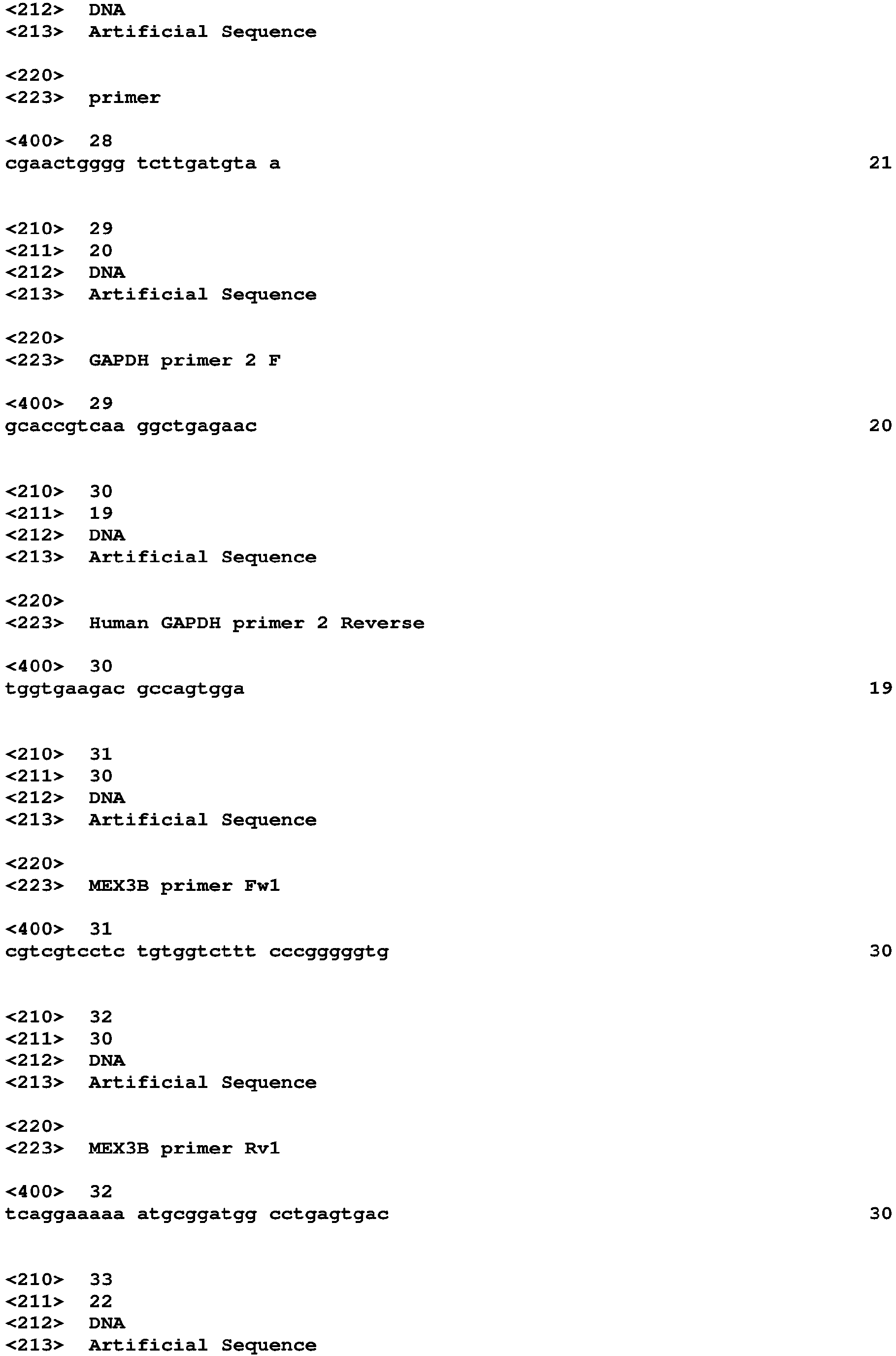

Claims (6)
- A nucleic acid selected from the following oligonucleotides:(1) an oligonucleotide consisting of the nucleotide sequence set forth in SEQ ID NO: 1 or 2 in the Sequence Listing;(2) an antisense oligonucleotide that consists of a nucleotide sequence comprising a deletion, substitution, and/or addition of one or two nucleotides with respect to the nucleotide sequence set forth in SEQ ID NO: 1 or 2 in the Sequence Listing and inhibits MEX3B gene expression; and(3) an antisense oligonucleotide that comprises the nucleotide sequence set forth in SEQ ID NO: 3 in the Sequence Listing and inhibits MEX3B gene expression.
- The nucleic acid according to claim 1, wherein the antisense oligonucleotide (2) consists of a nucleotide sequence having a deletion of one or two nucleotides with respect to the nucleotide sequence set forth in SEQ ID NO: 1 or 2 in the Sequence Listing.
- The nucleic acid according to claim 1, wherein the antisense oligonucleotide (3) has a sequence of 15 or less nucleotides.
- An MEX3B gene expression inhibitor comprising the nucleic acid according to any one of claims 1 to 3.
- A method for inhibiting MEX3B gene expression, the method comprising contacting the inhibitor according to claim 4 with a subject, excluding a human individual.
- A prophylactic or therapeutic agent for a disease caused by MEX3B gene expression, the agent comprising the inhibitor according to claim 4.
Applications Claiming Priority (2)
| Application Number | Priority Date | Filing Date | Title |
|---|---|---|---|
| JP2019180592 | 2019-09-30 | ||
| PCT/JP2020/036105 WO2021065686A1 (en) | 2019-09-30 | 2020-09-24 | Nucleic acid that inhibits expression of mex3b gene, mex3b gene expression inhibiting agent, method for inhibiting mex3b gene expression, and prophylactic or therapeutic agent for disease caused by mex3b gene expression |
Publications (4)
| Publication Number | Publication Date |
|---|---|
| EP4039282A1 true EP4039282A1 (en) | 2022-08-10 |
| EP4039282A4 EP4039282A4 (en) | 2024-04-17 |
| EP4039282B1 EP4039282B1 (en) | 2025-06-04 |
| EP4039282C0 EP4039282C0 (en) | 2025-06-04 |
Family
ID=75337341
Family Applications (1)
| Application Number | Title | Priority Date | Filing Date |
|---|---|---|---|
| EP20871241.4A Active EP4039282B1 (en) | 2019-09-30 | 2020-09-24 | Nucleic acid that inhibits expression of mex3b gene, mex3b gene expression inhibiting agent, method for inhibiting mex3b gene expression, and prophylactic or therapeutic agent for disease caused by mex3b gene expression |
Country Status (6)
| Country | Link |
|---|---|
| US (1) | US20220333110A1 (en) |
| EP (1) | EP4039282B1 (en) |
| JP (1) | JP7033344B2 (en) |
| CN (1) | CN114466931B (en) |
| ES (1) | ES3035200T3 (en) |
| WO (1) | WO2021065686A1 (en) |
Family Cites Families (9)
| Publication number | Priority date | Publication date | Assignee | Title |
|---|---|---|---|---|
| US7250496B2 (en) * | 2002-11-14 | 2007-07-31 | Rosetta Genomics Ltd. | Bioinformatically detectable group of novel regulatory genes and uses thereof |
| JP4429269B2 (en) | 2003-02-10 | 2010-03-10 | 大正製薬株式会社 | Apoptosis-inducing genes and their use |
| JP2012531929A (en) * | 2009-07-06 | 2012-12-13 | アルナイラム ファーマシューティカルズ, インコーポレイテッド | Bioprocessing |
| CN106893739A (en) * | 2015-11-17 | 2017-06-27 | 香港中文大学 | New methods and systems for targeted genetic manipulation |
| WO2017106382A1 (en) * | 2015-12-14 | 2017-06-22 | Cold Spring Harbor Laboratory | Compositions and methods for treatment of central nervous system diseases |
| JP2017212911A (en) | 2016-05-31 | 2017-12-07 | TAK−Circulator株式会社 | Method for screening agent for preventing or treating diseases caused by interleukin 6 or CXCL5, and agent for preventing or treating diseases caused by interleukin 6 or CXCL5 |
| JP2018011593A (en) | 2016-07-08 | 2018-01-25 | TAK−Circulator株式会社 | Nucleic acid that suppresses MEX3B gene expression, MEX3B gene expression inhibitor, method for suppressing MEX3B gene expression, and preventive or therapeutic agent for diseases caused by MEX3B gene expression |
| EP3476939A4 (en) | 2016-07-08 | 2019-06-05 | Tak-Circulator Co., Ltd. | NUCLEIC ACID INHIBITING MEX3B GENE EXPRESSION, MEX3B GENE EXPRESSION INHIBITOR, METHOD FOR INHIBITING MEX3B GENE EXPRESSION, AGENT FOR PREVENTING OR TREATING DISEASES CAUSED BY MEX3B GENE EXPRESSION |
| US11279935B2 (en) * | 2016-07-08 | 2022-03-22 | Tak-Circulator Co, Ltd | Method for screening prophylactic or therapeutic agents for diseases caused by interleukin 6, interleukin 13, TNF, G-CSF, CXCL1, CXCL2, or CXCL5 and agent for the prevention or treatment of diseases caused by interleukin 6, interleukin 13, TNF, G-CSF, CXCL1, CXCL2, or CXCL5 |
-
2020
- 2020-09-24 EP EP20871241.4A patent/EP4039282B1/en active Active
- 2020-09-24 JP JP2020572567A patent/JP7033344B2/en active Active
- 2020-09-24 ES ES20871241T patent/ES3035200T3/en active Active
- 2020-09-24 WO PCT/JP2020/036105 patent/WO2021065686A1/en not_active Ceased
- 2020-09-24 CN CN202080068843.9A patent/CN114466931B/en active Active
- 2020-09-24 US US17/754,339 patent/US20220333110A1/en active Pending
Also Published As
| Publication number | Publication date |
|---|---|
| JP7033344B2 (en) | 2022-03-10 |
| JPWO2021065686A1 (en) | 2021-10-28 |
| ES3035200T3 (en) | 2025-08-29 |
| EP4039282B1 (en) | 2025-06-04 |
| CN114466931A (en) | 2022-05-10 |
| EP4039282A4 (en) | 2024-04-17 |
| EP4039282C0 (en) | 2025-06-04 |
| CN114466931B (en) | 2025-02-28 |
| WO2021065686A1 (en) | 2021-04-08 |
| US20220333110A1 (en) | 2022-10-20 |
Similar Documents
| Publication | Publication Date | Title |
|---|---|---|
| KR102104163B1 (en) | Composition for modulating C9ORF72 expression | |
| KR20220111322A (en) | Antisense-type guide RNA to which a functional region for editing target RNA is added | |
| CN109526229B (en) | Method for screening prophylactic or therapeutic agent for disease, and use for producing the agent | |
| CN112359042A (en) | Modulators of complement factor B | |
| KR20210110310A (en) | Oligomeric Nucleic Acid Molecules and Their Uses | |
| EP4674965A1 (en) | Sirna targeting inhibin ?e, sirna conjugate, and medical use thereof | |
| JP7106788B2 (en) | Nucleic acid that suppresses MEX3B gene expression, MEX3B gene expression inhibitor, method for suppressing MEX3B gene expression, and prophylactic or therapeutic agent for diseases caused by MEX3B gene expression | |
| CN110691849A (en) | Antisense oligonucleotides for regulating HTRA1 expression | |
| JP2018011593A (en) | Nucleic acid that suppresses MEX3B gene expression, MEX3B gene expression inhibitor, method for suppressing MEX3B gene expression, and preventive or therapeutic agent for diseases caused by MEX3B gene expression | |
| EP4039282B1 (en) | Nucleic acid that inhibits expression of mex3b gene, mex3b gene expression inhibiting agent, method for inhibiting mex3b gene expression, and prophylactic or therapeutic agent for disease caused by mex3b gene expression | |
| KR20230133311A (en) | Oligonucleotides that reduce the amount of CD73 mRNA and CD73 protein expression | |
| TW202229550A (en) | Oligonucleotide | |
| US20210310000A1 (en) | Compounds of chemically modified oligonucleotides and methods of use thereof | |
| EP4137156A1 (en) | Prophylactic or therapeutic agent for at least one type of cancer selected from group consisting of pancreatic cancer, lung cancer, colorectal cancer, biliary tract cancer and liver cancer, prophylactic or therapeutic agent for said cancer which is used in combination drug in combination with said agent, combination drug comprising said agents, and method for screening for prophylactic or therapeutic agent for cancer | |
| CN121969749A (en) | Antisense oligonucleotides targeting EZH2 splicing and their use for treating cancer and kidney disease | |
| JP2026505740A (en) | Antisense oligomers targeting GFRAL and uses thereof | |
| WO2025185730A1 (en) | Rnai agent targeting inhbe | |
| WO2023248498A1 (en) | Pharmaceutical composition for fibrosis treatment | |
| KR20250009923A (en) | Composition for regulating activity or expression of gap43 | |
| CN119654413A (en) | ITFG1 inhibitory nucleic acid |
Legal Events
| Date | Code | Title | Description |
|---|---|---|---|
| STAA | Information on the status of an ep patent application or granted ep patent |
Free format text: STATUS: THE INTERNATIONAL PUBLICATION HAS BEEN MADE |
|
| PUAI | Public reference made under article 153(3) epc to a published international application that has entered the european phase |
Free format text: ORIGINAL CODE: 0009012 |
|
| STAA | Information on the status of an ep patent application or granted ep patent |
Free format text: STATUS: REQUEST FOR EXAMINATION WAS MADE |
|
| 17P | Request for examination filed |
Effective date: 20220425 |
|
| AK | Designated contracting states |
Kind code of ref document: A1 Designated state(s): AL AT BE BG CH CY CZ DE DK EE ES FI FR GB GR HR HU IE IS IT LI LT LU LV MC MK MT NL NO PL PT RO RS SE SI SK SM TR |
|
| DAV | Request for validation of the european patent (deleted) | ||
| DAX | Request for extension of the european patent (deleted) | ||
| A4 | Supplementary search report drawn up and despatched |
Effective date: 20240320 |
|
| RIC1 | Information provided on ipc code assigned before grant |
Ipc: A61K 31/7088 20060101ALI20240314BHEP Ipc: C12N 15/113 20100101ALI20240314BHEP Ipc: A61P 17/00 20060101ALI20240314BHEP Ipc: A61P 43/00 20060101ALI20240314BHEP Ipc: A61P 37/08 20060101ALI20240314BHEP Ipc: A61P 37/02 20060101ALI20240314BHEP Ipc: A61P 35/00 20060101ALI20240314BHEP Ipc: A61P 29/00 20060101ALI20240314BHEP Ipc: A61P 25/18 20060101ALI20240314BHEP Ipc: A61P 19/02 20060101ALI20240314BHEP Ipc: A61P 13/12 20060101ALI20240314BHEP Ipc: A61P 11/14 20060101ALI20240314BHEP Ipc: A61P 11/06 20060101ALI20240314BHEP Ipc: A61P 11/00 20060101ALI20240314BHEP Ipc: A61P 9/00 20060101ALI20240314BHEP Ipc: A61P 3/10 20060101ALI20240314BHEP Ipc: A61P 1/04 20060101ALI20240314BHEP Ipc: A61K 48/00 20060101AFI20240314BHEP |
|
| GRAP | Despatch of communication of intention to grant a patent |
Free format text: ORIGINAL CODE: EPIDOSNIGR1 |
|
| STAA | Information on the status of an ep patent application or granted ep patent |
Free format text: STATUS: GRANT OF PATENT IS INTENDED |
|
| INTG | Intention to grant announced |
Effective date: 20250107 |
|
| GRAS | Grant fee paid |
Free format text: ORIGINAL CODE: EPIDOSNIGR3 |
|
| GRAA | (expected) grant |
Free format text: ORIGINAL CODE: 0009210 |
|
| STAA | Information on the status of an ep patent application or granted ep patent |
Free format text: STATUS: THE PATENT HAS BEEN GRANTED |
|
| AK | Designated contracting states |
Kind code of ref document: B1 Designated state(s): AL AT BE BG CH CY CZ DE DK EE ES FI FR GB GR HR HU IE IS IT LI LT LU LV MC MK MT NL NO PL PT RO RS SE SI SK SM TR |
|
| REG | Reference to a national code |
Ref country code: GB Ref legal event code: FG4D |
|
| REG | Reference to a national code |
Ref country code: CH Ref legal event code: EP |
|
| REG | Reference to a national code |
Ref country code: DE Ref legal event code: R096 Ref document number: 602020052434 Country of ref document: DE |
|
| REG | Reference to a national code |
Ref country code: IE Ref legal event code: FG4D |
|
| U01 | Request for unitary effect filed |
Effective date: 20250619 |
|
| U07 | Unitary effect registered |
Designated state(s): AT BE BG DE DK EE FI FR IT LT LU LV MT NL PT RO SE SI Effective date: 20250630 |
|
| REG | Reference to a national code |
Ref country code: ES Ref legal event code: FG2A Ref document number: 3035200 Country of ref document: ES Kind code of ref document: T3 Effective date: 20250829 |
|
| REG | Reference to a national code |
Ref country code: CH Ref legal event code: U11 Free format text: ST27 STATUS EVENT CODE: U-0-0-U10-U11 (AS PROVIDED BY THE NATIONAL OFFICE) Effective date: 20251001 |
|
| U20 | Renewal fee for the european patent with unitary effect paid |
Year of fee payment: 6 Effective date: 20250827 |
|
| PG25 | Lapsed in a contracting state [announced via postgrant information from national office to epo] |
Ref country code: GR Free format text: LAPSE BECAUSE OF FAILURE TO SUBMIT A TRANSLATION OF THE DESCRIPTION OR TO PAY THE FEE WITHIN THE PRESCRIBED TIME-LIMIT Effective date: 20250905 Ref country code: NO Free format text: LAPSE BECAUSE OF FAILURE TO SUBMIT A TRANSLATION OF THE DESCRIPTION OR TO PAY THE FEE WITHIN THE PRESCRIBED TIME-LIMIT Effective date: 20250904 |
|
| PG25 | Lapsed in a contracting state [announced via postgrant information from national office to epo] |
Ref country code: PL Free format text: LAPSE BECAUSE OF FAILURE TO SUBMIT A TRANSLATION OF THE DESCRIPTION OR TO PAY THE FEE WITHIN THE PRESCRIBED TIME-LIMIT Effective date: 20250604 |
|
| PGFP | Annual fee paid to national office [announced via postgrant information from national office to epo] |
Ref country code: GB Payment date: 20250813 Year of fee payment: 6 |
|
| PG25 | Lapsed in a contracting state [announced via postgrant information from national office to epo] |
Ref country code: HR Free format text: LAPSE BECAUSE OF FAILURE TO SUBMIT A TRANSLATION OF THE DESCRIPTION OR TO PAY THE FEE WITHIN THE PRESCRIBED TIME-LIMIT Effective date: 20250604 |
|
| PG25 | Lapsed in a contracting state [announced via postgrant information from national office to epo] |
Ref country code: RS Free format text: LAPSE BECAUSE OF FAILURE TO SUBMIT A TRANSLATION OF THE DESCRIPTION OR TO PAY THE FEE WITHIN THE PRESCRIBED TIME-LIMIT Effective date: 20250904 |
|
| PG25 | Lapsed in a contracting state [announced via postgrant information from national office to epo] |
Ref country code: IS Free format text: LAPSE BECAUSE OF FAILURE TO SUBMIT A TRANSLATION OF THE DESCRIPTION OR TO PAY THE FEE WITHIN THE PRESCRIBED TIME-LIMIT Effective date: 20251004 |
|
| PG25 | Lapsed in a contracting state [announced via postgrant information from national office to epo] |
Ref country code: SM Free format text: LAPSE BECAUSE OF FAILURE TO SUBMIT A TRANSLATION OF THE DESCRIPTION OR TO PAY THE FEE WITHIN THE PRESCRIBED TIME-LIMIT Effective date: 20250604 |
|
| PGFP | Annual fee paid to national office [announced via postgrant information from national office to epo] |
Ref country code: CH Payment date: 20251001 Year of fee payment: 6 |
|
| PG25 | Lapsed in a contracting state [announced via postgrant information from national office to epo] |
Ref country code: CZ Free format text: LAPSE BECAUSE OF FAILURE TO SUBMIT A TRANSLATION OF THE DESCRIPTION OR TO PAY THE FEE WITHIN THE PRESCRIBED TIME-LIMIT Effective date: 20250604 |
|
| PG25 | Lapsed in a contracting state [announced via postgrant information from national office to epo] |
Ref country code: SK Free format text: LAPSE BECAUSE OF FAILURE TO SUBMIT A TRANSLATION OF THE DESCRIPTION OR TO PAY THE FEE WITHIN THE PRESCRIBED TIME-LIMIT Effective date: 20250604 |
|
| PGFP | Annual fee paid to national office [announced via postgrant information from national office to epo] |
Ref country code: ES Payment date: 20251030 Year of fee payment: 6 |
|
| PLBE | No opposition filed within time limit |
Free format text: ORIGINAL CODE: 0009261 |
|
| STAA | Information on the status of an ep patent application or granted ep patent |
Free format text: STATUS: NO OPPOSITION FILED WITHIN TIME LIMIT |
|
| REG | Reference to a national code |
Ref country code: CH Ref legal event code: L10 Free format text: ST27 STATUS EVENT CODE: U-0-0-L10-L00 (AS PROVIDED BY THE NATIONAL OFFICE) Effective date: 20260416 |
|
| 26N | No opposition filed |
Effective date: 20260305 |
|
| PG25 | Lapsed in a contracting state [announced via postgrant information from national office to epo] |
Ref country code: MC Free format text: LAPSE BECAUSE OF FAILURE TO SUBMIT A TRANSLATION OF THE DESCRIPTION OR TO PAY THE FEE WITHIN THE PRESCRIBED TIME-LIMIT Effective date: 20250604 |
|
| PG25 | Lapsed in a contracting state [announced via postgrant information from national office to epo] |
Ref country code: IE Free format text: LAPSE BECAUSE OF NON-PAYMENT OF DUE FEES Effective date: 20250924 |