EP4036771A1 - Systems and methods for malware detection - Google Patents
Systems and methods for malware detection Download PDFInfo
- Publication number
- EP4036771A1 EP4036771A1 EP21217056.7A EP21217056A EP4036771A1 EP 4036771 A1 EP4036771 A1 EP 4036771A1 EP 21217056 A EP21217056 A EP 21217056A EP 4036771 A1 EP4036771 A1 EP 4036771A1
- Authority
- EP
- European Patent Office
- Prior art keywords
- memory
- malware
- data
- analyzer
- memory locations
- Prior art date
- Legal status (The legal status is an assumption and is not a legal conclusion. Google has not performed a legal analysis and makes no representation as to the accuracy of the status listed.)
- Granted
Links
Images


Classifications
-
- G—PHYSICS
- G06—COMPUTING OR CALCULATING; COUNTING
- G06F—ELECTRIC DIGITAL DATA PROCESSING
- G06F21/00—Security arrangements for protecting computers, components thereof, programs or data against unauthorised activity
- G06F21/50—Monitoring users, programs or devices to maintain the integrity of platforms, e.g. of processors, firmware or operating systems
- G06F21/55—Detecting local intrusion or implementing counter-measures
- G06F21/56—Computer malware detection or handling, e.g. anti-virus arrangements
- G06F21/566—Dynamic detection, i.e. detection performed at run-time, e.g. emulation, suspicious activities
-
- G—PHYSICS
- G06—COMPUTING OR CALCULATING; COUNTING
- G06F—ELECTRIC DIGITAL DATA PROCESSING
- G06F21/00—Security arrangements for protecting computers, components thereof, programs or data against unauthorised activity
- G06F21/50—Monitoring users, programs or devices to maintain the integrity of platforms, e.g. of processors, firmware or operating systems
- G06F21/55—Detecting local intrusion or implementing counter-measures
- G06F21/56—Computer malware detection or handling, e.g. anti-virus arrangements
- G06F21/562—Static detection
- G06F21/563—Static detection by source code analysis
-
- G—PHYSICS
- G06—COMPUTING OR CALCULATING; COUNTING
- G06F—ELECTRIC DIGITAL DATA PROCESSING
- G06F12/00—Accessing, addressing or allocating within memory systems or architectures
- G06F12/14—Protection against unauthorised use of memory or access to memory
-
- G—PHYSICS
- G06—COMPUTING OR CALCULATING; COUNTING
- G06F—ELECTRIC DIGITAL DATA PROCESSING
- G06F21/00—Security arrangements for protecting computers, components thereof, programs or data against unauthorised activity
- G06F21/50—Monitoring users, programs or devices to maintain the integrity of platforms, e.g. of processors, firmware or operating systems
- G06F21/52—Monitoring users, programs or devices to maintain the integrity of platforms, e.g. of processors, firmware or operating systems during program execution, e.g. stack integrity ; Preventing unwanted data erasure; Buffer overflow
-
- G—PHYSICS
- G06—COMPUTING OR CALCULATING; COUNTING
- G06F—ELECTRIC DIGITAL DATA PROCESSING
- G06F21/00—Security arrangements for protecting computers, components thereof, programs or data against unauthorised activity
- G06F21/50—Monitoring users, programs or devices to maintain the integrity of platforms, e.g. of processors, firmware or operating systems
- G06F21/55—Detecting local intrusion or implementing counter-measures
- G06F21/56—Computer malware detection or handling, e.g. anti-virus arrangements
- G06F21/562—Static detection
-
- G—PHYSICS
- G06—COMPUTING OR CALCULATING; COUNTING
- G06F—ELECTRIC DIGITAL DATA PROCESSING
- G06F21/00—Security arrangements for protecting computers, components thereof, programs or data against unauthorised activity
- G06F21/50—Monitoring users, programs or devices to maintain the integrity of platforms, e.g. of processors, firmware or operating systems
- G06F21/55—Detecting local intrusion or implementing counter-measures
- G06F21/56—Computer malware detection or handling, e.g. anti-virus arrangements
- G06F21/568—Computer malware detection or handling, e.g. anti-virus arrangements eliminating virus, restoring damaged files
-
- G—PHYSICS
- G06—COMPUTING OR CALCULATING; COUNTING
- G06F—ELECTRIC DIGITAL DATA PROCESSING
- G06F21/00—Security arrangements for protecting computers, components thereof, programs or data against unauthorised activity
- G06F21/60—Protecting data
- G06F21/64—Protecting data integrity, e.g. using checksums, certificates or signatures
-
- G—PHYSICS
- G06—COMPUTING OR CALCULATING; COUNTING
- G06F—ELECTRIC DIGITAL DATA PROCESSING
- G06F2212/00—Indexing scheme relating to accessing, addressing or allocation within memory systems or architectures
- G06F2212/10—Providing a specific technical effect
- G06F2212/1052—Security improvement
-
- G—PHYSICS
- G06—COMPUTING OR CALCULATING; COUNTING
- G06F—ELECTRIC DIGITAL DATA PROCESSING
- G06F2221/00—Indexing scheme relating to security arrangements for protecting computers, components thereof, programs or data against unauthorised activity
- G06F2221/03—Indexing scheme relating to G06F21/50, monitoring users, programs or devices to maintain the integrity of platforms
- G06F2221/034—Test or assess a computer or a system
Definitions
- the present disclosure relates to systems and methods for detecting malware.
- the present disclosure relates to malware detection onboard weapon systems.
- Malware is any software intentionally designed to cause damage to a computer, a server, a client, or a computer network.
- Memory-resident malware or fileless malware is a type of malware that inserts itself into a computer or a device in a particular way, loading its own program into permanent memory, such as readable access memory (RAM).
- Static malware analysis involves examining any given malware sample without actually running or executing the code. This is usually done by determining the signature of the malware binary; the signature is a unique identification for the binary file.
- Dynamic malware analysis unlike static malware analysis, involves analysis while running the code in a controlled environment. The malware is run in a closed, isolated sand box environment and then its behavior is studied.
- the present disclosure relates to systems and methods for detecting malware.
- a malware detector can include an analyzer manager that can be configured to select one of a program code analyzer, a static data analyzer, and an unused memory location analyzer for malware detection within memory of a system based on analyzer execution data.
- the analyzer execution data can characterize a schedule for execution of the program code, the static data, and the unused memory location analyzers during a runtime of a computer program.
- the program code analyzer can be executed to evaluate instruction data for executing the computer program at a first set of memory locations within the memory for malware in response to being selected by the analyzer manager.
- the static data analyzer can be executed to evaluate static data for use by the computer program at a second set of memory locations within the memory for the malware in response to being selected by the analyzer manager.
- the unused memory location analyzer can be executed to evaluate null data indicative of unused memory locations within the memory at a third set of memory locations within the memory for the malware in response to being selected by the analyzer manager.
- a system can include memory to store machine readable instructions and analyzer execution data characterizing a schedule for execution of program code, static data, and unused memory location analyzers during runtime of a computer program, and one or more processors to access the memory and execute the machine readable instructions.
- the machine readable instructions can include an analyzer manager programmed to select one of the program code analyzer, the static data analyzer, and the unused memory location analyzer for malware detection within the memory based on the analyzer execution data.
- the program code analyzer can be programmed to evaluate instruction data for executing the computer program at a first set of memory locations within the memory for malware in response to being selected by the analyzer manager.
- the static data analyzer can be programmed to evaluate static data for use by the computer program at a second set of memory locations within the memory for the malware in response to being selected by the analyzer manager.
- the unused memory location analyzer can be programmed to evaluate null data indicative of unused memory locations within the memory at a third set of memory locations within the memory for the malware in response to being selected by the analyzer manager.
- a method can include executing a hash function on instruction data for executing a computer program and comparing the hash of the instruction data to an expected hash for the instruction data to determine whether instruction data has been compromised by malware.
- the instruction data can be stored at a first set of memory locations within memory.
- the method can include executing a hash function on static data for use by the computer program and comparing the hash of the static data to an expected hash for the static data to determine whether the static data has been compromised by the malware.
- the static data can be stored at a second set of memory locations with the memory.
- the method can include executing a hash function on null data indicative of unused memory locations within the memory and comparing the hash of the null data to an expected hash for the null data to determine whether the null data has been compromised by the malware.
- the null data can be stored at a third set of memory locations with the memory.
- the present disclosure relates to systems and methods for detecting malware.
- Malware can infect systems and reduce or inhibit of performance of such systems, which can lead to unwanted system performance or compromise.
- a cyber-attack can be launched on a system that may have access to a network. If the cyber-attack is successful, the system can be compromised, which can lead to system failures or in some instances to a loss of life.
- Systems that have limited amount of computing resources and are exposed to a network e.g., a computer network, a satellite network, wireless network, wired network, and the like) are vulnerable to being compromised by malware.
- limited power computing systems for example, weapon systems, employ integrity checks on program code at a boot time.
- sophisticated malware may be used that can circumvent boot time code compromise verification.
- the integrity checks are not designed to detect a particular virus.
- implementing additional integrity checks during the boot time may not be possible due to the limited amount of computing resources available on the system.
- a malware detector can be employed on the weapons system or other systems with limited amount of computing power to provide for real-time malware monitoring on such resource constrained platforms.
- the malware detector can be employed to monitor a system for unwanted memory and/or data changes indicative of malware compromise.
- the malware detector can be executed during a runtime of program code.
- the malware detector can employs a program code analyzer, a static data analyzer, and an unused memory location analyzer. Each analyzer of the malware detector can be caused to execute during different instances of time during the runtime of the program code. In some examples, each of the analyzers is executed periodically or a-periodically during the runtime of the program code.
- the program code analyzer can be configured to evaluate instruction data for executing the program code at a first set of memory locations within the memory for malware in response to being selected by analyzer manager.
- the static data analyzer can be configured to evaluate static data for use by the program code at a second set of memory locations within the memory for the malware in response to being selected by analyzer manager.
- the unused memory location analyzer can be configured to evaluate null data indicative of unused memory locations within the memory at a third set of memory locations within the memory storing for the malware in response to being selected by analyzer manager.
- Each of the analyzers can be configured to generate a malware alert indicative that respective data within corresponding memory locations with the memory has been compromised.
- the memory can include volatile and non-volatile memory.
- the malware detector can minimize an impact of the malware attack on the system (e.g., reduce a spread of the malware) by reducing an amount of time that is needed to detect the malware.
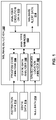
- FIG. 1 is an example of a malware detector 100.
- the malware detector 100 can be employed on a weapon system, or any system that may have a limited amount of computing power (e.g., for real-time data processing).
- the malware detector 100 can be employed on an unmanned aerial vehicle (UAV) (e.g., a drone), a satellite system, or a space vehicle.
- UAV unmanned aerial vehicle
- the malware detector 100 can be embodied as machine readable instructions that can be executed by a processor of the weapon system.
- the malware detector 100 can be configured monitor the weapon system for malware.
- the malware detector 100 can be configured to detect the malware during a runtime of a computer program.
- the malware detector 100 can alert a user and/or remove the detected malware.
- the computer program can be represented as a program code corresponding to machine readable instructions that can be executed by a processor of the weapon system.
- the program code can correspond to weapon system code for configuring and/or controlling sub-systems of the weapon system for operation. While examples are presented with respect to configuring the weapon system with the malware detector, the examples herein should not be construed and/or limited to only such examples.
- the malware detector 100 can be used on any system that may be vulnerable to a malware attack (e.g., a cyber-attack).
- the malware detector 100 can be executed by the processor of the weapon system to monitor and detect for malware on-board the weapon system.
- the malware detector 100 can include an analyzer manager 102.
- the analyzer manager 102 can be configured to select one of a program code analyzer 104, a static data analyzer 106, and an unused memory location analyzer 108 based on analyzer execution data 110.
- the analyzer execution data 110 can identify or determine when each of the program code analyzer 104, the static data analyzer 106, and the unused memory location analyzer 108 are executed during the runtime of the computer program.
- the analyzer execution data 110 can characterize a schedule for execution of the program code analyzer 104, the static data analyzer 106, and the unused memory region analyzer 108.
- the analyzer manager 102 can be configured to select the program code analyzer 104 based on the schedule.
- the schedule can identify instances in time at which the program code analyzer 104 is to cause one of the analyzers 104, 106, and 108 to be executed.
- each of the analyzers 104, 106, and 108 can be executed periodically or a-periodically at different instances in time during the runtime of the computer program.
- the analyzer execution data 110 can identify a first set of address locations for a first set of memory locations (e.g., address locations) within a memory of the weapon system.
- the memory of the weapon system can include volatile memory and/or non-volatile memory.
- the first set of memory locations can store instruction data 112.
- the instruction data 112 stored at the first set of memory locations of the memory can include at least some of the instructions (e.g., central processing unit (CPU) instructions) for executing the computer program.
- the analyzer manager 102 can be configured to provide the first set of address locations for the first set of memory locations from the analyzer execution data 110 to the program code analyzer 104 for malware evaluation of the instruction data 112 stored at the first set of memory locations within the memory.
- the program code analyzer 104 can be configured to evaluate the instruction data 112 stored at the first set of memory locations within the memory to determine whether the first set of memory locations has been compromised by the malware.
- the program code analyzer 104 can be configured to execute a hash function on the instruction data 112 at the first set of memory locations within the memory, and compare the hash to an expected hash.
- the expected hash can correspond to a baseline hash for the first set of memory locations within the memory.
- the term "baseline hash” can be referred to as a "pristine hash” or "golden hash”.
- the baseline hash can be associated with a version of the instruction data 112 at the first set of memory locations during runtime of the computer program that has not been affected by the malware.
- the baseline hash can be a hash of a set of instructions of the instruction data 112 that does not include one or more instructions embedded by the malware.
- the program code analyzer 104 can be configured to generate malware alert data 114 in response to determining that the hash of the instruction data 112 at the first set of memory locations within the memory is not equal to the expected hash. Because the malware can embed unwanted instructions into the instruction data 112, the hash of the instruction data 112 will be different from the hash of the instruction data 112 without the embedded unwanted instructions.
- the malware alert data 114 can provide an alert that the first set of memory locations have been compromised by the malware.
- the malware alert data 114 can identify the first set of addresses for the first set of memory locations within the memory that have been compromised by the malware.
- the malware alert data 114 can be provided to the analyzer manager 102.
- the analyzer manager 102 can be configured to provide the malware alert data 114 to a user to alert the user that the weapon system has been comprised by the malware.
- the analyzer manager 102 can be employed to communicate the malware alert data 114 to an output device (e.g., a computer, a display, etc.), which can be configured to render the malware alert data 114 to alert the user.
- the program code analyzer 104 can be configured to provide the malware alert data 114 to the output device.
- the analyzer manager 102 can be configured to select the static data analyzer 106 based on the analyzer execution data 110.
- the schedule of the analyzer execution data 110 can indicate that the static data analyzer 106 is to be executed during the runtime of the computer program.
- the analyzer execution data 110 can identify a second set of address locations for a second set of memory locations within the memory.
- the second set of memory locations within the memory can be configured to store at least some of static data 116 that may be used by the program code.
- the static data 116 stored at the second set of memory locations within the memory can include data that does not change during execution of the program code.
- the static data 116 can be representative of a collection of data in the memory that can be fixed in size.
- the static data 116 can include one or more arrays.
- the analyzer manager 102 can be configured to provide the second set of address locations for the second set of memory locations within the memory from the analyzer execution data 110 to the static data analyzer 106 for malware evaluation of the static data 116 stored at the second set of memory locations within the memory.
- the static data analyzer 106 can be configured to evaluate the static data 116 stored at the second set of memory locations within the memory to determine whether the static data 116 stored therein has been compromised by the malware.
- the static data analyzer 106 can be configured to execute a hash function on the static data 116 at the second set of memory locations within the memory, and compare the hash to an expected hash.
- the expected hash can correspond to a baseline hash for the second set of memory locations within the memory.
- the baseline hash can be associated with a version of the static data 116 at the second set of memory locations within the memory that has not been affected by the malware.
- the baseline hash can be a hash of the static data 116 that does not include the one or more instructions embedded by the malware.
- the static data analyzer 106 can be configured to generate the malware alert data 114 in response to determining that the hash of the static data 116 at the second set of memory locations within the memory is not equal to the expected hash for the static data 116. Because the malware can embed unwanted instructions into the static data 116, the hash of the static data 116 will be different from the hash of the static data 116 without the embedded unwanted instructions.
- the malware alert data 114 can provide an alert that the second set of memory locations within the memory have been compromised by the malware. In some examples, the malware alert data 114 can identify the second set of addresses for the second set of memory locations within the memory that have been compromised by the malware.
- the analyzer manager 102 can be configured to select the unused memory location analyzer 108 based on the analyzer execution data 110.
- the schedule of the analyzer execution data 110 can indicate that the unused memory location analyzer 108 is to be executed during the runtime of the computer program.
- the analyzer execution data 110 can identify a third set of address locations for a third set of memory locations within the memory.
- the third set of memory locations within the memory can be configured as unused regions within the memory at which no data is stored during runtime of the program code.
- the unused regions can store null data 118 representative of a null value (e.g., zero or another fixed value) to indicate that no data is stored at the third set of memory locations within the memory.
- the third set of memory locations can store no data and the storage of no data can be represented by the null data 118.
- the analyzer manager 102 can be configured to provide the third set of address locations for the third set of memory locations within the memory from the analyzer execution data 110 to the unused memory location analyzer 108 for malware evaluation of the null data 118 stored at the third set of memory locations within the memory.
- the unused memory location analyzer 108 can be configured to evaluate the null data 118 stored at the third set of memory locations within the memory to determine whether the null data 118 stored therein has been compromised by the malware.
- the unused memory location analyzer 108 can be configured to execute a hash function on the null data 118 at the third set of memory locations within the memory, and compare the hash to an expected hash.
- the expected hash can correspond to a baseline hash for the third set of memory locations within the memory.
- the baseline hash can be associated with a version of the null data 118 at the third set of memory locations within the memory that has not been affected by the malware.
- the baseline hash can be a hash of the null data 118 that does not include the one or more instructions embedded by the malware.
- the static data analyzer 106 can be configured to generate the malware alert data 114 in response to determining that the hash of the null data 118 at the third set of memory locations within the memory is not equal to the expected hash for the null data 118. Because the malware can embed unwanted instructions into the null data 118, the hash of the null data 118 will be different from the hash of the null data 118 without the embedded unwanted instructions.
- the malware alert data 114 can provide an alert that the third set of memory locations within the memory have been compromised by the malware. In some examples, the malware alert data 114 can identify the third set of addresses for the third set of memory locations within the memory that have been compromised by the malware.
- the malware detector 100 on-board the weapon system, cyber-attacks can be identified before the malware is able to spread and/or impact a performance of the weapon system. Moreover, because the malware detector 100 does not require an elevated amount of processing resources for detection and in some examples removal of the malware, the malware detector can be employed on the weapons system or other systems with limited amount of computing power to provide for real-time malware monitoring on such resource constrained systems.
- FIG. 2 is an example of a computing system 200.
- the computing system 200 can be representative of an on-board system, such that can be used on an aerial vehicle, a satellite, a space vehicle.
- the computing system 200 can be representative of a processing system that has a limited amount of computing power on a corresponding platform on which the processing system is to be used.
- the computing system includes a processor 202 and non-volatile memory 204. While the example in FIG. 2 illustrates a single processor and non-volatile memory in other examples, a plurality of processors and non-volatile memories can be used.
- the processor 202 can be one or more processor cores.
- the non-volatile memory 204 can be one of a hard disk drive, a solid-state drive, a flash memory, or the like.
- the components of the computing system are illustrated as being implemented on the same computer system 200, in other examples, the components could be distributed across different systems (e.g., computers, devices, etc.) and communicate, for example, over a network (e.g., a wireless and/or wired network).
- the network can be an avionics bus network (ABN) of an aerial vehicle, such as a manned or an unmanned aerial vehicle.
- ABSN avionics bus network
- the non-volatile memory 204 can store machine-readable instructions that can be retrieved and executed by the processor 202 for executing a computer program.
- the computer program can be a weapon computer program, such as for targeting an object (e.g., an aerial vehicle, ground vehicles, ground forces, and the like).
- the computer program can be stored in the memory as machine-readable instructions and referred to herein as program code 206.
- the program code 206 can include instruction data that can be used by the processor 202 to execute the computer code.
- the instruction data can correspond to the instruction data 112, as shown in FIG. 1 .
- the instruction data of the program code 206 can be stored at a first memory region 208 of the non-volatile memory 204.
- the program code 206 can include static data.
- the static data can correspond to the static data 116, as shown in FIG. 1 .
- the static data can be used by the instruction data.
- one or more instructions of the instruction data can execute a function, a command, and the like based on the static data.
- the static data does not form part of the program code 206.
- the static data can be used by the computer program corresponding to the instruction data for implementing one or more actions (e.g., functions, commands, and the like).
- the static data can be stored at a second memory region 210 of the non-volatile memory 204.
- the non-volatile memory 204 can include a third memory region 212.
- the third memory region 212 of the non-volatile memory 204 can be representative of unused memory locations with the non-volatile memory 204.
- the third memory region 212 of the non-volatile memory 204 can store null data representative of a null value (e.g., zero or another fixed value) to indicate that no data is stored at the third set of memory locations within the memory.
- the third memory region 212 of the non-volatile memory 204 can store no data and the storage of no data can be represented by the null data.
- the null data at the third memory region 212 of the non-volatile memory 204 can correspond to the null data 118, as shown in FIG. 1 .
- the non-volatile memory 204 can store machine-readable instructions that can be retrieved and executed by the processor 202 for executing a malware detector module 214 for malware evaluation as described herein.
- the malware detector module 214 can include or correspond to the malware detector 100, as shown in FIG. 1 .
- the processor 202 can include volatile memory 216.
- the volatile memory 216 can be representative of random access memory (RAM).
- the volatile memory 216 can be implemented as a memory module.
- the volatile memory 216 may be implemented as a dual in-line memory module (DIMM).
- the volatile memory 216 may be implemented as a double data rate type (DDR) device.
- DIMM dual in-line memory module
- DDR double data rate type
- the volatile memory 216 can be implemented as a double data rate 3 (DDR3) device, a double data rate 4 (DDR4) device, a low power DDR3 (LPDDR3) device, a low power DDR4 (LPDDR4) device, a Wide I/O 2 (WIO2) device, a high bandwidth memory (HBM) dynamic random-access memory (DRAM) device, a HBM 2 DRAM (HBM2 DRAM) device, a double data rate 5 (DDR5) device or a low power DDR5 (LPDDR5) device (e.g., a mobile DDR device).
- DDR3 double data rate 3
- LPDDR3 low power DDR3
- LPDDR4 low power DDR4
- WIO2 Wide I/O 2
- HBM high bandwidth memory
- DRAM high bandwidth memory
- HBM2 DRAM HBM 2 DRAM
- DDR5 double data rate 5
- LPDDR5 low power DDR5
- the processor 202 can include a control unit 218.
- the control unit 218 can be configured to cause at least some of the instruction data from the first memory region 208 of the non-volatile memory 204 to be retrieved.
- the control unit 218 can be configured to cause the retrieved instruction data to be stored at a first memory region 220 of the volatile memory 216.
- the retrieved instruction data can correspond to the instruction data 112, as shown in FIG. 1 .
- the control unit 218 can be configured to execute the retrieved instruction data at the first memory region 220 to run the computer program.
- control unit 218 can be configured to access the non-volatile memory 204 to execute the machine readable instructions representative of the malware detector module 214. In some examples, during the runtime of the computer program, the control unit 218 can be configured to cause at least some of the static data stored at the second memory region 210 of the non-volatile memory 204 to be retrieved. The control unit 218 can be configured cause the retrieved static data to be stored at a second memory region 222 of the volatile memory 216. In some examples, the retrieved static data can correspond to the static data 116, as shown in FIG. 1 . In some examples, the volatile memory 216 can include a third memory region 224.
- the third memory region 224 of the volatile memory 216 can store null data representative of a null value (e.g., zero or another fixed value) to indicate that no data is stored at the third set of memory locations within the volatile memory 216.
- the third memory region 224 of the volatile memory 216 can store no data and the storage of no data can be represented by the null data.
- the null data at the third memory region 224 of the volatile memory 216 can correspond to the null data 118, as shown in FIG. 1 .
- memory regions as described herein with respect to FIG. 2 can be referred to as memory locations within a corresponding memory. For clarity and brevity purposes other elements of the processor 202 have been omitted, such as an arithmetic/logic unit, registers, buses, etc.
- the control unit 218 can cause the processor 202 to execute the malware detector module 214 to determine whether if any of the first memory regions 208 and 220, the second memory regions 210 and 222, and/or the third memory regions 212 and 224 have been compromised by malwares.
- the malware detector module 214 can employ an analyzer manager 226.
- the analyzer manager 226 can be configured similar to the analyzer manager 102, as shown in FIG. 1 .
- the analyzer manager 226 can be programmed to select one of a program code analyzer 228, a static data analyzer 230, and an unused memory location analyzer 232 based on analyzer execution data (e.g., the analyzer execution data 110, as shown in FIG. 1 ).
- the program code, static data, and unused memory location analyzers 228, 230, and 232 can correspond to the program code, static data, and unused memory location analyzers 104, 106, and 108, as shown in FIG. 1 .
- the analyzer manager 226 can be programmed to select one of the program code analyzer 228, the static data analyzer 230, and the unused memory location analyzer 232 based the analyzer execution data in a same or similar manner as described herein with respect to FIG. 1 .
- the analyzer manager 226 can be programmed to cause each of the analyzers 228, 230, and 232 to be executed periodically or a-periodically and thus at different instances in time to evaluate the memory regions 208, 210, 212, 220, 222, and 224.
- the program code analyzer 228 can be programmed to evaluate the instruction data stored at the first memory region 208 within the non-volatile memory 204 to determine whether the instruction data stored therein has been compromised by the malware. For example the program code analyzer 228 can be programmed to invoke a hash function 234 to execute a hash on the instruction data at the first memory region 208, and compare the hash of the instruction data at the first memory region 208 to an expected hash for the instruction data at the first memory region 208.
- the malware detector module 214 can include an expected hash database 236. The expected hash database 236 can identify an expected hash for each memory region the memory regions 208, 210, 212, 220, 222, and 224.
- the expected hash database 236 can include expected hash values for each memory region the memory regions 208, 210, 212, 220, 222, and 224 for different instances of time during the runtime of the computer program. Because data in at least some memory regions can change (e.g., in size and/or value) during the runtime of the computer program (e.g., the memory regions 208, 210, 212, 220, 222, and 224), the expected hash database 236 can include different expected hash values for times at which the at least some memory regions is evaluated by the malware detector module 214 for the malware. As described herein, an expect hash for a memory region corresponding to a set of memory locations in memory can correspond to a baseline has for the memory region that is free of embedded instructions and/or data by the malware.
- the program code analyzer 228 can be programmed to generate malware alert data (e.g., the malware alert data 114, as shown in FIG. 1 ) in response to determining that the hash of the instruction data at the first memory region 208 is not equal to the expected hash for the instruction data at the first memory region 208. Because the malware can embed unwanted instructions and/or data into the instruction data at the first memory region 208, the hash of the instruction data at the first memory region 208 will be different from the hash of the instruction data at the first memory region 208 without the embedded unwanted instructions and/or data.
- the malware alert data can provide an alert that the first memory region 208 has been compromised by the malware. In some examples, the malware alert data can identify a location of the first memory region 208 within the non-volatile memory 204.
- the program code analyzer 228 can be programmed to evaluate the retrieved instruction data stored at the first memory region 220 within the volatile memory 216 to determine whether the retrieved instruction data stored therein has been compromised by the malware in a same or similar manner as described herein with respect to the first memory region 208 of the non-volatile memory 204.
- the program code analyzer 228 can be programmed to invoke the hash function 234 to execute a hash on the retrieved instruction data at the first memory region 220, and compare the hash of the retrieved instruction data at the first memory region 220 to an expected hash for the retrieved instruction data at the first memory region 220 from the expected hash database 236.
- the program code analyzer 228 can be programmed to generate the malware alert data in response to determining that the hash of the retrieved instruction data at the first memory region 220 is not equal to the expected hash for the retrieved instruction data at the first memory region 220.
- the static data analyzer 230 can be programmed to evaluate the static data stored at the second memory region 210 within the non-volatile memory 204 to determine whether the static data stored therein has been compromised by the malware. For example the static data analyzer 230 can be programmed to invoke the hash function 234 to execute a hash on the static data at the second memory region 210, and compare the hash of the static data at the second memory region 210 to an expected hash for the static data at the second memory region 210 from the expected hash database 236.
- the static data analyzer 230 can be programmed to generate the malware alert data in response to determining that the hash of the static data at the second memory region 210 is not equal to the expected hash for the static data at the second memory region 210. Because the malware can embed unwanted instructions and/or data into the static data at the second memory region 210, the hash of the static data at the second memory region 210 will be different from the hash of the static data at the second memory region 210 without the embedded unwanted instructions and/or data.
- the malware alert data can provide an alert that the second memory region 210 has been compromised by the malware. In some examples, the malware alert data can identify a location of the second memory region 210 within the non-volatile memory 204.
- the static data analyzer 230 can be programmed to evaluate the retrieved static data stored at the second memory region 222 within the volatile memory 216 to determine whether the retrieved static data stored therein has been compromised by the malware in a same or similar manner as described herein with respect to the second memory region 210 of the non-volatile memory 204.
- the static data analyzer 230 can be programmed to invoke the hash function 234 to execute a hash on the retrieved static data at the second memory region 222, and compare the hash of the retrieved static data at the second memory region 222 to an expected hash for the retrieved static data at the second memory region 222 from the expected hash database 236.
- the static data analyzer 230 can be programmed to generate the malware alert data in response to determining that the hash of the retrieved static data at the second memory region 222 is not equal to the expected hash for the retrieved static data at the second memory region 222.
- the unused memory location analyzer 232 can be programmed to evaluate the null data stored at the third memory region 212 of the non-volatile memory 204 to determine whether the null data stored therein has been compromised by the malware. For example, the unused memory location analyzer 232 can be programmed to invoke the hash function 234 to execute a hash on the null data at the third memory region 212, and compare the hash of the null data at the third memory region 212 to an expected hash of the null data at the third memory region 212 from the expected hash database 236.
- the unused memory location analyzer 232 can be programmed to generate the malware alert data in response to determining that the hash of the null data at the third memory region 212 is not equal to the expected hash for the null data at the third memory region 212. Because the malware can embed unwanted instructions and/or data into the third memory region 212, the hash of the null data at the third memory region 212 will be different from the hash of the null data at the third memory region 212 without the embedded unwanted instructions and/or data.
- the malware alert data can provide an alert that the third memory region 212 has been compromised by the malware. In some examples, the malware alert data can identify a location of the third memory region 212 within the non-volatile memory 204.
- the unused memory location analyzer 232 can be programmed to evaluate the null data stored at the third memory region 224 within the volatile memory 216 to determine whether the null data stored therein has been compromised by the malware in a same or similar manner as described herein with respect to the third memory region 212 of the non-volatile memory 204.
- the unused memory location analyzer 232 can be programmed to invoke the hash function 234 to execute a hash on the null data at the third memory region 224, and compare the hash of the null data at the third memory region 224 to an expected hash for the null data at the third memory region 224 from the expected hash database 236.
- the unused memory location analyzer 232 can be programmed to generate the malware alert data in response to determining that the hash of the null data at the third memory region 224 is not equal to the expected hash for the null data at the third memory region 224.
- the malware detector module 214 can include a malware remover 238 that can be programmed to remove the embedded unwanted instructions based on respective addresses identified by the malware alert data provide by at least one of the analyzers 228, 230, and 232.
- the malware remover 238 can be programmed to evaluate the embedded unwanted instructions and/or data to determine a type of malware.
- the malware remover 238 can be programmed to evaluate the unwanted instructions to determine an action and/or a function that the unwanted instructions are programmed to execute.
- the malware remover 238 can be programmed to communicate with a malware database 240 identifying different types of malware and instructions for removing a respective malware.
- Each malware identified in the malware database 240 can be associated with respective actions and/or functions that the respective malware is programmed to execute.
- the malware remover 238 can be programmed to evaluate the action and/or function of the unwanted instructions relative to the malware database 240 to identify the type of malware.
- the malware remover 238 can be programmed to employ the instructions for removing the identified malware to remove the malware and thus minimize an impact of the malware on the computing system.
- the malware detector module 214 as part of the computing system 200 on-board a weapon system, cyber-attacks can be identified before the malware is able to spread and/or impact a performance of the weapon system. Moreover, because the malware detector module 214 does not require an elevated amount of processing resources for detection and in some examples removal of the malware, the malware detector module 214 can be employed on the weapons system or other systems with limited amount of computing power to provide for real-time malware monitoring and removal on such resource constrained systems.
- example methods will be better appreciated with references to FIGS. 3-6 . While, for purposes of simplicity of explanation, the example methods of FIGS. 3-6 are shown and described as executing serially, it is to be understood and appreciated that the example method is not limited by the illustrated order, as some actions could in other examples occur in different orders, multiple times and/or concurrently from that shown and described herein.
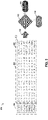
- FIG. 3 is an example of a method 300 for detecting malware.
- the method 300 can be implemented by the malware detector 100, as shown in FIG. 1 .
- the method 300 can begin at 302 by accessing instruction data 304 (e.g., the instruction data 112, as shown in FIG. 1 ) for executing a program code (e.g., the program code 206, as shown in FIG. 2 ) at a set of memory locations (e.g., the first memory region 208 and/or 220, as shown in FIG. 2 ) within memory (e.g., the memory 204 and/or 216, as shown in FIG. 2 ).
- instruction data 304 e.g., the instruction data 112, as shown in FIG. 1
- a program code e.g., the program code 206, as shown in FIG. 2
- a set of memory locations e.g., the first memory region 208 and/or 220, as shown in FIG. 2
- memory e.g., the memory 204 and/
- the instruction data 304 stored at the set of memory locations in the example of FIG. 3 can be represented in hexadecimal form.
- the malware detector can be configured to employ the set of memory addresses 306 associated with the set of memory locations.
- the set of memory locations can store other data (e.g., program data).
- the instruction data 304 can be represented at 308 using Unicode character form.
- executing a hash function (e.g., the hash function 234, as shown in FIG. 2 ) on the instruction data 304.
- the method 300 can proceed (shown as "YES" in FIG. 3 ) to 314 based on the comparison indicating that the hash of the instruction data 304 equals the expected hash for the instruction data 304.
- the method 300 can include providing an indication (e.g., to the analyzer manager 102, as shown in FIG. 1 ) that no malware has been detected at the set of memory locations within the memory.
- the method 300 can proceed (shown as "NO" in FIG. 3 ) to 316 based on the comparison indicating that the hash of the instruction data 304 does not equal the expected hash for the instruction data 304.
- the method 300 can include providing an indication (e.g., to the analyzer manager 102, as shown in FIG. 1 ) that one malware has been detected at the set of memory locations within the memory.
- the indication of malware can correspond to the malware alert data 114, as shown in FIG. 1 .
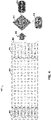
- FIG. 4 is another example of a method 400 for detecting malware.
- the method 400 can be implemented by the malware detector 100, as shown in FIG. 1 .
- the method 400 can begin at 402 by accessing static data 404 (e.g., the static data 116, as shown in FIG. 1 ) for use by a program code (e.g., the program code 206, as shown in FIG. 2 ) at a set of memory locations (e.g., the second memory region 210 and/or 222, as shown in FIG. 2 ) within memory (e.g., the memory 204 and/or 216, as shown in FIG. 2 ).
- static data 404 e.g., the static data 116, as shown in FIG. 1
- a program code e.g., the program code 206, as shown in FIG. 2
- a set of memory locations e.g., the second memory region 210 and/or 222, as shown in FIG. 2
- memory e.g., the memory 204
- the static data 404 stored at the set of memory locations in the example of FIG. 4 can be represented in hexadecimal form.
- the malware detector can be configured to employ the set of memory addresses 406 associated with the set of memory locations.
- the set of memory locations can store other data (e.g., program data).
- the static data 404 can be represented at 408 using Unicode character form.
- executing a hash function (e.g., the hash function 234, as shown in FIG. 2 ) on the static data 404 at the set of memory locations within the memory.
- the method 400 can proceed (shown as "YES" in FIG. 4 ) to 414 based on the comparison indicating that the hash of the static data 404 equals the expected hash for the static data 404.
- the method 400 can include providing an indication (e.g., to the analyzer manager 102, as shown in FIG.
- the method 400 can proceed (shown as "NO" in FIG. 4 ) to 416 based on the comparison indicating that the hash of the static data 404 does not equal the expected hash for the static data 404.
- the method 400 can include providing an indication (e.g., to the analyzer manager 102, as shown in FIG. 1 ) that malware has been detected at the set of memory locations within the memory.
- the indication of malware at the set of memory locations within the memory can correspond to the malware alert data 114, as shown in FIG. 1 .
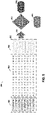
- FIG. 5 is yet another example of a method 500 for detecting malware.
- the method 500 can be implemented by the malware detector 100, as shown in FIG. 1 .
- the method 500 can begin at 502 by accessing null data 504 (e.g., the null data 118, as shown in FIG. 1 ) at a set of memory locations (e.g., the third memory region 212 and/or 224, as shown in FIG. 2 ) within memory (e.g., the memory 204 and/or 216, as shown in FIG. 2 ).
- null data 504 stored at the set of memory locations in the example of FIG.
- the malware detector can be configured to employ the set of memory addresses 506 associated with the set of memory locations.
- the null data 504 can be represented at 508 using Unicode character form.
- the method 500 can proceed (shown as "YES" in FIG. 5 ) to 514 based on the comparison indicating that the hash of the null data 504 equals the expected hash for the null data 504.
- the method 500 can include providing an indication (e.g., to the analyzer manager 102, as shown in FIG.
- the method 500 can proceed (shown as "NO" in FIG. 5 ) to 514 based on the comparison indicating that the hash of the null data 504 does not equal the expected hash for the null data 504.
- the method 500 can include providing an indication (e.g., to the analyzer manager 102, as shown in FIG. 1 ) that malware has been detected at the set of memory locations within the memory.
- the indication of malware at the set of memory locations within the memory can correspond to the malware alert data 114, as shown in FIG. 1 .
- FIG. 6 is another example of a method 600 for detecting malware.
- the method 600 can be implemented by the malware detector 100, as shown in FIG. 1 .
- the method 600 can begin at 602 by executing during a first period of time a hash function (e.g., the hash function 234, as shown in FIG. 2 ) on instruction data (e.g., the instruction data 112, as shown in FIG. 1 ) for executing a program code (e.g., the program code 206, as shown in FIG. 2 ).
- a hash function e.g., the hash function 234, as shown in FIG. 2
- instruction data e.g., the instruction data 112, as shown in FIG. 1
- a program code e.g., the program code 206, as shown in FIG. 2 .
- the instruction data can be stored at a first set of memory locations (e.g., the first memory region 208 and/or 220, as shown in FIG. 2 ) with a memory (e.g., the memory 204 and/or 206, as shown in FIG. 2 ).
- a first set of memory locations e.g., the first memory region 208 and/or 220, as shown in FIG. 2
- a memory e.g., the memory 204 and/or 206, as shown in FIG. 2 .
- a hash function (e.g., the hash function 234, as shown in FIG. 2 ) on static data for use by the program code.
- the static data can be stored at a second set of memory locations (e.g., the second memory region 210 and/or 222, as shown in FIG. 2 ) with the memory.
- a hash function (e.g., the hash function 234, as shown in FIG. 2 ) on null data indicative of unused memory locations within the memory.
- the null data can be stored at a third set of memory locations (e.g., the third memory region 212 and/or 224, as shown in FIG. 2 ) with the memory.
- a third set of memory locations e.g., the third memory region 212 and/or 224, as shown in FIG. 2
- the null data can be stored at a third set of memory locations (e.g., the third memory region 212 and/or 224, as shown in FIG. 2 ) with the memory.
- a first malware alert identifying a first set of address locations for the first set of memory locations can be generated in response to determining that the hash of the instruction data is not equal to the expected hash for the instruction data.
- a second malware alert identifying a second set of address locations for the second set of memory locations can be generated in response to determining that the hash of the static data is not equal to the expected hash for the static data.
- a third malware alert identifying a third set of address locations for the third set of memory locations can be generated in response to determining that the hash of the null data is not equal to the expected hash for the null data.
Landscapes
- Engineering & Computer Science (AREA)
- Computer Security & Cryptography (AREA)
- Theoretical Computer Science (AREA)
- General Engineering & Computer Science (AREA)
- Software Systems (AREA)
- Computer Hardware Design (AREA)
- General Physics & Mathematics (AREA)
- Physics & Mathematics (AREA)
- Health & Medical Sciences (AREA)
- General Health & Medical Sciences (AREA)
- Virology (AREA)
- Bioethics (AREA)
- Storage Device Security (AREA)
- Debugging And Monitoring (AREA)
Abstract
Description
- The present disclosure relates to systems and methods for detecting malware. In some examples, the present disclosure relates to malware detection onboard weapon systems.
- Malware is any software intentionally designed to cause damage to a computer, a server, a client, or a computer network. A wide variety of malware types exist, including computer viruses, worms, Trojan horses, ransomware, spyware, adware, rogue software, wiper, and scareware. Memory-resident malware or fileless malware is a type of malware that inserts itself into a computer or a device in a particular way, loading its own program into permanent memory, such as readable access memory (RAM). To analyze malware, static and dynamic analysis techniques are used. Static malware analysis involves examining any given malware sample without actually running or executing the code. This is usually done by determining the signature of the malware binary; the signature is a unique identification for the binary file. Dynamic malware analysis, unlike static malware analysis, involves analysis while running the code in a controlled environment. The malware is run in a closed, isolated sand box environment and then its behavior is studied.
- The present disclosure relates to systems and methods for detecting malware.
- In an example, a malware detector can include an analyzer manager that can be configured to select one of a program code analyzer, a static data analyzer, and an unused memory location analyzer for malware detection within memory of a system based on analyzer execution data. The analyzer execution data can characterize a schedule for execution of the program code, the static data, and the unused memory location analyzers during a runtime of a computer program. The program code analyzer can be executed to evaluate instruction data for executing the computer program at a first set of memory locations within the memory for malware in response to being selected by the analyzer manager. The static data analyzer can be executed to evaluate static data for use by the computer program at a second set of memory locations within the memory for the malware in response to being selected by the analyzer manager. The unused memory location analyzer can be executed to evaluate null data indicative of unused memory locations within the memory at a third set of memory locations within the memory for the malware in response to being selected by the analyzer manager.
- In yet another example, a system can include memory to store machine readable instructions and analyzer execution data characterizing a schedule for execution of program code, static data, and unused memory location analyzers during runtime of a computer program, and one or more processors to access the memory and execute the machine readable instructions. The machine readable instructions can include an analyzer manager programmed to select one of the program code analyzer, the static data analyzer, and the unused memory location analyzer for malware detection within the memory based on the analyzer execution data. The program code analyzer can be programmed to evaluate instruction data for executing the computer program at a first set of memory locations within the memory for malware in response to being selected by the analyzer manager. The static data analyzer can be programmed to evaluate static data for use by the computer program at a second set of memory locations within the memory for the malware in response to being selected by the analyzer manager. The unused memory location analyzer can be programmed to evaluate null data indicative of unused memory locations within the memory at a third set of memory locations within the memory for the malware in response to being selected by the analyzer manager.
- In a further example, during a first period of time, a method can include executing a hash function on instruction data for executing a computer program and comparing the hash of the instruction data to an expected hash for the instruction data to determine whether instruction data has been compromised by malware. The instruction data can be stored at a first set of memory locations within memory. During a second period of time, the method can include executing a hash function on static data for use by the computer program and comparing the hash of the static data to an expected hash for the static data to determine whether the static data has been compromised by the malware. The static data can be stored at a second set of memory locations with the memory. During a third period of time, the method can include executing a hash function on null data indicative of unused memory locations within the memory and comparing the hash of the null data to an expected hash for the null data to determine whether the null data has been compromised by the malware. The null data can be stored at a third set of memory locations with the memory.
-
-
FIG. 1 is an example of a malware detector. -
FIG. 2 is an example of a computing system. -
FIG. 3 is an example of a method for detecting malware. -
FIG. 4 is another example of a method for detecting malware. -
FIG. 5 is yet another example of a method for detecting malware. -
FIG. 6 is another example of a method for detecting malware. - The present disclosure relates to systems and methods for detecting malware. Malware can infect systems and reduce or inhibit of performance of such systems, which can lead to unwanted system performance or compromise. For example, a cyber-attack can be launched on a system that may have access to a network. If the cyber-attack is successful, the system can be compromised, which can lead to system failures or in some instances to a loss of life. Systems that have limited amount of computing resources and are exposed to a network (e.g., a computer network, a satellite network, wireless network, wired network, and the like) are vulnerable to being compromised by malware. In some instances, limited power computing systems, for example, weapon systems, employ integrity checks on program code at a boot time. However, sophisticated malware may be used that can circumvent boot time code compromise verification. In some examples, the integrity checks are not designed to detect a particular virus. Moreover, in some limited power computing systems, implementing additional integrity checks during the boot time may not be possible due to the limited amount of computing resources available on the system.
- Systems and methods are described herein for detecting and in some instances removing malware on systems that have a defined amount of processing resources. The systems and methods described herein do not require an elevated amount of processing resources for detection and in some examples removal of the malware. In some examples, a malware detector can be employed on the weapons system or other systems with limited amount of computing power to provide for real-time malware monitoring on such resource constrained platforms.
- In some examples, the malware detector can be employed to monitor a system for unwanted memory and/or data changes indicative of malware compromise. The malware detector can be executed during a runtime of program code. The malware detector can employs a program code analyzer, a static data analyzer, and an unused memory location analyzer. Each analyzer of the malware detector can be caused to execute during different instances of time during the runtime of the program code. In some examples, each of the analyzers is executed periodically or a-periodically during the runtime of the program code. The program code analyzer can be configured to evaluate instruction data for executing the program code at a first set of memory locations within the memory for malware in response to being selected by analyzer manager. The static data analyzer can be configured to evaluate static data for use by the program code at a second set of memory locations within the memory for the malware in response to being selected by analyzer manager. The unused memory location analyzer can be configured to evaluate null data indicative of unused memory locations within the memory at a third set of memory locations within the memory storing for the malware in response to being selected by analyzer manager. Each of the analyzers can be configured to generate a malware alert indicative that respective data within corresponding memory locations with the memory has been compromised. The memory can include volatile and non-volatile memory. Because the volatile and the non-volatile memory of the system is monitored by the malware detector for malware attacks, the malware detector can minimize an impact of the malware attack on the system (e.g., reduce a spread of the malware) by reducing an amount of time that is needed to detect the malware.
-
FIG. 1 is an example of amalware detector 100. Themalware detector 100 can be employed on a weapon system, or any system that may have a limited amount of computing power (e.g., for real-time data processing). Thus, in some examples, themalware detector 100 can be employed on an unmanned aerial vehicle (UAV) (e.g., a drone), a satellite system, or a space vehicle. Themalware detector 100 can be embodied as machine readable instructions that can be executed by a processor of the weapon system. Themalware detector 100 can be configured monitor the weapon system for malware. In some examples, themalware detector 100 can be configured to detect the malware during a runtime of a computer program. By detecting the malware during the runtime of the computer program, themalware detector 100 can alert a user and/or remove the detected malware. By way of example, the computer program can be represented as a program code corresponding to machine readable instructions that can be executed by a processor of the weapon system. In some examples, the program code can correspond to weapon system code for configuring and/or controlling sub-systems of the weapon system for operation. While examples are presented with respect to configuring the weapon system with the malware detector, the examples herein should not be construed and/or limited to only such examples. Themalware detector 100 can be used on any system that may be vulnerable to a malware attack (e.g., a cyber-attack). - By way of example, upon initialization of the weapon system, the
malware detector 100 can be executed by the processor of the weapon system to monitor and detect for malware on-board the weapon system. Themalware detector 100 can include ananalyzer manager 102. Theanalyzer manager 102 can be configured to select one of aprogram code analyzer 104, astatic data analyzer 106, and an unusedmemory location analyzer 108 based onanalyzer execution data 110. Theanalyzer execution data 110 can identify or determine when each of theprogram code analyzer 104, thestatic data analyzer 106, and the unusedmemory location analyzer 108 are executed during the runtime of the computer program. Thus, theanalyzer execution data 110 can characterize a schedule for execution of theprogram code analyzer 104, thestatic data analyzer 106, and the unusedmemory region analyzer 108. In some examples, theanalyzer manager 102 can be configured to select theprogram code analyzer 104 based on the schedule. For example, the schedule can identify instances in time at which theprogram code analyzer 104 is to cause one of theanalyzers analyzers - In some examples, the
analyzer execution data 110 can identify a first set of address locations for a first set of memory locations (e.g., address locations) within a memory of the weapon system. The memory of the weapon system can include volatile memory and/or non-volatile memory. In some examples, the first set of memory locations can storeinstruction data 112. Theinstruction data 112 stored at the first set of memory locations of the memory can include at least some of the instructions (e.g., central processing unit (CPU) instructions) for executing the computer program. Theanalyzer manager 102 can be configured to provide the first set of address locations for the first set of memory locations from theanalyzer execution data 110 to theprogram code analyzer 104 for malware evaluation of theinstruction data 112 stored at the first set of memory locations within the memory. - The
program code analyzer 104 can be configured to evaluate theinstruction data 112 stored at the first set of memory locations within the memory to determine whether the first set of memory locations has been compromised by the malware. For example, theprogram code analyzer 104 can be configured to execute a hash function on theinstruction data 112 at the first set of memory locations within the memory, and compare the hash to an expected hash. The expected hash can correspond to a baseline hash for the first set of memory locations within the memory. The term "baseline hash" can be referred to as a "pristine hash" or "golden hash". The baseline hash can be associated with a version of theinstruction data 112 at the first set of memory locations during runtime of the computer program that has not been affected by the malware. For example, the baseline hash can be a hash of a set of instructions of theinstruction data 112 that does not include one or more instructions embedded by the malware. Theprogram code analyzer 104 can be configured to generatemalware alert data 114 in response to determining that the hash of theinstruction data 112 at the first set of memory locations within the memory is not equal to the expected hash. Because the malware can embed unwanted instructions into theinstruction data 112, the hash of theinstruction data 112 will be different from the hash of theinstruction data 112 without the embedded unwanted instructions. Themalware alert data 114 can provide an alert that the first set of memory locations have been compromised by the malware. - In some examples, the
malware alert data 114 can identify the first set of addresses for the first set of memory locations within the memory that have been compromised by the malware. Themalware alert data 114 can be provided to theanalyzer manager 102. Theanalyzer manager 102 can be configured to provide themalware alert data 114 to a user to alert the user that the weapon system has been comprised by the malware. In some examples, theanalyzer manager 102 can be employed to communicate themalware alert data 114 to an output device (e.g., a computer, a display, etc.), which can be configured to render themalware alert data 114 to alert the user. In some examples, theprogram code analyzer 104 can be configured to provide themalware alert data 114 to the output device. - In some examples, the
analyzer manager 102 can be configured to select thestatic data analyzer 106 based on theanalyzer execution data 110. For example, the schedule of theanalyzer execution data 110 can indicate that thestatic data analyzer 106 is to be executed during the runtime of the computer program. In some examples, theanalyzer execution data 110 can identify a second set of address locations for a second set of memory locations within the memory. The second set of memory locations within the memory can be configured to store at least some ofstatic data 116 that may be used by the program code. Thestatic data 116 stored at the second set of memory locations within the memory can include data that does not change during execution of the program code. Thus, thestatic data 116 can be representative of a collection of data in the memory that can be fixed in size. For example, thestatic data 116 can include one or more arrays. Theanalyzer manager 102 can be configured to provide the second set of address locations for the second set of memory locations within the memory from theanalyzer execution data 110 to thestatic data analyzer 106 for malware evaluation of thestatic data 116 stored at the second set of memory locations within the memory. - The
static data analyzer 106 can be configured to evaluate thestatic data 116 stored at the second set of memory locations within the memory to determine whether thestatic data 116 stored therein has been compromised by the malware. For example, thestatic data analyzer 106 can be configured to execute a hash function on thestatic data 116 at the second set of memory locations within the memory, and compare the hash to an expected hash. The expected hash can correspond to a baseline hash for the second set of memory locations within the memory. The baseline hash can be associated with a version of thestatic data 116 at the second set of memory locations within the memory that has not been affected by the malware. For example, the baseline hash can be a hash of thestatic data 116 that does not include the one or more instructions embedded by the malware. Thestatic data analyzer 106 can be configured to generate themalware alert data 114 in response to determining that the hash of thestatic data 116 at the second set of memory locations within the memory is not equal to the expected hash for thestatic data 116. Because the malware can embed unwanted instructions into thestatic data 116, the hash of thestatic data 116 will be different from the hash of thestatic data 116 without the embedded unwanted instructions. Themalware alert data 114 can provide an alert that the second set of memory locations within the memory have been compromised by the malware. In some examples, themalware alert data 114 can identify the second set of addresses for the second set of memory locations within the memory that have been compromised by the malware. - In some examples, the
analyzer manager 102 can be configured to select the unusedmemory location analyzer 108 based on theanalyzer execution data 110. For example, the schedule of theanalyzer execution data 110 can indicate that the unusedmemory location analyzer 108 is to be executed during the runtime of the computer program. In some examples, theanalyzer execution data 110 can identify a third set of address locations for a third set of memory locations within the memory. The third set of memory locations within the memory can be configured as unused regions within the memory at which no data is stored during runtime of the program code. In some examples, the unused regions can storenull data 118 representative of a null value (e.g., zero or another fixed value) to indicate that no data is stored at the third set of memory locations within the memory. Thus, in some examples, the third set of memory locations can store no data and the storage of no data can be represented by thenull data 118. - The
analyzer manager 102 can be configured to provide the third set of address locations for the third set of memory locations within the memory from theanalyzer execution data 110 to the unusedmemory location analyzer 108 for malware evaluation of thenull data 118 stored at the third set of memory locations within the memory. The unusedmemory location analyzer 108 can be configured to evaluate thenull data 118 stored at the third set of memory locations within the memory to determine whether thenull data 118 stored therein has been compromised by the malware. For example, the unusedmemory location analyzer 108 can be configured to execute a hash function on thenull data 118 at the third set of memory locations within the memory, and compare the hash to an expected hash. The expected hash can correspond to a baseline hash for the third set of memory locations within the memory. The baseline hash can be associated with a version of thenull data 118 at the third set of memory locations within the memory that has not been affected by the malware. For example, the baseline hash can be a hash of thenull data 118 that does not include the one or more instructions embedded by the malware. - The
static data analyzer 106 can be configured to generate themalware alert data 114 in response to determining that the hash of thenull data 118 at the third set of memory locations within the memory is not equal to the expected hash for thenull data 118. Because the malware can embed unwanted instructions into thenull data 118, the hash of thenull data 118 will be different from the hash of thenull data 118 without the embedded unwanted instructions. Themalware alert data 114 can provide an alert that the third set of memory locations within the memory have been compromised by the malware. In some examples, themalware alert data 114 can identify the third set of addresses for the third set of memory locations within the memory that have been compromised by the malware. - Accordingly, by employing the
malware detector 100 on-board the weapon system, cyber-attacks can be identified before the malware is able to spread and/or impact a performance of the weapon system. Moreover, because themalware detector 100 does not require an elevated amount of processing resources for detection and in some examples removal of the malware, the malware detector can be employed on the weapons system or other systems with limited amount of computing power to provide for real-time malware monitoring on such resource constrained systems. -
FIG. 2 is an example of acomputing system 200. In some examples, thecomputing system 200 can be representative of an on-board system, such that can be used on an aerial vehicle, a satellite, a space vehicle. Thus, in some examples, thecomputing system 200 can be representative of a processing system that has a limited amount of computing power on a corresponding platform on which the processing system is to be used. The computing system includes aprocessor 202 andnon-volatile memory 204. While the example inFIG. 2 illustrates a single processor and non-volatile memory in other examples, a plurality of processors and non-volatile memories can be used. By way of example, theprocessor 202 can be one or more processor cores. Thenon-volatile memory 204 can be one of a hard disk drive, a solid-state drive, a flash memory, or the like. In the present example ofFIG. 2 , although the components of the computing system are illustrated as being implemented on thesame computer system 200, in other examples, the components could be distributed across different systems (e.g., computers, devices, etc.) and communicate, for example, over a network (e.g., a wireless and/or wired network). By way of example, the network can be an avionics bus network (ABN) of an aerial vehicle, such as a manned or an unmanned aerial vehicle. - The
non-volatile memory 204 can store machine-readable instructions that can be retrieved and executed by theprocessor 202 for executing a computer program. By way of example, the computer program can be a weapon computer program, such as for targeting an object (e.g., an aerial vehicle, ground vehicles, ground forces, and the like). The computer program can be stored in the memory as machine-readable instructions and referred to herein asprogram code 206. Theprogram code 206 can include instruction data that can be used by theprocessor 202 to execute the computer code. The instruction data can correspond to theinstruction data 112, as shown inFIG. 1 . The instruction data of theprogram code 206 can be stored at afirst memory region 208 of thenon-volatile memory 204. In some examples, theprogram code 206 can include static data. The static data can correspond to thestatic data 116, as shown inFIG. 1 . In some examples, the static data can be used by the instruction data. For example, one or more instructions of the instruction data can execute a function, a command, and the like based on the static data. In some examples, the static data does not form part of theprogram code 206. Thus, in some examples, the static data can be used by the computer program corresponding to the instruction data for implementing one or more actions (e.g., functions, commands, and the like). The static data can be stored at asecond memory region 210 of thenon-volatile memory 204. - In some examples, the
non-volatile memory 204 can include athird memory region 212. Thethird memory region 212 of thenon-volatile memory 204 can be representative of unused memory locations with thenon-volatile memory 204. In some examples, thethird memory region 212 of thenon-volatile memory 204 can store null data representative of a null value (e.g., zero or another fixed value) to indicate that no data is stored at the third set of memory locations within the memory. Thus, in some examples, thethird memory region 212 of thenon-volatile memory 204 can store no data and the storage of no data can be represented by the null data. In some examples, the null data at thethird memory region 212 of thenon-volatile memory 204 can correspond to thenull data 118, as shown inFIG. 1 . In some examples, thenon-volatile memory 204 can store machine-readable instructions that can be retrieved and executed by theprocessor 202 for executing amalware detector module 214 for malware evaluation as described herein. Themalware detector module 214 can include or correspond to themalware detector 100, as shown inFIG. 1 . - In some examples, the
processor 202 can includevolatile memory 216. By way of example, thevolatile memory 216 can be representative of random access memory (RAM). In other examples, thevolatile memory 216 can be implemented as a memory module. By way of example, thevolatile memory 216 may be implemented as a dual in-line memory module (DIMM). In additional or alternative examples, thevolatile memory 216 may be implemented as a double data rate type (DDR) device. Thus, in some examples, thevolatile memory 216 can be implemented as a double data rate 3 (DDR3) device, a double data rate 4 (DDR4) device, a low power DDR3 (LPDDR3) device, a low power DDR4 (LPDDR4) device, a Wide I/O 2 (WIO2) device, a high bandwidth memory (HBM) dynamic random-access memory (DRAM) device, a HBM 2 DRAM (HBM2 DRAM) device, a double data rate 5 (DDR5) device or a low power DDR5 (LPDDR5) device (e.g., a mobile DDR device). - In some examples, the
processor 202 can include acontrol unit 218. To execute the computer program, thecontrol unit 218 can be configured to cause at least some of the instruction data from thefirst memory region 208 of thenon-volatile memory 204 to be retrieved. Thecontrol unit 218 can be configured to cause the retrieved instruction data to be stored at afirst memory region 220 of thevolatile memory 216. In some examples, the retrieved instruction data can correspond to theinstruction data 112, as shown inFIG. 1 . Thecontrol unit 218 can be configured to execute the retrieved instruction data at thefirst memory region 220 to run the computer program. In some examples, during a runtime of the computer program, thecontrol unit 218 can be configured to access thenon-volatile memory 204 to execute the machine readable instructions representative of themalware detector module 214. In some examples, during the runtime of the computer program, thecontrol unit 218 can be configured to cause at least some of the static data stored at thesecond memory region 210 of thenon-volatile memory 204 to be retrieved. Thecontrol unit 218 can be configured cause the retrieved static data to be stored at asecond memory region 222 of thevolatile memory 216. In some examples, the retrieved static data can correspond to thestatic data 116, as shown inFIG. 1 . In some examples, thevolatile memory 216 can include athird memory region 224. Thethird memory region 224 of thevolatile memory 216 can store null data representative of a null value (e.g., zero or another fixed value) to indicate that no data is stored at the third set of memory locations within thevolatile memory 216. Thus, in some examples, thethird memory region 224 of thevolatile memory 216 can store no data and the storage of no data can be represented by the null data. In some examples, the null data at thethird memory region 224 of thevolatile memory 216 can correspond to thenull data 118, as shown inFIG. 1 . In some examples, memory regions as described herein with respect toFIG. 2 can be referred to as memory locations within a corresponding memory. For clarity and brevity purposes other elements of theprocessor 202 have been omitted, such as an arithmetic/logic unit, registers, buses, etc. - In some examples, during the runtime of the computer program, the
control unit 218 can cause theprocessor 202 to execute themalware detector module 214 to determine whether if any of thefirst memory regions second memory regions third memory regions malware detector module 214 can employ ananalyzer manager 226. Theanalyzer manager 226 can be configured similar to theanalyzer manager 102, as shown inFIG. 1 . Theanalyzer manager 226 can be programmed to select one of aprogram code analyzer 228, a static data analyzer 230, and an unused memory location analyzer 232 based on analyzer execution data (e.g., theanalyzer execution data 110, as shown inFIG. 1 ). The program code, static data, and unusedmemory location analyzers 228, 230, and 232 can correspond to the program code, static data, and unusedmemory location analyzers FIG. 1 . Theanalyzer manager 226 can be programmed to select one of theprogram code analyzer 228, the static data analyzer 230, and the unused memory location analyzer 232 based the analyzer execution data in a same or similar manner as described herein with respect toFIG. 1 . Thus, during the runtime of the computer program, theanalyzer manager 226 can be programmed to cause each of theanalyzers 228, 230, and 232 to be executed periodically or a-periodically and thus at different instances in time to evaluate thememory regions - In some examples, the
program code analyzer 228 can be programmed to evaluate the instruction data stored at thefirst memory region 208 within thenon-volatile memory 204 to determine whether the instruction data stored therein has been compromised by the malware. For example theprogram code analyzer 228 can be programmed to invoke ahash function 234 to execute a hash on the instruction data at thefirst memory region 208, and compare the hash of the instruction data at thefirst memory region 208 to an expected hash for the instruction data at thefirst memory region 208. In some examples, themalware detector module 214 can include an expectedhash database 236. The expectedhash database 236 can identify an expected hash for each memory region thememory regions hash database 236 can include expected hash values for each memory region thememory regions memory regions hash database 236 can include different expected hash values for times at which the at least some memory regions is evaluated by themalware detector module 214 for the malware. As described herein, an expect hash for a memory region corresponding to a set of memory locations in memory can correspond to a baseline has for the memory region that is free of embedded instructions and/or data by the malware. - In some examples, the
program code analyzer 228 can be programmed to generate malware alert data (e.g., themalware alert data 114, as shown inFIG. 1 ) in response to determining that the hash of the instruction data at thefirst memory region 208 is not equal to the expected hash for the instruction data at thefirst memory region 208. Because the malware can embed unwanted instructions and/or data into the instruction data at thefirst memory region 208, the hash of the instruction data at thefirst memory region 208 will be different from the hash of the instruction data at thefirst memory region 208 without the embedded unwanted instructions and/or data. The malware alert data can provide an alert that thefirst memory region 208 has been compromised by the malware. In some examples, the malware alert data can identify a location of thefirst memory region 208 within thenon-volatile memory 204. - In some examples, the
program code analyzer 228 can be programmed to evaluate the retrieved instruction data stored at thefirst memory region 220 within thevolatile memory 216 to determine whether the retrieved instruction data stored therein has been compromised by the malware in a same or similar manner as described herein with respect to thefirst memory region 208 of thenon-volatile memory 204. Thus, in some examples, theprogram code analyzer 228 can be programmed to invoke thehash function 234 to execute a hash on the retrieved instruction data at thefirst memory region 220, and compare the hash of the retrieved instruction data at thefirst memory region 220 to an expected hash for the retrieved instruction data at thefirst memory region 220 from the expectedhash database 236. In some examples, theprogram code analyzer 228 can be programmed to generate the malware alert data in response to determining that the hash of the retrieved instruction data at thefirst memory region 220 is not equal to the expected hash for the retrieved instruction data at thefirst memory region 220. - In some examples, the static data analyzer 230 can be programmed to evaluate the static data stored at the
second memory region 210 within thenon-volatile memory 204 to determine whether the static data stored therein has been compromised by the malware. For example the static data analyzer 230 can be programmed to invoke thehash function 234 to execute a hash on the static data at thesecond memory region 210, and compare the hash of the static data at thesecond memory region 210 to an expected hash for the static data at thesecond memory region 210 from the expectedhash database 236. In some examples, the static data analyzer 230 can be programmed to generate the malware alert data in response to determining that the hash of the static data at thesecond memory region 210 is not equal to the expected hash for the static data at thesecond memory region 210. Because the malware can embed unwanted instructions and/or data into the static data at thesecond memory region 210, the hash of the static data at thesecond memory region 210 will be different from the hash of the static data at thesecond memory region 210 without the embedded unwanted instructions and/or data. The malware alert data can provide an alert that thesecond memory region 210 has been compromised by the malware. In some examples, the malware alert data can identify a location of thesecond memory region 210 within thenon-volatile memory 204. - In some examples, the static data analyzer 230 can be programmed to evaluate the retrieved static data stored at the
second memory region 222 within thevolatile memory 216 to determine whether the retrieved static data stored therein has been compromised by the malware in a same or similar manner as described herein with respect to thesecond memory region 210 of thenon-volatile memory 204. Thus, in some examples, the static data analyzer 230 can be programmed to invoke thehash function 234 to execute a hash on the retrieved static data at thesecond memory region 222, and compare the hash of the retrieved static data at thesecond memory region 222 to an expected hash for the retrieved static data at thesecond memory region 222 from the expectedhash database 236. In some examples, the static data analyzer 230 can be programmed to generate the malware alert data in response to determining that the hash of the retrieved static data at thesecond memory region 222 is not equal to the expected hash for the retrieved static data at thesecond memory region 222. - In some examples, the unused memory location analyzer 232 can be programmed to evaluate the null data stored at the
third memory region 212 of thenon-volatile memory 204 to determine whether the null data stored therein has been compromised by the malware. For example, the unused memory location analyzer 232 can be programmed to invoke thehash function 234 to execute a hash on the null data at thethird memory region 212, and compare the hash of the null data at thethird memory region 212 to an expected hash of the null data at thethird memory region 212 from the expectedhash database 236. In some examples, the unused memory location analyzer 232 can be programmed to generate the malware alert data in response to determining that the hash of the null data at thethird memory region 212 is not equal to the expected hash for the null data at thethird memory region 212. Because the malware can embed unwanted instructions and/or data into thethird memory region 212, the hash of the null data at thethird memory region 212 will be different from the hash of the null data at thethird memory region 212 without the embedded unwanted instructions and/or data. The malware alert data can provide an alert that thethird memory region 212 has been compromised by the malware. In some examples, the malware alert data can identify a location of thethird memory region 212 within thenon-volatile memory 204. - In some examples, the unused memory location analyzer 232 can be programmed to evaluate the null data stored at the
third memory region 224 within thevolatile memory 216 to determine whether the null data stored therein has been compromised by the malware in a same or similar manner as described herein with respect to thethird memory region 212 of thenon-volatile memory 204. Thus, in some examples, the unused memory location analyzer 232 can be programmed to invoke thehash function 234 to execute a hash on the null data at thethird memory region 224, and compare the hash of the null data at thethird memory region 224 to an expected hash for the null data at thethird memory region 224 from the expectedhash database 236. In some examples, the unused memory location analyzer 232 can be programmed to generate the malware alert data in response to determining that the hash of the null data at thethird memory region 224 is not equal to the expected hash for the null data at thethird memory region 224. - In some examples, the
malware detector module 214 can include amalware remover 238 that can be programmed to remove the embedded unwanted instructions based on respective addresses identified by the malware alert data provide by at least one of theanalyzers 228, 230, and 232. In further examples, themalware remover 238 can be programmed to evaluate the embedded unwanted instructions and/or data to determine a type of malware. For example, themalware remover 238 can be programmed to evaluate the unwanted instructions to determine an action and/or a function that the unwanted instructions are programmed to execute. Themalware remover 238 can be programmed to communicate with amalware database 240 identifying different types of malware and instructions for removing a respective malware. Each malware identified in themalware database 240 can be associated with respective actions and/or functions that the respective malware is programmed to execute. Themalware remover 238 can be programmed to evaluate the action and/or function of the unwanted instructions relative to themalware database 240 to identify the type of malware. Themalware remover 238 can be programmed to employ the instructions for removing the identified malware to remove the malware and thus minimize an impact of the malware on the computing system. - Accordingly, by employing the
malware detector module 214 as part of thecomputing system 200 on-board a weapon system, cyber-attacks can be identified before the malware is able to spread and/or impact a performance of the weapon system. Moreover, because themalware detector module 214 does not require an elevated amount of processing resources for detection and in some examples removal of the malware, themalware detector module 214 can be employed on the weapons system or other systems with limited amount of computing power to provide for real-time malware monitoring and removal on such resource constrained systems. - In view of the foregoing structural and functional features described above, example methods will be better appreciated with references to
FIGS. 3-6 . While, for purposes of simplicity of explanation, the example methods ofFIGS. 3-6 are shown and described as executing serially, it is to be understood and appreciated that the example method is not limited by the illustrated order, as some actions could in other examples occur in different orders, multiple times and/or concurrently from that shown and described herein. -
FIG. 3 is an example of amethod 300 for detecting malware. Themethod 300 can be implemented by themalware detector 100, as shown inFIG. 1 . Thus, in some examples, references can be made to the examples ofFIGS. 1 and2 in the following description ofFIG. 3 . Themethod 300 can begin at 302 by accessing instruction data 304 (e.g., theinstruction data 112, as shown inFIG. 1 ) for executing a program code (e.g., theprogram code 206, as shown inFIG. 2 ) at a set of memory locations (e.g., thefirst memory region 208 and/or 220, as shown inFIG. 2 ) within memory (e.g., thememory 204 and/or 216, as shown inFIG. 2 ). By way of example, theinstruction data 304 stored at the set of memory locations in the example ofFIG. 3 can be represented in hexadecimal form. For example, to access theinstruction data 304 at 302, the malware detector can be configured to employ the set of memory addresses 306 associated with the set of memory locations. In some examples, the set of memory locations can store other data (e.g., program data). By way of example, theinstruction data 304 can be represented at 308 using Unicode character form. - In some examples, at 310, executing a hash function (e.g., the
hash function 234, as shown inFIG. 2 ) on theinstruction data 304. At 312, comparing the hash of theinstruction data 304 to an expected hash for theinstruction data 304 to determine whether the set of memory locations have been compromised by a malware. In some examples, themethod 300 can proceed (shown as "YES" inFIG. 3 ) to 314 based on the comparison indicating that the hash of theinstruction data 304 equals the expected hash for theinstruction data 304. At 314, themethod 300 can include providing an indication (e.g., to theanalyzer manager 102, as shown inFIG. 1 ) that no malware has been detected at the set of memory locations within the memory. In some examples, themethod 300 can proceed (shown as "NO" inFIG. 3 ) to 316 based on the comparison indicating that the hash of theinstruction data 304 does not equal the expected hash for theinstruction data 304. At 310, themethod 300 can include providing an indication (e.g., to theanalyzer manager 102, as shown inFIG. 1 ) that one malware has been detected at the set of memory locations within the memory. By way of example, the indication of malware can correspond to themalware alert data 114, as shown inFIG. 1 . -
FIG. 4 is another example of amethod 400 for detecting malware. Themethod 400 can be implemented by themalware detector 100, as shown inFIG. 1 . Thus, in some examples, references can be made to the examples ofFIGS. 1 and2 in the following description ofFIG. 4 . Themethod 400 can begin at 402 by accessing static data 404 (e.g., thestatic data 116, as shown inFIG. 1 ) for use by a program code (e.g., theprogram code 206, as shown inFIG. 2 ) at a set of memory locations (e.g., thesecond memory region 210 and/or 222, as shown inFIG. 2 ) within memory (e.g., thememory 204 and/or 216, as shown inFIG. 2 ). By way of example, thestatic data 404 stored at the set of memory locations in the example ofFIG. 4 can be represented in hexadecimal form. For example, to access thestatic data 404 at 402, the malware detector can be configured to employ the set of memory addresses 406 associated with the set of memory locations. In some examples, the set of memory locations can store other data (e.g., program data). By way of example, thestatic data 404 can be represented at 408 using Unicode character form. - At 410, executing a hash function (e.g., the
hash function 234, as shown inFIG. 2 ) on thestatic data 404 at the set of memory locations within the memory. At 412, comparing the hash of thestatic data 404 to an expected hash for thestatic data 404 to determine whether the set of memory locations have been compromised by a malware. In some examples, themethod 400 can proceed (shown as "YES" inFIG. 4 ) to 414 based on the comparison indicating that the hash of thestatic data 404 equals the expected hash for thestatic data 404. At 414, themethod 400 can include providing an indication (e.g., to theanalyzer manager 102, as shown inFIG. 1 ) that no malware has been detected at the set of memory locations within the memory. In some examples, themethod 400 can proceed (shown as "NO" inFIG. 4 ) to 416 based on the comparison indicating that the hash of thestatic data 404 does not equal the expected hash for thestatic data 404. At 416, themethod 400 can include providing an indication (e.g., to theanalyzer manager 102, as shown inFIG. 1 ) that malware has been detected at the set of memory locations within the memory. By way of example, the indication of malware at the set of memory locations within the memory can correspond to themalware alert data 114, as shown inFIG. 1 . -
FIG. 5 is yet another example of amethod 500 for detecting malware. Themethod 500 can be implemented by themalware detector 100, as shown inFIG. 1 . Thus, in some examples, references can be made to the examples ofFIGS. 1 and2 in the following description ofFIG. 5 . Themethod 500 can begin at 502 by accessing null data 504 (e.g., thenull data 118, as shown inFIG. 1 ) at a set of memory locations (e.g., thethird memory region 212 and/or 224, as shown inFIG. 2 ) within memory (e.g., thememory 204 and/or 216, as shown inFIG. 2 ). By way of example, thenull data 504 stored at the set of memory locations in the example ofFIG. 4 can be represented in hexadecimal form. For example, to access thenull data 504 at 502, the malware detector can be configured to employ the set of memory addresses 506 associated with the set of memory locations. By way of example, thenull data 504 can be represented at 508 using Unicode character form. - At 510, executing a hash function (e.g., the
hash function 234, as shown inFIG. 2 ) on thenull data 504 at the set of memory locations within the memory. At 512, comparing the hash of thenull data 504 to an expected hash for thenull data 504 to determine whether the set of memory locations have been compromised by a malware. In some examples, themethod 500 can proceed (shown as "YES" inFIG. 5 ) to 514 based on the comparison indicating that the hash of thenull data 504 equals the expected hash for thenull data 504. At 508, themethod 500 can include providing an indication (e.g., to theanalyzer manager 102, as shown inFIG. 1 ) that no malware has been detected at the set of memory locations within the memory. In some examples, themethod 500 can proceed (shown as "NO" inFIG. 5 ) to 514 based on the comparison indicating that the hash of thenull data 504 does not equal the expected hash for thenull data 504. At 516, themethod 500 can include providing an indication (e.g., to theanalyzer manager 102, as shown inFIG. 1 ) that malware has been detected at the set of memory locations within the memory. By way of example, the indication of malware at the set of memory locations within the memory can correspond to themalware alert data 114, as shown inFIG. 1 . -
FIG. 6 is another example of amethod 600 for detecting malware. Themethod 600 can be implemented by themalware detector 100, as shown inFIG. 1 . Thus, in some examples, references can be made to the examples ofFIGS. 1 and2 in the following description ofFIG. 6 . Themethod 600 can begin at 602 by executing during a first period of time a hash function (e.g., thehash function 234, as shown inFIG. 2 ) on instruction data (e.g., theinstruction data 112, as shown inFIG. 1 ) for executing a program code (e.g., theprogram code 206, as shown inFIG. 2 ). The instruction data can be stored at a first set of memory locations (e.g., thefirst memory region 208 and/or 220, as shown inFIG. 2 ) with a memory (e.g., thememory 204 and/or 206, as shown inFIG. 2 ). At 604, comparing, during the first period of time, the hash of the instruction data to an expected hash for the instruction data to determine whether the first set of memory locations have been compromised by the malware. - At 606, executing, during a second period of time, a hash function (e.g., the
hash function 234, as shown inFIG. 2 ) on static data for use by the program code. The static data can be stored at a second set of memory locations (e.g., thesecond memory region 210 and/or 222, as shown inFIG. 2 ) with the memory. At 608, comparing, during the second period of time, the hash of the static data to an expected hash for the static data to determine whether the second set of memory locations have been compromised by the malware. At 610, executing, during a third period of time, a hash function (e.g., thehash function 234, as shown inFIG. 2 ) on null data indicative of unused memory locations within the memory. The null data can be stored at a third set of memory locations (e.g., thethird memory region 212 and/or 224, as shown inFIG. 2 ) with the memory. At 612, comparing, during the third period of time, the hash of the null data to an expected hash for the null data to determine whether the third set of memory locations have been compromised by the malware. - In some examples, at 614 a first malware alert identifying a first set of address locations for the first set of memory locations can be generated in response to determining that the hash of the instruction data is not equal to the expected hash for the instruction data. In some examples, at 614, a second malware alert identifying a second set of address locations for the second set of memory locations can be generated in response to determining that the hash of the static data is not equal to the expected hash for the static data. In some examples, at 614, a third malware alert identifying a third set of address locations for the third set of memory locations can be generated in response to determining that the hash of the null data is not equal to the expected hash for the null data.
- What have been described above are examples. It is, of course, not possible to describe every conceivable combination of components or methodologies, but one of ordinary skill in the art will recognize that many further combinations and permutations are possible. Accordingly, the disclosure is intended to embrace all such alterations, modifications, and variations that fall within the scope of this application, including the appended claims. As used herein, the term "includes" means includes but not limited to, the term "including" means including but not limited to. The term "based on" means based at least in part on. Additionally, where the disclosure or claims recite "a," "an," "a first," or "another" element, or the equivalent thereof, it should be interpreted to include one or more than one such element, neither requiring nor excluding two or more such elements.
Claims (15)
- A malware detector comprising:an analyzer manager configured to select one of a program code analyzer, a static data analyzer, and an unused memory location analyzer for malware detection within memory of a system based on analyzer execution data, the analyzer execution data characterizing a schedule for execution of the program code, the static data, and the unused memory location analyzers during runtime of a computer program,the program code analyzer being executed to evaluate instruction data for executing the computer program at a first set of memory locations within the memory storing for malware in response to being selected by analyzer manager,the static data analyzer being executed to evaluate static data for use by the computer program at a second set of memory locations within the memory for the malware in response to being selected by the analyzer manager, andthe unused memory location analyzer being executed to evaluate null data indicative of unused memory locations at a third set of memory locations within the memory for the malware in response to being selected by the analyzer manager.
- The malware detector of claim 1, wherein the program code analyzer is configured to execute a hash function on the instruction data at the first set of memory locations within the memory and compare the hash of the instruction data at the first set of memory locations within the memory to an expected hash for the instruction data at the first set of memory locations within the memory to determine whether the first set of memory locations have been compromised by the malware.
- The malware detector of claim 2, wherein the program code analyzer is configured to generate malware alert data in response to determining that the hash of the instruction data at the first set of memory locations within the memory is not equal to the expected hash for the instruction data at the first set of memory locations within the memory, the malware alert data identifying address locations for the first set of memory locations.
- The malware detector of claim 2, wherein the static data analyzer is configured to execute a hash function on the static data at the second set of memory locations within the memory and compare the hash of the static data at the second set of memory locations within the memory to an expected hash for the static data at the second set of memory locations within the memory to determine whether the second set of memory locations have been compromised by the malware.
- The malware detector of claim 4, wherein the static data analyzer is configured to generate malware alert data in response to determining that the hash of the static data at the second set of memory locations within the memory is not equal to the expected hash for the static data at the second set of memory locations within the memory, the malware alert data identifying address locations for the second set of memory locations.
- The malware detector of claim 4, wherein the unused memory location analyzer is configured to execute a hash function on the null data at the third set of memory locations within the memory and compare the hash of the null data at the third set of memory locations within the memory to an expected hash for the null data at the third set of memory locations within the memory to determine whether the third set of memory locations have been compromised by the malware.
- The malware detector of claim 6, wherein the static data analyzer is configured to generate malware alert data in response to determining that the hash of the null data at the third set of memory locations within the memory is not equal to the expected hash for the null data at the third set of memory locations within the memory, the malware alert data identifying address locations for the third set of memory locations.
- The malware detector of claim 6, wherein the memory includes volatile and non-volatile memory.
- The malware detector of claim 8, wherein the volatile memory includes a first subset of the first set of memory locations and the non-volatile memory includes a second subset of the first set of memory locations.
- The malware detector of claim 9, wherein the volatile memory includes a first subset of the second set of memory locations and the non-volatile memory includes a second subset of the second set of memory locations.
- The malware detector of claim 10, wherein the volatile memory includes a first subset of the third set of memory locations and the non-volatile memory includes a second subset of the third set of memory locations.
- The malware detector of claim 11, wherein the system is a weapons system.
- A system comprising:memory to store machine readable instructions and analyzer execution data characterizing a schedule for execution of program code, static data, and unused memory location analyzers during runtime of a computer program; andone or more processors to access the memory and execute the machine readable instructions, the machine readable instructions comprising:
an analyzer manager programmed to select one of the program code analyzer, the static data analyzer, and the unused memory location analyzer for malware detection within the memory based on analyzer execution data,the program code analyzer being programmed to evaluate instruction data for executing the computer program at a first set of memory locations within the memory for malware in response to being selected by the analyzer manager,the static data analyzer being programmed to evaluate static data for use by the computer program at a second set of memory locations within the memory for the malware in response to being selected by the analyzer manager,the unused memory location analyzer being programmed to evaluate null data indicative of unused memory locations at a third set of memory locations within the memory for the malware in response to being selected by the analyzer manager. - The system of claim 13, wherein the program code analyzer is programmed to:execute a hash function on the instruction data at the first set of memory locations within the memory; andcompare the hash of the instruction data at the first set of memory locations within the memory to an expected hash for the instruction data at the first set of memory locations within the memory to determine whether the first set of memory locations have been compromised by the malware.
- The system of claim 14, wherein the static data analyzer is programmed to:execute a hash function on the static data at the second set of memory locations within the memory; andcompare the hash of the static data at the second set of memory locations within the memory to an expected hash for the static data at the second set of memory locations within the memory to determine whether the second set of memory locations have been compromised by the malware; and wherein the unused memory location analyzer is programmed to:execute a hash function on the null data at the third set of memory locations within the memory; andcompare the hash of the null data at the third set of memory locations within the memory to an expected hash for the null data at the third set of memory locations within the memory to determine whether the third set of memory locations have been compromised by the malware.
Applications Claiming Priority (1)
| Application Number | Priority Date | Filing Date | Title |
|---|---|---|---|
| US17/160,701 US11720674B2 (en) | 2021-01-28 | 2021-01-28 | Systems and methods for malware detection |
Publications (2)
| Publication Number | Publication Date |
|---|---|
| EP4036771A1 true EP4036771A1 (en) | 2022-08-03 |
| EP4036771B1 EP4036771B1 (en) | 2024-11-27 |
Family
ID=79020972
Family Applications (1)
| Application Number | Title | Priority Date | Filing Date |
|---|---|---|---|
| EP21217056.7A Active EP4036771B1 (en) | 2021-01-28 | 2021-12-22 | Systems for malware detection |
Country Status (2)
| Country | Link |
|---|---|
| US (2) | US11720674B2 (en) |
| EP (1) | EP4036771B1 (en) |
Families Citing this family (5)
| Publication number | Priority date | Publication date | Assignee | Title |
|---|---|---|---|---|
| US12346430B1 (en) * | 2022-03-01 | 2025-07-01 | CSP Inc. | Systems and methods for implementing cybersecurity using trust binaries |
| CN116737526A (en) * | 2022-03-01 | 2023-09-12 | 华为技术有限公司 | A code segment dynamic measurement method, device and electronic equipment |
| US11928205B1 (en) | 2022-03-01 | 2024-03-12 | CSP Inc. | Systems and methods for implementing cybersecurity using blockchain validation |
| US12468819B2 (en) * | 2022-06-27 | 2025-11-11 | Micron Technology, Inc. | Detecting information modification in a memory system |
| US12554832B2 (en) * | 2023-03-14 | 2026-02-17 | International Business Machines Corporation | Automated least privilege assignment |
Citations (3)
| Publication number | Priority date | Publication date | Assignee | Title |
|---|---|---|---|---|
| WO2006116871A2 (en) * | 2005-05-05 | 2006-11-09 | Certicom Corp. | Retrofitting authentication onto firmware |
| WO2013101083A1 (en) * | 2011-12-29 | 2013-07-04 | Intel Corporation | An apparatus for hardware accelerated runtime integrity measurement |
| US20150052616A1 (en) * | 2013-08-14 | 2015-02-19 | L-3 Communications Corporation | Protected mode for securing computing devices |
Family Cites Families (10)
| Publication number | Priority date | Publication date | Assignee | Title |
|---|---|---|---|---|
| KR100890546B1 (en) * | 2007-04-30 | 2009-03-27 | 슈어소프트테크주식회사 | How to detect memory errors |
| US8566944B2 (en) * | 2010-04-27 | 2013-10-22 | Microsoft Corporation | Malware investigation by analyzing computer memory |
| US20150128262A1 (en) * | 2011-10-28 | 2015-05-07 | Andrew F. Glew | Taint vector locations and granularity |
| US8584235B2 (en) * | 2011-11-02 | 2013-11-12 | Bitdefender IPR Management Ltd. | Fuzzy whitelisting anti-malware systems and methods |
| US8856789B2 (en) * | 2012-09-06 | 2014-10-07 | Assured Information Security, Inc. | Facilitating execution of a self-modifying executable |
| US9396082B2 (en) * | 2013-07-12 | 2016-07-19 | The Boeing Company | Systems and methods of analyzing a software component |
| US11030105B2 (en) * | 2014-07-14 | 2021-06-08 | Oracle International Corporation | Variable handles |
| US10235176B2 (en) * | 2015-12-17 | 2019-03-19 | The Charles Stark Draper Laboratory, Inc. | Techniques for metadata processing |
| US10223528B2 (en) * | 2016-09-27 | 2019-03-05 | Intel Corporation | Technologies for deterministic code flow integrity protection |
| US11232201B2 (en) * | 2018-05-14 | 2022-01-25 | Sonicwall Inc. | Cloud based just in time memory analysis for malware detection |
-
2021
- 2021-01-28 US US17/160,701 patent/US11720674B2/en active Active
- 2021-12-22 EP EP21217056.7A patent/EP4036771B1/en active Active
-
2023
- 2023-06-20 US US18/337,890 patent/US12229260B1/en active Active
Patent Citations (3)
| Publication number | Priority date | Publication date | Assignee | Title |
|---|---|---|---|---|
| WO2006116871A2 (en) * | 2005-05-05 | 2006-11-09 | Certicom Corp. | Retrofitting authentication onto firmware |
| WO2013101083A1 (en) * | 2011-12-29 | 2013-07-04 | Intel Corporation | An apparatus for hardware accelerated runtime integrity measurement |
| US20150052616A1 (en) * | 2013-08-14 | 2015-02-19 | L-3 Communications Corporation | Protected mode for securing computing devices |
Also Published As
| Publication number | Publication date |
|---|---|
| US12229260B1 (en) | 2025-02-18 |
| US11720674B2 (en) | 2023-08-08 |
| EP4036771B1 (en) | 2024-11-27 |
| US20220237290A1 (en) | 2022-07-28 |
Similar Documents
| Publication | Publication Date | Title |
|---|---|---|
| US12229260B1 (en) | Systems and methods for malware detection | |
| US10460099B2 (en) | System and method of detecting malicious code in files | |
| US11663031B2 (en) | Techniques for securing virtual cloud assets at rest against cyber threats | |
| EP2610774B1 (en) | System and method for detecting malware targeting the boot process of a computer | |
| US10445255B2 (en) | System and method for providing kernel intrusion prevention and notification | |
| US9832215B2 (en) | Automatic content inspection system for exploit detection | |
| US10114952B2 (en) | System, apparatus and method for performing secure memory training and management in a trusted environment | |
| US9208317B2 (en) | Simultaneous screening of untrusted digital files | |
| JP6297715B2 (en) | Compute device initialization trace | |
| US11108793B2 (en) | Preemptive alerts in a connected environment | |
| RU2724790C1 (en) | System and method of generating log when executing file with vulnerabilities in virtual machine | |
| US20140304819A1 (en) | Systems, methods and apparatuses for protection of antivirus software | |
| US12530454B2 (en) | Behavior analysis based on finite-state machine for malware detection | |
| CN114021115B (en) | Malicious application detection method and device, storage medium and processor | |
| EP3029564B1 (en) | System and method for providing access to original routines of boot drivers | |
| US20150199516A1 (en) | Execution profile assembly using branch records | |
| US9785492B1 (en) | Technique for hypervisor-based firmware acquisition and analysis | |
| US20180276382A1 (en) | System and Method for Automation of Malware Unpacking and Analysis | |
| US20180226136A1 (en) | System management mode test operations | |
| US12518019B2 (en) | Security context aware telemetry | |
| US20180181753A1 (en) | Persistence probing to detect malware | |
| US20180012024A1 (en) | Processor state determination | |
| EP3293660A1 (en) | System and method of detecting malicious code in files | |
| KR102819212B1 (en) | Malicious script detection method of electronic apparatus | |
| US20250238503A1 (en) | Malicious code detection based on code profiles generated by external agents |
Legal Events
| Date | Code | Title | Description |
|---|---|---|---|
| PUAI | Public reference made under article 153(3) epc to a published international application that has entered the european phase |
Free format text: ORIGINAL CODE: 0009012 |
|
| STAA | Information on the status of an ep patent application or granted ep patent |
Free format text: STATUS: REQUEST FOR EXAMINATION WAS MADE |
|
| 17P | Request for examination filed |
Effective date: 20220131 |
|
| AK | Designated contracting states |
Kind code of ref document: A1 Designated state(s): AL AT BE BG CH CY CZ DE DK EE ES FI FR GB GR HR HU IE IS IT LI LT LU LV MC MK MT NL NO PL PT RO RS SE SI SK SM TR |
|
| P01 | Opt-out of the competence of the unified patent court (upc) registered |
Effective date: 20230607 |
|
| GRAP | Despatch of communication of intention to grant a patent |
Free format text: ORIGINAL CODE: EPIDOSNIGR1 |
|
| STAA | Information on the status of an ep patent application or granted ep patent |
Free format text: STATUS: GRANT OF PATENT IS INTENDED |
|
| INTG | Intention to grant announced |
Effective date: 20240327 |
|
| GRAJ | Information related to disapproval of communication of intention to grant by the applicant or resumption of examination proceedings by the epo deleted |
Free format text: ORIGINAL CODE: EPIDOSDIGR1 |
|
| STAA | Information on the status of an ep patent application or granted ep patent |
Free format text: STATUS: REQUEST FOR EXAMINATION WAS MADE |
|
| INTC | Intention to grant announced (deleted) | ||
| GRAP | Despatch of communication of intention to grant a patent |
Free format text: ORIGINAL CODE: EPIDOSNIGR1 |
|
| STAA | Information on the status of an ep patent application or granted ep patent |
Free format text: STATUS: GRANT OF PATENT IS INTENDED |
|
| INTG | Intention to grant announced |
Effective date: 20240906 |
|
| GRAS | Grant fee paid |
Free format text: ORIGINAL CODE: EPIDOSNIGR3 |
|
| GRAA | (expected) grant |
Free format text: ORIGINAL CODE: 0009210 |
|
| STAA | Information on the status of an ep patent application or granted ep patent |
Free format text: STATUS: THE PATENT HAS BEEN GRANTED |
|
| AK | Designated contracting states |
Kind code of ref document: B1 Designated state(s): AL AT BE BG CH CY CZ DE DK EE ES FI FR GB GR HR HU IE IS IT LI LT LU LV MC MK MT NL NO PL PT RO RS SE SI SK SM TR |
|
| REG | Reference to a national code |
Ref country code: GB Ref legal event code: FG4D |
|
| REG | Reference to a national code |
Ref country code: CH Ref legal event code: EP |
|
| REG | Reference to a national code |
Ref country code: DE Ref legal event code: R096 Ref document number: 602021022361 Country of ref document: DE |
|
| REG | Reference to a national code |
Ref country code: IE Ref legal event code: FG4D |
|
| REG | Reference to a national code |
Ref country code: LT Ref legal event code: MG9D |
|
| REG | Reference to a national code |
Ref country code: NL Ref legal event code: MP Effective date: 20241127 |
|
| PG25 | Lapsed in a contracting state [announced via postgrant information from national office to epo] |
Ref country code: PT Free format text: LAPSE BECAUSE OF FAILURE TO SUBMIT A TRANSLATION OF THE DESCRIPTION OR TO PAY THE FEE WITHIN THE PRESCRIBED TIME-LIMIT Effective date: 20250327 Ref country code: HR Free format text: LAPSE BECAUSE OF FAILURE TO SUBMIT A TRANSLATION OF THE DESCRIPTION OR TO PAY THE FEE WITHIN THE PRESCRIBED TIME-LIMIT Effective date: 20241127 Ref country code: IS Free format text: LAPSE BECAUSE OF FAILURE TO SUBMIT A TRANSLATION OF THE DESCRIPTION OR TO PAY THE FEE WITHIN THE PRESCRIBED TIME-LIMIT Effective date: 20250327 |
|
| PG25 | Lapsed in a contracting state [announced via postgrant information from national office to epo] |
Ref country code: FI Free format text: LAPSE BECAUSE OF FAILURE TO SUBMIT A TRANSLATION OF THE DESCRIPTION OR TO PAY THE FEE WITHIN THE PRESCRIBED TIME-LIMIT Effective date: 20241127 Ref country code: NL Free format text: LAPSE BECAUSE OF FAILURE TO SUBMIT A TRANSLATION OF THE DESCRIPTION OR TO PAY THE FEE WITHIN THE PRESCRIBED TIME-LIMIT Effective date: 20241127 |
|
| REG | Reference to a national code |
Ref country code: AT Ref legal event code: MK05 Ref document number: 1746389 Country of ref document: AT Kind code of ref document: T Effective date: 20241127 |
|
| PG25 | Lapsed in a contracting state [announced via postgrant information from national office to epo] |
Ref country code: BG Free format text: LAPSE BECAUSE OF FAILURE TO SUBMIT A TRANSLATION OF THE DESCRIPTION OR TO PAY THE FEE WITHIN THE PRESCRIBED TIME-LIMIT Effective date: 20241127 |
|
| PG25 | Lapsed in a contracting state [announced via postgrant information from national office to epo] |
Ref country code: ES Free format text: LAPSE BECAUSE OF FAILURE TO SUBMIT A TRANSLATION OF THE DESCRIPTION OR TO PAY THE FEE WITHIN THE PRESCRIBED TIME-LIMIT Effective date: 20241127 |
|
| PG25 | Lapsed in a contracting state [announced via postgrant information from national office to epo] |
Ref country code: NO Free format text: LAPSE BECAUSE OF FAILURE TO SUBMIT A TRANSLATION OF THE DESCRIPTION OR TO PAY THE FEE WITHIN THE PRESCRIBED TIME-LIMIT Effective date: 20250227 |
|
| PG25 | Lapsed in a contracting state [announced via postgrant information from national office to epo] |
Ref country code: LV Free format text: LAPSE BECAUSE OF FAILURE TO SUBMIT A TRANSLATION OF THE DESCRIPTION OR TO PAY THE FEE WITHIN THE PRESCRIBED TIME-LIMIT Effective date: 20241127 Ref country code: GR Free format text: LAPSE BECAUSE OF FAILURE TO SUBMIT A TRANSLATION OF THE DESCRIPTION OR TO PAY THE FEE WITHIN THE PRESCRIBED TIME-LIMIT Effective date: 20250228 Ref country code: AT Free format text: LAPSE BECAUSE OF FAILURE TO SUBMIT A TRANSLATION OF THE DESCRIPTION OR TO PAY THE FEE WITHIN THE PRESCRIBED TIME-LIMIT Effective date: 20241127 |
|
| PG25 | Lapsed in a contracting state [announced via postgrant information from national office to epo] |
Ref country code: PL Free format text: LAPSE BECAUSE OF FAILURE TO SUBMIT A TRANSLATION OF THE DESCRIPTION OR TO PAY THE FEE WITHIN THE PRESCRIBED TIME-LIMIT Effective date: 20241127 |
|
| PG25 | Lapsed in a contracting state [announced via postgrant information from national office to epo] |
Ref country code: RS Free format text: LAPSE BECAUSE OF FAILURE TO SUBMIT A TRANSLATION OF THE DESCRIPTION OR TO PAY THE FEE WITHIN THE PRESCRIBED TIME-LIMIT Effective date: 20250227 |
|
| REG | Reference to a national code |
Ref country code: DE Ref legal event code: R119 Ref document number: 602021022361 Country of ref document: DE |
|
| PG25 | Lapsed in a contracting state [announced via postgrant information from national office to epo] |
Ref country code: SM Free format text: LAPSE BECAUSE OF FAILURE TO SUBMIT A TRANSLATION OF THE DESCRIPTION OR TO PAY THE FEE WITHIN THE PRESCRIBED TIME-LIMIT Effective date: 20241127 |
|
| PG25 | Lapsed in a contracting state [announced via postgrant information from national office to epo] |
Ref country code: DK Free format text: LAPSE BECAUSE OF FAILURE TO SUBMIT A TRANSLATION OF THE DESCRIPTION OR TO PAY THE FEE WITHIN THE PRESCRIBED TIME-LIMIT Effective date: 20241127 |
|
| PG25 | Lapsed in a contracting state [announced via postgrant information from national office to epo] |
Ref country code: EE Free format text: LAPSE BECAUSE OF FAILURE TO SUBMIT A TRANSLATION OF THE DESCRIPTION OR TO PAY THE FEE WITHIN THE PRESCRIBED TIME-LIMIT Effective date: 20241127 |
|
| PG25 | Lapsed in a contracting state [announced via postgrant information from national office to epo] |
Ref country code: RO Free format text: LAPSE BECAUSE OF FAILURE TO SUBMIT A TRANSLATION OF THE DESCRIPTION OR TO PAY THE FEE WITHIN THE PRESCRIBED TIME-LIMIT Effective date: 20241127 |
|
| PG25 | Lapsed in a contracting state [announced via postgrant information from national office to epo] |
Ref country code: SK Free format text: LAPSE BECAUSE OF FAILURE TO SUBMIT A TRANSLATION OF THE DESCRIPTION OR TO PAY THE FEE WITHIN THE PRESCRIBED TIME-LIMIT Effective date: 20241127 |
|
| PG25 | Lapsed in a contracting state [announced via postgrant information from national office to epo] |
Ref country code: CZ Free format text: LAPSE BECAUSE OF FAILURE TO SUBMIT A TRANSLATION OF THE DESCRIPTION OR TO PAY THE FEE WITHIN THE PRESCRIBED TIME-LIMIT Effective date: 20241127 |
|
| PG25 | Lapsed in a contracting state [announced via postgrant information from national office to epo] |
Ref country code: IT Free format text: LAPSE BECAUSE OF FAILURE TO SUBMIT A TRANSLATION OF THE DESCRIPTION OR TO PAY THE FEE WITHIN THE PRESCRIBED TIME-LIMIT Effective date: 20241127 |
|
| REG | Reference to a national code |
Ref country code: CH Ref legal event code: PL |
|
| PG25 | Lapsed in a contracting state [announced via postgrant information from national office to epo] |
Ref country code: LU Free format text: LAPSE BECAUSE OF NON-PAYMENT OF DUE FEES Effective date: 20241222 |
|
| PG25 | Lapsed in a contracting state [announced via postgrant information from national office to epo] |
Ref country code: SE Free format text: LAPSE BECAUSE OF FAILURE TO SUBMIT A TRANSLATION OF THE DESCRIPTION OR TO PAY THE FEE WITHIN THE PRESCRIBED TIME-LIMIT Effective date: 20241127 |
|
| PG25 | Lapsed in a contracting state [announced via postgrant information from national office to epo] |
Ref country code: MC Free format text: LAPSE BECAUSE OF FAILURE TO SUBMIT A TRANSLATION OF THE DESCRIPTION OR TO PAY THE FEE WITHIN THE PRESCRIBED TIME-LIMIT Effective date: 20241127 |
|
| PLBE | No opposition filed within time limit |
Free format text: ORIGINAL CODE: 0009261 |
|
| STAA | Information on the status of an ep patent application or granted ep patent |
Free format text: STATUS: NO OPPOSITION FILED WITHIN TIME LIMIT |
|
| REG | Reference to a national code |
Ref country code: BE Ref legal event code: MM Effective date: 20241231 |
|
| PG25 | Lapsed in a contracting state [announced via postgrant information from national office to epo] |
Ref country code: DE Free format text: LAPSE BECAUSE OF NON-PAYMENT OF DUE FEES Effective date: 20250701 |
|
| PG25 | Lapsed in a contracting state [announced via postgrant information from national office to epo] |
Ref country code: BE Free format text: LAPSE BECAUSE OF NON-PAYMENT OF DUE FEES Effective date: 20241231 |
|
| PG25 | Lapsed in a contracting state [announced via postgrant information from national office to epo] |
Ref country code: FR Free format text: LAPSE BECAUSE OF NON-PAYMENT OF DUE FEES Effective date: 20250127 |
|
| PG25 | Lapsed in a contracting state [announced via postgrant information from national office to epo] |
Ref country code: CH Free format text: LAPSE BECAUSE OF NON-PAYMENT OF DUE FEES Effective date: 20241231 |
|
| PG25 | Lapsed in a contracting state [announced via postgrant information from national office to epo] |
Ref country code: IE Free format text: LAPSE BECAUSE OF NON-PAYMENT OF DUE FEES Effective date: 20241222 |
|
| 26N | No opposition filed |
Effective date: 20250828 |
|
| PGFP | Annual fee paid to national office [announced via postgrant information from national office to epo] |
Ref country code: GB Payment date: 20251219 Year of fee payment: 5 |
|
| PG25 | Lapsed in a contracting state [announced via postgrant information from national office to epo] |
Ref country code: CY Free format text: LAPSE BECAUSE OF FAILURE TO SUBMIT A TRANSLATION OF THE DESCRIPTION OR TO PAY THE FEE WITHIN THE PRESCRIBED TIME-LIMIT Effective date: 20241127 |