EP4035946B1 - In-vehicle electronic device and vehicle - Google Patents
In-vehicle electronic device and vehicle Download PDFInfo
- Publication number
- EP4035946B1 EP4035946B1 EP22153352.4A EP22153352A EP4035946B1 EP 4035946 B1 EP4035946 B1 EP 4035946B1 EP 22153352 A EP22153352 A EP 22153352A EP 4035946 B1 EP4035946 B1 EP 4035946B1
- Authority
- EP
- European Patent Office
- Prior art keywords
- gear
- camera
- electronic device
- vehicle electronic
- host
- Prior art date
- Legal status (The legal status is an assumption and is not a legal conclusion. Google has not performed a legal analysis and makes no representation as to the accuracy of the status listed.)
- Active
Links
Images


Classifications
-
- B—PERFORMING OPERATIONS; TRANSPORTING
- B60—VEHICLES IN GENERAL
- B60R—VEHICLES, VEHICLE FITTINGS, OR VEHICLE PARTS, NOT OTHERWISE PROVIDED FOR
- B60R11/00—Arrangements for holding or mounting articles, not otherwise provided for
- B60R11/04—Mounting of cameras operative during drive; Arrangement of controls thereof relative to the vehicle
-
- B—PERFORMING OPERATIONS; TRANSPORTING
- B60—VEHICLES IN GENERAL
- B60R—VEHICLES, VEHICLE FITTINGS, OR VEHICLE PARTS, NOT OTHERWISE PROVIDED FOR
- B60R1/00—Optical viewing arrangements; Real-time viewing arrangements for drivers or passengers using optical image capturing systems, e.g. cameras or video systems specially adapted for use in or on vehicles
-
- G—PHYSICS
- G06—COMPUTING OR CALCULATING; COUNTING
- G06V—IMAGE OR VIDEO RECOGNITION OR UNDERSTANDING
- G06V20/00—Scenes; Scene-specific elements
- G06V20/50—Context or environment of the image
- G06V20/59—Context or environment of the image inside of a vehicle, e.g. relating to seat occupancy, driver state or inner lighting conditions
-
- G—PHYSICS
- G06—COMPUTING OR CALCULATING; COUNTING
- G06V—IMAGE OR VIDEO RECOGNITION OR UNDERSTANDING
- G06V40/00—Recognition of biometric, human-related or animal-related patterns in image or video data
- G06V40/10—Human or animal bodies, e.g. vehicle occupants or pedestrians; Body parts, e.g. hands
- G06V40/16—Human faces, e.g. facial parts, sketches or expressions
- G06V40/172—Classification, e.g. identification
-
- H—ELECTRICITY
- H04—ELECTRIC COMMUNICATION TECHNIQUE
- H04N—PICTORIAL COMMUNICATION, e.g. TELEVISION
- H04N23/00—Cameras or camera modules comprising electronic image sensors; Control thereof
- H04N23/90—Arrangement of cameras or camera modules, e.g. multiple cameras in TV studios or sports stadiums
-
- B—PERFORMING OPERATIONS; TRANSPORTING
- B60—VEHICLES IN GENERAL
- B60R—VEHICLES, VEHICLE FITTINGS, OR VEHICLE PARTS, NOT OTHERWISE PROVIDED FOR
- B60R11/00—Arrangements for holding or mounting articles, not otherwise provided for
- B60R2011/0001—Arrangements for holding or mounting articles, not otherwise provided for characterised by position
- B60R2011/0003—Arrangements for holding or mounting articles, not otherwise provided for characterised by position inside the vehicle
-
- B—PERFORMING OPERATIONS; TRANSPORTING
- B60—VEHICLES IN GENERAL
- B60R—VEHICLES, VEHICLE FITTINGS, OR VEHICLE PARTS, NOT OTHERWISE PROVIDED FOR
- B60R11/00—Arrangements for holding or mounting articles, not otherwise provided for
- B60R2011/0001—Arrangements for holding or mounting articles, not otherwise provided for characterised by position
- B60R2011/0003—Arrangements for holding or mounting articles, not otherwise provided for characterised by position inside the vehicle
- B60R2011/0005—Dashboard
-
- B—PERFORMING OPERATIONS; TRANSPORTING
- B60—VEHICLES IN GENERAL
- B60R—VEHICLES, VEHICLE FITTINGS, OR VEHICLE PARTS, NOT OTHERWISE PROVIDED FOR
- B60R11/00—Arrangements for holding or mounting articles, not otherwise provided for
- B60R2011/0042—Arrangements for holding or mounting articles, not otherwise provided for characterised by mounting means
- B60R2011/008—Adjustable or movable supports
- B60R2011/0082—Adjustable or movable supports collapsible, e.g. for storing after use
-
- B—PERFORMING OPERATIONS; TRANSPORTING
- B60—VEHICLES IN GENERAL
- B60R—VEHICLES, VEHICLE FITTINGS, OR VEHICLE PARTS, NOT OTHERWISE PROVIDED FOR
- B60R11/00—Arrangements for holding or mounting articles, not otherwise provided for
- B60R2011/0042—Arrangements for holding or mounting articles, not otherwise provided for characterised by mounting means
- B60R2011/008—Adjustable or movable supports
- B60R2011/0084—Adjustable or movable supports with adjustment by linear movement in their operational position
-
- B—PERFORMING OPERATIONS; TRANSPORTING
- B60—VEHICLES IN GENERAL
- B60R—VEHICLES, VEHICLE FITTINGS, OR VEHICLE PARTS, NOT OTHERWISE PROVIDED FOR
- B60R11/00—Arrangements for holding or mounting articles, not otherwise provided for
- B60R2011/0042—Arrangements for holding or mounting articles, not otherwise provided for characterised by mounting means
- B60R2011/008—Adjustable or movable supports
- B60R2011/0085—Adjustable or movable supports with adjustment by rotation in their operational position
-
- B—PERFORMING OPERATIONS; TRANSPORTING
- B60—VEHICLES IN GENERAL
- B60R—VEHICLES, VEHICLE FITTINGS, OR VEHICLE PARTS, NOT OTHERWISE PROVIDED FOR
- B60R11/00—Arrangements for holding or mounting articles, not otherwise provided for
- B60R2011/0042—Arrangements for holding or mounting articles, not otherwise provided for characterised by mounting means
- B60R2011/008—Adjustable or movable supports
- B60R2011/0092—Adjustable or movable supports with motorization
-
- B—PERFORMING OPERATIONS; TRANSPORTING
- B60—VEHICLES IN GENERAL
- B60R—VEHICLES, VEHICLE FITTINGS, OR VEHICLE PARTS, NOT OTHERWISE PROVIDED FOR
- B60R11/00—Arrangements for holding or mounting articles, not otherwise provided for
- B60R2011/0094—Arrangements for holding or mounting articles, not otherwise provided for characterised by means for covering after user, e.g. boxes, shutters or the like
-
- B—PERFORMING OPERATIONS; TRANSPORTING
- B60—VEHICLES IN GENERAL
- B60R—VEHICLES, VEHICLE FITTINGS, OR VEHICLE PARTS, NOT OTHERWISE PROVIDED FOR
- B60R2300/00—Details of viewing arrangements using cameras and displays, specially adapted for use in a vehicle
- B60R2300/10—Details of viewing arrangements using cameras and displays, specially adapted for use in a vehicle characterised by the type of camera system used
- B60R2300/105—Details of viewing arrangements using cameras and displays, specially adapted for use in a vehicle characterised by the type of camera system used using multiple cameras
-
- B—PERFORMING OPERATIONS; TRANSPORTING
- B60—VEHICLES IN GENERAL
- B60R—VEHICLES, VEHICLE FITTINGS, OR VEHICLE PARTS, NOT OTHERWISE PROVIDED FOR
- B60R2300/00—Details of viewing arrangements using cameras and displays, specially adapted for use in a vehicle
- B60R2300/80—Details of viewing arrangements using cameras and displays, specially adapted for use in a vehicle characterised by the intended use of the viewing arrangement
- B60R2300/8006—Details of viewing arrangements using cameras and displays, specially adapted for use in a vehicle characterised by the intended use of the viewing arrangement for monitoring and displaying scenes of vehicle interior, e.g. for monitoring passengers or cargo
-
- B—PERFORMING OPERATIONS; TRANSPORTING
- B60—VEHICLES IN GENERAL
- B60R—VEHICLES, VEHICLE FITTINGS, OR VEHICLE PARTS, NOT OTHERWISE PROVIDED FOR
- B60R2300/00—Details of viewing arrangements using cameras and displays, specially adapted for use in a vehicle
- B60R2300/80—Details of viewing arrangements using cameras and displays, specially adapted for use in a vehicle characterised by the intended use of the viewing arrangement
- B60R2300/802—Details of viewing arrangements using cameras and displays, specially adapted for use in a vehicle characterised by the intended use of the viewing arrangement for monitoring and displaying vehicle exterior blind spot views
Definitions
- the present disclosure relates to the field of in-vehicle device technologies, and in particular, to an in-vehicle electronic device and a method for controlling the same, and a vehicle.
- in-vehicle electronic device or referred to as an intelligent in-vehicle robot
- DMS driver monitoring system
- the in-vehicle electronic device which can be installed in the middle of the vehicle's dashboard, has a front view camera and a rear view camera.
- the rear view camera can monitor external environment of the vehicle and issue an alarm in case of dangerous situations.
- the front view camera can monitor inner environment of the vehicle in real time and give an early warning when a driver is tired.
- the front view camera and the rear view camera remain in an operating mode.
- US 2017 0136963 A1 provides a deployable and concealable camera apparatus comprising: a housing disposed beneath an automobile fixture; a motor; an actuator driven by the motor; a camera supported by the housing and operably connected to the actuator, wherein, the motor and the actuator move the camera to a deployed state and a retracted state when activated, the deployed state comprising the camera extending through an aperture formed in the automobile fixture and extending substantially beyond the automobile fixture, the retracted state comprising the camera disposed substantially beneath the automobile fixture.
- the present disclosure provides an in-vehicle electronic device, which is defined in independent claim 1.
- the present disclosure provides a vehicle, which is defined in independent claim 14.
- a and/or B includes the following three combinations: only A, only B, and a combination of A and B.
- the phrase “if it is determined” or “if [a stated condition or event] is detected” is optionally construed as "in a case where it is determined” or “in response to determining” or “in a case where [the stated condition or event] is detected” or “in response to detecting [the stated condition or event]", depending on the context.
- orientations or positional relationships indicated by the terms “center”, “upper”, “lower”, “front”, “back”, “left”, “right”, “vertical”, “horizontal”, “top”, “bottom”, “inner”, “outer”, etc. are based on the orientations or positional relationships shown in the drawings, and are only for the convenience of describing the present invention and simplifying the description, rather than indicating or implying the device or element referred to must have a specific orientation, be constructed and operated in a specific orientation, and therefore cannot be understood as a limitation of the present invention.
- first and second are only used for descriptive purposes, and are not to be construed as indicating or implying relative importance or implicitly indicating the number of indicated technical features. Thus, a feature defined with “first” or “second” may explicitly or implicitly include one or more of the features. In the description of the present invention, "a plurality of' means two or more unless otherwise specified.
- a vehicle generally includes a front view camera and a rear view camera. During operation of the vehicle, the front view camera and the rear view camera generally remain in an operating mode.
- the in-vehicle electronic device 1000 includes a host 100, a first camera 130 and a first driving device 200.
- the host 100 has a receiving cavity 120 therein for receiving the first camera 130.
- the first camera 130 is movably connected to the host 100, and is configured to capture at least one image of an interior of a vehicle 800.
- the first driving device 200 is connected to the first camera 130, and is configured to drive the first camera 130 to move between an extended position and a retracted position, so that as shown in FIG. 1 , when the first camera 130 is at the extended position, the first camera 130 is located outside the host 100, and as shown in FIG. 3 , when the first camera 130 is at the retracted position, the first camera 130 is located in the receiving cavity 120.
- the vehicle 800 mainly refers to a motor vehicle, such as a car, a passenger car, or a truck.
- the first driving device 200 is connected to the first camera 130, and drives the first camera 130 to move between the extended position and the retracted position.
- the first camera 130 is located outside the host 100.
- the first camera 130 can capture at least one image of the interior of the vehicle 800, so as to monitor the internal environment of the vehicle 800.
- the first camera 130 is located in the receiving cavity 120. That is, the first camera 130 is hidden inside the host 100.
- the first camera 130 may be hidden in or extended out of the host 100 according to usage scenarios and requirements, which makes the use more flexible.
- the host 100 includes a display screen 110.
- the display screen 110 may be configured to display the at least one image of the interior of the vehicle 800 captured by the first camera 130.
- the display screen 110 may be further configured to display information, such as information including at least one of time, weather, or the navigation route.
- the contents displayed on the display screen 110 are not limited thereto herein.
- the in-vehicle electronic device 1000 further includes at least one sliding structure 121 connected to at least one side wall of the receiving cavity 120 and at least one respective side wall of the first camera 130.
- the at least one sliding structure 121 is configured to assist the first camera 130 to move between the extended position and the retracted position under driving of the first driving device 200.
- the at least one sliding structure 121 includes one sliding structure 121.
- the sliding structure 121 includes at least one slider 123 and a sliding groove 122.
- the sliding groove 122 is provided on a side wall of the receiving cavity 120.
- a groove is provided in the side wall of the receiving cavity 120, and the sliding groove 122 is located in this groove.
- the at least one slider 123 may include one or more sliders 123, which are fixed on a side wall of the first camera 130 opposite to the side wall of the receiving cavity 120, at least partially located in the sliding groove 122 and slidable in the sliding groove 122.
- the sliding structure 121 is a ball slide.
- the ball slide includes at least two slide rails and a plurality of balls located between side walls of the at least two slide rails.
- the at least two slide rails include two slide rails.
- One slide rail is fixed on a side wall of the receiving cavity.
- a groove is provided in the side wall of the receiving cavity, and the slide rail is located in this groove.
- the other slide rail is fixed on a side wall of the first camera opposite to the side wall of the receiving cavity. The balls may roll between the two slide rails.
- the first camera 130 may slide relative to the host 100.
- the specific structure of the sliding connection between the first camera 130 and the host 100 is not limited thereto.
- the first driving device 200 includes a first motor 210, a gear 220 and a rack 230 that are disposed in the receiving cavity 120.
- the first motor 210 may be fixedly connected to a bottom of the receiving cavity 120.
- An output shaft 240 of the first motor 210 is fixedly connected to the gear 220, the gear 220 is engaged with the rack 230, and the rack 230 is fixedly connected to a side wall of the first camera 130.
- the rack 230 By fixedly connecting the rack 230 to the first camera 130 and engaging the rack 230 with the gear 220, when the first motor 210 drives the gear 220 to rotate, the rack 230 may move in its length direction, so that the rack 230 may drive the first camera 130 to move relative to the host 100.
- the sliding structure 121 between the side wall of the first camera 130 and the side wall of the receiving cavity 120 and the rack 230 are disposed on two opposite side walls of the first camera 130, so that the overall structure may be more balanced.
- the at least one sliding structure 121 includes four sliding structures 121, two of the four sliding structures 121 are connected to a side wall of the first camera 130, and the other two are connected to an opposite side wall of the first camera 130.
- the rack 230 is fixed on any one of the side walls of the first camera 130 that are provided with the sliding structures 121, and is located between the two sliding structures 121 on this side wall, so that the overall structure may be more stable.
- each sliding structure 121 reference may be made to the relevant description above, which will not be repeated here.
- connection position of the rack 230 to the first camera 130 is not limited thereto, and the number of the at least one sliding structure 121 is not limited thereto.
- the in-vehicle electronic device 1000 further includes a base 300 and a second driving device 400.
- the second driving device 400 is connected to the base 300 and the host 100.
- the second driving device 400 is configured to drive the host 100 to rotate horizontally relative to the base 300.
- the display screen 110 is rotated for the driver or passenger to view.
- a shooting angle of the first camera 130 may be adjusted, so that a shooting range of the first camera 130 is large.
- An angle in which the host 100 may rotate horizontally relative to the base 300 is within a range of 120° to 180°, inclusive, such as 120°, 130°, 140°, 150°, 160°, 170°, or 180°.
- the second driving device 400 is a motor, and an output shaft of the motor is directly and fixedly connected to the host 100, so that the host 100 may rotate.
- the second driving device 400 is at least under a top surface of the host 100.
- the second driving device 400 includes a second motor 410, a reduction gear set 420 and a transmission shaft 422.
- the second motor 410 is connected to the reduction gear set 420
- the reduction gear set 420 is connected to the transmission shaft 422
- the transmission shaft 422 is connected to the host 100.
- the reduction gear set 420 is configured to make a rotation speed of the host 100 slower than a rotation speed of the second motor 410, so that the host 100 rotates slowly, thereby facilitating precise adjustment of the rotation angle of the host 100.
- the reduction gear set 420 includes a first gear 423, a second gear 424, a third gear 425, a fourth gear 436, a fifth gear 427, and a sixth gear 421.
- An output shaft of the second motor 410 is directly connected to a center of an end surface of the first gear 423.
- the second gear 424 is engaged with the first gear 423, and a diameter of the second gear 424 is greater than that of the first gear 423, so as to reduce the rotation speed for the first time.
- An end surface of the second gear 424 proximate to the second motor 410 is in direct contact with an end surface of the third gear 425, and the second gear 424 and the third gear 425 may coaxially rotate.
- the fourth gear 426 is engaged with the third gear 425, and a diameter of the fourth gear 426 is greater than that of the third gear 425, so as to reduce the rotation speed for the second time.
- An end surface of the fourth gear 426 proximate to the second gear 424 is in direct contact with an end surface of the fifth gear 427, and the fourth gear 426 and the fifth gear 427 may coaxially rotate.
- the sixth gear 421 is engaged with the fifth gear 427, and a diameter of the sixth gear 421 is greater than that of the fifth gear 427, so as to reduce the rotation speed for the third time.
- a center of an end surface of the sixth gear 421 away from the fourth gear 426 is connected to an end of the transmission shaft 422, and an opposite end of the transmission shaft 422 is connected to the host 100.
- the opposite end of the transmission shaft 422 may penetrates the base 300.
- the second motor 410 drives the first gear 423 to rotate, thereby driving the transmission shaft 422 and the host 100 to rotate.
- the number of gears in the reduction gear set 420 is not limited herein, and can be less than or greater than the number described herein.
- the base 300 has an accommodating cavity 310 therein, and the second driving device 400 is provided in the accommodating cavity 310.
- the sixth gear 421 of the reduction gear set 420 is connected to the host 100 through the transmission shaft 422 penetrating a top wall of the accommodating cavity 310, so as to achieve the rotation of the host 100.
- the in-vehicle electronic device 1000 further includes a detachable cover 700 installed at a top opening of the base 300.
- the detachable cover 700 is configured to open or close the accommodating cavity 310, and the transmission shaft 422 penetrates the cover 700.
- the cover 700 may be connected to the base 300 through threads.
- the in-vehicle electronic device 1000 further includes a lifting mechanism 500 configured to drive the base 300 to lift between a raised position and a storage position, so that as shown in FIG. 13 , when the base 300 is at the raised position, both the base 300 and the host 100 are located outside an interior trim panel 900 of the vehicle 800, and as shown in FIG. 5 , when the base 300 is at the storage position, both the base 300 and the host 100 are located inside the interior trim panel 900 of the vehicle 800.
- the base 300 and the host 100 may both be located in the interior trim panel 900 through the lifting mechanism 500, which may make the interior trim panel concise.
- the lifting mechanism 500 may adopt a structure in which a third driving device drives the base 300 move between the raised position and the storage position with the help of at least one sliding structure.
- the principle and structure of the third driving device are similar to those of the first driving device 200, and the sliding structure may be referred to the related structure described above.
- a cavity is provided in the interior trim panel of the vehicle, and at least one sliding groove is provided in a vertical direction on at least one side wall of the cavity.
- the at least one slider are fixedly connected to the base 300, at least partially located in the sliding groove, and can be driven by the third driving device to slide relative to the sliding groove, so as to achieve the lifting movement of the base 300 and the host 100.
- the lifting mechanism 500 is of a screw-nut structure.
- a cavity 600 is provided in the interior trim panel 900 of the vehicle 800.
- the lifting mechanism 500 includes a third motor 510, a screw rod 520, and at least one guide rod 530.
- the third motor 510, the screw rod 520, and the at least one guide rod 530 are connected to a bottom of the cavity 600.
- the lifting mechanism 500 further includes a casing disposed in the cavity 600, and the casing is matched with the cavity 600.
- the third motor 510, the screw rod 520, and the at least one guide rod 530 are connected to a bottom of the casing.
- An end face of the base 300 proximate to the third motor 510 is provided with a threaded hole 540 and at least one guide hole 550 that are parallel to each other.
- An output shaft 560 of the third motor 510 is fixedly connected to an end of the screw rod 520, and an opposite end of the screw rod 520 cooperates with the threaded hole 540.
- the at least one guide rod 530 each includes an end extending into a respective one of the at least one guide hole 550.
- the third motor 510 drives the screw rod 520 to rotate, so that the base 300 that cooperates with the screw rod 520 may move up and down along the screw rod 520.
- the guide rod 530 plays a guiding role to ensure that the base 300 moves in the extending direction of the screw rod 520, thereby achieving the lifting movement of the base 300 and the host 100 in the extending direction of the screw rod
- the lifting mechanism 500 under the base 300, in a case where a cavity 600 is provided in the interior trim panel 900 of the vehicle 800, it only needs to leave a space enough for the lifting of the base 300 and the host 100, which is beneficial to reduce a cross-sectional area of the cavity 600 and simplify the overall structure.
- the at least one guide rod 530 includes a plurality of guide rods 530, and the at least one guide hole 550 includes a plurality of guide holes 550.
- Each guide rod 530 extends into a respective guide hole 550.
- the plurality of guide rods 530 are evenly distributed around an axis OO' of the threaded hole 540, which may also be a center line of the base 100, so that a force applied to the overall support structure is more balanced, and during the movement of the base 300, a force applied by the support structure to each position on the base is equal, which may prevent the base 300 from tilting during movement, and further ensure that the base 300 may move in a length direction of the guide rod 530.
- the in-vehicle electronic device 1000 further includes a second camera 140 connected to the host 100.
- the second camera 140 is configured to capture at least one image of the exterior of the vehicle 800.
- an alarm signal may be sent to remind the driver to take measures in time.
- the second camera 140 is moveably connected to the host 100. That is, both the second camera 140 and the first camera 130 may be driven to be extended or retracted through the first driving device 200.
- the second camera 140 can be disposed in the host 100.
- a groove 141 is provided in an outer surface of the host 100, and the second camera 140 is located in the groove 141.
- the second camera 140 may operate normally, so that the use of the in-vehicle electronic device 1000 is more diversified.
- a lens of the second camera 140 and a lens of the first camera 130 face two opposite directions.
- the lens of the first camera 130 faces the back of the vehicle 800
- the lens of the second camera 140 faces the front of the vehicle 800.
- Both the first camera 130 and the second camera 140 may capture images of the inside and the outside of the vehicle to monitor environmental conditions inside and outside the vehicle.
- a top surface of the host 100 is a curved surface with an opening. That is, the first camera 130 is extended or retracted through the opening of the receiving cavity 120.
- a top surface of the first camera 130 and the top surface of the host 100 are matched to form an integral curved surface. In this case, the passengers in the vehicle cannot directly see that the first camera 130 is provided on the host 100, so that the entire host 100 is more concise.
- the in-vehicle electronic device 1000 further includes a coating 1100 disposed on outer walls of the host 100 and the first camera 130 and/or the second camera 140.
- the coating 1100 is made of a material with a light absorption rate of less than 15%.
- the material of the coating 1100 may include at least one of chromium nitride (CrN), titanium nitride (TiN), titanium carbonitride (TiCN), or titanium aluminum nitride (TiAIN).
- the coating 1100 may reflect most of light irradiated on the in-vehicle electronic device 1000, thereby avoiding an increase in the internal temperature of the in-vehicle electronic device 1000 due to the absorption of light energy. As a result, it may be possible to avoid the occurrence of damage of optical components inside the in-vehicle electronic device 1000 due to an excessive temperature, and may be conducive to prolonging the service life of the in-vehicle electronic device 1000.
- the in-vehicle electronic device 1000 further includes a housing disposed on the outside of the host 100, and the coating 1100 is disposed on the outer wall of the housing, which is not limited.
- the housing may be the casing described above.
- the coating 1100 with the light absorption rate of less than 15% may prevent the internal temperature of the in-vehicle electronic device 1000 from increasing due to excessive light absorption, thereby preventing internal components from being damaged due to the excessive temperature.
- the weather is cold, and the internal temperature of the in-vehicle electronic device 1000 will rise when it is directly subjected to sunlight, and the thermal expansion and cold contraction will cause deformation of the internal components.
- a deformation rate of each component is different, it may be possible to cause damage to the components once the components squeeze each other due to the deformation.
- the coating 1100 By providing the coating 1100 with the light absorption rate of less than 15%, it may be possible to prevent the internal temperature of the in-vehicle electronic device 1000 from rising, and avoid an excessive temperature difference, which causes excessive deformation of the internal components due to the thermal expansion and cold contraction. As a result, it may be possible to avoid damage to the components once the components squeeze each other.
- Some embodiments of the present disclosure provide a vehicle 800 that includes the in-vehicle electronic device 1000 according to any of the above embodiments.
- the operating states of the first camera 130 and the second camera 140 may be changed according to the usage scenario and requirements through the above in-vehicle electronic device 1000.
- Some embodiments of the present disclosure provide a method for controlling the in-vehicle electronic device.
- the method may be performed by a control device of the in-vehicle electronic device 1000.
- the control device of the in-vehicle electronic device 1000 may be the in-vehicle electronic device 1000 itself.
- the display, a user interface, and a control system are integrated into one device.
- the control device may also be a part of devices in the in-vehicle electronic device 1000, e.g., a chip in the in-vehicle electronic device 1000, which is not limited here.
- control device of the in-vehicle electronic device 1000 receives a privacy mode control instruction when the in-vehicle electronic device 1000 is in a monitoring mode, it controls the first camera 130 of the in-vehicle electronic device 1000 to be turned off. This method may more reasonably control the operating mode of the first camera 130 of the in-vehicle electronic device 1000.
- the method for controlling the in-vehicle electronic device may include step 101 to step 104.
- step 101 the control device controls the first camera to extend outside the host and be at the extended position.
- control device controls the first camera to extend outside the host when receiving a signal indicating that a face image is to be obtained, when the vehicle 800 starts, or the like.
- step 102 the control device controls the first camera to obtain a face image of a user, and recognizes the face image to determine whether the user is a preset user.
- the preset user may be the owner of the vehicle 800.
- the information of the preset user may be pre-stored in a memory, such as a random access memory (RAM) or a non-volatile memory, such as a disk memory, or a flash memory in the in-vehicle electronic device 1000 or the vehicle 800.
- a memory such as a random access memory (RAM) or a non-volatile memory, such as a disk memory, or a flash memory in the in-vehicle electronic device 1000 or the vehicle 800.
- step 103 when determining that the user is the preset user, the control device controls the in-vehicle electronic device 1000 to enter a monitoring mode.
- step 104 if the control device receives a privacy mode control instruction, the control device controls the in-vehicle electronic device to switch from the monitoring mode to a privacy mode, so that the first camera is retracted into the host and at the retracted position.
- the control device may obtain a face image of a target user (e.g., a current driver of the vehicle 800) through the first camera 130, and then perform feature recognition on the obtained face image.
- a target user e.g., a current driver of the vehicle 800
- the control device control the in-vehicle electronic device 1000 is controlled to enter the monitoring mode.
- the control device of the in-vehicle electronic device 1000 may extract feature values of the obtained face image.
- control device of the in-vehicle electronic device 1000 may extract feature values of facial features such as the eyes, mouth, and nose of the obtained face image, and then matches the extracted feature values with preset feature values that are pre-stored in the memory in the in-vehicle electronic device 1000 or the vehicle 800. If a matching degree reaches a preset matching degree, the control device determines that the target user is the preset user.
- the preset matching degree may be a parameter determined in advance and pre-stored in the memory
- the preset user may be a user determined in advance (e.g., a person who owns the ownership of the current vehicle 800) and his/her information is pre-stored in the memory.
- the target user may also be determined as the preset user in other manners, which is not limited in the embodiments of the present disclosure.
- the control device of the in-vehicle electronic device 1000 may extract the feature values of the obtained face image, determine the identity information of the target user according to the extracted feature values, and then compare the identity information of the target user with the identity information of the preset user. When the identity information of the target user matches the identity information of the preset user successfully, the control device determines that the target user is the preset user.
- control device of the in-vehicle electronic device 1000 may perform a fatigue detection on the target user after the control device controls the in-vehicle electronic device 1000 to enter the monitoring mode.
- the first camera 130 may capture the face image of the target person and perform the feature recognition on the face image, and issue a warning when it determines that the face image meets preset conditions.
- the control device of the in-vehicle electronic device 1000 may extract the feature values of the obtained face image, perform an emotion recognition on the feature values, determine whether the target user is in a fatigued state, and issue an early warning to warn the target user when the control device determines that the target user is in the fatigued state.
- the method of performing the emotion recognition on the feature values of the face image may be referred to the related description of the emotion recognition in the field of the face recognition technology in the prior art, which will not be repeated here.
- the monitoring mode may mean that both the first camera 130 and the second camera 140 are in the operating mode. That is, the conditions inside and outside the vehicle are monitored simultaneously.
- the privacy mode means that the first camera 130 of the in-vehicle electronic device 1000 is controlled to be turned off, and the first motor 210 is controlled to drive the gear 220 to rotate, so as to drive the rack 230 and the first camera 130 to move to the retracted position. That is, the first camera 130 is located in the receiving cavity 120 of the host 100.
- the second camera 140 is still in the operating mode. That is, the second camera 140 can monitor the conditions outside the vehicle.
- the first camera 130 being controlled to be turned off involved in the method for controlling the in-vehicle electronic device means that the first camera 130 is controlled to stop operating (that is, stop capturing images).
- the privacy mode control instruction may be triggered in response to a first keyword.
- the first keyword may be "start the privacy mode”.
- the control device of the in-vehicle electronic device 1000 will receive the privacy mode control instruction and control the in-vehicle electronic device 1000 to start the privacy mode.
- the privacy mode control instruction is triggered in response to a first button operation on the in-vehicle electronic device 1000.
- the in-vehicle electronic device 1000 is provided with a "start privacy mode button".
- start privacy mode button When the user clicks or long presses the "start privacy mode button", the control device of the in-vehicle electronic device 1000 will receive the privacy mode control instruction and control the in-vehicle electronic device 1000 to start the privacy mode.
- the privacy mode control instruction is triggered when a first trigger operation is performed on the terminal.
- the terminal may be of different types, such as a mobile phone, a tablet computer, a desktop computer, a laptop computer, a notebook computer, an ultra-mobile personal computer (UMPC), a handheld computer, a netbook, a personal digital assistant (PDA), a wearable electronic device, or a virtual reality device.
- UMPC ultra-mobile personal computer
- PDA personal digital assistant
- An application program for controlling the in-vehicle electronic device 1000 may be installed on the terminal, and the user may perform a trigger operation on the interface of the application program of the terminal to control the in-vehicle electronic device 1000.
- the interface of the application program for controlling the in-vehicle electronic device 1000 may include a virtual button of "start the privacy mode".
- start the privacy mode When the user performs a tap operation, a long press operation or a sliding operation on the virtual button of "start the privacy mode", the control device of the in-vehicle electronic device 1000 will receive the privacy mode control instruction, and control the in-vehicle electronic device 1000 to start the privacy mode.
- the users may operate the terminal through other manners to trigger the privacy mode control instruction, which is not limited.
- the control device of the in-vehicle electronic device 1000 may receive the privacy mode control instruction, and control the first camera 130 of the in-vehicle electronic device 1000 to be turned off. Therefore, after the in-vehicle electronic device 1000 starts the monitoring mode, the first camera 130 of the in-vehicle electronic device 1000 is not always turned on.
- the privacy mode control instruction may be sent to the control device of the in-vehicle electronic device 1000 through the user's operation, so that the control device of the in-vehicle electronic device 1000 controls the in-vehicle electronic device 1000 to switch to the privacy mode, i.e., controls the first camera 130 of the in-vehicle electronic device 1000 to be turned off. Therefore, the operating mode of the first camera 130 of the in-vehicle electronic device 1000 may be more reasonably controlled.
- some embodiments of the present disclosure provide a method for controlling the in-vehicle electronic device, including step 201 to step 204.
- step 201 the control device of the in-vehicle electronic device 1000 controls the first camera to extend outside the host and be at the extended position.
- control device controls the first camera to extend outside the host when receiving a signal indicating that a face image is to be obtained, when the vehicle 800 starts, or the like.
- step 202 the control device controls the first camera to obtain a face image of a user, and recognizes the face image to determine whether the user is a preset user.
- the preset user may be the owner of the vehicle 800.
- the information of the preset user may be pre-stored in a memory, such as a random access memory (RAM) or a non-volatile memory, such as a disk memory, or a flash memory in the in-vehicle electronic device 1000 or the vehicle 800.
- a memory such as a random access memory (RAM) or a non-volatile memory, such as a disk memory, or a flash memory in the in-vehicle electronic device 1000 or the vehicle 800.
- step 203 when the control devices determines that the user is a preset user, the control device controls the in-vehicle electronic device 1000 to enter a monitoring mode.
- step 204 when the in-vehicle electronic device 1000 is in the monitoring mode, if the control device receives a storage instruction, the control device controls the first camera 130 to descend into the receiving cavity 120 provided in the host 100, and controls the in-vehicle electronic device 1000 to descend into the cavity 600 provided in the interior trim panel 900 of the vehicle 800.
- a storage mode means that both the first camera 130 and the second camera 140 are turned off, and are descended into the cavity 600 provided in the interior trim panel 900 of the vehicle 800 (that is, both the first camera 130 and the second camera 140 stop capturing images).
- the operating modes of the first camera 130 and the second camera 140 of the in-vehicle electronic device may be more reasonably controlled to save space.
- step 204 may be combined with the steps 101 to 104.
- the step 204 may be performed after the step 103, or may be performed after the step 104.
- Some embodiments of the present disclosure provide a computer-readable storage medium.
- the computer-readable storage medium stores computer program instructions that, when executed by a processor (e.g., the control device described above), cause the processor to perform one or more steps in the method described in any one of the above embodiments.
- the computer-readable storage medium may include, but is not limited to: a magnetic storage device (e.g., a hard disk, a floppy disk, or a magnetic tape), an optical disk (e.g., a compact disk (CD)), a digital versatile disk (DVD), a smart card and a flash memory device (e.g., an erasable programmable read-only memory (EPROM), a card, a stick or a key drive).
- a magnetic storage device e.g., a hard disk, a floppy disk, or a magnetic tape
- an optical disk e.g., a compact disk (CD)
- DVD digital versatile disk
- EPROM erasable programmable read-only memory
- the various computer-readable storage media may represent one or more devices and/or other machine-readable storage media for storing information.
Landscapes
- Engineering & Computer Science (AREA)
- Multimedia (AREA)
- Mechanical Engineering (AREA)
- Physics & Mathematics (AREA)
- General Physics & Mathematics (AREA)
- Theoretical Computer Science (AREA)
- Health & Medical Sciences (AREA)
- General Health & Medical Sciences (AREA)
- Oral & Maxillofacial Surgery (AREA)
- Human Computer Interaction (AREA)
- Signal Processing (AREA)
- Fittings On The Vehicle Exterior For Carrying Loads, And Devices For Holding Or Mounting Articles (AREA)
Description
- The present disclosure relates to the field of in-vehicle device technologies, and in particular, to an in-vehicle electronic device and a method for controlling the same, and a vehicle.
- At present, manufacturers of in-vehicle electronic devices have produced an in-vehicle electronic device (or referred to as an intelligent in-vehicle robot) that integrates functions of a drive recorder, a face recognition device, a driver monitoring system (DMS) and the like. The in-vehicle electronic device, which can be installed in the middle of the vehicle's dashboard, has a front view camera and a rear view camera. The rear view camera can monitor external environment of the vehicle and issue an alarm in case of dangerous situations. The front view camera can monitor inner environment of the vehicle in real time and give an early warning when a driver is tired.
- However, when the vehicle is starting out, the front view camera and the rear view camera remain in an operating mode.
-
US 2017 0136963 A1 provides a deployable and concealable camera apparatus comprising: a housing disposed beneath an automobile fixture; a motor; an actuator driven by the motor; a camera supported by the housing and operably connected to the actuator, wherein, the motor and the actuator move the camera to a deployed state and a retracted state when activated, the deployed state comprising the camera extending through an aperture formed in the automobile fixture and extending substantially beyond the automobile fixture, the retracted state comprising the camera disposed substantially beneath the automobile fixture. - In one aspect, the present disclosure provides an in-vehicle electronic device, which is defined in independent claim 1.
- In another aspect, the present disclosure provides a vehicle, which is defined in independent claim 14.
- Further advantageous embodiments of the present disclosure are indicated in the dependent claims.
- It is to be understood that both the forgoing general description and the following detailed description are exemplary only, and are not restrictive of the present disclosure.
- In order to describe technical solutions in the present disclosure more clearly, accompanying drawings to be used in some embodiments of the present disclosure will be introduced briefly below. However, the accompanying drawings to be described below are merely accompanying drawings of some embodiments of the present disclosure, and a person of ordinary skill in the art may obtain other drawings according to these drawings. In addition, the accompanying drawings to be described below may be regarded as schematic diagrams, but are not limitations on actual sizes of products, actual processes of methods and actual timings of signals to which the embodiments of the present disclosure relate.
-
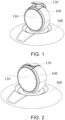
FIG. 1 is a schematic diagram of an in-vehicle electronic device (in which a first camera is at an extended position), in accordance with some embodiments; -
FIG. 2 is a schematic diagram of an in-vehicle electronic device (in which a first camera is at a retracted position), in accordance with some embodiments; -
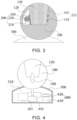
FIG. 3 is a schematic section view of a host (in which a sliding structure includes sliders and a sliding groove), in accordance with some embodiments; -
FIG. 4 is a schematic section view of a base, in accordance with some embodiments; -
FIG. 5 is a schematic section view of an in-vehicle electronic device received in a gravity, in accordance with some embodiments; -
FIG. 6 is a schematic diagram of an in-vehicle electronic device (in which a first camera is at an extended position), in accordance with some embodiments; -
FIG. 7 is a schematic diagram of an in-vehicle electronic device (in which a first camera is at a retracted position), in accordance with some embodiments; -
FIG. 8 is a flow diagram of a method for controlling an in-vehicle electronic device, in accordance with some embodiments; -
FIG. 9 is a flow diagram of another method for controlling an in-vehicle electronic device, in accordance with some embodiments; -
FIG. 10 is a schematic top view of a first driving device, in accordance with some embodiments; -
FIG. 11 is a schematic left view of a first driving device, in accordance with some embodiments; -
FIG. 12 is a schematic diagram of a second driving device, in accordance with some embodiments; -
FIG. 13 is a schematic diagram of an in-vehicle electronic device (in which a first camera is at an extended position) located outside an interior trim panel in a vehicle, in accordance with some embodiments; -
FIG. 14 is a schematic bottom view of a lifting mechanism, in accordance with some embodiments; -
FIG. 15 is a schematic front view of a lifting mechanism, in accordance with some embodiments; -
FIG. 16 is a schematic diagram of a cover, in accordance with some embodiments; and -
FIG. 17 is a schematic diagram of a vehicle, in accordance with some embodiments. - An in-vehicle electronic device, a method for controlling the in-vehicle electronic device, and a vehicle provided by embodiments of the present disclosure will be described in detail below with reference to the accompanying drawings.
- Unless the context requires otherwise, throughout the description and the claims, the term "comprise" and other forms thereof such as the third-person singular form "comprises" and the present participle form "comprising" are construed as an open and inclusive meaning, i.e., "including, but not limited to".
- In the description of the specification, the terms such as "one embodiment", "some embodiments", "exemplary embodiments", "example", "specific example" or "some examples" are intended to indicate that specific features, structures, materials or characteristics related to the embodiment(s) or example(s) are included in at least one embodiment or example of the present disclosure. Schematic representations of the above terms do not necessarily refer to the same embodiment(s) or example(s). In addition, the specific features, structures, materials, or characteristics may be included in any one or more embodiments or examples in any suitable manner.
- It will be noted that, terms "arranged", "connected", "connection", etc. shall be understood in a broad sense, unless otherwise explicitly defined or limited. For example, it may be a fixed connection, a detachable connection, or an integral connection; it may be directly connected or indirectly connected through an intermediate medium, and it may be internal connection of two elements. Specific meanings of the above terms in the present disclosure shall be understood by a person skilled in the art on a case-by-case basis.
- The phrase "A and/or B" includes the following three combinations: only A, only B, and a combination of A and B.
- As used herein, the term "if' is optionally construed as "when" or "in a case where" or "in response to determining" or "in response to detecting", depending on the context. Similarly, the phrase "if it is determined" or "if [a stated condition or event] is detected" is optionally construed as "in a case where it is determined" or "in response to determining" or "in a case where [the stated condition or event] is detected" or "in response to detecting [the stated condition or event]", depending on the context.
- The use of the phrase "applicable to" or "configured to" herein means an open and inclusive language, which does not exclude devices that are applicable to or configured to perform additional tasks or steps.
- In the description of the present disclosure, it will be understood that orientations or positional relationships indicated by the terms "center", "upper", "lower", "front", "back", "left", "right", "vertical", "horizontal", "top", "bottom", "inner", "outer", etc. are based on the orientations or positional relationships shown in the drawings, and are only for the convenience of describing the present invention and simplifying the description, rather than indicating or implying the device or element referred to must have a specific orientation, be constructed and operated in a specific orientation, and therefore cannot be understood as a limitation of the present invention.
- Below, the terms "first" and "second" are only used for descriptive purposes, and are not to be construed as indicating or implying relative importance or implicitly indicating the number of indicated technical features. Thus, a feature defined with "first" or "second" may explicitly or implicitly include one or more of the features. In the description of the present invention, "a plurality of' means two or more unless otherwise specified.
- A vehicle generally includes a front view camera and a rear view camera. During operation of the vehicle, the front view camera and the rear view camera generally remain in an operating mode.
- Some embodiments of the present disclosure provide an in-vehicle electronic device. As shown in
FIGS. 1 ,3 ,13 and17 , the in-vehicleelectronic device 1000 includes ahost 100, afirst camera 130 and afirst driving device 200. Thehost 100 has areceiving cavity 120 therein for receiving thefirst camera 130. Thefirst camera 130 is movably connected to thehost 100, and is configured to capture at least one image of an interior of avehicle 800. Thefirst driving device 200 is connected to thefirst camera 130, and is configured to drive thefirst camera 130 to move between an extended position and a retracted position, so that as shown inFIG. 1 , when thefirst camera 130 is at the extended position, thefirst camera 130 is located outside thehost 100, and as shown inFIG. 3 , when thefirst camera 130 is at the retracted position, thefirst camera 130 is located in thereceiving cavity 120. - The
vehicle 800 mainly refers to a motor vehicle, such as a car, a passenger car, or a truck. - In the in-vehicle
electronic device 1000, thefirst driving device 200 is connected to thefirst camera 130, and drives thefirst camera 130 to move between the extended position and the retracted position. When thefirst camera 130 is at the extended position, thefirst camera 130 is located outside thehost 100. In this case, thefirst camera 130 can capture at least one image of the interior of thevehicle 800, so as to monitor the internal environment of thevehicle 800. When thefirst camera 130 is at the retracted position, thefirst camera 130 is located in thereceiving cavity 120. That is, thefirst camera 130 is hidden inside thehost 100. Thus, in the in-vehicleelectronic device 1000, thefirst camera 130 may be hidden in or extended out of thehost 100 according to usage scenarios and requirements, which makes the use more flexible. - On the basis of the above embodiments, in some embodiments, as shown in
FIG. 1 , thehost 100 includes adisplay screen 110. Thedisplay screen 110 may be configured to display the at least one image of the interior of thevehicle 800 captured by thefirst camera 130. Thedisplay screen 110 may be further configured to display information, such as information including at least one of time, weather, or the navigation route. The contents displayed on thedisplay screen 110 are not limited thereto herein. - On the basis of one or more of the above embodiments, in some embodiments, as shown in
FIGS. 1 and3 , the in-vehicleelectronic device 1000 further includes at least one slidingstructure 121 connected to at least one side wall of the receivingcavity 120 and at least one respective side wall of thefirst camera 130. The at least one slidingstructure 121 is configured to assist thefirst camera 130 to move between the extended position and the retracted position under driving of thefirst driving device 200. - On the basis of one or more of the above embodiments, in some embodiments, as shown in
FIG. 3 , the at least one slidingstructure 121 includes one slidingstructure 121. - In some examples, as shown in
FIG. 3 , the slidingstructure 121 includes at least oneslider 123 and a slidinggroove 122. The slidinggroove 122 is provided on a side wall of the receivingcavity 120. For example, a groove is provided in the side wall of the receivingcavity 120, and the slidinggroove 122 is located in this groove. The at least oneslider 123 may include one ormore sliders 123, which are fixed on a side wall of thefirst camera 130 opposite to the side wall of the receivingcavity 120, at least partially located in the slidinggroove 122 and slidable in the slidinggroove 122. - In some other examples, the sliding
structure 121 is a ball slide. The ball slide includes at least two slide rails and a plurality of balls located between side walls of the at least two slide rails. For example, the at least two slide rails include two slide rails. One slide rail is fixed on a side wall of the receiving cavity. For example, a groove is provided in the side wall of the receiving cavity, and the slide rail is located in this groove. The other slide rail is fixed on a side wall of the first camera opposite to the side wall of the receiving cavity. The balls may roll between the two slide rails. - In this way, the
first camera 130 may slide relative to thehost 100. However, the specific structure of the sliding connection between thefirst camera 130 and thehost 100 is not limited thereto. - On the basis of one or more of the above embodiments, in some embodiments, as shown in
FIGS. 3 ,10 and11 , thefirst driving device 200 includes afirst motor 210, agear 220 and arack 230 that are disposed in the receivingcavity 120. Thefirst motor 210 may be fixedly connected to a bottom of the receivingcavity 120. Anoutput shaft 240 of thefirst motor 210 is fixedly connected to thegear 220, thegear 220 is engaged with therack 230, and therack 230 is fixedly connected to a side wall of thefirst camera 130. By fixedly connecting therack 230 to thefirst camera 130 and engaging therack 230 with thegear 220, when thefirst motor 210 drives thegear 220 to rotate, therack 230 may move in its length direction, so that therack 230 may drive thefirst camera 130 to move relative to thehost 100. - On the basis of one or more of the above embodiments, in some embodiments, as shown in
FIG. 3 , the slidingstructure 121 between the side wall of thefirst camera 130 and the side wall of the receivingcavity 120 and therack 230 are disposed on two opposite side walls of thefirst camera 130, so that the overall structure may be more balanced. - On the basis of one or more of the above embodiments, in some other embodiments, as shown in
FIG. 10 , the at least one slidingstructure 121 includes four slidingstructures 121, two of the four slidingstructures 121 are connected to a side wall of thefirst camera 130, and the other two are connected to an opposite side wall of thefirst camera 130. Moreover, therack 230 is fixed on any one of the side walls of thefirst camera 130 that are provided with the slidingstructures 121, and is located between the two slidingstructures 121 on this side wall, so that the overall structure may be more stable. For the specific structure of each slidingstructure 121, reference may be made to the relevant description above, which will not be repeated here. - It will be noted that the connection position of the
rack 230 to thefirst camera 130 is not limited thereto, and the number of the at least one slidingstructure 121 is not limited thereto. - According to the invention, as shown in
FIGS. 1 and4 , the in-vehicleelectronic device 1000 further includes abase 300 and asecond driving device 400. Thesecond driving device 400 is connected to thebase 300 and thehost 100. Thesecond driving device 400 is configured to drive thehost 100 to rotate horizontally relative to thebase 300. In this way, thedisplay screen 110 is rotated for the driver or passenger to view. Moreover, a shooting angle of thefirst camera 130 may be adjusted, so that a shooting range of thefirst camera 130 is large. An angle in which thehost 100 may rotate horizontally relative to thebase 300 is within a range of 120° to 180°, inclusive, such as 120°, 130°, 140°, 150°, 160°, 170°, or 180°. - On the basis of one or more of the above embodiments, in some embodiments, the
second driving device 400 is a motor, and an output shaft of the motor is directly and fixedly connected to thehost 100, so that thehost 100 may rotate. - On the basis of one or more of the above embodiments, in some other embodiments, as shown in
FIG. 4 , thesecond driving device 400 is at least under a top surface of thehost 100. Thesecond driving device 400 includes asecond motor 410, a reduction gear set 420 and atransmission shaft 422. Thesecond motor 410 is connected to the reduction gear set 420, the reduction gear set 420 is connected to thetransmission shaft 422, and thetransmission shaft 422 is connected to thehost 100. The reduction gear set 420 is configured to make a rotation speed of thehost 100 slower than a rotation speed of thesecond motor 410, so that thehost 100 rotates slowly, thereby facilitating precise adjustment of the rotation angle of thehost 100. - On the basis of one or more of the above embodiments, in some embodiments, as shown in
FIGS. 4 and12 , the reduction gear set 420 includes afirst gear 423, asecond gear 424, athird gear 425, a fourth gear 436, afifth gear 427, and asixth gear 421. An output shaft of thesecond motor 410 is directly connected to a center of an end surface of thefirst gear 423. Thesecond gear 424 is engaged with thefirst gear 423, and a diameter of thesecond gear 424 is greater than that of thefirst gear 423, so as to reduce the rotation speed for the first time. An end surface of thesecond gear 424 proximate to thesecond motor 410 is in direct contact with an end surface of thethird gear 425, and thesecond gear 424 and thethird gear 425 may coaxially rotate. Thefourth gear 426 is engaged with thethird gear 425, and a diameter of thefourth gear 426 is greater than that of thethird gear 425, so as to reduce the rotation speed for the second time. An end surface of thefourth gear 426 proximate to thesecond gear 424 is in direct contact with an end surface of thefifth gear 427, and thefourth gear 426 and thefifth gear 427 may coaxially rotate. Thesixth gear 421 is engaged with thefifth gear 427, and a diameter of thesixth gear 421 is greater than that of thefifth gear 427, so as to reduce the rotation speed for the third time. A center of an end surface of thesixth gear 421 away from thefourth gear 426 is connected to an end of thetransmission shaft 422, and an opposite end of thetransmission shaft 422 is connected to thehost 100. The opposite end of thetransmission shaft 422 may penetrates thebase 300. Thesecond motor 410 drives thefirst gear 423 to rotate, thereby driving thetransmission shaft 422 and thehost 100 to rotate. The number of gears in the reduction gear set 420 is not limited herein, and can be less than or greater than the number described herein. - On the basis of one or more of the above embodiments, in some embodiments, as shown in
FIGS. 1 and4 , thebase 300 has anaccommodating cavity 310 therein, and thesecond driving device 400 is provided in theaccommodating cavity 310. Thesixth gear 421 of the reduction gear set 420 is connected to thehost 100 through thetransmission shaft 422 penetrating a top wall of theaccommodating cavity 310, so as to achieve the rotation of thehost 100. By arranging thesecond driving device 400 in theaccommodating cavity 310 of thebase 300, theentire host 100 and the base 300 may be disassembled, which is convenient for maintenance and replacement of parts. - On the basis of one or more of the above embodiments, in some embodiments, as shown in
FIG. 16 , the in-vehicleelectronic device 1000 further includes adetachable cover 700 installed at a top opening of thebase 300. Thedetachable cover 700 is configured to open or close theaccommodating cavity 310, and thetransmission shaft 422 penetrates thecover 700. Thecover 700 may be connected to the base 300 through threads. By providing thedetachable cover 700, it is convenient to repair or replace thesecond motor 410 and the reduction gear set 420 inside theaccommodating cavity 310. - On the basis of one or more of the above embodiments, in some embodiments, as shown in
FIGS. 5 ,13 and17 , the in-vehicleelectronic device 1000 further includes alifting mechanism 500 configured to drive the base 300 to lift between a raised position and a storage position, so that as shown inFIG. 13 , when thebase 300 is at the raised position, both thebase 300 and thehost 100 are located outside an interiortrim panel 900 of thevehicle 800, and as shown inFIG. 5 , when thebase 300 is at the storage position, both thebase 300 and thehost 100 are located inside the interiortrim panel 900 of thevehicle 800. In a case where thefirst camera 130 is not used, thebase 300 and thehost 100 may both be located in the interiortrim panel 900 through thelifting mechanism 500, which may make the interior trim panel concise. - On the basis of one or more of the above embodiments, in some embodiments, the
lifting mechanism 500 may adopt a structure in which a third driving device drives the base 300 move between the raised position and the storage position with the help of at least one sliding structure. The principle and structure of the third driving device are similar to those of thefirst driving device 200, and the sliding structure may be referred to the related structure described above. In some examples, a cavity is provided in the interior trim panel of the vehicle, and at least one sliding groove is provided in a vertical direction on at least one side wall of the cavity. The at least one slider are fixedly connected to thebase 300, at least partially located in the sliding groove, and can be driven by the third driving device to slide relative to the sliding groove, so as to achieve the lifting movement of thebase 300 and thehost 100. - On the basis of one or more of the above embodiments, in some other embodiments, as shown in
FIGS. 5 and14 to 15 , thelifting mechanism 500 is of a screw-nut structure. In some examples, acavity 600 is provided in the interiortrim panel 900 of thevehicle 800. Thelifting mechanism 500 includes athird motor 510, ascrew rod 520, and at least oneguide rod 530. In some examples, as shown inFIG. 5 , thethird motor 510, thescrew rod 520, and the at least oneguide rod 530 are connected to a bottom of thecavity 600. In some other examples, thelifting mechanism 500 further includes a casing disposed in thecavity 600, and the casing is matched with thecavity 600. Thethird motor 510, thescrew rod 520, and the at least oneguide rod 530 are connected to a bottom of the casing. An end face of the base 300 proximate to thethird motor 510 is provided with a threadedhole 540 and at least oneguide hole 550 that are parallel to each other. Anoutput shaft 560 of thethird motor 510 is fixedly connected to an end of thescrew rod 520, and an opposite end of thescrew rod 520 cooperates with the threadedhole 540. The at least oneguide rod 530 each includes an end extending into a respective one of the at least oneguide hole 550. Thethird motor 510 drives thescrew rod 520 to rotate, so that the base 300 that cooperates with thescrew rod 520 may move up and down along thescrew rod 520. Moreover, theguide rod 530 plays a guiding role to ensure that the base 300 moves in the extending direction of thescrew rod 520, thereby achieving the lifting movement of thebase 300 and thehost 100 in the extending direction of thescrew rod 520. - In addition, by arranging the
lifting mechanism 500 under thebase 300, in a case where acavity 600 is provided in the interiortrim panel 900 of thevehicle 800, it only needs to leave a space enough for the lifting of thebase 300 and thehost 100, which is beneficial to reduce a cross-sectional area of thecavity 600 and simplify the overall structure. - On the basis of one or more of the above embodiments, in some embodiments, as shown in
FIGS. 5 ,14 and15 , the at least oneguide rod 530 includes a plurality ofguide rods 530, and the at least oneguide hole 550 includes a plurality of guide holes 550. Eachguide rod 530 extends into arespective guide hole 550. By providing the plurality ofguide rods 530, theentire base 300 may be supported, and it may be further ensured that the base 300 may move in an extending direction of theguide rods 530, so as to prevent the base 300 from shifting, which results in the inability of being extended or retracted. - On the basis of one or more of the above embodiments, in some embodiments, as shown in
FIG. 15 , the plurality ofguide rods 530 are evenly distributed around an axis OO' of the threadedhole 540, which may also be a center line of thebase 100, so that a force applied to the overall support structure is more balanced, and during the movement of thebase 300, a force applied by the support structure to each position on the base is equal, which may prevent the base 300 from tilting during movement, and further ensure that the base 300 may move in a length direction of theguide rod 530. - On the basis of one or more of the above embodiments, in some embodiments, as shown in
FIGS. 6 and7 , the in-vehicleelectronic device 1000 further includes asecond camera 140 connected to thehost 100. Thesecond camera 140 is configured to capture at least one image of the exterior of thevehicle 800. By arranging thesecond camera 140, the external conditions of thevehicle 800 may be monitored. When an emergency occurs, an alarm signal may be sent to remind the driver to take measures in time. - On the basis of one or more of the above embodiments, in some embodiments, the
second camera 140 is moveably connected to thehost 100. That is, both thesecond camera 140 and thefirst camera 130 may be driven to be extended or retracted through thefirst driving device 200. - On the basis of one or more of the above embodiments, in some other embodiments, as shown in
FIGS. 6 and7 , thesecond camera 140 can be disposed in thehost 100. For example, as shown inFIG. 6 , agroove 141 is provided in an outer surface of thehost 100, and thesecond camera 140 is located in thegroove 141. In this case, when thefirst camera 130 is located inside thehost 100, thesecond camera 140 may operate normally, so that the use of the in-vehicleelectronic device 1000 is more diversified. - On the basis of one or more of the above embodiments, in some embodiments, as shown in
FIGS. 1 and6 , a lens of thesecond camera 140 and a lens of thefirst camera 130 face two opposite directions. For example, the lens of thefirst camera 130 faces the back of thevehicle 800, and the lens of thesecond camera 140 faces the front of thevehicle 800. Both thefirst camera 130 and thesecond camera 140 may capture images of the inside and the outside of the vehicle to monitor environmental conditions inside and outside the vehicle. - On the basis of one or more of the above embodiments, in some embodiments, as shown in
FIGS. 1 and3 , a top surface of thehost 100 is a curved surface with an opening. That is, thefirst camera 130 is extended or retracted through the opening of the receivingcavity 120. When thefirst camera 130 is at the retracted position, as shown inFIGS. 2 and7 , a top surface of thefirst camera 130 and the top surface of thehost 100 are matched to form an integral curved surface. In this case, the passengers in the vehicle cannot directly see that thefirst camera 130 is provided on thehost 100, so that theentire host 100 is more concise. - On the basis of one or more of the above embodiments, in some embodiments, the in-vehicle
electronic device 1000 further includes acoating 1100 disposed on outer walls of thehost 100 and thefirst camera 130 and/or thesecond camera 140. Thecoating 1100 is made of a material with a light absorption rate of less than 15%. The material of thecoating 1100 may include at least one of chromium nitride (CrN), titanium nitride (TiN), titanium carbonitride (TiCN), or titanium aluminum nitride (TiAIN). Thecoating 1100 may reflect most of light irradiated on the in-vehicleelectronic device 1000, thereby avoiding an increase in the internal temperature of the in-vehicleelectronic device 1000 due to the absorption of light energy. As a result, it may be possible to avoid the occurrence of damage of optical components inside the in-vehicleelectronic device 1000 due to an excessive temperature, and may be conducive to prolonging the service life of the in-vehicleelectronic device 1000. - On the basis of one or more of the above embodiments, in some other embodiments, the in-vehicle
electronic device 1000 further includes a housing disposed on the outside of thehost 100, and thecoating 1100 is disposed on the outer wall of the housing, which is not limited. In this case, the housing may be the casing described above. - For example, in summer, the temperature is high, and the
coating 1100 with the light absorption rate of less than 15% may prevent the internal temperature of the in-vehicleelectronic device 1000 from increasing due to excessive light absorption, thereby preventing internal components from being damaged due to the excessive temperature. In winter, the weather is cold, and the internal temperature of the in-vehicleelectronic device 1000 will rise when it is directly subjected to sunlight, and the thermal expansion and cold contraction will cause deformation of the internal components. In addition, since a deformation rate of each component is different, it may be possible to cause damage to the components once the components squeeze each other due to the deformation. By providing thecoating 1100 with the light absorption rate of less than 15%, it may be possible to prevent the internal temperature of the in-vehicleelectronic device 1000 from rising, and avoid an excessive temperature difference, which causes excessive deformation of the internal components due to the thermal expansion and cold contraction. As a result, it may be possible to avoid damage to the components once the components squeeze each other. - Some embodiments of the present disclosure provide a
vehicle 800 that includes the in-vehicleelectronic device 1000 according to any of the above embodiments. The operating states of thefirst camera 130 and thesecond camera 140 may be changed according to the usage scenario and requirements through the above in-vehicleelectronic device 1000. - Some embodiments of the present disclosure provide a method for controlling the in-vehicle electronic device. The method may be performed by a control device of the in-vehicle
electronic device 1000. The control device of the in-vehicleelectronic device 1000 may be the in-vehicleelectronic device 1000 itself. For example, the display, a user interface, and a control system are integrated into one device. The control device may also be a part of devices in the in-vehicleelectronic device 1000, e.g., a chip in the in-vehicleelectronic device 1000, which is not limited here. If the control device of the in-vehicleelectronic device 1000 receives a privacy mode control instruction when the in-vehicleelectronic device 1000 is in a monitoring mode, it controls thefirst camera 130 of the in-vehicleelectronic device 1000 to be turned off. This method may more reasonably control the operating mode of thefirst camera 130 of the in-vehicleelectronic device 1000. - As shown in
FIG. 8 , the method for controlling the in-vehicle electronic device may include step 101 to step 104. - In
step 101, the control device controls the first camera to extend outside the host and be at the extended position. - For examples, the control device controls the first camera to extend outside the host when receiving a signal indicating that a face image is to be obtained, when the
vehicle 800 starts, or the like. - In
step 102, the control device controls the first camera to obtain a face image of a user, and recognizes the face image to determine whether the user is a preset user. - The preset user may be the owner of the
vehicle 800. The information of the preset user may be pre-stored in a memory, such as a random access memory (RAM) or a non-volatile memory, such as a disk memory, or a flash memory in the in-vehicleelectronic device 1000 or thevehicle 800. - In
step 103, when determining that the user is the preset user, the control device controls the in-vehicleelectronic device 1000 to enter a monitoring mode. - In
step 104, if the control device receives a privacy mode control instruction, the control device controls the in-vehicle electronic device to switch from the monitoring mode to a privacy mode, so that the first camera is retracted into the host and at the retracted position. - On the basis of one or more of the above embodiments, in some examples, the control device may obtain a face image of a target user (e.g., a current driver of the vehicle 800) through the
first camera 130, and then perform feature recognition on the obtained face image. When the control device determines that the target user is the preset user, the control device control the in-vehicleelectronic device 1000 is controlled to enter the monitoring mode. For example, the control device of the in-vehicleelectronic device 1000 may extract feature values of the obtained face image. For example, the control device of the in-vehicleelectronic device 1000 may extract feature values of facial features such as the eyes, mouth, and nose of the obtained face image, and then matches the extracted feature values with preset feature values that are pre-stored in the memory in the in-vehicleelectronic device 1000 or thevehicle 800. If a matching degree reaches a preset matching degree, the control device determines that the target user is the preset user. - The preset matching degree may be a parameter determined in advance and pre-stored in the memory, and the preset user may be a user determined in advance (e.g., a person who owns the ownership of the current vehicle 800) and his/her information is pre-stored in the memory.
- It can be understood that in practical applications, the target user may also be determined as the preset user in other manners, which is not limited in the embodiments of the present disclosure. For example, the control device of the in-vehicle
electronic device 1000 may extract the feature values of the obtained face image, determine the identity information of the target user according to the extracted feature values, and then compare the identity information of the target user with the identity information of the preset user. When the identity information of the target user matches the identity information of the preset user successfully, the control device determines that the target user is the preset user. - In some embodiments, the control device of the in-vehicle
electronic device 1000 may perform a fatigue detection on the target user after the control device controls the in-vehicleelectronic device 1000 to enter the monitoring mode. - In some examples, when the control device of the in-vehicle
electronic device 1000 controls the in-vehicleelectronic device 1000 to enter the monitoring mode, thefirst camera 130 may capture the face image of the target person and perform the feature recognition on the face image, and issue a warning when it determines that the face image meets preset conditions. For example, the control device of the in-vehicleelectronic device 1000 may extract the feature values of the obtained face image, perform an emotion recognition on the feature values, determine whether the target user is in a fatigued state, and issue an early warning to warn the target user when the control device determines that the target user is in the fatigued state. - The method of performing the emotion recognition on the feature values of the face image may be referred to the related description of the emotion recognition in the field of the face recognition technology in the prior art, which will not be repeated here.
- For example, the monitoring mode may mean that both the
first camera 130 and thesecond camera 140 are in the operating mode. That is, the conditions inside and outside the vehicle are monitored simultaneously. - The privacy mode means that the
first camera 130 of the in-vehicleelectronic device 1000 is controlled to be turned off, and thefirst motor 210 is controlled to drive thegear 220 to rotate, so as to drive therack 230 and thefirst camera 130 to move to the retracted position. That is, thefirst camera 130 is located in the receivingcavity 120 of thehost 100. Thesecond camera 140 is still in the operating mode. That is, thesecond camera 140 can monitor the conditions outside the vehicle. - It will be noted that the
first camera 130 being controlled to be turned off involved in the method for controlling the in-vehicle electronic device means that thefirst camera 130 is controlled to stop operating (that is, stop capturing images). - In some embodiments, the privacy mode control instruction may be triggered in response to a first keyword. For example, the first keyword may be "start the privacy mode". When the user speaks the voice password of "start the privacy mode", the control device of the in-vehicle
electronic device 1000 will receive the privacy mode control instruction and control the in-vehicleelectronic device 1000 to start the privacy mode. - In some other embodiments, the privacy mode control instruction is triggered in response to a first button operation on the in-vehicle
electronic device 1000. For example, the in-vehicleelectronic device 1000 is provided with a "start privacy mode button". When the user clicks or long presses the "start privacy mode button", the control device of the in-vehicleelectronic device 1000 will receive the privacy mode control instruction and control the in-vehicleelectronic device 1000 to start the privacy mode. - In some other embodiments, the privacy mode control instruction is triggered when a first trigger operation is performed on the terminal.
- For example, the terminal may be of different types, such as a mobile phone, a tablet computer, a desktop computer, a laptop computer, a notebook computer, an ultra-mobile personal computer (UMPC), a handheld computer, a netbook, a personal digital assistant (PDA), a wearable electronic device, or a virtual reality device.
- An application program for controlling the in-vehicle
electronic device 1000 may be installed on the terminal, and the user may perform a trigger operation on the interface of the application program of the terminal to control the in-vehicleelectronic device 1000. For example, the interface of the application program for controlling the in-vehicleelectronic device 1000 may include a virtual button of "start the privacy mode". When the user performs a tap operation, a long press operation or a sliding operation on the virtual button of "start the privacy mode", the control device of the in-vehicleelectronic device 1000 will receive the privacy mode control instruction, and control the in-vehicleelectronic device 1000 to start the privacy mode. - It can be understood that, in actual applications, the users may operate the terminal through other manners to trigger the privacy mode control instruction, which is not limited.
- In the method for controlling the in-vehicle
electronic device 1000, when the in-vehicleelectronic device 1000 starts the monitoring mode, the control device of the in-vehicleelectronic device 1000 may receive the privacy mode control instruction, and control thefirst camera 130 of the in-vehicleelectronic device 1000 to be turned off. Therefore, after the in-vehicleelectronic device 1000 starts the monitoring mode, thefirst camera 130 of the in-vehicleelectronic device 1000 is not always turned on. The privacy mode control instruction may be sent to the control device of the in-vehicleelectronic device 1000 through the user's operation, so that the control device of the in-vehicleelectronic device 1000 controls the in-vehicleelectronic device 1000 to switch to the privacy mode, i.e., controls thefirst camera 130 of the in-vehicleelectronic device 1000 to be turned off. Therefore, the operating mode of thefirst camera 130 of the in-vehicleelectronic device 1000 may be more reasonably controlled. - As shown in
FIG. 9 , some embodiments of the present disclosure provide a method for controlling the in-vehicle electronic device, includingstep 201 to step 204. - In
step 201, the control device of the in-vehicleelectronic device 1000 controls the first camera to extend outside the host and be at the extended position. - For examples, the control device controls the first camera to extend outside the host when receiving a signal indicating that a face image is to be obtained, when the
vehicle 800 starts, or the like. - In
step 202, the control device controls the first camera to obtain a face image of a user, and recognizes the face image to determine whether the user is a preset user. - The preset user may be the owner of the
vehicle 800. The information of the preset user may be pre-stored in a memory, such as a random access memory (RAM) or a non-volatile memory, such as a disk memory, or a flash memory in the in-vehicleelectronic device 1000 or thevehicle 800. - In
step 203, when the control devices determines that the user is a preset user, the control device controls the in-vehicleelectronic device 1000 to enter a monitoring mode. - In
step 204, when the in-vehicleelectronic device 1000 is in the monitoring mode, if the control device receives a storage instruction, the control device controls thefirst camera 130 to descend into the receivingcavity 120 provided in thehost 100, and controls the in-vehicleelectronic device 1000 to descend into thecavity 600 provided in the interiortrim panel 900 of thevehicle 800. - A storage mode means that both the
first camera 130 and thesecond camera 140 are turned off, and are descended into thecavity 600 provided in the interiortrim panel 900 of the vehicle 800 (that is, both thefirst camera 130 and thesecond camera 140 stop capturing images). - In this way, the operating modes of the
first camera 130 and thesecond camera 140 of the in-vehicle electronic device may be more reasonably controlled to save space. - It will be noted that the
step 204 may be combined with thesteps 101 to 104. For example, thestep 204 may be performed after thestep 103, or may be performed after thestep 104. - Some embodiments of the present disclosure provide a computer-readable storage medium. The computer-readable storage medium stores computer program instructions that, when executed by a processor (e.g., the control device described above), cause the processor to perform one or more steps in the method described in any one of the above embodiments.
- For example, the computer-readable storage medium may include, but is not limited to: a magnetic storage device (e.g., a hard disk, a floppy disk, or a magnetic tape), an optical disk (e.g., a compact disk (CD)), a digital versatile disk (DVD), a smart card and a flash memory device (e.g., an erasable programmable read-only memory (EPROM), a card, a stick or a key drive). The various computer-readable storage media may represent one or more devices and/or other machine-readable storage media for storing information.
- In the description of the above embodiments, specific features, structures, materials or characteristics may be combined in an appropriate manner in any one or more embodiments or examples, within the scope of the appended claims.
- The foregoing descriptions are merely specific implementations of the present disclosure, but the protection scope of the present disclosure is not limited thereto. Any changes or replacements that a person skilled in the art could conceive of within the technical scope of the present disclosure shall be included in the protection scope of the present disclosure. Therefore, the protection scope of the present disclosure shall be subject to the protection scope of the claims.
Claims (14)
- An in-vehicle electronic device (1000), comprisinga host (100) having a receiving cavity (120);a first camera (130) movably connected to the host (100), and configured to capture at least one image of an interior of a vehicle;a first driving device (200) connected to the first camera (130), wherein the first camera (130) is movable between an extended position and a retracted position by means of drive of the first driving device (200), so that when the first camera (130) is at the extended position, the first camera (130) is located outside the host (100), and when the first camera (130) is at the retracted position, the first camera (100) is located in the receiving cavity (120);characterized by comprising:a base (300); anda second driving device (400) connected to the base (300) and the host (100), wherein the host (100) is rotatable horizontally relative to the base (300) by means of drive of the second driving device (400).
- The in-vehicle electronic device (1000) according to claim 1, further comprising at least one sliding structure (121) connected to at least one side wall of the receiving cavity (120) and at least one respective side wall of the first camera (130), wherein the at least one sliding structure (121) is configured to assist the first camera (130) to move between the extended position and the retracted position under driving of the first driving device (200).
- The in-vehicle electronic device (1000) according to claim 2, wherein the at least one sliding structure (121) includes one sliding structure (121), and the one sliding structure (121) includes at least one slider (123) and a sliding groove (122);a groove is provided in one of the at least one side wall of the receiving cavity (120), and the sliding groove (122) is fixed in the groove; andthe at least one slider (123) is fixed on a side wall of the first camera (130) opposite to the one of the at least one side wall of the receiving cavity (120), is at least partially located in the sliding groove (122) and is slidable in the sliding groove (122).
- The in-vehicle electronic device (1000) according to claim 2 or 3, wherein the first driving device includes a first motor (210), a gear (220), and a rack (230) that are disposed in the receiving cavity (120), an output shaft of the first motor (210) is fixedly connected to the gear (220), the gear (220) is engaged with the rack (230), and the rack (230) is fixedly connected to a side wall of the first camera (130).
- The in-vehicle electronic device (1000) according to claim 1, is characterized in that wherein the second driving device (400) includes:a second motor (410);a transmission shaft (422) connected to the host (100);a reduction gear set (420) connected to the second motor (410) and the transmission shaft (422), and configured to make a rotation speed of the host slower than a rotation speed output by the second motor (410).
- The in-vehicle electronic device (1000) according to claim 5, wherein the reduction gear set (420) includes:a first gear (423), wherein a center of an end surface of the first gear (423) is directly connected to an output shaft of the second motor (410);a second gear (424) engaged with the first gear (423), wherein a diameter of the second gear (424) is greater than a diameter of the first gear (423);a third gear (425), wherein an end surface of the second gear (424) proximate to the second motor (410) is in direct contact with an end surface of the third gear (425), and the second gear (424) and the third gear (425) are configured to coaxially rotate;a fourth gear (436) engaged with the third gear (425), wherein a diameter of the fourth gear (436) is greater than a diameter of the third gear (425);a fifth gear (427), wherein an end surface of the fourth gear (436) proximate to the second gear (424) is in direct contact with an end surface of the fifth gear (427), and the fourth gear (436) and the fifth gear (427) are configured to coaxially rotate; anda sixth gear (421) engaged with the fifth gear (427), wherein a diameter of the sixth gear (421) is greater than a diameter of the fifth gear (427), a center of an end surface of the sixth gear (421) away from the fourth gear (436) is connected to an end of the transmission shaft (422), and an opposite end of the transmission shaft (422) is connected to the host (100).
- The in-vehicle electronic device according to claim 1 or 5, further includes a detachable cover (700) installed at a top opening of the base (300).
- The in-vehicle electronic device (1000) according to any of claims 5 to 7, further comprising a lifting mechanism (500) connected to the base, (300) and configured to drive the base (300) to lift between a raised position and a storage position, so that when the base (300) is at the raised position, both the base (300) and the host (100) are located outside an interior trim panel of the vehicle, and when the base (300) is at the storage position, both the base (300) and the host (100) are located inside the interior trim panel of the vehicle.
- The in-vehicle electronic device (1000) according to claim 8, wherein the lifting mechanism (500) includes:a third motor (510), wherein an end surface of the base (300) proximate to the third motor (510) is provided with a threaded hole (540) and at least one guide hole (550) that are parallel to each other;a screw rod (520), wherein an end of the screw rod (520) is fixedly connected to an output shaft of the third motor (510), and an opposite end of the screw rod (520) cooperates with the threaded hole (540); andat least one guide rod (530) each including an end extending into a respective one of the at least one guide hole (550).
- The in-vehicle electronic device (1000) according to claim 9, wherein the at least one guide hole (550) includes a plurality of guide holes (550), and the plurality of guide holes (550) are evenly distributed around an axis of the threaded hole (540); the at least one guide rod (530) includes a plurality of guide rods (550).
- The in-vehicle electronic device (1000) according to any of claims 1 to 10, further comprising a second camera (140) connected to the host (100), and configured to capture at least one image of an exterior of the vehicle.
- The in-vehicle electronic device (1000) according to any of claims 1 to 11, wherein a top surface of the host (100) is a curved surface with an opening, the first camera (130) is configured to be extended or retracted through the opening, and the first camera (130) is configured such that when the first camera (130) is at the retracted position, a top surface of the first camera (130) and the top surface of the host (100) are matched to form an integral curved surface.
- The in-vehicle electronic device (1000) according to any of claims 1 to 12, further comprising a coating (1100) disposed on outer walls of the host (100) and the first camera (130), wherein the coating (1000) is made of a material with a light absorption rate of less than 15%.
- A vehicle (800) characterized by comprising the in-vehicle electronic device (1000) according to any of claims 1 to 13.
Applications Claiming Priority (1)
| Application Number | Priority Date | Filing Date | Title |
|---|---|---|---|
| CN202110129997.0A CN114906055A (en) | 2021-01-29 | 2021-01-29 | Vehicle-mounted electronic equipment and automobile |
Publications (2)
| Publication Number | Publication Date |
|---|---|
| EP4035946A1 EP4035946A1 (en) | 2022-08-03 |
| EP4035946B1 true EP4035946B1 (en) | 2024-06-26 |
Family
ID=80034814
Family Applications (1)
| Application Number | Title | Priority Date | Filing Date |
|---|---|---|---|
| EP22153352.4A Active EP4035946B1 (en) | 2021-01-29 | 2022-01-26 | In-vehicle electronic device and vehicle |
Country Status (3)
| Country | Link |
|---|---|
| US (1) | US12109949B2 (en) |
| EP (1) | EP4035946B1 (en) |
| CN (1) | CN114906055A (en) |
Families Citing this family (3)
| Publication number | Priority date | Publication date | Assignee | Title |
|---|---|---|---|---|
| CN220210522U (en) * | 2022-12-30 | 2023-12-19 | 深圳海翼智新科技有限公司 | Image pickup apparatus |
| CN117544273B (en) * | 2023-02-16 | 2024-07-16 | 合肥国科电雷电子装备技术有限公司 | Investigation interference integrated electronic countermeasure equipment integrated with surrounding environment |
| CN116872858A (en) * | 2023-08-11 | 2023-10-13 | 北京速度时空信息有限公司 | An imaging device for multi-directional vehicle collection |
Family Cites Families (10)
| Publication number | Priority date | Publication date | Assignee | Title |
|---|---|---|---|---|
| KR100194214B1 (en) * | 1997-05-26 | 1999-06-15 | 윤종용 | Car LCD Mounting Structure |
| JP2006011177A (en) * | 2004-06-28 | 2006-01-12 | Nissan Motor Co Ltd | Reflective skin material |
| US9623811B2 (en) * | 2013-01-31 | 2017-04-18 | GM Global Technology Operations LLC | Deployable camera systems |
| US9834154B2 (en) * | 2015-11-12 | 2017-12-05 | Bradley C. Carson | Concealable and deployable dashboard camera |
| CN205630647U (en) | 2016-02-19 | 2016-10-12 | 竺林坤 | Locate automobile console's intelligent robot |
| CN110290945A (en) * | 2016-08-26 | 2019-09-27 | 奈特雷代恩股份有限公司 | Recording video of operator and surrounding field of view |
| CN209986948U (en) | 2019-02-01 | 2020-01-24 | 中山安信通机器人制造有限公司 | Vehicle-mounted intelligent robot capable of being hidden |
| CN210025306U (en) | 2019-03-21 | 2020-02-07 | 中山安信通机器人制造有限公司 | Vehicle-mounted robot and automobile |
| CN211001902U (en) | 2019-12-20 | 2020-07-14 | 济南市勘察测绘研究院 | High definition digtal camera protection machanism is used in unmanned aerial vehicle survey and drawing |
| CN111216649B (en) | 2020-04-07 | 2023-11-21 | 延锋伟世通电子科技(上海)有限公司 | A vehicle-mounted robot device whose position can be hidden and changed |
-
2021
- 2021-01-29 CN CN202110129997.0A patent/CN114906055A/en active Pending
-
2022
- 2022-01-26 EP EP22153352.4A patent/EP4035946B1/en active Active
- 2022-01-26 US US17/584,646 patent/US12109949B2/en active Active
Also Published As
| Publication number | Publication date |
|---|---|
| CN114906055A (en) | 2022-08-16 |
| US20220242333A1 (en) | 2022-08-04 |
| US12109949B2 (en) | 2024-10-08 |
| EP4035946A1 (en) | 2022-08-03 |
Similar Documents
| Publication | Publication Date | Title |
|---|---|---|
| EP4035946B1 (en) | In-vehicle electronic device and vehicle | |
| US12275322B2 (en) | Apparatus for transferring electrical power to or from an electric vehicle, and control method thereof | |
| EP3017984B1 (en) | Vehicle door driving device | |
| EP3713199A1 (en) | Camera control method and mobile terminal | |
| US11459823B2 (en) | Box cover device extended and retracted in transmission manner and control method thereof | |
| US20200269691A1 (en) | Control method and control device for vehicle display device | |
| US11518345B2 (en) | Vehicle and method of controlling the same | |
| CN103538449B (en) | A kind of preventing car door scraping ancillary system | |
| CN113390216B (en) | Intelligent refrigerator and control method thereof | |
| US20200130751A1 (en) | Vehicle grille drawer | |
| CN106494313B (en) | Control method, apparatus, vehicle rear-view mirror and the vehicle of vehicle rear-view mirror | |
| CN117922281A (en) | Drunk testing system | |
| CN112365646A (en) | Face recognition attendance access control machine with infrared body temperature detection function | |
| KR101786201B1 (en) | Auxiliary step for rotating in association with door and control method thereof | |
| CN206520543U (en) | Controller and rear-view image system for automobile for vehicle rearview image documentation equipment | |
| KR20120006406A (en) | Camera Mobile Driver Condition Detection System | |
| CN108833699B (en) | Electronic device and control method and device of sliding assembly of electronic device | |
| CN101612920B (en) | Reversing camera system | |
| GB2611390A (en) | Electronic device and control method | |
| CN110316078B (en) | Vehicle, and control system and control method based on vehicle-mounted display terminal | |
| EP4304893A1 (en) | Apparatus for transferring electrical power to or from an electric vehicle, and control method thereof | |
| EP4480749A1 (en) | Smart cup holder and vehicle | |
| CN215897904U (en) | Monitoring acquisition device, monitoring system and vehicle | |
| CN111997472A (en) | Engine compartment door opening and closing device and construction machinery | |
| CN206446521U (en) | Vehicle rear-view mirror and vehicle |
Legal Events
| Date | Code | Title | Description |
|---|---|---|---|
| PUAI | Public reference made under article 153(3) epc to a published international application that has entered the european phase |
Free format text: ORIGINAL CODE: 0009012 |
|
| STAA | Information on the status of an ep patent application or granted ep patent |
Free format text: STATUS: THE APPLICATION HAS BEEN PUBLISHED |
|
| AK | Designated contracting states |
Kind code of ref document: A1 Designated state(s): AL AT BE BG CH CY CZ DE DK EE ES FI FR GB GR HR HU IE IS IT LI LT LU LV MC MK MT NL NO PL PT RO RS SE SI SK SM TR |
|
| STAA | Information on the status of an ep patent application or granted ep patent |
Free format text: STATUS: REQUEST FOR EXAMINATION WAS MADE |
|
| 17P | Request for examination filed |
Effective date: 20230124 |
|
| RBV | Designated contracting states (corrected) |
Designated state(s): AL AT BE BG CH CY CZ DE DK EE ES FI FR GB GR HR HU IE IS IT LI LT LU LV MC MK MT NL NO PL PT RO RS SE SI SK SM TR |
|
| GRAP | Despatch of communication of intention to grant a patent |
Free format text: ORIGINAL CODE: EPIDOSNIGR1 |
|
| STAA | Information on the status of an ep patent application or granted ep patent |
Free format text: STATUS: GRANT OF PATENT IS INTENDED |
|
| INTG | Intention to grant announced |
Effective date: 20240122 |
|
| GRAS | Grant fee paid |
Free format text: ORIGINAL CODE: EPIDOSNIGR3 |
|
| GRAA | (expected) grant |
Free format text: ORIGINAL CODE: 0009210 |
|
| STAA | Information on the status of an ep patent application or granted ep patent |
Free format text: STATUS: THE PATENT HAS BEEN GRANTED |
|
| AK | Designated contracting states |
Kind code of ref document: B1 Designated state(s): AL AT BE BG CH CY CZ DE DK EE ES FI FR GB GR HR HU IE IS IT LI LT LU LV MC MK MT NL NO PL PT RO RS SE SI SK SM TR |
|
| REG | Reference to a national code |
Ref country code: GB Ref legal event code: FG4D |
|
| REG | Reference to a national code |
Ref country code: CH Ref legal event code: EP |
|
| REG | Reference to a national code |
Ref country code: DE Ref legal event code: R096 Ref document number: 602022004073 Country of ref document: DE |
|
| PG25 | Lapsed in a contracting state [announced via postgrant information from national office to epo] |
Ref country code: BG Free format text: LAPSE BECAUSE OF FAILURE TO SUBMIT A TRANSLATION OF THE DESCRIPTION OR TO PAY THE FEE WITHIN THE PRESCRIBED TIME-LIMIT Effective date: 20240626 |
|
| PG25 | Lapsed in a contracting state [announced via postgrant information from national office to epo] |
Ref country code: HR Free format text: LAPSE BECAUSE OF FAILURE TO SUBMIT A TRANSLATION OF THE DESCRIPTION OR TO PAY THE FEE WITHIN THE PRESCRIBED TIME-LIMIT Effective date: 20240626 Ref country code: FI Free format text: LAPSE BECAUSE OF FAILURE TO SUBMIT A TRANSLATION OF THE DESCRIPTION OR TO PAY THE FEE WITHIN THE PRESCRIBED TIME-LIMIT Effective date: 20240626 |
|
| REG | Reference to a national code |
Ref country code: LT Ref legal event code: MG9D |
|
| PG25 | Lapsed in a contracting state [announced via postgrant information from national office to epo] |
Ref country code: GR Free format text: LAPSE BECAUSE OF FAILURE TO SUBMIT A TRANSLATION OF THE DESCRIPTION OR TO PAY THE FEE WITHIN THE PRESCRIBED TIME-LIMIT Effective date: 20240927 |
|
| PG25 | Lapsed in a contracting state [announced via postgrant information from national office to epo] |
Ref country code: LV Free format text: LAPSE BECAUSE OF FAILURE TO SUBMIT A TRANSLATION OF THE DESCRIPTION OR TO PAY THE FEE WITHIN THE PRESCRIBED TIME-LIMIT Effective date: 20240626 |
|
| REG | Reference to a national code |
Ref country code: NL Ref legal event code: MP Effective date: 20240626 |
|
| PG25 | Lapsed in a contracting state [announced via postgrant information from national office to epo] |
Ref country code: NO Free format text: LAPSE BECAUSE OF FAILURE TO SUBMIT A TRANSLATION OF THE DESCRIPTION OR TO PAY THE FEE WITHIN THE PRESCRIBED TIME-LIMIT Effective date: 20240926 Ref country code: LV Free format text: LAPSE BECAUSE OF FAILURE TO SUBMIT A TRANSLATION OF THE DESCRIPTION OR TO PAY THE FEE WITHIN THE PRESCRIBED TIME-LIMIT Effective date: 20240626 Ref country code: HR Free format text: LAPSE BECAUSE OF FAILURE TO SUBMIT A TRANSLATION OF THE DESCRIPTION OR TO PAY THE FEE WITHIN THE PRESCRIBED TIME-LIMIT Effective date: 20240626 Ref country code: GR Free format text: LAPSE BECAUSE OF FAILURE TO SUBMIT A TRANSLATION OF THE DESCRIPTION OR TO PAY THE FEE WITHIN THE PRESCRIBED TIME-LIMIT Effective date: 20240927 Ref country code: FI Free format text: LAPSE BECAUSE OF FAILURE TO SUBMIT A TRANSLATION OF THE DESCRIPTION OR TO PAY THE FEE WITHIN THE PRESCRIBED TIME-LIMIT Effective date: 20240626 Ref country code: BG Free format text: LAPSE BECAUSE OF FAILURE TO SUBMIT A TRANSLATION OF THE DESCRIPTION OR TO PAY THE FEE WITHIN THE PRESCRIBED TIME-LIMIT Effective date: 20240626 Ref country code: RS Free format text: LAPSE BECAUSE OF FAILURE TO SUBMIT A TRANSLATION OF THE DESCRIPTION OR TO PAY THE FEE WITHIN THE PRESCRIBED TIME-LIMIT Effective date: 20240926 |
|
| PG25 | Lapsed in a contracting state [announced via postgrant information from national office to epo] |
Ref country code: NL Free format text: LAPSE BECAUSE OF FAILURE TO SUBMIT A TRANSLATION OF THE DESCRIPTION OR TO PAY THE FEE WITHIN THE PRESCRIBED TIME-LIMIT Effective date: 20240626 |
|
| REG | Reference to a national code |
Ref country code: AT Ref legal event code: MK05 Ref document number: 1697454 Country of ref document: AT Kind code of ref document: T Effective date: 20240626 |
|
| PG25 | Lapsed in a contracting state [announced via postgrant information from national office to epo] |
Ref country code: NL Free format text: LAPSE BECAUSE OF FAILURE TO SUBMIT A TRANSLATION OF THE DESCRIPTION OR TO PAY THE FEE WITHIN THE PRESCRIBED TIME-LIMIT Effective date: 20240626 |
|
| PG25 | Lapsed in a contracting state [announced via postgrant information from national office to epo] |
Ref country code: PT Free format text: LAPSE BECAUSE OF FAILURE TO SUBMIT A TRANSLATION OF THE DESCRIPTION OR TO PAY THE FEE WITHIN THE PRESCRIBED TIME-LIMIT Effective date: 20241028 |
|
| PG25 | Lapsed in a contracting state [announced via postgrant information from national office to epo] |
Ref country code: PT Free format text: LAPSE BECAUSE OF FAILURE TO SUBMIT A TRANSLATION OF THE DESCRIPTION OR TO PAY THE FEE WITHIN THE PRESCRIBED TIME-LIMIT Effective date: 20241028 |
|
| PG25 | Lapsed in a contracting state [announced via postgrant information from national office to epo] |
Ref country code: PL Free format text: LAPSE BECAUSE OF FAILURE TO SUBMIT A TRANSLATION OF THE DESCRIPTION OR TO PAY THE FEE WITHIN THE PRESCRIBED TIME-LIMIT Effective date: 20240626 |
|
| PG25 | Lapsed in a contracting state [announced via postgrant information from national office to epo] |
Ref country code: EE Free format text: LAPSE BECAUSE OF FAILURE TO SUBMIT A TRANSLATION OF THE DESCRIPTION OR TO PAY THE FEE WITHIN THE PRESCRIBED TIME-LIMIT Effective date: 20240626 |
|
| PG25 | Lapsed in a contracting state [announced via postgrant information from national office to epo] |
Ref country code: IS Free format text: LAPSE BECAUSE OF FAILURE TO SUBMIT A TRANSLATION OF THE DESCRIPTION OR TO PAY THE FEE WITHIN THE PRESCRIBED TIME-LIMIT Effective date: 20241026 Ref country code: AT Free format text: LAPSE BECAUSE OF FAILURE TO SUBMIT A TRANSLATION OF THE DESCRIPTION OR TO PAY THE FEE WITHIN THE PRESCRIBED TIME-LIMIT Effective date: 20240626 |
|
| PG25 | Lapsed in a contracting state [announced via postgrant information from national office to epo] |
Ref country code: CZ Free format text: LAPSE BECAUSE OF FAILURE TO SUBMIT A TRANSLATION OF THE DESCRIPTION OR TO PAY THE FEE WITHIN THE PRESCRIBED TIME-LIMIT Effective date: 20240626 |
|
| PG25 | Lapsed in a contracting state [announced via postgrant information from national office to epo] |
Ref country code: RO Free format text: LAPSE BECAUSE OF FAILURE TO SUBMIT A TRANSLATION OF THE DESCRIPTION OR TO PAY THE FEE WITHIN THE PRESCRIBED TIME-LIMIT Effective date: 20240626 Ref country code: SK Free format text: LAPSE BECAUSE OF FAILURE TO SUBMIT A TRANSLATION OF THE DESCRIPTION OR TO PAY THE FEE WITHIN THE PRESCRIBED TIME-LIMIT Effective date: 20240626 |
|
| PG25 | Lapsed in a contracting state [announced via postgrant information from national office to epo] |
Ref country code: SM Free format text: LAPSE BECAUSE OF FAILURE TO SUBMIT A TRANSLATION OF THE DESCRIPTION OR TO PAY THE FEE WITHIN THE PRESCRIBED TIME-LIMIT Effective date: 20240626 Ref country code: ES Free format text: LAPSE BECAUSE OF FAILURE TO SUBMIT A TRANSLATION OF THE DESCRIPTION OR TO PAY THE FEE WITHIN THE PRESCRIBED TIME-LIMIT Effective date: 20240626 |
|
| PG25 | Lapsed in a contracting state [announced via postgrant information from national office to epo] |
Ref country code: SM Free format text: LAPSE BECAUSE OF FAILURE TO SUBMIT A TRANSLATION OF THE DESCRIPTION OR TO PAY THE FEE WITHIN THE PRESCRIBED TIME-LIMIT Effective date: 20240626 Ref country code: SK Free format text: LAPSE BECAUSE OF FAILURE TO SUBMIT A TRANSLATION OF THE DESCRIPTION OR TO PAY THE FEE WITHIN THE PRESCRIBED TIME-LIMIT Effective date: 20240626 Ref country code: RO Free format text: LAPSE BECAUSE OF FAILURE TO SUBMIT A TRANSLATION OF THE DESCRIPTION OR TO PAY THE FEE WITHIN THE PRESCRIBED TIME-LIMIT Effective date: 20240626 Ref country code: PL Free format text: LAPSE BECAUSE OF FAILURE TO SUBMIT A TRANSLATION OF THE DESCRIPTION OR TO PAY THE FEE WITHIN THE PRESCRIBED TIME-LIMIT Effective date: 20240626 Ref country code: IS Free format text: LAPSE BECAUSE OF FAILURE TO SUBMIT A TRANSLATION OF THE DESCRIPTION OR TO PAY THE FEE WITHIN THE PRESCRIBED TIME-LIMIT Effective date: 20241026 Ref country code: ES Free format text: LAPSE BECAUSE OF FAILURE TO SUBMIT A TRANSLATION OF THE DESCRIPTION OR TO PAY THE FEE WITHIN THE PRESCRIBED TIME-LIMIT Effective date: 20240626 Ref country code: EE Free format text: LAPSE BECAUSE OF FAILURE TO SUBMIT A TRANSLATION OF THE DESCRIPTION OR TO PAY THE FEE WITHIN THE PRESCRIBED TIME-LIMIT Effective date: 20240626 Ref country code: CZ Free format text: LAPSE BECAUSE OF FAILURE TO SUBMIT A TRANSLATION OF THE DESCRIPTION OR TO PAY THE FEE WITHIN THE PRESCRIBED TIME-LIMIT Effective date: 20240626 Ref country code: AT Free format text: LAPSE BECAUSE OF FAILURE TO SUBMIT A TRANSLATION OF THE DESCRIPTION OR TO PAY THE FEE WITHIN THE PRESCRIBED TIME-LIMIT Effective date: 20240626 |
|
| PG25 | Lapsed in a contracting state [announced via postgrant information from national office to epo] |
Ref country code: IT Free format text: LAPSE BECAUSE OF FAILURE TO SUBMIT A TRANSLATION OF THE DESCRIPTION OR TO PAY THE FEE WITHIN THE PRESCRIBED TIME-LIMIT Effective date: 20240626 |
|
| REG | Reference to a national code |
Ref country code: DE Ref legal event code: R097 Ref document number: 602022004073 Country of ref document: DE |
|
| PG25 | Lapsed in a contracting state [announced via postgrant information from national office to epo] |
Ref country code: DK Free format text: LAPSE BECAUSE OF FAILURE TO SUBMIT A TRANSLATION OF THE DESCRIPTION OR TO PAY THE FEE WITHIN THE PRESCRIBED TIME-LIMIT Effective date: 20240626 |
|
| PLBE | No opposition filed within time limit |
Free format text: ORIGINAL CODE: 0009261 |
|
| STAA | Information on the status of an ep patent application or granted ep patent |
Free format text: STATUS: NO OPPOSITION FILED WITHIN TIME LIMIT |
|
| 26N | No opposition filed |
Effective date: 20250327 |
|
| REG | Reference to a national code |
Ref country code: CH Ref legal event code: PL |
|
| PG25 | Lapsed in a contracting state [announced via postgrant information from national office to epo] |
Ref country code: SE Free format text: LAPSE BECAUSE OF FAILURE TO SUBMIT A TRANSLATION OF THE DESCRIPTION OR TO PAY THE FEE WITHIN THE PRESCRIBED TIME-LIMIT Effective date: 20240626 |
|
| PG25 | Lapsed in a contracting state [announced via postgrant information from national office to epo] |
Ref country code: MC Free format text: LAPSE BECAUSE OF FAILURE TO SUBMIT A TRANSLATION OF THE DESCRIPTION OR TO PAY THE FEE WITHIN THE PRESCRIBED TIME-LIMIT Effective date: 20240626 Ref country code: LU Free format text: LAPSE BECAUSE OF NON-PAYMENT OF DUE FEES Effective date: 20250126 |
|
| PG25 | Lapsed in a contracting state [announced via postgrant information from national office to epo] |
Ref country code: BE Free format text: LAPSE BECAUSE OF NON-PAYMENT OF DUE FEES Effective date: 20250131 |
|
| PG25 | Lapsed in a contracting state [announced via postgrant information from national office to epo] |
Ref country code: CH Free format text: LAPSE BECAUSE OF NON-PAYMENT OF DUE FEES Effective date: 20250131 |
|
| REG | Reference to a national code |
Ref country code: BE Ref legal event code: MM Effective date: 20250131 |
|
| PG25 | Lapsed in a contracting state [announced via postgrant information from national office to epo] |
Ref country code: IE Free format text: LAPSE BECAUSE OF NON-PAYMENT OF DUE FEES Effective date: 20250126 |
|
| PGFP | Annual fee paid to national office [announced via postgrant information from national office to epo] |
Ref country code: DE Payment date: 20260130 Year of fee payment: 5 |
|
| PGFP | Annual fee paid to national office [announced via postgrant information from national office to epo] |
Ref country code: FR Payment date: 20260121 Year of fee payment: 5 |