EP4029751A1 - Vehicle control system, vehicle control method, and storage medium - Google Patents
Vehicle control system, vehicle control method, and storage medium Download PDFInfo
- Publication number
- EP4029751A1 EP4029751A1 EP22151128.0A EP22151128A EP4029751A1 EP 4029751 A1 EP4029751 A1 EP 4029751A1 EP 22151128 A EP22151128 A EP 22151128A EP 4029751 A1 EP4029751 A1 EP 4029751A1
- Authority
- EP
- European Patent Office
- Prior art keywords
- category
- parameter
- control
- task
- executor
- Prior art date
- Legal status (The legal status is an assumption and is not a legal conclusion. Google has not performed a legal analysis and makes no representation as to the accuracy of the status listed.)
- Granted
Links
Images


Classifications
-
- B—PERFORMING OPERATIONS; TRANSPORTING
- B60—VEHICLES IN GENERAL
- B60W—CONJOINT CONTROL OF VEHICLE SUB-UNITS OF DIFFERENT TYPE OR DIFFERENT FUNCTION; CONTROL SYSTEMS SPECIALLY ADAPTED FOR HYBRID VEHICLES; ROAD VEHICLE DRIVE CONTROL SYSTEMS FOR PURPOSES NOT RELATED TO THE CONTROL OF A PARTICULAR SUB-UNIT
- B60W50/00—Details of control systems for road vehicle drive control not related to the control of a particular sub-unit, e.g. process diagnostic or vehicle driver interfaces
- B60W50/06—Improving the dynamic response of the control system, e.g. improving the speed of regulation or avoiding hunting or overshoot
-
- B—PERFORMING OPERATIONS; TRANSPORTING
- B60—VEHICLES IN GENERAL
- B60W—CONJOINT CONTROL OF VEHICLE SUB-UNITS OF DIFFERENT TYPE OR DIFFERENT FUNCTION; CONTROL SYSTEMS SPECIALLY ADAPTED FOR HYBRID VEHICLES; ROAD VEHICLE DRIVE CONTROL SYSTEMS FOR PURPOSES NOT RELATED TO THE CONTROL OF A PARTICULAR SUB-UNIT
- B60W50/00—Details of control systems for road vehicle drive control not related to the control of a particular sub-unit, e.g. process diagnostic or vehicle driver interfaces
- B60W50/0098—Details of control systems ensuring comfort, safety or stability not otherwise provided for
-
- B—PERFORMING OPERATIONS; TRANSPORTING
- B60—VEHICLES IN GENERAL
- B60W—CONJOINT CONTROL OF VEHICLE SUB-UNITS OF DIFFERENT TYPE OR DIFFERENT FUNCTION; CONTROL SYSTEMS SPECIALLY ADAPTED FOR HYBRID VEHICLES; ROAD VEHICLE DRIVE CONTROL SYSTEMS FOR PURPOSES NOT RELATED TO THE CONTROL OF A PARTICULAR SUB-UNIT
- B60W50/00—Details of control systems for road vehicle drive control not related to the control of a particular sub-unit, e.g. process diagnostic or vehicle driver interfaces
-
- B—PERFORMING OPERATIONS; TRANSPORTING
- B60—VEHICLES IN GENERAL
- B60W—CONJOINT CONTROL OF VEHICLE SUB-UNITS OF DIFFERENT TYPE OR DIFFERENT FUNCTION; CONTROL SYSTEMS SPECIALLY ADAPTED FOR HYBRID VEHICLES; ROAD VEHICLE DRIVE CONTROL SYSTEMS FOR PURPOSES NOT RELATED TO THE CONTROL OF A PARTICULAR SUB-UNIT
- B60W10/00—Conjoint control of vehicle sub-units of different type or different function
- B60W10/04—Conjoint control of vehicle sub-units of different type or different function including control of propulsion units
-
- B—PERFORMING OPERATIONS; TRANSPORTING
- B60—VEHICLES IN GENERAL
- B60W—CONJOINT CONTROL OF VEHICLE SUB-UNITS OF DIFFERENT TYPE OR DIFFERENT FUNCTION; CONTROL SYSTEMS SPECIALLY ADAPTED FOR HYBRID VEHICLES; ROAD VEHICLE DRIVE CONTROL SYSTEMS FOR PURPOSES NOT RELATED TO THE CONTROL OF A PARTICULAR SUB-UNIT
- B60W10/00—Conjoint control of vehicle sub-units of different type or different function
- B60W10/04—Conjoint control of vehicle sub-units of different type or different function including control of propulsion units
- B60W10/08—Conjoint control of vehicle sub-units of different type or different function including control of propulsion units including control of electric propulsion units, e.g. motors or generators
-
- B—PERFORMING OPERATIONS; TRANSPORTING
- B60—VEHICLES IN GENERAL
- B60W—CONJOINT CONTROL OF VEHICLE SUB-UNITS OF DIFFERENT TYPE OR DIFFERENT FUNCTION; CONTROL SYSTEMS SPECIALLY ADAPTED FOR HYBRID VEHICLES; ROAD VEHICLE DRIVE CONTROL SYSTEMS FOR PURPOSES NOT RELATED TO THE CONTROL OF A PARTICULAR SUB-UNIT
- B60W10/00—Conjoint control of vehicle sub-units of different type or different function
- B60W10/10—Conjoint control of vehicle sub-units of different type or different function including control of change-speed gearings
-
- B—PERFORMING OPERATIONS; TRANSPORTING
- B60—VEHICLES IN GENERAL
- B60W—CONJOINT CONTROL OF VEHICLE SUB-UNITS OF DIFFERENT TYPE OR DIFFERENT FUNCTION; CONTROL SYSTEMS SPECIALLY ADAPTED FOR HYBRID VEHICLES; ROAD VEHICLE DRIVE CONTROL SYSTEMS FOR PURPOSES NOT RELATED TO THE CONTROL OF A PARTICULAR SUB-UNIT
- B60W10/00—Conjoint control of vehicle sub-units of different type or different function
- B60W10/18—Conjoint control of vehicle sub-units of different type or different function including control of braking systems
-
- B—PERFORMING OPERATIONS; TRANSPORTING
- B60—VEHICLES IN GENERAL
- B60W—CONJOINT CONTROL OF VEHICLE SUB-UNITS OF DIFFERENT TYPE OR DIFFERENT FUNCTION; CONTROL SYSTEMS SPECIALLY ADAPTED FOR HYBRID VEHICLES; ROAD VEHICLE DRIVE CONTROL SYSTEMS FOR PURPOSES NOT RELATED TO THE CONTROL OF A PARTICULAR SUB-UNIT
- B60W10/00—Conjoint control of vehicle sub-units of different type or different function
- B60W10/18—Conjoint control of vehicle sub-units of different type or different function including control of braking systems
- B60W10/182—Conjoint control of vehicle sub-units of different type or different function including control of braking systems including control of parking brakes
-
- B—PERFORMING OPERATIONS; TRANSPORTING
- B60—VEHICLES IN GENERAL
- B60W—CONJOINT CONTROL OF VEHICLE SUB-UNITS OF DIFFERENT TYPE OR DIFFERENT FUNCTION; CONTROL SYSTEMS SPECIALLY ADAPTED FOR HYBRID VEHICLES; ROAD VEHICLE DRIVE CONTROL SYSTEMS FOR PURPOSES NOT RELATED TO THE CONTROL OF A PARTICULAR SUB-UNIT
- B60W10/00—Conjoint control of vehicle sub-units of different type or different function
- B60W10/20—Conjoint control of vehicle sub-units of different type or different function including control of steering systems
-
- B—PERFORMING OPERATIONS; TRANSPORTING
- B60—VEHICLES IN GENERAL
- B60W—CONJOINT CONTROL OF VEHICLE SUB-UNITS OF DIFFERENT TYPE OR DIFFERENT FUNCTION; CONTROL SYSTEMS SPECIALLY ADAPTED FOR HYBRID VEHICLES; ROAD VEHICLE DRIVE CONTROL SYSTEMS FOR PURPOSES NOT RELATED TO THE CONTROL OF A PARTICULAR SUB-UNIT
- B60W10/00—Conjoint control of vehicle sub-units of different type or different function
- B60W10/22—Conjoint control of vehicle sub-units of different type or different function including control of suspension systems
-
- B—PERFORMING OPERATIONS; TRANSPORTING
- B60—VEHICLES IN GENERAL
- B60G—VEHICLE SUSPENSION ARRANGEMENTS
- B60G17/00—Resilient suspensions having means for adjusting the spring or vibration-damper characteristics, for regulating the distance between a supporting surface and a sprung part of vehicle or for locking suspension during use to meet varying vehicular or surface conditions, e.g. due to speed or load
- B60G17/015—Resilient suspensions having means for adjusting the spring or vibration-damper characteristics, for regulating the distance between a supporting surface and a sprung part of vehicle or for locking suspension during use to meet varying vehicular or surface conditions, e.g. due to speed or load the regulating means comprising electric or electronic elements
- B60G17/0152—Resilient suspensions having means for adjusting the spring or vibration-damper characteristics, for regulating the distance between a supporting surface and a sprung part of vehicle or for locking suspension during use to meet varying vehicular or surface conditions, e.g. due to speed or load the regulating means comprising electric or electronic elements characterised by the action on a particular type of suspension unit
-
- B—PERFORMING OPERATIONS; TRANSPORTING
- B60—VEHICLES IN GENERAL
- B60G—VEHICLE SUSPENSION ARRANGEMENTS
- B60G2500/00—Indexing codes relating to the regulated action or device
- B60G2500/30—Height or ground clearance
-
- B—PERFORMING OPERATIONS; TRANSPORTING
- B60—VEHICLES IN GENERAL
- B60W—CONJOINT CONTROL OF VEHICLE SUB-UNITS OF DIFFERENT TYPE OR DIFFERENT FUNCTION; CONTROL SYSTEMS SPECIALLY ADAPTED FOR HYBRID VEHICLES; ROAD VEHICLE DRIVE CONTROL SYSTEMS FOR PURPOSES NOT RELATED TO THE CONTROL OF A PARTICULAR SUB-UNIT
- B60W50/00—Details of control systems for road vehicle drive control not related to the control of a particular sub-unit, e.g. process diagnostic or vehicle driver interfaces
- B60W2050/0001—Details of the control system
- B60W2050/0002—Automatic control, details of type of controller or control system architecture
- B60W2050/0004—In digital systems, e.g. discrete-time systems involving sampling
- B60W2050/0006—Digital architecture hierarchy
-
- B—PERFORMING OPERATIONS; TRANSPORTING
- B60—VEHICLES IN GENERAL
- B60W—CONJOINT CONTROL OF VEHICLE SUB-UNITS OF DIFFERENT TYPE OR DIFFERENT FUNCTION; CONTROL SYSTEMS SPECIALLY ADAPTED FOR HYBRID VEHICLES; ROAD VEHICLE DRIVE CONTROL SYSTEMS FOR PURPOSES NOT RELATED TO THE CONTROL OF A PARTICULAR SUB-UNIT
- B60W2710/00—Output or target parameters relating to a particular sub-units
- B60W2710/08—Electric propulsion units
- B60W2710/083—Torque
-
- B—PERFORMING OPERATIONS; TRANSPORTING
- B60—VEHICLES IN GENERAL
- B60W—CONJOINT CONTROL OF VEHICLE SUB-UNITS OF DIFFERENT TYPE OR DIFFERENT FUNCTION; CONTROL SYSTEMS SPECIALLY ADAPTED FOR HYBRID VEHICLES; ROAD VEHICLE DRIVE CONTROL SYSTEMS FOR PURPOSES NOT RELATED TO THE CONTROL OF A PARTICULAR SUB-UNIT
- B60W2710/00—Output or target parameters relating to a particular sub-units
- B60W2710/10—Change speed gearings
-
- B—PERFORMING OPERATIONS; TRANSPORTING
- B60—VEHICLES IN GENERAL
- B60W—CONJOINT CONTROL OF VEHICLE SUB-UNITS OF DIFFERENT TYPE OR DIFFERENT FUNCTION; CONTROL SYSTEMS SPECIALLY ADAPTED FOR HYBRID VEHICLES; ROAD VEHICLE DRIVE CONTROL SYSTEMS FOR PURPOSES NOT RELATED TO THE CONTROL OF A PARTICULAR SUB-UNIT
- B60W2710/00—Output or target parameters relating to a particular sub-units
- B60W2710/18—Braking system
-
- B—PERFORMING OPERATIONS; TRANSPORTING
- B60—VEHICLES IN GENERAL
- B60W—CONJOINT CONTROL OF VEHICLE SUB-UNITS OF DIFFERENT TYPE OR DIFFERENT FUNCTION; CONTROL SYSTEMS SPECIALLY ADAPTED FOR HYBRID VEHICLES; ROAD VEHICLE DRIVE CONTROL SYSTEMS FOR PURPOSES NOT RELATED TO THE CONTROL OF A PARTICULAR SUB-UNIT
- B60W2710/00—Output or target parameters relating to a particular sub-units
- B60W2710/20—Steering systems
-
- B—PERFORMING OPERATIONS; TRANSPORTING
- B60—VEHICLES IN GENERAL
- B60W—CONJOINT CONTROL OF VEHICLE SUB-UNITS OF DIFFERENT TYPE OR DIFFERENT FUNCTION; CONTROL SYSTEMS SPECIALLY ADAPTED FOR HYBRID VEHICLES; ROAD VEHICLE DRIVE CONTROL SYSTEMS FOR PURPOSES NOT RELATED TO THE CONTROL OF A PARTICULAR SUB-UNIT
- B60W2710/00—Output or target parameters relating to a particular sub-units
- B60W2710/22—Suspension systems
-
- B—PERFORMING OPERATIONS; TRANSPORTING
- B60—VEHICLES IN GENERAL
- B60W—CONJOINT CONTROL OF VEHICLE SUB-UNITS OF DIFFERENT TYPE OR DIFFERENT FUNCTION; CONTROL SYSTEMS SPECIALLY ADAPTED FOR HYBRID VEHICLES; ROAD VEHICLE DRIVE CONTROL SYSTEMS FOR PURPOSES NOT RELATED TO THE CONTROL OF A PARTICULAR SUB-UNIT
- B60W2720/00—Output or target parameters relating to overall vehicle dynamics
- B60W2720/10—Longitudinal speed
-
- B—PERFORMING OPERATIONS; TRANSPORTING
- B60—VEHICLES IN GENERAL
- B60W—CONJOINT CONTROL OF VEHICLE SUB-UNITS OF DIFFERENT TYPE OR DIFFERENT FUNCTION; CONTROL SYSTEMS SPECIALLY ADAPTED FOR HYBRID VEHICLES; ROAD VEHICLE DRIVE CONTROL SYSTEMS FOR PURPOSES NOT RELATED TO THE CONTROL OF A PARTICULAR SUB-UNIT
- B60W2720/00—Output or target parameters relating to overall vehicle dynamics
- B60W2720/10—Longitudinal speed
- B60W2720/106—Longitudinal acceleration
-
- B—PERFORMING OPERATIONS; TRANSPORTING
- B60—VEHICLES IN GENERAL
- B60W—CONJOINT CONTROL OF VEHICLE SUB-UNITS OF DIFFERENT TYPE OR DIFFERENT FUNCTION; CONTROL SYSTEMS SPECIALLY ADAPTED FOR HYBRID VEHICLES; ROAD VEHICLE DRIVE CONTROL SYSTEMS FOR PURPOSES NOT RELATED TO THE CONTROL OF A PARTICULAR SUB-UNIT
- B60W2720/00—Output or target parameters relating to overall vehicle dynamics
- B60W2720/12—Lateral speed
-
- B—PERFORMING OPERATIONS; TRANSPORTING
- B60—VEHICLES IN GENERAL
- B60W—CONJOINT CONTROL OF VEHICLE SUB-UNITS OF DIFFERENT TYPE OR DIFFERENT FUNCTION; CONTROL SYSTEMS SPECIALLY ADAPTED FOR HYBRID VEHICLES; ROAD VEHICLE DRIVE CONTROL SYSTEMS FOR PURPOSES NOT RELATED TO THE CONTROL OF A PARTICULAR SUB-UNIT
- B60W2720/00—Output or target parameters relating to overall vehicle dynamics
- B60W2720/12—Lateral speed
- B60W2720/125—Lateral acceleration
-
- B—PERFORMING OPERATIONS; TRANSPORTING
- B60—VEHICLES IN GENERAL
- B60W—CONJOINT CONTROL OF VEHICLE SUB-UNITS OF DIFFERENT TYPE OR DIFFERENT FUNCTION; CONTROL SYSTEMS SPECIALLY ADAPTED FOR HYBRID VEHICLES; ROAD VEHICLE DRIVE CONTROL SYSTEMS FOR PURPOSES NOT RELATED TO THE CONTROL OF A PARTICULAR SUB-UNIT
- B60W2720/00—Output or target parameters relating to overall vehicle dynamics
- B60W2720/14—Yaw
-
- B—PERFORMING OPERATIONS; TRANSPORTING
- B60—VEHICLES IN GENERAL
- B60W—CONJOINT CONTROL OF VEHICLE SUB-UNITS OF DIFFERENT TYPE OR DIFFERENT FUNCTION; CONTROL SYSTEMS SPECIALLY ADAPTED FOR HYBRID VEHICLES; ROAD VEHICLE DRIVE CONTROL SYSTEMS FOR PURPOSES NOT RELATED TO THE CONTROL OF A PARTICULAR SUB-UNIT
- B60W2720/00—Output or target parameters relating to overall vehicle dynamics
- B60W2720/16—Pitch
-
- B—PERFORMING OPERATIONS; TRANSPORTING
- B60—VEHICLES IN GENERAL
- B60W—CONJOINT CONTROL OF VEHICLE SUB-UNITS OF DIFFERENT TYPE OR DIFFERENT FUNCTION; CONTROL SYSTEMS SPECIALLY ADAPTED FOR HYBRID VEHICLES; ROAD VEHICLE DRIVE CONTROL SYSTEMS FOR PURPOSES NOT RELATED TO THE CONTROL OF A PARTICULAR SUB-UNIT
- B60W2720/00—Output or target parameters relating to overall vehicle dynamics
- B60W2720/18—Roll
-
- B—PERFORMING OPERATIONS; TRANSPORTING
- B60—VEHICLES IN GENERAL
- B60W—CONJOINT CONTROL OF VEHICLE SUB-UNITS OF DIFFERENT TYPE OR DIFFERENT FUNCTION; CONTROL SYSTEMS SPECIALLY ADAPTED FOR HYBRID VEHICLES; ROAD VEHICLE DRIVE CONTROL SYSTEMS FOR PURPOSES NOT RELATED TO THE CONTROL OF A PARTICULAR SUB-UNIT
- B60W2720/00—Output or target parameters relating to overall vehicle dynamics
- B60W2720/26—Wheel slip
Definitions
- This application relates to the field of vehicle control, and in particular to a vehicle control system, a vehicle control method, and a storage medium.
- High-level intelligent driving has imposed increasingly high requirements on vehicle motion control.
- most of the current vehicle control methods perform transverse and longitudinal control separately, and rarely take impact in the normal direction into consideration.
- most of the current software architectures are flow-oriented. When a new function is added externally, it is required to add a function to the corresponding motion control, and consider the cooperation between the function and other functions, resulting in a heavy workload. In addition, unexpected problems may often occur to the coordination between functions.
- Embodiments of this application provide a vehicle control system, a vehicle control method, and a storage medium, which are used for providing a comprehensive service combination by means of shielding underlying hardware, so as to implement more rational vehicle control.
- a vehicle control system includes: a planning layer in which a service is configured to generate an operation instruction according to a driving task; a reference layer in which a service is configured to generate a target parameter according to the operation instruction, the target parameter reflecting a requirement for state control of a vehicle; an advanced control layer in which a service is configured to generate an execution parameter according to the target parameter, the execution parameter reflecting an execution capability of a vehicle executor for the requirement for state control; an allocation control layer in which a service is configured to allocate category task parameters to category executors according to the execution parameter; and an underlying control layer in which a service is configured to provide the category task parameter for at least one of the category executors.
- the reference layer includes at least one of the following: a longitudinal trajectory tracking service configured to provide a target longitudinal trajectory parameter of the vehicle; a transverse trajectory tracking service configured to provide a target transverse trajectory parameter of the vehicle; a six-degree-of-freedom mode service configured to provide target parameters for mode setting of the vehicle, including accelerations in three directions and angular velocities in the three directions; and a gear control service configured to provide a target parameter for gear setting of the vehicle.
- a longitudinal trajectory tracking service configured to provide a target longitudinal trajectory parameter of the vehicle
- a transverse trajectory tracking service configured to provide a target transverse trajectory parameter of the vehicle
- a six-degree-of-freedom mode service configured to provide target parameters for mode setting of the vehicle, including accelerations in three directions and angular velocities in the three directions
- a gear control service configured to provide a target parameter for gear setting of the vehicle.
- the advanced control layer includes at least one of the following: a driver required torque service configured to determine a manual operation required torque; a vehicle longitudinal acceleration control service configured to determine an acceleration required torque or an execution parameter requested for parking; a yaw motion control service configured to determine a yaw motion required torque; a slip rate control service configured to determine a slip rate required torque; a normal control service configured to determine a normal torque; a pitch control service configured to determine a pitch torque; and a roll control service configured to determine a roll control torque.
- a driver required torque service configured to determine a manual operation required torque
- a vehicle longitudinal acceleration control service configured to determine an acceleration required torque or an execution parameter requested for parking
- a yaw motion control service configured to determine a yaw motion required torque
- a slip rate control service configured to determine a slip rate required torque
- a normal control service configured to determine a normal torque
- a pitch control service configured to determine a pitch torque
- a roll control service configured to determine a roll control torque.
- the allocation control layer includes at least one of the following: a driving and braking coordination control service configured to allocate a torque control category task parameter to a driving category executor and a braking category task parameter to a braking category executor; a low-speed parking service configured to allocate a parking braking category task parameter to a parking braking category executor and a gear control category task parameter to a gear control category executor; a yaw motion control coordination service configured to allocate a braking category task parameter to a braking category executor, a steering category task parameter to a steering assistance category executor, and a suspension adjustment category task parameter to a suspension control category executor; a driving and braking slip rate control coordination service configured to allocate a torque control category task parameter to a motor torque category executor and a braking category task parameter to a braking slip rate control category executor; and a six-degree-of-freedom coordination control service configured to allocate a torque control category task parameter to a driving category executor, a driving category executor, a low-speed parking
- the underlying control layer includes at least one of the following: a driver required torque allocation service configured to provide an actual torque control task parameter for at least one of driving category executors; a motor torque slip rate control service configured to provide an actual torque control task parameter for at least one of driving category executors; a braking force allocation service configured to provide an actual braking task parameter for at least one of braking category executors; a braking response slip rate control service configured to provide an actual braking task parameter for at least one of braking category executors; an electronic steering assistance service configured to provide an actual steering task parameter for at least one of steering assistance category executors; an air spring control service configured to provide an actual vehicle body height adjustment task parameter for at least one of vehicle body height adjustment category executors; and a suspension control service configured to provide an actual normal force control task parameter for at least one of suspension control category executors.
- a driver required torque allocation service configured to provide an actual torque control task parameter for at least one of driving category executors
- a motor torque slip rate control service configured to provide an actual torque control
- a vehicle control method includes: generating an operation instruction according to a driving task; generating a target parameter according to the operation instruction, the target parameter reflecting a requirement for state control of a vehicle; generating an execution parameter according to the target parameter, the execution parameter reflecting an execution capability of a vehicle executor for the requirement for state control; allocating category task parameters to category executors according to the execution parameter; and providing the category task parameter for at least one of the category executors.
- generating a target parameter according to the operation instruction includes at least one of the following: providing a target longitudinal trajectory parameter of the vehicle; providing a target transverse trajectory parameter of the vehicle; providing target parameters for mode setting of the vehicle, including accelerations in three directions and angular velocities in the three directions; and providing a target parameter for gear setting of the vehicle.
- generating an execution parameter according to the target parameter includes at least one of the following: determining a manual operation required torque; determining an acceleration required torque or an execution parameter requested for parking; determining a yaw motion required torque; determining a slip rate required torque; and determining a normal torque, a pitch torque, and a roll control torque.
- allocating category task parameters to category executors according to the execution parameter includes at least one of the following: allocating a torque control category task parameter to a driving category executor; allocating a braking category task parameter to a braking category executor; allocating a parking braking category task parameter to a parking braking category executor; allocating a gear control category task parameter to a gear control category executor; allocating a steering category task parameter to a steering assistance category executor; allocating a suspension adjustment category task parameter to a suspension control category executor; allocating a torque control category task parameter to a motor torque category executor; allocating a braking category task parameter to a braking slip rate control category executor; allocating a vehicle body height adjustment category task parameter to a vehicle body height adjustment category executor; and allocating a normal force control category task parameter to a suspension control category executor.
- providing the category task parameter for at least one of the category executors includes at least one of the following: providing an actual torque control task parameter for at least one of driving category executors; providing an actual braking task parameter for at least one of braking category executors; providing an actual steering task parameter for at least one of steering assistance category executors; providing an actual vehicle body height adjustment task parameter for at least one of vehicle body height adjustment category executors; and providing an actual normal force control task parameter for at least one of suspension control category executors.
- a computer-readable storage medium which has instructions stored therein, where the instructions, when executed by a processor, cause the processor to perform any one of the methods described above.
- a vehicle control system includes: an instruction generation unit configured to generate an operation instruction according to a driving task; a target parameter generation unit configured to generate a target parameter according to the operation instruction, the target parameter reflecting a requirement for state control of a vehicle; an execution parameter generation unit configured to generate an execution parameter according to the target parameter, the execution parameter reflecting an execution capability of a vehicle executor for the requirement for state control; a category parameter generation unit configured to allocate category task parameters to category executors according to the execution parameter; and a parameter allocation unit configured to provide the category task parameter for at least one of the category executors.
- the target parameter generation unit may particularly perform at least one of the following: providing a target longitudinal trajectory parameter of the vehicle; providing a target transverse trajectory parameter of the vehicle; providing target parameters for mode setting of the vehicle, including accelerations in three directions and angular velocities in the three directions; and providing a target parameter for gear setting of the vehicle.
- the execution parameter generation unit may particularly perform at least one of the following: determining a manual operation required torque; determining an acceleration required torque or an execution parameter requested for parking; determining a yaw motion required torque; determining a slip rate required torque; and determining a normal torque, a pitch torque, and a roll control torque.
- the category parameter generation unit may particularly perform at least one of the following: allocating a torque control category task parameter to a driving category executor; allocating a braking category task parameter to a braking category executor; allocating a parking braking category task parameter to a parking braking category executor; allocating a gear control category task parameter to a gear control category executor; allocating a steering category task parameter to a steering assistance category executor; allocating a suspension adjustment category task parameter to a suspension control category executor; allocating a torque control category task parameter to a motor torque category executor; allocating a braking category task parameter to a braking slip rate control category executor; allocating a vehicle body height adjustment category task parameter to a vehicle body height adjustment category executor; and allocating a normal force control category task parameter to a suspension control category executor.
- the parameter allocation unit may particularly perform at least one of the following: providing an actual torque control task parameter for at least one of driving category executors; providing an actual braking task parameter for at least one of braking category executors; providing an actual steering task parameter for at least one of steering assistance category executors; providing an actual vehicle body height adjustment task parameter for at least one of vehicle body height adjustment category executors; and providing an actual normal force control task parameter for at least one of suspension control category executors.
- the invention provides a service-oriented vehicle motion control mechanism, in which various services that may be provided through vehicle motion control are abstracted for output through a unified interface.
- SOA architecture which may allow for the planning and integration of service functions on different operating systems and different platforms of different OEMs to implement rapid iteration and reorganization of the functions and meet rapid and changeable business requirements, the services provided in the invention can always meet external requirements no matter how external newly-added functions change.
- a vehicle control system includes a planning layer L1, a reference layer L2, an advanced control layer L3, an allocation control layer L4, and an underlying control layer L5.
- Each layer is composed of several services.
- Each service may implement several abstract functions, thus providing various functionalities on the basis of shielding underlying hardware.
- the services among the layers may transfer information.
- a service includes several inputs and outputs.
- An output of a service in an upper layer may be used as an input of a service in a lower layer, and a command is finally issued to specific execution hardware.
- How the services in each layer transfer information is associated with a driving task.
- a given driving task connects one or more services in each layer in series (these services connected in series may be fixed as a model corresponding to the driving task for invocation), and a command is finally issued to execution hardware to complete the driving task.
- a service in the planning layer L1 of the vehicle control system 10 is configured to generate an operation instruction according to a driving task.
- the driving task may be a driver manipulating operable hardware as required, for example, turning a steering wheel, stepping on a brake pedal, stepping on an accelerator pedal, etc.
- the driving task may also be an execution process of an automatic execution mechanism according to an established procedure, for example, automatic parking, automatic vehicle following, etc.
- the execution process of the above driving task may be reflected by a specific operation instruction according to manipulation of the operable hardware or an automatic execution process.
- slamming on an accelerator may be a rapid accelerating driving task.
- an operation instruction may be accelerating, and an acceleration value may be associated with a throttle openness.
- a vehicle speed may be specifically adjusted based on obstacles in front and behind.
- an operation instruction may also be accelerating.
- a service in the reference layer L2 of the vehicle control system 10 is configured to generate a target parameter according to the operation instruction, the target parameter reflecting a requirement for state control of a vehicle.
- the above operation instruction generated in the planning layer L1 is coarse and primitive. Sometimes, the operation instruction reflects only a requirement of a single driving task, but more often driving tasks are performed simultaneously. For example, the steering wheel may also be turned in a process of slamming on the accelerator pedal.
- the service in the reference layer L2 may comprehensively consider a plurality of driving tasks to give a comprehensive value as the target parameter, for example, integrating received angular velocity operation instructions into a target angular velocity parameter. Furthermore, the service in the reference layer L2 may also optimize an operation instruction value to generate the target parameter.
- the operation instruction indicates a uniformly accelerated motion with an acceleration of 5 m/s 2 .
- an acceleration reflected by the target parameter may have a certain hysteresis, and an acceleration curve may be smoother at an initial section.
- FIG. 3 shows an acceleration curve (indicated by a dotted line) reflecting an operation instruction, and an acceleration curve (indicated by a solid line) reflecting a target parameter.
- the acceleration curve of the target parameter has a hysteresis, in which acceleration starts at a time t1, and an initial acceleration section is smooth.
- a speed required for a driving task is reached in both curves.
- a service in the advanced control layer L3 of the vehicle control system 10 is configured to generate an execution parameter according to the target parameter, the execution parameter reflecting an execution capability of a vehicle executor for the requirement for state control.
- the target parameter determined in the reference layer L2 reflects state requirements for the vehicle, but these requirements need to be met through execution of various resources (executors) of the vehicle. There is thus a need to convert these requirements into execution parameters of the resources of the vehicle. For example, when the target parameter is an acceleration X m/s 2 , a corresponding execution parameter is torque Y N ⁇ m. Therefore, the advanced control layer L3 converts the state requirement for the vehicle into the execution capability of the vehicle.
- a service in the allocation control layer L4 of the vehicle control system 10 is configured to allocate category task parameters to category executors according to the execution parameter.
- a class of resources that may execute the same task is classified as executors of a category.
- the four hub motors may execute a deceleration task.
- four-wheel braking systems may also execute the deceleration task.
- the four hub motors and the four braking systems may be classified as one category of executors.
- the allocation control layer L4 may allocate a corresponding category task parameter to each of the four hub motors and the four braking systems according to an execution parameter for execution of the deceleration task.
- a service in the underlying control layer L5 of the vehicle control system 10 is configured to provide the category task parameter for at least one of the category executors.
- the underlying control layer L5 may send a command to the executor so that the executor executes a corresponding action, and may particularly send a previously determined category task parameter to one of specific hardware executors.
- the reference layer L2 may include the following services: (1) A longitudinal trajectory tracking service configured to provide a target longitudinal trajectory parameter of the vehicle, the target longitudinal trajectory parameter being used for meeting a requirement for longitudinal motion of the vehicle. (2) A transverse trajectory tracking service configured to provide a target transverse trajectory parameter of the vehicle, the target transverse trajectory parameter being used for meeting a requirement for transverse motion of the vehicle. (3) A six-degree-of-freedom mode service configured to provide target parameters for mode setting of the vehicle, for example, including accelerations in three directions and angular velocities in the three directions. Compared with the longitudinal trajectory tracking service and the transverse trajectory tracking service, the six-degree-of-freedom mode service also takes requirement in the normal direction into consideration. (4) A gear control service configured to provide a target parameter for gear setting of the vehicle.
- the advanced control layer L3 may include the following services: (1) A driver required torque service configured to determine a manual operation required torque. (2) A vehicle longitudinal acceleration control service configured to determine an acceleration required torque or an execution parameter requested for parking (for example, a braking system parameter and a gear selection parameter). (3) A yaw motion control service configured to determine a yaw motion required torque. (4) A slip rate control service configured to determine a slip rate required torque. (5) A normal control service configured to determine a normal torque. (6) A pitch control service configured to determine a pitch torque. (7) A roll control service configured to determine a roll control torque.
- the allocation control layer L4 may include the following services: (1) A driving and braking coordination control service configured to allocate a torque control category task parameter to a driving category executor and a braking category task parameter to a braking category executor. (2) A low-speed parking service configured to allocate a parking braking category task parameter to a parking braking category executor and a gear control category task parameter to a gear control category executor. (3) A yaw motion control coordination service configured to allocate a braking category task parameter to a braking category executor, a steering category task parameter to a steering assistance category executor, and a suspension adjustment category task parameter to a suspension control category executor.
- a driving and braking slip rate control coordination service configured to allocate a torque control category task parameter to a motor torque category executor and a braking category task parameter to a braking slip rate control category executor.
- a six-degree-of-freedom coordination control service configured to allocate a torque control category task parameter to a driving category executor, a braking category task parameter to a braking category executor, a steering category task parameter to a steering assistance category executor, a vehicle body height adjustment category task parameter to a vehicle body height adjustment category executor, and a normal force control category task parameter to a suspension control category executor.
- the underlying control layer L5 may include the following services: (1) A driver required torque allocation service configured to provide an actual torque control task parameter for at least one (for example, a front motor or a rear motor) of driving category executors. (2) A motor torque slip rate control service configured to provide an actual torque control task parameter for at least one of driving category executors. (3) A braking force allocation service configured to provide an actual braking task parameter for at least one (for example, a four-wheel braking system) of braking category executors. (4) A braking response slip rate control service configured to provide an actual braking task parameter for at least one of braking category executors.
- An electronic steering assistance service configured to provide an actual steering task parameter (for example, a torque and an angle) for at least one (for example, an electric power steering system) of steering assistance category executors.
- An air spring control service configured to provide an actual vehicle body height adjustment task parameter for at least one (for example, an air spring) of vehicle body height adjustment category executors.
- a suspension control service configured to provide an actual normal force control task parameter for at least one of suspension control category executors.
- FIG. 2 shows an example of a longitudinal motion control task according to an example of the invention, in which each small block in each layer of a vehicle control system 20 denotes one service, and a combination of these services is used to complete the longitudinal motion control task.
- a constructed service combination takes into consideration: a vehicle longitudinal acceleration control service and a slip rate control service in the advanced control layer L3; a driving and braking coordination control service and a driving and braking slip rate control coordination service in the allocation control layer L4; and a driver required torque allocation service, a motor torque slip rate control service, a braking force allocation service, and a braking response slip rate control service in the underlying control layer L5.
- Services not shown in each layer are not taken into consideration. If no service in a layer is taken into consideration, this means that an operation instruction generated in the planning layer L1 is not specifically processed in the layer and is directly sent to the next layer.
- outputs (execution parameters) of the vehicle longitudinal acceleration control service and the slip rate control service in the advanced control layer L3 are used as an input of the driving and braking coordination control service in the allocation control layer L4; an output (a category task parameter) of the slip rate control service in the advanced control layer L3 is used as an input of the driving and braking slip rate control coordination service in the allocation control layer L4; and an output of the driving and braking coordination control service in the allocation control layer L4 is used as inputs of the driver required torque allocation service and the braking force allocation service in the underlying control layer L5, and an output of the driving and braking slip rate control coordination service in L4 is used as inputs of the braking force allocation service and the braking response slip rate control service in the underlying control layer L5.
- a vehicle control method includes the following steps.
- the driving task may be a driver manipulating operable hardware as required, for example, turning a steering wheel, stepping on a brake pedal, stepping on an accelerator pedal, etc.
- the driving task may also be an execution process of an automatic execution mechanism according to an established procedure, for example, automatic parking, automatic vehicle following, etc.
- the execution process of the above driving task may be reflected as a specific operation instruction according to manipulation of the operable hardware or an execution process. For example, slamming on an accelerator may be a rapid accelerating driving task.
- an operation instruction may be accelerating, and an acceleration value may be associated with a throttle openness.
- an operation instruction may also be accelerating.
- the vehicle control method includes generating a target parameter according to the operation instruction in step S402, the target parameter reflecting a requirement for state control of a vehicle.
- the operation instruction generated in step S401 above is coarse and primitive. Sometimes, the operation instruction reflects only a requirement of a single driving task, but more often driving tasks are performed simultaneously. For example, the steering wheel may also be turned in a process of slamming on the accelerator pedal.
- a plurality of driving tasks may be comprehensively considered to give a comprehensive value as the target parameter.
- an operation instruction value may also be optimized to generate the target parameter. For example, the operation instruction indicates a uniformly accelerated motion with an acceleration of 5 m/s 2 .
- an acceleration reflected by the target parameter may have a certain hysteresis, and an acceleration curve may be smoother at an initial section.
- FIG. 3 shows an acceleration curve (indicated by a dotted line) reflecting an operation instruction, and an acceleration curve (indicated by a solid line) reflecting a target parameter.
- the acceleration curve of the target parameter has a hysteresis, in which acceleration starts at a time t1, and an initial acceleration section is smooth.
- a speed required for a driving task is reached.
- the vehicle control method includes generating an execution parameter according to the target parameter in step S403, the execution parameter reflecting an execution capability of a vehicle executor for the requirement for state control.
- the target parameter determined in step S402 reflects state requirements for the vehicle, but these requirements need to be met through execution of various resources (executors) of the vehicle. There is thus a need to convert these requirements into execution parameters of the resources of the vehicle. For example, when the target parameter is an acceleration X m/s 2 , a corresponding execution parameter is torque Y N ⁇ m. Therefore, in step S403, the state requirement for the vehicle may be converted into the execution capability of the vehicle.
- the vehicle control method includes allocating category task parameters to category executors according to the execution parameter in step S404.
- a class of resources that may execute the same task is classified as executors of a category.
- the four hub motors may execute a deceleration task.
- four-wheel braking systems may also execute the deceleration task.
- the four hub motors and the four braking systems may be classified as one category of executors.
- a corresponding category task parameter may be allocated to each of the four hub motors and the four braking systems according to an execution parameter for execution of the deceleration task.
- the vehicle control method includes providing the category task parameter for at least one of the category executors in step S405.
- a command may be sent to the executor so that the executor executes a corresponding action, and particularly, a previously determined category task parameter may be sent to a specific hardware executor.
- generating a target parameter according to the operation instruction in step S402 includes at least one of the following: (1) Providing a target longitudinal trajectory parameter of the vehicle, the target longitudinal trajectory parameter being used for meeting a requirement for longitudinal motion of the vehicle. (2) Providing a target transverse trajectory parameter of the vehicle, the target transverse trajectory parameter being used for meeting a requirement for transverse motion of the vehicle. (3) Providing target parameters for mode setting of the vehicle, for example, including accelerations in three directions and angular velocities in the three directions. Compared with the longitudinal trajectory tracking service and the transverse trajectory tracking service, the six-degree-of-freedom mode service also takes requirement in the normal direction into consideration. (4) Providing a target parameter for gear setting of the vehicle.
- generating an execution parameter according to the target parameter in step S403 includes at least one of the following: (1) Determining a manual operation required torque. (2) Determining an acceleration required torque or an execution parameter requested for parking (for example, a braking system parameter and a gear selection parameter). (3) Determining a yaw motion required torque. (4) Determining a slip rate required torque. (5) Determining a normal torque, a pitch torque, and a roll control torque.
- allocating category task parameters to category executors according to the execution parameter in step S404 includes at least one of the following: (1) allocating a torque control category task parameter to a driving category executor; (2) allocating a braking category task parameter to a braking category executor; (3) allocating a parking braking category task parameter to a parking braking category executor; (4) allocating a gear control category task parameter to a gear control category executor; (5) allocating a steering category task parameter to a steering assistance category executor; (6) allocating a suspension adjustment category task parameter to a suspension control category executor; (7) allocating a torque control category task parameter to a motor torque category executor; (8) allocating a braking category task parameter to a braking slip rate control category executor; (9) allocating a vehicle body height adjustment category task parameter to a vehicle body height adjustment category executor; and (10) allocating a normal force control category task parameter to a suspension control category executor.
- providing the category task parameter for at least one of the category executors in step S405 includes at least one of the following: (1) Providing an actual torque control task parameter for at least one (for example, a front motor or a rear motor) of driving category executors. (2) Providing an actual braking task parameter for at least one (for example, a four-wheel braking system) of braking category executors. (3) Providing an actual steering task parameter (for example, a torque and an angle) for at least one (for example, an electric power steering system) of steering assistance category executors. (4) Providing an actual vehicle body height adjustment task parameter for at least one (for example, an air spring) of vehicle body height adjustment category executors. (5) Providing an actual normal force control task parameter for at least one of suspension control category executors.
- a computer-readable storage medium which has instructions stored therein, where the instructions, when executed by a processor, cause the processor to perform any one of the vehicle control methods described above.
- the computer-readable medium in this application includes various types of computer storage media, and may be any usable medium accessible to a general-purpose or special-purpose computer.
- the computer-readable medium may include a RAM, a ROM, an EPROM, an EEPROM, a register, a hard disk, a removable hard disk, a CD-ROM or another optical memory, a magnetic disk memory or another magnetic storage device, or any other transitory or non-transitory media that can carry or store expected program code having an instruction or data structure form and be accessible to the general-purpose or special-purpose computer or a general-purpose or special-purpose processor.
- Data is usually copied magnetically in a disk used herein, while data is usually copied optically by using lasers in a disc. A combination thereof shall also fall within the scope of protection of the computer-readable media.
- the storage medium is coupled to a processor, so that the processor can read information from and write information to the storage medium.
- the storage medium may be integrated into the processor.
- the processor and the storage medium may reside in an ASIC.
- the ASIC may reside in a user terminal.
- the processor and the storage medium may reside as discrete assemblies in a user terminal.
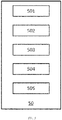
- a vehicle control system 50 includes an instruction generation unit 501, a target parameter generation unit 502, an execution parameter generation unit 503, a category parameter generation unit 504, and a parameter allocation unit 505.
- the instruction generation unit 501 is configured to generate an operation instruction according to a driving task.
- the driving task may be a driver manipulating operable hardware as required, for example, turning a steering wheel, stepping on a brake pedal, stepping on an accelerator pedal, etc.
- the driving task may also be an execution process of an automatic execution mechanism according to an established procedure, for example, automatic parking, automatic vehicle following, etc.
- the execution process of the above driving task may be reflected as a specific operation instruction according to manipulation of the operable hardware or an execution process.
- slamming on an accelerator may be a rapid accelerating driving task.
- an operation instruction may be accelerating, and an acceleration value may be associated with a throttle openness.
- a vehicle speed may be specifically adjusted based on obstacles in front and behind.
- an operation instruction may also be accelerating.
- the target parameter generation unit 502 is configured to generate a target parameter according to the operation instruction, the target parameter reflecting a requirement for state control of a vehicle.
- the operation instruction generated by the instruction generation unit 501 described above is coarse and primitive. Sometimes, the operation instruction reflects only a requirement of a single driving task, but more often driving tasks are performed simultaneously. For example, the steering wheel may also be turned in a process of slamming on the accelerator pedal.
- the target parameter generation unit 502 may comprehensively consider a plurality of driving tasks to give a comprehensive value as the target parameter. Furthermore, the target parameter generation unit 502 may also optimize an operation instruction value to generate the target parameter. For example, the operation instruction indicates a uniformly accelerated motion with an acceleration of 5 m/s 2 .
- an acceleration reflected by the target parameter may have a certain hysteresis, and an acceleration curve may be smoother at an initial section.
- FIG. 3 shows an acceleration curve (indicated by a dotted line) reflecting an operation instruction, and an acceleration curve (indicated by a solid line) reflecting a target parameter.
- the acceleration curve of the target parameter has a hysteresis, in which acceleration starts at a time t1, and an initial acceleration section is smooth.
- a speed required for a driving task is reached.
- the execution parameter generation unit 503 is configured to generate an execution parameter according to the target parameter, the execution parameter reflecting an execution capability of a vehicle executor for the requirement for state control.
- the target parameter determined by the target parameter generation unit 502 reflects state requirements for the vehicle, but these requirements need to be met through execution of various resources (executors) of the vehicle. There is thus a need to convert these requirements into execution parameters of the resources of the vehicle. For example, when the target parameter is an acceleration X m/s 2 , a corresponding execution parameter is torque Y N ⁇ m. Therefore, the target parameter generation unit 502 may convert the state requirement for the vehicle into the execution capability of the vehicle.
- the category parameter generation unit 504 is configured to allocate category task parameters to category executors according to the execution parameter.
- a class of resources that may execute the same task is classified as executors of a category.
- the four hub motors may execute a deceleration task.
- four-wheel braking systems may also execute the deceleration task.
- the four hub motors and the four braking systems may be classified as one category of executors.
- the category parameter generation unit 504 may allocate a corresponding category task parameter to each of the four hub motors and the four braking systems according to an execution parameter for execution of the deceleration task.
- the parameter allocation unit 505 is configured to provide the category task parameter for at least one of the category executors.
- the parameter allocation unit 505 may send a command to the executor so that the executor executes a corresponding action, and may particularly send a previously determined category task parameter to a specific hardware executor.
- the target parameter generation unit 502 may particularly perform at least one of the following: (1) Providing a target longitudinal trajectory parameter of the vehicle, the target longitudinal trajectory parameter being used for meeting a requirement for longitudinal motion of the vehicle. (2) Providing a target transverse trajectory parameter of the vehicle, the target transverse trajectory parameter being used for meeting a requirement for transverse motion of the vehicle. (3) Providing target parameters for mode setting of the vehicle, for example, including accelerations in three directions and angular velocities in the three directions. Compared with the longitudinal trajectory tracking service and the transverse trajectory tracking service, the six-degree-of-freedom mode service also takes requirement in the normal direction into consideration. (4) Providing a target parameter for gear setting of the vehicle.
- the execution parameter generation unit 503 may particularly perform at least one of the following: (1) Determining a manual operation required torque. (2) Determining an acceleration required torque or an execution parameter requested for parking (for example, a braking system parameter and a gear selection parameter). (3) Determining a yaw motion required torque. (4) Determining a slip rate required torque. (5) Determining a normal torque, a pitch torque, and a roll control torque.
- the category parameter generation unit 504 may particularly perform at least one of the following: (1) allocating a torque control category task parameter to a driving category executor; (2) allocating a braking category task parameter to a braking category executor; (3) allocating a parking braking category task parameter to a parking braking category executor; (4) allocating a gear control category task parameter to a gear control category executor; (5) allocating a steering category task parameter to a steering assistance category executor; (6) allocating a suspension adjustment category task parameter to a suspension control category executor; (7) allocating a torque control category task parameter to a motor torque category executor; (8) allocating a braking category task parameter to a braking slip rate control category executor; (9) allocating a vehicle body height adjustment category task parameter to a vehicle body height adjustment category executor; and (10) allocating a normal force control category task parameter to a suspension control category executor.
- the parameter allocation unit 505 may particularly perform at least one of the following: (1) Providing an actual torque control task parameter for at least one (for example, a front motor or a rear motor) of driving category executors. (2) Providing an actual braking task parameter for at least one (for example, a four-wheel braking system) of braking category executors. (3) Providing an actual steering task parameter (for example, a torque and an angle) for at least one (for example, an electric power steering system) of steering assistance category executors. (4) Providing an actual vehicle body height adjustment task parameter for at least one (for example, an air spring) of vehicle body height adjustment category executors. (5) Providing an actual normal force control task parameter for at least one of suspension control category executors.
Landscapes
- Engineering & Computer Science (AREA)
- Transportation (AREA)
- Mechanical Engineering (AREA)
- Chemical & Material Sciences (AREA)
- Combustion & Propulsion (AREA)
- Automation & Control Theory (AREA)
- Human Computer Interaction (AREA)
- Control Of Driving Devices And Active Controlling Of Vehicle (AREA)
- Steering Control In Accordance With Driving Conditions (AREA)
Abstract
Description
- This application relates to the field of vehicle control, and in particular to a vehicle control system, a vehicle control method, and a storage medium.
- High-level intelligent driving has imposed increasingly high requirements on vehicle motion control. However, most of the current vehicle control methods perform transverse and longitudinal control separately, and rarely take impact in the normal direction into consideration. Furthermore, most of the current software architectures are flow-oriented. When a new function is added externally, it is required to add a function to the corresponding motion control, and consider the cooperation between the function and other functions, resulting in a heavy workload. In addition, unexpected problems may often occur to the coordination between functions.
- Embodiments of this application provide a vehicle control system, a vehicle control method, and a storage medium, which are used for providing a comprehensive service combination by means of shielding underlying hardware, so as to implement more rational vehicle control.
- According to a first aspect of this application, a vehicle control system is provided. The system includes: a planning layer in which a service is configured to generate an operation instruction according to a driving task; a reference layer in which a service is configured to generate a target parameter according to the operation instruction, the target parameter reflecting a requirement for state control of a vehicle; an advanced control layer in which a service is configured to generate an execution parameter according to the target parameter, the execution parameter reflecting an execution capability of a vehicle executor for the requirement for state control; an allocation control layer in which a service is configured to allocate category task parameters to category executors according to the execution parameter; and an underlying control layer in which a service is configured to provide the category task parameter for at least one of the category executors.
- In some embodiments of this application, optionally, the reference layer includes at least one of the following: a longitudinal trajectory tracking service configured to provide a target longitudinal trajectory parameter of the vehicle; a transverse trajectory tracking service configured to provide a target transverse trajectory parameter of the vehicle; a six-degree-of-freedom mode service configured to provide target parameters for mode setting of the vehicle, including accelerations in three directions and angular velocities in the three directions; and a gear control service configured to provide a target parameter for gear setting of the vehicle.
- In some embodiments of this application, optionally, the advanced control layer includes at least one of the following: a driver required torque service configured to determine a manual operation required torque; a vehicle longitudinal acceleration control service configured to determine an acceleration required torque or an execution parameter requested for parking; a yaw motion control service configured to determine a yaw motion required torque; a slip rate control service configured to determine a slip rate required torque; a normal control service configured to determine a normal torque; a pitch control service configured to determine a pitch torque; and a roll control service configured to determine a roll control torque.
- In some embodiments of this application, optionally, the allocation control layer includes at least one of the following: a driving and braking coordination control service configured to allocate a torque control category task parameter to a driving category executor and a braking category task parameter to a braking category executor; a low-speed parking service configured to allocate a parking braking category task parameter to a parking braking category executor and a gear control category task parameter to a gear control category executor; a yaw motion control coordination service configured to allocate a braking category task parameter to a braking category executor, a steering category task parameter to a steering assistance category executor, and a suspension adjustment category task parameter to a suspension control category executor; a driving and braking slip rate control coordination service configured to allocate a torque control category task parameter to a motor torque category executor and a braking category task parameter to a braking slip rate control category executor; and a six-degree-of-freedom coordination control service configured to allocate a torque control category task parameter to a driving category executor, a braking category task parameter to a braking category executor, a steering category task parameter to a steering assistance category executor, a vehicle body height adjustment category task parameter to a vehicle body height adjustment category executor, and a normal force control category task parameter to a suspension control category executor.
- In some embodiments of this application, optionally, the underlying control layer includes at least one of the following: a driver required torque allocation service configured to provide an actual torque control task parameter for at least one of driving category executors; a motor torque slip rate control service configured to provide an actual torque control task parameter for at least one of driving category executors; a braking force allocation service configured to provide an actual braking task parameter for at least one of braking category executors; a braking response slip rate control service configured to provide an actual braking task parameter for at least one of braking category executors; an electronic steering assistance service configured to provide an actual steering task parameter for at least one of steering assistance category executors; an air spring control service configured to provide an actual vehicle body height adjustment task parameter for at least one of vehicle body height adjustment category executors; and a suspension control service configured to provide an actual normal force control task parameter for at least one of suspension control category executors.
- According to another aspect of this application, a vehicle control method is provided. The method includes: generating an operation instruction according to a driving task; generating a target parameter according to the operation instruction, the target parameter reflecting a requirement for state control of a vehicle; generating an execution parameter according to the target parameter, the execution parameter reflecting an execution capability of a vehicle executor for the requirement for state control; allocating category task parameters to category executors according to the execution parameter; and providing the category task parameter for at least one of the category executors.
- In some embodiments of this application, optionally, generating a target parameter according to the operation instruction includes at least one of the following: providing a target longitudinal trajectory parameter of the vehicle; providing a target transverse trajectory parameter of the vehicle; providing target parameters for mode setting of the vehicle, including accelerations in three directions and angular velocities in the three directions; and providing a target parameter for gear setting of the vehicle.
- In some embodiments of this application, optionally, generating an execution parameter according to the target parameter includes at least one of the following: determining a manual operation required torque; determining an acceleration required torque or an execution parameter requested for parking; determining a yaw motion required torque; determining a slip rate required torque; and determining a normal torque, a pitch torque, and a roll control torque.
- In some embodiments of this application, optionally, allocating category task parameters to category executors according to the execution parameter includes at least one of the following: allocating a torque control category task parameter to a driving category executor; allocating a braking category task parameter to a braking category executor; allocating a parking braking category task parameter to a parking braking category executor; allocating a gear control category task parameter to a gear control category executor; allocating a steering category task parameter to a steering assistance category executor; allocating a suspension adjustment category task parameter to a suspension control category executor; allocating a torque control category task parameter to a motor torque category executor; allocating a braking category task parameter to a braking slip rate control category executor; allocating a vehicle body height adjustment category task parameter to a vehicle body height adjustment category executor; and allocating a normal force control category task parameter to a suspension control category executor.
- In some embodiments of this application, optionally, providing the category task parameter for at least one of the category executors includes at least one of the following: providing an actual torque control task parameter for at least one of driving category executors; providing an actual braking task parameter for at least one of braking category executors; providing an actual steering task parameter for at least one of steering assistance category executors; providing an actual vehicle body height adjustment task parameter for at least one of vehicle body height adjustment category executors; and providing an actual normal force control task parameter for at least one of suspension control category executors.
- According to still another aspect of this application, a computer-readable storage medium is provided, which has instructions stored therein, where the instructions, when executed by a processor, cause the processor to perform any one of the methods described above.
- According to yet still another aspect of this application, a vehicle control system is provided. The system includes: an instruction generation unit configured to generate an operation instruction according to a driving task; a target parameter generation unit configured to generate a target parameter according to the operation instruction, the target parameter reflecting a requirement for state control of a vehicle; an execution parameter generation unit configured to generate an execution parameter according to the target parameter, the execution parameter reflecting an execution capability of a vehicle executor for the requirement for state control; a category parameter generation unit configured to allocate category task parameters to category executors according to the execution parameter; and a parameter allocation unit configured to provide the category task parameter for at least one of the category executors.
- In some embodiments of this application, optionally, the target parameter generation unit may particularly perform at least one of the following: providing a target longitudinal trajectory parameter of the vehicle; providing a target transverse trajectory parameter of the vehicle; providing target parameters for mode setting of the vehicle, including accelerations in three directions and angular velocities in the three directions; and providing a target parameter for gear setting of the vehicle.
- In some embodiments of this application, optionally, the execution parameter generation unit may particularly perform at least one of the following: determining a manual operation required torque; determining an acceleration required torque or an execution parameter requested for parking; determining a yaw motion required torque; determining a slip rate required torque; and determining a normal torque, a pitch torque, and a roll control torque.
- In some embodiments of this application, optionally, the category parameter generation unit may particularly perform at least one of the following: allocating a torque control category task parameter to a driving category executor; allocating a braking category task parameter to a braking category executor; allocating a parking braking category task parameter to a parking braking category executor; allocating a gear control category task parameter to a gear control category executor; allocating a steering category task parameter to a steering assistance category executor; allocating a suspension adjustment category task parameter to a suspension control category executor; allocating a torque control category task parameter to a motor torque category executor; allocating a braking category task parameter to a braking slip rate control category executor; allocating a vehicle body height adjustment category task parameter to a vehicle body height adjustment category executor; and allocating a normal force control category task parameter to a suspension control category executor.
- In some embodiments of this application, optionally, the parameter allocation unit may particularly perform at least one of the following: providing an actual torque control task parameter for at least one of driving category executors; providing an actual braking task parameter for at least one of braking category executors; providing an actual steering task parameter for at least one of steering assistance category executors; providing an actual vehicle body height adjustment task parameter for at least one of vehicle body height adjustment category executors; and providing an actual normal force control task parameter for at least one of suspension control category executors.
- The above and other objectives and advantages of this application will be more thorough and clearer from the following detailed description in conjunction with the drawings, where the same or similar elements are represented by the same reference numerals.
-
FIG. 1 shows a vehicle control system according to an embodiment of this application. -
FIG. 2 shows a vehicle control system according to an embodiment of this application. -
FIG. 3 shows a working principle of a service according to an embodiment of this application. -
FIG. 4 shows a vehicle control method according to an embodiment of this application. -
FIG. 5 shows a vehicle control system according to an embodiment of this application. - For the sake of brevity and illustrative purposes, the principles of this application are mainly described herein with reference to its exemplary embodiments. However, those skilled in the art would easily realize that the same principles may be equivalently applied to all types of vehicle control systems, vehicle control methods, and storage media, and these same or similar principles may be implemented therein, where any such changes do not depart from the true spirit and scope of this application.
- The invention provides a service-oriented vehicle motion control mechanism, in which various services that may be provided through vehicle motion control are abstracted for output through a unified interface. By using an SOA architecture, which may allow for the planning and integration of service functions on different operating systems and different platforms of different OEMs to implement rapid iteration and reorganization of the functions and meet rapid and changeable business requirements, the services provided in the invention can always meet external requirements no matter how external newly-added functions change.
- According to an aspect of this application, a vehicle control system is provided. As shown in
FIG. 1 , avehicle control system 10 includes a planning layer L1, a reference layer L2, an advanced control layer L3, an allocation control layer L4, and an underlying control layer L5. Each layer is composed of several services. Each service may implement several abstract functions, thus providing various functionalities on the basis of shielding underlying hardware. - The services among the layers may transfer information. According to the design, a service includes several inputs and outputs. An output of a service in an upper layer may be used as an input of a service in a lower layer, and a command is finally issued to specific execution hardware. How the services in each layer transfer information is associated with a driving task. A given driving task connects one or more services in each layer in series (these services connected in series may be fixed as a model corresponding to the driving task for invocation), and a command is finally issued to execution hardware to complete the driving task.
- A service in the planning layer L1 of the
vehicle control system 10 is configured to generate an operation instruction according to a driving task. The driving task may be a driver manipulating operable hardware as required, for example, turning a steering wheel, stepping on a brake pedal, stepping on an accelerator pedal, etc. The driving task may also be an execution process of an automatic execution mechanism according to an established procedure, for example, automatic parking, automatic vehicle following, etc. The execution process of the above driving task may be reflected by a specific operation instruction according to manipulation of the operable hardware or an automatic execution process. For example, slamming on an accelerator may be a rapid accelerating driving task. In this case, an operation instruction may be accelerating, and an acceleration value may be associated with a throttle openness. For another example, in an automatic parking process, a vehicle speed may be specifically adjusted based on obstacles in front and behind. In this case, an operation instruction may also be accelerating. - A service in the reference layer L2 of the
vehicle control system 10 is configured to generate a target parameter according to the operation instruction, the target parameter reflecting a requirement for state control of a vehicle. The above operation instruction generated in the planning layer L1 is coarse and primitive. Sometimes, the operation instruction reflects only a requirement of a single driving task, but more often driving tasks are performed simultaneously. For example, the steering wheel may also be turned in a process of slamming on the accelerator pedal. The service in the reference layer L2 may comprehensively consider a plurality of driving tasks to give a comprehensive value as the target parameter, for example, integrating received angular velocity operation instructions into a target angular velocity parameter. Furthermore, the service in the reference layer L2 may also optimize an operation instruction value to generate the target parameter. For example, the operation instruction indicates a uniformly accelerated motion with an acceleration of 5 m/s2. However, for comfort of a driver and passengers and preventing the driver from stepping on the pedal accidentally, an acceleration reflected by the target parameter may have a certain hysteresis, and an acceleration curve may be smoother at an initial section.FIG. 3 shows an acceleration curve (indicated by a dotted line) reflecting an operation instruction, and an acceleration curve (indicated by a solid line) reflecting a target parameter. Compared with the acceleration curve of the operation instruction, the acceleration curve of the target parameter has a hysteresis, in which acceleration starts at a time t1, and an initial acceleration section is smooth. Finally, at a time t2, a speed required for a driving task is reached in both curves. - A service in the advanced control layer L3 of the
vehicle control system 10 is configured to generate an execution parameter according to the target parameter, the execution parameter reflecting an execution capability of a vehicle executor for the requirement for state control. The target parameter determined in the reference layer L2 reflects state requirements for the vehicle, but these requirements need to be met through execution of various resources (executors) of the vehicle. There is thus a need to convert these requirements into execution parameters of the resources of the vehicle. For example, when the target parameter is an acceleration X m/s2, a corresponding execution parameter is torque Y N·m. Therefore, the advanced control layer L3 converts the state requirement for the vehicle into the execution capability of the vehicle. - A service in the allocation control layer L4 of the
vehicle control system 10 is configured to allocate category task parameters to category executors according to the execution parameter. In the context of this application, a class of resources that may execute the same task is classified as executors of a category. For example, when a vehicle is provided with four hub motors, the four hub motors may execute a deceleration task. In addition, four-wheel braking systems may also execute the deceleration task. The four hub motors and the four braking systems may be classified as one category of executors. During the execution of the deceleration task, the allocation control layer L4 may allocate a corresponding category task parameter to each of the four hub motors and the four braking systems according to an execution parameter for execution of the deceleration task. - A service in the underlying control layer L5 of the
vehicle control system 10 is configured to provide the category task parameter for at least one of the category executors. The underlying control layer L5 may send a command to the executor so that the executor executes a corresponding action, and may particularly send a previously determined category task parameter to one of specific hardware executors. - In some embodiments of this application, the reference layer L2 may include the following services: (1) A longitudinal trajectory tracking service configured to provide a target longitudinal trajectory parameter of the vehicle, the target longitudinal trajectory parameter being used for meeting a requirement for longitudinal motion of the vehicle. (2) A transverse trajectory tracking service configured to provide a target transverse trajectory parameter of the vehicle, the target transverse trajectory parameter being used for meeting a requirement for transverse motion of the vehicle. (3) A six-degree-of-freedom mode service configured to provide target parameters for mode setting of the vehicle, for example, including accelerations in three directions and angular velocities in the three directions. Compared with the longitudinal trajectory tracking service and the transverse trajectory tracking service, the six-degree-of-freedom mode service also takes requirement in the normal direction into consideration. (4) A gear control service configured to provide a target parameter for gear setting of the vehicle.
- In some embodiments of this application, the advanced control layer L3 may include the following services: (1) A driver required torque service configured to determine a manual operation required torque. (2) A vehicle longitudinal acceleration control service configured to determine an acceleration required torque or an execution parameter requested for parking (for example, a braking system parameter and a gear selection parameter). (3) A yaw motion control service configured to determine a yaw motion required torque. (4) A slip rate control service configured to determine a slip rate required torque. (5) A normal control service configured to determine a normal torque. (6) A pitch control service configured to determine a pitch torque. (7) A roll control service configured to determine a roll control torque.
- In some embodiments of this application, the allocation control layer L4 may include the following services: (1) A driving and braking coordination control service configured to allocate a torque control category task parameter to a driving category executor and a braking category task parameter to a braking category executor. (2) A low-speed parking service configured to allocate a parking braking category task parameter to a parking braking category executor and a gear control category task parameter to a gear control category executor. (3) A yaw motion control coordination service configured to allocate a braking category task parameter to a braking category executor, a steering category task parameter to a steering assistance category executor, and a suspension adjustment category task parameter to a suspension control category executor. (4) A driving and braking slip rate control coordination service configured to allocate a torque control category task parameter to a motor torque category executor and a braking category task parameter to a braking slip rate control category executor. (5) A six-degree-of-freedom coordination control service configured to allocate a torque control category task parameter to a driving category executor, a braking category task parameter to a braking category executor, a steering category task parameter to a steering assistance category executor, a vehicle body height adjustment category task parameter to a vehicle body height adjustment category executor, and a normal force control category task parameter to a suspension control category executor.
- In some embodiments of this application, the underlying control layer L5 may include the following services: (1) A driver required torque allocation service configured to provide an actual torque control task parameter for at least one (for example, a front motor or a rear motor) of driving category executors. (2) A motor torque slip rate control service configured to provide an actual torque control task parameter for at least one of driving category executors. (3) A braking force allocation service configured to provide an actual braking task parameter for at least one (for example, a four-wheel braking system) of braking category executors. (4) A braking response slip rate control service configured to provide an actual braking task parameter for at least one of braking category executors. (5) An electronic steering assistance service configured to provide an actual steering task parameter (for example, a torque and an angle) for at least one (for example, an electric power steering system) of steering assistance category executors. (6) An air spring control service configured to provide an actual vehicle body height adjustment task parameter for at least one (for example, an air spring) of vehicle body height adjustment category executors. (7) A suspension control service configured to provide an actual normal force control task parameter for at least one of suspension control category executors.
-
FIG. 2 shows an example of a longitudinal motion control task according to an example of the invention, in which each small block in each layer of avehicle control system 20 denotes one service, and a combination of these services is used to complete the longitudinal motion control task. In order to complete the longitudinal motion control task, a constructed service combination takes into consideration: a vehicle longitudinal acceleration control service and a slip rate control service in the advanced control layer L3; a driving and braking coordination control service and a driving and braking slip rate control coordination service in the allocation control layer L4; and a driver required torque allocation service, a motor torque slip rate control service, a braking force allocation service, and a braking response slip rate control service in the underlying control layer L5. Services not shown in each layer are not taken into consideration. If no service in a layer is taken into consideration, this means that an operation instruction generated in the planning layer L1 is not specifically processed in the layer and is directly sent to the next layer. - In the example of
FIG. 2 , outputs (execution parameters) of the vehicle longitudinal acceleration control service and the slip rate control service in the advanced control layer L3 are used as an input of the driving and braking coordination control service in the allocation control layer L4; an output (a category task parameter) of the slip rate control service in the advanced control layer L3 is used as an input of the driving and braking slip rate control coordination service in the allocation control layer L4; and an output of the driving and braking coordination control service in the allocation control layer L4 is used as inputs of the driver required torque allocation service and the braking force allocation service in the underlying control layer L5, and an output of the driving and braking slip rate control coordination service in L4 is used as inputs of the braking force allocation service and the braking response slip rate control service in the underlying control layer L5. Through a service architecture constructed in this way, the longitudinal motion control task can be implemented. - According to another aspect of this application, a vehicle control method is provided. As shown in
FIG. 4 , the vehicle control method includes the following steps. Step S401: Generate an operation instruction according to a driving task. The driving task may be a driver manipulating operable hardware as required, for example, turning a steering wheel, stepping on a brake pedal, stepping on an accelerator pedal, etc. The driving task may also be an execution process of an automatic execution mechanism according to an established procedure, for example, automatic parking, automatic vehicle following, etc. The execution process of the above driving task may be reflected as a specific operation instruction according to manipulation of the operable hardware or an execution process. For example, slamming on an accelerator may be a rapid accelerating driving task. In this case, an operation instruction may be accelerating, and an acceleration value may be associated with a throttle openness. For another example, in an automatic parking process, a vehicle speed may be specifically adjusted based on obstacles in front and behind. In this case, an operation instruction may also be accelerating. - The vehicle control method includes generating a target parameter according to the operation instruction in step S402, the target parameter reflecting a requirement for state control of a vehicle. The operation instruction generated in step S401 above is coarse and primitive. Sometimes, the operation instruction reflects only a requirement of a single driving task, but more often driving tasks are performed simultaneously. For example, the steering wheel may also be turned in a process of slamming on the accelerator pedal. In step S402, a plurality of driving tasks may be comprehensively considered to give a comprehensive value as the target parameter. Furthermore, in step S402, an operation instruction value may also be optimized to generate the target parameter. For example, the operation instruction indicates a uniformly accelerated motion with an acceleration of 5 m/s2. However, for comfort of a driver and passengers and preventing the driver from stepping on the pedal accidentally, an acceleration reflected by the target parameter may have a certain hysteresis, and an acceleration curve may be smoother at an initial section.
FIG. 3 shows an acceleration curve (indicated by a dotted line) reflecting an operation instruction, and an acceleration curve (indicated by a solid line) reflecting a target parameter. Compared with the acceleration curve of the operation instruction, the acceleration curve of the target parameter has a hysteresis, in which acceleration starts at a time t1, and an initial acceleration section is smooth. Finally, at a time t2, a speed required for a driving task is reached. - The vehicle control method includes generating an execution parameter according to the target parameter in step S403, the execution parameter reflecting an execution capability of a vehicle executor for the requirement for state control. The target parameter determined in step S402 reflects state requirements for the vehicle, but these requirements need to be met through execution of various resources (executors) of the vehicle. There is thus a need to convert these requirements into execution parameters of the resources of the vehicle. For example, when the target parameter is an acceleration X m/s2, a corresponding execution parameter is torque Y N·m. Therefore, in step S403, the state requirement for the vehicle may be converted into the execution capability of the vehicle.
- The vehicle control method includes allocating category task parameters to category executors according to the execution parameter in step S404. In the context of this application, a class of resources that may execute the same task is classified as executors of a category. For example, when a vehicle is provided with four hub motors, the four hub motors may execute a deceleration task. In addition, four-wheel braking systems may also execute the deceleration task. The four hub motors and the four braking systems may be classified as one category of executors. During the execution of the deceleration task, in step S404, a corresponding category task parameter may be allocated to each of the four hub motors and the four braking systems according to an execution parameter for execution of the deceleration task.
- The vehicle control method includes providing the category task parameter for at least one of the category executors in step S405. In step S405, a command may be sent to the executor so that the executor executes a corresponding action, and particularly, a previously determined category task parameter may be sent to a specific hardware executor.
- In some embodiments of this application, generating a target parameter according to the operation instruction in step S402 includes at least one of the following: (1) Providing a target longitudinal trajectory parameter of the vehicle, the target longitudinal trajectory parameter being used for meeting a requirement for longitudinal motion of the vehicle. (2) Providing a target transverse trajectory parameter of the vehicle, the target transverse trajectory parameter being used for meeting a requirement for transverse motion of the vehicle. (3) Providing target parameters for mode setting of the vehicle, for example, including accelerations in three directions and angular velocities in the three directions. Compared with the longitudinal trajectory tracking service and the transverse trajectory tracking service, the six-degree-of-freedom mode service also takes requirement in the normal direction into consideration. (4) Providing a target parameter for gear setting of the vehicle.
- In some embodiments of this application, generating an execution parameter according to the target parameter in step S403 includes at least one of the following: (1) Determining a manual operation required torque. (2) Determining an acceleration required torque or an execution parameter requested for parking (for example, a braking system parameter and a gear selection parameter). (3) Determining a yaw motion required torque. (4) Determining a slip rate required torque. (5) Determining a normal torque, a pitch torque, and a roll control torque.
- In some embodiments of this application, allocating category task parameters to category executors according to the execution parameter in step S404 includes at least one of the following: (1) allocating a torque control category task parameter to a driving category executor; (2) allocating a braking category task parameter to a braking category executor; (3) allocating a parking braking category task parameter to a parking braking category executor; (4) allocating a gear control category task parameter to a gear control category executor; (5) allocating a steering category task parameter to a steering assistance category executor; (6) allocating a suspension adjustment category task parameter to a suspension control category executor; (7) allocating a torque control category task parameter to a motor torque category executor; (8) allocating a braking category task parameter to a braking slip rate control category executor; (9) allocating a vehicle body height adjustment category task parameter to a vehicle body height adjustment category executor; and (10) allocating a normal force control category task parameter to a suspension control category executor.
- In some embodiments of this application, providing the category task parameter for at least one of the category executors in step S405 includes at least one of the following: (1) Providing an actual torque control task parameter for at least one (for example, a front motor or a rear motor) of driving category executors. (2) Providing an actual braking task parameter for at least one (for example, a four-wheel braking system) of braking category executors. (3) Providing an actual steering task parameter (for example, a torque and an angle) for at least one (for example, an electric power steering system) of steering assistance category executors. (4) Providing an actual vehicle body height adjustment task parameter for at least one (for example, an air spring) of vehicle body height adjustment category executors. (5) Providing an actual normal force control task parameter for at least one of suspension control category executors.
- According to still another aspect of this application, a computer-readable storage medium is provided, which has instructions stored therein, where the instructions, when executed by a processor, cause the processor to perform any one of the vehicle control methods described above. The computer-readable medium in this application includes various types of computer storage media, and may be any usable medium accessible to a general-purpose or special-purpose computer. For example, the computer-readable medium may include a RAM, a ROM, an EPROM, an EEPROM, a register, a hard disk, a removable hard disk, a CD-ROM or another optical memory, a magnetic disk memory or another magnetic storage device, or any other transitory or non-transitory media that can carry or store expected program code having an instruction or data structure form and be accessible to the general-purpose or special-purpose computer or a general-purpose or special-purpose processor. Data is usually copied magnetically in a disk used herein, while data is usually copied optically by using lasers in a disc. A combination thereof shall also fall within the scope of protection of the computer-readable media. For example, the storage medium is coupled to a processor, so that the processor can read information from and write information to the storage medium. In an alternative solution, the storage medium may be integrated into the processor. The processor and the storage medium may reside in an ASIC. The ASIC may reside in a user terminal. In an alternative solution, the processor and the storage medium may reside as discrete assemblies in a user terminal.
- According to yet still another aspect of this application, a vehicle control system is provided. As shown in
FIG. 5 , avehicle control system 50 includes aninstruction generation unit 501, a targetparameter generation unit 502, an executionparameter generation unit 503, a categoryparameter generation unit 504, and aparameter allocation unit 505. - The
instruction generation unit 501 is configured to generate an operation instruction according to a driving task. The driving task may be a driver manipulating operable hardware as required, for example, turning a steering wheel, stepping on a brake pedal, stepping on an accelerator pedal, etc. The driving task may also be an execution process of an automatic execution mechanism according to an established procedure, for example, automatic parking, automatic vehicle following, etc. The execution process of the above driving task may be reflected as a specific operation instruction according to manipulation of the operable hardware or an execution process. For example, slamming on an accelerator may be a rapid accelerating driving task. In this case, an operation instruction may be accelerating, and an acceleration value may be associated with a throttle openness. For another example, in an automatic parking process, a vehicle speed may be specifically adjusted based on obstacles in front and behind. In this case, an operation instruction may also be accelerating. - The target
parameter generation unit 502 is configured to generate a target parameter according to the operation instruction, the target parameter reflecting a requirement for state control of a vehicle. The operation instruction generated by theinstruction generation unit 501 described above is coarse and primitive. Sometimes, the operation instruction reflects only a requirement of a single driving task, but more often driving tasks are performed simultaneously. For example, the steering wheel may also be turned in a process of slamming on the accelerator pedal. The targetparameter generation unit 502 may comprehensively consider a plurality of driving tasks to give a comprehensive value as the target parameter. Furthermore, the targetparameter generation unit 502 may also optimize an operation instruction value to generate the target parameter. For example, the operation instruction indicates a uniformly accelerated motion with an acceleration of 5 m/s2. However, for comfort of a driver and passengers and preventing the driver from stepping on the pedal accidentally, an acceleration reflected by the target parameter may have a certain hysteresis, and an acceleration curve may be smoother at an initial section.FIG. 3 shows an acceleration curve (indicated by a dotted line) reflecting an operation instruction, and an acceleration curve (indicated by a solid line) reflecting a target parameter. Compared with the acceleration curve of the operation instruction, the acceleration curve of the target parameter has a hysteresis, in which acceleration starts at a time t1, and an initial acceleration section is smooth. Finally, at a time t2, a speed required for a driving task is reached. - The execution
parameter generation unit 503 is configured to generate an execution parameter according to the target parameter, the execution parameter reflecting an execution capability of a vehicle executor for the requirement for state control. The target parameter determined by the targetparameter generation unit 502 reflects state requirements for the vehicle, but these requirements need to be met through execution of various resources (executors) of the vehicle. There is thus a need to convert these requirements into execution parameters of the resources of the vehicle. For example, when the target parameter is an acceleration X m/s2, a corresponding execution parameter is torque Y N·m. Therefore, the targetparameter generation unit 502 may convert the state requirement for the vehicle into the execution capability of the vehicle. - The category
parameter generation unit 504 is configured to allocate category task parameters to category executors according to the execution parameter. In the context of this application, a class of resources that may execute the same task is classified as executors of a category. For example, when a vehicle is provided with four hub motors, the four hub motors may execute a deceleration task. In addition, four-wheel braking systems may also execute the deceleration task. The four hub motors and the four braking systems may be classified as one category of executors. During the execution of the deceleration task, the categoryparameter generation unit 504 may allocate a corresponding category task parameter to each of the four hub motors and the four braking systems according to an execution parameter for execution of the deceleration task. - The
parameter allocation unit 505 is configured to provide the category task parameter for at least one of the category executors. Theparameter allocation unit 505 may send a command to the executor so that the executor executes a corresponding action, and may particularly send a previously determined category task parameter to a specific hardware executor. - In some embodiments of this application, the target
parameter generation unit 502 may particularly perform at least one of the following: (1) Providing a target longitudinal trajectory parameter of the vehicle, the target longitudinal trajectory parameter being used for meeting a requirement for longitudinal motion of the vehicle. (2) Providing a target transverse trajectory parameter of the vehicle, the target transverse trajectory parameter being used for meeting a requirement for transverse motion of the vehicle. (3) Providing target parameters for mode setting of the vehicle, for example, including accelerations in three directions and angular velocities in the three directions. Compared with the longitudinal trajectory tracking service and the transverse trajectory tracking service, the six-degree-of-freedom mode service also takes requirement in the normal direction into consideration. (4) Providing a target parameter for gear setting of the vehicle. - In some embodiments of this application, the execution
parameter generation unit 503 may particularly perform at least one of the following: (1) Determining a manual operation required torque. (2) Determining an acceleration required torque or an execution parameter requested for parking (for example, a braking system parameter and a gear selection parameter). (3) Determining a yaw motion required torque. (4) Determining a slip rate required torque. (5) Determining a normal torque, a pitch torque, and a roll control torque. - In some embodiments of this application, the category
parameter generation unit 504 may particularly perform at least one of the following: (1) allocating a torque control category task parameter to a driving category executor; (2) allocating a braking category task parameter to a braking category executor; (3) allocating a parking braking category task parameter to a parking braking category executor; (4) allocating a gear control category task parameter to a gear control category executor; (5) allocating a steering category task parameter to a steering assistance category executor; (6) allocating a suspension adjustment category task parameter to a suspension control category executor; (7) allocating a torque control category task parameter to a motor torque category executor; (8) allocating a braking category task parameter to a braking slip rate control category executor; (9) allocating a vehicle body height adjustment category task parameter to a vehicle body height adjustment category executor; and (10) allocating a normal force control category task parameter to a suspension control category executor. - In some embodiments of this application, the
parameter allocation unit 505 may particularly perform at least one of the following: (1) Providing an actual torque control task parameter for at least one (for example, a front motor or a rear motor) of driving category executors. (2) Providing an actual braking task parameter for at least one (for example, a four-wheel braking system) of braking category executors. (3) Providing an actual steering task parameter (for example, a torque and an angle) for at least one (for example, an electric power steering system) of steering assistance category executors. (4) Providing an actual vehicle body height adjustment task parameter for at least one (for example, an air spring) of vehicle body height adjustment category executors. (5) Providing an actual normal force control task parameter for at least one of suspension control category executors. - The above description is merely illustrative of specific embodiments of this application, but the scope of protection of this application is not limited thereto. Any feasible variation or replacement conceived by a person skilled in the art within the technical scope disclosed in this application shall fall within the scope of protection of this application. In the case of no conflict, the embodiments of this application and features in the embodiments may also be combined with each another. The scope of protection of this application shall be subject to recitations of the claims.
Claims (11)
- A vehicle control system, comprising:a planning layer in which a service is configured to generate an operation instruction according to a driving task;a reference layer in which a service is configured to generate a target parameter according to the operation instruction, the target parameter reflecting a requirement for state control of a vehicle;an advanced control layer in which a service is configured to generate an execution parameter according to the target parameter, the execution parameter reflecting an execution capability of a vehicle executor for the requirement for state control;an allocation control layer in which a service is configured to allocate category task parameters to category executors according to the execution parameter; andan underlying control layer in which a service is configured to provide the category task parameter for at least one of the category executors.
- The system according to claim 1, wherein the reference layer comprises at least one of the following:a longitudinal trajectory tracking service configured to provide a target longitudinal trajectory parameter of the vehicle;a transverse trajectory tracking service configured to provide a target transverse trajectory parameter of the vehicle;a six-degree-of-freedom mode service configured to provide target parameters for mode setting of the vehicle, including accelerations in three directions and angular velocities in the three directions; anda gear control service configured to provide a target parameter for gear setting of the vehicle.
- The system according to claim 1 or 2, wherein the advanced control layer comprises at least one of the following:a driver required torque service configured to determine a manual operation required torque;a vehicle longitudinal acceleration control service configured to determine an acceleration required torque or an execution parameter requested for parking;a yaw motion control service configured to determine a yaw motion required torque;a slip rate control service configured to determine a slip rate required torque;a normal control service configured to determine a normal torque;a pitch control service configured to determine a pitch torque; anda roll control service configured to determine a roll control torque.
- The system according to any of claims 1 to 3, wherein the allocation control layer comprises at least one of the following:a driving and braking coordination control service configured to allocate a torque control category task parameter to a driving category executor and a braking category task parameter to a braking category executor;a low-speed parking service configured to allocate a parking braking category task parameter to a parking braking category executor and a gear control category task parameter to a gear control category executor;a yaw motion control coordination service configured to allocate a braking category task parameter to a braking category executor, a steering category task parameter to a steering assistance category executor, and a suspension adjustment category task parameter to a suspension control category executor;a driving and braking slip rate control coordination service configured to allocate a torque control category task parameter to a motor torque category executor and a braking category task parameter to a braking slip rate control category executor; anda six-degree-of-freedom coordination control service configured to allocate a torque control category task parameter to a driving category executor, a braking category task parameter to a braking category executor, a steering category task parameter to a steering assistance category executor, a vehicle body height adjustment category task parameter to a vehicle body height adjustment category executor, and a normal force control category task parameter to a suspension control category executor.
- The system according to any of claims 1 to 4, wherein the underlying control layer comprises at least one of the following:a driver required torque allocation service configured to provide an actual torque control task parameter for at least one of driving category executors;a motor torque slip rate control service configured to provide an actual torque control task parameter for at least one of driving category executors;a braking force allocation service configured to provide an actual braking task parameter for at least one of braking category executors;a braking response slip rate control service configured to provide an actual braking task parameter for at least one of braking category executors;an electronic steering assistance service configured to provide an actual steering task parameter for at least one of steering assistance category executors;an air spring control service configured to provide an actual vehicle body height adjustment task parameter for at least one of vehicle body height adjustment category executors; anda suspension control service configured to provide an actual normal force control task parameter for at least one of suspension control category executors.
- A vehicle control method, comprising:generating an operation instruction according to a driving task;generating a target parameter according to the operation instruction, the target parameter reflecting a requirement for state control of a vehicle;generating an execution parameter according to the target parameter, the execution parameter reflecting an execution capability of a vehicle executor for the requirement for state control;allocating category task parameters to category executors according to the execution parameter; andproviding the category task parameter for at least one of the category executors.
- The method according to claim 6, wherein generating a target parameter according to the operation instruction comprises at least one of the following:providing a target longitudinal trajectory parameter of the vehicle;providing a target transverse trajectory parameter of the vehicle;providing target parameters for mode setting of the vehicle, including accelerations in three directions and angular velocities in the three directions; andproviding a target parameter for gear setting of the vehicle.
- The method according to claim 6 or 7, wherein generating an execution parameter according to the target parameter comprises at least one of the following:determining a manual operation required torque;determining an acceleration required torque or an execution parameter requested for parking;determining a yaw motion required torque;determining a slip rate required torque; anddetermining a normal torque, a pitch torque, and a roll control torque.
- The method according to any of claims 6 to 8, wherein allocating category task parameters to category executors according to the execution parameter comprises at least one of the following:allocating a torque control category task parameter to a driving category executor;allocating a braking category task parameter to a braking category executor;allocating a parking braking category task parameter to a parking braking category executor;allocating a gear control category task parameter to a gear control category executor;allocating a steering category task parameter to a steering assistance category executor;allocating a suspension adjustment category task parameter to a suspension control category executor;allocating a torque control category task parameter to a motor torque category executor;allocating a braking category task parameter to a braking slip rate control category executor;allocating a vehicle body height adjustment category task parameter to a vehicle body height adjustment category executor; andallocating a normal force control category task parameter to a suspension control category executor.
- The method according to any of claims 6 to 9, wherein providing the category task parameter for at least one of the category executors comprises at least one of the following:providing an actual torque control task parameter for at least one of driving category executors;providing an actual braking task parameter for at least one of braking category executors;providing an actual steering task parameter for at least one of steering assistance category executors;providing an actual vehicle body height adjustment task parameter for at least one of vehicle body height adjustment category executors; andproviding an actual normal force control task parameter for at least one of suspension control category executors.
- A computer-readable storage medium having instructions stored therein, wherein the instructions, when executed by a processor, cause the processor to perform the method of any of claims 6 to 10.
Applications Claiming Priority (1)
| Application Number | Priority Date | Filing Date | Title |
|---|---|---|---|
| CN202110035337.6A CN112550303A (en) | 2021-01-12 | 2021-01-12 | Vehicle control system, vehicle control method, and storage medium |
Publications (2)
| Publication Number | Publication Date |
|---|---|
| EP4029751A1 true EP4029751A1 (en) | 2022-07-20 |
| EP4029751B1 EP4029751B1 (en) | 2024-12-18 |
Family
ID=75035461
Family Applications (1)
| Application Number | Title | Priority Date | Filing Date |
|---|---|---|---|
| EP22151128.0A Active EP4029751B1 (en) | 2021-01-12 | 2022-01-12 | Vehicle control system, vehicle control method, and storage medium |
Country Status (3)
| Country | Link |
|---|---|
| US (1) | US20220219715A1 (en) |
| EP (1) | EP4029751B1 (en) |
| CN (1) | CN112550303A (en) |
Families Citing this family (4)
| Publication number | Priority date | Publication date | Assignee | Title |
|---|---|---|---|---|
| US11454971B2 (en) * | 2019-08-29 | 2022-09-27 | GM Global Technology Operations LLC | Methods and systems for learning user preferences for lane changes |
| CN114228823B (en) * | 2021-12-13 | 2023-03-14 | 中国第一汽车股份有限公司 | Electric power steering system, control method thereof, vehicle, and storage medium |
| CN115817195A (en) * | 2022-11-14 | 2023-03-21 | 阿尔特汽车技术股份有限公司 | An intelligent four-wheel drive control system based on SOA service |
| CN117956020A (en) * | 2023-11-16 | 2024-04-30 | 广州汽车集团股份有限公司 | Service management method, device, electronic device and storage medium |
Citations (4)
| Publication number | Priority date | Publication date | Assignee | Title |
|---|---|---|---|---|
| US20050027402A1 (en) * | 2001-12-27 | 2005-02-03 | Ken Koibuchi | Integrated vehicle motion control system |
| DE102014203752A1 (en) * | 2014-02-28 | 2015-09-17 | Continental Teves Ag & Co. Ohg | Method for controlling the lateral dynamics of a motor vehicle |
| DE102017006338A1 (en) * | 2017-06-30 | 2019-01-03 | Daniel Karch | Method for efficient validation and secure application of autonomous and semi-autonomous vehicles |
| US20200391756A1 (en) * | 2019-06-17 | 2020-12-17 | Beijing Didi Infinity Technology And Development Co., Ltd. | Systems and methods for controlling autonomous vehicle in real time |
Family Cites Families (11)
| Publication number | Priority date | Publication date | Assignee | Title |
|---|---|---|---|---|
| JP2009196555A (en) * | 2008-02-22 | 2009-09-03 | Denso Corp | Vehicle integrated control system and vehicle integrated control program |
| US8600556B2 (en) * | 2009-06-22 | 2013-12-03 | Johnson Controls Technology Company | Smart building manager |
| US10442435B2 (en) * | 2016-12-14 | 2019-10-15 | Baidu Usa Llc | Speed control parameter estimation method for autonomous driving vehicles |
| US10796204B2 (en) * | 2017-02-27 | 2020-10-06 | Huawei Technologies Co., Ltd. | Planning system and method for controlling operation of an autonomous vehicle to navigate a planned path |
| CN107797534B (en) * | 2017-09-30 | 2019-05-28 | 安徽江淮汽车集团股份有限公司 | A kind of pure electric vehicle automated driving system |
| WO2019094843A1 (en) * | 2017-11-10 | 2019-05-16 | Nvidia Corporation | Systems and methods for safe and reliable autonomous vehicles |
| DE102018008624A1 (en) * | 2018-10-31 | 2020-04-30 | Trw Automotive Gmbh | Control system and control method for sampling-based planning of possible trajectories for motor vehicles |
| US11208096B2 (en) * | 2018-11-02 | 2021-12-28 | Zoox, Inc. | Cost scaling in trajectory generation |
| US20200189591A1 (en) * | 2018-12-18 | 2020-06-18 | Qualcomm Incorporated | Steering Command Limiting For Safe Autonomous Automobile Operation |
| EP4082844B1 (en) * | 2019-12-25 | 2025-05-21 | Hitachi Astemo, Ltd. | Vehicle motion control device, vehicle motion control method, and vehicle motion control system |
| US12001958B2 (en) * | 2020-03-19 | 2024-06-04 | Nvidia Corporation | Future trajectory predictions in multi-actor environments for autonomous machine |
-
2021
- 2021-01-12 CN CN202110035337.6A patent/CN112550303A/en active Pending
-
2022
- 2022-01-11 US US17/573,384 patent/US20220219715A1/en not_active Abandoned
- 2022-01-12 EP EP22151128.0A patent/EP4029751B1/en active Active
Patent Citations (4)
| Publication number | Priority date | Publication date | Assignee | Title |
|---|---|---|---|---|
| US20050027402A1 (en) * | 2001-12-27 | 2005-02-03 | Ken Koibuchi | Integrated vehicle motion control system |
| DE102014203752A1 (en) * | 2014-02-28 | 2015-09-17 | Continental Teves Ag & Co. Ohg | Method for controlling the lateral dynamics of a motor vehicle |
| DE102017006338A1 (en) * | 2017-06-30 | 2019-01-03 | Daniel Karch | Method for efficient validation and secure application of autonomous and semi-autonomous vehicles |
| US20200391756A1 (en) * | 2019-06-17 | 2020-12-17 | Beijing Didi Infinity Technology And Development Co., Ltd. | Systems and methods for controlling autonomous vehicle in real time |
Also Published As
| Publication number | Publication date |
|---|---|
| US20220219715A1 (en) | 2022-07-14 |
| EP4029751B1 (en) | 2024-12-18 |
| CN112550303A (en) | 2021-03-26 |
Similar Documents
| Publication | Publication Date | Title |
|---|---|---|
| EP4029751A1 (en) | Vehicle control system, vehicle control method, and storage medium | |
| US20220105925A1 (en) | One pedal driving | |
| US10131232B2 (en) | Method for controlling braking force in regenerative brake cooperation control system | |
| CN109649392A (en) | Autonomous vehicle acceleration profile | |
| CN113561972A (en) | Obstacle avoidance control method and device, vehicle and storage medium | |
| US20240149889A1 (en) | System | |
| CN114637299B (en) | A human-machine division of labor and collaborative method for longitudinal following considering multiple leading vehicles and communication delay | |
| JP2022065285A (en) | Driving support device | |
| CN120986198A (en) | Braking energy recovery methods, devices, vehicles, and storage media for vehicles | |
| CN115826452A (en) | Intelligent driving system modeling method, device, equipment and medium based on SysML | |
| EP4571706A1 (en) | Controlling driving operation of one or more vehicles in a geographical area | |
| CN114872645A (en) | Vehicle-mounted system application management method, framework, vehicle and medium | |
| US20240400037A1 (en) | Method for controlling a deceleration request in a one-pedal-driving mode of a vehicle, computer program product, data processing apparatus, and vehicle | |
| JP7396429B2 (en) | Control device, braking/driving force control system, method, and program | |
| CN110834612B (en) | Redundant brake control method, device, system, vehicle and storage medium | |
| CN118877073A (en) | Vehicle steering control method, controller, steering control system, vehicle and product | |
| EP4403400A1 (en) | Method for controlling a deceleration request in a onepedal-driving mode of a vehicle, data processing apparatus, computer program, computer-readable storage medium, drivetrain for a vehicle and vehicle | |
| US12515661B2 (en) | Vehicle speed controlling apparatus | |
| CN116353508B (en) | Vehicle, control method and system thereof, electronic device and storage medium | |
| US20190322280A1 (en) | Method of providing information to perform inertia driving of vehicle | |
| CN115031985B (en) | A test method, equipment and storage medium for vehicle dynamic control functions | |
| CN115416667A (en) | Vehicle control method and device, intelligent driving control system and storage medium | |
| US11465644B2 (en) | Movement planning by means of invariantly safe states of a motor vehicle | |
| CN114802246A (en) | Vehicle longitudinal control method, device and equipment and readable storage medium | |
| CN119305537B (en) | A method, apparatus, vehicle, and storage medium for starting a vehicle engine. |
Legal Events
| Date | Code | Title | Description |
|---|---|---|---|
| PUAI | Public reference made under article 153(3) epc to a published international application that has entered the european phase |
Free format text: ORIGINAL CODE: 0009012 |
|
| STAA | Information on the status of an ep patent application or granted ep patent |
Free format text: STATUS: REQUEST FOR EXAMINATION WAS MADE |
|
| 17P | Request for examination filed |
Effective date: 20220120 |
|
| AK | Designated contracting states |
Kind code of ref document: A1 Designated state(s): AL AT BE BG CH CY CZ DE DK EE ES FI FR GB GR HR HU IE IS IT LI LT LU LV MC MK MT NL NO PL PT RO RS SE SI SK SM TR |
|
| STAA | Information on the status of an ep patent application or granted ep patent |
Free format text: STATUS: EXAMINATION IS IN PROGRESS |
|
| 17Q | First examination report despatched |
Effective date: 20240212 |
|
| GRAP | Despatch of communication of intention to grant a patent |
Free format text: ORIGINAL CODE: EPIDOSNIGR1 |
|
| STAA | Information on the status of an ep patent application or granted ep patent |
Free format text: STATUS: GRANT OF PATENT IS INTENDED |
|
| INTG | Intention to grant announced |
Effective date: 20241004 |
|
| GRAS | Grant fee paid |
Free format text: ORIGINAL CODE: EPIDOSNIGR3 |
|
| GRAA | (expected) grant |
Free format text: ORIGINAL CODE: 0009210 |
|
| STAA | Information on the status of an ep patent application or granted ep patent |
Free format text: STATUS: THE PATENT HAS BEEN GRANTED |
|
| AK | Designated contracting states |
Kind code of ref document: B1 Designated state(s): AL AT BE BG CH CY CZ DE DK EE ES FI FR GB GR HR HU IE IS IT LI LT LU LV MC MK MT NL NO PL PT RO RS SE SI SK SM TR |
|
| REG | Reference to a national code |
Ref country code: CH Ref legal event code: EP |
|
| REG | Reference to a national code |
Ref country code: DE Ref legal event code: R096 Ref document number: 602022008693 Country of ref document: DE |
|
| REG | Reference to a national code |
Ref country code: IE Ref legal event code: FG4D |
|
| REG | Reference to a national code |
Ref country code: LT Ref legal event code: MG9D |
|
| PG25 | Lapsed in a contracting state [announced via postgrant information from national office to epo] |
Ref country code: HR Free format text: LAPSE BECAUSE OF FAILURE TO SUBMIT A TRANSLATION OF THE DESCRIPTION OR TO PAY THE FEE WITHIN THE PRESCRIBED TIME-LIMIT Effective date: 20241218 |
|
| PG25 | Lapsed in a contracting state [announced via postgrant information from national office to epo] |
Ref country code: FI Free format text: LAPSE BECAUSE OF FAILURE TO SUBMIT A TRANSLATION OF THE DESCRIPTION OR TO PAY THE FEE WITHIN THE PRESCRIBED TIME-LIMIT Effective date: 20241218 |
|
| PG25 | Lapsed in a contracting state [announced via postgrant information from national office to epo] |
Ref country code: BG Free format text: LAPSE BECAUSE OF FAILURE TO SUBMIT A TRANSLATION OF THE DESCRIPTION OR TO PAY THE FEE WITHIN THE PRESCRIBED TIME-LIMIT Effective date: 20241218 |
|
| PG25 | Lapsed in a contracting state [announced via postgrant information from national office to epo] |
Ref country code: NO Free format text: LAPSE BECAUSE OF FAILURE TO SUBMIT A TRANSLATION OF THE DESCRIPTION OR TO PAY THE FEE WITHIN THE PRESCRIBED TIME-LIMIT Effective date: 20250318 |
|
| REG | Reference to a national code |
Ref country code: NL Ref legal event code: MP Effective date: 20241218 |
|
| PG25 | Lapsed in a contracting state [announced via postgrant information from national office to epo] |
Ref country code: LV Free format text: LAPSE BECAUSE OF FAILURE TO SUBMIT A TRANSLATION OF THE DESCRIPTION OR TO PAY THE FEE WITHIN THE PRESCRIBED TIME-LIMIT Effective date: 20241218 Ref country code: GR Free format text: LAPSE BECAUSE OF FAILURE TO SUBMIT A TRANSLATION OF THE DESCRIPTION OR TO PAY THE FEE WITHIN THE PRESCRIBED TIME-LIMIT Effective date: 20250319 |
|
| PG25 | Lapsed in a contracting state [announced via postgrant information from national office to epo] |
Ref country code: RS Free format text: LAPSE BECAUSE OF FAILURE TO SUBMIT A TRANSLATION OF THE DESCRIPTION OR TO PAY THE FEE WITHIN THE PRESCRIBED TIME-LIMIT Effective date: 20250318 |
|
| PG25 | Lapsed in a contracting state [announced via postgrant information from national office to epo] |
Ref country code: NL Free format text: LAPSE BECAUSE OF FAILURE TO SUBMIT A TRANSLATION OF THE DESCRIPTION OR TO PAY THE FEE WITHIN THE PRESCRIBED TIME-LIMIT Effective date: 20241218 |
|
| REG | Reference to a national code |
Ref country code: AT Ref legal event code: MK05 Ref document number: 1752034 Country of ref document: AT Kind code of ref document: T Effective date: 20241218 |
|
| PG25 | Lapsed in a contracting state [announced via postgrant information from national office to epo] |
Ref country code: SM Free format text: LAPSE BECAUSE OF FAILURE TO SUBMIT A TRANSLATION OF THE DESCRIPTION OR TO PAY THE FEE WITHIN THE PRESCRIBED TIME-LIMIT Effective date: 20241218 |
|
| PG25 | Lapsed in a contracting state [announced via postgrant information from national office to epo] |
Ref country code: PL Free format text: LAPSE BECAUSE OF FAILURE TO SUBMIT A TRANSLATION OF THE DESCRIPTION OR TO PAY THE FEE WITHIN THE PRESCRIBED TIME-LIMIT Effective date: 20241218 |
|
| PG25 | Lapsed in a contracting state [announced via postgrant information from national office to epo] |
Ref country code: ES Free format text: LAPSE BECAUSE OF FAILURE TO SUBMIT A TRANSLATION OF THE DESCRIPTION OR TO PAY THE FEE WITHIN THE PRESCRIBED TIME-LIMIT Effective date: 20241218 |
|
| PG25 | Lapsed in a contracting state [announced via postgrant information from national office to epo] |
Ref country code: IS Free format text: LAPSE BECAUSE OF FAILURE TO SUBMIT A TRANSLATION OF THE DESCRIPTION OR TO PAY THE FEE WITHIN THE PRESCRIBED TIME-LIMIT Effective date: 20250418 |
|
| PG25 | Lapsed in a contracting state [announced via postgrant information from national office to epo] |
Ref country code: PT Free format text: LAPSE BECAUSE OF FAILURE TO SUBMIT A TRANSLATION OF THE DESCRIPTION OR TO PAY THE FEE WITHIN THE PRESCRIBED TIME-LIMIT Effective date: 20250421 |
|
| PG25 | Lapsed in a contracting state [announced via postgrant information from national office to epo] |
Ref country code: EE Free format text: LAPSE BECAUSE OF FAILURE TO SUBMIT A TRANSLATION OF THE DESCRIPTION OR TO PAY THE FEE WITHIN THE PRESCRIBED TIME-LIMIT Effective date: 20241218 |
|
| PG25 | Lapsed in a contracting state [announced via postgrant information from national office to epo] |
Ref country code: AT Free format text: LAPSE BECAUSE OF FAILURE TO SUBMIT A TRANSLATION OF THE DESCRIPTION OR TO PAY THE FEE WITHIN THE PRESCRIBED TIME-LIMIT Effective date: 20241218 Ref country code: RO Free format text: LAPSE BECAUSE OF FAILURE TO SUBMIT A TRANSLATION OF THE DESCRIPTION OR TO PAY THE FEE WITHIN THE PRESCRIBED TIME-LIMIT Effective date: 20241218 |
|
| PG25 | Lapsed in a contracting state [announced via postgrant information from national office to epo] |
Ref country code: SK Free format text: LAPSE BECAUSE OF FAILURE TO SUBMIT A TRANSLATION OF THE DESCRIPTION OR TO PAY THE FEE WITHIN THE PRESCRIBED TIME-LIMIT Effective date: 20241218 |
|
| PG25 | Lapsed in a contracting state [announced via postgrant information from national office to epo] |
Ref country code: CZ Free format text: LAPSE BECAUSE OF FAILURE TO SUBMIT A TRANSLATION OF THE DESCRIPTION OR TO PAY THE FEE WITHIN THE PRESCRIBED TIME-LIMIT Effective date: 20241218 |
|
| PG25 | Lapsed in a contracting state [announced via postgrant information from national office to epo] |
Ref country code: IT Free format text: LAPSE BECAUSE OF FAILURE TO SUBMIT A TRANSLATION OF THE DESCRIPTION OR TO PAY THE FEE WITHIN THE PRESCRIBED TIME-LIMIT Effective date: 20241218 |
|
| REG | Reference to a national code |
Ref country code: CH Ref legal event code: PL |
|
| PG25 | Lapsed in a contracting state [announced via postgrant information from national office to epo] |
Ref country code: SE Free format text: LAPSE BECAUSE OF FAILURE TO SUBMIT A TRANSLATION OF THE DESCRIPTION OR TO PAY THE FEE WITHIN THE PRESCRIBED TIME-LIMIT Effective date: 20241218 |
|
| PG25 | Lapsed in a contracting state [announced via postgrant information from national office to epo] |
Ref country code: MC Free format text: LAPSE BECAUSE OF FAILURE TO SUBMIT A TRANSLATION OF THE DESCRIPTION OR TO PAY THE FEE WITHIN THE PRESCRIBED TIME-LIMIT Effective date: 20241218 Ref country code: LU Free format text: LAPSE BECAUSE OF NON-PAYMENT OF DUE FEES Effective date: 20250112 |
|
| REG | Reference to a national code |
Ref country code: DE Ref legal event code: R097 Ref document number: 602022008693 Country of ref document: DE |
|
| PG25 | Lapsed in a contracting state [announced via postgrant information from national office to epo] |
Ref country code: DK Free format text: LAPSE BECAUSE OF FAILURE TO SUBMIT A TRANSLATION OF THE DESCRIPTION OR TO PAY THE FEE WITHIN THE PRESCRIBED TIME-LIMIT Effective date: 20241218 |
|
| PG25 | Lapsed in a contracting state [announced via postgrant information from national office to epo] |
Ref country code: BE Free format text: LAPSE BECAUSE OF NON-PAYMENT OF DUE FEES Effective date: 20250131 |
|
| PG25 | Lapsed in a contracting state [announced via postgrant information from national office to epo] |
Ref country code: CH Free format text: LAPSE BECAUSE OF NON-PAYMENT OF DUE FEES Effective date: 20250131 |
|
| REG | Reference to a national code |
Ref country code: BE Ref legal event code: MM Effective date: 20250131 |
|
| PLBE | No opposition filed within time limit |
Free format text: ORIGINAL CODE: 0009261 |
|
| STAA | Information on the status of an ep patent application or granted ep patent |
Free format text: STATUS: NO OPPOSITION FILED WITHIN TIME LIMIT |
|
| 26N | No opposition filed |
Effective date: 20250919 |
|
| PG25 | Lapsed in a contracting state [announced via postgrant information from national office to epo] |
Ref country code: IE Free format text: LAPSE BECAUSE OF NON-PAYMENT OF DUE FEES Effective date: 20250112 |
|
| PGFP | Annual fee paid to national office [announced via postgrant information from national office to epo] |
Ref country code: GB Payment date: 20260123 Year of fee payment: 5 |
|
| PGFP | Annual fee paid to national office [announced via postgrant information from national office to epo] |
Ref country code: DE Payment date: 20260121 Year of fee payment: 5 |
|
| PGFP | Annual fee paid to national office [announced via postgrant information from national office to epo] |
Ref country code: FR Payment date: 20260123 Year of fee payment: 5 |