EP4029500A1 - Tetrahydro-spiroindoline-pyrrolopyrrole-triones inhibitors of the nrf2-beta-trcp interaction for use in the treatment of nrf2-related diseases - Google Patents
Tetrahydro-spiroindoline-pyrrolopyrrole-triones inhibitors of the nrf2-beta-trcp interaction for use in the treatment of nrf2-related diseases Download PDFInfo
- Publication number
- EP4029500A1 EP4029500A1 EP21382025.1A EP21382025A EP4029500A1 EP 4029500 A1 EP4029500 A1 EP 4029500A1 EP 21382025 A EP21382025 A EP 21382025A EP 4029500 A1 EP4029500 A1 EP 4029500A1
- Authority
- EP
- European Patent Office
- Prior art keywords
- nrf2
- phar
- treatment
- interaction
- trcp
- Prior art date
- Legal status (The legal status is an assumption and is not a legal conclusion. Google has not performed a legal analysis and makes no representation as to the accuracy of the status listed.)
- Withdrawn
Links
- 102100031701 Nuclear factor erythroid 2-related factor 2 Human genes 0.000 title claims abstract description 143
- 101000588302 Homo sapiens Nuclear factor erythroid 2-related factor 2 Proteins 0.000 title claims abstract description 142
- 230000003993 interaction Effects 0.000 title claims abstract description 63
- 238000011282 treatment Methods 0.000 title claims abstract description 46
- 201000010099 disease Diseases 0.000 title claims abstract description 39
- 208000037265 diseases, disorders, signs and symptoms Diseases 0.000 title claims abstract description 39
- 239000003112 inhibitor Substances 0.000 title claims abstract description 18
- 150000001875 compounds Chemical class 0.000 claims description 42
- 206010061218 Inflammation Diseases 0.000 claims description 13
- 230000005764 inhibitory process Effects 0.000 claims description 13
- 238000000034 method Methods 0.000 claims description 10
- 230000036542 oxidative stress Effects 0.000 claims description 9
- 208000027096 gram-negative bacterial infections Diseases 0.000 claims description 7
- 238000000338 in vitro Methods 0.000 claims description 7
- 230000008798 inflammatory stress Effects 0.000 claims description 7
- 150000003839 salts Chemical class 0.000 claims description 7
- 239000008194 pharmaceutical composition Substances 0.000 claims description 5
- 229910052739 hydrogen Inorganic materials 0.000 claims description 4
- 125000001624 naphthyl group Chemical group 0.000 claims description 4
- LYKMMUBOEFYJQG-UHFFFAOYSA-N piperoxan Chemical compound C1OC2=CC=CC=C2OC1CN1CCCCC1 LYKMMUBOEFYJQG-UHFFFAOYSA-N 0.000 claims description 4
- 239000000546 pharmaceutical excipient Substances 0.000 claims description 2
- 108010080842 beta-Transducin Repeat-Containing Proteins Proteins 0.000 description 45
- 102000000472 beta-Transducin Repeat-Containing Proteins Human genes 0.000 description 44
- 241000699670 Mus sp. Species 0.000 description 34
- IAZDPXIOMUYVGZ-UHFFFAOYSA-N Dimethylsulphoxide Chemical compound CS(C)=O IAZDPXIOMUYVGZ-UHFFFAOYSA-N 0.000 description 33
- 239000002158 endotoxin Substances 0.000 description 31
- 229920006008 lipopolysaccharide Polymers 0.000 description 31
- SUVMJBTUFCVSAD-UHFFFAOYSA-N sulforaphane Chemical compound CS(=O)CCCCN=C=S SUVMJBTUFCVSAD-UHFFFAOYSA-N 0.000 description 28
- 101150027051 HO1 gene Proteins 0.000 description 27
- 102100028006 Heme oxygenase 1 Human genes 0.000 description 27
- 101100451279 Homo sapiens HMOX1 gene Proteins 0.000 description 27
- 238000003119 immunoblot Methods 0.000 description 27
- 210000004027 cell Anatomy 0.000 description 25
- 108090000623 proteins and genes Proteins 0.000 description 24
- 102100031181 Glyceraldehyde-3-phosphate dehydrogenase Human genes 0.000 description 21
- 108090000484 Kelch-Like ECH-Associated Protein 1 Proteins 0.000 description 21
- 102000004034 Kelch-Like ECH-Associated Protein 1 Human genes 0.000 description 21
- 108020004445 glyceraldehyde-3-phosphate dehydrogenase Proteins 0.000 description 21
- 238000007619 statistical method Methods 0.000 description 21
- 102000002737 Heme Oxygenase-1 Human genes 0.000 description 20
- 108010018924 Heme Oxygenase-1 Proteins 0.000 description 20
- 238000012360 testing method Methods 0.000 description 20
- 235000018102 proteins Nutrition 0.000 description 17
- 102000004169 proteins and genes Human genes 0.000 description 16
- SUVMJBTUFCVSAD-JTQLQIEISA-N 4-Methylsulfinylbutyl isothiocyanate Natural products C[S@](=O)CCCCN=C=S SUVMJBTUFCVSAD-JTQLQIEISA-N 0.000 description 14
- 238000009825 accumulation Methods 0.000 description 14
- 108020004999 messenger RNA Proteins 0.000 description 14
- 229960005559 sulforaphane Drugs 0.000 description 14
- 235000015487 sulforaphane Nutrition 0.000 description 14
- 238000010217 densitometric analysis Methods 0.000 description 13
- 238000007492 two-way ANOVA Methods 0.000 description 13
- 230000004913 activation Effects 0.000 description 12
- 102000019058 Glycogen Synthase Kinase 3 beta Human genes 0.000 description 10
- 108010051975 Glycogen Synthase Kinase 3 beta Proteins 0.000 description 10
- -1 LAMINB Proteins 0.000 description 10
- 230000030279 gene silencing Effects 0.000 description 10
- 230000006698 induction Effects 0.000 description 10
- 230000001404 mediated effect Effects 0.000 description 10
- 102100038576 F-box/WD repeat-containing protein 1A Human genes 0.000 description 9
- 238000004458 analytical method Methods 0.000 description 9
- 230000028709 inflammatory response Effects 0.000 description 9
- 238000007912 intraperitoneal administration Methods 0.000 description 9
- 239000013641 positive control Substances 0.000 description 9
- 102100022900 Actin, cytoplasmic 1 Human genes 0.000 description 8
- 108010085238 Actins Proteins 0.000 description 8
- 101001030691 Homo sapiens F-box/WD repeat-containing protein 1A Proteins 0.000 description 8
- 210000004185 liver Anatomy 0.000 description 8
- 101100447432 Danio rerio gapdh-2 gene Proteins 0.000 description 7
- 101150112014 Gapdh gene Proteins 0.000 description 7
- 101001128158 Homo sapiens Nanos homolog 2 Proteins 0.000 description 7
- 101001124991 Homo sapiens Nitric oxide synthase, inducible Proteins 0.000 description 7
- 102100029438 Nitric oxide synthase, inducible Human genes 0.000 description 7
- 238000001543 one-way ANOVA Methods 0.000 description 7
- 101100480757 Emericella nidulans (strain FGSC A4 / ATCC 38163 / CBS 112.46 / NRRL 194 / M139) tbpA gene Proteins 0.000 description 6
- 101000725401 Homo sapiens Cytochrome c oxidase subunit 2 Proteins 0.000 description 6
- 101000605127 Homo sapiens Prostaglandin G/H synthase 2 Proteins 0.000 description 6
- 101150116862 KEAP1 gene Proteins 0.000 description 6
- OKKJLVBELUTLKV-UHFFFAOYSA-N Methanol Chemical compound OC OKKJLVBELUTLKV-UHFFFAOYSA-N 0.000 description 6
- 102100038280 Prostaglandin G/H synthase 2 Human genes 0.000 description 6
- 238000011529 RT qPCR Methods 0.000 description 6
- 230000000694 effects Effects 0.000 description 6
- 230000004054 inflammatory process Effects 0.000 description 6
- 238000000329 molecular dynamics simulation Methods 0.000 description 6
- 210000003024 peritoneal macrophage Anatomy 0.000 description 6
- 101150023847 tbp gene Proteins 0.000 description 6
- 101150020633 tbp-1 gene Proteins 0.000 description 6
- 238000013459 approach Methods 0.000 description 5
- 208000035474 group of disease Diseases 0.000 description 5
- 230000002757 inflammatory effect Effects 0.000 description 5
- 230000002401 inhibitory effect Effects 0.000 description 5
- 230000010534 mechanism of action Effects 0.000 description 5
- 238000000302 molecular modelling Methods 0.000 description 5
- 235000004400 serine Nutrition 0.000 description 5
- 150000003355 serines Chemical class 0.000 description 5
- 101150061183 AOX1 gene Proteins 0.000 description 4
- 208000024827 Alzheimer disease Diseases 0.000 description 4
- 208000006545 Chronic Obstructive Pulmonary Disease Diseases 0.000 description 4
- 206010016654 Fibrosis Diseases 0.000 description 4
- 101150005894 GCLC gene Proteins 0.000 description 4
- 101150044653 HMOX1 gene Proteins 0.000 description 4
- 101150100944 Nos2 gene Proteins 0.000 description 4
- 101150000187 PTGS2 gene Proteins 0.000 description 4
- 208000018737 Parkinson disease Diseases 0.000 description 4
- 102000001708 Protein Isoforms Human genes 0.000 description 4
- 108010029485 Protein Isoforms Proteins 0.000 description 4
- 125000003295 alanine group Chemical group N[C@@H](C)C(=O)* 0.000 description 4
- 206010002026 amyotrophic lateral sclerosis Diseases 0.000 description 4
- 230000003110 anti-inflammatory effect Effects 0.000 description 4
- 208000019425 cirrhosis of liver Diseases 0.000 description 4
- 230000007246 mechanism Effects 0.000 description 4
- 206010053219 non-alcoholic steatohepatitis Diseases 0.000 description 4
- 230000026731 phosphorylation Effects 0.000 description 4
- 238000006366 phosphorylation reaction Methods 0.000 description 4
- 235000010482 polyoxyethylene sorbitan monooleate Nutrition 0.000 description 4
- 229920000053 polysorbate 80 Polymers 0.000 description 4
- 230000004044 response Effects 0.000 description 4
- 231100000419 toxicity Toxicity 0.000 description 4
- 201000001320 Atherosclerosis Diseases 0.000 description 3
- 208000024172 Cardiovascular disease Diseases 0.000 description 3
- 102000004127 Cytokines Human genes 0.000 description 3
- 108090000695 Cytokines Proteins 0.000 description 3
- 206010014561 Emphysema Diseases 0.000 description 3
- 208000024412 Friedreich ataxia Diseases 0.000 description 3
- 101150038307 Gclm gene Proteins 0.000 description 3
- 206010020772 Hypertension Diseases 0.000 description 3
- 101150101999 IL6 gene Proteins 0.000 description 3
- 241000699666 Mus <mouse, genus> Species 0.000 description 3
- 206010028980 Neoplasm Diseases 0.000 description 3
- 108091000080 Phosphotransferase Proteins 0.000 description 3
- 102000040945 Transcription factor Human genes 0.000 description 3
- 108091023040 Transcription factor Proteins 0.000 description 3
- 235000004279 alanine Nutrition 0.000 description 3
- 208000006673 asthma Diseases 0.000 description 3
- 230000015556 catabolic process Effects 0.000 description 3
- 230000000875 corresponding effect Effects 0.000 description 3
- 238000006731 degradation reaction Methods 0.000 description 3
- 210000002249 digestive system Anatomy 0.000 description 3
- 238000010828 elution Methods 0.000 description 3
- 238000002474 experimental method Methods 0.000 description 3
- 238000000589 high-performance liquid chromatography-mass spectrometry Methods 0.000 description 3
- 230000002209 hydrophobic effect Effects 0.000 description 3
- 201000001421 hyperglycemia Diseases 0.000 description 3
- 238000000126 in silico method Methods 0.000 description 3
- 208000028867 ischemia Diseases 0.000 description 3
- 229940040511 liver extract Drugs 0.000 description 3
- 210000005228 liver tissue Anatomy 0.000 description 3
- 208000030159 metabolic disease Diseases 0.000 description 3
- 201000007309 middle cerebral artery infarction Diseases 0.000 description 3
- 201000006417 multiple sclerosis Diseases 0.000 description 3
- 230000004770 neurodegeneration Effects 0.000 description 3
- 208000015122 neurodegenerative disease Diseases 0.000 description 3
- 229940021182 non-steroidal anti-inflammatory drug Drugs 0.000 description 3
- 101150075804 nqo1 gene Proteins 0.000 description 3
- 230000007170 pathology Effects 0.000 description 3
- 102000020233 phosphotransferase Human genes 0.000 description 3
- 230000037452 priming Effects 0.000 description 3
- 230000000770 proinflammatory effect Effects 0.000 description 3
- 230000001988 toxicity Effects 0.000 description 3
- 108091032973 (ribonucleotides)n+m Proteins 0.000 description 2
- 230000007730 Akt signaling Effects 0.000 description 2
- 208000023275 Autoimmune disease Diseases 0.000 description 2
- 102000015735 Beta-catenin Human genes 0.000 description 2
- 108060000903 Beta-catenin Proteins 0.000 description 2
- 238000011740 C57BL/6 mouse Methods 0.000 description 2
- 208000017667 Chronic Disease Diseases 0.000 description 2
- 208000014085 Chronic respiratory disease Diseases 0.000 description 2
- 208000035473 Communicable disease Diseases 0.000 description 2
- 208000022559 Inflammatory bowel disease Diseases 0.000 description 2
- 108060001084 Luciferase Proteins 0.000 description 2
- 239000005089 Luciferase Substances 0.000 description 2
- 238000000134 MTT assay Methods 0.000 description 2
- 231100000002 MTT assay Toxicity 0.000 description 2
- 239000012828 PI3K inhibitor Substances 0.000 description 2
- FAPWRFPIFSIZLT-UHFFFAOYSA-M Sodium chloride Chemical compound [Na+].[Cl-] FAPWRFPIFSIZLT-UHFFFAOYSA-M 0.000 description 2
- 206010047642 Vitiligo Diseases 0.000 description 2
- 238000010521 absorption reaction Methods 0.000 description 2
- 239000000370 acceptor Substances 0.000 description 2
- 230000009471 action Effects 0.000 description 2
- 230000008499 blood brain barrier function Effects 0.000 description 2
- 201000011510 cancer Diseases 0.000 description 2
- KBPLFHHGFOOTCA-UHFFFAOYSA-N caprylic alcohol Natural products CCCCCCCCO KBPLFHHGFOOTCA-UHFFFAOYSA-N 0.000 description 2
- 230000003833 cell viability Effects 0.000 description 2
- 230000007882 cirrhosis Effects 0.000 description 2
- 229940079593 drug Drugs 0.000 description 2
- 239000003814 drug Substances 0.000 description 2
- 230000009881 electrostatic interaction Effects 0.000 description 2
- 230000029142 excretion Effects 0.000 description 2
- 230000004761 fibrosis Effects 0.000 description 2
- 239000001257 hydrogen Substances 0.000 description 2
- 239000007924 injection Substances 0.000 description 2
- 238000002347 injection Methods 0.000 description 2
- 239000007928 intraperitoneal injection Substances 0.000 description 2
- 206010025135 lupus erythematosus Diseases 0.000 description 2
- 238000004519 manufacturing process Methods 0.000 description 2
- 238000010172 mouse model Methods 0.000 description 2
- 229930014626 natural product Natural products 0.000 description 2
- 208000008338 non-alcoholic fatty liver disease Diseases 0.000 description 2
- 230000037361 pathway Effects 0.000 description 2
- 230000000144 pharmacologic effect Effects 0.000 description 2
- 229940043441 phosphoinositide 3-kinase inhibitor Drugs 0.000 description 2
- 238000002203 pretreatment Methods 0.000 description 2
- RXWNCPJZOCPEPQ-NVWDDTSBSA-N puromycin Chemical compound C1=CC(OC)=CC=C1C[C@H](N)C(=O)N[C@H]1[C@@H](O)[C@H](N2C3=NC=NC(=C3N=C2)N(C)C)O[C@@H]1CO RXWNCPJZOCPEPQ-NVWDDTSBSA-N 0.000 description 2
- 230000009467 reduction Effects 0.000 description 2
- 238000012552 review Methods 0.000 description 2
- 206010039073 rheumatoid arthritis Diseases 0.000 description 2
- 239000011780 sodium chloride Substances 0.000 description 2
- 238000001228 spectrum Methods 0.000 description 2
- 230000002195 synergetic effect Effects 0.000 description 2
- 230000001225 therapeutic effect Effects 0.000 description 2
- 230000002103 transcriptional effect Effects 0.000 description 2
- 208000001072 type 2 diabetes mellitus Diseases 0.000 description 2
- 238000002211 ultraviolet spectrum Methods 0.000 description 2
- 102000049320 CD36 Human genes 0.000 description 1
- 108010045374 CD36 Antigens Proteins 0.000 description 1
- 208000010201 Exanthema Diseases 0.000 description 1
- 206010016807 Fluid retention Diseases 0.000 description 1
- 102000001267 GSK3 Human genes 0.000 description 1
- 108060006662 GSK3 Proteins 0.000 description 1
- 206010019851 Hepatotoxicity Diseases 0.000 description 1
- 241000713666 Lentivirus Species 0.000 description 1
- 108010071382 NF-E2-Related Factor 2 Proteins 0.000 description 1
- 102000003945 NF-kappa B Human genes 0.000 description 1
- 108010057466 NF-kappa B Proteins 0.000 description 1
- 241000581017 Oliva Species 0.000 description 1
- 206010060862 Prostate cancer Diseases 0.000 description 1
- 208000000236 Prostatic Neoplasms Diseases 0.000 description 1
- 102100033810 RAC-alpha serine/threonine-protein kinase Human genes 0.000 description 1
- 102100029064 Serine/threonine-protein kinase WNK1 Human genes 0.000 description 1
- 108091027967 Small hairpin RNA Proteins 0.000 description 1
- 238000000692 Student's t-test Methods 0.000 description 1
- 101150033527 TNF gene Proteins 0.000 description 1
- 102000006275 Ubiquitin-Protein Ligases Human genes 0.000 description 1
- 108010083111 Ubiquitin-Protein Ligases Proteins 0.000 description 1
- HCHKCACWOHOZIP-UHFFFAOYSA-N Zinc Chemical compound [Zn] HCHKCACWOHOZIP-UHFFFAOYSA-N 0.000 description 1
- 238000002835 absorbance Methods 0.000 description 1
- 230000003213 activating effect Effects 0.000 description 1
- 239000012190 activator Substances 0.000 description 1
- 102000035181 adaptor proteins Human genes 0.000 description 1
- 108091005764 adaptor proteins Proteins 0.000 description 1
- 230000002411 adverse Effects 0.000 description 1
- 238000010171 animal model Methods 0.000 description 1
- 230000008901 benefit Effects 0.000 description 1
- 229960000074 biopharmaceutical Drugs 0.000 description 1
- 210000001218 blood-brain barrier Anatomy 0.000 description 1
- 230000007541 cellular toxicity Effects 0.000 description 1
- 230000000295 complement effect Effects 0.000 description 1
- 238000010205 computational analysis Methods 0.000 description 1
- 230000002596 correlated effect Effects 0.000 description 1
- 230000001120 cytoprotective effect Effects 0.000 description 1
- 230000001419 dependent effect Effects 0.000 description 1
- 206010012601 diabetes mellitus Diseases 0.000 description 1
- 238000010586 diagram Methods 0.000 description 1
- 238000009826 distribution Methods 0.000 description 1
- 201000005884 exanthem Diseases 0.000 description 1
- 230000001747 exhibiting effect Effects 0.000 description 1
- 210000002950 fibroblast Anatomy 0.000 description 1
- 210000001035 gastrointestinal tract Anatomy 0.000 description 1
- 238000002986 genetic algorithm method Methods 0.000 description 1
- 230000007686 hepatotoxicity Effects 0.000 description 1
- 231100000304 hepatotoxicity Toxicity 0.000 description 1
- 210000002865 immune cell Anatomy 0.000 description 1
- 238000001727 in vivo Methods 0.000 description 1
- 230000000415 inactivating effect Effects 0.000 description 1
- 208000015181 infectious disease Diseases 0.000 description 1
- 230000008595 infiltration Effects 0.000 description 1
- 238000001764 infiltration Methods 0.000 description 1
- 230000009878 intermolecular interaction Effects 0.000 description 1
- 230000031891 intestinal absorption Effects 0.000 description 1
- 230000007794 irritation Effects 0.000 description 1
- 210000003734 kidney Anatomy 0.000 description 1
- 238000011813 knockout mouse model Methods 0.000 description 1
- 239000003446 ligand Substances 0.000 description 1
- 230000000670 limiting effect Effects 0.000 description 1
- 201000007270 liver cancer Diseases 0.000 description 1
- 208000014018 liver neoplasm Diseases 0.000 description 1
- 230000007774 longterm Effects 0.000 description 1
- 238000003670 luciferase enzyme activity assay Methods 0.000 description 1
- 208000020816 lung neoplasm Diseases 0.000 description 1
- 210000002540 macrophage Anatomy 0.000 description 1
- 210000001161 mammalian embryo Anatomy 0.000 description 1
- 230000002503 metabolic effect Effects 0.000 description 1
- 230000004060 metabolic process Effects 0.000 description 1
- 230000005012 migration Effects 0.000 description 1
- 238000013508 migration Methods 0.000 description 1
- 230000035772 mutation Effects 0.000 description 1
- TVMXDCGIABBOFY-UHFFFAOYSA-N n-Octanol Natural products CCCCCCCC TVMXDCGIABBOFY-UHFFFAOYSA-N 0.000 description 1
- NFVJNJQRWPQVOA-UHFFFAOYSA-N n-[2-chloro-5-(trifluoromethyl)phenyl]-2-[3-(4-ethyl-5-ethylsulfanyl-1,2,4-triazol-3-yl)piperidin-1-yl]acetamide Chemical compound CCN1C(SCC)=NN=C1C1CN(CC(=O)NC=2C(=CC=C(C=2)C(F)(F)F)Cl)CCC1 NFVJNJQRWPQVOA-UHFFFAOYSA-N 0.000 description 1
- 230000036961 partial effect Effects 0.000 description 1
- 238000005192 partition Methods 0.000 description 1
- 230000035699 permeability Effects 0.000 description 1
- 230000003389 potentiating effect Effects 0.000 description 1
- 238000002360 preparation method Methods 0.000 description 1
- 230000004647 pro-inflammatory pathway Effects 0.000 description 1
- 230000008569 process Effects 0.000 description 1
- 230000001681 protective effect Effects 0.000 description 1
- 230000006916 protein interaction Effects 0.000 description 1
- 230000004850 protein–protein interaction Effects 0.000 description 1
- 208000005069 pulmonary fibrosis Diseases 0.000 description 1
- 229950010131 puromycin Drugs 0.000 description 1
- 206010037844 rash Diseases 0.000 description 1
- 239000007845 reactive nitrogen species Substances 0.000 description 1
- 239000003642 reactive oxygen metabolite Substances 0.000 description 1
- 108020003175 receptors Proteins 0.000 description 1
- 102000005962 receptors Human genes 0.000 description 1
- 230000001105 regulatory effect Effects 0.000 description 1
- 208000023504 respiratory system disease Diseases 0.000 description 1
- 230000019491 signal transduction Effects 0.000 description 1
- 230000011664 signaling Effects 0.000 description 1
- 239000004055 small Interfering RNA Substances 0.000 description 1
- 230000003068 static effect Effects 0.000 description 1
- 239000000126 substance Substances 0.000 description 1
- 230000002459 sustained effect Effects 0.000 description 1
- 230000004797 therapeutic response Effects 0.000 description 1
- 210000001519 tissue Anatomy 0.000 description 1
- 230000037426 transcriptional repression Effects 0.000 description 1
- 239000013598 vector Substances 0.000 description 1
- XLYOFNOQVPJJNP-UHFFFAOYSA-N water Substances O XLYOFNOQVPJJNP-UHFFFAOYSA-N 0.000 description 1
- 238000011816 wild-type C57Bl6 mouse Methods 0.000 description 1
- 239000011701 zinc Substances 0.000 description 1
- 229910052725 zinc Inorganic materials 0.000 description 1
Images




Classifications
-
- C—CHEMISTRY; METALLURGY
- C07—ORGANIC CHEMISTRY
- C07D—HETEROCYCLIC COMPOUNDS
- C07D487/00—Heterocyclic compounds containing nitrogen atoms as the only ring hetero atoms in the condensed system, not provided for by groups C07D451/00 - C07D477/00
- C07D487/12—Heterocyclic compounds containing nitrogen atoms as the only ring hetero atoms in the condensed system, not provided for by groups C07D451/00 - C07D477/00 in which the condensed system contains three hetero rings
- C07D487/20—Spiro-condensed systems
-
- A—HUMAN NECESSITIES
- A61—MEDICAL OR VETERINARY SCIENCE; HYGIENE
- A61K—PREPARATIONS FOR MEDICAL, DENTAL OR TOILETRY PURPOSES
- A61K31/00—Medicinal preparations containing organic active ingredients
- A61K31/33—Heterocyclic compounds
- A61K31/395—Heterocyclic compounds having nitrogen as a ring hetero atom, e.g. guanethidine or rifamycins
- A61K31/40—Heterocyclic compounds having nitrogen as a ring hetero atom, e.g. guanethidine or rifamycins having five-membered rings with one nitrogen as the only ring hetero atom, e.g. sulpiride, succinimide, tolmetin, buflomedil
- A61K31/403—Heterocyclic compounds having nitrogen as a ring hetero atom, e.g. guanethidine or rifamycins having five-membered rings with one nitrogen as the only ring hetero atom, e.g. sulpiride, succinimide, tolmetin, buflomedil condensed with carbocyclic rings, e.g. carbazole
- A61K31/404—Indoles, e.g. pindolol
-
- A—HUMAN NECESSITIES
- A61—MEDICAL OR VETERINARY SCIENCE; HYGIENE
- A61K—PREPARATIONS FOR MEDICAL, DENTAL OR TOILETRY PURPOSES
- A61K31/00—Medicinal preparations containing organic active ingredients
- A61K31/33—Heterocyclic compounds
- A61K31/395—Heterocyclic compounds having nitrogen as a ring hetero atom, e.g. guanethidine or rifamycins
- A61K31/40—Heterocyclic compounds having nitrogen as a ring hetero atom, e.g. guanethidine or rifamycins having five-membered rings with one nitrogen as the only ring hetero atom, e.g. sulpiride, succinimide, tolmetin, buflomedil
- A61K31/407—Heterocyclic compounds having nitrogen as a ring hetero atom, e.g. guanethidine or rifamycins having five-membered rings with one nitrogen as the only ring hetero atom, e.g. sulpiride, succinimide, tolmetin, buflomedil condensed with other heterocyclic ring systems, e.g. ketorolac, physostigmine
-
- A—HUMAN NECESSITIES
- A61—MEDICAL OR VETERINARY SCIENCE; HYGIENE
- A61P—SPECIFIC THERAPEUTIC ACTIVITY OF CHEMICAL COMPOUNDS OR MEDICINAL PREPARATIONS
- A61P1/00—Drugs for disorders of the alimentary tract or the digestive system
- A61P1/16—Drugs for disorders of the alimentary tract or the digestive system for liver or gallbladder disorders, e.g. hepatoprotective agents, cholagogues, litholytics
-
- G—PHYSICS
- G01—MEASURING; TESTING
- G01N—INVESTIGATING OR ANALYSING MATERIALS BY DETERMINING THEIR CHEMICAL OR PHYSICAL PROPERTIES
- G01N33/00—Investigating or analysing materials by specific methods not covered by groups G01N1/00 - G01N31/00
- G01N33/48—Biological material, e.g. blood, urine; Haemocytometers
- G01N33/50—Chemical analysis of biological material, e.g. blood, urine; Testing involving biospecific ligand binding methods; Immunological testing
- G01N33/5005—Chemical analysis of biological material, e.g. blood, urine; Testing involving biospecific ligand binding methods; Immunological testing involving human or animal cells
- G01N33/5008—Chemical analysis of biological material, e.g. blood, urine; Testing involving biospecific ligand binding methods; Immunological testing involving human or animal cells for testing or evaluating the effect of chemical or biological compounds, e.g. drugs, cosmetics
Definitions
- the present invention is comprised in the medical field. Particularly, the present invention relates to NRF2- ⁇ TrCP interaction inhibitors, for use in the treatment of NRF2-related diseases.
- NSAIDs non-steroidal anti-inflammatory drugs
- Irritation of the digestive tract, hepatotoxicity, high blood pressure, fluid retention, kidney problems, heart problems, and/or rashes are included among the unwanted side effects which may occur.
- NRF2 nuclear factor (erythroid-derived 2)-like 2) transcription factor
- ⁇ TrCP beta-transducin repeat-containing E3 ubiquitin protein ligase
- the present invention relates to NRF2- ⁇ TrCP interaction inhibitors for use in the treatment of NRF2-related diseases (see Figure 1 ).
- NRF2-related diseases belong to a defined and limited group of diseases identified in the general knowledge of the subject.
- document [ Antonio Cuadrado, et al., 2018. Transcription Factor NRF2 as a Therapeutic Target for Chronic Diseases: A Systems Medicine Approach. Pharmacological Reviews April 2018, 70(2)348-383; DOI: https://doi.org/10.1124/pr.117.014753 ] relates to disruptions of the NRF2 interactome in several diseases.
- NRF2 is significantly closer to the known disease genes of the digestive system and cancers, such as prostate cancer, liver cancer, and lung neoplasms, compared with randomly selected proteins, highlighting the key functional role of NRF2 in these pathologies. Moreover, NRF2 was found to be proximal to various proteins related to metabolic and cardiovascular diseases, such as diabetes, hyperglycemia, ischemia, middle cerebral artery infarction, and atherosclerosis.
- NRF2 Protein interactions of NRF2 also connect it to genes associated with respiratory disorders such as asthma, pulmonary fibrosis, and pulmonary emphysema, as well as neurodegenerative diseases such as multiple sclerosis, Alzheimer's disease (AD), Parkinson's disease (PD), amyotrophic lateral sclerosis (ALS), and Friedreich's ataxia.
- this group of diseases includes: autoimmune diseases (multiple sclerosis, asthma, vitiligo, lupus erythematosus, rheumatoid arthritis); chronic respiratory diseases (fibrosis or pulmonary emphysema, COPD: chronic obstructive pulmonary disease); cardiovascular diseases (atherosclerosis, high blood pressure, middle cerebral artery infarction, ischemia); diseases of the digestive system (inflammatory bowel disease, liver fibrosis, NASH: nonalcoholic steatohepatitis, cirrhosis); metabolic diseases (type 2 diabetes mellitus, hyperglycemia); neurodegenerative diseases (Alzheimer's disease, Parkinson's disease, amyotrophic lateral sclerosis, Friedreich's ataxia), and cancer. Furthermore, the invention is also applicable to certain infectious diseases occurring with a high level of oxidative stress and inflammation.
- autoimmune diseases multiple sclerosis, asthma, vitiligo, lupus erythematosus,
- the first aspect of the present invention relates to NRF2- ⁇ TrCP interaction inhibitors, characterized by Formula (I), or its derivative salts, wherein:
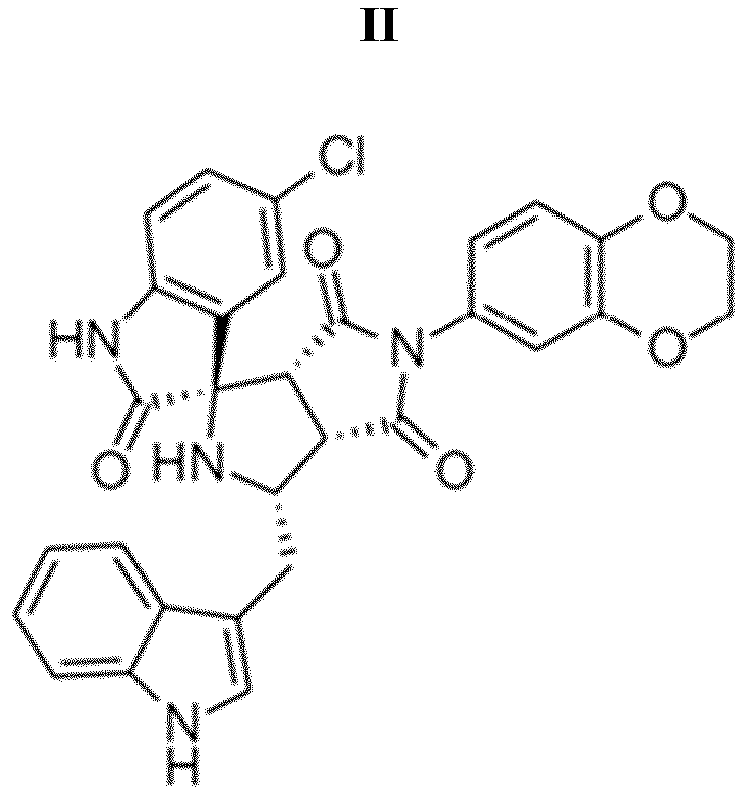
- the NRF2- ⁇ TrCP interaction inhibitor is characterized by Formula (II) (hereinafter also referred to as PHAR), or its derivative salts.
- the second aspect of the present invention relates to a pharmaceutical composition comprising the NRF2- ⁇ TrCP interaction inhibitor of Formula I or II, or derivative salts thereof, and optionally pharmaceutically acceptable vehicles or excipients, for use in the treatment of NRF2-related diseases.
- the present invention relates to a method for the treatment of NRF2-related diseases comprising the administration of a therapeutically effective dose or amount of a pharmaceutical composition comprising the NRF2- ⁇ TrCP interaction inhibitor of Formula I or II, or derivative salts thereof.
- the invention relates to said NRF2- ⁇ TrCP interaction inhibitors for use in the treatment of an NRF2-related disease caused by inflammation and oxidative stress.
- the invention relates to said NRF2- ⁇ TrCP interaction inhibitors for use in the treatment of a disease caused by Gram-negative bacterial infection.
- the third aspect of the present invention relates to an in vitro method for identifying and producing compounds for the treatment of NRF2-related diseases, which comprises: a) determining if the inhibition of NRF2- ⁇ TrCP interaction by the candidate compound has taken place, and b) wherein if the inhibition of NRF2- ⁇ TrCP interaction has taken place, it is indicative of the selected compound being effective in the treatment of NRF2-related diseases.
- the present invention relates to an in vitro method for identifying and producing compounds for the treatment of NRF2-related diseases caused by inflammation and oxidative stress, which comprises: a) determining if the inhibition of NRF2- ⁇ TrCP interaction by the candidate compound has taken place, and b) wherein if the inhibition of NRF2- ⁇ TrCP interaction has taken place, it is indicative of the selected compound being effective in the treatment of NRF2-related diseases caused by inflammation and oxidative stress.
- the present invention relates to an in vitro method for identifying and producing compounds for the treatment of a disease caused by Gram-negative bacterial infection, which comprises: a) determining if the inhibition of NRF2- ⁇ TrCP interaction by the candidate compound has taken place, and b) wherein if the inhibition of NRF2- ⁇ TrCP interaction has taken place, it is indicative of the selected compound being effective in the treatment of a disease caused by Gram-negative bacterial infection.
- Example 1.1 Computational search for ⁇ -TrCP/NRF2 interaction inhibitors.
- the ⁇ -TrCP moieties of interest involved in the hydrophobic interactions with pNRF2 are: Arg521, Phe523, Tyr271, Arg474, Ala 434, Asn394, and Leu351.
- the electrostatic interactions involve the following ⁇ -TrCP moieties: Arg285, Ser325, Lys365, Tyr438, Arg431, Asn394, and Gly408.
- PHAR establishes interaction with most of the moieties involved in the hydrophobic pNRF2- ⁇ -TrCP interaction, with the exception of Tyr271.
- Ser448, involved in electrostatic interactions could be inhibited by PHAR.
- PHAR is capable of establishing interaction with more ⁇ -TrCP moieties other than those listed above (magenta, Figures 3A and 3B ). This could entail the advantage of taking up more space at the site where it interacts with pNRF2, complicating the binding capacity thereof.
- Example 1.2 PHAR activates the NRF2-mediated signaling pathway.
- mice embryo fibroblasts were treated with several doses of the compound (1 ⁇ M, 3 ⁇ M, and 9 ⁇ M) for 16 h and with 10 ⁇ M of sulforaphane (SFN), one of main electrophilic activators of NRF2, used as a positive control.
- SFN sulforaphane
- PHAR induced NRF2 accumulation although to a slightly lesser extent than the accumulation induced by SFN. This NRF2 accumulation was reflected in an increase, mainly with the dose of 9 ⁇ M, in the levels of one of its best characterized targets: heme oxygenase-1 (HO-1) ( Figures 4A, 4B, and 4C ).
- NRF2 was corroborated by means of luciferase assays using the reporter cell line MCF-7 c32 ARE-LUC. It is observed that PHAR (9 ⁇ M, 16 h) produces a ⁇ 4-fold increase in luciferase activity, similar to that obtained with the positive control (SFN, 9 ⁇ M, 16 h) ( Figure 4G ). Cell viability associated with treatment, evaluated by means of an MTT assay, demonstrated that the compound does not present toxicity at any of the doses used ( Figure 4H ). Finally, said transcriptional activity was corroborated in MEFs by means of evaluating the expression levels of several NRF2-regulated genes after treatment with PHAR (10 ⁇ M, 8 h). The analyzed targets were Hmox1, Nqol, Aox1, Gclc, and Gclmy an increase in the corresponding transcripts was observed in all the cases ( Figure 4I ).
- Example 1.3 PHAR activates the NRF2/HO-1 axis independently of KEAP1.
- Example 1.4 PHAR blocks ⁇ -TrCP/NRF2 interaction.
- NRF2 is phosphorylated in its Neh6 domain and marked for degradation by means of interaction with ⁇ -TrCP. Therefore, if PHAR inhibits ⁇ -TrCP-NRF2 interaction, according to in silico predictions, NRF2 levels will remain stable independently of the activation and phosphorylation by GSK-3 ⁇ .
- MEFs originating from Keapl -1- mice were used. These cells were pretreated with 10 ⁇ M of PHAR or DMSO as a vehicle for 1 h and treatment with LY294002 (20 ⁇ M, 15, 30, 60, 120, and 240 min) was then carried out. LY294002 caused a reduction of pSer473-AKT (by inactivating it) and pS9-GSK3 (by activating it) ( Figure 6A ), and furthermore caused a drop in NRF2 levels which can be observed mainly after 120 and 240 min of treatment.
- Nrf2-2Ki NRF2 Knock-in mice
- serines 335 and 338 which are fundamental for interaction with ⁇ -TrCP, have been substituted with alanines.
- the mutation of these two serines makes it impossible for GSK-3 ⁇ to phosphorylate NRF2, and therefore a protein which is not recognized by ⁇ -TrCP, and which, accordingly, should also not be sensitive to the action of PHAR, is generated.
- Immortalized MEFs originating from wild-type ( Nrf2 +/+ ) and Nrf2-2Ki mice were treated with PHAR (16 h, 1 ⁇ M, 3 ⁇ M, and 9 ⁇ M) or with SFN (10 ⁇ M, 16h) as a positive control ( Figure 6C ).
- SFN induced potent activation of NRF2 and HO1 in both cell types as expected, since its mechanism of action is mediated by KEAP1 alone.
- PHAR-mediated activation was considerably lower in Nrf2-2Ki MEFs.
- silencing of the two isoforms described for ⁇ -TrCP was performed in MEFs originating from Keap1 - / - mice. Silencing was performed by means of infection with lentiviral vectors shRNA control (shCTRL) or ⁇ -TrCP1 and ⁇ -TrCP2 (sh ⁇ -TrCP1/2) for 5 days followed by selection of the infected cells with puromycin. Once silencing was performed, the cells were treated with PHAR (10 ⁇ M, 2, 4, and 8h).
- Example 1.5 PHAR reduces inflammatory response in LPS-stimulated cells.
- the NRF2/HO-1 axis contributes to inflammation resolution through direct and indirect mechanisms.
- Direct mechanisms include transcripcional induction of anti-inflammatory genes (MARCO, CD36), as well as transcriptional repression of pro-inflammatory genes (IL6, IL1 ⁇ ).
- Indirect mechanisms involve the inhibition of reactive oxygen species and reactive nitrogen species (ROS/RNS) or of the migration/infiltration of immune cells.
- ROS/RNS reactive oxygen species and reactive nitrogen species
- the NRF2-ARE pathway is in equilibrium with the NF- ⁇ B pro-inflammatory pathway.
- an established mouse macrophage cell line (Raw264.7) is used and subjected to pre-treatment with a vehicle (DMSO) or PHAR (10 ⁇ M, 8h) to obtain increased NRF2 and HO-1 levels.
- the cells were then stimulated with LPS (100 ng/ml, 1, 2, or 4 h) to trigger an inflammatory response.
- LPS 100 ng/ml, 1, 2, or 4 h
- the LPS indeed caused an increase of several inflammatory markers: p65, pre-IL1 ⁇ , NOS2, and COX2 ( Figures 7A and 7C ).
- peritoneal macrophages extracted from Nrf2 + / + mice and knock-in mice generated in the laboratory having 4 serines substituted with alanines in critical positions for phosphorylation by priming kinase/priming kinases and by GSK-3 ⁇ (Serines 335, 338, 342, and 347) were used. Both cell types were pretreated with DMSO or PHAR (10 ⁇ M, 8h) and then stimulated with LPS (100 ng/ml, 4h). In these cell models, LPS caused an increase in inflammatory markers in peritoneal macrophages originating from Nrf2 +/+ mice ( Figure 8A left panel and Figure 8C ).
- PHAR is an anti-inflammatory compound whose mechanism of action is the activation of NRF2 by interrupting the interaction thereof with ⁇ -TrCP.
- Example 1.6 PHAR increases liver NRF2 protein levels.
- liver tissue analysis was performed to check for the presence of PHAR therein.
- the untreated mice showed two nonspecific peaks at about 7 and 9 minutes of elution (referred to in Figure 9B with letters A and B) identified by means of UV absorbance.
- PHAR-treated mice further showed a new peak at ⁇ 4 minutes of elution (letter C). This new peak in treated mice corresponded with the presence of the compound since the mass analysis showed the existence of a mass with a value of 555 g/mol identical to the mass obtained in Figure 1A .
- liver NRF2 levels showed significant NRF2 accumulation 120 min after the administration of PHAR which was very similar to the accumulation caused by SFN ( Figures 9C and 9D ) .
- said accumulation did not result in increased HO-1 levels, presumably because the duration of treatment was too short to generate an accumulation thereof.
- Example 1.7 PHAR reduces inflammatory response in LPS-treated mice.
- mice 16 wild-type C57BL/6 mice were divided into 4 experimental groups: vehicle (experimental group 1), PHAR (experimental group 2), LPS (3), and LPS+PHAR (4). After obtaining results as promising as those described in detail in Example 1.6, the inventors decided to carry out the same experimental protocol. Briefly, the mice were treated daily by IP route with 50 mg/kg of PHAR (experimental groups 2 and 4) or vehicle (groups 1 and 3).
Landscapes
- Health & Medical Sciences (AREA)
- Chemical & Material Sciences (AREA)
- Life Sciences & Earth Sciences (AREA)
- Engineering & Computer Science (AREA)
- Organic Chemistry (AREA)
- Medicinal Chemistry (AREA)
- General Health & Medical Sciences (AREA)
- Animal Behavior & Ethology (AREA)
- Public Health (AREA)
- Pharmacology & Pharmacy (AREA)
- Veterinary Medicine (AREA)
- Immunology (AREA)
- Biomedical Technology (AREA)
- Bioinformatics & Cheminformatics (AREA)
- Hematology (AREA)
- Molecular Biology (AREA)
- Urology & Nephrology (AREA)
- Chemical Kinetics & Catalysis (AREA)
- Gastroenterology & Hepatology (AREA)
- Nuclear Medicine, Radiotherapy & Molecular Imaging (AREA)
- General Chemical & Material Sciences (AREA)
- Epidemiology (AREA)
- Pathology (AREA)
- Analytical Chemistry (AREA)
- Food Science & Technology (AREA)
- General Physics & Mathematics (AREA)
- Physics & Mathematics (AREA)
- Microbiology (AREA)
- Cell Biology (AREA)
- Biotechnology (AREA)
- Tropical Medicine & Parasitology (AREA)
- Toxicology (AREA)
- Biochemistry (AREA)
- Medicines That Contain Protein Lipid Enzymes And Other Medicines (AREA)
- Pharmaceuticals Containing Other Organic And Inorganic Compounds (AREA)
Abstract
The present invention relates to NRF2-βTrCP interaction inhibitors for use in the treatment of NRF2-related diseases.
Description
- The present invention is comprised in the medical field. Particularly, the present invention relates to NRF2-βTrCP interaction inhibitors, for use in the treatment of NRF2-related diseases.
- Inflammatory response plays an important role in the pathology of most diseases. In clinical practice, there is a large number of non-steroidal anti-inflammatory drugs (NSAIDs) for alleviating pain and inflammation. However, NSAIDs have adverse side effects whose risk of onset is higher the higher the dose and/or the longer the duration over time. Irritation of the digestive tract, hepatotoxicity, high blood pressure, fluid retention, kidney problems, heart problems, and/or rashes are included among the unwanted side effects which may occur.
- There is therefore an unresolved medical need to find other compounds that may perform an anti-inflammatory and cytoprotective function without exhibiting the side effects described in the preceding paragraph.
- Precisely for the purpose of solving said technical problem, compounds with these properties have been developed in the present invention based on the activation of NRF2 (nuclear factor (erythroid-derived 2)-like 2) transcription factor by means of a novel technique consisting of interrupting the interaction thereof with the E3 ligase adaptor protein referred to as βTrCP (beta-transducin repeat-containing E3 ubiquitin protein ligase).
- As indicated above, the present invention relates to NRF2-βTrCP interaction inhibitors for use in the treatment of NRF2-related diseases (see
Figure 1 ). - In this sense, it must be pointed out that NRF2-related diseases belong to a defined and limited group of diseases identified in the general knowledge of the subject. By way of example, document [Antonio Cuadrado, et al., 2018. Transcription Factor NRF2 as a Therapeutic Target for Chronic Diseases: A Systems Medicine Approach. Pharmacological Reviews April 2018, 70(2)348-383; DOI: https://doi.org/10.1124/pr.117.014753] relates to disruptions of the NRF2 interactome in several diseases. According to this document, a map of 37 NRF2-related diseases has been developed based on DisGeNET (Pinero et al., 2017) and GeneCards (Stelzer et al., 2016) databases, as well as knowledge from some studies in animal models. In this document, disease-gene associations for these pathologies have also been retrieved using DisGeNET, OMIM, and GWAS databases (Menche et al., 2015). The interactome-based proximity (Guney and Oliva, 2014) of NRF2 to known disease genes for each of the NRF2-related disease phenotypes is shown in
Figure 4 of this document. NRF2 is significantly closer to the known disease genes of the digestive system and cancers, such as prostate cancer, liver cancer, and lung neoplasms, compared with randomly selected proteins, highlighting the key functional role of NRF2 in these pathologies. Moreover, NRF2 was found to be proximal to various proteins related to metabolic and cardiovascular diseases, such as diabetes, hyperglycemia, ischemia, middle cerebral artery infarction, and atherosclerosis. Protein interactions of NRF2 also connect it to genes associated with respiratory disorders such as asthma, pulmonary fibrosis, and pulmonary emphysema, as well as neurodegenerative diseases such as multiple sclerosis, Alzheimer's disease (AD), Parkinson's disease (PD), amyotrophic lateral sclerosis (ALS), and Friedreich's ataxia. Particularly, this group of diseases includes: autoimmune diseases (multiple sclerosis, asthma, vitiligo, lupus erythematosus, rheumatoid arthritis); chronic respiratory diseases (fibrosis or pulmonary emphysema, COPD: chronic obstructive pulmonary disease); cardiovascular diseases (atherosclerosis, high blood pressure, middle cerebral artery infarction, ischemia); diseases of the digestive system (inflammatory bowel disease, liver fibrosis, NASH: nonalcoholic steatohepatitis, cirrhosis); metabolic diseases (type 2 diabetes mellitus, hyperglycemia); neurodegenerative diseases (Alzheimer's disease, Parkinson's disease, amyotrophic lateral sclerosis, Friedreich's ataxia), and cancer. Furthermore, the invention is also applicable to certain infectious diseases occurring with a high level of oxidative stress and inflammation. - Therefore, the first aspect of the present invention relates to NRF2-βTrCP interaction inhibitors, characterized by Formula (I), or its derivative salts,

- n can be 0 or 1,
- R1 can be O2CCH3 or a six-membered ring for forming a benzodioxane, benzomethylenedioxy, or naphthalene substituent;
- R2 can be H or a six-membered ring for forming a benzodioxane, benzomethylenedioxy, or naphthalene substituent;
- R3 can be H or CH3;
- R4 can be H or CH3; and
- R5 can be H, Cl, or CH3.
- In a preferred aspect of the invention, the NRF2-βTrCP interaction inhibitor is characterized by Formula (II) (hereinafter also referred to as PHAR),
- The second aspect of the present invention relates to a pharmaceutical composition comprising the NRF2-βTrCP interaction inhibitor of Formula I or II, or derivative salts thereof, and optionally pharmaceutically acceptable vehicles or excipients, for use in the treatment of NRF2-related diseases. Alternatively, the present invention relates to a method for the treatment of NRF2-related diseases comprising the administration of a therapeutically effective dose or amount of a pharmaceutical composition comprising the NRF2-βTrCP interaction inhibitor of Formula I or II, or derivative salts thereof.
- In a preferred aspect, the invention relates to said NRF2-βTrCP interaction inhibitors for use in the treatment of an NRF2-related disease caused by inflammation and oxidative stress.
- In a preferred aspect, the invention relates to said NRF2-βTrCP interaction inhibitors for use in the treatment of a disease caused by Gram-negative bacterial infection.
- The third aspect of the present invention relates to an in vitro method for identifying and producing compounds for the treatment of NRF2-related diseases, which comprises: a) determining if the inhibition of NRF2-βTrCP interaction by the candidate compound has taken place, and b) wherein if the inhibition of NRF2-βTrCP interaction has taken place, it is indicative of the selected compound being effective in the treatment of NRF2-related diseases.
- In a preferred aspect, the present invention relates to an in vitro method for identifying and producing compounds for the treatment of NRF2-related diseases caused by inflammation and oxidative stress, which comprises: a) determining if the inhibition of NRF2-βTrCP interaction by the candidate compound has taken place, and b) wherein if the inhibition of NRF2-βTrCP interaction has taken place, it is indicative of the selected compound being effective in the treatment of NRF2-related diseases caused by inflammation and oxidative stress.
- In a preferred aspect, the present invention relates to an in vitro method for identifying and producing compounds for the treatment of a disease caused by Gram-negative bacterial infection, which comprises: a) determining if the inhibition of NRF2-βTrCP interaction by the candidate compound has taken place, and b) wherein if the inhibition of NRF2-βTrCP interaction has taken place, it is indicative of the selected compound being effective in the treatment of a disease caused by Gram-negative bacterial infection.
- Different approaches have been used to determine if the compound inhibits said interaction:
- 1. First, the PI3K/AKT signaling pathway is inhibited, and therefore GSK-3β is activated with the PI3K inhibitor, LY294002. As a result, NRF2 is phosphorylated by GSK-3β and marked for degradation by means of interaction with β-TrCP. Therefore, if PHAR is capable of inhibiting β-TrCP-NRF2 interaction, the NRF2 levels will remain stable independently of the activation and phosphorylation by GSK-3β. The obtained result corroborates this.
- 2. Using MEFs derived from NRF2 knock-in mice (Nrf2-2Ki) developed by the present group. In this model,
serines 335 and 338, which are fundamental for interaction with β-TrCP, have been substituted with alanines. In this manner, GSK-3β cannot phosphorylate NRF2, and therefore a protein which is not recognized by β-TrCP, and which, accordingly, should also not be sensitive to the action of PHAR, is generated. Therefore, PHAR-mediated NRF2 activation was considerably lower in Nrf2-2Ki MEFs compared with WT MEFs. - 3. Using lentiviral silencing of the two isoforms described for β-TrCP (β-TrCP1 and β-TrCP2) in MEFs originating from Keap1 knockout mice (Keap 1-/-). Even though the silencing achieved was not 100%, NRF2 and HO-1 induction was considerably lower in β-TrCP-silenced cells compared with shCTRL cells.
- The following terms are defined for a better interpretation of the present invention:
- "NRF2-related diseases": are a specific group of diseases characterized in that the patients suffering same present an altered expression or activity of NRF2. This group of diseases is also known with the term NRF2 diseasome [Antonio Cuadrado, et al., 2018. Transcription Factor NRF2 as a Therapeutic Target for Chronic Diseases: A Systems Medicine Approach. Pharmacological Reviews April 2018, 70(2)348-383; DOI: https://doi.org/10.11241/pr.117.014753]. Particularly, this group of diseases includes: autoimmune diseases (multiple sclerosis, asthma, vitiligo, lupus erythematosus, rheumatoid arthritis); chronic respiratory diseases (fibrosis or pulmonary emphysema, COPD: chronic obstructive pulmonary disease); cardiovascular diseases (atherosclerosis, high blood pressure, middle cerebral artery infarction, ischemia); diseases of the digestive system (inflammatory bowel disease, liver fibrosis, NASH: nonalcoholic steatohepatitis, cirrhosis); metabolic diseases (
type 2 diabetes mellitus, hyperglycemia); neurodegenerative diseases (Alzheimer's disease, Parkinson's disease, amyotrophic lateral sclerosis, Friedreich's ataxia), and cancer. Furthermore, the invention is also applicable to certain infectious diseases occurring with a high level of oxidative stress and inflammation. - The term "comprising" means including but not limited to what follows the word "comprising". Therefore, the use of the term "comprising" indicates that the listed elements are compulsory, but that other elements are optional and may or may not be present.
- "Consists of" is understood as including and not limited to everything following the phrase "consists of'. Therefore, the phrase "consists of" indicates that the listed elements are compulsory, and that there can be no other elements present.
- "Therapeutically effective dose or amount" is understood as the amount which, when administered as described herein, produces a positive therapeutic response in a subject suffering from the disease. The exact amount required will vary from one subject to another, depending on the age and general condition of the subject, the severity of the condition being treated, the mode of administration, and the like. A suitable "effective" amount in any individual case can be determined by a person skilled in the art using routine experimentation, based on the information provided herein.
-
-
Figure 1 . NRF2 structure. The different NRF2 domains are shown. The low affinity and high affinity motifs recognized by KEAP1 for interacting with NRF2 are shown in detail in the Neh2 domain. The moieties for GSK-3β interaction and the possible phosphorylation sites of (a) priming kinase(s) which is/are unknown at present are shown in the Neh6 domain. -
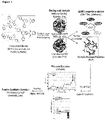
Figure 2 . Computational methodology carried out in this study. Diagram of the experiment carried out for identifying new candidate β-TrCP and NRF2 protein-protein interaction inhibitors. -
Figure 3 . PHAR binds specifically to β-TrCP but not to KEAP1. A) and B), structure of the β-TrCP complex (PDB:1P22) with the lowest free energy PHAR conformation. The figures illustrate the β-TrCP moieties participating in hydrophobic or electrostatic intermolecular interactions, respectively, with pNRF2, compared with the moieties for interaction with PHAR. β-TrCP is shown in a representation referred to as cartoon. Color code: Yellow: specific moieties for pNRF2/β-TrCP interaction; magenta: specific moieties for PHAR/β-TrCP interaction; blue: moieties shared between PHAR/pNRF2 and β-TrCP. C) and D), molecular dynamics simulations of PHAR with respect to β-TrCP and KEAP1 proteins, respectively, at a study time of 100 ns. β-TrCP and KEAP1 are shown in surface representation. E), map showing the interaction of β-TrCP moieties which interact with pNRF2 and/or PHAR throughout the 100 ns of the molecular dynamics simulation. The distance of interaction is represented by a color code in which black corresponds with the closest moieties and yellow the farthest ones. F), chemical absorption, distribution, metabolism, excretion, and toxicity (ADMET) properties of PHAR. MW: molecular weight; H-Acceptors: hydrogen bond acceptors; H-Donors: hydrogen bond donors; cLogS: estimated log (base 10) of solubility measured in mol/L; cLogP: estimated log (base 10) of n-octanol/water partition coefficient; Ro5violations: violations of Lipinski's rule of five; BBB: blood-brain barrier permeation capacity; Caco-2 permeab.: Caco-2 permeability; and HIA: human intestinal absorption was calculated using the web application DataWarrior and the ADMETsar online tool. -
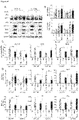
Figure 4 . PHAR activates the NRF2 pathway. MEFs in serum-poor conditions were subjected to (A-C) 1 µM, 3 µM, or 10 µM of PHAR and 10 µM of SFN as a positive control for 16 h; or (D-F) 10 µM of PHAR for the indicated times. In both experiments, 0.1% DMSO was used as a vehicle. A), representative immunoblots of NRF2, HO1, KEAP1, LAMINB, and GAPDH as loading controls. B) and C), densitometric analysis of NRF2 and HO1 protein levels of the representative immunoblots depicted in (A), expressed as a ratio of NRF2/LAMINB or HO1/GAPDH. The data is depicted as means ± SEM (n = 3). Statistical analysis was performed with one-way ANOVA followed by the Bonferroni test to check inter-group differences. *p <0.05; ***p <0.001 vs. 0. D), representative immunoblots of NRF2, HO1, KEAP1, LAMINB, and GAPDH as loading controls. E) and F), Densitometric analysis of NRF2 and HO1 protein levels of the representative immunoblots of (D), expressed as a ratio of NRF2/LAMINB or HO1/GAPDH. The data is depicted as means ± SEM (n = 3). Statistical analysis was performed with one-way ANOVA followed by the Bonferroni test to check inter-group differences. *p <0.05; ***p <0.001 vs. 0. G, MCF-7 c32 ARE-luc were subjected to 1 µM, 3 µM, or 10 µM of PHAR and 10 µM of SFN as a positive control. 0.1% DMSO was used as a vehicle. Luciferase activity was measured after 16 h of treatment. The data is depicted as means ± SEM (n = 3). Statistical analysis was performed with one-way ANOVA followed by the Bonferroni test to check inter-group differences. **p <0.01; ***p <0.001 vs. 0. H), MTT assay to evaluate cell viability/toxicity after treatments. I), Serum-poor MEFs were subjected to 10 µM of PHAR. The mRNA levels of Hmox1, Nqo1, Aox1, Gclc, and Gclm after 8 h of treatment were determined by means of pRT-PCR and normalized by means of average LaminB, Gapdh, and β-actin. The data is depicted as means ± SEM (n = 3). Statistical analysis was performed with the Student's T test. *p <0.05; **p <0.01 ***p <0.001 vs. 0. -
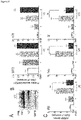
Figure 5 . PHAR-mediated NRF2 activation is independent of KEAP1 and said activation is responsible for the increase in the expression of its targets. (A-D) Serum-deprived MEFs originating from wild-type (WT) or KEAP1 null (Keap1-/-) mice treated with 10 µM of PHAR for the indicated times. 0.1% DMSO was used as a vehicle. A), representative immunoblots of NRF2, HO1, KEAP1, LAMINB, and GAPDH as loading controls. B) and C), densitometric analysis of NRF2 and HO1 protein levels of the representative immunoblots of (A), expressed as a ratio of NRF2/LAMINB or HO1/GAPDH. The data is depicted as means ± SEM (n = 3). Statistical analysis was performed with two-way ANOVA followed by the Bonferroni test to check inter-group differences. D), the mRNA levels of Hmox-1, Nqol, Aox1, Gclc, and Gclm were determined after 8 h of 10 µM PHAR by means of qRT-PCR and normalized by means of average Gapdh, Tbp, and β-actin. The data is depicted as mean ± SEM (n = 3). Statistical analysis was performed with two-way ANOVA followed by the Bonferroni test to check inter-group differences. *p <0.05; **p <0.01; ***p <0.001 vs. 0 of MEF-WT. (E-H), Serum-deprived MEFs from wild-type (WT) or NRF2 null (Nrf2-/-) mice were subjected to 10 µM of PHAR for the indicated times. 0.1% DMSO was used as a vehicle. E), representative immunoblots ofNRF2, HO1, KEAP1, LAMINB, and GAPDH as loading controls. F) and G), densitometric analysis of NRF2 and HO1 protein levels of the representative immunoblots of (E), expressed as a ratio of NRF2/LAMINB orHO 1/GAPDH. The data is depicted as means ± SEM (n = 3). Statistical analysis was performed with two-way ANOVA followed by the Bonferroni test to check inter-group differences. *p<0.5; **p<0.01; p***<0.001 vs. MET WT. H), the mRNA levels of Hmox-1, Nqol, Aox1, Gclc, and Gclm were determined after 8h of 10 µM PHAR by means of qRT-PCR and normalized by means of average Gapdh, Tbp, and β-actin. The data is depicted as mean ± SEM (n = 3). Statistical analysis was performed with two-way ANOVA followed by the Bonferroni test to check inter-group differences. *p <0.05; **p <0.01; ***p <0.001 vs. MEF-WT. -
Figure 6 . PHAR increases NRF2 protein levels in a β-TrCP-dependent manner. (A and B) Serum-deprived MEFs from KEAP1 null mice (Keap1 -/ -) were treated with 10 µM of PHAR for 60 min. 0.1% DMSO was used as a vehicle. The cells were then treated with 20 µM of LY294002 for the indicated times. A), representative immunoblots of NRF2, pSer473-AKT, AKT, pS9-GSK3, GSK3, KEAP1, and GAPDH as loading controls. B), densitometric analysis of NRF2 protein levels of the representative immunoblot of (A), expressed as a ratio of NRF2/GAPDH. The data is depicted as means ± SEM (n = 3). Statistical analysis was performed with two-way ANOVA followed by the Bonferroni test to compare inter-group differences. *p <0.05 vs. LY294002. C), MEFs originating from wild-type mice (WT) and MEFs originating from serum-poor NRF2 knock-in mice (Nrf2-2Ki) were treated with different doses of PHAR (1 µM, 3 µM, and 9 µM) and 10 µM of SFN used as a positive control for 16h. C), representative immunoblots of NRF2, HO1, and βACTIN as a loading control (n=1). (D-H), MEF originating from Keap1 -/- mice were transduced with a lentivirus encoding mouse shCTRL or anti-β-TrCP1/2 sh. The serum-deprived MEFs were subjected to 10 µM of PHAR for the indicated times. 0.1% DMSO was used as a vehicle. D), representative immunoblots of NRF2, β-CATENIN, HO1, KEAP1, and GAPDH as loading controls. E) and F), densitometric analysis of NRF2 and HO1 protein levels of the representative immunoblots of (D), expressed as a ratio of NRF2 and HO1/GAPDH. The data is depicted as means ± SEM (n = 3). Statistical analysis was performed with two-way ANOVA followed by the Bonferroni test to check inter-group differences. **p <0.01; ***p<0.001 vs. shCTRL. G) and H), the mRNA levels of β-TrCP1, β-TrCP2, Hmox-1, and Nqo1 were determined by means of qRT-PCR and normalized by means of average Gapdh, Tbp, and β-actin. The data is depicted as mean ± SEM (n = 3). Statistical analysis was performed with two-way ANOVA followed by the Bonferroni test to check inter-group differences. ***p <0.001 vs. shCTRL. -
Figure 7 . PHAR reduces inflammatory response in LPS-stimulated Raw264.7 cells. Serum-deprived Raw264.7 cells were pretreated with 10 µM of PHAR for 8 h. 0.1% DMSO was used as a vehicle. After that period of time, the cells were treated with 100 ng/ml of LPS for the indicated times. A), representative immunoblots of NRF2, HO1, p65, pre-IL 1β, COX2, NOS2, and GAPDH as a loading control. The black arrow tip marks the specific band of p65 and NOS2. B), densitometric analysis of HO1 and NRF2 protein levels of the representative immunoblots of (A), expressed as a ratio of protein/GAPDH levels. The data is depicted as means ± SEM (n = 3). Statistical analysis was performed with two-way ANOVA followed by the Bonferroni test to compare inter-group differences. ***p <0.001 vs LPS. C), Densitometric analysis of pre-IL1β, COX2, and NOS2 protein levels of the representative immunoblots of (A), expressed as a ratio of protein/GAPDH levels. The data is depicted as means ± SEM (n = 3). Statistical analysis was performed with two-way ANOVA followed by the Bonferroni test to compare inter-group differences. ***p <0.001 vs. LPS. D) and E), the mRNA levels of Il1β, Cox2, Nos2, Il6, and Tnfα were determined by means of qRT-PCR and normalized by means of average Gapdh, Tbp, and β-actin. The data is depicted as mean ± SEM (n = 3). Statistical analysis was performed with two-way ANOVA followed by the Bonferroni test to check inter-group differences. ***p <0.001 vs. LPS. -
Figure 8 . PHAR reduces inflammatory response in peritoneal macrophages originating from Nrf2+/+ mice but not in peritoneal macrophages originating from LPS-stimulated Nrf2-4KI mice. Peritoneal macrophages originating from wild-type (WT) and serum-deprived NRF2 knock-in (Nrf2-4Ki) mice were pretreated with 10 µM of PHAR for 8 h. 0.1% DMSO was used as a vehicle. After that period of time, the cells were treated with 100 ng/ml of LPS for 4 h. A), representative immunoblots originating from both cell types of NRF2, HO1, pre-IL1β, COX2, NOS2, and GAPDH as a loading control. B), densitometric analysis ofNRF2 and HO1 protein levels of the representative immunoblots of (A), expressed as a ratio of protein/GAPDH levels. The data is depicted as means ± SEM (n = 3). Statistical analysis was performed with two-way ANOVA followed by the Bonferroni test to compare inter-group differences. *p<0.05; **p<0.01; ***p <0.001 vs. LPS. C), Densitometric analysis of pre-IL1b, COX2, and NOS2 protein levels of the representative immunoblots of (A), expressed as a ratio of protein/GAPDH levels. The data is depicted as means ± SEM (n = 3). Statistical analysis was performed with two-way ANOVA followed by the Bonferroni test to compare inter-group differences. *p<0.05; **p<0.01; ***p <0.001 vs. LPS. D), the mRNA levels of Hmox1, Il1β, Cox2, Nos2, Il6, and Tnfα were determined by means of qRT-PCR and normalized by means of average Gapdh, Tbp, and β-actin. The data is depicted as mean ± SEM (n = 3). Statistical analysis was performed with two-way ANOVA followed by the Bonferroni test to check inter-group differences. *p<0.05; **p<0.01; ***p <0.001 vs. LPS. -
Figure 9 . PHAR activates NRF2 and HO-1 in liver. A), UV and MS spectrum derived from the HPLC-MS analysis of PHAR dissolved in methanol for the identification of peaks associated with the compound. A blue rectangle surrounds the mass associated with PHAR. (B-D), the mice were treated with the vehicle (Tween-80 + PBS, 1:13), 50 mg/kg of PHAR, or 50 mg/kg of SFN (saline) as a positive control by means of intraperitoneal (IP) injection for 2 hours. B), HPLC-MS UV and MS spectra derived from representative liver samples of both experimental groups used for determining PHAR levels in theliver 120 min after a single IP injection of 50 mg/kg. A blue rectangle surrounds the mass associated with PHAR. C), representative immunoblots showing NRF2, HO1, and LAMINB protein levels as the liver extract loading control. D), densitometric analysis of NRF2 protein levels of the representative immunoblots shown in (C), expressed as a ratio of NRF2/LAMINB. Statistical analysis was performed with one-way ANOVA followed by the Bonferroni test to compare inter-group differences. ***p <0.001 vs. vehicle. E) and F), the mice were treated daily with vehicle (Tween-80 + PBS, 1:13) or 50 mg/kg of PHAR by means of intraperitoneal injection for 5 days. E), representative immunoblots showing NRF2, HO1, and LAMINB protein levels as the liver extract loading control. F), densitometric analysis of NRF2 and HO1 protein levels in the liver tissue of the representative immunoblots shown in (E), expressed as a ratio of NRF2/LAMINB or HO1/LAMINB levels. Statistical analysis was performed with one-way ANOVA followed by the Bonferroni test to compare inter-group differences. **p <0.01 vs. vehicle. -
Figure 10 . PHAR reduces inflammatory response in LPS-treated mice. The mice were divided into 4 experimental groups (n=4).Experimental groups experimental groups groups - The present invention is illustrated by means of the following examples without the intention of limiting the scope of protection of the invention.
- In order to find molecules capable of specifically interrupting β-TrCP-NRF2 interaction, a virtual analysis was carried out by means of molecular modeling and molecular dynamics tools based on the structural similarity of 388,503 natural compounds obtained from the "ZINC natural products" and the "National Center for Biotechnology Information (NCBI) PubChem database" compound libraries (
Figure 2 ). - For this in silico study, the crystallographic structure PDB: 1P22 of β-TrCP which is published in the Protein Data Bank database and complexed with Skp1-β-Catenin was used. The specific 3D preparation and editing of β-TrCP was performed using the tool Pymol software v 2.3.3, thereby obtaining the Skp1- and β-catenin-free β-TrCP molecule. The present group has previously characterized the most relevant moieties at the site of interaction between β-TrCP WD40 domain and the phosphodegron generated by GSK-3β in the Neh6 domain of NRF2. This NRF2 interaction site was used to identify the compounds having the highest theoretical affinity for β-TrCP. In this study, the AutoDock Vina tool which incorporates evolutionary and Lamarckian genetic algorithm methods, among others, has been used, allowing ligand flexibility to be modeled, while the receptor is kept rigid. Moreover, in addition to its theoretical efficacy for inhibiting β-TrCP-NRF2 interaction, ADMET properties (absorption, biodistribution, the speed at which it is metabolizes, excretion, and toxicity) were analyzed using DataWarrior software and the ADMETsar online tool.
- Based on the data obtained from molecular modeling, 215 compounds were selected based on their Gibbs free energy (ΔG), meeting the criterion of ≤ -9.5 kcal/mol. Then, those compounds with ADMET properties outside the established optimal ranges were eliminated. Lastly, due to the high structural homology among the 86 selected candidates, they were grouped into 39 clusters having at least 70% homology.
- Since molecular modeling by AutoDock Vina only provides a static idea of interaction, to fine tune the selection of the best theoretical candidates, theoretical models of molecular dynamics are carried out using YASARA software. The purpose is to check whether the interactions established by the compounds selected in the first part of the process with β-TrCP are stable during the specific study time (100 ns). Based on these results, 4 candidates (representing 4 clusters having a different homology) with the theoretical capacity to establish stable interactions with β-TrCP throughout the study time were obtained.
- By analyzing the computational parameters obtained for PHAR (
Figure 3 ), the molecular modeling results showed that the compound binds to β-TrCP with a theoretical value of ΔG = -10.35 kcal/mol. Using the PHAR pose with the lowest free energy derived from molecular modeling, the interactions established by the compound with β-TrCP moieties were studied in detail, establishing as selection criterion a distance less than or equal to 3.5 Å (Figures 3A and 3B ). The purpose was to enable evaluating the capacity of the compound to interrupt β-TrCP-phospho-NRF2 (pNRF2) interactions. The β-TrCP moieties of interest involved in the hydrophobic interactions with pNRF2 are: Arg521, Phe523, Tyr271, Arg474, Ala 434, Asn394, and Leu351. Meanwhile, the electrostatic interactions involve the following β-TrCP moieties: Arg285, Ser325, Lys365, Tyr438, Arg431, Asn394, and Gly408. As shown inFigure 3A , PHAR establishes interaction with most of the moieties involved in the hydrophobic pNRF2-β-TrCP interaction, with the exception of Tyr271. In contrast, only interaction with Ser448, involved in electrostatic interactions, could be inhibited by PHAR. It must be pointed out that PHAR is capable of establishing interaction with more β-TrCP moieties other than those listed above (magenta,Figures 3A and 3B ). This could entail the advantage of taking up more space at the site where it interacts with pNRF2, complicating the binding capacity thereof. - In turn, as shown in
Figure 3C , the analysis of molecular dynamics showed that the interaction with β-TrCP, established by PHAR, is stable for at least 100 ns. In contrast,Figure 3D shows how the interaction it establishes with KEAP1 is unstable since the compound leaves the binding site during this time. Again, long-term analysis of interacting moieties corroborated, by means of molecular dynamics, that PHAR interacts with many of the moieties involved in pNRF2/β-TrCP interaction such as: Asn394, Gly408, Arg431, Gly432, Ser448, Leu472, Arg474, Phe523 (Figure 3E ). With respect to ADMET predictions (Figure 3F ), PHAR is within the optimal ranges corresponding to Lipinski's rule. - Therefore, computational analysis shows that PHAR could indeed interact with β-TrCP, but not with KEAP1, in the key moieties of the NRF2 binding site, and could thereby compete with the binding of NRF2 to β-TrCP.
- In order to empirically determine if PHAR activates NRF2, mouse embryo fibroblasts (MEFs) were treated with several doses of the compound (1 µM, 3 µM, and 9 µM) for 16 h and with 10 µM of sulforaphane (SFN), one of main electrophilic activators of NRF2, used as a positive control. PHAR induced NRF2 accumulation, although to a slightly lesser extent than the accumulation induced by SFN. This NRF2 accumulation was reflected in an increase, mainly with the dose of 9 µM, in the levels of one of its best characterized targets: heme oxygenase-1 (HO-1) (
Figures 4A, 4B, and 4C ). - Moreover, a time course of NRF2 activation with PHAR (10 µM for 2, 4, and 8 h) or with SFN (10 µM, 8 h) was done as a positive control. PHAR induced NRF2 accumulation 2 h after treatment which was similar to the induction generated by SFN. Said accumulation correlated with the increase in HO-1 levels after 8 h (
Figures 4D, 4E, and 4F ). - Finally, the transcriptional activity of NRF2 was corroborated by means of luciferase assays using the reporter cell line MCF-7 c32 ARE-LUC. It is observed that PHAR (9 µM, 16 h) produces a ∼4-fold increase in luciferase activity, similar to that obtained with the positive control (SFN, 9 µM, 16 h) (
Figure 4G ). Cell viability associated with treatment, evaluated by means of an MTT assay, demonstrated that the compound does not present toxicity at any of the doses used (Figure 4H ). Finally, said transcriptional activity was corroborated in MEFs by means of evaluating the expression levels of several NRF2-regulated genes after treatment with PHAR (10 µM, 8 h). The analyzed targets were Hmox1, Nqol, Aox1, Gclc, and Gclmy an increase in the corresponding transcripts was observed in all the cases (Figure 4I ). - As a whole, these results indicate that PHAR stabilizes NRF2 levels, and as a result increases the expression of its target genes.
- From a viewpoint of biopharmaceutical usefulness, it is important to determine if PHAR acts on KEAP1/NRF2 interaction, or if it represents, in contrast, a novel approach directed specifically at β-TrCP/NRF2 interaction. For this purpose, MEFs originating from KEAP1 knock-out (Keap1 -/-) and wild type (Keap1 +/+) mice from the same litter (
Figures 5A, 5B, 5C, and 5D ) were used. NRF2 and HO-1 induction was similar in both cell lines treated with PHAR (10 µM, 2, 4, and 8 h) (Figures 5A, 5B, and 5C ). The same result was obtained upon analyzing the mRNA levels of other NRF2 targets (Figure 5D ). As an additional control, the HO-1 levels in MEFs originating from NRF2 knock-out (Nrf2 -/ -) and wild-type (Nrf2 +/ +) mice from the same litter were analyzed by immunoblot. Both cell types were incubated with PHAR (10 µM, 2, 4, and 8 h). MEFs originating from Nrf2 +/+ mice showed a significant increase in HO-1 which was not observed in MEFs originating from Nrf2 -/- mice (Figures 5E and 5G ), indicating that NRF2 is essential for the induction of HO-1 by PHAR. The same result was obtained upon analyzing the mRNA levels of several NRF2 targets in both cell types (Figure 5H ). Therefore, PHAR induces NRF2 independently of KEAP1 and said activation is responsible for the increase in the expression of its target genes. - In silico studies suggested that PHAR increases NRF2 levels by means of inhibiting NPP2-β-TrCP interaction. To confirm this, the PI3K/AKT signaling pathway is first inhibited, and therefore GSK-3β is activated with the PI3K inhibitor, LY294002. As a result, NRF2 is phosphorylated in its Neh6 domain and marked for degradation by means of interaction with β-TrCP. Therefore, if PHAR inhibits β-TrCP-NRF2 interaction, according to in silico predictions, NRF2 levels will remain stable independently of the activation and phosphorylation by GSK-3β. Furthermore, to once again rule out a possible KEAP1-mediated alternative mechanism, MEFs originating from Keapl-1- mice were used. These cells were pretreated with 10 µM of PHAR or DMSO as a vehicle for 1 h and treatment with LY294002 (20 µM, 15, 30, 60, 120, and 240 min) was then carried out. LY294002 caused a reduction of pSer473-AKT (by inactivating it) and pS9-GSK3 (by activating it) (
Figure 6A ), and furthermore caused a drop in NRF2 levels which can be observed mainly after 120 and 240 min of treatment. In contrast, pre-treatment with PHAR not only prevented LY294002-induced NRF2 degradation, but furthermore favored NRF2 accumulation independently of the activation of GSK3-β/β-TrCP (Figures 6A and 6B ). Therefore, these results suggest that PHAR promotes NRF2 accumulation by means of inhibiting interaction with β-TrCP. - Moreover, the present group has developed NRF2 Knock-in mice (Nrf2-2Ki) characterized in that
serines 335 and 338, which are fundamental for interaction with β-TrCP, have been substituted with alanines. The mutation of these two serines makes it impossible for GSK-3β to phosphorylate NRF2, and therefore a protein which is not recognized by β-TrCP, and which, accordingly, should also not be sensitive to the action of PHAR, is generated. Immortalized MEFs originating from wild-type (Nrf2 +/+) and Nrf2-2Ki mice were treated with PHAR (16 h, 1 µM, 3 µM, and 9 µM) or with SFN (10 µM, 16h) as a positive control (Figure 6C ). SFN induced potent activation of NRF2 and HO1 in both cell types as expected, since its mechanism of action is mediated by KEAP1 alone. However, PHAR-mediated activation was considerably lower in Nrf2-2Ki MEFs. - In other experiments, silencing of the two isoforms described for β-TrCP (β-TrCP1 and β-TrCP2) was performed in MEFs originating from Keap1 -/- mice. Silencing was performed by means of infection with lentiviral vectors shRNA control (shCTRL) or β-TrCP1 and β-TrCP2 (sh β-TrCP1/2) for 5 days followed by selection of the infected cells with puromycin. Once silencing was performed, the cells were treated with PHAR (10 µM, 2, 4, and 8h). Although the silencing achieved was about 50% for both isoforms (
Figure 6G ), this was sufficient to observe a significant increase in levels of β-catenin protein, used as the β-TrCP silencing control as it is one of its main targets (Figure 6D ). In these conditions, it can be seen in shCTRL cells that PHAR causes an increase in NRF2 levels from 2 h to 8 h after sustained treatment. In contrast, the partial silencing of β-TrCP1/2 caused a slight increase in baseline NRF2 levels compared with shCTRL. However, although NRF2 accumulation occurred as a result of the treatment (probably due to the silencing achieved not being 100%), this accumulation was significantly lower compared with shCTRL cells (Figures 6D and 6E ). Likewise, HO-1 accumulation was lower in cells lacking β-TrCP1/2 (Figures 6D and 6F ). The mRNA levels corresponding to conventional NRF2 targets, Hmox1 and Nqo1, confirmed the result obtained in protein, seeing that the induction generated by PHAR is lost with the silencing of both isoforms of β-TrCP (Figure 6H ). Therefore, it can be concluded that the mechanism of action of the PHAR compound is mediated by its capacity to inhibit β-TrCP-NRF2 interaction. - Once the mechanism of action of PHAR was deciphered, the capacity thereof to carry out protection against general lipopolysaccharide (LPS)-induced inflammation was evaluated. The NRF2/HO-1 axis contributes to inflammation resolution through direct and indirect mechanisms. Direct mechanisms include transcripcional induction of anti-inflammatory genes (MARCO, CD36), as well as transcriptional repression of pro-inflammatory genes (IL6, IL1β). Indirect mechanisms involve the inhibition of reactive oxygen species and reactive nitrogen species (ROS/RNS) or of the migration/infiltration of immune cells. Furthermore, the NRF2-ARE pathway is in equilibrium with the NF-κB pro-inflammatory pathway.
- First, an established mouse macrophage cell line (Raw264.7) is used and subjected to pre-treatment with a vehicle (DMSO) or PHAR (10 µM, 8h) to obtain increased NRF2 and HO-1 levels. The cells were then stimulated with LPS (100 ng/ml, 1, 2, or 4 h) to trigger an inflammatory response. After 4 h of treatment, the LPS indeed caused an increase of several inflammatory markers: p65, pre-IL1β, NOS2, and COX2 (
Figures 7A and 7C ). In contrast, pretreatment with PHAR increased NRF2 and HO-1 levels (Figures 7A and 7B ) but, furthermore, mitigated the increase in inflammatory parameters determined by immunoblot (Figures 7A and 7C ) or by mRNA levels (1l1β, Cox2, Nos2) (Figure 7D ). Furthermore, other pro-inflammatory cytokines (Il6 and Tnfa) also experienced a significantly milder induction in cells pretreated with PHAR (Figure 7E ). Therefore, PHAR reduces the inflammatory response in response to LPS in Raw264.7 cells. - As a complementary approach, peritoneal macrophages extracted from Nrf2 +/+ mice and knock-in mice generated in the laboratory having 4 serines substituted with alanines in critical positions for phosphorylation by priming kinase/priming kinases and by GSK-3β (
Serines 335, 338, 342, and 347) were used. Both cell types were pretreated with DMSO or PHAR (10 µM, 8h) and then stimulated with LPS (100 ng/ml, 4h). In these cell models, LPS caused an increase in inflammatory markers in peritoneal macrophages originating from Nrf2 +/+ mice (Figure 8A left panel andFigure 8C ). Pretreatment with PHAR caused a significant increase in NRF2 and HO-1 protein levels (Figure 8A left panel andFigure 8B ) but the production of inflammatory markers was significantly lower in those analyzed at the protein level (pre-IL1β, COX2, and NOS2) (Figure 8A left panel andFigure 8C ) and mRNA level (1l1β, Cox2, Nos2, Il6, and Tnfα) (Figure 8D ). In peritoneal macrophages derived from 4KI (Nrf2-4KI) mice, NRF2 induction in response to PHAR was considerably lower. In contrast, the same HO-1 induction in response to treatment was obtained (Figure 8A right panel, andFigure 8B ). Interestingly, the protective effect against the PHAR-mediated inflammatory response was lost in almost all the inflammatory markers analyzed both in protein (Figure 8A right panel andFigure 8C ) in mRNA (Figure 8D ). Therefore, considering all the results as a whole, it can be concluded that PHAR is an anti-inflammatory compound whose mechanism of action is the activation of NRF2 by interrupting the interaction thereof with β-TrCP. - Once the mechanism of action of PHAR was deciphered, the capacity thereof to induce NRF2 levels in a murine model was evaluated. C57BL/6 mice received a single intraperitoneal (IP) injection of 50 mg/kg PHAR (Tween-80 + PBS, 1:13) or 50 mg/kg of SFN (saline) as a positive control. The UV spectrum derived from the HPLC-MS study of the PHAR compound resuspended in methanol alone helped the identification of the peak associated with the compound for subsequent identification in the tissue analysis. As shown in
Figure 1A , the PHAR UV spectrum resulted in a peak at about 6 minutes of elution with an associated mass of 555 g/mol, as expected. Taking this as a reference point, liver tissue analysis was performed to check for the presence of PHAR therein. InFigure 9B , the untreated mice showed two nonspecific peaks at about 7 and 9 minutes of elution (referred to inFigure 9B with letters A and B) identified by means of UV absorbance. However, PHAR-treated mice further showed a new peak at ∼4 minutes of elution (letter C). This new peak in treated mice corresponded with the presence of the compound since the mass analysis showed the existence of a mass with a value of 555 g/mol identical to the mass obtained inFigure 1A . Likewise, analysis of liver NRF2 levels showedsignificant NRF2 accumulation 120 min after the administration of PHAR which was very similar to the accumulation caused by SFN (Figures 9C and 9D ). However, said accumulation did not result in increased HO-1 levels, presumably because the duration of treatment was too short to generate an accumulation thereof. - For this reason, C57BL/6 mice were treated daily by IP route for 5 days with 50 mg/kg of vehicle or 50 mg/kg of PHAR. A significant increase of NRF2 and HO-1 in liver (
Figures 9E and 9F ) was observed 120 minutes after the last administration of the compound. - Once the in vitro anti-inflammatory effects of PHAR and its capacity to increase NRF2 and HO-1 levels in a model in vivo were demonstrated, it was evaluated whether the compound was capable of inhibiting LPS-mediated signaling in a murine model. To that end, 16 wild-type C57BL/6 mice were divided into 4 experimental groups: vehicle (experimental group 1), PHAR (experimental group 2), LPS (3), and LPS+PHAR (4). After obtaining results as promising as those described in detail in Example 1.6, the inventors decided to carry out the same experimental protocol. Briefly, the mice were treated daily by IP route with 50 mg/kg of PHAR (
experimental groups 2 and 4) or vehicle (groups 1 and 3). Two hours after the second-to-last administration,experimental groups Figures 10A and 10B ). The clearest result was obtained when analyzing its target HO-1, where induction mediated by the compound could be clearly seen, and the same synergistic effect was again observed with combined treatment (Figures 10A and 10B ). The analysis of the mRNA levels of different pro-inflammatory cytokines (Il1β, Il6, and Tnfα) showed a significant increase as a result of treatment with LPS, as expected. In this context, prior treatment with PHAR favored a significant reduction in the production of said cytokines (Figure 10C ). - Therefore, these obtained results confirm that treatment with PHAR favors an environment which protects against inflammation in mice in response to LPS.
Claims (10)
- An NRF2-βTrCP interaction inhibitor, characterized by Formula (I) or its derivative salts,
 • n can be 0 or 1,• R1 can be O2CCH3 or a six-membered ring for forming a benzodioxane, benzomethylenedioxy, or naphthalene substituent;• R2 can be H or a six-membered ring for forming a benzodioxane, benzomethylenedioxy, or naphthalene substituent;• R3 can be H or CH3;• R4 can be H or CH3; and• R5 can be H, Cl, or CH3.for use in the treatment of NRF2-related diseases.
 - The NRF2-βTrCP interaction inhibitor for use according to claim 1, wherein the inhibitor is characterized by Formula (II),


- The NRF2-βTrCP interaction inhibitor for use according to any of the preceding claims, in the treatment of an NRF2-related disease caused by inflammation and oxidative stress.
- The NRF2-βTrCP interaction inhibitor for use according to any of the preceding claims, in the treatment of a disease caused by Gram-negative bacterial infection.
- A pharmaceutical composition comprising the NRF2-βTrCP interaction inhibitor of Formula I or II, or derivative salts thereof, and optionally pharmaceutically acceptable vehicles or excipients, for use in the treatment of NRF2-related diseases.
- The pharmaceutical composition for use according to claim 5, in the treatment of NRF2-related diseases caused by inflammation and oxidative stress.
- The pharmaceutical composition for use according to any of claims 5 or 6, in the treatment of a disease caused by Gram-negative bacterial infection.
- An in vitro method for identifying and producing compounds for the treatment of NRF2-related diseases, which comprises: a) determining if the inhibition of NRF2-βTrCP interaction by the candidate compound has taken place, and b) wherein if said inhibition has taken place, it is indicative of the selected compound being effective in the treatment of NRF2-related diseases.
- The in vitro method for identifying and producing compounds according to claim 8, for the treatment of NRF2-related diseases caused by inflammation and oxidative stress, which comprises: a) determining if the inhibition of NRF2-βTrCP interaction by the candidate compound has taken place, and b) wherein if said inhibition has taken place, it is indicative of the selected compound being effective in the treatment of NRF2-related diseases caused by inflammation and oxidative stress.
- The in vitro method for identifying and producing compounds according to claims 8 or 9, for the treatment of a disease caused by Gram-negative bacterial infection, which comprises: a) determining if the inhibition of NRF2-βTrCP interaction by the candidate compound has taken place, and b) wherein if said inhibition has taken place, it is indicative of the selected compound being effective in the treatment of a disease caused by Gram-negative bacterial infection.
Priority Applications (6)
| Application Number | Priority Date | Filing Date | Title |
|---|---|---|---|
| EP21382025.1A EP4029500A1 (en) | 2021-01-15 | 2021-01-15 | Tetrahydro-spiroindoline-pyrrolopyrrole-triones inhibitors of the nrf2-beta-trcp interaction for use in the treatment of nrf2-related diseases |
| ES22701338T ES3008087T3 (en) | 2021-01-15 | 2022-01-13 | Tetrahydro-spiroindoline-pyrrolopyrrole-triones inhibitors of the nrf2-beta-trcp interaction for use in the treatment of fatty liver disease |
| US18/027,990 US12590100B2 (en) | 2021-01-15 | 2022-01-13 | Tetrahydro-spiroindoline-pyrrolopyrrole-triones inhibitors of the NRF2-β-TrCP interaction for use in the treatment of fatty liver disease |
| EP22701338.0A EP4277620B1 (en) | 2021-01-15 | 2022-01-13 | Tetrahydro-spiroindoline-pyrrolopyrrole-triones inhibitors of the nrf2-beta-trcp interaction for use in the treatment of fatty liver disease |
| PCT/EP2022/050657 WO2022152800A1 (en) | 2021-01-15 | 2022-01-13 | Tetrahydro-spiroindoline-pyrrolopyrrole-triones inhibitors of the nrf2-beta-trcp interaction for use in the treatment of fatty liver disease |
| JP2023519277A JP2024507030A (en) | 2021-01-15 | 2022-01-13 | Tetrahydro-spiroindoline-pyrrolopyrrole-trione NRF2-beta-TRCP interaction inhibitor for use in the treatment of fatty liver disease |
Applications Claiming Priority (1)
| Application Number | Priority Date | Filing Date | Title |
|---|---|---|---|
| EP21382025.1A EP4029500A1 (en) | 2021-01-15 | 2021-01-15 | Tetrahydro-spiroindoline-pyrrolopyrrole-triones inhibitors of the nrf2-beta-trcp interaction for use in the treatment of nrf2-related diseases |
Publications (1)
| Publication Number | Publication Date |
|---|---|
| EP4029500A1 true EP4029500A1 (en) | 2022-07-20 |
Family
ID=74844862
Family Applications (2)
| Application Number | Title | Priority Date | Filing Date |
|---|---|---|---|
| EP21382025.1A Withdrawn EP4029500A1 (en) | 2021-01-15 | 2021-01-15 | Tetrahydro-spiroindoline-pyrrolopyrrole-triones inhibitors of the nrf2-beta-trcp interaction for use in the treatment of nrf2-related diseases |
| EP22701338.0A Active EP4277620B1 (en) | 2021-01-15 | 2022-01-13 | Tetrahydro-spiroindoline-pyrrolopyrrole-triones inhibitors of the nrf2-beta-trcp interaction for use in the treatment of fatty liver disease |
Family Applications After (1)
| Application Number | Title | Priority Date | Filing Date |
|---|---|---|---|
| EP22701338.0A Active EP4277620B1 (en) | 2021-01-15 | 2022-01-13 | Tetrahydro-spiroindoline-pyrrolopyrrole-triones inhibitors of the nrf2-beta-trcp interaction for use in the treatment of fatty liver disease |
Country Status (5)
| Country | Link |
|---|---|
| US (1) | US12590100B2 (en) |
| EP (2) | EP4029500A1 (en) |
| JP (1) | JP2024507030A (en) |
| ES (1) | ES3008087T3 (en) |
| WO (1) | WO2022152800A1 (en) |
Families Citing this family (1)
| Publication number | Priority date | Publication date | Assignee | Title |
|---|---|---|---|---|
| WO2025104221A1 (en) * | 2023-11-15 | 2025-05-22 | Université Libre de Bruxelles | Uses of protein tyrosine phosphatase receptor kappa inhibitors |
Citations (2)
| Publication number | Priority date | Publication date | Assignee | Title |
|---|---|---|---|---|
| WO2016201440A1 (en) * | 2015-06-12 | 2016-12-15 | The Regents Of The University Of California | Spiroindolinones and therapeutic uses thereof |
| CN105412089B (en) * | 2015-11-26 | 2018-06-01 | 北京市计算中心 | Applications of the compound VS1 in anti-non-small cell lung cancer drug is prepared |
Family Cites Families (1)
| Publication number | Priority date | Publication date | Assignee | Title |
|---|---|---|---|---|
| EP3917516A4 (en) | 2019-01-28 | 2022-10-12 | Flatley Discovery Lab, LLC | Compounds and methods for the treatment of cystic fibrosis |
-
2021
- 2021-01-15 EP EP21382025.1A patent/EP4029500A1/en not_active Withdrawn
-
2022
- 2022-01-13 WO PCT/EP2022/050657 patent/WO2022152800A1/en not_active Ceased
- 2022-01-13 EP EP22701338.0A patent/EP4277620B1/en active Active
- 2022-01-13 ES ES22701338T patent/ES3008087T3/en active Active
- 2022-01-13 JP JP2023519277A patent/JP2024507030A/en active Pending
- 2022-01-13 US US18/027,990 patent/US12590100B2/en active Active
Patent Citations (2)
| Publication number | Priority date | Publication date | Assignee | Title |
|---|---|---|---|---|
| WO2016201440A1 (en) * | 2015-06-12 | 2016-12-15 | The Regents Of The University Of California | Spiroindolinones and therapeutic uses thereof |
| CN105412089B (en) * | 2015-11-26 | 2018-06-01 | 北京市计算中心 | Applications of the compound VS1 in anti-non-small cell lung cancer drug is prepared |
Non-Patent Citations (11)
| Title |
|---|
| ANTONIO CUADRADO ET AL.: "Transcription Factor NRF2 as a Therapeutic Target for Chronic Diseases: A Systems Medicine Approach", PHARMACOLOGICAL REVIEWS, vol. 70, no. 2, April 2018 (2018-04-01), pages 348 - 383, Retrieved from the Internet <URL:https://doi.org/10.1124/pr.1l7.014753> |
| CHOI E-J ET AL: "A clinical drug library screen identifies clobetasol propionate as an NRF2 inhibitor with potential therapeutic efficacy in KEAP1 mutant lung cancer", ONCOGENE, vol. 36, no. 37, 1 September 2017 (2017-09-01), London, pages 5285 - 5295, XP055816037, ISSN: 0950-9232, Retrieved from the Internet <URL:https://www.nature.com/articles/onc2017153.pdf> DOI: 10.1038/onc.2017.153 * |
| DAMALE MANOJ G. ET AL: "Molecular docking, pharmacophore based virtual screening and molecular dynamics studies towards the identification of potential leads for the management of H. pylori", RSC ADVANCES, vol. 9, no. 45, 21 August 2019 (2019-08-21), pages 26176 - 26208, XP055815435, Retrieved from the Internet <URL:https://pubs.rsc.org/en/content/articlepdf/2019/ra/c9ra03281a> DOI: 10.1039/C9RA03281A * |
| GUNNE SANDRA ET AL: "Nrf2-A Molecular Target for Sepsis Patients in Critical Care", BIOMOLECULES, vol. 10, no. 12, 17 December 2020 (2020-12-17), pages 1688, XP055816065, DOI: 10.3390/biom10121688 * |
| GUO RONG ET AL: "Discovery of ERBB3 inhibitors for non-small cell lung cancer (NSCLC) via virtual screening", JOURNAL OF MOLECULAR MODELING, SPRINGER BERLIN HEIDELBERG, BERLIN/HEIDELBERG, vol. 22, no. 6, 17 May 2016 (2016-05-17), pages 1 - 9, XP035973145, ISSN: 1610-2940, [retrieved on 20160517], DOI: 10.1007/S00894-016-3007-Z * |
| PREMACHANDRA ILANDARI DEWAGE UDARA ANULAL ET AL: "Potent Synergy between Spirocyclic Pyrrolidinoindolinones and Fluconazole against Candida albicans", CHEMMEDCHEM COMMUNICATIONS, vol. 10, no. 10, 12 August 2015 (2015-08-12), DE, pages 1672 - 1686, XP055815412, ISSN: 1860-7179, DOI: 10.1002/cmdc.201500271 * |
| SUYMKA YE. I. ET AL: "Synthesis and the antimicrobial activity of hexamethylene-Nmaleinimidospiroindole- 3,3'-pyrrolo[3,4-c]pyrrole derivatives", ZHURNAL ORGANICHNOI TA FARMATSEVTICHNOI KHIMII, vol. 15, no. 4(60), 14 December 2017 (2017-12-14), RU, pages 56 - 62, XP055815451, ISSN: 2308-8303, DOI: 10.24959/ophcj.17.929 * |
| WBEIMAR ANDREY RIVERA-PÉREZ ET AL: "Molecular docking and in silico studies of the physicochemical properties of potential inhibitors for the phosphotransferase system of Streptococcus mutans", ARCHIVES OF ORAL BIOLOGY, vol. 98, 1 February 2019 (2019-02-01), GB, pages 164 - 175, XP055620665, ISSN: 0003-9969, DOI: 10.1016/j.archoralbio.2018.09.020 * |
| ZHANG DI ET AL: "A novel Nrf2 inhibitor suppresses proliferation and enhances the sensitivity of cancer cells to chemotherapy", AACR-NCI-EORTC INTERNATIONAL CONFERENCE ON MOLECULAR TARGETS AND CANCER THERAPEUTICS, 26 October 2019 (2019-10-26), pages C063, XP055816008, Retrieved from the Internet <URL:https://dx.doi.org/10.1158/1535-7163.TARG-19-C063Published> [retrieved on 20210621], DOI: 10.1158/1535-7163.TARG-19-C063Published * |
| ZHANG DONNA D. ET AL: "The role of natural products in revealing NRF2 function", NATURAL PRODUCT REPORTS, vol. 37, no. 6, 24 June 2020 (2020-06-24), GB, pages 797 - 826, XP055816013, ISSN: 0265-0568, Retrieved from the Internet <URL:https://pubs.rsc.org/en/content/articlepdf/2020/np/c9np00061e> DOI: 10.1039/C9NP00061E * |
| ZHANG YONGTAO ET AL: "Isorhynchophylline enhances Nrf2 and inhibits MAPK pathway in cardiac hypertrophy", NAUNYN-SCHMIEDEBERG'S ARCHIVES OF PHARMACOLOGY, SPRINGER, DE, vol. 393, no. 2, 5 September 2019 (2019-09-05), pages 203 - 212, XP037170273, ISSN: 0028-1298, [retrieved on 20190905], DOI: 10.1007/S00210-019-01716-0 * |
Also Published As
| Publication number | Publication date |
|---|---|
| WO2022152800A1 (en) | 2022-07-21 |
| US20230348482A1 (en) | 2023-11-02 |
| US12590100B2 (en) | 2026-03-31 |
| JP2024507030A (en) | 2024-02-16 |
| EP4277620A1 (en) | 2023-11-22 |
| EP4277620B1 (en) | 2024-12-04 |
| ES3008087T3 (en) | 2025-03-21 |
| EP4277620C0 (en) | 2024-12-04 |
Similar Documents
| Publication | Publication Date | Title |
|---|---|---|
| Chen et al. | Metformin in aging and aging-related diseases: clinical applications and relevant mechanisms | |
| Ooi | Advances in hereditary leiomyomatosis and renal cell carcinoma (HLRCC) research | |
| Ma et al. | Design, synthesis and identification of novel, orally bioavailable non-covalent Nrf2 activators | |
| Haverstick et al. | Inhibition of human prostate cancer proliferation in vitro and in a mouse model by a compound synthesized to block Ca2+ entry | |
| Sreenivasmurthy et al. | Bromo-protopine, a novel protopine derivative, alleviates tau pathology by activating chaperone-mediated autophagy for Alzheimer’s disease therapy | |
| Han et al. | Fenofibrate induces G0/G1 phase arrest by modulating the PPARα/FoxO1/p27kip pathway in human glioblastoma cells | |
| Busam et al. | Reduced H3K27me3 expression in Merkel cell polyoma virus-positive tumors | |
| US9757350B2 (en) | Small molecule inhibitors of replication protein A that also act synergistically with cisplatin | |
| Huang et al. | Synthesis and biological evaluation of anthraquinone derivatives as allosteric phosphoglycerate mutase 1 inhibitors for cancer treatment | |
| Tu et al. | Emerging target discovery strategies drive the decoding of therapeutic power of natural products and further drug development: A case study of celastrol | |
| Deng et al. | Discovery of a novel chalcone-derived covalent Keap1 binder for mitigating cisplatin-induced mitochondrial dysfunction and nephrotoxicity | |
| Pojtanadithee et al. | A combination of structure-based virtual screening and experimental strategies to identify the potency of caffeic acid ester derivatives as SARS-CoV-2 3CLpro inhibitor from an in-house database | |
| Zhang et al. | HSF1 activation mechanisms, disease roles, and small molecule therapeutics | |
| Kulshrestha et al. | Multi-computational screening identifies homovanillic acid as a potential SAP5 inhibitor against Candida albicans biofilms | |
| Shi et al. | Vaccarin ameliorates doxorubicin-induced cardiotoxicity via inhibition of p38 MAPK mediated mitochondrial dysfunction | |
| Zheng et al. | Discovery of sinomenine derivatives inhibiting macrophage polarization against rheumatoid arthritis through selectively targeting heme oxygenase-1 | |
| Saini et al. | New orally active DNA minor groove binding small molecule CT‐1 acts against breast cancer by targeting tumor DNA damage leading to p53‐dependent apoptosis | |
| EP4277620B1 (en) | Tetrahydro-spiroindoline-pyrrolopyrrole-triones inhibitors of the nrf2-beta-trcp interaction for use in the treatment of fatty liver disease | |
| Zhou et al. | Euchrenone A10 attenuates septic lung injury though S100A8/A9-dependent TLR4/MyD88/NF-κB signaling | |
| Warnasih et al. | In-Vitro and In-Silico Study: The Anti-Inflammatory Activity of Ethanol Extract from Cogon Grass Roots (Imperata cylindrica L.). | |
| Peer et al. | Photoaffinity labeling of P-glycoprotein | |
| Tsujinaka et al. | Angiogenesis inhibitor-specific hypertension increases the risk of developing aortic dissection | |
| Abisek et al. | In silico molecular docking and dynamic simulation of antimalarial compounds from Barleria buxifolia root against type III phosphatidylinositol-4-kinase β: Metabolite Profile Analysis Using LC-MS/HRMS | |
| Pan et al. | Ji-Ming-San enhances intestinal circadian rhythms and mitigates colitis in mice: The role of epithelial RORα | |
| Durgadasheemi et al. | Novel 1, 3, 4-Oxadiazole-pyridine hybrids as potential DNA gyrase B inhibitors (5D7R): ADMET prediction and molecular docking study |
Legal Events
| Date | Code | Title | Description |
|---|---|---|---|
| PUAI | Public reference made under article 153(3) epc to a published international application that has entered the european phase |
Free format text: ORIGINAL CODE: 0009012 |
|
| STAA | Information on the status of an ep patent application or granted ep patent |
Free format text: STATUS: THE APPLICATION HAS BEEN PUBLISHED |
|
| AK | Designated contracting states |
Kind code of ref document: A1 Designated state(s): AL AT BE BG CH CY CZ DE DK EE ES FI FR GB GR HR HU IE IS IT LI LT LU LV MC MK MT NL NO PL PT RO RS SE SI SK SM TR |
|
| STAA | Information on the status of an ep patent application or granted ep patent |
Free format text: STATUS: THE APPLICATION IS DEEMED TO BE WITHDRAWN |
|
| 18D | Application deemed to be withdrawn |
Effective date: 20230121 |