EP4025212B1 - Isoxazole-3-carboxamide derivatives and their use for treatment of diseases caused by virus infection - Google Patents
Isoxazole-3-carboxamide derivatives and their use for treatment of diseases caused by virus infection Download PDFInfo
- Publication number
- EP4025212B1 EP4025212B1 EP20867155.2A EP20867155A EP4025212B1 EP 4025212 B1 EP4025212 B1 EP 4025212B1 EP 20867155 A EP20867155 A EP 20867155A EP 4025212 B1 EP4025212 B1 EP 4025212B1
- Authority
- EP
- European Patent Office
- Prior art keywords
- compound
- infection
- isoxazole
- trifluoromethyl
- optionally
- Prior art date
- Legal status (The legal status is an assumption and is not a legal conclusion. Google has not performed a legal analysis and makes no representation as to the accuracy of the status listed.)
- Active
Links
Images





Classifications
-
- C—CHEMISTRY; METALLURGY
- C07—ORGANIC CHEMISTRY
- C07D—HETEROCYCLIC COMPOUNDS
- C07D413/00—Heterocyclic compounds containing two or more hetero rings, at least one ring having nitrogen and oxygen atoms as the only ring hetero atoms
- C07D413/02—Heterocyclic compounds containing two or more hetero rings, at least one ring having nitrogen and oxygen atoms as the only ring hetero atoms containing two hetero rings
- C07D413/12—Heterocyclic compounds containing two or more hetero rings, at least one ring having nitrogen and oxygen atoms as the only ring hetero atoms containing two hetero rings linked by a chain containing hetero atoms as chain links
-
- A—HUMAN NECESSITIES
- A61—MEDICAL OR VETERINARY SCIENCE; HYGIENE
- A61K—PREPARATIONS FOR MEDICAL, DENTAL OR TOILETRY PURPOSES
- A61K31/00—Medicinal preparations containing organic active ingredients
- A61K31/33—Heterocyclic compounds
- A61K31/395—Heterocyclic compounds having nitrogen as a ring hetero atom, e.g. guanethidine or rifamycins
- A61K31/41—Heterocyclic compounds having nitrogen as a ring hetero atom, e.g. guanethidine or rifamycins having five-membered rings with two or more ring hetero atoms, at least one of which being nitrogen, e.g. tetrazole
- A61K31/4245—Oxadiazoles
-
- A—HUMAN NECESSITIES
- A61—MEDICAL OR VETERINARY SCIENCE; HYGIENE
- A61K—PREPARATIONS FOR MEDICAL, DENTAL OR TOILETRY PURPOSES
- A61K45/00—Medicinal preparations containing active ingredients not provided for in groups A61K31/00 - A61K41/00
- A61K45/06—Mixtures of active ingredients without chemical characterisation, e.g. antiphlogistics and cardiaca
-
- A—HUMAN NECESSITIES
- A61—MEDICAL OR VETERINARY SCIENCE; HYGIENE
- A61P—SPECIFIC THERAPEUTIC ACTIVITY OF CHEMICAL COMPOUNDS OR MEDICINAL PREPARATIONS
- A61P31/00—Antiinfectives, i.e. antibiotics, antiseptics, chemotherapeutics
- A61P31/12—Antivirals
- A61P31/14—Antivirals for RNA viruses
- A61P31/16—Antivirals for RNA viruses for influenza or rhinoviruses
-
- Y—GENERAL TAGGING OF NEW TECHNOLOGICAL DEVELOPMENTS; GENERAL TAGGING OF CROSS-SECTIONAL TECHNOLOGIES SPANNING OVER SEVERAL SECTIONS OF THE IPC; TECHNICAL SUBJECTS COVERED BY FORMER USPC CROSS-REFERENCE ART COLLECTIONS [XRACs] AND DIGESTS
- Y02—TECHNOLOGIES OR APPLICATIONS FOR MITIGATION OR ADAPTATION AGAINST CLIMATE CHANGE
- Y02A—TECHNOLOGIES FOR ADAPTATION TO CLIMATE CHANGE
- Y02A50/00—TECHNOLOGIES FOR ADAPTATION TO CLIMATE CHANGE in human health protection, e.g. against extreme weather
- Y02A50/30—Against vector-borne diseases, e.g. mosquito-borne, fly-borne, tick-borne or waterborne diseases whose impact is exacerbated by climate change
Definitions
- the presently disclosed subject matter relates to 5-(3- ⁇ 4-[5-(trifluoromethyl)-1,2,4-oxadiazol-3-yl]phenoxy ⁇ propyl)isoxazole-3-carboxamide derivatives and their use for the treatment of infections and diseases caused by viruses in mammals or other animals, especially diseases caused by entero- and rhinoviruses.
- RV rhino-, coxsackie- and enteroviruses
- enteroviruses belong to the Enterovirus genus of the Picornaviridae family. They cause human viral diseases such as, but not limited to, the common cold, acute and chronic myocarditis, and paralytic poliomyelitis. To date, no vaccines (except for poliovirus) or drugs for the treatment or prevention of these viral infections have been approved.
- compositions and methods of treating and/or preventing infections caused by viruses of the Enterovirus genus and/or the Picornaviridae family such as rhinoviruses, coxsackieviruses, and enteroviruses.
- R 1 and R 2 are independently selected from H, a saturated or unsaturated, linear or branched C 1 -C 5 alkyl, and benzyl, or wherein R 1 and R 2 together are C 3 -C 6 alkylene; and R 3 and R 4 are independently selected from H, fluoro (F), chloro (CI), methyl (Me), methoxy (OMe), trifluoromethyl (CF 3 ), and nitro (NO 2 ).
- R 3 and R 4 are methyl.
- one or both of R 3 and R 4 are fluoro.
- the compound of Formula (I) is selected from: N, N-dialkyl-5-(3- ⁇ 2-methyl-4-[5-(trifluoromethyl)-1 ,2 ,4-oxadiazol-3-yl] phenoxy ⁇ -propyl)isoxazole-3-carboxamide, N,N-dialkyl-5-(3- ⁇ 2-fluoro-4-[5-(trifluoromethyl)-1,2,4-oxadiazol-3-yl]phenoxy ⁇ propyl)isoxazole-3-carbox-amide, and N,N-dialkyl-5-(3- ⁇ 2-nitro-4-[5-(trifluoromethyl)-1,2,4-oxadiazol-3-yl]phenoxy ⁇ -propyl)isoxazole-3-carboxamide.
- the compound is N,N-dimethyl-5-(3- ⁇ 2-methyl-4-[5-(trifluoromethyl)-1,2,4-oxadiazol-3-yl]phenoxy ⁇ propyl)isoxazole-3-carboxamide.
- the presently disclosed subject matter provides a pharmaceutical composition
- a pharmaceutical composition comprising a compound of Formula (I): wherein: R 1 and R 2 are independently selected from H, a saturated or unsaturated, linear or branched C 1 -C 5 alkyl, and benzyl, or wherein R 1 and R 2 together are C 3 -C 6 alkylene; and R 3 and R 4 are independently selected from H, fluoro (F), chloro (CI), methyl (Me), methoxy (OMe), trifluoromethyl (CF 3 ), and nitro (NO 2 ); and a pharmaceutically acceptable carrier.
- R 1 and R 2 are independently selected from H, a saturated or unsaturated, linear or branched C 1 -C 5 alkyl, and benzyl, or wherein R 1 and R 2 together are C 3 -C 6 alkylene; and R 3 and R 4 are independently selected from H, fluoro (F), chloro (CI), methyl (Me), methoxy (OMe), trifluor
- the presently disclosed subject matter provides the compound N,N-dimethyl-5-(3- ⁇ 2-methyl-4-[5-(trifluoromethyl)-1,2,4-oxadiazol-3-yl]phen-oxy ⁇ propyl)isoxazole-3-carboxamide for use in a therapeutic or prophylactic treatment of a disease caused by an enterovirus or rhinovirus infection, optionally in combination with one or more additional therapeutic agents.
- the presently disclosed subject matter provides a compound of Formula (I) for use in a therapeutic or prophylactic treatment of a disease caused by a picornavirus infection, optionally in combination with one or more additional therapeutic agents.
- the picornavirus infection is a rhinovirus infection.
- the picornavirus infection is an enterovirus infection.
- the disease is acute flaccid myelitis or hand-foot-and-mouth disease.
- the presently disclosed subject matter provides a compound of Formula (I) for use in a therapeutic or prophylactic treatment of an influenza A viral infection, optionally wherein the influenza A viral infection is an infection of influenza A, subtype H1N1.
- the presently disclosed subject matter provides a compound of Formula (I) for use in a method of treating or preventing a picornavirus infection in a subject in need thereof, the method comprising administering to the subject an effective amount of the compound of Formula (I).
- the subject is an animal, optionally a human.
- the picornavirus infection is a rhinovirus infection or an enterovirus infection.
- the picornavirus infection is a pleconaril-resistant picornavirus infection.
- the compound is N,N-dimethyl-5-(3- ⁇ 2-methyl-4-[5-(trifluoromethyl)-1,2,4-oxadiazol-3-yl]phenoxy ⁇ -propyl)isoxazole-3-carboxamide.
- the method further comprises administering one or more additional therapeutic agents to the subject, optionally wherein the one or more additional therapeutic agents comprise an antiviral agent.
- the presently disclosed subject matter provides a compound of Formula (I) for use in a method of treating or preventing an influenza A virus infection, optionally an influenza A subtype H1N1 virus infection, in a subject in need thereof, wherein the method comprises administering to the subject the compound of Formula (I).
- the presently disclosed subject matter provides a compound of Formula (I) for use in a method of treating or preventing a disease or condition caused by a viral infection, optionally a picornavirus infection or an influenza A viral infection, in a subject in need thereof, wherein the method comprises administering to the subject the compound of Formula (I).
- the disease or condition caused by a viral infection is selected from the group comprising influenza, common cold, aseptic meningitis, encephalitis, hand-foot-and-mouth disease, paralytic poliomyelitis, conjunctivitis, diarrhea, herpetic angina, acute myocarditis, chronic myocarditis, sinusitis, otitis media, and acute flaccid myelitis.
- the compound is N,N-dimethyl-5-(3- ⁇ 2-methyl-4-[5-(trifluoromethyl)-1,2,4-oxadiazol-3-yl]phenoxy ⁇ propyl)isox-azole-3-carboxamide.
- the phrase “consisting of” excludes any element, step, or ingredient not specified in the claim.
- the phrase “consists of” appears in a clause of the body of a claim, rather than immediately following the preamble, it limits only the element set forth in that clause; other elements are not excluded from the claim as a whole.
- the term "about”, when referring to a value is meant to encompass variations of in one example ⁇ 20% or ⁇ 10%, in another example ⁇ 5%, in another example ⁇ 1%, and in still another example ⁇ 0.1% from the specified amount, as such variations are appropriate to perform the disclosed methods.
- alkyl refers to C 1-20 inclusive, linear (i.e., "straight-chain"), branched, or cyclic, saturated or at least partially and in some cases fully unsaturated (i.e ., alkenyl and alkynyl) hydrocarbon chains, including for example, methyl, ethyl, propyl, isopropyl, butyl, isobutyl, tert-butyl, pentyl, hexyl, octyl, ethenyl, propenyl, butenyl, pentenyl, hexenyl, octenyl, butadienyl, propynyl, butynyl, pentynyl, hexynyl, heptynyl, and allenyl groups.
- Branched refers to an alkyl group in which a lower alkyl group, such as methyl, ethyl or propyl, is attached to a linear alkyl chain.
- Lower alkyl refers to an alkyl group having 1 to about 8 carbon atoms ( i.e. , a C 1-8 alkyl), e.g., 1, 2, 3, 4, 5, 6, 7, or 8 carbon atoms.
- Higher alkyl refers to an alkyl group having about 10 to about 20 carbon atoms, e.g., 10, 11, 12, 13, 14, 15, 16, 17, 18, 19, or 20 carbon atoms.
- alkyl refers, in particular, to C 1-8 straight-chain alkyls. In other embodiments, “alkyl” refers, in particular, to C 1-8 branched-chain alkyls.
- Alkyl groups can optionally be substituted (a "substituted alkyl") with one or more alkyl group substituents, which can be the same or different.
- alkyl group substituent includes but is not limited to alkyl, substituted alkyl, halo, arylamino, acyl, hydroxyl, aryloxyl, alkoxyl, alkylthio, arylthio, aralkyloxyl, aralkylthio, carboxyl, alkoxycarbonyl, oxo, and cycloalkyl.
- alkyl chain There can be optionally inserted along the alkyl chain one or more oxygen, sulfur or substituted or unsubstituted nitrogen atoms, wherein the nitrogen substituent is hydrogen, lower alkyl (also referred to herein as "alkylaminoalkyl”), or aryl.
- substituted alkyl includes alkyl groups, as defined herein, in which one or more atoms or functional groups of the alkyl group are replaced with another atom or functional group, including for example, alkyl, substituted alkyl, halogen, aryl, substituted aryl, alkoxyl, hydroxyl, nitro, amino, alkylamino, dialkylamino, sulfate, and mercapto.
- alkylene refers to a bivalent alkyl group, where the bivalent alkyl group can be saturated or unsaturated and optionally substituted by one or more alkyl group substituents.
- the alkylene group can include one or more oxygen atoms inserted in the carbon chain.
- R groups such as groups R 1 and R 2 , or groups X and Y
- R 1 and R 2 can be substituted alkyls, or R 1 can be hydrogen and R 2 can be a substituted alkyl, and the like.
- LRIs Lower respiratory tract infections
- EVs enteroviruses
- CVs coxsackieviruses
- RVs rhinoviruses
- RVs are also the most commonly isolated viruses from patients with mild upper respiratory diseases (e.g., common cold) ( Makela M.J., Puhakka T., Ruuskanen O., et al. Journal of clinical microbiology. 1998, 36, 539 ). RVs can also trigger sinusitis ( DeMuri G.P., Gern J.E., Moyer S.C., et al. J Pediatr.
- EVs and CVs cause a wide range of acute and chronic diseases, such as, but not limited to, aseptic meningitis, encephalitis, hand-foot-and-mouth disease, conjunctivitis, diarrhea, herpetic angina, acute and chronic myocarditis, and respiratory diseases ( Melnick J.L. Poliovirus and other enteroviruses. In: Evans AS, Kaslow RA, editors. Viral infections of humans: epidemiology and control. New York: Plenum Publishing; 1997. p. 583-663 ). It has also been suggested that acute flaccid myelitis, which leads to loss of limb control in young children, can be due to EV-68.
- VP1 is one of the four viral capsid proteins (i.e., VP1-4; each having 60 copies) composing the icosahedral capsid of picornaviruses (about 30 nm in diameter), which are cleaved from the precursor protein P1. Together with VP2 and VP3, VP1 is found on the external surface of the capsid, while VP4 is located inside the capsid.
- the capsid proteins pack the viral genome, a single-stranded RNA of positive polarity (mRNA-like structure), via interactions with VP4.
- the three surface proteins VP1-3 do not have appreciable amino acid sequence homology. However, all three form an eight-stranded anti-parallel ⁇ -barrel.
- Arildone specifically inhibits replication of poliomyelitis virus in vitro through prevention of virion uncoating, while in vivo it prevents poliovirus-induced paralysis and death in mice ( McSharry J.J., Caliguiri L.A., Eggers H.J. Virology. 1979, 97, 307 ; Caliguiri L.A., McSharry J.J., Lawrence G.W. et al. Virology. 1980, 105(1):86-93 ;
- Pleconaril contains a trifluoromethyl oxadiazole that does not experience hydroxylation of the methyl group on the oxadiazole ring. Pleconaril is therefore protected from metabolism. Interestingly, this orally bioavailable and systemic-acting small molecule inhibitor possesses a broad-spectrum activity against enteroviruses as well as rhinoviruses.
- Pleconaril inhibited over 100 tested RV serotypes and 95% of non-polio enteroviruses at a compound concentration of 100 ng/mL or less Pevear D.C., Tull T.M., Seipel M.E., Groarke J.M. Antimicrob. Agents Chemother. 1999, 43, 2109 ).
- pleconaril-resistant enteroviruses for instance coxsackievirus B3 variants, there is a need for optimization of the compound structure.
- pleconaril failed to win FDA approval for the treatment of the common cold due to a large number of pleconaril-resistant viruses ( Heinz B.A., Rueckert R.R., Shepard D.A. Journal of Virology. 1989, 63, 2476 ) and the presence of adverse effects, including an association with menstrual irregularities in women taking oral contraceptives ( Hayden F.G., Herrington D.T., Coats T.L. Clinical infectious diseases: an official publication of the Infectious Diseases Society of America. 2003, 36, 1523 ).
- cytochrome P450 3A4 Ma J.D., Nafziger A.N., Rhodes G., Journal of clinical pharmacology. 2006, 46, 103 ; Ma J.D., Nafziger A.N., Rhodes G. Drug metabolism and disposition: the biological fate of chemicals. 2006, 34, 783 ), providing a likely explanation for the impact on oral contraceptive function. There has been limited efforts to follow up on this observation.
- Pleconaril was the closest an antiviral drug has come as a potential treatment for the treatment of the common cold.
- the most recent clinical failure of note is another potential anti-picornaviral drug, Vapendavir, which failed in Phase lib for treatment of rhinoviral infections in patients with asthma in February 2017 (likely due to better-than-expected improvements in control groups (Anon. Aviragen Therapeutics Announces Top-Line Results from Phase 2b SPIRITUS Trial of Vapendavir 2017).
- Vapendavir another potential anti-picornaviral drug
- the hydrophobic pocket within viral capsid protein 1 is a promising target to combat picornaviruses using small molecules.
- all known enterovirus variants with full resistance toward capsid-binding inhibitors have mutations of residues directly involved in the formation of the hydrophobic binding pocket.
- substitutions have been also reported outside the binding pocket causing this type of capsid-binding inhibitor resistance: I1207K and I1207R of the viral capsid protein 1. Both substitutions completely abolish the antiviral activity of pleconaril but do not affect coxsackievirus B3 replication rates in vitro.
- the presently disclosed subject matter relates to a new generation of derivatives of the capsid-binding inhibitor pleconaril with promising broad-spectrum activities against viruses (e.g., RVs and CVs) and good safety and pharmacokinetic profile.
- an exemplary pleconaril derivative of the presently disclosed subject matter i.e., N , N -dimethyl-5-(3- ⁇ 2-methyl-4-[5-(trifluoromethyl)-1,2,4-oxadiazol-3-yl]phenoxy ⁇ -propyl)isoxazole-3-carbox-amide, inhibited the replication of a broad spectrum of EV in vitro with IC 50 values between 0.04 and 0.64 ⁇ M for viruses resistant to pleconaril, without affecting cytochrome P450 enzyme activity.
- the presently disclosed subject matter provides a compound of formula (I) with broad spectrum antiviral activity (including activity against pleconaril resistant strains) and low CYP3A4 induction.
- the presently disclosed subject matter provides a compound of the Formula (I): wherein R 1 and R 2 are independently selected from H, C 1 -C 5 alkyl (i.e., a saturated or unsaturated, linear or branched aliphatic radical having 1-5 chain members), and benzyl, or wherein R 1 and R 2 together are C 3 -C 6 alkylene (i.e., a aliphatic chain comprising three to six carbon atoms); and R 3 and R 4 are independently selected from H, fluoro (F), chloro (CI), methyl (Me), methoxy (OMe), trifluoromethyl (CF 3 ), and nitro (NO 2 ). In some embodiments, one or both of R 3 and R 4 are methyl. In some embodiments, one or both of R 3 and R 4 are F. In some embodiments, the compound of Formula (I) is selected from the group comprising compounds 1-13 described in the Examples below.
- the presently disclosed subject matter provides compounds of Formula (I) selected from the group comprising:
- the presently disclosed subject matter provides at least one compound selected from the group comprising:
- the compound of Formula (I) is N,N-dialkyl-5-(3- ⁇ 2-methyl-4-[5-(trifluoromethyl)-1,2,4-oxadiazol-3-yl]phenoxy ⁇ propyl)isoxazole-3-carboxamide.
- the presently disclosed the presently disclosed subject matter provides a pharmaceutically acceptable salt of a compound of Formula (I) (such as a hydrochloride, sulphate, acetate, trifluoroacetate, maleate, fumarate salt or another salt as described hereinbelow) and/or a solvate thereof.
- a pharmaceutically acceptable salt of a compound of Formula (I) such as a hydrochloride, sulphate, acetate, trifluoroacetate, maleate, fumarate salt or another salt as described hereinbelow
- the compounds of the Formula (I) exhibit strong antiviral activity, especially against picornaviruses with IC 50 in the range of ⁇ 0.008 - 15 ⁇ M, as determined by the method described by Schmidtke M., Hammerschmidt E., Sci S., et al. J Antimicrob. Chemother. 2005, 56, 648 . Typical results are given in Example 15, below.
- the compounds of the presently disclosed subject matter demonstrate a high level of selectivity for virus and are not active on bacteria or human cells, which should reduce the potential for adverse side effects.
- Selected compounds of the Formula (I) of the presently disclosed subject matter were tested for potential mutagenicity using the SOS-chromotest ( Quillardet P., Huisman O., D'Ari R., Hofnung M., Proc. Natl. Acad. Sci. USA, 1982, 79, 5971-5 ;) and found to be non-mutagenic at 25-50 ⁇ g per spot.
- SOS-chromotest Quillardet P., Huisman O., D'Ari R., Hofnung M., Proc. Natl. Acad. Sci. USA, 1982, 79, 5971-5 ;
- the compounds of Formula (I) can be synthesized by routes using chemical group transformations well known in the field of organic chemistry. In some embodiments, the compounds can be synthesized by the route described in Scheme 1, below.
- a halo-substituted alkyne e.g., 1-chloropent-4-yne
- a para-cyano-substituted phenol compound which can be optionally further substituted, e.g., on the carbon atoms adjacent to the phenol carbon, in the presence of a base (e.g., potassium carbonate) to form an ether.
- a base e.g., potassium carbonate
- the cyano group can be transformed by reacting the ether compound with hydroxylamine hydrochloride in the presence of a base (e.g., potassium carbonate), thereby forming an N-hydroxy amidine, which is then reacted with trifluoroacetic acid to form a trifluoromethyl-substituted 1 ,2,4-oxadiazole group.
- a base e.g., potassium carbonate
- the ester-substituent on the isoxazole can undergo base-catalyzed hydrolysis to form a carboxylic acid and then contacted with an amine (e.g., a dialkylamine) to form the final carboxamide.
- an amine e.g., a dialkylamine
- the ester-substituted intermediate can be transformed directly into the final carboxamide by reaction with the amine.
- the presently disclosed subject matter provides a pharmaceutical composition comprising a compound of the Formula (I).
- the pharmaceutical composition can include one or more compounds of Formula (I) and a pharmaceutically acceptable carrier.
- the compounds of the presently disclosed subject matter are formulated for use by preparing a dilute solution or suspension in a pharmaceutically acceptable aqueous, organic, or aqueous-organic medium.
- the compounds are formulated for topical or parenteral administration by intravenous, subcutaneous or intramuscular injection, or for intranasal application; or are prepared in tablet, capsule or aqueous suspension form with conventional excipients for oral administration or as a suppository.
- the compounds of the presently disclosed subject matter are provided for use in the treatment or prevention of picornavirus infections, such as for use in the treatment of entero- or rhinovirus infections, in humans and in animals.
- the compounds of the presently disclosed subject matter are provided for use in the treatment or prevention of a disease or condition caused by (or triggered by) a picornavirus infection, such as for use in the treatment or prevention of a disease or condition caused by an entero- or rhinovirus infection, in humans and in animals.
- the presently disclosed subject matter relates to a compound of the Formula (I) for use in a method for the treatment or prophylaxis of viral infections in animals (e.g., humans or other mammals) or for use in the treatment or prophylaxis of a disease or condition caused or triggered by a viral infection.
- the viral infection is a picornavirus infection.
- the picornavirus infection is an enterovirus infection.
- the disease caused by the enterovirus infection is acute flaccid myelitis or hand-foot-and-mouth disease.
- the presently disclosed compounds are provided for use in treating or preventing acute flaccid myelitis or hand-foot-and-mouth disease.
- the picornavirus infection is a rhinovirus infection. In some embodiments, the picornavirus infection is a coxsackievirus infection. In some embodiments, the picornavirus infection relates to the infection of a pleconaril-resistant strain of a picornavirus. In some embodiments, the viral infection is an influenza virus infection. In some embodiments, the influenza virus is an influenza A virus. In some embodiments, the influenza A virus is an influenza A virus subtype H1N1.
- the compounds of Formula (I) can be used in dosages from 0.001 - 1000 mg/kg body weight.
- the compound of Formula (I) is used in combination with one or more additional therapeutic agents, e.g., one or more additional anti-viral therapeutic agents (i.e., an additional anti-viral therapeutic agent that is not a compound of Formula (I)) and/or one or more additional therapeutic agents used to treat a symptom of a viral infection or a disease caused or triggered by a viral infection or to enhance the immune response of a subject.
- additional therapeutic agents e.g., one or more additional anti-viral therapeutic agents (i.e., an additional anti-viral therapeutic agent that is not a compound of Formula (I)) and/or one or more additional therapeutic agents used to treat a symptom of a viral infection or a disease caused or triggered by a viral infection or to enhance the immune response of a subject.
- the presently disclosed subject matter provides a compound of Formula (I) for use in a method of treating or preventing a picornavirus infection in a subject in need thereof.
- the method comprising administering to the subject an effective amount of a compound of Formula (I): wherein R 1 and R 2 are independently selected from H, C 1 -C 5 alkyl (i.e., a saturated or unsaturated, linear or branched aliphatic radical having 1-5 chain members), and benzyl, or wherein R 1 and R 2 together are C 3 -C 6 alkylene (i.e., a aliphatic chain comprising three to six carbon atoms); and R 3 and R 4 are independently selected from H, F, Cl, Me, OMe, CF 3 , and NO 2 .
- R 3 and R 4 are methyl. In some embodiments, one or both of R 3 and R 4 are F.
- the compound of Formula (I) is selected from the group comprising compounds 1-13 described in the Examples below. In some embodiments, the compound of Formula (I) selected from the group comprising: N,N-dialkyl-5-(3- ⁇ 2-methyl-4-[5-(trifluoromethyl)-1,2,4-oxadiazol-3-yl]phenoxy ⁇ propyl)isoxazole-3-carbox-amide, N,N-dialkyl-5-(3- ⁇ 2-fluoro-4-[5-(trifluoromethyl)-1,2,4-oxadiazol-3-yl]phenoxy ⁇ propyl)isoxazole-3-carbox-amide, and N,N-dialkyl-5-(3- ⁇ 2-nitro-4-[5-(trifluoromethyl)-1,2,4-oxadiazol-3-yl]phenoxy ⁇ propyl)iso
- the compound of Formula (I) is selected from N,N-dimethyl-5-(3- ⁇ 2-methyl-4-[5-(trifluoromethyl)-1,2,4-oxadiazol-3-yl]phenoxy ⁇ propyl)isoxazole-3-carbox-amide, and N,N-dimethyl-5-(3- ⁇ 2-nitro-4-[5-(trifluoromethyl)-1,2,4-oxadiazol-3-yl]phenoxy ⁇ propyl)isoxazole-3-carboxamide.
- the compound of Formula (I) is N,N-dialkyl-5-(3- ⁇ 2-methyl-4-[5-(trifluoromethyl)-1,2,4-oxadiazol-3-yl]phenoxy ⁇ propyl)isoxazole-3-carboxamide.
- the subject is a subject who has been diagnosed with a picornavirus infection. In some embodiments, the subject is a subject at higher risk for infection, e.g., due to being exposed to one or more subjects having a diagnosed infection or due to having a compromised immune system.
- the subject of the presently disclosed subject matter is an animal, e.g. a mammal. In some embodiments, the subject is a human. In some embodiments, the subject is a non-human mammal.
- the picornavirus infection is a rhinovirus infection or an enterovirus infection. In some embodiments, the picornavirus infection is a pleconaril-resistant picornavirus infection.
- the administration of the compound of Formula (I) results in a lower level of CYP3A4 induction in hepatocytes (e.g., in the subject to whom the compound of Formula (I) is administered) than pleconaril (e.g., at the same dosage). In some embodiments, the compound of Formula (I) exhibits no appreciable binding to pregnane X receptor (PXR).
- the method further comprises administering to the subject one or more additional therapeutic agents, such as one or more additional antiviral agents and/or one or more agents used to treat a symptom or symptoms of a picornavirus infection or infection-related disease.
- additional therapeutic agents include, but are not limited to, analgesics, decongestants, anti-histamines, anti-inflammatory agents, and the like.
- the presently disclosed subject matter provides a compound of Formula (I) for use in a method of treating or preventing a viral infection related to an influenza virus , in a subject in need thereof, wherein the method comprises administering to the subject the compound of Formula (I) as described hereinabove.
- the subject is a human.
- the subject is a non-human animal, e.g., a mammal.
- the influenza virus is an influenza A virus.
- the influenza virus is an influenza A subtype H1N1 virus.
- the compound of Formula (I) can be provided as a pharmaceutically acceptable salt.
- Such salts include, but are not limited to, pharmaceutically acceptable acid addition salts, pharmaceutically acceptable base addition salts, pharmaceutically acceptable metal salts, ammonium and alkylated ammonium salts, and combinations thereof.
- the therapeutically effective amount can be determined by testing the compounds in an in vitro or in vivo model and then extrapolating therefrom for dosages in subjects of interest, e.g., humans.
- the therapeutically effective amount should be enough to exert a therapeutically useful effect in the absence of undesirable side effects in the subject to be treated with the composition.
- Pharmaceutically acceptable carriers are well known to those skilled in the art and include, but are not limited to, from about 0.01 to about 0.1 M and preferably 0.05M phosphate buffer or 0.8% saline. Such pharmaceutically acceptable carriers can be aqueous or non-aqueous solutions, suspensions and emulsions.
- non-aqueous solvents suitable for use in the presently disclosed subject matter include, but are not limited to, propylene glycol, polyethylene glycol, vegetable oils such as olive oil, and injectable organic esters such as ethyl oleate.
- Aqueous carriers suitable for use in the presently disclosed subject matter include, but are not limited to, water, ethanol, alcoholic/aqueous solutions, glycerol, emulsions or suspensions, including saline and buffered media.
- Oral carriers can be elixirs, syrups, capsules, tablets and the like.
- Liquid carriers suitable for use in the presently disclosed subject matter can be used in preparing solutions, suspensions, emulsions, syrups, elixirs and pressurized compounds.
- the active ingredient can be dissolved or suspended in a pharmaceutically acceptable liquid carrier such as water, an organic solvent, a mixture of both or pharmaceutically acceptable oils or fats.
- the liquid carrier can contain other suitable pharmaceutical additives such as solubilizers, emulsifiers, buffers, preservatives, sweeteners, flavoring agents, suspending agents, thickening agents, colors, viscosity regulators, stabilizers or osmo-regulators.
- Liquid carriers suitable for use in the presently disclosed subject matter include, but are not limited to, water (partially containing additives as above, e.g. cellulose derivatives, preferably sodium carboxymethyl cellulose solution), alcohols (including monohydric alcohols and polyhydric alcohols, e.g. glycols) and their derivatives, and oils (e.g. fractionated coconut oil and arachis oil).
- the carrier can also include an oily ester such as ethyl oleate and isopropyl myristate.
- Sterile liquid carriers are useful in sterile liquid form comprising compounds for parenteral administration.
- the liquid carrier for pressurized compounds disclosed herein can be halogenated hydrocarbon or other pharmaceutically acceptable propellent.
- Solid carriers suitable for use in the presently disclosed subject matter include, but are not limited to, inert substances such as lactose, starch, glucose, methyl-cellulose, magnesium stearate, dicalcium phosphate, mannitol and the like.
- a solid carrier can further include one or more substances acting as flavoring agents, lubricants, solubilizers, suspending agents, fillers, glidants, compression aids, binders or tablet-disintegrating agents; it can also be an encapsulating material.
- the carrier can be a finely divided solid which is in admixture with the finely divided active compound.
- the active compound is mixed with a carrier having the necessary compression properties in suitable proportions and compacted in the shape and size desired.
- the powders and tablets preferably contain up to 99% of the active compound.
- suitable solid carriers include, for example, calcium phosphate, magnesium stearate, talc, sugars, lactose, dextrin, starch, gelatin, cellulose, polyvinylpyrrolidine, low melting waxes and ion exchange resins.
- Parenteral carriers suitable for use in the presently disclosed subject matter include, but are not limited to, sodium chloride solution, Ringer's dextrose, dextrose and sodium chloride, lactated Ringer's and fixed oils.
- Intravenous carriers include fluid and nutrient replenishers, electrolyte replenishers such as those based on Ringer's dextrose and the like.
- Preservatives and other additives can also be present, such as, for example, antimicrobials, antioxidants, chelating agents, inert gases and the like.
- Carriers suitable for use in the presently disclosed subject matter can be mixed as needed with disintegrants, diluents, granulating agents, lubricants, binders and the like using conventional techniques known in the art.
- the carriers can also be sterilized using methods that do not deleteriously react with the compounds, as is generally known in the art.
- the compounds disclosed herein can take such forms as suspensions, solutions or emulsions in oily or aqueous vehicles, and can contain formulatory agents such as suspending, stabilizing and/or dispersing agents.
- the compounds disclosed herein can also be formulated as a preparation for implantation or injection.
- the compounds can be formulated with suitable polymeric or hydrophobic materials (e.g., as an emulsion in an acceptable oil) or ion exchange resins, or as sparingly soluble derivatives (e.g., as a sparingly soluble salt).
- the active ingredient can be in powder form for constitution with a suitable vehicle, e.g., sterile pyrogen-free water, before use. Suitable formulations for each of these methods of administration can be found, for example, in Remington: The Science and Practice of Pharmacy, A. Gennaro, ed., 20th edition, Lippincott, Williams & Wilkins, Philadelphia, Pa .
- formulations for parenteral administration can contain as common excipients sterile water or saline, polyalkylene glycols such as polyethylene glycol, oils of vegetable origin, hydrogenated naphthalenes and the like.
- polyalkylene glycols such as polyethylene glycol, oils of vegetable origin, hydrogenated naphthalenes and the like.
- biocompatible, biodegradable lactide polymer, lactide/glycolide copolymer, or polyoxyethylene-polyoxypropylene copolymers can be useful excipients to control the release of active compounds.
- Other potentially useful parenteral delivery systems include ethylene-vinyl acetate copolymer particles, osmotic pumps, implantable infusion systems, and liposomes.
- Formulations for inhalation administration contain as excipients, for example, lactose, or can be aqueous solutions containing, for example, polyoxyethylene-9-auryl ether, glycocholate and deoxycholate, or oily solutions for administration in the form of nasal drops, or as a gel to be applied intranasally.
- Formulations for parenteral administration can also include glycocholate for buccal administration, methoxysalicylate for rectal administration, or citric acid for vaginal administration.
- formulations for intravenous administration can comprise solutions in sterile isotonic aqueous buffer.
- the formulations can also include a solubilizing agent and a local anesthetic to ease pain at the site of the injection.
- the ingredients are supplied either separately or mixed together in unit dosage form, for example, as a dry lyophilized powder or water free concentrate in a hermetically sealed container such as an ampule or sachet indicating the quantity of active agent.
- the compound is to be administered by infusion, it can be dispensed in a formulation with an infusion bottle containing sterile pharmaceutical grade water, saline or dextrose/water.
- an ampule of sterile water for injection or saline can be provided so that the ingredients can be mixed prior to administration.
- Suitable formulations further include aqueous and non-aqueous sterile injection solutions that can contain antioxidants, buffers, bacteriostats, bactericidal antibiotics and solutes that render the formulation isotonic with the bodily fluids of the intended recipient; and aqueous and non-aqueous sterile suspensions, which can include suspending agents and thickening agents.
- Topical administration can be accomplished by application directly on the treatment area. For example, such application can be accomplished by rubbing the formulation (such as a lotion or gel) onto the skin of the treatment area, or by spray application of a liquid formulation onto the treatment area.
- bioimplant materials can be coated with the compounds so as to improve interaction between cells and the implant.
- Formulations of the compounds can contain minor amounts of wetting or emulsifying agents, or pH buffering agents.
- the formulations comprising the compound can be a liquid solution, suspension, emulsion, tablet, pill, capsule, sustained release formulation, or powder.
- the compounds can be formulated as a suppository, with traditional binders and carriers such as triglycerides.
- Oral formulations can include standard carriers such as pharmaceutical grades of mannitol, lactose, starch, magnesium stearate, polyvinyl pyrollidone, sodium saccharine, cellulose, magnesium carbonate, etc.
- the pharmaceutical composition comprising the compound of Formula (I) of the presently disclosed subject matter can include an agent which controls release of the compound, thereby providing a timed or sustained release compound.
- Chemicals and solvents were purchased from Alfa Aesar (Haverhill, Massachusetts, United States of America) or from Sigma-Aldrich (Sigma-Aldrich Company, St. Louis, Missouri, United States of America). They were used without additional purification.
- Mass spectra were obtained using a Finnigan SSQ-700 instrument (Thermo Fisher Scientific, Waltham, Massachusetts, United States of America) with direct injection.
- HeLa cells were grown in Eagle minimal essential medium (MEM) supplemented with 10% neonatal calf serum (NCS).
- MEM Eagle minimal essential medium
- NCS neonatal calf serum
- test medium contained 2% NCS.
- CC 50 50% cytotoxic concentrations
- CVB3 97927 The CVB3 used in antiviral studies were the pleconaril-sensitive clinical isolate coxsackievirus B3 97927 (CVB3 97927; National Reference Laboratory for Polio- and Enteroviruses at the Robert Koch Institute, Berlin, Germany) as well as 3 pleconaril-resistant variants thereof (CVB3 97927-I1207K, - I1207M, and -!1207T; Braun H. et al. Antiviral Res., 2015, 123, 138 ). Guanidine HCl was used as positive control in antiviral studies with CVB3.
- RV-A2 rhinovirus A2
- RV-B5 rhinovirus B5
- RV-B14 rhinovirus B14
- Pleconaril RV-A2 and RV-B14
- RE-2-5c RV-B5
- CVB3 and RV stocks were prepared in confluent or semi confluent monolayers of HeLa cells propagated with "test medium"), respectively. Viral titers were determined on HeLa cell monolayers by end-point titration. Aliquots were stored at -20 °C until use.
- Table 1 Comparing Guanidine HCl (Gua-HCl), pleconaril and pleconaril derivatives for inhibition of CVB3 97927 (I1207 and I1092), CVB3 97927 variants and rhinoviruses.
- the pharmacokinetics of the compound 8 has been studied in white BALB/c male mice. 22 animals with average body weight of 20 g were selected for the study. Before the experiment the animals were kept on standard vivarium ration with dry pelleted feed. All the test animals had free access to water but were deprived of food for 1 hour before administration of the compound. This regimen was continued for another hour after the administration.
- Compound was dosed at 100 mg/kg of body weight administered as 0.5 ml of prepared suspension in 0.5% CMC with one drop Tween-80 by intragastric intubation.
- the animals were euthanized by decapitation for blood sampling.
- Blood and brain samples (3 animals per time point) were taken at 0.5, 1, 2, 3, 5 and 7 h after administration for pharmacokinetic evaluation.
- Blood was collected in heparinized tubes and centrifuged at 3500 RPM. Plasma was separated from formed elements and immediately frozen at -20°C in freezer. This storage continued before transferring of plasma for analysis. Serum from 6 untreated animals was used as control and for equipment calibration with compound. Mice brain was immediately frozen at -120°C.
- Plasma separation Samples of experimental blood (2.5 mL) from animals were centrifuged at 3500 rpm for 15 minutes.
- Sample preparation A mixture of 50 ⁇ L of plasma and 150 ⁇ L of MeCN by intensive shaking (Vortex) for 30 sec. Centrifugation 14000g for 4 min. After centrifugation the 150 ⁇ L of organic layer was injected into the HPLC column.
- Pharmacokinetic parameters were calculated with the ESTRIP computer program using model-independent method and presented in Table 3, below. Compound 8 was found to have a very high oral bioavailability. Table 3. Pharmacokinetic parameters of compound 8. Parameter AUC 0-oo , ng/mL*h 3015.5 C max. , ng/mL 1710.5 ⁇ 489.2 T max.
- Escherichia coli PQ37 strain was grown overnight at 37 °C, with shaking, in Luria Broth Base supplemented with 50 ⁇ g/mL Ampicillin. Bacteria were grown to mid-logarithmic phase and adjusted to an optical density of 0.4. The second day, Luria Broth Base supplemented with 1.5% Agar was autoclaved for 15 minutes at 121 °C and then put into a water bath at 55 °C for 1 hour. 80 mL of warm agar was transferred into a plastic bottle (Milian, PETG 2019-0125) supplemented with 50 mg/mL ampicillin and 0.005% X-Gal (dissolved into DMF). 4 mL of E .
- coli PQ37 was added to the mixture and 70 mL of it was transferred into a square petri dish (Grenier, 120 x 120 mm). Petri dish containing the mixture was dried 15 minutes at RT and once the mixture became solid, 6 mm absorbent disks were stuck on the plate. 5 ⁇ L of each compound were added on the disk with a pipetman (Gilson P20, Gilson, Lewis Center, Ohio, United States of America) and the petri dish was incubated overnight at 37°C. The third day, zones of inhibition were recorded with a ruler and a picture of the plate was taken with a scanner (Canon 8800F, Canon USA, Inc., Huntington, New York, United States of America). Zone of inhibition was calculated by eye using a ruler and presence/absence of blue halo was reporter.
- the antiviral activity of compound 8 for polio virus-1 (strain Mahoney). Enterovirus 68 (strain US/KY/14-18953) and enterovirus 71 (strain Tainan/4643/98). The testing of the polio virus-1 and enterovirus 71 was conducted in vero 76 cells and the testing of enterovirus 68 was conducted in RC cells. In addition, the antiviral activity of compound 8 was tested for influenza A virus, subtype H1N1 (strain California/07/2009) and mouse-adapted EV D68.
- test compound i.e., compound 8
- the test compound was prepared at four final concentrations, usually 0.1, 1.0, 10, and 100 ⁇ g/mL or ⁇ M. Five microwells were used per dilution: three for infected cultures and two for uninfected toxicity evaluation run in parallel.
- Controls included six microwells that were infected but not treated (virus controls) and six that were untreated (cell controls). The virus control and cell control wells were on every microplate. A known active drug was tested in parallel with each assay as a positive control, using the same method as is applied for test compounds.
- Test compound 8 was applied in 0.1 mL volume to wells at 2x concentration.
- Virus normally ⁇ 100 CCID 50 (50% cell culture infectious doses) in 0.1 mL volume, was added to wells designated for virus infection.
- Medium devoid of virus was placed in toxicity control wells and cell control wells. Plates were incubated at 37°C (33°C for rhinovirus and enterovirus-D68) with 5% CO 2 until maximum CPE was observed microscopically in virus control wells. Plates were then stained with 0.011% neutral red (27, 46, 62) for approximately two hours at 37°C with 5% CO 2 .
- the neutral red medium was removed by complete aspiration, and the cells rinsed with phosphate buffered saline (PBS) to remove residual dye.
- PBS phosphate buffered saline
- the PBS was completely removed and the incorporated neutral red was eluted with 50% Sorensen's citrate buffer/50% ethanol for at least 30 minutes.
- Neutral red dye penetrates into living cells, thus, the more intense the red color, the larger the number of viable cells present.
- the dye content in each well was quantified by optical density (OD) on a spectrophotometer at 540 nm wavelength. The OD for each set of wells was converted to a percentage compared to untreated control wells using a computer-based spreadsheet. Infected wells were normalized to the virus control.
- the 50% effective (EC 50 , virus-inhibitory) concentrations and 50% cytotoxic (CC 50 , cell-inhibitory) concentrations were then calculated by regression analysis.
- the quotient of CC 50 divided by EC 50 gives the selectivity index (SI 50 ) value.
- SI 50 values of ⁇ are considered active.
- the percent CPE in each well can also be read microscopically, calculated as above, and reported as a second data set from the same plate for verification.
- Enterovirus 68 (EV68) is believed to be associated with acute flaccid myelitis, while enterovirus 71 (EV71) is associated with hand-foot-and-mouth disease. Notably, there are currently no drugs approved for the treatment of acute flaccid myelitis. Table 5. Additional Antiviral Activity of Compound 8.
- Virus EC 50 ( ⁇ M) CC 50 ( ⁇ M) SI 50 Polio virus-1 (Mahoney) 0.32 3.55 11 Enterovirus 68 (US/KY/14-18953) 0.018 52 >520 Enterovirus 71 (Tainan/4643/98) 0.94 23 24 H1N1 (California/07/2009) EC90 4.4 19 4.3 Mouse adapted EV-D68 0.023 4 173
- the maximum tolerated dose (MTD) of compound 8 was determined by PO route in 4-week-old AG129 mice. Briefly, 20 4-week-old AG129 mice were split into four groups, 1-4. Each group was administered treatment (vehicle for Group 1; 100 mg/kg/d compound 8 for Group 2; 30 mg/kg/d compound 8 for Group 3; or 10 mg/kg/d compound 8 for Group 4) twice daily by mouth for five days. Vehicle for Group 1 was a suspension of 0.5% carboxymethylcellulose (CMC) and 1 drop of Tween-80 in sterile water. Mice were observed daily for body weight and mortality for 14 days. Maximum tolerated dose (MTD): at least 100 milligrams per kilogram body weight per day (PO) in mice.
- CMC carboxymethylcellulose
- Solubility at pH 7.4 is 0.11 ⁇ M.
- CYP1A2 > 50 ⁇ M
- CYP2D6 > 50 ⁇ M
- CYP3A4 > ⁇ M
- Cell permeability (Caco-2) results were as follows: Apical (A) to (Basolateral) B 8.8 x 10 -4 cm/s; B to A 30.9 x 10 -4 ; efflux ratio 3.5. Thus, it appears that compound 8 is a likely P-gp substrate.
- Maximum tolerated dose at least 100 milligrams per kilogram body weight per day (PO) in mice.
- mice Four-week-old male and female AG129 mice from a specific-pathogen-free colony were used to determine the efficacy of compound 8 for enterovirus D68 (EVD68). The mice were bred and maintained on irradiated food and autoclaved water.
- Compound 8 was prepared in 0.5% carboxymethylcellulose (CMC) and 0.5% Tween 20 in sterile water.
- Guanidine HCl (guanidine) was obtained from Sigma-Aldrich (St. Louis, Missouri, United States of America) and served as a positive control at a dose of 100 mg/kg/day.
- Sterile saline was used as a vehicle for guanidine.
- Virus Enterovirus D68 (strain US/MO/14-18949, NR-49130) was serially passaged 30 times in the lungs of 4-week-old AG129 mice and then plaque-purified three times in Rhabdomyosarcoma (RD) cells obtained from the American Type Culture Collection (ATCC, Manassas, Virginia, United States of America). The resulting virus stock was amplified twice in RD cells to create a working stock. The virus used for infection was designated EV-D68 mouse passage 30 (MP30), plaque purified (PP).
- MP30 plaque purified
- mice were randomized into 5 groups of 12 mice each and one group of 6 mice (normal controls) as shown in Table 6, below.
- Mice were treated per os (PO) with compound 8 once daily for 5 days beginning 2 hours pre-infection.
- Treatment with guanidine started 4 hours post-infection and continued twice daily for 5 days.
- the placebo (vehicle only) was administered by p.o. once daily for 5 days starting 2 hours pre-virus exposure.
- Mice were anesthetized by i.p. injection of ketamine (100 mg/kg) and then infected via intranasal (IN) instillation of 1 x 10 4.5 CCID 50 of EV-D68 MP30 PP in a 90 ⁇ l volume of MEM.
- mice were weighed prior to treatment and then daily thereafter to assess the effects of treatment on ameliorating weight loss due to virus infection.
- Four mice from each treatment group were euthanized on days 1, 3, and 5 post-infection for evaluation of blood and lung virus titers, and lung cytokine concentrations.
- one mouse from the normal controls was euthanized on days 1, 3, and 5 post-infection as a negative control for cytokine analysis.
- Table 6 Experimental Design for study of Efficacy versus EV-D68. Grou p No. Infected Compound Dosage Route Treatment Schedule 1 Yes Placebo* - PO q.d.
- Viremia was evaluated in whole blood on human rhabdomyosarcoma (RD) cells in microtiter plates, as described previously ( Evans et al. Antiviral Research, 2019, 162, 6170 ; Hurst et al., Virology, 2019, 526, 146-154 ).
- each mouse lung was homogenized in minimal essential media (MEM) solution and assayed for infectious virus in RD cells ( Evans et al. Antiviral Research, 2019, 162, 6170 ; Hurst et al., Virology, 2019, 526, 146-154 ).
- MEM minimal essential media
- CCID 50 Fifty percent cell culture infectious doses (CCID 50 ) were converted to CCID 50 per gram of lung tissue prior to statistical analysis. Virus titer differences were evaluated by analysis of variance (ANOVA) on log-transformed values assuming equal variance and normal distribution. Following ANOVA individual treatment values were compared to placebo control by Tukey's pair-wise comparison test using Prism 8.4.3. (GraphPad Software Inc., San Diego, California, United States of America).
- Lung cytokine / chemokine determinations samples (200 ⁇ l) from lung homogenates were tested for cytokines and chemokines using a chemiluminescent ELISA-based assay (sold under the tradename Quansys Biosciences Q-PLEX TM Array, Quansys Biosciences, Logan, Utah, United States of America) according to the manufacturer's instructions.
- the Quansys multiplex ELISA is a quantitative test in which 16 distinct capture antibodies have been applied to each well of a 96-well plate in a defined array.
- IL-1 ⁇ IL-1 ⁇
- IL-2 IL-2
- IL-3 IL-4
- IL-5 IL-6
- IL-10 IL-12p70
- IL-17 MCP-1, IFN- ⁇ , TNF ⁇ , MIP-1 ⁇ , GM-CSF, and RANTES.
- Cytokine and chemokine titers are reported in pg/ml of lung lavage fluid. Titer differences were evaluated by ANOVA on values assuming equal variance and normal distribution. In addition, treatment group mean values were evaluated by two-way ANOVA for effects based on the day post-infection using Prism 8.4.3 (GraphPad Software Inc., San Diego, California, United States of America).
- This study determined the efficacy of 11526092 for treatment of an EV-D68 respiratory infection in four-week-old AG129 mice.
- the EV-D68 respiratory model based on intranasal infection of 4-week-old AG129 mice is a non-lethal model that includes viremia with rapid tissue distribution of virus, including high virus titers in lung tissues and an elevation of proinflammatory cytokines in the lung.
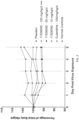
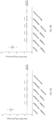
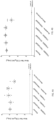
- Figure 2 show loss of weight (percentage of initial body weight) from mice following treatment with compound 8 and EV-D68 infection. Treatment with compound 8 at 100 mg/kg/d provided significant protection from weight loss following infection. All doses of compound 8 were able to reduce viremia on days 1 and 3 post-infection. See Figures 3A and 3B . No virus was detected for any group on day 5 post infection.
- Figures 4A-4C shows virus titers in lungs from mice following treatment with compound 8. Lung titers on days 1, 3, and 5 post-infection (p.i.) are shown in Figures 4A-4C , respectively. On days 1 and 3 p.i., only the guanidine-treated group showed a reduction in virus titers compared to placebo. See Figures 4A and 4B . However, on day 5 p.i., mice treated with the 30 mg dose of compound 8 also showed a reduction in virus titer. See Figure 4C .
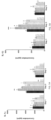
- FIGS. 5A-5D show concentrations of IL-1 ⁇ , IL-1 ⁇ , IL-2 and IL-3 in lung homogenates from mice following treatment with compound 8 and EV-D68 infection.
- Treatment with compound 8 at a dose of 30 mg/kg/day increased concentrations of IL-1 ⁇ (see Figure 5A ) and IL-1 ⁇ (see Figure 5B ) on day 3 p.i. compared to placebo-treated mice.
- the 30 mg treatment also increased IL-3 on day 3 p.i. See Figure 5B .
- all doses of compound 8 decreased IL-3 on day 1. See Figure 5D .
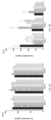
- FIGS 6A-6D Concentrations of IL-4, IL-5, IL-6, and IL-10 in lungs from mice following treatment with compound 8 and EV-D68 infection are shown in Figures 6A-6D .
- Treatment with compound 8 at a dose of 100 mg/kg/day increased concentrations of IL-4 (see Figure 6A ), IL-5 (see Figure 6B ), and IL-6 (see Figure 6C ) on day 3 p.i. compared to placebo-treated mice.
- the 100 mg dose also decreased IL-5 on day 1 p.i. See Figure 6B .
- all doses of compound 8 decreased IL-5 on day 1 p.i. (see Figure 6B ), but the 30 mg treatment increased IL-6 on day 3 p.i. See Figures 6B and 6C .
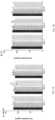
- Figures 7A-7D show concentrations of IL-12p70, IL-17, MCP-1 and IFN ⁇ in lungs from mice following treatment and infection.
- Treatment with compound 8 at a dose of 100 mg/kg/day decreased concentrations of MCP-1 on day 1 p.i. (see Figure 7C ) and the 10 mg dose decreased IFN ⁇ on day 1 p.i. See Figure 7D .
- the EV-D68 respiratory model based on intranasal infection of 4-week-old AG129 mice is a non-lethal model that includes viremia with rapid tissue distribution of virus, including high virus titers in lung tissues and an elevation of proinflammatory cytokines in the lung.
- Treatment with all doses of compound 8 reduced blood virus (viremia) on days 1 and 3 post-infection. No virus was detected in the blood of animals treated on day 5 post-infection indicating virus clearance from the blood by that date.
- a dose of 30 mg/kg/day reduced lung virus titers on day 5 post-infection compared to placebo-treated mice.
- viremia blood virus
Landscapes
- Health & Medical Sciences (AREA)
- Life Sciences & Earth Sciences (AREA)
- Chemical & Material Sciences (AREA)
- Organic Chemistry (AREA)
- Virology (AREA)
- General Health & Medical Sciences (AREA)
- Pharmacology & Pharmacy (AREA)
- Veterinary Medicine (AREA)
- Public Health (AREA)
- Animal Behavior & Ethology (AREA)
- Medicinal Chemistry (AREA)
- Epidemiology (AREA)
- Nuclear Medicine, Radiotherapy & Molecular Imaging (AREA)
- Molecular Biology (AREA)
- General Chemical & Material Sciences (AREA)
- Pulmonology (AREA)
- Chemical Kinetics & Catalysis (AREA)
- Oncology (AREA)
- Communicable Diseases (AREA)
- Pharmaceuticals Containing Other Organic And Inorganic Compounds (AREA)
- Medicines That Contain Protein Lipid Enzymes And Other Medicines (AREA)
Description
- This application claims benefit of
U.S. Provisional Patent Application Serial No. 62/907,231, filed September 27, 2019 U.S. Provisional Patent Application Serial No. 62/950,546, filed December 19, 2019 - The presently disclosed subject matter relates to 5-(3-{4-[5-(trifluoromethyl)-1,2,4-oxadiazol-3-yl]phenoxy}propyl)isoxazole-3-carboxamide derivatives and their use for the treatment of infections and diseases caused by viruses in mammals or other animals, especially diseases caused by entero- and rhinoviruses.
- Multiple rhino-, coxsackie- and enteroviruses (RV, CV and EV, respectively) belong to the Enterovirus genus of the Picornaviridae family. They cause human viral diseases such as, but not limited to, the common cold, acute and chronic myocarditis, and paralytic poliomyelitis. To date, no vaccines (except for poliovirus) or drugs for the treatment or prevention of these viral infections have been approved.
- Accordingly, there is an ongoing need for new compositions and methods of treating and/or preventing infections caused by viruses of the Enterovirus genus and/or the Picornaviridae family, such as rhinoviruses, coxsackieviruses, and enteroviruses.
- According to
claim 1, the presently disclosed subject matter provides a compound of the formula (I):
- In some embodiments, the compound of Formula (I) is selected from: N, N-dialkyl-5-(3-{2-methyl-4-[5-(trifluoromethyl)-1 ,2 ,4-oxadiazol-3-yl] phenoxy}-propyl)isoxazole-3-carboxamide, N,N-dialkyl-5-(3-{2-fluoro-4-[5-(trifluoromethyl)-1,2,4-oxadiazol-3-yl]phenoxy}propyl)isoxazole-3-carbox-amide, and N,N-dialkyl-5-(3-{2-nitro-4-[5-(trifluoromethyl)-1,2,4-oxadiazol-3-yl]phenoxy}-propyl)isoxazole-3-carboxamide. In some embodiments, the compound is N,N-dimethyl-5-(3-{2-methyl-4-[5-(trifluoromethyl)-1,2,4-oxadiazol-3-yl]phenoxy}propyl)isoxazole-3-carboxamide.
- According to
claim 2, the presently disclosed subject matter provides a pharmaceutical composition comprising a compound of Formula (I):
- According to
claim 3, the presently disclosed subject matter provides the compound N,N-dimethyl-5-(3-{2-methyl-4-[5-(trifluoromethyl)-1,2,4-oxadiazol-3-yl]phen-oxy}propyl)isoxazole-3-carboxamide for use in a therapeutic or prophylactic treatment of a disease caused by an enterovirus or rhinovirus infection, optionally in combination with one or more additional therapeutic agents. - According to
claim 4, the presently disclosed subject matter provides a compound of Formula (I) for use in a therapeutic or prophylactic treatment of a disease caused by a picornavirus infection, optionally in combination with one or more additional therapeutic agents. In some embodiments, the picornavirus infection is a rhinovirus infection. In some embodiments, the picornavirus infection is an enterovirus infection. In some embodiments, the disease is acute flaccid myelitis or hand-foot-and-mouth disease. - According to claim 7, the presently disclosed subject matter provides a compound of Formula (I) for use in a therapeutic or prophylactic treatment of an influenza A viral infection, optionally wherein the influenza A viral infection is an infection of influenza A, subtype H1N1.
- According to claim 8, the presently disclosed subject matter provides a compound of Formula (I) for use in a method of treating or preventing a picornavirus infection in a subject in need thereof, the method comprising administering to the subject an effective amount of the compound of Formula (I). In some embodiments, the subject is an animal, optionally a human. In some embodiments, the picornavirus infection is a rhinovirus infection or an enterovirus infection. In some embodiments, the picornavirus infection is a pleconaril-resistant picornavirus infection. In some embodiments, the compound is N,N-dimethyl-5-(3-{2-methyl-4-[5-(trifluoromethyl)-1,2,4-oxadiazol-3-yl]phenoxy}-propyl)isoxazole-3-carboxamide. In some embodiments, the method further comprises administering one or more additional therapeutic agents to the subject, optionally wherein the one or more additional therapeutic agents comprise an antiviral agent.
- According to claim 12, the presently disclosed subject matter provides a compound of Formula (I) for use in a method of treating or preventing an influenza A virus infection, optionally an influenza A subtype H1N1 virus infection, in a subject in need thereof, wherein the method comprises administering to the subject the compound of Formula (I).
- According to claim 13, the presently disclosed subject matter provides a compound of Formula (I) for use in a method of treating or preventing a disease or condition caused by a viral infection, optionally a picornavirus infection or an influenza A viral infection, in a subject in need thereof, wherein the method comprises administering to the subject the compound of Formula (I). In some embodiments, the disease or condition caused by a viral infection is selected from the group comprising influenza, common cold, aseptic meningitis, encephalitis, hand-foot-and-mouth disease, paralytic poliomyelitis, conjunctivitis, diarrhea, herpetic angina, acute myocarditis, chronic myocarditis, sinusitis, otitis media, and acute flaccid myelitis. In some embodiments, the compound is N,N-dimethyl-5-(3-{2-methyl-4-[5-(trifluoromethyl)-1,2,4-oxadiazol-3-yl]phenoxy}propyl)isox-azole-3-carboxamide.
- Accordingly, it is an object of the presently disclosed subject matter to provide a compound of Formula (I), pharmaceutical compositions thereof, and methods of using the compound to treat or prevent viral infections and the diseases or conditions caused by the viral infections.
- An object of the presently disclosed subject matter having been stated hereinabove, and which is achieved in whole or in part by the presently disclosed subject matter, other objects will become evident as the description proceeds hereinbelow.
-
-
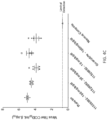
Figure 1 : Plasma concentration (measured in nanograms per milliliter (ng/ml) versus time (measured in hours) of N,N-dimethyl-5-(3-{2-methyl-4-[5-(trifluoromethyl)-1,2,4-oxadiazol-3-yl]phenoxy}propyl)isoxazole-3-carboxamide, also referred to herein asCompound 8 or 11526092, an exemplary isoxazole-3-carboxamide of the presently disclosed subject matter, following oral administration of a 100 milligram per kilogram body weight dose -
Figure 2 : Percentage of initial body weight of mice infected with enterovirus D68 (EV D68) following treatment with Compound 8 (also referred to herein as 11526092) at a dose of 10 (unfilled squares), 30 (filled squares), or 100 (unfilled circles) milligrams per kilogram body weight per day (mg/kg/d). Percentage of initial body weight is provided for days 1-5 post-infection. For comparison, the percentage of initial body weight of infected mice treated with 100 mg/kg/d guanidine (filled triangles), a placebo (filled circles), and uninfected mice (Normal Controls, unfilled triangles) is also shown. Treatment with Compound 8 at 100 mg/kg/d protected mice from weight loss following infection. (***P<0.001). -
Figures 3A-3B : Blood virus titers (measured in 50 percent cell culture infectious dose (CCID50) per milliliter (mL) times log 10) from mice following treatment with Compound 8 (also referred to herein as 11526092) at a dose of 10 (unfilled squares), 30 (filled squares), or 100 (unfilled circles) milligrams per kilogram body weight per day (mg/kg/d). For comparison, the blood virus titers of infected mice treated with 100 mg/kg/d guanidine (filled triangles), a placebo (filled circles), and uninfected mice (Normal Controls, unfilled triangles) are also shown.Figure 3A shows the blood virus (viremia) titers atday 1 post-infection.Figure 3B shows the blood virus (viremia) titers atday 3 post infection. (****P<0.0001). -
Figures 4A-4C : Lung virus titers (measured in 50 percent cell culture infectious dose (CCID50) per milliliter (mL) times log 10) from mice following treatment with compound 8 (also referred to as 11526092) at a dose of 10 (unfilled squares), 30 (filled squares), or 100 (unfilled circles) milligrams per kilogram body weight per day (mg/kg/d). For comparison, the lung virus titers of infected mice treated with 100 mg/kg/d guanidine (filled triangles), a placebo (filled circles), and uninfected mice (Normal Controls, unfilled triangles) are also shown.Figure 4A shows lung virus titers onday 1 post infection.Figure 4B shows lung virus titers onday 3 post-infection.Figure 4C shows lung virus titers onday 5 post-infection. Ondays day 5 post-infection mice treated with the 30 mg dose of compound 8 also showed a reduction in virus titer. (*P<0.05, ***P<0.001). -
Figures 5A-5D : Concentrations (measured in picograms per milliliter (pg/ml) ondays Figure 5A ), interleukin-1β (IL-1β,Figure 5B ), interleukin-2 (IL-2,Figure 5C ), and interleukin-3 (IL-3,Figure 5D ) in lung homogenates from mice following enterovirus D68 (EV-D68) infection and treatment with compound 8 (also referred to herein as 11526092) at a dose of 10, 30, or 100 milligrams per kilogram body weight per day (mg/kg/d). For comparison, the same concentrations are shown from infected mice treated with 100 mg/kg/d guanidine, a placebo, and uninfected mice (Normal Controls) are also shown. Treatment with compound 8 at a dose of 30 mg/kg/day increased concentrations of IL-1α (Figure 5A ) and IL-1β (Figure 5B ) onday 3 p.i. compared to placebo-treated mice. In addition, all doses of compound 8 decreased IL-3 on day 1 (Figure 5D ). In each ofFigures 5A-5D , each set of six data bars is as follows, from left to right: placebo (filled bar), 100 mg/kg/d compound 8 (bar filled with offset rectangles), 30 mg/kg/d compound 8 (bar filled with checkerboard pattern), 10 mg (crosshatched bar), 100 mg/kg/d guanidine (bar filled with vertical lines), normal controls (bar filled with slanted lines). (*P<0.05, **P<0.01, ***P<0.001). -
Figure 6A-6D : Lung concentrations (measured in picograms per milliliter (pg/ml) ondays Figure 6A ), interleukin-5 (IL-5,Figure 6B ), interleukin-6 (IL-6,Figure 6C ), and interleukin-10 (IL-10,Figure 6D ) in lung homogenates from mice following enterovirus D68 (EV-D68) infection and treatment with compound 8 (also referred to herein as 11526092) at a dose of 10, 30, or 100 milligrams per kilogram body weight per day (mg/kg/d). For comparison, the same concentrations are shown from infected mice treated with 100 mg/kg/d guanidine, a placebo, and uninfected mice (Normal Controls) are also shown. Treatment with compound 8 at a dose of 100 mg/kg/day increased concentrations of IL-4 (Figure 6A ), IL-5 (Figure 6B ), and IL-6 (Figure 6C ) onday 3 p.i. compared to placebo-treated mice. However, the 100 mg dose also decreased IL-5 onday 1 p.i. (Figure 6B ). In addition, all doses of compound 8 decreased IL-5 onday 1 p.i. (Figure 6B ), but the 30 mg treatment increased IL-6 onday 3 p.i. (Figures 6B and6C ). In each ofFigures 6A-6D , each set of six data bars is as follows, from left to right: placebo (filled bar), 100 mg/kg/d compound 8 (bar filled with offset rectangles), 30 mg/kg/d compound 8 (bar filled with checkerboard pattern), 10 mg (crosshatched bar), 100 mg/kg/d guanidine (bar filled with vertical lines), normal controls (bar filled with slanted lines). (*P<0.05). -
Figures 7A-7D : Lung concentrations (measured in picograms per milliliter (pg/ml) ondays Figure 7A ), interleukin-17 (IL-17,Figure 7B ), monocyte chemoattractant protein-1 (MCP-1,Figure 7C ) and interferon-gamma (IFNy,Figure 7D ) in lung homogenates from mice following infection with enterovirus D68 (EV-D68) and treatment with compound 8 (also referred to as 11526092) at a dose of 10, 30, or 100 milligrams per kilogram body weight per day (mg/kg/d). For comparison, the same concentrations are shown from infected mice treated with 100 mg/kg/d guanidine, a placebo, and uninfected mice (Normal Controls) are also shown. Treatment with compound 8 at a dose of 100 mg/kg/day decreased concentrations of MCP-1 onday 1 p.i. (Figure 7C ) and the 10 mg dose decreased IFNγ onday 1 p.i. (Figure 7D ). Other changes included guanidine treatment increasing IL-12p70 onday 3 p.i. (Figure 7A ) and decreasing MCP-1 (Figure 7C ) ondays Figures 7A-7D , each set of six data bars is as follows, from left to right: placebo (filled bar), 100 mg/kg/d compound 8 (bar filled with offset rectangles), 30 mg/kg/d compound 8 (bar filled with checkerboard pattern), 10 mg (crosshatched bar), 100 mg/kg/d guanidine (bar filled with vertical lines), normal controls (bar filled with slanted lines). (*P<0.05, **P<0.01, ***P<0.001). -
Figures 8A-8D : Lung concentrations (measured in picograms per milliliter (pg/ml) ondays Figure 8A ), macrophage inflammatory factor-1alpha (MIP-1α,Figure 8B ), granulocyte/ macrophage colony stimulating factor (GM-CSF,Figure 8C ), and regulated upon activation, normal T cell expressed and secreted (RANTES,Figure 8D ) in lung homogenates from mice following enterovirus D68 (EV-D68) infection and treatment with compound 8 (also referred to as 11526092) at a dose of 10, 30, or 100 milligrams per kilogram body weight per day (mg/kg/d). For comparison, the same concentrations are shown from infected mice treated with 100 mg/kg/d guanidine, a placebo, and uninfected mice (Normal Controls) are also shown. Treatment with compound 8 at a dose of 30 mg/kg/day increased concentrations of MIP-1α onday 5 p.i. (Figure 8B ) and all doses of compound 8 decreased GM-CSF and RANTES onday 1 p.i. (Figures 8C and 8D ). Other observations included guanidine treatment increasing MIP-1α onday 5 p.i. (Figure 8B ) and decreasing GM-CSF and RANTES onday 1 p.i. (Figures 8C and 8D ). In each ofFigures 8A-8D , each set of six data bars is as follows, from left to right: placebo (filled bar), 100 mg/kg/d compound 8 (bar filled with offset rectangles), 30 mg/kg/d compound 8 (bar filled with checkerboard pattern), 10 mg (crosshatched bar), 100 mg/kg/d guanidine (bar filled with vertical lines), normal controls (bar filled with slanted lines). (*P<0.05, **P<0.01, ***P<0.001, ****P<0.0001). - The presently disclosed subject matter will now be described more fully. The presently disclosed subject matter can, however, be embodied in different forms and should not be construed as limited to the embodiments set forth herein below and in the accompanying Examples. Rather, these embodiments are provided so that this disclosure will be thorough and complete, and will fully convey the scope of the embodiments to those skilled in the art.
- While the following terms are believed to be well understood by one of ordinary skill in the art, the following definitions are set forth to facilitate explanation of the presently disclosed subject matter.
- Unless defined otherwise, all technical and scientific terms used herein have the same meaning as commonly understood to one of ordinary skill in the art to which the presently disclosed subject matter belongs.
- Following long-standing patent law convention, the terms "a", "an", and "the" refer to "one or more" when used in this application, including the claims.
- The term "and/or" when used in describing two or more items or conditions, refers to situations where all named items or conditions are present or applicable, or to situations wherein only one (or less than all) of the items or conditions is present or applicable.
- The use of the term "or" in the claims is used to mean "and/or" unless explicitly indicated to refer to alternatives only or the alternatives are mutually exclusive, although the disclosure supports a definition that refers to only alternatives and "and/or." As used herein "another" can mean at least a second or more.
- The term "comprising", which is synonymous with "including," "containing," or "characterized by" is inclusive or open-ended and does not exclude additional, unrecited elements or method steps. "Comprising" is a term of art used in claim language which means that the named elements are essential, but other elements can be added and still form a construct within the scope of the claim.
- As used herein, the phrase "consisting of" excludes any element, step, or ingredient not specified in the claim. When the phrase "consists of" appears in a clause of the body of a claim, rather than immediately following the preamble, it limits only the element set forth in that clause; other elements are not excluded from the claim as a whole.
- As used herein, the phrase "consisting essentially of" limits the scope of a claim to the specified materials or steps, plus those that do not materially affect the basic and novel characteristic(s) of the claimed subject matter.
- With respect to the terms "comprising", "consisting of", and "consisting essentially of", where one of these three terms is used herein, the presently disclosed and claimed subject matter can include the use of either of the other two terms.
- Unless otherwise indicated, all numbers expressing quantities of time, concentration, dosage and so forth used in the specification and claims are to be understood as being modified in all instances by the term "about". Accordingly, unless indicated to the contrary, the numerical parameters set forth in this specification and attached claims are approximations that can vary depending upon the desired properties sought to be obtained by the presently disclosed subject matter.
- As used herein, the term "about", when referring to a value is meant to encompass variations of in one example ±20% or ±10%, in another example ±5%, in another example ±1%, and in still another example ±0.1% from the specified amount, as such variations are appropriate to perform the disclosed methods.
- As used herein the term "alkyl" refers to C1-20 inclusive, linear (i.e., "straight-chain"), branched, or cyclic, saturated or at least partially and in some cases fully unsaturated (i.e., alkenyl and alkynyl) hydrocarbon chains, including for example, methyl, ethyl, propyl, isopropyl, butyl, isobutyl, tert-butyl, pentyl, hexyl, octyl, ethenyl, propenyl, butenyl, pentenyl, hexenyl, octenyl, butadienyl, propynyl, butynyl, pentynyl, hexynyl, heptynyl, and allenyl groups. "Branched" refers to an alkyl group in which a lower alkyl group, such as methyl, ethyl or propyl, is attached to a linear alkyl chain. "Lower alkyl" refers to an alkyl group having 1 to about 8 carbon atoms (i.e., a C1-8 alkyl), e.g., 1, 2, 3, 4, 5, 6, 7, or 8 carbon atoms. "Higher alkyl" refers to an alkyl group having about 10 to about 20 carbon atoms, e.g., 10, 11, 12, 13, 14, 15, 16, 17, 18, 19, or 20 carbon atoms. In certain embodiments, "alkyl" refers, in particular, to C1-8 straight-chain alkyls. In other embodiments, "alkyl" refers, in particular, to C1-8 branched-chain alkyls.
- Alkyl groups can optionally be substituted (a "substituted alkyl") with one or more alkyl group substituents, which can be the same or different. The term "alkyl group substituent" includes but is not limited to alkyl, substituted alkyl, halo, arylamino, acyl, hydroxyl, aryloxyl, alkoxyl, alkylthio, arylthio, aralkyloxyl, aralkylthio, carboxyl, alkoxycarbonyl, oxo, and cycloalkyl. There can be optionally inserted along the alkyl chain one or more oxygen, sulfur or substituted or unsubstituted nitrogen atoms, wherein the nitrogen substituent is hydrogen, lower alkyl (also referred to herein as "alkylaminoalkyl"), or aryl.
- Thus, as used herein, the term "substituted alkyl" includes alkyl groups, as defined herein, in which one or more atoms or functional groups of the alkyl group are replaced with another atom or functional group, including for example, alkyl, substituted alkyl, halogen, aryl, substituted aryl, alkoxyl, hydroxyl, nitro, amino, alkylamino, dialkylamino, sulfate, and mercapto.
- The term "alkylene" refers to a bivalent alkyl group, where the bivalent alkyl group can be saturated or unsaturated and optionally substituted by one or more alkyl group substituents. In some embodiments, the alkylene group can include one or more oxygen atoms inserted in the carbon chain.
- When the term "independently selected" is used, the substituents being referred to (e.g., R groups, such as groups R1 and R2, or groups X and Y), can be identical or different. For example, both R1 and R2 can be substituted alkyls, or R1 can be hydrogen and R2 can be a substituted alkyl, and the like.
- Lower respiratory tract infections (LRIs) represent the main cause of death in low income economies and the third largest cause of death worldwide (WHO. The top 10 causes of death 2018). In addition to influenza viruses, enteroviruses (EVs), coxsackieviruses (CVs) and rhinoviruses (RVs) of the Enterovirus genus of the Picornaviridae family frequently cause LRIs (Malmstrom K., Pitkaranta A., Carpen O., et al. J Allergy Clin Immunol. 2006, 118, 591; Miller E.K., Lu X., Erdman D.D., et al. The Journal of infectious diseases. 2007, 195, 773; Toivonen L., Schuez-Havupalo L., Karppinen S., et al. The Journal of infection. 2013, 66, 494). RVs are also the most commonly isolated viruses from patients with mild upper respiratory diseases (e.g., common cold) (Makela M.J., Puhakka T., Ruuskanen O., et al. Journal of clinical microbiology. 1998, 36, 539). RVs can also trigger sinusitis (DeMuri G.P., Gern J.E., Moyer S.C., et al. J Pediatr. 2016, 171, 133-9 e1.) and otitis media (Toivonen L, Schuez-Havupalo L, Karppinen S, et al. Pediatrics. 2016;138(3).). In addition, RV infections can exacerbate asthma (Corne JM, Marshall C, Smith S, et al. Lancet. 2002, 359, 831; Steinke J.W., Borish L. Curr Allergy Asthma Rep. 2016, 16, 78). EVs and CVs cause a wide range of acute and chronic diseases, such as, but not limited to, aseptic meningitis, encephalitis, hand-foot-and-mouth disease, conjunctivitis, diarrhea, herpetic angina, acute and chronic myocarditis, and respiratory diseases (Melnick J.L. Poliovirus and other enteroviruses. In: Evans AS, Kaslow RA, editors. Viral infections of humans: epidemiology and control. New York: Plenum Publishing; 1997. p. 583-663). It has also been suggested that acute flaccid myelitis, which leads to loss of limb control in young children, can be due to EV-68.
- Current treatment of EV, CV and RV infections aims to reduce and shorten symptoms (e.g. fever and pain, fatigue, and nasal blockage in the case of common cold). There is no effective antiviral treatment, and with the exception of poliovirus, no prophylaxis, to prevent the millions of lost school and working days caused by EVs, CVs and RVs (Rotbart H.A. Antivir. Agents Chemother. 2000, 11, 261). Vaccine development is complicated by the multiplicity of serotypes. About 100 human EV serotypes and more than 160 RV serotypes (Palmenberg A.C., Gern J.E. Methods in molecular biology. 2015, 1221, 1) exist with most having epidemiological significance (The Picornaviridae. Enterovirus. 2018).
- Because of the issues with vaccine generation, the development of effective antivirals can be an attractive alternative. Considering the number of serotypes, effort has focused on the discovery of drugs with broad spectrum activity. Cellular proteins (e.g. cellular receptors such as inter-cellular adhesion molecule 1 (ICAM-1) for human rhinoviruses) and viral proteins that are highly conserved among serotypes (e.g. protease, polymerase, hydrophobic pocket in VP1) represent potential targets for inhibitors acting against multiple serotypes and thus have broad-spectrum activity. For example, compounds binding to the viral protease, polymerase or into a small hydrophobic pocket in capsid protein 1 (VP1) have been developed that inhibit multiple serotypes in vitro (De Palma A.M., Vliegen I., De Clercq E., Neyts J.. Med. Res. Rew. 2008, 28, 823). The promising results have been obtained with the capsid-binding inhibitors pleconaril and vapendavir (Pevear D.C., Tull T.M., Seipel M.E., Groarke J.M. Antimicrob. Agents Chemother. 1999, 43, 2109; Matz J. The European respiratory journal, 2013, 42, 1493). However, due to insufficient effectiveness and/or side effects in the clinic, neither of these inhibitors has been approved by the FDA to date (Senior K. The Lancet Infectious diseases. 2002, 2, 264).
- More particularly, VP1 is one of the four viral capsid proteins (i.e., VP1-4; each having 60 copies) composing the icosahedral capsid of picornaviruses (about 30 nm in diameter), which are cleaved from the precursor protein P1. Together with VP2 and VP3, VP1 is found on the external surface of the capsid, while VP4 is located inside the capsid. The capsid proteins pack the viral genome, a single-stranded RNA of positive polarity (mRNA-like structure), via interactions with VP4. The three surface proteins VP1-3 do not have appreciable amino acid sequence homology. However, all three form an eight-stranded anti-parallel β-barrel. Its wedged shape facilitates VP1, 2, and 3 assembly into an icosahedral viral capsid. The amino acid loops between the β-strands and the N- and C-terminal sequences are structurally different and determine the morphology and antigenicity of distinct EV and RV (Racaniello VR. Picornaviridae: the viruses and their replication. In: Knipe DM, Howley PM, Griffin DE, editors. Fields Virology. Philadelphia: Lippincott Williams & Wilkins; 2006. p. pp. 795-838).
- Generally, capsid morphology is characterized by a star-shaped plateau at the 5-fold axis of capsid symmetry. It is surrounded by a deep depression (called a canyon) in most EV and RV. Just beneath the canyon floor is a hydrophobic pocket that can be empty (e.g. in RV-B14) or is filled with a lipped, sphingosine or fatty acid (called a pocket factor) in the majority of EV and RV. The amino acids of the hydrophobic pocket are highly conserved across EV and also RV, whereas at distinct amino acid positions a polymorphism can exist (Ledford RM, Patel NR, Demenczuk TM, et al. Journal of virology. 2004, 78, 3663). Another protrusion has been detected at the 3-fold axis of symmetry. The external localization of VP1-3 predisposes their interaction with surface molecules of immune and host cells (VP1-3). Their loops act as antigenic sites. The canyon enables binding of cell surface molecules (e.g. ICAM, LDL, DAF, or CAR) for viral attachment to susceptible host cells (Rossmann M.G., He Y., Kuhn R. Trends in microbiology. 2002, 10, 324-31).
- Receptor binding induces structural changes in the viral capsid triggering the release of the pocket factor and subsequently capsid destabilization. The viruses penetrate into the host cell and release their genomic RNA into the cytoplasm (uncoating) where replication of picornaviruses takes place. After interaction of the positive-stranded viral RNA with host cell ribosomes, a polyprotein is translated and then cleaved into individual viral proteins (capsid proteins and non-structural proteins) by viral proteases 2A and 3C/3CD. The RNA-dependent polymerase synthesizes the minus strand matrix from the surface of the plus strand and uses it to replicate the genome. Viral protein synthesis and RNA replication run in parallel to produce a huge number of virus protein and RNA genome copies. Once a critical amount of viral structural proteins is reached, they begin to assemble and form protomers which further assemble into pentamers to form the capsid. After interaction of the capsid proteins with the genome, progeny virion are produced. They are released from the host cell by means of lysis (Racaniello VR. Picornaviridae: the viruses and their replication. In: Knipe DM, Howley PM, Griffin DE, editors. Fields Virology. Philadelphia: Lippincott Williams & Wilkins; 2006. p. pp. 795-838).
- The development of anti-picornaviral compounds with the capsid-binding mechanism of action began with synthesis of compounds by Sterling-Winthrop Company, widely known as WIN-compounds (reviewed in Egorova A. Eur J Med Chem. 2019, 178, 606-622). It was discovered that some β-diketones from a synthetic library were active against equine rhinovirus during the course of screening for new antivirals (Diana G.D., Salvador U.J., Zalay E.S., et al. J. Med. Chem. 1977, 20, 757; Diana G.D., Salvador U.J., Zalay E.S., J. Med. Chem. 1977, 20, 750-6; Diana G.D., Carabateas P.M., Johnson R.E., et al, J. Med. Chem. 1978, 21, 889; Diana G.D., Carabateas P.M., Salvador U.J., et al. J. Med. Chem. 1978, 21, 689). Several modifications of the structure were performed with a view to improving antiviral activity and resulted in the formation of arildone (also known as WIN 38020). Arildone specifically inhibits replication of poliomyelitis virus in vitro through prevention of virion uncoating, while in vivo it prevents poliovirus-induced paralysis and death in mice (McSharry J.J., Caliguiri L.A., Eggers H.J. Virology. 1979, 97, 307; Caliguiri L.A., McSharry J.J., Lawrence G.W. et al. Virology. 1980, 105(1):86-93;
- McKinlay M.A., Miralles J.V., Brisson C.J., Pancic F. Antimicrob. Agents Chemother. 1982, 22, 1022). Ultimately, after many years of research in the field, the most advanced compound, pleconaril, was tested on 215 clinical isolates of enterovirus serotypes and demonstrated activity (IC50≤0.03 µM and CC90 inhibition ≤ 0.18 µM) with most of them (Pevear D.C., Tull T.M., Seipel M.E., Groarke J.M. Antimicrobial agents and chemotherapy. 1999, 43, 2109).
- The development of pleconaril resulted from several modifications of the oxadiazole ring of an earlier analog called disoxaril. Pleconaril contains a trifluoromethyl oxadiazole that does not experience hydroxylation of the methyl group on the oxadiazole ring. Pleconaril is therefore protected from metabolism. Interestingly, this orally bioavailable and systemic-acting small molecule inhibitor possesses a broad-spectrum activity against enteroviruses as well as rhinoviruses. Pleconaril inhibited over 100 tested RV serotypes and 95% of non-polio enteroviruses at a compound concentration of 100 ng/mL or less (Pevear D.C., Tull T.M., Seipel M.E., Groarke J.M. Antimicrob. Agents Chemother. 1999, 43, 2109). However, due to the existence of pleconaril-resistant enteroviruses, for instance coxsackievirus B3 variants, there is a need for optimization of the compound structure. In 2002 pleconaril (Picovir) failed to win FDA approval for the treatment of the common cold due to a large number of pleconaril-resistant viruses (Heinz B.A., Rueckert R.R., Shepard D.A. Journal of Virology. 1989, 63, 2476) and the presence of adverse effects, including an association with menstrual irregularities in women taking oral contraceptives (Hayden F.G., Herrington D.T., Coats T.L. Clinical infectious diseases: an official publication of the Infectious Diseases Society of America. 2003, 36, 1523). Studies have also demonstrated that this compound results in induction of cytochrome P450 3A4 (CYP3A4) (Ma J.D., Nafziger A.N., Rhodes G., Journal of clinical pharmacology. 2006, 46, 103; Ma J.D., Nafziger A.N., Rhodes G. Drug metabolism and disposition: the biological fate of chemicals. 2006, 34, 783), providing a likely explanation for the impact on oral contraceptive function. There has been limited efforts to follow up on this observation.
- Pleconaril was the closest an antiviral drug has come as a potential treatment for the treatment of the common cold. The most recent clinical failure of note is another potential anti-picornaviral drug, Vapendavir, which failed in Phase lib for treatment of rhinoviral infections in patients with asthma in February 2017 (likely due to better-than-expected improvements in control groups (Anon. Aviragen Therapeutics Announces Top-Line Results from Phase 2b SPIRITUS Trial of Vapendavir 2017). Thus, the development of effective capsid-binding inhibitors with broad-spectrum activity is a problem that has yet to be solved.
- The hydrophobic pocket within
viral capsid protein 1 is a promising target to combat picornaviruses using small molecules. Except coxsackievirus B3, all known enterovirus variants with full resistance toward capsid-binding inhibitors have mutations of residues directly involved in the formation of the hydrophobic binding pocket. In case of coxsackievirus B3, substitutions have been also reported outside the binding pocket causing this type of capsid-binding inhibitor resistance: I1207K and I1207R of theviral capsid protein 1. Both substitutions completely abolish the antiviral activity of pleconaril but do not affect coxsackievirus B3 replication rates in vitro. - The presently disclosed subject matter relates to a new generation of derivatives of the capsid-binding inhibitor pleconaril with promising broad-spectrum activities against viruses (e.g., RVs and CVs) and good safety and pharmacokinetic profile. As described further in the examples below, an exemplary pleconaril derivative of the presently disclosed subject matter, i.e., N,N-dimethyl-5-(3-{2-methyl-4-[5-(trifluoromethyl)-1,2,4-oxadiazol-3-yl]phenoxy}-propyl)isoxazole-3-carbox-amide, inhibited the replication of a broad spectrum of EV in vitro with IC50 values between 0.04 and 0.64 µM for viruses resistant to pleconaril, without affecting cytochrome P450 enzyme activity.
- In some embodiments, the presently disclosed subject matter provides a compound of formula (I) with broad spectrum antiviral activity (including activity against pleconaril resistant strains) and low CYP3A4 induction.
- According to
claim 1, the presently disclosed subject matter provides a compound of the Formula (I):
- In some embodiments, the presently disclosed subject matter provides compounds of Formula (I) selected from the group comprising:
- N,N-dialkyl-5-(3-{2-methyl-4-[5-(trifluoromethyl)-1,2,4-oxadiazol-3-yl]-phenoxy}propyl)isoxazole-3-carboxamide,
- N,N-dialkyl-5-(3-{2-fluoro-4-[5-(trifluoromethyl)-1,2,4-oxadiazol-3-yl]-phenoxy}propyl)isoxazole-3-carboxamide, and
- N,N-dialkyl-5-(3-{2-nitro-4-[5-(trifluoromethyl)-1,2,4-oxadiazol-3-yl]-phenoxy}propyl)isoxazole-3-carboxamide.
- In some embodiments, the presently disclosed subject matter provides at least one compound selected from the group comprising:
- N,N-dimethyl-5-(3-{2-methyl-4-[5-(trifluoromethyl)-1,2,4-oxadiazol-3-yl]-phenoxy}propyl)isoxazole-3-carboxamide, and
- N,N-dimethyl-5-(3-{2-nitro-4-[5-(trifluoromethyl)-1,2,4-oxadiazol-3-yl]-phenoxy}propyl)isoxazole-3-carboxamide.
- In some embodiments, the compound of Formula (I) is N,N-dialkyl-5-(3-{2-methyl-4-[5-(trifluoromethyl)-1,2,4-oxadiazol-3-yl]phenoxy}propyl)isoxazole-3-carboxamide.
- In some embodiments, the presently disclosed the presently disclosed subject matter provides a pharmaceutically acceptable salt of a compound of Formula (I) (such as a hydrochloride, sulphate, acetate, trifluoroacetate, maleate, fumarate salt or another salt as described hereinbelow) and/or a solvate thereof.
- The compounds of the Formula (I) exhibit strong antiviral activity, especially against picornaviruses with IC50 in the range of ~ 0.008 - 15 µM, as determined by the method described by Schmidtke M., Hammerschmidt E., Schüler S., et al. J Antimicrob. Chemother. 2005, 56, 648. Typical results are given in Example 15, below. The compounds of the presently disclosed subject matter demonstrate a high level of selectivity for virus and are not active on bacteria or human cells, which should reduce the potential for adverse side effects.
- Selected compounds of the Formula (I) of the presently disclosed subject matter were tested for potential mutagenicity using the SOS-chromotest (Quillardet P., Huisman O., D'Ari R., Hofnung M., Proc. Natl. Acad. Sci. USA, 1982, 79, 5971-5;) and found to be non-mutagenic at 25-50 µg per spot.
- The compounds of Formula (I) can be synthesized by routes using chemical group transformations well known in the field of organic chemistry. In some embodiments, the compounds can be synthesized by the route described in
Scheme 1, below.
- For instance, as shown in
Scheme 1, a halo-substituted alkyne (e.g., 1-chloropent-4-yne) can be reacted with a para-cyano-substituted phenol compound, which can be optionally further substituted, e.g., on the carbon atoms adjacent to the phenol carbon, in the presence of a base (e.g., potassium carbonate) to form an ether. The cyano group can be transformed by reacting the ether compound with hydroxylamine hydrochloride in the presence of a base (e.g., potassium carbonate), thereby forming an N-hydroxy amidine, which is then reacted with trifluoroacetic acid to form a trifluoromethyl-substituted 1 ,2,4-oxadiazole group. Elaboration of the alkyne group by reacting the alkyne-containing intermediate with ethyl chloro(hydroxyamino)acetate results in the formation of an ester-substituted isoxazole ring. The ester-substituent on the isoxazole can undergo base-catalyzed hydrolysis to form a carboxylic acid and then contacted with an amine (e.g., a dialkylamine) to form the final carboxamide. Alternatively, the ester-substituted intermediate can be transformed directly into the final carboxamide by reaction with the amine. - According to
claim 2, the presently disclosed subject matter provides a pharmaceutical composition comprising a compound of the Formula (I). For example, the pharmaceutical composition can include one or more compounds of Formula (I) and a pharmaceutically acceptable carrier. In some embodiments, the compounds of the presently disclosed subject matter are formulated for use by preparing a dilute solution or suspension in a pharmaceutically acceptable aqueous, organic, or aqueous-organic medium. In some embodiments, the compounds are formulated for topical or parenteral administration by intravenous, subcutaneous or intramuscular injection, or for intranasal application; or are prepared in tablet, capsule or aqueous suspension form with conventional excipients for oral administration or as a suppository. - Thus, in some embodiments, the compounds of the presently disclosed subject matter are provided for use in the treatment or prevention of picornavirus infections, such as for use in the treatment of entero- or rhinovirus infections, in humans and in animals. In some embodiments, the compounds of the presently disclosed subject matter are provided for use in the treatment or prevention of a disease or condition caused by (or triggered by) a picornavirus infection, such as for use in the treatment or prevention of a disease or condition caused by an entero- or rhinovirus infection, in humans and in animals.
- In some embodiments, the presently disclosed subject matter relates to a compound of the Formula (I) for use in a method for the treatment or prophylaxis of viral infections in animals (e.g., humans or other mammals) or for use in the treatment or prophylaxis of a disease or condition caused or triggered by a viral infection. In some embodiments, the viral infection is a picornavirus infection. In some embodiments, the picornavirus infection is an enterovirus infection. In some embodiments, the disease caused by the enterovirus infection is acute flaccid myelitis or hand-foot-and-mouth disease. Thus, in some embodiments, the presently disclosed compounds are provided for use in treating or preventing acute flaccid myelitis or hand-foot-and-mouth disease. In some embodiments, the picornavirus infection is a rhinovirus infection. In some embodiments, the picornavirus infection is a coxsackievirus infection. In some embodiments, the picornavirus infection relates to the infection of a pleconaril-resistant strain of a picornavirus. In some embodiments, the viral infection is an influenza virus infection. In some embodiments, the influenza virus is an influenza A virus. In some embodiments, the influenza A virus is an influenza A virus subtype H1N1.
- In some embodiments, the compounds of Formula (I) can be used in dosages from 0.001 - 1000 mg/kg body weight. In some embodiments, the compound of Formula (I) is used in combination with one or more additional therapeutic agents, e.g., one or more additional anti-viral therapeutic agents (i.e., an additional anti-viral therapeutic agent that is not a compound of Formula (I)) and/or one or more additional therapeutic agents used to treat a symptom of a viral infection or a disease caused or triggered by a viral infection or to enhance the immune response of a subject.
- In some embodiments, the presently disclosed subject matter provides a compound of Formula (I) for use in a method of treating or preventing a picornavirus infection in a subject in need thereof. In some embodiments, the method comprising administering to the subject an effective amount of a compound of Formula (I):

- In some embodiments, the subject is a subject who has been diagnosed with a picornavirus infection. In some embodiments, the subject is a subject at higher risk for infection, e.g., due to being exposed to one or more subjects having a diagnosed infection or due to having a compromised immune system. Typically, the subject of the presently disclosed subject matter is an animal, e.g. a mammal. In some embodiments, the subject is a human. In some embodiments, the subject is a non-human mammal.
- In some embodiments, the picornavirus infection is a rhinovirus infection or an enterovirus infection. In some embodiments, the picornavirus infection is a pleconaril-resistant picornavirus infection. In some embodiments, the administration of the compound of Formula (I) results in a lower level of CYP3A4 induction in hepatocytes (e.g., in the subject to whom the compound of Formula (I) is administered) than pleconaril (e.g., at the same dosage). In some embodiments, the compound of Formula (I) exhibits no appreciable binding to pregnane X receptor (PXR).
- In some embodiments, the method further comprises administering to the subject one or more additional therapeutic agents, such as one or more additional antiviral agents and/or one or more agents used to treat a symptom or symptoms of a picornavirus infection or infection-related disease. Such additional therapeutic agents include, but are not limited to, analgesics, decongestants, anti-histamines, anti-inflammatory agents, and the like.
- In some embodiments, the presently disclosed subject matter provides a compound of Formula (I) for use in a method of treating or preventing a viral infection related to an influenza virus , in a subject in need thereof, wherein the method comprises administering to the subject the compound of Formula (I) as described hereinabove. In some embodiments, the subject is a human. In some embodiments, the subject is a non-human animal, e.g., a mammal. In some embodiments, the influenza virus is an influenza A virus. In some embodiments, the influenza virus is an influenza A subtype H1N1 virus. In some embodiments, the compound of Formula (I) is N,N-dimethyl-5-(3-{2-methyl-4-[5-(trifluoromethyl)-1,2,4-oxadiazol-3-yl]phen-oxy}-propyl)isoxazole-3-carboxamide.
- In some embodiments, the presently disclosed subject matter provides a compound of Formula (I) for use in a method of treating or preventing a disease or condition caused by a viral infection, optionally a picornavirus infection or an influenza A viral infection, in a subject in need thereof, wherein the method comprises administering to the subject the compound of Formula (I) as described hereinabove. In some embodiments, the subject is a human. In some embodiments, the subject is a non-human animal, e.g., a mammal. Diseases or conditions caused by viral infections include, but are not limited to, influenza, common cold, aseptic meningitis, encephalitis, hand-foot-and-mouth disease, paralytic poliomyelitis, conjunctivitis, diarrhea, herpetic angina, acute myocarditis, chronic myocarditis, sinusitis, otitis media, and acute flaccid myelitis. In some embodiments, the compound of Formula (I) is N,N-dimethyl-5-(3-{2-methyl-4-[5-(trifluoromethyl)-1,2,4-oxadiazol-3-yl]phenoxy}-propyl)isoxazole-3-carbox-amide. In some embodiments, the method can further comprise administering one or more additional therapeutic agents, such as an antiviral compound that is not of Formula (I) or a compound to treat or mitigate one or more symptom of the disease or condition (e.g., a therapeutic agent to treat cough or nasal congestion).
- As noted above, in some embodiments, the compound of Formula (I) can be provided as a pharmaceutically acceptable salt. Such salts include, but are not limited to, pharmaceutically acceptable acid addition salts, pharmaceutically acceptable base addition salts, pharmaceutically acceptable metal salts, ammonium and alkylated ammonium salts, and combinations thereof.
- Acid addition salts include salts of inorganic acids as well as organic acids. Representative examples of suitable inorganic acids include hydrochloric, hydrobromic, hydroiodic, phosphoric, sulfuric, nitric acids and the like. Representative examples of suitable organic acids include formic, acetic, trichloroacetic, trifluoroacetic, propionic, benzoic, cinnamic, citric, fumaric, glycolic, lactic, maleic, malic, malonic, mandelic, oxalic, picric, pyruvic, salicylic, succinic, methanesulfonic, ethanesulfonic, tartaric, ascorbic, pamoic, bismethylene salicylic, ethanedisulfonic, gluconic, citraconic, aspartic, stearic, palmitic, EDTA, glycolic, p-aminobenzoic, glutamic, benzenesulfonic, p-toluenesulfonic acids, sulphates, nitrates, phosphates, perchlorates, borates, acetates, benzoates, hydroxynaphthoates, glycerophosphates, ketoglutarates and the like.
- Base addition salts include but are not limited to, ethylenediamine, N-methyl-glucamine, lysine, arginine, ornithine, choline, N, N'-dibenzylethylenediamine, chloroprocaine, diethanolamine, procaine, N-benzylphenethylamine, diethylamine, piperazine, tris (hydroxymethyl)-aminomethane, tetramethylammonium hydroxide, triethylamine, dibenzylamine, ephenamine, dehydroabietylamine, N-ethylpiperidine, benzylamine, tetramethylammonium, tetraethylammonium, methylamine, dimethylamine, trimethylamine, ethylamine, basic amino acids, e. g., lysine and arginine dicyclohexylamine and the like.
- Examples of metal salts include lithium, sodium, potassium, magnesium salts and the like. Examples of ammonium and alkylated ammonium salts include ammonium, methylammonium, dimethylammonium, trimethylammonium, ethylammonium, hydroxyethylammonium, diethylammonium, butylammonium, tetramethylammonium salts and the like.
- In some embodiments, the presently disclosed compounds can further be provided as a solvate.
- The compound of Formula (I) can be used on a sample either in vitro (for example, on isolated cells or tissues) or for use in vivo in a subject for treating diseases as disclosed above (i.e. living organism, such as a patient). In some embodiments, the subject or patient is a human subject, although it is to be understood that the principles of the presently disclosed subject matter indicate that the presently disclosed subject matter is effective with respect to all vertebrate species, including mammals, which are intended to be included in the terms "subject" and "patient". Moreover, a mammal is understood to include any mammalian species for which employing the compositions and methods disclosed herein is desirable, particularly agricultural and domestic mammalian species.
- As such, the compound for use of the presently disclosed subject matter are particularly useful in warm-blooded vertebrates. Thus, the presently disclosed subject matter concerns mammals and birds. More particularly provided are compositions for mammals such as humans, as well as those mammals of importance due to being endangered (such as Siberian tigers), of economic importance (animals raised on farms for consumption by humans), and/or of social importance (animals kept as pets or in zoos) to humans, for instance, carnivores other than humans (such as cats and dogs), swine (pigs, hogs, and wild boars), ruminants (such as cattle, oxen, sheep, giraffes, deer, goats, bison, and camels), and horses. Also provided is the compound for use in treatment of birds, including the treatment of those kinds of birds that are endangered, kept in zoos or as pets (e.g., parrots), as well as fowl, and more particularly domesticated fowl, for example, poultry, such as turkeys, chickens, ducks, geese, guinea fowl, and the like, as they are also of economic importance to humans. Thus, also provided is the compound for use in treatment of livestock including, but not limited to domesticated swine (pigs and hogs), ruminants, horses, poultry, and the like.
- In some embodiments, the compound of Formula (I) can include more than one of the compounds described herein. In some embodiments, the compound can be administered along with one or more additional therapeutic agents known in the art for treating a disease or disorder associated with a viral infection. For example, the compounds can be co-administered with an antiviral compound that is not a compound of Formula (I) or a therapeutic agent useful in treating a symptom of a viral infection (e.g., pain, fever, stuffy/runny nose, cough, inflammation, etc.). The compound of Formula (I) and the one or more other therapeutic agents can be provided in a single formulation or co-administered in separate formulations at about the same time or at different times (e.g., different times within the same day, week, or month).
- In some embodiments, the compound of Formula (I) (which can also be referred to as the "active ingredient") can be administered in a pharmaceutically acceptable composition where the compound can be admixed with one or more pharmaceutically acceptable carriers. The term "pharmaceutically acceptable carrier" means a non-toxic material that does not interfere with the effectiveness of the biological activity of the active ingredients. In some embodiments, the pharmaceutically acceptable composition can also contain salts, buffering agents, preservatives, compatible carriers, and optionally other therapeutic agents.
- Suitable methods for administration of a compound of Formula (I) or pharmaceutically acceptable composition thereof to a subject include, but are not limited to intravenous injection, oral administration, buccal, topical, subcutaneous administration, intraperitoneal injection, pulmonary, intanasal, intracranial injection, and rectal administration. The particular mode of administering a composition matter depends on various factors, including the distribution and abundance of cells to be treated and mechanisms for metabolism or removal of the composition from its site of administration.
- An effective dose of a composition of the presently disclosed subject matter is administered to a subject. An "effective amount" is an amount of the composition sufficient to produce detectable treatment. Actual dosage levels of constituents of the compositions of the presently disclosed subject matter can be varied so as to administer an amount of the composition that is effective to achieve the desired effect for a particular subject and/or target. The selected dosage level can depend upon the activity of the composition and the route of administration. In some embodiments, the compounds of Formula (I) can be used in dosages from 0.001 - 1000 mg/kg body weight.
- After review of the disclosure herein of the presently disclosed subject matter, one of ordinary skill in the art can tailor the dosages to an individual subject, taking into account the particular formulation, method of administration to be used with the composition, and nature of the target to be treated. Such adjustments or variations, as well as evaluation of when and how to make such adjustments or variations, are well known to those of ordinary skill in the art.
- The therapeutically effective amount can be determined by testing the compounds in an in vitro or in vivo model and then extrapolating therefrom for dosages in subjects of interest, e.g., humans. The therapeutically effective amount should be enough to exert a therapeutically useful effect in the absence of undesirable side effects in the subject to be treated with the composition.
- Pharmaceutically acceptable carriers are well known to those skilled in the art and include, but are not limited to, from about 0.01 to about 0.1 M and preferably 0.05M phosphate buffer or 0.8% saline. Such pharmaceutically acceptable carriers can be aqueous or non-aqueous solutions, suspensions and emulsions. Examples of non-aqueous solvents suitable for use in the presently disclosed subject matter include, but are not limited to, propylene glycol, polyethylene glycol, vegetable oils such as olive oil, and injectable organic esters such as ethyl oleate. Aqueous carriers suitable for use in the presently disclosed subject matter include, but are not limited to, water, ethanol, alcoholic/aqueous solutions, glycerol, emulsions or suspensions, including saline and buffered media. Oral carriers can be elixirs, syrups, capsules, tablets and the like.
- Liquid carriers suitable for use in the presently disclosed subject matter can be used in preparing solutions, suspensions, emulsions, syrups, elixirs and pressurized compounds. The active ingredient can be dissolved or suspended in a pharmaceutically acceptable liquid carrier such as water, an organic solvent, a mixture of both or pharmaceutically acceptable oils or fats. The liquid carrier can contain other suitable pharmaceutical additives such as solubilizers, emulsifiers, buffers, preservatives, sweeteners, flavoring agents, suspending agents, thickening agents, colors, viscosity regulators, stabilizers or osmo-regulators.
- Liquid carriers suitable for use in the presently disclosed subject matter include, but are not limited to, water (partially containing additives as above, e.g. cellulose derivatives, preferably sodium carboxymethyl cellulose solution), alcohols (including monohydric alcohols and polyhydric alcohols, e.g. glycols) and their derivatives, and oils (e.g. fractionated coconut oil and arachis oil). For parenteral administration, the carrier can also include an oily ester such as ethyl oleate and isopropyl myristate. Sterile liquid carriers are useful in sterile liquid form comprising compounds for parenteral administration. The liquid carrier for pressurized compounds disclosed herein can be halogenated hydrocarbon or other pharmaceutically acceptable propellent.
- Solid carriers suitable for use in the presently disclosed subject matter include, but are not limited to, inert substances such as lactose, starch, glucose, methyl-cellulose, magnesium stearate, dicalcium phosphate, mannitol and the like. A solid carrier can further include one or more substances acting as flavoring agents, lubricants, solubilizers, suspending agents, fillers, glidants, compression aids, binders or tablet-disintegrating agents; it can also be an encapsulating material. In powders, the carrier can be a finely divided solid which is in admixture with the finely divided active compound. In tablets, the active compound is mixed with a carrier having the necessary compression properties in suitable proportions and compacted in the shape and size desired. The powders and tablets preferably contain up to 99% of the active compound. Suitable solid carriers include, for example, calcium phosphate, magnesium stearate, talc, sugars, lactose, dextrin, starch, gelatin, cellulose, polyvinylpyrrolidine, low melting waxes and ion exchange resins.
- Parenteral carriers suitable for use in the presently disclosed subject matter include, but are not limited to, sodium chloride solution, Ringer's dextrose, dextrose and sodium chloride, lactated Ringer's and fixed oils. Intravenous carriers include fluid and nutrient replenishers, electrolyte replenishers such as those based on Ringer's dextrose and the like. Preservatives and other additives can also be present, such as, for example, antimicrobials, antioxidants, chelating agents, inert gases and the like.
- Carriers suitable for use in the presently disclosed subject matter can be mixed as needed with disintegrants, diluents, granulating agents, lubricants, binders and the like using conventional techniques known in the art. The carriers can also be sterilized using methods that do not deleteriously react with the compounds, as is generally known in the art. The compounds disclosed herein can take such forms as suspensions, solutions or emulsions in oily or aqueous vehicles, and can contain formulatory agents such as suspending, stabilizing and/or dispersing agents. The compounds disclosed herein can also be formulated as a preparation for implantation or injection. Thus, for example, the compounds can be formulated with suitable polymeric or hydrophobic materials (e.g., as an emulsion in an acceptable oil) or ion exchange resins, or as sparingly soluble derivatives (e.g., as a sparingly soluble salt). Alternatively, the active ingredient can be in powder form for constitution with a suitable vehicle, e.g., sterile pyrogen-free water, before use. Suitable formulations for each of these methods of administration can be found, for example, in Remington: The Science and Practice of Pharmacy, A. Gennaro, ed., 20th edition, Lippincott, Williams & Wilkins, Philadelphia, Pa.
- For example, formulations for parenteral administration can contain as common excipients sterile water or saline, polyalkylene glycols such as polyethylene glycol, oils of vegetable origin, hydrogenated naphthalenes and the like. In particular, biocompatible, biodegradable lactide polymer, lactide/glycolide copolymer, or polyoxyethylene-polyoxypropylene copolymers can be useful excipients to control the release of active compounds. Other potentially useful parenteral delivery systems include ethylene-vinyl acetate copolymer particles, osmotic pumps, implantable infusion systems, and liposomes. Formulations for inhalation administration contain as excipients, for example, lactose, or can be aqueous solutions containing, for example, polyoxyethylene-9-auryl ether, glycocholate and deoxycholate, or oily solutions for administration in the form of nasal drops, or as a gel to be applied intranasally. Formulations for parenteral administration can also include glycocholate for buccal administration, methoxysalicylate for rectal administration, or citric acid for vaginal administration.
- Further, formulations for intravenous administration can comprise solutions in sterile isotonic aqueous buffer. Where necessary, the formulations can also include a solubilizing agent and a local anesthetic to ease pain at the site of the injection. Generally, the ingredients are supplied either separately or mixed together in unit dosage form, for example, as a dry lyophilized powder or water free concentrate in a hermetically sealed container such as an ampule or sachet indicating the quantity of active agent. Where the compound is to be administered by infusion, it can be dispensed in a formulation with an infusion bottle containing sterile pharmaceutical grade water, saline or dextrose/water. Where the compound is administered by injection, an ampule of sterile water for injection or saline can be provided so that the ingredients can be mixed prior to administration.
- Suitable formulations further include aqueous and non-aqueous sterile injection solutions that can contain antioxidants, buffers, bacteriostats, bactericidal antibiotics and solutes that render the formulation isotonic with the bodily fluids of the intended recipient; and aqueous and non-aqueous sterile suspensions, which can include suspending agents and thickening agents.
- The compounds can further be formulated for topical administration. Suitable topical formulations include one or more compounds in the form of a liquid, lotion, cream or gel. Topical administration can be accomplished by application directly on the treatment area. For example, such application can be accomplished by rubbing the formulation (such as a lotion or gel) onto the skin of the treatment area, or by spray application of a liquid formulation onto the treatment area.
- In some formulations, bioimplant materials can be coated with the compounds so as to improve interaction between cells and the implant.
- Formulations of the compounds can contain minor amounts of wetting or emulsifying agents, or pH buffering agents. The formulations comprising the compound can be a liquid solution, suspension, emulsion, tablet, pill, capsule, sustained release formulation, or powder. The compounds can be formulated as a suppository, with traditional binders and carriers such as triglycerides.
- Oral formulations can include standard carriers such as pharmaceutical grades of mannitol, lactose, starch, magnesium stearate, polyvinyl pyrollidone, sodium saccharine, cellulose, magnesium carbonate, etc.
- In some embodiments, the pharmaceutical composition comprising the compound of Formula (I) of the presently disclosed subject matter can include an agent which controls release of the compound, thereby providing a timed or sustained release compound.
- The following Examples have been included to provide guidance to one of ordinary skill in the art for practicing representative embodiments of the presently disclosed subject matter. In light of the present disclosure and the general level of skill in the art, those of skill can appreciate that the following Examples are intended to be exemplary only and that numerous changes, modifications, and alterations can be employed without departing from the scope of the presently disclosed subject matter.
- Chemicals and solvents were purchased from Alfa Aesar (Haverhill, Massachusetts, United States of America) or from Sigma-Aldrich (Sigma-Aldrich Company, St. Louis, Missouri, United States of America). They were used without additional purification.
- Melting points were determined according to the BP procedure and are uncorrected (Electrothermal 9001, Cole-Parmer, Stone, United Kingdom).
- NMR spectra were determined with a Varian Unity Plus 300 (Varian Associates, Palo Alto, California, United States of America). Shifts for 1H NMR are reported in parts-per-million (ppm) downfield from TMS.
- Mass spectra were obtained using a Finnigan SSQ-700 instrument (Thermo Fisher Scientific, Waltham, Massachusetts, United States of America) with direct injection.
- Reactions and purity of compounds were controlled by thin-layer chromatograpy (TLC) using Silicagel 60 F254 aluminium sheets (Merck & Co., Inc., Kenilworth, New Jersey, United States of America).
- The synthesis of key scaffold ethyl 5-(3-{2,6-R3R4-4-[5-(trifluoromethyl)-1 ,2,4-oxadiazol-3-yl]phenoxy}propyl)isoxazole-3-carboxylates were performed according a previous procedure (Salorinne K., Lahtinen T., Marjomäkib V., Häkkinen H. CrystEngComm, 2014, 16, 9001).
- A solution of 5.0 mmol of ethyl 5-(3-{2,6-R3R4-4-[5-(trifluoromethyl)-1 ,2,4-oxadiazol-3-yl]phenoxy}propyl)isoxazole-3-carboxylate in ethanol in heavy glass flask was treated by 15.0 ml of corresponding amine in the form of water solution or itself. The flask was close and heated at 50-70 °C for 0,5-2 hours. The solution was evaporated and residue treated by water. Solid was filtered off and crystallized from small volume of alcohol.
- Yield 52%. Mp. 102-4 ºC. Mass (EI), m/z (Irelat.(%)): 500.4699 [M]+ (42).C25H23F3N4O4.
- 1H NMR (300 MHz, DMSO-d6): δ 2.13 (2H, dt, J = 6.5, 7.7, CH2CH 2CH2), 2.30 (6H, s, ArCH3), 3.14 (2H, t, J = 7.7, CH2Ar), 3.92 (2H, t, J = 6.5, CH2CH 2O), 4.53 (2H, s, NCH2), 6.85 (1H, s, isoxazole), 7.26-7.31 (5H, m, Ph), 7.70 (2H, s, H3,H5) ppm.
- Yield 67%. Mp. 121-3 ºC. Mass (EI), m/z (Irelat .(%)): 424.3739 [M]+ (78).C19H19F3N4O4.
- 1H NMR (300 MHz, DMSO-d6):δ 2.13 (2H, dt, J = 6.5, 7.7, CH2CH 2CH2), 2.30 (6H, s, ArCH3), 2.70 (3H, d, J = 4, NCH3), 3.12 (2H, t, J = 7.7, CH2Ar), 3.82 (2H, t, J = 6.5, CH2CH 2O), 6.70 (1H, s, isoxazole), 7.70 (2H, s, H3,H5), 8.6 (1H, br.d, J = 4.0, NH) ppm.
- Yield 37%. Mp. 147-9 ºC. Mass (EI), m/z (Irelat.(%)): 410.3473 [M]+ (67).C19H19F3N4O4.
- 1H NMR (300 MHz, DMSO-d6): δ 2.23 (2H, dt, J = 6.5, 7.7, CH2CH 2CH2), 2.30 (6H, s, ArCH3), 3.12 (2H, t, J = 7.7, CH2Ar), 3.80 (2H, t, J = 6.5, CH2CH 2O), 6.62 (1H, s, isoxazole), 7.70 (3H, m, H3,H5, NH), 8.07 (1H, br.s, NH) ppm.
- Yield 45%. Mp. 78-81 ºC. Mass (EI), m/z (Irelat.(%)): 438.4005 [M]+ (81).C20H21F3N4O4.
- 1H NMR (300 MHz, DMSO-d6): δ 2.13 (2H, dt, J = 6.5, 7.6, CH2CH 2CH2), 2.30 (6H, s, ArCH3), 2.90 (3H, s, NCH3), 3.05 (3H, s, NCH3), 3.14 (2H, t, J = 7.6, CH2Ar), 3.92 (2H, t, J = 6.5, CH2CH 2O), 6.55 (1H, s, isoxazole), 7.70 (2H, s, H3,H5) ppm.
- Yield 47%. Mp. 110-2 ºC. Mass (EI), m/z (Irelat.(%)): 438.4007 [M]+ (59).C20H21F3N4O4.
- 1H NMR (300 MHz, DMSO-d6): δ 1.22 (3H, t, J = 7.1, CH 3CH2), 2.13 (2H, dt, J = 6.5, 7.6, CH2CH 2CH2), 2.30 (6H, s, ArCH3), 3.10 (2H, q, J = 7.1, CH3CH 2N), 3.14 (2H, t, J = 7.6, CH2Ar), 3.92 (2H, t, J = 6.5, CH2CH 2O), 6.83 (1H, s, isoxazole), 7.70 (2H, s, H3,H5) ppm.
- Yield 34%. Mp. 92-4 ºC. Mass (EI), m/z (Irelat.(%)): 440.3733 [M]+ (94).C19H19F3N4O5.
- 1H NMR (300 MHz, DMSO-d6): δ2.18 (2H, dt, J = 6.5, 7.6, CH2CH 2CH2), 2.98 (3H, s, NCH3), 3.00 (2H, t, J = 7.6, CH2Ar), 3.11 (3H, s, NCH3), 3.85 (3H, s, OMe), 4.20 (2H, t, J = 6.5, CH2CH 2O), 6.50 (1H, s, isoxazole), 7.23 (1H, d, J = 8.8, H6), 7.51 (1H, d, J = 1.5, H3), 7.72 (1H, dd, J = 1.5, 8.8, H-5) ppm.
- Yield 59%. Mp. 62-4 ºC. Mass (EI), m/z (Irelat. (%)): 455.3449 [M]+ (52).C18H16F3N5O6.
- 1H NMR (300 MHz, DMSO-d6): δ2.20 (2H, dt, J = 6.5, 7.6, CH2CH 2CH2), 2.98 (3H, s, NCH3), 3.00 (2H, t, J = 7.6, CH2Ar), 3.05 (3H, s, NCH3), 4.40 (2H, t, J = 6.5, CH2CH 2O), 6.51 (1H, s, isoxazole), 7.55 (1H, d, J = 8.8, H6), 8.27 (1H, dd, J = 1.5, 8.8, H5), 8.50 (1H, d, J = 1.5, H3) ppm.
- Yield 41%. Mp. 88-89 ºC. Mass (EI), m/z (Irelat.(%)): 424.3739 [M]+ (37).C19H19F3N4O4.
- 1H NMR (300 MHz, DMSO-d6): δ 2.22 (2H, dt, J = 6.5, 7.6, CH2CH 2CH2), 2.24 (3H, s, ArCH3), 3.00 (3H, s, NCH3), 3.05 (2H, t, J = 7.6, CH2Ar), 3.10 (3H, s, NCH3), 4.20 (2H, t, J = 6.5, CH2CH 2O), 6.50 (1H, s, isoxazole), 7.20 (1H, d, J = 8.8, H6), 7.80 (1H, d, J = 1.5, H5), 7.81 (1H, dd, J = 1.5, 8.8, H3) ppm.
- Yield 52%. Mp. 83-5 ºC. Mass (EI), m/z (Irelat.(%)): 428.3378 [M]+ (29).C18H16F4N4O4.
- 1H NMR (300 MHz, DMSO-d6): δ 2.21 (2H, dt, J = 6.5, 7.6, CH2CH 2CH2), 2.99 (3H, s, NCH3), 3.10 (3H, s, NCH3), 3.05 (2H, t, J = 7.6, CH2Ar), 4.25 (2H, t, J = 6.5, CH2CH 2O), 6.52 (1H, s, isoxazole), 7.40 (1H, t, J = 8.3, H3), 7.80-7.90 (2H, m, H5, H6) ppm.
- Yield 58%. Mp. 76-8 ºC. Mass (EI), m/z (Irelat.(%)): 485.3709 [M]+ (49).C19H18F3N5O7.
- 1H NMR (300 MHz, DMSO-d6): δ 2.13 (2H, dt, J = 6.5, 7.6, CH2CH 2CH2), 3.00 (3H, s, NCH3), 3.02 (2H, t, J = 7.6, CH2Ar), 3.10 (3H, s, NCH3), 4.00 (3H, s, OMe), 4.25 (2H, t, J = 6.5, CH2CH 2O), 6.49 (1H, s, isoxazole), 7.80 (1H, d, J = 2.0, H6), 8.07 (1H, d, J = 2.0, H4) ppm.
- Yield 64%. Mp. 95-8 ºC. Mass (EI), m/z (Irelat.(%)): 410.3473 [M]+ (39).C18H17F3N4O4.
- 1H NMR (300 MHz, DMSO-d6): δ 2.15 (2H, dt, J = 6.5, 7.6, CH2CH 2CH2), 2.95 (3H, s, NCH3), 3.00 (2H, t, J = 7.6, CH2Ar), 3.11 (3H, s, NCH3), 4.20 (3H, s, OMe), 3.92 (2H, t, J = 6.5, CH2CH 2O), 6.50 (1H, s, isoxazole), 7.20 (2H, d, J = 7.50, H2,H6), 8.00 (2H, d, J = 7.5, H3, H5) ppm.
- Yield 74%. Mp. 160-2 ºC. Mass (EI), m/z (Irelat.(%)): 478.3453 [M]+ (68).C19H16F6N4O4.
- 1H NMR (300 MHz, DMSO-d6): δ 2.17 (2H, dt, J = 6.5, 7.6, CH2CH 2CH2), 2.95 (3H, s, NCH3), 3.00 (2H, t, J = 7.6, CH2Ar), 3.10 (3H, s, NCH3), 4.22 (2H, t, J = 6.5, CH2CH 2O), 6.50 (1H, s, isoxazole), 7.25 (1H, d, J = 8.0, H6), 7.85-7.95 (2H, m, H5, H6) ppm.
- Yield 48%. Mp102-4 ºC. Mass (EI), m/z (Irelat.(%)): 464.3187 [M]+ (73).C18H14F6N4O4.
- 1H NMR (300 MHz, DMSO-d6): δ 2.17 (2H, dt, J = 6.5, 7.6, CH2CH 2CH2), 2.77 (3H, d, J = 2.4, NCH3), 3.05 (2H, t, J = 7.6, CH2Ar), 4.30 (2H, t, J = 6.5, CH2CH 2O), 6.60 (1H, s, isoxazole), 7.51 (1H, d, J = 8.0, H6), 8.24 (1H, s, H3), 8.32 (d, 1H, J = 8.0, H5), 8.61 (1H, br.s,NH) ppm.
- HeLa cells were grown in Eagle minimal essential medium (MEM) supplemented with 10% neonatal calf serum (NCS). The medium used in cytotoxicity tests ("test medium") contained 2% NCS.
- The 50% cytotoxic concentrations (CC50) are presented in Table 1, below.
- The CVB3 used in antiviral studies were the pleconaril-sensitive clinical isolate coxsackievirus B3 97927 (CVB3 97927; National Reference Laboratory for Polio- and Enteroviruses at the Robert Koch Institute, Berlin, Germany) as well as 3 pleconaril-resistant variants thereof (CVB3 97927-I1207K, - I1207M, and -!1207T; Braun H. et al. Antiviral Res., 2015, 123, 138). Guanidine HCl was used as positive control in antiviral studies with CVB3. In addition, the anti-rhinovirus activity was studied exemplarily with rhinovirus A2 (RV-A2), rhinovirus B5 (RV-B5) and rhinovirus B14 (RV-B14). Pleconaril (RV-A2 and RV-B14) and RE-2-5c (RV-B5) were included as controls.
- CVB3 and RV stocks were prepared in confluent or semi confluent monolayers of HeLa cells propagated with "test medium"), respectively. Viral titers were determined on HeLa cell monolayers by end-point titration. Aliquots were stored at -20 °C until use.
- The antiviral activity of pleconaril and its derivatives against the CVB3 97927 and the three variants thereof, and RVs was determined on confluent (CVB3) or semi confluent (RVs) HeLa cells using a cytopathic effect (CPE)-inhibitory assay described previously (Schmidtke M., Schnittler U., Jahn B. et al. J Virol Methods. 2001, 95, 133 and Makarov V.A. et al. Chem Med Chem. 2015. 10, 1629- 1634). Briefly, 1-day-old semi confluent (RVs) or 2-day-old confluent (CVB3 97927 and the 3 pleconaril-resistant variants thereof) HeLa cell monolayers growing in 96-well flat-bottomed microtiter plates (Falcon 3075) were treated with 50 µL of half-log compound dilutions and challenged with 50 µL of virus suspension containing a certain multiplicity of infection (moi) that guarantees a complete cytopathic effect (CPE) after 48 hours (CVB3 97927 and the 3 pleconaril-resistant variants thereof) or 72 hours (RVs) after virus challenge. Six wells of non-infected and six wells of infected cells without the test compound served as cell and virus control, respectively, on each plate. Using a crystal violet uptake assay, the inhibition of viral CPE was scored when untreated infected control cells showed maximum cytopathic effect. The 50% inhibitory concentration (IC50) of pleconaril derivatives was determined by linear regression. Mean IC50 values of at least three separate experiments were calculated by Microsoft Excel (Microsoft Corporation, Redmond, Washington, United States of America). The data are summarized in Table 1, below.
Table 1: Comparing Guanidine HCl (Gua-HCl), pleconaril and pleconaril derivatives for inhibition of CVB3 97927 (I1207 and I1092), CVB3 97927 variants and rhinoviruses. Compoun d CC50 (µM) IC50 (µM) against: CVB3 97927 IC50 (µM) against: Rhinoviruses (RV) I1207, I1092 I1207K, I1092 I1207M, I1092 I1207T, I1092 RV-A2 RV-B5 RV-B14 Gua- HCl n.t. 711.46 704.93 724.75 806.52 n.t. n.t. n. t. Pleconaril 45.18 0.04 n.a. 4.50 9.41 0.04 n.a. 0.06 1 >100 1.40 n.a. 13.08 n.a. 0.23 n.t. 0.25 2 >100 0.06 n.a. 0.37 n.a 0.21 n.t. 0.02 3 >100 0.07 n.a. 1.69 n.a. 0.50 n.t. 0.22 4 13.20 0.02 8.52 <0.03 1.01 0.12 n.t. 0.12 5 >100 0.05 n.a. 0.48 n.a. 0.60 n.t. 0.17 6 68.00 0.030 51.71 0.60 1.66 1.97 3.28 0.04 7 22.48 0.003 6.46 0.001 0.03 0.67 7.63 0.28 8 13.38 0.001 3.67 0.004 0.01 0.41 2.26 0.07 9 20.16 0.019 n.a. 0.05 1.43 3.77 4.04 0.05 10 25.55 0.365 n.a. 0.88 0.84 0.32 n.a. 0.20 11 27.98 07 27.49 0.02 8.11 4.61 1.74 0.04 12 19.23 0.16 7.18 0.16 0.53 0.32 n.a. 6.76 13 >100 0.02 n.a. 0.06 1.04 0.96 n.a. n.a n.t. not tested; n.a. not active - The pharmacokinetics of the compound 8 has been studied in white BALB/c male mice. 22 animals with average body weight of 20 g were selected for the study. Before the experiment the animals were kept on standard vivarium ration with dry pelleted feed. All the test animals had free access to water but were deprived of food for 1 hour before administration of the compound. This regimen was continued for another hour after the administration.
- Compound was dosed at 100 mg/kg of body weight administered as 0.5 ml of prepared suspension in 0.5% CMC with one drop Tween-80 by intragastric intubation.
- The animals were euthanized by decapitation for blood sampling. Blood and brain samples (3 animals per time point) were taken at 0.5, 1, 2, 3, 5 and 7 h after administration for pharmacokinetic evaluation. Blood was collected in heparinized tubes and centrifuged at 3500 RPM. Plasma was separated from formed elements and immediately frozen at -20°C in freezer. This storage continued before transferring of plasma for analysis. Serum from 6 untreated animals was used as control and for equipment calibration with compound. Mice brain was immediately frozen at -120°C.
- Plasma separation: Samples of experimental blood (2.5 mL) from animals were centrifuged at 3500 rpm for 15 minutes.
- Sample preparation: A mixture of 50 µL of plasma and 150 µL of MeCN by intensive shaking (Vortex) for 30 sec. Centrifugation 14000g for 4 min. After centrifugation the 150 µL of organic layer was injected into the HPLC column.
- Concentration of experimental compound 8 in mice plasma in ng/ml presented in Table 2, below. See also
Figure 1 .Table 2. Concentration of the compound 8 (ng/ml) in mice plasma. Time points after injection, hours mice 0.50 1 2 3 5 7 1 2031.52 1099.04 633.79 344.86 228.15 90.82 2 1979.28 660.65 667.90 107.10 74.82 44.49 3 2114.06 1138.34 379.89 403.55 147.00 13.49 4 1464.12 * 461.99 * * 45.70 5 963.29 * * * * * Average 1710.46 966.01 535.89 285.17 123.92 49.60 * = not determined - Pharmacokinetic parameters were calculated with the ESTRIP computer program using model-independent method and presented in Table 3, below. Compound 8 was found to have a very high oral bioavailability.
Table 3. Pharmacokinetic parameters of compound 8. Parameter AUC0-oo, ng/mL*h 3015.5 Cmax., ng/mL 1710.5±489.2 Tmax., h 0.5 CL, l/h 0.66 kel, 1/h 0.4373 T1/2, h 1.58 MRT, h 2.15 Vd, L 1.52 - As CYP3A4 induction is a key issue for pleconaril failure in the clinic, compound 8 was tested in cryopreserved hepatocytes (BiolVT, Westbury, New York, United States of America) (1, 10, 100µM) using rifampicin as positive control and midazolam as the substrate for the enzyme (Lu, C.; Li, A. P. Chem Biol Interact 2001,134, (3), 271-81). At 10µM pleconaril induction was 2.7x (30% of control) vs compound 8 1.4x (7% of control) and positive control 10µM Rifampicin 6.6x. At 1 µM pleconaril resulted in 1.7x induction (13% of control) vs compound 8 1.2x (3% of control). These results demonstrate compound 8 is far less likely to represent a CYP3A4 induction risk compared with pleconaril, which is a major differentiating factor which will impact clinical use. When pleconaril and compound 8 are tested for binding to the receptor PXR using a competitive binding assay sold under the tradename LANTHASCREEN™ TR-FRET competitive binding assay (Life Technologies Corporation, Carlsbad, California, United States of America), their IC50's were > 100µM (SR-12813 was used as a positive control). This suggests these compounds do not induce CYP3A4 activity via PXR.
- Escherichia coli PQ37 was developed by Quillardet and Hofnung 1993 from E. coli K-12 by means of a sfiAulacZoperon fusion in which the β-galactosidase gene lacZ is placed under the control of sfiA, one of the SOS genes. In addition to this operon fusion, there is a deletion in the lac region so that the activity of β-galactosidase is entirely dependent upon the expression of sfiA. The construction of this bacterial strain is described by Quillardet and Hofnung (Quillardet P., Hofnung M. Mutat Res. 1993,297, 3, 235).
- Escherichia coli PQ37 strain was grown overnight at 37 °C, with shaking, in Luria Broth Base supplemented with 50 µg/mL Ampicillin. Bacteria were grown to mid-logarithmic phase and adjusted to an optical density of 0.4. The second day, Luria Broth Base supplemented with 1.5% Agar was autoclaved for 15 minutes at 121 °C and then put into a water bath at 55 °C for 1 hour. 80 mL of warm agar was transferred into a plastic bottle (Milian, PETG 2019-0125) supplemented with 50 mg/mL ampicillin and 0.005% X-Gal (dissolved into DMF). 4 mL of E. coli PQ37 was added to the mixture and 70 mL of it was transferred into a square petri dish (Grenier, 120 x 120 mm). Petri dish containing the mixture was dried 15 minutes at RT and once the mixture became solid, 6 mm absorbent disks were stuck on the plate. 5 µL of each compound were added on the disk with a pipetman (Gilson P20, Gilson, Lewis Center, Ohio, United States of America) and the petri dish was incubated overnight at 37°C. The third day, zones of inhibition were recorded with a ruler and a picture of the plate was taken with a scanner (Canon 8800F, Canon USA, Inc., Huntington, New York, United States of America). Zone of inhibition was calculated by eye using a ruler and presence/absence of blue halo was reporter.
- None of the test compounds appeared to be genotoxic in E. coli PQ37 in the SOS-chromotest, at 10 mg/mL. Moreover, no inhibition of E. coli growth was detected. See Table 4, below. The positive control, 4NQO, inhibited as expected the growth of E. coli PQ37, the zone of inhibition has 25 mm of diameter and the presence of a blue halo was detected indicative that X-Gal was metabolized (DNA damage). The negative control DMSO in this test, does not inhibit the growth of E. coli PQ37.
Table 4. Mutagenicity of the compounds, DMSO and 4NQO. DMSO was used as negative control. 4NQO was used as positive control. All drugs were tested at 10 mg/mL and DMSO 99%. Compound Concentration Mutagenicity Zone of inhibition (mm) 2 10 mg/ mL NO 0 4 10 mg/ mL NO 0 7 10 mg/ mL NO 0 8 10 mg/ mL NO 0 12 10 mg/ mL NO 0 4NQO 10 mg/ mL YES 25 DMSO 99 % NO 0 - The antiviral activity of compound 8 for polio virus-1 (strain Mahoney). Enterovirus 68 (strain US/KY/14-18953) and enterovirus 71 (strain Tainan/4643/98). The testing of the polio virus-1 and enterovirus 71 was conducted in vero 76 cells and the testing of enterovirus 68 was conducted in RC cells. In addition, the antiviral activity of compound 8 was tested for influenza A virus, subtype H1N1 (strain California/07/2009) and mouse-adapted EV D68.
- Four-concentration CPE inhibition assays were performed on confluent or near-confluent cell culture monolayers in 96-well plates. Cells were maintained in MEM or DMEM supplemented with FBS as required for each cell line. For antiviral assays, the same medium was used but with FBS reduced to 2% or less and supplemented with 50 µg/mL gentamicin (25 mM MgCl for enterovirus-D68). The test compound (i.e., compound 8) was prepared at four final concentrations, usually 0.1, 1.0, 10, and 100 µg/mL or µM. Five microwells were used per dilution: three for infected cultures and two for uninfected toxicity evaluation run in parallel. Controls included six microwells that were infected but not treated (virus controls) and six that were untreated (cell controls). The virus control and cell control wells were on every microplate. A known active drug was tested in parallel with each assay as a positive control, using the same method as is applied for test compounds.
- Growth medium was removed from the 96-well plates of cells, then the test compound (compound 8) was applied in 0.1 mL volume to wells at 2x concentration. Virus, normally <100 CCID50 (50% cell culture infectious doses) in 0.1 mL volume, was added to wells designated for virus infection. Medium devoid of virus was placed in toxicity control wells and cell control wells. Plates were incubated at 37°C (33°C for rhinovirus and enterovirus-D68) with 5% CO2 until maximum CPE was observed microscopically in virus control wells. Plates were then stained with 0.011% neutral red (27, 46, 62) for approximately two hours at 37°C with 5% CO2. The neutral red medium was removed by complete aspiration, and the cells rinsed with phosphate buffered saline (PBS) to remove residual dye. The PBS was completely removed and the incorporated neutral red was eluted with 50% Sorensen's citrate buffer/50% ethanol for at least 30 minutes. Neutral red dye penetrates into living cells, thus, the more intense the red color, the larger the number of viable cells present. The dye content in each well was quantified by optical density (OD) on a spectrophotometer at 540 nm wavelength. The OD for each set of wells was converted to a percentage compared to untreated control wells using a computer-based spreadsheet. Infected wells were normalized to the virus control. The 50% effective (EC50, virus-inhibitory) concentrations and 50% cytotoxic (CC50, cell-inhibitory) concentrations were then calculated by regression analysis. The quotient of CC50 divided by EC50 gives the selectivity index (SI50) value. SI50 values of ≥ are considered active. The percent CPE in each well can also be read microscopically, calculated as above, and reported as a second data set from the same plate for verification.
- Results are summarized in Table 5, below. Enterovirus 68 (EV68) is believed to be associated with acute flaccid myelitis, while enterovirus 71 (EV71) is associated with hand-foot-and-mouth disease. Notably, there are currently no drugs approved for the treatment of acute flaccid myelitis.
Table 5. Additional Antiviral Activity of Compound 8. Virus EC50 (µM) CC50 (µM) SI50 Polio virus-1 (Mahoney) 0.32 3.55 11 Enterovirus 68 (US/KY/14-18953) 0.018 52 >520 Enterovirus 71 (Tainan/4643/98) 0.94 23 24 H1N1 (California/07/2009) EC90 4.4 19 4.3 Mouse adapted EV-D68 0.023 4 173 - The maximum tolerated dose (MTD) of compound 8 was determined by PO route in 4-week-old AG129 mice. Briefly, 20 4-week-old AG129 mice were split into four groups, 1-4. Each group was administered treatment (vehicle for
Group 1; 100 mg/kg/d compound 8 forGroup 2; 30 mg/kg/d compound 8 forGroup 3; or 10 mg/kg/d compound 8 for Group 4) twice daily by mouth for five days. Vehicle forGroup 1 was a suspension of 0.5% carboxymethylcellulose (CMC) and 1 drop of Tween-80 in sterile water. Mice were observed daily for body weight and mortality for 14 days. Maximum tolerated dose (MTD): at least 100 milligrams per kilogram body weight per day (PO) in mice. - In vitro ADME studies were performed on compound 8.
- Solubility at pH 7.4 is 0.11 µM.
- CYP1A2 > 50 µM,
CYP2CP 5 µM, CYP2C19 2.1 µM, CYP2D6 > 50 µM, CYP3A4 > µM - Cell permeability (Caco-2) results were as follows: Apical (A) to (Basolateral) B 8.8 x 10⁻⁴ cm/s; B to A 30.9 x 10⁻⁴; efflux ratio 3.5. Thus, it appears that compound 8 is a likely P-gp substrate.
- Microsomal Stability:
- Mouse liver microsomes (MLM): half-life (t1/2) = 19.6 min; intrinsic clearance (CLint): 70.6 µL/min/mg (unstable)
- Human liver microsomes (HLM): t1/2 = 55.3 min; CLint = 25.1 µL/min/mg
- Protein binding:
- Human: 99.7% bound, 93.9% stability
- Mouse: 99.8% bound, 88.1% stability
- Maximum tolerated dose (MTD): at least 100 milligrams per kilogram body weight per day (PO) in mice.
- Animals: Four-week-old male and female AG129 mice from a specific-pathogen-free colony were used to determine the efficacy of compound 8 for enterovirus D68 (EVD68). The mice were bred and maintained on irradiated food and autoclaved water.
- Compounds: Compound 8 was prepared in 0.5% carboxymethylcellulose (CMC) and 0.5% Tween 20 in sterile water. Guanidine HCl (guanidine) was obtained from Sigma-Aldrich (St. Louis, Missouri, United States of America) and served as a positive control at a dose of 100 mg/kg/day. Sterile saline was used as a vehicle for guanidine.
- Virus: Enterovirus D68 (strain US/MO/14-18949, NR-49130) was serially passaged 30 times in the lungs of 4-week-old AG129 mice and then plaque-purified three times in Rhabdomyosarcoma (RD) cells obtained from the American Type Culture Collection (ATCC, Manassas, Virginia, United States of America). The resulting virus stock was amplified twice in RD cells to create a working stock. The virus used for infection was designated EV-D68 mouse passage 30 (MP30), plaque purified (PP).
- Experiment design: A total of 65 mice were randomized into 5 groups of 12 mice each and one group of 6 mice (normal controls) as shown in Table 6, below. Mice were treated per os (PO) with compound 8 once daily for 5 days beginning 2 hours pre-infection. Treatment with guanidine started 4 hours post-infection and continued twice daily for 5 days. The placebo (vehicle only) was administered by p.o. once daily for 5 days starting 2 hours pre-virus exposure. Mice were anesthetized by i.p. injection of ketamine (100 mg/kg) and then infected via intranasal (IN) instillation of 1 x 104.5 CCID50 of EV-D68 MP30 PP in a 90 µl volume of MEM. Mice were weighed prior to treatment and then daily thereafter to assess the effects of treatment on ameliorating weight loss due to virus infection. Four mice from each treatment group were euthanized on
days days Table 6. Experimental Design for study of Efficacy versus EV-D68. Grou p No. Infected Compound Dosage Route Treatment Schedule 1 Yes Placebo* - PO q.d. x 5d beginning 2 h pre-infection 2 Yes Compound 8 100 mg/kg/ d 3 Yes Compound 8 30 mg/kg/ d 4 Yes Compound 8 10 mg/kg/ d 5 Yes Guanidine 100 mg/kg/d IP b.i.d. x 5 days beginning 4 h post-infection 6 No Normal Controls * Vehicle: suspension of 0.5% carboxymethylcellulose (CMC) and 0.5% Tween20 in sterile water. - Blood and lung virus titer determination: Viremia was evaluated in whole blood on human rhabdomyosarcoma (RD) cells in microtiter plates, as described previously (Evans et al. Antiviral Research, 2019, 162, 6170; Hurst et al., Virology, 2019, 526, 146-154). In addition, each mouse lung was homogenized in minimal essential media (MEM) solution and assayed for infectious virus in RD cells (Evans et al. Antiviral Research, 2019, 162, 6170; Hurst et al., Virology, 2019, 526, 146-154). Fifty percent cell culture infectious doses (CCID50) were converted to CCID50 per gram of lung tissue prior to statistical analysis. Virus titer differences were evaluated by analysis of variance (ANOVA) on log-transformed values assuming equal variance and normal distribution. Following ANOVA individual treatment values were compared to placebo control by Tukey's pair-wise comparison test using Prism 8.4.3. (GraphPad Software Inc., San Diego, California, United States of America).
- Lung cytokine/chemokine determinations: samples (200 µl) from lung homogenates were tested for cytokines and chemokines using a chemiluminescent ELISA-based assay (sold under the tradename Quansys Biosciences Q-PLEX™ Array, Quansys Biosciences, Logan, Utah, United States of America) according to the manufacturer's instructions. The Quansys multiplex ELISA is a quantitative test in which 16 distinct capture antibodies have been applied to each well of a 96-well plate in a defined array. Each sample supernatant was tested at 2 dilutions for the following: IL-1α, IL-1β, IL-2, IL-3, IL-4, IL-5, IL-6, IL-10, IL-12p70, IL-17, MCP-1, IFN-γ, TNFα, MIP-1α, GM-CSF, and RANTES.
- Cytokine and chemokine titers are reported in pg/ml of lung lavage fluid. Titer differences were evaluated by ANOVA on values assuming equal variance and normal distribution. In addition, treatment group mean values were evaluated by two-way ANOVA for effects based on the day post-infection using Prism 8.4.3 (GraphPad Software Inc., San Diego, California, United States of America).
- Statistical analysis: Mean body weights were analyzed by one-way analysis of variance (ANOVA) followed by Tukey's multiple comparison tests using Prism 8.4.3 (GraphPad Software Inc., San Diego, California, United States of America). For each day post-infection, lung and blood virus titers from treated groups were compared to lung and blood titers from placebo-treated mice using a one-way analysis of variance (ANOVA) followed by Tukey's pair-wise comparison test. For each cytokine/chemokine, the concentrations from treated mice were compared to placebo-treated mice using a two-way ANOVA for effects based on the day post-infection.
- Results: This study determined the efficacy of 11526092 for treatment of an EV-D68 respiratory infection in four-week-old AG129 mice. The EV-D68 respiratory model based on intranasal infection of 4-week-old AG129 mice is a non-lethal model that includes viremia with rapid tissue distribution of virus, including high virus titers in lung tissues and an elevation of proinflammatory cytokines in the lung.
-
Figure 2 show loss of weight (percentage of initial body weight) from mice following treatment with compound 8 and EV-D68 infection. Treatment with compound 8 at 100 mg/kg/d provided significant protection from weight loss following infection. All doses of compound 8 were able to reduce viremia ondays Figures 3A and 3B . No virus was detected for any group onday 5 post infection. -
Figures 4A-4C shows virus titers in lungs from mice following treatment with compound 8. Lung titers ondays Figures 4A-4C , respectively. Ondays Figures 4A and 4B . However, onday 5 p.i., mice treated with the 30 mg dose of compound 8 also showed a reduction in virus titer. SeeFigure 4C . - Early activation of the innate immune system helps in the immediate control of a respiratory virus replication and spread (Hsu, Frontiers in Immunology, 2018, 9, 743). Production of antiviral type I interferons, for example, by lung epithelial cells, macrophages, and dendritic cells leads to the expression of IFN-stimulated genes with antiviral and immune-modulatory functions (Iwasaki and Pillai, Nature Reviews Immunology, 2014, 14, 315; Ivashkiv and Donlin, Nature Reviews Immunology, 2014, 14, 36). Production of inflammatory cytokines such as IL-1 β, IL-6, and TNF-α is also important in control of respiratory infections.
- Cellular immunity was evaluated by quantitation of cytokines and chemokines in lung lavage samples collected on
days Figures 5A-5D show concentrations of IL-1α, IL-1 β, IL-2 and IL-3 in lung homogenates from mice following treatment with compound 8 and EV-D68 infection. Treatment with compound 8 at a dose of 30 mg/kg/day increased concentrations of IL-1α (seeFigure 5A ) and IL-1β (seeFigure 5B ) onday 3 p.i. compared to placebo-treated mice. In addition, the 30 mg treatment also increased IL-3 onday 3 p.i. SeeFigure 5B . In addition, all doses of compound 8 decreased IL-3 onday 1. SeeFigure 5D . - Concentrations of IL-4, IL-5, IL-6, and IL-10 in lungs from mice following treatment with compound 8 and EV-D68 infection are shown in
Figures 6A-6D . Treatment with compound 8 at a dose of 100 mg/kg/day increased concentrations of IL-4 (seeFigure 6A ), IL-5 (seeFigure 6B ), and IL-6 (seeFigure 6C ) onday 3 p.i. compared to placebo-treated mice. However, the 100 mg dose also decreased IL-5 onday 1 p.i. SeeFigure 6B . In addition, all doses of compound 8 decreased IL-5 onday 1 p.i. (seeFigure 6B ), but the 30 mg treatment increased IL-6 onday 3 p.i. SeeFigures 6B and6C . -
Figures 7A-7D show concentrations of IL-12p70, IL-17, MCP-1 and IFNγ in lungs from mice following treatment and infection. Treatment with compound 8 at a dose of 100 mg/kg/day decreased concentrations of MCP-1 onday 1 p.i. (seeFigure 7C ) and the 10 mg dose decreased IFNγ onday 1 p.i. SeeFigure 7D . Other changes included guanidine treatment increasing IL-12p70 onday 3 p.i. (seeFigure 7A ) and decreasing MCP-1 (seeFigure 7C ) ondays - Concentrations of TNFα, MIP-1α, GM-CSF, and RANTES in lungs from mice following treatment and infection are shown in
Figures 8A-8D . Treatment with compound 8 at a dose of 30 mg/kg/day increased concentrations of MIP-1α onday 5 p.i. (seeFigure 8B ) and all doses of compound 8 decreased GM-CSF and RANTES onday 1 p.i. SeeFigures 8C and 8D . Other observations included guanidine treatment increasing MIP-1α onday 5 p.i. (seeFigure 8B ) and decreasing GM-CSF and RANTES onday 1 p.i. SeeFigures 8C and 8D . - Discussion: The EV-D68 respiratory model based on intranasal infection of 4-week-old AG129 mice is a non-lethal model that includes viremia with rapid tissue distribution of virus, including high virus titers in lung tissues and an elevation of proinflammatory cytokines in the lung. Treatment with all doses of compound 8 reduced blood virus (viremia) on
days day 5 post-infection indicating virus clearance from the blood by that date. In addition, a dose of 30 mg/kg/day reduced lung virus titers onday 5 post-infection compared to placebo-treated mice. - Early activation of the innate immune system can provide more immediate control of a respiratory virus replication and spread (Hsu, Frontiers in Immunology, 2018, 9, 743). Production of antiviral type I interferons, for example, by lung epithelial cells, macrophages, and dendritic cells leads to the expression of IFN-stimulated genes with antiviral and immune-modulatory functions (Iwasaki and Pillai, Nature Reviews Immunology, 2014, 14, 315; Ivashkiv and Donlin, Nature Reviews Immunology, 2014, 14, 36. Production of inflammatory cytokines such as IL-1 β, IL-6, and TNF-α is also helpful in control of respiratory infections. Cellular immunity was evaluated by quantitation of cytokines and chemokines in lung lavage samples collected on
days - All doses of compound 8 significantly reduced lung concentrations of IL-3, IL-5, GM-CSF, and RANTES on
day 1 after treatment and challenge infection. Additional reductions in cytokine concentrations after treatment and infection included IFNγ and MCP-1 onday 1 for the 10 and 100 mg/kg treatment groups, respectively. An increase in IL-1α, IL-1 β, IL-4, and IL-6 were observed onday 3 for the 100 mg/kg treatment groups. In addition, an increase in IL-10 and MIP-1α were observed onday 5 for the 10 and 30 mg/kg treatment groups, respectively. doses of compound 8 reduced blood virus (viremia) ondays day 5 post-infection indicating virus clearance from the blood by that date. In addition, a dose of 30 mg/kg/day reduced lung virus titers onday 5 post-infection compared to placebo-treated mice. - Early activation of the innate immune system can provide more immediate control of a respiratory virus replication and spread (Hsu, Frontiers in Immunology, 2018, 9, 743). Production of antiviral type I interferons, for example, by lung epithelial cells, macrophages, and dendritic cells leads to the expression of IFN-stimulated genes with antiviral and immune-modulatory functions (Iwasaki and Pillai, Nature Reviews Immunology, 2014, 14, 315; Ivashkiv and Donlin, Nature Reviews Immunology, 2014, 14, 36. Production of inflammatory cytokines such as IL-1β, IL-6, and TNF-α is also helpful in control of respiratory infections. Cellular immunity was evaluated by quantitation of cytokines and chemokines in lung lavage samples collected on
days - All doses of compound 8 significantly reduced lung concentrations of IL-3, IL-5, GM-CSF, and RANTES on
day 1 after treatment and challenge infection. Additional reductions in cytokine concentrations after treatment and infection included IFNγ and MCP-1 onday 1 for the 10 and 100 mg/kg treatment groups, respectively. An increase in IL-1α, IL-1β, IL-4, and IL-6 were observed onday 3 for the 100 mg/kg treatment groups. In addition, an increase in IL-10 and MIP-1α were observed onday 5 for the 10 and 30 mg/kg treatment groups, respectively.
Claims (15)
- A compound of the formula (I)
 R1 and R2 are independently selected from H, a saturated or unsaturated, linear or branched C1-C5 alkyl, and benzyl, or wherein R1 and R2 together are C3-C6 alkylene; andR3 and R4 are independently selected from H, fluoro (F), chloro (CI), methyl (Me), methoxy (OMe), trifluoromethyl (CF3), and nitro (NO2), optionally wherein one or both of R3 and R4 are methyl, oroptionally wherein one or both of R3 and R4 are fluoro, oroptionally wherein the compound of Formula (I) is selected from:N,N-dialkyl-5-(3-{2-methyl-4-[5-(trifluoromethyl)-1,2,4-oxadiazol-3-yl]phenoxy}propyl)isoxazole-3-carboxamide,N,N-dialkyl-5-(3-{2-fluoro-4-[5-(trifluoromethyl)-1,2,4-oxadiazol-3-yl]phenoxy}propyl)isoxazole-3-carboxamide, andN,N-dialkyl-5-(3-{2-nitro-4-[5-(trifluoromethyl)-1,2,4-oxadiazol-3-yl]phenoxy}propyl)isoxazole-3-carboxamide, oroptionally wherein the compound is N,N-dimethyl-5-(3-{2-methyl-4-[5-(trifluoromethyl)-1,2,4-oxadiazol-3-yl]phenoxy}propyl)isoxazole-3-carboxamide.
 - A pharmaceutical composition comprising a compound according to claim 1 and a pharmaceutically acceptable carrier.
- A compound for use in a therapeutic or prophylactic treatment of a disease caused by an enterovirus or rhinovirus infection, optionally in combination with one or more additional therapeutic agents, wherein the compound is N,N-dimethyl-5-(3-{2-methyl-4-[5-(trifluoromethyl)-1,2,4-oxadiazol-3-yl]phenoxy}propyl)isoxazole-3-carboxamide.
- A compound for use in a therapeutic or prophylactic treatment of a disease caused by a picornavirus infection, optionally in combination with one or more additional therapeutic agents, wherein the compound is according to claim 1.
- The compound for use of claim 4, wherein the picornavirus infection is a rhinovirus infection.
- The compound for use of claim 4, wherein the picornavirus infection is an enterovirus infection, optionally wherein the disease is acute flaccid myelitis or hand-foot-and-mouth disease.
- A compound for use in a therapeutic or prophylactic treatment of an influenza A viral infection, optionally wherein the influenza A viral infection is an infection of influenza A, subtype H1N1, wherein the compound is according to claim 1.
- A compound for use in treating or preventing a picornavirus infection in a subject in need thereof, wherein the compound is according to claim 1 and the compound is administered to the subject in an effective amount.
- The compound for use of claim 8, wherein the subject is an animal, optionally a human, and/or wherein the picornavirus infection is a rhinovirus infection or an enterovirus infection.
- The compound for use of any one of claims 8-9, wherein the picornavirus infection is a pleconaril-resistant picornavirus infection, and/or wherein the compound is N,N-dimethyl-5-(3-{2-methyl-4-[5-(trifluoromethyl)-1,2,4-oxadiazol-3-yl]phenoxy}-propyl)isoxazole-3-carboxamide.
- The compound for use of any one of claims 8-10, wherein one or more additional therapeutic agents are administered to the subject, optionally wherein the one or more additional therapeutic agents comprise an antiviral agent.
- A compound for use in treating or preventing an influenza A virus infection, optionally an influenza A subtype H1N1 virus infection, in a subject in need thereof, wherein the compound is according to claim 1 and the compound is administered to the subject.
- A compound for use in treating or preventing a disease or condition caused by a viral infection, optionally a picornavirus infection or an influenza A viral infection, in a subject in need thereof, wherein the compound is according to claim 1 and the compound is administered to the subject.
- The compound for use of claim 13, wherein the disease or condition caused by a viral infection is selected from the group consisting of influenza, common cold, aseptic meningitis, encephalitis, hand-foot-and-mouth disease, paralytic poliomyelitis, conjunctivitis, diarrhea, herpetic angina, acute myocarditis, chronic myocarditis, sinusitis, otitis media, and acute flaccid myelitis.
- The compound for use of claim 13 or claim 14, wherein the compound is N,N-dimethyl-5-(3-{2-methyl-4-[5-(trifluoromethyl)-1,2,4-oxadiazol-3-yl]phenoxy}-propyl)isoxazole-3-carboxamide.
Applications Claiming Priority (3)
| Application Number | Priority Date | Filing Date | Title |
|---|---|---|---|
| US201962907231P | 2019-09-27 | 2019-09-27 | |
| US201962950546P | 2019-12-19 | 2019-12-19 | |
| PCT/US2020/052773 WO2021062189A1 (en) | 2019-09-27 | 2020-09-25 | Isoxazole-3-carboxamide derivatives and their use for treatment of diseases caused by virus infection |
Publications (4)
| Publication Number | Publication Date |
|---|---|
| EP4025212A1 EP4025212A1 (en) | 2022-07-13 |
| EP4025212A4 EP4025212A4 (en) | 2023-08-23 |
| EP4025212B1 true EP4025212B1 (en) | 2025-02-26 |
| EP4025212B8 EP4025212B8 (en) | 2025-04-16 |
Family
ID=75166468
Family Applications (1)
| Application Number | Title | Priority Date | Filing Date |
|---|---|---|---|
| EP20867155.2A Active EP4025212B8 (en) | 2019-09-27 | 2020-09-25 | Isoxazole-3-carboxamide derivatives and their use for treatment of diseases caused by virus infection |
Country Status (4)
| Country | Link |
|---|---|
| US (1) | US12583848B2 (en) |
| EP (1) | EP4025212B8 (en) |
| CA (1) | CA3152534A1 (en) |
| WO (1) | WO2021062189A1 (en) |
Cited By (1)
| Publication number | Priority date | Publication date | Assignee | Title |
|---|---|---|---|---|
| US12583848B2 (en) | 2019-09-27 | 2026-03-24 | Collaborations Pharmaceuticals, Inc. | Isoxazole-3-carboxamide derivatives and their use for treatment of diseases caused by virus infection |
Families Citing this family (1)
| Publication number | Priority date | Publication date | Assignee | Title |
|---|---|---|---|---|
| US11696914B1 (en) | 2019-11-06 | 2023-07-11 | Collaborations Pharmaceuticals, Inc. | Use of pyronaridine, tilorone, and quinacrine against Marburg virus and other virus infections |
Family Cites Families (6)
| Publication number | Priority date | Publication date | Assignee | Title |
|---|---|---|---|---|
| US5349068A (en) * | 1992-04-15 | 1994-09-20 | Sterling Winthrop Inc. | 1,2,4-oxadiazolyl-phenoxyalkylisoxazoles and their use as antiviral agents |
| CN101796036A (en) * | 2007-08-02 | 2010-08-04 | 欧加农股份有限公司 | 5-Phenylisoxazole-3-carboxamide derivatives as TRPV1 modulators |
| AU2010211114A1 (en) | 2009-02-04 | 2011-06-30 | Msd Oss B.V. | Isoxazole-5-carboxamide derivatives |
| GB0910003D0 (en) * | 2009-06-11 | 2009-07-22 | Univ Leuven Kath | Novel compounds for the treatment of neurodegenerative diseases |
| WO2021062189A1 (en) | 2019-09-27 | 2021-04-01 | Collaborations Pharmaceuticals, Inc. | Isoxazole-3-carboxamide derivatives and their use for treatment of diseases caused by virus infection |
| US11696914B1 (en) | 2019-11-06 | 2023-07-11 | Collaborations Pharmaceuticals, Inc. | Use of pyronaridine, tilorone, and quinacrine against Marburg virus and other virus infections |
-
2020
- 2020-09-25 WO PCT/US2020/052773 patent/WO2021062189A1/en not_active Ceased
- 2020-09-25 CA CA3152534A patent/CA3152534A1/en active Pending
- 2020-09-25 US US17/763,932 patent/US12583848B2/en active Active
- 2020-09-25 EP EP20867155.2A patent/EP4025212B8/en active Active
Cited By (1)
| Publication number | Priority date | Publication date | Assignee | Title |
|---|---|---|---|---|
| US12583848B2 (en) | 2019-09-27 | 2026-03-24 | Collaborations Pharmaceuticals, Inc. | Isoxazole-3-carboxamide derivatives and their use for treatment of diseases caused by virus infection |
Also Published As
| Publication number | Publication date |
|---|---|
| EP4025212A1 (en) | 2022-07-13 |
| EP4025212A4 (en) | 2023-08-23 |
| US12583848B2 (en) | 2026-03-24 |
| WO2021062189A1 (en) | 2021-04-01 |
| EP4025212B8 (en) | 2025-04-16 |
| US20220298149A1 (en) | 2022-09-22 |
| CA3152534A1 (en) | 2021-04-01 |
Similar Documents
| Publication | Publication Date | Title |
|---|---|---|
| US10813932B2 (en) | 1-pyrazolyl-3-(4-((2-anilinopyrimidin-4-yl) oxy) napththalen-1-yl) ureas as P38 MAP knase inhibitors | |
| KR101851774B1 (en) | 2-piperazin-1-yl-4h-1,3-benzothiazin-4-one derivatives and their use for the treatment of mammalian infections | |
| KR20220146496A (en) | Use of Nucleotide-Based Compounds for Treatment of Coronavirus Infections | |
| KR102597757B1 (en) | Compound derived from natural product and antiviral agent containing the same as an active ingredient | |
| US12583848B2 (en) | Isoxazole-3-carboxamide derivatives and their use for treatment of diseases caused by virus infection | |
| US11655268B2 (en) | Nucleoside or nucleotide derivatives, and uses thereof | |
| JP2014503601A (en) | Phenyl-isoxazole derivative and method for producing the same | |
| KR20100126544A (en) | Aniline Derivatives Having Anti RNA Virus Action | |
| CN113773275B (en) | Antiviral compound and preparation method thereof | |
| US8987321B2 (en) | Lisofylline analogs and methods for use | |
| CN113277994A (en) | Thiazole compound and preparation method and application thereof | |
| WO2009037357A1 (en) | Benzimidazole nf- kappab inhibitors | |
| EP2132183B1 (en) | Lisofylline analogs and methods for use | |
| JP6071012B2 (en) | 4-Amino-3-phenylamino-6-phenylpyrazolo [3,4-d] pyrimidine derivatives, their preparation and use as antiviral agents | |
| CN108440446B (en) | Benzothiazin-4-one compounds containing oximo group fragment and preparation method thereof | |
| KR20200023034A (en) | Isoxazole derivatives and preparation process thereof | |
| WO2025076406A1 (en) | Synthesis and evaluation of 9-aminoacridines with sars-cov-2 antiviral activity | |
| HK40057712B (en) | N-heterocyclic five-membered ring-containing capsid protein assembly inhibitor, pharmaceutical composition and uses thereof | |
| CN112694461A (en) | Chromanone compound and preparation method and application thereof | |
| JPS6136728B2 (en) | ||
| KR20080020862A (en) | Urea derivatives, preparation method thereof and antiviral composition comprising the same |
Legal Events
| Date | Code | Title | Description |
|---|---|---|---|
| STAA | Information on the status of an ep patent application or granted ep patent |
Free format text: STATUS: THE INTERNATIONAL PUBLICATION HAS BEEN MADE |
|
| PUAI | Public reference made under article 153(3) epc to a published international application that has entered the european phase |
Free format text: ORIGINAL CODE: 0009012 |
|
| STAA | Information on the status of an ep patent application or granted ep patent |
Free format text: STATUS: REQUEST FOR EXAMINATION WAS MADE |
|
| 17P | Request for examination filed |
Effective date: 20220405 |
|
| AK | Designated contracting states |
Kind code of ref document: A1 Designated state(s): AL AT BE BG CH CY CZ DE DK EE ES FI FR GB GR HR HU IE IS IT LI LT LU LV MC MK MT NL NO PL PT RO RS SE SI SK SM TR |
|
| DAV | Request for validation of the european patent (deleted) | ||
| P01 | Opt-out of the competence of the unified patent court (upc) registered |
Effective date: 20230516 |
|
| A4 | Supplementary search report drawn up and despatched |
Effective date: 20230721 |
|
| RIC1 | Information provided on ipc code assigned before grant |
Ipc: A61P 31/16 20060101ALI20230717BHEP Ipc: C07D 413/04 20060101ALI20230717BHEP Ipc: A61K 31/4245 20060101AFI20230717BHEP |
|
| GRAP | Despatch of communication of intention to grant a patent |
Free format text: ORIGINAL CODE: EPIDOSNIGR1 |
|
| STAA | Information on the status of an ep patent application or granted ep patent |
Free format text: STATUS: GRANT OF PATENT IS INTENDED |
|
| INTG | Intention to grant announced |
Effective date: 20240715 |
|
| GRAJ | Information related to disapproval of communication of intention to grant by the applicant or resumption of examination proceedings by the epo deleted |
Free format text: ORIGINAL CODE: EPIDOSDIGR1 |
|
| STAA | Information on the status of an ep patent application or granted ep patent |
Free format text: STATUS: REQUEST FOR EXAMINATION WAS MADE |
|
| INTC | Intention to grant announced (deleted) | ||
| GRAP | Despatch of communication of intention to grant a patent |
Free format text: ORIGINAL CODE: EPIDOSNIGR1 |
|
| STAA | Information on the status of an ep patent application or granted ep patent |
Free format text: STATUS: GRANT OF PATENT IS INTENDED |
|
| INTG | Intention to grant announced |
Effective date: 20241118 |
|
| GRAS | Grant fee paid |
Free format text: ORIGINAL CODE: EPIDOSNIGR3 |
|
| GRAA | (expected) grant |
Free format text: ORIGINAL CODE: 0009210 |
|
| STAA | Information on the status of an ep patent application or granted ep patent |
Free format text: STATUS: THE PATENT HAS BEEN GRANTED |
|
| AK | Designated contracting states |
Kind code of ref document: B1 Designated state(s): AL AT BE BG CH CY CZ DE DK EE ES FI FR GB GR HR HU IE IS IT LI LT LU LV MC MK MT NL NO PL PT RO RS SE SI SK SM TR |
|
| REG | Reference to a national code |
Ref country code: GB Ref legal event code: FG4D |
|
| REG | Reference to a national code |
Ref country code: CH Ref legal event code: EP |
|
| REG | Reference to a national code |
Ref country code: DE Ref legal event code: R096 Ref document number: 602020046953 Country of ref document: DE |
|
| REG | Reference to a national code |
Ref country code: DE Ref legal event code: R081 Ref document number: 602020046953 Country of ref document: DE Owner name: UNIVERSITAETSKLINIKUM JENA, KOERPERSCHAFT DES , DE Free format text: FORMER OWNER: ANMELDERANGABEN UNKLAR / UNVOLLSTAENDIG, 80297 MUENCHEN, DE Ref country code: DE Ref legal event code: R081 Ref document number: 602020046953 Country of ref document: DE Owner name: COLLABORATIONS PHARMACEUTICALS, INC., RALEIGH, US Free format text: FORMER OWNER: ANMELDERANGABEN UNKLAR / UNVOLLSTAENDIG, 80297 MUENCHEN, DE |
|
| REG | Reference to a national code |
Ref country code: IE Ref legal event code: FG4D |
|
| REG | Reference to a national code |
Ref country code: CH Ref legal event code: PK Free format text: BERICHTIGUNG B8 |
|
| RAP4 | Party data changed (patent owner data changed or rights of a patent transferred) |
Owner name: UNIVERSITAETSKLINIKUM JENA Owner name: COLLABORATIONS PHARMACEUTICALS, INC. |
|
| REG | Reference to a national code |
Ref country code: NL Ref legal event code: MP Effective date: 20250226 |
|
| PG25 | Lapsed in a contracting state [announced via postgrant information from national office to epo] |
Ref country code: RS Free format text: LAPSE BECAUSE OF FAILURE TO SUBMIT A TRANSLATION OF THE DESCRIPTION OR TO PAY THE FEE WITHIN THE PRESCRIBED TIME-LIMIT Effective date: 20250526 |
|
| PG25 | Lapsed in a contracting state [announced via postgrant information from national office to epo] |
Ref country code: FI Free format text: LAPSE BECAUSE OF FAILURE TO SUBMIT A TRANSLATION OF THE DESCRIPTION OR TO PAY THE FEE WITHIN THE PRESCRIBED TIME-LIMIT Effective date: 20250226 |
|
| PG25 | Lapsed in a contracting state [announced via postgrant information from national office to epo] |
Ref country code: PL Free format text: LAPSE BECAUSE OF FAILURE TO SUBMIT A TRANSLATION OF THE DESCRIPTION OR TO PAY THE FEE WITHIN THE PRESCRIBED TIME-LIMIT Effective date: 20250226 |
|
| PG25 | Lapsed in a contracting state [announced via postgrant information from national office to epo] |
Ref country code: ES Free format text: LAPSE BECAUSE OF FAILURE TO SUBMIT A TRANSLATION OF THE DESCRIPTION OR TO PAY THE FEE WITHIN THE PRESCRIBED TIME-LIMIT Effective date: 20250226 |
|
| REG | Reference to a national code |
Ref country code: LT Ref legal event code: MG9D |
|
| PG25 | Lapsed in a contracting state [announced via postgrant information from national office to epo] |
Ref country code: IS Free format text: LAPSE BECAUSE OF FAILURE TO SUBMIT A TRANSLATION OF THE DESCRIPTION OR TO PAY THE FEE WITHIN THE PRESCRIBED TIME-LIMIT Effective date: 20250626 Ref country code: NO Free format text: LAPSE BECAUSE OF FAILURE TO SUBMIT A TRANSLATION OF THE DESCRIPTION OR TO PAY THE FEE WITHIN THE PRESCRIBED TIME-LIMIT Effective date: 20250526 |
|
| PG25 | Lapsed in a contracting state [announced via postgrant information from national office to epo] |
Ref country code: NL Free format text: LAPSE BECAUSE OF FAILURE TO SUBMIT A TRANSLATION OF THE DESCRIPTION OR TO PAY THE FEE WITHIN THE PRESCRIBED TIME-LIMIT Effective date: 20250226 |
|
| PG25 | Lapsed in a contracting state [announced via postgrant information from national office to epo] |
Ref country code: HR Free format text: LAPSE BECAUSE OF FAILURE TO SUBMIT A TRANSLATION OF THE DESCRIPTION OR TO PAY THE FEE WITHIN THE PRESCRIBED TIME-LIMIT Effective date: 20250226 |
|
| PG25 | Lapsed in a contracting state [announced via postgrant information from national office to epo] |
Ref country code: LV Free format text: LAPSE BECAUSE OF FAILURE TO SUBMIT A TRANSLATION OF THE DESCRIPTION OR TO PAY THE FEE WITHIN THE PRESCRIBED TIME-LIMIT Effective date: 20250226 Ref country code: PT Free format text: LAPSE BECAUSE OF FAILURE TO SUBMIT A TRANSLATION OF THE DESCRIPTION OR TO PAY THE FEE WITHIN THE PRESCRIBED TIME-LIMIT Effective date: 20250626 |
|
| PG25 | Lapsed in a contracting state [announced via postgrant information from national office to epo] |
Ref country code: GR Free format text: LAPSE BECAUSE OF FAILURE TO SUBMIT A TRANSLATION OF THE DESCRIPTION OR TO PAY THE FEE WITHIN THE PRESCRIBED TIME-LIMIT Effective date: 20250527 Ref country code: BG Free format text: LAPSE BECAUSE OF FAILURE TO SUBMIT A TRANSLATION OF THE DESCRIPTION OR TO PAY THE FEE WITHIN THE PRESCRIBED TIME-LIMIT Effective date: 20250226 |
|
| REG | Reference to a national code |
Ref country code: AT Ref legal event code: MK05 Ref document number: 1769988 Country of ref document: AT Kind code of ref document: T Effective date: 20250226 |
|
| PG25 | Lapsed in a contracting state [announced via postgrant information from national office to epo] |
Ref country code: SE Free format text: LAPSE BECAUSE OF FAILURE TO SUBMIT A TRANSLATION OF THE DESCRIPTION OR TO PAY THE FEE WITHIN THE PRESCRIBED TIME-LIMIT Effective date: 20250226 |
|
| PG25 | Lapsed in a contracting state [announced via postgrant information from national office to epo] |
Ref country code: SM Free format text: LAPSE BECAUSE OF FAILURE TO SUBMIT A TRANSLATION OF THE DESCRIPTION OR TO PAY THE FEE WITHIN THE PRESCRIBED TIME-LIMIT Effective date: 20250226 |
|
| PG25 | Lapsed in a contracting state [announced via postgrant information from national office to epo] |
Ref country code: DK Free format text: LAPSE BECAUSE OF FAILURE TO SUBMIT A TRANSLATION OF THE DESCRIPTION OR TO PAY THE FEE WITHIN THE PRESCRIBED TIME-LIMIT Effective date: 20250226 |
|
| PG25 | Lapsed in a contracting state [announced via postgrant information from national office to epo] |
Ref country code: IT Free format text: LAPSE BECAUSE OF FAILURE TO SUBMIT A TRANSLATION OF THE DESCRIPTION OR TO PAY THE FEE WITHIN THE PRESCRIBED TIME-LIMIT Effective date: 20250226 |
|
| PGFP | Annual fee paid to national office [announced via postgrant information from national office to epo] |
Ref country code: GB Payment date: 20250919 Year of fee payment: 6 |
|
| PG25 | Lapsed in a contracting state [announced via postgrant information from national office to epo] |
Ref country code: AT Free format text: LAPSE BECAUSE OF FAILURE TO SUBMIT A TRANSLATION OF THE DESCRIPTION OR TO PAY THE FEE WITHIN THE PRESCRIBED TIME-LIMIT Effective date: 20250226 |
|
| PG25 | Lapsed in a contracting state [announced via postgrant information from national office to epo] |
Ref country code: CZ Free format text: LAPSE BECAUSE OF FAILURE TO SUBMIT A TRANSLATION OF THE DESCRIPTION OR TO PAY THE FEE WITHIN THE PRESCRIBED TIME-LIMIT Effective date: 20250226 |
|
| PG25 | Lapsed in a contracting state [announced via postgrant information from national office to epo] |
Ref country code: RO Free format text: LAPSE BECAUSE OF FAILURE TO SUBMIT A TRANSLATION OF THE DESCRIPTION OR TO PAY THE FEE WITHIN THE PRESCRIBED TIME-LIMIT Effective date: 20250226 |
|
| PG25 | Lapsed in a contracting state [announced via postgrant information from national office to epo] |
Ref country code: SK Free format text: LAPSE BECAUSE OF FAILURE TO SUBMIT A TRANSLATION OF THE DESCRIPTION OR TO PAY THE FEE WITHIN THE PRESCRIBED TIME-LIMIT Effective date: 20250226 |
|
| REG | Reference to a national code |
Ref country code: DE Ref legal event code: R097 Ref document number: 602020046953 Country of ref document: DE |
|
| PLBE | No opposition filed within time limit |
Free format text: ORIGINAL CODE: 0009261 |
|
| STAA | Information on the status of an ep patent application or granted ep patent |
Free format text: STATUS: NO OPPOSITION FILED WITHIN TIME LIMIT |
|
| REG | Reference to a national code |
Ref country code: CH Ref legal event code: L10 Free format text: ST27 STATUS EVENT CODE: U-0-0-L10-L00 (AS PROVIDED BY THE NATIONAL OFFICE) Effective date: 20260107 |
|
| PGFP | Annual fee paid to national office [announced via postgrant information from national office to epo] |
Ref country code: DE Payment date: 20250930 Year of fee payment: 6 |
|
| 26N | No opposition filed |
Effective date: 20251127 |
|
| REG | Reference to a national code |
Ref country code: CH Ref legal event code: H13 Free format text: ST27 STATUS EVENT CODE: U-0-0-H10-H13 (AS PROVIDED BY THE NATIONAL OFFICE) Effective date: 20260504 |