EP4023748A1 - Method for producing parvalbumin-positive nerve cells, cell, and differentiation inducer - Google Patents
Method for producing parvalbumin-positive nerve cells, cell, and differentiation inducer Download PDFInfo
- Publication number
- EP4023748A1 EP4023748A1 EP20858676.8A EP20858676A EP4023748A1 EP 4023748 A1 EP4023748 A1 EP 4023748A1 EP 20858676 A EP20858676 A EP 20858676A EP 4023748 A1 EP4023748 A1 EP 4023748A1
- Authority
- EP
- European Patent Office
- Prior art keywords
- gene
- cells
- mirna
- cell
- microrna
- Prior art date
- Legal status (The legal status is an assumption and is not a legal conclusion. Google has not performed a legal analysis and makes no representation as to the accuracy of the status listed.)
- Withdrawn
Links
- 210000004027 cell Anatomy 0.000 title claims abstract description 167
- 210000002569 neuron Anatomy 0.000 title claims abstract description 84
- 230000004069 differentiation Effects 0.000 title claims abstract description 83
- 238000004519 manufacturing process Methods 0.000 title claims abstract description 44
- 108060005874 Parvalbumin Proteins 0.000 title claims abstract description 41
- 239000000411 inducer Substances 0.000 title claims abstract description 38
- 102000001675 Parvalbumin Human genes 0.000 title claims abstract description 37
- 108090000623 proteins and genes Proteins 0.000 claims abstract description 128
- 230000014509 gene expression Effects 0.000 claims abstract description 89
- 101150107475 MEF2C gene Proteins 0.000 claims abstract description 59
- 101150051240 DLX2 gene Proteins 0.000 claims abstract description 58
- 101150010353 Ascl1 gene Proteins 0.000 claims abstract description 56
- 230000006698 induction Effects 0.000 claims abstract description 54
- 230000001939 inductive effect Effects 0.000 claims abstract description 25
- 238000012258 culturing Methods 0.000 claims abstract description 23
- 239000004480 active ingredient Substances 0.000 claims abstract description 10
- 239000004098 Tetracycline Substances 0.000 claims description 33
- 229960002180 tetracycline Drugs 0.000 claims description 33
- 229930101283 tetracycline Natural products 0.000 claims description 33
- 235000019364 tetracycline Nutrition 0.000 claims description 33
- 150000003522 tetracyclines Chemical class 0.000 claims description 33
- 230000001105 regulatory effect Effects 0.000 claims description 26
- 210000001778 pluripotent stem cell Anatomy 0.000 claims description 18
- 210000002950 fibroblast Anatomy 0.000 claims description 12
- 238000000034 method Methods 0.000 description 36
- 239000013598 vector Substances 0.000 description 30
- 239000002609 medium Substances 0.000 description 27
- 150000001413 amino acids Chemical group 0.000 description 16
- 239000013604 expression vector Substances 0.000 description 15
- 241000282414 Homo sapiens Species 0.000 description 12
- SGKRLCUYIXIAHR-AKNGSSGZSA-N (4s,4ar,5s,5ar,6r,12ar)-4-(dimethylamino)-1,5,10,11,12a-pentahydroxy-6-methyl-3,12-dioxo-4a,5,5a,6-tetrahydro-4h-tetracene-2-carboxamide Chemical compound C1=CC=C2[C@H](C)[C@@H]([C@H](O)[C@@H]3[C@](C(O)=C(C(N)=O)C(=O)[C@H]3N(C)C)(O)C3=O)C3=C(O)C2=C1O SGKRLCUYIXIAHR-AKNGSSGZSA-N 0.000 description 11
- 229960003722 doxycycline Drugs 0.000 description 11
- 239000000047 product Substances 0.000 description 10
- 102000004169 proteins and genes Human genes 0.000 description 10
- 108020004999 messenger RNA Proteins 0.000 description 9
- IDDDVXIUIXWAGJ-DDSAHXNVSA-N 4-[(1r)-1-aminoethyl]-n-pyridin-4-ylcyclohexane-1-carboxamide;dihydrochloride Chemical compound Cl.Cl.C1CC([C@H](N)C)CCC1C(=O)NC1=CC=NC=C1 IDDDVXIUIXWAGJ-DDSAHXNVSA-N 0.000 description 8
- CJGYSWNGNKCJSB-YVLZZHOMSA-N bucladesine Chemical compound C([C@H]1O2)OP(O)(=O)O[C@H]1[C@@H](OC(=O)CCC)[C@@H]2N1C(N=CN=C2NC(=O)CCC)=C2N=C1 CJGYSWNGNKCJSB-YVLZZHOMSA-N 0.000 description 8
- 239000005090 green fluorescent protein Substances 0.000 description 8
- 238000001638 lipofection Methods 0.000 description 8
- RXWNCPJZOCPEPQ-NVWDDTSBSA-N puromycin Chemical group C1=CC(OC)=CC=C1C[C@H](N)C(=O)N[C@H]1[C@@H](O)[C@H](N2C3=NC=NC(=C3N=C2)N(C)C)O[C@@H]1CO RXWNCPJZOCPEPQ-NVWDDTSBSA-N 0.000 description 8
- 239000000243 solution Substances 0.000 description 8
- 239000000126 substance Substances 0.000 description 8
- 102000055120 MEF2 Transcription Factors Human genes 0.000 description 7
- 235000010724 Wisteria floribunda Nutrition 0.000 description 7
- 108010018650 MEF2 Transcription Factors Proteins 0.000 description 6
- 229960005263 bucladesine Drugs 0.000 description 6
- 238000010586 diagram Methods 0.000 description 6
- 239000013603 viral vector Substances 0.000 description 6
- 208000012902 Nervous system disease Diseases 0.000 description 5
- 208000025966 Neurological disease Diseases 0.000 description 5
- 239000006285 cell suspension Substances 0.000 description 5
- 239000003153 chemical reaction reagent Substances 0.000 description 5
- 239000011248 coating agent Substances 0.000 description 5
- 238000000576 coating method Methods 0.000 description 5
- 230000001537 neural effect Effects 0.000 description 5
- 238000010899 nucleation Methods 0.000 description 5
- 150000007523 nucleic acids Chemical class 0.000 description 5
- CIWBSHSKHKDKBQ-JLAZNSOCSA-N Ascorbic acid Chemical compound OC[C@H](O)[C@H]1OC(=O)C(O)=C1O CIWBSHSKHKDKBQ-JLAZNSOCSA-N 0.000 description 4
- YQYJSBFKSSDGFO-UHFFFAOYSA-N Epihygromycin Natural products OC1C(O)C(C(=O)C)OC1OC(C(=C1)O)=CC=C1C=C(C)C(=O)NC1C(O)C(O)C2OCOC2C1O YQYJSBFKSSDGFO-UHFFFAOYSA-N 0.000 description 4
- 241000699666 Mus <mouse, genus> Species 0.000 description 4
- 102000040945 Transcription factor Human genes 0.000 description 4
- 108091023040 Transcription factor Proteins 0.000 description 4
- 239000000654 additive Substances 0.000 description 4
- 239000003242 anti bacterial agent Substances 0.000 description 4
- 229940088710 antibiotic agent Drugs 0.000 description 4
- 238000004113 cell culture Methods 0.000 description 4
- 230000004927 fusion Effects 0.000 description 4
- 210000004263 induced pluripotent stem cell Anatomy 0.000 description 4
- 238000002360 preparation method Methods 0.000 description 4
- 229950010131 puromycin Drugs 0.000 description 4
- 230000004044 response Effects 0.000 description 4
- 230000010474 transient expression Effects 0.000 description 4
- 108091032973 (ribonucleotides)n+m Proteins 0.000 description 3
- 108020004414 DNA Proteins 0.000 description 3
- 108010043121 Green Fluorescent Proteins Proteins 0.000 description 3
- 102000004144 Green Fluorescent Proteins Human genes 0.000 description 3
- 102100021244 Integral membrane protein GPR180 Human genes 0.000 description 3
- 241000713666 Lentivirus Species 0.000 description 3
- 101100163882 Mus musculus Ascl1 gene Proteins 0.000 description 3
- 102000008579 Transposases Human genes 0.000 description 3
- 108010020764 Transposases Proteins 0.000 description 3
- 241000700605 Viruses Species 0.000 description 3
- 108010084455 Zeocin Proteins 0.000 description 3
- 238000004458 analytical method Methods 0.000 description 3
- 230000027455 binding Effects 0.000 description 3
- 230000003115 biocidal effect Effects 0.000 description 3
- 238000005119 centrifugation Methods 0.000 description 3
- 238000010494 dissociation reaction Methods 0.000 description 3
- 230000005593 dissociations Effects 0.000 description 3
- 229940079593 drug Drugs 0.000 description 3
- 239000003814 drug Substances 0.000 description 3
- 238000012744 immunostaining Methods 0.000 description 3
- 238000011534 incubation Methods 0.000 description 3
- 208000015181 infectious disease Diseases 0.000 description 3
- 239000003112 inhibitor Substances 0.000 description 3
- 210000002901 mesenchymal stem cell Anatomy 0.000 description 3
- 238000000520 microinjection Methods 0.000 description 3
- 239000000203 mixture Substances 0.000 description 3
- 102000039446 nucleic acids Human genes 0.000 description 3
- 108020004707 nucleic acids Proteins 0.000 description 3
- CWCMIVBLVUHDHK-ZSNHEYEWSA-N phleomycin D1 Chemical compound N([C@H](C(=O)N[C@H](C)[C@@H](O)[C@H](C)C(=O)N[C@@H]([C@H](O)C)C(=O)NCCC=1SC[C@@H](N=1)C=1SC=C(N=1)C(=O)NCCCCNC(N)=N)[C@@H](O[C@H]1[C@H]([C@@H](O)[C@H](O)[C@H](CO)O1)O[C@@H]1[C@H]([C@@H](OC(N)=O)[C@H](O)[C@@H](CO)O1)O)C=1N=CNC=1)C(=O)C1=NC([C@H](CC(N)=O)NC[C@H](N)C(N)=O)=NC(N)=C1C CWCMIVBLVUHDHK-ZSNHEYEWSA-N 0.000 description 3
- 229920000729 poly(L-lysine) polymer Polymers 0.000 description 3
- 108090000765 processed proteins & peptides Proteins 0.000 description 3
- 238000003753 real-time PCR Methods 0.000 description 3
- 239000000725 suspension Substances 0.000 description 3
- 238000012546 transfer Methods 0.000 description 3
- HJCMDXDYPOUFDY-WHFBIAKZSA-N Ala-Gln Chemical compound C[C@H](N)C(=O)N[C@H](C(O)=O)CCC(N)=O HJCMDXDYPOUFDY-WHFBIAKZSA-N 0.000 description 2
- 102000004219 Brain-derived neurotrophic factor Human genes 0.000 description 2
- 108090000715 Brain-derived neurotrophic factor Proteins 0.000 description 2
- 108091033409 CRISPR Proteins 0.000 description 2
- 241000283707 Capra Species 0.000 description 2
- 241000282693 Cercopithecidae Species 0.000 description 2
- DWJXYEABWRJFSP-XOBRGWDASA-N DAPT Chemical compound N([C@@H](C)C(=O)N[C@H](C(=O)OC(C)(C)C)C=1C=CC=CC=1)C(=O)CC1=CC(F)=CC(F)=C1 DWJXYEABWRJFSP-XOBRGWDASA-N 0.000 description 2
- 229920002307 Dextran Polymers 0.000 description 2
- 239000006144 Dulbecco’s modified Eagle's medium Substances 0.000 description 2
- UPEZCKBFRMILAV-JNEQICEOSA-N Ecdysone Natural products O=C1[C@H]2[C@@](C)([C@@H]3C([C@@]4(O)[C@@](C)([C@H]([C@H]([C@@H](O)CCC(O)(C)C)C)CC4)CC3)=C1)C[C@H](O)[C@H](O)C2 UPEZCKBFRMILAV-JNEQICEOSA-N 0.000 description 2
- OHCQJHSOBUTRHG-KGGHGJDLSA-N FORSKOLIN Chemical compound O=C([C@@]12O)C[C@](C)(C=C)O[C@]1(C)[C@@H](OC(=O)C)[C@@H](O)[C@@H]1[C@]2(C)[C@@H](O)CCC1(C)C OHCQJHSOBUTRHG-KGGHGJDLSA-N 0.000 description 2
- 229940125373 Gamma-Secretase Inhibitor Drugs 0.000 description 2
- 102000034615 Glial cell line-derived neurotrophic factor Human genes 0.000 description 2
- 108091010837 Glial cell line-derived neurotrophic factor Proteins 0.000 description 2
- 241001494479 Pecora Species 0.000 description 2
- 241000700159 Rattus Species 0.000 description 2
- UPEZCKBFRMILAV-UHFFFAOYSA-N alpha-Ecdysone Natural products C1C(O)C(O)CC2(C)C(CCC3(C(C(C(O)CCC(C)(C)O)C)CCC33O)C)C3=CC(=O)C21 UPEZCKBFRMILAV-UHFFFAOYSA-N 0.000 description 2
- 229960005070 ascorbic acid Drugs 0.000 description 2
- 229930189065 blasticidin Natural products 0.000 description 2
- 239000001506 calcium phosphate Substances 0.000 description 2
- 229910000389 calcium phosphate Inorganic materials 0.000 description 2
- 235000011010 calcium phosphates Nutrition 0.000 description 2
- 239000002771 cell marker Substances 0.000 description 2
- 238000011977 dual antiplatelet therapy Methods 0.000 description 2
- UPEZCKBFRMILAV-JMZLNJERSA-N ecdysone Chemical compound C1[C@@H](O)[C@@H](O)C[C@]2(C)[C@@H](CC[C@@]3([C@@H]([C@@H]([C@H](O)CCC(C)(C)O)C)CC[C@]33O)C)C3=CC(=O)[C@@H]21 UPEZCKBFRMILAV-JMZLNJERSA-N 0.000 description 2
- 150000002061 ecdysteroids Chemical class 0.000 description 2
- 230000000694 effects Effects 0.000 description 2
- 238000004520 electroporation Methods 0.000 description 2
- 108010048367 enhanced green fluorescent protein Proteins 0.000 description 2
- 239000003623 enhancer Substances 0.000 description 2
- 239000003540 gamma secretase inhibitor Substances 0.000 description 2
- 239000001963 growth medium Substances 0.000 description 2
- 230000002401 inhibitory effect Effects 0.000 description 2
- 239000003550 marker Substances 0.000 description 2
- 108010082117 matrigel Proteins 0.000 description 2
- 230000035772 mutation Effects 0.000 description 2
- 239000008188 pellet Substances 0.000 description 2
- 239000013612 plasmid Substances 0.000 description 2
- 239000013600 plasmid vector Substances 0.000 description 2
- 238000000746 purification Methods 0.000 description 2
- 230000001177 retroviral effect Effects 0.000 description 2
- 230000002441 reversible effect Effects 0.000 description 2
- 210000002966 serum Anatomy 0.000 description 2
- 238000010186 staining Methods 0.000 description 2
- 239000013589 supplement Substances 0.000 description 2
- 101150024821 tetO gene Proteins 0.000 description 2
- QORWJWZARLRLPR-UHFFFAOYSA-H tricalcium bis(phosphate) Chemical compound [Ca+2].[Ca+2].[Ca+2].[O-]P([O-])([O-])=O.[O-]P([O-])([O-])=O QORWJWZARLRLPR-UHFFFAOYSA-H 0.000 description 2
- 238000005406 washing Methods 0.000 description 2
- QNQZPJLBGRQFDD-ZMSORURPSA-N (2r,3r,4r,5r)-2-[(1s,2s,3r,4s,6r)-4,6-diamino-3-[(2s,3r,4r,5s,6r)-3-amino-4,5-dihydroxy-6-[(1r)-1-hydroxyethyl]oxan-2-yl]oxy-2-hydroxycyclohexyl]oxy-5-methyl-4-(methylamino)oxane-3,5-diol;sulfuric acid Chemical compound OS(O)(=O)=O.O1C[C@@](O)(C)[C@H](NC)[C@@H](O)[C@H]1O[C@@H]1[C@@H](O)[C@H](O[C@@H]2[C@@H]([C@@H](O)[C@H](O)[C@@H]([C@@H](C)O)O2)N)[C@@H](N)C[C@H]1N QNQZPJLBGRQFDD-ZMSORURPSA-N 0.000 description 1
- PJYYBCXMCWDUAZ-JJJZTNILSA-N 2,3,14,20,22-pentahydroxy-(2β,3β,5β,22R)-Cholest-7-en-6-one Chemical compound C1[C@@H](O)[C@@H](O)C[C@]2(C)[C@@H](CC[C@@]3([C@@H]([C@@](C)(O)[C@H](O)CCC(C)C)CC[C@]33O)C)C3=CC(=O)[C@@H]21 PJYYBCXMCWDUAZ-JJJZTNILSA-N 0.000 description 1
- BFSVOASYOCHEOV-UHFFFAOYSA-N 2-diethylaminoethanol Chemical compound CCN(CC)CCO BFSVOASYOCHEOV-UHFFFAOYSA-N 0.000 description 1
- CXNPLSGKWMLZPZ-UHFFFAOYSA-N 3-[[3-amino-5-[carbamimidoyl(methyl)amino]pentanoyl]amino]-6-(4-amino-2-oxopyrimidin-1-yl)-3,6-dihydro-2h-pyran-2-carboxylic acid Chemical compound O1C(C(O)=O)C(NC(=O)CC(N)CCN(C)C(N)=N)C=CC1N1C(=O)N=C(N)C=C1 CXNPLSGKWMLZPZ-UHFFFAOYSA-N 0.000 description 1
- 102000018720 Basic Helix-Loop-Helix Transcription Factors Human genes 0.000 description 1
- 108010027344 Basic Helix-Loop-Helix Transcription Factors Proteins 0.000 description 1
- 238000010354 CRISPR gene editing Methods 0.000 description 1
- 108060005980 Collagenase Proteins 0.000 description 1
- 102000029816 Collagenase Human genes 0.000 description 1
- 102000001493 Cyclophilins Human genes 0.000 description 1
- 108010068682 Cyclophilins Proteins 0.000 description 1
- 230000004568 DNA-binding Effects 0.000 description 1
- SUZLHDUTVMZSEV-UHFFFAOYSA-N Deoxycoleonol Natural products C12C(=O)CC(C)(C=C)OC2(C)C(OC(=O)C)C(O)C2C1(C)C(O)CCC2(C)C SUZLHDUTVMZSEV-UHFFFAOYSA-N 0.000 description 1
- 108010003661 Distal-less homeobox proteins Proteins 0.000 description 1
- 101100118093 Drosophila melanogaster eEF1alpha2 gene Proteins 0.000 description 1
- 206010059866 Drug resistance Diseases 0.000 description 1
- KCXVZYZYPLLWCC-UHFFFAOYSA-N EDTA Chemical compound OC(=O)CN(CC(O)=O)CCN(CC(O)=O)CC(O)=O KCXVZYZYPLLWCC-UHFFFAOYSA-N 0.000 description 1
- 108010001515 Galectin 4 Proteins 0.000 description 1
- 102100039556 Galectin-4 Human genes 0.000 description 1
- 102100030668 Glutamate receptor 4 Human genes 0.000 description 1
- 239000012981 Hank's balanced salt solution Substances 0.000 description 1
- 108010068250 Herpes Simplex Virus Protein Vmw65 Proteins 0.000 description 1
- 101000739876 Homo sapiens Brain-derived neurotrophic factor Proteins 0.000 description 1
- 101000997829 Homo sapiens Glial cell line-derived neurotrophic factor Proteins 0.000 description 1
- 101001010438 Homo sapiens Glutamate receptor 4 Proteins 0.000 description 1
- 101000706121 Homo sapiens Parvalbumin alpha Proteins 0.000 description 1
- 101000714470 Homo sapiens Synaptotagmin-1 Proteins 0.000 description 1
- 101000713575 Homo sapiens Tubulin beta-3 chain Proteins 0.000 description 1
- GRRNUXAQVGOGFE-UHFFFAOYSA-N Hygromycin-B Natural products OC1C(NC)CC(N)C(O)C1OC1C2OC3(C(C(O)C(O)C(C(N)CO)O3)O)OC2C(O)C(CO)O1 GRRNUXAQVGOGFE-UHFFFAOYSA-N 0.000 description 1
- 239000002211 L-ascorbic acid Substances 0.000 description 1
- 235000000069 L-ascorbic acid Nutrition 0.000 description 1
- ZDXPYRJPNDTMRX-VKHMYHEASA-N L-glutamine Chemical compound OC(=O)[C@@H](N)CCC(N)=O ZDXPYRJPNDTMRX-VKHMYHEASA-N 0.000 description 1
- 229930182816 L-glutamine Natural products 0.000 description 1
- 108060001084 Luciferase Proteins 0.000 description 1
- 239000005089 Luciferase Substances 0.000 description 1
- 101100290705 Mus musculus Mef2c gene Proteins 0.000 description 1
- 241000699670 Mus sp. Species 0.000 description 1
- 229930193140 Neomycin Natural products 0.000 description 1
- 208000029726 Neurodevelopmental disease Diseases 0.000 description 1
- 239000012124 Opti-MEM Substances 0.000 description 1
- 241000283973 Oryctolagus cuniculus Species 0.000 description 1
- 101150028973 PVALB gene Proteins 0.000 description 1
- 102100027913 Peptidyl-prolyl cis-trans isomerase FKBP1A Human genes 0.000 description 1
- 241000009328 Perro Species 0.000 description 1
- 229920002873 Polyethylenimine Polymers 0.000 description 1
- PJYYBCXMCWDUAZ-YKDQUOQBSA-N Ponasterone A Natural products O=C1[C@H]2[C@@](C)([C@@H]3C([C@@]4(O)[C@@](C)([C@H]([C@@](O)([C@@H](O)CCC(C)C)C)CC4)CC3)=C1)C[C@H](O)[C@H](O)C2 PJYYBCXMCWDUAZ-YKDQUOQBSA-N 0.000 description 1
- 108091030071 RNAI Proteins 0.000 description 1
- 108091081062 Repeated sequence (DNA) Proteins 0.000 description 1
- 229940121773 Secretase inhibitor Drugs 0.000 description 1
- 241000282887 Suidae Species 0.000 description 1
- 241000282898 Sus scrofa Species 0.000 description 1
- 102100036417 Synaptotagmin-1 Human genes 0.000 description 1
- 108010006877 Tacrolimus Binding Protein 1A Proteins 0.000 description 1
- 108020005038 Terminator Codon Proteins 0.000 description 1
- GLNADSQYFUSGOU-GPTZEZBUSA-J Trypan blue Chemical compound [Na+].[Na+].[Na+].[Na+].C1=C(S([O-])(=O)=O)C=C2C=C(S([O-])(=O)=O)C(/N=N/C3=CC=C(C=C3C)C=3C=C(C(=CC=3)\N=N\C=3C(=CC4=CC(=CC(N)=C4C=3O)S([O-])(=O)=O)S([O-])(=O)=O)C)=C(O)C2=C1N GLNADSQYFUSGOU-GPTZEZBUSA-J 0.000 description 1
- 102000004142 Trypsin Human genes 0.000 description 1
- 108090000631 Trypsin Proteins 0.000 description 1
- 102100036790 Tubulin beta-3 chain Human genes 0.000 description 1
- 208000036142 Viral infection Diseases 0.000 description 1
- 108010076089 accutase Proteins 0.000 description 1
- 239000012190 activator Substances 0.000 description 1
- 239000002411 allomone Substances 0.000 description 1
- 235000010323 ascorbic acid Nutrition 0.000 description 1
- 239000011668 ascorbic acid Substances 0.000 description 1
- 210000004227 basal ganglia Anatomy 0.000 description 1
- 210000000133 brain stem Anatomy 0.000 description 1
- 210000003855 cell nucleus Anatomy 0.000 description 1
- 230000002490 cerebral effect Effects 0.000 description 1
- 210000004720 cerebrum Anatomy 0.000 description 1
- 230000008859 change Effects 0.000 description 1
- 238000010367 cloning Methods 0.000 description 1
- 230000004186 co-expression Effects 0.000 description 1
- OHCQJHSOBUTRHG-UHFFFAOYSA-N colforsin Natural products OC12C(=O)CC(C)(C=C)OC1(C)C(OC(=O)C)C(O)C1C2(C)C(O)CCC1(C)C OHCQJHSOBUTRHG-UHFFFAOYSA-N 0.000 description 1
- 229960002424 collagenase Drugs 0.000 description 1
- JNGZXGGOCLZBFB-IVCQMTBJSA-N compound E Chemical compound N([C@@H](C)C(=O)N[C@@H]1C(N(C)C2=CC=CC=C2C(C=2C=CC=CC=2)=N1)=O)C(=O)CC1=CC(F)=CC(F)=C1 JNGZXGGOCLZBFB-IVCQMTBJSA-N 0.000 description 1
- 238000012790 confirmation Methods 0.000 description 1
- 239000012228 culture supernatant Substances 0.000 description 1
- 230000003247 decreasing effect Effects 0.000 description 1
- 238000013461 design Methods 0.000 description 1
- 201000010099 disease Diseases 0.000 description 1
- 208000037265 diseases, disorders, signs and symptoms Diseases 0.000 description 1
- 238000001035 drying Methods 0.000 description 1
- 210000001671 embryonic stem cell Anatomy 0.000 description 1
- 230000002255 enzymatic effect Effects 0.000 description 1
- 230000001747 exhibiting effect Effects 0.000 description 1
- 235000011389 fruit/vegetable juice Nutrition 0.000 description 1
- 108020001507 fusion proteins Proteins 0.000 description 1
- 102000037865 fusion proteins Human genes 0.000 description 1
- 230000003371 gabaergic effect Effects 0.000 description 1
- 230000009368 gene silencing by RNA Effects 0.000 description 1
- 239000003102 growth factor Substances 0.000 description 1
- HNDVDQJCIGZPNO-UHFFFAOYSA-N histidine Natural products OC(=O)C(N)CC1=CN=CN1 HNDVDQJCIGZPNO-UHFFFAOYSA-N 0.000 description 1
- 102000051542 human BDNF Human genes 0.000 description 1
- 102000052654 human GDNF Human genes 0.000 description 1
- GRRNUXAQVGOGFE-NZSRVPFOSA-N hygromycin B Chemical compound O[C@@H]1[C@@H](NC)C[C@@H](N)[C@H](O)[C@H]1O[C@H]1[C@H]2O[C@@]3([C@@H]([C@@H](O)[C@@H](O)[C@@H](C(N)CO)O3)O)O[C@H]2[C@@H](O)[C@@H](CO)O1 GRRNUXAQVGOGFE-NZSRVPFOSA-N 0.000 description 1
- 229940097277 hygromycin b Drugs 0.000 description 1
- 238000003384 imaging method Methods 0.000 description 1
- 238000000338 in vitro Methods 0.000 description 1
- 238000001727 in vivo Methods 0.000 description 1
- 238000003780 insertion Methods 0.000 description 1
- 230000037431 insertion Effects 0.000 description 1
- 239000002502 liposome Substances 0.000 description 1
- 239000007788 liquid Substances 0.000 description 1
- 230000007246 mechanism Effects 0.000 description 1
- -1 mullisterone A Chemical compound 0.000 description 1
- 210000000107 myocyte Anatomy 0.000 description 1
- 229960004927 neomycin Drugs 0.000 description 1
- 210000000653 nervous system Anatomy 0.000 description 1
- 230000004766 neurogenesis Effects 0.000 description 1
- 238000004806 packaging method and process Methods 0.000 description 1
- 239000002245 particle Substances 0.000 description 1
- 230000008569 process Effects 0.000 description 1
- 102000004196 processed proteins & peptides Human genes 0.000 description 1
- 108020003175 receptors Proteins 0.000 description 1
- 102000005962 receptors Human genes 0.000 description 1
- 230000002829 reductive effect Effects 0.000 description 1
- 230000003252 repetitive effect Effects 0.000 description 1
- 230000010076 replication Effects 0.000 description 1
- 238000011160 research Methods 0.000 description 1
- 239000011435 rock Substances 0.000 description 1
- 241000894007 species Species 0.000 description 1
- 239000012192 staining solution Substances 0.000 description 1
- 210000000130 stem cell Anatomy 0.000 description 1
- 230000000638 stimulation Effects 0.000 description 1
- 239000006228 supernatant Substances 0.000 description 1
- 210000001519 tissue Anatomy 0.000 description 1
- 238000011426 transformation method Methods 0.000 description 1
- 230000009261 transgenic effect Effects 0.000 description 1
- 239000012588 trypsin Substances 0.000 description 1
- 230000009385 viral infection Effects 0.000 description 1
- XLYOFNOQVPJJNP-UHFFFAOYSA-N water Substances O XLYOFNOQVPJJNP-UHFFFAOYSA-N 0.000 description 1
Images



Classifications
-
- C—CHEMISTRY; METALLURGY
- C07—ORGANIC CHEMISTRY
- C07K—PEPTIDES
- C07K14/00—Peptides having more than 20 amino acids; Gastrins; Somatostatins; Melanotropins; Derivatives thereof
- C07K14/435—Peptides having more than 20 amino acids; Gastrins; Somatostatins; Melanotropins; Derivatives thereof from animals; from humans
- C07K14/46—Peptides having more than 20 amino acids; Gastrins; Somatostatins; Melanotropins; Derivatives thereof from animals; from humans from vertebrates
- C07K14/47—Peptides having more than 20 amino acids; Gastrins; Somatostatins; Melanotropins; Derivatives thereof from animals; from humans from vertebrates from mammals
-
- C—CHEMISTRY; METALLURGY
- C07—ORGANIC CHEMISTRY
- C07K—PEPTIDES
- C07K14/00—Peptides having more than 20 amino acids; Gastrins; Somatostatins; Melanotropins; Derivatives thereof
- C07K14/435—Peptides having more than 20 amino acids; Gastrins; Somatostatins; Melanotropins; Derivatives thereof from animals; from humans
- C07K14/46—Peptides having more than 20 amino acids; Gastrins; Somatostatins; Melanotropins; Derivatives thereof from animals; from humans from vertebrates
- C07K14/47—Peptides having more than 20 amino acids; Gastrins; Somatostatins; Melanotropins; Derivatives thereof from animals; from humans from vertebrates from mammals
- C07K14/4701—Peptides having more than 20 amino acids; Gastrins; Somatostatins; Melanotropins; Derivatives thereof from animals; from humans from vertebrates from mammals not used
- C07K14/4702—Regulators; Modulating activity
- C07K14/4705—Regulators; Modulating activity stimulating, promoting or activating activity
-
- C—CHEMISTRY; METALLURGY
- C12—BIOCHEMISTRY; BEER; SPIRITS; WINE; VINEGAR; MICROBIOLOGY; ENZYMOLOGY; MUTATION OR GENETIC ENGINEERING
- C12N—MICROORGANISMS OR ENZYMES; COMPOSITIONS THEREOF; PROPAGATING, PRESERVING, OR MAINTAINING MICROORGANISMS; MUTATION OR GENETIC ENGINEERING; CULTURE MEDIA
- C12N15/00—Mutation or genetic engineering; DNA or RNA concerning genetic engineering, vectors, e.g. plasmids, or their isolation, preparation or purification; Use of hosts therefor
- C12N15/09—Recombinant DNA-technology
- C12N15/11—DNA or RNA fragments; Modified forms thereof; Non-coding nucleic acids having a biological activity
- C12N15/113—Non-coding nucleic acids modulating the expression of genes, e.g. antisense oligonucleotides; Antisense DNA or RNA; Triplex- forming oligonucleotides; Catalytic nucleic acids, e.g. ribozymes; Nucleic acids used in co-suppression or gene silencing
-
- C—CHEMISTRY; METALLURGY
- C12—BIOCHEMISTRY; BEER; SPIRITS; WINE; VINEGAR; MICROBIOLOGY; ENZYMOLOGY; MUTATION OR GENETIC ENGINEERING
- C12N—MICROORGANISMS OR ENZYMES; COMPOSITIONS THEREOF; PROPAGATING, PRESERVING, OR MAINTAINING MICROORGANISMS; MUTATION OR GENETIC ENGINEERING; CULTURE MEDIA
- C12N15/00—Mutation or genetic engineering; DNA or RNA concerning genetic engineering, vectors, e.g. plasmids, or their isolation, preparation or purification; Use of hosts therefor
- C12N15/09—Recombinant DNA-technology
- C12N15/63—Introduction of foreign genetic material using vectors; Vectors; Use of hosts therefor; Regulation of expression
- C12N15/79—Vectors or expression systems specially adapted for eukaryotic hosts
- C12N15/85—Vectors or expression systems specially adapted for eukaryotic hosts for animal cells
-
- C—CHEMISTRY; METALLURGY
- C12—BIOCHEMISTRY; BEER; SPIRITS; WINE; VINEGAR; MICROBIOLOGY; ENZYMOLOGY; MUTATION OR GENETIC ENGINEERING
- C12N—MICROORGANISMS OR ENZYMES; COMPOSITIONS THEREOF; PROPAGATING, PRESERVING, OR MAINTAINING MICROORGANISMS; MUTATION OR GENETIC ENGINEERING; CULTURE MEDIA
- C12N15/00—Mutation or genetic engineering; DNA or RNA concerning genetic engineering, vectors, e.g. plasmids, or their isolation, preparation or purification; Use of hosts therefor
- C12N15/09—Recombinant DNA-technology
- C12N15/63—Introduction of foreign genetic material using vectors; Vectors; Use of hosts therefor; Regulation of expression
- C12N15/79—Vectors or expression systems specially adapted for eukaryotic hosts
- C12N15/85—Vectors or expression systems specially adapted for eukaryotic hosts for animal cells
- C12N15/86—Viral vectors
-
- C—CHEMISTRY; METALLURGY
- C12—BIOCHEMISTRY; BEER; SPIRITS; WINE; VINEGAR; MICROBIOLOGY; ENZYMOLOGY; MUTATION OR GENETIC ENGINEERING
- C12N—MICROORGANISMS OR ENZYMES; COMPOSITIONS THEREOF; PROPAGATING, PRESERVING, OR MAINTAINING MICROORGANISMS; MUTATION OR GENETIC ENGINEERING; CULTURE MEDIA
- C12N5/00—Undifferentiated human, animal or plant cells, e.g. cell lines; Tissues; Cultivation or maintenance thereof; Culture media therefor
- C12N5/06—Animal cells or tissues; Human cells or tissues
- C12N5/0602—Vertebrate cells
- C12N5/0618—Cells of the nervous system
- C12N5/0619—Neurons
-
- C—CHEMISTRY; METALLURGY
- C12—BIOCHEMISTRY; BEER; SPIRITS; WINE; VINEGAR; MICROBIOLOGY; ENZYMOLOGY; MUTATION OR GENETIC ENGINEERING
- C12N—MICROORGANISMS OR ENZYMES; COMPOSITIONS THEREOF; PROPAGATING, PRESERVING, OR MAINTAINING MICROORGANISMS; MUTATION OR GENETIC ENGINEERING; CULTURE MEDIA
- C12N2310/00—Structure or type of the nucleic acid
- C12N2310/10—Type of nucleic acid
- C12N2310/14—Type of nucleic acid interfering nucleic acids [NA]
- C12N2310/141—MicroRNAs, miRNAs
-
- C—CHEMISTRY; METALLURGY
- C12—BIOCHEMISTRY; BEER; SPIRITS; WINE; VINEGAR; MICROBIOLOGY; ENZYMOLOGY; MUTATION OR GENETIC ENGINEERING
- C12N—MICROORGANISMS OR ENZYMES; COMPOSITIONS THEREOF; PROPAGATING, PRESERVING, OR MAINTAINING MICROORGANISMS; MUTATION OR GENETIC ENGINEERING; CULTURE MEDIA
- C12N2501/00—Active agents used in cell culture processes, e.g. differentation
- C12N2501/65—MicroRNA
-
- C—CHEMISTRY; METALLURGY
- C12—BIOCHEMISTRY; BEER; SPIRITS; WINE; VINEGAR; MICROBIOLOGY; ENZYMOLOGY; MUTATION OR GENETIC ENGINEERING
- C12N—MICROORGANISMS OR ENZYMES; COMPOSITIONS THEREOF; PROPAGATING, PRESERVING, OR MAINTAINING MICROORGANISMS; MUTATION OR GENETIC ENGINEERING; CULTURE MEDIA
- C12N2506/00—Differentiation of animal cells from one lineage to another; Differentiation of pluripotent cells
- C12N2506/45—Differentiation of animal cells from one lineage to another; Differentiation of pluripotent cells from artificially induced pluripotent stem cells
-
- C—CHEMISTRY; METALLURGY
- C12—BIOCHEMISTRY; BEER; SPIRITS; WINE; VINEGAR; MICROBIOLOGY; ENZYMOLOGY; MUTATION OR GENETIC ENGINEERING
- C12N—MICROORGANISMS OR ENZYMES; COMPOSITIONS THEREOF; PROPAGATING, PRESERVING, OR MAINTAINING MICROORGANISMS; MUTATION OR GENETIC ENGINEERING; CULTURE MEDIA
- C12N2510/00—Genetically modified cells
-
- C—CHEMISTRY; METALLURGY
- C12—BIOCHEMISTRY; BEER; SPIRITS; WINE; VINEGAR; MICROBIOLOGY; ENZYMOLOGY; MUTATION OR GENETIC ENGINEERING
- C12N—MICROORGANISMS OR ENZYMES; COMPOSITIONS THEREOF; PROPAGATING, PRESERVING, OR MAINTAINING MICROORGANISMS; MUTATION OR GENETIC ENGINEERING; CULTURE MEDIA
- C12N2740/00—Reverse transcribing RNA viruses
- C12N2740/00011—Details
- C12N2740/10011—Retroviridae
- C12N2740/15011—Lentivirus, not HIV, e.g. FIV, SIV
- C12N2740/15041—Use of virus, viral particle or viral elements as a vector
- C12N2740/15043—Use of virus, viral particle or viral elements as a vector viral genome or elements thereof as genetic vector
-
- C—CHEMISTRY; METALLURGY
- C12—BIOCHEMISTRY; BEER; SPIRITS; WINE; VINEGAR; MICROBIOLOGY; ENZYMOLOGY; MUTATION OR GENETIC ENGINEERING
- C12N—MICROORGANISMS OR ENZYMES; COMPOSITIONS THEREOF; PROPAGATING, PRESERVING, OR MAINTAINING MICROORGANISMS; MUTATION OR GENETIC ENGINEERING; CULTURE MEDIA
- C12N2800/00—Nucleic acids vectors
- C12N2800/10—Plasmid DNA
- C12N2800/106—Plasmid DNA for vertebrates
- C12N2800/107—Plasmid DNA for vertebrates for mammalian
Definitions
- the present invention relates to a production method for parvalbumin-positive nerve cells, a cell, and a differentiation inducer.
- Parvalbumin-positive nerve cells are one of the most important nerve cells involved in diseases of the brain and nervous system and it is thought that a decrease in the abundance or function of parvalbumin-positive nerve cells causes various psycho-neurological diseases and neurodevelopmental disorders (Non Patent Document 1, Non Patent Document 2). For this reason, much attention has been paid to the elucidation of the functions thereof over the years and, particularly in recent years, there has been a strong demand for techniques for creating parvalbumin-positive nerve cells from pluripotent stem cells such as human iPS cells.
- Non Patent Document 3 reports a method having the highest efficiency for the ratio of appearance of parvalbumin-positive nerve cells among the induction methods of the related art; however, this method requires approximately 80 days to produce parvalbumin-positive nerve cells through a plurality of differentiation induction steps, after which the positive ratio of the produced parvalbumin-positive nerve cells is approximately 20% to 30%.
- An object of the present invention is to provide a production method for parvalbumin-positive nerve cells with high efficiency in a short period of time with few differentiation induction steps, cells able to be induced into the parvalbumin-positive nerve cells, and a differentiation inducer for inducing differentiation into the parvalbumin-positive nerve cells.
- the present invention includes the following aspects.
- the present invention it is possible to provide a production method for parvalbumin-positive nerve cells with high efficiency in a short period of time with few differentiation induction steps, cells able to be induced into the parvalbumin-positive nerve cells, and a differentiation inducer for inducing differentiation into the parvalbumin-positive nerve cells.
- the present invention provides a production method for parvalbumin-positive nerve cells (also referred to below as PV+ nerve cells), including an expression induction step of inducing expression of Ascl1 gene, Dlx2 gene, and MEF2C gene in cells, and a differentiation step of culturing the cells after expression induction to differentiate the cells into parvalbumin-positive nerve cells.
- a production method for parvalbumin-positive nerve cells also referred to below as PV+ nerve cells
- the production method of the present embodiment it is possible to provide a production method for PV+ nerve cells with high efficiency in a short period of time with few differentiation induction steps.
- Methods for inducing differentiation of PV+ nerve cells in the related art have many differentiation induction steps and the content of PV+ nerve cells is approximately 20% to 30% at most. Moreover, a long period of approximately 60 to 80 days was necessary to induce differentiation into PV+ nerve cells.
- the cells used in the production method of the present embodiment are not particularly limited as long as the cells are able to be induced into PV+ nerve cells and examples thereof include fibroblasts, mesenchymal stem cells, pluripotent stem cells, and the like, but fibroblasts and pluripotent stem cells are preferable.
- pluripotent stem cells include embryonic stem cells (ES cells), induced pluripotent stem cells (iPS cells), and the like.
- Pluripotent stem cells may be human-derived cells or may be cells derived from non-human animals such as mice, rats, pigs, goats, sheep, and monkeys.
- the pluripotent stem cells described above may be induced pluripotent stem cells derived from healthy individuals or may be induced pluripotent stem cells derived from patients with neurological diseases.
- the obtained PV+ nerve cells it is possible to use the obtained PV+ nerve cells as a model for neurological diseases.
- Such PV+ nerve cells are useful for elucidating the mechanisms of neurological diseases and the like.
- Ascl1 is a transcription factor belonging to the bHLH family that works in the early stage of neurogenesis.
- Dlx2 is expressed in cells derived from the cerebral basal ganglia primordium and is an important transcription factor in the production of GABAergic nerve cells in the cerebrum.
- MEF2C is a transcription factor exhibiting a particularly high expression in myocytes and nerve cells. Examples of NCBI accession numbers for human and mouse Ascl1, Dlx2 and MEF2C proteins, and mRNA are shown in Tables 1 and 2 below.
- each of the factors of the Ascl1, Dlx2, and MEF2C may have mutations as long as it has an activity of inducing differentiation into PV+ nerve cells.
- the factors preferably have 80% or more of the sequence identity, more preferably 90% or more of the sequence identity, and even more preferably 95% or more of the sequence identity to the protein or mRNA identified by the NCBI accession numbers exemplified in Table 1 or Table 2.
- sequence identity of a target base sequence to a reference base sequence, for example, in the following manner.
- the reference base sequence and the target base sequence are aligned.
- each base sequence may include gaps to maximize the sequence identity.
- the number of matched bases in the reference base sequence and the target base sequence is calculated and it is possible to obtain the sequence identity according to Equation (2).
- Sequence identity % Number of matched bases / Total number of bases in the target base sequence ⁇ 100
- the factor that induces differentiation into PV+ nerve cells may be a protein or may be a gene (nucleic acids) that encodes the protein.
- the gene (nucleic acids) may be mRNA or may be DNA.
- the DNA may be included in an expression vector.
- the expression induction step includes a gene introduction step in which Ascl1 gene and Dlx2 gene are introduced in an expressible manner.
- the gene introduction step may further include a gene introduction step to introduce MEF2C gene in an expressible manner.
- the gene introduction step for example, it is possible to construct an expression vector including Ascl1 gene, Dlx2 gene, and MEF2C gene to be introduced into the cell.
- an expression cassette for which it is possible to adjust the expression in response to an external stimulus.
- an expression cassette is a nucleic acid construct that includes at least a promoter capable of inducing the expression of downstream genes in response to an external stimulus and Ascl1 gene, Dlx2 gene, and MEF2C gene for which the expression is controlled by the promoter.
- the promoter is not particularly limited as long as the promoter is capable of inducing expression of the downstream genes in response to an external stimulus and examples thereof include promoters capable of inducing expression of the downstream genes by binding of a complex between a tetracycline-based antibiotic and a tetracycline trans-activator in a case where the external stimulus is the presence of a tetracycline-based antibiotic (tetracycline or a tetracycline derivative such as doxycycline).
- examples thereof include promoters capable of inducing expression of the downstream genes by dissociation of the tetracycline repressor.
- examples thereof include promoters capable of inducing expression of the downstream genes by binding of the ecdysteroid to the ecdysone receptor-retinoid receptor complex.
- examples thereof include promoters capable of inducing expression of the downstream genes by the binding of FKCsA to a VP16 activator domain complex fused to Gal4 DNA binding domain cyclophilin fused to FKBP12.
- the expression cassette may include enhancers, silencers, selection marker genes (for example, drug resistance genes such as neomycin resistance genes), SV40 replication origins, and the like, as necessary.
- enhancers for example, drug resistance genes such as neomycin resistance genes
- SV40 replication origins for example, SV40 replication origins, and the like.
- a person skilled in the art is able to construct an expression cassette capable of inducing the expression of Ascl1 gene, Dlx2 gene, and MEF2C gene at a desired expression level by appropriately selecting and combining enhancers, silencers, selection marker genes, terminators, and the like from examples known in the art, in consideration of the type or the like of the promoter to be utilized.
- external stimulus includes culturing in the presence or absence of drugs.
- a tetracycline expression induction system for example, Takara or the like
- Ascl1 gene, Dlx2 gene, and MEF2C gene under the control of a tetracycline-regulated (Tet-ON) promoter. That is, in the production method of the present embodiment, Ascl1 gene, Dlx2 gene, and MEF2C gene may be tetracycline-regulated (Tet-ON).
- the Ascl1 gene, the Dlx2 gene, and the MEF2C gene expression vectors are transfected into cells to produce transgenic cells.
- a Tet-ON regulatory plasmid expressing a reverse tetracycline-regulated trans-activating factor (rtTA) is produced and the regulatory plasmid is introduced into the cells.
- rtTA reverse tetracycline-regulated trans-activating factor
- the tetracycline-regulated expression systems may use commercially available products (for example, Knockout TM Tet RNAi System P (Clontech, Inc.)) or may be produced by the method described in Dickins RA. et al.; (Nature Genetics, 39(7): 914-921 (2007 )).
- the production method of the present embodiment at the same time as the expression induction of Ascl1 gene, Dlx2 gene, and MEF2C gene, it is preferable to further induce the expression of at least one selected from the group consisting of microRNA-9/9 ⁇ (miRNA-9/9 ⁇ ), microRNA-124 (miRNA-124), and BclxL gene and it is more preferable to express microRNA-9/9 ⁇ (miRNA-9/9 ⁇ ), microRNA-124 (miRNA-124), and BclxL gene all at the same time.
- MicroRNA-9/9 ⁇ (miRNA-9/9 ⁇ ), microRNA-124 (miRNA-124), and BclxL gene may be endogenous or may be introduced from outside in an expressible manner.
- the expression induction step includes a gene introduction step of introducing at least one selected from the group consisting of microRNA-9/9 ⁇ (miRNA-9/9 ⁇ ), microRNA-124 (miRNA-124), and BclxL gene in an expressible manner.
- microRNA-9/9 ⁇ miRNA-9/9 ⁇
- microRNA-124 miRNA-124
- BclxL gene under the control of a tetracycline-regulated (Tet-ON) promoter. That is, microRNA-9/9 ⁇ (miRNA-9/9 ⁇ ), microRNA-124 (miRNA-124), and BclxL gene may be tetracycline-regulated (Tet-ON).
- the NCBI accession numbers for the nucleic acid sequences of human miRNA-9/9 ⁇ and human miRNA-124 are NR_029692.1 and NR_029669.1, respectively.
- the NCBI accession numbers for the nucleic acid sequences of mouse miRNA-9/9 ⁇ and mouse miRNA-124 are NR_029818.1 and NR_029814.1, respectively.
- the NCBI accession numbers for the protein and mRNA of human BclxL are NP_001309169.1 and NM_001322240.2, respectively.
- the NCBI accession numbers for the protein and mRNA of mouse BclxL are NP_001341982.1 and NM_001355053.1, respectively.
- the method of introducing the expression cassette into a cell is not particularly limited and it is possible to appropriately select and use any known method.
- a known phenotypic transformation method such as a viral infection method in which the expression cassette is inserted into an appropriate expression vector and a viral vector such as a retroviral vector or an adenoviral vector is used, a lipofection method, a liposome method, an electroporation method, a calcium phosphate method, a DEAE dextran method, or a microinjection method.
- Expression vectors are not particularly limited as long as it is possible to express these genes in cells and the expression vectors may be plasmid vectors, viral vectors, or transposon vectors.
- Viral vectors are easy to use due to having a high gene introduction efficiency. Examples of viral vectors include retroviral vectors, lentiviral vectors, adeno-associated viral vectors, adenoviral vectors, and the like.
- transposon vectors or lentiviral vectors it is possible to insert a plurality of copies of Ascl1 gene, Dlx2 gene, and MEF2C gene, microRNA-9/9 ⁇ (miRNA-9/9 ⁇ ), microRNA-124 (miRNA-124), and BclxL gene into the genome. Due to this, it is possible to maintain the cells for neural induction in a tetracycline-regulated (Tet-ON) state. Furthermore, it is possible to eliminate cells where genomic insertion of genes or the like did not take place by the external stimulus described above and maintain only cells which are able to be induced to differentiate into PV+ nerve cells. In addition, it is possible to completely remove the transposon vector from the cells as necessary. Examples of such transposon vectors include Piggybac transposon vectors and the like.
- a suitable concentration of doxycycline to be added is 0.1 to 10 ⁇ g/ml and more preferably 1 to 2 ⁇ g/ml.
- examples of the culture medium to which the external stimulus is added include a medium for nerve cells, for example, Neurobasal Plus Medium (manufactured by Thermo Fisher Scientific) and the like.
- the culture medium may include additives normally added to the culture. Examples of the additives include ⁇ -selectase inhibitors, dibutyryl cAMP (dbcAMP), ROCK inhibitors such as Y27632, and the like.
- ⁇ -selectase inhibitors examples include DAPT (y-secretase inhibitor IX), Compound E, ⁇ -secretase inhibitor XI, ⁇ -secretase inhibitor III, and the like.
- DAPT y-secretase inhibitor IX
- Compound E ⁇ -secretase inhibitor XI
- ⁇ -secretase inhibitor III ⁇ -secretase inhibitor III
- serum it is not necessary to add serum in the expression induction step and the subsequent differentiation step and, in one aspect of the production method of the present embodiment, the induction of differentiation into PV+ nerve cells is performed in the absence of a serum.
- the cells may be dissociated into single cells and re-seeded before inducing expression of the Ascl1 gene, the Dlx2 gene, and the MEF2C gene.
- to be dissociated into single cells means to dissociate the cells attached to the culture container one by one. It is possible to perform the dissociation into single cells by performing an enzymatic process with Accutase, Trypsin, Collagenase, TrypLE Select [TrypLE (registered trademark) Select], or the like, which are normally used for cell dissociation, and pipetting, or the like.
- the expression induction step is performed for 1 to 8 days and preferably 1 to 5 days.
- an external stimulus such as doxycycline
- the external stimulus is present for 1 to 8 days and preferably 1 to 5 days.
- the cells are subsequently differentiated into PV+ nerve cells as a result of the differentiation step in which culturing is carried out after the expression induction step is completed. After completion of the expression induction step, the cells are cultured for 10 days or more and preferably 20 days or more.
- Examples of the medium used in the differentiation step include a medium for nerve cells, for example, Neurobasal Plus Medium (manufactured by Thermo Fisher Scientific) and the like.
- additives normally added to the culture may be included.
- Examples of the additives include dibutyryl cAMP (dbcAMP), BDNF, GDNF, ascorbic acid, and the like.
- the cells including the gene are differentiated into PV+ nerve cells. It is possible to confirm the differentiation into PV+ nerve cells, for example, by the expression of PV in the nerve cells during a certain period of time (for example, 40 days) after the completion of the expression induction step. In addition, confirmation is possible by the expression of the nerve cell marker TUBB3 and genes such as GRIA4, SYT1, and NRXN2a, which are thought to be increased in PV+ nerve cells.
- microRNA-9/9 ⁇ miRNA-9/9 ⁇
- microRNA-124 miRNA-124
- BclxL gene an external stimulus with doxycycline is applied
- the present invention provides cells in which Ascl1 gene, Dlx2 gene, and MEF2C gene are introduced in an expressible manner. It is possible to differentiate the cells of the present embodiment into PV+ nerve cells due to the introduction of Ascl1 gene, Dlx2 gene, and MEF2C gene in an expressible manner.
- at least one selected from the group consisting of microRNA-9/9 ⁇ (miRNA-9/9 ⁇ ), microRNA-124 (miRNA-124), and BclxL gene, and preferably microRNA-9/9 ⁇ (miRNA-9/9 ⁇ ), microRNA-124 (miRNA-124), and BclxL gene may be further introduced in an expressible manner.
- progenitor cells with high differentiation efficiency are created and, in addition, by introducing at least one selected from the group consisting of microRNA-9/9 ⁇ (miRNA-9/9 ⁇ ), microRNA-124 (miRNA-124), and BclxL gene, preferably microRNA-9/9 ⁇ (miRNA-9/9 ⁇ ), microRNA-124 (miRNA-124), and BclxL gene in an expressible manner, it is possible to obtain PV+ nerve cells in a short period of time with high efficiency.
- microRNA-9/9 ⁇ miRNA-9/9 ⁇
- microRNA-124 microRNA-124
- BclxL gene preferably microRNA-9/9 ⁇ (miRNA-9/9 ⁇ ), microRNA-124 (miRNA-124), and BclxL gene in an expressible manner
- Ascl1 gene, Dlx2 gene, and MEF2C gene may be tetracycline-regulated (Tet-ON).
- at least one selected from the group consisting of microRNA-9/9 ⁇ (miRNA-9/9 ⁇ ), microRNA-124 (miRNA-124), and BclxL gene and preferably microRNA-9/9 ⁇ (miRNA-9/9 ⁇ ), microRNA-124 (miRNA-124), and BclxL gene are further introduced in an expressible manner, microRNA-9/9 ⁇ (miRNA-9/9 ⁇ ), microRNA-124 (miRNA-124), and BclxL gene may be tetracycline-regulated (Tet-ON).
- examples of cells into which Ascl1 gene, Dlx2 gene, and the MEF2C gene are introduced in an expressible manner are not particularly limited as long as the cells are able to express Ascl1 gene, Dlx2 gene, and MEF2C gene and able to be differentiated into PV+ nerve cells and examples thereof include fibroblasts, mesenchymal stem cells, pluripotent stem cells, and the like, but fibroblasts and pluripotent stem cells are preferable.
- the present invention provides a differentiation inducer for inducing cells to differentiate into PV+ nerve cells, the differentiation inducer containing Ascl1 gene, Dlx2 gene, and MEF2C gene, or gene products thereof, as active ingredients.
- the differentiation inducer of the present embodiment is able to impart the ability to differentiate into PV+ nerve cells to undifferentiated cells that do not have the ability to differentiate into PV+ nerve cells.
- the differentiation inducer of the present embodiment may further contain at least one selected from the group consisting of microRNA-9/9 ⁇ (miRNA-9/9 ⁇ ), microRNA-124 (miRNA-124), and BclxL gene and preferably contains microRNA-9/9 ⁇ (miRNA-9/9 ⁇ ), microRNA-124 (miRNA-124), and BclxL gene, as active ingredients.
- microRNA-9/9 ⁇ miRNA-9/9 ⁇
- microRNA-124 miRNA-124
- BclxL gene in addition to Ascl1 gene, Dlx2 gene, and MEF2C gene and preferably containing microRNA-9/9 ⁇ (miRNA-9/9 ⁇ ), microRNA-124 (miRNA-124), and BclxL gene in addition to Ascl1 gene, Dlx2 gene, and MEF2C gene, as active ingredients
- the differentiation inducer of the present invention is a differentiation inducer further including at least one selected from the gene group consisting of microRNA-9/9 ⁇ (miRNA-9/9 ⁇ ), microRNA-124 (miRNA-124), and BclxL gene in addition to the Ascl1 gene, the Dlx2 gene, and the MEF2C gene and preferably further including microRNA-9/9 ⁇ (miRNA-9/9 ⁇ ), microRNA-124 (miRNA-124), and BclxL gene in addition to the Ascl1 gene, the Dlx2 gene, and the MEF2C gene.
- Ascl1 gene, Dlx2 gene, and MEF2C gene may be tetracycline-regulated (Tet-ON).
- the differentiation inducer of the present embodiment further contains at least one selected from the group consisting of microRNA-9/9 ⁇ (miRNA-9/9 ⁇ ), microRNA-124 (miRNA-124), and BclxL gene, preferably microRNA-9/9 ⁇ (miRNA-9/9 ⁇ ), microRNA-124 (miRNA-124), and BclxL gene, as an active ingredient, microRNA-9/9 ⁇ (miRNA-9/9 ⁇ ), microRNA-124 (miRNA-124), and BclxL gene may be tetracycline-regulated (Tet-ON).
- the active ingredients which induce differentiation into PV+ nerve cells may be Ascl1 gene, Dlx2 gene, and MEF2C gene, or may be gene products thereof.
- the gene products may be in the form of the proteins produced by the genes or in the form of fusion gene products of the proteins with other proteins, peptides or the like.
- GFP green fluorescent protein
- a fusion gene product with a peptide such as a histidine tag it is also possible to use a fusion protein with green fluorescent protein (GFP) or a fusion gene product with a peptide such as a histidine tag.
- the genes may be included in an expression vector. That is, the differentiation inducer of the present embodiment may be an expression vector into which the gene which induces differentiation into PV+ nerve cells is introduced in an expressible manner. An expression vector or the like listed in the expression induction step of the production method described above may be used as the expression vector.
- the differentiation inducer of the present embodiment By introducing the differentiation inducer of the present embodiment into a cell, it is possible to induce the cell to differentiate into PV+ nerve cells.
- the differentiation inducer of the present embodiment is a protein, RNA, or the like
- examples of methods of introducing the differentiation inducer into the cell include contacting cells, microinjection, methods using virus-like particles, a lipofection method, combinations of these methods, and the like.
- the differentiation inducer of the present embodiment is a vector or the like
- methods of introducing the differentiation inducer into cells include contacting cells, a lipofection method, an electroporation method, a microinjection method, a DEAE-dextran method, a calcium phosphate method, combinations thereof, and the like.
- the vector is a viral vector
- introduction into a cell by infecting the cell is also possible.
- the introduction of the differentiation inducer of the present embodiment into the cell may be performed in vitro or may be performed in vivo.
- one type of differentiation inducer may be used alone, or two or more types may be mixed and used.
- the cells that the differentiation inducer of the present embodiment induces to differentiate are not particularly limited as long as the cells are able to be induced into PV+ nerve cells and examples thereof include fibroblasts, mesenchymal stem cells, pluripotent stem cells, and the like, but fibroblasts and pluripotent stem cells are preferable.
- examples of cell species that the differentiation inducer of the present embodiment induces to differentiate include human, mouse, rat, rabbit, dog, monkey, pig, goat, sheep, and the like.
- iPS cells (1210B2 line) were set in a 6-well plate at an iPS cell seeding density of 1.5 ⁇ 10 4 cells/well at the time of cell transfer, pre-plate coating was not performed at the time of cell transfer, StemFit medium for undifferentiated cells (AK02N, manufactured by Ajinomoto Co., Inc.) including 1.5 mL of 10 ⁇ g/ml of ROCK inhibitor Y27632 (manufactured by Fuji Film Wako Pure Chemical Corporation) and 1.5 ⁇ g/ml iMatrix-511 (manufactured by Nippi, Inc.) was poured into a 6-well plate immediately before cell seeding at 1.5 ml/well, and direct cell seeding was performed.
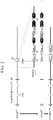
- Fig. 1A The scheme of introduction of Ascl1 gene and Dlx2 gene into iPS cells is shown in Fig. 1A . Specifically, the introduction of Ascl1 gene and Dlx2 gene into the iPS cells was performed as follows.
- a 6-well plate 20 ⁇ g/ml of Y27632 (manufactured by Fuji Film Wako Pure Chemical Corporation) and 2.5 ⁇ g/ml of iMatrix-511 (manufactured by Nippi, Inc.) were added to StemFit (AK02N, manufactured by Ajinomoto Co., Inc.) and the result was placed in six well portions (one plate) at 2 ml/well and incubation was performed at 37°C and 5% CO 2 .
- StemFit AK02N, manufactured by Ajinomoto Co., Inc.
- iPS cells seeded to be approximately 1.5 ⁇ 10 4 cells/well in a 6-well plate were cultured for approximately one week in StemFit (AK02N, manufactured by Ajinomoto Co., Inc.), the medium was removed with an aspirator, and then the cells were washed using PBS (-) at 1 ml/well. Next, after removing the PBS (-), 0.5 ⁇ TrypLE (registered trademark) Select [a mixture of 0.
- StemFit (AK02N, manufactured by Ajinomoto Co., Inc.) including 10 ⁇ g/ml of Y27632 (manufactured by Fuji Film Wako Pure Chemical Corporation), cells were rapidly detached and moved to a 15 ml or 50 ml conical tube and thoroughly stirred, then, 10 ⁇ l of a cell suspension and trypan blue staining solution were mixed therein and added to a hemocytometer, the number of viable cells was calculated, and the viable cell density of the suspension was calculated. The cell suspension was left to stand at 4°C or on ice and a portion of the cells was seeded in a 6-well plate at 1.5 ⁇ 10 4 cells for use in transfer to maintain the culture.
- StemFit AK02N, manufactured by Ajinomoto Co., Inc.
- Y27632 manufactured by Fuji Film Wako Pure Chemical Corporation
- a gene introduction reagent Gene Juice (#70967, manufactured by Merck Millipore) for lipofection method was returned to room temperature and stirred well using a vortex mixer or the like and then 4.5 ⁇ l thereof was added to 100 ⁇ l of Opti-MEM (#31985088, manufactured by Thermo Fisher Scientific) in a 1.5-mL tube, stirred well, and left to stand at room temperature for 5 minutes to prepare a lipofection reagent cocktail.
- a transposase expression vector shown in the upper row of Fig. 1C and a PiggyBac vector for rtTA expression (pG-PB-CAG-rtTA3G-IH), a PiggyBac vector for Tet-inducible hAscl1 gene expression (PB-P(tetO)-hAscl1-pAPGK-PuroTK-pA), and a PiggyBac vector for Tet-inducible hDlx2 gene expression (PB-p(tetO)-hDlx2-pA-floxPGKneo-pA) shown in the middle row of Fig. 1C were added to the lipofection reagent cocktail prepared as described above, stirred well, and left to stand at room temperature for 15 minutes to prepare a vector lipofection reagent.
- the equivalent of 3 ⁇ 10 5 cells of the cell suspension made into single cells in (2) was moved to a 1.5-ml tube, centrifugation was carried out at 200G ⁇ 5 minutes, and after 15 minutes passed, the supernatant after centrifugation was removed, and the vector lipofection reagent cocktail prepared as described above was added to pellets, pipetted, and left to stand at room temperature for 5 minutes.
- the obtained cells were seeded evenly in each well at 15 to 20 ⁇ l/well in the cell culture plate previously incubated in (1) and incubated at 37°C and 5% CO 2 for approximately three hours. Thereafter, StemFit (AK02N, manufactured by Ajinomoto Co., Inc.) including 20 ⁇ g/ml of Y27632 (manufactured by Fuji Film Wako Pure Chemical Corporation) was heated at 37°C and the entire medium was changed for all wells at 2 ml/well.
- StemFit AK02N, manufactured by Ajinomoto Co., Inc.
- Y27632 manufactured by Fuji Film Wako Pure Chemical Corporation
- the entire medium was changed (1.5 ml/well) with StemFit (AK02N, manufactured by Ajinomoto Co., Inc.) to which 200 ⁇ g/ml of hygromycin, 100 ⁇ g/ml of G418, and 10 ⁇ g/ml of puromycin were added and culturing was carried out for two days.
- StemFit AK02N, manufactured by Ajinomoto Co., Inc.
- the entire medium was changed (1.5 ml/well) with StemFit (AK02N, manufactured by Ajinomoto Co., Inc.), cultured for one day without adding antibiotics, and the surviving iPS cells were transferred or cryopreserved as necessary.
- StemFit manufactured by Ajinomoto Co., Inc.
- MEF2C gene miRNA-9/9 ⁇ , miRNA-124, and BclxL gene into the iPS cells is shown in Fig. 1B .
- MEF2C gene, miRNA-9/9 ⁇ , miRNA-124, and BclxL gene were introduced into the iPS cells as follows.
- lentiviruses into which the MEF2C gene, miRNA-9/9 ⁇ , miRNA-124, and BclxL gene were introduced were purified. Specifically, lentiviruses into which MEF2C gene, miRNA-9/9 ⁇ , miRNA-124, and BclxL gene were introduced were purified as follows.
- the medium was changed with DMEM (#D5796, manufactured by Sigma) including 10 ⁇ M of forskolin and incubated again at 37°C and 5% CO 2 .
- the cell culture supernatant was removed and passed through a 0.45 ⁇ m syringe filter to remove floating cells and the like, then, micro pellets obtained after centrifugation at 50,000 ⁇ G for two hours using an ultracentrifuge were collected in PBS (-) and then the virus titer was estimated.
- StemFit (AK02N, manufactured by Ajinomoto Co., Inc.) including 10 ⁇ g/ml of Y27632 (manufactured by Fuji Film Wako Pure Chemical Corporation) and 1.5 of ⁇ g/ml iMatrix-511 (manufactured by Nippi, Inc.) was placed in a 6-well plate, the iPS cells prepared in Experimental Example 2 were seeded at 1.5 ⁇ 10 4 cells/well, and culturing was carried out for one day.
- Y27632 manufactured by Fuji Film Wako Pure Chemical Corporation
- iMatrix-511 manufactured by Nippi, Inc.
- a Poly-L-Lysine solution (0.01%, #P4832, manufactured by Sigma) was diluted 100-fold in PBS (-) and poured onto a plate to be coated for six hours or more.
- 6-well plates were used and coated at 1.5 ml/well.
- glass-bottomed 96-well plates were used and coated at 100 ⁇ l/well. During the coating, the plates were placed in a CO 2 incubator or the like for cell culturing and kept at a constant humidity to prevent drying out.
- iPS cells for neural differentiation were made into single cells by the same method as in (2) of Experimental Example 2 and the cell density of the cell suspension was calculated.
- mediums for differentiation mediums mixed as described below were prepared.
- iMatrix-511 manufactured by Nippi, Inc.
- the mediums for differentiation described above were poured at 2.0 ml/well for the 6-well plates and at 100 ⁇ l/well for the 96-well plates.
- the iPS cell suspension prepared in Experimental Example 3 was seeded evenly at 6.0 ⁇ 10 5 cells/well for the 6-well plates and 3.0 ⁇ 10 4 cells/well for the 96-well plates.
- the mediums of the iPS cells differentiated in (2) were completely changed with the following mediums on the fifth day after the start of culturing.
- the mediums were poured at 2.0 ml/well for the 6-well plates and at 100 ⁇ l/well each for the 96-well plates.
- Culturing was performed by replacing half of the medium of the above composition every five days and, after the tenth day of culturing, RNA purification by cell collection, immunostaining by cell fixation, and the like were performed.
- Fig. 2 shows the scheme for the preparation of a parvalbumin gene (PVALB) reporter cell line.
- PVALB parvalbumin gene
- EGFP epigallocatechin gallate
- SNLuc secreted luciferase
- PVALB puromycin resistance gene driven by a constant expression promoter interposed between PiggyBac ITRs
- homotypic PVALB knock-in cells were acquired by drug selection, then sequences inside the ITR were removed by transposase, and a reporter cell line of EGFP and SNLuc expressed by 2A peptide downstream of the PVALB gene was acquired.
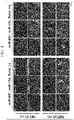
- MEF2C gene transient expression induction and uninduction were performed. After 20 days following the expression induction (5 days of expression induction and 15 days of differentiation), cells were fixed and immunostained with Anti-Tubb3 (nerve cell marker) antibodies, Anti-Parvalbumin (PV) antibodies, and Anti-GFP antibodies. In addition, Hoechst (Ho) staining was also performed as cell nucleus staining. The results are shown in Fig. 3 and Fig. 4 .
- the present invention it is possible to provide a production method for parvalbumin-positive nerve cells with high efficiency in a short period of time with few differentiation induction steps, cells able to be induced into the PV+ nerve cells, and a differentiation inducer for inducing differentiation into the PV+ nerve cells.
Landscapes
- Health & Medical Sciences (AREA)
- Engineering & Computer Science (AREA)
- Life Sciences & Earth Sciences (AREA)
- Biomedical Technology (AREA)
- Genetics & Genomics (AREA)
- Chemical & Material Sciences (AREA)
- Organic Chemistry (AREA)
- Zoology (AREA)
- Wood Science & Technology (AREA)
- Biotechnology (AREA)
- Bioinformatics & Cheminformatics (AREA)
- General Engineering & Computer Science (AREA)
- Biochemistry (AREA)
- General Health & Medical Sciences (AREA)
- Molecular Biology (AREA)
- Microbiology (AREA)
- Biophysics (AREA)
- Neurology (AREA)
- Plant Pathology (AREA)
- Physics & Mathematics (AREA)
- Cell Biology (AREA)
- Neurosurgery (AREA)
- Medicinal Chemistry (AREA)
- Gastroenterology & Hepatology (AREA)
- Proteomics, Peptides & Aminoacids (AREA)
- Toxicology (AREA)
- Virology (AREA)
- Micro-Organisms Or Cultivation Processes Thereof (AREA)
Abstract
Description
- The present invention relates to a production method for parvalbumin-positive nerve cells, a cell, and a differentiation inducer.
- Priority is claimed on
Japanese Patent Application No. 2019-157194, filed August 29, 2019 - Parvalbumin-positive nerve cells are one of the most important nerve cells involved in diseases of the brain and nervous system and it is thought that a decrease in the abundance or function of parvalbumin-positive nerve cells causes various psycho-neurological diseases and neurodevelopmental disorders (Non Patent Document 1, Non Patent Document 2). For this reason, much attention has been paid to the elucidation of the functions thereof over the years and, particularly in recent years, there has been a strong demand for techniques for creating parvalbumin-positive nerve cells from pluripotent stem cells such as human iPS cells.
- However, although there have been reports of specific methods for inducing differentiation of inhibitory nerve cells, including parvalbumin-positive nerve cells and the like in a portion thereof, the efficiency of inducing the parvalbumin-positive nerve cells themselves was extremely low (Non Patent Document 3). In addition, Non Patent Document 4 reports a method having the highest efficiency for the ratio of appearance of parvalbumin-positive nerve cells among the induction methods of the related art; however, this method requires approximately 80 days to produce parvalbumin-positive nerve cells through a plurality of differentiation induction steps, after which the positive ratio of the produced parvalbumin-positive nerve cells is approximately 20% to 30%.
-
- [Non Patent Document 1]
Lewis DA et al., Trends Neurosci. 2012 Jan; 35(1):57-67. - [Non Patent Document 2]
Rodriguez RA et al., Front Mol Neurosci. 2018 Apr 24; 11:132. - [Non Patent Document 3]
Yang N. et al., Nat Methods. 2017 Jun; 14(6): 621-628. - [Non Patent Document 4]
Yuan F. et al., eLIFE. 2018 Sep 25;7. pii: e37382. - An object of the present invention is to provide a production method for parvalbumin-positive nerve cells with high efficiency in a short period of time with few differentiation induction steps, cells able to be induced into the parvalbumin-positive nerve cells, and a differentiation inducer for inducing differentiation into the parvalbumin-positive nerve cells.
- The present invention includes the following aspects.
- [1] A production method for parvalbumin-positive nerve cells, including an expression induction step of inducing expression of Ascl1 gene, Dlx2 gene, and MEF2C gene in a cell, and a differentiation step of culturing the cell after the expression induction to differentiate the cells into parvalbumin-positive nerve cell.
- [2] The production method for parvalbumin-positive nerve cells according to [1], in which the expression induction step includes a gene introduction step of introducing Ascl1 gene and Dlx2 gene into the cell in an expressible manner.
- [3] The production method for parvalbumin-positive nerve cells according to [2], in which the expression induction step further includes a gene introduction step of introducing MEF2C gene in an expressible manner.
- [4] The production method according to any one of [1] to [3], in which the Ascl1 gene, the Dlx2 gene, and the MEF2C gene are tetracycline-regulated (Tet-ON).
- [5] The production method according to any one of [1] to [4], in which the expression induction step includes a step of simultaneously inducing expression of at least one selected from the group consisting of microRNA-9/9∗ (miRNA-9/9∗), microRNA-124 (miRNA-124), and BclxL gene.
- [6] The production method according to [5], in which the expression induction step includes a gene introduction step of introducing at least one selected from the group consisting of microRNA-9/9∗ (miRNA-9/9∗), microRNA-124 (miRNA-124), and BclxL gene in an expressible manner.
- [7] The production method according to [5] or [6], in which the microRNA-9/9∗ (miRNA-9/9∗), the microRNA-124 (miRNA-124), and the BclxL gene are tetracycline-regulated (Tet-ON).
- [8] The production method according to any one of [1] to [7], in which the cell is a fibroblast or a pluripotent stem cell.
- [9] The production method according to any one of [1] to [8], in which the expression induction step is performed for 1 to 5 days.
- [10] The production method according to any one of [1] to [9], in which the differentiation step is performed for 10 days or more.
- [11] A cell into which Ascl1 gene, Dlx2 gene, and MEF2C gene are introduced in an expressible manner.
- [12] The cell according to [11], in which the Ascl1 gene, the Dlx2 gene, and the MEF2C gene are tetracycline-regulated (Tet-ON).
- [13] The cell according to [11] or [12], in which at least one selected from the group consisting of microRNA-9/9∗ (miRNA-9/9∗), microRNA-124 (miRNA-124), and BclxL gene is further introduced in an expressible manner.
- [14] The cell according to [13], in which the microRNA-9/9∗ (miRNA-9/9∗), the microRNA-124 (miRNA-124), and the BclxL gene are tetracycline-regulated (Tet-ON).
- [15] The cell according to any one of [11] to [14], in which the cell is a fibroblast or a pluripotent stem cell.
- [16] A differentiation inducer for inducing differentiation of a cell into a parvalbumin-positive nerve cell, the differentiation inducer including Ascl1 gene, Dlx2 gene, and MEF2C gene, or gene products thereof, as an active ingredient.
- [17] The differentiation inducer according to [16], in which the Ascl1 gene, the Dlx2 gene, and the MEF2C gene are tetracycline-regulated (Tet-ON).
- [18] The differentiation inducer according to [16] or [17], further including at least one selected from the group consisting of microRNA-9/9∗ (miRNA-9/9∗), microRNA-124 (miRNA-124), and BclxL gene, or gene products thereof, as an active ingredient.
- [19] The differentiation inducer according to [18], in which the microRNA-9/9∗ (miRNA-9/9∗), the microRNA-124 (miRNA-124), and the BclxL gene are tetracycline-regulated (Tet-ON).
- [20] The differentiation inducer according to any one of [16] to [19], in which the cell is a fibroblast or a pluripotent stem cell.
- According to the present invention, it is possible to provide a production method for parvalbumin-positive nerve cells with high efficiency in a short period of time with few differentiation induction steps, cells able to be induced into the parvalbumin-positive nerve cells, and a differentiation inducer for inducing differentiation into the parvalbumin-positive nerve cells.
-
-
Fig. 1A shows the time course of the introduction of a piggyBac vector into human pluripotent stem cells and cloning by drug selection. -
Fig. 1B shows the time course of lentiviral vector infection into human pluripotent stem cells and Tet-driven neural induction by doxycycline. In the figure, MC indicates medium change, Neurobasal Plus B27 Plus indicates a medium for nerve cells, and Dox indicates doxycycline. -
Fig. 1C is a diagram showing plasmid vectors and lentiviral vectors used for gene introduction. In the figure, CMV, PGK, CAG, and EF1a represent constant expression gene promoters. Puro.R represents a puromycin resistance gene, Hygro.R represents a hygromycin resistance gene, Neo.R represents a G418 resistance gene, Blast.R represents a blasticidin resistance gene, Tet represents a Tet operator DNA repeat element, HyPBase represents a transposase, rtTA3G represents a reverse tetracycline-regulated trans-activating factor, and ITR represents reverse-orientated repetitive sequences, respectively. -
Fig. 2 is a diagram showing a scheme for the production of a parvalbumin gene (PVALB) reporter cell line. -
Fig. 3 is a diagram showing immunostained images of cells after 20 days passed following neural induction (5 days of expression induction and 15 days of differentiation). In the figure, PV-GFP indicates an immunostained image with an Anti-PV antibody, GFP/Phase indicates a bright field image, Hoechst indicates a nuclear stained image, Anti-GFP indicates an immunostained image with an Anti-GFP antibody, respectively. + and - indicate gene introduction and no gene introduction, respectively. -
Fig. 4 is a diagram showing immunostained images of cells after 20 days following expression induction (5 days of expression induction and 15 days of differentiation). The left side of the diagram shows immunostained images of cells in a case where transient expression of miRNA-9/9∗, miRNA-124, and BclxL gene was not performed while the right side of the diagram shows immunostained images of cells in a case where transient expression of miRNA-9/9∗, miRNA-124, and BclxL gene was performed. + and - indicate gene introduction and no gene introduction, respectively. Arrows indicate typical cells of cells stained with Anti-PV antibodies and Anti-GFP antibodies. -
Fig. 5 is a graph showing an analysis of the parvalbumin mRNA expression level by a quantitative PCR method. In the figure, + and - indicate gene introduction and no gene introduction, respectively. - In one embodiment, the present invention provides a production method for parvalbumin-positive nerve cells (also referred to below as PV+ nerve cells), including an expression induction step of inducing expression of Ascl1 gene, Dlx2 gene, and MEF2C gene in cells, and a differentiation step of culturing the cells after expression induction to differentiate the cells into parvalbumin-positive nerve cells.
- As described below in the Examples, according to the production method of the present embodiment, it is possible to provide a production method for PV+ nerve cells with high efficiency in a short period of time with few differentiation induction steps. Methods for inducing differentiation of PV+ nerve cells in the related art have many differentiation induction steps and the content of PV+ nerve cells is approximately 20% to 30% at most. Moreover, a long period of approximately 60 to 80 days was necessary to induce differentiation into PV+ nerve cells. In contrast, according to the method of the present embodiment, it is possible to produce a cell population in which 85% or more are PV+ nerve cells in 20 days with few differentiation induction steps.
- The cells used in the production method of the present embodiment are not particularly limited as long as the cells are able to be induced into PV+ nerve cells and examples thereof include fibroblasts, mesenchymal stem cells, pluripotent stem cells, and the like, but fibroblasts and pluripotent stem cells are preferable.
- In the present specification, examples of pluripotent stem cells include embryonic stem cells (ES cells), induced pluripotent stem cells (iPS cells), and the like. Pluripotent stem cells may be human-derived cells or may be cells derived from non-human animals such as mice, rats, pigs, goats, sheep, and monkeys.
- In addition, the pluripotent stem cells described above may be induced pluripotent stem cells derived from healthy individuals or may be induced pluripotent stem cells derived from patients with neurological diseases. In a case where PV+ nerve cells are produced from induced pluripotent stem cells derived from patients with neurological diseases, it is possible to use the obtained PV+ nerve cells as a model for neurological diseases. Such PV+ nerve cells are useful for elucidating the mechanisms of neurological diseases and the like.
- In the production method of the present embodiment, Ascl1 is a transcription factor belonging to the bHLH family that works in the early stage of neurogenesis. Dlx2 is expressed in cells derived from the cerebral basal ganglia primordium and is an important transcription factor in the production of GABAergic nerve cells in the cerebrum. MEF2C is a transcription factor exhibiting a particularly high expression in myocytes and nerve cells. Examples of NCBI accession numbers for human and mouse Ascl1, Dlx2 and MEF2C proteins, and mRNA are shown in Tables 1 and 2 below.
[Table 1] Protein Human Mouse Ascl1 NP_004307.2 NP_032579.2 Dlx2 NP_004396.1 NP_034184.1 MEF2C NP_001351262.1 NP_001334503.1 [Table 2] mRNA Human Mouse Ascl1 NM_004316.4 NM_008553.5 Dlx2 NM_004405.4 NM_010054.2 MEF2C NM_001364333.2 NM_001347574.1 - Each of the factors of the Ascl1, Dlx2, and MEF2C may have mutations as long as it has an activity of inducing differentiation into PV+ nerve cells. In a case where each of the factors that induce differentiation into PV+ nerve cells has a mutation, the factors preferably have 80% or more of the sequence identity, more preferably 90% or more of the sequence identity, and even more preferably 95% or more of the sequence identity to the protein or mRNA identified by the NCBI accession numbers exemplified in Table 1 or Table 2.
- Here, the sequence identity of the amino acid sequence is a value that indicates the ratio of the amino acid sequence of the target (target amino acid sequence) that matches an amino acid sequence as a reference (reference amino acid sequence). It is possible to determine the sequence identity of the target amino acid sequence to the reference amino acid sequence, for example, in the following manner. First, the reference amino acid sequence and the target amino acid sequence are aligned. Here, each amino acid sequence may include gaps to maximize the sequence identity. Subsequently, it is possible to calculate the number of matched amino acids in the reference amino acid sequence and the target amino acid sequence and to obtain the sequence identity according to Equation (1).

- In the same manner, it is possible to determine the sequence identity of a target base sequence to a reference base sequence, for example, in the following manner. First, the reference base sequence and the target base sequence are aligned. Here, each base sequence may include gaps to maximize the sequence identity. Subsequently, the number of matched bases in the reference base sequence and the target base sequence is calculated and it is possible to obtain the sequence identity according to Equation (2).

- In the production method of the present embodiment, the factor that induces differentiation into PV+ nerve cells may be a protein or may be a gene (nucleic acids) that encodes the protein. In addition, the gene (nucleic acids) may be mRNA or may be DNA. In a case where the factor described above is DNA, the DNA may be included in an expression vector.
- In the production method of the present embodiment, as long as it is possible to induce the expression, Ascl1 gene, Dlx2 gene, and MEF2C gene may be endogenous to the cell or may be introduced from outside in an expressible manner. In a case where the genes are introduced from outside in an expressible manner, the expression induction step includes a gene introduction step in which Ascl1 gene and Dlx2 gene are introduced in an expressible manner. The gene introduction step may further include a gene introduction step to introduce MEF2C gene in an expressible manner. In the gene introduction step, for example, it is possible to construct an expression vector including Ascl1 gene, Dlx2 gene, and MEF2C gene to be introduced into the cell.
- In the production method of the present embodiment, it is possible to control the expression of Ascl1 gene, Dlx2 gene, and MEF2C gene by an expression cassette for which it is possible to adjust the expression in response to an external stimulus. Such an expression cassette is a nucleic acid construct that includes at least a promoter capable of inducing the expression of downstream genes in response to an external stimulus and Ascl1 gene, Dlx2 gene, and MEF2C gene for which the expression is controlled by the promoter.
- The promoter is not particularly limited as long as the promoter is capable of inducing expression of the downstream genes in response to an external stimulus and examples thereof include promoters capable of inducing expression of the downstream genes by binding of a complex between a tetracycline-based antibiotic and a tetracycline trans-activator in a case where the external stimulus is the presence of a tetracycline-based antibiotic (tetracycline or a tetracycline derivative such as doxycycline). On the other hand, in a case where the external stimulus is the absence of the tetracycline-based antibiotic, examples thereof include promoters capable of inducing expression of the downstream genes by dissociation of the tetracycline repressor. In addition, in a case where the external stimulus is the presence of ecdysteroids (ecdysone, mullisterone A, ponasterone A, or the like), examples thereof include promoters capable of inducing expression of the downstream genes by binding of the ecdysteroid to the ecdysone receptor-retinoid receptor complex. Furthermore, in a case where the external stimulus is the presence of FKCsA, examples thereof include promoters capable of inducing expression of the downstream genes by the binding of FKCsA to a VP16 activator domain complex fused to Gal4 DNA binding domain cyclophilin fused to FKBP12.
- The expression cassette may include enhancers, silencers, selection marker genes (for example, drug resistance genes such as neomycin resistance genes), SV40 replication origins, and the like, as necessary. In addition, a person skilled in the art is able to construct an expression cassette capable of inducing the expression of Ascl1 gene, Dlx2 gene, and MEF2C gene at a desired expression level by appropriately selecting and combining enhancers, silencers, selection marker genes, terminators, and the like from examples known in the art, in consideration of the type or the like of the promoter to be utilized.
- In this manner, external stimulus includes culturing in the presence or absence of drugs. For example, a tetracycline expression induction system (for example, Takara or the like) is used to control the expression of target genes in the presence of doxycycline. For example, it is possible to produce vectors to be able to express Ascl1 gene, Dlx2 gene, and MEF2C gene under the control of a tetracycline-regulated (Tet-ON) promoter. That is, in the production method of the present embodiment, Ascl1 gene, Dlx2 gene, and MEF2C gene may be tetracycline-regulated (Tet-ON).
- Next, the Ascl1 gene, the Dlx2 gene, and the MEF2C gene expression vectors are transfected into cells to produce transgenic cells. On the other hand, a Tet-ON regulatory plasmid expressing a reverse tetracycline-regulated trans-activating factor (rtTA) is produced and the regulatory plasmid is introduced into the cells. When doxycycline is added to a medium, the rtTA binds to the tetracycline response factor to induce downstream gene expression. In addition, when doxycycline is not present in the medium, the expression of the downstream target gene is not induced.
- The tetracycline-regulated expression systems may use commercially available products (for example, Knockout™ Tet RNAi System P (Clontech, Inc.)) or may be produced by the method described in Dickins RA. et al.; (Nature Genetics, 39(7): 914-921 (2007)).
- In the production method of the present embodiment, at the same time as the expression induction of Ascl1 gene, Dlx2 gene, and MEF2C gene, it is preferable to further induce the expression of at least one selected from the group consisting of microRNA-9/9∗ (miRNA-9/9∗), microRNA-124 (miRNA-124), and BclxL gene and it is more preferable to express microRNA-9/9∗ (miRNA-9/9∗), microRNA-124 (miRNA-124), and BclxL gene all at the same time. MicroRNA-9/9∗ (miRNA-9/9∗), microRNA-124 (miRNA-124), and BclxL gene may be endogenous or may be introduced from outside in an expressible manner. In a case where the genes are introduced from outside in an expressible manner, the expression induction step includes a gene introduction step of introducing at least one selected from the group consisting of microRNA-9/9∗ (miRNA-9/9∗), microRNA-124 (miRNA-124), and BclxL gene in an expressible manner. In a case where the introduction is carried out from outside in an expressible manner, it is possible to carry out the introduction into the cell by constructing an expression cassette in the same manner as for Ascl1 gene, Dlx2 gene, and MEF2C gene. In addition, it is possible to produce vectors to be able to express microRNA-9/9∗ (miRNA-9/9∗), microRNA-124 (miRNA-124), and BclxL gene under the control of a tetracycline-regulated (Tet-ON) promoter. That is, microRNA-9/9∗ (miRNA-9/9∗), microRNA-124 (miRNA-124), and BclxL gene may be tetracycline-regulated (Tet-ON).
- The NCBI accession numbers for the nucleic acid sequences of human miRNA-9/9∗ and human miRNA-124 are NR_029692.1 and NR_029669.1, respectively. In addition, the NCBI accession numbers for the nucleic acid sequences of mouse miRNA-9/9∗ and mouse miRNA-124 are NR_029818.1 and NR_029814.1, respectively. In addition, the NCBI accession numbers for the protein and mRNA of human BclxL are NP_001309169.1 and NM_001322240.2, respectively. The NCBI accession numbers for the protein and mRNA of mouse BclxL are NP_001341982.1 and NM_001355053.1, respectively.
- In the production method of the present embodiment, the method of introducing the expression cassette into a cell is not particularly limited and it is possible to appropriately select and use any known method. For example, it is possible to perform the introduction by a known phenotypic transformation method such as a viral infection method in which the expression cassette is inserted into an appropriate expression vector and a viral vector such as a retroviral vector or an adenoviral vector is used, a lipofection method, a liposome method, an electroporation method, a calcium phosphate method, a DEAE dextran method, or a microinjection method.
- Expression vectors are not particularly limited as long as it is possible to express these genes in cells and the expression vectors may be plasmid vectors, viral vectors, or transposon vectors. Viral vectors are easy to use due to having a high gene introduction efficiency. Examples of viral vectors include retroviral vectors, lentiviral vectors, adeno-associated viral vectors, adenoviral vectors, and the like. In a case where transposon vectors or lentiviral vectors are used, it is possible to insert a plurality of copies of Ascl1 gene, Dlx2 gene, and MEF2C gene, microRNA-9/9∗ (miRNA-9/9∗), microRNA-124 (miRNA-124), and BclxL gene into the genome. Due to this, it is possible to maintain the cells for neural induction in a tetracycline-regulated (Tet-ON) state. Furthermore, it is possible to eliminate cells where genomic insertion of genes or the like did not take place by the external stimulus described above and maintain only cells which are able to be induced to differentiate into PV+ nerve cells. In addition, it is possible to completely remove the transposon vector from the cells as necessary. Examples of such transposon vectors include Piggybac transposon vectors and the like.
- In addition, in relation to the external stimulus described above, it is possible for a person skilled in the art to appropriately prepare the amount to be added to the medium described below, in consideration of the type of the promoter to be used and the like. For example, in a case where the external stimulus is the presence of doxycycline, a suitable concentration of doxycycline to be added is 0.1 to 10 µg/ml and more preferably 1 to 2 µg/ml.
- For the expression induction step, in which the expression of Ascl1 gene, Dlx2 gene, and MEF2C gene is induced in the cell, examples of the culture medium to which the external stimulus is added include a medium for nerve cells, for example, Neurobasal Plus Medium (manufactured by Thermo Fisher Scientific) and the like. The culture medium may include additives normally added to the culture. Examples of the additives include γ-selectase inhibitors, dibutyryl cAMP (dbcAMP), ROCK inhibitors such as Y27632, and the like. Examples of γ-selectase inhibitors include DAPT (y-secretase inhibitor IX), Compound E, γ-secretase inhibitor XI, γ-secretase inhibitor III, and the like. However, it is not necessary to add serum in the expression induction step and the subsequent differentiation step and, in one aspect of the production method of the present embodiment, the induction of differentiation into PV+ nerve cells is performed in the absence of a serum.
- In the production method of the present embodiment, the cells may be dissociated into single cells and re-seeded before inducing expression of the Ascl1 gene, the Dlx2 gene, and the MEF2C gene. Here, to be dissociated into single cells means to dissociate the cells attached to the culture container one by one. It is possible to perform the dissociation into single cells by performing an enzymatic process with Accutase, Trypsin, Collagenase, TrypLE Select [TrypLE (registered trademark) Select], or the like, which are normally used for cell dissociation, and pipetting, or the like.
- For cells including Ascl1 gene, Dlx2 gene, and MEF2C gene, or cells into which Ascl1 gene, Dlx2 gene, and MEF2C gene were introduced in an expressible manner, the expression induction step is performed for 1 to 8 days and preferably 1 to 5 days. In the case of an external stimulus such as doxycycline, the external stimulus is present for 1 to 8 days and preferably 1 to 5 days. The cells are subsequently differentiated into PV+ nerve cells as a result of the differentiation step in which culturing is carried out after the expression induction step is completed. After completion of the expression induction step, the cells are cultured for 10 days or more and preferably 20 days or more. Examples of the medium used in the differentiation step include a medium for nerve cells, for example, Neurobasal Plus Medium (manufactured by Thermo Fisher Scientific) and the like. In the differentiation step, additives normally added to the culture may be included. Examples of the additives include dibutyryl cAMP (dbcAMP), BDNF, GDNF, ascorbic acid, and the like.
- By the differentiation step after the completion of the expression induction step, the cells including the gene are differentiated into PV+ nerve cells. It is possible to confirm the differentiation into PV+ nerve cells, for example, by the expression of PV in the nerve cells during a certain period of time (for example, 40 days) after the completion of the expression induction step. In addition, confirmation is possible by the expression of the nerve cell marker TUBB3 and genes such as GRIA4, SYT1, and NRXN2a, which are thought to be increased in PV+ nerve cells. For example, in a case where, in a population of cells, Ascl1 gene, Dlx2 gene, and MEF2C gene are introduced, microRNA-9/9∗ (miRNA-9/9∗), microRNA-124 (miRNA-124), and BclxL gene are further introduced, and an external stimulus with doxycycline is applied, it is possible to confirm that at least 70%, and at least 85% of the population, are differentiated into PV+ nerve cells within 5 to 20 days, preferably 10 to 40 days after the completion of the external stimulation.
- In one embodiment, the present invention provides cells in which Ascl1 gene, Dlx2 gene, and MEF2C gene are introduced in an expressible manner. It is possible to differentiate the cells of the present embodiment into PV+ nerve cells due to the introduction of Ascl1 gene, Dlx2 gene, and MEF2C gene in an expressible manner. In the cells of the present embodiment, at least one selected from the group consisting of microRNA-9/9∗ (miRNA-9/9∗), microRNA-124 (miRNA-124), and BclxL gene, and preferably microRNA-9/9∗ (miRNA-9/9∗), microRNA-124 (miRNA-124), and BclxL gene may be further introduced in an expressible manner. By further introducing MEF2C gene in addition to Ascl1 gene and Dlx2 gene, progenitor cells with high differentiation efficiency are created and, in addition, by introducing at least one selected from the group consisting of microRNA-9/9∗ (miRNA-9/9∗), microRNA-124 (miRNA-124), and BclxL gene, preferably microRNA-9/9∗ (miRNA-9/9∗), microRNA-124 (miRNA-124), and BclxL gene in an expressible manner, it is possible to obtain PV+ nerve cells in a short period of time with high efficiency.
- In the expression-induced cells of the present embodiment, Ascl1 gene, Dlx2 gene, and MEF2C gene may be tetracycline-regulated (Tet-ON). In addition, in a case where, in the cells of the present embodiment, at least one selected from the group consisting of microRNA-9/9∗ (miRNA-9/9∗), microRNA-124 (miRNA-124), and BclxL gene and preferably microRNA-9/9∗ (miRNA-9/9∗), microRNA-124 (miRNA-124), and BclxL gene are further introduced in an expressible manner, microRNA-9/9∗ (miRNA-9/9∗), microRNA-124 (miRNA-124), and BclxL gene may be tetracycline-regulated (Tet-ON).
- It is possible to produce the cells to be induced to differentiate into PV+ nerve cells in the present embodiment by the method described in the expression induction step of the production method described above.
- In the cells of the present embodiment, examples of cells into which Ascl1 gene, Dlx2 gene, and the MEF2C gene are introduced in an expressible manner are not particularly limited as long as the cells are able to express Ascl1 gene, Dlx2 gene, and MEF2C gene and able to be differentiated into PV+ nerve cells and examples thereof include fibroblasts, mesenchymal stem cells, pluripotent stem cells, and the like, but fibroblasts and pluripotent stem cells are preferable.
- In one embodiment, the present invention provides a differentiation inducer for inducing cells to differentiate into PV+ nerve cells, the differentiation inducer containing Ascl1 gene, Dlx2 gene, and MEF2C gene, or gene products thereof, as active ingredients. The differentiation inducer of the present embodiment is able to impart the ability to differentiate into PV+ nerve cells to undifferentiated cells that do not have the ability to differentiate into PV+ nerve cells. The differentiation inducer of the present embodiment may further contain at least one selected from the group consisting of microRNA-9/9∗ (miRNA-9/9∗), microRNA-124 (miRNA-124), and BclxL gene and preferably contains microRNA-9/9∗ (miRNA-9/9∗), microRNA-124 (miRNA-124), and BclxL gene, as active ingredients. By containing at least one selected from the group consisting of microRNA-9/9∗ (miRNA-9/9∗), microRNA-124 (miRNA-124), and BclxL gene in addition to Ascl1 gene, Dlx2 gene, and MEF2C gene and preferably containing microRNA-9/9∗ (miRNA-9/9∗), microRNA-124 (miRNA-124), and BclxL gene in addition to Ascl1 gene, Dlx2 gene, and MEF2C gene, as active ingredients, it is possible to obtain PV+ nerve cells in a shorter period of time and with higher efficiency. Accordingly, the differentiation inducer of the present invention is a differentiation inducer further including at least one selected from the gene group consisting of microRNA-9/9∗ (miRNA-9/9∗), microRNA-124 (miRNA-124), and BclxL gene in addition to the Ascl1 gene, the Dlx2 gene, and the MEF2C gene and preferably further including microRNA-9/9∗ (miRNA-9/9∗), microRNA-124 (miRNA-124), and BclxL gene in addition to the Ascl1 gene, the Dlx2 gene, and the MEF2C gene.
- In the differentiation inducer of the present embodiment, Ascl1 gene, Dlx2 gene, and MEF2C gene may be tetracycline-regulated (Tet-ON). In addition, in a case where the differentiation inducer of the present embodiment further contains at least one selected from the group consisting of microRNA-9/9∗ (miRNA-9/9∗), microRNA-124 (miRNA-124), and BclxL gene, preferably microRNA-9/9∗ (miRNA-9/9∗), microRNA-124 (miRNA-124), and BclxL gene, as an active ingredient, microRNA-9/9∗ (miRNA-9/9∗), microRNA-124 (miRNA-124), and BclxL gene may be tetracycline-regulated (Tet-ON).
- In the differentiation inducer of the present embodiment, the active ingredients which induce differentiation into PV+ nerve cells may be Ascl1 gene, Dlx2 gene, and MEF2C gene, or may be gene products thereof. The gene products may be in the form of the proteins produced by the genes or in the form of fusion gene products of the proteins with other proteins, peptides or the like. For example, it is also possible to use a fusion protein with green fluorescent protein (GFP) or a fusion gene product with a peptide such as a histidine tag. Methods for preparing such fusion gene products are well known and it is possible for a person skilled in the art to easily design and prepare suitable fusion gene products according to the purpose.
- The genes may be included in an expression vector. That is, the differentiation inducer of the present embodiment may be an expression vector into which the gene which induces differentiation into PV+ nerve cells is introduced in an expressible manner. An expression vector or the like listed in the expression induction step of the production method described above may be used as the expression vector.
- By introducing the differentiation inducer of the present embodiment into a cell, it is possible to induce the cell to differentiate into PV+ nerve cells. In a case where the differentiation inducer of the present embodiment is a protein, RNA, or the like, examples of methods of introducing the differentiation inducer into the cell include contacting cells, microinjection, methods using virus-like particles, a lipofection method, combinations of these methods, and the like.
- In addition, in a case where the differentiation inducer of the present embodiment is a vector or the like, examples of methods of introducing the differentiation inducer into cells include contacting cells, a lipofection method, an electroporation method, a microinjection method, a DEAE-dextran method, a calcium phosphate method, combinations thereof, and the like. In addition, in a case where the vector is a viral vector, introduction into a cell by infecting the cell is also possible.
- The introduction of the differentiation inducer of the present embodiment into the cell may be performed in vitro or may be performed in vivo. In addition, one type of differentiation inducer may be used alone, or two or more types may be mixed and used.
- The cells that the differentiation inducer of the present embodiment induces to differentiate are not particularly limited as long as the cells are able to be induced into PV+ nerve cells and examples thereof include fibroblasts, mesenchymal stem cells, pluripotent stem cells, and the like, but fibroblasts and pluripotent stem cells are preferable.
- In addition, examples of cell species that the differentiation inducer of the present embodiment induces to differentiate include human, mouse, rat, rabbit, dog, monkey, pig, goat, sheep, and the like.
- Next, a more detailed description will be given of the present invention using Examples, but the present invention is not limited to the following Examples.
- Culturing was carried out according to the known cell culture method published by the Kyoto University iPS Research Institute, except that iPS cells (1210B2 line) were set in a 6-well plate at an iPS cell seeding density of 1.5 × 10⁴ cells/well at the time of cell transfer, pre-plate coating was not performed at the time of cell transfer, StemFit medium for undifferentiated cells (AK02N, manufactured by Ajinomoto Co., Inc.) including 1.5 mL of 10 µg/ml of ROCK inhibitor Y27632 (manufactured by Fuji Film Wako Pure Chemical Corporation) and 1.5 µg/ml iMatrix-511 (manufactured by Nippi, Inc.) was poured into a 6-well plate immediately before cell seeding at 1.5 ml/well, and direct cell seeding was performed.
- The scheme of introduction of Ascl1 gene and Dlx2 gene into iPS cells is shown in
Fig. 1A . Specifically, the introduction of Ascl1 gene and Dlx2 gene into the iPS cells was performed as follows. - In a 6-well plate, 20 µg/ml of Y27632 (manufactured by Fuji Film Wako Pure Chemical Corporation) and 2.5 µg/ml of iMatrix-511 (manufactured by Nippi, Inc.) were added to StemFit (AK02N, manufactured by Ajinomoto Co., Inc.) and the result was placed in six well portions (one plate) at 2 ml/well and incubation was performed at 37°C and 5% CO2.
- iPS cells seeded to be approximately 1.5 × 10⁴ cells/well in a 6-well plate were cultured for approximately one week in StemFit (AK02N, manufactured by Ajinomoto Co., Inc.), the medium was removed with an aspirator, and then the cells were washed using PBS (-) at 1 ml/well. Next, after removing the PBS (-), 0.5 × TrypLE (registered trademark) Select [a mixture of 0. 5 M EDTA (pH 8.0) in an amount corresponding to an amount of 1/2000 of the total amount in a mixture of TrypLE Select (manufactured by Thermo Fisher Scientific): PBS (-)=1:1] was added at 0.5 ml/well, incubation was carried out at 37°C and 5% CO2 for approximately 5 minutes, it was confirmed that inter-cell adhesion decreased and the outline of each cell was visible to some extent, and then the cells were washed at 1 ml/well using PBS (-).
- Next, using 1 ml of StemFit (AK02N, manufactured by Ajinomoto Co., Inc.) including 10 µg/ml of Y27632 (manufactured by Fuji Film Wako Pure Chemical Corporation), cells were rapidly detached and moved to a 15 ml or 50 ml conical tube and thoroughly stirred, then, 10 µl of a cell suspension and trypan blue staining solution were mixed therein and added to a hemocytometer, the number of viable cells was calculated, and the viable cell density of the suspension was calculated. The cell suspension was left to stand at 4°C or on ice and a portion of the cells was seeded in a 6-well plate at 1.5 × 10⁴ cells for use in transfer to maintain the culture.
- A gene introduction reagent Gene Juice (#70967, manufactured by Merck Millipore) for lipofection method was returned to room temperature and stirred well using a vortex mixer or the like and then 4.5 µl thereof was added to 100 µl of Opti-MEM (#31985088, manufactured by Thermo Fisher Scientific) in a 1.5-mL tube, stirred well, and left to stand at room temperature for 5 minutes to prepare a lipofection reagent cocktail.
- 0.4 µg of a transposase expression vector (pCMV-HyPBase-PGK-Puro) shown in the upper row of
Fig. 1C and a PiggyBac vector for rtTA expression (pG-PB-CAG-rtTA3G-IH), a PiggyBac vector for Tet-inducible hAscl1 gene expression (PB-P(tetO)-hAscl1-pAPGK-PuroTK-pA), and a PiggyBac vector for Tet-inducible hDlx2 gene expression (PB-p(tetO)-hDlx2-pA-floxPGKneo-pA) shown in the middle row ofFig. 1C were added to the lipofection reagent cocktail prepared as described above, stirred well, and left to stand at room temperature for 15 minutes to prepare a vector lipofection reagent. - During the 15 minutes of being left to stand, the equivalent of 3 × 10⁵ cells of the cell suspension made into single cells in (2) was moved to a 1.5-ml tube, centrifugation was carried out at 200G × 5 minutes, and after 15 minutes passed, the supernatant after centrifugation was removed, and the vector lipofection reagent cocktail prepared as described above was added to pellets, pipetted, and left to stand at room temperature for 5 minutes.
- The obtained cells were seeded evenly in each well at 15 to 20 µl/well in the cell culture plate previously incubated in (1) and incubated at 37°C and 5% CO2 for approximately three hours. Thereafter, StemFit (AK02N, manufactured by Ajinomoto Co., Inc.) including 20 µg/ml of Y27632 (manufactured by Fuji Film Wako Pure Chemical Corporation) was heated at 37°C and the entire medium was changed for all wells at 2 ml/well.
- One day after the gene introduction in (3), the entire medium was changed (1.5 ml/well) with StemFit (AK02N, manufactured by Ajinomoto Co., Inc.) to which 50 µg/ml of hygromycin and 100 µg/ml of G418 were added and culturing was carried out for two days.
- After two days of culturing, the entire medium was changed (1.5 ml/well) with StemFit (AK02N, manufactured by Ajinomoto Co., Inc.) to which 100 µg/ml of hygromycin (Hygromycin B Solution, #09287-84, manufactured by Nacalai Tesque Inc.), 100 µg/ml of G418 (G418 Disulfate, #08973-14, manufactured by Nacalai Tesque Inc.), and 5 µg/ml of puromycin (#ant-pr-1, manufactured by InvivoGen, #14861-71, manufactured by Nacalai Tesque Inc.) were added and culturing was carried out for two days.
- After two days of culturing, the entire medium was changed (1.5 ml/well) with StemFit (AK02N, manufactured by Ajinomoto Co., Inc.) to which 200 µg/ml of hygromycin, 100 µg/ml of G418, and 10 µg/ml of puromycin were added and culturing was carried out for two days.
- After two days of culturing, the entire medium was changed (1.5 ml/well) with StemFit (AK02N, manufactured by Ajinomoto Co., Inc.), cultured for one day without adding antibiotics, and the surviving iPS cells were transferred or cryopreserved as necessary.
- The scheme of introduction of MEF2C gene, miRNA-9/9∗, miRNA-124, and BclxL gene into the iPS cells is shown in
Fig. 1B . Specifically, MEF2C gene, miRNA-9/9∗, miRNA-124, and BclxL gene were introduced into the iPS cells as follows. - In accordance with a normal method, as shown in the lower part of
Fig. 1C , lentiviruses into which the MEF2C gene, miRNA-9/9∗, miRNA-124, and BclxL gene were introduced were purified. Specifically, lentiviruses into which MEF2C gene, miRNA-9/9∗, miRNA-124, and BclxL gene were introduced were purified as follows. - 100 mm dishes for cell/tissue culture coated using a solution, in which a 0.01% Poly-L-Lysine solution (0.01%, #P4832, manufactured by Sigma) was mixed in PBS (-) at 1:100, were washed with PBS (-), and then HEK293T cells cultured semi-confluently in a DMEM medium (#D5796, manufactured by Sigma) including 10% FBS and 2 mM L-glutamine were well mixed with 500 µl of HBSS, 3 µg of packaging vector (pCAG-HIVgp), 3 µg of envelope generation vector/Rev expression vector (VSV-G, REV expression vector, pCMV-VSV-G-RSV-Rev), 6 µg of SIN vector (Tet-sensitive miRNA-9/9∗, miRNA-124, BclxL gene expression vector, CSIV-124-9-BClxL-TRE-EF-BsdT), 6 µg of SIN vector (Tet-sensitive MEF2C gene expression vector, pLV-TRE3G-HA-hMEF2C-mPGK-Zeo), and 24 µl of polyethyleneimine (molecular weight: 25,000, #23966, manufactured by Polysciences Inc.) [1 mg/ml in Milli-Q (registered trademark) water] with respect to one dish and left to stand at room temperature for 15 minutes, and then dropped evenly into the dish.
- After incubation at 37°C and 5% CO2 for 12 hours, the medium was changed with DMEM (#D5796, manufactured by Sigma) including 10 µM of forskolin and incubated again at 37°C and 5% CO2. After 48 hours, the cell culture supernatant was removed and passed through a 0.45 µm syringe filter to remove floating cells and the like, then, micro pellets obtained after centrifugation at 50,000 × G for two hours using an ultracentrifuge were collected in PBS (-) and then the virus titer was estimated.
- StemFit (AK02N, manufactured by Ajinomoto Co., Inc.) including 10 µg/ml of Y27632 (manufactured by Fuji Film Wako Pure Chemical Corporation) and 1.5 of µg/ml iMatrix-511 (manufactured by Nippi, Inc.) was placed in a 6-well plate, the iPS cells prepared in Experimental Example 2 were seeded at 1.5 × 10⁴ cells/well, and culturing was carried out for one day.
- Next, the entire medium was changed with StemFit (AK02N, manufactured by Ajinomoto Co., Inc.) to which Y27632 and iMatrix-511 were not added at 1.5 ml/well and then infection was carried out by adding the virus suspension prepared in (1) (each MOI = 2.0) and culturing was carried out for two days.
- Two days after the addition of the virus suspension of (2), the entire medium was changed with StemFit (AK02N, manufactured by Ajinomoto Co., Inc.) at 1.5 ml/well and 20 µg/ml of Blastcidin or 200 µg/ml of Zeocin was added thereto and culturing was carried out for two days.
- After culturing for two days, the entire medium was changed with StemFit (AK02N, manufactured by Ajinomoto Co., Inc.) at 1.5 ml/well and 20 µg/ml of Blasticidin (Blasticidin S, hydrochloride, #KK-400, manufactured by Funakoshi Co., Ltd.) or 200µ g/ml of Zeocin (Zeocin solution, #ant-zn-1, manufactured by InvivoGen, #61483-26, manufactured by Nacalai Tesque Inc.) described above was added in the same manner as described above and culturing was carried out for one day.
- Thereafter, the entire medium was changed with StemFit (AK02N, manufactured by Ajinomoto Co., Inc.) not including the antibiotics described above and the surviving iPS cells were transferred or cryopreserved as necessary.
- A Poly-L-Lysine solution (0.01%, #P4832, manufactured by Sigma) was diluted 100-fold in PBS (-) and poured onto a plate to be coated for six hours or more. As plates for cell collection for RNA analysis or the like, 6-well plates were used and coated at 1.5 ml/well. As plates for immunostaining and imaging, glass-bottomed 96-well plates were used and coated at 100 µl/well. During the coating, the plates were placed in a CO2 incubator or the like for cell culturing and kept at a constant humidity to prevent drying out.
- One hour before seeding iPS cells for neural differentiation, the Poly-L-Lysine solution was removed by suction and washing was carried out three times with PBS (-). Washing was performed at approximately 1 ml/well each for the 6-well plates and 100 µl/well each for the 96-well plates and the residual liquid was sufficiently removed by suction after three washes.
- Next, using a 50 ml conical tube or the like, a solution in which Growth Factor Reduced Matrigel (#354230, manufactured by Corning Inc.) was diluted 50-fold in PBS (-) was created and the 6-well plates were coated at 1.5 ml/well each and the 96-well plates were coated at 100 µl/well each therewith.
- In the Matrigel coating described above, iPS cells for neural differentiation were made into single cells by the same method as in (2) of Experimental Example 2 and the cell density of the cell suspension was calculated.
- As mediums for differentiation, mediums mixed as described below were prepared.
- Neurobasal Plus Medium (#A3582901, manufactured by Thermo Fisher Scientific, mixed with the following as basic mediums)
- B27 Plus Supplement (50×, #A3582801, manufactured by Thermo Fisher Scientific)
-
- Glutamax (manufactured by Thermo Fisher Scientific) (1:100)
- dbcAMP (N6,2'-O-Dibutyryladenosine-3',5'-cyclic Monophosphate Sodium Salt, #11540-61, manufactured by Nacalai Tesque Inc.) (100 µM)
- DAPT [N-[N-(3,5-Difluorophenacetyl-L-alanyl)]-(S)-phenylglycine t-butyl ester, #D5942-5MG, manufactured by Sigma) (10 µM)
- Doxycycline (#D4116, manufactured by Tokyo Chemical Industry Co., Ltd.) (2.0 µg/ml)
- Y27632 (#030-24026, manufactured by Fuji Film Wako Pure Chemical Corporation)
- Immediately before pouring into the plate, 1.0 µg/ml of iMatrix-511 (manufactured by Nippi, Inc.) was added to the mediums for differentiation described above and the mediums were poured at 2.0 ml/well for the 6-well plates and at 100 µl/well for the 96-well plates. Next, the iPS cell suspension prepared in Experimental Example 3 was seeded evenly at 6.0 × 10⁵ cells/well for the 6-well plates and 3.0 × 10⁴ cells/well for the 96-well plates.
- The mediums of the iPS cells differentiated in (2) were completely changed with the following mediums on the fifth day after the start of culturing. The mediums were poured at 2.0 ml/well for the 6-well plates and at 100 µl/well each for the 96-well plates.
- Neurobasal Plus Medium (#A3582901, manufactured by Thermo Fisher Scientific, mixed with the following as basic mediums)
- B27 Plus Supplement (50×, #A3582801, manufactured by Thermo Fisher Scientific)
-
- Glutamax (manufactured by Thermo Fisher Scientific) (1:100)
- dbcAMP (N6,2'-O-Dibutyryladenosine-3',5'-cyclic Monophosphate Sodium Salt, #11540-61, manufactured by Nacalai Tesque Inc.) (100 µM)
- BDNF (Recombinant human BDNF protein, #B-250, manufactured by Alomone Labs) (10 ng/ml)
- GDNF (Recombinant human GDNF protein, #G-240, manufactured by Allomone Labs) (10 ng/ml)
- L-Ascorbic Acid (#016-04805, manufactured by Fuji Film Wako Pure Chemical Corporation) (200 µM)
- Culturing was performed by replacing half of the medium of the above composition every five days and, after the tenth day of culturing, RNA purification by cell collection, immunostaining by cell fixation, and the like were performed.
-
Fig. 2 shows the scheme for the preparation of a parvalbumin gene (PVALB) reporter cell line. Specifically, the parvalbumin gene (PVALB) reporter cell line was prepared as follows. - Using CRISPR/Cas9, EGFP, secreted luciferase (SNLuc), and a puromycin resistance gene driven by a constant expression promoter interposed between PiggyBac ITRs were inserted into the termination codon site of a human parvalbumin gene (PVALB). After gene introduction, homotypic PVALB knock-in cells were acquired by drug selection, then sequences inside the ITR were removed by transposase, and a reporter cell line of EGFP and SNLuc expressed by 2A peptide downstream of the PVALB gene was acquired.
- For cells with transient expression of Ascl1 gene, Dlx2 gene, miRNA-9/9∗, miRNA-124, and BclxL gene, MEF2C gene transient expression induction and uninduction were performed. After 20 days following the expression induction (5 days of expression induction and 15 days of differentiation), cells were fixed and immunostained with Anti-Tubb3 (nerve cell marker) antibodies, Anti-Parvalbumin (PV) antibodies, and Anti-GFP antibodies. In addition, Hoechst (Ho) staining was also performed as cell nucleus staining. The results are shown in
Fig. 3 andFig. 4 . - As shown in
Fig. 3 andFig. 4 , it was confirmed that there were more PV+ nerve cells in the MEF2C-induced group. In addition, as shown inFig. 3 andFig. 4 , it was confirmed that PV+ nerve cells were induced to differentiate in the MEF2C-induced group in the miRNA-9/9∗, miRNA-124, and BclxL gene non-induced groups. - Under inhibitory nerve cell induction by Ascl1 gene and Dlx2 gene, for each combination of miRNA-9/9∗, miRNA-124, and BclxL gene introduction, and MEF2C gene introduction, cells were collected over time at 10 days, 20 days, 40 days, and 60 days after the expression induction and quantitative PCR for parvalbumin mRNA was performed. The results are shown in
Fig. 5 . - As shown in
Fig. 5 , at 20 days (day 20), 40 days (day 40), and 60 days (day 60) after expression induction, co-expression of both the miRNA-9/9∗, miRNA-124, and BclxL gene and the MEF2C gene synergistically increased the level of parvalbumin gene expression compared to the expression of one alone. - According to the present invention, it is possible to provide a production method for parvalbumin-positive nerve cells with high efficiency in a short period of time with few differentiation induction steps, cells able to be induced into the PV+ nerve cells, and a differentiation inducer for inducing differentiation into the PV+ nerve cells.
Claims (20)
- A production method for parvalbumin-positive nerve cells, comprising:an expression induction step of inducing expression of Ascl1 gene, Dlx2 gene, and MEF2C gene in a cell; anda differentiation step of culturing the cells after the expression induction to differentiate the cells into parvalbumin-positive nerve cells.
- The production method for parvalbumin-positive nerve cells according to Claim 1, wherein the expression induction step comprises a gene introduction step of introducing Ascl1 gene and Dlx2 gene into the cell in an expressible manner.
- The production method for parvalbumin-positive nerve cells according to Claim 2, wherein the expression induction step further comprises a gene introduction step of introducing MEF2C gene in an expressible manner.
- The production method according to any one of Claims 1 to 3, wherein the Ascl1 gene, the Dlx2 gene, and the MEF2C gene are tetracycline-regulated (Tet-ON).
- The production method according to any one of Claims 1 to 4, wherein the expression induction step comprises a step of simultaneously inducing expression of at least one selected from the group consisting of microRNA-9/9∗ (miRNA-9/9∗), microRNA-124 (miRNA-124), and BclxL gene.
- The production method according to Claim 5, wherein the expression induction step includes a gene introduction step of introducing at least one selected from the group consisting of microRNA-9/9∗ (miRNA-9/9∗), microRNA-124 (miRNA-124), and BclxL gene in an expressible manner.
- The production method according to Claim 5 or 6, wherein the microRNA-9/9∗ (miRNA-9/9∗), the microRNA-124 (miRNA-124), and the BclxL gene are tetracycline-regulated (Tet-ON).
- The production method according to any one of Claims 1 to 7, wherein the cells are fibroblasts or pluripotent stem cells.
- The production method according to any one of Claims 1 to 8, wherein the expression induction step is performed for 1 to 5 days.
- The production method according to any one of Claims 1 to 9, wherein the differentiation step is performed for 10 days or more.
- A cell wherein Ascl1 gene, Dlx2 gene, and MEF2C gene are introduced in an expressible manner.
- The cell according to Claim 11, wherein the Ascl1 gene, the Dlx2 gene, and the MEF2C gene are tetracycline-regulated (Tet-ON).
- The cell according to Claim 11 or 12, wherein at least one selected from the group consisting of microRNA-9/9∗ (miRNA-9/9∗), microRNA-124 (miRNA-124), and BclxL gene is further introduced in an expressible manner.
- The cell according to Claim 13, wherein the microRNA-9/9∗ (miRNA-9/9∗), the microRNA-124 (miRNA-124), and the BclxL gene are tetracycline-regulated (Tet-ON).
- The cell according to any one of Claims 11 to 14, wherein the cell is a fibroblast or a pluripotent stem cell.
- A differentiation inducer for inducing differentiation of a cell into a parvalbumin-positive nerve cell, the differentiation inducer comprising: Ascl1 gene, Dlx2 gene, and MEF2C gene, or a gene product thereof, as an active ingredient.
- The differentiation inducer according to Claim 16, wherein the Ascl1 gene, the Dlx2 gene, and the MEF2C gene are tetracycline-regulated (Tet-ON).
- The differentiation inducer according to Claim 16 or 17, further comprising: at least one selected from the group consisting of microRNA-9/9∗ (miRNA-9/9∗), microRNA-124 (miRNA-124), and BclxL gene, or gene products thereof, as an active ingredient.
- The differentiation inducer according to Claim 18, wherein the microRNA-9/9∗ (miRNA-9/9∗), the microRNA-124 (miRNA-124), and the BclxL gene are tetracycline-regulated (Tet-ON).
- The differentiation inducer according to any one of Claims 16 to 19, wherein the cells are fibroblasts or pluripotent stem cells.
Applications Claiming Priority (2)
| Application Number | Priority Date | Filing Date | Title |
|---|---|---|---|
| JP2019157194 | 2019-08-29 | ||
| PCT/JP2020/032606 WO2021039965A1 (en) | 2019-08-29 | 2020-08-28 | Method for producing parvalbumin-positive nerve cells, cell, and differentiation inducer |
Publications (2)
| Publication Number | Publication Date |
|---|---|
| EP4023748A1 true EP4023748A1 (en) | 2022-07-06 |
| EP4023748A4 EP4023748A4 (en) | 2023-10-25 |
Family
ID=74685141
Family Applications (1)
| Application Number | Title | Priority Date | Filing Date |
|---|---|---|---|
| EP20858676.8A Withdrawn EP4023748A4 (en) | 2019-08-29 | 2020-08-28 | Method for producing parvalbumin-positive nerve cells, cell, and differentiation inducer |
Country Status (5)
| Country | Link |
|---|---|
| US (1) | US20220282210A1 (en) |
| EP (1) | EP4023748A4 (en) |
| JP (1) | JPWO2021039965A1 (en) |
| CN (1) | CN114514314A (en) |
| WO (1) | WO2021039965A1 (en) |
Families Citing this family (2)
| Publication number | Priority date | Publication date | Assignee | Title |
|---|---|---|---|---|
| TW202313972A (en) * | 2021-06-03 | 2023-04-01 | 荷蘭商美勒斯公司 | New nrg1 fusions, fusion junctions and methods for detecting them |
| CN116716342A (en) * | 2022-06-22 | 2023-09-08 | 南京艾尔普再生医学科技有限公司 | Method for producing NK cells with enhanced ADCC function, NK cells and compositions thereof |
Family Cites Families (6)
| Publication number | Priority date | Publication date | Assignee | Title |
|---|---|---|---|---|
| US9057053B2 (en) * | 2010-01-19 | 2015-06-16 | The Board Of Trustees Of The Leland Stanford Junior University | Direct conversion of cells to cells of other lineages |
| WO2013089819A2 (en) * | 2011-04-08 | 2013-06-20 | The Board Of Trustees Of The Leland Stanford Junior University | Microrna mediated neuronal cell induction |
| US10752881B2 (en) * | 2014-01-29 | 2020-08-25 | Helmholtz Zentrum München—Deutsches Forschungszentrum für Gesundheit und Umwelt (GmbH) | Trans-differentiation of differentiation cells |
| JP2018513686A (en) * | 2015-04-10 | 2018-05-31 | シンガポール科学技術研究庁Agency for Science, Technology and Research | Generation of functional cells from stem cells |
| US20200377885A1 (en) * | 2017-08-07 | 2020-12-03 | Washington University | Compositions and methods for the generation of neurons and uses thereof |
| JP6918360B2 (en) | 2018-03-13 | 2021-08-11 | 株式会社エリアデザイン | Clip device |
-
2020
- 2020-08-28 EP EP20858676.8A patent/EP4023748A4/en not_active Withdrawn
- 2020-08-28 US US17/637,862 patent/US20220282210A1/en not_active Abandoned
- 2020-08-28 JP JP2021543041A patent/JPWO2021039965A1/ja active Pending
- 2020-08-28 CN CN202080067399.9A patent/CN114514314A/en active Pending
- 2020-08-28 WO PCT/JP2020/032606 patent/WO2021039965A1/en not_active Ceased
Also Published As
| Publication number | Publication date |
|---|---|
| JPWO2021039965A1 (en) | 2021-03-04 |
| WO2021039965A1 (en) | 2021-03-04 |
| CN114514314A (en) | 2022-05-17 |
| US20220282210A1 (en) | 2022-09-08 |
| EP4023748A4 (en) | 2023-10-25 |
Similar Documents
| Publication | Publication Date | Title |
|---|---|---|
| US12098392B2 (en) | Compositions and methods for differentiation of human pluripotent stem cells into desired cell types | |
| US12258571B2 (en) | Methods and compositions for inducible expression of neurotrophic factors | |
| Miyagi et al. | The Sox-2 regulatory regions display their activities in two distinct types of multipotent stem cells | |
| US7964401B2 (en) | Screening method for somatic cell nuclear reprogramming substance affecting ECAT2 and ECAT3 | |
| US8962331B2 (en) | Method of making induced pluripotent stem cell from adipose stem cells using minicircle DNA vectors | |
| Quach et al. | Zinc finger protein 467 is a novel regulator of osteoblast and adipocyte commitment | |
| JP7805590B2 (en) | Method for producing reversibly immortalized cells | |
| JP2022553953A (en) | IPSC-derived cortical neural progenitor cells | |
| US11492644B2 (en) | Genetically induced nephron progenitors | |
| JP2025116227A (en) | Method for inducing immature oocytes and method for producing mature oocytes | |
| Neri et al. | Targeted gene correction in osteopetrotic-induced pluripotent stem cells for the generation of functional osteoclasts | |
| US20220282210A1 (en) | Method for producing parvalbumin-positive nerve cells, cell, and differentiation inducer | |
| Uno et al. | Panel of human cell lines with human/mouse artificial chromosomes | |
| Gonçalves et al. | Genetic complementation of human muscle cells via directed stem cell fusion | |
| Laurenti et al. | Inducible gene and shRNA expression in resident hematopoietic stem cells in vivo | |
| AU2004204509A1 (en) | Persistent expression of candidate molecule in proliferating stem and progenitor cells for delivery of therapeutic products | |
| Nomura et al. | Differential requirement for nucleostemin in embryonic stem cell and neural stem cell viability | |
| US20140127169A1 (en) | Induced presomitic mesoderm (ipsm) cells and their use | |
| EP4692332A1 (en) | Production method for megakaryocytes | |
| JP2011177145A (en) | High-efficiency microcell fusion method | |
| JP2025522480A (en) | Methods and compositions for stem cell differentiation - Patents.com | |
| JP7630132B2 (en) | MEGAKARYOCYTIC PROGENITOR CELLS AND MEGAKARYOCYTIC CELLS METHOD, AND MEGAKARYOCYTIC PROGENITOR CELLS AND MEGAKARYOCYTIC CELLS OBTAINED | |
| JP2016010330A (en) | A method for expressing a plurality of foreign genes in an embryoid body composed of induced pluripotent stem cells (iPS cells) | |
| WO2014168255A1 (en) | Megakaryocyte maturation accelerator | |
| US20250277187A1 (en) | A method for producing induced steroidogenic cells and use thereof in cell therapy |
Legal Events
| Date | Code | Title | Description |
|---|---|---|---|
| STAA | Information on the status of an ep patent application or granted ep patent |
Free format text: STATUS: THE INTERNATIONAL PUBLICATION HAS BEEN MADE |
|
| PUAI | Public reference made under article 153(3) epc to a published international application that has entered the european phase |
Free format text: ORIGINAL CODE: 0009012 |
|
| STAA | Information on the status of an ep patent application or granted ep patent |
Free format text: STATUS: REQUEST FOR EXAMINATION WAS MADE |
|
| 17P | Request for examination filed |
Effective date: 20220325 |
|
| AK | Designated contracting states |
Kind code of ref document: A1 Designated state(s): AL AT BE BG CH CY CZ DE DK EE ES FI FR GB GR HR HU IE IS IT LI LT LU LV MC MK MT NL NO PL PT RO RS SE SI SK SM TR |
|
| DAV | Request for validation of the european patent (deleted) | ||
| DAX | Request for extension of the european patent (deleted) | ||
| A4 | Supplementary search report drawn up and despatched |
Effective date: 20230921 |
|
| RIC1 | Information provided on ipc code assigned before grant |
Ipc: C12N 15/113 20100101ALI20230915BHEP Ipc: C12N 5/10 20060101ALI20230915BHEP Ipc: C12N 5/0793 20100101AFI20230915BHEP |
|
| STAA | Information on the status of an ep patent application or granted ep patent |
Free format text: STATUS: THE APPLICATION IS DEEMED TO BE WITHDRAWN |
|
| 18D | Application deemed to be withdrawn |
Effective date: 20240301 |