EP4023658A1 - Modified nucleic acid conjugates - Google Patents
Modified nucleic acid conjugates Download PDFInfo
- Publication number
- EP4023658A1 EP4023658A1 EP20217894.3A EP20217894A EP4023658A1 EP 4023658 A1 EP4023658 A1 EP 4023658A1 EP 20217894 A EP20217894 A EP 20217894A EP 4023658 A1 EP4023658 A1 EP 4023658A1
- Authority
- EP
- European Patent Office
- Prior art keywords
- cell
- moiety
- conjugate
- nucleic acid
- building block
- Prior art date
- Legal status (The legal status is an assumption and is not a legal conclusion. Google has not performed a legal analysis and makes no representation as to the accuracy of the status listed.)
- Ceased
Links
Images






Classifications
-
- C—CHEMISTRY; METALLURGY
- C07—ORGANIC CHEMISTRY
- C07H—SUGARS; DERIVATIVES THEREOF; NUCLEOSIDES; NUCLEOTIDES; NUCLEIC ACIDS
- C07H21/00—Compounds containing two or more mononucleotide units having separate phosphate or polyphosphate groups linked by saccharide radicals of nucleoside groups, e.g. nucleic acids
-
- C—CHEMISTRY; METALLURGY
- C12—BIOCHEMISTRY; BEER; SPIRITS; WINE; VINEGAR; MICROBIOLOGY; ENZYMOLOGY; MUTATION OR GENETIC ENGINEERING
- C12N—MICROORGANISMS OR ENZYMES; COMPOSITIONS THEREOF; PROPAGATING, PRESERVING, OR MAINTAINING MICROORGANISMS; MUTATION OR GENETIC ENGINEERING; CULTURE MEDIA
- C12N15/00—Mutation or genetic engineering; DNA or RNA concerning genetic engineering, vectors, e.g. plasmids, or their isolation, preparation or purification; Use of hosts therefor
- C12N15/09—Recombinant DNA-technology
- C12N15/11—DNA or RNA fragments; Modified forms thereof; Non-coding nucleic acids having a biological activity
- C12N15/113—Non-coding nucleic acids modulating the expression of genes, e.g. antisense oligonucleotides; Antisense DNA or RNA; Triplex- forming oligonucleotides; Catalytic nucleic acids, e.g. ribozymes; Nucleic acids used in co-suppression or gene silencing
-
- A—HUMAN NECESSITIES
- A61—MEDICAL OR VETERINARY SCIENCE; HYGIENE
- A61K—PREPARATIONS FOR MEDICAL, DENTAL OR TOILETRY PURPOSES
- A61K47/00—Medicinal preparations characterised by the non-active ingredients used, e.g. carriers or inert additives; Targeting or modifying agents chemically bound to the active ingredient
- A61K47/50—Medicinal preparations characterised by the non-active ingredients used, e.g. carriers or inert additives; Targeting or modifying agents chemically bound to the active ingredient the non-active ingredient being chemically bound to the active ingredient, e.g. polymer-drug conjugates
- A61K47/51—Medicinal preparations characterised by the non-active ingredients used, e.g. carriers or inert additives; Targeting or modifying agents chemically bound to the active ingredient the non-active ingredient being chemically bound to the active ingredient, e.g. polymer-drug conjugates the non-active ingredient being a modifying agent
- A61K47/54—Medicinal preparations characterised by the non-active ingredients used, e.g. carriers or inert additives; Targeting or modifying agents chemically bound to the active ingredient the non-active ingredient being chemically bound to the active ingredient, e.g. polymer-drug conjugates the non-active ingredient being a modifying agent the modifying agent being an organic compound
- A61K47/549—Sugars, nucleosides, nucleotides or nucleic acids
-
- C—CHEMISTRY; METALLURGY
- C07—ORGANIC CHEMISTRY
- C07H—SUGARS; DERIVATIVES THEREOF; NUCLEOSIDES; NUCLEOTIDES; NUCLEIC ACIDS
- C07H1/00—Processes for the preparation of sugar derivatives
-
- C—CHEMISTRY; METALLURGY
- C07—ORGANIC CHEMISTRY
- C07H—SUGARS; DERIVATIVES THEREOF; NUCLEOSIDES; NUCLEOTIDES; NUCLEIC ACIDS
- C07H21/00—Compounds containing two or more mononucleotide units having separate phosphate or polyphosphate groups linked by saccharide radicals of nucleoside groups, e.g. nucleic acids
- C07H21/02—Compounds containing two or more mononucleotide units having separate phosphate or polyphosphate groups linked by saccharide radicals of nucleoside groups, e.g. nucleic acids with ribosyl as saccharide radical
-
- C—CHEMISTRY; METALLURGY
- C07—ORGANIC CHEMISTRY
- C07H—SUGARS; DERIVATIVES THEREOF; NUCLEOSIDES; NUCLEOTIDES; NUCLEIC ACIDS
- C07H21/00—Compounds containing two or more mononucleotide units having separate phosphate or polyphosphate groups linked by saccharide radicals of nucleoside groups, e.g. nucleic acids
- C07H21/04—Compounds containing two or more mononucleotide units having separate phosphate or polyphosphate groups linked by saccharide radicals of nucleoside groups, e.g. nucleic acids with deoxyribosyl as saccharide radical
-
- A—HUMAN NECESSITIES
- A61—MEDICAL OR VETERINARY SCIENCE; HYGIENE
- A61K—PREPARATIONS FOR MEDICAL, DENTAL OR TOILETRY PURPOSES
- A61K48/00—Medicinal preparations containing genetic material which is inserted into cells of the living body to treat genetic diseases; Gene therapy
-
- C—CHEMISTRY; METALLURGY
- C12—BIOCHEMISTRY; BEER; SPIRITS; WINE; VINEGAR; MICROBIOLOGY; ENZYMOLOGY; MUTATION OR GENETIC ENGINEERING
- C12N—MICROORGANISMS OR ENZYMES; COMPOSITIONS THEREOF; PROPAGATING, PRESERVING, OR MAINTAINING MICROORGANISMS; MUTATION OR GENETIC ENGINEERING; CULTURE MEDIA
- C12N2310/00—Structure or type of the nucleic acid
- C12N2310/10—Type of nucleic acid
- C12N2310/14—Type of nucleic acid interfering nucleic acids [NA]
-
- C—CHEMISTRY; METALLURGY
- C12—BIOCHEMISTRY; BEER; SPIRITS; WINE; VINEGAR; MICROBIOLOGY; ENZYMOLOGY; MUTATION OR GENETIC ENGINEERING
- C12N—MICROORGANISMS OR ENZYMES; COMPOSITIONS THEREOF; PROPAGATING, PRESERVING, OR MAINTAINING MICROORGANISMS; MUTATION OR GENETIC ENGINEERING; CULTURE MEDIA
- C12N2310/00—Structure or type of the nucleic acid
- C12N2310/30—Chemical structure
- C12N2310/31—Chemical structure of the backbone
- C12N2310/315—Phosphorothioates
-
- C—CHEMISTRY; METALLURGY
- C12—BIOCHEMISTRY; BEER; SPIRITS; WINE; VINEGAR; MICROBIOLOGY; ENZYMOLOGY; MUTATION OR GENETIC ENGINEERING
- C12N—MICROORGANISMS OR ENZYMES; COMPOSITIONS THEREOF; PROPAGATING, PRESERVING, OR MAINTAINING MICROORGANISMS; MUTATION OR GENETIC ENGINEERING; CULTURE MEDIA
- C12N2310/00—Structure or type of the nucleic acid
- C12N2310/30—Chemical structure
- C12N2310/33—Chemical structure of the base
- C12N2310/335—Modified T or U
-
- C—CHEMISTRY; METALLURGY
- C12—BIOCHEMISTRY; BEER; SPIRITS; WINE; VINEGAR; MICROBIOLOGY; ENZYMOLOGY; MUTATION OR GENETIC ENGINEERING
- C12N—MICROORGANISMS OR ENZYMES; COMPOSITIONS THEREOF; PROPAGATING, PRESERVING, OR MAINTAINING MICROORGANISMS; MUTATION OR GENETIC ENGINEERING; CULTURE MEDIA
- C12N2310/00—Structure or type of the nucleic acid
- C12N2310/30—Chemical structure
- C12N2310/35—Nature of the modification
- C12N2310/351—Conjugate
- C12N2310/3515—Lipophilic moiety, e.g. cholesterol
-
- C—CHEMISTRY; METALLURGY
- C12—BIOCHEMISTRY; BEER; SPIRITS; WINE; VINEGAR; MICROBIOLOGY; ENZYMOLOGY; MUTATION OR GENETIC ENGINEERING
- C12N—MICROORGANISMS OR ENZYMES; COMPOSITIONS THEREOF; PROPAGATING, PRESERVING, OR MAINTAINING MICROORGANISMS; MUTATION OR GENETIC ENGINEERING; CULTURE MEDIA
- C12N2320/00—Applications; Uses
- C12N2320/30—Special therapeutic applications
- C12N2320/32—Special delivery means, e.g. tissue-specific
Definitions
- the present invention refers to a nucleic acid conjugate comprising at least one 2',3'-O ketal moiety.
- This conjugate is suitable for the target-specific or target-selective delivery of nucleic acid molecules into cells such as mammalian cells, including human cells with high efficacy.
- a new delivery vehicle for therapeutic nucleic acid molecules including antisense molecules, and siRNA molecules or precursors or modifications of such molecules is provided.
- WO 2014/048969 describes nucleolipids and a process for the preparation of nucleolipids.
- nucleotides comprising a lipid 2',3'-O ketal moiety are described. These nucleotides were found to have pharmaceutical activity in certain cancer cells. The delivery of nucleic acid molecules comprising 2',3'-O-ketal moieties into target cells is, however, not disclosed.
- the inventors have found that attaching a 2',3'-O ketal moiety to a nucleic acid molecule, particularly to the 3'-end and/or to the 5'-end of a nucleic acid strand, may increase the delivery into a target cell, particularly the in vivo delivery into a target cell or target organism.
- a 2',3'-O ketal moiety to a nucleic acid molecule, particularly to the 3'-end and/or to the 5'-end of a nucleic acid strand, may increase the delivery into a target cell, particularly the in vivo delivery into a target cell or target organism.
- a first aspect of the present invention is a nucleic acid conjugate of the formula (I) comprising at least one 2',3'-O-ketal moiety: wherein
- the nucleic acid conjugate of the formula (I) comprises a nucleic acid molecule X, to which at least one 2',3'-O-ketal moiety is attached.
- nucleic acid molecule relates to any type of oligonucleotide or polynucleotide comprising at least two nucleotide building blocks.
- the nucleic acid molecule may comprise ribonucleotide building blocks, 2'-desoxyribonucleotide building blocks, modified nucleotide building blocks or any combinations thereof.
- the nucleic acid molecule is an RNA molecule, optionally comprising at least one modified nucleotide building block and/or at least one 2'-desoxyribonucleotide building block, a DNA molecule, optionally comprising at least one modified nucleotide building block and/or at least one ribonucleotide building block, or a nucleic acid analogue molecule consisting of modified nucleotide building blocks.
- nucleobase B typically relates to a cyclic, e.g. mono- or bicyclic, saturated, unsaturated, aromatic or heteroaromatic base comprising at least one N atom wherein the nucleobase is capable of forming a base pair via hydrogen bonds with a complementary nucleobase, particularly with a naturally occurring nucleobase.
- the nucleobase may be any naturally occurring or non-naturally occurring nucleobase, e.g.
- any naturally occurring or non-naturally occurring purine or pyrimidine base such as adenine, cytosine, guanine, thymine, or uracil or a modified nucleobase, e.g. a modified adenine, cytosine, guanine, thymine, or uracil base.
- the nucleobase of the 2',3'-O ketal moiety may be a "modified nucleobase".
- This term includes any type of modified nucleobase, e.g. a nucleobase substituted with a hydrophobic moiety, a nucleobase substituted with a carbohydrate moiety and/or a nucleobase substituted with a functional moiety.
- the hydrophobic moiety may be selected from moieties having at least 5 C-atoms, particularly at least 10 C-atoms.
- the hydrophobic moiety is selected from substituted or unsubstituted acyclic or cyclic terpene moieties.
- the hydrophobic moiety may be a C 5 -C 30 terpene moiety, particularly a C 5 -C 20 terpene moiety, and more particularly a C 15 terpene moiety, which may be cyclic or acyclic, which may be saturated or unsaturated, and/or optionally be substituted or interrupted with heteroatom(s) or functional group(s), or a sterol moiety, e.g. a cholesterol moiety.
- the hydrophobic moiety may be selected from substituted or unsubstituted, cyclic or acyclic, saturated, unsaturated, or polyunsaturated carboxylic acid moieties including salts or derivatives thereof such as esters or amides.
- the hydrophobic moiety may be a C 5 -C 30 carboxylic acid moiety, e.g. a docosahexaenoic acid moiety, an eicosapentaenoic acid moiety, a docosanoic acid moiety, a lithocholic acid moiety, or a retinoic acid or retinoic acid ester moiety.
- the hydrophobic moiety may be selected from substituted or unsubstituted, cyclic, or acyclic, saturated, unsaturated or polyunsaturated alcohols, ketones, aldehydes, or amines.
- the hydrophobic moiety may be a C 5 -C 30 alcohol, ketone, or amide moiety, e.g. a tocopherol moiety, a tocopheryl succinate moiety, a retinol moiety, a retinal moiety, a spermine moiety, or a spermidine moiety.
- the hydrophobic moiety is selected from and/or wherein R and R' are independently selected from C 1 -C 30 alkyl, preferably C 5 to C 25 -alkyl, n is an integer ranging 1 to 6, preferably n is 1 or 2 and a is an integer ranging from 1 to 20, preferably 2 to 18, more preferably 6 to 16.
- the carbohydrate moiety may be a mono-, oligo- or polysaccharide moiety, including modified carbohydrates, e.g. acetylated carbohydrate moieties.
- the carbohydrate moiety may be a GalNAc moiety.
- the functional moiety may be a click-functional moiety such as an alkyne group or an azide group, or an ether, ester, amide, carboxylic acid, thioester, thioamide, or thioether group.
- the conjugate of formula (I) comprises a 2',3'-O-ketal moiety wherein the 2'-OH group and the 3'-OH group of the ribose moiety have been converted to a ketal group comprising substituents R1 and R2.
- R1 and R2 are independently from each other hydrocarbon groups wherein said hydrocarbon groups optionally comprise one or more heteroatom(s) such as N, O, P, S, or halo.
- R1 and R2 may be saturated, mono- or polyunsaturated acyclic linear or branched hydrocarbon groups, or saturated, mono- or polyunsaturated, aromatic or heteroaromatic cyclic hydrocarbon groups, which may be interrupted by or substituted with one or more heteroatom(s).
- R1 and/or R2 are independently from each other C 5 - 21 hydrocarbon groups, particularly C 5-11 hydrocarbon groups and more particularly C 9 hydrocarbon groups wherein said hydrocarbon groups optionally comprise one or more heteroatoms such as N, O, P, S, or halo, e.g. F, Cl, Br, or I.
- R1 and/or R2 are independently from each other linear or branched alkyl groups, linear or branched alkenyl groups, and linear or branched alkynyl groups wherein said alkyl, alkenyl or alkynyl groups optionally comprise one or more heteroatoms such as N, O, P, S, or halo.
- R1 and/or R2 are independently from each other cyclic moieties, i.e. moieties comprising at least one cyclic structure, e.g. a mono-, bi- or tricyclic structure.
- the cyclic moiety may be a carbocyclic or heterocyclic moiety, e.g. 5-18 ring atoms wherein at least one C-atom may be replaced by at least one heteroatom selected from N, O, and S.
- R1 and/or R2 comprise independently from each other, a functional group, e.g. a functional group selected from an ether, ester, amide, carboxylic acid, thioester, thioamide, or thioether group.
- a functional group e.g. a functional group selected from an ether, ester, amide, carboxylic acid, thioester, thioamide, or thioether group.
- R1 and/or R2 comprise independently from each other, a marker group, e.g. a fluorescence, luminescence, or radioactive marker group.
- a marker group e.g. a fluorescence, luminescence, or radioactive marker group.
- R1 and/or R2 comprise independently from each other, a nucleic acid molecule as herein defined, e.g. a nucleic molecule having up to 50 and particularly from 5 to 25 nucleotide building blocks.
- R1 and R2 are linear or branched C 9 alkyl groups, more particularly linear C 9 alkyl groups.
- the conjugate comprises a nucleobase B, which is an uracil base of the formula (IIa): wherein Z is CH or N and R3 is H.
- R1 and R2 are preferably linear C 9 alkyl groups.
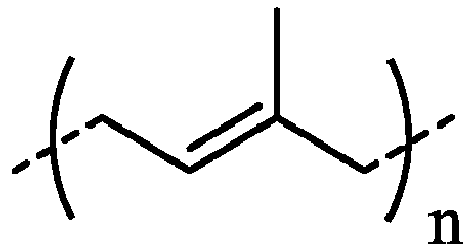
- the conjugate comprises a nucleobase B, which is an uracil base of the formula (IIb): wherein Z is CH or N and R3 is a hydrophobic moiety, e.g. terpene moiety, particularly a C 5 -C 30 terpene moiety, more particularly a C 5 -C 20 terpene moiety, and even more particularly a C 15 terpene moiety, e.g. a terpene moiety of the formula (III):
- R1 and R2 are preferably linear C 9 alkyl groups.
- the nucleic acid molecule X has a strand length of at least about 5 nucleotide building blocks and up to 1,000 or more nucleotide building blocks. In further embodiments, the nucleic acid molecule X has a strand length between about 5 to about 100 nucleotide building blocks, between about 10 and about 50 nucleotide building blocks, between about 12 and about 40 nucleotide building blocks and particularly between about 15 and about 30 nucleotide building blocks.
- nucleic acid molecule encompasses single-stranded, double-stranded, triple-stranded, and quadruple-stranded nucleic acid molecules, e.g. DNA molecules or RNA molecules and analogues thereof. Further, the nucleic acid molecule may comprises at least one modified nucleotide building block as described below.
- the nucleic acid molecule is a DNA molecule, which may comprise at least one modified nucleotide building block and/or at least one ribonucleoside building block.
- DNA molecule encompasses single-stranded, and multi-stranded, e.g. double-stranded, triple-stranded, or quadruple-stranded DNA molecules, particularly single- or double stranded DNA molecules.
- Multi-stranded, e.g. double-stranded DNA molecules may comprise strands having the same length or strands having different lengths.
- the individual strands may be present as separate molecules or covalently connected via a single-stranded loop or via heterologous linker.
- DNA molecule encompasses molecules consisting of natural DNA building blocks, i.e. 2'-deoxyribonucleotide building blocks, and molecules comprising at least one 2'-deoxyribonucleotide building block and at least one modified nucleotide building block and/or at least one ribonucleotide building block.
- the nucleic acid molecule is an RNA molecule, which may comprise at least one modified building block and/or at least one 2'-deoxyribonucleoside building block.
- RNA molecule encompasses single-stranded, or multi-stranded, e.g. double-stranded, triple-stranded, and quadruple-stranded RNA molecules, particularly single- or double stranded RNA molecules.
- Multi-stranded RNA molecules may comprise strands having the same length or strands having different lengths.
- double-stranded RNA molecules may be blunt-ended or may have at least one overhang, e.g. at least one 3'-overhang.
- the individual strands may be present as separate molecules or covalently connected via a single-stranded loop or via a heterologous linker.
- RNA molecule encompasses molecules consisting of natural RNA building blocks, i.e. ribonucleotide building blocks, and molecules comprising natural RNA building blocks and at least one modified nucleotide building block and/or at least one 2'-deoxyribonucleoside building block.
- nucleotide building block relates to a moiety, which can be incorporated into a nucleic acid molecule as herein described and form part of said nucleic acid molecule.
- a nucleotide building block comprises a nucleobase moiety, a sugar moiety and a backbone moiety.
- nucleobase may encompass any type of nucleobase as herein described above for the nucleobase B of formula (I).
- the sugar moiety may encompass a ribose moiety or a 2'-deoxyribose moiety including any modification thereof.
- the backbone moiety may encompass a phosphoester group forming an internucleosidic linkage between two nucleotide building blocks including any modification thereof.
- the nucleic acid molecule X may comprise modified nucleotide analogue blocks comprising a nucleobase modification, a sugar modification and/or a backbone modification.
- the nucleic acid molecule X comprises at least one modified nucleotide building block, particularly selected from:
- nucleobase-modified building block relates to a nucleotide building comprising a modified nucleobase.
- modified nucleobase may encompass any type of modified nucleobase as herein described above for the nucleobase B of formula (I).
- sugar-modified building block relates to a nucleotide building comprising a modified sugar.
- sugar typically relates to a ribose or 2'-deoxyribose moiety and includes any type of modified sugar moiety.
- a sugar-modified nucleotide building block is selected from a nucleotide building block wherein the ring of the ribose moiety and/or the substituents on the ring are modified.
- the modified nucleotide building block is a 2'-modified nucleotide building block wherein the 2'-OH substituent of ribose moiety is replaced by 2'-R4 wherein R4 is halo, e.g., fluoro, C 1 -C 5 alkyl, O-C 1 -C 5 alkyl, S- C 1 -C 5 alkyl, C 2 -C 5 alkenyl, O-C 2 -C 5 alkenyl, S-C 2 -C 5 alkenyl, C 2 -C 5 alkynyl, O-C 2 -C 5 alkynyl, S-C 2 -C 5 alkynyl, amino including mono- or disubstituted amino, e.g., C 1 -C 5 alkyl, C 2 -C 5 alkenyl or C 2 -C 5 alkynyl substituted amino wherein each alkyl, alkenyl or alkynyl
- the modified nucleotide building block is a bridged, e.g. a 2'-4'-bridged modified nucleotide building block, wherein the bridge typically has a length of 2-5 atoms, particularly 2-3 atoms including C-atoms and optionally heteroatoms such as O, N or S.
- the modified building block is a locked nucleic building block having a 2'-O-CH 2 -4' bridge.
- the modified nucleotide building block is building block wherein the ring of the ribose moiety is modified, e.g. a morpholino building block, a thio-ribose building block, a 6-membered pyranose building block or a peptidic nucleic acid (PNA) building block.
- a morpholino building block e.g. a morpholino building block, a thio-ribose building block, a 6-membered pyranose building block or a peptidic nucleic acid (PNA) building block.
- PNA peptidic nucleic acid
- backbone-modified building block relates to a nucleotide building comprising a modified internucleosidic linkage.
- the phosphoester group connecting adjacent building blocks is replaced by modified internucleosidic linkage, e.g. a phosphorothioate linkage, an alkyl phosphonate, e.g. methyl phosphonate linkage, and a borano phosphate linkage.
- the nucleic acid molecule is preferably selected from nucleic acid molecules, which are suitable for pharmaceutical applications.
- Preferred nucleic acid molecules include mRNA molecules comprising coding sequences, particularly mRNA molecules comprising protein-coding sequences, RNA molecules capable of RNA interference such as 16-27-mer siRNAs, particularly 21-mer siRNAs, blunt siRNAs, sisiRNAs, shRNAs, asiRNAs, aiRNAs, Fork siRNAs, 27-mer siRNA, Dumbbell siRNA, 16 mer-siRNAs, ss-siRNAs; microRNAmolecules and antagomirs thereof, e.g. pre-miRNAmimics; RNA molecules capable of gene-editing, e.g.
- constituents of the CRISPR/Cas complex such as tracrRNAs, crRNAs, sgRNAs; antisense DNAs or RNAs; triplex or quadruplex forming nucleic acid molecules; CpG-oligonucleotides, TTAGGG-oligonucleotides, aptamers, ribozymes, or DNAzymes or precursors or modifications of such molecules
- the nucleic acid molecule X is an RNA molecule optionally comprising at least one modified building block and/or at least one DNA building block, a DNA molecule optionally comprising at least one modified building block and/or at least one RNA building block, or a nucleic acid analogue molecule consisting of modified building blocks.
- the nucleic acid molecule X is a double-stranded RNA molecule optionally comprising at least one modified building block and optionally having at least one overhang, e.g., a 5'-overhang and/or a 3'-overhang, e.g. an overhang of 1, 2 or 3 nucleotide building blocks.
- the RNA molecule is a siRNA molecule.
- the nucleic acid molecule X is a single-stranded DNA molecule optionally comprising at least one modified building block and/or at least one ribose building block, particularly an antisense molecule.
- the nucleic acid conjugate of the formula (I) may be prepared by attaching a 2'-3'-O-ketal moiety (IV) to the nucleic acid molecule X, wherein the 2'-3'-O-ketal moiety is of the formula (IV): wherein
- the synthesis of the 2',3'-O-ketal moiety (IV) is described in WO 2014/048969 , the disclosure of which is herein incorporated by reference.
- the attachment of the 2',3'-O-ketal moiety (IV) to the nucleic acid molecule X may be performed during or after synthesis of the nucleic acid molecule X, e.g. according to standard methods in solid phase nucleic acid synthesis.
- a 2',3'-O-ketal building block is attached to the 5'-terminus and/or to the 3'-terminus of at least one strand of the nucleic acid molecule X.
- a 2',3'-O-ketal building block is attached to the 5'-terminus of the sense strand of a double-stranded siRNA molecule or to the 5'-terminus of an antisense molecule.
- a 2',3'-O-ketal building block is attached to a nucleobase within a strand of the nucleic acid molecule X.
- a further aspect of the invention relates to the use of the conjugate of the formula (I) in medicine, e.g., for use in human medicine or veterinary medicine, particularly for use in human medicine and in vivo animal research.
- the medical use comprises administering the conjugate to a subject in need thereof, particularly to a human subject.
- the conjugate is administered to a target cell or a target organ ex vivo and the target cell or target organ is subsequently introduced into a subject in need thereof, particularly into a human subject.
- the conjugate is administered to an oocyte or embryo, wherein the use of human stem cells or human embryos for industrial commercial purposes is excluded.
- the present invention provides an efficient method of mediating target-specific nucleic acid modifications in a cell or an organism comprising the steps:
- Contacting step (a) may comprise introducing the conjugate into a target cell, e.g., an isolated target cell, which may be present in a cell culture, a unicellular micro-organism, or a target cell, or a plurality of target cells within a multicellular organism.
- a target cell e.g., an isolated target cell, which may be present in a cell culture, a unicellular micro-organism, or a target cell, or a plurality of target cells within a multicellular organism.
- the target cell is preferably a mammalian cell, including a human cell.
- the target organism is preferably a mammalian organism, e.g. a human organism.
- the introducing into an organism may comprise any type of administration including systemic or local administration, e.g. by injection or infusion.
- exemplary types of administration include aural, buccal, endobronchial, enteral, epidural, inhalative, instillation into the bladder, intra-arterial, intra-articular, intragastric, intragluteal, intracardiac, intracutaneous, intralumbar, intralymphatic, intramammary, intramuscular, intranasal, intraneural, intraocular, intraosseous, intraperitoneal, intrapleural, intrapulmonary, intraruminal, intrathecal, intratracheal, intraurethral, intrauterine, intravenous, intraventricular, intravitreal, oral, peroral, parenteral, peridural, perineural, percutaneous, rectal, retrobulbar, subconjunctival, subcutaneous, sublingual, topical, transdermal, transmucosal and/or vaginal administration.
- Mediating step (b) preferably comprises a modification of a target nucleic acid, e.g., by RNA interference when using a siRNA conjugate, or by inhibition of mRNA transcription when using an antisense molecule conjugate.
- the present invention also provides a pharmaceutical composition
- a pharmaceutical composition comprising a conjugate as described above as the active agent together with a suitable carrier.
- the pharmaceutical composition may be in the form of a solution, e.g. a solution for infusion or injection, a cream, ointment, tablet, suspension, powder, or the like.
- the composition may be administered in any suitable way, e.g. by parenteral administration, e.g. injection or infusion, by transmucosal application, or by transdermal application, or by oral, topical, nasal, rectal application, etc.
- the pharmaceutical composition may comprise the conjugate as an active agent or a prodrug in any form suitable for delivery into an organism, particularly into a human organism.
- the composition may comprise the active agent in an encapsulated form or in non-encapsulated form, together with a delivery vehicle such as a liposome and/or with a transfection reagent, or without a delivery vehicle and/or without a transfection reagent.
- the conjugate of the present invention may be used in the regulation, e.g., the downregulation or the upregulation of a gene of interest in a target cell or a target organism.
- the gene of interest may be an endogenous gene or a gene from an exogenous pathogen, particularly a viral or bacterial gene or an endogenous disease-associated gene such as an oncogene or an autoimmune disease- or an allergic disease-associated gene.
- the conjugate of the present invention may be used in the introduction and optionally expression of coding, e.g. protein coding nucleic acid molecules such as mRNA molecules in a target cell or a target organism.
- coding e.g. protein coding nucleic acid molecules such as mRNA molecules in a target cell or a target organism.
- a specific aspect of the invention relates to the use of the conjugate for a target cell- and/or target organ-specific delivery of a nucleic acid molecule, particularly of a therapeutic nucleic acid molecule as herein described.
- the target cell may be a lung cell, a heart cell, a kidney cell, a liver cell, a pancreas cell, a colon cell, a muscle cell, a neural cell, a stomach cell, a small intestine cell, large intestine cell, a rectum cell, a bladder cell, a bone cell, an adrenal gland cell, a cell of the eye, a skin cells, or a brain cell.
- Still a further aspect of the invention relates to an in vitro use of the conjugate for the delivery of a nucleic acid molecule into a target cell.
- the target cell may be selected from any type of cell into which a nucleic acid molecule may be delivered, e.g. animal cells such as mammalian cells, bird cells or insect cells, plant cells, fungal cells, protozoan cells, bacterial cells and archaea cells.
- the target cell is a human cell.
- a specific embodiment of this aspect relates to the use of the conjugate in the down-regulation of a gene in a target cell.
- the invention provides a target cell-specific delivery of a nucleic acid molecule in vitro.
- the target cell may be a lung cell, a heart cell, a kidney cell, a liver cell, a pancreas cell, a colon cell, a muscle cell, a neural cell, a stomach cell, a small intestine cell, large intestine cell, a rectum cell, a bladder cell, a bone cell, an adrenal gland cell, a cell of the eye, a skin cells, or a brain cell.
- a still further aspect of the present invention relates to the use of a 2',3'-O-ketal moiety (IV) as herein described for the attachment to a nucleic acid molecule.
- lipid-based carrier molecules PRAMO01 and PRAMO02 ( Fig. 1 ) were attached to the sense strand of a double-stranded siRNA molecule siGAPDH directed against the glyceryl aldehyde 3-phosphate dehydrogenase (GAPDH) gene.
- the modified siRNA molecules ware transferred into different organs in vivo and the down-regulation of the GAPDH gene was analyzed.
- PRAMO01 and PRAMO02 were synthetized as modified phosphoramidites and covalently coupled to the 5' end of the sense RNA strand.
- Figures 2-3 illustrate the results of the intravenous injection of lipid-modified oligonucleotides into the tail vein of Balb/C mice.
- GAPDH gene expression in the target organs of the experimental animals was specifically altered. The animals were sacrificed 72 hours after injection, and 5 different tissues were examined.
- Figure 4 illustrates the result of stem-loop qPCR in Balb/C mice, which were intravenously injected with naked siRNA, PRAMO01 modified siRNA and PRAMO02 modified siRNA in different concentrations. GAPDH concentration were measured in 5 different organs 72 hours post injection. The GAPDH siRNA could be found in all organs especially in lung and heart tissues.
- Lipid synthesis was performed according to standard methods. Synthesis of oligonucleotides and conjugation of oligonucleotides to lipids were performed according to standard methods.
- RNA extraction was performed using Qiagen TissueLyser and RNeasy Kit (Qiagen) in TRIzol RNA Isolation Reagent (ThermoFisher Scientific, Germany). Using RevertAid H Minus First Strand cDNA Synthesis Kit and random Hexamer primers (MBI Ferments, St. Leon-Rot, Germany), cDNAs were transcribed. For qPCR, TaqMan GAPDH Assay, TaqMan ACTINB Assay, and TaqMan Mastermix (ThermoFischer Scientific, Germany) were used according to the manufacturer's instructions. The relative GAPDH expression was normalized to Actin B and determined by ⁇ Ct method.
- a Cybergreen based qPCR assay Biorad was used. All procedures were performed according to the manufacturer's instructions.
Landscapes
- Chemical & Material Sciences (AREA)
- Health & Medical Sciences (AREA)
- Life Sciences & Earth Sciences (AREA)
- Engineering & Computer Science (AREA)
- Molecular Biology (AREA)
- Genetics & Genomics (AREA)
- Organic Chemistry (AREA)
- Biochemistry (AREA)
- Biotechnology (AREA)
- General Health & Medical Sciences (AREA)
- Biomedical Technology (AREA)
- Bioinformatics & Cheminformatics (AREA)
- General Engineering & Computer Science (AREA)
- Wood Science & Technology (AREA)
- Zoology (AREA)
- Biophysics (AREA)
- Microbiology (AREA)
- Plant Pathology (AREA)
- Physics & Mathematics (AREA)
- Medicinal Chemistry (AREA)
- Pharmacology & Pharmacy (AREA)
- Epidemiology (AREA)
- Animal Behavior & Ethology (AREA)
- Public Health (AREA)
- Veterinary Medicine (AREA)
- Pharmaceuticals Containing Other Organic And Inorganic Compounds (AREA)
- Medicines That Contain Protein Lipid Enzymes And Other Medicines (AREA)
- Saccharide Compounds (AREA)
- Medicinal Preparation (AREA)
Abstract
The present invention refers to a nucleic acid conjugate comprising at least one 2',3'-O ketal moiety. This conjugate is suitable for the target-specific or target-selective delivery of nucleic acid molecules into cells such as mammalian cells including human cells with high efficacy. Thus, a new delivery vehicle for therapeutic nucleic acid molecules including antisense molecules, siRNA molecules, miRNA molecules, antagomirs or precursors of such molecules is provided.
Description
- The present invention refers to a nucleic acid conjugate comprising at least one 2',3'-O ketal moiety. This conjugate is suitable for the target-specific or target-selective delivery of nucleic acid molecules into cells such as mammalian cells, including human cells with high efficacy. Thus, a new delivery vehicle for therapeutic nucleic acid molecules including antisense molecules, and siRNA molecules or precursors or modifications of such molecules is provided.
-
WO 2014/048969 describes nucleolipids and a process for the preparation of nucleolipids. Inter alia, nucleotides comprising a lipid 2',3'-O ketal moiety are described. These nucleotides were found to have pharmaceutical activity in certain cancer cells. The delivery of nucleic acid molecules comprising 2',3'-O-ketal moieties into target cells is, however, not disclosed. - It is an object of the present invention to provide nucleic acid molecules, which can be delivered into target cells with high efficacy.
- The inventors have found that attaching a 2',3'-O ketal moiety to a nucleic acid molecule, particularly to the 3'-end and/or to the 5'-end of a nucleic acid strand, may increase the delivery into a target cell, particularly the in vivo delivery into a target cell or target organism. Thus, therapeutic or diagnostic nucleic acid conjugates with improved characteristics are provided.
- A first aspect of the present invention is a nucleic acid conjugate of the formula (I) comprising at least one 2',3'-O-ketal moiety:

- X is a nucleic acid molecule,
- B is a nucleobase, and
- R1 and R2 are independently from each other hydrocarbon groups wherein said hydrocarbon groups optionally comprises one or more heteroatom(s) such as N, O, P, S, or halo.
- It is understood that the invention also includes any stereoisomers, salts and solvates of the compound depicted in formula (I) and any other formula herein.
- The nucleic acid conjugate of the formula (I) comprises a nucleic acid molecule X, to which at least one 2',3'-O-ketal moiety is attached.
- The term "nucleic acid molecule" relates to any type of oligonucleotide or polynucleotide comprising at least two nucleotide building blocks. The nucleic acid molecule may comprise ribonucleotide building blocks, 2'-desoxyribonucleotide building blocks, modified nucleotide building blocks or any combinations thereof. In certain embodiments, the nucleic acid molecule is an RNA molecule, optionally comprising at least one modified nucleotide building block and/or at least one 2'-desoxyribonucleotide building block, a DNA molecule, optionally comprising at least one modified nucleotide building block and/or at least one ribonucleotide building block, or a nucleic acid analogue molecule consisting of modified nucleotide building blocks.
- The 2',3'-O ketal moiety comprises a nucleobase B. The term "nucleobase" typically relates to a cyclic, e.g. mono- or bicyclic, saturated, unsaturated, aromatic or heteroaromatic base comprising at least one N atom wherein the nucleobase is capable of forming a base pair via hydrogen bonds with a complementary nucleobase, particularly with a naturally occurring nucleobase. The nucleobase may be any naturally occurring or non-naturally occurring nucleobase, e.g. any naturally occurring or non-naturally occurring purine or pyrimidine base such as adenine, cytosine, guanine, thymine, or uracil or a modified nucleobase, e.g. a modified adenine, cytosine, guanine, thymine, or uracil base.
- The nucleobase of the 2',3'-O ketal moiety may be a "modified nucleobase". This term includes any type of modified nucleobase, e.g. a nucleobase substituted with a hydrophobic moiety, a nucleobase substituted with a carbohydrate moiety and/or a nucleobase substituted with a functional moiety.
- The hydrophobic moiety may be selected from moieties having at least 5 C-atoms, particularly at least 10 C-atoms.
- In certain embodiments, the hydrophobic moiety is selected from substituted or unsubstituted acyclic or cyclic terpene moieties. For example, the hydrophobic moiety may be a C5-C30 terpene moiety, particularly a C5-C20 terpene moiety, and more particularly a C15 terpene moiety, which may be cyclic or acyclic, which may be saturated or unsaturated, and/or optionally be substituted or interrupted with heteroatom(s) or functional group(s), or a sterol moiety, e.g. a cholesterol moiety.
- Further, the hydrophobic moiety may be selected from substituted or unsubstituted, cyclic or acyclic, saturated, unsaturated, or polyunsaturated carboxylic acid moieties including salts or derivatives thereof such as esters or amides. For example, the hydrophobic moiety may be a C5-C30 carboxylic acid moiety, e.g. a docosahexaenoic acid moiety, an eicosapentaenoic acid moiety, a docosanoic acid moiety, a lithocholic acid moiety, or a retinoic acid or retinoic acid ester moiety.
- Further, the hydrophobic moiety may be selected from substituted or unsubstituted, cyclic, or acyclic, saturated, unsaturated or polyunsaturated alcohols, ketones, aldehydes, or amines. For example, the hydrophobic moiety may be a C5-C30 alcohol, ketone, or amide moiety, e.g. a tocopherol moiety, a tocopheryl succinate moiety, a retinol moiety, a retinal moiety, a spermine moiety, or a spermidine moiety.
- In certain embodiments, the hydrophobic moiety is selected from

R and R' are independently selected from C1-C30 alkyl, preferably C5 to C25-alkyl, n is an integer ranging 1 to 6, preferably n is 1 or 2 and a is an integer ranging from 1 to 20, preferably 2 to 18, more preferably 6 to 16. - The carbohydrate moiety may be a mono-, oligo- or polysaccharide moiety, including modified carbohydrates, e.g. acetylated carbohydrate moieties. For example, the carbohydrate moiety may be a GalNAc moiety.
- The functional moiety may be a click-functional moiety such as an alkyne group or an azide group, or an ether, ester, amide, carboxylic acid, thioester, thioamide, or thioether group.
- The conjugate of formula (I) comprises a 2',3'-O-ketal moiety wherein the 2'-OH group and the 3'-OH group of the ribose moiety have been converted to a ketal group comprising substituents R1 and R2.
- R1 and R2 are independently from each other hydrocarbon groups wherein said hydrocarbon groups optionally comprise one or more heteroatom(s) such as N, O, P, S, or halo.
- R1 and R2 may be saturated, mono- or polyunsaturated acyclic linear or branched hydrocarbon groups, or saturated, mono- or polyunsaturated, aromatic or heteroaromatic cyclic hydrocarbon groups, which may be interrupted by or substituted with one or more heteroatom(s).
- In certain embodiments, R1 and/or R2 are independently from each other C5-21 hydrocarbon groups, particularly C5-11 hydrocarbon groups and more particularly C9 hydrocarbon groups wherein said hydrocarbon groups optionally comprise one or more heteroatoms such as N, O, P, S, or halo, e.g. F, Cl, Br, or I.
- In further embodiments, R1 and/or R2 are independently from each other linear or branched alkyl groups, linear or branched alkenyl groups, and linear or branched alkynyl groups wherein said alkyl, alkenyl or alkynyl groups optionally comprise one or more heteroatoms such as N, O, P, S, or halo.
- In still further embodiments, R1 and/or R2 are independently from each other cyclic moieties, i.e. moieties comprising at least one cyclic structure, e.g. a mono-, bi- or tricyclic structure. The cyclic moiety may be a carbocyclic or heterocyclic moiety, e.g. 5-18 ring atoms wherein at least one C-atom may be replaced by at least one heteroatom selected from N, O, and S.
- In still further embodiments, R1 and/or R2 comprise independently from each other, a functional group, e.g. a functional group selected from an ether, ester, amide, carboxylic acid, thioester, thioamide, or thioether group.
- In still further embodiments, R1 and/or R2 comprise independently from each other, a marker group, e.g. a fluorescence, luminescence, or radioactive marker group.
- In still further embodiments, R1 and/or R2 comprise independently from each other, a nucleic acid molecule as herein defined, e.g. a nucleic molecule having up to 50 and particularly from 5 to 25 nucleotide building blocks.
- In particular embodiments, R1 and R2 are linear or branched C9 alkyl groups, more particularly linear C9 alkyl groups.
- In a specific embodiment, the conjugate comprises a nucleobase B, which is an uracil base of the formula (IIa):

- In this embodiment, R1 and R2 are preferably linear C9 alkyl groups.
- In a further specific embodiment, the conjugate comprises a nucleobase B, which is an uracil base of the formula (IIb):


- In this embodiment, R1 and R2 are preferably linear C9 alkyl groups.
- In certain embodiments, the nucleic acid molecule X has a strand length of at least about 5 nucleotide building blocks and up to 1,000 or more nucleotide building blocks. In further embodiments, the nucleic acid molecule X has a strand length between about 5 to about 100 nucleotide building blocks, between about 10 and about 50 nucleotide building blocks, between about 12 and about 40 nucleotide building blocks and particularly between about 15 and about 30 nucleotide building blocks.
- The term "nucleic acid molecule" encompasses single-stranded, double-stranded, triple-stranded, and quadruple-stranded nucleic acid molecules, e.g. DNA molecules or RNA molecules and analogues thereof. Further, the nucleic acid molecule may comprises at least one modified nucleotide building block as described below.
- In one embodiment, the nucleic acid molecule is a DNA molecule, which may comprise at least one modified nucleotide building block and/or at least one ribonucleoside building block. The term "DNA molecule" encompasses single-stranded, and multi-stranded, e.g. double-stranded, triple-stranded, or quadruple-stranded DNA molecules, particularly single- or double stranded DNA molecules. Multi-stranded, e.g. double-stranded DNA molecules may comprise strands having the same length or strands having different lengths. In multi-stranded, e.g. double-stranded DNA molecules, the individual strands may be present as separate molecules or covalently connected via a single-stranded loop or via heterologous linker.
- The term "DNA molecule" encompasses molecules consisting of natural DNA building blocks, i.e. 2'-deoxyribonucleotide building blocks, and molecules comprising at least one 2'-deoxyribonucleotide building block and at least one modified nucleotide building block and/or at least one ribonucleotide building block.
- In a further embodiment, the nucleic acid molecule is an RNA molecule, which may comprise at least one modified building block and/or at least one 2'-deoxyribonucleoside building block. The term "RNA molecule" encompasses single-stranded, or multi-stranded, e.g. double-stranded, triple-stranded, and quadruple-stranded RNA molecules, particularly single- or double stranded RNA molecules. Multi-stranded RNA molecules may comprise strands having the same length or strands having different lengths. For example, double-stranded RNA molecules may be blunt-ended or may have at least one overhang, e.g. at least one 3'-overhang. In multi-stranded, e.g. double-stranded RNA molecules, the individual strands may be present as separate molecules or covalently connected via a single-stranded loop or via a heterologous linker.
- The term "RNA molecule" encompasses molecules consisting of natural RNA building blocks, i.e. ribonucleotide building blocks, and molecules comprising natural RNA building blocks and at least one modified nucleotide building block and/or at least one 2'-deoxyribonucleoside building block.
- The term "nucleotide building block" relates to a moiety, which can be incorporated into a nucleic acid molecule as herein described and form part of said nucleic acid molecule. Typically, a nucleotide building block comprises a nucleobase moiety, a sugar moiety and a backbone moiety. The term "nucleobase" may encompass any type of nucleobase as herein described above for the nucleobase B of formula (I). The sugar moiety may encompass a ribose moiety or a 2'-deoxyribose moiety including any modification thereof. The backbone moiety may encompass a phosphoester group forming an internucleosidic linkage between two nucleotide building blocks including any modification thereof. The nucleic acid molecule X may comprise modified nucleotide analogue blocks comprising a nucleobase modification, a sugar modification and/or a backbone modification.
- In certain embodiments, the nucleic acid molecule X comprises at least one modified nucleotide building block, particularly selected from:
- (a) a nucleobase-modified building block;
- (b) a sugar-modified building block;
- (c) a backbone-modified building block and
- (d) any combination thereof.
- The term "nucleobase-modified building block" relates to a nucleotide building comprising a modified nucleobase. The term "modified nucleobase" may encompass any type of modified nucleobase as herein described above for the nucleobase B of formula (I).
- The term "sugar-modified building block" "relates to a nucleotide building comprising a modified sugar. The term "sugar" typically relates to a ribose or 2'-deoxyribose moiety and includes any type of modified sugar moiety. In certain embodiments, a sugar-modified nucleotide building block is selected from a nucleotide building block wherein the ring of the ribose moiety and/or the substituents on the ring are modified.
- In certain embodiments, the modified nucleotide building block is a 2'-modified nucleotide building block wherein the 2'-OH substituent of ribose moiety is replaced by 2'-R4 wherein R4 is halo, e.g., fluoro, C1-C5 alkyl, O-C1-C5 alkyl, S- C1-C5 alkyl, C2-C5 alkenyl, O-C2-C5 alkenyl, S-C2-C5 alkenyl, C2-C5 alkynyl, O-C2-C5 alkynyl, S-C2-C5 alkynyl, amino including mono- or disubstituted amino, e.g., C1-C5 alkyl, C2-C5 alkenyl or C2-C5 alkynyl substituted amino wherein each alkyl, alkenyl or alkynyl group is optionally substituted with OH, halo, cycloalkyl, cycloalkenyl, (hetero)aryl, e.g. phenyl, O-alkyl, S-alkyl, and/or amino.
- In certain embodiments, the modified nucleotide building block is a bridged, e.g. a 2'-4'-bridged modified nucleotide building block, wherein the bridge typically has a length of 2-5 atoms, particularly 2-3 atoms including C-atoms and optionally heteroatoms such as O, N or S. In a particular embodiment, the modified building block is a locked nucleic building block having a 2'-O-CH2-4' bridge.
- In certain embodiments, the modified nucleotide building block is building block wherein the ring of the ribose moiety is modified, e.g. a morpholino building block, a thio-ribose building block, a 6-membered pyranose building block or a peptidic nucleic acid (PNA) building block.
- The term "backbone-modified building block" relates to a nucleotide building comprising a modified internucleosidic linkage. In a backbone-modified nucleotide building block, the phosphoester group connecting adjacent building blocks is replaced by modified internucleosidic linkage, e.g. a phosphorothioate linkage, an alkyl phosphonate, e.g. methyl phosphonate linkage, and a borano phosphate linkage.
- The nucleic acid molecule is preferably selected from nucleic acid molecules, which are suitable for pharmaceutical applications. Preferred nucleic acid molecules include mRNA molecules comprising coding sequences, particularly mRNA molecules comprising protein-coding sequences, RNA molecules capable of RNA interference such as 16-27-mer siRNAs, particularly 21-mer siRNAs, blunt siRNAs, sisiRNAs, shRNAs, asiRNAs, aiRNAs, Fork siRNAs, 27-mer siRNA, Dumbbell siRNA, 16 mer-siRNAs, ss-siRNAs; microRNAmolecules and antagomirs thereof, e.g. pre-miRNAmimics; RNA molecules capable of gene-editing, e.g. constituents of the CRISPR/Cas complex such as tracrRNAs, crRNAs, sgRNAs; antisense DNAs or RNAs; triplex or quadruplex forming nucleic acid molecules; CpG-oligonucleotides, TTAGGG-oligonucleotides, aptamers, ribozymes, or DNAzymes or precursors or modifications of such molecules
- In certain embodiments, the nucleic acid molecule X is an RNA molecule optionally comprising at least one modified building block and/or at least one DNA building block, a DNA molecule optionally comprising at least one modified building block and/or at least one RNA building block, or a nucleic acid analogue molecule consisting of modified building blocks.
- In further embodiments, the nucleic acid molecule X is a double-stranded RNA molecule optionally comprising at least one modified building block and optionally having at least one overhang, e.g., a 5'-overhang and/or a 3'-overhang, e.g. an overhang of 1, 2 or 3 nucleotide building blocks. In particular embodiments, the RNA molecule is a siRNA molecule.
- In further embodiments, the nucleic acid molecule X is a single-stranded DNA molecule optionally comprising at least one modified building block and/or at least one ribose building block, particularly an antisense molecule.
- The nucleic acid conjugate of the formula (I) may be prepared by attaching a 2'-3'-O-ketal moiety (IV) to the nucleic acid molecule X, wherein the 2'-3'-O-ketal moiety is of the formula (IV):

- Y is a reactive functional moiety, e.g. a phosphoramidate group or another group suitable in the chemical synthesis nucleic acid molecules,
- B is a nucleobase, and
- R1 and R2 are independently from each other hydrocarbon groups wherein said hydrocarbon groups optionally comprise one or more heteroatoms such as N, O, P, S, or halo.
- The synthesis of the 2',3'-O-ketal moiety (IV) is described in
WO 2014/048969 , the disclosure of which is herein incorporated by reference. The attachment of the 2',3'-O-ketal moiety (IV) to the nucleic acid molecule X may be performed during or after synthesis of the nucleic acid molecule X, e.g. according to standard methods in solid phase nucleic acid synthesis. - In certain embodiments, a 2',3'-O-ketal building block is attached to the 5'-terminus and/or to the 3'-terminus of at least one strand of the nucleic acid molecule X.
- In specific embodiments, a 2',3'-O-ketal building block is attached to the 5'-terminus of the sense strand of a double-stranded siRNA molecule or to the 5'-terminus of an antisense molecule.
- In further embodiments, a 2',3'-O-ketal building block is attached to a nucleobase within a strand of the nucleic acid molecule X.
- In further embodiments, there is a plurality, e.g. 2 of 2',3'-O-ketal building blocks attached to the nucleic acid molecule X.
- A further aspect of the invention relates to the use of the conjugate of the formula (I) in medicine, e.g., for use in human medicine or veterinary medicine, particularly for use in human medicine and in vivo animal research. In certain embodiments, the medical use comprises administering the conjugate to a subject in need thereof, particularly to a human subject. In further embodiments, the conjugate is administered to a target cell or a target organ ex vivo and the target cell or target organ is subsequently introduced into a subject in need thereof, particularly into a human subject. In still further embodiments, the conjugate is administered to an oocyte or embryo, wherein the use of human stem cells or human embryos for industrial commercial purposes is excluded.
- The present invention provides an efficient method of mediating target-specific nucleic acid modifications in a cell or an organism comprising the steps:
- (a) contacting a cell or organism with the conjugate of the invention, and
- (b) mediating a target-specific nucleic acid modification effected by the nucleosidic component of the conjugate towards a target nucleic acid.
- Contacting step (a) may comprise introducing the conjugate into a target cell, e.g., an isolated target cell, which may be present in a cell culture, a unicellular micro-organism, or a target cell, or a plurality of target cells within a multicellular organism. The target cell is preferably a mammalian cell, including a human cell. The target organism is preferably a mammalian organism, e.g. a human organism.
- The introducing into an organism may comprise any type of administration including systemic or local administration, e.g. by injection or infusion. Exemplary types of administration include aural, buccal, endobronchial, enteral, epidural, inhalative, instillation into the bladder, intra-arterial, intra-articular, intragastric, intragluteal, intracardiac, intracutaneous, intralumbar, intralymphatic, intramammary, intramuscular, intranasal, intraneural, intraocular, intraosseous, intraperitoneal, intrapleural, intrapulmonary, intraruminal, intrathecal, intratracheal, intraurethral, intrauterine, intravenous, intraventricular, intravitreal, oral, peroral, parenteral, peridural, perineural, percutaneous, rectal, retrobulbar, subconjunctival, subcutaneous, sublingual, topical, transdermal, transmucosal and/or vaginal administration.
- Mediating step (b) preferably comprises a modification of a target nucleic acid, e.g., by RNA interference when using a siRNA conjugate, or by inhibition of mRNA transcription when using an antisense molecule conjugate.
- The present invention also provides a pharmaceutical composition comprising a conjugate as described above as the active agent together with a suitable carrier. For diagnostic or therapeutic applications, the pharmaceutical composition may be in the form of a solution, e.g. a solution for infusion or injection, a cream, ointment, tablet, suspension, powder, or the like. The composition may be administered in any suitable way, e.g. by parenteral administration, e.g. injection or infusion, by transmucosal application, or by transdermal application, or by oral, topical, nasal, rectal application, etc.
- The pharmaceutical composition may comprise the conjugate as an active agent or a prodrug in any form suitable for delivery into an organism, particularly into a human organism. For example, the composition may comprise the active agent in an encapsulated form or in non-encapsulated form, together with a delivery vehicle such as a liposome and/or with a transfection reagent, or without a delivery vehicle and/or without a transfection reagent.
- In certain embodiments, the conjugate of the present invention may be used in the regulation, e.g., the downregulation or the upregulation of a gene of interest in a target cell or a target organism. The gene of interest may be an endogenous gene or a gene from an exogenous pathogen, particularly a viral or bacterial gene or an endogenous disease-associated gene such as an oncogene or an autoimmune disease- or an allergic disease-associated gene.
- In further embodiments, the conjugate of the present invention may be used in the introduction and optionally expression of coding, e.g. protein coding nucleic acid molecules such as mRNA molecules in a target cell or a target organism.
- A specific aspect of the invention relates to the use of the conjugate for a target cell- and/or target organ-specific delivery of a nucleic acid molecule, particularly of a therapeutic nucleic acid molecule as herein described.
- For example, the target cell may be a lung cell, a heart cell, a kidney cell, a liver cell, a pancreas cell, a colon cell, a muscle cell, a neural cell, a stomach cell, a small intestine cell, large intestine cell, a rectum cell, a bladder cell, a bone cell, an adrenal gland cell, a cell of the eye, a skin cells, or a brain cell.
- Still a further aspect of the invention relates to an in vitro use of the conjugate for the delivery of a nucleic acid molecule into a target cell. The target cell may be selected from any type of cell into which a nucleic acid molecule may be delivered, e.g. animal cells such as mammalian cells, bird cells or insect cells, plant cells, fungal cells, protozoan cells, bacterial cells and archaea cells. In particular embodiments, the target cell is a human cell.
- A specific embodiment of this aspect relates to the use of the conjugate in the down-regulation of a gene in a target cell.
- In particular, the invention provides a target cell-specific delivery of a nucleic acid molecule in vitro. For example, the target cell may be a lung cell, a heart cell, a kidney cell, a liver cell, a pancreas cell, a colon cell, a muscle cell, a neural cell, a stomach cell, a small intestine cell, large intestine cell, a rectum cell, a bladder cell, a bone cell, an adrenal gland cell, a cell of the eye, a skin cells, or a brain cell.
- A still further aspect of the present invention relates to the use of a 2',3'-O-ketal moiety (IV) as herein described for the attachment to a nucleic acid molecule.
- Further aspects of the invention are as described in the following items of the specification.
-
- 1. A nucleic acid conjugate of the formula (I) comprising at least one 2',3'-O-ketal moiety:

- X is a nucleic acid molecule,
- B is a nucleobase, and
- R1 and R2 are independently from each other hydrocarbon groups wherein said hydrocarbon groups optionally comprise one or more heteroatoms such as N, O, P, S, or halo.
- 2. The conjugate of
item 1,
wherein R1 and R2 are independently from each other C5-21 hydrocarbon groups, particularly C5-11 hydrocarbon groups and more particularly C9 hydrocarbon groups wherein said hydrocarbon groups optionally comprise one or more heteroatoms such as N, O, P, S, or halo. - 3. The conjugate of
item 1 or 2,
wherein R1 and R2 are independently from each other linear or branched alkyl groups, linear or branched alkenyl groups, and linear or branched alkynyl groups wherein said alkyl, alkenyl or alkynyl groups optionally comprise one or more heteroatoms such as N, O, P, S, or halo. - 4. The conjugate of any one of the preceding items,
wherein R1 and R2 are linear or branched C9 alkyl groups. - 5. The conjugate of any one of the preceding items,
wherein the nucleobase B is a mono- or bicyclic aromatic or heteroaromatic base comprising at least one N atom. - 6. The conjugate of any one of the preceding items,
wherein the nucleobase B is a heterocyclic base, e.g. a purine or pyrimidine base, particularly selected from uracil, thymine, or an analogue thereof. - 7. The conjugate of any one of the preceding items,
wherein the nucleobase B is a modified base, e.g. a base substituted with a hydrophobic moiety, a base substituted with a carbohydrate moiety or a base substituted with a functional moiety. - 8. The conjugate of item 7,
wherein the hydrophobic moiety is a terpene moiety, particularly a C5-C30 terpene moiety, more particularly a C5-C20 terpene moiety, and even more particularly a C15 terpene moiety, or a sterol moiety, e.g. a cholesterol moiety. - 9. The conjugate of item 7,
wherein the carbohydrate moiety is a GalNAc group. - 10. The conjugate of item 7,
wherein the functional moiety is a click-functional moiety such as an alkyne group or an azide group, or a such as an alkyne group or an azide group, or an ether, ester, amide, carboxylic acid, thioester, thioamide, or thioether group. - 11. The conjugate of any one of items 1-6,
wherein B is a nucleobase of the formula (IIa):
- 12. The conjugate of any one of items 1-8,
wherein B is a nucleobase of the formula (IIb):

- 13. The conjugate of any one of the preceding items,
wherein the nucleic acid molecule X has a strand length of at least 5 nucleotide building blocks and up to 1,000 or more nucleotide building blocks, between 5 to 100 nucleotide building blocks, between 10 and 50 nucleotide building blocks, between 12 and 40 nucleotide building blocks and particularly between 15 and 30 nucleotide building blocks. - 14. The conjugate of any one of the preceding items,
wherein the nucleic acid molecule X comprises at least one modified nucleotide building block, which is particularly selected from:- (a) a base-modified nucleotide building block;
- (b) a sugar-modified nucleotide building block;
- (c) a backbone-modified nucleotide building block and
- (d) any combination thereof.
- 15. The conjugate of item 14,
wherein the base-modified nucleotide building block is selected from a building block comprising a base substituted with a hydrophobic moiety, a nucleotide building block comprising a base substituted with a carbohydrate moiety and a nucleotide building block comprising a base substituted with a functional moiety. - 16. The conjugate of item 14,
wherein the sugar-modified nucleotide building block is selected from a 2'-modified ribose building block, a 2'-4'-bridged modified ribose building block, e.g., a locked nucleotide (LNA) building block, a morpholino building block and a peptidic nucleic acid (PNA) building block. - 17. The conjugate of item 14,
wherein the backbone-modified nucleotide building block comprises a modified internucleosidic linkage, e.g., a phosphorothioate linkage, an alkyl phosphonate, e.g., methyl phosphonate linkage, and a borano phosphate linkage. - 18. The conjugate of any one of the preceding items,
wherein the nucleic acid molecule X is a single-stranded nucleic acid molecule or a double-stranded nucleic acid molecule. - 19. The conjugate of any one of items 1-18,
wherein the nucleic acid molecule X is (i) an RNA molecule optionally comprising at least one modified nucleotide building block and/or at least one DNA building block, or (ii) a DNA molecule optionally comprising at least one modified nucleotide building block and/or at least one RNA building block, or (iii) a nucleic acid analogue molecule. - 20. The conjugate of item 19,
wherein the nucleic acid molecule X is a single-stranded, a double-stranded, a triple-stranded, or a quadruple-stranded RNA molecule, particularly a single or double stranded RNA molecule, wherein the RNA molecule optionally comprises at least one deoxyribonucleotide building block, at least one modified building block and optionally having at least one 3'-overhang, particularly a siRNA molecule. - 21. The conjugate of item 19,
wherein the nucleic acid molecule X is a, a single-stranded, a double-stranded, a triple-stranded, or a quadruple-stranded RNA molecule, particularly a single or double stranded DNA molecule, wherein the DNA molecule optionally comprises at least one ribonucleotide building block, at least one modified building block, particularly an antisense molecule. - 22. The conjugate of any one of the preceding items,
wherein the 2',3'-O-ketal building block is attached to the 5'-terminus and/or to the 3'-terminus of a strand of the nucleic acid molecule X. - 23. The conjugate of item 22,
wherein the 2',3'-O-ketal building block is attached to the 5'-terminus of the sense strand of a double-stranded siRNA molecule or to the 5'-terminus of an antisense molecule. - 24. The conjugate of any one of the preceding items,
wherein the 2',3'-O-ketal building block is attached to a base within a strand of the nucleic acid molecule X. - 25. The conjugate of any one of the preceding items for use in medicine, e.g. for use in human medicine or veterinary medicine, particularly for use in human medicine.
- 26. The conjugate of any one of items 1-24 for use according to item 25, wherein the conjugate is administered to a subject in need thereof, particularly to a human subject.
- 27. The conjugate of any one of items 1-24 for use according to item 25, wherein the conjugate is administered to a target cell or a target organ ex vivo and wherein the target cell or target organ is subsequently introduced into a subject in need thereof, particularly into a human subject.
- 28. The conjugate of any one of items 1-24 for use according to item 25, wherein the conjugate is administered to an oocyte or embryo, wherein the use of human stem cells or human embryos for industrial commercial purposes is excluded.
- 29. The conjugate of any one of items 1-24 for use according to any one of items 25-28, wherein the administration comprises a target cell- and/or target organ-specific delivery.
- 30. The conjugate of any one of items 1-24 for use according to any one of items 25-29 in the upregulation or downregulation of a gene in a target cell or a target organism, e.g., an endogenous gene or a gene from an exogenous pathogen, particularly a viral or bacterial gene or an endogenous disease-associated gene such as an oncogene or an autoimmune disease- or allergic disease-associated gene.
- 31. The conjugate of any one of items 1-24 for use according to any one of items 25-29 in the introduction and optionally expression of a coding nucleic acid molecule gene in a target cell or a target organism.
- 32. The conjugate of any one of items 1-24 for use according to any one of items 25-31 wherein the target cell is a lung cell, a heart cell, a kidney cell, a liver cell, a pancreas cell, a colon cell, a muscle cell, a neural cell, a stomach cell, a small intestine cell, large intestine cell, a rectum cell, a bladder cell, a bone cell, an adrenal gland cell, a cell of the eye, a skin cells, or a brain cell.
- 33. In vitro use of the conjugate of any one of items 1-24 for the delivery of a nucleic acid molecule into a target cell.
- 34. The use of item 33,
wherein the target cell is selected from animal cells such as mammalian cells, bird cells or insect cells, plant cells, fungal cells, protozoan cells, bacterial cells, and archaea cells. - 35. The use of item 33 or 34,
wherein the target cell is a human cell. - 36. The use of any one of items 33-35 for the upregulation or downregulation of a gene in the target cell.
- 37. The use of any one of items 33-35 for the introduction and optionally expression of a coding nucleic acid molecule gene in a target cell or a target organism.
- 38. The use of any one of items 33-37 comprising a target cell-specific delivery.
- 39. The use of any one of items 33-38,
wherein the target cell is a lung cell, a heart cell, a kidney cell, a liver cell, a pancreas cell, a colon cell, a muscle cell, a neural cell, a stomach cell, a small intestine cell, large intestine cell, a rectum cell, a bladder cell, a bone cell, an adrenal gland cell, a cell of the eye, a skin cells, or a brain cell. - 40. Use of a 2',3'-O-ketal moiety (IV):

- Y is a reactive functional moiety,
- B is a nucleobase, and
- R1 and R2 are independently from each other hydrocarbon groups wherein said hydrocarbon groups optionally comprise one or more heteroatoms such as N, O, P, S or halo,
- for the attachment to a nucleic acid molecule.
- 41. The use of item 40,
wherein the 2',3'-O-ketal moiety (IV) comprises at least one feature of any one of items 2-12. - 42. The use of item 40 or 41,
wherein the nucleic acid molecule comprises at least one feature of any one of items 13-21. - 43. The use of any one of items 40-42,
wherein the attachment of the 2',3'-O-ketal moiety (IV) to the nucleic acid molecule comprises at least one feature of any one of items 22-24. - 44. The use of any one of items 40-43,
wherein the reactive functional moiety Y is a phosphoroamidate group. - The present invention shall be outlined in more detail by the following Figures and Examples.
-
-
Figure 1 : A. Structure and molar mass of 2',3'-O-ketal moieties PRAMO01 and PRAMO02 as phosphoramidites. B. Sequence and molecular mass of oligonucleotides GAPDH-antisense and GAPDH-sense (together forming the targeting double-stranded siRNA molecule siGAPDH) and Scr-antisense and Scr-sense (together forming the non-targeting double-stranded siRNA molecule Scrambled siRNA) as naked RNA molecules or as conjugates with PRAMO01 or PRAMO02. * means a phosphorothioate internucleosidic linkage. dT means a 2'-deoyribonucleotide T building block. -
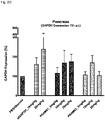
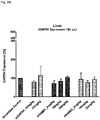
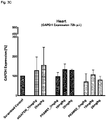
Figure 2 : Measurement of GAPDH mRNA levels in lung (A), liver (B), heart (C), pancreas (D) and kidney (E) of Balb/c mice (6-8 weeks) injected intravenously with 3, 10, or 25 mg/kg of naked siRNA (siGAPDH), PRAMO01 conjugated siRNA, PRAMO02 conjugated siRNA or PBS/glucose (n=3 per group). The tissues were collected after 72 hours post-injection. The GAPDH mRNA levels were measured using ΔΔCT normalized to a housekeeping gene (Actin B), and presented as percentage of phosphate buffered saline (PBS)/glucose (mean ± SD). -
Figure 3 : Measurement of GAPDH mRNA levels in lung (A), liver (B), heart (C), pancreas (D) and kidney (E) of Balb/c mice (6-8 weeks) injected intravenously with 3, 10, or 25 mg/kg of naked siRNA (siGAPDH), PRAMO01 conjugated siRNA, PRAMO02 conjugated siRNA, non-targeting control siRNA (Scrambled siRNA) (n=3 per group). The tissues were collected after 72 hours post-injection. The GAPDH mRNA levels were measured using ΔΔCT normalized to a housekeeping gene (Actin B), and presented as percentage of non-targeting siRNA (mean ± SD). -
Figure 4 : Measurement of GAPDH siRNA concentration in lung (A), liver (B), heart (C), pancreas (D) and kidney (E). Balb/c mice (6-8 weeks) injected intravenously with 10 and 25 mg/kg of naked siRNA (siGAPDH), PRAMO01 conjugated siRNA, and PRAMO02 conjugated siRNA (n=3 per group). The tissues were collected after 72 hours post-injection. The GAPDH siRNA concentration was measured using stem-loop qPCR method based on standard curve (mean ± SD). - Two different lipid-based carrier molecules PRAMO01 and PRAMO02 (
Fig. 1 ) were attached to the sense strand of a double-stranded siRNA molecule siGAPDH directed against the glyceryl aldehyde 3-phosphate dehydrogenase (GAPDH) gene. The modified siRNA molecules ware transferred into different organs in vivo and the down-regulation of the GAPDH gene was analyzed. - PRAMO01 and PRAMO02 were synthetized as modified phosphoramidites and covalently coupled to the 5' end of the sense RNA strand.
-
Figures 2-3 illustrate the results of the intravenous injection of lipid-modified oligonucleotides into the tail vein of Balb/C mice. GAPDH gene expression in the target organs of the experimental animals was specifically altered. The animals were sacrificed 72 hours after injection, and 5 different tissues were examined. A down-regulation (gene-silencing) of the GAPDH gene to 58% was detected using PRAMO01 modified siRNAs in lung (n=3). Down-regulation could also be detected using PRAMO02 modified siRNAs in liver, heart, and pancreas (n=3). -
Figure 4 illustrates the result of stem-loop qPCR in Balb/C mice, which were intravenously injected with naked siRNA, PRAMO01 modified siRNA and PRAMO02 modified siRNA in different concentrations. GAPDH concentration were measured in 5 different organs 72 hours post injection. The GAPDH siRNA could be found in all organs especially in lung and heart tissues. - Lipid synthesis was performed according to standard methods. Synthesis of oligonucleotides and conjugation of oligonucleotides to lipids were performed according to standard methods.
- Animal experiments were performed in Preclinics GmbH (Potsdam, Germany) and in EPO Experimentelle Pharmakologie & Onkologie Berlin-Buch GmbH (Berlin, Germany). Female Balb/c mice 6-weeks-old were injected intravenously with glucose or 3, 10, or 25 mg/kg siRNA (naked or lipid-conjugated dissolved in injection water). In general, three mice per substance were injected (n=33, including controls). The animals were sacrificed day 3 post-injection.
- Tissues were collected, snap-frozen and stored at -80°C. RNA extraction was performed using Qiagen TissueLyser and RNeasy Kit (Qiagen) in TRIzol RNA Isolation Reagent (ThermoFisher Scientific, Germany). Using RevertAid H Minus First Strand cDNA Synthesis Kit and random Hexamer primers (MBI Ferments, St. Leon-Rot, Germany), cDNAs were transcribed. For qPCR, TaqMan GAPDH Assay, TaqMan ACTINB Assay, and TaqMan Mastermix (ThermoFischer Scientific, Germany) were used according to the manufacturer's instructions. The relative GAPDH expression was normalized to Actin B and determined by ΔΔCt method.
- To amplify siRNA, the isolated RNA was transcribed into cDNA using the RevertAid H Minus First Strand cDNA Synthesis Kit (ThermoFisher Scientific, Germany). For the quantification of siRNA, a Cybergreen based qPCR assay (Biorad) was used. All procedures were performed according to the manufacturer's instructions.
- Data was analysed using GraphPad Prism 8 software (GraphPad Software, Inc., San Diego, CA, USA). In each of the three independent in vivo experiments, the level of silencing was normalized to the mean of the non-targeting controls (corresponding scrambled siRNA). Data was analyzed using T-test and ANOVA for multiple comparisons.

Claims (15)
- A nucleic acid conjugate of the formula (I) comprising at least one 2',3'-O-ketal moiety:
 X is a nucleic acid molecule,B is a nucleobase, andwherein R1 and R2 are independently from each other C5-21 hydrocarbon groups, particularly C5-11 hydrocarbon groups and more particularly C9 hydrocarbon groups wherein said hydrocarbon groups optionally comprise one or more heteroatoms such as N, O, P, S, or halo.
 - The conjugate of claim 1,
wherein R1 and R2 are linear or branched C9 alkyl groups. - The conjugate of any one of the preceding claims,
wherein the nucleobase B is a heterocyclic base, e.g., a purine or pyrimidine base, particularly selected from uracil, thymine, or an analogue thereof, and/or
wherein the nucleobase B is a modified base, e.g., a base substituted with a hydrophobic moiety, a base substituted with a carbohydrate moiety or a base substituted with a functional moiety, wherein the hydrophobic moiety is particularly a terpene moiety, particularly a C5-C30 terpene moiety, more particularly a C5-C20 terpene moiety, and even more particularly a C15 terpene moiety, or a sterol moiety, e.g., a cholesterol moiety. - The conjugate of any one of claims 1-3,
wherein B is a nucleobase of the formula (IIa):
or wherein B is a nucleobase of the formula (IIb):

- The conjugate of any one of the preceding claims,
wherein the nucleic acid molecule X has a strand length of at least about 2 nucleotide blocks and up to 1,000 or more nucleotide building blocks, between 5 to 100 nucleotide building blocks, between 10 and 50 nucleotide building blocks, between 12 and 40 nucleotide building blocks and particularly between 15 and 30 nucleotide building blocks. - The conjugate of any one of the preceding claims,
wherein the nucleic acid molecule X comprises at least one modified nucleotide building block, which is particularly selected from:(a) a nucleobase-modified nucleotide building block;(b) a sugar-modified nucleotide building block;(c) a backbone-modified nucleotide building block and(d) any combination thereof. - The conjugate of any one of claims 1-6,
wherein the nucleic acid molecule X is (i) an RNA molecule optionally comprising at least one deoxyribonucleotide building block and/or at least one modified nucleotide building block, or (ii) a DNA molecule optionally comprising at least one ribonucleotide building block and/or at least one modified nucleotide building block, or (iii) a nucleic acid analogue molecule. - The conjugate of claim 7,
wherein the nucleic acid molecule X is (i) a double-stranded RNA molecule optionally comprising at least one deoxyribonucleotide building block and/or at least one modified building block and optionally having at least one 3'-overhang, particularly a siRNA molecule, or wherein the nucleic acid molecule X is (ii) a single-stranded DNA molecule optionally comprising at least one ribonucleotide building block and/or at least one modified building block, particularly an antisense molecule. - The conjugate of any one of the preceding claims,
wherein the 2',3'-O-ketal building block is attached to the 5'-terminus and/or to the 3'-terminus of a strand of the nucleic acid molecule X, and/or
wherein the 2',3'-O-ketal building block is attached to a base within a strand of the nucleic acid molecule X, and
wherein the 2',3'-O-ketal building block particularly is attached to the 5'-terminus of the sense strand of a double-stranded siRNA molecule or to the 5'-terminus of an antisense molecule. - The conjugate of any one of the preceding claims for use in medicine, e.g. for use in human medicine or veterinary medicine, particularly for use in human medicine.
- The conjugate of any one of claims 1-9 for use according to claim 10,
wherein the conjugate is administered to a subject in need thereof, particularly to a human subject, or
wherein the conjugate is administered to a target cell or a target organ ex vivo and wherein the target cell or target organ is subsequently introduced into a subject in need thereof, particularly into a human subject, or
wherein the conjugate is administered to an oocyte or embryo, wherein the use of human stem cells or human embryos for industrial commercial purposes is excluded. - The conjugate of any one of claims 1-9 for use according to any one of claims 10-11, wherein the administration comprises a target cell- and/or target organ-specific delivery,
wherein the target cell particularly is a lung cell, a heart cell, a kidney cell, a liver cell, a pancreas cell, a colon cell, a muscle cell, a neural cell, a stomach cell, a small intestine cell, a large intestine cell, a rectum cell, a bladder cell, a bone cell, an adrenal gland cell, a cell of the eye, a skin cell, or a brain cell. - In vitro use of the conjugate of any one of claims 1-9 for the delivery of a nucleic acid molecule into a target cell.
- The use of claim 13 comprising a target cell-specific delivery, wherein the target cell particularly is a lung cell, a heart cell, a kidney cell, a liver cell, a pancreas cell, a colon cell, a muscle cell, a neural cell, a stomach cell, a small intestine cell, a large intestine cell, a rectum cell, a bladder cell, a bone cell, an adrenal gland cell, a cell of the eye, a skin cell, or a brain cell.
- Use of a 2',3'-O-ketal moiety (IV):
 Y is a reactive functional moiety, e.g. a phosphoroamidate group,B is a nucleobase, andR1 and R2 are independently from each other hydrocarbon groups wherein said hydrocarbon groups optionally comprise one or more heteroatoms such as N, O, P, S, or halo,for the attachment to a nucleic acid molecule.
Priority Applications (9)
| Application Number | Priority Date | Filing Date | Title |
|---|---|---|---|
| EP20217894.3A EP4023658A1 (en) | 2020-12-30 | 2020-12-30 | Modified nucleic acid conjugates |
| CN202180088700.9A CN116745306A (en) | 2020-12-30 | 2021-12-30 | Modified nucleic acid conjugates |
| AU2021411744A AU2021411744A1 (en) | 2020-12-30 | 2021-12-30 | Modified nucleic acid conjugates |
| JP2023538868A JP2024501673A (en) | 2020-12-30 | 2021-12-30 | modified nucleic acid conjugates |
| PCT/EP2021/087859 WO2022144422A1 (en) | 2020-12-30 | 2021-12-30 | Modified nucleic acid conjugates |
| EP21847972.3A EP4271693A1 (en) | 2020-12-30 | 2021-12-30 | Modified nucleic acid conjugates |
| KR1020237023823A KR20230128026A (en) | 2020-12-30 | 2021-12-30 | Modified Nucleic Acid Conjugates |
| US18/259,949 US20250346891A1 (en) | 2020-12-30 | 2021-12-30 | Modified nucleic acid conjugates |
| IL304120A IL304120A (en) | 2020-12-30 | 2023-06-28 | Modified nucleic acid conjugates |
Applications Claiming Priority (1)
| Application Number | Priority Date | Filing Date | Title |
|---|---|---|---|
| EP20217894.3A EP4023658A1 (en) | 2020-12-30 | 2020-12-30 | Modified nucleic acid conjugates |
Publications (1)
| Publication Number | Publication Date |
|---|---|
| EP4023658A1 true EP4023658A1 (en) | 2022-07-06 |
Family
ID=74129958
Family Applications (2)
| Application Number | Title | Priority Date | Filing Date |
|---|---|---|---|
| EP20217894.3A Ceased EP4023658A1 (en) | 2020-12-30 | 2020-12-30 | Modified nucleic acid conjugates |
| EP21847972.3A Withdrawn EP4271693A1 (en) | 2020-12-30 | 2021-12-30 | Modified nucleic acid conjugates |
Family Applications After (1)
| Application Number | Title | Priority Date | Filing Date |
|---|---|---|---|
| EP21847972.3A Withdrawn EP4271693A1 (en) | 2020-12-30 | 2021-12-30 | Modified nucleic acid conjugates |
Country Status (8)
| Country | Link |
|---|---|
| US (1) | US20250346891A1 (en) |
| EP (2) | EP4023658A1 (en) |
| JP (1) | JP2024501673A (en) |
| KR (1) | KR20230128026A (en) |
| CN (1) | CN116745306A (en) |
| AU (1) | AU2021411744A1 (en) |
| IL (1) | IL304120A (en) |
| WO (1) | WO2022144422A1 (en) |
Families Citing this family (2)
| Publication number | Priority date | Publication date | Assignee | Title |
|---|---|---|---|---|
| EP4658784A1 (en) | 2023-02-06 | 2025-12-10 | Pramomolecular GmbH | Modified nucleic acid conjugates for inhibiting gene expression |
| WO2026125615A1 (en) * | 2024-12-11 | 2026-06-18 | Institut National de la Santé et de la Recherche Médicale | Modified oligonucleotides and their use |
Citations (4)
| Publication number | Priority date | Publication date | Assignee | Title |
|---|---|---|---|---|
| WO2014048969A1 (en) | 2012-09-28 | 2014-04-03 | Ionovation Gmbh | Reactive, lipophilic nucleoside building blocks for the synthesis of hydrophobic nucleic acids |
| WO2014195430A1 (en) * | 2013-06-05 | 2014-12-11 | Institut National De La Sante Et De La Recherche Medicale (Inserm) | Hydrophobically modified antisense oligonucleotides comprising a ketal group |
| US20190175633A1 (en) * | 2017-12-12 | 2019-06-13 | Ionovation Gmbh | Reactive, lipophilic nucleoside building blocks for the synthesis of hydrophobic nucleic acids |
| WO2020109470A1 (en) * | 2018-11-30 | 2020-06-04 | Institut National De La Sante Et De La Recherche Medicale (Inserm) | Tetramolecular parallel g-quadruplex-forming hydrophobically modified oligonucleotides |
Family Cites Families (2)
| Publication number | Priority date | Publication date | Assignee | Title |
|---|---|---|---|---|
| EP2712868A1 (en) * | 2012-09-28 | 2014-04-02 | B. Braun Melsungen AG | 5-Fluoruoracil Derivatives |
| US11603532B2 (en) * | 2017-06-02 | 2023-03-14 | Wave Life Sciences Ltd. | Oligonucleotide compositions and methods of use thereof |
-
2020
- 2020-12-30 EP EP20217894.3A patent/EP4023658A1/en not_active Ceased
-
2021
- 2021-12-30 CN CN202180088700.9A patent/CN116745306A/en active Pending
- 2021-12-30 JP JP2023538868A patent/JP2024501673A/en active Pending
- 2021-12-30 WO PCT/EP2021/087859 patent/WO2022144422A1/en not_active Ceased
- 2021-12-30 EP EP21847972.3A patent/EP4271693A1/en not_active Withdrawn
- 2021-12-30 AU AU2021411744A patent/AU2021411744A1/en not_active Abandoned
- 2021-12-30 KR KR1020237023823A patent/KR20230128026A/en active Pending
- 2021-12-30 US US18/259,949 patent/US20250346891A1/en active Pending
-
2023
- 2023-06-28 IL IL304120A patent/IL304120A/en unknown
Patent Citations (4)
| Publication number | Priority date | Publication date | Assignee | Title |
|---|---|---|---|---|
| WO2014048969A1 (en) | 2012-09-28 | 2014-04-03 | Ionovation Gmbh | Reactive, lipophilic nucleoside building blocks for the synthesis of hydrophobic nucleic acids |
| WO2014195430A1 (en) * | 2013-06-05 | 2014-12-11 | Institut National De La Sante Et De La Recherche Medicale (Inserm) | Hydrophobically modified antisense oligonucleotides comprising a ketal group |
| US20190175633A1 (en) * | 2017-12-12 | 2019-06-13 | Ionovation Gmbh | Reactive, lipophilic nucleoside building blocks for the synthesis of hydrophobic nucleic acids |
| WO2020109470A1 (en) * | 2018-11-30 | 2020-06-04 | Institut National De La Sante Et De La Recherche Medicale (Inserm) | Tetramolecular parallel g-quadruplex-forming hydrophobically modified oligonucleotides |
Non-Patent Citations (1)
| Title |
|---|
| BRUNE VIALET ET AL: "Controlling G-quadruplex formation via lipid modification of oligonucleotide sequences", CHEMICAL COMMUNICATIONS, vol. 53, no. 84, 1 January 2017 (2017-01-01), pages 11560 - 11563, XP055587908, ISSN: 1359-7345, DOI: 10.1039/C7CC05693A * |
Also Published As
| Publication number | Publication date |
|---|---|
| CN116745306A (en) | 2023-09-12 |
| US20250346891A1 (en) | 2025-11-13 |
| IL304120A (en) | 2023-09-01 |
| KR20230128026A (en) | 2023-09-01 |
| AU2021411744A1 (en) | 2023-06-29 |
| WO2022144422A1 (en) | 2022-07-07 |
| EP4271693A1 (en) | 2023-11-08 |
| JP2024501673A (en) | 2024-01-15 |
Similar Documents
| Publication | Publication Date | Title |
|---|---|---|
| AU2022202011B2 (en) | Short interfering nucleic acid (siNA) molecules containing a 2' internucleoside linkage | |
| CN107236735B (en) | Oligonucleotide-based inhibitors comprising locked nucleic acid motifs | |
| CA2859581C (en) | Chimeric double-stranded nucleic acid | |
| EP2872180B1 (en) | Anandamide-modified nucleic acid molecules | |
| JP2026020334A (en) | Endosomal cleavable linker | |
| US11952573B2 (en) | RNA interference mediated inhibition of prolyl hydroxylase domain 2 (PHD2) gene expression using short interfering nucleic acid (siNA) | |
| WO2014195755A1 (en) | Hydrophobically modified antisense oligonucleotides comprising a ketal group | |
| WO2018003739A1 (en) | Nucleic acid composite including functional ligand | |
| JPWO2019022196A1 (en) | Single-stranded oligonucleotide | |
| US20250346891A1 (en) | Modified nucleic acid conjugates | |
| JPWO2019044974A1 (en) | Small Guide Antisense Nucleic Acids and Their Use | |
| AU2016217825B2 (en) | Acyl-amino-LNA and/or hydrocarbyl-amino-LNA oligonucleotides | |
| CN117412773A (en) | Ligand binding nucleic acid complex | |
| EP3500673B1 (en) | Carboxylated 2'-amino-lna nucleotides and oligonucleotides comprising the same | |
| WO2024165551A1 (en) | Modified nucleic acid conjugates for inhibiting gene expression | |
| US20140273216A1 (en) | Synthetic Lariat RNA for RNA Interference | |
| WO2013031704A1 (en) | Heptamer-type small guide nucleic acid capable of inducing apoptosis of human leukemia cell |
Legal Events
| Date | Code | Title | Description |
|---|---|---|---|
| PUAI | Public reference made under article 153(3) epc to a published international application that has entered the european phase |
Free format text: ORIGINAL CODE: 0009012 |
|
| STAA | Information on the status of an ep patent application or granted ep patent |
Free format text: STATUS: THE APPLICATION HAS BEEN PUBLISHED |
|
| AK | Designated contracting states |
Kind code of ref document: A1 Designated state(s): AL AT BE BG CH CY CZ DE DK EE ES FI FR GB GR HR HU IE IS IT LI LT LU LV MC MK MT NL NO PL PT RO RS SE SI SK SM TR |
|
| STAA | Information on the status of an ep patent application or granted ep patent |
Free format text: STATUS: THE APPLICATION HAS BEEN REFUSED |
|
| 18R | Application refused |
Effective date: 20221112 |