EP4016679B1 - Method for operating fuel cell system and fuel cell system - Google Patents
Method for operating fuel cell system and fuel cell system Download PDFInfo
- Publication number
- EP4016679B1 EP4016679B1 EP21214701.1A EP21214701A EP4016679B1 EP 4016679 B1 EP4016679 B1 EP 4016679B1 EP 21214701 A EP21214701 A EP 21214701A EP 4016679 B1 EP4016679 B1 EP 4016679B1
- Authority
- EP
- European Patent Office
- Prior art keywords
- fuel cell
- output current
- increasing
- cell stack
- power
- Prior art date
- Legal status (The legal status is an assumption and is not a legal conclusion. Google has not performed a legal analysis and makes no representation as to the accuracy of the status listed.)
- Active
Links
Images



Classifications
-
- H—ELECTRICITY
- H01—ELECTRIC ELEMENTS
- H01M—PROCESSES OR MEANS, e.g. BATTERIES, FOR THE DIRECT CONVERSION OF CHEMICAL ENERGY INTO ELECTRICAL ENERGY
- H01M8/00—Fuel cells; Manufacture thereof
- H01M8/04—Auxiliary arrangements, e.g. for control of pressure or for circulation of fluids
- H01M8/04298—Processes for controlling fuel cells or fuel cell systems
- H01M8/04313—Processes for controlling fuel cells or fuel cell systems characterised by the detection or assessment of variables; characterised by the detection or assessment of failure or abnormal function
- H01M8/04537—Electric variables
- H01M8/04544—Voltage
- H01M8/04559—Voltage of fuel cell stacks
-
- H—ELECTRICITY
- H01—ELECTRIC ELEMENTS
- H01M—PROCESSES OR MEANS, e.g. BATTERIES, FOR THE DIRECT CONVERSION OF CHEMICAL ENERGY INTO ELECTRICAL ENERGY
- H01M8/00—Fuel cells; Manufacture thereof
- H01M8/04—Auxiliary arrangements, e.g. for control of pressure or for circulation of fluids
- H01M8/04007—Auxiliary arrangements, e.g. for control of pressure or for circulation of fluids related to heat exchange
- H01M8/04029—Heat exchange using liquids
-
- H—ELECTRICITY
- H01—ELECTRIC ELEMENTS
- H01M—PROCESSES OR MEANS, e.g. BATTERIES, FOR THE DIRECT CONVERSION OF CHEMICAL ENERGY INTO ELECTRICAL ENERGY
- H01M8/00—Fuel cells; Manufacture thereof
- H01M8/04—Auxiliary arrangements, e.g. for control of pressure or for circulation of fluids
- H01M8/04082—Arrangements for control of reactant parameters, e.g. pressure or concentration
- H01M8/04089—Arrangements for control of reactant parameters, e.g. pressure or concentration of gaseous reactants
-
- H—ELECTRICITY
- H01—ELECTRIC ELEMENTS
- H01M—PROCESSES OR MEANS, e.g. BATTERIES, FOR THE DIRECT CONVERSION OF CHEMICAL ENERGY INTO ELECTRICAL ENERGY
- H01M8/00—Fuel cells; Manufacture thereof
- H01M8/04—Auxiliary arrangements, e.g. for control of pressure or for circulation of fluids
- H01M8/04298—Processes for controlling fuel cells or fuel cell systems
- H01M8/04313—Processes for controlling fuel cells or fuel cell systems characterised by the detection or assessment of variables; characterised by the detection or assessment of failure or abnormal function
- H01M8/04537—Electric variables
- H01M8/04574—Current
- H01M8/04589—Current of fuel cell stacks
-
- H—ELECTRICITY
- H01—ELECTRIC ELEMENTS
- H01M—PROCESSES OR MEANS, e.g. BATTERIES, FOR THE DIRECT CONVERSION OF CHEMICAL ENERGY INTO ELECTRICAL ENERGY
- H01M8/00—Fuel cells; Manufacture thereof
- H01M8/04—Auxiliary arrangements, e.g. for control of pressure or for circulation of fluids
- H01M8/04298—Processes for controlling fuel cells or fuel cell systems
- H01M8/04694—Processes for controlling fuel cells or fuel cell systems characterised by variables to be controlled
- H01M8/04746—Pressure; Flow
- H01M8/04753—Pressure; Flow of fuel cell reactants
-
- H—ELECTRICITY
- H01—ELECTRIC ELEMENTS
- H01M—PROCESSES OR MEANS, e.g. BATTERIES, FOR THE DIRECT CONVERSION OF CHEMICAL ENERGY INTO ELECTRICAL ENERGY
- H01M8/00—Fuel cells; Manufacture thereof
- H01M8/04—Auxiliary arrangements, e.g. for control of pressure or for circulation of fluids
- H01M8/04298—Processes for controlling fuel cells or fuel cell systems
- H01M8/04694—Processes for controlling fuel cells or fuel cell systems characterised by variables to be controlled
- H01M8/04746—Pressure; Flow
- H01M8/04768—Pressure; Flow of the coolant
-
- H—ELECTRICITY
- H01—ELECTRIC ELEMENTS
- H01M—PROCESSES OR MEANS, e.g. BATTERIES, FOR THE DIRECT CONVERSION OF CHEMICAL ENERGY INTO ELECTRICAL ENERGY
- H01M8/00—Fuel cells; Manufacture thereof
- H01M8/04—Auxiliary arrangements, e.g. for control of pressure or for circulation of fluids
- H01M8/04298—Processes for controlling fuel cells or fuel cell systems
- H01M8/04694—Processes for controlling fuel cells or fuel cell systems characterised by variables to be controlled
- H01M8/04858—Electric variables
- H01M8/04865—Voltage
- H01M8/0488—Voltage of fuel cell stacks
-
- H—ELECTRICITY
- H01—ELECTRIC ELEMENTS
- H01M—PROCESSES OR MEANS, e.g. BATTERIES, FOR THE DIRECT CONVERSION OF CHEMICAL ENERGY INTO ELECTRICAL ENERGY
- H01M8/00—Fuel cells; Manufacture thereof
- H01M8/04—Auxiliary arrangements, e.g. for control of pressure or for circulation of fluids
- H01M8/04298—Processes for controlling fuel cells or fuel cell systems
- H01M8/04694—Processes for controlling fuel cells or fuel cell systems characterised by variables to be controlled
- H01M8/04858—Electric variables
- H01M8/04895—Current
- H01M8/0491—Current of fuel cell stacks
-
- H—ELECTRICITY
- H01—ELECTRIC ELEMENTS
- H01M—PROCESSES OR MEANS, e.g. BATTERIES, FOR THE DIRECT CONVERSION OF CHEMICAL ENERGY INTO ELECTRICAL ENERGY
- H01M8/00—Fuel cells; Manufacture thereof
- H01M8/04—Auxiliary arrangements, e.g. for control of pressure or for circulation of fluids
- H01M8/04298—Processes for controlling fuel cells or fuel cell systems
- H01M8/04694—Processes for controlling fuel cells or fuel cell systems characterised by variables to be controlled
- H01M8/04858—Electric variables
- H01M8/04925—Power, energy, capacity or load
- H01M8/04947—Power, energy, capacity or load of auxiliary devices, e.g. batteries, capacitors
-
- Y—GENERAL TAGGING OF NEW TECHNOLOGICAL DEVELOPMENTS; GENERAL TAGGING OF CROSS-SECTIONAL TECHNOLOGIES SPANNING OVER SEVERAL SECTIONS OF THE IPC; TECHNICAL SUBJECTS COVERED BY FORMER USPC CROSS-REFERENCE ART COLLECTIONS [XRACs] AND DIGESTS
- Y02—TECHNOLOGIES OR APPLICATIONS FOR MITIGATION OR ADAPTATION AGAINST CLIMATE CHANGE
- Y02E—REDUCTION OF GREENHOUSE GAS [GHG] EMISSIONS, RELATED TO ENERGY GENERATION, TRANSMISSION OR DISTRIBUTION
- Y02E60/00—Enabling technologies; Technologies with a potential or indirect contribution to GHG emissions mitigation
- Y02E60/30—Hydrogen technology
- Y02E60/50—Fuel cells
Definitions
- Embodiments of the present invention relate to a method for operating a fuel cell system and the fuel cell system.
- a fuel cell system generates electricity by a fuel cell reaction caused by supplying a fuel gas containing hydrogen to a fuel electrode and air containing oxygen to an air electrode. Because a polymer electrolyte fuel cell applying a proton conductive ion exchange membrane as an electrolyte of a fuel cell operates at 60 to 80°C, it has the advantage that a start-up time is short. By making use of the advantage, the development aimed at a wide range of uses for fixing, household, fuel cell vehicle, mobile-phone base station, shipping, and the like is in progress, and the polymer electrolyte fuel cell is in practical use.
- the fuel cell system is constituted of a fuel cell stack in which a plurality of fuel cells are stacked, accessories such as a blower for supplying the fuel gas, a blower for supplying the air, cooling water tank and pump, and a radiator, and, a control device.
- accessories such as a blower for supplying the fuel gas, a blower for supplying the air, cooling water tank and pump, and a radiator, and, a control device.
- electric power generated by the fuel cell stack is used for power of the accessories except the fuel cell stack.
- EP 2 056 385 A2 describes a direct liquid fuel cell and a method and an apparatus for controlling fuel concentration therein.
- Fuel cell output current per unit area is sensed to determine if it becomes lowered by more than a certain magnitude and is maintained for a constant time.
- Fuel cell output voltage is sensed from an initial output voltage just before a point in time when the current per unit area is lowered, to a output voltage, the new output voltage being increased as the current per unit area is lowered and being then maintained at a new level.
- the new output voltage is compared with a transient voltage sensed between the initial output voltage and the new output voltage. If the transient voltage is equal to or less than the new output voltage, the fuel concentration in a liquid fuel supplied to the fuel cell stack is increased.
- EP 2 375 484 A2 describes an operating method of a fuel cell including: an operating method of a fuel cell system, including: operation starting step without supplying fuel generating electricity at a predetermined voltage while stopping the supply of fuel; a voltage reducing step of reducing output voltage to targeted voltage; a current increasing rate measuring step of comparing the increasing rate of current with the increasing rate of targeted current; a fuel supply starting step of supplying fuel to the fuel cell stack; and a current following fuel supplying step of controlling fuel concentration and supplying it to be reached to the targeted current.
- a method for operating a fuel cell system of this embodiment including: a fuel cell stack; and an accessory group constituted of, at least, a fuel gas supply means for supplying a fuel gas to the fuel cell stack, an air supply means for supplying air to the fuel cell stack, a cooling water supply means for supplying a cooling water to the fuel cell stack, and a radiator for performing heat exchange with the cooling water
- the method is characterized by including: when a current output current is increased to a target output current, a step of increasing an output current while leaving at least one accessory power of the accessory group in a state lower than accessory power according to the target output current; and a step of thereafter increasing the accessory power in the state lower than the accessory power according to the target output current to the accessory power according to the target output current.
- Step 203 flow rates of a fuel gas and an air gas are increased (Step 203), thereafter increasing current (Step 204).
- the accessory power of the fuel gas supply blower 102 and the air supply blower 103 increase, but other accessory power (as will be described later, the radiator 106 or the cooling water pump 105) is reduced in advance, thereby enabling suppression of a drop in voltage.
- a drop in voltage easily occurs, for example, in a state close to a limit in terms of performance, and for example, this embodiment can be effectively applied when an output is improved to 80% or more of a rated power, or the like.
- a method for reducing the accessory power for example, there can be used a method for reducing an output of the radiator 106 (the number of rotations of fans for air-cooling the radiator), or a method for reducing an output (discharge amount) of the cooling water pump 105, and they may be used in combination.
- Step 301 when there is an output current increase request that an output current is increased from a current output current value to a target output current value (Step 301), first, an amount of only air is increased in advance (Step 302).
- Step 303 current is increased (Step 303), an output of the fuel cell stack 101 is monitored, and after confirming stabilization of voltage (Step 304), an amount of a fuel gas is increased (Step 305).
- FIG. 5 is a graph in which a vertical axis is set as a fuel gas flow rate and a horizontal axis is set as the current to illustrate a relationship between these in the second embodiment, and the relationship between the fuel gas flow rate and the current is a linear relationship in a normal case. Then, when the current is increased from current A point to target B point by the output current increase request, the current is first increased, thereafter increasing the fuel gas flow rate to a required amount, as indicated by a dashed line in the graph.
Landscapes
- Life Sciences & Earth Sciences (AREA)
- Engineering & Computer Science (AREA)
- Manufacturing & Machinery (AREA)
- Sustainable Development (AREA)
- Sustainable Energy (AREA)
- Chemical & Material Sciences (AREA)
- Chemical Kinetics & Catalysis (AREA)
- Electrochemistry (AREA)
- General Chemical & Material Sciences (AREA)
- Fuel Cell (AREA)
Description
- Embodiments of the present invention relate to a method for operating a fuel cell system and the fuel cell system.
- A fuel cell system generates electricity by a fuel cell reaction caused by supplying a fuel gas containing hydrogen to a fuel electrode and air containing oxygen to an air electrode. Because a polymer electrolyte fuel cell applying a proton conductive ion exchange membrane as an electrolyte of a fuel cell operates at 60 to 80°C, it has the advantage that a start-up time is short. By making use of the advantage, the development aimed at a wide range of uses for fixing, household, fuel cell vehicle, mobile-phone base station, shipping, and the like is in progress, and the polymer electrolyte fuel cell is in practical use.
- The fuel cell system is constituted of a fuel cell stack in which a plurality of fuel cells are stacked, accessories such as a blower for supplying the fuel gas, a blower for supplying the air, cooling water tank and pump, and a radiator, and, a control device. For power of the accessories except the fuel cell stack, electric power generated by the fuel cell stack is used.
- Because the fuel cell reaction is an exothermic reaction, a cooling water is circulated through the fuel cell stack. The cooling water discharged from the fuel cell stack has its heat emitted at 60 to 80°C. A cogeneration system in which a heat exchange is performed with a secondary cooling water makes it possible to use the warmed secondary cooling water as hot water. Alternatively, a temperature of the cooling water is decreased by the radiator, and the cooling water is circulated to be used.
- Because the fuel cell causes an electrochemical reaction, its power generation performance is in accordance with a current-voltage curve, and as current is increased, voltage drops. When an output is increased, the operation of increasing the current is performed, and due to the drop in voltage with increasing the current, it is necessary to increase the current by an addition corresponding to the drop in voltage.
- Moreover, because increasing the current also increases a consumption of a reactive gas, it is also necessary to increase supply amounts of the fuel gas and the air by increasing outputs of the blowers. Further, it is also necessary to increase outputs of the radiator for cooling and the pump for supplying the cooling water. This increases the accessory power of the blowers, the pump, and the like, which further increases the required output.
- In a conventional operating method when an output is increased in a fuel cell system, as illustrated in
FIG. 6 , for an output increase request (Step 601), first, increasing amounts of a fuel gas and air (Step 602) stabilizes flow rates thereof, thereafter increasing current (Step 603).FIG. 7 is a graph in which a vertical axis is set as the fuel gas flow rate and a horizontal axis is set as the current to illustrate a relationship between these, and the relationship between the fuel gas flow rate and the current is a linear relationship in a normal case. Then, when the current is increased from current A point to target B point by the output current increase request, the fuel gas flow rate is first increased to a required amount, thereafter increasing the current, as indicated by a dashed line in the graph. - A long-term operation of the fuel cell system causes the power generation performance of the fuel cell to deteriorate, resulting in a drop in voltage. In such a state as described above, there is a problem in which a current required to obtain a rated output is increased more than that at the beginning, the accessory power further increases, and the voltage further drops, resulting in preventing a voltage required for the operation from being obtained.
-
EP 2 056 385 A2 describes a direct liquid fuel cell and a method and an apparatus for controlling fuel concentration therein. Fuel cell output current per unit area is sensed to determine if it becomes lowered by more than a certain magnitude and is maintained for a constant time. Fuel cell output voltage is sensed from an initial output voltage just before a point in time when the current per unit area is lowered, to a output voltage, the new output voltage being increased as the current per unit area is lowered and being then maintained at a new level. The new output voltage is compared with a transient voltage sensed between the initial output voltage and the new output voltage. If the transient voltage is equal to or less than the new output voltage, the fuel concentration in a liquid fuel supplied to the fuel cell stack is increased. -
EP 2 375 484 A2 describes an operating method of a fuel cell including: an operating method of a fuel cell system, including: operation starting step without supplying fuel generating electricity at a predetermined voltage while stopping the supply of fuel; a voltage reducing step of reducing output voltage to targeted voltage; a current increasing rate measuring step of comparing the increasing rate of current with the increasing rate of targeted current; a fuel supply starting step of supplying fuel to the fuel cell stack; and a current following fuel supplying step of controlling fuel concentration and supplying it to be reached to the targeted current. -
US 2010/203408 A describes a fuel cell system which prevents the deterioration of the fuel cell stack when feeding of the oxidant gas is paused under a load to perform a fuel conservation operation. Controller shuts down oxidant gas compressor and cooling water circulating pump to execute fuel conservation operation at a low fuel cell system load. The controller gives a current draw instruction to electric power controller. In the fuel conservation operation, electric power controller draws a current larger than zero from fuel cell stack, and keeps the total charge drawn per unit time constant or substantially constant. - The present invention has been made to cope with the above-described conventional circumstances, and it is an object to provide a method for operating a fuel cell system and the fuel cell system which allow a required output to be efficiently obtained.
- The above problem is solved by the subject matter of the independent claims. Examples and technical descriptions of apparatuses, products and/or methods in the description and/or drawings which are not covered by the claims are presented not as embodiments of the invention but as background art or examples useful for understanding the invention.
-
- [
FIG. 1 ] a diagram schematically illustrating a schematic configuration of a fuel cell system according to embodiments. - [
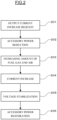
FIG. 2 ] a flowchart illustrating procedures of a method for operating the fuel cell system according to a first embodiment. - [
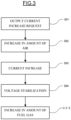
FIG. 3 ] a flowchart illustrating procedures of a method for operating the fuel cell system according to a second embodiment. - [
FIG. 4 ] a flowchart illustrating procedures of a method for operating the fuel cell system according to a third embodiment. - [
FIG. 5 ] a graph illustrating a relationship between a fuel gas flow rate and a current in the embodiments. - [
FIG. 6 ] a flowchart illustrating procedures of a method for operating a conventional fuel cell system. - [
FIG. 7 ] a graph illustrating a relationship between a fuel gas flow rate and a current in a conventional technique. - A method for operating a fuel cell system of this embodiment including: a fuel cell stack; and an accessory group constituted of, at least, a fuel gas supply means for supplying a fuel gas to the fuel cell stack, an air supply means for supplying air to the fuel cell stack, a cooling water supply means for supplying a cooling water to the fuel cell stack, and a radiator for performing heat exchange with the cooling water, the method is characterized by including: when a current output current is increased to a target output current, a step of increasing an output current while leaving at least one accessory power of the accessory group in a state lower than accessory power according to the target output current; and a step of thereafter increasing the accessory power in the state lower than the accessory power according to the target output current to the accessory power according to the target output current.
- According to the embodiment of the present invention, it is possible to provide the method for operating the fuel cell system and the fuel cell system which allow a required output to be efficiently obtained.
- Hereinafter, a method for operating a fuel cell system and the fuel cell system according to embodiments will be described in reference to the drawings.
-
FIG. 1 is a diagram schematically illustrating a schematic configuration of the fuel cell system according to the embodiments. As illustrated inFIG. 1 , afuel cell system 100 includes afuel cell stack 101 in which a plurality of fuel cells are stacked, a fuelgas supply blower 102 for supplying a fuel gas to thefuel cell stack 101, and anair supply blower 103 for supplying air which is an oxidant gas to thefuel cell stack 101. - Further, the
fuel cell system 100 includes acooling water tank 104 for storing a cooling water to cool thefuel cell stack 101 and thecooling water pump 105 for supplying the cooling water in thecooling water tank 104 to thefuel cell stack 101. A cooling water system is constituted of a primary cooling water system which circulates the cooling water through thefuel cell stack 101 and a secondary cooling water system, and performs heat exchange under both systems through aheat exchanger 108. The secondary cooling water system includes aradiator 106 for cooling the cooling water. - Further, the
fuel cell system 100 includes acurrent control unit 107 which boosts the electricity generated by thefuel cell stack 101 and converts it into an alternating current to output it as a predetermined current output and acontrol unit 110 for controlling the entirefuel cell system 100. As power of the accessories except thefuel cell stack 101, such as the fuelgas supply blower 102, theair supply blower 103, thecooling water pump 105, and theradiator 106, an electric power generated by thefuel cell stack 101 is used. Further, operating conditions of these accessories are controlled by thecontrol unit 110. - Next, a method for operating the
fuel cell system 100 according to a first embodiment will be described, referring toFIG. 2 . As illustrated inFIG. 2 , in the first embodiment, when there is an output current increase request that an output current is increased from a current output current value to a target output current value (Step 201), first, accessory power is reduced in advance (Step 202). - Thereafter, flow rates of a fuel gas and an air gas are increased (Step 203), thereafter increasing current (Step 204). In this case, since the flow rates of the fuel gas and the air gas are increased, the accessory power of the fuel
gas supply blower 102 and theair supply blower 103 increase, but other accessory power (as will be described later, theradiator 106 or the cooling water pump 105) is reduced in advance, thereby enabling suppression of a drop in voltage. Note that such a drop in voltage easily occurs, for example, in a state close to a limit in terms of performance, and for example, this embodiment can be effectively applied when an output is improved to 80% or more of a rated power, or the like. - Then, an output of the
fuel cell stack 101 is monitored, and after confirming stabilization of the voltage (Step 205), the accessory power is restored (Step 206). That is, the accessory power is increased to an accessory power value corresponding to the target output current value. This makes it possible to stably operate thefuel cell system 100. - As a method for reducing the accessory power, for example, there can be used a method for reducing an output of the radiator 106 (the number of rotations of fans for air-cooling the radiator), or a method for reducing an output (discharge amount) of the
cooling water pump 105, and they may be used in combination. - In this case, a timing at which the accessory power is restored is set to be after the stabilization of the voltage, but other than this, the accessory power may be restored when an outlet temperature of the cooling water at an outlet of the
fuel cell stack 101 is monitored and the temperature becomes a predetermined reference value set beforehand. In this case, regarding the outlet temperature of the cooling water, normally, because an upper limit value of the temperature during the operation is set, the above-described reference value is preferably set to a temperature lower than the upper limit value. This makes it possible to prevent the outlet temperature of the cooling water from exceeding the upper limit value and the system from stopping. - Normally, because there is a time lag between a timing at which a power generation amount of the
fuel cell stack 101 is increased and a timing at which the outlet temperature of the cooling water rises, a problem is unlikely to arise even though the output of theradiator 106 or the output of the coolingwater pump 105 is temporarily reduced. Further, depending on circumstances, they may be temporarily stopped. - Note that in the above-described description, there has been described the case where when there is the output current increase request that the output current is increased from the current output current value to the target output current value, the accessory power is reduced more than that in the current state in advance. However, without being limited to the case where the accessory power is reduced more than that in the current state, the current accessory power may be maintained without being increased to accessory power according to the target output current value. Note that because increasing the output current also increases a heating value of the
fuel cell stack 101, the output of theradiator 106 and the output of the coolingwater pump 105 are normally increased when the output current is increased. - Next, a method for operating the
fuel cell system 100 according to a second embodiment will be described, referring toFIG. 3 . As illustrated inFIG. 3 , in the second embodiment, when there is an output current increase request that an output current is increased from a current output current value to a target output current value (Step 301), first, an amount of only air is increased in advance (Step 302). - Next, current is increased (Step 303), an output of the
fuel cell stack 101 is monitored, and after confirming stabilization of voltage (Step 304), an amount of a fuel gas is increased (Step 305). -
FIG. 5 is a graph in which a vertical axis is set as a fuel gas flow rate and a horizontal axis is set as the current to illustrate a relationship between these in the second embodiment, and the relationship between the fuel gas flow rate and the current is a linear relationship in a normal case. Then, when the current is increased from current A point to target B point by the output current increase request, the current is first increased, thereafter increasing the fuel gas flow rate to a required amount, as indicated by a dashed line in the graph. - In this case, as compared with a case where amounts of a fuel gas and air are increased simultaneously, at a timing of increasing the current, it becomes possible to reduce accessory power by power corresponding to an output increase of the fuel
gas supply blower 102. Because the fuel gas flow rate is set to have a tolerance to a power generation amount in thefuel cell stack 101, a problem is unlikely to arise even though a timing of increasing the amount of the fuel gas is delayed with respect to the timing of increasing the current. However, the timing of increasing the amount of the fuel gas is balanced with a current increasing amount. This also makes it possible to approach a target current value gradually when the current increasing amount up to the target current value is large. Further, a combination with the previously described first embodiment may be made. - Next, a method for operating the
fuel cell system 100 according to a third embodiment will be described, referring toFIG. 4 . As illustrated inFIG. 4 , in the third embodiment, when there is an output current increase request that an output current is increased from a current output current value to a target output current value (Step 401), first, an amount of only a fuel gas is increased in advance (Step 402). - Next, current is increased (Step 403), an output of the
fuel cell stack 101 is monitored, and after confirming stabilization of voltage (Step 404), an amount of air is increased (Step 405). - In this case, as compared with a case where amounts of a fuel gas and air are increased simultaneously, at a timing of increasing the current, it becomes possible to reduce accessory power by power corresponding to an output increase of the
air supply blower 103. Because an air flow rate is set to have a tolerance to a power generation amount in thefuel cell stack 101, a problem is unlikely to arise even though a timing of increasing the amount of the air is delayed with respect to the timing of increasing the current. However, the timing of increasing the amount of the air is balanced with a current increasing amount. This also makes it possible to approach a target current value gradually when the current increasing amount up to the target current value is large. Further, a combination with the previously described first embodiment may be made. - It is oxygen in air that is used for reaction in the
fuel cell stack 101, and to obtain a required amount of oxygen, because an oxygen concentration in air is about 21%, the air flow rate is larger than a fuel gas flow rate. This makes a reduction effect of the accessory power by delaying the increase in the air flow rate more remarkable than that when the increase in the fuel gas flow rate is delayed. - While certain embodiments have been described above, these embodiments have been presented by way of example only, and are not intended to limit the scope of the inventions. Indeed, the novel embodiments described herein may be embodied in a variety of other forms; furthermore, various omissions, substitutions and changes in the form of the embodiments described herein may be made without departing from the spirit of the inventions. The accompanying claims and their equivalents are intended to cover such forms or modifications as would fall within the scope and spirit of the inventions.
-
- 100
- fuel cell system,
- 101
- fuel cell stack,
- 102
- fuel gas supply blower,
- 103
- air supply blower,
- 104
- cooling water tank,
- 105
- cooling water pump,
- 106
- radiator,
- 107
- current control unit,
- 108
- heat exchanger,
- 110
- control unit.
Claims (12)
- A method for operating a fuel cell system comprising:a fuel cell stack (101); andan accessory group constituted of, at least, a fuel gas supply blower (102) for supplying a fuel gas to the fuel cell stack (101), an air supply blower (103) for supplying air to the fuel cell stack (101), a cooling water pump (105) for supplying a cooling water to the fuel cell stack (101), and a radiator (106) for performing heat exchange with the cooling water, the method characterized by comprising:when a current output current is increased to a target output current (201),a step of increasing an output current (204) while leaving at least one accessory power of the accessory group in a state lower than accessory power according to the target output current (202); anda step of thereafter increasing the accessory power in the state lower than the accessory power according to the target output current to the accessory power according to the target output current (206),wherein a voltage of the fuel cell stack (101) is monitored, and after the step of increasing the output current (204), the voltage of the fuel cell stack (101) is stabilized (205), thereafter the accessory power is increased to an accessory power value corresponding to the target output current value.
- The method for operating the fuel cell system according to claim 1,
wherein in the step of increasing the output current (204), power of the radiator (106) is set in a state lower than current power (202). - The method for operating the fuel cell system according to claim 2,
wherein a voltage of the fuel cell stack (101) is monitored, and after the step of increasing the output current (204), the voltage of the fuel cell stack (101) is stabilized (205), thereafter increasing the power of the radiator (106) to power according to the target output current (206). - The method for operating the fuel cell system according to claim 2,
wherein when an outlet temperature of a cooling water to cool the fuel cell stack (101) is monitored, and after the step of increasing the output current (204), the outlet temperature becomes higher than or equal to a reference temperature set beforehand, the power of the radiator (106) is increased to power according to the target output current (206). - The method for operating the fuel cell system according to claim 1, the method characterized in that,
in a step of, increasing a current output current to a target output current (201), increasing an output current (204), power of the cooling water pump (105) is set in a state lower than current power (202). - The method for operating the fuel cell system according to claim 5,
wherein a voltage of the fuel cell stack (101) is monitored, and after the step of increasing the output current (204), the voltage of the fuel cell stack (101) is stabilized (205), thereafter increasing the power of the cooling water pump (105) to power according to the target output current (206). - The method for operating the fuel cell system according to claim 5,
wherein when an outlet temperature of a cooling water to cool the fuel cell stack (101) is monitored, and after the step of increasing the output current (204), the outlet temperature becomes higher than or equal to a reference temperature set beforehand, the power of the cooling water pump (105) is increased to power according to the target output current (206). - The method for operating the fuel cell system according to claim 1, the method characterized in that
in a step of, increasing a current output current to a target output current (301), increasing an output current (303), power of the fuel gas supply blower (102) is set in a state lower than power according to the target output current. - The method for operating the fuel cell system according to claim 8,
wherein a voltage of the fuel cell stack (101) is monitored, and after the step of increasing the output current (303), the voltage of the fuel cell stack (101) is stabilized (304), thereafter increasing the power of the fuel gas supply blower (102) to the power according to the target output current. - The method for operating the fuel cell system according to claim 1, the method characterized in that
in a step of, increasing a current output current to a target output current (401), increasing an output current (403), power of the air supply blower (103) is set in a state lower than power according to the target output current. - The method for operating the fuel cell system according to claim 10,
wherein a voltage of the fuel cell stack (101) is monitored, and after the step of increasing the output current (403), the voltage of the fuel cell stack (101) is stabilized (404), thereafter increasing the power of the air supply blower (103) to the power according to the target output current. - A fuel cell system characterized by comprising:a fuel cell stack (101);an accessory group constituted of, at least, a fuel gas supply blower (102) which supplies a fuel gas to the fuel cell stack (101), an air supply blower (103) which supplies air to the fuel cell stack (101), a cooling water pump (105) which supplies a cooling water to the fuel cell stack (101), and a radiator (106) for performing heat exchange with the cooling water;a current control unit (107) which controls an output current; anda control unit (110) which controls operation of the accessory group and the current control unit (107),wherein the control unit (110) performswhen a current output current is increased to a target output current (201),a step of increasing an output current (204) with at least one accessory power of the accessory group in a state lower than accessory power according to the target output current (202), anda step of thereafter increasing the accessory power in the state lower than power according to the target output current to the accessory power according to the target output current (206),wherein a voltage of the fuel cell stack (101) is monitored, and after the step of increasing the output current (204), the voltage of the fuel cell stack (101) is stabilized (205), thereafter the accessory power is increased to an accessory power value corresponding to the target output current value.
Applications Claiming Priority (1)
| Application Number | Priority Date | Filing Date | Title |
|---|---|---|---|
| JP2020209943A JP7434142B2 (en) | 2020-12-18 | 2020-12-18 | Operating method of fuel cell system and fuel cell system |
Publications (2)
| Publication Number | Publication Date |
|---|---|
| EP4016679A1 EP4016679A1 (en) | 2022-06-22 |
| EP4016679B1 true EP4016679B1 (en) | 2024-07-10 |
Family
ID=78916590
Family Applications (1)
| Application Number | Title | Priority Date | Filing Date |
|---|---|---|---|
| EP21214701.1A Active EP4016679B1 (en) | 2020-12-18 | 2021-12-15 | Method for operating fuel cell system and fuel cell system |
Country Status (4)
| Country | Link |
|---|---|
| EP (1) | EP4016679B1 (en) |
| JP (1) | JP7434142B2 (en) |
| CN (1) | CN114725447B (en) |
| PL (1) | PL4016679T3 (en) |
Family Cites Families (14)
| Publication number | Priority date | Publication date | Assignee | Title |
|---|---|---|---|---|
| US8247122B2 (en) * | 2003-07-25 | 2012-08-21 | Nissan Motor Co., Ltd. | Device and method for controlling fuel cell system with vibration amplitude detection |
| JP4467415B2 (en) * | 2004-11-30 | 2010-05-26 | 三洋電機株式会社 | Fuel cell system |
| JP2007141717A (en) | 2005-11-21 | 2007-06-07 | Honda Motor Co Ltd | FUEL CELL SYSTEM AND METHOD FOR CONTROLLING CHARGE OF ELECTRIC STORAGE ELEMENT IN FUEL CELL SYSTEM |
| JP2007273276A (en) | 2006-03-31 | 2007-10-18 | Mitsubishi Heavy Ind Ltd | Fuel cell power generation system and its operation method |
| JP5233312B2 (en) * | 2007-06-20 | 2013-07-10 | 日産自動車株式会社 | Fuel cell system |
| JP4458126B2 (en) * | 2007-07-30 | 2010-04-28 | トヨタ自動車株式会社 | Fuel cell system and control method thereof |
| KR20090043966A (en) * | 2007-10-30 | 2009-05-07 | 삼성에스디아이 주식회사 | Direct liquid fuel cell and its fuel concentration control method and apparatus |
| JP5358947B2 (en) | 2007-12-28 | 2013-12-04 | 日産自動車株式会社 | FUEL CELL SYSTEM AND CONTROL METHOD FOR FUEL CELL SYSTEM |
| JP5354461B2 (en) | 2009-04-15 | 2013-11-27 | トヨタ自動車株式会社 | Fuel cell system and control method thereof |
| US20110244351A1 (en) * | 2010-04-01 | 2011-10-06 | Jung-Kurn Park | Operating method of fuel cell system |
| EP3057165B1 (en) * | 2013-10-08 | 2018-09-12 | Nissan Motor Co., Ltd | Fuel cell system and method for controlling fuel cell system |
| JP6292405B2 (en) * | 2014-11-14 | 2018-03-14 | トヨタ自動車株式会社 | FUEL CELL SYSTEM AND FUEL CELL SYSTEM OPERATION CONTROL METHOD |
| JP6700105B2 (en) * | 2016-05-31 | 2020-05-27 | 日立造船株式会社 | Fuel cell system |
| KR102155165B1 (en) * | 2016-09-07 | 2020-09-11 | 닛산 지도우샤 가부시키가이샤 | Fuel cell system and control method thereof |
-
2020
- 2020-12-18 JP JP2020209943A patent/JP7434142B2/en active Active
-
2021
- 2021-12-15 CN CN202111533759.2A patent/CN114725447B/en active Active
- 2021-12-15 EP EP21214701.1A patent/EP4016679B1/en active Active
- 2021-12-15 PL PL21214701.1T patent/PL4016679T3/en unknown
Also Published As
| Publication number | Publication date |
|---|---|
| EP4016679A1 (en) | 2022-06-22 |
| JP7434142B2 (en) | 2024-02-20 |
| PL4016679T3 (en) | 2024-10-14 |
| CN114725447A (en) | 2022-07-08 |
| JP2022096773A (en) | 2022-06-30 |
| CN114725447B (en) | 2024-09-10 |
Similar Documents
| Publication | Publication Date | Title |
|---|---|---|
| CN103650224B (en) | Control power conversion and the PEM fuel cell voltage during the free time | |
| US20080160370A1 (en) | Adaptive Current Controller for a Fuel-Cell System | |
| Zhang et al. | Investigation of heating and cooling in a stand-alone high temperature PEM fuel cell system | |
| KR102545559B1 (en) | Fuel cell system | |
| US20150244009A1 (en) | Back-up fuel cell electric generator comprising a compact manifold body, and methods of managing the operation thereof | |
| WO2007119688A1 (en) | Temperature control system for fuel cell | |
| US8470484B2 (en) | Fuel cell system | |
| KR102916836B1 (en) | Power net system of the fuel cell and control method thereof | |
| KR20170070953A (en) | Control method of cooling pump for fuel cell system | |
| KR102579695B1 (en) | Fuel cell system | |
| KR101448764B1 (en) | Start performance method for fuel cell vehicle | |
| JP5112642B2 (en) | Solid oxide fuel cell system | |
| CN112952157A (en) | Fuel cell stack starting method | |
| CN112820908A (en) | Normal shutdown method for hydrogen fuel cell system | |
| EP4016679B1 (en) | Method for operating fuel cell system and fuel cell system | |
| EP1829145B1 (en) | Fuel cell system | |
| KR20120056818A (en) | Mitigating electrode erosion in high temperature pem fuel cell | |
| US20080305370A1 (en) | Fuel cell system and method of operating a fuel cell | |
| JP2007042566A (en) | Fuel cell system and its startup method | |
| JP2009059660A (en) | Fuel cell system and cooling medium flow device control method | |
| EP4653579A1 (en) | Hydrogen production system and method for operating hydrogen production system | |
| KR102347322B1 (en) | Thermal Management Method and Device For PEFMC | |
| JP6102301B2 (en) | Fuel cell system | |
| JP2026065767A (en) | Fuel cell system | |
| KR101210641B1 (en) | Syetem and method for supply cooling water of fuel cell system |
Legal Events
| Date | Code | Title | Description |
|---|---|---|---|
| PUAI | Public reference made under article 153(3) epc to a published international application that has entered the european phase |
Free format text: ORIGINAL CODE: 0009012 |
|
| STAA | Information on the status of an ep patent application or granted ep patent |
Free format text: STATUS: REQUEST FOR EXAMINATION WAS MADE |
|
| 17P | Request for examination filed |
Effective date: 20211215 |
|
| AK | Designated contracting states |
Kind code of ref document: A1 Designated state(s): AL AT BE BG CH CY CZ DE DK EE ES FI FR GB GR HR HU IE IS IT LI LT LU LV MC MK MT NL NO PL PT RO RS SE SI SK SM TR |
|
| GRAP | Despatch of communication of intention to grant a patent |
Free format text: ORIGINAL CODE: EPIDOSNIGR1 |
|
| STAA | Information on the status of an ep patent application or granted ep patent |
Free format text: STATUS: GRANT OF PATENT IS INTENDED |
|
| INTG | Intention to grant announced |
Effective date: 20240202 |
|
| GRAS | Grant fee paid |
Free format text: ORIGINAL CODE: EPIDOSNIGR3 |
|
| GRAA | (expected) grant |
Free format text: ORIGINAL CODE: 0009210 |
|
| STAA | Information on the status of an ep patent application or granted ep patent |
Free format text: STATUS: THE PATENT HAS BEEN GRANTED |
|
| AK | Designated contracting states |
Kind code of ref document: B1 Designated state(s): AL AT BE BG CH CY CZ DE DK EE ES FI FR GB GR HR HU IE IS IT LI LT LU LV MC MK MT NL NO PL PT RO RS SE SI SK SM TR |
|
| P01 | Opt-out of the competence of the unified patent court (upc) registered |
Free format text: CASE NUMBER: APP_33571/2024 Effective date: 20240605 |
|
| REG | Reference to a national code |
Ref country code: CH Ref legal event code: EP |
|
| REG | Reference to a national code |
Ref country code: DE Ref legal event code: R096 Ref document number: 602021015427 Country of ref document: DE |
|
| REG | Reference to a national code |
Ref country code: LT Ref legal event code: MG9D |
|
| REG | Reference to a national code |
Ref country code: NL Ref legal event code: MP Effective date: 20240710 |
|
| PG25 | Lapsed in a contracting state [announced via postgrant information from national office to epo] |
Ref country code: PT Free format text: LAPSE BECAUSE OF FAILURE TO SUBMIT A TRANSLATION OF THE DESCRIPTION OR TO PAY THE FEE WITHIN THE PRESCRIBED TIME-LIMIT Effective date: 20241111 |
|
| REG | Reference to a national code |
Ref country code: AT Ref legal event code: MK05 Ref document number: 1702846 Country of ref document: AT Kind code of ref document: T Effective date: 20240710 |
|
| PG25 | Lapsed in a contracting state [announced via postgrant information from national office to epo] |
Ref country code: NL Free format text: LAPSE BECAUSE OF FAILURE TO SUBMIT A TRANSLATION OF THE DESCRIPTION OR TO PAY THE FEE WITHIN THE PRESCRIBED TIME-LIMIT Effective date: 20240710 |
|
| PG25 | Lapsed in a contracting state [announced via postgrant information from national office to epo] |
Ref country code: PT Free format text: LAPSE BECAUSE OF FAILURE TO SUBMIT A TRANSLATION OF THE DESCRIPTION OR TO PAY THE FEE WITHIN THE PRESCRIBED TIME-LIMIT Effective date: 20241111 Ref country code: NL Free format text: LAPSE BECAUSE OF FAILURE TO SUBMIT A TRANSLATION OF THE DESCRIPTION OR TO PAY THE FEE WITHIN THE PRESCRIBED TIME-LIMIT Effective date: 20240710 |
|
| PG25 | Lapsed in a contracting state [announced via postgrant information from national office to epo] |
Ref country code: NO Free format text: LAPSE BECAUSE OF FAILURE TO SUBMIT A TRANSLATION OF THE DESCRIPTION OR TO PAY THE FEE WITHIN THE PRESCRIBED TIME-LIMIT Effective date: 20241010 |
|
| PG25 | Lapsed in a contracting state [announced via postgrant information from national office to epo] |
Ref country code: FI Free format text: LAPSE BECAUSE OF FAILURE TO SUBMIT A TRANSLATION OF THE DESCRIPTION OR TO PAY THE FEE WITHIN THE PRESCRIBED TIME-LIMIT Effective date: 20240710 Ref country code: GR Free format text: LAPSE BECAUSE OF FAILURE TO SUBMIT A TRANSLATION OF THE DESCRIPTION OR TO PAY THE FEE WITHIN THE PRESCRIBED TIME-LIMIT Effective date: 20241011 |
|
| PG25 | Lapsed in a contracting state [announced via postgrant information from national office to epo] |
Ref country code: BG Free format text: LAPSE BECAUSE OF FAILURE TO SUBMIT A TRANSLATION OF THE DESCRIPTION OR TO PAY THE FEE WITHIN THE PRESCRIBED TIME-LIMIT Effective date: 20240710 |
|
| PG25 | Lapsed in a contracting state [announced via postgrant information from national office to epo] |
Ref country code: LV Free format text: LAPSE BECAUSE OF FAILURE TO SUBMIT A TRANSLATION OF THE DESCRIPTION OR TO PAY THE FEE WITHIN THE PRESCRIBED TIME-LIMIT Effective date: 20240710 |
|
| PG25 | Lapsed in a contracting state [announced via postgrant information from national office to epo] |
Ref country code: AT Free format text: LAPSE BECAUSE OF FAILURE TO SUBMIT A TRANSLATION OF THE DESCRIPTION OR TO PAY THE FEE WITHIN THE PRESCRIBED TIME-LIMIT Effective date: 20240710 Ref country code: IS Free format text: LAPSE BECAUSE OF FAILURE TO SUBMIT A TRANSLATION OF THE DESCRIPTION OR TO PAY THE FEE WITHIN THE PRESCRIBED TIME-LIMIT Effective date: 20241110 |
|
| PG25 | Lapsed in a contracting state [announced via postgrant information from national office to epo] |
Ref country code: HR Free format text: LAPSE BECAUSE OF FAILURE TO SUBMIT A TRANSLATION OF THE DESCRIPTION OR TO PAY THE FEE WITHIN THE PRESCRIBED TIME-LIMIT Effective date: 20240710 |
|
| PG25 | Lapsed in a contracting state [announced via postgrant information from national office to epo] |
Ref country code: ES Free format text: LAPSE BECAUSE OF FAILURE TO SUBMIT A TRANSLATION OF THE DESCRIPTION OR TO PAY THE FEE WITHIN THE PRESCRIBED TIME-LIMIT Effective date: 20240710 Ref country code: RS Free format text: LAPSE BECAUSE OF FAILURE TO SUBMIT A TRANSLATION OF THE DESCRIPTION OR TO PAY THE FEE WITHIN THE PRESCRIBED TIME-LIMIT Effective date: 20241010 |
|
| PG25 | Lapsed in a contracting state [announced via postgrant information from national office to epo] |
Ref country code: RS Free format text: LAPSE BECAUSE OF FAILURE TO SUBMIT A TRANSLATION OF THE DESCRIPTION OR TO PAY THE FEE WITHIN THE PRESCRIBED TIME-LIMIT Effective date: 20241010 Ref country code: NO Free format text: LAPSE BECAUSE OF FAILURE TO SUBMIT A TRANSLATION OF THE DESCRIPTION OR TO PAY THE FEE WITHIN THE PRESCRIBED TIME-LIMIT Effective date: 20241010 Ref country code: LV Free format text: LAPSE BECAUSE OF FAILURE TO SUBMIT A TRANSLATION OF THE DESCRIPTION OR TO PAY THE FEE WITHIN THE PRESCRIBED TIME-LIMIT Effective date: 20240710 Ref country code: IS Free format text: LAPSE BECAUSE OF FAILURE TO SUBMIT A TRANSLATION OF THE DESCRIPTION OR TO PAY THE FEE WITHIN THE PRESCRIBED TIME-LIMIT Effective date: 20241110 Ref country code: HR Free format text: LAPSE BECAUSE OF FAILURE TO SUBMIT A TRANSLATION OF THE DESCRIPTION OR TO PAY THE FEE WITHIN THE PRESCRIBED TIME-LIMIT Effective date: 20240710 Ref country code: GR Free format text: LAPSE BECAUSE OF FAILURE TO SUBMIT A TRANSLATION OF THE DESCRIPTION OR TO PAY THE FEE WITHIN THE PRESCRIBED TIME-LIMIT Effective date: 20241011 Ref country code: FI Free format text: LAPSE BECAUSE OF FAILURE TO SUBMIT A TRANSLATION OF THE DESCRIPTION OR TO PAY THE FEE WITHIN THE PRESCRIBED TIME-LIMIT Effective date: 20240710 Ref country code: ES Free format text: LAPSE BECAUSE OF FAILURE TO SUBMIT A TRANSLATION OF THE DESCRIPTION OR TO PAY THE FEE WITHIN THE PRESCRIBED TIME-LIMIT Effective date: 20240710 Ref country code: BG Free format text: LAPSE BECAUSE OF FAILURE TO SUBMIT A TRANSLATION OF THE DESCRIPTION OR TO PAY THE FEE WITHIN THE PRESCRIBED TIME-LIMIT Effective date: 20240710 Ref country code: AT Free format text: LAPSE BECAUSE OF FAILURE TO SUBMIT A TRANSLATION OF THE DESCRIPTION OR TO PAY THE FEE WITHIN THE PRESCRIBED TIME-LIMIT Effective date: 20240710 |
|
| REG | Reference to a national code |
Ref country code: DE Ref legal event code: R097 Ref document number: 602021015427 Country of ref document: DE |
|
| PG25 | Lapsed in a contracting state [announced via postgrant information from national office to epo] |
Ref country code: RO Free format text: LAPSE BECAUSE OF FAILURE TO SUBMIT A TRANSLATION OF THE DESCRIPTION OR TO PAY THE FEE WITHIN THE PRESCRIBED TIME-LIMIT Effective date: 20240710 Ref country code: SM Free format text: LAPSE BECAUSE OF FAILURE TO SUBMIT A TRANSLATION OF THE DESCRIPTION OR TO PAY THE FEE WITHIN THE PRESCRIBED TIME-LIMIT Effective date: 20240710 Ref country code: DK Free format text: LAPSE BECAUSE OF FAILURE TO SUBMIT A TRANSLATION OF THE DESCRIPTION OR TO PAY THE FEE WITHIN THE PRESCRIBED TIME-LIMIT Effective date: 20240710 |
|
| PG25 | Lapsed in a contracting state [announced via postgrant information from national office to epo] |
Ref country code: EE Free format text: LAPSE BECAUSE OF FAILURE TO SUBMIT A TRANSLATION OF THE DESCRIPTION OR TO PAY THE FEE WITHIN THE PRESCRIBED TIME-LIMIT Effective date: 20240710 |
|
| PG25 | Lapsed in a contracting state [announced via postgrant information from national office to epo] |
Ref country code: CZ Free format text: LAPSE BECAUSE OF FAILURE TO SUBMIT A TRANSLATION OF THE DESCRIPTION OR TO PAY THE FEE WITHIN THE PRESCRIBED TIME-LIMIT Effective date: 20240710 |
|
| PG25 | Lapsed in a contracting state [announced via postgrant information from national office to epo] |
Ref country code: SK Free format text: LAPSE BECAUSE OF FAILURE TO SUBMIT A TRANSLATION OF THE DESCRIPTION OR TO PAY THE FEE WITHIN THE PRESCRIBED TIME-LIMIT Effective date: 20240710 Ref country code: IT Free format text: LAPSE BECAUSE OF FAILURE TO SUBMIT A TRANSLATION OF THE DESCRIPTION OR TO PAY THE FEE WITHIN THE PRESCRIBED TIME-LIMIT Effective date: 20240710 |
|
| PLBE | No opposition filed within time limit |
Free format text: ORIGINAL CODE: 0009261 |
|
| STAA | Information on the status of an ep patent application or granted ep patent |
Free format text: STATUS: NO OPPOSITION FILED WITHIN TIME LIMIT |
|
| 26N | No opposition filed |
Effective date: 20250411 |
|
| PG25 | Lapsed in a contracting state [announced via postgrant information from national office to epo] |
Ref country code: MC Free format text: LAPSE BECAUSE OF FAILURE TO SUBMIT A TRANSLATION OF THE DESCRIPTION OR TO PAY THE FEE WITHIN THE PRESCRIBED TIME-LIMIT Effective date: 20240710 |
|
| REG | Reference to a national code |
Ref country code: CH Ref legal event code: PL |
|
| PG25 | Lapsed in a contracting state [announced via postgrant information from national office to epo] |
Ref country code: LU Free format text: LAPSE BECAUSE OF NON-PAYMENT OF DUE FEES Effective date: 20241215 |
|
| PG25 | Lapsed in a contracting state [announced via postgrant information from national office to epo] |
Ref country code: SE Free format text: LAPSE BECAUSE OF FAILURE TO SUBMIT A TRANSLATION OF THE DESCRIPTION OR TO PAY THE FEE WITHIN THE PRESCRIBED TIME-LIMIT Effective date: 20240710 |
|
| REG | Reference to a national code |
Ref country code: BE Ref legal event code: MM Effective date: 20241231 |
|
| PG25 | Lapsed in a contracting state [announced via postgrant information from national office to epo] |
Ref country code: BE Free format text: LAPSE BECAUSE OF NON-PAYMENT OF DUE FEES Effective date: 20241231 |
|
| PG25 | Lapsed in a contracting state [announced via postgrant information from national office to epo] |
Ref country code: CH Free format text: LAPSE BECAUSE OF NON-PAYMENT OF DUE FEES Effective date: 20241231 |
|
| PG25 | Lapsed in a contracting state [announced via postgrant information from national office to epo] |
Ref country code: IE Free format text: LAPSE BECAUSE OF NON-PAYMENT OF DUE FEES Effective date: 20241215 |
|
| PGFP | Annual fee paid to national office [announced via postgrant information from national office to epo] |
Ref country code: DE Payment date: 20250930 Year of fee payment: 5 |
|
| PGFP | Annual fee paid to national office [announced via postgrant information from national office to epo] |
Ref country code: FR Payment date: 20251008 Year of fee payment: 5 |
|
| PGFP | Annual fee paid to national office [announced via postgrant information from national office to epo] |
Ref country code: PL Payment date: 20251013 Year of fee payment: 5 |