EP4015805B1 - Adaptive fuel control module - Google Patents
Adaptive fuel control module Download PDFInfo
- Publication number
- EP4015805B1 EP4015805B1 EP21178100.0A EP21178100A EP4015805B1 EP 4015805 B1 EP4015805 B1 EP 4015805B1 EP 21178100 A EP21178100 A EP 21178100A EP 4015805 B1 EP4015805 B1 EP 4015805B1
- Authority
- EP
- European Patent Office
- Prior art keywords
- fuel
- alcohol
- sensor
- signal
- gasoline
- Prior art date
- Legal status (The legal status is an assumption and is not a legal conclusion. Google has not performed a legal analysis and makes no representation as to the accuracy of the status listed.)
- Active
Links
Images





Classifications
-
- F—MECHANICAL ENGINEERING; LIGHTING; HEATING; WEAPONS; BLASTING
- F02—COMBUSTION ENGINES; HOT-GAS OR COMBUSTION-PRODUCT ENGINE PLANTS
- F02D—CONTROLLING COMBUSTION ENGINES
- F02D41/00—Electrical control of supply of combustible mixture or its constituents
- F02D41/0025—Controlling engines characterised by use of non-liquid fuels, pluralities of fuels, or non-fuel substances added to the combustible mixtures
-
- F—MECHANICAL ENGINEERING; LIGHTING; HEATING; WEAPONS; BLASTING
- F02—COMBUSTION ENGINES; HOT-GAS OR COMBUSTION-PRODUCT ENGINE PLANTS
- F02D—CONTROLLING COMBUSTION ENGINES
- F02D19/00—Controlling engines characterised by their use of non-liquid fuels, pluralities of fuels, or non-fuel substances added to the combustible mixtures
- F02D19/06—Controlling engines characterised by their use of non-liquid fuels, pluralities of fuels, or non-fuel substances added to the combustible mixtures peculiar to engines working with pluralities of fuels, e.g. alternatively with light and heavy fuel oil, other than engines indifferent to the fuel consumed
- F02D19/066—Retrofit of secondary fuel supply systems; Conversion of engines to operate on multiple fuels
-
- F—MECHANICAL ENGINEERING; LIGHTING; HEATING; WEAPONS; BLASTING
- F02—COMBUSTION ENGINES; HOT-GAS OR COMBUSTION-PRODUCT ENGINE PLANTS
- F02D—CONTROLLING COMBUSTION ENGINES
- F02D19/00—Controlling engines characterised by their use of non-liquid fuels, pluralities of fuels, or non-fuel substances added to the combustible mixtures
- F02D19/06—Controlling engines characterised by their use of non-liquid fuels, pluralities of fuels, or non-fuel substances added to the combustible mixtures peculiar to engines working with pluralities of fuels, e.g. alternatively with light and heavy fuel oil, other than engines indifferent to the fuel consumed
- F02D19/08—Controlling engines characterised by their use of non-liquid fuels, pluralities of fuels, or non-fuel substances added to the combustible mixtures peculiar to engines working with pluralities of fuels, e.g. alternatively with light and heavy fuel oil, other than engines indifferent to the fuel consumed simultaneously using pluralities of fuels
- F02D19/082—Premixed fuels, i.e. emulsions or blends
- F02D19/084—Blends of gasoline and alcohols, e.g. E85
-
- F—MECHANICAL ENGINEERING; LIGHTING; HEATING; WEAPONS; BLASTING
- F02—COMBUSTION ENGINES; HOT-GAS OR COMBUSTION-PRODUCT ENGINE PLANTS
- F02D—CONTROLLING COMBUSTION ENGINES
- F02D19/00—Controlling engines characterised by their use of non-liquid fuels, pluralities of fuels, or non-fuel substances added to the combustible mixtures
- F02D19/06—Controlling engines characterised by their use of non-liquid fuels, pluralities of fuels, or non-fuel substances added to the combustible mixtures peculiar to engines working with pluralities of fuels, e.g. alternatively with light and heavy fuel oil, other than engines indifferent to the fuel consumed
- F02D19/08—Controlling engines characterised by their use of non-liquid fuels, pluralities of fuels, or non-fuel substances added to the combustible mixtures peculiar to engines working with pluralities of fuels, e.g. alternatively with light and heavy fuel oil, other than engines indifferent to the fuel consumed simultaneously using pluralities of fuels
- F02D19/082—Premixed fuels, i.e. emulsions or blends
- F02D19/085—Control based on the fuel type or composition
- F02D19/087—Control based on the fuel type or composition with determination of densities, viscosities, composition, concentration or mixture ratios of fuels
-
- F—MECHANICAL ENGINEERING; LIGHTING; HEATING; WEAPONS; BLASTING
- F02—COMBUSTION ENGINES; HOT-GAS OR COMBUSTION-PRODUCT ENGINE PLANTS
- F02D—CONTROLLING COMBUSTION ENGINES
- F02D41/00—Electrical control of supply of combustible mixture or its constituents
- F02D41/02—Circuit arrangements for generating control signals
- F02D41/18—Circuit arrangements for generating control signals by measuring intake air flow
-
- F—MECHANICAL ENGINEERING; LIGHTING; HEATING; WEAPONS; BLASTING
- F02—COMBUSTION ENGINES; HOT-GAS OR COMBUSTION-PRODUCT ENGINE PLANTS
- F02D—CONTROLLING COMBUSTION ENGINES
- F02D41/00—Electrical control of supply of combustible mixture or its constituents
- F02D41/24—Electrical control of supply of combustible mixture or its constituents characterised by the use of digital means
- F02D41/26—Electrical control of supply of combustible mixture or its constituents characterised by the use of digital means using computer, e.g. microprocessor
- F02D41/28—Interface circuits
- F02D2041/281—Interface circuits between sensors and control unit
-
- F—MECHANICAL ENGINEERING; LIGHTING; HEATING; WEAPONS; BLASTING
- F02—COMBUSTION ENGINES; HOT-GAS OR COMBUSTION-PRODUCT ENGINE PLANTS
- F02D—CONTROLLING COMBUSTION ENGINES
- F02D2200/00—Input parameters for engine control
- F02D2200/02—Input parameters for engine control the parameters being related to the engine
- F02D2200/04—Engine intake system parameters
- F02D2200/0406—Intake manifold pressure
-
- F—MECHANICAL ENGINEERING; LIGHTING; HEATING; WEAPONS; BLASTING
- F02—COMBUSTION ENGINES; HOT-GAS OR COMBUSTION-PRODUCT ENGINE PLANTS
- F02D—CONTROLLING COMBUSTION ENGINES
- F02D2200/00—Input parameters for engine control
- F02D2200/02—Input parameters for engine control the parameters being related to the engine
- F02D2200/04—Engine intake system parameters
- F02D2200/0414—Air temperature
-
- F—MECHANICAL ENGINEERING; LIGHTING; HEATING; WEAPONS; BLASTING
- F02—COMBUSTION ENGINES; HOT-GAS OR COMBUSTION-PRODUCT ENGINE PLANTS
- F02D—CONTROLLING COMBUSTION ENGINES
- F02D2200/00—Input parameters for engine control
- F02D2200/02—Input parameters for engine control the parameters being related to the engine
- F02D2200/06—Fuel or fuel supply system parameters
-
- F—MECHANICAL ENGINEERING; LIGHTING; HEATING; WEAPONS; BLASTING
- F02—COMBUSTION ENGINES; HOT-GAS OR COMBUSTION-PRODUCT ENGINE PLANTS
- F02D—CONTROLLING COMBUSTION ENGINES
- F02D2200/00—Input parameters for engine control
- F02D2200/02—Input parameters for engine control the parameters being related to the engine
- F02D2200/06—Fuel or fuel supply system parameters
- F02D2200/0602—Fuel pressure
-
- F—MECHANICAL ENGINEERING; LIGHTING; HEATING; WEAPONS; BLASTING
- F02—COMBUSTION ENGINES; HOT-GAS OR COMBUSTION-PRODUCT ENGINE PLANTS
- F02D—CONTROLLING COMBUSTION ENGINES
- F02D2200/00—Input parameters for engine control
- F02D2200/02—Input parameters for engine control the parameters being related to the engine
- F02D2200/06—Fuel or fuel supply system parameters
- F02D2200/0611—Fuel type, fuel composition or fuel quality
-
- F—MECHANICAL ENGINEERING; LIGHTING; HEATING; WEAPONS; BLASTING
- F02—COMBUSTION ENGINES; HOT-GAS OR COMBUSTION-PRODUCT ENGINE PLANTS
- F02D—CONTROLLING COMBUSTION ENGINES
- F02D2400/00—Control systems adapted for specific engine types; Special features of engine control systems not otherwise provided for; Power supply, connectors or cabling for engine control systems
- F02D2400/11—After-sales modification devices designed to be used to modify an engine afterwards
-
- F—MECHANICAL ENGINEERING; LIGHTING; HEATING; WEAPONS; BLASTING
- F02—COMBUSTION ENGINES; HOT-GAS OR COMBUSTION-PRODUCT ENGINE PLANTS
- F02D—CONTROLLING COMBUSTION ENGINES
- F02D41/00—Electrical control of supply of combustible mixture or its constituents
- F02D41/02—Circuit arrangements for generating control signals
- F02D41/14—Introducing closed-loop corrections
- F02D41/1438—Introducing closed-loop corrections using means for determining characteristics of the combustion gases; Sensors therefor
- F02D41/1444—Introducing closed-loop corrections using means for determining characteristics of the combustion gases; Sensors therefor characterised by the characteristics of the combustion gases
- F02D41/1454—Introducing closed-loop corrections using means for determining characteristics of the combustion gases; Sensors therefor characterised by the characteristics of the combustion gases the characteristics being an oxygen content or concentration or the air-fuel ratio
-
- F—MECHANICAL ENGINEERING; LIGHTING; HEATING; WEAPONS; BLASTING
- F02—COMBUSTION ENGINES; HOT-GAS OR COMBUSTION-PRODUCT ENGINE PLANTS
- F02D—CONTROLLING COMBUSTION ENGINES
- F02D41/00—Electrical control of supply of combustible mixture or its constituents
- F02D41/24—Electrical control of supply of combustible mixture or its constituents characterised by the use of digital means
- F02D41/26—Electrical control of supply of combustible mixture or its constituents characterised by the use of digital means using computer, e.g. microprocessor
- F02D41/266—Electrical control of supply of combustible mixture or its constituents characterised by the use of digital means using computer, e.g. microprocessor the computer being backed-up or assisted by another circuit, e.g. analogue
-
- Y—GENERAL TAGGING OF NEW TECHNOLOGICAL DEVELOPMENTS; GENERAL TAGGING OF CROSS-SECTIONAL TECHNOLOGIES SPANNING OVER SEVERAL SECTIONS OF THE IPC; TECHNICAL SUBJECTS COVERED BY FORMER USPC CROSS-REFERENCE ART COLLECTIONS [XRACs] AND DIGESTS
- Y02—TECHNOLOGIES OR APPLICATIONS FOR MITIGATION OR ADAPTATION AGAINST CLIMATE CHANGE
- Y02T—CLIMATE CHANGE MITIGATION TECHNOLOGIES RELATED TO TRANSPORTATION
- Y02T10/00—Road transport of goods or passengers
- Y02T10/10—Internal combustion engine [ICE] based vehicles
- Y02T10/30—Use of alternative fuels, e.g. biofuels
Definitions
- This invention relates to the field of automobile engines. More particularly, this invention relates to an adaptive fuel control module for spark ignition fuel injected engines that allows an engine to use different types of fuels.
- Some conventional systems make constant changes to the fuel system to allow the engine to run on ethanol.
- Such systems rely on the factory-installed engine control unit (ECU) in the vehicle to make corrections so that the engine can still run correctly on conventional gasoline.
- ECU engine control unit
- multi-point injection systems operate at a lower voltage and the ECU electronically controls the injector only on one side (typically the ground side).
- direct injection systems are controlled on both sides of the injector for more accurate control of the fuel delivery and they are able to vary the control voltage during operation.
- an adaptive fuel control module that intercepts signals from various vehicle sensors and, based on input from a fuel composition sensor, modifies the sensor signal values that are sent to the ECU. This causes the ECU to change its commands to various components to control fuel delivery and ignition timing based on the fuel composition, and to control boost pressure in systems that have integrated boost control.
- An apparatus for modifying sensor signals generated by vehicle sensors that are provided to an engine control unit in a vehicle according to claim 1 is provided.
- the engine control unit is configured to receive the sensor signals and generate engine control signals based at least in part on the sensor signals.
- the apparatus includes a fuel composition sensor and a fuel control module.
- the fuel composition sensor senses characteristics of fuel in the vehicle and generates a fuel composition signal based on the sensed characteristics.
- the fuel control module intercepts the sensor signals from the vehicle sensors, and a processor in the fuel control module generates modified sensor signals based at least in part on the intercepted sensor signals and the fuel composition signal.
- the modified sensor signals are provided to the engine control unit in place of the intercepted vehicle sensor signals.
- the fuel composition sensor generates the fuel composition signal that indicates a ratio of alcohol to gasoline in an alcohol/gasoline fuel blend.
- the vehicle sensors include a fuel pressure sensor that generates a fuel pressure signal indicative of a measured fuel pressure.
- the fuel control module intercepts the fuel pressure signal, and the processor of the fuel control module generates a modified fuel pressure signal indicating a fuel pressure value that is higher or lower than the measured fuel pressure.
- a method for optimizing the performance of a vehicle engine that is running on an alcohol/gasoline fuel according to claim 4 includes:
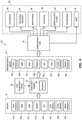
- the system 10 includes multiple vehicle sensors 12, an adaptive fuel control module 14, an engine control unit (ECU) 18, and various engine control components 20.
- the fuel control module 14 receives a fuel composition signal from a fuel composition sensor 22.
- the sensors 12 preferably include but are not limited to a fuel pressure sensor 12a, a manifold absolute pressure (MAP) sensor 12b, a mass air flow (MAF) sensor 12c, an oxygen sensor 12d, an intake air temperature (IAT) sensor 12e, a camshaft sensor 12f, a crank position sensor 12g, and a boost pressure sensor 12h.
- the engine control components 20 include but are not limited to a fuel injector 24, cam timing actuators 26, boost control 28, a fuel pump 30, ignition controls or coils 32, a throttle body 34, and an electronic waste gate (EWG) 36.
- EWG electronic waste gate
- the fuel control module 14 and the fuel composition sensor 22 are aftermarket components that are installed in the vehicle after the vehicle leaves the factory.
- the fuel composition sensor 22 may be a standard component, such as a model number 13577394, 13577429, or 13577329 sensor manufactured by GM or others.
- the signal lines from the factory-installed sensors 12a-12h are disconnected from their inputs on the factory-installed ECU 18 and are connected to corresponding inputs on the fuel control module 14.
- the fuel control module 14 includes a processor 38 that is programmed to generate modified sensor signals 16a-16h. The programming of the processor 38 is described in more detail hereinafter.
- the fuel control module 14 provides outputs for the modified sensor signals 16a-16h on signal lines that connect to the corresponding inputs on the ECU 18.
- the modified sensor signals 16a-16h have voltage levels in standard ranges that the ECU 18 expects to receive, although the signals 16a-16h have been modified by the fuel control module 14 according to the content of the fuel in the vehicle's fuel tank as determined by the fuel composition sensor 22. The manner in which the sensor signals are modified are described in detail hereinafter.
- Fuel pressure is a variable much like air flow.
- the ECU 18 calculates the engine's fuel needs based on how much air is entering the engine, and the ECU 18 determines the amount of fuel to deliver based on air-to-fuel ratio calculations. Also, the ECU 18 uses the data from the pressure sensor 12a to determine how much fuel is being delivered to the engine.
- the ECU 18 is typically programmed to provide fuel flow at a rate that results in a particular air-to-fuel ratio for one type of gasoline fuel. However, alcohol fuels and alcohol/gasoline blends require different air-to-fuel ratios to burn properly.
- the FCM 14 receives data from the fuel composition sensor 22 and data from the fuel pressure sensor 12a. Based on the fuel blend sensed by the fuel content composition sensor 22, the FCM 14 either adds to or subtracts from the pressure value indicated by the fuel pressure data to correctly offset the pressure data so that the ECU 18 will cause the optimum amount of blended fuel to be provided to the engine.
- the FMU's modification of the pressure signal 16a provided to the ECU 18 ensures that the engine will run properly on blended fuels, and also prevents the ECU from generating an error code due to incorrect fuel mixture.
- three scenarios illustrate how the pressure signal 16a may be modified based on the type of fuel used and the ECU's initial programming.
- a first scenario (Case 1) the ECU is programmed assuming that the engine will run on pure gasoline
- a second scenario (Case 2) the ECU is programmed assuming that the engine will run on pure alcohol
- a third scenario (Case 3) the ECU is programmed assuming that the engine will run on a certain specific blend of gasoline and alcohol.
- the fuel composition sensor 22 senses that alcohol has been introduced to the gasoline in the vehicle's fuel tank (step 100), and the sensor 22 generates a fuel composition signal that reflects an increase in alcohol content (step 102). Based on the fuel composition signal, the FCM 14 modifies the fuel pressure signal 16a to indicate that the fuel pressure is lower than the actual pressure indicated by the fuel pressure sensor 12a (step 104). Based on the apparent decrease in fuel pressure indicated by the modified fuel pressure signal, the ECU 18 causes the fuel injector 24 or fuel pump 30 to increase the fuel flow (step 106).
- the fuel composition sensor 22 senses that gasoline has been introduced to the alcohol in the vehicle's fuel tank (step 108), and the sensor 22 generates a fuel composition signal that reflects an increase in gasoline content (step 110). Based on the fuel composition signal, the FCM 14 modifies the fuel pressure signal 16a to indicate that the fuel pressure is higher than the actual pressure indicated by the fuel pressure sensor 12a (step 112). Based on the apparent increase in fuel pressure indicated by the modified fuel pressure signal, the ECU 18 causes the fuel injector 24 or fuel pump 30 to decrease the fuel flow (step 114).
- the fuel composition sensor 22 senses whether the percent alcohol in the gasoline/alcohol blend in the vehicle's fuel tank is greater or less than a percentage setpoint programmed into the ECU 18 (step 116), and the sensor 22 generates a fuel composition signal that reflects the change in alcohol content (step 118). If the fuel composition signal indicates that the percent alcohol is greater than the setpoint, the FCM 14 modifies the fuel pressure signal 16a to indicate that the fuel pressure is lower than the actual pressure indicated by the fuel pressure sensor 12a (step 120). If the fuel composition signal indicates that the percent alcohol is less than the setpoint, the FCM 14 modifies the fuel pressure signal 16a to indicate that the fuel pressure is higher than the actual pressure indicated by the fuel pressure sensor 12a (step 122). Based on the apparent decrease or increase in fuel pressure indicated by the modified fuel pressure signal, the ECU 18 causes the fuel injector 24 or fuel pump 30 to increase or decrease the fuel flow (steps 124 or 126).
- MAP Manifold Air Pressure
- the MAP sensor 12b is used for different things depending on the type of ECU 18 in use and the type of vehicle.
- the ECU 18 determines the rate of air flow to the engine based on engine speed (RPM) and air pressure (MAP) to properly determine the fuel flow required for the engine to operate at a given time.
- RPM engine speed
- MAP air pressure
- the FCM 14 modifies the MAP sensor signal 16b based on the signal from the fuel composition sensor 22 signal to cause the ECU 18 to adjust the fuel delivery accordingly.
- the FCM 14 adds to or subtracts from the MAP sensor value to compensate for the proper total fuel required based on the fuel blend.
- a higher MAP value will cause the ECU 18 to call for a higher fuel flow rate
- a lower MAP value will cause the ECU 18 to call for a lower fuel flow rate.
- the FCM's modification of the MAP sensor signal 16b to the ECU 18 will maintain proper engine operation using blended fuels and prevent the ECU 18 from generating an error code due to an incorrect fuel mixture.
- the MAP sensor signal 16b is also used to control boost pressure.
- the ECU 18 attempts to maintain a target boost pressure value based on the fuel blend it is programmed to use and based on vehicle operating conditions.
- the ECU 18 also uses the MAP sensor signal 16b to calculate torque.
- the boost pressure and torque variables are important because most modern ECU's have predetermined torque and/or boost limits programmed into them.
- the FCM 14 modifies the signal from the MAP sensor 12b based on the fuel information from the fuel composition sensor 22. Because alcohol fuels produce are more stable and produce more torque, engines burning such fuels can operate at higher boost pressures. Thus, the FCM 14 modifies the MAP sensor signal 16b to indicate a higher or lower MAP value depending on the fuel blend. This ensures that the MAP sensor signal 16b provided to the ECU 18 does not fall outside its programmed limits, thereby allowing more boost based on a higher blend of alcohol fuel without generating an ECU fault or causing a limp mode.
- the FCM 14 modifies the MAP sensor signal 16b to indicate a higher MAP value, thereby causing the ECU 18 to pull the boost down to its target value. This keeps the engine within safe operating conditions for a blend of fuel that includes more gasoline than expected.
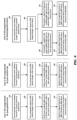
- FIG. 6 depicts examples of three scenarios in which the MAP signal 16b is modified based on the type of fuel used and the ECU's initial programming.
- a first scenario (Case 1) the ECU is programmed assuming that the engine will run on pure gasoline
- a second scenario (Case 2) the ECU is programmed assuming that the engine will run on pure alcohol
- a third scenario (Case 3) the ECU is programmed assuming that the engine will run on a certain specific blend of gasoline and alcohol.
- the fuel composition sensor 22 senses that alcohol has been introduced to the gasoline in the vehicle's fuel tank (step 128), and the sensor 22 generates a fuel composition signal that reflects an increase in alcohol content (step 130).
- the FCM 14 Based on the fuel composition signal, the FCM 14 generates a modified MAP signal 16b that indicates the MAP is lower than the actual pressure indicated by the MAP sensor 12b (step 132). Based on the apparent decrease in MAP indicated by the modified MAP signal 16b, the ECU 18 causes an increase in the boost using the boost control or throttle body (step 134).
- the fuel composition sensor 22 senses that gasoline has been introduced to the alcohol in the vehicle's fuel tank (step 136), and the sensor 22 generates a fuel composition signal that reflects an increase in gasoline content (step 138). Based on the fuel composition signal, the FCM 14 generates a modified MAP signal 16b that indicates the MAP is higher than the actual pressure indicated by the MAP sensor 12b (step 140). Based on the apparent increase in MAP indicated by the modified MAP signal 16b, the ECU 18 causes a decrease in the boost using the boost control or throttle body (step 134).
- the fuel composition sensor 22 senses whether the percent alcohol in the gasoline/alcohol blend in the vehicle's fuel tank is greater or less than a percentage setpoint programmed into the ECU 18 (step 144), and the sensor 22 generates a fuel composition signal that reflects the change in alcohol content (step 146). If the fuel composition signal indicates that the percent alcohol is greater than the setpoint, the FCM 14 generates a modified MAP signal 16b that indicates the MAP is lower than the actual pressure indicated by the MAP sensor 12b (step 148). Based on the apparent decrease in MAP indicated by the modified MAP signal 16b, the ECU 18 causes an increase in the boost using the boost control or throttle body (step 150).
- the FCM 14 If the fuel composition signal indicates that the percent alcohol is less than the setpoint, the FCM 14 generates a modified MAP signal 16b that indicates the MAP is higher than the actual pressure indicated by the MAP sensor 12b (step 152). Based on the apparent increase in MAP indicated by the modified MAP signal 16b, the ECU 18 causes a decrease in the boost using the boost control or throttle body (step 154).
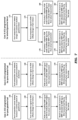
- FIG. 7 depicts examples of three scenarios in which the MAP signal 16b is modified based on the type of fuel used and the ECU's initial programming.
- a first scenario (Case 1) the ECU is programmed assuming that the engine will run on pure gasoline
- a second scenario (Case 2) the ECU is programmed assuming that the engine will run on pure alcohol
- a third scenario (Case 3) the ECU is programmed assuming that the engine will run on a certain specific blend of gasoline and alcohol.
- the fuel composition sensor 22 senses that alcohol has been introduced to the gasoline in the vehicle's fuel tank (step 156), and the sensor 22 generates a fuel composition signal that reflects an increase in alcohol content (step 158). Based on the fuel composition signal, the FCM 14 generates a modified MAP signal 16b that indicates the MAP is higher than the actual pressure indicated by the MAP sensor 12b (step 160). Based on the apparent increase in MAP indicated by the modified MAP signal 16b, the ECU 18 causes an increase in fuel flow rate by controlling the fuel injector 24 and/or the fuel pump 30 (step 162).
- the fuel composition sensor 22 senses that gasoline has been introduced to the alcohol in the vehicle's fuel tank (step 164), and the sensor 22 generates a fuel composition signal that reflects an increase in gasoline content (step 166). Based on the fuel composition signal, the FCM 14 generates a modified MAP signal 16b that indicates the MAP is lower than the actual pressure indicated by the MAP sensor 12b (step 168). Based on the apparent decrease in MAP indicated by the modified MAP signal 16b, the ECU 18 causes a decrease in fuel flow rate by controlling the fuel injector 24 and/or the fuel pump 30 (step 162).
- the fuel composition sensor 22 senses whether the percent alcohol in the gasoline/alcohol blend in the vehicle's fuel tank is greater or less than a percentage setpoint programmed into the ECU 18 (step 172), and the sensor 22 generates a fuel composition signal that reflects the change in alcohol content (step 174). If the fuel composition signal indicates that the percent alcohol is greater than the setpoint, the FCM 14 generates a modified MAP signal 16b that indicates the MAP is higher than the actual pressure indicated by the MAP sensor 12b (step 176). Based on the apparent increase in MAP indicated by the modified MAP signal 16b, the ECU 18 causes an increase in fuel flow rate by controlling the fuel injector 24 and/or the fuel pump 30 (step 178).
- the FCM 14 If the fuel composition signal indicates that the percent alcohol is less than the setpoint, the FCM 14 generates a modified MAP signal 16b that indicates the MAP is lower than the actual pressure indicated by the MAP sensor 12b (step 180). Based on the apparent decrease in MAP indicated by the modified MAP signal 16b, the ECU 18 causes a decrease in fuel flow rate by controlling the fuel injector 24 and/or the fuel pump 30 (step 182).
- the oxygen sensor 12d measures the burned combustion gases in the exhaust from the engine.
- the main purpose of the oxygen sensor 12d is to provide information to the ECU 18 regarding the gases coming out of the engine after combustion.
- the ECU 18 uses this information to determine whether its fuel delivery calculations have been correct. If those calculations result in ECU commands that lead to suboptimal combustion (as indicated by the oxygen sensor readings), the ECU 18 will start to compensate using a value referred to as TRIM.
- the TRIM value is determined after the fuel is burned. A high TRIM value generally indicates a high error rate.
- the TRIM value may be adjusted if the oxygen sensor indicates there is a significant difference between the amount of fuel that was actually delivered and burned versus what was expected.
- the TRIM value is usually set at the factory to a maximum that typically does not exceed 5%, although some systems will compensate for much higher errors.
- the FCM 14 is programmed to minimize the TRIM value.
- the FMU 14 preferably compensates for differentiating fuel blends by modifying the fuel pressure signal 16a, the MAP signal 16b, the MAF signal 16c, and/or other sensor signals so that the engine can operate with as small a TRIM value as possible while running on any blend of fuel the user desires. Minimizing the TRIM value also prevents ECU errors and minimizes the functionality issues associated with using blended fuels.
- the signal from the oxygen sensor 12d can also be modified to target a different air-to-fuel ratio if the user desires. For example, if the ECU 18 has been programmed to achieve an air-to-fuel ratio of 14.7, but the user desires a different mixture, the oxygen sensor signal can be modified by the FCM 14 to achieve this. Because the ECU 18 will determine a proper TRIM value to make this happen, it should only be utilized for minor adjustments in the desired air-to-fuel ratio to provide better performance or better fuel mileage than can be achieved using the ECU's set desired air-to-fuel ratio when burning a blended fuel.
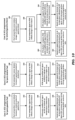
- FIG. 8 depicts examples of three scenarios in which the oxygen signal 16d is modified based on the type of fuel used and the ECU's initial programming.
- a first scenario (Case 1) the ECU is programmed assuming that the engine will run on pure gasoline
- a second scenario (Case 2) the ECU is programmed assuming that the engine will run on pure alcohol
- a third scenario (Case 3) the ECU is programmed assuming that the engine will run on a certain specific blend of gasoline and alcohol.
- the fuel composition sensor 22 senses that alcohol has been introduced to the gasoline in the vehicle's fuel tank (step 184), and the sensor 22 generates a fuel composition signal that reflects an increase in alcohol content (step 186). Based on the fuel composition signal, the FCM 14 generates a modified oxygen signal 16d that indicates the air-to-fuel ratio is higher (i.e., a leaner mix) than the actual oxygen level indicated by the oxygen sensor 12d (step 188). Based on the apparent change in the oxygen level as indicated by the modified oxygen signal 16d, the ECU 18 causes an increase in fuel flow rate by controlling the fuel injector 24 and/or the fuel pump 30 (step 190).
- the fuel composition sensor 22 senses that gasoline has been introduced to the alcohol in the vehicle's fuel tank (step 192), and the sensor 22 generates a fuel composition signal that reflects an increase in gasoline content (step 194).
- the FCM 14 Based on the fuel composition signal, the FCM 14 generates a modified oxygen signal 16d that indicates the air-to-fuel ratio is lower (i.e., a richer mix) than the actual oxygen level indicated by the oxygen sensor 12d (step 188).
- the ECU 18 Based on the apparent change in the oxygen level as indicated by the modified oxygen signal 16d, causes a decrease in fuel flow rate by controlling the fuel injector 24 and/or the fuel pump 30 (step 190).
- the fuel composition sensor 22 senses whether the percent alcohol in the gasoline/alcohol blend in the vehicle's fuel tank is greater or less than a percentage setpoint programmed into the ECU 18 (step 200), and the sensor 22 generates a fuel composition signal that reflects the change in alcohol content (step 202). If the fuel composition signal indicates that the percent alcohol is greater than the setpoint, the FCM 14 generates a modified a modified oxygen signal 16d that indicates the air-to-fuel ratio is higher (i.e., a leaner mix) than the actual oxygen level indicated by the oxygen sensor 12d (step 204).
- the ECU 18 Based on the apparent change in the oxygen level as indicated by the modified oxygen signal 16d, the ECU 18 causes an increase in fuel flow rate by controlling the fuel injector 24 and/or the fuel pump 30 (step 206). If the fuel composition signal indicates that the percent alcohol is less than the setpoint, the FCM 14 generates a modified a modified oxygen signal 16d that indicates the air-to-fuel ratio is lower (i.e., a richer mix) than the actual oxygen level indicated by the oxygen sensor 12d (step 208). Based on the apparent change in the oxygen level as indicated by the modified oxygen signal 16d, the ECU 18 causes a decrease in fuel flow rate by controlling the fuel injector 24 and/or the fuel pump 30 (step 210).
- the mass air flow (MAF) sensor 12c directly measures the mass flow rate of air through various methods as the air enters the intake of the engine. Some MAF are combined with an intake air temperature (IAT) sensor. In most vehicles, the total fuel delivery to the engine is based heavily on the MAF value.
- the FCM 14 modifies the MAF signal 16c and sends the modified signal to the ECU 18.
- the ECU 18 controls the fuel injector 24 to deliver the optimum amount of fuel for operation with the given fuel blend.
- the FMU's modification of the MAF signal allows the ECU 18 to keep the engine running properly on blended fuels and prevents the ECU 18 from generating an error code due to an incorrect fuel mixture.
- FIG. 9 depicts examples of three scenarios in which the MAF signal 16c is modified based on the type of fuel used and the ECU's initial programming.
- a first scenario (Case 1) the ECU is programmed assuming that the engine will run on pure gasoline
- a second scenario (Case 2) the ECU is programmed assuming that the engine will run on pure alcohol
- a third scenario (Case 3) the ECU is programmed assuming that the engine will run on a certain specific blend of gasoline and alcohol.
- the fuel composition sensor 22 senses that alcohol has been introduced to the gasoline in the vehicle's fuel tank (step 212), and the sensor 22 generates a fuel composition signal that reflects an increase in alcohol content (step 214). Based on the fuel composition signal, the FCM 14 generates a modified MAF signal 16c that indicates the air flow rate is higher than the actual air flow rate indicated by the MAF sensor 12c (step 216). Based on the apparent change in the air flow rate as indicated by the modified MAF signal 16c, the ECU 18 causes an increase in fuel flow rate by controlling the fuel injector 24 and/or the fuel pump 30 (step 218).
- the fuel composition sensor 22 senses that gasoline has been introduced to the alcohol in the vehicle's fuel tank (step 220), and the sensor 22 generates a fuel composition signal that reflects an increase in gasoline content (step 222). Based on the fuel composition signal, the FCM 14 generates a modified MAF signal 16c that indicates the air flow rate is lower than the actual air flow rate indicated by the MAF sensor 12c (step 224). Based on the apparent change in the air flow rate as indicated by the modified MAF signal 16c, the ECU 18 causes a decrease in fuel flow rate by controlling the fuel injector 24 and/or the fuel pump 30 (step 226).
- the fuel composition sensor 22 senses whether the percent alcohol in the gasoline/alcohol blend in the vehicle's fuel tank is greater or less than a percentage setpoint programmed into the ECU 18 (step 228), and the sensor 22 generates a fuel composition signal that reflects the change in alcohol content (step 230). If the fuel composition signal indicates that the percent alcohol is greater than the setpoint, the FCM 14 generates a modified MAF signal 16c that indicates the air flow rate is higher than the actual air flow rate indicated by the MAF sensor 12c (step 232). Based on the apparent change in the air flow rate as indicated by the modified MAF signal 16c, the ECU 18 causes an increase in fuel flow rate by controlling the fuel injector 24 and/or the fuel pump 30 (step 234).
- the FCM 14 If the fuel composition signal indicates that the percent alcohol is less than the setpoint, the FCM 14 generates a modified MAF signal 16c that indicates the air flow rate is lower than the actual air flow rate indicated by the MAF sensor 12c (step 232). Based on the apparent change in the air flow rate as indicated by the modified MAF signal 16c, the ECU 18 causes a decrease in fuel flow rate by controlling the fuel injector 24 and/or the fuel pump 30 (step 234).
- IAT Intake Air Temperature
- the ECU 18 typically uses the intake air temperature (IAT) signal from the IAT sensor 12e to determine the density of the air and fuel entering the engine based on the temperature.
- the IAT signal can also be used to determine the stability of the air/fuel mixture.
- Using the air temperature data from the IAT signal allows the ECU to modify the base programmed ignition timing, because ignition timing can be more advanced when the air is cool than when it is hot.
- the FCM 14 uses the fuel content information from the fuel composition sensor 22 and the temperature information from the IAT sensor 12e to generate a modified IAT signal 16e. Because alcohol fuels are far more stable than gasoline, using the modified IAT signal 16e, the ECU 18 can better optimize operation based on the fuel content through the FMU's logic interception.
- FIG. 10 depicts examples of three scenarios in which the IAT signal 16e is modified based on the type of fuel used and the ECU's initial programming.
- a first scenario (Case 1) the ECU is programmed assuming that the engine will run on pure gasoline
- a second scenario (Case 2) the ECU is programmed assuming that the engine will run on pure alcohol
- a third scenario (Case 3) the ECU is programmed assuming that the engine will run on a certain specific blend of gasoline and alcohol.
- the fuel composition sensor 22 senses that alcohol has been introduced to the gasoline in the vehicle's fuel tank (step 240), and the sensor 22 generates a fuel composition signal that reflects an increase in alcohol content (step 242). Based on the fuel composition signal, the FCM 14 generates a modified IAT signal 16e that indicates the air temperature is lower than the actual air temperature indicated by the IAT sensor 12e (step 244). Based on the apparent change in the air temperature as indicated by the modified IAT signal 16e, the ECU 18 causes an increase in ignition timing by controlling the ignition control or coils (step 246).
- the fuel composition sensor 22 senses that gasoline has been introduced to the alcohol in the vehicle's fuel tank (step 248), and the sensor 22 generates a fuel composition signal that reflects an increase in gasoline content (step 250). Based on the fuel composition signal, the FCM 14 generates a modified IAT signal 16e that indicates the air temperature is higher than the actual air temperature indicated by the IAT sensor 12e (step 252). Based on the apparent change in the air temperature as indicated by the modified IAT signal 16e, the ECU 18 causes a decrease in ignition timing by controlling the ignition control or coils (step 254).
- the fuel composition sensor 22 senses whether the percent alcohol in the gasoline/alcohol blend in the vehicle's fuel tank is greater or less than a percentage setpoint programmed into the ECU 18 (step 256), and the sensor 22 generates a fuel composition signal that reflects the change in alcohol content (step 258). If the fuel composition signal indicates that the percent alcohol is greater than the setpoint, the FCM 14 generates a modified IAT signal 16e that indicates the air temperature is lower than the actual air temperature indicated by the IAT sensor 12e (step 260). Based on the apparent change in the air temperature as indicated by the modified IAT signal 16e, the ECU 18 causes an increase in ignition timing by controlling the ignition control or coils (step 262).
- the FCM 14 If the fuel composition signal indicates that the percent alcohol is less than the setpoint, the FCM 14 generates a modified IAT signal 16e that indicates the air temperature is higher than the actual air temperature indicated by the IAT sensor 12e (step 264). Based on the apparent change in the air temperature as indicated by the modified IAT signal 16e, the ECU 18 causes a decrease in ignition timing by controlling the ignition control or coils (step 266).
- the CAM position sensor(s) 12f provide information to the ECU 18 regarding the general position of the engine in rotation, and the variable cam position in engines having variable cam timing.
- the ECU 18 uses information regarding the position of the engine to determine when to fire the fuel injectors and spark plugs.
- an example of the FCM 14 intercepts and modifies the signal(s) from the CAM position sensor(s) 12f to optimize the ignition timing based on the amount of alcohol in an alcohol/gasoline fuel blend.
- the FCM 14 intercepts and modifies the signal(s) from the CAM position sensor(s) 12f based on the fuel content to optimize the cam timing in relation to the crank and ignition timing independently.
- crank position sensor 12g provides further information to the ECU 18 regarding the position of the engine in rotation.
- the ECU 18 use this information to determine when to fire the fuel injectors and the spark plugs.
- An example of the FCM 14 intercepts and modifies the signal from the crank position sensor 12g to optimize the ignition timing based on the amount of alcohol in an alcohol/gasoline fuel blend.
- FIG. 11 depicts examples of three scenarios in which the CAM position signal(s) 16f and crank position signal 16g are modified according to a preferred embodiment based on the type of fuel used and the ECU's initial programming.
- a first scenario (Case 1) the ECU is programmed assuming that the engine will run on pure gasoline
- a second scenario (Case 2) the ECU is programmed assuming that the engine will run on pure alcohol
- a third scenario (Case 3) the ECU is programmed assuming that the engine will run on a certain specific blend of gasoline and alcohol.
- the fuel composition sensor 22 senses that alcohol has been introduced to the gasoline in the vehicle's fuel tank (step 268), and the sensor 22 generates a fuel composition signal that reflects an increase in alcohol content (step 270). Based on the fuel composition signal, the FCM 14 generates modified CAM position signal(s) 16f and crank position signals 16g that indicate the phase of the ignition timing is advanced as compared to the actual phasing indicated by the CAM position sensor(s) 12f and the crank position sensor 12g (step 272).
- the ECU 18 Based on the apparent change in ignition phasing as indicated by the modified CAM position and crank position signals 16f-16g, the ECU 18 causes an advance in the ignition timing, cam timing, and fuel injector timing by controlling the ignition control or coils 32, the cam timing actuators 26, and the fuel injector 24 (step 274).
- the ECU 18 Because the ECU is looking for a given crank or cam position to trigger all of its actions, advancing (or retarding) this triggering will advance (or retard) all of the ECU's processes at the same time. If the system has variable cam timing, then the ECU 18 will target a cam position. In that case, if an increase in cam timing is desired, the signal to the ECU 18 should indicate that the timing is more retarded, so that the ECU 18 will attempt to increase the timing to hit its target. This is done by comparing the timing of the cam position signal to the timing of the crank position signal to determine the needed phase of cam adjustment.
- the fuel composition sensor 22 senses that gasoline has been introduced to the alcohol in the vehicle's fuel tank (step 276), and the sensor 22 generates a fuel composition signal that reflects an increase in gasoline content (step 278). Based on the fuel composition signal, the FCM 14 generates modified CAM position signal(s) 16f and crank position signals 16g that indicate the phase of the ignition timing is retarded as compared to the actual phasing indicated by the CAM position sensor(s) 12f and the crank position sensor 12g (step 280).
- the ECU 18 Based on the apparent change in ignition phasing as indicated by the modified CAM position and crank position signals 16f-16g, the ECU 18 causes an the ignition timing, cam timing, and fuel injector timing to be retarded by controlling the ignition control or coils 32, the cam timing actuators 26, and the fuel injector 24 (step 282).
- the fuel composition sensor 22 senses whether the percent alcohol in the gasoline/alcohol blend in the vehicle's fuel tank is greater or less than a percentage setpoint programmed into the ECU 18 (step 284), and the sensor 22 generates a fuel composition signal that reflects the change in alcohol content (step 286). If the fuel composition signal indicates that the percent alcohol is greater than the setpoint, the FCM 14 generates modified CAM position signal(s) 16f and crank position signals 16g that indicate the phase of the ignition timing is advanced as compared to the actual phasing indicated by the CAM position sensor(s) 12f and the crank position sensor 12g (step 288).
- the ECU 18 Based on the apparent change in ignition phasing as indicated by the modified CAM position and crank position signals 16f-16g, the ECU 18 causes an advance in the ignition timing, cam timing, and fuel injector timing by controlling the ignition control or coils 32, the cam timing actuators 26, and the fuel injector 24 (step 290). If the fuel composition signal indicates that the percent alcohol is less than the setpoint, the FCM 14 generates modified CAM position signal(s) 16f and crank position signals 16g that indicate the phase of the ignition timing is retarded as compared to the actual phasing indicated by the CAM position sensor(s) 12f and the crank position sensor 12g (step 292).
- the ECU 18 Based on the apparent change in ignition phasing as indicated by the modified CAM position and crank position signals 16f-16g, the ECU 18 causes an the ignition timing, cam timing, and fuel injector timing to be retarded by controlling the ignition control or coils 32, the cam timing actuators 26, and the fuel injector 24 (step 294).
- wastegates are mechanically controlled by boost pressure.
- the wastegate opens when the boost pressure exceeds the spring pressure in the diaphragm that holds the wastegate shut. In some systems, this is further controlled by allowing some of the boost pressure to be bleed off, thereby allowing for higher boost than the spring is mechanically set for. Aftermarket adjustments to such systems can be made manually.
- an electronic wastegate (EWG) 36 is controlled electronically by the ECU 18.
- an example of the FMU 14 modifies the boost pressure signal 16h to optimize the boost pressure based on the fuel blend sensed by the fuel composition sensor 22, and the ECU 18 controls the EWG 36 based on the modified boost pressure signal 16h.
- the control signal from the ECU 18 to the EWG 36 is intercepted and modified as needed to optimize the operation of the EWG 36 based on the measured boost pressure and the contents of the fuel blend.
- the ECU 18 utilizes signals from multiple sensors to control the engine. Because the signals from various sensors are used in calculations made by the ECU 18, the FCM 14 intercepts the signals from the various sensors and modifies each sensor signal in conjunction with modifications to other sensor signals so as to not allow any single signal to fall outside of it expected operational limits. In this way, the ECU 18 works with the modified signals provided by the FMU 14 without generating faults. Thus, the FMU 14 can make adjustments to multiple sensor signals to cause the ECU's logic to operate in a manner that would not be possible through adjustments to just one sensor signal that are within that one sensor's expected operational limits. For example, if fuel delivery needs to be increased, this can be accomplished by modifying each of multiple sensor signals by a small amount instead of modifying one sensor signal by a large amount, which that may put the adjusted signal out of range and cause an ECU error.
Landscapes
- Engineering & Computer Science (AREA)
- Chemical & Material Sciences (AREA)
- Combustion & Propulsion (AREA)
- Mechanical Engineering (AREA)
- General Engineering & Computer Science (AREA)
- Oil, Petroleum & Natural Gas (AREA)
- Output Control And Ontrol Of Special Type Engine (AREA)
- Combined Controls Of Internal Combustion Engines (AREA)
Description
- This invention relates to the field of automobile engines. More particularly, this invention relates to an adaptive fuel control module for spark ignition fuel injected engines that allows an engine to use different types of fuels.
- Many automobile engines can only run on one type of fuel. Some known devices have tried to solve this problem by being reactive in design - responding based on what the engine has already done. Because such reactive systems rely on information received after combustion has already occurred, they are slow to respond, resulting in unsatisfactory performance.
- Some conventional systems, such as depicted in
FIG. 1 , make constant changes to the fuel system to allow the engine to run on ethanol. Such systems rely on the factory-installed engine control unit (ECU) in the vehicle to make corrections so that the engine can still run correctly on conventional gasoline. Because other systems in the vehicle can affect the functionality of the ECU, system performance is limited and the ECU processor cannot handle the changes needed to adjust for the different fuel mixtures. - Other known systems, such as depicted in
FIG. 2 , use a fuel control module that modifies the signals the ECU provides to the fuel injectors to optimize the performance of the fuel injectors based on the type of fuel being used. Such a system is described inUS 2018/128330 A1 andU.S. Patent No. 10,519,906 - What is needed is a system that, rather than modifying signals after they have been generated by the ECU, instead modifies the signals from the various vehicle sensors before those signals are provided to the ECU, thereby allowing adjustment of the injectors' fuel pressure and timing to optimize the fuel delivery provided by the fuel injectors.
- The above and other needs are met by an adaptive fuel control module that intercepts signals from various vehicle sensors and, based on input from a fuel composition sensor, modifies the sensor signal values that are sent to the ECU. This causes the ECU to change its commands to various components to control fuel delivery and ignition timing based on the fuel composition, and to control boost pressure in systems that have integrated boost control.
- An apparatus for modifying sensor signals generated by vehicle sensors that are provided to an engine control unit in a vehicle according to
claim 1 is provided. The engine control unit is configured to receive the sensor signals and generate engine control signals based at least in part on the sensor signals. The apparatus includes a fuel composition sensor and a fuel control module. The fuel composition sensor senses characteristics of fuel in the vehicle and generates a fuel composition signal based on the sensed characteristics. The fuel control module intercepts the sensor signals from the vehicle sensors, and a processor in the fuel control module generates modified sensor signals based at least in part on the intercepted sensor signals and the fuel composition signal. The modified sensor signals are provided to the engine control unit in place of the intercepted vehicle sensor signals. - The fuel composition sensor generates the fuel composition signal that indicates a ratio of alcohol to gasoline in an alcohol/gasoline fuel blend.
- The vehicle sensors include a fuel pressure sensor that generates a fuel pressure signal indicative of a measured fuel pressure. The fuel control module intercepts the fuel pressure signal, and the processor of the fuel control module generates a modified fuel pressure signal indicating a fuel pressure value that is higher or lower than the measured fuel pressure.
- A method for optimizing the performance of a vehicle engine that is running on an alcohol/gasoline fuel according to claim 4 is provided. The method includes:
- (a) generating one or more measured sensor signals, each indicative of an operational characteristic of the engine;
- (b) generating a fuel composition signal that is indicative of a ratio of alcohol to gasoline in the alcohol/gasoline fuel blend;
- (c) based at least in part on the fuel composition signal, generating one or more modified sensor signals corresponding to the one or more measured sensor signals;
- (d) providing the one or more modified sensor signals to an engine control unit in the vehicle in place of the one or more measured sensor signals;
- (e) the engine control unit generating engine control signals based at least in part on the one or more modified sensor signals, wherein the engine control signals optimize the performance of the engine for the ratio of alcohol to gasoline in the alcohol/gasoline fuel blend.
- Step (a) further comprises generating a measured fuel pressure signal indicative of a measured fuel pressure;
- step (b) further comprises generating the fuel composition signal indicating that the alcohol or gasoline content of the alcohol/gasoline fuel blend has changed;
- step (c) further comprises:
- generating a modified fuel pressure signal indicating a fuel pressure that is lower than the measured fuel pressure if the alcohol content has increased; or
- generating a modified fuel pressure signal indicating a fuel pressure that is higher than the measured fuel pressure if the gasoline content has increased;
- step (d) further comprises providing the modified fuel pressure signal to the engine control unit in place of the measured fuel pressure signal; and
- step (e) further comprises the engine control unit generating an engine control signal that controls a fuel injector or fuel pump in the vehicle to increase or decrease the fuel flow rate depending on whether the fuel pressure indicated by the modified fuel pressure signal generated in step (c) is lower or higher than the measured fuel pressure, thereby optimizing the performance of the engine for the increased alcohol or gasoline content in the alcohol/gasoline fuel blend.
- Other embodiments of the invention will become apparent by reference to the detailed description in conjunction with the figures, wherein elements are not to scale so as to more clearly show the details, wherein like reference numbers indicate like elements throughout the several views, and wherein:
-
FIG. 1 depicts a conventional configuration of vehicle sensors, engine control unit, and fuel injectors; -
FIG. 2 depicts vehicle sensors, engine control unit, and fuel injectors, with a fuel control module inserted between the engine control unit and the fuel injectors according to a prior art configuration; -
FIGS. 3 and4 depict vehicle sensors, engine control unit, and engine control components, with a fuel control module inserted between the sensors and the engine control unit according to a preferred embodiment; -
FIG. 5 depicts a method for modifying a fuel pressure signal provided to the engine control unit according to a preferred embodiment; -
FIG. 6 depicts a first method for modifying a manifold air pressure signal provided to the engine control unit; -
FIG. 7 depicts a second method for modifying a manifold air pressure signal provided to the engine control unit; -
FIG. 8 depicts a method for modifying an oxygen signal provided to the engine control unit; to the engine control unit; -
FIG. 10 depicts a method for modifying an intake air temperature signal provided to the engine control unit; and -
FIG. 11 depicts a method for modifying CAM and crank position signals provided to the engine control unit. - An embodiment of an adaptive
fuel control system 10 is shown inFIGS. 3 and4 . Thesystem 10 includesmultiple vehicle sensors 12, an adaptivefuel control module 14, an engine control unit (ECU) 18, and variousengine control components 20. Thefuel control module 14 receives a fuel composition signal from afuel composition sensor 22. Thesensors 12 preferably include but are not limited to a fuel pressure sensor 12a, a manifold absolute pressure (MAP)sensor 12b, a mass air flow (MAF)sensor 12c, anoxygen sensor 12d, an intake air temperature (IAT)sensor 12e, acamshaft sensor 12f, acrank position sensor 12g, and aboost pressure sensor 12h. Theengine control components 20 include but are not limited to afuel injector 24,cam timing actuators 26,boost control 28, afuel pump 30, ignition controls orcoils 32, athrottle body 34, and an electronic waste gate (EWG) 36. - In one preferred embodiment, the
fuel control module 14 and thefuel composition sensor 22 are aftermarket components that are installed in the vehicle after the vehicle leaves the factory. Thefuel composition sensor 22 may be a standard component, such as a model number 13577394, 13577429, or 13577329 sensor manufactured by GM or others. In the preferred embodiment, the signal lines from the factory-installed sensors 12a-12h are disconnected from their inputs on the factory-installedECU 18 and are connected to corresponding inputs on thefuel control module 14. Thefuel control module 14 includes aprocessor 38 that is programmed to generate modifiedsensor signals 16a-16h. The programming of theprocessor 38 is described in more detail hereinafter. Thefuel control module 14 provides outputs for the modifiedsensor signals 16a-16h on signal lines that connect to the corresponding inputs on theECU 18. The modifiedsensor signals 16a-16h have voltage levels in standard ranges that theECU 18 expects to receive, although thesignals 16a-16h have been modified by thefuel control module 14 according to the content of the fuel in the vehicle's fuel tank as determined by thefuel composition sensor 22. The manner in which the sensor signals are modified are described in detail hereinafter. - Fuel pressure is a variable much like air flow. The
engine control components 20 that are responsible for delivering the fuel to the engine, such as thefuel injector 24, provide a fixed rate at which fuel can flow at any given pressure. In most engines, theECU 18 calculates the engine's fuel needs based on how much air is entering the engine, and theECU 18 determines the amount of fuel to deliver based on air-to-fuel ratio calculations. Also, theECU 18 uses the data from the pressure sensor 12a to determine how much fuel is being delivered to the engine. TheECU 18 is typically programmed to provide fuel flow at a rate that results in a particular air-to-fuel ratio for one type of gasoline fuel. However, alcohol fuels and alcohol/gasoline blends require different air-to-fuel ratios to burn properly. - In a preferred embodiment, the
FCM 14 receives data from thefuel composition sensor 22 and data from the fuel pressure sensor 12a. Based on the fuel blend sensed by the fuelcontent composition sensor 22, theFCM 14 either adds to or subtracts from the pressure value indicated by the fuel pressure data to correctly offset the pressure data so that theECU 18 will cause the optimum amount of blended fuel to be provided to the engine. The FMU's modification of thepressure signal 16a provided to theECU 18 ensures that the engine will run properly on blended fuels, and also prevents the ECU from generating an error code due to incorrect fuel mixture. - Thus, as shown in the flowchart of
FIG. 5 , three scenarios illustrate how thepressure signal 16a may be modified based on the type of fuel used and the ECU's initial programming. In a first scenario (Case 1) the ECU is programmed assuming that the engine will run on pure gasoline, in a second scenario (Case 2) the ECU is programmed assuming that the engine will run on pure alcohol, and in a third scenario (Case 3) the ECU is programmed assuming that the engine will run on a certain specific blend of gasoline and alcohol. - In
Case 1, thefuel composition sensor 22 senses that alcohol has been introduced to the gasoline in the vehicle's fuel tank (step 100), and thesensor 22 generates a fuel composition signal that reflects an increase in alcohol content (step 102). Based on the fuel composition signal, theFCM 14 modifies thefuel pressure signal 16a to indicate that the fuel pressure is lower than the actual pressure indicated by the fuel pressure sensor 12a (step 104). Based on the apparent decrease in fuel pressure indicated by the modified fuel pressure signal, theECU 18 causes thefuel injector 24 orfuel pump 30 to increase the fuel flow (step 106). - In
Case 2, thefuel composition sensor 22 senses that gasoline has been introduced to the alcohol in the vehicle's fuel tank (step 108), and thesensor 22 generates a fuel composition signal that reflects an increase in gasoline content (step 110). Based on the fuel composition signal, theFCM 14 modifies thefuel pressure signal 16a to indicate that the fuel pressure is higher than the actual pressure indicated by the fuel pressure sensor 12a (step 112). Based on the apparent increase in fuel pressure indicated by the modified fuel pressure signal, theECU 18 causes thefuel injector 24 orfuel pump 30 to decrease the fuel flow (step 114). - In
Case 3, thefuel composition sensor 22 senses whether the percent alcohol in the gasoline/alcohol blend in the vehicle's fuel tank is greater or less than a percentage setpoint programmed into the ECU 18 (step 116), and thesensor 22 generates a fuel composition signal that reflects the change in alcohol content (step 118). If the fuel composition signal indicates that the percent alcohol is greater than the setpoint, theFCM 14 modifies thefuel pressure signal 16a to indicate that the fuel pressure is lower than the actual pressure indicated by the fuel pressure sensor 12a (step 120). If the fuel composition signal indicates that the percent alcohol is less than the setpoint, theFCM 14 modifies thefuel pressure signal 16a to indicate that the fuel pressure is higher than the actual pressure indicated by the fuel pressure sensor 12a (step 122). Based on the apparent decrease or increase in fuel pressure indicated by the modified fuel pressure signal, theECU 18 causes thefuel injector 24 orfuel pump 30 to increase or decrease the fuel flow (steps 124 or 126). - The
MAP sensor 12b is used for different things depending on the type ofECU 18 in use and the type of vehicle. In some systems, theECU 18 determines the rate of air flow to the engine based on engine speed (RPM) and air pressure (MAP) to properly determine the fuel flow required for the engine to operate at a given time. In such systems, typically referred to as Speed Density systems, theFCM 14 modifies theMAP sensor signal 16b based on the signal from thefuel composition sensor 22 signal to cause theECU 18 to adjust the fuel delivery accordingly. TheFCM 14 adds to or subtracts from the MAP sensor value to compensate for the proper total fuel required based on the fuel blend. For example, a higher MAP value will cause theECU 18 to call for a higher fuel flow rate, and a lower MAP value will cause theECU 18 to call for a lower fuel flow rate. The FCM's modification of theMAP sensor signal 16b to theECU 18 will maintain proper engine operation using blended fuels and prevent theECU 18 from generating an error code due to an incorrect fuel mixture. - In some modern vehicle systems, the
MAP sensor signal 16b is also used to control boost pressure. In such systems, theECU 18 attempts to maintain a target boost pressure value based on the fuel blend it is programmed to use and based on vehicle operating conditions. TheECU 18 also uses theMAP sensor signal 16b to calculate torque. The boost pressure and torque variables are important because most modern ECU's have predetermined torque and/or boost limits programmed into them. - In an example, the
FCM 14 modifies the signal from theMAP sensor 12b based on the fuel information from thefuel composition sensor 22. Because alcohol fuels produce are more stable and produce more torque, engines burning such fuels can operate at higher boost pressures. Thus, theFCM 14 modifies theMAP sensor signal 16b to indicate a higher or lower MAP value depending on the fuel blend. This ensures that theMAP sensor signal 16b provided to theECU 18 does not fall outside its programmed limits, thereby allowing more boost based on a higher blend of alcohol fuel without generating an ECU fault or causing a limp mode. If theECU 18 is programmed to operate on pure alcohol fuel, but the user puts gasoline in the fuel tank, theFCM 14 modifies theMAP sensor signal 16b to indicate a higher MAP value, thereby causing theECU 18 to pull the boost down to its target value. This keeps the engine within safe operating conditions for a blend of fuel that includes more gasoline than expected. -
FIG. 6 depicts examples of three scenarios in which theMAP signal 16b is modified based on the type of fuel used and the ECU's initial programming. In a first scenario (Case 1) the ECU is programmed assuming that the engine will run on pure gasoline, in a second scenario (Case 2) the ECU is programmed assuming that the engine will run on pure alcohol, and in a third scenario (Case 3) the ECU is programmed assuming that the engine will run on a certain specific blend of gasoline and alcohol. - In
Case 1 ofFIG. 6 , thefuel composition sensor 22 senses that alcohol has been introduced to the gasoline in the vehicle's fuel tank (step 128), and thesensor 22 generates a fuel composition signal that reflects an increase in alcohol content (step 130). - Based on the fuel composition signal, the
FCM 14 generates a modifiedMAP signal 16b that indicates the MAP is lower than the actual pressure indicated by theMAP sensor 12b (step 132). Based on the apparent decrease in MAP indicated by the modifiedMAP signal 16b, theECU 18 causes an increase in the boost using the boost control or throttle body (step 134). - In
Case 2 ofFIG. 6 , thefuel composition sensor 22 senses that gasoline has been introduced to the alcohol in the vehicle's fuel tank (step 136), and thesensor 22 generates a fuel composition signal that reflects an increase in gasoline content (step 138). Based on the fuel composition signal, theFCM 14 generates a modifiedMAP signal 16b that indicates the MAP is higher than the actual pressure indicated by theMAP sensor 12b (step 140). Based on the apparent increase in MAP indicated by the modifiedMAP signal 16b, theECU 18 causes a decrease in the boost using the boost control or throttle body (step 134). - In
Case 3 ofFIG. 6 , thefuel composition sensor 22 senses whether the percent alcohol in the gasoline/alcohol blend in the vehicle's fuel tank is greater or less than a percentage setpoint programmed into the ECU 18 (step 144), and thesensor 22 generates a fuel composition signal that reflects the change in alcohol content (step 146). If the fuel composition signal indicates that the percent alcohol is greater than the setpoint, theFCM 14 generates a modifiedMAP signal 16b that indicates the MAP is lower than the actual pressure indicated by theMAP sensor 12b (step 148). Based on the apparent decrease in MAP indicated by the modifiedMAP signal 16b, theECU 18 causes an increase in the boost using the boost control or throttle body (step 150). If the fuel composition signal indicates that the percent alcohol is less than the setpoint, theFCM 14 generates a modifiedMAP signal 16b that indicates the MAP is higher than the actual pressure indicated by theMAP sensor 12b (step 152). Based on the apparent increase in MAP indicated by the modifiedMAP signal 16b, theECU 18 causes a decrease in the boost using the boost control or throttle body (step 154). -
FIG. 7 depicts examples of three scenarios in which theMAP signal 16b is modified based on the type of fuel used and the ECU's initial programming. In a first scenario (Case 1) the ECU is programmed assuming that the engine will run on pure gasoline, in a second scenario (Case 2) the ECU is programmed assuming that the engine will run on pure alcohol, and in a third scenario (Case 3) the ECU is programmed assuming that the engine will run on a certain specific blend of gasoline and alcohol. - In
Case 1 ofFIG. 7 , thefuel composition sensor 22 senses that alcohol has been introduced to the gasoline in the vehicle's fuel tank (step 156), and thesensor 22 generates a fuel composition signal that reflects an increase in alcohol content (step 158). Based on the fuel composition signal, theFCM 14 generates a modifiedMAP signal 16b that indicates the MAP is higher than the actual pressure indicated by theMAP sensor 12b (step 160). Based on the apparent increase in MAP indicated by the modifiedMAP signal 16b, theECU 18 causes an increase in fuel flow rate by controlling thefuel injector 24 and/or the fuel pump 30 (step 162). - In
Case 2 ofFIG. 7 , thefuel composition sensor 22 senses that gasoline has been introduced to the alcohol in the vehicle's fuel tank (step 164), and thesensor 22 generates a fuel composition signal that reflects an increase in gasoline content (step 166). Based on the fuel composition signal, theFCM 14 generates a modifiedMAP signal 16b that indicates the MAP is lower than the actual pressure indicated by theMAP sensor 12b (step 168). Based on the apparent decrease in MAP indicated by the modifiedMAP signal 16b, theECU 18 causes a decrease in fuel flow rate by controlling thefuel injector 24 and/or the fuel pump 30 (step 162). - In
Case 3 ofFIG. 7 , thefuel composition sensor 22 senses whether the percent alcohol in the gasoline/alcohol blend in the vehicle's fuel tank is greater or less than a percentage setpoint programmed into the ECU 18 (step 172), and thesensor 22 generates a fuel composition signal that reflects the change in alcohol content (step 174). If the fuel composition signal indicates that the percent alcohol is greater than the setpoint, theFCM 14 generates a modifiedMAP signal 16b that indicates the MAP is higher than the actual pressure indicated by theMAP sensor 12b (step 176). Based on the apparent increase in MAP indicated by the modifiedMAP signal 16b, theECU 18 causes an increase in fuel flow rate by controlling thefuel injector 24 and/or the fuel pump 30 (step 178). If the fuel composition signal indicates that the percent alcohol is less than the setpoint, theFCM 14 generates a modifiedMAP signal 16b that indicates the MAP is lower than the actual pressure indicated by theMAP sensor 12b (step 180). Based on the apparent decrease in MAP indicated by the modifiedMAP signal 16b, theECU 18 causes a decrease in fuel flow rate by controlling thefuel injector 24 and/or the fuel pump 30 (step 182). - The
oxygen sensor 12d measures the burned combustion gases in the exhaust from the engine. The main purpose of theoxygen sensor 12d is to provide information to theECU 18 regarding the gases coming out of the engine after combustion. TheECU 18 uses this information to determine whether its fuel delivery calculations have been correct. If those calculations result in ECU commands that lead to suboptimal combustion (as indicated by the oxygen sensor readings), theECU 18 will start to compensate using a value referred to as TRIM. The TRIM value is determined after the fuel is burned. A high TRIM value generally indicates a high error rate. The TRIM value may be adjusted if the oxygen sensor indicates there is a significant difference between the amount of fuel that was actually delivered and burned versus what was expected. The TRIM value is usually set at the factory to a maximum that typically does not exceed 5%, although some systems will compensate for much higher errors. - In an example, the
FCM 14 is programmed to minimize the TRIM value. TheFMU 14 preferably compensates for differentiating fuel blends by modifying thefuel pressure signal 16a, theMAP signal 16b, theMAF signal 16c, and/or other sensor signals so that the engine can operate with as small a TRIM value as possible while running on any blend of fuel the user desires. Minimizing the TRIM value also prevents ECU errors and minimizes the functionality issues associated with using blended fuels. - The signal from the
oxygen sensor 12d can also be modified to target a different air-to-fuel ratio if the user desires. For example, if theECU 18 has been programmed to achieve an air-to-fuel ratio of 14.7, but the user desires a different mixture, the oxygen sensor signal can be modified by theFCM 14 to achieve this. Because theECU 18 will determine a proper TRIM value to make this happen, it should only be utilized for minor adjustments in the desired air-to-fuel ratio to provide better performance or better fuel mileage than can be achieved using the ECU's set desired air-to-fuel ratio when burning a blended fuel. -
FIG. 8 depicts examples of three scenarios in which theoxygen signal 16d is modified based on the type of fuel used and the ECU's initial programming. In a first scenario (Case 1) the ECU is programmed assuming that the engine will run on pure gasoline, in a second scenario (Case 2) the ECU is programmed assuming that the engine will run on pure alcohol, and in a third scenario (Case 3) the ECU is programmed assuming that the engine will run on a certain specific blend of gasoline and alcohol. - In
Case 1 ofFIG. 8 , thefuel composition sensor 22 senses that alcohol has been introduced to the gasoline in the vehicle's fuel tank (step 184), and thesensor 22 generates a fuel composition signal that reflects an increase in alcohol content (step 186). Based on the fuel composition signal, theFCM 14 generates a modifiedoxygen signal 16d that indicates the air-to-fuel ratio is higher (i.e., a leaner mix) than the actual oxygen level indicated by theoxygen sensor 12d (step 188). Based on the apparent change in the oxygen level as indicated by the modifiedoxygen signal 16d, theECU 18 causes an increase in fuel flow rate by controlling thefuel injector 24 and/or the fuel pump 30 (step 190). - In
Case 2 ofFIG. 8 , thefuel composition sensor 22 senses that gasoline has been introduced to the alcohol in the vehicle's fuel tank (step 192), and thesensor 22 generates a fuel composition signal that reflects an increase in gasoline content (step 194). Based on the fuel composition signal, theFCM 14 generates a modifiedoxygen signal 16d that indicates the air-to-fuel ratio is lower (i.e., a richer mix) than the actual oxygen level indicated by theoxygen sensor 12d (step 188). Based on the apparent change in the oxygen level as indicated by the modifiedoxygen signal 16d, theECU 18 causes a decrease in fuel flow rate by controlling thefuel injector 24 and/or the fuel pump 30 (step 190). - In
Case 3 ofFIG. 8 , thefuel composition sensor 22 senses whether the percent alcohol in the gasoline/alcohol blend in the vehicle's fuel tank is greater or less than a percentage setpoint programmed into the ECU 18 (step 200), and thesensor 22 generates a fuel composition signal that reflects the change in alcohol content (step 202). If the fuel composition signal indicates that the percent alcohol is greater than the setpoint, theFCM 14 generates a modified a modifiedoxygen signal 16d that indicates the air-to-fuel ratio is higher (i.e., a leaner mix) than the actual oxygen level indicated by theoxygen sensor 12d (step 204). Based on the apparent change in the oxygen level as indicated by the modifiedoxygen signal 16d, theECU 18 causes an increase in fuel flow rate by controlling thefuel injector 24 and/or the fuel pump 30 (step 206). If the fuel composition signal indicates that the percent alcohol is less than the setpoint, theFCM 14 generates a modified a modifiedoxygen signal 16d that indicates the air-to-fuel ratio is lower (i.e., a richer mix) than the actual oxygen level indicated by theoxygen sensor 12d (step 208). Based on the apparent change in the oxygen level as indicated by the modifiedoxygen signal 16d, theECU 18 causes a decrease in fuel flow rate by controlling thefuel injector 24 and/or the fuel pump 30 (step 210). - The mass air flow (MAF)
sensor 12c directly measures the mass flow rate of air through various methods as the air enters the intake of the engine. Some MAF are combined with an intake air temperature (IAT) sensor. In most vehicles, the total fuel delivery to the engine is based heavily on the MAF value. In an example, based on fuel blend information from thefuel composition sensor 22 and data from theMAF sensor 12c, theFCM 14 and modifies theMAF signal 16c and sends the modified signal to theECU 18. As described in more detail below, based on the modifiedMAF signal 16c, theECU 18 controls thefuel injector 24 to deliver the optimum amount of fuel for operation with the given fuel blend. The FMU's modification of the MAF signal allows theECU 18 to keep the engine running properly on blended fuels and prevents theECU 18 from generating an error code due to an incorrect fuel mixture. -
FIG. 9 depicts examples of three scenarios in which theMAF signal 16c is modified based on the type of fuel used and the ECU's initial programming. In a first scenario (Case 1) the ECU is programmed assuming that the engine will run on pure gasoline, in a second scenario (Case 2) the ECU is programmed assuming that the engine will run on pure alcohol, and in a third scenario (Case 3) the ECU is programmed assuming that the engine will run on a certain specific blend of gasoline and alcohol. - In
Case 1 ofFIG. 9 , thefuel composition sensor 22 senses that alcohol has been introduced to the gasoline in the vehicle's fuel tank (step 212), and thesensor 22 generates a fuel composition signal that reflects an increase in alcohol content (step 214). Based on the fuel composition signal, theFCM 14 generates a modifiedMAF signal 16c that indicates the air flow rate is higher than the actual air flow rate indicated by theMAF sensor 12c (step 216). Based on the apparent change in the air flow rate as indicated by the modifiedMAF signal 16c, theECU 18 causes an increase in fuel flow rate by controlling thefuel injector 24 and/or the fuel pump 30 (step 218). - In
Case 2 ofFIG. 9 , thefuel composition sensor 22 senses that gasoline has been introduced to the alcohol in the vehicle's fuel tank (step 220), and thesensor 22 generates a fuel composition signal that reflects an increase in gasoline content (step 222). Based on the fuel composition signal, theFCM 14 generates a modifiedMAF signal 16c that indicates the air flow rate is lower than the actual air flow rate indicated by theMAF sensor 12c (step 224). Based on the apparent change in the air flow rate as indicated by the modifiedMAF signal 16c, theECU 18 causes a decrease in fuel flow rate by controlling thefuel injector 24 and/or the fuel pump 30 (step 226). - In
Case 3 ofFIG. 9 , thefuel composition sensor 22 senses whether the percent alcohol in the gasoline/alcohol blend in the vehicle's fuel tank is greater or less than a percentage setpoint programmed into the ECU 18 (step 228), and thesensor 22 generates a fuel composition signal that reflects the change in alcohol content (step 230). If the fuel composition signal indicates that the percent alcohol is greater than the setpoint, theFCM 14 generates a modifiedMAF signal 16c that indicates the air flow rate is higher than the actual air flow rate indicated by theMAF sensor 12c (step 232). Based on the apparent change in the air flow rate as indicated by the modifiedMAF signal 16c, theECU 18 causes an increase in fuel flow rate by controlling thefuel injector 24 and/or the fuel pump 30 (step 234). If the fuel composition signal indicates that the percent alcohol is less than the setpoint, theFCM 14 generates a modifiedMAF signal 16c that indicates the air flow rate is lower than the actual air flow rate indicated by theMAF sensor 12c (step 232). Based on the apparent change in the air flow rate as indicated by the modifiedMAF signal 16c, theECU 18 causes a decrease in fuel flow rate by controlling thefuel injector 24 and/or the fuel pump 30 (step 234). - The
ECU 18 typically uses the intake air temperature (IAT) signal from theIAT sensor 12e to determine the density of the air and fuel entering the engine based on the temperature. The IAT signal can also be used to determine the stability of the air/fuel mixture. Using the air temperature data from the IAT signal allows the ECU to modify the base programmed ignition timing, because ignition timing can be more advanced when the air is cool than when it is hot. - In an example, the
FCM 14 uses the fuel content information from thefuel composition sensor 22 and the temperature information from theIAT sensor 12e to generate a modifiedIAT signal 16e. Because alcohol fuels are far more stable than gasoline, using the modifiedIAT signal 16e, theECU 18 can better optimize operation based on the fuel content through the FMU's logic interception. -
FIG. 10 depicts examples of three scenarios in which theIAT signal 16e is modified based on the type of fuel used and the ECU's initial programming. In a first scenario (Case 1) the ECU is programmed assuming that the engine will run on pure gasoline, in a second scenario (Case 2) the ECU is programmed assuming that the engine will run on pure alcohol, and in a third scenario (Case 3) the ECU is programmed assuming that the engine will run on a certain specific blend of gasoline and alcohol. - In
Case 1 ofFIG. 10 , thefuel composition sensor 22 senses that alcohol has been introduced to the gasoline in the vehicle's fuel tank (step 240), and thesensor 22 generates a fuel composition signal that reflects an increase in alcohol content (step 242). Based on the fuel composition signal, theFCM 14 generates a modifiedIAT signal 16e that indicates the air temperature is lower than the actual air temperature indicated by theIAT sensor 12e (step 244). Based on the apparent change in the air temperature as indicated by the modifiedIAT signal 16e, theECU 18 causes an increase in ignition timing by controlling the ignition control or coils (step 246). - In
Case 2 ofFIG. 10 , thefuel composition sensor 22 senses that gasoline has been introduced to the alcohol in the vehicle's fuel tank (step 248), and thesensor 22 generates a fuel composition signal that reflects an increase in gasoline content (step 250). Based on the fuel composition signal, theFCM 14 generates a modifiedIAT signal 16e that indicates the air temperature is higher than the actual air temperature indicated by theIAT sensor 12e (step 252). Based on the apparent change in the air temperature as indicated by the modifiedIAT signal 16e, theECU 18 causes a decrease in ignition timing by controlling the ignition control or coils (step 254). - In
Case 3 ofFIG. 10 , thefuel composition sensor 22 senses whether the percent alcohol in the gasoline/alcohol blend in the vehicle's fuel tank is greater or less than a percentage setpoint programmed into the ECU 18 (step 256), and thesensor 22 generates a fuel composition signal that reflects the change in alcohol content (step 258). If the fuel composition signal indicates that the percent alcohol is greater than the setpoint, theFCM 14 generates a modifiedIAT signal 16e that indicates the air temperature is lower than the actual air temperature indicated by theIAT sensor 12e (step 260). Based on the apparent change in the air temperature as indicated by the modifiedIAT signal 16e, theECU 18 causes an increase in ignition timing by controlling the ignition control or coils (step 262). If the fuel composition signal indicates that the percent alcohol is less than the setpoint, theFCM 14 generates a modifiedIAT signal 16e that indicates the air temperature is higher than the actual air temperature indicated by theIAT sensor 12e (step 264). Based on the apparent change in the air temperature as indicated by the modifiedIAT signal 16e, theECU 18 causes a decrease in ignition timing by controlling the ignition control or coils (step 266). - The CAM position sensor(s) 12f provide information to the
ECU 18 regarding the general position of the engine in rotation, and the variable cam position in engines having variable cam timing. In engines that do not implement variable cam timing, theECU 18 uses information regarding the position of the engine to determine when to fire the fuel injectors and spark plugs. For such engines, an example of theFCM 14 intercepts and modifies the signal(s) from the CAM position sensor(s) 12f to optimize the ignition timing based on the amount of alcohol in an alcohol/gasoline fuel blend. In engine systems that implement variable cam timing, theFCM 14 intercepts and modifies the signal(s) from the CAM position sensor(s) 12f based on the fuel content to optimize the cam timing in relation to the crank and ignition timing independently. - Similarly, the crank
position sensor 12g provides further information to theECU 18 regarding the position of the engine in rotation. TheECU 18 use this information to determine when to fire the fuel injectors and the spark plugs. An example of theFCM 14 intercepts and modifies the signal from thecrank position sensor 12g to optimize the ignition timing based on the amount of alcohol in an alcohol/gasoline fuel blend. -
FIG. 11 depicts examples of three scenarios in which the CAM position signal(s) 16f and crankposition signal 16g are modified according to a preferred embodiment based on the type of fuel used and the ECU's initial programming. In a first scenario (Case 1) the ECU is programmed assuming that the engine will run on pure gasoline, in a second scenario (Case 2) the ECU is programmed assuming that the engine will run on pure alcohol, and in a third scenario (Case 3) the ECU is programmed assuming that the engine will run on a certain specific blend of gasoline and alcohol. - In
Case 1 ofFIG. 11 , thefuel composition sensor 22 senses that alcohol has been introduced to the gasoline in the vehicle's fuel tank (step 268), and thesensor 22 generates a fuel composition signal that reflects an increase in alcohol content (step 270). Based on the fuel composition signal, theFCM 14 generates modified CAM position signal(s) 16f and crank position signals 16g that indicate the phase of the ignition timing is advanced as compared to the actual phasing indicated by the CAM position sensor(s) 12f and the crankposition sensor 12g (step 272). Based on the apparent change in ignition phasing as indicated by the modified CAM position and crank position signals 16f-16g, theECU 18 causes an advance in the ignition timing, cam timing, and fuel injector timing by controlling the ignition control or coils 32, thecam timing actuators 26, and the fuel injector 24 (step 274). - Because the ECU is looking for a given crank or cam position to trigger all of its actions, advancing (or retarding) this triggering will advance (or retard) all of the ECU's processes at the same time. If the system has variable cam timing, then the
ECU 18 will target a cam position. In that case, if an increase in cam timing is desired, the signal to theECU 18 should indicate that the timing is more retarded, so that theECU 18 will attempt to increase the timing to hit its target. This is done by comparing the timing of the cam position signal to the timing of the crank position signal to determine the needed phase of cam adjustment. - In
Case 2 ofFIG. 11 , thefuel composition sensor 22 senses that gasoline has been introduced to the alcohol in the vehicle's fuel tank (step 276), and thesensor 22 generates a fuel composition signal that reflects an increase in gasoline content (step 278). Based on the fuel composition signal, theFCM 14 generates modified CAM position signal(s) 16f and crank position signals 16g that indicate the phase of the ignition timing is retarded as compared to the actual phasing indicated by the CAM position sensor(s) 12f and the crankposition sensor 12g (step 280). Based on the apparent change in ignition phasing as indicated by the modified CAM position and crank position signals 16f-16g, theECU 18 causes an the ignition timing, cam timing, and fuel injector timing to be retarded by controlling the ignition control or coils 32, thecam timing actuators 26, and the fuel injector 24 (step 282). - In
Case 3 ofFIG. 11 , thefuel composition sensor 22 senses whether the percent alcohol in the gasoline/alcohol blend in the vehicle's fuel tank is greater or less than a percentage setpoint programmed into the ECU 18 (step 284), and thesensor 22 generates a fuel composition signal that reflects the change in alcohol content (step 286). If the fuel composition signal indicates that the percent alcohol is greater than the setpoint, theFCM 14 generates modified CAM position signal(s) 16f and crank position signals 16g that indicate the phase of the ignition timing is advanced as compared to the actual phasing indicated by the CAM position sensor(s) 12f and the crankposition sensor 12g (step 288). Based on the apparent change in ignition phasing as indicated by the modified CAM position and crank position signals 16f-16g, theECU 18 causes an advance in the ignition timing, cam timing, and fuel injector timing by controlling the ignition control or coils 32, thecam timing actuators 26, and the fuel injector 24 (step 290). If the fuel composition signal indicates that the percent alcohol is less than the setpoint, theFCM 14 generates modified CAM position signal(s) 16f and crank position signals 16g that indicate the phase of the ignition timing is retarded as compared to the actual phasing indicated by the CAM position sensor(s) 12f and the crankposition sensor 12g (step 292). Based on the apparent change in ignition phasing as indicated by the modified CAM position and crank position signals 16f-16g, theECU 18 causes an the ignition timing, cam timing, and fuel injector timing to be retarded by controlling the ignition control or coils 32, thecam timing actuators 26, and the fuel injector 24 (step 294). - Typically, wastegates are mechanically controlled by boost pressure. In such systems, the wastegate opens when the boost pressure exceeds the spring pressure in the diaphragm that holds the wastegate shut. In some systems, this is further controlled by allowing some of the boost pressure to be bleed off, thereby allowing for higher boost than the spring is mechanically set for. Aftermarket adjustments to such systems can be made manually.
- In some vehicles, an electronic wastegate (EWG) 36 is controlled electronically by the
ECU 18. In such systems, an example of theFMU 14 modifies theboost pressure signal 16h to optimize the boost pressure based on the fuel blend sensed by thefuel composition sensor 22, and theECU 18 controls theEWG 36 based on the modifiedboost pressure signal 16h. In some embodiments, the control signal from theECU 18 to theEWG 36 is intercepted and modified as needed to optimize the operation of theEWG 36 based on the measured boost pressure and the contents of the fuel blend. - As discussed above, the
ECU 18 utilizes signals from multiple sensors to control the engine. Because the signals from various sensors are used in calculations made by theECU 18, theFCM 14 intercepts the signals from the various sensors and modifies each sensor signal in conjunction with modifications to other sensor signals so as to not allow any single signal to fall outside of it expected operational limits. In this way, theECU 18 works with the modified signals provided by theFMU 14 without generating faults. Thus, theFMU 14 can make adjustments to multiple sensor signals to cause the ECU's logic to operate in a manner that would not be possible through adjustments to just one sensor signal that are within that one sensor's expected operational limits. For example, if fuel delivery needs to be increased, this can be accomplished by modifying each of multiple sensor signals by a small amount instead of modifying one sensor signal by a large amount, which that may put the adjusted signal out of range and cause an ECU error. - The foregoing description of preferred embodiments for this invention have been presented for purposes of illustration and description. They are not intended to be exhaustive or to limit the invention to the precise form disclosed. Obvious modifications or variations are possible in light of the above teachings. The embodiments are chosen and described in an effort to provide the best illustrations of the principles of the invention and its practical application, and to thereby enable one of ordinary skill in the art to utilize the invention in various embodiments and with various modifications as are suited to the particular use contemplated. All such modifications and variations are within the scope of the invention as determined by the appended claims.
Claims (6)
- An apparatus for modifying sensor signals provided to an engine control unit (18) in a vehicle, the sensor signals including at least a fuel pressure signal, wherein the sensor signals are generated by a plurality of vehicle sensors (12) including at least a fuel pressure sensor (12a), each sensor signal comprising a sensor signal value that is indicative of an operational characteristic of an engine in the vehicle, and the engine control unit (18) is configured to receive the sensor signals and generate engine control signals based at least in part on the sensor signals, the apparatus comprising:a fuel composition sensor (22) that senses characteristics of fuel in the vehicle and generates a fuel composition signal based on the sensed characteristics, wherein the fuel composition signal is indicative of a ratio of alcohol to gasoline in an alcohol/gasoline fuel blend,a fuel control module (14) that intercepts the sensor signals from the plurality of vehicle sensors (12), the fuel control module (14) including a processor (38) programmed to generate modified sensor signals based at least in part on the intercepted sensor signals and the ratio of alcohol to gasoline in the alcohol/gasoline fuel blend as indicated by the fuel composition signal, wherein the modified sensor signals comprise sensor values that the processor generates by adding to or subtracting from corresponding measured sensor values, the modified sensor signals including at least a modified fuel pressure signal indicating:- a fuel pressure value that is lower than the measured fuel pressure if the percent alcohol in the gasoline/alcohol blend sensed by the fuel composition sensor (22) is greater than an alcohol percentage setpoint programmed into the engine control unit (18), or- a fuel pressure value that is higher than the measured fuel pressure if the percent alcohol in the gasoline/alcohol blend sensed by the fuel composition sensor (22) is less than said alcohol percentage setpoint programmed into the engine control unit (18), andwherein the modified sensor signals are provided to the engine control unit (18) in place of the intercepted sensor signals from the plurality of vehicle sensors.
- The apparatus of claim 1, wherein the engine control unit (18) is programmed assuming that the engine runs on pure alcohol.
- The apparatus of claim 1 or 2, wherein the engine control unit (18) is programmed assuming that the engine runs on pure gasoline.
- A method for optimizing the performance of a vehicle engine that is running on an alcohol/gasoline fuel blend, comprising:(a) generating measured sensor signals including at least a fuel pressure signal indicative of a measured fuel pressure, each sensor signal comprising a measured sensor value that is indicative of an operational characteristic of the engine,(b) generating a fuel composition signal that is indicative of a ratio of alcohol to gasoline in the alcohol/gasoline fuel blend,(c) based at least in part on the ratio of alcohol to gasoline in the alcohol/gasoline fuel blend as indicated by the fuel composition signal, generating modified sensor signals corresponding to the measured sensor signals, wherein each modified sensor signal comprises a sensor value generated by adding to or subtracting from a corresponding one of the measured sensor values, and(d) providing the modified sensor signals to an engine control unit (18) in the vehicle in place of the measured sensor signals, the modified sensor signals including at least a modified fuel pressure signal indicating:- a fuel pressure value that is lower than the measured fuel pressure if the percent alcohol in the gasoline/alcohol blend is greater than an alcohol percentage setpoint programmed into the engine control unit (18), or- a fuel pressure value that is higher than the measured fuel pressure if the percent alcohol in the gasoline/alcohol blend is less than said alcohol percentage setpoint programmed into the engine control unit (18), and(e) the engine control unit (18) generating engine control signals that controls a fuel injector or fuel pump in the vehicle to increase or decrease the fuel flow rate depending at least on the modified fuel pressure signal generated in step (c), wherein the engine control signals optimize the performance of the engine for the ratio of alcohol to gasoline in the alcohol/gasoline fuel blend.
- The method of claim 4, wherein the engine control unit is programmed assuming that the engine runs on pure alcohol.
- The method of claim 4 or 5, wherein the engine control unit is programmed assuming that the engine runs on pure gasoline.
Applications Claiming Priority (1)
| Application Number | Priority Date | Filing Date | Title |
|---|---|---|---|
| US17/122,194 US11053871B1 (en) | 2020-12-15 | 2020-12-15 | Adaptive engine control module |
Publications (3)
| Publication Number | Publication Date |
|---|---|
| EP4015805A1 EP4015805A1 (en) | 2022-06-22 |
| EP4015805B1 true EP4015805B1 (en) | 2024-02-21 |
| EP4015805C0 EP4015805C0 (en) | 2024-02-21 |
Family
ID=76325380
Family Applications (1)
| Application Number | Title | Priority Date | Filing Date |
|---|---|---|---|
| EP21178100.0A Active EP4015805B1 (en) | 2020-12-15 | 2021-06-07 | Adaptive fuel control module |
Country Status (5)
| Country | Link |
|---|---|
| US (1) | US11053871B1 (en) |
| EP (1) | EP4015805B1 (en) |
| AU (1) | AU2021273564A1 (en) |
| CA (1) | CA3140634C (en) |
| ES (1) | ES2975887T3 (en) |
Families Citing this family (3)
| Publication number | Priority date | Publication date | Assignee | Title |
|---|---|---|---|---|
| FR3121479B1 (en) * | 2021-04-01 | 2024-01-19 | Flex Fuel Energy Dev Ffed | Improvement of a bioethanol conversion device arranged to produce a suitable injection signal |
| US12311894B1 (en) * | 2021-06-09 | 2025-05-27 | Dashlogic, Inc. | System for relocating vehicle sensors |
| EP4442985A1 (en) | 2023-04-06 | 2024-10-09 | Southern Phoenix GmbH | Control device for the correction of fuel quantities in a vehicle |
Citations (1)
| Publication number | Priority date | Publication date | Assignee | Title |
|---|---|---|---|---|
| GB2452909A (en) * | 2007-09-18 | 2009-03-25 | T Baden Hardstaff Ltd | Dual Fuel Engine Control Unit |
Family Cites Families (13)
| Publication number | Priority date | Publication date | Assignee | Title |
|---|---|---|---|---|
| US5261270A (en) * | 1991-08-15 | 1993-11-16 | General Motors Corporation | Fuel composition sensor diagnostic apparatus |
| US20040000275A1 (en) * | 2002-05-01 | 2004-01-01 | Mcintyre Michael Gene | Multi map fuel detection fuel injection |
| US7607422B2 (en) | 2005-04-25 | 2009-10-27 | Grant B Carlson | Methods of flexible fuel engine conversions |
| US7305939B2 (en) | 2005-04-25 | 2007-12-11 | Grant B. Carlson | Addition of flexible fuel engine control system |
| US20080255753A1 (en) | 2007-04-10 | 2008-10-16 | Paul Spivak | Method and System for Automatically Adjusting Electronic Fuel Injection in Response to Fuel Type |
| DE202007005693U1 (en) | 2007-04-18 | 2007-09-06 | Autodrom Handelsgesellschaft Mbh | Retrofit fuel injection system for additional operation of the gasoline internal combustion engine with a gasoline / alcohol mixture |
| US20080270008A1 (en) * | 2007-04-27 | 2008-10-30 | Paul Spivak | Method and System for Adjusting Fuel Injector Signals for Alternative Fuel Type |
| US20090000596A1 (en) | 2007-06-29 | 2009-01-01 | Paul Spivak | E85 Vehicle Compatibility Kit |
| FR2924759A1 (en) * | 2007-12-11 | 2009-06-12 | Vdh Investissements Sarl | E85 super-ethanol fuel combustion method for electronic petrol injection engine of motor vehicle, involves increasing voltage issued from sensors, and sending increased value to bosch type calculator to increase enrichment |
| GB2477130A (en) * | 2010-01-22 | 2011-07-27 | Mercury Fuel Systems Ltd | Controlling fuel injection of dual-fuel diesel engines |
| US9658204B2 (en) * | 2014-05-08 | 2017-05-23 | Continental Automotive Systems, Inc. | Stoichiometric air to fuel ratio sensor system |
| DE202014009573U1 (en) * | 2014-11-29 | 2015-02-23 | Pro-Chiptuning Gmbh & Co. Kg | Control unit to increase the performance of diesel and gasoline engines with integrated Bluetooth interface |
| US10519906B2 (en) | 2015-01-15 | 2019-12-31 | ADVANCED FUEL DYNAMICS, Inc. | Native fuel module for spark ignition fuel injected engines |
-
2020
- 2020-12-15 US US17/122,194 patent/US11053871B1/en active Active
-
2021
- 2021-06-07 EP EP21178100.0A patent/EP4015805B1/en active Active
- 2021-06-07 ES ES21178100T patent/ES2975887T3/en active Active
- 2021-11-24 AU AU2021273564A patent/AU2021273564A1/en active Pending
- 2021-11-29 CA CA3140634A patent/CA3140634C/en active Active
Patent Citations (1)
| Publication number | Priority date | Publication date | Assignee | Title |
|---|---|---|---|---|
| GB2452909A (en) * | 2007-09-18 | 2009-03-25 | T Baden Hardstaff Ltd | Dual Fuel Engine Control Unit |
Also Published As
| Publication number | Publication date |
|---|---|
| CA3140634A1 (en) | 2022-06-15 |
| EP4015805A1 (en) | 2022-06-22 |
| AU2021273564A1 (en) | 2022-06-30 |
| CA3140634C (en) | 2023-06-13 |
| US11053871B1 (en) | 2021-07-06 |
| EP4015805C0 (en) | 2024-02-21 |
| ES2975887T3 (en) | 2024-07-17 |
Similar Documents
| Publication | Publication Date | Title |
|---|---|---|
| CA3140634C (en) | Adaptive fuel control module | |
| US6688283B2 (en) | Engine start strategy | |
| JP3403728B2 (en) | Air-fuel ratio control method | |
| US6308671B1 (en) | Method of increasing torque and/or reducing emissions by varying the timing of intake and/or exhaust valves | |
| US7143741B2 (en) | Torque controller for internal combustion engine | |
| US7395147B2 (en) | Torque control of turbocharged engine | |
| US9879618B2 (en) | Method for pre-ignition control in a pre-delivery phase | |
| US10119515B2 (en) | Method for pre-ignition control | |
| US7287500B2 (en) | Start controller for internal combustion engine | |
| EP2107225B1 (en) | Internal combustion engine and method for controlling the internal combustion engine | |
| CN101907029B (en) | Method and system for adapting small fuel injection quantities | |
| CA2552698A1 (en) | Control apparatus for internal combustion engine | |
| US6668795B1 (en) | Controller with feed-back system | |
| US4947820A (en) | Combustion control system for internal combustion engine adaptable to on and off of exhaust gas recirculation | |
| US6257206B1 (en) | System for controlling air-fuel ratio during intake control device transitions | |
| JP5294527B2 (en) | Method, computer program and open loop and / or closed loop control device for operation of an internal combustion engine | |
| US5605136A (en) | Fuel injection control apparatus with injector response delay compensation | |
| JPH0563609B2 (en) | ||
| US6820604B2 (en) | System with an offset learn function and a method of determining a throttle-position sensor offset | |
| JP3489230B2 (en) | Control device for internal combustion engine | |
| JPH04191441A (en) | Feedback control device of engine | |
| JP2023166659A (en) | Fuel injection control device for internal combustion engine | |
| JP3324357B2 (en) | Diesel engine fail-safe device | |
| US20070056537A1 (en) | Control apparatus for internal combustion engine | |
| CN120225772A (en) | Method for operating an internal combustion engine for gaseous fuels |
Legal Events
| Date | Code | Title | Description |
|---|---|---|---|
| PUAI | Public reference made under article 153(3) epc to a published international application that has entered the european phase |
Free format text: ORIGINAL CODE: 0009012 |
|
| STAA | Information on the status of an ep patent application or granted ep patent |
Free format text: STATUS: THE APPLICATION HAS BEEN PUBLISHED |
|
| AK | Designated contracting states |
Kind code of ref document: A1 Designated state(s): AL AT BE BG CH CY CZ DE DK EE ES FI FR GB GR HR HU IE IS IT LI LT LU LV MC MK MT NL NO PL PT RO RS SE SI SK SM TR |
|
| STAA | Information on the status of an ep patent application or granted ep patent |
Free format text: STATUS: REQUEST FOR EXAMINATION WAS MADE |
|
| 17P | Request for examination filed |
Effective date: 20220816 |
|
| RBV | Designated contracting states (corrected) |
Designated state(s): AL AT BE BG CH CY CZ DE DK EE ES FI FR GB GR HR HU IE IS IT LI LT LU LV MC MK MT NL NO PL PT RO RS SE SI SK SM TR |
|
| STAA | Information on the status of an ep patent application or granted ep patent |
Free format text: STATUS: EXAMINATION IS IN PROGRESS |
|
| 17Q | First examination report despatched |
Effective date: 20221111 |
|
| P01 | Opt-out of the competence of the unified patent court (upc) registered |
Effective date: 20230322 |
|
| P02 | Opt-out of the competence of the unified patent court (upc) changed |
Effective date: 20230530 |
|
| GRAP | Despatch of communication of intention to grant a patent |
Free format text: ORIGINAL CODE: EPIDOSNIGR1 |
|
| STAA | Information on the status of an ep patent application or granted ep patent |
Free format text: STATUS: GRANT OF PATENT IS INTENDED |
|
| INTG | Intention to grant announced |
Effective date: 20231208 |
|
| GRAS | Grant fee paid |
Free format text: ORIGINAL CODE: EPIDOSNIGR3 |
|
| GRAA | (expected) grant |
Free format text: ORIGINAL CODE: 0009210 |
|
| STAA | Information on the status of an ep patent application or granted ep patent |
Free format text: STATUS: THE PATENT HAS BEEN GRANTED |
|
| AK | Designated contracting states |
Kind code of ref document: B1 Designated state(s): AL AT BE BG CH CY CZ DE DK EE ES FI FR GB GR HR HU IE IS IT LI LT LU LV MC MK MT NL NO PL PT RO RS SE SI SK SM TR |
|
| REG | Reference to a national code |
Ref country code: GB Ref legal event code: FG4D |
|
| REG | Reference to a national code |
Ref country code: CH Ref legal event code: EP |
|
| REG | Reference to a national code |
Ref country code: IE Ref legal event code: FG4D |
|
| REG | Reference to a national code |
Ref country code: DE Ref legal event code: R096 Ref document number: 602021009524 Country of ref document: DE |
|
| U01 | Request for unitary effect filed |
Effective date: 20240320 |
|
| U07 | Unitary effect registered |
Designated state(s): AT BE BG DE DK EE FI FR IT LT LU LV MT NL PT SE SI Effective date: 20240325 |
|
| P04 | Withdrawal of opt-out of the competence of the unified patent court (upc) registered |
Effective date: 20240412 |
|
| U20 | Renewal fee for the european patent with unitary effect paid |
Year of fee payment: 4 Effective date: 20240412 |
|
| PG25 | Lapsed in a contracting state [announced via postgrant information from national office to epo] |
Ref country code: IS Free format text: LAPSE BECAUSE OF FAILURE TO SUBMIT A TRANSLATION OF THE DESCRIPTION OR TO PAY THE FEE WITHIN THE PRESCRIBED TIME-LIMIT Effective date: 20240621 |
|
| PG25 | Lapsed in a contracting state [announced via postgrant information from national office to epo] |
Ref country code: GR Free format text: LAPSE BECAUSE OF FAILURE TO SUBMIT A TRANSLATION OF THE DESCRIPTION OR TO PAY THE FEE WITHIN THE PRESCRIBED TIME-LIMIT Effective date: 20240522 |
|
| REG | Reference to a national code |
Ref country code: ES Ref legal event code: FG2A Ref document number: 2975887 Country of ref document: ES Kind code of ref document: T3 Effective date: 20240717 |
|
| PG25 | Lapsed in a contracting state [announced via postgrant information from national office to epo] |
Ref country code: HR Free format text: LAPSE BECAUSE OF FAILURE TO SUBMIT A TRANSLATION OF THE DESCRIPTION OR TO PAY THE FEE WITHIN THE PRESCRIBED TIME-LIMIT Effective date: 20240221 Ref country code: RS Free format text: LAPSE BECAUSE OF FAILURE TO SUBMIT A TRANSLATION OF THE DESCRIPTION OR TO PAY THE FEE WITHIN THE PRESCRIBED TIME-LIMIT Effective date: 20240521 |
|
| PG25 | Lapsed in a contracting state [announced via postgrant information from national office to epo] |
Ref country code: RS Free format text: LAPSE BECAUSE OF FAILURE TO SUBMIT A TRANSLATION OF THE DESCRIPTION OR TO PAY THE FEE WITHIN THE PRESCRIBED TIME-LIMIT Effective date: 20240521 Ref country code: NO Free format text: LAPSE BECAUSE OF FAILURE TO SUBMIT A TRANSLATION OF THE DESCRIPTION OR TO PAY THE FEE WITHIN THE PRESCRIBED TIME-LIMIT Effective date: 20240521 Ref country code: IS Free format text: LAPSE BECAUSE OF FAILURE TO SUBMIT A TRANSLATION OF THE DESCRIPTION OR TO PAY THE FEE WITHIN THE PRESCRIBED TIME-LIMIT Effective date: 20240621 Ref country code: HR Free format text: LAPSE BECAUSE OF FAILURE TO SUBMIT A TRANSLATION OF THE DESCRIPTION OR TO PAY THE FEE WITHIN THE PRESCRIBED TIME-LIMIT Effective date: 20240221 Ref country code: GR Free format text: LAPSE BECAUSE OF FAILURE TO SUBMIT A TRANSLATION OF THE DESCRIPTION OR TO PAY THE FEE WITHIN THE PRESCRIBED TIME-LIMIT Effective date: 20240522 |
|
| PG25 | Lapsed in a contracting state [announced via postgrant information from national office to epo] |
Ref country code: PL Free format text: LAPSE BECAUSE OF FAILURE TO SUBMIT A TRANSLATION OF THE DESCRIPTION OR TO PAY THE FEE WITHIN THE PRESCRIBED TIME-LIMIT Effective date: 20240221 |
|
| PG25 | Lapsed in a contracting state [announced via postgrant information from national office to epo] |
Ref country code: PL Free format text: LAPSE BECAUSE OF FAILURE TO SUBMIT A TRANSLATION OF THE DESCRIPTION OR TO PAY THE FEE WITHIN THE PRESCRIBED TIME-LIMIT Effective date: 20240221 |
|
| PG25 | Lapsed in a contracting state [announced via postgrant information from national office to epo] |
Ref country code: SM Free format text: LAPSE BECAUSE OF FAILURE TO SUBMIT A TRANSLATION OF THE DESCRIPTION OR TO PAY THE FEE WITHIN THE PRESCRIBED TIME-LIMIT Effective date: 20240221 |
|
| PG25 | Lapsed in a contracting state [announced via postgrant information from national office to epo] |
Ref country code: CZ Free format text: LAPSE BECAUSE OF FAILURE TO SUBMIT A TRANSLATION OF THE DESCRIPTION OR TO PAY THE FEE WITHIN THE PRESCRIBED TIME-LIMIT Effective date: 20240221 |
|
| PG25 | Lapsed in a contracting state [announced via postgrant information from national office to epo] |
Ref country code: SK Free format text: LAPSE BECAUSE OF FAILURE TO SUBMIT A TRANSLATION OF THE DESCRIPTION OR TO PAY THE FEE WITHIN THE PRESCRIBED TIME-LIMIT Effective date: 20240221 |
|
| PG25 | Lapsed in a contracting state [announced via postgrant information from national office to epo] |
Ref country code: SM Free format text: LAPSE BECAUSE OF FAILURE TO SUBMIT A TRANSLATION OF THE DESCRIPTION OR TO PAY THE FEE WITHIN THE PRESCRIBED TIME-LIMIT Effective date: 20240221 Ref country code: SK Free format text: LAPSE BECAUSE OF FAILURE TO SUBMIT A TRANSLATION OF THE DESCRIPTION OR TO PAY THE FEE WITHIN THE PRESCRIBED TIME-LIMIT Effective date: 20240221 Ref country code: RO Free format text: LAPSE BECAUSE OF FAILURE TO SUBMIT A TRANSLATION OF THE DESCRIPTION OR TO PAY THE FEE WITHIN THE PRESCRIBED TIME-LIMIT Effective date: 20240221 Ref country code: CZ Free format text: LAPSE BECAUSE OF FAILURE TO SUBMIT A TRANSLATION OF THE DESCRIPTION OR TO PAY THE FEE WITHIN THE PRESCRIBED TIME-LIMIT Effective date: 20240221 |
|
| REG | Reference to a national code |
Ref country code: DE Ref legal event code: R097 Ref document number: 602021009524 Country of ref document: DE |
|
| PLBE | No opposition filed within time limit |
Free format text: ORIGINAL CODE: 0009261 |
|
| STAA | Information on the status of an ep patent application or granted ep patent |
Free format text: STATUS: NO OPPOSITION FILED WITHIN TIME LIMIT |
|
| 26N | No opposition filed |
Effective date: 20241122 |
|
| PG25 | Lapsed in a contracting state [announced via postgrant information from national office to epo] |
Ref country code: MC Free format text: LAPSE BECAUSE OF FAILURE TO SUBMIT A TRANSLATION OF THE DESCRIPTION OR TO PAY THE FEE WITHIN THE PRESCRIBED TIME-LIMIT Effective date: 20240221 |
|
| REG | Reference to a national code |
Ref country code: CH Ref legal event code: PL |
|
| PG25 | Lapsed in a contracting state [announced via postgrant information from national office to epo] |
Ref country code: IE Free format text: LAPSE BECAUSE OF NON-PAYMENT OF DUE FEES Effective date: 20240607 |
|
| PG25 | Lapsed in a contracting state [announced via postgrant information from national office to epo] |
Ref country code: CH Free format text: LAPSE BECAUSE OF NON-PAYMENT OF DUE FEES Effective date: 20240630 |
|
| U20 | Renewal fee for the european patent with unitary effect paid |
Year of fee payment: 5 Effective date: 20250506 |
|
| PGFP | Annual fee paid to national office [announced via postgrant information from national office to epo] |
Ref country code: GB Payment date: 20250508 Year of fee payment: 5 |
|
| PGFP | Annual fee paid to national office [announced via postgrant information from national office to epo] |
Ref country code: ES Payment date: 20250702 Year of fee payment: 5 |
|
| PG25 | Lapsed in a contracting state [announced via postgrant information from national office to epo] |
Ref country code: CY Free format text: LAPSE BECAUSE OF FAILURE TO SUBMIT A TRANSLATION OF THE DESCRIPTION OR TO PAY THE FEE WITHIN THE PRESCRIBED TIME-LIMIT; INVALID AB INITIO Effective date: 20210607 |
|
| PG25 | Lapsed in a contracting state [announced via postgrant information from national office to epo] |
Ref country code: HU Free format text: LAPSE BECAUSE OF FAILURE TO SUBMIT A TRANSLATION OF THE DESCRIPTION OR TO PAY THE FEE WITHIN THE PRESCRIBED TIME-LIMIT; INVALID AB INITIO Effective date: 20210607 |