EP4015786B1 - Internal combustion engine - Google Patents
Internal combustion engine Download PDFInfo
- Publication number
- EP4015786B1 EP4015786B1 EP21206295.4A EP21206295A EP4015786B1 EP 4015786 B1 EP4015786 B1 EP 4015786B1 EP 21206295 A EP21206295 A EP 21206295A EP 4015786 B1 EP4015786 B1 EP 4015786B1
- Authority
- EP
- European Patent Office
- Prior art keywords
- intake
- exhaust
- variable valve
- valve device
- cam shaft
- Prior art date
- Legal status (The legal status is an assumption and is not a legal conclusion. Google has not performed a legal analysis and makes no representation as to the accuracy of the status listed.)
- Active
Links
Images



Classifications
-
- F—MECHANICAL ENGINEERING; LIGHTING; HEATING; WEAPONS; BLASTING
- F01—MACHINES OR ENGINES IN GENERAL; ENGINE PLANTS IN GENERAL; STEAM ENGINES
- F01L—CYCLICALLY OPERATING VALVES FOR MACHINES OR ENGINES
- F01L1/00—Valve-gear or valve arrangements, e.g. lift-valve gear
- F01L1/02—Valve drive
- F01L1/022—Chain drive
-
- F—MECHANICAL ENGINEERING; LIGHTING; HEATING; WEAPONS; BLASTING
- F01—MACHINES OR ENGINES IN GENERAL; ENGINE PLANTS IN GENERAL; STEAM ENGINES
- F01L—CYCLICALLY OPERATING VALVES FOR MACHINES OR ENGINES
- F01L1/00—Valve-gear or valve arrangements, e.g. lift-valve gear
- F01L1/02—Valve drive
- F01L1/024—Belt drive
-
- F—MECHANICAL ENGINEERING; LIGHTING; HEATING; WEAPONS; BLASTING
- F01—MACHINES OR ENGINES IN GENERAL; ENGINE PLANTS IN GENERAL; STEAM ENGINES
- F01L—CYCLICALLY OPERATING VALVES FOR MACHINES OR ENGINES
- F01L1/00—Valve-gear or valve arrangements, e.g. lift-valve gear
- F01L1/34—Valve-gear or valve arrangements, e.g. lift-valve gear characterised by the provision of means for changing the timing of the valves without changing the duration of opening and without affecting the magnitude of the valve lift
- F01L1/344—Valve-gear or valve arrangements, e.g. lift-valve gear characterised by the provision of means for changing the timing of the valves without changing the duration of opening and without affecting the magnitude of the valve lift changing the angular relationship between crankshaft and camshaft, e.g. using helicoidal gear
-
- F—MECHANICAL ENGINEERING; LIGHTING; HEATING; WEAPONS; BLASTING
- F02—COMBUSTION ENGINES; HOT-GAS OR COMBUSTION-PRODUCT ENGINE PLANTS
- F02F—CYLINDERS, PISTONS OR CASINGS, FOR COMBUSTION ENGINES; ARRANGEMENTS OF SEALINGS IN COMBUSTION ENGINES
- F02F7/00—Casings, e.g. crankcases
- F02F7/006—Camshaft or pushrod housings
-
- F—MECHANICAL ENGINEERING; LIGHTING; HEATING; WEAPONS; BLASTING
- F01—MACHINES OR ENGINES IN GENERAL; ENGINE PLANTS IN GENERAL; STEAM ENGINES
- F01L—CYCLICALLY OPERATING VALVES FOR MACHINES OR ENGINES
- F01L1/00—Valve-gear or valve arrangements, e.g. lift-valve gear
- F01L1/02—Valve drive
- F01L1/04—Valve drive by means of cams, camshafts, cam discs, eccentrics or the like
- F01L1/047—Camshafts
- F01L1/053—Camshafts overhead type
- F01L2001/0537—Double overhead camshafts [DOHC]
-
- F—MECHANICAL ENGINEERING; LIGHTING; HEATING; WEAPONS; BLASTING
- F01—MACHINES OR ENGINES IN GENERAL; ENGINE PLANTS IN GENERAL; STEAM ENGINES
- F01L—CYCLICALLY OPERATING VALVES FOR MACHINES OR ENGINES
- F01L1/00—Valve-gear or valve arrangements, e.g. lift-valve gear
- F01L1/34—Valve-gear or valve arrangements, e.g. lift-valve gear characterised by the provision of means for changing the timing of the valves without changing the duration of opening and without affecting the magnitude of the valve lift
- F01L1/344—Valve-gear or valve arrangements, e.g. lift-valve gear characterised by the provision of means for changing the timing of the valves without changing the duration of opening and without affecting the magnitude of the valve lift changing the angular relationship between crankshaft and camshaft, e.g. using helicoidal gear
- F01L2001/34486—Location and number of the means for changing the angular relationship
- F01L2001/34496—Two phasers on different camshafts
-
- F—MECHANICAL ENGINEERING; LIGHTING; HEATING; WEAPONS; BLASTING
- F02—COMBUSTION ENGINES; HOT-GAS OR COMBUSTION-PRODUCT ENGINE PLANTS
- F02F—CYLINDERS, PISTONS OR CASINGS, FOR COMBUSTION ENGINES; ARRANGEMENTS OF SEALINGS IN COMBUSTION ENGINES
- F02F7/00—Casings, e.g. crankcases
- F02F7/0065—Shape of casings for other machine parts and purposes, e.g. utilisation purposes, safety
- F02F7/0073—Adaptations for fitting the engine, e.g. front-plates or bell-housings
- F02F2007/0075—Front covers
Definitions
- This invention relates to an internal combustion engine.
- an engine with a variable valve timing mechanism is known as an engine mounted on a vehicle (see JP 2008- 215 323 A ).
- an intake side actuator and an exhaust side actuator are attached to one of axial end portions of an intake cam shaft and an exhaust cam shaft.
- the intake side actuator and the exhaust side actuator are operated by an operating fluid supplied from a hydraulic control valve to change rotation phases of the intake cam shaft and the exhaust cam shaft with respect to a crankshaft.
- the intake side actuator and the exhaust side actuator are covered with a cover member.
- a mount attachment portion is provided on an upper portion of the cover member and is connected to a vehicle body through an engine mount.
- US 9 046 014 B2 discloses an internal combustion engine with parallel intake and exhaust cam shafts and variable valve devices at the axial ends thereof.
- the variable valve devices are respectively driven by an electric motor.
- the electric motors are supported by the intake and exhaust cam shafts and are sealed by two separate cover members that are respectively fixed to an outside surface of a chain cover.
- a wall surface of the cover member facing the end surfaces of the intake and exhaust side actuators is a flat surface and the mount attachment portion is provided on the flat surface.
- the surface rigidity of the cover member at the attachment position of the mount attachment portion may decrease, the mount attachment portion may be likely to vibrate due to the vibration of the engine, and the support rigidity of the internal combustion engine may decrease.
- This invention has been made in view of the above-described circumstances and an object of this invention is to provide an internal combustion engine capable of improving surface rigidity of a cover member at an attachment position of a mount attachment portion and suppressing a vibration of the mount attachment portion due to a vibration of the internal combustion engine, thereby increasing support rigidity of the internal combustion engine.
- Figs. 1 to 5 are diagrams showing an internal combustion engine according to an embodiment of this invention.
- the up, down, front, rear, right, and left directions are based on the state of the internal combustion engine installed in the vehicle, the front and rear direction of the vehicle is the front and rear direction, the right and left direction of the vehicle (the vehicle width direction) is the right and left direction, and the up and down direction of the vehicle (the height direction of the vehicle) is the up and down direction.
- an engine 1 mounted on the vehicle includes an engine main body 2.
- the engine main body 2 includes a cylinder block 3 and a cylinder head 4.
- the cylinder head 4 is provided on the upper portion of the cylinder block 3.
- a cylinder head cover 5 is attached to the upper portion of the cylinder head 4 and an oil pan 6 storing oil is attached to the lower portion of the cylinder block 3 (see Fig. 1 ).
- the engine 1 and the engine main body 2 of this embodiment constitute the internal combustion engine and the internal combustion engine main body, respectively.
- a plurality of cylinders (not shown) are provided in the cylinder block 3 so as to be arranged side by side in the width direction of the vehicle (hereinafter referred to as the vehicle width direction) which is the right and left direction.
- Pistons (not shown) are accommodated in the respective cylinders and each piston is connected to a crankshaft 3S (see Fig. 1 ) through a connecting rod (not shown). Each piston reciprocates in the cylinder to rotate the crankshaft through the connecting rod.
- a plurality of intake ports and a plurality of exhaust ports (not shown) are formed in the cylinder head 4.
- the intake port communicates with the respective cylinders to introduce an intake air thereinto.
- An exhaust manifold communicates with the plurality of cylinders through the exhaust ports, collects an exhaust gas discharged from the plurality of cylinders, and discharges the collected exhaust gas from an exhaust outlet to a catalytic converter (not shown).
- an intake cam shaft 11 and an exhaust cam shaft 12 are installed on the cylinder head 4.
- the intake cam shaft 11 and the exhaust cam shaft 12 are rotatably supported to the cylinder head 4 by a bearing cap 13.
- the intake cam shaft 11 and the exhaust cam shaft 12 are arranged side by side in the front and rear direction so that axes 11a and 12a thereof extend in parallel in the vehicle width direction.
- the intake cam shaft 11 includes a plurality of intake cams 11A (one of them is shown in the drawing) arranged side by side in the direction of the axis 11a of the intake cam shaft 11.
- the direction of the axis 11a of the intake cam shaft 11 is referred to as the axial direction.
- pairs of the intake cams 11A are used for the respective cylinders (i.e., two among the intake cams 11A are used for one cylinder).
- An intake valve (not shown) is provided in the intake port, and the intake cam 11A operates the intake valve to open and close the intake port and to permit and prohibit the communication between the cylinder and the intake port.
- the exhaust cam shaft 12 includes a plurality of exhaust cams 12A (one of them is shown in the drawing) arranged side by side in the direction of the axis 12a of the exhaust cam shaft 12.
- the direction of the axis 12a of the exhaust cam shaft 12 is referred to as the axial direction.
- the axial directions of the intake cam shaft 11 and the exhaust cam shaft 12 are parallel to each other and thus, may be simply referred to as the axial direction of the intake cam shaft 11 for convenience of explanation.
- pairs of the exhaust cams 12A are used for the respective cylinders (i.e., two among the exhaust cams 12A are used for one cylinder).
- An exhaust valve (not shown) is provided in the exhaust port, and the exhaust cam 12A operates the exhaust valve to open and close the exhaust port to permit and prohibit the communication between the cylinder and the exhaust port.
- An intake variable valve device 15 is attached to the right end portion (one end portion) of the intake cam shaft 11 in the axial direction.
- the intake variable valve device 15 includes an intake side housing member 23 of which the outer peripheral portion is provided with an intake sprocket 23 S.
- An exhaust variable valve device 16 is attached to the right end portion (one end portion) of the exhaust cam shaft 12 in the axial direction.
- the exhaust variable valve device 16 includes an exhaust side housing member 25 of which the outer peripheral portion is provided with an exhaust sprocket 25S.
- a crank sprocket 3A is provided at the right end portion of the crankshaft 3S.
- a timing chain 19 is wound around the crank sprocket 3A, the intake sprocket 23S, and the exhaust sprocket 25S.
- the timing chain 19 of this embodiment constitutes a transmission member.
- the power of the crankshaft 3S is transmitted to the intake cam shaft 11 and the exhaust cam shaft 12 through the timing chain 19. Due thereto, the intake cam 11A rotates to open or close the intake valve and the exhaust cam 12A rotates to open or close the exhaust valve.
- the intake variable valve device 15 changes the relative rotation phase of the intake cam shaft 11 with respect to the crankshaft 3S
- the exhaust variable valve device 16 changes the relative rotation phase of the exhaust cam shaft 12 with respect to the crankshaft 3S.
- a chain cover 20 is attached to the right end portion of the cylinder block 3 and the right end portion of the cylinder head 4. Specifically, a flange portion 20F is formed on the outer peripheral edge of the chain cover 20 and is fastened to the right end portions of the cylinder block 3 and the cylinder head 4 by a plurality of bolts 33A.
- the chain cover 20 accommodates the timing chain 19 (see Fig. 1 ). That is, the timing chain 19 is installed in a space 30 (see Fig. 4 ) which is surrounded by the cylinder block 3, the cylinder head 4, and the chain cover 20.
- the chain cover 20 of this embodiment constitutes a cover member.
- a mount attachment portion 21 is provided on an upper portion of a right side surface 20r of the chain cover 20.
- the mount attachment portion 21 bulges toward the right side from the right side surface 20r of the chain cover 20 (i.e., the mount attachment portion 21 bulges from the right side surface 20r to be away from the engine body 2).
- a right side member 7 separated from the engine 1 is installed at the right side of the engine 1 and extends in the front and rear direction of the vehicle.
- Amount member 22 is attached to the mount attachment portion 21.
- the mount member 22 includes a mount bracket 22A of which a left end portion is fixed to the mount attachment portion 21 by a bolt (not shown).
- the mount member 22 further includes a vibration absorbing member 22B attached to the right side member 7.
- the right end portion of the mount bracket 22A is attached to the vibration absorbing member 22B, and the mount attachment portion 21 is elastically supported by the right side member 7 through the mount member 22.
- the vibration of the engine 1 can be absorbed by the mount member 22 and the vibration transmitted from the engine 1 to the right side member 7 can be reduced.
- the transmission is elastically supported to a left side member (not shown) by a mount member (not shown).
- the right side member 7 of this embodiment constitutes a vehicle body.
- a bulging portion 20E is provided on the chain cover 20.
- the bulging portion 20E bulges toward the left side of the right side surface 20r of the chain cover 20 (i.e., toward the engine body 2) above the mount attachment portion 21 and covers the front side of the intake variable valve device 15 and the rear side of the exhaust variable valve device 16.
- the dimension of the exhaust variable valve device 16 in the axial direction of the exhaust cam shaft 12 is shorter than the dimension of the intake variable valve device 15 in the axial direction of the intake cam shaft 11.
- the intake variable valve device 15 includes the intake side housing member 23 to which the power of the crankshaft 3S is transmitted through the timing chain 19.
- An intake side vane rotor 24 is accommodated in the intake side housing member 23 and includes a rotor 24A and three vanes 24B.
- the intake side housing member 23 and the intake side vane rotor 24 of this embodiment constitutes a housing member and a vane rotor respectively.
- the rotor 24A is connected to the right end portion of the intake cam shaft 11 and rotates together with the intake cam shaft 11.
- the vanes 24B protrude radially outwardly from the rotor 24A and divide the inside of the intake side housing member 23 into a plurality of advance chambers 23A and a plurality of retard chambers 23B.
- Advance angle side oil passages 24a and retard angle side oil passages 24b are formed in the rotor 24A.
- An oil pump (not shown) is provided on the engine 1, and the supply path is switched by an intake solenoid 31 (will be described later) so that an oil supplied from the oil pump is supplied to any one of the advance angle side oil passage 24a and the retard angle side oil passage 24b.
- the intake side vane rotor 24 When an oil is introduced to the advance chamber 23A, the intake side vane rotor 24 relatively rotates with respect to the intake side housing member 23 to thereby change the relative rotation phase of the intake cam shaft 11 with respect to the crankshaft 3S to the advance side and change the opening and closing timing of the exhaust valve to the advance side.
- the exhaust variable valve device 16 includes the exhaust side housing member 25 to which the power of the crankshaft 3S is transmitted through the timing chain 19.
- the dimension of the exhaust side housing member 25 in the axial direction of the exhaust cam shaft 12 is shorter than the dimension of the intake side housing member 23 in the axial direction of the intake cam shaft 11.
- the length of the exhaust side housing member 25 in the axial direction of the exhaust cam shaft 12 is substantially a half of the length of the intake side housing member 23 in the axial direction of the intake cam shaft 11.
- an exhaust side vane rotor 26 is accommodated in the exhaust side housing member 25 and includes a rotor 26A and four vanes 26B.
- the exhaust side housing member 25 and the exhaust side vane rotor 26 of this embodiment constitute a housing member and a vane rotor respectively.
- the rotor 26A is connected to the right end portion of the exhaust cam shaft 12 and rotates together with the exhaust cam shaft 12.
- the vanes 26B protrude radially outwardly from the rotor 26A and divide the inside of the exhaust side housing member 25 into a plurality of advance chambers 25A and a plurality of retard chambers 25B.
- Advance angle side oil passages 26a and retard angle side oil passages 26b are formed in the rotor 26A.
- the supply path is switched by an exhaust solenoid 32 (will be described later) so that an oil supplied from the oil pump is supplied to any one of the advance angle side oil passage 26a and the retard angle side oil passage 26b.
- the exhaust side vane rotor 26 When oil is introduced to the advance chamber 25A, the exhaust side vane rotor 26 relatively rotates with respect to the exhaust side housing member 25 to thereby change the relative rotation phase of the exhaust cam shaft 12 with respect to the crankshaft 3S to the advance side and change the opening and closing timing of the exhaust valve to the advance side.
- An operation angle ⁇ 1 of the vane 24B of the exhaust variable valve device 16 is smaller than an operation angle ⁇ 2 of the vane 26B of the intake variable valve device 15. That is, the operation range of the relative rotation angle of the intake side vane rotor 24 with respect to the intake side housing member 23 is larger than the operation range of the relative rotation angle of the exhaust side vane rotor 26 with respect to the exhaust side housing member 25.
- the intake variable valve device 15 and the exhaust variable valve device 16 are installed so that the right end surface of the exhaust variable valve device 16 is located to be closer to the engine main body 2 in the axial direction of the intake cam shaft 11 than the right end surface of the intake variable valve device 15 is.
- the intake variable valve device 15 and the exhaust variable valve device 16 are installed so that a right end surface 25r of the exhaust side housing member 25 is located to be closer to the engine main body 2 in the axial direction of the intake cam shaft 11 than a right end surface 23r of the intake side housing member 23 is.
- the right end surface 23r of the intake side housing member 23 of this embodiment constitutes an end surface of the intake variable valve device
- the right end surface 25r of the exhaust side housing member 25 of this embodiment constitutes an end surface of the exhaust variable valve device.
- the chain cover 20 includes an intake side wall portion 20A which faces the intake variable valve device 15 in the axial direction of the intake cam shaft 11 and an exhaust side wall portion 20B which faces the exhaust variable valve device 16 in the axial direction of the exhaust cam shaft 12.
- the exhaust side wall portion 20B is continuously connected to the intake side wall portion 20A and is recessed toward the engine main body 2. That is, the exhaust side wall portion 20B is recessed to be closer to the engine main body 2 than the intake side wall portion 20A is, and the intake side wall portion 20A bulges to be farther away from the engine main body 2 than the exhaust side wall portion 20B is.
- the intake side wall portion 20A and the exhaust side wall portion 20B are interconnected by a step portion 20C in a direction (front and rear direction) orthogonal to the axial direction of the intake cam shaft 11.
- a step portion 20C in a direction (front and rear direction) orthogonal to the axial direction of the intake cam shaft 11.
- the range in the front and rear direction of the step portion 20C is indicated by an arrow.
- the mount attachment portion 21 is continuously provided on the intake side wall portion 20A, the exhaust side wall portion 20B, and the step portion 20C. Specifically, the mount attachment portion 21 bulges toward the right side from the intake side wall portion 20A, the exhaust side wall portion 20B, and the step portion 20C to be away from the engine body 2.
- the intake solenoid 31 and the exhaust solenoid 32 are provided on the chain cover 20.
- the intake side wall portion 20A includes an intake side opening 20a into which the intake solenoid 31 is inserted, and an intake side annular portion 20b which protrudes to the right side (outside) from the chain cover 20 to surround the intake side opening 20a and to which the intake solenoid 31 is fixed by a bolt (not shown).
- the exhaust side wall portion 20B includes an exhaust side opening 20c into which the exhaust solenoid 32 is inserted, and an exhaust side annular portion 20d which protrudes to the right side (outside) from the chain cover 20 to surround the exhaust side opening 20c and to which the exhaust solenoid 32 is fixed by a bolt 33B (see Fig. 1 ).
- the front end portion of the intake side annular portion 20b and the rear end portion of the exhaust side annular portion 20d are connected to the step portion 20C.
- the intake solenoid 31 is provided coaxially with the axis 11a of the intake cam shaft 11 and operates the intake variable valve device 15.
- the intake solenoid 31 includes a plunger portion (not shown) connected to the intake variable valve device 15 through the intake side opening 20a.
- the intake solenoid 31 switches the supply path to which an oil is supplied from the oil pump to any one of the advance angle side oil passage 24a and the retard angle side oil passage 24b in such a manner that the plunger portion moves in the vehicle width direction (right and left direction).
- the fact that the intake solenoid 31 is provided coaxially with the axis 11a of the intake cam shaft 11 means that the intake solenoid 31 is located on the axis 11a of the intake cam shaft 11.
- the exhaust solenoid 32 is provided coaxially with the axis 12a of the exhaust cam shaft 12 and operates the exhaust variable valve device 16. Specifically, the exhaust solenoid 32 includes a plunger portion (not shown), and the plunger portion is connected to the exhaust variable valve device 16 through the exhaust side opening 20c.
- the exhaust solenoid 32 switches the supply path to which oil is supplied from the oil pump to any one of the advance angle side oil passage 26a and the retard angle side oil passage 26b in such a manner that the plunger portion moves in the vehicle width direction.
- the fact that the exhaust solenoid 32 is provided coaxially with the axis 12a of the exhaust cam shaft 12 means that the exhaust solenoid 32 is located on the axis 12a of the exhaust cam shaft 12.
- a boss portion 20D is provided on the step portion 20C of the chain cover 20.
- the boss portion 20D is provided on the bulging portion 20E and the rear end of the bulging portion 20E comes into contact with the cylinder head 4.
- a bolt fastening groove 4A is provided in the cylinder head 4 and the bolt fastening groove 4A faces the boss portion 20D in the vehicle width direction.
- the step portion 20C is fastened to the cylinder head 4 in such a manner that a bolt 33C is inserted through the boss portion 20D and the bolt 33C is fastened to the bolt fastening groove 4A of the cylinder head 4.
- the boss portion 20D and the bolt 33C of this embodiment constitute a fastening portion of this invention.
- the engine 1 of this embodiment includes the intake cam shaft 11 and the exhaust cam shaft 12 which are rotatably provided in the engine main body 2 so that the axes 11a and 12a are parallel to each other and the power of the crankshaft 3S is transmitted thereto through the timing chain 19.
- the engine 1 includes the intake variable valve device 15 which is provided at the right end portion (one end portion) of the intake cam shaft 11 in the axial direction and changes the relative rotation phase of the intake cam shaft 11 with respect to the crankshaft 3S and the exhaust variable valve device 16 which is provided at the right end portion (one end portion) of the exhaust cam shaft 12 in the axial direction and changes the relative rotation phase of the exhaust cam shaft 12 with respect to the crankshaft 3S.
- the engine 1 includes the chain cover 20 which is attached to the right end portions (one end portions) of the cylinder block 3 and the cylinder head 4 and accommodates the timing chain 19 and the mount attachment portion 21 which is formed on the chain cover 20 and to which the mount member 22 supporting the engine main body 2 to the right side member 7 is attached.
- the chain cover 20 includes the intake side wall portion 20A which faces the intake variable valve device 15 in the axial direction of the intake cam shaft 11 and the exhaust side wall portion 20B which faces the exhaust variable valve device 16 in the axial direction of the exhaust cam shaft 12.
- the intake variable valve device 15 and the exhaust variable valve device 16 are arranged so that the right end surface of the exhaust variable valve device 16 (the right end surface 25r of the exhaust side housing member 25) facing the chain cover 20 is located to be closer to the engine main body 2 in the axial direction of the intake cam shaft 11 than the right end surface of the intake variable valve device 15 (the right end surface 23r of the intake side housing member 23) is.
- the exhaust side wall portion 20B of the chain cover 20 is recessed to be closer to the engine main body 2 in the axial direction than the intake side wall portion 20A is, and the mount attachment portion 21 is continuously provided on the intake side wall portion 20A, the exhaust side wall portion 20B, and the step portion 20C interconnecting the intake side wall portion 20A and the exhaust side wall portion 20B. That is, the mount attachment portion 21 extends from the intake side wall portion 20A, the exhaust side wall portion 20B, and the step portion 20C, so as to be away from the engine body 2 in the axial direction.
- the step portion 20C is formed on the chain cover 20
- the surface rigidity of the chain cover 20 at the attachment position of the mount attachment portion 21 can be increased and the vibration of the mount attachment portion 21 due to the vibration of the engine 1 can be suppressed.
- the support rigidity of the engine 1 can be increased.
- the dimension of the exhaust variable valve device 16 in the axial direction of the intake cam shaft 11 is shorter than that of the intake variable valve device 15.
- the shaft length of the exhaust cam shaft 12 can be shorter than the shaft length of the intake cam shaft 11 and the installation space of the exhaust cam shaft 12 with respect to the cylinder head 4 can be reduced.
- the intake variable valve device 15 and the exhaust variable valve device 16 may be installed so that the right end surface of the intake variable valve device 15 (the right end surface 23r of the intake side housing member 23) facing the chain cover 20 is located on the side of the engine main body 2 in the axial direction of the intake cam shaft 11 in relation to the right end surface of the exhaust variable valve device 16 (the right end surface 25r of the exhaust side housing member 25).
- the intake side wall portion 20A may be recessed toward the engine main body 2.
- the dimension of the intake variable valve device 15 in the axial direction of the intake cam shaft 11 may be shorter than that of the exhaust variable valve device 16.
- the intake variable valve device 15 includes the intake side vane rotor 24 which is accommodated in the intake side housing member 23.
- the intake side vane rotor 24 includes the rotor 24A which is connected to the intake cam shaft 11 and the plurality of vanes 24B which protrude radially outward from the rotor 24A and divides the inside of the intake side housing member 23 into the plurality of advance chambers 23A and the plurality of retard chambers 23B and relatively rotates with respect to the intake side housing member 23 by the operating hydraulic pressure introduced into the advance chamber 23A or the retard chamber 23B.
- the exhaust variable valve device 16 includes the exhaust side vane rotor 26 which is accommodated in the exhaust side housing member 25.
- the exhaust side vane rotor 26 includes the rotor 26A which is connected to the exhaust cam shaft 12 and the plurality of vanes 26B which protrude radially outward from the rotor 26A and divide the inside of the exhaust side housing member 25 into the plurality of advance chambers 25A and the plurality of retard chambers 25B and relatively rotates with respect to the exhaust side housing member 25 by the operating hydraulic pressure introduced into the advance chamber 25A or the retard chamber 25B.
- the number of the vanes 26B provided in the exhaust variable valve device 16 is larger than the number of the vanes 24B provided in the intake variable valve device 15.
- the theoretical drive torque of the variable valve device is obtained by the following formula (1).
- Theoretical drive torque (Nmm) hydraulic pressure acting on vane ⁇ number of vanes ⁇ pressure area of vane
- the number of the vanes 24B and 26B of the intake variable valve device 15 and the exhaust variable valve device 16 is not limited to three and four, respectively.
- the intake variable valve device 15 and the exhaust variable valve device 16 are installed so that the right end surface of the exhaust variable valve device 16 facing the chain cover 20 is located on the side of the engine main body 2 in the axial direction of the intake cam shaft 11 in relation to the right end surface of the intake variable valve device 15.
- the exhaust side wall portion 20B is recessed toward the engine main body 2 to be closer thereto than the intake side wall portion 20A is.
- the operation angle ⁇ 1 of the vane 26B becomes smaller than the operation angle ⁇ 2 of the vane 24B of the intake variable valve device 15 (see Fig. 5 ).
- the exhaust variable valve device 16 provided on the exhaust side has less influence on the operability of the engine 1 than the intake variable valve device 15 even when the operation angle ⁇ 1 of the vane 26B of the exhaust variable valve device 16 is smaller than the operation angle ⁇ 2 of the vane 24B of the intake variable valve device 15, the shaft length of the exhaust variable valve device 16 can be reliably made short.
- the shaft length of the exhaust variable valve device 16 can be shorter than the shaft length of the intake variable valve device 15
- the shaft lengths of the intake cam shaft 11 and the exhaust cam shaft 12 may be the same.
- the shaft length of the exhaust cam shaft 12 including the exhaust variable valve device 16 can be shorter than the shaft length of the intake cam shaft 11 including the intake variable valve device 15.
- the intake solenoid 31 is provided coaxially with the axis 11a of the intake cam shaft 11 to operate the intake variable valve device 15 and the exhaust solenoid 32 is provided coaxially with the axis 12a of the exhaust cam shaft 12 to operate the exhaust variable valve device 16.
- the intake side wall portion 20A includes the intake side opening 20a into which the intake solenoid 31 is inserted and the intake side annular portion 20b which protrudes to the right side from the chain cover 20 to surround the intake side opening 20a and to which the intake solenoid 31 is fixed.
- the exhaust side wall portion 20B includes the exhaust side opening 20c into which the exhaust solenoid 32 is inserted and the exhaust side annular portion 20d which protrudes to the right side from the chain cover 20 to surround the exhaust side opening 20c and to which the exhaust solenoid 32 is fixed.
- the intake side annular portion 20b and the exhaust side annular portion 20d are connected to the step portion 20C.
- the rigidity of the step portion 20C can be further increased by the intake side annular portion 20b and the exhaust side annular portion 20d having high rigidity and the surface rigidity of the chain cover 20 at the attachment position of the mount attachment portion 21 can be more effectively increased.
- the vibration of the mount attachment portion 21 due to the vibration of the engine 1 can be more effectively suppressed and the support rigidity of the engine 1 can be further increased.
- the chain cover 20 includes the boss portion 20D and the bolt 33C which fasten the chain cover 20 to the cylinder head 4 and the boss portion 20D and the bolt 33C are provided on the step portion 20C.
- the rigidity of the step portion 20C can be further increased by fastening the step portion 20C to the cylinder head 4 with the bolt 33C.
- the surface rigidity of the chain cover 20 at the attachment position of the mount attachment portion 21 can be more effectively increased and the vibration of the mount attachment portion 21 due to the vibration of the engine 1 can be more effectively suppressed.
- the support rigidity of the engine 1 can be further increased.
- mount attachment portion 21 of this embodiment may be provided on the intake side wall portion 20A and the step portion 20C, may be provided on the exhaust side wall portion 20B and the step portion 20C, or may be provided only in the step portion 20C.
Landscapes
- Engineering & Computer Science (AREA)
- Mechanical Engineering (AREA)
- General Engineering & Computer Science (AREA)
- Chemical & Material Sciences (AREA)
- Combustion & Propulsion (AREA)
- Valve Device For Special Equipments (AREA)
- Valve-Gear Or Valve Arrangements (AREA)
- Cylinder Crankcases Of Internal Combustion Engines (AREA)
Description
- This invention relates to an internal combustion engine.
- Conventionally, an engine with a variable valve timing mechanism is known as an engine mounted on a vehicle (see
JP 2008- 215 323 A - In the engine with the variable valve timing mechanism, an intake side actuator and an exhaust side actuator are attached to one of axial end portions of an intake cam shaft and an exhaust cam shaft.
- The intake side actuator and the exhaust side actuator are operated by an operating fluid supplied from a hydraulic control valve to change rotation phases of the intake cam shaft and the exhaust cam shaft with respect to a crankshaft.
- The intake side actuator and the exhaust side actuator are covered with a cover member. A mount attachment portion is provided on an upper portion of the cover member and is connected to a vehicle body through an engine mount.
-
DE10 2019 210463 A1 ,JP 4 517514 B2 CN 105 386 806 A disclose internal combustion engines with parallel intake and exhaust cam shafts and variable valve devices arranged at axial end portions of the cam shafts and covered by a cover member attached to an end portion of an engine main body. -
US 9 046 014 B2 - However, in such a conventional engine with the variable valve timing mechanism, end surfaces of the intake and exhaust side actuators facing the cover member are located on the same plane.
- In addition, a wall surface of the cover member facing the end surfaces of the intake and exhaust side actuators is a flat surface and the mount attachment portion is provided on the flat surface.
- Therefore, the surface rigidity of the cover member at the attachment position of the mount attachment portion may decrease, the mount attachment portion may be likely to vibrate due to the vibration of the engine, and the support rigidity of the internal combustion engine may decrease. Thus, there is still room for improvement in order to increase the support rigidity of the internal combustion engine.
- This invention has been made in view of the above-described circumstances and an object of this invention is to provide an internal combustion engine capable of improving surface rigidity of a cover member at an attachment position of a mount attachment portion and suppressing a vibration of the mount attachment portion due to a vibration of the internal combustion engine, thereby increasing support rigidity of the internal combustion engine.
- According to this invention, there is provided an internal combustion engine with the features of
claim 1. - In this way, according to this invention, it is possible to improve surface rigidity of a cover member at an attachment position of a mount attachment portion and suppress a vibration of the mount attachment portion due to a vibration of the internal combustion engine, thereby increasing support rigidity of the internal combustion engine.
-
-
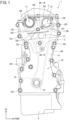
Fig. 1 is a right side view of an internal combustion engine according to an embodiment of this invention. -
Fig. 2 is a right side view of the internal combustion engine according to an embodiment of this invention and is a right side view of an upper portion of the internal combustion engine from which an intake solenoid and an exhaust solenoid are removed. -
Fig. 3 is a top view of the internal combustion engine according to an embodiment of this invention and is a top view of a right portion of the internal combustion engine from which a cylinder head cover is removed. -
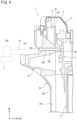
Fig. 4 is a cross-sectional view when viewed from a direction IV-IV ofFig. 1 . -
Fig. 5(a) is a configuration diagram of an intake variable valve device of the internal combustion engine according to an embodiment of this invention. -
Fig. 5(b) is a configuration diagram of an exhaust variable valve device of the internal combustion engine according to an embodiment of this invention. - Hereinafter, embodiments of an internal combustion engine according to this invention will be described with reference to the drawings.
-
Figs. 1 to 5 are diagrams showing an internal combustion engine according to an embodiment of this invention. InFigs. 1 to 5 , the up, down, front, rear, right, and left directions are based on the state of the internal combustion engine installed in the vehicle, the front and rear direction of the vehicle is the front and rear direction, the right and left direction of the vehicle (the vehicle width direction) is the right and left direction, and the up and down direction of the vehicle (the height direction of the vehicle) is the up and down direction. - First, a configuration will be described.
- As shown in
Fig. 1 , anengine 1 mounted on the vehicle includes an enginemain body 2. As shown inFig. 4 , the enginemain body 2 includes acylinder block 3 and acylinder head 4. Thecylinder head 4 is provided on the upper portion of thecylinder block 3. - A
cylinder head cover 5 is attached to the upper portion of thecylinder head 4 and anoil pan 6 storing oil is attached to the lower portion of the cylinder block 3 (seeFig. 1 ). Theengine 1 and the enginemain body 2 of this embodiment constitute the internal combustion engine and the internal combustion engine main body, respectively. - A plurality of cylinders (not shown) are provided in the
cylinder block 3 so as to be arranged side by side in the width direction of the vehicle (hereinafter referred to as the vehicle width direction) which is the right and left direction. - Pistons (not shown) are accommodated in the respective cylinders and each piston is connected to a
crankshaft 3S (seeFig. 1 ) through a connecting rod (not shown). Each piston reciprocates in the cylinder to rotate the crankshaft through the connecting rod. A plurality of intake ports and a plurality of exhaust ports (not shown) are formed in thecylinder head 4. - The intake port communicates with the respective cylinders to introduce an intake air thereinto. An exhaust manifold communicates with the plurality of cylinders through the exhaust ports, collects an exhaust gas discharged from the plurality of cylinders, and discharges the collected exhaust gas from an exhaust outlet to a catalytic converter (not shown).
- As shown in
Fig. 3 , anintake cam shaft 11 and anexhaust cam shaft 12 are installed on thecylinder head 4. Theintake cam shaft 11 and theexhaust cam shaft 12 are rotatably supported to thecylinder head 4 by abearing cap 13. - The
intake cam shaft 11 and theexhaust cam shaft 12 are arranged side by side in the front and rear direction so thataxes - The
intake cam shaft 11 includes a plurality ofintake cams 11A (one of them is shown in the drawing) arranged side by side in the direction of theaxis 11a of theintake cam shaft 11. Hereinafter, the direction of theaxis 11a of theintake cam shaft 11 is referred to as the axial direction. - For example, pairs of the
intake cams 11A are used for the respective cylinders (i.e., two among theintake cams 11A are used for one cylinder). An intake valve (not shown) is provided in the intake port, and theintake cam 11A operates the intake valve to open and close the intake port and to permit and prohibit the communication between the cylinder and the intake port. - The
exhaust cam shaft 12 includes a plurality ofexhaust cams 12A (one of them is shown in the drawing) arranged side by side in the direction of theaxis 12a of theexhaust cam shaft 12. Hereinafter, the direction of theaxis 12a of theexhaust cam shaft 12 is referred to as the axial direction. - Further, the axial directions of the
intake cam shaft 11 and theexhaust cam shaft 12 are parallel to each other and thus, may be simply referred to as the axial direction of theintake cam shaft 11 for convenience of explanation. - For example, pairs of the
exhaust cams 12A are used for the respective cylinders (i.e., two among theexhaust cams 12A are used for one cylinder). An exhaust valve (not shown) is provided in the exhaust port, and theexhaust cam 12A operates the exhaust valve to open and close the exhaust port to permit and prohibit the communication between the cylinder and the exhaust port. - An intake
variable valve device 15 is attached to the right end portion (one end portion) of theintake cam shaft 11 in the axial direction. The intakevariable valve device 15 includes an intakeside housing member 23 of which the outer peripheral portion is provided with anintake sprocket 23 S. - An exhaust
variable valve device 16 is attached to the right end portion (one end portion) of theexhaust cam shaft 12 in the axial direction. The exhaustvariable valve device 16 includes an exhaustside housing member 25 of which the outer peripheral portion is provided with anexhaust sprocket 25S. - As shown in
Fig. 1 , acrank sprocket 3A is provided at the right end portion of thecrankshaft 3S. Atiming chain 19 is wound around thecrank sprocket 3A, theintake sprocket 23S, and theexhaust sprocket 25S. Thetiming chain 19 of this embodiment constitutes a transmission member. - The power of the
crankshaft 3S is transmitted to theintake cam shaft 11 and theexhaust cam shaft 12 through thetiming chain 19. Due thereto, theintake cam 11A rotates to open or close the intake valve and theexhaust cam 12A rotates to open or close the exhaust valve. - The intake
variable valve device 15 changes the relative rotation phase of theintake cam shaft 11 with respect to thecrankshaft 3S, and the exhaustvariable valve device 16 changes the relative rotation phase of theexhaust cam shaft 12 with respect to thecrankshaft 3S. - A
chain cover 20 is attached to the right end portion of thecylinder block 3 and the right end portion of thecylinder head 4. Specifically, aflange portion 20F is formed on the outer peripheral edge of thechain cover 20 and is fastened to the right end portions of thecylinder block 3 and thecylinder head 4 by a plurality ofbolts 33A. - The
chain cover 20 accommodates the timing chain 19 (seeFig. 1 ). That is, thetiming chain 19 is installed in a space 30 (seeFig. 4 ) which is surrounded by thecylinder block 3, thecylinder head 4, and thechain cover 20. The chain cover 20 of this embodiment constitutes a cover member. - As shown in
Figs. 3 and4 , amount attachment portion 21 is provided on an upper portion of aright side surface 20r of thechain cover 20. Themount attachment portion 21 bulges toward the right side from theright side surface 20r of the chain cover 20 (i.e., themount attachment portion 21 bulges from theright side surface 20r to be away from the engine body 2). - As shown in
Fig. 4 , a right side member 7 separated from theengine 1 is installed at the right side of theengine 1 and extends in the front and rear direction of the vehicle.Amount member 22 is attached to themount attachment portion 21. - The
mount member 22 includes amount bracket 22A of which a left end portion is fixed to themount attachment portion 21 by a bolt (not shown). - The
mount member 22 further includes avibration absorbing member 22B attached to the right side member 7. The right end portion of themount bracket 22A is attached to thevibration absorbing member 22B, and themount attachment portion 21 is elastically supported by the right side member 7 through themount member 22. - Accordingly, the vibration of the
engine 1 can be absorbed by themount member 22 and the vibration transmitted from theengine 1 to the right side member 7 can be reduced. The transmission is elastically supported to a left side member (not shown) by a mount member (not shown). The right side member 7 of this embodiment constitutes a vehicle body. - As shown in
Fig. 4 , a bulgingportion 20E is provided on thechain cover 20. The bulgingportion 20E bulges toward the left side of theright side surface 20r of the chain cover 20 (i.e., toward the engine body 2) above themount attachment portion 21 and covers the front side of the intakevariable valve device 15 and the rear side of the exhaustvariable valve device 16. - As shown in
Fig. 3 , the dimension of the exhaustvariable valve device 16 in the axial direction of theexhaust cam shaft 12 is shorter than the dimension of the intakevariable valve device 15 in the axial direction of theintake cam shaft 11. - As shown in
Fig. 5(a) , the intakevariable valve device 15 includes the intakeside housing member 23 to which the power of thecrankshaft 3S is transmitted through thetiming chain 19. - An intake
side vane rotor 24 is accommodated in the intakeside housing member 23 and includes arotor 24A and threevanes 24B. The intakeside housing member 23 and the intakeside vane rotor 24 of this embodiment constitutes a housing member and a vane rotor respectively. - The
rotor 24A is connected to the right end portion of theintake cam shaft 11 and rotates together with theintake cam shaft 11. Thevanes 24B protrude radially outwardly from therotor 24A and divide the inside of the intakeside housing member 23 into a plurality ofadvance chambers 23A and a plurality ofretard chambers 23B. - Advance angle
side oil passages 24a and retard angleside oil passages 24b are formed in therotor 24A. - An oil pump (not shown) is provided on the
engine 1, and the supply path is switched by an intake solenoid 31 (will be described later) so that an oil supplied from the oil pump is supplied to any one of the advance angleside oil passage 24a and the retard angleside oil passage 24b. - When the supply path is switched to the advance angle
side oil passage 24a by theintake solenoid 31, an oil is supplied from the advance angleside oil passage 24a to theadvance chamber 23A. - When an oil is introduced to the
advance chamber 23A, the intakeside vane rotor 24 relatively rotates with respect to the intakeside housing member 23 to thereby change the relative rotation phase of theintake cam shaft 11 with respect to thecrankshaft 3S to the advance side and change the opening and closing timing of the exhaust valve to the advance side. - When the supply path is switched to the retard angle
side oil passage 24b by theintake solenoid 31, an oil is to be supplied from the retard angleside oil passage 24b to theretard chamber 23B. - When an oil is introduced to the
retard chamber 23B, the relative rotation phase of theintake cam shaft 11 with respect to thecrankshaft 3 S is to be changed to the retard side and the opening and closing timing of the exhaust valve is to be changed to the retard side. - As shown in
Fig. 5(b) , the exhaustvariable valve device 16 includes the exhaustside housing member 25 to which the power of thecrankshaft 3S is transmitted through thetiming chain 19. - As shown in
Fig. 3 , the dimension of the exhaustside housing member 25 in the axial direction of theexhaust cam shaft 12 is shorter than the dimension of the intakeside housing member 23 in the axial direction of theintake cam shaft 11. - Specifically, the length of the exhaust
side housing member 25 in the axial direction of theexhaust cam shaft 12 is substantially a half of the length of the intakeside housing member 23 in the axial direction of theintake cam shaft 11. - As shown in
Fig. 5(b) , an exhaustside vane rotor 26 is accommodated in the exhaustside housing member 25 and includes arotor 26A and fourvanes 26B. The exhaustside housing member 25 and the exhaustside vane rotor 26 of this embodiment constitute a housing member and a vane rotor respectively. - The
rotor 26A is connected to the right end portion of theexhaust cam shaft 12 and rotates together with theexhaust cam shaft 12. Thevanes 26B protrude radially outwardly from therotor 26A and divide the inside of the exhaustside housing member 25 into a plurality ofadvance chambers 25A and a plurality ofretard chambers 25B. - Advance angle
side oil passages 26a and retard angleside oil passages 26b are formed in therotor 26A. - The supply path is switched by an exhaust solenoid 32 (will be described later) so that an oil supplied from the oil pump is supplied to any one of the advance angle
side oil passage 26a and the retard angleside oil passage 26b. - When the supply path is switched to the advance angle
side oil passage 26a by theexhaust solenoid 32, an oil is to be supplied from the advance angleside oil passage 26a to theadvance chamber 25A. - When oil is introduced to the
advance chamber 25A, the exhaustside vane rotor 26 relatively rotates with respect to the exhaustside housing member 25 to thereby change the relative rotation phase of theexhaust cam shaft 12 with respect to thecrankshaft 3S to the advance side and change the opening and closing timing of the exhaust valve to the advance side. - When the supply path is switched to the retard angle
side oil passage 26b by theexhaust solenoid 32, an oil is to be supplied from the retard angleside oil passage 26b to theretard chamber 25B. - When an oil is introduced to the
retard chamber 25B, the relative rotation phase of theexhaust cam shaft 12 with respect to thecrankshaft 3S is to be changed to the retard side and the opening and closing timing of the exhaust valve is to be changed to the retard side. - An operation angle α1 of the
vane 24B of the exhaustvariable valve device 16 is smaller than an operation angle α2 of thevane 26B of the intakevariable valve device 15. That is, the operation range of the relative rotation angle of the intakeside vane rotor 24 with respect to the intakeside housing member 23 is larger than the operation range of the relative rotation angle of the exhaustside vane rotor 26 with respect to the exhaustside housing member 25. - As shown in
Fig. 3 , the intakevariable valve device 15 and the exhaustvariable valve device 16 are installed so that the right end surface of the exhaustvariable valve device 16 is located to be closer to the enginemain body 2 in the axial direction of theintake cam shaft 11 than the right end surface of the intakevariable valve device 15 is. - Specifically, the intake
variable valve device 15 and the exhaustvariable valve device 16 are installed so that aright end surface 25r of the exhaustside housing member 25 is located to be closer to the enginemain body 2 in the axial direction of theintake cam shaft 11 than aright end surface 23r of the intakeside housing member 23 is. - The
right end surface 23r of the intakeside housing member 23 of this embodiment constitutes an end surface of the intake variable valve device, and theright end surface 25r of the exhaustside housing member 25 of this embodiment constitutes an end surface of the exhaust variable valve device. - As shown in
Fig. 3 , thechain cover 20 includes an intakeside wall portion 20A which faces the intakevariable valve device 15 in the axial direction of theintake cam shaft 11 and an exhaustside wall portion 20B which faces the exhaustvariable valve device 16 in the axial direction of theexhaust cam shaft 12. - The exhaust
side wall portion 20B is continuously connected to the intakeside wall portion 20A and is recessed toward the enginemain body 2. That is, the exhaustside wall portion 20B is recessed to be closer to the enginemain body 2 than the intakeside wall portion 20A is, and the intakeside wall portion 20A bulges to be farther away from the enginemain body 2 than the exhaustside wall portion 20B is. - The intake
side wall portion 20A and the exhaustside wall portion 20B are interconnected by astep portion 20C in a direction (front and rear direction) orthogonal to the axial direction of theintake cam shaft 11. InFig. 2 , the range in the front and rear direction of thestep portion 20C is indicated by an arrow. - As shown in
Fig. 2 , themount attachment portion 21 is continuously provided on the intakeside wall portion 20A, the exhaustside wall portion 20B, and thestep portion 20C. Specifically, themount attachment portion 21 bulges toward the right side from the intakeside wall portion 20A, the exhaustside wall portion 20B, and thestep portion 20C to be away from theengine body 2. - As shown in
Figs. 1 and3 , theintake solenoid 31 and theexhaust solenoid 32 are provided on thechain cover 20. - As shown in
Fig. 2 , the intakeside wall portion 20A includes an intake side opening 20a into which theintake solenoid 31 is inserted, and an intake sideannular portion 20b which protrudes to the right side (outside) from thechain cover 20 to surround theintake side opening 20a and to which theintake solenoid 31 is fixed by a bolt (not shown). - The exhaust
side wall portion 20B includes an exhaust side opening 20c into which theexhaust solenoid 32 is inserted, and an exhaust sideannular portion 20d which protrudes to the right side (outside) from thechain cover 20 to surround theexhaust side opening 20c and to which theexhaust solenoid 32 is fixed by abolt 33B (seeFig. 1 ). - As shown in
Fig. 2 , the front end portion of the intake sideannular portion 20b and the rear end portion of the exhaust sideannular portion 20d are connected to thestep portion 20C. - The
intake solenoid 31 is provided coaxially with theaxis 11a of theintake cam shaft 11 and operates the intakevariable valve device 15. - Specifically, the
intake solenoid 31 includes a plunger portion (not shown) connected to the intakevariable valve device 15 through theintake side opening 20a. - The
intake solenoid 31 switches the supply path to which an oil is supplied from the oil pump to any one of the advance angleside oil passage 24a and the retard angleside oil passage 24b in such a manner that the plunger portion moves in the vehicle width direction (right and left direction). - Additionally, the fact that the
intake solenoid 31 is provided coaxially with theaxis 11a of theintake cam shaft 11 means that theintake solenoid 31 is located on theaxis 11a of theintake cam shaft 11. - The
exhaust solenoid 32 is provided coaxially with theaxis 12a of theexhaust cam shaft 12 and operates the exhaustvariable valve device 16. Specifically, theexhaust solenoid 32 includes a plunger portion (not shown), and the plunger portion is connected to the exhaustvariable valve device 16 through theexhaust side opening 20c. - The
exhaust solenoid 32 switches the supply path to which oil is supplied from the oil pump to any one of the advance angleside oil passage 26a and the retard angleside oil passage 26b in such a manner that the plunger portion moves in the vehicle width direction. - Additionally, the fact that the
exhaust solenoid 32 is provided coaxially with theaxis 12a of theexhaust cam shaft 12 means that theexhaust solenoid 32 is located on theaxis 12a of theexhaust cam shaft 12. - As shown in
Figs. 1 and2 , aboss portion 20D is provided on thestep portion 20C of thechain cover 20. - As shown in
Fig. 4 , theboss portion 20D is provided on the bulgingportion 20E and the rear end of the bulgingportion 20E comes into contact with thecylinder head 4. Abolt fastening groove 4A is provided in thecylinder head 4 and thebolt fastening groove 4A faces theboss portion 20D in the vehicle width direction. - In the
chain cover 20, thestep portion 20C is fastened to thecylinder head 4 in such a manner that abolt 33C is inserted through theboss portion 20D and thebolt 33C is fastened to thebolt fastening groove 4A of thecylinder head 4. Theboss portion 20D and thebolt 33C of this embodiment constitute a fastening portion of this invention. - Next, the effect of the
engine 1 of this embodiment will be described. - The
engine 1 of this embodiment includes theintake cam shaft 11 and theexhaust cam shaft 12 which are rotatably provided in the enginemain body 2 so that theaxes crankshaft 3S is transmitted thereto through thetiming chain 19. - Further, the
engine 1 includes the intakevariable valve device 15 which is provided at the right end portion (one end portion) of theintake cam shaft 11 in the axial direction and changes the relative rotation phase of theintake cam shaft 11 with respect to thecrankshaft 3S and the exhaustvariable valve device 16 which is provided at the right end portion (one end portion) of theexhaust cam shaft 12 in the axial direction and changes the relative rotation phase of theexhaust cam shaft 12 with respect to thecrankshaft 3S. - Further, the
engine 1 includes thechain cover 20 which is attached to the right end portions (one end portions) of thecylinder block 3 and thecylinder head 4 and accommodates thetiming chain 19 and themount attachment portion 21 which is formed on thechain cover 20 and to which themount member 22 supporting the enginemain body 2 to the right side member 7 is attached. - The
chain cover 20 includes the intakeside wall portion 20A which faces the intakevariable valve device 15 in the axial direction of theintake cam shaft 11 and the exhaustside wall portion 20B which faces the exhaustvariable valve device 16 in the axial direction of theexhaust cam shaft 12. - The intake
variable valve device 15 and the exhaustvariable valve device 16 are arranged so that the right end surface of the exhaust variable valve device 16 (theright end surface 25r of the exhaust side housing member 25) facing thechain cover 20 is located to be closer to the enginemain body 2 in the axial direction of theintake cam shaft 11 than the right end surface of the intake variable valve device 15 (theright end surface 23r of the intake side housing member 23) is. - In addition, the exhaust
side wall portion 20B of thechain cover 20 is recessed to be closer to the enginemain body 2 in the axial direction than the intakeside wall portion 20A is, and themount attachment portion 21 is continuously provided on the intakeside wall portion 20A, the exhaustside wall portion 20B, and thestep portion 20C interconnecting the intakeside wall portion 20A and the exhaustside wall portion 20B. That is, themount attachment portion 21 extends from the intakeside wall portion 20A, the exhaustside wall portion 20B, and thestep portion 20C, so as to be away from theengine body 2 in the axial direction. - In this way, since the
step portion 20C is formed on thechain cover 20, the surface rigidity of thechain cover 20 at the attachment position of themount attachment portion 21 can be increased and the vibration of themount attachment portion 21 due to the vibration of theengine 1 can be suppressed. As a result, the support rigidity of theengine 1 can be increased. - Further, according to the
engine 1 of this embodiment, the dimension of the exhaustvariable valve device 16 in the axial direction of theintake cam shaft 11 is shorter than that of the intakevariable valve device 15. - Accordingly, the shaft length of the
exhaust cam shaft 12 can be shorter than the shaft length of theintake cam shaft 11 and the installation space of theexhaust cam shaft 12 with respect to thecylinder head 4 can be reduced. - Additionally, in the
engine 1, the intakevariable valve device 15 and the exhaustvariable valve device 16 may be installed so that the right end surface of the intake variable valve device 15 (theright end surface 23r of the intake side housing member 23) facing thechain cover 20 is located on the side of the enginemain body 2 in the axial direction of theintake cam shaft 11 in relation to the right end surface of the exhaust variable valve device 16 (theright end surface 25r of the exhaust side housing member 25). - Further, in the
chain cover 20, instead of the exhaustside wall portion 20B, the intakeside wall portion 20A may be recessed toward the enginemain body 2. - Furthermore, the dimension of the intake
variable valve device 15 in the axial direction of theintake cam shaft 11 may be shorter than that of the exhaustvariable valve device 16. - Further, according to the
engine 1 of this embodiment, the intakevariable valve device 15 includes the intakeside vane rotor 24 which is accommodated in the intakeside housing member 23. - The intake
side vane rotor 24 includes therotor 24A which is connected to theintake cam shaft 11 and the plurality ofvanes 24B which protrude radially outward from therotor 24A and divides the inside of the intakeside housing member 23 into the plurality ofadvance chambers 23A and the plurality ofretard chambers 23B and relatively rotates with respect to the intakeside housing member 23 by the operating hydraulic pressure introduced into theadvance chamber 23A or theretard chamber 23B. - Further, the exhaust
variable valve device 16 includes the exhaustside vane rotor 26 which is accommodated in the exhaustside housing member 25. - The exhaust
side vane rotor 26 includes therotor 26A which is connected to theexhaust cam shaft 12 and the plurality ofvanes 26B which protrude radially outward from therotor 26A and divide the inside of the exhaustside housing member 25 into the plurality ofadvance chambers 25A and the plurality ofretard chambers 25B and relatively rotates with respect to the exhaustside housing member 25 by the operating hydraulic pressure introduced into theadvance chamber 25A or theretard chamber 25B. - Then, the number of the
vanes 26B provided in the exhaustvariable valve device 16 is larger than the number of thevanes 24B provided in the intakevariable valve device 15. - Accordingly, since the number of the
vanes 26B increases instead of a decrease in the area of thevane 26B when the shaft length of the exhaustvariable valve device 16 is made short, the responsiveness of the opening and closing timing of the exhaust valve can be maintained. - Specifically, the theoretical drive torque of the variable valve device is obtained by the following formula (1).
- Here, the theoretical drive torque is the torque that the vane can withstand when the torque is received from the intake and exhaust valves, as shown below.
Theoretical drive torque (Nmm) = hydraulic pressure acting on vane × number of vanes × pressure area of vane - In the formula (1) above, since the pressure area of the
vane 26B can be decreased as the number of thevanes 26B of the exhaustvariable valve device 16 increases when the same drive torque is ensured for the intakevariable valve device 15 and the exhaustvariable valve device 16, the responsiveness of the opening and closing timing of the exhaust valve can be maintained even when the axial dimension of the exhaustvariable valve device 16 is short. - Additionally, the number of the
vanes variable valve device 15 and the exhaustvariable valve device 16 is not limited to three and four, respectively. - Further, according to the
engine 1 of this embodiment, the intakevariable valve device 15 and the exhaustvariable valve device 16 are installed so that the right end surface of the exhaustvariable valve device 16 facing thechain cover 20 is located on the side of the enginemain body 2 in the axial direction of theintake cam shaft 11 in relation to the right end surface of the intakevariable valve device 15. - In addition, in the
chain cover 20, the exhaustside wall portion 20B is recessed toward the enginemain body 2 to be closer thereto than the intakeside wall portion 20A is. - Accordingly, when the number of the
vanes 26B of the exhaustvariable valve device 16 is four in order to shorten the shaft length of the exhaustvariable valve device 16, the operation angle α1 of thevane 26B becomes smaller than the operation angle α2 of thevane 24B of the intake variable valve device 15 (seeFig. 5 ). - However, since the exhaust
variable valve device 16 provided on the exhaust side has less influence on the operability of theengine 1 than the intakevariable valve device 15 even when the operation angle α1 of thevane 26B of the exhaustvariable valve device 16 is smaller than the operation angle α2 of thevane 24B of the intakevariable valve device 15, the shaft length of the exhaustvariable valve device 16 can be reliably made short. - Additionally, since the shaft length of the exhaust
variable valve device 16 can be shorter than the shaft length of the intakevariable valve device 15, the shaft lengths of theintake cam shaft 11 and theexhaust cam shaft 12 may be the same. In this case, the shaft length of theexhaust cam shaft 12 including the exhaustvariable valve device 16 can be shorter than the shaft length of theintake cam shaft 11 including the intakevariable valve device 15. - Further, according to the
engine 1 of this embodiment, theintake solenoid 31 is provided coaxially with theaxis 11a of theintake cam shaft 11 to operate the intakevariable valve device 15 and theexhaust solenoid 32 is provided coaxially with theaxis 12a of theexhaust cam shaft 12 to operate the exhaustvariable valve device 16. - The intake
side wall portion 20A includes the intake side opening 20a into which theintake solenoid 31 is inserted and the intake sideannular portion 20b which protrudes to the right side from thechain cover 20 to surround theintake side opening 20a and to which theintake solenoid 31 is fixed. - The exhaust
side wall portion 20B includes the exhaust side opening 20c into which theexhaust solenoid 32 is inserted and the exhaust sideannular portion 20d which protrudes to the right side from thechain cover 20 to surround theexhaust side opening 20c and to which theexhaust solenoid 32 is fixed. - In addition, the intake side
annular portion 20b and the exhaust sideannular portion 20d are connected to thestep portion 20C. - Accordingly, the rigidity of the
step portion 20C can be further increased by the intake sideannular portion 20b and the exhaust sideannular portion 20d having high rigidity and the surface rigidity of thechain cover 20 at the attachment position of themount attachment portion 21 can be more effectively increased. - Therefore, the vibration of the
mount attachment portion 21 due to the vibration of theengine 1 can be more effectively suppressed and the support rigidity of theengine 1 can be further increased. - Further, according to the
engine 1 of this embodiment, thechain cover 20 includes theboss portion 20D and thebolt 33C which fasten thechain cover 20 to thecylinder head 4 and theboss portion 20D and thebolt 33C are provided on thestep portion 20C. - Accordingly, the rigidity of the
step portion 20C can be further increased by fastening thestep portion 20C to thecylinder head 4 with thebolt 33C. - Therefore, the surface rigidity of the
chain cover 20 at the attachment position of themount attachment portion 21 can be more effectively increased and the vibration of themount attachment portion 21 due to the vibration of theengine 1 can be more effectively suppressed. As a result, the support rigidity of theengine 1 can be further increased. - Additionally, the
mount attachment portion 21 of this embodiment may be provided on the intakeside wall portion 20A and thestep portion 20C, may be provided on the exhaustside wall portion 20B and thestep portion 20C, or may be provided only in thestep portion 20C. - 1 ... Engine (internal combustion engine), 2 ... Engine main body (internal combustion engine main body), 3S ... Crankshaft, 7 ... Right side member (vehicle body), 11 ... Intake cam shaft, 11a ... Axis (axis of intake cam shaft), 12 ... Exhaust cam shaft, 12a ... Axis (axis of exhaust cam shaft), 15 ... Intake variable valve device, 16 ... Exhaust variable valve device, 19 ... Timing chain (Transmission member), 20 ... Chain cover (cover member), 20A ... Intake side wall portion, 20a ... Intake side opening, 20B ... Exhaust side wall portion, 20b ... Intake side annular portion, 20C ... Step portion, 20c ... Exhaust side opening, 20D ... Boss portion (fastening portion), 20d ... Exhaust side annular portion, 21 ... Mount attachment portion, 22 ... Mount member, 23 ... Intake side housing member (housing member), 23A, 25A ... Advance chamber, 23B, 25B ... Retard chamber, 23r ... Right end surface (end surface of intake variable valve device), 24 ... Intake side vane rotor (vane rotor), 24A ... Rotor, 24B ... Vane, 25 ... Exhaust side housing member (housing member), 25r ... Right end surface (end surface of exhaust variable valve device), 26 ... Exhaust side vane rotor (vane rotor), 26A ... Rotor, 26B ... Vane, 31 ... Intake solenoid, 32 ... Exhaust solenoid, 33C ... Bolt (fastening portion)
Claims (5)
- An internal combustion engine comprising:an intake cam shaft (11) and an exhaust cam shaft (12) rotatably provided in an internal combustion engine main body (2) so that mutual axes are parallel to each other, to which power of a crankshaft (3S) is transmitted through a transmission member (19);an intake variable valve device (15) provided at an axial end portion of the intake cam shaft (11) and configured to change a relative rotation phase of the intake cam shaft (11) with respect to the crankshaft (3S);an exhaust variable valve device (16) provided at an axial end portion of the exhaust cam shaft (12) and configured to change a relative rotation phase of the exhaust cam shaft (12) with respect to the crankshaft (3S);a cover member (20) with a mount attachment portion (21), the cover member being attached to an end portion of the internal combustion engine main body (2) and accommodating the transmission member (19), the mount attachment portion (21) configured to be attached with a mount member (22) supporting the internal combustion engine main body to a vehicle body (7),wherein the cover member (20) includes an intake side wall portion (20A) facing the intake variable valve device (15) in the axial direction of the intake cam shaft (11), and an exhaust side wall portion (20B) facing the exhaust variable valve device (16) in the axial direction of the exhaust cam shaft (12),wherein the intake and exhaust variable valve devices (15,16) are arranged so that an end surface (23r,25r) of one of the intake and exhaust variable valve devices (15,16), facing the cover member (20), is located to be closer to the internal combustion engine main body (2) in the axial direction than that of the other is,wherein one of the intake and exhaust side wall portions (20A,20B) is recessed to be closer to the internal combustion engine main body (2) in the axial direction than the other of the intake and exhaust side wall portions (20A,20B) is, and the other of the intake and exhaust side wall portions (20A,20B) bulges to be farther away from the internal combustion engine main body (2) than the one of the intake and exhaust side wall portions (20A,20B) is, andwherein the mount attachment portion (21) is provided on a step portion (20C) interconnecting the intake and exhaust side wall portions (20A,20B);an intake solenoid (31) arranged coaxially with the intake cam shaft (11) and configured to operate the intake variable valve device (15); andan exhaust solenoid (32) arranged coaxially with the exhaust cam shaft (12) and configured to operate the exhaust variable valve device (16),wherein the intake side wall portion (20A) includes an intake side opening (20a) allowing the intake solenoid (31) to be inserted thereinto, and an intake side annular portion (20b) protruding outward from the cover member (20) to surround the intake side opening (20a) and allowing the intake solenoid (31) to be fixed thereto,wherein the exhaust side wall portion (20B) includes an exhaust side opening (20c) allowing the exhaust solenoid (32) to be inserted thereinto, and an exhaust side annular portion (20d) protruding outward from the cover member (20) to surround the exhaust side opening (20c) and allowing the exhaust solenoid (32) to be fixed thereto, andwherein the intake side annular portion (20b) and the exhaust side annular portion (20d) are connected to the step portion (20C).
- The internal combustion engine as claimed in claim 1,
wherein a dimension of the one variable valve device (16) in the axial direction is shorter than that of the other variable valve device (15). - The internal combustion engine as claimed in claim 1 or 2,wherein each of the intake variable valve device (15) and the exhaust variable valve device (16) includes a housing member (23,25) to which power of the crankshaft (3S) is transmitted through the transmission member (19), and a vane rotor (24,26) accommodated in the housing member (23,25),wherein each vane rotor (24,26) includes a rotor (24A,26A) connected to a corresponding one of the intake and exhaust cam shafts (11,12), and a plurality of vanes (24B,26B) protruding radially outwardly from the rotor (24A,26A) and dividing the inside of the housing member (23,25) into a plurality of advance chambers (23A,25A) and a plurality of retard chambers (23B,25B), the vane rotor (24,26) relatively rotating with respect to the housing member (23,25) by an operating hydraulic pressure introduced into the advance chamber (23A,25A) or the retard chamber (23B,25B), andwherein the number of the vanes (24B,26B) of the one variable valve device (16) is larger than that of the other variable valve device (15).
- The internal combustion engine as claimed in any one of claims 1 to 3,wherein the one variable valve device is the exhaust variable valve device (16), andwherein the one side wall portion is the exhaust side wall portion (20B).
- The internal combustion engine as claimed in any one of claims 1 to 4,
wherein the cover member (20) includes a fastening portion (20D,33C) provided on the step portion (20C) and fastening the cover member (20) to the internal combustion engine main body (2).
Applications Claiming Priority (1)
| Application Number | Priority Date | Filing Date | Title |
|---|---|---|---|
| JP2020207745A JP7528766B2 (en) | 2020-12-15 | 2020-12-15 | Internal combustion engine |
Publications (2)
| Publication Number | Publication Date |
|---|---|
| EP4015786A1 EP4015786A1 (en) | 2022-06-22 |
| EP4015786B1 true EP4015786B1 (en) | 2024-05-08 |
Family
ID=78516672
Family Applications (1)
| Application Number | Title | Priority Date | Filing Date |
|---|---|---|---|
| EP21206295.4A Active EP4015786B1 (en) | 2020-12-15 | 2021-11-03 | Internal combustion engine |
Country Status (3)
| Country | Link |
|---|---|
| EP (1) | EP4015786B1 (en) |
| JP (1) | JP7528766B2 (en) |
| HU (1) | HUE067508T2 (en) |
Family Cites Families (8)
| Publication number | Priority date | Publication date | Assignee | Title |
|---|---|---|---|---|
| JP2001050102A (en) | 1999-05-31 | 2001-02-23 | Yamaha Motor Co Ltd | 4 cycle engine |
| JP4343396B2 (en) | 2000-05-23 | 2009-10-14 | ヤマハ発動機株式会社 | Engine variable valve timing mechanism |
| JP4517514B2 (en) | 2001-02-14 | 2010-08-04 | マツダ株式会社 | Oiling device for variable valve timing mechanism of internal combustion engine |
| JP4873243B2 (en) | 2007-03-08 | 2012-02-08 | スズキ株式会社 | Engine with variable valve timing mechanism |
| JP6054760B2 (en) | 2013-02-06 | 2016-12-27 | 日立オートモティブシステムズ株式会社 | Valve timing control system for internal combustion engine |
| JP2016048053A (en) * | 2014-08-28 | 2016-04-07 | 日立オートモティブシステムズ株式会社 | Valve timing control device and valve timing control system for internal combustion engine |
| JP6711147B2 (en) | 2016-06-03 | 2020-06-17 | スズキ株式会社 | Engine chain cover structure |
| JP7107054B2 (en) * | 2018-07-20 | 2022-07-27 | スズキ株式会社 | Internal combustion engine cover structure |
-
2020
- 2020-12-15 JP JP2020207745A patent/JP7528766B2/en active Active
-
2021
- 2021-11-03 EP EP21206295.4A patent/EP4015786B1/en active Active
- 2021-11-03 HU HUE21206295A patent/HUE067508T2/en unknown
Also Published As
| Publication number | Publication date |
|---|---|
| JP2022094706A (en) | 2022-06-27 |
| HUE067508T2 (en) | 2024-10-28 |
| EP4015786A1 (en) | 2022-06-22 |
| JP7528766B2 (en) | 2024-08-06 |
Similar Documents
| Publication | Publication Date | Title |
|---|---|---|
| EP1333159B1 (en) | Internal combustion engine with a variable valve drive | |
| KR101169856B1 (en) | Internal combustion engine with variable valve gear | |
| US4438733A (en) | Air cooled internal combustion engine | |
| US9422872B2 (en) | Variable compression ratio internal combustion engine | |
| CN210768968U (en) | Cover structure of internal combustion engine | |
| EP1965051B1 (en) | Engine assembly with variable stroke characteristics | |
| CN110735683B (en) | Cover structure of internal combustion engine | |
| SE512935C2 (en) | Valve device for an internal combustion engine | |
| EP2063085B1 (en) | Engine with variable stroke characteristics | |
| EP4015786B1 (en) | Internal combustion engine | |
| JP6958095B2 (en) | Internal combustion engine auxiliary equipment mounting structure | |
| WO2002004789A1 (en) | Valve timing adjusting device | |
| KR20060043320A (en) | Valve characteristic change device of internal combustion engine | |
| JP4715783B2 (en) | Engine superstructure | |
| JP2013245613A (en) | Valve timing control apparatus | |
| JP7663054B2 (en) | Oil passage structure of internal combustion engine | |
| JP3562075B2 (en) | Valve timing control device | |
| JP7524817B2 (en) | Cover structure for internal combustion engine | |
| JP7647384B2 (en) | Cover structure for internal combustion engine | |
| JP2023004143A (en) | Cover structure of internal combustion engine | |
| JP4810370B2 (en) | Multi-cylinder engine with variable stroke characteristics | |
| JP2023028387A (en) | Oil passage structure of internal combustion engine | |
| JP4625437B2 (en) | Variable stroke characteristics engine | |
| JP5724587B2 (en) | Camshaft support structure | |
| JP4815313B2 (en) | Mounting structure of vane type hydraulic actuator for variable stroke characteristics engine |
Legal Events
| Date | Code | Title | Description |
|---|---|---|---|
| PUAI | Public reference made under article 153(3) epc to a published international application that has entered the european phase |
Free format text: ORIGINAL CODE: 0009012 |
|
| STAA | Information on the status of an ep patent application or granted ep patent |
Free format text: STATUS: REQUEST FOR EXAMINATION WAS MADE |
|
| 17P | Request for examination filed |
Effective date: 20211103 |
|
| AK | Designated contracting states |
Kind code of ref document: A1 Designated state(s): AL AT BE BG CH CY CZ DE DK EE ES FI FR GB GR HR HU IE IS IT LI LT LU LV MC MK MT NL NO PL PT RO RS SE SI SK SM TR |
|
| GRAP | Despatch of communication of intention to grant a patent |
Free format text: ORIGINAL CODE: EPIDOSNIGR1 |
|
| STAA | Information on the status of an ep patent application or granted ep patent |
Free format text: STATUS: GRANT OF PATENT IS INTENDED |
|
| RIC1 | Information provided on ipc code assigned before grant |
Ipc: F01L 1/053 20060101ALI20240125BHEP Ipc: F02F 7/00 20060101ALI20240125BHEP Ipc: F01L 1/344 20060101ALI20240125BHEP Ipc: B62J 13/00 20060101ALI20240125BHEP Ipc: F01L 1/02 20060101AFI20240125BHEP |
|
| INTG | Intention to grant announced |
Effective date: 20240212 |
|
| GRAS | Grant fee paid |
Free format text: ORIGINAL CODE: EPIDOSNIGR3 |
|
| GRAA | (expected) grant |
Free format text: ORIGINAL CODE: 0009210 |
|
| STAA | Information on the status of an ep patent application or granted ep patent |
Free format text: STATUS: THE PATENT HAS BEEN GRANTED |
|
| AK | Designated contracting states |
Kind code of ref document: B1 Designated state(s): AL AT BE BG CH CY CZ DE DK EE ES FI FR GB GR HR HU IE IS IT LI LT LU LV MC MK MT NL NO PL PT RO RS SE SI SK SM TR |
|
| REG | Reference to a national code |
Ref country code: GB Ref legal event code: FG4D |
|
| REG | Reference to a national code |
Ref country code: CH Ref legal event code: EP |
|
| REG | Reference to a national code |
Ref country code: DE Ref legal event code: R096 Ref document number: 602021013002 Country of ref document: DE |
|
| REG | Reference to a national code |
Ref country code: IE Ref legal event code: FG4D |
|
| REG | Reference to a national code |
Ref country code: LT Ref legal event code: MG9D |
|
| REG | Reference to a national code |
Ref country code: NL Ref legal event code: MP Effective date: 20240508 |
|
| PG25 | Lapsed in a contracting state [announced via postgrant information from national office to epo] |
Ref country code: IS Free format text: LAPSE BECAUSE OF FAILURE TO SUBMIT A TRANSLATION OF THE DESCRIPTION OR TO PAY THE FEE WITHIN THE PRESCRIBED TIME-LIMIT Effective date: 20240908 |
|
| PG25 | Lapsed in a contracting state [announced via postgrant information from national office to epo] |
Ref country code: BG Free format text: LAPSE BECAUSE OF FAILURE TO SUBMIT A TRANSLATION OF THE DESCRIPTION OR TO PAY THE FEE WITHIN THE PRESCRIBED TIME-LIMIT Effective date: 20240508 |
|
| PG25 | Lapsed in a contracting state [announced via postgrant information from national office to epo] |
Ref country code: HR Free format text: LAPSE BECAUSE OF FAILURE TO SUBMIT A TRANSLATION OF THE DESCRIPTION OR TO PAY THE FEE WITHIN THE PRESCRIBED TIME-LIMIT Effective date: 20240508 Ref country code: FI Free format text: LAPSE BECAUSE OF FAILURE TO SUBMIT A TRANSLATION OF THE DESCRIPTION OR TO PAY THE FEE WITHIN THE PRESCRIBED TIME-LIMIT Effective date: 20240508 |
|
| PG25 | Lapsed in a contracting state [announced via postgrant information from national office to epo] |
Ref country code: GR Free format text: LAPSE BECAUSE OF FAILURE TO SUBMIT A TRANSLATION OF THE DESCRIPTION OR TO PAY THE FEE WITHIN THE PRESCRIBED TIME-LIMIT Effective date: 20240809 |
|
| PG25 | Lapsed in a contracting state [announced via postgrant information from national office to epo] |
Ref country code: PT Free format text: LAPSE BECAUSE OF FAILURE TO SUBMIT A TRANSLATION OF THE DESCRIPTION OR TO PAY THE FEE WITHIN THE PRESCRIBED TIME-LIMIT Effective date: 20240909 |
|
| REG | Reference to a national code |
Ref country code: AT Ref legal event code: MK05 Ref document number: 1685157 Country of ref document: AT Kind code of ref document: T Effective date: 20240508 |
|
| PG25 | Lapsed in a contracting state [announced via postgrant information from national office to epo] |
Ref country code: NL Free format text: LAPSE BECAUSE OF FAILURE TO SUBMIT A TRANSLATION OF THE DESCRIPTION OR TO PAY THE FEE WITHIN THE PRESCRIBED TIME-LIMIT Effective date: 20240508 |
|
| PG25 | Lapsed in a contracting state [announced via postgrant information from national office to epo] |
Ref country code: ES Free format text: LAPSE BECAUSE OF FAILURE TO SUBMIT A TRANSLATION OF THE DESCRIPTION OR TO PAY THE FEE WITHIN THE PRESCRIBED TIME-LIMIT Effective date: 20240508 |
|
| PG25 | Lapsed in a contracting state [announced via postgrant information from national office to epo] |
Ref country code: AT Free format text: LAPSE BECAUSE OF FAILURE TO SUBMIT A TRANSLATION OF THE DESCRIPTION OR TO PAY THE FEE WITHIN THE PRESCRIBED TIME-LIMIT Effective date: 20240508 |
|
| PG25 | Lapsed in a contracting state [announced via postgrant information from national office to epo] |
Ref country code: PL Free format text: LAPSE BECAUSE OF FAILURE TO SUBMIT A TRANSLATION OF THE DESCRIPTION OR TO PAY THE FEE WITHIN THE PRESCRIBED TIME-LIMIT Effective date: 20240508 |
|
| REG | Reference to a national code |
Ref country code: HU Ref legal event code: AG4A Ref document number: E067508 Country of ref document: HU |
|
| PG25 | Lapsed in a contracting state [announced via postgrant information from national office to epo] |
Ref country code: LV Free format text: LAPSE BECAUSE OF FAILURE TO SUBMIT A TRANSLATION OF THE DESCRIPTION OR TO PAY THE FEE WITHIN THE PRESCRIBED TIME-LIMIT Effective date: 20240508 |
|
| PG25 | Lapsed in a contracting state [announced via postgrant information from national office to epo] |
Ref country code: PT Free format text: LAPSE BECAUSE OF FAILURE TO SUBMIT A TRANSLATION OF THE DESCRIPTION OR TO PAY THE FEE WITHIN THE PRESCRIBED TIME-LIMIT Effective date: 20240909 Ref country code: PL Free format text: LAPSE BECAUSE OF FAILURE TO SUBMIT A TRANSLATION OF THE DESCRIPTION OR TO PAY THE FEE WITHIN THE PRESCRIBED TIME-LIMIT Effective date: 20240508 Ref country code: NO Free format text: LAPSE BECAUSE OF FAILURE TO SUBMIT A TRANSLATION OF THE DESCRIPTION OR TO PAY THE FEE WITHIN THE PRESCRIBED TIME-LIMIT Effective date: 20240808 Ref country code: NL Free format text: LAPSE BECAUSE OF FAILURE TO SUBMIT A TRANSLATION OF THE DESCRIPTION OR TO PAY THE FEE WITHIN THE PRESCRIBED TIME-LIMIT Effective date: 20240508 Ref country code: LV Free format text: LAPSE BECAUSE OF FAILURE TO SUBMIT A TRANSLATION OF THE DESCRIPTION OR TO PAY THE FEE WITHIN THE PRESCRIBED TIME-LIMIT Effective date: 20240508 Ref country code: IS Free format text: LAPSE BECAUSE OF FAILURE TO SUBMIT A TRANSLATION OF THE DESCRIPTION OR TO PAY THE FEE WITHIN THE PRESCRIBED TIME-LIMIT Effective date: 20240908 Ref country code: HR Free format text: LAPSE BECAUSE OF FAILURE TO SUBMIT A TRANSLATION OF THE DESCRIPTION OR TO PAY THE FEE WITHIN THE PRESCRIBED TIME-LIMIT Effective date: 20240508 Ref country code: GR Free format text: LAPSE BECAUSE OF FAILURE TO SUBMIT A TRANSLATION OF THE DESCRIPTION OR TO PAY THE FEE WITHIN THE PRESCRIBED TIME-LIMIT Effective date: 20240809 Ref country code: FI Free format text: LAPSE BECAUSE OF FAILURE TO SUBMIT A TRANSLATION OF THE DESCRIPTION OR TO PAY THE FEE WITHIN THE PRESCRIBED TIME-LIMIT Effective date: 20240508 Ref country code: ES Free format text: LAPSE BECAUSE OF FAILURE TO SUBMIT A TRANSLATION OF THE DESCRIPTION OR TO PAY THE FEE WITHIN THE PRESCRIBED TIME-LIMIT Effective date: 20240508 Ref country code: BG Free format text: LAPSE BECAUSE OF FAILURE TO SUBMIT A TRANSLATION OF THE DESCRIPTION OR TO PAY THE FEE WITHIN THE PRESCRIBED TIME-LIMIT Effective date: 20240508 Ref country code: AT Free format text: LAPSE BECAUSE OF FAILURE TO SUBMIT A TRANSLATION OF THE DESCRIPTION OR TO PAY THE FEE WITHIN THE PRESCRIBED TIME-LIMIT Effective date: 20240508 Ref country code: RS Free format text: LAPSE BECAUSE OF FAILURE TO SUBMIT A TRANSLATION OF THE DESCRIPTION OR TO PAY THE FEE WITHIN THE PRESCRIBED TIME-LIMIT Effective date: 20240808 |
|
| PG25 | Lapsed in a contracting state [announced via postgrant information from national office to epo] |
Ref country code: DK Free format text: LAPSE BECAUSE OF FAILURE TO SUBMIT A TRANSLATION OF THE DESCRIPTION OR TO PAY THE FEE WITHIN THE PRESCRIBED TIME-LIMIT Effective date: 20240508 |
|
| PG25 | Lapsed in a contracting state [announced via postgrant information from national office to epo] |
Ref country code: EE Free format text: LAPSE BECAUSE OF FAILURE TO SUBMIT A TRANSLATION OF THE DESCRIPTION OR TO PAY THE FEE WITHIN THE PRESCRIBED TIME-LIMIT Effective date: 20240508 |
|
| PG25 | Lapsed in a contracting state [announced via postgrant information from national office to epo] |
Ref country code: CZ Free format text: LAPSE BECAUSE OF FAILURE TO SUBMIT A TRANSLATION OF THE DESCRIPTION OR TO PAY THE FEE WITHIN THE PRESCRIBED TIME-LIMIT Effective date: 20240508 |
|
| PG25 | Lapsed in a contracting state [announced via postgrant information from national office to epo] |
Ref country code: SK Free format text: LAPSE BECAUSE OF FAILURE TO SUBMIT A TRANSLATION OF THE DESCRIPTION OR TO PAY THE FEE WITHIN THE PRESCRIBED TIME-LIMIT Effective date: 20240508 Ref country code: RO Free format text: LAPSE BECAUSE OF FAILURE TO SUBMIT A TRANSLATION OF THE DESCRIPTION OR TO PAY THE FEE WITHIN THE PRESCRIBED TIME-LIMIT Effective date: 20240508 |
|
| PG25 | Lapsed in a contracting state [announced via postgrant information from national office to epo] |
Ref country code: SM Free format text: LAPSE BECAUSE OF FAILURE TO SUBMIT A TRANSLATION OF THE DESCRIPTION OR TO PAY THE FEE WITHIN THE PRESCRIBED TIME-LIMIT Effective date: 20240508 |
|
| PG25 | Lapsed in a contracting state [announced via postgrant information from national office to epo] |
Ref country code: SM Free format text: LAPSE BECAUSE OF FAILURE TO SUBMIT A TRANSLATION OF THE DESCRIPTION OR TO PAY THE FEE WITHIN THE PRESCRIBED TIME-LIMIT Effective date: 20240508 Ref country code: SK Free format text: LAPSE BECAUSE OF FAILURE TO SUBMIT A TRANSLATION OF THE DESCRIPTION OR TO PAY THE FEE WITHIN THE PRESCRIBED TIME-LIMIT Effective date: 20240508 Ref country code: RO Free format text: LAPSE BECAUSE OF FAILURE TO SUBMIT A TRANSLATION OF THE DESCRIPTION OR TO PAY THE FEE WITHIN THE PRESCRIBED TIME-LIMIT Effective date: 20240508 Ref country code: EE Free format text: LAPSE BECAUSE OF FAILURE TO SUBMIT A TRANSLATION OF THE DESCRIPTION OR TO PAY THE FEE WITHIN THE PRESCRIBED TIME-LIMIT Effective date: 20240508 Ref country code: DK Free format text: LAPSE BECAUSE OF FAILURE TO SUBMIT A TRANSLATION OF THE DESCRIPTION OR TO PAY THE FEE WITHIN THE PRESCRIBED TIME-LIMIT Effective date: 20240508 Ref country code: CZ Free format text: LAPSE BECAUSE OF FAILURE TO SUBMIT A TRANSLATION OF THE DESCRIPTION OR TO PAY THE FEE WITHIN THE PRESCRIBED TIME-LIMIT Effective date: 20240508 |
|
| PG25 | Lapsed in a contracting state [announced via postgrant information from national office to epo] |
Ref country code: IT Free format text: LAPSE BECAUSE OF FAILURE TO SUBMIT A TRANSLATION OF THE DESCRIPTION OR TO PAY THE FEE WITHIN THE PRESCRIBED TIME-LIMIT Effective date: 20240508 |
|
| REG | Reference to a national code |
Ref country code: DE Ref legal event code: R097 Ref document number: 602021013002 Country of ref document: DE |
|
| PLBE | No opposition filed within time limit |
Free format text: ORIGINAL CODE: 0009261 |
|
| STAA | Information on the status of an ep patent application or granted ep patent |
Free format text: STATUS: NO OPPOSITION FILED WITHIN TIME LIMIT |
|
| 26N | No opposition filed |
Effective date: 20250211 |
|
| PG25 | Lapsed in a contracting state [announced via postgrant information from national office to epo] |
Ref country code: SI Free format text: LAPSE BECAUSE OF FAILURE TO SUBMIT A TRANSLATION OF THE DESCRIPTION OR TO PAY THE FEE WITHIN THE PRESCRIBED TIME-LIMIT Effective date: 20240508 |
|
| REG | Reference to a national code |
Ref country code: CH Ref legal event code: PL |
|
| PG25 | Lapsed in a contracting state [announced via postgrant information from national office to epo] |
Ref country code: MC Free format text: LAPSE BECAUSE OF FAILURE TO SUBMIT A TRANSLATION OF THE DESCRIPTION OR TO PAY THE FEE WITHIN THE PRESCRIBED TIME-LIMIT Effective date: 20240508 |
|
| PG25 | Lapsed in a contracting state [announced via postgrant information from national office to epo] |
Ref country code: LU Free format text: LAPSE BECAUSE OF NON-PAYMENT OF DUE FEES Effective date: 20241103 |
|
| REG | Reference to a national code |
Ref country code: CH Ref legal event code: PL |
|
| PG25 | Lapsed in a contracting state [announced via postgrant information from national office to epo] |
Ref country code: CH Free format text: LAPSE BECAUSE OF NON-PAYMENT OF DUE FEES Effective date: 20241130 |
|
| REG | Reference to a national code |
Ref country code: BE Ref legal event code: MM Effective date: 20241130 |
|
| PG25 | Lapsed in a contracting state [announced via postgrant information from national office to epo] |
Ref country code: SE Free format text: LAPSE BECAUSE OF FAILURE TO SUBMIT A TRANSLATION OF THE DESCRIPTION OR TO PAY THE FEE WITHIN THE PRESCRIBED TIME-LIMIT Effective date: 20240508 |
|
| PG25 | Lapsed in a contracting state [announced via postgrant information from national office to epo] |
Ref country code: BE Free format text: LAPSE BECAUSE OF NON-PAYMENT OF DUE FEES Effective date: 20241130 |
|
| PGFP | Annual fee paid to national office [announced via postgrant information from national office to epo] |
Ref country code: FR Payment date: 20250930 Year of fee payment: 5 |
|
| PG25 | Lapsed in a contracting state [announced via postgrant information from national office to epo] |
Ref country code: IE Free format text: LAPSE BECAUSE OF NON-PAYMENT OF DUE FEES Effective date: 20241103 |
|
| PGFP | Annual fee paid to national office [announced via postgrant information from national office to epo] |
Ref country code: HU Payment date: 20251105 Year of fee payment: 5 |
|
| PGFP | Annual fee paid to national office [announced via postgrant information from national office to epo] |
Ref country code: DE Payment date: 20250930 Year of fee payment: 5 |
|
| PG25 | Lapsed in a contracting state [announced via postgrant information from national office to epo] |
Ref country code: CY Free format text: LAPSE BECAUSE OF FAILURE TO SUBMIT A TRANSLATION OF THE DESCRIPTION OR TO PAY THE FEE WITHIN THE PRESCRIBED TIME-LIMIT; INVALID AB INITIO Effective date: 20211103 |