EP4012983A1 - Can filter combining method, device, and can controller - Google Patents
Can filter combining method, device, and can controller Download PDFInfo
- Publication number
- EP4012983A1 EP4012983A1 EP20872418.7A EP20872418A EP4012983A1 EP 4012983 A1 EP4012983 A1 EP 4012983A1 EP 20872418 A EP20872418 A EP 20872418A EP 4012983 A1 EP4012983 A1 EP 4012983A1
- Authority
- EP
- European Patent Office
- Prior art keywords
- filter
- code
- codes
- special
- mask
- Prior art date
- Legal status (The legal status is an assumption and is not a legal conclusion. Google has not performed a legal analysis and makes no representation as to the accuracy of the status listed.)
- Granted
Links
Images

Classifications
-
- H—ELECTRICITY
- H04—ELECTRIC COMMUNICATION TECHNIQUE
- H04L—TRANSMISSION OF DIGITAL INFORMATION, e.g. TELEGRAPHIC COMMUNICATION
- H04L12/00—Data switching networks
- H04L12/28—Data switching networks characterised by path configuration, e.g. LAN [Local Area Networks] or WAN [Wide Area Networks]
- H04L12/40—Bus networks
- H04L12/40006—Architecture of a communication node
-
- G—PHYSICS
- G06—COMPUTING OR CALCULATING; COUNTING
- G06F—ELECTRIC DIGITAL DATA PROCESSING
- G06F7/00—Methods or arrangements for processing data by operating upon the order or content of the data handled
- G06F7/76—Arrangements for rearranging, permuting or selecting data according to predetermined rules, independently of the content of the data
- G06F7/764—Masking
-
- G—PHYSICS
- G06—COMPUTING OR CALCULATING; COUNTING
- G06F—ELECTRIC DIGITAL DATA PROCESSING
- G06F7/00—Methods or arrangements for processing data by operating upon the order or content of the data handled
- G06F7/02—Comparing digital values
-
- G—PHYSICS
- G06—COMPUTING OR CALCULATING; COUNTING
- G06F—ELECTRIC DIGITAL DATA PROCESSING
- G06F7/00—Methods or arrangements for processing data by operating upon the order or content of the data handled
- G06F7/38—Methods or arrangements for performing computations using exclusively denominational number representation, e.g. using binary, ternary, decimal representation
- G06F7/48—Methods or arrangements for performing computations using exclusively denominational number representation, e.g. using binary, ternary, decimal representation using non-contact-making devices, e.g. tube, solid state device; using unspecified devices
- G06F7/544—Methods or arrangements for performing computations using exclusively denominational number representation, e.g. using binary, ternary, decimal representation using non-contact-making devices, e.g. tube, solid state device; using unspecified devices for evaluating functions by calculation
- G06F7/5443—Sum of products
-
- H—ELECTRICITY
- H04—ELECTRIC COMMUNICATION TECHNIQUE
- H04L—TRANSMISSION OF DIGITAL INFORMATION, e.g. TELEGRAPHIC COMMUNICATION
- H04L12/00—Data switching networks
- H04L12/28—Data switching networks characterised by path configuration, e.g. LAN [Local Area Networks] or WAN [Wide Area Networks]
- H04L12/40—Bus networks
-
- H—ELECTRICITY
- H04—ELECTRIC COMMUNICATION TECHNIQUE
- H04L—TRANSMISSION OF DIGITAL INFORMATION, e.g. TELEGRAPHIC COMMUNICATION
- H04L12/00—Data switching networks
- H04L12/28—Data switching networks characterised by path configuration, e.g. LAN [Local Area Networks] or WAN [Wide Area Networks]
- H04L12/40—Bus networks
- H04L12/407—Bus networks with decentralised control
- H04L12/417—Bus networks with decentralised control with deterministic access, e.g. token passing
-
- H—ELECTRICITY
- H04—ELECTRIC COMMUNICATION TECHNIQUE
- H04L—TRANSMISSION OF DIGITAL INFORMATION, e.g. TELEGRAPHIC COMMUNICATION
- H04L47/00—Traffic control in data switching networks
- H04L47/10—Flow control; Congestion control
- H04L47/41—Flow control; Congestion control by acting on aggregated flows or links
-
- H—ELECTRICITY
- H04—ELECTRIC COMMUNICATION TECHNIQUE
- H04L—TRANSMISSION OF DIGITAL INFORMATION, e.g. TELEGRAPHIC COMMUNICATION
- H04L12/00—Data switching networks
- H04L12/28—Data switching networks characterised by path configuration, e.g. LAN [Local Area Networks] or WAN [Wide Area Networks]
- H04L12/40—Bus networks
- H04L2012/40208—Bus networks characterized by the use of a particular bus standard
- H04L2012/40215—Controller Area Network CAN
Definitions
- the present application relates to the technical field of electronic information, and in particular to a CAN filter combining method, device, and CAN controller.
- filtering the data of the bus is generally involved.
- the function of data filtering is usually achieved by setting a mask code and filter code of a filter in a CAN controller to match the identifier of the data.
- the inventor has found that the above related art has at least problems as follows: in filters in the existing CAN controllers, the number of filter codes that pass through an assignable value is fixed, and when there are many types of irrelevant data that need to be filtered, they can usually only be filtered by means of software filtering, which increases the load of a processor and slows down the communication speed.
- an embodiment of the present invention provides a CAN filter combining method, wherein the CAN filter comprises a special filter and at least one common filter, the special filter comprising a mask code and at least two filter codes, and the common filter comprising a mask code and a filter code.
- the method comprises:
- the step of adjusting the mask code and the filter codes of the special filter on the basis of the first total number, the second total number, and the mask codes and the filter codes of all of the common filters specifically comprises:
- the method further comprises:
- the step of adjusting the mask code of the special filter based on the second numerical value and the filter codes of remaining common filters specifically comprises: successively calculating a code distance between the filter codes of each of the remaining common filters and all filter codes of the special filter;
- the step of initializing the mask code and filter codes of the special filter specifically comprises: setting the value of the mask code and filter code of the special filter to one.
- an embodiment of the present invention provides a CAN filter combining device, wherein the CAN filter comprises a special filter and at least one common filter, the special filter comprising a mask code and at least two filter codes, and the common filter comprising a mask code and a filter code.
- the device comprises:
- the adjustment module is further used for judging whether the first total number is less than or equal to the second total number; if so, bitwise AND calculation is successively performed on mask codes of all the common filters to obtain a first numerical value; the first numerical value is assigned to the mask code of the special filter; the value of the filter code of the common filter is assigned to a filter code of the special filter.
- the adjustment module is further used for acquiring a second total number of the common filters if the first total number is greater than the second total number; the value of the acquired filter code of the common filter is assigned to a filter code of the special filter; bitwise AND calculation is successively performed on all acquired mask codes of the common filter to obtain a second numerical value; the mask code of the special filter is adjusted based on the second numerical value and the filter codes of remaining common filters.
- the adjustment module is further used for successively calculating a code distance between the filter codes of each of the remaining common filters and all the filter codes of the special filter; acquiring the filter code in the special filter corresponding to each of the remaining common filters when the code distance thereof is the minimum; acquiring data bits which are different between the filter code of each of the remaining common filters and the filter code corresponding thereto in the special filter; and setting the value of the mask code of the special filter on the data bit to zero.
- the initialization module is further used for setting the value of the mask code and filter code of the special filter to one.
- the embodiment of the present invention provides a CAN controller, comprising:
- the embodiment of the present invention also provides a computer-readable storage medium.
- the computer-readable storage medium stores computer-executable instructions for causing a computer to execute the method as described in the first aspect.
- the embodiment of the present invention also provides a computer program product comprising a computer program stored on a computer-readable storage medium, the computer program comprising program instructions which, when executed by the computer, cause a computer to execute the method as described in the first aspect.
- an embodiment of the present invention provides a CAN filter combining method.
- the CAN filter comprises a special filter and at least one common filter.
- the special filter comprises one mask code and at least two filter codes.
- the common filters comprise one mask code and one filter code.
- the method comprises: firstly, initializing the mask code and the filter codes of the special filter, then acquiring a first total number of the filter codes in the special filter and a second total number of the common filters, acquiring mask codes and filter codes of all of the common filters, and adjusting the mask code and the filter codes of the special filter on the basis of the first total number, the second total number, and the mask codes and the filter codes of all of the common filters, such that data capable of passing through each of the common filters is enabled to pass through the special filter.
- the CAN filter combining method provided by the embodiments of the present invention reduces the load of a processor, and prevents a CAN controller from processing a large amount of irrelevant data, thereby accelerating communications.
- each communication node can receive a large amount of and various data from the CAN bus via the CAN controller and the CAN transceiver.
- it is common to filter out the data not required by the communication node and let the required data pass through by means of setting a filter on the CAN controller to which the communication node is connected.
- the CAN filter provided on the CAN controller at present mainly comprises two types, one is a common filter, and the other is a special filter.
- the common filter usually comprises one mask code and one filter code, and can filter out one type of data.
- the special filter usually comprises one mask code and multiple filter codes, and can filter out multiple types of data.
- the number of filter codes in a special filter is usually fixed.
- the process of a developer setting a special filter would also be very complicated. Therefore, when the types of data required to be filtered exceed the number of filter codes in a special filter and a common filter in a CAN controller, it is a common practice to set the filter of the CAN controller to all pass, and then perform software filtering on the data.
- an embodiment of the present invention provides a CAN filter combining method, which aims to solve the problem that a large amount of useless data needs to be filtered and the number of CAN filters provided in a CAN controller is insufficient.
- a developer or user may set a corresponding common filter for the type of data required to be filtered out, which is simpler than setting a special filter directly. Then, all the common filters are combined and assigned to the mask code and filter code of the special filter so that a large amount of useless data can be filtered out by only one special filter.
- the combined special filter of the present invention may also cause data not belonging to the common filter to pass through, but the special filter can filter out most useless data, and can reduce the amount of filtering processing for subsequent software filtering by the CPU.
- An embodiment of the present invention provides a CAN filter combining method.
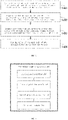
- a flowchart of a CAN filter combining method provided by an embodiment of the present invention is shown.
- the CAN filter comprises a special filter and at least one common filter, wherein the special filter comprises a mask code and at least two filter codes, and the common filter comprises a mask code and a filter code.
- the method comprises, but is not limited to, the steps as follows.
- Step 110 initializing a mask code and filter codes of a special filter.
- the mask code and the filter code of the special filter need to be initialized before the special filter is assigned a value.
- the values of the mask code and the filter code of the special filter are set to one, so that the initialized mask code and the filter code can be assigned a value by the mask code and the filter code of any common filter, and the numerical values of the mask code of the assigned special filter and the first filter code are the numerical values of the mask code and the filter code of the common filter for assignment.
- the CAN filters are all bit mask filters, and are composed of a mask code and a filter code.
- the logic of filtering data thereof is to perform bitwise AND of the mask code respectively with the identifier of the data required to be filtered and the filter code, and the same result after the bitwise AND indicates that the data required to be filtered can pass through the CAN filter.
- the mask code is used for determining which data bits in the identifier of the data need to be filtered. If a certain data bit of the mask code is zero, it represents that the data bit corresponding to the identifier of the data does not need to participate in the filtering.
- the filter code is used for performing bitwise AND calculation with the mask code. If the calculated result is the same as the calculation result after bitwise AND of the mask code and the identifier of the data required to be filtered, the data can pass through the filter, and the filter code functions to filter the data.
- the bitwise AND calculation specifically refer to that two corresponding data bits (in the present application, binary bit) perform ANDing calculation. If the ANDing results are 1 at the same time, the output result is 1, otherwise, it is 0. For example, if the third data bit of the mask code is 1 and the third data bit of the filter code is 0, then the third data bit of the mask code and the third data bit of the filter code are performed bitwise AND calculation to obtain the result of 0.
- the object to be filtered is an identifier of data
- the data bits of the identifier of data are only two kinds (binary system) of 11 bits and 29 bits
- the number of bits of the data bits of the mask code and the filter code in the CAN filter is consistent with the data bits of the identifier of the data.
- Step 120 acquiring a first total number of the filter codes in the special filter and a second total number of common filters.
- acquiring the second total number of the common filters is to acquire the second total number of filter codes in all the common filters.
- Step 130 acquiring mask codes and filter codes of all of the common filters.
- the mask code and filter code of all common filters are acquired for assigning a value to the mask code and filter code of a specific filter such that the specific filter is capable of filtering identifiers of data that all common filters are capable of filtering.
- Step 140 adjusting the mask code and the filter codes of the special filter on the basis of the first total number, the second total number, and the mask codes and the filter codes of all of the common filters, such that data capable of passing through each of the common filters is enabled to pass through the special filter.
- value assigning operation is performed for the mask code and all the filter codes of the special filter, so that the data that can be filtered by all the common filters can also be filtered by the special filter.
- the specific filtering procedure is that: when data passes through the CAN filter of the present application, firstly, the mask code of special filter after being assigned a value performs bitwise AND calculation respectively with a filter code of the special filter after being assigned a value to obtain multiple first results, the number of the first results being the same as the number of filter codes in the special filter and corresponds thereto in a one-to-one manner; then an identifier of the data performs bitwise AND calculation with the mask code of the special filter after being assigned a value to obtain a second result; finally, the first result is compared with multiple first results in a one-to-one manner, and when there is a first result which is the same as the second result, it represents that the data may then pass through the special filter.
- An embodiment of the present invention provides a CAN filter combining method.
- the CAN filter comprises a special filter and at least one common filter.
- the special filter comprises one mask code and at least two filter codes.
- the common filters comprise one mask code and one filter code.
- the method comprises: firstly, initializing the mask code and the filter codes of the special filter, then acquiring a first total number of the filter codes in the special filter and a second total number of the common filters, acquiring mask codes and filter codes of all of the common filters, and adjusting the mask code and the filter codes of the special filter on the basis of the first total number, the second total number, and the mask codes and the filter codes of all of the common filters, such that data capable of passing through each of the common filters is enabled to pass through the special filter.
- the CAN filter combining method provided by the embodiments of the present invention reduces the load of a processor, and prevents a CAN controller from processing a large amount of irrelevant data, thereby accelerating communications.
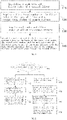
- Fig. 2 illustrates a sub-flowchart of step 140 of the method of Fig. 1 .
- the step 140 includes, but is not limited to, the following steps:
- the filter codes in the common filter when comparing the first total number with the second total number, if the number of a first total number is less than or equal to the second total number, it means that all the filter codes in the common filter can be directly assigned value to the filter in the special filter.
- the filter codes of all the common filters can just be assigned value to all the filter codes in the special filter in a one-to-one manner.
- the filter codes in the special filter still have the remaining filter codes which have not been assigned a value.
- bitwise AND calculation is performed successively on mask codes of all the common filters to obtain a first numerical value
- the first numerical value is assigned to the mask code of the special filter, namely, bitwise AND calculation is performed on the mask code of the second common filter and the mask code of the first common filter, then bitwise AND calculation is performed on the calculation result and the mask code of a third common filter, and so on.
- the calculated first numerical value is assigned to the mask value of the special filter.
- all the filter codes of the common filter are assigned to the filter code in the special filter one by one in order. And when there are filter codes of the special filter remaining, the values of the remaining filter codes are set to zero.
- the step 140 may further comprise:
- the first total number is less than or equal to the second total number
- the first total number is greater than the second total number
- the number of filter codes of all the common filters is greater than the number of all the filter codes in the special filter.
- the filter codes of the common filters are assigned value to the filter codes in the special filter one by one in order
- Fig. 3 illustrates a sub-flowchart of step 148 of the method of Fig. 2 .
- the step 148 includes, but is not limited to, the following steps:
- the code distance calculation is performed on the filter codes of each of the remaining common filters that have not yet been assigned values, and all the filter codes that have been assigned values in the special filter.
- the code distance is the number of bits with different values on corresponding data bits. For example, when the filter code is eleven bits, values of each corresponding data bit of the eleven data bits in the filter code of the common filter and all the filter codes in the special filter are counted.
- the values of the first data bit and the third data bit of the filter code of the common filter are different from the values of the first data bit and the third data bit of the first filter code in the special filter, and the values on other data bits are the same, it means that the values on two data bits are different between the filter code of the common filter and the first filter code of the special filter, and at this time, the code distance between the filter code of the common filter and the first filter code of the special filter is 2.
- parity of reasoning it is possible to calculate the code distance between the filter code of any one of the remaining common filters that have not yet been assigned a value and each filter code of the special filter.
- a minimum value of the code distance is acquired.
- the code distance is the minimum value, it indicates that the similarity between the filter code of the common filter used for calculating the minimum code distance and the filter code of the special filter used for calculating the minimum code distance is the highest.
- data bits which are different between the filter code of the common filter used for calculating the minimum code distance and the filter code of the special filter used for calculating the minimum code distance are acquired, and the value of the mask code of the special filter on the data bit is set to zero which enables the special filter to realize a filtering function on the data that can be filtered by the common filter.
- An embodiment of the present invention also provides a CAN filter combining device.
- Fig. 4 there is shown a schematic view of a structure of a CAN filter combining device provided by an embodiment of the present invention.
- the CAN filter comprises a special filter and at least one common filter, the special filter comprising a mask code and at least two filter codes, and the common filter comprising a mask code and a filter code.
- the CAN filter combining device 200 comprises: an initialization module 210, a first acquisition module 220, a second acquisition module 230, and an adjustment module 240.
- the initialization module 210 is used for initializing the mask code and filter codes of the special filter.
- the first acquisition module 220 is used for acquiring a first total number of filter codes in the special filter and a second total number of the common filter.
- the second acquisition module 230 is used for acquiring mask codes and filter codes of all the common filters.
- the adjustment module 240 is used for adjusting the mask code and the filter codes of the special filter on the basis of the first total number, the second total number, and the mask codes and the filter codes of all of the common filters, such that data capable of passing through each of the common filters is enabled to pass through the special filter.
- the adjustment module 240 is further used for judging whether the first total number is less than or equal to the second total number; if so, bitwise AND calculation is successively performed on mask codes of all the common filters to obtain a first numerical value; the first numerical value is assigned to the mask code of the special filter; the value of the filter code of the common filter is assigned to a filter code of the special filter.
- the adjustment module 240 is further used for acquiring a second total number of the common filters if the first total number is greater than the second total number; the value of the acquired filter code of the common filter is assigned to a filter code of the special filter; bitwise AND calculation is successively performed on all the acquired mask codes of the common filter to obtain a second numerical value; the mask code of the special filter is adjusted based on the second numerical value and the filter codes of the remaining common filters.
- the adjustment module 240 is further used for successively calculating a code distance between the filter codes of each of the remaining common filters and all the filter codes of the special filter; acquiring the filter code in the special filter corresponding to each of the remaining common filters when the code distance thereof is the minimum; acquiring data bits which are different between the filter code of each of the remaining common filters and the filter code corresponding thereto in the special filter; and setting the value of the mask code of the special filter on the data bit to zero.
- the initialization module 210 is further used for setting the value of the mask code and filter code of the special filter to one.
- An embodiment of the present invention also provides a CAN controller, referring to Fig. 5 , which shows a hardware structure of a CAN controller that is capable of executing the above-mentioned CAN filter combining method according to Fig. 1 to Fig. 3 .
- the CAN controller 10 may be the CAN controller 10 shown in Fig. 1 .
- the CAN controller 10 includes: at least one processor 11; and a memory 12 communicatively connected to at least one processor 11.
- Fig. 8 takes one processor 11 thereof as an example.
- the memory 12 stores instructions executable by at least one processor 11, the instructions being executed by at least one processor 11 to enable at least one processor 11 to execute the CAN filter combining method according to Fig. 1 to Fig. 3 .
- the processor 11 and the memory 12 may be connected via a bus or in other ways, the connection via a bus being exemplified in Fig. 5 .
- the memory 12 is a non-volatile computer-readable storage medium that can be used to store a non-volatile software program, a non-volatile computer-executable program, and a module, such as program instructions/modules corresponding to the CAN filter combining method in an embodiment of the present application, for example, the modules shown in Fig. 4 .
- the processor 11 executes various functional applications of the server and data processing by running non-volatile software programs, instructions, and modules stored in the memory 12, i. e. realizing the CAN filter combining method in the above method embodiment.
- the memory 12 can comprise a program storage area and a data storage area, wherein the program storage area can store an operating system and an application program required by at least one function; the data storage area can store data and the like created according to the use of the CAN filter combining device.
- memory 12 may include a high speed random access memory and may further include non-volatile memory, such as at least one magnetic disk storage device, flash memory device, or other non-volatile solid state storage device.
- the memory 12 may optionally include a memory remotely provided with respect to the processor 11. The remote memory may be connected to the CAN filter combining device via a network. Examples of such networks include, but are not limited to, the Internet, intranets, local area networks, mobile communication networks, and combinations thereof.
- the one or more modules are stored in the memory 12 and, when executed by the one or more processors 11, execute the CAN filter combining method in any of the method embodiments described above, e. g. executing the method steps from Fig. 1 to Fig. 3 described above, thereby realizing the functions of the modules and units in Fig. 4 .
- the above-mentioned product can execute the method provided by the embodiments of the present application, and has the corresponding functional modules and beneficial effects for executing the method.
- Technical details not described in detail in the embodiment can be found in the method provided in the embodiments of the present application.
- An embodiment of the present application also provides a non-volatile computer-readable storage medium having stored thereon computer-executable instructions that are executed by one or more processors, for example, executing the method steps from Fig. 1 to Fig. 3 described above, thereby realizing the functions of the modules of Fig. 4 .
- An embodiment of the present application further provides a computer program product comprising a computer program stored on a non-volatile computer-readable storage medium.
- the computer program comprises program instructions which, when executed by a computer, cause the computer to execute the CAN filter combining method in any of the method embodiments described above, for example, executing the method steps from Fig. 1 to Fig. 3 described above, thereby realizing the functions of the modules of Fig. 4 .
- An embodiment of the present invention provides a CAN filter combining method.
- the CAN filter comprises a special filter and at least one common filter.
- the special filter comprises one mask code and at least two filter codes.
- the common filters comprise one mask code and one filter code.
- the method comprises: firstly, initializing the mask code and the filter codes of the special filter, then acquiring a first total number of the filter codes in the special filter and a second total number of the common filters, acquiring mask codes and filter codes of all of the common filters, and adjusting the mask code and the filter codes of the special filter on the basis of the first total number, the second total number, and the mask codes and the filter codes of all of the common filters, such that data capable of passing through each of the common filters is enabled to pass through the special filter.
- the CAN filter combining method provided by the embodiments of the present invention reduces the load of a processor, and prevents a CAN controller from processing a large amount of irrelevant data, thereby accelerating communications.
- the device embodiments described above are merely schematic, wherein the units illustrated as separate parts may or may not be physically separated, and the parts shown as units may or may not be physical units, i. e. may be located in one place, or may also be distributed over multiple network units. Some or all of modules may be selected to achieve the object of the embodiments and solutions according to actual needs.
- the implementation modes can be implemented by means of software plus a general purpose hardware platform, and can of course also be implemented by means of hardware. It will be appreciated by those of ordinary skill in the art that the implementation of all or part of the flow of the methods of the above embodiments may be accomplished by a computer program instructing related hardware.
- the program can be stored on a computer-readable storage medium.
- the program when executed, can include the flow of the embodiments of various methods mentioned above.
- the storage medium may be a magnetic disk, an optical disk, a Read-Only Memory (ROM), or a Random Access Memory (RAM), etc.
Landscapes
- Engineering & Computer Science (AREA)
- Theoretical Computer Science (AREA)
- Physics & Mathematics (AREA)
- General Physics & Mathematics (AREA)
- Signal Processing (AREA)
- Computer Networks & Wireless Communication (AREA)
- General Engineering & Computer Science (AREA)
- Pure & Applied Mathematics (AREA)
- Mathematical Optimization (AREA)
- Mathematical Analysis (AREA)
- Computational Mathematics (AREA)
- Computing Systems (AREA)
- Image Processing (AREA)
Abstract
Description
- The present application claims the priority to the
Chinese patent application No. 201910942732.5 entitled "CAN filter combining method, device, and CAN controller" filed on September 30, 2019 - The present application relates to the technical field of electronic information, and in particular to a CAN filter combining method, device, and CAN controller.
- In a scenario of the communication based on CAN bus, filtering the data of the bus is generally involved. The function of data filtering is usually achieved by setting a mask code and filter code of a filter in a CAN controller to match the identifier of the data.
- In carrying out embodiments of the present invention, the inventor has found that the above related art has at least problems as follows: in filters in the existing CAN controllers, the number of filter codes that pass through an assignable value is fixed, and when there are many types of irrelevant data that need to be filtered, they can usually only be filtered by means of software filtering, which increases the load of a processor and slows down the communication speed.
- To address the above-discussed deficiencies of the prior art, it is an object of embodiments of the present invention to provide a filter combining method, device, and CAN controller that communicate fast.
- The object of the embodiments of the present invention is achieved by the following technical solution.
- In order to solve the above technical problem, in a first aspect, an embodiment of the present invention provides a CAN filter combining method, wherein the CAN filter comprises a special filter and at least one common filter, the special filter comprising a mask code and at least two filter codes, and the common filter comprising a mask code and a filter code. The method comprises:
- initializing the mask code and filter codes of the special filter;
- acquiring a first total number of the filter codes in the special filter and a second total number of common filters;
- acquiring mask codes and filter codes of all of the common filters;
- and adjusting the mask code and the filter codes of the special filter on the basis of the first total number, the second total number, and the mask codes and the filter codes of all of the common filters, such that data capable of passing through each of the common filters is enabled to pass through the special filter.
- In some embodiments, the step of adjusting the mask code and the filter codes of the special filter on the basis of the first total number, the second total number, and the mask codes and the filter codes of all of the common filters, specifically comprises:
- judging whether the first total number is less than or equal to the second total number,
- if so, performing bitwise AND calculation successively on the mask codes of all the common filters to obtain a first numerical value;
- assigning a value of the first numerical value to the mask code of the special filter;
- and assigning the value of the filter code of the common filter to a filter code of the special filter.
- In some embodiments, the method further comprises:
- if the first total number is greater than the second total number, acquiring a second total number of the common filters;
- assigning the acquired value of the filter code of the common filter to a filter code of the special filter;
- performing bitwise AND calculation successively on all acquired mask codes of the common filters to obtain a second numerical value;
- and adjusting the mask code of the special filter based on the second numerical value and the filter codes of remaining common filters.
- In some embodiments, the step of adjusting the mask code of the special filter based on the second numerical value and the filter codes of remaining common filters specifically comprises: successively calculating a code distance between the filter codes of each of the remaining common filters and all filter codes of the special filter;
- acquiring the filter code in the special filter corresponding to each of the remaining common filters when code distance thereof is minimum;
- acquiring data bits that are different between the filter code of each of the remaining common filters and its corresponding filter code in the special filter;
- and setting the value of the mask code of the special filter on the data bit to zero.
- In some embodiments, the step of initializing the mask code and filter codes of the special filter specifically comprises:
setting the value of the mask code and filter code of the special filter to one. - In order to solve the above technical problem, in a second aspect, an embodiment of the present invention provides a CAN filter combining device, wherein the CAN filter comprises a special filter and at least one common filter, the special filter comprising a mask code and at least two filter codes, and the common filter comprising a mask code and a filter code. The device comprises:
- an initialization module used for initializing the mask code and filter codes of the special filter;
- a first acquisition module used for acquiring a first total number of filter codes in the special filter and a second total number of the common filter;
- a second acquisition module used for acquiring mask codes and filter codes of all the common filters;
- and an adjustment module used for adjusting the mask code and the filter codes of the special filter on the basis of the first total number, the second total number, and the mask codes and the filter codes of all of the common filters, such that data capable of passing through each of the common filters is enabled to pass through the special filter.
- In some embodiments, the adjustment module is further used for judging whether the first total number is less than or equal to the second total number; if so, bitwise AND calculation is successively performed on mask codes of all the common filters to obtain a first numerical value; the first numerical value is assigned to the mask code of the special filter; the value of the filter code of the common filter is assigned to a filter code of the special filter.
- In some embodiments, the adjustment module is further used for acquiring a second total number of the common filters if the first total number is greater than the second total number; the value of the acquired filter code of the common filter is assigned to a filter code of the special filter; bitwise AND calculation is successively performed on all acquired mask codes of the common filter to obtain a second numerical value; the mask code of the special filter is adjusted based on the second numerical value and the filter codes of remaining common filters.
- In some embodiments, the adjustment module is further used for successively calculating a code distance between the filter codes of each of the remaining common filters and all the filter codes of the special filter; acquiring the filter code in the special filter corresponding to each of the remaining common filters when the code distance thereof is the minimum; acquiring data bits which are different between the filter code of each of the remaining common filters and the filter code corresponding thereto in the special filter; and setting the value of the mask code of the special filter on the data bit to zero.
- In some embodiments, the initialization module is further used for setting the value of the mask code and filter code of the special filter to one.
- In order to solve the above technical problem, according to a third aspect, the embodiment of the present invention provides a CAN controller, comprising:
- at least one processor; and
- a memory communicatively connected to at least one processor; wherein,
- the memory stores instructions executable by at least one processor, the instructions being executed by at least one processor to enable at least one processor to execute the method as described in the first aspect.
- To solve the above technical problem, according to a fourth aspect, the embodiment of the present invention also provides a computer-readable storage medium. The computer-readable storage medium stores computer-executable instructions for causing a computer to execute the method as described in the first aspect.
- To solve the above technical problem, in a fifth aspect, the embodiment of the present invention also provides a computer program product comprising a computer program stored on a computer-readable storage medium, the computer program comprising program instructions which, when executed by the computer, cause a computer to execute the method as described in the first aspect.
- Compared with the prior art, the beneficial effects of the present invention are as follows. Different from the prior art, an embodiment of the present invention provides a CAN filter combining method. The CAN filter comprises a special filter and at least one common filter. The special filter comprises one mask code and at least two filter codes. The common filters comprise one mask code and one filter code. The method comprises: firstly, initializing the mask code and the filter codes of the special filter, then acquiring a first total number of the filter codes in the special filter and a second total number of the common filters, acquiring mask codes and filter codes of all of the common filters, and adjusting the mask code and the filter codes of the special filter on the basis of the first total number, the second total number, and the mask codes and the filter codes of all of the common filters, such that data capable of passing through each of the common filters is enabled to pass through the special filter. The CAN filter combining method provided by the embodiments of the present invention reduces the load of a processor, and prevents a CAN controller from processing a large amount of irrelevant data, thereby accelerating communications.
- One or more embodiments are illustrated by way of examples with the figures in the corresponding drawings. The illustrative examples are not to be construed as limiting the embodiments. Elements/modules and steps in the drawings having the same reference numeral designations represent like elements/modules and steps, and the figures in the accompanying drawings are not to scale unless specifically stated.
-
Fig. 1 is a flowchart of a CAN filter combining method provided by an embodiment of the present invention; -
Fig. 2 is a sub-flowchart ofstep 140 of the method ofFig. 1 ; -
Fig. 3 is a sub-flowchart ofstep 148 of the method ofFig. 2 ; -
Fig. 4 is a schematic view of a structure of a CAN filter combining device provided by an embodiment of the present invention; -
Fig. 5 is a schematic view of a hardware structure of a CAN controller that executes the above-mentioned CAN filter combining method provided by an embodiment of the present invention. - Hereinafter, the present invention will be described in detail with reference to specific embodiments. The following embodiments will aid those skilled in the art in further understanding the present invention, but do not limit the present invention in any form. It should be noted that several variations and improvements can be made by a person of ordinary skills in the art without departing from the inventive concept. These are all within the scope of the present invention.
- In order that the object, technical solution, and advantages of the present application may be more clearly understood, the present application will now be described in further detail with reference to the accompanying drawings and embodiments. It should be understood that the particular embodiments described herein are illustrative only and are not restrictive to the present application.
- It should be noted that various features of the embodiments of the present invention can be combined with each other without conflict within the scope of the present application. In addition, although the division of functional modules is illustrated in a schematic view of a device and logical order is illustrated in a flowchart, in some cases, the steps illustrated or described may be executed in an order other than shown in the flowchart and a division of modules other than illustrated in the device. Furthermore, the words "first", "second" and the like, as used herein do not limit the order of the data and execution, but merely distinguish between identical or similar items that perform substantially the same function and role.
- Unless defined otherwise, all technical and scientific terms used in the description have the same meaning as commonly understood by one of ordinary skill in the art to which this invention belongs. The terms used in the description of the present invention are for the purpose of describing specific implementation modes only and are not intended to be limiting of the present invention. As used in the description, the term "and/or" includes any and all combinations of one or more of the associated listed items.
- Furthermore, the technical features involved in various implementation modes of the present invention described below can be combined as long as they do not conflict with each other.
- With respect to multiple communication nodes in the application scenario of communication via the CAN bus, each communication node can receive a large amount of and various data from the CAN bus via the CAN controller and the CAN transceiver. In order to enable the communication node to acquire the data information required by the communication node, it is common to filter out the data not required by the communication node and let the required data pass through by means of setting a filter on the CAN controller to which the communication node is connected. However, the CAN filter provided on the CAN controller at present mainly comprises two types, one is a common filter, and the other is a special filter. The common filter usually comprises one mask code and one filter code, and can filter out one type of data. The special filter usually comprises one mask code and multiple filter codes, and can filter out multiple types of data. However, the number of filter codes in a special filter is usually fixed. When there is a large amount of data required o be filtered, the process of a developer setting a special filter would also be very complicated. Therefore, when the types of data required to be filtered exceed the number of filter codes in a special filter and a common filter in a CAN controller, it is a common practice to set the filter of the CAN controller to all pass, and then perform software filtering on the data. Since the above-mentioned software filtering method increases the load of a processor and slows down the running speed of a program, an embodiment of the present invention provides a CAN filter combining method, which aims to solve the problem that a large amount of useless data needs to be filtered and the number of CAN filters provided in a CAN controller is insufficient. In particular, a developer or user may set a corresponding common filter for the type of data required to be filtered out, which is simpler than setting a special filter directly. Then, all the common filters are combined and assigned to the mask code and filter code of the special filter so that a large amount of useless data can be filtered out by only one special filter.
- It should be noted that the combined special filter of the present invention may also cause data not belonging to the common filter to pass through, but the special filter can filter out most useless data, and can reduce the amount of filtering processing for subsequent software filtering by the CPU.
- Specifically, embodiments of the present invention will be further described with reference to the accompanying drawings.
- An embodiment of the present invention provides a CAN filter combining method. Referring to
Fig. 1 , a flowchart of a CAN filter combining method provided by an embodiment of the present invention is shown. The CAN filter comprises a special filter and at least one common filter, wherein the special filter comprises a mask code and at least two filter codes, and the common filter comprises a mask code and a filter code. The method comprises, but is not limited to, the steps as follows. - Step 110: initializing a mask code and filter codes of a special filter.
- In an embodiment of the present invention, before the special filter is assigned a value, the mask code and the filter code of the special filter need to be initialized. In particular, the values of the mask code and the filter code of the special filter are set to one, so that the initialized mask code and the filter code can be assigned a value by the mask code and the filter code of any common filter, and the numerical values of the mask code of the assigned special filter and the first filter code are the numerical values of the mask code and the filter code of the common filter for assignment.
- The CAN filters are all bit mask filters, and are composed of a mask code and a filter code. The logic of filtering data thereof is to perform bitwise AND of the mask code respectively with the identifier of the data required to be filtered and the filter code, and the same result after the bitwise AND indicates that the data required to be filtered can pass through the CAN filter.
- The mask code is used for determining which data bits in the identifier of the data need to be filtered. If a certain data bit of the mask code is zero, it represents that the data bit corresponding to the identifier of the data does not need to participate in the filtering. The filter code is used for performing bitwise AND calculation with the mask code. If the calculated result is the same as the calculation result after bitwise AND of the mask code and the identifier of the data required to be filtered, the data can pass through the filter, and the filter code functions to filter the data.
- The bitwise AND calculation specifically refer to that two corresponding data bits (in the present application, binary bit) perform ANDing calculation. If the ANDing results are 1 at the same time, the output result is 1, otherwise, it is 0. For example, if the third data bit of the mask code is 1 and the third data bit of the filter code is 0, then the third data bit of the mask code and the third data bit of the filter code are performed bitwise AND calculation to obtain the result of 0.
- It should be noted that in the CAN filter of an embodiment of the present invention, the object to be filtered is an identifier of data, the data bits of the identifier of data are only two kinds (binary system) of 11 bits and 29 bits, and the number of bits of the data bits of the mask code and the filter code in the CAN filter is consistent with the data bits of the identifier of the data.
- Step 120: acquiring a first total number of the filter codes in the special filter and a second total number of common filters.
- In an embodiment of the present invention, it is first necessary to obtain the total number of filter codes in the special filter and the common filter for determining whether a filter code in the common filter can directly assign a value to a filter code in the special filter. Since a common filter only comprises a filter code, acquiring the second total number of the common filters is to acquire the second total number of filter codes in all the common filters.
- Step 130: acquiring mask codes and filter codes of all of the common filters.
- In an embodiment of the present invention, after determining the first total number and the second total number, the mask code and filter code of all common filters are acquired for assigning a value to the mask code and filter code of a specific filter such that the specific filter is capable of filtering identifiers of data that all common filters are capable of filtering.
- Step 140: adjusting the mask code and the filter codes of the special filter on the basis of the first total number, the second total number, and the mask codes and the filter codes of all of the common filters, such that data capable of passing through each of the common filters is enabled to pass through the special filter.
- In an embodiment of the present invention, after determining the first total number, the second total number, and acquiring the mask codes and the filter codes of all of the common filters, value assigning operation is performed for the mask code and all the filter codes of the special filter, so that the data that can be filtered by all the common filters can also be filtered by the special filter. The specific filtering procedure is that: when data passes through the CAN filter of the present application, firstly, the mask code of special filter after being assigned a value performs bitwise AND calculation respectively with a filter code of the special filter after being assigned a value to obtain multiple first results, the number of the first results being the same as the number of filter codes in the special filter and corresponds thereto in a one-to-one manner; then an identifier of the data performs bitwise AND calculation with the mask code of the special filter after being assigned a value to obtain a second result; finally, the first result is compared with multiple first results in a one-to-one manner, and when there is a first result which is the same as the second result, it represents that the data may then pass through the special filter.
- An embodiment of the present invention provides a CAN filter combining method. The CAN filter comprises a special filter and at least one common filter. The special filter comprises one mask code and at least two filter codes. The common filters comprise one mask code and one filter code. The method comprises: firstly, initializing the mask code and the filter codes of the special filter, then acquiring a first total number of the filter codes in the special filter and a second total number of the common filters, acquiring mask codes and filter codes of all of the common filters, and adjusting the mask code and the filter codes of the special filter on the basis of the first total number, the second total number, and the mask codes and the filter codes of all of the common filters, such that data capable of passing through each of the common filters is enabled to pass through the special filter. The CAN filter combining method provided by the embodiments of the present invention reduces the load of a processor, and prevents a CAN controller from processing a large amount of irrelevant data, thereby accelerating communications.
- In some embodiments, reference is made to
Fig. 2 , which illustrates a sub-flowchart ofstep 140 of the method ofFig. 1 . Thestep 140 includes, but is not limited to, the following steps: - step 141: judging whether the first total number is less than or equal to the second total number, wherein if yes, proceed to step 142; if no, proceed to step 145;
- step 142: performing bitwise AND calculation successively on the mask codes of all the common filters to obtain a first numerical value;
- step 143: assigning the value of the first numerical value to the mask code of the special filter; and step 144: assigning the value of the filter code of the common filter to a filter code of the special filter.
- In an embodiment of the present invention, when comparing the first total number with the second total number, if the number of a first total number is less than or equal to the second total number, it means that all the filter codes in the common filter can be directly assigned value to the filter in the special filter. When the first total number and the second total number are equal, the filter codes of all the common filters can just be assigned value to all the filter codes in the special filter in a one-to-one manner. When the first total number is less than the second total number, then after all the filter codes of the common filters are assigned value to the filter codes in the special filter one by one in order, the filter codes in the special filter still have the remaining filter codes which have not been assigned a value. The data bits of these remaining filter codes which have not been assigned a value are all in an initialized state, i. e. all the data bits are 1. In order to avoid that data can pass through the special filter, after all the common filters are combined, it is further necessary to assign the data of all the remaining filter codes which have not been assigned a value the value of 0.
- Specifically, firstly, bitwise AND calculation is performed successively on mask codes of all the common filters to obtain a first numerical value, then the first numerical value is assigned to the mask code of the special filter, namely, bitwise AND calculation is performed on the mask code of the second common filter and the mask code of the first common filter, then bitwise AND calculation is performed on the calculation result and the mask code of a third common filter, and so on. After knowing that bitwise AND calculation is performed on mask codes of all the common filters, the calculated first numerical value is assigned to the mask value of the special filter. Then, according to the above procedure, all the filter codes of the common filter are assigned to the filter code in the special filter one by one in order. And when there are filter codes of the special filter remaining, the values of the remaining filter codes are set to zero.
- In some embodiments, with continued reference to
Fig. 2 , thestep 140 may further comprise: - step 145: acquiring a second total number of the common filters;
- step 146: assigning the value of the acquired filter code of the common filter to a filter code of the special filter;
- step 147: performing bitwise AND calculation successively on all the acquired mask codes of the common filters to obtain a second numerical value;
- and step 148: adjusting the mask code of the special filter based on the second numerical value and the filter codes of the remaining common filters.
- Further, in addition to the case of whether the first total number is less than or equal to the second total number, there may be a case where the first total number is greater than the second total number, that is, the case where the number of filter codes of all the common filters is greater than the number of all the filter codes in the special filter. In this case, when the filter codes of the common filters are assigned value to the filter codes in the special filter one by one in order, there may be a case where all the filter codes in the special filter have been assigned values, and in all the common filters, there may be remaining filter codes of the common filters which have not been assigned values.
- To enable a special filter to filter out the data that can be filtered by these remaining common filters which have not been assigned values, further, in some embodiments, reference is made to
Fig. 3 , which illustrates a sub-flowchart ofstep 148 of the method ofFig. 2 . Thestep 148 includes, but is not limited to, the following steps: - step 1481: successively calculating the code distance between the filter codes of each of the remaining common filters and all the filter codes of the special filter;
- step 1482: acquiring the filter code in the special filter corresponding to each of the remaining common filters when code distance thereof is minimum;
- step 1483: acquiring data bits that are different between the filter code of each of the remaining common filters and its corresponding filter code in the special filter;
- and step 1484: setting the value of the mask code of the special filter on the data bit to zero.
- In an embodiment of the present invention, the code distance calculation is performed on the filter codes of each of the remaining common filters that have not yet been assigned values, and all the filter codes that have been assigned values in the special filter. The code distance is the number of bits with different values on corresponding data bits. For example, when the filter code is eleven bits, values of each corresponding data bit of the eleven data bits in the filter code of the common filter and all the filter codes in the special filter are counted. For example, when the values of the first data bit and the third data bit of the filter code of the common filter are different from the values of the first data bit and the third data bit of the first filter code in the special filter, and the values on other data bits are the same, it means that the values on two data bits are different between the filter code of the common filter and the first filter code of the special filter, and at this time, the code distance between the filter code of the common filter and the first filter code of the special filter is 2. By parity of reasoning, it is possible to calculate the code distance between the filter code of any one of the remaining common filters that have not yet been assigned a value and each filter code of the special filter.
- After calculating the code distance between the filter code of each of the remaining common filters and all the filter codes of the special filter, a minimum value of the code distance is acquired. When the code distance is the minimum value, it indicates that the similarity between the filter code of the common filter used for calculating the minimum code distance and the filter code of the special filter used for calculating the minimum code distance is the highest. At this time, data bits which are different between the filter code of the common filter used for calculating the minimum code distance and the filter code of the special filter used for calculating the minimum code distance are acquired, and the value of the mask code of the special filter on the data bit is set to zero which enables the special filter to realize a filtering function on the data that can be filtered by the common filter. By parity of reasoning, it is possible to calculate the code distance between each of the remaining common filters and all the filter codes of the special filter and assign a value to the data bit of the corresponding mask code, so as to realize that the special filter can also realize the filtering function on the data which can be filtered by all the common filters.
- An embodiment of the present invention also provides a CAN filter combining device. Referring to
Fig. 4 , there is shown a schematic view of a structure of a CAN filter combining device provided by an embodiment of the present invention. The CAN filter comprises a special filter and at least one common filter, the special filter comprising a mask code and at least two filter codes, and the common filter comprising a mask code and a filter code. The CANfilter combining device 200 comprises: aninitialization module 210, afirst acquisition module 220, asecond acquisition module 230, and an adjustment module 240. - The
initialization module 210 is used for initializing the mask code and filter codes of the special filter. - The
first acquisition module 220 is used for acquiring a first total number of filter codes in the special filter and a second total number of the common filter. - The
second acquisition module 230 is used for acquiring mask codes and filter codes of all the common filters. - The adjustment module 240 is used for adjusting the mask code and the filter codes of the special filter on the basis of the first total number, the second total number, and the mask codes and the filter codes of all of the common filters, such that data capable of passing through each of the common filters is enabled to pass through the special filter.
- In some embodiments, the adjustment module 240 is further used for judging whether the first total number is less than or equal to the second total number; if so, bitwise AND calculation is successively performed on mask codes of all the common filters to obtain a first numerical value; the first numerical value is assigned to the mask code of the special filter; the value of the filter code of the common filter is assigned to a filter code of the special filter.
- In some embodiments, the adjustment module 240 is further used for acquiring a second total number of the common filters if the first total number is greater than the second total number; the value of the acquired filter code of the common filter is assigned to a filter code of the special filter; bitwise AND calculation is successively performed on all the acquired mask codes of the common filter to obtain a second numerical value; the mask code of the special filter is adjusted based on the second numerical value and the filter codes of the remaining common filters.
- In some embodiments, the adjustment module 240 is further used for successively calculating a code distance between the filter codes of each of the remaining common filters and all the filter codes of the special filter; acquiring the filter code in the special filter corresponding to each of the remaining common filters when the code distance thereof is the minimum; acquiring data bits which are different between the filter code of each of the remaining common filters and the filter code corresponding thereto in the special filter; and setting the value of the mask code of the special filter on the data bit to zero.
- In some embodiments, the
initialization module 210 is further used for setting the value of the mask code and filter code of the special filter to one. - An embodiment of the present invention also provides a CAN controller, referring to
Fig. 5 , which shows a hardware structure of a CAN controller that is capable of executing the above-mentioned CAN filter combining method according toFig. 1 to Fig. 3 . TheCAN controller 10 may be theCAN controller 10 shown inFig. 1 . - The
CAN controller 10 includes: at least oneprocessor 11; and amemory 12 communicatively connected to at least oneprocessor 11. Fig. 8 takes oneprocessor 11 thereof as an example. Thememory 12 stores instructions executable by at least oneprocessor 11, the instructions being executed by at least oneprocessor 11 to enable at least oneprocessor 11 to execute the CAN filter combining method according toFig. 1 to Fig. 3 . Theprocessor 11 and thememory 12 may be connected via a bus or in other ways, the connection via a bus being exemplified inFig. 5 . - The
memory 12 is a non-volatile computer-readable storage medium that can be used to store a non-volatile software program, a non-volatile computer-executable program, and a module, such as program instructions/modules corresponding to the CAN filter combining method in an embodiment of the present application, for example, the modules shown inFig. 4 . Theprocessor 11 executes various functional applications of the server and data processing by running non-volatile software programs, instructions, and modules stored in thememory 12, i. e. realizing the CAN filter combining method in the above method embodiment. - The
memory 12 can comprise a program storage area and a data storage area, wherein the program storage area can store an operating system and an application program required by at least one function; the data storage area can store data and the like created according to the use of the CAN filter combining device. In addition,memory 12 may include a high speed random access memory and may further include non-volatile memory, such as at least one magnetic disk storage device, flash memory device, or other non-volatile solid state storage device. In some embodiments, thememory 12 may optionally include a memory remotely provided with respect to theprocessor 11. The remote memory may be connected to the CAN filter combining device via a network. Examples of such networks include, but are not limited to, the Internet, intranets, local area networks, mobile communication networks, and combinations thereof. - The one or more modules are stored in the
memory 12 and, when executed by the one ormore processors 11, execute the CAN filter combining method in any of the method embodiments described above, e. g. executing the method steps fromFig. 1 to Fig. 3 described above, thereby realizing the functions of the modules and units inFig. 4 . - The above-mentioned product can execute the method provided by the embodiments of the present application, and has the corresponding functional modules and beneficial effects for executing the method. Technical details not described in detail in the embodiment can be found in the method provided in the embodiments of the present application.
- An embodiment of the present application also provides a non-volatile computer-readable storage medium having stored thereon computer-executable instructions that are executed by one or more processors, for example, executing the method steps from
Fig. 1 to Fig. 3 described above, thereby realizing the functions of the modules ofFig. 4 . - An embodiment of the present application further provides a computer program product comprising a computer program stored on a non-volatile computer-readable storage medium. The computer program comprises program instructions which, when executed by a computer, cause the computer to execute the CAN filter combining method in any of the method embodiments described above, for example, executing the method steps from
Fig. 1 to Fig. 3 described above, thereby realizing the functions of the modules ofFig. 4 . - An embodiment of the present invention provides a CAN filter combining method. The CAN filter comprises a special filter and at least one common filter. The special filter comprises one mask code and at least two filter codes. The common filters comprise one mask code and one filter code. The method comprises: firstly, initializing the mask code and the filter codes of the special filter, then acquiring a first total number of the filter codes in the special filter and a second total number of the common filters, acquiring mask codes and filter codes of all of the common filters, and adjusting the mask code and the filter codes of the special filter on the basis of the first total number, the second total number, and the mask codes and the filter codes of all of the common filters, such that data capable of passing through each of the common filters is enabled to pass through the special filter. The CAN filter combining method provided by the embodiments of the present invention reduces the load of a processor, and prevents a CAN controller from processing a large amount of irrelevant data, thereby accelerating communications.
- It should be noted that the device embodiments described above are merely schematic, wherein the units illustrated as separate parts may or may not be physically separated, and the parts shown as units may or may not be physical units, i. e. may be located in one place, or may also be distributed over multiple network units. Some or all of modules may be selected to achieve the object of the embodiments and solutions according to actual needs.
- From the above description of the implementation mode, it will be clear to a person skilled in the art that the implementation modes can be implemented by means of software plus a general purpose hardware platform, and can of course also be implemented by means of hardware. It will be appreciated by those of ordinary skill in the art that the implementation of all or part of the flow of the methods of the above embodiments may be accomplished by a computer program instructing related hardware. The program can be stored on a computer-readable storage medium. The program, when executed, can include the flow of the embodiments of various methods mentioned above. The storage medium may be a magnetic disk, an optical disk, a Read-Only Memory (ROM), or a Random Access Memory (RAM), etc.
- Finally, it should be noted that: the above embodiments are merely illustrative of the technical solutions of the present invention, rather than limiting thereto; combinations of technical features in the above embodiments or in different embodiments are also possible within the idea of the present invention, and the steps can be implemented in any order, and there are many other variations of the different aspects of the present invention as described above, which are not provided in detail for the sake of brevity; although the present invention has been described in detail with reference to the foregoing embodiments, those of ordinary skills in the art will appreciate that: the technical solutions disclosed in the above-mentioned embodiments can still be modified, or some of the technical features can be replaced by equivalents; such modifications and substitutions do not depart the essence of corresponding technical solutions from the scope of the technical solutions of various embodiments of the present invention.
Claims (12)
- A CAN filter combining method, wherein the CAN filter comprises a special filter and at least one common filter, the special filter comprising a mask code and at least two filter codes, and the common filter comprising a mask code and a filter code, wherein the method comprises:initializing the mask code and filter codes of the special filter;acquiring a first total number of the filter codes in the special filter and a second total number of common filters;acquiring mask codes and filter codes of all of the common filters;and adjusting the mask code and the filter codes of the special filter on the basis of the first total number, the second total number, and the mask codes and the filter codes of all of the common filters, such that data capable of passing through each of the common filters is enabled to pass through the special filter.
- The method of claim 1, wherein a step of adjusting the mask code and the filter codes of the special filter on the basis of the first total number, the second total number, and the mask codes and the filter codes of all of the common filters, specifically comprises:judging whether the first total number is less than or equal to the second total number,if so, performing bitwise AND calculation successively on the mask codes of all the common filters to obtain a first numerical value;assigning a value of the first numerical value to the mask code of the special filter;and assigning the value of the filter code of the common filter to a filter code of the special filter.
- The method of claim 2, further comprising:if the first total number is greater than the second total number, acquiring a second total number of the common filters;assigning the acquired value of the filter code of the common filter to a filter code of the special filter;performing bitwise AND calculation successively on all acquired mask codes of the common filters to obtain a second numerical value;and adjusting the mask code of the special filter based on the second numerical value and the filter codes of remaining common filters.
- The method of claim 3, wherein the step of adjusting the mask code of the special filter based on the second numerical value and the filter codes of remaining common filters specifically comprises:successively calculating a code distance between the filter codes of each of the remaining common filters and all filter codes of the special filter;acquiring the filter code in the special filter corresponding to each of the remaining common filters when code distance thereof is minimum;acquiring data bits that are different between the filter code of each of the remaining common filters and its corresponding filter code in the special filter;and setting the value of the mask code of the special filter on the data bit to zero.
- The method of claim 1, wherein the step of initializing the mask code and filter codes of the special filter specifically comprises:
setting the value of the mask code and filter code of the special filter to one. - A CAN filter combining device, wherein the CAN filter comprises a special filter and at least one common filter, the special filter comprising a mask code and at least two filter codes, and the common filter comprising a mask code and a filter code, wherein the device comprises:an initialization module used for initializing the mask code and filter codes of the special filter;a first acquisition module used for acquiring a first total number of filter codes in the special filter and a second total number of the common filters;a second acquisition module used for acquiring mask codes and filter codes of all the common filters;and an adjustment module used for adjusting the mask code and the filter codes of the special filter on the basis of the first total number, the second total number, and the mask codes and the filter codes of all of the common filters, such that data capable of passing through each of the common filters is enabled to pass through the special filter.
- The device of claim 6, wherein
the adjustment module is further used for judging whether the first total number is less than or equal to the second total number; if so, bitwise AND calculation is successively performed on mask codes of all the common filters to obtain a first numerical value; the first numerical value is assigned to the mask code of the special filter; a value of the filter code of the common filter is assigned to a filter code of the special filter. - The device of claim 7, wherein
the adjustment module is further used for acquiring a second total number of the common filters if the first total number is greater than the second total number; the value of the acquired filter code of the common filter is assigned to a filter code of the special filter; bitwise AND calculation is successively performed on all acquired mask codes of the common filter to obtain a second numerical value; the mask code of the special filter is adjusted based on the second numerical value and the filter codes of remaining common filters. - The device of claim 8, wherein
the adjustment module is further used for successively calculating a code distance between the filter codes of each of the remaining common filters and all the filter codes of the special filter; acquiring the filter code in the special filter corresponding to each of the remaining common filters when the code distance thereof is the minimum; acquiring data bits which are different between the filter code of each of the remaining common filters and the filter code corresponding thereto in the special filter; and setting the value of the mask code of the special filter on the data bit to zero. - The device of claim 1, wherein
the initialization module is further used for setting the value of the mask code and filter code of the special filter to one. - A CAN controller, comprising:at least one processor; anda memory communicatively connected to the at least one processor; wherein,the memory stores instructions executable by the at least one processor, the instructions being executed by the at least one processor to enable the at least one processor to execute the method according to any one of claims 1 to 5.
- A computer-readable storage medium, wherein the computer-readable storage medium stores computer-executable instructions for causing a computer to execute the method of any of claims 1 to 5.
Applications Claiming Priority (2)
| Application Number | Priority Date | Filing Date | Title |
|---|---|---|---|
| CN201910942732.5A CN110808891B (en) | 2019-09-30 | 2019-09-30 | CAN filter merging method and device and CAN controller |
| PCT/CN2020/118141 WO2021063289A1 (en) | 2019-09-30 | 2020-09-27 | Can filter combining method, device, and can controller |
Publications (3)
| Publication Number | Publication Date |
|---|---|
| EP4012983A1 true EP4012983A1 (en) | 2022-06-15 |
| EP4012983A4 EP4012983A4 (en) | 2022-11-09 |
| EP4012983B1 EP4012983B1 (en) | 2025-08-06 |
Family
ID=69488062
Family Applications (1)
| Application Number | Title | Priority Date | Filing Date |
|---|---|---|---|
| EP20872418.7A Active EP4012983B1 (en) | 2019-09-30 | 2020-09-27 | Can filter combining method, device, and can controller |
Country Status (4)
| Country | Link |
|---|---|
| US (1) | US11966717B2 (en) |
| EP (1) | EP4012983B1 (en) |
| CN (1) | CN110808891B (en) |
| WO (1) | WO2021063289A1 (en) |
Families Citing this family (2)
| Publication number | Priority date | Publication date | Assignee | Title |
|---|---|---|---|---|
| CN110808891B (en) | 2019-09-30 | 2021-10-12 | 深圳市道通合创新能源有限公司 | CAN filter merging method and device and CAN controller |
| CN115314340B (en) * | 2022-08-05 | 2023-07-11 | 科东(广州)软件科技有限公司 | Data packet screening method and device, electronic equipment and storage medium |
Family Cites Families (25)
| Publication number | Priority date | Publication date | Assignee | Title |
|---|---|---|---|---|
| US6732254B1 (en) * | 1999-09-15 | 2004-05-04 | Koninklijke Philips Electronics N.V. | Can device featuring advanced can filtering and message acceptance |
| US20040153583A1 (en) * | 2001-09-20 | 2004-08-05 | Bartling James E. | Serial communication device with dynamic allocation of acceptance masks using serial implementation |
| US6912594B2 (en) * | 2001-09-20 | 2005-06-28 | Microchip Technology Incorporated | Serial communication device with multi-mode operation of message receive buffers |
| US6944739B2 (en) | 2001-09-20 | 2005-09-13 | Microchip Technology Incorporated | Register bank |
| US7933998B2 (en) * | 2002-01-11 | 2011-04-26 | Motorola Mobility, Inc. | Dynamic CAN bus system configuration and messaging |
| DE60301752T9 (en) * | 2002-04-16 | 2006-11-23 | Robert Bosch Gmbh | A method for monitoring an access sequence for a communication medium of a communication controller of a communication system |
| US7991351B2 (en) * | 2007-02-28 | 2011-08-02 | Kuban Paul A | Extension of wired controller area networks to wireless personal area networks |
| RU2487483C2 (en) * | 2008-03-10 | 2013-07-10 | Роберт Бош Гмбх | Method and filtering device for filtering messages received by communication network subscriber over serial data bus of said network |
| US8650356B2 (en) * | 2009-05-28 | 2014-02-11 | Microchip Technology Incorporated | Microcontroller with CAN module |
| CN101931581A (en) * | 2010-07-12 | 2010-12-29 | 金龙联合汽车工业(苏州)有限公司 | Data configuration method of CAN (Controller Area Network) bus received information filters |
| DE102013209264A1 (en) * | 2013-05-17 | 2014-11-20 | Robert Bosch Gmbh | Method for operating a communication module and communication module |
| US9954892B2 (en) * | 2015-09-28 | 2018-04-24 | Nxp B.V. | Controller area network (CAN) device and method for controlling CAN traffic |
| US10361934B2 (en) * | 2015-09-28 | 2019-07-23 | Nxp B.V. | Controller area network (CAN) device and method for controlling CAN traffic |
| US20170235698A1 (en) * | 2016-02-12 | 2017-08-17 | Nxp B.V. | Controller area network (can) message filtering |
| DE102016216495B4 (en) * | 2016-09-01 | 2019-06-19 | Volkswagen Aktiengesellschaft | Basic CAN controller |
| CN106657128B (en) * | 2017-01-05 | 2020-03-06 | 杭州迪普科技股份有限公司 | Data packet filtering method and device based on wildcard mask rule |
| US20180227145A1 (en) * | 2017-02-07 | 2018-08-09 | Nxp Usa, Inc. | Systems and methods for transmitting messages in a controller area network |
| CN106878128B (en) * | 2017-02-22 | 2019-07-09 | 北京经纬恒润科技有限公司 | A kind of configuration method and device of identifier receiving filter |
| KR102418168B1 (en) * | 2017-11-29 | 2022-07-07 | 삼성전자 주식회사 | Device and method for outputting audio signal, and display device using the same |
| CN107948176A (en) * | 2017-12-03 | 2018-04-20 | 吴武飞 | A kind of information security Enhancement Method and controller towards CAN network |
| CN108366008A (en) * | 2018-02-11 | 2018-08-03 | 安徽江淮汽车集团股份有限公司 | A kind of part wake-up system and method based on traditional OSEK network managements |
| US10565148B2 (en) * | 2018-05-14 | 2020-02-18 | GM Global Technology Operations LLC | Method and system for configuring filter objects for a controller area network controller |
| EP3772839B1 (en) * | 2019-08-06 | 2023-01-04 | Nxp B.V. | Security module for a serial communications device |
| EP3772841B1 (en) * | 2019-08-06 | 2023-06-14 | Nxp B.V. | A security module for a can node |
| CN110808891B (en) * | 2019-09-30 | 2021-10-12 | 深圳市道通合创新能源有限公司 | CAN filter merging method and device and CAN controller |
-
2019
- 2019-09-30 CN CN201910942732.5A patent/CN110808891B/en active Active
-
2020
- 2020-09-27 WO PCT/CN2020/118141 patent/WO2021063289A1/en not_active Ceased
- 2020-09-27 EP EP20872418.7A patent/EP4012983B1/en active Active
-
2022
- 2022-02-22 US US17/652,001 patent/US11966717B2/en active Active
Also Published As
| Publication number | Publication date |
|---|---|
| CN110808891A (en) | 2020-02-18 |
| CN110808891B (en) | 2021-10-12 |
| WO2021063289A1 (en) | 2021-04-08 |
| US20220179622A1 (en) | 2022-06-09 |
| EP4012983B1 (en) | 2025-08-06 |
| US11966717B2 (en) | 2024-04-23 |
| EP4012983A4 (en) | 2022-11-09 |
Similar Documents
| Publication | Publication Date | Title |
|---|---|---|
| EP3777089B1 (en) | Updateable smart contracts | |
| CN110535777B (en) | Access request control method and device, electronic equipment and readable storage medium | |
| JP7083901B2 (en) | Dark Roch Realization Method, Equipment, Computation Node and System | |
| US20220179622A1 (en) | Can filter combining method, device, and can controller | |
| US11665023B2 (en) | Configuration validation of a device | |
| CN110162344B (en) | Isolation current limiting method and device, computer equipment and readable storage medium | |
| US20220012233A1 (en) | Creation of a Blockchain with Blocks Comprising an Adjustable Number of Transaction Blocks and Multiple Intermediate Blocks | |
| US10541872B2 (en) | Network policy distribution | |
| CN117519908A (en) | Virtual machine thermomigration method, computer equipment and medium | |
| EP2620876A1 (en) | Method and apparatus for data processing, pci-e bus system and server | |
| CN110308914B (en) | Upgrade processing method, device, equipment, system and computer readable storage medium | |
| CN110795075B (en) | Data processing method and device for software programming | |
| US10620968B2 (en) | Parameter determination device, parameter determination method, and medium | |
| CN117608595A (en) | Automatic parallel deployment method and device based on big data platform containerization | |
| CN111125459A (en) | Character string processing method and device | |
| CN117149770A (en) | Database stored procedure execution method, device and computer equipment | |
| CN107317880B (en) | A method and device for realizing load balancing | |
| CN111338680B (en) | Firmware upgrading method, firmware upgrading device and terminal of slave station | |
| US10771343B2 (en) | System, method, and computer-implemented method for standardizing electronic identifiers to improve identification of physical equipment | |
| US20200004511A1 (en) | System and computer-implemented method for bidirectional translation between diagramming and implementation tools | |
| CN119493613B (en) | Service optimization method, device, electronic equipment and storage medium | |
| CN110730515A (en) | Access method, device, station and storage medium | |
| CN113595794B (en) | Network equipment alarm information optimization method, device, equipment and storage medium | |
| CN111240833B (en) | Resource migration method and device | |
| US9769282B2 (en) | Mobile terminal for performing weight based function with military purpose and control method thereof |
Legal Events
| Date | Code | Title | Description |
|---|---|---|---|
| STAA | Information on the status of an ep patent application or granted ep patent |
Free format text: STATUS: THE INTERNATIONAL PUBLICATION HAS BEEN MADE |
|
| PUAI | Public reference made under article 153(3) epc to a published international application that has entered the european phase |
Free format text: ORIGINAL CODE: 0009012 |
|
| STAA | Information on the status of an ep patent application or granted ep patent |
Free format text: STATUS: REQUEST FOR EXAMINATION WAS MADE |
|
| 17P | Request for examination filed |
Effective date: 20220307 |
|
| AK | Designated contracting states |
Kind code of ref document: A1 Designated state(s): AL AT BE BG CH CY CZ DE DK EE ES FI FR GB GR HR HU IE IS IT LI LT LU LV MC MK MT NL NO PL PT RO RS SE SI SK SM TR |
|
| REG | Reference to a national code |
Ref country code: DE Ref legal event code: R079 Ipc: H04L0012417000 Ref country code: DE Ref legal event code: R079 Ref document number: 602020056193 Country of ref document: DE Free format text: PREVIOUS MAIN CLASS: H04L0012400000 Ipc: H04L0012417000 |
|
| A4 | Supplementary search report drawn up and despatched |
Effective date: 20221010 |
|
| RIC1 | Information provided on ipc code assigned before grant |
Ipc: H04L 12/417 20060101AFI20221004BHEP |
|
| DAV | Request for validation of the european patent (deleted) | ||
| DAX | Request for extension of the european patent (deleted) | ||
| STAA | Information on the status of an ep patent application or granted ep patent |
Free format text: STATUS: EXAMINATION IS IN PROGRESS |
|
| 17Q | First examination report despatched |
Effective date: 20240314 |
|
| REG | Reference to a national code |
Ref legal event code: R079 Ref country code: DE Ref document number: 602020056193 Country of ref document: DE Free format text: PREVIOUS MAIN CLASS: H04L0012417000 Ipc: H04L0012413000 |
|
| GRAP | Despatch of communication of intention to grant a patent |
Free format text: ORIGINAL CODE: EPIDOSNIGR1 |
|
| STAA | Information on the status of an ep patent application or granted ep patent |
Free format text: STATUS: GRANT OF PATENT IS INTENDED |
|
| GRAS | Grant fee paid |
Free format text: ORIGINAL CODE: EPIDOSNIGR3 |
|
| INTG | Intention to grant announced |
Effective date: 20250603 |
|
| RIC1 | Information provided on ipc code assigned before grant |
Ipc: H04L 12/413 20060101AFI20250527BHEP |
|
| GRAA | (expected) grant |
Free format text: ORIGINAL CODE: 0009210 |
|
| STAA | Information on the status of an ep patent application or granted ep patent |
Free format text: STATUS: THE PATENT HAS BEEN GRANTED |
|
| AK | Designated contracting states |
Kind code of ref document: B1 Designated state(s): AL AT BE BG CH CY CZ DE DK EE ES FI FR GB GR HR HU IE IS IT LI LT LU LV MC MK MT NL NO PL PT RO RS SE SI SK SM TR |
|
| REG | Reference to a national code |
Ref country code: GB Ref legal event code: FG4D |
|
| REG | Reference to a national code |
Ref country code: CH Ref legal event code: EP |
|
| REG | Reference to a national code |
Ref country code: IE Ref legal event code: FG4D |
|
| REG | Reference to a national code |
Ref country code: DE Ref legal event code: R096 Ref document number: 602020056193 Country of ref document: DE |
|
| PGFP | Annual fee paid to national office [announced via postgrant information from national office to epo] |
Ref country code: DE Payment date: 20250925 Year of fee payment: 6 |
|
| PGFP | Annual fee paid to national office [announced via postgrant information from national office to epo] |
Ref country code: FR Payment date: 20250930 Year of fee payment: 6 |
|
| REG | Reference to a national code |
Ref country code: NL Ref legal event code: MP Effective date: 20250806 |
|
| PG25 | Lapsed in a contracting state [announced via postgrant information from national office to epo] |
Ref country code: IS Free format text: LAPSE BECAUSE OF FAILURE TO SUBMIT A TRANSLATION OF THE DESCRIPTION OR TO PAY THE FEE WITHIN THE PRESCRIBED TIME-LIMIT Effective date: 20251206 |
|
| PGFP | Annual fee paid to national office [announced via postgrant information from national office to epo] |
Ref country code: GB Payment date: 20251001 Year of fee payment: 6 |
|
| PG25 | Lapsed in a contracting state [announced via postgrant information from national office to epo] |
Ref country code: NO Free format text: LAPSE BECAUSE OF FAILURE TO SUBMIT A TRANSLATION OF THE DESCRIPTION OR TO PAY THE FEE WITHIN THE PRESCRIBED TIME-LIMIT Effective date: 20251106 |
|
| REG | Reference to a national code |
Ref country code: LT Ref legal event code: MG9D |
|
| PG25 | Lapsed in a contracting state [announced via postgrant information from national office to epo] |
Ref country code: PT Free format text: LAPSE BECAUSE OF FAILURE TO SUBMIT A TRANSLATION OF THE DESCRIPTION OR TO PAY THE FEE WITHIN THE PRESCRIBED TIME-LIMIT Effective date: 20251209 |
|
| PG25 | Lapsed in a contracting state [announced via postgrant information from national office to epo] |
Ref country code: FI Free format text: LAPSE BECAUSE OF FAILURE TO SUBMIT A TRANSLATION OF THE DESCRIPTION OR TO PAY THE FEE WITHIN THE PRESCRIBED TIME-LIMIT Effective date: 20250806 |
|
| PG25 | Lapsed in a contracting state [announced via postgrant information from national office to epo] |
Ref country code: HR Free format text: LAPSE BECAUSE OF FAILURE TO SUBMIT A TRANSLATION OF THE DESCRIPTION OR TO PAY THE FEE WITHIN THE PRESCRIBED TIME-LIMIT Effective date: 20250806 Ref country code: NL Free format text: LAPSE BECAUSE OF FAILURE TO SUBMIT A TRANSLATION OF THE DESCRIPTION OR TO PAY THE FEE WITHIN THE PRESCRIBED TIME-LIMIT Effective date: 20250806 |
|
| PG25 | Lapsed in a contracting state [announced via postgrant information from national office to epo] |
Ref country code: GR Free format text: LAPSE BECAUSE OF FAILURE TO SUBMIT A TRANSLATION OF THE DESCRIPTION OR TO PAY THE FEE WITHIN THE PRESCRIBED TIME-LIMIT Effective date: 20251107 |
|
| PG25 | Lapsed in a contracting state [announced via postgrant information from national office to epo] |
Ref country code: SE Free format text: LAPSE BECAUSE OF FAILURE TO SUBMIT A TRANSLATION OF THE DESCRIPTION OR TO PAY THE FEE WITHIN THE PRESCRIBED TIME-LIMIT Effective date: 20250806 |
|
| PG25 | Lapsed in a contracting state [announced via postgrant information from national office to epo] |
Ref country code: LV Free format text: LAPSE BECAUSE OF FAILURE TO SUBMIT A TRANSLATION OF THE DESCRIPTION OR TO PAY THE FEE WITHIN THE PRESCRIBED TIME-LIMIT Effective date: 20250806 |
|
| PG25 | Lapsed in a contracting state [announced via postgrant information from national office to epo] |
Ref country code: PL Free format text: LAPSE BECAUSE OF FAILURE TO SUBMIT A TRANSLATION OF THE DESCRIPTION OR TO PAY THE FEE WITHIN THE PRESCRIBED TIME-LIMIT Effective date: 20250806 Ref country code: BG Free format text: LAPSE BECAUSE OF FAILURE TO SUBMIT A TRANSLATION OF THE DESCRIPTION OR TO PAY THE FEE WITHIN THE PRESCRIBED TIME-LIMIT Effective date: 20250806 |
|
| PG25 | Lapsed in a contracting state [announced via postgrant information from national office to epo] |
Ref country code: RS Free format text: LAPSE BECAUSE OF FAILURE TO SUBMIT A TRANSLATION OF THE DESCRIPTION OR TO PAY THE FEE WITHIN THE PRESCRIBED TIME-LIMIT Effective date: 20251106 |
|
| PG25 | Lapsed in a contracting state [announced via postgrant information from national office to epo] |
Ref country code: ES Free format text: LAPSE BECAUSE OF FAILURE TO SUBMIT A TRANSLATION OF THE DESCRIPTION OR TO PAY THE FEE WITHIN THE PRESCRIBED TIME-LIMIT Effective date: 20250806 |
|
| REG | Reference to a national code |
Ref country code: AT Ref legal event code: MK05 Ref document number: 1823276 Country of ref document: AT Kind code of ref document: T Effective date: 20250806 |
|
| PG25 | Lapsed in a contracting state [announced via postgrant information from national office to epo] |
Ref country code: RO Free format text: LAPSE BECAUSE OF FAILURE TO SUBMIT A TRANSLATION OF THE DESCRIPTION OR TO PAY THE FEE WITHIN THE PRESCRIBED TIME-LIMIT Effective date: 20250806 |
|
| PG25 | Lapsed in a contracting state [announced via postgrant information from national office to epo] |
Ref country code: SM Free format text: LAPSE BECAUSE OF FAILURE TO SUBMIT A TRANSLATION OF THE DESCRIPTION OR TO PAY THE FEE WITHIN THE PRESCRIBED TIME-LIMIT Effective date: 20250806 |
|
| PG25 | Lapsed in a contracting state [announced via postgrant information from national office to epo] |
Ref country code: DK Free format text: LAPSE BECAUSE OF FAILURE TO SUBMIT A TRANSLATION OF THE DESCRIPTION OR TO PAY THE FEE WITHIN THE PRESCRIBED TIME-LIMIT Effective date: 20250806 |
|
| PG25 | Lapsed in a contracting state [announced via postgrant information from national office to epo] |
Ref country code: AT Free format text: LAPSE BECAUSE OF FAILURE TO SUBMIT A TRANSLATION OF THE DESCRIPTION OR TO PAY THE FEE WITHIN THE PRESCRIBED TIME-LIMIT Effective date: 20250806 |
|
| PG25 | Lapsed in a contracting state [announced via postgrant information from national office to epo] |
Ref country code: IT Free format text: LAPSE BECAUSE OF FAILURE TO SUBMIT A TRANSLATION OF THE DESCRIPTION OR TO PAY THE FEE WITHIN THE PRESCRIBED TIME-LIMIT Effective date: 20250806 |
|
| PG25 | Lapsed in a contracting state [announced via postgrant information from national office to epo] |
Ref country code: CZ Free format text: LAPSE BECAUSE OF FAILURE TO SUBMIT A TRANSLATION OF THE DESCRIPTION OR TO PAY THE FEE WITHIN THE PRESCRIBED TIME-LIMIT Effective date: 20250806 |
|
| PG25 | Lapsed in a contracting state [announced via postgrant information from national office to epo] |
Ref country code: EE Free format text: LAPSE BECAUSE OF FAILURE TO SUBMIT A TRANSLATION OF THE DESCRIPTION OR TO PAY THE FEE WITHIN THE PRESCRIBED TIME-LIMIT Effective date: 20250806 Ref country code: SK Free format text: LAPSE BECAUSE OF FAILURE TO SUBMIT A TRANSLATION OF THE DESCRIPTION OR TO PAY THE FEE WITHIN THE PRESCRIBED TIME-LIMIT Effective date: 20250806 |
|
| REG | Reference to a national code |
Ref country code: CH Ref legal event code: H13 Free format text: ST27 STATUS EVENT CODE: U-0-0-H10-H13 (AS PROVIDED BY THE NATIONAL OFFICE) Effective date: 20260504 |