EP4012589A1 - Applying a k-anonymity model to protect node level privacy in knowledge graphs and a differential privacy model to protect edge level privacy in knowledge graphs - Google Patents
Applying a k-anonymity model to protect node level privacy in knowledge graphs and a differential privacy model to protect edge level privacy in knowledge graphs Download PDFInfo
- Publication number
- EP4012589A1 EP4012589A1 EP21202621.5A EP21202621A EP4012589A1 EP 4012589 A1 EP4012589 A1 EP 4012589A1 EP 21202621 A EP21202621 A EP 21202621A EP 4012589 A1 EP4012589 A1 EP 4012589A1
- Authority
- EP
- European Patent Office
- Prior art keywords
- class
- knowledge graph
- nodes
- comparison
- anonymized
- Prior art date
- Legal status (The legal status is an assumption and is not a legal conclusion. Google has not performed a legal analysis and makes no representation as to the accuracy of the status listed.)
- Granted
Links
Images



Classifications
-
- G—PHYSICS
- G06—COMPUTING OR CALCULATING; COUNTING
- G06F—ELECTRIC DIGITAL DATA PROCESSING
- G06F21/00—Security arrangements for protecting computers, components thereof, programs or data against unauthorised activity
- G06F21/60—Protecting data
- G06F21/602—Providing cryptographic facilities or services
-
- G—PHYSICS
- G06—COMPUTING OR CALCULATING; COUNTING
- G06F—ELECTRIC DIGITAL DATA PROCESSING
- G06F21/00—Security arrangements for protecting computers, components thereof, programs or data against unauthorised activity
- G06F21/60—Protecting data
- G06F21/62—Protecting access to data via a platform, e.g. using keys or access control rules
- G06F21/6218—Protecting access to data via a platform, e.g. using keys or access control rules to a system of files or objects, e.g. local or distributed file system or database
- G06F21/6245—Protecting personal data, e.g. for financial or medical purposes
- G06F21/6254—Protecting personal data, e.g. for financial or medical purposes by anonymising data, e.g. decorrelating personal data from the owner's identification
-
- G—PHYSICS
- G06—COMPUTING OR CALCULATING; COUNTING
- G06N—COMPUTING ARRANGEMENTS BASED ON SPECIFIC COMPUTATIONAL MODELS
- G06N20/00—Machine learning
-
- G—PHYSICS
- G06—COMPUTING OR CALCULATING; COUNTING
- G06N—COMPUTING ARRANGEMENTS BASED ON SPECIFIC COMPUTATIONAL MODELS
- G06N5/00—Computing arrangements using knowledge-based models
- G06N5/04—Inference or reasoning models
Definitions
- the one or more processors may merge the second class or the third class with the first class, based on the first comparison, the second comparison, and the third comparison, to generate anonymized nodes for the knowledge graph, and may utilize the knowledge graph, with the anonymized nodes, to perform a calculation that satisfies one or more privacy conditions.
- Figs. 1A-1G are provided as an example. Other examples may differ from what is described with regard to Figs. 1A-1G .
- the number and arrangement of devices shown in Figs. 1A-1G are provided as an example. In practice, there may be additional devices, fewer devices, different devices, or differently arranged devices than those shown in Figs. 1A-1G .
- two or more devices shown in Figs. 1A-1G may be implemented within a single device, or a single device shown in Figs. 1A-1G may be implemented as multiple, distributed devices.
- a set of devices (e.g., one or more devices) shown in Figs. 1A-1G may perform one or more functions described as being performed by another set of devices shown in Figs. 1A-1G .
- process 400 includes providing the knowledge graph, with the anonymized nodes, for display to a client device; receiving, from the client device, feedback associated with the knowledge graph; and increasing a value associated with the predefined parameter, based on the feedback, to increase an anonymization associated with the anonymized nodes for the knowledge graph.
Landscapes
- Engineering & Computer Science (AREA)
- Theoretical Computer Science (AREA)
- Software Systems (AREA)
- Physics & Mathematics (AREA)
- General Engineering & Computer Science (AREA)
- General Physics & Mathematics (AREA)
- Health & Medical Sciences (AREA)
- Bioethics (AREA)
- General Health & Medical Sciences (AREA)
- Medical Informatics (AREA)
- Computer Hardware Design (AREA)
- Computer Security & Cryptography (AREA)
- Data Mining & Analysis (AREA)
- Mathematical Physics (AREA)
- Artificial Intelligence (AREA)
- Evolutionary Computation (AREA)
- Computing Systems (AREA)
- Databases & Information Systems (AREA)
- Computational Linguistics (AREA)
- Computer Vision & Pattern Recognition (AREA)
- Information Retrieval, Db Structures And Fs Structures Therefor (AREA)
Abstract
Description
- Differential privacy is a system for publicly sharing information about a dataset by describing the patterns of groups within the dataset (e.g., a distribution of data) while withholding information about individuals in the dataset. A model may be referred to as a differentially private model if an observer seeing output of the model cannot tell if a particular individual's information was used to compute the output. Differential privacy is often discussed in the context of identifying individuals whose information may be in a database. Differentially private models may be used, for example, to publish demographic information or other statistical aggregates while ensuring confidentiality of survey responses, and/or to collect information about user behavior while controlling what information is visible.
- In some implementations, a method may include receiving a knowledge graph and a predefined parameter and processing the knowledge graph, with a set of quasi-identifier relations, to select a set of triples in the knowledge graph, each triple in the set of triples including a quasi-identifier relation. The method may include generating an equivalence first class based on the set of triples in the knowledge graph and determining a quantity of quasi-identifier attributes in the first class. The method may include comparing the quantity of quasi-identifier attributes to the predefined parameter to generate a first comparison and embedding the knowledge graph to generate an embedding space representation. The method may include identifying a similar neighbor second class and determining a first quantity of nodes in the first class and the second class. The method may include comparing the first quantity of nodes in the first class and the second class to the predefined parameter to generate a second comparison and identifying a similar neighbor third class. The method may include determining a second quantity of nodes in the first class and the third class and comparing the second quantity of nodes in the first class and the third class to the predefined parameter to generate a third comparison. The method may include merging the second class or the third class with the first class, based on the first comparison, the second comparison, and the third comparison, to generate anonymized nodes for the knowledge graph.
- In some implementations, a device includes one or more memories, and one or more processors to receive a knowledge graph and a predefined parameter and process the knowledge graph to select a set of triples, with a set of quasi-identifier relations, to select a set of triples in the knowledge graph, each triple in the set of triples including a quasi-identifier relation. The one or more processors may generate an equivalence first class based on the set of triples in the knowledge graph and may determine a quantity of quasi-identifier attributes in the first class. The one or more processors may compare the quantity of quasi-identifier attributes to the predefined parameter to generate a first comparison and may embed the knowledge graph to generate an embedding space representation. The one or more processors may identify a similar neighbor second class and may determine a first quantity of nodes in the first class and the second class. The one or more processors may compare the first quantity of nodes in the first class and the second class to the predefined parameter to generate a second comparison and may identify a similar neighbor third class. The one or more processors may determine a second quantity of nodes in the first class and the third class and may compare the second quantity of nodes in the first class and the third class to the predefined parameter to generate a third comparison. The one or more processors may merge the second class or the third class with the first class, based on the first comparison, the second comparison, and the third comparison, to generate anonymized nodes for the knowledge graph, and may utilize the knowledge graph, with the anonymized nodes, to perform a calculation that satisfies one or more privacy conditions.
- In some implementations, a non-transitory computer-readable medium may store a set of instructions that includes one or more instructions that, when executed by one or more processors of a device, cause the device to receive a knowledge graph and a predefined parameter, and process the knowledge graph, with a set of quasi-identifier relations, to select a set of triples in the knowledge graph, each triple in the set of triples including a quasi-identifier relation. The one or more instructions may cause the device to generate an equivalence first class based on the set of triples in the knowledge graph and determine a quantity of quasi-identifier attributes in the first class. The one or more instructions may cause the device to compare the quantity of quasi-identifier attributes to the predefined parameter to generate a first comparison and embed the knowledge graph to generate an embedding space representation. The one or more instructions may cause the device to identify a similar neighbor second class and determine a first quantity of nodes in the first class and the second class. The one or more instructions may cause the device to compare the first quantity of nodes in the first class and the second class to the predefined parameter to generate a second comparison and identify a similar neighbor third class. The one or more instructions may cause the device to determine a second quantity of nodes in the first class and the third class and compare the second quantity of nodes in the first class and the third class to the predefined parameter to generate a third comparison. The one or more instructions may cause the device to merge the second class or the third class with the first class, based on the first comparison, the second comparison, and the third comparison, to generate anonymized nodes for the knowledge graph, and utilize the knowledge graph, with the anonymized nodes, to determine new knowledge associated with a subject matter of the knowledge graph. The one or more instructions may cause the device to provide data identifying the new knowledge for display.
-
-
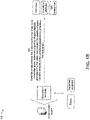
Figs. 1A-1G are diagrams of an example implementation described herein. -
Fig. 2 is a diagram of an example environment in which systems and/or methods described herein may be implemented. -
Fig. 3 is a diagram of example components of one or more devices ofFig. 2 . -
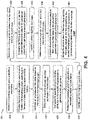
Fig. 4 is a flowchart of an example process for applying a k-anonymity model to protect node level privacy in knowledge graphs and a differential privacy model to protect edge level privacy in knowledge graphs. - The following detailed description of example implementations refers to the accompanying drawings. The same reference numbers in different drawings may identify the same or similar elements.
- Information can be structured in the form of a knowledge graph that include nodes representing entities and edges representing relationships between entities. A knowledge graph acquires and integrates information into an ontology and applies a reasoner to derive new knowledge. In other words, a knowledge graph is a programmatic way to model a knowledge domain with the help of subject-matter experts, data interlinking, and machine learning models. However, maximizing utilization of a knowledge graph data is restricted by data privacy legal compliance requirements. Data privacy technology and models have been applied to standard relational databases and social graph data structures. Currently, there are no frameworks for applying data privacy in the context of knowledge graphs or knowledge graph embeddings. Thus, current methods for utilizing knowledge graphs waste human resources, computing resources (e.g., processing resources, memory resources, communication resources, and/or the like), networking resources, and/or the like associated with violating data privacy legal compliance requirements during utilization of knowledge graphs, unsuccessfully attempting to identify privacy data associated with knowledge graphs, and/or the like.
- Some implementations described herein relate to an anonymization system that applies a k-anonymity model to protect node level privacy in knowledge graphs and a differential privacy model to protect edge level privacy in knowledge graphs. For example, the anonymization system may receive a knowledge graph and a predefined parameter and may process the knowledge graph to select a set of triples in the knowledge graph, each triple in the set of triples including a quasi-identifier relation. The anonymization system may generate an equivalence first class based on the set of triples in the knowledge graph and may determine a quantity of quasi-identifier attributes in the first class. The anonymization system may compare the quantity of quasi-identifier attributes to the predefined parameter to generate a first comparison and may embed the knowledge graph to generate an embedding space representation. The anonymization system may identify a similar neighbor second class and may determine a first quantity of nodes in the first class and the second class. The anonymization system may compare the first quantity of nodes in the first class and the second class to the predefined parameter to generate a second comparison and may identify a similar neighbor third class. The anonymization system may determine a second quantity of nodes in the first class and the third class and may compare the second quantity of nodes in the first class and the third class to the predefined parameter to generate a third comparison. The anonymization system may merge the second class or the third class with the first class, based on the first comparison, the second comparison, and the third comparison, to generate anonymized nodes for the knowledge graph.
- In this way, the anonymization system may apply a k-anonymity model to protect node level privacy in knowledge graphs and a differential privacy model to protect edge level privacy in knowledge graphs. For example, the anonymization system may utilize a k-anonymization model that leverages a knowledge graph embedding as an approximate means to maximize data utility during a data privatization phase. The anonymization system may incorporate a differential privacy mechanism to provide privacy for sensitive attributes contained in the knowledge graph and may aid an end user in understanding trade-offs in privacy and utility. Thus, the anonymization system conserves human resources, computing resources, networking resources, and/or the like that would otherwise have been wasted by violating data privacy legal compliance requirements during utilization of knowledge graphs, unsuccessfully attempting to identify privacy data associated with knowledge graphs, and/or the like.
-
Figs. 1A-1G are diagrams of anexample implementation 100 described herein.Example implementation 100 may be associated with utilizing models for replacing existing enterprise software with new enterprise software. As shown inFigs. 1A-1G ,example implementation 100 includes a client device associated with an anonymization system. The client device may include a laptop computer, a mobile telephone, a desktop computer, and/or the like utilized by the user. The anonymization system may include a system that applies a k-anonymity model to protect node level privacy in knowledge graphs and a differential privacy model to protect edge level privacy in knowledge graphs. - As shown in
Fig. 1A , and byreference number 105, the anonymization system may receive a knowledge graph, a predefined parameter, a sensitivity parameter, a noise multiplier parameter, and an acceptance value. The knowledge graph may include a graph that acquires and integrates information into an ontology and applies a reasoner to derive new knowledge. In some implementations, the knowledge graph is a programmatic way to model a knowledge domain with the help of subject-matter experts, data interlinking, and machine learning models. Data of the knowledge graph may need to be restricted due data privacy legal compliance requirements. For example, the knowledge graph may include private graph data, such as personal identifiers (e.g., "patient 1101," "person 101," and/or the like), quasi-identifier relations (e.g., "has age," "has nationality," and/or the like), quasi-identifier attributes (e.g., "18," "19," "Irish," "Scottish," and/or the like) associated with the quasi-identifier relations, insensitive attributes, and/or the like. - The predefined parameter may include a k-anonymity value associated with a k-anonymity model to be applied to the knowledge graph. Given privacy-specific (e.g., person-specific) field-structured data, the k-anonymity model may produce data that guarantees that the privacy-specific data (e.g., data identifying individuals) of the produced data cannot be re-identified while the produced data remains useful. The produced data may include a k-anonymity property if the privacy-specific data provided in the produced data cannot be distinguished from at least k-1 individuals whose information also appear in the produced data.
- The sensitivity parameter may include a sensitivity value associated with a differential privacy model to be applied to the knowledge graph. The differential privacy model may publicly share information about a dataset by describing patterns of groups within the dataset (e.g., a distribution of data) while withholding information about individuals in the dataset. A model may be referred to as a differential privacy model if an observer seeing output of the model cannot tell if a particular individual's information was used to compute the output. In one example, the sensitivity parameter may include a value of one when changing any entry in a dataset causes an output of the differential privacy model to change by either zero or one.
- The noise multiplier parameter may include a noise multiplier distribution associated with the differential privacy model. Adding controlled noise from predetermined distributions is a way of designing differentially private datasets and is useful for designing private mechanisms for real-valued functions on sensitive data. The noise multiplier parameter may include a Laplace mechanism, a Gaussian mechanism, and/or the like. The Laplace mechanism may add noise drawn from a Laplace distribution, while the Gaussian mechanism may add noise drawn from a Gaussian distribution.
- The acceptance value may include a threshold epsilon (ε)-differential privacy score associated with the differential privacy model. The acceptance value may include a mathematical definition for privacy loss associated with a dataset. The acceptance value may ensure that an individual's privacy cannot be compromised by a dataset release if data associated with the individual is not in the dataset. The acceptance value may provide each individual approximately a same privacy that would result from having the data associated with the individual removed. This may ensure that statistical functions executed on the dataset do not overly depend on the data of any one individual.
- As further shown in
Fig. 1A , and byreference number 110, the anonymization system may process the knowledge graph, with a quasi-identifier relation model, to select triples in the knowledge graph. Quasi-identifiers are pieces of information that are not of themselves unique identifiers but are sufficiently well-correlated with an entity that they can be combined with other quasi-identifiers to create a unique identifier. Quasi-identifiers can thus, when combined, become personally identifying information. In some implementations, the quasi-identifier relation model selects triples in the knowledge graph that include quasi-identifier relations. For example, the quasi-identifier relation model may select sets of triples in the knowledge graph, such as ["patient 1101," "has age," "90"], ["patient 1101," "has height," "6.0"], ["patient 1101," "has nationality," "Irish"], ["patient 1," "has age," "80"], ["patient 1," "has gender," "male"], ["patient 10," "has age," "34"], ["patient 9994," "has gender," "male"], ["patient 9998," "has age," "55"], ["patient 9998," "has gender," "female"], and/or the like. - As shown in
Fig. 1B , and byreference number 115, the anonymization system may generate an equivalence first class based on the triples in the knowledge graph. For example, the anonymization system may map the quasi-identifier attributes connected to each personal entity by the quasi-identifier relations in the knowledge graph (e.g., the triples in the knowledge graph), and may determine equivalence classes based on the mapping (e.g., the equivalence first class). For example, if the knowledge graph includes ages and genders of individuals, the equivalence first class may include groups based on the ages and the genders (e.g., "80 year old males," "34 year old males," "46 year old males," "54 year old females," and/or the like). - As further shown in
Fig. 1B , and byreference number 115, the anonymization system may determine a quantity of quasi-identifier attributes in the first class. For example, the anonymization system may determine sizes of the equivalence classes. In other words, the anonymization system may determine quantities of individuals in the groups. For example, for the groups based on the ages and the genders, the anonymization system may determine that there are "222" "80 year old males," that there are "250" "34 year old males," that there are "253" "46 year old males," that there are "188" "54 year old females," and/or the like in the knowledge graph. - As further shown in
Fig. 1B , and byreference number 115, the anonymization system may compare the quantity of quasi-identifier attributes to the predefined parameter to generate a first comparison. For example, the anonymization system may compare the quantities of individuals in the groups (e.g., the quantity of quasi-identifier attributes) to the k-anonymity value (e.g., the predefined parameter) to generate the first comparison. If none of the quantities of individuals in the groups are greater than the k-anonymity value, the anonymization system may determine that k-anonymity is achieved for the k-anonymity value. If one or more of the quantities of individuals in corresponding one or more groups are greater than or equal to the k-anonymity value, the anonymization system may determine that k-anonymity is not achieved for the k-anonymity value (e.g., for the corresponding one or more groups). - As shown in
Fig. 1C , and byreference number 120, the anonymization system may embed the knowledge graph to generate an embedding space representation. For example, the anonymization system may process the triples of the knowledge graph, with a knowledge graph embedding model, to generate the embedding space representation (e.g., a latent space graph). The embedding space representation may represent entities and relations in the knowledge graph as elements in a continuous vector space, and the embedding space representation may provide a generalizable context about the knowledge graph that can be used to infer relations. In some implementations, the knowledge graph embedding model may include a translation based embedding model (e.g., TransE), a hyperplane translation based embedding model (e.g., TransH), a relationship space based embedding model (e.g., TransR), a Rescal model, a DistMult model, and/or the like. - As further shown in
Fig. 1C , and byreference number 120, the anonymization system may identify a similar neighbor second class. In some implementations, for each equivalence class, the anonymization system may determine a nearest equivalence class (e.g., the similar neighbor second class). For example, for the groups based on the ages and the genders, the anonymization system may determine that the "80 year old males" group provided in the first class is nearest to a group of "75 year old males" (e.g., the similar neighbor second class), may determine that "54 year old females" group provided in the first class is nearest to a group of "52 year old females" (e.g., the similar neighbor second class), and/or the like. - As further shown in
Fig. 1C , and byreference number 120, the anonymization system determines a first quantity of nodes in the first class and the second class. For example, the anonymization system may determine the quantity of nodes in the first class based on the sizes of the equivalence classes (e.g., the quantities of individuals in the groups). For example, for the groups based on the ages and the genders, the anonymization system may determine that there are "222" "80 year old males," that there are "250" "34 year old males," that there are "253" "46 year old males," that there are "188" "54 year old females," and/or the like. The anonymization system may determine the quantity of nodes in the second class based on sizes of the similar neighbor classes (e.g., the quantities of individuals). For example, for the groups based on the ages and the genders, the anonymization system may determine that there are "101" "75 year old males," that there are "97" "52 year old females," and/or the like. - As further shown in
Fig. 1C , and byreference number 120, the anonymization system may compare the first quantity to the predefined parameter to generate a second comparison. For example, the anonymization system may compare the quantities of individuals in the first class and the second class to the k-anonymity value (e.g., the predefined parameter) to generate the second comparison. - As shown in
Fig. 1D , and byreference number 125, the anonymization system may identify a similar neighbor third class. In some implementations, for each individual in each equivalence class, the anonymization system may determine a nearest non-group individual (e.g., the similar neighbor third class) in the embedding space representation. For example, for the groups based on the ages and the genders, the anonymization system may determine that ["person 15664," "50," "male"] provided in the first class is nearest to ["person 16403," "57," "male"] of the third class; that ["person 17327," "50," "male"] provided in the first class is nearest to ["person 20806," "54," "male"] of the third class; that ["person 17368," "50," "male"] provided in the first class is nearest to ["person 18633," "36," "male"] of the third class; and/or the like. - As further shown in
Fig. 1D , and byreference number 125, the anonymization system may determine a second quantity of nodes in the first class and the third class. For example, the anonymization system may determine the quantity of nodes in the first class based on the sizes of the equivalence classes (e.g., the quantities of individuals in the groups). For example, for the groups based on the ages and the genders, the anonymization system may determine that there are "222" "80 year old males," that there are "250" "34 year old males," that there are "253" "46 year old males," that there are "188" "54 year old females," and/or the like. The anonymization system may determine the quantity of nodes in the third class based on sizes of the similar neighbor classes (e.g., the quantities of individuals). For example, for the groups based on the ages and the genders, the anonymization system may determine that there are "30" "57 year old males" (e.g., similar to person 16403), that there are "39" "54 year old males" (e.g., similar to person 20806), that there are "55" "36 year old males" (e.g., similar to person 18633), and/or the like. - As further shown in
Fig. 1D , and byreference number 125, the anonymization system may compare the second quantity to the predefined parameter to generate a third comparison. For example, the anonymization system may compare the quantities of individuals in the first class and the third class to the k-anonymity value (e.g., the predefined parameter) to generate the third comparison. - As shown in Fig. IE, and by
reference number 130, the anonymization system may merge the second class or the third class with the first class, based on the first comparison, the second comparison, and the third comparison, to generate anonymized nodes for the knowledge graph. For example, the anonymization system may merge the second class with the first class, based on the first comparison, the second comparison, and the third comparison, to generate a first set of anonymized nodes for the knowledge graph. The anonymization system may merge the third class with the first class, based on the first comparison, the second comparison, and the third comparison, to generate a second set of anonymized nodes for the knowledge graph. The anonymization system may combine the first set of anonymized nodes and the second set of anonymized nodes to generate an anonymized knowledge graph. - In some implementations, the anonymization system may determine whether to merge the second class or the third class with the first class by determining a first size associated with combining the second class with the first class and determining a second size associated with combining the third class with the first class. If the first size is minimized above the predefined parameter (e.g., the k-anonymity value), then the anonymization system may merge the second class with the first class. If the second size is minimized above the predefined parameter (e.g., the k-anonymity value), then the anonymization system may merge the third class with the first class. If neither the first size nor the second size is minimized above the predefined parameter, but the first size is larger than the second size, then the anonymization system may merge the second class with the first class. If neither the first size nor the second size is minimized above the predefined parameter, but the second size is larger than the first size, then the anonymization system may merge the third class with the first class. If neither the first size nor the second size is minimized above the predefined parameter, and the first size is equivalent to the second size, then the anonymization system may randomly select the second class or the third class to merge with the first class.
- As shown in Fig. IF, and by
reference number 135, the anonymization system may partition the triples in the knowledge graph into a first set of sensitive triples and a second set of non-sensitive triples based on the sensitivity parameter. For example, the sensitivity parameter may include a parameter that ensures that sensitive data (e.g., personal identifiers, ages, genders, nationalities, and/or the like) of the knowledge graph is maintained in privacy. The anonymization system may analyze the triples in the knowledge graph and may identify triples that include sensitive data (e.g., satisfy the sensitivity parameter). The anonymization system may group the triples that include the sensitive data into the first set of sensitive triples. The anonymization system may identify triples that fail to include sensitive data (e.g., fail to satisfy the sensitivity parameter) and may group the triples that fail to include the sensitive data into the second set of non-sensitive triples. - As further shown in Fig. IF, and by
reference number 135, the anonymization system may convert the first set into a first embedding space using a first stochastic descent model. For example, the anonymization system may process the first set of sensitive triples, with a stochastic gradient descent model, to convert the first set of sensitive triples into the first embedding space. The first embedding space may include a stochastic approximation of gradient descent optimization, since the first embedding space replaces an actual gradient (e.g., calculated from the entire first set of sensitive triples) with an estimated gradient (e.g., calculated from a randomly selected subset of the first set of sensitive triples). - As further shown in
Fig. 1F , and byreference number 135, the anonymization system may convert the second set into a second embedding space using a second stochastic descent model. For example, the anonymization system may process the second set of non-sensitive triples, with a stochastic gradient descent model, to convert the second set of non-sensitive triples into the second embedding space. The second embedding space may include a stochastic approximation of gradient descent optimization, since the second embedding space replaces an actual gradient (e.g., calculated from the entire second set of non-sensitive triples) with an estimated gradient (e.g., calculated from a randomly selected subset of the second set of non-sensitive triples). - As shown in
Fig. 1G , and byreference number 140, the anonymization system may add noise to the first embedding space using the noise multiplier parameter. For example, the anonymization system may add parameterized Gaussian noise to the first embedding space. In some implementations, the anonymization system adds enough noise to the first embedding space to hide data in the first embedding space and to generate a noisy first embedding space. - In some implementations, the anonymization system may utilize a clip value parameter to bound the first embedding space, prior to adding the noise to the first embedding space. For example, the first embedding space (e.g., gradients) may be represented as:


- As further shown in
Fig. 1G , and byreference number 140, the anonymization system may determine a differential privacy epsilon score based on the noisy first embedding space. The differential privacy epsilon score enables the anonymization system to balance privacy and accuracy levels with a positive value named epsilon (ε). If epsilon is small, then more privacy is preserved, but data accuracy is worse. If epsilon is large, privacy is worse, but data accuracy is preserved. Epsilon may include a value from zero to infinity. In some implementations, the anonymization system processes the noisy first embedding space, with an epsilon differential privacy model, to determine the differential privacy epsilon score. - As further shown in
Fig. 1G , and byreference number 140, the anonymization system may compare the differential privacy epsilon score to the acceptance value to generate privatized edges for the knowledge graph. For example, if the anonymization system determines that the differential privacy epsilon score satisfies the acceptance value (e.g., satisfies a privacy requirement for the knowledge graph), the anonymization system may generate privatized edges for the knowledge graph based on the differential privacy epsilon score. If the anonymization system determines that the differential privacy epsilon score fails to satisfy the acceptance value (e.g., fails to satisfy the privacy requirement for the knowledge graph), the anonymization system may modify the epsilon value and recalculate the differential privacy epsilon score until the differential privacy epsilon score satisfies the acceptance value. - As further shown in
Fig. 1G , and byreference number 145, the anonymization system may combine the anonymized nodes and the privatized edges to create an anonymized knowledge graph. For example, the anonymization system may combine the anonymized nodes, described above in connection with Fig. IE, with the privatized edges to create the anonymized knowledge graph. In some implementations, the anonymization system provides the knowledge graph, with the anonymized nodes, for display to the client device, or provides the anonymized knowledge graph for display to the client device. In this way, the client device may utilize the anonymized knowledge graph without disclosing private information. - In some implementations, the anonymization system utilizes the knowledge graph, with the anonymized nodes, to perform a calculation that satisfies one or more privacy conditions or utilizes the anonymized knowledge graph to perform the calculation that satisfies the one or more privacy conditions. In this way, the anonymization system may utilize the anonymized knowledge graph without disclosing private information.
- In some implementations, the anonymization system utilizes the knowledge graph, with the anonymized nodes, or the anonymized knowledge graph to determine new knowledge associated with a subject matter of the knowledge graph, and provides data identifying the new knowledge for display to the client device. In this way, the anonymization system may utilize the anonymized knowledge to determine new knowledge and without disclosing private information.
- In some implementations, the anonymization system provides the knowledge graph, with the anonymized nodes, or the anonymized knowledge graph for display to the client device, and receives, from the client device, feedback associated with the knowledge graph. The feedback may indicate that privacy is not preserved by the anonymized knowledge graph. The anonymization system may increase a value associated with the predefined parameter, based on the feedback, to increase an anonymization associated with the anonymized nodes for the knowledge graph.
- In this way, the anonymization system may apply a k-anonymity model to protect node level privacy in knowledge graphs and a differential privacy model to protect edge level privacy in knowledge graphs. For example, the anonymization system may utilize a k-anonymization model that leverages a knowledge graph embedding as an approximate means to maximize data utility during a data privatization phase. The anonymization system may incorporate a differential privacy mechanism to provide privacy for sensitive attributes contained in the knowledge graph, and the anonymization system may aid an end user in understanding trade-offs in privacy and utility. Thus, the anonymization system conserves human resources, computing resources, networking resources, and/or the like that would otherwise have been wasted by violating data privacy legal compliance requirements during utilization of knowledge graphs, unsuccessfully attempting to identify privacy data associated with knowledge graphs, and/or the like.
- As indicated above,
Figs. 1A-1G are provided as an example. Other examples may differ from what is described with regard toFigs. 1A-1G . The number and arrangement of devices shown inFigs. 1A-1G are provided as an example. In practice, there may be additional devices, fewer devices, different devices, or differently arranged devices than those shown inFigs. 1A-1G . Furthermore, two or more devices shown inFigs. 1A-1G may be implemented within a single device, or a single device shown inFigs. 1A-1G may be implemented as multiple, distributed devices. Additionally, or alternatively, a set of devices (e.g., one or more devices) shown inFigs. 1A-1G may perform one or more functions described as being performed by another set of devices shown inFigs. 1A-1G . -
Fig. 2 is a diagram of anexample environment 200 in which systems and/or methods described herein may be implemented. As shown inFig. 2 ,environment 200 may include ananonymization system 201, which may include one or more elements of and/or may execute within acloud computing system 202. Thecloud computing system 202 may include one or more elements 203-213, as described in more detail below. As further shown inFig. 2 ,environment 200 may include anetwork 220 and/or aclient device 230. Devices and/or elements ofenvironment 200 may interconnect via wired connections and/or wireless connections. - The
cloud computing system 202 includescomputing hardware 203, aresource management component 204, a host operating system (OS) 205, and/or one or morevirtual computing systems 206. Theresource management component 204 may perform virtualization (e.g., abstraction) ofcomputing hardware 203 to create the one or morevirtual computing systems 206. Using virtualization, theresource management component 204 enables a single computing device (e.g., a computer, a server, and/or the like) to operate like multiple computing devices, such as by creating multiple isolatedvirtual computing systems 206 from computinghardware 203 of the single computing device. In this way, computinghardware 203 can operate more efficiently, with lower power consumption, higher reliability, higher availability, higher utilization, greater flexibility, and lower cost than using separate computing devices. -
Computing hardware 203 includes hardware and corresponding resources from one or more computing devices. For example,computing hardware 203 may include hardware from a single computing device (e.g., a single server) or from multiple computing devices (e.g., multiple servers), such as multiple computing devices in one or more data centers. As shown,computing hardware 203 may include one ormore processors 207, one ormore memories 208, one ormore storage components 209, and/or one ormore networking components 210. Examples of a processor, a memory, a storage component, and a networking component (e.g., a communication component) are described elsewhere herein. - The
resource management component 204 includes a virtualization application (e.g., executing on hardware, such as computing hardware 203) capable of virtualizingcomputing hardware 203 to start, stop, and/or manage one or morevirtual computing systems 206. For example, theresource management component 204 may include a hypervisor (e.g., a bare-metal or Type 1 hypervisor, a hosted or Type 2 hypervisor, and/or the like) or a virtual machine monitor, such as when thevirtual computing systems 206 arevirtual machines 211. Additionally, or alternatively, theresource management component 204 may include a container manager, such as when thevirtual computing systems 206 arecontainers 212. In some implementations, theresource management component 204 executes within and/or in coordination with ahost operating system 205. - A
virtual computing system 206 includes a virtual environment that enables cloud-based execution of operations and/or processes described herein usingcomputing hardware 203. As shown, avirtual computing system 206 may include avirtual machine 211, acontainer 212, ahybrid environment 213 that includes a virtual machine and a container, and/or the like. Avirtual computing system 206 may execute one or more applications using a file system that includes binary files, software libraries, and/or other resources required to execute applications on a guest operating system (e.g., within the virtual computing system 206) or thehost operating system 205. - Although the
anonymization system 201 may include one or more elements 203-213 of thecloud computing system 202, may execute within thecloud computing system 202, and/or may be hosted within thecloud computing system 202, in some implementations, theanonymization system 201 may not be cloud-based (e.g., may be implemented outside of a cloud computing system) or may be partially cloud-based. For example, theanonymization system 201 may include one or more devices that are not part of thecloud computing system 202, such asdevice 300 ofFig. 3 , which may include a standalone server or another type of computing device. Theanonymization system 201 may perform one or more operations and/or processes described in more detail elsewhere herein. -
Network 220 includes one or more wired and/or wireless networks. For example,network 220 may include a cellular network, a public land mobile network (PLMN), a local area network (LAN), a wide area network (WAN), a private network, the Internet, and/or the like, and/or a combination of these or other types of networks. Thenetwork 220 enables communication among the devices ofenvironment 200. -
Client device 230 includes one or more devices capable of receiving, generating, storing, processing, and/or providing information associated with a knowledge graph, as described elsewhere herein.Client device 230 may include a communication device and/or a computing device. For example,client device 230 may include a wireless communication device, a mobile phone, a user equipment, a laptop computer, a tablet computer, a desktop computer, a gaming console, a set-top box, a wearable communication device (e.g., a smart wristwatch, a pair of smart eyeglasses, a head mounted display, or a virtual reality headset), or a similar type of device. - The number and arrangement of devices and networks shown in
Fig. 2 are provided as an example. In practice, there may be additional devices and/or networks, fewer devices and/or networks, different devices and/or networks, or differently arranged devices and/or networks than those shown inFig. 2 . Furthermore, two or more devices shown inFig. 2 may be implemented within a single device, or a single device shown inFig. 2 may be implemented as multiple, distributed devices. Additionally, or alternatively, a set of devices (e.g., one or more devices) ofenvironment 200 may perform one or more functions described as being performed by another set of devices ofenvironment 200. -
Fig. 3 is a diagram of example components of adevice 300, which may correspond toanonymization system 201 and/orclient device 230. In some implementations,anonymization system 201 and/orclient device 230 may include one ormore devices 300 and/or one or more components ofdevice 300. As shown inFig. 3 ,device 300 may include abus 310, aprocessor 320, amemory 330, astorage component 340, aninput component 350, anoutput component 360, and acommunication component 370. -
Bus 310 includes a component that enables wired and/or wireless communication among the components ofdevice 300.Processor 320 includes a central processing unit, a graphics processing unit, a microprocessor, a controller, a microcontroller, a digital signal processor, a field-programmable gate array, an application-specific integrated circuit, and/or another type of processing component.Processor 320 is implemented in hardware, firmware, or a combination of hardware and software. In some implementations,processor 320 includes one or more processors capable of being programmed to perform a function.Memory 330 includes a random access memory, a read only memory, and/or another type of memory (e.g., a flash memory, a magnetic memory, and/or an optical memory). -
Storage component 340 stores information and/or software related to the operation ofdevice 300. For example,storage component 340 may include a hard disk drive, a magnetic disk drive, an optical disk drive, a solid-state disk drive, a compact disc, a digital versatile disc, and/or another type of non-transitory computer-readable medium.Input component 350 enablesdevice 300 to receive input, such as user input and/or sensed inputs. For example,input component 350 may include a touch screen, a keyboard, a keypad, a mouse, a button, a microphone, a switch, a sensor, a global positioning system component, an accelerometer, a gyroscope, and/or an actuator.Output component 360 enablesdevice 300 to provide output, such as via a display, a speaker, and/or one or more light-emitting diodes.Communication component 370 enablesdevice 300 to communicate with other devices, such as via a wired connection and/or a wireless connection. For example,communication component 370 may include a receiver, a transmitter, a transceiver, a modem, a network interface card, and/or an antenna. -
Device 300 may perform one or more processes described herein. For example, a non-transitory computer-readable medium (e.g.,memory 330 and/or storage component 340) may store a set of instructions (e.g., one or more instructions, code, software code, and/or program code) for execution byprocessor 320.Processor 320 may execute the set of instructions to perform one or more processes described herein. In some implementations, execution of the set of instructions, by one ormore processors 320, causes the one ormore processors 320 and/or thedevice 300 to perform one or more processes described herein. In some implementations, hardwired circuitry may be used instead of or in combination with the instructions to perform one or more processes described herein. Thus, implementations described herein are not limited to any specific combination of hardware circuitry and software. - The number and arrangement of components shown in
Fig. 3 are provided as an example.Device 300 may include additional components, fewer components, different components, or differently arranged components than those shown inFig. 3 . Additionally, or alternatively, a set of components (e.g., one or more components) ofdevice 300 may perform one or more functions described as being performed by another set of components ofdevice 300. -
Fig. 4 is a flowchart of anexample process 400 for applying a k-anonymity model to protect node level privacy in knowledge graphs and a differential privacy model to protect edge level privacy in knowledge graphs. In some implementations, one or more process blocks ofFig. 4 may be performed by a device (e.g., anonymization system 201). In some implementations, one or more process blocks ofFig. 4 may be performed by another device or a group of devices separate from or including the device, such as a client device (e.g., client device 230). Additionally, or alternatively, one or more process blocks ofFig. 4 may be performed by one or more components ofdevice 300, such asprocessor 320,memory 330,storage component 340,input component 350,output component 360, and/orcommunication component 370. - As shown in
Fig. 4 ,process 400 may include receiving a knowledge graph and a predefined parameter (block 405). For example, the device may receive a knowledge graph and a predefined parameter, as described above. - As further shown in
Fig. 4 ,process 400 may include processing the knowledge graph to select a set of triples in the knowledge graph, each triple in the set of triples including a quasi-identifier relation (block 410). For example, the device may process the knowledge graph to select a set of triples in the knowledge graph, each triple in the set of triples including a quasi-identifier relation, as described above. - As further shown in
Fig. 4 ,process 400 may include generating an equivalence first class based on the set of triples in the knowledge graph (block 415). For example, the device may generate an equivalence first class based on the set of triples in the knowledge graph, as described above. - As further shown in
Fig. 4 ,process 400 may include determining a quantity of quasi-identifier attributes in the first class (block 420). For example, the device may determine a quantity of quasi-identifier attributes in the first class, as described above. - As further shown in
Fig. 4 ,process 400 may include comparing the quantity of quasi-identifier attributes to the predefined parameter to generate a first comparison (block 425). For example, the device may compare the quantity of quasi-identifier attributes to the predefined parameter to generate a first comparison, as described above. - As further shown in
Fig. 4 ,process 400 may include embedding the knowledge graph to generate an embedding space representation (block 430). For example, the device may embed the knowledge graph to generate an embedding space representation, as described above. - As further shown in
Fig. 4 ,process 400 may include identifying a similar neighbor second class (block 435). For example, the device may identify a similar neighbor second class, as described above. - As further shown in
Fig. 4 ,process 400 may include determining a first quantity of nodes in the first class and the second class (block 440). For example, the device may determine a first quantity of nodes in the first class and the second class, as described above. - As further shown in
Fig. 4 ,process 400 may include comparing the first quantity of nodes in the first class and the second class to the predefined parameter to generate a second comparison (block 445). For example, the device may compare the first quantity of nodes in the first class and the second class to the predefined parameter to generate a second comparison, as described above. - As further shown in
Fig. 4 ,process 400 may include identifying a similar neighbor third class (block 450). For example, the device may identify a similar neighbor third class, as described above. - As further shown in
Fig. 4 ,process 400 may include determining a second quantity of nodes in the first class and the third class (block 455). For example, the device may determine a second quantity of nodes in the first class and the third class, as described above. - As further shown in
Fig. 4 ,process 400 may include comparing the second quantity of nodes in the first class and the third class to the predefined parameter to generate a third comparison (block 460). For example, the device may compare the second quantity of nodes in the first class and the third class to the predefined parameter to generate a third comparison, as described above. - As further shown in
Fig. 4 ,process 400 may include merging the second class or the third class with the first class, based on the first comparison, the second comparison, and the third comparison, to generate anonymized nodes for the knowledge graph (block 465). For example, the device may merge the second class or the third class with the first class, based on the first comparison, the second comparison, and the third comparison, to generate anonymized nodes for the knowledge graph, as described above. -
Process 400 may include additional implementations, such as any single implementation or any combination of implementations described below and/or in connection with one or more other processes described elsewhere herein. - In a first implementation,
process 400 includes providing the knowledge graph, with the anonymized nodes, for display, or utilizing the knowledge graph, with the anonymized nodes, to perform a calculation that satisfies one or more privacy conditions. - In a second implementation, alone or in combination with the first implementation,
process 400 includes generating privatized edges for the knowledge graph based on a differential privacy model and combining the anonymized nodes and the privatized edges to create an anonymized knowledge graph. - In a third implementation, alone or in combination with one or more of the first and second implementations,
process 400 includes providing the anonymized knowledge graph for display or utilizing the anonymized knowledge graph to perform a calculation that satisfies one or more privacy conditions. - In a fourth implementation, alone or in combination with one or more of the first through third implementations, the predefined parameter includes an anonymization value.
- In a fifth implementation, alone or in combination with one or more of the first through fourth implementations, when the first quantity of nodes or the second quantity of nodes is greater than the predefined parameter, anonymity is achieved for the predefined parameter.
- In a sixth implementation, alone or in combination with one or more of the first through fifth implementations, embedding the knowledge graph to generate the embedding space representation comprises processing the set of triples in the knowledge graph, with a knowledge graph embedding model, to generate the embedding space representation.
- In a seventh implementation, alone or in combination with one or more of the first through sixth implementations, the embedding space representation is a latent space graph.
- In an eighth implementation, alone or in combination with one or more of the first through seventh implementations, merging the second class or the third class with the first class, based on the first comparison, the second comparison, and the third comparison, to generate the anonymized nodes for the knowledge graph includes merging the second class with the first class, based on the first comparison, the second comparison, and the third comparison, to generate a first set of anonymized nodes for the knowledge graph; merging the third class with the first class, based on the first comparison, the second comparison, and the third comparison, to generate a second set of anonymized nodes for the knowledge graph; and combining the first set of anonymized nodes and the second set of anonymized nodes to generate an anonymized knowledge graph.
- In a ninth implementation, alone or in combination with one or more of the first through eighth implementations, the anonymized nodes prevent identification of one or more of personal identifiers, the quasi-identifier attributes, insensitive attributes, or quasi-identifier predicates.
- In a tenth implementation, alone or in combination with one or more of the first through ninth implementations,
process 400 includes utilizing the knowledge graph, with the anonymized nodes, to determine new knowledge associated with a subject matter of the knowledge graph, and providing data identifying the new knowledge for display. - In an eleventh implementation, alone or in combination with one or more of the first through tenth implementations,
process 400 includes increasing a value associated with the predefined parameter to increase an anonymization associated with the anonymized nodes for the knowledge graph. - In a twelfth implementation, alone or in combination with one or more of the first through eleventh implementations,
process 400 includes providing the knowledge graph, with the anonymized nodes, for display to a client device; receiving, from the client device, feedback associated with the knowledge graph; and increasing a value associated with the predefined parameter, based on the feedback, to increase an anonymization associated with the anonymized nodes for the knowledge graph. - Although
Fig. 4 shows example blocks ofprocess 400, in some implementations,process 400 may include additional blocks, fewer blocks, different blocks, or differently arranged blocks than those depicted inFig. 4 . Additionally, or alternatively, two or more of the blocks ofprocess 400 may be performed in parallel. - In view of the above-described implementations of subject matter this application discloses the following list of examples, wherein one feature of an example in isolation or more than one feature of said example taken in combination and, optionally, in combination with one or more features of one or more further examples are further examples also falling within the disclosure of this application:
- Example 1 A computer program product comprising a set of instructions, particularly embodied as a non-transitory computer-readable medium storing the set of instructions, the set of instructions comprising:
one or more instructions that, when executed by one or more processors of a device, cause the device to:- receive a knowledge graph and a predefined parameter;
- process the knowledge graph to select a set of triples in the knowledge graph, each triple in the set of triples including a quasi-identifier relation;
- generate an equivalence first class based on the set of triples in the knowledge graph;
- determine a quantity of quasi-identifier attributes in the first class;
- compare the quantity of quasi-identifier attributes to the predefined parameter to generate a first comparison;
- embed the knowledge graph to generate an embedding space representation;
- identify a similar neighbor second class;
- determine a first quantity of nodes in the first class and the second class;
- compare the first quantity of nodes in the first class and the second class to the predefined parameter to generate a second comparison;
- identify a similar neighbor third class;
- determine a second quantity of nodes in the first class and the third class;
- compare the second quantity of nodes in the first class and the third class to the predefined parameter to generate a third comparison;
- merge the second class or the third class with the first class, based on the first comparison, the second comparison, and the third comparison, to generate anonymized nodes for the knowledge graph;
- utilize the knowledge graph, with the anonymized nodes, to determine new knowledge associated with a subject matter of the knowledge graph; and
- provide data identifying the new knowledge for display.
- Example 2 The computer program product, particularly the non-transitory computer-readable medium, of example 1, wherein the one or more instructions further cause the device to:
- generate privatized edges for the knowledge graph based on a differential privacy model;
- combine the anonymized nodes and the privatized edges to create an anonymized knowledge graph; and
- provide the anonymized knowledge graph for display.
- Example 3. The computer program product, particularly the non-transitory computer-readable medium of example 1 or 2, wherein the one or more instructions, that cause the device to embed the knowledge graph to generate the embedding space representation, cause the device to:
process the set of triples in the knowledge graph, with a knowledge graph embedding model, to generate the embedding space representation. - Example 4. The computer program product, particularly the non-transitory computer-readable medium of example 1, 2 or 3, wherein the one or more instructions, that cause the device to merge the second class or the third class with the first class, based on the first comparison, the second comparison, and the third comparison, to generate the anonymized nodes for the knowledge graph, cause the device to:
- merge the second class with the first class, based on the first comparison, the second comparison, and the third comparison, to generate a first set of anonymized nodes for the knowledge graph;
- merge the third class with the first class, based on the first comparison, the second comparison, and the third comparison, to generate a second set of anonymized nodes for the knowledge graph; and
- combine the first set of anonymized nodes and the second set of anonymized nodes to generate an anonymized knowledge graph.
- Example 4. The computer program product, particularly the non-transitory computer-readable medium of example 1, 2 or 3, wherein the one or more instructions further cause the device to:
increase a value associated with the predefined parameter to increase an anonymization associated with the anonymized nodes for the knowledge graph. - Example 5. The computer program product, particularly the non-transitory computer-readable medium of example 1, 2, 3 or 4, wherein the one or more instructions further cause the device to:
- provide the knowledge graph, with the anonymized nodes, for display to a client device;
- receive, from the client device, feedback associated with the knowledge graph; and increase a value associated with the predefined parameter, based on the feedback, to increase an anonymization associated with the anonymized nodes for the knowledge graph.
- The present disclosure relates to a device processes a knowledge graph to select a set of triples and generates a first class based on the set of triples. The device determines a quantity of quasi-identifier attributes in the first class and compares the quantity to a predefined parameter. The device embeds the knowledge graph to generate an embedding space representation, identifies a second class, and determines a first quantity of nodes in the first class and the second class. The device compares the first quantity to the predefined parameter and identifies a third class. The device determines a second quantity of nodes in the first class and the third class and compares the second quantity to the predefined parameter. The device merges the second class or the third class with the first class, based on the comparisons, to generate anonymized nodes for the knowledge graph.
- The foregoing disclosure provides illustration and description but is not intended to be exhaustive or to limit the implementations to the precise form disclosed. Modifications may be made in light of the above disclosure or may be acquired from practice of the implementations.
- As used herein, the term "component" is intended to be broadly construed as hardware, firmware, or a combination of hardware and software. It will be apparent that systems and/or methods described herein may be implemented in different forms of hardware, firmware, and/or a combination of hardware and software. The actual specialized control hardware or software code used to implement these systems and/or methods is not limiting of the implementations. Thus, the operation and behavior of the systems and/or methods are described herein without reference to specific software code - it being understood that software and hardware can be used to implement the systems and/or methods based on the description herein.
- As used herein, satisfying a threshold may, depending on the context, refer to a value being greater than the threshold, greater than or equal to the threshold, less than the threshold, less than or equal to the threshold, equal to the threshold, and/or the like, depending on the context.
- Although particular combinations of features are recited in the claims and/or disclosed in the specification, these combinations are not intended to limit the disclosure of various implementations. In fact, many of these features may be combined in ways not specifically recited in the claims and/or disclosed in the specification. Although each dependent claim listed below may directly depend on only one claim, the disclosure of various implementations includes each dependent claim in combination with every other claim in the claim set.
- No element, act, or instruction used herein should be construed as critical or essential unless explicitly described as such. Also, as used herein, the articles "a" and "an" are intended to include one or more items and may be used interchangeably with "one or more." Further, as used herein, the article "the" is intended to include one or more items referenced in connection with the article "the" and may be used interchangeably with "the one or more." Furthermore, as used herein, the term "set" is intended to include one or more items (e.g., related items, unrelated items, a combination of related and unrelated items, and/or the like), and may be used interchangeably with "one or more." Where only one item is intended, the phrase "only one" or similar language is used. Also, as used herein, the terms "has," "have," "having," or the like are intended to be open-ended terms. Further, the phrase "based on" is intended to mean "based, at least in part, on" unless explicitly stated otherwise. Also, as used herein, the term "or" is intended to be inclusive when used in a series and may be used interchangeably with "and/or," unless explicitly stated otherwise (e.g., if used in combination with "either" or "only one of').
Claims (15)
- A method, comprising:receiving, by a device, a knowledge graph and a predefined parameter;processing, by the device, the knowledge graph to select a set of triples in the knowledge graph, each triple in the set of triples including a quasi-identifier relation;generating, by the device, an equivalence first class based on the set of triples in the knowledge graph;determining, by the device, a quantity of quasi-identifier attributes in the first class;comparing, by the device, the quantity of quasi-identifier attributes to the predefined parameter to generate a first comparison;embedding, by the device, the knowledge graph to generate an embedding space representation;identifying, by the device, a similar neighbor second class;determining, by the device, a first quantity of nodes in the first class and the second class;comparing, by the device, the first quantity of nodes in the first class and the second class to the predefined parameter to generate a second comparison;identifying, by the device, a similar neighbor third class;determining, by the device, a second quantity of nodes in the first class and the third class;comparing, by the device, the second quantity of nodes in the first class and the third class to the predefined parameter to generate a third comparison; andmerging, by the device, the second class or the third class with the first class, based on the first comparison, the second comparison, and the third comparison, to generate anonymized nodes for the knowledge graph.
- The method of claim 1, further comprising one or more of:providing the knowledge graph, with the anonymized nodes, for display; orutilizing the knowledge graph, with the anonymized nodes, to perform a calculation that satisfies one or more privacy conditions.
- The method of any one of the preceding claims, further comprising:generating privatized edges for the knowledge graph based on a differential privacy model; andcombining the anonymized nodes and the privatized edges to create an anonymized knowledge graph.
- The method of any one of the preceding claims, further comprising one or more of:providing the anonymized knowledge graph for display; orutilizing the anonymized knowledge graph to perform a calculation that satisfies one or more privacy conditions.
- The method of any one of the preceding claims, wherein the predefined parameter includes an anonymization value.
- The method of claim 1, wherein when the first quantity of nodes or the second quantity of nodes is greater than the predefined parameter, anonymity is achieved for the predefined parameter.
- The method of any one of the preceding claims, wherein embedding the knowledge graph to generate the embedding space representation comprises:
processing the set of triples in the knowledge graph, with a knowledge graph embedding model, to generate the embedding space representation. - A device, comprising:one or more memories; andone or more processors, communicatively coupled to the one or more memories, configured to:receive a knowledge graph and a predefined parameter;process the knowledge graph to select a set of triples in the knowledge graph, each triple in the set of triples including a quasi-identifier relation;generate an equivalence first class based on the set of triples in the knowledge graph;determine a quantity of quasi-identifier attributes in the first class;compare the quantity of quasi-identifier attributes to the predefined parameter to generate a first comparison;embed the knowledge graph to generate an embedding space representation;identify a similar neighbor second class;determine a first quantity of nodes in the first class and the second class;compare the first quantity of nodes in the first class and the second class to the predefined parameter to generate a second comparison;identify a similar neighbor third class;determine a second quantity of nodes in the first class and the third class;compare the second quantity of nodes in the first class and the third class to the predefined parameter to generate a third comparison;merge the second class or the third class with the first class, based on the first comparison, the second comparison, and the third comparison, to generate anonymized nodes for the knowledge graph; andutilize the knowledge graph, with the anonymized nodes, to perform a calculation that satisfies one or more privacy conditions.
- The device of claim 8, wherein the embedding space representation is a latent space graph.
- The device of claim 8 or 9, wherein the one or more processors, when merging the second class or the third class with the first class, based on the first comparison, the second comparison, and the third comparison, to generate the anonymized nodes for the knowledge graph, are configured to:merge the second class with the first class, based on the first comparison, the second comparison, and the third comparison, to generate a first set of anonymized nodes for the knowledge graph;merge the third class with the first class, based on the first comparison, the second comparison, and the third comparison, to generate a second set of anonymized nodes for the knowledge graph; andcombine the first set of anonymized nodes and the second set of anonymized nodes to generate an anonymized knowledge graph.
- The device of any one of the preceding claims 8 to 10, wherein the anonymized nodes prevent identification of one or more of:personal identifiers,the quasi-identifier attributes,insensitive attributes, orquasi-identifier predicates.
- The device of any one of the preceding claims 8 to 11, wherein the one or more processors are further configured to:utilize the knowledge graph, with the anonymized nodes, to determine new knowledge associated with a subject matter of the knowledge graph; andprovide data identifying the new knowledge for display.
- The device of any one of the preceding claims 8 to 12, wherein the one or more processors are further configured to:
increase a value associated with the predefined parameter to increase an anonymization associated with the anonymized nodes for the knowledge graph. - The device of any one of the preceding claims 8 to 13, wherein the one or more processors are further configured to:provide the knowledge graph, with the anonymized nodes, for display to a client device;receive, from the client device, feedback associated with the knowledge graph; andincrease a value associated with the predefined parameter, based on the feedback, to increase an anonymization associated with the anonymized nodes for the knowledge graph.
- A computer program product comprising computer-readable instructions which, when loaded and executed on a suitable system, perform the steps of a computer-implemented method of any one of the preceding claims 1 to 7.
Applications Claiming Priority (1)
| Application Number | Priority Date | Filing Date | Title |
|---|---|---|---|
| US17/247,381 US12411984B2 (en) | 2020-12-09 | 2020-12-09 | Applying a k-anonymity model to protect node level privacy in knowledge graphs and a differential privacy model to protect edge level privacy in knowledge graphs |
Publications (2)
| Publication Number | Publication Date |
|---|---|
| EP4012589A1 true EP4012589A1 (en) | 2022-06-15 |
| EP4012589B1 EP4012589B1 (en) | 2025-07-09 |
Family
ID=78211933
Family Applications (1)
| Application Number | Title | Priority Date | Filing Date |
|---|---|---|---|
| EP21202621.5A Active EP4012589B1 (en) | 2020-12-09 | 2021-10-14 | Applying a k-anonymity model to protect node level privacy in knowledge graphs and a differential privacy model to protect edge level privacy in knowledge graphs |
Country Status (2)
| Country | Link |
|---|---|
| US (1) | US12411984B2 (en) |
| EP (1) | EP4012589B1 (en) |
Families Citing this family (4)
| Publication number | Priority date | Publication date | Assignee | Title |
|---|---|---|---|---|
| US12468849B2 (en) * | 2022-06-28 | 2025-11-11 | Here Global B.V. | Method, apparatus, and computer program product for estimating the privacy risk of anonymized trajectory data |
| JP2024054705A (en) * | 2022-10-05 | 2024-04-17 | 株式会社日立製作所 | Consultation record sharing device and consultation record sharing method |
| CN118673522A (en) * | 2023-03-17 | 2024-09-20 | 戴尔产品有限公司 | Method, electronic device and computer program product for data anonymization |
| CN120452756B (en) * | 2025-07-11 | 2025-09-16 | 武汉源启科技股份有限公司 | Multidisciplinary fusion consultation method and system based on knowledge graph |
Citations (3)
| Publication number | Priority date | Publication date | Assignee | Title |
|---|---|---|---|---|
| US20140324915A1 (en) * | 2013-04-25 | 2014-10-30 | International Business Machines Corporation | Guaranteeing anonymity of linked data graphs |
| US20190130129A1 (en) * | 2017-10-26 | 2019-05-02 | Sap Se | K-Anonymity and L-Diversity Data Anonymization in an In-Memory Database |
| US20200311296A1 (en) * | 2019-03-27 | 2020-10-01 | Sap Se | Data anonymization in database management systems |
Family Cites Families (11)
| Publication number | Priority date | Publication date | Assignee | Title |
|---|---|---|---|---|
| US9129117B2 (en) * | 2012-12-27 | 2015-09-08 | Industrial Technology Research Institute | Generation method and device for generating anonymous dataset, and method and device for risk evaluation |
| US11810001B1 (en) * | 2016-05-12 | 2023-11-07 | Federal Home Loan Mortgage Corporation (Freddie Mac) | Systems and methods for generating and implementing knowledge graphs for knowledge representation and analysis |
| JP6825016B2 (en) * | 2016-06-30 | 2021-02-03 | ファスー ドット コム カンパニー リミテッドFasoo. Com Co., Ltd | Non-identification method and device of personal information |
| US20180314756A1 (en) * | 2017-04-26 | 2018-11-01 | Linkedln Corporation | Online social network member profile taxonomy |
| US10769306B2 (en) * | 2017-09-21 | 2020-09-08 | International Business Machines Corporation | Applying a differential privacy operation on a cluster of data |
| US10565399B2 (en) * | 2017-10-26 | 2020-02-18 | Sap Se | Bottom up data anonymization in an in-memory database |
| US10877979B2 (en) * | 2018-01-16 | 2020-12-29 | Accenture Global Solutions Limited | Determining explanations for predicted links in knowledge graphs |
| US11727243B2 (en) * | 2019-01-30 | 2023-08-15 | Baidu Usa Llc | Knowledge-graph-embedding-based question answering |
| CA3080373A1 (en) * | 2019-05-10 | 2020-11-10 | Royal Bank Of Canada | System and method for machine learning architecture with privacy-preserving node embeddings |
| US11483294B2 (en) * | 2019-08-28 | 2022-10-25 | University Of Maryland, Baltimore County | Method for anonymizing network data using differential privacy |
| US11507692B2 (en) * | 2019-12-31 | 2022-11-22 | Servicenow, Inc. | System and method for improved anonymized data repositories |
-
2020
- 2020-12-09 US US17/247,381 patent/US12411984B2/en active Active
-
2021
- 2021-10-14 EP EP21202621.5A patent/EP4012589B1/en active Active
Patent Citations (3)
| Publication number | Priority date | Publication date | Assignee | Title |
|---|---|---|---|---|
| US20140324915A1 (en) * | 2013-04-25 | 2014-10-30 | International Business Machines Corporation | Guaranteeing anonymity of linked data graphs |
| US20190130129A1 (en) * | 2017-10-26 | 2019-05-02 | Sap Se | K-Anonymity and L-Diversity Data Anonymization in an In-Memory Database |
| US20200311296A1 (en) * | 2019-03-27 | 2020-10-01 | Sap Se | Data anonymization in database management systems |
Also Published As
| Publication number | Publication date |
|---|---|
| US12411984B2 (en) | 2025-09-09 |
| EP4012589B1 (en) | 2025-07-09 |
| US20220180226A1 (en) | 2022-06-09 |
Similar Documents
| Publication | Publication Date | Title |
|---|---|---|
| EP4012589B1 (en) | Applying a k-anonymity model to protect node level privacy in knowledge graphs and a differential privacy model to protect edge level privacy in knowledge graphs | |
| US9576248B2 (en) | Record linkage sharing using labeled comparison vectors and a machine learning domain classification trainer | |
| US20210374279A1 (en) | Differentially private dataset generation and modeling for knowledge graphs | |
| US11270023B2 (en) | Anonymity assessment system | |
| EP3329411B1 (en) | Classifying user behavior as anomalous | |
| Yan et al. | Model selection for Cox models with time-varying coefficients | |
| US12147572B2 (en) | Controlling access to de-identified data sets based on a risk of re-identification | |
| US12032533B2 (en) | Code generator platform for data transformation | |
| US11687848B2 (en) | Identifying correlated roles using a system driven by a neural network | |
| US20230021563A1 (en) | Federated data standardization using data privacy techniques | |
| WO2022135765A1 (en) | Using disentangled learning to train an interpretable deep learning model | |
| US20180129544A1 (en) | Suggesting Application Programming Interfaces Based on Feature and Context Analysis | |
| AU2018205089A1 (en) | Determination of task automation using natural language processing | |
| US20220156599A1 (en) | Generating hypothesis candidates associated with an incomplete knowledge graph | |
| US20210174216A1 (en) | Signaling concept drift during knowledge base population | |
| US11526849B2 (en) | Data set filtering for machine learning | |
| US11494361B2 (en) | Automatic building, verifying, and securing of a master data list | |
| US20220083573A1 (en) | Generating workflow, report, interface, conversion, enhancement, and forms (wricef) objects for enterprise software | |
| US20250284840A1 (en) | Transparent and fast data remediation | |
| US12406191B2 (en) | Systems and methods for reducing problematic correlations between features from machine learning model data | |
| WO2019019711A1 (en) | Method and apparatus for publishing behaviour pattern data, terminal device and medium | |
| CN111723247A (en) | Graph-based hypothetical computation | |
| US20260030545A1 (en) | Using synthetic data to supplement small datasets | |
| US20240394252A1 (en) | Data enrichment using parallel search | |
| US20240296191A1 (en) | Feature extraction system and method for enhancing recommendations |
Legal Events
| Date | Code | Title | Description |
|---|---|---|---|
| PUAI | Public reference made under article 153(3) epc to a published international application that has entered the european phase |
Free format text: ORIGINAL CODE: 0009012 |
|
| STAA | Information on the status of an ep patent application or granted ep patent |
Free format text: STATUS: THE APPLICATION HAS BEEN PUBLISHED |
|
| AK | Designated contracting states |
Kind code of ref document: A1 Designated state(s): AL AT BE BG CH CY CZ DE DK EE ES FI FR GB GR HR HU IE IS IT LI LT LU LV MC MK MT NL NO PL PT RO RS SE SI SK SM TR |
|
| STAA | Information on the status of an ep patent application or granted ep patent |
Free format text: STATUS: REQUEST FOR EXAMINATION WAS MADE |
|
| 17P | Request for examination filed |
Effective date: 20221214 |
|
| RBV | Designated contracting states (corrected) |
Designated state(s): AL AT BE BG CH CY CZ DE DK EE ES FI FR GB GR HR HU IE IS IT LI LT LU LV MC MK MT NL NO PL PT RO RS SE SI SK SM TR |
|
| GRAP | Despatch of communication of intention to grant a patent |
Free format text: ORIGINAL CODE: EPIDOSNIGR1 |
|
| STAA | Information on the status of an ep patent application or granted ep patent |
Free format text: STATUS: GRANT OF PATENT IS INTENDED |
|
| INTG | Intention to grant announced |
Effective date: 20250313 |
|
| GRAS | Grant fee paid |
Free format text: ORIGINAL CODE: EPIDOSNIGR3 |
|
| P01 | Opt-out of the competence of the unified patent court (upc) registered |
Free format text: CASE NUMBER: APP_20383/2025 Effective date: 20250429 |
|
| GRAA | (expected) grant |
Free format text: ORIGINAL CODE: 0009210 |
|
| STAA | Information on the status of an ep patent application or granted ep patent |
Free format text: STATUS: THE PATENT HAS BEEN GRANTED |
|
| AK | Designated contracting states |
Kind code of ref document: B1 Designated state(s): AL AT BE BG CH CY CZ DE DK EE ES FI FR GB GR HR HU IE IS IT LI LT LU LV MC MK MT NL NO PL PT RO RS SE SI SK SM TR |
|
| REG | Reference to a national code |
Ref country code: GB Ref legal event code: FG4D |
|
| REG | Reference to a national code |
Ref country code: CH Ref legal event code: EP |
|
| REG | Reference to a national code |
Ref country code: IE Ref legal event code: FG4D |
|
| REG | Reference to a national code |
Ref country code: DE Ref legal event code: R096 Ref document number: 602021033695 Country of ref document: DE |
|
| PGFP | Annual fee paid to national office [announced via postgrant information from national office to epo] |
Ref country code: GB Payment date: 20250904 Year of fee payment: 5 |
|
| PGFP | Annual fee paid to national office [announced via postgrant information from national office to epo] |
Ref country code: FR Payment date: 20250908 Year of fee payment: 5 |
|
| PGFP | Annual fee paid to national office [announced via postgrant information from national office to epo] |
Ref country code: IE Payment date: 20250909 Year of fee payment: 5 |
|
| REG | Reference to a national code |
Ref country code: NL Ref legal event code: MP Effective date: 20250709 |
|
| PG25 | Lapsed in a contracting state [announced via postgrant information from national office to epo] |
Ref country code: PT Free format text: LAPSE BECAUSE OF FAILURE TO SUBMIT A TRANSLATION OF THE DESCRIPTION OR TO PAY THE FEE WITHIN THE PRESCRIBED TIME-LIMIT Effective date: 20251110 |
|
| PG25 | Lapsed in a contracting state [announced via postgrant information from national office to epo] |
Ref country code: NL Free format text: LAPSE BECAUSE OF FAILURE TO SUBMIT A TRANSLATION OF THE DESCRIPTION OR TO PAY THE FEE WITHIN THE PRESCRIBED TIME-LIMIT Effective date: 20250709 |
|
| REG | Reference to a national code |
Ref country code: AT Ref legal event code: MK05 Ref document number: 1812510 Country of ref document: AT Kind code of ref document: T Effective date: 20250709 |
|
| PG25 | Lapsed in a contracting state [announced via postgrant information from national office to epo] |
Ref country code: IS Free format text: LAPSE BECAUSE OF FAILURE TO SUBMIT A TRANSLATION OF THE DESCRIPTION OR TO PAY THE FEE WITHIN THE PRESCRIBED TIME-LIMIT Effective date: 20251109 |
|
| PGFP | Annual fee paid to national office [announced via postgrant information from national office to epo] |
Ref country code: DE Payment date: 20250902 Year of fee payment: 5 |
|
| PG25 | Lapsed in a contracting state [announced via postgrant information from national office to epo] |
Ref country code: NO Free format text: LAPSE BECAUSE OF FAILURE TO SUBMIT A TRANSLATION OF THE DESCRIPTION OR TO PAY THE FEE WITHIN THE PRESCRIBED TIME-LIMIT Effective date: 20251009 |
|
| REG | Reference to a national code |
Ref country code: LT Ref legal event code: MG9D |
|
| PG25 | Lapsed in a contracting state [announced via postgrant information from national office to epo] |
Ref country code: AT Free format text: LAPSE BECAUSE OF FAILURE TO SUBMIT A TRANSLATION OF THE DESCRIPTION OR TO PAY THE FEE WITHIN THE PRESCRIBED TIME-LIMIT Effective date: 20250709 |
|
| PG25 | Lapsed in a contracting state [announced via postgrant information from national office to epo] |
Ref country code: FI Free format text: LAPSE BECAUSE OF FAILURE TO SUBMIT A TRANSLATION OF THE DESCRIPTION OR TO PAY THE FEE WITHIN THE PRESCRIBED TIME-LIMIT Effective date: 20250709 |
|
| PG25 | Lapsed in a contracting state [announced via postgrant information from national office to epo] |
Ref country code: HR Free format text: LAPSE BECAUSE OF FAILURE TO SUBMIT A TRANSLATION OF THE DESCRIPTION OR TO PAY THE FEE WITHIN THE PRESCRIBED TIME-LIMIT Effective date: 20250709 |
|
| PG25 | Lapsed in a contracting state [announced via postgrant information from national office to epo] |
Ref country code: GR Free format text: LAPSE BECAUSE OF FAILURE TO SUBMIT A TRANSLATION OF THE DESCRIPTION OR TO PAY THE FEE WITHIN THE PRESCRIBED TIME-LIMIT Effective date: 20251010 |
|
| PG25 | Lapsed in a contracting state [announced via postgrant information from national office to epo] |
Ref country code: SE Free format text: LAPSE BECAUSE OF FAILURE TO SUBMIT A TRANSLATION OF THE DESCRIPTION OR TO PAY THE FEE WITHIN THE PRESCRIBED TIME-LIMIT Effective date: 20250709 |
|
| PG25 | Lapsed in a contracting state [announced via postgrant information from national office to epo] |
Ref country code: LV Free format text: LAPSE BECAUSE OF FAILURE TO SUBMIT A TRANSLATION OF THE DESCRIPTION OR TO PAY THE FEE WITHIN THE PRESCRIBED TIME-LIMIT Effective date: 20250709 |
|
| PG25 | Lapsed in a contracting state [announced via postgrant information from national office to epo] |
Ref country code: BG Free format text: LAPSE BECAUSE OF FAILURE TO SUBMIT A TRANSLATION OF THE DESCRIPTION OR TO PAY THE FEE WITHIN THE PRESCRIBED TIME-LIMIT Effective date: 20250709 Ref country code: PL Free format text: LAPSE BECAUSE OF FAILURE TO SUBMIT A TRANSLATION OF THE DESCRIPTION OR TO PAY THE FEE WITHIN THE PRESCRIBED TIME-LIMIT Effective date: 20250709 |
|
| PG25 | Lapsed in a contracting state [announced via postgrant information from national office to epo] |
Ref country code: RS Free format text: LAPSE BECAUSE OF FAILURE TO SUBMIT A TRANSLATION OF THE DESCRIPTION OR TO PAY THE FEE WITHIN THE PRESCRIBED TIME-LIMIT Effective date: 20251009 |
|
| PG25 | Lapsed in a contracting state [announced via postgrant information from national office to epo] |
Ref country code: ES Free format text: LAPSE BECAUSE OF FAILURE TO SUBMIT A TRANSLATION OF THE DESCRIPTION OR TO PAY THE FEE WITHIN THE PRESCRIBED TIME-LIMIT Effective date: 20250709 |
|
| PG25 | Lapsed in a contracting state [announced via postgrant information from national office to epo] |
Ref country code: RO Free format text: LAPSE BECAUSE OF FAILURE TO SUBMIT A TRANSLATION OF THE DESCRIPTION OR TO PAY THE FEE WITHIN THE PRESCRIBED TIME-LIMIT Effective date: 20250709 |
|
| PG25 | Lapsed in a contracting state [announced via postgrant information from national office to epo] |
Ref country code: SM Free format text: LAPSE BECAUSE OF FAILURE TO SUBMIT A TRANSLATION OF THE DESCRIPTION OR TO PAY THE FEE WITHIN THE PRESCRIBED TIME-LIMIT Effective date: 20250709 |
|
| PG25 | Lapsed in a contracting state [announced via postgrant information from national office to epo] |
Ref country code: DK Free format text: LAPSE BECAUSE OF FAILURE TO SUBMIT A TRANSLATION OF THE DESCRIPTION OR TO PAY THE FEE WITHIN THE PRESCRIBED TIME-LIMIT Effective date: 20250709 |
|
| PG25 | Lapsed in a contracting state [announced via postgrant information from national office to epo] |
Ref country code: IT Free format text: LAPSE BECAUSE OF FAILURE TO SUBMIT A TRANSLATION OF THE DESCRIPTION OR TO PAY THE FEE WITHIN THE PRESCRIBED TIME-LIMIT Effective date: 20250709 |
|
| PG25 | Lapsed in a contracting state [announced via postgrant information from national office to epo] |
Ref country code: CZ Free format text: LAPSE BECAUSE OF FAILURE TO SUBMIT A TRANSLATION OF THE DESCRIPTION OR TO PAY THE FEE WITHIN THE PRESCRIBED TIME-LIMIT Effective date: 20250709 |
|
| PG25 | Lapsed in a contracting state [announced via postgrant information from national office to epo] |
Ref country code: SK Free format text: LAPSE BECAUSE OF FAILURE TO SUBMIT A TRANSLATION OF THE DESCRIPTION OR TO PAY THE FEE WITHIN THE PRESCRIBED TIME-LIMIT Effective date: 20250709 Ref country code: EE Free format text: LAPSE BECAUSE OF FAILURE TO SUBMIT A TRANSLATION OF THE DESCRIPTION OR TO PAY THE FEE WITHIN THE PRESCRIBED TIME-LIMIT Effective date: 20250709 |
|
| PLBE | No opposition filed within time limit |
Free format text: ORIGINAL CODE: 0009261 |
|
| STAA | Information on the status of an ep patent application or granted ep patent |
Free format text: STATUS: NO OPPOSITION FILED WITHIN TIME LIMIT |