EP4011397A1 - Agent for preventing or treating mild cognitive impairment - Google Patents
Agent for preventing or treating mild cognitive impairment Download PDFInfo
- Publication number
- EP4011397A1 EP4011397A1 EP20849709.9A EP20849709A EP4011397A1 EP 4011397 A1 EP4011397 A1 EP 4011397A1 EP 20849709 A EP20849709 A EP 20849709A EP 4011397 A1 EP4011397 A1 EP 4011397A1
- Authority
- EP
- European Patent Office
- Prior art keywords
- yap
- mci
- amino acid
- acid sequence
- mammalian
- Prior art date
- Legal status (The legal status is an assumption and is not a legal conclusion. Google has not performed a legal analysis and makes no representation as to the accuracy of the status listed.)
- Pending
Links
- 208000010877 cognitive disease Diseases 0.000 title claims abstract description 36
- 208000027061 mild cognitive impairment Diseases 0.000 title claims abstract description 35
- 210000002569 neuron Anatomy 0.000 claims abstract description 66
- 210000004556 brain Anatomy 0.000 claims abstract description 65
- 239000000126 substance Substances 0.000 claims abstract description 34
- 108091033319 polynucleotide Proteins 0.000 claims abstract description 30
- 102000040430 polynucleotide Human genes 0.000 claims abstract description 30
- 239000002157 polynucleotide Substances 0.000 claims abstract description 30
- 230000001965 increasing effect Effects 0.000 claims abstract description 15
- 125000003275 alpha amino acid group Chemical group 0.000 claims description 74
- DUYSYHSSBDVJSM-KRWOKUGFSA-N sphingosine 1-phosphate Chemical compound CCCCCCCCCCCCC\C=C\[C@@H](O)[C@@H](N)COP(O)(O)=O DUYSYHSSBDVJSM-KRWOKUGFSA-N 0.000 claims description 48
- 108090000765 processed proteins & peptides Proteins 0.000 claims description 35
- 229920001184 polypeptide Polymers 0.000 claims description 34
- 102000004196 processed proteins & peptides Human genes 0.000 claims description 34
- 210000001175 cerebrospinal fluid Anatomy 0.000 claims description 30
- 101100339431 Arabidopsis thaliana HMGB2 gene Proteins 0.000 claims description 25
- 108700010013 HMGB1 Proteins 0.000 claims description 25
- 101150021904 HMGB1 gene Proteins 0.000 claims description 25
- 208000024827 Alzheimer disease Diseases 0.000 claims description 16
- 239000003795 chemical substances by application Substances 0.000 claims description 15
- 102000055207 HMGB1 Human genes 0.000 claims 1
- 230000002265 prevention Effects 0.000 abstract description 12
- 108700038175 YAP-Signaling Proteins Proteins 0.000 description 82
- 241000699670 Mus sp. Species 0.000 description 74
- 102100022033 Presenilin-1 Human genes 0.000 description 62
- 208000015756 familial Alzheimer disease Diseases 0.000 description 61
- 239000013598 vector Substances 0.000 description 45
- 238000010586 diagram Methods 0.000 description 39
- 238000012360 testing method Methods 0.000 description 38
- 210000004027 cell Anatomy 0.000 description 36
- 241000699666 Mus <mouse, genus> Species 0.000 description 29
- 108090000623 proteins and genes Proteins 0.000 description 29
- 102100037907 High mobility group protein B1 Human genes 0.000 description 24
- 210000002472 endoplasmic reticulum Anatomy 0.000 description 22
- 206010012289 Dementia Diseases 0.000 description 20
- 208000037265 diseases, disorders, signs and symptoms Diseases 0.000 description 19
- 201000010099 disease Diseases 0.000 description 18
- 230000003920 cognitive function Effects 0.000 description 17
- 230000001338 necrotic effect Effects 0.000 description 15
- 230000004655 Hippo pathway Effects 0.000 description 14
- 230000017074 necrotic cell death Effects 0.000 description 14
- 239000002773 nucleotide Substances 0.000 description 14
- 125000003729 nucleotide group Chemical group 0.000 description 14
- 238000010173 Alzheimer-disease mouse model Methods 0.000 description 13
- 230000001419 dependent effect Effects 0.000 description 13
- 210000004940 nucleus Anatomy 0.000 description 13
- 238000000034 method Methods 0.000 description 12
- 230000035772 mutation Effects 0.000 description 12
- 241000700605 Viruses Species 0.000 description 11
- 210000005013 brain tissue Anatomy 0.000 description 11
- 241000702421 Dependoparvovirus Species 0.000 description 9
- 230000009471 action Effects 0.000 description 9
- 239000013607 AAV vector Substances 0.000 description 8
- 108010090849 Amyloid beta-Peptides Proteins 0.000 description 8
- 102000013455 Amyloid beta-Peptides Human genes 0.000 description 8
- 108020004414 DNA Proteins 0.000 description 8
- 230000007423 decrease Effects 0.000 description 8
- 238000011161 development Methods 0.000 description 7
- 230000000694 effects Effects 0.000 description 7
- FWBHETKCLVMNFS-UHFFFAOYSA-N 4',6-Diamino-2-phenylindol Chemical compound C1=CC(C(=N)N)=CC=C1C1=CC2=CC=C(C(N)=N)C=C2N1 FWBHETKCLVMNFS-UHFFFAOYSA-N 0.000 description 6
- 108020005091 Replication Origin Proteins 0.000 description 6
- 230000006399 behavior Effects 0.000 description 6
- 230000003247 decreasing effect Effects 0.000 description 6
- 238000010790 dilution Methods 0.000 description 6
- 239000012895 dilution Substances 0.000 description 6
- 230000010076 replication Effects 0.000 description 6
- 239000000523 sample Substances 0.000 description 6
- 241000701022 Cytomegalovirus Species 0.000 description 5
- 239000003550 marker Substances 0.000 description 5
- 239000000203 mixture Substances 0.000 description 5
- 108091032973 (ribonucleotides)n+m Proteins 0.000 description 4
- 108090000790 Enzymes Proteins 0.000 description 4
- 101001047642 Homo sapiens Serine/threonine-protein kinase LATS1 Proteins 0.000 description 4
- 241000283973 Oryctolagus cuniculus Species 0.000 description 4
- 229920001213 Polysorbate 20 Polymers 0.000 description 4
- 102100024031 Serine/threonine-protein kinase LATS1 Human genes 0.000 description 4
- 125000000539 amino acid group Chemical group 0.000 description 4
- 239000002299 complementary DNA Substances 0.000 description 4
- 230000014509 gene expression Effects 0.000 description 4
- 201000003077 normal pressure hydrocephalus Diseases 0.000 description 4
- 102000039446 nucleic acids Human genes 0.000 description 4
- 108020004707 nucleic acids Proteins 0.000 description 4
- 150000007523 nucleic acids Chemical class 0.000 description 4
- 239000000256 polyoxyethylene sorbitan monolaurate Substances 0.000 description 4
- 235000010486 polyoxyethylene sorbitan monolaurate Nutrition 0.000 description 4
- 238000002360 preparation method Methods 0.000 description 4
- 102000004169 proteins and genes Human genes 0.000 description 4
- 230000035945 sensitivity Effects 0.000 description 4
- 208000024891 symptom Diseases 0.000 description 4
- UAIUNKRWKOVEES-UHFFFAOYSA-N 3,3',5,5'-tetramethylbenzidine Chemical compound CC1=C(N)C(C)=CC(C=2C=C(C)C(N)=C(C)C=2)=C1 UAIUNKRWKOVEES-UHFFFAOYSA-N 0.000 description 3
- 108091033409 CRISPR Proteins 0.000 description 3
- 108010043121 Green Fluorescent Proteins Proteins 0.000 description 3
- 102000004144 Green Fluorescent Proteins Human genes 0.000 description 3
- 101100319891 Mus musculus Yap1 gene Proteins 0.000 description 3
- 102000001708 Protein Isoforms Human genes 0.000 description 3
- 108010029485 Protein Isoforms Proteins 0.000 description 3
- 101100319893 Rattus norvegicus Yap1 gene Proteins 0.000 description 3
- 241000714474 Rous sarcoma virus Species 0.000 description 3
- MTCFGRXMJLQNBG-UHFFFAOYSA-N Serine Natural products OCC(N)C(O)=O MTCFGRXMJLQNBG-UHFFFAOYSA-N 0.000 description 3
- 238000010162 Tukey test Methods 0.000 description 3
- 210000004507 artificial chromosome Anatomy 0.000 description 3
- 239000012472 biological sample Substances 0.000 description 3
- 230000030833 cell death Effects 0.000 description 3
- 230000010339 dilation Effects 0.000 description 3
- 239000003623 enhancer Substances 0.000 description 3
- 238000009472 formulation Methods 0.000 description 3
- 230000006870 function Effects 0.000 description 3
- 239000005090 green fluorescent protein Substances 0.000 description 3
- 238000001990 intravenous administration Methods 0.000 description 3
- 238000009593 lumbar puncture Methods 0.000 description 3
- 230000005937 nuclear translocation Effects 0.000 description 3
- 230000026731 phosphorylation Effects 0.000 description 3
- 238000006366 phosphorylation reaction Methods 0.000 description 3
- 239000013612 plasmid Substances 0.000 description 3
- 230000001737 promoting effect Effects 0.000 description 3
- 230000003362 replicative effect Effects 0.000 description 3
- 230000009261 transgenic effect Effects 0.000 description 3
- LPAUOXUZGSBGDU-ULCCENQXSA-N (5z)-5-[[3-chloro-4-[(2r)-2,3-dihydroxypropoxy]phenyl]methylidene]-3-(2-methylphenyl)-2-propylimino-1,3-thiazolidin-4-one Chemical compound O=C1N(C=2C(=CC=CC=2)C)C(=NCCC)S\C1=C/C1=CC=C(OC[C@H](O)CO)C(Cl)=C1 LPAUOXUZGSBGDU-ULCCENQXSA-N 0.000 description 2
- YXEQXPNSBUIRDZ-OAQYLSRUSA-N 1-[5-[(3r)-3-amino-4-hydroxy-3-methylbutyl]-1-methylpyrrol-2-yl]-4-(4-methylphenyl)butan-1-one Chemical compound C1=CC(C)=CC=C1CCCC(=O)C1=CC=C(CC[C@@](C)(N)CO)N1C YXEQXPNSBUIRDZ-OAQYLSRUSA-N 0.000 description 2
- KIHYPELVXPAIDH-HNSNBQBZSA-N 1-[[4-[(e)-n-[[4-cyclohexyl-3-(trifluoromethyl)phenyl]methoxy]-c-methylcarbonimidoyl]-2-ethylphenyl]methyl]azetidine-3-carboxylic acid Chemical compound CCC1=CC(C(\C)=N\OCC=2C=C(C(C3CCCCC3)=CC=2)C(F)(F)F)=CC=C1CN1CC(C(O)=O)C1 KIHYPELVXPAIDH-HNSNBQBZSA-N 0.000 description 2
- WRGQSWVCFNIUNZ-GDCKJWNLSA-N 1-oleoyl-sn-glycerol 3-phosphate Chemical compound CCCCCCCC\C=C/CCCCCCCC(=O)OC[C@@H](O)COP(O)(O)=O WRGQSWVCFNIUNZ-GDCKJWNLSA-N 0.000 description 2
- ZPDQFUYPBVXUKS-YADHBBJMSA-N 1-stearoyl-sn-glycero-3-phosphoserine Chemical compound CCCCCCCCCCCCCCCCCC(=O)OC[C@@H](O)COP(O)(=O)OC[C@H](N)C(O)=O ZPDQFUYPBVXUKS-YADHBBJMSA-N 0.000 description 2
- FWMNVWWHGCHHJJ-SKKKGAJSSA-N 4-amino-1-[(2r)-6-amino-2-[[(2r)-2-[[(2r)-2-[[(2r)-2-amino-3-phenylpropanoyl]amino]-3-phenylpropanoyl]amino]-4-methylpentanoyl]amino]hexanoyl]piperidine-4-carboxylic acid Chemical compound C([C@H](C(=O)N[C@H](CC(C)C)C(=O)N[C@H](CCCCN)C(=O)N1CCC(N)(CC1)C(O)=O)NC(=O)[C@H](N)CC=1C=CC=CC=1)C1=CC=CC=C1 FWMNVWWHGCHHJJ-SKKKGAJSSA-N 0.000 description 2
- 208000007848 Alcoholism Diseases 0.000 description 2
- 241000237970 Conus <genus> Species 0.000 description 2
- 102000004163 DNA-directed RNA polymerases Human genes 0.000 description 2
- 108090000626 DNA-directed RNA polymerases Proteins 0.000 description 2
- 206010059866 Drug resistance Diseases 0.000 description 2
- 238000008157 ELISA kit Methods 0.000 description 2
- 241000283074 Equus asinus Species 0.000 description 2
- 201000011240 Frontotemporal dementia Diseases 0.000 description 2
- JZNWSCPGTDBMEW-UHFFFAOYSA-N Glycerophosphorylethanolamin Natural products NCCOP(O)(=O)OCC(O)CO JZNWSCPGTDBMEW-UHFFFAOYSA-N 0.000 description 2
- 108091093094 Glycol nucleic acid Proteins 0.000 description 2
- 206010074259 Herpes zoster meningitis Diseases 0.000 description 2
- 101000823051 Homo sapiens Amyloid-beta precursor protein Proteins 0.000 description 2
- -1 Inc. Substances 0.000 description 2
- 241000713666 Lentivirus Species 0.000 description 2
- 206010058467 Lung neoplasm malignant Diseases 0.000 description 2
- 241000124008 Mammalia Species 0.000 description 2
- 241001465754 Metazoa Species 0.000 description 2
- 229930040373 Paraformaldehyde Natural products 0.000 description 2
- 101100001798 Saccharomyces cerevisiae (strain ATCC 204508 / S288c) CAD1 gene Proteins 0.000 description 2
- 108091081021 Sense strand Proteins 0.000 description 2
- 102000011011 Sphingosine 1-phosphate receptors Human genes 0.000 description 2
- 108050001083 Sphingosine 1-phosphate receptors Proteins 0.000 description 2
- 241000282898 Sus scrofa Species 0.000 description 2
- 108091046915 Threose nucleic acid Proteins 0.000 description 2
- CWRILEGKIAOYKP-SSDOTTSWSA-M [(2r)-3-acetyloxy-2-hydroxypropyl] 2-aminoethyl phosphate Chemical compound CC(=O)OC[C@@H](O)COP([O-])(=O)OCCN CWRILEGKIAOYKP-SSDOTTSWSA-M 0.000 description 2
- 238000002835 absorbance Methods 0.000 description 2
- 201000007930 alcohol dependence Diseases 0.000 description 2
- AWUCVROLDVIAJX-UHFFFAOYSA-N alpha-glycerophosphate Natural products OCC(O)COP(O)(O)=O AWUCVROLDVIAJX-UHFFFAOYSA-N 0.000 description 2
- 108010064397 amyloid beta-protein (1-40) Proteins 0.000 description 2
- 108010064539 amyloid beta-protein (1-42) Proteins 0.000 description 2
- 210000004436 artificial bacterial chromosome Anatomy 0.000 description 2
- 210000001106 artificial yeast chromosome Anatomy 0.000 description 2
- AIYUHDOJVYHVIT-UHFFFAOYSA-M caesium chloride Chemical compound [Cl-].[Cs+] AIYUHDOJVYHVIT-UHFFFAOYSA-M 0.000 description 2
- 210000003855 cell nucleus Anatomy 0.000 description 2
- 210000000349 chromosome Anatomy 0.000 description 2
- 238000000432 density-gradient centrifugation Methods 0.000 description 2
- 239000003814 drug Substances 0.000 description 2
- 102000046783 human APP Human genes 0.000 description 2
- 238000011532 immunohistochemical staining Methods 0.000 description 2
- 201000005202 lung cancer Diseases 0.000 description 2
- 208000020816 lung neoplasm Diseases 0.000 description 2
- UOXRPRZMAROFPH-IESLQMLBSA-N lysophosphatidylinositol Chemical compound CCCCCCCCCCCCCCCC(=O)OC[C@@H](O)COP(O)(=O)OC1[C@H](O)[C@@H](O)C(O)[C@@H](O)[C@H]1O UOXRPRZMAROFPH-IESLQMLBSA-N 0.000 description 2
- 238000005259 measurement Methods 0.000 description 2
- 108020004999 messenger RNA Proteins 0.000 description 2
- 239000003068 molecular probe Substances 0.000 description 2
- 201000006417 multiple sclerosis Diseases 0.000 description 2
- 208000008795 neuromyelitis optica Diseases 0.000 description 2
- 239000012188 paraffin wax Substances 0.000 description 2
- 229920002866 paraformaldehyde Polymers 0.000 description 2
- 208000012111 paraneoplastic syndrome Diseases 0.000 description 2
- 238000007911 parenteral administration Methods 0.000 description 2
- 239000002245 particle Substances 0.000 description 2
- 230000001717 pathogenic effect Effects 0.000 description 2
- 208000033808 peripheral neuropathy Diseases 0.000 description 2
- 125000001997 phenyl group Chemical group [H]C1=C([H])C([H])=C(*)C([H])=C1[H] 0.000 description 2
- 239000013600 plasmid vector Substances 0.000 description 2
- RXWNCPJZOCPEPQ-NVWDDTSBSA-N puromycin Chemical compound C1=CC(OC)=CC=C1C[C@H](N)C(=O)N[C@H]1[C@@H](O)[C@H](N2C3=NC=NC(=C3N=C2)N(C)C)O[C@@H]1CO RXWNCPJZOCPEPQ-NVWDDTSBSA-N 0.000 description 2
- 108010054624 red fluorescent protein Proteins 0.000 description 2
- 238000010561 standard procedure Methods 0.000 description 2
- 210000000130 stem cell Anatomy 0.000 description 2
- 230000002459 sustained effect Effects 0.000 description 2
- 208000011580 syndromic disease Diseases 0.000 description 2
- 201000000596 systemic lupus erythematosus Diseases 0.000 description 2
- 238000013518 transcription Methods 0.000 description 2
- 230000035897 transcription Effects 0.000 description 2
- 241000701161 unidentified adenovirus Species 0.000 description 2
- 241001430294 unidentified retrovirus Species 0.000 description 2
- 108700026220 vif Genes Proteins 0.000 description 2
- 108091005957 yellow fluorescent proteins Proteins 0.000 description 2
- DIGQNXIGRZPYDK-WKSCXVIASA-N (2R)-6-amino-2-[[2-[[(2S)-2-[[2-[[(2R)-2-[[(2S)-2-[[(2R,3S)-2-[[2-[[(2S)-2-[[2-[[(2S)-2-[[(2S)-2-[[(2R)-2-[[(2S,3S)-2-[[(2R)-2-[[(2S)-2-[[(2S)-2-[[(2S)-2-[[2-[[(2S)-2-[[(2R)-2-[[2-[[2-[[2-[(2-amino-1-hydroxyethylidene)amino]-3-carboxy-1-hydroxypropylidene]amino]-1-hydroxy-3-sulfanylpropylidene]amino]-1-hydroxyethylidene]amino]-1-hydroxy-3-sulfanylpropylidene]amino]-1,3-dihydroxypropylidene]amino]-1-hydroxyethylidene]amino]-1-hydroxypropylidene]amino]-1,3-dihydroxypropylidene]amino]-1,3-dihydroxypropylidene]amino]-1-hydroxy-3-sulfanylpropylidene]amino]-1,3-dihydroxybutylidene]amino]-1-hydroxy-3-sulfanylpropylidene]amino]-1-hydroxypropylidene]amino]-1,3-dihydroxypropylidene]amino]-1-hydroxyethylidene]amino]-1,5-dihydroxy-5-iminopentylidene]amino]-1-hydroxy-3-sulfanylpropylidene]amino]-1,3-dihydroxybutylidene]amino]-1-hydroxy-3-sulfanylpropylidene]amino]-1,3-dihydroxypropylidene]amino]-1-hydroxyethylidene]amino]-1-hydroxy-3-sulfanylpropylidene]amino]-1-hydroxyethylidene]amino]hexanoic acid Chemical compound C[C@@H]([C@@H](C(=N[C@@H](CS)C(=N[C@@H](C)C(=N[C@@H](CO)C(=NCC(=N[C@@H](CCC(=N)O)C(=NC(CS)C(=N[C@H]([C@H](C)O)C(=N[C@H](CS)C(=N[C@H](CO)C(=NCC(=N[C@H](CS)C(=NCC(=N[C@H](CCCCN)C(=O)O)O)O)O)O)O)O)O)O)O)O)O)O)O)N=C([C@H](CS)N=C([C@H](CO)N=C([C@H](CO)N=C([C@H](C)N=C(CN=C([C@H](CO)N=C([C@H](CS)N=C(CN=C(C(CS)N=C(C(CC(=O)O)N=C(CN)O)O)O)O)O)O)O)O)O)O)O)O DIGQNXIGRZPYDK-WKSCXVIASA-N 0.000 description 1
- KSEBMYQBYZTDHS-HWKANZROSA-M (E)-Ferulic acid Natural products COC1=CC(\C=C\C([O-])=O)=CC=C1O KSEBMYQBYZTDHS-HWKANZROSA-M 0.000 description 1
- YPFDHNVEDLHUCE-UHFFFAOYSA-N 1,3-propanediol Substances OCCCO YPFDHNVEDLHUCE-UHFFFAOYSA-N 0.000 description 1
- MYIFLDFUXIHOCJ-UHFFFAOYSA-N 2-amino-2-[2-[2-chloro-4-(3-phenylmethoxyphenyl)sulfanylphenyl]ethyl]propane-1,3-diol;hydrochloride Chemical compound Cl.C1=C(Cl)C(CCC(CO)(CO)N)=CC=C1SC1=CC=CC(OCC=2C=CC=CC=2)=C1 MYIFLDFUXIHOCJ-UHFFFAOYSA-N 0.000 description 1
- FHJRKGXJBXPBGA-UHFFFAOYSA-N 4-(1,3-benzothiazol-2-yl)-n-methylaniline Chemical compound C1=CC(NC)=CC=C1C1=NC2=CC=CC=C2S1 FHJRKGXJBXPBGA-UHFFFAOYSA-N 0.000 description 1
- 206010000117 Abnormal behaviour Diseases 0.000 description 1
- 108020004774 Alkaline Phosphatase Proteins 0.000 description 1
- 208000000044 Amnesia Diseases 0.000 description 1
- 241000283690 Bos taurus Species 0.000 description 1
- 208000006274 Brain Stem Neoplasms Diseases 0.000 description 1
- 238000010354 CRISPR gene editing Methods 0.000 description 1
- 101150044789 Cap gene Proteins 0.000 description 1
- 241000283707 Capra Species 0.000 description 1
- 241001466804 Carnivora Species 0.000 description 1
- 241000700199 Cavia porcellus Species 0.000 description 1
- 241000282693 Cercopithecidae Species 0.000 description 1
- 108020004705 Codon Proteins 0.000 description 1
- 208000011990 Corticobasal Degeneration Diseases 0.000 description 1
- 241000699800 Cricetinae Species 0.000 description 1
- 102000053602 DNA Human genes 0.000 description 1
- 101150066038 E4 gene Proteins 0.000 description 1
- 108010031111 EBV-encoded nuclear antigen 1 Proteins 0.000 description 1
- 241000991587 Enterovirus C Species 0.000 description 1
- YQYJSBFKSSDGFO-UHFFFAOYSA-N Epihygromycin Natural products OC1C(O)C(C(=O)C)OC1OC(C(=C1)O)=CC=C1C=C(C)C(=O)NC1C(O)C(O)C2OCOC2C1O YQYJSBFKSSDGFO-UHFFFAOYSA-N 0.000 description 1
- 241000282326 Felis catus Species 0.000 description 1
- 101150066002 GFP gene Proteins 0.000 description 1
- 101000834253 Gallus gallus Actin, cytoplasmic 1 Proteins 0.000 description 1
- 235000011201 Ginkgo Nutrition 0.000 description 1
- 244000194101 Ginkgo biloba Species 0.000 description 1
- 235000008100 Ginkgo biloba Nutrition 0.000 description 1
- 108010060309 Glucuronidase Proteins 0.000 description 1
- 108091005904 Hemoglobin subunit beta Proteins 0.000 description 1
- 241000282412 Homo Species 0.000 description 1
- 101000775102 Homo sapiens Transcriptional coactivator YAP1 Proteins 0.000 description 1
- UFHFLCQGNIYNRP-UHFFFAOYSA-N Hydrogen Chemical compound [H][H] UFHFLCQGNIYNRP-UHFFFAOYSA-N 0.000 description 1
- 101150102264 IE gene Proteins 0.000 description 1
- PIWKPBJCKXDKJR-UHFFFAOYSA-N Isoflurane Chemical compound FC(F)OC(Cl)C(F)(F)F PIWKPBJCKXDKJR-UHFFFAOYSA-N 0.000 description 1
- 241000283953 Lagomorpha Species 0.000 description 1
- 208000009829 Lewy Body Disease Diseases 0.000 description 1
- 201000002832 Lewy body dementia Diseases 0.000 description 1
- 108060001084 Luciferase Proteins 0.000 description 1
- 241000282560 Macaca mulatta Species 0.000 description 1
- 208000026139 Memory disease Diseases 0.000 description 1
- 102000003792 Metallothionein Human genes 0.000 description 1
- 108090000157 Metallothionein Proteins 0.000 description 1
- 241000711408 Murine respirovirus Species 0.000 description 1
- 102000015695 Myristoylated Alanine-Rich C Kinase Substrate Human genes 0.000 description 1
- 108010063737 Myristoylated Alanine-Rich C Kinase Substrate Proteins 0.000 description 1
- 229930193140 Neomycin Natural products 0.000 description 1
- 241000282577 Pan troglodytes Species 0.000 description 1
- 208000018737 Parkinson disease Diseases 0.000 description 1
- 241001494479 Pecora Species 0.000 description 1
- 102000003992 Peroxidases Human genes 0.000 description 1
- 206010034719 Personality change Diseases 0.000 description 1
- 239000004952 Polyamide Substances 0.000 description 1
- 239000004793 Polystyrene Substances 0.000 description 1
- 241000282405 Pongo abelii Species 0.000 description 1
- 208000010291 Primary Progressive Nonfluent Aphasia Diseases 0.000 description 1
- 241000288906 Primates Species 0.000 description 1
- 230000004570 RNA-binding Effects 0.000 description 1
- 241000283984 Rodentia Species 0.000 description 1
- 208000018642 Semantic dementia Diseases 0.000 description 1
- 241000700584 Simplexvirus Species 0.000 description 1
- 241000710960 Sindbis virus Species 0.000 description 1
- 108020004682 Single-Stranded DNA Proteins 0.000 description 1
- PMZURENOXWZQFD-UHFFFAOYSA-L Sodium Sulfate Chemical compound [Na+].[Na+].[O-]S([O-])(=O)=O PMZURENOXWZQFD-UHFFFAOYSA-L 0.000 description 1
- 238000000692 Student's t-test Methods 0.000 description 1
- 241001493546 Suina Species 0.000 description 1
- 239000004098 Tetracycline Substances 0.000 description 1
- 102000006601 Thymidine Kinase Human genes 0.000 description 1
- 108020004440 Thymidine kinase Proteins 0.000 description 1
- 108091023040 Transcription factor Proteins 0.000 description 1
- 102000040945 Transcription factor Human genes 0.000 description 1
- 241000700618 Vaccinia virus Species 0.000 description 1
- 108010084455 Zeocin Proteins 0.000 description 1
- 238000010521 absorption reaction Methods 0.000 description 1
- 230000021736 acetylation Effects 0.000 description 1
- 238000006640 acetylation reaction Methods 0.000 description 1
- 239000004480 active ingredient Substances 0.000 description 1
- 239000000654 additive Substances 0.000 description 1
- 230000000996 additive effect Effects 0.000 description 1
- 230000001668 ameliorated effect Effects 0.000 description 1
- 150000001413 amino acids Chemical class 0.000 description 1
- 230000003444 anaesthetic effect Effects 0.000 description 1
- 238000004458 analytical method Methods 0.000 description 1
- 230000000692 anti-sense effect Effects 0.000 description 1
- 238000013459 approach Methods 0.000 description 1
- 108010005774 beta-Galactosidase Proteins 0.000 description 1
- 230000027455 binding Effects 0.000 description 1
- 230000015572 biosynthetic process Effects 0.000 description 1
- 150000001720 carbohydrates Chemical class 0.000 description 1
- 230000005754 cellular signaling Effects 0.000 description 1
- 208000015114 central nervous system disease Diseases 0.000 description 1
- 238000006243 chemical reaction Methods 0.000 description 1
- 239000003593 chromogenic compound Substances 0.000 description 1
- 230000000295 complement effect Effects 0.000 description 1
- 230000001086 cytosolic effect Effects 0.000 description 1
- 229940079593 drug Drugs 0.000 description 1
- 208000025688 early-onset autosomal dominant Alzheimer disease Diseases 0.000 description 1
- 238000004520 electroporation Methods 0.000 description 1
- 230000002708 enhancing effect Effects 0.000 description 1
- 125000001495 ethyl group Chemical group [H]C([H])([H])C([H])([H])* 0.000 description 1
- 230000021824 exploration behavior Effects 0.000 description 1
- 239000000284 extract Substances 0.000 description 1
- KSEBMYQBYZTDHS-HWKANZROSA-N ferulic acid Chemical compound COC1=CC(\C=C\C(O)=O)=CC=C1O KSEBMYQBYZTDHS-HWKANZROSA-N 0.000 description 1
- 229940114124 ferulic acid Drugs 0.000 description 1
- KSEBMYQBYZTDHS-UHFFFAOYSA-N ferulic acid Natural products COC1=CC(C=CC(O)=O)=CC=C1O KSEBMYQBYZTDHS-UHFFFAOYSA-N 0.000 description 1
- 235000001785 ferulic acid Nutrition 0.000 description 1
- 108091006047 fluorescent proteins Proteins 0.000 description 1
- 230000008014 freezing Effects 0.000 description 1
- 238000007710 freezing Methods 0.000 description 1
- 229960004956 glycerylphosphorylcholine Drugs 0.000 description 1
- 230000013595 glycosylation Effects 0.000 description 1
- 238000006206 glycosylation reaction Methods 0.000 description 1
- 230000036541 health Effects 0.000 description 1
- 102000053395 human YAP1 Human genes 0.000 description 1
- 229910052739 hydrogen Inorganic materials 0.000 description 1
- 239000001257 hydrogen Substances 0.000 description 1
- 238000007654 immersion Methods 0.000 description 1
- 230000001900 immune effect Effects 0.000 description 1
- 230000001771 impaired effect Effects 0.000 description 1
- 238000011503 in vivo imaging Methods 0.000 description 1
- 208000015181 infectious disease Diseases 0.000 description 1
- 230000002458 infectious effect Effects 0.000 description 1
- 150000002484 inorganic compounds Chemical class 0.000 description 1
- 229910010272 inorganic material Inorganic materials 0.000 description 1
- 238000007918 intramuscular administration Methods 0.000 description 1
- 230000002427 irreversible effect Effects 0.000 description 1
- 229960002725 isoflurane Drugs 0.000 description 1
- 238000001948 isotopic labelling Methods 0.000 description 1
- 229960000318 kanamycin Drugs 0.000 description 1
- 229930027917 kanamycin Natural products 0.000 description 1
- SBUJHOSQTJFQJX-NOAMYHISSA-N kanamycin Chemical compound O[C@@H]1[C@@H](O)[C@H](O)[C@@H](CN)O[C@@H]1O[C@H]1[C@H](O)[C@@H](O[C@@H]2[C@@H]([C@@H](N)[C@H](O)[C@@H](CO)O2)O)[C@H](N)C[C@@H]1N SBUJHOSQTJFQJX-NOAMYHISSA-N 0.000 description 1
- 229930182823 kanamycin A Natural products 0.000 description 1
- 230000029226 lipidation Effects 0.000 description 1
- 150000002632 lipids Chemical class 0.000 description 1
- 239000007788 liquid Substances 0.000 description 1
- 238000010859 live-cell imaging Methods 0.000 description 1
- 241001515942 marmosets Species 0.000 description 1
- 239000000463 material Substances 0.000 description 1
- 230000006984 memory degeneration Effects 0.000 description 1
- 230000006386 memory function Effects 0.000 description 1
- 206010027175 memory impairment Diseases 0.000 description 1
- 208000023060 memory loss Diseases 0.000 description 1
- 230000006996 mental state Effects 0.000 description 1
- 229960004927 neomycin Drugs 0.000 description 1
- 229910052754 neon Inorganic materials 0.000 description 1
- GKAOGPIIYCISHV-UHFFFAOYSA-N neon atom Chemical compound [Ne] GKAOGPIIYCISHV-UHFFFAOYSA-N 0.000 description 1
- 230000000474 nursing effect Effects 0.000 description 1
- 150000002894 organic compounds Chemical class 0.000 description 1
- 230000008520 organization Effects 0.000 description 1
- 230000003204 osmotic effect Effects 0.000 description 1
- 230000007918 pathogenicity Effects 0.000 description 1
- 108040007629 peroxidase activity proteins Proteins 0.000 description 1
- 239000008194 pharmaceutical composition Substances 0.000 description 1
- CWCMIVBLVUHDHK-ZSNHEYEWSA-N phleomycin D1 Chemical compound N([C@H](C(=O)N[C@H](C)[C@@H](O)[C@H](C)C(=O)N[C@@H]([C@H](O)C)C(=O)NCCC=1SC[C@@H](N=1)C=1SC=C(N=1)C(=O)NCCCCNC(N)=N)[C@@H](O[C@H]1[C@H]([C@@H](O)[C@H](O)[C@H](CO)O1)O[C@@H]1[C@H]([C@@H](OC(N)=O)[C@H](O)[C@@H](CO)O1)O)C=1N=CNC=1)C(=O)C1=NC([C@H](CC(N)=O)NC[C@H](N)C(N)=O)=NC(N)=C1C CWCMIVBLVUHDHK-ZSNHEYEWSA-N 0.000 description 1
- 230000000865 phosphorylative effect Effects 0.000 description 1
- 229920002647 polyamide Polymers 0.000 description 1
- 229920002223 polystyrene Polymers 0.000 description 1
- 229920000166 polytrimethylene carbonate Polymers 0.000 description 1
- 229950009275 ponesimod Drugs 0.000 description 1
- 230000000750 progressive effect Effects 0.000 description 1
- 230000035755 proliferation Effects 0.000 description 1
- 230000000069 prophylactic effect Effects 0.000 description 1
- 238000000746 purification Methods 0.000 description 1
- 229950010131 puromycin Drugs 0.000 description 1
- 238000003753 real-time PCR Methods 0.000 description 1
- 239000000018 receptor agonist Substances 0.000 description 1
- 229940044601 receptor agonist Drugs 0.000 description 1
- 101150066583 rep gene Proteins 0.000 description 1
- 230000002441 reversible effect Effects 0.000 description 1
- 238000012552 review Methods 0.000 description 1
- 238000007480 sanger sequencing Methods 0.000 description 1
- 238000012216 screening Methods 0.000 description 1
- 238000000926 separation method Methods 0.000 description 1
- 230000035939 shock Effects 0.000 description 1
- 229950005693 siponimod Drugs 0.000 description 1
- 210000003625 skull Anatomy 0.000 description 1
- 229910052938 sodium sulfate Inorganic materials 0.000 description 1
- 235000011152 sodium sulphate Nutrition 0.000 description 1
- 239000000243 solution Substances 0.000 description 1
- 230000002269 spontaneous effect Effects 0.000 description 1
- 230000010473 stable expression Effects 0.000 description 1
- 238000007920 subcutaneous administration Methods 0.000 description 1
- 125000000446 sulfanediyl group Chemical group *S* 0.000 description 1
- 239000006228 supernatant Substances 0.000 description 1
- 229960002180 tetracycline Drugs 0.000 description 1
- 229930101283 tetracycline Natural products 0.000 description 1
- 235000019364 tetracycline Nutrition 0.000 description 1
- 150000003522 tetracyclines Chemical class 0.000 description 1
- 238000010257 thawing Methods 0.000 description 1
- 210000001541 thymus gland Anatomy 0.000 description 1
- QURCVMIEKCOAJU-UHFFFAOYSA-N trans-isoferulic acid Natural products COC1=CC=C(C=CC(O)=O)C=C1O QURCVMIEKCOAJU-UHFFFAOYSA-N 0.000 description 1
- 230000037426 transcriptional repression Effects 0.000 description 1
- 238000001890 transfection Methods 0.000 description 1
- 230000005945 translocation Effects 0.000 description 1
- 241001529453 unidentified herpesvirus Species 0.000 description 1
- 238000011144 upstream manufacturing Methods 0.000 description 1
- 239000013603 viral vector Substances 0.000 description 1
- 230000000007 visual effect Effects 0.000 description 1
Images





Classifications
-
- A—HUMAN NECESSITIES
- A61—MEDICAL OR VETERINARY SCIENCE; HYGIENE
- A61K—PREPARATIONS FOR MEDICAL, DENTAL OR TOILETRY PURPOSES
- A61K31/00—Medicinal preparations containing organic active ingredients
- A61K31/66—Phosphorus compounds
- A61K31/683—Diesters of a phosphorus acid with two hydroxy compounds, e.g. phosphatidylinositols
- A61K31/685—Diesters of a phosphorus acid with two hydroxy compounds, e.g. phosphatidylinositols one of the hydroxy compounds having nitrogen atoms, e.g. phosphatidylserine, lecithin
-
- A—HUMAN NECESSITIES
- A61—MEDICAL OR VETERINARY SCIENCE; HYGIENE
- A61K—PREPARATIONS FOR MEDICAL, DENTAL OR TOILETRY PURPOSES
- A61K31/00—Medicinal preparations containing organic active ingredients
- A61K31/70—Carbohydrates; Sugars; Derivatives thereof
- A61K31/7088—Compounds having three or more nucleosides or nucleotides
-
- A—HUMAN NECESSITIES
- A61—MEDICAL OR VETERINARY SCIENCE; HYGIENE
- A61K—PREPARATIONS FOR MEDICAL, DENTAL OR TOILETRY PURPOSES
- A61K38/00—Medicinal preparations containing peptides
- A61K38/16—Peptides having more than 20 amino acids; Gastrins; Somatostatins; Melanotropins; Derivatives thereof
-
- A—HUMAN NECESSITIES
- A61—MEDICAL OR VETERINARY SCIENCE; HYGIENE
- A61K—PREPARATIONS FOR MEDICAL, DENTAL OR TOILETRY PURPOSES
- A61K38/00—Medicinal preparations containing peptides
- A61K38/16—Peptides having more than 20 amino acids; Gastrins; Somatostatins; Melanotropins; Derivatives thereof
- A61K38/17—Peptides having more than 20 amino acids; Gastrins; Somatostatins; Melanotropins; Derivatives thereof from animals; from humans
- A61K38/1703—Peptides having more than 20 amino acids; Gastrins; Somatostatins; Melanotropins; Derivatives thereof from animals; from humans from vertebrates
- A61K38/1709—Peptides having more than 20 amino acids; Gastrins; Somatostatins; Melanotropins; Derivatives thereof from animals; from humans from vertebrates from mammals
-
- A—HUMAN NECESSITIES
- A61—MEDICAL OR VETERINARY SCIENCE; HYGIENE
- A61K—PREPARATIONS FOR MEDICAL, DENTAL OR TOILETRY PURPOSES
- A61K48/00—Medicinal preparations containing genetic material which is inserted into cells of the living body to treat genetic diseases; Gene therapy
- A61K48/005—Medicinal preparations containing genetic material which is inserted into cells of the living body to treat genetic diseases; Gene therapy characterised by an aspect of the 'active' part of the composition delivered, i.e. the nucleic acid delivered
-
- A—HUMAN NECESSITIES
- A61—MEDICAL OR VETERINARY SCIENCE; HYGIENE
- A61P—SPECIFIC THERAPEUTIC ACTIVITY OF CHEMICAL COMPOUNDS OR MEDICINAL PREPARATIONS
- A61P25/00—Drugs for disorders of the nervous system
- A61P25/28—Drugs for disorders of the nervous system for treating neurodegenerative disorders of the central nervous system, e.g. nootropic agents, cognition enhancers, drugs for treating Alzheimer's disease or other forms of dementia
-
- C—CHEMISTRY; METALLURGY
- C12—BIOCHEMISTRY; BEER; SPIRITS; WINE; VINEGAR; MICROBIOLOGY; ENZYMOLOGY; MUTATION OR GENETIC ENGINEERING
- C12N—MICROORGANISMS OR ENZYMES; COMPOSITIONS THEREOF; PROPAGATING, PRESERVING, OR MAINTAINING MICROORGANISMS; MUTATION OR GENETIC ENGINEERING; CULTURE MEDIA
- C12N5/00—Undifferentiated human, animal or plant cells, e.g. cell lines; Tissues; Cultivation or maintenance thereof; Culture media therefor
- C12N5/06—Animal cells or tissues; Human cells or tissues
- C12N5/0602—Vertebrate cells
- C12N5/0696—Artificially induced pluripotent stem cells, e.g. iPS
-
- C—CHEMISTRY; METALLURGY
- C07—ORGANIC CHEMISTRY
- C07K—PEPTIDES
- C07K14/00—Peptides having more than 20 amino acids; Gastrins; Somatostatins; Melanotropins; Derivatives thereof
- C07K14/435—Peptides having more than 20 amino acids; Gastrins; Somatostatins; Melanotropins; Derivatives thereof from animals; from humans
- C07K14/46—Peptides having more than 20 amino acids; Gastrins; Somatostatins; Melanotropins; Derivatives thereof from animals; from humans from vertebrates
- C07K14/47—Peptides having more than 20 amino acids; Gastrins; Somatostatins; Melanotropins; Derivatives thereof from animals; from humans from vertebrates from mammals
- C07K14/4701—Peptides having more than 20 amino acids; Gastrins; Somatostatins; Melanotropins; Derivatives thereof from animals; from humans from vertebrates from mammals not used
- C07K14/4702—Regulators; Modulating activity
-
- C—CHEMISTRY; METALLURGY
- C12—BIOCHEMISTRY; BEER; SPIRITS; WINE; VINEGAR; MICROBIOLOGY; ENZYMOLOGY; MUTATION OR GENETIC ENGINEERING
- C12N—MICROORGANISMS OR ENZYMES; COMPOSITIONS THEREOF; PROPAGATING, PRESERVING, OR MAINTAINING MICROORGANISMS; MUTATION OR GENETIC ENGINEERING; CULTURE MEDIA
- C12N2510/00—Genetically modified cells
-
- C—CHEMISTRY; METALLURGY
- C12—BIOCHEMISTRY; BEER; SPIRITS; WINE; VINEGAR; MICROBIOLOGY; ENZYMOLOGY; MUTATION OR GENETIC ENGINEERING
- C12N—MICROORGANISMS OR ENZYMES; COMPOSITIONS THEREOF; PROPAGATING, PRESERVING, OR MAINTAINING MICROORGANISMS; MUTATION OR GENETIC ENGINEERING; CULTURE MEDIA
- C12N2750/00—MICROORGANISMS OR ENZYMES; COMPOSITIONS THEREOF; PROPAGATING, PRESERVING, OR MAINTAINING MICROORGANISMS; MUTATION OR GENETIC ENGINEERING; CULTURE MEDIA ssDNA viruses
- C12N2750/00011—Details
- C12N2750/14011—Parvoviridae
- C12N2750/14111—Dependovirus, e.g. adenoassociated viruses
- C12N2750/14141—Use of virus, viral particle or viral elements as a vector
- C12N2750/14143—Use of virus, viral particle or viral elements as a vector viral genome or elements thereof as genetic vector
Definitions
- the present invention relates to a formulation for preventing and/or treating mild cognitive impairment (hereinafter, also referred to as "MCI”), comprising mammalian YAP (Yes-associated protein), a polynucleotide encoding mammalian YAP, or a substance capable of increasing an amount of mammalian YAP in a nucleus of a brain neuron (hereinafter, these components are also referred to as the "present YAP-related substance").
- MCI mild cognitive impairment
- Alzheimer's dementia (Alzheimer's disease) (hereinafter, also referred to as "AD") is an irreversible and progressive central nervous disease and is known to manifest symptoms such as cognitive dysfunction associated with memory loss and impaired thinking (dementia), behavior disorder, and personality change. Alzheimer's dementia is the most common disease among dementia patients and accounts for approximately 60 to 80% of the entire dementia patients. Alzheimer's dementia generally develops in elderly people at least 65 years old and sometimes develops at age 64 years or younger. In this case, it is called early-onset Alzheimer's disease.
- the number of dementia patients in Japan in 2012 is 4,620,000 people, which mean one person in seven of elderly people at least 65 years old, and is expected to increase to approximately 7,000,000 people in 2025 (one person in five).
- dementia dementia
- Such an increased number of patients with dementia such as Alzheimer's dementia presumably aggravates economical or psychological burdens on the nation or relevant people of the patients due to escalation of medical costs, nursing care problems, etc.
- MCI patients have decline in cognitive function, which however does not satisfy the diagnostic criteria of dementia, and find no problem in fundamental daily life or social life. Some MCI patients are considered to develop Alzheimer's dementia in the future. Therefore, if MCI can be treated, the prevention of Alzheimer's dementia which may be developed in the future can be expected.
- compositions have been reported to have an effect of ameliorating the symptoms of MCI (patent document 1). Also, hydrogen has been reported to have a prophylactic effect on MCI (patent document 2).
- An object of the present invention is to provide a substance that can prevent or treat mild cognitive impairment.
- HMGB1 known as one of DAMPs (damageassociated molecular patterns) released from necrotic cells is higher in cerebrospinal fluid (CSF) samples derived from MCI patients than in CSF samples derived from individuals having no MCI; and 2) Hippo pathway-dependent necrosis is increased in the brain neurons of MCI patients.
- CSF cerebrospinal fluid
- S1P sphingosine 1-phosphate
- the present inventor has analyzed whether to suppress Hippo pathway-dependent necrosis caused by MCI using S1P and a YAP isoform (specifically, rat YAP ⁇ C-ins61), and consequently completed the present invention by finding that an amount of YAP decreased by MCI is increased in a nuclei of brain neurons and Hippo pathway-dependent necrosis in these brain neurons is suppressed; thus decline in cognitive function can be prevented or ameliorated.
- a YAP isoform specifically, rat YAP ⁇ C-ins61
- the present invention is as follows.
- inventions of the present invention can provide: a method for preventing or treating mild cognitive impairment, comprising the step of administering the present YAP-related substance to a subject in need of the prevention or treatment of mild cognitive impairment; the present YAP-related substance for use as an agent for preventing or treating mild cognitive impairment; the present YAP-related substance for use in the prevention or treatment of mild cognitive impairment; and use of the present YAP-related substance for producing an agent for preventing or treating mild cognitive impairment.
- the present YAP-related substance has an effect of suppressing Hippo pathway-dependent necrosis resulting from mild cognitive impairment in brain neurons, and preventing decline in cognitive function and/or restoring declined cognitive functions.
- the present YAP-related substance is effective not only for the prevention or treatment of mild cognitive impairment but for the prevention of dementia (e.g., Alzheimer's dementia) to which mild cognitive impairment progresses.
- dementia e.g., Alzheimer's dementia
- the agent for preventing or treating mild cognitive impairment is specified for the purpose of "preventing or treating mild cognitive impairment” and is a formulation (hereinafter, also referred to as the "present preventing/treating agent") comprising at least one member (preferably as an active ingredient) selected from mammalian YAP; a polynucleotide encoding mammalian YAP (hereinafter, also referred to as a “mammalian YAP polynucleotide”); and a substance capable of increasing an amount of mammalian YAP in a nucleus of a brain neuron (hereinafter, also referred to as a "mammalian YAP-enhancing substance").
- the prevention of mild cognitive impairment includes the prevention of the development of mild cognitive impairment as well as the prevention of the symptomatic worsening of mild cognitive impairment.
- the present preventing/treating agent may be used alone as a medicament (formulation) or may be further mixed with an additive and used in the form of a composition (pharmaceutical composition).
- Examples of the mammal can include: a rodent such as a mouse, a rat, a hamster, and a guinea pig; a lagomorph such as a rabbit; an animal of the order Artiodactyla such as a pig, a bovine, a goat, a horse, and sheep; an animal of the order Carnivora such as a dog and a cat; and a primate such as a human, a monkey, a rhesus macaque, a cynomolgus, a marmoset, an orangutan, and a chimpanzee.
- a rodent such as a mouse, a rat, a hamster, and a guinea pig
- a lagomorph such as a rabbit
- an animal of the order Artiodactyla such as a pig, a bovine, a goat, a horse, and sheep
- the mammalian YAP can be mammalian YAP, i.e., a mammal-derived polypeptide that is localized in a nucleus of a brain neuron and has action of suppressing Hippo pathway-dependent necrosis caused by mild cognitive impairment.
- Examples thereof can include a polypeptide comprising an amino acid sequence having at least 80% sequence identity to the amino acid sequence of rat YAP ⁇ Cins61 (i.e., the amino acid sequence shown by SEQ ID NO: 1), a polypeptide comprising an amino acid sequence having at least 80% sequence identity to the amino acid sequence of rat YAP ⁇ C-ins13 (i.e., the amino acid sequence shown by SEQ ID NO: 3), a polypeptide comprising an amino acid sequence having at least 80% sequence identity to the amino acid sequence of rat YAP ⁇ Cs-ins25 (i.e., the amino acid sequence shown by SEQ ID NO: 4), a polypeptide comprising an amino acid sequence having at least 80% sequence identity to the amino acid sequence of rat YAP (i.e., the amino acid sequence shown by SEQ ID NO: 5), a polypeptide comprising an amino acid sequence having at least 80% sequence identity to the amino acid sequence of mouse YAP (i.e., the amino acid sequence shown by
- Preferred examples thereof can include a polypeptide comprising an amino acid sequence having at least 80% sequence identity to the amino acid sequence of rat YAP ⁇ C-ins61 (i.e., the amino acid sequence shown by SEQ ID NO: 1) because its effect has been demonstrated in the present Examples mentioned later.
- the polypeptide comprising an amino acid sequence having at least 80% sequence identity to the amino acid sequence shown by SEQ ID NO: 1 encompasses rat YAP ⁇ C-ins61 (polypeptide consisting of the amino acid sequence shown by SEQ ID NO: 1) as well as rat YAP ⁇ C-ins13 (polypeptide consisting of the amino acid sequence shown by SEQ ID NO: 3), rat YAP ⁇ C-ins25 (polypeptide consisting of the amino acid sequence shown by SEQ ID NO: 4), rat YAP (polypeptide consisting of the amino acid sequence shown by SEQ ID NO: 5), mouse YAP (polypeptide consisting of the amino acid sequence shown by SEQ ID NO: 6), human YAP2 (polypeptide consisting of the amino acid sequence shown by SEQ ID NO: 7), human YAP1-2 delta (polypeptide consisting of the amino acid sequence shown by SEQ ID NO: 8), human YAP1-2 alpha (polypeptide consisting of the amino acid sequence
- the number of amino acid residues of the mammalian YAP is not particularly limited.
- the number of amino acid residues of the human, mouse, and rat YAP (i.e., the amino acid sequences shown by SEQ ID NOs: 1 and or 3 to 16) mentioned above falls within the range of 350 to 508.
- the number of amino acid residues of the rat YAP ⁇ C-ins61 specifically used in the present Examples mentioned later is 366.
- examples thereof can include 280 to 700, 280 to 660, 280 to 630, 280 to 600, 280 to 560, 280 to 530, 280 to 510, 290 to 700, 300 to 700, 310 to 700, 320 to 700, 330 to 700, 340 to 700, 350 to 700, 366 to 700, 290 to 700, 290 to 660, 290 to 630, 290 to 600, 290 to 560, 290 to 530, 290 to 510, 300 to 700, 300 to 660, 300 to 630, 300 to 600, 300 to 560, 300 to 530, 300 to 510, 310 to 700, 310 to 660, 310 to 630, 310 to 600, 310 to 560, 310 to 530, 310 to 510, 320 to 700, 320 to 660, 320 to 630, 320 to 600, 320 to 560, 320 to 530, 320 to 510, 330 to 700, 330 to 660, 330 to
- mammalian YAP polynucleotide those skilled in the art can specifically and clearly understand a nucleotide sequence corresponding to the amino acid sequence thereof by referring to the amino acid sequence of the mammalian YAP and a codon table known in the art.
- the mammalian YAP is, for example, a polypeptide comprising an amino acid sequence having at least 80% sequence identity to the amino acid sequence of rat YAP ⁇ Cins61 (i.e., the amino acid sequence shown by SEQ ID NO: 1)
- examples thereof can include a polynucleotide comprising a nucleotide sequence having at least 80% sequence identity to the nucleotide sequence of cDNA (polynucleotide) encoding rat YAP ⁇ C-ins61 (i.e., a polynucleotide consisting of the nucleotide sequence shown by SEQ ID NO: 2).
- the mammalian YAP polynucleotide can include a vector comprising a polynucleotide having a promoter operably linked upstream of the mammalian YAP polynucleotide.
- the vector is not particularly limited and can be appropriately selected for any purpose as long as the vector permits transcription of mRNA encoded by the mammalian YAP polynucleotide. Examples thereof can include a non-viral vector (e.g., an episomal vector, an artificial chromosome vector, and a plasmid vector) and a virus vector.
- the vector may be circular or may be linear.
- the promoter for use in the vector is not particularly limited as long as the region undergoes the binding of RNA polymerase (preferably RNA polymerase and a basal transcription factor) and triggers the transcription of mRNA encoded by the mammalian YAP polynucleotide positioned downstream thereof.
- RNA polymerase preferably RNA polymerase and a basal transcription factor
- Examples thereof can include SR ⁇ promoter, SV40 early promoter, retrovirus LTR, CMV (cytomegalovirus) promoter, RSV (Rous sarcoma virus) promoter, HSV-TK (herpes simplex virus thymidine kinase) promoter, EF1 ⁇ promoter, metallothionein promoter, and heat shock promoter.
- the promoter may be used together with an enhancer of human CMV IE gene.
- CAG promoter comprising cytomegalovirus enhancer, chicken ⁇ -actin promoter, and a poly A signal site of ⁇ -globin
- the episomal vector is a vector capable of replicating autonomously outside the chromosome.
- a specific approach using the episomal vector is disclosed in Yu et al., Science, 324, 797-801 (2009 ).
- an episomal vector having loxP sequences located in the same orientation on the 5' side and 3' side of a vector element necessary for the replication of the episomal vector can be used.
- the episomal vector which is capable of replicating autonomously outside the chromosome, is capable of providing stable expression in host cells without being integrated into the genome.
- the episomal vector can include a vector comprising, as a vector element, a sequence necessary for autonomous replication derived from EBV, SV40, or the like.
- the vector element necessary for autonomous replication is specifically a replication origin and a gene encoding a protein that binds to the replication origin and controls replication. Examples thereof can include a replication origin oriP and EBNA-1 gene for EBV, and a replication origin ori and SV40LT gene for SV40.
- Examples of the artificial chromosome vector can include YAC (yeast artificial chromosome) vector, BAC (bacterial artificial chromosome) vector, and PAC (P1-derived artificial chromosome) vector.
- YAC yeast artificial chromosome
- BAC bacterial artificial chromosome
- PAC P1-derived artificial chromosome
- Examples of the plasmid vector can include pA1-11, pXT1, pRc/CMV, pRc/RSV, and pcDNAI/Neo.
- the virus vector means a gene vector that exploits the infectious ability or replicative ability of a virus, and more specifically means a virus particle (also referred to as a "recombinant virus") containing a virus vector plasmid (which may be DNA or may be RNA) obtained by removing a gene associated with pathogenicity from the virus genome and inserting a foreign gene (in the present application, the mammalian YAP polynucleotide).
- a virus particle also referred to as a "recombinant virus”
- a virus vector plasmid which may be DNA or may be RNA
- virus vector can include a retrovirus vector, a lentivirus vector, an adenovirus vector, an AAV (adenoassociated virus) vector, a Sendai virus vector, a herpes virus vector, a vaccinia virus vector, a pox virus vector, a polio virus vector, a Sindbis virus vector, rhabdovirus vector, paramyxovirus vector, and orthomyxovirus vector.
- An adenovirus vector or an AAV vector is preferred because the introduction efficiency of the mammalian YAP polynucleotide to non-dividing cells such as brain neurons is relatively high.
- a lentivirus vector or an AAV vector is preferred because the expression of mammalian YAP can be sustained for a long period in brain neurons after introduction of the mammalian YAP polynucleotide.
- An AAV vector is preferred because of being non-pathogenic and highly safe.
- preferred examples of the virus vector can include an AAV vector because the introduction efficiency of the mammalian YAP polynucleotide to non-dividing cells such as brain neurons is relatively high, because the expression of mammalian YAP can be sustained for a long period in brain neurons after introduction of the mammalian YAP polynucleotide, and because of being non-pathogenic and highly safe.
- the AAV vector comprising the mammalian YAP polynucleotide is produced in the nuclei, for example, by transfecting HEK293 cells comprising genes (rep gene and cap gene) encoding AAV proteins necessary for the replication of AAV and the formation of AAV particles, and genes (E2A gene, E4 gene, and VARNA gene) encoding proteins necessary for the proliferation of AAV with the AAV vector comprising the mammalian YAP polynucleotide, and recovered for separation and/or purification from the nuclei by a method such as a density gradient centrifugation method using cesium chloride or a column method after freezing and thawing (documents: " Li, X. G. et al.
- the vector may contain, in addition to the promoter, an enhancer, a poly A addition signal, a marker gene, a replication origin, a gene encoding a polypeptide that binds to the replication origin and controls replication, and the like, if desired.
- the marker gene refers to a gene that permits screening or selection of cells by introducing the marker gene to the cells.
- Specific examples of the marker gene can include a drug resistance gene, a fluorescent protein gene, a luminescent enzyme gene, and a chromogenic enzyme gene.
- One of these marker genes may be used singly, or two or more thereof may be used in combination.
- Specific examples of the drug resistance gene can include neomycin resistance gene, tetracycline resistance gene, kanamycin resistance gene, zeocin resistance gene, and hygromycin resistance gene.
- Specific examples of the fluorescent protein gene can include green fluorescent protein (GFP) gene, yellow fluorescent protein (YFP) gene, and red fluorescent protein (RFP) gene.
- Specific examples of the luminescent enzyme gene can include luciferase gene.
- Specific examples of the chromogenic enzyme gene can include ⁇ galactosidase gene, ⁇ glucuronidase gene, and alkaline phosphatase gene.
- the mammalian YAP polynucleotide may be DNA or may be RNA, or may be a DNA/RNA chimera. DNA is preferred from the viewpoint of stability.
- the polynucleotide may be partially or wholly substituted by an artificial nucleotide such as PNA (polyamide nucleic acid), LNA(R) (locked nucleic acid or bridged nucleic acid), ENA(R) (2'-O,4'-C-ethylene-bridged nucleic acids), GNA (glycerol nucleic acid), or TNA (threose nucleic acid).
- PNA polyamide nucleic acid
- LNA(R) locked nucleic acid or bridged nucleic acid
- ENA(R) (2'-O,4'-C-ethylene-bridged nucleic acids 2,3'-O,4'-C-ethylene-bridged nucleic acids
- GNA glycerol nucleic acid
- TNA threose nucleic acid
- the mammalian YAP polynucleotide may be a single-stranded (sense strand) polynucleotide encoding mammalian YAP or may be a double-stranded polynucleotide consisting of the sense strand and an antisense strand having a complementary sequence thereof.
- a double-stranded polynucleotide is preferred.
- the "at least 80% sequence identity to the amino acid sequence " means that the percentage of amino acids identical to those of the amino acid sequence to be compared is 80% or higher, and means preferably 85% or higher, more preferably 88% or higher, further preferably 90% or higher, still further preferably 93% or higher, particularly preferably 95% or higher, particularly more preferably 98% or higher, most preferably 99% sequence identity.
- the "at least 80% sequence identity to the nucleotide sequence " means that the percentage of nucleotides identical to those of the nucleotide sequence to be compared is 80% or higher, and means preferably 85% or higher, more preferably 88% or higher, further preferably 90% or higher, still further preferably 93% or higher, particularly preferably 95% or higher, particularly more preferably 98% or higher, most preferably 99% sequence identity.
- the identity of the amino acid sequence or the nucleotide sequence can be determined using a program known in the art such as ClustalW, GENETYX, or BLAST.
- the mammalian YAP-enhancing substance is not particularly limited as long as the substance is capable of increasing an amount of mammalian YAP in a nucleus of a brain neuron by an action of promoting the translocation of the mammalian YAP into a brain neuron nucleus, action of enhancing the expression of the mammalian YAP in a brain neuron nucleus, or the like (e.g., a polypeptide such as an antibody; a polynucleotide; a saccharide; a lipid; an organic compound; and an inorganic compound).
- a polypeptide such as an antibody; a polynucleotide; a saccharide; a lipid; an organic compound; and an inorganic compound.
- Examples thereof can include a lysophospholipid (e.g., lysophosphatidic acid [LPA], sphingosine 1-phosphate[S1P], lysophosphatidylserine [LPS], lysophosphatidylinositol [LPI], and lysophosphatidylethanolamine [LPE]), and a S1P receptor agonist (e.g., KRP-203 [2-amino-2-[2-[2-chloro-4-[[3-(phenylmethoxy)phenyl]thio]phenyl]ethyl]-1,3-propanediol], CS-0777 [1-[5-[(3R)-3-amino-4-hydroxy-3-methylbutyl]-1-methylpyrrol-2-yl]-4-(4-methylphenyl)butan-1-one], ponesimod [(2Z,5Z)-5-(3-chloro-4-((R)
- the present preventing/treating agent is administered to a subject in need of the prevention or treatment of mild cognitive impairment.
- the method for administering the present preventing/treating agent to the subject can be appropriately selected in consideration of the form of the present YAP-related substance.
- the present YAP-related substance is, for example, mammalian YAP or a mammalian YAP polynucleotide, examples thereof can include parenteral administration (e.g., intravenous administration and administration into cerebrospinal fluid space by lumbar puncture, etc.).
- YAP-related substance is a mammalian YAP-enhancing substance (preferably a low-molecular substance)
- examples thereof can include parenteral administration (e.g., intravenous administration, administration into cerebrospinal fluid space by lumbar puncture, etc., subcutaneous administration, intramuscular administration, and intravenous administration) and oral administration.
- the "mild cognitive impairment” means a condition that has decline in cognitive function (e.g., a memory function, an executive function, an attentional function, a visual spatial cognitive function, and a language understanding function), which however does not satisfy the diagnostic criteria of dementia (in other words, has no dementia), and finds no problem in fundamental daily life or social life; and/or a condition having an elevated concentration of HMGB1 in cerebrospinal fluid as compared with a control subject having no mild cognitive impairment.
- cognitive function e.g., a memory function, an executive function, an attentional function, a visual spatial cognitive function, and a language understanding function
- the phrase "have decline in cognitive function, which however does not satisfy the diagnostic criteria of dementia” means that the score of MMSE (mini mental state examination) falls within the range of 19 to 27 (e.g., 20 to 27, 21 to 27, 22 to 27, 23 to 27, 24 to 27, 19 to 26, 19 to 25, 19 to 24, 19 to 23, 21 to 26, 21 to 25, 21 to 24, and 21 to 23); and/or the score of CDR (clinical dementia rating) is 0.5.
- MMSE mini mental state examination
- examples of the dementia can include Alzheimer's disease (Alzheimer's dementia), dementia that develops in Parkinson's disease, Lewy body dementia, frontotemporal dementia, dementia that develops in progressive non-fluent aphasia, semantic dementia, and dementia that develops in corticobasal degeneration.
- Alzheimer's disease Alzheimer's dementia
- dementia that develops in Parkinson's disease Lewy body dementia
- frontotemporal dementia dementia that develops in progressive non-fluent aphasia
- semantic dementia dementia that develops in corticobasal degeneration.
- control subject having no mild cognitive impairment can be an individual having no mild cognitive impairment (a control of a test subject), i.e., an individual who satisfies at least one of the following criteria: 1) no decline in cognitive function is found; 2) the diagnostic criteria of dementia are satisfied; and 3) there is a problem in fundamental daily life or social life.
- Examples thereof can specifically include a healthy individual and a patient having a disease (e.g., one or more diseases selected from Alzheimer's disease, spinal conus syndrome, neuromyelitis optica, paraneoplastic syndrome, idiopathic normal pressure hydrocephalus, alcoholism, peripheral neuropathy, multiple sclerosis, systemic lupus erythematosus, lung cancer, and herpes zoster meningitis) other than mild cognitive impairment, and can preferably include a healthy individual and an Alzheimer's disease patient.
- a disease e.g., one or more diseases selected from Alzheimer's disease, spinal conus syndrome, neuromyelitis optica, paraneoplastic syndrome, idiopathic normal pressure hydrocephalus, alcoholism, peripheral neuropathy, multiple sclerosis, systemic lupus erythematosus, lung cancer, and herpes zoster meningitis
- a disease e.g., one or more diseases selected from Alzheimer's disease, spinal conus syndrome, neuro
- CSF was collected by lumbar puncture from 30 non-MCI/AD control subjects (19 healthy individuals and 11 disease patients), 21 MCI patients, and 56 AD patients among three types of test subjects (individuals having neither MCI nor AD [non-MCI/AD control subjects], MCI patients, and AD patients) shown in Table 1, and centrifuged (1000 ⁇ g, 10 min, 4°C) for the removal of foreign substances. The supernatants were preserved as CSF samples at -80°C. Whether or not the test subjects had MCI and AD was diagnosed according to the criteria defined in the International Classification of Diseases, Tenth Revision (ICD-10) provided by the World Health Organization. The test subjects diagnosed with MCI were test subjects who had decline in cognitive function, which however did not satisfy the diagnostic criteria of dementia, and found no problem in fundamental daily life.
- ICD-10 International Classification of Diseases, Tenth Revision
- a ⁇ (A ⁇ 40 and A ⁇ 42) concentrations in the CSF samples were measured using an ELISA kit for detecting human A ⁇ 40 (292-62301, manufactured by FUJIFILM Wako Pure Chemical Corp.) and an ELISA kit for detecting human A ⁇ 42 (298-62401, manufactured by FUJIFILM Wako Pure Chemical Corp.).
- pTau concentrations in the CSF samples were measured using INNOTEST PHOSPHO-TAU (181P) (manufactured by Innogenetics N.V.).
- Each well of a polystyrene microtiter plate (manufactured by Nunc/Thermo Fisher Scientific Inc.) was coated with 100 ⁇ L of PBS containing 1 mg/L anti-human HMGB1 monoclonal antibody (2D4, manufactured by Shino-Test Corp.), and incubated overnight under a condition of 2 to 8°C. Then, each well was washed three times with PBS containing 0.05% Tween 20, blocked with 400 ⁇ L/well of PBS containing 1% BSA, and washed three times with PBS containing 0.05% Tween 20. Then, 100 ⁇ L of each CSF sample was added to each well, which was then incubated at 37°C for 24 hours.
- PBS containing 1 mg/L anti-human HMGB1 monoclonal antibody 2D4, manufactured by Shino-Test Corp.
- each well was washed three times with PBS containing 0.05% Tween 20, and 100 ⁇ L of PBS containing 0.5 mg/L anti-human HMGB1,2 monoclonal antibody (R04, manufactured by Shino-Test Corp.) conjugated with peroxidase was added to each well, which was then incubated at room temperature for 2 hours.
- PBS containing 0.05% Tween 20 was washed three times with PBS containing 0.05% Tween 20, and a chromogenic substrate TMB (3,3',5,5'-tetra-methyl benzidine) (manufactured by Dojindo Laboratories Co., Ltd.) was added to each well.
- the reaction treatment of TMB was terminated by adding 0.35 M sodium sulfate to each well.
- Absorbance at the maximum absorption wavelength of 450 nm was measured using a microplate reader, model 680 (manufactured by Bio-Rad Laboratories, Inc.). A standard curve of the absorbance was prepared using purified swine thymus gland-derived HMGB1 (manufactured by Shino-Test Corp.).
- Brain tissues were isolated from 5 non-MCI/AD control subjects, 8 MCI patients, and 8 AD patients among the three types of test subjects shown in Table 1, and paraffin sections of the brain tissues were prepared according to a standard method. Use of the human brain tissue samples from the patients was approved by the ethical review board of Tokyo Medical and Dental University. [Table 1] Non-MCI/AD control subject MCI patient AD patient Healthy subject Disease patient The number of persons 34 14 26 73 Male (%) 21 (62%) 8 (57%) 14 (54%) 35 (48%) Female (%) 13 (38%) 6 (43%) 12 (46%) 38 (52%) Age 73 ⁇ 7.6 71 ⁇ 11 75 ⁇ 6.8 75 ⁇ 8.4 MMSE value 28 ⁇ 1.6 27 ⁇ 2.3 22 ⁇ 3.7 18 ⁇ 7.0 CDR value 0 0 0.5 1.5
- the 14 disease patients are specifically one spinal conus syndrome patient, one neuromyelitis optica patient, one paraneoplastic syndrome patient, four idiopathic normal pressure hydrocephalus patients, one brain stem tumor patient, one patient having idiopathic normal pressure hydrocephalus and alcoholism, one peripheral neuropathy patient, one multiple sclerosis patient, one systemic lupus erythematosus patient, one patient having lung cancer and idiopathic normal pressure hydrocephalus, and one herpes zoster meningitis patient.
- 5 ⁇ FAD transgenic B6/SJL mice i.e., AD mouse models over-expressing human mutant APP (KM670/671NL Sweden mutation, 1716V Florida mutation, and V717I London mutation) and human mutant PS1 (M146L mutation and L285V mutation) (see the document " J Neurosci 26, 10129-10140 (2006 )”) were purchased from The Jackson Laboratory (Bar Harbor, Maine, USA).
- APP-KI mice i.e., AD mouse models having human mutant APP (KM670/671NL Sweden mutation, E693G Arctic mutation, and I716F Beyreuther/Iberian mutation) (see the document " Nat Neurosci 17, 661-663 (2014 )”) were obtained from Riken BioResource Research Center.
- Brain tissues were excised from the test subjects or the AD mouse models and fixed in a 4% PFA (paraformaldehyde) solution. Then, 5 ⁇ m thick paraffin sections were prepared using a microtome (manufactured by Yamato Kohki Industrial Co., Ltd.).
- the cell nuclei were stained in PBS containing 0.2 ⁇ g/mL DAPI (4',6-diamidino-2-phenylindole) by an immunohistochemical staining method using four types of primary antibodies (rabbit antipSer46-MARCKS antibody [commissioning-manufactured by Biologica Co., Ltd., dilution ratio: 1:2000], mouse antiamyloid ⁇ antibody [clone 82E1, #10323, manufactured by Immuno-Biological Laboratories Co., Ltd., dilution ratio: 1:5000 or 1:1000], rabbit anti-pSer909-LATS1 antibody [#9157, manufactured by Cell Signaling Technology, Inc., dilution ratio: 1:100], and rabbit anti-YAP antibody [sc-15407, manufactured by Santa Cruz Biotechnology Inc., dilution ratio: 1:100]) and two types of secondary antibodies (Alexa 488-labeled donkey anti-mouse IgG [A-21202, manufactured by Molecular Probes,
- Fluorescence signals derived from each primary antibody were detected using a fluorescence microscope (IX70, manufactured by Olympus Corp.) or a confocal laser scanning microscope (FV1200, manufactured by Olympus Corp.) to obtain images (specifically, YAP images, phosphorylated LATS1 serine 909 (Ser909) [pLATS1] images, images of the detected DAPI fluorescence signals derived from the cells nuclei (DAPI images), and overlaid images thereof (merged images).
- a fluorescence microscope IX70, manufactured by Olympus Corp.
- FV1200 confocal laser scanning microscope
- necrotic cells having the deformed and/or shrunk cell nuclei were evaluated as necrotic cells, and the numbers of necrotic cells in 30 fields of view (143 ⁇ m ⁇ 143 ⁇ m) were measured to calculate a necrotic cell number per field of view (see the ordinates of Figures 5A to 5C ).
- ER-Tracker Red was imaged using an upright microscope (BX61WI, manufactured by Olympus Corp.) and a scanning laser microscope system FV1000MPE2 (manufactured by Olympus Corp.) equipped with an immersion objective lens (XLPlanN25xW, numerical aperture: 1.05) and a pulse laser (MaiTaiHP DeepSee, manufactured by Spectra-Physics, Inc.) to obtain images of detected BTA1 fluorescence signals (BTA1 images) and images of detected ER-Tracker Red fluorescence signals (ER-Tracker images).
- the fluorescence signal volumes of ER-Tracker Red i.e., volumes of ER were measured.
- AAV-YAP ⁇ C-ins61 expressing rat YAP ⁇ C-ins61 (GenBank: ABA33617) (i.e., a polypeptide consisting of the amino acid sequence shown by SEQ ID NO: 1) was prepared according to the method described in the document " Li, X. G. et al., Mol Ther 13, 160-166 (2006 )” by introducing cDNA encoding rat YAP ⁇ C-ins61 (GenBank: DQ186898) (i.e., cDNA consisting of the nucleotide sequence shown by SEQ ID NO: 2) to an AAV vector.
- the prepared rAAV was purified by the density gradient centrifugation method of cesium chloride, and the titer of the virus was measured by use of quantitative PCR.
- Recombinant AAV hereinafter, also referred to as "AAV-NINS" was prepared as a control using an AAV vector free from the cDNA.
- AAV-YAP ⁇ C-ins61 or AAV-NINS (titer: 1 ⁇ 10 10 vector genomes/mL each, 1 ⁇ L) to mouse RSD (retrosplenial cortex) (depth of -2.0 mm from the bregma and 0.6 mm mediolaterally) and the subarachnoidal administration of S1P (40 nM, 0.15 ⁇ L/hr; manufactured by Sigma-Aldrich Co. LLC) or control artificial cerebrospinal fluid (aCSF) (0.15 ⁇ L/hr; manufactured by Alzet Osmotic Pressures) to the mice were performed according to the method described in the document " Yang, G.
- mice non-transgenic B6/SJL mice
- 5 ⁇ FAD mice given AAV-YAP ⁇ C-ins61 or AAV-NINS, or S1P were tested for their exploratory behavior when aged 6 months using a Y-shaped maze (manufactured by O'HARA & Co., Ltd.) in which three arms of the same size were joined at 120°C. Specifically, each mouse aged 2 months was placed at the corner of an arm and allowed to freely move in the Y-shaped maze for 8 minutes.
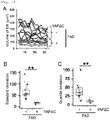
- a value obtained by dividing the number of movements from the immediately preceding arm where the mouse stayed to an arm different from the immediately preceding arm where the mouse stayed by the number of movements in the arms was calculated as the rate of spontaneous alternation (score of alternation behavior; see Figure 14 ).
- Human iPS cells having KM670/671NL Sweden mutation were commissioning-prepared by Applied StemCell, Inc. using CRISPR/Cas9 knockout system.
- human normal iPS cells ASE-9203, manufactured by Applied StemCell, Inc.
- a plasmid containing DNA encoding single-stranded guide (g) RNA DNA consisting of the nucleotide sequence shown by SEQ ID NO: 17
- a plasmid for expressing Cas9 gene fused with 2A peptide gene and GFP gene and single-stranded donor DNA for introducing KM670/671NL Sweden mutation to human APP (single-stranded DNA consisting of the nucleotide sequence shown by SEQ ID NO: 18), by electroporation (1200 V, 30 ms, 1 pulse) using Neon transfection system (manufactured by Thermo Fisher Scientific Inc.).
- the cells were cultured for 24 to 48 hours in the presence of 0.4 ⁇ g/mL puromycin (selective drug). Then, the formed colonies (cell masses) were picked up, and a GFP-positive colony was transferred to a 96-well plate and cultured for 7 to 10 days.
- puromycin selective drug
- Human iPS cells having the KM670/671NL Sweden mutation of human APP heterozygously (AD/-) or homozygously (AD/AD) (referred to as “human AD/-iPS cells” and “human AD/AD iPS cells", respectively; hereinafter, these cells are collectively referred to as "human AD iPS cells") were confirmed according to the Sanger sequencing method by PCR using a primer set (forward primer consisting of the nucleotide sequence shown by SEQ ID NO: 19 and reverse primer consisting of the nucleotide sequence shown by SEQ ID NO: 20) .
- the median value of HMGB1 concentrations in MCI patient-derived CSF samples was 1548 pg/mL, which was higher than the median value (229 pg/mL) of HMGB1 concentrations in non-MCI/AD control subject-derived CSF samples and the median value (327 pg/mL) of HMGB1 concentrations in AD patient-derived CSF samples (see Figure 1 ).
- the non-MCI/AD control subjects were divided into two groups, healthy individuals and disease patients, which were then compared with the MCI patients.
- the median value (1548 pg/mL) of HMGB1 concentrations in the MCI patient-derived CSF samples was higher than the median value (338 pg/mL) of HMGB1 concentrations in healthy individual-derived CSF samples and the median value (133 pg/mL) of HMGB1 concentrations in disease patient-derived CSF samples (see Figure 3 ).
- HMGB1 concentrations in MCI patient-derived biological samples are higher than those in biological samples derived from individuals (e.g., healthy individuals and dementia (e.g., AD) patients) other than MCI patients.
- the interquartile ranges in the box plots of "cc", "MCI”, and "AD” are 20 to 680.75 pg/mL, 205 to 2701 pg/mL, and 3 to 961.75 pg/mL, respectively.
- the interquartile ranges in the box plots of "nc", “dc”, “MCI”, and “AD” are 56 to 796.5 pg/mL, 20 to 298 pg/mL, 205 to 2701 pg/mL, and 3 to 961.75 pg/mL, respectively.
- ROC curves were prepared in order to discriminate between the MCI patients and the non-MCI/AD control subjects or the AD patients (see Figures 2 and 4 ). Cutoff values were calculated. As a result, when 754 was set as a cutoff value for discriminating between the MCI patients and the non-MCI/AD control subjects, the sensitivity (ratio of test positive individuals to the MCI patients) and specificity (ratio of test negative individuals to the non-MCI/AD control subjects) of the MCI patients were 86% and 80%, respectively.
- the sensitivity (ratio of test positive individuals to the MCI patients) and specificity (ratio of test negative individuals to the AD patients) of the MCI patients were 86% and 70%, respectively.
- the sensitivity (ratio of test positive individuals to the MCI patients) and specificity (ratio of test negative individuals to the healthy individuals) of the MCI patients were 76% and 84%, respectively.
- the sensitivity (ratio of test positive individuals to the MCI patients) and specificity (ratio of test negative individuals to the disease patients) of the MCI patients were 86% and 91%, respectively.
- AUC (area under the curve) in the ROC curve for discriminating between the MCI patients and the non-MCI/AD control subjects is 0.887.
- AUC in the ROC curve for discriminating between the MCI patients and the AD patients is 0.809.
- AUC in the ROC curve for discriminating between the MCI patients and the healthy individuals is 0.861.
- AUC in the ROC curve for discriminating between the MCI patients and the disease patients is 0.931. Therefore, it is evident that the ability to discriminate between MCI patients and other subjects is high.
- HMGB1 is known as one of DAMPs released from necrotic cells (see the documents " Nature 418, 191-195 (2002 )” and “ Nat Rev Immunol 5, 331-342 (2005 )”). Accordingly, the numbers of necrotic cell were measured in the brain neurons of three types of test subjects (non-MCI/AD disease patients, MCI patients, and AD patients). As a result, necrotic cells were rarely detected in the non-MCI/AD disease patients, whereas the increased numbers of necrotic cell were found in the MCI patients (see Figure 5C ). On the other hand, the numbers of necrotic cell in the AD patients were rather lower than those in the MCI patients (see Figure 5C ).
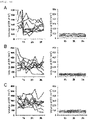
- the numbers of necrotic cell were measured in the brain neurons of two types of AD mouse models (5 ⁇ FAD mice and APP-KI mice). As a result, in both the mice, the numbers of necrotic cell were increased from 1 to 6 months of age, whereas the numbers of necrotic cell were rather decreased after 6 months of age (see Figures 5A and 5B ).
- AD mouse models aged around 6 months reflect the condition (symptoms) of MCI
- AD mouse models before 6 months of age specifically, AD mouse models aged 1 month
- AD mouse models after 6 months of age specifically, AD mouse models aged 12 to 18 months
- ER and amyloid ⁇ in the neurons were analyzed by live imaging with ER-Tracker Red and BTA1, respectively, as indexes.
- BTA1 i.e., amyloid ⁇
- ER was normal in the brain neurons of control normal mice
- amyloid ⁇ was detected and ER dilation and instability were found in the brain neurons of 5 ⁇ FAD mice aged 1 to 6 months (see Figures 6 and 7 ).
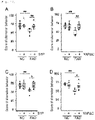
- YAP was detected in the nuclei in the control non-MCI/AD disease patient-derived brain neurons, whereas the amounts of nuclear YAP were decreased in the AD patient-derived brain neurons and the amounts of nuclear YAP were further decreased in the MCI patient-derived brain neurons compared with the AD patient-derived brain neurons (see Figures 8 and 9A ). It was also found that YAP was cytoplasmically colocalized with amyloid ⁇ in the brain neurons derived from AD patients and the MCI patients (see Figure 8A ). It is known that LATS1 is activated by the phosphorylation of serine 909 (Ser909), thereby suppressing the nuclear translocation of YAP (see the document " Genes Dev 30, 1-17 (2016 )").
- the levels of the phosphorylated LATS1 were analyzed.
- the pLATS1 levels in the AD patient-derived brain neurons were higher than those in the non-MCI/AD disease patient-derived brain neurons, and the pLATS1 levels were further increased in the MCI patient-derived brain neurons compared with the AD patient-derived brain neurons (see Figure 9B ).
- the decreased amounts of nuclear YAP were also found in two types of AD mouse models (5 ⁇ FAD mice and APP-KI mice) aged 3 months (see Figures 9C and 9D ).
- S1P suppresses the phosphorylation of LATS1 via S1P receptor, thereby promoting the nuclear translocation of YAP.
- S1P as well as YAP and its isoforms are known to have an effect of suppressing Hippo pathway-dependent necrosis (see the documents “ J Cell Biol 172, 589-604 (2006 )", “ Cell Death Dis 7, e2207 (2016 )", and “ Hum Mol Genet 25, 4749-4770 (2016 )”). Accordingly, whether to be able to suppress Hippo pathway-dependent necrosis caused by MCI was tested using S1P and rat YAP ⁇ C-ins61.
- S1P or AAV-YAP ⁇ C-ins61 was administered to 5 ⁇ FAD mice at 1 month of age (i.e., before MCI development or at a very early stage after MCI development).
- the amounts of nuclear YAP in brain neurons were increased and/or restored to the levels of normal mice, at 6 months of age (i.e., in onset of MCI) as compared with 5 ⁇ FAD mice without administration thereof (see Figure 10 ).
- the extracellular amyloid ⁇ levels of brain tissues were analyzed.
- a nuclear YAP-increasing substance such as S1P or YAP such as AAV-YAP ⁇ C-ins61 has action of suppressing Hippo pathway-dependent necrosis caused by MCI in brain neurons.
- S1P or AAV-YAP ⁇ C-ins61 has action of suppressing increase in the number of necrotic cell.
- a nuclear YAP-increasing substance such as S1P or YAP such as AAV-YAP ⁇ C-ins61 has action of preventing decline in cognitive function caused by MCI.
- the present invention contributes to the prevention or treatment of mild cognitive impairment and the prevention of dementia (e.g., Alzheimer's dementia) to which mild cognitive impairment progresses.
- dementia e.g., Alzheimer's dementia
Landscapes
- Health & Medical Sciences (AREA)
- Life Sciences & Earth Sciences (AREA)
- Engineering & Computer Science (AREA)
- Chemical & Material Sciences (AREA)
- General Health & Medical Sciences (AREA)
- Veterinary Medicine (AREA)
- Medicinal Chemistry (AREA)
- Pharmacology & Pharmacy (AREA)
- Public Health (AREA)
- Animal Behavior & Ethology (AREA)
- Bioinformatics & Cheminformatics (AREA)
- Biomedical Technology (AREA)
- Epidemiology (AREA)
- Neurology (AREA)
- Neurosurgery (AREA)
- Organic Chemistry (AREA)
- Molecular Biology (AREA)
- Biotechnology (AREA)
- Genetics & Genomics (AREA)
- Zoology (AREA)
- Proteomics, Peptides & Aminoacids (AREA)
- Immunology (AREA)
- General Chemical & Material Sciences (AREA)
- Nuclear Medicine, Radiotherapy & Molecular Imaging (AREA)
- Psychiatry (AREA)
- Chemical Kinetics & Catalysis (AREA)
- Hospice & Palliative Care (AREA)
- Gastroenterology & Hepatology (AREA)
- Wood Science & Technology (AREA)
- Transplantation (AREA)
- Cell Biology (AREA)
- Developmental Biology & Embryology (AREA)
- Microbiology (AREA)
- Marine Sciences & Fisheries (AREA)
- Biochemistry (AREA)
- General Engineering & Computer Science (AREA)
- Medicines That Contain Protein Lipid Enzymes And Other Medicines (AREA)
- Pharmaceuticals Containing Other Organic And Inorganic Compounds (AREA)
Abstract
Description
- The present invention relates to a formulation for preventing and/or treating mild cognitive impairment (hereinafter, also referred to as "MCI"), comprising mammalian YAP (Yes-associated protein), a polynucleotide encoding mammalian YAP, or a substance capable of increasing an amount of mammalian YAP in a nucleus of a brain neuron (hereinafter, these components are also referred to as the "present YAP-related substance").
- Alzheimer's dementia (Alzheimer's disease) (hereinafter, also referred to as "AD") is an irreversible and progressive central nervous disease and is known to manifest symptoms such as cognitive dysfunction associated with memory loss and impaired thinking (dementia), behavior disorder, and personality change. Alzheimer's dementia is the most common disease among dementia patients and accounts for approximately 60 to 80% of the entire dementia patients. Alzheimer's dementia generally develops in elderly people at least 65 years old and sometimes develops at age 64 years or younger. In this case, it is called early-onset Alzheimer's disease.
- According to the announcement of the Cabinet Office of Japan, the number of dementia patients in Japan in 2012 is 4,620,000 people, which mean one person in seven of elderly people at least 65 years old, and is expected to increase to approximately 7,000,000 people in 2025 (one person in five). Such an increased number of patients with dementia such as Alzheimer's dementia presumably aggravates economical or psychological burdens on the nation or relevant people of the patients due to escalation of medical costs, nursing care problems, etc.
- MCI patients have decline in cognitive function, which however does not satisfy the diagnostic criteria of dementia, and find no problem in fundamental daily life or social life. Some MCI patients are considered to develop Alzheimer's dementia in the future. Therefore, if MCI can be treated, the prevention of Alzheimer's dementia which may be developed in the future can be expected.
- Particular compositions (ferulic acid, ginkgo leaf extracts, and α-glycerophosphocholine) have been reported to have an effect of ameliorating the symptoms of MCI (patent document 1). Also, hydrogen has been reported to have a prophylactic effect on MCI (patent document 2).
-
- Patent Document 1:
Japanese unexamined Patent Application Publication No. 2019-6699 - Patent Document 2: International Publication No.
WO 2018/012596 - An object of the present invention is to provide a substance that can prevent or treat mild cognitive impairment.
- The present inventor has pursued diligent studies to attain the object and consequently confirmed that: 1) the concentration of HMGB1 known as one of DAMPs (damageassociated molecular patterns) released from necrotic cells is higher in cerebrospinal fluid (CSF) samples derived from MCI patients than in CSF samples derived from individuals having no MCI; and 2) Hippo pathway-dependent necrosis is increased in the brain neurons of MCI patients. Meanwhile, sphingosine 1-phosphate (S1P), a substance promoting the nuclear translocation of YAP, as well as YAP and its isoforms are known to have an effect of suppressing Hippo pathway-dependent necrosis. Accordingly, the present inventor has analyzed whether to suppress Hippo pathway-dependent necrosis caused by MCI using S1P and a YAP isoform (specifically, rat YAPΔC-ins61), and consequently completed the present invention by finding that an amount of YAP decreased by MCI is increased in a nuclei of brain neurons and Hippo pathway-dependent necrosis in these brain neurons is suppressed; thus decline in cognitive function can be prevented or ameliorated.
- Specifically, the present invention is as follows.
- [1] An agent for preventing or treating mild cognitive impairment, comprising mammalian YAP, a polynucleotide encoding mammalian YAP, or a substance capable of increasing an amount of mammalian YAP in a nucleus of a brain neuron.
- [2] The agent according to the above [1], wherein the mammalian YAP is a polypeptide comprising an amino acid sequence having at least 80% sequence identity to the amino acid sequence shown by SEQ ID NO: 1, and the substance capable of increasing an amount of mammalian YAP in a nucleus of a brain neuron is sphingosine 1-phosphate.
- [3] The agent according to the above [1] or [2], wherein the mild cognitive impairment is a condition having an elevated concentration of HMGB1 in cerebrospinal fluid as compared with a control subject without mild cognitive impairment.
- [4] The preventing or treating agent according to the above [3], wherein the control subject without mild cognitive impairment is a healthy individual or an Alzheimer's disease patient.
- Other embodiments of the present invention can provide: a method for preventing or treating mild cognitive impairment, comprising the step of administering the present YAP-related substance to a subject in need of the prevention or treatment of mild cognitive impairment; the present YAP-related substance for use as an agent for preventing or treating mild cognitive impairment; the present YAP-related substance for use in the prevention or treatment of mild cognitive impairment; and use of the present YAP-related substance for producing an agent for preventing or treating mild cognitive impairment.
- The present YAP-related substance has an effect of suppressing Hippo pathway-dependent necrosis resulting from mild cognitive impairment in brain neurons, and preventing decline in cognitive function and/or restoring declined cognitive functions. Hence, the present YAP-related substance is effective not only for the prevention or treatment of mild cognitive impairment but for the prevention of dementia (e.g., Alzheimer's dementia) to which mild cognitive impairment progresses.
-
- [
Figure 1] Figure 1 is a diagram showing results of measuring HMGB1 concentrations in CSF samples derived from three types of test subjects (non-MCI/AD control subjects ["cc" in the drawing], MCI patients ["MCI" in the drawing], and AD patients ["AD" in the drawing]). In the drawing, "***" depicts statistically significant difference (p < 0.001) . In the drawing, • depicts each individual of the test subjects. - [
Figure 2] Figure 2A is a diagram showing results of preparing a receiver operating characteristic (ROC) curve on the basis of results of measuring HMGB1 concentrations in CSF samples derived from MCI patients and non-MCI/AD control subjects.Figure 2B is a diagram showing results of preparing a ROC curve on the basis of results of measuring HMGB1 concentrations in CSF samples derived from MCI patients and AD patients. - [
Figure 3] Figure 3 is a diagram showing results of illustrating the non-MCI/AD control subjects ofFigure 1 divided into two groups, healthy individuals ("nc" in the drawing) and disease patients ("dc" in the drawing). - [
Figure 4] Figure 4A is a diagram showing results of preparing a ROC curve on the basis of results of measuring HMGB1 concentrations in CSF samples derived from MCI patients and healthy individuals.Figure 4B is a diagram showing results of preparing a ROC curve on the basis of results of measuring HMGB1 concentrations in CSF samples derived from MCI patients and non-dementia nervous disease patients. - [
Figure 5] Figure 5 is a diagram showing results of measuring the number of cells that necrosed (necrotic cell number) in the brain neurons of two types of AD mouse models (5×FAD mice [Figure 5A ] and APP-KI mice [Figure 5B ], n = 3 each) and the three types of test subjects. In the drawing, "*" and "**" depict statistically significant difference (p < 0.05 and p < 0.01, respectively) according to Tukey's HSD test. - [
Figure 6] Figure 6A is a diagram showing results of successively (1 to 3 hours) measuring endoplasmic reticulum (ER) volumes in the brain neurons (n = 9 per mouse) of 5×FAD mice (left graph, n = 3) and normal mice (right graph, n = 3) aged 1 month.Figure 6B is a diagram showing results of successively (1 to 3 hours) measuring ER volumes in the brain neurons (n = 9 per mouse) of 5×FAD mice (left graph, n = 3) and normal mice (right graph, n = 3) aged 3 months.Figure 6C is a diagram showing results of successively (1 to 3 hours) measuring ER volumes in the brain neurons (n = 9 per mouse) of 5×FAD mice (left graph, n = 3) and normal mice (right graph, n = 3) aged 6 months. - [
Figure 7 ] Each ofFigures 7A to 7C is a diagram showing results of measuring standard deviation (SD) (left graph) and quartile deviation (right graph) of the ER volumes on the basis of the results ofFigures 6A to 6C , respectively. In the drawing, "**" depicts statistically significant difference (p < 0.01) according to Welch's test. - [
Figure 8] Figure 8A shows YAP images, amyloid β (Aβ) images, and merged images (images in which the YAP image, the Aβ image, and a DAPI image were overlaid with each other) as to the brain neurons of the three types of test subjects.Figure 8B shows images on which the images ofFigure 8A were based. - [
Figure 9] Figure 9A is a diagram showing results of measuring nuclear YAP fluorescence levels (i.e., the amounts of nuclear YAP) on the basis of the YAP images ofFigure 8 as to the brain neurons (n = 90 per test subject) of the three types of test subjects (n = 3 each).Figure 9B is a diagram showing results of measuring cytoplasmic pLATS1 levels as to the brain neurons (n = 90 per test subject) of the three types of test subjects (n = 3 each).Figure 9C is a diagram showing results of measuring the amounts of nuclear YAP as to the brain neurons (n = 90 per mouse) of 5×FAD mice ("FAD" in the drawing, n = 3) and normal mice ("NC" in the drawing, n = 3) aged 3 months.Figure 9D is a diagram showing results of measuring the amounts of nuclear YAP as to the brain neurons (n = 90 per mouse) of APP-KI mice ("APP" in the drawing, n = 3) and normal mice ("NC" in the drawing, n = 3) aged 3 months. In the drawing, "*" and "**" depict statistically significant difference (p < 0.05 and p < 0.01, respectively) according to Tukey's HSD test. In the drawing, "#" depicts statistically significant difference (p < 0.05) according to Student's t-test. - [
Figure 10] Figure 10A is a diagram showing results of measuring the amounts of nuclear YAP as to the brain neurons (n = 60 per mouse) of normal mice ("+S1P NC" and "-S1P NC" in the drawing) continuously given S1P or given aCSF for a period from 1 to 6 months of age.Figure 10B is a diagram showing results of measuring the amounts of nuclear YAP as to the brain neurons (n = 60 per mouse) of normal mice ("+YAPΔC NC" and "-YAPΔC NC" in the drawing) given AAV-YAPΔC-ins61 or given AAV-NINS at 1 month of age.Figure 10C is a diagram showing results of measuring the amounts of nuclear YAP as to the brain neurons (n = 60 per mouse) of 5×FAD mice ("+S1P FAD" and "-S1P FAD" in the drawing) continuously given S1P or given aCSF for a period from 1 to 6 months of age.Figure 10D is a diagram showing results of measuring the amounts of nuclear YAP as to the brain neurons (n = 60 per mouse) of 5×FAD mice ("+YAPΔC FAD" and "-YAPΔC FAD" in the drawing) given AAV-YAPΔC-ins61 or given AAV-NINS at 1 month of age. In the drawing, "**" depicts statistically significant difference (p < 0.01) according to Welch's test. - [
Figure 11] Figure 11A is a diagram showing results of measuring extracellular Aβ levels as to the brain tissues (n = 30 per mouse) of normal mice ("+S1P NC" and "-S1P NC" in the drawing) continuously given S1P or given aCSF for a period from 1 to 6 months of age.Figure 11B is a diagram showing results of measuring extracellular Aβ levels as to the brain tissues (n = 30 per mouse) of normal mice ("+YAPΔC NC" and "-YAPΔC NC" in the drawing) given AAV-YAPΔC-ins61 or given AAV-NINS at 1 month of age.Figure 11C is a diagram showing results of measuring extracellular Aβ levels as to the brain tissues (n = 30 per mouse) of 5×FAD mice ("+S1P FAD" and "-S1P FAD" in the drawing) continuously given S1P or given aCSF for a period from 1 to 6 months of age.Figure 11D is a diagram showing results of measuring extracellular Aβ levels as to the brain tissues (n = 30 per mouse) of 5×FAD mice ("+YAPΔC FAD" and "-YAPΔC FAD" in the drawing) given AAV-YAPΔC-ins61 or given AAV-NINS at 1 month of age. In the drawing, "**" and "ns" depict statistically significant difference (p < 0.01) and no statistically significant difference (p ≥ 0.05), respectively, according to Welch's test. - [
Figure 12] Figure 12A is a diagram showing results of successively (1 to 3 hours) measuring ER volumes in the brain neurons (n = 3 per mouse) of normal mice ("+S1P NC" and "-S1P NC" in the drawing, n = 3) continuously given S1P or given aCSF for a period from 1 to 6 months of age. Each ofFigures 12B and 12C is a diagram showing results of measuring standard deviation (Figure 12B ) and quartile deviation (Figure 12C ) of the ER volumes on the basis of the results ofFigure 12A . In the drawing, "ns" depicts no statistically significant difference (p ≥ 0.05) according to Welch's test. - [
Figure 13] Figure 13A is a diagram showing results of successively (1 to 3 hours) measuring ER volumes in the brain neurons (n = 3 per mouse) of 5×FAD mice ("+S1P FAD" and "-S1P FAD" in the drawing, n = 3) continuously given S1P or given aCSF for a period from 1 to 6 months of age. Each ofFigures 13B and 13C is a diagram showing results of measuring standard deviation (Figure 13B ) and quartile deviation (Figure 13C ) of the ER volumes on the basis of the results ofFigure 13A . In the drawing, "**" depicts statistically significant difference (p < 0.01) according to Welch's test. - [
Figure 14] Figure 14A is a diagram showing results of successively (1 to 3 hours) measuring ER volumes in the brain neurons (n = 3 per mouse) of normal mice ("+YAPΔC NC" and "-YAPΔC NC" in the drawing, n = 3) given AAV-YAPΔC-ins61 or given AAV-NINS at 1 month of age. Each ofFigures 14B and 14C is a diagram showing results of measuring standard deviation (Figure 14B ) and quartile deviation (Figure 14C ) of the ER volumes on the basis of the results ofFigure 14A . In the drawing, "ns" depicts no statistically significant difference (p ≥ 0.05) according to Welch's test. - [
Figure 15] Figure 15A is a diagram showing results of successively (1 to 3 hours) measuring ER volumes in the brain neurons (n = 3 per mouse) of 5×FAD mice ("+YAPΔC FAD" and "-YAPΔC FAD" in the drawing) given AAV-YAPΔCins61 or given AAV-NINS at 1 month of age. Each ofFigures 15B and 15C is a diagram showing results of measuring standard deviation (Figure 15B ) and quartile deviation (Figure 15C ) of the ER volumes on the basis of the results ofFigure 15A . In the drawing, "**" depicts statistically significant difference (p < 0.01) according to Welch's test. - [
Figure 16] Figure 16A is a diagram showing results of measuring pMARCKS levels as to the brain neurons (n = 30 per mouse) of normal mice ("+S1P NC" and "-S1P NC" in the drawing) continuously given S1P or given aCSF for a period from 1 to 6 months of age.Figure 16B is a diagram showing results of measuring pMARCKS levels as to the brain neurons (n = 30 per mouse) of normal mice ("+YAPΔC NC" and "-YAPΔC NC" in the drawing) given AAV-YAPΔC-ins61 or given AAV-NINS at 1 month of age.Figure 16C is a diagram showing results of measuring pMARCKS levels as to the brain neurons (n = 30 per mouse) of 5×FAD mice ("+S1P FAD" and "-S1P FAD" in the drawing) continuously given S1P or given aCSF for a period from 1 to 6 months of age.Figure 16D is a diagram showing results of measuring pMARCKS levels as to the brain neurons (n = 30 per mouse) of 5×FAD mice ("+YAPΔC FAD" and "-YAPΔC FAD" in the drawing) given AAV-YAPΔC-ins61 or given AAV-NINS at 1 month of age. In the drawing, "**" and "ns" depict statistically significant difference (p < 0.01) and no statistically significant difference (p ≥ 0.05), respectively, according to Welch's test. - [
Figure 17] Figure 17A is a diagram showing results of measuring the scores of alternation behavior as to 5×FAD mice ("+S1P FAD" and "-S1P FAD" in the drawing, n = 6 and 9) and normal mice ("+S1P NC" and "-S1P NC" in the drawing, n = 7 and 9) continuously given S1P or given aCSF for a period from 1 to 6 months of age.Figure 17B is a diagram showing results of measuring the scores of alternation behavior as to 5×FAD mice ("+YAPΔC FAD" and "-YAPΔC FAD" in the drawing, n = 7 and 5) and normal mice ("+YAPΔC NC" and "-YAPΔC NC" in the drawing, n = 10 and 8) given AAV-YAPΔC-ins61 or given AAV-NINS at 1 month of age.Figure 17C is a diagram showing results of measuring the scores of alternation behavior as to 5×FAD mice ("+S1P FAD" and "-S1P FAD" in the drawing, n = 7 and 7) and normal mice ("+S1P NC" and "-S1P NC" in the drawing, n = 7 and 8) continuously given S1P or given aCSF for a period from 5 to 6 months of age.Figure 17D is a diagram showing results of measuring the scores of alternation behavior as to 5×FAD mice ("+YAPΔC FAD" and "-YAPΔC FAD" in the drawing, n = 9 and 5) and normal mice ("+YAPΔC NC" and "-YAPΔC NC" in the drawing, n = 6 and 5) given AAV-YAPΔCins61 or given AAV-NINS at 5 months of age. In the drawing, "*" and "**" depict statistically significant difference (p < 0.05 and p < 0.01, respectively) according to Tukey's HSD test. - The agent for preventing or treating mild cognitive impairment according to the present invention is specified for the purpose of "preventing or treating mild cognitive impairment" and is a formulation (hereinafter, also referred to as the "present preventing/treating agent") comprising at least one member (preferably as an active ingredient) selected from mammalian YAP; a polynucleotide encoding mammalian YAP (hereinafter, also referred to as a "mammalian YAP polynucleotide"); and a substance capable of increasing an amount of mammalian YAP in a nucleus of a brain neuron (hereinafter, also referred to as a "mammalian YAP-enhancing substance"). In this context, the prevention of mild cognitive impairment includes the prevention of the development of mild cognitive impairment as well as the prevention of the symptomatic worsening of mild cognitive impairment. The present preventing/treating agent may be used alone as a medicament (formulation) or may be further mixed with an additive and used in the form of a composition (pharmaceutical composition).
- Examples of the mammal can include: a rodent such as a mouse, a rat, a hamster, and a guinea pig; a lagomorph such as a rabbit; an animal of the order Artiodactyla such as a pig, a bovine, a goat, a horse, and sheep; an animal of the order Carnivora such as a dog and a cat; and a primate such as a human, a monkey, a rhesus macaque, a cynomolgus, a marmoset, an orangutan, and a chimpanzee.
- The mammalian YAP can be mammalian YAP, i.e., a mammal-derived polypeptide that is localized in a nucleus of a brain neuron and has action of suppressing Hippo pathway-dependent necrosis caused by mild cognitive impairment. Examples thereof can include a polypeptide comprising an amino acid sequence having at least 80% sequence identity to the amino acid sequence of rat YAPΔCins61 (i.e., the amino acid sequence shown by SEQ ID NO: 1), a polypeptide comprising an amino acid sequence having at least 80% sequence identity to the amino acid sequence of rat YAPΔC-ins13 (i.e., the amino acid sequence shown by SEQ ID NO: 3), a polypeptide comprising an amino acid sequence having at least 80% sequence identity to the amino acid sequence of rat YAPΔCs-ins25 (i.e., the amino acid sequence shown by SEQ ID NO: 4), a polypeptide comprising an amino acid sequence having at least 80% sequence identity to the amino acid sequence of rat YAP (i.e., the amino acid sequence shown by SEQ ID NO: 5), a polypeptide comprising an amino acid sequence having at least 80% sequence identity to the amino acid sequence of mouse YAP (i.e., the amino acid sequence shown by SEQ ID NO: 6), a polypeptide comprising an amino acid sequence having at least 80% sequence identity to the amino acid sequence of human YAP2 (i.e., the amino acid sequence shown by SEQ ID NO: 7), a polypeptide comprising an amino acid sequence having at least 80% sequence identity to the amino acid sequence of human YAP1-2 delta (i.e., the amino acid sequence shown by SEQ ID NO: 8), a polypeptide comprising an amino acid sequence having at least 80% sequence identity to the amino acid sequence of human YAP1-2 alpha (i.e., the amino acid sequence shown by SEQ ID NO: 9), a polypeptide comprising an amino acid sequence having at least 80% sequence identity to the amino acid sequence of human YAP1-2 beta (i.e., the amino acid sequence shown by SEQ ID NO: 10), a polypeptide comprising an amino acid sequence having at least 80% sequence identity to the amino acid sequence of human YAP1-2 gamma (i.e., the amino acid sequence shown by SEQ ID NO: 11), a polypeptide comprising an amino acid sequence having at least 80% sequence identity to the amino acid sequence of human YAP1 (i.e., the amino acid sequence shown by SEQ ID NO: 12), a polypeptide comprising an amino acid sequence having at least 80% sequence identity to the amino acid sequence of human YAP1-1 gamma (i.e., the amino acid sequence shown by SEQ ID NO: 13), a polypeptide comprising an amino acid sequence having at least 80% sequence identity to the amino acid sequence of human YAP1-1 delta (i.e., the amino acid sequence shown by SEQ ID NO: 14), a polypeptide comprising an amino acid sequence having at least 80% sequence identity to the amino acid sequence of human YAP1-1 alpha (i.e., the amino acid sequence shown by SEQ ID NO: 15), and a polypeptide comprising an amino acid sequence having at least 80% sequence identity to the amino acid sequence of human YAP1-1 beta (i.e., the amino acid sequence shown by SEQ ID NO: 16). Preferred examples thereof can include a polypeptide comprising an amino acid sequence having at least 80% sequence identity to the amino acid sequence of rat YAPΔC-ins61 (i.e., the amino acid sequence shown by SEQ ID NO: 1) because its effect has been demonstrated in the present Examples mentioned later. The polypeptide comprising an amino acid sequence having at least 80% sequence identity to the amino acid sequence shown by SEQ ID NO: 1 encompasses rat YAPΔC-ins61 (polypeptide consisting of the amino acid sequence shown by SEQ ID NO: 1) as well as rat YAPΔC-ins13 (polypeptide consisting of the amino acid sequence shown by SEQ ID NO: 3), rat YAPΔC-ins25 (polypeptide consisting of the amino acid sequence shown by SEQ ID NO: 4), rat YAP (polypeptide consisting of the amino acid sequence shown by SEQ ID NO: 5), mouse YAP (polypeptide consisting of the amino acid sequence shown by SEQ ID NO: 6), human YAP2 (polypeptide consisting of the amino acid sequence shown by SEQ ID NO: 7), human YAP1-2 delta (polypeptide consisting of the amino acid sequence shown by SEQ ID NO: 8), human YAP1-2 alpha (polypeptide consisting of the amino acid sequence shown by SEQ ID NO: 9), human YAP1-2 beta (polypeptide consisting of the amino acid sequence shown by SEQ ID NO: 10), human YAP1-2 gamma (polypeptide consisting of the amino acid sequence shown by SEQ ID NO: 11), and the like.
- The number of amino acid residues of the mammalian YAP is not particularly limited. The number of amino acid residues of the human, mouse, and rat YAP (i.e., the amino acid sequences shown by SEQ ID NOs: 1 and or 3 to 16) mentioned above falls within the range of 350 to 508. The number of amino acid residues of the rat YAPΔC-ins61 specifically used in the present Examples mentioned later is 366. In consideration of these, examples thereof can include 280 to 700, 280 to 660, 280 to 630, 280 to 600, 280 to 560, 280 to 530, 280 to 510, 290 to 700, 300 to 700, 310 to 700, 320 to 700, 330 to 700, 340 to 700, 350 to 700, 366 to 700, 290 to 700, 290 to 660, 290 to 630, 290 to 600, 290 to 560, 290 to 530, 290 to 510, 300 to 700, 300 to 660, 300 to 630, 300 to 600, 300 to 560, 300 to 530, 300 to 510, 310 to 700, 310 to 660, 310 to 630, 310 to 600, 310 to 560, 310 to 530, 310 to 510, 320 to 700, 320 to 660, 320 to 630, 320 to 600, 320 to 560, 320 to 530, 320 to 510, 330 to 700, 330 to 660, 330 to 630, 330 to 600, 330 to 560, 330 to 530, 330 to 510, 340 to 700, 340 to 660, 340 to 630, 340 to 600, 340 to 560, 340 to 530, 340 to 510, 350 to 700, 350 to 660, 350 to 630, 350 to 600, 350 to 560, 350 to 530, 350 to 510, 360 to 700, 360 to 660, 360 to 630, 360 to 600, 360 to 560, 360 to 530, and 360 to 510. The amino acid residues of the mammalian YAP may be modified by glycosylation, acetylation, phosphorylation, lipidation, stable isotope labeling, or the like.
- As for the mammalian YAP polynucleotide, those skilled in the art can specifically and clearly understand a nucleotide sequence corresponding to the amino acid sequence thereof by referring to the amino acid sequence of the mammalian YAP and a codon table known in the art. When the mammalian YAP is, for example, a polypeptide comprising an amino acid sequence having at least 80% sequence identity to the amino acid sequence of rat YAPΔCins61 (i.e., the amino acid sequence shown by SEQ ID NO: 1), examples thereof can include a polynucleotide comprising a nucleotide sequence having at least 80% sequence identity to the nucleotide sequence of cDNA (polynucleotide) encoding rat YAPΔC-ins61 (i.e., a polynucleotide consisting of the nucleotide sequence shown by SEQ ID NO: 2).
- Preferred examples of the mammalian YAP polynucleotide can include a vector comprising a polynucleotide having a promoter operably linked upstream of the mammalian YAP polynucleotide. The vector is not particularly limited and can be appropriately selected for any purpose as long as the vector permits transcription of mRNA encoded by the mammalian YAP polynucleotide. Examples thereof can include a non-viral vector (e.g., an episomal vector, an artificial chromosome vector, and a plasmid vector) and a virus vector. The vector may be circular or may be linear.
- The promoter for use in the vector is not particularly limited as long as the region undergoes the binding of RNA polymerase (preferably RNA polymerase and a basal transcription factor) and triggers the transcription of mRNA encoded by the mammalian YAP polynucleotide positioned downstream thereof. Examples thereof can include SRα promoter, SV40 early promoter, retrovirus LTR, CMV (cytomegalovirus) promoter, RSV (Rous sarcoma virus) promoter, HSV-TK (herpes simplex virus thymidine kinase) promoter, EF1α promoter, metallothionein promoter, and heat shock promoter. The promoter may be used together with an enhancer of human CMV IE gene. As one example, CAG promoter (comprising cytomegalovirus enhancer, chicken β-actin promoter, and a poly A signal site of β-globin gene) can be used.
- The episomal vector is a vector capable of replicating autonomously outside the chromosome. A specific approach using the episomal vector is disclosed in Yu et al., Science, 324, 797-801 (2009). In a particularly preferred embodiment of the present invention, an episomal vector having loxP sequences located in the same orientation on the 5' side and 3' side of a vector element necessary for the replication of the episomal vector can be used. The episomal vector, which is capable of replicating autonomously outside the chromosome, is capable of providing stable expression in host cells without being integrated into the genome.
- Examples of the episomal vector can include a vector comprising, as a vector element, a sequence necessary for autonomous replication derived from EBV, SV40, or the like. The vector element necessary for autonomous replication is specifically a replication origin and a gene encoding a protein that binds to the replication origin and controls replication. Examples thereof can include a replication origin oriP and EBNA-1 gene for EBV, and a replication origin ori and SV40LT gene for SV40.
- Examples of the artificial chromosome vector can include YAC (yeast artificial chromosome) vector, BAC (bacterial artificial chromosome) vector, and PAC (P1-derived artificial chromosome) vector.
- Examples of the plasmid vector can include pA1-11, pXT1, pRc/CMV, pRc/RSV, and pcDNAI/Neo.
- The virus vector means a gene vector that exploits the infectious ability or replicative ability of a virus, and more specifically means a virus particle (also referred to as a "recombinant virus") containing a virus vector plasmid (which may be DNA or may be RNA) obtained by removing a gene associated with pathogenicity from the virus genome and inserting a foreign gene (in the present application, the mammalian YAP polynucleotide). Examples of the virus vector can include a retrovirus vector, a lentivirus vector, an adenovirus vector, an AAV (adenoassociated virus) vector, a Sendai virus vector, a herpes virus vector, a vaccinia virus vector, a pox virus vector, a polio virus vector, a Sindbis virus vector, rhabdovirus vector, paramyxovirus vector, and orthomyxovirus vector. An adenovirus vector or an AAV vector is preferred because the introduction efficiency of the mammalian YAP polynucleotide to non-dividing cells such as brain neurons is relatively high. A lentivirus vector or an AAV vector is preferred because the expression of mammalian YAP can be sustained for a long period in brain neurons after introduction of the mammalian YAP polynucleotide. An AAV vector is preferred because of being non-pathogenic and highly safe. Thus, preferred examples of the virus vector can include an AAV vector because the introduction efficiency of the mammalian YAP polynucleotide to non-dividing cells such as brain neurons is relatively high, because the expression of mammalian YAP can be sustained for a long period in brain neurons after introduction of the mammalian YAP polynucleotide, and because of being non-pathogenic and highly safe.
- The AAV vector comprising the mammalian YAP polynucleotide is produced in the nuclei, for example, by transfecting HEK293 cells comprising genes (rep gene and cap gene) encoding AAV proteins necessary for the replication of AAV and the formation of AAV particles, and genes (E2A gene, E4 gene, and VARNA gene) encoding proteins necessary for the proliferation of AAV with the AAV vector comprising the mammalian YAP polynucleotide, and recovered for separation and/or purification from the nuclei by a method such as a density gradient centrifugation method using cesium chloride or a column method after freezing and thawing (documents: "Li, X. G. et al. Mol Ther 13, 160-166 (2006)", "Matsushita, T. et al. Gene Ther 5: 938-945 (1998)", and "Urabe, M. et al. Mol Ther 13: 823-828 (2006)").
- The vector may contain, in addition to the promoter, an enhancer, a poly A addition signal, a marker gene, a replication origin, a gene encoding a polypeptide that binds to the replication origin and controls replication, and the like, if desired. The marker gene refers to a gene that permits screening or selection of cells by introducing the marker gene to the cells. Specific examples of the marker gene can include a drug resistance gene, a fluorescent protein gene, a luminescent enzyme gene, and a chromogenic enzyme gene. One of these marker genes may be used singly, or two or more thereof may be used in combination. Specific examples of the drug resistance gene can include neomycin resistance gene, tetracycline resistance gene, kanamycin resistance gene, zeocin resistance gene, and hygromycin resistance gene. Specific examples of the fluorescent protein gene can include green fluorescent protein (GFP) gene, yellow fluorescent protein (YFP) gene, and red fluorescent protein (RFP) gene. Specific examples of the luminescent enzyme gene can include luciferase gene. Specific examples of the chromogenic enzyme gene can include β galactosidase gene, β glucuronidase gene, and alkaline phosphatase gene.
- The mammalian YAP polynucleotide may be DNA or may be RNA, or may be a DNA/RNA chimera. DNA is preferred from the viewpoint of stability. The polynucleotide may be partially or wholly substituted by an artificial nucleotide such as PNA (polyamide nucleic acid), LNA(R) (locked nucleic acid or bridged nucleic acid), ENA(R) (2'-O,4'-C-ethylene-bridged nucleic acids), GNA (glycerol nucleic acid), or TNA (threose nucleic acid). The mammalian YAP polynucleotide may be a single-stranded (sense strand) polynucleotide encoding mammalian YAP or may be a double-stranded polynucleotide consisting of the sense strand and an antisense strand having a complementary sequence thereof. A double-stranded polynucleotide is preferred.
- In the present specification, the "at least 80% sequence identity to the amino acid sequence ..." means that the percentage of amino acids identical to those of the amino acid sequence to be compared is 80% or higher, and means preferably 85% or higher, more preferably 88% or higher, further preferably 90% or higher, still further preferably 93% or higher, particularly preferably 95% or higher, particularly more preferably 98% or higher, most preferably 99% sequence identity. In the present specification, the "at least 80% sequence identity to the nucleotide sequence ..." means that the percentage of nucleotides identical to those of the nucleotide sequence to be compared is 80% or higher, and means preferably 85% or higher, more preferably 88% or higher, further preferably 90% or higher, still further preferably 93% or higher, particularly preferably 95% or higher, particularly more preferably 98% or higher, most preferably 99% sequence identity. The identity of the amino acid sequence or the nucleotide sequence can be determined using a program known in the art such as ClustalW, GENETYX, or BLAST.
- The mammalian YAP-enhancing substance is not particularly limited as long as the substance is capable of increasing an amount of mammalian YAP in a nucleus of a brain neuron by an action of promoting the translocation of the mammalian YAP into a brain neuron nucleus, action of enhancing the expression of the mammalian YAP in a brain neuron nucleus, or the like (e.g., a polypeptide such as an antibody; a polynucleotide; a saccharide; a lipid; an organic compound; and an inorganic compound). Examples thereof can include a lysophospholipid (e.g., lysophosphatidic acid [LPA], sphingosine 1-phosphate[S1P], lysophosphatidylserine [LPS], lysophosphatidylinositol [LPI], and lysophosphatidylethanolamine [LPE]), and a S1P receptor agonist (e.g., KRP-203 [2-amino-2-[2-[2-chloro-4-[[3-(phenylmethoxy)phenyl]thio]phenyl]ethyl]-1,3-propanediol], CS-0777 [1-[5-[(3R)-3-amino-4-hydroxy-3-methylbutyl]-1-methylpyrrol-2-yl]-4-(4-methylphenyl)butan-1-one], ponesimod [(2Z,5Z)-5-(3-chloro-4-((R)-2,3-dihydroxypropoxy)benzylidene)-2-(propyliMino)-3-(o-tolyl)thiazolidin-4-one], and siponimod [1-(4-[1-[(E)-4-cyclohexyl-3-trifluoromethyl-benzyloxyimino]-ethyl]-2-ethyl-benzyl)-azetidine-3-carboxylicacid]). Preferred examples thereof can include S1P because its effect has been demonstrated in the present Examples mentioned later.
- The present preventing/treating agent is administered to a subject in need of the prevention or treatment of mild cognitive impairment. The method for administering the present preventing/treating agent to the subject can be appropriately selected in consideration of the form of the present YAP-related substance. When the present YAP-related substance is, for example, mammalian YAP or a mammalian YAP polynucleotide, examples thereof can include parenteral administration (e.g., intravenous administration and administration into cerebrospinal fluid space by lumbar puncture, etc.). When the present YAP-related substance is a mammalian YAP-enhancing substance (preferably a low-molecular substance), examples thereof can include parenteral administration (e.g., intravenous administration, administration into cerebrospinal fluid space by lumbar puncture, etc., subcutaneous administration, intramuscular administration, and intravenous administration) and oral administration.
- In the present invention, the "mild cognitive impairment" means a condition that has decline in cognitive function (e.g., a memory function, an executive function, an attentional function, a visual spatial cognitive function, and a language understanding function), which however does not satisfy the diagnostic criteria of dementia (in other words, has no dementia), and finds no problem in fundamental daily life or social life; and/or a condition having an elevated concentration of HMGB1 in cerebrospinal fluid as compared with a control subject having no mild cognitive impairment. In this context, the phrase "have decline in cognitive function, which however does not satisfy the diagnostic criteria of dementia" means that the score of MMSE (mini mental state examination) falls within the range of 19 to 27 (e.g., 20 to 27, 21 to 27, 22 to 27, 23 to 27, 24 to 27, 19 to 26, 19 to 25, 19 to 24, 19 to 23, 21 to 26, 21 to 25, 21 to 24, and 21 to 23); and/or the score of CDR (clinical dementia rating) is 0.5.
- In the present specification, examples of the dementia can include Alzheimer's disease (Alzheimer's dementia), dementia that develops in Parkinson's disease, Lewy body dementia, frontotemporal dementia, dementia that develops in progressive non-fluent aphasia, semantic dementia, and dementia that develops in corticobasal degeneration.
- In the present specification, the "control subject having no mild cognitive impairment" can be an individual having no mild cognitive impairment (a control of a test subject), i.e., an individual who satisfies at least one of the following criteria: 1) no decline in cognitive function is found; 2) the diagnostic criteria of dementia are satisfied; and 3) there is a problem in fundamental daily life or social life. Examples thereof can specifically include a healthy individual and a patient having a disease (e.g., one or more diseases selected from Alzheimer's disease, spinal conus syndrome, neuromyelitis optica, paraneoplastic syndrome, idiopathic normal pressure hydrocephalus, alcoholism, peripheral neuropathy, multiple sclerosis, systemic lupus erythematosus, lung cancer, and herpes zoster meningitis) other than mild cognitive impairment, and can preferably include a healthy individual and an Alzheimer's disease patient.
- Hereinafter, the present invention will be described more specifically with reference to Examples. However, the technical scope of the present invention is not limited by these examples.
- CSF was collected by lumbar puncture from 30 non-MCI/AD control subjects (19 healthy individuals and 11 disease patients), 21 MCI patients, and 56 AD patients among three types of test subjects (individuals having neither MCI nor AD [non-MCI/AD control subjects], MCI patients, and AD patients) shown in Table 1, and centrifuged (1000 × g, 10 min, 4°C) for the removal of foreign substances. The supernatants were preserved as CSF samples at -80°C. Whether or not the test subjects had MCI and AD was diagnosed according to the criteria defined in the International Classification of Diseases, Tenth Revision (ICD-10) provided by the World Health Organization. The test subjects diagnosed with MCI were test subjects who had decline in cognitive function, which however did not satisfy the diagnostic criteria of dementia, and found no problem in fundamental daily life.
- Two types of Aβ (Aβ40 and Aβ42) concentrations in the CSF samples were measured using an ELISA kit for detecting human Aβ40 (292-62301, manufactured by FUJIFILM Wako Pure Chemical Corp.) and an ELISA kit for detecting human Aβ42 (298-62401, manufactured by FUJIFILM Wako Pure Chemical Corp.). pTau concentrations in the CSF samples were measured using INNOTEST PHOSPHO-TAU (181P) (manufactured by Innogenetics N.V.).
- Each well of a polystyrene microtiter plate (manufactured by Nunc/Thermo Fisher Scientific Inc.) was coated with 100 µL of PBS containing 1 mg/L anti-human HMGB1 monoclonal antibody (2D4, manufactured by Shino-Test Corp.), and incubated overnight under a condition of 2 to 8°C. Then, each well was washed three times with PBS containing 0.05
% Tween 20, blocked with 400 µL/well of PBS containing 1% BSA, and washed three times with PBS containing 0.05% Tween 20. Then, 100 µL of each CSF sample was added to each well, which was then incubated at 37°C for 24 hours. Then, each well was washed three times with PBS containing 0.05% Tween % Tween 20, and a chromogenic substrate TMB (3,3',5,5'-tetra-methyl benzidine) (manufactured by Dojindo Laboratories Co., Ltd.) was added to each well. The reaction treatment of TMB was terminated by adding 0.35 M sodium sulfate to each well. Absorbance at the maximum absorption wavelength of 450 nm was measured using a microplate reader, model 680 (manufactured by Bio-Rad Laboratories, Inc.). A standard curve of the absorbance was prepared using purified swine thymus gland-derived HMGB1 (manufactured by Shino-Test Corp.). - Brain tissues were isolated from 5 non-MCI/AD control subjects, 8 MCI patients, and 8 AD patients among the three types of test subjects shown in Table 1, and paraffin sections of the brain tissues were prepared according to a standard method. Use of the human brain tissue samples from the patients was approved by the ethical review board of Tokyo Medical and Dental University.
[Table 1] Non-MCI/AD control subject MCI patient AD patient Healthy subject Disease patient The number of persons 34 14 26 73 Male (%) 21 (62%) 8 (57%) 14 (54%) 35 (48%) Female (%) 13 (38%) 6 (43%) 12 (46%) 38 (52%) Age 73±7.6 71±11 75±6.8 75±8.4 MMSE value 28±1.6 27±2.3 22±3.7 18±7.0 CDR value 0 0 0.5 1.5 - In the table, "Age", "MMSE value", and "CDR value" are indicated in mean ± standard deviation (S.D.). The 14 disease patients are specifically one spinal conus syndrome patient, one neuromyelitis optica patient, one paraneoplastic syndrome patient, four idiopathic normal pressure hydrocephalus patients, one brain stem tumor patient, one patient having idiopathic normal pressure hydrocephalus and alcoholism, one peripheral neuropathy patient, one multiple sclerosis patient, one systemic lupus erythematosus patient, one patient having lung cancer and idiopathic normal pressure hydrocephalus, and one herpes zoster meningitis patient.
- 5×FAD transgenic B6/SJL mice (hereinafter, referred to as "5×FAD mice"), i.e., AD mouse models over-expressing human mutant APP (KM670/671NL Sweden mutation, 1716V Florida mutation, and V717I London mutation) and human mutant PS1 (M146L mutation and L285V mutation) (see the document "J Neurosci 26, 10129-10140 (2006)") were purchased from The Jackson Laboratory (Bar Harbor, Maine, USA). APP-KI mice, i.e., AD mouse models having human mutant APP (KM670/671NL Sweden mutation, E693G Arctic mutation, and I716F Beyreuther/Iberian mutation) (see the document "Nat Neurosci 17, 661-663 (2014)") were obtained from Riken BioResource Research Center.
- Brain tissues were excised from the test subjects or the AD mouse models and fixed in a 4% PFA (paraformaldehyde) solution. Then, 5 µm thick paraffin sections were prepared using a microtome (manufactured by Yamato Kohki Industrial Co., Ltd.). The cell nuclei were stained in PBS containing 0.2 µg/mL DAPI (4',6-diamidino-2-phenylindole) by an immunohistochemical staining method using four types of primary antibodies (rabbit antipSer46-MARCKS antibody [commissioning-manufactured by Biologica Co., Ltd., dilution ratio: 1:2000], mouse antiamyloid β antibody [clone 82E1, #10323, manufactured by Immuno-Biological Laboratories Co., Ltd., dilution ratio: 1:5000 or 1:1000], rabbit anti-pSer909-LATS1 antibody [#9157, manufactured by Cell Signaling Technology, Inc., dilution ratio: 1:100], and rabbit anti-YAP antibody [sc-15407, manufactured by Santa Cruz Biotechnology Inc., dilution ratio: 1:100]) and two types of secondary antibodies (Alexa 488-labeled donkey anti-mouse IgG [A-21202, manufactured by Molecular Probes, Inc., dilution ratio: 1:1000] and Alexa 568-labeled donkey anti-rabbit IgG [#A-10042, manufactured by Molecular Probes, Inc., dilution ratio: 1:1000]) according to a standard method. Fluorescence signals derived from each primary antibody were detected using a fluorescence microscope (IX70, manufactured by Olympus Corp.) or a confocal laser scanning microscope (FV1200, manufactured by Olympus Corp.) to obtain images (specifically, YAP images, phosphorylated LATS1 serine 909 (Ser909) [pLATS1] images, images of the detected DAPI fluorescence signals derived from the cells nuclei (DAPI images), and overlaid images thereof (merged images). In the DAPI images, cells having the deformed and/or shrunk cell nuclei were evaluated as necrotic cells, and the numbers of necrotic cells in 30 fields of view (143 µm × 143 µm) were measured to calculate a necrotic cell number per field of view (see the ordinates of
Figures 5A to 5C ). - The skull bones on RSD surface of normal mice (non-transgenic B6/SJL mice) or 5×FAD mice were removed using a high-speed microdrill. 1 µL of a liquid containing 100 nM amyloid-binding substance BTA1 (2-(4'-(methylamino)phenyl) benzothiazole, manufactured by Sigma-Aldrich Co. LLC) and 100 nM ER-Tracker Red (E34250, manufactured by Thermo Fisher Scientific Inc.) was injected to RSD in the presence of 1% isoflurane (anesthetic). 4 hours later, ER-Tracker Red was imaged using an upright microscope (BX61WI, manufactured by Olympus Corp.) and a scanning laser microscope system FV1000MPE2 (manufactured by Olympus Corp.) equipped with an immersion objective lens (XLPlanN25xW, numerical aperture: 1.05) and a pulse laser (MaiTaiHP DeepSee, manufactured by Spectra-Physics, Inc.) to obtain images of detected BTA1 fluorescence signals (BTA1 images) and images of detected ER-Tracker Red fluorescence signals (ER-Tracker images). The fluorescence signal volumes of ER-Tracker Red (i.e., volumes of ER) were measured.
- Recombinant AAV (hereinafter, also referred to as "AAV-YAPΔC-ins61") expressing rat YAPΔC-ins61 (GenBank: ABA33617) (i.e., a polypeptide consisting of the amino acid sequence shown by SEQ ID NO: 1) was prepared according to the method described in the document "Li, X. G. et al., Mol Ther 13, 160-166 (2006)" by introducing cDNA encoding rat YAPΔC-ins61 (GenBank: DQ186898) (i.e., cDNA consisting of the nucleotide sequence shown by SEQ ID NO: 2) to an AAV vector. The prepared rAAV was purified by the density gradient centrifugation method of cesium chloride, and the titer of the virus was measured by use of quantitative PCR. Recombinant AAV (hereinafter, also referred to as "AAV-NINS") was prepared as a control using an AAV vector free from the cDNA.
- The administration of AAV-YAPΔC-ins61 or AAV-NINS (titer: 1 × 10¹⁰ vector genomes/mL each, 1 µL) to mouse RSD (retrosplenial cortex) (depth of -2.0 mm from the bregma and 0.6 mm mediolaterally) and the subarachnoidal administration of S1P (40 nM, 0.15 µL/hr; manufactured by Sigma-Aldrich Co. LLC) or control artificial cerebrospinal fluid (aCSF) (0.15 µL/hr; manufactured by Alzet Osmotic Pressures) to the mice were performed according to the method described in the document "Yang, G. et al., )". The administration of AAV-YAPΔC-ins61 or AAV-NINS to the mice was performed at 1 or 5 months of age. The administration of S1P to the mice was continuously performed for a period from 1 to 6 months of age or for a period from 5 to 6 months of age.
- The normal mice (non-transgenic B6/SJL mice) or the 5×FAD mice given AAV-YAPΔC-ins61 or AAV-NINS, or S1P were tested for their exploratory behavior when aged 6 months using a Y-shaped maze (manufactured by O'HARA & Co., Ltd.) in which three arms of the same size were joined at 120°C. Specifically, each mouse aged 2 months was placed at the corner of an arm and allowed to freely move in the Y-shaped maze for 8 minutes. A value obtained by dividing the number of movements from the immediately preceding arm where the mouse stayed to an arm different from the immediately preceding arm where the mouse stayed by the number of movements in the arms was calculated as the rate of spontaneous alternation (score of alternation behavior; see
Figure 14 ). - Human iPS cells having KM670/671NL Sweden mutation (AD mutation) were commissioning-prepared by Applied StemCell, Inc. using CRISPR/Cas9 knockout system. Specifically, human normal iPS cells (ASE-9203, manufactured by Applied StemCell, Inc.) were transfected with a plasmid containing DNA encoding single-stranded guide (g) RNA (DNA consisting of the nucleotide sequence shown by SEQ ID NO: 17), a plasmid for expressing Cas9 gene fused with 2A peptide gene and GFP gene, and single-stranded donor DNA for introducing KM670/671NL Sweden mutation to human APP (single-stranded DNA consisting of the nucleotide sequence shown by SEQ ID NO: 18), by electroporation (1200 V, 30 ms, 1 pulse) using Neon transfection system (manufactured by Thermo Fisher Scientific Inc.). The cells were cultured for 24 to 48 hours in the presence of 0.4 µg/mL puromycin (selective drug). Then, the formed colonies (cell masses) were picked up, and a GFP-positive colony was transferred to a 96-well plate and cultured for 7 to 10 days. Human iPS cells having the KM670/671NL Sweden mutation of human APP heterozygously (AD/-) or homozygously (AD/AD) (referred to as "human AD/-iPS cells" and "human AD/AD iPS cells", respectively; hereinafter, these cells are collectively referred to as "human AD iPS cells") were confirmed according to the Sanger sequencing method by PCR using a primer set (forward primer consisting of the nucleotide sequence shown by SEQ ID NO: 19 and reverse primer consisting of the nucleotide sequence shown by SEQ ID NO: 20) .
- The median value of HMGB1 concentrations in MCI patient-derived CSF samples was 1548 pg/mL, which was higher than the median value (229 pg/mL) of HMGB1 concentrations in non-MCI/AD control subject-derived CSF samples and the median value (327 pg/mL) of HMGB1 concentrations in AD patient-derived CSF samples (see
Figure 1 ). Next, the non-MCI/AD control subjects were divided into two groups, healthy individuals and disease patients, which were then compared with the MCI patients. As a result, the median value (1548 pg/mL) of HMGB1 concentrations in the MCI patient-derived CSF samples was higher than the median value (338 pg/mL) of HMGB1 concentrations in healthy individual-derived CSF samples and the median value (133 pg/mL) of HMGB1 concentrations in disease patient-derived CSF samples (seeFigure 3 ). - These results indicate that HMGB1 concentrations in MCI patient-derived biological samples are higher than those in biological samples derived from individuals (e.g., healthy individuals and dementia (e.g., AD) patients) other than MCI patients. In
Figure 1 , the interquartile ranges in the box plots of "cc", "MCI", and "AD" are 20 to 680.75 pg/mL, 205 to 2701 pg/mL, and 3 to 961.75 pg/mL, respectively. InFigure 3 , the interquartile ranges in the box plots of "nc", "dc", "MCI", and "AD" are 56 to 796.5 pg/mL, 20 to 298 pg/mL, 205 to 2701 pg/mL, and 3 to 961.75 pg/mL, respectively. - Next, on the basis of the results of measuring the HMGB1 concentrations in the CSF samples derived from the non-MCI/AD control subjects (specifically, healthy individuals and disease patients), the MCI patients, and the AD patients, ROC curves were prepared in order to discriminate between the MCI patients and the non-MCI/AD control subjects or the AD patients (see
Figures 2 and4 ). Cutoff values were calculated. As a result, when 754 was set as a cutoff value for discriminating between the MCI patients and the non-MCI/AD control subjects, the sensitivity (ratio of test positive individuals to the MCI patients) and specificity (ratio of test negative individuals to the non-MCI/AD control subjects) of the MCI patients were 86% and 80%, respectively. When 754 was set as a cutoff value for discriminating between the MCI patients and the AD patients, the sensitivity (ratio of test positive individuals to the MCI patients) and specificity (ratio of test negative individuals to the AD patients) of the MCI patients were 86% and 70%, respectively. When 992 was set as a cutoff value for discriminating between the MCI patients and the healthy individuals, the sensitivity (ratio of test positive individuals to the MCI patients) and specificity (ratio of test negative individuals to the healthy individuals) of the MCI patients were 76% and 84%, respectively. When 754 was set as a cutoff value for discriminating between the MCI patients and the disease patients, the sensitivity (ratio of test positive individuals to the MCI patients) and specificity (ratio of test negative individuals to the disease patients) of the MCI patients were 86% and 91%, respectively. - These results indicate that whether or not test subjects have MCI can be accurately determined with HMGB1 concentrations as an index by measuring the HMGB1 concentrations in biological samples derived from the test subjects, and setting an appropriate cutoff value. AUC (area under the curve) in the ROC curve for discriminating between the MCI patients and the non-MCI/AD control subjects (see
Figure 2A ) is 0.887. AUC in the ROC curve for discriminating between the MCI patients and the AD patients (seeFigure 2B ) is 0.809. AUC in the ROC curve for discriminating between the MCI patients and the healthy individuals (seeFigure 4A ) is 0.861. AUC in the ROC curve for discriminating between the MCI patients and the disease patients (seeFigure 4B ) is 0.931. Therefore, it is evident that the ability to discriminate between MCI patients and other subjects is high. - HMGB1 is known as one of DAMPs released from necrotic cells (see the documents "Nature 418, 191-195 (2002)" and "
Nat Rev Immunol 5, 331-342 (2005Figure 5C ). On the other hand, the numbers of necrotic cell in the AD patients were rather lower than those in the MCI patients (seeFigure 5C ). - These results indicate that necrosis occurs in the brain neurons of MCI patients.
- Further, the numbers of necrotic cell were measured in the brain neurons of two types of AD mouse models (5×FAD mice and APP-KI mice). As a result, in both the mice, the numbers of necrotic cell were increased from 1 to 6 months of age, whereas the numbers of necrotic cell were rather decreased after 6 months of age (see
Figures 5A and 5B ). - These results and the results about humans mentioned above, taken together into consideration, suggest that: AD mouse models aged around 6 months reflect the condition (symptoms) of MCI; AD mouse models before 6 months of age (specifically, AD mouse models aged 1 month) reflect the condition before MCI development or at a very early stage after MCI development; and AD mouse models after 6 months of age (specifically, AD mouse models aged 12 to 18 months) reflect the condition (symptoms) of AD patients.
- Next, in order to examine necrotic cells in brain neurons in more detail, ER and amyloid β in the neurons were analyzed by live imaging with ER-Tracker Red and BTA1, respectively, as indexes. As a result, no BTA1 (i.e., amyloid β) was detected and ER was normal in the brain neurons of control normal mice, whereas amyloid β was detected and ER dilation and instability were found in the brain neurons of 5×FAD mice aged 1 to 6 months (see
Figures 6 and7 ). - It has been reported that ER dilation and instability are related to TRIAD (transcriptional repression induced cell death), i.e., Hippo pathway-dependent necrosis (see the documents "J Cell Biol 172, 589-604 (2006)", "Cell Death Dis 7, e2207 (2016)", and "
Hum Mol Genet 25, 4749-4770 (2016Figures 8 and9A ). It was also found that YAP was cytoplasmically colocalized with amyloid β in the brain neurons derived from AD patients and the MCI patients (seeFigure 8A ). It is known that LATS1 is activated by the phosphorylation of serine 909 (Ser909), thereby suppressing the nuclear translocation of YAP (see the document "Genes Dev 30, 1-17 (2016)"). Therefore, the levels of the phosphorylated LATS1 (pLATS1) were analyzed. As a result, the pLATS1 levels in the AD patient-derived brain neurons were higher than those in the non-MCI/AD disease patient-derived brain neurons, and the pLATS1 levels were further increased in the MCI patient-derived brain neurons compared with the AD patient-derived brain neurons (seeFigure 9B ). The decreased amounts of nuclear YAP were also found in two types of AD mouse models (5×FAD mice and APP-KI mice) aged 3 months (seeFigures 9C and 9D ). - These results indicate that Hippo pathway-dependent necrosis (TRIAD) occurred in onset of MCI in the human and mouse brain neurons.
- S1P suppresses the phosphorylation of LATS1 via S1P receptor, thereby promoting the nuclear translocation of YAP. S1P as well as YAP and its isoforms are known to have an effect of suppressing Hippo pathway-dependent necrosis (see the documents "J Cell Biol 172, 589-604 (2006)", "Cell Death Dis 7, e2207 (2016)", and "
Hum Mol Genet 25, 4749-4770 (2016 - First, S1P or AAV-YAPΔC-ins61 was administered to 5×FAD mice at 1 month of age (i.e., before MCI development or at a very early stage after MCI development). As a result, it was confirmed that the amounts of nuclear YAP in brain neurons were increased and/or restored to the levels of normal mice, at 6 months of age (i.e., in onset of MCI) as compared with 5×FAD mice without administration thereof (see
Figure 10 ). Next, the extracellular amyloid β levels of brain tissues were analyzed. As a result, in the 5×FAD mice given S1P or AAV-YAPΔC-ins61 at 1 month of age, the amyloid β levels were lower at 6 months of age than those in 5×FAD mice without administration thereof (seeFigure 11 ). As a result of further analyzing ER in brain neurons, the administration of S1P or AAV-YAPΔCins61 to 5×FAD mice at 1 month of age significantly resolved ER dilation and instability at 6 months of age (seeFigures 13 and15 ) and restored ER to the state of normal mice (Figures 12 and14 ). - These results indicate that a nuclear YAP-increasing substance such as S1P or YAP such as AAV-YAPΔC-ins61 has action of suppressing Hippo pathway-dependent necrosis caused by MCI in brain neurons.
- It is known that in brain neurons, HMGB1 is leaked out of cells that have necrosed, thereby phosphorylating serine 46 (Ser46) in MARCKS (pSer46-MARCKS) (see the document "
SCIENTIFIC REPORT 25, 31895 (2016Figure 16 ). - These results indicate that S1P or AAV-YAPΔC-ins61 has action of suppressing increase in the number of necrotic cell.
- As a result of further analyzing the cognitive functions of mice with scores of alternation behavior as indexes using a Y-shaped maze, it was first confirmed that 5×FAD mice were inferior in cognitive function at 6 months of age (i.e., in onset of MCI) to normal mice (see
Figure 17 ). Next, it was found that the cognitive functions of 5×FAD mice given S1P or AAV-YAPΔC-ins61 at 1 month of age (i.e., before MCI development or at a very early stage after MCI development) were equivalent to the ones of normal mice, at 6 months of age as compared with 5×FAD mice without administration thereof (seeFigures 17A and 17B ) . - These results indicate that a nuclear YAP-increasing substance such as S1P or YAP such as AAV-YAPΔC-ins61 has action of preventing decline in cognitive function caused by MCI.
- It was further found that the cognitive functions of 5×FAD mice given S1P or AAV-YAPΔC-ins61 at 5 months of age (i.e., in onset of MCI) were equivalent to the ones of normal mice, at 6 months of age as compared with 5×FAD mice without administration thereof (see
Figures 17C and 17D ) . - These results indicate that a nuclear YAP-increasing substance such as S1P or YAP such as AAV-YAPΔC-ins61 has action of restoring cognitive functions declined by MCI.
- The present invention contributes to the prevention or treatment of mild cognitive impairment and the prevention of dementia (e.g., Alzheimer's dementia) to which mild cognitive impairment progresses.
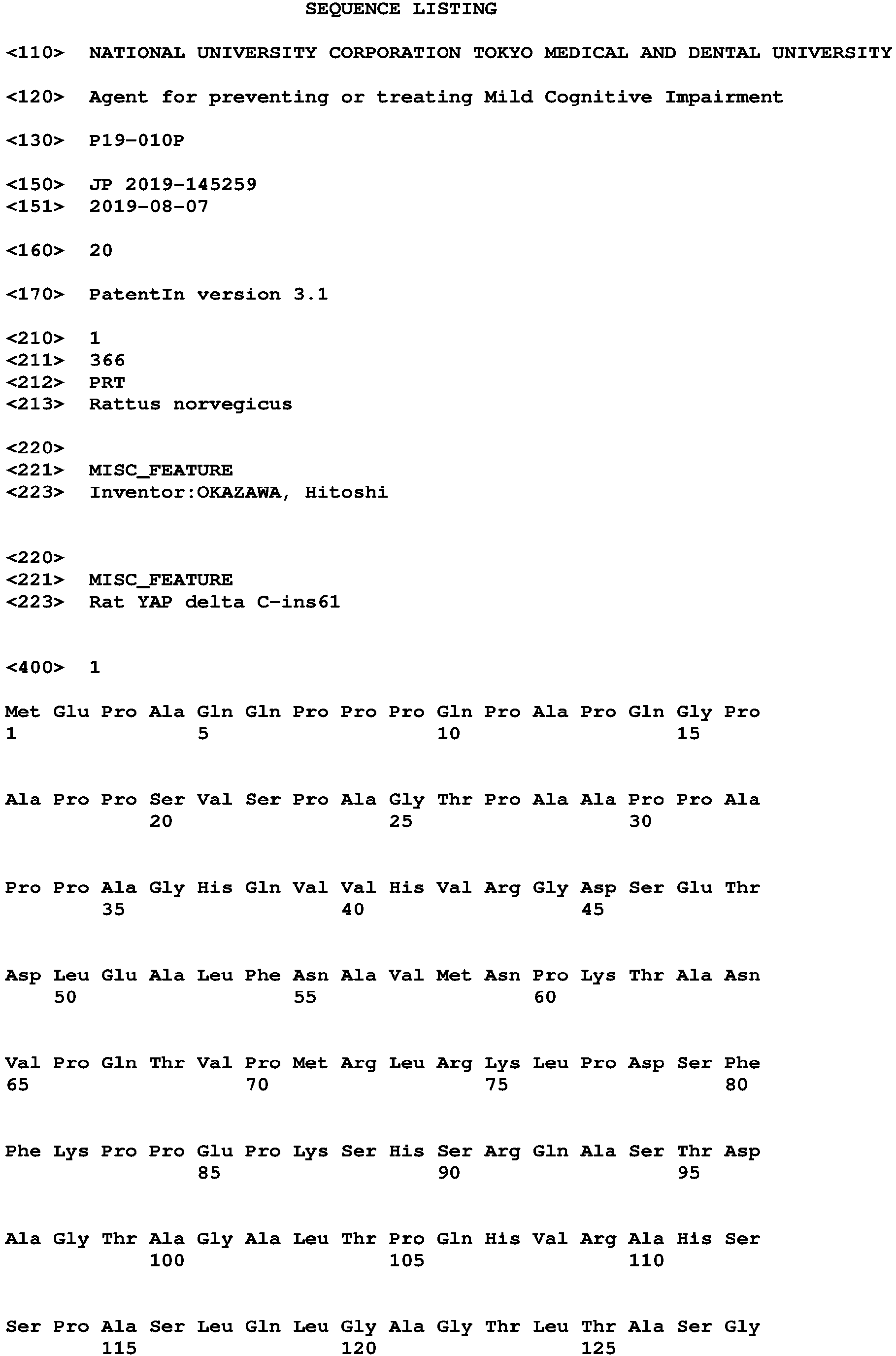


Claims (4)
- An agent for preventing or treating mild cognitive impairment, comprising mammalian YAP, a polynucleotide encoding mammalian YAP, or a substance capable of increasing an amount of mammalian YAP in a nucleus of a brain neuron.
- The agent according to claim 1, wherein the mammalian YAP is a polypeptide comprising an amino acid sequence having at least 80% sequence identity to the amino acid sequence shown by SEQ ID NO: 1, and the substance capable of increasing an amount of mammalian YAP in a nucleus of a brain neuron is sphingosine 1-phosphate.
- The agent according to claim 1 or 2, wherein the mild cognitive impairment is a condition having an elevated concentration of HMGB1 in cerebrospinal fluid as compared with a control subject without mild cognitive impairment.
- The agent according to claim 3, wherein the control subject without mild cognitive impairment is a healthy individual or an Alzheimer's disease patient.
Applications Claiming Priority (2)
| Application Number | Priority Date | Filing Date | Title |
|---|---|---|---|
| JP2019145259 | 2019-08-07 | ||
| PCT/JP2020/029677 WO2021024986A1 (en) | 2019-08-07 | 2020-08-03 | Agent for preventing or treating mild cognitive impairment |
Publications (2)
| Publication Number | Publication Date |
|---|---|
| EP4011397A1 true EP4011397A1 (en) | 2022-06-15 |
| EP4011397A4 EP4011397A4 (en) | 2023-09-27 |
Family
ID=74502712
Family Applications (1)
| Application Number | Title | Priority Date | Filing Date |
|---|---|---|---|
| EP20849709.9A Pending EP4011397A4 (en) | 2019-08-07 | 2020-08-03 | AGENTS FOR PREVENTING OR TREATING MILD COGNITIVE IMPAIRMENT |
Country Status (4)
| Country | Link |
|---|---|
| US (1) | US20220296620A1 (en) |
| EP (1) | EP4011397A4 (en) |
| JP (1) | JP7573286B2 (en) |
| WO (1) | WO2021024986A1 (en) |
Family Cites Families (6)
| Publication number | Priority date | Publication date | Assignee | Title |
|---|---|---|---|---|
| GB0329498D0 (en) * | 2003-12-19 | 2004-01-28 | Novartis Ag | Organic compounds |
| EP1878793B1 (en) | 2004-11-18 | 2011-08-24 | Tokyo Medical and Dental University | Novel protein and preventive/remedy for neurodegenerative disease such as polyglutamine disease using the same |
| JP2018525429A (en) * | 2015-08-28 | 2018-09-06 | アッヴィ・インコーポレイテッド | Fused heterocyclic compounds as S1P regulators |
| JP6704050B2 (en) * | 2016-07-13 | 2020-06-03 | 株式会社マイトス | Composition for preventing or treating mild cognitive impairment or dementia containing hydrogen as an active ingredient |
| JP6904802B2 (en) | 2017-06-23 | 2021-07-21 | 株式会社ファンケル | Composition for improving mild cognitive impairment |
| EP4087654A4 (en) * | 2020-01-07 | 2024-03-06 | Selonterra, Inc. | Treatment of alzheimer's disease |
-
2020
- 2020-08-03 EP EP20849709.9A patent/EP4011397A4/en active Pending
- 2020-08-03 JP JP2021537303A patent/JP7573286B2/en active Active
- 2020-08-03 WO PCT/JP2020/029677 patent/WO2021024986A1/en not_active Ceased
- 2020-08-03 US US17/631,934 patent/US20220296620A1/en active Pending
Also Published As
| Publication number | Publication date |
|---|---|
| WO2021024986A1 (en) | 2021-02-11 |
| EP4011397A4 (en) | 2023-09-27 |
| JP7573286B2 (en) | 2025-01-21 |
| US20220296620A1 (en) | 2022-09-22 |
| JPWO2021024986A1 (en) | 2021-02-11 |
Similar Documents
| Publication | Publication Date | Title |
|---|---|---|
| West et al. | Preclinical and clinical development of ABBV-8E12, a humanized anti-tau antibody, for treatment of Alzheimer’s disease and other tauopathies | |
| Lee | Origins and effects of extracellular α-synuclein: implications in Parkinson’s disease | |
| Li et al. | Enhanced expression of secreted α-klotho in the hippocampus alters nesting behavior and memory formation in mice | |
| US20230192787A1 (en) | Diagnosis methods, diagnostic agents, and therapeutic agents against alzheimer's disease and frontotemporal lobar degeneration, and screening methods for these agents | |
| Simoes et al. | Tau and other proteins found in Alzheimer’s disease spinal fluid are linked to retromer-mediated endosomal traffic in mice and humans | |
| Jeong et al. | Broad activation of the Parkin pathway induces synaptic mitochondrial deficits in early tauopathy | |
| Zhang et al. | Tau induces inflammasome activation and microgliosis through acetylating NLRP3 | |
| Vannoy et al. | Efficacy of gene therapy is dependent on disease progression in dystrophic mice with mutations in the FKRP gene | |
| Ng et al. | Liver-specific adiponectin gene therapy suppresses microglial NLRP3-inflammasome activation for treating Alzheimer’s disease | |
| Scott et al. | New and emerging drug and gene therapies for Friedreich ataxia | |
| Nakanishi et al. | Synaptic protein α1-takusan mitigates amyloid-β-induced synaptic loss via interaction with tau and postsynaptic density-95 at postsynaptic sites | |
| Zhang et al. | Suppressing UBE2N ameliorates Alzheimer's disease pathology through the clearance of amyloid beta | |
| US20170274046A1 (en) | Compositions and methods for diagnosis and treatment of neurological disease | |
| Yao et al. | FUBP3 mediates the amyloid-β-induced neuronal NLRP3 expression | |
| US12584133B2 (en) | Antisense nucleic acid and use thereof | |
| Moore et al. | Developing a Gene Therapy for the Treatment of Autosomal Dominant Alzheimer's Disease | |
| US20220296620A1 (en) | Agent for preventing or treating mild cognitive impairment | |
| US20220281930A1 (en) | Compositions and methods for the treatment of pathological pain and itch | |
| US20140194353A1 (en) | Compositions and methods for the treatment of nervous disorders associated with diabetes | |
| Zhou et al. | Thymic stromal lymphopoietin suppresses markers of neuroinflammation and the JAK2/STAT5 pathway in activated microglia | |
| Tang et al. | mTOR inhibition alleviated tau phosphorylation-induced mitochondrial impairment, oxidative stress, and cognitive impairment | |
| WO2008066744A2 (en) | Methods and compositions for treating and preventing spinal cord injury and other neuronal disease or injury | |
| US20250241968A1 (en) | Compositions and methods for treating neurodegeneration | |
| US20250228918A1 (en) | Methods of controlling body weight and/or energy expenditure | |
| US20250283074A1 (en) | Clusterin overexpression in alzheimer’s disease |
Legal Events
| Date | Code | Title | Description |
|---|---|---|---|
| STAA | Information on the status of an ep patent application or granted ep patent |
Free format text: STATUS: THE INTERNATIONAL PUBLICATION HAS BEEN MADE |
|
| PUAI | Public reference made under article 153(3) epc to a published international application that has entered the european phase |
Free format text: ORIGINAL CODE: 0009012 |
|
| STAA | Information on the status of an ep patent application or granted ep patent |
Free format text: STATUS: REQUEST FOR EXAMINATION WAS MADE |
|
| 17P | Request for examination filed |
Effective date: 20220303 |
|
| AK | Designated contracting states |
Kind code of ref document: A1 Designated state(s): AL AT BE BG CH CY CZ DE DK EE ES FI FR GB GR HR HU IE IS IT LI LT LU LV MC MK MT NL NO PL PT RO RS SE SI SK SM TR |
|
| DAV | Request for validation of the european patent (deleted) | ||
| DAX | Request for extension of the european patent (deleted) | ||
| A4 | Supplementary search report drawn up and despatched |
Effective date: 20230828 |
|
| RIC1 | Information provided on ipc code assigned before grant |
Ipc: A61K 31/7088 20060101ALI20230822BHEP Ipc: A61K 31/685 20060101ALI20230822BHEP Ipc: A61K 38/16 20060101ALI20230822BHEP Ipc: C12N 15/12 20060101ALI20230822BHEP Ipc: C07K 14/47 20060101ALI20230822BHEP Ipc: A61P 25/28 20060101ALI20230822BHEP Ipc: A61K 48/00 20060101AFI20230822BHEP |