EP4009423B1 - Battery, battery assembly, electric apparatus, and a preparation method and device for battery - Google Patents
Battery, battery assembly, electric apparatus, and a preparation method and device for battery Download PDFInfo
- Publication number
- EP4009423B1 EP4009423B1 EP20941517.3A EP20941517A EP4009423B1 EP 4009423 B1 EP4009423 B1 EP 4009423B1 EP 20941517 A EP20941517 A EP 20941517A EP 4009423 B1 EP4009423 B1 EP 4009423B1
- Authority
- EP
- European Patent Office
- Prior art keywords
- connector
- battery
- box
- power consumption
- groove
- Prior art date
- Legal status (The legal status is an assumption and is not a legal conclusion. Google has not performed a legal analysis and makes no representation as to the accuracy of the status listed.)
- Active
Links
Images



Classifications
-
- H—ELECTRICITY
- H01—ELECTRIC ELEMENTS
- H01M—PROCESSES OR MEANS, e.g. BATTERIES, FOR THE DIRECT CONVERSION OF CHEMICAL ENERGY INTO ELECTRICAL ENERGY
- H01M50/00—Constructional details or processes of manufacture of the non-active parts of electrochemical cells other than fuel cells, e.g. hybrid cells
- H01M50/10—Primary casings; Jackets or wrappings
- H01M50/172—Arrangements of electric connectors penetrating the casing
- H01M50/174—Arrangements of electric connectors penetrating the casing adapted for the shape of the cells
- H01M50/176—Arrangements of electric connectors penetrating the casing adapted for the shape of the cells for prismatic or rectangular cells
-
- H—ELECTRICITY
- H01—ELECTRIC ELEMENTS
- H01M—PROCESSES OR MEANS, e.g. BATTERIES, FOR THE DIRECT CONVERSION OF CHEMICAL ENERGY INTO ELECTRICAL ENERGY
- H01M50/00—Constructional details or processes of manufacture of the non-active parts of electrochemical cells other than fuel cells, e.g. hybrid cells
- H01M50/20—Mountings; Secondary casings or frames; Racks, modules or packs; Suspension devices; Shock absorbers; Transport or carrying devices; Holders
- H01M50/204—Racks, modules or packs for multiple batteries or multiple cells
-
- H—ELECTRICITY
- H01—ELECTRIC ELEMENTS
- H01M—PROCESSES OR MEANS, e.g. BATTERIES, FOR THE DIRECT CONVERSION OF CHEMICAL ENERGY INTO ELECTRICAL ENERGY
- H01M50/00—Constructional details or processes of manufacture of the non-active parts of electrochemical cells other than fuel cells, e.g. hybrid cells
- H01M50/10—Primary casings; Jackets or wrappings
- H01M50/183—Sealing members
- H01M50/186—Sealing members characterised by the disposition of the sealing members
-
- H—ELECTRICITY
- H01—ELECTRIC ELEMENTS
- H01M—PROCESSES OR MEANS, e.g. BATTERIES, FOR THE DIRECT CONVERSION OF CHEMICAL ENERGY INTO ELECTRICAL ENERGY
- H01M50/00—Constructional details or processes of manufacture of the non-active parts of electrochemical cells other than fuel cells, e.g. hybrid cells
- H01M50/20—Mountings; Secondary casings or frames; Racks, modules or packs; Suspension devices; Shock absorbers; Transport or carrying devices; Holders
- H01M50/296—Mountings; Secondary casings or frames; Racks, modules or packs; Suspension devices; Shock absorbers; Transport or carrying devices; Holders characterised by terminals of battery packs
-
- H—ELECTRICITY
- H01—ELECTRIC ELEMENTS
- H01M—PROCESSES OR MEANS, e.g. BATTERIES, FOR THE DIRECT CONVERSION OF CHEMICAL ENERGY INTO ELECTRICAL ENERGY
- H01M50/00—Constructional details or processes of manufacture of the non-active parts of electrochemical cells other than fuel cells, e.g. hybrid cells
- H01M50/50—Current conducting connections for cells or batteries
- H01M50/543—Terminals
- H01M50/564—Terminals characterised by their manufacturing process
-
- H—ELECTRICITY
- H01—ELECTRIC ELEMENTS
- H01R—ELECTRICALLY-CONDUCTIVE CONNECTIONS; STRUCTURAL ASSOCIATIONS OF A PLURALITY OF MUTUALLY-INSULATED ELECTRICAL CONNECTING ELEMENTS; COUPLING DEVICES; CURRENT COLLECTORS
- H01R13/00—Details of coupling devices of the kinds covered by groups H01R12/70 or H01R24/00 - H01R33/00
- H01R13/62—Means for facilitating engagement or disengagement of coupling parts or for holding them in engagement
- H01R13/629—Additional means for facilitating engagement or disengagement of coupling parts, e.g. aligning or guiding means, levers, gas pressure electrical locking indicators, manufacturing tolerances
- H01R13/631—Additional means for facilitating engagement or disengagement of coupling parts, e.g. aligning or guiding means, levers, gas pressure electrical locking indicators, manufacturing tolerances for engagement only
-
- H—ELECTRICITY
- H01—ELECTRIC ELEMENTS
- H01M—PROCESSES OR MEANS, e.g. BATTERIES, FOR THE DIRECT CONVERSION OF CHEMICAL ENERGY INTO ELECTRICAL ENERGY
- H01M2220/00—Batteries for particular applications
- H01M2220/20—Batteries in motive systems, e.g. vehicle, ship, plane
-
- H—ELECTRICITY
- H01—ELECTRIC ELEMENTS
- H01R—ELECTRICALLY-CONDUCTIVE CONNECTIONS; STRUCTURAL ASSOCIATIONS OF A PLURALITY OF MUTUALLY-INSULATED ELECTRICAL CONNECTING ELEMENTS; COUPLING DEVICES; CURRENT COLLECTORS
- H01R13/00—Details of coupling devices of the kinds covered by groups H01R12/70 or H01R24/00 - H01R33/00
- H01R13/46—Bases; Cases
- H01R13/52—Dustproof, splashproof, drip-proof, waterproof, or flameproof cases
- H01R13/5202—Sealing means between parts of housing or between housing part and a wall, e.g. sealing rings
-
- H—ELECTRICITY
- H01—ELECTRIC ELEMENTS
- H01R—ELECTRICALLY-CONDUCTIVE CONNECTIONS; STRUCTURAL ASSOCIATIONS OF A PLURALITY OF MUTUALLY-INSULATED ELECTRICAL CONNECTING ELEMENTS; COUPLING DEVICES; CURRENT COLLECTORS
- H01R13/00—Details of coupling devices of the kinds covered by groups H01R12/70 or H01R24/00 - H01R33/00
- H01R13/62—Means for facilitating engagement or disengagement of coupling parts or for holding them in engagement
- H01R13/629—Additional means for facilitating engagement or disengagement of coupling parts, e.g. aligning or guiding means, levers, gas pressure electrical locking indicators, manufacturing tolerances
-
- H—ELECTRICITY
- H01—ELECTRIC ELEMENTS
- H01R—ELECTRICALLY-CONDUCTIVE CONNECTIONS; STRUCTURAL ASSOCIATIONS OF A PLURALITY OF MUTUALLY-INSULATED ELECTRICAL CONNECTING ELEMENTS; COUPLING DEVICES; CURRENT COLLECTORS
- H01R13/00—Details of coupling devices of the kinds covered by groups H01R12/70 or H01R24/00 - H01R33/00
- H01R13/73—Means for mounting coupling parts to apparatus or structures, e.g. to a wall
- H01R13/74—Means for mounting coupling parts in openings of a panel
-
- H—ELECTRICITY
- H01—ELECTRIC ELEMENTS
- H01R—ELECTRICALLY-CONDUCTIVE CONNECTIONS; STRUCTURAL ASSOCIATIONS OF A PLURALITY OF MUTUALLY-INSULATED ELECTRICAL CONNECTING ELEMENTS; COUPLING DEVICES; CURRENT COLLECTORS
- H01R2201/00—Connectors or connections adapted for particular applications
- H01R2201/26—Connectors or connections adapted for particular applications for vehicles
-
- H—ELECTRICITY
- H01—ELECTRIC ELEMENTS
- H01R—ELECTRICALLY-CONDUCTIVE CONNECTIONS; STRUCTURAL ASSOCIATIONS OF A PLURALITY OF MUTUALLY-INSULATED ELECTRICAL CONNECTING ELEMENTS; COUPLING DEVICES; CURRENT COLLECTORS
- H01R24/00—Two-part coupling devices, or either of their cooperating parts, characterised by their overall structure
- H01R24/66—Two-part coupling devices, or either of their cooperating parts, characterised by their overall structure with pins, blades or analogous contacts and secured to apparatus or structure, e.g. to a wall
-
- Y—GENERAL TAGGING OF NEW TECHNOLOGICAL DEVELOPMENTS; GENERAL TAGGING OF CROSS-SECTIONAL TECHNOLOGIES SPANNING OVER SEVERAL SECTIONS OF THE IPC; TECHNICAL SUBJECTS COVERED BY FORMER USPC CROSS-REFERENCE ART COLLECTIONS [XRACs] AND DIGESTS
- Y02—TECHNOLOGIES OR APPLICATIONS FOR MITIGATION OR ADAPTATION AGAINST CLIMATE CHANGE
- Y02E—REDUCTION OF GREENHOUSE GAS [GHG] EMISSIONS, RELATED TO ENERGY GENERATION, TRANSMISSION OR DISTRIBUTION
- Y02E60/00—Enabling technologies; Technologies with a potential or indirect contribution to GHG emissions mitigation
- Y02E60/10—Energy storage using batteries
Definitions
- a battery is provided with a first connector, and a second connector butted with the first connector of the battery is mounted to a power consumption device, so that electric energy of the battery is transferred to a power consumption device body through the first connector and the second connector.
- the first connector and the second connector need to additionally occupy a certain amount of space, so that there is a large distance between the battery and the power consumption device body, which requires large space for mounting the battery in the power consumption device, and is not beneficial to a compact structure of the power consumption device.
- an embodiment of the present application provides a power consumption device 1 that uses a battery 100 as a power source.
- the battery 100 mentioned in the embodiments of the present application refers to a single physical module including a plurality of battery cells to provide a higher voltage and capacity.
- the battery mentioned in the present application may include a battery module, a battery pack, or the like.
- the battery generally includes a box for packaging one or more battery cells. The box can avoid liquid or other foreign matters affecting charge or discharge of the battery cell.
- the technical solutions described in the embodiments of the present application are all applicable to various apparatuses using batteries, such as mobile phones, portable devices, notebook computers, electromobiles, electric toys, electric tools, electric vehicles, ships and spacecraft.
- the spacecraft includes airplanes, rockets, space shuttles, spaceships, and the like.
- the battery 100 may be used as an operation power source of the vehicle for a circuit system of the vehicle, for example, for a working power demand of the vehicle during startup, navigation and running.
- the battery 100 may be used not only as an operation power source of the vehicle, but also as a driving power source of the vehicle, replacing or partially replacing fuel or natural gas to provide driving power for the vehicle.
- the power consumption device 1 includes the power consumption device body and the battery 100, the power consumption device body is a vehicle body, and the battery 100 is mounted to the power consumption device body.
- the battery 100 includes a box 110, a plurality of battery cells 120 and a first connector 130, the plurality of battery cells 120 is disposed in the box 110, and the first connector 130 is electrically connected to the plurality of battery cells 120 to output electric energy of the battery 100.
- the power consumption device 1 may further include a support 300, the support 300 is mounted to the power consumption device body, the battery 100 is mounted to the support 300, and the battery 100 is mounted to the power consumption device body through the support 300.
- the battery 100 and the support 300 constitute a battery assembly 10.
- the battery assembly 10 further includes a second connector 500, the second connector 500 is mounted to the support 300, and the second connector 500 is configured to be butted with the battery 100.
- the electric energy of the battery 100 may be transferred to the power consumption device body through the first connector 130 and the second connector 500.
- the battery assembly 10 further includes a first conductive member 710, a second conductive member 720 and a butting terminal 730.
- One end of the first conductive member 710 and one end of the second conductive member 720 are both connected to the second connector 500.
- Another end of the first conductive member 710 and another end of the second conductive member 720 are both connected to the butting terminal 730, and the butting terminal 730 is directly or indirectly connected to the power consumption device body.
- an outer surface of the box 110 is provided with a groove 111 recessed towards the inner side of the box 110, and the first connector 130 is disposed in the groove 111.
- the second connector 500 is butted with the first connector 130, the second connector 500 is at least partially located in the groove 111.
- the provision of the groove 111 could leave space for the butting between the first connector 130 and the second connector 500, the second connector 500 on the support 300 is butted with the first connector 130 at the position of the groove 111, and the second connector 500 is partially or completely located in the groove 111, which could reduce a distance between the battery 100 and the power consumption device body, so that the battery 100 is closer to the power consumption device body, and could reduce mounting space required for mounting the batter 100 to the power consumption device body, so that the structure of the power consumption device 1 is more compact, and the arrangement of other components of the power consumption device 1 is not affected.
- the box 110 includes a lower housing 112 and an upper cover body 113, the plurality of battery cells 120 is disposed in the lower housing 112, the upper cover body 113 covers and engages with the lower housing 112, the groove 111 is formed on an outer surface of the upper cover body 113 and the outer surface of the upper cover body 113 is recessed downward, and the groove 111 penetrates one side of the upper cover body 113 in a first direction A.
- the box 110 is in a split structure, which facilitates the mounting of the plurality of battery cells 120 and other components inside the box 110, and facilitates manufacturing and molding of the box 110.
- the first connector 130 is disposed on a bottom wall of the groove 111, so that the first connector 130 is located at the deepest position of the groove 111.
- the second connector 500 could be located in the groove 111 to the maximum extent, which further reduces the mounting space required for mounting the battery 100 to the power consumption device body, so that the structure of the power consumption device 1 is more compact.
- the first connector 130 may be disposed on a side wall of the groove 111.
- the bottom wall of the groove 111 is provided with a first opening 1111, and the first connector 130 passes through the first opening 1111 to output electric energy of the plurality of battery cells 120 to an outside of the box 110 through the first connector 130.
- the first connector 130 passes through the first opening 1111 to facilitate simultaneous connection to the second connector 500 and the plurality of battery cells 120 inside the box 110, so that the first connector 130 has one portion located in the groove 111 and the other portion accommodated in the box 110, which reduces the occupation of space of the groove 111 by the first connector 130 to leave much space for the second connector 500, so that the second connector 500 could be located in the groove 111 to the maximum extent as much as possible, and further, the structure of the power consumption device 1 is more compact.
- the first connector 130 passes through the first opening 1111 from the inner side of the box 110. Moreover, the first connector 130 covers the first opening 1111 and is hermetically connected to the box 110 to close the first opening 1111. The first connector 130 covers and seals the first opening 1111, which could prevent rainwater, dust in the air and the like from entering the box 110 from the first opening 1111 and damaging the components inside the box 110.
- the outer surface of the upper cover body 113 of the box 110 is further provided with a guiding groove 114 recessed towards the inner side of the box 110, the guiding groove 114 is in communication with the groove 111, and the guiding groove 114 extends along a first direction A of the upper cover body 113 and penetrates one side of the upper cover body 113 far away from the groove 111 in the first direction A.
- a height position of the bottom wall of the groove 111 is lower than a height position of a bottom wall of the guiding groove 114, which facilitates the placement of a conductive wire connected between the second connector 500 and the power consumption device body.
- the battery 100 further includes a fixing member 150, and the fixing member 150 is configured to pass through a first through hole 1112 on the bottom wall of the groove 111 to be connected to the first connector 130.
- the fixing member 150 may be a bolt, a screw, or the like.
- the first connector 130 is fixed to the box 110 through the fixing member 150, so that the first connector 130 does not move relative to the box 110, and stable connecting relationships between the first connector 130 and the plurality of battery cells 120 and between the first connector 130 and the second connector 500 could be maintained.
- the battery 100 further includes a reinforcing plate 140, the reinforcing plate 140 is disposed on the bottom wall of the groove 111, the reinforcing plate 140 is provided with a second through hole 141 and a second opening 142 for the first connector 130 to pass through, the first opening 1111 is aligned with the second opening 142, a first connecting end 132 and a first guiding part 133 passes through the first opening 1111 and the second opening 142 in sequence.
- the second through hole 141 is aligned with the first through hole 1112, the fixing member 150 passes through the second through hole 141 and the first through hole 1112 in sequence to be connected to the first connector 130, so as to fix the reinforcing plate 140 and the first connector 130 to the box 110.
- the reinforcing plate 140 may increase the force-receiving area and ensure the hermetic seal of the entire surface.
- the provision of the reinforcing plate 140 could further improve stability of the connection between the first connector 130 and the box 110, and the reinforcing plate 140 could withstand the impact when the second connector 500 on the power consumption device 1 is butted with the first connector 130.
- the bottom wall of the groove 111 is drilled with the first opening 1111, so that the strength of the bottom wall of the groove 111 is reduced, thereby reducing bearing capacity of the bottom wall of the groove 111.
- the provision of the reinforcing plate 140 could compensate for the defect of reduction of the bearing capacity caused by drilling the first opening 1111 on the bottom wall of the groove 111.
- first through holes 1112 there are a plurality of first through holes 1112, each of the first through holes 1112 is arranged at intervals along an edge of the first opening 1111, the reinforcing plate 140 is drilled with a plurality of second through holes 141, and the second through holes 141 are arranged in one-to-one correspondence to the first through holes 1112, the first through holes 1112 are arranged in one-to-one correspondence to mounting holes on the first connector 130, and each second through hole 141 and each corresponded first through hole 1112 and each mounting hole on the first connector 130 is passing throughly provided with one fixing member 150, so that the first connector 130, the box 110 and the reinforcing plate 140 have multiple junctions to ensure uniform and stable connections and improve capacities of vibration resistance and impact resistance.
- the fixing member 150 fixes the reinforcing plate 140 and the first connector 130 to the box 110 simultaneously, which could reduce the number of fixing members 150 and the weight of the battery 100, save the costs, and reduce the difficulty of assembly of the battery 100.
- the first connector 130 includes a base 131 and a connecting end 132, the first connecting end 132 is connected to the base 131, the base 131 has a first surface 1311, and one end of the first connecting end 132 is connected to the first surface 1311 of the base 131.
- the base 131 covers the first opening 1111 from an inner side of the box 110, the first surface 1311 of the base 131 faces the first opening 1111, and the first connecting end 132 is disposed on the first surface 1311 and passes out from the first opening 1111.
- the base 131 covers the first opening 1111 from the inner side of the box 110, which has a sealing effect on the first opening 1111. After the second connector 500 is butted with the first connector 130, the base 131 can prevent the first connector 130 from moving along a direction approaching the second connector 500, avoiding the second connector 500 pulling off the first connector 130 which may cause an electrical disconnection between the first connector 130 and the plurality of battery cells 120.
- the sealing groove 1312 may be arranged on an inner surface of the upper cover body 113, and the sealing member is disposed in the sealing groove 1312 of the upper cover body 113.
- the material of the sealing member may be nitrile rubber, silica gel, nylon, or the like.
- the first connecting end 132 is provided with a positive terminal and a negative terminal, and the first connecting end 132 passes through a first opening 1111, so that the positive terminal and the negative terminal of the first connector 130 could be butted with the second connector 500, respectively.
- the first connector 130 is further provided with a first guiding part 133, the first guiding part 133 is connected to the base 131 of the first connector 130, and the first guiding part 133 is configured to guide the second connector 500 when the first connector 130 is butted, so as to align a position of the second connector 500 with that of the first connector 130.
- the provision of the first guiding part 133 could ensure an accurate butting between the first connector 130 and the second connector 500.
- the second connector 500 includes a substrate 510, a second connecting end 520 and a second guiding part 530, and the second connecting end 520 and the second guiding part 530 are connected to the substrate 510.
- the first guiding part 133 is configured to be mated with the second guiding part 530 when the first connector 130 is butted with the second connector 500 to guide the first connector 130, so as to align the position of the second connector 500 with that of the first connector 130.
- the first connector 130 and the second connector 500 are guided to be butted with each other by the mating of the first guiding parts 133 and the second guiding parts 530, which could improve accuracy of the butting between the first connector 130 and the second connector 500.
- the first guiding part 133 is a guiding sleeve
- the second guiding part 530 is a guiding pillar.
- the first connector 130 and the second connector 500 are guided to be butted with each other by the mating of the guiding sleeve and the guiding pillar, which is simple in implementation and high in reliability.
- There are two first guiding parts 133 the two guiding parts 133 are located on two sides of the first connecting end 132 along a first direction A, respectively.
- There are two second guiding parts 530, and the second guiding parts 530 are arranged in one-to-one correspondence to the first guiding parts 133.
- the first guide part 133 may also be guiding pillar, and the second guide part 530 may also be guiding sleeve.
- the second connector 500 is floatingly mounted to the support 300.
- the substrate 510 and the support 300 are connected through an elastic member (not shown), and the extension, compression or torsion of the elastic member allows the second connector 500 to have a certain floating range relative to the support 300, which avoids the case that the second connector 500 and the battery 100 cannot be accurately butted in place caused by manufacturing or mounting errors during the butting process between the second connector 500 and the battery 100.
- the floating mounting of the second connector 500 to the support 300 may also enable the first guiding parts 133 and the second guiding parts 530 to be mated in a case when the first connector 130 and the second connector 500 have a certain mounting or manufacturing error, realizing an accurate butting between the first connector 130 and the second connector 500.
- the second connector 500 further includes a first wire 540 and a second wire 550
- the second connecting end 520 includes a first terminal 521 and a second terminal 522 with opposite polarities
- one end of the first wire 540 is connected to the first terminal 521
- one end of the second wire 550 is connected to the second terminal 552
- the first wire 540 and the second wire 550 extend from two opposite sides of the substrate 510 along the first direction A, respectively.
- the first wire 540 and the second wire 550 extend from two sides of the substrate 510 along a first direction A, respectively, so that the second connector 500 has a smaller size in a second direction B.
- first conductive member 710 and the first wire 540 may be an integral structure
- second conductive member 720 and the second wire 550 may be an integral structure
- the direction of the position at which the battery 100 is butted with the second connector 500 is different according to a different orientation of the second connector 500.
- the support 300 is connected to the bottom of the vehicle body, and the second connecting end 520 is disposed to face the battery 100 along a direction of gravity, so that the battery 100 may be butted with the second connector 500 along a direction opposite to the direction of gravity to realize an electrical connection between the battery 100 and the second connector 500.
- a damage to the first connector 130 and/or the second connector 500 due to the gravity of the battery 100 may be avoided and the use of the battery 100 or the power consumption device 1 may not be affected.
- the second connecting end 520 may be arranged in other directions, and correspondingly, the first connector 130 is butted with the second connector 500 in a direction opposite to the orientation of the second connecting end 520.
- the structure of the support 300 will be described in detail below with reference to FIG. 11 .
- the support 300 includes a first beam 310, a second beam 320 and a fixing frame 330, the first beam 310 and the second beam 320 are arranged opposite to each other, and accommodating space 350 for accommodating the battery 100 is formed between the first beam 310 and the second beam 320.
- the support 300 further includes a third beam 340, and the third beam 340 is connected to the first beam 310 and the second beam 320.
- the number of third beams 340 is two, and the two third beams 340 are arranged opposite to each other.
- the provision of the third beam 340 allows the structure of the support 300 to have better stability, which is beneficial to the stable mounting of the battery 100.
- the number of first beams 310 is two
- the number of second beams 320 is one
- the two first beams 310 are arranged opposite to each other
- the two first beams 310 and the one third beam 340 are connected
- the second beam 320 is located between the two first beams 310 to form two accommodating spaces 350, and each accommodating space 350 is correspondingly provided with a second connector 500.
- Two ends of the second beam 320 are connected to the two third beams 340, respectively.
- the second beam 320, the two first beams 310 and the two third beams 340 jointly form two accommodating spaces 350 of rectangular shape.
- the two accommodating spaces 350 share a second beam 320.
- the support 300 forms two accommodating spaces 350 through the second beam 320, which could accommodate two batteries 100.
- the two batteries 100 may provide a large amount of electric energy for the power consumption device 1 to ensure a normal operation of the power consumption device 1, or one of the two batteries 100 serves as a backup power source, so that the power consumption device 1 could operate continuously and stably for a long time.
Landscapes
- Chemical & Material Sciences (AREA)
- Chemical Kinetics & Catalysis (AREA)
- Electrochemistry (AREA)
- General Chemical & Material Sciences (AREA)
- Engineering & Computer Science (AREA)
- Manufacturing & Machinery (AREA)
- Battery Mounting, Suspending (AREA)
Description
- The present application relates to the field of batteries, and in particular, to a battery, a battery assembly, a power consumption device, a producing method and apparatus of a battery.
- At present, batteries are indispensable energy supply components on vehicles. For example, vehicle motors and controllers require batteries for power supply. A connector of a battery is butted with a connector of a vehicle body to output electric energy of the battery to the vehicle. The connector of the battery and the connector of the vehicle body occupy a certain amount of space, affecting arrangement of other components of the vehicle.
-
EP1411565A1 provides terminal structures aiming for an electric connection when a battery pack 100 (component-to-be-loaded) is loaded on a video camera 1 (main body side apparatus), wherein the video camera (main body side apparatus) has a mainbody side terminal 30, and the battery pack has a battery side terminal 120 (component-to-be-loaded terminal) for joining with said main body side terminal; and terminal pieces 31, 31, 31 of said main body side terminal are insert-molded on an upper frame body 13 (mold member) with two guide pieces 32,32 being integrally provided on the upper frame body to sandwich said terminal piece; and a terminal member 122, 122 are insert-molded on a terminal case 121 (mold member) with guide grooves 123, 123 being formed on the terminal case (mold member) to correspond to said guide pieces; and by engaging said guide pieces with the guide grooves formed in the battery pack (component-to-be-loaded), positioning of the main body side terminal and the battery side terminal (component-to-be-loaded side terminal) is achieved. -
CN107836048A provides a battery module, comprising: a battery cell assembly including at least one battery cell; a module case receiving the battery cell assembly; and a module connector installed on the module case, wherein the module connector is electrically connected to the battery cell assembly in the module case, and comprises a connector pin for connecting to an external connector outside the module case, a connector housing mounted on the exterior surface of the module case to surround the connector pin, and a sealing member disposed between the connector housing and the module case. -
CN210911986U provides a battery assembly and an electric vehicle with the same, the battery assembly is used for being arranged in a battery compartment, the battery assembly comprises a battery body, the battery body is provided with a first side surface and a second side surface, and the first side surface and the second side surface are connected at a preset angle; operation structure, the operation structure comprises a first operation part and a second operation part; at least part of the first operation part is arranged on the first side surface; at least part of the second operation part is arranged on the second side face so that the battery body can move in the direction perpendicular to the first side face under the action of the first operation part, and the battery body can move in the direction perpendicular to the second side face under the action of the second operation part so that the battery body can be taken out of the battery bin through the operation structure. Through the technical scheme provided by the utility model, the technical problem that the battery is inconvenient to take out from the battery compartment in the prior art can be solved. -
CN110571381A provides a battery assembly, which comprises a battery box and a chip combination arranged in the battery box, wherein the battery box comprises a box body and a cover body arranged on the box body in a sealing and covering mode, the chip combination comprises a chip set, a supporting frame used for fixing the chip set, a tab connecting plate and a control panel, the chip set is formed by stacking a plurality of single battery chips, each battery chip is provided with a positive tab and a negative tab, the tabs are fixedly connected to the tab connecting plate, the supporting frame comprises side plates located on two sides of the chip set, the lower ends of the two side plates are fixedly connected through a connecting piece, and the upper ends of the two side plates are fixedly connected through the control panel. Disclosed by the invention is a high-energy lithium battery pack which is quick to charge, high in capacity and small in size and is suitable for being used on an electric vehicle. The battery box is made of flame-retardant plastic and has the advantages of flame retardance, water resistance, shock resistance and the like. -
CN208507766U provides a battery module, it includes: box, first connector, second connector and seal assembly. The box includes the mounting panel, and the mounting panel is provided with the mounting hole. First connector passes through the mounting hole with the second connector to be realized pegging graft. Seal assembly includes: the backup pad, fixed connection in mounting panel, and elasticity sealing washer. The backup pad includes: this somatic part, and fixed slot. The elasticity sealing washer includes: the main part, and fixed foot. The fixed foot of elasticity sealing washer is fixed in the backup pad through the fixed slot of backup pad, and main part elasticity is pushed between this somatic part and mounting panel of backup pad. The elasticity sealing washer is before the compressed, because fixed foot is fixed in the backup pad to the main part also is fixed in the backup pad. When elasticity sealing washer compressed, the relative position between main part and the backup pad can not change all the time to the battery module's that the elasticity sealing washer leads to sealed reliability problem has been prevented owing to break away from in advance the mounted position when the compression. - The invention is set out in the appended set of claims.
- In order to illustrate technical solutions in embodiments of the present application more clearly, brief description will be made below to accompanying drawings required in the embodiments of the present application. Apparently, the accompanying drawings described below are some embodiments of the present application only, and other drawings could be obtained based on these accompanying drawings by those ordinary skilled in this art without creative efforts.
-
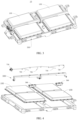
FIG. 1 is a schematic diagram of a power consumption device provided in an embodiment of the present application; -
FIG. 2 is a schematic diagram of a power consumption device provided in another embodiment of the present application; -
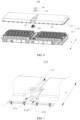
FIG. 3 is a schematic diagram of a battery assembly provided in an embodiment of the present application; -
FIG. 4 is an exploded view of the battery assembly provided inFIG. 3 ; -
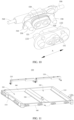
FIG. 5 is a schematic diagram of butting between a second connector and a battery provided in an embodiment of the present application; -
FIG. 6 is an exploded view of a battery provided in an embodiment of the present application; -
FIG. 7 is a schematic diagram of an upper cover body provided in an embodiment of the present application; -
FIG. 8 is a schematic diagram of a reinforcing plate being disposed in a groove provided in an embodiment of the present application; -
FIG. 9 is a schematic diagram of a first connector provided in an embodiment of the present application; -
FIG. 10 is a schematic diagram of a first connector and a second connector provided in an embodiment of the present application; -
FIG. 11 is a schematic diagram of a support body provided in an embodiment of the present application. - In the accompanying drawings, the accompanying drawings are not drawn to actual scale.
- Implementation manners of the present application will be further described below in detail with reference to drawings and embodiments. The detailed description of the following embodiments and the accompanying drawings are used to exemplarily illustrate principles of the present application, but cannot be used to limit the scope of the present application, that is, the present application is not limited to the described embodiments.
- In the prior art, a battery is provided with a first connector, and a second connector butted with the first connector of the battery is mounted to a power consumption device, so that electric energy of the battery is transferred to a power consumption device body through the first connector and the second connector. After the first connector and the second connector are butted, the first connector and the second connector need to additionally occupy a certain amount of space, so that there is a large distance between the battery and the power consumption device body, which requires large space for mounting the battery in the power consumption device, and is not beneficial to a compact structure of the power consumption device.
- As shown in
FIG. 1 , an embodiment of the present application provides apower consumption device 1 that uses abattery 100 as a power source. Thebattery 100 mentioned in the embodiments of the present application refers to a single physical module including a plurality of battery cells to provide a higher voltage and capacity. For example, the battery mentioned in the present application may include a battery module, a battery pack, or the like. The battery generally includes a box for packaging one or more battery cells. The box can avoid liquid or other foreign matters affecting charge or discharge of the battery cell. - The technical solutions described in the embodiments of the present application are all applicable to various apparatuses using batteries, such as mobile phones, portable devices, notebook computers, electromobiles, electric toys, electric tools, electric vehicles, ships and spacecraft. For example, the spacecraft includes airplanes, rockets, space shuttles, spaceships, and the like.
- It should be understood that the technical solutions described in the embodiments of the present application are not only applicable to the devices described above, but also applicable to all devices using batteries. However, for brief description, the following embodiments are all described by an example of an electric vehicle.
- As shown in
FIG. 1, FIG. 1 is a schematic structural diagram of a vehicle according to an embodiment of the present application. The vehicle may be a fuel-powered vehicle, a gas-powered vehicle or a new energy vehicle, and the new energy vehicle may be a battery electric vehicle, a hybrid vehicle, an extended-range vehicle, or the like. Amotor 20, acontroller 30 and abattery 100 may be disposed inside the vehicle, and thecontroller 30 is configured to control thebattery 100 to supply power to themotor 20. For example, thebattery 100 may be disposed at the bottom, head or tail of the vehicle. Thebattery 100 may be configured to supply power to the vehicle. For example, thebattery 100 may be used as an operation power source of the vehicle for a circuit system of the vehicle, for example, for a working power demand of the vehicle during startup, navigation and running. In another embodiment of the present application, thebattery 100 may be used not only as an operation power source of the vehicle, but also as a driving power source of the vehicle, replacing or partially replacing fuel or natural gas to provide driving power for the vehicle. - The
power consumption device 1 includes the power consumption device body and thebattery 100, the power consumption device body is a vehicle body, and thebattery 100 is mounted to the power consumption device body. Thebattery 100 includes abox 110, a plurality ofbattery cells 120 and afirst connector 130, the plurality ofbattery cells 120 is disposed in thebox 110, and thefirst connector 130 is electrically connected to the plurality ofbattery cells 120 to output electric energy of thebattery 100. - In some embodiments, the
battery 100 may be directly mounted to the power consumption device body, and the power consumption device body includes asecond connector 500. When thefirst connector 130 is butted with thesecond connector 500, the electric energy of thebattery 100 may be transferred to the power consumption device body through thefirst connector 130 and thesecond connector 500. - In some embodiments, as shown in
FIG. 2 andFIG. 3 , thepower consumption device 1 may further include asupport 300, thesupport 300 is mounted to the power consumption device body, thebattery 100 is mounted to thesupport 300, and thebattery 100 is mounted to the power consumption device body through thesupport 300. Thebattery 100 and thesupport 300 constitute abattery assembly 10. - As shown in
FIG. 4 , thebattery assembly 10 further includes asecond connector 500, thesecond connector 500 is mounted to thesupport 300, and thesecond connector 500 is configured to be butted with thebattery 100. When thefirst connector 130 is butted with thesecond connector 500, the electric energy of thebattery 100 may be transferred to the power consumption device body through thefirst connector 130 and thesecond connector 500. - As shown in
FIG. 4 , thebattery assembly 10 further includes a firstconductive member 710, a secondconductive member 720 and abutting terminal 730. One end of the firstconductive member 710 and one end of the secondconductive member 720 are both connected to thesecond connector 500. Another end of the firstconductive member 710 and another end of the secondconductive member 720 are both connected to the buttingterminal 730, and the buttingterminal 730 is directly or indirectly connected to the power consumption device body. - As shown in
FIG. 5 andFIG. 6 , in some embodiments, an outer surface of thebox 110 is provided with agroove 111 recessed towards the inner side of thebox 110, and thefirst connector 130 is disposed in thegroove 111. After thesecond connector 500 is butted with thefirst connector 130, thesecond connector 500 is at least partially located in thegroove 111. - The provision of the
groove 111 could leave space for the butting between thefirst connector 130 and thesecond connector 500, thesecond connector 500 on thesupport 300 is butted with thefirst connector 130 at the position of thegroove 111, and thesecond connector 500 is partially or completely located in thegroove 111, which could reduce a distance between thebattery 100 and the power consumption device body, so that thebattery 100 is closer to the power consumption device body, and could reduce mounting space required for mounting thebatter 100 to the power consumption device body, so that the structure of thepower consumption device 1 is more compact, and the arrangement of other components of thepower consumption device 1 is not affected. - As shown in
FIG. 6 and FIG. 7 , in some embodiments, thebox 110 includes alower housing 112 and anupper cover body 113, the plurality ofbattery cells 120 is disposed in thelower housing 112, theupper cover body 113 covers and engages with thelower housing 112, thegroove 111 is formed on an outer surface of theupper cover body 113 and the outer surface of theupper cover body 113 is recessed downward, and thegroove 111 penetrates one side of theupper cover body 113 in a first direction A. Thebox 110 is in a split structure, which facilitates the mounting of the plurality ofbattery cells 120 and other components inside thebox 110, and facilitates manufacturing and molding of thebox 110. - In some embodiments, the
first connector 130 is disposed on a bottom wall of thegroove 111, so that thefirst connector 130 is located at the deepest position of thegroove 111. When thesecond connector 500 is butted with thefirst connector 130, thesecond connector 500 could be located in thegroove 111 to the maximum extent, which further reduces the mounting space required for mounting thebattery 100 to the power consumption device body, so that the structure of thepower consumption device 1 is more compact. - Certainly, in some embodiments, the
first connector 130 may be disposed on a side wall of thegroove 111. - In some embodiments, the bottom wall of the
groove 111 is provided with afirst opening 1111, and thefirst connector 130 passes through thefirst opening 1111 to output electric energy of the plurality ofbattery cells 120 to an outside of thebox 110 through thefirst connector 130. Thefirst connector 130 passes through thefirst opening 1111 to facilitate simultaneous connection to thesecond connector 500 and the plurality ofbattery cells 120 inside thebox 110, so that thefirst connector 130 has one portion located in thegroove 111 and the other portion accommodated in thebox 110, which reduces the occupation of space of thegroove 111 by thefirst connector 130 to leave much space for thesecond connector 500, so that thesecond connector 500 could be located in thegroove 111 to the maximum extent as much as possible, and further, the structure of thepower consumption device 1 is more compact. - The
first connector 130 passes through thefirst opening 1111 from the inner side of thebox 110. Moreover, thefirst connector 130 covers thefirst opening 1111 and is hermetically connected to thebox 110 to close thefirst opening 1111. Thefirst connector 130 covers and seals thefirst opening 1111, which could prevent rainwater, dust in the air and the like from entering thebox 110 from thefirst opening 1111 and damaging the components inside thebox 110. - The outer surface of the
upper cover body 113 of thebox 110 is further provided with a guidinggroove 114 recessed towards the inner side of thebox 110, the guidinggroove 114 is in communication with thegroove 111, and the guidinggroove 114 extends along a first direction A of theupper cover body 113 and penetrates one side of theupper cover body 113 far away from thegroove 111 in the first direction A. A height position of the bottom wall of thegroove 111 is lower than a height position of a bottom wall of the guidinggroove 114, which facilitates the placement of a conductive wire connected between thesecond connector 500 and the power consumption device body. - To ensure a stable and reliable connecting relationship between the
first connector 130 and thebox 110, in this embodiment, thebattery 100 further includes a fixingmember 150, and the fixingmember 150 is configured to pass through a first throughhole 1112 on the bottom wall of thegroove 111 to be connected to thefirst connector 130. The fixingmember 150 may be a bolt, a screw, or the like. Thefirst connector 130 is fixed to thebox 110 through the fixingmember 150, so that thefirst connector 130 does not move relative to thebox 110, and stable connecting relationships between thefirst connector 130 and the plurality ofbattery cells 120 and between thefirst connector 130 and thesecond connector 500 could be maintained. - In this embodiment, as shown in
FIG. 8 , thebattery 100 further includes a reinforcingplate 140, the reinforcingplate 140 is disposed on the bottom wall of thegroove 111, the reinforcingplate 140 is provided with a second throughhole 141 and asecond opening 142 for thefirst connector 130 to pass through, thefirst opening 1111 is aligned with thesecond opening 142, a first connectingend 132 and a first guidingpart 133 passes through thefirst opening 1111 and thesecond opening 142 in sequence. The second throughhole 141 is aligned with the first throughhole 1112, the fixingmember 150 passes through the second throughhole 141 and the first throughhole 1112 in sequence to be connected to thefirst connector 130, so as to fix the reinforcingplate 140 and thefirst connector 130 to thebox 110. The reinforcingplate 140 may increase the force-receiving area and ensure the hermetic seal of the entire surface. - In addition, the provision of the reinforcing
plate 140 could further improve stability of the connection between thefirst connector 130 and thebox 110, and the reinforcingplate 140 could withstand the impact when thesecond connector 500 on thepower consumption device 1 is butted with thefirst connector 130. Moreover, the bottom wall of thegroove 111 is drilled with thefirst opening 1111, so that the strength of the bottom wall of thegroove 111 is reduced, thereby reducing bearing capacity of the bottom wall of thegroove 111. The provision of the reinforcingplate 140 could compensate for the defect of reduction of the bearing capacity caused by drilling thefirst opening 1111 on the bottom wall of thegroove 111. - In this embodiment, there are a plurality of first through
holes 1112, each of the first throughholes 1112 is arranged at intervals along an edge of thefirst opening 1111, the reinforcingplate 140 is drilled with a plurality of second throughholes 141, and the second throughholes 141 are arranged in one-to-one correspondence to the first throughholes 1112, the first throughholes 1112 are arranged in one-to-one correspondence to mounting holes on thefirst connector 130, and each second throughhole 141 and each corresponded first throughhole 1112 and each mounting hole on thefirst connector 130 is passing throughly provided with one fixingmember 150, so that thefirst connector 130, thebox 110 and the reinforcingplate 140 have multiple junctions to ensure uniform and stable connections and improve capacities of vibration resistance and impact resistance. In addition, the fixingmember 150 fixes the reinforcingplate 140 and thefirst connector 130 to thebox 110 simultaneously, which could reduce the number of fixingmembers 150 and the weight of thebattery 100, save the costs, and reduce the difficulty of assembly of thebattery 100. - As shown in
FIG. 9 , thefirst connector 130 includes abase 131 and a connectingend 132, the first connectingend 132 is connected to thebase 131, thebase 131 has afirst surface 1311, and one end of the first connectingend 132 is connected to thefirst surface 1311 of thebase 131. The base 131 covers thefirst opening 1111 from an inner side of thebox 110, thefirst surface 1311 of the base 131 faces thefirst opening 1111, and the first connectingend 132 is disposed on thefirst surface 1311 and passes out from thefirst opening 1111. - The base 131 covers the
first opening 1111 from the inner side of thebox 110, which has a sealing effect on thefirst opening 1111. After thesecond connector 500 is butted with thefirst connector 130, the base 131 can prevent thefirst connector 130 from moving along a direction approaching thesecond connector 500, avoiding thesecond connector 500 pulling off thefirst connector 130 which may cause an electrical disconnection between thefirst connector 130 and the plurality ofbattery cells 120. - In this embodiment, the
first surface 1311 of thebase 131 of thefirst connector 130 is provided with a sealinggroove 1312, the sealinggroove 1312 is arranged surrounding thefirst opening 1111, the contour of the sealinggroove 1312 matches the contour of thebase 131, and a sealing member is disposed in the sealinggroove 1312, so that the sealing member is arranged surrounding thefirst opening 1111. When thefirst connector 130 passes through thefirst opening 1111, the sealing member tightly abuts a lower surface of theupper cover body 113 from bottom to top to realize sealing between thefirst connector 130 and thebox 110. The sealing member is disposed in thebox 110, which could avoid sealing failure caused by external wear, corrosion and the like. In addition, the sealing member is disposed in thebox 110, which avoids the sealing member to occupy the space of thegroove 111, so that thegroove 111 can leave much more space for the butting between thesecond connector 500 and thefirst connector 130. The sealing member has better sealing performance since it is arranged surrounding thefirst opening 1111. - In some embodiments, the sealing
groove 1312 may be arranged on an inner surface of theupper cover body 113, and the sealing member is disposed in the sealinggroove 1312 of theupper cover body 113. When thefirst connector 130 passes through thefirst opening 1111, the first connector tightly abuts the sealing member from bottom to top to realize the sealing between thefirst connector 130 and thebox 110. The material of the sealing member may be nitrile rubber, silica gel, nylon, or the like. - In some embodiments, the
first connector 130 and thebox 110 may be hermetically connected in other manners. - The first connecting
end 132 is provided with a positive terminal and a negative terminal, and the first connectingend 132 passes through afirst opening 1111, so that the positive terminal and the negative terminal of thefirst connector 130 could be butted with thesecond connector 500, respectively. - The
first connector 130 is further provided with a first guidingpart 133, the first guidingpart 133 is connected to thebase 131 of thefirst connector 130, and the first guidingpart 133 is configured to guide thesecond connector 500 when thefirst connector 130 is butted, so as to align a position of thesecond connector 500 with that of thefirst connector 130. The provision of the first guidingpart 133 could ensure an accurate butting between thefirst connector 130 and thesecond connector 500. There are twofirst guide parts 133, and the twofirst guide parts 133 are spaced apart along the first direction A. - As shown in
FIG. 10 , thesecond connector 500 includes asubstrate 510, a secondconnecting end 520 and asecond guiding part 530, and the second connectingend 520 and thesecond guiding part 530 are connected to thesubstrate 510. There are two second guidingparts 530, the two second guidingparts 530 are spaced apart on two sides of the second connectingend 520 along a first direction A. - The
first guiding part 133 is configured to be mated with thesecond guiding part 530 when thefirst connector 130 is butted with thesecond connector 500 to guide thefirst connector 130, so as to align the position of thesecond connector 500 with that of thefirst connector 130. Thefirst connector 130 and thesecond connector 500 are guided to be butted with each other by the mating of the first guidingparts 133 and the second guidingparts 530, which could improve accuracy of the butting between thefirst connector 130 and thesecond connector 500. - The
first guiding part 133 is a guiding sleeve, and thesecond guiding part 530 is a guiding pillar. Thefirst connector 130 and thesecond connector 500 are guided to be butted with each other by the mating of the guiding sleeve and the guiding pillar, which is simple in implementation and high in reliability. There are two first guidingparts 133, the two guidingparts 133 are located on two sides of the first connectingend 132 along a first direction A, respectively. There are two second guidingparts 530, and the second guidingparts 530 are arranged in one-to-one correspondence to the first guidingparts 133. - In some embodiments, the
first guide part 133 may also be guiding pillar, and thesecond guide part 530 may also be guiding sleeve. - In some embodiments, the
second connector 500 is floatingly mounted to thesupport 300. For example, thesubstrate 510 and thesupport 300 are connected through an elastic member (not shown), and the extension, compression or torsion of the elastic member allows thesecond connector 500 to have a certain floating range relative to thesupport 300, which avoids the case that thesecond connector 500 and thebattery 100 cannot be accurately butted in place caused by manufacturing or mounting errors during the butting process between thesecond connector 500 and thebattery 100. The floating mounting of thesecond connector 500 to thesupport 300 may also enable the first guidingparts 133 and the second guidingparts 530 to be mated in a case when thefirst connector 130 and thesecond connector 500 have a certain mounting or manufacturing error, realizing an accurate butting between thefirst connector 130 and thesecond connector 500. - With continuous reference to
FIG. 10 , thesecond connector 500 further includes afirst wire 540 and asecond wire 550, the second connectingend 520 includes afirst terminal 521 and a second terminal 522 with opposite polarities, one end of thefirst wire 540 is connected to thefirst terminal 521, one end of thesecond wire 550 is connected to the second terminal 552, and thefirst wire 540 and thesecond wire 550 extend from two opposite sides of thesubstrate 510 along the first direction A, respectively. Thefirst wire 540 and thesecond wire 550 extend from two sides of thesubstrate 510 along a first direction A, respectively, so that thesecond connector 500 has a smaller size in a second direction B. - One end of the
first wire 540 extending out of thesubstrate 510 is connected to the firstconductive member 710, and one end of thesecond wire 550 extending out of thesubstrate 510 is connected to the secondconductive member 720. - In some embodiments, the first
conductive member 710 and thefirst wire 540 may be an integral structure, and the secondconductive member 720 and thesecond wire 550 may be an integral structure. - The direction of the position at which the
battery 100 is butted with thesecond connector 500 is different according to a different orientation of thesecond connector 500. For example, in some embodiments, thesupport 300 is connected to the bottom of the vehicle body, and the second connectingend 520 is disposed to face thebattery 100 along a direction of gravity, so that thebattery 100 may be butted with thesecond connector 500 along a direction opposite to the direction of gravity to realize an electrical connection between thebattery 100 and thesecond connector 500. In this way, a damage to thefirst connector 130 and/or thesecond connector 500 due to the gravity of thebattery 100 may be avoided and the use of thebattery 100 or thepower consumption device 1 may not be affected. During the mounting of thebattery 100, it is only necessary to push thebattery 100 moving along a direction opposite to the direction of gravity, so that thefirst connector 130 can be butted with thesecond connector 500, which is convenient and quick. - In some embodiments, the second connecting
end 520 may be arranged in other directions, and correspondingly, thefirst connector 130 is butted with thesecond connector 500 in a direction opposite to the orientation of the second connectingend 520. - The structure of the
support 300 will be described in detail below with reference toFIG. 11 . - As shown in
FIG. 11 , thesupport 300 includes afirst beam 310, asecond beam 320 and a fixingframe 330, thefirst beam 310 and thesecond beam 320 are arranged opposite to each other, andaccommodating space 350 for accommodating thebattery 100 is formed between thefirst beam 310 and thesecond beam 320. - The
support 300 further includes athird beam 340, and thethird beam 340 is connected to thefirst beam 310 and thesecond beam 320. In this embodiment, the number ofthird beams 340 is two, and the twothird beams 340 are arranged opposite to each other. The provision of thethird beam 340 allows the structure of thesupport 300 to have better stability, which is beneficial to the stable mounting of thebattery 100. - The number of
first beams 310 is two, the number ofsecond beams 320 is one, the twofirst beams 310 are arranged opposite to each other, the twofirst beams 310 and the onethird beam 340 are connected, and thesecond beam 320 is located between the twofirst beams 310 to form twoaccommodating spaces 350, and eachaccommodating space 350 is correspondingly provided with asecond connector 500. Two ends of thesecond beam 320 are connected to the twothird beams 340, respectively. Thesecond beam 320, the twofirst beams 310 and the twothird beams 340 jointly form twoaccommodating spaces 350 of rectangular shape. The twoaccommodating spaces 350 share asecond beam 320. - The
support 300 forms twoaccommodating spaces 350 through thesecond beam 320, which could accommodate twobatteries 100. The twobatteries 100 may provide a large amount of electric energy for thepower consumption device 1 to ensure a normal operation of thepower consumption device 1, or one of the twobatteries 100 serves as a backup power source, so that thepower consumption device 1 could operate continuously and stably for a long time. - Each
accommodating space 350 is correspondingly provided with a fixingframe 330, thesecond connector 500 is mounted to the fixingframe 330, and the second connectingend 520 is disposed to face thebattery 100 along a direction of gravity, so that thebattery 100 may be butted with thesecond connector 500 along a direction opposite to the direction of gravity to realize an electrical connection between thebattery 100 and thesecond connector 500. Each fixingframe 330 is correspondingly provided with asecond connector 500, so that thebattery 100 in eachaccommodating space 350 has asecond connector 500 butted with. - The
battery 100, thebattery assembly 10 and thepower consumption device 1 according to the embodiments of the present application are described above. - Although the present application has been described with reference to the preferred embodiments thereof, various modifications can be made thereto without departing from the scope of the claims.
Claims (10)
- A battery pack, suitable for a power consumption device (1), and comprising:a box (110);a plurality of battery cells (120) disposed in the box (110); anda first connector (130) electrically connected to the plurality of battery cells (120) to output electric energy of the battery pack;wherein an outer surface of the box (110) is provided with a groove (111), and the first connector (130) is disposed in the groove (111), so that a second connector (500) of the power consumption device (1) is at least partially located in the groove (111) when butted with the first connector (130);wherein a bottom wall of the groove (111) is provided with a first opening (1111), and the first opening (1111) is configured for the first connector (130) to pass through to output electric energy of the plurality of battery cells (120) to an outside of the box (110) through the first connector (130);wherein the first connector (130) covers the first opening (1111) and is hermetically connected to the box (110) to close the first opening (1111);and wherein the first connector (130) comprises a base (131) and a first connecting end (132), the base (131) covers the first opening (1111) from an inner side of the box (110), a first surface (1311) of the base (131) faces the first opening (1111), and the first connecting end (132) is disposed on the first surface (1311) and passes out from the first opening (1111);wherein the battery further comprises:
a fixing member, the fixing member being configured to pass through a first through hole provided on a bottom wall of the groove to be connected to the first connector, so as to fix the first connector to the box. - The battery pack according to claim 1, wherein the first connector (130) is disposed on a bottom wall of the groove (111).
- The battery pack according to claim 1 or 2, wherein the battery pack further comprises:
a sealing member, the sealing member being disposed between the first surface (1311) and an inner surface of the box (110) and surrounding the first opening (1111), and configured to realize hermetic connection between the first connector (130) and the box (110). - The battery pack according to claim 3, wherein the battery pack further comprises:
a reinforcing plate, the reinforcing plate being disposed on a bottom wall of the groove and fixed to the box, and the reinforcing plate being provided with a second opening configured for the first connector to pass through. - The battery pack according to claim 4, wherein the reinforcing plate is provided with a second through hole, and the fixing member is configured to pass through the second through hole and the first through hole in sequence to be connected to the first connector, so as to fix the reinforcing plate and the first connector to the box.
- A battery assembly (10), comprising:a support (300) configured to be mounted to a power consumption device body; andthe battery pack according to any one of claims 1 to 5, the battery pack being mounted to the support (300).
- The battery assembly (10) according to claim 6, wherein the battery assembly (10) further comprises:
a second connector (500) mounted to the support (300), and configured to be butted with the first connector (130) of the battery pack. - The battery assembly (10) according to claim 7, wherein the second connector (500) comprises a second connecting end (520), and the second connecting end (520) is disposed facing towards the battery pack along a direction of gravity, so that the first connector (130) is capable of being butted with the second connector (500) along a direction opposite to the direction of gravity.
- The battery assembly (10) according to any one of claims 6 to 8, wherein the second connector (500) is floatingly mounted to the support (300).
- A power consumption device (1), comprising:a power consumption device body;the battery assembly (10) according to any one of claims 6 to 9, the support (300) of the battery assembly (10) being mounted to the power consumption device body; orthe battery pack according to any one of claims 1 to 5, the battery pack being mounted to the power consumption device body.
Priority Applications (1)
| Application Number | Priority Date | Filing Date | Title |
|---|---|---|---|
| HUE20941517A HUE073227T2 (en) | 2020-09-30 | 2020-09-30 | Battery, battery assembly, electric apparatus, and a preparation method and device for battery |
Applications Claiming Priority (1)
| Application Number | Priority Date | Filing Date | Title |
|---|---|---|---|
| PCT/CN2020/119725 WO2022067800A1 (en) | 2020-09-30 | 2020-09-30 | Battery, battery assembly, electric apparatus, and a preparation method and device for battery |
Publications (4)
| Publication Number | Publication Date |
|---|---|
| EP4009423A1 EP4009423A1 (en) | 2022-06-08 |
| EP4009423A4 EP4009423A4 (en) | 2022-08-10 |
| EP4009423B1 true EP4009423B1 (en) | 2025-07-09 |
| EP4009423C0 EP4009423C0 (en) | 2025-07-09 |
Family
ID=80949444
Family Applications (1)
| Application Number | Title | Priority Date | Filing Date |
|---|---|---|---|
| EP20941517.3A Active EP4009423B1 (en) | 2020-09-30 | 2020-09-30 | Battery, battery assembly, electric apparatus, and a preparation method and device for battery |
Country Status (6)
| Country | Link |
|---|---|
| US (1) | US12300829B2 (en) |
| EP (1) | EP4009423B1 (en) |
| CN (1) | CN115244771A (en) |
| ES (1) | ES3042111T3 (en) |
| HU (1) | HUE073227T2 (en) |
| WO (1) | WO2022067800A1 (en) |
Families Citing this family (10)
| Publication number | Priority date | Publication date | Assignee | Title |
|---|---|---|---|---|
| US12567642B2 (en) | 2022-03-23 | 2026-03-03 | Ford Global Technologies, Llc | Shim systems for traction battery packs |
| US12479327B2 (en) | 2022-03-23 | 2025-11-25 | Ford Global Technologies, Llc | Traction battery pack cell stack removal method and battery pack assembly |
| US12506215B2 (en) | 2022-03-23 | 2025-12-23 | Ford Global Technologies, Llc | Enclosure cover attachment configurations for traction battery packs with cell-to-pack battery systems |
| US12275298B2 (en) | 2022-03-23 | 2025-04-15 | Ford Global Technologies, Llc | Traction battery packs with cell-to-pack battery systems housed within irregularly shaped enclosures |
| US12525637B2 (en) | 2022-03-23 | 2026-01-13 | Ford Global Technologies, Llc | Traction battery pack assembling method |
| US12230826B2 (en) | 2022-03-23 | 2025-02-18 | Ford Global Technologies, Llc | Methods for assembling traction battery packs |
| US12424695B2 (en) | 2022-03-23 | 2025-09-23 | Ford Global Technologies, Llc | Retention assemblies for traction battery packs with cell-to-pack battery systems |
| US12603373B2 (en) | 2022-03-23 | 2026-04-14 | Ford Global Technologies, Llc | Traction battery pack assembling method |
| US12374750B2 (en) | 2022-03-23 | 2025-07-29 | Ford Global Technologies, Llc | Traction battery pack assembling method |
| KR20240059384A (en) * | 2022-10-27 | 2024-05-07 | 에스케이온 주식회사 | Connector position alignment assembly and battery module including the same |
Family Cites Families (10)
| Publication number | Priority date | Publication date | Assignee | Title |
|---|---|---|---|---|
| EP3300181A1 (en) | 2001-07-25 | 2018-03-28 | Sony Corporation | Structures of terminals and component-to-be-loaded |
| KR102058690B1 (en) * | 2015-12-18 | 2019-12-23 | 주식회사 엘지화학 | Battery moduel, battery pack comprising the battery moduel and vehicle comprising the battery pack |
| KR102065096B1 (en) * | 2016-02-12 | 2020-01-10 | 주식회사 엘지화학 | Battery Pack |
| CN105957991B (en) * | 2016-07-12 | 2018-12-04 | 宁德时代新能源科技股份有限公司 | Battery module |
| WO2018133871A1 (en) * | 2017-01-23 | 2018-07-26 | 上海电巴新能源科技有限公司 | Elastic pole, combined member, high-voltage assembly, electrical connector, and battery charging board |
| CN208507766U (en) * | 2018-06-28 | 2019-02-15 | 宁德时代新能源科技股份有限公司 | Battery modules |
| KR102635922B1 (en) * | 2018-10-10 | 2024-02-13 | 현대자동차주식회사 | Connecter and decking structure between vehicle body and battery comprising the same |
| CN109888570A (en) * | 2019-03-06 | 2019-06-14 | 铠龙东方汽车有限公司 | A kind of novel quick change adapter connector |
| CN210911986U (en) * | 2019-08-28 | 2020-07-03 | 纳恩博(北京)科技有限公司 | Battery pack and electric vehicle with same |
| CN110571381A (en) * | 2019-09-06 | 2019-12-13 | 安徽超稳动力节能科技有限公司 | battery pack |
-
2020
- 2020-09-30 CN CN202080096563.9A patent/CN115244771A/en active Pending
- 2020-09-30 WO PCT/CN2020/119725 patent/WO2022067800A1/en not_active Ceased
- 2020-09-30 HU HUE20941517A patent/HUE073227T2/en unknown
- 2020-09-30 EP EP20941517.3A patent/EP4009423B1/en active Active
- 2020-09-30 ES ES20941517T patent/ES3042111T3/en active Active
-
2021
- 2021-12-29 US US17/564,428 patent/US12300829B2/en active Active
Also Published As
| Publication number | Publication date |
|---|---|
| WO2022067800A1 (en) | 2022-04-07 |
| EP4009423A4 (en) | 2022-08-10 |
| HUE073227T2 (en) | 2026-01-28 |
| US20220123394A1 (en) | 2022-04-21 |
| CN115244771A (en) | 2022-10-25 |
| EP4009423A1 (en) | 2022-06-08 |
| ES3042111T3 (en) | 2025-11-18 |
| US12300829B2 (en) | 2025-05-13 |
| EP4009423C0 (en) | 2025-07-09 |
Similar Documents
| Publication | Publication Date | Title |
|---|---|---|
| EP4009423B1 (en) | Battery, battery assembly, electric apparatus, and a preparation method and device for battery | |
| EP4044329B1 (en) | Battery box body, battery, electric device, and method and device for manufacturing box body | |
| US12300831B2 (en) | Bracket, battery assembly, electric apparatus, and preparation method and device of battery assembly | |
| CN112331976B (en) | Cabinet, battery, electrical equipment and method for assembling the cabinet | |
| US12062801B2 (en) | Frame body, battery pack, and device | |
| US20230352786A1 (en) | Accommodating apparatus, battery, electric device, and manufacturing device and method of battery | |
| WO2023088089A1 (en) | Battery box body, battery, electrical device, and manufacturing apparatus | |
| CN218215411U (en) | Battery cells, batteries and electrical equipment | |
| JP7470136B2 (en) | HEAT EXCHANGE MEMBER AND ITS MANUFACTURING METHOD, MANUFACTURING SYSTEM, BATTERY AND ELECTRIC DEVICE | |
| CN211929598U (en) | Battery monomer, battery and device of power consumption | |
| WO2023186044A1 (en) | Connector socket, connector assembly and electric device | |
| CN116157951A (en) | Batteries and electrical devices | |
| US20260018690A1 (en) | High-voltage box, battery, and electrical device | |
| US20250183490A1 (en) | Connecting terminal, battery, and electrical device | |
| CN116666917A (en) | Battery cells, batteries and electrical devices | |
| KR20240008075A (en) | Battery pack and assembling method thereof | |
| CN218939912U (en) | Tab bracket, battery and electricity utilization device | |
| US20250065356A1 (en) | Glue application apparatus | |
| CN222214408U (en) | Battery device, power consumption device and connector | |
| CN222690868U (en) | Battery devices, protectors and electrical equipment | |
| CN222015761U (en) | Battery device, connector and electricity utilization device | |
| CN223451131U (en) | Battery device and electric equipment | |
| CN220253345U (en) | Top cover assembly, battery cell, battery and electricity utilization device | |
| CN224217680U (en) | A battery cell and a battery pack | |
| CN224217558U (en) | Battery packs and electrical devices |
Legal Events
| Date | Code | Title | Description |
|---|---|---|---|
| STAA | Information on the status of an ep patent application or granted ep patent |
Free format text: STATUS: UNKNOWN |
|
| STAA | Information on the status of an ep patent application or granted ep patent |
Free format text: STATUS: THE INTERNATIONAL PUBLICATION HAS BEEN MADE |
|
| PUAI | Public reference made under article 153(3) epc to a published international application that has entered the european phase |
Free format text: ORIGINAL CODE: 0009012 |
|
| STAA | Information on the status of an ep patent application or granted ep patent |
Free format text: STATUS: REQUEST FOR EXAMINATION WAS MADE |
|
| 17P | Request for examination filed |
Effective date: 20211227 |
|
| AK | Designated contracting states |
Kind code of ref document: A1 Designated state(s): AL AT BE BG CH CY CZ DE DK EE ES FI FR GB GR HR HU IE IS IT LI LT LU LV MC MK MT NL NO PL PT RO RS SE SI SK SM TR |
|
| REG | Reference to a national code |
Ref country code: DE Ipc: H01M0050204000 Ref country code: DE Ref legal event code: R079 Ref document number: 602020054422 Country of ref document: DE Free format text: PREVIOUS MAIN CLASS: H01M0050172000 Ipc: H01M0050204000 |
|
| A4 | Supplementary search report drawn up and despatched |
Effective date: 20220708 |
|
| RIC1 | Information provided on ipc code assigned before grant |
Ipc: H01M 50/564 20210101ALI20220704BHEP Ipc: H01M 50/296 20210101ALI20220704BHEP Ipc: H01M 50/204 20210101AFI20220704BHEP |
|
| STAA | Information on the status of an ep patent application or granted ep patent |
Free format text: STATUS: EXAMINATION IS IN PROGRESS |
|
| 17Q | First examination report despatched |
Effective date: 20221222 |
|
| DAV | Request for validation of the european patent (deleted) | ||
| DAX | Request for extension of the european patent (deleted) | ||
| RAP1 | Party data changed (applicant data changed or rights of an application transferred) |
Owner name: CONTEMPORARY AMPEREX TECHNOLOGY(HONG KONG) LIMITED |
|
| GRAP | Despatch of communication of intention to grant a patent |
Free format text: ORIGINAL CODE: EPIDOSNIGR1 |
|
| STAA | Information on the status of an ep patent application or granted ep patent |
Free format text: STATUS: GRANT OF PATENT IS INTENDED |
|
| INTG | Intention to grant announced |
Effective date: 20250425 |
|
| GRAS | Grant fee paid |
Free format text: ORIGINAL CODE: EPIDOSNIGR3 |
|
| GRAA | (expected) grant |
Free format text: ORIGINAL CODE: 0009210 |
|
| STAA | Information on the status of an ep patent application or granted ep patent |
Free format text: STATUS: THE PATENT HAS BEEN GRANTED |
|
| AK | Designated contracting states |
Kind code of ref document: B1 Designated state(s): AL AT BE BG CH CY CZ DE DK EE ES FI FR GB GR HR HU IE IS IT LI LT LU LV MC MK MT NL NO PL PT RO RS SE SI SK SM TR |
|
| REG | Reference to a national code |
Ref country code: GB Ref legal event code: FG4D |
|
| REG | Reference to a national code |
Ref country code: CH Ref legal event code: EP |
|
| REG | Reference to a national code |
Ref country code: IE Ref legal event code: FG4D |
|
| REG | Reference to a national code |
Ref country code: DE Ref legal event code: R096 Ref document number: 602020054422 Country of ref document: DE |
|
| U01 | Request for unitary effect filed |
Effective date: 20250808 |
|
| U07 | Unitary effect registered |
Designated state(s): AT BE BG DE DK EE FI FR IT LT LU LV MT NL PT RO SE SI Effective date: 20250820 |
|
| PGFP | Annual fee paid to national office [announced via postgrant information from national office to epo] |
Ref country code: GB Payment date: 20250916 Year of fee payment: 6 |
|
| U20 | Renewal fee for the european patent with unitary effect paid |
Year of fee payment: 6 Effective date: 20250916 |
|
| PGFP | Annual fee paid to national office [announced via postgrant information from national office to epo] |
Ref country code: HU Payment date: 20250910 Year of fee payment: 6 |
|
| REG | Reference to a national code |
Ref country code: ES Ref legal event code: FG2A Ref document number: 3042111 Country of ref document: ES Kind code of ref document: T3 Effective date: 20251118 |
|
| PG25 | Lapsed in a contracting state [announced via postgrant information from national office to epo] |
Ref country code: IS Free format text: LAPSE BECAUSE OF FAILURE TO SUBMIT A TRANSLATION OF THE DESCRIPTION OR TO PAY THE FEE WITHIN THE PRESCRIBED TIME-LIMIT Effective date: 20251109 |
|
| PG25 | Lapsed in a contracting state [announced via postgrant information from national office to epo] |
Ref country code: NO Free format text: LAPSE BECAUSE OF FAILURE TO SUBMIT A TRANSLATION OF THE DESCRIPTION OR TO PAY THE FEE WITHIN THE PRESCRIBED TIME-LIMIT Effective date: 20251009 |
|
| PG25 | Lapsed in a contracting state [announced via postgrant information from national office to epo] |
Ref country code: HR Free format text: LAPSE BECAUSE OF FAILURE TO SUBMIT A TRANSLATION OF THE DESCRIPTION OR TO PAY THE FEE WITHIN THE PRESCRIBED TIME-LIMIT Effective date: 20250709 |
|
| PG25 | Lapsed in a contracting state [announced via postgrant information from national office to epo] |
Ref country code: GR Free format text: LAPSE BECAUSE OF FAILURE TO SUBMIT A TRANSLATION OF THE DESCRIPTION OR TO PAY THE FEE WITHIN THE PRESCRIBED TIME-LIMIT Effective date: 20251010 |
|
| PG25 | Lapsed in a contracting state [announced via postgrant information from national office to epo] |
Ref country code: PL Free format text: LAPSE BECAUSE OF FAILURE TO SUBMIT A TRANSLATION OF THE DESCRIPTION OR TO PAY THE FEE WITHIN THE PRESCRIBED TIME-LIMIT Effective date: 20250709 |
|
| PG25 | Lapsed in a contracting state [announced via postgrant information from national office to epo] |
Ref country code: RS Free format text: LAPSE BECAUSE OF FAILURE TO SUBMIT A TRANSLATION OF THE DESCRIPTION OR TO PAY THE FEE WITHIN THE PRESCRIBED TIME-LIMIT Effective date: 20251009 |
|
| REG | Reference to a national code |
Ref country code: HU Ref legal event code: AG4A Ref document number: E073227 Country of ref document: HU |
|
| PGFP | Annual fee paid to national office [announced via postgrant information from national office to epo] |
Ref country code: ES Payment date: 20251002 Year of fee payment: 6 |
|
| PG25 | Lapsed in a contracting state [announced via postgrant information from national office to epo] |
Ref country code: SM Free format text: LAPSE BECAUSE OF FAILURE TO SUBMIT A TRANSLATION OF THE DESCRIPTION OR TO PAY THE FEE WITHIN THE PRESCRIBED TIME-LIMIT Effective date: 20250709 |
|
| PG25 | Lapsed in a contracting state [announced via postgrant information from national office to epo] |
Ref country code: CZ Free format text: LAPSE BECAUSE OF FAILURE TO SUBMIT A TRANSLATION OF THE DESCRIPTION OR TO PAY THE FEE WITHIN THE PRESCRIBED TIME-LIMIT Effective date: 20250709 |
|
| PG25 | Lapsed in a contracting state [announced via postgrant information from national office to epo] |
Ref country code: SK Free format text: LAPSE BECAUSE OF FAILURE TO SUBMIT A TRANSLATION OF THE DESCRIPTION OR TO PAY THE FEE WITHIN THE PRESCRIBED TIME-LIMIT Effective date: 20250709 |