EP4006140A1 - A saccharomyces cerevisiae strain and its use for production of reduced-alcohol wine - Google Patents
A saccharomyces cerevisiae strain and its use for production of reduced-alcohol wine Download PDFInfo
- Publication number
- EP4006140A1 EP4006140A1 EP20383032.8A EP20383032A EP4006140A1 EP 4006140 A1 EP4006140 A1 EP 4006140A1 EP 20383032 A EP20383032 A EP 20383032A EP 4006140 A1 EP4006140 A1 EP 4006140A1
- Authority
- EP
- European Patent Office
- Prior art keywords
- strain
- sugar
- wine
- strains
- fermented
- Prior art date
- Legal status (The legal status is an assumption and is not a legal conclusion. Google has not performed a legal analysis and makes no representation as to the accuracy of the status listed.)
- Withdrawn
Links
Images



Classifications
-
- C—CHEMISTRY; METALLURGY
- C12—BIOCHEMISTRY; BEER; SPIRITS; WINE; VINEGAR; MICROBIOLOGY; ENZYMOLOGY; MUTATION OR GENETIC ENGINEERING
- C12N—MICROORGANISMS OR ENZYMES; COMPOSITIONS THEREOF; PROPAGATING, PRESERVING, OR MAINTAINING MICROORGANISMS; MUTATION OR GENETIC ENGINEERING; CULTURE MEDIA
- C12N1/00—Microorganisms; Compositions thereof; Processes of propagating, maintaining or preserving microorganisms or compositions thereof; Processes of preparing or isolating a composition containing a microorganism; Culture media therefor
- C12N1/14—Fungi; Culture media therefor
- C12N1/16—Yeasts; Culture media therefor
- C12N1/18—Baker's yeast; Brewer's yeast
- C12N1/185—Saccharomyces isolates
-
- C—CHEMISTRY; METALLURGY
- C12—BIOCHEMISTRY; BEER; SPIRITS; WINE; VINEGAR; MICROBIOLOGY; ENZYMOLOGY; MUTATION OR GENETIC ENGINEERING
- C12G—WINE; PREPARATION THEREOF; ALCOHOLIC BEVERAGES; PREPARATION OF ALCOHOLIC BEVERAGES NOT PROVIDED FOR IN SUBCLASSES C12C OR C12H
- C12G1/00—Preparation of wine or sparkling wine
- C12G1/02—Preparation of must from grapes; Must treatment and fermentation
-
- C—CHEMISTRY; METALLURGY
- C12—BIOCHEMISTRY; BEER; SPIRITS; WINE; VINEGAR; MICROBIOLOGY; ENZYMOLOGY; MUTATION OR GENETIC ENGINEERING
- C12G—WINE; PREPARATION THEREOF; ALCOHOLIC BEVERAGES; PREPARATION OF ALCOHOLIC BEVERAGES NOT PROVIDED FOR IN SUBCLASSES C12C OR C12H
- C12G1/00—Preparation of wine or sparkling wine
- C12G1/14—Preparation of wine or sparkling wine with low alcohol content
-
- C—CHEMISTRY; METALLURGY
- C12—BIOCHEMISTRY; BEER; SPIRITS; WINE; VINEGAR; MICROBIOLOGY; ENZYMOLOGY; MUTATION OR GENETIC ENGINEERING
- C12N—MICROORGANISMS OR ENZYMES; COMPOSITIONS THEREOF; PROPAGATING, PRESERVING, OR MAINTAINING MICROORGANISMS; MUTATION OR GENETIC ENGINEERING; CULTURE MEDIA
- C12N1/00—Microorganisms; Compositions thereof; Processes of propagating, maintaining or preserving microorganisms or compositions thereof; Processes of preparing or isolating a composition containing a microorganism; Culture media therefor
- C12N1/14—Fungi; Culture media therefor
- C12N1/16—Yeasts; Culture media therefor
- C12N1/18—Baker's yeast; Brewer's yeast
-
- C—CHEMISTRY; METALLURGY
- C12—BIOCHEMISTRY; BEER; SPIRITS; WINE; VINEGAR; MICROBIOLOGY; ENZYMOLOGY; MUTATION OR GENETIC ENGINEERING
- C12G—WINE; PREPARATION THEREOF; ALCOHOLIC BEVERAGES; PREPARATION OF ALCOHOLIC BEVERAGES NOT PROVIDED FOR IN SUBCLASSES C12C OR C12H
- C12G2200/00—Special features
- C12G2200/05—Use of particular microorganisms in the preparation of wine
-
- C—CHEMISTRY; METALLURGY
- C12—BIOCHEMISTRY; BEER; SPIRITS; WINE; VINEGAR; MICROBIOLOGY; ENZYMOLOGY; MUTATION OR GENETIC ENGINEERING
- C12R—INDEXING SCHEME ASSOCIATED WITH SUBCLASSES C12C - C12Q, RELATING TO MICROORGANISMS
- C12R2001/00—Microorganisms ; Processes using microorganisms
- C12R2001/645—Fungi ; Processes using fungi
- C12R2001/85—Saccharomyces
- C12R2001/865—Saccharomyces cerevisiae
Definitions
- the present invention relates to a novel Saccharomyces cerevisiae strain which presents low acetic acid yield under aerobic fermentation processes reducing the ethanol content of wine.
- the invention belongs to the technical field of microbiology, particularly food microbiology.
- Saccharomyces cerevisiae is widely regarded as the best adapted yeast species for wine fermentation; it is the main species that drives the process in non-inoculated fermentations, and for many decades it was almost the only yeast species marketed as a wine starter culture. Phenotypic variability in ethanol yield for this species is low (Palacios A., et al 2007; Camarasa C., et al 2011 ); probably due to its high specialization for alcoholic fermentation.
- GMOs genetically modified organisms
- GMOs genetically modified organisms
- the present invention relates to a novel Saccharomyces cerevisiae strain which presents low acetic acid yield under aerobic fermentation processes reducing the ethanol content of wine.
- This yeast can be employed in winemaking without any regulatory restrictions, resulting in better process simplicity and robustness (single inoculation step and no concerns about sulphite tolerances by non-Saccharomyces strains, or other problems affecting their competitive performance in fermenting grape must).
- the inventors cultivated twenty-six S. cerevisiae strains in natural grape must under aerobic conditions and analyzed the sugar consumption, the ethanol yield, the glycerol yield and acetic acid yield.
- the inventors selected the S. cerevisiae strains PR117, PR543 and PR1018 with low acetic acid yield ( Figure 1 ) for further characterization, and strain PR50 as an example of a representative S. cerevisiae strain showing elevated acetic acid production under aerobic conditions.
- the inventors carried out fermentation experiments in bioreactors with a constant gas flow (N 2 or air) for comparing the ethanol and acetic acid yields between aerobic and anaerobic conditions.
- the ethanol yield of all four strains was consistently lower under aerobic than under anaerobic conditions.
- all strains showed very similar values (ethanol yield in aerobiosis was 0.27-0.30g/g, Table 2) ( Figure 2 ).
- Strain S. cerevisiae PR1018 (with deposit number CECT 13195) had a remarkably low acetic acid yield during the first days of aerobic fermentation ( Figure 2 ).
- the production of acetaldehyde and its acetal derivatives was higher under aerobic conditions, but significantly lower for strain S. cerevisiae PR1018 (CECT 13195) than for the other three strains ( Figure 3 ).
- the volatile profile of PR1018 under aerobic conditions is the one falling closer to anaerobic conditions among the yeast strains tested ( Figure 4 ).
- strain S . cerevisiae PR1018 shows the features that make it interesting candidate for low alcohol winemaking under aerobic conditions minimizing the impact of aeration on the sensory features of wines.
- a first aspect of the present invention related to a Saccharomyces cerevisiae strain with deposit number CECT 13195, hereinafter the "strain of the invention” or “CECT 13195 strain” or “PR1018 strain”.
- Saccharomyces cerevisiae is a species of yeast (single-celled fungus microorganisms). The species has been instrumental in winemaking, baking, and brewing since ancient times. It is the microorganism behind the most common type of fermentation. It belongs to superkingdom, Eukaryota; clade, Opisthokonta ; kingdom, Fungi; subkingdom, Dikarya; phylum, Ascomycota; clade, Saccharomyceta; subphylum, Saccharomycotina ; class, Saccharomycetes; order, Saccharomycetales ; family, Saccharomycetaceae; and genus, Saccharomyces.
- the novel S. cerevisiae CECT 13195 S. cerevisiae PR1018) has been isolated from grape must, presents low acetic acid yield under aerobic fermentation processes, enabling its use to reduce the ethanol content of wine.
- Another aspect of the present invention relates to a strain derived from the S. cerevisiae CECT 13195, wherein said strain maintains or improves the capabilities described throughout the present invention.
- the microorganism derived can be naturally occurring or produced intentionally by mutagenesis methods known in the prior art such as, but not limited to, growth of the original microorganism in the presence of mutagenic agents or stressors, or directed genetic engineering of specific genes.
- the strain derived from the S. cerevisiae CECT 13195 strain is a genetically modified mutant.
- the terms "mutant strain” or "derived strain” can be used interchangeably.
- the S . cerevisiae CECT 13195 strain or any mutant or derivative thereof may be used in any way to exert the effects described, for example, according to a preferred embodiment of the present invention, the S . cerevisiae CECT 13195 strain is formed of viable cells (cultivable or uncultivable).
- any of the strains of the previously described species S . cerevisiae S. cerevisiae CECT 13195 strain or any mutant or derivative thereof
- strain of the present invention S. cerevisiae CECT 13195 strain or any mutant or derivative thereof
- composition of the invention comprising the strain of the invention.
- composition is a set of components which is formed at least by the strain of the invention at any concentration.
- the previous composition may further comprise at least one additional microorganism other than the strain of the invention.
- the additional microorganism is a Saccharomyces strain and/or Non-Saccharomyces strain.
- the additional microorganism that may form part of said composition is selected from: Metschnikowia pulcherrima, Torulaspora delbrueckii , Hanseniaspora uvarum, Lachancea thermotolerans , Candida sake, Kluyveromyces lactis , Pichia fermentans, Starmerella bombicola , Starmerella bacillaris .
- composition according to any of those defined above may further comprise at least one additive.
- composition of the invention further comprises at least one additive.
- additive relates to a compound, substance, solution, product which can improve, enhance or supplement the activity of a strain of the species S. cerevisiae and preferably the S. cerevisiae CECT 13195 strain object of the invention, or which is added to fermented beverages by a S. cerevisiae strain, preferably the S. cerevisiae CECT 13195 strain object of the invention, in order to improve or preserve the taste, appearance, freshness and quality, maintaining its chemical and organoleptic properties.
- additive examples include, without limitation to, food ingredients or components (poly-unsaturated fatty acids, conjugated linoleic acid, prebiotics, fibre, guar gum, glucomannan, chitosan, copper, calcium, etc.), plants or plant extracts or components (polyphenols, argan oil, clarification proteins), and chemicals or enzymes (sulfiting agents, lysozyme, glycosidases, pectinases, hemicellulases).
- food ingredients or components poly-unsaturated fatty acids, conjugated linoleic acid, prebiotics, fibre, guar gum, glucomannan, chitosan, copper, calcium, etc.
- plants or plant extracts or components polyphenols, argan oil, clarification proteins
- chemicals or enzymes sulfiting agents, lysozyme, glycosidases, pectinases, hemicellulases.
- Fermented beverages are produced following the fermentation of sugars by yeasts, mainly strains of the species Saccharomyces cerevisiae. In the presence of sugars, together with other essential nutrients such as amino acids, minerals and vitamins, S. cerevisiae will conduct fermentative metabolism to ethanol and carbon dioxide.
- yeasts mainly strains of the species Saccharomyces cerevisiae.
- S. cerevisiae will conduct fermentative metabolism to ethanol and carbon dioxide.
- the strain S. cerevisiae PR1018 shows the features that make it interesting candidate for low alcohol beverages making under aerobic conditions minimizing the impact of aeration on the sensory features of beverages.
- Another aspect of the invention relates to the use of the strain of the invention and/or the composition of the invention or any previously defined combination thereof, hereinafter the "use of the invention", for fermented beverages production.
- fermented beverages refers to beverages or drinks produced by or which have undergone, a process of fermentation of sugars by yeasts, mainly by Saccharomyces cerevisiae. In the presence of sugars S. cerevisiae will conduct fermentative metabolism to ethanol.
- fermented beverages but not spirituous or distilled liquors
- examples of fermented beverages include, without limitation to, beer, wine, vinegar, champagne, cava, sake and cider.
- the fermented beverage is selected of the list consisting of: wine, beer, champagne, cava, sake and cider.
- the fermented beverage is wine.
- Fermented beverages are produced following the fermentation of sugars to ethanol by yeasts, mainly strains of the species Saccharomyces cerevisiae. As described previously, the strain S. cerevisiae PR1018 (CECT 13195) produces low alcohol beverages making under aerobic conditions.
- method of the invention relates to a method for fermented beverages production, hereinafter the "method of the invention", which comprises:
- sugar-containing solution refers to a juice, nectar, must, squeezed, solution or extract which comprises high sugar content, typically between 10 and 40%, from variety of sugar-containing materials like cereals, fruits and vegetable juices, tea, and milk.
- the amount of sugar in must indicates the amount of alcohol that could be produced if it is all fermented to alcohol, rather than left as residual sugar.
- the fermented beverages obtained from different sources are beer from barley, kefir from milk, wine from grapes, cider from apples, sake from rice, mead from honey.
- the fermented beverage is selected of the list consisting of: wine, beer, sparkling wine, sake and cider.
- the fermented beverage is wine.
- Fermented beverages may be made from a variety of sugar-containing solutions like cereals, fruits and vegetable juices, tea, and milk, preferably cereals or fruit.
- cereals include, without limitation to, rice, oats, barley, wheat, rye, corn and sorghum.
- fruits include, without limitation to, grape, apple, pear, pineapple, orange, melon, cherry, strawberry, peach, raspberry, durian, blackberry, orange, pomegranate, kiwi, tangerine, pear, peach and apricot.
- the sugar-containing solution is a must, particularly is grape must.
- the must is white, rose, or red must or grape mass.
- the white must is of Vitis vinifera varieties, preferably of Malvasia, Viura, White Grenache, White Tempranillo, White Maturana, Turruntes, Chardonay, Sauvignon Blanc, Albari ⁇ o, Ge2.9ztraminer, Moscatel, Verdejo, Riesling, Viognier, Chenin Blanc, Xarello, Palomino, Airen, Godello, Pinot Grigio or Semillon.
- the red grape mass is of Vitis vinifera varieties, preferably of Tempranillo, Red Maturana, Mazuelo, Grenache, Graciano, Cabernet Sauvignon, Pinot Noir, Pinot Meunier, Merlot, Syrah, Sangiovese, Bobal, Monastrell, Cari ⁇ ena, Nebbiolo, Tanat, Carménère, Malbec, Gamay, Menc ⁇ a, or Cabernet franc.
- the sugar-containing solution or sugary starting materials may require preparation processes before fermentation process.
- preparation processes include, without limitation to: enzymatic process, hydrolysis process, filtration process, squeezing process, pressing process, destemming, cold maceration, carbonic maceration, thermal treatment, nitrogen source correction, total acidity correction, deoxygenation, or macrooxygenation.
- the sugar-containing solution of the step (i) method of the invention comprises a hexose content between 15-35%.
- hexose content refers to the amount, quantity or proportion of a hexose, monosaccharide (simple sugar) with six carbon atoms, contained in the sugar-containing solution in step (i).
- examples of hexose include, without limitation to, allose, altrose, glucose, fructose, mannose, gulose, idose, galactose, talose, psicose, fructose, sorbose, tagatose, their isomers or enantiomers and any combination thereof.
- the hexose is an equimolar mixture of glucose and fructose.
- the hexose content in step (i) of the method of the invention is between 15-35%.
- the hexose content is between 20 to 30%, preferably 22 to 28%.
- the hexose content is 23%, 24%, 25%, 26% or 27%, preferably the hexose content is 25%.
- the must obtained is incubated at a temperature between 8oC and 35 oC during 2 to 10 days, under aerobic conditions.
- the temperature of step (ii) is between 15oC and 35oC. In other preferred embodiment of the method of the invention, the temperature is between 18oC and 30oC. In other more preferred embodiment of the method of the invention, the temperature is 18oC, 19oC, 20oC, 21oC, 22oC, 23oC, 24oC, 25oC, 26oC, 27oC, 28oC, 29oC or 30oC, preferably the temperature is 25oC.
- the incubation period of the step (ii) is during 3, 4, 5, 6, 7, 8 or 9, preferably is 5 days.
- aerobic conditions refers to growth in an oxygenated environment, i.e. fermentation in the presence of an active supply of oxygen (or air).
- active supply of oxygen or air
- methods for obtaining the aerobic conditions or oxygen supply include, without limitation to, bubbling, gas flow, or pumping over.
- the aerobic conditions of step (ii) comprise a constant gas flow with compressed air at 1 to 20 VVH (volumes of air per volume of liquid per hour), preferably the air flow is 10 VVH.
- fermented sugar-containing solution refers to a solution, juice, nectar, must, squeezed or extracted which is obtained in a fermentation process wherein the initial amount of sugar has been partially or fully fermented to alcohol.
- the fermented sugar-containing solution may comprise residual sugar content, preferably residual hexose content.
- the fermented sugar-containing solution obtained in step (ii) comprises a residual hexose content between 0 to 10%.
- the method of the invention comprises a step (iii) incubating the partially fermented sugar-containing solution obtained in (ii) under anaerobic conditions at a temperature between 8oC and 35oC, until sugar exhaustion. It is routine practice for a person skilled in the art to determine the sugar exhaustion in the solution.
- partially fermented sugar-containing solution refers to a solution, juice, nectar, must, squeezed or extracted which comprises low sugar content (as residual sugar), which is obtained in a partial fermentation process wherein the initial amount of sugar has not been fully fermented to alcohol.
- anaerobic conditions refers to growth in a non-oxygenated environment, i.e. fermentation in the absence of an active supply of oxygen (or air).
- methods for obtaining the anaerobic conditions include, without limitation to, adjustable vat, nitrogen sparging or static incubation of large volumes.
- a fermented beverage with reduced ethanol content and low acetic acid yield under aerobic fermentation is obtained.
- other aspect of the invention is the fermented beverage with reduced ethanol content obtained by the method of the invention, hereinafter the "fermented beverage of the invention”.
- the fermented beverage of the invention comprises an alcoholic or ethanol degree (% v/v) ranges between 1 to 15 %v/v, more preferably ranges between 3 to 12 %v/v.
- the fermented beverage is 4%v/v, 4.5%v/v, 5%v/v, 5.5%v/v, 6%v/v, 6.5%v/v, 7%v/v, 7.5%v/v, 8%v/v, 8.5%v/v, 9%v/v, 9.5%v/v, 10%v/v, 10.5%v/v, 11%v/v, or 11.5%v/v.
- the fermented beverage with reduced ethanol content is selected of the list consisting of: wine, beer, sparkling wines, sake and cider.
- the fermented beverage is wine with reduced ethanol content.
- Twenty-six Saccharomyces cerevisiae strains were used, nine of them are commercial wine yeast starters, and 17 of them are wild isolates from the PRICVV collection (PR collection of the "Instituto de Ciencias de la Vid y del Vino ") (Table 1).
- Yeasts were maintained at 4°C on YPD plates (2% glucose, 2% peptone, 1% yeast extract and 2% agar), as well as in glycerol stocks at -80°C.
- Inocula were grown on YPD for 48h at 25°C, washed and resuspended in water. Natural white must from the 2019 harvest was kept frozen. The must contained 220g/L of sugar and 186mg/L yeast assimilable nitrogen.
- Bioreactor assays batch cultures were performed using Applikon MiniBio bioreactors (250mL nominal volume), equipped with Peltier refrigerated gas condensers. Bioreactors were filled with 150mL of pasteurized natural white grape must, and 200 ⁇ L of antifoam 204 (Sigma-Aldrich, Spain). Temperature was set to 25°C and stirring to 1000 rpm. The cultures were sparged (with compressed air or pure nitrogen) at 25mL/min (10 VVH). Gas flow was controlled with MFC17 mass flow controllers (Aalborg Instruments and Controls, Inc., Orangeburg, NY), whose calibration was regularly verified with an electronic flowmeter (Agilent Technologies, Santa Clara, CA).
- Bioreactors were inoculated to 0.2 final OD600 with independent inocula prepared as described above. During the experiment, 1mL samples were collected at the designated times for HPLC analysis; as well as an additional 10mL final sample for the analysis of volatile compounds. Samples were centrifuged and supernatants were kept frozen for chromatographic analyses.
- the concentration of glucose, fructose, glycerol, ethanol, and acetic acid was determined using a Surveyor Plus liquid chromatograph (Thermo Fisher Scientific, Waltham, MA) equipped with a refraction index and a photodiode array detector (Surveyor RI Plus and Surveyor PDA Plus, respectively) on a 300 ⁇ 7.7 mm PL Hi-Plex H + (8 ⁇ m particle size) column (Agilent Technologies, Santa Clara, CA) and 4 x 3 mm ID Carbo-H guard (Phenomenex, Torrance, CA). The column was maintained at 50°C and 1.5mM H 2 SO 4 was used as the mobile phase at a flow rate of 0.6mL/min. Prior to injection in duplicate, the samples were filtered through 0.22 ⁇ m pore size nylon filters (Micron Analitica).
- Samples for gas chromatography-mass spectrometry (GC-MS) analysis contained 1800 ⁇ L of the original sample in a final volume of 2000 ⁇ L, completed with ethanol and water to get the same amount of ethanol in all simples, 1g NaCl, and 20 ⁇ L internal standard, in 20 mL flasks.
- Internal standard contained 1000 ppm each of 4-methyl 2-pentanol and heptanoic acid, and 100 ppm each of ethyl nonanoate and 1-nonanol, in water, prepared from 10000 ppm individual solutions in ethanol.
- GC-MS was carried out in a Thermo TRACE GC Ultra apparatus coupled to a Thermo ISQ mass detector, equipped with a Thermo TriPlus autosampler.
- Gas chromatography was carried in a Thermo Scientific fused-silica capillary column TG-WAXMS A (30m long; 0.25mm OD; 0.25 ⁇ m film thickness). Chromatographic conditions were as follows: 5 min at 40oC, 3oC/min up to 200oC, 15oC/min up to 240oC, 10 min at 240oC.
- Helium was used as carrier gas at a flow rate of 1mL/min, operating in split mode (ratio 30). Total analysis time was 71 min.
- Detection was performed with the mass spectrometer operating in the Full Scan mode (dwell time 500ms), with 70eV ionization energy, and source and quadrupole temperatures of 250oC. Detection was stopped during the time interval for ethanol elution. Peak identification was made by comparison of ion spectra with NIST mass spectral library. For each compound, including internal standards, the sum of the areas of the peaks of selected characteristic ions was obtained.
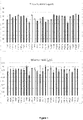
- the ethanol yield (g of ethanol produced per g of sugars consumed) determined under these experimental conditions ranged from 0.28 g/g for strain PR699 to 0.40 g/g for strain PR49 ( Figure 1 ).
- the highest value is far below 0.45 g/g, a typical value for anaerobic conditions. This could be partly due to alcohol stripping, but also probably to yeast respiratory metabolism under aerobic conditions.
- the ethanol yield found in this experiment involves a significant reduction in wine alcohol content compared to anaerobic conditions.
- Glycerol yields ranged from 31 to 79 mg/g ( Figure 1 ). Wild strain PR699 was significantly the highest glycerol producer. The difference in glycerol yield partly but not fully explain those in ethanol yields between the lowest and highest ethanol producing strains (PR699 and PR49, respectively). A relation of 2.5x was found between the highest and the lowest values of glycerol yield, similar to the variability found for glycerol production under anaerobic conditions.
- strains with lower acetic acid production one commercial wine yeast strain, PR543, and two wild isolates, PR117 and PR1018, were selected for further characterization.
- Strain PR50 was used as an example of a representative S. cerevisiae strain showing elevated acetic acid production under aerobic conditions. Fermentation experiments were carried out in bioreactors with a constant gas flow (N 2 or air). Using the same gas flow for aerobic and anaerobic conditions contributed to equalize ethanol stripping and allowed for better comparison of ethanol yields between aerobic and anaerobic conditions.
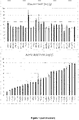
- Dissolved oxygen in aerobic cultures decreased after inoculation for all four yeast strains ( Figure 2 ). After reaching a minimal value (between 15 and 30 hours from the time of inoculation), the DO values gradually increased over time. However, each strain showed a distinctive pattern, which was consistent among replicates, in the evolution of DO during these aerobic fermentation experiments. Strain P1018 was the one showing a faster oxygen consumption in the initial stages of fermentation, with a sharp V-shape curve during the first day of culture, after which its behaviour was closer to the other strains. Sustained oxygen consumption confirms that all four strains were deploying respiro-fermentative metabolism under aerobic conditions.
- PR50 PR117 PR543 PR1018 mean ⁇ std dev mean ⁇ std dev mean ⁇ std dev mean ⁇ std dev % Consumed Sugars
- Acetic acid yield under anaerobic conditions was low for all four strains over time ( Figure 2 ). By day 5, two strains produced significantly higher amounts of acetic acid under aerobic conditions than under anaerobic conditions (Table 2). Strain PR1018 had a remarkably low acetic acid yield during the first days of aerobic fermentation, before sugars were depleted. Commercial strain PR50 showed high acetic acid yield under aerobic conditions, increasing moderately after sugar exhaustion. Strain PR543 had been chosen for this experiment because the low acetic acid yield in the screening in shake flasks. However, this feature could not be confirmed.
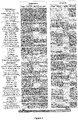
- Isobutanol and linear alcohols showed their highest levels in aerobiosis, while isoamyl alcohols, phenylethanol, and methionol were mostly produced in anaerobiosis ( Figure 3 ).
- Strain PR1018 showed the highest levels of 2-phenylethanol, an interesting aroma compound in wine, under both fermentation conditions.
- PC Principal Component Analysis
- the volatile profile of PR1018 under aerobic conditions is the one falling closer to anaerobic conditions among the yeast strains tested. This suggest that, by using this strain as starter, the impact of aeration on the sensory features of wines might be minimized.
Landscapes
- Life Sciences & Earth Sciences (AREA)
- Chemical & Material Sciences (AREA)
- Engineering & Computer Science (AREA)
- Organic Chemistry (AREA)
- Health & Medical Sciences (AREA)
- Bioinformatics & Cheminformatics (AREA)
- Genetics & Genomics (AREA)
- Mycology (AREA)
- Zoology (AREA)
- Wood Science & Technology (AREA)
- General Health & Medical Sciences (AREA)
- Biochemistry (AREA)
- General Engineering & Computer Science (AREA)
- Biotechnology (AREA)
- Biomedical Technology (AREA)
- Botany (AREA)
- Microbiology (AREA)
- Virology (AREA)
- Tropical Medicine & Parasitology (AREA)
- Medicinal Chemistry (AREA)
- Micro-Organisms Or Cultivation Processes Thereof (AREA)
- Preparation Of Compounds By Using Micro-Organisms (AREA)
Abstract
Description
- The present invention relates to a novel Saccharomyces cerevisiae strain which presents low acetic acid yield under aerobic fermentation processes reducing the ethanol content of wine. The invention belongs to the technical field of microbiology, particularly food microbiology.
- One of the main concerns of the wine industry in the past decades is the steady increase in the alcohol level of wines, which is directly related to the sugar content of the grapes at harvest. One of the main factors driving this problem is the imbalance between the technological, phenolic and aromatic maturity of the grapes due to global climate change, along with consumer preferences for well-structured, full-bodied wines with optimal phenolic maturity (Mira de Orduña, 2010).
- Rising ethanol levels are detrimental for the wine industry in several respects, including public health concerns, a negative impact on the sensory quality of wines, and a growing tax burden in many countries. Researchers are working on different strategies to reduce the ethanol content of wine, spanning from selection of plant material to wine dealcoholisation, and including vineyard and fermentation management. Microbiological approaches are a relevant part of the toolkit currently under consideration; mainly focusing on reducing alcohol yield during fermentation.
- Saccharomyces cerevisiae is widely regarded as the best adapted yeast species for wine fermentation; it is the main species that drives the process in non-inoculated fermentations, and for many decades it was almost the only yeast species marketed as a wine starter culture. Phenotypic variability in ethanol yield for this species is low (Palacios A., et al 2007; Camarasa C., et al 2011); probably due to its high specialization for alcoholic fermentation.
- Biotechnological strategies based on S. cerevisiae to lower ethanol yield focus on modifying metabolic carbon flux of strains already in use. The objective is diverting sugar carbon to the production of other metabolites, mainly through metabolic engineering, but also by adaptive laboratory evolution (reviewed in Tilloy et al 2015).
- The strict regulation of genetically modified organisms (GMOs) for food and beverages applications is not the only constraint to the use of genetic engineering in this context. Indeed, the overproduction of undesired metabolites in many of the recombinant strains obtained so far would preclude any practical use of such yeast strains in winemaking. Adaptive laboratory evolution holds greater application potential and has been successfully employed to redirect metabolic flux to glycerol production in industrial strains of S. cerevisiae (Tilloy et al 2014).
- One way to circumvent the metabolic rigidity of S. cerevisiae in terms of ethanol yield is using strains of other yeast species. In order to ensure complete fermentation of grape must, these new species should typically be used in combination with S. cerevisiae, either in a simultaneous or sequential inoculation (Ciani M., et al 2016). Several authors have indeed explored inter and intraspecific variability in ethanol yields among different species of wine yeasts (Gobbi M., et al 2014, Contreras A., et al 2014; Castellari L., et al 1994; Arroyo-Lopez F.N., et al 2010).
- In order to further divert the yeast metabolism away from ethanol production, it was proposed a few years ago to switch to sugar respiration. The proposed procedure involved using aerobic conditions during the first days of fermentation, to provide the required oxygen, and relied on non-Saccharomyces strains to overcome the Crabtree positive feature of S. cerevisiae (Gonzalez R., et al 2013). Initial strain screening and laboratory trials showed that, despite the Crabtree effect, the ethanol yield of S. cerevisiae was considerably lower under aerobic conditions than under standard wine fermentation conditions (Morales P., et al 2015); which would open the possibility of using S. cerevisiae for alcohol level reduction by respiration. However, their high acetic acid yield under aerobic conditions rendered these strains of S. cerevisiae unsuitable for the process. The use of Crabtree negative non-Saccharomyces yeasts is interesting, but requires optimization of yeast strain production, inoculation strategies, yeast nutrient management, and other process parameters.
- In previous reports, it was shown that some genetic modifications of S. cerevisiae allowed to alleviate the problem of excess volatile acidity under aerobic conditions, making these strains suitable for the reduction of alcoholic strength by respiration (Curiel et al 2016).
- Due to the strict regulation of genetically modified organisms (GMOs) for food and beverages applications and the increase of acetic acid yield under aerobic conditions in a simultaneous inoculation with S. cerevisiae and non-Saccharomyces strains, it is necessary to develop alternative procedures with acceptable acetic acid yield under aerobic fermentation processes in order to reduce the ethanol content of wine.
- The present invention relates to a novel Saccharomyces cerevisiae strain which presents low acetic acid yield under aerobic fermentation processes reducing the ethanol content of wine. This yeast can be employed in winemaking without any regulatory restrictions, resulting in better process simplicity and robustness (single inoculation step and no concerns about sulphite tolerances by non-Saccharomyces strains, or other problems affecting their competitive performance in fermenting grape must).
- The inventors cultivated twenty-six S. cerevisiae strains in natural grape must under aerobic conditions and analyzed the sugar consumption, the ethanol yield, the glycerol yield and acetic acid yield. The inventors selected the S. cerevisiae strains PR117, PR543 and PR1018 with low acetic acid yield (
Figure 1 ) for further characterization, and strain PR50 as an example of a representative S. cerevisiae strain showing elevated acetic acid production under aerobic conditions. - The inventors carried out fermentation experiments in bioreactors with a constant gas flow (N2 or air) for comparing the ethanol and acetic acid yields between aerobic and anaerobic conditions. The ethanol yield of all four strains was consistently lower under aerobic than under anaerobic conditions. For the same growth condition, all strains showed very similar values (ethanol yield in aerobiosis was 0.27-0.30g/g, Table 2) (
Figure 2 ). - Strain S. cerevisiae PR1018 (with deposit number CECT 13195) had a remarkably low acetic acid yield during the first days of aerobic fermentation (
Figure 2 ). The production of acetaldehyde and its acetal derivatives was higher under aerobic conditions, but significantly lower for strain S. cerevisiae PR1018 (CECT 13195) than for the other three strains (Figure 3 ). The volatile profile of PR1018 under aerobic conditions is the one falling closer to anaerobic conditions among the yeast strains tested (Figure 4 ). - The strain S. cerevisiae PR1018 (CECT 13195) shows the features that make it interesting candidate for low alcohol winemaking under aerobic conditions minimizing the impact of aeration on the sensory features of wines.
- A first aspect of the present invention related to a Saccharomyces cerevisiae strain with deposit number CECT 13195, hereinafter the "strain of the invention" or "CECT 13195 strain" or "PR1018 strain".
- Said strain was deposited by Consejo Superior de Investigaciones Científicas (CSIC) on 27 October 2020 under the Budapest Treaty with the Spanish Type Culture Collection (CECT) and assigned deposit number CECT13195. The address of said international deposit Authority is Edificio 3 CUE, Parc Científic Universitat de Valencia, Catedrático Agustín Escardino 9, 46980 Paterna (Valencia), Spain.
- Saccharomyces cerevisiae is a species of yeast (single-celled fungus microorganisms). The species has been instrumental in winemaking, baking, and brewing since ancient times. It is the microorganism behind the most common type of fermentation. It belongs to superkingdom, Eukaryota; clade, Opisthokonta; kingdom, Fungi; subkingdom, Dikarya; phylum, Ascomycota; clade, Saccharomyceta; subphylum, Saccharomycotina; class, Saccharomycetes; order, Saccharomycetales; family, Saccharomycetaceae; and genus, Saccharomyces. The novel S. cerevisiae CECT 13195 (S. cerevisiae PR1018) has been isolated from grape must, presents low acetic acid yield under aerobic fermentation processes, enabling its use to reduce the ethanol content of wine.
- Another aspect of the present invention relates to a strain derived from the S. cerevisiae CECT 13195, wherein said strain maintains or improves the capabilities described throughout the present invention. The microorganism derived can be naturally occurring or produced intentionally by mutagenesis methods known in the prior art such as, but not limited to, growth of the original microorganism in the presence of mutagenic agents or stressors, or directed genetic engineering of specific genes. According to a preferred embodiment, the strain derived from the S. cerevisiae CECT 13195 strain is a genetically modified mutant. The terms "mutant strain" or "derived strain" can be used interchangeably.
- The S. cerevisiae CECT 13195 strain or any mutant or derivative thereof may be used in any way to exert the effects described, for example, according to a preferred embodiment of the present invention, the S. cerevisiae CECT 13195 strain is formed of viable cells (cultivable or uncultivable).
- Hereinafter, any of the strains of the previously described species S. cerevisiae (S. cerevisiae CECT 13195 strain or any mutant or derivative thereof) may be referred to as the "strain of the present invention" or the "strain of the invention."
- Another aspect of the present invention relates to a composition, hereinafter the "composition of the invention", comprising the strain of the invention.
- The composition, generally defined, is a set of components which is formed at least by the strain of the invention at any concentration.
- According to the invention, the previous composition may further comprise at least one additional microorganism other than the strain of the invention. In a preferred embodiment of the invention, the additional microorganism is a Saccharomyces strain and/or Non-Saccharomyces strain. For example, but not limited to, the additional microorganism that may form part of said composition is selected from: Metschnikowia pulcherrima, Torulaspora delbrueckii, Hanseniaspora uvarum, Lachancea thermotolerans, Candida sake, Kluyveromyces lactis, Pichia fermentans, Starmerella bombicola, Starmerella bacillaris.
- Optionally, the composition according to any of those defined above may further comprise at least one additive. Thus, in a preferred embodiment the composition of the invention further comprises at least one additive.
- The term "additive" relates to a compound, substance, solution, product which can improve, enhance or supplement the activity of a strain of the species S. cerevisiae and preferably the S. cerevisiae CECT 13195 strain object of the invention, or which is added to fermented beverages by a S. cerevisiae strain, preferably the S. cerevisiae CECT 13195 strain object of the invention, in order to improve or preserve the taste, appearance, freshness and quality, maintaining its chemical and organoleptic properties. Examples of additive include, without limitation to, food ingredients or components (poly-unsaturated fatty acids, conjugated linoleic acid, prebiotics, fibre, guar gum, glucomannan, chitosan, copper, calcium, etc.), plants or plant extracts or components (polyphenols, argan oil, clarification proteins), and chemicals or enzymes (sulfiting agents, lysozyme, glycosidases, pectinases, hemicellulases).
- Fermented beverages are produced following the fermentation of sugars by yeasts, mainly strains of the species Saccharomyces cerevisiae. In the presence of sugars, together with other essential nutrients such as amino acids, minerals and vitamins, S. cerevisiae will conduct fermentative metabolism to ethanol and carbon dioxide. As described previously, the strain S. cerevisiae PR1018 (CECT 13195) shows the features that make it interesting candidate for low alcohol beverages making under aerobic conditions minimizing the impact of aeration on the sensory features of beverages.
- Thus, another aspect of the invention relates to the use of the strain of the invention and/or the composition of the invention or any previously defined combination thereof, hereinafter the "use of the invention", for fermented beverages production.
- The term "fermented beverages" or "alcoholic fermented beverages", used interchangeably in the present invention, refers to beverages or drinks produced by or which have undergone, a process of fermentation of sugars by yeasts, mainly by Saccharomyces cerevisiae. In the presence of sugars S. cerevisiae will conduct fermentative metabolism to ethanol. Examples of fermented beverages (but not spirituous or distilled liquors) include, without limitation to, beer, wine, vinegar, champagne, cava, sake and cider.
- In a preferred embodiment of the use of the invention, the fermented beverage is selected of the list consisting of: wine, beer, champagne, cava, sake and cider.
- In other preferred embodiment of the use of the invention, the fermented beverage is wine.
- Fermented beverages are produced following the fermentation of sugars to ethanol by yeasts, mainly strains of the species Saccharomyces cerevisiae. As described previously, the strain S. cerevisiae PR1018 (CECT 13195) produces low alcohol beverages making under aerobic conditions.
- Thus, other aspect of the invention relates to a method for fermented beverages production, hereinafter the "method of the invention", which comprises:
- (i) inserting the strain of the invention and/or the composition of the invention in a sugar-containing solution, and
- (ii) incubating the sugar-containing solution obtained in (i) at a temperature between 8ºC and 35ºC during 2 to 10 days under aerobic conditions, obtaining a partially or fully fermented sugar-containing solution, wherein the sugar-containing solution of step (i) comprises a hexose content between 15-35% and the fermented sugar-containing solution obtained in step (ii) comprises a residual hexose content between 0 to 10%.
- The term "fermented beverages" and the strain, the cellular constituents, metabolites, molecules secreted by the strain and the composition of the invention, which have been defined in previous paragraphs of the present document, apply in the same way to this aspect of the invention, as well as all its particular embodiments (alone or in combination).
- The term "sugar-containing solution" used herein, refers to a juice, nectar, must, squeezed, solution or extract which comprises high sugar content, typically between 10 and 40%, from variety of sugar-containing materials like cereals, fruits and vegetable juices, tea, and milk. The amount of sugar in must indicates the amount of alcohol that could be produced if it is all fermented to alcohol, rather than left as residual sugar. For example, the fermented beverages obtained from different sources are beer from barley, kefir from milk, wine from grapes, cider from apples, sake from rice, mead from honey.
- So, in a preferred embodiment of the method of the invention the fermented beverage is selected of the list consisting of: wine, beer, sparkling wine, sake and cider. In other preferred embodiment of the method of the invention the fermented beverage is wine.
- Fermented beverages may be made from a variety of sugar-containing solutions like cereals, fruits and vegetable juices, tea, and milk, preferably cereals or fruit. Examples of cereals include, without limitation to, rice, oats, barley, wheat, rye, corn and sorghum. Examples of fruits include, without limitation to, grape, apple, pear, pineapple, orange, melon, cherry, strawberry, peach, raspberry, durian, blackberry, orange, pomegranate, kiwi, tangerine, pear, peach and apricot.
- In other more preferred embodiment of the method of the invention, the sugar-containing solution is a must, particularly is grape must. In other even more preferred embodiment of the method of the invention, the must is white, rose, or red must or grape mass.
- In other even more preferred embodiment of the method of the invention, the white must is of Vitis vinifera varieties, preferably of Malvasia, Viura, White Grenache, White Tempranillo, White Maturana, Turruntes, Chardonay, Sauvignon Blanc, Albariño, Gewürztraminer, Moscatel, Verdejo, Riesling, Viognier, Chenin Blanc, Xarello, Palomino, Airen, Godello, Pinot Grigio or Semillon.
- In other even more preferred embodiment of the method of the invention, the red grape mass is of Vitis vinifera varieties, preferably of Tempranillo, Red Maturana, Mazuelo, Grenache, Graciano, Cabernet Sauvignon, Pinot Noir, Pinot Meunier, Merlot, Syrah, Sangiovese, Bobal, Monastrell, Cariñena, Nebbiolo, Tanat, Carménère, Malbec, Gamay, Mencía, or Cabernet franc.
- As understood by a skilled person in the art, the sugar-containing solution or sugary starting materials may require preparation processes before fermentation process. Examples of these preparation processes include, without limitation to: enzymatic process, hydrolysis process, filtration process, squeezing process, pressing process, destemming, cold maceration, carbonic maceration, thermal treatment, nitrogen source correction, total acidity correction, deoxygenation, or macrooxygenation.
- The sugar-containing solution of the step (i) method of the invention comprises a hexose content between 15-35%. The term "hexose content" used herein refers to the amount, quantity or proportion of a hexose, monosaccharide (simple sugar) with six carbon atoms, contained in the sugar-containing solution in step (i). Examples of hexose include, without limitation to, allose, altrose, glucose, fructose, mannose, gulose, idose, galactose, talose, psicose, fructose, sorbose, tagatose, their isomers or enantiomers and any combination thereof. In a preferred embodiment of the method of the invention, the hexose is an equimolar mixture of glucose and fructose.
- The hexose content in step (i) of the method of the invention is between 15-35%. In a preferred embodiment of the method of the invention, the hexose content is between 20 to 30%, preferably 22 to 28%. In another preferred embodiment, the hexose content is 23%, 24%, 25%, 26% or 27%, preferably the hexose content is 25%.
- In the method of the invention, after inserting the strain of the invention, and/or the composition of the invention in a sugar-containing solution, the must obtained is incubated at a temperature between 8ºC and 35 ºC during 2 to 10 days, under aerobic conditions.
- In a preferred embodiment of the method of the invention, the temperature of step (ii) is between 15ºC and 35ºC. In other preferred embodiment of the method of the invention, the temperature is between 18ºC and 30ºC. In other more preferred embodiment of the method of the invention, the temperature is 18ºC, 19ºC, 20ºC, 21ºC, 22ºC, 23ºC, 24ºC, 25ºC, 26ºC, 27ºC, 28ºC, 29ºC or 30ºC, preferably the temperature is 25ºC.
- In other preferred embodiment of the method of the invention, the incubation period of the step (ii) is during 3, 4, 5, 6, 7, 8 or 9, preferably is 5 days.
- The term "aerobic conditions" used herein, refers to growth in an oxygenated environment, i.e. fermentation in the presence of an active supply of oxygen (or air). Examples of methods for obtaining the aerobic conditions or oxygen supply include, without limitation to, bubbling, gas flow, or pumping over.
- In other preferred embodiment of the method of the invention, the aerobic conditions of step (ii) comprise a constant gas flow with compressed air at 1 to 20 VVH (volumes of air per volume of liquid per hour), preferably the air flow is 10 VVH.
- In the method of the invention, after of the step (ii) incubating the strain and/or the composition of the invention in a sugar-containing solution under aerobic conditions, is obtained a partially or fully fermented sugar-containing solution.
- The term "fermented sugar-containing solution" used herein, refers to a solution, juice, nectar, must, squeezed or extracted which is obtained in a fermentation process wherein the initial amount of sugar has been partially or fully fermented to alcohol. As understood by a skilled person in the art, the fermented sugar-containing solution may comprise residual sugar content, preferably residual hexose content.
- In the method of the invention, the fermented sugar-containing solution obtained in step (ii) comprises a residual hexose content between 0 to 10%.
- When, after incubating the sugar-containing solution, a partially fermented sugar-containing solution is obtained in step (ii), alternatively the method of the invention, comprises a step (iii) incubating the partially fermented sugar-containing solution obtained in (ii) under anaerobic conditions at a temperature between 8ºC and 35ºC, until sugar exhaustion. It is routine practice for a person skilled in the art to determine the sugar exhaustion in the solution.
- The term "partially fermented sugar-containing solution" used herein, refers to a solution, juice, nectar, must, squeezed or extracted which comprises low sugar content (as residual sugar), which is obtained in a partial fermentation process wherein the initial amount of sugar has not been fully fermented to alcohol.
- The temperature conditions have been defined in previous paragraphs of the present document, apply in the same way to this step (iii) of the method of the invention, as well as all its particular embodiments (alone or in combination).
- The term "anaerobic conditions" used herein, refers to growth in a non-oxygenated environment, i.e. fermentation in the absence of an active supply of oxygen (or air). Examples of methods for obtaining the anaerobic conditions include, without limitation to, adjustable vat, nitrogen sparging or static incubation of large volumes.
- By means of the method of the invention a fermented beverage with reduced ethanol content and low acetic acid yield under aerobic fermentation is obtained. So, other aspect of the invention is the fermented beverage with reduced ethanol content obtained by the method of the invention, hereinafter the "fermented beverage of the invention".
- In a preferred embodiment the fermented beverage of the invention comprises an alcoholic or ethanol degree (% v/v) ranges between 1 to 15 %v/v, more preferably ranges between 3 to 12 %v/v. In another preferred embodiment the fermented beverage is 4%v/v, 4.5%v/v, 5%v/v, 5.5%v/v, 6%v/v, 6.5%v/v, 7%v/v, 7.5%v/v, 8%v/v, 8.5%v/v, 9%v/v, 9.5%v/v, 10%v/v, 10.5%v/v, 11%v/v, or 11.5%v/v.
- The term "fermented beverages" and the method of the invention, which have been defined in previous paragraphs of the present document, apply in the same way to this aspect of the invention, as well as all its particular embodiments (alone or in combination).
- In a preferred embodiment of the invention the fermented beverage with reduced ethanol content is selected of the list consisting of: wine, beer, sparkling wines, sake and cider. In other preferred embodiment of the invention the fermented beverage is wine with reduced ethanol content.
- Throughout the description and claims the word "comprises" and its variants are not intended to exclude other technical features, additives, components or steps. For persons skilled in the art, other objects, advantages and features of the invention will become apparent partly from the description and partly from the practice of the invention. The following figures and examples are provided by way of illustration, and are not intended to be limiting of the present invention.
-
-
Figure 1 . Measure of main fermentation parameters of cultures of Saccharomyces cerevisiae after 4 days of growth on sterilised natural must (sugars 220 g/L). Black bars, wild isolates; white bars, commercial strains. -
Figure 2 . Measure of dissolved oxygen and main fermentation parameters of selected strains of Saccharomyces cerevisiae on sterilised natural must (sugars 220g/L) in bioreactors, in aerobiosis and in anaerobiosis. Codes for strains and aeration are included. All results shown are the average of three biological replicates. -
Figure 3 . Heatmap of yield of volatile compounds found in cultures in bioreactors. Greyscale is stablished for each compound between maximal and minimal values. -
Figure 4 . Principal component analysis based on volatile compounds presented inFig. 3 for S. cerevisiae strains under two different aeration conditions. Air conditions, white circles; nitrogen conditions, grey circles. - Twenty-six Saccharomyces cerevisiae strains were used, nine of them are commercial wine yeast starters, and 17 of them are wild isolates from the PRICVV collection (PR collection of the "Instituto de Ciencias de la Vid y del Vino") (Table 1). Yeasts were maintained at 4°C on YPD plates (2% glucose, 2% peptone, 1% yeast extract and 2% agar), as well as in glycerol stocks at -80°C. Inocula were grown on YPD for 48h at 25°C, washed and resuspended in water. Natural white must from the 2019 harvest was kept frozen. The must contained 220g/L of sugar and 186mg/L yeast assimilable nitrogen. Enough volume for each experiment was thawed and pasteurized. Pasteurization consisted of heating to 105°C and then allowing it to cool down inside the closed autoclave.
Table 1. Saccharomyces cerevisiae strains Code Isolated from PR49 Pedro Ximenes grapes PR50 Commercial wine starter PR55 Commercial wine starter PR112 Commercial wine starter PR117 Spontaneous "pris de mouse" PR221 Concentrated grape must PR543 Commercial wine starter PR699 Tempranillo juice PR807 White grape juice PR902 Red grape juice PR913 Red grape juice PR988 Tempranillo juice PR996 Cabernet Sauvignon juice PR1002 Cabernet Sauvignon juice PR1006 Tempranillo juice PR1018 Cabernet Sauvignon juice PR1021 Tempranillo juice PR1040 Tempranillo juice PR1046 Cabernet Sauvignon juice PR1156 Unknown (laboratory contaminant) PR1269 Commercial wine starter PR1270 Commercial wine starter PR1271 Commercial wine starter PR1272 Commercial wine starter PR1273 Commercial wine starter - All experiments were performed in triplicate. For fermentation in shake flasks (100mL nominal volume) these were filled with 20mL pasteurized grape must, inoculated at 0.2 final OD600, capped with aluminium foil, and incubated at 25°C 180 rpm. After 4 days, samples were withdrawn, centrifuged, and supernatants were kept frozen for HPLC analysis.
- For bioreactor assays, batch cultures were performed using Applikon MiniBio bioreactors (250mL nominal volume), equipped with Peltier refrigerated gas condensers. Bioreactors were filled with 150mL of pasteurized natural white grape must, and 200µL of antifoam 204 (Sigma-Aldrich, Spain). Temperature was set to 25°C and stirring to 1000 rpm. The cultures were sparged (with compressed air or pure nitrogen) at 25mL/min (10 VVH). Gas flow was controlled with MFC17 mass flow controllers (Aalborg Instruments and Controls, Inc., Orangeburg, NY), whose calibration was regularly verified with an electronic flowmeter (Agilent Technologies, Santa Clara, CA). Bioreactors were inoculated to 0.2 final OD600 with independent inocula prepared as described above. During the experiment, 1mL samples were collected at the designated times for HPLC analysis; as well as an additional 10mL final sample for the analysis of volatile compounds. Samples were centrifuged and supernatants were kept frozen for chromatographic analyses.
- The concentration of glucose, fructose, glycerol, ethanol, and acetic acid was determined using a Surveyor Plus liquid chromatograph (Thermo Fisher Scientific, Waltham, MA) equipped with a refraction index and a photodiode array detector (Surveyor RI Plus and Surveyor PDA Plus, respectively) on a 300 × 7.7 mm PL Hi-Plex H+ (8 µm particle size) column (Agilent Technologies, Santa Clara, CA) and 4 x 3 mm ID Carbo-H guard (Phenomenex, Torrance, CA). The column was maintained at 50°C and 1.5mM H2SO4 was used as the mobile phase at a flow rate of 0.6mL/min. Prior to injection in duplicate, the samples were filtered through 0.22µm pore size nylon filters (Micron Analitica).
- Samples for gas chromatography-mass spectrometry (GC-MS) analysis contained 1800µL of the original sample in a final volume of 2000µL, completed with ethanol and water to get the same amount of ethanol in all simples, 1g NaCl, and 20µL internal standard, in 20 mL flasks. Internal standard contained 1000 ppm each of 4-methyl 2-pentanol and heptanoic acid, and 100 ppm each of ethyl nonanoate and 1-nonanol, in water, prepared from 10000 ppm individual solutions in ethanol. Sample was preincubated for 10 min at 45ºC, followed by 30 min at 45ºC with 50/30µm DBV/CAR/PDMS SPME fiber (Stableflex, SUPELCO, Bellefonte, PA). Fiber was desorbed for 5 min at 250ºC.
- GC-MS was carried out in a Thermo TRACE GC Ultra apparatus coupled to a Thermo ISQ mass detector, equipped with a Thermo TriPlus autosampler. Gas chromatography was carried in a Thermo Scientific fused-silica capillary column TG-WAXMS A (30m long; 0.25mm OD; 0.25µm film thickness). Chromatographic conditions were as follows: 5 min at 40ºC, 3ºC/min up to 200ºC, 15ºC/min up to 240ºC, 10 min at 240ºC. Helium was used as carrier gas at a flow rate of 1mL/min, operating in split mode (ratio 30). Total analysis time was 71 min. Detection was performed with the mass spectrometer operating in the Full Scan mode (dwell time 500ms), with 70eV ionization energy, and source and quadrupole temperatures of 250ºC. Detection was stopped during the time interval for ethanol elution. Peak identification was made by comparison of ion spectra with NIST mass spectral library. For each compound, including internal standards, the sum of the areas of the peaks of selected characteristic ions was obtained.
- The levels and yield on substrate of the main fermentation metabolites and volatile compounds were compared by one-way analysis of variance. Comparison of means was carried by Tukey test. All analyses were performed using SPSS Statistics v.25 program (IBM, Armonk, NY, United States).
- Twenty-six S. cerevisiae strains were grown for 4 days in natural grape must under aerobic conditions, in triplicate. For operational reasons, the strains had to be distributed into two batches. Strain PR50 was included in both batches and was treated as different strains for the analyses (noted as PR50R1 and PR50R2 in the figures). Statistical analysis showed no differences between repetitions of PR50 for any of the parameters studied.
- Sugar consumption varied between 52% and 75% of the original content. The four strains showing the lowest sugar consumption were wild isolates, whereas the four strains with the highest levels of sugars consumed were commercial strains.
- The ethanol yield (g of ethanol produced per g of sugars consumed) determined under these experimental conditions ranged from 0.28 g/g for strain PR699 to 0.40 g/g for strain PR49 (
Figure 1 ). The highest value is far below 0.45 g/g, a typical value for anaerobic conditions. This could be partly due to alcohol stripping, but also probably to yeast respiratory metabolism under aerobic conditions. Anyway, the ethanol yield found in this experiment involves a significant reduction in wine alcohol content compared to anaerobic conditions. - Glycerol yields ranged from 31 to 79 mg/g (
Figure 1 ). Wild strain PR699 was significantly the highest glycerol producer. The difference in glycerol yield partly but not fully explain those in ethanol yields between the lowest and highest ethanol producing strains (PR699 and PR49, respectively). A relation of 2.5x was found between the highest and the lowest values of glycerol yield, similar to the variability found for glycerol production under anaerobic conditions. - The most variable parameter in this analysis was acetic acid yield, spanning almost one log unit, between 0.93 and 8.64mg/g, for strains PR117 and PR221 respectively (
Figure 1 ). Interestingly, some of the strains show very low acetic acid yield under these experimental conditions, similar (or lower) to those typically found for commercial S. cerevisiae strains under anaerobic conditions. Among the three strains showing the lowest acetic acid yields, we found one commercial wine yeast strain PR543 and two wild isolates PR117 and PR1018. - The three strains with lower acetic acid production, one commercial wine yeast strain, PR543, and two wild isolates, PR117 and PR1018, were selected for further characterization. Strain PR50 was used as an example of a representative S. cerevisiae strain showing elevated acetic acid production under aerobic conditions. Fermentation experiments were carried out in bioreactors with a constant gas flow (N2 or air). Using the same gas flow for aerobic and anaerobic conditions contributed to equalize ethanol stripping and allowed for better comparison of ethanol yields between aerobic and anaerobic conditions.
- Dissolved oxygen in aerobic cultures decreased after inoculation for all four yeast strains (
Figure 2 ). After reaching a minimal value (between 15 and 30 hours from the time of inoculation), the DO values gradually increased over time. However, each strain showed a distinctive pattern, which was consistent among replicates, in the evolution of DO during these aerobic fermentation experiments. Strain P1018 was the one showing a faster oxygen consumption in the initial stages of fermentation, with a sharp V-shape curve during the first day of culture, after which its behaviour was closer to the other strains. Sustained oxygen consumption confirms that all four strains were deploying respiro-fermentative metabolism under aerobic conditions. - Respiro-fermentative metabolism under aerobic conditions was also supported by comparing ethanol yields between aerobic and anaerobic conditions for each yeast strain (
Figure 2 ). The ethanol yield of all four strains was consistently lower under aerobic than under anaerobic conditions. For the same growth condition, all strains showed very similar values. Byday 5, ethanol yield under anaerobiosis was 0.38-0.40g/g. This value is lower than 0.45 g/g, typical value for anaerobic cultures, probably due to ethanol stripping through nitrogen flow. Ethanol yield in aerobiosis was 0.27-0.30g/g for the same sample point (Table 2). This value is significantly below that for anaerobic conditions (about 25% lower), indicating that a substantial fraction of sugar metabolism was diverted from ethanol to other carbon sinks, presumably through respiratory metabolism.Table 2. Consumed sugars and yields of main fermentation metabolites on consumed sugars on day 5 after inoculation, in sterilized natural must in anaerobic (10 VVH N2) and in aerobic (10 VVH air) conditions of strains grown in bioreactors. Capital letters in the same row indicate statistical differences (p ≤ 0.05).PR50 PR117 PR543 PR1018 mean ± std dev mean ± std dev mean ± std dev mean ± std dev % Consumed Sugars N2 83,34 ± 0,95 B 43,84 ± 2,63 A 96,49 ± 1,64 C 81,93 ± 0,72 B Air 77,70 ± 1,23 B 69,20 ± 1,03 A 77,37 ± 1,44 B 90,40 ± 0,63 C Glycerol Yield (mg/g) N2 52,09 ± 2,01 A 79,54 ± 4,08 C 55,62 ± 2,59 A 65,47 ± 2,63 B Air 32,39 ± 1,08 A 50,96 ± 0,50 D 40,75 ± 1,98 C 37,64 ± 0,39 B Acetic Acid Yield (mg/g) N2 0,22 ± 0,02 A 0,24 ± 0,01 A 0,58 ± 0,05 B 0,41 ± 0,17 AB Air 5,34 ± 0,65 B 0,47 ± 0,02 A 6,70 ± 1,47 B 0,23 ± 0,01 A Ethanol Yield (g/g) N2 0,39 ± 0,00 AB 0,40 ± 0,00 AB 0,40 ± 0,00 B 0,38 ± 0,01 A Air 0,27 ± 0,01 A 0,28 ± 0,00 AB 0,29 ± 0,00 B 0,30 ± 0,01 C - The response of sugar consumption to differences in oxygen availability was opposite for the two wild strains (PR117 and PR1018), showing faster sugar consumption under aerobic conditions; or the commercial strains (PR50 and PR543), which consumed it faster under anaerobic conditions (
Figure 2 ). Strain PR117 consumed sugars more slowly than the others, and after 11 days residual sugars for this strain were 2.67g/L in aerobiosis but 22.48 g/L in anaerobiosis. Strains PR1018 and PR50 finished sugars in 7 days in anaerobiosis; whereas in aerobiosis PR1018 took only 6 days, and PR50 took longer than in anaerobiosis. Strain PR543 depleted sugars in 6 days in anaerobiosis. In aerobiosis sugar consumption was arrested afterday 5, leaving more than 43g/L residual sugars. Slow sugar consumption precludes commercial application of strains PR543 and PR117 under fermentation conditions leading to reduced ethanol yield. - For each strain, the glycerol yield was higher in anaerobiosis than in aerobiosis (Table 2). In all cases, it decreased with time till sugar exhaustion (
Figure 2 ). This is most probably due to glycerol being mostly produced during the first stages of fermentation under both aerobic and anaerobic conditions (Table 2). - Acetic acid yield under anaerobic conditions was low for all four strains over time (
Figure 2 ). Byday 5, two strains produced significantly higher amounts of acetic acid under aerobic conditions than under anaerobic conditions (Table 2). Strain PR1018 had a remarkably low acetic acid yield during the first days of aerobic fermentation, before sugars were depleted. Commercial strain PR50 showed high acetic acid yield under aerobic conditions, increasing moderately after sugar exhaustion. Strain PR543 had been chosen for this experiment because the low acetic acid yield in the screening in shake flasks. However, this feature could not be confirmed. - The profile of volatile compounds was rather different between aerobic and anaerobic conditions for all four strains (
Figure 3 ). Compounds that were more abundant under aerobic conditions include carbonyl compounds and compounds containing a dioxane or dioxolane ring. Other groups of compounds did not respond homogenously to oxygenation, with compound concentrations varying in one direction or the other. There were also compounds showing a different response to aeration, depending on the yeast strain. - The production of acetaldehyde and its acetal derivatives was higher under aerobic conditions, but significantly lower for strain PR1018 than for the other three strains (
Figure 3 ). The result was similar for acetoin and diacetyl. In contrast, this strain (PR1018) showed the highest levels of 2,3-butanediol among the four strains under aerobic conditions. Ethyl acetate levels also increased with aeration, as carbonyl compounds. The highest values for this compound were found for strain PR543 (Figure 3 ). - Three additional acetate esters were quantified from these fermentation experiments. Isobutyl acetate was detected only under aerobic conditions, and only for strains PR50, PR543 and PR1018 (
Figure 3 ). Isoamyl acetate and phenylethyl acetate were more abundant under anaerobic conditions for all strains. The highest levels of the three esters under aerobic conditions were found for the PR1018 strain, and the lowest ones for the PR117 strain. PR543 was the strain showing the highest concentration of ethyl esters, both under aerobic and anaerobic fermentation conditions. - Isobutanol and linear alcohols showed their highest levels in aerobiosis, while isoamyl alcohols, phenylethanol, and methionol were mostly produced in anaerobiosis (
Figure 3 ). Strain PR1018 showed the highest levels of 2-phenylethanol, an interesting aroma compound in wine, under both fermentation conditions. - In summary, the impact of oxygenation on the production of these families of compounds depended on the yeast strain and the specific compound, with instances of both higher and lower production under aerobic conditions. All detected compounds containing a dioxane or dioxolane ring clearly increased in response to aeration (
Figure 3 ). Compounds of this family had been previously associated with the oxidation of wines. This increase was observed for all four strains, but the lowest levels under aerobic conditions were found for strain PR1018. This is in agreement with the lower levels of acetaldehyde also observed for this strain under the same fermentation conditions (Figure 3 ). Acetaldehyde is one of the compounds involved in the formation of dioxolane ring containing molecules, together with wine diols. - A Principal Component Analysis (PC) performed using the data in
Figure 3 was performed. A total of 7 Principal Components were obtained. PC1 explained 46%, and PC2 a 19% of the variance. A representation of samples in the plane defined by PC1 and PC2 as variables shows that PC1 clearly separates aerobic from anaerobic samples (Figure 4 ). According to this plot, among aerobic cultures those of strain PR1018 are closer to anaerobic cultures than any other strain, mostly due to the low levels of acetaldehyde and related compounds, as well as dioxane/dioxolane ring molecules. Other molecules defining aerobic fermentations, like propanol and butanol are also lower for PR1118 aerobic cultures. These data also point to PR1018 as a strain especially useful for aerobic fermentations resulting in lower ethanol but similar sensory profile as standard winemaking conditions. - The phenotypic analysis under aerobic conditions of this collection of S. cerevisiae strains has shown a relative homogeneity of S. cerevisiae isolates in some fermentation parameters, with ethanol yield being the most homogeneous one. Indeed, ethanol yield in this species seems to be much more dependent on growth conditions than on the specific strain. However, acetic acid yield showed the highest diversity, with almost one order of magnitude between the extreme values.
- Oxygenation of grape must during fermentation results in clearly reduced ethanol yields (about 25% lower for bioreactors flushed with air as compared to those flushed with nitrogen). This fact, combined with the identification of PR1018 S. cerevisiae strain, that shows very low volatile acidity during aerobic fermentation, opens the way to use S. cerevisiae for alcohol level reduction in wines.
- The high impact of oxygen availability on yeast metabolism goes beyond respiration, ethanol yield, or acetic acid yield; and its influence on the profile of volatile compounds is especially relevant for winemaking. In the selection of novel S. cerevisiae wine yeasts, compatible with aerobic fermentation, it must be considered that differences in aeration regimes can lead to very significant differences in fermentation output. Nevertheless, the behaviour of PR1018, was consistent across different aerobic conditions, showing high promise for industrial application.
- Furthermore, the volatile profile of PR1018 under aerobic conditions is the one falling closer to anaerobic conditions among the yeast strains tested. This suggest that, by using this strain as starter, the impact of aeration on the sensory features of wines might be minimized.
Claims (14)
- A Saccharomyces cerevisiae strain with deposit number CECT 13195.
- A strain derived from the strain according to claim 1.
- The strain derived according to claim 2, wherein said strain is a genetically modified mutant.
- The strain according to any one of claims 1 to 3, wherein said strain is in the form of viable cells.
- A composition comprising the strain according to any of claims 1 to 4.
- Composition according to claim 5, wherein it further comprises at least an additive.
- Use of the strain according to any one of claims 1 to 4 or the composition according to claim 5 or 6 for fermented beverages production.
- Use according to claim 7 wherein the fermented beverage is selected of the list consisting of: wine, beer, sparkling wine, sake and cider, preferably the fermented beverage is wine.
- A method for fermented beverages production which comprises:(i) inserting the strain according to any one of claims 1 to 4 and/or the composition according to claim 5 or 6 in a sugar-containing solution, and(ii) incubating the sugar-containing solution obtained in (i) at a temperature between 8ºC and 35ºC during 2 to 10 days, under aerobic conditions, obtaining a partially or fully fermented sugar-containing solution,wherein the sugar-containing solution of step (i) comprises a hexose content between 15-35% and the fermented sugar-containing solution obtained in step (ii) comprises a residual hexose content between 0 to 10%.
- The method according to claim 9 wherein fermented beverage is selected of the list consisting of: wine, beer, sparkling wine, sake and cider, preferably is wine.
- The method according to claims 9 or 10 wherein the sugar-containing solution is grape must.
- The method according to any one of claims 9 to 11 wherein the temperature of step (ii) is 25ºC.
- The method according to any one of claims 10 to 13 wherein the aerobic conditions of step (ii) comprise a constant gas flow with compressed air at 1 to 20 VVH, preferably is 10 VVH.
- The method according to any one of claims 10 to 13 further comprises a step (iii) incubating the partially fermented sugar-containing solution obtained in (ii) under anaerobic conditions at a temperature between 8ºC and 35ºC, until sugar exhaustion.
Priority Applications (2)
| Application Number | Priority Date | Filing Date | Title |
|---|---|---|---|
| EP20383032.8A EP4006140A1 (en) | 2020-11-27 | 2020-11-27 | A saccharomyces cerevisiae strain and its use for production of reduced-alcohol wine |
| PCT/EP2021/082606 WO2022112214A2 (en) | 2020-11-27 | 2021-11-23 | A saccharomyces cerevisiae strain and its use for production of reduced-alcohol wine |
Applications Claiming Priority (1)
| Application Number | Priority Date | Filing Date | Title |
|---|---|---|---|
| EP20383032.8A EP4006140A1 (en) | 2020-11-27 | 2020-11-27 | A saccharomyces cerevisiae strain and its use for production of reduced-alcohol wine |
Publications (1)
| Publication Number | Publication Date |
|---|---|
| EP4006140A1 true EP4006140A1 (en) | 2022-06-01 |
Family
ID=73654762
Family Applications (1)
| Application Number | Title | Priority Date | Filing Date |
|---|---|---|---|
| EP20383032.8A Withdrawn EP4006140A1 (en) | 2020-11-27 | 2020-11-27 | A saccharomyces cerevisiae strain and its use for production of reduced-alcohol wine |
Country Status (2)
| Country | Link |
|---|---|
| EP (1) | EP4006140A1 (en) |
| WO (1) | WO2022112214A2 (en) |
-
2020
- 2020-11-27 EP EP20383032.8A patent/EP4006140A1/en not_active Withdrawn
-
2021
- 2021-11-23 WO PCT/EP2021/082606 patent/WO2022112214A2/en not_active Ceased
Non-Patent Citations (4)
| Title |
|---|
| AXELLE CADIÈRE ET AL: "Evolutionary engineered wine yeast strains with increased flux through the pentose phosphate pathway", METABOLIC ENGINEERING, ACADEMIC PRESS, US, vol. 13, no. 3, 26 January 2011 (2011-01-26), pages 263 - 271, XP028197944, ISSN: 1096-7176, [retrieved on 20110205], DOI: 10.1016/J.YMBEN.2011.01.008 * |
| AXELLE CADIÈRE ET AL: "Pilot-scale evaluation the enological traits of a novel, aromatic wine yeast strain obtained by adaptive evolution", FOOD MICROBIOLOGY, vol. 32, no. 2, 1 December 2012 (2012-12-01), pages 332 - 337, XP055067209, ISSN: 0740-0020, DOI: 10.1016/j.fm.2012.07.010 * |
| JOSÉ ANTONIO CURIEL ET AL: "Identification of target genes to control acetate yield during aerobic fermentation with Saccharomyces cerevisiae", MICROBIAL CELL FACTORIES, vol. 15, no. 1, 1 December 2016 (2016-12-01), XP055606815, DOI: 10.1186/s12934-016-0555-y * |
| TILLOY VALENTIN ET AL: "Reducing alcohol levels in wines through rational and evolutionary engineering of Saccharomyces cerevisiae", INTERNATIONAL JOURNAL OF FOOD MICROBIOLOGY, ELSEVIER BV, NL, vol. 213, 2 July 2015 (2015-07-02), pages 49 - 58, XP029291754, ISSN: 0168-1605, DOI: 10.1016/J.IJFOODMICRO.2015.06.027 * |
Also Published As
| Publication number | Publication date |
|---|---|
| WO2022112214A2 (en) | 2022-06-02 |
| WO2022112214A3 (en) | 2022-07-21 |
Similar Documents
| Publication | Publication Date | Title |
|---|---|---|
| Benito et al. | Quality and composition of Airén wines fermented by sequential inoculation of Lachancea thermotolerans and Saccharomyces cerevisiae | |
| Suárez-Lepe et al. | New trends in yeast selection for winemaking | |
| del Monaco et al. | Selection and characterization of a Patagonian Pichia kudriavzevii for wine deacidification | |
| Moreno-Arribas et al. | Winemaking biochemistry and microbiology: current knowledge and future trends | |
| Viana et al. | Rational selection of non-Saccharomyces wine yeasts for mixed starters based on ester formation and enological traits | |
| KR101542446B1 (en) | Flavour promoted distilled spirit using yeast saccharomyces cerevisiae 88-4 | |
| Satora et al. | Influence of selected Saccharomyces and Schizosaccharomyces strains and their mixed cultures on chemical composition of apple wines | |
| Patrignani et al. | Characterisation of yeast microbiota, chemical and sensory properties of organic and biodynamic Sangiovese red wines | |
| KR101788295B1 (en) | Fermentation method of wine by sequential inoculation of Lactobacillus plantarum JH287 followed by Saccharomyces cereivisiae cells | |
| Patil et al. | Production, optimization, and characterization of sugarcane (Saccharum officinarum)–papaya (Carica papaya) wine using Saccharomyces cerevisiae | |
| Zhu et al. | Combined indigenous yeast strains produced local wine from over ripen Cabernet Sauvignon grape in Xinjiang | |
| SchvarczovÁ et al. | Selection of autochthonous Saccharomyces cerevisiae strains for production of typical Pinot Gris wines. | |
| Fiore et al. | Comparison between yeasts from grape and agave musts for traits of technological interest | |
| Alfonzo et al. | Use of grape racemes from Grillo cultivar to increase the acidity level of sparkling base wines produced with different Saccharomyces cerevisiae strains | |
| Kourkoutas et al. | High-temperature wine making using the thermotolerant yeast strain Kluyveromyces marxianus IMB3 | |
| Yuan et al. | Mixed fermentation innovation: Manipulating nitrogen and carbon levels for organoleptic masking of undesirable green character attributed to 3-isobutyl-2-Methoxypyrazine in wines | |
| MX2009014243A (en) | Processes for increasing the fermentative capacity of non-saccharomyces yeasts. | |
| Nurgel et al. | Yeast flora during the fermentation of wines made from Vitis vinifera L. cv. Emir and Kalecik Karasi grown in Anatolia | |
| WO2022112214A2 (en) | A saccharomyces cerevisiae strain and its use for production of reduced-alcohol wine | |
| González García et al. | A saccharomyces cerevisiae strain and its use for production of reduced-alcohol wine | |
| Bertazzoli et al. | Influence of Fermentation Temperature and Metschnikowia pulcherrima/Saccharomyces cerevisiae Multi-Starter Cultures on the Volatile Compounds of Lugana Wine | |
| Prakitchaiwattana et al. | De-acidification of fresh whole pineapple juice wine by secondary malolactic fermentation with lactic acid bacteria. | |
| Yoncheva et al. | Alcoholic Fermentation, Chemical Composition and Organoleptic Profile of Spontaneously Fermented White and Red Wines | |
| Maicas et al. | The Life of Saccharomyces and Non-Saccharomyces Yeasts in Drinking Wine. Microorganisms 2023, 11, 1178 | |
| VLADEI et al. | ASSESSMENT OF GRAPES INDIGENOUS MICROBIOME FROM “ȘTEFAN VODĂ” PROTECTED GEOGRAPHICAL INDICATION. |
Legal Events
| Date | Code | Title | Description |
|---|---|---|---|
| PUAI | Public reference made under article 153(3) epc to a published international application that has entered the european phase |
Free format text: ORIGINAL CODE: 0009012 |
|
| STAA | Information on the status of an ep patent application or granted ep patent |
Free format text: STATUS: EXAMINATION IS IN PROGRESS |
|
| 17P | Request for examination filed |
Effective date: 20211015 |
|
| AK | Designated contracting states |
Kind code of ref document: A1 Designated state(s): AL AT BE BG CH CY CZ DE DK EE ES FI FR GB GR HR HU IE IS IT LI LT LU LV MC MK MT NL NO PL PT RO RS SE SI SK SM TR |
|
| GRAP | Despatch of communication of intention to grant a patent |
Free format text: ORIGINAL CODE: EPIDOSNIGR1 |
|
| STAA | Information on the status of an ep patent application or granted ep patent |
Free format text: STATUS: GRANT OF PATENT IS INTENDED |
|
| INTG | Intention to grant announced |
Effective date: 20220819 |
|
| STAA | Information on the status of an ep patent application or granted ep patent |
Free format text: STATUS: THE APPLICATION IS DEEMED TO BE WITHDRAWN |
|
| 18D | Application deemed to be withdrawn |
Effective date: 20230103 |