EP4005581A1 - Hypericum japonicum thunb. extract and application thereof in preparation of anti-novel coronavirus drug - Google Patents
Hypericum japonicum thunb. extract and application thereof in preparation of anti-novel coronavirus drug Download PDFInfo
- Publication number
- EP4005581A1 EP4005581A1 EP21800969.4A EP21800969A EP4005581A1 EP 4005581 A1 EP4005581 A1 EP 4005581A1 EP 21800969 A EP21800969 A EP 21800969A EP 4005581 A1 EP4005581 A1 EP 4005581A1
- Authority
- EP
- European Patent Office
- Prior art keywords
- extract
- ethanol
- herba hyperici
- water
- hyperici japonici
- Prior art date
- Legal status (The legal status is an assumption and is not a legal conclusion. Google has not performed a legal analysis and makes no representation as to the accuracy of the status listed.)
- Withdrawn
Links
Images


Classifications
-
- A—HUMAN NECESSITIES
- A61—MEDICAL OR VETERINARY SCIENCE; HYGIENE
- A61K—PREPARATIONS FOR MEDICAL, DENTAL OR TOILETRY PURPOSES
- A61K36/00—Medicinal preparations of undetermined constitution containing material from algae, lichens, fungi or plants, or derivatives thereof, e.g. traditional herbal medicines
- A61K36/18—Magnoliophyta (angiosperms)
- A61K36/185—Magnoliopsida (dicotyledons)
-
- A—HUMAN NECESSITIES
- A61—MEDICAL OR VETERINARY SCIENCE; HYGIENE
- A61P—SPECIFIC THERAPEUTIC ACTIVITY OF CHEMICAL COMPOUNDS OR MEDICINAL PREPARATIONS
- A61P31/00—Antiinfectives, i.e. antibiotics, antiseptics, chemotherapeutics
- A61P31/12—Antivirals
- A61P31/14—Antivirals for RNA viruses
-
- A—HUMAN NECESSITIES
- A61—MEDICAL OR VETERINARY SCIENCE; HYGIENE
- A61K—PREPARATIONS FOR MEDICAL, DENTAL OR TOILETRY PURPOSES
- A61K36/00—Medicinal preparations of undetermined constitution containing material from algae, lichens, fungi or plants, or derivatives thereof, e.g. traditional herbal medicines
- A61K36/18—Magnoliophyta (angiosperms)
- A61K36/185—Magnoliopsida (dicotyledons)
- A61K36/28—Asteraceae or Compositae (Aster or Sunflower family), e.g. chamomile, feverfew, yarrow or echinacea
-
- A—HUMAN NECESSITIES
- A61—MEDICAL OR VETERINARY SCIENCE; HYGIENE
- A61K—PREPARATIONS FOR MEDICAL, DENTAL OR TOILETRY PURPOSES
- A61K36/00—Medicinal preparations of undetermined constitution containing material from algae, lichens, fungi or plants, or derivatives thereof, e.g. traditional herbal medicines
- A61K36/18—Magnoliophyta (angiosperms)
- A61K36/185—Magnoliopsida (dicotyledons)
- A61K36/38—Clusiaceae, Hypericaceae or Guttiferae (Hypericum or Mangosteen family), e.g. common St. Johnswort
-
- A—HUMAN NECESSITIES
- A61—MEDICAL OR VETERINARY SCIENCE; HYGIENE
- A61K—PREPARATIONS FOR MEDICAL, DENTAL OR TOILETRY PURPOSES
- A61K2236/00—Isolation or extraction methods of medicinal preparations of undetermined constitution containing material from algae, lichens, fungi or plants, or derivatives thereof, e.g. traditional herbal medicine
- A61K2236/30—Extraction of the material
- A61K2236/33—Extraction of the material involving extraction with hydrophilic solvents, e.g. lower alcohols, esters or ketones
- A61K2236/333—Extraction of the material involving extraction with hydrophilic solvents, e.g. lower alcohols, esters or ketones using mixed solvents, e.g. 70% EtOH
-
- A—HUMAN NECESSITIES
- A61—MEDICAL OR VETERINARY SCIENCE; HYGIENE
- A61K—PREPARATIONS FOR MEDICAL, DENTAL OR TOILETRY PURPOSES
- A61K2236/00—Isolation or extraction methods of medicinal preparations of undetermined constitution containing material from algae, lichens, fungi or plants, or derivatives thereof, e.g. traditional herbal medicine
- A61K2236/30—Extraction of the material
- A61K2236/39—Complex extraction schemes, e.g. fractionation or repeated extraction steps
-
- A—HUMAN NECESSITIES
- A61—MEDICAL OR VETERINARY SCIENCE; HYGIENE
- A61K—PREPARATIONS FOR MEDICAL, DENTAL OR TOILETRY PURPOSES
- A61K2236/00—Isolation or extraction methods of medicinal preparations of undetermined constitution containing material from algae, lichens, fungi or plants, or derivatives thereof, e.g. traditional herbal medicine
- A61K2236/50—Methods involving additional extraction steps
- A61K2236/51—Concentration or drying of the extract, e.g. Lyophilisation, freeze-drying or spray-drying
-
- A—HUMAN NECESSITIES
- A61—MEDICAL OR VETERINARY SCIENCE; HYGIENE
- A61K—PREPARATIONS FOR MEDICAL, DENTAL OR TOILETRY PURPOSES
- A61K2236/00—Isolation or extraction methods of medicinal preparations of undetermined constitution containing material from algae, lichens, fungi or plants, or derivatives thereof, e.g. traditional herbal medicine
- A61K2236/50—Methods involving additional extraction steps
- A61K2236/53—Liquid-solid separation, e.g. centrifugation, sedimentation or crystallization
-
- A—HUMAN NECESSITIES
- A61—MEDICAL OR VETERINARY SCIENCE; HYGIENE
- A61K—PREPARATIONS FOR MEDICAL, DENTAL OR TOILETRY PURPOSES
- A61K2236/00—Isolation or extraction methods of medicinal preparations of undetermined constitution containing material from algae, lichens, fungi or plants, or derivatives thereof, e.g. traditional herbal medicine
- A61K2236/50—Methods involving additional extraction steps
- A61K2236/55—Liquid-liquid separation; Phase separation
Definitions
- the experimental materials include: quercitrin, isoquercitrin and quercetin of which the specific dilution rates or concentrations are shown in Table 4; Vero E6 cells, which are preserved in the viral laboratory of the respiratory disease national key laboratory of the Guangzhou Respiratory Health Research Institute; and a virus SARS-CoV-2, which has a titer TCID 50 of 10 -6 /100 ⁇ L and is preserved in the national bio-safety detection key laboratory (P3 laboratory) of the Guangzhou Customs Technology Center Health Inspection and Quarantine Research Institute at the temperature of -80°C.
Landscapes
- Health & Medical Sciences (AREA)
- Life Sciences & Earth Sciences (AREA)
- Natural Medicines & Medicinal Plants (AREA)
- Pharmacology & Pharmacy (AREA)
- Chemical & Material Sciences (AREA)
- Veterinary Medicine (AREA)
- Public Health (AREA)
- General Health & Medical Sciences (AREA)
- Medicinal Chemistry (AREA)
- Animal Behavior & Ethology (AREA)
- Virology (AREA)
- Botany (AREA)
- Engineering & Computer Science (AREA)
- Epidemiology (AREA)
- Microbiology (AREA)
- Medical Informatics (AREA)
- Biotechnology (AREA)
- Alternative & Traditional Medicine (AREA)
- Mycology (AREA)
- Communicable Diseases (AREA)
- Molecular Biology (AREA)
- Oncology (AREA)
- Chemical Kinetics & Catalysis (AREA)
- General Chemical & Material Sciences (AREA)
- Nuclear Medicine, Radiotherapy & Molecular Imaging (AREA)
- Organic Chemistry (AREA)
- Pharmaceuticals Containing Other Organic And Inorganic Compounds (AREA)
- Medicines Containing Plant Substances (AREA)
Abstract
Description
- The present invention relates to a herba hyperici japonici extract and a medicinal application thereof.
- The 2019 novel coronavirus belongs to a β coronavirus and has an envelope, and the 2019 novel coronavirus particles are of a circle or oval shape, are commonly pleomorphic and have the diameter of 60 to 140nm. The gene characteristics of the 2019 novel coronavirus have the obvious differences from SARS-CoV and MERS-CoV. The 2019 novel coronavirus is spread via respiratory droplets and close contact. Main manifestations of infected and diseased patients are fever, dry cough and fatigue, a few patients are accompanied by symptoms of nasal congestion, runny nose, sore throat, myalgia, diarrhea and the like. Severe patients often suffer from dyspnea and/or hyoxemia one week after incidence, and serious patients can be rapidly progressed to the acute respiratory distress syndrome, sepsis shock, irreformable metabolic acidosis, coagulation disorders, the multiple organ failure and the like. Since the outbreak of the epidemic at the end of 2019, the global death toll has exceeded 1 million. However, currently, there are no specific drugs or vaccines for the virus, and it is mainly depended on improvement of autoimmunity. Traditional Chinese medicine has featured advantages in the prevention and treatment of infectious diseases, and discovery on anti-novel coronavirus Chinese herbal medicinal ingredients has an important effect in resisting the novel coronavirus.
- Herba hyperici japonici is also named as hypericum japonicum, has other folk names of Xiaoyuanbaocao (a Chinese herbal medicine of which the leaves look a bit like those of hypericum sampsonii hance, but smaller than those of hypericum sampsonii hance), stellaria alsine, sweetscented basil and the like, and is dry herb of hypericum japomicum thumb. Herba hyperici japonici is originally recorded in "Raw Herbal Property Compilation" written by Kejian He in Qing Dynasty, and is widely distributed in Yangtze River basin and areas south of Yangtze River, and the original plant is mainly produced in Guangdong, Guangxi, Sichuan, Guizhou, Jiangxi and the like. Currently, various chemical components such as chromenes, dipeptides, xanthones, phloroglucinol derivatives, flavonoids and the like have been separated and identified from this plant. The modern pharmacological effect research shows that herba hyperici japonici has various pharmacological effects of inhibiting bacteria, resisting viruses, resisting the liver injury, resisting oxidization, inhibiting cancer cells and the like.
- The present invention aims to provide a herba hyperici japonici extract, and discloses application thereof to preparation of an anti-novel coronavirus drug.
- The herba hyperici japonici extract provided by the present invention is prepared by the following method:
preparing a water extract of a herba hyperici japonici medicinal material, loading the water extract onto a macroporous resin column, sequentially carrying out elution by water, 20% ethanol and 60% ethanol, collecting 60% ethanol eluate, and concentrating and recovering ethanol to obtain the herba hyperici japonici extract. - An elution method preferably includes: loading the water extract onto the macroporous resin column, sequentially carrying out elution by the water and the 20% ethanol of which the volumes are 8 to 12 times of the column volume, and then carrying out elution by the 60% ethanol of which the volume is 3 to 7 times of the column volume. And the elution method most preferably includes: sequentially carrying out elution by the water and the 20% ethanol of which the volumes are 10 times of the column volume, and then carrying out elution by the 60% ethanol of which the volume is 5 times of the column volume.
- A preparation method of the water extract of the herba hyperici japonici medicinal material may include: carrying out water decoction and extraction on the herba hyperici japonici medicinal material according to a material-to-liquid ratio of 1:10 for 2 to 3 times for 0.5 to 1 hour, and filtering to obtain the water extract. The extraction times are preferably three times, and the time is preferably 0.5 hour.
- By experiments, a result shows that the herba hyperici japonici extract has the obvious inhibiting effect on the cytopathic effect caused by Vero E6 cells infected with novel coronavirus (SARS-CoV-2) within a concentration range of 18.75 to 75µg/mL. The herba hyperici japonici extract is expected to be used for preventing and treating novel coronavirus (SARS-CoV-2) infection.
- The herba hyperici japonici extract provided by the present invention mainly contains flavonoid ingredients such as quercitrin, isoquercitrin, vincetoxicoside B, quercetin and the like, by measurement on monomeric compounds, both the vincetoxicoside B and the quercetin have a certain effect of resisting the 2019 novel coronavirus, and the effect of resisting this virus is not detected in the quercitrin and the isoquercitrin. Compared with the effects of the vincetoxicoside B and quercetin monomeric compounds, the effect of the extract is obviously reinforced; it is prompted that the effect of resisting this virus is not detected in the compounds of the quercitrin and the isoquercitrin, but when the quercitrin and the isoquercitrin are used together with the vincetoxicoside B and the quercetin, all the compounds may take some synergistic effects together, so that the activity strength of the vincetoxicoside B and the quercetin is improved.
-
-
Fig. 1 is an HPLC spectrum of a water extract of herba hyperici japonici; -
Fig. 2 is an HPLC spectrum of a water elution part of the water extract of herba hyperici japonici; -
Fig. 3 is an HPLC spectrum of a 20% ethanol elution part of the water extract of herba hyperici japonici; -
Fig. 4 is an HPLC spectrum of a 60% ethanol elution part of the water extract of herba hyperici japonici; -
Fig. 5 is an HPLC spectrum of isoquercitrin; -
Fig. 6 is an HPLC spectrum of quercitrin; -
Fig. 7 is an HPLC spectrum of vincetoxicoside B; -
Fig. 8 is an HPLC spectrum of quercetin; -
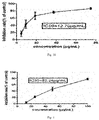
Fig. 9 is a curve diagram of a result of an anti-novel coronavirus pharmaceutical effect of the vincetoxicoside B; -
Fig. 10 is a curve diagram of a result of an anti-novel coronavirus pharmaceutical effect of a herba hyperici japonici extract; and -
Fig. 11 is a curve diagram of a novel coronavirus pharmaceutical effect detection result of the quercetin. - The present invention will be further illustrated below in combination with specific embodiments.
- 1kg of a herba hyperici japonici medicinal material is taken and is subjected to water decoction and extraction for three times, water of which the amount is 10 times of that of the herba hyperici japonici medicinal material is used and the extraction time is 0.5 hour each time, filtering is carried out, the obtained filtrate is naturally cooled, the cooled filtrate is loaded onto a D101 macroporous resin column (containing 1,000g of resin), elution is sequentially carried out by water and 20% ethanol of which the volumes are 10 times of the column volume, then elution is carried out by 60% ethanol of which the volume is 5 times of the column volume, eluate of each part is respectively collected, concentration is carried out, ethanol is recovered, and freeze-drying is carried out to obtain a herba hyperici japonici extract.
- Each elution part and each reference substance are respective prepared into solutions with proper concentration (16µg/ml to 60µg/ml), and the solutions are filtered by a 0.45µm filter membrane for later use.
- A chromatographic column is an octadecyl bonded silica gel column; a PDA detector is adopted; a mobile phase is an acetonitrile and 0.1% phosphoric acid solution, and linear gradient (concentration of acetonitrile is changed from 5% to 27%) elution is carried out for 0 to 100min; the flow rate is 0.1ml/min; and the detection wavelength is 350nm, and the sample amount is 10µl. The obtained HPLC spectra are as shown in
Fig. 1 to Fig. 8 . - Experimental Objective: the anti-novel-coronavirus (SARS-CoV-2) effect of a drug is evaluated at a cellular level.
- Experimental Materials: the experimental materials include: the herba hyperici japonici extract obtained after each elution part is freeze-dried in Embodiment 1; vincetoxicoside B, which is obtained from a water extract of herba hyperici japonici by column chromatography and has a purity of greater than 95% and the concentration is shown in Table 1; Vero E6 cells, which are preserved in the viral laboratory of the respiratory disease national key laboratory of the Guangzhou Respiratory Health Research Institute; and a virus SARS-CoV-2, which has a titer TCIDso of 10-6/100 µL and is preserved in the BSL-3 laboratory of the Guangzhou Customs Technology Center (the highly pathogenic microorganism research laboratory of the the respiratory disease national key laboratory) at the temperature of -80°C. The used virus titer is 100TCID50.
- Experimental Method: an aseptic 96-well culture plate is adopted, 100µL of Vero E6 cells with the concentration of 2×10⁵ cells/mL is added into each well, and the cells are cultured at 37°C and 5% CO2 for 24 hours; for the culture plate in experimental groups and a virus control group, 100µL of 100TCID50 virus solution is added per well, and after adsorption is carried out for 2h at the temperature of 37°C in a 5% CO2 incubator, a cell culture solution in the 96-well culture plate is discarded; tested drugs are diluted into each concentration in Table 1, three complex wells are used for each concentration, and 100µl of drug liquid is added into each well; cell control, blank control (solvent control), and virus control (negative control) are simultaneously set; cells are incubated for 3 to 4 days at the temperature of 37°C in the 5% CO2 incubator; and the cytopathic effect (CPE) is observed under an optical microscope, and the cytopathic degree is recorded according to the following 6 grades of standards that: "-" represents no cytopathy; "±" represents that cytopathy is smaller than 10%; "+" represents cytopathy is about 25%; "+ +" represents that cytopathy is about 50%; "+ + +" represents cytopathy is about 75%; and "+ + + +" represents that cytopathy is 75% or above. The half effective concentration (IC50) is calculated by adopting a Reed-Muench method or GraphPad Prism5.0. The pharmaceutical effect judgement standard is that: the concentration of inhibiting the CPE of the virus by 50% is regarded as an effective concentration. All the experimental operations above are completed in the BSL-3 laboratory.
Table 1 Drug Name, Experimental Concentration and Groups Groups Concentration (µg/mL) Experimental Group 1 vincetoxicoside B 60, 30, 15, 7.5 Experimental Group 2 water eluted extract 75, 37.5, 18.75, 9.375, 4.6875 Experimental Group 3 20% ethanol eluate 75, 37.5, 18.75, 9.375, 4.6875 Experimental Group 4 60% ethanol eluate 75, 37.5, 18.75, 9.375, 4.6875 Virus Control Group SARS-CoV-2 virus solution 100 TCIDso per well Cell Control culture medium - Experimental Results: the cytopathic effect (CPE) is observed, the experimental results are recorded, the half effective concentration (IC50) is calculated by adopting the Reed-Muench method or GraphPad Prism5.0, and the experimental results are shown in Table 2, Table 3,
Fig. 9 andFig. 10 .Table 2 Results of Anti-novel coronavirus Pharmaceutical Effect of Vincetoxicoside B Drug Concentration (µg/mL) Inhibition Rate (%) 60.00 80.00±5.00 30.00 38.33±10.41 15.00 23.33±2.89 7.5 11.67±2.89 - The experimental results show that the vincetoxicoside B has the inhibiting effect on the cytopathic effect caused by the Vero E6 cells infected with novel coronavirus (SARS-CoV-2) under the maximum non-cytotoxic concentration of 60µg/mL.
Table 3 Results of Anti-novelcoronavirus Pharmaceutical Effect of Herba Hyperici Japonici Extract Drug Concentration (µg/mL) Inhibition Rate (%) 75.00 86.67±2.89 37.50 76.67±2.89 18.75 66.67±10.41 9.375 43.33±11.55 4.6875 16.67±7.64 - The experimental results show that the herba hyperici japonici extract has the obvious inhibiting effect on the cytopathic effect caused by the Vero E6 cells infected with novel coronavirus (SARS-CoV-2) within a concentration range of 18.75 to 75µg/mL.
- The water eluate and 20% ethanol eluate obtained after the water extract of herba hyperici japonici is loaded onto a column are concentrated and freeze-dried, and the obtained extracts have no anti-virus effect.
- The results show that the herba hyperici japonici extract obtained by carrying out elution with 60% ethanol after the water extract of herba hyperici japonici is loaded onto the column has the obvious inhibiting effect on the cytopathic effect caused by the Vero E6 cells infected with the novel coronavirus (SARS-CoV-2), and is obviously superior to the ingredient vincetoxicoside B contained in the herba hyperici japonici.
-
I. Experimental Objective:
During the epidemic emergency, the anti-novel coronavirus (SARS-CoV-2) effect of a drug is evaluated at a cellular level.
II. Experimental Materials:
The experimental materials include: quercitrin, isoquercitrin and quercetin of which the specific dilution rates or concentrations are shown in Table 4; Vero E6 cells, which are preserved in the viral laboratory of the respiratory disease national key laboratory of the Guangzhou Respiratory Health Research Institute; and a virus SARS-CoV-2, which has a titer TCID50 of 10-6/100 µL and is preserved in the national bio-safety detection key laboratory (P3 laboratory) of the Guangzhou Customs Technology Center Health Inspection and Quarantine Research Institute at the temperature of -80°C. The used virus titer is 100TCID50.
III. Experimental Method:
1. Tested DrugsTable 4 Drug Name, Experimental Concentration and Groups Groups Concentration (µg/mL) Experimental Group 1 quercitrin 200, 100, 50, 25 Experimental Group 2 isoquercitrin 100, 50, 25, 12.5 Experimental Group 3 quercetin 100, 50, 25, 12.5 Virus Control SARS-CoV-2 virus 100 TCID50 per well Group solution Cell Control culture medium
2. Anti-virus Experiments of Tested Drugs
An aseptic 96-well culture plate is adopted, 100µL of Vero E6 cells with the concentration of 2×10⁵ cells/mL is added into each well, and the cells are cultured at 37°C and 5% CO2for 24 hours; for the culture plate in experimental groups and a virus control group, 100µL of 100TCID50 virus solution is added per well, and adsorption is carried out for 2h at the temperature of 37°C in a 5% CO2 incubator; after 2h, a cell culture solution in the 96-well culture plate is discarded; tested drugs are diluted into each concentration in Table 1, three complex wells are used for each concentration, and 100µl of drug liquid is added into each well; cell control, blank control (solvent control), and virus control (negative control) are simultaneously set; cells are incubated for 3 to 4 days at the temperature of 37°C in the 5% CO2 incubator; and the cytopathic effect (CPE) is observed under an optical microscope, and the cytopathic degree is recorded according to the following 6 grades of standards that: "-" represents no cytopathy; "±" represents that cytopathy is smaller than 10%; "+" represents cytopathy is about 25%; "+ +" represents that cytopathy is about 50%; "+ + +" represents cytopathy is about 75%; and "+ + + +" represents that cytopathy is 75% or above. The half effective concentration (IC50) is calculated by adopting a Reed-Muench method or GraphPad Prism8.0. The pharmaceutical effect judgement standard is that: the concentration of inhibiting the CPE of the virus by 50% is regarded as an effective concentration.
3. Experimental Conditions: all the experimental operations above are completed in a BSL-3 laboratory.
IV. Experimental Results
The cytopathic effect (CPE) is observed, the experimental results are recorded, the half effective concentration (IC50) is calculated by adopting the Reed-Muench method or GraphPad Prism8.0, and the experimental results are shown in Table 5 andFig. 11 .Table 5 Results of Anti-novel coronavirus Pharmaceutical Effect of Quercetin Drug Concentration (µg/mL) Inhibition Rate (%) 100 78.33±2.89 50 46.67±5.77 25 21.67±2.89 12.5 3.33±2.89 - The results show that quercetin has the inhibiting effect on the cytopathic effect caused by the Vero E6 cells infected with the novel coronavirus (SARS-CoV-2) in vitro, but both quercitrin and isoquercitrin do not have the inhibiting effect on the novel coronavirus.
Claims (6)
- A herba hyperici japonici extract, characterized by being prepared by the following method of: preparing a water extract of a herba hyperici japonici medicinal material, loading the water extract onto a macroporous resin column, sequentially carrying out elution by water, 20% ethanol and 60% ethanol, collecting 60% ethanol eluate, and concentrating and recovering ethanol to obtain the herba hyperici japonici extract.
- The extract of claim 1, characterized in that elution comprises the specific steps of: loading the water extract onto the macroporous resin column, sequentially carrying out elution by the water and the 20% ethanol of which the volumes are 8 to 12 times of the column volume, and then carrying out elution by the 60% ethanol of which the volume is 3 to 7 times of the column volume.
- The extract of claim 2, characterized in that elution comprises the specific steps of: loading the water extract onto the macroporous resin column, sequentially carrying out elution by the water and the 20% ethanol of which the volumes are 10 times of the column volume, and then carrying out elution by the 60% ethanol of which the volume is 5 times of the column volume.
- The extract of claim 1, characterized in that a preparation method of the water extract comprises: carrying out water decoction and extraction on the herba hyperici japonici medicinal material according to a material-to-liquid ratio of 1:10 for 2 to 3 times for 0.5 to 1 hour, and filtering to obtain the water extract.
- The extract of claim 1, characterized in that the preparation method of the extract specifically comprises: carrying out water decoction and extraction on the herba hyperici japonici medicinal material according to a material-to-liquid ratio of 1:10 for 3 times for 0.5 hour, and carrying out filtering and natural cooling; and loading the water extract onto the macroporous resin column, sequentially carrying out elution by the water and the 20% ethanol of which the volumes are 10 times of the column volume, and then carrying out elution by the 60% ethanol of which the volume is 5 times of the column volumm, collecting the 60% ethanol eluate, and concentrating and recovering ethanol to obtain the herba hyperici japonici extract.
- Application of the extract of any one of claims 1 to 5 to preparation of an anti-2019 novel coronavirus drug.
Applications Claiming Priority (2)
| Application Number | Priority Date | Filing Date | Title |
|---|---|---|---|
| CN202011106518.5A CN112263598A (en) | 2020-10-17 | 2020-10-17 | Herba Hyperici Japonici extract and its application in preparing medicine for resisting novel coronavirus |
| PCT/CN2021/073297 WO2022077795A1 (en) | 2020-10-17 | 2021-02-02 | Hypericum japonicum thunb. extract and application thereof in preparation of anti-novel coronavirus drug |
Publications (2)
| Publication Number | Publication Date |
|---|---|
| EP4005581A1 true EP4005581A1 (en) | 2022-06-01 |
| EP4005581A4 EP4005581A4 (en) | 2022-11-30 |
Family
ID=74338920
Family Applications (1)
| Application Number | Title | Priority Date | Filing Date |
|---|---|---|---|
| EP21800969.4A Withdrawn EP4005581A4 (en) | 2020-10-17 | 2021-02-02 | HYPERICUM JAPONICUM THUNB EXTRACT. AND ITS APPLICATION IN THE PREPARATION OF A NEW MEDICINE AGAINST CORONAVIRUS |
Country Status (3)
| Country | Link |
|---|---|
| EP (1) | EP4005581A4 (en) |
| CN (1) | CN112263598A (en) |
| WO (1) | WO2022077795A1 (en) |
Families Citing this family (5)
| Publication number | Priority date | Publication date | Assignee | Title |
|---|---|---|---|---|
| CN112263598A (en) * | 2020-10-17 | 2021-01-26 | 中山大学 | Herba Hyperici Japonici extract and its application in preparing medicine for resisting novel coronavirus |
| CN113101310B (en) * | 2021-03-26 | 2022-09-23 | 香港科技大学 | Medicine for preventing and/or treating coronavirus infection and preparation method thereof |
| CN113476487B (en) * | 2021-08-10 | 2022-06-10 | 中山大学 | Application of hypericum japonicum thunb extract in preparation of anti-blue-ear disease drugs |
| CN114099559A (en) * | 2021-12-09 | 2022-03-01 | 中山大学 | Application of hypericum japonicum extract in preparation of anti-influenza B virus medicine |
| CN115920059B (en) * | 2023-02-20 | 2023-05-26 | 广东金骏康生物技术有限公司 | FXR receptor inhibition composition, preparation method and application thereof in prevention and treatment of coronavirus |
Family Cites Families (8)
| Publication number | Priority date | Publication date | Assignee | Title |
|---|---|---|---|---|
| CN1320891C (en) * | 2004-12-24 | 2007-06-13 | 中山大学 | A kind of Tianjihuang extract and its preparation method and application |
| CN101744794A (en) * | 2008-12-08 | 2010-06-23 | 上海四埃美微科技有限公司 | New natural hypericin antiviral drug |
| CN105106252A (en) * | 2015-08-13 | 2015-12-02 | 华润三九医药股份有限公司 | Method for extracting and separating flavonoid compounds from hypericum japonicum |
| CN105853928A (en) * | 2016-05-24 | 2016-08-17 | 南京市妇幼保健院 | Medicine composition for treating intrahepatic cholestasis of pregnancy and preparation method thereof |
| US10729735B1 (en) * | 2016-09-14 | 2020-08-04 | Phoenix Biotechnology, Inc. | Method and compostitions for treating coronavirus infection |
| CN111514251A (en) * | 2020-06-01 | 2020-08-11 | 楚雄彝族自治州中医医院 | A medicine for treating viral respiratory infection and pneumonia |
| CN111773282A (en) * | 2020-06-09 | 2020-10-16 | 广东金骏康生物技术有限公司 | Medicine and food dual purpose Chinese medicinal preparation and its application |
| CN112263598A (en) * | 2020-10-17 | 2021-01-26 | 中山大学 | Herba Hyperici Japonici extract and its application in preparing medicine for resisting novel coronavirus |
-
2020
- 2020-10-17 CN CN202011106518.5A patent/CN112263598A/en not_active Withdrawn
-
2021
- 2021-02-02 WO PCT/CN2021/073297 patent/WO2022077795A1/en not_active Ceased
- 2021-02-02 EP EP21800969.4A patent/EP4005581A4/en not_active Withdrawn
Also Published As
| Publication number | Publication date |
|---|---|
| CN112263598A (en) | 2021-01-26 |
| EP4005581A4 (en) | 2022-11-30 |
| WO2022077795A1 (en) | 2022-04-21 |
Similar Documents
| Publication | Publication Date | Title |
|---|---|---|
| BUT et al. | Antiviral amentoflavone from Selaginella sinensis | |
| Murali et al. | Anti—chikungunya activity of luteolin and apigenin rich fraction from Cynodon dactylon | |
| WO2022077795A1 (en) | Hypericum japonicum thunb. extract and application thereof in preparation of anti-novel coronavirus drug | |
| WO2021213058A1 (en) | Application of traditional chinese medicine composition in preparation of drugs for treating or preventing infection with coronaviruses | |
| CN105770207B (en) | Viola yedoensis makino extract and application thereof | |
| CN107737201B (en) | Antiviral application of cloverleaf extract | |
| CN111150755B (en) | Traditional Chinese medicine composition for preventing and treating viral diseases and application thereof | |
| CN111961022B (en) | A kind of biflavonoid compound with neuroprotective effect and its extraction and separation method | |
| CN101669979A (en) | Artemisia scoparia extractive and production method and applications thereof | |
| CN104382968B (en) | Andrographis paniculata lactone extraction method, andrographis paniculata total lactone pharmaceutical composition and use | |
| Bagde et al. | Effects of plant metabolites on the growth of COVID-19 (Coronavirus Disease-19) including omicron strain | |
| US20170281704A1 (en) | Anti dengue activity of cissampelos pareira extracts | |
| CN116585295B (en) | Application of Nanshan flower root extract in the treatment of pulmonary fibrosis | |
| JP5770702B2 (en) | Cold prevention and treatment composition | |
| CN104248654B (en) | The application of karanjin or Indian beech extract in anti-influenza virus medicament | |
| CN108403858B (en) | Callicarpa nudiflora extract composition for treating hand-foot-and-mouth disease and application thereof | |
| CN107468682A (en) | Application of the mangiferin in antiviral drugs is prepared | |
| US20080102140A1 (en) | Use of solidago virgaurea in the treatment and prevention of viral infections | |
| CN103735599B (en) | Herba laggera extract and application in anti-Alphavirus flu pharmaceutical for the composition | |
| Ke et al. | Optimization of Extraction Process of Total Flavonoids from Loquat Leaves and Its Protective Effect on H9C2 Cells in Hypoxia Injury | |
| CN108392530B (en) | Use of Huangqin Decoction and its equivalent components in enhancing the sensitivity of colon cancer to irinotecan chemotherapy | |
| Shabani et al. | Investigating the mechanism of action of SARS-CoV-2 virus for drug designing | |
| CN114766519B (en) | Use of scutellaria baicalensis extract as a deoxynivalenol production inhibitor | |
| CN115282187B (en) | Application of traditional Chinese medicine combination extract in preparation of medicine for preventing or treating pseudorabies virus or porcine epidemic diarrhea virus infection | |
| Nandakumar et al. | Phytochemical Analysis and Cellular Uptake Study of an Ayurvedic Formulation, Vyaghryadi Kashayam Used in the Clinical Management of COVID-19. |
Legal Events
| Date | Code | Title | Description |
|---|---|---|---|
| STAA | Information on the status of an ep patent application or granted ep patent |
Free format text: STATUS: UNKNOWN |
|
| STAA | Information on the status of an ep patent application or granted ep patent |
Free format text: STATUS: THE INTERNATIONAL PUBLICATION HAS BEEN MADE |
|
| PUAI | Public reference made under article 153(3) epc to a published international application that has entered the european phase |
Free format text: ORIGINAL CODE: 0009012 |
|
| STAA | Information on the status of an ep patent application or granted ep patent |
Free format text: STATUS: REQUEST FOR EXAMINATION WAS MADE |
|
| 17P | Request for examination filed |
Effective date: 20211115 |
|
| AK | Designated contracting states |
Kind code of ref document: A1 Designated state(s): AL AT BE BG CH CY CZ DE DK EE ES FI FR GB GR HR HU IE IS IT LI LT LU LV MC MK MT NL NO PL PT RO RS SE SI SK SM TR |
|
| A4 | Supplementary search report drawn up and despatched |
Effective date: 20221102 |
|
| RIC1 | Information provided on ipc code assigned before grant |
Ipc: A61K 36/28 20060101ALI20221025BHEP Ipc: A61K 36/38 20060101ALI20221025BHEP Ipc: A61P 31/14 20060101ALI20221025BHEP Ipc: A61K 36/185 20060101AFI20221025BHEP |
|
| STAA | Information on the status of an ep patent application or granted ep patent |
Free format text: STATUS: EXAMINATION IS IN PROGRESS |
|
| 17Q | First examination report despatched |
Effective date: 20230721 |
|
| DAV | Request for validation of the european patent (deleted) | ||
| DAX | Request for extension of the european patent (deleted) | ||
| STAA | Information on the status of an ep patent application or granted ep patent |
Free format text: STATUS: THE APPLICATION IS DEEMED TO BE WITHDRAWN |
|
| 18D | Application deemed to be withdrawn |
Effective date: 20240903 |