EP4005574A1 - Pharmaceutical composition for use in the prophylactic and/or therapeutic treatment of l-dopa-induced dyskinesia - Google Patents
Pharmaceutical composition for use in the prophylactic and/or therapeutic treatment of l-dopa-induced dyskinesia Download PDFInfo
- Publication number
- EP4005574A1 EP4005574A1 EP20847817.2A EP20847817A EP4005574A1 EP 4005574 A1 EP4005574 A1 EP 4005574A1 EP 20847817 A EP20847817 A EP 20847817A EP 4005574 A1 EP4005574 A1 EP 4005574A1
- Authority
- EP
- European Patent Office
- Prior art keywords
- dopa
- pharmaceutical composition
- fasudil
- dyskinesias
- administration
- Prior art date
- Legal status (The legal status is an assumption and is not a legal conclusion. Google has not performed a legal analysis and makes no representation as to the accuracy of the status listed.)
- Granted
Links
Images




Classifications
-
- A—HUMAN NECESSITIES
- A61—MEDICAL OR VETERINARY SCIENCE; HYGIENE
- A61K—PREPARATIONS FOR MEDICAL, DENTAL OR TOILETRY PURPOSES
- A61K31/00—Medicinal preparations containing organic active ingredients
- A61K31/33—Heterocyclic compounds
- A61K31/395—Heterocyclic compounds having nitrogen as a ring hetero atom, e.g. guanethidine or rifamycins
- A61K31/55—Heterocyclic compounds having nitrogen as a ring hetero atom, e.g. guanethidine or rifamycins having seven-membered rings, e.g. azelastine, pentylenetetrazole
- A61K31/551—Heterocyclic compounds having nitrogen as a ring hetero atom, e.g. guanethidine or rifamycins having seven-membered rings, e.g. azelastine, pentylenetetrazole having two nitrogen atoms, e.g. dilazep
-
- A—HUMAN NECESSITIES
- A61—MEDICAL OR VETERINARY SCIENCE; HYGIENE
- A61K—PREPARATIONS FOR MEDICAL, DENTAL OR TOILETRY PURPOSES
- A61K31/00—Medicinal preparations containing organic active ingredients
- A61K31/185—Acids; Anhydrides, halides or salts thereof, e.g. sulfur acids, imidic, hydrazonic or hydroximic acids
- A61K31/19—Carboxylic acids, e.g. valproic acid
- A61K31/195—Carboxylic acids, e.g. valproic acid having an amino group
- A61K31/197—Carboxylic acids, e.g. valproic acid having an amino group the amino and the carboxyl groups being attached to the same acyclic carbon chain, e.g. gamma-aminobutyric acid [GABA], beta-alanine, epsilon-aminocaproic acid or pantothenic acid
- A61K31/198—Alpha-amino acids, e.g. alanine or edetic acid [EDTA]
-
- A—HUMAN NECESSITIES
- A61—MEDICAL OR VETERINARY SCIENCE; HYGIENE
- A61K—PREPARATIONS FOR MEDICAL, DENTAL OR TOILETRY PURPOSES
- A61K31/00—Medicinal preparations containing organic active ingredients
- A61K31/33—Heterocyclic compounds
- A61K31/395—Heterocyclic compounds having nitrogen as a ring hetero atom, e.g. guanethidine or rifamycins
- A61K31/435—Heterocyclic compounds having nitrogen as a ring hetero atom, e.g. guanethidine or rifamycins having six-membered rings with one nitrogen as the only ring hetero atom
- A61K31/44—Non condensed pyridines; Hydrogenated derivatives thereof
-
- A—HUMAN NECESSITIES
- A61—MEDICAL OR VETERINARY SCIENCE; HYGIENE
- A61K—PREPARATIONS FOR MEDICAL, DENTAL OR TOILETRY PURPOSES
- A61K31/00—Medicinal preparations containing organic active ingredients
- A61K31/33—Heterocyclic compounds
- A61K31/395—Heterocyclic compounds having nitrogen as a ring hetero atom, e.g. guanethidine or rifamycins
- A61K31/435—Heterocyclic compounds having nitrogen as a ring hetero atom, e.g. guanethidine or rifamycins having six-membered rings with one nitrogen as the only ring hetero atom
- A61K31/44—Non condensed pyridines; Hydrogenated derivatives thereof
- A61K31/4409—Non condensed pyridines; Hydrogenated derivatives thereof only substituted in position 4, e.g. isoniazid, iproniazid
-
- A—HUMAN NECESSITIES
- A61—MEDICAL OR VETERINARY SCIENCE; HYGIENE
- A61K—PREPARATIONS FOR MEDICAL, DENTAL OR TOILETRY PURPOSES
- A61K31/00—Medicinal preparations containing organic active ingredients
- A61K31/33—Heterocyclic compounds
- A61K31/395—Heterocyclic compounds having nitrogen as a ring hetero atom, e.g. guanethidine or rifamycins
- A61K31/435—Heterocyclic compounds having nitrogen as a ring hetero atom, e.g. guanethidine or rifamycins having six-membered rings with one nitrogen as the only ring hetero atom
- A61K31/47—Quinolines; Isoquinolines
- A61K31/472—Non-condensed isoquinolines, e.g. papaverine
-
- A—HUMAN NECESSITIES
- A61—MEDICAL OR VETERINARY SCIENCE; HYGIENE
- A61K—PREPARATIONS FOR MEDICAL, DENTAL OR TOILETRY PURPOSES
- A61K31/00—Medicinal preparations containing organic active ingredients
- A61K31/33—Heterocyclic compounds
- A61K31/395—Heterocyclic compounds having nitrogen as a ring hetero atom, e.g. guanethidine or rifamycins
- A61K31/435—Heterocyclic compounds having nitrogen as a ring hetero atom, e.g. guanethidine or rifamycins having six-membered rings with one nitrogen as the only ring hetero atom
- A61K31/47—Quinolines; Isoquinolines
- A61K31/472—Non-condensed isoquinolines, e.g. papaverine
- A61K31/4725—Non-condensed isoquinolines, e.g. papaverine containing further heterocyclic rings
-
- A—HUMAN NECESSITIES
- A61—MEDICAL OR VETERINARY SCIENCE; HYGIENE
- A61K—PREPARATIONS FOR MEDICAL, DENTAL OR TOILETRY PURPOSES
- A61K31/00—Medicinal preparations containing organic active ingredients
- A61K31/33—Heterocyclic compounds
- A61K31/395—Heterocyclic compounds having nitrogen as a ring hetero atom, e.g. guanethidine or rifamycins
- A61K31/495—Heterocyclic compounds having nitrogen as a ring hetero atom, e.g. guanethidine or rifamycins having six-membered rings with two or more nitrogen atoms as the only ring heteroatoms, e.g. piperazine or tetrazines
- A61K31/505—Pyrimidines; Hydrogenated pyrimidines, e.g. trimethoprim
- A61K31/517—Pyrimidines; Hydrogenated pyrimidines, e.g. trimethoprim ortho- or peri-condensed with carbocyclic ring systems, e.g. quinazoline, perimidine
-
- A—HUMAN NECESSITIES
- A61—MEDICAL OR VETERINARY SCIENCE; HYGIENE
- A61K—PREPARATIONS FOR MEDICAL, DENTAL OR TOILETRY PURPOSES
- A61K31/00—Medicinal preparations containing organic active ingredients
- A61K31/33—Heterocyclic compounds
- A61K31/395—Heterocyclic compounds having nitrogen as a ring hetero atom, e.g. guanethidine or rifamycins
- A61K31/495—Heterocyclic compounds having nitrogen as a ring hetero atom, e.g. guanethidine or rifamycins having six-membered rings with two or more nitrogen atoms as the only ring heteroatoms, e.g. piperazine or tetrazines
- A61K31/505—Pyrimidines; Hydrogenated pyrimidines, e.g. trimethoprim
- A61K31/519—Pyrimidines; Hydrogenated pyrimidines, e.g. trimethoprim ortho- or peri-condensed with heterocyclic rings
-
- A—HUMAN NECESSITIES
- A61—MEDICAL OR VETERINARY SCIENCE; HYGIENE
- A61P—SPECIFIC THERAPEUTIC ACTIVITY OF CHEMICAL COMPOUNDS OR MEDICINAL PREPARATIONS
- A61P25/00—Drugs for disorders of the nervous system
- A61P25/14—Drugs for disorders of the nervous system for treating abnormal movements, e.g. chorea, dyskinesia
-
- A—HUMAN NECESSITIES
- A61—MEDICAL OR VETERINARY SCIENCE; HYGIENE
- A61P—SPECIFIC THERAPEUTIC ACTIVITY OF CHEMICAL COMPOUNDS OR MEDICINAL PREPARATIONS
- A61P25/00—Drugs for disorders of the nervous system
- A61P25/14—Drugs for disorders of the nervous system for treating abnormal movements, e.g. chorea, dyskinesia
- A61P25/16—Anti-Parkinson drugs
Definitions
- the present invention relates to the pharmaceutical field, more particularly to the use of Rho kinase inhibitors for treating or preventing dyskinesias induced by L-DOPA.
- Parkinson's disease is one of the commonest neurodegenerative diseases in our population. It is mainly characterized by motor symptoms that arise owing to degeneration of the dopaminergic neurons of the substantia nigra, although other systems of neurons are also involved.
- the usual, and to date the most effective, treatment for this disease consists of administering the dopamine precursor molecule, L-DOPA. This drug proves effective in the initial years, but in the longer term it gives rise to complications and side effects, including dyskinesias in particular.
- dyskinesias induced by L-DOPA consist of abnormal rapid involuntary movements of the choreic type and athetosis, which usually affect the extremities and sometimes the face and neck region.
- Several forms of dyskinesia have been described, depending on the temporal pattern of expression: peak-dose dyskinesias (coinciding with the highest plasma levels of dopamine), diphasic dyskinesias and off-period dystonia. These complications may become incapacitating, since they greatly reduce the therapeutic effect of L-DOPA, limiting the patients' daily activity. It has been described that after 5 years of treatment about 50% of patients have dyskinesias, while at 10 years the percentage increases to 90% ( Olanow CW, Stocchi F. Levodopa: A new look at an old friend. Mov Disord (2016) 33(6):859-866. doi: 10.1002/mds.27216 ).
- dyskinesias The causes involved in the development of dyskinesias are not fully known, although it is known that the glutamatergic system plays an important role.
- the drug used at present for combating dyskinesias is amantadine, an NMDA glutamate receptor antagonist.
- this compound is contraindicated in cases of renal and cardiac insufficiency and psychiatric problems and results in the development of complications and numerous side effects such as: confusion, difficulty concentrating, insomnia, loss of appetite, nausea and psychiatric problems (confusion, hallucinations, delirium syndrome, psychosis).
- the present invention relates to a pharmaceutical composition that comprises a compound capable of inhibiting ROCK, for use in the prophylactic or therapeutic treatment of dyskinesias induced by L-DOPA.
- the present invention further relates to pharmaceutical compositions of ROCK inhibitors, dosage forms thereof for different routes of administration and to certain doses useful for preventing dyskinesias, as well as to certain doses useful for treating dyskinesias.
- ROCK pathway refers to the pathway in which the GTPase RhoA protein and its associated kinase (also known as Rho-kinase) participate. Rho A binds to a specific region of ROCK, activating it.
- ROCK phosphorylates various target proteins, including the light chain of myosin, reorganizing the actin of the cytoskeleton and regulating apototic events ( Amin E, Dubey BN, Zhang SC, Gremer L, Dvorsky R, Moll JM, Taha MS, Nagel-Steger L, Piekorz RP, Somlyo AV, Ahmadian MR (2013) Rho-kinase: regulation, (dys)function, and inhibition. Biol Chem 394:1399-410. doi: 10.1515/hsz-2013-0181 .). This pathway is implicated in the inflammatory response in certain diseases, including neurodegenerative diseases such as Parkinson's disease.
- ROCK also acts in processes of autophagy, and inhibition of this pathway produces axonal stabilization, giving rise to neuroprotective effects.
- Two isoforms have been described, encoded by different genes: ROCK I and ROCK II.
- ROCK II is expressed preferentially in the brain (for a review see Labandeira-Garcia et al., 2014).
- the term "compound capable of inhibiting the ROCK pathway” refers to a compound capable of reducing the activity of the enzyme and the expression levels thereof in a statistically significant manner relative to their corresponding controls to which the inhibitor was not administered.
- a person skilled in the art is able to test said inhibition by various methods, for example such as measurement of the activity of said ROCK enzyme by enzyme-immunoassay techniques (ROCK Activity Assay kit; Cell Biolabs, Inc., San Diego, CA, USA) detecting the phosphorylation of myosin, the expression levels of mRNA by real-time PCR or the protein expression levels by Western blot.
- a compound capable of inhibiting the ROCK pathway can regulate the ROCK pathway directly or indirectly.
- the term "dyskinesias induced by L-DOPA” is to be understood as abnormal involuntary movements experienced by a mammal (for example a human being) having Parkinson's disease and being treated with L-DOPA.
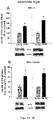
- the authors have investigated the effect produced at the molecular level by the chronic administration of L-DOPA in a rat model lesioned with 6-OHDA, demonstrating that the levels of Rho A and of ROCK increased relative to the control (see Fig. 1 ), which suggests an activation of this pathway.
- the rats suffer from dyskinesias caused by chronic treatment with L-DOPA.
- a relation between activation of the ROCK pathway and dyskinesias is demonstrated for the first time.
- the present inventors have demonstrated that regulation of the ROCK pathway has an effect on dyskinesias, so that by inhibiting the ROCK pathway it is possible to reduce the dyskinesias already established in an animal model treated with L-DOPA (see example 4) or else reduce the development of dyskinesias in an animal model for which treatment with L-DOPA is beginning (see example 2).
- the invention relates to a pharmaceutical composition that comprises a compound capable of inhibiting the ROCK pathway, for use in the prophylactic or therapeutic treatment of dyskinesias induced by L-DOPA.
- composition of the invention is administered in a dosage form suitable for intraperitoneal, oral or injectable administration.
- injectable administration comprises intramuscular, subcutaneous, intravenous and intradermal administration.
- the ROCK inhibitor is selected from fasudil and derivatives thereof, Ripasudil, E-27632, E-32885, AMA-0076, AR-12286, AR-13324 (Rhopressa), KD-025(Slx2119), LX7101, PG-324(Roclatan), SAR407899.
- an inhibitor of the ROCK pathway of interest for the present invention is fasudil.
- the invention relates to the pharmaceutical composition described above, where said compound is fasudil, a pharmaceutically acceptable salt thereof, or a derivative thereof.
- the fasudil derivative is selected from hydroxy fasudil and dimethyl fasudil.
- the present invention also describes that the administration of fasudil to a Parkinson animal model prior to being treated with L-DOPA, and moreover if during the treatment with L-DOPA fasudil is also administered, a preventive effect on dyskinesias is achieved, reducing their development throughout the treatment.
- example 2 it is in addition demonstrated that in the case of acute administration of L-DOPA and when the dyskinesias are more pronounced, the treatment with fasudil is nevertheless effective, reducing the development of the dyskinesias compared to the case without treatment with fasudil (see example 2 and Fig. 2 ).
- the invention relates to the pharmaceutical composition of the invention for use in the prophylactic treatment of dyskinesias induced by L-DOPA that comprises: (i) the adminsitration of said pharmaceutical composition in a therapeutically effective amount before the start of the treatment with L-DOPA, and (ii) the administration of a therapeutically effective amount of said pharmaceutical composition simultaneously with or sequentially to each administration of L-DOPA.
- the invention relates to a method for preventing dyskinesias induced by L-DOPA, where the patient has Parkinson's disease, the method comprises administering a therapeutically effective amount of fasudil prior to the start of the treatment with L-DOPA, and administering a therapeutically effective amount of fasudil simultaneously with or sequentially to each administration of L-DOPA.
- the invention relates to a pharmaceutical composition of the invention for use in a prophylactic treatment of dyskinesias induced by L-DOPA.
- fasudil provides neuroprotection for patients with Parkinson's disease and slows down dopaminergic degeneration ( Villar-Cheda B, Dominguez-Meijide A, Joglar B, Rodriguez-Perez AI, Guerra MJ, Labandeira-Garcia JL. (2012) Involvement of microglial RhoA/Rho-kinase pathway activation in the dopaminergic neuron death. Role of angiotensin via angiotensin type 1 receptors. Neurobiol Dis 47: 268-79 doi: 10.1016/j.nbd.2012.04.010 ).
- composition of the invention for preventing dyskinesias has a preferred posology as described above that also promotes the neuroprotective effect of fasudil ( Borrajo A, Rodriguez-Perez AI, Villar-Cheda B, Guerra MJ, Labandeira-Garcia JL. (2014) Inhibition of the microglial response is essential for the neuroprotective effects of Rho-kinase inhibitors on MPTP-induced dopaminergic cell death.
- the present invention also describes the usefulness of the compositions of the present invention for the therapeutic treatment of dyskinesias induced by L-DOPA.
- example 4 it is demonstrated that even in cases where the dyskinesias are already established, the composition with a ROCK inhibitor is capable of reducing them.
- the composition with a ROCK inhibitor is capable of reducing them.
- the dyskinesias are reduced almost to 50% in those animals that are already dyskinetic (treated periodically with L-DOPA for 3-4 weeks).
- the dyskinesias are more reduced when it is accompanied by administration of the compositions of the invention.
- the invention relates to the pharmaceutical composition of the invention for use in the therapeutic treatment of dyskinesias induced by L-DOPA that comprises the administration of a therapeutically effective amount of said pharmaceutical composition simultaneously with or sequentially to each administration of L-DOPA.
- the invention relates to a method for treating dyskinesias induced by L-DOPA, where the patient has Parkinson's disease, the method comprises administering a therapeutically effective amount of fasudil simultaneously with or sequentially to each administration of L-DOPA.
- the invention relates to a pharmaceutical composition of the invention for use in a therapeutic treatment of dyskinesias induced by L-DOPA.
- One of the preferred routes of administration in the present invention is injectable, and thus in a particular embodiment of the invention it relates to the pharmaceutical composition as has been described above, whose dosage form is suitable for injectable administration for use in the prevention or treatment of dyskinesias induced by L-DOPA.
- Another preferred route of administration in the present invention is the oral route, and thus in a particular embodiment of the invention it relates to the pharmaceutical composition as has been described above, whose dosage form is suitable for oral administration for use in the prevention or treatment of dyskinesias induced by L-DOPA.
- rats of the Sprague-Dawley strain were used, which were injected with the neurotoxin 6-hydroxydopamine (6-OHDA) in accordance with stereotaxic techniques in the medial forebrain bundle.
- This technique is one of the most widely laboratory models for studying Parkinson's disease (PD) and its possible treatment pathways ( Ungerstedt U. 6-Hydroxy-dopamine induced degeneration of central monoamine neurons. Eur J Pharmacol. (1968) 5(1): 107-10 ; Cenci MA, Crossman AR. Animal models of 1-dopa-induced dyskinesia in Parkinson's disease. Mov Disord (2016) 33(6):889-899. doi: 10.1002/mds.27337 ).
- a group of animal models of PD was injected daily with different doses of L-DOPA (6 mg/kg and 12 mg/kg), until the levels of dyskinesia were stable (3-4 weeks).
- L-DOPA 6 mg/kg and 12 mg/kg
- the striatum and the substantia nigra were dissected and the expression levels of RhoA and ROCK were analyzed by Western blot and real-time PCR.
- a group of rats treated with L-DOPA as described above was used as the control in this study.
- an inhibitor of the ROCK pathway, fasudil was administered to one group at a dose of 10 mg/kg/day, by the intraperitoneal route (although it could be administered by the oral route after suitably adjusting the dose), beginning 5 days before starting the treatment with L-DOPA, and 30 minutes before each administration of L-DOPA.
- another group was administered fasudil at a dose of 30 and 40 mg/kg/day, intraperitoneally with the same frequency as the preceding group. In all cases, the treatment was carried out chronically for 3 weeks, and the abnormal involuntary movements were evaluated during this period.
- dyskinesias In the animals treated with a low dose of fasudil (10 mg/kg) and L-DOPA, a statistically significant reduction was observed in the development of dyskinesias relative to the group of animals treated only with L-DOPA: approximately a 25% reduction in dyskinesias in the extremities, a 30% orolingual reduction and a 35% axial reduction. The reduction of dyskinesias was observed starting from the 5th day.
- the dose of L-DOPA was increased to 24 mg/kg to verify whether fasudil is also effective in conditions of severe dyskinesia, a significant large reduction being observed, of approximately 50% (see Fig. 2 ).
- a group of animals with unilateral lesion with 6-OHDA were treated daily with L-DOPA for 3 weeks and then they were treated with L-DOPA and fasudil to investigate whether inhibition of the ROCK pathway allows dyskinesias to be reduced once they are already established.
Landscapes
- Health & Medical Sciences (AREA)
- Animal Behavior & Ethology (AREA)
- Public Health (AREA)
- Veterinary Medicine (AREA)
- General Health & Medical Sciences (AREA)
- Life Sciences & Earth Sciences (AREA)
- Medicinal Chemistry (AREA)
- Chemical & Material Sciences (AREA)
- Pharmacology & Pharmacy (AREA)
- Epidemiology (AREA)
- Bioinformatics & Cheminformatics (AREA)
- Engineering & Computer Science (AREA)
- Biomedical Technology (AREA)
- Neurosurgery (AREA)
- Neurology (AREA)
- Organic Chemistry (AREA)
- General Chemical & Material Sciences (AREA)
- Nuclear Medicine, Radiotherapy & Molecular Imaging (AREA)
- Psychology (AREA)
- Chemical Kinetics & Catalysis (AREA)
- Pharmaceuticals Containing Other Organic And Inorganic Compounds (AREA)
- Acyclic And Carbocyclic Compounds In Medicinal Compositions (AREA)
- Medicines That Contain Protein Lipid Enzymes And Other Medicines (AREA)
Abstract
Description
- The present invention relates to the pharmaceutical field, more particularly to the use of Rho kinase inhibitors for treating or preventing dyskinesias induced by L-DOPA.
- Parkinson's disease (PD) is one of the commonest neurodegenerative diseases in our population. It is mainly characterized by motor symptoms that arise owing to degeneration of the dopaminergic neurons of the substantia nigra, although other systems of neurons are also involved. The usual, and to date the most effective, treatment for this disease consists of administering the dopamine precursor molecule, L-DOPA. This drug proves effective in the initial years, but in the longer term it gives rise to complications and side effects, including dyskinesias in particular.
- The dyskinesias induced by L-DOPA consist of abnormal rapid involuntary movements of the choreic type and athetosis, which usually affect the extremities and sometimes the face and neck region. Several forms of dyskinesia have been described, depending on the temporal pattern of expression: peak-dose dyskinesias (coinciding with the highest plasma levels of dopamine), diphasic dyskinesias and off-period dystonia. These complications may become incapacitating, since they greatly reduce the therapeutic effect of L-DOPA, limiting the patients' daily activity. It has been described that after 5 years of treatment about 50% of patients have dyskinesias, while at 10 years the percentage increases to 90% (Olanow CW, Stocchi F. Levodopa: A new look at an old friend. Mov Disord (2018) 33(6):859-866. doi: 10.1002/mds.27216).
- The causes involved in the development of dyskinesias are not fully known, although it is known that the glutamatergic system plays an important role. In fact, the drug used at present for combating dyskinesias is amantadine, an NMDA glutamate receptor antagonist. However, this compound is contraindicated in cases of renal and cardiac insufficiency and psychiatric problems and results in the development of complications and numerous side effects such as: confusion, difficulty concentrating, insomnia, loss of appetite, nausea and psychiatric problems (confusion, hallucinations, delirium syndrome, psychosis). In the last decade it has been demonstrated that other systems, such as the serotonergic system, are also involved, since in advanced stages of the disease L-DOPA is converted to dopamine in the serotonergic terminals and is released in an uncontrolled manner. However, compounds that act at this level, for example such as the serotonin 5-HT1a receptor agonists (buspirone, saritozan, tandospirone), may present problems, since although antidyskinetic effects were observed in preliminary trials, in certain cases they may affect the antiparkinsonian response. Or, for example, 5-HT1a/b agonists (eltoprazine and anpirtoline), which have a more favorable pharmacological profile than the former, but could also partially reduce the therapeutic effect of L-DOPA.
- Thus, it is necessary to investigate and develop other prophylactic and/or therapeutic treatments for combating dyskinesias that have fewer side effects and are more effective.
- The results that are presented in this document demonstrate that inhibition of the RhoA/Rho kinase (ROCK) pathway makes it possible to treat and/or prevent the dyskinesias that may be caused by chronic treatment with L-DOPA, administered to patients with Parkinson's disease.
- Thus, the present invention relates to a pharmaceutical composition that comprises a compound capable of inhibiting ROCK, for use in the prophylactic or therapeutic treatment of dyskinesias induced by L-DOPA.
- The present invention further relates to pharmaceutical compositions of ROCK inhibitors, dosage forms thereof for different routes of administration and to certain doses useful for preventing dyskinesias, as well as to certain doses useful for treating dyskinesias.
-
-
Fig. 1 shows the effect of the dyskinesias induced by L-DOPA on the RhoA/ROCK pathway in the substantia nigra (A-C) and in the striatum (D-F). In dyskinetic animals treated with both doses of L-DOPA (6 mg/kg; LD-6 and 12 mg/kg) a significant increase was observed in protein expression for RhoA and ROCK (A, B) and activity for ROCK (C) in the substantia nigra, whereas in the striatum the differences were only significant with the high dose (D, E). However, after real-time PCR analysis, significant differences were observed with both doses in the striatum. The results were normalized with respect to the values for animals lesioned with 6-OHDA treated with saline. Data presented as mean value ± SEM, t-Student ∗p<0.05 -
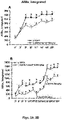
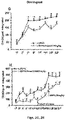
Fig. 2 shows the abnormal involuntary movements (AIMs) observed after chronic treatment with L-DOPA (23 and 32 days) and different doses of fasudil (10 mg/kg; A, C, E and G and 30-40 mg; B, D, F, H). In the group of animals co-treated with fasudil (white circles) a statistically significant reduction of these movements was observed both in the total score (A, B) and in the analysis of the separate components: extremity (C, D), axial (E, F), orolingual (G, H). Data presented as mean value ± SEM (standard error of the mean), t-Student, ∗p<0.05 -
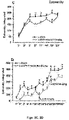
Fig. 3 shows the cylinder test in animals with unilateral dopaminergic lesion, where <20% of the use of the left extremity is observed in baseline conditions, and recovery of the motor asymmetry after injection of L-DOPA at 60 and 90 min in the control animals (only L-DOPA; black bars) and in those animals co-treated with fasudil (gray bars) 10 mg/kg (A), 30 and 40 mg/kg (B). The rotational behavior was also unaffected after the treatment with fasudil, indicating that the reduction of the dyskinesias is not due to a reduction of motor activity (C-E). Data presented as mean value ± SEM, t-Student, ∗p<0.05 -
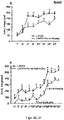
Fig. 4 shows the effect of ROCK inhibition in animals with a stable degree of dyskinesia (chronic treatment with L-DOPA, 3 weeks). In this case, fasudil at the low dose (10 mg/kg, A) did not have any effect on the dyskinetic movements (A). However, high doses of the compound (30 and 40 mg/kg) gave rise to a significant reduction of L-DOPA even with the high dose of L-DOPA (24 mg/kg) (B). Data presented as mean value ± SEM, t-Student ∗p<0.05 - As used in the description and the appended claims, the term "ROCK pathway" refers to the pathway in which the GTPase RhoA protein and its associated kinase (also known as Rho-kinase) participate. Rho A binds to a specific region of ROCK, activating it. ROCK phosphorylates various target proteins, including the light chain of myosin, reorganizing the actin of the cytoskeleton and regulating apototic events (Amin E, Dubey BN, Zhang SC, Gremer L, Dvorsky R, Moll JM, Taha MS, Nagel-Steger L, Piekorz RP, Somlyo AV, Ahmadian MR (2013) Rho-kinase: regulation, (dys)function, and inhibition. Biol Chem 394:1399-410. doi: 10.1515/hsz-2013-0181.). This pathway is implicated in the inflammatory response in certain diseases, including neurodegenerative diseases such as Parkinson's disease. ROCK also acts in processes of autophagy, and inhibition of this pathway produces axonal stabilization, giving rise to neuroprotective effects. Two isoforms have been described, encoded by different genes: ROCK I and ROCK II. ROCK II is expressed preferentially in the brain (for a review see Labandeira-Garcia et al., 2014).
- As used in the description and the appended claims, the term "compound capable of inhibiting the ROCK pathway" refers to a compound capable of reducing the activity of the enzyme and the expression levels thereof in a statistically significant manner relative to their corresponding controls to which the inhibitor was not administered. A person skilled in the art is able to test said inhibition by various methods, for example such as measurement of the activity of said ROCK enzyme by enzyme-immunoassay techniques (ROCK Activity Assay kit; Cell Biolabs, Inc., San Diego, CA, USA) detecting the phosphorylation of myosin, the expression levels of mRNA by real-time PCR or the protein expression levels by Western blot. These techniques are described in detail in the following publication, which is incorporated in its entirety in the present description: Rodriguez-Perez AI, Dominguez-Meijide A, Lanciego JL, Guerra MJ, Labandeira-Garcia JL. Inhibition of Rho kinase mediates the neuroprotective effects of estrogen in the MPTP model of Parkinson's disease. Neurobiol Dis. 2013 58:209-19. doi: 10.1016/j.nbd.2013.06.004
- According to the present invention, a compound capable of inhibiting the ROCK pathway can regulate the ROCK pathway directly or indirectly.
- As used in the description and the appended claims, the term "dyskinesias induced by L-DOPA" is to be understood as abnormal involuntary movements experienced by a mammal (for example a human being) having Parkinson's disease and being treated with L-DOPA.
- In the present invention, the authors have investigated the effect produced at the molecular level by the chronic administration of L-DOPA in a rat model lesioned with 6-OHDA, demonstrating that the levels of Rho A and of ROCK increased relative to the control (see
Fig. 1 ), which suggests an activation of this pathway. In these conditions, at the functional level the rats suffer from dyskinesias caused by chronic treatment with L-DOPA. On the basis of these experiments, a relation between activation of the ROCK pathway and dyskinesias is demonstrated for the first time. The present inventors have demonstrated that regulation of the ROCK pathway has an effect on dyskinesias, so that by inhibiting the ROCK pathway it is possible to reduce the dyskinesias already established in an animal model treated with L-DOPA (see example 4) or else reduce the development of dyskinesias in an animal model for which treatment with L-DOPA is beginning (see example 2). - Thus, in one aspect the invention relates to a pharmaceutical composition that comprises a compound capable of inhibiting the ROCK pathway, for use in the prophylactic or therapeutic treatment of dyskinesias induced by L-DOPA.
- In a particular embodiment, the composition of the invention is administered in a dosage form suitable for intraperitoneal, oral or injectable administration. In a particular embodiment, injectable administration comprises intramuscular, subcutaneous, intravenous and intradermal administration.
- In a particular embodiment, the ROCK inhibitor is selected from fasudil and derivatives thereof, Ripasudil, E-27632, E-32885, AMA-0076, AR-12286, AR-13324 (Rhopressa), KD-025(Slx2119), LX7101, PG-324(Roclatan), SAR407899.
- In a preferred embodiment, an inhibitor of the ROCK pathway of interest for the present invention is fasudil. Accordingly, in a particular embodiment the invention relates to the pharmaceutical composition described above, where said compound is fasudil, a pharmaceutically acceptable salt thereof, or a derivative thereof. In another particular embodiment, the fasudil derivative is selected from hydroxy fasudil and dimethyl fasudil.
- The present invention also describes that the administration of fasudil to a Parkinson animal model prior to being treated with L-DOPA, and moreover if during the treatment with L-DOPA fasudil is also administered, a preventive effect on dyskinesias is achieved, reducing their development throughout the treatment. In example 2, it is in addition demonstrated that in the case of acute administration of L-DOPA and when the dyskinesias are more pronounced, the treatment with fasudil is nevertheless effective, reducing the development of the dyskinesias compared to the case without treatment with fasudil (see example 2 and
Fig. 2 ). - Thus, in a particular embodiment, the invention relates to the pharmaceutical composition of the invention for use in the prophylactic treatment of dyskinesias induced by L-DOPA that comprises: (i) the adminsitration of said pharmaceutical composition in a therapeutically effective amount before the start of the treatment with L-DOPA, and (ii) the administration of a therapeutically effective amount of said pharmaceutical composition simultaneously with or sequentially to each administration of L-DOPA.
- In a particular embodiment, the invention relates to a method for preventing dyskinesias induced by L-DOPA, where the patient has Parkinson's disease, the method comprises administering a therapeutically effective amount of fasudil prior to the start of the treatment with L-DOPA, and administering a therapeutically effective amount of fasudil simultaneously with or sequentially to each administration of L-DOPA.
- In a particular embodiment, the invention relates to a pharmaceutical composition of the invention for use in a prophylactic treatment of dyskinesias induced by L-DOPA.
- In this case, moreover, there is an additional advantage since at this dose, fasudil provides neuroprotection for patients with Parkinson's disease and slows down dopaminergic degeneration (Villar-Cheda B, Dominguez-Meijide A, Joglar B, Rodriguez-Perez AI, Guerra MJ, Labandeira-Garcia JL. (2012) Involvement of microglial RhoA/Rho-kinase pathway activation in the dopaminergic neuron death. Role of angiotensin via ). Furthermore, administration of the composition of the invention for preventing dyskinesias has a preferred posology as described above that also promotes the neuroprotective effect of fasudil (Borrajo A, Rodriguez-Perez AI, Villar-Cheda B, Guerra MJ, Labandeira-Garcia JL. (2014) Inhibition of the microglial response is essential for the neuroprotective effects of Rho-kinase inhibitors on MPTP-induced dopaminergic cell death. Neuropharmacology 85: 1-8 doi: 10.1016/j.neuropharm.2014.05.021; Villar-Cheda B, Dominguez-Meijide A, Joglar B, Rodriguez-Perez AI, Guerra MJ, Labandeira-Garcia JL. (2012) Involvement of microglial RhoA/Rho-kinase pathway activation in the dopaminergic neuron death. Role of angiotensin via ; Labandeira-Garcia JL, Rodriguez-Perez AI, Villar-Cheda B, Borrajo A, Dominguez-Meijide A, Guerra MJ. (2015) Rho Kinase and Dopaminergic Degeneration: A Promising Therapeutic Target for Parkinson's Disease. Neuroscientist 21: 616-29 doi: 10.1177/1073858414554954).
- The present invention also describes the usefulness of the compositions of the present invention for the therapeutic treatment of dyskinesias induced by L-DOPA. In example 4 it is demonstrated that even in cases where the dyskinesias are already established, the composition with a ROCK inhibitor is capable of reducing them. By increasing the dose of fasudil (40 mg/kg), the dyskinesias are reduced almost to 50% in those animals that are already dyskinetic (treated periodically with L-DOPA for 3-4 weeks). Even when after acute administration of L-DOPA the dyskinesias are more reduced when it is accompanied by administration of the compositions of the invention.
- Thus, in a particular embodiment, the invention relates to the pharmaceutical composition of the invention for use in the therapeutic treatment of dyskinesias induced by L-DOPA that comprises the administration of a therapeutically effective amount of said pharmaceutical composition simultaneously with or sequentially to each administration of L-DOPA.
- In a particular embodiment, the invention relates to a method for treating dyskinesias induced by L-DOPA, where the patient has Parkinson's disease, the method comprises administering a therapeutically effective amount of fasudil simultaneously with or sequentially to each administration of L-DOPA.
- In a particular embodiment, the invention relates to a pharmaceutical composition of the invention for use in a therapeutic treatment of dyskinesias induced by L-DOPA.
- One of the preferred routes of administration in the present invention is injectable, and thus in a particular embodiment of the invention it relates to the pharmaceutical composition as has been described above, whose dosage form is suitable for injectable administration for use in the prevention or treatment of dyskinesias induced by L-DOPA.
- Another preferred route of administration in the present invention is the oral route, and thus in a particular embodiment of the invention it relates to the pharmaceutical composition as has been described above, whose dosage form is suitable for oral administration for use in the prevention or treatment of dyskinesias induced by L-DOPA.
- The following examples serve to illustrate the present invention and do not represent a limitation thereof.
- In the following examples, rats of the Sprague-Dawley strain were used, which were injected with the neurotoxin 6-hydroxydopamine (6-OHDA) in accordance with stereotaxic techniques in the medial forebrain bundle. This technique is one of the most widely laboratory models for studying Parkinson's disease (PD) and its possible treatment pathways (Ungerstedt U. 6-Hydroxy-dopamine induced degeneration of central monoamine neurons. Eur J Pharmacol. (1968) 5(1): 107-10; Cenci MA, Crossman AR. Animal models of 1-dopa-induced dyskinesia in Parkinson's disease. Mov Disord (2018) 33(6):889-899. doi: 10.1002/mds.27337).
- To establish an animal model of dyskinesias, the animals were treated chronically with L-
DOPA 6 mg/kg (therapeutic dose) and benserazide (10 mg/kg) for 3-4 weeks and during this period the abnormal involuntary movements (AIMs) were evaluated with a special test (Cenci MA, Lundblad M. Ratings of L-DOPA-induced dyskinesia in the unilateral 6-OHDA lesion model of Parkinson's disease in rats and mice. Curr Protoc Neurosci. (2007) Chapter 9:Unit 9.25. doi: 10.1002/0471142301). - A group of animal models of PD was injected daily with different doses of L-DOPA (6 mg/kg and 12 mg/kg), until the levels of dyskinesia were stable (3-4 weeks). At autopsy, the striatum and the substantia nigra were dissected and the expression levels of RhoA and ROCK were analyzed by Western blot and real-time PCR.
- It was observed that in the dyskinetic animals there was a significant increase in the levels of the RhoA protein and of the ROCK protein. It was also observed that in the animals treated with the higher dose of L-DOPA, and which showed earlier and more severe dyskinesias, the increase in the levels of said proteins was greater (see
Fig. 1 ). - This experiment demonstrates that the ROCK pathway is activated in dyskinetic animals.
- A group of rats treated with L-DOPA as described above was used as the control in this study. In addition to L-DOPA, an inhibitor of the ROCK pathway, fasudil, was administered to one group at a dose of 10 mg/kg/day, by the intraperitoneal route (although it could be administered by the oral route after suitably adjusting the dose), beginning 5 days before starting the treatment with L-DOPA, and 30 minutes before each administration of L-DOPA. In addition to L-DOPA, another group was administered fasudil at a dose of 30 and 40 mg/kg/day, intraperitoneally with the same frequency as the preceding group. In all cases, the treatment was carried out chronically for 3 weeks, and the abnormal involuntary movements were evaluated during this period.
- In the animals treated with a low dose of fasudil (10 mg/kg) and L-DOPA, a statistically significant reduction was observed in the development of dyskinesias relative to the group of animals treated only with L-DOPA: approximately a 25% reduction in dyskinesias in the extremities, a 30% orolingual reduction and a 35% axial reduction. The reduction of dyskinesias was observed starting from the 5th day.
- When the dose of fasudil was increased (30 mg/kg), a greater reduction in dyskinesias was observed in all the dyskinetic components analyzed (70% orolingual, 60% axial and 60% extremity). On increasing the fasudil dose to 40 mg/kg, the reduction in dyskinesia reached 70%.
- At the end of the treatment the dose of L-DOPA was increased to 24 mg/kg to verify whether fasudil is also effective in conditions of severe dyskinesia, a significant large reduction being observed, of approximately 50% (see
Fig. 2 ). - This study demonstrates that an inhibitor of the ROCK pathway, such as fasudil, is useful for reducing the development of dyskinesias, even when these are caused by acute doses of L-DOPA.
- To investigate whether fasudil could interfere with the therapeutic effect of L-DOPA, the cylinder test was carried out, which is based on analysis of the motor asymmetry affecting the animals after unilateral lesion with 6-OHDA (Schallert T, Kozlowski DA, Humm JL, Cocke RR. (1997) 73:229-38). In this experiment the animals treated with fasudil at all the doses studied (10, 30 and 40 mg/kg) recovered the motor asymmetry caused by the lesion 1h after injection of L-DOPA, no differences being observed relative to the animals injected only with L-DOPA, indicating that this compound does not alter the therapeutic effect of L-DOPA (see
Fig. 3A-B ). Moreover, in experiments in which the rotational behavior was evaluated, no differences were observed in the rotations induced by L-DOPA in the animals treated with the different doses of fasudil, demonstrating that the reduction in dyskinesias is not due to a reduction in motor activity (seeFig. 3C-E ). - This experiment demonstrates that inhibition of the ROCK pathway, by the administration of fasudil, even at high doses, does not interfere with the therapeutic effect of L-DOPA.
- A group of animals with unilateral lesion with 6-OHDA were treated daily with L-DOPA for 3 weeks and then they were treated with L-DOPA and fasudil to investigate whether inhibition of the ROCK pathway allows dyskinesias to be reduced once they are already established.
- When a fasudil dose of 10 mg/kg/day was used, no improvement in the animals was observed (up to 7 days of treatment).
- However, when a fasudil dose of 40 mg/kg/day was used, there was a reduction in dyskinesias of about 45% starting from the third day of treatment.
- On increasing the dose of L-DOPA to 24 mg/kg, causing a condition of severe dyskinesia, the reduction was even greater, approximately 50%, which was maintained up to the end of the treatment (see
Fig. 4 ).
Claims (10)
- A pharmaceutical composition that comprises a compound capable of inhibiting the ROCK pathway, for use in the prophylactic or therapeutic treatment of dyskinesias induced by L-DOPA.
- The pharmaceutical composition for use thereof as claimed in claim 1, wherein the compound capable of inhibiting the ROCK pathway is selected from fasudil and derivatives thereof, Ripasudil, E-27632, E-32885, AMA-0076, AR-12286, AR-13324 (Rhopressa), KD-025(Slx2119), LX7101, PG-324(Roclatan), SAR407899.
- The pharmaceutical composition for use thereof as claimed in claim 1, wherein the compound capable of inhibiting the ROCK pathway is fasudil, a pharmaceutically acceptable salt thereof, or an analog thereof.
- The composition for use thereof as claimed in any one of the preceding claims, wherein said composition is administered in a dosage form suitable for oral or injectable administration.
- The pharmaceutical composition for use thereof as claimed in claim 1, wherein the compound is fasudil or a pharmaceutically acceptable salt thereof whose dosage form is suitable for oral or injectable administration for use in the prevention of dyskinesias induced by L-DOPA.
- The composition as claimed in any one of the preceding claims, for use in the prophylactic treatment of dyskinesias induced by L-DOPA that comprises: (i) the administration of said pharmaceutical composition in a therapeutically effective amount before the start of the treatment with L-DOPA, and (ii) the administration of a therapeutically effective amount of said pharmaceutical composition simultaneously with or sequentially to each administration of L-DOPA.
- The pharmaceutical composition for use thereof as claimed in claim 6, wherein the compound is fasudil or a pharmaceutically acceptable salt thereof whose dosage form is suitable for oral or injectable administration.
- The composition as claimed in any one of claims 1-5, for use in the therapeutic treatment of dyskinesias induced by L-DOPA that comprises the administration of a therapeutically effective amount of said pharmaceutical composition simultaneously with or sequentially to each administration of L-DOPA.
- The pharmaceutical composition for use thereof as claimed in claim 8, wherein the compound is fasudil or a pharmaceutically acceptable salt thereof whose dosage form is suitable for oral or injectable administration.
- The pharmaceutical composition for use thereof as claimed in claim 1, wherein the compound is fasudil or a pharmaceutically acceptable salt thereof whose dosage form is suitable for oral or injectable administration for use in the treatment of dyskinesias induced by L-DOPA.
Applications Claiming Priority (2)
| Application Number | Priority Date | Filing Date | Title |
|---|---|---|---|
| ES201930713A ES2804076B2 (en) | 2019-07-31 | 2019-07-31 | PHARMACEUTICAL COMPOSITION FOR USE IN THE PROPHYLACTIC AND / OR THERAPEUTIC TREATMENT OF L-DOPA-INDUCED DYSKINESIA |
| PCT/ES2020/070482 WO2021019116A1 (en) | 2019-07-31 | 2020-07-24 | Pharmaceutical composition for use in the prophylactic and/or therapeutic treatment of l-dopa-induced dyskinesia |
Publications (4)
| Publication Number | Publication Date |
|---|---|
| EP4005574A1 true EP4005574A1 (en) | 2022-06-01 |
| EP4005574A4 EP4005574A4 (en) | 2023-05-24 |
| EP4005574C0 EP4005574C0 (en) | 2024-07-03 |
| EP4005574B1 EP4005574B1 (en) | 2024-07-03 |
Family
ID=74229008
Family Applications (1)
| Application Number | Title | Priority Date | Filing Date |
|---|---|---|---|
| EP20847817.2A Active EP4005574B1 (en) | 2019-07-31 | 2020-07-24 | Pharmaceutical composition for use in the prophylactic and/or therapeutic treatment of l-dopa-induced dyskinesia |
Country Status (8)
| Country | Link |
|---|---|
| US (2) | US11337985B2 (en) |
| EP (1) | EP4005574B1 (en) |
| JP (2) | JP7780420B2 (en) |
| KR (1) | KR20220050905A (en) |
| CN (1) | CN114401725A (en) |
| CA (1) | CA3145360A1 (en) |
| ES (2) | ES2804076B2 (en) |
| WO (1) | WO2021019116A1 (en) |
Families Citing this family (1)
| Publication number | Priority date | Publication date | Assignee | Title |
|---|---|---|---|---|
| ES2804076B2 (en) * | 2019-07-31 | 2021-07-12 | Univ Santiago Compostela | PHARMACEUTICAL COMPOSITION FOR USE IN THE PROPHYLACTIC AND / OR THERAPEUTIC TREATMENT OF L-DOPA-INDUCED DYSKINESIA |
Family Cites Families (1)
| Publication number | Priority date | Publication date | Assignee | Title |
|---|---|---|---|---|
| ES2804076B2 (en) * | 2019-07-31 | 2021-07-12 | Univ Santiago Compostela | PHARMACEUTICAL COMPOSITION FOR USE IN THE PROPHYLACTIC AND / OR THERAPEUTIC TREATMENT OF L-DOPA-INDUCED DYSKINESIA |
-
2019
- 2019-07-31 ES ES201930713A patent/ES2804076B2/en active Active
-
2020
- 2020-07-24 WO PCT/ES2020/070482 patent/WO2021019116A1/en not_active Ceased
- 2020-07-24 JP JP2022506062A patent/JP7780420B2/en active Active
- 2020-07-24 CN CN202080053643.6A patent/CN114401725A/en active Pending
- 2020-07-24 CA CA3145360A patent/CA3145360A1/en active Pending
- 2020-07-24 EP EP20847817.2A patent/EP4005574B1/en active Active
- 2020-07-24 ES ES20847817T patent/ES2987334T3/en active Active
- 2020-07-24 KR KR1020227006569A patent/KR20220050905A/en active Pending
-
2021
- 2021-08-19 US US17/406,689 patent/US11337985B2/en active Active
-
2022
- 2022-03-22 US US17/701,391 patent/US12465613B2/en active Active
-
2025
- 2025-08-27 JP JP2025141689A patent/JP2025169440A/en active Pending
Also Published As
| Publication number | Publication date |
|---|---|
| ES2804076A1 (en) | 2021-02-03 |
| US12465613B2 (en) | 2025-11-11 |
| JP7780420B2 (en) | 2025-12-04 |
| EP4005574C0 (en) | 2024-07-03 |
| US11337985B2 (en) | 2022-05-24 |
| KR20220050905A (en) | 2022-04-25 |
| CN114401725A (en) | 2022-04-26 |
| EP4005574B1 (en) | 2024-07-03 |
| JP2022542305A (en) | 2022-09-30 |
| US20210393646A1 (en) | 2021-12-23 |
| ES2987334T3 (en) | 2024-11-14 |
| CA3145360A1 (en) | 2021-02-04 |
| WO2021019116A1 (en) | 2021-02-04 |
| US20220211719A1 (en) | 2022-07-07 |
| ES2804076B2 (en) | 2021-07-12 |
| EP4005574A4 (en) | 2023-05-24 |
| JP2025169440A (en) | 2025-11-12 |
Similar Documents
| Publication | Publication Date | Title |
|---|---|---|
| Lu et al. | Cellular mitophagy: mechanism, roles in diseases and small molecule pharmacological regulation | |
| Wu et al. | Molecular mechanisms of excitotoxicity and their relevance to the pathogenesis of neurodegenerative diseases—an update | |
| Pierzynowska et al. | Autophagy stimulation as a promising approach in treatment of neurodegenerative diseases | |
| Decressac et al. | mTOR inhibition alleviates L-DOPA-induced dyskinesia in parkinsonian rats | |
| Bordia et al. | Continuous and intermittent nicotine treatment reduces L-3, 4-dihydroxyphenylalanine (L-DOPA)-induced dyskinesias in a rat model of Parkinson’s disease | |
| Liao et al. | Sinomenine protects bone from destruction to ameliorate arthritis via activating p62Thr269/Ser272-Keap1-Nrf2 feedback loop | |
| Maiese | Cutting through the complexities of mTOR for the treatment of stroke | |
| Maiese | Warming up to new possibilities with the capsaicin receptor TRPV1: mTOR, AMPK, and erythropoietin | |
| Manaenko et al. | PAR-1 antagonist SCH79797 ameliorates apoptosis following surgical brain injury through inhibition of ASK1-JNK in rats | |
| Sasaki et al. | Evaluation of canthinone alkaloids as cerebral protective agents | |
| JP2025169440A (en) | Pharmaceutical compositions for use in the preventive and/or therapeutic treatment of L-dopa-induced dyskinesia | |
| Uchida et al. | The adenosine A2A receptor antagonist, istradefylline enhances the anti-parkinsonian activity of low doses of dopamine agonists in MPTP-treated common marmosets | |
| Jones et al. | A2A receptor antagonists do not induce dyskinesias in drug-naive or L-dopa sensitized rats | |
| Fuzzati‐Armentero et al. | Dual target strategy: combining distinct non‐dopaminergic treatments reduces neuronal cell loss and synergistically modulates L‐DOPA‐induced rotational behavior in a rodent model of Parkinson's disease | |
| AU2002333018B2 (en) | Modulation of physiological processes and agents useful for same | |
| Ammon-Treiber et al. | Effects of opioid antagonists and morphine in a hippocampal hypoxia/hypoglycemia model | |
| Wu et al. | Ecdysterones from Rhaponticum carthamoides (Willd.) Iljin reduce hippocampal excitotoxic cell loss and upregulate mTOR signaling in rats | |
| US20040127571A1 (en) | Method of Treating Leukemia with a Combination of Suberoylanilide Hydromaxic Acid and Imatinib Mesylate | |
| Duan et al. | Role of mitophagy in spinal cord ischemia-reperfusion injury | |
| Ye et al. | Anesthetic effects on autophagy | |
| CA3142899A1 (en) | Treatment for synucleinopathies | |
| Gamir-Morralla et al. | A novel neuroprotection target with distinct regulation in stroke and Alzheimer’s disease | |
| Palafox-Sanchez et al. | Effect of the C-terminal domain of the heavy chain of tetanus toxin on dyskinesia caused by levodopa in 6-hydroxydopamine-lesioned rats | |
| Li et al. | CHELERYTHRINE PREVENTS MICE LIVER FIBROGENESIS INJURY VIA REGULATION OF TGF?/SMADS SIGNAL PATHWAY. | |
| KR20160038136A (en) | Composition for improving cognitive ability containing alpha asarone as an active ingredient |
Legal Events
| Date | Code | Title | Description |
|---|---|---|---|
| STAA | Information on the status of an ep patent application or granted ep patent |
Free format text: STATUS: THE INTERNATIONAL PUBLICATION HAS BEEN MADE |
|
| PUAI | Public reference made under article 153(3) epc to a published international application that has entered the european phase |
Free format text: ORIGINAL CODE: 0009012 |
|
| STAA | Information on the status of an ep patent application or granted ep patent |
Free format text: STATUS: REQUEST FOR EXAMINATION WAS MADE |
|
| 17P | Request for examination filed |
Effective date: 20220126 |
|
| AK | Designated contracting states |
Kind code of ref document: A1 Designated state(s): AL AT BE BG CH CY CZ DE DK EE ES FI FR GB GR HR HU IE IS IT LI LT LU LV MC MK MT NL NO PL PT RO RS SE SI SK SM TR |
|
| DAV | Request for validation of the european patent (deleted) | ||
| DAX | Request for extension of the european patent (deleted) | ||
| A4 | Supplementary search report drawn up and despatched |
Effective date: 20230421 |
|
| RIC1 | Information provided on ipc code assigned before grant |
Ipc: A61P 25/14 20060101ALI20230417BHEP Ipc: A61P 25/16 20060101ALI20230417BHEP Ipc: A61K 31/551 20060101AFI20230417BHEP |
|
| REG | Reference to a national code |
Ref legal event code: R079 Ref country code: DE Ref legal event code: R079 Ref document number: 602020033513 Country of ref document: DE Free format text: PREVIOUS MAIN CLASS: A61K0031551000 Ipc: A61K0031440000 |
|
| GRAP | Despatch of communication of intention to grant a patent |
Free format text: ORIGINAL CODE: EPIDOSNIGR1 |
|
| STAA | Information on the status of an ep patent application or granted ep patent |
Free format text: STATUS: GRANT OF PATENT IS INTENDED |
|
| RIC1 | Information provided on ipc code assigned before grant |
Ipc: A61P 25/14 20060101ALI20240118BHEP Ipc: A61K 31/551 20060101ALI20240118BHEP Ipc: A61K 31/519 20060101ALI20240118BHEP Ipc: A61K 31/517 20060101ALI20240118BHEP Ipc: A61K 31/4725 20060101ALI20240118BHEP Ipc: A61K 31/472 20060101ALI20240118BHEP Ipc: A61K 31/4409 20060101ALI20240118BHEP Ipc: A61K 31/44 20060101AFI20240118BHEP |
|
| INTG | Intention to grant announced |
Effective date: 20240201 |
|
| GRAS | Grant fee paid |
Free format text: ORIGINAL CODE: EPIDOSNIGR3 |
|
| GRAA | (expected) grant |
Free format text: ORIGINAL CODE: 0009210 |
|
| STAA | Information on the status of an ep patent application or granted ep patent |
Free format text: STATUS: THE PATENT HAS BEEN GRANTED |
|
| AK | Designated contracting states |
Kind code of ref document: B1 Designated state(s): AL AT BE BG CH CY CZ DE DK EE ES FI FR GB GR HR HU IE IS IT LI LT LU LV MC MK MT NL NO PL PT RO RS SE SI SK SM TR |
|
| REG | Reference to a national code |
Ref country code: CH Ref legal event code: EP |
|
| REG | Reference to a national code |
Ref country code: DE Ref legal event code: R096 Ref document number: 602020033513 Country of ref document: DE |
|
| U01 | Request for unitary effect filed |
Effective date: 20240717 |
|
| U07 | Unitary effect registered |
Designated state(s): AT BE BG DE DK EE FI FR IT LT LU LV MT NL PT SE SI Effective date: 20240731 |
|
| U20 | Renewal fee for the european patent with unitary effect paid |
Year of fee payment: 5 Effective date: 20240804 |
|
| REG | Reference to a national code |
Ref country code: ES Ref legal event code: FG2A Ref document number: 2987334 Country of ref document: ES Kind code of ref document: T3 Effective date: 20241114 |
|
| PG25 | Lapsed in a contracting state [announced via postgrant information from national office to epo] |
Ref country code: NO Free format text: LAPSE BECAUSE OF FAILURE TO SUBMIT A TRANSLATION OF THE DESCRIPTION OR TO PAY THE FEE WITHIN THE PRESCRIBED TIME-LIMIT Effective date: 20241003 |
|
| PG25 | Lapsed in a contracting state [announced via postgrant information from national office to epo] |
Ref country code: GR Free format text: LAPSE BECAUSE OF FAILURE TO SUBMIT A TRANSLATION OF THE DESCRIPTION OR TO PAY THE FEE WITHIN THE PRESCRIBED TIME-LIMIT Effective date: 20241004 Ref country code: PL Free format text: LAPSE BECAUSE OF FAILURE TO SUBMIT A TRANSLATION OF THE DESCRIPTION OR TO PAY THE FEE WITHIN THE PRESCRIBED TIME-LIMIT Effective date: 20240703 |
|
| PG25 | Lapsed in a contracting state [announced via postgrant information from national office to epo] |
Ref country code: IS Free format text: LAPSE BECAUSE OF FAILURE TO SUBMIT A TRANSLATION OF THE DESCRIPTION OR TO PAY THE FEE WITHIN THE PRESCRIBED TIME-LIMIT Effective date: 20241103 |
|
| PG25 | Lapsed in a contracting state [announced via postgrant information from national office to epo] |
Ref country code: CZ Free format text: LAPSE BECAUSE OF FAILURE TO SUBMIT A TRANSLATION OF THE DESCRIPTION OR TO PAY THE FEE WITHIN THE PRESCRIBED TIME-LIMIT Effective date: 20240703 Ref country code: HR Free format text: LAPSE BECAUSE OF FAILURE TO SUBMIT A TRANSLATION OF THE DESCRIPTION OR TO PAY THE FEE WITHIN THE PRESCRIBED TIME-LIMIT Effective date: 20240703 |
|
| PG25 | Lapsed in a contracting state [announced via postgrant information from national office to epo] |
Ref country code: RS Free format text: LAPSE BECAUSE OF FAILURE TO SUBMIT A TRANSLATION OF THE DESCRIPTION OR TO PAY THE FEE WITHIN THE PRESCRIBED TIME-LIMIT Effective date: 20241003 |
|
| PG25 | Lapsed in a contracting state [announced via postgrant information from national office to epo] |
Ref country code: RS Free format text: LAPSE BECAUSE OF FAILURE TO SUBMIT A TRANSLATION OF THE DESCRIPTION OR TO PAY THE FEE WITHIN THE PRESCRIBED TIME-LIMIT Effective date: 20241003 Ref country code: PL Free format text: LAPSE BECAUSE OF FAILURE TO SUBMIT A TRANSLATION OF THE DESCRIPTION OR TO PAY THE FEE WITHIN THE PRESCRIBED TIME-LIMIT Effective date: 20240703 Ref country code: NO Free format text: LAPSE BECAUSE OF FAILURE TO SUBMIT A TRANSLATION OF THE DESCRIPTION OR TO PAY THE FEE WITHIN THE PRESCRIBED TIME-LIMIT Effective date: 20241003 Ref country code: IS Free format text: LAPSE BECAUSE OF FAILURE TO SUBMIT A TRANSLATION OF THE DESCRIPTION OR TO PAY THE FEE WITHIN THE PRESCRIBED TIME-LIMIT Effective date: 20241103 Ref country code: HR Free format text: LAPSE BECAUSE OF FAILURE TO SUBMIT A TRANSLATION OF THE DESCRIPTION OR TO PAY THE FEE WITHIN THE PRESCRIBED TIME-LIMIT Effective date: 20240703 Ref country code: GR Free format text: LAPSE BECAUSE OF FAILURE TO SUBMIT A TRANSLATION OF THE DESCRIPTION OR TO PAY THE FEE WITHIN THE PRESCRIBED TIME-LIMIT Effective date: 20241004 Ref country code: CZ Free format text: LAPSE BECAUSE OF FAILURE TO SUBMIT A TRANSLATION OF THE DESCRIPTION OR TO PAY THE FEE WITHIN THE PRESCRIBED TIME-LIMIT Effective date: 20240703 |
|
| REG | Reference to a national code |
Ref country code: CH Ref legal event code: PL |
|
| PG25 | Lapsed in a contracting state [announced via postgrant information from national office to epo] |
Ref country code: SM Free format text: LAPSE BECAUSE OF FAILURE TO SUBMIT A TRANSLATION OF THE DESCRIPTION OR TO PAY THE FEE WITHIN THE PRESCRIBED TIME-LIMIT Effective date: 20240703 |
|
| PG25 | Lapsed in a contracting state [announced via postgrant information from national office to epo] |
Ref country code: CH Free format text: LAPSE BECAUSE OF NON-PAYMENT OF DUE FEES Effective date: 20240731 Ref country code: MC Free format text: LAPSE BECAUSE OF FAILURE TO SUBMIT A TRANSLATION OF THE DESCRIPTION OR TO PAY THE FEE WITHIN THE PRESCRIBED TIME-LIMIT Effective date: 20240703 |
|
| PG25 | Lapsed in a contracting state [announced via postgrant information from national office to epo] |
Ref country code: SK Free format text: LAPSE BECAUSE OF FAILURE TO SUBMIT A TRANSLATION OF THE DESCRIPTION OR TO PAY THE FEE WITHIN THE PRESCRIBED TIME-LIMIT Effective date: 20240703 |
|
| PLBE | No opposition filed within time limit |
Free format text: ORIGINAL CODE: 0009261 |
|
| STAA | Information on the status of an ep patent application or granted ep patent |
Free format text: STATUS: NO OPPOSITION FILED WITHIN TIME LIMIT |
|
| 26N | No opposition filed |
Effective date: 20250404 |
|
| PG25 | Lapsed in a contracting state [announced via postgrant information from national office to epo] |
Ref country code: IE Free format text: LAPSE BECAUSE OF NON-PAYMENT OF DUE FEES Effective date: 20240724 |
|
| U20 | Renewal fee for the european patent with unitary effect paid |
Year of fee payment: 6 Effective date: 20250718 |
|
| PGFP | Annual fee paid to national office [announced via postgrant information from national office to epo] |
Ref country code: ES Payment date: 20250801 Year of fee payment: 6 |
|
| PGFP | Annual fee paid to national office [announced via postgrant information from national office to epo] |
Ref country code: GB Payment date: 20250722 Year of fee payment: 6 |
|
| PG25 | Lapsed in a contracting state [announced via postgrant information from national office to epo] |
Ref country code: RO Free format text: LAPSE BECAUSE OF FAILURE TO SUBMIT A TRANSLATION OF THE DESCRIPTION OR TO PAY THE FEE WITHIN THE PRESCRIBED TIME-LIMIT Effective date: 20240703 |
|
| PG25 | Lapsed in a contracting state [announced via postgrant information from national office to epo] |
Ref country code: CY Free format text: LAPSE BECAUSE OF FAILURE TO SUBMIT A TRANSLATION OF THE DESCRIPTION OR TO PAY THE FEE WITHIN THE PRESCRIBED TIME-LIMIT; INVALID AB INITIO Effective date: 20200724 |
|
| PG25 | Lapsed in a contracting state [announced via postgrant information from national office to epo] |
Ref country code: HU Free format text: LAPSE BECAUSE OF FAILURE TO SUBMIT A TRANSLATION OF THE DESCRIPTION OR TO PAY THE FEE WITHIN THE PRESCRIBED TIME-LIMIT; INVALID AB INITIO Effective date: 20200724 |