EP3997904B1 - Method of bluetooth phase based ranging during advertisement and connection - Google Patents
Method of bluetooth phase based ranging during advertisement and connection Download PDFInfo
- Publication number
- EP3997904B1 EP3997904B1 EP20851790.4A EP20851790A EP3997904B1 EP 3997904 B1 EP3997904 B1 EP 3997904B1 EP 20851790 A EP20851790 A EP 20851790A EP 3997904 B1 EP3997904 B1 EP 3997904B1
- Authority
- EP
- European Patent Office
- Prior art keywords
- personal area
- area network
- header
- network packet
- incoming
- Prior art date
- Legal status (The legal status is an assumption and is not a legal conclusion. Google has not performed a legal analysis and makes no representation as to the accuracy of the status listed.)
- Active
Links
Images

Classifications
-
- H—ELECTRICITY
- H04—ELECTRIC COMMUNICATION TECHNIQUE
- H04W—WIRELESS COMMUNICATION NETWORKS
- H04W4/00—Services specially adapted for wireless communication networks; Facilities therefor
- H04W4/80—Services using short range communication, e.g. near-field communication [NFC], radio-frequency identification [RFID] or low energy communication
-
- G—PHYSICS
- G01—MEASURING; TESTING
- G01S—RADIO DIRECTION-FINDING; RADIO NAVIGATION; DETERMINING DISTANCE OR VELOCITY BY USE OF RADIO WAVES; LOCATING OR PRESENCE-DETECTING BY USE OF THE REFLECTION OR RERADIATION OF RADIO WAVES; ANALOGOUS ARRANGEMENTS USING OTHER WAVES
- G01S13/00—Systems using the reflection or reradiation of radio waves, e.g. radar systems; Analogous systems using reflection or reradiation of waves whose nature or wavelength is irrelevant or unspecified
- G01S13/02—Systems using reflection of radio waves, e.g. primary radar systems; Analogous systems
- G01S13/06—Systems determining position data of a target
- G01S13/08—Systems for measuring distance only
- G01S13/32—Systems for measuring distance only using transmission of continuous waves, whether amplitude-, frequency-, or phase-modulated, or unmodulated
- G01S13/36—Systems for measuring distance only using transmission of continuous waves, whether amplitude-, frequency-, or phase-modulated, or unmodulated with phase comparison between the received signal and the contemporaneously transmitted signal
-
- G—PHYSICS
- G01—MEASURING; TESTING
- G01S—RADIO DIRECTION-FINDING; RADIO NAVIGATION; DETERMINING DISTANCE OR VELOCITY BY USE OF RADIO WAVES; LOCATING OR PRESENCE-DETECTING BY USE OF THE REFLECTION OR RERADIATION OF RADIO WAVES; ANALOGOUS ARRANGEMENTS USING OTHER WAVES
- G01S13/00—Systems using the reflection or reradiation of radio waves, e.g. radar systems; Analogous systems using reflection or reradiation of waves whose nature or wavelength is irrelevant or unspecified
- G01S13/74—Systems using reradiation of radio waves, e.g. secondary radar systems; Analogous systems
- G01S13/82—Systems using reradiation of radio waves, e.g. secondary radar systems; Analogous systems wherein continuous-type signals are transmitted
- G01S13/84—Systems using reradiation of radio waves, e.g. secondary radar systems; Analogous systems wherein continuous-type signals are transmitted for distance determination by phase measurement
-
- H—ELECTRICITY
- H04—ELECTRIC COMMUNICATION TECHNIQUE
- H04L—TRANSMISSION OF DIGITAL INFORMATION, e.g. TELEGRAPHIC COMMUNICATION
- H04L69/00—Network arrangements, protocols or services independent of the application payload and not provided for in the other groups of this subclass
- H04L69/22—Parsing or analysis of headers
-
- H—ELECTRICITY
- H04—ELECTRIC COMMUNICATION TECHNIQUE
- H04W—WIRELESS COMMUNICATION NETWORKS
- H04W4/00—Services specially adapted for wireless communication networks; Facilities therefor
- H04W4/20—Services signaling; Auxiliary data signalling, i.e. transmitting data via a non-traffic channel
-
- H—ELECTRICITY
- H04—ELECTRIC COMMUNICATION TECHNIQUE
- H04W—WIRELESS COMMUNICATION NETWORKS
- H04W84/00—Network topologies
- H04W84/18—Self-organising networks, e.g. ad-hoc networks or sensor networks
Definitions
- This disclosure relates to radio frequency receivers with multiple channels and modules, and in particular to a system and method utilizing Bluetooth Low Energy (“BLE”) compliant wireless personal area network data packets for ranging during advertisement and connection.
- BLE Bluetooth Low Energy
- BLE compliant packets include a preamble, access address, protocol data unit (“PDU”) and a cyclic redundancy check (“CDC"). BLE packets can be lengthy and therefore require additional time that is not necessary for ranging.
- PDU protocol data unit
- CDC cyclic redundancy check
- a method for phase ranging of a personal area network device includes receiving an initial personal area network packet, storing header information contained in the initial personal area network packet, measuring a phase shift utilizing information transmitted in place of the stored header information in at least one incoming personal area network packet and calculating a range of the personal area network device based on the phase shift of the information transmitted in place of the stored header information in at least one portion of the at least one incoming personal area network packet.
- the phase shift is measured based on a phase based ranging sequence transmitted in place of the stored header information for at least one incoming personal area network packet.
- phase based ranging sequence of the at least one incoming personal area network packet comprises 16 bits.
- the header of the at least one incoming personal area network packet is a Bluetooth Low Energy personal area network packet.
- the header of the at least one incoming personal area network packet is a standard header of a personal area network packet.
- Another embodiment of any of the foregoing methods includes maintaining communication utilizing stored header information from a first personal area network packet while calculating the range of the personal area network device based on a phase shift of a phase based ranging information transmitted in place of the header information from at least one subsequent personal area network packet.
- calculating the range of the personal area network device is based not based on a phase shift of a payload of the personal area network packet nor any of the at least one incoming personal area network packet.
- calculating the range of the personal area network device is based on a phase shift of only a phase based ranging sequence transmitted in place of the header information of the at least one incoming personal area network packet.
- measuring the phase shift comprises analyzing in-phase and quadrature components of a signal carrying the at least one portion of at least one incoming personal area network packet.
- calculating the range of the personal area network device comprises accounting for a predetermined delay of the personal area network device.
- the predetermined delay of the personal area network device comprises a reception delay of the personal area network device.
- a personal area networking system is defined in claim 19 and includes a transmitter device configured to generate a personal area network packet including a header and a receiving device configured to receive the personal area network packet, wherein the receiving device is further configured to save the header from an initial personal area network packet and the transmitting device is further configured to transmit a phase based ranging sequence in place of the header information in at least one subsequent personal area network packet for determining a distance between the transmitting device and the receiving device.
- the header of the first incoming personal area network packet is a Bluetooth Low Energy personal area network packet.
- the receiving device is further configured to maintain communication utilizing the saved header information from a first personal area network packet while calculating the range of the personal area network device based on the phase based ranging sequence contained in place of the header in the at least one subsequent personal area network packet.
- measuring the phase shift comprises analyzing in-phase and quadrature components of a signal including the phase based ranging sequences saved in the bit space of the header.
- the disclosed system and method utilizes bit space within a header for phase based ranging instead of an entire PDU.
- Information from an initial header is stored to provide bit space for the phase based ranging information used to determine a range between BLE devices.
Landscapes
- Engineering & Computer Science (AREA)
- Computer Networks & Wireless Communication (AREA)
- Radar, Positioning & Navigation (AREA)
- Remote Sensing (AREA)
- Signal Processing (AREA)
- Physics & Mathematics (AREA)
- General Physics & Mathematics (AREA)
- Computer Security & Cryptography (AREA)
- Mobile Radio Communication Systems (AREA)
Description
- This application claims priority to
United States Provisional Application No. 62/887,256 filed August 15, 2019 - This disclosure relates to radio frequency receivers with multiple channels and modules, and in particular to a system and method utilizing Bluetooth Low Energy ("BLE") compliant wireless personal area network data packets for ranging during advertisement and connection.
- BLE compliant packets include a preamble, access address, protocol data unit ("PDU") and a cyclic redundancy check ("CDC"). BLE packets can be lengthy and therefore require additional time that is not necessary for ranging.
- The background description provided herein is for the purpose of generally presenting a context of this disclosure. Work of the presently named inventors, to the extent it is described in this background section, as well as aspects of the description that may not otherwise qualify as prior art at the time of filing, are neither expressly nor impliedly admitted as prior art against the present disclosure.
Zand Pouria; Ramme Jac; Govers Jochem; Pasveer Frank; Dolmans Guido: "A high-accuracy phase-based ranging solution with Bluetooth Low Energy (BLE)", 2019 IEEE Wireless Communications and Networking Conference (WCNC), IEEE, 15 April 2019 (2019-04-15), pages 1-8, XP033652153, DOI: 10.1109/WCNC.2019.8885791 discloses a method for phase based ranging with a Blutooth Low Energy device. - A method for phase ranging of a personal area network device according to according to an exemplary embodiment of this discloseure is defined in
claim 1 and includes receiving an initial personal area network packet, storing header information contained in the initial personal area network packet, measuring a phase shift utilizing information transmitted in place of the stored header information in at least one incoming personal area network packet and calculating a range of the personal area network device based on the phase shift of the information transmitted in place of the stored header information in at least one portion of the at least one incoming personal area network packet. - In another embodiment of the foregoing method, the phase shift is measured based on a phase based ranging sequence transmitted in place of the stored header information for at least one incoming personal area network packet.
- In another embodiment of any of the foregoing methods, phase based ranging sequence of the at least one incoming personal area network packet comprises 16 bits.
- In another embodiment of any of the foregoing methods, the header of the at least one incoming personal area network packet is a Bluetooth Low Energy personal area network packet.
- In another embodiment of any of the foregoing methods, the header of the at least one incoming personal area network packet is a standard header of a personal area network packet.
- In another embodiment of any of the foregoing methods, the standard header of the personal area network packet is an unwhitened header.
- In another embodiment of any of the foregoing methods, the header of the at least one incoming personal area network packet is a whitened header.
- Another embodiment of any of the foregoing methods, includes maintaining communication utilizing stored header information from a first personal area network packet while calculating the range of the personal area network device based on a phase shift of a phase based ranging information transmitted in place of the header information from at least one subsequent personal area network packet.
- In another embodiment of any of the foregoing methods, calculating the range of the personal area network device is based not based on a phase shift of a payload of the personal area network packet nor any of the at least one incoming personal area network packet.
- In another embodiment of any of the foregoing methods, calculating the range of the personal area network device is based on a phase shift of only a phase based ranging sequence transmitted in place of the header information of the at least one incoming personal area network packet.
- In another embodiment of any of the foregoing methods, measuring the phase shift comprises analyzing in-phase and quadrature components of a signal carrying the at least one portion of at least one incoming personal area network packet.
- In another embodiment of any of the foregoing methods, calculating the range of the personal area network device comprises accounting for a predetermined delay of the personal area network device.
- In another embodiment of any of the foregoing methods, the predetermined delay of the personal area network device comprises a delay predicted to occur within the personal area network device.
- In another embodiment of any of the foregoing methods, the predetermined delay of the personal area network device comprises a reception delay of the personal area network device.
- In another embodiment of any of the foregoing methods, the predetermined delay of the personal area network device comprises a transmission delay of the personal area network device.
- In another embodiment of any of the foregoing methods, the predetermined delay of the personal area network device comprises a processing delay of the personal area network device.
- In another embodiment of any of the foregoing methods, the header from at least one subsequent personal area network packet is not utilized for maintaining communication for a predetermined number of packets.
- In another embodiment of any of the foregoing methods, the at least one incoming personal area network packet comprises a plurality of incoming personal area network packets wherein the plurality of incoming personal area network packets comprises at least the first packet and the second packet, wherein the first packet is carried by a carrier of a different frequency than the carrier of the second packet.
- A personal area networking system according to another exemplary embodiment is defined in claim 19 and includes a transmitter device configured to generate a personal area network packet including a header and a receiving device configured to receive the personal area network packet, wherein the receiving device is further configured to save the header from an initial personal area network packet and the transmitting device is further configured to transmit a phase based ranging sequence in place of the header information in at least one subsequent personal area network packet for determining a distance between the transmitting device and the receiving device.
- In another exemplary embodiment of the foregoing system, the header of the first incoming personal area network packet comprises 16 bits.
- In another exemplary embodiment of any of the foregoing systems, the header of the first incoming personal area network packet is a Bluetooth Low Energy personal area network packet.
- In another exemplary embodiment of any of the foregoing systems, the header of the first incoming personal area network packet is a standard header of a personal area network packet and is an unwhitened header.
- In another exemplary embodiment of any of the foregoing systems, the header of the first incoming personal area network packet is a standard header of a personal area network packet and is a whitened header.
- In another exemplary embodiment of any of the foregoing systems, the receiving device is further configured to maintain communication utilizing the saved header information from a first personal area network packet while calculating the range of the personal area network device based on the phase based ranging sequence contained in place of the header in the at least one subsequent personal area network packet.
- In another exemplary embodiment of any of the foregoing systems, calculating the range of the personal area network device is based on a phase shift of only the phase based ranging sequence transmitted in place of the stored header information of the first incoming personal area network packet and not based on a phase shift of a payload of the personal area network packet nor any other portion of incoming personal area network packets.
- Although the different examples have the specific components shown in the illustrations, embodiments of this disclosure are not limited to those particular combinations. It is possible to use some of the components or features from one of the examples in combination with features or components from another one of the examples.
- These and other features disclosed herein can be best understood from the following specification and drawings, the following of which is a brief description.
-
-
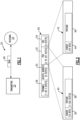
Figure 1 is a schematic of an example personal area networking system. -
Figure 2 is a schematic view of personal area network packets. -
Figure 3 is a flow diagram illustrating method steps for a disclosed method of phase ranging of a personal area network device. - Referring to
Figure 1 ,networking system 20 including atransmitting device 22 and areceiving device 24 is schematically shown. The transmittingdevice 22 and thereceiving device 24exchange data packets 26 to establish a communication link and to determine a distance therebetween. The disclosedexample transmitting device 22 and thereceiving device 24 are Bluetooth Low Energy ("BLE") devices that exchange information according to known BLE protocols. - BLE compliant packets can be lengthy and require additional time that is not necessary for range determination. The
example system 20 and method decreases ranging time using standard BLE compliant data packets by substituting header information for phase based ranging sequences. - Referring to
Figure 2 , with continued reference toFigure 1 , BLE compliant packets such as theexample packet 26 comprises aPreamble 28,Access Address 30, protocol data unit ("PDU") 32, and Cyclic Redundancy Check ("CRC") 34. ThePDU 32 further includes aheader 36 anddata payload 38. Theheader 36 includes information that is common to eachdata packet 40. In other words, each of a plurality ofPDU 32 from the transmittingdevice 22 includes the same information in theheader 36. The disclosed method saves information from aninitial header 36 within thereceiving device 24 and sends phase based rangingsequences 44 in place of theinitial header information 36 in a subsequent number of PDU's 42. The phase based ranging sequences utilize known phase based ranging methods to provide distance information while thereceiving device 24 maintains the information in theinitial header 36 for use with the subsequent PDU's 42. - Accordingly, the disclosed method conducts BLE phase-based ranging using the time and space where the
header information 36 would typically be repeated. Theheader 36 can be part of both advertisements and connection packets and can consist of whitened or unwhitened data. The standard header is 16 bits in length. The header can be whitened or unwhitened data and may consist of all 1's or all 0's of the 16 bits. - In one example embodiment, the
standard header 36 will be transmitted during the first advertisement orconnection data packet 40 to establish a communication like with thereceiving device 24. The data space of the header is then utilized to transmit phase based rangingsequences 44 for a predefined number of subsequent ranging cycles. - In an embodiment, after the
first header 36 has been used by thereceiving device 24, the header space in asubsequent PDU 42 is replaced by the phase based rangingsequences 44 needed to perform the phase based measurements for phase based ranging. Theinitial header 36 of the first advertisement orconnection data packet 40 is stored. - After a predefined number of
subsequent data packets 42, theinitial data packet 40 with theinitial header 36 is retransmitted and the cycle repeated. In one disclosed example, five (5)subsequent data packets 42 follow each first orinitial data packet 40. As appreciated, although a number ofsubsequent data packets 42 is disclosed by way of example, ten, twenty, or any predefined number ofsubsequent data packets 42 could be utilized to tailor operation to application specific requirements. - Referring to
Figure 3 with continued reference toFigures 1 and 2 , an exemplary method is schematically shown at 50. Themethod 50 begins with a master/transmittingdevice 22 transmitting BLE advertisement/connection data packets 26 as is indicated at 52. Thedata packet 26 is received with a slave/receivingdevice 24 that receives theinitial PDU 40 from the advertisement/connection data packet 26. The slave/receivingdevice 24 saves theheader information 36 for a predefined number of ranging exchanges as is shown at 56. In one example, theheader information 36 is stored for (5)subsequent PDUs 42. - Because the
header 36 is stored, each subsequent one of the ranging exchanges can use the bit space previously utilized for the header for phase based ranging sequences as is indicated at 58. Using the phase based ranging sequence instead of repeating the same header information decreases the amount of time needed to conduct phase based ranging during a ranging sequence. Moreover, because the number of bits allocated to theheader 36 is relative small, the amount of time utilized for phase based ranging is reduced. - Once the predefined number of ranging cycles is reached as is indicated at 60, the
header 36 is resent as part of another initial orfirst packet 40 that is transmitted to and stored in the receivingdevice 24 to restart the ranging process. - The header of the incoming personal area network packet is a standard header of a personal area network packet. The standard header maybe an unwhitened header or a whitened header. The stored
header 26 from the first personalarea network packet 56 is used by the receivingdevice 24 while calculating the range based on a phase shift of a phase based ranging information transmitted in place of the header information in subsequent personalarea network packets 42. - The range of the personal area network device is not based on a phase shift of
payloads area network packets device 24 relative to the transmittingdevice 22 is based on a phase shift of only a phase based rangingsequence 44 transmitted in place of theheader 36 information of theinitial packet 40. - The phase measurement may be accomplished according to known processes and techniques. Accordingly, all know phase based ranging techniques and methods are within the contemplation and scope of this disclosure. In one example embodiment, measuring the phase shift comprises analyzing in-phase and quadrature components of a signal including the phase based ranging sequences saved in the bit space of the header.
- In another disclosed example embodiment, calculating the range comprises accounting for a predetermined delay of one of the personal
area network devices - In another disclosed embodiment, the header from at least one subsequent personal area network packet is not utilized for maintaining communication for a predetermined number of packets. In another disclosed embodiment, a first packet is carried by a carrier of a different frequency than the carrier for a second packet.
- Since the headers can be used for this measurement instead of additional bits in the payload. This method also allows the unwhitening of bits which will allow for correct frequency estimation of bits and no dewhitening sequence to be required.
- Accordingly, the disclosed system and method utilizes bit space within a header for phase based ranging instead of an entire PDU. Information from an initial header is stored to provide bit space for the phase based ranging information used to determine a range between BLE devices.
- Although the different non-limiting embodiments are illustrated as having specific components or steps, the embodiments of this disclosure are not limited to those particular combinations. It is possible to use some of the components or features from any of the non-limiting embodiments in combination with features or components from any of the other non-limiting embodiments.
- It should be understood that like reference numerals identify corresponding or similar elements throughout the several drawings. It should be understood that although a particular component arrangement is disclosed and illustrated in these exemplary embodiments, other arrangements could also benefit from the teachings of this disclosure.
- The foregoing description shall be interpreted as illustrative and not in any limiting sense. A worker of ordinary skill in the art would understand that certain modifications could come within the scope of this disclosure. For these reasons, the following claims define the scope and content of this disclosure.
- Although an example embodiment has been disclosed, a worker of ordinary skill in this art would recognize that certain modifications would come within the scope of this disclosure. For that reason, the following claims define the scope and content of this disclosure.
Claims (25)
- A method for phase ranging of a personal area network device comprising:receiving (56) an initial personal area network packet (40) of a plurality of personal area network packets (40, 42);storing (56) header information contained in at least one portion (36) of the initial personal area network packet;receiving at least one second incoming personal area network packet (42) of the plurality of personal area network packets (40, 42);measuring (58) a phase shift utilizing information transmitted in place of the stored header information in the corresponding at least one portion (44) of the at least one second incoming personal area network packet (26); andcalculating (58) a range of the personal area network device based on the phase shift measured utilizing the information transmitted in place of the stored header (36) information in the at least one portion (44) of the at least one second incoming personal area network packet (42).
- The method as claimed in claim 1, wherein the phase shift is measured based on a phase based ranging sequence (44) transmitted in place of the stored header information (36) for at least one incoming personal area network packet (42).
- The method as claimed in claim 2, wherein the phase based ranging sequence (44) of the at least one incoming personal area network packet comprises 16 bits.
- The method as claimed in claim 2, wherein the header (36; 44) of the at least one incoming personal area network packet (40, 42) is a Bluetooth Low Energy personal area network packet.
- The method as claimed in claim 2, wherein the header (36) of the at least one incoming personal area network packet (40) is a standard header of a personal area network packet.
- The method as claimed in claim 5, wherein the standard header (36) of a personal area network packet (40) is an unwhitened header.
- The method as claimed in claim 2, wherein the header (36) of the at least one incoming personal area network packet (40) is a whitened header.
- The method as claimed in claim 1, further comprising maintaining communication utilizing stored header information (36) from a first personal area network packet (40) while calculating the range of the personal area network device based on a phase shift of a phase based ranging information transmitted in place (44) of the header information from at least one subsequent personal area network packet (42).
- The method as claimed in claim 8, wherein calculating the range of the personal area network device (22; 24) is based not based on a phase shift of a payload of the personal area network packet nor any of the at least one incoming personal area network packet (40, 42).
- The method as claimed in claim 8, wherein calculating the range of the personal area network device is based on a phase shift of only a phase based ranging sequence transmitted in place (44) of the header information of the at least one incoming personal area network packet (42).
- The method as claimed in claim 1 wherein measuring the phase shift comprises analyzing in-phase and quadrature components of a signal carrying the at least one portion of at least one incoming personal area network packet (40, 42).
- The method as claimed in claim 1 wherein calculating the range of the personal area network device (22, 24) comprises accounting for a predetermined delay of the personal area network device (22, 24).
- The method as claimed in claim 12, wherein the predetermined delay of the personal area network device (22, 24) comprises a delay predicted to occur within the personal area network device (22, 24).
- The method as claimed in claim 12, wherein the predetermined delay of the personal area network device (22, 24) comprises a reception delay of the personal area network device (22, 24).
- The method as claimed in claim 13 wherein the predetermined delay of the personal area network device (22, 24) comprises a transmission delay of the personal area network device (22, 24).
- The method as claimed in claim 13, wherein the predetermined delay of the personal area network device (22, 24) comprises a processing delay of the personal area network device (22, 24).
- The method as claimed in claim 8, wherein the header from at least one subsequent personal area network packet is not utilized for maintaining communication for a predetermined number of packets.
- The method as claimed in claim 1, wherein the at least one incoming personal area network packet comprises a plurality of incoming personal area network packets (40, 42) wherein the plurality of incoming personal area network packets (40, 42) comprises at least the first packet (40) and the second packet (42), wherein the first packet (40) is carried by a carrier of a different frequency than the carrier of the second packet (42).
- A personal area networking system comprising:a transmitter device (22) configured to generate an initial personal area network packet (40) including a header (36) and at least one second personal area network packet (42) of a plurality of personal area network packets (40,42); anda receiving device (24) configured to receive the initial personal area network packet (40) and at least one incoming second personal area network packet (42) of the plurality of personal area network packets (40,42), wherein the receiving device (24) is further configured to save the header (36) from the initial personal area network packet (40) and the transmitting device (22) is further configured to transmit a phase based ranging sequence (44) in place of the header information in at least one subsequent second personal area network packet (42) for determining a distance between the transmitting device (22) and the receiving device (24).
- The personal area networking system as recited in claim 19, wherein the header of the first incoming personal area network packet (40) comprises 16 bits.
- The personal area networking system as recited in claim 20, wherein the header of the first incoming personal area network packet (40) is a Bluetooth Low Energy personal area network packet.
- The personal area networking system as recited in claim 21, wherein the header of the first incoming personal area network packet (40) is a standard header of a personal area network packet and is an unwhitened header.
- The personal area networking system as claimed in claim 21, wherein the header of the first incoming personal area network packet (40) is a standard header of a personal area network packet and is a whitened header.
- The personal area networking system as recited in claim 19, wherein the receiving device (24) is further configured to maintain communication utilizing the saved header information (36) from a first personal area network packet (40) while calculating the range of the personal area network device (22, 24) based on the phase based ranging sequence contained in place of the header in the at least one subsequent personal area network packet (42).
- The personal area networking system as claimed in claim 19, wherein calculating the range of the personal area network device (22, 24) is based on a phase shift of only the phase based ranging sequence transmitted in place (44) of the stored header information of the first incoming personal area network packet (40) and not based on a phase shift of a payload of the personal area network packet (40) nor any other portion of incoming personal area network packets (42).
Applications Claiming Priority (3)
| Application Number | Priority Date | Filing Date | Title |
|---|---|---|---|
| US201962887256P | 2019-08-15 | 2019-08-15 | |
| US16/724,575 US11218857B2 (en) | 2019-08-15 | 2019-12-23 | Method of Bluetooth phase based ranging during advertisement and connection |
| PCT/US2020/046322 WO2021030668A1 (en) | 2019-08-15 | 2020-08-14 | Method of bluetooth phase based ranging during advertisement and connection |
Publications (3)
| Publication Number | Publication Date |
|---|---|
| EP3997904A1 EP3997904A1 (en) | 2022-05-18 |
| EP3997904A4 EP3997904A4 (en) | 2023-01-18 |
| EP3997904B1 true EP3997904B1 (en) | 2024-07-03 |
Family
ID=74567983
Family Applications (1)
| Application Number | Title | Priority Date | Filing Date |
|---|---|---|---|
| EP20851790.4A Active EP3997904B1 (en) | 2019-08-15 | 2020-08-14 | Method of bluetooth phase based ranging during advertisement and connection |
Country Status (3)
| Country | Link |
|---|---|
| US (1) | US11218857B2 (en) |
| EP (1) | EP3997904B1 (en) |
| WO (1) | WO2021030668A1 (en) |
Family Cites Families (6)
| Publication number | Priority date | Publication date | Assignee | Title |
|---|---|---|---|---|
| US10393857B2 (en) * | 2017-04-12 | 2019-08-27 | Qualcomm Incorporated | Methods and systems for measuring angle of arrival of signals transmitted between devices |
| WO2018222024A1 (en) | 2017-06-02 | 2018-12-06 | 엘지전자(주) | Method and apparatus for connecting devices using bluetooth le technology |
| US20190090081A1 (en) * | 2017-09-19 | 2019-03-21 | Qualcomm Incorporated | Generating an air interface packet for a low energy short-range communication device |
| US11316598B2 (en) * | 2017-12-28 | 2022-04-26 | Intel Corporation | Method and apparatus for low power synchronization of bluetooth systems |
| KR20190093956A (en) | 2018-02-02 | 2019-08-12 | 삼성전자주식회사 | Method for positioning based on bluetooth protocol and electronic device therefor |
| US10707993B2 (en) * | 2018-08-23 | 2020-07-07 | Sr Technologies, Inc. | Blind detection and synchronization of data packets |
-
2019
- 2019-12-23 US US16/724,575 patent/US11218857B2/en active Active
-
2020
- 2020-08-14 WO PCT/US2020/046322 patent/WO2021030668A1/en not_active Ceased
- 2020-08-14 EP EP20851790.4A patent/EP3997904B1/en active Active
Also Published As
| Publication number | Publication date |
|---|---|
| WO2021030668A1 (en) | 2021-02-18 |
| US20210051457A1 (en) | 2021-02-18 |
| US11218857B2 (en) | 2022-01-04 |
| EP3997904A1 (en) | 2022-05-18 |
| EP3997904A4 (en) | 2023-01-18 |
Similar Documents
| Publication | Publication Date | Title |
|---|---|---|
| CN101803428B (en) | Method and apparatus for including communication mode information (TDD or FDD) in a transmission frame for system acquisition | |
| EP3883142B1 (en) | Sidelink communication method and terminal device | |
| US11412399B2 (en) | Systems, methods, and devices for implementing antenna diversity with wireless communications devices | |
| EP3531602B1 (en) | Method for transmitting reference signal, and communication device | |
| US11394595B2 (en) | Method for measuring distance in wireless communication system and device therefor | |
| CN112805925B (en) | Method, system and device for communication between devices in a channel hopping system | |
| EP3823371B1 (en) | Method and device for signal detection | |
| EP2584859A1 (en) | Wireless packet communication method and wireless packet communication apparatus | |
| EP2941081B1 (en) | Method and device for processing random access preamble | |
| AU2018430771B2 (en) | Method for transmitting data in internet of vehicles, and terminal device | |
| CN113826436B (en) | Communication method, device and equipment | |
| US12335909B2 (en) | Methods and apparatus for Wi-Fi ranging protocol enhancement with reduced throughput impact | |
| CN108809476A (en) | A kind of method and apparatus carried out data transmission | |
| US20180302818A1 (en) | Device and Method of Handling a Measurement Gap in a Wireless Communication System | |
| CN112600653A (en) | Method and device in user equipment and base station for wireless communication | |
| EP3609255B1 (en) | Signal processing method and apparatus | |
| KR100367088B1 (en) | The Transmission Interface Device Of Wireless High Speed Physical Layer For Wiress LAN System | |
| US11218857B2 (en) | Method of Bluetooth phase based ranging during advertisement and connection | |
| US11134443B2 (en) | Systems and methods for generating and transmitting short low power wake-up request (WUR) frames in a wireless communication system | |
| JP5228066B2 (en) | Method and system for detecting bandwidth | |
| CN114846888A (en) | Transmission method, device and system of reference signal | |
| US10693726B2 (en) | Method and device for the configuration of a transmission link | |
| EP4369806A1 (en) | Control method of wireless communication module having reference point based ppdu end time alignment | |
| EP4030711B1 (en) | Channel state information representation method and receiving apparatus | |
| EP4369640A1 (en) | Control method of wireless communication module for ppdu end time alignment |
Legal Events
| Date | Code | Title | Description |
|---|---|---|---|
| STAA | Information on the status of an ep patent application or granted ep patent |
Free format text: STATUS: THE INTERNATIONAL PUBLICATION HAS BEEN MADE |
|
| PUAI | Public reference made under article 153(3) epc to a published international application that has entered the european phase |
Free format text: ORIGINAL CODE: 0009012 |
|
| STAA | Information on the status of an ep patent application or granted ep patent |
Free format text: STATUS: REQUEST FOR EXAMINATION WAS MADE |
|
| 17P | Request for examination filed |
Effective date: 20220214 |
|
| AK | Designated contracting states |
Kind code of ref document: A1 Designated state(s): AL AT BE BG CH CY CZ DE DK EE ES FI FR GB GR HR HU IE IS IT LI LT LU LV MC MK MT NL NO PL PT RO RS SE SI SK SM TR |
|
| DAV | Request for validation of the european patent (deleted) | ||
| DAX | Request for extension of the european patent (deleted) | ||
| A4 | Supplementary search report drawn up and despatched |
Effective date: 20221221 |
|
| RIC1 | Information provided on ipc code assigned before grant |
Ipc: H04W 84/18 20090101ALI20221215BHEP Ipc: H04L 69/22 20220101ALI20221215BHEP Ipc: G01S 13/84 20060101ALI20221215BHEP Ipc: H04W 4/20 20180101ALI20221215BHEP Ipc: H04W 84/20 20090101ALI20221215BHEP Ipc: H04W 76/14 20180101ALI20221215BHEP Ipc: H04W 4/80 20180101ALI20221215BHEP Ipc: H04W 28/06 20090101ALI20221215BHEP Ipc: H04W 24/08 20090101AFI20221215BHEP |
|
| GRAP | Despatch of communication of intention to grant a patent |
Free format text: ORIGINAL CODE: EPIDOSNIGR1 |
|
| STAA | Information on the status of an ep patent application or granted ep patent |
Free format text: STATUS: GRANT OF PATENT IS INTENDED |
|
| INTG | Intention to grant announced |
Effective date: 20240319 |
|
| GRAS | Grant fee paid |
Free format text: ORIGINAL CODE: EPIDOSNIGR3 |
|
| GRAA | (expected) grant |
Free format text: ORIGINAL CODE: 0009210 |
|
| STAA | Information on the status of an ep patent application or granted ep patent |
Free format text: STATUS: THE PATENT HAS BEEN GRANTED |
|
| AK | Designated contracting states |
Kind code of ref document: B1 Designated state(s): AL AT BE BG CH CY CZ DE DK EE ES FI FR GB GR HR HU IE IS IT LI LT LU LV MC MK MT NL NO PL PT RO RS SE SI SK SM TR |
|
| REG | Reference to a national code |
Ref country code: CH Ref legal event code: EP |
|
| REG | Reference to a national code |
Ref country code: DE Ref legal event code: R096 Ref document number: 602020033516 Country of ref document: DE |
|
| REG | Reference to a national code |
Ref country code: LT Ref legal event code: MG9D |
|
| REG | Reference to a national code |
Ref country code: NL Ref legal event code: MP Effective date: 20240703 |
|
| PG25 | Lapsed in a contracting state [announced via postgrant information from national office to epo] |
Ref country code: PT Free format text: LAPSE BECAUSE OF FAILURE TO SUBMIT A TRANSLATION OF THE DESCRIPTION OR TO PAY THE FEE WITHIN THE PRESCRIBED TIME-LIMIT Effective date: 20241104 |
|
| REG | Reference to a national code |
Ref country code: AT Ref legal event code: MK05 Ref document number: 1701045 Country of ref document: AT Kind code of ref document: T Effective date: 20240703 |
|
| PG25 | Lapsed in a contracting state [announced via postgrant information from national office to epo] |
Ref country code: NL Free format text: LAPSE BECAUSE OF FAILURE TO SUBMIT A TRANSLATION OF THE DESCRIPTION OR TO PAY THE FEE WITHIN THE PRESCRIBED TIME-LIMIT Effective date: 20240703 |
|
| PG25 | Lapsed in a contracting state [announced via postgrant information from national office to epo] |
Ref country code: PT Free format text: LAPSE BECAUSE OF FAILURE TO SUBMIT A TRANSLATION OF THE DESCRIPTION OR TO PAY THE FEE WITHIN THE PRESCRIBED TIME-LIMIT Effective date: 20241104 Ref country code: NL Free format text: LAPSE BECAUSE OF FAILURE TO SUBMIT A TRANSLATION OF THE DESCRIPTION OR TO PAY THE FEE WITHIN THE PRESCRIBED TIME-LIMIT Effective date: 20240703 |
|
| PG25 | Lapsed in a contracting state [announced via postgrant information from national office to epo] |
Ref country code: NO Free format text: LAPSE BECAUSE OF FAILURE TO SUBMIT A TRANSLATION OF THE DESCRIPTION OR TO PAY THE FEE WITHIN THE PRESCRIBED TIME-LIMIT Effective date: 20241003 |
|
| PG25 | Lapsed in a contracting state [announced via postgrant information from national office to epo] |
Ref country code: GR Free format text: LAPSE BECAUSE OF FAILURE TO SUBMIT A TRANSLATION OF THE DESCRIPTION OR TO PAY THE FEE WITHIN THE PRESCRIBED TIME-LIMIT Effective date: 20241004 Ref country code: PL Free format text: LAPSE BECAUSE OF FAILURE TO SUBMIT A TRANSLATION OF THE DESCRIPTION OR TO PAY THE FEE WITHIN THE PRESCRIBED TIME-LIMIT Effective date: 20240703 Ref country code: FI Free format text: LAPSE BECAUSE OF FAILURE TO SUBMIT A TRANSLATION OF THE DESCRIPTION OR TO PAY THE FEE WITHIN THE PRESCRIBED TIME-LIMIT Effective date: 20240703 |
|
| PG25 | Lapsed in a contracting state [announced via postgrant information from national office to epo] |
Ref country code: BG Free format text: LAPSE BECAUSE OF FAILURE TO SUBMIT A TRANSLATION OF THE DESCRIPTION OR TO PAY THE FEE WITHIN THE PRESCRIBED TIME-LIMIT Effective date: 20240703 |
|
| PG25 | Lapsed in a contracting state [announced via postgrant information from national office to epo] |
Ref country code: LV Free format text: LAPSE BECAUSE OF FAILURE TO SUBMIT A TRANSLATION OF THE DESCRIPTION OR TO PAY THE FEE WITHIN THE PRESCRIBED TIME-LIMIT Effective date: 20240703 |
|
| PG25 | Lapsed in a contracting state [announced via postgrant information from national office to epo] |
Ref country code: IS Free format text: LAPSE BECAUSE OF FAILURE TO SUBMIT A TRANSLATION OF THE DESCRIPTION OR TO PAY THE FEE WITHIN THE PRESCRIBED TIME-LIMIT Effective date: 20241103 Ref country code: AT Free format text: LAPSE BECAUSE OF FAILURE TO SUBMIT A TRANSLATION OF THE DESCRIPTION OR TO PAY THE FEE WITHIN THE PRESCRIBED TIME-LIMIT Effective date: 20240703 |
|
| PG25 | Lapsed in a contracting state [announced via postgrant information from national office to epo] |
Ref country code: CZ Free format text: LAPSE BECAUSE OF FAILURE TO SUBMIT A TRANSLATION OF THE DESCRIPTION OR TO PAY THE FEE WITHIN THE PRESCRIBED TIME-LIMIT Effective date: 20240703 Ref country code: HR Free format text: LAPSE BECAUSE OF FAILURE TO SUBMIT A TRANSLATION OF THE DESCRIPTION OR TO PAY THE FEE WITHIN THE PRESCRIBED TIME-LIMIT Effective date: 20240703 |
|
| PG25 | Lapsed in a contracting state [announced via postgrant information from national office to epo] |
Ref country code: RS Free format text: LAPSE BECAUSE OF FAILURE TO SUBMIT A TRANSLATION OF THE DESCRIPTION OR TO PAY THE FEE WITHIN THE PRESCRIBED TIME-LIMIT Effective date: 20241003 Ref country code: ES Free format text: LAPSE BECAUSE OF FAILURE TO SUBMIT A TRANSLATION OF THE DESCRIPTION OR TO PAY THE FEE WITHIN THE PRESCRIBED TIME-LIMIT Effective date: 20240703 |
|
| PG25 | Lapsed in a contracting state [announced via postgrant information from national office to epo] |
Ref country code: RS Free format text: LAPSE BECAUSE OF FAILURE TO SUBMIT A TRANSLATION OF THE DESCRIPTION OR TO PAY THE FEE WITHIN THE PRESCRIBED TIME-LIMIT Effective date: 20241003 Ref country code: PL Free format text: LAPSE BECAUSE OF FAILURE TO SUBMIT A TRANSLATION OF THE DESCRIPTION OR TO PAY THE FEE WITHIN THE PRESCRIBED TIME-LIMIT Effective date: 20240703 Ref country code: NO Free format text: LAPSE BECAUSE OF FAILURE TO SUBMIT A TRANSLATION OF THE DESCRIPTION OR TO PAY THE FEE WITHIN THE PRESCRIBED TIME-LIMIT Effective date: 20241003 Ref country code: LV Free format text: LAPSE BECAUSE OF FAILURE TO SUBMIT A TRANSLATION OF THE DESCRIPTION OR TO PAY THE FEE WITHIN THE PRESCRIBED TIME-LIMIT Effective date: 20240703 Ref country code: IS Free format text: LAPSE BECAUSE OF FAILURE TO SUBMIT A TRANSLATION OF THE DESCRIPTION OR TO PAY THE FEE WITHIN THE PRESCRIBED TIME-LIMIT Effective date: 20241103 Ref country code: HR Free format text: LAPSE BECAUSE OF FAILURE TO SUBMIT A TRANSLATION OF THE DESCRIPTION OR TO PAY THE FEE WITHIN THE PRESCRIBED TIME-LIMIT Effective date: 20240703 Ref country code: GR Free format text: LAPSE BECAUSE OF FAILURE TO SUBMIT A TRANSLATION OF THE DESCRIPTION OR TO PAY THE FEE WITHIN THE PRESCRIBED TIME-LIMIT Effective date: 20241004 Ref country code: FI Free format text: LAPSE BECAUSE OF FAILURE TO SUBMIT A TRANSLATION OF THE DESCRIPTION OR TO PAY THE FEE WITHIN THE PRESCRIBED TIME-LIMIT Effective date: 20240703 Ref country code: ES Free format text: LAPSE BECAUSE OF FAILURE TO SUBMIT A TRANSLATION OF THE DESCRIPTION OR TO PAY THE FEE WITHIN THE PRESCRIBED TIME-LIMIT Effective date: 20240703 Ref country code: CZ Free format text: LAPSE BECAUSE OF FAILURE TO SUBMIT A TRANSLATION OF THE DESCRIPTION OR TO PAY THE FEE WITHIN THE PRESCRIBED TIME-LIMIT Effective date: 20240703 Ref country code: BG Free format text: LAPSE BECAUSE OF FAILURE TO SUBMIT A TRANSLATION OF THE DESCRIPTION OR TO PAY THE FEE WITHIN THE PRESCRIBED TIME-LIMIT Effective date: 20240703 Ref country code: AT Free format text: LAPSE BECAUSE OF FAILURE TO SUBMIT A TRANSLATION OF THE DESCRIPTION OR TO PAY THE FEE WITHIN THE PRESCRIBED TIME-LIMIT Effective date: 20240703 |
|
| REG | Reference to a national code |
Ref country code: CH Ref legal event code: PL |
|
| REG | Reference to a national code |
Ref country code: DE Ref legal event code: R097 Ref document number: 602020033516 Country of ref document: DE |
|
| PG25 | Lapsed in a contracting state [announced via postgrant information from national office to epo] |
Ref country code: SM Free format text: LAPSE BECAUSE OF FAILURE TO SUBMIT A TRANSLATION OF THE DESCRIPTION OR TO PAY THE FEE WITHIN THE PRESCRIBED TIME-LIMIT Effective date: 20240703 Ref country code: RO Free format text: LAPSE BECAUSE OF FAILURE TO SUBMIT A TRANSLATION OF THE DESCRIPTION OR TO PAY THE FEE WITHIN THE PRESCRIBED TIME-LIMIT Effective date: 20240703 Ref country code: DK Free format text: LAPSE BECAUSE OF FAILURE TO SUBMIT A TRANSLATION OF THE DESCRIPTION OR TO PAY THE FEE WITHIN THE PRESCRIBED TIME-LIMIT Effective date: 20240703 |
|
| PG25 | Lapsed in a contracting state [announced via postgrant information from national office to epo] |
Ref country code: LU Free format text: LAPSE BECAUSE OF NON-PAYMENT OF DUE FEES Effective date: 20240814 |
|
| PG25 | Lapsed in a contracting state [announced via postgrant information from national office to epo] |
Ref country code: MC Free format text: LAPSE BECAUSE OF FAILURE TO SUBMIT A TRANSLATION OF THE DESCRIPTION OR TO PAY THE FEE WITHIN THE PRESCRIBED TIME-LIMIT Effective date: 20240703 Ref country code: CH Free format text: LAPSE BECAUSE OF NON-PAYMENT OF DUE FEES Effective date: 20240831 Ref country code: EE Free format text: LAPSE BECAUSE OF FAILURE TO SUBMIT A TRANSLATION OF THE DESCRIPTION OR TO PAY THE FEE WITHIN THE PRESCRIBED TIME-LIMIT Effective date: 20240703 |
|
| PG25 | Lapsed in a contracting state [announced via postgrant information from national office to epo] |
Ref country code: IT Free format text: LAPSE BECAUSE OF FAILURE TO SUBMIT A TRANSLATION OF THE DESCRIPTION OR TO PAY THE FEE WITHIN THE PRESCRIBED TIME-LIMIT Effective date: 20240703 Ref country code: SK Free format text: LAPSE BECAUSE OF FAILURE TO SUBMIT A TRANSLATION OF THE DESCRIPTION OR TO PAY THE FEE WITHIN THE PRESCRIBED TIME-LIMIT Effective date: 20240703 |
|
| PLBE | No opposition filed within time limit |
Free format text: ORIGINAL CODE: 0009261 |
|
| STAA | Information on the status of an ep patent application or granted ep patent |
Free format text: STATUS: NO OPPOSITION FILED WITHIN TIME LIMIT |
|
| 26N | No opposition filed |
Effective date: 20250404 |
|
| GBPC | Gb: european patent ceased through non-payment of renewal fee |
Effective date: 20241003 |
|
| REG | Reference to a national code |
Ref country code: BE Ref legal event code: MM Effective date: 20240831 |
|
| PG25 | Lapsed in a contracting state [announced via postgrant information from national office to epo] |
Ref country code: GB Free format text: LAPSE BECAUSE OF NON-PAYMENT OF DUE FEES Effective date: 20241003 |
|
| PG25 | Lapsed in a contracting state [announced via postgrant information from national office to epo] |
Ref country code: BE Free format text: LAPSE BECAUSE OF NON-PAYMENT OF DUE FEES Effective date: 20240831 |
|
| PG25 | Lapsed in a contracting state [announced via postgrant information from national office to epo] |
Ref country code: IE Free format text: LAPSE BECAUSE OF NON-PAYMENT OF DUE FEES Effective date: 20240814 |
|
| PG25 | Lapsed in a contracting state [announced via postgrant information from national office to epo] |
Ref country code: SE Free format text: LAPSE BECAUSE OF FAILURE TO SUBMIT A TRANSLATION OF THE DESCRIPTION OR TO PAY THE FEE WITHIN THE PRESCRIBED TIME-LIMIT Effective date: 20240703 |
|
| PGFP | Annual fee paid to national office [announced via postgrant information from national office to epo] |
Ref country code: DE Payment date: 20250831 Year of fee payment: 6 |
|
| PGFP | Annual fee paid to national office [announced via postgrant information from national office to epo] |
Ref country code: FR Payment date: 20250828 Year of fee payment: 6 |
|
| PG25 | Lapsed in a contracting state [announced via postgrant information from national office to epo] |
Ref country code: CY Free format text: LAPSE BECAUSE OF FAILURE TO SUBMIT A TRANSLATION OF THE DESCRIPTION OR TO PAY THE FEE WITHIN THE PRESCRIBED TIME-LIMIT; INVALID AB INITIO Effective date: 20200814 |
|
| PG25 | Lapsed in a contracting state [announced via postgrant information from national office to epo] |
Ref country code: HU Free format text: LAPSE BECAUSE OF FAILURE TO SUBMIT A TRANSLATION OF THE DESCRIPTION OR TO PAY THE FEE WITHIN THE PRESCRIBED TIME-LIMIT; INVALID AB INITIO Effective date: 20200814 |