EP3992440B1 - Controller for vehicle - Google Patents
Controller for vehicle Download PDFInfo
- Publication number
- EP3992440B1 EP3992440B1 EP21198628.6A EP21198628A EP3992440B1 EP 3992440 B1 EP3992440 B1 EP 3992440B1 EP 21198628 A EP21198628 A EP 21198628A EP 3992440 B1 EP3992440 B1 EP 3992440B1
- Authority
- EP
- European Patent Office
- Prior art keywords
- pressure
- mode
- bev
- controller
- vehicle
- Prior art date
- Legal status (The legal status is an assumption and is not a legal conclusion. Google has not performed a legal analysis and makes no representation as to the accuracy of the status listed.)
- Active
Links
Images




Classifications
-
- F—MECHANICAL ENGINEERING; LIGHTING; HEATING; WEAPONS; BLASTING
- F01—MACHINES OR ENGINES IN GENERAL; ENGINE PLANTS IN GENERAL; STEAM ENGINES
- F01L—CYCLICALLY OPERATING VALVES FOR MACHINES OR ENGINES
- F01L1/00—Valve-gear or valve arrangements, e.g. lift-valve gear
- F01L1/02—Valve drive
- F01L1/022—Chain drive
-
- F—MECHANICAL ENGINEERING; LIGHTING; HEATING; WEAPONS; BLASTING
- F16—ENGINEERING ELEMENTS AND UNITS; GENERAL MEASURES FOR PRODUCING AND MAINTAINING EFFECTIVE FUNCTIONING OF MACHINES OR INSTALLATIONS; THERMAL INSULATION IN GENERAL
- F16H—GEARING
- F16H7/00—Gearings for conveying rotary motion by endless flexible members
- F16H7/08—Means for varying tension of belts, ropes or chains
- F16H7/0829—Means for varying tension of belts, ropes or chains with vibration damping means
-
- B—PERFORMING OPERATIONS; TRANSPORTING
- B60—VEHICLES IN GENERAL
- B60K—ARRANGEMENT OR MOUNTING OF PROPULSION UNITS OR OF TRANSMISSIONS IN VEHICLES; ARRANGEMENT OR MOUNTING OF PLURAL DIVERSE PRIME-MOVERS IN VEHICLES; AUXILIARY DRIVES FOR VEHICLES; INSTRUMENTATION OR DASHBOARDS FOR VEHICLES; ARRANGEMENTS IN CONNECTION WITH COOLING, AIR INTAKE, GAS EXHAUST OR FUEL SUPPLY OF PROPULSION UNITS IN VEHICLES
- B60K6/00—Arrangement or mounting of plural diverse prime-movers for mutual or common propulsion, e.g. hybrid propulsion systems comprising electric motors and internal combustion engines
- B60K6/20—Arrangement or mounting of plural diverse prime-movers for mutual or common propulsion, e.g. hybrid propulsion systems comprising electric motors and internal combustion engines the prime-movers consisting of electric motors and internal combustion engines, e.g. HEVs
- B60K6/22—Arrangement or mounting of plural diverse prime-movers for mutual or common propulsion, e.g. hybrid propulsion systems comprising electric motors and internal combustion engines the prime-movers consisting of electric motors and internal combustion engines, e.g. HEVs characterised by apparatus, components or means specially adapted for HEVs
- B60K6/24—Arrangement or mounting of plural diverse prime-movers for mutual or common propulsion, e.g. hybrid propulsion systems comprising electric motors and internal combustion engines the prime-movers consisting of electric motors and internal combustion engines, e.g. HEVs characterised by apparatus, components or means specially adapted for HEVs characterised by the combustion engines
-
- B—PERFORMING OPERATIONS; TRANSPORTING
- B60—VEHICLES IN GENERAL
- B60K—ARRANGEMENT OR MOUNTING OF PROPULSION UNITS OR OF TRANSMISSIONS IN VEHICLES; ARRANGEMENT OR MOUNTING OF PLURAL DIVERSE PRIME-MOVERS IN VEHICLES; AUXILIARY DRIVES FOR VEHICLES; INSTRUMENTATION OR DASHBOARDS FOR VEHICLES; ARRANGEMENTS IN CONNECTION WITH COOLING, AIR INTAKE, GAS EXHAUST OR FUEL SUPPLY OF PROPULSION UNITS IN VEHICLES
- B60K6/00—Arrangement or mounting of plural diverse prime-movers for mutual or common propulsion, e.g. hybrid propulsion systems comprising electric motors and internal combustion engines
- B60K6/20—Arrangement or mounting of plural diverse prime-movers for mutual or common propulsion, e.g. hybrid propulsion systems comprising electric motors and internal combustion engines the prime-movers consisting of electric motors and internal combustion engines, e.g. HEVs
- B60K6/22—Arrangement or mounting of plural diverse prime-movers for mutual or common propulsion, e.g. hybrid propulsion systems comprising electric motors and internal combustion engines the prime-movers consisting of electric motors and internal combustion engines, e.g. HEVs characterised by apparatus, components or means specially adapted for HEVs
- B60K6/26—Arrangement or mounting of plural diverse prime-movers for mutual or common propulsion, e.g. hybrid propulsion systems comprising electric motors and internal combustion engines the prime-movers consisting of electric motors and internal combustion engines, e.g. HEVs characterised by apparatus, components or means specially adapted for HEVs characterised by the motors or the generators
-
- B—PERFORMING OPERATIONS; TRANSPORTING
- B60—VEHICLES IN GENERAL
- B60K—ARRANGEMENT OR MOUNTING OF PROPULSION UNITS OR OF TRANSMISSIONS IN VEHICLES; ARRANGEMENT OR MOUNTING OF PLURAL DIVERSE PRIME-MOVERS IN VEHICLES; AUXILIARY DRIVES FOR VEHICLES; INSTRUMENTATION OR DASHBOARDS FOR VEHICLES; ARRANGEMENTS IN CONNECTION WITH COOLING, AIR INTAKE, GAS EXHAUST OR FUEL SUPPLY OF PROPULSION UNITS IN VEHICLES
- B60K6/00—Arrangement or mounting of plural diverse prime-movers for mutual or common propulsion, e.g. hybrid propulsion systems comprising electric motors and internal combustion engines
- B60K6/20—Arrangement or mounting of plural diverse prime-movers for mutual or common propulsion, e.g. hybrid propulsion systems comprising electric motors and internal combustion engines the prime-movers consisting of electric motors and internal combustion engines, e.g. HEVs
- B60K6/22—Arrangement or mounting of plural diverse prime-movers for mutual or common propulsion, e.g. hybrid propulsion systems comprising electric motors and internal combustion engines the prime-movers consisting of electric motors and internal combustion engines, e.g. HEVs characterised by apparatus, components or means specially adapted for HEVs
- B60K6/36—Arrangement or mounting of plural diverse prime-movers for mutual or common propulsion, e.g. hybrid propulsion systems comprising electric motors and internal combustion engines the prime-movers consisting of electric motors and internal combustion engines, e.g. HEVs characterised by apparatus, components or means specially adapted for HEVs characterised by the transmission gearings
- B60K6/365—Arrangement or mounting of plural diverse prime-movers for mutual or common propulsion, e.g. hybrid propulsion systems comprising electric motors and internal combustion engines the prime-movers consisting of electric motors and internal combustion engines, e.g. HEVs characterised by apparatus, components or means specially adapted for HEVs characterised by the transmission gearings with the gears having orbital motion
-
- B—PERFORMING OPERATIONS; TRANSPORTING
- B60—VEHICLES IN GENERAL
- B60K—ARRANGEMENT OR MOUNTING OF PROPULSION UNITS OR OF TRANSMISSIONS IN VEHICLES; ARRANGEMENT OR MOUNTING OF PLURAL DIVERSE PRIME-MOVERS IN VEHICLES; AUXILIARY DRIVES FOR VEHICLES; INSTRUMENTATION OR DASHBOARDS FOR VEHICLES; ARRANGEMENTS IN CONNECTION WITH COOLING, AIR INTAKE, GAS EXHAUST OR FUEL SUPPLY OF PROPULSION UNITS IN VEHICLES
- B60K6/00—Arrangement or mounting of plural diverse prime-movers for mutual or common propulsion, e.g. hybrid propulsion systems comprising electric motors and internal combustion engines
- B60K6/20—Arrangement or mounting of plural diverse prime-movers for mutual or common propulsion, e.g. hybrid propulsion systems comprising electric motors and internal combustion engines the prime-movers consisting of electric motors and internal combustion engines, e.g. HEVs
- B60K6/42—Arrangement or mounting of plural diverse prime-movers for mutual or common propulsion, e.g. hybrid propulsion systems comprising electric motors and internal combustion engines the prime-movers consisting of electric motors and internal combustion engines, e.g. HEVs characterised by the architecture of the hybrid electric vehicle
- B60K6/44—Series-parallel type
- B60K6/442—Series-parallel switching type
-
- B—PERFORMING OPERATIONS; TRANSPORTING
- B60—VEHICLES IN GENERAL
- B60K—ARRANGEMENT OR MOUNTING OF PROPULSION UNITS OR OF TRANSMISSIONS IN VEHICLES; ARRANGEMENT OR MOUNTING OF PLURAL DIVERSE PRIME-MOVERS IN VEHICLES; AUXILIARY DRIVES FOR VEHICLES; INSTRUMENTATION OR DASHBOARDS FOR VEHICLES; ARRANGEMENTS IN CONNECTION WITH COOLING, AIR INTAKE, GAS EXHAUST OR FUEL SUPPLY OF PROPULSION UNITS IN VEHICLES
- B60K6/00—Arrangement or mounting of plural diverse prime-movers for mutual or common propulsion, e.g. hybrid propulsion systems comprising electric motors and internal combustion engines
- B60K6/20—Arrangement or mounting of plural diverse prime-movers for mutual or common propulsion, e.g. hybrid propulsion systems comprising electric motors and internal combustion engines the prime-movers consisting of electric motors and internal combustion engines, e.g. HEVs
- B60K6/42—Arrangement or mounting of plural diverse prime-movers for mutual or common propulsion, e.g. hybrid propulsion systems comprising electric motors and internal combustion engines the prime-movers consisting of electric motors and internal combustion engines, e.g. HEVs characterised by the architecture of the hybrid electric vehicle
- B60K6/44—Series-parallel type
- B60K6/445—Differential gearing distribution type
-
- B—PERFORMING OPERATIONS; TRANSPORTING
- B60—VEHICLES IN GENERAL
- B60W—CONJOINT CONTROL OF VEHICLE SUB-UNITS OF DIFFERENT TYPE OR DIFFERENT FUNCTION; CONTROL SYSTEMS SPECIALLY ADAPTED FOR HYBRID VEHICLES; ROAD VEHICLE DRIVE CONTROL SYSTEMS FOR PURPOSES NOT RELATED TO THE CONTROL OF A PARTICULAR SUB-UNIT
- B60W10/00—Conjoint control of vehicle sub-units of different type or different function
- B60W10/04—Conjoint control of vehicle sub-units of different type or different function including control of propulsion units
- B60W10/06—Conjoint control of vehicle sub-units of different type or different function including control of propulsion units including control of combustion engines
-
- B—PERFORMING OPERATIONS; TRANSPORTING
- B60—VEHICLES IN GENERAL
- B60W—CONJOINT CONTROL OF VEHICLE SUB-UNITS OF DIFFERENT TYPE OR DIFFERENT FUNCTION; CONTROL SYSTEMS SPECIALLY ADAPTED FOR HYBRID VEHICLES; ROAD VEHICLE DRIVE CONTROL SYSTEMS FOR PURPOSES NOT RELATED TO THE CONTROL OF A PARTICULAR SUB-UNIT
- B60W10/00—Conjoint control of vehicle sub-units of different type or different function
- B60W10/04—Conjoint control of vehicle sub-units of different type or different function including control of propulsion units
- B60W10/08—Conjoint control of vehicle sub-units of different type or different function including control of propulsion units including control of electric propulsion units, e.g. motors or generators
-
- B—PERFORMING OPERATIONS; TRANSPORTING
- B60—VEHICLES IN GENERAL
- B60W—CONJOINT CONTROL OF VEHICLE SUB-UNITS OF DIFFERENT TYPE OR DIFFERENT FUNCTION; CONTROL SYSTEMS SPECIALLY ADAPTED FOR HYBRID VEHICLES; ROAD VEHICLE DRIVE CONTROL SYSTEMS FOR PURPOSES NOT RELATED TO THE CONTROL OF A PARTICULAR SUB-UNIT
- B60W10/00—Conjoint control of vehicle sub-units of different type or different function
- B60W10/30—Conjoint control of vehicle sub-units of different type or different function including control of auxiliary equipment, e.g. air-conditioning compressors or oil pumps
-
- B—PERFORMING OPERATIONS; TRANSPORTING
- B60—VEHICLES IN GENERAL
- B60W—CONJOINT CONTROL OF VEHICLE SUB-UNITS OF DIFFERENT TYPE OR DIFFERENT FUNCTION; CONTROL SYSTEMS SPECIALLY ADAPTED FOR HYBRID VEHICLES; ROAD VEHICLE DRIVE CONTROL SYSTEMS FOR PURPOSES NOT RELATED TO THE CONTROL OF A PARTICULAR SUB-UNIT
- B60W20/00—Control systems specially adapted for hybrid vehicles
-
- B—PERFORMING OPERATIONS; TRANSPORTING
- B60—VEHICLES IN GENERAL
- B60W—CONJOINT CONTROL OF VEHICLE SUB-UNITS OF DIFFERENT TYPE OR DIFFERENT FUNCTION; CONTROL SYSTEMS SPECIALLY ADAPTED FOR HYBRID VEHICLES; ROAD VEHICLE DRIVE CONTROL SYSTEMS FOR PURPOSES NOT RELATED TO THE CONTROL OF A PARTICULAR SUB-UNIT
- B60W20/00—Control systems specially adapted for hybrid vehicles
- B60W20/10—Controlling the power contribution of each of the prime movers to meet required power demand
- B60W20/15—Control strategies specially adapted for achieving a particular effect
-
- B—PERFORMING OPERATIONS; TRANSPORTING
- B60—VEHICLES IN GENERAL
- B60W—CONJOINT CONTROL OF VEHICLE SUB-UNITS OF DIFFERENT TYPE OR DIFFERENT FUNCTION; CONTROL SYSTEMS SPECIALLY ADAPTED FOR HYBRID VEHICLES; ROAD VEHICLE DRIVE CONTROL SYSTEMS FOR PURPOSES NOT RELATED TO THE CONTROL OF A PARTICULAR SUB-UNIT
- B60W20/00—Control systems specially adapted for hybrid vehicles
- B60W20/20—Control strategies involving selection of hybrid configuration, e.g. selection between series or parallel configuration
-
- B—PERFORMING OPERATIONS; TRANSPORTING
- B60—VEHICLES IN GENERAL
- B60W—CONJOINT CONTROL OF VEHICLE SUB-UNITS OF DIFFERENT TYPE OR DIFFERENT FUNCTION; CONTROL SYSTEMS SPECIALLY ADAPTED FOR HYBRID VEHICLES; ROAD VEHICLE DRIVE CONTROL SYSTEMS FOR PURPOSES NOT RELATED TO THE CONTROL OF A PARTICULAR SUB-UNIT
- B60W30/00—Purposes of road vehicle drive control systems not related to the control of a particular sub-unit, e.g. of systems using conjoint control of vehicle sub-units
- B60W30/18—Propelling the vehicle
- B60W30/192—Mitigating problems related to power-up or power-down of the driveline, e.g. start-up of a cold engine
-
- F—MECHANICAL ENGINEERING; LIGHTING; HEATING; WEAPONS; BLASTING
- F16—ENGINEERING ELEMENTS AND UNITS; GENERAL MEASURES FOR PRODUCING AND MAINTAINING EFFECTIVE FUNCTIONING OF MACHINES OR INSTALLATIONS; THERMAL INSULATION IN GENERAL
- F16H—GEARING
- F16H55/00—Elements with teeth or friction surfaces for conveying motion; Worms, pulleys or sheaves for gearing mechanisms
- F16H55/02—Toothed members; Worms
- F16H55/30—Chain-wheels
-
- F—MECHANICAL ENGINEERING; LIGHTING; HEATING; WEAPONS; BLASTING
- F16—ENGINEERING ELEMENTS AND UNITS; GENERAL MEASURES FOR PRODUCING AND MAINTAINING EFFECTIVE FUNCTIONING OF MACHINES OR INSTALLATIONS; THERMAL INSULATION IN GENERAL
- F16H—GEARING
- F16H7/00—Gearings for conveying rotary motion by endless flexible members
- F16H7/08—Means for varying tension of belts, ropes or chains
-
- B—PERFORMING OPERATIONS; TRANSPORTING
- B60—VEHICLES IN GENERAL
- B60K—ARRANGEMENT OR MOUNTING OF PROPULSION UNITS OR OF TRANSMISSIONS IN VEHICLES; ARRANGEMENT OR MOUNTING OF PLURAL DIVERSE PRIME-MOVERS IN VEHICLES; AUXILIARY DRIVES FOR VEHICLES; INSTRUMENTATION OR DASHBOARDS FOR VEHICLES; ARRANGEMENTS IN CONNECTION WITH COOLING, AIR INTAKE, GAS EXHAUST OR FUEL SUPPLY OF PROPULSION UNITS IN VEHICLES
- B60K1/00—Arrangement or mounting of electrical propulsion units
- B60K1/02—Arrangement or mounting of electrical propulsion units comprising more than one electric motor
-
- B—PERFORMING OPERATIONS; TRANSPORTING
- B60—VEHICLES IN GENERAL
- B60K—ARRANGEMENT OR MOUNTING OF PROPULSION UNITS OR OF TRANSMISSIONS IN VEHICLES; ARRANGEMENT OR MOUNTING OF PLURAL DIVERSE PRIME-MOVERS IN VEHICLES; AUXILIARY DRIVES FOR VEHICLES; INSTRUMENTATION OR DASHBOARDS FOR VEHICLES; ARRANGEMENTS IN CONNECTION WITH COOLING, AIR INTAKE, GAS EXHAUST OR FUEL SUPPLY OF PROPULSION UNITS IN VEHICLES
- B60K6/00—Arrangement or mounting of plural diverse prime-movers for mutual or common propulsion, e.g. hybrid propulsion systems comprising electric motors and internal combustion engines
- B60K6/20—Arrangement or mounting of plural diverse prime-movers for mutual or common propulsion, e.g. hybrid propulsion systems comprising electric motors and internal combustion engines the prime-movers consisting of electric motors and internal combustion engines, e.g. HEVs
- B60K6/22—Arrangement or mounting of plural diverse prime-movers for mutual or common propulsion, e.g. hybrid propulsion systems comprising electric motors and internal combustion engines the prime-movers consisting of electric motors and internal combustion engines, e.g. HEVs characterised by apparatus, components or means specially adapted for HEVs
- B60K6/38—Arrangement or mounting of plural diverse prime-movers for mutual or common propulsion, e.g. hybrid propulsion systems comprising electric motors and internal combustion engines the prime-movers consisting of electric motors and internal combustion engines, e.g. HEVs characterised by apparatus, components or means specially adapted for HEVs characterised by the driveline clutches
- B60K2006/381—Arrangement or mounting of plural diverse prime-movers for mutual or common propulsion, e.g. hybrid propulsion systems comprising electric motors and internal combustion engines the prime-movers consisting of electric motors and internal combustion engines, e.g. HEVs characterised by apparatus, components or means specially adapted for HEVs characterised by the driveline clutches characterized by driveline brakes
-
- B—PERFORMING OPERATIONS; TRANSPORTING
- B60—VEHICLES IN GENERAL
- B60W—CONJOINT CONTROL OF VEHICLE SUB-UNITS OF DIFFERENT TYPE OR DIFFERENT FUNCTION; CONTROL SYSTEMS SPECIALLY ADAPTED FOR HYBRID VEHICLES; ROAD VEHICLE DRIVE CONTROL SYSTEMS FOR PURPOSES NOT RELATED TO THE CONTROL OF A PARTICULAR SUB-UNIT
- B60W2510/00—Input parameters relating to a particular sub-units
- B60W2510/06—Combustion engines, Gas turbines
- B60W2510/0638—Engine speed
-
- B—PERFORMING OPERATIONS; TRANSPORTING
- B60—VEHICLES IN GENERAL
- B60W—CONJOINT CONTROL OF VEHICLE SUB-UNITS OF DIFFERENT TYPE OR DIFFERENT FUNCTION; CONTROL SYSTEMS SPECIALLY ADAPTED FOR HYBRID VEHICLES; ROAD VEHICLE DRIVE CONTROL SYSTEMS FOR PURPOSES NOT RELATED TO THE CONTROL OF A PARTICULAR SUB-UNIT
- B60W2710/00—Output or target parameters relating to a particular sub-units
- B60W2710/30—Auxiliary equipments
-
- B—PERFORMING OPERATIONS; TRANSPORTING
- B60—VEHICLES IN GENERAL
- B60Y—INDEXING SCHEME RELATING TO ASPECTS CROSS-CUTTING VEHICLE TECHNOLOGY
- B60Y2200/00—Type of vehicle
- B60Y2200/90—Vehicles comprising electric prime movers
- B60Y2200/92—Hybrid vehicles
-
- B—PERFORMING OPERATIONS; TRANSPORTING
- B60—VEHICLES IN GENERAL
- B60Y—INDEXING SCHEME RELATING TO ASPECTS CROSS-CUTTING VEHICLE TECHNOLOGY
- B60Y2300/00—Purposes or special features of road vehicle drive control systems
- B60Y2300/18—Propelling the vehicle
- B60Y2300/182—Selecting between different operative modes, e.g. comfort and performance modes
-
- B—PERFORMING OPERATIONS; TRANSPORTING
- B60—VEHICLES IN GENERAL
- B60Y—INDEXING SCHEME RELATING TO ASPECTS CROSS-CUTTING VEHICLE TECHNOLOGY
- B60Y2400/00—Special features of vehicle units
- B60Y2400/70—Gearings
- B60Y2400/78—Pumps, e.g. jet type
- B60Y2400/785—Pump drives
-
- F—MECHANICAL ENGINEERING; LIGHTING; HEATING; WEAPONS; BLASTING
- F01—MACHINES OR ENGINES IN GENERAL; ENGINE PLANTS IN GENERAL; STEAM ENGINES
- F01M—LUBRICATING OF MACHINES OR ENGINES IN GENERAL; LUBRICATING INTERNAL COMBUSTION ENGINES; CRANKCASE VENTILATING
- F01M1/00—Pressure lubrication
- F01M1/02—Pressure lubrication using lubricating pumps
- F01M2001/0253—Pressure lubrication using lubricating pumps characterised by the pump driving means
- F01M2001/0269—Pressure lubrication using lubricating pumps characterised by the pump driving means driven by the crankshaft
-
- F—MECHANICAL ENGINEERING; LIGHTING; HEATING; WEAPONS; BLASTING
- F16—ENGINEERING ELEMENTS AND UNITS; GENERAL MEASURES FOR PRODUCING AND MAINTAINING EFFECTIVE FUNCTIONING OF MACHINES OR INSTALLATIONS; THERMAL INSULATION IN GENERAL
- F16H—GEARING
- F16H7/00—Gearings for conveying rotary motion by endless flexible members
- F16H7/08—Means for varying tension of belts, ropes or chains
- F16H2007/0802—Actuators for final output members
- F16H2007/0812—Fluid pressure
-
- F—MECHANICAL ENGINEERING; LIGHTING; HEATING; WEAPONS; BLASTING
- F16—ENGINEERING ELEMENTS AND UNITS; GENERAL MEASURES FOR PRODUCING AND MAINTAINING EFFECTIVE FUNCTIONING OF MACHINES OR INSTALLATIONS; THERMAL INSULATION IN GENERAL
- F16H—GEARING
- F16H7/00—Gearings for conveying rotary motion by endless flexible members
- F16H7/08—Means for varying tension of belts, ropes or chains
- F16H2007/0863—Finally actuated members, e.g. constructional details thereof
- F16H2007/0872—Sliding members
-
- F—MECHANICAL ENGINEERING; LIGHTING; HEATING; WEAPONS; BLASTING
- F16—ENGINEERING ELEMENTS AND UNITS; GENERAL MEASURES FOR PRODUCING AND MAINTAINING EFFECTIVE FUNCTIONING OF MACHINES OR INSTALLATIONS; THERMAL INSULATION IN GENERAL
- F16H—GEARING
- F16H7/00—Gearings for conveying rotary motion by endless flexible members
- F16H7/08—Means for varying tension of belts, ropes or chains
- F16H2007/0876—Control or adjustment of actuators
- F16H2007/0885—Control or adjustment of actuators the tension being a function of engine running condition
-
- F—MECHANICAL ENGINEERING; LIGHTING; HEATING; WEAPONS; BLASTING
- F16—ENGINEERING ELEMENTS AND UNITS; GENERAL MEASURES FOR PRODUCING AND MAINTAINING EFFECTIVE FUNCTIONING OF MACHINES OR INSTALLATIONS; THERMAL INSULATION IN GENERAL
- F16H—GEARING
- F16H7/00—Gearings for conveying rotary motion by endless flexible members
- F16H7/08—Means for varying tension of belts, ropes or chains
- F16H2007/0889—Path of movement of the finally actuated member
- F16H2007/0893—Circular path
-
- F—MECHANICAL ENGINEERING; LIGHTING; HEATING; WEAPONS; BLASTING
- F16—ENGINEERING ELEMENTS AND UNITS; GENERAL MEASURES FOR PRODUCING AND MAINTAINING EFFECTIVE FUNCTIONING OF MACHINES OR INSTALLATIONS; THERMAL INSULATION IN GENERAL
- F16H—GEARING
- F16H7/00—Gearings for conveying rotary motion by endless flexible members
- F16H7/08—Means for varying tension of belts, ropes or chains
- F16H2007/0889—Path of movement of the finally actuated member
- F16H2007/0897—External to internal direction
-
- F—MECHANICAL ENGINEERING; LIGHTING; HEATING; WEAPONS; BLASTING
- F16—ENGINEERING ELEMENTS AND UNITS; GENERAL MEASURES FOR PRODUCING AND MAINTAINING EFFECTIVE FUNCTIONING OF MACHINES OR INSTALLATIONS; THERMAL INSULATION IN GENERAL
- F16H—GEARING
- F16H3/00—Toothed gearings for conveying rotary motion with variable gear ratio or for reversing rotary motion
- F16H3/44—Toothed gearings for conveying rotary motion with variable gear ratio or for reversing rotary motion using gears having orbital motion
- F16H3/72—Toothed gearings for conveying rotary motion with variable gear ratio or for reversing rotary motion using gears having orbital motion with a secondary drive, e.g. regulating motor, in order to vary speed continuously
- F16H3/724—Toothed gearings for conveying rotary motion with variable gear ratio or for reversing rotary motion using gears having orbital motion with a secondary drive, e.g. regulating motor, in order to vary speed continuously using externally powered electric machines
-
- F—MECHANICAL ENGINEERING; LIGHTING; HEATING; WEAPONS; BLASTING
- F16—ENGINEERING ELEMENTS AND UNITS; GENERAL MEASURES FOR PRODUCING AND MAINTAINING EFFECTIVE FUNCTIONING OF MACHINES OR INSTALLATIONS; THERMAL INSULATION IN GENERAL
- F16H—GEARING
- F16H7/00—Gearings for conveying rotary motion by endless flexible members
- F16H7/08—Means for varying tension of belts, ropes or chains
- F16H7/0829—Means for varying tension of belts, ropes or chains with vibration damping means
- F16H7/0834—Means for varying tension of belts, ropes or chains with vibration damping means of the viscous friction type, e.g. viscous fluid
-
- Y—GENERAL TAGGING OF NEW TECHNOLOGICAL DEVELOPMENTS; GENERAL TAGGING OF CROSS-SECTIONAL TECHNOLOGIES SPANNING OVER SEVERAL SECTIONS OF THE IPC; TECHNICAL SUBJECTS COVERED BY FORMER USPC CROSS-REFERENCE ART COLLECTIONS [XRACs] AND DIGESTS
- Y02—TECHNOLOGIES OR APPLICATIONS FOR MITIGATION OR ADAPTATION AGAINST CLIMATE CHANGE
- Y02T—CLIMATE CHANGE MITIGATION TECHNOLOGIES RELATED TO TRANSPORTATION
- Y02T10/00—Road transport of goods or passengers
- Y02T10/60—Other road transportation technologies with climate change mitigation effect
- Y02T10/62—Hybrid vehicles
Definitions
- the following invention relates to a controller for a vehicle.
- Japanese Laid-Open Patent Publication No. 2014-109237 discloses a vehicle that includes a drive sprocket, two idler sprockets, a chain, a swing guide, and a chain tensioner.
- the drive sprocket is attached to the crankshaft of an internal combustion engine.
- the idler sprockets are attached to the intake camshaft and the exhaust camshaft of the internal combustion engine.
- the chain runs around the drive sprocket and the two idler sprockets.
- the swing guide is located near the chain.
- the internal combustion engine supports the swing guide in a manner allowing the swing guide to swing.
- the chain tensioner pushes the swing guide against the chain. That is, the chain tensioner uses the swing guide to apply tension to the chain.
- the chain tensioner is supplied with oil by a pump when the crankshaft of the internal combustion engine rotates.
- the chain tensioner has the functionality of an oil damper.
- a known vehicle includes a motor generator as a driving source in addition to an internal combustion engine. Such a vehicle can travel in a Battery Electric Vehicle (BEV) mode in which the motor generator is driven while the internal combustion engine is stopped.
- BEV Battery Electric Vehicle
- a vehicle capable of travelling in the BEV mode includes the chain tensioner as described in the background, the internal combustion engine is stopped in the BEV mode. This stops the oil pump operated by the combustion engine, which serves as a driving source, from supplying oil to the chain tensioner.
- the oil pump operated by the combustion engine which serves as a driving source, from supplying oil to the chain tensioner.
- air in an oil passage from the oil pump to the chain tensioner may enter the chain tensioner.
- the air enters the chain tensioner it will take time to discharge the air from the chain tensioner and the chain tensioner may be adversely affected when serving as an oil damper.
- the controller may execute the high-pressure process on condition that an engine speed of the internal combustion engine is less than or equal to a specified rotation speed.
- the high-pressure process is not executed when the engine speed of the internal combustion engine is more than the specified rotation speed and the pressure of the oil supplied from the oil pump to the chain tensioner is sufficient. Thus, there is no energy loss when, for example, the high-pressure process is executed.
- the controller may increase the supply pressure in the high-pressure process as the BEV mode duration becomes longer. This increases the supply pressure in the high-pressure process as the BEV mode duration becomes longer and the likelihood of air being included in the chain tensioner increases. Thus, even when the BEV mode duration becomes longer, air is promptly discharged from the chain tensioner in the following non-BEV mode.
- the controller may execute a filling process for setting a filling pressure that is higher than the supply pressure of the high-pressure process as a target pressure of the oil pump after shifting the traveling mode from the BEV mode to the non-BEV mode and before the high-pressure process, and the filling pressure of the filling process may be unchanged regardless of the BEV mode duration.
- Exemplary embodiments may have different forms, and are not limited to the examples described. However, the examples described are thorough and complete, and convey the full scope of the disclosure to one of ordinary skill in the art.
- the vehicle 100 transmits force through a path formed by an internal combustion engine 10, a power splitting mechanism 40, a reduction mechanism 50, a first motor generator 61, a second motor generator 62, a transmission mechanism 66, a differential 67, and drive wheels 68.
- the internal combustion engine 10 includes a crankshaft 11 that serves as an output shaft.
- the crankshaft 11 is connected to the power splitting mechanism 40.
- the power splitting mechanism 40 serves as a planetary gear mechanism including a sun gear 41, a carrier 42, pinion gears 43, a ring gear 44, and a ring gear shaft 45.
- the sun gear 41 which is an external gear, is coaxial with the ring gear 44, which is an internal gear.
- the sun gear 41 is connected to the ring gear 44 by the pinion gears 43.
- the carrier 42 supports the pinion gears 43 so that each pinion gear 43 can revolve about its axis.
- the carrier 42 also supports the pinion gears 43 so that the pinion gears 43 can orbit about the sun gear 41.
- the pinion gears 43 orbit the sun gear 41 as the carrier 42 rotates.
- the carrier 42 is connected to the crankshaft 11.
- the sun gear 41 is connected to the rotary shaft of the first motor generator 61.
- the first motor generator 61 When the torque of the internal combustion engine 10 is input to the carrier 42, the torque of the internal combustion engine 10 is distributed to the sun gear 41 and the ring gear 44. When the torque of the internal combustion engine 10 transmitted by the sun gear 41 is input to the rotary shaft of the first motor generator 61, the first motor generator 61 operates as a generator.
- the first motor generator 61 when the first motor generator 61 operates as an electric motor, the torque of the first motor generator 61 is input to the sun gear 41. The torque of the first motor generator 61 input to the sun gear 41 is distributed to the carrier 42 and the ring gear 44. Then, when the torque of the first motor generator 61 transmitted by the carrier 42 is input to the crankshaft 11 of the internal combustion engine 10, the crankshaft 11 of the internal combustion engine 10 is rotated. In this manner, the first motor generator 61 is configured to supply torque to the internal combustion engine 10.
- the ring gear 44 is connected to the ring gear shaft 45.
- the ring gear shaft 45 is rotated integrally with the ring gear 44.
- the ring gear shaft 45 is connected to the transmission mechanism 66.
- the transmission mechanism 66 includes, for example, a reduction gear mechanism and an automatic transmission.
- the transmission mechanism 66 is connected to the drive wheels 68 by the differential 67.
- the differential 67 allows the left and right drive wheels 68 to rotate at different speeds.
- the ring gear shaft 45 is connected to the reduction mechanism 50.
- the reduction mechanism 50 serves as a planetary gear mechanism including a sun gear 51, a carrier 52, pinion gears 53, a ring gear 54, and a case 55.
- the sun gear 51 which is an external gear, is coaxial with the ring gear 54, which is an internal gear.
- the sun gear 51 is connected to the ring gear 54 by the pinion gears 53.
- the carrier 52 supports the pinion gears 53 so that each pinion gear 53 can revolve about its axis.
- the carrier 52 is fixed to the case 55 of the reduction mechanism 50. That is, the carrier 52 cannot rotate and the carrier 52 does not allow the pinion gears 53 to orbit about the sun gear 51.
- the ring gear 54 is connected to the ring gear shaft 45.
- the sun gear 51 is connected to the rotary shaft of the second motor generator 62.
- the second motor generator 62 operates as a generator when the vehicle 100 decelerates so that a regenerative braking force is generated in the vehicle 100 in accordance with the amount of electric power generated by the second motor generator 62.
- the torque of the second motor generator 62 is input to the drive wheels 68 by the reduction mechanism 50, the ring gear shaft 45, the transmission mechanism 66, and the differential 67.
- the drive wheels 68 are thus rotated by the torque of the second motor generator 62.
- the vehicle 100 includes a first inverter 71, a second inverter 72, and a battery 73 that form a device for transferring electric power.
- the first inverter 71 adjusts the amount of electric power transferred between the first motor generator 61 and the battery 73.
- the second inverter 72 adjusts the amount of electric power transferred between the second motor generator 62 and the battery 73.
- the vehicle 100 includes a supply passage 76 and an oil pump 77 that form a mechanism for supplying oil.
- the oil pump 77 which is connected to the crankshaft 11, is driven when the crankshaft 11 is rotated.
- the oil pump 77 is a mechanical oil pump that discharges oil when the crankshaft 11 is rotated.
- a regulation valve (not shown) is controlled to adjust the displacement of the oil pump 77 and vary the amount of oil discharged from the oil pump 77 at every rotation of the crankshaft 11. That is, the oil pump 77 is a variable displacement pump.
- the supply passage 76 is connected to the oil pump 77.
- the supply passage 76 supplies parts of the internal combustion engine 10 with oil discharged from the oil pump 77.
- the vehicle 100 includes a chain mechanism 20 that transmits driving force of the crankshaft 11 to other devices.
- the chain mechanism 20 includes a drive sprocket 21, an intake sprocket 22, an exhaust sprocket 23, a chain 24, a fixed guide 25, a swing guide 26, a cover 27, and a chain tensioner 30.
- the drive sprocket 21 is attached to the crankshaft 11.
- the intake sprocket 22 is attached to the intake camshaft (not shown) of the internal combustion engine 10.
- the exhaust sprocket 23 is attached to the exhaust camshaft (not shown) of the internal combustion engine 10.
- the intake camshaft selectively opens and closes each intake valve of the internal combustion engine 10
- the exhaust camshaft selectively opens and closes each exhaust valve of the internal combustion engine 10.
- the chain 24 runs around the drive sprocket 21, the intake sprocket 22, and the exhaust sprocket 23.
- rotation of the drive sprocket 21 moves the chain 24 and transmits driving force to the intake sprocket 22 and the exhaust sprocket 23.
- the intake sprocket 22 and the exhaust sprocket 23 serve as idler sprockets.
- the cover 27 is located near the intake sprocket 22 and the exhaust sprocket 23.
- the cover 27 covers the portion of the chain 24 between the intake sprocket 22 and the exhaust sprocket 23.
- the fixed guide 25 is located near the chain 24 outside the region surrounded by the chain 24.
- the fixed guide 25 is located between the drive sprocket 21 and the exhaust sprocket 23.
- the fixed guide 25 extends from the drive sprocket 21 toward the exhaust sprocket 23.
- the fixed guide 25 is fixed by bolts on the outer surface of the internal combustion engine 10.
- the fixed guide 25 is in contact with the chain 24 from the outer side of the region surrounded by the chain 24.
- the swing guide 26 is located near the chain 24 outside the region surrounded by the chain 24.
- the swing guide 26 is located between the drive sprocket 21 and the intake sprocket 22.
- the swing guide 26 includes a guide body 26A, a support projection 26B, an abutment projection 26C, and a pivot shaft 26D.
- the guide body 26A extends from the vicinity of the drive sprocket 21 toward the intake sprocket 22.
- the guide body 26A has an arcuate central portion in the longitudinal direction that is bulged toward the chain 24.
- the support projection 26B is located at the end of the guide body 26A that is closer to the drive sprocket 21.
- the support projection 26B projects away from the chain 24.
- the pivot shaft 26D extends through the support projection 26B.
- the pivot shaft 26D is fixed to the internal combustion engine 10.
- the support projection 26B and the guide body 26A pivot about the pivot shaft 26D.
- the abutment projection 26C is located toward the intake sprocket 22 from the central portion of the guide body 26A.
- the abutment projection 26C projects away from the chain 24.
- the projection end surface of the abutment projection 26C has a recessed central portion that is curved.
- the chain tensioner 30 is located at the side of the swing guide 26 opposite to the chain 24.
- the chain tensioner 30 includes a housing 31, a plunger 32, a spring 33, a check valve mechanism 34, an upper flange 36, and a lower flange 37.
- the housing 31 is substantially tubular and includes an open first end and a closed second end.
- the opening of the housing 31 is directed toward the abutment projection 26C.
- the inner surface of the housing 31 includes a cavity 31A, a diameter-enlarging gap 31B, and a supply hole 31C.
- the cavity 31A extends in the housing 31 from the open first end of to the closed second end and defines a substantially cylindrical hollow.
- the diameter-enlarging gap 31B is connected to the substantially central portion of the cavity 31A in the axial direction.
- the diameter-enlarging gap 31B surrounds the cavity 31A in the circumferential direction and is substantially annular.
- the supply hole 31C extends from the diameter-enlarging gap 31B to the outer circumferential surface of the housing 31.
- the supply hole 31C is connected to the supply passage 76.
- the upper flange 36 projects upward from the outer circumferential surface of the housing 31.
- the upper flange 36 is fixed to the outer surface of the internal combustion engine 10 by a bolt.
- the lower flange 37 projects downward from the outer circumferential surface of the housing 31.
- the lower flange 37 is fixed to the outer surface of the internal combustion engine 10 by a bolt.
- the plunger 32 is substantially cylindrical.
- the outer diameter of the plunger 32 is slightly less than the inner diameter of the cavity 31A of the housing 31.
- the plunger 32 is positioned in the cavity 31A of the housing 31.
- a first end of the plunger 32 projects out of the cavity 31A.
- the first end of the plunger 32 includes an end surface that abuts the abutment projection 26C of the swing guide 26.
- the end surface of the first end of the plunger 32 is curved so as to be bulged outward at the central portion.
- a hydraulic pressure chamber 30A supplied with oil is defined in the cavity 31A between the end surface of a second end of the plunger 32 and the closed second end surface of the housing 31.
- the chain tensioner 30 also serves as an oil damper that uses the oil supplied to the hydraulic pressure chamber 30A.
- the plunger 32 is hollow.
- the plunger 32 includes a first space 32A, a second space 32B, a connection hole 32C, and a guide hole 32D that are defined by the inner surface of the plunger 32.
- the second space 32B, the connection hole 32C, and the first space 32A are arranged in order from the second end toward the first end of the plunger 32.
- the second space 32B is substantially cylindrical.
- the second space 32B is open to the hydraulic pressure chamber 30A.
- the connection hole 32C is connected to the second space 32B.
- the connection hole 32C is substantially cylindrical.
- the diameter of the connection hole 32C is less than the diameter of the second space 32B.
- the first space 32A is connected to the connection hole 32C.
- the first space 32A is substantially cylindrical.
- the diameter of the first space 32A is greater than the diameter of the connection hole 32C.
- the guide hole 32D extends from the first space 32A to the outer circumferential surface of the plunger 32.
- the spring 33 is located between the housing 31 and the plunger 32.
- the spring 33 is compressed.
- the spring 33 includes a first end that is in contact with the closed second end of the housing 31, which includes the cavity 31A.
- the spring 33 includes a second end that is located in the second space 32B of the plunger 32 and contacts a wall of the plunger 32 that defines the second space 32B.
- the spring 33 urges the plunger 32 toward the abutment projection 26C of the swing guide 26.
- the check valve mechanism 34 is located in the second space 32B of the plunger 32 and attached to the wall of the plunger 32 that defines the second space 32B.
- the check valve mechanism 34 restricts the flow of oil through the connection hole 32C between the first space 32A and the second space 32B in accordance with the pressure of the oil in the first space 32A and the second space 32B.
- the check valve mechanism 34 allows oil to flow from the first space 32A to the second space 32B through the connection hole 32C when the pressure of the oil in the first space 32A is higher than the pressure of the oil in the second space 32B.
- the check valve mechanism 34 restricts the flow of oil from the second space 32B to the first space 32A through the connection hole 32C when the pressure of the oil in the first space 32A is lower than or equal to than the pressure of the oil in the second space 32B.
- the vehicle 100 includes a crank angle sensor 81, an accelerator position sensor 83, a speed sensor 84, and an accelerator pedal 89.
- the crank angle sensor 81 is arranged near the crankshaft 11.
- the crank angle sensor 81 detects a crank angle SC that corresponds to the rotation angle of the crankshaft 11.
- the accelerator position sensor 83 is arranged near the accelerator pedal 89 that is operated by a driver.
- the accelerator position sensor 83 detects an accelerator pedal position ACC that corresponds to the operation amount of the accelerator pedal 89 operated by the driver.
- the speed sensor 84 detects a vehicle speed SP that corresponds to the speed of the vehicle 100.
- the vehicle 100 includes the controller 90.
- the controller 90 receives a signal indicating the crank angle SC from the crank angle sensor 81.
- the controller 90 receives a signal corresponding to the accelerator pedal position ACC from the accelerator position sensor 83.
- the controller 90 receives a signal corresponding to the vehicle speed SP from the speed sensor 84.
- the controller 90 calculates an engine speed NE that corresponds to the rotation speed of the crankshaft 11 from the crank angle SC.
- the controller 90 calculates a vehicle request output that is a request value of the output required for the vehicle 100 to travel based on the accelerator pedal position ACC and the vehicle speed SP.
- the controller 90 determines a torque distribution of the internal combustion engine 10, the first motor generator 61, and the second motor generator 62 based on the vehicle request output.
- the controller 90 controls the output of the internal combustion engine 10 and the driving and regeneration of the first motor generator 61 and the second motor generator 62 based on the torque distribution of the internal combustion engine 10, the first motor generator 61, and the second motor generator 62.
- the controller 90 outputs a control signal to the internal combustion engine 10 to execute various types of control on the internal combustion engine 10 such as adjustment of the intake air amount, adjustment of the fuel injection amount, and adjustment of the ignition time.
- the controller 90 outputs a control signal to the first inverter 71 when controlling the first motor generator 61.
- the controller 90 controls the first motor generator 61 with the first inverter 71 by adjusting the amount of electric power transferred between the first motor generator 61 and the battery 73.
- the controller 90 outputs a control signal to the second inverter 72 when controlling the second motor generator 62.
- the controller 90 controls the second motor generator 62 with the second inverter 72 by adjusting the amount of electric power transferred between the second motor generator 62 and the battery 73.
- the controller 90 selects a Battery Electric Vehicle (BEV) mode or a Hybrid Electric Vehicle (HEV) mode as a traveling mode of the vehicle 100.
- BEV Battery Electric Vehicle
- HEV Hybrid Electric Vehicle
- the BEV mode is a traveling mode of the vehicle 100 that stops the internal combustion engine 10 and drives the first motor generator 61 and/or the second motor generator 62.
- the vehicle 100 travels using the torque of the first motor generator 61 and/or the torque of the second motor generator 62.
- the HEV mode is a traveling mode of the vehicle 100 that drives the internal combustion engine 10 in addition to the first motor generator 61 and the second motor generator 62.
- the vehicle 100 travels using the torque of the internal combustion engine 10 in addition to the torque of the first motor generator 61 and the torque of the second motor generator 62.
- the HEV mode is an example of a non-BEV mode.
- the controller 90 selects the BEV mode as long as the state of charge of the battery 73 is sufficient.
- the controller 90 selects the HEV mode when, for example, the state of charge of the battery 73 is insufficient.
- the controller 90 calculates a normal pressure PB as a target pressure of the oil discharged from the oil pump 77 into the supply passage 76 under a normal situation. Specifically, the controller 90 calculates a higher value for the normal pressure PB as the engine speed NE increases.
- One example of the normal pressure PB is approximately several tens to several hundreds of kPa.
- the controller 90 also sets a value that is greater than the normal pressure PB as a target pressure of oil discharged from the oil pump 77 into the supply passage 76. The setting of the target pressure of oil will be described in detail later.
- the controller 90 controls the oil pump 77 so that the discharge amount of the oil pump 77 increases as the set target pressure increases.
- the controller 90 When selecting the BEV mode as the traveling mode of the vehicle 100, the controller 90 measures a BEV mode duration TE that is the duration of the BEV mode. As described above, the internal combustion engine 10 is stopped when the BEV mode is selected. The oil pump 77 is stopped accordingly. Thus, when the BEV mode is selected, the controller 90 does not calculate the target pressure of oil discharged from the oil pump 77 into the supply passage 76.
- the controller 90 may be configured as circuitry including one or more processors that execute various types of processes according to a computer program (software).
- the controller 90 may also be configured as circuitry including one or more dedicated hardware circuits such as application-specific integrated circuits (ASIC) that execute at least part of various types of processes or a combination thereof.
- the processor includes a CPU and memory such as RAM and ROM.
- the memory stores program codes or instructions configured to cause the CPU to execute processes.
- the memory, or computer readable media includes any type of media that is accessible by versatile computers or dedicated computers.
- the controller 90 executes pressure control when the traveling mode of the vehicle 100 shifts from the BEV mode to the HEV mode.
- step S11 when pressure control starts, in step S11, the controller 90 sets a filling pressure PA determined in advance as the target pressure of the oil pump 77.
- the controller 90 controls the oil pump 77 by outputting a control signal to the oil pump 77 based on the set filling pressure PA.
- the filling pressure PA is a target value for promptly increasing the pressure of the oil inside the supply passage 76 when the internal combustion engine 10 is cranked.
- the filling pressure PA is a fixed value that is higher than the normal pressure PB.
- the filling pressure PA is not changed by the BEV mode duration TE.
- the filling pressure PA is independent of the BEV mode duration TE.
- One example of the filling pressure PA is approximately several hundreds of kPa, which is the maximum value for the pressure of oil discharged from the oil pump 77. Then, the controller 90 proceeds to step S12.
- step S12 the controller 90 determines whether a filling duration T1 that is the duration from when step S11 was executed is greater than or equal to a first predetermined time C1.
- the first predetermined time C1 is based on, for example, experiments and is the period of time required for the pressure of the oil in the supply passage 76 to increase to a sufficient level after the filling pressure PA is set.
- One example of the first predetermined time C1 is approximately several tens of seconds.
- step S11 and step S12 form a filling process.
- step S12 When determining in step S12 that the filling duration T1 is less than the first predetermined time C1 (S12: NO), the controller 90 executes step S12 again. When determining in step S12 that the filling duration T1 is greater than or equal to the first predetermined time C1 (S12: YES), the controller 90 proceeds to step S13.
- step S13 the controller 90 determines whether the BEV mode duration TE is greater than or equal to a specified time TA.
- the specified time TA is determined in the following manner. While the BEV mode continues, air may enter the chain tensioner 30. The amount of air entering the chain tensioner 30 while the BEV mode continues tends to increase as the BEV mode duration TE becomes longer. When the amount of air entering the chain tensioner 30 exceeds a certain level, the air adverse effect on the oil damper functionality of the chain tensioner 30 cannot be ignored.
- the specified time TA is based on, for example, experiments and determined as a period of time in which the amount of air will adversely affect the oil damper functionality of the chain tensioner 30.
- One example of the specified time TA is approximately several tens of minutes.
- step S13 When determining that the BEV mode duration TE is less than the specified time TA in step S13 (S13: NO), the controller 90 proceeds to step S31. When determining that the BEV mode duration TE is greater than or equal to the specified time TA in step S13 (S13: YES), the controller 90 proceeds to step S14. The controller 90 resets the BEV mode duration TE after the determination of step S13.
- step S14 the controller 90 determines whether the engine speed NE is less than a specified rotation speed B.
- the specified rotation speed B is determined in the following manner. As described above, the controller 90 calculates a higher value for the normal pressure PB as the engine speed NE increases.
- the specified rotation speed B is determined as a value for determining that the normal pressure PB is less than a threshold value, which is determined in advance.
- the threshold value for the normal pressure PB is obtained by dividing the filling pressure PA by a correction coefficient, which will be described later.
- One example of the specified rotation speed B is approximately several thousands of rpm.
- step S31 the controller 90 sets the normal pressure PB as the target pressure of the oil pump 77.
- the controller 90 controls the oil pump 77 by outputting a control signal to the oil pump 77 based on the set normal pressure PB. Then, the controller 90 ends the pressure control of the present cycle.
- step S14 When determining that the engine speed NE is less than the specified rotation speed B in step S14 (S14: YES), the controller 90 proceeds to step S21.
- step S21 the controller 90 calculates a corrected pressure PC by multiplying the normal pressure PB by a correction coefficient.
- the correction coefficient is based on, for example, experiments and determined in advance to calculate a value that is greater than the normal pressure PB.
- One example of the correction coefficient is a fixed value greater than 1.
- the normal pressure PB is less than the threshold value.
- the threshold value is obtained by dividing the filling pressure PA by the correction coefficient.
- the corrected pressure PC obtained by multiplying the normal pressure PB by the correction coefficient is less than the filling pressure PA.
- the controller 90 proceeds to step S22.
- step S22 the controller 90 sets the corrected pressure PC as the target pressure of the oil pump 77.
- the controller 90 controls the oil pump 77 by outputting a control signal to the oil pump 77 based on the set corrected pressure PC. Then, the controller 90 proceeds to step S23.
- step S23 the controller 90 determines whether a correction duration T2 that is the duration from when the corrected pressure PC is set is greater than or equal to a second predetermined time C2.
- the second predetermined time C2 is based on, for example, experiments and determined as a period of time required for the air in the chain tensioner 30 to be completely discharged after the corrected pressure PC is set.
- One example of the second predetermined time C2 is approximately several tens of seconds to several minutes.
- steps S21 to S23 set the corrected pressure PC as the target pressure of the oil pump 77.
- the pressure of the oil supplied to the inside of the chain tensioner 30 becomes higher than that when the normal pressure PB is set at the target pressure of the oil pump 77.
- Steps S21 to S23 are executed when a positive determination is given in step S13.
- steps S21 to S23 form a high-pressure process for increasing the supply pressure when the BEV mode duration TE is greater than or equal to the specified time TA.
- step S23 When determining that the correction duration T2 is less than the second predetermined time C2 in step S23 (S23: NO), the controller 90 executes step S23 again. When determining that the correction duration T2 is greater than or equal to the second predetermined time C2 in step S23 (S23: YES), the controller 90 proceeds to step S24.
- step S24 the controller 90 sets the normal pressure PB as the target pressure of the oil pump 77.
- the controller 90 controls the oil pump 77 by outputting a control signal to the oil pump 77 based on the set normal pressure PB. Then, the controller 90 ends the pressure control of the present cycle.
- the system of the vehicle 100 is driven and the HEV mode is selected as the traveling mode of the vehicle 100.
- the internal combustion engine 10 is driven at time t11.
- the oil pump 77 is driven to discharge oil.
- This supplies oil from the oil pump 77 to the supply passage 76 and to the inside of the chain tensioner 30.
- the oil is supplied via the supply hole 31C of the housing 31 and the guide hole 32D, first space 32A, connection hole 32C, and second space 32B of the plunger 32 to the hydraulic pressure chamber 30A.
- the chain tensioner 30 increases the projection amount of the plunger 32, which is in accordance with the pressure of the oil in the hydraulic pressure chamber 30A and the urging force of the spring 33, and pushes the swing guide 26 against the chain 24.
- the chain tensioner 30 serves as an oil damper that uses the oil supplied from the oil pump 77.
- the BEV mode is selected as the traveling mode of the vehicle 100.
- the internal combustion engine 10 is stopped and the second motor generator 62 is driven at time t13.
- the oil pump 77 is also stopped. This stops the supply of oil from the oil pump 77 to the supply passage 76 and to the inside of the chain tensioner 30 after time t13.
- the pressure of the oil inside the chain tensioner 30 gradually declines from time t13. This lowers the oil damper functionality of the chain tensioner 30 and reduces the damping force as shown in section (f) of Fig. 5 .
- the internal combustion engine 10 is not driven.
- the internal combustion engine 10 does not generate force that rotates the crankshaft 11.
- the second motor generator 62 is driven and the driving force of the second motor generator 62 may be transmitted to the crankshaft 11 via the reduction mechanism 50 and the power splitting mechanism 40.
- the driving force of the second motor generator 62 will slightly rotate the crankshaft 11 in forward and rearward directions. This may oscillate the crankshaft 11 and change the tension on the chain 24. In such a case, force will be applied to the chain 24 and act via the swing guide 26 on the chain tensioner 30.
- the projection amount of the plunger 32 will decrease as the force from the swing guide 26 acting on the plunger 32 increases.
- the oil will flow out of the hydraulic pressure chamber 30A through the gap between the inner circumferential surface of the housing 31 and the outer circumferential surface of the plunger 32.
- the urging force of the spring 33 will increase the projection amount of the plunger 32.
- the oil pump 77 is stopped and the pressure of the oil in the supply passage 76 is low.
- air may be included in the supply passage 76. This may result in the air of the supply passage 76 entering the hydraulic pressure chamber 30A of the chain tensioner 30 when the projection amount of the plunger 32 increases.
- the BEV mode duration TE which continues from time t13 to time t21, becomes longer, there will be more opportunities for air to enter the hydraulic pressure chamber 30A of the chain tensioner 30. Thus, air is more likely to enter the hydraulic pressure chamber 30A.
- the HEV mode is selected again as the traveling mode of the vehicle 100.
- the internal combustion engine 10 is driven at time t21.
- the filling pressure PA is set as the target pressure of the oil pump 77 at time t21
- oil is supplied to the hydraulic pressure chamber 30A of the chain tensioner 30 through the supply passage 76.
- the damping force of the chain tensioner 30 gradually increases from time t21 to time t22 as shown by the solid line of section (f) of Fig. 5 .
- the damping force of the chain tensioner 30 when the hydraulic pressure chamber 30A of the chain tensioner 30 includes air is less than when the hydraulic pressure chamber 30A does not include air as shown by the long-dash short-dash line of section (f) of Fig. 5 .
- the damping force of the chain tensioner 30 becomes small, the moving chain 24 may vibrate.
- the chain 24 vibrates, the chain 24 may contact the cover 27 and generate noise.
- the corrected pressure PC which is higher than the normal pressure PB shown by the long-dash double-short-dash line of section (e) of Fig. 5 , is set as the target pressure of the oil pump 77 at time t22 as shown by the solid line of section (e) of Fig. 5 .
- This increases the amount of oil flowing into the hydraulic pressure chamber 30A of the chain tensioner 30 and the amount of oil discharged from the hydraulic pressure chamber 30A after time t22 than when the normal pressure PB is set as the target pressure of the oil pump 77.
- the normal pressure PB is set as the target pressure of the oil pump 77 after the second predetermined time C2 elapses from time t22.
- condition for calculating the corrected pressure PC that is, the condition for executing step S21 may be modified.
- step S14 may be omitted, and the controller 90 may calculate the corrected pressure PC regardless of the engine speed NE.
- the calculation of the corrected pressure PC may be modified.
- the corrected pressure PC does not need to be calculated by multiplying the normal pressure PB by a correction coefficient.
- the corrected pressure PC may be calculated by adding a predetermined correction value to the normal pressure PB.
- the controller 90 may calculate a higher value as the corrected pressure PC as the BEV mode duration TE increases. This increases the pressure of the oil supplied to the hydraulic pressure chamber 30A as the BEV mode duration TE becomes longer and the likelihood of air being included in the hydraulic pressure chamber 30A of the chain tensioner 30 increases. Thus, even when the BEV mode duration TE becomes longer, air is promptly discharged from the hydraulic pressure chamber 30A in the following HEV mode.
- Step S13 may be omitted when a higher value is calculated as the corrected pressure PC as the BEV mode duration TE becomes longer as described above. Specifically, the corrected pressure PC will become a lower value as the BEV mode duration TE becomes shorter. Thus, step S13 may be omitted by replacing the normal pressure PB with the corrected pressure PC when the BEV mode duration TE is short.
- the corrected pressure PC When a higher value is calculated as the corrected pressure PC as the BEV mode duration TE becomes longer, the corrected pressure PC may be increased in steps as the BEV mode duration TE becomes longer.
- the BEV mode duration TE may be in direct proportion to the corrected pressure PC.
- the corrected pressure PC when the BEV mode duration TE is greater than or equal to a given preset duration is higher than the corrected pressure PC when the BEV mode duration TE is less than the given preset duration.
- this modification corresponds to a high-pressure process in which the supply pressure of oil when the BEV mode duration TE is greater than or equal to a preset duration is higher than the supply pressure of oil when the BEV mode duration TE is less than the preset duration.
- the controller 90 does not need to calculate the corrected pressure PC based on the normal pressure PB. Specifically, in step S22, the controller 90 may set, as the target pressure of the oil pump 77, a fixed pressure determined in advance to be a value greater than a range of the normal pressure PB calculated based on the engine speed NE.
- the filling pressure PA when the BEV mode duration TE is greater than or equal to the specified time TA may be greater than the filling pressure PA when the BEV mode duration TE is less than the specified time TA.
- the filling pressure PA when the BEV mode duration TE is less than the specified time TA needs to be less than the maximum discharge pressure of the oil pump 77.
- the calculation of the normal pressure PB may be modified.
- the controller 90 may calculate the normal pressure PB regardless of the engine speed NE.
- the normal pressure PB may be a fixed value determined in advance.
- the vehicle 100 does not need to include the first motor generator 61 and the second motor generator 62. Instead, the vehicle 100 may include at least one motor generator. In other words, the vehicle need only include at least one motor generator and an internal combustion engine.
Landscapes
- Engineering & Computer Science (AREA)
- Mechanical Engineering (AREA)
- Chemical & Material Sciences (AREA)
- Combustion & Propulsion (AREA)
- Transportation (AREA)
- General Engineering & Computer Science (AREA)
- Automation & Control Theory (AREA)
- Devices For Conveying Motion By Means Of Endless Flexible Members (AREA)
- Hybrid Electric Vehicles (AREA)
Description
- The following invention relates to a controller for a vehicle.
-
Japanese Laid-Open Patent Publication No. 2014-109237 - This Summary is provided to disclose the invention as claimed. At least one way of carrying out the invention is further described below in the Detailed Description
- A known vehicle includes a motor generator as a driving source in addition to an internal combustion engine. Such a vehicle can travel in a Battery Electric Vehicle (BEV) mode in which the motor generator is driven while the internal combustion engine is stopped.
- When a vehicle capable of travelling in the BEV mode includes the chain tensioner as described in the background, the internal combustion engine is stopped in the BEV mode. This stops the oil pump operated by the combustion engine, which serves as a driving source, from supplying oil to the chain tensioner. In this state, when the chain applies force that acts on the chain tensioner to operate, air in an oil passage from the oil pump to the chain tensioner may enter the chain tensioner. When the air enters the chain tensioner, it will take time to discharge the air from the chain tensioner and the chain tensioner may be adversely affected when serving as an oil damper.
- In contrast, according to the above aspect, when the BEV mode duration is greater than or equal to the specified time, specifically, when there are more opportunities for air to enter the chain tensioner, a higher supply pressure of oil is calculated. This increases the amount of oil flowing into the chain tensioner and the amount of oil discharged from chain tensioner than when the BEV mode duration is less than the specified time. The air in the chain tensioner is more likely to be discharged to the outside together with the oil. Thus, even if the chain tensioner includes air when the traveling mode of the vehicle shifts from the BEV mode to the non-BEV mode, the air is promptly discharged.
- In the above structure, the controller may execute the high-pressure process on condition that an engine speed of the internal combustion engine is less than or equal to a specified rotation speed. With the structure, the high-pressure process is not executed when the engine speed of the internal combustion engine is more than the specified rotation speed and the pressure of the oil supplied from the oil pump to the chain tensioner is sufficient. Thus, there is no energy loss when, for example, the high-pressure process is executed.
- In the above structure, the controller may increase the supply pressure in the high-pressure process as the BEV mode duration becomes longer. This increases the supply pressure in the high-pressure process as the BEV mode duration becomes longer and the likelihood of air being included in the chain tensioner increases. Thus, even when the BEV mode duration becomes longer, air is promptly discharged from the chain tensioner in the following non-BEV mode.
- In the above structure, the controller may execute a filling process for setting a filling pressure that is higher than the supply pressure of the high-pressure process as a target pressure of the oil pump after shifting the traveling mode from the BEV mode to the non-BEV mode and before the high-pressure process, and the filling pressure of the filling process may be unchanged regardless of the BEV mode duration.
- With the above structure, when the traveling mode shifts from the BEV mode to the non-BEV mode, the filling process is executed. This promptly increases the pressure of the oil in the oil passage from the oil pump to the chain tensioner. The filling pressure, when it is high, is not further increased in the filling process in accordance with the BEV mode duration TE. Thus, excessive load does not act on, for example, the oil pump and the oil passage.
- The above problem is solved by the subject-matter of
claim 1. Further advantageous embodiments of the invention are laid down in the dependent claims. -
-
Fig. 1 is a schematic diagram of a vehicle. -
Fig. 2 is a front view of a chain mechanism. -
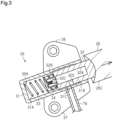
Fig. 3 is a cross-sectional view of a chain tensioner. -
Fig. 4 is a flowchart showing pressure control. -
Fig. 5 is a time chart in which section (a) shows changes in the selection state of a Hybrid Electric Vehicle (HEV) mode, section (b) shows changes in the selection state of a Battery Electric Vehicle (BEV) mode, section (c) shows changes in the driving state of an internal combustion engine, section (d) shows changes in the driving state of a second motor generator, section (e) shows changes in the target pressure of an oil pump, and section (f) shows changes in the damping force of the chain tensioner. - Throughout the drawings and the detailed description, the same reference numerals refer to the same elements. The drawings may not be to scale, and the relative size, proportions, and depiction of elements in the drawings may be exaggerated for clarity, illustration, and convenience.
- This description provides a comprehensive understanding of the methods, apparatuses, and/or systems described. Modifications and equivalents of the methods, apparatuses, and/or systems described are apparent to one of ordinary skill in the art. Sequences of operations are exemplary, and may be changed as apparent to one of ordinary skill in the art, with the exception of operations necessarily occurring in a certain order. Descriptions of functions and constructions that are well known to one of ordinary skill in the art may be omitted.
- Exemplary embodiments may have different forms, and are not limited to the examples described. However, the examples described are thorough and complete, and convey the full scope of the disclosure to one of ordinary skill in the art.
- One embodiment of the present invention will now be described with reference to
Figs. 1 to section (f) of 5. A schematic configuration of avehicle 100 to which acontroller 90 of the present disclosure is applied will now be described. - As shown in
Fig. 1 , thevehicle 100 transmits force through a path formed by aninternal combustion engine 10, apower splitting mechanism 40, areduction mechanism 50, afirst motor generator 61, asecond motor generator 62, atransmission mechanism 66, adifferential 67, anddrive wheels 68. - The
internal combustion engine 10 includes a crankshaft 11 that serves as an output shaft. The crankshaft 11 is connected to thepower splitting mechanism 40. Thepower splitting mechanism 40 serves as a planetary gear mechanism including asun gear 41, acarrier 42,pinion gears 43, aring gear 44, and aring gear shaft 45. Thesun gear 41, which is an external gear, is coaxial with thering gear 44, which is an internal gear. Thesun gear 41 is connected to thering gear 44 by thepinion gears 43. Thecarrier 42 supports thepinion gears 43 so that eachpinion gear 43 can revolve about its axis. Thecarrier 42 also supports the pinion gears 43 so that the pinion gears 43 can orbit about thesun gear 41. Thus, the pinion gears 43 orbit thesun gear 41 as thecarrier 42 rotates. Thecarrier 42 is connected to the crankshaft 11. Thesun gear 41 is connected to the rotary shaft of thefirst motor generator 61. - When the torque of the
internal combustion engine 10 is input to thecarrier 42, the torque of theinternal combustion engine 10 is distributed to thesun gear 41 and thering gear 44. When the torque of theinternal combustion engine 10 transmitted by thesun gear 41 is input to the rotary shaft of thefirst motor generator 61, thefirst motor generator 61 operates as a generator. - In contrast, when the
first motor generator 61 operates as an electric motor, the torque of thefirst motor generator 61 is input to thesun gear 41. The torque of thefirst motor generator 61 input to thesun gear 41 is distributed to thecarrier 42 and thering gear 44. Then, when the torque of thefirst motor generator 61 transmitted by thecarrier 42 is input to the crankshaft 11 of theinternal combustion engine 10, the crankshaft 11 of theinternal combustion engine 10 is rotated. In this manner, thefirst motor generator 61 is configured to supply torque to theinternal combustion engine 10. - The
ring gear 44 is connected to thering gear shaft 45. Thering gear shaft 45 is rotated integrally with thering gear 44. Thering gear shaft 45 is connected to thetransmission mechanism 66. Thetransmission mechanism 66 includes, for example, a reduction gear mechanism and an automatic transmission. Thetransmission mechanism 66 is connected to thedrive wheels 68 by the differential 67. The differential 67 allows the left andright drive wheels 68 to rotate at different speeds. - The
ring gear shaft 45 is connected to thereduction mechanism 50. Thereduction mechanism 50 serves as a planetary gear mechanism including asun gear 51, acarrier 52, pinion gears 53, aring gear 54, and acase 55. Thesun gear 51, which is an external gear, is coaxial with thering gear 54, which is an internal gear. Thesun gear 51 is connected to thering gear 54 by the pinion gears 53. Thecarrier 52 supports the pinion gears 53 so that eachpinion gear 53 can revolve about its axis. Thecarrier 52 is fixed to thecase 55 of thereduction mechanism 50. That is, thecarrier 52 cannot rotate and thecarrier 52 does not allow the pinion gears 53 to orbit about thesun gear 51. Thering gear 54 is connected to thering gear shaft 45. Thesun gear 51 is connected to the rotary shaft of thesecond motor generator 62. - The
second motor generator 62 operates as a generator when thevehicle 100 decelerates so that a regenerative braking force is generated in thevehicle 100 in accordance with the amount of electric power generated by thesecond motor generator 62. - In contrast, when the
second motor generator 62 operates as an electric motor, the torque of thesecond motor generator 62 is input to thedrive wheels 68 by thereduction mechanism 50, thering gear shaft 45, thetransmission mechanism 66, and the differential 67. Thedrive wheels 68 are thus rotated by the torque of thesecond motor generator 62. - The
vehicle 100 includes afirst inverter 71, asecond inverter 72, and abattery 73 that form a device for transferring electric power. Thefirst inverter 71 adjusts the amount of electric power transferred between thefirst motor generator 61 and thebattery 73. Thesecond inverter 72 adjusts the amount of electric power transferred between thesecond motor generator 62 and thebattery 73. - As shown in
Fig. 1 , thevehicle 100 includes asupply passage 76 and anoil pump 77 that form a mechanism for supplying oil. Theoil pump 77, which is connected to the crankshaft 11, is driven when the crankshaft 11 is rotated. Thus, theoil pump 77 is a mechanical oil pump that discharges oil when the crankshaft 11 is rotated. Further, a regulation valve (not shown) is controlled to adjust the displacement of theoil pump 77 and vary the amount of oil discharged from theoil pump 77 at every rotation of the crankshaft 11. That is, theoil pump 77 is a variable displacement pump. Thesupply passage 76 is connected to theoil pump 77. Thesupply passage 76 supplies parts of theinternal combustion engine 10 with oil discharged from theoil pump 77. - As shown in
Fig. 2 , thevehicle 100 includes achain mechanism 20 that transmits driving force of the crankshaft 11 to other devices. Thechain mechanism 20 includes adrive sprocket 21, anintake sprocket 22, anexhaust sprocket 23, achain 24, a fixedguide 25, aswing guide 26, acover 27, and achain tensioner 30. - The
drive sprocket 21 is attached to the crankshaft 11. Theintake sprocket 22 is attached to the intake camshaft (not shown) of theinternal combustion engine 10. Theexhaust sprocket 23 is attached to the exhaust camshaft (not shown) of theinternal combustion engine 10. The intake camshaft selectively opens and closes each intake valve of theinternal combustion engine 10, and the exhaust camshaft selectively opens and closes each exhaust valve of theinternal combustion engine 10. Thechain 24 runs around thedrive sprocket 21, theintake sprocket 22, and theexhaust sprocket 23. Thus, rotation of thedrive sprocket 21 moves thechain 24 and transmits driving force to theintake sprocket 22 and theexhaust sprocket 23. This rotates theintake sprocket 22 and theexhaust sprocket 23. Thus, in the present embodiment, theintake sprocket 22 and theexhaust sprocket 23 serve as idler sprockets. - The
cover 27 is located near theintake sprocket 22 and theexhaust sprocket 23. Thecover 27 covers the portion of thechain 24 between theintake sprocket 22 and theexhaust sprocket 23. - The fixed
guide 25 is located near thechain 24 outside the region surrounded by thechain 24. The fixedguide 25 is located between thedrive sprocket 21 and theexhaust sprocket 23. The fixedguide 25 extends from thedrive sprocket 21 toward theexhaust sprocket 23. The fixedguide 25 is fixed by bolts on the outer surface of theinternal combustion engine 10. The fixedguide 25 is in contact with thechain 24 from the outer side of the region surrounded by thechain 24. - The
swing guide 26 is located near thechain 24 outside the region surrounded by thechain 24. Theswing guide 26 is located between thedrive sprocket 21 and theintake sprocket 22. Theswing guide 26 includes aguide body 26A, asupport projection 26B, anabutment projection 26C, and apivot shaft 26D. Theguide body 26A extends from the vicinity of thedrive sprocket 21 toward theintake sprocket 22. Theguide body 26A has an arcuate central portion in the longitudinal direction that is bulged toward thechain 24. Thesupport projection 26B is located at the end of theguide body 26A that is closer to thedrive sprocket 21. Thesupport projection 26B projects away from thechain 24. Thepivot shaft 26D extends through thesupport projection 26B. Thepivot shaft 26D is fixed to theinternal combustion engine 10. Thesupport projection 26B and theguide body 26A pivot about thepivot shaft 26D. Theabutment projection 26C is located toward theintake sprocket 22 from the central portion of theguide body 26A. Theabutment projection 26C projects away from thechain 24. As shown inFig. 3 , the projection end surface of theabutment projection 26C has a recessed central portion that is curved. - As shown in
Fig. 2 , thechain tensioner 30 is located at the side of theswing guide 26 opposite to thechain 24. As shown inFig. 3 , thechain tensioner 30 includes ahousing 31, aplunger 32, aspring 33, acheck valve mechanism 34, anupper flange 36, and alower flange 37. - As shown in
Fig. 3 , thehousing 31 is substantially tubular and includes an open first end and a closed second end. The opening of thehousing 31 is directed toward theabutment projection 26C. The inner surface of thehousing 31 includes acavity 31A, a diameter-enlarginggap 31B, and asupply hole 31C. Thecavity 31A extends in thehousing 31 from the open first end of to the closed second end and defines a substantially cylindrical hollow. The diameter-enlarginggap 31B is connected to the substantially central portion of thecavity 31A in the axial direction. The diameter-enlarginggap 31B surrounds thecavity 31A in the circumferential direction and is substantially annular. Thesupply hole 31C extends from the diameter-enlarginggap 31B to the outer circumferential surface of thehousing 31. Thesupply hole 31C is connected to thesupply passage 76. - The
upper flange 36 projects upward from the outer circumferential surface of thehousing 31. Theupper flange 36 is fixed to the outer surface of theinternal combustion engine 10 by a bolt. Thelower flange 37 projects downward from the outer circumferential surface of thehousing 31. Thelower flange 37 is fixed to the outer surface of theinternal combustion engine 10 by a bolt. - The
plunger 32 is substantially cylindrical. The outer diameter of theplunger 32 is slightly less than the inner diameter of thecavity 31A of thehousing 31. Theplunger 32 is positioned in thecavity 31A of thehousing 31. A first end of theplunger 32 projects out of thecavity 31A. The first end of theplunger 32 includes an end surface that abuts theabutment projection 26C of theswing guide 26. The end surface of the first end of theplunger 32 is curved so as to be bulged outward at the central portion. Ahydraulic pressure chamber 30A supplied with oil is defined in thecavity 31A between the end surface of a second end of theplunger 32 and the closed second end surface of thehousing 31. Thechain tensioner 30 also serves as an oil damper that uses the oil supplied to thehydraulic pressure chamber 30A. - The
plunger 32 is hollow. Theplunger 32 includes afirst space 32A, asecond space 32B, aconnection hole 32C, and aguide hole 32D that are defined by the inner surface of theplunger 32. Thesecond space 32B, theconnection hole 32C, and thefirst space 32A are arranged in order from the second end toward the first end of theplunger 32. Thesecond space 32B is substantially cylindrical. Thesecond space 32B is open to thehydraulic pressure chamber 30A. Theconnection hole 32C is connected to thesecond space 32B. Theconnection hole 32C is substantially cylindrical. The diameter of theconnection hole 32C is less than the diameter of thesecond space 32B. Thefirst space 32A is connected to theconnection hole 32C. Thefirst space 32A is substantially cylindrical. The diameter of thefirst space 32A is greater than the diameter of theconnection hole 32C. Theguide hole 32D extends from thefirst space 32A to the outer circumferential surface of theplunger 32. - The
spring 33 is located between thehousing 31 and theplunger 32. Thespring 33 is compressed. Thespring 33 includes a first end that is in contact with the closed second end of thehousing 31, which includes thecavity 31A. Thespring 33 includes a second end that is located in thesecond space 32B of theplunger 32 and contacts a wall of theplunger 32 that defines thesecond space 32B. Thespring 33 urges theplunger 32 toward theabutment projection 26C of theswing guide 26. - The
check valve mechanism 34 is located in thesecond space 32B of theplunger 32 and attached to the wall of theplunger 32 that defines thesecond space 32B. Thecheck valve mechanism 34 restricts the flow of oil through theconnection hole 32C between thefirst space 32A and thesecond space 32B in accordance with the pressure of the oil in thefirst space 32A and thesecond space 32B. Specifically, thecheck valve mechanism 34 allows oil to flow from thefirst space 32A to thesecond space 32B through theconnection hole 32C when the pressure of the oil in thefirst space 32A is higher than the pressure of the oil in thesecond space 32B. In contrast, thecheck valve mechanism 34 restricts the flow of oil from thesecond space 32B to thefirst space 32A through theconnection hole 32C when the pressure of the oil in thefirst space 32A is lower than or equal to than the pressure of the oil in thesecond space 32B. - The electrical configuration of the
vehicle 100 will now be described. - As shown in
Fig. 1 , thevehicle 100 includes acrank angle sensor 81, anaccelerator position sensor 83, aspeed sensor 84, and anaccelerator pedal 89. Thecrank angle sensor 81 is arranged near the crankshaft 11. Thecrank angle sensor 81 detects a crank angle SC that corresponds to the rotation angle of the crankshaft 11. Theaccelerator position sensor 83 is arranged near theaccelerator pedal 89 that is operated by a driver. Theaccelerator position sensor 83 detects an accelerator pedal position ACC that corresponds to the operation amount of theaccelerator pedal 89 operated by the driver. Thespeed sensor 84 detects a vehicle speed SP that corresponds to the speed of thevehicle 100. - The
vehicle 100 includes thecontroller 90. Thecontroller 90 receives a signal indicating the crank angle SC from thecrank angle sensor 81. Thecontroller 90 receives a signal corresponding to the accelerator pedal position ACC from theaccelerator position sensor 83. Thecontroller 90 receives a signal corresponding to the vehicle speed SP from thespeed sensor 84. Thecontroller 90 calculates an engine speed NE that corresponds to the rotation speed of the crankshaft 11 from the crank angle SC. - The
controller 90 calculates a vehicle request output that is a request value of the output required for thevehicle 100 to travel based on the accelerator pedal position ACC and the vehicle speed SP. Thecontroller 90 determines a torque distribution of theinternal combustion engine 10, thefirst motor generator 61, and thesecond motor generator 62 based on the vehicle request output. Thecontroller 90 controls the output of theinternal combustion engine 10 and the driving and regeneration of thefirst motor generator 61 and thesecond motor generator 62 based on the torque distribution of theinternal combustion engine 10, thefirst motor generator 61, and thesecond motor generator 62. - The
controller 90 outputs a control signal to theinternal combustion engine 10 to execute various types of control on theinternal combustion engine 10 such as adjustment of the intake air amount, adjustment of the fuel injection amount, and adjustment of the ignition time. Thecontroller 90 outputs a control signal to thefirst inverter 71 when controlling thefirst motor generator 61. Thecontroller 90 controls thefirst motor generator 61 with thefirst inverter 71 by adjusting the amount of electric power transferred between thefirst motor generator 61 and thebattery 73. Thecontroller 90 outputs a control signal to thesecond inverter 72 when controlling thesecond motor generator 62. Thecontroller 90 controls thesecond motor generator 62 with thesecond inverter 72 by adjusting the amount of electric power transferred between thesecond motor generator 62 and thebattery 73. - When the
vehicle 100 travels, thecontroller 90 selects a Battery Electric Vehicle (BEV) mode or a Hybrid Electric Vehicle (HEV) mode as a traveling mode of thevehicle 100. The BEV mode is a traveling mode of thevehicle 100 that stops theinternal combustion engine 10 and drives thefirst motor generator 61 and/or thesecond motor generator 62. Thus, in the BEV mode, thevehicle 100 travels using the torque of thefirst motor generator 61 and/or the torque of thesecond motor generator 62. The HEV mode is a traveling mode of thevehicle 100 that drives theinternal combustion engine 10 in addition to thefirst motor generator 61 and thesecond motor generator 62. Thus, in the HEV mode, thevehicle 100 travels using the torque of theinternal combustion engine 10 in addition to the torque of thefirst motor generator 61 and the torque of thesecond motor generator 62. In the present embodiment, the HEV mode is an example of a non-BEV mode. - When the
vehicle 100 starts to move or travels under a light load, thecontroller 90 selects the BEV mode as long as the state of charge of thebattery 73 is sufficient. Thecontroller 90 selects the HEV mode when, for example, the state of charge of thebattery 73 is insufficient. - When selecting the HEV mode as the traveling mode of the
vehicle 100, thecontroller 90 calculates a normal pressure PB as a target pressure of the oil discharged from theoil pump 77 into thesupply passage 76 under a normal situation. Specifically, thecontroller 90 calculates a higher value for the normal pressure PB as the engine speed NE increases. One example of the normal pressure PB is approximately several tens to several hundreds of kPa. Depending on the situation, thecontroller 90 also sets a value that is greater than the normal pressure PB as a target pressure of oil discharged from theoil pump 77 into thesupply passage 76. The setting of the target pressure of oil will be described in detail later. Thecontroller 90 controls theoil pump 77 so that the discharge amount of theoil pump 77 increases as the set target pressure increases. - When selecting the BEV mode as the traveling mode of the
vehicle 100, thecontroller 90 measures a BEV mode duration TE that is the duration of the BEV mode. As described above, theinternal combustion engine 10 is stopped when the BEV mode is selected. Theoil pump 77 is stopped accordingly. Thus, when the BEV mode is selected, thecontroller 90 does not calculate the target pressure of oil discharged from theoil pump 77 into thesupply passage 76. - The
controller 90 may be configured as circuitry including one or more processors that execute various types of processes according to a computer program (software). Thecontroller 90 may also be configured as circuitry including one or more dedicated hardware circuits such as application-specific integrated circuits (ASIC) that execute at least part of various types of processes or a combination thereof. The processor includes a CPU and memory such as RAM and ROM. The memory stores program codes or instructions configured to cause the CPU to execute processes. The memory, or computer readable media, includes any type of media that is accessible by versatile computers or dedicated computers. - Pressure control for setting the target pressure of oil discharged from the
oil pump 77 will now be described. Thecontroller 90 executes pressure control when the traveling mode of thevehicle 100 shifts from the BEV mode to the HEV mode. - As shown in
Fig. 4 , when pressure control starts, in step S11, thecontroller 90 sets a filling pressure PA determined in advance as the target pressure of theoil pump 77. Thecontroller 90 controls theoil pump 77 by outputting a control signal to theoil pump 77 based on the set filling pressure PA. The filling pressure PA is a target value for promptly increasing the pressure of the oil inside thesupply passage 76 when theinternal combustion engine 10 is cranked. The filling pressure PA is a fixed value that is higher than the normal pressure PB. Thus, the filling pressure PA is not changed by the BEV mode duration TE. In other words, the filling pressure PA is independent of the BEV mode duration TE. One example of the filling pressure PA is approximately several hundreds of kPa, which is the maximum value for the pressure of oil discharged from theoil pump 77. Then, thecontroller 90 proceeds to step S12. - In step S12, the
controller 90 determines whether a filling duration T1 that is the duration from when step S11 was executed is greater than or equal to a first predetermined time C1. The first predetermined time C1 is based on, for example, experiments and is the period of time required for the pressure of the oil in thesupply passage 76 to increase to a sufficient level after the filling pressure PA is set. One example of the first predetermined time C1 is approximately several tens of seconds. In the present embodiment, step S11 and step S12 form a filling process. - When determining in step S12 that the filling duration T1 is less than the first predetermined time C1 (S12: NO), the
controller 90 executes step S12 again. When determining in step S12 that the filling duration T1 is greater than or equal to the first predetermined time C1 (S12: YES), thecontroller 90 proceeds to step S13. - In step S13, the
controller 90 determines whether the BEV mode duration TE is greater than or equal to a specified time TA. The specified time TA is determined in the following manner. While the BEV mode continues, air may enter thechain tensioner 30. The amount of air entering thechain tensioner 30 while the BEV mode continues tends to increase as the BEV mode duration TE becomes longer. When the amount of air entering thechain tensioner 30 exceeds a certain level, the air adverse effect on the oil damper functionality of thechain tensioner 30 cannot be ignored. Thus, the specified time TA is based on, for example, experiments and determined as a period of time in which the amount of air will adversely affect the oil damper functionality of thechain tensioner 30. One example of the specified time TA is approximately several tens of minutes. - When determining that the BEV mode duration TE is less than the specified time TA in step S13 (S13: NO), the
controller 90 proceeds to step S31. When determining that the BEV mode duration TE is greater than or equal to the specified time TA in step S13 (S13: YES), thecontroller 90 proceeds to step S14. Thecontroller 90 resets the BEV mode duration TE after the determination of step S13. - In step S14, the
controller 90 determines whether the engine speed NE is less than a specified rotation speed B. The specified rotation speed B is determined in the following manner. As described above, thecontroller 90 calculates a higher value for the normal pressure PB as the engine speed NE increases. The specified rotation speed B is determined as a value for determining that the normal pressure PB is less than a threshold value, which is determined in advance. The threshold value for the normal pressure PB is obtained by dividing the filling pressure PA by a correction coefficient, which will be described later. One example of the specified rotation speed B is approximately several thousands of rpm. When determining that the engine speed NE is higher than or equal to the specified rotation speed B in step S14 (S14: NO), thecontroller 90 proceeds to step S31. - As described above, the
controller 90 proceeds to step S31 when giving a negative determination in step S13 or step S14. In step S31, thecontroller 90 sets the normal pressure PB as the target pressure of theoil pump 77. Thecontroller 90 controls theoil pump 77 by outputting a control signal to theoil pump 77 based on the set normal pressure PB. Then, thecontroller 90 ends the pressure control of the present cycle. - When determining that the engine speed NE is less than the specified rotation speed B in step S14 (S14: YES), the
controller 90 proceeds to step S21. - In step S21, the
controller 90 calculates a corrected pressure PC by multiplying the normal pressure PB by a correction coefficient. The correction coefficient is based on, for example, experiments and determined in advance to calculate a value that is greater than the normal pressure PB. One example of the correction coefficient is a fixed value greater than 1. As described above, when step S21 is executed, the normal pressure PB is less than the threshold value. The threshold value is obtained by dividing the filling pressure PA by the correction coefficient. Thus, the corrected pressure PC obtained by multiplying the normal pressure PB by the correction coefficient is less than the filling pressure PA. Then, thecontroller 90 proceeds to step S22. - In step S22, the
controller 90 sets the corrected pressure PC as the target pressure of theoil pump 77. Thecontroller 90 controls theoil pump 77 by outputting a control signal to theoil pump 77 based on the set corrected pressure PC. Then, thecontroller 90 proceeds to step S23. - In step S23, the
controller 90 determines whether a correction duration T2 that is the duration from when the corrected pressure PC is set is greater than or equal to a second predetermined time C2. The second predetermined time C2 is based on, for example, experiments and determined as a period of time required for the air in thechain tensioner 30 to be completely discharged after the corrected pressure PC is set. One example of the second predetermined time C2 is approximately several tens of seconds to several minutes. - In the present embodiment, steps S21 to S23 set the corrected pressure PC as the target pressure of the
oil pump 77. As a result, the pressure of the oil supplied to the inside of thechain tensioner 30 becomes higher than that when the normal pressure PB is set at the target pressure of theoil pump 77. Steps S21 to S23 are executed when a positive determination is given in step S13. Thus, steps S21 to S23 form a high-pressure process for increasing the supply pressure when the BEV mode duration TE is greater than or equal to the specified time TA. - When determining that the correction duration T2 is less than the second predetermined time C2 in step S23 (S23: NO), the
controller 90 executes step S23 again. When determining that the correction duration T2 is greater than or equal to the second predetermined time C2 in step S23 (S23: YES), thecontroller 90 proceeds to step S24. - In step S24, the
controller 90 sets the normal pressure PB as the target pressure of theoil pump 77. Thecontroller 90 controls theoil pump 77 by outputting a control signal to theoil pump 77 based on the set normal pressure PB. Then, thecontroller 90 ends the pressure control of the present cycle. - The operation of the present embodiment will now be described.
- As shown in section (e) of
Fig. 5 , when the target pressure of oil discharged from theoil pump 77 into thesupply passage 76 is not calculated, the target pressure of theoil pump 77 is set to "0." - As shown in section (a) of
Fig. 5 , at time t11, the system of thevehicle 100 is driven and the HEV mode is selected as the traveling mode of thevehicle 100. Thus, as shown in section (c) ofFig. 5 , theinternal combustion engine 10 is driven at time t11. When theinternal combustion engine 10 is driven and the crankshaft 11 is rotated, theoil pump 77 is driven to discharge oil. This supplies oil from theoil pump 77 to thesupply passage 76 and to the inside of thechain tensioner 30. In thechain tensioner 30, the oil is supplied via thesupply hole 31C of thehousing 31 and theguide hole 32D,first space 32A,connection hole 32C, andsecond space 32B of theplunger 32 to thehydraulic pressure chamber 30A. As a result, thechain tensioner 30 increases the projection amount of theplunger 32, which is in accordance with the pressure of the oil in thehydraulic pressure chamber 30A and the urging force of thespring 33, and pushes theswing guide 26 against thechain 24. - In the
chain tensioner 30, movement of thechain 24 applies force to theswing guide 26 that acts on theplunger 32. The projection amount of theplunger 32 decreases as the force from theswing guide 26 acting on theplunger 32 increases. This results in oil flowing out of thehydraulic pressure chamber 30A through the gap between the inner circumferential surface of thehousing 31 and the outer circumferential surface of theplunger 32 and damps the force from theswing guide 26 acting on theplunger 32. Thus, thechain tensioner 30 serves as an oil damper that uses the oil supplied from theoil pump 77. - As shown in section (b) of
Fig. 5 , at time t13, the BEV mode is selected as the traveling mode of thevehicle 100. Thus, as shown in section (c) ofFig. 5 and section (d) ofFig. 5 , theinternal combustion engine 10 is stopped and thesecond motor generator 62 is driven at time t13. When theinternal combustion engine 10 is stopped in this manner, theoil pump 77 is also stopped. This stops the supply of oil from theoil pump 77 to thesupply passage 76 and to the inside of thechain tensioner 30 after time t13. As a result, the pressure of the oil inside thechain tensioner 30 gradually declines from time t13. This lowers the oil damper functionality of thechain tensioner 30 and reduces the damping force as shown in section (f) ofFig. 5 . - As shown in section (c) of
Fig. 5 , from time t13 to time t21, theinternal combustion engine 10 is not driven. Thus, theinternal combustion engine 10 does not generate force that rotates the crankshaft 11. However, as shown in section (d) ofFig. 5 , from time t13 to time t21, thesecond motor generator 62 is driven and the driving force of thesecond motor generator 62 may be transmitted to the crankshaft 11 via thereduction mechanism 50 and thepower splitting mechanism 40. In this case, the driving force of thesecond motor generator 62 will slightly rotate the crankshaft 11 in forward and rearward directions. This may oscillate the crankshaft 11 and change the tension on thechain 24. In such a case, force will be applied to thechain 24 and act via theswing guide 26 on thechain tensioner 30. - The projection amount of the
plunger 32 will decrease as the force from theswing guide 26 acting on theplunger 32 increases. The oil will flow out of thehydraulic pressure chamber 30A through the gap between the inner circumferential surface of thehousing 31 and the outer circumferential surface of theplunger 32. When the force from theswing guide 26 acting on theplunger 32 decreases, the urging force of thespring 33 will increase the projection amount of theplunger 32. - In this case, the
oil pump 77 is stopped and the pressure of the oil in thesupply passage 76 is low. Thus, air may be included in thesupply passage 76. This may result in the air of thesupply passage 76 entering thehydraulic pressure chamber 30A of thechain tensioner 30 when the projection amount of theplunger 32 increases. In particular, as the BEV mode duration TE, which continues from time t13 to time t21, becomes longer, there will be more opportunities for air to enter thehydraulic pressure chamber 30A of thechain tensioner 30. Thus, air is more likely to enter thehydraulic pressure chamber 30A. - Then, as shown in section (a) of
Fig. 5 , at time t21, the HEV mode is selected again as the traveling mode of thevehicle 100. Thus, as shown in section (c) ofFig. 5 , theinternal combustion engine 10 is driven at time t21. Further as shown in section (e) ofFig. 5 , when the filling pressure PA is set as the target pressure of theoil pump 77 at time t21, oil is supplied to thehydraulic pressure chamber 30A of thechain tensioner 30 through thesupply passage 76. Thus, even when thehydraulic pressure chamber 30A of thechain tensioner 30 includes air, the damping force of thechain tensioner 30 gradually increases from time t21 to time t22 as shown by the solid line of section (f) ofFig. 5 . However, as shown by the solid line of section (f) ofFig. 5 , the damping force of thechain tensioner 30 when thehydraulic pressure chamber 30A of thechain tensioner 30 includes air is less than when thehydraulic pressure chamber 30A does not include air as shown by the long-dash short-dash line of section (f) ofFig. 5 . In this manner, when the damping force of thechain tensioner 30 becomes small, the movingchain 24 may vibrate. When thechain 24 vibrates, thechain 24 may contact thecover 27 and generate noise. - In this respect, in the present embodiment, when the BEV mode duration TE is greater than or equal to the specified time TA, the corrected pressure PC, which is higher than the normal pressure PB shown by the long-dash double-short-dash line of section (e) of
Fig. 5 , is set as the target pressure of theoil pump 77 at time t22 as shown by the solid line of section (e) ofFig. 5 . This increases the amount of oil flowing into thehydraulic pressure chamber 30A of thechain tensioner 30 and the amount of oil discharged from thehydraulic pressure chamber 30A after time t22 than when the normal pressure PB is set as the target pressure of theoil pump 77. Then, at time t23, the normal pressure PB is set as the target pressure of theoil pump 77 after the second predetermined time C2 elapses from time t22. - The advantages of the present embodiment will now be described.
- (1) In the present embodiment, when the BEV mode duration TE is greater than or equal to the specified time TA, the corrected pressure PC, which is higher than the normal pressure PB, is set as the target pressure of the
oil pump 77. This increases the amount of oil flowing into thehydraulic pressure chamber 30A and the amount of oil discharged from thehydraulic pressure chamber 30A. As a result, even if thehydraulic pressure chamber 30A of thechain tensioner 30 includes air when the traveling mode of thevehicle 100 shifts from the BEV mode to the HEV mode, the air is promptly discharged out of thehydraulic pressure chamber 30A together with the oil. The prompt discharge of air from thehydraulic pressure chamber 30A promptly restores the damping force of thechain tensioner 30 as shown by the solid line of section (f) ofFig. 5 . - (2) A higher pressure is calculated as the normal pressure PB as the engine speed NE increases. Thus, when the engine speed NE is higher than or equal to the specified rotation speed B, the normal pressure PB is sufficiently high. When the normal pressure PB is sufficiently high and the corrected pressure PC, which is higher than the normal pressure PB, is set as the target pressure of the
oil pump 77, this will result in unnecessary driving force of theinternal combustion engine 10 being used to drive theoil pump 77.
In this respect, in the present embodiment, the corrected pressure PC, which is higher than the normal pressure PB is set as the target pressure of theoil pump 77 on condition that the engine speed NE is less than the specified rotation speed B. Accordingly, the corrected pressure PC, which is higher than the normal pressure PB is not set as the target pressure of theoil pump 77 when the engine speed NE is higher than or equal to the specified rotation speed B and the pressure of the oil supplied from theoil pump 77 to thechain tensioner 30 is sufficient. Thus, there is no unnecessary loss in the driving force of theinternal combustion engine 10 used to drive theoil pump 77. - (3) In the present embodiment, when the traveling mode shifts from the BEV mode to the HEV mode, the filling pressure PA, which is higher than the corrected pressure PC, is set as the target pressure of the
oil pump 77. This promptly increases the pressure of the oil in thesupply passage 76. The filling pressure PA is not further increased in accordance with, for example, the BEV mode duration TE. Thus, excessive load does not act on theoil pump 77, thesupply passage 76, and the like. - The present embodiment may be modified as described below. The present embodiment and the following modifications can be combined as long as the combined modifications remain technically consistent with each other, however, the invention is defined by the appended claims.
- In the above embodiment, the condition for calculating the corrected pressure PC, that is, the condition for executing step S21 may be modified. For example, step S14 may be omitted, and the
controller 90 may calculate the corrected pressure PC regardless of the engine speed NE. - In the above embodiment, the calculation of the corrected pressure PC may be modified. For example, the corrected pressure PC does not need to be calculated by multiplying the normal pressure PB by a correction coefficient. Instead, the corrected pressure PC may be calculated by adding a predetermined correction value to the normal pressure PB.
- Further, the
controller 90 may calculate a higher value as the corrected pressure PC as the BEV mode duration TE increases. This increases the pressure of the oil supplied to thehydraulic pressure chamber 30A as the BEV mode duration TE becomes longer and the likelihood of air being included in thehydraulic pressure chamber 30A of thechain tensioner 30 increases. Thus, even when the BEV mode duration TE becomes longer, air is promptly discharged from thehydraulic pressure chamber 30A in the following HEV mode. - Step S13 may be omitted when a higher value is calculated as the corrected pressure PC as the BEV mode duration TE becomes longer as described above. Specifically, the corrected pressure PC will become a lower value as the BEV mode duration TE becomes shorter. Thus, step S13 may be omitted by replacing the normal pressure PB with the corrected pressure PC when the BEV mode duration TE is short.
- When a higher value is calculated as the corrected pressure PC as the BEV mode duration TE becomes longer, the corrected pressure PC may be increased in steps as the BEV mode duration TE becomes longer. Alternatively, the BEV mode duration TE may be in direct proportion to the corrected pressure PC. In a case in which the BEV mode duration TE is in direct proportion to the corrected pressure PC, the corrected pressure PC when the BEV mode duration TE is greater than or equal to a given preset duration is higher than the corrected pressure PC when the BEV mode duration TE is less than the given preset duration. Thus, this modification corresponds to a high-pressure process in which the supply pressure of oil when the BEV mode duration TE is greater than or equal to a preset duration is higher than the supply pressure of oil when the BEV mode duration TE is less than the preset duration.
- The
controller 90 does not need to calculate the corrected pressure PC based on the normal pressure PB. Specifically, in step S22, thecontroller 90 may set, as the target pressure of theoil pump 77, a fixed pressure determined in advance to be a value greater than a range of the normal pressure PB calculated based on the engine speed NE. - In the above embodiment, the filling pressure PA when the BEV mode duration TE is greater than or equal to the specified time TA may be greater than the filling pressure PA when the BEV mode duration TE is less than the specified time TA. In this case, the filling pressure PA when the BEV mode duration TE is less than the specified time TA needs to be less than the maximum discharge pressure of the
oil pump 77. - In the above embodiment, the calculation of the normal pressure PB may be modified. For example, the
controller 90 may calculate the normal pressure PB regardless of the engine speed NE. The normal pressure PB may be a fixed value determined in advance. - In the above embodiment, the
vehicle 100 does not need to include thefirst motor generator 61 and thesecond motor generator 62. Instead, thevehicle 100 may include at least one motor generator. In other words, the vehicle need only include at least one motor generator and an internal combustion engine. - Various changes in form and details may be made to the examples above without departing from the scope of the claims. The examples are for the sake of description only, and not for purposes of limitation. Descriptions of features in each example are to be considered as being applicable to similar features or aspects in other examples. Suitable results may be achieved if sequences are performed in a different order, and/or if components in a described system, architecture, device, or circuit are combined differently, and/or replaced or supplemented by other components or their equivalents. The scope of the invention is not defined by the detailed description, but by the claims.
Claims (4)
- A controller (90) for a vehicle (100), the vehicle (100) comprising:an internal combustion engine (10);a motor generator (62);a drive sprocket (21) fixed to a crankshaft (11) of the internal combustion engine (10);an idler sprocket (22, 23) to which a driving force is transmitted from the drive sprocket (21);a chain (24) running around the drive sprocket (21) and the idler sprocket (22, 23);a swing guide (26) supported in a swingable manner;a chain tensioner (30) that pushes the swing guide (26) against the chain (24); andan oil pump (77) that discharges oil when the crankshaft (11) rotates, whereinthe controller (90) is configured to control a traveling mode of the vehicle (100) in a Battery Electric Vehicle (BEV) mode that stops the internal combustion engine (10) and drives the motor generator (62) when the vehicle (100) travels or a non-BEV mode that drives the internal combustion engine (10) when the vehicle (100) travels,wherein the chain tensioner (30) has an oil damper functionality that uses oil supplied from the oil pump (77), andwhen shifting the traveling mode of the vehicle (100) from the BEV mode to the non-BEV mode, the controller (90) is configured to execute a high-pressure process for controlling the oil pump (77) to supply oil to the chain tensioner (30) with a supply pressure that is higher when a duration of the BEV mode is greater than or equal to a specified time than when the BEV mode duration is less than the specified time.
- The controller (90) for the vehicle (100) according to claim 1, wherein the controller (90) is configured to execute the high-pressure process on condition that an engine speed of the internal combustion engine (10) is less than or equal to a specified rotation speed.
- The controller (90) for the vehicle (100) according to claim 1 or 2, wherein the controller (90) is configured to increase the supply pressure in the high-pressure process as the BEV mode duration becomes longer.
- The controller (90) for the vehicle (100) according to any one of claims 1 to 3, whereinthe controller (90) is configured to execute a filling process for setting a filling pressure that is higher than the supply pressure of the high-pressure process as a target pressure of the oil pump (77) after shifting the traveling mode of the vehicle (100) from the BEV mode to the non-BEV mode and before the high-pressure process, andthe filling pressure of the filling process is unchanged regardless of the BEV mode duration
Applications Claiming Priority (1)
| Application Number | Priority Date | Filing Date | Title |
|---|---|---|---|
| JP2020180540A JP7380521B2 (en) | 2020-10-28 | 2020-10-28 | Vehicle control device |
Publications (2)
| Publication Number | Publication Date |
|---|---|
| EP3992440A1 EP3992440A1 (en) | 2022-05-04 |
| EP3992440B1 true EP3992440B1 (en) | 2023-06-07 |
Family
ID=77913017
Family Applications (1)
| Application Number | Title | Priority Date | Filing Date |
|---|---|---|---|
| EP21198628.6A Active EP3992440B1 (en) | 2020-10-28 | 2021-09-23 | Controller for vehicle |
Country Status (4)
| Country | Link |
|---|---|
| US (1) | US11920680B2 (en) |
| EP (1) | EP3992440B1 (en) |
| JP (1) | JP7380521B2 (en) |
| CN (1) | CN114506307B (en) |
Families Citing this family (4)
| Publication number | Priority date | Publication date | Assignee | Title |
|---|---|---|---|---|
| DE102018217997B3 (en) * | 2018-10-22 | 2019-08-22 | Ford Global Technologies, Llc | Heated tensioning arm of a traction mechanism of a traction mechanism drive of a motor vehicle internal combustion engine and manufacturing method thereof |
| KR20230135407A (en) * | 2022-03-16 | 2023-09-25 | 현대자동차주식회사 | Hybrid power train for vehicle |
| JP7826966B2 (en) * | 2023-02-07 | 2026-03-10 | トヨタ自動車株式会社 | Vehicle control device |
| JP2024179839A (en) * | 2023-06-16 | 2024-12-26 | トヨタ自動車株式会社 | Hybrid Vehicles |
Family Cites Families (31)
| Publication number | Priority date | Publication date | Assignee | Title |
|---|---|---|---|---|
| US5449329A (en) * | 1993-07-20 | 1995-09-12 | Deere & Company | Method for controlling transmission control clutches |
| JP3590221B2 (en) * | 1996-02-27 | 2004-11-17 | Ntn株式会社 | Chain tensioners and chain systems |
| US7070528B2 (en) * | 2002-03-28 | 2006-07-04 | Honda Giken Kogyo Kabushiki Kaisha | Hydraulic tensioner lifter |
| JP3696571B2 (en) * | 2002-04-26 | 2005-09-21 | 本田技研工業株式会社 | Tension control method in auto tensioner device |
| CN1301200C (en) * | 2002-09-13 | 2007-02-21 | 本田技研工业株式会社 | hybrid vehicle |
| KR20040101911A (en) * | 2003-05-26 | 2004-12-03 | 혼다 기켄 고교 가부시키가이샤 | Vertical engine |
| DE102006028538A1 (en) * | 2005-06-24 | 2006-12-28 | Borgwarner Morse Tec Japan K.K., Nabari | Electric oil pump driving control method for internal combustion engine, involves driving electric oil pump when engine start prediction signal is input to controller after predetermined amount of time is elapsed |
| JP2007002767A (en) | 2005-06-24 | 2007-01-11 | Borg Warner Morse Tec Japan Kk | Drive control method and drive control device for electric oil pump |
| JP4736917B2 (en) * | 2006-04-10 | 2011-07-27 | トヨタ自動車株式会社 | Suspension system for internal combustion engine |
| JP2009102992A (en) * | 2007-10-19 | 2009-05-14 | Toyota Motor Corp | Vehicle control apparatus, control method, program for realizing the method, and recording medium recording the program |
| CN201162571Y (en) * | 2007-12-11 | 2008-12-10 | 沈阳新光华晨汽车发动机有限公司 | Engine fittings driven chain system |
| US7779943B2 (en) * | 2008-10-08 | 2010-08-24 | Bosye, Llc | Hybrid-powered slow-speed vehicle, vehicle travel-range extension method, and method of hybrid-vehicle manufacture |
| CN102821996B (en) * | 2010-03-01 | 2017-04-12 | 博格华纳公司 | Single speed transmission for plugin hybrid electric vehicle with two disconnects |
| US8951154B2 (en) * | 2011-03-31 | 2015-02-10 | Honda Motor Co., Ltd. | Hydraulic tensioner |
| DE102011081224A1 (en) * | 2011-08-19 | 2013-02-21 | Schaeffler Technologies AG & Co. KG | Tension or guide rail for traction drive of internal combustion engine e.g. diesel engine, to stretch traction unit e.g. belt, has channel defined through carrier body between apertures in sides, where channel is lateral openly decorated |
| CN202827106U (en) * | 2012-08-21 | 2013-03-27 | 安徽省天顺助动车有限公司 | Oil-electricity hybrid power device of electromobile |
| JP5913040B2 (en) * | 2012-10-09 | 2016-04-27 | 株式会社椿本チエイン | Chain tensioner |
| JP5910474B2 (en) | 2012-12-03 | 2016-04-27 | トヨタ自動車株式会社 | Chain tension control device for internal combustion engine |
| JP5924315B2 (en) * | 2013-08-08 | 2016-05-25 | トヨタ自動車株式会社 | Vehicle control device |
| MX351367B (en) * | 2013-09-20 | 2017-10-12 | Nissan Motor | Hybrid vehicle control device and control method. |
| JP2015063922A (en) | 2013-09-24 | 2015-04-09 | 三菱自動車工業株式会社 | Belt tension adjustment system |
| JP6341076B2 (en) | 2014-12-08 | 2018-06-13 | トヨタ自動車株式会社 | Belt drive system for internal combustion engines |
| JP6449012B2 (en) * | 2014-12-24 | 2019-01-09 | 株式会社椿本チエイン | Chain tensioner |
| JP6692572B2 (en) * | 2015-11-19 | 2020-05-13 | ダイハツ工業株式会社 | Automatic transmission control device |
| JP6432534B2 (en) * | 2016-01-18 | 2018-12-05 | スズキ株式会社 | Hybrid vehicle |
| CN107524488A (en) * | 2017-07-27 | 2017-12-29 | 华晨汽车集团控股有限公司 | A kind of automobile with small output volumn engine chain timing system |
| US10245951B2 (en) * | 2017-07-28 | 2019-04-02 | Ford Global Technologies, Llc | Hybrid transmission with dual-drive pump |
| CN111065814B (en) * | 2017-09-12 | 2022-01-11 | 日产自动车株式会社 | Restart standby control method and restart standby control device for internal combustion engine |
| JP2019166940A (en) * | 2018-03-23 | 2019-10-03 | 本田技研工業株式会社 | Drive unit for hybrid vehicle |
| US11845310B2 (en) * | 2018-10-18 | 2023-12-19 | Ford Global Technologies, Llc | Systems and methods for tire warmup and vehicle launch optimization |
| CN111594590B (en) * | 2019-02-21 | 2024-05-17 | 舍弗勒投资(中国)有限公司 | Bidirectional self-tensioning speed reducing mechanism, P0 system and hybrid vehicle |
-
2020
- 2020-10-28 JP JP2020180540A patent/JP7380521B2/en active Active
-
2021
- 2021-09-15 US US17/475,769 patent/US11920680B2/en active Active
- 2021-09-23 EP EP21198628.6A patent/EP3992440B1/en active Active
- 2021-10-22 CN CN202111233905.XA patent/CN114506307B/en active Active
Also Published As
| Publication number | Publication date |
|---|---|
| CN114506307B (en) | 2024-05-28 |
| US11920680B2 (en) | 2024-03-05 |
| JP2022071520A (en) | 2022-05-16 |
| CN114506307A (en) | 2022-05-17 |
| US20220128130A1 (en) | 2022-04-28 |
| JP7380521B2 (en) | 2023-11-15 |
| EP3992440A1 (en) | 2022-05-04 |
Similar Documents
| Publication | Publication Date | Title |
|---|---|---|
| EP3992440B1 (en) | Controller for vehicle | |
| JP3922549B2 (en) | Vehicle control device | |
| CN101450661B (en) | Cold start method based on generator power | |
| US9718464B2 (en) | Vehicle configured to secure oil during motor failure | |
| US9827979B2 (en) | Transmission control device and transmission control method | |
| JP4075508B2 (en) | Control device for internal combustion engine | |
| CN116639107B (en) | Control device for hybrid vehicle | |
| JP7703899B2 (en) | Vehicle control device | |
| JP2007022406A (en) | Continuously variable transmission control device, vehicle control device and control method thereof | |
| US11473460B2 (en) | Controller for motor-driven oil pump and method for controlling motor-driven oil pump | |
| US20200271053A1 (en) | Restart standby control method and restart standby control device for internal-combustion engine | |
| JP2022186433A (en) | System to adjust tensile force of power transmission member | |
| JP2012072875A (en) | Engine start control apparatus | |
| JPH08317507A (en) | Hybrid vehicle | |
| JP7826966B2 (en) | Vehicle control device | |
| JP2025024825A (en) | Hybrid vehicles | |
| US10787972B2 (en) | Controller and control method for forced induction device | |
| US20260014977A1 (en) | Control device of hybrid vehicle | |
| US20250297590A1 (en) | Vehicle control apparatus | |
| JP7647509B2 (en) | Vehicle control device | |
| JP2023032264A (en) | Hydraulic pressure control device of internal combustion engine | |
| JP2020128186A (en) | Control device of hybrid system | |
| JP2025001299A (en) | Hybrid vehicle control device | |
| JP4964330B2 (en) | Vehicle drive control device | |
| JP2024179839A (en) | Hybrid Vehicles |
Legal Events
| Date | Code | Title | Description |
|---|---|---|---|
| PUAI | Public reference made under article 153(3) epc to a published international application that has entered the european phase |
Free format text: ORIGINAL CODE: 0009012 |
|
| STAA | Information on the status of an ep patent application or granted ep patent |
Free format text: STATUS: REQUEST FOR EXAMINATION WAS MADE |
|
| 17P | Request for examination filed |
Effective date: 20210923 |
|
| AK | Designated contracting states |
Kind code of ref document: A1 Designated state(s): AL AT BE BG CH CY CZ DE DK EE ES FI FR GB GR HR HU IE IS IT LI LT LU LV MC MK MT NL NO PL PT RO RS SE SI SK SM TR |
|
| GRAP | Despatch of communication of intention to grant a patent |
Free format text: ORIGINAL CODE: EPIDOSNIGR1 |
|
| STAA | Information on the status of an ep patent application or granted ep patent |
Free format text: STATUS: GRANT OF PATENT IS INTENDED |
|
| RIC1 | Information provided on ipc code assigned before grant |
Ipc: B60K 6/38 20071001ALN20230202BHEP Ipc: F16H 3/72 20060101ALN20230202BHEP Ipc: B60K 6/365 20071001ALN20230202BHEP Ipc: B60K 1/02 20060101ALN20230202BHEP Ipc: B60W 30/192 20120101ALI20230202BHEP Ipc: B60W 20/15 20160101ALI20230202BHEP Ipc: B60W 10/30 20060101ALI20230202BHEP Ipc: B60W 10/08 20060101ALI20230202BHEP Ipc: B60W 10/06 20060101ALI20230202BHEP Ipc: B60K 6/445 20071001ALI20230202BHEP Ipc: F16H 7/08 20060101ALI20230202BHEP Ipc: F01L 1/02 20060101AFI20230202BHEP |
|
| INTG | Intention to grant announced |
Effective date: 20230303 |
|
| GRAS | Grant fee paid |
Free format text: ORIGINAL CODE: EPIDOSNIGR3 |
|
| GRAA | (expected) grant |
Free format text: ORIGINAL CODE: 0009210 |
|
| STAA | Information on the status of an ep patent application or granted ep patent |
Free format text: STATUS: THE PATENT HAS BEEN GRANTED |
|
| AK | Designated contracting states |
Kind code of ref document: B1 Designated state(s): AL AT BE BG CH CY CZ DE DK EE ES FI FR GB GR HR HU IE IS IT LI LT LU LV MC MK MT NL NO PL PT RO RS SE SI SK SM TR |
|
| REG | Reference to a national code |
Ref country code: GB Ref legal event code: FG4D |
|
| REG | Reference to a national code |
Ref country code: CH Ref legal event code: EP Ref country code: AT Ref legal event code: REF Ref document number: 1575716 Country of ref document: AT Kind code of ref document: T Effective date: 20230615 |
|
| REG | Reference to a national code |
Ref country code: DE Ref legal event code: R096 Ref document number: 602021002773 Country of ref document: DE |
|
| REG | Reference to a national code |
Ref country code: LT Ref legal event code: MG9D |
|
| REG | Reference to a national code |
Ref country code: NL Ref legal event code: MP Effective date: 20230607 |
|
| PG25 | Lapsed in a contracting state [announced via postgrant information from national office to epo] |
Ref country code: SE Free format text: LAPSE BECAUSE OF FAILURE TO SUBMIT A TRANSLATION OF THE DESCRIPTION OR TO PAY THE FEE WITHIN THE PRESCRIBED TIME-LIMIT Effective date: 20230607 Ref country code: NO Free format text: LAPSE BECAUSE OF FAILURE TO SUBMIT A TRANSLATION OF THE DESCRIPTION OR TO PAY THE FEE WITHIN THE PRESCRIBED TIME-LIMIT Effective date: 20230907 Ref country code: ES Free format text: LAPSE BECAUSE OF FAILURE TO SUBMIT A TRANSLATION OF THE DESCRIPTION OR TO PAY THE FEE WITHIN THE PRESCRIBED TIME-LIMIT Effective date: 20230607 |
|
| REG | Reference to a national code |
Ref country code: AT Ref legal event code: MK05 Ref document number: 1575716 Country of ref document: AT Kind code of ref document: T Effective date: 20230607 |
|
| P01 | Opt-out of the competence of the unified patent court (upc) registered |
Effective date: 20231024 |
|
| PG25 | Lapsed in a contracting state [announced via postgrant information from national office to epo] |
Ref country code: RS Free format text: LAPSE BECAUSE OF FAILURE TO SUBMIT A TRANSLATION OF THE DESCRIPTION OR TO PAY THE FEE WITHIN THE PRESCRIBED TIME-LIMIT Effective date: 20230607 Ref country code: NL Free format text: LAPSE BECAUSE OF FAILURE TO SUBMIT A TRANSLATION OF THE DESCRIPTION OR TO PAY THE FEE WITHIN THE PRESCRIBED TIME-LIMIT Effective date: 20230607 Ref country code: LV Free format text: LAPSE BECAUSE OF FAILURE TO SUBMIT A TRANSLATION OF THE DESCRIPTION OR TO PAY THE FEE WITHIN THE PRESCRIBED TIME-LIMIT Effective date: 20230607 Ref country code: LT Free format text: LAPSE BECAUSE OF FAILURE TO SUBMIT A TRANSLATION OF THE DESCRIPTION OR TO PAY THE FEE WITHIN THE PRESCRIBED TIME-LIMIT Effective date: 20230607 Ref country code: HR Free format text: LAPSE BECAUSE OF FAILURE TO SUBMIT A TRANSLATION OF THE DESCRIPTION OR TO PAY THE FEE WITHIN THE PRESCRIBED TIME-LIMIT Effective date: 20230607 Ref country code: GR Free format text: LAPSE BECAUSE OF FAILURE TO SUBMIT A TRANSLATION OF THE DESCRIPTION OR TO PAY THE FEE WITHIN THE PRESCRIBED TIME-LIMIT Effective date: 20230908 |
|
| PG25 | Lapsed in a contracting state [announced via postgrant information from national office to epo] |
Ref country code: FI Free format text: LAPSE BECAUSE OF FAILURE TO SUBMIT A TRANSLATION OF THE DESCRIPTION OR TO PAY THE FEE WITHIN THE PRESCRIBED TIME-LIMIT Effective date: 20230607 |
|
| PG25 | Lapsed in a contracting state [announced via postgrant information from national office to epo] |
Ref country code: SK Free format text: LAPSE BECAUSE OF FAILURE TO SUBMIT A TRANSLATION OF THE DESCRIPTION OR TO PAY THE FEE WITHIN THE PRESCRIBED TIME-LIMIT Effective date: 20230607 |
|
| PG25 | Lapsed in a contracting state [announced via postgrant information from national office to epo] |
Ref country code: IS Free format text: LAPSE BECAUSE OF FAILURE TO SUBMIT A TRANSLATION OF THE DESCRIPTION OR TO PAY THE FEE WITHIN THE PRESCRIBED TIME-LIMIT Effective date: 20231007 |
|
| PG25 | Lapsed in a contracting state [announced via postgrant information from national office to epo] |
Ref country code: SM Free format text: LAPSE BECAUSE OF FAILURE TO SUBMIT A TRANSLATION OF THE DESCRIPTION OR TO PAY THE FEE WITHIN THE PRESCRIBED TIME-LIMIT Effective date: 20230607 Ref country code: SK Free format text: LAPSE BECAUSE OF FAILURE TO SUBMIT A TRANSLATION OF THE DESCRIPTION OR TO PAY THE FEE WITHIN THE PRESCRIBED TIME-LIMIT Effective date: 20230607 Ref country code: RO Free format text: LAPSE BECAUSE OF FAILURE TO SUBMIT A TRANSLATION OF THE DESCRIPTION OR TO PAY THE FEE WITHIN THE PRESCRIBED TIME-LIMIT Effective date: 20230607 Ref country code: PT Free format text: LAPSE BECAUSE OF FAILURE TO SUBMIT A TRANSLATION OF THE DESCRIPTION OR TO PAY THE FEE WITHIN THE PRESCRIBED TIME-LIMIT Effective date: 20231009 Ref country code: IS Free format text: LAPSE BECAUSE OF FAILURE TO SUBMIT A TRANSLATION OF THE DESCRIPTION OR TO PAY THE FEE WITHIN THE PRESCRIBED TIME-LIMIT Effective date: 20231007 Ref country code: EE Free format text: LAPSE BECAUSE OF FAILURE TO SUBMIT A TRANSLATION OF THE DESCRIPTION OR TO PAY THE FEE WITHIN THE PRESCRIBED TIME-LIMIT Effective date: 20230607 Ref country code: CZ Free format text: LAPSE BECAUSE OF FAILURE TO SUBMIT A TRANSLATION OF THE DESCRIPTION OR TO PAY THE FEE WITHIN THE PRESCRIBED TIME-LIMIT Effective date: 20230607 Ref country code: AT Free format text: LAPSE BECAUSE OF FAILURE TO SUBMIT A TRANSLATION OF THE DESCRIPTION OR TO PAY THE FEE WITHIN THE PRESCRIBED TIME-LIMIT Effective date: 20230607 |
|
| PG25 | Lapsed in a contracting state [announced via postgrant information from national office to epo] |
Ref country code: PL Free format text: LAPSE BECAUSE OF FAILURE TO SUBMIT A TRANSLATION OF THE DESCRIPTION OR TO PAY THE FEE WITHIN THE PRESCRIBED TIME-LIMIT Effective date: 20230607 |
|
| REG | Reference to a national code |
Ref country code: DE Ref legal event code: R097 Ref document number: 602021002773 Country of ref document: DE |
|
| PLBE | No opposition filed within time limit |
Free format text: ORIGINAL CODE: 0009261 |
|
| STAA | Information on the status of an ep patent application or granted ep patent |
Free format text: STATUS: NO OPPOSITION FILED WITHIN TIME LIMIT |
|
| REG | Reference to a national code |
Ref country code: DE Ref legal event code: R084 Ref document number: 602021002773 Country of ref document: DE |
|
| PG25 | Lapsed in a contracting state [announced via postgrant information from national office to epo] |
Ref country code: DK Free format text: LAPSE BECAUSE OF FAILURE TO SUBMIT A TRANSLATION OF THE DESCRIPTION OR TO PAY THE FEE WITHIN THE PRESCRIBED TIME-LIMIT Effective date: 20230607 |
|
| PG25 | Lapsed in a contracting state [announced via postgrant information from national office to epo] |
Ref country code: SI Free format text: LAPSE BECAUSE OF FAILURE TO SUBMIT A TRANSLATION OF THE DESCRIPTION OR TO PAY THE FEE WITHIN THE PRESCRIBED TIME-LIMIT Effective date: 20230607 |
|
| 26N | No opposition filed |
Effective date: 20240308 |
|
| PG25 | Lapsed in a contracting state [announced via postgrant information from national office to epo] |
Ref country code: LU Free format text: LAPSE BECAUSE OF NON-PAYMENT OF DUE FEES Effective date: 20230923 |
|
| REG | Reference to a national code |
Ref country code: BE Ref legal event code: MM Effective date: 20230930 |
|
| PG25 | Lapsed in a contracting state [announced via postgrant information from national office to epo] |
Ref country code: SI Free format text: LAPSE BECAUSE OF FAILURE TO SUBMIT A TRANSLATION OF THE DESCRIPTION OR TO PAY THE FEE WITHIN THE PRESCRIBED TIME-LIMIT Effective date: 20230607 Ref country code: LU Free format text: LAPSE BECAUSE OF NON-PAYMENT OF DUE FEES Effective date: 20230923 Ref country code: IT Free format text: LAPSE BECAUSE OF FAILURE TO SUBMIT A TRANSLATION OF THE DESCRIPTION OR TO PAY THE FEE WITHIN THE PRESCRIBED TIME-LIMIT Effective date: 20230607 Ref country code: MC Free format text: LAPSE BECAUSE OF FAILURE TO SUBMIT A TRANSLATION OF THE DESCRIPTION OR TO PAY THE FEE WITHIN THE PRESCRIBED TIME-LIMIT Effective date: 20230607 |
|
| REG | Reference to a national code |
Ref country code: IE Ref legal event code: MM4A |
|
| PG25 | Lapsed in a contracting state [announced via postgrant information from national office to epo] |
Ref country code: IE Free format text: LAPSE BECAUSE OF NON-PAYMENT OF DUE FEES Effective date: 20230923 |
|
| PG25 | Lapsed in a contracting state [announced via postgrant information from national office to epo] |
Ref country code: IE Free format text: LAPSE BECAUSE OF NON-PAYMENT OF DUE FEES Effective date: 20230923 Ref country code: FR Free format text: LAPSE BECAUSE OF NON-PAYMENT OF DUE FEES Effective date: 20230930 |
|
| PG25 | Lapsed in a contracting state [announced via postgrant information from national office to epo] |
Ref country code: BE Free format text: LAPSE BECAUSE OF NON-PAYMENT OF DUE FEES Effective date: 20230930 |
|
| PG25 | Lapsed in a contracting state [announced via postgrant information from national office to epo] |
Ref country code: BG Free format text: LAPSE BECAUSE OF FAILURE TO SUBMIT A TRANSLATION OF THE DESCRIPTION OR TO PAY THE FEE WITHIN THE PRESCRIBED TIME-LIMIT Effective date: 20230607 |
|
| PG25 | Lapsed in a contracting state [announced via postgrant information from national office to epo] |
Ref country code: BG Free format text: LAPSE BECAUSE OF FAILURE TO SUBMIT A TRANSLATION OF THE DESCRIPTION OR TO PAY THE FEE WITHIN THE PRESCRIBED TIME-LIMIT Effective date: 20230607 |
|
| REG | Reference to a national code |
Ref country code: CH Ref legal event code: PL |
|
| PG25 | Lapsed in a contracting state [announced via postgrant information from national office to epo] |
Ref country code: CH Free format text: LAPSE BECAUSE OF NON-PAYMENT OF DUE FEES Effective date: 20240930 |
|
| PG25 | Lapsed in a contracting state [announced via postgrant information from national office to epo] |
Ref country code: CY Free format text: LAPSE BECAUSE OF FAILURE TO SUBMIT A TRANSLATION OF THE DESCRIPTION OR TO PAY THE FEE WITHIN THE PRESCRIBED TIME-LIMIT; INVALID AB INITIO Effective date: 20210923 |
|
| PG25 | Lapsed in a contracting state [announced via postgrant information from national office to epo] |
Ref country code: HU Free format text: LAPSE BECAUSE OF FAILURE TO SUBMIT A TRANSLATION OF THE DESCRIPTION OR TO PAY THE FEE WITHIN THE PRESCRIBED TIME-LIMIT; INVALID AB INITIO Effective date: 20210923 |
|
| PGFP | Annual fee paid to national office [announced via postgrant information from national office to epo] |
Ref country code: DE Payment date: 20250730 Year of fee payment: 5 |
|
| PG25 | Lapsed in a contracting state [announced via postgrant information from national office to epo] |
Ref country code: TR Free format text: LAPSE BECAUSE OF FAILURE TO SUBMIT A TRANSLATION OF THE DESCRIPTION OR TO PAY THE FEE WITHIN THE PRESCRIBED TIME-LIMIT Effective date: 20230607 |