EP3992085A1 - Starting methods for hybrid-electric aircraft - Google Patents
Starting methods for hybrid-electric aircraft Download PDFInfo
- Publication number
- EP3992085A1 EP3992085A1 EP21205767.3A EP21205767A EP3992085A1 EP 3992085 A1 EP3992085 A1 EP 3992085A1 EP 21205767 A EP21205767 A EP 21205767A EP 3992085 A1 EP3992085 A1 EP 3992085A1
- Authority
- EP
- European Patent Office
- Prior art keywords
- electric motor
- thermal engine
- recited
- aircraft
- engine
- Prior art date
- Legal status (The legal status is an assumption and is not a legal conclusion. Google has not performed a legal analysis and makes no representation as to the accuracy of the status listed.)
- Pending
Links
Images
Classifications
-
- B—PERFORMING OPERATIONS; TRANSPORTING
- B64—AIRCRAFT; AVIATION; COSMONAUTICS
- B64D—EQUIPMENT FOR FITTING IN OR TO AIRCRAFT; FLIGHT SUITS; PARACHUTES; ARRANGEMENT OR MOUNTING OF POWER PLANTS OR PROPULSION TRANSMISSIONS IN AIRCRAFT
- B64D31/00—Power plant control systems; Arrangement of power plant control systems in aircraft
- B64D31/14—Transmitting means between initiating means and power plants
-
- B—PERFORMING OPERATIONS; TRANSPORTING
- B64—AIRCRAFT; AVIATION; COSMONAUTICS
- B64D—EQUIPMENT FOR FITTING IN OR TO AIRCRAFT; FLIGHT SUITS; PARACHUTES; ARRANGEMENT OR MOUNTING OF POWER PLANTS OR PROPULSION TRANSMISSIONS IN AIRCRAFT
- B64D27/00—Arrangement or mounting of power plants in aircraft; Aircraft characterised by the type or position of power plants
- B64D27/02—Aircraft characterised by the type or position of power plants
- B64D27/30—Aircraft characterised by electric power plants
- B64D27/33—Hybrid electric aircraft
-
- B—PERFORMING OPERATIONS; TRANSPORTING
- B64—AIRCRAFT; AVIATION; COSMONAUTICS
- B64D—EQUIPMENT FOR FITTING IN OR TO AIRCRAFT; FLIGHT SUITS; PARACHUTES; ARRANGEMENT OR MOUNTING OF POWER PLANTS OR PROPULSION TRANSMISSIONS IN AIRCRAFT
- B64D31/00—Power plant control systems; Arrangement of power plant control systems in aircraft
- B64D31/16—Power plant control systems; Arrangement of power plant control systems in aircraft for electric power plants
- B64D31/18—Power plant control systems; Arrangement of power plant control systems in aircraft for electric power plants for hybrid-electric power plants
-
- B—PERFORMING OPERATIONS; TRANSPORTING
- B64—AIRCRAFT; AVIATION; COSMONAUTICS
- B64D—EQUIPMENT FOR FITTING IN OR TO AIRCRAFT; FLIGHT SUITS; PARACHUTES; ARRANGEMENT OR MOUNTING OF POWER PLANTS OR PROPULSION TRANSMISSIONS IN AIRCRAFT
- B64D35/00—Transmitting power from power plants to propellers or rotors; Arrangements of transmissions
- B64D35/02—Transmitting power from power plants to propellers or rotors; Arrangements of transmissions specially adapted for specific power plants
- B64D35/021—Transmitting power from power plants to propellers or rotors; Arrangements of transmissions specially adapted for specific power plants for electric power plants
- B64D35/022—Transmitting power from power plants to propellers or rotors; Arrangements of transmissions specially adapted for specific power plants for electric power plants of hybrid-electric type
- B64D35/023—Transmitting power from power plants to propellers or rotors; Arrangements of transmissions specially adapted for specific power plants for electric power plants of hybrid-electric type of series-parallel type
-
- B—PERFORMING OPERATIONS; TRANSPORTING
- B64—AIRCRAFT; AVIATION; COSMONAUTICS
- B64D—EQUIPMENT FOR FITTING IN OR TO AIRCRAFT; FLIGHT SUITS; PARACHUTES; ARRANGEMENT OR MOUNTING OF POWER PLANTS OR PROPULSION TRANSMISSIONS IN AIRCRAFT
- B64D35/00—Transmitting power from power plants to propellers or rotors; Arrangements of transmissions
- B64D35/02—Transmitting power from power plants to propellers or rotors; Arrangements of transmissions specially adapted for specific power plants
- B64D35/021—Transmitting power from power plants to propellers or rotors; Arrangements of transmissions specially adapted for specific power plants for electric power plants
- B64D35/022—Transmitting power from power plants to propellers or rotors; Arrangements of transmissions specially adapted for specific power plants for electric power plants of hybrid-electric type
- B64D35/025—Transmitting power from power plants to propellers or rotors; Arrangements of transmissions specially adapted for specific power plants for electric power plants of hybrid-electric type of parallel type
-
- B—PERFORMING OPERATIONS; TRANSPORTING
- B64—AIRCRAFT; AVIATION; COSMONAUTICS
- B64D—EQUIPMENT FOR FITTING IN OR TO AIRCRAFT; FLIGHT SUITS; PARACHUTES; ARRANGEMENT OR MOUNTING OF POWER PLANTS OR PROPULSION TRANSMISSIONS IN AIRCRAFT
- B64D41/00—Power installations for auxiliary purposes
-
- B—PERFORMING OPERATIONS; TRANSPORTING
- B64—AIRCRAFT; AVIATION; COSMONAUTICS
- B64D—EQUIPMENT FOR FITTING IN OR TO AIRCRAFT; FLIGHT SUITS; PARACHUTES; ARRANGEMENT OR MOUNTING OF POWER PLANTS OR PROPULSION TRANSMISSIONS IN AIRCRAFT
- B64D27/00—Arrangement or mounting of power plants in aircraft; Aircraft characterised by the type or position of power plants
- B64D27/02—Aircraft characterised by the type or position of power plants
- B64D27/026—Aircraft characterised by the type or position of power plants comprising different types of power plants, e.g. combination of a piston engine and a gas-turbine
Definitions
- the present disclosure relates to hybrid-electric aircraft, and more particularly to starting hybrid-electric aircraft.
- a method includes using an electric motor to start a thermal engine.
- the electric motor and thermal engine are connected to one another as the electric motor and the thermal engine of a hybrid-electric power plant in an aircraft.
- the electric motor can be connected to a combining gear box.
- the thermal engine can be connected to the combining gear box so that the electric motor and the thermal engine can provide torque to the combining gear box in a parallel hybrid-electric configuration.
- the combining gearbox can output torque to an air mover for providing thrust to the aircraft.
- Using the electric motor to start the thermal engine can include providing torque from the electric motor to the combining gear box, and providing the torque from the combining gear box to the thermal engine to drive rotation in the thermal engine starting from a state of rest to reach a compression ratio where combustion can be initiated in the thermal engine.
- the method can include, after using the electric motor to start he thermal engine, powering the aircraft with the hybrid-electric power plant with combined power from the electric motor and the thermal engine through take-off, and powering the aircraft with the hybrid-electric power plant with combined power from the electric motor and the thermal engine while climbing to cruise altitude.
- the method can include powering the aircraft with the he hybrid-electric power plant with power exclusively from the thermal engine after reaching cruise altitude.
- the method can include issuing a command from an engine control unit (ECU) to an electrical system coupled to the electric motor to bring the thermal engine to a given start speed. Bringing the thermal engine to a given start speed can include using engine speed feedback to the ECU.
- the ECU can command the electric motor to decrease torque after the given start speed is reached.
- the method can include flying the aircraft through a mission of take-off, climb, cruise, and landing without using the electric motor as a generator. It is also contemplated that the method can include using the electric motor as a generator.
- a system includes an electric motor.
- a thermal engine is connected to the electric motor as a hybrid-electric power plant in an aircraft.
- An engine control unit (ECU) is connected to use the electric motor to start the thermal engine.
- the electric motor can be connected to a combining gear box.
- the thermal engine can be connected to the combining gear box so that the electric motor and the thermal engine can provide torque to the combining gear box in a parallel hybrid-electric configuration.
- the combining gearbox can be connected to an air mover for providing thrust to the aircraft.
- the electric motor and the thermal engine can have horse power ratings within one order of magnitude of each other
- An electrical system can be coupled to the electric motor to bring the thermal engine to a given start speed.
- a feedback loop can be connected to use engine speed feedback to the ECU to bring the thermal engine to the given start speed.
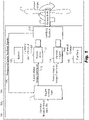
- FIG. 1 is a schematic view of an embodiment of a system constructed in accordance with the present disclosure, showing the parallel hybrid-electric power plant for an aircraft.
- FIG. 1 a partial view of an embodiment of a system in accordance with the disclosure is shown in Fig. 1 and is designated generally by reference character 100.
- the systems and methods described herein can be used to for starting hybrid-electric aircraft.
- the system 100 includes an electric motor 102.
- a thermal engine 104 is connected to the electric motor 102 as a hybrid-electric power plant 106 in an aircraft 108.
- An engine control unit (ECU) 110 is connected to use the electric motor 102 to start the thermal engine 104.
- the electric motor 102 is mechanically connected to a combining gear box 112.
- the thermal engine 104 is mechanically connected to the combining gear box 112 so that the electric motor 102 and the thermal engine 104 can both provide torque to the combining gear box 112 in a parallel hybrid-electric configuration.
- the combining gearbox 112 is connected to an air mover 114, e.g. directly or indirectly by an output shaft 116, for providing thrust to the aircraft 108.
- the electric motor 102 and the thermal engine 104 have horse power ratings within one order of magnitude of each other. For example, the thermal engine 104 and electric motor 102 can each be rated for about 1000 hp (746 kW) mechanical output.
- An electrical system including the connections 118 and 120 from the ECU 110 and battery 122, and is coupled to the electric motor 102 to bring the thermal engine 104 to a given start speed.
- a feedback loop 124 is connected to use engine speed feedback to the ECU 110 to bring the thermal engine 104 to the given start speed.
- Fuel from the fuel tank 126, and commands 128 from the ECU 110 are supplied to the thermal engine 104 during and after startup.
- the ECU 110 can use commands from aircraft systems and an operator to control the electric motor 102 and thermal engine 104.
- the ECU 110 can drive the thermal engine 104 until the measured compression reaches a target, or until the ECU 110 calculates a value based on multiple parameters that indicates stable combustion achieved or any other suitable feedback.
- a method includes using an electric motor 102 to start a thermal engine 104.
- Using the electric motor 102 to start the thermal engine 104 includes providing torque from the electric motor 102 to the combining gear box 112, and providing the torque from the combining gear box 112 to the thermal engine 104 to drive rotation in the thermal engine 104 starting from a state of rest to reach a compression ratio where combustion can be initiated in the thermal engine 104.
- the method includes, after using the electric motor 102 to start the thermal engine 104, powering the aircraft 108 with the hybrid-electric power plant 106 with combined power from the electric motor 102 and the thermal engine 104 through take-off, and powering the aircraft 108 with the hybrid-electric power plant 106 with combined power from the electric motor 102 and the thermal engine 104 while climbing to cruise altitude.
- the method can include powering the aircraft 108 with the he hybrid-electric power plant 106 using power exclusively from the thermal engine 104 after reaching cruise altitude. It is also contemplated that the thermal engine 104 could be completely powered down and the aircraft can be exclusively powered by electric motor 102.
- the method includes issuing a command from an ECU 110 to an electrical system coupled to the electric motor 102 to bring the thermal engine 104 to a given start speed. Bringing the thermal engine 104 to a given start speed includes using engine speed feedback to the ECU 110.
- the ECU 110 commands the electric motor 102 to decrease torque after the given start speed is reached.
- the method can include flying the aircraft 108 through a mission of take-off, climb, cruise, and landing without ever using the electric motor 102 as a generator. It is also contemplated that the electric motor 102 can be used as a generator.
- utilizing the electrical drivetrain of a hybrid-electric propulsion system as a thermal engine starter can include the following.
- a minimal use conventional starter can be removed/omitted from the architecture, reducing weight and complexity. Since the APU (auxiliary power unit) is not used to supply energy to the engine start process on top of its normal ground operating electrical load, its design can be optimized to reduce size, weight, and power. Since the APU is not used to supply energy to the engine start process, fuel savings are realized.
- plumbing to route airflow may be removed, reducing complexity and weight. Since another thermal engine on the same aircraft need not be used to provide energy for the start process, fuel savings can be realized.
- a combining gear box can drive a generator that provides electricity to electrically powered fans distributed around the aircraft.
- the combining gearbox directly drive an air mover mechanically.
Landscapes
- Engineering & Computer Science (AREA)
- Aviation & Aerospace Engineering (AREA)
- Mechanical Engineering (AREA)
- Hybrid Electric Vehicles (AREA)
- Control Of Vehicle Engines Or Engines For Specific Uses (AREA)
Abstract
Description
- The present disclosure relates to hybrid-electric aircraft, and more particularly to starting hybrid-electric aircraft.
- Traditional aircraft engine starters provide a set amount of torque and resulting speed with no ability to be adjusted while in service. Hardware associated with engine starter systems has a weight and complexity, requiring maintenance, which impact on operation of the aircraft. To increase aircraft performance and dispatchability, it is desirable for starters to be adjustable and to serve multiple functions.
- The conventional techniques have been considered satisfactory for their intended purpose. However, there is an ever present need for improved systems and methods for starting methods for aircraft. This disclosure provides a solution for this need.
- A method includes using an electric motor to start a thermal engine. The electric motor and thermal engine are connected to one another as the electric motor and the thermal engine of a hybrid-electric power plant in an aircraft.
- The electric motor can be connected to a combining gear box. The thermal engine can be connected to the combining gear box so that the electric motor and the thermal engine can provide torque to the combining gear box in a parallel hybrid-electric configuration. The combining gearbox can output torque to an air mover for providing thrust to the aircraft. Using the electric motor to start the thermal engine can include providing torque from the electric motor to the combining gear box, and providing the torque from the combining gear box to the thermal engine to drive rotation in the thermal engine starting from a state of rest to reach a compression ratio where combustion can be initiated in the thermal engine.
- The method can include, after using the electric motor to start he thermal engine, powering the aircraft with the hybrid-electric power plant with combined power from the electric motor and the thermal engine through take-off, and powering the aircraft with the hybrid-electric power plant with combined power from the electric motor and the thermal engine while climbing to cruise altitude. The method can include powering the aircraft with the he hybrid-electric power plant with power exclusively from the thermal engine after reaching cruise altitude.
- The method can include issuing a command from an engine control unit (ECU) to an electrical system coupled to the electric motor to bring the thermal engine to a given start speed. Bringing the thermal engine to a given start speed can include using engine speed feedback to the ECU. The ECU can command the electric motor to decrease torque after the given start speed is reached. The method can include flying the aircraft through a mission of take-off, climb, cruise, and landing without using the electric motor as a generator. It is also contemplated that the method can include using the electric motor as a generator.
- A system includes an electric motor. A thermal engine is connected to the electric motor as a hybrid-electric power plant in an aircraft. An engine control unit (ECU) is connected to use the electric motor to start the thermal engine.
- The electric motor can be connected to a combining gear box. The thermal engine can be connected to the combining gear box so that the electric motor and the thermal engine can provide torque to the combining gear box in a parallel hybrid-electric configuration. The combining gearbox can be connected to an air mover for providing thrust to the aircraft. The electric motor and the thermal engine can have horse power ratings within one order of magnitude of each other
- An electrical system can be coupled to the electric motor to bring the thermal engine to a given start speed. A feedback loop can be connected to use engine speed feedback to the ECU to bring the thermal engine to the given start speed.
- These and other features of the systems and methods of the subject disclosure will become more readily apparent to those skilled in the art from the following detailed description of the preferred embodiments taken in conjunction with the drawings.
- So that those skilled in the art to which the subject disclosure appertains will readily understand how to make and use the devices and methods of the subject disclosure without undue experimentation, preferred embodiments thereof will be described in detail herein below with reference to certain figures, wherein:
Fig. 1 is a schematic view of an embodiment of a system constructed in accordance with the present disclosure, showing the parallel hybrid-electric power plant for an aircraft. - Reference will now be made to the drawings wherein like reference numerals identify similar structural features or aspects of the subject disclosure. For purposes of explanation and illustration, and not limitation, a partial view of an embodiment of a system in accordance with the disclosure is shown in
Fig. 1 and is designated generally byreference character 100. The systems and methods described herein can be used to for starting hybrid-electric aircraft. - The
system 100 includes anelectric motor 102. Athermal engine 104 is connected to theelectric motor 102 as a hybrid-electric power plant 106 in anaircraft 108. An engine control unit (ECU) 110 is connected to use theelectric motor 102 to start thethermal engine 104. - The
electric motor 102 is mechanically connected to a combininggear box 112. Thethermal engine 104 is mechanically connected to the combininggear box 112 so that theelectric motor 102 and thethermal engine 104 can both provide torque to the combininggear box 112 in a parallel hybrid-electric configuration. The combininggearbox 112 is connected to anair mover 114, e.g. directly or indirectly by anoutput shaft 116, for providing thrust to theaircraft 108. Theelectric motor 102 and thethermal engine 104 have horse power ratings within one order of magnitude of each other. For example, thethermal engine 104 andelectric motor 102 can each be rated for about 1000 hp (746 kW) mechanical output. - An electrical system, including the
connections ECU 110 andbattery 122, and is coupled to theelectric motor 102 to bring thethermal engine 104 to a given start speed. Afeedback loop 124 is connected to use engine speed feedback to the ECU 110 to bring thethermal engine 104 to the given start speed. Fuel from thefuel tank 126, and commands 128 from the ECU 110 are supplied to thethermal engine 104 during and after startup. The ECU 110 can use commands from aircraft systems and an operator to control theelectric motor 102 andthermal engine 104. Those skilled in the art will readily appreciate that other parameters can be used for feedback to theECU 110 and not just speed. For example, the ECU 110 can drive thethermal engine 104 until the measured compression reaches a target, or until theECU 110 calculates a value based on multiple parameters that indicates stable combustion achieved or any other suitable feedback. - A method includes using an
electric motor 102 to start athermal engine 104. Using theelectric motor 102 to start thethermal engine 104 includes providing torque from theelectric motor 102 to the combininggear box 112, and providing the torque from the combininggear box 112 to thethermal engine 104 to drive rotation in thethermal engine 104 starting from a state of rest to reach a compression ratio where combustion can be initiated in thethermal engine 104. - The method includes, after using the
electric motor 102 to start thethermal engine 104, powering theaircraft 108 with the hybrid-electric power plant 106 with combined power from theelectric motor 102 and thethermal engine 104 through take-off, and powering theaircraft 108 with the hybrid-electric power plant 106 with combined power from theelectric motor 102 and thethermal engine 104 while climbing to cruise altitude. The method can include powering theaircraft 108 with the he hybrid-electric power plant 106 using power exclusively from thethermal engine 104 after reaching cruise altitude. It is also contemplated that thethermal engine 104 could be completely powered down and the aircraft can be exclusively powered byelectric motor 102. - The method includes issuing a command from an
ECU 110 to an electrical system coupled to theelectric motor 102 to bring thethermal engine 104 to a given start speed. Bringing thethermal engine 104 to a given start speed includes using engine speed feedback to the ECU 110. The ECU 110 commands theelectric motor 102 to decrease torque after the given start speed is reached. The method can include flying theaircraft 108 through a mission of take-off, climb, cruise, and landing without ever using theelectric motor 102 as a generator. It is also contemplated that theelectric motor 102 can be used as a generator. - The potential benefits of this invention, utilizing the electrical drivetrain of a hybrid-electric propulsion system as a thermal engine starter can include the following. A minimal use conventional starter can be removed/omitted from the architecture, reducing weight and complexity. Since the APU (auxiliary power unit) is not used to supply energy to the engine start process on top of its normal ground operating electrical load, its design can be optimized to reduce size, weight, and power. Since the APU is not used to supply energy to the engine start process, fuel savings are realized. By not using traditional air turbine starters, plumbing to route airflow may be removed, reducing complexity and weight. Since another thermal engine on the same aircraft need not be used to provide energy for the start process, fuel savings can be realized. Compared to traditional electric starter systems, electricity for the engine start can come from a larger, multi-role battery system. Economies of scale result in higher energy densities (and thus lower weight) of the portion of the battery used to start the engine compared with smaller, legacy battery systems.
- Due to the controllability of the electric drivetrain and ability to command specific speeds/torques during the start sequence, it is possible to customize the engine start profile by setting the acceleration rate, dwell states (sub-idle/idle/above-idle), start duration, and the like. This functionality allows for start profiles customized for specific uses including, but not limited to: extending the re-start envelope at altitude (currently limited by an APU's decrease in power at altitude), increasing start torque in cold temperatures where the resisting friction/torque is fairly high and traditional engine start methods are less effective, and setting engine start rotational speeds based on ambient conditions to reduce the amount of energy and time spent spinning the engine for start. Due to the feedback control of the electric drivetrain, the controller can monitor torque and provide active torque limiting to prevent mechanical failure (or further mechanical failure) in the event mechanical rotation is hindered.
- It is also contemplated that the output of a combining gear box can drive a generator that provides electricity to electrically powered fans distributed around the aircraft. Thus it is not necessarily required that the combining gearbox directly drive an air mover mechanically.
- The methods and systems of the present disclosure, as described above and shown in the drawings, provide for starting hybrid-electric power plants in aircraft. While the apparatus and methods of the subject disclosure have been shown and described with reference to preferred embodiments, those skilled in the art will readily appreciate that changes and/or modifications may be made thereto without departing from the scope of the subject disclosure.
Claims (15)
- A method comprising using an electric motor (102) to start a thermal engine (104), wherein the electric motor (102) and thermal engine (104) are connected to one another as the electric motor (102) and the thermal engine (104) of a hybrid-electric power plant (106) in an aircraft (108).
- The method as recited in claim 1, wherein:the electric motor (102) is connected to a combining gearbox (112); andthe thermal engine (104) is connected to the combining gearbox (112) so that the electric motor (102) and the thermal engine (104) can provide torque to the combining gearbox (112) in a parallel hybrid-electric configuration.
- The method as recited in claim 2, wherein the combining gearbox (112) outputs torque to an air mover (114) for providing thrust to the aircraft (108).
- The method as recited in claim 2 or 3, wherein using the electric motor (102) to start the thermal engine (104) includes providing torque from the electric motor (102) to the combining gearbox (112), and providing the torque from the combining gearbox (112) to the thermal engine (104) to drive rotation in the thermal engine (104) starting from a state of rest to reach a compression ratio where combustion can be initiated in the thermal engine (104).
- The method as recited in any preceding claim, further comprising, after using the electric motor (102) to start the thermal engine (104):powering the aircraft (108) with the hybrid-electric power plant (106) with combined power from the electric motor (102) and the thermal engine (104) through take-off; andpowering the aircraft (108) with the hybrid-electric power plant (106) with combined power from the electric motor (102) and the thermal engine (104) while climbing to cruise altitude.
- The method as recited in claim 5, further comprising powering the aircraft (108) with the hybrid-electric power plant (106) with power exclusively from the thermal engine (104) after reaching cruise altitude.
- The method as recited in any preceding claim, further comprising issuing a command from an engine control unit (ECU) (110) to an electrical system coupled to the electric motor (102) to bring the thermal engine (104) to a given start speed.
- The method as recited in claim 7, wherein bringing the thermal engine (104) to a given start speed includes using engine speed feedback to the ECU (110).
- The method as recited in claim 7 or 8, wherein the ECU (110) commands the electric motor (102) to decrease torque after the given start speed is reached.
- The method as recited in any preceding claim, further comprising flying the aircraft (108) through a mission of take-off, climb, cruise, and landing without using the electric motor (102) as a generator.
- The method as recited in any of claims 1 to 9, further comprising using the electric motor (102) as a generator.
- A system comprising:an electric motor (102);a thermal engine (104) connected to the electric motor (102) as a hybrid-electric power plant (106) in an aircraft (108); andan engine control unit (ECU) (110) connected to use the electric motor (102) to start the thermal engine (104).
- The system as recited in claim 12, wherein:the electric motor (102) is connected to a combining gearbox (112);the thermal engine (104) is connected to the combining gearbox (112) so that the electric motor (102) and the thermal engine (104) can provide torque to the combining gearbox (112) in a parallel hybrid-electric configuration; andthe electric motor (102) and the thermal engine (104) have horsepower ratings within one order of magnitude of each other, optionally the combining gearbox (112) is connected to an air mover (114) for providing thrust to the aircraft (108).
- The system as recited in claim 12 or 13, further comprising an electrical system coupled to the electric motor (102) to bring the thermal engine (104) to a given start speed.
- The system as recited in any of claims 12 to 14, further comprising a feedback loop connected to use engine speed feedback to the ECU (110) to bring the thermal engine (104) to the given start speed.
Applications Claiming Priority (1)
| Application Number | Priority Date | Filing Date | Title |
|---|---|---|---|
| US17/085,006 US11939073B2 (en) | 2020-10-30 | 2020-10-30 | Starting methods for hybrid-electric aircraft |
Publications (1)
| Publication Number | Publication Date |
|---|---|
| EP3992085A1 true EP3992085A1 (en) | 2022-05-04 |
Family
ID=78483207
Family Applications (1)
| Application Number | Title | Priority Date | Filing Date |
|---|---|---|---|
| EP21205767.3A Pending EP3992085A1 (en) | 2020-10-30 | 2021-11-01 | Starting methods for hybrid-electric aircraft |
Country Status (3)
| Country | Link |
|---|---|
| US (1) | US11939073B2 (en) |
| EP (1) | EP3992085A1 (en) |
| CA (1) | CA3134320A1 (en) |
Cited By (1)
| Publication number | Priority date | Publication date | Assignee | Title |
|---|---|---|---|---|
| US11794917B2 (en) * | 2020-05-15 | 2023-10-24 | Pratt & Whitney Canada Corp. | Parallel control loops for hybrid electric aircraft |
Families Citing this family (7)
| Publication number | Priority date | Publication date | Assignee | Title |
|---|---|---|---|---|
| US20230138513A1 (en) * | 2021-10-29 | 2023-05-04 | Embraer S.A. | Twin propulsor, parallel hybrid, streamlined nacelle propulsion system |
| US20230257128A1 (en) * | 2022-02-11 | 2023-08-17 | Pratt & Whitney Canada Corp. | Hybrid-Electric Aircraft Propulsion System and Method for Operating the Same |
| US12195192B2 (en) * | 2022-04-30 | 2025-01-14 | Beta Air Llc | Hybrid propulsion systems for an electric aircraft |
| US11634232B1 (en) * | 2022-04-30 | 2023-04-25 | Beta Air, Llc | Hybrid propulsion systems for an electric aircraft |
| US11639230B1 (en) * | 2022-04-30 | 2023-05-02 | Beta Air, Llc | System for an integral hybrid electric aircraft |
| US12221221B2 (en) * | 2023-02-14 | 2025-02-11 | Pratt & Whitney Canada Corp. | Sub-idle hybrid operation mode for hybrid electric propulsion system |
| US12509236B1 (en) * | 2024-06-28 | 2025-12-30 | Pratt & Whitney Canada Corp. | Control assembly for aircraft propulsion systems |
Citations (7)
| Publication number | Priority date | Publication date | Assignee | Title |
|---|---|---|---|---|
| US20100013223A1 (en) * | 2008-07-18 | 2010-01-21 | Eurocopter | Hybrid engine installation and a method of controlling such an engine installation |
| US20130204506A1 (en) * | 2012-02-07 | 2013-08-08 | Honeywell International Inc. | Engine systems with efficient start control logic |
| US8752392B2 (en) * | 2009-06-17 | 2014-06-17 | Airbus Helicopters | Device and a method for starting a turbine engine fitted to a helicopter, making use of an electrical energy source that includes discharge booster members |
| EP2962885A1 (en) * | 2013-02-28 | 2016-01-06 | Axter Aerospace SL | Hybrid power system for piston engine aircrafts |
| RU2694695C1 (en) * | 2018-12-05 | 2019-07-16 | Шамиль Абдулбарович Сулейманов | Method of distribution and control of rotorcraft with helicopter drive hybrid system |
| WO2020067446A1 (en) * | 2018-09-27 | 2020-04-02 | 川崎重工業株式会社 | Auxiliary system for aircraft engine |
| EP4036392A1 (en) * | 2021-01-25 | 2022-08-03 | Pratt & Whitney Canada Corp. | Hybrid power plant for aircraft |
Family Cites Families (9)
| Publication number | Priority date | Publication date | Assignee | Title |
|---|---|---|---|---|
| GB0903423D0 (en) * | 2009-03-02 | 2009-04-08 | Rolls Royce Plc | Variable drive gas turbine engine |
| US9174741B2 (en) * | 2012-07-09 | 2015-11-03 | Mcmaster University | Hybrid powertrain system |
| US9428267B2 (en) * | 2014-01-06 | 2016-08-30 | Sikorsky Aircraft Corporation | In-flight mechanically assisted turbine engine starting system |
| US10968825B2 (en) * | 2018-04-19 | 2021-04-06 | The Boeing Company | Flow multiplier systems for aircraft |
| GB201807774D0 (en) * | 2018-05-14 | 2018-06-27 | Rolls Royce Plc | Hybrid aircraft propulsion system |
| US20200039657A1 (en) * | 2018-08-02 | 2020-02-06 | Southwest Research Institute | Variable Cycle Hybrid Power and Propulsion System for Aircraft |
| US11283376B2 (en) * | 2018-09-06 | 2022-03-22 | Pratt & Whitney Canada Corp | Hybrid electric propulsion system and method of operation |
| EP3931098B1 (en) * | 2019-03-01 | 2026-04-01 | Pratt & Whitney Canada Corp. | Normal mode operation of hybrid electric propulsion systems |
| EP3931095A4 (en) * | 2019-03-01 | 2022-11-16 | Pratt & Whitney Canada Corp. | AIRCRAFT WITH A HYBRID ELECTRIC PROPULSION SYSTEM WITH IN-WING HOUSED POWER STORAGE |
-
2020
- 2020-10-30 US US17/085,006 patent/US11939073B2/en active Active
-
2021
- 2021-10-14 CA CA3134320A patent/CA3134320A1/en active Pending
- 2021-11-01 EP EP21205767.3A patent/EP3992085A1/en active Pending
Patent Citations (7)
| Publication number | Priority date | Publication date | Assignee | Title |
|---|---|---|---|---|
| US20100013223A1 (en) * | 2008-07-18 | 2010-01-21 | Eurocopter | Hybrid engine installation and a method of controlling such an engine installation |
| US8752392B2 (en) * | 2009-06-17 | 2014-06-17 | Airbus Helicopters | Device and a method for starting a turbine engine fitted to a helicopter, making use of an electrical energy source that includes discharge booster members |
| US20130204506A1 (en) * | 2012-02-07 | 2013-08-08 | Honeywell International Inc. | Engine systems with efficient start control logic |
| EP2962885A1 (en) * | 2013-02-28 | 2016-01-06 | Axter Aerospace SL | Hybrid power system for piston engine aircrafts |
| WO2020067446A1 (en) * | 2018-09-27 | 2020-04-02 | 川崎重工業株式会社 | Auxiliary system for aircraft engine |
| RU2694695C1 (en) * | 2018-12-05 | 2019-07-16 | Шамиль Абдулбарович Сулейманов | Method of distribution and control of rotorcraft with helicopter drive hybrid system |
| EP4036392A1 (en) * | 2021-01-25 | 2022-08-03 | Pratt & Whitney Canada Corp. | Hybrid power plant for aircraft |
Cited By (2)
| Publication number | Priority date | Publication date | Assignee | Title |
|---|---|---|---|---|
| US11794917B2 (en) * | 2020-05-15 | 2023-10-24 | Pratt & Whitney Canada Corp. | Parallel control loops for hybrid electric aircraft |
| US12252264B2 (en) * | 2020-05-15 | 2025-03-18 | Pratt & Whitney Canada, Corp. | Parallel control loops for hybrid electric aircraft |
Also Published As
| Publication number | Publication date |
|---|---|
| US11939073B2 (en) | 2024-03-26 |
| CA3134320A1 (en) | 2022-04-30 |
| US20220135240A1 (en) | 2022-05-05 |
Similar Documents
| Publication | Publication Date | Title |
|---|---|---|
| US11939073B2 (en) | Starting methods for hybrid-electric aircraft | |
| US11548651B2 (en) | Asymmeiric hybrid aircraft idle | |
| US11608188B2 (en) | Hybrid propulsion for an aircraft | |
| US10662875B2 (en) | Propulsion unit with selective coupling means | |
| US10040566B2 (en) | Hybrid contingency power drive system | |
| JP5923515B2 (en) | Power generation control method used for aircraft gas turbine and apparatus for implementing the method | |
| US10435169B2 (en) | Hybrid electric drive train for VTOL drones | |
| US10131441B2 (en) | Aircraft electrical network | |
| EP2985901B1 (en) | Hybrid electric pulsed-power propulsion system for aircraft | |
| US10717539B2 (en) | Hybrid gas-electric turbine engine | |
| KR102318629B1 (en) | Architecture of a multi-engine helicopter propulsion system, and corresponding helicopter | |
| CN111746803B (en) | Method for optimizing noise generated by a rotorcraft in flight | |
| EP3556659A1 (en) | Hybrid propulsion engines for aircraft | |
| KR101576640B1 (en) | A rotary wing aircraft having two main engines together with a less powerful secondary engine, and a corresponding method | |
| US7513119B2 (en) | Systems and methods for starting aircraft engines | |
| US10371049B2 (en) | Aircraft hybrid engine having gear ring encased fans | |
| EP2962885A1 (en) | Hybrid power system for piston engine aircrafts | |
| US20170328282A1 (en) | Hybrid aircraft turbine engine starting system and method | |
| US11846198B2 (en) | Turbomachine having a free turbine comprising electric machines assisting a gas generator and a free turbine | |
| CN106536895A (en) | Assistance device for a free turbine turbomachine of an aircraft comprising at least two free turbine turbomachines | |
| US20210237887A1 (en) | Propulsion system for a helicopter | |
| US12560127B2 (en) | Method for controlling a power plant of a rotorcraft comprising at least two turboshaft engines | |
| US9239011B2 (en) | Method of inhibiting ice accretion within a turbine engine and control system therefor | |
| EP4269250A1 (en) | Electrical heating system for hybrid powerplant electrical power source | |
| US20240364245A1 (en) | Engine start system with exciter |
Legal Events
| Date | Code | Title | Description |
|---|---|---|---|
| PUAI | Public reference made under article 153(3) epc to a published international application that has entered the european phase |
Free format text: ORIGINAL CODE: 0009012 |
|
| STAA | Information on the status of an ep patent application or granted ep patent |
Free format text: STATUS: THE APPLICATION HAS BEEN PUBLISHED |
|
| AK | Designated contracting states |
Kind code of ref document: A1 Designated state(s): AL AT BE BG CH CY CZ DE DK EE ES FI FR GB GR HR HU IE IS IT LI LT LU LV MC MK MT NL NO PL PT RO RS SE SI SK SM TR |
|
| STAA | Information on the status of an ep patent application or granted ep patent |
Free format text: STATUS: REQUEST FOR EXAMINATION WAS MADE |
|
| 17P | Request for examination filed |
Effective date: 20221104 |
|
| RBV | Designated contracting states (corrected) |
Designated state(s): AL AT BE BG CH CY CZ DE DK EE ES FI FR GB GR HR HU IE IS IT LI LT LU LV MC MK MT NL NO PL PT RO RS SE SI SK SM TR |
|
| STAA | Information on the status of an ep patent application or granted ep patent |
Free format text: STATUS: EXAMINATION IS IN PROGRESS |
|
| 17Q | First examination report despatched |
Effective date: 20260113 |