EP3989744B1 - Hydrolyzed gluten-based duster composition for deep fried food - Google Patents
Hydrolyzed gluten-based duster composition for deep fried food Download PDFInfo
- Publication number
- EP3989744B1 EP3989744B1 EP20733974.8A EP20733974A EP3989744B1 EP 3989744 B1 EP3989744 B1 EP 3989744B1 EP 20733974 A EP20733974 A EP 20733974A EP 3989744 B1 EP3989744 B1 EP 3989744B1
- Authority
- EP
- European Patent Office
- Prior art keywords
- duster
- gluten
- deep
- wheat gluten
- hydrolyzed
- Prior art date
- Legal status (The legal status is an assumption and is not a legal conclusion. Google has not performed a legal analysis and makes no representation as to the accuracy of the status listed.)
- Active
Links
Images



Classifications
-
- A—HUMAN NECESSITIES
- A23—FOODS OR FOODSTUFFS; TREATMENT THEREOF, NOT COVERED BY OTHER CLASSES
- A23L—FOODS, FOODSTUFFS OR NON-ALCOHOLIC BEVERAGES, NOT OTHERWISE PROVIDED FOR; PREPARATION OR TREATMENT THEREOF
- A23L7/00—Cereal-derived products; Malt products; Preparation or treatment thereof
- A23L7/10—Cereal-derived products
- A23L7/157—Farinaceous granules for dressing meat, fish or the like
-
- A—HUMAN NECESSITIES
- A23—FOODS OR FOODSTUFFS; TREATMENT THEREOF, NOT COVERED BY OTHER CLASSES
- A23J—PROTEIN COMPOSITIONS FOR FOODSTUFFS; WORKING-UP PROTEINS FOR FOODSTUFFS; PHOSPHATIDE COMPOSITIONS FOR FOODSTUFFS
- A23J3/00—Working-up of proteins for foodstuffs
- A23J3/14—Vegetable proteins
- A23J3/18—Vegetable proteins from wheat
-
- A—HUMAN NECESSITIES
- A23—FOODS OR FOODSTUFFS; TREATMENT THEREOF, NOT COVERED BY OTHER CLASSES
- A23J—PROTEIN COMPOSITIONS FOR FOODSTUFFS; WORKING-UP PROTEINS FOR FOODSTUFFS; PHOSPHATIDE COMPOSITIONS FOR FOODSTUFFS
- A23J3/00—Working-up of proteins for foodstuffs
- A23J3/30—Working-up of proteins for foodstuffs by hydrolysis
-
- A—HUMAN NECESSITIES
- A23—FOODS OR FOODSTUFFS; TREATMENT THEREOF, NOT COVERED BY OTHER CLASSES
- A23L—FOODS, FOODSTUFFS OR NON-ALCOHOLIC BEVERAGES, NOT OTHERWISE PROVIDED FOR; PREPARATION OR TREATMENT THEREOF
- A23L13/00—Meat products; Meat meal; Preparation or treatment thereof
- A23L13/50—Poultry products, e.g. poultry sausages
- A23L13/55—Treatment of original pieces or parts
- A23L13/57—Coating with a layer or stuffing
-
- A—HUMAN NECESSITIES
- A23—FOODS OR FOODSTUFFS; TREATMENT THEREOF, NOT COVERED BY OTHER CLASSES
- A23L—FOODS, FOODSTUFFS OR NON-ALCOHOLIC BEVERAGES, NOT OTHERWISE PROVIDED FOR; PREPARATION OR TREATMENT THEREOF
- A23L29/00—Foods or foodstuffs containing additives; Preparation or treatment thereof
- A23L29/03—Organic compounds
- A23L29/045—Organic compounds containing nitrogen as heteroatom
-
- A—HUMAN NECESSITIES
- A23—FOODS OR FOODSTUFFS; TREATMENT THEREOF, NOT COVERED BY OTHER CLASSES
- A23L—FOODS, FOODSTUFFS OR NON-ALCOHOLIC BEVERAGES, NOT OTHERWISE PROVIDED FOR; PREPARATION OR TREATMENT THEREOF
- A23L7/00—Cereal-derived products; Malt products; Preparation or treatment thereof
- A23L7/10—Cereal-derived products
-
- A—HUMAN NECESSITIES
- A23—FOODS OR FOODSTUFFS; TREATMENT THEREOF, NOT COVERED BY OTHER CLASSES
- A23P—SHAPING OR WORKING OF FOODSTUFFS, NOT FULLY COVERED BY A SINGLE OTHER SUBCLASS
- A23P20/00—Coating of foodstuffs; Coatings therefor; Making laminated, multi-layered, stuffed or hollow foodstuffs
- A23P20/10—Coating with edible coatings, e.g. with oils or fats
-
- A—HUMAN NECESSITIES
- A23—FOODS OR FOODSTUFFS; TREATMENT THEREOF, NOT COVERED BY OTHER CLASSES
- A23P—SHAPING OR WORKING OF FOODSTUFFS, NOT FULLY COVERED BY A SINGLE OTHER SUBCLASS
- A23P20/00—Coating of foodstuffs; Coatings therefor; Making laminated, multi-layered, stuffed or hollow foodstuffs
- A23P20/20—Making of laminated, multi-layered, stuffed or hollow foodstuffs, e.g. by wrapping in preformed edible dough sheets or in edible food containers
-
- A—HUMAN NECESSITIES
- A23—FOODS OR FOODSTUFFS; TREATMENT THEREOF, NOT COVERED BY OTHER CLASSES
- A23L—FOODS, FOODSTUFFS OR NON-ALCOHOLIC BEVERAGES, NOT OTHERWISE PROVIDED FOR; PREPARATION OR TREATMENT THEREOF
- A23L5/00—Preparation or treatment of foods or foodstuffs, in general; Food or foodstuffs obtained thereby; Materials therefor
- A23L5/10—General methods of cooking foods, e.g. by roasting or frying
- A23L5/11—General methods of cooking foods, e.g. by roasting or frying using oil
-
- A—HUMAN NECESSITIES
- A23—FOODS OR FOODSTUFFS; TREATMENT THEREOF, NOT COVERED BY OTHER CLASSES
- A23V—INDEXING SCHEME RELATING TO FOODS, FOODSTUFFS OR NON-ALCOHOLIC BEVERAGES AND LACTIC OR PROPIONIC ACID BACTERIA USED IN FOODSTUFFS OR FOOD PREPARATION
- A23V2002/00—Food compositions, function of food ingredients or processes for food or foodstuffs
-
- A—HUMAN NECESSITIES
- A23—FOODS OR FOODSTUFFS; TREATMENT THEREOF, NOT COVERED BY OTHER CLASSES
- A23V—INDEXING SCHEME RELATING TO FOODS, FOODSTUFFS OR NON-ALCOHOLIC BEVERAGES AND LACTIC OR PROPIONIC ACID BACTERIA USED IN FOODSTUFFS OR FOOD PREPARATION
- A23V2250/00—Food ingredients
- A23V2250/54—Proteins
- A23V2250/548—Vegetable protein
- A23V2250/5486—Wheat protein, gluten
-
- A—HUMAN NECESSITIES
- A23—FOODS OR FOODSTUFFS; TREATMENT THEREOF, NOT COVERED BY OTHER CLASSES
- A23V—INDEXING SCHEME RELATING TO FOODS, FOODSTUFFS OR NON-ALCOHOLIC BEVERAGES AND LACTIC OR PROPIONIC ACID BACTERIA USED IN FOODSTUFFS OR FOOD PREPARATION
- A23V2250/00—Food ingredients
- A23V2250/54—Proteins
- A23V2250/55—Peptide, protein hydrolysate
-
- A—HUMAN NECESSITIES
- A23—FOODS OR FOODSTUFFS; TREATMENT THEREOF, NOT COVERED BY OTHER CLASSES
- A23V—INDEXING SCHEME RELATING TO FOODS, FOODSTUFFS OR NON-ALCOHOLIC BEVERAGES AND LACTIC OR PROPIONIC ACID BACTERIA USED IN FOODSTUFFS OR FOOD PREPARATION
- A23V2300/00—Processes
- A23V2300/28—Hydrolysis, degree of hydrolysis
Definitions
- the invention relates to the deep-fried food, in particular in the use of hydrolyzed gluten in duster composition for deep fried food.
- Deep frying is a cooking method in which food is immerged in hot edible oil. This is normally performed with a deep fryer or chip pan, and industrially, a pressure fryer or vacuum fryer may be used. Deep frying is classified as a dry cooking method because no water is used. Due to the high temperature involved and the high heat conduction of oil, the food is then prepared quickly.
- the method of preparation of deep-fried food often includes a coating process of food products. Coating process was first commercially introduced in the late 1930's, for sea foods. Today, many food products are coated, and commercial coatings are formulated from various flours, seasonings, batters and breading that enhance food product appearance and texture while preserving flavor and moisture.
- the coating process allows to improve the visual appearance and uniqueness of the food product, enhance the taste by adding flavor, change the texture, mouth feel or 'bite', modify the nutritional value (addition of vitamins or calories), increase yield to increase product value, reduce the product cost, use of trim/waste products, protect the product during freezing or enable more reconstitution methods.
- the coating process of food product involves three types of coatings, arranged in three successive layers:
- a pre-dust or duster comprises a mixture of finely ground grain-based breading or dry batter. It is usually applied as the first layer to the food product to prepare the surface of the food product for the next layers applications.
- Pre-dust may be off-the-shelf commodity items or tailor-made product for a particular product or process. They are usually flour-based but may contain additional agents to help the coatings to bind to the substrate.
- Pre-dust and dusters are always in dry powder form.
- Flour-based dusters have been used since many years but they have many drawbacks. One of them is the relative inability to keep juicy inside of deep dried food juicy under the storage of hot lamp or after re-heating in oven or microwave. Juice from inside permeates outside, leaving the food drier.
- wheat flour-based duster also has weak point on the adhesion function. In order to make deep fried product with good aspect, good adhesion between topping and batter layer is important. Wheat flour-based duster does not allow a good adhesion between these two layers. Moreover, low adhesion affects not only the aspect, but also the texture of the product. Thus, this parameter is considered as an important parameter of deep-fried food.
- Deep fried foods can be consumed right after deep-frying, but they also can be stored under an infrared lamp storage, in order to keep them hot more than 4 hours. Such storage is very common in Asian countries, in shops called convenient stores and supermarkets. Unfortunately, soon after storage, deep fried foods lose its juiciness and crispy texture.
- deep fried food can also be cold stored, e.g. in refrigerator, and reheat with a microwave or conventional oven. In these cases, deep fried foods lose a significant quantity of juice that makes deep fried food drier than just after its cooking.
- Wheat gluten is used for film forming abilities and has interest in food industry.
- Wheat Gluten Applications in Food Products (Kalin & al., J. Am. Oil Chemists Soc., March 1979, V5-, p477-479 ) wheat gluten is described as a "unique and film-forming character of hydrated vital wheat gluten".
- Vital wheat gluten is mainly used in baking but also in breading and batter. Kalin et al. does not describe any dusters.
- wheat gluten is known as an edible coating in its colloidal form.
- the hydrolyzed gluten is the only dry compound used (100% of the colloidal solution in dry matter). Further, deep-frying processes and the use of hydrolysed wheat gluten in a duster are not disclosed.
- duster composition comprising only hydrolyzed wheat gluten is not strong enough to retain juice inside deep fried food.
- hydrolyzed wheat gluten must be above 1% but below 65%.
- the present invention relates to a method for producing a duster composition as previously defined comprising the steps of:
- a third embodiment is a deep-fried food product comprising foodstuff coated with a duster composition as defined previously.
- a last embodiment is a method of preparing a deep-fried food comprising the steps of: coating a food product with a pre-dust composition as defined previously, coating the duster-coated food product with a batter composition, and coating the batter-coated food product with a breading composition.
- a first embodiment is a duster composition for deep fried foods comprising between 1% and 65%, preferably between 14% and 65% of hydrolyzed wheat gluten by weight of the total dry weight of the duster.
- hydrolysed wheat gluten in the duster of the invention even in very small quantities of around 1%, improves the texture and color of the deep fried foods.
- hydrolyzed gluten must be understood as vital wheat gluten (see below its definition), that have been hydrolyzed, which must be understood as a reduction of molecular weight of proteins constituting wheat gluten.
- man skilled in the art can choose between all process known as of today, including chemical process e.g. acid hydrolysis or alkaline hydrolysis or biochemical process e.g. proteases, peptidases.
- wax gluten must be understood as native wheat gluten which is one of the most abundant proteins in wheat crops, constituted by gliadine and glutenines. Native gluten must be understood as gluten obtained by a process which do not denaturate wheat gluten and keep its viscoelastic properties. In other terms, native wheat gluten is also known as vital gluten.
- wheat flour must be understood as wheat seeds that have been milled in order to reduce particle size. Wheat flour can be process internally or buy on commercial market.
- a second embodiment is a process for producing the duster as described previously comprising the steps of: 1) providing wheat gluten; 2) hydrolysing wheat gluten in order to reach DH between 0,5% to 5%, preferably from 1% to 4%, more preferably from 2% to 3%; 3) mixing hydrolyzed wheat gluten with other compounds in order to have a content between 1% and 65%, preferably 14 to 65%; 4) Optional drying of the mix;
- the first step consists in providing wheat gluten.
- Wheat gluten can be bought in commercial market. It can be native or vital. Wheat gluten can also be extracted from wheat seeds. In order to extract native gluten, man skilled in the art uses commonly known processes.
- the third step consists in mixing hydrolyzed wheat gluten with other compounds.
- Other compounds can be chosen preferably in the list of wheat gluten, wheat flour. In a more preferred embodiment, other compounds consist of gluten and/or wheat flour.
- hydrolyzed wheat gluten represents between 1 % to 65% of the total dry matter of the duster composition, preferably between 14% and 65%.
- the fourth optional step consists in optional drying in order to remove residual water and optimize shelf life stability. This step is needed in particular if mix is done in a wet way. Dry matter of the mix needs to be rised above 80%, preferably above 85%, more preferably above 90%.
- the present invention also relates to a deep-fried food product comprising foodstuff coated with a duster composition as previously defined and a method for preparing a deep-fried food comprising the steps of: coating a food product with a duster composition as defined previously, coating the duster-coated food product with a batter composition and coating the batter-coated food product with a breading composition.
- Table 1 Different duster types compositions Wheat flour Corn Starch Rice flour Amusko Ki Wheat Flour + 8% Nutralys W Viten + Nutralys W Oil coated tapioca starch Mix of wheat flour with 8% of hydrolyzed wheat gluten (Roquette freres) Mix of wheat gluten with 8% of hydrolyzed wheat gluten (both from Roquette freres)
- the process to obtain deep-fried chicken meat is the following:
- hydrolyzed gluten at 8% in wheat flour improves duster properties.
- the adhesion and the coating texture are similar to oil coated starch (Amusko KI) duster condition.
- the use of a mix of gluten and hydrolyzed gluten can also give good results, allowing removal of all starch from duster ( Figure 1 ).
- Table 4 summarizes results: Table 4: variation of texture under hot showcase storage from 0 to 9 hours. The variation of texture under hot showcase storage (70°C) from 0 hours to 9 hours is evaluated and ranked : ++ : no texture change; + : slight change but still OK; - : heavy change.
- the process to obtain deep fried chicken meat is the following:
- Table 6 Texture and color of deep-fried food after 2.5 hours of storage at 60°C comprising duster with different amount of hydrolyzed gluten.
- a dosage comprised between around 1% and 60% of hydrolyzed wheat gluten in dusters allows reaching a good texture and color for deep fried chicken.
- the use of a very small amount of hydrolysed gluten (around 1%) in the duster allows an improvement in the texture.
- Example 3 Performance of a gluten and hydrolyzed gluten mix duster versus flour duster.
- Table 7 Different power Mixes (Flour and Viten+Mix) Flour Viten Viten+W W Wheat Flour 100 - - - Viten - 100 50 - Nutralys W - - 50 100
- the process to obtain deep fried chicken meat is the following :
- Deep fried chicken meat are also rapidly frozen at -40°C for 1h and reheat with conventional oven at 220°C 10 min.
Landscapes
- Chemical & Material Sciences (AREA)
- Life Sciences & Earth Sciences (AREA)
- Engineering & Computer Science (AREA)
- Food Science & Technology (AREA)
- Polymers & Plastics (AREA)
- Health & Medical Sciences (AREA)
- Nutrition Science (AREA)
- Biochemistry (AREA)
- Oil, Petroleum & Natural Gas (AREA)
- Zoology (AREA)
- Grain Derivatives (AREA)
- General Preparation And Processing Of Foods (AREA)
Description
- The invention relates to the deep-fried food, in particular in the use of hydrolyzed gluten in duster composition for deep fried food.
- Deep frying is a cooking method in which food is immerged in hot edible oil. This is normally performed with a deep fryer or chip pan, and industrially, a pressure fryer or vacuum fryer may be used. Deep frying is classified as a dry cooking method because no water is used. Due to the high temperature involved and the high heat conduction of oil, the food is then prepared quickly.
- The method of preparation of deep-fried food often includes a coating process of food products. Coating process was first commercially introduced in the late 1930's, for sea foods. Today, many food products are coated, and commercial coatings are formulated from various flours, seasonings, batters and breading that enhance food product appearance and texture while preserving flavor and moisture.
- In the method of preparation of deep fried food product, the coating process allows to improve the visual appearance and uniqueness of the food product, enhance the taste by adding flavor, change the texture, mouth feel or 'bite', modify the nutritional value (addition of vitamins or calories), increase yield to increase product value, reduce the product cost, use of trim/waste products, protect the product during freezing or enable more reconstitution methods.
- Typically, the coating process of food product involves three types of coatings, arranged in three successive layers:
- Pre-dust or duster which is a dry coating used to form a mediated layer between the food product and the next batter layer. Pre-dust or duster by sticking to the food prepares the surface of the food for next layer application,
- Batter which is a wet coating, is applied over the pre-dust layer to create the base for adhering the third layer of breading,
- Breading (or breader) which is a dry (particulate) coating, generally cereal based product which has been baked and later grained into fine, medium or large crumbs. Breading typically contains components ranging from flour to bread crumb and coarse cornflakes.
- A pre-dust or duster comprises a mixture of finely ground grain-based breading or dry batter. It is usually applied as the first layer to the food product to prepare the surface of the food product for the next layers applications. Pre-dust may be off-the-shelf commodity items or tailor-made product for a particular product or process. They are usually flour-based but may contain additional agents to help the coatings to bind to the substrate. Pre-dust and dusters are always in dry powder form. Flour-based dusters have been used since many years but they have many drawbacks. One of them is the relative inability to keep juicy inside of deep dried food juicy under the storage of hot lamp or after re-heating in oven or microwave. Juice from inside permeates outside, leaving the food drier.
- After cooking, the crispy texture of the food product with wheat flour-based duster is not maintained for a long. At room temperature, its texture becomes soft due to the migration of moisture on the surface from batter layer. However, even if deep fried product is stored in a hot showcase after the cooking, the food stuff becomes harder and the external texture chewy. Consequently, wheat flour-based duster does not allow the maintenance of texture after cooking.
- Moreover, wheat flour-based duster also has weak point on the adhesion function. In order to make deep fried product with good aspect, good adhesion between topping and batter layer is important. Wheat flour-based duster does not allow a good adhesion between these two layers. Moreover, low adhesion affects not only the aspect, but also the texture of the product. Thus, this parameter is considered as an important parameter of deep-fried food.
- Deep fried foods can be consumed right after deep-frying, but they also can be stored under an infrared lamp storage, in order to keep them hot more than 4 hours. Such storage is very common in Asian countries, in shops called convenient stores and supermarkets. Unfortunately, soon after storage, deep fried foods lose its juiciness and crispy texture.
- After deep frying, deep fried food can also be cold stored, e.g. in refrigerator, and reheat with a microwave or conventional oven. In these cases, deep fried foods lose a significant quantity of juice that makes deep fried food drier than just after its cooking.
- Wheat gluten is used for film forming abilities and has interest in food industry. In "Wheat Gluten Applications in Food Products" (Kalin & al., J. Am. Oil Chemists Soc., March 1979, V5-, p477-479), wheat gluten is described as a "unique and film-forming character of hydrated vital wheat gluten". Vital wheat gluten is mainly used in baking but also in breading and batter. Kalin et al. does not describe any dusters. As disclosed in
US 6,174,559 , wheat gluten is known as an edible coating in its colloidal form. In this patent is teached the use of a colloidal solution of hydrolyzed gluten as an improved edible coating. In this document, the hydrolyzed gluten is the only dry compound used (100% of the colloidal solution in dry matter). Further, deep-frying processes and the use of hydrolysed wheat gluten in a duster are not disclosed. - In the field of deep fried foods, the applicant has now found an inventive solution, including the use of hydrolyzed gluten in the duster, in order to avoid the drawbacks mentioned here-above.
- The invention will be described in the following general description chapter.
- The scope of the claimed invention is defined in the appended claims. The inventors have shown that the use of hydrolyzed wheat gluten in the duster allows keeping a juicy meat taste, just after deep frying or after 4 hours, even under storage in hot showcase (an infrared lamp). A clear difference from conventional products is shown in the examples below: deep fried foods obtained with a duster including hydrolyzed wheat gluten keep moisture inside, maintain crispy texture and a better adhesion between batter and breading.
- As shown in the examples below, duster composition comprising only hydrolyzed wheat gluten is not strong enough to retain juice inside deep fried food. In the duster composition, hydrolyzed wheat gluten must be above 1% but below 65%.
- A first embodiment is a duster composition for deep fried foods comprising between around 1% and 65% of hydrolyzed gluten, preferably between 14% and 65% by weight of total dry weight of the duster. In a particular embodiment the hydrolyzed gluten wheat has a hydrolysis degree comprised between 0.5 to 5 %. The duster composition may further comprise native wheat gluten and/or wheat flour. In a more particular embodiment, the duster composition as previously defined consists of 1 to 65% of hydrolyzed gluten by weight of total dry weight and 35 to 99 % native gluten by weight of total dry weight.
- In a second embodiment, the present invention relates to a method for producing a duster composition as previously defined comprising the steps of:
- 1) providing native wheat gluten;
- 2) hydrolyzing wheat gluten for obtaining a degree of hydrolysis (DH) between 0.5% and 5%;
- 3) mixing hydrolyzed wheat gluten with other compounds in order to have between 1% and 65% of hydrolyzed wheat gluten by weight of total dry weight
- 4) optionally drying the mix obtained in
step 3. - A third embodiment is a deep-fried food product comprising foodstuff coated with a duster composition as defined previously.
- A last embodiment is a method of preparing a deep-fried food comprising the steps of: coating a food product with a pre-dust composition as defined previously, coating the duster-coated food product with a batter composition, and coating the batter-coated food product with a breading composition.
-
-
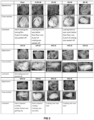
Figure 1 represents the photos of deep-fried food obtained with the different compositions of dusters. Coating condition and coating texture description of the deep-fried foods are indicated under the photos. -
Figure 2 represents the photos of the deep-fried food obtained with duster comprising different amounts of hydrolyzed gluten wheat. -
Figure 3 represents the photos of the deep-fried food obtained with gluten and hydrolyzed gluten mix duster and wheat flour duster. -
Figure 4 represents the photos of the deep-fried food obtained with gluten and hydrolyzed gluten mix duster and wheat flour duster after storage under a hot showcase at 60°C during 4,5h. -
Figure 5 represents the photos of the deep-fried food obtained with gluten and hydrolyzed gluten mix duster and wheat flour duster rapidly frozen, at -40°C for 1 h and reheat with a conventional oven at 220°C during 10 min. - A first embodiment is a duster composition for deep fried foods comprising between 1% and 65%, preferably between 14% and 65% of hydrolyzed wheat gluten by weight of the total dry weight of the duster. As demonstrated in the examples, inventors have demonstrated that the use of hydrolysed wheat gluten in the duster of the invention, even in very small quantities of around 1%, improves the texture and color of the deep fried foods.
- In this application "duster" must be understood as a blend or pure powder, composed of finely ground material. It is usually applied as the first layer in a coating system as it prepares the surface of the substrate to allow the remainder of the coating system to be 'built' on top of it. Pre-dusts may be off-the-shelf commodity items or tailor-made for a particular product or process. They are usually flour based but may contain additional agents to help coatings bind better to the substrate. Typical dusters used in the food industry are wheat flour, rice flour, tapioca flour, maize starch or potato starch.
- In this application "hydrolyzed gluten" must be understood as vital wheat gluten (see below its definition), that have been hydrolyzed, which must be understood as a reduction of molecular weight of proteins constituting wheat gluten. In order to hydrolyze wheat gluten, man skilled in the art can choose between all process known as of today, including chemical process e.g. acid hydrolysis or alkaline hydrolysis or biochemical process e.g. proteases, peptidases.
- In a preferred embodiment, hydrolyzed wheat gluten is characterized by a degree of hydrolysis (DH) from 0,5% to 5%, preferably from 1% to 4%, more preferably from 2% to 3%. The degree of hydrolysis is defined as the proportion of cleaved peptide bonds in a protein hydrolysate. The degree of hydrolysis can be easily known using well-known protocols like o-phthaldialdehyde (OPA) or trinitrobenzenesulfonic acid (TNBS) colorimetric methods. In this present application, preferred method is OPA. In a preferred embodiment, the duster composition also includes wheat gluten, preferably only wheat gluten and hydrolyzed wheat gluten excluding others compounds.
- In this application "wheat gluten" must be understood as native wheat gluten which is one of the most abundant proteins in wheat crops, constituted by gliadine and glutenines. Native gluten must be understood as gluten obtained by a process which do not denaturate wheat gluten and keep its viscoelastic properties. In other terms, native wheat gluten is also known as vital gluten.
- In another preferred embodiment, the duster will also include wheat flour.
- In this application "wheat flour" must be understood as wheat seeds that have been milled in order to reduce particle size. Wheat flour can be process internally or buy on commercial market.
- A second embodiment is a process for producing the duster as described previously comprising the steps of: 1) providing wheat gluten; 2) hydrolysing wheat gluten in order to reach DH between 0,5% to 5%, preferably from 1% to 4%, more preferably from 2% to 3%; 3) mixing hydrolyzed wheat gluten with other compounds in order to have a content between 1% and 65%, preferably 14 to 65%; 4) Optional drying of the mix;
- The first step consists in providing wheat gluten. Wheat gluten can be bought in commercial market. It can be native or vital. Wheat gluten can also be extracted from wheat seeds. In order to extract native gluten, man skilled in the art uses commonly known processes.
- The second step consists in hydrolyzing wheat gluten. A first solution can be the use of acid or alkaline reagent in order to reduce size of gluten. A second solution, more preferred, can be the use of proteases and/or peptidases. Enzymes cut selectively amino acids bonds and reduce protein molecular weight. In a preferred embodiment, enzyme is a Neutrase, which is a protease produced from Bacillus amyloliquefaciens liquid. Hydrolysis protocol consists in 1) adding a selected quantity of protease to native gluten, 2) adjusting temperature and pH at enzyme optimum, 3) executing hydrolysis by homogenizing gluten /enzyme mix and checking hydrolysis degree, 4) stopping reaction when hydrolysis degree is reached by adjusting pH far from optimum pH;
- The third step consists in mixing hydrolyzed wheat gluten with other compounds. Other compounds can be chosen preferably in the list of wheat gluten, wheat flour. In a more preferred embodiment, other compounds consist of gluten and/or wheat flour.
- The mix can be done in a wet way with enough stirring and homogenizing power. It can also be done in a dry way with the help of well-known selected devices.
- In the mix, hydrolyzed wheat gluten represents between 1 % to 65% of the total dry matter of the duster composition, preferably between 14% and 65%.
- The fourth optional step consists in optional drying in order to remove residual water and optimize shelf life stability. This step is needed in particular if mix is done in a wet way. Dry matter of the mix needs to be rised above 80%, preferably above 85%, more preferably above 90%.
- Another embodiment is the industrial use of such duster for deep fried food cooking. The present invention also relates to a deep-fried food product comprising foodstuff coated with a duster composition as previously defined and a method for preparing a deep-fried food comprising the steps of: coating a food product with a duster composition as defined previously, coating the duster-coated food product with a batter composition and coating the batter-coated food product with a breading composition.
- Invention will be better understood with the help of the following detailed description of embodiments.
- In the examples below, commercial hydrolyzed wheat gluten from Roquette Frères is used. It contains 88.5% of proteins (N 6,25 method) with a DH of 2,5 (OPA method)
- Different products listed in Table 1 used as dusters are compared.
Table 1: Different duster types compositions Wheat flour Corn Starch Rice flour Amusko Ki Wheat Flour + 8% Nutralys W Viten + Nutralys W Oil coated tapioca starch Mix of wheat flour with 8% of hydrolyzed wheat gluten (Roquette freres) Mix of wheat gluten with 8% of hydrolyzed wheat gluten (both from Roquette freres) - As a second layer, the batter composition of the Table 2 below is used for all samples.
Table 2: Batter composition % CLEARAM LG0005 (starch from Roquette) 81.1 Tackidex B735 (dextrin from Roquette) 12 Salt 5 Sodium bicarbonate 0.9 SAPP (dissodium dihydrogen pyrophosphate) 0.9 Xanthan gum 0.1 - Water is added to powder in a
ration 1,5/1 and the mix is homogenized As a third layer, the breader composition of the Table 3 below is used for all samplesTable 3: Breader composition control PREGEFLO MI20A 75.6 Salt 8 Sugar 9 Black pepper 2 MSG (monosodiium gultamate) 2 Garlic powder 1.4 Ginger powder 1 Paprika powder 1 - The process to obtain deep-fried chicken meat is the following:
- Dust each material listed in Table 1 on a surface of piece of chicken meat.
- Dip them into a batter and then dust breader on a surface
- Deep fry for 5 min at 180°C.
- Stock under hot showcase (60°C) from 0 to 9 hours.
- Photos are taken and coating condition/texture are evaluated (
Figure 1 ). - The use of hydrolyzed gluten at 8% in wheat flour improves duster properties. The adhesion and the coating texture are similar to oil coated starch (Amusko KI) duster condition. The use of a mix of gluten and hydrolyzed gluten can also give good results, allowing removal of all starch from duster (
Figure 1 ). - Table 4 below summarizes results:
Table 4: variation of texture under hot showcase storage from 0 to 9 hours. The variation of texture under hot showcase storage (70°C) from 0 hours to 9 hours is evaluated and ranked : ++ : no texture change; + : slight change but still OK; - : heavy change. 0H 1H 2.5H 4H 5H 6H 7H 8H 9H Wheat Flour ++ ++ + - - - - - - Corn starch ++ - - - - - - - - Rice flour ++ ++ + - - - - - - Amusko KI ++ + - - - - - - - Wheat Flour + 8% Nutralys W ++ ++ ++ ++ ++ + + + - Viten + 8% Nutralys W++ ++ ++ ++ ++ + + + - - The introduction of hydrolyzed gluten in duster allows to deep fried chicken meat to keep its initial texture under hot showcase storage. Time storage is multiplied by 4.
- Different dosages of hydrolyzed wheat gluten (Nutralys® W from Roquette) in wheat flour are compared as dusters:
Wheat Flour (W) 0.9 % W 2 % W 4 % W 8 % W 14 % W 24% W Wheat Flour 100 99.11 98 96 92 86 76 Nutralys W - 0.89 2 4 8 14 24 Table 5: Duster compositions with different amounts of hydrolyzed wheat gluten. 39 % W 44 % W 50 % W 60 % W 70 % W 80 % W 90% W Wheat Flour 61 56 50 40 30 20 10 Nutralys W 39 44 50 60 70 80 90 - The process to obtain deep fried chicken meat is the following:
- Dust each material on a surface of chicken evenly.
- Dip them into a batter and then dust breader on a surface.
- Deep fry for 5 min at 180°C.
- Texture and color are ranked and summarized in the Table 6 below:
Table 6: Texture and color of deep-fried food after 2.5 hours of storage at 60°C comprising duster with different amount of hydrolyzed gluten. Flour 0.9 % W 2 % W 4 % W 8 % W 14 % W 24 % W 39 % W 44 % W 50 % W 60 % W 70 % W 80 % W 90% W Texture - + + + + + + + + + + + - - Color + + + + + + + + + + + - - - - A dosage comprised between around 1% and 60% of hydrolyzed wheat gluten in dusters allows reaching a good texture and color for deep fried chicken. Surprisingly the use of a very small amount of hydrolysed gluten (around 1%) in the duster allows an improvement in the texture.
- Different powder mixes listed in the Table 7 below are compared as dusters:
Table 7: Different power Mixes (Flour and Viten+Mix) Flour Viten Viten+W W Wheat Flour 100 - - - Viten - 100 50 - Nutralys W - - 50 100 - The process to obtain deep fried chicken meat is the following :
- Dust each material on a surface of chicken evenly.
- Dip them into a batter and then dust breader on a surface.
- Deep fry for 5 min at 180°C.
- For the deep-fried food using flour and duster useful to the invention, photos are taken, coating condition and texture are evaluated just after being deep fried (
Figure 3 ). The yield rate, percentage of variation of weight of meat piece before and after being deep fried, are also calculated. - [1] Photos are then taken and coating condition/texture are evaluated after storage under
hot showcase 60°C during 4,5 h (Figure 4 ). Variation of weight is also tracked and expressed as percentage (1=100%): compared to the deep fried food using flour as a duster, the ones using duster of gluten and/or hydrolysed glutens are improved regarding the conservation under heat. Moreover, the deep fried food using duster comprising the combination of gluten and hydrolysed gluten is the closest to the control: the coating is not too coarse and the food inside is as juicy as the control. - Deep fried chicken meat are also rapidly frozen at -40°C for 1h and reheat with conventional oven at 220°C 10 min.
- With a gluten/hydrolyzed gluten mix as a duster, less juice is release by deep fried chicken when it is frozen/reheated (
Figure 5 ): compared to the deep fried food using flour as a duster, the one of the invention has better mouth melting and the coating is good and not too thick. The issue of the deep fried food using duster of gluten is that it gives also a bad organoleptic experience in the mouth due to a feeling of thin film coating on the food. The deep fried food using duster of hydrolysed gluten is too dry and separates too easily from the food resulting also in bad organoleptic sensation.
Claims (7)
- A powder duster composition for deep fried foods comprising between 1% and 65% of hydrolyzed wheat gluten, preferably between 14% and 65% by weight of total dry weight of the duster, said hydrolyzed wheat gluten having a hydrolysis degree comprised between 0.5 to 5 %.
- The powder duster composition of claim 1 further comprising native wheat gluten.
- The powder duster composition according to any one of claims 1 or 2 further comprising wheat flour.
- The powder duster composition according to any one of claims 1 or 2 consisting of 1 to 65% of hydrolyzed wheat gluten by weight of total dry weight and 35 to 99 % native gluten by weight of total dry weight.
- A method for producing a powder duster composition according to any one of claims 1 to 4 comprising the steps of:1) providing native wheat gluten;2) hydrolyzing wheat gluten for obtaining a degree of hydrolysis (DH) between 0.5% and 5%;3) mixing hydrolyzed wheat gluten with other compounds in order to have between 1% and 65% of hydrolyzed wheat gluten by weight of total dry weight4) optionally drying the mix obtained in step 3.
- A deep-fried food product comprising foodstuff coated with a powder duster composition according to any one of claims 1 to 4.
- A method of preparing a deep-fried food comprising the steps of:- coating a food product with a powder pre-dust composition according to any one of claims 1 to 4,- coating the duster-coated food product with a batter composition,- coating the batter-coated food product with a breading composition.
Applications Claiming Priority (2)
| Application Number | Priority Date | Filing Date | Title |
|---|---|---|---|
| EP19305864 | 2019-06-27 | ||
| PCT/EP2020/067029 WO2020260139A1 (en) | 2019-06-27 | 2020-06-18 | Hydrolyzed gluten-based duster composition for deep fried food |
Publications (3)
| Publication Number | Publication Date |
|---|---|
| EP3989744A1 EP3989744A1 (en) | 2022-05-04 |
| EP3989744C0 EP3989744C0 (en) | 2025-01-22 |
| EP3989744B1 true EP3989744B1 (en) | 2025-01-22 |
Family
ID=67297090
Family Applications (1)
| Application Number | Title | Priority Date | Filing Date |
|---|---|---|---|
| EP20733974.8A Active EP3989744B1 (en) | 2019-06-27 | 2020-06-18 | Hydrolyzed gluten-based duster composition for deep fried food |
Country Status (7)
| Country | Link |
|---|---|
| US (1) | US20220240541A1 (en) |
| EP (1) | EP3989744B1 (en) |
| JP (1) | JP7604406B2 (en) |
| KR (1) | KR102942016B1 (en) |
| CN (1) | CN114072010A (en) |
| CA (1) | CA3143403A1 (en) |
| WO (1) | WO2020260139A1 (en) |
Citations (1)
| Publication number | Priority date | Publication date | Assignee | Title |
|---|---|---|---|---|
| JP2008072926A (en) * | 2006-09-20 | 2008-04-03 | Okuno Chem Ind Co Ltd | Dusting powder for fried foods |
Family Cites Families (12)
| Publication number | Priority date | Publication date | Assignee | Title |
|---|---|---|---|---|
| US3314800A (en) * | 1966-08-24 | 1967-04-18 | Beatrice Foods Co | Process for coating hot dry roasted nuts and the resulting product |
| JP2775302B2 (en) * | 1989-07-05 | 1998-07-16 | 日清テクノミック株式会社 | Manufacturing method of fried food |
| US5266340A (en) * | 1991-07-23 | 1993-11-30 | Campbell Soup Company | Process for preparing batter-coated, chilled food products |
| JP3650485B2 (en) * | 1996-08-22 | 2005-05-18 | 日東製粉株式会社 | Production method of enzyme-treated flour |
| WO2000038534A1 (en) * | 1998-12-24 | 2000-07-06 | Opta Food Ingredients, Inc. | Gluten-derived colloidal dispersions and edible coatings therefrom |
| US6174559B1 (en) | 1998-12-24 | 2001-01-16 | Opta Food Ingredients, Inc. | Gluten-derived colloidal dispersions and edible coatings therefrom and method of making |
| JP2001061427A (en) * | 1999-08-25 | 2001-03-13 | Snow Brand Food Co Ltd | Dust for fried food |
| DE602005025987D1 (en) * | 2004-02-20 | 2011-03-03 | Cooperatie Avebe U A | MICROWAVE PRODUCTION AND COOKED FOOD PRODUCTS COOKED IN THE BACK TUB |
| US7303778B2 (en) * | 2004-04-27 | 2007-12-04 | Solae, Llc | Low carbohydrate coating system for breaded foods |
| EP1969950A1 (en) * | 2007-03-12 | 2008-09-17 | Cargill, Incorporated | Partially hydrolysed cereal protein |
| MY197951A (en) * | 2016-04-28 | 2023-07-25 | J Oil Mills Inc | Powdery breader, and breader mix, coating material, and deep-fried (-like) food product using powdery breader, and production methods therefor |
| JP2018057409A (en) * | 2018-01-17 | 2018-04-12 | 奥野製薬工業株式会社 | Food quality improver |
-
2020
- 2020-06-18 WO PCT/EP2020/067029 patent/WO2020260139A1/en not_active Ceased
- 2020-06-18 US US17/596,964 patent/US20220240541A1/en active Pending
- 2020-06-18 KR KR1020227002094A patent/KR102942016B1/en active Active
- 2020-06-18 EP EP20733974.8A patent/EP3989744B1/en active Active
- 2020-06-18 JP JP2021577127A patent/JP7604406B2/en active Active
- 2020-06-18 CA CA3143403A patent/CA3143403A1/en active Pending
- 2020-06-18 CN CN202080047023.1A patent/CN114072010A/en active Pending
Patent Citations (1)
| Publication number | Priority date | Publication date | Assignee | Title |
|---|---|---|---|---|
| JP2008072926A (en) * | 2006-09-20 | 2008-04-03 | Okuno Chem Ind Co Ltd | Dusting powder for fried foods |
Also Published As
| Publication number | Publication date |
|---|---|
| KR20220024811A (en) | 2022-03-03 |
| EP3989744C0 (en) | 2025-01-22 |
| US20220240541A1 (en) | 2022-08-04 |
| CA3143403A1 (en) | 2020-12-30 |
| WO2020260139A1 (en) | 2020-12-30 |
| EP3989744A1 (en) | 2022-05-04 |
| JP7604406B2 (en) | 2024-12-23 |
| JP2022539117A (en) | 2022-09-07 |
| KR102942016B1 (en) | 2026-03-20 |
| CN114072010A (en) | 2022-02-18 |
Similar Documents
| Publication | Publication Date | Title |
|---|---|---|
| US7691430B2 (en) | Food material technology with controllable functional characteristics and industrial process applications, and the resulting fabricated foods | |
| JPS6319142B2 (en) | ||
| CN110290712A (en) | Water-soluble Tatsuta deep-frying mix | |
| CN110022693A (en) | Wafer material mixture for fried food | |
| EP1729587B1 (en) | Microwaveable and oven-bakable coated food products | |
| KR20160144423A (en) | Methods for making flour-based food products and food products made thereby | |
| CN111902051A (en) | Method for producing material for deep-frying cooking with batter and method for producing deep-fried food | |
| JPH10309171A (en) | Fried foods and production of the same | |
| US20050202142A1 (en) | Crispy snack food product in cluster-shape and process for preparing the same | |
| US20220240541A1 (en) | Hydrolyzed gluten-based duster composition for deep fried food | |
| CN113163818A (en) | Dough-spreading mixture for fried food | |
| CN107404916A (en) | Batter Mix for Frozen Tempura | |
| JPH0216937A (en) | Fried food for microwave cooking and method for producing the same | |
| KR20160058199A (en) | Composition of Breader Mix for Microwave Cooking in Fried Food | |
| JP7323530B2 (en) | bread crumb mix | |
| JP2023116348A (en) | Wheat flour composition for batter dough, composition for batter dough, and method for producing batter heated food | |
| CN116744803A (en) | Dusting mix for fried foods | |
| JP7638608B2 (en) | A breader for deep-frying containing freeze-dried wheat flour, and a breader mix for deep-frying and deep-frying using the same | |
| JP7811091B2 (en) | Packed deep-fried food mix | |
| US10617129B2 (en) | Fortified snack foods and methods of fortification | |
| WO2014104175A1 (en) | Bread crumbs for microwave cooking | |
| JPH01247047A (en) | Food material covering material and production therefor | |
| JPH0928339A (en) | Fried chicken mix | |
| CN110267546A (en) | bread flour mix | |
| JP2019126323A (en) | Mix for salt-reduced deep fried food, method for producing salt-reduced deep-fried food, and method for improving taste |
Legal Events
| Date | Code | Title | Description |
|---|---|---|---|
| STAA | Information on the status of an ep patent application or granted ep patent |
Free format text: STATUS: UNKNOWN |
|
| STAA | Information on the status of an ep patent application or granted ep patent |
Free format text: STATUS: THE INTERNATIONAL PUBLICATION HAS BEEN MADE |
|
| PUAI | Public reference made under article 153(3) epc to a published international application that has entered the european phase |
Free format text: ORIGINAL CODE: 0009012 |
|
| STAA | Information on the status of an ep patent application or granted ep patent |
Free format text: STATUS: REQUEST FOR EXAMINATION WAS MADE |
|
| 17P | Request for examination filed |
Effective date: 20211213 |
|
| AK | Designated contracting states |
Kind code of ref document: A1 Designated state(s): AL AT BE BG CH CY CZ DE DK EE ES FI FR GB GR HR HU IE IS IT LI LT LU LV MC MK MT NL NO PL PT RO RS SE SI SK SM TR |
|
| DAV | Request for validation of the european patent (deleted) | ||
| DAX | Request for extension of the european patent (deleted) | ||
| STAA | Information on the status of an ep patent application or granted ep patent |
Free format text: STATUS: EXAMINATION IS IN PROGRESS |
|
| 17Q | First examination report despatched |
Effective date: 20230602 |
|
| GRAP | Despatch of communication of intention to grant a patent |
Free format text: ORIGINAL CODE: EPIDOSNIGR1 |
|
| STAA | Information on the status of an ep patent application or granted ep patent |
Free format text: STATUS: GRANT OF PATENT IS INTENDED |
|
| INTG | Intention to grant announced |
Effective date: 20240927 |
|
| GRAS | Grant fee paid |
Free format text: ORIGINAL CODE: EPIDOSNIGR3 |
|
| GRAA | (expected) grant |
Free format text: ORIGINAL CODE: 0009210 |
|
| STAA | Information on the status of an ep patent application or granted ep patent |
Free format text: STATUS: THE PATENT HAS BEEN GRANTED |
|
| AK | Designated contracting states |
Kind code of ref document: B1 Designated state(s): AL AT BE BG CH CY CZ DE DK EE ES FI FR GB GR HR HU IE IS IT LI LT LU LV MC MK MT NL NO PL PT RO RS SE SI SK SM TR |
|
| REG | Reference to a national code |
Ref country code: GB Ref legal event code: FG4D |
|
| REG | Reference to a national code |
Ref country code: CH Ref legal event code: EP |
|
| REG | Reference to a national code |
Ref country code: IE Ref legal event code: FG4D |
|
| REG | Reference to a national code |
Ref country code: DE Ref legal event code: R096 Ref document number: 602020045137 Country of ref document: DE |
|
| U01 | Request for unitary effect filed |
Effective date: 20250218 |
|
| U07 | Unitary effect registered |
Designated state(s): AT BE BG DE DK EE FI FR IT LT LU LV MT NL PT RO SE SI Effective date: 20250224 |
|
| PG25 | Lapsed in a contracting state [announced via postgrant information from national office to epo] |
Ref country code: RS Free format text: LAPSE BECAUSE OF FAILURE TO SUBMIT A TRANSLATION OF THE DESCRIPTION OR TO PAY THE FEE WITHIN THE PRESCRIBED TIME-LIMIT Effective date: 20250422 |
|
| PG25 | Lapsed in a contracting state [announced via postgrant information from national office to epo] |
Ref country code: PL Free format text: LAPSE BECAUSE OF FAILURE TO SUBMIT A TRANSLATION OF THE DESCRIPTION OR TO PAY THE FEE WITHIN THE PRESCRIBED TIME-LIMIT Effective date: 20250122 |
|
| PG25 | Lapsed in a contracting state [announced via postgrant information from national office to epo] |
Ref country code: ES Free format text: LAPSE BECAUSE OF FAILURE TO SUBMIT A TRANSLATION OF THE DESCRIPTION OR TO PAY THE FEE WITHIN THE PRESCRIBED TIME-LIMIT Effective date: 20250122 |
|
| PG25 | Lapsed in a contracting state [announced via postgrant information from national office to epo] |
Ref country code: NO Free format text: LAPSE BECAUSE OF FAILURE TO SUBMIT A TRANSLATION OF THE DESCRIPTION OR TO PAY THE FEE WITHIN THE PRESCRIBED TIME-LIMIT Effective date: 20250422 Ref country code: IS Free format text: LAPSE BECAUSE OF FAILURE TO SUBMIT A TRANSLATION OF THE DESCRIPTION OR TO PAY THE FEE WITHIN THE PRESCRIBED TIME-LIMIT Effective date: 20250522 |
|
| PG25 | Lapsed in a contracting state [announced via postgrant information from national office to epo] |
Ref country code: HR Free format text: LAPSE BECAUSE OF FAILURE TO SUBMIT A TRANSLATION OF THE DESCRIPTION OR TO PAY THE FEE WITHIN THE PRESCRIBED TIME-LIMIT Effective date: 20250122 |
|
| PG25 | Lapsed in a contracting state [announced via postgrant information from national office to epo] |
Ref country code: GR Free format text: LAPSE BECAUSE OF FAILURE TO SUBMIT A TRANSLATION OF THE DESCRIPTION OR TO PAY THE FEE WITHIN THE PRESCRIBED TIME-LIMIT Effective date: 20250423 |
|
| U20 | Renewal fee for the european patent with unitary effect paid |
Year of fee payment: 6 Effective date: 20250628 |
|
| PG25 | Lapsed in a contracting state [announced via postgrant information from national office to epo] |
Ref country code: SM Free format text: LAPSE BECAUSE OF FAILURE TO SUBMIT A TRANSLATION OF THE DESCRIPTION OR TO PAY THE FEE WITHIN THE PRESCRIBED TIME-LIMIT Effective date: 20250122 |
|
| PG25 | Lapsed in a contracting state [announced via postgrant information from national office to epo] |
Ref country code: CZ Free format text: LAPSE BECAUSE OF FAILURE TO SUBMIT A TRANSLATION OF THE DESCRIPTION OR TO PAY THE FEE WITHIN THE PRESCRIBED TIME-LIMIT Effective date: 20250122 |
|
| PG25 | Lapsed in a contracting state [announced via postgrant information from national office to epo] |
Ref country code: SK Free format text: LAPSE BECAUSE OF FAILURE TO SUBMIT A TRANSLATION OF THE DESCRIPTION OR TO PAY THE FEE WITHIN THE PRESCRIBED TIME-LIMIT Effective date: 20250122 |
|
| PLBE | No opposition filed within time limit |
Free format text: ORIGINAL CODE: 0009261 |
|
| STAA | Information on the status of an ep patent application or granted ep patent |
Free format text: STATUS: NO OPPOSITION FILED WITHIN TIME LIMIT |
|
| REG | Reference to a national code |
Ref country code: CH Ref legal event code: L10 Free format text: ST27 STATUS EVENT CODE: U-0-0-L10-L00 (AS PROVIDED BY THE NATIONAL OFFICE) Effective date: 20251203 |
|
| 26N | No opposition filed |
Effective date: 20251023 |
|
| REG | Reference to a national code |
Ref country code: CH Ref legal event code: H13 Free format text: ST27 STATUS EVENT CODE: U-0-0-H10-H13 (AS PROVIDED BY THE NATIONAL OFFICE) Effective date: 20260127 |
|
| PG25 | Lapsed in a contracting state [announced via postgrant information from national office to epo] |
Ref country code: MC Free format text: LAPSE BECAUSE OF FAILURE TO SUBMIT A TRANSLATION OF THE DESCRIPTION OR TO PAY THE FEE WITHIN THE PRESCRIBED TIME-LIMIT Effective date: 20250122 |
|
| GBPC | Gb: european patent ceased through non-payment of renewal fee |
Effective date: 20250618 |
|
| PG25 | Lapsed in a contracting state [announced via postgrant information from national office to epo] |
Ref country code: GB Free format text: LAPSE BECAUSE OF NON-PAYMENT OF DUE FEES Effective date: 20250618 |
|
| PG25 | Lapsed in a contracting state [announced via postgrant information from national office to epo] |
Ref country code: IE Free format text: LAPSE BECAUSE OF NON-PAYMENT OF DUE FEES Effective date: 20250618 |
|
| PG25 | Lapsed in a contracting state [announced via postgrant information from national office to epo] |
Ref country code: CH Free format text: LAPSE BECAUSE OF NON-PAYMENT OF DUE FEES Effective date: 20250630 |