EP3988519A1 - Composite material, flying object, and method for manufacturing composite material - Google Patents
Composite material, flying object, and method for manufacturing composite material Download PDFInfo
- Publication number
- EP3988519A1 EP3988519A1 EP20921119.2A EP20921119A EP3988519A1 EP 3988519 A1 EP3988519 A1 EP 3988519A1 EP 20921119 A EP20921119 A EP 20921119A EP 3988519 A1 EP3988519 A1 EP 3988519A1
- Authority
- EP
- European Patent Office
- Prior art keywords
- layer
- composite material
- slurry
- sheet
- matrix
- Prior art date
- Legal status (The legal status is an assumption and is not a legal conclusion. Google has not performed a legal analysis and makes no representation as to the accuracy of the status listed.)
- Pending
Links
Images





Classifications
-
- C—CHEMISTRY; METALLURGY
- C04—CEMENTS; CONCRETE; ARTIFICIAL STONE; CERAMICS; REFRACTORIES
- C04B—LIME, MAGNESIA; SLAG; CEMENTS; COMPOSITIONS THEREOF, e.g. MORTARS, CONCRETE OR LIKE BUILDING MATERIALS; ARTIFICIAL STONE; CERAMICS; REFRACTORIES; TREATMENT OF NATURAL STONE
- C04B35/00—Shaped ceramic products characterised by their composition; Ceramics compositions; Processing powders of inorganic compounds preparatory to the manufacturing of ceramic products
- C04B35/71—Ceramic products containing macroscopic reinforcing agents
- C04B35/78—Ceramic products containing macroscopic reinforcing agents containing non-metallic materials
- C04B35/80—Fibres, filaments, whiskers, platelets, or the like
-
- B—PERFORMING OPERATIONS; TRANSPORTING
- B64—AIRCRAFT; AVIATION; COSMONAUTICS
- B64C—AEROPLANES; HELICOPTERS
- B64C1/00—Fuselages; Constructional features common to fuselages, wings, stabilising surfaces or the like
- B64C1/40—Sound or heat insulation, e.g. using insulation blankets
-
- B—PERFORMING OPERATIONS; TRANSPORTING
- B32—LAYERED PRODUCTS
- B32B—LAYERED PRODUCTS, i.e. PRODUCTS BUILT-UP OF STRATA OF FLAT OR NON-FLAT, e.g. CELLULAR OR HONEYCOMB, FORM
- B32B18/00—Layered products essentially comprising ceramics, e.g. refractory products
-
- B—PERFORMING OPERATIONS; TRANSPORTING
- B32—LAYERED PRODUCTS
- B32B—LAYERED PRODUCTS, i.e. PRODUCTS BUILT-UP OF STRATA OF FLAT OR NON-FLAT, e.g. CELLULAR OR HONEYCOMB, FORM
- B32B7/00—Layered products characterised by the relation between layers; Layered products characterised by the relative orientation of features between layers, or by the relative values of a measurable parameter between layers, i.e. products comprising layers having different physical, chemical or physicochemical properties; Layered products characterised by the interconnection of layers
- B32B7/02—Physical, chemical or physicochemical properties
- B32B7/027—Thermal properties
-
- C—CHEMISTRY; METALLURGY
- C04—CEMENTS; CONCRETE; ARTIFICIAL STONE; CERAMICS; REFRACTORIES
- C04B—LIME, MAGNESIA; SLAG; CEMENTS; COMPOSITIONS THEREOF, e.g. MORTARS, CONCRETE OR LIKE BUILDING MATERIALS; ARTIFICIAL STONE; CERAMICS; REFRACTORIES; TREATMENT OF NATURAL STONE
- C04B35/00—Shaped ceramic products characterised by their composition; Ceramics compositions; Processing powders of inorganic compounds preparatory to the manufacturing of ceramic products
- C04B35/622—Forming processes; Processing powders of inorganic compounds preparatory to the manufacturing of ceramic products
- C04B35/626—Preparing or treating the powders individually or as batches ; preparing or treating macroscopic reinforcing agents for ceramic products, e.g. fibres; mechanical aspects section B
- C04B35/628—Coating the powders or the macroscopic reinforcing agents
- C04B35/62844—Coating fibres
-
- C—CHEMISTRY; METALLURGY
- C04—CEMENTS; CONCRETE; ARTIFICIAL STONE; CERAMICS; REFRACTORIES
- C04B—LIME, MAGNESIA; SLAG; CEMENTS; COMPOSITIONS THEREOF, e.g. MORTARS, CONCRETE OR LIKE BUILDING MATERIALS; ARTIFICIAL STONE; CERAMICS; REFRACTORIES; TREATMENT OF NATURAL STONE
- C04B35/00—Shaped ceramic products characterised by their composition; Ceramics compositions; Processing powders of inorganic compounds preparatory to the manufacturing of ceramic products
- C04B35/622—Forming processes; Processing powders of inorganic compounds preparatory to the manufacturing of ceramic products
- C04B35/64—Burning or sintering processes
-
- C—CHEMISTRY; METALLURGY
- C04—CEMENTS; CONCRETE; ARTIFICIAL STONE; CERAMICS; REFRACTORIES
- C04B—LIME, MAGNESIA; SLAG; CEMENTS; COMPOSITIONS THEREOF, e.g. MORTARS, CONCRETE OR LIKE BUILDING MATERIALS; ARTIFICIAL STONE; CERAMICS; REFRACTORIES; TREATMENT OF NATURAL STONE
- C04B41/00—After-treatment of mortars, concrete, artificial stone or ceramics; Treatment of natural stone
- C04B41/009—After-treatment of mortars, concrete, artificial stone or ceramics; Treatment of natural stone characterised by the material treated
-
- C—CHEMISTRY; METALLURGY
- C04—CEMENTS; CONCRETE; ARTIFICIAL STONE; CERAMICS; REFRACTORIES
- C04B—LIME, MAGNESIA; SLAG; CEMENTS; COMPOSITIONS THEREOF, e.g. MORTARS, CONCRETE OR LIKE BUILDING MATERIALS; ARTIFICIAL STONE; CERAMICS; REFRACTORIES; TREATMENT OF NATURAL STONE
- C04B41/00—After-treatment of mortars, concrete, artificial stone or ceramics; Treatment of natural stone
- C04B41/45—Coating or impregnating, e.g. injection in masonry, partial coating of green or fired ceramics, organic coating compositions for adhering together two concrete elements
- C04B41/46—Coating or impregnating, e.g. injection in masonry, partial coating of green or fired ceramics, organic coating compositions for adhering together two concrete elements with organic materials
- C04B41/49—Compounds having one or more carbon-to-metal or carbon-to-silicon linkages ; Organo-clay compounds; Organo-silicates, i.e. ortho- or polysilicic acid esters ; Organo-phosphorus compounds; Organo-inorganic complexes
- C04B41/4905—Compounds having one or more carbon-to-metal or carbon-to-silicon linkages ; Organo-clay compounds; Organo-silicates, i.e. ortho- or polysilicic acid esters ; Organo-phosphorus compounds; Organo-inorganic complexes containing silicon
- C04B41/495—Compounds having one or more carbon-to-metal or carbon-to-silicon linkages ; Organo-clay compounds; Organo-silicates, i.e. ortho- or polysilicic acid esters ; Organo-phosphorus compounds; Organo-inorganic complexes containing silicon applied to the substrate as oligomers or polymers
- C04B41/4983—Polycarbosilanes, i.e. polymers with a -Si-C-Si-chain; Polysilazanes, i.e. polymers with a -Si-N-Si-chain; Polysilathianes, i.e. polymers with a -Si-S-Si-chain
-
- C—CHEMISTRY; METALLURGY
- C04—CEMENTS; CONCRETE; ARTIFICIAL STONE; CERAMICS; REFRACTORIES
- C04B—LIME, MAGNESIA; SLAG; CEMENTS; COMPOSITIONS THEREOF, e.g. MORTARS, CONCRETE OR LIKE BUILDING MATERIALS; ARTIFICIAL STONE; CERAMICS; REFRACTORIES; TREATMENT OF NATURAL STONE
- C04B41/00—After-treatment of mortars, concrete, artificial stone or ceramics; Treatment of natural stone
- C04B41/80—After-treatment of mortars, concrete, artificial stone or ceramics; Treatment of natural stone of only ceramics
- C04B41/81—Coating or impregnation
- C04B41/85—Coating or impregnation with inorganic materials
- C04B41/87—Ceramics
-
- F—MECHANICAL ENGINEERING; LIGHTING; HEATING; WEAPONS; BLASTING
- F42—AMMUNITION; BLASTING
- F42B—EXPLOSIVE CHARGES, e.g. FOR BLASTING, FIREWORKS, AMMUNITION
- F42B15/00—Self-propelled projectiles or missiles, e.g. rockets; Guided missiles
- F42B15/34—Protection against overheating or radiation, e.g. heat shields; Additional cooling arrangements
-
- B—PERFORMING OPERATIONS; TRANSPORTING
- B64—AIRCRAFT; AVIATION; COSMONAUTICS
- B64C—AEROPLANES; HELICOPTERS
- B64C1/00—Fuselages; Constructional features common to fuselages, wings, stabilising surfaces or the like
- B64C2001/0054—Fuselage structures substantially made from particular materials
- B64C2001/0072—Fuselage structures substantially made from particular materials from composite materials
-
- C—CHEMISTRY; METALLURGY
- C04—CEMENTS; CONCRETE; ARTIFICIAL STONE; CERAMICS; REFRACTORIES
- C04B—LIME, MAGNESIA; SLAG; CEMENTS; COMPOSITIONS THEREOF, e.g. MORTARS, CONCRETE OR LIKE BUILDING MATERIALS; ARTIFICIAL STONE; CERAMICS; REFRACTORIES; TREATMENT OF NATURAL STONE
- C04B2235/00—Aspects relating to ceramic starting mixtures or sintered ceramic products
- C04B2235/02—Composition of constituents of the starting material or of secondary phases of the final product
- C04B2235/30—Constituents and secondary phases not being of a fibrous nature
- C04B2235/32—Metal oxides, mixed metal oxides, or oxide-forming salts thereof, e.g. carbonates, nitrates, (oxy)hydroxides, chlorides
- C04B2235/3231—Refractory metal oxides, their mixed metal oxides, or oxide-forming salts thereof
- C04B2235/3244—Zirconium oxides, zirconates, hafnium oxides, hafnates, or oxide-forming salts thereof
-
- C—CHEMISTRY; METALLURGY
- C04—CEMENTS; CONCRETE; ARTIFICIAL STONE; CERAMICS; REFRACTORIES
- C04B—LIME, MAGNESIA; SLAG; CEMENTS; COMPOSITIONS THEREOF, e.g. MORTARS, CONCRETE OR LIKE BUILDING MATERIALS; ARTIFICIAL STONE; CERAMICS; REFRACTORIES; TREATMENT OF NATURAL STONE
- C04B2235/00—Aspects relating to ceramic starting mixtures or sintered ceramic products
- C04B2235/02—Composition of constituents of the starting material or of secondary phases of the final product
- C04B2235/30—Constituents and secondary phases not being of a fibrous nature
- C04B2235/38—Non-oxide ceramic constituents or additives
- C04B2235/3804—Borides
- C04B2235/3813—Refractory metal borides
-
- C—CHEMISTRY; METALLURGY
- C04—CEMENTS; CONCRETE; ARTIFICIAL STONE; CERAMICS; REFRACTORIES
- C04B—LIME, MAGNESIA; SLAG; CEMENTS; COMPOSITIONS THEREOF, e.g. MORTARS, CONCRETE OR LIKE BUILDING MATERIALS; ARTIFICIAL STONE; CERAMICS; REFRACTORIES; TREATMENT OF NATURAL STONE
- C04B2235/00—Aspects relating to ceramic starting mixtures or sintered ceramic products
- C04B2235/02—Composition of constituents of the starting material or of secondary phases of the final product
- C04B2235/30—Constituents and secondary phases not being of a fibrous nature
- C04B2235/38—Non-oxide ceramic constituents or additives
- C04B2235/3817—Carbides
- C04B2235/3826—Silicon carbides
-
- C—CHEMISTRY; METALLURGY
- C04—CEMENTS; CONCRETE; ARTIFICIAL STONE; CERAMICS; REFRACTORIES
- C04B—LIME, MAGNESIA; SLAG; CEMENTS; COMPOSITIONS THEREOF, e.g. MORTARS, CONCRETE OR LIKE BUILDING MATERIALS; ARTIFICIAL STONE; CERAMICS; REFRACTORIES; TREATMENT OF NATURAL STONE
- C04B2235/00—Aspects relating to ceramic starting mixtures or sintered ceramic products
- C04B2235/02—Composition of constituents of the starting material or of secondary phases of the final product
- C04B2235/30—Constituents and secondary phases not being of a fibrous nature
- C04B2235/38—Non-oxide ceramic constituents or additives
- C04B2235/3817—Carbides
- C04B2235/3839—Refractory metal carbides
-
- C—CHEMISTRY; METALLURGY
- C04—CEMENTS; CONCRETE; ARTIFICIAL STONE; CERAMICS; REFRACTORIES
- C04B—LIME, MAGNESIA; SLAG; CEMENTS; COMPOSITIONS THEREOF, e.g. MORTARS, CONCRETE OR LIKE BUILDING MATERIALS; ARTIFICIAL STONE; CERAMICS; REFRACTORIES; TREATMENT OF NATURAL STONE
- C04B2235/00—Aspects relating to ceramic starting mixtures or sintered ceramic products
- C04B2235/02—Composition of constituents of the starting material or of secondary phases of the final product
- C04B2235/30—Constituents and secondary phases not being of a fibrous nature
- C04B2235/48—Organic compounds becoming part of a ceramic after heat treatment, e.g. carbonising phenol resins
- C04B2235/483—Si-containing organic compounds, e.g. silicone resins, (poly)silanes, (poly)siloxanes or (poly)silazanes
-
- C—CHEMISTRY; METALLURGY
- C04—CEMENTS; CONCRETE; ARTIFICIAL STONE; CERAMICS; REFRACTORIES
- C04B—LIME, MAGNESIA; SLAG; CEMENTS; COMPOSITIONS THEREOF, e.g. MORTARS, CONCRETE OR LIKE BUILDING MATERIALS; ARTIFICIAL STONE; CERAMICS; REFRACTORIES; TREATMENT OF NATURAL STONE
- C04B2235/00—Aspects relating to ceramic starting mixtures or sintered ceramic products
- C04B2235/02—Composition of constituents of the starting material or of secondary phases of the final product
- C04B2235/50—Constituents or additives of the starting mixture chosen for their shape or used because of their shape or their physical appearance
- C04B2235/52—Constituents or additives characterised by their shapes
- C04B2235/5208—Fibers
- C04B2235/5216—Inorganic
- C04B2235/524—Non-oxidic, e.g. borides, carbides, silicides or nitrides
-
- C—CHEMISTRY; METALLURGY
- C04—CEMENTS; CONCRETE; ARTIFICIAL STONE; CERAMICS; REFRACTORIES
- C04B—LIME, MAGNESIA; SLAG; CEMENTS; COMPOSITIONS THEREOF, e.g. MORTARS, CONCRETE OR LIKE BUILDING MATERIALS; ARTIFICIAL STONE; CERAMICS; REFRACTORIES; TREATMENT OF NATURAL STONE
- C04B2235/00—Aspects relating to ceramic starting mixtures or sintered ceramic products
- C04B2235/02—Composition of constituents of the starting material or of secondary phases of the final product
- C04B2235/50—Constituents or additives of the starting mixture chosen for their shape or used because of their shape or their physical appearance
- C04B2235/52—Constituents or additives characterised by their shapes
- C04B2235/5208—Fibers
- C04B2235/5216—Inorganic
- C04B2235/524—Non-oxidic, e.g. borides, carbides, silicides or nitrides
- C04B2235/5244—Silicon carbide
-
- C—CHEMISTRY; METALLURGY
- C04—CEMENTS; CONCRETE; ARTIFICIAL STONE; CERAMICS; REFRACTORIES
- C04B—LIME, MAGNESIA; SLAG; CEMENTS; COMPOSITIONS THEREOF, e.g. MORTARS, CONCRETE OR LIKE BUILDING MATERIALS; ARTIFICIAL STONE; CERAMICS; REFRACTORIES; TREATMENT OF NATURAL STONE
- C04B2235/00—Aspects relating to ceramic starting mixtures or sintered ceramic products
- C04B2235/02—Composition of constituents of the starting material or of secondary phases of the final product
- C04B2235/50—Constituents or additives of the starting mixture chosen for their shape or used because of their shape or their physical appearance
- C04B2235/52—Constituents or additives characterised by their shapes
- C04B2235/5208—Fibers
- C04B2235/5252—Fibers having a specific pre-form
- C04B2235/5256—Two-dimensional, e.g. woven structures
-
- C—CHEMISTRY; METALLURGY
- C04—CEMENTS; CONCRETE; ARTIFICIAL STONE; CERAMICS; REFRACTORIES
- C04B—LIME, MAGNESIA; SLAG; CEMENTS; COMPOSITIONS THEREOF, e.g. MORTARS, CONCRETE OR LIKE BUILDING MATERIALS; ARTIFICIAL STONE; CERAMICS; REFRACTORIES; TREATMENT OF NATURAL STONE
- C04B2235/00—Aspects relating to ceramic starting mixtures or sintered ceramic products
- C04B2235/60—Aspects relating to the preparation, properties or mechanical treatment of green bodies or pre-forms
- C04B2235/616—Liquid infiltration of green bodies or pre-forms
-
- C—CHEMISTRY; METALLURGY
- C04—CEMENTS; CONCRETE; ARTIFICIAL STONE; CERAMICS; REFRACTORIES
- C04B—LIME, MAGNESIA; SLAG; CEMENTS; COMPOSITIONS THEREOF, e.g. MORTARS, CONCRETE OR LIKE BUILDING MATERIALS; ARTIFICIAL STONE; CERAMICS; REFRACTORIES; TREATMENT OF NATURAL STONE
- C04B2235/00—Aspects relating to ceramic starting mixtures or sintered ceramic products
- C04B2235/65—Aspects relating to heat treatments of ceramic bodies such as green ceramics or pre-sintered ceramics, e.g. burning, sintering or melting processes
- C04B2235/66—Specific sintering techniques, e.g. centrifugal sintering
- C04B2235/661—Multi-step sintering
-
- C—CHEMISTRY; METALLURGY
- C04—CEMENTS; CONCRETE; ARTIFICIAL STONE; CERAMICS; REFRACTORIES
- C04B—LIME, MAGNESIA; SLAG; CEMENTS; COMPOSITIONS THEREOF, e.g. MORTARS, CONCRETE OR LIKE BUILDING MATERIALS; ARTIFICIAL STONE; CERAMICS; REFRACTORIES; TREATMENT OF NATURAL STONE
- C04B2237/00—Aspects relating to ceramic laminates or to joining of ceramic articles with other articles by heating
- C04B2237/30—Composition of layers of ceramic laminates or of ceramic or metallic articles to be joined by heating, e.g. Si substrates
- C04B2237/32—Ceramic
- C04B2237/34—Oxidic
- C04B2237/345—Refractory metal oxides
- C04B2237/348—Zirconia, hafnia, zirconates or hafnates
-
- C—CHEMISTRY; METALLURGY
- C04—CEMENTS; CONCRETE; ARTIFICIAL STONE; CERAMICS; REFRACTORIES
- C04B—LIME, MAGNESIA; SLAG; CEMENTS; COMPOSITIONS THEREOF, e.g. MORTARS, CONCRETE OR LIKE BUILDING MATERIALS; ARTIFICIAL STONE; CERAMICS; REFRACTORIES; TREATMENT OF NATURAL STONE
- C04B2237/00—Aspects relating to ceramic laminates or to joining of ceramic articles with other articles by heating
- C04B2237/30—Composition of layers of ceramic laminates or of ceramic or metallic articles to be joined by heating, e.g. Si substrates
- C04B2237/32—Ceramic
- C04B2237/36—Non-oxidic
-
- C—CHEMISTRY; METALLURGY
- C04—CEMENTS; CONCRETE; ARTIFICIAL STONE; CERAMICS; REFRACTORIES
- C04B—LIME, MAGNESIA; SLAG; CEMENTS; COMPOSITIONS THEREOF, e.g. MORTARS, CONCRETE OR LIKE BUILDING MATERIALS; ARTIFICIAL STONE; CERAMICS; REFRACTORIES; TREATMENT OF NATURAL STONE
- C04B2237/00—Aspects relating to ceramic laminates or to joining of ceramic articles with other articles by heating
- C04B2237/30—Composition of layers of ceramic laminates or of ceramic or metallic articles to be joined by heating, e.g. Si substrates
- C04B2237/32—Ceramic
- C04B2237/36—Non-oxidic
- C04B2237/365—Silicon carbide
-
- C—CHEMISTRY; METALLURGY
- C04—CEMENTS; CONCRETE; ARTIFICIAL STONE; CERAMICS; REFRACTORIES
- C04B—LIME, MAGNESIA; SLAG; CEMENTS; COMPOSITIONS THEREOF, e.g. MORTARS, CONCRETE OR LIKE BUILDING MATERIALS; ARTIFICIAL STONE; CERAMICS; REFRACTORIES; TREATMENT OF NATURAL STONE
- C04B2237/00—Aspects relating to ceramic laminates or to joining of ceramic articles with other articles by heating
- C04B2237/30—Composition of layers of ceramic laminates or of ceramic or metallic articles to be joined by heating, e.g. Si substrates
- C04B2237/32—Ceramic
- C04B2237/38—Fiber or whisker reinforced
-
- C—CHEMISTRY; METALLURGY
- C04—CEMENTS; CONCRETE; ARTIFICIAL STONE; CERAMICS; REFRACTORIES
- C04B—LIME, MAGNESIA; SLAG; CEMENTS; COMPOSITIONS THEREOF, e.g. MORTARS, CONCRETE OR LIKE BUILDING MATERIALS; ARTIFICIAL STONE; CERAMICS; REFRACTORIES; TREATMENT OF NATURAL STONE
- C04B2237/00—Aspects relating to ceramic laminates or to joining of ceramic articles with other articles by heating
- C04B2237/50—Processing aspects relating to ceramic laminates or to the joining of ceramic articles with other articles by heating
- C04B2237/58—Forming a gradient in composition or in properties across the laminate or the joined articles
-
- C—CHEMISTRY; METALLURGY
- C04—CEMENTS; CONCRETE; ARTIFICIAL STONE; CERAMICS; REFRACTORIES
- C04B—LIME, MAGNESIA; SLAG; CEMENTS; COMPOSITIONS THEREOF, e.g. MORTARS, CONCRETE OR LIKE BUILDING MATERIALS; ARTIFICIAL STONE; CERAMICS; REFRACTORIES; TREATMENT OF NATURAL STONE
- C04B2237/00—Aspects relating to ceramic laminates or to joining of ceramic articles with other articles by heating
- C04B2237/50—Processing aspects relating to ceramic laminates or to the joining of ceramic articles with other articles by heating
- C04B2237/58—Forming a gradient in composition or in properties across the laminate or the joined articles
- C04B2237/582—Forming a gradient in composition or in properties across the laminate or the joined articles by joining layers or articles of the same composition but having different additives
-
- C—CHEMISTRY; METALLURGY
- C04—CEMENTS; CONCRETE; ARTIFICIAL STONE; CERAMICS; REFRACTORIES
- C04B—LIME, MAGNESIA; SLAG; CEMENTS; COMPOSITIONS THEREOF, e.g. MORTARS, CONCRETE OR LIKE BUILDING MATERIALS; ARTIFICIAL STONE; CERAMICS; REFRACTORIES; TREATMENT OF NATURAL STONE
- C04B2237/00—Aspects relating to ceramic laminates or to joining of ceramic articles with other articles by heating
- C04B2237/50—Processing aspects relating to ceramic laminates or to the joining of ceramic articles with other articles by heating
- C04B2237/58—Forming a gradient in composition or in properties across the laminate or the joined articles
- C04B2237/586—Forming a gradient in composition or in properties across the laminate or the joined articles by joining layers or articles of the same composition but having different densities
-
- C—CHEMISTRY; METALLURGY
- C04—CEMENTS; CONCRETE; ARTIFICIAL STONE; CERAMICS; REFRACTORIES
- C04B—LIME, MAGNESIA; SLAG; CEMENTS; COMPOSITIONS THEREOF, e.g. MORTARS, CONCRETE OR LIKE BUILDING MATERIALS; ARTIFICIAL STONE; CERAMICS; REFRACTORIES; TREATMENT OF NATURAL STONE
- C04B2237/00—Aspects relating to ceramic laminates or to joining of ceramic articles with other articles by heating
- C04B2237/50—Processing aspects relating to ceramic laminates or to the joining of ceramic articles with other articles by heating
- C04B2237/61—Joining two substrates of which at least one is porous by infiltrating the porous substrate with a liquid, such as a molten metal, causing bonding of the two substrates, e.g. joining two porous carbon substrates by infiltrating with molten silicon
-
- Y—GENERAL TAGGING OF NEW TECHNOLOGICAL DEVELOPMENTS; GENERAL TAGGING OF CROSS-SECTIONAL TECHNOLOGIES SPANNING OVER SEVERAL SECTIONS OF THE IPC; TECHNICAL SUBJECTS COVERED BY FORMER USPC CROSS-REFERENCE ART COLLECTIONS [XRACs] AND DIGESTS
- Y02—TECHNOLOGIES OR APPLICATIONS FOR MITIGATION OR ADAPTATION AGAINST CLIMATE CHANGE
- Y02T—CLIMATE CHANGE MITIGATION TECHNOLOGIES RELATED TO TRANSPORTATION
- Y02T50/00—Aeronautics or air transport
- Y02T50/40—Weight reduction
Definitions
- the present invention relates to a composite material, a flying body and a composite material manufacturing method.
- Patent Literature 1 discloses applying a composition to a component generated from a composite material in order to form a self-repairing layer on the component.
- the Patent Literature 1 further discloses that the composition includes a colloidal silica suspension, boron or boron compounds in powder form, a silicon carbide in powder form and at least a type of super heat resistant oxide.
- Patent Literature 1 Japanese patent application publication No. 2011-522099
- an objective is to provide a method of manufacturing a composite material with a plurality of characteristics, for example a high heat resistance and a high strength.
- a composite material manufacturing method includes: laminating a first sheet including a first slurry and a second sheet including a second slurry; and heating the first sheet and the second sheet that are laminated to a temperature of transforming to ceramics by pyrolysis to form an intermediate body.
- the manufacturing method further includes impregnating the intermediate body with a third slurry and heating at a temperature lower than the temperature of transforming to ceramics by pyrolysis.
- a composition of the first slurry is different from a composition of the second slurry.
- a composite material according to an embodiment to achieve the above objective is provided with a first layer that includes a first matrix and a second layer that includes a second matrix and is provided below the first layer.
- the first layer includes a precursor of the first matrix.
- a composition of the second matrix is different from a composition of the first matrix.
- a flying body according to an embodiment to achieve the above objective is provided with the above-mentioned composite material at a part where aerodynamic heating is applied.
- the composite material can have a plurality of characteristics.
- a composite material 100 As shown in Fig. 1 , a composite material 100 according to an embodiment is provided with a plurality of layers (including for example a first layer 110, a second layer 120 and a third layer 130).
- the composite material 100 is provided with an outer surface 100a that is heated and an inner surface 100b that faces the outer surface 100a.
- an applied heat is transferred from the outer surface 100a to the inner surface 100b by heat conduction.
- the first layer 110 may form the outer surface 100a of the composite material 100 and may be formed of materials of which a heat resistance is higher than other layers, for example the second layer 120 and/or the third layer 130.
- the second layer 120 may be formed of a material of which a heat insulation performance is higher than other layers, for example the first layer 110 and/or the third layer 130.
- the third layer 130 may form the inner surface 100b of the composite material 100 and may be formed of a material which has a strength, for example a tensile strength, a bending strength at high temperature or the like, that is higher than other layers, for example the first layer 110 and/or the second layer 120.
- the tensile strength is measured according to Japanese Industrial Standards (JIS) R 1606 for example.
- JIS Japanese Industrial Standards
- the bending strength at high temperature may be measured according to JIS R 1604 for example.
- the first layer 110 includes reinforced fiber ceramics.
- the first layer 110 is provided with a first reinforced fiber 112, a first matrix 114 and a first precursor 116.
- the first reinforced fiber 112 includes for example a carbon fiber, a silicon carbide (SiC) fiber, a zirconium borohydride (ZrB 2 ) fiber or a combination thereof.
- the first matrix 114 is formed of ceramics in a porous shape.
- the first matrix 114 includes, for example, a material of Ultra High Temperature Ceramics (UHTC) that has a melting point or a decomposition temperature higher than or equal to 2750°C (for example Zirconium boride (ZrB 2 ), hafnium carbide (HfC), hafnium boride (HfB 2 )).
- the first matrix 114 may partially include a material that has a melting point or a decomposition temperature lower than 2750°C such as SiC.
- the first precursor 116 is formed so as to impregnate into pores of the first matrix 114.
- the first precursor 116 includes a substance before ceramics are formed.
- the first precursor 116 may include a substance that becomes ceramics when thermally decomposed, for example Polycarbosilane (PCS).
- PCS Polycarbosilane
- An UHTC may include ceramics of which a melting point or a decomposition temperature is higher than 2000°C.
- the decomposition temperature includes for example a temperature at which a substance is thermally decomposed.
- the second layer 120 also includes reinforce fiber ceramics similarly to the first layer 110.
- the second layer 120 is provided with a second reinforced fiber 122, a second matrix 124 and a second precursor 126.
- the second reinforced fiber 122 includes for example a carbon fiber, a SiC fiber, a ZrB 2 fiber or a combination thereof.
- the second matrix 124 is formed of ceramics in a porous shape.
- the second matrix 124 may include for example SiC or a material of UHTC that has a melting point or a decomposition temperature higher than or equal to 2750°C (for example ZrB 2 , HfC, Zirconium oxide (ZrO 2 )).
- the second precursor 126 is formed so as to impregnate into pores of the second matrix 124.
- the second precursor 126 includes a substance before ceramics are formed.
- the second precursor 126 may include a substance that becomes ceramics when thermally decomposed, for example PCS.
- the third layer 130 also includes reinforced fiber ceramics similarly to the first layer 110.
- the third layer 130 is provided with a third reinforced fiber 132, a third matrix 134 and a third precursor 136.
- the third reinforced fiber 132 includes for example a carbon fiber, a SiC fiber, a ZrB 2 fiber or a combination thereof.
- the third matrix 134 is formed of ceramics in a porous shape.
- the third matrix 134 may include for example SiC or a material of UHTC that has a melting point or a decomposition temperature higher than or equal to 2750°C (for example ZrB 2 , HfC).
- the third precursor 136 is formed so as to impregnate into pores of the third matrix 134.
- the third precursor 136 includes a substance before ceramics are formed.
- the third precursor 136 may include a substance that becomes ceramics when thermally decomposed, for example PCS.
- the reinforced fibers of each layer may be a same material or different materials.
- the precursors of each layer for example the first precursor 116, the second precursor 126 and the third precursor 136 may be a same material.
- a heat resistance of the first layer 110 may be higher than a heat resistance of another layer, for example the second layer 120 and the third layer 130.
- a composition of the first matrix 114 (including for example materials and ratio of each material) may be different from a composition of a matrix of another layer, for example a composition of the second matrix 124 and/or a composition of the third matrix 134.
- the material of the first matrix 114 may be different from the material of another matrix, and even if materials of the first matrix 114 is same as materials of a matrix of another layer, a ratio of each material, for example a mass percent concentration thereof, may be different.
- a ratio in the first layer 110 of a high heat resistance material, for example ZrB 2 and HfB 2 , that are included in the first matrix 114, for example a mass percent concentration thereof, may be higher than another layer, for example the second layer 120 and/or the third layer 130.
- the high heat resistance material may include the UHTC.
- the high heat resistance material may include a material of which a melting point or a decomposition temperature is higher than a decomposition temperature of SiC, for example a UHTC of which a melting point or a decomposition temperature is higher than or equal to 2750°C.
- the high heat resistance material may be a material of which a mass that decreases in unit time (for example reduction in thickness [g/sec]) when disposed in an environment where air is flowing at a high speed (for example a speed of sound) is lower than SiC, or may be a material of which a length of surface wear in unit time (for example a depletion rate [ ⁇ m/sec]) is shorter than SiC.
- the length of surface wear in unit time indicates for example a length by which a thickness of a substance reduces during one second when the substance with a desired thickness is disposed in an environment where air is flowing at a high speed (for example a speed of sound).
- the mass percent concentration of the high heat resistance material in the first layer 110 may be higher than or equal to 3%.
- a heat resistance of the second layer 120 may be higher than a heat resistance of a layer in a direction from the second layer 120 to the inner surface 100b, for example the third layer 130.
- a composition of the second matrix 124 may be different from a composition of the third matrix 134.
- a ratio, for example a mass percent concentration, in the second layer 120, of a high heat resistance material, for example ZrO 2 , that is included in the second matrix 124, may be higher than a layer in a direction from the second layer 120 to the inner surface 100b.
- a thermal insulation performance of the second layer 120 may be higher than a thermal insulation performance of another layer, for example the first layer 110 and/or the third layer 130.
- a thermal conductivity of the second layer 120 is lower than a thermal conductivity of the first layer 110 and/or the third layer 130.
- a thermal conductivity is measured for example according to JIS R1611, JIS R2251 or the like.
- a ratio, for example a mass percent concentration, of a high thermal insulation performance material, for example ZrO 2 , that is included in the second matrix 124, to the second layer 120, may be higher than another layer, for example the first layer 110 and/or the third layer 130.
- the high thermal insulation performance material may include a material of which a thermal conductivity is lower than SiC.
- the high thermal insulation performance material may include a material of which a thermal conductivity at a desired temperature, for example a room temperature or a high temperature (for example 2000°C), is lower than SiC.
- the composite material 100 can have a high heat resistance and a high strength by including a plurality of layers with different characteristics.
- the first layer 110 that forms the outer surface 100a to be heated has a high heat resistance.
- the intermediate layer for example the second layer 120, has a high thermal insulation performance.
- the third layer 130 that forms the inner surface 100b has a high strength. Thus, as the temperature of the inner surface 100b is lower than the outer surface 100a even if the outer surface 100a is heated at a high temperature, a high strength material can be used to the third layer 130.
- the composite material 100 may be applied to a part of which one surface is heated and another surface is not heated.
- the composite material 100 may be provided to a tip part of a flying body 10 (for example a missile).
- the composite material 100 may be provided to a part where an aerodynamic heating is applied when the flying body 10 flies.
- the flying body 10 may be provided with a propulsion device 15, for example a rocket motor or a jet engine, and fly at a speed faster than or equal to a speed of sound.
- the composite material 100 is provided so that an outer surface of the flying body 10 includes the outer surface 100a of the composite material 100.
- the composite material 100 can have a high heat resistance and a high strength. As a heat resistance of the first layer 110 that forms the outer surface 100a of the composite material 100 is high, the composite material 100 can resist to a high temperature due to an aerodynamic heating. In addition, as the third layer 130 of the composite material 100 has a high strength and is supporting the first layer 110, a deformation of the first layer 110 due to an air pressure to the outer surface 100a can be suppressed. As described above, the outer surface 100a can keep an air flow even in an air flow, for example an air flow faster than or equal to a speed of sound. As a result, the composite material 100 can regulate an air flow without significantly affecting aerodynamics even in an air flow faster than or equal to a speed of sound.
- the composite material 100 can be manufactured by a method shown in Fig. 6 .
- step S110 a plurality of sheets in which a fiber cloth is impregnated with a slurry are prepared.
- a first sheet 210 corresponding to the first layer 110, a second sheet 220 corresponding to the second layer 120 and a third sheet 230 corresponding to the third layer 130 are prepared.
- a plurality of each of the first sheet 210, the second sheet 220 and the third sheet 230 may be prepared.
- the first sheet 210 corresponding to the first layer 110 is prepared.
- a first fiber cloth 212 formed of the first reinforced fiber 112 and a first slurry 214 to form the first matrix 114 are prepared.
- the first fiber cloth 212 is impregnated with the first slurry 214 to form the first sheet 210.
- the first slurry 214 includes a precursor mixed with ceramic particles (for example SiC particles, UHTC particles of which a melting point or a decomposition temperature is higher than or equal to 2750°C), for example a ceramic precursor.
- This ceramic precursor may include PCS.
- a plurality of first sheets 210 may be prepared.
- the second sheet 220 corresponding to the second layer 120 is prepared.
- a second fiber cloth 222 formed of the second reinforced fiber 122 and a second slurry 224 to form the second matrix 124 are prepared.
- the second fiber cloth 222 is impregnated with the second slurry 224 to form the second sheet 220.
- the second slurry 224 includes a precursor mixed with ceramic particles (for example SiC particles, UHTC particles of which a melting point or a decomposition temperature is higher than or equal to 2750°C), for example a ceramic precursor.
- This ceramic precursor may include PCS.
- a plurality of second sheets 220 may be prepared.
- the third sheet 230 corresponding to the third layer 130 is prepared.
- a third fiber cloth 232 formed of the third reinforced fiber 132 and a third slurry 234 to form the third matrix 134 are prepared.
- the third fiber cloth 232 is impregnated with the third slurry 234 to form the third sheet 230.
- the third slurry 234 includes a precursor mixed with ceramic particles (for example SiC particles, UHTC particles of which a melting point or a decomposition temperature is higher than or equal to 2750°C), for example a ceramic precursor.
- This ceramic precursor may include PCS.
- a plurality of third sheets 230 may be prepared.
- characteristics of each layer for example a heat resistance, a thermal insulation performance or a strength, changes.
- a composition of the first slurry 214 may be different from a composition of another layer, for example a composition of the second slurry 224 and/or a composition of the third slurry 234.
- a material of the first slurry 214 may be different from a material of a slurry of another layer, and even if materials of the first slurry 214 are same as materials of a slurry of another layer, a ratio of each material, for example a mass percent concentration, may be different.
- a heat resistance of a first sintered body in which the first slurry 214 is thermally decomposed may be higher than a sintered body in which another slurry is thermally decomposed, for example a second sintered body of the second slurry 224 and/or a third sintered body of the third slurry 234.
- a ratio, for example a mass percent concentration, of particles with high heat resistance in the first slurry 214, for example ZrB 2 particles or HfB 2 particles, to the whole may be higher than another slurry, for example the second slurry 224 or the third slurry 234.
- a thermal insulation performance of the second sintered body in which the second slurry 224 is thermally decomposed may be higher than a sintered body in which another slurry is thermally decomposed, for example the first sintered body of the first slurry 214 and/or the third sintered body of the third slurry 234.
- a ratio, for example a mass percent concentration, of particles with high thermal insulation performance in the second slurry 224, for example ZrO 2 particles, to the whole may be higher than another slurry, for example the first slurry 214 and/or the third slurry 234.
- a strength of the third sintered body in which the third slurry 234 is thermally decomposed may be higher than a sintered body in which another slurry is thermally decomposed, for example the first sintered body of the first slurry 214 and/or the second sintered body of the second slurry 224.
- a ratio, for example a mass percent concentration, of particles with high strength in the third slurry 234, for example SiC particles, to the whole may be higher than another slurry, for example the first slurry 214 and/or the second slurry 224.
- step S120 the sheets that are prepared are laminated and a laminated body 200 is formed.
- the first sheet 210 may be arranged on the second sheet 220 and the second sheet 220 may be arranged on the third sheet 230.
- the second sheet 220 is arranged between the first sheet 210 and the third sheet 230.
- a plurality of first sheets 210 may form the first layer 110
- a plurality of second sheets 220 may form the second layer 120
- a plurality of third sheets 230 may form the third layer 130.
- the plurality of second sheets 220 may be arranged between the plurality of first sheets 210 and the plurality of third sheet 230.
- the laminated body 200 is thermally decomposed by being heated in a vacuum atmosphere or an inert atmosphere (including for example a nitrogen atmosphere and an argon atmosphere) and an intermediate body 300 is formed.
- a vacuum atmosphere or an inert atmosphere including for example a nitrogen atmosphere and an argon atmosphere
- the laminated sheets are heated in a state of being sandwiched between a forming mold 20 and a forming mold 30.
- the forming mold 20 and the forming mold 30 may apply pressure to the laminated sheets.
- the sheets are heated to a temperature at which the first slurry 214, the second slurry 224 and the third slurry 234 transform to ceramics by pyrolysis, for example a temperature between 800°C and 1000°C.
- the forming mold 20 and the forming mold 30 include for example a metal mold, a carbon mold or the like.
- step S140 the intermediate body 300 that is thermally decomposed is impregnated with a slurry.
- a slurry As shown in Fig. 10 , a plurality of pores 310 are formed in the intermediate body 300 in accordance with a ceramic yield.
- the intermediate body 300 is impregnated with slurry so as to fill the pores 310 of the intermediate body 300.
- the intermediate body 300 may be impregnated in a vacuum chamber adjusted to a vacuum atmosphere.
- the slurry with which the intermediate body 300 is impregnated may be any one of the first slurry 214, the second slurry 224 and the third slurry 234.
- the slurry with which the intermediate body 300 is impregnated may be a slurry different from the first slurry 214, the second slurry 224 and the third slurry 234. It should be noted that the ceramic yield may include a ratio between a mass of the ceramic precursor and a mass of the ceramics obtained by heating this ceramic precursor.
- step 150 a number of times of heating is compared to a desired number of times.
- step S150: NO the process returns to step S130.
- step S150: YES the process shifts to step S160.
- the desired number of times is determined in accordance with characteristics of the composite material 100 to be manufactured. For example, the desired number of times may include a number less than or equal to 3 and may include 1. It should be noted that in a second and subsequent process of step S130, the forming molds 20 and 30 may not be used.
- step S160 the intermediate body 300 that is impregnated with the slurry is heated at a low temperature.
- the temperature to heat the intermediate body 300 is lower than the temperature at which the slurry transforms to ceramics by pyrolysis.
- the temperature of heating in step S160 may be lower than a temperature at which a mass loss due to pyrolysis behavior becomes a desired ratio to a mass before heating.
- This desired ratio includes for example a ratio less than or equal to 10%.
- the desired ratio may be a ratio less than or equal to 5%.
- the ratio of the mass loss is measured by use of Thermal Gravimetric (TG) analysis, Thermal Gravimetric-Differential Thermal Analysis (TG-DTA) or the like.
- TG Thermal Gravimetric
- TG-DTA Thermal Gravimetric-Differential Thermal Analysis
- the temperature to heat may be less than 400°C.
- a composite material 100 in which a composition of the first layer 110, a composition of the second layer 120 and a composition of the third layer 130 are different can be manufactured.
- a ratio of the pores 310 that occupy the composite material 100 can be suppressed.
- the composite material 100 can include a plurality of layers with different characteristics.
- step 140 a same slurry is immersed in pores 310 formed in each layer of the intermediate body 300.
- matrixes with a same composition are sintered in the pores 310 in each layer.
- compositions of matrixes in each layer become similar.
- each layer can have different characteristics.
- the composite material 100 can have a high heat resistance.
- the first precursor 116, the second precursor 126 and the third precursor 136 can be thermally decomposed and can absorb heat.
- a heat input into the composite material 100 due to aerodynamic heating can be suppressed.
- the composite material 100 may be composed of two layers, three layers or more.
- the composite material 100 may be composed of the first layer 110 having a high heat resistance and the third layer 130 having a high strength.
- the composite material 100 may be provided with a layer having a heat resistance lower than the first layer 110 and higher than the second layer 120 between the first layer 110 and the second layer 120.
- the composite material 100 may be provided with an anti-hygroscopic coating 140.
- the anti-hygroscopic coating 140 may include a coating that enhances water repellency, for example a polymer coating.
- the anti-hygroscopic coating 140 can suppress a deterioration, for example oxidation, decomposition or the like, of a precursor, for example the first precursor 116, the second precursor 126 and/or the third precursor 136, that the composite material 100 includes.
- the composite material manufacturing method according to each embodiment is understood for example as follows.
- a composite material manufacturing method includes: laminating a first sheet (210) including a first slurry (214) and a second sheet (230) including a second slurry (234); and heating the first sheet (210) and the second sheet (230) that are laminated to a temperature of transforming to ceramics by pyrolysis to form an intermediate body (300).
- the manufacturing method further includes impregnating the intermediate body (300) with a third slurry and heating at a temperature lower than the temperature of transforming to ceramics by pyrolysis.
- the composite material (100) By heating the intermediate body (300) at a temperature lower than a temperature of transforming to ceramics by pyrolysis, the composite material (100) can be provided with a plurality of layers that have a plurality of characteristics. As a result, the composite material can have a plurality of characteristics, for example a high heat resistance and a high strength.
- a composite material manufacturing method is the composite material manufacturing method according to the first aspect and the lower temperature when heating the intermediate body (300) is configured to be a temperature at which a mass loss of the third slurry due to heating becomes in a desired ratio to a mass before heating.
- a composite material manufacturing method is the composite material manufacturing method according to the second aspect and the desired ratio of the mass loss of the third slurry due to heating to the mass before heating is configured to be a ratio less than or equal to 10%.
- the manufactured composite material (100) can include precursors (116, 126, 136). As a result, a ratio of pores (310) that occupy the composite material (100) can be suppressed.
- a composite material manufacturing method is the composite material manufacturing method according to the first aspect and is configured so that a heat resistance of a first sintered body in which the first slurry (214) is thermally decomposed becomes higher than a second sintered body in which the second slurry (234) is thermally decomposed.
- the composite material (100) has a high heat resistance to a heat applied from a surface (100a) of the first layer (110).
- a composite material manufacturing method is the composite material manufacturing method according to the fourth aspect and is configured so that a strength of the second sintered body becomes higher than a strength of the first sintered body.
- the second layer (130) in which the second sheet (230) including the second slurry (234) is thermally decomposed has a high strength
- a composite material manufacturing method is the composite material manufacturing method according to the first aspect and the laminating includes laminating a third sheet (220) including a fourth slurry (224) between the first sheet (210) and the second sheet (230). Heating the first sheet (210) and the second sheet (220) includes heating the third sheet (220) to a temperature of transforming to ceramics.
- a composition of the fourth slurry (224) is different from a composition of the first slurry (214) and a composition of the second slurry (234).
- the manufactured composite material can include three or more layers having different characteristics.
- a composite material manufacturing method is the composite material manufacturing method according to the sixth aspect and is configured so that a thermal insulation performance of a third sintered body in which the fourth slurry (224) is thermally decomposed becomes higher than a thermal insulation performance of the first sintered body in which the first slurry (214) is thermally decomposed.
- a composite material manufacturing method is the composite material manufacturing method according to the sixth aspect and is configured so that the thermal insulation performance of the third sintered body in which the fourth slurry (224) is thermally decomposed is higher than a thermal insulation performance of the second sintered body in which the second slurry (234) is thermally decomposed.
- the manufactured composite material includes the third layer (120) with a high thermal insulation performance between the first layer (110) and the second layer (130), a conduction of heat of the first layer (110) that is heated to the second layer (130) can be suppressed.
- the composite material according to each embodiment is understood for example as follows.
- a composite material according to a ninth aspect is provided with a first layer (110) that includes a first matrix (114) and a second layer (130) that includes a second matrix (134) and is provided under the first layer (110).
- the first layer (110) includes a precursor of the first matrix (114).
- a composition of the second matrix (134) is different from a composition of the first matrix (114).
- the composite material can be provided with a plurality of layers that have a plurality of characteristics. As a result, the composite material can have a plurality of characteristics, for example a high heat resistance and a high strength.
- the first layer (110) includes a precursor of the first matrix (114), a ratio of pores (310) that occupy the composite material (100) can be suppressed.
- the composite material according to a tenth aspect is the composite material according to the ninth aspect and is configured so that a heat resistance of the first layer (110) is higher than a heat resistance of the second layer (130).
- the composite material has a high heat resistance to a heat applied from a surface (100a) of the first layer (110).
- a composite material according to an eleventh aspect is the composite material according to the ninth aspect and is configured so that a strength of the second layer (130) is higher than a strength of the first layer (110).
- the second layer (130) As the second layer (130) has a high strength, the second layer (130) supports the first layer (110) and the composite material has a high strength.
- a composite material according to a twelfth aspect is the composite material according to the ninth aspect and is further provided with a third layer (120) that includes a third matrix (134) and is provided between the first layer (110) and the second layer (130).
- a thermal insulation performance of the third layer (120) is higher than a thermal insulation performance of the first layer (110).
- a composite material according to a thirteenth aspect is the composite material according to the twelfth aspect and is configured so that the thermal insulation performance of the third layer (120) becomes higher than a thermal insulation performance of the second layer (130).
- the composite material includes the third layer (120) with a high thermal insulation performance between the first layer (110) and the second layer (130), a conduction of heat of the first layer (110) that is heated to the second layer (130) can be suppressed.
- a composite material according to a fourteenth aspect is the composite material according to the ninth aspect and is configured so that the first layer (110) forms an outer surface (100a) and the outer surface (100a) regulates an air flow.
- a composite material according to a fifteenth aspect is the composite material according to the fourteenth aspect and is configured so that the outer surface (100a) regulates the air flow that is faster or equal to a speed of sound.
- the flying body according to each embodiment is understood for example as follows.
- a flying body according to a sixteenth aspect is provided with the composite material according to the ninth aspect at a part where an aerodynamic heating is applied.
Landscapes
- Chemical & Material Sciences (AREA)
- Engineering & Computer Science (AREA)
- Ceramic Engineering (AREA)
- Organic Chemistry (AREA)
- Materials Engineering (AREA)
- Structural Engineering (AREA)
- Manufacturing & Machinery (AREA)
- Inorganic Chemistry (AREA)
- Aviation & Aerospace Engineering (AREA)
- Chemical Kinetics & Catalysis (AREA)
- Physics & Mathematics (AREA)
- Thermal Sciences (AREA)
- Combustion & Propulsion (AREA)
- General Engineering & Computer Science (AREA)
- Mechanical Engineering (AREA)
- Ceramic Products (AREA)
- Laminated Bodies (AREA)
Abstract
Description
- The present invention relates to a composite material, a flying body and a composite material manufacturing method.
- Patent Literature 1 discloses applying a composition to a component generated from a composite material in order to form a self-repairing layer on the component. The Patent Literature 1 further discloses that the composition includes a colloidal silica suspension, boron or boron compounds in powder form, a silicon carbide in powder form and at least a type of super heat resistant oxide.
- [Patent Literature 1]
Japanese patent application publication No. 2011-522099 - In view of the above situation, an objective is to provide a method of manufacturing a composite material with a plurality of characteristics, for example a high heat resistance and a high strength. Other objectives will be understood from following disclosures and descriptions of embodiments.
- A composite material manufacturing method according to an embodiment to achieve the above objective includes: laminating a first sheet including a first slurry and a second sheet including a second slurry; and heating the first sheet and the second sheet that are laminated to a temperature of transforming to ceramics by pyrolysis to form an intermediate body. The manufacturing method further includes impregnating the intermediate body with a third slurry and heating at a temperature lower than the temperature of transforming to ceramics by pyrolysis. A composition of the first slurry is different from a composition of the second slurry.
- A composite material according to an embodiment to achieve the above objective is provided with a first layer that includes a first matrix and a second layer that includes a second matrix and is provided below the first layer. The first layer includes a precursor of the first matrix. A composition of the second matrix is different from a composition of the first matrix.
- A flying body according to an embodiment to achieve the above objective is provided with the above-mentioned composite material at a part where aerodynamic heating is applied.
- According to the above embodiment, the composite material can have a plurality of characteristics.
-
- [
FIG. 1] FIG. 1 is a schematic diagram of a composite material according to an embodiment. - [
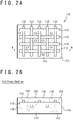
FIG. 2A] FIG. 2A is a schematic cross-sectional view of a first layer according to an embodiment. - [
FIG. 2B] FIG. 2B is a schematic diagram of A-A cross section inFIG. 2A . - [
FIG. 3] FIG. 3 is a schematic cross-sectional view of a second layer according to an embodiment. - [
FIG. 4] FIG. 4 is a schematic cross-sectional view of a third layer according to an embodiment. - [
FIG. 5] FIG. 5 is a schematic diagram of a flying body according to an embodiment. - [
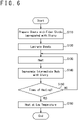
FIG. 6] FIG. 6 is a flowchart that shows a composite material manufacturing method according to an embodiment. - [
FIG. 7] FIG. 7 is a schematic diagram of a sheet used to manufacture a composite material in an embodiment. - [
FIG. 8] FIG. 8 is a schematic diagram of a laminated body according to an embodiment. - [
FIG. 9] FIG. 9 is a diagram to explain a pyrolysis of a laminated body in an embodiment. - [
FIG. 10] FIG. 10 is a schematic diagram of an intermediate body according to an embodiment. - [
FIG. 11] FIG. 11 is a schematic diagram of a composite material according to an embodiment. - (Embodiment) As shown in
Fig. 1 , acomposite material 100 according to an embodiment is provided with a plurality of layers (including for example afirst layer 110, asecond layer 120 and a third layer 130). Thecomposite material 100 is provided with anouter surface 100a that is heated and aninner surface 100b that faces theouter surface 100a. When theouter surface 100a of thecomposite material 100 is heated, an applied heat is transferred from theouter surface 100a to theinner surface 100b by heat conduction. Thefirst layer 110 may form theouter surface 100a of thecomposite material 100 and may be formed of materials of which a heat resistance is higher than other layers, for example thesecond layer 120 and/or thethird layer 130. Thesecond layer 120 may be formed of a material of which a heat insulation performance is higher than other layers, for example thefirst layer 110 and/or thethird layer 130. Thethird layer 130 may form theinner surface 100b of thecomposite material 100 and may be formed of a material which has a strength, for example a tensile strength, a bending strength at high temperature or the like, that is higher than other layers, for example thefirst layer 110 and/or thesecond layer 120. The tensile strength is measured according to Japanese Industrial Standards (JIS) R 1606 for example. The bending strength at high temperature may be measured according to JIS R 1604 for example. - The
first layer 110 includes reinforced fiber ceramics. For example, as shown inFigs. 2A and 2B , thefirst layer 110 is provided with a first reinforcedfiber 112, afirst matrix 114 and afirst precursor 116. The first reinforcedfiber 112 includes for example a carbon fiber, a silicon carbide (SiC) fiber, a zirconium borohydride (ZrB2) fiber or a combination thereof. Thefirst matrix 114 is formed of ceramics in a porous shape. Thefirst matrix 114 includes, for example, a material of Ultra High Temperature Ceramics (UHTC) that has a melting point or a decomposition temperature higher than or equal to 2750°C (for example Zirconium boride (ZrB2), hafnium carbide (HfC), hafnium boride (HfB2)). In addition, thefirst matrix 114 may partially include a material that has a melting point or a decomposition temperature lower than 2750°C such as SiC. Thefirst precursor 116 is formed so as to impregnate into pores of thefirst matrix 114. Thefirst precursor 116 includes a substance before ceramics are formed. Thefirst precursor 116 may include a substance that becomes ceramics when thermally decomposed, for example Polycarbosilane (PCS). An UHTC may include ceramics of which a melting point or a decomposition temperature is higher than 2000°C. The decomposition temperature includes for example a temperature at which a substance is thermally decomposed. - The
second layer 120 also includes reinforce fiber ceramics similarly to thefirst layer 110. For example, as shown inFig. 3 , thesecond layer 120 is provided with a second reinforcedfiber 122, asecond matrix 124 and asecond precursor 126. The second reinforcedfiber 122 includes for example a carbon fiber, a SiC fiber, a ZrB2 fiber or a combination thereof. Thesecond matrix 124 is formed of ceramics in a porous shape. Thesecond matrix 124 may include for example SiC or a material of UHTC that has a melting point or a decomposition temperature higher than or equal to 2750°C (for example ZrB2, HfC, Zirconium oxide (ZrO2)). Thesecond precursor 126 is formed so as to impregnate into pores of thesecond matrix 124. Thesecond precursor 126 includes a substance before ceramics are formed. Thesecond precursor 126 may include a substance that becomes ceramics when thermally decomposed, for example PCS. - The
third layer 130 also includes reinforced fiber ceramics similarly to thefirst layer 110. For example, as shown inFig. 4 , thethird layer 130 is provided with a third reinforcedfiber 132, athird matrix 134 and athird precursor 136. The third reinforcedfiber 132 includes for example a carbon fiber, a SiC fiber, a ZrB2 fiber or a combination thereof. Thethird matrix 134 is formed of ceramics in a porous shape. Thethird matrix 134 may include for example SiC or a material of UHTC that has a melting point or a decomposition temperature higher than or equal to 2750°C (for example ZrB2, HfC). Thethird precursor 136 is formed so as to impregnate into pores of thethird matrix 134. Thethird precursor 136 includes a substance before ceramics are formed. Thethird precursor 136 may include a substance that becomes ceramics when thermally decomposed, for example PCS. - The reinforced fibers of each layer, for example the first reinforced
fiber 112, the second reinforcedfiber 122 and the third reinforcedfiber 132, may be a same material or different materials. The precursors of each layer, for example thefirst precursor 116, thesecond precursor 126 and thethird precursor 136 may be a same material. - A heat resistance of the
first layer 110 may be higher than a heat resistance of another layer, for example thesecond layer 120 and thethird layer 130. For example, a composition of the first matrix 114 (including for example materials and ratio of each material) may be different from a composition of a matrix of another layer, for example a composition of thesecond matrix 124 and/or a composition of thethird matrix 134. The material of thefirst matrix 114 may be different from the material of another matrix, and even if materials of thefirst matrix 114 is same as materials of a matrix of another layer, a ratio of each material, for example a mass percent concentration thereof, may be different. A ratio in thefirst layer 110 of a high heat resistance material, for example ZrB2 and HfB2, that are included in thefirst matrix 114, for example a mass percent concentration thereof, may be higher than another layer, for example thesecond layer 120 and/or thethird layer 130. The high heat resistance material may include the UHTC. The high heat resistance material may include a material of which a melting point or a decomposition temperature is higher than a decomposition temperature of SiC, for example a UHTC of which a melting point or a decomposition temperature is higher than or equal to 2750°C. The high heat resistance material may be a material of which a mass that decreases in unit time (for example reduction in thickness [g/sec]) when disposed in an environment where air is flowing at a high speed (for example a speed of sound) is lower than SiC, or may be a material of which a length of surface wear in unit time (for example a depletion rate [µm/sec]) is shorter than SiC. Herein, in addition, the length of surface wear in unit time indicates for example a length by which a thickness of a substance reduces during one second when the substance with a desired thickness is disposed in an environment where air is flowing at a high speed (for example a speed of sound). For example, the mass percent concentration of the high heat resistance material in thefirst layer 110 may be higher than or equal to 3%. - A heat resistance of the
second layer 120 may be higher than a heat resistance of a layer in a direction from thesecond layer 120 to theinner surface 100b, for example thethird layer 130. A composition of thesecond matrix 124 may be different from a composition of thethird matrix 134. A ratio, for example a mass percent concentration, in thesecond layer 120, of a high heat resistance material, for example ZrO2, that is included in thesecond matrix 124, may be higher than a layer in a direction from thesecond layer 120 to theinner surface 100b. - A thermal insulation performance of the
second layer 120 may be higher than a thermal insulation performance of another layer, for example thefirst layer 110 and/or thethird layer 130. For example, a thermal conductivity of thesecond layer 120 is lower than a thermal conductivity of thefirst layer 110 and/or thethird layer 130. A thermal conductivity is measured for example according to JIS R1611, JIS R2251 or the like. A ratio, for example a mass percent concentration, of a high thermal insulation performance material, for example ZrO2, that is included in thesecond matrix 124, to thesecond layer 120, may be higher than another layer, for example thefirst layer 110 and/or thethird layer 130. The high thermal insulation performance material may include a material of which a thermal conductivity is lower than SiC. The high thermal insulation performance material may include a material of which a thermal conductivity at a desired temperature, for example a room temperature or a high temperature (for example 2000°C), is lower than SiC. - The
composite material 100 can have a high heat resistance and a high strength by including a plurality of layers with different characteristics. Thefirst layer 110 that forms theouter surface 100a to be heated has a high heat resistance. The intermediate layer, for example thesecond layer 120, has a high thermal insulation performance. Thethird layer 130 that forms theinner surface 100b has a high strength. Thus, as the temperature of theinner surface 100b is lower than theouter surface 100a even if theouter surface 100a is heated at a high temperature, a high strength material can be used to thethird layer 130. - The
composite material 100 may be applied to a part of which one surface is heated and another surface is not heated. For example, as shown inFig. 5 , thecomposite material 100 may be provided to a tip part of a flying body 10 (for example a missile). Thecomposite material 100 may be provided to a part where an aerodynamic heating is applied when the flyingbody 10 flies. The flyingbody 10 may be provided with apropulsion device 15, for example a rocket motor or a jet engine, and fly at a speed faster than or equal to a speed of sound. Thecomposite material 100 is provided so that an outer surface of the flyingbody 10 includes theouter surface 100a of thecomposite material 100. - The
composite material 100 can have a high heat resistance and a high strength. As a heat resistance of thefirst layer 110 that forms theouter surface 100a of thecomposite material 100 is high, thecomposite material 100 can resist to a high temperature due to an aerodynamic heating. In addition, as thethird layer 130 of thecomposite material 100 has a high strength and is supporting thefirst layer 110, a deformation of thefirst layer 110 due to an air pressure to theouter surface 100a can be suppressed. As described above, theouter surface 100a can keep an air flow even in an air flow, for example an air flow faster than or equal to a speed of sound. As a result, thecomposite material 100 can regulate an air flow without significantly affecting aerodynamics even in an air flow faster than or equal to a speed of sound. - (Manufacturing method) The
composite material 100 can be manufactured by a method shown inFig. 6 . In step S110, a plurality of sheets in which a fiber cloth is impregnated with a slurry are prepared. For example, afirst sheet 210 corresponding to thefirst layer 110, asecond sheet 220 corresponding to thesecond layer 120 and athird sheet 230 corresponding to thethird layer 130 are prepared. A plurality of each of thefirst sheet 210, thesecond sheet 220 and thethird sheet 230 may be prepared. - For example, as shown in
Fig. 7 , thefirst sheet 210 corresponding to thefirst layer 110 is prepared. A first fiber cloth 212 formed of the first reinforcedfiber 112 and a first slurry 214 to form thefirst matrix 114 are prepared. The first fiber cloth 212 is impregnated with the first slurry 214 to form thefirst sheet 210. The first slurry 214 includes a precursor mixed with ceramic particles (for example SiC particles, UHTC particles of which a melting point or a decomposition temperature is higher than or equal to 2750°C), for example a ceramic precursor. This ceramic precursor may include PCS. A plurality offirst sheets 210 may be prepared. - For example, the
second sheet 220 corresponding to thesecond layer 120 is prepared. A second fiber cloth 222 formed of the second reinforcedfiber 122 and a second slurry 224 to form thesecond matrix 124 are prepared. The second fiber cloth 222 is impregnated with the second slurry 224 to form thesecond sheet 220. The second slurry 224 includes a precursor mixed with ceramic particles (for example SiC particles, UHTC particles of which a melting point or a decomposition temperature is higher than or equal to 2750°C), for example a ceramic precursor. This ceramic precursor may include PCS. A plurality ofsecond sheets 220 may be prepared. - For example, the
third sheet 230 corresponding to thethird layer 130 is prepared. A third fiber cloth 232 formed of the third reinforcedfiber 132 and a third slurry 234 to form thethird matrix 134 are prepared. The third fiber cloth 232 is impregnated with the third slurry 234 to form thethird sheet 230. The third slurry 234 includes a precursor mixed with ceramic particles (for example SiC particles, UHTC particles of which a melting point or a decomposition temperature is higher than or equal to 2750°C), for example a ceramic precursor. This ceramic precursor may include PCS. A plurality ofthird sheets 230 may be prepared. - In accordance with a change of ratio of ceramic particles included in the slurry, characteristics of each layer, for example a heat resistance, a thermal insulation performance or a strength, changes. A composition of the first slurry 214 may be different from a composition of another layer, for example a composition of the second slurry 224 and/or a composition of the third slurry 234. A material of the first slurry 214 may be different from a material of a slurry of another layer, and even if materials of the first slurry 214 are same as materials of a slurry of another layer, a ratio of each material, for example a mass percent concentration, may be different.
- A heat resistance of a first sintered body in which the first slurry 214 is thermally decomposed may be higher than a sintered body in which another slurry is thermally decomposed, for example a second sintered body of the second slurry 224 and/or a third sintered body of the third slurry 234. For example, a ratio, for example a mass percent concentration, of particles with high heat resistance in the first slurry 214, for example ZrB2 particles or HfB2 particles, to the whole may be higher than another slurry, for example the second slurry 224 or the third slurry 234.
- A thermal insulation performance of the second sintered body in which the second slurry 224 is thermally decomposed may be higher than a sintered body in which another slurry is thermally decomposed, for example the first sintered body of the first slurry 214 and/or the third sintered body of the third slurry 234. A ratio, for example a mass percent concentration, of particles with high thermal insulation performance in the second slurry 224, for example ZrO2 particles, to the whole may be higher than another slurry, for example the first slurry 214 and/or the third slurry 234.
- A strength of the third sintered body in which the third slurry 234 is thermally decomposed may be higher than a sintered body in which another slurry is thermally decomposed, for example the first sintered body of the first slurry 214 and/or the second sintered body of the second slurry 224. A ratio, for example a mass percent concentration, of particles with high strength in the third slurry 234, for example SiC particles, to the whole may be higher than another slurry, for example the first slurry 214 and/or the second slurry 224.
- In step S120, the sheets that are prepared are laminated and a
laminated body 200 is formed. For example, as shown inFig. 8 , thefirst sheet 210 may be arranged on thesecond sheet 220 and thesecond sheet 220 may be arranged on thethird sheet 230. In addition, thesecond sheet 220 is arranged between thefirst sheet 210 and thethird sheet 230. A plurality offirst sheets 210 may form thefirst layer 110, a plurality ofsecond sheets 220 may form thesecond layer 120 and a plurality ofthird sheets 230 may form thethird layer 130. The plurality ofsecond sheets 220 may be arranged between the plurality offirst sheets 210 and the plurality ofthird sheet 230. - In step S130, the
laminated body 200 is thermally decomposed by being heated in a vacuum atmosphere or an inert atmosphere (including for example a nitrogen atmosphere and an argon atmosphere) and anintermediate body 300 is formed. As shown inFig. 9 , the laminated sheets are heated in a state of being sandwiched between a formingmold 20 and a formingmold 30. The formingmold 20 and the formingmold 30 may apply pressure to the laminated sheets. The sheets are heated to a temperature at which the first slurry 214, the second slurry 224 and the third slurry 234 transform to ceramics by pyrolysis, for example a temperature between 800°C and 1000°C. The formingmold 20 and the formingmold 30 include for example a metal mold, a carbon mold or the like. - In step S140, the
intermediate body 300 that is thermally decomposed is impregnated with a slurry. As shown inFig. 10 , a plurality ofpores 310 are formed in theintermediate body 300 in accordance with a ceramic yield. Theintermediate body 300 is impregnated with slurry so as to fill thepores 310 of theintermediate body 300. Theintermediate body 300 may be impregnated in a vacuum chamber adjusted to a vacuum atmosphere. The slurry with which theintermediate body 300 is impregnated may be any one of the first slurry 214, the second slurry 224 and the third slurry 234. The slurry with which theintermediate body 300 is impregnated may be a slurry different from the first slurry 214, the second slurry 224 and the third slurry 234. It should be noted that the ceramic yield may include a ratio between a mass of the ceramic precursor and a mass of the ceramics obtained by heating this ceramic precursor. - In
step 150, a number of times of heating is compared to a desired number of times. When the number of times of heating has not reached the desired number of times (step S150: NO), the process returns to step S130. When the number of times of heating has reached a desired number of times (step S150: YES), the process shifts to step S160. The desired number of times is determined in accordance with characteristics of thecomposite material 100 to be manufactured. For example, the desired number of times may include a number less than or equal to 3 and may include 1. It should be noted that in a second and subsequent process of step S130, the formingmolds - In step S160, the
intermediate body 300 that is impregnated with the slurry is heated at a low temperature. The temperature to heat theintermediate body 300 is lower than the temperature at which the slurry transforms to ceramics by pyrolysis. The temperature of heating in step S160 may be lower than a temperature at which a mass loss due to pyrolysis behavior becomes a desired ratio to a mass before heating. This desired ratio includes for example a ratio less than or equal to 10%. The desired ratio may be a ratio less than or equal to 5%. The ratio of the mass loss is measured by use of Thermal Gravimetric (TG) analysis, Thermal Gravimetric-Differential Thermal Analysis (TG-DTA) or the like. For example, when the immersed slurry is PCS, the temperature to heat may be less than 400°C. - As described above, by finally heating the
intermediate body 300 that is impregnated with the slurry at a low temperature, acomposite material 100 in which a composition of thefirst layer 110, a composition of thesecond layer 120 and a composition of thethird layer 130 are different can be manufactured. In addition, by keeping the temperature to heat low, a ratio of thepores 310 that occupy thecomposite material 100 can be suppressed. - By limiting the number of times of heating processes, the
composite material 100 can include a plurality of layers with different characteristics. Instep 140, a same slurry is immersed inpores 310 formed in each layer of theintermediate body 300. As a result, matrixes with a same composition are sintered in thepores 310 in each layer. By repeating heating processes and impregnations with slurry, compositions of matrixes in each layer become similar. By limiting the number of times of heating processes, each layer can have different characteristics. - Furthermore, by limiting the number of times of heating processes, a dense structure can be manufactured in few steps. As a result, a manufacturing cost is suppressed.
- By including precursors (for example, the
first precursor 116, thesecond precursor 126, thethird precursor 136 and the like), thecomposite material 100 can have a high heat resistance. When thecomposite material 100 is heated, thefirst precursor 116, thesecond precursor 126 and thethird precursor 136 can be thermally decomposed and can absorb heat. In addition, by vaporization of thefirst precursor 116, thesecond precursor 126 and thethird precursor 136, a heat input into thecomposite material 100 due to aerodynamic heating can be suppressed. - (Variation example) The
composite material 100 may be composed of two layers, three layers or more. For example, thecomposite material 100 may be composed of thefirst layer 110 having a high heat resistance and thethird layer 130 having a high strength. Thecomposite material 100 may be provided with a layer having a heat resistance lower than thefirst layer 110 and higher than thesecond layer 120 between thefirst layer 110 and thesecond layer 120. - As shown in
Fig. 11 , thecomposite material 100 may be provided with ananti-hygroscopic coating 140. Theanti-hygroscopic coating 140 may include a coating that enhances water repellency, for example a polymer coating. Theanti-hygroscopic coating 140 can suppress a deterioration, for example oxidation, decomposition or the like, of a precursor, for example thefirst precursor 116, thesecond precursor 126 and/or thethird precursor 136, that thecomposite material 100 includes. - The embodiments and variation examples that are described above are examples and may be modified as long as the function is not interfered. In addition, the configurations described in each embodiment and each variation example can be arbitrarily modified and/or arbitrarily combined as long as the function is not interfered.
- The composite material manufacturing method according to each embodiment is understood for example as follows.
- A composite material manufacturing method according to a first aspect includes: laminating a first sheet (210) including a first slurry (214) and a second sheet (230) including a second slurry (234); and heating the first sheet (210) and the second sheet (230) that are laminated to a temperature of transforming to ceramics by pyrolysis to form an intermediate body (300). The manufacturing method further includes impregnating the intermediate body (300) with a third slurry and heating at a temperature lower than the temperature of transforming to ceramics by pyrolysis.
- By heating the intermediate body (300) at a temperature lower than a temperature of transforming to ceramics by pyrolysis, the composite material (100) can be provided with a plurality of layers that have a plurality of characteristics. As a result, the composite material can have a plurality of characteristics, for example a high heat resistance and a high strength.
- A composite material manufacturing method according to a second aspect is the composite material manufacturing method according to the first aspect and the lower temperature when heating the intermediate body (300) is configured to be a temperature at which a mass loss of the third slurry due to heating becomes in a desired ratio to a mass before heating.
- A composite material manufacturing method according to a third aspect is the composite material manufacturing method according to the second aspect and the desired ratio of the mass loss of the third slurry due to heating to the mass before heating is configured to be a ratio less than or equal to 10%.
- As the temperature when heating the intermediate body (300) is up to a temperature at which the mass loss of the third slurry becomes a desired ratio, the manufactured composite material (100) can include precursors (116, 126, 136). As a result, a ratio of pores (310) that occupy the composite material (100) can be suppressed.
- A composite material manufacturing method according to a fourth aspect is the composite material manufacturing method according to the first aspect and is configured so that a heat resistance of a first sintered body in which the first slurry (214) is thermally decomposed becomes higher than a second sintered body in which the second slurry (234) is thermally decomposed.
- As a result, as the first layer (110) in which the first sheet (210) including the first slurry (214) is thermally decomposed has a high heat resistance, the composite material (100) has a high heat resistance to a heat applied from a surface (100a) of the first layer (110).
- A composite material manufacturing method according to a fifth aspect is the composite material manufacturing method according to the fourth aspect and is configured so that a strength of the second sintered body becomes higher than a strength of the first sintered body.
- As a result, as the second layer (130) in which the second sheet (230) including the second slurry (234) is thermally decomposed has a high strength, the second layer (130) supports the first layer (110) and the composite material (100) has a high strength.
- A composite material manufacturing method according to a sixth aspect is the composite material manufacturing method according to the first aspect and the laminating includes laminating a third sheet (220) including a fourth slurry (224) between the first sheet (210) and the second sheet (230). Heating the first sheet (210) and the second sheet (220) includes heating the third sheet (220) to a temperature of transforming to ceramics. In addition, a composition of the fourth slurry (224) is different from a composition of the first slurry (214) and a composition of the second slurry (234).
- As a result, the manufactured composite material can include three or more layers having different characteristics.
- A composite material manufacturing method according to a seventh aspect is the composite material manufacturing method according to the sixth aspect and is configured so that a thermal insulation performance of a third sintered body in which the fourth slurry (224) is thermally decomposed becomes higher than a thermal insulation performance of the first sintered body in which the first slurry (214) is thermally decomposed.
- A composite material manufacturing method according to an eighth aspect is the composite material manufacturing method according to the sixth aspect and is configured so that the thermal insulation performance of the third sintered body in which the fourth slurry (224) is thermally decomposed is higher than a thermal insulation performance of the second sintered body in which the second slurry (234) is thermally decomposed.
- As the manufactured composite material includes the third layer (120) with a high thermal insulation performance between the first layer (110) and the second layer (130), a conduction of heat of the first layer (110) that is heated to the second layer (130) can be suppressed.
- The composite material according to each embodiment is understood for example as follows.
- A composite material according to a ninth aspect is provided with a first layer (110) that includes a first matrix (114) and a second layer (130) that includes a second matrix (134) and is provided under the first layer (110). The first layer (110) includes a precursor of the first matrix (114). A composition of the second matrix (134) is different from a composition of the first matrix (114).
- The composite material can be provided with a plurality of layers that have a plurality of characteristics. As a result, the composite material can have a plurality of characteristics, for example a high heat resistance and a high strength. In addition, as the first layer (110) includes a precursor of the first matrix (114), a ratio of pores (310) that occupy the composite material (100) can be suppressed.
- The composite material according to a tenth aspect is the composite material according to the ninth aspect and is configured so that a heat resistance of the first layer (110) is higher than a heat resistance of the second layer (130).
- The composite material has a high heat resistance to a heat applied from a surface (100a) of the first layer (110).
- A composite material according to an eleventh aspect is the composite material according to the ninth aspect and is configured so that a strength of the second layer (130) is higher than a strength of the first layer (110).
- As the second layer (130) has a high strength, the second layer (130) supports the first layer (110) and the composite material has a high strength.
- A composite material according to a twelfth aspect is the composite material according to the ninth aspect and is further provided with a third layer (120) that includes a third matrix (134) and is provided between the first layer (110) and the second layer (130). A thermal insulation performance of the third layer (120) is higher than a thermal insulation performance of the first layer (110).
- A composite material according to a thirteenth aspect is the composite material according to the twelfth aspect and is configured so that the thermal insulation performance of the third layer (120) becomes higher than a thermal insulation performance of the second layer (130).
- As the composite material includes the third layer (120) with a high thermal insulation performance between the first layer (110) and the second layer (130), a conduction of heat of the first layer (110) that is heated to the second layer (130) can be suppressed.
- A composite material according to a fourteenth aspect is the composite material according to the ninth aspect and is configured so that the first layer (110) forms an outer surface (100a) and the outer surface (100a) regulates an air flow.
- A composite material according to a fifteenth aspect is the composite material according to the fourteenth aspect and is configured so that the outer surface (100a) regulates the air flow that is faster or equal to a speed of sound.
- The flying body according to each embodiment is understood for example as follows.
- A flying body according to a sixteenth aspect is provided with the composite material according to the ninth aspect at a part where an aerodynamic heating is applied.
- It should be noted that the present application claims priority based on
Japanese Patent Application No. 2020-033742 filed on February 28, 2020
Claims (16)
- A composite material manufacturing method including:laminating a first sheet including a first slurry and a second sheet including a second slurry;heating the first sheet and the second sheet that are laminated to a first temperature of transforming to ceramics by pyrolysis to form an intermediate body; andimpregnating the intermediate body with a third slurry and heating at a second temperature lower than a third temperature of transforming to ceramics by pyrolysis,wherein a first composition of the first slurry is different from a second composition of the second slurry.
- The composite material manufacturing method according to claim 1,
wherein the second temperature is a temperature at which a mass loss of the third slurry due to heating becomes in a desired ratio to a mass before heating. - The composite material manufacturing method according to claim 2,
wherein the desired ratio is a ratio less than or equal to 10%. - The composite material manufacturing method according to any one of claims 1 to 3,
wherein a first heat resistance of a first sintered body in which the first slurry is thermally decomposed is higher than a second heat resistance of a second sintered body in which the second slurry is thermally decomposed. - The composite material manufacturing method according to claim 4,
wherein a second strength of the second sintered body is higher than a first strength of the first sintered body. - The composite material manufacturing method according to any one of claims 1 to 5,wherein the laminating includes laminating a third sheet including a fourth slurry between the first sheet and the second sheet,wherein the heating the first sheet and the second sheet includes heating the third sheet to the first temperature of transforming to ceramics, andwherein a third composition of the fourth slurry is different from the first composition of the first slurry and the second composition of the second slurry.
- The composite material manufacturing method according to claim 6,
wherein a third thermal insulation performance of a third sintered body in which the fourth slurry is thermally decomposed is higher than a first thermal insulation performance of a first sintered body in which the first slurry is thermally decomposed. - The composite material manufacturing method according to claim 6 or 7,
wherein a third thermal insulation performance of a third sintered body in which the fourth slurry is thermally decomposed is higher than a second thermal insulation performance of a second sintered body in which the second slurry is thermal decomposed. - A composite material comprising:a first layer that includes a first matrix; anda second layer that includes a second matrix and is provided below the first layer,wherein the first layer includes a precursor of the first matrix, andwherein a composition of the second matrix is different from a composition of the first matrix.
- The composite material according to claim 9,
wherein a first heat resistance of the first layer is higher than a second heat resistance of the second layer. - The composite material according to claim 9 or 10,
wherein a second strength of the second layer is higher than a first strength of the first layer. - The composite material according to any one of claims 9 to 11, further comprising a third layer with a third matrix, the third layer provided between the first layer and the second layer,
wherein a third heat resistance of the third layer is higher than a first heat resistance of the first layer. - The composite material according to claim 12,
wherein the third heat resistance of the third layer is higher than a second heat resistance of the second layer. - The composite material according to any one of claims 9 to 13,wherein the first layer forms an outer surface, andwherein the outer surface regulates an air flow.
- The composite material according to claim 14,
wherein the air flow is faster than or equal to a speed of sound. - A flying body comprising the composite material according to any one of claims 9 to 15 at a part where aerodynamic heating is applied.
Applications Claiming Priority (2)
| Application Number | Priority Date | Filing Date | Title |
|---|---|---|---|
| JP2020033742A JP7497172B2 (en) | 2020-02-28 | 2020-02-28 | Composite material, projectile, and method for manufacturing composite material |
| PCT/JP2020/047847 WO2021171760A1 (en) | 2020-02-28 | 2020-12-22 | Composite material, flying object, and method for manufacturing composite material |
Publications (2)
| Publication Number | Publication Date |
|---|---|
| EP3988519A1 true EP3988519A1 (en) | 2022-04-27 |
| EP3988519A4 EP3988519A4 (en) | 2022-12-28 |
Family
ID=77489922
Family Applications (1)
| Application Number | Title | Priority Date | Filing Date |
|---|---|---|---|
| EP20921119.2A Pending EP3988519A4 (en) | 2020-02-28 | 2020-12-22 | COMPOSITE MATERIAL, FLIGHT OBJECT AND METHOD OF MAKING A COMPOSITE MATERIAL |
Country Status (5)
| Country | Link |
|---|---|
| US (1) | US12415764B2 (en) |
| EP (1) | EP3988519A4 (en) |
| JP (1) | JP7497172B2 (en) |
| AU (1) | AU2020432116B2 (en) |
| WO (1) | WO2021171760A1 (en) |
Families Citing this family (1)
| Publication number | Priority date | Publication date | Assignee | Title |
|---|---|---|---|---|
| CN117843368B (en) * | 2023-12-25 | 2025-09-30 | 之江实验室 | A layered ablation-resistant ultrahigh temperature ceramic material and its preparation method |
Family Cites Families (10)
| Publication number | Priority date | Publication date | Assignee | Title |
|---|---|---|---|---|
| JPH03265573A (en) * | 1990-03-15 | 1991-11-26 | Isuzu Ceramics Kenkyusho:Kk | High-strength ceramics and production thereof |
| JPH0764655B2 (en) * | 1991-07-02 | 1995-07-12 | 川崎重工業株式会社 | Method for producing fiber-reinforced ceramics |
| JP2642604B2 (en) * | 1994-12-02 | 1997-08-20 | 川崎重工業株式会社 | Manufacturing method of fiber reinforced ceramics |
| US5902756A (en) * | 1996-07-25 | 1999-05-11 | Northrop Grumman Corporation | Ceramic matrix composites with integrated topcoat layers |
| US20050191474A1 (en) * | 2003-10-09 | 2005-09-01 | Gunn Robert T. | Compositions with low coefficients of friction and methods for their preparation |
| FR2932176B1 (en) * | 2008-06-06 | 2012-02-03 | Snecma Propulsion Solide | METHOD FOR PRODUCING A SELF-HEATING LAYER ON A PIECE OF COMPOSITE C / C MATERIAL |
| WO2016098022A1 (en) * | 2014-12-16 | 2016-06-23 | Agenzia Nazionale Per Le Nuove Tecnologie, L'energia E Lo Sviluppo Economico Sostenibile (Enea) | A method to manufacture an article make of a fiber-reinforced thermostructural composite |
| US11383494B2 (en) | 2016-07-01 | 2022-07-12 | General Electric Company | Ceramic matrix composite articles having different localized properties and methods for forming same |
| US10731237B1 (en) * | 2016-09-23 | 2020-08-04 | United States Of America As Represented By The Administrator Of National Aeronautics And Space Administration | Ultra high temperature ceramic coatings and ceramic matrix composite systems |
| JP2020033742A (en) | 2018-08-29 | 2020-03-05 | 小島プレス工業株式会社 | Locking mechanism for use with lid |
-
2020
- 2020-02-28 JP JP2020033742A patent/JP7497172B2/en active Active
- 2020-12-22 AU AU2020432116A patent/AU2020432116B2/en active Active
- 2020-12-22 US US17/632,628 patent/US12415764B2/en active Active
- 2020-12-22 EP EP20921119.2A patent/EP3988519A4/en active Pending
- 2020-12-22 WO PCT/JP2020/047847 patent/WO2021171760A1/en not_active Ceased
Also Published As
| Publication number | Publication date |
|---|---|
| US20220274889A1 (en) | 2022-09-01 |
| WO2021171760A1 (en) | 2021-09-02 |
| JP7497172B2 (en) | 2024-06-10 |
| US12415764B2 (en) | 2025-09-16 |
| JP2021134130A (en) | 2021-09-13 |
| EP3988519A4 (en) | 2022-12-28 |
| AU2020432116B2 (en) | 2023-08-31 |
| AU2020432116A1 (en) | 2022-02-24 |
Similar Documents
| Publication | Publication Date | Title |
|---|---|---|
| KR100624094B1 (en) | Manufacturing Method of Carbon Fiber Reinforced Ceramic Composite | |
| US9440888B2 (en) | Method of fabricating a part out of CMC material | |
| JP4571369B2 (en) | Method for producing a melt-impregnated ceramic composite using a shaped support | |
| CN107226706B (en) | Ceramic matrix composites having unimodal pore size distribution and low fiber volume fraction | |
| EP2210868B1 (en) | Composite material | |
| US10011902B1 (en) | Process for fabricating composite parts by low melting point impregnation | |
| JP5916088B2 (en) | Method for producing ceramic fiber reinforced composite material and ceramic fiber reinforced composite material | |
| JP2019525882A (en) | Ceramic matrix composite articles having different local properties and methods for forming the same | |
| EP4039665A1 (en) | High temperature coatings | |
| EP3124458A1 (en) | Improved uniformity of fiber spacing in cmc materials | |
| CN102239129A (en) | Method for smoothing the surface of a part made from a cmc material | |
| EP3124459A2 (en) | Improved uniformity of fiber spacing in cmc materials | |
| JP3034084B2 (en) | Oxidation resistant carbon fiber reinforced carbon composite material and method for producing the same | |
| US12415764B2 (en) | Composite material, flying body and composite material manufacturing method | |
| JPH05339056A (en) | Oxidation-resistant member composed of carbon-carbon composite having sic doped matrix and production thereof | |
| EP3015442B1 (en) | Method for ceramic doping of carbon fiber composite structures | |
| KR101467665B1 (en) | THE MANUFACTURING METHOD FOR C-SiC COMPOSITES | |
| CN121941671A (en) | Ceramic matrix composite | |
| EP4201915A1 (en) | Introduction of metallic particles to enable formation of metallic carbides in a matrix | |
| WO2015016072A1 (en) | Ceramic composite material and production method for ceramic composite material | |
| JP5862234B2 (en) | Ceramic matrix composite member having smooth surface and method for producing the same | |
| JP2976369B2 (en) | Oxidation resistant carbon fiber reinforced carbon composite material | |
| US12545629B1 (en) | Functional tailoring of oxidation protection systems of carbon-carbon composites | |
| JPH11268978A (en) | Carbon composite material reinforced with carbon fiber and its production | |
| JPH05278133A (en) | Method for sealing defect portion of oxidation resistant coating of carbon fiber reinforced carbon material |
Legal Events
| Date | Code | Title | Description |
|---|---|---|---|
| STAA | Information on the status of an ep patent application or granted ep patent |
Free format text: STATUS: THE INTERNATIONAL PUBLICATION HAS BEEN MADE |
|
| PUAI | Public reference made under article 153(3) epc to a published international application that has entered the european phase |
Free format text: ORIGINAL CODE: 0009012 |
|
| STAA | Information on the status of an ep patent application or granted ep patent |
Free format text: STATUS: REQUEST FOR EXAMINATION WAS MADE |
|
| 17P | Request for examination filed |
Effective date: 20220118 |
|
| AK | Designated contracting states |
Kind code of ref document: A1 Designated state(s): AL AT BE BG CH CY CZ DE DK EE ES FI FR GB GR HR HU IE IS IT LI LT LU LV MC MK MT NL NO PL PT RO RS SE SI SK SM TR |
|
| A4 | Supplementary search report drawn up and despatched |
Effective date: 20221128 |
|
| RIC1 | Information provided on ipc code assigned before grant |
Ipc: B64C 1/40 20060101ALI20221122BHEP Ipc: B32B 18/00 20060101ALI20221122BHEP Ipc: F42B 15/34 20060101ALI20221122BHEP Ipc: B64C 1/00 20060101ALI20221122BHEP Ipc: C04B 41/85 20060101AFI20221122BHEP |
|
| DAV | Request for validation of the european patent (deleted) | ||
| DAX | Request for extension of the european patent (deleted) |