EP3987375B1 - Systems and methods for autonomously controlling movement of delivery vehicles - Google Patents
Systems and methods for autonomously controlling movement of delivery vehicles Download PDFInfo
- Publication number
- EP3987375B1 EP3987375B1 EP20825985.3A EP20825985A EP3987375B1 EP 3987375 B1 EP3987375 B1 EP 3987375B1 EP 20825985 A EP20825985 A EP 20825985A EP 3987375 B1 EP3987375 B1 EP 3987375B1
- Authority
- EP
- European Patent Office
- Prior art keywords
- routing
- passes
- pass
- orders
- plan
- Prior art date
- Legal status (The legal status is an assumption and is not a legal conclusion. Google has not performed a legal analysis and makes no representation as to the accuracy of the status listed.)
- Active
Links
Images


Classifications
-
- G—PHYSICS
- G05—CONTROLLING; REGULATING
- G05D—SYSTEMS FOR CONTROLLING OR REGULATING NON-ELECTRIC VARIABLES
- G05D1/00—Control of position, course, altitude or attitude of land, water, air or space vehicles, e.g. using automatic pilots
- G05D1/02—Control of position or course in two dimensions
- G05D1/021—Control of position or course in two dimensions specially adapted to land vehicles
- G05D1/0287—Control of position or course in two dimensions specially adapted to land vehicles involving a plurality of land vehicles, e.g. fleet or convoy travelling
- G05D1/0291—Fleet control
- G05D1/0297—Fleet control by controlling means in a control room
-
- G—PHYSICS
- G05—CONTROLLING; REGULATING
- G05D—SYSTEMS FOR CONTROLLING OR REGULATING NON-ELECTRIC VARIABLES
- G05D1/00—Control of position, course, altitude or attitude of land, water, air or space vehicles, e.g. using automatic pilots
- G05D1/0011—Control of position, course, altitude or attitude of land, water, air or space vehicles, e.g. using automatic pilots associated with a remote control arrangement
- G05D1/0027—Control of position, course, altitude or attitude of land, water, air or space vehicles, e.g. using automatic pilots associated with a remote control arrangement involving a plurality of vehicles, e.g. fleet or convoy travelling
-
- G—PHYSICS
- G05—CONTROLLING; REGULATING
- G05D—SYSTEMS FOR CONTROLLING OR REGULATING NON-ELECTRIC VARIABLES
- G05D1/00—Control of position, course, altitude or attitude of land, water, air or space vehicles, e.g. using automatic pilots
- G05D1/0088—Control of position, course, altitude or attitude of land, water, air or space vehicles, e.g. using automatic pilots characterized by the autonomous decision making process, e.g. artificial intelligence, predefined behaviours
-
- G—PHYSICS
- G05—CONTROLLING; REGULATING
- G05D—SYSTEMS FOR CONTROLLING OR REGULATING NON-ELECTRIC VARIABLES
- G05D1/00—Control of position, course, altitude or attitude of land, water, air or space vehicles, e.g. using automatic pilots
- G05D1/02—Control of position or course in two dimensions
- G05D1/021—Control of position or course in two dimensions specially adapted to land vehicles
- G05D1/0212—Control of position or course in two dimensions specially adapted to land vehicles with means for defining a desired trajectory
-
- G—PHYSICS
- G06—COMPUTING OR CALCULATING; COUNTING
- G06Q—INFORMATION AND COMMUNICATION TECHNOLOGY [ICT] SPECIALLY ADAPTED FOR ADMINISTRATIVE, COMMERCIAL, FINANCIAL, MANAGERIAL OR SUPERVISORY PURPOSES; SYSTEMS OR METHODS SPECIALLY ADAPTED FOR ADMINISTRATIVE, COMMERCIAL, FINANCIAL, MANAGERIAL OR SUPERVISORY PURPOSES, NOT OTHERWISE PROVIDED FOR
- G06Q10/00—Administration; Management
- G06Q10/06—Resources, workflows, human or project management; Enterprise or organisation planning; Enterprise or organisation modelling
- G06Q10/063—Operations research, analysis or management
- G06Q10/0631—Resource planning, allocation, distributing or scheduling for enterprises or organisations
-
- G—PHYSICS
- G06—COMPUTING OR CALCULATING; COUNTING
- G06Q—INFORMATION AND COMMUNICATION TECHNOLOGY [ICT] SPECIALLY ADAPTED FOR ADMINISTRATIVE, COMMERCIAL, FINANCIAL, MANAGERIAL OR SUPERVISORY PURPOSES; SYSTEMS OR METHODS SPECIALLY ADAPTED FOR ADMINISTRATIVE, COMMERCIAL, FINANCIAL, MANAGERIAL OR SUPERVISORY PURPOSES, NOT OTHERWISE PROVIDED FOR
- G06Q10/00—Administration; Management
- G06Q10/08—Logistics, e.g. warehousing, loading or distribution; Inventory or stock management
- G06Q10/083—Shipping
-
- B—PERFORMING OPERATIONS; TRANSPORTING
- B60—VEHICLES IN GENERAL
- B60W—CONJOINT CONTROL OF VEHICLE SUB-UNITS OF DIFFERENT TYPE OR DIFFERENT FUNCTION; CONTROL SYSTEMS SPECIALLY ADAPTED FOR HYBRID VEHICLES; ROAD VEHICLE DRIVE CONTROL SYSTEMS FOR PURPOSES NOT RELATED TO THE CONTROL OF A PARTICULAR SUB-UNIT
- B60W50/00—Details of control systems for road vehicle drive control not related to the control of a particular sub-unit, e.g. process diagnostic or vehicle driver interfaces
- B60W2050/0001—Details of the control system
- B60W2050/0002—Automatic control, details of type of controller or control system architecture
- B60W2050/0004—In digital systems, e.g. discrete-time systems involving sampling
- B60W2050/0005—Processor details or data handling, e.g. memory registers or chip architecture
-
- B—PERFORMING OPERATIONS; TRANSPORTING
- B60—VEHICLES IN GENERAL
- B60W—CONJOINT CONTROL OF VEHICLE SUB-UNITS OF DIFFERENT TYPE OR DIFFERENT FUNCTION; CONTROL SYSTEMS SPECIALLY ADAPTED FOR HYBRID VEHICLES; ROAD VEHICLE DRIVE CONTROL SYSTEMS FOR PURPOSES NOT RELATED TO THE CONTROL OF A PARTICULAR SUB-UNIT
- B60W50/00—Details of control systems for road vehicle drive control not related to the control of a particular sub-unit, e.g. process diagnostic or vehicle driver interfaces
- B60W2050/0062—Adapting control system settings
- B60W2050/0075—Automatic parameter input, automatic initialising or calibrating means
-
- B—PERFORMING OPERATIONS; TRANSPORTING
- B60—VEHICLES IN GENERAL
- B60W—CONJOINT CONTROL OF VEHICLE SUB-UNITS OF DIFFERENT TYPE OR DIFFERENT FUNCTION; CONTROL SYSTEMS SPECIALLY ADAPTED FOR HYBRID VEHICLES; ROAD VEHICLE DRIVE CONTROL SYSTEMS FOR PURPOSES NOT RELATED TO THE CONTROL OF A PARTICULAR SUB-UNIT
- B60W50/00—Details of control systems for road vehicle drive control not related to the control of a particular sub-unit, e.g. process diagnostic or vehicle driver interfaces
- B60W2050/0062—Adapting control system settings
- B60W2050/0075—Automatic parameter input, automatic initialising or calibrating means
- B60W2050/009—Priority selection
-
- B—PERFORMING OPERATIONS; TRANSPORTING
- B60—VEHICLES IN GENERAL
- B60W—CONJOINT CONTROL OF VEHICLE SUB-UNITS OF DIFFERENT TYPE OR DIFFERENT FUNCTION; CONTROL SYSTEMS SPECIALLY ADAPTED FOR HYBRID VEHICLES; ROAD VEHICLE DRIVE CONTROL SYSTEMS FOR PURPOSES NOT RELATED TO THE CONTROL OF A PARTICULAR SUB-UNIT
- B60W2556/00—Input parameters relating to data
- B60W2556/45—External transmission of data to or from the vehicle
Definitions
- the present disclosure generally relates to a system for routing delivery vehicles, in particular for routing multiple vehicles to fulfil orders.
- systems may manage the operation of a fleet of vehicles.
- systems may manage vehicles that deliver packages or cargo.
- One inefficiency in such systems is that a human operator is often responsible for configuring parameters, which may change from day to day. Human operators may gather information from multiple sources and manually configure parameters for a routing system, which is a time-consuming task and subject to human error.
- Prior art is disclosed in US2017/003687 A1 .
- routing system may require a particular parameter.
- the disclosure provides a method of routing delivery vehicles.
- the method may include generating, by a processor, a plurality of routing passes, each routing pass including a set of parameters, using one or more business rules that describe a set of allowed values for one or more of the parameters.
- the method may include executing each the plurality of routing passes on a routing platform configured to generate a routing plan corresponding to a single routing pass.
- the method may include selecting, by the processor, one of the plurality of routing passes according to a comparison rule set that assigns a score to each routing plan corresponding to a respective one of the plurality of routing passes.
- the method may include dispatching the selected routing pass via the routing platform.
- the disclosure provides a system for routing delivery vehicles.
- the system may include a memory storing computer-executable instructions.
- the system may include a network interface in communication with a routing platform.
- the system may include a processor communicatively coupled with the memory and the communications interface and configured to execute the computer-executable instructions.
- the processor may generate a plurality of routing passes, each routing pass including a set of parameters, using one or more business rules that describe a set of allowed values for one or more of the parameters.
- the processor may execute each the plurality of routing passes on a routing platform configured to generate a routing plan corresponding to a single routing pass.
- the processor may select one of the plurality of routing passes according to a comparison rule set that assigns a score to each routing plan corresponding to a respective one of the plurality of routing passes.
- the processor may dispatch the selected routing pass via the routing platform.
- the present disclosure provides a non-transitory computer-readable medium storing computer-executable instructions.
- the non-transitory computer-readable medium may include instructions to generate a plurality of routing passes, each routing pass including a set of parameters, using one or more business rules that describe a set of allowed values for one or more of the parameters.
- the non-transitory computer-readable medium may include instructions to execute each the plurality of routing passes on a routing platform configured to generate a routing plan corresponding to a single routing pass.
- the non-transitory computer-readable medium may include instructions to select one of the plurality of routing passes according to a comparison rule set that assigns a score to each routing plan corresponding to a respective one of the plurality of routing passes.
- the non-transitory computer-readable medium may include instructions to dispatch the selected routing pass via the routing platform.
- Routing platforms provide a powerful tool for improving the efficiency of logistics for various businesses.
- a routing platform may receive orders defining products or packages and delivery locations.
- the routing platform may also be configured with resources for fulfilling the order.
- the routing platform may also be configured with various parameters for routing the resources to fulfil the orders.
- a set of parameters may be referred to as a routing pass.
- Known routing platform include a large number of parameters.
- the Omnitracs One or Roadnet Anywhere routing platform, available from Omnitracs LLC of Dallas, TX includes more than 100 configurable parameters.
- the configurable parameters may include, for example but not limited hereto, binary values, time values, quantity values, selection of options, and/or scalable priorities.
- a human operator may use a web service provided by the routing platform to configure the routing system with a configuration including values for various routing parameters.
- the routing platform may execute a routing algorithm based on the received orders and the configuration to generate a routing plan for fulfilling the orders that satisfies the constraints indicated by the configuration.
- a human operator that is aware of flexibility of the configuration of routing parameters may attempt to improve the generated routing plan by altering configuration the configuration of routing parameters and executing the routing algorithm again. This approach is essentially a trial-and-error process that is time consuming and subject to mistakes by the human operator.
- the present disclosure provides for an autonomous routing system that interacts with a routing platform. That is, the autonomous routing system provides an additional software layer on top of the routing platform for improving the user interface with the routing platform.
- the autonomous routing system may automate some tasks conventionally performed by a human operator of the routing platform and perform additional operations that may be unfeasible for a human operator.
- the autonomous routing system may also exploit parallel operations to improve the speed of a routing process.
- the autonomous routing system provides an improvement over existing routing platforms.
- FIG. 1 illustrates an example logistics system 100 including an autonomous routing system 110 that determines routing plans via a routing platform 150 based on information from one or more external systems 170 and a configuration from a user 180.
- the autonomous routing system 110 may receive the configuration from the user 180, and autonomously obtain information from the one or more external systems 170 based on the configuration.
- the autonomous routing system 110 may generate routing passes to be executed by the routing system to create routing plans.
- a routing pass may be a set of parameters defining user requirements and/or goals for routing.
- the routing pass parameters may be set by the routing platform 150, for example, as routing pass settings 154.
- a routing plan may specify movements of one or more delivery vehicles.
- a routing plan may specify at least an identifier of a package, good, or service and one stop.
- a routing plan may also include multiple stops, an order of the stops, directions between the stops, times for the stops, vehicles, drivers, delivery instructions, or other information to control one or more delivery vehicles.
- the autonomous routing system 110 may select one of the routing plans and dispatch the selected routing plan via the routing platform 150 to control resources such as warehouses and vehicles.
- the routing platform 150 may be a commercial routing platform such as the OMNITRACS ONE platform provided by Omnitracs, LLC of Dallas, TX.
- the routing platform 150 may perform specific routing actions for a user, who may be, for example, an operator representing a business.
- the routing platform 150 may receive and store orders 152.
- An order 152 may include at least an identification of an item (e.g., product or package) and a destination (e.g., an address).
- the routing platform 150 may also store resources 156.
- Resources 156 may identify resources that the business may use to fulfil the orders 152. For example, the resources 156 may identify warehouses 160 and vehicles 162.
- the routing platform 150 may execute a routing algorithm 158 to generate a routing plan 136 by assigning resources to orders and determining a route for each vehicle 162 to follow to deliver the orders.
- the routing algorithm 158 may be based on routing pass settings 154 that define various constraints for the routing algorithm 158.
- the routing platform 150 may receive routing passes 126 from the autonomous routing system 110.
- the autonomous routing system 110 may provide an interface between the user 180 and the routing platform 150.
- the autonomous routing system 110 may include a routing pass generator 120 that generates a plurality of different routing passes for execution by the routing platform, a routing plan comparator 130 that receives routing plans from the routing pass generator and selects one of the plans, and an external system interface 140 that receives updates of routing parameters from one or more external systems 170.
- the autonomous routing system 110 may be configured by a user 180, who may define business rules 122, a comparison rule set 132, and interface rules 142.
- the autonomous routing system 110 may automatically generate routing passes 126 for execution by the routing platform 150, compare various routing plans 136, and select one routing plan for the routing platform 150 to dispatch.
- the autonomous routing system 110 may also collect information from the one or more external systems, update the routing platform 150 based on the collected information, and update the external systems 170 based on determinations by the autonomous routing system 110 and/or the routing platform 150.
- the external system interface 140 may communicate with one or more external systems 170.
- the external systems 170 may include any system that may have information related to the logistics of the business.
- the external systems 170 may include a vehicle repair service that provides a repair status of the vehicles 162.
- the routing platform 150 may store information about the vehicles 162, but may not directly communicate with such an external service.
- the external system interface 140 may be configured with interface rules 142 that define how to acquire, process, and update information from external systems 170.
- the interface rules 142 may indicate a time to acquire a vehicle status from the vehicle repair service, for example, before generating routing passes 126.
- the interface rules 142 may include rules for converting a data format of the vehicle repair service into a data format of the routing platform 150.
- the interface rules 142 may correlate vehicle identifiers, and map repair information into an available or unavailable status.
- the external system interface 140 may export the updated information to the routing platform 150.
- the external system interface 140 may update a number of vehicles available for routing the orders.
- Other examples of external systems may include point of sale (POS) or third party sales systems that generate orders, employee management systems (e.g., payroll) that determine employee availability, customer relationship management system that manages customer addresses for pickups, delivery, or service, and inventory or warehouse management systems that provide product availability.
- POS point of sale
- employee management systems e.g., payroll
- customer relationship management system that manages customer addresses for pickups, delivery, or service
- inventory or warehouse management systems that provide product availability.
- the routing pass generator 120 may generate a plurality of routing passes 126 based on business rules 122.
- the business rules 122 may define a time and date for generating and executing the routing passes 126 and the parameters for each routing pass 126.
- the parameters for each routing pass 126 may depend on the time or date for executing the routing pass 126.
- the parameters for the routing passes 126 generated by the routing pass generator 120 may correspond to the routing pass settings 154. That is, each routing pass 126 may be a different combination of routing pass settings 154.
- the business rules 122 may define the different combinations.
- the business rules 122 may define multiple values or a range for a parameter such as a start time, maximum time, or maximum number of stops.
- the routing pass settings 154 may include goals having sliding preference levels.
- the business rules 122 may define different combinations of preference level.
- the routing pass generator 120 may generate a routing pass including a value for each parameter of the routing pass settings 154. For example, if the business rules 122 do not define a value for a parameter, the routing pass generator 120 may set a default value for the parameter. For example, default values may be 0, null, blank, or false depending on the parameter.
- the routing pass generator 120 may include a class component 124 that manages multiple classes of deliveries.
- the multiple classes may correspond to customer levels, where higher customer levels receive priority in shipping, guaranteed delivery times, or other special treatment.
- the class component 124 may be configured to perform routing according to a priority level associated with each class of delivery.
- the class component 124 may access business rules 122 to determine a class of an order based on one or more properties such as a customer name, customer identifier, delivery address, order size, or other property selected by user 180.
- the class component 124 may assign a priority level to each order based on the determined class.
- the class component 124 may prioritize classes by routing each class separately in order of priority level.
- the class component 124 may collect all orders and route a subset of orders in a highest priority class with routing pass settings 154 defining any rules for that class. The class component 124 may then update the routing pass settings 154 and route a subset of orders for a second class without deleting the routing plan for the highest priority class. The routing platform 150 will update the routing plan to include the second class of orders while maintaining the routing of the highest priority orders. For example, the highest priority orders may remain assigned to a particular vehicle and delivery window, but the additional orders for the second class of orders may be added before or after the existing routing for the highest priority orders. The class component 124 may proceed with routing each class of delivery sequentially.
- the routing plan comparator 130 may compare routing plans 136 generated by the routing platform 150 based on a comparison rule set 132.
- the routing plan comparator 130 may assign a score to each routing plan 136 based on the comparison rule set.
- a base rule may define a base score.
- the base score may be a total cost or profit of the routing plan.
- the comparison rule set 132 may include a set of logical conditions.
- the comparison rule set 132 may include mandatory rules that a routing plan 136 must meet in order to be acceptable.
- a mandatory condition may state that if a number of remaining unrouted orders is greater than zero, the routing plan is unacceptable.
- the routing plan 136 may be excluded from being selected, or may be assigned a minimum score that will prevent the routing plan 136 from being selected.
- the comparison rule set 132 may include one or more balancing conditions that adjust the score based on whether the balancing condition is met. For instance, a balancing condition may be defined for one or more goals for each order (e.g., on time) or each vehicle 162 (e.g., meets target start time). Whenever a routing plan 136 does not meet the defined goal, a penalty may be applied to the score (e.g., increasing a cost or reducing a profit).
- the score may be increased (e.g., decreasing a cost or increasing a profit) when a goal is met (e.g., vehicle 162 finishes early).
- the user 180 may configure the balancing rules based on priorities of the business. For example, the adjustments may correspond to actual financial incentives (e.g., credits applied to customer accounts for late deliveries) or represent reputational valuations.
- the routing plan comparator 130 may determine a total score for each routing plan 136.
- the routing plan comparator 130 may automatically select a best routing plan (e.g., highest or lowest score based on the metric) and send a dispatch command including a selected routing pass 138 to the routing platform 150 to dispatch the best routing plan.
- the routing plan comparator 130 may provide the user 180 with the best routing plan and request approval to dispatch the routing plan.
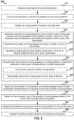
- FIG. 2 is a flowchart of an example method 200 of autonomously routing delivery vehicles.
- the method 200 may be performed by the autonomous routing system 110 in communication with a routing platform 150.
- the method 200 may optionally include receiving a data feed from an external system.
- the external system interface 140 may receive a data feed from the external system 170.
- the external system interface140 may request the data feed, for example, by submitting a query to the external system 170.
- the query may be based on interface rules 142, which may define a date and time for the query.
- the method 200 may optionally include converting the data feed to a format compatible with the routing platform.
- the external system interface 140 may convert the data feed to a format compatible with the routing platform.
- the interface rules 142 may include rules for converting the format of the data feed.
- the method 200 may optionally include updating the routing platform based on the data feed.
- the external system interface 140 may update the routing platform 150 based on the data feed.
- the external system interface 140 may update the orders 152 or the resources 156 based on the content of the data feed.
- the method 200 may include generating a plurality of routing passes for a set of orders, each routing pass including a set of parameters, using one or more business rules that describe a set of allowed values for one or more of the parameters.
- the routing pass generator 120 may generate a plurality of routing passes 126 for the set of orders, each routing pass including a set of parameters, using one or more business rules 122 that describe a set of allowed values for one or more of the parameters.
- the block 240 may optionally include generating the plurality of routing passes according to a date or time of the routing.
- the business rules 122 may define a date or time to perform the routing.
- the business rules 122 may also define parameters for a specific date or time. For example, the business rules 122 may allow multi-day routing Monday-Thursday, but not allow multi-day routing on Friday.
- the business rules 122 may specify a start time for each day, for example, based on driver schedules.
- the routing pass generator 120 may determine a time and date to generate the plurality of routing passes based on the one or more business rules.
- the routing pass generator 120 may select at least one value for the set of parameters based on the time and date according to the one or more business rules.
- the block 240 may optionally include generating a routing pass for each distinct combination of the set of allowed values for the one or more parameters.
- the routing pass generator 120 may select a first allowed value each of the one or more parameters for a first routing pass, and a select a second allowed value for a first parameter and the first allowed value for each remaining parameter for a second routing pass.
- the routing pass generator 120 may proceed through the one or more parameters in a deterministic manner to identify each possible combination.
- the routing pass generator 120 may limit a number of variable parameters.
- the method 200 may include executing each the plurality of routing passes on a routing platform configured to generate a routing plan corresponding to a single routing pass.
- the routing pass generator 120 may execute each the plurality of routing passes on the routing platform 150 that is configured to generate a routing plan 136 corresponding to a single routing pass.
- the routing pass generator 120 may execute each of the plurality of routing passes via a web interface or application programming interface (API) provided by the routing platform 150.
- API application programming interface
- the block 250 may include concurrently executing multiple routing passes.
- the routing pass generator 120 may send multiple routing passes before the routing platform 150 finishes executing a first routing pass.
- the routing platform 150 is configured to handle multiple requests (e.g., from different users), so the routing platform 150 may process the multiple routing passes concurrently (e.g., using parallel resources). Therefore, the autonomous routing system 110 may execute the routing passes more quickly than would be feasible for a human to do. In particular, by executing multiple requests concurrently, the autonomous routing system may determine the best route without delaying dispatch of the routing plan and the delivery process.
- the block 250 may include sequentially executing the routing pass for each class of delivery.
- the autonomous routing system 110 may provide higher priority to orders by routing a subset of the orders before other orders. Accordingly, when multiple classes of delivery are configured, the routing pass may be executed sequentially for each class in order of priority level. The sequential executions of a routing pass may be performed concurrently with executions of other routing passes (e.g., as in sub-block 252).
- the method 200 may include applying, by the processor, a comparison rule set that assigns a score to each routing plan corresponding to a respective one of the plurality of routing passes.
- the routing plan comparator 132 may apply the comparison rule set 132 that assigns a score to each routing plan 136 corresponding to a respective one of the plurality of routing passes 126.
- the method 200 may include selecting, by the processor, one of the plurality of routing passes based on the score of the corresponding routing plan.
- the routing plan comparator 132 may select one of the plurality of routing passes 126 based on the score of the corresponding routing plan 136.
- the method 200 may include dispatching the selected routing pass via the routing platform for the set of orders.
- the routing plan comparator 132 may dispatch the selected routing pass via the routing platform 150 by submitting a dispatch command including the selected routing pass 138 identifying the selected routing pass.
- the method 200 may optionally include updating the external system based on the selected routing pass.
- the external system interface 140 may update the external system 170 based on the selected routing pass.
- the external system interface 140 may update a status of resources 156.
- FIG. 3 is a block diagram of an example of the autonomous routing system 110 in accordance with an implementation on a computer device 102, including additional component details as compared to FIG. 1 .
- autonomous routing system 110 may include processor 48 for carrying out processing functions associated with one or more of components and functions described herein.
- Processor 48 can include a single or multiple set of processors or multi-core processors.
- processor 48 can be implemented as an integrated processing system and/or a distributed processing system.
- processor 48 may include a central processing unit (CPU).
- autonomous routing system 110 may include memory 50 for storing instructions executable by the processor 48 for carrying out the functions described herein.
- memory 50 may store instructions for executing one or more of the routing pass generator 120, routing plan comparator 130, or external system interface 142.
- autonomous routing system 110 may include a communications component 52 that provides for establishing and maintaining communications with one or more parties, vehicles, or drones, utilizing hardware, software, and services as described herein.
- Communications component 52 may carry communications between components on autonomous routing system 110, as well as between autonomous routing system 110 and external devices, such as devices located across a communications network and/or devices serially or locally connected to autonomous routing system 110.
- communications component 52 may include one or more buses, and may further include transmit chain components and receive chain components associated with a transmitter and receiver, respectively, operable for interfacing with external devices.
- Communications component 52 may carry communications with routing platform 150 and/or external system 170, for example.
- autonomous routing system 110 may include a data store 54, which can be any suitable combination of hardware and/or software, that provides for mass storage of information, databases, and programs employed in connection with implementations described herein.
- data store 54 may be a data repository for operating system 40 and/or applications 42.
- Autonomous routing system 110 may also include a user interface component 56 operable to receive inputs from a user of computer device 102 and further operable to generate outputs for presentation to the user.
- User interface component 56 may include one or more input devices, including but not limited to a keyboard, a number pad, a mouse, a touch-sensitive display, a navigation key, a function key, a microphone, a voice recognition component, any other mechanism capable of receiving an input from a user, or any combination thereof.
- user interface component 56 may include one or more output devices, including but not limited to a display, a speaker, a haptic feedback mechanism, a printer, any other mechanism capable of presenting an output to a user, or any combination thereof.
- user interface component 56 may transmit and/or receive messages corresponding to the operation of operating system 40 and/or application 42.
- processor 48 executes operating system 40 and/or application 4, and memory 50 or data store 54 may store them.
- a component may be, but is not limited to being, a process running on a processor, a processor, an object, an executable, a thread of execution, a program, and/or a computer.
- an application running on a computer device and the computer device can be a component.
- One or more components can reside within a process and/or thread of execution and a component may be localized on one computer and/or distributed between two or more computers.
- these components can execute from various computer readable media having various data structures stored thereon.
- the components may communicate by way of local and/or remote processes such as in accordance with a signal having one or more data packets, such as data from one component interacting with another component in a local system, distributed system, and/or across a network such as the Internet with other systems by way of the signal.
- a signal having one or more data packets, such as data from one component interacting with another component in a local system, distributed system, and/or across a network such as the Internet with other systems by way of the signal.
- the term "or” is intended to mean an inclusive “or” rather than an exclusive “or.” That is, unless specified otherwise, or clear from the context, the phrase “X employs A or B” is intended to mean any of the natural inclusive permutations. That is, the phrase “X employs A or B” is satisfied by any of the following instances: X employs A; X employs B; or X employs both A and B.
- the articles “a” and “an” as used in this application and the appended claims should generally be construed to mean “one or more” unless specified otherwise or clear from the context to be directed to a singular form.
- DSP digital signal processor
- ASIC application specific integrated circuit
- FPGA field programmable gate array
- a general-purpose processor may be a microprocessor, but, in the alternative, the processor may be any conventional processor, controller, microcontroller, or state machine.
- a processor may also be implemented as a combination of computer devices, e.g., a combination of a DSP and a microprocessor, a plurality of microprocessors, one or more microprocessors in conjunction with a DSP core, or any other such configuration. Additionally, at least one processor may comprise one or more components operable to perform one or more of the steps and/or actions described above.
- a software module may reside in RAM memory, flash memory, ROM memory, EPROM memory, EEPROM memory, registers, a hard disk, a removable disk, a CD-ROM, or any other form of storage medium known in the art.
- An exemplary storage medium may be coupled to the processor, such that the processor can read information from, and write information to, the storage medium.
- the storage medium may be integral to the processor.
- the processor and the storage medium may reside in an ASIC. Additionally, the ASIC may reside in a user terminal.
- processor and the storage medium may reside as discrete components in a user terminal. Additionally, in some implementations, the steps and/or actions of a method or algorithm may reside as one or any combination or set of codes and/or instructions on a machine readable medium and/or computer readable medium, which may be incorporated into a computer program product.
- the functions described may be implemented in hardware, software, firmware, or any combination thereof. If implemented in software, the functions may be stored or transmitted as one or more instructions or code on a computer-readable medium.
- Computer-readable media includes both computer storage media and communication media including any medium that facilitates transfer of a computer program from one place to another.
- a storage medium may be any available media that can be accessed by a computer.
- such computer-readable media can comprise RAM, ROM, EEPROM, CD-ROM or other optical disk storage, magnetic disk storage or other magnetic storage devices, or any other medium that can be used to carry or store desired program code in the form of instructions or data structures and that can be accessed by a computer.
- Disk and disc includes compact disc (CD), laser disc, optical disc, digital versatile disc (DVD), floppy disk and Blu-ray disc where disks usually reproduce data magnetically, while discs usually reproduce data optically with lasers. Combinations of the above should also be included within the scope of computer-readable media.
Landscapes
- Engineering & Computer Science (AREA)
- Business, Economics & Management (AREA)
- Physics & Mathematics (AREA)
- General Physics & Mathematics (AREA)
- Human Resources & Organizations (AREA)
- Automation & Control Theory (AREA)
- Remote Sensing (AREA)
- Radar, Positioning & Navigation (AREA)
- Aviation & Aerospace Engineering (AREA)
- Economics (AREA)
- Entrepreneurship & Innovation (AREA)
- Strategic Management (AREA)
- Game Theory and Decision Science (AREA)
- Development Economics (AREA)
- Tourism & Hospitality (AREA)
- Operations Research (AREA)
- General Business, Economics & Management (AREA)
- Marketing (AREA)
- Theoretical Computer Science (AREA)
- Quality & Reliability (AREA)
- Evolutionary Computation (AREA)
- Health & Medical Sciences (AREA)
- Artificial Intelligence (AREA)
- Medical Informatics (AREA)
- Educational Administration (AREA)
- Traffic Control Systems (AREA)
- Management, Administration, Business Operations System, And Electronic Commerce (AREA)
Description
- This application claims the benefit of
U.S. Patent Application Serial No. 16/447,322, entitled "SYSTEMS AND METHODS FOR AUTONOMOUSLY CONTROLLING MOVEMENT OF DELIVERY VEHICLES" and filed on June 20, 2019 - The present disclosure generally relates to a system for routing delivery vehicles, in particular for routing multiple vehicles to fulfil orders.
- Conventionally, systems may manage the operation of a fleet of vehicles. For example, systems may manage vehicles that deliver packages or cargo. One inefficiency in such systems is that a human operator is often responsible for configuring parameters, which may change from day to day. Human operators may gather information from multiple sources and manually configure parameters for a routing system, which is a time-consuming task and subject to human error. Prior art is disclosed in
US2017/003687 A1 . - Additionally, such human operators often have some degree of flexibility or tolerance with respect to certain parameters, but the routing system may require a particular parameter.
- In view of the above, it can be appreciated that there are problems, shortcomings or disadvantages associated with user interaction with routing system, and that it would be desirable if improved systems and methods for operating routing systems were available.
- The following presents a simplified summary of one or more aspects of the invention in order to provide a basic understanding of such aspects. This summary is not an extensive overview of all contemplated aspects, and is intended to neither identify key or critical elements of all aspects nor delineate the scope of any or all aspects. Its purpose is to present some concepts of one or more aspects in a simplified form as a prelude to the more detailed description that is presented later.
- In one aspect, the disclosure provides a method of routing delivery vehicles. The method may include generating, by a processor, a plurality of routing passes, each routing pass including a set of parameters, using one or more business rules that describe a set of allowed values for one or more of the parameters. The method may include executing each the plurality of routing passes on a routing platform configured to generate a routing plan corresponding to a single routing pass. The method may include selecting, by the processor, one of the plurality of routing passes according to a comparison rule set that assigns a score to each routing plan corresponding to a respective one of the plurality of routing passes. The method may include dispatching the selected routing pass via the routing platform.
- In another aspect, the disclosure provides a system for routing delivery vehicles. The system may include a memory storing computer-executable instructions. The system may include a network interface in communication with a routing platform. The system may include a processor communicatively coupled with the memory and the communications interface and configured to execute the computer-executable instructions. The processor may generate a plurality of routing passes, each routing pass including a set of parameters, using one or more business rules that describe a set of allowed values for one or more of the parameters. The processor may execute each the plurality of routing passes on a routing platform configured to generate a routing plan corresponding to a single routing pass. The processor may select one of the plurality of routing passes according to a comparison rule set that assigns a score to each routing plan corresponding to a respective one of the plurality of routing passes. The processor may dispatch the selected routing pass via the routing platform.
- In another aspect, the present disclosure provides a non-transitory computer-readable medium storing computer-executable instructions. The non-transitory computer-readable medium may include instructions to generate a plurality of routing passes, each routing pass including a set of parameters, using one or more business rules that describe a set of allowed values for one or more of the parameters. The non-transitory computer-readable medium may include instructions to execute each the plurality of routing passes on a routing platform configured to generate a routing plan corresponding to a single routing pass. The non-transitory computer-readable medium may include instructions to select one of the plurality of routing passes according to a comparison rule set that assigns a score to each routing plan corresponding to a respective one of the plurality of routing passes. The non-transitory computer-readable medium may include instructions to dispatch the selected routing pass via the routing platform.
- These and other aspects of the invention will become more fully understood upon a review of the detailed description, which follows.
-
-
FIG. 1 is a conceptual diagram of an example autonomous routing system. -
FIG. 2 is a flowchart of an example method of autonomously routing delivery vehicles. -
FIG. 3 is a block diagram of an example of the autonomous routing system. - The detailed description set forth below in connection with the appended drawings is intended as a description of various configurations and is not intended to represent the only configurations in which the concepts described herein may be practiced. The detailed description includes specific details for the purpose of providing a thorough understanding of various concepts. However, it will be apparent to those skilled in the art that these concepts may be practiced without these specific details. In some instances, well known components are shown in block diagram form in order to avoid obscuring such concepts.
- Routing platforms provide a powerful tool for improving the efficiency of logistics for various businesses. A routing platform may receive orders defining products or packages and delivery locations. The routing platform may also be configured with resources for fulfilling the order. The routing platform may also be configured with various parameters for routing the resources to fulfil the orders. In an aspect, a set of parameters may be referred to as a routing pass. Known routing platform include a large number of parameters. For example, the Omnitracs One or Roadnet Anywhere routing platform, available from Omnitracs LLC of Dallas, TX, includes more than 100 configurable parameters. The configurable parameters may include, for example but not limited hereto, binary values, time values, quantity values, selection of options, and/or scalable priorities.
- In existing systems, a human operator may use a web service provided by the routing platform to configure the routing system with a configuration including values for various routing parameters. The routing platform may execute a routing algorithm based on the received orders and the configuration to generate a routing plan for fulfilling the orders that satisfies the constraints indicated by the configuration. A human operator that is aware of flexibility of the configuration of routing parameters may attempt to improve the generated routing plan by altering configuration the configuration of routing parameters and executing the routing algorithm again. This approach is essentially a trial-and-error process that is time consuming and subject to mistakes by the human operator.
- In contrast, the present disclosure provides for an autonomous routing system that interacts with a routing platform. That is, the autonomous routing system provides an additional software layer on top of the routing platform for improving the user interface with the routing platform. In particular, the autonomous routing system may automate some tasks conventionally performed by a human operator of the routing platform and perform additional operations that may be unfeasible for a human operator. The autonomous routing system may also exploit parallel operations to improve the speed of a routing process. Thus, the autonomous routing system provides an improvement over existing routing platforms.
- Turning now to the Figures,
FIG. 1 illustrates anexample logistics system 100 including anautonomous routing system 110 that determines routing plans via arouting platform 150 based on information from one or moreexternal systems 170 and a configuration from auser 180. Theautonomous routing system 110 may receive the configuration from theuser 180, and autonomously obtain information from the one or moreexternal systems 170 based on the configuration. Theautonomous routing system 110 may generate routing passes to be executed by the routing system to create routing plans. A routing pass may be a set of parameters defining user requirements and/or goals for routing. The routing pass parameters may be set by therouting platform 150, for example, asrouting pass settings 154. A routing plan may specify movements of one or more delivery vehicles. For example, a routing plan may specify at least an identifier of a package, good, or service and one stop. Typically, a routing plan may also include multiple stops, an order of the stops, directions between the stops, times for the stops, vehicles, drivers, delivery instructions, or other information to control one or more delivery vehicles. Theautonomous routing system 110 may select one of the routing plans and dispatch the selected routing plan via therouting platform 150 to control resources such as warehouses and vehicles. - The
routing platform 150 may be a commercial routing platform such as the OMNITRACS ONE platform provided by Omnitracs, LLC of Dallas, TX. Therouting platform 150 may perform specific routing actions for a user, who may be, for example, an operator representing a business. Therouting platform 150 may receive and store orders 152. Anorder 152 may include at least an identification of an item (e.g., product or package) and a destination (e.g., an address). Therouting platform 150 may also storeresources 156.Resources 156 may identify resources that the business may use to fulfil theorders 152. For example, theresources 156 may identifywarehouses 160 andvehicles 162. Therouting platform 150 may execute arouting algorithm 158 to generate arouting plan 136 by assigning resources to orders and determining a route for eachvehicle 162 to follow to deliver the orders. Therouting algorithm 158 may be based on routingpass settings 154 that define various constraints for therouting algorithm 158. In an aspect, therouting platform 150 may receive routing passes 126 from theautonomous routing system 110. - The
autonomous routing system 110 may provide an interface between theuser 180 and therouting platform 150. Theautonomous routing system 110 may include arouting pass generator 120 that generates a plurality of different routing passes for execution by the routing platform, arouting plan comparator 130 that receives routing plans from the routing pass generator and selects one of the plans, and anexternal system interface 140 that receives updates of routing parameters from one or moreexternal systems 170. Theautonomous routing system 110 may be configured by auser 180, who may definebusiness rules 122, a comparison rule set 132, and interface rules 142. Theautonomous routing system 110 may automatically generate routing passes 126 for execution by therouting platform 150, compare various routing plans 136, and select one routing plan for therouting platform 150 to dispatch. Theautonomous routing system 110 may also collect information from the one or more external systems, update therouting platform 150 based on the collected information, and update theexternal systems 170 based on determinations by theautonomous routing system 110 and/or therouting platform 150. - The
external system interface 140 may communicate with one or moreexternal systems 170. Theexternal systems 170 may include any system that may have information related to the logistics of the business. For example, theexternal systems 170 may include a vehicle repair service that provides a repair status of thevehicles 162. Therouting platform 150 may store information about thevehicles 162, but may not directly communicate with such an external service. Theexternal system interface 140 may be configured withinterface rules 142 that define how to acquire, process, and update information fromexternal systems 170. For example, for the example vehicle repair service, the interface rules 142 may indicate a time to acquire a vehicle status from the vehicle repair service, for example, before generating routing passes 126. The interface rules 142 may include rules for converting a data format of the vehicle repair service into a data format of therouting platform 150. For example, the interface rules 142 may correlate vehicle identifiers, and map repair information into an available or unavailable status. Theexternal system interface 140 may export the updated information to therouting platform 150. For example, theexternal system interface 140 may update a number of vehicles available for routing the orders. Other examples of external systems may include point of sale (POS) or third party sales systems that generate orders, employee management systems (e.g., payroll) that determine employee availability, customer relationship management system that manages customer addresses for pickups, delivery, or service, and inventory or warehouse management systems that provide product availability. - The
routing pass generator 120 may generate a plurality of routing passes 126 based on business rules 122. The business rules 122 may define a time and date for generating and executing the routing passes 126 and the parameters for eachrouting pass 126. The parameters for eachrouting pass 126 may depend on the time or date for executing therouting pass 126. The parameters for the routing passes 126 generated by therouting pass generator 120 may correspond to therouting pass settings 154. That is, eachrouting pass 126 may be a different combination of routingpass settings 154. The business rules 122 may define the different combinations. For example, the business rules 122 may define multiple values or a range for a parameter such as a start time, maximum time, or maximum number of stops. Similarly, therouting pass settings 154 may include goals having sliding preference levels. The business rules 122 may define different combinations of preference level. In an aspect, therouting pass generator 120 may generate a routing pass including a value for each parameter of therouting pass settings 154. For example, if the business rules 122 do not define a value for a parameter, therouting pass generator 120 may set a default value for the parameter. For example, default values may be 0, null, blank, or false depending on the parameter. - In an aspect, the
routing pass generator 120 may include aclass component 124 that manages multiple classes of deliveries. For example, the multiple classes may correspond to customer levels, where higher customer levels receive priority in shipping, guaranteed delivery times, or other special treatment. Theclass component 124 may be configured to perform routing according to a priority level associated with each class of delivery. For example, theclass component 124 may accessbusiness rules 122 to determine a class of an order based on one or more properties such as a customer name, customer identifier, delivery address, order size, or other property selected byuser 180. Theclass component 124 may assign a priority level to each order based on the determined class. Theclass component 124 may prioritize classes by routing each class separately in order of priority level. For example, theclass component 124 may collect all orders and route a subset of orders in a highest priority class with routingpass settings 154 defining any rules for that class. Theclass component 124 may then update therouting pass settings 154 and route a subset of orders for a second class without deleting the routing plan for the highest priority class. Therouting platform 150 will update the routing plan to include the second class of orders while maintaining the routing of the highest priority orders. For example, the highest priority orders may remain assigned to a particular vehicle and delivery window, but the additional orders for the second class of orders may be added before or after the existing routing for the highest priority orders. Theclass component 124 may proceed with routing each class of delivery sequentially. - The
routing plan comparator 130 may compare routingplans 136 generated by therouting platform 150 based on a comparison rule set 132. For example, therouting plan comparator 130 may assign a score to eachrouting plan 136 based on the comparison rule set. In an aspect, a base rule may define a base score. For example, the base score may be a total cost or profit of the routing plan. The comparison rule set 132 may include a set of logical conditions. For example, the comparison rule set 132 may include mandatory rules that arouting plan 136 must meet in order to be acceptable. For example, a mandatory condition may state that if a number of remaining unrouted orders is greater than zero, the routing plan is unacceptable. If arouting plan 136 does not satisfy a mandatory condition, therouting plan 136 may be excluded from being selected, or may be assigned a minimum score that will prevent therouting plan 136 from being selected. As another example, the comparison rule set 132 may include one or more balancing conditions that adjust the score based on whether the balancing condition is met. For instance, a balancing condition may be defined for one or more goals for each order (e.g., on time) or each vehicle 162 (e.g., meets target start time). Whenever arouting plan 136 does not meet the defined goal, a penalty may be applied to the score (e.g., increasing a cost or reducing a profit). Conversely, the score may be increased (e.g., decreasing a cost or increasing a profit) when a goal is met (e.g.,vehicle 162 finishes early). Theuser 180 may configure the balancing rules based on priorities of the business. For example, the adjustments may correspond to actual financial incentives (e.g., credits applied to customer accounts for late deliveries) or represent reputational valuations. In any case, therouting plan comparator 130 may determine a total score for eachrouting plan 136. In an aspect, therouting plan comparator 130 may automatically select a best routing plan (e.g., highest or lowest score based on the metric) and send a dispatch command including a selectedrouting pass 138 to therouting platform 150 to dispatch the best routing plan. In another aspect, therouting plan comparator 130 may provide theuser 180 with the best routing plan and request approval to dispatch the routing plan. -
FIG. 2 is a flowchart of anexample method 200 of autonomously routing delivery vehicles. Themethod 200 may be performed by theautonomous routing system 110 in communication with arouting platform 150. - In
block 210, themethod 200 may optionally include receiving a data feed from an external system. In an aspect, for example, theexternal system interface 140 may receive a data feed from theexternal system 170. The external system interface140 may request the data feed, for example, by submitting a query to theexternal system 170. The query may be based oninterface rules 142, which may define a date and time for the query. - In
block 220, themethod 200 may optionally include converting the data feed to a format compatible with the routing platform. In an aspect, for example, theexternal system interface 140 may convert the data feed to a format compatible with the routing platform. For example, the interface rules 142 may include rules for converting the format of the data feed. - In
block 230, themethod 200 may optionally include updating the routing platform based on the data feed. In an aspect, for example, theexternal system interface 140 may update therouting platform 150 based on the data feed. For example, theexternal system interface 140 may update theorders 152 or theresources 156 based on the content of the data feed. - In
block 240, themethod 200 may include generating a plurality of routing passes for a set of orders, each routing pass including a set of parameters, using one or more business rules that describe a set of allowed values for one or more of the parameters. In an aspect, for example, therouting pass generator 120 may generate a plurality of routing passes 126 for the set of orders, each routing pass including a set of parameters, using one ormore business rules 122 that describe a set of allowed values for one or more of the parameters. - For instance, at
sub-block 242, theblock 240 may optionally include generating the plurality of routing passes according to a date or time of the routing. The business rules 122 may define a date or time to perform the routing. The business rules 122 may also define parameters for a specific date or time. For example, the business rules 122 may allow multi-day routing Monday-Thursday, but not allow multi-day routing on Friday. As another example, the business rules 122 may specify a start time for each day, for example, based on driver schedules. Therouting pass generator 120 may determine a time and date to generate the plurality of routing passes based on the one or more business rules. Therouting pass generator 120 may select at least one value for the set of parameters based on the time and date according to the one or more business rules. - At
sub-block 244, theblock 240 may optionally include generating a routing pass for each distinct combination of the set of allowed values for the one or more parameters. For example, therouting pass generator 120 may select a first allowed value each of the one or more parameters for a first routing pass, and a select a second allowed value for a first parameter and the first allowed value for each remaining parameter for a second routing pass. Therouting pass generator 120 may proceed through the one or more parameters in a deterministic manner to identify each possible combination. In an aspect, since the number of potential combinations may grow exponentially with the number of parameters, therouting pass generator 120 may limit a number of variable parameters. - In
block 250, themethod 200 may include executing each the plurality of routing passes on a routing platform configured to generate a routing plan corresponding to a single routing pass. In an aspect, for example, therouting pass generator 120 may execute each the plurality of routing passes on therouting platform 150 that is configured to generate arouting plan 136 corresponding to a single routing pass. For example, therouting pass generator 120 may execute each of the plurality of routing passes via a web interface or application programming interface (API) provided by therouting platform 150. - In an aspect, in
sub-block 252, theblock 250 may include concurrently executing multiple routing passes. Therouting pass generator 120 may send multiple routing passes before therouting platform 150 finishes executing a first routing pass. Generally, therouting platform 150 is configured to handle multiple requests (e.g., from different users), so therouting platform 150 may process the multiple routing passes concurrently (e.g., using parallel resources). Therefore, theautonomous routing system 110 may execute the routing passes more quickly than would be feasible for a human to do. In particular, by executing multiple requests concurrently, the autonomous routing system may determine the best route without delaying dispatch of the routing plan and the delivery process. - In an aspect, at
sub-block 254, theblock 250 may include sequentially executing the routing pass for each class of delivery. In the case of multiple classes of delivery, theautonomous routing system 110 may provide higher priority to orders by routing a subset of the orders before other orders. Accordingly, when multiple classes of delivery are configured, the routing pass may be executed sequentially for each class in order of priority level. The sequential executions of a routing pass may be performed concurrently with executions of other routing passes (e.g., as in sub-block 252). - In
block 260, themethod 200 may include applying, by the processor, a comparison rule set that assigns a score to each routing plan corresponding to a respective one of the plurality of routing passes. In an aspect, for example, therouting plan comparator 132 may apply the comparison rule set 132 that assigns a score to eachrouting plan 136 corresponding to a respective one of the plurality of routing passes 126. - In
block 270, themethod 200 may include selecting, by the processor, one of the plurality of routing passes based on the score of the corresponding routing plan. In an aspect, for example, therouting plan comparator 132 may select one of the plurality of routing passes 126 based on the score of the correspondingrouting plan 136. - In
block 270, themethod 200 may include dispatching the selected routing pass via the routing platform for the set of orders. In an aspect, for example, therouting plan comparator 132 may dispatch the selected routing pass via therouting platform 150 by submitting a dispatch command including the selectedrouting pass 138 identifying the selected routing pass. - In
block 280, themethod 200 may optionally include updating the external system based on the selected routing pass. In an aspect, for example, theexternal system interface 140 may update theexternal system 170 based on the selected routing pass. For example, theexternal system interface 140 may update a status ofresources 156. -
FIG. 3 is a block diagram of an example of theautonomous routing system 110 in accordance with an implementation on acomputer device 102, including additional component details as compared toFIG. 1 . In one example,autonomous routing system 110 may includeprocessor 48 for carrying out processing functions associated with one or more of components and functions described herein.Processor 48 can include a single or multiple set of processors or multi-core processors. Moreover,processor 48 can be implemented as an integrated processing system and/or a distributed processing system. In an implementation, for example,processor 48 may include a central processing unit (CPU). In an example,autonomous routing system 110 may includememory 50 for storing instructions executable by theprocessor 48 for carrying out the functions described herein. In an implementation, for example,memory 50 may store instructions for executing one or more of therouting pass generator 120,routing plan comparator 130, orexternal system interface 142. - Further,
autonomous routing system 110 may include acommunications component 52 that provides for establishing and maintaining communications with one or more parties, vehicles, or drones, utilizing hardware, software, and services as described herein.Communications component 52 may carry communications between components onautonomous routing system 110, as well as betweenautonomous routing system 110 and external devices, such as devices located across a communications network and/or devices serially or locally connected toautonomous routing system 110. For example,communications component 52 may include one or more buses, and may further include transmit chain components and receive chain components associated with a transmitter and receiver, respectively, operable for interfacing with external devices.Communications component 52 may carry communications withrouting platform 150 and/orexternal system 170, for example. - Additionally,
autonomous routing system 110 may include adata store 54, which can be any suitable combination of hardware and/or software, that provides for mass storage of information, databases, and programs employed in connection with implementations described herein. For example,data store 54 may be a data repository for operatingsystem 40 and/orapplications 42. -
Autonomous routing system 110 may also include a user interface component 56 operable to receive inputs from a user ofcomputer device 102 and further operable to generate outputs for presentation to the user. User interface component 56 may include one or more input devices, including but not limited to a keyboard, a number pad, a mouse, a touch-sensitive display, a navigation key, a function key, a microphone, a voice recognition component, any other mechanism capable of receiving an input from a user, or any combination thereof. Further, user interface component 56 may include one or more output devices, including but not limited to a display, a speaker, a haptic feedback mechanism, a printer, any other mechanism capable of presenting an output to a user, or any combination thereof. - In an implementation, user interface component 56 may transmit and/or receive messages corresponding to the operation of
operating system 40 and/orapplication 42. In addition,processor 48 executesoperating system 40 and/or application 4, andmemory 50 ordata store 54 may store them. - As used in this application, the terms "component," "system" and the like are intended to include a computer-related entity, such as but not limited to hardware, firmware, a combination of hardware and software, software, or software in execution. For example, a component may be, but is not limited to being, a process running on a processor, a processor, an object, an executable, a thread of execution, a program, and/or a computer. By way of illustration, both an application running on a computer device and the computer device can be a component. One or more components can reside within a process and/or thread of execution and a component may be localized on one computer and/or distributed between two or more computers. In addition, these components can execute from various computer readable media having various data structures stored thereon. The components may communicate by way of local and/or remote processes such as in accordance with a signal having one or more data packets, such as data from one component interacting with another component in a local system, distributed system, and/or across a network such as the Internet with other systems by way of the signal.
- Moreover, the term "or" is intended to mean an inclusive "or" rather than an exclusive "or." That is, unless specified otherwise, or clear from the context, the phrase "X employs A or B" is intended to mean any of the natural inclusive permutations. That is, the phrase "X employs A or B" is satisfied by any of the following instances: X employs A; X employs B; or X employs both A and B. In addition, the articles "a" and "an" as used in this application and the appended claims should generally be construed to mean "one or more" unless specified otherwise or clear from the context to be directed to a singular form.
- Various implementations or features may have been presented in terms of systems that may include a number of devices, components, modules, and the like. It is to be understood and appreciated that the various systems may include additional devices, components, modules, etc. and/or may not include all of the devices, components, modules etc. discussed in connection with the figures. A combination of these approaches may also be used.
- The various illustrative logics, logical blocks, and actions of methods described in connection with the embodiments disclosed herein may be implemented or performed with a specially-programmed one of a general purpose processor, a digital signal processor (DSP), an application specific integrated circuit (ASIC), a field programmable gate array (FPGA) or other programmable logic device, discrete gate or transistor logic, discrete hardware components, or any combination thereof designed to perform the functions described herein. A general-purpose processor may be a microprocessor, but, in the alternative, the processor may be any conventional processor, controller, microcontroller, or state machine. A processor may also be implemented as a combination of computer devices, e.g., a combination of a DSP and a microprocessor, a plurality of microprocessors, one or more microprocessors in conjunction with a DSP core, or any other such configuration. Additionally, at least one processor may comprise one or more components operable to perform one or more of the steps and/or actions described above.
- Further, the steps and/or actions of a method or algorithm described in connection with the implementations disclosed herein may be embodied directly in hardware, in a software module executed by a processor, or in a combination of the two. A software module may reside in RAM memory, flash memory, ROM memory, EPROM memory, EEPROM memory, registers, a hard disk, a removable disk, a CD-ROM, or any other form of storage medium known in the art. An exemplary storage medium may be coupled to the processor, such that the processor can read information from, and write information to, the storage medium. In the alternative, the storage medium may be integral to the processor. Further, in some implementations, the processor and the storage medium may reside in an ASIC. Additionally, the ASIC may reside in a user terminal. In the alternative, the processor and the storage medium may reside as discrete components in a user terminal. Additionally, in some implementations, the steps and/or actions of a method or algorithm may reside as one or any combination or set of codes and/or instructions on a machine readable medium and/or computer readable medium, which may be incorporated into a computer program product.
- In one or more implementations, the functions described may be implemented in hardware, software, firmware, or any combination thereof. If implemented in software, the functions may be stored or transmitted as one or more instructions or code on a computer-readable medium. Computer-readable media includes both computer storage media and communication media including any medium that facilitates transfer of a computer program from one place to another. A storage medium may be any available media that can be accessed by a computer. By way of example, and not limitation, such computer-readable media can comprise RAM, ROM, EEPROM, CD-ROM or other optical disk storage, magnetic disk storage or other magnetic storage devices, or any other medium that can be used to carry or store desired program code in the form of instructions or data structures and that can be accessed by a computer. Disk and disc, as used herein, includes compact disc (CD), laser disc, optical disc, digital versatile disc (DVD), floppy disk and Blu-ray disc where disks usually reproduce data magnetically, while discs usually reproduce data optically with lasers. Combinations of the above should also be included within the scope of computer-readable media.
- While implementations of the present disclosure have been described in connection with examples thereof, it will be understood by those skilled in the art that variations and modifications of the implementations described above may be made without departing from the scope hereof. Other implementations will be apparent to those skilled in the art from a consideration of the specification or from a practice in accordance with examples disclosed herein.
- This written description uses examples to disclose the invention, including the preferred embodiments, and also to enable any person skilled in the art to practice the invention, including making and using any devices or systems and performing any incorporated methods. The scope of the invention is defined by the claims.
Claims (15)
- A method (200) of autonomously controlling movement of a plurality of delivery vehicles, comprising:generating, by a processor (48), a plurality of different routing passes (126) for a set of orders to be delivered by the plurality of delivery vehicles according to a routing plan (136) specifying a plurality of stops for each delivery vehicle to deliver the orders, each routing pass (126) including a set of parameters having different values, using one or more business rules (122) that describe a set of allowed values for one or more of the parameters;executing, by the processor (48), each of the plurality of routing passes (126) on a routing platform (150) configured to generate a routing plan (136) for the plurality of delivery vehicles corresponding to a single routing pass (126) for the set of orders, wherein executing each of the plurality of routing passes (126) on the routing platform (150) comprises concurrently executing multiple routing passes (126);applying, by the processor (48), a comparison rule set (132) that assigns a score to each routing plan (136) corresponding to a respective one of the plurality of routing passes (126);selecting, by the processor (48), one of the plurality of routing passes (126) based on the score of the corresponding routing plan (136); anddispatching the selected routing pass (126) via the routing platform (150) for the set of orders.
- The method (200) of claim 1, wherein the comparison rule set (132) includes one or more mandatory conditions that exclude the routing plan (136) from the selecting if the condition is not met.
- The method (200) of claim 1, wherein the comparison rule set (132) includes one or more balancing conditions that adjust the score based on whether the balancing condition is met.
- The method (200) of claim 1, wherein the comparison rule assigns a cost score to each routing pass (126), wherein the selecting the routing pass (126) comprises selecting the routing pass (126) with a lowest cost score.
- The method (200) of claim 1, further comprising:receiving a data feed from an external system (170), the data feed including a status of one or more of the delivery vehicles;converting the data feed to a format compatible with the routing platform (150); andupdating the routing platform (150) with a number of vehicles available for the routing plan (136) based on the data feed.
- The method (200) of claim 5, further comprising updating the external system (170) based on the selected routing pass (126).
- The method (200) of claim 5, wherein the business rules (122) are based on a combination of information from the routing platform (150) and the external system (170).
- The method (200) of claim 1, wherein the business rules (122) identify at least two classes of deliveries to be routed, each class having a priority level, the method (200) comprising associating a class with each order in the set of orders.
- The method (200) of claim 8, wherein executing each the plurality of routing passes (126) comprises sequentially executing the routing pass (126) for the orders associated with each class in order of the priority level.
- The method (200) of claim 1, wherein generating the plurality of routing passes (126) using one or more business rules (122) comprises:determining a time and date to generate the plurality of routing passes (126) based on the one or more business rules (122); andselecting at least one value for the set of parameters based on the time and date according to the one or more business rules (122).
- The method (200) of claim 1, wherein generating the plurality of routing passes (126) comprises generating a routing pass (126) for each distinct combination of the set of allowed values for the one or more parameters.
- A system for routing a plurality of delivery vehicles, comprising:a memory (50) storing computer-executable instructions;a communications interface; anda processor (48) communicatively coupled with the memory (50) and the communications interface and configured to execute the computer-executable instructions to:generate a plurality of different routing passes (126) for a set of orders to be delivered by the plurality of delivery vehicles according to a routing plan (136) specifying a plurality of stops for each delivery vehicle to deliver the orders, each routing pass (126) including a set of parameters having different values, using one or more business rules (122) that describe a set of allowed values for one or more of the parameters;execute each of the plurality of routing passes (126) on a routing platform (150) configured to generate a routing plan (136) for the plurality of delivery vehicles corresponding to a single routing pass (126) for the set of orders, wherein executing each of the plurality of routing passes (126) on the routing platform (150) comprises concurrently executing multiple routing passes (126);apply a comparison rule set (132) that assigns a score to each routing plan (136) corresponding to a respective one of the plurality of routing passes (126);select one of the plurality of routing passes (126) based on the score of the corresponding routing plan (136); anddispatch the selected routing pass (126) via the routing platform (150) for the set of orders.
- The system of claim 12, wherein the comparison rule set (132) includes:one or more mandatory conditions that exclude the routing plan (136) from the selecting if the mandatory condition is not met; andone or more balancing conditions that adjust the score based on whether the balancing condition is met.
- The system of claim 12, wherein the processor (48) is configured to execute the instructions to perform the method (200) of any of claims 4-11.
- A non-transitory computer-readable medium storing computer-executable instructions, comprising instructions to perform the method (200) of any of claims 1-11.
Applications Claiming Priority (2)
| Application Number | Priority Date | Filing Date | Title |
|---|---|---|---|
| US16/447,322 US11378949B2 (en) | 2019-06-20 | 2019-06-20 | Systems and methods for autonomously controlling movement of delivery vehicles |
| PCT/US2020/037816 WO2020257128A1 (en) | 2019-06-20 | 2020-06-15 | Systems and methods for autonomously controlling movement of delivery vehicles |
Publications (4)
| Publication Number | Publication Date |
|---|---|
| EP3987375A1 EP3987375A1 (en) | 2022-04-27 |
| EP3987375A4 EP3987375A4 (en) | 2023-07-12 |
| EP3987375B1 true EP3987375B1 (en) | 2024-11-13 |
| EP3987375C0 EP3987375C0 (en) | 2024-11-13 |
Family
ID=74038269
Family Applications (1)
| Application Number | Title | Priority Date | Filing Date |
|---|---|---|---|
| EP20825985.3A Active EP3987375B1 (en) | 2019-06-20 | 2020-06-15 | Systems and methods for autonomously controlling movement of delivery vehicles |
Country Status (5)
| Country | Link |
|---|---|
| US (1) | US11378949B2 (en) |
| EP (1) | EP3987375B1 (en) |
| CA (1) | CA3141765A1 (en) |
| MX (1) | MX2021016081A (en) |
| WO (1) | WO2020257128A1 (en) |
Family Cites Families (11)
| Publication number | Priority date | Publication date | Assignee | Title |
|---|---|---|---|---|
| US9507967B2 (en) * | 2012-02-15 | 2016-11-29 | Blackberry Limited | Thwarting attacks that involve analyzing hardware sensor output |
| US9256852B1 (en) * | 2013-07-01 | 2016-02-09 | Google Inc. | Autonomous delivery platform |
| US20150338226A1 (en) * | 2014-05-22 | 2015-11-26 | Telogis, Inc. | Context-based routing and access path selection |
| US9857191B2 (en) * | 2014-05-22 | 2018-01-02 | Telogis, Inc. | Context-based routing and access path selection |
| US9448559B2 (en) * | 2015-01-15 | 2016-09-20 | Nissan North America, Inc. | Autonomous vehicle routing and navigation using passenger docking locations |
| US9904900B2 (en) * | 2015-06-11 | 2018-02-27 | Bao Tran | Systems and methods for on-demand transportation |
| WO2017064202A1 (en) * | 2015-10-13 | 2017-04-20 | Starship Technologies Oü | Method and system for autonomous or semi-autonomous delivery |
| US10620011B2 (en) * | 2016-11-10 | 2020-04-14 | International Business Machines Corporation | Autonomous vehicle routing |
| CN106779183B (en) | 2016-11-29 | 2020-12-29 | 北京小度信息科技有限公司 | Order distribution sequence planning method, route planning method and device for order groups |
| DE112018003029T5 (en) * | 2017-06-16 | 2020-03-12 | Honda Motor Co., Ltd. | VEHICLE AND SERVICE MANAGEMENT DEVICE |
| EP3655836A4 (en) * | 2017-07-20 | 2021-04-21 | Nuro, Inc. | REPOSITIONING AN AUTONOMOUS VEHICLE |
-
2019
- 2019-06-20 US US16/447,322 patent/US11378949B2/en active Active
-
2020
- 2020-06-15 MX MX2021016081A patent/MX2021016081A/en unknown
- 2020-06-15 EP EP20825985.3A patent/EP3987375B1/en active Active
- 2020-06-15 WO PCT/US2020/037816 patent/WO2020257128A1/en not_active Ceased
- 2020-06-15 CA CA3141765A patent/CA3141765A1/en active Pending
Also Published As
| Publication number | Publication date |
|---|---|
| US11378949B2 (en) | 2022-07-05 |
| CA3141765A1 (en) | 2020-12-24 |
| WO2020257128A1 (en) | 2020-12-24 |
| EP3987375A4 (en) | 2023-07-12 |
| EP3987375C0 (en) | 2024-11-13 |
| US20200401130A1 (en) | 2020-12-24 |
| MX2021016081A (en) | 2022-02-03 |
| EP3987375A1 (en) | 2022-04-27 |
Similar Documents
| Publication | Publication Date | Title |
|---|---|---|
| US11715052B2 (en) | Monitoring and adapting a process performed across plural systems associated with a supply chain | |
| US20220101263A1 (en) | Fabrication, distribution, and integrated order processing system | |
| US10839338B2 (en) | Order sourcing with asynchronous communication and using optimization for large sourcing networks | |
| US9767495B2 (en) | Different sales and planning product options | |
| TWI876193B (en) | Computer-implemented method and computer-implemented system | |
| US9152941B2 (en) | Systems and methods for automated parallelization of back-order processing | |
| US20100161366A1 (en) | Product requirement specification in production model | |
| US20100161364A1 (en) | Make-to-Specification Process and Data Model | |
| EP4115364A1 (en) | Method and system for intelligent load optimization for vehicles | |
| WO2021099331A1 (en) | A system and a method for generating and managing machine executable digital contracts | |
| US20240220894A1 (en) | Work management platform | |
| US20210152663A1 (en) | System and method for content parsing | |
| US20080162164A1 (en) | Method and system for centralized management of sources of supply | |
| US20150310390A1 (en) | Aggregation and workflow engines for managing project information | |
| US7376477B2 (en) | Move lot size balancing system and method | |
| EP3987375B1 (en) | Systems and methods for autonomously controlling movement of delivery vehicles | |
| CN119990714B (en) | Automatic allocation method, device, computer equipment and storage medium | |
| US9129255B2 (en) | Business process management (BPM) add-in for office software | |
| US20140279132A1 (en) | Buyer assignment for requisitions lines | |
| Sturrock | Using commercial software to create a digital twin | |
| Füßler et al. | The cafeteria problem: order sequencing and picker routing in on-the-line picking systems | |
| Howard et al. | Using pipeline information in a multi-echelon spare parts inventory system | |
| US20250124388A1 (en) | Method and system for creating optimal supply plan | |
| US9412083B2 (en) | Aggregation and workflow engines for managing project information | |
| US10142438B2 (en) | Intermediate destination module for communication of interaction data with disparate intermediate destinations |
Legal Events
| Date | Code | Title | Description |
|---|---|---|---|
| STAA | Information on the status of an ep patent application or granted ep patent |
Free format text: STATUS: THE INTERNATIONAL PUBLICATION HAS BEEN MADE |
|
| PUAI | Public reference made under article 153(3) epc to a published international application that has entered the european phase |
Free format text: ORIGINAL CODE: 0009012 |
|
| STAA | Information on the status of an ep patent application or granted ep patent |
Free format text: STATUS: REQUEST FOR EXAMINATION WAS MADE |
|
| 17P | Request for examination filed |
Effective date: 20211206 |
|
| AK | Designated contracting states |
Kind code of ref document: A1 Designated state(s): AL AT BE BG CH CY CZ DE DK EE ES FI FR GB GR HR HU IE IS IT LI LT LU LV MC MK MT NL NO PL PT RO RS SE SI SK SM TR |
|
| DAV | Request for validation of the european patent (deleted) | ||
| DAX | Request for extension of the european patent (deleted) | ||
| A4 | Supplementary search report drawn up and despatched |
Effective date: 20230614 |
|
| RIC1 | Information provided on ipc code assigned before grant |
Ipc: G06Q 10/08 20120101ALI20230607BHEP Ipc: G06Q 10/04 20120101ALI20230607BHEP Ipc: G05D 1/02 20200101AFI20230607BHEP |
|
| REG | Reference to a national code |
Ref country code: DE Ref legal event code: R079 Free format text: PREVIOUS MAIN CLASS: G05D0001020000 Ipc: G05D0001000000 Ref document number: 602020041418 Country of ref document: DE |
|
| GRAP | Despatch of communication of intention to grant a patent |
Free format text: ORIGINAL CODE: EPIDOSNIGR1 |
|
| STAA | Information on the status of an ep patent application or granted ep patent |
Free format text: STATUS: GRANT OF PATENT IS INTENDED |
|
| RIC1 | Information provided on ipc code assigned before grant |
Ipc: G06Q 10/08 20120101ALI20240322BHEP Ipc: G06Q 10/04 20120101ALI20240322BHEP Ipc: G05D 1/00 20060101AFI20240322BHEP |
|
| INTG | Intention to grant announced |
Effective date: 20240418 |
|
| GRAS | Grant fee paid |
Free format text: ORIGINAL CODE: EPIDOSNIGR3 |
|
| GRAA | (expected) grant |
Free format text: ORIGINAL CODE: 0009210 |
|
| STAA | Information on the status of an ep patent application or granted ep patent |
Free format text: STATUS: THE PATENT HAS BEEN GRANTED |
|
| AK | Designated contracting states |
Kind code of ref document: B1 Designated state(s): AL AT BE BG CH CY CZ DE DK EE ES FI FR GB GR HR HU IE IS IT LI LT LU LV MC MK MT NL NO PL PT RO RS SE SI SK SM TR |
|
| REG | Reference to a national code |
Ref country code: GB Ref legal event code: FG4D |
|
| REG | Reference to a national code |
Ref country code: CH Ref legal event code: EP |
|
| REG | Reference to a national code |
Ref country code: IE Ref legal event code: FG4D |
|
| REG | Reference to a national code |
Ref country code: DE Ref legal event code: R096 Ref document number: 602020041418 Country of ref document: DE |
|
| U01 | Request for unitary effect filed |
Effective date: 20241209 |
|
| U07 | Unitary effect registered |
Designated state(s): AT BE BG DE DK EE FI FR IT LT LU LV MT NL PT RO SE SI Effective date: 20241219 |
|
| PG25 | Lapsed in a contracting state [announced via postgrant information from national office to epo] |
Ref country code: HR Free format text: LAPSE BECAUSE OF FAILURE TO SUBMIT A TRANSLATION OF THE DESCRIPTION OR TO PAY THE FEE WITHIN THE PRESCRIBED TIME-LIMIT Effective date: 20241113 Ref country code: IS Free format text: LAPSE BECAUSE OF FAILURE TO SUBMIT A TRANSLATION OF THE DESCRIPTION OR TO PAY THE FEE WITHIN THE PRESCRIBED TIME-LIMIT Effective date: 20250313 |
|
| PG25 | Lapsed in a contracting state [announced via postgrant information from national office to epo] |
Ref country code: ES Free format text: LAPSE BECAUSE OF FAILURE TO SUBMIT A TRANSLATION OF THE DESCRIPTION OR TO PAY THE FEE WITHIN THE PRESCRIBED TIME-LIMIT Effective date: 20241113 |
|
| PG25 | Lapsed in a contracting state [announced via postgrant information from national office to epo] |
Ref country code: NO Free format text: LAPSE BECAUSE OF FAILURE TO SUBMIT A TRANSLATION OF THE DESCRIPTION OR TO PAY THE FEE WITHIN THE PRESCRIBED TIME-LIMIT Effective date: 20250213 |
|
| PG25 | Lapsed in a contracting state [announced via postgrant information from national office to epo] |
Ref country code: GR Free format text: LAPSE BECAUSE OF FAILURE TO SUBMIT A TRANSLATION OF THE DESCRIPTION OR TO PAY THE FEE WITHIN THE PRESCRIBED TIME-LIMIT Effective date: 20250214 |
|
| PG25 | Lapsed in a contracting state [announced via postgrant information from national office to epo] |
Ref country code: PL Free format text: LAPSE BECAUSE OF FAILURE TO SUBMIT A TRANSLATION OF THE DESCRIPTION OR TO PAY THE FEE WITHIN THE PRESCRIBED TIME-LIMIT Effective date: 20241113 |
|
| PG25 | Lapsed in a contracting state [announced via postgrant information from national office to epo] |
Ref country code: RS Free format text: LAPSE BECAUSE OF FAILURE TO SUBMIT A TRANSLATION OF THE DESCRIPTION OR TO PAY THE FEE WITHIN THE PRESCRIBED TIME-LIMIT Effective date: 20250213 |
|
| U20 | Renewal fee for the european patent with unitary effect paid |
Year of fee payment: 6 Effective date: 20250509 |
|
| PG25 | Lapsed in a contracting state [announced via postgrant information from national office to epo] |
Ref country code: SM Free format text: LAPSE BECAUSE OF FAILURE TO SUBMIT A TRANSLATION OF THE DESCRIPTION OR TO PAY THE FEE WITHIN THE PRESCRIBED TIME-LIMIT Effective date: 20241113 |
|
| PGFP | Annual fee paid to national office [announced via postgrant information from national office to epo] |
Ref country code: GB Payment date: 20250501 Year of fee payment: 6 |
|
| PG25 | Lapsed in a contracting state [announced via postgrant information from national office to epo] |
Ref country code: SK Free format text: LAPSE BECAUSE OF FAILURE TO SUBMIT A TRANSLATION OF THE DESCRIPTION OR TO PAY THE FEE WITHIN THE PRESCRIBED TIME-LIMIT Effective date: 20241113 |
|
| PG25 | Lapsed in a contracting state [announced via postgrant information from national office to epo] |
Ref country code: CZ Free format text: LAPSE BECAUSE OF FAILURE TO SUBMIT A TRANSLATION OF THE DESCRIPTION OR TO PAY THE FEE WITHIN THE PRESCRIBED TIME-LIMIT Effective date: 20241113 |
|
| PLBE | No opposition filed within time limit |
Free format text: ORIGINAL CODE: 0009261 |
|
| STAA | Information on the status of an ep patent application or granted ep patent |
Free format text: STATUS: NO OPPOSITION FILED WITHIN TIME LIMIT |
|
| PGFP | Annual fee paid to national office [announced via postgrant information from national office to epo] |
Ref country code: CH Payment date: 20250701 Year of fee payment: 6 |
|
| 26N | No opposition filed |
Effective date: 20250814 |
|
| PG25 | Lapsed in a contracting state [announced via postgrant information from national office to epo] |
Ref country code: MC Free format text: LAPSE BECAUSE OF FAILURE TO SUBMIT A TRANSLATION OF THE DESCRIPTION OR TO PAY THE FEE WITHIN THE PRESCRIBED TIME-LIMIT Effective date: 20241113 |
|
| PG25 | Lapsed in a contracting state [announced via postgrant information from national office to epo] |
Ref country code: IE Free format text: LAPSE BECAUSE OF NON-PAYMENT OF DUE FEES Effective date: 20250615 |