EP3986002A1 - System and method for determining movement of a vehicle based on information regarding movement of at least one other vehicle - Google Patents
System and method for determining movement of a vehicle based on information regarding movement of at least one other vehicle Download PDFInfo
- Publication number
- EP3986002A1 EP3986002A1 EP21200539.1A EP21200539A EP3986002A1 EP 3986002 A1 EP3986002 A1 EP 3986002A1 EP 21200539 A EP21200539 A EP 21200539A EP 3986002 A1 EP3986002 A1 EP 3986002A1
- Authority
- EP
- European Patent Office
- Prior art keywords
- vehicle
- movement
- determining
- processor
- environmental condition
- Prior art date
- Legal status (The legal status is an assumption and is not a legal conclusion. Google has not performed a legal analysis and makes no representation as to the accuracy of the status listed.)
- Pending
Links
Images

Classifications
-
- G—PHYSICS
- G01—MEASURING; TESTING
- G01C—MEASURING DISTANCES, LEVELS OR BEARINGS; SURVEYING; NAVIGATION; GYROSCOPIC INSTRUMENTS; PHOTOGRAMMETRY OR VIDEOGRAMMETRY
- G01C21/00—Navigation; Navigational instruments not provided for in groups G01C1/00 - G01C19/00
- G01C21/10—Navigation; Navigational instruments not provided for in groups G01C1/00 - G01C19/00 by using measurements of speed or acceleration
- G01C21/12—Navigation; Navigational instruments not provided for in groups G01C1/00 - G01C19/00 by using measurements of speed or acceleration executed aboard the object being navigated; Dead reckoning
- G01C21/16—Navigation; Navigational instruments not provided for in groups G01C1/00 - G01C19/00 by using measurements of speed or acceleration executed aboard the object being navigated; Dead reckoning by integrating acceleration or speed, i.e. inertial navigation
-
- H—ELECTRICITY
- H04—ELECTRIC COMMUNICATION TECHNIQUE
- H04W—WIRELESS COMMUNICATION NETWORKS
- H04W4/00—Services specially adapted for wireless communication networks; Facilities therefor
- H04W4/02—Services making use of location information
- H04W4/025—Services making use of location information using location based information parameters
- H04W4/027—Services making use of location information using location based information parameters using movement velocity, acceleration information
-
- G—PHYSICS
- G05—CONTROLLING; REGULATING
- G05D—SYSTEMS FOR CONTROLLING OR REGULATING NON-ELECTRIC VARIABLES
- G05D1/00—Control of position, course, altitude or attitude of land, water, air or space vehicles, e.g. using automatic pilots
- G05D1/02—Control of position or course in two dimensions
- G05D1/021—Control of position or course in two dimensions specially adapted to land vehicles
- G05D1/0268—Control of position or course in two dimensions specially adapted to land vehicles using internal positioning means
- G05D1/027—Control of position or course in two dimensions specially adapted to land vehicles using internal positioning means comprising intertial navigation means, e.g. azimuth detector
-
- G—PHYSICS
- G05—CONTROLLING; REGULATING
- G05D—SYSTEMS FOR CONTROLLING OR REGULATING NON-ELECTRIC VARIABLES
- G05D1/00—Control of position, course, altitude or attitude of land, water, air or space vehicles, e.g. using automatic pilots
- G05D1/02—Control of position or course in two dimensions
- G05D1/021—Control of position or course in two dimensions specially adapted to land vehicles
- G05D1/0276—Control of position or course in two dimensions specially adapted to land vehicles using signals provided by a source external to the vehicle
- G05D1/028—Control of position or course in two dimensions specially adapted to land vehicles using signals provided by a source external to the vehicle using a RF signal
-
- G—PHYSICS
- G05—CONTROLLING; REGULATING
- G05D—SYSTEMS FOR CONTROLLING OR REGULATING NON-ELECTRIC VARIABLES
- G05D1/00—Control of position, course, altitude or attitude of land, water, air or space vehicles, e.g. using automatic pilots
- G05D1/20—Control system inputs
- G05D1/24—Arrangements for determining position or orientation
- G05D1/245—Arrangements for determining position or orientation using dead reckoning
-
- G—PHYSICS
- G05—CONTROLLING; REGULATING
- G05D—SYSTEMS FOR CONTROLLING OR REGULATING NON-ELECTRIC VARIABLES
- G05D1/00—Control of position, course, altitude or attitude of land, water, air or space vehicles, e.g. using automatic pilots
- G05D1/20—Control system inputs
- G05D1/24—Arrangements for determining position or orientation
- G05D1/247—Arrangements for determining position or orientation using signals provided by artificial sources external to the vehicle, e.g. navigation beacons
-
- G—PHYSICS
- G08—SIGNALLING
- G08G—TRAFFIC CONTROL SYSTEMS
- G08G1/00—Traffic control systems for road vehicles
- G08G1/20—Monitoring the location of vehicles belonging to a group, e.g. fleet of vehicles, countable or determined number of vehicles
-
- H—ELECTRICITY
- H04—ELECTRIC COMMUNICATION TECHNIQUE
- H04W—WIRELESS COMMUNICATION NETWORKS
- H04W4/00—Services specially adapted for wireless communication networks; Facilities therefor
- H04W4/30—Services specially adapted for particular environments, situations or purposes
- H04W4/40—Services specially adapted for particular environments, situations or purposes for vehicles, e.g. vehicle-to-pedestrians [V2P]
- H04W4/46—Services specially adapted for particular environments, situations or purposes for vehicles, e.g. vehicle-to-pedestrians [V2P] for vehicle-to-vehicle communication [V2V]
-
- H—ELECTRICITY
- H04—ELECTRIC COMMUNICATION TECHNIQUE
- H04W—WIRELESS COMMUNICATION NETWORKS
- H04W4/00—Services specially adapted for wireless communication networks; Facilities therefor
- H04W4/80—Services using short range communication, e.g. near-field communication [NFC], radio-frequency identification [RFID] or low energy communication
Definitions
- Modern automotive vehicles include an increasing amount of electronic technology, such as sensors or detectors that provide driver assistance or autonomous vehicle control.
- Information regarding the movement or heading direction of the vehicle is useful or necessary for such assistance or control.
- a dead reckoning technique based on an inertial measurement unit (IMU) indication of vehicle movement is useful under some circumstances.
- the sensor information used for dead reckoning may be influenced by environmental conditions, such as variations in a road surface or strong winds. Those conditions can cause a change in the movement of the vehicle, which affects the accuracy of the IMU information used for determining or analyzing the heading direction or position of the vehicle.
- environmental conditions such as variations in a road surface or strong winds.
- Those conditions can cause a change in the movement of the vehicle, which affects the accuracy of the IMU information used for determining or analyzing the heading direction or position of the vehicle.
- An illustrative example embodiment of a method of processing information regarding movement of a first vehicle based on information regarding movement of at least one second vehicle includes: receiving a communication from the second vehicle that includes information regarding movement of the second vehicle, determining that the movement of the second vehicle corresponds to movement of the first vehicle, identifying at least one feature of the movement of the second vehicle that indicates an environmental condition that affects the movement of the second vehicle, identifying a sensor indication of movement of the first vehicle that corresponds to the feature of the movement of the second vehicle, and excluding the identified sensor indication from information used to determine movement of the first vehicle.
- determining that the movement of the second vehicle corresponds to movement of the first vehicle includes determining that the first vehicle is following the second vehicle.
- determining that the first vehicle is following the second vehicle includes determining a location of the second vehicle at each of a plurality of times, determining that a location of the first vehicle is similar to the determined location of the second vehicle at each of a plurality of subsequent times, and determining that a heading direction of the first vehicle is similar to a heading direction of the second vehicle.
- the environmental condition comprises a condition of a road surface upon which the vehicles are travelling.
- excluding the identified sensor indication comprises predictively discriminating the identified sensor indication from other sensor indications corresponding to other aspects of movement of the first vehicle.
- determining that the movement of the second vehicle corresponds to movement of the first vehicle includes determining that the first vehicle and the second vehicle are travelling along a similar path by determining that the first vehicle is within a preselected range of the second vehicle, determining that a heading direction of the first vehicle is similar to a heading direction of the second vehicle, and determining that the environmental condition affects movement of the second vehicle and movement of the first vehicle in a similar manner.
- the manner in which the environmental condition affects the movement of the second vehicle and the movement of the first vehicle includes causing at least an acceleration of the vehicle that is a lateral acceleration or a longitudinal acceleration.
- the environmental condition comprises wind.
- An example embodiment having at least one feature of the method of any of the previous paragraphs includes determining that a condition of at least a portion of the first vehicle causes a type of movement that is different from an intended movement of the first vehicle, and excluding a sensor indication of the type of movement from information used to determine movement of the first vehicle.
- An example embodiment having at least one feature of the method of any of the previous paragraphs includes using an inertial measurement unit and a dead reckoning technique to determine movement of the first vehicle.
- An illustrative example embodiment of a system for determining movement of a first vehicle based on information regarding movement of at least one second vehicle includes a receiver configured to receive a communication from the second vehicle, the received communication including information regarding movement of the second vehicle, a sensor that is configured to provide an indication of movement of the first vehicle, and a processor.
- the processor is configured to determine that the movement of the second vehicle corresponds to movement of the first vehicle, identify at least one feature of the movement of the second vehicle that indicates an environmental condition that affects the movement of the second vehicle, identify a sensor indication of movement of the first vehicle that corresponds to the feature of the movement of the second vehicle, and exclude the identified sensor indication from information used to determine movement of the first vehicle.
- the processor is configured to determine that the movement of the second vehicle corresponds to movement of the first vehicle by determining that the first vehicle is following the second vehicle.
- the processor is configured for determining that the first vehicle is following the second vehicle by determining a location of the second vehicle at each of a plurality of times, determining that a location of the first vehicle is similar to the determined location of the second vehicle at each of a plurality of subsequent times, and determining that a heading direction of the first vehicle is similar to a heading direction of the second vehicle.
- the environmental condition comprises a condition of a road surface upon which the vehicles are travelling.
- the processor is configured to exclude the identified sensor indication by predictively discriminating the identified sensor indication from other sensor indications corresponding to other aspects of movement of the first vehicle.
- the processor is configured to determine that the movement of the second vehicle corresponds to movement of the first vehicle when the first vehicle and the second vehicle are travelling along a similar path by determining that the first vehicle is within a preselected range of the second vehicle, determining that a heading direction of the first vehicle is similar to a heading direction of the second vehicle, and determining that the environmental condition affects movement of the second vehicle and movement of the first vehicle in a similar manner.
- the manner in which the environmental condition affects the movement of the second vehicle and the movement of the first vehicle includes causing at least an acceleration of the vehicle that is a lateral acceleration or a longitudinal acceleration of the vehicle.
- the environmental condition comprises wind.
- the processor is configured to determine that a condition of at least a portion of the first vehicle causes a type of movement that is different from an intended movement of the first vehicle, and exclude a sensor indication of the type of movement from information used by the processor to determine movement of the first vehicle.
- the senor is part of an inertial measurement unit, and the processor is configured to use a dead reckoning technique to determine movement of the first vehicle.
- FIG. 1 schematically illustrates a system 20 on a first vehicle 22.
- the system 20 includes a receiver 24 that is configured to receive a communication from a second vehicle 26 that is traveling nearby the first vehicle 22.
- the communication from the second vehicle 26 includes information regarding movement of that vehicle.
- the communication from the second vehicle 26 comprises a basic safety message (BSM) using a vehicle-to-vehicle (V2X) or dedicated short range communications (DSRC) protocol.
- BSM basic safety message
- V2X vehicle-to-vehicle
- DSRC dedicated short range communications
- the communication from the second vehicle 26 includes information such as the latitude and longitude or location of the second vehicle 26, its acceleration and yaw rate.
- the receiver 24 is part of a transceiver that is capable of two-way communication with other vehicles, such as the second vehicle 26.
- a similar transceiver 24 is provided on the second vehicle 26, which includes its own system 20 for determining movement of the second vehicle 26.
- the system 20 includes a sensor 30 that detects movement of the first vehicle 22.
- the sensor 30 in the illustrated example embodiment is part of an inertial measurement unit (IMU).
- the sensor 30 includes accelerometers or gyroscopes in some embodiments.
- the sensor 30 provides information that is useful for a dead reckoning technique, for example.
- a processor 32 includes a computing device and has associated memory. The processor 32 uses information from the sensor 30 and the communication received from the second vehicle 26 for purposes of determining movement of the first vehicle 22.
- the system 20 also includes a detector 34 that is capable of detecting signal from satellites 36 and 38.
- the processor 32 uses pseudo range information from detected satellite signals for purposes of determining the location of the first vehicle 22.
- Figure 2 includes a flowchart diagram 40 that summarizes an example approach for determining movement of the first vehicle 22 based on information regarding movement of the second vehicle 26.
- the receiver 24 receives the communication from the second vehicle 26, which includes information regarding movement of the second vehicle 26.
- the processor 32 determines that movement of the second vehicle 26 corresponds to movement of the first vehicle 22.
- the manner in which the movement of the second vehicle 26 corresponds to the movement of the first vehicle 22 may vary depending upon the particular situation. For example, sometimes the first vehicle 22 will be following the second vehicle 26, which is represented by the arrangement in Figure 1 . Under those circumstances, determining a correspondence between the vehicle movement includes determining that the first vehicle 22 is following the second vehicle 26. It may be possible in some situations to determine that the vehicles are traveling in the same lane or path along a road or route.
- the processor 32 determines that the first vehicle 22 is following the second vehicle 26 by determining a location of the second vehicle 26 at each of a plurality of times. The processor 32 determines that a location of the first vehicle is similar to the determined location of the second vehicle at each of a plurality of subsequent times. When the first vehicle 22 is following the second vehicle 26, the locations should approximately match with a corresponding time delay between the time at which the second vehicle 26 reaches a particular location and the subsequent time at which the first vehicle 22 reaches that same location. When the heading direction of the first vehicle is similar to the heading direction of the second vehicle, that is a further indication used by the processor 32 for determining that the first vehicle 22 is following the second vehicle 26.
- Determining that the first vehicle 22 is following the second vehicle 26 includes using information from at least one other type of sensor on or associated with the first and second vehicles.
- an inertial measurement unit IMU
- IMU inertial measurement unit
- the processor 32 determines that the first vehicle 22 is on the same path as the second vehicle 26 and, therefore, following the second vehicle 26.
- the processor 32 can exclude sensor indications resulting from environmental conditions that affect or impact vehicle movement by predictively discriminating those sensor indications from other sensor indications. For example, when a temporary lateral acceleration occurs in the movement of the second vehicle at a location that the first vehicle 22 is approaching, the processor 32 can predictively expect such a lateral acceleration indication from the sensor 30 when the first vehicle 22 reaches that same location.
- the movement of the first vehicle 22 corresponds to movement of the second vehicle 26 when both vehicles are traveling along the same road or path but one is not necessarily following the other.
- the vehicles may be in different lanes or side-by-side but their relative positions are within a predetermined range of each other and they have similar heading directions and similar vehicle locations over time.
- the processor 32 is configured or suitably programmed to determine when there is correspondence between the movements of the vehicles for purposes of determining when information regarding movement of one of the vehicles is useful for processing information regarding movement of the other vehicle.
- a plurality of vehicles will experience the same environmental condition at or about the same time.
- both vehicles When the first vehicle 22 and the second vehicle 26 are traveling through an area where there is sufficient wind to impact the movement of the vehicle, both vehicles will experience the effect of that wind at about the same time.
- both vehicles may experience a lateral acceleration, longitudinal acceleration, or a combination of both, depending on the direction of the wind.
- the processor 32 is able to identify such situations by determining that the first vehicle 22 and second vehicle 26 are within a preselected range of each other, that their heading directions are similar and that the environmental condition affects movement of both vehicles in a similar manner.
- the processor 32 identifies a feature of the second vehicle movement that indicates an environmental condition that affects the movement of the second vehicle 26.
- environmental conditions include a condition of a road surface and wind.
- Road surface conditions such as potholes, inclines or a change in the crown of the road surface can affect the sensor output from an IMU.
- the sensor output in those conditions includes information regarding some movement of the vehicle that was caused by the environmental condition rather than by the vehicle being driven along an intended pathway. For example, when at least one wheel of a vehicle hits a pothole in a road, the vehicle may experience a vertical acceleration. When the sensor or IMU detects that type of acceleration or other vehicle movement, such information would potentially cause inaccuracies in the determined vehicle heading direction based on the data from the IMU
- the processor 32 when the processor 32 identifies an environmentally caused feature of the second vehicle movement at 46, the processor 32 keeps track of the location of the second vehicle 26 when that feature of the second vehicle movement occurred. That data is useful for anticipating when the first vehicle 22 will encounter that environmental condition when the first vehicle 22 is following the second vehicle 26.
- the processor 32 identifies a sensor indication from the sensor 30 on the first vehicle 22 regarding movement of the first vehicle 22 that corresponds to the feature of the movement of the second vehicle 26 that was identified at 46. In other words, at 48 the processor 32 determines when the first vehicle 22 is subsequently affected by the environmental condition that resulted in the feature of the movement of the second vehicle 26 caused by that same environmental condition. At 50, the processor 32 excludes the sensor indication identified at 48 from information used to determine movement of the first vehicle 22. By identifying a vertical acceleration caused by hitting a pothole, for example, the corresponding sensor indication can be removed from or excluded from the information used by the processor 32 for a dead reckoning technique or another way in which the processor 32 determines movement of the first vehicle 22.
- Excluding information pertaining to environmental conditions that affect movement of a vehicle in a manner that is inconsistent with or different from the intended movement of the vehicle along a path or route provides for more accurate vehicle movement and location determination. For example, heading direction information based on sensor indications from an IMU will better represent the actual heading direction of the vehicle because temporary effects of environmental conditions are excluded from or filtered out from the information used for determining the movement of the vehicle.
- Using the information from the second vehicle 26 allows for the processor 32 to determine when an indication of movement of the first vehicle 22 from the sensor 30 can or should be excluded from the information used for determining the movement of the first vehicle 22 to avoid any potential error or negative impact on that determination.
- the example embodiment includes an ability to determine when a condition of a portion of the first vehicle 22 causes a type of movement that is different from the intended movement of that vehicle.
- the processor 32 excludes a sensor indication of that type of movement from the information used to determine the movement of the first vehicle 22.
- one or more components of the vehicle 22, such as an unbalanced wheel may cause vibration.
- the processor 32 is configured to be able to recognize a lateral vibration that occurs during certain wheel ticks on a certain wheel. Such information is available from a wheel sensor over a communication bus on the vehicle 22, for example.
- the processor 32 recognizes such movement as a noise source and excludes it from the information used for dead reckoning or other determinations of movement of the first vehicle 22.
- the processor 32 is configured to monitor wheel speed, wheel ticks and steering angle to recognize a pattern of vibration that is being caused by a condition of a component on the vehicle 22 and exclude information regarding that type of movement from the data or information used to determine the movement of the vehicle 22 for dead reckoning or other purposes.
- information regarding movement of another vehicle that results from an environmental condition allows for filtering out or excluding such movement from the determination of vehicle movement.
- Heading direction and position determinations are more accurate when environmental influences on vehicle motion are excluded.
Landscapes
- Engineering & Computer Science (AREA)
- Radar, Positioning & Navigation (AREA)
- Remote Sensing (AREA)
- Physics & Mathematics (AREA)
- General Physics & Mathematics (AREA)
- Automation & Control Theory (AREA)
- Aviation & Aerospace Engineering (AREA)
- Computer Networks & Wireless Communication (AREA)
- Signal Processing (AREA)
- Navigation (AREA)
Abstract
Description
- Modern automotive vehicles include an increasing amount of electronic technology, such as sensors or detectors that provide driver assistance or autonomous vehicle control. Information regarding the movement or heading direction of the vehicle is useful or necessary for such assistance or control. There are various ways to obtain such information. For example, a dead reckoning technique based on an inertial measurement unit (IMU) indication of vehicle movement is useful under some circumstances. There are situations in which the sensor information used for dead reckoning may be influenced by environmental conditions, such as variations in a road surface or strong winds. Those conditions can cause a change in the movement of the vehicle, which affects the accuracy of the IMU information used for determining or analyzing the heading direction or position of the vehicle. When movement of the vehicle caused by an environmental condition differs from the intended movement of the vehicle along a path or route, that can compromise the accuracy of the dead reckoning technique because the output of the IMU sensors includes an indication of such movement.
- An illustrative example embodiment of a method of processing information regarding movement of a first vehicle based on information regarding movement of at least one second vehicle includes: receiving a communication from the second vehicle that includes information regarding movement of the second vehicle, determining that the movement of the second vehicle corresponds to movement of the first vehicle, identifying at least one feature of the movement of the second vehicle that indicates an environmental condition that affects the movement of the second vehicle, identifying a sensor indication of movement of the first vehicle that corresponds to the feature of the movement of the second vehicle, and excluding the identified sensor indication from information used to determine movement of the first vehicle.
- In an example embodiment having at least one feature of the method of the previous paragraph, determining that the movement of the second vehicle corresponds to movement of the first vehicle includes determining that the first vehicle is following the second vehicle.
- In an example embodiment having at least one feature of the method of any of the previous paragraphs, determining that the first vehicle is following the second vehicle includes determining a location of the second vehicle at each of a plurality of times, determining that a location of the first vehicle is similar to the determined location of the second vehicle at each of a plurality of subsequent times, and determining that a heading direction of the first vehicle is similar to a heading direction of the second vehicle.
- In an example embodiment having at least one feature of the method of any of the previous paragraphs, the environmental condition comprises a condition of a road surface upon which the vehicles are travelling.
- In an example embodiment having at least one feature of the method of any of the previous paragraphs, excluding the identified sensor indication comprises predictively discriminating the identified sensor indication from other sensor indications corresponding to other aspects of movement of the first vehicle.
- In an example embodiment having at least one feature of the method of any of the previous paragraphs, determining that the movement of the second vehicle corresponds to movement of the first vehicle includes determining that the first vehicle and the second vehicle are travelling along a similar path by determining that the first vehicle is within a preselected range of the second vehicle, determining that a heading direction of the first vehicle is similar to a heading direction of the second vehicle, and determining that the environmental condition affects movement of the second vehicle and movement of the first vehicle in a similar manner.
- In an example embodiment having at least one feature of the method of any of the previous paragraphs, the manner in which the environmental condition affects the movement of the second vehicle and the movement of the first vehicle includes causing at least an acceleration of the vehicle that is a lateral acceleration or a longitudinal acceleration.
- In an example embodiment having at least one feature of the method of any of the previous paragraphs, the environmental condition comprises wind.
- An example embodiment having at least one feature of the method of any of the previous paragraphs includes determining that a condition of at least a portion of the first vehicle causes a type of movement that is different from an intended movement of the first vehicle, and excluding a sensor indication of the type of movement from information used to determine movement of the first vehicle.
- An example embodiment having at least one feature of the method of any of the previous paragraphs includes using an inertial measurement unit and a dead reckoning technique to determine movement of the first vehicle.
- An illustrative example embodiment of a system for determining movement of a first vehicle based on information regarding movement of at least one second vehicle includes a receiver configured to receive a communication from the second vehicle, the received communication including information regarding movement of the second vehicle, a sensor that is configured to provide an indication of movement of the first vehicle, and a processor. The processor is configured to determine that the movement of the second vehicle corresponds to movement of the first vehicle, identify at least one feature of the movement of the second vehicle that indicates an environmental condition that affects the movement of the second vehicle, identify a sensor indication of movement of the first vehicle that corresponds to the feature of the movement of the second vehicle, and exclude the identified sensor indication from information used to determine movement of the first vehicle.
- In an example embodiment having at least one feature of the system of the previous paragraph, the processor is configured to determine that the movement of the second vehicle corresponds to movement of the first vehicle by determining that the first vehicle is following the second vehicle.
- In an example embodiment having at least one feature of the system of any of the previous paragraphs, the processor is configured for determining that the first vehicle is following the second vehicle by determining a location of the second vehicle at each of a plurality of times, determining that a location of the first vehicle is similar to the determined location of the second vehicle at each of a plurality of subsequent times, and determining that a heading direction of the first vehicle is similar to a heading direction of the second vehicle.
- In an example embodiment having at least one feature of the system of any of the previous paragraphs, the environmental condition comprises a condition of a road surface upon which the vehicles are travelling.
- In an example embodiment having at least one feature of the system of any of the previous paragraphs, the processor is configured to exclude the identified sensor indication by predictively discriminating the identified sensor indication from other sensor indications corresponding to other aspects of movement of the first vehicle.
- In an example embodiment having at least one feature of the system of any of the previous paragraphs, the processor is configured to determine that the movement of the second vehicle corresponds to movement of the first vehicle when the first vehicle and the second vehicle are travelling along a similar path by determining that the first vehicle is within a preselected range of the second vehicle, determining that a heading direction of the first vehicle is similar to a heading direction of the second vehicle, and determining that the environmental condition affects movement of the second vehicle and movement of the first vehicle in a similar manner.
- In an example embodiment having at least one feature of the system of any of the previous paragraphs, the manner in which the environmental condition affects the movement of the second vehicle and the movement of the first vehicle includes causing at least an acceleration of the vehicle that is a lateral acceleration or a longitudinal acceleration of the vehicle.
- In an example embodiment having at least one feature of the system of any of the previous paragraphs, the environmental condition comprises wind.
- In an example embodiment having at least one feature of the system of any of the previous paragraphs, the processor is configured to determine that a condition of at least a portion of the first vehicle causes a type of movement that is different from an intended movement of the first vehicle, and exclude a sensor indication of the type of movement from information used by the processor to determine movement of the first vehicle.
- In an example embodiment having at least one feature of the system of any of the previous paragraphs, the sensor is part of an inertial measurement unit, and the processor is configured to use a dead reckoning technique to determine movement of the first vehicle.
- The various features and advantages of at least one disclosed example embodiment will become apparent to those skilled in the art from the following detailed description. The drawings that accompany the detailed description can be briefly described as follows.
-
-
Figure 1 schematically illustrates a system for determining movement of a vehicle. -
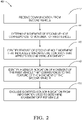
Figure 2 is a flowchart diagram summarizing an example technique for determining movement of a vehicle. -
Figure 1 schematically illustrates asystem 20 on afirst vehicle 22. Thesystem 20 includes areceiver 24 that is configured to receive a communication from asecond vehicle 26 that is traveling nearby thefirst vehicle 22. The communication from thesecond vehicle 26 includes information regarding movement of that vehicle. In the illustrated example embodiment, the communication from thesecond vehicle 26 comprises a basic safety message (BSM) using a vehicle-to-vehicle (V2X) or dedicated short range communications (DSRC) protocol. The communication from thesecond vehicle 26 includes information such as the latitude and longitude or location of thesecond vehicle 26, its acceleration and yaw rate. - In the example of
Figure 1 , thereceiver 24 is part of a transceiver that is capable of two-way communication with other vehicles, such as thesecond vehicle 26. Asimilar transceiver 24 is provided on thesecond vehicle 26, which includes itsown system 20 for determining movement of thesecond vehicle 26. - The
system 20 includes asensor 30 that detects movement of thefirst vehicle 22. Thesensor 30 in the illustrated example embodiment is part of an inertial measurement unit (IMU). Thesensor 30 includes accelerometers or gyroscopes in some embodiments. Thesensor 30 provides information that is useful for a dead reckoning technique, for example. - A
processor 32 includes a computing device and has associated memory. Theprocessor 32 uses information from thesensor 30 and the communication received from thesecond vehicle 26 for purposes of determining movement of thefirst vehicle 22. - In the illustrated example embodiment of
Figure 1 , thesystem 20 also includes adetector 34 that is capable of detecting signal fromsatellites processor 32 uses pseudo range information from detected satellite signals for purposes of determining the location of thefirst vehicle 22. -
Figure 2 includes a flowchart diagram 40 that summarizes an example approach for determining movement of thefirst vehicle 22 based on information regarding movement of thesecond vehicle 26. At 42, thereceiver 24 receives the communication from thesecond vehicle 26, which includes information regarding movement of thesecond vehicle 26. At 44, theprocessor 32 determines that movement of thesecond vehicle 26 corresponds to movement of thefirst vehicle 22. - The manner in which the movement of the
second vehicle 26 corresponds to the movement of thefirst vehicle 22 may vary depending upon the particular situation. For example, sometimes thefirst vehicle 22 will be following thesecond vehicle 26, which is represented by the arrangement inFigure 1 . Under those circumstances, determining a correspondence between the vehicle movement includes determining that thefirst vehicle 22 is following thesecond vehicle 26. It may be possible in some situations to determine that the vehicles are traveling in the same lane or path along a road or route. - In an example embodiment, the
processor 32 determines that thefirst vehicle 22 is following thesecond vehicle 26 by determining a location of thesecond vehicle 26 at each of a plurality of times. Theprocessor 32 determines that a location of the first vehicle is similar to the determined location of the second vehicle at each of a plurality of subsequent times. When thefirst vehicle 22 is following thesecond vehicle 26, the locations should approximately match with a corresponding time delay between the time at which thesecond vehicle 26 reaches a particular location and the subsequent time at which thefirst vehicle 22 reaches that same location. When the heading direction of the first vehicle is similar to the heading direction of the second vehicle, that is a further indication used by theprocessor 32 for determining that thefirst vehicle 22 is following thesecond vehicle 26. - Determining that the
first vehicle 22 is following thesecond vehicle 26 includes using information from at least one other type of sensor on or associated with the first and second vehicles. For example, an inertial measurement unit (IMU) provides acceleration information regarding different movements of the vehicle. When thefirst vehicle 22 is following thesecond vehicle 26, the IMUs of the two vehicles will demonstrate a similar or identical pattern of acceleration events. For example, lateral acceleration indications correspond to a crown in the road surface or a curve and vertical acceleration indications correspond to bumps in the road. When the IMU outputs correspond to each other within a selected tolerance, theprocessor 32 determines that thefirst vehicle 22 is on the same path as thesecond vehicle 26 and, therefore, following thesecond vehicle 26. - When the
first vehicle 22 is following thesecond vehicle 26, theprocessor 32 can exclude sensor indications resulting from environmental conditions that affect or impact vehicle movement by predictively discriminating those sensor indications from other sensor indications. For example, when a temporary lateral acceleration occurs in the movement of the second vehicle at a location that thefirst vehicle 22 is approaching, theprocessor 32 can predictively expect such a lateral acceleration indication from thesensor 30 when thefirst vehicle 22 reaches that same location. - In other circumstances, the movement of the
first vehicle 22 corresponds to movement of thesecond vehicle 26 when both vehicles are traveling along the same road or path but one is not necessarily following the other. The vehicles may be in different lanes or side-by-side but their relative positions are within a predetermined range of each other and they have similar heading directions and similar vehicle locations over time. Theprocessor 32 is configured or suitably programmed to determine when there is correspondence between the movements of the vehicles for purposes of determining when information regarding movement of one of the vehicles is useful for processing information regarding movement of the other vehicle. - In some conditions, a plurality of vehicles will experience the same environmental condition at or about the same time. When the
first vehicle 22 and thesecond vehicle 26 are traveling through an area where there is sufficient wind to impact the movement of the vehicle, both vehicles will experience the effect of that wind at about the same time. For example, both vehicles may experience a lateral acceleration, longitudinal acceleration, or a combination of both, depending on the direction of the wind. Theprocessor 32 is able to identify such situations by determining that thefirst vehicle 22 andsecond vehicle 26 are within a preselected range of each other, that their heading directions are similar and that the environmental condition affects movement of both vehicles in a similar manner. - At 46, the
processor 32 identifies a feature of the second vehicle movement that indicates an environmental condition that affects the movement of thesecond vehicle 26. Examples of such environmental conditions include a condition of a road surface and wind. Road surface conditions, such as potholes, inclines or a change in the crown of the road surface can affect the sensor output from an IMU. The sensor output in those conditions includes information regarding some movement of the vehicle that was caused by the environmental condition rather than by the vehicle being driven along an intended pathway. For example, when at least one wheel of a vehicle hits a pothole in a road, the vehicle may experience a vertical acceleration. When the sensor or IMU detects that type of acceleration or other vehicle movement, such information would potentially cause inaccuracies in the determined vehicle heading direction based on the data from the IMU - In some example embodiments when the
processor 32 identifies an environmentally caused feature of the second vehicle movement at 46, theprocessor 32 keeps track of the location of thesecond vehicle 26 when that feature of the second vehicle movement occurred. That data is useful for anticipating when thefirst vehicle 22 will encounter that environmental condition when thefirst vehicle 22 is following thesecond vehicle 26. - At 48, the
processor 32 identifies a sensor indication from thesensor 30 on thefirst vehicle 22 regarding movement of thefirst vehicle 22 that corresponds to the feature of the movement of thesecond vehicle 26 that was identified at 46. In other words, at 48 theprocessor 32 determines when thefirst vehicle 22 is subsequently affected by the environmental condition that resulted in the feature of the movement of thesecond vehicle 26 caused by that same environmental condition. At 50, theprocessor 32 excludes the sensor indication identified at 48 from information used to determine movement of thefirst vehicle 22. By identifying a vertical acceleration caused by hitting a pothole, for example, the corresponding sensor indication can be removed from or excluded from the information used by theprocessor 32 for a dead reckoning technique or another way in which theprocessor 32 determines movement of thefirst vehicle 22. Excluding information pertaining to environmental conditions that affect movement of a vehicle in a manner that is inconsistent with or different from the intended movement of the vehicle along a path or route provides for more accurate vehicle movement and location determination. For example, heading direction information based on sensor indications from an IMU will better represent the actual heading direction of the vehicle because temporary effects of environmental conditions are excluded from or filtered out from the information used for determining the movement of the vehicle. - Using the information from the
second vehicle 26 allows for theprocessor 32 to determine when an indication of movement of thefirst vehicle 22 from thesensor 30 can or should be excluded from the information used for determining the movement of thefirst vehicle 22 to avoid any potential error or negative impact on that determination. - The example embodiment includes an ability to determine when a condition of a portion of the
first vehicle 22 causes a type of movement that is different from the intended movement of that vehicle. Theprocessor 32 excludes a sensor indication of that type of movement from the information used to determine the movement of thefirst vehicle 22. For example, one or more components of thevehicle 22, such as an unbalanced wheel, may cause vibration. Theprocessor 32 is configured to be able to recognize a lateral vibration that occurs during certain wheel ticks on a certain wheel. Such information is available from a wheel sensor over a communication bus on thevehicle 22, for example. Theprocessor 32 recognizes such movement as a noise source and excludes it from the information used for dead reckoning or other determinations of movement of thefirst vehicle 22. For example, theprocessor 32 is configured to monitor wheel speed, wheel ticks and steering angle to recognize a pattern of vibration that is being caused by a condition of a component on thevehicle 22 and exclude information regarding that type of movement from the data or information used to determine the movement of thevehicle 22 for dead reckoning or other purposes. - In the disclosed embodiments, information regarding movement of another vehicle that results from an environmental condition, such as the road surface or wind, allows for filtering out or excluding such movement from the determination of vehicle movement. Heading direction and position determinations, for example, are more accurate when environmental influences on vehicle motion are excluded.
- The preceding description is exemplary rather than limiting in nature. Variations and modifications to the disclosed examples may become apparent to those skilled in the art that do not necessarily depart from the essence of this invention. The scope of legal protection given to this invention can only be determined by studying the following claims.
Claims (20)
- A method of processing information regarding movement of a first vehicle based on information regarding movement of at least one second vehicle, the method comprising:receiving a communication from the second vehicle, the received communication including information regarding movement of the second vehicle;determining that the movement of the second vehicle corresponds to movement of the first vehicle;identifying at least one feature of the movement of the second vehicle that indicates an environmental condition that affects the movement of the second vehicle;identifying a sensor indication of movement of the first vehicle that corresponds to the feature of the movement of the second vehicle; andexcluding the identified sensor indication from information used to determine movement of the first vehicle.
- The method of claim 1, wherein determining that the movement of the second vehicle corresponds to movement of the first vehicle includes determining that the first vehicle is following the second vehicle.
- The method of claim 2, wherein determining that the first vehicle is following the second vehicle includes:determining a location of the second vehicle at each of a plurality of times;determining that a location of the first vehicle is similar to the determined location of the second vehicle at each of a plurality of subsequent times; anddetermining that a heading direction of the first vehicle is similar to a heading direction of the second vehicle.
- The method of claims 2 or 3, wherein the environmental condition comprises a condition of a road surface upon which the vehicles are travelling.
- The method of claims 2, 3 or 4, wherein excluding the identified sensor indication comprises predictively discriminating the identified sensor indication from other sensor indications corresponding to other aspects of movement of the first vehicle.
- The method of any of the preceding claims, wherein determining that the movement of the second vehicle corresponds to movement of the first vehicle includes determining that the first vehicle and the second vehicle are travelling along a similar path bydetermining that the first vehicle is within a preselected range of the second vehicle,determining that a heading direction of the first vehicle is similar to a heading direction of the second vehicle, anddetermining that the environmental condition affects movement of the second vehicle and movement of the first vehicle in a similar manner.
- The method of claim 6, wherein the manner in which the environmental condition affects the movement of the second vehicle and the movement of the first vehicle includes causing at least an acceleration of the vehicle that is a lateral acceleration or a longitudinal acceleration.
- The method of claim 7, wherein the environmental condition comprises wind.
- The method of any of the preceding claims, comprisingdetermining that a condition of at least a portion of the first vehicle causes a type of movement that is different from an intended movement of the first vehicle, andexcluding a sensor indication of the type of movement from information used to determine movement of the first vehicle.
- The method of any of the preceding claims, comprising using an inertial measurement unit and a dead reckoning technique to determine movement of the first vehicle.
- A system for determining movement of a first vehicle based on information regarding movement of at least one second vehicle, the system comprising:a receiver configured to receive a communication from the second vehicle, the received communication including information regarding movement of the second vehicle;a sensor that is configured to provide an indication of movement of the first vehicle; anda processor configured todetermine that the movement of the second vehicle corresponds to movement of the first vehicle;identify at least one feature of the movement of the second vehicle that indicates an environmental condition that affects the movement of the second vehicle;identify a sensor indication of movement of the first vehicle that corresponds to the feature of the movement of the second vehicle; andexclude the identified sensor indication from information used to determine movement of the first vehicle.
- The system of claim 11, wherein the processor is configured to determine that the movement of the second vehicle corresponds to movement of the first vehicle by determining that the first vehicle is following the second vehicle.
- The system of claim 12, wherein the processor is configured for determining that the first vehicle is following the second vehicle by:determining a location of the second vehicle at each of a plurality of times;determining that a location of the first vehicle is similar to the determined location of the second vehicle at each of a plurality of subsequent times; anddetermining that a heading direction of the first vehicle is similar to a heading direction of the second vehicle.
- The system of claims 12 or 13, wherein the environmental condition comprises a condition of a road surface upon which the vehicles are travelling.
- The system of any of claims 12 - 14, wherein the processor is configured to exclude the identified sensor indication by predictively discriminating the identified sensor indication from other sensor indications corresponding to other aspects of movement of the first vehicle.
- The system of any of claims 11 - 15, wherein the processor is configured to determine that the movement of the second vehicle corresponds to movement of the first vehicle when the first vehicle and the second vehicle are travelling along a similar path bydetermining that the first vehicle is within a preselected range of the second vehicle,determining that a heading direction of the first vehicle is similar to a heading direction of the second vehicle, anddetermining that the environmental condition affects movement of the second vehicle and movement of the first vehicle in a similar manner.
- The system of claim 16, wherein the manner in which the environmental condition affects the movement of the second vehicle and the movement of the first vehicle includes causing at least an acceleration of the vehicle that is a lateral acceleration or a longitudinal acceleration of the vehicle.
- The system of claim 17, wherein the environmental condition comprises wind.
- The system of any of claims 11 - 18, wherein the processor is configured todetermine that a condition of at least a portion of the first vehicle causes a type of movement that is different from an intended movement of the first vehicle, andexclude a sensor indication of the type of movement from information used by the processor to determine movement of the first vehicle.
- The system of any of claims 11 - 19, whereinthe sensor is part of an inertial measurement unit, andthe processor is configured to use a dead reckoning technique to determine movement of the first vehicle.
Applications Claiming Priority (1)
| Application Number | Priority Date | Filing Date | Title |
|---|---|---|---|
| US17/070,871 US12117296B2 (en) | 2020-10-14 | 2020-10-14 | System and method for determining movement of a vehicle based on information regarding movement of at least one other vehicle |
Publications (1)
| Publication Number | Publication Date |
|---|---|
| EP3986002A1 true EP3986002A1 (en) | 2022-04-20 |
Family
ID=78500326
Family Applications (1)
| Application Number | Title | Priority Date | Filing Date |
|---|---|---|---|
| EP21200539.1A Pending EP3986002A1 (en) | 2020-10-14 | 2021-10-01 | System and method for determining movement of a vehicle based on information regarding movement of at least one other vehicle |
Country Status (3)
| Country | Link |
|---|---|
| US (1) | US12117296B2 (en) |
| EP (1) | EP3986002A1 (en) |
| CN (1) | CN114348006B (en) |
Families Citing this family (2)
| Publication number | Priority date | Publication date | Assignee | Title |
|---|---|---|---|---|
| US12117296B2 (en) | 2020-10-14 | 2024-10-15 | Aptiv Technologies AG | System and method for determining movement of a vehicle based on information regarding movement of at least one other vehicle |
| US20240204823A1 (en) * | 2021-05-04 | 2024-06-20 | Accelerated Systems Inc. | Methods and systems for operating an electric vehicle |
Citations (4)
| Publication number | Priority date | Publication date | Assignee | Title |
|---|---|---|---|---|
| US20180015922A1 (en) * | 2016-07-13 | 2018-01-18 | Toyota Motor Engineering & Manufacturing North America, Inc. | Presenting travel settings for selection of nearby vehicle to follow |
| US10042359B1 (en) * | 2016-01-22 | 2018-08-07 | State Farm Mutual Automobile Insurance Company | Autonomous vehicle refueling |
| US20200192403A1 (en) * | 2018-12-12 | 2020-06-18 | Waymo Llc | Detecting General Road Weather Conditions |
| US20200207371A1 (en) * | 2019-01-02 | 2020-07-02 | Qualcomm Incorporated | Methods And Systems For Establishing Cooperative Driving Engagements With Vehicles Having Varying Levels Of Autonomy |
Family Cites Families (17)
| Publication number | Priority date | Publication date | Assignee | Title |
|---|---|---|---|---|
| DE102013009860A1 (en) | 2013-06-13 | 2014-12-18 | Audi Ag | Method for coordinating the operation of motor vehicles |
| US10089875B2 (en) | 2016-09-06 | 2018-10-02 | Delphi Technologies, Inc. | Automated vehicle cross-traffic detection system |
| GB201618469D0 (en) * | 2016-11-02 | 2016-12-14 | Delkim Prod Ltd | Bite indicator for use by anglers |
| US20180190125A1 (en) * | 2016-12-29 | 2018-07-05 | Regents Of The University Of Minnesota | Real-time relative vehicle trajectories using vehicle to vehicle communication |
| US20180240335A1 (en) * | 2017-02-17 | 2018-08-23 | International Business Machines Corporation | Analyzing vehicle sensor data |
| CN107221197B (en) | 2017-07-26 | 2020-06-02 | 维沃移动通信有限公司 | Traffic information processing method and intelligent terminal |
| US10971017B2 (en) * | 2017-10-31 | 2021-04-06 | Cummins Inc. | Sensor fusion and information sharing using inter-vehicle communication |
| US10685505B2 (en) | 2017-11-28 | 2020-06-16 | GM Global Technology Operations LLC | Vehicle suspension system alignment monitoring |
| US11187793B1 (en) * | 2018-03-02 | 2021-11-30 | Direct Current Capital LLC | Method for temporally calibrating sensor streams in an autonomous vehicle |
| US11181929B2 (en) * | 2018-07-31 | 2021-11-23 | Honda Motor Co., Ltd. | System and method for shared autonomy through cooperative sensing |
| US11535255B2 (en) * | 2019-02-28 | 2022-12-27 | Toyota Motor North America, Inc. | Micro-weather reporting |
| KR102183486B1 (en) * | 2019-08-06 | 2020-11-26 | 엘지전자 주식회사 | Method for controlling platooning according to the direction of wind and implementing thereof |
| US12397779B2 (en) * | 2020-01-27 | 2025-08-26 | Ford Global Technologies, Llc | Detection of vehicle operating conditions |
| CN111641927B (en) | 2020-06-11 | 2022-07-29 | 阿波罗智联(北京)科技有限公司 | Vehicle control method, device, equipment, vehicle and storage medium |
| FR3113328B1 (en) * | 2020-08-10 | 2023-02-10 | Continental Automotive | Method and device for predicting a meteorological condition on a road network |
| EP3967565B1 (en) * | 2020-09-14 | 2022-09-28 | Bayerische Motoren Werke Aktiengesellschaft | Methods and apparatuses for estimating an environmental condition |
| US12117296B2 (en) | 2020-10-14 | 2024-10-15 | Aptiv Technologies AG | System and method for determining movement of a vehicle based on information regarding movement of at least one other vehicle |
-
2020
- 2020-10-14 US US17/070,871 patent/US12117296B2/en active Active
-
2021
- 2021-10-01 EP EP21200539.1A patent/EP3986002A1/en active Pending
- 2021-10-13 CN CN202111191963.0A patent/CN114348006B/en active Active
Patent Citations (4)
| Publication number | Priority date | Publication date | Assignee | Title |
|---|---|---|---|---|
| US10042359B1 (en) * | 2016-01-22 | 2018-08-07 | State Farm Mutual Automobile Insurance Company | Autonomous vehicle refueling |
| US20180015922A1 (en) * | 2016-07-13 | 2018-01-18 | Toyota Motor Engineering & Manufacturing North America, Inc. | Presenting travel settings for selection of nearby vehicle to follow |
| US20200192403A1 (en) * | 2018-12-12 | 2020-06-18 | Waymo Llc | Detecting General Road Weather Conditions |
| US20200207371A1 (en) * | 2019-01-02 | 2020-07-02 | Qualcomm Incorporated | Methods And Systems For Establishing Cooperative Driving Engagements With Vehicles Having Varying Levels Of Autonomy |
Also Published As
| Publication number | Publication date |
|---|---|
| CN114348006A (en) | 2022-04-15 |
| US12117296B2 (en) | 2024-10-15 |
| CN114348006B (en) | 2024-08-20 |
| US20220113137A1 (en) | 2022-04-14 |
Similar Documents
| Publication | Publication Date | Title |
|---|---|---|
| CN106289275B (en) | Unit and method for improving positioning accuracy | |
| US11148592B2 (en) | Motorcycle driving assistance device | |
| US10527426B2 (en) | System for and method of determining angular position of a vehicle | |
| JP6243039B2 (en) | Method for inspecting certainty of erroneous driving of automobile and control detection device | |
| US8265869B2 (en) | Vehicle navigation apparatus and vehicle navigation program | |
| US10435034B2 (en) | Method and apparatus for warning of the wrong-way travel of a vehicle after an accident and/or a safety-critical driving situation, especially after an interim standstill of the vehicle | |
| EP2019287A1 (en) | Vehicle positioning information update device | |
| US9638615B2 (en) | Method and control device and detection device for recognizing an entry of a motor vehicle into a traffic lane opposite a driving direction | |
| CN110388913A (en) | Positioning enhancing based on deceleration strip | |
| CN110998685A (en) | Travel obstacle detection device and vehicle navigation system | |
| EP3986002A1 (en) | System and method for determining movement of a vehicle based on information regarding movement of at least one other vehicle | |
| US7058486B2 (en) | Method and device for determining the float angle of a motor vehicle | |
| JP6916705B2 (en) | Self-driving vehicle position detector | |
| JP2006001536A (en) | Means for estimating course of lane of car | |
| JP4976998B2 (en) | Vehicle travel safety device | |
| JP7136050B2 (en) | Vehicle position estimation device | |
| JP5425548B2 (en) | Parking lot entry / exit detection device | |
| US20180372884A1 (en) | Method, Electronic Control Device and System for Position Determination | |
| JP4931113B2 (en) | Own vehicle position determination device | |
| JP7378533B1 (en) | Vehicle driving road type determination system | |
| CN116182841B (en) | Fusion Vehicle Positioning Method and System | |
| US20200256695A1 (en) | Systems and methods for driver assistance | |
| JP2025070290A (en) | Obstacle Detection System | |
| KR20220098862A (en) | Vehicle driving aids | |
| JP2018048985A (en) | Fitting angle calculation device, fitting angle evaluation device, fitting angle calculation method, and fitting angle evaluation method |
Legal Events
| Date | Code | Title | Description |
|---|---|---|---|
| PUAI | Public reference made under article 153(3) epc to a published international application that has entered the european phase |
Free format text: ORIGINAL CODE: 0009012 |
|
| STAA | Information on the status of an ep patent application or granted ep patent |
Free format text: STATUS: THE APPLICATION HAS BEEN PUBLISHED |
|
| AK | Designated contracting states |
Kind code of ref document: A1 Designated state(s): AL AT BE BG CH CY CZ DE DK EE ES FI FR GB GR HR HU IE IS IT LI LT LU LV MC MK MT NL NO PL PT RO RS SE SI SK SM TR |
|
| STAA | Information on the status of an ep patent application or granted ep patent |
Free format text: STATUS: REQUEST FOR EXAMINATION WAS MADE |
|
| 17P | Request for examination filed |
Effective date: 20221017 |
|
| RBV | Designated contracting states (corrected) |
Designated state(s): AL AT BE BG CH CY CZ DE DK EE ES FI FR GB GR HR HU IE IS IT LI LT LU LV MC MK MT NL NO PL PT RO RS SE SI SK SM TR |
|
| RAP1 | Party data changed (applicant data changed or rights of an application transferred) |
Owner name: APTIV TECHNOLOGIES AG |
|
| RAP3 | Party data changed (applicant data changed or rights of an application transferred) |
Owner name: APTIV TECHNOLOGIES AG |
|
| STAA | Information on the status of an ep patent application or granted ep patent |
Free format text: STATUS: EXAMINATION IS IN PROGRESS |
|
| 17Q | First examination report despatched |
Effective date: 20250812 |