EP3985031A1 - Application of glucan in preparation of drug - Google Patents
Application of glucan in preparation of drug Download PDFInfo
- Publication number
- EP3985031A1 EP3985031A1 EP20822937.7A EP20822937A EP3985031A1 EP 3985031 A1 EP3985031 A1 EP 3985031A1 EP 20822937 A EP20822937 A EP 20822937A EP 3985031 A1 EP3985031 A1 EP 3985031A1
- Authority
- EP
- European Patent Office
- Prior art keywords
- glucan
- cancer
- pharmaceutical composition
- antagonist
- tumor
- Prior art date
- Legal status (The legal status is an assumption and is not a legal conclusion. Google has not performed a legal analysis and makes no representation as to the accuracy of the status listed.)
- Granted
Links
Images




Classifications
-
- A—HUMAN NECESSITIES
- A61—MEDICAL OR VETERINARY SCIENCE; HYGIENE
- A61K—PREPARATIONS FOR MEDICAL, DENTAL OR TOILETRY PURPOSES
- A61K31/00—Medicinal preparations containing organic active ingredients
- A61K31/70—Carbohydrates; Sugars; Derivatives thereof
- A61K31/715—Polysaccharides, i.e. having more than five saccharide radicals attached to each other by glycosidic linkages; Derivatives thereof, e.g. ethers, esters
- A61K31/716—Glucans
-
- A—HUMAN NECESSITIES
- A61—MEDICAL OR VETERINARY SCIENCE; HYGIENE
- A61K—PREPARATIONS FOR MEDICAL, DENTAL OR TOILETRY PURPOSES
- A61K31/00—Medicinal preparations containing organic active ingredients
- A61K31/33—Heterocyclic compounds
- A61K31/555—Heterocyclic compounds containing heavy metals, e.g. hemin, hematin, melarsoprol
-
- A—HUMAN NECESSITIES
- A61—MEDICAL OR VETERINARY SCIENCE; HYGIENE
- A61K—PREPARATIONS FOR MEDICAL, DENTAL OR TOILETRY PURPOSES
- A61K36/00—Medicinal preparations of undetermined constitution containing material from algae, lichens, fungi or plants, or derivatives thereof, e.g. traditional herbal medicines
- A61K36/02—Algae
- A61K36/03—Phaeophycota or phaeophyta (brown algae), e.g. Fucus
-
- A—HUMAN NECESSITIES
- A61—MEDICAL OR VETERINARY SCIENCE; HYGIENE
- A61K—PREPARATIONS FOR MEDICAL, DENTAL OR TOILETRY PURPOSES
- A61K39/00—Medicinal preparations containing antigens or antibodies
- A61K39/395—Antibodies; Immunoglobulins; Immune serum, e.g. antilymphocytic serum
-
- A—HUMAN NECESSITIES
- A61—MEDICAL OR VETERINARY SCIENCE; HYGIENE
- A61K—PREPARATIONS FOR MEDICAL, DENTAL OR TOILETRY PURPOSES
- A61K45/00—Medicinal preparations containing active ingredients not provided for in groups A61K31/00 - A61K41/00
- A61K45/06—Mixtures of active ingredients without chemical characterisation, e.g. antiphlogistics and cardiaca
-
- A—HUMAN NECESSITIES
- A61—MEDICAL OR VETERINARY SCIENCE; HYGIENE
- A61P—SPECIFIC THERAPEUTIC ACTIVITY OF CHEMICAL COMPOUNDS OR MEDICINAL PREPARATIONS
- A61P35/00—Antineoplastic agents
-
- A—HUMAN NECESSITIES
- A61—MEDICAL OR VETERINARY SCIENCE; HYGIENE
- A61P—SPECIFIC THERAPEUTIC ACTIVITY OF CHEMICAL COMPOUNDS OR MEDICINAL PREPARATIONS
- A61P37/00—Drugs for immunological or allergic disorders
- A61P37/02—Immunomodulators
- A61P37/04—Immunostimulants
-
- A—HUMAN NECESSITIES
- A61—MEDICAL OR VETERINARY SCIENCE; HYGIENE
- A61P—SPECIFIC THERAPEUTIC ACTIVITY OF CHEMICAL COMPOUNDS OR MEDICINAL PREPARATIONS
- A61P7/00—Drugs for disorders of the blood or the extracellular fluid
-
- A—HUMAN NECESSITIES
- A61—MEDICAL OR VETERINARY SCIENCE; HYGIENE
- A61P—SPECIFIC THERAPEUTIC ACTIVITY OF CHEMICAL COMPOUNDS OR MEDICINAL PREPARATIONS
- A61P7/00—Drugs for disorders of the blood or the extracellular fluid
- A61P7/02—Antithrombotic agents; Anticoagulants; Platelet aggregation inhibitors
-
- C—CHEMISTRY; METALLURGY
- C07—ORGANIC CHEMISTRY
- C07K—PEPTIDES
- C07K16/00—Immunoglobulins [IG], e.g. monoclonal or polyclonal antibodies
- C07K16/18—Immunoglobulins [IG], e.g. monoclonal or polyclonal antibodies against material from animals or humans
- C07K16/28—Immunoglobulins [IG], e.g. monoclonal or polyclonal antibodies against material from animals or humans against receptors, cell surface antigens or cell surface determinants
- C07K16/2803—Immunoglobulins [IG], e.g. monoclonal or polyclonal antibodies against material from animals or humans against receptors, cell surface antigens or cell surface determinants against the immunoglobulin superfamily
- C07K16/2818—Immunoglobulins [IG], e.g. monoclonal or polyclonal antibodies against material from animals or humans against receptors, cell surface antigens or cell surface determinants against the immunoglobulin superfamily against CD28 or CD152
-
- A—HUMAN NECESSITIES
- A61—MEDICAL OR VETERINARY SCIENCE; HYGIENE
- A61K—PREPARATIONS FOR MEDICAL, DENTAL OR TOILETRY PURPOSES
- A61K39/00—Medicinal preparations containing antigens or antibodies
- A61K2039/505—Medicinal preparations containing antigens or antibodies comprising antibodies
-
- Y—GENERAL TAGGING OF NEW TECHNOLOGICAL DEVELOPMENTS; GENERAL TAGGING OF CROSS-SECTIONAL TECHNOLOGIES SPANNING OVER SEVERAL SECTIONS OF THE IPC; TECHNICAL SUBJECTS COVERED BY FORMER USPC CROSS-REFERENCE ART COLLECTIONS [XRACs] AND DIGESTS
- Y02—TECHNOLOGIES OR APPLICATIONS FOR MITIGATION OR ADAPTATION AGAINST CLIMATE CHANGE
- Y02A—TECHNOLOGIES FOR ADAPTATION TO CLIMATE CHANGE
- Y02A50/00—TECHNOLOGIES FOR ADAPTATION TO CLIMATE CHANGE in human health protection, e.g. against extreme weather
- Y02A50/30—Against vector-borne diseases, e.g. mosquito-borne, fly-borne, tick-borne or waterborne diseases whose impact is exacerbated by climate change
Definitions
- the present invention relates to the field of marine pharmaceuticals, and specifically to the application of a ⁇ -1,3/1,6-glucan, the ⁇ -1,3/1,6-glucan is used in the preparation of pharmaceutical compositions or formulations that can be used for enhancing the antitumor effect of immunotherapy, radiotherapy, or chemotherapy, and for the treatment of leukocytopenia and/or thrombocytopenia.
- ⁇ -glucans are long-chain polysaccharides composed of glucose from the cell walls of fungi, yeast, certain bacteria and plants.
- the main chains of these polymers contain linear ⁇ -D-(1,3) glucosyl units which are substituted with side chains linked by ⁇ -D-(1,6) glucosyl units at O-6 site varying in molecular weight size and distribution.
- ⁇ -glucans are thought to be pathogen-associated molecular patterns (PAMPs) that regulate host immune responses by triggering innate immune cells such as neutrophils, macrophages and granulocytes.
- PAMPs pathogen-associated molecular patterns
- innate immune cells such as neutrophils, macrophages and granulocytes.
- ⁇ -1,3-glucan in the market derived from barley, oats, edible fungi (Shiitake, Grifola frondosa, Schizophyllum), yeast and other terrestrial organisms.
- the molecular weight, linkage and degree of branch of the obtained ⁇ -1,3-glucan vary greatly due to different sources of raw materials, and it is difficult to control the quality, for example, the ⁇ -glucan for injection medicine mainly comes from shiitake, a kind of ⁇ -1,3-glucan with ⁇ -1,6-branches, having poor soluble in water due to its high molecular weight of 400-800kDa.
- cancer immunotherapy treating cancer by exogenously stimulating the immune system, has become a promising strategy for cancer treatment.
- inhibitors for immune checkpoints such as cytotoxic T-lymphocyte antigen 4 (CTLA4), programmed cell death receptor 1 (PD-1) and its ligand (PD-L1) have achieved great success in a variety of cancers by blocking immunosuppressive signals and enhancing the autonomic antitumor response.
- CTL4 cytotoxic T-lymphocyte antigen 4
- PD-1 programmed cell death receptor 1
- PD-L1 its ligand
- Cancer immunotherapies targeting PD-1 achieved great success by modulating the immune environment to elicit more effective antitumor response. However, only a part of patients will benefit from drug alone for PD-1 blockade. Chemoradiotherapy is the most commonly used cancer treatment, but due to the high toxicity and other features of chemoradiotherapy, patients with cancer may undergo various degrees of side effects during the chemoradiotherapy, the most common of which may be causing leukocytopenia and leading to life-threatening infections.
- the purpose of the present invention is to provide a use of ⁇ -1,3/1,6-glucan, including anti-tumor, increasing leukocytes and resistance to thrombocytopenia, and the ⁇ -1,3/1,6-glucan has the characteristics of good water solubility and high safety.
- the first aspect of the present invention provided is a use of ⁇ -1,3/1,6-glucan, characterized in that the ⁇ -1,3/1,6-glucan is derived from Antarctic brown algae, the ⁇ -1,3/1,6-glucan is used in the preparation of a pharmaceutical composition or preparation, and the pharmaceutical composition or formulation is used for the treatment of leukopenia and/or thrombocytopenia.
- the H1 signal in 1H-NMR of the ⁇ -1,3/1,6-glucan locates in an area of 4.40-4.64 ppm
- the C1 signal in 13C-NMR is locates in an area of 102.4-102.67 ppm.
- the Antarctic brown algae is Cochayuyo, sea bamboo shoot or Lessonia trabeculata, or Durvillaea Antarctica.
- the ⁇ -1,3/1,6-glucan is a ⁇ -glucan of formula (I) and/or formula (II), wherein n is an integer selected from 1-20 (e.g., 1, 2, 3, 4, 5, 6, 7, 8, 9, 10, 11, 12, 13, 14, 15, 16, 17, 18, 19 or 20), and R is H and/or no more than 4 glucose residues (e.g., 1, 2, 3 or 4 glucose residues).
- R in the structure of formula (I) or formula (II) is one or more of the structures of formula (III) or formula (IV) or formula (V) or formula (VI), wherein
- the molecular weight of the ⁇ -1,3/1,6-glucan is 1-50 kDa; preferably, 2-30 kDa; more preferably, 2-10 kDa; most preferably is 4-7kDa.
- the specific rotation of the ⁇ -1,3/1,6-glucan is not less than -15.0°; preferably, -15° to 25°; more preferably, -15° to -21°.
- the UV full-wavelength scanning pattern of the ⁇ -1,3/1,6-glucan has no obvious absorption in the wavelength range of 300 to 900 nm; more preferably, no obvious absorption in the wavelength range of 230 to 900 nm.
- the UV full wavelength scan spectrum of the ⁇ -1,3/1,6-glucan has no absorption peak in the wavelength range of 260 ⁇ 280 nm.
- the side chain length of the ⁇ -1,3/1,6-glucan is ⁇ 5.
- the ⁇ -1,3/1,6-glucan can be prepared by the following steps:
- the purification of step (4) is: dissolving the crude polysaccharide from step (3) in distilled water, separating and purifying through anion exchange resin with distilled water and aqueous sodium chloride as mobile phases, and detecting using sulfuric acid phenol method, collecting the aqueous elution fraction, concentrating under reduced pressure, and lyophilizing to obtain the ⁇ -1,3/1,6-glucan.
- the separation and purification with anion resin is separating and purifying through strong anion ion resin.
- the separation and purification with anion resin is: firstly, separating and purifying through a strong anion resin, and then separating and purifying through a weak anion resin; or separating and purifying through a weak anion ion resin, and then separating and purifying through a strong anion ion resin.
- the strong anion resin is an anion resin containing quaternary ammonium groups.
- the weak anion resin is an anion resin containing diethylaminoethyl.
- the invention provided is a use of ⁇ -1,3/1,6-glucan, wherein the leukocytes are lymphocytes.
- the lymphocytes are B cells and/or T cells.
- the use of the ⁇ -1,3/1,6-glucan is characterized in that the pharmaceutical composition or preparation further has an effect of anti-tumor.
- the use of the ⁇ -1,3/1,6-glucan is characterized in that the pharmaceutical composition or preparation can further be used in combination with immune checkpoint drugs.
- the use of ⁇ -1,3/1,6-glucan is characterized in that the immune checkpoint drug is selected from programmed death 1 protein (PD-1) antagonist, or a PD-L1 antagonist, or a cytotoxic T lymphocyte antigen (CTLA-4) antagonist, or a lymphocyte activation gene-3 (LAG-3) antagonist, or a T cell immunoglobulin -3 (TIM-3) antagonist, or T-cell immunoglobulin and ITIM structural domain protein (TIGIT) antagonist.
- PD-1,3/1,6-glucan is selected from programmed death 1 protein (PD-1) antagonist, or a PD-L1 antagonist, or a cytotoxic T lymphocyte antigen (CTLA-4) antagonist, or a lymphocyte activation gene-3 (LAG-3) antagonist, or a T cell immunoglobulin -3 (TIM-3) antagonist, or T-cell immunoglobulin and ITIM structural domain protein (TIGIT) antagonist.
- PD-1,3/1,6-glucan is selected from programmed death 1 protein (PD-1) antagonist, or
- the use of ⁇ -1,3/1,6-glucan is characterized in that the immune checkpoint drug is selected from the group consisting of anti-PD-1 antibody, and anti-PD-Ll antibody.
- the use of the ⁇ -1,3/1,6-glucan in the preparation of drugs for treatment of leukocytopenia and/or thrombocytopenia is characterized in that the anti-PD-1 antibody or PD- L1 antibody is selected from Durvalumab, Atezolizumab, Nivolumab, BMS202, Spartalizumab, and Camrelizumab.
- the combination use of the pharmaceutical composition or preparation and the programmed death 1 protein (PD-1) or PD-L1 antagonist is administered simultaneously, sequentially or separately.
- the use of the ⁇ -1,3/1,6-glucan is characterized in that the pharmaceutical composition or preparation can further be used in combination with at least one chemotherapeutic agent.
- the use of the ⁇ -1,3/1,6-glucan is characterized in that the chemotherapeutic agent is selected from cytotoxic chemotherapeutic agents.
- the use of ⁇ -1,3/1,6-glucan is characterized in that the chemotherapeutic agent is selected from one of anthracyclines, 5-Fus, and alkaloids.
- the use of ⁇ -1,3/1,6-glucan is characterized in that the chemotherapeutic agent is selected from one of cisplatin and carboplatin.
- the use of the ⁇ -1,3/1,6-glucan, the combination use of the pharmaceutical composition or preparation and the chemotherapeutic agent is administered simultaneously, sequentially or separately.
- the use of the ⁇ -1,3/1,6-glucan is characterized in that the pharmaceutical composition or preparation can further be used in combination with radiotherapy.
- the use of the ⁇ -1,3/1,6-glucan, the combination use of the pharmaceutical composition or preparation and the radiotherapy is administered simultaneously, sequentially or separately.
- the use of the ⁇ -1,3/1,6-glucan is characterized in that the pharmaceutical composition or preparation is used for treatment of cancer in a subject.
- the cancer is one or more of melanoma, colorectal cancer, lung cancer, kidney cancer, liver cancer and breast cancer.
- the pharmaceutical composition or preparation comprises a safe and effective amount of ⁇ -1,3/1,6-glucan, and pharmaceutically acceptable carriers or excipients.
- PLT platelet count
- NEUT neutrophils
- LYMPH lymphocytes
- MONO monocytes
- WBC white blood cells.
- strong anion resin and “strong anion exchange resin” are used interchangeably, to referring to anion resins containing strong reactive groups such as quaternary amine groups.
- weak anion resin and “weak anion exchange resin” are used interchangeably, referring to anion resins containing weaker reactive groups such as diethylaminoethyl.
- a cell suspension of 3 ⁇ 10 5 mouse melanoma cell line B16 (presented by PerkinElmer) was injected subcutaneously into C57BL/6J mice (female, 6-8 weeks old, purchased from Jinan Pengyue Experimental Animal Company). The administration experiments were performed about 4 days after implantation when B16 tumors have grown to be palpable. Mice were divided into four groups and treated with vehicle or ⁇ -1,3/1,6-glucan (4 mg/ kg, i.v., twice a week) alone, or in combination with anti-PD-1 antibody (anti-mouse PD-1 antibody purchased from BioxCell, 200 ⁇ g per mouse, i.v., once a week). Tumor volumes were evaluated and tumor weights were recorded. After sacrifice of mice, blood and tumor samples were collected for flow cytometric analysis.
- Blood samples were collected by cardiac puncture, collected into EDTA-anticoagulation tubes. 50 ⁇ l of whole blood was taken for blood analysis, 50 ⁇ l of whole blood was taken for erythrocyte lysis (erythrocyte lysis buffer, Meltenyi), and the remaining whole blood was centrifuged at 3500 rpm for 7 min and the plasma was taken and stored at -80°C. Spleens and thymus were weighed for recording. Subcutaneous tumors of mice, about 0.2-0.5 g of tumors tissues, were taken, and single cell suspensions from the tumor samples were obtained by Mouse Tumor Dissociation Kit (Meltenyi). The blood cells after erythrocyte lysis as well as the dissociated tumor cell suspensions were subjected to subsequent processing, as well as flow cytometric detection
- the single-cell suspensions were blocked with blocking buffer (20% FBS, 1:100 CD16/CD32 antibody and 1:100 rat IgG) for 20 min, and incubated and stained with the corresponding immune cell surface protein antibodies (CD11b-PE, CD4-BV510, CD8-PerCP-Cy5.5, CD19-APC, CD3-FITC, CD206-PE-Cy7, Ly6C-APC) for 30 minutes at 4°C.
- Analysis of immune cell population ratios was performed by FACS Arial III (BD Biosciences). The specific procedure was delineating the cell population in the FSC/SSC quadrant, delineating single cell population by FSC-H and FSC-A, and delineating corresponding immune cells by immune cell surface markers, and calculating the cell ratio or relative concentration.
- B16 syngeneic tumor mice were treated with vehicle, ⁇ -1,3/1,6-glucan (4 mg/kg, i.v., twice a week), anti-PD-1 antibody (200 ⁇ g/mouse, i.v., once a week), or a combination of ⁇ -1,3/1,6-glucan and anti-PD-1 antibody (dosing started on day 4; the vehicle group, the combination group and single groups of ⁇ -1,3 /1,6-glucan and PD-1 were dosed via tail vein injection on day 4; the vehicle group and PD-1 group were dosed vehicle, and ⁇ -1,3/1,6-glucan group and the combination group of ⁇ -1,3/1,6-glucan and PD-1 were administrated ⁇ -1,3/1,6-glucan on day 7 the administration on day 10 was as the same on day 4, and the administration on day 13 was the same as on day 7), the tumor volume was assessed during the administration, the mice were sacrificed on day 14 and tumor weight and other
- Detection of tumor-infiltrating immune cells showed that within the tumor, more infiltration of myeloid cells (CD11b +), especially pro-inflammatory macrophages (CD11b + Ly6Chi) ( Figure IF), and the percentage of immunosuppressive tumor-associated macrophages TAM (CD11b + CD206 +) is also reduced after the combination treatment compared with anti-PD-1 antibody treatment alone ( Figure 1G ).
- the combination application of ⁇ -1,3/1,6-glucan and PD-1 antibodies enhances the percentage of CD4 and CD8 T cells in the blood and tumor ( Figure 2 ).
- ⁇ -1,3/1,6-glucan and anti-PD-1 antibodies synergistically increase tumor infiltration of pro-inflammatory macrophages, decrease the percentage of immunosuppressive TAM, and increase the ratio of acquired immune cells T and B cells, resulting in building up a more pro-inflammatory and anti-tumoral tumor microenvironment.
- the experimental method was the same as in Example 1. On day 14, blood was taken from the heart after animal sacrificed, placed in EDTA-anticoagulation tubes. After mixing, 50 ⁇ l was taken and platelet concentration was measured by a hematology analyzer. As shown in Figure 3 , PD-1 antibody alone reduces platelet concentration, and ⁇ -1,3/1,6-glucan alone does not affect platelet concentration, while the combination thereof with PD-1 antibody reverses the platelet-lowering side effect of PD-1 antibody.
- the experimental method was the same as in Example 1. On day 14, blood was taken from the heart after animal sacrificed, and placed in EDTA-anticoagulation tubes. After mixing, 50 ⁇ l of whole blood was taken. 5 ⁇ l of GFP microspheres were added to each sample for erythrocyte lysis.
- the single-cell suspensions were blocked with blocking buffer (20% FBS, 1:100 CD16/CD32 antibody and 1:100 rat IgG) for 20 min, and incubated and staining with the corresponding immune cell surface protein antibodies (CD4-BV510, CD8-PerCP-Cy5.5, CD19-APC, CD3-FITC) for 30 minutes at 4°C. Analysis of immune cell population ratios was performed by FACS Arial III (BD Biosciences). The specific procedure was delineating the cell population in the FSC/SSC quadrant, delineating the single cell population by FSC-H and FSC-A, and delineating the corresponding immune cells by immune cell surface markers, and calculating the relative immune cell concentration.
- a cell suspension of 3 ⁇ 10 5 mouse melanoma cell line B16 (presented by PerkinElmer) was injected subcutaneously into C57BL/6J mice (female, 6-8 weeks old, purchased from Jinan Pengyue Experimental Animal Company)(Overwijk & Restifo, 2001). About 5 days after tumor implantation, local radiotherapy (tumor injection area, 10 Gy) was applied. On day 6 and day 14, vehicle or ⁇ -1,3/1,6-glucan was administered (tail vein injection, once a week), during this period, tumor volume and mouse body weight were measured, and on day 17, after the animals were sacrificed, tumor weight was measured.
- radiotherapy significantly inhibits tumor cell growth, and ⁇ -1,3/1,6-glucan enhances the anti-tumor effect of radiotherapy.
- a cell suspension of 3 ⁇ 10 5 mouse melanoma cell line B16 (presented by PerkinElmer) was injected subcutaneously into C57BL/6J mice (female, 6-8 weeks old, purchased from Jinan Pengyue Experimental Animal Company)(Overwijk & Restifo, 2001). About 5 days after tumor implantation, local radiotherapy (tumor injection area, 10 Gy) was applied. On day 6 and day 14, vehicle or ⁇ -1,3/1,6-glucan was administered (tail vein injection, once a week), and on day 17, after the animals were sacrificed, tumor weight was measured. Blood was taken from the heart after animal sacrificed, placed into EDTA-anticoagulation tubes. After mixing, 50 ⁇ l of whole blood was taken and the immune cell concentration was measured by a hematology analyzer.
- radiotherapy decreases the concentration of immune cells in animals during anti-tumor, which is detrimental to the survival status of mice, while ⁇ -1,3/1,6-glucan can be used as an immune stimulant to stimulate immune cells, having the effect of increasing the concentration of immune cells and effectively reducing the side effects of radiotherapy.
- the single-cell suspensions were blocked with blocking buffer (20% FBS, 1:100 CD16/CD32 antibody and 1:100 rat IgG) for 20 min, and incubated and staining with the corresponding immune cell surface protein antibodies (CD4-BV510, CD8-PerCP-Cy5.5, CD19-APC) for 30 minutes at 4°C.
- Analysis of immune cell population ratios was performed by FACS Arial III (BD Biosciences). The specific procedure was delineating the cell population in the FSC/SSC quadrant, delineating the single cell population by FSC-H and FSC-A, and delineating the corresponding immune cells by immune cell surface markers, and calculating the relative immune cell concentration.
- a cell suspension of 3 ⁇ 10 5 mouse melanoma cell line B16 (presented by PerkinElmer) was injected subcutaneously into C57BL/6J mice (females, 6-8 weeks old, purchased from Jinan Panyue Experimental Animal Company) (Overwijk & Restifo, 2001). About 2 days after tumor implantation, carboplatin (30 mg/kg, twice a week) was injected intraperitoneally and BG136 (4 mg/kg) or lentinan LNT (2 mg/kg) was injected via the tail vein, and tumor volume were measured during administration, and on day 15, after animals were sacrificed, tumor weight was measured. Blood was taken from the heart after animals were sacrificed, placed in EDTA-anticoagulation tubes. After mixing, 50 ⁇ l of whole blood was taken and the immune cell concentration was measured by a hematology analyzer.
- BG136 enhances the tumor suppressive effect of carboplatin and stimulates the immune response, reverses the immunosuppression after carboplatin administration, as well as the decrease in platelets.
- ⁇ -1,3/1,6-glucan may play a role in various tumor cells (e.g., lung cancer, kidney cancer, liver cancer, breast cancer, etc.).
- ⁇ -1,3/1,6-glucan may inhibit tumor cell metastasis and tumorigenesis.
Landscapes
- Health & Medical Sciences (AREA)
- Life Sciences & Earth Sciences (AREA)
- Chemical & Material Sciences (AREA)
- Medicinal Chemistry (AREA)
- General Health & Medical Sciences (AREA)
- Pharmacology & Pharmacy (AREA)
- Animal Behavior & Ethology (AREA)
- Public Health (AREA)
- Veterinary Medicine (AREA)
- Organic Chemistry (AREA)
- Epidemiology (AREA)
- Immunology (AREA)
- Engineering & Computer Science (AREA)
- Nuclear Medicine, Radiotherapy & Molecular Imaging (AREA)
- General Chemical & Material Sciences (AREA)
- Chemical Kinetics & Catalysis (AREA)
- Bioinformatics & Cheminformatics (AREA)
- Molecular Biology (AREA)
- Natural Medicines & Medicinal Plants (AREA)
- Biotechnology (AREA)
- Hematology (AREA)
- Diabetes (AREA)
- Mycology (AREA)
- Microbiology (AREA)
- Alternative & Traditional Medicine (AREA)
- Botany (AREA)
- Medical Informatics (AREA)
- Proteomics, Peptides & Aminoacids (AREA)
- Biochemistry (AREA)
- Biophysics (AREA)
- Genetics & Genomics (AREA)
- Pharmaceuticals Containing Other Organic And Inorganic Compounds (AREA)
- Medicines That Contain Protein Lipid Enzymes And Other Medicines (AREA)
- Medicines Containing Antibodies Or Antigens For Use As Internal Diagnostic Agents (AREA)
- Medicines Containing Plant Substances (AREA)
- Polysaccharides And Polysaccharide Derivatives (AREA)
- Acyclic And Carbocyclic Compounds In Medicinal Compositions (AREA)
- Saccharide Compounds (AREA)
- Nitrogen And Oxygen Or Sulfur-Condensed Heterocyclic Ring Systems (AREA)
Abstract
Description
- The present invention relates to the field of marine pharmaceuticals, and specifically to the application of a β-1,3/1,6-glucan, the β-1,3/1,6-glucan is used in the preparation of pharmaceutical compositions or formulations that can be used for enhancing the antitumor effect of immunotherapy, radiotherapy, or chemotherapy, and for the treatment of leukocytopenia and/or thrombocytopenia.
- β-glucans are long-chain polysaccharides composed of glucose from the cell walls of fungi, yeast, certain bacteria and plants. The main chains of these polymers contain linear β-D-(1,3) glucosyl units which are substituted with side chains linked by β-D-(1,6) glucosyl units at O-6 site varying in molecular weight size and distribution.
- β-glucans are thought to be pathogen-associated molecular patterns (PAMPs) that regulate host immune responses by triggering innate immune cells such as neutrophils, macrophages and granulocytes. At present, most of the β-1,3-glucan in the market derived from barley, oats, edible fungi (Shiitake, Grifola frondosa, Schizophyllum), yeast and other terrestrial organisms. The molecular weight, linkage and degree of branch of the obtained β-1,3-glucan vary greatly due to different sources of raw materials, and it is difficult to control the quality, for example, the β-glucan for injection medicine mainly comes from shiitake, a kind of β-1,3-glucan with β-1,6-branches, having poor soluble in water due to its high molecular weight of 400-800kDa.
- Cancer immunotherapy, treating cancer by exogenously stimulating the immune system, has become a promising strategy for cancer treatment. For example, inhibitors for immune checkpoints such as cytotoxic T-lymphocyte antigen 4 (CTLA4), programmed cell death receptor 1 (PD-1) and its ligand (PD-L1) have achieved great success in a variety of cancers by blocking immunosuppressive signals and enhancing the autonomic antitumor response.
- Cancer immunotherapies targeting PD-1 achieved great success by modulating the immune environment to elicit more effective antitumor response. However, only a part of patients will benefit from drug alone for PD-1 blockade. Chemoradiotherapy is the most commonly used cancer treatment, but due to the high toxicity and other features of chemoradiotherapy, patients with cancer may undergo various degrees of side effects during the chemoradiotherapy, the most common of which may be causing leukocytopenia and leading to life-threatening infections.
- The purpose of the present invention is to provide a use of β-1,3/1,6-glucan, including anti-tumor, increasing leukocytes and resistance to thrombocytopenia, and the β-1,3/1,6-glucan has the characteristics of good water solubility and high safety.
- The first aspect of the present invention provided is a use of β-1,3/1,6-glucan, characterized in that the β-1,3/1,6-glucan is derived from Antarctic brown algae, the β-1,3/1,6-glucan is used in the preparation of a pharmaceutical composition or preparation, and the pharmaceutical composition or formulation is used for the treatment of leukopenia and/or thrombocytopenia.
- In another preferred embodiment, the H1 signal in 1H-NMR of the β-1,3/1,6-glucan locates in an area of 4.40-4.64 ppm, and the C1 signal in 13C-NMR is locates in an area of 102.4-102.67 ppm.
- In another preferred embodiment, the Antarctic brown algae is Cochayuyo, sea bamboo shoot or Lessonia trabeculata, or Durvillaea Antarctica.
- In another preferred embodiment, the β-1,3/1,6-glucan is a β-glucan of formula (I) and/or formula (II),


- In another preferred embodiment, R in the structure of formula (I) or formula (II) is one or more of the structures of formula (III) or formula (IV) or formula (V) or formula (VI), wherein
- formula (III): Glcβ1-;
- formula (IV): Glcβ1-3Glcβ1- or Glcβ1-6Glcβ1-;
- formula (V): Glcβ1-3Glcβ1-3Glcβ1-, or Glcβ1-6Glcβ1-3Glcβ1-, or Glcβ1-3Glcβ1-6Glcβ1-, or Glcβ1-6Glcβ1-6Glcβ1-;
- Formula (VI):
- Glcβ1-3Glcβ1-3Glcβ1-3Glcβ1- or
- Glcβ1-6Glcβ1-3Glcβ1-3Glcβ1- or
- Glcβ1-3Glcβ1-6Glcβ1-3Glcβ1- or
- Glcβ1-3Glcβ1-3Glcβ1-6Glcβ1- or
- Glcβ1-6Glcβ1-6Glcβ1-3Glcβ1- or
- Glcβ1-6Glcβ1-3Glcβ1-6Glcβ1- or
- Glc-3Glcβ1-6Glcβ1-6Glcβ1- or
- Glcβ1-6Glcβ1-6Glcβ1-6Glcβ-.
- In another preferred embodiment, the molecular weight of the β-1,3/1,6-glucan is 1-50 kDa; preferably, 2-30 kDa; more preferably, 2-10 kDa; most preferably is 4-7kDa.
- In another preferred embodiment, the specific rotation of the β-1,3/1,6-glucan is not less than -15.0°; preferably, -15° to 25°; more preferably, -15° to -21°.
- In another preferred embodiment, the UV full-wavelength scanning pattern of the β-1,3/1,6-glucan has no obvious absorption in the wavelength range of 300 to 900 nm; more preferably, no obvious absorption in the wavelength range of 230 to 900 nm.
- In another preferred embodiment, the UV full wavelength scan spectrum of the β-1,3/1,6-glucan has no absorption peak in the wavelength range of 260~280 nm.
- In another preferred embodiment, the side chain length of the β-1,3/1,6-glucan is ≤5.
- In another preferred embodiment, the β-1,3/1,6-glucan can be prepared by the following steps:
- (1) degreasing: drying and smashing Antarctic brown algae, then soaking in organic solvent and stirring to obtain a degreased algal powder;
- (2) aqueous extraction: extracting the degreased algae powder by stirring with water at room temperature to obtain an aqueous extract;
- (3) grading: centrifuging the aqueous extract obtained from step (2), adding aqueous solution of 1~3 mol/L calcium chloride to the supernatant obtained from centrifugation; centrifuging after stirring, taking the supernatant for dialysis or ultra-filtration desalination, concentrating under reduced pressure and drying to obtain crude polysaccharide;
- (4) purification: dissolving the crude polysaccharide from step (3) in distilled water, separating and purifying through anion exchange resin with distilled water and aqueous sodium chloride solution as the mobile phase, collecting the aqueous elution fraction, concentrating under reduced pressure and lyophilizing to obtain the β-1,3/1,6-glucan.
- In another preferred embodiment, the purification of step (4) is: dissolving the crude polysaccharide from step (3) in distilled water, separating and purifying through anion exchange resin with distilled water and aqueous sodium chloride as mobile phases, and detecting using sulfuric acid phenol method, collecting the aqueous elution fraction, concentrating under reduced pressure, and lyophilizing to obtain the β-1,3/1,6-glucan.
- In another preferred embodiment, the separation and purification with anion resin is separating and purifying through strong anion ion resin.
- In another preferred embodiment, the separation and purification with anion resin is: firstly, separating and purifying through a strong anion resin, and then separating and purifying through a weak anion resin; or separating and purifying through a weak anion ion resin, and then separating and purifying through a strong anion ion resin.
- In another preferred embodiment, the strong anion resin is an anion resin containing quaternary ammonium groups.
- In another preferred embodiment, the weak anion resin is an anion resin containing diethylaminoethyl.
- In another preferred embodiment, the invention provided is a use of β-1,3/1,6-glucan, wherein the leukocytes are lymphocytes.
- In another preferred embodiment, the lymphocytes are B cells and/or T cells.
- In another preferred embodiment, the use of the β-1,3/1,6-glucan is characterized in that the pharmaceutical composition or preparation further has an effect of anti-tumor.
- In another preferred embodiment, the use of the β-1,3/1,6-glucan is characterized in that the pharmaceutical composition or preparation can further be used in combination with immune checkpoint drugs.
- In another preferred embodiment, the use of β-1,3/1,6-glucan is characterized in that the immune checkpoint drug is selected from programmed
death 1 protein (PD-1) antagonist, or a PD-L1 antagonist, or a cytotoxic T lymphocyte antigen (CTLA-4) antagonist, or a lymphocyte activation gene-3 (LAG-3) antagonist, or a T cell immunoglobulin -3 (TIM-3) antagonist, or T-cell immunoglobulin and ITIM structural domain protein (TIGIT) antagonist. - In another preferred embodiment, the use of β-1,3/1,6-glucan is characterized in that the immune checkpoint drug is selected from the group consisting of anti-PD-1 antibody, and anti-PD-Ll antibody.
- In another preferred embodiment, the use of the β-1,3/1,6-glucan in the preparation of drugs for treatment of leukocytopenia and/or thrombocytopenia is characterized in that the anti-PD-1 antibody or PD- L1 antibody is selected from Durvalumab, Atezolizumab, Nivolumab, BMS202, Spartalizumab, and Camrelizumab.
- In another preferred embodiment, the combination use of the pharmaceutical composition or preparation and the programmed
death 1 protein (PD-1) or PD-L1 antagonist is administered simultaneously, sequentially or separately. - In another preferred embodiment, the use of the β-1,3/1,6-glucan is characterized in that the pharmaceutical composition or preparation can further be used in combination with at least one chemotherapeutic agent.
- In another preferred embodiment, the use of the β-1,3/1,6-glucan is characterized in that the chemotherapeutic agent is selected from cytotoxic chemotherapeutic agents.
- In another preferred embodiment, the use of β-1,3/1,6-glucan is characterized in that the chemotherapeutic agent is selected from one of anthracyclines, 5-Fus, and alkaloids.
- In another preferred embodiment, the use of β-1,3/1,6-glucan is characterized in that the chemotherapeutic agent is selected from one of cisplatin and carboplatin.
- In another preferred embodiment, the use of the β-1,3/1,6-glucan, the combination use of the pharmaceutical composition or preparation and the chemotherapeutic agent is administered simultaneously, sequentially or separately.
- In another preferred embodiment, the use of the β-1,3/1,6-glucan is characterized in that the pharmaceutical composition or preparation can further be used in combination with radiotherapy.
- In another preferred embodiment, the use of the β-1,3/1,6-glucan, the combination use of the pharmaceutical composition or preparation and the radiotherapy is administered simultaneously, sequentially or separately.
- In another preferred embodiment, the use of the β-1,3/1,6-glucan is characterized in that the pharmaceutical composition or preparation is used for treatment of cancer in a subject.
- In another preferred embodiment, the cancer is one or more of melanoma, colorectal cancer, lung cancer, kidney cancer, liver cancer and breast cancer.
- In another preferred embodiment, the pharmaceutical composition or preparation comprises a safe and effective amount of β-1,3/1,6-glucan, and pharmaceutically acceptable carriers or excipients.
- It should be understood that within the scope of the present invention, the above-described technical features of the present invention and the technical features described in detail below (e.g., embodiments) may be combined with each other to constitute a new or preferred technical solution. Limited by space, it will not be repeated here.
-
-
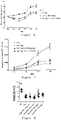
Figure 1 shows the effect of β-1,3/1,6-glucan in combination with anti-PD-1 antibody on B16 syngeneic tumor model. -
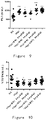
Figure 2 shows the effect of β-1,3/1,6-glucan in combination with anti-PD-1 antibody on T lymphocytes in the B16 syngeneic tumor model. -
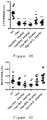
Figure 3 shows the effect of β-1,3/1,6-glucan in combination with anti-PD-1 antibody on platelets in the B16 syngeneic tumor model. -
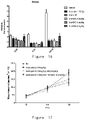
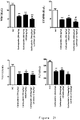
Figure 4 shows the effect of β-1,3/1,6-glucan in combination with anti-PD-1 antibody on lymphocytes in the B16 syngeneic tumor model. -
Figures 5-7 show the antitumor effect of β-1,3/1,6-glucan in combination with radiotherapy on B16 syngeneic tumor model. -
Figures 8-15 show the effect of β-1,3/1,6-glucan in combination with radiotherapy on leukocytes in the B16 syngeneic tumor model. -
Figure 16 shows the effect of β-1,3/1,6-glucan in combination with radiotherapy on peripheral blood in the B16 syngeneic tumor model. -
Figures 17 to 21 show the effect of β-1,3/1,6-glucan in combination with chemotherapy on the B16 syngeneic tumor model. - Unless otherwise defined, the following terms used in the specification and claims have the meanings commonly understood by those skilled in the art. Unless otherwise stated, all patents, applications, and published materials cited throughout this document are incorporated herein by reference in their entirety. As used in the present invention, PLT, platelet count; NEUT, neutrophils; LYMPH, lymphocytes; MONO, monocytes; WBC, white blood cells.
- In the present invention, the terms "strong anion resin" and "strong anion exchange resin" are used interchangeably, to referring to anion resins containing strong reactive groups such as quaternary amine groups.
- In the present invention, the terms "weak anion resin" and "weak anion exchange resin" are used interchangeably, referring to anion resins containing weaker reactive groups such as diethylaminoethyl.
-
- (1) The β-1,3/1,6-glucan described in the present invention, derived from marine Antarctic brown algae, is characterized by small molecular weight, good water solubility and high safety, and has the effect of resisting leukocyte reduction and thrombocytopenia, especially having good effects on the reduction of T-lymphocyte and B-lymphocyte caused by tumor treatment.
- The present invention is further elaborated below in conjunction with specific embodiments, and other advantages and features of the present invention will become clearer after reading the specific embodiments of the present invention in conjunction with the accompanying drawings. It should be understood that these embodiments are only used to illustrate the present invention and not to limit the scope of the present invention. In the following examples, the test methods without specific conditions are usually in accordance with conventional conditions or the conditions recommended by the manufacturer.
- A cell suspension of 3×10⁵ mouse melanoma cell line B16 (presented by PerkinElmer) was injected subcutaneously into C57BL/6J mice (female, 6-8 weeks old, purchased from Jinan Pengyue Experimental Animal Company). The administration experiments were performed about 4 days after implantation when B16 tumors have grown to be palpable. Mice were divided into four groups and treated with vehicle or β-1,3/1,6-glucan (4 mg/ kg, i.v., twice a week) alone, or in combination with anti-PD-1 antibody (anti-mouse PD-1 antibody purchased from BioxCell, 200 µg per mouse, i.v., once a week). Tumor volumes were evaluated and tumor weights were recorded. After sacrifice of mice, blood and tumor samples were collected for flow cytometric analysis.
- Blood samples were collected by cardiac puncture, collected into EDTA-anticoagulation tubes. 50 µl of whole blood was taken for blood analysis, 50 µl of whole blood was taken for erythrocyte lysis (erythrocyte lysis buffer, Meltenyi), and the remaining whole blood was centrifuged at 3500 rpm for 7 min and the plasma was taken and stored at -80°C. Spleens and thymus were weighed for recording. Subcutaneous tumors of mice, about 0.2-0.5 g of tumors tissues, were taken, and single cell suspensions from the tumor samples were obtained by Mouse Tumor Dissociation Kit (Meltenyi). The blood cells after erythrocyte lysis as well as the dissociated tumor cell suspensions were subjected to subsequent processing, as well as flow cytometric detection
- The single-cell suspensions were blocked with blocking buffer (20% FBS, 1:100 CD16/CD32 antibody and 1:100 rat IgG) for 20 min, and incubated and stained with the corresponding immune cell surface protein antibodies (CD11b-PE, CD4-BV510, CD8-PerCP-Cy5.5, CD19-APC, CD3-FITC, CD206-PE-Cy7, Ly6C-APC) for 30 minutes at 4°C. Analysis of immune cell population ratios was performed by FACS Arial III (BD Biosciences). The specific procedure was delineating the cell population in the FSC/SSC quadrant, delineating single cell population by FSC-H and FSC-A, and delineating corresponding immune cells by immune cell surface markers, and calculating the cell ratio or relative concentration.
- As shown in
Figures 1A and 1B , B16 syngeneic tumor mice were treated with vehicle, β-1,3/1,6-glucan (4 mg/kg, i.v., twice a week), anti-PD-1 antibody (200 µg/mouse, i.v., once a week), or a combination of β-1,3/1,6-glucan and anti-PD-1 antibody (dosing started onday 4; the vehicle group, the combination group and single groups of β-1,3 /1,6-glucan and PD-1 were dosed via tail vein injection onday 4; the vehicle group and PD-1 group were dosed vehicle, and β-1,3/1,6-glucan group and the combination group of β-1,3/1,6-glucan and PD-1 were administrated β-1,3/1,6-glucan onday 7 the administration onday 10 was as the same onday 4, and the administration onday 13 was the same as on day 7), the tumor volume was assessed during the administration, the mice were sacrificed onday 14 and tumor weight and other indices were assessed. The results showed that β-1,3/1,6-glucan enhances anti-PD-1 antibody-induced tumor regression in B16 syngeneic tumor model, and the combination thereof with anti-PD-1 antibody more effectively inhibits tumor growth than single treatment. There were no significant changes in body weight and death of mice during treatment, indicating that the combination therapy did not cause any serious toxicity (Figure 1C ). Analysis of immune cell subpopulations in blood and tumors by flow cytometer showed that the combination treatment increases the percentage of CD19+ cells and decreases the percentage of CD11b+ cells in the blood of mice (Figure ID). Combination treatment also upregulates pro-inflammatory monocyte-derived macrophages (CD11b+Ly6Chi, Figure IE) in the peripheral blood. Detection of tumor-infiltrating immune cells showed that within the tumor, more infiltration of myeloid cells (CD11b +), especially pro-inflammatory macrophages (CD11b + Ly6Chi) (Figure IF), and the percentage of immunosuppressive tumor-associated macrophages TAM (CD11b + CD206 +) is also reduced after the combination treatment compared with anti-PD-1 antibody treatment alone (Figure 1G ). In addition, it was detected that the combination application of β-1,3/1,6-glucan and PD-1 antibodies enhances the percentage of CD4 and CD8 T cells in the blood and tumor (Figure 2 ). It was shown that β-1,3/1,6-glucan and anti-PD-1 antibodies synergistically increase tumor infiltration of pro-inflammatory macrophages, decrease the percentage of immunosuppressive TAM, and increase the ratio of acquired immune cells T and B cells, resulting in building up a more pro-inflammatory and anti-tumoral tumor microenvironment. - The experimental method was the same as in Example 1. On
day 14, blood was taken from the heart after animal sacrificed, placed in EDTA-anticoagulation tubes. After mixing, 50 µl was taken and platelet concentration was measured by a hematology analyzer. As shown inFigure 3 , PD-1 antibody alone reduces platelet concentration, and β-1,3/1,6-glucan alone does not affect platelet concentration, while the combination thereof with PD-1 antibody reverses the platelet-lowering side effect of PD-1 antibody. - The experimental method was the same as in Example 1. On
day 14, blood was taken from the heart after animal sacrificed, and placed in EDTA-anticoagulation tubes. After mixing, 50 µl of whole blood was taken. 5 µl of GFP microspheres were added to each sample for erythrocyte lysis. - The single-cell suspensions were blocked with blocking buffer (20% FBS, 1:100 CD16/CD32 antibody and 1:100 rat IgG) for 20 min, and incubated and staining with the corresponding immune cell surface protein antibodies (CD4-BV510, CD8-PerCP-Cy5.5, CD19-APC, CD3-FITC) for 30 minutes at 4°C. Analysis of immune cell population ratios was performed by FACS Arial III (BD Biosciences). The specific procedure was delineating the cell population in the FSC/SSC quadrant, delineating the single cell population by FSC-H and FSC-A, and delineating the corresponding immune cells by immune cell surface markers, and calculating the relative immune cell concentration.
- The experimental results in
Figure 4 showed that PD-1 antibody alone can increase the relative concentrations of CD3, CD4 and CD8 in blood, while the combination of 8 mg/kg β-1,3/1,6-glucan and PD-1 antibody can further increase the relative concentrations of CD3, CD4, CD8 and CD19 in blood, indicating that β-1,3/1,6-glucan can further enhance the immune activating effect of PD-1 antibody. - A cell suspension of 3×10⁵ mouse melanoma cell line B16 (presented by PerkinElmer) was injected subcutaneously into C57BL/6J mice (female, 6-8 weeks old, purchased from Jinan Pengyue Experimental Animal Company)(Overwijk & Restifo, 2001). About 5 days after tumor implantation, local radiotherapy (tumor injection area, 10 Gy) was applied. On day 6 and
day 14, vehicle or β-1,3/1,6-glucan was administered (tail vein injection, once a week), during this period, tumor volume and mouse body weight were measured, and on day 17, after the animals were sacrificed, tumor weight was measured. - As shown in
Figures 5-7 , radiotherapy significantly inhibits tumor cell growth, and β-1,3/1,6-glucan enhances the anti-tumor effect of radiotherapy. - A cell suspension of 3×10⁵ mouse melanoma cell line B16 (presented by PerkinElmer) was injected subcutaneously into C57BL/6J mice (female, 6-8 weeks old, purchased from Jinan Pengyue Experimental Animal Company)(Overwijk & Restifo, 2001). About 5 days after tumor implantation, local radiotherapy (tumor injection area, 10 Gy) was applied. On day 6 and
day 14, vehicle or β-1,3/1,6-glucan was administered (tail vein injection, once a week), and on day 17, after the animals were sacrificed, tumor weight was measured. Blood was taken from the heart after animal sacrificed, placed into EDTA-anticoagulation tubes. After mixing, 50 µl of whole blood was taken and the immune cell concentration was measured by a hematology analyzer. - As shown in
figures 8-15 , radiotherapy decreases the concentration of immune cells in animals during anti-tumor, which is detrimental to the survival status of mice, while β-1,3/1,6-glucan can be used as an immune stimulant to stimulate immune cells, having the effect of increasing the concentration of immune cells and effectively reducing the side effects of radiotherapy. - On
day 14, blood was taken from the heart after animals were sacrificed, and placed in EDTA-anticoagulation tubes. After mixing, 50 µl of whole blood was taken. 5 µl of GFP microspheres were added to each sample for erythrocyte lysis. - The single-cell suspensions were blocked with blocking buffer (20% FBS, 1:100 CD16/CD32 antibody and 1:100 rat IgG) for 20 min, and incubated and staining with the corresponding immune cell surface protein antibodies (CD4-BV510, CD8-PerCP-Cy5.5, CD19-APC) for 30 minutes at 4°C. Analysis of immune cell population ratios was performed by FACS Arial III (BD Biosciences). The specific procedure was delineating the cell population in the FSC/SSC quadrant, delineating the single cell population by FSC-H and FSC-A, and delineating the corresponding immune cells by immune cell surface markers, and calculating the relative immune cell concentration.
- The results in
Figure 16 showed that radiotherapy reduces the cell concentrations of CD4, CD8 and CD19, while 8 mg/kg of β-1,3/1,6-glucan increases the concentration of the corresponding cells, thereby playing a role in stimulation of immune system. - Effects of β-1,3/1,6-glucan combined with chemotherapy on leukocytes and platelets
- A cell suspension of 3×10⁵ mouse melanoma cell line B16 (presented by PerkinElmer) was injected subcutaneously into C57BL/6J mice (females, 6-8 weeks old, purchased from Jinan Panyue Experimental Animal Company) (Overwijk & Restifo, 2001). About 2 days after tumor implantation, carboplatin (30 mg/kg, twice a week) was injected intraperitoneally and BG136 (4 mg/kg) or lentinan LNT (2 mg/kg) was injected via the tail vein, and tumor volume were measured during administration, and on
day 15, after animals were sacrificed, tumor weight was measured. Blood was taken from the heart after animals were sacrificed, placed in EDTA-anticoagulation tubes. After mixing, 50 µl of whole blood was taken and the immune cell concentration was measured by a hematology analyzer. - As shown in
figures 17-21 , BG136 enhances the tumor suppressive effect of carboplatin and stimulates the immune response, reverses the immunosuppression after carboplatin administration, as well as the decrease in platelets. - Since immune cells play an important role in many types of tumor cell, the antitumor and Leukogenic and platelet-raising effects of β-1,3/1,6-glucan may play a role in various tumor cells (e.g., lung cancer, kidney cancer, liver cancer, breast cancer, etc.).
- In addition, immune cells play a regulatory role in tumor metastasis and tumorigenesis, and thus, β-1,3/1,6-glucan may inhibit tumor cell metastasis and tumorigenesis.
- All documents referred to in the present invention are incorporated by reference herein as if each document is individually incorporated by reference. Further, it should be understood that upon reading the above teaching of the present invention, various modifications or modifications may be made to the present invention by those skilled in the art, and those equivalents also fall within the scope defined by the appended claims of the present application.
Claims (10)
- A use of β-1,3/1,6-glucan, characterized in that the β-1,3/1,6-glucan is derived from Antarctic brown algae, the β-1,3/1,6-glucan is used in the preparation of a pharmaceutical composition or formulation, and the pharmaceutical composition or preparation is used for the treatment of leukopenia and/or thrombocytopenia.
- The use of β-1,3/1,6-glucan according to claim 1, characterized in that leukocytes are lymphocytes.
- The use of β-1,3/1,6-glucan according to claim 1, characterized in that the pharmaceutical composition or formulation can further be used in combination with immune checkpoint drugs.
- the use of β-1,3/1,6-glucan according to claim 1, characterized in that the immune checkpoint drug is selected from a programmed death 1 protein (PD-1) antagonist, or a PD-L1 antagonist, or a cytotoxic T lymphocyte antigen (CTLA-4) antagonist, or a lymphocyte activation gene-3 (LAG-3) antagonist, or a T cell immunoglobulin -3 (TIM-3) antagonist, or T-cell immunoglobulin and ITIM structural domain protein (TIGIT) antagonist.
- The use of β-1,3/1,6-glucan according to claim 3, characterized in that the immune checkpoint drug is selected from anti-PD-1 antibody, and anti-PD-Ll antibody.
- The use of β-1,3/1,6-glucan according to claim 1, characterized in that the pharmaceutical composition or formulation can further be used in combination with at least one chemotherapeutic agent.
- The use of β-1,3/1,6-glucan according to claim 6, characterized in that the chemotherapeutic agent is selected from cytotoxic chemotherapeutic agents.
- The use of β-1,3/1,6-glucan according to claim 1, characterized in that the pharmaceutical composition or formulation can further be used in combination with radiotherapy.
- The use of β-1,3/1,6-glucan according to any one of claims 1-8, characterized in that the pharmaceutical composition or preparation is used for the treatment of cancer in a subject.
- The cancer according to claim 9, characterized in that the cancer is selected from one or more of melanoma, colorectal cancer, lung cancer, kidney cancer, liver cancer and breast cancer.
Applications Claiming Priority (2)
| Application Number | Priority Date | Filing Date | Title |
|---|---|---|---|
| CN201910512814.6A CN112076208A (en) | 2019-06-13 | 2019-06-13 | Application of glucan in preparation of medicine |
| PCT/CN2020/096223 WO2020249132A1 (en) | 2019-06-13 | 2020-06-15 | Application of glucan in preparation of drug |
Publications (4)
| Publication Number | Publication Date |
|---|---|
| EP3985031A1 true EP3985031A1 (en) | 2022-04-20 |
| EP3985031A4 EP3985031A4 (en) | 2023-07-12 |
| EP3985031B1 EP3985031B1 (en) | 2026-02-25 |
| EP3985031C0 EP3985031C0 (en) | 2026-02-25 |
Family
ID=73734572
Family Applications (1)
| Application Number | Title | Priority Date | Filing Date |
|---|---|---|---|
| EP20822937.7A Active EP3985031B1 (en) | 2019-06-13 | 2020-06-15 | Beta glucan for the treatment of thrombocytopenia |
Country Status (8)
| Country | Link |
|---|---|
| US (1) | US12357654B2 (en) |
| EP (1) | EP3985031B1 (en) |
| JP (2) | JP7358516B2 (en) |
| KR (1) | KR102837755B1 (en) |
| CN (2) | CN112076208A (en) |
| AU (2) | AU2020291757B2 (en) |
| ES (1) | ES3065275T3 (en) |
| WO (1) | WO2020249132A1 (en) |
Families Citing this family (3)
| Publication number | Priority date | Publication date | Assignee | Title |
|---|---|---|---|---|
| CN112076209A (en) * | 2019-06-14 | 2020-12-15 | 青岛海洋生物医药研究院股份有限公司 | Beta-glucan composition and application thereof |
| CN118662646B (en) * | 2024-05-15 | 2026-01-06 | 湖北中医药大学 | Application of β-glucan in the preparation of liver-targeted drugs for the treatment of liver cancer; liver-targeted drugs |
| CN121181732B (en) * | 2025-11-11 | 2026-03-13 | 艾立斯特(合肥)生物科技有限公司 | Preparation method and application of dextran seven sugar |
Family Cites Families (8)
| Publication number | Priority date | Publication date | Assignee | Title |
|---|---|---|---|---|
| US5622939A (en) | 1992-08-21 | 1997-04-22 | Alpha-Beta Technology, Inc. | Glucan preparation |
| EP1545208A4 (en) | 2002-08-13 | 2006-04-12 | Biopolymer Engineering Inc | METHODS OF USING BETA-GLUCAN AS RADIOPROTECTIVE AGENT |
| CN101426510A (en) * | 2006-01-17 | 2009-05-06 | 斯隆-凯特林癌症研究院 | Therapy-enhancing glucan |
| CN101020719B (en) * | 2006-02-14 | 2011-01-12 | 北京美迪克斯生物技术有限公司 | Composite angelica polysaccharide and its preparation process and use |
| WO2016073763A2 (en) * | 2014-11-06 | 2016-05-12 | Biothera, Inc. | Beta-glucan methods and compositions that affect the tumor microenvironment |
| CN105001352B (en) * | 2015-07-14 | 2017-04-26 | 青岛海大海洋生物医药销售有限公司 | Beta-1,3/1,6-glucan, preparation method therefor, and application thereof in preparing immune enhancement and anti-tumor medicine and functional food |
| JP2018531977A (en) | 2015-10-28 | 2018-11-01 | ケミン、インダストリーズ、インコーポレーテッドKemin Industries, Inc. | Use of beta-1,3-glucan to modulate immune function and to treat intestinal inflammation |
| CN109793752A (en) | 2019-03-21 | 2019-05-24 | 石雨 | A kind of glucan for preventing and treating hypertension and the yeast cell wall extract for taking orally |
-
2019
- 2019-06-13 CN CN201910512814.6A patent/CN112076208A/en active Pending
-
2020
- 2020-06-15 JP JP2021574203A patent/JP7358516B2/en active Active
- 2020-06-15 AU AU2020291757A patent/AU2020291757B2/en active Active
- 2020-06-15 US US17/618,311 patent/US12357654B2/en active Active
- 2020-06-15 WO PCT/CN2020/096223 patent/WO2020249132A1/en not_active Ceased
- 2020-06-15 ES ES20822937T patent/ES3065275T3/en active Active
- 2020-06-15 KR KR1020227001244A patent/KR102837755B1/en active Active
- 2020-06-15 EP EP20822937.7A patent/EP3985031B1/en active Active
- 2020-06-15 CN CN202080043041.2A patent/CN114026129B/en active Active
-
2023
- 2023-09-27 JP JP2023166009A patent/JP7668318B2/en active Active
-
2024
- 2024-03-21 AU AU2024201840A patent/AU2024201840B2/en active Active
Also Published As
| Publication number | Publication date |
|---|---|
| ES3065275T3 (en) | 2026-05-05 |
| AU2020291757A1 (en) | 2022-02-03 |
| KR102837755B1 (en) | 2025-07-23 |
| US20220331352A1 (en) | 2022-10-20 |
| AU2024201840B2 (en) | 2026-02-12 |
| JP7358516B2 (en) | 2023-10-10 |
| EP3985031B1 (en) | 2026-02-25 |
| WO2020249132A1 (en) | 2020-12-17 |
| AU2024201840A1 (en) | 2024-04-11 |
| CA3143308A1 (en) | 2020-12-17 |
| CN114026129A (en) | 2022-02-08 |
| AU2020291757B2 (en) | 2023-12-21 |
| JP2023165905A (en) | 2023-11-17 |
| JP7668318B2 (en) | 2025-04-24 |
| EP3985031A4 (en) | 2023-07-12 |
| KR20220024539A (en) | 2022-03-03 |
| JP2022536777A (en) | 2022-08-18 |
| US12357654B2 (en) | 2025-07-15 |
| CN112076208A (en) | 2020-12-15 |
| EP3985031C0 (en) | 2026-02-25 |
| CN114026129B (en) | 2023-07-04 |
Similar Documents
| Publication | Publication Date | Title |
|---|---|---|
| AU2024201840B2 (en) | Application of glucan in preparation of drug | |
| US9211304B2 (en) | Therapy-enhancing glucan | |
| US20130289101A1 (en) | Therapy-enhancing glucan | |
| CA3143308C (en) | Application of glucan in preparation of drug | |
| US12533373B2 (en) | β-glucan composition and use therefor | |
| CA3143364C (en) | .beta.-glucan composition and use therefor | |
| KR20150131671A (en) | Anticancer Drug Injection of composition consisting mainly of phellinus linteu acid and manufacture method thereof | |
| CN119424668A (en) | β-glucan antibody drug conjugate, preparation method and immune anti-tumor application | |
| CN113797221A (en) | Beta-glucan composition and application thereof |
Legal Events
| Date | Code | Title | Description |
|---|---|---|---|
| STAA | Information on the status of an ep patent application or granted ep patent |
Free format text: STATUS: THE INTERNATIONAL PUBLICATION HAS BEEN MADE |
|
| PUAI | Public reference made under article 153(3) epc to a published international application that has entered the european phase |
Free format text: ORIGINAL CODE: 0009012 |
|
| STAA | Information on the status of an ep patent application or granted ep patent |
Free format text: STATUS: REQUEST FOR EXAMINATION WAS MADE |
|
| 17P | Request for examination filed |
Effective date: 20220111 |
|
| AK | Designated contracting states |
Kind code of ref document: A1 Designated state(s): AL AT BE BG CH CY CZ DE DK EE ES FI FR GB GR HR HU IE IS IT LI LT LU LV MC MK MT NL NO PL PT RO RS SE SI SK SM TR |
|
| DAV | Request for validation of the european patent (deleted) | ||
| DAX | Request for extension of the european patent (deleted) | ||
| REG | Reference to a national code |
Ref legal event code: R079 Ipc: A61K0031716000 Ref country code: DE Ref legal event code: R079 Ref document number: 602020067605 Country of ref document: DE Free format text: PREVIOUS MAIN CLASS: C08B0037020000 Ipc: A61K0031716000 |
|
| A4 | Supplementary search report drawn up and despatched |
Effective date: 20230609 |
|
| RIC1 | Information provided on ipc code assigned before grant |
Ipc: A61N 5/00 20060101ALI20230602BHEP Ipc: C08B 37/02 20060101ALI20230602BHEP Ipc: A61P 35/00 20060101ALI20230602BHEP Ipc: A61P 37/04 20060101ALI20230602BHEP Ipc: A61K 31/555 20060101ALI20230602BHEP Ipc: A61K 39/395 20060101ALI20230602BHEP Ipc: A61K 45/06 20060101ALI20230602BHEP Ipc: A61K 31/716 20060101AFI20230602BHEP |
|
| STAA | Information on the status of an ep patent application or granted ep patent |
Free format text: STATUS: EXAMINATION IS IN PROGRESS |
|
| 17Q | First examination report despatched |
Effective date: 20250526 |
|
| GRAP | Despatch of communication of intention to grant a patent |
Free format text: ORIGINAL CODE: EPIDOSNIGR1 |
|
| STAA | Information on the status of an ep patent application or granted ep patent |
Free format text: STATUS: GRANT OF PATENT IS INTENDED |
|
| INTG | Intention to grant announced |
Effective date: 20250925 |
|
| RAP3 | Party data changed (applicant data changed or rights of an application transferred) |
Owner name: QINGDAO CONSON PHARMACEUTICAL CO., LTD. Owner name: MARINE BIOMEDICAL RESEARCH INSTITUTE OFQINGDAO CO., LTD. |
|
| GRAS | Grant fee paid |
Free format text: ORIGINAL CODE: EPIDOSNIGR3 |
|
| GRAA | (expected) grant |
Free format text: ORIGINAL CODE: 0009210 |
|
| STAA | Information on the status of an ep patent application or granted ep patent |
Free format text: STATUS: THE PATENT HAS BEEN GRANTED |
|
| AK | Designated contracting states |
Kind code of ref document: B1 Designated state(s): AL AT BE BG CH CY CZ DE DK EE ES FI FR GB GR HR HU IE IS IT LI LT LU LV MC MK MT NL NO PL PT RO RS SE SI SK SM TR |
|
| REG | Reference to a national code |
Ref country code: CH Ref legal event code: F10 Free format text: ST27 STATUS EVENT CODE: U-0-0-F10-F00 (AS PROVIDED BY THE NATIONAL OFFICE) Effective date: 20260225 Ref country code: GB Ref legal event code: FG4D |
|
| REG | Reference to a national code |
Ref country code: IE Ref legal event code: FG4D |
|
| U01 | Request for unitary effect filed |
Effective date: 20260302 |
|
| U07 | Unitary effect registered |
Designated state(s): AT BE BG DE DK EE FI FR IT LT LU LV MT NL PT RO SE SI Effective date: 20260310 |
|
| REG | Reference to a national code |
Ref country code: ES Ref legal event code: FG2A Ref document number: 3065275 Country of ref document: ES Kind code of ref document: T3 Effective date: 20260505 |