EP3978630A1 - Method for predicting the efficiency of a treatment stimulating an ifn-beta dependent adaptive immune response via detection of a single nucleotide polymorphism - Google Patents
Method for predicting the efficiency of a treatment stimulating an ifn-beta dependent adaptive immune response via detection of a single nucleotide polymorphism Download PDFInfo
- Publication number
- EP3978630A1 EP3978630A1 EP20306152.8A EP20306152A EP3978630A1 EP 3978630 A1 EP3978630 A1 EP 3978630A1 EP 20306152 A EP20306152 A EP 20306152A EP 3978630 A1 EP3978630 A1 EP 3978630A1
- Authority
- EP
- European Patent Office
- Prior art keywords
- snp
- allele
- cancer
- homozygous
- ifn
- Prior art date
- Legal status (The legal status is an assumption and is not a legal conclusion. Google has not performed a legal analysis and makes no representation as to the accuracy of the status listed.)
- Withdrawn
Links
- 238000000034 method Methods 0.000 title claims abstract description 64
- 239000002773 nucleotide Substances 0.000 title claims abstract description 50
- 125000003729 nucleotide group Chemical group 0.000 title claims abstract description 50
- 238000011282 treatment Methods 0.000 title claims abstract description 50
- 230000033289 adaptive immune response Effects 0.000 title claims abstract description 40
- 230000001419 dependent effect Effects 0.000 title claims abstract description 37
- 230000004936 stimulating effect Effects 0.000 title claims abstract description 22
- 238000001514 detection method Methods 0.000 title description 9
- 239000012472 biological sample Substances 0.000 claims abstract description 21
- 108700028369 Alleles Proteins 0.000 claims description 218
- 150000007523 nucleic acids Chemical class 0.000 claims description 48
- 239000000523 sample Substances 0.000 claims description 46
- 102000039446 nucleic acids Human genes 0.000 claims description 43
- 108020004707 nucleic acids Proteins 0.000 claims description 43
- 238000012163 sequencing technique Methods 0.000 claims description 42
- 238000001959 radiotherapy Methods 0.000 claims description 33
- 230000003321 amplification Effects 0.000 claims description 31
- 238000003199 nucleic acid amplification method Methods 0.000 claims description 31
- 206010028980 Neoplasm Diseases 0.000 claims description 18
- 201000011510 cancer Diseases 0.000 claims description 15
- 238000009396 hybridization Methods 0.000 claims description 15
- 230000004043 responsiveness Effects 0.000 claims description 15
- 239000003814 drug Substances 0.000 claims description 13
- 210000004369 blood Anatomy 0.000 claims description 11
- 239000008280 blood Substances 0.000 claims description 11
- 229940079593 drug Drugs 0.000 claims description 11
- 238000000338 in vitro Methods 0.000 claims description 11
- 239000003153 chemical reaction reagent Substances 0.000 claims description 9
- 229940076838 Immune checkpoint inhibitor Drugs 0.000 claims description 7
- 239000012274 immune-checkpoint protein inhibitor Substances 0.000 claims description 7
- 102000006992 Interferon-alpha Human genes 0.000 claims description 6
- 108010047761 Interferon-alpha Proteins 0.000 claims description 6
- 238000003205 genotyping method Methods 0.000 claims description 6
- 208000014829 head and neck neoplasm Diseases 0.000 claims description 6
- 230000001093 anti-cancer Effects 0.000 claims description 5
- 239000004599 antimicrobial Substances 0.000 claims description 5
- 239000013060 biological fluid Substances 0.000 claims description 5
- 229940044683 chemotherapy drug Drugs 0.000 claims description 5
- 238000011901 isothermal amplification Methods 0.000 claims description 5
- OHDXDNUPVVYWOV-UHFFFAOYSA-N n-methyl-1-(2-naphthalen-1-ylsulfanylphenyl)methanamine Chemical compound CNCC1=CC=CC=C1SC1=CC=CC2=CC=CC=C12 OHDXDNUPVVYWOV-UHFFFAOYSA-N 0.000 claims description 5
- 210000002381 plasma Anatomy 0.000 claims description 5
- 210000003296 saliva Anatomy 0.000 claims description 5
- 238000011269 treatment regimen Methods 0.000 claims description 5
- 206010058467 Lung neoplasm malignant Diseases 0.000 claims description 4
- 201000005202 lung cancer Diseases 0.000 claims description 4
- 208000020816 lung neoplasm Diseases 0.000 claims description 4
- 210000002751 lymph Anatomy 0.000 claims description 4
- 239000003550 marker Substances 0.000 claims description 4
- 238000012216 screening Methods 0.000 claims description 4
- 206010005003 Bladder cancer Diseases 0.000 claims description 3
- 206010006187 Breast cancer Diseases 0.000 claims description 3
- 208000026310 Breast neoplasm Diseases 0.000 claims description 3
- 206010008342 Cervix carcinoma Diseases 0.000 claims description 3
- 206010009944 Colon cancer Diseases 0.000 claims description 3
- 208000001333 Colorectal Neoplasms Diseases 0.000 claims description 3
- 206010061902 Pancreatic neoplasm Diseases 0.000 claims description 3
- 206010060862 Prostate cancer Diseases 0.000 claims description 3
- 208000000236 Prostatic Neoplasms Diseases 0.000 claims description 3
- 208000000453 Skin Neoplasms Diseases 0.000 claims description 3
- 208000005718 Stomach Neoplasms Diseases 0.000 claims description 3
- 208000024770 Thyroid neoplasm Diseases 0.000 claims description 3
- 208000007097 Urinary Bladder Neoplasms Diseases 0.000 claims description 3
- 208000006105 Uterine Cervical Neoplasms Diseases 0.000 claims description 3
- 239000003443 antiviral agent Substances 0.000 claims description 3
- 201000010881 cervical cancer Diseases 0.000 claims description 3
- 206010017758 gastric cancer Diseases 0.000 claims description 3
- 208000032839 leukemia Diseases 0.000 claims description 3
- 201000007270 liver cancer Diseases 0.000 claims description 3
- 208000014018 liver neoplasm Diseases 0.000 claims description 3
- 208000015486 malignant pancreatic neoplasm Diseases 0.000 claims description 3
- 208000026037 malignant tumor of neck Diseases 0.000 claims description 3
- 238000004949 mass spectrometry Methods 0.000 claims description 3
- 201000002528 pancreatic cancer Diseases 0.000 claims description 3
- 208000008443 pancreatic carcinoma Diseases 0.000 claims description 3
- 201000000849 skin cancer Diseases 0.000 claims description 3
- 201000011549 stomach cancer Diseases 0.000 claims description 3
- 201000002510 thyroid cancer Diseases 0.000 claims description 3
- 201000005112 urinary bladder cancer Diseases 0.000 claims description 3
- 238000002105 Southern blotting Methods 0.000 claims description 2
- 102100026720 Interferon beta Human genes 0.000 abstract description 43
- 108090000467 Interferon-beta Proteins 0.000 abstract description 8
- 101001054334 Homo sapiens Interferon beta Proteins 0.000 description 38
- 230000014509 gene expression Effects 0.000 description 38
- 230000027455 binding Effects 0.000 description 34
- 238000009739 binding Methods 0.000 description 34
- 210000004027 cell Anatomy 0.000 description 28
- 108090000623 proteins and genes Proteins 0.000 description 27
- 241000282414 Homo sapiens Species 0.000 description 26
- 108020004414 DNA Proteins 0.000 description 25
- 239000003623 enhancer Substances 0.000 description 21
- 102000040945 Transcription factor Human genes 0.000 description 19
- 108091023040 Transcription factor Proteins 0.000 description 19
- 239000002158 endotoxin Substances 0.000 description 19
- 229920006008 lipopolysaccharide Polymers 0.000 description 19
- 239000012634 fragment Substances 0.000 description 16
- 238000003752 polymerase chain reaction Methods 0.000 description 16
- 230000000295 complement effect Effects 0.000 description 15
- 230000000670 limiting effect Effects 0.000 description 14
- 230000001105 regulatory effect Effects 0.000 description 14
- 230000000694 effects Effects 0.000 description 13
- 210000001616 monocyte Anatomy 0.000 description 13
- 238000002487 chromatin immunoprecipitation Methods 0.000 description 12
- 108091034117 Oligonucleotide Proteins 0.000 description 11
- 238000004458 analytical method Methods 0.000 description 11
- 201000010099 disease Diseases 0.000 description 11
- 208000037265 diseases, disorders, signs and symptoms Diseases 0.000 description 11
- 210000001744 T-lymphocyte Anatomy 0.000 description 9
- 210000004443 dendritic cell Anatomy 0.000 description 9
- 230000005855 radiation Effects 0.000 description 9
- 241000282412 Homo Species 0.000 description 8
- 230000002068 genetic effect Effects 0.000 description 8
- 230000001965 increasing effect Effects 0.000 description 8
- 210000002966 serum Anatomy 0.000 description 8
- 210000000349 chromosome Anatomy 0.000 description 7
- 230000003247 decreasing effect Effects 0.000 description 7
- 150000002500 ions Chemical class 0.000 description 7
- 238000002560 therapeutic procedure Methods 0.000 description 7
- 230000009385 viral infection Effects 0.000 description 7
- 101150007193 IFNB1 gene Proteins 0.000 description 6
- 241000124008 Mammalia Species 0.000 description 6
- 241001529936 Murinae Species 0.000 description 6
- 208000036142 Viral infection Diseases 0.000 description 6
- 230000000840 anti-viral effect Effects 0.000 description 6
- 230000015572 biosynthetic process Effects 0.000 description 6
- 210000004979 bone marrow derived macrophage Anatomy 0.000 description 6
- 238000006243 chemical reaction Methods 0.000 description 6
- 238000002955 isolation Methods 0.000 description 6
- 230000004044 response Effects 0.000 description 6
- 239000007787 solid Substances 0.000 description 6
- 108091032973 (ribonucleotides)n+m Proteins 0.000 description 5
- 102000014150 Interferons Human genes 0.000 description 5
- 108010050904 Interferons Proteins 0.000 description 5
- 108060001084 Luciferase Proteins 0.000 description 5
- 230000004913 activation Effects 0.000 description 5
- 239000000427 antigen Substances 0.000 description 5
- 108091007433 antigens Proteins 0.000 description 5
- 102000036639 antigens Human genes 0.000 description 5
- 238000003556 assay Methods 0.000 description 5
- 230000001939 inductive effect Effects 0.000 description 5
- 229940079322 interferon Drugs 0.000 description 5
- 239000000463 material Substances 0.000 description 5
- 239000002609 medium Substances 0.000 description 5
- 210000000066 myeloid cell Anatomy 0.000 description 5
- 244000052769 pathogen Species 0.000 description 5
- 102000004169 proteins and genes Human genes 0.000 description 5
- 238000000746 purification Methods 0.000 description 5
- 238000006467 substitution reaction Methods 0.000 description 5
- 102000004190 Enzymes Human genes 0.000 description 4
- 108090000790 Enzymes Proteins 0.000 description 4
- 239000005089 Luciferase Substances 0.000 description 4
- 108091028043 Nucleic acid sequence Proteins 0.000 description 4
- JLCPHMBAVCMARE-UHFFFAOYSA-N [3-[[3-[[3-[[3-[[3-[[3-[[3-[[3-[[3-[[3-[[3-[[5-(2-amino-6-oxo-1H-purin-9-yl)-3-[[3-[[3-[[3-[[3-[[3-[[5-(2-amino-6-oxo-1H-purin-9-yl)-3-[[5-(2-amino-6-oxo-1H-purin-9-yl)-3-hydroxyoxolan-2-yl]methoxy-hydroxyphosphoryl]oxyoxolan-2-yl]methoxy-hydroxyphosphoryl]oxy-5-(5-methyl-2,4-dioxopyrimidin-1-yl)oxolan-2-yl]methoxy-hydroxyphosphoryl]oxy-5-(6-aminopurin-9-yl)oxolan-2-yl]methoxy-hydroxyphosphoryl]oxy-5-(6-aminopurin-9-yl)oxolan-2-yl]methoxy-hydroxyphosphoryl]oxy-5-(6-aminopurin-9-yl)oxolan-2-yl]methoxy-hydroxyphosphoryl]oxy-5-(6-aminopurin-9-yl)oxolan-2-yl]methoxy-hydroxyphosphoryl]oxyoxolan-2-yl]methoxy-hydroxyphosphoryl]oxy-5-(5-methyl-2,4-dioxopyrimidin-1-yl)oxolan-2-yl]methoxy-hydroxyphosphoryl]oxy-5-(4-amino-2-oxopyrimidin-1-yl)oxolan-2-yl]methoxy-hydroxyphosphoryl]oxy-5-(5-methyl-2,4-dioxopyrimidin-1-yl)oxolan-2-yl]methoxy-hydroxyphosphoryl]oxy-5-(5-methyl-2,4-dioxopyrimidin-1-yl)oxolan-2-yl]methoxy-hydroxyphosphoryl]oxy-5-(6-aminopurin-9-yl)oxolan-2-yl]methoxy-hydroxyphosphoryl]oxy-5-(6-aminopurin-9-yl)oxolan-2-yl]methoxy-hydroxyphosphoryl]oxy-5-(4-amino-2-oxopyrimidin-1-yl)oxolan-2-yl]methoxy-hydroxyphosphoryl]oxy-5-(4-amino-2-oxopyrimidin-1-yl)oxolan-2-yl]methoxy-hydroxyphosphoryl]oxy-5-(4-amino-2-oxopyrimidin-1-yl)oxolan-2-yl]methoxy-hydroxyphosphoryl]oxy-5-(6-aminopurin-9-yl)oxolan-2-yl]methoxy-hydroxyphosphoryl]oxy-5-(4-amino-2-oxopyrimidin-1-yl)oxolan-2-yl]methyl [5-(6-aminopurin-9-yl)-2-(hydroxymethyl)oxolan-3-yl] hydrogen phosphate Polymers Cc1cn(C2CC(OP(O)(=O)OCC3OC(CC3OP(O)(=O)OCC3OC(CC3O)n3cnc4c3nc(N)[nH]c4=O)n3cnc4c3nc(N)[nH]c4=O)C(COP(O)(=O)OC3CC(OC3COP(O)(=O)OC3CC(OC3COP(O)(=O)OC3CC(OC3COP(O)(=O)OC3CC(OC3COP(O)(=O)OC3CC(OC3COP(O)(=O)OC3CC(OC3COP(O)(=O)OC3CC(OC3COP(O)(=O)OC3CC(OC3COP(O)(=O)OC3CC(OC3COP(O)(=O)OC3CC(OC3COP(O)(=O)OC3CC(OC3COP(O)(=O)OC3CC(OC3COP(O)(=O)OC3CC(OC3COP(O)(=O)OC3CC(OC3COP(O)(=O)OC3CC(OC3COP(O)(=O)OC3CC(OC3COP(O)(=O)OC3CC(OC3CO)n3cnc4c(N)ncnc34)n3ccc(N)nc3=O)n3cnc4c(N)ncnc34)n3ccc(N)nc3=O)n3ccc(N)nc3=O)n3ccc(N)nc3=O)n3cnc4c(N)ncnc34)n3cnc4c(N)ncnc34)n3cc(C)c(=O)[nH]c3=O)n3cc(C)c(=O)[nH]c3=O)n3ccc(N)nc3=O)n3cc(C)c(=O)[nH]c3=O)n3cnc4c3nc(N)[nH]c4=O)n3cnc4c(N)ncnc34)n3cnc4c(N)ncnc34)n3cnc4c(N)ncnc34)n3cnc4c(N)ncnc34)O2)c(=O)[nH]c1=O JLCPHMBAVCMARE-UHFFFAOYSA-N 0.000 description 4
- 230000006978 adaptation Effects 0.000 description 4
- 238000003776 cleavage reaction Methods 0.000 description 4
- 230000000875 corresponding effect Effects 0.000 description 4
- 230000002255 enzymatic effect Effects 0.000 description 4
- 238000002474 experimental method Methods 0.000 description 4
- 230000006870 function Effects 0.000 description 4
- 230000028993 immune response Effects 0.000 description 4
- 238000010348 incorporation Methods 0.000 description 4
- 208000015181 infectious disease Diseases 0.000 description 4
- 238000013507 mapping Methods 0.000 description 4
- 230000001717 pathogenic effect Effects 0.000 description 4
- 230000007017 scission Effects 0.000 description 4
- 239000000126 substance Substances 0.000 description 4
- 210000001519 tissue Anatomy 0.000 description 4
- 229940045513 CTLA4 antagonist Drugs 0.000 description 3
- 238000000018 DNA microarray Methods 0.000 description 3
- 108090000331 Firefly luciferases Proteins 0.000 description 3
- WSFSSNUMVMOOMR-UHFFFAOYSA-N Formaldehyde Chemical compound O=C WSFSSNUMVMOOMR-UHFFFAOYSA-N 0.000 description 3
- 101100179429 Homo sapiens IFNB1 gene Proteins 0.000 description 3
- 101001002634 Homo sapiens Interleukin-1 alpha Proteins 0.000 description 3
- 101000946889 Homo sapiens Monocyte differentiation antigen CD14 Proteins 0.000 description 3
- 102000003996 Interferon-beta Human genes 0.000 description 3
- 102100020881 Interleukin-1 alpha Human genes 0.000 description 3
- 102100035877 Monocyte differentiation antigen CD14 Human genes 0.000 description 3
- 241000699666 Mus <mouse, genus> Species 0.000 description 3
- 108091092724 Noncoding DNA Proteins 0.000 description 3
- 108091093037 Peptide nucleic acid Proteins 0.000 description 3
- 102100031034 Very-long-chain (3R)-3-hydroxyacyl-CoA dehydratase 4 Human genes 0.000 description 3
- 101710141116 Very-long-chain (3R)-3-hydroxyacyl-CoA dehydratase 4 Proteins 0.000 description 3
- 241000700605 Viruses Species 0.000 description 3
- 210000005006 adaptive immune system Anatomy 0.000 description 3
- 210000003719 b-lymphocyte Anatomy 0.000 description 3
- 239000011324 bead Substances 0.000 description 3
- 238000004113 cell culture Methods 0.000 description 3
- 238000005119 centrifugation Methods 0.000 description 3
- 238000010367 cloning Methods 0.000 description 3
- 230000002596 correlated effect Effects 0.000 description 3
- 230000009089 cytolysis Effects 0.000 description 3
- 238000006073 displacement reaction Methods 0.000 description 3
- 238000005516 engineering process Methods 0.000 description 3
- 230000006862 enzymatic digestion Effects 0.000 description 3
- 238000011534 incubation Methods 0.000 description 3
- 230000003993 interaction Effects 0.000 description 3
- 210000004698 lymphocyte Anatomy 0.000 description 3
- 210000002540 macrophage Anatomy 0.000 description 3
- 230000001404 mediated effect Effects 0.000 description 3
- 230000037361 pathway Effects 0.000 description 3
- 239000013612 plasmid Substances 0.000 description 3
- 230000008569 process Effects 0.000 description 3
- 230000002285 radioactive effect Effects 0.000 description 3
- 230000002829 reductive effect Effects 0.000 description 3
- 238000007894 restriction fragment length polymorphism technique Methods 0.000 description 3
- 230000000638 stimulation Effects 0.000 description 3
- 238000013518 transcription Methods 0.000 description 3
- 230000035897 transcription Effects 0.000 description 3
- 238000001890 transfection Methods 0.000 description 3
- 210000004881 tumor cell Anatomy 0.000 description 3
- OEDPHAKKZGDBEV-GFPBKZJXSA-N (2s)-6-amino-2-[[(2s)-6-amino-2-[[(2s)-6-amino-2-[[(2s)-6-amino-2-[[(2s)-2-[[(2r)-3-[2,3-di(hexadecanoyloxy)propylsulfanyl]-2-(hexadecanoylamino)propanoyl]amino]-3-hydroxypropanoyl]amino]hexanoyl]amino]hexanoyl]amino]hexanoyl]amino]hexanoic acid Chemical compound NCCCC[C@@H](C(O)=O)NC(=O)[C@H](CCCCN)NC(=O)[C@H](CCCCN)NC(=O)[C@H](CCCCN)NC(=O)[C@H](CO)NC(=O)[C@@H](NC(=O)CCCCCCCCCCCCCCC)CSCC(COC(=O)CCCCCCCCCCCCCCC)OC(=O)CCCCCCCCCCCCCCC OEDPHAKKZGDBEV-GFPBKZJXSA-N 0.000 description 2
- 102100034798 CCAAT/enhancer-binding protein beta Human genes 0.000 description 2
- 108010014064 CCCTC-Binding Factor Proteins 0.000 description 2
- 241001678559 COVID-19 virus Species 0.000 description 2
- 108010077544 Chromatin Proteins 0.000 description 2
- 108091026890 Coding region Proteins 0.000 description 2
- 102000004127 Cytokines Human genes 0.000 description 2
- 108090000695 Cytokines Proteins 0.000 description 2
- IAZDPXIOMUYVGZ-UHFFFAOYSA-N Dimethylsulphoxide Chemical compound CS(C)=O IAZDPXIOMUYVGZ-UHFFFAOYSA-N 0.000 description 2
- 239000006144 Dulbecco’s modified Eagle's medium Substances 0.000 description 2
- 101000945963 Homo sapiens CCAAT/enhancer-binding protein beta Proteins 0.000 description 2
- 238000007397 LAMP assay Methods 0.000 description 2
- 241001465754 Metazoa Species 0.000 description 2
- 241000699670 Mus sp. Species 0.000 description 2
- 108010057466 NF-kappa B Proteins 0.000 description 2
- 102000003945 NF-kappa B Human genes 0.000 description 2
- 101710163270 Nuclease Proteins 0.000 description 2
- VYPSYNLAJGMNEJ-UHFFFAOYSA-N Silicium dioxide Chemical compound O=[Si]=O VYPSYNLAJGMNEJ-UHFFFAOYSA-N 0.000 description 2
- UIIMBOGNXHQVGW-UHFFFAOYSA-M Sodium bicarbonate Chemical compound [Na+].OC([O-])=O UIIMBOGNXHQVGW-UHFFFAOYSA-M 0.000 description 2
- 102000006601 Thymidine Kinase Human genes 0.000 description 2
- 108020004440 Thymidine kinase Proteins 0.000 description 2
- 102100027671 Transcriptional repressor CTCF Human genes 0.000 description 2
- 241000251539 Vertebrata <Metazoa> Species 0.000 description 2
- 238000013459 approach Methods 0.000 description 2
- 210000001185 bone marrow Anatomy 0.000 description 2
- 239000000872 buffer Substances 0.000 description 2
- 230000001413 cellular effect Effects 0.000 description 2
- 230000008859 change Effects 0.000 description 2
- 210000003483 chromatin Anatomy 0.000 description 2
- 238000012937 correction Methods 0.000 description 2
- 230000005860 defense response to virus Effects 0.000 description 2
- 230000001687 destabilization Effects 0.000 description 2
- 230000029087 digestion Effects 0.000 description 2
- 230000005670 electromagnetic radiation Effects 0.000 description 2
- 210000003743 erythrocyte Anatomy 0.000 description 2
- 238000007672 fourth generation sequencing Methods 0.000 description 2
- 238000001727 in vivo Methods 0.000 description 2
- 230000006698 induction Effects 0.000 description 2
- 230000010468 interferon response Effects 0.000 description 2
- 229960001388 interferon-beta Drugs 0.000 description 2
- 238000002372 labelling Methods 0.000 description 2
- 238000003670 luciferase enzyme activity assay Methods 0.000 description 2
- 230000015654 memory Effects 0.000 description 2
- 238000002703 mutagenesis Methods 0.000 description 2
- 231100000350 mutagenesis Toxicity 0.000 description 2
- 230000035772 mutation Effects 0.000 description 2
- 108700043045 nanoluc Proteins 0.000 description 2
- 230000007935 neutral effect Effects 0.000 description 2
- 210000003819 peripheral blood mononuclear cell Anatomy 0.000 description 2
- 102000040430 polynucleotide Human genes 0.000 description 2
- 108091033319 polynucleotide Proteins 0.000 description 2
- 239000002157 polynucleotide Substances 0.000 description 2
- 238000012175 pyrosequencing Methods 0.000 description 2
- 108091008146 restriction endonucleases Proteins 0.000 description 2
- 230000002441 reversible effect Effects 0.000 description 2
- 239000004065 semiconductor Substances 0.000 description 2
- UCSJYZPVAKXKNQ-HZYVHMACSA-N streptomycin Chemical compound CN[C@H]1[C@H](O)[C@@H](O)[C@H](CO)O[C@H]1O[C@@H]1[C@](C=O)(O)[C@H](C)O[C@H]1O[C@@H]1[C@@H](NC(N)=N)[C@H](O)[C@@H](NC(N)=N)[C@H](O)[C@H]1O UCSJYZPVAKXKNQ-HZYVHMACSA-N 0.000 description 2
- 230000008093 supporting effect Effects 0.000 description 2
- 238000003786 synthesis reaction Methods 0.000 description 2
- 230000008685 targeting Effects 0.000 description 2
- 238000011144 upstream manufacturing Methods 0.000 description 2
- 238000005406 washing Methods 0.000 description 2
- PNDPGZBMCMUPRI-HVTJNCQCSA-N 10043-66-0 Chemical compound [131I][131I] PNDPGZBMCMUPRI-HVTJNCQCSA-N 0.000 description 1
- UZOVYGYOLBIAJR-UHFFFAOYSA-N 4-isocyanato-4'-methyldiphenylmethane Chemical compound C1=CC(C)=CC=C1CC1=CC=C(N=C=O)C=C1 UZOVYGYOLBIAJR-UHFFFAOYSA-N 0.000 description 1
- 229930024421 Adenine Natural products 0.000 description 1
- GFFGJBXGBJISGV-UHFFFAOYSA-N Adenine Chemical compound NC1=NC=NC2=C1N=CN2 GFFGJBXGBJISGV-UHFFFAOYSA-N 0.000 description 1
- 108091093088 Amplicon Proteins 0.000 description 1
- 208000023275 Autoimmune disease Diseases 0.000 description 1
- 241000894006 Bacteria Species 0.000 description 1
- 206010004146 Basal cell carcinoma Diseases 0.000 description 1
- 108060000903 Beta-catenin Proteins 0.000 description 1
- 102000015735 Beta-catenin Human genes 0.000 description 1
- 108091003079 Bovine Serum Albumin Proteins 0.000 description 1
- 101710134031 CCAAT/enhancer-binding protein beta Proteins 0.000 description 1
- 102000008203 CTLA-4 Antigen Human genes 0.000 description 1
- 108010021064 CTLA-4 Antigen Proteins 0.000 description 1
- 101100392472 Caenorhabditis elegans hse-5 gene Proteins 0.000 description 1
- 102100023033 Cyclic AMP-dependent transcription factor ATF-2 Human genes 0.000 description 1
- 102000053602 DNA Human genes 0.000 description 1
- 230000004568 DNA-binding Effects 0.000 description 1
- 102100029671 E3 ubiquitin-protein ligase TRIM8 Human genes 0.000 description 1
- KCXVZYZYPLLWCC-UHFFFAOYSA-N EDTA Chemical compound OC(=O)CN(CC(O)=O)CCN(CC(O)=O)CC(O)=O KCXVZYZYPLLWCC-UHFFFAOYSA-N 0.000 description 1
- 108060002716 Exonuclease Proteins 0.000 description 1
- 229920001917 Ficoll Polymers 0.000 description 1
- 240000008168 Ficus benjamina Species 0.000 description 1
- 241000233866 Fungi Species 0.000 description 1
- 206010071602 Genetic polymorphism Diseases 0.000 description 1
- 101150043792 Hacd4 gene Proteins 0.000 description 1
- 108010033040 Histones Proteins 0.000 description 1
- 101000974934 Homo sapiens Cyclic AMP-dependent transcription factor ATF-2 Proteins 0.000 description 1
- 101000795300 Homo sapiens E3 ubiquitin-protein ligase TRIM8 Proteins 0.000 description 1
- 101000997829 Homo sapiens Glial cell line-derived neurotrophic factor Proteins 0.000 description 1
- 101001011382 Homo sapiens Interferon regulatory factor 3 Proteins 0.000 description 1
- 101001032342 Homo sapiens Interferon regulatory factor 7 Proteins 0.000 description 1
- 101000914484 Homo sapiens T-lymphocyte activation antigen CD80 Proteins 0.000 description 1
- 101001050288 Homo sapiens Transcription factor Jun Proteins 0.000 description 1
- 238000009015 Human TaqMan MicroRNA Assay kit Methods 0.000 description 1
- 102100029843 Interferon regulatory factor 3 Human genes 0.000 description 1
- 102100038070 Interferon regulatory factor 7 Human genes 0.000 description 1
- 108010074328 Interferon-gamma Proteins 0.000 description 1
- 102000008070 Interferon-gamma Human genes 0.000 description 1
- 108091029795 Intergenic region Proteins 0.000 description 1
- 239000007760 Iscove's Modified Dulbecco's Medium Substances 0.000 description 1
- 239000012097 Lipofectamine 2000 Substances 0.000 description 1
- 206010050017 Lung cancer metastatic Diseases 0.000 description 1
- 206010025323 Lymphomas Diseases 0.000 description 1
- 108010046938 Macrophage Colony-Stimulating Factor Proteins 0.000 description 1
- 102100028123 Macrophage colony-stimulating factor 1 Human genes 0.000 description 1
- 108060004795 Methyltransferase Proteins 0.000 description 1
- 208000003445 Mouth Neoplasms Diseases 0.000 description 1
- 101100168719 Mus musculus Csf1 gene Proteins 0.000 description 1
- 101100007955 Mus musculus Ctcf gene Proteins 0.000 description 1
- 101100086369 Mus musculus Rad21 gene Proteins 0.000 description 1
- 101100426085 Mus musculus Trim8 gene Proteins 0.000 description 1
- 241000204031 Mycoplasma Species 0.000 description 1
- 102100023050 Nuclear factor NF-kappa-B p105 subunit Human genes 0.000 description 1
- 238000012408 PCR amplification Methods 0.000 description 1
- 238000010222 PCR analysis Methods 0.000 description 1
- 238000002944 PCR assay Methods 0.000 description 1
- 229930012538 Paclitaxel Natural products 0.000 description 1
- 229930182555 Penicillin Natural products 0.000 description 1
- JGSARLDLIJGVTE-MBNYWOFBSA-N Penicillin G Chemical compound N([C@H]1[C@H]2SC([C@@H](N2C1=O)C(O)=O)(C)C)C(=O)CC1=CC=CC=C1 JGSARLDLIJGVTE-MBNYWOFBSA-N 0.000 description 1
- 208000005228 Pericardial Effusion Diseases 0.000 description 1
- OAICVXFJPJFONN-OUBTZVSYSA-N Phosphorus-32 Chemical compound [32P] OAICVXFJPJFONN-OUBTZVSYSA-N 0.000 description 1
- 108010026552 Proteome Proteins 0.000 description 1
- 241000508269 Psidium Species 0.000 description 1
- 102000018120 Recombinases Human genes 0.000 description 1
- 108010091086 Recombinases Proteins 0.000 description 1
- 108010052090 Renilla Luciferases Proteins 0.000 description 1
- DBMJMQXJHONAFJ-UHFFFAOYSA-M Sodium laurylsulphate Chemical compound [Na+].CCCCCCCCCCCCOS([O-])(=O)=O DBMJMQXJHONAFJ-UHFFFAOYSA-M 0.000 description 1
- 230000006044 T cell activation Effects 0.000 description 1
- 108091008874 T cell receptors Proteins 0.000 description 1
- 102000016266 T-Cell Antigen Receptors Human genes 0.000 description 1
- 102100027222 T-lymphocyte activation antigen CD80 Human genes 0.000 description 1
- 206010043515 Throat cancer Diseases 0.000 description 1
- 102000008236 Toll-Like Receptor 7 Human genes 0.000 description 1
- 108010060825 Toll-Like Receptor 7 Proteins 0.000 description 1
- 102000008208 Toll-Like Receptor 8 Human genes 0.000 description 1
- 108010060752 Toll-Like Receptor 8 Proteins 0.000 description 1
- 102000008229 Toll-like receptor 1 Human genes 0.000 description 1
- 108010060889 Toll-like receptor 1 Proteins 0.000 description 1
- 102000008228 Toll-like receptor 2 Human genes 0.000 description 1
- 108010060888 Toll-like receptor 2 Proteins 0.000 description 1
- 102100023132 Transcription factor Jun Human genes 0.000 description 1
- 239000007983 Tris buffer Substances 0.000 description 1
- JXLYSJRDGCGARV-WWYNWVTFSA-N Vinblastine Natural products O=C(O[C@H]1[C@](O)(C(=O)OC)[C@@H]2N(C)c3c(cc(c(OC)c3)[C@]3(C(=O)OC)c4[nH]c5c(c4CCN4C[C@](O)(CC)C[C@H](C3)C4)cccc5)[C@@]32[C@H]2[C@@]1(CC)C=CCN2CC3)C JXLYSJRDGCGARV-WWYNWVTFSA-N 0.000 description 1
- 238000001793 Wilcoxon signed-rank test Methods 0.000 description 1
- 108010035430 X-Box Binding Protein 1 Proteins 0.000 description 1
- 102100038151 X-box-binding protein 1 Human genes 0.000 description 1
- 229960000643 adenine Drugs 0.000 description 1
- 230000000259 anti-tumor effect Effects 0.000 description 1
- 230000005809 anti-tumor immunity Effects 0.000 description 1
- 229940124350 antibacterial drug Drugs 0.000 description 1
- 239000003429 antifungal agent Substances 0.000 description 1
- 230000030741 antigen processing and presentation Effects 0.000 description 1
- 230000005975 antitumor immune response Effects 0.000 description 1
- 210000003567 ascitic fluid Anatomy 0.000 description 1
- 229960003852 atezolizumab Drugs 0.000 description 1
- 210000002798 bone marrow cell Anatomy 0.000 description 1
- 238000002725 brachytherapy Methods 0.000 description 1
- 238000005251 capillar electrophoresis Methods 0.000 description 1
- 230000001364 causal effect Effects 0.000 description 1
- 230000030833 cell death Effects 0.000 description 1
- 230000006037 cell lysis Effects 0.000 description 1
- 210000001175 cerebrospinal fluid Anatomy 0.000 description 1
- 238000002144 chemical decomposition reaction Methods 0.000 description 1
- 208000018805 childhood acute lymphoblastic leukemia Diseases 0.000 description 1
- 201000011633 childhood acute lymphocytic leukemia Diseases 0.000 description 1
- YTRQFSDWAXHJCC-UHFFFAOYSA-N chloroform;phenol Chemical compound ClC(Cl)Cl.OC1=CC=CC=C1 YTRQFSDWAXHJCC-UHFFFAOYSA-N 0.000 description 1
- 238000004587 chromatography analysis Methods 0.000 description 1
- DQLATGHUWYMOKM-UHFFFAOYSA-L cisplatin Chemical compound N[Pt](N)(Cl)Cl DQLATGHUWYMOKM-UHFFFAOYSA-L 0.000 description 1
- 229960004316 cisplatin Drugs 0.000 description 1
- 230000008045 co-localization Effects 0.000 description 1
- 239000002299 complementary DNA Substances 0.000 description 1
- 230000009918 complex formation Effects 0.000 description 1
- 150000001875 compounds Chemical class 0.000 description 1
- 239000012141 concentrate Substances 0.000 description 1
- 230000003750 conditioning effect Effects 0.000 description 1
- 230000037011 constitutive activity Effects 0.000 description 1
- 238000011109 contamination Methods 0.000 description 1
- 238000011443 conventional therapy Methods 0.000 description 1
- 230000009146 cooperative binding Effects 0.000 description 1
- 108091008034 costimulatory receptors Proteins 0.000 description 1
- 238000009109 curative therapy Methods 0.000 description 1
- 231100000433 cytotoxic Toxicity 0.000 description 1
- 230000001472 cytotoxic effect Effects 0.000 description 1
- 230000007547 defect Effects 0.000 description 1
- 230000000593 degrading effect Effects 0.000 description 1
- 230000003831 deregulation Effects 0.000 description 1
- 230000000368 destabilizing effect Effects 0.000 description 1
- 238000002405 diagnostic procedure Methods 0.000 description 1
- 230000004069 differentiation Effects 0.000 description 1
- 238000009826 distribution Methods 0.000 description 1
- 230000009977 dual effect Effects 0.000 description 1
- 239000012636 effector Substances 0.000 description 1
- 239000000839 emulsion Substances 0.000 description 1
- 230000002708 enhancing effect Effects 0.000 description 1
- 230000007515 enzymatic degradation Effects 0.000 description 1
- DEFVIWRASFVYLL-UHFFFAOYSA-N ethylene glycol bis(2-aminoethyl)tetraacetic acid Chemical compound OC(=O)CN(CC(O)=O)CCOCCOCCN(CC(O)=O)CC(O)=O DEFVIWRASFVYLL-UHFFFAOYSA-N 0.000 description 1
- VJJPUSNTGOMMGY-MRVIYFEKSA-N etoposide Chemical compound COC1=C(O)C(OC)=CC([C@@H]2C3=CC=4OCOC=4C=C3[C@@H](O[C@H]3[C@@H]([C@@H](O)[C@@H]4O[C@H](C)OC[C@H]4O3)O)[C@@H]3[C@@H]2C(OC3)=O)=C1 VJJPUSNTGOMMGY-MRVIYFEKSA-N 0.000 description 1
- 229960005420 etoposide Drugs 0.000 description 1
- 230000007717 exclusion Effects 0.000 description 1
- 102000013165 exonuclease Human genes 0.000 description 1
- 238000000605 extraction Methods 0.000 description 1
- 210000003414 extremity Anatomy 0.000 description 1
- 239000012894 fetal calf serum Substances 0.000 description 1
- 210000002950 fibroblast Anatomy 0.000 description 1
- 238000001914 filtration Methods 0.000 description 1
- 239000012530 fluid Substances 0.000 description 1
- 238000012252 genetic analysis Methods 0.000 description 1
- 102000054766 genetic haplotypes Human genes 0.000 description 1
- 210000003958 hematopoietic stem cell Anatomy 0.000 description 1
- 238000012165 high-throughput sequencing Methods 0.000 description 1
- 230000008348 humoral response Effects 0.000 description 1
- 230000007062 hydrolysis Effects 0.000 description 1
- 238000006460 hydrolysis reaction Methods 0.000 description 1
- 230000002519 immonomodulatory effect Effects 0.000 description 1
- 210000002865 immune cell Anatomy 0.000 description 1
- 210000000987 immune system Anatomy 0.000 description 1
- 230000006054 immunological memory Effects 0.000 description 1
- 230000002621 immunoprecipitating effect Effects 0.000 description 1
- 238000001114 immunoprecipitation Methods 0.000 description 1
- 239000007943 implant Substances 0.000 description 1
- 230000002401 inhibitory effect Effects 0.000 description 1
- 229960005386 ipilimumab Drugs 0.000 description 1
- 230000021633 leukocyte mediated immunity Effects 0.000 description 1
- 208000012987 lip and oral cavity carcinoma Diseases 0.000 description 1
- 210000003141 lower extremity Anatomy 0.000 description 1
- 210000001165 lymph node Anatomy 0.000 description 1
- 239000006166 lysate Substances 0.000 description 1
- 238000002826 magnetic-activated cell sorting Methods 0.000 description 1
- 238000004519 manufacturing process Methods 0.000 description 1
- 230000007246 mechanism Effects 0.000 description 1
- 201000001441 melanoma Diseases 0.000 description 1
- 239000012528 membrane Substances 0.000 description 1
- 239000011325 microbead Substances 0.000 description 1
- 230000000813 microbial effect Effects 0.000 description 1
- 230000005012 migration Effects 0.000 description 1
- 238000013508 migration Methods 0.000 description 1
- 239000000203 mixture Substances 0.000 description 1
- 238000012986 modification Methods 0.000 description 1
- 230000004048 modification Effects 0.000 description 1
- 238000007479 molecular analysis Methods 0.000 description 1
- 238000003032 molecular docking Methods 0.000 description 1
- 210000004980 monocyte derived macrophage Anatomy 0.000 description 1
- PJUIMOJAAPLTRJ-UHFFFAOYSA-N monothioglycerol Chemical compound OCC(O)CS PJUIMOJAAPLTRJ-UHFFFAOYSA-N 0.000 description 1
- -1 morpholino nucleic acid Chemical class 0.000 description 1
- DAZSWUUAFHBCGE-KRWDZBQOSA-N n-[(2s)-3-methyl-1-oxo-1-pyrrolidin-1-ylbutan-2-yl]-3-phenylpropanamide Chemical compound N([C@@H](C(C)C)C(=O)N1CCCC1)C(=O)CCC1=CC=CC=C1 DAZSWUUAFHBCGE-KRWDZBQOSA-N 0.000 description 1
- 239000013642 negative control Substances 0.000 description 1
- 238000007481 next generation sequencing Methods 0.000 description 1
- 229960003301 nivolumab Drugs 0.000 description 1
- 238000002966 oligonucleotide array Methods 0.000 description 1
- 230000003287 optical effect Effects 0.000 description 1
- 210000000056 organ Anatomy 0.000 description 1
- 230000008520 organization Effects 0.000 description 1
- 229960001592 paclitaxel Drugs 0.000 description 1
- 238000007427 paired t-test Methods 0.000 description 1
- 230000036961 partial effect Effects 0.000 description 1
- 229960002621 pembrolizumab Drugs 0.000 description 1
- 229940049954 penicillin Drugs 0.000 description 1
- 210000004912 pericardial fluid Anatomy 0.000 description 1
- XEBWQGVWTUSTLN-UHFFFAOYSA-M phenylmercury acetate Chemical compound CC(=O)O[Hg]C1=CC=CC=C1 XEBWQGVWTUSTLN-UHFFFAOYSA-M 0.000 description 1
- 125000002467 phosphate group Chemical group [H]OP(=O)(O[H])O[*] 0.000 description 1
- 229940097886 phosphorus 32 Drugs 0.000 description 1
- 210000004910 pleural fluid Anatomy 0.000 description 1
- 102000054765 polymorphisms of proteins Human genes 0.000 description 1
- 230000003389 potentiating effect Effects 0.000 description 1
- 238000007781 pre-processing Methods 0.000 description 1
- 238000001556 precipitation Methods 0.000 description 1
- 238000012913 prioritisation Methods 0.000 description 1
- 238000012545 processing Methods 0.000 description 1
- 230000000770 proinflammatory effect Effects 0.000 description 1
- 230000035755 proliferation Effects 0.000 description 1
- 230000001737 promoting effect Effects 0.000 description 1
- HCWPIIXVSYCSAN-OIOBTWANSA-N radium-223 Chemical compound [223Ra] HCWPIIXVSYCSAN-OIOBTWANSA-N 0.000 description 1
- 229960005562 radium-223 Drugs 0.000 description 1
- 238000003753 real-time PCR Methods 0.000 description 1
- 108020003175 receptors Proteins 0.000 description 1
- 102000005962 receptors Human genes 0.000 description 1
- 230000009467 reduction Effects 0.000 description 1
- 230000022532 regulation of transcription, DNA-dependent Effects 0.000 description 1
- 230000000717 retained effect Effects 0.000 description 1
- 238000005096 rolling process Methods 0.000 description 1
- KZUNJOHGWZRPMI-AKLPVKDBSA-N samarium-153 Chemical compound [153Sm] KZUNJOHGWZRPMI-AKLPVKDBSA-N 0.000 description 1
- 229920006395 saturated elastomer Polymers 0.000 description 1
- 230000035945 sensitivity Effects 0.000 description 1
- 238000000926 separation method Methods 0.000 description 1
- 238000002864 sequence alignment Methods 0.000 description 1
- 239000000377 silicon dioxide Substances 0.000 description 1
- 238000007390 skin biopsy Methods 0.000 description 1
- 229910000030 sodium bicarbonate Inorganic materials 0.000 description 1
- 239000007790 solid phase Substances 0.000 description 1
- 238000000527 sonication Methods 0.000 description 1
- 229950007213 spartalizumab Drugs 0.000 description 1
- 241000894007 species Species 0.000 description 1
- 210000000952 spleen Anatomy 0.000 description 1
- 238000003860 storage Methods 0.000 description 1
- 229960005322 streptomycin Drugs 0.000 description 1
- CIOAGBVUUVVLOB-OUBTZVSYSA-N strontium-89 Chemical compound [89Sr] CIOAGBVUUVVLOB-OUBTZVSYSA-N 0.000 description 1
- 229940006509 strontium-89 Drugs 0.000 description 1
- 210000004243 sweat Anatomy 0.000 description 1
- 210000001179 synovial fluid Anatomy 0.000 description 1
- RCINICONZNJXQF-MZXODVADSA-N taxol Chemical compound O([C@@H]1[C@@]2(C[C@@H](C(C)=C(C2(C)C)[C@H](C([C@]2(C)[C@@H](O)C[C@H]3OC[C@]3([C@H]21)OC(C)=O)=O)OC(=O)C)OC(=O)[C@H](O)[C@@H](NC(=O)C=1C=CC=CC=1)C=1C=CC=CC=1)O)C(=O)C1=CC=CC=C1 RCINICONZNJXQF-MZXODVADSA-N 0.000 description 1
- 238000012360 testing method Methods 0.000 description 1
- 238000010257 thawing Methods 0.000 description 1
- 229940035024 thioglycerol Drugs 0.000 description 1
- UCFGDBYHRUNTLO-QHCPKHFHSA-N topotecan Chemical compound C1=C(O)C(CN(C)C)=C2C=C(CN3C4=CC5=C(C3=O)COC(=O)[C@]5(O)CC)C4=NC2=C1 UCFGDBYHRUNTLO-QHCPKHFHSA-N 0.000 description 1
- 229960000303 topotecan Drugs 0.000 description 1
- 230000009466 transformation Effects 0.000 description 1
- 238000004627 transmission electron microscopy Methods 0.000 description 1
- LENZDBCJOHFCAS-UHFFFAOYSA-N tris Chemical compound OCC(N)(CO)CO LENZDBCJOHFCAS-UHFFFAOYSA-N 0.000 description 1
- 210000002700 urine Anatomy 0.000 description 1
- 229960003048 vinblastine Drugs 0.000 description 1
- JXLYSJRDGCGARV-XQKSVPLYSA-N vincaleukoblastine Chemical compound C([C@@H](C[C@]1(C(=O)OC)C=2C(=CC3=C([C@]45[C@H]([C@@]([C@H](OC(C)=O)[C@]6(CC)C=CCN([C@H]56)CC4)(O)C(=O)OC)N3C)C=2)OC)C[C@@](C2)(O)CC)N2CCC2=C1NC1=CC=CC=C21 JXLYSJRDGCGARV-XQKSVPLYSA-N 0.000 description 1
- 238000007482 whole exome sequencing Methods 0.000 description 1
- 238000012070 whole genome sequencing analysis Methods 0.000 description 1
Images




Classifications
-
- C—CHEMISTRY; METALLURGY
- C12—BIOCHEMISTRY; BEER; SPIRITS; WINE; VINEGAR; MICROBIOLOGY; ENZYMOLOGY; MUTATION OR GENETIC ENGINEERING
- C12Q—MEASURING OR TESTING PROCESSES INVOLVING ENZYMES, NUCLEIC ACIDS OR MICROORGANISMS; COMPOSITIONS OR TEST PAPERS THEREFOR; PROCESSES OF PREPARING SUCH COMPOSITIONS; CONDITION-RESPONSIVE CONTROL IN MICROBIOLOGICAL OR ENZYMOLOGICAL PROCESSES
- C12Q1/00—Measuring or testing processes involving enzymes, nucleic acids or microorganisms; Compositions therefor; Processes of preparing such compositions
- C12Q1/68—Measuring or testing processes involving enzymes, nucleic acids or microorganisms; Compositions therefor; Processes of preparing such compositions involving nucleic acids
- C12Q1/6876—Nucleic acid products used in the analysis of nucleic acids, e.g. primers or probes
- C12Q1/6883—Nucleic acid products used in the analysis of nucleic acids, e.g. primers or probes for diseases caused by alterations of genetic material
- C12Q1/6886—Nucleic acid products used in the analysis of nucleic acids, e.g. primers or probes for diseases caused by alterations of genetic material for cancer
-
- C—CHEMISTRY; METALLURGY
- C12—BIOCHEMISTRY; BEER; SPIRITS; WINE; VINEGAR; MICROBIOLOGY; ENZYMOLOGY; MUTATION OR GENETIC ENGINEERING
- C12Q—MEASURING OR TESTING PROCESSES INVOLVING ENZYMES, NUCLEIC ACIDS OR MICROORGANISMS; COMPOSITIONS OR TEST PAPERS THEREFOR; PROCESSES OF PREPARING SUCH COMPOSITIONS; CONDITION-RESPONSIVE CONTROL IN MICROBIOLOGICAL OR ENZYMOLOGICAL PROCESSES
- C12Q1/00—Measuring or testing processes involving enzymes, nucleic acids or microorganisms; Compositions therefor; Processes of preparing such compositions
- C12Q1/68—Measuring or testing processes involving enzymes, nucleic acids or microorganisms; Compositions therefor; Processes of preparing such compositions involving nucleic acids
- C12Q1/6844—Nucleic acid amplification reactions
- C12Q1/6858—Allele-specific amplification
-
- C—CHEMISTRY; METALLURGY
- C12—BIOCHEMISTRY; BEER; SPIRITS; WINE; VINEGAR; MICROBIOLOGY; ENZYMOLOGY; MUTATION OR GENETIC ENGINEERING
- C12Q—MEASURING OR TESTING PROCESSES INVOLVING ENZYMES, NUCLEIC ACIDS OR MICROORGANISMS; COMPOSITIONS OR TEST PAPERS THEREFOR; PROCESSES OF PREPARING SUCH COMPOSITIONS; CONDITION-RESPONSIVE CONTROL IN MICROBIOLOGICAL OR ENZYMOLOGICAL PROCESSES
- C12Q2600/00—Oligonucleotides characterized by their use
- C12Q2600/106—Pharmacogenomics, i.e. genetic variability in individual responses to drugs and drug metabolism
-
- C—CHEMISTRY; METALLURGY
- C12—BIOCHEMISTRY; BEER; SPIRITS; WINE; VINEGAR; MICROBIOLOGY; ENZYMOLOGY; MUTATION OR GENETIC ENGINEERING
- C12Q—MEASURING OR TESTING PROCESSES INVOLVING ENZYMES, NUCLEIC ACIDS OR MICROORGANISMS; COMPOSITIONS OR TEST PAPERS THEREFOR; PROCESSES OF PREPARING SUCH COMPOSITIONS; CONDITION-RESPONSIVE CONTROL IN MICROBIOLOGICAL OR ENZYMOLOGICAL PROCESSES
- C12Q2600/00—Oligonucleotides characterized by their use
- C12Q2600/156—Polymorphic or mutational markers
Definitions
- the present invention relates to the field of Interferon ⁇ (IFN-B) adaptive immune response establishment and, more precisely, to a method of predicting if an Interferon ⁇ (IFN- ⁇ ) adaptive immune response is likely to occur after a conventional therapy.
- IFN-B Interferon ⁇
- IFN-B is a cytokine that induces a global antiviral proteome, and regulates the adaptive immune response to infections and tumors. In particular, it is an essential step of the antiviral response (1).
- the transcription of the IFN-B coding gene, IFNB1 is rapidly induced upon viral infection through multiple pathways sensing virus-derived nucleic acids (2).
- the released IFN-B protein is able to induce the expression of antiviral proteins encoded by Interferon Stimulated Genes (ISGs) (3, 4), that interfere with the infection of the cell by other viruses, hence the name interferon.
- IFN-B targets immune cells, facilitating the induction of an efficient adaptive immune response (2).
- T cell stimulatory capacity of dendritic cells 5, 6
- T cell stimulatory capacity of dendritic cells 5, 6
- co-stimulatory properties on T cells in particular by stimulating their proliferation once they have been activated by engagement of the T cell receptor and of co-stimulatory receptors (7).
- the IFN-B adaptive immune response may be induced by various therapies, and in particular by radiotherapy and antiviral therapies.
- radiotherapy favors an anti-tumor immune response through a pathway involving IFN-B (17-21). Used for both palliative or curative purposes, radiotherapy induces tumor cell death along with an increase in serum IFN-B, resulting in an anti-tumor specific immune response.
- radiotherapy is not effective in all patients. It has been suggested that this inefficacy is associated with the absence of an increase in serum IFN-B (21). However, serum IFN-B levels can only be evaluated after administration of treatment.
- the inventors have surprisingly found that a particular SNP, namely rs12553564, and three other SNPs in high linkage disequilibrium with said rs12553564 SNP (said three other SNPs being rs12551341, rs2275888, and rs10811449) are each associated with a modulation of the IFN-B dependent adaptive immune response.
- the modulation of the IFN-B dependent adaptive immune response results from the disruption of a conserved C/EBP-B binding site by the rs12553564 minor allele (G nucleotide), preventing C/EBP-B binding and inhibiting LPS-inducible enhancer activity which would otherwise increase IFNB1 gene expression, and thus IFN-B production.
- the presence of a minor allele in any of the three other SNPs reveals that the minor allele is present in the rs12553564 SNP.
- the present invention therefore relates to an in vitro method for predicting the efficiency of a treatment stimulating an IFN-B dependent adaptive immune response, said method comprising a step of detecting the rs12553564 single nucleotide polymorphism (SNP), or an SNP in high linkage disequilibrium with same, said SNP being selected from rs12551341, rs2275888, and rs10811449, in a biological sample of a subject in need thereof.
- SNP single nucleotide polymorphism
- IFN-B is a proinflammatory cytokine which has potent antiviral and immuno-modulatory activities. It is known to be a stimulator of the differentiation and activity of dendritic cells (DCs) (22). IFNB may enhance cell-surface expression of MHC molecules and co-stimulatory molecules, such as CD80 and CD86, which are associated with an increased ability to stimulate T cells. IFN ⁇ may also promote the ability of DCs to cross-present antigens during viral infections and/or promote the migration of DCs to lymph nodes thus promoting T cell activation (2). In particular, radiation-mediated anti-tumor immunity is known to depend on IFN-B, which enhances the ability of dendritic cells (DCs) to cross-prime CD8 + T cells (17). As a non-limiting example, IFN-B may modulate the adaptive immune response via one or more of these mechanisms.
- an "adaptive immune response” is antigen-specific and requires the recognition of specific self or non-self antigens during a process called antigen presentation.
- Antigen specificity allows for the generation of responses that are tailored to specific pathogens or pathogen infected cells or tumor cells.
- the ability to mount these tailored responses is maintained in the body by so-called “memory cells”. Should a pathogen infect the body more than once, these specific memory cells are used to quickly eliminate said pathogen.
- the adaptive immune system thus allows for a stronger immune response as well as for an immunological memory, where each pathogen or tumor cell is remembered by one or more signature antigens.
- lymphocytes as cellular components of the adaptive immune system include B cells and T cells which are derived from hematopoietic stem cells in the bone marrow. B cells are involved in the humoral response, whereas T cells are involved in cell mediated immune response. Both B cells and T cells carry receptor molecules that recognize specific targets.
- IFN-B dependent adaptive immune response refers to the adaptive immune response insofar as it is induced by IFN-B (e.g. by enhancing the ability of dendritic cells (DCs) to cross-prime CD8 + T cells, or locally recruiting immune-competent cells).
- DCs dendritic cells
- treatment refers to any treatment comprising a drug or therapy which induces an IFN-B dependent adaptive immune response in a subject.
- said treatment may be a radiotherapy, an anti-cancer chemotherapy drug, or an anti-microbial drug, such as an anti-viral drug.
- Radiotherapy refers to any therapy that treats a disease by delivery of energy through electromagnetic radiation.
- "Radiation” as used herein includes the range from gamma radiation to radiowaves and includes x-ray, ultraviolet, visible, infrared, microwave, and radiowave energies.
- X-ray radiation generally refers to photons with wavelengths below about 10 nm down to about 0.01 nm.
- Gamma rays refer to electromagnetic waves with wavelengths below about 0.01 nm.
- Ultraviolet radiation refers to photons with wavelengths from about 10 nm to about 400 nm.
- Visible radiation refers to photons with wavelengths from about 400 nm to about 700 nm.
- Photons with wavelengths above 700 nm are generally in the infrared radiation regions. Within the x-ray regime of electromagnetic radiation, low energy x-rays can be referred to as orthovoltage. While the exact photon energies included within the definition of orthovoltage varies, for the disclosure herein, orthovoltage refers at least to x-ray photons with energies from about 20 keV to about 500 keV.
- the amount of radiation used in photon radiation therapy is measured in gray (Gy), which is equal to 1 joule per kilogram, which generally also equals 100 rad.
- the amount of radiation used in photon radiation therapy varies depending on the type of disease being treated (e.g. cancer) and its stage of progression. As a non-limiting example, for curative treatment, the typical dose for a solid epithelial tumor ranges from 60 to 80 Gy, while lymphomas are treated with 20 to 40 Gy.
- Radiotherapy may be administered externally (e.g. via external beam radiotherapy) or internally via treatment with a radioactive compound, such as a radioisotope or radionuclide (e.g. iodine-131, phosphorus-32, radium-223, strontium-89, samarium-153), or implant (e.g. brachytherapy).
- a radioactive compound such as a radioisotope or radionuclide (e.g. iodine-131, phosphorus-32, radium-223, strontium-89, samarium-153), or implant (e.g. brachytherapy).
- the "anti-cancer chemotherapy drug” may be any drug used in cancer treatment having a cytotoxic effect and which further induces IFN-B expression.
- the anti-cancer chemotherapy drug may be topotecan, etoposide, cisplatin, paclitaxel or vinblastine (23).
- anti-microbial drug may be any drug used in the treatment of infection due to a bacteria, fungus, or virus, which induces IFN-B expression.
- the anti-microbial drug may be an anti-bacterial drug, an anti-fungal drug, or an anti-viral drug.
- the treatment on which the predictive method of the invention is applied is selected from radiotherapy, an anti-cancer chemotherapy drug, or an anti-microbial drug.
- single nucleotide polymorphism refers to a variation of DNA sequence at a single nucleotide position in the genome of a subject, e.g. a human being.
- An SNP is therefore a stable variation of the DNA sequence at the level of a single nucleotide base.
- An SNP according to the invention defines a single locus. It is expressed according to the reference number (rs) assigned by the NCBI database (https://www.ncbi.nlm.nih.gov/snp).
- the SNP may be polymorphic: the same individual may carry two copies of the same SNP (homozygote) or two different SNPs (heterozygote) at the same locus.
- An SNP, and thus the corresponding allele can be located within a coding region of a gene, in the non-coding region of a gene, or in the intergenic region between genes.
- the "rs12553564" SNP more particularly refers to the SNP which is located in humans on chromosome 9 at position 21,017,241 (human genome version GRCh38.p12 of Dec. 21, 2017).
- the locus of said rs12553564 SNP is diploid (i.e. it can have two different alleles).
- the term "allele” refers to a variant in the nucleotide sequence of a locus. More precisely, the nucleotide base at the locus of the rs12553564 SNP may be either the A allele or the G allele.
- the "rs12551341” SNP more particularly refers to the SNP which is located in humans on chromosome 9 at position 21,014,629 (human genome version GRCh38.p12 of Dec. 21, 2017).
- the locus of said rs12551341 SNP is diploid (i.e. it can have two different alleles).
- allele refers to a variant in the nucleotide sequence of a locus. More precisely, the nucleotide base at the locus of the rs12551341 SNP may be either the T allele or the C allele.
- rs2275888 more particularly refers to the SNP which is located in humans on chromosome 9 at position 21,017,885 (human genome version GRCh38.p12 of Dec. 21, 2017).
- the locus of said rs2275888SNP is diploid (i.e. it can have two different alleles).
- allele refers to a variant in the nucleotide sequence of a locus. More precisely, the nucleotide base at the locus of the rs2275888 SNP may be either the T allele or the C allele.
- the "rs10811449” more particularly refers to the SNP which is located in humans on chromosome 9 at position 21,009,192 (human genome version GRCh38.p12 of Dec. 21, 2017).
- the locus of said rs10811449 SNP is diploid (i.e. it can have two different alleles).
- allele refers to a variant in the nucleotide sequence of a locus. More precisely, the nucleotide base at the locus of the rs10811449 SNP may be either the G allele or the A allele.
- the alleles of the rs12553564 SNP may be present in different proportions in a given population.
- the alleles of the rs12553564 SNP may notably be in linkage disequilibrium with other SNPs, such one or more of those indicated in Table 2.
- linkage disequilibrium or "LD” as used herein refers to the non-random association between two or more alleles at two or more loci such that certain combinations of alleles are more likely to occur together on a chromosome than other combinations of alleles that would be expected from a random formation of haplotypes from alleles based on their frequencies (e.g.
- the inventors have shown that the minor allele of the rs12553564 SNP is in high linkage disequilibrium with the minor allele of the rs12551341, rs2275888, and rs10811449 SNPs (Table 2).
- the minor allele of the rs12553564 SNP is in linkage disequilibrium with other minor alleles, for example with the minor alleles of an SNP selected from rs58788481, rs7871739, rs6475498, rs7033035, rs12115505, rs7868923, rs35641645, rs9777591, rs2298260, rs10964800, rs71496869, rs2039389, and rs10964817 (see also Table 2).
- two or more alleles have a "high linkage disequilibrium" when the r 2 value is equal or superior to 0.9 (see e.g. the r 2 values as provided in Table 2).
- the rs12553564 SNP notably has a high LD with the rs2275888, rs12551341, and rs10811449 SNPs respectively. It should nevertheless be noted that LD may notably vary among population groups.
- the rs12553564 SNP may be in high LD with one or more SNPs selected from rs58788481, rs7871739, rs6475498, rs7033035, rs12115505, rs7868923, rs35641645, rs9777591, rs2298260, rs10964800, rs71496869, rs2039389, and rs10964817 in certain populations.
- the G allele of the rs12553564 SNP may be in high LD with one or more of the following: the G allele at the rs58788481 SNP, the A allele at the rs7871739 SNP, the C allele at the rs6475498 SNP, the G allele at the rs7033035 SNP, the C allele at the rs12115505, the T allele at the rs7868923 SNP, the A allele at the rs35641645 SNP, the A allele at the rs9777591 SNP, the C allele at the rs2298260 SNP, the T allele at the rs10964800 SNP, the G allele at the rs71496869 SNP, the G allele at the rs2039389 SNP, and the T allele at the rs10964817 SNP, in certain populations.
- the rs12553564 SNP is in high LD with one or more SNPs selected from rs58788481, rs7871739, rs6475498, rs7033035, rs12115505, rs7868923, rs35641645, rs9777591, rs2298260, rs10964800, rs71496869, rs2039389, and rs10964817. Therefore, any of these SNPs could be in fact be used in the methods of the invention, in certain populations.
- the rs12553564, rs2275888, rs12551341, and rs10811449 SNPs are more particularly present in non-coding regions of the HACD4 gene.
- the rs12553564 SNP notably influences the level of expression of the IFN1B gene.
- the minor allele present at the rs12553564 SNP is a G allele.
- the nucleotide base at the rs12553564 locus may be either the major A allele or the minor G allele.
- each copy of the locus may be the same or different.
- the rs12553564 locus may be a homozygous A/A allele, a heterozygous A/G allele, or a homozygous G/G allele.
- the minor allele present at the rs12551341 SNP is a C allele.
- the nucleotide base at the rs12551341 locus may be either the major T allele or the minor C allele. In humans, each copy of the locus may be the same or different.
- the rs12551341 locus may be a homozygous T/T allele, a heterozygous T/C allele, or a homozygous C/C allele.
- the minor allele present at the rs2275888 SNP is a C allele.
- the nucleotide base at the rs2275888 locus may be either the major T allele or the minor C allele. In humans, each copy of the locus may be the same or different.
- the rs2275888 locus may be a homozygous T/T allele, a heterozygous T/C allele, or a homozygous C/C allele.
- the minor allele present at the rs10811449 SNP is an A allele.
- the nucleotide base at the rs10811449 locus may be either the major A allele or the minor G allele.
- each copy of the locus may be the same or different.
- the rs10811449 locus may be a homozygous G/G allele, a heterozygous G/A allele, or a homozygous A/A allele.
- the presence of homozygous G alleles at the rs12553564 SNP in a subject indicates that a treatment stimulating an IFN-B dependent adaptive immune response will be less efficient in said subject.
- minor alleles of an SNP in high LD with the rs12553564 SNP i.e. homozygous C alleles of the rs12551341 or rs2275888 SNPs or homozygous A alleles of the rs10811449 SNP
- homozygous minor alleles are found in the other SNPs disclosed in Table 2, in certain populations.
- a treatment other than a treatment stimulating an IFN-B dependent adaptive immune response, or a treatment stimulating an IFN-B dependent adaptive immune response but having an increased dosage may advantageously be selected.
- the presence of homozygous A alleles of the rs12553564 SNP or homozygous major alleles of an SNP in high LD with the rs12553564 SNP indicates that a treatment stimulating an IFN-B dependent adaptive immune response is likely to be efficient in said subject.
- the presence of a heterozygous A/G allele of the rs12553564 SNP or heterologous alleles of an SNP in high LD with the rs12553564 SNP may indicate that a treatment stimulating an IFN-B dependent adaptive immune response is likely to be efficient in said subject.
- the presence of a heterozygous A/G allele of the rs12553564 SNP or heterologous alleles of an SNP in high LD with the rs12553564 SNP e.g.
- T/C alleles of the rs12551341 or rs2275888 SNPs or G/A alleles of the rs10811449 SNP may indicate that a treatment stimulating an IFN-B dependent adaptive immune response will be less efficient in said subject.
- the heterozygous response may notably vary according to the cancer type.
- a heterozygous A/G allele of the rs12553564 SNP or heterologous alleles of an SNP in high LD with the rs12553564 SNP e.g.
- T/C alleles of the rs12551341 or rs2275888 SNPs or G/A alleles of the rs10811449 SNP indicates that a treatment stimulating an IFN-B dependent adaptive immune response is likely to be efficient in said subject.
- a heterozygous A/G allele of the rs12553564 SNP or heterologous alleles of an SNP in high LD with the rs12553564 SNP preferably indicates that a treatment stimulating an IFN-B dependent adaptive immune response will be less efficient in said subject.
- the term "subject” herein means a mammal, preferably a human, irrespective of age. Thus, the subject may be for example an adult or a child.
- “Adult” means an individual who is at least 16 years of age.
- “Child” refers to an individual whose age is less than 16 years of age, particularly infants from birth to 1 year of age, and children from 1 to 15 years of age.
- said subject is suffering from a disease that is sensitive to an IFN- ⁇ -mediated adaptive immune response, such as a cancer or a microbial infection, such as a viral infection, or an auto-immune disease.
- a disease that is sensitive to an IFN- ⁇ -mediated adaptive immune response such as a cancer or a microbial infection, such as a viral infection, or an auto-immune disease.
- the method of the invention is particularly useful for subjects suffering from specific cancers, such as breast cancer, colorectal cancer, bladder cancer, liver cancer, pancreatic cancer, lung cancer, cervical cancer, thyroid cancer, leukemia (e.g. childhood acute lymphoblastic leukemia), skin cancer (e.g. melanoma, basal cell carcinoma), prostate cancer, stomach cancer, or a cancer of the head or neck (e.g. throat cancer, oral cancer), that may be subject to treatment with radiotherapy.
- specific cancers such as breast cancer, colorectal cancer, bladder cancer, liver cancer, pancreatic cancer, lung cancer, cervical cancer,
- the subject of the invention has a cancer, preferably a breast cancer, colorectal cancer, bladder cancer, liver cancer, pancreatic cancer, lung cancer, cervical cancer, thyroid cancer, leukemia, skin cancer, prostate cancer, stomach cancer, or a cancer of the head or neck.
- a cancer preferably a breast cancer, colorectal cancer, bladder cancer, liver cancer, pancreatic cancer, lung cancer, cervical cancer, thyroid cancer, leukemia, skin cancer, prostate cancer, stomach cancer, or a cancer of the head or neck.
- in vitro and ex vivo are equivalent and refer to methods that are conducted using biological components (e.g. tissues, cells, biological fluids) that have been isolated from their usual host organism (e.g. an animal or human). Such isolated cells or fluids can be directly used in the methods of the invention, without further processing. Alternatively, isolated cells may be purified and/or cultured before being used in the methods of the invention. These methods can be for example reduced to practice in laboratory materials such as tubes, flasks, wells, eppendorfs, etc. In contrast, the term “in vivo” refers to methods that are conducted on whole living organisms.
- biological components e.g. tissues, cells, biological fluids
- host organism e.g. an animal or human
- isolated cells or fluids can be directly used in the methods of the invention, without further processing.
- isolated cells may be purified and/or cultured before being used in the methods of the invention. These methods can be for example reduced to practice in laboratory materials such as tubes, flasks, wells, epp
- biological sample refers to any sample comprising nucleic acids, obtained from a human subject.
- a sample may comprise tissues and/or biological fluids. Such samples can be obtained in vitro, ex vivo or in vivo.
- the biological sample may be selected from tissues, organs, cells, or any isolated fraction of a human subject.
- the biological sample may also be selected from biological fluids including but not limited to blood, plasma, lymph, saliva, urine, stool, tears, sweat, sperm, or cerebrospinal, synovial, pleural, peritoneal, or pericardial fluid, as well as any fraction thereof.
- said biological sample is a blood, plasma, lymph, or saliva sample of said subject, or bone marrow or spleen or skin biopsies, or any other cells.
- the biological sample is a biological fluid, preferably a blood, plasma, lymph or saliva sample.
- the sample may also be pre-processed to preserve the integrity of the nucleic acids and/or to make them more accessible for further analysis.
- the sample may be treated with anti-nucleases.
- the sample may also undergo lysis steps (e.g. chemical, mechanical, or enzymatic lysis), centrifugation, purification, etc. to facilitate access to nucleic acids and/or to concentrate them.
- Said sample can be obtained by any technique known in the prior art.
- Said blood or plasma sample may be obtained by a completely harmless blood collection from the subject and thus advantageously allows for a non-invasive detection.
- the blood sample used in the method of the invention is preferably depleted of most, if not all, erythrocytes, using common red blood cell lysis procedures.
- peripheral blood mononuclear cells are prepared from the blood sample.
- Said saliva sample may be obtained with a simple mouth swab or using the passive drool technique.
- detection refers to any means allowing for the identification of the rs12553564 SNP or of an SNP in high LD with the rs12553564 SNP (e.g. the rs12551341, rs2275888, or rs10811449 SNP, or any other of those disclosed in Table 2).
- detection of the SNP may be performed by allelic discrimination.
- allelic discrimination is used herein in a non-limiting manner, and comprises methods of hybridization, nucleotide incorporation, oligonucleotide ligation, invasive cleavage, enzymatic digestion, or sequencing, such that it is possible to determine the allele(s) present at the rs12553564 locus or at the locus of an SNP in high LD with the rs12553564 SNP (e.g. the rs12551341, rs2275888, or rs10811449 SNP or any other of those disclosed in Table 2).
- the rs12553564 SNP e.g. the rs12551341, rs2275888, or rs10811449 SNP or any other of those disclosed in Table 2.
- hybridization refers to the formation of a specific complex between two single-stranded polynucleotide sequences due to complementary base pairing.
- Specific complex formation refers to the formation of a complex that is dependent on the precise sequence at the SNP locus.
- hybridization the presence of a mismatch error at the level of the base of interest destabilizes the interaction between the sequence of interest and the complementary sequence. This destabilization can be detected. Preferably, the destabilization of the interaction prevents hybridization.
- hybridization may be performed during PCR.
- Hybridization may also be performed following a step of amplification of the nucleic acid.
- hybridization takes place between a sequence of interest, comprising an SNP, and an oligonucleotide (e.g., a probe or primer).
- primer refers to an isolated nucleic acid molecule that can specifically hybridize or anneal to a 5' or 3' region of a target genomic region (plus and minus strands, respectively, or vice-versa).
- primers are from about 10 to 30 nucleotides in length and anneal at both extremities of a region that is about 50 to 1000 nucleotides in length, more preferably about 50 to 500 nucleotides in length, more preferably about 50 to 200 nucleotides in length.
- primers permit the amplification of a nucleic acid molecule comprising the target nucleotide sequence (i.e. a nucleotide sequence comprising the SNP locus) flanked by the primers.
- they are often referred to as a "primer pair” or "primer set”.
- probe refers to a labeled oligonucleotide that specifically hybridizes with a nucleic acid molecule having a particular allele at the SNP locus. The interaction of the probe with a particular allele at the SNP locus can then be detected.
- a probe may be coupled to a fluorescent, luminescent, radioactive, chemical, enzymatic, or electrical marker.
- the probe may comprise one or more non-natural nucleotides, e.g., a peptide nucleic acid (PNA), a peptide nucleic acid having a phosphate group (PHONA), a bridged nucleic acid or locked nucleic acid (BNA or LNA), and a morpholino nucleic acid.
- Non-natural nucleotides also include chemically modified nucleic acids or nucleic acid analogs such as methylphosphonate-type DNA or RNA, phosphorothioate-type DNA or RNA, phosphoramidate-type DNA or RNA, and 2'-O-methyl-type DNA or RNA.
- the length of a probe can be between 8 and 50 nucleotides.
- the length of a probe is between 9 and 40 nucleotides.
- the probe is a labeled probe of 8 to 50 contiguous nucleotides hybridizing with the rs12553564 SNP or an SNP in high LD with the rs12553564 SNP, preferably selected from rs12551341, rs2275888 and rs10811449 SNPs, or other SNPs disclosed in Table 2.
- the probe or the primer comprises a nucleotide base that is complementary to one of the alleles of the SNP.
- primer hybridization may be performed in the context of the multiplex allele-specific diagnostic method (MASDA) or a DNA chip.
- the SNP(s) may be detected via probe hybridization using a molecular beacon or a hydrolysis probe (e.g. Taqman), or specific dynamic allele-specific hybridization (DASH).
- hybridization is performed on a solid support. Even more preferably, hybridization is performed on a DNA chip, which may be composed of oligonucleotides, DNA, or cDNA, or on a SNP chip.
- nucleotide incorporation refers to the incorporation of a nucleotide that is complementary to the SNP locus.
- the nucleotide can be modified or labeled to facilitate detection.
- a nucleotide may be incorporated during the sequencing of said locus, during an amplification reaction, for example by PCR, or during primer extension.
- a nucleotide may be labeled with a fluorescent, chemical, magnetic or radioactive molecule.
- a nucleotide may be identified by measuring its mass.
- the SNP(s) of the invention is detected by primer extension using nucleotide incorporation.
- oligonucleotide ligation refers to a ligation between two oligonucleotides, one adjacent to the other, when their complementary base pairing is perfect at the ligation site.
- the SNP(s) of the invention is detected by oligonucleotide ligation.
- invasive cleavage refers to the formation of a cleavage-sensitive structure when overlapping probes hybridize.
- Oligonucleotide ligation and invasive cleavage methods do not require a prior amplification step.
- enzymatic digestion refers to the digestion of a sequence by restriction enzymes that are dependent on the presence of a given SNP allele (e.g. A or G for the rs12553564 SNP).
- the restriction fragments can then be analyzed on a gel, for example by restriction fragment length polymorphism (RFLP).
- RFLP restriction fragment length polymorphism
- Restriction fragments refers to any fragment derived from an enzymatic digestion in which the enzyme cuts the double-stranded DNA at a specific sequence.
- the SNP of the invention is detected by RFLP, by primer extension, by oligonucleotide ligation or by nuclease digestion.
- the SNP of the invention is detected by probe hybridization, amplification, sequencing, mass spectrometry, Southern blotting, or by any combination of these techniques.
- allelic discrimination is performed by sequencing.
- Sequence sequencing refers to a method for determining the sequence of a nucleic acid.
- sequencing methods include Sanger dideoxy or chain terminated sequencing, whole genome sequencing, hybridization sequencing, pyrosequencing, capillary electrophoresis, cycle sequencing, sequencing. single base extension, solid phase sequencing, high throughput sequencing, massively parallel signature sequencing, nanopore sequencing, transmission electron microscopy sequencing, optical sequencing, mass spectrometry, 454 sequencing, labeled reversible terminator sequencing, "paired end” or “even mate” sequencing, exonuclease sequencing, ligation sequencing (e.g.
- the sequencing should be performed on DNA, as the SNP(s) of the invention is present in a non-coding region.
- said DNA may be randomly fragmented prior to sequencing. Sequencing of SNPs can be performed by any technique known in the art.
- the SNP(s) of the invention is detected by sequencing, more particularly by direct sequencing, ligation, synthesis, chain termination, single molecule real-time, semiconductor ion, microfluidics, mass parallel sequencing, or pyrosequencing.
- One approach is to use a method allowing the quantitative genotyping of nucleic acids obtained from the biological sample with a high level of precision.
- this precision is obtained by analysis of a large number of nucleic acid molecules (e.g. millions or billions) without any prior amplification step, using protocols that rely on prior knowledge of target sequences (in this case, an SNP).
- the mass parallel sequencing method is used.
- this method can be carried out using the "Illumina Genome Analyzer” platform (24), the Roche 454 platform (25), the ABI SOLiD platform (26), the Helicos single-molecule sequencing platform (27), the single-molecule sequencing in real time (28), Ion Torrent sequencing (29; WO 2010/008480 ), or nanopore sequencing (30).
- mass parallel sequencing is performed on a random subset of nucleic acid molecules in the biological sample.
- the method of the present invention is adapted to operate on an ABI PRISM ® 377 DNA sequencer, an ABI PRISM ® 310, 3100, 3100-Avant, 3730, or 3730x1 genetic analyzer, an Applied Biosystems SOLiD TM system (all from Applied Biosystems), a Genome Sequencer 20 system (Roche Applied Science), a HiSeq 2500, a HiSeq 2000, a Type IIx genomic analyzer, a MiSeq personal sequencer, a HiScanSQ (all from Illunima), the genetic analysis system including the Single Molecule Sequencer, the Analysis Engine and the Sample Loader (all from HeliScope), the Ion Proton TM or Ion PGM TM sequencer (both Ion Torrent).
- Sequencing can also comprise methods based on polymerase chain reaction (PCR), such as quantitative PCR or emulsion PCR.
- PCR polymerase chain reaction
- the SNP(s) of the invention can also be detected by amplification.
- the amplification more particularly comprises isothermal methods as well as PCR methods.
- the SNP(s) of the invention is/are detected by PCR.
- the method provided herein further comprises, prior to detecting the rs12553564 SNP, or an SNP in high linkage disequilibrium with the rs12553564 SNP (e.g., selected from rs12551341, rs2275888, and rs10811449), the steps of:
- nucleic acid refers to any linear sequence of polynucleotides (e.g. of genomic DNA), such as oligonucleotides, primers, probes, amplicons, oligomeric fragments, etc.
- the nucleic acid is present in a biological sample from a human subject. It can be single stranded, double stranded, or a mixture of both forms.
- the nucleic acid may comprise coding and/or non-coding sequences. It may correspond to a fragment of an entire nucleic acid molecule.
- the nucleic acid is DNA. Even more preferably, the nucleic acid is genomic DNA or a fragment thereof.
- nucleic acid isolation and “isolating nucleic acid” refer to obtaining a sample comprising the nucleic acids of a human subject. Isolation may further comprise the "purification” of said nucleic acid. “Purification” refers to any process increasing the proportion of nucleic acid molecules vis-à-vis the other components of a sample, or isolating the nucleic acid molecules from other components of a sample. Purification may be partial or complete. It may comprise mechanical, enzymatic and/or chemical methods. For example, isolation may comprise a step of destabilizing a cell structure, e.g. by lysis. Isolation may also comprise a step of degrading other components, e.g.
- Isolation may comprise a step of separating said nucleic acid from the other components by centrifugation, precipitation, binding to a solid support (e.g. to a silica membrane, by chromatography, to magnetic beads), organic extraction (e.g. by phenol-chloroform), etc.
- a solid support e.g. to a silica membrane, by chromatography, to magnetic beads
- organic extraction e.g. by phenol-chloroform
- amplification refers to any process for increasing the amount of a nucleic acid molecule relative to its initial level. Amplification is dependent on the nucleic acid template and may be specific (e.g. using specific primers corresponding to exact sequences, by polymerase chain reaction (PCR)) or nonspecific (e.g. by multiple displacement amplification using hexamers). Methods for carrying out such amplification are well-known to the person skilled in the art.
- the amplification is performed by PCR with primers allowing for the amplification of a fragment of sequence SEQ ID NO: 33, 35, 37, or 39, said sequences of about 500 bp comprising the rs12553564 SNP, the rs12551341, the rs2275888, and the rs10811449 SNP respectively.
- This amplification is preferably performed by isothermal amplification of said sequence.
- the amplification is performed by PCR with primers of 12 to 30 contiguous nucleotides or by isothermal amplification of said SNP such that at least the nucleic acid of sequence SEQ ID NO: 34, 36, 38, or 40 is amplified.
- SEQ ID NO:34, 36, 38 and 40 correspond to nucleotide fragments of about 20 bp, containing the rs12553564 SNP, the rs12551341, the rs2275888, and the rs10811449 SNP respectively.
- said primers comprise 12 to 30 contiguous nucleotides of SEQ ID NO:33, 35, 37, or 39.
- the primers for amplifying the rs12553564 SNP, the primers have the sequences of SEQ ID NOs: 1 and 2.
- the primers for amplifying the rs12551341 SNP the primers have the sequences of SEQ ID NOs: 3 and 4.
- amplification of the nucleic acid comprising the SNP is performed by isothermal amplification.
- the isothermal amplification consists of strand displacement amplification (SDA), helicase dependent amplification (HDA), loop mediated isothermal amplification (LAMP), nucleic acid sequence-based amplification (NASBA), rolling circle amplification (RCA), multiple displacement amplification (MDA) and recombinase polymerase amplification (RPA), exponential amplification reaction (EXPAR), isothermal and chimeric primer-initiated amplification of nucleic acids (ICAN), signal mediated amplification of RNA technology (SMART), nicking enzyme amplification reaction (NEAR)) and others (see, e.g., 31).
- SDA strand displacement amplification
- HDA helicase dependent amplification
- LAMP loop mediated isothermal amplification
- NASBA nucleic acid sequence-based amplification
- RCA rolling circle amplification
- a kit for the detection of the rs12553564 SNP, or of an SNP in high linkage disequilibrium with the rs12553564 SNP (e.g., selected from rs12551341, rs2275888, and rs10811449 or other in Table 2), according to any of the methods described herein is further provided.
- kits refers to any system for delivering materials.
- reaction assays it includes systems that allow the storage, transport, or delivery of reaction reagents (e.g., oligonucleotides, enzymes, etc. in the appropriate containers) and/or supporting materials (e.g., buffers, written instructions for performing the assay etc.) from one location to another.
- reaction reagents e.g., oligonucleotides, enzymes, etc. in the appropriate containers
- supporting materials e.g., buffers, written instructions for performing the assay etc.
- enclosures e.g., boxes
- the kit may notably comprise primers for the amplification of a nucleic acid fragment comprising the rs12553564 SNP, or an SNP in high linkage disequilibrium with the rs12553564 SNP (e.g., selected from rs12551341, rs2275888, and rs10811449 or other SNP disclosed in Table 2).
- Said fragment comprises for example the nucleic acid sequence of SEQ ID NO: 34, 36, 38, or 40 or SEQ ID NO:33, 35, 37, or 39.
- the kit may further comprise a polymerase enzyme for nucleic acid amplification.
- the kit may comprise one or more probes, restriction enzymes, nucleases, and/or primers for the detection of the rs12553564 SNP, or of an SNP in high linkage disequilibrium with the rs12553564 SNP (said SNP being selected from rs12551341, rs2275888, and rs10811449, or other SNPs in Table 2) as provided herein.
- the kit may comprise any appropriate buffers or written instructions.
- the kit comprises at least one probe that is complementary to the A allele of the SNP and/or at least one probe that is complementary to the G allele of the rs12553564 SNP.
- the kit comprises at least one probe that is complementary to the T allele of the SNP and/or at least one probe that is complementary to the C allele of the rs12551341 SNP.
- the kit comprises at least one probe that is complementary to the T allele of the SNP and/or at least one probe that is complementary to the C allele of the rs2275888 SNP.
- the kit comprises at least one probe that is complementary to the G allele of the SNP and/or at least one probe that is complementary to the A allele of the rs10811449 SNP.
- the kit comprises at least one probe that is complementary to the major allele of the SNP and/or at least one probe that is complementary to the minor allele of another SNP disclosed in Table 2.
- the kit preferably allows for the detection of the presence of the homozygous G alleles of the rs12553564 SNP, the homozygous C alleles of the rs12551341 SNP, the homozygous C alleles of the rs2275888 SNP, or the homozygous A alleles of the rs10811449 SNP or for any minor allele of another SNP disclosed in Table 2.
- the present invention relates to the use of a kit containing the means to detect the rs12553564 SNP, or an SNP in high linkage disequilibrium with the rs12553564 SNP (e.g. selected from rs12551341, rs2275888, and rs10811449 or any other SNP disclosed in Table 2), in a nucleic acid, for predicting the efficiency of a treatment stimulating an IFN-B dependent adaptive immune response in a subject in need thereof, wherein said subject is preferably diagnosed with cancer.
- a kit containing the means to detect the rs12553564 SNP, or an SNP in high linkage disequilibrium with the rs12553564 SNP e.g. selected from rs12551341, rs2275888, and rs10811449 or any other SNP disclosed in Table 2
- a nucleic acid for predicting the efficiency of a treatment stimulating an IFN-B dependent adaptive immune response in a subject in need thereof
- said kit contains reagents for detecting the rs12553564 SNP within SEQ ID NO: 33, the rs12551341 SNP within SEQ ID NO: 35, the rs2275888 SNP within SEQ ID NO: 37, or the rs10811449 within SEQ ID NO: 39, preferably said reagents comprise primers and/or a probe.
- said reagents comprise the primers of SEQ ID NOs: 1 and 2, for amplifying a nucleic acid fragment comprising rs12553564.
- the present invention relates to an in vitro method of screening a subject diagnosed with cancer for responsiveness to radiotherapy comprising:
- the presence of a homozygous G allele of the rs12553564 SNP, a homozygous C allele of the rs12551341 SNP or of the rs2275888 SNP, a homozygous A allele of the rs10811449 SNP, or a minor homozygous allele in other SNPs disclosed in Table 2, is indicative of non-responsiveness to radiotherapy.
- the presence of a homozygous A allele or a heterozygous A/G allele of the rs12553564 SNP will be indicative of a significant responsiveness to radiotherapy.
- the inventors have surprisingly found that the presence of homozygous G alleles of the rs12553564 SNP is correlated to a reduced responsiveness to radiotherapy (16.7% responsiveness as compared to more than 42% responsiveness in subjects having homozygous A alleles or heterozygous A/G alleles).
- the method may notably further comprise: c) selecting a treatment regimen comprising exogenous IFN-B, exogenous IFN- ⁇ , and/or a checkpoint inhibitor drug, and/or increasing the radiotherapy dosage.
- the method advantageously further comprises: c) selecting a treatment regimen comprising exogenous IFN-B, exogenous IFN- ⁇ , and/or a checkpoint inhibitor drug.
- checkpoint inhibitor drug refers to a drug that blocks immune system checkpoint proteins from binding to their partner proteins on the surface of T-cells, which would otherwise lead to a reduction in the immune response to a stimulus.
- the checkpoint inhibitor drug is an anti-CTLA-4 such as ipilimumab, an anti-PD1 such as nivolumab, pembrolizumab, or spartalizumab or an anti-PD-L1 such as atezolizumab.
- the method advantageously further comprises: c) selecting a treatment regimen which does not comprise a therapy that stimulates an IFN-B dependent adaptive immune response, preferably which does not comprise radiotherapy.
- a method for in vitro assessing whether a radiotherapy is appropriate for a subject diagnosed with cancer comprising a step of detecting the rs12553564 SNP, or an SNP in high linkage disequilibrium with the rs12553564 SNP (e.g., selected from rs12551341, rs2275888, and rs10811449 or other SNPs disclosed in Table 2), in a biological sample of the subject, is provided.
- an in vitro screening method for selecting a subject suffering from cancer for a radiotherapy treatment comprising a step of detecting the rs12553564 SNP, or an SNP in high linkage disequilibrium with the rs12553564 SNP (e.g., selected from rs12551341, rs2275888, and rs10811449 or other SNPs disclosed in Table 2), in a biological sample of the subject, is provided.
- the present invention also relates to an in vitro method for adapting a treatment of a human subject suffering from cancer, comprising:
- the adaptation of the treatment comprises a treatment with exogenous INF-B, IFN- ⁇ , and/or a checkpoint inhibitor drug when homozygous G alleles of the rs12553564 SNP, homozygous C alleles of the rs12551341 SNP or of the rs2275888 SNP, or homozygous A alleles of the rs10811449 SNP (or a homozygous minor allele of another SNP disclosed in Table 2), are detected.
- the adaptation of the treatment comprises the exclusion of radiotherapy as a treatment option when homozygous G alleles of the rs12553564 SNP, homozygous C alleles of the rs12551341 SNP or of the rs2275888 SNP, or homozygous A alleles of the rs10811449 SNP (or a homozygous minor allele of another SNP disclosed in Table 2), are detected.
- the adaptation of the treatment comprises an increase in radiotherapy dose.
- the adaptation of the treatment comprises the administration of a medicament stimulating an IFN- ⁇ dependent adaptive immune response, more preferably the administration of exogenous IFN-B, exogenous IFN- ⁇ , and/or a checkpoint inhibitor drug, when homozygous G alleles are detected for the rs12553564 SNP, homozygous C alleles are detected for the rs12551341 SNP or for the rs2275888 SNP, or homozygous A alleles are detected for the rs10811449 SNP (or when other homozygous minor alleles are detected for the other SNPs disclosed in Table 2).
- primers and/or probes that can specifically amplify or hybridize the genomic region of SEQ ID NO:33, 35, 37, or 39 containing rs12553564, rs12551341, rs2275888, and rs10811449 respectively, or a fragment thereof (e.g. comprising SEQ ID NO: 34, 36, 38 or 40), for in vitro predicting the efficiency of a treatment stimulating an IFN-B dependent adaptive immune response is provided herein.
- the present invention also relates to the use of rs12553564, or an SNP in high linkage disequilibrium with the rs12553564 SNP (e.g., selected from rs12551341, rs2275888, and rs10811449 or other SNPs disclosed in Table 2), as a prognostic marker of responsiveness to a treatment stimulating an IFN-B dependent adaptive immune response.
- SNP e.g., selected from rs12551341, rs2275888, and rs10811449 or other SNPs disclosed in Table 2
- the present invention also relates to an in vitro method for predicting the severity of a disease inducing an IFN-B dependent adaptive immune response in a subject, comprising a step of detecting the rs12553564 SNP, or an SNP in high linkage disequilibrium with the rs12553564 SNP (e.g., selected from rs12551341, rs2275888, and rs10811449 or other SNPs disclosed in Table 2), in a biological sample of said subject.
- said disease is a viral infection, more preferably SARS-CoV-2.
- Said subject may or may not have been diagnosed with the disease.
- the method preferably further comprises a step of adapting the treatment regimen of said subject. More preferably, the presence of homozygous G alleles of the rs12553564 SNP, or of homozygous C alleles of the rs12551341 SNP, homozygous C alleles of the rs2275888 SNP, or homozygous A alleles of the rs10811449 SNP, or of a minor allele in another SNP disclosed in Table 2, indicates that the disease will be more severe. As a non-limiting example, in the case of viral infection, the dosage of anti-viral may be increased.
- Said SNP may be detected by any of the techniques provided herein. Said SNP may be detected in any biological sample as provided herein.
- the present invention further relates to the use of the rs12553564 SNP, or of an SNP in high linkage disequilibrium with the rs12553564 SNP (e.g., selected from rs12551341, rs2275888, and rs10811449, or other SNPs disclosed in Table 2), as a prognostic marker of disease severity in a subject, preferably a disease inducing an IFN-B dependent adaptive immune response in a subject.
- said disease is a viral infection, more preferably SARS-CoV-2.
- Genotypes were obtained for 9,166 common variants (Minor Allele frequency > 5% in either population) from the IFNB1 locus ( ⁇ 1Mb from IFNB1 ), based on genotyping with Illumina HumanOmni5-Quad beadchips, exome sequencing using Nextera Rapid Capture Expanded Exome Kits, and imputation with IMPUTE v.2 (35). Only variants that passed stringent quality criteria were kept for analysis. Details on SNP filtering and gene expression pre-processing can be found in (34). To map cis-eQTLs of IFNB1, we ran the MatrixEQTL R package (36) on both basal and stimulated gene expression, applying an inverse normal rank transformation for each condition and adjusting for the population of origin.
- Peak eQTL was defined as the most significant SNP across 5 conditions, when combining both European and African indivudals. r 2 of nearby genetic variants with rs12553564 was computed across all individuals (100 of African-descent and 100 of Europeans descent). To annotate genetic variants, we retrieved regulatory elements predictions from the Ensembl Regulatory Build v80 (32), and overlapped them with regulatory variants using the Genomic Ranges R package. Similarly, we retrieved a list of Transcription factor binding sites (TFBS) identified by chip-Seq in the Encode Consortium (clustered TFBS peaks v3), and overlapped candidate snps with TFBS position.
- TFBS Transcription factor binding sites
- GerpRS base-wise mammalian conservation scores were downloaded from the Sidow lab as a measure of local sequence conservation (http://mendel.stanford.edu/sidowlab/downloads/gerp/hg19.GERP_scores.tar.gz).
- BMDM Bone Marrow Derived Macrophages
- Non-adherent cells were seeded at 3.5 ⁇ 10 6 cells per dish (10 cm cell culture treated) in BMDM medium supplemented with 25 ng/ml mouse CSF1 (Miltenyi), and incubated for 7 days with complete medium changes at days 3 and 6. Incubation with LPS (Sigma #L4516) were performed for 24 h at 100 ng/ml in BMDM medium supplemented with 2.5% FCS. RAW 264.7, NIH3T3, and EL4 cells were grown in Dulbecco's Modified Eagle's Medium (DMEM, ThermoFisher) supplemented with 10% FCS and 1% PS.
- DMEM Dulbecco's Modified Eagle's Medium
- Peripheral blood mononuclear cells were prepared by Ficoll density centrifugation (Lymphocytes separation medium, Eurobio) of buffy coats from anonymous healthy donors obtained at the "Etableau für du Sang” (EFS), and frozen in SVF supplemented with 10% dimethyl sulfoxide. Approximately 10 6 cells were retained for genomic DNA purification (PureLink genomic DNA minikit, ThermoFisher), and genotyped for rs12553564 and rs12551341 with snp genotyping taqman assays (ThermoFisher).
- CD14 + cells were purified by labelling with CD14 microbeads and magnetic isolation on LS columns (Miltenyi), according to manufacturer's instructions. Purity was checked by CD14-PE (Miltenyi) labelling and analysis on a Guava easyCyte 8HT cytometer (Millipore). They were then directly processed for ChIP, or differentiated into macrophages in the presence of 50 ng/ml human M-CSF (Miltenyi) as described (39).
- ChIP experiments were performed as described (40). Briefly, cells were fixed with 1% formaldehyde for 10 min at room temperature, and chromatin was sonicated to 100-500 bp fragments in 1 mM EDTA, 0.5 mM EGTA, 10 mM Tris pH8 with a Bioruptor Pico sonication device (Diagenode). Lysates were precleared with Dynabeads (ThermoFisher), and 1% was sampled as the input.
- mice were then incubated overnight at 4°C with antibodies against mouse CTCF (Millipore #07-729), mouse RAD21 (Abcam ab992), or human C/EBP- ⁇ (Abcam ab32358) and then 3 h with saturated Dynabeads. After extensive washing, beads were eluted in 1% sodium dodecyl sulfate, 100 mM NaHCO 3 , and decrosslinked overnight at 65°C.
- the immunoprecipitated DNA was purified and used directly in PCR with primers shown in Table 1 below, or genotyped with allele-specific quantitative Taqman PCR assays (ThermoFisher, rs12553564 assay ID C__252065_10, rs2275888 assay ID C_16087171_10), or processed for next generation sequencing. In the latter case, they were quantified using Qbit fluorometer (Thermofisher). Sequencing libraries were prepared from 1 ng DNA using the MicroPlex kit (Diagenode) according to the manufacturer's protocol. DNA was repaired and end-blunted by enzymatic treatment.
- Stem-loop adaptors with blocked 5' ends were ligated to the 5' end of the genomic DNA, leaving a nick at the 3' end.
- the 3' ends of the genomic DNA were extended to complete library synthesis and Illumina-compatible indexes were added through amplification.
- Libraries were purified using AMPure XP beads (Beckman Coulter) and quantified using Qbit fluorometer. Libraries fragment size distribution was verified using the Bioanalyzer high sensitivity DNA chip (Agilent Technologies). Libraries were mixed in an equimolar pool and a 1% spike-in PhiX Control v3 (Illumina) was added. Clusters were generated and sequenced using a Nextseq 500 instrument (Illumina) in single read mode (75 cycles).
- Sequences were demultiplexed, quality controlled by the Aozan tool (41), trimmed with Cutadapt 1.5, and aligned on the mm9 version of the mouse genome with Bowtie 2. Peak calling was performed with MACS with default settings, and co-localization of peaks was analyzed with seqMINER (42).
- the vector encoding firefly luciferase under the control of the murine Ifnb1 promoter has been previously described (43), and is based on pGL3-basic.
- Six DNA fragments of around 500 bp centered on each individual enhancer were obtained by PCR amplification of genomic DNA from WT BMDM with primers designed with Primer3Plus (http://www.bioinformatics.nl/cgi-bin/primer3plus/primer3plus.cgi). They were cloned in front the Ifnb1 promoter, and sequence-verified.
- the human IFNB1 promoter was inserted in front of the luciferase gene in pGL4.12 by Sequence and Ligation Independent Cloning (SLIC).
- a fragment of human genomic DNA centered on rs12553564 was amplified by PCR from THP-1 genomic DNA (allele A) and inserted in front of the promoter by SLIC, and then mutated to the G allele by SLIC. All constructs were sequenced (Eurofins), and primers can be found in Table 1 below.
- RAW264.7, NIH-3T3, and EL4 cells were transfected in triplicate with jetPEI-Macrophage (Polyplus Transfection), Lipofectamine 2000 (ThermoFisher), or Lipofectamine 3000 (ThermoFisher), respectively, according to manufacturers' instructions.
- a vector coding for NanoLuc luciferase under the control of the thymidine kinase promoter was used to normalize transfection efficiencies. Thirty hours after transfection, both luciferase activities were measured with the Nano-Glo Dual (or Dual-Glo) Luciferase Assay System (Promega), according to manufacturer's instructions. Where indicated, cells were treated with 100 ng/ml LPS for the last 8 h of incubation. The mean of the values obtained for the promoter alone in n independent experiments was used to normalize individual values. Results are reported as mean ⁇ s.e.m.
- a genetic variant is associated with a decreased interferon response in myeloid cells.
- SNPs single nucleotide polymorphisms
- eQTLs expression quantitative trait loci
- the peak of the association was located over the PTPLAD2 gene, including a set of 17 SNPs significantly correlated with the expression level of IFNB1 in LPS activated monocytes ( Table 2, Fig. 1A , p ⁇ 4.2 ⁇ 10 -6 , corresponding to a family wise error rate of 1%).
- Table 2 SNPs correlated with the expression level of IFNB1 in LPS activated monocytes.
- the derived allele is computed based on 6EPO alignments. When the ancestral allele is unknown, the minor allele is provided instead in parentheses. daf: derived allele frequency. When the derived allele is unknown, the minor allele frequency is provided instead. Peak eQTL is defined as the most significant SNP across 5 conditions, r 2 is computed across all individuals (100 of African descent and 100 of European descent).
- LD linkage disequilibrium
- No further association was found between genetic variants and IFNB1 expression when conditioning on rs12553564 (data not shown), suggesting that variants in low LD with rs12553564 do not contribute to the variability in IFNB1 expression.
- rs12553564 was the only one fulfilling a series of analytical criteria ( Fig. 2 ) .
- rs12553564 is overlapped by experimentally defined transcription factor binding sites established by the Encode consortium.
- Third, the nucleotide affected in rs12553564 is located at a position conserved across mammals as determined with the GERP++ tool (GerpRS score > 2).
- rs12553564 overlaps several transcription factor binding sites that are conserved across mammals.
- Variant rs12553564 is an A to G substitution located on chromosome 9 at position 21,017,241 (genome version GRCh38), in the third intron of PTPLAD2.
- rs12553564 was also associated in trans with a total of 433 genes (FDR ⁇ 0.01,
- rs12553564 was also a trans-eQTL for Interferon Stimulated Genes (data not shown).
- IFNB1 expression was associated with a human polymorphism in FIRE suggesting that a single nucleotide substitution was sufficient to affect FIRE enhancer function. We sought to determine whether this could be due to decreased binding of a transcription factor.
- the A to G substitution was predicted to change the binding of 26 transcription factors on the rs12553564 region ( Fig. 3 A ). Among factors with predicted decreased binding, only 4 were expressed in monocytes (fragments per kb per millions reads (FPKM) > 1), with the highest transcript levels being observed for CEBPB (not shown), the gene coding for the monocyte/macrophage transcription factor C/EBP-B (48).
- rs12553564 genotype did not influence C/EBP-B binding on nearby or distant non-mutated C/EBP-B binding loci ( Fig. 3 F ), demonstrating the specificity of the differential binding on the rs12553564 locus.
- C/EBP-B ChIP in samples from heterozygous donors, genotyped the resulting DNA with an allele-specific rs12553564 quantitative Taqman PCR, and calculated the A/G allelic ratio in the input and after immunoprecipitation ( Fig. 3 G ).
- the rs12553564 genotype predicts the increase in IFN-B level in the serum of patients treated by radiotherapy + anti-CTLA4.
- a myeloid super-enhancer whose looping to the IFNB1 gene correlates with increased IFNB1 transcription.
- This super-enhancer contains one LPS inducible enhancer, whose human ortholog carries an IFNB1 eQTL, i.e. a genetic polymorphism associated with differential IFNB1 expression.
- the minor allele disrupts a conserved C/EBP-B binding motif, prevents C/EBP-B binding, and results in decreased IFNB1 expression levels in activated monocytes. Mimicking the mutation in the murine enhancer directly inhibits its LPS inducible activity.
- FIRE is a new regulatory region of IFNB1 expression, with the unique property of being tissue-type specific.
- the fact that the activity of FIRE depends on the binding of C/EBP-B provides a molecular explanation for tissue specificity.
- the analysis of different monocyte activation pathways revealed a specific pattern of association with rs12553564.
- the polymorphism at the rs12553564 locus is furthermore clearly associated with patient responsiveness to treatments dependent on the successful stimulation of an IFN-B dependent adaptive immune response, such as radiotherapy. Indeed, the homozygous G allele results in significantly reduced patient responsiveness to radiotherapy.
Landscapes
- Chemical & Material Sciences (AREA)
- Life Sciences & Earth Sciences (AREA)
- Health & Medical Sciences (AREA)
- Organic Chemistry (AREA)
- Proteomics, Peptides & Aminoacids (AREA)
- Engineering & Computer Science (AREA)
- Zoology (AREA)
- Wood Science & Technology (AREA)
- Immunology (AREA)
- Analytical Chemistry (AREA)
- Genetics & Genomics (AREA)
- Pathology (AREA)
- Physics & Mathematics (AREA)
- Biotechnology (AREA)
- Microbiology (AREA)
- Molecular Biology (AREA)
- Biophysics (AREA)
- Biochemistry (AREA)
- Bioinformatics & Cheminformatics (AREA)
- General Engineering & Computer Science (AREA)
- General Health & Medical Sciences (AREA)
- Hospice & Palliative Care (AREA)
- Oncology (AREA)
- Chemical Kinetics & Catalysis (AREA)
- Measuring Or Testing Involving Enzymes Or Micro-Organisms (AREA)
Abstract
The present invention relates to a method for predicting the efficiency of a treatment stimulating an IFN-ß dependent adaptive immune response, comprising a step of detecting the rs12553564 single nucleotide polymorphism (SNP), or an SNP in high linkage disequilibrium with same, said SNP being selected from rs12551341, rs2275888, and rs10811449, in a biological sample of a subject in need thereof.
Description
- The present invention relates to the field of Interferon β (IFN-B) adaptive immune response establishment and, more precisely, to a method of predicting if an Interferon β (IFN-β) adaptive immune response is likely to occur after a conventional therapy.
- IFN-B is a cytokine that induces a global antiviral proteome, and regulates the adaptive immune response to infections and tumors. In particular, it is an essential step of the antiviral response (1). The transcription of the IFN-B coding gene, IFNB1, is rapidly induced upon viral infection through multiple pathways sensing virus-derived nucleic acids (2). The released IFN-B protein is able to induce the expression of antiviral proteins encoded by Interferon Stimulated Genes (ISGs) (3, 4), that interfere with the infection of the cell by other viruses, hence the name interferon. In addition, IFN-B targets immune cells, facilitating the induction of an efficient adaptive immune response (2). It promotes the activation and the T cell stimulatory capacity of dendritic cells (5, 6), and has direct co-stimulatory properties on T cells, in particular by stimulating their proliferation once they have been activated by engagement of the T cell receptor and of co-stimulatory receptors (7).
- The pioneering work performed in the laboratories of T. Maniatis and D. Thanos notably allowed for the identification of the "enhanceosome," a promoter proximal structure that serves as a docking site for the cooperative binding of several transcription factors involved in IFNB1 transcriptional control, including NF-κB (p50:relA), ATF2:c-jun, and IRF3/IRF7 (8-10). Several regions upstream or downstream from the IFNB1 gene have been described to positively or negatively regulate IFNB1 transcription by fixing factors such as NF-κB (11), XBP-1 (12), YY1/2 (13, 14), or β-catenin (15). In particular, Banerjee et al. identified a region located 20 kb upstream from the human IFNB1 gene that loops to the IFNB1 promoter, binds phospho-IRF3, and is required for IFNB1 induction upon virus infection in fibroblasts (16).
- The IFN-B adaptive immune response may be induced by various therapies, and in particular by radiotherapy and antiviral therapies.
- It has notably been established that radiotherapy favors an anti-tumor immune response through a pathway involving IFN-B (17-21). Used for both palliative or curative purposes, radiotherapy induces tumor cell death along with an increase in serum IFN-B, resulting in an anti-tumor specific immune response. However, radiotherapy is not effective in all patients. It has been suggested that this inefficacy is associated with the absence of an increase in serum IFN-B (21). However, serum IFN-B levels can only be evaluated after administration of treatment.
- Thus, there remains a need for a novel method capable of predicting the ability of a patient to produce an IFN-B dependent adaptive immune response (i.e. in response to a given therapy that is known to induce an IFN-B dependent adaptive immune response). Such a method would advantageously permit a personalized approach to therapy, in which treatment options are adapted according to the expected patient immune response.
- In particular, there remains a need for a novel method of screening a subject diagnosed with cancer for responsiveness to radiotherapy. Such methods should be quick and easy to perform, and be available at low cost.
- In this context, the inventors have surprisingly found that a particular SNP, namely rs12553564, and three other SNPs in high linkage disequilibrium with said rs12553564 SNP (said three other SNPs being rs12551341, rs2275888, and rs10811449) are each associated with a modulation of the IFN-B dependent adaptive immune response. Without being limited by theory, it is thought that the modulation of the IFN-B dependent adaptive immune response results from the disruption of a conserved C/EBP-B binding site by the rs12553564 minor allele (G nucleotide), preventing C/EBP-B binding and inhibiting LPS-inducible enhancer activity which would otherwise increase IFNB1 gene expression, and thus IFN-B production. The presence of a minor allele in any of the three other SNPs reveals that the minor allele is present in the rs12553564 SNP.
- According to a first aspect, the present invention therefore relates to an in vitro method for predicting the efficiency of a treatment stimulating an IFN-B dependent adaptive immune response, said method comprising a step of detecting the rs12553564 single nucleotide polymorphism (SNP), or an SNP in high linkage disequilibrium with same, said SNP being selected from rs12551341, rs2275888, and rs10811449, in a biological sample of a subject in need thereof. This method provides rapid and simple means of determining if a subject will respond to a treatment which requires an IFN-B dependent adaptive immune response for efficacy. Given the ease of detecting specific nucleic acid sequences, the method may be performed at a very low cost.
- IFN-B is a proinflammatory cytokine which has potent antiviral and immuno-modulatory activities. It is known to be a stimulator of the differentiation and activity of dendritic cells (DCs) (22). IFNB may enhance cell-surface expression of MHC molecules and co-stimulatory molecules, such as CD80 and CD86, which are associated with an increased ability to stimulate T cells. IFNβ may also promote the ability of DCs to cross-present antigens during viral infections and/or promote the migration of DCs to lymph nodes thus promoting T cell activation (2). In particular, radiation-mediated anti-tumor immunity is known to depend on IFN-B, which enhances the ability of dendritic cells (DCs) to cross-prime CD8+ T cells (17). As a non-limiting example, IFN-B may modulate the adaptive immune response via one or more of these mechanisms.
- As well-known in the art, an "adaptive immune response" is antigen-specific and requires the recognition of specific self or non-self antigens during a process called antigen presentation. Antigen specificity allows for the generation of responses that are tailored to specific pathogens or pathogen infected cells or tumor cells. The ability to mount these tailored responses is maintained in the body by so-called "memory cells". Should a pathogen infect the body more than once, these specific memory cells are used to quickly eliminate said pathogen. The adaptive immune system thus allows for a stronger immune response as well as for an immunological memory, where each pathogen or tumor cell is remembered by one or more signature antigens.
- The major components of the adaptive immune system in vertebrates predominantly include lymphocytes on the cellular level and antibodies on the molecular level. Lymphocytes as cellular components of the adaptive immune system include B cells and T cells which are derived from hematopoietic stem cells in the bone marrow. B cells are involved in the humoral response, whereas T cells are involved in cell mediated immune response. Both B cells and T cells carry receptor molecules that recognize specific targets.
- Thus, the term "IFN-B dependent adaptive immune response" as used herein refers to the adaptive immune response insofar as it is induced by IFN-B (e.g. by enhancing the ability of dendritic cells (DCs) to cross-prime CD8+ T cells, or locally recruiting immune-competent cells).
- The term "treatment" as used herein refers to any treatment comprising a drug or therapy which induces an IFN-B dependent adaptive immune response in a subject. As a non-limiting example, said treatment may be a radiotherapy, an anti-cancer chemotherapy drug, or an anti-microbial drug, such as an anti-viral drug.
- The term "radiotherapy" as used herein refers to any therapy that treats a disease by delivery of energy through electromagnetic radiation. "Radiation" as used herein includes the range from gamma radiation to radiowaves and includes x-ray, ultraviolet, visible, infrared, microwave, and radiowave energies. X-ray radiation generally refers to photons with wavelengths below about 10 nm down to about 0.01 nm. Gamma rays refer to electromagnetic waves with wavelengths below about 0.01 nm. Ultraviolet radiation refers to photons with wavelengths from about 10 nm to about 400 nm. Visible radiation refers to photons with wavelengths from about 400 nm to about 700 nm. Photons with wavelengths above 700 nm are generally in the infrared radiation regions. Within the x-ray regime of electromagnetic radiation, low energy x-rays can be referred to as orthovoltage. While the exact photon energies included within the definition of orthovoltage varies, for the disclosure herein, orthovoltage refers at least to x-ray photons with energies from about 20 keV to about 500 keV.
- The amount of radiation used in photon radiation therapy is measured in gray (Gy), which is equal to 1 joule per kilogram, which generally also equals 100 rad. The amount of radiation used in photon radiation therapy varies depending on the type of disease being treated (e.g. cancer) and its stage of progression. As a non-limiting example, for curative treatment, the typical dose for a solid epithelial tumor ranges from 60 to 80 Gy, while lymphomas are treated with 20 to 40 Gy.
- Radiotherapy may be administered externally (e.g. via external beam radiotherapy) or internally via treatment with a radioactive compound, such as a radioisotope or radionuclide (e.g. iodine-131, phosphorus-32, radium-223, strontium-89, samarium-153), or implant (e.g. brachytherapy).
- The "anti-cancer chemotherapy drug" may be any drug used in cancer treatment having a cytotoxic effect and which further induces IFN-B expression. As a non-limiting example, the anti-cancer chemotherapy drug may be topotecan, etoposide, cisplatin, paclitaxel or vinblastine (23).
- The "anti-microbial drug" may be any drug used in the treatment of infection due to a bacteria, fungus, or virus, which induces IFN-B expression. The anti-microbial drug may be an anti-bacterial drug, an anti-fungal drug, or an anti-viral drug.
- Thus, according to a preferred embodiment, the treatment on which the predictive method of the invention is applied is selected from radiotherapy, an anti-cancer chemotherapy drug, or an anti-microbial drug.
- The expression "single nucleotide polymorphism" herein refers to a variation of DNA sequence at a single nucleotide position in the genome of a subject, e.g. a human being. An SNP is therefore a stable variation of the DNA sequence at the level of a single nucleotide base. An SNP according to the invention defines a single locus. It is expressed according to the reference number (rs) assigned by the NCBI database (https://www.ncbi.nlm.nih.gov/snp). The SNP may be polymorphic: the same individual may carry two copies of the same SNP (homozygote) or two different SNPs (heterozygote) at the same locus. An SNP, and thus the corresponding allele, can be located within a coding region of a gene, in the non-coding region of a gene, or in the intergenic region between genes.
- The "rs12553564" SNP more particularly refers to the SNP which is located in humans on chromosome 9 at position 21,017,241 (human genome version GRCh38.p12 of Dec. 21, 2017). The locus of said rs12553564 SNP is diploid (i.e. it can have two different alleles). The term "allele" refers to a variant in the nucleotide sequence of a locus. More precisely, the nucleotide base at the locus of the rs12553564 SNP may be either the A allele or the G allele.
- The "rs12551341" SNP more particularly refers to the SNP which is located in humans on chromosome 9 at position 21,014,629 (human genome version GRCh38.p12 of Dec. 21, 2017). The locus of said rs12551341 SNP is diploid (i.e. it can have two different alleles). The term "allele" refers to a variant in the nucleotide sequence of a locus. More precisely, the nucleotide base at the locus of the rs12551341 SNP may be either the T allele or the C allele.
- The, "rs2275888" more particularly refers to the SNP which is located in humans on chromosome 9 at position 21,017,885 (human genome version GRCh38.p12 of Dec. 21, 2017). The locus of said rs2275888SNP is diploid (i.e. it can have two different alleles). The term "allele" refers to a variant in the nucleotide sequence of a locus. More precisely, the nucleotide base at the locus of the rs2275888 SNP may be either the T allele or the C allele.
- The "rs10811449" more particularly refers to the SNP which is located in humans on chromosome 9 at position 21,009,192 (human genome version GRCh38.p12 of Dec. 21, 2017). The locus of said rs10811449 SNP is diploid (i.e. it can have two different alleles). The term "allele" refers to a variant in the nucleotide sequence of a locus. More precisely, the nucleotide base at the locus of the rs10811449 SNP may be either the G allele or the A allele.
- The alleles of the rs12553564 SNP may be present in different proportions in a given population. The alleles of the rs12553564 SNP may notably be in linkage disequilibrium with other SNPs, such one or more of those indicated in Table 2. The term "linkage disequilibrium" or "LD" as used herein refers to the non-random association between two or more alleles at two or more loci such that certain combinations of alleles are more likely to occur together on a chromosome than other combinations of alleles that would be expected from a random formation of haplotypes from alleles based on their frequencies (e.g. the association of the G allele at the rs12553564 SNP with the C allele at the rs12551341 SNP, the C allele at the rs2275888 SNP and/or the A allele at the rs10811449 SNP).
- In the context of the invention, the inventors have shown that the minor allele of the rs12553564 SNP is in high linkage disequilibrium with the minor allele of the rs12551341, rs2275888, and rs10811449 SNPs (Table 2).
- They have also shown that the minor allele of the rs12553564 SNP is in linkage disequilibrium with other minor alleles, for example with the minor alleles of an SNP selected from rs58788481, rs7871739, rs6475498, rs7033035, rs12115505, rs7868923, rs35641645, rs9777591, rs2298260, rs10964800, rs71496869, rs2039389, and rs10964817 (see also Table 2).
- In the context of the present invention, two or more alleles have a "high linkage disequilibrium" when the r2 value is equal or superior to 0.9 (see e.g. the r2 values as provided in Table 2). Thus, the rs12553564 SNP notably has a high LD with the rs2275888, rs12551341, and rs10811449 SNPs respectively. It should nevertheless be noted that LD may notably vary among population groups. Thus, the rs12553564 SNP may be in high LD with one or more SNPs selected from rs58788481, rs7871739, rs6475498, rs7033035, rs12115505, rs7868923, rs35641645, rs9777591, rs2298260, rs10964800, rs71496869, rs2039389, and rs10964817 in certain populations.
- More specifically, the G allele of the rs12553564 SNP may be in high LD with one or more of the following: the G allele at the rs58788481 SNP, the A allele at the rs7871739 SNP, the C allele at the rs6475498 SNP, the G allele at the rs7033035 SNP, the C allele at the rs12115505, the T allele at the rs7868923 SNP, the A allele at the rs35641645 SNP, the A allele at the rs9777591 SNP, the C allele at the rs2298260 SNP, the T allele at the rs10964800 SNP, the G allele at the rs71496869 SNP, the G allele at the rs2039389 SNP, and the T allele at the rs10964817 SNP, in certain populations. In a preferred embodiment, the rs12553564 SNP is in high LD with one or more SNPs selected from rs58788481, rs7871739, rs6475498, rs7033035, rs12115505, rs7868923, rs35641645, rs9777591, rs2298260, rs10964800, rs71496869, rs2039389, and rs10964817. Therefore, any of these SNPs could be in fact be used in the methods of the invention, in certain populations. More precisely, the presence of the minor G allele at the rs58788481 SNP, the minor A allele at the rs7871739 SNP, the minor C allele at the rs6475498 SNP, the minor G allele at the rs7033035 SNP, the minor C allele at the rs12115505, the minor T allele at the rs7868923 SNP, the minor A allele at the rs35641645 SNP, the minor A allele at the rs9777591 SNP, the minor C allele at the rs2298260 SNP, the minor T allele at the rs10964800 SNP, the minor G allele at the rs71496869 SNP, the minor G allele at the rs2039389 SNP, and the minor T allele at the rs10964817 SNP, is likely to be predictive of the response to a treatment stimulating an IFN-B dependent adaptive immune response, in certain populations.
- As shown in the Examples below, the rs12553564, rs2275888, rs12551341, and rs10811449 SNPs are more particularly present in non-coding regions of the HACD4 gene. The rs12553564 SNP notably influences the level of expression of the IFN1B gene. As the rs12553564 SNP present in the non-coding region, as well as the rs2275888, rs12551341, and rs10811449 SNPs which are in high LD with the rs12553564 SNP, are linked to quantitative defects in the corresponding IFN-β protein, they will thus be referred to hereafter as "expression quantitative trait loci (eQTL)."
- In the context of the present invention, the minor allele present at the rs12553564 SNP is a G allele. Thus, the nucleotide base at the rs12553564 locus may be either the major A allele or the minor G allele. In humans, each copy of the locus may be the same or different. Thus, the rs12553564 locus may be a homozygous A/A allele, a heterozygous A/G allele, or a homozygous G/G allele.
- In the present context, the minor allele present at the rs12551341 SNP is a C allele. Thus, the nucleotide base at the rs12551341 locus may be either the major T allele or the minor C allele. In humans, each copy of the locus may be the same or different. Thus, the rs12551341 locus may be a homozygous T/T allele, a heterozygous T/C allele, or a homozygous C/C allele.
- In the present context, the minor allele present at the rs2275888 SNP is a C allele. Thus, the nucleotide base at the rs2275888 locus may be either the major T allele or the minor C allele. In humans, each copy of the locus may be the same or different. Thus, the rs2275888 locus may be a homozygous T/T allele, a heterozygous T/C allele, or a homozygous C/C allele.
- In the present context, the minor allele present at the rs10811449 SNP is an A allele. Thus, the nucleotide base at the rs10811449 locus may be either the major A allele or the minor G allele. In humans, each copy of the locus may be the same or different. Thus, the rs10811449 locus may be a homozygous G/G allele, a heterozygous G/A allele, or a homozygous A/A allele.
- As shown in the EXAMPLES below, the presence of homozygous G alleles at the rs12553564 SNP in a subject indicates that a treatment stimulating an IFN-B dependent adaptive immune response will be less efficient in said subject. Similarly, minor alleles of an SNP in high LD with the rs12553564 SNP (i.e. homozygous C alleles of the rs12551341 or rs2275888 SNPs or homozygous A alleles of the rs10811449 SNP) in a subject indicates that a treatment stimulating an IFN-B dependent adaptive immune response will be less efficient in said subject. The same is true when homozygous minor alleles are found in the other SNPs disclosed in Table 2, in certain populations.
- Thus, in the context of personalized medicine, when homozygous G alleles (or homozygous C alleles of the rs12551341 or rs2275888 SNPs or homozygous A alleles of the rs10811449 SNP or homozygous minor alleles of the SNPs disclosed in Table 2) are detected, a treatment other than a treatment stimulating an IFN-B dependent adaptive immune response, or a treatment stimulating an IFN-B dependent adaptive immune response but having an increased dosage, may advantageously be selected.
- Alternatively, the presence of homozygous A alleles of the rs12553564 SNP or homozygous major alleles of an SNP in high LD with the rs12553564 SNP (e.g. homozygous T alleles of the rs12551341 or rs2275888 SNPs or homozygous G alleles of the rs10811449 SNP, or homozygous major alleles of the other SNPs disclosed in Table 2) in a subject indicates that a treatment stimulating an IFN-B dependent adaptive immune response is likely to be efficient in said subject.
- The presence of a heterozygous A/G allele of the rs12553564 SNP or heterologous alleles of an SNP in high LD with the rs12553564 SNP (e.g. T/C alleles of the rs12551341 or rs2275888 SNPs or G/A alleles of the rs10811449 SNP) may indicate that a treatment stimulating an IFN-B dependent adaptive immune response is likely to be efficient in said subject. Alternatively, the presence of a heterozygous A/G allele of the rs12553564 SNP or heterologous alleles of an SNP in high LD with the rs12553564 SNP (e.g. T/C alleles of the rs12551341 or rs2275888 SNPs or G/A alleles of the rs10811449 SNP) may indicate that a treatment stimulating an IFN-B dependent adaptive immune response will be less efficient in said subject. Indeed, the heterozygous response may notably vary according to the cancer type. Preferably, a heterozygous A/G allele of the rs12553564 SNP or heterologous alleles of an SNP in high LD with the rs12553564 SNP (e.g. T/C alleles of the rs12551341 or rs2275888 SNPs or G/A alleles of the rs10811449 SNP) indicates that a treatment stimulating an IFN-B dependent adaptive immune response is likely to be efficient in said subject. Alternatively, a heterozygous A/G allele of the rs12553564 SNP or heterologous alleles of an SNP in high LD with the rs12553564 SNP (e.g. T/C alleles of the rs12551341 or rs2275888 SNPs or G/A alleles of the rs10811449 SNP) preferably indicates that a treatment stimulating an IFN-B dependent adaptive immune response will be less efficient in said subject.
- For the purposes of the present invention, the term "subject" herein means a mammal, preferably a human, irrespective of age. Thus, the subject may be for example an adult or a child. "Adult" means an individual who is at least 16 years of age. "Child" refers to an individual whose age is less than 16 years of age, particularly infants from birth to 1 year of age, and children from 1 to 15 years of age.
- Preferably, said subject is suffering from a disease that is sensitive to an IFN-β-mediated adaptive immune response, such as a cancer or a microbial infection, such as a viral infection, or an auto-immune disease. In one embodiment, the method of the invention is particularly useful for subjects suffering from specific cancers, such as breast cancer, colorectal cancer, bladder cancer, liver cancer, pancreatic cancer, lung cancer, cervical cancer, thyroid cancer, leukemia (e.g. childhood acute lymphoblastic leukemia), skin cancer (e.g. melanoma, basal cell carcinoma), prostate cancer, stomach cancer, or a cancer of the head or neck (e.g. throat cancer, oral cancer), that may be subject to treatment with radiotherapy.
- Thus, according to a preferred embodiment, the subject of the invention has a cancer, preferably a breast cancer, colorectal cancer, bladder cancer, liver cancer, pancreatic cancer, lung cancer, cervical cancer, thyroid cancer, leukemia, skin cancer, prostate cancer, stomach cancer, or a cancer of the head or neck.
- The terms "in vitro" and "ex vivo" as used herein are equivalent and refer to methods that are conducted using biological components (e.g. tissues, cells, biological fluids) that have been isolated from their usual host organism (e.g. an animal or human). Such isolated cells or fluids can be directly used in the methods of the invention, without further processing. Alternatively, isolated cells may be purified and/or cultured before being used in the methods of the invention. These methods can be for example reduced to practice in laboratory materials such as tubes, flasks, wells, eppendorfs, etc. In contrast, the term "in vivo" refers to methods that are conducted on whole living organisms.
- The expression "biological sample" as used herein refers to any sample comprising nucleic acids, obtained from a human subject. A sample may comprise tissues and/or biological fluids. Such samples can be obtained in vitro, ex vivo or in vivo.
- As a non-limiting example, the biological sample may be selected from tissues, organs, cells, or any isolated fraction of a human subject. The biological sample may also be selected from biological fluids including but not limited to blood, plasma, lymph, saliva, urine, stool, tears, sweat, sperm, or cerebrospinal, synovial, pleural, peritoneal, or pericardial fluid, as well as any fraction thereof. In a preferred embodiment, said biological sample is a blood, plasma, lymph, or saliva sample of said subject, or bone marrow or spleen or skin biopsies, or any other cells.
- In a particularly preferred embodiment, the biological sample is a biological fluid, preferably a blood, plasma, lymph or saliva sample.
- The sample may also be pre-processed to preserve the integrity of the nucleic acids and/or to make them more accessible for further analysis. For example, the sample may be treated with anti-nucleases. The sample may also undergo lysis steps (e.g. chemical, mechanical, or enzymatic lysis), centrifugation, purification, etc. to facilitate access to nucleic acids and/or to concentrate them.
- Said sample can be obtained by any technique known in the prior art. Said blood or plasma sample may be obtained by a completely harmless blood collection from the subject and thus advantageously allows for a non-invasive detection. The blood sample used in the method of the invention is preferably depleted of most, if not all, erythrocytes, using common red blood cell lysis procedures. Preferably, peripheral blood mononuclear cells are prepared from the blood sample. Said saliva sample may be obtained with a simple mouth swab or using the passive drool technique.
- The term "detection" as used herein refers to any means allowing for the identification of the rs12553564 SNP or of an SNP in high LD with the rs12553564 SNP (e.g. the rs12551341, rs2275888, or rs10811449 SNP, or any other of those disclosed in Table 2). As a non-limiting example, detection of the SNP may be performed by allelic discrimination. The term "allelic discrimination" is used herein in a non-limiting manner, and comprises methods of hybridization, nucleotide incorporation, oligonucleotide ligation, invasive cleavage, enzymatic digestion, or sequencing, such that it is possible to determine the allele(s) present at the rs12553564 locus or at the locus of an SNP in high LD with the rs12553564 SNP (e.g. the rs12551341, rs2275888, or rs10811449 SNP or any other of those disclosed in Table 2).
- The term "hybridization" as used herein refers to the formation of a specific complex between two single-stranded polynucleotide sequences due to complementary base pairing. "Specific complex formation" refers to the formation of a complex that is dependent on the precise sequence at the SNP locus. During hybridization, the presence of a mismatch error at the level of the base of interest destabilizes the interaction between the sequence of interest and the complementary sequence. This destabilization can be detected. Preferably, the destabilization of the interaction prevents hybridization. As a non-limiting example, hybridization may be performed during PCR. Hybridization may also be performed following a step of amplification of the nucleic acid. Preferably, hybridization takes place between a sequence of interest, comprising an SNP, and an oligonucleotide (e.g., a probe or primer).
- The term "primer" as used herein refers to an isolated nucleic acid molecule that can specifically hybridize or anneal to a 5' or 3' region of a target genomic region (plus and minus strands, respectively, or vice-versa). In general, primers are from about 10 to 30 nucleotides in length and anneal at both extremities of a region that is about 50 to 1000 nucleotides in length, more preferably about 50 to 500 nucleotides in length, more preferably about 50 to 200 nucleotides in length. Under appropriate conditions and with appropriate reagents, such primers permit the amplification of a nucleic acid molecule comprising the target nucleotide sequence (i.e. a nucleotide sequence comprising the SNP locus) flanked by the primers. As they are used in pairs, they are often referred to as a "primer pair" or "primer set".
- The term "probe" refers to a labeled oligonucleotide that specifically hybridizes with a nucleic acid molecule having a particular allele at the SNP locus. The interaction of the probe with a particular allele at the SNP locus can then be detected. As a non-limiting example, a probe may be coupled to a fluorescent, luminescent, radioactive, chemical, enzymatic, or electrical marker. The probe may comprise one or more non-natural nucleotides, e.g., a peptide nucleic acid (PNA), a peptide nucleic acid having a phosphate group (PHONA), a bridged nucleic acid or locked nucleic acid (BNA or LNA), and a morpholino nucleic acid. Non-natural nucleotides also include chemically modified nucleic acids or nucleic acid analogs such as methylphosphonate-type DNA or RNA, phosphorothioate-type DNA or RNA, phosphoramidate-type DNA or RNA, and 2'-O-methyl-type DNA or RNA. The length of a probe can be between 8 and 50 nucleotides. Preferably, the length of a probe is between 9 and 40 nucleotides. Preferably, the probe is a labeled probe of 8 to 50 contiguous nucleotides hybridizing with the rs12553564 SNP or an SNP in high LD with the rs12553564 SNP, preferably selected from rs12551341, rs2275888 and rs10811449 SNPs, or other SNPs disclosed in Table 2.
- Preferably, the probe or the primer comprises a nucleotide base that is complementary to one of the alleles of the SNP. In one aspect, primer hybridization may be performed in the context of the multiplex allele-specific diagnostic method (MASDA) or a DNA chip. Alternatively, the SNP(s) may be detected via probe hybridization using a molecular beacon or a hydrolysis probe (e.g. Taqman), or specific dynamic allele-specific hybridization (DASH). Preferably, hybridization is performed on a solid support. Even more preferably, hybridization is performed on a DNA chip, which may be composed of oligonucleotides, DNA, or cDNA, or on a SNP chip.
- As used herein, the expression "nucleotide incorporation" refers to the incorporation of a nucleotide that is complementary to the SNP locus. The nucleotide can be modified or labeled to facilitate detection. A nucleotide may be incorporated during the sequencing of said locus, during an amplification reaction, for example by PCR, or during primer extension. As a non-limiting example, a nucleotide may be labeled with a fluorescent, chemical, magnetic or radioactive molecule. As a non-limiting example, a nucleotide may be identified by measuring its mass. Preferably, the SNP(s) of the invention is detected by primer extension using nucleotide incorporation.
- As used herein, the expression "oligonucleotide ligation" refers to a ligation between two oligonucleotides, one adjacent to the other, when their complementary base pairing is perfect at the ligation site. In a preferred embodiment, the SNP(s) of the invention is detected by oligonucleotide ligation.
- As used herein, the expression "invasive cleavage" refers to the formation of a cleavage-sensitive structure when overlapping probes hybridize.
- Oligonucleotide ligation and invasive cleavage methods do not require a prior amplification step.
- As used herein, the expression "enzymatic digestion" refers to the digestion of a sequence by restriction enzymes that are dependent on the presence of a given SNP allele (e.g. A or G for the rs12553564 SNP). The restriction fragments can then be analyzed on a gel, for example by restriction fragment length polymorphism (RFLP). "Restriction fragments" refers to any fragment derived from an enzymatic digestion in which the enzyme cuts the double-stranded DNA at a specific sequence.
- In a preferred embodiment, the SNP of the invention is detected by RFLP, by primer extension, by oligonucleotide ligation or by nuclease digestion.
- According to another preferred embodiment, the SNP of the invention is detected by probe hybridization, amplification, sequencing, mass spectrometry, Southern blotting, or by any combination of these techniques.
- In a preferred embodiment, allelic discrimination is performed by sequencing. "Sequencing" refers to a method for determining the sequence of a nucleic acid. A large number of sequencing methods are known in the art. For example, sequencing methods include Sanger dideoxy or chain terminated sequencing, whole genome sequencing, hybridization sequencing, pyrosequencing, capillary electrophoresis, cycle sequencing, sequencing. single base extension, solid phase sequencing, high throughput sequencing, massively parallel signature sequencing, nanopore sequencing, transmission electron microscopy sequencing, optical sequencing, mass spectrometry, 454 sequencing, labeled reversible terminator sequencing, "paired end" or "even mate" sequencing, exonuclease sequencing, ligation sequencing (e.g. according to SOLiD technology), short read sequencing, single molecule sequencing, chemical degradation sequencing, synthetic sequencing, mass parallel sequencing, real-time sequencing, semiconductor ion sequencing (e.g. Ion Torrent), multiplex sequencing of paired-end ditags (MS-PET), microfluidics, and combinations of these methods.
- In the context of the invention, the sequencing should be performed on DNA, as the SNP(s) of the invention is present in a non-coding region. Optionally, said DNA may be randomly fragmented prior to sequencing. Sequencing of SNPs can be performed by any technique known in the art.
- According to a preferred embodiment, the SNP(s) of the invention is detected by sequencing, more particularly by direct sequencing, ligation, synthesis, chain termination, single molecule real-time, semiconductor ion, microfluidics, mass parallel sequencing, or pyrosequencing.
- One approach is to use a method allowing the quantitative genotyping of nucleic acids obtained from the biological sample with a high level of precision. According to a particular embodiment, this precision is obtained by analysis of a large number of nucleic acid molecules (e.g. millions or billions) without any prior amplification step, using protocols that rely on prior knowledge of target sequences (in this case, an SNP). In a preferred embodiment, the mass parallel sequencing method is used. As a non-limiting example, this method can be carried out using the "Illumina Genome Analyzer" platform (24), the Roche 454 platform (25), the ABI SOLiD platform (26), the Helicos single-molecule sequencing platform (27), the single-molecule sequencing in real time (28), Ion Torrent sequencing (29;
WO 2010/008480 ), or nanopore sequencing (30). - Preferably, mass parallel sequencing is performed on a random subset of nucleic acid molecules in the biological sample.
- Even more preferably, the method of the present invention is adapted to operate on an ABI PRISM® 377 DNA sequencer, an ABI PRISM® 310, 3100, 3100-Avant, 3730, or 3730x1 genetic analyzer, an Applied Biosystems SOLiD™ system (all from Applied Biosystems), a
Genome Sequencer 20 system (Roche Applied Science), a HiSeq 2500, a HiSeq 2000, a Type IIx genomic analyzer, a MiSeq personal sequencer, a HiScanSQ (all from Illunima), the genetic analysis system including the Single Molecule Sequencer, the Analysis Engine and the Sample Loader (all from HeliScope), the Ion Proton™ or Ion PGM™ sequencer (both Ion Torrent). - Sequencing can also comprise methods based on polymerase chain reaction (PCR), such as quantitative PCR or emulsion PCR.
- According to another preferred embodiment, the SNP(s) of the invention can also be detected by amplification. The amplification more particularly comprises isothermal methods as well as PCR methods.
- Preferably, the SNP(s) of the invention is/are detected by PCR.
- Preferably, the method provided herein further comprises, prior to detecting the rs12553564 SNP, or an SNP in high linkage disequilibrium with the rs12553564 SNP (e.g., selected from rs12551341, rs2275888, and rs10811449), the steps of:
- a) isolating the nucleic acids from the biological sample, and
- b) amplifying the nucleic acid.
- As used herein, the term "nucleic acid" refers to any linear sequence of polynucleotides (e.g. of genomic DNA), such as oligonucleotides, primers, probes, amplicons, oligomeric fragments, etc. Preferably the nucleic acid is present in a biological sample from a human subject. It can be single stranded, double stranded, or a mixture of both forms. The nucleic acid may comprise coding and/or non-coding sequences. It may correspond to a fragment of an entire nucleic acid molecule. Preferably, the nucleic acid is DNA. Even more preferably, the nucleic acid is genomic DNA or a fragment thereof.
- As used herein, the terms "nucleic acid isolation" and "isolating nucleic acid" refer to obtaining a sample comprising the nucleic acids of a human subject. Isolation may further comprise the "purification" of said nucleic acid. "Purification" refers to any process increasing the proportion of nucleic acid molecules vis-à-vis the other components of a sample, or isolating the nucleic acid molecules from other components of a sample. Purification may be partial or complete. It may comprise mechanical, enzymatic and/or chemical methods. For example, isolation may comprise a step of destabilizing a cell structure, e.g. by lysis. Isolation may also comprise a step of degrading other components, e.g. enzymatic degradation of proteins. Isolation may comprise a step of separating said nucleic acid from the other components by centrifugation, precipitation, binding to a solid support (e.g. to a silica membrane, by chromatography, to magnetic beads), organic extraction (e.g. by phenol-chloroform), etc.
- As used herein, the term "amplification" refers to any process for increasing the amount of a nucleic acid molecule relative to its initial level. Amplification is dependent on the nucleic acid template and may be specific (e.g. using specific primers corresponding to exact sequences, by polymerase chain reaction (PCR)) or nonspecific (e.g. by multiple displacement amplification using hexamers). Methods for carrying out such amplification are well-known to the person skilled in the art.
- More preferably, the amplification is performed by PCR with primers allowing for the amplification of a fragment of sequence SEQ ID NO: 33, 35, 37, or 39, said sequences of about 500 bp comprising the rs12553564 SNP, the rs12551341, the rs2275888, and the rs10811449 SNP respectively. This amplification is preferably performed by isothermal amplification of said sequence.
- Preferably, the amplification is performed by PCR with primers of 12 to 30 contiguous nucleotides or by isothermal amplification of said SNP such that at least the nucleic acid of sequence SEQ ID NO: 34, 36, 38, or 40 is amplified. SEQ ID NO:34, 36, 38 and 40 correspond to nucleotide fragments of about 20 bp, containing the rs12553564 SNP, the rs12551341, the rs2275888, and the rs10811449 SNP respectively.
- Preferably, said primers comprise 12 to 30 contiguous nucleotides of SEQ ID NO:33, 35, 37, or 39. Preferably, for amplifying the rs12553564 SNP, the primers have the sequences of SEQ ID NOs: 1 and 2. Preferably, for amplifying the rs12551341 SNP the primers have the sequences of SEQ ID NOs: 3 and 4.
- According to another preferred embodiment, amplification of the nucleic acid comprising the SNP is performed by isothermal amplification. Preferably, the isothermal amplification consists of strand displacement amplification (SDA), helicase dependent amplification (HDA), loop mediated isothermal amplification (LAMP), nucleic acid sequence-based amplification (NASBA), rolling circle amplification (RCA), multiple displacement amplification (MDA) and recombinase polymerase amplification (RPA), exponential amplification reaction (EXPAR), isothermal and chimeric primer-initiated amplification of nucleic acids (ICAN), signal mediated amplification of RNA technology (SMART), nicking enzyme amplification reaction (NEAR)) and others (see, e.g., 31).
- A kit for the detection of the rs12553564 SNP, or of an SNP in high linkage disequilibrium with the rs12553564 SNP (e.g., selected from rs12551341, rs2275888, and rs10811449 or other in Table 2), according to any of the methods described herein is further provided.
- As used herein, the term "kit" refers to any system for delivering materials. In the context of reaction assays, it includes systems that allow the storage, transport, or delivery of reaction reagents (e.g., oligonucleotides, enzymes, etc. in the appropriate containers) and/or supporting materials (e.g., buffers, written instructions for performing the assay etc.) from one location to another. For example, kits include one or more enclosures (e.g., boxes) containing the relevant reaction reagents and/or supporting materials.
- The kit may notably comprise primers for the amplification of a nucleic acid fragment comprising the rs12553564 SNP, or an SNP in high linkage disequilibrium with the rs12553564 SNP (e.g., selected from rs12551341, rs2275888, and rs10811449 or other SNP disclosed in Table 2). Said fragment comprises for example the nucleic acid sequence of SEQ ID NO: 34, 36, 38, or 40 or SEQ ID NO:33, 35, 37, or 39. The kit may further comprise a polymerase enzyme for nucleic acid amplification. The kit may comprise one or more probes, restriction enzymes, nucleases, and/or primers for the detection of the rs12553564 SNP, or of an SNP in high linkage disequilibrium with the rs12553564 SNP (said SNP being selected from rs12551341, rs2275888, and rs10811449, or other SNPs in Table 2) as provided herein. The kit may comprise any appropriate buffers or written instructions.
- Preferably, the kit comprises at least one probe that is complementary to the A allele of the SNP and/or at least one probe that is complementary to the G allele of the rs12553564 SNP. Preferably, the kit comprises at least one probe that is complementary to the T allele of the SNP and/or at least one probe that is complementary to the C allele of the rs12551341 SNP. Preferably, the kit comprises at least one probe that is complementary to the T allele of the SNP and/or at least one probe that is complementary to the C allele of the rs2275888 SNP. Preferably, the kit comprises at least one probe that is complementary to the G allele of the SNP and/or at least one probe that is complementary to the A allele of the rs10811449 SNP. Preferably, the kit comprises at least one probe that is complementary to the major allele of the SNP and/or at least one probe that is complementary to the minor allele of another SNP disclosed in Table 2.
- In other words, the kit preferably allows for the detection of the presence of the homozygous G alleles of the rs12553564 SNP, the homozygous C alleles of the rs12551341 SNP, the homozygous C alleles of the rs2275888 SNP, or the homozygous A alleles of the rs10811449 SNP or for any minor allele of another SNP disclosed in Table 2.
- According to a further aspect, the present invention relates to the use of a kit containing the means to detect the rs12553564 SNP, or an SNP in high linkage disequilibrium with the rs12553564 SNP (e.g. selected from rs12551341, rs2275888, and rs10811449 or any other SNP disclosed in Table 2), in a nucleic acid, for predicting the efficiency of a treatment stimulating an IFN-B dependent adaptive immune response in a subject in need thereof, wherein said subject is preferably diagnosed with cancer.
- Preferably, said kit contains reagents for detecting the rs12553564 SNP within SEQ ID NO: 33, the rs12551341 SNP within SEQ ID NO: 35, the rs2275888 SNP within SEQ ID NO: 37, or the rs10811449 within SEQ ID NO: 39, preferably said reagents comprise primers and/or a probe. Preferably, said reagents comprise the primers of SEQ ID NOs: 1 and 2, for amplifying a nucleic acid fragment comprising rs12553564.
- According to a further aspect, the present invention relates to an in vitro method of screening a subject diagnosed with cancer for responsiveness to radiotherapy comprising:
- a) genotyping the rs12553564 SNP, or an SNP in high linkage disequilibrium with the rs12553564 SNP (e.g., selected from rs12551341, rs2275888, and rs10811449 or any other SNP disclosed in Table 2), in a biological sample of the subject, and
- b) determining the responsiveness of the subject to radiotherapy.
- In a particular embodiment, the presence of a homozygous G allele of the rs12553564 SNP, a homozygous C allele of the rs12551341 SNP or of the rs2275888 SNP, a homozygous A allele of the rs10811449 SNP, or a minor homozygous allele in other SNPs disclosed in Table 2, is indicative of non-responsiveness to radiotherapy. Alternatively, the presence of a homozygous A allele or a heterozygous A/G allele of the rs12553564 SNP (or the presence of a homozygous major allele or a heterozygous allele of rs12551341, rs2275888, or rs10811449 or other SNPs disclosed in Table 2) will be indicative of a significant responsiveness to radiotherapy.
- Indeed, as shown in the Examples below (see point 2.3), the inventors have surprisingly found that the presence of homozygous G alleles of the rs12553564 SNP is correlated to a reduced responsiveness to radiotherapy (16.7% responsiveness as compared to more than 42% responsiveness in subjects having homozygous A alleles or heterozygous A/G alleles). In cases where the presence of a homozygous G allele of the rs12553564 SNP, a homozygous C allele of the rs12551341 SNP or of the rs2275888 SNP, or a homozygous A allele of the rs10811449 SNP, is detected, the method may notably further comprise: c) selecting a treatment regimen comprising exogenous IFN-B, exogenous IFN-α, and/or a checkpoint inhibitor drug, and/or increasing the radiotherapy dosage.
- In cases where the presence of a homozygous G allele of the rs12553564 SNP, a homozygous C allele of the rs12551341 SNP or of the rs2275888 SNP, or a homozygous A allele of the rs10811449 SNP (or a homozygous minor allele of another SNP disclosed in Table 2) is detected, the method advantageously further comprises:
c) selecting a treatment regimen comprising exogenous IFN-B, exogenous IFN-α, and/or a checkpoint inhibitor drug. - A "checkpoint inhibitor drug" as used herein refers to a drug that blocks immune system checkpoint proteins from binding to their partner proteins on the surface of T-cells, which would otherwise lead to a reduction in the immune response to a stimulus. As a non-limiting example, the checkpoint inhibitor drug is an anti-CTLA-4 such as ipilimumab, an anti-PD1 such as nivolumab, pembrolizumab, or spartalizumab or an anti-PD-L1 such as atezolizumab.
- In cases where the presence of a homozygous G allele of the rs12553564 SNP, a homozygous C allele of the rs12551341 SNP or of the rs2275888 SNP, or a homozygous A allele of the rs10811449 SNP (or a homozygous minor allele of any other SNP disclosed in Table 2), is detected, the method advantageously further comprises:
c) selecting a treatment regimen which does not comprise a therapy that stimulates an IFN-B dependent adaptive immune response, preferably which does not comprise radiotherapy. - According to a further aspect, a method for in vitro assessing whether a radiotherapy is appropriate for a subject diagnosed with cancer, comprising a step of detecting the rs12553564 SNP, or an SNP in high linkage disequilibrium with the rs12553564 SNP (e.g., selected from rs12551341, rs2275888, and rs10811449 or other SNPs disclosed in Table 2), in a biological sample of the subject, is provided.
- According to a further aspect, an in vitro screening method for selecting a subject suffering from cancer for a radiotherapy treatment, comprising a step of detecting the rs12553564 SNP, or an SNP in high linkage disequilibrium with the rs12553564 SNP (e.g., selected from rs12551341, rs2275888, and rs10811449 or other SNPs disclosed in Table 2), in a biological sample of the subject, is provided.
- The present invention also relates to an in vitro method for adapting a treatment of a human subject suffering from cancer, comprising:
- a) detecting the rs12553564 SNP, or an SNP in high linkage disequilibrium with the rs12553564 SNP (e.g., selected from rs12551341, rs2275888, and rs10811449 or other SNPs disclosed in Table 2), in a biological sample of the subject, and
- b) adapting the treatment of said subject.
- Preferably, the adaptation of the treatment comprises a treatment with exogenous INF-B, IFN-α, and/or a checkpoint inhibitor drug when homozygous G alleles of the rs12553564 SNP, homozygous C alleles of the rs12551341 SNP or of the rs2275888 SNP, or homozygous A alleles of the rs10811449 SNP (or a homozygous minor allele of another SNP disclosed in Table 2), are detected. Preferably, the adaptation of the treatment comprises the exclusion of radiotherapy as a treatment option when homozygous G alleles of the rs12553564 SNP, homozygous C alleles of the rs12551341 SNP or of the rs2275888 SNP, or homozygous A alleles of the rs10811449 SNP (or a homozygous minor allele of another SNP disclosed in Table 2), are detected. Alternatively, the adaptation of the treatment comprises an increase in radiotherapy dose. Preferably, the adaptation of the treatment comprises the administration of a medicament stimulating an IFN-β dependent adaptive immune response, more preferably the administration of exogenous IFN-B, exogenous IFN-α, and/or a checkpoint inhibitor drug, when homozygous G alleles are detected for the rs12553564 SNP, homozygous C alleles are detected for the rs12551341 SNP or for the rs2275888 SNP, or homozygous A alleles are detected for the rs10811449 SNP (or when other homozygous minor alleles are detected for the other SNPs disclosed in Table 2).
- According to a further aspect, the use of primers and/or probes that can specifically amplify or hybridize the genomic region of SEQ ID NO:33, 35, 37, or 39 containing rs12553564, rs12551341, rs2275888, and rs10811449 respectively, or a fragment thereof (e.g. comprising SEQ ID NO: 34, 36, 38 or 40), for in vitro predicting the efficiency of a treatment stimulating an IFN-B dependent adaptive immune response is provided herein.
- The present invention also relates to the use of rs12553564, or an SNP in high linkage disequilibrium with the rs12553564 SNP (e.g., selected from rs12551341, rs2275888, and rs10811449 or other SNPs disclosed in Table 2), as a prognostic marker of responsiveness to a treatment stimulating an IFN-B dependent adaptive immune response.
- The present invention also relates to an in vitro method for predicting the severity of a disease inducing an IFN-B dependent adaptive immune response in a subject, comprising a step of detecting the rs12553564 SNP, or an SNP in high linkage disequilibrium with the rs12553564 SNP (e.g., selected from rs12551341, rs2275888, and rs10811449 or other SNPs disclosed in Table 2), in a biological sample of said subject. Preferably said disease is a viral infection, more preferably SARS-CoV-2. Said subject may or may not have been diagnosed with the disease. In cases where said subject is diagnosed with the disease, the method preferably further comprises a step of adapting the treatment regimen of said subject. More preferably, the presence of homozygous G alleles of the rs12553564 SNP, or of homozygous C alleles of the rs12551341 SNP, homozygous C alleles of the rs2275888 SNP, or homozygous A alleles of the rs10811449 SNP, or of a minor allele in another SNP disclosed in Table 2, indicates that the disease will be more severe. As a non-limiting example, in the case of viral infection, the dosage of anti-viral may be increased.
- Said SNP may be detected by any of the techniques provided herein. Said SNP may be detected in any biological sample as provided herein.
- The present invention further relates to the use of the rs12553564 SNP, or of an SNP in high linkage disequilibrium with the rs12553564 SNP (e.g., selected from rs12551341, rs2275888, and rs10811449, or other SNPs disclosed in Table 2), as a prognostic marker of disease severity in a subject, preferably a disease inducing an IFN-B dependent adaptive immune response in a subject. Preferably said disease is a viral infection, more preferably SARS-CoV-2.
-
-
Figure 1 . A genetic variant is associated with a decreased interferon response in myeloid cells.
(A) Association of SNPs within 1Mb of IFNB1 with IFNB1 expression in non-stimulated (grey) and LPS-stimulated (pink) monocytes. Dotted line indicates the 1% Family wise error rate obtained by permutation. Significant SNPs are highlighted in red. (B) IFNB1 expression for each genotype of rs12553564 in 2 populations (AFB: African ancestry from Belgium, EUB: European ancestry from Belgium), in non-stimulated (grey) and LPS-stimulated (red) monocytes. (C) Hi-C analysis of the FIRE region in THP-1 cells. Genes are indicated on top, with IFNB1 in red. Histone marks of promoters (H3K4me3) and enhancers (H3K4me1 and H3K27ac) are aligned, as well as oriented CTCF peaks. The black arrow indicates the loop containing IFNB1 and rs12553564. (D)Top 100 genes most strongly associated to rs12553564 upon LPS stimulation. Each gene is represented by a circle colored according to the fold change in expression between both alleles of the variant. Size reflects the percentage of variance in gene expression accounted for by the variant. (E) Functional enrichments of IFNB1 trans -regulated genes. -Log10(adjusted p-values) are reported for the top 10 most enriched GO categories. -
Figure 2 . Analysis of genetic variants associated with variation of IFNB1 expression in LPS-activated monocytes.
Regulatory elements are defined based on the Regulatory Build from Ensembl v80 (32) and transcription factor binding sites (TFBS) are defined based on chip-Seq data from Encode (clustered TFBS peaks v3). GerpRS measures base-wise conservation across mammals (33). A GerpRS>2 indicates conservation, whereas a GerpRS<2 indicates neutral evolution. -
Figure 3 : Role of C/EBP-B binding in Far IFN Regulatory Enhancer (FIRE) function.
(A) Predicted impact of rs12553564 on transcription factor binding. Difference in transcription factor binding scores between the derived (G) and ancestral (A) alleles at the rs12553564 locus. Only transcription factors with a binding score > 85% for either the ancestral or derived allele are reported. Transcription factors are colored according to the tertiary structure of their DNA binding domain. (B) Cross-species conservation of C/EBP-B binding site at the rs12553564 locus. Sequence alignment of 46 vertebrate species are displayed in a -500 bp window around the rs12553564 variant. For each genome, only sequences aligning to the human or mice genome are shown, and are displayed by grey boxes. In each genome, matches to the human C/EBP-B motif (>85% of maximal score) are highlighted in orange. (C) Alignment of the human (Hs) and murine (Mm) sequence around rs12553564 (red box). The Jaspar motifs for human and murine C/EBP-B are indicated above and under the alignment, respectively. (D) Plasmids encoding firefly luciferase under the control of the Ifnb1 promoter (P) flanked or not with FIRE (5P) or the A→G mutated FIRE (5mP) were transfected into RAW264.7 cells together with a plasmid coding for NanoLuc luciferase under the thymidine kinase promoter. After 22 hrs, cells were treated or not with 100 ng/ml LPS. After 30 hrs, luciferase levels were measured. Shown are the ratios of relative luciferase activity between LPS treated versus non-treated cells. Results are presented as mean ± s.e.m with open circles showing individual values, each in triplicate (n=5). *: p<0.05 (two-sided ratio paired t test). (E) C/EBP-B binding as revealed by ChIP on the indicated loci in activated macrophages from healthy donors with the indicated genotypes (A/A: 7 donors, A/G: 6 donors, G/G: 4 donors). HACD4 peak and IL1A peak indicate non-polymorphic C/EBP-B peaks in HACD4 (PTPLAD2) and IL1A, respectively. Results are presented as mean ± s.e.m with open circles showing individual values. **: p<0.01 (two-sided Mann-Whitney test). (F) Allelic ratio of rs12553564 (left) and rs2275888 (right) before (input) or after (ChIP) C/EBP-B ChIP. ChIP was performed in samples from 7 healthy donors heterozygous for both SNPs. Allelic ratio was determined by allele-specific quantitative Taqman PCR. Connected open circles represent the results for an individual donor. -
Figure 4 . Level of IFN-B in patient serum at baseline and 22 days after treatment start.
Lung cancer patients were treated with radiotherapy and anti-CTLA-4 (21). IFN-B was assayed in serum samples before treatment (baseline) or 22 days after treatment start (day 22). The rs12553564 SNP was tested in each patient, and IFN-B assay results are presented for patients with homozygous ancestral genotype (left, A/A) or homozygous variant genotype (right, G/G). Statistical significance was determined using a One-tailed paired Wilcoxon test. - The present invention is further defined in the following examples. It should be understood that these examples, while indicating preferred embodiments of the invention, are given by way of illustration only. The person skilled in the art will readily understand that these examples are not limitative and that various modifications, substitutions, omissions, and changes may be made without departing from the scope of the invention.
- Mapping of eQTLs was performed using previously published gene expression and genotype data (34). Briefly, gene expression data from CD14+ monocytes was obtained from 200 individuals of either African (N=100) or European (N=100) ancestry, after 6h of stimulation by LPS (N=184 samples) or rest. After correction for batch effects and technical covariates (GC content and 5'/3' bias), log2-transformed FPKM were used for eQTL mapping. Genotypes were obtained for 9,166 common variants (Minor Allele frequency > 5% in either population) from the IFNB1 locus (<1Mb from IFNB1), based on genotyping with Illumina HumanOmni5-Quad beadchips, exome sequencing using Nextera Rapid Capture Expanded Exome Kits, and imputation with IMPUTE v.2 (35). Only variants that passed stringent quality criteria were kept for analysis. Details on SNP filtering and gene expression pre-processing can be found in (34). To map cis-eQTLs of IFNB1, we ran the MatrixEQTL R package (36) on both basal and stimulated gene expression, applying an inverse normal rank transformation for each condition and adjusting for the population of origin. Family wise error rate was estimated based on 1000 permutations, retrieving for each permutation the lowest p-value across all SNPs and conditions and choosing a threshold such that a significant p-value is detected in less than 1% of permutations. To assess the trans-effect of the rs12553564 variant, we focused on the LPS stimulated condition and tested the SNP for association will all 12,578 expressed genes, using a linear model with population as a covariate. P-values were corrected using Benjamini Hochberg correction, and a 1% FDR threshold was applied. We further required a minimal effect size (|β|) of 0.2 to consider associations as significant. GO enrichment analyses were performed with GOseq, using the set of all expressed genes as background (37).
- Peak eQTL was defined as the most significant SNP across 5 conditions, when combining both European and African indivudals. r2 of nearby genetic variants with rs12553564 was computed across all individuals (100 of African-descent and 100 of Europeans descent). To annotate genetic variants, we retrieved regulatory elements predictions from the Ensembl Regulatory Build v80 (32), and overlapped them with regulatory variants using the Genomic Ranges R package. Similarly, we retrieved a list of Transcription factor binding sites (TFBS) identified by chip-Seq in the Encode Consortium (clustered TFBS peaks v3), and overlapped candidate snps with TFBS position. Conservation across mammals was assessed using base-wise GerpRS (33), and sites with GerpRS>2 were deemed conserved, whereas a GerpRS<2 indicates neutral evolution. GerpRS base-wise mammalian conservation scores were downloaded from the Sidow lab as a measure of local sequence conservation (http://mendel.stanford.edu/sidowlab/downloads/gerp/hg19.GERP_scores.tar.gz).
- All incubations were performed at 37°C in 5% CO2 in a humidified atmosphere. Bone Marrow Derived Macrophages (BMDM) were obtained as described (38). Briefly, bone marrow cells flushed from the hind limbs of mice were filtered through a 70 µm cell strainer and incubated for 3 h on cell culture treated Petri dishes (1x10 cm dish per animal) in BMDM medium (Iscove's Modified Dulbecco's Medium (IMDM, ThermoFisher) supplemented with 10% fetal calf serum (FCS, Sigma), 1% Penicillin/Streptomycin (PS, ThermoFisher), and 10 µM thioglycerol (Sigma)). Non-adherent cells were seeded at 3.5×10⁶ cells per dish (10 cm cell culture treated) in BMDM medium supplemented with 25 ng/ml mouse CSF1 (Miltenyi), and incubated for 7 days with complete medium changes at
days - ChIP experiments were performed as described (40). Briefly, cells were fixed with 1% formaldehyde for 10 min at room temperature, and chromatin was sonicated to 100-500 bp fragments in 1 mM EDTA, 0.5 mM EGTA, 10 mM Tris pH8 with a Bioruptor Pico sonication device (Diagenode). Lysates were precleared with Dynabeads (ThermoFisher), and 1% was sampled as the input. They were then incubated overnight at 4°C with antibodies against mouse CTCF (Millipore #07-729), mouse RAD21 (Abcam ab992), or human C/EBP-β (Abcam ab32358) and then 3 h with saturated Dynabeads. After extensive washing, beads were eluted in 1% sodium dodecyl sulfate, 100 mM NaHCO3, and decrosslinked overnight at 65°C. The immunoprecipitated DNA was purified and used directly in PCR with primers shown in Table 1 below, or genotyped with allele-specific quantitative Taqman PCR assays (ThermoFisher, rs12553564 assay ID C__252065_10, rs2275888 assay ID C_16087171_10), or processed for next generation sequencing. In the latter case, they were quantified using Qbit fluorometer (Thermofisher). Sequencing libraries were prepared from 1 ng DNA using the MicroPlex kit (Diagenode) according to the manufacturer's protocol. DNA was repaired and end-blunted by enzymatic treatment. Stem-loop adaptors with blocked 5' ends were ligated to the 5' end of the genomic DNA, leaving a nick at the 3' end. The 3' ends of the genomic DNA were extended to complete library synthesis and Illumina-compatible indexes were added through amplification. Libraries were purified using AMPure XP beads (Beckman Coulter) and quantified using Qbit fluorometer. Libraries fragment size distribution was verified using the Bioanalyzer high sensitivity DNA chip (Agilent Technologies). Libraries were mixed in an equimolar pool and a 1% spike-in PhiX Control v3 (Illumina) was added. Clusters were generated and sequenced using a
Nextseq 500 instrument (Illumina) in single read mode (75 cycles). Sequences were demultiplexed, quality controlled by the Aozan tool (41), trimmed with Cutadapt 1.5, and aligned on the mm9 version of the mouse genome withBowtie 2. Peak calling was performed with MACS with default settings, and co-localization of peaks was analyzed with seqMINER (42). - The vector encoding firefly luciferase under the control of the murine Ifnb1 promoter has been previously described (43), and is based on pGL3-basic. Six DNA fragments of around 500 bp centered on each individual enhancer were obtained by PCR amplification of genomic DNA from WT BMDM with primers designed with Primer3Plus (http://www.bioinformatics.nl/cgi-bin/primer3plus/primer3plus.cgi). They were cloned in front the Ifnb1 promoter, and sequence-verified. The human IFNB1 promoter was inserted in front of the luciferase gene in pGL4.12 by Sequence and Ligation Independent Cloning (SLIC). A fragment of human genomic DNA centered on rs12553564 was amplified by PCR from THP-1 genomic DNA (allele A) and inserted in front of the promoter by SLIC, and then mutated to the G allele by SLIC. All constructs were sequenced (Eurofins), and primers can be found in Table 1 below. RAW264.7, NIH-3T3, and EL4 cells were transfected in triplicate with jetPEI-Macrophage (Polyplus Transfection), Lipofectamine 2000 (ThermoFisher), or Lipofectamine 3000 (ThermoFisher), respectively, according to manufacturers' instructions. A vector coding for NanoLuc luciferase under the control of the thymidine kinase promoter (or Renilla luciferase under the control of the CMV promoter for NIH3T3 cells) was used to normalize transfection efficiencies. Thirty hours after transfection, both luciferase activities were measured with the Nano-Glo Dual (or Dual-Glo) Luciferase Assay System (Promega), according to manufacturer's instructions. Where indicated, cells were treated with 100 ng/ml LPS for the last 8 h of incubation. The mean of the values obtained for the promoter alone in n independent experiments was used to normalize individual values. Results are reported as mean ± s.e.m. of n independent experiments.
Table 1: Primers used. Use Region amplified SEQ ID NO Sequences of forward and reverse primers Mouse enhancer cloning E1 9 
10 5'-TGACATGAATTCGAGCTCGCTAGCTCTTGCACAGTGACTCTATG-3' E2 11 5'-TGACCAGGTACCATCTGAACTAGTCTAGATGTTTCGTTTTGCTTAG-3' 12 5'-TGACATGAATTCGAGCTCGCTAGCGGCTGAGGATTACCTTATTTC-3' E3 13 5' - TGACCAGGT ACCATCTGAACT AGTCTCTTCGTTGTTCTGGAA T AAC-3' 14 
E4 15 5'-TGACCAGGTACCATCTGAACTAGTAGCCAAACAGAAAACAAAATC-3' 16 5'-TGACATGAATTCGAGCTCGCTAGCCACGAAACCAAGTATTACAC-3' E5 17 5'-TGACCAGGTACCATCTGAACTAGTTGCTTAAAAGGGCATTTC-3' 18 5'-TGACATGAATTCGAGCTCGCTAGCAGCTACTTAAATTGCAGTTTAG-3' E6 19 5'-TGACCAGGTACCATCTGAACTAGTCTGTTGTGGCTTCGCAATGC-3' 20 5'-TGACATGAATTCGAGCTCGCTAGCCCTGCGCTATGTAAATCC-3' E5 mutagenesis (SLIC) 21 5'-GCAGCAGTCCACATGATC-3' 22 5'-GTGGACTGCTGCTGACAAATCTTGGGCTTT-3' Human enhancer cloning (SLIC) IFNB1 promoter 23 5'-CCTGAGCTCGCTAGCCATAGGAAGGACCAACTGTATC-3' 24 5'-GGCCAGATCTTGATATCCTCCTTTCTCCATGGGTATG-3' pGL4.12 25 5'-GGATATCAAGATCTGGCCTC-3' 26 5'-GGCTAGCGAGCTCAG-3' hsE5 27 5'-CCTGAGCTCGCTAGCCAATATATCCTGTACATTCTGTA-3' 28 5'-ACAGTTGGTCCTTCCTATAATTATAATTGCAGTTCAGTAG-3' vector 29 5'-ATAGGAAGGACCAACTGTATC-3' 30 5'-GGCTAGCGAGCTCAG-3' rs12553564 mutagenesis 31 5'-GCAGTGGGCCACATGATC-3' 32 5'-TGTGGCCCACTGCTGGCAAATCTTGGATTTC-3' PCR analysis of C/EBP-β ChIP HACD4 peak 7 5'-GGGGAAACAGGAAAACCAAG-3' 8 5'-ATTATGGGATGGCGCTGAG-3' rs12553564 1 5'-GTCCTGGAAAATCACCTAGTGC-3' 2 5'-GCCAAACATAGACCCTCTTGAC-3' rs12551341 3 5'-GAAAGAGGGAGAGGGGAGTG-3' 4 5'-GAGTTTTAGTATATCCAAAGAGATGTGC-3' IL1A peak 5 5'-ATGAGGTGTTGCGTGTCTTG-3' 6 5'-CGTGACTTCCAAAGTTGCTG-3' - We and others have identified single nucleotide polymorphisms (SNPs) in the human population that are associated with differential expression of IFNB1 in LPS-activated monocytes (34, 44). These SNPs are called expression quantitative trait loci (eQTLs). Because such eQTLs might give indications on DNA regions that regulate expression of IFNB1, we precisely mapped them in a region covering 2 Mb around IFNB1. We performed this analysis jointly on individuals of African or European descent, in order to break population-specific haplotypic blocks, and allow a finer resolution of the mapping of causal variants (45). The peak of the association was located over the PTPLAD2 gene, including a set of 17 SNPs significantly correlated with the expression level of IFNB1 in LPS activated monocytes (Table 2,
Fig. 1A , p < 4.2 × 10⁻⁶, corresponding to a family wise error rate of 1%).Table 2: SNPs correlated with the expression level of IFNB1 in LPS activated monocytes. SNP Name Position on chromosome 9 Major allele Minor allele (derived) daf EUB daf AFB r2 with eQTL peak rs12551341 21014629 T C 0.23 0.28 1.00 rs12553564 21017241 A G 0.23 0.28 1.00 rs2275888 21017885 T C 0.23 0.30 0.96 rs10811449 21009192 G A 0.23 0.24 0.91 rs58788481 21018812 (GC) (G) (0.23) (0.23) 0.86 rs7871739 21020115 T A 0.24 0.33 0.86 rs6475498 21021247 T C 0.24 0.33 0.86 rs7033035 21021386 A G 0.24 0.33 0.86 rs12115505 21022501 A C 0.24 0.33 0.86 rs7868923 21023447 C T 0.24 0.33 0.86 rs35641645 21024671 G A 0.24 0.33 0.86 rs9777591 21021953 G A 0.23 0.25 0.84 rs2298260 21029331 T C 0.24 0.29 0.75 rs10964800 21028637 C T 0.24 0.29 0.75 rs71496869 21020234 (GAC) (G) (0.24) (0.40) 0.69 rs2039389 20801596 A G 0.29 0.33 0.35 rs10964817 21056086 C T 0.57 0.49 0.27 - For each SNP the derived allele is computed based on 6EPO alignments. When the ancestral allele is unknown, the minor allele is provided instead in parentheses. daf: derived allele frequency. When the derived allele is unknown, the minor allele frequency is provided instead. Peak eQTL is defined as the most significant SNP across 5 conditions, r2 is computed across all individuals (100 of African descent and 100 of European descent).
- The strongest association with IFNB1 expression was observed for variants rs12553564 and rs12551341(p<5.8 x 10⁻¹⁰, R2 = 19%,
Fig. 1 B), which are in perfect linkage disequilibrium (LD). No further association was found between genetic variants and IFNB1 expression when conditioning on rs12553564 (data not shown), suggesting that variants in low LD with rs12553564 do not contribute to the variability in IFNB1 expression. Variant rs12553564 is part of a 15 kb haplotypic block containing 15 SNPs in high LD (r2 > 0.5), including the previously reported rs2275888 (r2 = 0.96) (44). Among these SNPs, rs12553564 was the only one fulfilling a series of analytical criteria (Fig. 2 ). First, rs12553564 is located in a predicted regulatory element as defined by the Ensembl v80 database. Second, rs12553564 is overlapped by experimentally defined transcription factor binding sites established by the Encode consortium. Third, the nucleotide affected in rs12553564 is located at a position conserved across mammals as determined with the GERP++ tool (GerpRS score > 2). And fourth, rs12553564 overlaps several transcription factor binding sites that are conserved across mammals. - Variant rs12553564 is an A to G substitution located on chromosome 9 at position 21,017,241 (genome version GRCh38), in the third intron of PTPLAD2. We analyzed Hi-C data from the THP-1 human monocytic cell line (46), and found that the PTPLAD2 region loops to IFNB1 (arrow in
Fig. 1 C ). This loop is included in a topological domain lined by 2 head-to-tail binding sites for CTCF (Fig. 1 C ), a classical organization of functionally isolated chromatin domains (47). The rs12553564 variant was also associated in trans with a total of 433 genes (FDR < 0.01, |BeQTL| > 0.2,Fig. 1 D ), among which 94% are down-regulated. Gene ontology analysis revealed that antiviral response genes were strongly enriched among them (Fold Enrichment > 10.2, p < 1.2 × 10-48,Fig. 1 E ). These genes most probably represent Interferon Stimulated Genes. In addition to LPS, the rs12553564 variant was found to be an eQTL for IFNB1 in monocytes activated by Pam3CSK4 (targeting the TLR1/TLR2 receptors) and R848 (targeting the TLR7/TLR8 receptors). Upon Pam3CSK4 activation, but not R848 activation, rs12553564 was also a trans-eQTL for Interferon Stimulated Genes (data not shown). These results show that there is a far human enhancer regulating the expression of IFNB, herein called FIRE (for "Far IFN Regulatory Enhancer") which is polymorphic, and suggest that this enhancer can regulate IFNB1 expression in myeloid cells in defined conditions of activation. - The association between IFNB1 expression and a human polymorphism in FIRE suggested that a single nucleotide substitution was sufficient to affect FIRE enhancer function. We sought to determine whether this could be due to decreased binding of a transcription factor. We first assessed the impact of the rs12553564 variant on transcription factor binding motifs. The A to G substitution was predicted to change the binding of 26 transcription factors on the rs12553564 region (
Fig. 3 A ). Among factors with predicted decreased binding, only 4 were expressed in monocytes (fragments per kb per millions reads (FPKM) > 1), with the highest transcript levels being observed for CEBPB (not shown), the gene coding for the monocyte/macrophage transcription factor C/EBP-B (48). We analyzed the conservation of C/EBP-B binding motifs in mammals, and found that the rs12553564 C/EBP-B motif was conserved in more than 20 species (Fig. 3 B). The G allele modified an adenine in a high probability position of this motif, as shown by the JASPAR (49) sequence logos for human and murine C/EBP-B (Fig. 3 C ). - To study the role of this substitution in the enhancer activity of FIRE, we mimicked rs12553564 in the mouse orthologous sequence by mutating the TTTGTCAAC motif to TTTGTCAGC in the luciferase reporter plasmid. This mutation did not modify the constitutive enhancer activity of FIRE (data not shown), but significantly decreased its capacity to be induced by LPS (
Fig. 3 D ). We also assayed the effect of a 500 bp fragment of human genome centered on rs12553564 and carrying either the A allele or the G allele on the activity of the human IFNB1 promoter driving expression of firefly luciferase (in pGL4.12). Again, the G allele did not modify the constitutive activity of the enhancer (data not shown), but significantly decreased its capacity to be induced by LPS (Fig. 3 E ). - We then assessed the binding of C/EBP-B at the rs12553564 position by performing ChIP experiments in myeloid cells from genotyped healthy donors. In accordance with published results (50), the signal obtained in monocytes was too low to reveal a genotype-dependent binding of C/EBP-B on the rs12553564 locus. However, in activated monocyte-derived macrophages, the binding of C/EBP-B was 3 times higher on the A/A allele of rs12553564 than on the G/G allele (0.67 ± 0.13 % of input vs 0.23 ± 0.02, mean ± s.e.m., 7 donors with the A/A genotype vs 4 with G/G genotype, p < 0.01;
Fig. 3 F ). The binding on the G/G allele was actually not different from a negative control, which was also the case for rs12551341, regardless of the genotype (Fig. 3 F ). Finally, the rs12553564 genotype did not influence C/EBP-B binding on nearby or distant non-mutated C/EBP-B binding loci (Fig. 3 F ), demonstrating the specificity of the differential binding on the rs12553564 locus. In order to confirm this differential binding, we performed C/EBP-B ChIP in samples from heterozygous donors, genotyped the resulting DNA with an allele-specific rs12553564 quantitative Taqman PCR, and calculated the A/G allelic ratio in the input and after immunoprecipitation (Fig. 3 G ). We found an allelic ratio of 1.1 ± 0.9 in the input, which increased to 2.85 ± 0.52 after ChIP (n = 7, mean ± s.e.m., p < 0.05). All these donors were also heterozygous for rs2275888 (T/C allelic ratio of 1.08 ± 0.03 in the input), but immunoprecipitating C/EBP-B did not enrich one allele of rs2275888 against the other (T/C allelic ratio of 0.97 ± 0.14 after ChIP, p = 0.36) (Fig. 3 G ). Altogether, these results show that the rs12553564 polymorphism of FIRE prevents binding of the C/EBP-B transcription factor, and inhibits its LPS inducible enhancer activity. - In metastatic lung cancer patients treated with radiotherapy and anti CTLA-4, an observable abscopal response is associated with an increase of IFN-B levels in the serum of patients after treatment (21). We determined the genotype of rs12553564 in these patients and analyzed the increase of IFN-B during treatment in homozygous ancestral patients (genotype A/A) and homozygous variant patients (genotype G/G). Genotyping was performed by Taqman PCR on blood-derived DNA samples. We found that 47.6% of the patients with the A/A genotype underwent an increase in blood IFN-B level during treatment (>0.5 pg/ml between day 22 and baseline; 10 out of 21 patients), but only 16.7% of the patients with the G/G genotype (1 out of 6) (Table 3 and
Fig. 4 )Table 3. Percentage of IFN responders classified according to their genotype and their IFN-B serum levels rs12553564 genotype A/A G/G IFN responders (ΔIFN>0.5 pg/ml) 47.6 % 16.7 % - Through the molecular analysis of a murine genetic model of IFN-B deregulation in myeloid cells, we have identified a myeloid super-enhancer whose looping to the IFNB1 gene correlates with increased IFNB1 transcription. This super-enhancer contains one LPS inducible enhancer, whose human ortholog carries an IFNB1 eQTL, i.e. a genetic polymorphism associated with differential IFNB1 expression. The minor allele disrupts a conserved C/EBP-B binding motif, prevents C/EBP-B binding, and results in decreased IFNB1 expression levels in activated monocytes. Mimicking the mutation in the murine enhancer directly inhibits its LPS inducible activity. Our results identify a new myeloid-specific IFNB1 enhancer whose polymorphism at the rs12553564 SNP controls IFNB1 expression through binding of C/EBP-B. We have named this enhancer FIRE, for Far IFNB1 Regulating Enhancer.
- FIRE is a new regulatory region of IFNB1 expression, with the unique property of being tissue-type specific. The fact that the activity of FIRE depends on the binding of C/EBP-B provides a molecular explanation for tissue specificity.
- The analysis of different monocyte activation pathways revealed a specific pattern of association with rs12553564. The polymorphism at the rs12553564 locus is furthermore clearly associated with patient responsiveness to treatments dependent on the successful stimulation of an IFN-B dependent adaptive immune response, such as radiotherapy. Indeed, the homozygous G allele results in significantly reduced patient responsiveness to radiotherapy.
-
- 1. U. Müller, et al., Functional role of type I and type II interferons in antiviral defense. Science 264, 1918-21 (1994).
- 2. F. McNab, K. Mayer-Barber, A. Sher, A. Wack, Type I interferons in infectious disease. Nat. Rev. Immunol. 15, 87-103 (2015).
- 3. J. W. Schoggins, Interferon-stimulated genes and their antiviral effector functions. Curr. Opin. Virol. 1, 519-525 (2011).
- 4. S. D. Der, A. Zhou, B. R. Williams, R. H. Silverman, Identification of genes differentially regulated by interferon alpha, beta, or gamma using oligonucleotide arrays. Proc. Natl. Acad. Sci. U. S. A. 95, 15623-8 (1998).
- 5. A. Le Bon, et al., Cross-priming of CD8+ T cells stimulated by virus-induced type I interferon. Nat. Immunol. 4, 1009-1015 (2003).
- 6. M. Montoya, et al., Type I interferons produced by dendritic cells promote their phenotypic and functional activation. Blood 99, 3263-3271 (2002).
- 7. R. M. Welsh, K. Bahl, H. D. Marshall, S. L. Urban, ).
- 8. T. Agalioti, et al., Ordered recruitment of chromatin modifying and general transcription factors to the IFN-beta promoter. Cell 103, 667-78 (2000).
- 9. D. Panne, T. Maniatis, S. C. Harrison, An Atomic Model of the Interferon-B Enhanceosome. Cell 129, 1111-1123 (2007).
- 10. E. Ford, D. Thanos, The transcriptional code of human IFN-beta gene expression. Biochim Biophys Acta 1799, 328-336 (2010).
- 11. F. G. Goh, et al., Beyond the enhanceosome: cluster of novel κB sites downstream of the human IFN-B gene is essential for lipopolysaccharide-induced gene activation. Blood 116, 5580-8 (2010).
- 12. L. Zeng, et al., XBP-1 couples endoplasmic reticulum stress to augmented IFN-beta induction via a cis-acting enhancer in macrophages. J Immunol 185, 2324-2330 (2010).
- 13. M. Klar, J. Bode, Enhanceosome formation over the beta interferon promoter underlies a remote-control mechanism mediated by YY1 and YY2. Mol. Cell. Biol. 25, 10159-70 (2005).
- 14. T. Josse, et al., Association of the interferon-B gene with pericentromeric heterochromatin is dynamically regulated during virus infection through a YY1-dependent mechanism. Nucleic Acids Res. 40, 4396-4411 (2012).
- 15. V. Marcato, et al., β-Catenin Upregulates the Constitutive and Virus-Induced Transcriptional Capacity of the Interferon Beta Promoter through T-Cell Factor Binding Sites. Mol. Cell. Biol. 36, 13-29 (2015).
- 16. A. R. Banerjee, Y. J. Kim, T. H. Kim, A novel virus-inducible enhancer of the interferon-B gene with tightly linked promoter and enhancer activities. Nucleic Acids Res. 42, 12537-12554 (2014).
- 17. B. C. Burnette, et al., The efficacy of radiotherapy relies upon induction of type I interferon-dependent innate and adaptive immunity. Cancer Res. 71, 2488-2496 (2011).
- 18. L. Deng, et al., STING-Dependent Cytosolic DNA Sensing Promotes Radiation-Induced Type I Interferon-Dependent Antitumor Immunity in Immunogenic Tumors. Immunity 41, 843-852 (2014).
- 19. C. Vanpouille-Box, et al., DNA exonuclease Trex1 regulates radiotherapy-induced tumour immunogenicity. Nat. Commun. 8, 15618 (2017).
- 20. X. Wang, et al., Suppression of Type I IFN Signaling in Tumors Mediates Resistance to Anti-PD-1 Treatment That Can Be Overcome by Radiotherapy. Cancer Res. 77, 839-850 (2017).
- 21. S. C. Formenti, et al., Radiotherapy induces responses of lung cancer to CTLA-4 blockade. Nat. Med. 24, 1845-1851 (2018).
- 22. J. Crouse, U. Kalinke, A. Oxenius, Regulation of antiviral T cell responses by type I interferons. Nat. Rev. Immunol. 15, 231-242 (2015).
- 23. S. Wan, et al. Chemotherapeutics and Radiation Stimulate MHC Class I Expression through Elevated Interferon-beta Signaling in Breast Cancer Cells. PLOS ONE 7(3): e32542 (2012).
- 24. D. Bentley, S. Balasubramanian, H. Swerdlow, et al. Accurate whole human genome sequencing using reversible terminator chemistry. Nature 456, 53-59 (2008).
- 25. M. Margulies, M. Egholm, W.E. Altman, et al. Genome sequencing in microfabricated high-density picolitre reactors. Nature. 437(7057), 376-380 (2005).
- 26. K.J. McKernan, H.E. Peckham, G.L. Costa, et al. Sequence and structural variation in a human genome uncovered by short-read, massively parallel ligation sequencing using two-base encoding. Genome Res. 19(9), 1527-1541 (2009).
- 27. T.D. Harris et al., Single-Molecule DNA Sequencing of a Viral Genome. Science 320(5872), 106-109 (2008).
- 28. J. Eid, et al. Real-time DNA sequencing from single polymerase molecules. Science. 323(5910), 133-138 (2009).
- 29. J. Rothberg, et al. An integrated semiconductor device enabling non-optical genome sequencing. Nature 475, 348-352 (2011).
- 30. J. Clarke, et al. Continuous base identification for single-molecule nanopore DNA sequencing. ).
- 31. P.J. Asiello and A.J. Baeumner, Miniaturized isothermal nucleic acid amplification, a review. Lab Chip 11(8), 1420-1430 (2011).
- 32. D. R. Zerbino, S. P. Wilder, N. Johnson, T. Juettemann, P. R. Flicek, The Ensembl regulatory build. Genome Biol. 16, 56 (2015).
- 33. E. V. Davydov, et al., Identifying a high fraction of the human genome to be under selective constraint using GERP++. PLoS Comput. Biol. 6, e1001025 (2010).
- 34. H. Quach, et al., Genetic Adaptation and Neandertal Admixture Shaped the Immune System of Human Populations. Cell 167, 643-656 (2016).
- 35. B. N. Howie, P. Donnelly, J. Marchini, A Flexible and Accurate Genotype Imputation Method for the Next Generation of Genome-Wide Association Studies. PLoS Genet. 5, e1000529 (2009).
- 36. A. A. Shabalin, Matrix eQTL: ultra fast eQTL analysis via large matrix operations. Bioinformatics 28, 1353-1358 (2012).
- 37. M. D. Young, M. J. Wakefield, G. K. Smyth, A. Oshlack, Gene ontology analysis for RNA-seq: accounting for selection bias. Genome Biol. 11, R14 (2010).
- 38. A. Assouvie, L. P. Daley-Bauer, G. Rousselet, Growing Murine Bone Marrow-Derived Macrophages. Methods Mol. Biol. 1784, 29-33 (2018).
- 39. A. Kelly, A. M. Grabiec, M. A. Travis, Culture of Human Monocyte-Derived Macrophages. Methods Mol. Biol. 1784, 1-11 (2018).
- 40. G. Rousselet, Chromatin Immunoprecipitation in Macrophages. Methods Mol. Biol. 1784, 177-186 (2018).
- 41. S. Perrin, C. Firmo, S. Lemoine, S. Le Crom, L. Jourdren, Aozan: an automated post-sequencing data-processing pipeline. Bioinformatics 33, 2212-2213 (2017).
- 42. T. Ye, et al., seqMINER: an integrated ChIP-seq data interpretation platform. Nucleic Acids Res. 39, e35 (2011).
- 43. F. Ferri, et al., TRIM33 switches off Ifnb1 gene transcription during the late phase of macrophage activation. Nat. Commun. 6, 8900 (2015).
- 44. B. P. Fairfax, et al., Innate Immune Activity Conditions the Effect of Regulatory Variants upon Monocyte Gene Expression. Science (80-. ). 343, 1246949 (2014).
- 45. X. Wen, F. Luca, R. Pique-Regi, Cross-population joint analysis of eQTLs: fine mapping and functional annotation. Plos Genet. 11, e1005176 (2015).
- 46. D. H. Phanstiel, et al., Static and Dynamic DNA Loops form AP-1-Bound Activation Hubs during Macrophage Development. Mol. Cell 67, 1037-1048.e6 (2017).
- 47. Y. Guo, et al., CRISPR Inversion of CTCF Sites Alters Genome Topology and Enhancer/Promoter Function. Cell 162, 900-910 (2015).
- 48. R. Huber, D. Pietsch, T. Panterodt, K. Brand, Regulation of C/EBPβ and resulting functions in cells of the monocytic lineage. Cell. Signal. 24, 1287-1296 (2012).
- 49. A. Khan, et al., JASPAR 2018: update of the open-access database of transcription factor binding profiles and its web framework. Nucleic Acids Res. 46, D260-D266 (2018).
- 50. T.-H. Pham, et al., Dynamic epigenetic enhancer signatures reveal key transcription factors associated with monocytic differentiation states. Blood 119, e161-e171 (2012).


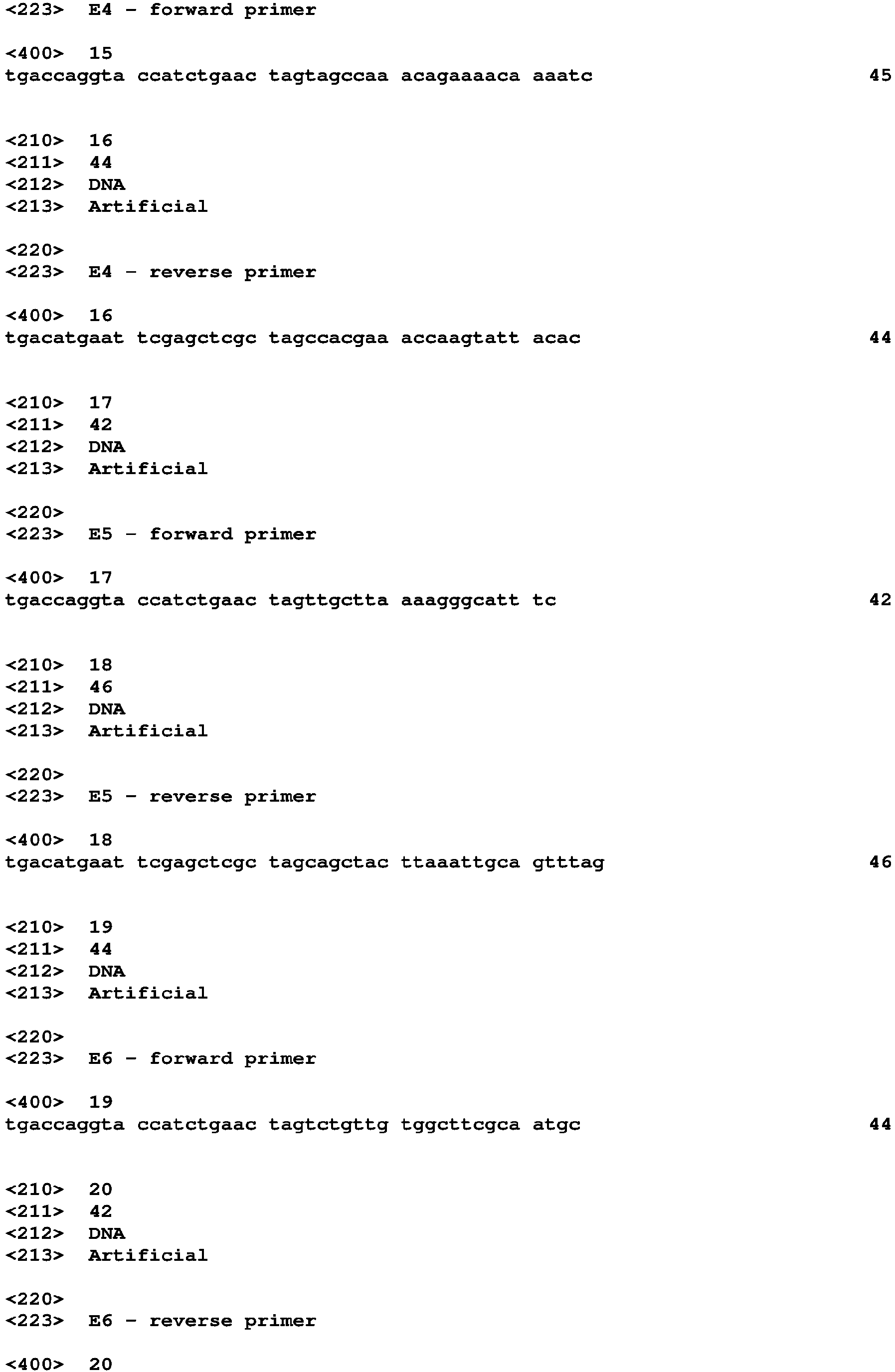


Claims (15)
- An in vitro method for predicting the efficiency of a treatment stimulating an IFN-B dependent adaptive immune response, comprising a step of detecting the rs12553564 single nucleotide polymorphism (SNP), or an SNP in high linkage disequilibrium with same, said SNP being selected from rs12551341, rs2275888, and rs10811449, in a biological sample of a subject in need thereof.
- The method of claim 1, wherein the treatment is a radiotherapy, an anti-cancer chemotherapy drug, or an anti-microbial drug, such as an anti-viral drug.
- The method of claim 1 or 2, wherein the presence of homozygous G alleles of the rs12553564 SNP, homozygous C alleles of the rs12551341 SNP or of the rs2275888 SNP, or homozygous A alleles of the rs10811449 SNP, indicates that the treatment will be less efficient for said subject.
- The method of any one of claims 1 to 3, wherein the biological sample is a biological fluid, preferably blood, plasma, lymph or saliva.
- The method of any one of claims 1 to 4, further comprising the steps of:a) isolating nucleic acid from the biological sample, andb) optionally, amplifying the nucleic acid,prior to detecting the SNP.
- The method of claim 5, wherein amplifying the SNP is performed by PCR with primers of 12 to 30 contiguous nucleotides or by isothermal amplification of said SNP such that the nucleic acid of sequence SEQ ID NO: 34, 36, 38, or 40 is amplified.
- The method of any one of claims 1 to 6, wherein the SNP is detected by allelic discrimination, preferably by probe hybridization, amplification, sequencing, mass spectrometry, Southern blotting, or two or more thereof.
- The method of any one of claims 1 to 7, wherein the subject has a cancer.
- The method of claim 8, wherein said cancer is selected from among breast cancer, colorectal cancer, bladder cancer, liver cancer, pancreatic cancer, lung cancer, cervical cancer, thyroid cancer, leukemia, skin cancer, prostate cancer, stomach cancer, and cancer of the head or neck.
- Use of a kit containing the means to detect the rs12553564 single nucleotide polymorphism (SNP) or an SNP in high linkage disequilibrium with same, said SNP being selected from rs12551341, rs2275888, and rs10811449, in a nucleic acid, for predicting the efficiency of a treatment stimulating an IFN-B dependent adaptive immune response in a subject in need thereof, preferably wherein said subject is diagnosed with cancer.
- The use of claim 10, wherein said kit contains reagents for detecting the single nucleotide polymorphism within SEQ ID NO: 33, 35, 37 or 39, wherein said reagents are preferably primers and/or a probe.
- The use of claim 11, wherein said reagents comprise the primers of SEQ ID NOs: 1 and 2, amplifying a nucleic acid fragment comprising rs12553564.
- An in vitro method of screening a subject diagnosed with cancer for responsiveness to radiotherapy comprising:a) genotyping the rs12553564 single nucleotide polymorphism, or an SNP in high linkage disequilibrium with same, said SNP being selected from rs12551341, rs2275888, and rs10811449, in a biological sample of the subject, andb) determining the responsiveness of the subject to radiotherapy,wherein the presence of a homozygous G allele of the rs12553564 SNP, a homozygous C allele of the rs12551341 SNP or of the rs2275888 SNP, or a homozygous A allele of the rs10811449 SNP, is indicative of non-responsiveness to radiotherapy.
- The method of claim 13, further comprising:
c) selecting a treatment regimen comprising exogenous IFN-B, exogenous IFN-α, and/or a checkpoint inhibitor drug when a homozygous G allele of the rs12553564 SNP, a homozygous C allele of the rs12551341 SNP or of the rs2275888 SNP, or a homozygous A allele of the rs10811449 SNP is detected. - Use of rs12553564, or of an SNP in high linkage disequilibrium with same, said SNP being selected from rs12551341, rs2275888, and rs10811449, as a prognostic marker of responsiveness to a treatment stimulating an IFN-B dependent adaptive immune response.
Priority Applications (4)
| Application Number | Priority Date | Filing Date | Title |
|---|---|---|---|
| EP20306152.8A EP3978630A1 (en) | 2020-10-05 | 2020-10-05 | Method for predicting the efficiency of a treatment stimulating an ifn-beta dependent adaptive immune response via detection of a single nucleotide polymorphism |
| US18/246,286 US20230348998A1 (en) | 2020-10-05 | 2021-10-04 | Method for predicting the efficiency of a treatment stimulating an ifn-beta dependent adaptive immune response via detection of a single nucleotide polymorphism |
| PCT/EP2021/077301 WO2022073933A1 (en) | 2020-10-05 | 2021-10-04 | Method for predicting the efficiency of a treatment stimulating an ifn-beta dependent adaptive immune response via detection of a single nucleotide polymorphism |
| EP21778521.1A EP4225948A1 (en) | 2020-10-05 | 2021-10-04 | Method for predicting the efficiency of a treatment stimulating an ifn-beta dependent adaptive immune response via detection of a single nucleotide polymorphism |
Applications Claiming Priority (1)
| Application Number | Priority Date | Filing Date | Title |
|---|---|---|---|
| EP20306152.8A EP3978630A1 (en) | 2020-10-05 | 2020-10-05 | Method for predicting the efficiency of a treatment stimulating an ifn-beta dependent adaptive immune response via detection of a single nucleotide polymorphism |
Publications (1)
| Publication Number | Publication Date |
|---|---|
| EP3978630A1 true EP3978630A1 (en) | 2022-04-06 |
Family
ID=72944081
Family Applications (2)
| Application Number | Title | Priority Date | Filing Date |
|---|---|---|---|
| EP20306152.8A Withdrawn EP3978630A1 (en) | 2020-10-05 | 2020-10-05 | Method for predicting the efficiency of a treatment stimulating an ifn-beta dependent adaptive immune response via detection of a single nucleotide polymorphism |
| EP21778521.1A Pending EP4225948A1 (en) | 2020-10-05 | 2021-10-04 | Method for predicting the efficiency of a treatment stimulating an ifn-beta dependent adaptive immune response via detection of a single nucleotide polymorphism |
Family Applications After (1)
| Application Number | Title | Priority Date | Filing Date |
|---|---|---|---|
| EP21778521.1A Pending EP4225948A1 (en) | 2020-10-05 | 2021-10-04 | Method for predicting the efficiency of a treatment stimulating an ifn-beta dependent adaptive immune response via detection of a single nucleotide polymorphism |
Country Status (3)
| Country | Link |
|---|---|
| US (1) | US20230348998A1 (en) |
| EP (2) | EP3978630A1 (en) |
| WO (1) | WO2022073933A1 (en) |
Citations (2)
| Publication number | Priority date | Publication date | Assignee | Title |
|---|---|---|---|---|
| WO2010008480A2 (en) | 2008-06-25 | 2010-01-21 | Ion Torrent Systems Incorporated | Methods and apparatus for measuring analytes using large scale fet arrays |
| US20180051347A1 (en) * | 2016-07-12 | 2018-02-22 | The Regents Of The University Of California | Methods for immunotherapy-based treatment and assessment of cancer |
-
2020
- 2020-10-05 EP EP20306152.8A patent/EP3978630A1/en not_active Withdrawn
-
2021
- 2021-10-04 EP EP21778521.1A patent/EP4225948A1/en active Pending
- 2021-10-04 US US18/246,286 patent/US20230348998A1/en active Pending
- 2021-10-04 WO PCT/EP2021/077301 patent/WO2022073933A1/en not_active Ceased
Patent Citations (2)
| Publication number | Priority date | Publication date | Assignee | Title |
|---|---|---|---|---|
| WO2010008480A2 (en) | 2008-06-25 | 2010-01-21 | Ion Torrent Systems Incorporated | Methods and apparatus for measuring analytes using large scale fet arrays |
| US20180051347A1 (en) * | 2016-07-12 | 2018-02-22 | The Regents Of The University Of California | Methods for immunotherapy-based treatment and assessment of cancer |
Non-Patent Citations (53)
| Title |
|---|
| A. A. SHABALIN: "Matrix eQTL: ultra fast eQTL analysis via large matrix operations", BIOINFORMATICS, vol. 28, 2012, pages 1353 - 1358 |
| A. ASSOUVIEL. P. DALEY-BAUERG. ROUSSELET: "Growing Murine Bone Marrow-Derived Macrophages", METHODS MOL. BIOL., vol. 1784, 2018, pages 29 - 33 |
| A. KELLYA. M. GRABIECM. A. TRAVIS: "Culture of Human Monocyte-Derived Macrophages", METHODS MOL. BIOL., vol. 1784, 2018, pages 1 - 11 |
| A. KHAN ET AL.: "JASPAR 2018: update of the open-access database of transcription factor binding profiles and its web framework", NUCLEIC ACIDS RES, vol. 46, 2018, pages D260 - D266 |
| A. LE BON ET AL.: "Cross-priming of CD8+ T cells stimulated by virus-induced type I interferon", NAT. IMMUNOL., vol. 4, 2003, pages 1009 - 1015 |
| A. R. BANERJEEY. J. KIMT. H. KIM: "A novel virus-inducible enhancer of the interferon-B gene with tightly linked promoter and enhancer activities", NUCLEIC ACIDS RES, vol. 42, 2014, pages 12537 - 12554 |
| ALEXANDRA SNYDER ET AL: "Genetic Basis for Clinical Response to CTLA-4 Blockade in Melanoma", THE NEW ENGLAND JOURNAL OF MEDICINE, vol. 371, no. 23, 4 December 2014 (2014-12-04), US, pages 2189 - 2199, XP055262135, ISSN: 0028-4793, DOI: 10.1056/NEJMoa1406498 * |
| ASSOUVIE ANAÏS ET AL: "A genetic variant controls interferon-[beta] gene expression in human myeloid cells by preventing C/EBP-[beta] binding on a conserved enhancer", PLOS GENETICS, vol. 16, no. 11, 4 November 2020 (2020-11-04), pages e1009090, XP055787981, ISSN: 1553-7390, DOI: 10.1371/journal.pgen.1009090 * |
| B. C. BURNETTE ET AL.: "The efficacy of radiotherapy relies upon induction of type I interferon-dependent innate and adaptive immunity", CANCER RES, vol. 71, 2011, pages 2488 - 2496 |
| B. N. HOWIEP. DONNELLYJ. MARCHINI: "A Flexible and Accurate Genotype Imputation Method for the Next Generation of Genome-Wide Association Studies", PLOS GENET, vol. 5, 2009, pages e1000529 |
| B. P. FAIRFAX ET AL.: "Innate Immune Activity Conditions the Effect of Regulatory Variants upon Monocyte Gene Expression", SCIENCE, vol. 343, no. 80, 2014, pages 1246949 |
| C. VANPOUILLE-BOX ET AL.: "DNA exonuclease Trex1 regulates radiotherapy-induced tumour immunogenicity", NAT. COMMUN., vol. 8, 2017, pages 15618, XP055512079, DOI: 10.1038/ncomms15618 |
| D. BENTLEYS. BALASUBRAMANIANH. SWERDLOW ET AL.: "Accurate whole human genome sequencing using reversible terminator chemistry", NATURE, vol. 456, 2008, pages 53 - 59 |
| D. H. PHANSTIEL ET AL.: "Static and Dynamic DNA Loops form AP-1-Bound Activation Hubs during Macrophage Development", MOL. CELL, vol. 67, 2017, pages 1037 - 1048e6 |
| D. PANNET. MANIATISS. C. HARRISON: "An Atomic Model of the Interferon-B Enhanceosome", CELL, vol. 129, 2007, pages 1111 - 1123 |
| D. R. ZERBINOS. P. WILDERN. JOHNSONT. JUETTEMANNP. R. FLICEK: "The Ensembl regulatory build", GENOME BIOL, vol. 16, 2015, pages 56, XP021215492, DOI: 10.1186/s13059-015-0621-5 |
| E. FORDD. THANOS: "The transcriptional code of human IFN-beta gene expression", BIOCHIM BIOPHYS ACTA, vol. 1799, 2010, pages 328 - 336, XP026965631 |
| E. V. DAVYDOV ET AL.: "Identifying a high fraction of the human genome to be under selective constraint using GERP++", PLOS COMPUT. BIOL., vol. 6, 2010, pages e1001025 |
| F. FERRI ET AL.: "TRIM33 switches off Ifnb1 gene transcription during the late phase of macrophage activation", NAT. COMMUN., vol. 6, 2015, pages 8900 |
| F. G. GOH ET AL.: "Beyond the enhanceosome: cluster of novel B sites downstream of the human IFN-B gene is essential for lipopolysaccharide-induced gene activation", BLOOD, vol. 116, 2010, pages 5580 - 8 |
| F. MCNABK. MAYER-BARBERA. SHERA. WACK: "Type I interferons in infectious disease", NAT. REV. IMMUNOL., vol. 15, 2015, pages 87 - 103, XP037134921, DOI: 10.1038/nri3787 |
| FORMENTI SILVIA C ET AL: "Radiotherapy induces responses of lung cancer to CTLA-4 blockade", NATURE MEDICINE, NATURE PUB. CO, NEW YORK, vol. 24, no. 12, 5 November 2018 (2018-11-05), pages 1845 - 1851, XP036653576, ISSN: 1078-8956, [retrieved on 20181105], DOI: 10.1038/S41591-018-0232-2 * |
| G. ROUSSELET: "Chromatin Immunoprecipitation in Macrophages", METHODS MOL. BIOL., vol. 1784, 2018, pages 177 - 186 |
| H. QUACH ET AL.: "Genetic Adaptation and Neandertal Admixture Shaped the Immune System of Human Populations", CELL, vol. 167, 2016, pages 643 - 656 |
| J. CLARKE ET AL.: "Continuous base identification for single-molecule nanopore DNA sequencing", NATURE NANOTECH, vol. 4, 2009, pages 265 - 270, XP055486302, DOI: 10.1038/nnano.2009.12 |
| J. CROUSEU. KALINKEA. OXENIUSREGULATION OF ANTIVIRAL T CELL RESPONSES BY TYPE I INTERFERONS, NAT. REV. IMMUNOL., vol. 15, 2015, pages 231 - 242 |
| J. EID ET AL.: "Real-time DNA sequencing from single polymerase molecules", SCIENCE, vol. 323, no. 5910, 2009, pages 133 - 138, XP055333285, DOI: 10.1126/science.1162986 |
| J. ROTHBERG ET AL.: "An integrated semiconductor device enabling non-optical genome sequencing", NATURE, vol. 475, 2011, pages 348 - 352, XP055268437, DOI: 10.1038/nature10242 |
| J. W. SCHOGGINS: "Interferon-stimulated genes and their antiviral effector functions", CURR. OPIN. VIROL., vol. 1, 2011, pages 519 - 525 |
| K.J. MCKERNANH.E. PECKHAMG.L. COSTA ET AL.: "Sequence and structural variation in a human genome uncovered by short-read, massively parallel ligation sequencing using two-base encoding", GENOME RES, vol. 19, no. 9, 2009, pages 1527 - 1541 |
| L. DENG ET AL.: "STING-Dependent Cytosolic DNA Sensing Promotes Radiation-Induced Type I Interferon-Dependent Antitumor Immunity in Immunogenic Tumors", IMMUNITY, vol. 41, 2014, pages 843 - 852, XP055426473, DOI: 10.1016/j.immuni.2014.10.019 |
| L. ZENG ET AL.: "XBP-1 couples endoplasmic reticulum stress to augmented IFN-beta induction via a cis-acting enhancer in macrophages", J IMMUNOL, vol. 185, 2010, pages 2324 - 2330 |
| M. D. YOUNGM. J. WAKEFIELDG. K. SMYTHA. OSHLACK: "Gene ontology analysis for RNA-seq: accounting for selection bias", GENOME BIOL, vol. 11, 2010, pages R14, XP021070860 |
| M. KLARJ. BODE: "Enhanceosome formation over the beta interferon promoter underlies a remote-control mechanism mediated by YY1 and YY2", MOL. CELL. BIOL., vol. 25, 2005, pages 10159 - 70 |
| M. MARGULIESM. EGHOLMW.E. ALTMAN ET AL.: "Genome sequencing in microfabricated high-density picolitre reactors", NATURE, vol. 437, no. 7057, 2005, pages 376 - 380 |
| M. MONTOYA ET AL.: "Type I interferons produced by dendritic cells promote their phenotypic and functional activation", BLOOD, vol. 99, 2002, pages 3263 - 3271 |
| P.J. ASIELLOA.J. BAEUMNER: "Miniaturized isothermal nucleic acid amplification, a review", LAB CHIP, vol. 11, no. 8, 2011, pages 1420 - 1430, XP055117080, DOI: 10.1039/c0lc00666a |
| R. HUBERD. PIETSCHT. PANTERODTK. BRAND: "Regulation of C/EBPB and resulting functions in cells of the monocytic lineage", CELL. SIGNAL., vol. 24, 2012, pages 1287 - 1296, XP028478475, DOI: 10.1016/j.cellsig.2012.02.007 |
| R. M. WELSHK. BAHLH. D. MARSHALLS. L. URBAN: "Type 1 Interferons and Antiviral CD8 T-Cell Responses", PLOS PATHOG, vol. 8, 2012, pages e1002352 |
| S. C. FORMENTI ET AL.: "Radiotherapy induces responses of lung cancer to CTLA-4 blockade", NAT. MED., vol. 24, 2018, pages 1845 - 1851, XP036653576, DOI: 10.1038/s41591-018-0232-2 |
| S. D. DERA. ZHOUB. R. WILLIAMSR. H. SILVERMAN: "Identification of genes differentially regulated by interferon alpha, beta, or gamma using oligonucleotide arrays", PROC. NATL. ACAD. SCI. U. S. A., vol. 95, 1998, pages 15623 - 8, XP002229726, DOI: 10.1073/pnas.95.26.15623 |
| S. PERRINC. FIRMOS. LEMOINES. LE CROML. JOURDREN: "Aozan: an automated post-sequencing data-processing pipeline", BIOINFORMATICS, vol. 33, 2017, pages 2212 - 2213 |
| S. WAN ET AL.: "Chemotherapeutics and Radiation Stimulate MHC Class I Expression through Elevated Interferon-beta Signaling in Breast Cancer Cells", PLOS ONE, vol. 7, no. 3, 2012, pages e32542 |
| T. AGALIOTI ET AL.: "Ordered recruitment of chromatin modifying and general transcription factors to the IFN-beta promoter", CELL, vol. 103, 2000, pages 667 - 78, XP002501253, DOI: 10.1016/S0092-8674(00)00169-0 |
| T. JOSSE ET AL.: "Association of the interferon-B gene with pericentromeric heterochromatin is dynamically regulated during virus infection through a YY1-dependent mechanism", NUCLEIC ACIDS RES, vol. 40, 2012, pages 4396 - 4411 |
| T. YE ET AL.: "seqMINER: an integrated ChlP-seq data interpretation platform", NUCLEIC ACIDS RES, vol. 39, 2011, pages e35 |
| T.D. HARRIS ET AL.: "Single-Molecule DNA Sequencing of a Viral Genome", SCIENCE, vol. 320, no. 5872, 2008, pages 106 - 109, XP055412280, DOI: 10.1126/science.1150427 |
| T.-H. PHAM ET AL.: "Dynamic epigenetic enhancer signatures reveal key transcription factors associated with monocytic differentiation states", BLOOD, vol. 119, 2012, pages e161 - e171 |
| U. MULLER ET AL.: "Functional role of type I and type II interferons in antiviral defense", SCIENCE, vol. 264, 1994, pages 1918 - 21, XP055603296 |
| V. MARCATO ET AL.: "B-Catenin Upregulates the Constitutive and Virus-Induced Transcriptional Capacity of the Interferon Beta Promoter through T-Cell Factor Binding Sites", MOL. CELL. BIOL., vol. 36, 2015, pages 13 - 29 |
| X. WANG ET AL.: "Suppression of Type I IFN Signaling in Tumors Mediates Resistance to Anti-PD-1 Treatment That Can Be Overcome by Radiotherapy", CANCER RES, vol. 77, 2017, pages 839 - 850 |
| X. WENF. LUCAR. PIQUE-REGI: "Cross-population joint analysis of eQTLs: fine mapping and functional annotation", PLOS GENET, vol. 11, 2015, pages e1005176 |
| Y. GUO ET AL.: "CRISPR Inversion of CTCF Sites Alters Genome Topology and Enhancer/Promoter Function", CELL, vol. 162, 2015, pages 900 - 910, XP055365405, DOI: 10.1016/j.cell.2015.07.038 |
Also Published As
| Publication number | Publication date |
|---|---|
| EP4225948A1 (en) | 2023-08-16 |
| WO2022073933A1 (en) | 2022-04-14 |
| US20230348998A1 (en) | 2023-11-02 |
Similar Documents
| Publication | Publication Date | Title |
|---|---|---|
| Hou et al. | SLE non-coding genetic risk variant determines the epigenetic dysfunction of an immune cell specific enhancer that controls disease-critical microRNA expression | |
| Gonçalves et al. | HOX gene cluster (de) regulation in brain: from neurodevelopment to malignant glial tumours | |
| Allanore et al. | Genome-wide scan identifies TNIP1, PSORS1C1, and RHOB as novel risk loci for systemic sclerosis | |
| Nedoszytko et al. | Pathogenesis of psoriasis in the “omic” era. Part II. Genetic, genomic and epigenetic changes in psoriasis | |
| Schutte et al. | A preliminary gene map for the Van der Woude syndrome critical region derived from 900 kb of genomic sequence at 1q32–q41 | |
| Favero et al. | Glioblastoma adaptation traced through decline of an IDH1 clonal driver and macro-evolution of a double-minute chromosome | |
| EP3354749A1 (en) | Method and kit for dna typing of hla gene | |
| EP3075863A1 (en) | Simple method and kit for dna profiling of hla genes by high-throughput massively parallel sequencer | |
| Binder et al. | Common and low frequency variants in MERTK are independently associated with multiple sclerosis susceptibility with discordant association dependent upon HLA-DRB1* 15: 01 status | |
| EP3006571A1 (en) | Hla gene multiplex dna typing method and kit | |
| Gao et al. | Targeted deep sequencing identifies rare loss-of-function variants in IFNGR1 for risk of atopic dermatitis complicated by eczema herpeticum | |
| Johanson et al. | Genome-wide analysis reveals no evidence of trans chromosomal regulation of mammalian immune development | |
| Zhang et al. | Effector CD4+ T cell expression signatures and immune-mediated disease associated genes | |
| Babatz et al. | Functional impact of the human mobilome | |
| Kim et al. | Whole genome sequencing of an African American family highlights toll like receptor 6 variants in Kawasaki disease susceptibility | |
| Kozin et al. | Mitonuclear interactions influence multiple sclerosis risk | |
| Smits et al. | Elevated enhancer-oncogene contacts and higher oncogene expression levels by recurrent CTCF inactivating mutations in acute T cell leukemia | |
| Yamamoto-Furusho et al. | Protective role of interleukin-19 gene polymorphisms in patients with ulcerative colitis | |
| Assouvie et al. | A genetic variant controls interferon-β gene expression in human myeloid cells by preventing C/EBP-β binding on a conserved enhancer | |
| Fan et al. | Functional polymorphism in the 5'-UTR of CR2 is associated with susceptibility to nasopharyngeal carcinoma | |
| Fidancı et al. | A polymorphism in the IL-5 gene is associated with inhibitor development in severe hemophilia A patients | |
| CN101918592B (en) | EXO1 promoter polymorphisms associated with exceptional life expectancy in humans | |
| EP3978630A1 (en) | Method for predicting the efficiency of a treatment stimulating an ifn-beta dependent adaptive immune response via detection of a single nucleotide polymorphism | |
| CN110734974B (en) | A kind of cancer chemotherapy drug SNP site combination and detection primer | |
| CN115667548A (en) | Kelch domain-containing 7B (KLHDC 7B) variants and uses thereof |
Legal Events
| Date | Code | Title | Description |
|---|---|---|---|
| PUAI | Public reference made under article 153(3) epc to a published international application that has entered the european phase |
Free format text: ORIGINAL CODE: 0009012 |
|
| STAA | Information on the status of an ep patent application or granted ep patent |
Free format text: STATUS: REQUEST FOR EXAMINATION WAS MADE |
|
| 17P | Request for examination filed |
Effective date: 20201005 |
|
| AK | Designated contracting states |
Kind code of ref document: A1 Designated state(s): AL AT BE BG CH CY CZ DE DK EE ES FI FR GB GR HR HU IE IS IT LI LT LU LV MC MK MT NL NO PL PT RO RS SE SI SK SM TR |
|
| STAA | Information on the status of an ep patent application or granted ep patent |
Free format text: STATUS: THE APPLICATION IS DEEMED TO BE WITHDRAWN |
|
| 18D | Application deemed to be withdrawn |
Effective date: 20221007 |