EP3975220B1 - Display panel - Google Patents
Display panel Download PDFInfo
- Publication number
- EP3975220B1 EP3975220B1 EP20831868.3A EP20831868A EP3975220B1 EP 3975220 B1 EP3975220 B1 EP 3975220B1 EP 20831868 A EP20831868 A EP 20831868A EP 3975220 B1 EP3975220 B1 EP 3975220B1
- Authority
- EP
- European Patent Office
- Prior art keywords
- light
- base member
- upholstery
- front side
- transmitting
- Prior art date
- Legal status (The legal status is an assumption and is not a legal conclusion. Google has not performed a legal analysis and makes no representation as to the accuracy of the status listed.)
- Active
Links
Images

Classifications
-
- B—PERFORMING OPERATIONS; TRANSPORTING
- B60—VEHICLES IN GENERAL
- B60R—VEHICLES, VEHICLE FITTINGS, OR VEHICLE PARTS, NOT OTHERWISE PROVIDED FOR
- B60R11/00—Arrangements for holding or mounting articles, not otherwise provided for
- B60R11/02—Arrangements for holding or mounting articles, not otherwise provided for for radio sets, television sets, telephones, or the like; Arrangement of controls thereof
- B60R11/0229—Arrangements for holding or mounting articles, not otherwise provided for for radio sets, television sets, telephones, or the like; Arrangement of controls thereof for displays, e.g. cathodic tubes
- B60R11/0235—Arrangements for holding or mounting articles, not otherwise provided for for radio sets, television sets, telephones, or the like; Arrangement of controls thereof for displays, e.g. cathodic tubes of flat type, e.g. LCD
-
- G—PHYSICS
- G09—EDUCATION; CRYPTOGRAPHY; DISPLAY; ADVERTISING; SEALS
- G09F—DISPLAYING; ADVERTISING; SIGNS; LABELS OR NAME-PLATES; SEALS
- G09F13/00—Illuminated signs; Luminous advertising
- G09F13/04—Signs, boards or panels, illuminated from behind the insignia
- G09F13/0418—Constructional details
- G09F13/044—Signs, boards or panels mounted on vehicles
-
- B—PERFORMING OPERATIONS; TRANSPORTING
- B60—VEHICLES IN GENERAL
- B60K—ARRANGEMENT OR MOUNTING OF PROPULSION UNITS OR OF TRANSMISSIONS IN VEHICLES; ARRANGEMENT OR MOUNTING OF PLURAL DIVERSE PRIME-MOVERS IN VEHICLES; AUXILIARY DRIVES FOR VEHICLES; INSTRUMENTATION OR DASHBOARDS FOR VEHICLES; ARRANGEMENTS IN CONNECTION WITH COOLING, AIR INTAKE, GAS EXHAUST OR FUEL SUPPLY OF PROPULSION UNITS IN VEHICLES
- B60K35/00—Instruments specially adapted for vehicles; Arrangement of instruments in or on vehicles
- B60K35/10—Input arrangements, i.e. from user to vehicle, associated with vehicle functions or specially adapted therefor
-
- B—PERFORMING OPERATIONS; TRANSPORTING
- B60—VEHICLES IN GENERAL
- B60K—ARRANGEMENT OR MOUNTING OF PROPULSION UNITS OR OF TRANSMISSIONS IN VEHICLES; ARRANGEMENT OR MOUNTING OF PLURAL DIVERSE PRIME-MOVERS IN VEHICLES; AUXILIARY DRIVES FOR VEHICLES; INSTRUMENTATION OR DASHBOARDS FOR VEHICLES; ARRANGEMENTS IN CONNECTION WITH COOLING, AIR INTAKE, GAS EXHAUST OR FUEL SUPPLY OF PROPULSION UNITS IN VEHICLES
- B60K35/00—Instruments specially adapted for vehicles; Arrangement of instruments in or on vehicles
- B60K35/20—Output arrangements, i.e. from vehicle to user, associated with vehicle functions or specially adapted therefor
- B60K35/21—Output arrangements, i.e. from vehicle to user, associated with vehicle functions or specially adapted therefor using visual output, e.g. blinking lights or matrix displays
- B60K35/22—Display screens
-
- B—PERFORMING OPERATIONS; TRANSPORTING
- B60—VEHICLES IN GENERAL
- B60K—ARRANGEMENT OR MOUNTING OF PROPULSION UNITS OR OF TRANSMISSIONS IN VEHICLES; ARRANGEMENT OR MOUNTING OF PLURAL DIVERSE PRIME-MOVERS IN VEHICLES; AUXILIARY DRIVES FOR VEHICLES; INSTRUMENTATION OR DASHBOARDS FOR VEHICLES; ARRANGEMENTS IN CONNECTION WITH COOLING, AIR INTAKE, GAS EXHAUST OR FUEL SUPPLY OF PROPULSION UNITS IN VEHICLES
- B60K35/00—Instruments specially adapted for vehicles; Arrangement of instruments in or on vehicles
- B60K35/50—Instruments characterised by their means of attachment to or integration in the vehicle
-
- B—PERFORMING OPERATIONS; TRANSPORTING
- B60—VEHICLES IN GENERAL
- B60K—ARRANGEMENT OR MOUNTING OF PROPULSION UNITS OR OF TRANSMISSIONS IN VEHICLES; ARRANGEMENT OR MOUNTING OF PLURAL DIVERSE PRIME-MOVERS IN VEHICLES; AUXILIARY DRIVES FOR VEHICLES; INSTRUMENTATION OR DASHBOARDS FOR VEHICLES; ARRANGEMENTS IN CONNECTION WITH COOLING, AIR INTAKE, GAS EXHAUST OR FUEL SUPPLY OF PROPULSION UNITS IN VEHICLES
- B60K35/00—Instruments specially adapted for vehicles; Arrangement of instruments in or on vehicles
- B60K35/60—Instruments characterised by their location or relative disposition in or on vehicles
-
- B—PERFORMING OPERATIONS; TRANSPORTING
- B60—VEHICLES IN GENERAL
- B60R—VEHICLES, VEHICLE FITTINGS, OR VEHICLE PARTS, NOT OTHERWISE PROVIDED FOR
- B60R16/00—Electric or fluid circuits specially adapted for vehicles and not otherwise provided for; Arrangement of elements of electric or fluid circuits specially adapted for vehicles and not otherwise provided for
- B60R16/02—Electric or fluid circuits specially adapted for vehicles and not otherwise provided for; Arrangement of elements of electric or fluid circuits specially adapted for vehicles and not otherwise provided for electric constitutive elements
-
- G—PHYSICS
- G09—EDUCATION; CRYPTOGRAPHY; DISPLAY; ADVERTISING; SEALS
- G09F—DISPLAYING; ADVERTISING; SIGNS; LABELS OR NAME-PLATES; SEALS
- G09F13/00—Illuminated signs; Luminous advertising
-
- G—PHYSICS
- G09—EDUCATION; CRYPTOGRAPHY; DISPLAY; ADVERTISING; SEALS
- G09F—DISPLAYING; ADVERTISING; SIGNS; LABELS OR NAME-PLATES; SEALS
- G09F21/00—Mobile visual advertising
- G09F21/04—Mobile visual advertising by land vehicles
- G09F21/049—Mobile visual advertising by land vehicles giving information to passengers inside the vehicles
-
- H—ELECTRICITY
- H01—ELECTRIC ELEMENTS
- H01H—ELECTRIC SWITCHES; RELAYS; SELECTORS; EMERGENCY PROTECTIVE DEVICES
- H01H36/00—Switches actuated by change of magnetic field or of electric field, e.g. by change of relative position of magnet and switch, by shielding
-
- H—ELECTRICITY
- H03—ELECTRONIC CIRCUITRY
- H03K—PULSE TECHNIQUE
- H03K17/00—Electronic switching or gating, i.e. not by contact-making and –breaking
- H03K17/94—Electronic switching or gating, i.e. not by contact-making and –breaking characterised by the way in which the control signals are generated
- H03K17/945—Proximity switches
- H03K17/955—Proximity switches using a capacitive detector
-
- H—ELECTRICITY
- H03—ELECTRONIC CIRCUITRY
- H03K—PULSE TECHNIQUE
- H03K17/00—Electronic switching or gating, i.e. not by contact-making and –breaking
- H03K17/94—Electronic switching or gating, i.e. not by contact-making and –breaking characterised by the way in which the control signals are generated
- H03K17/96—Touch switches
- H03K17/962—Capacitive touch switches
-
- B—PERFORMING OPERATIONS; TRANSPORTING
- B60—VEHICLES IN GENERAL
- B60K—ARRANGEMENT OR MOUNTING OF PROPULSION UNITS OR OF TRANSMISSIONS IN VEHICLES; ARRANGEMENT OR MOUNTING OF PLURAL DIVERSE PRIME-MOVERS IN VEHICLES; AUXILIARY DRIVES FOR VEHICLES; INSTRUMENTATION OR DASHBOARDS FOR VEHICLES; ARRANGEMENTS IN CONNECTION WITH COOLING, AIR INTAKE, GAS EXHAUST OR FUEL SUPPLY OF PROPULSION UNITS IN VEHICLES
- B60K2360/00—Indexing scheme associated with groups B60K35/00 or B60K37/00 relating to details of instruments or dashboards
- B60K2360/141—Activation of instrument input devices by approaching fingers or pens
-
- B—PERFORMING OPERATIONS; TRANSPORTING
- B60—VEHICLES IN GENERAL
- B60K—ARRANGEMENT OR MOUNTING OF PROPULSION UNITS OR OF TRANSMISSIONS IN VEHICLES; ARRANGEMENT OR MOUNTING OF PLURAL DIVERSE PRIME-MOVERS IN VEHICLES; AUXILIARY DRIVES FOR VEHICLES; INSTRUMENTATION OR DASHBOARDS FOR VEHICLES; ARRANGEMENTS IN CONNECTION WITH COOLING, AIR INTAKE, GAS EXHAUST OR FUEL SUPPLY OF PROPULSION UNITS IN VEHICLES
- B60K2360/00—Indexing scheme associated with groups B60K35/00 or B60K37/00 relating to details of instruments or dashboards
- B60K2360/143—Touch sensitive instrument input devices
- B60K2360/1434—Touch panels
-
- B—PERFORMING OPERATIONS; TRANSPORTING
- B60—VEHICLES IN GENERAL
- B60K—ARRANGEMENT OR MOUNTING OF PROPULSION UNITS OR OF TRANSMISSIONS IN VEHICLES; ARRANGEMENT OR MOUNTING OF PLURAL DIVERSE PRIME-MOVERS IN VEHICLES; AUXILIARY DRIVES FOR VEHICLES; INSTRUMENTATION OR DASHBOARDS FOR VEHICLES; ARRANGEMENTS IN CONNECTION WITH COOLING, AIR INTAKE, GAS EXHAUST OR FUEL SUPPLY OF PROPULSION UNITS IN VEHICLES
- B60K2360/00—Indexing scheme associated with groups B60K35/00 or B60K37/00 relating to details of instruments or dashboards
- B60K2360/60—Structural details of dashboards or instruments
- B60K2360/68—Features of instruments
- B60K2360/682—Arrangements to cover or hide instruments
-
- B—PERFORMING OPERATIONS; TRANSPORTING
- B60—VEHICLES IN GENERAL
- B60K—ARRANGEMENT OR MOUNTING OF PROPULSION UNITS OR OF TRANSMISSIONS IN VEHICLES; ARRANGEMENT OR MOUNTING OF PLURAL DIVERSE PRIME-MOVERS IN VEHICLES; AUXILIARY DRIVES FOR VEHICLES; INSTRUMENTATION OR DASHBOARDS FOR VEHICLES; ARRANGEMENTS IN CONNECTION WITH COOLING, AIR INTAKE, GAS EXHAUST OR FUEL SUPPLY OF PROPULSION UNITS IN VEHICLES
- B60K2360/00—Indexing scheme associated with groups B60K35/00 or B60K37/00 relating to details of instruments or dashboards
- B60K2360/77—Instrument locations other than the dashboard
- B60K2360/774—Instrument locations other than the dashboard on or in the centre console
-
- G—PHYSICS
- G09—EDUCATION; CRYPTOGRAPHY; DISPLAY; ADVERTISING; SEALS
- G09F—DISPLAYING; ADVERTISING; SIGNS; LABELS OR NAME-PLATES; SEALS
- G09F13/00—Illuminated signs; Luminous advertising
- G09F13/20—Illuminated signs; Luminous advertising with luminescent surfaces or parts
- G09F13/22—Illuminated signs; Luminous advertising with luminescent surfaces or parts electroluminescent
- G09F2013/222—Illuminated signs; Luminous advertising with luminescent surfaces or parts electroluminescent with LEDs
-
- H—ELECTRICITY
- H03—ELECTRONIC CIRCUITRY
- H03K—PULSE TECHNIQUE
- H03K2217/00—Indexing scheme related to electronic switching or gating, i.e. not by contact-making or -breaking covered by H03K17/00
- H03K2217/94—Indexing scheme related to electronic switching or gating, i.e. not by contact-making or -breaking covered by H03K17/00 characterised by the way in which the control signal is generated
- H03K2217/96—Touch switches
- H03K2217/96042—Touch switches with illumination
- H03K2217/96046—Key-pad combined with display, back-lit
Definitions
- the present disclosure relates to display panels including a base member and upholstery located on the front side of the base member.
- Japanese Patent No. 5 212 229 B2 discloses a display panel including: a base member having a light guide portion that guides light from a light source toward the front side; and upholstery located on the front side of the base member.
- a sensor that includes a switch unit and that detects a pressure applied from the front side to the switch unit is located on the back side of the upholstery.
- the entire upholstery is made of a light-transmitting material, and a mask plate having a light-transmitting region that allows light from the light source to transmit therethrough and a light-shielding region that blocks light from the light source is located on the back side of the upholstery.
- a predetermined pattern appears on the surface of the upholstery by the light from the light source transmitted through the light-transmitting region of the mask plate from the back side.
- the mask plate may not be provided, and the upholstery may have a light-transmitting region that allows light from the light source to transmit therethrough to the front side and a non-light-transmitting region that blocks light from the light source. In this case, however, the light-transmitting region tends to be displaced as the upholstery is stretchy.
- the present disclosure was made under the above circumstances, and it is an object of the present disclosure to reduce displacement of a light-transmitting region of upholstery.
- the present disclosure is characterized in that a part of upholstery located near a light-transmitting region is engaged with a part of a base member.
- the first aspect is characterized in that a sensor that includes a switch unit and that detects a pressure applied from the front side to the switch unit or a finger approaching the switch unit from the front side is located on a back side of the upholstery, the base member has a protruding portion on its surface, and the upholstery includes: a light-transmitting region that is located over the light guide portion of the base member and the switch unit of the sensor and that allows the light from the light source to transmit therethrough to the front side; and a non-light-transmitting region that blocks the light from the light source, a raised portion that is raised on a front side of the upholstery is located near the light-transmitting region in the non-light-transmitting region of the upholstery, and the protruding portion of the base member is placed in the raised portion from the back side of the upholstery.
- a second aspect is characterized in that, in the display panel according to the first aspect, the raised portion of the upholstery sandwiches the light-transmitting region from at least two directions.
- a third aspect is characterized in that, in the display panel according to the first or second aspect, a cushioning layer made of a light-transmitting material with cushioning properties is located on the front side of the base member, the cushioning layer has a through portion, the protruding portion of the base member extends through the through portion of the cushioning layer, and a tip end of the protruding portion of the base member is in contact with a back side of the raised portion of the upholstery.
- the raised portion of the upholstery located near the light-transmitting region of the upholstery is positioned with respect to the base member by inserting the protruding portion of the base member into the raised portion of the upholstery. This configuration reduces displacement of the light-transmitting region of the upholstery with respect to the base member.
- a user who remembers the positional relationship between the raised portion and the light-transmitting region of the upholstery would identify the position of the light-transmitting region by merely touching the raised portion of the upholstery. It is therefore easy for the user to operate the display panel without looking at it.
- the raised portion of the upholstery located at least on both sides of the light-transmitting region is positioned with respect to the base member. This configuration reduces variation in amount by which the light-transmitting region of the upholstery is stretched, and therefore reduces distortion of the shape of the light-transmitting region.
- the raised portion of the upholstery since there is no cushioning layer between the raised portion of the upholstery and the tip end of the protruding portion of the base member, the raised portion of the upholstery will not move even when the cushioning layer is deformed. Accordingly, the light-transmitting region of the upholstery can be more accurately positioned.
- FIG. 1 shows a console 1 placed between a driver's seat and a passenger seat of an automobile so as to extend in the longitudinal direction of a vehicle body.
- the console 1 includes a console box 3, and the console box 3 includes a box body 3a that is open upward and a lid 3b attached to the box body 3a such that the lid 3b can be opened and closed.
- the lid 3b can be used as an armrest when closed.
- a switch device 5 is located below the lid 3b in front of the console box 3 in the longitudinal direction of the vehicle body.
- the switch device 5 includes a display panel 7 according to the embodiment with its front surface facing upward.
- the display panel 7 includes a substantially rectangular plate-like base member 9 that is long in the longitudinal direction of the vehicle body.
- the base member 9 is made of a hard light-transmitting resin such as polypropylene (PP) or acrylic resin.
- the entire base member 9 forms a light guide portion that guides light L from a light-emitting diode (LED) 23 (described later) serving as a light source toward the front side.
- First ridges 9a which are a pair of protruding portions extending parallel to the longitudinal direction of the vehicle body, are formed on an intermediate part of the front surface of the base member 9 in the longitudinal direction of the vehicle body so as to face each other at an interval in the lateral direction of the vehicle body.
- a sheet-like light-transmitting electrostatic sensor 11 is located on the front surface of the display panel 7.
- the electrostatic sensor 11 includes: a wide portion 11a having a width larger than the interval between the outer edges of the first ridges 9a in the lateral direction of the vehicle body and smaller than the width of the base member 9 and extending in the longitudinal direction of the vehicle body; and a narrow portion 1 1b having a width smaller than the width of the wide portion 11a and extending from the front edge of the wide portion 11a toward the front of the vehicle body.
- Elongated first through holes 11c extending parallel to each other in the longitudinal direction of the vehicle body are formed near both ends of the wide portion 11a in the lateral direction of the vehicle body.
- Elongated second through holes 11d extending parallel to each other in the longitudinal direction of the vehicle body are formed in the narrow portion 11b at positions dividing the narrow portion 1 1b into three substantially equal parts in the lateral direction of the vehicle body.
- the first ridges 9a of the base member 9 extend through the first through holes 11c, and the second ridges 9b of the base member 9 extend through the second through holes 11d.
- the electrostatic sensor 11 includes a transparent film base member 11e and transparent electrodes 11f that are a plurality of switch units formed in the film base member 11e. The electrostatic sensor 11 detects a finger approaching each transparent electrode 11f from the front side, and outputs the detection result to in-vehicle equipment such as an audio device (not shown) or a navigation device (not shown).
- a cushioning layer 13 having the same shape as the base member 9 as viewed in plan is located over the entire surface of a region of the base member 9 where the electrostatic sensor 11 is not located and the entire surface of the electrostatic sensor 11.
- the cushioning layer 13 is made of a light-transmitting material with cushioning properties such as urethane foam or silicone resin.
- Third through holes 13a which are through portions in the shape of an elongated hole, are formed in the cushioning layer 13 at positions corresponding to the first ridges 9a of the base member 9.
- Fourth through holes 13b which are through portions in the shape of an elongated hole, are also formed in the cushioning layer 13 at positions corresponding to the second ridges 9b of the base member 9.
- the first ridges 9a of the base member 9 extend through the third through holes 13a, and the second ridges 9b of the base member 9 extend through the fourth through holes 13b.
- Stretchy upholstery 15 is located over the entire surface of the cushioning layer 13.
- the upholstery 15 is made of a stretchy material such as polyvinyl chloride.
- the upholstery 15 is fixed to the cushioning layer 13 and the base member 9 by attaching the entire back surface of the upholstery 15 or a part of the back surface of the upholstery 15 to the surface of the cushioning layer 13 by either bonding with an adhesive or welding with the ends of the upholstery 15 placed on the back side of the base member 9.
- the upholstery 15 has a non-light transmitting light-shielding layer 17 having a plurality of openings 17a and colored with a black pigment, and a light-transmitting smoke layer 19 placed over the entire light-shielding layer 17 and the entire openings 17a from the front side.
- Areas of the smoke layer 19 that cover the openings 17a in the light-shielding layer 17 form light-transmitting regions R1 of the upholstery 15.
- the entire light-shielding layer 17 and an area of the smoke layer 19 that covers the light-shielding layer 17 form a non-light-transmitting region R2.
- Those light-transmitting regions R1 forming the dotted line group L1 are located over those transparent electrodes 11f forming the central switches 11g of the electrostatic sensor 11.
- Those light-transmitting regions R1 forming the first to third shapes F1 to F3 are located over those transparent electrodes 11f forming the front switches 11h of the electrostatic sensor 11.
- Those light-transmitting regions R1 forming the fourth to sixth shapes F4 to F6 are located over those transparent electrodes 11f forming the rear switches 11i of the electrostatic sensor 11.
- First raised portions 15a that are raised on the front side of the upholstery 15 are formed on both sides of those light-transmitting regions R1 forming the dotted line group L1 in the lateral direction of the vehicle body at positions near these light-transmitting regions R1.
- the first raised portions 15a have a semicircular arc cross section and extend in the longitudinal direction of the vehicle body. That is, the first raised portions 15a face each other with those light-transmitting regions R1 forming the dotted line group L1 sandwiched therebetween from both sides in the lateral direction of the vehicle body (from two directions). Second raised portions 15b that are raised on the front side of the upholstery 15 are formed on both sides of the light-transmitting region R1 forming the second shape F2 in the lateral direction of the vehicle body at positions near this light-transmitting region R1.
- the second raised portions 15b have a semicircular arc cross section and extend in the longitudinal direction of the vehicle body.
- the second raised portions 15b face each other with the light-transmitting region R1 forming the second shape F2 sandwiched therebetween from both sides in the lateral direction of the vehicle body (from two directions). Both of the second raised portions 15b are located inward of those light-transmitting regions R1 forming the first and third shapes F1, F3 in the lateral direction of the vehicle body at positions near these light-transmitting regions R1.
- the tip ends of the first ridges 9a of the base member 9 are placed in the first raised portions 15a so as to be in contact with the back sides of the first raised portions 15a.
- the tip ends of the second ridges 9b of the base member 9 are placed in the second raised portions 15b so as to be in contact with the back sides of the second raised portions 15b.
- the electrostatic sensor 11 is first placed on the front surface of the base member 9. At this time, the electrostatic sensor 11 can be positioned with respect to the base member 9 by inserting the first ridges 9a of the base member 9 through the first through holes 11c in the electrostatic sensor 11 and inserting the second ridges 9b of the base member 9 through the second through holes 11d in the electrostatic sensor 11. This configuration facilitates the positioning of the electrostatic sensor 11. Next, the cushioning layer 13 is placed on the surface of the region of the base member 9 where the electrostatic sensor 11 is not located and the surface of the electrostatic sensor 11.
- the cushioning layer 13 can be positioned with respect to the base member 9 and the electrostatic sensor 11 by inserting the first ridges 9a of the base member 9 through the third through holes 13a in the cushioning layer 13 and inserting the second ridges 9b of the base member 9 through the fourth through holes 13b in the cushioning layer 13.
- This configuration facilitates the positioning of the cushioning layer 13.
- the upholstery 15 is fixed to the cushioning layer 13 and the base member 9 by stretching the upholstery 15 and attaching the back surface of the upholstery 15 to the surface of the cushioning layer 13 by either bonding with an adhesive or welding with the ends of the upholstery 15 placed on the back side of the base member 9.
- the upholstery 15 can be positioned with respect to the base member 9 by inserting the first ridges 9a of the base member 9 into the first raised portions 15a of the upholstery 15 and inserting the second ridges 9b of the base member 9 into the second raised portions 15b of the upholstery 15.
- This configuration facilitates the positioning of the upholstery 15.
- the first raised portions 15a of the upholstery 15 that are located on both sides of those light-transmitting regions R1 forming the dotted line group L1 in the lateral direction of the vehicle body are positioned with respect to the base member 9. This configuration reduces variation in amount by which those light-transmitting regions R1 forming the dotted line group L1 are stretched in the lateral direction of the vehicle body.
- the electrostatic sensor 11 detects the finger approaching the transparent electrodes 11f forming the central switches 11g and outputs the detection result to the audio device or the navigation device in the vehicle.
- the audio device or the navigation device in the vehicle then operates according to the detection result received from the electrostatic sensor 11.
- the user who remembers the positional relationship between the first raised portions 15a of the upholstery 15 and those light-transmitting regions R1 forming the dotted line group L1 would identify the positions of those light-transmitting regions R1 forming the dotted line group L1 by merely touching the first raised portions 15a of the upholstery 15.
- the electrostatic sensor 11 detects the finger approaching a corresponding one of the transparent electrodes 11f (front switches 11h and rear switches 11i), and outputs the detection result to the audio device or the navigation device in the vehicle.
- the audio device or the navigation device in the vehicle then operates according to the detection result received from the electrostatic sensor 11.
- the first raised portions 15a that are located near those light-transmitting regions R1 forming the dotted line group L1 of the upholstery 15 are positioned with respect to the base member 9 by inserting the first ridges 9a of the base member 9 into the first raised portions 15a.
- This configuration reduces displacement of those light-transmitting regions R1 forming the dotted line group L1 with respect to the base member 9.
- the second raised portions 15b that are located near those light-transmitting regions R1 forming the first to third shapes F1 to F3 of the upholstery 15 are positioned with respect to the base member 9 by inserting the second ridges 9b of the base member 9 into the second raised portions 15b. This configuration reduces displacement of those light-transmitting regions R1 forming the first to third shapes F1 to F3 with respect to the base member 9.
- the entire base member 9 is made of a light-transmitting resin.
- a part of the base member 9 may be made of an opaque resin so that only the remaining part of the base member 9 serves as the light guide portion.
- the upholstery 15 may be placed such that the light-transmitting regions R1 of the upholstery 15 are located over the light guide portion.
- the sensor mounted on the front surface of the base member 9 is the electrostatic sensor 11.
- a pressure sensor that has a switch unit and that detects a pressure applied from the front side to the switch unit may be mounted on the front surface of the base member 9.
- the first ridges 9a and the second ridges 9b of the base member 9 have a semicircular cross section that becomes narrower toward the top, and the first raised portions 15a and the second raised portions 15b of the upholstery 15 have a semicircular arc cross section.
- the first ridges 9a and the second ridges 9b of the base member 9 may have a polygonal cross section, and the first raised portions 15a and the second raised portions 15b of the upholstery 15 may have a cross-sectional shape that conforms to the cross-sectional shape of the first ridges 9a and the second ridges 9b.
- the present disclosure is useful as a display panel including a base member and upholstery located on the front side of the base member.
Landscapes
- Engineering & Computer Science (AREA)
- Mechanical Engineering (AREA)
- Chemical & Material Sciences (AREA)
- Combustion & Propulsion (AREA)
- Transportation (AREA)
- General Physics & Mathematics (AREA)
- Physics & Mathematics (AREA)
- Theoretical Computer Science (AREA)
- Business, Economics & Management (AREA)
- Accounting & Taxation (AREA)
- Marketing (AREA)
- Push-Button Switches (AREA)
- Switches That Are Operated By Magnetic Or Electric Fields (AREA)
- Illuminated Signs And Luminous Advertising (AREA)
Description
- The present disclosure relates to display panels including a base member and upholstery located on the front side of the base member.
-
Japanese Patent No. 5 212 229 B2 -
WO 2009/089092 A1 discloses a display panel comprising a base member, upholstery and a sensor. - In such a display panel as shown in
Japanese Patent No. 5 212 229 B2 - The present disclosure was made under the above circumstances, and it is an object of the present disclosure to reduce displacement of a light-transmitting region of upholstery.
- In order to achieve the above object, the present disclosure is characterized in that a part of upholstery located near a light-transmitting region is engaged with a part of a base member.
- Specifically, a first aspect of the present disclosure is directed to a display panel including: a base member including a light guide portion that guides light from a light source toward a front side; and upholstery located on a front side of the base member. The first aspect of the present disclosure has the following means for solving the problem.
- That is, the first aspect is characterized in that a sensor that includes a switch unit and that detects a pressure applied from the front side to the switch unit or a finger approaching the switch unit from the front side is located on a back side of the upholstery, the base member has a protruding portion on its surface, and the upholstery includes: a light-transmitting region that is located over the light guide portion of the base member and the switch unit of the sensor and that allows the light from the light source to transmit therethrough to the front side; and a non-light-transmitting region that blocks the light from the light source, a raised portion that is raised on a front side of the upholstery is located near the light-transmitting region in the non-light-transmitting region of the upholstery, and the protruding portion of the base member is placed in the raised portion from the back side of the upholstery.
- A second aspect is characterized in that, in the display panel according to the first aspect, the raised portion of the upholstery sandwiches the light-transmitting region from at least two directions.
- A third aspect is characterized in that, in the display panel according to the first or second aspect, a cushioning layer made of a light-transmitting material with cushioning properties is located on the front side of the base member, the cushioning layer has a through portion, the protruding portion of the base member extends through the through portion of the cushioning layer, and a tip end of the protruding portion of the base member is in contact with a back side of the raised portion of the upholstery.
- According to the first aspect, the raised portion of the upholstery located near the light-transmitting region of the upholstery is positioned with respect to the base member by inserting the protruding portion of the base member into the raised portion of the upholstery. This configuration reduces displacement of the light-transmitting region of the upholstery with respect to the base member.
- A user who remembers the positional relationship between the raised portion and the light-transmitting region of the upholstery would identify the position of the light-transmitting region by merely touching the raised portion of the upholstery. It is therefore easy for the user to operate the display panel without looking at it.
- According to the second aspect, the raised portion of the upholstery located at least on both sides of the light-transmitting region is positioned with respect to the base member. This configuration reduces variation in amount by which the light-transmitting region of the upholstery is stretched, and therefore reduces distortion of the shape of the light-transmitting region.
- According to the third aspect, since there is no cushioning layer between the raised portion of the upholstery and the tip end of the protruding portion of the base member, the raised portion of the upholstery will not move even when the cushioning layer is deformed. Accordingly, the light-transmitting region of the upholstery can be more accurately positioned.
-
- [
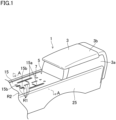
FIG. 1] FIG. 1 is a perspective view of a rear end portion of a console including a display panel according to an embodiment of the present disclosure. - [
FIG. 2] FIG. 2 is a sectional view taken along line A-A inFIG. 1 . - [
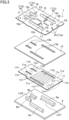
FIG. 3] FIG. 3 is an exploded perspective view of the display panel according to the embodiment of the present disclosure. - An embodiment of the present disclosure will be described with reference to the drawings.
-
FIG. 1 shows aconsole 1 placed between a driver's seat and a passenger seat of an automobile so as to extend in the longitudinal direction of a vehicle body. Theconsole 1 includes aconsole box 3, and theconsole box 3 includes a box body 3a that is open upward and alid 3b attached to the box body 3a such that thelid 3b can be opened and closed. Thelid 3b can be used as an armrest when closed. Aswitch device 5 is located below thelid 3b in front of theconsole box 3 in the longitudinal direction of the vehicle body. Theswitch device 5 includes adisplay panel 7 according to the embodiment with its front surface facing upward. - As shown in
FIGS. 2 and3 , thedisplay panel 7 includes a substantially rectangular plate-like base member 9 that is long in the longitudinal direction of the vehicle body. Thebase member 9 is made of a hard light-transmitting resin such as polypropylene (PP) or acrylic resin. Theentire base member 9 forms a light guide portion that guides light L from a light-emitting diode (LED) 23 (described later) serving as a light source toward the front side.First ridges 9a, which are a pair of protruding portions extending parallel to the longitudinal direction of the vehicle body, are formed on an intermediate part of the front surface of thebase member 9 in the longitudinal direction of the vehicle body so as to face each other at an interval in the lateral direction of the vehicle body. The tip ends of thefirst ridges 9a have a semicircular cross section that becomes narrower toward the top.Second ridges 9b, which are a pair of protruding portions located inward of thefirst ridges 9a in the lateral direction of the vehicle body and extending parallel to the longitudinal direction of the vehicle body, are formed in front of thefirst ridges 9a on the front surface of thebase member 9 so as to face each other at an interval in the lateral direction of the vehicle body. The tip ends of thesecond ridges 9b also have a semicircular cross section that becomes narrower toward the top. The length LO2 of thesecond ridges 9b in the longitudinal direction of the vehicle body is about 1/3 of the length LO1 of thefirst ridges 9a in the longitudinal direction of the vehicle body. - A sheet-like light-transmitting
electrostatic sensor 11 is located on the front surface of thedisplay panel 7. Theelectrostatic sensor 11 includes: awide portion 11a having a width larger than the interval between the outer edges of thefirst ridges 9a in the lateral direction of the vehicle body and smaller than the width of thebase member 9 and extending in the longitudinal direction of the vehicle body; and anarrow portion 1 1b having a width smaller than the width of thewide portion 11a and extending from the front edge of thewide portion 11a toward the front of the vehicle body. Elongated first throughholes 11c extending parallel to each other in the longitudinal direction of the vehicle body are formed near both ends of thewide portion 11a in the lateral direction of the vehicle body. Elongated second throughholes 11d extending parallel to each other in the longitudinal direction of the vehicle body are formed in thenarrow portion 11b at positions dividing thenarrow portion 1 1b into three substantially equal parts in the lateral direction of the vehicle body. Thefirst ridges 9a of thebase member 9 extend through the first throughholes 11c, and thesecond ridges 9b of thebase member 9 extend through the second throughholes 11d. Theelectrostatic sensor 11 includes a transparentfilm base member 11e andtransparent electrodes 11f that are a plurality of switch units formed in thefilm base member 11e. Theelectrostatic sensor 11 detects a finger approaching eachtransparent electrode 11f from the front side, and outputs the detection result to in-vehicle equipment such as an audio device (not shown) or a navigation device (not shown). The plurality oftransparent electrodes 11f formscentral switches 11g arranged between the first throughholes 11c, threefront switches 11h located on the left side of the left second throughhole 11d, between the second throughholes 11d, and on the right side of the right second throughhole 11d, and three rear switches 11i located near the rear end of thewide portion 11a. - A
cushioning layer 13 having the same shape as thebase member 9 as viewed in plan is located over the entire surface of a region of thebase member 9 where theelectrostatic sensor 11 is not located and the entire surface of theelectrostatic sensor 11. Thecushioning layer 13 is made of a light-transmitting material with cushioning properties such as urethane foam or silicone resin. Third throughholes 13a, which are through portions in the shape of an elongated hole, are formed in thecushioning layer 13 at positions corresponding to thefirst ridges 9a of thebase member 9. Fourth throughholes 13b, which are through portions in the shape of an elongated hole, are also formed in thecushioning layer 13 at positions corresponding to thesecond ridges 9b of thebase member 9. Thefirst ridges 9a of thebase member 9 extend through the third throughholes 13a, and thesecond ridges 9b of thebase member 9 extend through the fourth throughholes 13b. - Stretchy
upholstery 15 is located over the entire surface of thecushioning layer 13. Theupholstery 15 is made of a stretchy material such as polyvinyl chloride. Theupholstery 15 is fixed to thecushioning layer 13 and thebase member 9 by attaching the entire back surface of theupholstery 15 or a part of the back surface of theupholstery 15 to the surface of thecushioning layer 13 by either bonding with an adhesive or welding with the ends of theupholstery 15 placed on the back side of thebase member 9. Theupholstery 15 has a non-light transmitting light-shielding layer 17 having a plurality ofopenings 17a and colored with a black pigment, and a light-transmittingsmoke layer 19 placed over the entire light-shielding layer 17 and theentire openings 17a from the front side. Areas of thesmoke layer 19 that cover theopenings 17a in the light-shielding layer 17 form light-transmitting regions R1 of theupholstery 15. The entire light-shielding layer 17 and an area of thesmoke layer 19 that covers the light-shielding layer 17 form a non-light-transmitting region R2. Theopenings 17a in the light-shielding layer 17 of theupholstery 15 are formed in such a manner that theopenings 17a form a dotted line group L1 extending substantially from the center of theupholstery 15 outward in both the longitudinal and lateral directions of the vehicle body, first, second, and third shapes F1, F2, and F3 located in this order from left to right in front of the dotted line group L1 in the longitudinal direction of the vehicle body, and fourth, fifth, and sixth shapes F4, F5, and F6 located in this order from left to right behind the dotted line group L1 in the longitudinal direction of the vehicle body. Accordingly, the light-transmitting regions R1 also form the dotted line group L1 and the first to sixth shapes F1 to F6. Those light-transmitting regions R1 forming the dotted line group L1 are located over thosetransparent electrodes 11f forming thecentral switches 11g of theelectrostatic sensor 11. Those light-transmitting regions R1 forming the first to third shapes F1 to F3 are located over thosetransparent electrodes 11f forming thefront switches 11h of theelectrostatic sensor 11. Those light-transmitting regions R1 forming the fourth to sixth shapes F4 to F6 are located over thosetransparent electrodes 11f forming the rear switches 11i of theelectrostatic sensor 11. First raisedportions 15a that are raised on the front side of theupholstery 15 are formed on both sides of those light-transmitting regions R1 forming the dotted line group L1 in the lateral direction of the vehicle body at positions near these light-transmitting regions R1. The first raisedportions 15a have a semicircular arc cross section and extend in the longitudinal direction of the vehicle body. That is, the first raisedportions 15a face each other with those light-transmitting regions R1 forming the dotted line group L1 sandwiched therebetween from both sides in the lateral direction of the vehicle body (from two directions). Second raisedportions 15b that are raised on the front side of theupholstery 15 are formed on both sides of the light-transmitting region R1 forming the second shape F2 in the lateral direction of the vehicle body at positions near this light-transmitting region R1. The second raisedportions 15b have a semicircular arc cross section and extend in the longitudinal direction of the vehicle body. That is, the second raisedportions 15b face each other with the light-transmitting region R1 forming the second shape F2 sandwiched therebetween from both sides in the lateral direction of the vehicle body (from two directions). Both of the second raisedportions 15b are located inward of those light-transmitting regions R1 forming the first and third shapes F1, F3 in the lateral direction of the vehicle body at positions near these light-transmitting regions R1. The tip ends of thefirst ridges 9a of thebase member 9 are placed in the first raisedportions 15a so as to be in contact with the back sides of the first raisedportions 15a. The tip ends of thesecond ridges 9b of thebase member 9 are placed in the second raisedportions 15b so as to be in contact with the back sides of the second raisedportions 15b. - A
substrate 21 is located on the back side of thebase member 9 with a component side of thesubstrate 21 facing substantially the central part of thebase member 9. TheLED 23 is mounted on the component side of thesubstrate 21. - Side covers 25 are placed on both sides of the
switch device 5 in the lateral direction of the vehicle body so as to cover both ends of the surface of thedisplay panel 7 in the lateral direction of the vehicle body from above and sides. - In order to assemble the
display panel 7 configured as described above, theelectrostatic sensor 11 is first placed on the front surface of thebase member 9. At this time, theelectrostatic sensor 11 can be positioned with respect to thebase member 9 by inserting thefirst ridges 9a of thebase member 9 through the first throughholes 11c in theelectrostatic sensor 11 and inserting thesecond ridges 9b of thebase member 9 through the second throughholes 11d in theelectrostatic sensor 11. This configuration facilitates the positioning of theelectrostatic sensor 11. Next, thecushioning layer 13 is placed on the surface of the region of thebase member 9 where theelectrostatic sensor 11 is not located and the surface of theelectrostatic sensor 11. At this time, thecushioning layer 13 can be positioned with respect to thebase member 9 and theelectrostatic sensor 11 by inserting thefirst ridges 9a of thebase member 9 through the third throughholes 13a in thecushioning layer 13 and inserting thesecond ridges 9b of thebase member 9 through the fourth throughholes 13b in thecushioning layer 13. This configuration facilitates the positioning of thecushioning layer 13. Thereafter, theupholstery 15 is fixed to thecushioning layer 13 and thebase member 9 by stretching theupholstery 15 and attaching the back surface of theupholstery 15 to the surface of thecushioning layer 13 by either bonding with an adhesive or welding with the ends of theupholstery 15 placed on the back side of thebase member 9. At this time, theupholstery 15 can be positioned with respect to thebase member 9 by inserting thefirst ridges 9a of thebase member 9 into the first raisedportions 15a of theupholstery 15 and inserting thesecond ridges 9b of thebase member 9 into the second raisedportions 15b of theupholstery 15. This configuration facilitates the positioning of theupholstery 15. The first raisedportions 15a of theupholstery 15 that are located on both sides of those light-transmitting regions R1 forming the dotted line group L1 in the lateral direction of the vehicle body are positioned with respect to thebase member 9. This configuration reduces variation in amount by which those light-transmitting regions R1 forming the dotted line group L1 are stretched in the lateral direction of the vehicle body. Moreover, the second raisedportions 15b of theupholstery 15 that are located on both sides of the light-transmitting region R1 forming the second shape F2 in the lateral direction of the vehicle body are positioned with respect to thebase member 9. This configuration reduces variation in amount by which the light-transmitting region R1 forming the second shape F2 is stretched in the lateral direction of the vehicle body. Accordingly, distortion of the shapes of those light-transmitting regions R1 forming the dotted line group L1 and the second shape F2 can be reduced. - When the
LED 23 of theswitch device 5 configured as described above emits light L, the light L is incident on the back side of theupholstery 15 through thebase member 9, theelectrostatic sensor 11, and thecushioning layer 13. A part of the incident light L passes through the light-transmitting regions R1, but the remaining incident light L is blocked by the non-light-transmitting region R2. As a result, the shapes of the light-transmitting regions R1, that is, the dotted line group L1 and the first to sixth shapes F1 to F6 clearly appear on the surface of theupholstery 15. When the user brings his or her finger toward the area of the surface of theupholstery 15 where the dotted line group L1 appears and rotates the finger, theelectrostatic sensor 11 detects the finger approaching thetransparent electrodes 11f forming thecentral switches 11g and outputs the detection result to the audio device or the navigation device in the vehicle. The audio device or the navigation device in the vehicle then operates according to the detection result received from theelectrostatic sensor 11. At this time, the user who remembers the positional relationship between the first raisedportions 15a of theupholstery 15 and those light-transmitting regions R1 forming the dotted line group L1 would identify the positions of those light-transmitting regions R1 forming the dotted line group L1 by merely touching the first raisedportions 15a of theupholstery 15. It is therefore easy for the user to operate thedisplay panel 7 without looking at it. Similarly, when the user brings his or her finger toward one of the areas of the surface of theupholstery 15 where the first to sixth shapes F1 to F6 appear, theelectrostatic sensor 11 detects the finger approaching a corresponding one of thetransparent electrodes 11f (front switches 11h and rear switches 11i), and outputs the detection result to the audio device or the navigation device in the vehicle. The audio device or the navigation device in the vehicle then operates according to the detection result received from theelectrostatic sensor 11. - According to the present embodiment, the first raised
portions 15a that are located near those light-transmitting regions R1 forming the dotted line group L1 of theupholstery 15 are positioned with respect to thebase member 9 by inserting thefirst ridges 9a of thebase member 9 into the first raisedportions 15a. This configuration reduces displacement of those light-transmitting regions R1 forming the dotted line group L1 with respect to thebase member 9. - Moreover, the second raised
portions 15b that are located near those light-transmitting regions R1 forming the first to third shapes F1 to F3 of theupholstery 15 are positioned with respect to thebase member 9 by inserting thesecond ridges 9b of thebase member 9 into the second raisedportions 15b. This configuration reduces displacement of those light-transmitting regions R1 forming the first to third shapes F1 to F3 with respect to thebase member 9. - Since there is no
cushioning layer 13 between the first and second raisedportions upholstery 15 and the tip ends of the first andsecond ridges base member 9, the first and second raisedportions upholstery 15 will not move even when thecushioning layer 13 is deformed. Accordingly, the light-transmitting regions R1 of theupholstery 15 can be more accurately positioned. - In the present embodiment, the
entire base member 9 is made of a light-transmitting resin. However, a part of thebase member 9 may be made of an opaque resin so that only the remaining part of thebase member 9 serves as the light guide portion. In this case, theupholstery 15 may be placed such that the light-transmitting regions R1 of theupholstery 15 are located over the light guide portion. - In the present embodiment, the
electrostatic sensor 11 is located between thecushioning layer 13 and thebase member 9. However, theelectrostatic sensor 11 may be located at any other position such as on the back side of thebase member 9 as long as theelectrostatic sensor 11 is located on the back side of theupholstery 15. - In the present embodiment, the sensor mounted on the front surface of the
base member 9 is theelectrostatic sensor 11. However, a pressure sensor that has a switch unit and that detects a pressure applied from the front side to the switch unit may be mounted on the front surface of thebase member 9. - In the present embodiment, the two first raised
portions 15a and the two second raisedportions 15b are formed so as to sandwich the light-transmitting region(s) R1 therebetween from two directions. However, three or more first raisedportions 15a and three or more second raisedportions 15b may be formed so as to surround the light-transmitting region(s) R1 from three directions. Alternatively, the first raisedportion 15a and the second raisedportion 15b may be formed in an annular pattern so as to surround the light-transmitting region(s) R1 from all directions. - In the present embodiment, the non-light-transmitting region R2 of the
upholstery 15 is composed of thesmoke layer 19 and the light-shielding layer 17. However, the non-light-transmitting region R2 of theupholstery 15 may be composed of a light-transmitting upholstery material and a coating film formed on the upholstery material by coating. - In the present embodiment, the
first ridges 9a and thesecond ridges 9b of thebase member 9 extend through the third throughholes 13a and the fourth throughholes 13b in thecushioning layer 13. However, thecushioning layer 13 may have slits or cutouts, and thefirst ridges 9a and thesecond ridges 9b of thebase member 9 may extend through the slits or the cutouts. - In the present embodiment, the
first ridges 9a and thesecond ridges 9b of thebase member 9 have a semicircular cross section that becomes narrower toward the top, and the first raisedportions 15a and the second raisedportions 15b of theupholstery 15 have a semicircular arc cross section. However, thefirst ridges 9a and thesecond ridges 9b of thebase member 9 may have a polygonal cross section, and the first raisedportions 15a and the second raisedportions 15b of theupholstery 15 may have a cross-sectional shape that conforms to the cross-sectional shape of thefirst ridges 9a and thesecond ridges 9b. - The present disclosure is useful as a display panel including a base member and upholstery located on the front side of the base member.
-
- 7
- Display Panel
- 9
- Base Member (Light Guide Portion)
- 9a
- First Ridge (Protruding Portion)
- 9b
- Second Ridge (Protruding Portion)
- 11
- Electrostatic Sensor
- 11c
- First Through Hole
- 11d
- Second Through Hole
- 11f
- Transparent Electrode (Switch Unit)
- 13
- Cushioning Layer
- 13a
- Third Through Hole (Through Portion)
- 13b
- Fourth Through Hole (Through Portion)
- 15
- Upholstery
- 15a
- First Raised Portion
- 15b
- Second Raised Portion
- 23
- LED (Light Source)
- L
- Light
- R1
- Light-Transmitting Region
- R2
- Non-Light-Transmitting Region
Claims (3)
- A display panel, comprising:a base member (9) including a light guide portion that guides light (L) from a light source (23) toward a front side, wherein the light guide portion is made of a hard light-transmitting resin;upholstery (15) located on a front side of the base member (9), anda sensor (11) mounted on the front surface of the base member (9), the sensor (11) including a switch unit (11f), and the sensor (11) being configured for detecting a pressure applied from the front side to the switch unit (11f) or a finger approaching the switch unit (11f) from the front side,wherein the base member (9) has a protruding portion (9a, 9b) on its surface, andwherein the upholstery (15) includes:a light-transmitting region (R1) that is located over the light guide portion of the base member (9) and the switch unit (11f) of the sensor (11) and that allows the light (L) from the light source (23) to transmit therethrough to the front side; anda non-light-transmitting region (R2) that blocks the light (L) from the light source (23), a raised portion (15a, 15b) that is raised on a front side of the upholstery (15) is located near the light-transmitting region (R1) in the non-light-transmitting region (R2) of the upholstery (15), and the protruding portion (9a, 9b) of the base member (9) is placed in the raised portion (15a, 15b) from the back side of the upholstery (15).
- The display panel of claim 1, characterized in that
the light-transmitting region (R1) is sandwiched between the raised portions (15a, 15b) of the upholstery (15). - The display panel of claim 1 or 2, characterized in thata cushioning layer (13) made of a light-transmitting material with cushioning properties is located on the front side of the base member (9), and the cushioning layer (13) has a through portion (13a, 13b),the protruding portion (9a, 9b) of the base member (9) extends through the through portion (13a, 13b) of the cushioning layer (13), anda tip end of the protruding portion (9a, 9b) of the base member (9) is in contact with a back side of the raised portion (15a, 15b) of the upholstery (15).
Applications Claiming Priority (2)
| Application Number | Priority Date | Filing Date | Title |
|---|---|---|---|
| JP2019119896A JP7306893B2 (en) | 2019-06-27 | 2019-06-27 | display panel |
| PCT/JP2020/019522 WO2020261802A1 (en) | 2019-06-27 | 2020-05-15 | Display panel |
Publications (3)
| Publication Number | Publication Date |
|---|---|
| EP3975220A1 EP3975220A1 (en) | 2022-03-30 |
| EP3975220A4 EP3975220A4 (en) | 2022-08-17 |
| EP3975220B1 true EP3975220B1 (en) | 2023-12-13 |
Family
ID=74060784
Family Applications (1)
| Application Number | Title | Priority Date | Filing Date |
|---|---|---|---|
| EP20831868.3A Active EP3975220B1 (en) | 2019-06-27 | 2020-05-15 | Display panel |
Country Status (5)
| Country | Link |
|---|---|
| US (1) | US11958416B2 (en) |
| EP (1) | EP3975220B1 (en) |
| JP (1) | JP7306893B2 (en) |
| CN (1) | CN114144858B (en) |
| WO (1) | WO2020261802A1 (en) |
Families Citing this family (4)
| Publication number | Priority date | Publication date | Assignee | Title |
|---|---|---|---|---|
| JP1665311S (en) * | 2019-07-11 | 2020-08-03 | ||
| JP2023094508A (en) | 2021-12-23 | 2023-07-05 | パナソニックIpマネジメント株式会社 | Display device and input device |
| USD1040712S1 (en) * | 2022-05-23 | 2024-09-03 | Automobili Lamborghini S.P.A. | Steering wheel |
| JP2025167598A (en) * | 2024-04-26 | 2025-11-07 | 株式会社オートネットワーク技術研究所 | Electrical equipment |
Family Cites Families (19)
| Publication number | Priority date | Publication date | Assignee | Title |
|---|---|---|---|---|
| NL7508078A (en) | 1974-08-16 | 1976-02-18 | Parkson Corp | CONTINUOUS METHOD OF STRIPPING LATEX. |
| JP2772118B2 (en) * | 1989-11-06 | 1998-07-02 | 日本写真印刷株式会社 | Touch panel and display with touch panel |
| JP2887336B2 (en) * | 1992-11-25 | 1999-04-26 | 松下電工株式会社 | Non-contact switch |
| JP3282924B2 (en) * | 1994-08-31 | 2002-05-20 | 松下電工株式会社 | Lighting equipment with display panel |
| US8198979B2 (en) * | 2007-04-20 | 2012-06-12 | Ink-Logix, Llc | In-molded resistive and shielding elements |
| WO2009089092A1 (en) * | 2008-01-04 | 2009-07-16 | Johnson Controls Technology Company | Touch sensitive switches integrated with a vehicle interior part |
| JP5340318B2 (en) * | 2009-02-04 | 2013-11-13 | 信越ポリマー株式会社 | Capacitance type input switch |
| JP5212229B2 (en) * | 2009-04-03 | 2013-06-19 | 株式会社デンソー | Operation switch device |
| JP5010751B1 (en) * | 2011-03-11 | 2012-08-29 | 株式会社東芝 | Lighting device |
| JP2012208762A (en) * | 2011-03-30 | 2012-10-25 | Nippon Seiki Co Ltd | Touch panel input operation device |
| EP2758238A4 (en) * | 2011-10-18 | 2014-09-10 | Fischer Technology Pte Ltd | A method of moulding |
| JP6449239B2 (en) * | 2014-03-07 | 2019-01-09 | 信越ポリマー株式会社 | Switch device |
| JP2017165227A (en) * | 2016-03-15 | 2017-09-21 | ダイキョーニシカワ株式会社 | Vehicular interior trim including display part |
| JP2018049131A (en) * | 2016-09-21 | 2018-03-29 | 日本精機株式会社 | Display unit |
| US10400366B2 (en) * | 2017-06-14 | 2019-09-03 | Apple Inc. | Fabric items having strands varying along their lengths |
| JP2019040802A (en) * | 2017-08-28 | 2019-03-14 | ダイキョーニシカワ株式会社 | Switch device for vehicle |
| WO2019123647A1 (en) * | 2017-12-22 | 2019-06-27 | 堺ディスプレイプロダクト株式会社 | Display device and production method for display device |
| JP7065764B2 (en) * | 2018-12-28 | 2022-05-12 | 本田技研工業株式会社 | Interior materials for vehicles |
| JP7426593B2 (en) * | 2019-04-10 | 2024-02-02 | パナソニックIpマネジメント株式会社 | Push switches and illuminated switch devices |
-
2019
- 2019-06-27 JP JP2019119896A patent/JP7306893B2/en active Active
-
2020
- 2020-05-15 WO PCT/JP2020/019522 patent/WO2020261802A1/en not_active Ceased
- 2020-05-15 EP EP20831868.3A patent/EP3975220B1/en active Active
- 2020-05-15 CN CN202080047032.0A patent/CN114144858B/en active Active
-
2021
- 2021-12-16 US US17/553,004 patent/US11958416B2/en active Active
Also Published As
| Publication number | Publication date |
|---|---|
| US11958416B2 (en) | 2024-04-16 |
| WO2020261802A1 (en) | 2020-12-30 |
| US20220105877A1 (en) | 2022-04-07 |
| CN114144858B (en) | 2024-06-25 |
| EP3975220A1 (en) | 2022-03-30 |
| EP3975220A4 (en) | 2022-08-17 |
| JP2021005526A (en) | 2021-01-14 |
| JP7306893B2 (en) | 2023-07-11 |
| CN114144858A (en) | 2022-03-04 |
Similar Documents
| Publication | Publication Date | Title |
|---|---|---|
| EP3975220B1 (en) | Display panel | |
| JP4166477B2 (en) | Capacitive command devices for automotive functional devices, etc., and equipment parts equipped with such devices | |
| EP2571010B1 (en) | Display member and display device | |
| KR101901769B1 (en) | Illuminated indicator structures for electronic devices | |
| KR101410015B1 (en) | Touch key assembly and light indicator assembly for mobile device | |
| JP7079688B2 (en) | Display panel and vehicle switch device equipped with it | |
| CN116669978B (en) | Display device and input device | |
| US20230407027A1 (en) | Skin material | |
| JP2014142777A (en) | Touch panel input operation device | |
| JP5324972B2 (en) | Switch module | |
| JP2020166960A (en) | Manufacturing method of switch device for vehicles | |
| JP2023009444A (en) | Vehicular switch device | |
| JP2014235893A (en) | Control panel | |
| EP4385827A1 (en) | Interior member | |
| JP2013033309A (en) | Touch panel input operation device | |
| JP2013242355A (en) | Display unit | |
| KR20090102202A (en) | Method for manufacturing keypad package, the keypad package manufactured by method thereof and keypad for mobile phone used with the keypad package | |
| JP2013232081A (en) | Touch panel input operation device | |
| JP2020205222A (en) | Switch device | |
| JP2012178080A (en) | Input device | |
| JP6040925B2 (en) | Capacitive switch | |
| JP6166635B2 (en) | Switch device for vehicle | |
| JP5349176B2 (en) | Touch switch device | |
| JP7579700B2 (en) | Switching device | |
| JP2017116851A (en) | Display device |
Legal Events
| Date | Code | Title | Description |
|---|---|---|---|
| STAA | Information on the status of an ep patent application or granted ep patent |
Free format text: STATUS: THE INTERNATIONAL PUBLICATION HAS BEEN MADE |
|
| PUAI | Public reference made under article 153(3) epc to a published international application that has entered the european phase |
Free format text: ORIGINAL CODE: 0009012 |
|
| STAA | Information on the status of an ep patent application or granted ep patent |
Free format text: STATUS: REQUEST FOR EXAMINATION WAS MADE |
|
| 17P | Request for examination filed |
Effective date: 20211220 |
|
| AK | Designated contracting states |
Kind code of ref document: A1 Designated state(s): AL AT BE BG CH CY CZ DE DK EE ES FI FR GB GR HR HU IE IS IT LI LT LU LV MC MK MT NL NO PL PT RO RS SE SI SK SM TR |
|
| A4 | Supplementary search report drawn up and despatched |
Effective date: 20220715 |
|
| RIC1 | Information provided on ipc code assigned before grant |
Ipc: H03K 17/96 20060101ALI20220711BHEP Ipc: H03K 17/955 20060101ALI20220711BHEP Ipc: G09F 13/00 20060101ALI20220711BHEP Ipc: B60R 16/02 20060101ALI20220711BHEP Ipc: H01H 36/00 20060101AFI20220711BHEP |
|
| DAV | Request for validation of the european patent (deleted) | ||
| DAX | Request for extension of the european patent (deleted) | ||
| STAA | Information on the status of an ep patent application or granted ep patent |
Free format text: STATUS: EXAMINATION IS IN PROGRESS |
|
| 17Q | First examination report despatched |
Effective date: 20230224 |
|
| GRAP | Despatch of communication of intention to grant a patent |
Free format text: ORIGINAL CODE: EPIDOSNIGR1 |
|
| STAA | Information on the status of an ep patent application or granted ep patent |
Free format text: STATUS: GRANT OF PATENT IS INTENDED |
|
| INTG | Intention to grant announced |
Effective date: 20230809 |
|
| GRAS | Grant fee paid |
Free format text: ORIGINAL CODE: EPIDOSNIGR3 |
|
| GRAA | (expected) grant |
Free format text: ORIGINAL CODE: 0009210 |
|
| STAA | Information on the status of an ep patent application or granted ep patent |
Free format text: STATUS: THE PATENT HAS BEEN GRANTED |
|
| RAP3 | Party data changed (applicant data changed or rights of an application transferred) |
Owner name: HOSIDEN CORPORATION Owner name: DAIKYONISHIKAWA CORPORATION |
|
| P01 | Opt-out of the competence of the unified patent court (upc) registered |
Effective date: 20231031 |
|
| AK | Designated contracting states |
Kind code of ref document: B1 Designated state(s): AL AT BE BG CH CY CZ DE DK EE ES FI FR GB GR HR HU IE IS IT LI LT LU LV MC MK MT NL NO PL PT RO RS SE SI SK SM TR |
|
| REG | Reference to a national code |
Ref country code: GB Ref legal event code: FG4D |
|
| REG | Reference to a national code |
Ref country code: CH Ref legal event code: EP |
|
| REG | Reference to a national code |
Ref country code: DE Ref legal event code: R096 Ref document number: 602020022843 Country of ref document: DE |
|
| REG | Reference to a national code |
Ref country code: IE Ref legal event code: FG4D |
|
| PG25 | Lapsed in a contracting state [announced via postgrant information from national office to epo] |
Ref country code: GR Free format text: LAPSE BECAUSE OF FAILURE TO SUBMIT A TRANSLATION OF THE DESCRIPTION OR TO PAY THE FEE WITHIN THE PRESCRIBED TIME-LIMIT Effective date: 20240314 |
|
| REG | Reference to a national code |
Ref country code: LT Ref legal event code: MG9D |
|
| PG25 | Lapsed in a contracting state [announced via postgrant information from national office to epo] |
Ref country code: LT Free format text: LAPSE BECAUSE OF FAILURE TO SUBMIT A TRANSLATION OF THE DESCRIPTION OR TO PAY THE FEE WITHIN THE PRESCRIBED TIME-LIMIT Effective date: 20231213 |
|
| REG | Reference to a national code |
Ref country code: NL Ref legal event code: MP Effective date: 20231213 |
|
| PG25 | Lapsed in a contracting state [announced via postgrant information from national office to epo] |
Ref country code: ES Free format text: LAPSE BECAUSE OF FAILURE TO SUBMIT A TRANSLATION OF THE DESCRIPTION OR TO PAY THE FEE WITHIN THE PRESCRIBED TIME-LIMIT Effective date: 20231213 |
|
| PG25 | Lapsed in a contracting state [announced via postgrant information from national office to epo] |
Ref country code: LT Free format text: LAPSE BECAUSE OF FAILURE TO SUBMIT A TRANSLATION OF THE DESCRIPTION OR TO PAY THE FEE WITHIN THE PRESCRIBED TIME-LIMIT Effective date: 20231213 Ref country code: GR Free format text: LAPSE BECAUSE OF FAILURE TO SUBMIT A TRANSLATION OF THE DESCRIPTION OR TO PAY THE FEE WITHIN THE PRESCRIBED TIME-LIMIT Effective date: 20240314 Ref country code: ES Free format text: LAPSE BECAUSE OF FAILURE TO SUBMIT A TRANSLATION OF THE DESCRIPTION OR TO PAY THE FEE WITHIN THE PRESCRIBED TIME-LIMIT Effective date: 20231213 Ref country code: BG Free format text: LAPSE BECAUSE OF FAILURE TO SUBMIT A TRANSLATION OF THE DESCRIPTION OR TO PAY THE FEE WITHIN THE PRESCRIBED TIME-LIMIT Effective date: 20240313 |
|
| REG | Reference to a national code |
Ref country code: AT Ref legal event code: MK05 Ref document number: 1641195 Country of ref document: AT Kind code of ref document: T Effective date: 20231213 |
|
| PG25 | Lapsed in a contracting state [announced via postgrant information from national office to epo] |
Ref country code: NL Free format text: LAPSE BECAUSE OF FAILURE TO SUBMIT A TRANSLATION OF THE DESCRIPTION OR TO PAY THE FEE WITHIN THE PRESCRIBED TIME-LIMIT Effective date: 20231213 |
|
| PG25 | Lapsed in a contracting state [announced via postgrant information from national office to epo] |
Ref country code: SE Free format text: LAPSE BECAUSE OF FAILURE TO SUBMIT A TRANSLATION OF THE DESCRIPTION OR TO PAY THE FEE WITHIN THE PRESCRIBED TIME-LIMIT Effective date: 20231213 Ref country code: RS Free format text: LAPSE BECAUSE OF FAILURE TO SUBMIT A TRANSLATION OF THE DESCRIPTION OR TO PAY THE FEE WITHIN THE PRESCRIBED TIME-LIMIT Effective date: 20231213 Ref country code: NO Free format text: LAPSE BECAUSE OF FAILURE TO SUBMIT A TRANSLATION OF THE DESCRIPTION OR TO PAY THE FEE WITHIN THE PRESCRIBED TIME-LIMIT Effective date: 20240313 Ref country code: NL Free format text: LAPSE BECAUSE OF FAILURE TO SUBMIT A TRANSLATION OF THE DESCRIPTION OR TO PAY THE FEE WITHIN THE PRESCRIBED TIME-LIMIT Effective date: 20231213 Ref country code: LV Free format text: LAPSE BECAUSE OF FAILURE TO SUBMIT A TRANSLATION OF THE DESCRIPTION OR TO PAY THE FEE WITHIN THE PRESCRIBED TIME-LIMIT Effective date: 20231213 Ref country code: HR Free format text: LAPSE BECAUSE OF FAILURE TO SUBMIT A TRANSLATION OF THE DESCRIPTION OR TO PAY THE FEE WITHIN THE PRESCRIBED TIME-LIMIT Effective date: 20231213 |
|
| PG25 | Lapsed in a contracting state [announced via postgrant information from national office to epo] |
Ref country code: IS Free format text: LAPSE BECAUSE OF FAILURE TO SUBMIT A TRANSLATION OF THE DESCRIPTION OR TO PAY THE FEE WITHIN THE PRESCRIBED TIME-LIMIT Effective date: 20240413 |
|
| PG25 | Lapsed in a contracting state [announced via postgrant information from national office to epo] |
Ref country code: AT Free format text: LAPSE BECAUSE OF FAILURE TO SUBMIT A TRANSLATION OF THE DESCRIPTION OR TO PAY THE FEE WITHIN THE PRESCRIBED TIME-LIMIT Effective date: 20231213 Ref country code: CZ Free format text: LAPSE BECAUSE OF FAILURE TO SUBMIT A TRANSLATION OF THE DESCRIPTION OR TO PAY THE FEE WITHIN THE PRESCRIBED TIME-LIMIT Effective date: 20231213 |
|
| PG25 | Lapsed in a contracting state [announced via postgrant information from national office to epo] |
Ref country code: SK Free format text: LAPSE BECAUSE OF FAILURE TO SUBMIT A TRANSLATION OF THE DESCRIPTION OR TO PAY THE FEE WITHIN THE PRESCRIBED TIME-LIMIT Effective date: 20231213 |
|
| PG25 | Lapsed in a contracting state [announced via postgrant information from national office to epo] |
Ref country code: SM Free format text: LAPSE BECAUSE OF FAILURE TO SUBMIT A TRANSLATION OF THE DESCRIPTION OR TO PAY THE FEE WITHIN THE PRESCRIBED TIME-LIMIT Effective date: 20231213 Ref country code: SK Free format text: LAPSE BECAUSE OF FAILURE TO SUBMIT A TRANSLATION OF THE DESCRIPTION OR TO PAY THE FEE WITHIN THE PRESCRIBED TIME-LIMIT Effective date: 20231213 Ref country code: RO Free format text: LAPSE BECAUSE OF FAILURE TO SUBMIT A TRANSLATION OF THE DESCRIPTION OR TO PAY THE FEE WITHIN THE PRESCRIBED TIME-LIMIT Effective date: 20231213 Ref country code: IT Free format text: LAPSE BECAUSE OF FAILURE TO SUBMIT A TRANSLATION OF THE DESCRIPTION OR TO PAY THE FEE WITHIN THE PRESCRIBED TIME-LIMIT Effective date: 20231213 Ref country code: IS Free format text: LAPSE BECAUSE OF FAILURE TO SUBMIT A TRANSLATION OF THE DESCRIPTION OR TO PAY THE FEE WITHIN THE PRESCRIBED TIME-LIMIT Effective date: 20240413 Ref country code: EE Free format text: LAPSE BECAUSE OF FAILURE TO SUBMIT A TRANSLATION OF THE DESCRIPTION OR TO PAY THE FEE WITHIN THE PRESCRIBED TIME-LIMIT Effective date: 20231213 Ref country code: CZ Free format text: LAPSE BECAUSE OF FAILURE TO SUBMIT A TRANSLATION OF THE DESCRIPTION OR TO PAY THE FEE WITHIN THE PRESCRIBED TIME-LIMIT Effective date: 20231213 Ref country code: AT Free format text: LAPSE BECAUSE OF FAILURE TO SUBMIT A TRANSLATION OF THE DESCRIPTION OR TO PAY THE FEE WITHIN THE PRESCRIBED TIME-LIMIT Effective date: 20231213 |
|
| PG25 | Lapsed in a contracting state [announced via postgrant information from national office to epo] |
Ref country code: PT Free format text: LAPSE BECAUSE OF FAILURE TO SUBMIT A TRANSLATION OF THE DESCRIPTION OR TO PAY THE FEE WITHIN THE PRESCRIBED TIME-LIMIT Effective date: 20240415 Ref country code: PL Free format text: LAPSE BECAUSE OF FAILURE TO SUBMIT A TRANSLATION OF THE DESCRIPTION OR TO PAY THE FEE WITHIN THE PRESCRIBED TIME-LIMIT Effective date: 20231213 |
|
| PG25 | Lapsed in a contracting state [announced via postgrant information from national office to epo] |
Ref country code: PT Free format text: LAPSE BECAUSE OF FAILURE TO SUBMIT A TRANSLATION OF THE DESCRIPTION OR TO PAY THE FEE WITHIN THE PRESCRIBED TIME-LIMIT Effective date: 20240415 Ref country code: PL Free format text: LAPSE BECAUSE OF FAILURE TO SUBMIT A TRANSLATION OF THE DESCRIPTION OR TO PAY THE FEE WITHIN THE PRESCRIBED TIME-LIMIT Effective date: 20231213 |
|
| REG | Reference to a national code |
Ref country code: DE Ref legal event code: R097 Ref document number: 602020022843 Country of ref document: DE |
|
| PG25 | Lapsed in a contracting state [announced via postgrant information from national office to epo] |
Ref country code: DK Free format text: LAPSE BECAUSE OF FAILURE TO SUBMIT A TRANSLATION OF THE DESCRIPTION OR TO PAY THE FEE WITHIN THE PRESCRIBED TIME-LIMIT Effective date: 20231213 |
|
| PLBE | No opposition filed within time limit |
Free format text: ORIGINAL CODE: 0009261 |
|
| STAA | Information on the status of an ep patent application or granted ep patent |
Free format text: STATUS: NO OPPOSITION FILED WITHIN TIME LIMIT |
|
| PG25 | Lapsed in a contracting state [announced via postgrant information from national office to epo] |
Ref country code: SI Free format text: LAPSE BECAUSE OF FAILURE TO SUBMIT A TRANSLATION OF THE DESCRIPTION OR TO PAY THE FEE WITHIN THE PRESCRIBED TIME-LIMIT Effective date: 20231213 |
|
| PG25 | Lapsed in a contracting state [announced via postgrant information from national office to epo] |
Ref country code: SI Free format text: LAPSE BECAUSE OF FAILURE TO SUBMIT A TRANSLATION OF THE DESCRIPTION OR TO PAY THE FEE WITHIN THE PRESCRIBED TIME-LIMIT Effective date: 20231213 Ref country code: DK Free format text: LAPSE BECAUSE OF FAILURE TO SUBMIT A TRANSLATION OF THE DESCRIPTION OR TO PAY THE FEE WITHIN THE PRESCRIBED TIME-LIMIT Effective date: 20231213 |
|
| 26N | No opposition filed |
Effective date: 20240916 |
|
| REG | Reference to a national code |
Ref country code: CH Ref legal event code: PL |
|
| PG25 | Lapsed in a contracting state [announced via postgrant information from national office to epo] |
Ref country code: MC Free format text: LAPSE BECAUSE OF FAILURE TO SUBMIT A TRANSLATION OF THE DESCRIPTION OR TO PAY THE FEE WITHIN THE PRESCRIBED TIME-LIMIT Effective date: 20231213 |
|
| PG25 | Lapsed in a contracting state [announced via postgrant information from national office to epo] |
Ref country code: LU Free format text: LAPSE BECAUSE OF NON-PAYMENT OF DUE FEES Effective date: 20240515 |
|
| PG25 | Lapsed in a contracting state [announced via postgrant information from national office to epo] |
Ref country code: MC Free format text: LAPSE BECAUSE OF FAILURE TO SUBMIT A TRANSLATION OF THE DESCRIPTION OR TO PAY THE FEE WITHIN THE PRESCRIBED TIME-LIMIT Effective date: 20231213 Ref country code: LU Free format text: LAPSE BECAUSE OF NON-PAYMENT OF DUE FEES Effective date: 20240515 Ref country code: CH Free format text: LAPSE BECAUSE OF NON-PAYMENT OF DUE FEES Effective date: 20240531 |
|
| REG | Reference to a national code |
Ref country code: BE Ref legal event code: MM Effective date: 20240531 |
|
| PG25 | Lapsed in a contracting state [announced via postgrant information from national office to epo] |
Ref country code: IE Free format text: LAPSE BECAUSE OF NON-PAYMENT OF DUE FEES Effective date: 20240515 |
|
| PG25 | Lapsed in a contracting state [announced via postgrant information from national office to epo] |
Ref country code: BE Free format text: LAPSE BECAUSE OF NON-PAYMENT OF DUE FEES Effective date: 20240531 |
|
| PGFP | Annual fee paid to national office [announced via postgrant information from national office to epo] |
Ref country code: DE Payment date: 20250521 Year of fee payment: 6 |
|
| PGFP | Annual fee paid to national office [announced via postgrant information from national office to epo] |
Ref country code: GB Payment date: 20250527 Year of fee payment: 6 |
|
| PGFP | Annual fee paid to national office [announced via postgrant information from national office to epo] |
Ref country code: FR Payment date: 20250528 Year of fee payment: 6 |
|
| PG25 | Lapsed in a contracting state [announced via postgrant information from national office to epo] |
Ref country code: CY Free format text: LAPSE BECAUSE OF FAILURE TO SUBMIT A TRANSLATION OF THE DESCRIPTION OR TO PAY THE FEE WITHIN THE PRESCRIBED TIME-LIMIT; INVALID AB INITIO Effective date: 20200515 |
|
| PG25 | Lapsed in a contracting state [announced via postgrant information from national office to epo] |
Ref country code: HU Free format text: LAPSE BECAUSE OF FAILURE TO SUBMIT A TRANSLATION OF THE DESCRIPTION OR TO PAY THE FEE WITHIN THE PRESCRIBED TIME-LIMIT; INVALID AB INITIO Effective date: 20200515 |
|
| PG25 | Lapsed in a contracting state [announced via postgrant information from national office to epo] |
Ref country code: FI Free format text: LAPSE BECAUSE OF FAILURE TO SUBMIT A TRANSLATION OF THE DESCRIPTION OR TO PAY THE FEE WITHIN THE PRESCRIBED TIME-LIMIT Effective date: 20231213 |