EP3973770A1 - Composition for preventing the formation of seeds in fruit - Google Patents
Composition for preventing the formation of seeds in fruit Download PDFInfo
- Publication number
- EP3973770A1 EP3973770A1 EP19763030.4A EP19763030A EP3973770A1 EP 3973770 A1 EP3973770 A1 EP 3973770A1 EP 19763030 A EP19763030 A EP 19763030A EP 3973770 A1 EP3973770 A1 EP 3973770A1
- Authority
- EP
- European Patent Office
- Prior art keywords
- fruit
- composition
- accordance
- seeds
- plant
- Prior art date
- Legal status (The legal status is an assumption and is not a legal conclusion. Google has not performed a legal analysis and makes no representation as to the accuracy of the status listed.)
- Granted
Links
Images















Classifications
-
- A—HUMAN NECESSITIES
- A01—AGRICULTURE; FORESTRY; ANIMAL HUSBANDRY; HUNTING; TRAPPING; FISHING
- A01H—NEW PLANTS OR NON-TRANSGENIC PROCESSES FOR OBTAINING THEM; PLANT REPRODUCTION BY TISSUE CULTURE TECHNIQUES
- A01H3/00—Processes for modifying phenotypes, e.g. symbiosis with bacteria
- A01H3/04—Processes for modifying phenotypes, e.g. symbiosis with bacteria by treatment with chemicals
-
- A—HUMAN NECESSITIES
- A01—AGRICULTURE; FORESTRY; ANIMAL HUSBANDRY; HUNTING; TRAPPING; FISHING
- A01N—PRESERVATION OF BODIES OF HUMANS OR ANIMALS OR PLANTS OR PARTS THEREOF; BIOCIDES, e.g. AS DISINFECTANTS, AS PESTICIDES OR AS HERBICIDES; PEST REPELLANTS OR ATTRACTANTS; PLANT GROWTH REGULATORS
- A01N59/00—Biocides, pest repellants or attractants, or plant growth regulators containing elements or inorganic compounds
- A01N59/02—Sulfur; Selenium; Tellurium; Compounds thereof
-
- A—HUMAN NECESSITIES
- A01—AGRICULTURE; FORESTRY; ANIMAL HUSBANDRY; HUNTING; TRAPPING; FISHING
- A01N—PRESERVATION OF BODIES OF HUMANS OR ANIMALS OR PLANTS OR PARTS THEREOF; BIOCIDES, e.g. AS DISINFECTANTS, AS PESTICIDES OR AS HERBICIDES; PEST REPELLANTS OR ATTRACTANTS; PLANT GROWTH REGULATORS
- A01N43/00—Biocides, pest repellants or attractants, or plant growth regulators containing heterocyclic compounds
- A01N43/02—Biocides, pest repellants or attractants, or plant growth regulators containing heterocyclic compounds having rings with one or more oxygen or sulfur atoms as the only ring hetero atoms
- A01N43/04—Biocides, pest repellants or attractants, or plant growth regulators containing heterocyclic compounds having rings with one or more oxygen or sulfur atoms as the only ring hetero atoms with one hetero atom
- A01N43/06—Biocides, pest repellants or attractants, or plant growth regulators containing heterocyclic compounds having rings with one or more oxygen or sulfur atoms as the only ring hetero atoms with one hetero atom five-membered rings
- A01N43/12—Biocides, pest repellants or attractants, or plant growth regulators containing heterocyclic compounds having rings with one or more oxygen or sulfur atoms as the only ring hetero atoms with one hetero atom five-membered rings condensed with a carbocyclic ring
Definitions
- the present invention relates to the agri-food industry and refers specifically to a new composition which, when applied to the blossom of horticultural plant and/or fruit tree crops, prevents the formation of seeds in the fruit in an effective manner without reducing the yield and/or quality of the fruit.
- novel composition subject of the present invention, contains sulphur (S) as its active agent and prevents the formation of seeds in fruit once applied in accordance with the method of the present invention.
- S sulphur
- Fresh produce markets are ever more demanding in terms of internal and external quality of fruit and vegetables [1-3] .
- One of the quality characteristics most valued by consumers is the absence of seeds [4] .
- new seedless varieties can be obtained through plant breeding, triploid hybrids, gamma ray induced mutations or new biotechnological techniques [9-13] .
- seedless watermelon is obtained through hybridisation, crossing two plants with incompatible sets of chromosomes.
- the key lies in placing one plant close to the other so they cross-pollinate, but do not fertilise, so that the resulting fruit is a seedless watermelon.
- the male pollen of a diploid watermelon is crossed with the flower of a tetraploid watermelon to obtain a sterile hybrid (triploid watermelon), which is unable to produce seeds.
- Fruit such as seedless oranges and grapes are examples of mutations that, through the process of selection and cross-breeding, have produced new varieties.
- mutation is used to produce seedless fruit through gamma irradiation, or more recently through a gene editing technique (CRISPR) in order to deliberately introduce a mutation with the aim of producing seedless fruit.
- CRISPR gene editing technique
- This technique is being tested on tomatoes.
- mutation increases auxin hormone levels, which stimulate the fruit to develop, even though seeds have not yet begun to form.
- Spanish patent ES2323028 describes a method that uses mutation to obtain seedless tomatoes. The method is based on the transfer and expression of the LFY gene in Arabidopsis thaliana to transgenic tomato plants. The fruit of transgenic plants with the LFY gene maintains the same size and weight of that of the original crop, but contains no seeds, is fleshier, has less pulp and is slightly pointed in shape.
- Spanish patent ES2580166 describes a pepper plant that generates seedless fruit, where said plant is produced stably over several generations through retro breeding, and where the plant is obtained through a cross-breeding method that consists of the stages of a) Selecting the first filial generation plant capable of producing seedless fruit that has a male sterility feature and a parthenocarpic feature of the first filial generation group of plants, created through cross-breeding the plant of a male sterile line with the plant of a parthenocarpic line; b) Crossing the plant of the first filial generation thus selected with a plant of a fixed parthenocarpic line that is able to retain the parthenocarpic feature and the male sterility feature of the plant, as parental pollinator, in order to use it to create a progeny plant that has the parthenocarpic feature and the male sterility feature; c) Retro breeding the progeny plant thus created once again with the plant of the fixed parthenocarpic line used as the
- the present invention provides a composition which, when applied to horticultural crops and fruit crops, that is, horticultural plants and fruit trees, during the "flowering" stage, prevents the formation of seeds in fruit without being toxic for the plant and the pollinators, as well as without negatively affecting the quality and quantity of the yield.
- the subject of the present invention is a new composition which, when applied to the blossom of crops, is able to prevent the formation of seeds in the fruit of the treated plants.
- the composition consists of sulphur (S) as an active ingredient, whose activity provokes the collapse of the stigma papilla cells of the flower, and optionally a plant hormone whose activity helps stabilise the crop.
- S sulphur
- the composition consists of a surfactant that facilitates the application of the composition to the crops through spraying methods.
- S sulphur
- the authors of the present invention have also observed a reduction effect on the intensity of fruit formation deriving from the foregoing effect. Depending on the concentration at which the active product is applied, this can reduce the total number of fruit in the crop, which can be beneficial for obtaining less fruit, but of a greater size, thus increasing the commercial value of the yield. For crops with low or no parthenocarpic capacity (such as for example fruit trees of the rosaceae family), by preventing fertilisation the partial formation of fruit is also prevented. This secondary effect deriving from the main effect (collapse of the stigma papilla cells) can be useful for regulating the quantity of fruit per tree in these kinds of crops.
- the terms "impede, prevent and reduce” the formation and number of seeds in fruit covers between 95 and 100% growth inhibition of the pollen tubes inside the stigma and thus the formation of seeds in flowers that have been homogeneously treated with the suitable concentration of the product in a timely manner.
- the term "flowering" corresponds to the anthesis stage and covers the moment from when the flower opens and the stigma is exposed and receptive to pollen grains.
- state of pre-pollination covers the state prior to the arrival of the pollen grains in the stigma of the flower.
- state of post-pollination covers the state after the arrival of the pollen grains in the stigma of the flower.
- the subject of the present invention is a composition to prevent the formation of seeds in the fruit of horticultural plants and/or fruit trees that consists of sulphur (S) and that provokes the collapse of stigma papilla cells.
- S sulphur
- the subject of this invention is also a composition as described above, characterised by the sulphur (S) being present in the composition at between 50 - 100% (m/m) in weight compared to the total weight of the composition.
- S sulphur
- the subject of this invention is also a composition in accordance with the foregoing paragraphs, characterised by consisting additionally of a surfactant for generating a stable aqueous solution that facilitates its application and improves its effectiveness.
- the subject of this invention is also a composition as described above characterised by the surfactant being selected from the group that consists of: non-ionic and anionic surfactants, as well as mixtures thereof.
- the subject of this invention is also a composition as described above characterised by the sulphur (S) and the surfactant being present in the composition at a ratio of 100:1 to 1:10 (sulphur: surfactant).
- the subject of this invention is also a composition as described above that also consists of a plant hormone.
- the subject of this invention is also a composition as described above characterised by the plant hormone being present in the composition at a concentration of between 0 mg.L -1 - 500 mg.L -1 .
- the subject of this invention is also a composition as described above characterised by the plant hormone being selected from the group consisting of: gibberellic acid, auxin and cytokinin, as well as mixtures thereof.
- the subject of this invention is also a composition as described above characterised by the plant hormone being gibberellic acid.
- the subject of this invention is also a composition as described in the foregoing paragraphs characterised by the sulphur (S) present in the composition being in the form of an octatomic molecule (S 8 ).
- the subject of the present invention is also a composition to prevent or reduce the formation of seeds in the fruit of horticultural plants and/or fruit trees that consists of sulphur (S) as an octatomic molecule (S 8 ), polysorbate 20 and gibberellic acid.
- S sulphur
- S 8 octatomic molecule
- the subject of this invention is also the use of a composition as defined in any of the foregoing paragraphs to prevent, or reduce, the formation of seeds in the fruit of horticultural plants and/or fruit trees.
- the subject of this invention is also the use of a composition as detailed in the foregoing paragraphs to regulate the intensity of formation (number of fruit formed per plant) of horticultural plants and/or fruit trees.
- the subject of this invention is a method to prevent the formation of seeds in the fruit of horticultural plants and/or fruit trees that consists in the stage of applying an effective amount of the composition as described in any of the foregoing paragraphs, where such application is performed on the flower of the horticultural plant and/or fruit tree during the "flowering" stage.
- the subject of this invention is also a method to prevent the formation of seeds in the fruit of horticultural plants and/or fruit trees as described above, that consists in the application of a composition of the present invention, as described above, where such application is performed on the flower of the horticultural plant and/or fruit tree during the "flowering" stage in a state of pre-pollination.
- the subject of this invention is also a method to reduce the formation of seeds in the fruit of horticultural plants and/or fruit trees as described above, that consists in the application of a composition of the present invention, as described in the foregoing paragraphs, during the "flowering" stage in a state of post-pollination.
- the subject of this invention is also a method for reducing the formation of seeds in the fruit of horticultural plants and/or fruit trees in accordance with the foregoing paragraphs, where application is performed using spraying, soaking or similar methods
- the subject of this invention is also a method for reducing the formation of seeds in the fruit of horticultural plants and/or fruit trees in accordance with the foregoing paragraphs, where treatment is administered in various applications during the crop flowering period.
- the subject of this invention is also a seedless fruit characterised by the lack of seeds in its interior despite having been pollinated.
- the subject of this invention is also a seedless fruit characterised by the lack of seeds in its interior despite having been pollinated, obtained through the method defined in the foregoing paragraphs.
- the subject of this invention is a horticultural plant and/or fruit tree treated with the composition of the present invention as defined in the foregoing paragraphs characterised by the horticultural plant and/or fruit tree being covered with the composition.
- the subject of this invention is also a horticultural plant and/or fruit tree characterised by the presence of seedless fruit.
- the subject of this invention is also a horticultural plant and/or fruit tree as defined above, characterised by the presence of collapsed stigma papilla cells.
- the subject of this invention is also a horticultural plant and/or fruit tree as defined in the foregoing paragraphs characterised by the lack of pollen tubes growing in the stigma once pollination of the horticultural plant and/or fruit tree has been produced.
- the present invention is for application in the agri-food industry, specifically for obtaining seedless fruit from horticultural plants and/or fruit trees of the angiosperm group.
- Angiosperm plant crops have the capacity to produce flowers and fruit with one or more seeds in their interior. When fertilisation takes place, the ovary matures and transforms into fruit. Its reproductive organs are the androecium, male organ of the flower, and the gynoecium or pistil which is the female organ of the flower in whose ovary the female gametophyte is found. The seeds of angiosperm plants are located inside the fruit.
- pollen is transferred from the anther of one flower to the stigma of another or to the same flower, either by the wind or through insect pollinators. Once the pollen grain reaches the stigma, this grows in the form of a tube, which allows the male gametophyte to descend through the style and to reach the seminal primordium where the female gametophyte is located, in order to fertilise it. From that moment the seminal primordia transform into seeds and the rest of the gynoecium, mainly the ovary, into fruit.
- stigmas can be of two types, wet or dry, depending on whether or not they secrete a characteristic exudate.
- Their surface is generally papillous.
- the term "papilla” applies to those individual or grouped receptive stigmatic cells that are held significantly free from each other above the general surface of the stigma.
- the authors of the present invention have discovered an active product for applying to flower crops capable of provoking the collapse of the stigma papilla cells, thus preventing pollen tube growth and therefore preventing the formation of seeds in fruit, but without altering the formation of the fruit itself.
- the active product affects the stigmatic area of the flowers.
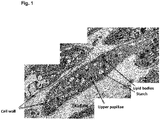
- the product has two effects: (i) it provokes the collapse of the stigma papilla cells that receive the pollen and (ii) it reduces the amount of exudate (secretion) ( Figures 1 and 2 ).
- Figures 1 and 2 As a result of this collapse, papilla cells lose their functionality and even though the pollen reaches the flower, it is unable to grow inside it ( Figures 3 and 4 ). As the pollen is unable to enter the flower, it is not fertilised and so no seeds are formed.
- the active product of the present invention finds its use in the agro-food industry, specifically for obtaining seedless fruit.
- the active product is for applying to angiosperm crops that produce fruit with seeds and that have a certain parthenocarpic capacity with or without the aid of plant hormones.
- the product is applicable to species belonging to the following families: rutaceae (mandarin, tangelo, lemon, grapefruit, lime, kumquat, sweet orange and others), vitaceae (table grape and others), curcubitaceae (watermelon, melon, cucumber, pumpkin, courgette, and others) and solanaceae (aubergine, pepper, tomato and others) among other families of cultivated plants.
- the active product has been tested on very diverse families and species (see example 1) always noting the same effect: a collapse of the papilla cells of the stigma that prevents the growth of pollen tubes, and so its action is broad and can be of use for preventing the formation of seeds in a great variety of crops.
- the product is particularly effective when used on the following species and/or varieties of citrus: clemenules, fina clementine, murcott, nadorcott, nova, and other tangelos and mandarins, lemons, Mexican lime, grapefruit, sweet oranges and kumquats, as well as on the following horticultural species and/or varieties: cucumber, aubergine, melon, courgette, and watermelon, among others.
- the active product in accordance with the present invention consists of a composition comprising sulphur (S) as the active ingredient of the composition.
- Sulphur (S) is present in the composition at a rate of 50 - 100% (m/m) in weight compared to the total weight of the composition.
- the composition consists of the chemical element sulphur (S) in its basic form, in other words, as an octatomic molecule (S 8 ) and in such case the amount in the composition varies between 50 - 100% (m/m) in weight compared to the total weigh of the composition.
- Said active ingredient can be obtained from its native element form in natural deposits (mines or underground deposits).
- There are, however, commercial products that can be used for the purposes of the invention for example Quimetal ® , Lucava ® , Diranzo ® , Repsol ® agricultural sulphur, etc.
- the concentration at which the sulphur (S) must be present in the composition will depend on the crop and the desired effect. In general, sulphur (S) and specifically sulphur (S) as an octatomic molecule (S 8 ) is present at a rate of 0.01 - 10% (m/v). That is, the concentration of sulphur in the product can vary between 0.1 g.L -1 - 100 g.L -1 .
- the contents of sulphur (S) in general and sulphur (S) as an octatomic molecule (S 8 ) present in the composition is between 0.5 - 4 % (m/v), if the product is destined for application on citrus fruit trees, such as the mandarin. If the product is destined for application on horticultural species, the content of sulphur (S) in general and sulphur (S) as an octatomic molecule (S 8 ) in particular, present in the composition is between 0.1 - 1.5 % (m/v).
- the active product in addition to the sulphur (S) also comprises, as described in the foregoing paragraphs, a surfactant in order to achieve a stable and homogeneous aqueous solution of the active ingredient, sulphur (S) as an octatomic molecule (S 8 ).
- Surfactants that can form part of the formulation of the active product can be selected from the following groups: (i) non-ionic surfactants such as : polysorbate 20 or polyoxyethylene sorbitan monolaurate (20) (trade name Tween ® 20), octyl phenol ethoxylate (trade name Triton ® X-100), n-dodecyl- ⁇ -D-maltoside (DDM), digitonine, polyoxyethylene sorbitan monooleate ( 20) (trade name Tween ® 80), sorbitan esters, alkyl polyglucosides (APG), nonylphenoxylated (nonoxyols), propoxylated fatty alcohols (FAPO) and polyalkylene glycol (ethoxylated fatty alcohols (FAEO)); (ii) anionic surfactants, such as: soda or potash soap, carboxylic esters, alkyl carboxylates, carboxylic acid derivatives, and acrylic surfactants;
- the surfactant and the active ingredient sulphur (S) appear in the composition at a rate of from 100:1 to 1:10 (active ingredient: surfactant) depending on the characteristics of the stigma to be treated.
- active ingredient: surfactant active ingredient
- the preferable ratio between surfactant and sulphur (S) in the composition is 1:1.
- the active product of the present invention consists of: polysorbate 20 and the active ingredient sulphur (S) as an octatomic molecule (S 8 ).
- the surfactant and the active ingredient sulphur (S) as an octatomic molecule (S 8 ) appear in the composition at a rate of from 100:1 to 1:10 (active ingredient: surfactant) depending on the characteristics of the stigma to be treated.
- the preferable ratio between surfactant and sulphur (S) as an octatomic molecule (S 8 ) in the composition is 1:1.
- the active product in addition to the sulphur (S) and surfactant components also comprises a plant hormone or plant growth regulator.
- Plant hormones that can form part of the formulation of the active product of the present invention can be selected from the group comprising: gibberellic acid (GA), auxins and cytokines, as well as mixtures thereof.
- the composition of the present invention consists of the plant hormone: gibberellic acid.
- Gibberellic acid (or gibberellin A 3 , GA, GA 3 , GA x ) is a plant hormone found in plants. Its chemical formula is C 19 H 22 O 6 . When purified it is a white to pale-yellow powder, soluble in ethanol and somewhat soluble in water.
- GA has been broadly studied as a plant hormone related to cell growth and division, it is a hormone that stimulates growth [16-19] .
- GA plays an essential role inside the ovaries [20,21] .
- the formation of seed generates GA, and this acts as a hormone signal that accentuates the sump-like nature of the ovary; this signal makes the plant send more carbohydrates to that ovary in particular, which causes it to grow, form and end in a fruit [22,23] .
- the stimulus in the form of GA
- GA important for the formation of the fruit
- Some seedless varieties and cultivated varieties or those that are cultivated under anti-bee netting experience yield problems [1,2,5,6] .
- Highly productive and parthenocarpic (seedless) varieties tend to have high natural and endogenous levels of GA [20,21] .
- the formula could benefit from a certain amount of GA or another growth hormone such as auxins, which counteract the possible loss of stimulation caused by the lack of formation of the seeds.
- the quantity of hormone needed depends on the crop, the variety and other factors and will be combined with the active product.
- Fermentation of nitrogenated, carbonated sources and mineral salts is the most natural way of obtaining commercial gibberellin.
- a carbonated source glucose, sucrose and natural flours are used and phosphate and magnesium mineral salts are applied.
- the process requires 5 to 7 days for effective fermentation. It requires constant agitation and aeration, maintaining an average temperature of 28oC to 32oC, and pH levels of 3-3.5.
- the process for recovering the gibberellin is done through disassociating the biomass from the fermented stock.
- the cell-free supernatant contains the elements used as plant growth regulators.
- gibberellin particles can be recovered through a liquid-liquid column extraction process.
- ethyl acetate is used as an organic solvent.
- anionic exchange resins are applied to the supernatant, thus achieving gibberellin precipitation through gradient elution.
- the particles are dried and crystallised in accordance with the established degree of purity.
- the concentration of GA present in the composition/active product of the present invention will depend on the crop and other factors such as flowering intensity.
- the concentration of GA in the composition/active product is between 0 mg.L -1 - 500 mg.L -1 , and preferably between 1 mg.L -1 - 300 mg.L -1 .
- the active product of the present invention consists of: non-ionic surfactant, the active ingredient sulphur (S) as an octatomic molecule (S 8 ) and gibberellic acid.
- the active product in other words, the composition of the present invention, consists of: polysorbate 20, the active ingredient sulphur (S) as an octatomic molecule (S 8 ) and gibberellic acid.
- a preferred embodiment of the present invention consists of:
- the process for preparing the composition/active product of the present invention is carried out in accordance with the commonly known practice of an expert in the field and consists of the stages of: mixing and shaking the surfactant with the sulphur (S), without adding water, until the surfactant sufficiently covers the sulphur (S) molecules, subsequently adding water until the desired concentration of the solution is obtained and finally adding the plant hormone to the concentrated solution of the active product.
- the methods for applying the active product of the present invention to the flowers of crops are the normal methods for the application of chemical synthesis products on crops.
- the active product/composition be applied to crops through conventional atomisation machinery for agricultural treatment.
- application through spraying, soaking and similar systems is foreseen.
- the concentrated active product obtained in accordance with the foregoing paragraphs will be diluted in water until the recommended concentration is obtained depending on the crop.
- the best time for applying the active product will be preferably: first thing in the morning to avoid the highest hours of sunshine and temperatures, as with other phyto-regulator applications. Furthermore, the flower is also reached at its most receptive time. The dose of the active product needed to obtain effective results is determined on the basis of the volume of the crown or foliage and the intensity of flowering.
- the active ingredient sulphur preferably in the form of an octatomic molecule (S 8 ), is responsible for preventing the formation of seeds through the alteration of papilla cells of the stigma, whilst the GA is responsible for re-establishing the stimuli needed for the formation of the fruit, thus preventing a possible reduction in yield.
- the need for GA will depend on each crop and its parthenocarpic capacity. Despite initially suggesting that GA could reduce the number of seeds on its own [7] , it has subsequently been verified that in real field conditions, applications with GA are not effective for reducing the number of seeds, there being no significant differences between control and treatments [1,2] .
- Figure 8 shows a semi-thin cut of the stigma of a mandarin flower exclusively treated with GA, where it can be seen that the papilla cells of the stigma are intact, functional and turgid; whereas in Figure 6 the cells can be seen to be damaged by the application of sulphur.
- GA alone does not damage the papilla cells and thus does not impede the growth of pollen tubes.
- the double effect of eliminating the seed and restoring the stimuli for the formation of fruit must be done during the flowering phase (anthesis) and thus its combined and synchronised application ensures better results.
- the surfactant is needed to achieve a homogeneous and stable solution of the active ingredient in water, allowing it to be mixed with the third component (the plant hormone) and for its liquid application in the field through conventional atomisation machinery for agricultural treatment.
- the active product in accordance with the present invention also shows important benefits compared to other methods and products of the state of the art used for the same purposes. Specifically, the noteworthy benefits are:
- Figure 21B shows that the fruit of the positive Control (C+) contained 4.7 seeds on average.
- the active product was able to prevent 100% of the seeds (despite the pollen being under development) during the first 4 days (D0 to D3), and approximately 50% of the seeds during the following 6 days (D4-D9).
- pollen grains were sown on Petri dishes in laboratory conditions to which growing medium increasing concentrations of the active product (S 8 ) were added. After 72 hours they were assessed and the number of germinated pollen grains were counted on each Petri dish.
- a non-toxic, neutral product (sample), KNO 3 was used for comparing the results with those obtained from the active product (AP).
- Figure 22A shows the frequency of mortality at 48h depending on the treatment.
- the first 4 treatments do not present significant difference with the control (H 2 O) and show a mortality rate of between 14 and 18%, far below the 50% characteristic of Lethal Dose 50 (LD50).
- PAP_10 represents 1000 ⁇ g / bumblebee.
- LD50 if the LD50 is over 100 ⁇ g / bumblebee it is classified as "non-toxic". In this case a dose of 1000 ⁇ g / bumblebee continues to not kill 50% of the individuals of the population. It is treatment PAP_1000 which produces a mortality of 50% of bumblebees, and is comparable to MCP (chlorpyrifos-methyl treatment: an insecticide used as negative control). Therefore, a concentration of 100,000 ⁇ g / bumblebee is needed to produce a mortality of 50% and therefore the active ingredient can be classified as "non-toxic" for bumblebees.
- Figure 24B shows the adaptation of the logistic model.
- Treatment N mean HSD sd se skew kurtosis Shapiro C+LIQUID 14 124.2986 a 53.01118 14.167M3 -0.8604536 0.9903271 0.2010698 PAPT D 14 115.7464 a 30.42040 8.130193 -2.32SS217 6.6905484 0.0011355 PAPT E 14 132.1971 a 26.10502 6.976850 0.5955203 -0,1313294 0.7445150 PAPT F 14 103.0243 a 38.76952 10.361500 -1.3009118 3.1012707 0.1249301
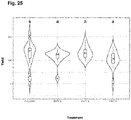
- Table 2 and Figure 25 show that there are no significant differences in the total yield between treatments as the HSD test of all treatments show the same letter "a”.
- the quality parameters of the yield were measure in the experiment "tree 2017" on the treatment of young Nadorcott mandarin trees. Measurements were taken from 48 mandarins per treatment. Each column represents a different treatment.
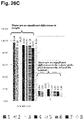
- the active product (AP) does not have an effect on quality parameters: % peel, % juice, % pulp, vitamin C, Brix, total acidity, ripeness index, unit weight and colour of the fruit.
Landscapes
- Life Sciences & Earth Sciences (AREA)
- Environmental Sciences (AREA)
- Chemical & Material Sciences (AREA)
- Wood Science & Technology (AREA)
- Agronomy & Crop Science (AREA)
- Plant Pathology (AREA)
- Health & Medical Sciences (AREA)
- Engineering & Computer Science (AREA)
- Dentistry (AREA)
- General Health & Medical Sciences (AREA)
- Pest Control & Pesticides (AREA)
- Zoology (AREA)
- Chemical Kinetics & Catalysis (AREA)
- General Chemical & Material Sciences (AREA)
- Botany (AREA)
- Developmental Biology & Embryology (AREA)
- Inorganic Chemistry (AREA)
- Agricultural Chemicals And Associated Chemicals (AREA)
- Pretreatment Of Seeds And Plants (AREA)
- Cultivation Of Plants (AREA)
- Breeding Of Plants And Reproduction By Means Of Culturing (AREA)
Abstract
Description
- The present invention relates to the agri-food industry and refers specifically to a new composition which, when applied to the blossom of horticultural plant and/or fruit tree crops, prevents the formation of seeds in the fruit in an effective manner without reducing the yield and/or quality of the fruit.
- The novel composition, subject of the present invention, contains sulphur (S) as its active agent and prevents the formation of seeds in fruit once applied in accordance with the method of the present invention.
- Fresh produce markets are ever more demanding in terms of internal and external quality of fruit and vegetables [1-3]. One of the quality characteristics most valued by consumers is the absence of seeds [4].
- Thus, for over two decades, researchers and farmers alike have sought techniques that prevent the formation of seeds in varieties and cultivated varieties. Covering crops with anti-bee netting or cultivating in greenhouses are some of the most effective techniques to date [5], as they prevent the presence of pollinators and thus the pollination and fertilisation of ovules. The greatest disadvantages these techniques have are their high cost in terms of labour and materials, and occasionally a reduction in yield which, in mandarins for example, is estimated to be around 30% [1,2,5,6].
- Other techniques used such as applying bee repellents based on zinc complexes or on Capiscum annuum extracts, as well as chemical applications with copper and gibberellic acid have achieved very low effectiveness of between 10 and 35% [1,2,7,8]. In those studies, the limited reduction of seeds has been attributed to the copper and its inhibitive effect on the male part, in other words, on the germination of the pollen tube [7,8]. These reductions are not sufficient for the objective of improving quality and thus do not imply a price increase for treated fruit. Currently, these chemical techniques are not used in the field due to their low effectiveness, which does not offset the cost of treatment.
- Finally, new seedless varieties can be obtained through plant breeding, triploid hybrids, gamma ray induced mutations or new biotechnological techniques [9-13].
- Thus, for example, seedless watermelon is obtained through hybridisation, crossing two plants with incompatible sets of chromosomes. The key lies in placing one plant close to the other so they cross-pollinate, but do not fertilise, so that the resulting fruit is a seedless watermelon. In this example, the male pollen of a diploid watermelon is crossed with the flower of a tetraploid watermelon to obtain a sterile hybrid (triploid watermelon), which is unable to produce seeds.
- Fruit such as seedless oranges and grapes are examples of mutations that, through the process of selection and cross-breeding, have produced new varieties.
- On other occasions, mutation is used to produce seedless fruit through gamma irradiation, or more recently through a gene editing technique (CRISPR) in order to deliberately introduce a mutation with the aim of producing seedless fruit. This technique is being tested on tomatoes. In this case, mutation increases auxin hormone levels, which stimulate the fruit to develop, even though seeds have not yet begun to form.
- Spanish patent
ES2323028 - Spanish patent
ES2580166 - But obtaining seedless fruits does not guarantee that those fruits will be well-received on the market. The absence or presence of seeds is just one of the quality characteristics in the collection of characteristics that fruit must satisfy. Therefore, even after many years of work it is possible that the new parthenocarpic varieties are not adequately introduced on the market [14,15]. Consequently, a different approach to the problem is, once having obtained a successful variety, to seek an effective treatment that prevents the formation of its seeds, thus increasing its value.
- The present invention provides a composition which, when applied to horticultural crops and fruit crops, that is, horticultural plants and fruit trees, during the "flowering" stage, prevents the formation of seeds in fruit without being toxic for the plant and the pollinators, as well as without negatively affecting the quality and quantity of the yield.
- The subject of the present invention is a new composition which, when applied to the blossom of crops, is able to prevent the formation of seeds in the fruit of the treated plants.
- Application must be carried out during the flowering stage (anthesis) and the composition consists of sulphur (S) as an active ingredient, whose activity provokes the collapse of the stigma papilla cells of the flower, and optionally a plant hormone whose activity helps stabilise the crop. In addition, the composition consists of a surfactant that facilitates the application of the composition to the crops through spraying methods.
- The authors of the present invention have discovered that sulphur (S), once applied to the flower of the horticultural plant and/or fruit tree, provokes the collapse of the stigma papilla cells, thus preventing pollen tube growth and therefore preventing the formation of seeds in the fruit.
- The authors of the present invention have also observed a reduction effect on the intensity of fruit formation deriving from the foregoing effect. Depending on the concentration at which the active product is applied, this can reduce the total number of fruit in the crop, which can be beneficial for obtaining less fruit, but of a greater size, thus increasing the commercial value of the yield. For crops with low or no parthenocarpic capacity (such as for example fruit trees of the rosaceae family), by preventing fertilisation the partial formation of fruit is also prevented. This secondary effect deriving from the main effect (collapse of the stigma papilla cells) can be useful for regulating the quantity of fruit per tree in these kinds of crops.
- For the purposes of the present invention, the terms "impede, prevent and reduce" the formation and number of seeds in fruit covers between 95 and 100% growth inhibition of the pollen tubes inside the stigma and thus the formation of seeds in flowers that have been homogeneously treated with the suitable concentration of the product in a timely manner.
- For the purposes of the present invention, the term "flowering" corresponds to the anthesis stage and covers the moment from when the flower opens and the stigma is exposed and receptive to pollen grains.
- For the purposes of the present invention the term "state of pre-pollination" covers the state prior to the arrival of the pollen grains in the stigma of the flower.
- For the purposes of the present invention the term "state of post-pollination" covers the state after the arrival of the pollen grains in the stigma of the flower.
- Therefore, the subject of the present invention is a composition to prevent the formation of seeds in the fruit of horticultural plants and/or fruit trees that consists of sulphur (S) and that provokes the collapse of stigma papilla cells.
- The subject of this invention is also a composition as described above, characterised by the sulphur (S) being present in the composition at between 50 - 100% (m/m) in weight compared to the total weight of the composition.
- The subject of this invention is also a composition in accordance with the foregoing paragraphs, characterised by consisting additionally of a surfactant for generating a stable aqueous solution that facilitates its application and improves its effectiveness.
- The subject of this invention is also a composition as described above characterised by the surfactant being selected from the group that consists of: non-ionic and anionic surfactants, as well as mixtures thereof.
- The subject of this invention is also a composition as described above characterised by the sulphur (S) and the surfactant being present in the composition at a ratio of 100:1 to 1:10 (sulphur: surfactant).
- The subject of this invention is also a composition as described above that also consists of a plant hormone.
- The subject of this invention is also a composition as described above characterised by the plant hormone being present in the composition at a concentration of between 0 mg.L-1 - 500 mg.L-1.
- The subject of this invention is also a composition as described above characterised by the plant hormone being selected from the group consisting of: gibberellic acid, auxin and cytokinin, as well as mixtures thereof.
- The subject of this invention is also a composition as described above characterised by the plant hormone being gibberellic acid.
- The subject of this invention is also a composition as described in the foregoing paragraphs characterised by the sulphur (S) present in the composition being in the form of an octatomic molecule (S8).
- The subject of the present invention is also a composition to prevent or reduce the formation of seeds in the fruit of horticultural plants and/or fruit trees that consists of sulphur (S) as an octatomic molecule (S8),
polysorbate 20 and gibberellic acid. - The subject of this invention is a composition characterised by consisting of:
- 0.1 g.L-1 - 100 g.L-1 surfactant:
polysorbate 20 - 0.1 g.L-1 - 100 g.L-1 sulphur (S) as an octatomic molecule (S8); and
- 1mg/L - 300mg/L plant hormone: gibberellic acid.
- In addition, the subject of this invention is also the use of a composition as defined in any of the foregoing paragraphs to prevent, or reduce, the formation of seeds in the fruit of horticultural plants and/or fruit trees.
- The subject of this invention is also the use of a composition as detailed in the foregoing paragraphs to regulate the intensity of formation (number of fruit formed per plant) of horticultural plants and/or fruit trees.
- In addition, the subject of this invention is a method to prevent the formation of seeds in the fruit of horticultural plants and/or fruit trees that consists in the stage of applying an effective amount of the composition as described in any of the foregoing paragraphs, where such application is performed on the flower of the horticultural plant and/or fruit tree during the "flowering" stage.
- The subject of this invention is also a method to prevent the formation of seeds in the fruit of horticultural plants and/or fruit trees as described above, that consists in the application of a composition of the present invention, as described above, where such application is performed on the flower of the horticultural plant and/or fruit tree during the "flowering" stage in a state of pre-pollination.
- The subject of this invention is also a method to reduce the formation of seeds in the fruit of horticultural plants and/or fruit trees as described above, that consists in the application of a composition of the present invention, as described in the foregoing paragraphs, during the "flowering" stage in a state of post-pollination.
- The subject of this invention is also a method for reducing the formation of seeds in the fruit of horticultural plants and/or fruit trees in accordance with the foregoing paragraphs, where application is performed using spraying, soaking or similar methods
- The subject of this invention is also a method for reducing the formation of seeds in the fruit of horticultural plants and/or fruit trees in accordance with the foregoing paragraphs, where treatment is administered in various applications during the crop flowering period.
- In addition, the subject of this invention is also a seedless fruit characterised by the lack of seeds in its interior despite having been pollinated.
- The subject of this invention is also a seedless fruit characterised by the lack of seeds in its interior despite having been pollinated, obtained through the method defined in the foregoing paragraphs.
- In addition, the subject of this invention is a horticultural plant and/or fruit tree treated with the composition of the present invention as defined in the foregoing paragraphs characterised by the horticultural plant and/or fruit tree being covered with the composition.
- The subject of this invention is also a horticultural plant and/or fruit tree characterised by the presence of seedless fruit.
- The subject of this invention is also a horticultural plant and/or fruit tree as defined above, characterised by the presence of collapsed stigma papilla cells.
- And finally, the subject of this invention is also a horticultural plant and/or fruit tree as defined in the foregoing paragraphs characterised by the lack of pollen tubes growing in the stigma once pollination of the horticultural plant and/or fruit tree has been produced.
-
-
Figure 1 depicts a view through TEM (Transmission Electron Microscopy) of different parts of the healthy upper stigmatic papillae of an "untreated" papilla cell, showing that the cell is healthy, complete and with its characteristic shape. -
Figure 2 depicts a view through TEM of different parts of the damaged upper papillae of a papilla cell treated with the active product of the present invention, showing how the papilla cell has lost turgidity and part of its components and appears collapsed. -
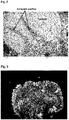
Figure 3 depicts a view through a fluorescence microscope of the stigma of an untreated pollinated mandarin flower, showing the pollen tubes (presence of "fluorescent fibres") growing inside the stigma and style. -
Figure 4 depicts a view through a fluorescence microscope of the stigma of a pollinated mandarin flower treated only with the active ingredient (S8) of the present invention, showing that there are no pollen tubes in the stigmatic area (absence of "fluorescent fibres"). -
Figure 5 depicts a view through a fluorescence microscope of the stigma of a pollinated mandarin flower treated only with gibberellic acid without active ingredient (S8). The presence of pollen tubes inside the stigma can be clearly seen. -
Figure 6 depicts a view through a microscope of a semi-thin cut of a mandarin stigma treated exclusively with the active ingredient (sulphur), in which the papilla cells of the damaged stigma, without turgidity, can be seen. -
Figure 7 depicts a view through a microscope of a semi-thin cut of a mandarin stigma treated exclusively with the gibberellic acid, in which the papilla cells of the stigma are good, functional and turgid. -
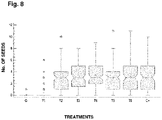
Figure 8 depicts the results of an experiment where the effectiveness of 6 experimental products (T1-T6) are compared. Treatment 1 (T1) is the treatment with the active product described in the present invention and is the only one that significantly reduces the number of seeds compared to the positive control (C+) (from 3.3 to 0.4) -
Figure 9 depicts fluorescence microscope images of grapes Vitis vinifera L.Fig. 9A : Untreated stigma (C+) presence of PTFig. 9B : Stigma treated with AP without PT -
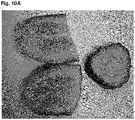
Figure 10 depicts images of cucumber fruit Cucumis sativus L.Fig. 10A : Fruit of untreated pollinated flowers (seeds)Fig. 10B : Fruit of treated pollinated flowers (seedless) -
Figure 11 depicts fluorescence microscope images of aubergines Solanum melongena L.Fig. 11A : Untreated stigma (C+) presence of PTFig. 11B : Stigma treated with AP without PT. -
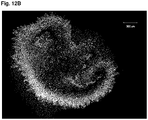
Figure 12 depicts fluorescence microscope images of watermelons Citrullus lanatus (Thunb.) Matsum. & Nakai.Fig. 12A : Untreated stigma (C+) presence of PTFig. 12B : Stigma treated with AP without PT. -
Figure 13 depicts fluorescence microscope images of clemenules Citrus clementina hort. Ex Tanaka.Fig. 13A : Untreated stigma (C+) presence of PTFig. 13B : Stigma treated with AP without PT. -
Figure 14 depicts fluorescence microscope images of clementina fina Citrus clementina hort. Ex Tanaka.Fig. 14A : Untreated stigma (C+) presence of PTFig. 14B : Stigma treated with AP without PT. -
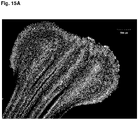
Figure 15 depicts fluorescence microscope images of Murcott Citrus reticulata White.Fig. 15A : Untreated stigma (C+) presence of PTFig. 15B : Stigma treated with AP without PT. -
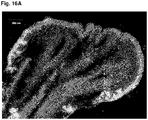
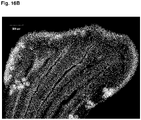
Figure 16 depicts fluorescence microscope images of Nova. C clementina x [C.paradisi x C.tangerina].Fig. 16A : Untreated stigma (C+) presence of PTFig. 16B : Stigma treated with AP without PT. -
Figure 17 depicts fluorescence microscope images of lemons Citrus limon L. Burm. f.Fig. 17A : Untreated stigma (C+) presence of PTFig. 17B : Stigma treated with AP without PT. -
Figure 18 depicts fluorescence microscope images of orange tree. Pollinated flowers treated with AP. No visible PT. -
Figure 19 depicts fluorescence microscope images of grapefruit tree. Pollinated flowers treated with AP. No visible PT. -
Figure 20 depicts fluorescence microscope images of Mexican lime. Pollinated flowers treated with AP. No visible PT. -
Figures 21A and 21B depict the results of the action of the active product of the present invention in the fruit over time, number of seeds x treatment (Fig. 21A (pre-pollination treatment) andFig. 21B (post-pollination treatment) -
Figure 22 shows the toxicity curve with respect to the effect of applying the active product during the germination of pollen grains. -
Figure 23 shows the phytotoxicity in trees after applying the active product of the present invention. -
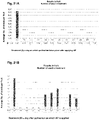
Figure 24 shows the effect of the active product on pollinators.Fig. 12A shows mortality rates after 48 hours.Figure 12B depicts the logistic model with the logarithm of the concentrations. Log (LD50) = 11.84, therefore, LD50 = 139,017 µg / bumblebee. -
Figure 25 shows the effect of the active product on the size of the yield, after treatment with the active product. -
Figure 26 (Figures 26A - 26C ) show the effect of the action of the active product on the quality of the yield. - The present invention is for application in the agri-food industry, specifically for obtaining seedless fruit from horticultural plants and/or fruit trees of the angiosperm group.
- Angiosperm plant crops have the capacity to produce flowers and fruit with one or more seeds in their interior. When fertilisation takes place, the ovary matures and transforms into fruit. Its reproductive organs are the androecium, male organ of the flower, and the gynoecium or pistil which is the female organ of the flower in whose ovary the female gametophyte is found. The seeds of angiosperm plants are located inside the fruit.
- During sexual reproduction of angiosperm, and specifically during the pollination stage, pollen is transferred from the anther of one flower to the stigma of another or to the same flower, either by the wind or through insect pollinators. Once the pollen grain reaches the stigma, this grows in the form of a tube, which allows the male gametophyte to descend through the style and to reach the seminal primordium where the female gametophyte is located, in order to fertilise it. From that moment the seminal primordia transform into seeds and the rest of the gynoecium, mainly the ovary, into fruit.
- In their maturity, stigmas can be of two types, wet or dry, depending on whether or not they secrete a characteristic exudate. Their surface is generally papillous. The term "papilla" applies to those individual or grouped receptive stigmatic cells that are held significantly free from each other above the general surface of the stigma. Once inside the stigma, the pollen germinates, emitting a pollen tube (PT) through which the 2 germinative or spermatic nuclei pass which then fertilise the female gametophyte. The pollen tube must penetrate through the stigma tissue and the style in order to reach the egg.
- The authors of the present invention have discovered an active product for applying to flower crops capable of provoking the collapse of the stigma papilla cells, thus preventing pollen tube growth and therefore preventing the formation of seeds in fruit, but without altering the formation of the fruit itself. Specifically, it has been verified that the active product affects the stigmatic area of the flowers. In this area, the product has two effects: (i) it provokes the collapse of the stigma papilla cells that receive the pollen and (ii) it reduces the amount of exudate (secretion) (
Figures 1 and2 ). As a result of this collapse, papilla cells lose their functionality and even though the pollen reaches the flower, it is unable to grow inside it (Figures 3 and4 ). As the pollen is unable to enter the flower, it is not fertilised and so no seeds are formed. - This way, the active product of the present invention finds its use in the agro-food industry, specifically for obtaining seedless fruit.
- In a preferred embodiment of the present invention, the active product is for applying to angiosperm crops that produce fruit with seeds and that have a certain parthenocarpic capacity with or without the aid of plant hormones. Among other crops, the product is applicable to species belonging to the following families: rutaceae (mandarin, tangelo, lemon, grapefruit, lime, kumquat, sweet orange and others), vitaceae (table grape and others), curcubitaceae (watermelon, melon, cucumber, pumpkin, courgette, and others) and solanaceae (aubergine, pepper, tomato and others) among other families of cultivated plants. The active product has been tested on very diverse families and species (see example 1) always noting the same effect: a collapse of the papilla cells of the stigma that prevents the growth of pollen tubes, and so its action is broad and can be of use for preventing the formation of seeds in a great variety of crops.
- In accordance with the present invention, the product is particularly effective when used on the following species and/or varieties of citrus: clemenules, fina clementine, murcott, nadorcott, nova, and other tangelos and mandarins, lemons, Mexican lime, grapefruit, sweet oranges and kumquats, as well as on the following horticultural species and/or varieties: cucumber, aubergine, melon, courgette, and watermelon, among others.
- The active product in accordance with the present invention consists of a composition comprising sulphur (S) as the active ingredient of the composition. Sulphur (S) is present in the composition at a rate of 50 - 100% (m/m) in weight compared to the total weight of the composition. Preferably, the composition consists of the chemical element sulphur (S) in its basic form, in other words, as an octatomic molecule (S8) and in such case the amount in the composition varies between 50 - 100% (m/m) in weight compared to the total weigh of the composition. Said active ingredient can be obtained from its native element form in natural deposits (mines or underground deposits). There are, however, commercial products that can be used for the purposes of the invention, for example Quimetal®, Lucava®, Diranzo®, Repsol® agricultural sulphur, etc.
- The concentration at which the sulphur (S) must be present in the composition will depend on the crop and the desired effect. In general, sulphur (S) and specifically sulphur (S) as an octatomic molecule (S8) is present at a rate of 0.01 - 10% (m/v). That is, the concentration of sulphur in the product can vary between 0.1 g.L-1 - 100 g.L-1.
- In a specific embodiment of the present invention, the contents of sulphur (S) in general and sulphur (S) as an octatomic molecule (S8) present in the composition is between 0.5 - 4 % (m/v), if the product is destined for application on citrus fruit trees, such as the mandarin. If the product is destined for application on horticultural species, the content of sulphur (S) in general and sulphur (S) as an octatomic molecule (S8) in particular, present in the composition is between 0.1 - 1.5 % (m/v).
- In a specific embodiment of the present invention, in addition to the sulphur (S) the active product also comprises, as described in the foregoing paragraphs, a surfactant in order to achieve a stable and homogeneous aqueous solution of the active ingredient, sulphur (S) as an octatomic molecule (S8). Surfactants that can form part of the formulation of the active product can be selected from the following groups: (i) non-ionic surfactants such as :
polysorbate 20 or polyoxyethylene sorbitan monolaurate (20) (trade name Tween®20), octyl phenol ethoxylate (trade name Triton® X-100), n-dodecyl-β-D-maltoside (DDM), digitonine, polyoxyethylene sorbitan monooleate ( 20) (trade name Tween®80), sorbitan esters, alkyl polyglucosides (APG), nonylphenoxylated (nonoxyols), propoxylated fatty alcohols (FAPO) and polyalkylene glycol (ethoxylated fatty alcohols (FAEO)); (ii) anionic surfactants, such as: soda or potash soap, carboxylic esters, alkyl carboxylates, carboxylic acid derivatives, and acrylic surfactants; as well as mixtures thereof. Preferably, the composition of the present invention consists of the non-ionic surfactant:polysorbate 20. - In a specific embodiment of the present invention, the surfactant and the active ingredient sulphur (S) appear in the composition at a rate of from 100:1 to 1:10 (active ingredient: surfactant) depending on the characteristics of the stigma to be treated. For wet stigmas the amount of the surfactant can be reduced (10:1), whereas for dry stigmas a greater proportion may be necessary (1:5). The preferable ratio between surfactant and sulphur (S) in the composition is 1:1.
- In another specific embodiment of the present invention, the active product of the present invention consists of:
polysorbate 20 and the active ingredient sulphur (S) as an octatomic molecule (S8). In this case, the surfactant and the active ingredient sulphur (S) as an octatomic molecule (S8) appear in the composition at a rate of from 100:1 to 1:10 (active ingredient: surfactant) depending on the characteristics of the stigma to be treated. The preferable ratio between surfactant and sulphur (S) as an octatomic molecule (S8) in the composition is 1:1. - In another specific embodiment of the present invention, the active product in addition to the sulphur (S) and surfactant components, also comprises a plant hormone or plant growth regulator. Plant hormones that can form part of the formulation of the active product of the present invention can be selected from the group comprising: gibberellic acid (GA), auxins and cytokines, as well as mixtures thereof. Preferably, the composition of the present invention consists of the plant hormone: gibberellic acid.
- Gibberellic acid (or gibberellin A3, GA, GA3, GAx) is a plant hormone found in plants. Its chemical formula is C19H22O6. When purified it is a white to pale-yellow powder, soluble in ethanol and somewhat soluble in water.
- GA has been broadly studied as a plant hormone related to cell growth and division, it is a hormone that stimulates growth [16-19].
- In the flowering stage and initial formation of fruit, GA plays an essential role inside the ovaries [20,21]. The formation of seed generates GA, and this acts as a hormone signal that accentuates the sump-like nature of the ovary; this signal makes the plant send more carbohydrates to that ovary in particular, which causes it to grow, form and end in a fruit [22,23].
- In order to prevent the formation of seeds through the action of the active ingredient of the present invention, the stimulus (in the form of GA), important for the formation of the fruit, can be eliminated, which could mean a reduction in the yield. Some seedless varieties and cultivated varieties or those that are cultivated under anti-bee netting experience yield problems [1,2,5,6]. Highly productive and parthenocarpic (seedless) varieties tend to have high natural and endogenous levels of GA [20,21].
- Therefore, the formula could benefit from a certain amount of GA or another growth hormone such as auxins, which counteract the possible loss of stimulation caused by the lack of formation of the seeds. The quantity of hormone needed depends on the crop, the variety and other factors and will be combined with the active product.
- Fermentation of nitrogenated, carbonated sources and mineral salts is the most natural way of obtaining commercial gibberellin. As a carbonated source, glucose, sucrose and natural flours are used and phosphate and magnesium mineral salts are applied.
- The process requires 5 to 7 days for effective fermentation. It requires constant agitation and aeration, maintaining an average temperature of 28ºC to 32ºC, and pH levels of 3-3.5.
- The process for recovering the gibberellin is done through disassociating the biomass from the fermented stock. In this case the cell-free supernatant contains the elements used as plant growth regulators.
- In the laboratory, gibberellin particles can be recovered through a liquid-liquid column extraction process. For this technique, ethyl acetate is used as an organic solvent. Alternatively, anionic exchange resins are applied to the supernatant, thus achieving gibberellin precipitation through gradient elution. Finally, the particles are dried and crystallised in accordance with the established degree of purity.
- Commercial products that can be used for the purposes of the present invention are: Semefil®, Berelex®, Novagib®, etc.
- The concentration of GA present in the composition/active product of the present invention will depend on the crop and other factors such as flowering intensity. In a specific embodiment of the present invention, the concentration of GA in the composition/active product is between 0 mg.L-1 - 500 mg.L-1, and preferably between 1 mg.L-1 - 300 mg.L-1.
- In a specific embodiment of the present invention, the active product of the present invention consists of: non-ionic surfactant, the active ingredient sulphur (S) as an octatomic molecule (S8) and gibberellic acid. Preferably, the active product, in other words, the composition of the present invention, consists of:
polysorbate 20, the active ingredient sulphur (S) as an octatomic molecule (S8) and gibberellic acid. A preferred embodiment of the present invention consists of: - 0.1 g.L-1 - 100 g.L-1 surfactant:
polysorbate 20 - 0.1 g.L-1 - 100 g.L-1 sulphur (S) as an octatomic molecule (S8); and
- 1 mg/L -1- 300 mg.L-1 plant hormone: gibberellic acid.
- The process for preparing the composition/active product of the present invention is carried out in accordance with the commonly known practice of an expert in the field and consists of the stages of: mixing and shaking the surfactant with the sulphur (S), without adding water, until the surfactant sufficiently covers the sulphur (S) molecules, subsequently adding water until the desired concentration of the solution is obtained and finally adding the plant hormone to the concentrated solution of the active product.
- The methods for applying the active product of the present invention to the flowers of crops are the normal methods for the application of chemical synthesis products on crops. In particular, it is foreseen that the active product/composition be applied to crops through conventional atomisation machinery for agricultural treatment. Specifically, application through spraying, soaking and similar systems is foreseen.
- To that end, prior to application, the concentrated active product obtained in accordance with the foregoing paragraphs will be diluted in water until the recommended concentration is obtained depending on the crop.
- For example, for conventional spraying machinery with a 100 L tank and for a concentration of 2% of active product 1:1 surfactant and 40 mg. L-1 GA, a concentrated solution with 2 L of
polysorbate 20 + 2 kg of sulphur + 0.25 L of GA solution (16 g.L-1 of concentrated gibberellic acid) + 1.75 L. water is prepared until a homogeneous solution of all components is obtained. This concentrated solution is placed in the tank and levelled up to 100 L (to that end an additional 96 L of water is needed). Mix the mixture with the tank's pressure turbo prior to application in order to homogenise the mixture. - On the other hand, the best time for applying the active product will be preferably: first thing in the morning to avoid the highest hours of sunshine and temperatures, as with other phyto-regulator applications. Furthermore, the flower is also reached at its most receptive time. The dose of the active product needed to obtain effective results is determined on the basis of the volume of the crown or foliage and the intensity of flowering.
- The active ingredient sulphur, preferably in the form of an octatomic molecule (S8), is responsible for preventing the formation of seeds through the alteration of papilla cells of the stigma, whilst the GA is responsible for re-establishing the stimuli needed for the formation of the fruit, thus preventing a possible reduction in yield. The need for GA will depend on each crop and its parthenocarpic capacity. Despite initially suggesting that GA could reduce the number of seeds on its own [7], it has subsequently been verified that in real field conditions, applications with GA are not effective for reducing the number of seeds, there being no significant differences between control and treatments [1,2]. In that sense, gibberellic acid does not alter papilla cells, and so it does not intervene in the basic mechanism that prevents the appearance of seeds. This mechanism is substantially due to the effect of sulphur. This has been shown through
Figures 4 and5 where the stigmas of a mandarin have been pollinated and later treated, one with only the active ingredient (S8) (Figure 4 ), without pollen tubes, and the other with only GA (Figure 5 ), where the developed pollen tubes can be clearly observed. The effect of the active ingredient (sulphur) and gibberellic acid (GA) on papilla cells can be compared separately inFigures 6 and7 through semi-thin microscope cuts.Figure 8 shows a semi-thin cut of the stigma of a mandarin flower exclusively treated with GA, where it can be seen that the papilla cells of the stigma are intact, functional and turgid; whereas inFigure 6 the cells can be seen to be damaged by the application of sulphur. In other words, GA alone does not damage the papilla cells and thus does not impede the growth of pollen tubes. - The double effect of eliminating the seed and restoring the stimuli for the formation of fruit, must be done during the flowering phase (anthesis) and thus its combined and synchronised application ensures better results. The surfactant is needed to achieve a homogeneous and stable solution of the active ingredient in water, allowing it to be mixed with the third component (the plant hormone) and for its liquid application in the field through conventional atomisation machinery for agricultural treatment.
- In accordance with the experimental work described hereafter, the authors of the present invention have been able to confirm that the application of the active product in accordance with the present invention produces very satisfactory results both when applied directly on the flower, achieving efficiencies of 95 - 100%, as well as when applied to the entire tree, with an approximate effectiveness of 85% in the results obtained for Nadorcott variety mandarin trees. The active product was simultaneously tested with another 5 possible experimental products, the active product being the only one to produce a significant reduction in the number of mandarin seeds (
Figure 8 ). In thisexperiment 3 inorganic fertilisers (T1 = sulphur; T2 = ammonium nitrate and T3 = potassium nitrate) and 3 polysaccharides (T4 = glucose; T5 = cellulose; and T6 = sucrose) were tested on entire trees of the Nadorcott variety (mandarin). Subsequently, 120 fruits of each treatment were collected and the number of seeds in each fruit were counted. The active product sulphur was the only one to significantly reduce the average number of seeds when compared to the positive control.Table 1: Effect of the different treatments on the number of seeds in the fruit. The Kruskal Wallis (KW) test was used to compare averages due to the non-normality of the residues. Different letters represent significant differences. Treatment N mean KW sd se skew kurtosis Shapiro C- 120 0.0666667 d 0.2504897 0.0228665 3.5185314 10.5557366 0.0000000 C+ 120 3.3000000 ab 2.3536133 0.2148545 0.5292717 -0.3628865 0.0001237 T1 120 0.4083333 c 0.9830140 0.0897365 3.0944794 11.0710305 0.0000000 T2 105 2.8761905 ab 2.0833370 0.2033129 0.6816998 0.3845777 0.0000965 T3 120 3.3333333 ab 2.2727222 0.2074702 0.3427928 -0.8083911 0.0000836 T4 120 3.4250000 a 2.2702404 0.2072436 0.5198690 -0.2969133 0.0001655 T5 120 2.9083333 b 2.1962376 0.2004881 0.7913286 0.6082522 0.0000109 T6 120 3.1833333 ab 2.5003641 0.2282510 0.8966176 0.2212945 0.0000008 - The active product in accordance with the present invention also shows important benefits compared to other methods and products of the state of the art used for the same purposes. Specifically, the noteworthy benefits are:
- Greater effectiveness than the rest of agronomic treatments (more than double).
- Long-term effect and permanent action on treated crops: the treated flower is permanently dysfunctional for the growth of pollen tubes towards the inside of the ovary and thus incapable of forming seed throughout its useful life.
- Capacity to abort already initiated pollinations: the active product is capable of preventing fertilisation even when the pollen tube has travelled half its journey towards the ovule.
- It is non-toxic for the plant, in other words, at the recommended concentrations for each crop (for example, below 4% for citrus fruit), it does not produce necrosis, chlorosis or defoliation.
- It is non-toxic for pollinator insects, in particular, bumblebees.
- It has no significant effect on the size of the yield.
- It has no effect on fruit quality parameters: % peel, % juice, % pulp, vitamin C, Brix levels, total acidity, ripeness index, unit weight and colour of the fruit.
- The active product has been tested on a multitude of crops, on different scales:
- Flower: treatment on individual flowers and microscopic observation of fluorescence. In this case the presence or absence of pollen tubes (PT) in the stigma was assessed as was their percentage reduction compared to positive controls.
- Fruit: treatment of individual flowers and subsequent observation of the fruit formed from the treated flower.
- Tree: individual tree.
- Field: treatments by tractor on entire rows of adult trees.
- The results shown below confirm the effectiveness of the product as described in this report, as can be seen from the fluorescence microscope images in the corresponding Figures, in accordance with the following parameters: All of the flowers were first pollinated and then treated or not treated. C+ = Positive control = flower pollinated but NOT treated with the active product; PT = Pollen tubes (fluorescent fibres); AP = Active product.
Vid Flower (S8) = 100% red. of PT ( Fig. 9A and9B )Vid Flower (S8) + PS20 + GA = 100% red. of PT Cucumber Fruit (S8) = 100% red. seeds ( Fig. 10A and10B )Cucumber Fruit (S8) + PS20 + GA = 100% red. seeds Aubergine Fruit (S8) = 100% red. seeds ( Fig. 11A and11B )Aubergine Fruit (S8) + PS20 + GA = 100% red. seeds Watermelon Fruit (S8) = 100% red. of PT ( Fig. 12A and12B )Watermelon Fruit (S8) + PS20 + GA = 100% red. of PT Nadorcott (mandarin) Flower (S8) = 100% red. of PT Nadorcott (mandarin) Flower (S8) + PS20 + GA = 100% red. of PT Nadorcott (mandarin) Tree (S8) = 85% red. of seeds Nadorcott (mandarin) Field (S8) + PS20 = 81% red. of seeds Clemenules (mandarin) Flower (S8) = 100% red. of PT ( Fig. 13A and13B )Clemenules (mandarin) Flower (S8) + PS20 + GA = 100% red. of PT Fina (mandarin) Flower (S8) = 100% red. of PT ( Fig. 14A and14B )Fina (mandarin) Flower (S8) + PS20 + GA = 100% red. of PT Murcott (mandarin) Flower (S8) = 100% red. of PT ( Fig. 15A and15B )Murcott (mandarin) Flower (S8) + PS20 + GA = 100% red. of PT Nova (tangelo) Flower (S8) = 100% red. of PT ( Fig. 16A and16B )Nova (tangelo) Flower (S8) + PS20 + GA = 100% red. of PT Lemon Flower (S8) = 100% red. of PT ( Fig. 17A and17B )Lemon Flower (S8) + PS20 + GA = 100% red. of PT Sweet orange Flower (S8) = 100% red. of PT ( Fig.18 )Sweet orange Flower (S8) + PS20 + GA = 100% red. of PT Grapefruit Flower (S8) = 100% red. of PT ( Fig. 19 )Grapefruit Flower (S8) + PS20 + GA = 100% red. of PT Mexican lime Flower (S8) = 100% red. of PT ( Fig. 20 )Mexican lime Flower (S8) + PS20 + GA = 100% red. of PT PS20= polysorbate 20
GA = gibberellic acid
red. = reduction
PT= pollen tube - In order to study the action over time of the product, two experiments were carried out on the flowers of the Nadorcott mandarin, one pre-pollination and the other post-pollination. In the
pre-pollination experiment 300 flowers were treated with the product of the invention (S8) and subsequently pollinated in batches. One batch was pollinated on the same day (D0) and another batch the following day (D1), and so on successively until D9. - Results: in
Figure 21A the positive control (C+) presented an average of 4.67 seeds, whereas the fruit in the rest of the treatments from D0 to D9 did not present a single seed. This shows that the action of the product is permanent: once the flower has been treated with the product, even if it receives pollen in subsequent days (1-9), it is permanently disabled from forming seeds. - In the post-pollination experiment 360 flowers were first pollinated. In this case, after first having been pollinated a batch was treated with the product on the same day (D0), another batch the following day (D1) and so on successively until day 9 (D9).
- Results:
Figure 21B shows that the fruit of the positive Control (C+) contained 4.7 seeds on average. The active product was able to prevent 100% of the seeds (despite the pollen being under development) during the first 4 days (D0 to D3), and approximately 50% of the seeds during the following 6 days (D4-D9). - The action of the product on the germination of pollen grains was studied. To that end, pollen grains were sown on Petri dishes in laboratory conditions to which growing medium increasing concentrations of the active product (S8) were added. After 72 hours they were assessed and the number of germinated pollen grains were counted on each Petri dish.
- A non-toxic, neutral product (sample), KNO3 was used for comparing the results with those obtained from the active product (AP).
- Results: As shown in
Figure 22 the active product has an inhibitive effect on the germination of pollen grains. The toxicity curve starts at 2, 20, 200, and inhibition is total at 2000 mg/l. - Phyto-toxicity tests were performed on adult trees of the Nadorcott mandarin variety. The trees were sprayed with different concentrations of the active product (S8). The level of affection on chlorosis, necrosis and defoliation was assessed, on a scale of 1 to 6, with 1 being very low and 6 being very high.
- Results: as shown in
Figure 23 , preliminary tests show that the active product is not phytotoxic for mandarins at the recommended concentrations (below 4%). At these concentrations there are no signs of chlorosis, necrosis or defoliation. - The experiments for studying the effects of the product on pollinators were performed in the laboratory on the common bumblebee (Bombus sp.) following official protocols. The total number of bumblebees used for the experiments was 560.
- Results: Figure 22A shows the frequency of mortality at 48h depending on the treatment. The first 4 treatments do not present significant difference with the control (H2O) and show a mortality rate of between 14 and 18%, far below the 50% characteristic of Lethal Dose 50 (LD50). PAP_10 represents 1000 µg / bumblebee.
- International scale establishes: - highly toxic (acute LD50 < 2 µg / bee) -moderately toxic (acute LD50 2 - 10.99 µg / bee) - slightly toxic (acute LD50 11 - 100 µg / bee) - non-toxic (acute LD50 > 100µg / bee).
- In other words, if the LD50 is over 100 µg / bumblebee it is classified as "non-toxic". In this case a dose of 1000 µg / bumblebee continues to not kill 50% of the individuals of the population. It is treatment PAP_1000 which produces a mortality of 50% of bumblebees, and is comparable to MCP (chlorpyrifos-methyl treatment: an insecticide used as negative control). Therefore, a concentration of 100,000 µg / bumblebee is needed to produce a mortality of 50% and therefore the active ingredient can be classified as "non-toxic" for bumblebees.
-
Figure 24B shows the adaptation of the logistic model. The model provides LD50 = 139,017 µg / bumblebee, which coincides withFigure 24A in terms of mortality rate (PAP_1000). - The effect of the total volume of the yield per mandarin tree was measured in a field experiment, performed with a tractor on entire rows of adult Nadorcott mandarin trees and with 3 increasing concentrations of the active product (S8 +
polysorbate 20 1:1) (D, E and F). Yield was measured for 56 entire trees.Table 2: Results of the Anova of yields after each treatment. Treatment N mean HSD sd se skew kurtosis Shapiro C+ LIQUID 14 124.2986 a 53.01118 14.167M3 -0.8604536 0.9903271 0.2010698 PAPT D 14 115.7464 a 30.42040 8.130193 -2.32SS217 6.6905484 0.0011355 PAPT E 14 132.1971 a 26.10502 6.976850 0.5955203 -0,1313294 0.7445150 PAPT F 14 103.0243 a 38.76952 10.361500 -1.3009118 3.1012707 0.1249301 - Results: Table 2 and
Figure 25 show that there are no significant differences in the total yield between treatments as the HSD test of all treatments show the same letter "a". The quality parameters of the yield were measure in the experiment "tree 2017" on the treatment of young Nadorcott mandarin trees. Measurements were taken from 48 mandarins per treatment. Each column represents a different treatment. - Results: As shown in
Figure 26 (A - C), the active product (AP) does not have an effect on quality parameters: % peel, % juice, % pulp, vitamin C, Brix, total acidity, ripeness index, unit weight and colour of the fruit. -
- 1. Gambetta G, Gravina A, Fasiolo C, Fornero C, Galiger S, Inzaurralde C, et al. Self-incompatibility, parthenocarpy and reduction of seed presence in "Afourer" mandarin. Scientia Horticulturae. 2013;164: 183-188. doi:10.1016/j.scienta.2013.09.002
- 2. Garmendia A, Beltrán R, Zornoza C, Breijo F, Reig J, Bayonal, et al. Insect repellent and chemical agronomic treatments to reduce seed number in 'Afourer' mandarin. Effect on yield and fruit diameter. Scientia Horticulturae. 2019;246: 437-447. doi:10.1016/j.scienta.2018.11.025
- 3. Roldán JJ, Navarro JL. Aplicaciones de la biotecnologia en los cítricos y otros cultivos. Fruticultura profesional. 2001; 19-32.
- 4. Vardi A, Levin I, Carmi N. Induction of seedlessness in citrus: from classical techniques to emerging biotechnological approaches. Journal of the American Society for Horticultural Science. 2008;133: 117-126
- 5. Gravina A, Gambetta G, Rey F, Guimaraes N. Mejora de la productividad en mandarina 'Afourer' en aislamiento de polinización cruzada. Agrociencia Uruguay. 2016;20: 22-28
- 6. Otero A, Rivas F. Field spatial pattern of seedy fruit and techniques to improve yield on 'Afourer' mandarin. Scientia Horticulturae. 2017;225: 264-270. doi:10.1016/j.scienta.2017.06.067
- 7. Mesejo C, Martinez-Fuentes A, Reig C, Agustí M. Gibberellic acid impairs fertilization in Clementine mandarin under cross-pollination conditions. Plant Science. 2008;175: 267-271. doi:10.1016/j.plantsci.2008.04.008
- 8. Mesejo C, Martinez-Fuentes A, Reig C, Rivas F, Agustí M. The inhibitory effect of CuSO4 on Citrus pollen germination and pollen tube growth and its application for the production of seedless fruit. Plant Science. 2006;170: 37-43
- 9. Spiegel R. Economic and agricultural impact of mutation breeding in fruit trees. 1990;
- 10. Li D, Shi W, Deng X. Agrobacterium-mediated transformation of embryogenic calluses of Ponkanmandarin and the regeneration of plants containing the chimeric ribonuclease gene. Plant Cell Reports. 2002;21: 153-156
- 11. Olivares-Fuster O, Juárez J, Aleza P, Pina JA, Ballester-Olmos JF, Cervera M, et al. Applications of biotechnology to citrus improvement in Spain. XXVI International Horticultural Congress: Citrus and Other Subtropical and Tropical Fruit Crops: Issues, Advances and 632. 2002. pp. 221-234.
- 12. Luro F, Maddy F, Jacquemond C, Froelicher Y, Morillon R, Rist D, et al. Identification and evaluation of diplogynyin clementine (Citrus clementina) for use in breeding. ActaHort. 2004;663: 84.
- 13. Zhang S, Shi Q, Albrecht U, Shatters Jr RG, Stange R, McCollum G, et al. Comparative transcriptome analysis during early fruit development between three seedy citrus genotypes and their seedless mutants. Horticulture research. 2017;4: 17041.
- 14. AVA-ASAJA. Las variedades del IVIA Safory Garbí presentan graves problemas en la piel que frenan su comercialización. ASAJA Publicaciones. Valencia; 7 May 2015.
- 15. Lladró V. Las mandarinas estrella del IVIA se manchan. Las Provincias. Valencia; 5 Feb 2013.
- 16. Sachs R M, Bretz C F, Lang A. Shoot histogenesis: the early effects of gibberellin upon stem elongation in two rosette plants. American Journal of Botany. 1959;46: 376-384
- 17. Kende H, Zeevaart J A. The five "Classical" plant hormones. The plant cell. 1997;9: 1197-1210
- 18. de Siqueira D L, Cecon P R, Chamhum Salomao L C. Growth of "Volkameriano" lemon tree treated with paclobutrazol and gibberellic acid. Revista Brasileira De Fruticultura. 2008;30: 764-768. doi:10.1590/S0100-29452008000300034
- 19. Dilip W S, Singh D, Moharana D, Rout S, Patra S S. Effect of Gibberellic Acid (GA) Different Concentrations at Different Time Intervals on Seed Germination and Seedling Growth of Rangpur Lime. J Agroeco Nat Resource Management. 2017;4: 157-165
- 20. Zacarias L, Talon M, Ben Cheikh W, Lafuente M T, Primo Millo E. Abscisic acid increases in non-growing and paclobutrazol-treated fruits of seedless mandarins. Physiologia Plantarum. 1995;95: 613-619
- 21. Talon M, Zacarias L, Primomillo E. Gibberellins and Parthenocarpic Ability in Developing Ovaries of Seedless Mandarins. Plant Physiology. 1992;99: 1575-1581. doi:10.1104/pp.99.4.1575
- 22. Powell A, Krezdorn A. Influence of Fruit-Setting Treatment on Translocation of Metabolites-C-14 in Citrus During Flowering and Fruiting. Journal of the American Society for Horticultural Science. 1977;102: 709-714
- 23. Mauk C S, Bausher M G, Yelenosky G. Influence of growth regulator treatments on dry matter production, fruit abscission, and 14C-assimilate partitioning in citrus. Journal of Plant Growth Regulation. 1986;5: 111-120. doi:10.1007/BF02025962
Claims (24)
- A composition to prevent the formation of seeds in the fruit of horticultural plants and/or fruit trees that consists of sulphur (S) and that provokes the collapse of stigma papilla cells.
- A composition in accordance with claim 1, characterised by the sulphur (S) which is present in the composition at an amount of 50 - 100% (m/m) in weight compared to the total weight of the composition.
- A composition in accordance with the foregoing claims, characterised by consisting additionally of a surfactant for generating a stable aqueous solution that facilitates its application and improves its effectiveness.
- A composition in accordance with claim 3, characterised by the surfactant which is selected from the group comprising: non-ionic and anionic surfactants, as well as mixtures thereof.
- A composition in accordance with any of claims 3 and 4, characterised by the sulphur (S) and the surfactant being present in the composition at a ratio of 100:1 to 1:10 (sulphur : surfactant).
- A composition in accordance with the foregoing claims that additionally comprises a plant hormone.
- A composition in accordance with claim 6, characterised by the plant hormone being present in the composition at a concentration of between 0 mg.L.-1 - 500 mg.L-1.
- A composition in accordance with any of claims 6 and 7, characterised by the plant hormone being selected from the group consisting of: gibberellic acid, auxin and cytokinin, as well as mixtures thereof.
- A composition in accordance with any of claims 6 to 8 characterised by the plant hormone being gibberellic acid.
- A composition in accordance with any of the foregoing claims, characterised by the sulphur (S) present in the composition being in the form of an octatomic molecule (S8).
- A composition to prevent or reduce the formation of seeds in the fruit of horticultural plants and/or fruit trees in accordance with the foregoing claims, that consists of sulphur (S) as an octatomic molecule (S8), polysorbate 20 and gibberellic acid.
- A composition in accordance with claim 11, characterised by consisting of:0.1 g.L.-1 - 100 g.L.-1 surfactant: polysorbate 200.1 g.L.-1 - 100 g.L.-1 sulphur (S) as an octatomic molecule (S8); and1mg/L - 300mg/L plant hormone: gibberellic acid.
- Use of a composition in accordance with any of the foregoing claims 1 to 12 to prevent or reduce the formation of seeds in the fruit of horticultural plants and/or fruit trees.
- Use of a composition in accordance with any of the foregoing claims 1 to 12 to regulate the intensity of formation (number of fruit formed per plant) of horticultural plants and/or fruit trees.
- A method to prevent the formation of seeds in the fruit of horticultural plants and/or fruit trees that consists in the stage of applying an effective amount of the composition in accordance with any of the foregoing claims 1 to 12, where such application is performed on the flower of the horticultural plant and/or fruit tree during the "flowering" stage.
- A method to prevent the formation of seeds in the fruit of horticultural plants and/or fruit trees in accordance with claim 15, that consists in the application of a composition in accordance with any of claims 1 to 12, where such application is performed on the flower of the horticultural plant and/or fruit tree during the "flowering" stage in the state of pre-pollination.
- A method to reduce the formation of seeds in the fruit of horticultural plants and/or fruit trees in accordance with claim 15, that consists in the application of a composition in accordance with any of claims 1 to 12, during the "flowering" stage in a state of post-pollination.
- A method for reducing the formation of seeds in the fruit of horticultural plants and/or fruit trees in accordance with any of claims 15 to 17, where the application is performed using spraying, soaking or similar methods.
- A method for reducing the formation of seeds in the fruit of horticultural plants and/or fruit trees in accordance with any of claims 15 to 17, where the treatment is administered in various applications during the crop flowering period.
- Seedless fruit obtained in accordance with the method of any of claims 15 to 19, characterised by the lack of seed in their interior despite having been pollinated.
- Horticultural plant and/or fruit tree treated with the composition 1 to 12 characterised by being a horticultural plant and/or fruit tree covered in the composition.
- Horticultural plant and/or fruit tree in accordance with claim 21, characterised because it bears seedless fruit.
- Horticultural plant and/or fruit tree in accordance with any of claims 21 and 22, characterised because it presents the collapse of papilla cells in the stigma.
- Horticultural plant and/or fruit tree in accordance with any of claims 21 to 23, characterised by not presenting pollen tubes growing in the stigma once the horticultural plant and/or fruit tree have been pollinated.
Priority Applications (1)
| Application Number | Priority Date | Filing Date | Title |
|---|---|---|---|
| MA57955A MA57955B1 (en) | 2019-07-22 | 2019-07-22 | COMPOSITION FOR PREVENTING THE FORMATION OF SEEDS IN FRUIT |
Applications Claiming Priority (1)
| Application Number | Priority Date | Filing Date | Title |
|---|---|---|---|
| PCT/ES2019/070509 WO2021014028A1 (en) | 2019-07-22 | 2019-07-22 | Composition for preventing the formation of seeds in fruit |
Publications (3)
| Publication Number | Publication Date |
|---|---|
| EP3973770A1 true EP3973770A1 (en) | 2022-03-30 |
| EP3973770B1 EP3973770B1 (en) | 2024-11-13 |
| EP3973770C0 EP3973770C0 (en) | 2024-11-13 |
Family
ID=67851158
Family Applications (1)
| Application Number | Title | Priority Date | Filing Date |
|---|---|---|---|
| EP19763030.4A Active EP3973770B1 (en) | 2019-07-22 | 2019-07-22 | Composition for preventing the formation of seeds in fruit |
Country Status (12)
| Country | Link |
|---|---|
| US (1) | US20220346381A1 (en) |
| EP (1) | EP3973770B1 (en) |
| CN (1) | CN114144059B (en) |
| AR (1) | AR119456A1 (en) |
| BR (1) | BR112022001097A2 (en) |
| ES (1) | ES3002635T3 (en) |
| IL (1) | IL289988A (en) |
| MA (1) | MA57955B1 (en) |
| PE (1) | PE20220702A1 (en) |
| UY (1) | UY38799A (en) |
| WO (1) | WO2021014028A1 (en) |
| ZA (1) | ZA202110579B (en) |
Family Cites Families (3)
| Publication number | Priority date | Publication date | Assignee | Title |
|---|---|---|---|---|
| IL47140A0 (en) * | 1974-05-07 | 1975-07-28 | Goldwin G | A method for augmenting fruit production comprising the application of plant growth regulators and compositions for use therein |
| ES2323028B2 (en) | 2005-06-23 | 2010-07-08 | Universidad Politecnica De Valencia | METHOD FOR OBTAINING TOMATO CULTIVARS WITH PARTENOCARPIC FRUITS (WITHOUT SEEDS) AND HIGHER ORGANOLEPTIC QUALITY. |
| JP5720096B2 (en) | 2008-02-05 | 2015-05-20 | シンジェンタ・パーティシペーションズ・アーゲー | Plants capable of producing seedless fruits and methods for producing varieties that produce seedless fruits |
-
2019
- 2019-07-22 CN CN201980098362.XA patent/CN114144059B/en active Active
- 2019-07-22 ES ES19763030T patent/ES3002635T3/en active Active
- 2019-07-22 US US17/629,220 patent/US20220346381A1/en active Pending
- 2019-07-22 MA MA57955A patent/MA57955B1/en unknown
- 2019-07-22 PE PE2022000050A patent/PE20220702A1/en unknown
- 2019-07-22 EP EP19763030.4A patent/EP3973770B1/en active Active
- 2019-07-22 BR BR112022001097A patent/BR112022001097A2/en unknown
- 2019-07-22 IL IL289988A patent/IL289988A/en unknown
- 2019-07-22 WO PCT/ES2019/070509 patent/WO2021014028A1/en not_active Ceased
-
2020
- 2020-07-21 UY UY0001038799A patent/UY38799A/en active IP Right Grant
- 2020-07-22 AR ARP200102052A patent/AR119456A1/en active IP Right Grant
-
2021
- 2021-12-17 ZA ZA2021/10579A patent/ZA202110579B/en unknown
Non-Patent Citations (12)
| Title |
|---|
| AN JING ET AL: "Auxin and ethylene regulation of fruit set", PLANT SCIENCE (OXFORD), vol. 292, March 2020 (2020-03-01), pages Article No.: 110381, ISSN: 0168-9452(print) * |
| BU HAIDONG ET AL: "Endogenous Auxin Content Contributes to Larger Size of Apple Fruit", FRONTIERS IN PLANT SCIENCE, vol. 11, 3 December 2020 (2020-12-03), pages Article No.: 592540, ISSN: 1664-462X(print) * |
| DE JONG MAAIKE ET AL: "The role of auxin and gibberellin in tomato fruit set", JOURNAL OF EXPERIMENTAL BOTANY, vol. 60, no. 5, April 2009 (2009-04-01), pages 1523 - 1532, ISSN: 0022-0957(print) * |
| GAMBETTA GIULIANA ET AL: "Self-incompatibility, parthenocarpy and reduction of seed presence in 'Afourer' mandarin", SCIENTIA HORTICULTURAE (AMSTERDAM), vol. 164, 17 December 2013 (2013-12-17), pages 183 - 188, ISSN: 0304-4238(print) * |
| GARMENDIA ALFONSO ET AL: "Gibberellic acid in Citrus spp. flowering and fruiting: A systematic review", PLOS ONE, vol. 14, no. 9, 26 September 2019 (2019-09-26), pages Article No.: e0223147, ISSN: 1932-6203(print) * |
| GARMENDIA ALFONSO ET AL: "Insect repellent and chemical agronomic treatments to reduce seed number in 'Afourer' mandarin. Effect on yield and fruit diameter", SCIENTIA HORTICULTURAE (AMSTERDAM), vol. 246, 27 February 2019 (2019-02-27), pages 437 - 447, ISSN: 0304-4238(print) * |
| LU LONG ET AL: "Auxin- and cytokinin-induced berries set in grapevine partly rely on enhanced gibberellin biosynthesis", TREE GENETICS & GENOMES, vol. 12, no. 3, June 2016 (2016-06-01), pages Article No.: 41, ISSN: 1614-2942(print) * |
| MESEJO CARLOS ET AL: "Gibberellic acid impairs fertilization in Clementine mandarin under cross-pollination conditions", PLANT SCIENCE (OXFORD), vol. 175, no. 3, September 2008 (2008-09-01), pages 267 - 271, XP023175616, ISSN: 0168-9452, DOI: 10.1016/j.plantsci.2008.04.008 * |
| MUJICA KAREN ET AL: "Identification of a conserved set of cytokinin-responsive genes expressed in the fruits of Prunus persica", PLANT GROWTH REGULATION, vol. 92, no. 1, September 2020 (2020-09-01), pages 65 - 80, ISSN: 0167-6903(print) * |
| See also references of WO2021014028A1 * |
| STERN R A, APPLEBAU, S, FLASIHMAN M, BEN-ARIE R.: "AUXINS INCREASE FRUIT SIZE OF 'BING' (PRUNUS AVIUM L.) CHERRY IN A WARM CLIMATE", ACTA HORTICULTURAE, no. 774, 1 January 2006 (2006-01-01), pages 243 - 250, XP093186581, ISSN: 0567-7572, Retrieved from the Internet <URL:https://www.actahort.org/books/774/774_31.htm> DOI: 10.17660/ActaHortic.2008.774.31 * |
| SU LI ET AL: "Cytokinin and auxin modulate cucumber parthenocarpy fruit development", SCIENTIA HORTICULTURAE (AMSTERDAM), vol. 282, 10 May 2021 (2021-05-10), pages Article No.: 110026, ISSN: 0304-4238(print) * |
Also Published As
| Publication number | Publication date |
|---|---|
| UY38799A (en) | 2021-01-29 |
| IL289988A (en) | 2022-07-01 |
| CN114144059A (en) | 2022-03-04 |
| EP3973770B1 (en) | 2024-11-13 |
| ES3002635T3 (en) | 2025-03-07 |
| WO2021014028A1 (en) | 2021-01-28 |
| ZA202110579B (en) | 2022-08-31 |
| PE20220702A1 (en) | 2022-05-04 |
| MA57955B1 (en) | 2024-12-31 |
| EP3973770C0 (en) | 2024-11-13 |
| BR112022001097A2 (en) | 2022-03-15 |
| CN114144059B (en) | 2023-10-20 |
| US20220346381A1 (en) | 2022-11-03 |
| AR119456A1 (en) | 2021-12-22 |
Similar Documents
| Publication | Publication Date | Title |
|---|---|---|
| Noodén | Senescence and aging in plants | |
| Estrada-Luna et al. | In vitro micropropagation of the ornamental prickly pear cactus Opuntia lanigera Salm–Dyck and effects of sprayed GA3 after transplantation to ex vitro conditions | |
| Hajam et al. | Understanding plant growth regulators, their interplay: For nursery establishment in fruits | |
| Singh et al. | Fruit drop in mango | |
| Nagao et al. | Cryptomeria japonica | |
| Hew et al. | Plant growth regulators and the orchid cut-flower industry | |
| Kumar et al. | Plant growth regulators and their implication in ornamental horticulture: an overview | |
| Teng-fei et al. | Effects of exogenous paclobutrazol and sampling time on the efficiency of in vitro embryo rescue in the breeding of new seedless grape varieties | |
| US10827695B2 (en) | Process for in vitro flowering in Crocus sativus L | |
| Awal et al. | Effect of adenine, sucrose and plant growth regulators on the indirect organogenesis and on in vitro flowering in'Begonia x hiemalis' fotsch | |
| Setiaji et al. | In vitro propagation of Vanda orchid: a review | |
| Khoshandam et al. | Effect of BA and ovule developmental stages on embryo rescue in Perlette grape (Vitis Vinifera L.) cultivar | |
| EP3973770B1 (en) | Composition for preventing the formation of seeds in fruit | |
| Chagas et al. | Artificial pollination and use of growth regulators in atemoya'Gefner'fruits | |
| Martins-Loução | Carob (Ceratonia siliqua L.) | |
| Hadadinejad et al. | Fruit set and seed traits affected by N-phenyl phetalamic acid in four grapevine (Vitis vinifera L.) cultivars | |
| Reddy et al. | Induction of flowering in fruit crops-Physiological and plant architectural implications | |
| Lovatt | Pollination biology and fruit set in avocado | |
| Naik et al. | Exploring the Strange world of Straw-berry: From their Origins to the Art of Cultivation and Propagation | |
| Ahmed et al. | Physiology of flowering in perennial temperate fruit crops | |
| Dhall et al. | Standardized protocol for in situ and in vitro maintenance of newly developed parthenocarpic gynoecious cucumber inbred | |
| Mishra et al. | Plant Growth Regulators in Litchi | |
| Foschi et al. | Gibberellins improve caper seeds germination: Guidelines for their application | |
| Momin et al. | In vitro Propagation of Citrus aurantifolia and its Conservation in Pakistan | |
| Ortoleva | Effect of shoot tipping and boron treatment on vegetative and productive behavior of Vitis vinifera L. cv. Grillo |
Legal Events
| Date | Code | Title | Description |
|---|---|---|---|
| STAA | Information on the status of an ep patent application or granted ep patent |
Free format text: STATUS: UNKNOWN |
|
| STAA | Information on the status of an ep patent application or granted ep patent |
Free format text: STATUS: THE INTERNATIONAL PUBLICATION HAS BEEN MADE |
|
| PUAI | Public reference made under article 153(3) epc to a published international application that has entered the european phase |
Free format text: ORIGINAL CODE: 0009012 |
|
| STAA | Information on the status of an ep patent application or granted ep patent |
Free format text: STATUS: REQUEST FOR EXAMINATION WAS MADE |
|
| 17P | Request for examination filed |
Effective date: 20211222 |
|
| AK | Designated contracting states |
Kind code of ref document: A1 Designated state(s): AL AT BE BG CH CY CZ DE DK EE ES FI FR GB GR HR HU IE IS IT LI LT LU LV MC MK MT NL NO PL PT RO RS SE SI SK SM TR |
|
| DAX | Request for extension of the european patent (deleted) | ||
| RAV | Requested validation state of the european patent: fee paid |
Extension state: TN Effective date: 20211222 Extension state: MA Effective date: 20211222 |
|
| STAA | Information on the status of an ep patent application or granted ep patent |
Free format text: STATUS: EXAMINATION IS IN PROGRESS |
|
| 17Q | First examination report despatched |
Effective date: 20230113 |
|
| GRAP | Despatch of communication of intention to grant a patent |
Free format text: ORIGINAL CODE: EPIDOSNIGR1 |
|
| STAA | Information on the status of an ep patent application or granted ep patent |
Free format text: STATUS: GRANT OF PATENT IS INTENDED |
|
| INTG | Intention to grant announced |
Effective date: 20240809 |
|
| GRAS | Grant fee paid |
Free format text: ORIGINAL CODE: EPIDOSNIGR3 |
|
| GRAA | (expected) grant |
Free format text: ORIGINAL CODE: 0009210 |
|
| STAA | Information on the status of an ep patent application or granted ep patent |
Free format text: STATUS: THE PATENT HAS BEEN GRANTED |
|
| AK | Designated contracting states |
Kind code of ref document: B1 Designated state(s): AL AT BE BG CH CY CZ DE DK EE ES FI FR GB GR HR HU IE IS IT LI LT LU LV MC MK MT NL NO PL PT RO RS SE SI SK SM TR |
|
| REG | Reference to a national code |
Ref country code: GB Ref legal event code: FG4D Ref country code: TN Ref legal event code: VAGR Ref document number: TN/P/2024/000396 Country of ref document: TN |
|
| REG | Reference to a national code |
Ref country code: CH Ref legal event code: EP |
|
| REG | Reference to a national code |
Ref country code: DE Ref legal event code: R096 Ref document number: 602019061961 Country of ref document: DE |
|
| REG | Reference to a national code |
Ref country code: IE Ref legal event code: FG4D |
|
| REG | Reference to a national code |
Ref country code: MA Ref legal event code: VAGR Ref document number: 57955 Country of ref document: MA Kind code of ref document: B1 |
|
| U01 | Request for unitary effect filed |
Effective date: 20241122 |
|
| U07 | Unitary effect registered |
Designated state(s): AT BE BG DE DK EE FI FR IT LT LU LV MT NL PT RO SE SI Effective date: 20241128 |
|
| REG | Reference to a national code |
Ref country code: GR Ref legal event code: EP Ref document number: 20240402908 Country of ref document: GR Effective date: 20250120 |
|
| REG | Reference to a national code |
Ref country code: ES Ref legal event code: FG2A Ref document number: 3002635 Country of ref document: ES Kind code of ref document: T3 Effective date: 20250307 |
|
| PG25 | Lapsed in a contracting state [announced via postgrant information from national office to epo] |
Ref country code: HR Free format text: LAPSE BECAUSE OF FAILURE TO SUBMIT A TRANSLATION OF THE DESCRIPTION OR TO PAY THE FEE WITHIN THE PRESCRIBED TIME-LIMIT Effective date: 20241113 Ref country code: IS Free format text: LAPSE BECAUSE OF FAILURE TO SUBMIT A TRANSLATION OF THE DESCRIPTION OR TO PAY THE FEE WITHIN THE PRESCRIBED TIME-LIMIT Effective date: 20250313 |
|
| PG25 | Lapsed in a contracting state [announced via postgrant information from national office to epo] |
Ref country code: NO Free format text: LAPSE BECAUSE OF FAILURE TO SUBMIT A TRANSLATION OF THE DESCRIPTION OR TO PAY THE FEE WITHIN THE PRESCRIBED TIME-LIMIT Effective date: 20250213 |
|
| PG25 | Lapsed in a contracting state [announced via postgrant information from national office to epo] |
Ref country code: PL Free format text: LAPSE BECAUSE OF FAILURE TO SUBMIT A TRANSLATION OF THE DESCRIPTION OR TO PAY THE FEE WITHIN THE PRESCRIBED TIME-LIMIT Effective date: 20241113 |
|
| PG25 | Lapsed in a contracting state [announced via postgrant information from national office to epo] |
Ref country code: RS Free format text: LAPSE BECAUSE OF FAILURE TO SUBMIT A TRANSLATION OF THE DESCRIPTION OR TO PAY THE FEE WITHIN THE PRESCRIBED TIME-LIMIT Effective date: 20250213 |
|
| PG25 | Lapsed in a contracting state [announced via postgrant information from national office to epo] |
Ref country code: SM Free format text: LAPSE BECAUSE OF FAILURE TO SUBMIT A TRANSLATION OF THE DESCRIPTION OR TO PAY THE FEE WITHIN THE PRESCRIBED TIME-LIMIT Effective date: 20241113 |
|
| PG25 | Lapsed in a contracting state [announced via postgrant information from national office to epo] |
Ref country code: SK Free format text: LAPSE BECAUSE OF FAILURE TO SUBMIT A TRANSLATION OF THE DESCRIPTION OR TO PAY THE FEE WITHIN THE PRESCRIBED TIME-LIMIT Effective date: 20241113 |
|
| PG25 | Lapsed in a contracting state [announced via postgrant information from national office to epo] |
Ref country code: CZ Free format text: LAPSE BECAUSE OF FAILURE TO SUBMIT A TRANSLATION OF THE DESCRIPTION OR TO PAY THE FEE WITHIN THE PRESCRIBED TIME-LIMIT Effective date: 20241113 |
|
| U20 | Renewal fee for the european patent with unitary effect paid |
Year of fee payment: 7 Effective date: 20250701 |
|
| PLBE | No opposition filed within time limit |
Free format text: ORIGINAL CODE: 0009261 |
|
| STAA | Information on the status of an ep patent application or granted ep patent |
Free format text: STATUS: NO OPPOSITION FILED WITHIN TIME LIMIT |
|
| PGFP | Annual fee paid to national office [announced via postgrant information from national office to epo] |
Ref country code: ES Payment date: 20250801 Year of fee payment: 7 |
|
| PGFP | Annual fee paid to national office [announced via postgrant information from national office to epo] |
Ref country code: GR Payment date: 20250729 Year of fee payment: 7 |
|
| PGFP | Annual fee paid to national office [announced via postgrant information from national office to epo] |
Ref country code: TR Payment date: 20250711 Year of fee payment: 7 |
|
| 26N | No opposition filed |
Effective date: 20250814 |
|
| VSFP | Annual fee paid to validation state [announced via postgrant information from national office to epo] |
Ref country code: MA Payment date: 20250725 Year of fee payment: 7 |
|
| PGFP | Annual fee paid to national office [announced via postgrant information from national office to epo] |
Ref country code: CY Payment date: 20250703 Year of fee payment: 7 |
|
| REG | Reference to a national code |
Ref country code: CH Ref legal event code: H13 Free format text: ST27 STATUS EVENT CODE: U-0-0-H10-H13 (AS PROVIDED BY THE NATIONAL OFFICE) Effective date: 20260224 |
|
| GBPC | Gb: european patent ceased through non-payment of renewal fee |
Effective date: 20250722 |
|
| PG25 | Lapsed in a contracting state [announced via postgrant information from national office to epo] |
Ref country code: GB Free format text: LAPSE BECAUSE OF NON-PAYMENT OF DUE FEES Effective date: 20250722 |
|
| PG25 | Lapsed in a contracting state [announced via postgrant information from national office to epo] |
Ref country code: CH Free format text: LAPSE BECAUSE OF NON-PAYMENT OF DUE FEES Effective date: 20250731 |