EP3970508B1 - Grooved noodles - Google Patents
Grooved noodles Download PDFInfo
- Publication number
- EP3970508B1 EP3970508B1 EP21184915.3A EP21184915A EP3970508B1 EP 3970508 B1 EP3970508 B1 EP 3970508B1 EP 21184915 A EP21184915 A EP 21184915A EP 3970508 B1 EP3970508 B1 EP 3970508B1
- Authority
- EP
- European Patent Office
- Prior art keywords
- noodle
- grooves
- noodles
- center region
- cross
- Prior art date
- Legal status (The legal status is an assumption and is not a legal conclusion. Google has not performed a legal analysis and makes no representation as to the accuracy of the status listed.)
- Active
Links
Images


Classifications
-
- A—HUMAN NECESSITIES
- A23—FOODS OR FOODSTUFFS; TREATMENT THEREOF, NOT COVERED BY OTHER CLASSES
- A23L—FOODS, FOODSTUFFS OR NON-ALCOHOLIC BEVERAGES, NOT OTHERWISE PROVIDED FOR; PREPARATION OR TREATMENT THEREOF
- A23L7/00—Cereal-derived products; Malt products; Preparation or treatment thereof
- A23L7/10—Cereal-derived products
- A23L7/109—Types of pasta, e.g. macaroni or noodles
-
- A—HUMAN NECESSITIES
- A23—FOODS OR FOODSTUFFS; TREATMENT THEREOF, NOT COVERED BY OTHER CLASSES
- A23V—INDEXING SCHEME RELATING TO FOODS, FOODSTUFFS OR NON-ALCOHOLIC BEVERAGES AND LACTIC OR PROPIONIC ACID BACTERIA USED IN FOODSTUFFS OR FOOD PREPARATION
- A23V2002/00—Food compositions, function of food ingredients or processes for food or foodstuffs
Definitions
- the present invention relates to grooved noodles with four grooves along the longitudinal direction of the noodles.
- Patent Literature 1 discloses a noodle having a single wedge-shaped groove with a depth of 1/2 to 4/5 of a diameter of the noodle having a substantially circular cross section.
- the wedge-shaped groove reaches the center region in a cross section of the noodle, heat would easily penetrate not only the vicinity of the surface but also the center region in the noodle during cooking, so that, although cooking time of the noodle can be shortened as compared to a noodle without grooves, the noodle would be entirely softened and good texture could not be achieved.
- Patent Literature 2 discloses a noodle formed with a solid center region having a circular cross section and a plurality of grooves each having a width that becomes wider at an innermost part than at an opening part.
- such grooves each having a width that becomes wider at an innermost part than at an opening part would not be sufficiently filled up but remain upon completion of cooking of the noodle, so that the noodle would have a different texture from that of a noodle without grooves and could not be improved in texture as a noodle without grooves.
- Patent Literature 1 or 2 it was difficult for the noodle disclosed in Patent Literature 1 or 2 to achieve "good texture (al dente) having a half-boiled core portion” that is pleasant to the taste as required of spaghetti, for example.
- Patent Literatures 3 and 4 each propose a grooved noodle formed with a plurality of grooves each of which has a cross sectional shape extending as spirally curving from a center region having a circular cross section to the surface of the noodle.
- the present invention is made to overcome the above problem of the prior art and has an object of providing grooved noodles which can achieve reduction in cooking time while the texture of the noodles is well balanced between the center region and the vicinity of the surface thereof.
- Grooved noodles according to the present invention are formed with four grooves along a longitudinal direction of the noodles and having a substantially circular configuration in cross section, wherein the four grooves are arranged at intervals of 90° along a circumferential direction of the noodles and extend in a same rotational direction with respect to a center point in a cross section of the noodles, wherein each of the grooves includes a pair of sides opposing to each other and extending from an opening part of the groove toward an innermost part of the groove, a first opening end part located on one side of the pair of sides closer to the center point, and a second opening end part located on another side of the pair of sides farther from the center point, wherein an acute angle formed between a straight line passing through the first opening end part and the innermost part and another straight line passing through the first opening end part and the center point in each of the grooves is 12° to 33°, wherein a center region defined in a quadrilateral formed by four straight lines each passing through the innermost part and a middle point between the first opening end part and
- the four grooves each have a depth of 20% to 60% of a noodle diameter in cross section.
- a part of the noodles situated between adjacent grooves and having a smallest thickness has a thickness of 20% to 60% of a noodle diameter in cross section.
- FIG. 4 illustrates a cross section of a grooved noodle 20 which has four grooves 21 formed along the longitudinal direction L of the noodle.
- the noodle has a substantially circular configuration in cross section with the diameter D.
- the four grooves 21 are arranged at intervals of 90° along the circumferential direction of the noodle, that is, arranged so as to divide the noodle into four in the circumferential direction, and extend in a same rotational direction with respect to the center point P of the noodle.
- FIG. 5 is an enlarged partial cross-sectional view of the groove 21 formed in the noodle 20.
- An opening part 21a is provided at the surface of the noodle, and a pair of sides extend as gently curving from the opening part 21a toward an innermost part 21b.
- a first opening end part 21d is located, while a second opening end part 21f is located at another intersection point between the other side 21e farther from the center point P of the noodle and the opening part 21a.
- a fourth straight line C4 passes through the first opening end part 21d located on the surface of the noodle and the innermost part 21b of the groove 21. It is also assumed that a fifth straight line C5 passes through the first opening end part 21d and the center point P.
- the fourth straight line C4 and the fifth straight line C5 form an acute angle ⁇ 2, and the acute angle ⁇ 2 is set to fall within a range of 12° to 33°.
- the four grooves 21 all have the acute angle ⁇ 2 of a same value.
- a middle point 21g between the first opening end part 21d and the second opening end part 21f on the surface of the noodle exists, and that a sixth straight line C6 passes through the middle point 21g and the innermost part 21b of the groove 21.
- the sixth straight line C6 runs in each of the four grooves 21, and a quadrilateral region is formed by the four sixth straight lines C6 and is called a center region 22.
- the center region 22 is set such that an area thereof accounts for 4% to 35% of a hypothetical area of the noodle configuration when it is assumed that the four grooves 21 are not provided. While part of the four grooves 21 exists within the center region 22, the solid part of the noodle without the grooves accounts for at least 85% of the center region 22.
- the areas of the center region 22 and the outer regions 23 can be altered.
- the grooved noodle 20 can also be cooked in a reduced time and can obtain good texture having a half-boiled part at its center and, in addition, excellent texture that is well balanced between the center region and the vicinity of the
- Dough was obtained by mixing 26 parts by weight of water with 100 parts by weight of durum semolina and kneading the resulting mixture.
- a die having through-holes corresponding to the cross sectional shape of the noodle with three grooves as illustrated in FIG. 2 was attached to a pasta machine, from which the kneaded dough was extruded under a pressure-reduced condition of -600 mmHg, and then the shaped dough was dried by a conventional method to thereby produce a dried spaghetti noodle.
- the dried spaghetti noodles produced as described above were boiled in boiling water for three minutes for cooking. Each of the boiled spaghetti noodles was evaluated for texture based on the evaluation criteria shown in Table 1 by ten persons, and an average point of the evaluation results was obtained in the texture evaluation test.
- Table 1 Point Texture of spaghetti noodle 5 Excellent texture, with soft outer regions and firm center region being very well balanced 4 Good texture, with soft outer regions and firm center region being well balanced 3 Texture is not well balanced between outer regions and center region 2 Inferior texture, with outer regions and center region being unbalanaced in texture 1 Poor texture, with outer regions and center region being badly balanced in texture
- the area proportion R1 of the center region 12 to the noodle configuration was 4.4%, i.e., the area of the center region 12 was smallest in Table 2; it is assumed that too much heat was therefore transmitted to the center region 12 which turned to be too soft in texture, and the texture balance between the outer regions 13 and the center region 12 was impaired.
- the center region 12 had a relatively large area with the proportion R1 of not smaller than 38% as shown in Table 2, but the area of the outer regions 13 was small; it is assumed that too much heat was therefore transmitted to the outer regions 13 which turned to be too soft in texture, and the texture balance between the outer regions 13 and the center region 12 was impaired.
- Table 2 shows that, when the acute angle ⁇ 1 and the area proportion R1 of the center region 12 to the noodle configuration are set to 12° to 28° and 6% to 34%, respectively, a spaghetti noodle having good texture can be obtained, with the texture being well balanced between the outer regions 13 and the center region 12.
- FIG. 7A illustrates a cross section of a dried spaghetti noodle according to Example 7.
- Table 3 shows that, when the acute angle ⁇ 2 and the area proportion R1 of the center region 22 to the noodle configuration are set to 12° to 33° and 4% to 35%, respectively, a spaghetti noodle having good texture can be obtained, with the texture being well balanced between the outer regions 23 located outside the center region 22 and the center region 22.
- Table 4 includes again the evaluation result of Example 4 where the depth T of the three grooves 11 with respect to the noodle diameter D was 50%.
- Examples 4 and 13 to 15 each scored the average point of the evaluation results of around 4, revealing that the depth T of the grooves 11 is preferably set to 20% to 60% in order to obtain a spaghetti noodle with even better texture.
Landscapes
- Health & Medical Sciences (AREA)
- Nutrition Science (AREA)
- Life Sciences & Earth Sciences (AREA)
- Chemical & Material Sciences (AREA)
- Engineering & Computer Science (AREA)
- Food Science & Technology (AREA)
- Polymers & Plastics (AREA)
- Noodles (AREA)
Description
- The present invention relates to grooved noodles with four grooves along the longitudinal direction of the noodles.
- Conventionally, there has been proposed a noodle having a groove or slit formed along a longitudinal direction of the noodle with an objective of achieving a shortened cooking time. For example, Patent Literature 1 discloses a noodle having a single wedge-shaped groove with a depth of 1/2 to 4/5 of a diameter of the noodle having a substantially circular cross section. However, if the wedge-shaped groove reaches the center region in a cross section of the noodle, heat would easily penetrate not only the vicinity of the surface but also the center region in the noodle during cooking, so that, although cooking time of the noodle can be shortened as compared to a noodle without grooves, the noodle would be entirely softened and good texture could not be achieved.
- In addition, Patent Literature 2 discloses a noodle formed with a solid center region having a circular cross section and a plurality of grooves each having a width that becomes wider at an innermost part than at an opening part. However, such grooves each having a width that becomes wider at an innermost part than at an opening part would not be sufficiently filled up but remain upon completion of cooking of the noodle, so that the noodle would have a different texture from that of a noodle without grooves and could not be improved in texture as a noodle without grooves.
- Accordingly, it was difficult for the noodle disclosed in Patent Literature 1 or 2 to achieve "good texture (al dente) having a half-boiled core portion" that is pleasant to the taste as required of spaghetti, for example.
- As a measure to cope with it, in an attempt to provide good texture (al dente) having a half-boiled core portion, Patent Literatures 3 and 4 each propose a grooved noodle formed with a plurality of grooves each of which has a cross sectional shape extending as spirally curving from a center region having a circular cross section to the surface of the noodle.
-
- Patent Literature 1:
JP 3658477 B - Patent Literature 2:
JPH 4-211337 A - Patent Literature 3:
JP 5102252 B - Patent Literature 4:
JP 5726493 B - Using the grooves exemplified in Patent Literatures 3 and 4, a noodle could achieve reduction in cooking time while the al dente texture would be ensured, but the texture thereof was not sufficiently balanced between the center region and the vicinity of the surface of the noodle.
- The present invention is made to overcome the above problem of the prior art and has an object of providing grooved noodles which can achieve reduction in cooking time while the texture of the noodles is well balanced between the center region and the vicinity of the surface thereof.
- Grooved noodles according to the present invention are formed with four grooves along a longitudinal direction of the noodles and having a substantially circular configuration in cross section, wherein the four grooves are arranged at intervals of 90° along a circumferential direction of the noodles and extend in a same rotational direction with respect to a center point in a cross section of the noodles, wherein each of the grooves includes a pair of sides opposing to each other and extending from an opening part of the groove toward an innermost part of the groove, a first opening end part located on one side of the pair of sides closer to the center point, and a second opening end part located on another side of the pair of sides farther from the center point, wherein an acute angle formed between a straight line passing through the first opening end part and the innermost part and another straight line passing through the first opening end part and the center point in each of the grooves is 12° to 33°, wherein a center region defined in a quadrilateral formed by four straight lines each passing through the innermost part and a middle point between the first opening end part and the second opening end part of a relevant groove has an area of 4% to 35% of a hypothetical area of the configuration when it is assumed that the four grooves are not provided, and wherein the noodles accounts for at least 85% of the center region.
- Preferably, the four grooves each have a depth of 20% to 60% of a noodle diameter in cross section.
- Preferably, a part of the noodles situated between adjacent grooves and having a smallest thickness has a thickness of 20% to 60% of a noodle diameter in cross section.
-
-
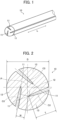
FIG. 1 is a perspective view of a grooved noodle (not part of the invention). -
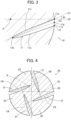
FIG. 2 is a cross-sectional view illustrating the grooved noodle (not part of the invention). -
FIG. 3 is an enlarged partial cross-sectional view of the grooved noodle (not part of the invention). -
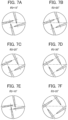
FIG. 4 is a cross-sectional view illustrating a grooved noodle. -
FIG. 5 is an enlarged partial cross-sectional view of the grooved noodle. -
FIGS. 6A to 6F are cross-sectional views illustrating spaghetti noodles (not part of the invention) produced in Examples 2 to 4 and Comparative Examples 1 to 3, respectively. -
FIGS. 7A to 7F are cross-sectional views illustrating spaghetti noodles produced in Examples 7 to 10 and Comparative Examples 4 and 5, respectively. - Embodiments of the present invention are described below based on the appended drawings.
-
FIG. 4 illustrates a cross section of agrooved noodle 20 which has fourgrooves 21 formed along the longitudinal direction L of the noodle. - The noodle has a substantially circular configuration in cross section with the diameter D. The four
grooves 21 are arranged at intervals of 90° along the circumferential direction of the noodle, that is, arranged so as to divide the noodle into four in the circumferential direction, and extend in a same rotational direction with respect to the center point P of the noodle. -
FIG. 5 is an enlarged partial cross-sectional view of thegroove 21 formed in thenoodle 20. Anopening part 21a is provided at the surface of the noodle, and a pair of sides extend as gently curving from theopening part 21a toward aninnermost part 21b. At an intersection point between oneside 21c, of the pair of sides, closer to the center point P of the noodle and theopening part 21a, a firstopening end part 21d is located, while a second openingend part 21f is located at another intersection point between theother side 21e farther from the center point P of the noodle and theopening part 21a. - Here, it is assumed that a fourth straight line C4 passes through the first opening
end part 21d located on the surface of the noodle and theinnermost part 21b of thegroove 21. It is also assumed that a fifth straight line C5 passes through the firstopening end part 21d and the center point P. The fourth straight line C4 and the fifth straight line C5 form an acute angle θ2, and the acute angle θ2 is set to fall within a range of 12° to 33°. InFIG. 4 , the fourgrooves 21 all have the acute angle θ2 of a same value. - Furthermore, it is assumed that a
middle point 21g between the firstopening end part 21d and the secondopening end part 21f on the surface of the noodle exists, and that a sixth straight line C6 passes through themiddle point 21g and theinnermost part 21b of thegroove 21. As illustrated inFIG. 4 , the sixth straight line C6 runs in each of the fourgrooves 21, and a quadrilateral region is formed by the four sixth straight lines C6 and is called acenter region 22. - The
center region 22 is set such that an area thereof accounts for 4% to 35% of a hypothetical area of the noodle configuration when it is assumed that the fourgrooves 21 are not provided. While part of the fourgrooves 21 exists within thecenter region 22, the solid part of the noodle without the grooves accounts for at least 85% of thecenter region 22. - Outside of the
quadrilateral center region 22, formed are fourouter regions 23 separated from one another by the four sixth straight lines C6 and the fourgrooves 21. - As with Embodiment 1, by adjusting the acute angle θ2 at the four
grooves 21 within the range of 12 to 33°, the areas of thecenter region 22 and theouter regions 23 can be altered. - By adjusting the angle θ2 at the four
grooves 21, thegrooved noodle 20 can also be cooked in a reduced time and can obtain good texture having a half-boiled part at its center and, in addition, excellent texture that is well balanced between the center region and the vicinity of the - Such grooved noodles each having three grooves (not part of the invention) were produced, with angles and sizes of the respective parts being varied.
- Dough was obtained by mixing 26 parts by weight of water with 100 parts by weight of durum semolina and kneading the resulting mixture. A die having through-holes corresponding to the cross sectional shape of the noodle with three grooves as illustrated in
FIG. 2 was attached to a pasta machine, from which the kneaded dough was extruded under a pressure-reduced condition of -600 mmHg, and then the shaped dough was dried by a conventional method to thereby produce a dried spaghetti noodle. - Respective sizes illustrated in
FIGS. 2 and3 were specified as follows: noodle diameter D in cross section = 2 mm; acute angle θ1 = 12°; area proportion R1 ofcenter region 12 to noodle configuration = 6.4%; and depth T of threegrooves 11 with respect to diameter D = 50%. -
FIG. 6A illustrates a cross section of a dried spaghetti noodle according to Example 2. For simplicity, hatching was omitted in the drawing. Except for the changes to acute angle θ1 = 15° and area proportion R1 ofcenter region 12 to noodle configuration = 9.7%, the dried spaghetti noodle was produced in the same manner as that of Example 1. - Except for the changes to acute angle θ1 = 20° and area proportion R1 of
center region 12 to noodle configuration = 17.4% in conformity with the cross section illustrated inFIG. 6B , a dried spaghetti noodle was produced in the same manner as that of Example 1. - Except for the changes to acute angle θ1 = 25° and area proportion R1 of
center region 12 to noodle configuration = 26.9% in conformity with the cross section illustrated inFIG. 6C , a dried spaghetti noodle was produced in the same manner as that of Example 1. - Although not illustrated in
FIGS. 6 , except for the changes to acute angle θ1 = 28° and area proportion R1 ofcenter region 12 to noodle configuration = 33.2%, a dried spaghetti noodle was produced in the same manner as that of Example 1. - Except for the changes to acute angle θ1 = 10° and area proportion R1 of
center region 12 to noodle configuration = 4.4% in conformity with the cross section illustrated inFIG. 6D , a dried spaghetti noodle was produced in the same manner as that of Example 1. - Except for the changes to acute angle θ1 = 30° and area proportion R1 of
center region 12 to noodle configuration = 38.1% in conformity with the cross section illustrated inFIG. 6E , a dried spaghetti noodle was produced in the same manner as that of Example 1. - Except for the changes to acute angle θ1 = 35° and area proportion R1 of
center region 12 to noodle configuration = 49.9% in conformity with the cross section illustrated inFIG. 6F , a dried spaghetti noodle was produced in the same manner as that of Example 1. - The dried spaghetti noodles produced as described above were boiled in boiling water for three minutes for cooking. Each of the boiled spaghetti noodles was evaluated for texture based on the evaluation criteria shown in Table 1 by ten persons, and an average point of the evaluation results was obtained in the texture evaluation test.
- According to the evaluation criteria of Table 1, good texture of a spaghetti noodle that is well balanced texture between the
outer regions 13 and thecenter region 12 illustrated inFIG. 3 scores a high point, whereas poor texture of a spaghetti noodle that is unbalanced between theouter regions 13 and thecenter region 12 scores a low point. -
Table 1 Point Texture of spaghetti noodle 5 Excellent texture, with soft outer regions and firm center region being very well balanced 4 Good texture, with soft outer regions and firm center region being well balanced 3 Texture is not well balanced between outer regions and center region 2 Inferior texture, with outer regions and center region being unbalanaced in texture 1 Poor texture, with outer regions and center region being badly balanced in texture - The spaghetti noodles produced in Examples 1 to 5 and Comparative Examples 1 to 3 were evaluated for their texture based on the evaluation criteria shown in Table 1 by ten persons, and an average point of the evaluation results was obtained. The result thereof is shown in Table 2.


- Every average point of the evaluation results of the spaghetti noodles of Examples 1 to 5 was around 4. On the contrary, every average point of the evaluation results of the spaghetti noodles of Comparative Examples 1 to 3 was lower than 3.
- In Examples 1 to 5, it was revealed that when the
outer regions 13 located outside thecenter region 12 were appropriately cooked, a suitable half-boiled part remained at thecenter region 12, and that texture was well balanced between theouter regions 13 and thecenter region 12, resulting in good texture of the spaghetti noodles. - Meanwhile, in Comparative Example 1, the area proportion R1 of the
center region 12 to the noodle configuration was 4.4%, i.e., the area of thecenter region 12 was smallest in Table 2; it is assumed that too much heat was therefore transmitted to thecenter region 12 which turned to be too soft in texture, and the texture balance between theouter regions 13 and thecenter region 12 was impaired. In Comparative Examples 2 and 3, thecenter region 12 had a relatively large area with the proportion R1 of not smaller than 38% as shown in Table 2, but the area of theouter regions 13 was small; it is assumed that too much heat was therefore transmitted to theouter regions 13 which turned to be too soft in texture, and the texture balance between theouter regions 13 and thecenter region 12 was impaired. - Table 2 shows that, when the acute angle θ1 and the area proportion R1 of the
center region 12 to the noodle configuration are set to 12° to 28° and 6% to 34%, respectively, a spaghetti noodle having good texture can be obtained, with the texture being well balanced between theouter regions 13 and thecenter region 12. - Every spaghetti noodle produced in Examples 1 to 5 and Comparative Examples 1 to 3 had the proportion R2 of the noodle within the
center region 12 of not smaller than 85%; the proportion of the solid noodle part with respect to thecenter region 12 was never insufficient. - Next, such grooved noodles each having four grooves were produced, with angles and sizes of the respective parts being varied.
- A die having through-holes corresponding to the cross sectional shape of the noodle with four grooves as illustrated in
FIG. 4 was used, and a dried spaghetti noodle was produced in the same manner as that of Example 1, except for the changes to acute angle θ2 = 12° and area proportion R1 ofcenter region 22 to noodle configuration = 4.9%. -
FIG. 7A illustrates a cross section of a dried spaghetti noodle according to Example 7. A dried spaghetti noodle was produced in the same manner as that of Example 6, except for the changes to acute angle θ2 = 15° and area proportion R1 ofcenter region 22 to noodle configuration = 7.6%. - Except for the changes to acute angle θ2 = 20° and area proportion R1 of
center region 22 to noodle configuration = 13.5% in conformity with the cross section illustrated inFIG. 7B , a dried spaghetti noodle was produced in the same manner as that of Example 6. - Except for the changes to acute angle θ2 = 25° and area proportion R1 of
center region 22 to noodle configuration = 20.5% in conformity with the cross section illustrated inFIG. 7C , a dried spaghetti noodle was produced in the same manner as that of Example 6. - Except for the changes to acute angle θ2 = 30° and area proportion R1 of
center region 22 to noodle configuration = 29.2% in conformity with the cross section illustrated inFIG. 7D , a dried spaghetti noodle was produced in the same manner as that of Example 6. - Although not illustrated in
FIGS. 7 , except for the changes to acute angle θ2 = 33° and area proportion R1 ofcenter region 22 to noodle configuration = 34.5%, a dried spaghetti noodle was produced in the same manner as that of Example 6. - Except for the changes to acute angle θ2 = 10° and area proportion R1 of
center region 22 to noodle configuration = 3.4% in conformity with the cross section illustrated inFIG. 7E , a dried spaghetti noodle was produced in the same manner as that of Example 6. - Except for the changes to acute angle θ2 = 35° and area proportion R1 of
center region 22 to noodle configuration = 38.3% in conformity with the cross section illustrated inFIG. 7F , a dried spaghetti noodle was produced in the same manner as that of Example 6. - The spaghetti noodles produced in Examples 6 to 11 and Comparative Examples 4 and 5 were evaluated for their texture based on the evaluation criteria shown in Table 1 by ten persons, and an average point of the evaluation results was obtained. The result thereof is shown in Table 3.

- Every average point of the evaluation results of the spaghetti noodles of Examples 6 to 11 was around 4. On the contrary, every average point of the evaluation results of the spaghetti noodles of Comparative Examples 4 and 5 was lower than 3.
- Table 3 shows that, when the acute angle θ2 and the area proportion R1 of the
center region 22 to the noodle configuration are set to 12° to 33° and 4% to 35%, respectively, a spaghetti noodle having good texture can be obtained, with the texture being well balanced between theouter regions 23 located outside thecenter region 22 and thecenter region 22. - Furthermore, grooved noodles were produced, with the depth T of the grooves with respect to the noodle diameter D being varied.
- Except that the depth T of the three
grooves 11 with respect to the noodle diameter D was set to 15%, a dried spaghetti noodle was produced in the same manner as that of Example 4. - Except that the depth T of the three
grooves 11 with respect to the noodle diameter D was set to 20%, a dried spaghetti noodle was produced in the same manner as that of Example 4. - Except that the depth T of the three
grooves 11 with respect to the noodle diameter D was set to 35%, a dried spaghetti noodle was produced in the same manner as that of Example 4. - Except that the depth T of the three
grooves 11 with respect to the noodle diameter D was set to 60%, a dried spaghetti noodle was produced in the same manner as that of Example 4. - Except that the depth T of the three
grooves 11 with respect to the noodle diameter D was set to 70%, a dried spaghetti noodle was produced in the same manner as that of Example 4. - The spaghetti noodles produced in Examples 12 to 16 were evaluated for their texture based on the evaluation criteria shown in Table 1 by ten persons, and an average point of the evaluation results was obtained. The result thereof is shown in Table 4. It should be noted that Table 4 includes again the evaluation result of Example 4 where the depth T of the three
grooves 11 with respect to the noodle diameter D was 50%.
- While every spaghetti noodle produced in Examples 12 to 16 scored the average point of the evaluation results of at least 3, it can be presumed that, since the depth T of the three
grooves 11 with respect to the noodle diameter D was varied, texture balance between theouter regions 13 located outside thecenter region 12 and thecenter region 12 changed, and the average point of the evaluation results also changed. - In addition, Examples 4 and 13 to 15 each scored the average point of the evaluation results of around 4, revealing that the depth T of the
grooves 11 is preferably set to 20% to 60% in order to obtain a spaghetti noodle with even better texture. - 10, 20 grooved noodle, 11, 21 groove, 11a, 21a opening part, 11b, 21b innermost part, 11c, 21c side closer to center point, 11d, 21d first opening end part, 11e, 21e side farther from center point, 11f, 21f second opening end part, 11g, 21g middle point, 12, 22 center region, 13, 23 outer region, C1 first straight line, C2 second straight line, C3 third straight line, C4 fourth straight line, C5 fifth straight line, C6 sixth straight line, P center point, θ1, θ2 acute angle, D diameter, L direction, T depth, W thickness
Claims (3)
- Grooved noodles formed with four grooves along a longitudinal direction of the noodles and having a substantially circular configuration in cross section,wherein the four grooves are arranged at intervals of 90° along a circumferential direction of the noodles and extend in a same rotational direction with respect to a center point in a cross section of the noodles,wherein each of the grooves includes a pair of sides opposing to each other and extending from an opening part of the groove toward an innermost part of the groove, a first opening end part located on one side of the pair of sides closer to the center point, and a second opening end part located on another side of the pair of sides farther from the center point,wherein an acute angle formed between a straight line passing through the first opening end part and the innermost part and another straight line passing through the first opening end part and the center point in each of the grooves is 12° to 33°,wherein a center region defined in a quadrilateral formed by four straight lines each passing through the innermost part and a middle point between the first opening end part and the second opening end part of a relevant groove has an area of 4% to 35% of a hypothetical area of the configuration when it is assumed that the four grooves are not provided, andwherein the noodles accounts for at least 85% of the center region.
- The grooved noodles according to claim 1, wherein the four grooves each have a depth of 20% to 60% of a noodle diameter in cross section.
- The grooved noodles according to any one of claims 1 or 2, wherein a part of the noodles situated between adjacent grooves and having a smallest thickness has a thickness of 20% to 60% of a noodle diameter in cross section.
Applications Claiming Priority (3)
| Application Number | Priority Date | Filing Date | Title |
|---|---|---|---|
| JP2015180825 | 2015-09-14 | ||
| PCT/JP2016/077074 WO2017047624A1 (en) | 2015-09-14 | 2016-09-14 | Grooved noodles |
| EP16846495.6A EP3351115B1 (en) | 2015-09-14 | 2016-09-14 | Grooved noodles |
Related Parent Applications (2)
| Application Number | Title | Priority Date | Filing Date |
|---|---|---|---|
| EP16846495.6A Division EP3351115B1 (en) | 2015-09-14 | 2016-09-14 | Grooved noodles |
| EP16846495.6A Division-Into EP3351115B1 (en) | 2015-09-14 | 2016-09-14 | Grooved noodles |
Publications (2)
| Publication Number | Publication Date |
|---|---|
| EP3970508A1 EP3970508A1 (en) | 2022-03-23 |
| EP3970508B1 true EP3970508B1 (en) | 2023-05-31 |
Family
ID=58288703
Family Applications (2)
| Application Number | Title | Priority Date | Filing Date |
|---|---|---|---|
| EP21184915.3A Active EP3970508B1 (en) | 2015-09-14 | 2016-09-14 | Grooved noodles |
| EP16846495.6A Active EP3351115B1 (en) | 2015-09-14 | 2016-09-14 | Grooved noodles |
Family Applications After (1)
| Application Number | Title | Priority Date | Filing Date |
|---|---|---|---|
| EP16846495.6A Active EP3351115B1 (en) | 2015-09-14 | 2016-09-14 | Grooved noodles |
Country Status (12)
| Country | Link |
|---|---|
| US (1) | US10681925B2 (en) |
| EP (2) | EP3970508B1 (en) |
| JP (1) | JP6737792B2 (en) |
| CN (1) | CN108024557B (en) |
| AU (1) | AU2016324524B2 (en) |
| CA (1) | CA2998322C (en) |
| ES (1) | ES2898973T3 (en) |
| MA (1) | MA44361B1 (en) |
| MX (1) | MX2018003110A (en) |
| TN (1) | TN2018000083A1 (en) |
| WO (1) | WO2017047624A1 (en) |
| ZA (2) | ZA201801709B (en) |
Family Cites Families (11)
| Publication number | Priority date | Publication date | Assignee | Title |
|---|---|---|---|---|
| US3558853A (en) | 1969-05-14 | 1971-01-26 | Xerox Corp | Fuser system for copying machine |
| JPS5726493B2 (en) | 1974-07-31 | 1982-06-04 | ||
| IT220697Z2 (en) * | 1990-03-28 | 1993-11-02 | Nestle Sa | SPAGHETTI TYPE FOOD PASTA. |
| JP3658477B2 (en) | 1996-11-15 | 2005-06-08 | 日清フーズ株式会社 | Extruded noodle with groove and method for producing the same |
| US20100080882A1 (en) * | 2007-01-25 | 2010-04-01 | Nisshin Foods Inc. | Grooved noodles and process for producing the same |
| CN201286320Y (en) * | 2008-11-06 | 2009-08-12 | 于道兴 | Easily-cooked easily-gripped vermicelli |
| JP5102252B2 (en) * | 2009-06-29 | 2012-12-19 | 日清フーズ株式会社 | Grooved noodles |
| JP5726493B2 (en) | 2010-11-30 | 2015-06-03 | 日清フーズ株式会社 | Grooved noodles |
| JP6140688B2 (en) * | 2012-04-11 | 2017-05-31 | 日清フーズ株式会社 | Grooved noodles |
| WO2014064948A1 (en) * | 2012-10-26 | 2014-05-01 | 日清フーズ株式会社 | Macaroni |
| JP6936800B2 (en) * | 2016-08-02 | 2021-09-22 | 日清フーズ株式会社 | Cooked grooved noodles |
-
2016
- 2016-09-14 AU AU2016324524A patent/AU2016324524B2/en active Active
- 2016-09-14 EP EP21184915.3A patent/EP3970508B1/en active Active
- 2016-09-14 EP EP16846495.6A patent/EP3351115B1/en active Active
- 2016-09-14 JP JP2017539932A patent/JP6737792B2/en active Active
- 2016-09-14 TN TNP/2018/000083A patent/TN2018000083A1/en unknown
- 2016-09-14 CA CA2998322A patent/CA2998322C/en active Active
- 2016-09-14 US US15/760,085 patent/US10681925B2/en active Active
- 2016-09-14 MX MX2018003110A patent/MX2018003110A/en unknown
- 2016-09-14 ES ES16846495T patent/ES2898973T3/en active Active
- 2016-09-14 CN CN201680051868.1A patent/CN108024557B/en active Active
- 2016-09-14 WO PCT/JP2016/077074 patent/WO2017047624A1/en not_active Ceased
-
2017
- 2017-03-23 MA MA44361A patent/MA44361B1/en unknown
-
2018
- 2018-03-13 ZA ZA2018/01709A patent/ZA201801709B/en unknown
-
2019
- 2019-01-16 ZA ZA2019/00287A patent/ZA201900287B/en unknown
Also Published As
| Publication number | Publication date |
|---|---|
| CN108024557B (en) | 2021-01-15 |
| MA44361B1 (en) | 2021-11-30 |
| HK1248474A1 (en) | 2018-10-19 |
| TN2018000083A1 (en) | 2019-07-08 |
| EP3351115B1 (en) | 2021-10-27 |
| US20180249742A1 (en) | 2018-09-06 |
| AU2016324524A1 (en) | 2018-04-05 |
| ZA201900287B (en) | 2019-09-25 |
| ES2898973T3 (en) | 2022-03-09 |
| CA2998322C (en) | 2023-02-21 |
| JP6737792B2 (en) | 2020-08-12 |
| MX2018003110A (en) | 2018-05-11 |
| EP3351115A1 (en) | 2018-07-25 |
| AU2016324524B2 (en) | 2020-05-07 |
| ZA201801709B (en) | 2021-06-30 |
| CN108024557A (en) | 2018-05-11 |
| CA2998322A1 (en) | 2017-03-23 |
| WO2017047624A1 (en) | 2017-03-23 |
| EP3351115A4 (en) | 2019-04-03 |
| US10681925B2 (en) | 2020-06-16 |
| EP3970508A1 (en) | 2022-03-23 |
| JPWO2017047624A1 (en) | 2018-06-28 |
Similar Documents
| Publication | Publication Date | Title |
|---|---|---|
| US20150030745A1 (en) | Grooved noodle | |
| US8647694B2 (en) | Grooved noodle | |
| US20100080882A1 (en) | Grooved noodles and process for producing the same | |
| EP3351115B1 (en) | Grooved noodles | |
| EP3351116B1 (en) | Grooved noodles | |
| EP3494800B1 (en) | Cooked grooved noodle | |
| JP2009055870A (en) | Grooved noodles | |
| JP5345229B2 (en) | Grooved noodles | |
| JP6228548B2 (en) | macaroni | |
| HK1248474B (en) | Grooved noodles | |
| JP5132255B2 (en) | Grooved noodles | |
| JP2007049920A (en) | Extruded noodles with multiple holes | |
| EP4292443A1 (en) | Grooved noodles | |
| EP3243392A1 (en) | Pasta with a novel form | |
| EP2425717A2 (en) | Drawing device for edible pasta of the long type, such as spaghetti, tagliatelle, bucatini and cannelloni, and pasta drawn with such device |
Legal Events
| Date | Code | Title | Description |
|---|---|---|---|
| PUAI | Public reference made under article 153(3) epc to a published international application that has entered the european phase |
Free format text: ORIGINAL CODE: 0009012 |
|
| STAA | Information on the status of an ep patent application or granted ep patent |
Free format text: STATUS: REQUEST FOR EXAMINATION WAS MADE |
|
| 17P | Request for examination filed |
Effective date: 20210709 |
|
| AC | Divisional application: reference to earlier application |
Ref document number: 3351115 Country of ref document: EP Kind code of ref document: P |
|
| AK | Designated contracting states |
Kind code of ref document: A1 Designated state(s): AL AT BE BG CH CY CZ DE DK EE ES FI FR GB GR HR HU IE IS IT LI LT LU LV MC MK MT NL NO PL PT RO RS SE SI SK SM TR |
|
| RAP3 | Party data changed (applicant data changed or rights of an application transferred) |
Owner name: NISSHIN SEIFUN WELNA INC. |
|
| GRAP | Despatch of communication of intention to grant a patent |
Free format text: ORIGINAL CODE: EPIDOSNIGR1 |
|
| STAA | Information on the status of an ep patent application or granted ep patent |
Free format text: STATUS: GRANT OF PATENT IS INTENDED |
|
| INTG | Intention to grant announced |
Effective date: 20221223 |
|
| GRAS | Grant fee paid |
Free format text: ORIGINAL CODE: EPIDOSNIGR3 |
|
| GRAA | (expected) grant |
Free format text: ORIGINAL CODE: 0009210 |
|
| STAA | Information on the status of an ep patent application or granted ep patent |
Free format text: STATUS: THE PATENT HAS BEEN GRANTED |
|
| AC | Divisional application: reference to earlier application |
Ref document number: 3351115 Country of ref document: EP Kind code of ref document: P |
|
| AK | Designated contracting states |
Kind code of ref document: B1 Designated state(s): AL AT BE BG CH CY CZ DE DK EE ES FI FR GB GR HR HU IE IS IT LI LT LU LV MC MK MT NL NO PL PT RO RS SE SI SK SM TR |
|
| REG | Reference to a national code |
Ref country code: GB Ref legal event code: FG4D Ref country code: CH Ref legal event code: EP |
|
| REG | Reference to a national code |
Ref country code: AT Ref legal event code: REF Ref document number: 1570437 Country of ref document: AT Kind code of ref document: T Effective date: 20230615 Ref country code: DE Ref legal event code: R096 Ref document number: 602016079783 Country of ref document: DE |
|
| REG | Reference to a national code |
Ref country code: IE Ref legal event code: FG4D |
|
| P01 | Opt-out of the competence of the unified patent court (upc) registered |
Effective date: 20230526 |
|
| REG | Reference to a national code |
Ref country code: LT Ref legal event code: MG9D |
|
| REG | Reference to a national code |
Ref country code: NL Ref legal event code: MP Effective date: 20230531 |
|
| REG | Reference to a national code |
Ref country code: AT Ref legal event code: MK05 Ref document number: 1570437 Country of ref document: AT Kind code of ref document: T Effective date: 20230531 |
|
| PG25 | Lapsed in a contracting state [announced via postgrant information from national office to epo] |
Ref country code: SE Free format text: LAPSE BECAUSE OF FAILURE TO SUBMIT A TRANSLATION OF THE DESCRIPTION OR TO PAY THE FEE WITHIN THE PRESCRIBED TIME-LIMIT Effective date: 20230531 Ref country code: NO Free format text: LAPSE BECAUSE OF FAILURE TO SUBMIT A TRANSLATION OF THE DESCRIPTION OR TO PAY THE FEE WITHIN THE PRESCRIBED TIME-LIMIT Effective date: 20230831 Ref country code: ES Free format text: LAPSE BECAUSE OF FAILURE TO SUBMIT A TRANSLATION OF THE DESCRIPTION OR TO PAY THE FEE WITHIN THE PRESCRIBED TIME-LIMIT Effective date: 20230531 Ref country code: AT Free format text: LAPSE BECAUSE OF FAILURE TO SUBMIT A TRANSLATION OF THE DESCRIPTION OR TO PAY THE FEE WITHIN THE PRESCRIBED TIME-LIMIT Effective date: 20230531 |
|
| PG25 | Lapsed in a contracting state [announced via postgrant information from national office to epo] |
Ref country code: RS Free format text: LAPSE BECAUSE OF FAILURE TO SUBMIT A TRANSLATION OF THE DESCRIPTION OR TO PAY THE FEE WITHIN THE PRESCRIBED TIME-LIMIT Effective date: 20230531 Ref country code: PL Free format text: LAPSE BECAUSE OF FAILURE TO SUBMIT A TRANSLATION OF THE DESCRIPTION OR TO PAY THE FEE WITHIN THE PRESCRIBED TIME-LIMIT Effective date: 20230531 Ref country code: NL Free format text: LAPSE BECAUSE OF FAILURE TO SUBMIT A TRANSLATION OF THE DESCRIPTION OR TO PAY THE FEE WITHIN THE PRESCRIBED TIME-LIMIT Effective date: 20230531 Ref country code: LV Free format text: LAPSE BECAUSE OF FAILURE TO SUBMIT A TRANSLATION OF THE DESCRIPTION OR TO PAY THE FEE WITHIN THE PRESCRIBED TIME-LIMIT Effective date: 20230531 Ref country code: LT Free format text: LAPSE BECAUSE OF FAILURE TO SUBMIT A TRANSLATION OF THE DESCRIPTION OR TO PAY THE FEE WITHIN THE PRESCRIBED TIME-LIMIT Effective date: 20230531 Ref country code: IS Free format text: LAPSE BECAUSE OF FAILURE TO SUBMIT A TRANSLATION OF THE DESCRIPTION OR TO PAY THE FEE WITHIN THE PRESCRIBED TIME-LIMIT Effective date: 20230930 Ref country code: HR Free format text: LAPSE BECAUSE OF FAILURE TO SUBMIT A TRANSLATION OF THE DESCRIPTION OR TO PAY THE FEE WITHIN THE PRESCRIBED TIME-LIMIT Effective date: 20230531 Ref country code: GR Free format text: LAPSE BECAUSE OF FAILURE TO SUBMIT A TRANSLATION OF THE DESCRIPTION OR TO PAY THE FEE WITHIN THE PRESCRIBED TIME-LIMIT Effective date: 20230901 |
|
| PG25 | Lapsed in a contracting state [announced via postgrant information from national office to epo] |
Ref country code: FI Free format text: LAPSE BECAUSE OF FAILURE TO SUBMIT A TRANSLATION OF THE DESCRIPTION OR TO PAY THE FEE WITHIN THE PRESCRIBED TIME-LIMIT Effective date: 20230531 |
|
| PG25 | Lapsed in a contracting state [announced via postgrant information from national office to epo] |
Ref country code: SK Free format text: LAPSE BECAUSE OF FAILURE TO SUBMIT A TRANSLATION OF THE DESCRIPTION OR TO PAY THE FEE WITHIN THE PRESCRIBED TIME-LIMIT Effective date: 20230531 |
|
| PG25 | Lapsed in a contracting state [announced via postgrant information from national office to epo] |
Ref country code: SM Free format text: LAPSE BECAUSE OF FAILURE TO SUBMIT A TRANSLATION OF THE DESCRIPTION OR TO PAY THE FEE WITHIN THE PRESCRIBED TIME-LIMIT Effective date: 20230531 Ref country code: SK Free format text: LAPSE BECAUSE OF FAILURE TO SUBMIT A TRANSLATION OF THE DESCRIPTION OR TO PAY THE FEE WITHIN THE PRESCRIBED TIME-LIMIT Effective date: 20230531 Ref country code: RO Free format text: LAPSE BECAUSE OF FAILURE TO SUBMIT A TRANSLATION OF THE DESCRIPTION OR TO PAY THE FEE WITHIN THE PRESCRIBED TIME-LIMIT Effective date: 20230531 Ref country code: PT Free format text: LAPSE BECAUSE OF FAILURE TO SUBMIT A TRANSLATION OF THE DESCRIPTION OR TO PAY THE FEE WITHIN THE PRESCRIBED TIME-LIMIT Effective date: 20231002 Ref country code: EE Free format text: LAPSE BECAUSE OF FAILURE TO SUBMIT A TRANSLATION OF THE DESCRIPTION OR TO PAY THE FEE WITHIN THE PRESCRIBED TIME-LIMIT Effective date: 20230531 Ref country code: DK Free format text: LAPSE BECAUSE OF FAILURE TO SUBMIT A TRANSLATION OF THE DESCRIPTION OR TO PAY THE FEE WITHIN THE PRESCRIBED TIME-LIMIT Effective date: 20230531 Ref country code: CZ Free format text: LAPSE BECAUSE OF FAILURE TO SUBMIT A TRANSLATION OF THE DESCRIPTION OR TO PAY THE FEE WITHIN THE PRESCRIBED TIME-LIMIT Effective date: 20230531 |
|
| REG | Reference to a national code |
Ref country code: DE Ref legal event code: R097 Ref document number: 602016079783 Country of ref document: DE |
|
| REG | Reference to a national code |
Ref country code: DE Ref legal event code: R119 Ref document number: 602016079783 Country of ref document: DE |
|
| PLBE | No opposition filed within time limit |
Free format text: ORIGINAL CODE: 0009261 |
|
| STAA | Information on the status of an ep patent application or granted ep patent |
Free format text: STATUS: NO OPPOSITION FILED WITHIN TIME LIMIT |
|
| REG | Reference to a national code |
Ref country code: CH Ref legal event code: PL |
|
| PG25 | Lapsed in a contracting state [announced via postgrant information from national office to epo] |
Ref country code: SI Free format text: LAPSE BECAUSE OF FAILURE TO SUBMIT A TRANSLATION OF THE DESCRIPTION OR TO PAY THE FEE WITHIN THE PRESCRIBED TIME-LIMIT Effective date: 20230531 |
|
| 26N | No opposition filed |
Effective date: 20240301 |
|
| PG25 | Lapsed in a contracting state [announced via postgrant information from national office to epo] |
Ref country code: LU Free format text: LAPSE BECAUSE OF NON-PAYMENT OF DUE FEES Effective date: 20230914 |
|
| REG | Reference to a national code |
Ref country code: BE Ref legal event code: MM Effective date: 20230930 |
|
| GBPC | Gb: european patent ceased through non-payment of renewal fee |
Effective date: 20230914 |
|
| PG25 | Lapsed in a contracting state [announced via postgrant information from national office to epo] |
Ref country code: SI Free format text: LAPSE BECAUSE OF FAILURE TO SUBMIT A TRANSLATION OF THE DESCRIPTION OR TO PAY THE FEE WITHIN THE PRESCRIBED TIME-LIMIT Effective date: 20230531 Ref country code: LU Free format text: LAPSE BECAUSE OF NON-PAYMENT OF DUE FEES Effective date: 20230914 Ref country code: MC Free format text: LAPSE BECAUSE OF FAILURE TO SUBMIT A TRANSLATION OF THE DESCRIPTION OR TO PAY THE FEE WITHIN THE PRESCRIBED TIME-LIMIT Effective date: 20230531 |
|
| REG | Reference to a national code |
Ref country code: IE Ref legal event code: MM4A |
|
| PG25 | Lapsed in a contracting state [announced via postgrant information from national office to epo] |
Ref country code: IE Free format text: LAPSE BECAUSE OF NON-PAYMENT OF DUE FEES Effective date: 20230914 |
|
| PG25 | Lapsed in a contracting state [announced via postgrant information from national office to epo] |
Ref country code: GB Free format text: LAPSE BECAUSE OF NON-PAYMENT OF DUE FEES Effective date: 20230914 |
|
| PG25 | Lapsed in a contracting state [announced via postgrant information from national office to epo] |
Ref country code: CH Free format text: LAPSE BECAUSE OF NON-PAYMENT OF DUE FEES Effective date: 20230930 |
|
| PG25 | Lapsed in a contracting state [announced via postgrant information from national office to epo] |
Ref country code: IE Free format text: LAPSE BECAUSE OF NON-PAYMENT OF DUE FEES Effective date: 20230914 Ref country code: GB Free format text: LAPSE BECAUSE OF NON-PAYMENT OF DUE FEES Effective date: 20230914 Ref country code: FR Free format text: LAPSE BECAUSE OF NON-PAYMENT OF DUE FEES Effective date: 20230930 Ref country code: DE Free format text: LAPSE BECAUSE OF NON-PAYMENT OF DUE FEES Effective date: 20240403 Ref country code: CH Free format text: LAPSE BECAUSE OF NON-PAYMENT OF DUE FEES Effective date: 20230930 |
|
| PG25 | Lapsed in a contracting state [announced via postgrant information from national office to epo] |
Ref country code: BE Free format text: LAPSE BECAUSE OF NON-PAYMENT OF DUE FEES Effective date: 20230930 |
|
| PG25 | Lapsed in a contracting state [announced via postgrant information from national office to epo] |
Ref country code: BG Free format text: LAPSE BECAUSE OF FAILURE TO SUBMIT A TRANSLATION OF THE DESCRIPTION OR TO PAY THE FEE WITHIN THE PRESCRIBED TIME-LIMIT Effective date: 20230531 |
|
| PG25 | Lapsed in a contracting state [announced via postgrant information from national office to epo] |
Ref country code: BG Free format text: LAPSE BECAUSE OF FAILURE TO SUBMIT A TRANSLATION OF THE DESCRIPTION OR TO PAY THE FEE WITHIN THE PRESCRIBED TIME-LIMIT Effective date: 20230531 |
|
| PG25 | Lapsed in a contracting state [announced via postgrant information from national office to epo] |
Ref country code: CY Free format text: LAPSE BECAUSE OF FAILURE TO SUBMIT A TRANSLATION OF THE DESCRIPTION OR TO PAY THE FEE WITHIN THE PRESCRIBED TIME-LIMIT; INVALID AB INITIO Effective date: 20160914 |
|
| PG25 | Lapsed in a contracting state [announced via postgrant information from national office to epo] |
Ref country code: HU Free format text: LAPSE BECAUSE OF FAILURE TO SUBMIT A TRANSLATION OF THE DESCRIPTION OR TO PAY THE FEE WITHIN THE PRESCRIBED TIME-LIMIT; INVALID AB INITIO Effective date: 20160914 |
|
| PGFP | Annual fee paid to national office [announced via postgrant information from national office to epo] |
Ref country code: TR Payment date: 20250909 Year of fee payment: 10 Ref country code: IT Payment date: 20250825 Year of fee payment: 10 |
|
| VS25 | Lapsed in a validation state [announced via postgrant information from nat. office to epo] |
Ref country code: MA Free format text: LAPSE BECAUSE OF FAILURE TO SUBMIT A TRANSLATION OF THE DESCRIPTION OR TO PAY THE FEE WITHIN THE PRESCRIBED TIME-LIMIT Effective date: 20230531 |