EP3967394A1 - Dehydration catalyst, method for preparing same and method for preparing alkene using same - Google Patents
Dehydration catalyst, method for preparing same and method for preparing alkene using same Download PDFInfo
- Publication number
- EP3967394A1 EP3967394A1 EP20913062.4A EP20913062A EP3967394A1 EP 3967394 A1 EP3967394 A1 EP 3967394A1 EP 20913062 A EP20913062 A EP 20913062A EP 3967394 A1 EP3967394 A1 EP 3967394A1
- Authority
- EP
- European Patent Office
- Prior art keywords
- alumina
- dehydration catalyst
- catalyst
- weight
- dehydration
- Prior art date
- Legal status (The legal status is an assumption and is not a legal conclusion. Google has not performed a legal analysis and makes no representation as to the accuracy of the status listed.)
- Pending
Links
- 0 CC*CNC[C@](C)CC*(C)CCCCC*CN=CCC Chemical compound CC*CNC[C@](C)CC*(C)CCCCC*CN=CCC 0.000 description 3
Images

Classifications
-
- B—PERFORMING OPERATIONS; TRANSPORTING
- B01—PHYSICAL OR CHEMICAL PROCESSES OR APPARATUS IN GENERAL
- B01J—CHEMICAL OR PHYSICAL PROCESSES, e.g. CATALYSIS OR COLLOID CHEMISTRY; THEIR RELEVANT APPARATUS
- B01J21/00—Catalysts comprising the elements, oxides, or hydroxides of magnesium, boron, aluminium, carbon, silicon, titanium, zirconium, or hafnium
- B01J21/02—Boron or aluminium; Oxides or hydroxides thereof
- B01J21/04—Alumina
-
- B—PERFORMING OPERATIONS; TRANSPORTING
- B01—PHYSICAL OR CHEMICAL PROCESSES OR APPARATUS IN GENERAL
- B01J—CHEMICAL OR PHYSICAL PROCESSES, e.g. CATALYSIS OR COLLOID CHEMISTRY; THEIR RELEVANT APPARATUS
- B01J35/00—Catalysts, in general, characterised by their form or physical properties
- B01J35/60—Catalysts, in general, characterised by their form or physical properties characterised by their surface properties or porosity
- B01J35/63—Pore volume
- B01J35/633—Pore volume less than 0.5 ml/g
-
- B—PERFORMING OPERATIONS; TRANSPORTING
- B01—PHYSICAL OR CHEMICAL PROCESSES OR APPARATUS IN GENERAL
- B01J—CHEMICAL OR PHYSICAL PROCESSES, e.g. CATALYSIS OR COLLOID CHEMISTRY; THEIR RELEVANT APPARATUS
- B01J35/00—Catalysts, in general, characterised by their form or physical properties
- B01J35/30—Catalysts, in general, characterised by their form or physical properties characterised by their physical properties
- B01J35/34—Mechanical properties
- B01J35/37—Crush or impact strength
-
- B—PERFORMING OPERATIONS; TRANSPORTING
- B01—PHYSICAL OR CHEMICAL PROCESSES OR APPARATUS IN GENERAL
- B01J—CHEMICAL OR PHYSICAL PROCESSES, e.g. CATALYSIS OR COLLOID CHEMISTRY; THEIR RELEVANT APPARATUS
- B01J35/00—Catalysts, in general, characterised by their form or physical properties
- B01J35/60—Catalysts, in general, characterised by their form or physical properties characterised by their surface properties or porosity
-
- B—PERFORMING OPERATIONS; TRANSPORTING
- B01—PHYSICAL OR CHEMICAL PROCESSES OR APPARATUS IN GENERAL
- B01J—CHEMICAL OR PHYSICAL PROCESSES, e.g. CATALYSIS OR COLLOID CHEMISTRY; THEIR RELEVANT APPARATUS
- B01J35/00—Catalysts, in general, characterised by their form or physical properties
- B01J35/60—Catalysts, in general, characterised by their form or physical properties characterised by their surface properties or porosity
- B01J35/61—Surface area
- B01J35/613—10-100 m2/g
-
- B—PERFORMING OPERATIONS; TRANSPORTING
- B01—PHYSICAL OR CHEMICAL PROCESSES OR APPARATUS IN GENERAL
- B01J—CHEMICAL OR PHYSICAL PROCESSES, e.g. CATALYSIS OR COLLOID CHEMISTRY; THEIR RELEVANT APPARATUS
- B01J35/00—Catalysts, in general, characterised by their form or physical properties
- B01J35/60—Catalysts, in general, characterised by their form or physical properties characterised by their surface properties or porosity
- B01J35/63—Pore volume
- B01J35/635—0.5-1.0 ml/g
-
- B—PERFORMING OPERATIONS; TRANSPORTING
- B01—PHYSICAL OR CHEMICAL PROCESSES OR APPARATUS IN GENERAL
- B01J—CHEMICAL OR PHYSICAL PROCESSES, e.g. CATALYSIS OR COLLOID CHEMISTRY; THEIR RELEVANT APPARATUS
- B01J37/00—Processes, in general, for preparing catalysts; Processes, in general, for activation of catalysts
- B01J37/0009—Use of binding agents; Moulding; Pressing; Powdering; Granulating; Addition of materials ameliorating the mechanical properties of the product catalyst
- B01J37/0018—Addition of a binding agent or of material, later completely removed among others as result of heat treatment, leaching or washing,(e.g. forming of pores; protective layer, desintegrating by heat)
-
- B—PERFORMING OPERATIONS; TRANSPORTING
- B01—PHYSICAL OR CHEMICAL PROCESSES OR APPARATUS IN GENERAL
- B01J—CHEMICAL OR PHYSICAL PROCESSES, e.g. CATALYSIS OR COLLOID CHEMISTRY; THEIR RELEVANT APPARATUS
- B01J37/00—Processes, in general, for preparing catalysts; Processes, in general, for activation of catalysts
- B01J37/08—Heat treatment
-
- B—PERFORMING OPERATIONS; TRANSPORTING
- B01—PHYSICAL OR CHEMICAL PROCESSES OR APPARATUS IN GENERAL
- B01J—CHEMICAL OR PHYSICAL PROCESSES, e.g. CATALYSIS OR COLLOID CHEMISTRY; THEIR RELEVANT APPARATUS
- B01J37/00—Processes, in general, for preparing catalysts; Processes, in general, for activation of catalysts
- B01J37/08—Heat treatment
- B01J37/082—Decomposition and pyrolysis
-
- B—PERFORMING OPERATIONS; TRANSPORTING
- B01—PHYSICAL OR CHEMICAL PROCESSES OR APPARATUS IN GENERAL
- B01J—CHEMICAL OR PHYSICAL PROCESSES, e.g. CATALYSIS OR COLLOID CHEMISTRY; THEIR RELEVANT APPARATUS
- B01J37/00—Processes, in general, for preparing catalysts; Processes, in general, for activation of catalysts
- B01J37/08—Heat treatment
- B01J37/10—Heat treatment in the presence of water, e.g. steam
-
- C—CHEMISTRY; METALLURGY
- C07—ORGANIC CHEMISTRY
- C07C—ACYCLIC OR CARBOCYCLIC COMPOUNDS
- C07C1/00—Preparation of hydrocarbons from one or more compounds, none of them being a hydrocarbon
- C07C1/20—Preparation of hydrocarbons from one or more compounds, none of them being a hydrocarbon starting from organic compounds containing only oxygen atoms as heteroatoms
- C07C1/24—Preparation of hydrocarbons from one or more compounds, none of them being a hydrocarbon starting from organic compounds containing only oxygen atoms as heteroatoms by elimination of water
-
- C—CHEMISTRY; METALLURGY
- C07—ORGANIC CHEMISTRY
- C07C—ACYCLIC OR CARBOCYCLIC COMPOUNDS
- C07C11/00—Aliphatic unsaturated hydrocarbons
- C07C11/02—Alkenes
- C07C11/06—Propene
-
- C—CHEMISTRY; METALLURGY
- C07—ORGANIC CHEMISTRY
- C07C—ACYCLIC OR CARBOCYCLIC COMPOUNDS
- C07C5/00—Preparation of hydrocarbons from hydrocarbons containing the same number of carbon atoms
- C07C5/42—Preparation of hydrocarbons from hydrocarbons containing the same number of carbon atoms by dehydrogenation with a hydrogen acceptor
- C07C5/48—Preparation of hydrocarbons from hydrocarbons containing the same number of carbon atoms by dehydrogenation with a hydrogen acceptor with oxygen as an acceptor
-
- B—PERFORMING OPERATIONS; TRANSPORTING
- B01—PHYSICAL OR CHEMICAL PROCESSES OR APPARATUS IN GENERAL
- B01J—CHEMICAL OR PHYSICAL PROCESSES, e.g. CATALYSIS OR COLLOID CHEMISTRY; THEIR RELEVANT APPARATUS
- B01J2235/00—Indexing scheme associated with group B01J35/00, related to the analysis techniques used to determine the catalysts form or properties
- B01J2235/15—X-ray diffraction
-
- B—PERFORMING OPERATIONS; TRANSPORTING
- B01—PHYSICAL OR CHEMICAL PROCESSES OR APPARATUS IN GENERAL
- B01J—CHEMICAL OR PHYSICAL PROCESSES, e.g. CATALYSIS OR COLLOID CHEMISTRY; THEIR RELEVANT APPARATUS
- B01J35/00—Catalysts, in general, characterised by their form or physical properties
- B01J35/30—Catalysts, in general, characterised by their form or physical properties characterised by their physical properties
- B01J35/34—Mechanical properties
- B01J35/36—Mechanical strength
-
- C—CHEMISTRY; METALLURGY
- C07—ORGANIC CHEMISTRY
- C07C—ACYCLIC OR CARBOCYCLIC COMPOUNDS
- C07C2521/00—Catalysts comprising the elements, oxides or hydroxides of magnesium, boron, aluminium, carbon, silicon, titanium, zirconium or hafnium
- C07C2521/02—Boron or aluminium; Oxides or hydroxides thereof
- C07C2521/04—Alumina
-
- Y—GENERAL TAGGING OF NEW TECHNOLOGICAL DEVELOPMENTS; GENERAL TAGGING OF CROSS-SECTIONAL TECHNOLOGIES SPANNING OVER SEVERAL SECTIONS OF THE IPC; TECHNICAL SUBJECTS COVERED BY FORMER USPC CROSS-REFERENCE ART COLLECTIONS [XRACs] AND DIGESTS
- Y02—TECHNOLOGIES OR APPLICATIONS FOR MITIGATION OR ADAPTATION AGAINST CLIMATE CHANGE
- Y02P—CLIMATE CHANGE MITIGATION TECHNOLOGIES IN THE PRODUCTION OR PROCESSING OF GOODS
- Y02P20/00—Technologies relating to chemical industry
- Y02P20/50—Improvements relating to the production of bulk chemicals
- Y02P20/52—Improvements relating to the production of bulk chemicals using catalysts, e.g. selective catalysts
Definitions
- the present invention relates to a dehydration catalyst, a method for preparing the same, and a method of preparing an alkene using the same. More particularly, the present invention relates to a dehydration catalyst having excellent catalytic activity characterized by high alcohol conversion rate, high selectivity for alkenes, and low selectivity for by-products and having excellent mechanical properties such as crushing strength; a method for preparing the dehydration catalyst; and a method for preparing an alkene using the dehydration catalyst.
- alumina of various phases is obtained through a sintering process using aluminum hydroxide or an acid precursor as a precursor.
- a stable alumina crystal phase is formed.
- an alumina crystal phase obtained by burning at high temperature has high stability, but the alumina crystal phase obtained by burning at high temperature has problems in that the inherent acid sites of alumina and a large specific surface area as a dispersant are remarkably reduced. Thus, the usefulness of the alumina crystal phase obtained by a high-temperature burning process is significantly reduced.
- a dehydration catalyst wherein the dehydration catalyst is mixed-phase alumina including 1 to 18 % by weight of alpha-alumina, 65 to 95 % by weight of theta-alumina, and 4 to 34 % by weight of delta-alumina.
- the alcohol and the alkene are preferably isopropyl alcohol and propylene, respectively.
- a dehydration catalyst having excellent catalytic activity characterized by increase in the conversion rate of a precursor such as alcohols, in particular, isopropyl alcohol, high selectivity for a product such as alkenes, in particular, propylene, and low selectivity for by-products and having mechanical properties such as crushing strength; and a method of preparing the dehydration catalyst can be provided.
- a precursor such as alcohols, in particular, isopropyl alcohol
- high selectivity for a product such as alkenes, in particular, propylene
- mechanical properties such as crushing strength
- the present invention can provide a catalyst for isopropyl alcohol dehydration having high isopropyl alcohol conversion rate and high selectivity for propylene, thereby improving process efficiency, and having low selectivity for by-products having 3 or more carbon atoms, thereby increasing separation efficiency in a rear-end separation process; and a method of preparing the catalyst.
- the present invention can provide a method of preparing an alkene or propylene having high selectivity for an alkene or propylene and high process efficiency.
- the present inventors confirmed that, when the weights of various crystalline alumina were adjusted to a specific range and the alumina was used to dehydrate isopropyl alcohol, isopropyl alcohol conversion rate and selectivity for propylene were increased and selectivity for by-products was reduced, thereby improving catalytic activity and crushing strength. Based on these results, the present inventors conducted further studies to complete the present invention.
- the mixed-phase alumina preferably includes 3 to 15 % by weight of alpha-alumina, 70 to 85 % by weight of theta-alumina, and 10 to 27 % by weight of delta-alumina. In this case, stability and mechanical properties such as crushing strength may be improved.
- alpha-alumina in the mixed-phase alumina, based on 100 % by weight of the mixed-phase alumina, alpha-alumina may be included in an amount of 3 to 15 % by weight, preferably 5 to 15 % by weight, more preferably 5 to 10 % by weight. Within this range, catalytic activity may be improved.
- theta-alumina may be included in an amount of 70 to 85 % by weight, preferably 70 to 80 % by weight, more preferably 70 to 75 % by weight.
- the catalyst since the catalyst may have excellent mechanical strength, the catalyst may be prevented from being broken during regeneration or catalyst circulation.
- delta-alumina in the mixed-phase alumina, based on 100 % by weight of the mixed-phase alumina, delta-alumina may be included in an amount of 10 to 27 % by weight, preferably 10 to 25 % by weight, more preferably 20 to 25 % by weight. Within this range, mechanical strength such as crushing strength may be excellent, thereby increasing resistance to external impact.
- the mixed-phase alumina may not include gamma-alumina.
- high crushing strength and excellent catalytic activity which are the desired effects of the present invention, may be simultaneously implemented.
- the absence of gamma-alumina means that the content of gamma-alumina is less than 0.5 % by weight, preferably 0.1 % by weight or less, more preferably 0.01 % by weight or less. Specifically, the absence of gamma-alumina means that no gamma-alumina is detected by XRD analysis according to this specification.
- the mixed-phase alumina may include 1 to 18 % by weight of alpha-alumina, 65 to 95 % by weight of theta-alumina, 4 to 34 % by weight of delta-alumina, and 0 % by weight of gamma-alumina.
- the activity and strength of a catalyst, which were known to have an inverse relationship, may be simultaneously excellent.
- an XRD graph is obtained at 10 to 80° (step: 0.05°, measurement time per step: 1 s) using an X-ray diffraction analyzer (Bruker Co.) having Cu radiation (30 kV, 10 mA). Then, based on the XRD analysis data, a structure is analyzed through Rietveld refinement to calculate content ratio (% by weight).
- the catalyst of the present invention is mixed-phase alumina containing an excess of theta-phase alumina, the catalyst has excellent mechanical strength such as crushing strength and excellent catalytic activity. In particular, the catalyst has an advantage of being able to work at high temperatures.
- the catalyst may have a precursor or alcohol conversion rate of 95 % or more, preferably 95 to 100 %, more preferably 98.5 to 99.9 %, still more preferably 99.4 to 99.9 %. Within this range, process efficiency may be improved.
- the catalyst may have an isopropyl alcohol (IPA) conversion rate of 95 % or more, preferably 95 to 100 %, more preferably 98.5 to 99.9 %, still more preferably 99.4 to 99.9 %. Within this range, process efficiency may be improved.
- IPA isopropyl alcohol
- the catalyst may have a product or alkene selectivity of 95 % or more, preferably 98.8 to 100 %, more preferably 99.1 to 99.9 %. Within this range, process efficiency may be improved.
- the catalyst may have a propylene selectivity of 95 % or more, preferably 98.8 to 100 %, more preferably 99.1 to 99.9 %. Within this range, process efficiency may be improved.
- the catalyst may have a by-product selectivity of 5 % or less, preferably more than 0 % and less than or equal to 3 %, more preferably 0.1 to 1 % as calculated by Equation 3 below. Within this range, the efficiency of a rear-end separation process may be improved.
- By-product selectivity Number of moles of by- products / Number of moles of precursor or alcohol reacted ⁇ 100
- the by-product selectivity preferably refers to selectivity for by-products having 3 or more carbon atoms.
- the by-products having 3 or more carbon atoms may be compounds having 3 or more carbon atoms, e.g., diisopropyl ether (DIPE).
- DIPE diisopropyl ether
- the conversion rate, selectivity, and by-product selectivity may be obtained by analyzing the contents of components in a composition (product) using gas chromatography.
- the catalyst may have a crushing strength of 63 N or more, preferably 70 N or more, more preferably 70 to 100 N. Within this range, mechanical properties may be excellent.
- a single particle was pressed at a constant speed of 0.01 mm/s using a texture analyzer (model: TA-XT2 Plus, Stable Micro System Co.). At this time, the maximum force that the single particle could withstand was measured as crushing strength. For each sample, 2 to 10 particles were measured and the average value thereof was used.
- the catalyst may have a specific surface area of 30 m 2 /g or more, preferably 35 m 2 /g or more, more preferably 35 to 85 m 2 /g. Within this range, the activity, strength, and stability of the catalyst may be excellent.
- the specific surface area may be obtained by measuring the adsorption/desorption amount of nitrogen according to partial pressure (0.10 ⁇ p/p 0 ⁇ 0.25) using a BELSORP-mini II (Mictrotrac-BEL Co.).
- the catalyst may have a pore volume of 0.60 cm 3 /g or less, preferably 0.45 to 0.55 cm 3 /g. Within this range, the activity, strength, and stability of the catalyst may be excellent.
- the pore volume may be calculated using an adsorption amount at a partial pressure (p/p 0 ) of 0.99 using a BELSORP-mini II (Mictrotrac-BEL Co.).
- the alumina catalyst may include a halogen component in an amount of 0.5 % by weight or less, or 0.1 to 0.4 % by weight. In this case, catalytic activity may be improved.
- the halogen component preferably chlorine, is combined with the aluminum element of an alumina catalyst to weaken the properties of the Lewis acids of the alumina, thereby facilitating desorption of a product and suppressing formation of by-products.
- halogen components may be measured using an inductively coupled plasma (ICP) method.
- ICP inductively coupled plasma
- the method of preparing a dehydration catalyst according to the present invention may include a step of burning an alumina precursor; a step of performing steam treatment using a gas mixture of water vapor and nitrogen after the step of burning; and a step of performing, after the step of performing steam treatment, burning to obtain mixed-phase alumina including 1 to 18 % by weight of alpha-alumina, 65 to 95 % by weight of theta-alumina, and 4 to 34 % by weight of delta-alumina.
- the stability and activity of a catalyst may be improved at the same time, and an alumina catalyst having high mechanical strength and high corrosion resistance/chemical resistance may be prepared.
- the method of preparing a dehydration catalyst may include a step of performing primary burning of an alumina precursor to obtain first alumina; a step of performing steam treatment with water vapor at a temperature lower than the burning temperature after the step of performing primary burning; and a step of performing, after the step of performing steam treatment, secondary burning at a temperature higher than the steam treatment temperature and lower than the primary burning temperature to obtain mixed-phase alumina including 1 to 18 % by weight of alpha-alumina, 65 to 95 % by weight of theta-alumina, and 4 to 34 % by weight of delta-alumina.
- the stability and activity of a catalyst may be improved at the same time, and crushing strength may be improved.
- the method of preparing a dehydration catalyst is preferably a method of preparing a catalyst for alcohol dehydration, more preferably a method of preparing a catalyst for isopropyl alcohol dehydration.
- the step of performing primary burning may be a step of burning an alumina precursor at a primary burning temperature.
- a catalyst having high crushing strength may be easily prepared.
- the alumina precursor may include one or more selected from gibbsite, bayerite, boehmite, and diaspore. In this case, the crushing strength of a prepared catalyst may be improved.
- the primary burning temperature may be 800 to 1,100 °C, preferably 850 to 1,100 °C, more preferably 950 to 1,000 °C.
- mixed-phase alumina containing an excess of theta-phase alumina may be prepared, and the mechanical strength of the catalyst may be improved.
- the step of performing primary burning may be performed for 8 to 12 hours, preferably 9 to 11 hours, more preferably 9 to 10 hours.
- structural change due to heat may be prevented, and mechanical strength may be excellent, thereby increasing resistance to external impact.
- the step of performing steam treatment may be a step of performing, after the step of performing primary burning, steam treatment with water vapor at a temperature lower than the primary burning temperature for activation.
- steam treatment refers to supply of water vapor (steam) using nitrogen as a carrier gas into a reactor set to a specific temperature.
- the steam treatment may refer to supply of water vapor and nitrogen into a reactor in the presence of the mixed-phase alumina.
- the mixing ratio of nitrogen to water vapor is preferably 1,500:1 to 10,000:1, more preferably 2,000:1 to 3,000:1. Within this range, catalytic activity may be improved while maintaining excellent mechanical strength and chemical resistance.
- the mixing ratio (weight ratio) of the first alumina and water vapor is preferably 1:0.01 to 1:100.
- water vapor H 2 O
- the mixing ratio (weight ratio) of the first alumina and water vapor is preferably 1:0.01 to 1:100.
- water vapor H 2 O
- a rate of 0.026 to 0.1 g/min within this range, high mechanical strength and high corrosion resistance/chemical resistance may be achieved, and thus an alumina catalyst having high stability and activity may be prepared.
- the steam treatment temperature may be lower than the primary burning(calcination) temperature.
- the steam treatment temperature is lower than secondary burning(calcination) temperature to be described below.
- the steam treatment temperature may be a temperature inside a reactor.
- the steam treatment temperature may be 200 to 500 °C, preferably 300 to 450 °C. Within this range, in the secondary burning step to be described later, activation optimized for burning may be achieved.
- the activation step may be a step of performing steam treatment for 1 to 10 hours, preferably 3 to 6 hours.
- high crushing strength and high corrosion resistance/chemical resistance may be implemented, and thus an alumina catalyst having high stability and activity may be prepared.
- the step of performing secondary burning may be a step of performing burning at a temperature higher than the steam treatment temperature and lower than the primary burning temperature after the activation step.
- the secondary burning temperature may be greater than 500 °C and less than or equal to 600 °C, preferably greater than 500 °C and less than or equal to 580 °C, more preferably 520 to 580 °C. Within this range, the catalytic activity and stability of the mixed-phase alumina activated in the steam treatment step may be improved.
- the step of performing secondary burning may be performed for 3 to 7 hours, preferably 3 to 6 hours, more preferably 4 to 6 hours.
- an alumina catalyst having high isopropyl alcohol conversion rate, high selectivity for propylene, and low selectivity for by-products having three or more carbon atoms may be prepared.
- the method of preparing an alkene according to the present invention may be performed by dehydrating an alcohol in the presence of the above-described catalyst for alcohol dehydration.
- the method of preparing an alkene according to the present invention may be performed by dehydrating isopropyl alcohol in the presence of the above-described catalyst for isopropyl alcohol dehydration.
- the method of preparing an alkene may be referred to as a method of preparing propylene.
- the dehydration may be performed by passing a precursor such as alcohols through a reactor filled with the alumina catalyst for dehydration of the present invention.
- the dehydration may be performed by passing isopropyl alcohol through a reactor filled with the alumina catalyst for isopropyl alcohol dehydration of the present invention.
- the dehydration may include a step of filling a reactor with the catalyst of the present invention; and a step of continuously passing an alcohol, preferably isopropyl alcohol, through the reactor filled with the catalyst to perform dehydration.
- an alcohol preferably isopropyl alcohol
- reactors commonly used in the art to which the present invention pertains may be used as the reactor of the present invention without particular limitation.
- a metal tube reactor, a multi-tubular reactor, or a plate-type reactor may be used.
- the catalyst may be included in an amount of 10 to 50 % by volume or 10 to 25 % by volume.
- the dehydration may be performed at 200 to 400 °C and 10 to 30 atm. Within this range, reaction efficiency may be excellent without excessive energy consumption, thereby increasing productivity for a product such as propylene.
- the dehydration may be performed at 200 to 400 °C, preferably 250 to 320 °C.
- the dehydration may be performed at 10 to 30 atm, preferably 15 to 25 atm.
- Boehmite was subjected to burning at 950 °C under an air atmosphere for 10 hours to obtain first alumina, a tubular reactor was filled with the first alumina, the temperature of the tubular reactor was set to 400 °C, and then steam treatment was performed by supplying water vapor and nitrogen into the reactor for 3 hours.
- water vapor was supplied at a rate of 0.026 to 0.1 g/min using an HPLC pump
- nitrogen was supplied at a rate of 133 ml/min using a mass flow controller (MFC)
- MFC mass flow controller
- the mixing ratio of nitrogen to water vapor (the volume ratio of N 2 :H 2 O) was 2,500:1
- the weight ratio of water vapor to the first alumina was 0.01 to 100:1.
- an alumina catalyst including 5 % by weight of alpha-alumina, 70 % by weight of theta-alumina, 25 % by weight of delta-alumina, and 0 % by weight of gamma-alumina.
- Example 2 The process was performed in the same manner as in Example 1, except that primary burning of boehmite was performed at 1,100 °C. As a result, an alumina catalyst including 10 % by weight of alpha-alumina, 70 % by weight of theta-alumina, 20 % by weight of delta-alumina, and 0 % by weight of gamma-alumina was obtained.
- Boehmite was subjected to burning at 550 °C under an air atmosphere for 10 hours to obtain 100 % gamma-phase alumina.
- Boehmite was subjected to burning at 550 °C under an air atmosphere for 10 hours to obtain 100 % gamma-phase alumina, a tubular reactor was filled with the gamma-phase alumina, the temperature of the tubular reactor was set to 400 °C, and then steam treatment was performed by supplying water vapor and nitrogen into the reactor for 3 hours.
- water vapor was supplied at a rate of 0.026 to 0.1 g/min using an HPLC pump, nitrogen was supplied at a rate of 133 ml/min using a mass flow controller (MFC), the mixing ratio of nitrogen to water vapor (the volume ratio of N 2 :H 2 O) was 2,500:1, and the weight ratio of water vapor to the gamma-phase alumina was 0.01 to 100:1.
- MFC mass flow controller
- burning was performed at 550 °C for 5 hours to obtain an alumina catalyst composed of 100 % gamma-phase alumina.
- the catalytic activities of the prepared catalysts were evaluated through reaction of producing propylene by dehydration of isopropyl alcohol (IPA).
- IPA isopropyl alcohol
- the conditions of the fixed-bed reactor were set as follows: a pressure of 20 atm; a reaction temperature of 280 °C; and a WHSV of 0.7 h -1 .
- IPA dehydration test the contents of the components of a composition (product) were analyzed using a gas chromatograph connected to the reactor. Based on the analysis results, IPA conversion rate (calculated using Equation 1), propylene selectivity (calculated using Equation 2), and by-product selectivity (calculated using Equation 3) were calculated, and the results are shown in Table 1 below.
- a gas chromatograph (model name: Agilent 7890B GC, column: HP-1 (100 m ⁇ 250 ⁇ m ⁇ 0.5 ⁇ m) , Agilent Co.) was used, and analysis conditions were as follows.
- Carrier gas helium (flow rate of 1 mL/min)
- detector F.I.D
- sampling loop volume 1 mL (split ratio of 50:1)
- heating mode 50 °C/10 min -> 100 °C/0 min (temperature rise at 5 °C/min) -> 200 °C/0 min (temperature rise at 10 °C/min). In this case, 0 min means not staying at the corresponding temperature.
- the alumina catalysts according to Examples 1 and 2 of the present invention exhibit IPA conversion rate and propylene selectivity equal to or superior to those of the alumina catalysts (Comparative Examples 1 and 2) composed of 100 % gamma-phase alumina. In addition, there is no difference in by-product selectivity. In addition, the alumina catalysts according to Examples 1 and 2 of the present invention have excellent IPA conversion rate and propylene selectivity, thereby improving process efficiency.
- the catalysts according to Examples 1 and 2 have low by-product selectivity, thereby increasing separation efficiency in a rear-end separation process.
- the rear-end separation process is a process of separating water and by-products generated during dehydration.
- the rear-end separation process is a process of liquefying DIPE, which is a by-product, by lowering the temperature at the rear end of a reactor to separate water and the by-product. Accordingly, as by-products decrease in the rear-end separation process, separation efficiency increases.
- the mixed-phase alumina which is the alumina catalyst of the present invention, has excellent mechanical strength such as crushing strength while having catalytic activity equal to or superior to that of the alumina catalyst composed of 100 % gamma-phase alumina.
- the alumina catalyst of the present invention may replace a conventional gamma-phase alumina that has been used as a catalyst for isopropyl alcohol dehydration.
Landscapes
- Chemical & Material Sciences (AREA)
- Organic Chemistry (AREA)
- Engineering & Computer Science (AREA)
- Materials Engineering (AREA)
- Chemical Kinetics & Catalysis (AREA)
- Physics & Mathematics (AREA)
- Thermal Sciences (AREA)
- Catalysts (AREA)
- Organic Low-Molecular-Weight Compounds And Preparation Thereof (AREA)
- Low-Molecular Organic Synthesis Reactions Using Catalysts (AREA)
Abstract
Description
- This application claims priority to
Korean Patent Application No. 10-2020-0074932, filed on June 19, 2020 Korean Patent Application No. 10-2020-0147797, re-filed on November 6, 2020 - The present invention relates to a dehydration catalyst, a method for preparing the same, and a method of preparing an alkene using the same. More particularly, the present invention relates to a dehydration catalyst having excellent catalytic activity characterized by high alcohol conversion rate, high selectivity for alkenes, and low selectivity for by-products and having excellent mechanical properties such as crushing strength; a method for preparing the dehydration catalyst; and a method for preparing an alkene using the dehydration catalyst.
- Alumina catalysts in the form of aluminum oxide are used as acid catalysts due to the intrinsic acid sites thereof or as active ingredients such as dispersants for organic/inorganic catalysts due to high stability thereof in the catalyst industry.
- In general, in the case of an alumina catalyst, alumina of various phases (e.g., crystal phase) is obtained through a sintering process using aluminum hydroxide or an acid precursor as a precursor. In this case, as burning temperature increases, a stable alumina crystal phase is formed.
- Accordingly, when high crushing strength or chemical resistance/corrosion resistance is required in the industry, a stable alumina phase formed through a high-temperature burning process is used.
- Compared to an alumina crystal phase obtained by burning at low temperature, an alumina crystal phase obtained by burning at high temperature has high stability, but the alumina crystal phase obtained by burning at high temperature has problems in that the inherent acid sites of alumina and a large specific surface area as a dispersant are remarkably reduced. Thus, the usefulness of the alumina crystal phase obtained by a high-temperature burning process is significantly reduced.
- In addition, conventionally, only gamma-phase alumina formed at relatively low temperature exhibits effective activity as a catalyst for isopropyl alcohol dehydration, and theta-phase and alpha-phase alumina formed at relatively high temperature exhibit significantly reduced activity.
- Therefore, it is necessary to develop a catalyst having effective activity as a catalyst for isopropyl alcohol dehydration, like a gamma-phase alumina catalyst, and having excellent crushing strength and corrosion resistance/chemical resistance.
- Therefore, the present invention has been made in view of the above problems, and it is one object of the present invention to provide a dehydration catalyst having excellent catalytic activity characterized by high conversion rate for a precursor such as alcohols, in particular, isopropyl alcohol, high selectivity for propylene, and low selectivity for by-products having 3 or more carbon atoms and having excellent mechanical properties such as crushing strength; a method of preparing the dehydration catalyst; and a method of preparing an alkene using the dehydration catalyst.
- The above-mentioned object and other objects can be accomplished by the present disclosure described below.
- In accordance with one aspect of the present invention, provided is a dehydration catalyst, wherein the dehydration catalyst is mixed-phase alumina including 1 to 18 % by weight of alpha-alumina, 65 to 95 % by weight of theta-alumina, and 4 to 34 % by weight of delta-alumina.
- The dehydration catalyst is preferably a catalyst for alcohol dehydration, more preferably a catalyst for isopropyl alcohol dehydration.
- In accordance with another aspect of the present invention, provided is a method for preparing a dehydration catalyst, the method including burning an alumina precursor; performing steam treatment using a gas mixture of water vapor and nitrogen after the burning; and performing, after the performing of steam treatment, burning to obtain mixed-phase alumina including 1 to 18 % by weight of alpha-alumina, 65 to 95 % by weight of theta-alumina, and 4 to 34 % by weight of delta-alumina.
- The method for preparing a dehydration catalyst is preferably a method for preparing a catalyst for alcohol dehydration, more preferably a method of preparing a catalyst for isopropyl alcohol dehydration.
- In accordance with yet another aspect of the present invention, provided is a method of preparing an alkene, the method including dehydrating an alcohol using the dehydration catalyst of the present invention.
- The alcohol and the alkene are preferably isopropyl alcohol and propylene, respectively.
- According to the present invention, a dehydration catalyst having excellent catalytic activity characterized by increase in the conversion rate of a precursor such as alcohols, in particular, isopropyl alcohol, high selectivity for a product such as alkenes, in particular, propylene, and low selectivity for by-products and having mechanical properties such as crushing strength; and a method of preparing the dehydration catalyst can be provided.
- Specifically, the present invention can provide a catalyst for isopropyl alcohol dehydration having high isopropyl alcohol conversion rate and high selectivity for propylene, thereby improving process efficiency, and having low selectivity for by-products having 3 or more carbon atoms, thereby increasing separation efficiency in a rear-end separation process; and a method of preparing the catalyst.
- In addition, the present invention can provide a method of preparing an alkene or propylene having high selectivity for an alkene or propylene and high process efficiency.
-
-
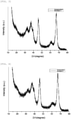
FIG. 1 is a graph showing the results of X-ray diffraction (XRD) analysis of a catalyst for isopropyl alcohol dehydration prepared according to Example 1 of the present invention. -
FIG. 2 is a graph showing the results of X-ray diffraction (XRD) analysis of a catalyst for isopropyl alcohol dehydration prepared according to Example 2 of the present invention. -
FIG. 3 is a graph showing the results of X-ray diffraction (XRD) analysis of a catalyst for isopropyl alcohol dehydration prepared according to Comparative Example 1 of the present invention. -
FIG. 4 is a graph showing the results of X-ray diffraction (XRD) analysis of a catalyst for isopropyl alcohol dehydration prepared according to Comparative Example 2 of the present invention. - Hereinafter, a dehydration catalyst, a method for preparing the same, and a method for preparing an alkene using the same according to the present invention will be described in detail.
- The present inventors confirmed that, when the weights of various crystalline alumina were adjusted to a specific range and the alumina was used to dehydrate isopropyl alcohol, isopropyl alcohol conversion rate and selectivity for propylene were increased and selectivity for by-products was reduced, thereby improving catalytic activity and crushing strength. Based on these results, the present inventors conducted further studies to complete the present invention.
- The dehydration catalyst of the present invention is mixed-phase alumina including 1 to 18 % by weight of alpha-alumina, 65 to 95 % by weight of theta-alumina, and 4 to 34 % by weight of delta-alumina. In this case, its stability may be excellent due to high crushing strength, and its catalytic activity may be improved.
- The dehydration catalyst is preferably a catalyst for alcohol dehydration, more preferably a catalyst for isopropyl alcohol dehydration.
- The mixed-phase alumina preferably includes 3 to 15 % by weight of alpha-alumina, 70 to 85 % by weight of theta-alumina, and 10 to 27 % by weight of delta-alumina. In this case, stability and mechanical properties such as crushing strength may be improved.
- For example, in the mixed-phase alumina, based on 100 % by weight of the mixed-phase alumina, alpha-alumina may be included in an amount of 3 to 15 % by weight, preferably 5 to 15 % by weight, more preferably 5 to 10 % by weight. Within this range, catalytic activity may be improved.
- For example, in the mixed-phase alumina, based on 100 % by weight of the mixed-phase alumina, theta-alumina may be included in an amount of 70 to 85 % by weight, preferably 70 to 80 % by weight, more preferably 70 to 75 % by weight. Within this range, since the catalyst may have excellent mechanical strength, the catalyst may be prevented from being broken during regeneration or catalyst circulation.
- For example, in the mixed-phase alumina, based on 100 % by weight of the mixed-phase alumina, delta-alumina may be included in an amount of 10 to 27 % by weight, preferably 10 to 25 % by weight, more preferably 20 to 25 % by weight. Within this range, mechanical strength such as crushing strength may be excellent, thereby increasing resistance to external impact.
- For example, the mixed-phase alumina may not include gamma-alumina. In this case, high crushing strength and excellent catalytic activity, which are the desired effects of the present invention, may be simultaneously implemented.
- In this specification, the absence of gamma-alumina means that the content of gamma-alumina is less than 0.5 % by weight, preferably 0.1 % by weight or less, more preferably 0.01 % by weight or less. Specifically, the absence of gamma-alumina means that no gamma-alumina is detected by XRD analysis according to this specification.
- In addition, the mixed-phase alumina may include 1 to 18 % by weight of alpha-alumina, 65 to 95 % by weight of theta-alumina, 4 to 34 % by weight of delta-alumina, and 0 % by weight of gamma-alumina. In this case, the activity and strength of a catalyst, which were known to have an inverse relationship, may be simultaneously excellent.
- In this specification, when the weights of alpha-alumina, theta-alumina, delta-alumina, and gamma-alumina are measured, an XRD graph is obtained at 10 to 80° (step: 0.05°, measurement time per step: 1 s) using an X-ray diffraction analyzer (Bruker Co.) having Cu radiation (30 kV, 10 mA). Then, based on the XRD analysis data, a structure is analyzed through Rietveld refinement to calculate content ratio (% by weight).
- Since the catalyst of the present invention is mixed-phase alumina containing an excess of theta-phase alumina, the catalyst has excellent mechanical strength such as crushing strength and excellent catalytic activity. In particular, the catalyst has an advantage of being able to work at high temperatures.
- For reference, in the order of gamma-alumina, delta-alumina, theta-alumina, and alpha-alumina, the catalytic activity decreases, but the strength of the catalyst increases. That is, it was known that the activity and strength of the catalyst are inversely proportional. However, unexpectedly, the alumina catalyst of the present invention has an advantage of simultaneously having high strength of theta-alumina and high activity of gamma-alumina.
- For example, the catalyst may have a precursor or alcohol conversion rate of 95 % or more, preferably 95 to 100 %, more preferably 98.5 to 99.9 %, still more preferably 99.4 to 99.9 %. Within this range, process efficiency may be improved.
- As a specific example, the catalyst may have an isopropyl alcohol (IPA) conversion rate of 95 % or more, preferably 95 to 100 %, more preferably 98.5 to 99.9 %, still more preferably 99.4 to 99.9 %. Within this range, process efficiency may be improved.
- For example, the catalyst may have a product or alkene selectivity of 95 % or more, preferably 98.8 to 100 %, more preferably 99.1 to 99.9 %. Within this range, process efficiency may be improved.
- As a specific example, the catalyst may have a propylene selectivity of 95 % or more, preferably 98.8 to 100 %, more preferably 99.1 to 99.9 %. Within this range, process efficiency may be improved.
- For example, the catalyst may have a by-product selectivity of 5 % or less, preferably more than 0 % and less than or equal to 3 %, more preferably 0.1 to 1 % as calculated by Equation 3 below. Within this range, the efficiency of a rear-end separation process may be improved.

- The by-product selectivity preferably refers to selectivity for by-products having 3 or more carbon atoms. In this case, the by-products having 3 or more carbon atoms may be compounds having 3 or more carbon atoms, e.g., diisopropyl ether (DIPE).
- In addition, for example, the conversion rate, selectivity, and by-product selectivity may be obtained by analyzing the contents of components in a composition (product) using gas chromatography.
- For example, the catalyst may have a crushing strength of 63 N or more, preferably 70 N or more, more preferably 70 to 100 N. Within this range, mechanical properties may be excellent.
- In this specification, to measure crushing strength, a single particle was pressed at a constant speed of 0.01 mm/s using a texture analyzer (model: TA-XT2 Plus, Stable Micro System Co.). At this time, the maximum force that the single particle could withstand was measured as crushing strength. For each sample, 2 to 10 particles were measured and the average value thereof was used.
- For example, the catalyst may have a specific surface area of 30 m2/g or more, preferably 35 m2/g or more, more preferably 35 to 85 m2/g. Within this range, the activity, strength, and stability of the catalyst may be excellent.
- In this specification, for example, the specific surface area may be obtained by measuring the adsorption/desorption amount of nitrogen according to partial pressure (0.10<p/p0<0.25) using a BELSORP-mini II (Mictrotrac-BEL Co.).
- For example, the catalyst may have a pore volume of 0.60 cm3/g or less, preferably 0.45 to 0.55 cm3/g. Within this range, the activity, strength, and stability of the catalyst may be excellent.
- In this specification, for example, the pore volume may be calculated using an adsorption amount at a partial pressure (p/p0) of 0.99 using a BELSORP-mini II (Mictrotrac-BEL Co.).
- For example, the alumina catalyst may include a halogen component in an amount of 0.5 % by weight or less, or 0.1 to 0.4 % by weight. In this case, catalytic activity may be improved.
- The halogen component, preferably chlorine, is combined with the aluminum element of an alumina catalyst to weaken the properties of the Lewis acids of the alumina, thereby facilitating desorption of a product and suppressing formation of by-products.
- In this specification, halogen components may be measured using an inductively coupled plasma (ICP) method.
- Hereinafter, a method of preparing a dehydration catalyst according to the present invention will be described in detail. In the following description of the preparation method, all the contents of the dehydration catalyst described above are included.
- For example, the method of preparing a dehydration catalyst according to the present invention may include a step of burning an alumina precursor; a step of performing steam treatment using a gas mixture of water vapor and nitrogen after the step of burning; and a step of performing, after the step of performing steam treatment, burning to obtain mixed-phase alumina including 1 to 18 % by weight of alpha-alumina, 65 to 95 % by weight of theta-alumina, and 4 to 34 % by weight of delta-alumina. In this case, the stability and activity of a catalyst may be improved at the same time, and an alumina catalyst having high mechanical strength and high corrosion resistance/chemical resistance may be prepared.
- As another example, the method of preparing a dehydration catalyst may include a step of performing primary burning of an alumina precursor to obtain first alumina; a step of performing steam treatment with water vapor at a temperature lower than the burning temperature after the step of performing primary burning; and a step of performing, after the step of performing steam treatment, secondary burning at a temperature higher than the steam treatment temperature and lower than the primary burning temperature to obtain mixed-phase alumina including 1 to 18 % by weight of alpha-alumina, 65 to 95 % by weight of theta-alumina, and 4 to 34 % by weight of delta-alumina. In this case, the stability and activity of a catalyst may be improved at the same time, and crushing strength may be improved.
- The method of preparing a dehydration catalyst is preferably a method of preparing a catalyst for alcohol dehydration, more preferably a method of preparing a catalyst for isopropyl alcohol dehydration.
- For example, the step of performing primary burning may be a step of burning an alumina precursor at a primary burning temperature. In this case, a catalyst having high crushing strength may be easily prepared.
- Any materials that may be subjected to burning to provide an alumina crystal phase may be used as the alumina precursor without particular limitation. For example, the alumina precursor may include one or more selected from gibbsite, bayerite, boehmite, and diaspore. In this case, the crushing strength of a prepared catalyst may be improved.
- For example, the primary burning temperature may be 800 to 1,100 °C, preferably 850 to 1,100 °C, more preferably 950 to 1,000 °C. Within this range, among various crystal phases, mixed-phase alumina containing an excess of theta-phase alumina may be prepared, and the mechanical strength of the catalyst may be improved.
- For example, the step of performing primary burning may be performed for 8 to 12 hours, preferably 9 to 11 hours, more preferably 9 to 10 hours. Within this range, structural change due to heat may be prevented, and mechanical strength may be excellent, thereby increasing resistance to external impact.
- For example, the step of performing steam treatment may be a step of performing, after the step of performing primary burning, steam treatment with water vapor at a temperature lower than the primary burning temperature for activation.
- In this specification, steam treatment refers to supply of water vapor (steam) using nitrogen as a carrier gas into a reactor set to a specific temperature.
- For example, the steam treatment may refer to supply of water vapor and nitrogen into a reactor in the presence of the mixed-phase alumina.
- For example, the mixing ratio of nitrogen to water vapor (the volume ratio of N2:H2O) is preferably 1,500:1 to 10,000:1, more preferably 2,000:1 to 3,000:1. Within this range, catalytic activity may be improved while maintaining excellent mechanical strength and chemical resistance.
- In addition, for example, the mixing ratio (weight ratio) of the first alumina and water vapor is preferably 1:0.01 to 1:100. As another example, based on 75 g of the first alumina, water vapor (H2O) may be fed at a rate of 0.026 to 0.1 g/min. Within this range, high mechanical strength and high corrosion resistance/chemical resistance may be achieved, and thus an alumina catalyst having high stability and activity may be prepared.
- For example, the steam treatment temperature may be lower than the primary burning(calcination) temperature. Preferably, the steam treatment temperature is lower than secondary burning(calcination) temperature to be described below.
- For example, the steam treatment temperature may be a temperature inside a reactor. As a specific example, the steam treatment temperature may be 200 to 500 °C, preferably 300 to 450 °C. Within this range, in the secondary burning step to be described later, activation optimized for burning may be achieved.
- For example, the activation step may be a step of performing steam treatment for 1 to 10 hours, preferably 3 to 6 hours. Within this range, high crushing strength and high corrosion resistance/chemical resistance may be implemented, and thus an alumina catalyst having high stability and activity may be prepared.
- For example, the step of performing secondary burning may be a step of performing burning at a temperature higher than the steam treatment temperature and lower than the primary burning temperature after the activation step.
- For example, the secondary burning temperature may be greater than 500 °C and less than or equal to 600 °C, preferably greater than 500 °C and less than or equal to 580 °C, more preferably 520 to 580 °C. Within this range, the catalytic activity and stability of the mixed-phase alumina activated in the steam treatment step may be improved.
- For example, the step of performing secondary burning may be performed for 3 to 7 hours, preferably 3 to 6 hours, more preferably 4 to 6 hours. Within this range, an alumina catalyst having high isopropyl alcohol conversion rate, high selectivity for propylene, and low selectivity for by-products having three or more carbon atoms may be prepared.
- For example, the method of preparing an alkene according to the present invention may be performed by dehydrating an alcohol in the presence of the above-described catalyst for alcohol dehydration.
- As a preferred example, the method of preparing an alkene according to the present invention may be performed by dehydrating isopropyl alcohol in the presence of the above-described catalyst for isopropyl alcohol dehydration. In this case, the method of preparing an alkene may be referred to as a method of preparing propylene.
- For example, the dehydration may be performed by passing a precursor such as alcohols through a reactor filled with the alumina catalyst for dehydration of the present invention.
- As a preferred example, the dehydration may be performed by passing isopropyl alcohol through a reactor filled with the alumina catalyst for isopropyl alcohol dehydration of the present invention.
- As a specific example, the dehydration may include a step of filling a reactor with the catalyst of the present invention; and a step of continuously passing an alcohol, preferably isopropyl alcohol, through the reactor filled with the catalyst to perform dehydration.
- Any reactors commonly used in the art to which the present invention pertains may be used as the reactor of the present invention without particular limitation. For example, a metal tube reactor, a multi-tubular reactor, or a plate-type reactor may be used.
- For example, based on a total volume inside a reactor, the catalyst may be included in an amount of 10 to 50 % by volume or 10 to 25 % by volume.
- For example, the dehydration may be performed at 200 to 400 °C and 10 to 30 atm. Within this range, reaction efficiency may be excellent without excessive energy consumption, thereby increasing productivity for a product such as propylene.
- As a specific example, the dehydration may be performed at 200 to 400 °C, preferably 250 to 320 °C.
- In addition, the dehydration may be performed at 10 to 30 atm, preferably 15 to 25 atm.
- Hereinafter, the present invention will be described in more detail in the following preferred examples. However, these examples are provided for illustrative purposes only and should not be construed as limiting the scope and spirit of the present invention. In addition, it will be apparent to those skilled in the art that various changes and modifications may be made without departing from the spirit and scope of the present invention, and such changes and modifications are also within the scope of the appended claims.
- Boehmite was subjected to burning at 950 °C under an air atmosphere for 10 hours to obtain first alumina, a tubular reactor was filled with the first alumina, the temperature of the tubular reactor was set to 400 °C, and then steam treatment was performed by supplying water vapor and nitrogen into the reactor for 3 hours. At this time, water vapor was supplied at a rate of 0.026 to 0.1 g/min using an HPLC pump, nitrogen was supplied at a rate of 133 ml/min using a mass flow controller (MFC), the mixing ratio of nitrogen to water vapor (the volume ratio of N2:H2O) was 2,500:1, and the weight ratio of water vapor to the first alumina was 0.01 to 100:1. In addition, after steam treatment, burning was performed at 550 °C for 5 hours to obtain an alumina catalyst including 5 % by weight of alpha-alumina, 70 % by weight of theta-alumina, 25 % by weight of delta-alumina, and 0 % by weight of gamma-alumina.
- The process was performed in the same manner as in Example 1, except that primary burning of boehmite was performed at 1,100 °C. As a result, an alumina catalyst including 10 % by weight of alpha-alumina, 70 % by weight of theta-alumina, 20 % by weight of delta-alumina, and 0 % by weight of gamma-alumina was obtained.
- Boehmite was subjected to burning at 550 °C under an air atmosphere for 10 hours to obtain 100 % gamma-phase alumina.
- Boehmite was subjected to burning at 550 °C under an air atmosphere for 10 hours to obtain 100 % gamma-phase alumina, a tubular reactor was filled with the gamma-phase alumina, the temperature of the tubular reactor was set to 400 °C, and then steam treatment was performed by supplying water vapor and nitrogen into the reactor for 3 hours. At this time, water vapor was supplied at a rate of 0.026 to 0.1 g/min using an HPLC pump, nitrogen was supplied at a rate of 133 ml/min using a mass flow controller (MFC), the mixing ratio of nitrogen to water vapor (the volume ratio of N2:H2O) was 2,500:1, and the weight ratio of water vapor to the gamma-phase alumina was 0.01 to 100:1. In addition, after steam treatment, burning was performed at 550 °C for 5 hours to obtain an alumina catalyst composed of 100 % gamma-phase alumina.
- The properties of catalysts prepared according to Examples 1 and 2 and Comparative Examples 1 and 2 were measured according to the following methods, and the results are shown in Tables 1 and 2.
- The catalytic activities of the prepared catalysts were evaluated through reaction of producing propylene by dehydration of isopropyl alcohol (IPA).
- Specifically, 0.75 to 1.5 g of the prepared catalyst was placed in a 1 inch fixed-bed reactor, and reaction was performed by passing isopropyl alcohol through the reactor at a rate of 0.01 to 0.1 g/min.
- At this time, the conditions of the fixed-bed reactor were set as follows: a pressure of 20 atm; a reaction temperature of 280 °C; and a WHSV of 0.7 h-1. After an IPA dehydration test, the contents of the components of a composition (product) were analyzed using a gas chromatograph connected to the reactor. Based on the analysis results, IPA conversion rate (calculated using Equation 1), propylene selectivity (calculated using Equation 2), and by-product selectivity (calculated using Equation 3) were calculated, and the results are shown in Table 1 below. Here, a gas chromatograph (model name: Agilent 7890B GC, column: HP-1 (100 m × 250 µm × 0.5 µm) , Agilent Co.) was used, and analysis conditions were as follows. Carrier gas: helium (flow rate of 1 mL/min), detector: F.I.D, sampling loop volume: 1 mL (split ratio of 50:1), and heating mode: 50 °C/10 min -> 100 °C/0 min (temperature rise at 5 °C/min) -> 200 °C/0 min (temperature rise at 10 °C/min). In this case, 0 min means not staying at the corresponding temperature.


[Table 1] Classification IPA conversion rate (%) Propylene selectivity (%) C3 ≤ by-product selectivity (%) Example 1 99.4 99.1 <1.0 Example 2 98.5 98.8 <1.0 Comparative Example 1 98.2 99.0 <1.0 Comparative Example 2 98.0 99.0 <1.0 - As shown in Table 1, it can be confirmed that the alumina catalysts according to Examples 1 and 2 of the present invention exhibit IPA conversion rate and propylene selectivity equal to or superior to those of the alumina catalysts (Comparative Examples 1 and 2) composed of 100 % gamma-phase alumina. In addition, there is no difference in by-product selectivity. In addition, the alumina catalysts according to Examples 1 and 2 of the present invention have excellent IPA conversion rate and propylene selectivity, thereby improving process efficiency.
- In addition, the catalysts according to Examples 1 and 2 have low by-product selectivity, thereby increasing separation efficiency in a rear-end separation process. For reference, the rear-end separation process is a process of separating water and by-products generated during dehydration. Specifically, the rear-end separation process is a process of liquefying DIPE, which is a by-product, by lowering the temperature at the rear end of a reactor to separate water and the by-product. Accordingly, as by-products decrease in the rear-end separation process, separation efficiency increases.
- To evaluate the crushing strength of the prepared catalysts, a single particle was pressed at a constant speed of 0.01 mm/s using a texture analyzer (model: TA-XT2 Plus, Stable Micro System Co.). At this time, the maximum force that the single particle could withstand was measured as crushing strength. For each sample, 2 to 10 particles were measured and the average value thereof was used. The results are shown in Table 2 below.
[Table 2] Classification Crushing strength (N/particle) Example 1 80 or more Example 2 83 or more Comparative Example 1 45 or more Comparative Example 2 45 or more - As shown in Table 2, it can be confirmed that, compared to the alumina catalysts (Comparative Examples 1 and 2) composed of 100 % gamma-phase alumina, the alumina catalysts according to Examples 1 and 2 of the present invention have excellent crushing strength.
- In summary, it can be confirmed that the mixed-phase alumina, which is the alumina catalyst of the present invention, has excellent mechanical strength such as crushing strength while having catalytic activity equal to or superior to that of the alumina catalyst composed of 100 % gamma-phase alumina. In addition, these results suggest that the alumina catalyst of the present invention may replace a conventional gamma-phase alumina that has been used as a catalyst for isopropyl alcohol dehydration.
Claims (14)
- A dehydration catalyst, wherein the dehydration catalyst is mixed-phase alumina comprising 1 to 18 % by weight of alpha-alumina, 65 to 95 % by weight of theta-alumina, and 4 to 34 % by weight of delta-alumina.
- The dehydration catalyst according to claim 1, wherein the dehydration catalyst is a catalyst for alcohol dehydration.
- The dehydration catalyst according to claim 2, wherein the alcohol is isopropyl alcohol.
- The dehydration catalyst according to claim 1, wherein the mixed-phase alumina does not comprise gamma-alumina.
- The dehydration catalyst according to claim 2, wherein the dehydration catalyst exhibits an alcohol conversion rate of 95 % or more.
- The dehydration catalyst according to claim 2, wherein the dehydration catalyst exhibits an alkene selectivity of 95 % or more.
- The dehydration catalyst according to claim 1, wherein the dehydration catalyst exhibits a by-product selectivity of 5 % or less.
- The dehydration catalyst according to claim 1, wherein the dehydration catalyst has a crushing strength of 63 N or more.
- The dehydration catalyst according to claim 1, wherein the dehydration catalyst has a specific surface area of 30 m2/g or more.
- The dehydration catalyst according to claim 1, wherein the dehydration catalyst has a pore volume of 0.60 cm3/g or less.
- A method of preparing a dehydration catalyst, the method comprising the steps:burning an alumina precursor;steam-treating using a gas mixture of water vapor and nitrogen after the burning; andburning to obtain mixed-phase alumina comprising 1 to 18 % by weight of alpha-alumina, 65 to 95 % by weight of theta-alumina, and 4 to 34 % by weight of delta-alumina after the performing of steam treatment.
- The method according to claim 11, wherein the alumina precursor comprises one or more selected from gibbsite, bayerite, boehmite, and diaspore.
- A method of preparing an alkene comprising the step:
dehydrating an alcohol using the dehydration catalyst according to any one of claims 1 to 10. - The method according to claim 13, wherein the dehydrating is performed at 200 to 400 °C and 10 to 30 atm.
Applications Claiming Priority (3)
| Application Number | Priority Date | Filing Date | Title |
|---|---|---|---|
| KR20200074932 | 2020-06-19 | ||
| KR1020200147797A KR102557041B1 (en) | 2020-06-19 | 2020-11-06 | Dehydration catalyst, method for preparing the same, and method for preparing alkene using the same |
| PCT/KR2020/016108 WO2021256627A1 (en) | 2020-06-19 | 2020-11-16 | Dehydration catalyst, method for preparing same and method for preparing alkene using same |
Publications (2)
| Publication Number | Publication Date |
|---|---|
| EP3967394A1 true EP3967394A1 (en) | 2022-03-16 |
| EP3967394A4 EP3967394A4 (en) | 2022-04-20 |
Family
ID=77738908
Family Applications (1)
| Application Number | Title | Priority Date | Filing Date |
|---|---|---|---|
| EP20913062.4A Pending EP3967394A4 (en) | 2020-06-19 | 2020-11-16 | DEHYDRATION CATALYST, METHOD FOR PREPARING IT AND METHOD FOR PREPARING AN ALKENE USING THE SAME |
Country Status (5)
| Country | Link |
|---|---|
| US (1) | US11975308B2 (en) |
| EP (1) | EP3967394A4 (en) |
| JP (1) | JP7261888B2 (en) |
| CN (1) | CN114173894B (en) |
| WO (1) | WO2021256627A1 (en) |
Family Cites Families (25)
| Publication number | Priority date | Publication date | Assignee | Title |
|---|---|---|---|---|
| FR2449474A1 (en) * | 1979-02-26 | 1980-09-19 | Rhone Poulenc Ind | DOUBLE POROSITY ALUMINA BEADS, THEIR PREPARATION PROCESS AND THEIR APPLICATIONS AS CATALYST SUPPORTS |
| US5227563A (en) | 1988-12-26 | 1993-07-13 | Mitsui Petrochemical Industries, Ltd. | Preparation of propylene by dehydration of isopropanol in the presence of a pseudo-boehmite derived gamma alumina catalyst |
| JP2832047B2 (en) * | 1989-10-13 | 1998-12-02 | 三井化学株式会社 | Propylene production method |
| SG59937A1 (en) * | 1991-02-04 | 1999-02-22 | Mitsui Chemicals Inc | Process for producing lower olefins |
| IT1254252B (en) | 1992-03-11 | 1995-09-14 | Snam Progetti | PROCEDURE FOR THE ACTIVATION OF CATALYTIC PRECURSORS FOR THE DEHYDROGENATION OF C2-C5 PARAFFINS AND CATALYTIC COMPOSITION ACTIVATED WITH SUCH PROCEDURE |
| KR970009880A (en) | 1995-08-25 | 1997-03-27 | 백영배 | Composite metal catalyst composition for dehydrogenation reaction and preparation method thereof |
| AU6369200A (en) | 1999-07-28 | 2001-02-19 | Sud-Chemie, Inc. | Hydrogenation catalysts |
| ITMI20012709A1 (en) | 2001-12-20 | 2003-06-20 | Snam Progetti | CATALYTIC COMPOSITION FOR THE DEHYDROGENATION OF ALCHYLAROMATIC HYDROCARBONS |
| US6756340B2 (en) * | 2002-04-08 | 2004-06-29 | Uop Llc | Dehydrogenation catalyst composition |
| TWI297673B (en) | 2004-11-11 | 2008-06-11 | Univ Nat Cheng Kung | High specific surface area composite alumina powder with thermal resistance and method for producing the same |
| US20080083655A1 (en) * | 2006-10-06 | 2008-04-10 | Bhan Opinder K | Methods of producing a crude product |
| CN102416325B (en) | 2011-10-25 | 2014-03-05 | 中国海洋石油总公司 | Preparation method of isobutyl ketone synthesis catalyst |
| JP2014181201A (en) | 2013-03-19 | 2014-09-29 | Sumitomo Chemical Co Ltd | Method for manufacturing compound including acetylenic bonds and/or diene |
| KR101527845B1 (en) | 2013-12-04 | 2015-06-16 | 희성촉매 주식회사 | Preparation of dehydrogenation catalysts for hydrocarbons using sponge-type supports |
| DE102014003060A1 (en) | 2014-03-10 | 2015-09-10 | Fraunhofer-Gesellschaft zur Förderung der angewandten Forschung e.V. | Process for the preparation of propene from propanol |
| WO2015170686A1 (en) | 2014-05-07 | 2015-11-12 | 三菱レイヨン株式会社 | Method for producing isobutylene from isobutanol |
| US10010877B2 (en) | 2016-06-14 | 2018-07-03 | Chevron U.S.A. Inc. | Stable support for Fischer-Tropsch catalyst and methods for making and using |
| KR101921407B1 (en) | 2017-01-06 | 2018-11-23 | 효성화학 주식회사 | Dehydrogenation catalysts and preparation method thereof |
| CN110418779B (en) * | 2017-03-20 | 2023-12-15 | 巴斯夫欧洲公司 | Method for preparing α,β unsaturated aldehydes by oxidizing alcohols in the presence of liquid phase |
| KR102127755B1 (en) | 2017-05-26 | 2020-06-30 | 주식회사 케이티 | Methods for configuring frequency resource about component carrier for new radio and Apparatuses thereof |
| US10596552B2 (en) * | 2017-06-21 | 2020-03-24 | China Petroleum & Chemical Corporation | Catalyst for preparing cumene and use thereof |
| CN110354837B (en) | 2018-03-26 | 2022-01-04 | 中国石油化工股份有限公司 | Alpha-alumina carrier and preparation method and application thereof |
| EP3574993A1 (en) | 2018-05-29 | 2019-12-04 | Basf Se | Method for producing transition alumina catalyst monoliths |
| US12320288B2 (en) * | 2019-10-18 | 2025-06-03 | Umicore Shokubai Japan Co., Ltd. | Exhaust gas purification catalyst, method of purifying exhaust gas, and method of manufacturing exhaust gas purification catalyst |
| KR102584441B1 (en) * | 2020-06-19 | 2023-10-05 | 주식회사 엘지화학 | Method for preparing alumina catalyst, alumina catalyst prepared therefrom, and method for preparing propylene using the same |
-
2020
- 2020-11-16 WO PCT/KR2020/016108 patent/WO2021256627A1/en not_active Ceased
- 2020-11-16 JP JP2021542479A patent/JP7261888B2/en active Active
- 2020-11-16 CN CN202080010480.3A patent/CN114173894B/en active Active
- 2020-11-16 EP EP20913062.4A patent/EP3967394A4/en active Pending
- 2020-11-16 US US17/424,815 patent/US11975308B2/en active Active
Also Published As
| Publication number | Publication date |
|---|---|
| JP7261888B2 (en) | 2023-04-20 |
| US20220258132A1 (en) | 2022-08-18 |
| EP3967394A4 (en) | 2022-04-20 |
| WO2021256627A1 (en) | 2021-12-23 |
| CN114173894A (en) | 2022-03-11 |
| CN114173894B (en) | 2023-10-20 |
| US11975308B2 (en) | 2024-05-07 |
| JP2022543942A (en) | 2022-10-17 |
Similar Documents
| Publication | Publication Date | Title |
|---|---|---|
| US11801488B2 (en) | Method of preparing alumina catalyst, alumina catalyst prepared using same, and method of preparing propylene using alumina catalyst | |
| Malyaadri et al. | Synthesis of glycerol carbonate by transesterification of glycerol with dimethyl carbonate over Mg/Al/Zr catalysts | |
| US20110201851A1 (en) | Process for preparing 2,3,3,3-tetrafluoropropene | |
| EP2468400A1 (en) | Catalyst and alcohol synthesis method | |
| WO2017009449A1 (en) | Process for the oxidative coupling of methane | |
| JP6091310B2 (en) | Method for producing butadiene | |
| US20110015452A1 (en) | Method for preparing fluorinated compounds | |
| Danov et al. | Gas-phase dehydration of glycerol over commercial Pt/γ-Al2O3 catalysts | |
| JP2021531961A (en) | Catalyst for oxidative dehydrogenation of alkanes | |
| JP2026509488A (en) | Catalyst for oxidative dehydrogenation | |
| US11975308B2 (en) | Dehydration catalyst, method for preparing the same, and method of preparing alkene using the same | |
| JP2020055739A (en) | Alumina having acidity and structure with a porosity which are optimal | |
| Zhang et al. | Fabrication of a CuZn-based catalyst using a polyethylene glycol surfactant and supercritical drying | |
| KR102557041B1 (en) | Dehydration catalyst, method for preparing the same, and method for preparing alkene using the same | |
| Seki et al. | Synthesis of sodium-doped mesoporous alumina and its strong base catalysis for double bond migration of olefins | |
| MohammadRezapour et al. | Optimizing the preparation conditions of silica supported Fe-Co-Ce ternary catalyst for the fixed-bed Fischer-Tropsch synthesis: Taguchi experimental design approach | |
| CN106866583B (en) | A kind of preparation method of two (2- ethoxy) piperazines | |
| RU2792028C1 (en) | Catalyst for the dehydrogenation of paraffins (options) | |
| US20240139714A1 (en) | Hydrocarbons dehydrogenation catalyst (variants) | |
| EP4674833A1 (en) | Composition, system, container containing composition, and composition production method | |
| US20260049046A1 (en) | Method of producing fluoroolefin | |
| QIAN et al. | Characterization and Performance of CrOx-Y2O3 Catalysts for the Synthesis of 1, 1, 1, 2-Tetrafluoroethane | |
| JP2000044231A (en) | Novel alumina, process for its preparation and its use as catalyst, carrier or adsorbent for catalysts | |
| JPS61130240A (en) | Production of compound containing double bond at end | |
| Pozan et al. | Catalytic dehydrogenation of tetradecanol over copper/barium oxide catalysts |
Legal Events
| Date | Code | Title | Description |
|---|---|---|---|
| STAA | Information on the status of an ep patent application or granted ep patent |
Free format text: STATUS: UNKNOWN |
|
| STAA | Information on the status of an ep patent application or granted ep patent |
Free format text: STATUS: THE INTERNATIONAL PUBLICATION HAS BEEN MADE |
|
| PUAI | Public reference made under article 153(3) epc to a published international application that has entered the european phase |
Free format text: ORIGINAL CODE: 0009012 |
|
| STAA | Information on the status of an ep patent application or granted ep patent |
Free format text: STATUS: REQUEST FOR EXAMINATION WAS MADE |
|
| 17P | Request for examination filed |
Effective date: 20210720 |
|
| AK | Designated contracting states |
Kind code of ref document: A1 Designated state(s): AL AT BE BG CH CY CZ DE DK EE ES FI FR GB GR HR HU IE IS IT LI LT LU LV MC MK MT NL NO PL PT RO RS SE SI SK SM TR |
|
| A4 | Supplementary search report drawn up and despatched |
Effective date: 20220317 |
|
| RIC1 | Information provided on ipc code assigned before grant |
Ipc: B01J 37/00 20060101ALI20220311BHEP Ipc: B01J 35/10 20060101ALI20220311BHEP Ipc: B01J 35/00 20060101ALI20220311BHEP Ipc: B01J 21/04 20060101AFI20220311BHEP |
|
| DAV | Request for validation of the european patent (deleted) | ||
| DAX | Request for extension of the european patent (deleted) | ||
| STAA | Information on the status of an ep patent application or granted ep patent |
Free format text: STATUS: EXAMINATION IS IN PROGRESS |
|
| 17Q | First examination report despatched |
Effective date: 20240205 |