EP3967316A1 - Bifidobacterium longum capable of relieving atopic dermatitis and use thereof - Google Patents
Bifidobacterium longum capable of relieving atopic dermatitis and use thereof Download PDFInfo
- Publication number
- EP3967316A1 EP3967316A1 EP19916863.4A EP19916863A EP3967316A1 EP 3967316 A1 EP3967316 A1 EP 3967316A1 EP 19916863 A EP19916863 A EP 19916863A EP 3967316 A1 EP3967316 A1 EP 3967316A1
- Authority
- EP
- European Patent Office
- Prior art keywords
- bifidobacterium longum
- atopic dermatitis
- mice
- treatment
- prevention
- Prior art date
- Legal status (The legal status is an assumption and is not a legal conclusion. Google has not performed a legal analysis and makes no representation as to the accuracy of the status listed.)
- Pending
Links
Images



Classifications
-
- C—CHEMISTRY; METALLURGY
- C12—BIOCHEMISTRY; BEER; SPIRITS; WINE; VINEGAR; MICROBIOLOGY; ENZYMOLOGY; MUTATION OR GENETIC ENGINEERING
- C12N—MICROORGANISMS OR ENZYMES; COMPOSITIONS THEREOF; PROPAGATING, PRESERVING, OR MAINTAINING MICROORGANISMS; MUTATION OR GENETIC ENGINEERING; CULTURE MEDIA
- C12N1/00—Microorganisms; Compositions thereof; Processes of propagating, maintaining or preserving microorganisms or compositions thereof; Processes of preparing or isolating a composition containing a microorganism; Culture media therefor
- C12N1/20—Bacteria; Culture media therefor
- C12N1/205—Bacterial isolates
-
- A—HUMAN NECESSITIES
- A61—MEDICAL OR VETERINARY SCIENCE; HYGIENE
- A61K—PREPARATIONS FOR MEDICAL, DENTAL OR TOILETRY PURPOSES
- A61K35/00—Medicinal preparations containing materials or reaction products thereof with undetermined constitution
- A61K35/66—Microorganisms or materials therefrom
- A61K35/74—Bacteria
- A61K35/741—Probiotics
- A61K35/744—Lactic acid bacteria, e.g. enterococci, pediococci, lactococci, streptococci or leuconostocs
- A61K35/745—Bifidobacteria
-
- A—HUMAN NECESSITIES
- A23—FOODS OR FOODSTUFFS; TREATMENT THEREOF, NOT COVERED BY OTHER CLASSES
- A23L—FOODS, FOODSTUFFS OR NON-ALCOHOLIC BEVERAGES, NOT OTHERWISE PROVIDED FOR; PREPARATION OR TREATMENT THEREOF
- A23L33/00—Modifying nutritive qualities of foods; Dietetic products; Preparation or treatment thereof
- A23L33/10—Modifying nutritive qualities of foods; Dietetic products; Preparation or treatment thereof using additives
- A23L33/135—Bacteria or derivatives thereof, e.g. probiotics
-
- A—HUMAN NECESSITIES
- A61—MEDICAL OR VETERINARY SCIENCE; HYGIENE
- A61P—SPECIFIC THERAPEUTIC ACTIVITY OF CHEMICAL COMPOUNDS OR MEDICINAL PREPARATIONS
- A61P17/00—Drugs for dermatological disorders
-
- A—HUMAN NECESSITIES
- A61—MEDICAL OR VETERINARY SCIENCE; HYGIENE
- A61P—SPECIFIC THERAPEUTIC ACTIVITY OF CHEMICAL COMPOUNDS OR MEDICINAL PREPARATIONS
- A61P29/00—Non-central analgesic, antipyretic or antiinflammatory agents, e.g. antirheumatic agents; Non-steroidal antiinflammatory drugs [NSAID]
-
- C—CHEMISTRY; METALLURGY
- C12—BIOCHEMISTRY; BEER; SPIRITS; WINE; VINEGAR; MICROBIOLOGY; ENZYMOLOGY; MUTATION OR GENETIC ENGINEERING
- C12N—MICROORGANISMS OR ENZYMES; COMPOSITIONS THEREOF; PROPAGATING, PRESERVING, OR MAINTAINING MICROORGANISMS; MUTATION OR GENETIC ENGINEERING; CULTURE MEDIA
- C12N1/00—Microorganisms; Compositions thereof; Processes of propagating, maintaining or preserving microorganisms or compositions thereof; Processes of preparing or isolating a composition containing a microorganism; Culture media therefor
- C12N1/20—Bacteria; Culture media therefor
-
- A—HUMAN NECESSITIES
- A23—FOODS OR FOODSTUFFS; TREATMENT THEREOF, NOT COVERED BY OTHER CLASSES
- A23V—INDEXING SCHEME RELATING TO FOODS, FOODSTUFFS OR NON-ALCOHOLIC BEVERAGES AND LACTIC OR PROPIONIC ACID BACTERIA USED IN FOODSTUFFS OR FOOD PREPARATION
- A23V2002/00—Food compositions, function of food ingredients or processes for food or foodstuffs
-
- A—HUMAN NECESSITIES
- A23—FOODS OR FOODSTUFFS; TREATMENT THEREOF, NOT COVERED BY OTHER CLASSES
- A23V—INDEXING SCHEME RELATING TO FOODS, FOODSTUFFS OR NON-ALCOHOLIC BEVERAGES AND LACTIC OR PROPIONIC ACID BACTERIA USED IN FOODSTUFFS OR FOOD PREPARATION
- A23V2400/00—Lactic or propionic acid bacteria
- A23V2400/51—Bifidobacterium
- A23V2400/533—Longum
-
- A—HUMAN NECESSITIES
- A61—MEDICAL OR VETERINARY SCIENCE; HYGIENE
- A61K—PREPARATIONS FOR MEDICAL, DENTAL OR TOILETRY PURPOSES
- A61K35/00—Medicinal preparations containing materials or reaction products thereof with undetermined constitution
- A61K2035/11—Medicinal preparations comprising living procariotic cells
- A61K2035/115—Probiotics
-
- C—CHEMISTRY; METALLURGY
- C12—BIOCHEMISTRY; BEER; SPIRITS; WINE; VINEGAR; MICROBIOLOGY; ENZYMOLOGY; MUTATION OR GENETIC ENGINEERING
- C12N—MICROORGANISMS OR ENZYMES; COMPOSITIONS THEREOF; PROPAGATING, PRESERVING, OR MAINTAINING MICROORGANISMS; MUTATION OR GENETIC ENGINEERING; CULTURE MEDIA
- C12N2500/00—Specific components of cell culture medium
- C12N2500/30—Organic components
- C12N2500/34—Sugars
-
- C—CHEMISTRY; METALLURGY
- C12—BIOCHEMISTRY; BEER; SPIRITS; WINE; VINEGAR; MICROBIOLOGY; ENZYMOLOGY; MUTATION OR GENETIC ENGINEERING
- C12N—MICROORGANISMS OR ENZYMES; COMPOSITIONS THEREOF; PROPAGATING, PRESERVING, OR MAINTAINING MICROORGANISMS; MUTATION OR GENETIC ENGINEERING; CULTURE MEDIA
- C12N2500/00—Specific components of cell culture medium
- C12N2500/30—Organic components
- C12N2500/46—Amines, e.g. putrescine
-
- C—CHEMISTRY; METALLURGY
- C12—BIOCHEMISTRY; BEER; SPIRITS; WINE; VINEGAR; MICROBIOLOGY; ENZYMOLOGY; MUTATION OR GENETIC ENGINEERING
- C12N—MICROORGANISMS OR ENZYMES; COMPOSITIONS THEREOF; PROPAGATING, PRESERVING, OR MAINTAINING MICROORGANISMS; MUTATION OR GENETIC ENGINEERING; CULTURE MEDIA
- C12N2500/00—Specific components of cell culture medium
- C12N2500/70—Undefined extracts
- C12N2500/74—Undefined extracts from fungi, e.g. yeasts
-
- C—CHEMISTRY; METALLURGY
- C12—BIOCHEMISTRY; BEER; SPIRITS; WINE; VINEGAR; MICROBIOLOGY; ENZYMOLOGY; MUTATION OR GENETIC ENGINEERING
- C12N—MICROORGANISMS OR ENZYMES; COMPOSITIONS THEREOF; PROPAGATING, PRESERVING, OR MAINTAINING MICROORGANISMS; MUTATION OR GENETIC ENGINEERING; CULTURE MEDIA
- C12N2523/00—Culture process characterised by temperature
-
- C—CHEMISTRY; METALLURGY
- C12—BIOCHEMISTRY; BEER; SPIRITS; WINE; VINEGAR; MICROBIOLOGY; ENZYMOLOGY; MUTATION OR GENETIC ENGINEERING
- C12R—INDEXING SCHEME ASSOCIATED WITH SUBCLASSES C12C - C12Q, RELATING TO MICROORGANISMS
- C12R2001/00—Microorganisms ; Processes using microorganisms
- C12R2001/01—Bacteria or Actinomycetales ; using bacteria or Actinomycetales
Definitions
- the disclosure relates to Bifidobacterium longum with the ability to relieve atopic dermatitis and its application, and belongs to the technical fields of microorganisms and medicine.
- AD Atopic Dermatitis
- AD is a chronic, recurrent, inflammatory skin disease, which is often accompanied by severe itching and other allergic diseases.
- AD is a common non-communicable skin disease, affecting up to 20% of children and 2-8% of adults in most countries around the world (Wollenberg A et al., 2018).
- the clinical manifestations of AD are diversified. According to occurrence, development and distribution characteristics, AD can be divided into three stages: infancy, childhood, adolescence and adulthood. Among them, most AD patients occur in infancy, and those with severe conditions can even continue to adulthood. Since the quality of life of patients is seriously affected due to its repetitiveness, AD is one of the world's public health problems.
- AD The manifestation of AD is similar to asthma and allergic rhinitis and is mainly related to local infiltration of T lymphocytes secreting interleukin-4 (IL-4), interleukin-13 (IL-13), etc.
- IL-4 and IL-13 are related to the development of the phenotype of regulatory helper T cells 2 (Th2), and can lead to overproduction of immunoglobulin (Ig) and an increase of eosinophils.
- Ig immunoglobulin
- eosinophils an increase of eosinophils.
- increased levels of total IgE and allergen-specific IgE are also a feature of AD. At least 50% of AD patients have this feature, and the IgE is mainly for external environmental allergens.
- AD immune response links in the occurrence and development of AD, such as presentation of Langerhans cells and skin dendritic cells to allergens, Th2-based abnormal immune response, regulatory T cell dysfunction, overproduction of IgE and elevated eosinophils.
- AD The pathogenesis of AD is closely related to genetic and environmental factors, but the real cause of the pathogenesis of AD is still unclear. About 60% of AD patients may have a family history of atopic allergies. If one parent has the constitution of atopic allergy, there is a 60% chance that the child will have atopic allergies.
- the immune factors that need to be considered in the etiology of AD are: food allergies, allergies induced by exposure to allergens and irritants, allergies induced by aeroallergens, and immune regulation abnormalities.
- AD Alzheimer's disease
- topical drugs such as glucocorticoid drugs, calcineurin inhibitors, topical antimicrobial agents, antihistamines and antiinflammatory mediator drugs, immunosuppressants, etc.
- the technical problem to be solved by the disclosure is to provide Bifidobacterium longum which can be used to relieve atopic dermatitis without side effects.
- the disclosure discloses Bifidobacterium longum CCFM1029.
- the Bifidobacterium longum CCFM1029 was deposited at the Guangdong Microbial Culture Collection Center on October 11, 2018, with the accession number of GDMCC No.60461, and the deposit address of 5 th Floor, Building No. 59, Courtyard No. 100, Xianlie Middle Road, Guangzhou.
- the Bifidobacterium longum CCFM1029 was isolated from healthy human feces samples from Hangzhou, Zhejiang province. The strain was sequenced and analyzed, and the 16S rRNA sequence of the strain is as shown in SEQ ID NO. 1. The sequence obtained by sequencing was subjected to nucleotide sequence alignment in NCBI, and the result showed that the strain was Bifidobacterium longum, named Bifidobacterium longum CCFM1029.
- the convex surface of the Bifidobacterium longum CCFM1029 colony on an MRS medium is cushion-shaped, with complete edges, and is soft, moist, white and shiny.
- the Bifidobacterium longum CCFM1029 can be used in the preparation of products for the prevention and/or treatment of atopic dermatitis.
- the viable count of the Bifidobacterium longum CCFM1029 is not less than 1 ⁇ 10 6 CFU/mL or 1 ⁇ 10 6 CFU/g.
- the products include food, medicine or health care products.
- the medicine contains the Bifidobacterium longum CCFM1029, a drug carrier and/or pharmaceutical excipients.
- the food includes dairy products, soybean products, or fruit and vegetable products produced using a starter containing the Bifidobacterium longum CCFM1029; or the food includes solid beverages containing the Bifidobacterium longum CCFM1029.
- the disclosure discloses a product for prevention and/or treatment of atopic dermatitis, and the product contains the Bifidobacterium longum CCFM1029.
- the viable count of the Bifidobacterium longum CCFM1029 is not less than 1 ⁇ 10 6 CFU/mL or 1 ⁇ 10 6 CFU/g.
- the product includes food, medicine or health care products.
- the medicine contains the Bifidobacterium longum CCFM1029, a drug carrier and/or pharmaceutical excipients.
- the food includes dairy products, soybean products, or fruit and vegetable products produced using a starter containing the Bifidobacterium longum CCFM1029; or the food includes solid beverages containing the Bifidobacterium longum CCFM1029.
- a preparation method of the starter is as follows: inoculating a culture medium with the Bifidobacterium longum CCFM1029 at an inoculum concentration of 2-4% of the total mass of the culture medium, and performing culturing at 37°C for 18 h to obtain a culture solution; centrifuging the culture solution to obtain bacterial cells; washing the bacterial cells with a phosphate buffer with the pH of 7.2-7.4 for 3 times and then resuspending with a freeze-drying protective agent to obtain a resuspension; and freeze-drying the resuspension by a vacuum freezing process to obtain the starter.
- the mass ratio of the freeze-drying protective agent to the bacterial cells is 2:1.
- the culture medium comprises 87.7% water, 10% skim milk, 0.5% glucose, 1.5% tryptone, and 0.3% yeast extract solution, of the total mass of the culture medium.
- the pH of the culture medium is 6.8.
- the protective agent comprises 100 g/L skimmed milk powder, 150 g/L trehalose, and 10 g/L sodium L-glutamate.
- the disclosure discloses Bifidobacterium longum CCFM1029.
- the Bifidobacterium longum CCFM1029 has the effects of relieving atopic dermatitis, and the effects are specifically embodied in:
- the Bifidobacterium longum CCFM1029 has great application prospects in the preparation of products (such as food, medicine or health care products) for the prevention and/or treatment of atopic dermatitis.
- Bifidobacterium longum is a type of probiotic and has been included in the "Generally Recognized as Safe” list of the Food and Drug Administration. Therefore, the Bifidobacterium longum CCFM1029 screened by the disclosure is relatively healthy to the human body and has no side effects.
- the Bifidobacterium longum CCFM1029 was deposited at the Guangdong Microbial Culture Collection Center on October 11, 2018, with the accession number of GDMCC No.60461, and the deposit address of 5 th Floor, Building No. 59, Courtyard No. 100, Xianlie Middle Road, Guangzhou.
- the skim milk was purchased from Brightdairy Co., Ltd.
- the glucose and yeast extract were purchased from Sinopharm Chemical Reagent Co., Ltd.
- the tryptone was purchased from OXOID, UK
- enzyme-linked immunosorbent assay kits were purchased from Nanjing SenBeiJia Biological Technology Co., Ltd.
- Example 1 Screening and strain identification of Bifidobacterium longum
- Healthy human feces from Hangzhou, Zhejiang was taken as a sample.
- the sample was pretreated and stored in a refrigerator at -80°C in about 20% glycerol. After the sample was taken out and thawed, the sample was mixed uniformly. 0.5 mL of the sample was pipetted and added to 4.5 mL, and the sample was subjected to gradient dilution with 0.9% normal saline containing 0.05% cysteine. An appropriate gradient dilution was selected and spread on an MRS solid culture medium added with 0.05% cysteine. The dilution was cultured at 37°C for 48 h. Typical colonies were picked and streaked on an MRS solid culture medium for purification. A single colony was picked and transferred to an MRS liquid culture medium (containing 0.05% cysteine) for enrichment, and the bacteria were preserved with 30% glycerol to obtain a strain CCFM1029, a strain A1 and a strain A2.
- the genomes of CCFM1029, A1 and A2 were extracted.
- the 16S rDNAs of CCFM1029, A1 and A2 were amplified and sequenced (by Invitrogen (Shanghai) Trading Co., Ltd., wherein the amplified nucleotide sequences of the 16S rDNAs of CCFM1029, A1 and A2 are shown in SEQ ID NO. 1, SEQ ID NO. 2 and SEQ ID NO. 3, respectively; the sequence of a forward primer 27F for strain identification is shown in SEQ ID NO. 4: 5'-AGAGTTTGATCCTGGCTCAG-3'; and the sequence of a reverse primer 1492R is shown in SEQ ID NO.
- An MRS solid culture medium (containing 0.05% cysteine) was inoculated with the Bifidobacterium longum CCFM1029 and culturing was performed at 37°C for 48 h. It was found that the convex surface of the colony was cushion-shaped, with complete edges, and is soft, moist, white and shiny, through observation of the colony.
- An MRS liquid culture medium (containing 0.05% cysteine) was inoculated with the Bifidobacterium longum CCFM1029 and anaerobic culturing was performed at 37°C for 24 h.
- the culture solution was transferred into a fresh MRS liquid culture medium (containing 0.05% cysteine) and cultured at the same conditions for 24 h.
- Bacterial cells were centrifuged at 6000 g for 15 min, and then the bacterial cells were washed with 0.9% normal saline and recentrifuged at 6000 g for 10 min to obtain bacterial cells.
- the bacterial cells were resuspended with a 30% sucrose solution and cryopreserved at -80°C for later use.
- mice 50 healthy female C57BL/6 mice weighing 18-20 g were randomly divided into 5 groups, each with 10 mice.
- the 5 groups were respectively: a blank group (Control), a model group (Model) administered with 2,4-dinitrofluorobenzene (DNFB), a CCFM1029 group administered with Bifidobacterium longum CCFM1029, an A1 group administered with Bifidobacterium longum A1, and an A2 group administered with Bifidobacterium longum A2.
- the CCFM1029 group, the A1 group and the A2 group were all treatment groups.
- the experiment lasts for four weeks in total.
- the first week was the adaptation period of mice. Gavage was started from the second week to the end of the experiment.
- the treatment groups were given bacterial solutions of the Bifidobacterium longum CCFM1029, A1 and A2 by gavage. 0.2 mL of bacterial solution (the total amount of viable bacteria in a single gavage was 1 ⁇ 10 9 CFU) was given per mouse per time by gavage.
- the blank group and the model group were not treated with the intervention of bacterial solutions, and only the same amount of normal saline was given by gavage as a control.
- the third to fourth weeks were the modeling period.
- DNFB solution On the 1 st day of modeling, 50 ⁇ L of 0.5% DNFB solution was applied to the right ears of the mice in the model group and the treatment groups to sensitize and stimulate skin lesions. On the 5 th , 8 th , 11 th , and 14 th days, 20 ⁇ L of 0.2% DNFB solution was applied to the right ears of the mice in the model group and the treatment groups. Only the same amount of acetone/olive oil matrix solution was applied to the right ears of the mice in the blank group as a control. All groups were free access to water and food.
- the ear thickness of the 5 groups of mice was measured with a digital spiral micrometer. After the modeling (that is, on the 15 th day), blood was taken and the mice were sacrificed. Then the ear thickness of the mice was measured immediately. The test results are shown in Figure 1 .
- both the Bifidobacterium longum CCFM1029 and the Bifidobacterium longum A1 can significantly reduce the ear thickness of mice with atopic dermatitis and relieve the degree of ear swelling of the mice; while the Bifidobacterium longum A2 has no obvious relieving effect.
- the experimental results show that the Bifidobacterium longum CCFM1029 has the effect of relieving the thickness and degree of swelling of the ears of mice with atopic dermatitis.
- mice 50 healthy female C57BL/6 mice weighing 18-20 g were randomly divided into 5 groups, each with 10 mice.
- the 5 groups were respectively: a blank group (Control), a model group (Model) administered with 2,4-dinitrofluorobenzene (DNFB), a CCFM1029 group administered with Bifidobacterium longum CCFM1029, an A1 group administered with Bifidobacterium longum A1, and an A2 group administered with Bifidobacterium longum A2.
- the CCFM1029 group, the A1 group and the A2 group were all treatment groups.
- the experiment lasts for four weeks in total.
- the first week was the adaptation period of mice. Gavage was started from the second week to the end of the experiment.
- the treatment groups were given bacterial solutions of the Bifidobacterium longum CCFM1029, A1 and A2 by gavage. 0.2 mL of bacterial solution (the total amount of viable bacteria in a single gavage was 1 ⁇ 10 9 CFU) was given per mouse per time by gavage.
- the blank group and the model group were not treated with the intervention of bacterial solutions, and only the same amount of normal saline was given by gavage as a control.
- the third to fourth weeks were the modeling period.
- the back skin of the 5 groups of mice was depilated for an area of approximately 2.5 cm ⁇ 2.5 cm, and 50 ⁇ L of 0.5% DNFB solution was applied to the depilated areas on the back of the mice in the model group and the treatment groups to sensitize and stimulate skin lesions.
- 20 ⁇ L of 0.2% DNFB solution was applied to the depilated areas on the back of the mice in the model group and the treatment groups. Only the same amount of acetone/olive oil matrix solution was applied to the depilated areas on the back of the mice in the blank group as a control. All groups were free access to water and food.
- mice After the modeling (that is, on the 15 th day), blood was taken and the mice were sacrificed. The skin of the depilated areas on the back of the mice was taken for histopathological analysis. Histopathological sections of the back skin of mice were subjected to hematoxylin-eosin staining, and then histopathological scoring was performed by professional technicians (the results are shown in Figure 2 ).
- the experiment shows that the Bifidobacterium longum CCFM1029 can significantly improve skin inflammation in mice with atopic dermatitis.
- mice 50 healthy female C57BL/6 mice weighing 18-20 g were randomly divided into 5 groups, each with 10 mice.
- the 5 groups were respectively: a blank group (Control), a model group (Model) administered with 2,4-dinitrofluorobenzene (DNFB), a CCFM1029 group administered with Bifidobacterium longum CCFM1029, an A1 group administered with Bifidobacterium longum A1, and an A2 group administered with Bifidobacterium longum A2.
- the CCFM1029 group, the A1 group and the A2 group were all treatment groups.
- the experiment lasts for four weeks in total.
- the first week was the adaptation period of mice. Gavage was started from the second week to the end of the experiment.
- the treatment groups were given bacterial solutions of the Bifidobacterium longum CCFM1029, A1 and A2 by gavage. 0.2 mL of bacterial solution (the total amount of viable bacteria in a single gavage was 1 ⁇ 10 9 CFU) was given per mouse per time by gavage.
- the blank group and the model group were not treated with the intervention of bacterial solutions, and only the same amount of normal saline was given by gavage as a control.
- the third to fourth weeks were the modeling period.
- the back skin of the 5 groups of mice was depilated for an area of approximately 2.5 cm ⁇ 2.5 cm, and 50 ⁇ L of 0.5% DNFB solution was applied to the depilated areas on the back of the mice in the model group and the treatment groups to sensitize and stimulate skin lesions.
- 20 ⁇ L of 0.2% DNFB solution was applied to the depilated areas on the back of the mice in the model group and the treatment groups. Only the same amount of acetone/olive oil matrix solution was applied to the depilated areas on the back of the mice in the blank group as a control. All groups were free access to water and food.
- mice After the modeling (that is, on the 15 th day), blood was taken and the mice were sacrificed. The skin of the depilated areas on the back of the mice was taken for histopathological analysis. Histopathological sections of the back skin of mice were subjected to hematoxylin-eosin staining, and then eosinophil counting and analysis were performed by professional technicians (the results are shown in Figure 3 ).
- the Bifidobacterium longum CCFM1029 significantly reduced the number of eosinophils in the skin tissues, reduced the inflammatory infiltration produced by the eosinophils, and thereby inhibited skin tissue inflammation.
- the Bifidobacterium longum A1 group and Bifidobacterium longum A2 group cannot inhibit the number of eosinophils in the tissues, has no significant effect on tissue inflammatory infiltration, and cannot relieve skin inflammation in mice.
- the experiment shows that the Bifidobacterium longum CCFM1029 can significantly inhibit the inflammatory infiltration produced by eosinophils in the skin of mice with atopic dermatitis.
- mice 50 healthy female C57BL/6 mice weighing 18-20 g were randomly divided into 5 groups, each with 10 mice.
- the 5 groups were respectively: a blank group (Control), a model group (Model) administered with 2,4-dinitrofluorobenzene (DNFB), a CCFM1029 group administered with Bifidobacterium longum CCFM1029, an A1 group administered with Bifidobacterium longum A1, and an A2 group administered with Bifidobacterium longum A2.
- the CCFM1029 group, the A1 group and the A2 group were all treatment groups.
- the experiment lasts for four weeks in total.
- the first week was the adaptation period of mice. Gavage was started from the second week to the end of the experiment.
- the treatment groups were given bacterial solutions of the Bifidobacterium longum CCFM1029, A1 and A2 by gavage. 0.2 mL of bacterial solution (the total amount of viable bacteria in a single gavage was 1 ⁇ 10 9 CFU) was given per mouse per time by gavage.
- the blank group and the model group were not treated with the intervention of bacterial solutions, and only the same amount of normal saline was given by gavage as a control.
- the third to fourth weeks were the modeling period.
- the back skin of the 5 groups of mice was depilated for an area of approximately 2.5 cm ⁇ 2.5 cm, and 50 ⁇ L of 0.5% DNFB solution was applied to the depilated areas on the back of the mice in the model group and the treatment groups to sensitize and stimulate skin lesions.
- 20 ⁇ L of 0.2% DNFB solution was applied to the depilated areas on the back of the mice in the model group and the treatment groups. Only the same amount of acetone/olive oil matrix solution was applied to the depilated areas on the back of the mice in the blank group as a control. All groups were free access to water and food.
- mice After the modeling (that is, on the 15 th day), blood was taken and the mice were sacrificed. The serum of mice was taken, and the total serum IgE level was measured with an enzyme-linked immunosorbent assay kit (the results are shown in Figure 4 ).
- the Bifidobacterium longum CCFM1029 significantly reduced the total serum IgE level in mice, and was beneficial to inhibiting the Th2-type immune response, thereby helping relieve the pathological inflammation of atopic dermatitis.
- the Bifidobacterium longum A1 group and the Bifidobacterium longum A2 group cannot inhibit the synthesis of serum IgE, so the intervention of the Bifidobacterium longum A1 and A2 has no significant effect on the pathological inflammation of atopic dermatitis.
- the experiment shows that the Bifidobacterium longum CCFM1029 can significantly reduce the total serum IgE level in mice, and is beneficial to relieving the pathological inflammation of atopic dermatitis.
- mice 50 healthy female C57BL/6 mice weighing 18-20 g were randomly divided into 5 groups, each with 10 mice.
- the 5 groups were respectively: a blank group (Control), a model group (Model) administered with 2,4-dinitrofluorobenzene (DNFB), a CCFM1029 group administered with Bifidobacterium longum CCFM1029, an A1 group administered with Bifidobacterium longum A1, and an A2 group administered with Bifidobacterium longum A2.
- the CCFM1029 group, the A1 group and the A2 group were all treatment groups.
- the experiment lasts for four weeks in total.
- the first week was the adaptation period of mice. Gavage was started from the second week to the end of the experiment.
- the treatment groups were given bacterial solutions of the Bifidobacterium longum CCFM1029, A1 and A2 by gavage. 0.2 mL of bacterial solution (the total amount of viable bacteria in a single gavage was 1 ⁇ 10 9 CFU) was given per mouse per time by gavage.
- the blank group and the model group were not treated with the intervention of bacterial solutions, and only the same amount of normal saline was given by gavage as a control.
- the third to fourth weeks were the modeling period.
- the back skin of the 5 groups of mice was depilated for an area of approximately 2.5 cm ⁇ 2.5 cm, and 50 ⁇ L of 0.5% DNFB solution was applied to the depilated areas on the back of the mice in the model group and the treatment groups to sensitize and stimulate skin lesions.
- 20 ⁇ L of 0.2% DNFB solution was applied to the depilated areas on the back of the mice in the model group and the treatment groups. Only the same amount of acetone/olive oil matrix solution was applied to the depilated areas on the back of the mice in the blank group as a control. All groups were free access to water and food.
- the Bifidobacterium longum CCFM1029 significantly reduced the levels of IL-4 and IL-13 in the skin tissues of mice, and significantly inhibited the Th2-type immune response, thereby helping relieve the pathological inflammation state caused by Th2-type abnormal immune response.
- the Bifidobacterium longum A1 group and the Bifidobacterium longum A2 group cannot reduce the levels of IL-4 and IL-13 in the skin tissues, so the intervention of the Bifidobacterium longum A1 and A2 has no significant effect on the pathological inflammation of atopic dermatitis.
- the experiment shows that the Bifidobacterium longum CCFM1029 can significantly reduce the levels of cytokines IL-4 and IL-13 related to Th2-type immune response, and help relieve the pathological inflammation state caused by the Th2-type abnormal immune response.
- mice 50 healthy female C57BL/6 mice weighing 18-20 g were randomly divided into 5 groups, each with 10 mice.
- the 5 groups were respectively: a blank group (Control), a model group (Model) administered with 2,4-dinitrofluorobenzene (DNFB), a CCFM1029 group administered with Bifidobacterium longum CCFM1029, an A1 group administered with Bifidobacterium longum A1, and an A2 group administered with Bifidobacterium longum A2.
- the CCFM1029 group, the A1 group and the A2 group were all treatment groups.
- the experiment lasts for four weeks in total.
- the first week was the adaptation period of mice. Gavage was started from the second week to the end of the experiment.
- the treatment groups were given bacterial solutions of the Bifidobacterium longum CCFM1029, A1 and A2 by gavage. 0.2 mL of bacterial solution (the total amount of viable bacteria in a single gavage was 1 ⁇ 10 9 CFU) was given per mouse per time by gavage.
- the blank group and the model group were not treated with the intervention of bacterial solutions, and only the same amount of normal saline was given by gavage as a control.
- the third to fourth weeks were the modeling period.
- the back skin of the 5 groups of mice was depilated for an area of approximately 2.5 cm ⁇ 2.5 cm, and 50 ⁇ L of 0.5% DNFB solution was applied to the depilated areas on the back of the mice in the model group and the treatment groups to sensitize and stimulate skin lesions.
- 20 ⁇ L of 0.2% DNFB solution was applied to the depilated areas on the back of the mice in the model group and the treatment groups. Only the same amount of acetone/olive oil matrix solution was applied to the depilated areas on the back of the mice in the blank group as a control. All groups were free access to water and food.
- the Bifidobacterium longum CCFM1029 significantly reduced the level of histamine in the skin tissues of mice. It can be inferred that the Bifidobacterium longum CCFM1029 significantly reduced the degranulation of mast cells, prevented the release of histamine in the damaged skin tissues, and relieved skin itching of mice.
- the Bifidobacterium longum A1 group and the Bifidobacterium longum A2 group cannot reduce the level of histamine in the skin tissues, and even promotes the release of histamine. Therefore, the Bifidobacterium longum A1 group and the Bifidobacterium longum A2 group cannot inhibit degranulation of mast cells in the tissues or further prevent the release of histamine, and cannot relieve skin itching of the mice.
- the experiment shows that the Bifidobacterium longum CCFM1029 can significantly reduce the level of histamine in skin tissues, and inhibit the degranulation of mast cells in skin tissues, thereby relieving skin itching of mice and preventing further development of atopic dermatitis.
- a culture medium was inoculated with the Bifidobacterium longum CCFM1029 at an inoculum concentration of 3% of the total mass of the culture medium and culturing was performed at 37°C for 18 h to obtain a culture solution.
- the culture solution was centrifuged to obtain bacterial cells.
- the bacterial cells were washed with a phosphate buffer with the pH of 7.2-7.4 for 3 times, and then resuspended with a trehalose freeze-drying protective agent with the trehalose concentration of 100 g/L (the mass ratio of the freeze-drying protective agent to the bacterial cells was 2:1) to obtain a resuspension.
- the resuspension was freeze-dried by a vacuum freezing process to obtain Bifidobacterium longum CCFM1029 bacterial powder.
- the culture medium includes 87.7% water, 10% enzymatically hydrolyzed skim milk, 0.5% glucose, 1.5% tryptone and 0.3% yeast extract solution, of the total mass of the culture medium.
- the pH of the culture medium was 6.8.
- the Bifidobacterium longum CCFM1029 bacterial powder containing 1 ⁇ 10 10 CFU was mixed with maltodextrin with the total mass of the bacterial powder and the maltodextrin being 1 gram to obtain a solid beverage containing the Bifidobacterium longum CCFM1029.
- the solid beverage can effectively relieve the symptoms of atopic dermatitis in mice, and has excellent effects in the prevention and/or treatment of atopic dermatitis.
Landscapes
- Health & Medical Sciences (AREA)
- Life Sciences & Earth Sciences (AREA)
- Chemical & Material Sciences (AREA)
- Engineering & Computer Science (AREA)
- Organic Chemistry (AREA)
- Bioinformatics & Cheminformatics (AREA)
- Microbiology (AREA)
- General Health & Medical Sciences (AREA)
- Medicinal Chemistry (AREA)
- Genetics & Genomics (AREA)
- Biotechnology (AREA)
- Wood Science & Technology (AREA)
- Zoology (AREA)
- Mycology (AREA)
- Public Health (AREA)
- Pharmacology & Pharmacy (AREA)
- Biochemistry (AREA)
- Tropical Medicine & Parasitology (AREA)
- Biomedical Technology (AREA)
- Veterinary Medicine (AREA)
- General Engineering & Computer Science (AREA)
- Virology (AREA)
- Animal Behavior & Ethology (AREA)
- Food Science & Technology (AREA)
- Polymers & Plastics (AREA)
- Nutrition Science (AREA)
- Epidemiology (AREA)
- Molecular Biology (AREA)
- Chemical Kinetics & Catalysis (AREA)
- General Chemical & Material Sciences (AREA)
- Nuclear Medicine, Radiotherapy & Molecular Imaging (AREA)
- Dermatology (AREA)
- Pain & Pain Management (AREA)
- Rheumatology (AREA)
- Medicines Containing Material From Animals Or Micro-Organisms (AREA)
Abstract
Description
- The disclosure relates to Bifidobacterium longum with the ability to relieve atopic dermatitis and its application, and belongs to the technical fields of microorganisms and medicine.
- Atopic Dermatitis (AD) is a chronic, recurrent, inflammatory skin disease, which is often accompanied by severe itching and other allergic diseases. At the same time, AD is a common non-communicable skin disease, affecting up to 20% of children and 2-8% of adults in most countries around the world (Wollenberg A et al., 2018). The clinical manifestations of AD are diversified. According to occurrence, development and distribution characteristics, AD can be divided into three stages: infancy, childhood, adolescence and adulthood. Among them, most AD patients occur in infancy, and those with severe conditions can even continue to adulthood. Since the quality of life of patients is seriously affected due to its repetitiveness, AD is one of the world's public health problems.
- The manifestation of AD is similar to asthma and allergic rhinitis and is mainly related to local infiltration of T lymphocytes secreting interleukin-4 (IL-4), interleukin-13 (IL-13), etc. IL-4 and IL-13 are related to the development of the phenotype of regulatory helper T cells 2 (Th2), and can lead to overproduction of immunoglobulin (Ig) and an increase of eosinophils. At the same time, increased levels of total IgE and allergen-specific IgE are also a feature of AD. At least 50% of AD patients have this feature, and the IgE is mainly for external environmental allergens.
- Therefore, there are multiple abnormal immune response links in the occurrence and development of AD, such as presentation of Langerhans cells and skin dendritic cells to allergens, Th2-based abnormal immune response, regulatory T cell dysfunction, overproduction of IgE and elevated eosinophils.
- The pathogenesis of AD is closely related to genetic and environmental factors, but the real cause of the pathogenesis of AD is still unclear. About 60% of AD patients may have a family history of atopic allergies. If one parent has the constitution of atopic allergy, there is a 60% chance that the child will have atopic allergies. In addition to genetic factors, the immune factors that need to be considered in the etiology of AD are: food allergies, allergies induced by exposure to allergens and irritants, allergies induced by aeroallergens, and immune regulation abnormalities.
- At the present stage, there is no therapeutic drug with a clear curative effect for AD. Therefore, at present, the symptoms of AD are mainly relieved by topical drugs such as glucocorticoid drugs, calcineurin inhibitors, topical antimicrobial agents, antihistamines and antiinflammatory mediator drugs, immunosuppressants, etc.
- However, the drugs have major adverse reactions, and most patients have concerns about hormone drugs. These not only bring great difficulties to the treatment of AD but also bring great distress to patients' lives. In addition, these drugs are poorly tolerated by individual patients.
- Therefore, there is still a need for a drug or treatment method that will not cause side effects to patients, can also be used to combat the onset of allergies and the development of skin inflammation, and relieve the symptoms of itching and eczema in patients, and can also be applied to various types of patients and has good tolerance to patients.
- The technical problem to be solved by the disclosure is to provide Bifidobacterium longum which can be used to relieve atopic dermatitis without side effects.
- The disclosure discloses Bifidobacterium longum CCFM1029. The Bifidobacterium longum CCFM1029 was deposited at the Guangdong Microbial Culture Collection Center on October 11, 2018, with the accession number of GDMCC No.60461, and the deposit address of 5th Floor, Building No. 59, Courtyard No. 100, Xianlie Middle Road, Guangzhou.
- The Bifidobacterium longum CCFM1029 was isolated from healthy human feces samples from Hangzhou, Zhejiang Province. The strain was sequenced and analyzed, and the 16S rRNA sequence of the strain is as shown in SEQ ID NO. 1. The sequence obtained by sequencing was subjected to nucleotide sequence alignment in NCBI, and the result showed that the strain was Bifidobacterium longum, named Bifidobacterium longum CCFM1029.
- The convex surface of the Bifidobacterium longum CCFM1029 colony on an MRS medium is cushion-shaped, with complete edges, and is soft, moist, white and shiny.
- The Bifidobacterium longum CCFM1029 can be used in the preparation of products for the prevention and/or treatment of atopic dermatitis.
- In an embodiment, in the products, the viable count of the Bifidobacterium longum CCFM1029 is not less than 1 × 10⁶ CFU/mL or 1 × 10⁶ CFU/g.
- In an embodiment, the products include food, medicine or health care products.
- In an embodiment, the medicine contains the Bifidobacterium longum CCFM1029, a drug carrier and/or pharmaceutical excipients.
- In an embodiment, the food includes dairy products, soybean products, or fruit and vegetable products produced using a starter containing the Bifidobacterium longum CCFM1029; or the food includes solid beverages containing the Bifidobacterium longum CCFM1029.
- The disclosure discloses a product for prevention and/or treatment of atopic dermatitis, and the product contains the Bifidobacterium longum CCFM1029.
- In an embodiment, in the products, the viable count of the Bifidobacterium longum CCFM1029 is not less than 1 × 10⁶ CFU/mL or 1 × 10⁶ CFU/g.
- In an embodiment, the product includes food, medicine or health care products.
- In an embodiment, the medicine contains the Bifidobacterium longum CCFM1029, a drug carrier and/or pharmaceutical excipients.
- In an embodiment, the food includes dairy products, soybean products, or fruit and vegetable products produced using a starter containing the Bifidobacterium longum CCFM1029; or the food includes solid beverages containing the Bifidobacterium longum CCFM1029.
- In one implementation of the disclosure, a preparation method of the starter is as follows: inoculating a culture medium with the Bifidobacterium longum CCFM1029 at an inoculum concentration of 2-4% of the total mass of the culture medium, and performing culturing at 37°C for 18 h to obtain a culture solution; centrifuging the culture solution to obtain bacterial cells; washing the bacterial cells with a phosphate buffer with the pH of 7.2-7.4 for 3 times and then resuspending with a freeze-drying protective agent to obtain a resuspension; and freeze-drying the resuspension by a vacuum freezing process to obtain the starter.
- In one implementation, the mass ratio of the freeze-drying protective agent to the bacterial cells is 2:1.
- In one implementation, the culture medium comprises 87.7% water, 10% skim milk, 0.5% glucose, 1.5% tryptone, and 0.3% yeast extract solution, of the total mass of the culture medium.
- In one implementation, the pH of the culture medium is 6.8.
- In one implementation, the protective agent comprises 100 g/L skimmed milk powder, 150 g/L trehalose, and 10 g/L sodium L-glutamate.
- The disclosure discloses Bifidobacterium longum CCFM1029. The Bifidobacterium longum CCFM1029 has the effects of relieving atopic dermatitis, and the effects are specifically embodied in:
- (1) significantly improving the degree of ear swelling in mice with atopic dermatitis;
- (2) significantly improving skin pathological symptoms and inflammatory cell infiltration in mice with atopic dermatitis;
- (3) significantly reducing the total IgE level in the serum of mice with atopic dermatitis by regulating the immune system in mice;
- (4) being beneficial to reducing degranulation of mast cells in mice to significantly improve dermatitis inflammation in mice with atopic dermatitis;
- (5) significantly reducing the levels of Th2 cell-related cytokines (IL-4, IL-13) in local tissues of mice to restore the immune balance between Th1/Th2 in the local tissues of mice with atopic dermatitis; and
- (6) significantly reducing the release of histamine in the local tissues of mice, alleviating skin itching symptoms in mice with atopic dermatitis, and thereby relieving dermatitis inflammation in the mice with atopic dermatitis.
- Therefore, the Bifidobacterium longum CCFM1029 has great application prospects in the preparation of products (such as food, medicine or health care products) for the prevention and/or treatment of atopic dermatitis.
- Bifidobacterium longum is a type of probiotic and has been included in the "Generally Recognized as Safe" list of the Food and Drug Administration. Therefore, the Bifidobacterium longum CCFM1029 screened by the disclosure is relatively healthy to the human body and has no side effects.
- The Bifidobacterium longum CCFM1029 was deposited at the Guangdong Microbial Culture Collection Center on October 11, 2018, with the accession number of GDMCC No.60461, and the deposit address of 5th Floor, Building No. 59, Courtyard No. 100, Xianlie Middle Road, Guangzhou.
-
-
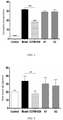
Figure 1 : Comparison of the effects of different groups in reducing ear thickness of mice with atopic dermatitis. -
Figure 2 : Comparison of the effects of different groups in relieving skin pathological symptoms in mice with atopic dermatitis. -
Figure 3 : Comparison of the effects of different groups in reducing skin eosinophil infiltration in mice with atopic dermatitis. -
Figure 4 : Comparison of the effects of different groups in reducing the total serum IgE level in mice with atopic dermatitis. -
Figure 5 : Comparison of the effects of different groups in reducing the IL-4 level in the skin tissues of mice with atopic dermatitis. -
Figure 6 : Comparison of the effects of different groups in reducing the IL-13 level in the skin tissues of mice with atopic dermatitis. -
Figure 7 : Comparison of the effects of different groups in reducing the level of histamine in the skin tissues of mice with atopic dermatitis. - Among them, "*" indicates a significant difference from a Model group (P<0.05), and "**" indicates an extremely significant difference from the Model group (P<0.01).
- In the following examples, the skim milk was purchased from Brightdairy Co., Ltd., the glucose and yeast extract were purchased from Sinopharm Chemical Reagent Co., Ltd., the tryptone was purchased from OXOID, UK, and enzyme-linked immunosorbent assay kits were purchased from Nanjing SenBeiJia Biological Technology Co., Ltd.
- The culture media involved in the following examples are as follows:
- MRS solid culture medium (g/L): peptone 10 g/L, beef extract 10 g/L, glucose 20 g/L, sodium acetate 2 g/L, yeast powder 5 g/L, diammonium hydrogen citrate 2 g/L, K2PO4·3H2O 2.6 g/L, MgSO4·7 H2O 0.1 g/L, MnSO4 0.05 g/L, Tween 80 1 mL/L, agar 20 g/L, and cysteine hydrochloride 0.5 g/L.
- MRS liquid culture medium (g/L): peptone 10 g/L, beef extract 10 g/L, glucose 20 g/L, sodium acetate 2 g/L, yeast powder 5 g/L, diammonium hydrogen citrate 2 g/L, K2PO4·3H2O 2.6 g/L, MgSO4·7 H2O 0.1 g/L, MnSO4 0.05 g/L, Tween 80 1 mL/L, and cysteine hydrochloride 0.5 g/L.
- Healthy human feces from Hangzhou, Zhejiang was taken as a sample. The sample was pretreated and stored in a refrigerator at -80°C in about 20% glycerol. After the sample was taken out and thawed, the sample was mixed uniformly. 0.5 mL of the sample was pipetted and added to 4.5 mL, and the sample was subjected to gradient dilution with 0.9% normal saline containing 0.05% cysteine. An appropriate gradient dilution was selected and spread on an MRS solid culture medium added with 0.05% cysteine. The dilution was cultured at 37°C for 48 h. Typical colonies were picked and streaked on an MRS solid culture medium for purification. A single colony was picked and transferred to an MRS liquid culture medium (containing 0.05% cysteine) for enrichment, and the bacteria were preserved with 30% glycerol to obtain a strain CCFM1029, a strain A1 and a strain A2.
- The genomes of CCFM1029, A1 and A2 were extracted. The 16S rDNAs of CCFM1029, A1 and A2 were amplified and sequenced (by Invitrogen (Shanghai) Trading Co., Ltd., wherein the amplified nucleotide sequences of the 16S rDNAs of CCFM1029, A1 and A2 are shown in SEQ ID NO. 1, SEQ ID NO. 2 and SEQ ID NO. 3, respectively; the sequence of a forward primer 27F for strain identification is shown in SEQ ID NO. 4: 5'-AGAGTTTGATCCTGGCTCAG-3'; and the sequence of a reverse primer 1492R is shown in SEQ ID NO. 5: 5'-GGTTACCTTGTTACGACTT-3'). The sequences were subjected to nucleic acid sequence alignment in NCBI, and the results showed that the strains were Bifidobacterium longum, named Bifidobacterium longum CCFM1029, Bifidobacterium longum A1 and Bifidobacterium longum A2.
- An MRS solid culture medium (containing 0.05% cysteine) was inoculated with the Bifidobacterium longum CCFM1029 and culturing was performed at 37°C for 48 h. It was found that the convex surface of the colony was cushion-shaped, with complete edges, and is soft, moist, white and shiny, through observation of the colony.
- An MRS liquid culture medium (containing 0.05% cysteine) was inoculated with the Bifidobacterium longum CCFM1029 and anaerobic culturing was performed at 37°C for 24 h. The culture solution was transferred into a fresh MRS liquid culture medium (containing 0.05% cysteine) and cultured at the same conditions for 24 h. Bacterial cells were centrifuged at 6000 g for 15 min, and then the bacterial cells were washed with 0.9% normal saline and recentrifuged at 6000 g for 10 min to obtain bacterial cells. The bacterial cells were resuspended with a 30% sucrose solution and cryopreserved at -80°C for later use.
- 50 healthy female C57BL/6 mice weighing 18-20 g were randomly divided into 5 groups, each with 10 mice. The 5 groups were respectively: a blank group (Control), a model group (Model) administered with 2,4-dinitrofluorobenzene (DNFB), a CCFM1029 group administered with Bifidobacterium longum CCFM1029, an A1 group administered with Bifidobacterium longum A1, and an A2 group administered with Bifidobacterium longum A2. The CCFM1029 group, the A1 group and the A2 group were all treatment groups.
- The experiment lasts for four weeks in total. The first week was the adaptation period of mice. Gavage was started from the second week to the end of the experiment. The treatment groups were given bacterial solutions of the Bifidobacterium longum CCFM1029, A1 and A2 by gavage. 0.2 mL of bacterial solution (the total amount of viable bacteria in a single gavage was 1 × 10⁹ CFU) was given per mouse per time by gavage. The blank group and the model group were not treated with the intervention of bacterial solutions, and only the same amount of normal saline was given by gavage as a control. The third to fourth weeks were the modeling period. On the 1st day of modeling, 50 µL of 0.5% DNFB solution was applied to the right ears of the mice in the model group and the treatment groups to sensitize and stimulate skin lesions. On the 5th, 8th, 11th, and 14th days, 20 µL of 0.2% DNFB solution was applied to the right ears of the mice in the model group and the treatment groups. Only the same amount of acetone/olive oil matrix solution was applied to the right ears of the mice in the blank group as a control. All groups were free access to water and food.
- Before modeling (that is, day 0), the ear thickness of the 5 groups of mice was measured with a digital spiral micrometer. After the modeling (that is, on the 15th day), blood was taken and the mice were sacrificed. Then the ear thickness of the mice was measured immediately. The test results are shown in
Figure 1 . - It can be seen from
Figure 1 that both the Bifidobacterium longum CCFM1029 and the Bifidobacterium longum A1 can significantly reduce the ear thickness of mice with atopic dermatitis and relieve the degree of ear swelling of the mice; while the Bifidobacterium longum A2 has no obvious relieving effect. - The experimental results show that the Bifidobacterium longum CCFM1029 has the effect of relieving the thickness and degree of swelling of the ears of mice with atopic dermatitis.
- 50 healthy female C57BL/6 mice weighing 18-20 g were randomly divided into 5 groups, each with 10 mice. The 5 groups were respectively: a blank group (Control), a model group (Model) administered with 2,4-dinitrofluorobenzene (DNFB), a CCFM1029 group administered with Bifidobacterium longum CCFM1029, an A1 group administered with Bifidobacterium longum A1, and an A2 group administered with Bifidobacterium longum A2. The CCFM1029 group, the A1 group and the A2 group were all treatment groups.
- The experiment lasts for four weeks in total. The first week was the adaptation period of mice. Gavage was started from the second week to the end of the experiment. The treatment groups were given bacterial solutions of the Bifidobacterium longum CCFM1029, A1 and A2 by gavage. 0.2 mL of bacterial solution (the total amount of viable bacteria in a single gavage was 1 × 10⁹ CFU) was given per mouse per time by gavage. The blank group and the model group were not treated with the intervention of bacterial solutions, and only the same amount of normal saline was given by gavage as a control. The third to fourth weeks were the modeling period. On the 1st day of modeling, the back skin of the 5 groups of mice was depilated for an area of approximately 2.5 cm×2.5 cm, and 50 µL of 0.5% DNFB solution was applied to the depilated areas on the back of the mice in the model group and the treatment groups to sensitize and stimulate skin lesions. On the 5th, 8th, 11th, and 14th days, 20 µL of 0.2% DNFB solution was applied to the depilated areas on the back of the mice in the model group and the treatment groups. Only the same amount of acetone/olive oil matrix solution was applied to the depilated areas on the back of the mice in the blank group as a control. All groups were free access to water and food.
- After the modeling (that is, on the 15th day), blood was taken and the mice were sacrificed. The skin of the depilated areas on the back of the mice was taken for histopathological analysis. Histopathological sections of the back skin of mice were subjected to hematoxylin-eosin staining, and then histopathological scoring was performed by professional technicians (the results are shown in
Figure 2 ). - It can be seen from
Figure 2 that the structure of the epidermal cells on the back of mice in the blank group (Control) was normal, and there was no inflammation in all layers of the epidermis. The pathology of the skin lesions on the back of mice in the model group (Model) shows obvious inflammatory and proliferative changes and infiltration of lymphocytes and plasma cells, and the back skin was eroded and had the proliferation of fibrous tissue. The structure of the epidermal cells on the back of mice in the Bifidobacterium longum CCFM1029 treatment group was almost normal, and there was no serious inflammation in all layers of the epidermis. There is an obvious proliferation of fibrous tissue and a relatively small amount of inflammation in the Bifidobacterium longum A1 and Bifidobacterium longum A2 treatment groups, and the pathological symptoms of atopic dermatitis in the skin of mice were relieved. The structure of epidermal cells in the remaining groups was incomplete, and it was speculated that the skin was ulcerated and crusted, and had severe inflammation. - The experiment shows that the Bifidobacterium longum CCFM1029 can significantly improve skin inflammation in mice with atopic dermatitis.
- 50 healthy female C57BL/6 mice weighing 18-20 g were randomly divided into 5 groups, each with 10 mice. The 5 groups were respectively: a blank group (Control), a model group (Model) administered with 2,4-dinitrofluorobenzene (DNFB), a CCFM1029 group administered with Bifidobacterium longum CCFM1029, an A1 group administered with Bifidobacterium longum A1, and an A2 group administered with Bifidobacterium longum A2. The CCFM1029 group, the A1 group and the A2 group were all treatment groups.
- The experiment lasts for four weeks in total. The first week was the adaptation period of mice. Gavage was started from the second week to the end of the experiment. The treatment groups were given bacterial solutions of the Bifidobacterium longum CCFM1029, A1 and A2 by gavage. 0.2 mL of bacterial solution (the total amount of viable bacteria in a single gavage was 1 × 10⁹ CFU) was given per mouse per time by gavage. The blank group and the model group were not treated with the intervention of bacterial solutions, and only the same amount of normal saline was given by gavage as a control. The third to fourth weeks were the modeling period. On the 1st day of modeling, the back skin of the 5 groups of mice was depilated for an area of approximately 2.5 cm×2.5 cm, and 50 µL of 0.5% DNFB solution was applied to the depilated areas on the back of the mice in the model group and the treatment groups to sensitize and stimulate skin lesions. On the 5th, 8th, 11th, and 14th days, 20 µL of 0.2% DNFB solution was applied to the depilated areas on the back of the mice in the model group and the treatment groups. Only the same amount of acetone/olive oil matrix solution was applied to the depilated areas on the back of the mice in the blank group as a control. All groups were free access to water and food.
- After the modeling (that is, on the 15th day), blood was taken and the mice were sacrificed. The skin of the depilated areas on the back of the mice was taken for histopathological analysis. Histopathological sections of the back skin of mice were subjected to hematoxylin-eosin staining, and then eosinophil counting and analysis were performed by professional technicians (the results are shown in
Figure 3 ). - It can be seen from
Figure 3 that the Bifidobacterium longum CCFM1029 significantly reduced the number of eosinophils in the skin tissues, reduced the inflammatory infiltration produced by the eosinophils, and thereby inhibited skin tissue inflammation. However, the Bifidobacterium longum A1 group and Bifidobacterium longum A2 group cannot inhibit the number of eosinophils in the tissues, has no significant effect on tissue inflammatory infiltration, and cannot relieve skin inflammation in mice. - The experiment shows that the Bifidobacterium longum CCFM1029 can significantly inhibit the inflammatory infiltration produced by eosinophils in the skin of mice with atopic dermatitis.
- 50 healthy female C57BL/6 mice weighing 18-20 g were randomly divided into 5 groups, each with 10 mice. The 5 groups were respectively: a blank group (Control), a model group (Model) administered with 2,4-dinitrofluorobenzene (DNFB), a CCFM1029 group administered with Bifidobacterium longum CCFM1029, an A1 group administered with Bifidobacterium longum A1, and an A2 group administered with Bifidobacterium longum A2. The CCFM1029 group, the A1 group and the A2 group were all treatment groups.
- The experiment lasts for four weeks in total. The first week was the adaptation period of mice. Gavage was started from the second week to the end of the experiment. The treatment groups were given bacterial solutions of the Bifidobacterium longum CCFM1029, A1 and A2 by gavage. 0.2 mL of bacterial solution (the total amount of viable bacteria in a single gavage was 1 × 10⁹ CFU) was given per mouse per time by gavage. The blank group and the model group were not treated with the intervention of bacterial solutions, and only the same amount of normal saline was given by gavage as a control. The third to fourth weeks were the modeling period. On the 1st day of modeling, the back skin of the 5 groups of mice was depilated for an area of approximately 2.5 cm×2.5 cm, and 50 µL of 0.5% DNFB solution was applied to the depilated areas on the back of the mice in the model group and the treatment groups to sensitize and stimulate skin lesions. On the 5th, 8th, 11th, and 14th days, 20 µL of 0.2% DNFB solution was applied to the depilated areas on the back of the mice in the model group and the treatment groups. Only the same amount of acetone/olive oil matrix solution was applied to the depilated areas on the back of the mice in the blank group as a control. All groups were free access to water and food.
- After the modeling (that is, on the 15th day), blood was taken and the mice were sacrificed. The serum of mice was taken, and the total serum IgE level was measured with an enzyme-linked immunosorbent assay kit (the results are shown in
Figure 4 ). - It can be seen from
Figure 4 that compared with the model group (Model), the Bifidobacterium longum CCFM1029 significantly reduced the total serum IgE level in mice, and was beneficial to inhibiting the Th2-type immune response, thereby helping relieve the pathological inflammation of atopic dermatitis. However, the Bifidobacterium longum A1 group and the Bifidobacterium longum A2 group cannot inhibit the synthesis of serum IgE, so the intervention of the Bifidobacterium longum A1 and A2 has no significant effect on the pathological inflammation of atopic dermatitis. - The experiment shows that the Bifidobacterium longum CCFM1029 can significantly reduce the total serum IgE level in mice, and is beneficial to relieving the pathological inflammation of atopic dermatitis.
- 50 healthy female C57BL/6 mice weighing 18-20 g were randomly divided into 5 groups, each with 10 mice. The 5 groups were respectively: a blank group (Control), a model group (Model) administered with 2,4-dinitrofluorobenzene (DNFB), a CCFM1029 group administered with Bifidobacterium longum CCFM1029, an A1 group administered with Bifidobacterium longum A1, and an A2 group administered with Bifidobacterium longum A2. The CCFM1029 group, the A1 group and the A2 group were all treatment groups.
- The experiment lasts for four weeks in total. The first week was the adaptation period of mice. Gavage was started from the second week to the end of the experiment. The treatment groups were given bacterial solutions of the Bifidobacterium longum CCFM1029, A1 and A2 by gavage. 0.2 mL of bacterial solution (the total amount of viable bacteria in a single gavage was 1 × 10⁹ CFU) was given per mouse per time by gavage. The blank group and the model group were not treated with the intervention of bacterial solutions, and only the same amount of normal saline was given by gavage as a control. The third to fourth weeks were the modeling period. On the 1st day of modeling, the back skin of the 5 groups of mice was depilated for an area of approximately 2.5 cm×2.5 cm, and 50 µL of 0.5% DNFB solution was applied to the depilated areas on the back of the mice in the model group and the treatment groups to sensitize and stimulate skin lesions. On the 5th, 8th, 11th, and 14th days, 20 µL of 0.2% DNFB solution was applied to the depilated areas on the back of the mice in the model group and the treatment groups. Only the same amount of acetone/olive oil matrix solution was applied to the depilated areas on the back of the mice in the blank group as a control. All groups were free access to water and food.
- After the modeling (that is, on the 15th day), blood was taken and the mice were sacrificed. Then the skin tissues of the depilated areas on the back of mice were taken, and the levels of Th2-type immune response cytokines IL-4 and IL-13 were measured with an enzyme-linked immunosorbent assay kit (the results are shown in
Figure 5 to Figure 6 ). - It can be seen from
Figure 5 to Figure 6 that compared with the model group (Model), the Bifidobacterium longum CCFM1029 significantly reduced the levels of IL-4 and IL-13 in the skin tissues of mice, and significantly inhibited the Th2-type immune response, thereby helping relieve the pathological inflammation state caused by Th2-type abnormal immune response. However, the Bifidobacterium longum A1 group and the Bifidobacterium longum A2 group cannot reduce the levels of IL-4 and IL-13 in the skin tissues, so the intervention of the Bifidobacterium longum A1 and A2 has no significant effect on the pathological inflammation of atopic dermatitis. - The experiment shows that the Bifidobacterium longum CCFM1029 can significantly reduce the levels of cytokines IL-4 and IL-13 related to Th2-type immune response, and help relieve the pathological inflammation state caused by the Th2-type abnormal immune response.
- 50 healthy female C57BL/6 mice weighing 18-20 g were randomly divided into 5 groups, each with 10 mice. The 5 groups were respectively: a blank group (Control), a model group (Model) administered with 2,4-dinitrofluorobenzene (DNFB), a CCFM1029 group administered with Bifidobacterium longum CCFM1029, an A1 group administered with Bifidobacterium longum A1, and an A2 group administered with Bifidobacterium longum A2. The CCFM1029 group, the A1 group and the A2 group were all treatment groups.
- The experiment lasts for four weeks in total. The first week was the adaptation period of mice. Gavage was started from the second week to the end of the experiment. The treatment groups were given bacterial solutions of the Bifidobacterium longum CCFM1029, A1 and A2 by gavage. 0.2 mL of bacterial solution (the total amount of viable bacteria in a single gavage was 1 × 10⁹ CFU) was given per mouse per time by gavage. The blank group and the model group were not treated with the intervention of bacterial solutions, and only the same amount of normal saline was given by gavage as a control. The third to fourth weeks were the modeling period. On the 1st day of modeling, the back skin of the 5 groups of mice was depilated for an area of approximately 2.5 cm×2.5 cm, and 50 µL of 0.5% DNFB solution was applied to the depilated areas on the back of the mice in the model group and the treatment groups to sensitize and stimulate skin lesions. On the 5th, 8th, 11th, and 14th days, 20 µL of 0.2% DNFB solution was applied to the depilated areas on the back of the mice in the model group and the treatment groups. Only the same amount of acetone/olive oil matrix solution was applied to the depilated areas on the back of the mice in the blank group as a control. All groups were free access to water and food.
- After the modeling (that is, on the 15th day), blood was taken and the mice were sacrificed. Then the skin tissues of the depilated areas on the back of mice were taken, and the inflammatory factor histamine related to degranulation of mast cells was measured with an enzyme-linked immunosorbent assay kit (the results are shown in
Figure 7 ). - It can be seen from
Figure 7 that compared with the model group (Model), the Bifidobacterium longum CCFM1029 significantly reduced the level of histamine in the skin tissues of mice. It can be inferred that the Bifidobacterium longum CCFM1029 significantly reduced the degranulation of mast cells, prevented the release of histamine in the damaged skin tissues, and relieved skin itching of mice. However, the Bifidobacterium longum A1 group and the Bifidobacterium longum A2 group cannot reduce the level of histamine in the skin tissues, and even promotes the release of histamine. Therefore, the Bifidobacterium longum A1 group and the Bifidobacterium longum A2 group cannot inhibit degranulation of mast cells in the tissues or further prevent the release of histamine, and cannot relieve skin itching of the mice. - The experiment shows that the Bifidobacterium longum CCFM1029 can significantly reduce the level of histamine in skin tissues, and inhibit the degranulation of mast cells in skin tissues, thereby relieving skin itching of mice and preventing further development of atopic dermatitis.
- A culture medium was inoculated with the Bifidobacterium longum CCFM1029 at an inoculum concentration of 3% of the total mass of the culture medium and culturing was performed at 37°C for 18 h to obtain a culture solution. The culture solution was centrifuged to obtain bacterial cells. The bacterial cells were washed with a phosphate buffer with the pH of 7.2-7.4 for 3 times, and then resuspended with a trehalose freeze-drying protective agent with the trehalose concentration of 100 g/L (the mass ratio of the freeze-drying protective agent to the bacterial cells was 2:1) to obtain a resuspension. The resuspension was freeze-dried by a vacuum freezing process to obtain Bifidobacterium longum CCFM1029 bacterial powder. The culture medium includes 87.7% water, 10% enzymatically hydrolyzed skim milk, 0.5% glucose, 1.5% tryptone and 0.3% yeast extract solution, of the total mass of the culture medium. The pH of the culture medium was 6.8.
- The Bifidobacterium longum CCFM1029 bacterial powder containing 1×10¹⁰ CFU was mixed with maltodextrin with the total mass of the bacterial powder and the maltodextrin being 1 gram to obtain a solid beverage containing the Bifidobacterium longum CCFM1029.
- 10 grams of the solid beverage containing the Bifidobacterium longum CCFM1029 was reconstituted with normal saline and the volume was set to 20 mL. 0.2 mL of the dilution was given to each mouse per day by gavage for three consecutive weeks. The solid beverage can effectively relieve the symptoms of atopic dermatitis in mice, and has excellent effects in the prevention and/or treatment of atopic dermatitis.


Claims (15)
- Strain of Bifidobacterium longum, wherein the Bifidobacterium longum was deposited at the Guangdong Microbial Culture Collection Center on October 11, 2018, with the accession number of GDMCC No.60461, and the deposit address of 5th Floor, Building No. 59, Courtyard No. 100, Xianlie Middle Road, Guangzhou.
- Use of the Bifidobacterium longum according to claim 1 in the preparation of products for the prevention and/or treatment of atopic dermatitis.
- Use of the Bifidobacterium longum according to claim 2 in the preparation of products for the prevention and/or treatment of atopic dermatitis, and wherein in the products, the viable count of the Bifidobacterium longum is not less than 1×10⁶ CFU/mL or 1× 10⁶ CFU/g.
- Use of Bifidobacterium longum according to claim 2 or 3 in the preparation of products for the prevention and/or treatment of atopic dermatitis of, and wherein the products comprise food, medicine or health care products.
- Use of Bifidobacterium longum according to any one of claims 2, 3 or 4 in the preparation of products for the prevention and/or treatment of atopic dermatitis, and wherein the medicine contains said Bifidobacterium longum, a drug carrier and/or pharmaceutical excipients.
- Product for the prevention and/or treatment of atopic dermatitis, wherein the product contains the Bifidobacterium longum of claim 1.
- Product according to claim 6 for the prevention and/or treatment of atopic dermatitis, wherein in the product, the viable count of the Bifidobacterium longum of claim 1 is not less than 1×10⁶ CFU/mL or 1×10⁶ CFU/g.
- Product according to any of claims 6 or 7 for the prevention and/or treatment of atopic dermatitis, wherein the product comprises food, medicine or health care products.
- Product according to claim 8 for the prevention and/or treatment of atopic dermatitis, wherein the medicine contains the Bifidobacterium longum of claim 1, a drug carrier and/or pharmaceutical excipients.
- Product according to claim 8 for theprevention and/or treatment of atopic dermatitis, wherein the food comprises dairy products, soybean products, or fruit and vegetable products produced using a starter containing the Bifidobacterium longum of claim 1; or the food comprises solid beverages containing the Bifidobacterium longum of claim 1.
- Product according to claim 10 for the prevention and/or treatment of atopic dermatitis, wherein a preparation method of the starter is as follows: inoculating a culture medium with the Bifidobacterium longum at an inoculum concentration of 2-4% of the total mass of the culture medium, and performing culturing at 37°C for 18 h to obtain a culture solution; centrifuging the culture solution to obtain bacterial cells; washing the bacterial cells with a phosphate buffer with the pH of 7.2-7.4 for 3 times and then resuspending with a freeze-drying protective agent to obtain a resuspension; and freeze-drying the resuspension by a vacuum freezing process to obtain the starter.
- Product according to claim 11 for the prevention and/or treatment of atopic dermatitis, wherein the mass ratio of the freeze-drying protective agent to the bacterial cells is 2:1.
- Product according to any of claims 11 or 12 for prevention and/or treatment of atopic dermatitis, wherein the culture medium comprises 87.7% water, 10% skim milk, 0.5% glucose, 1.5% tryptone, and 0.3% yeast extract solution, of the total mass of the culture medium.
- Product according to any of claims 11, 12 or 13 for the prevention and/or treatment of atopic dermatitis, wherein the pH of the culture medium is 6.8.
- Product according to any of claims 11, 12, 13 or 14 for the prevention and/or treatment of atopic dermatitis, wherein the freeze-drying protective agent comprises 100 g/L skimmed milk powder, 150 g/L trehalose, and 10 g/L sodium L-glutamate.
Applications Claiming Priority (2)
| Application Number | Priority Date | Filing Date | Title |
|---|---|---|---|
| CN201910137571.2A CN109652349B (en) | 2019-02-25 | 2019-02-25 | Bifidobacterium longum capable of relieving atopic dermatitis and application thereof |
| PCT/CN2019/128526 WO2020173210A1 (en) | 2019-02-25 | 2019-12-26 | Bifidobacterium longum capable of relieving atopic dermatitis and use thereof |
Publications (2)
| Publication Number | Publication Date |
|---|---|
| EP3967316A1 true EP3967316A1 (en) | 2022-03-16 |
| EP3967316A4 EP3967316A4 (en) | 2023-12-06 |
Family
ID=66123138
Family Applications (1)
| Application Number | Title | Priority Date | Filing Date |
|---|---|---|---|
| EP19916863.4A Pending EP3967316A4 (en) | 2019-02-25 | 2019-12-26 | BIFIDOBACTERIUM LONGUM CAPABLE OF RELIEF ATOPIC DERMATITIS AND CORRESPONDING USE |
Country Status (5)
| Country | Link |
|---|---|
| US (1) | US12280077B2 (en) |
| EP (1) | EP3967316A4 (en) |
| CN (1) | CN109652349B (en) |
| AU (1) | AU2019431515A1 (en) |
| WO (1) | WO2020173210A1 (en) |
Cited By (1)
| Publication number | Priority date | Publication date | Assignee | Title |
|---|---|---|---|---|
| CN115181696A (en) * | 2022-06-27 | 2022-10-14 | 广东粤港澳大湾区国家纳米科技创新研究院 | Bifidobacterium longum cb39Y4 and application thereof |
Families Citing this family (14)
| Publication number | Priority date | Publication date | Assignee | Title |
|---|---|---|---|---|
| CN109652349B (en) * | 2019-02-25 | 2021-03-02 | 江南大学 | Bifidobacterium longum capable of relieving atopic dermatitis and application thereof |
| CN111700917B (en) * | 2020-06-18 | 2022-08-09 | 江南大学 | A product for preventing and/or treating atopic dermatitis |
| CN111979161B (en) * | 2020-09-30 | 2022-04-15 | 无锡特殊食品与营养健康研究院有限公司 | Bifidobacterium longum capable of reducing reactive oxygen species level in vascular smooth muscle cells |
| CN112159784A (en) * | 2020-10-29 | 2021-01-01 | 佛山市朗芯生物科技有限公司 | Bifidobacterium longum NX-4 and application thereof in preparing medicament for treating and/or preventing allergic diseases |
| CN113073070B (en) * | 2021-04-30 | 2022-02-18 | 君维安(武汉)生命科技有限公司 | Bifidobacterium longum, application and product thereof |
| CN113413400A (en) * | 2021-06-02 | 2021-09-21 | 广州市锦盛生物科技有限公司 | Microbial complex preparation for treating atopic dermatitis |
| CN115181699B (en) * | 2022-06-28 | 2023-08-29 | 广东粤港澳大湾区国家纳米科技创新研究院 | Bifidobacterium longum cb20y1 and application thereof |
| CN115887504B (en) * | 2022-09-16 | 2024-03-26 | 江南大学 | Application of Bifidobacterium longum CCFM1029 in alleviating Parkinson's disease |
| CN115518080B (en) * | 2022-10-20 | 2025-02-14 | 微康益生菌(苏州)股份有限公司 | Application of Bifidobacterium lactis BLa80 in improving and relieving allergic reactions |
| CN116716206B (en) * | 2023-04-10 | 2023-11-14 | 微康益生菌(苏州)股份有限公司 | Bifidobacterium longum subspecies for infants involved in intestinal tract skin axis regulation and improvement of skin health state and application thereof |
| CN118001305B (en) * | 2024-04-09 | 2024-06-11 | 山东中科嘉亿生物工程有限公司 | Application of Bifidobacterium longum JBLC-141 in the preparation of drugs for improving paraneoplastic thrombocythemia |
| CN118240719B (en) * | 2024-05-29 | 2024-09-20 | 善恩康生物科技(苏州)有限公司 | Bifidobacterium longum and application of bifidobacterium longum product in improving intestinal tumor |
| CN118497065B (en) * | 2024-06-07 | 2025-01-24 | 迪辅乐生物(上海)有限公司 | A strain of Bifidobacterium longum subspecies longum and its application in inhibiting bacteria or improving diseases related to inflammation of the intestinal skin axis |
| CN120771189A (en) * | 2025-08-28 | 2025-10-14 | 大连医科大学 | Probiotic composite traditional Chinese medicine fermentation preparation for treating atopic dermatitis and preparation method thereof |
Family Cites Families (15)
| Publication number | Priority date | Publication date | Assignee | Title |
|---|---|---|---|---|
| EP2318513B1 (en) * | 2008-07-11 | 2012-09-19 | Chr. Hansen A/S | New probiotic bifidobacterium longum |
| US20100074870A1 (en) * | 2008-09-19 | 2010-03-25 | Bristol-Myers Squibb Company | Probiotic infant products |
| FR2942719B1 (en) * | 2009-03-04 | 2011-08-19 | Oreal | USE OF PROBIOTIC MICROORGANISMS TO LIMIT SKIN IRRITATION |
| EP2397145A1 (en) * | 2010-06-18 | 2011-12-21 | Nestec S.A. | L. johnsonii La1, B. longum NCC2705 and immune disorders |
| WO2015090349A1 (en) * | 2013-12-16 | 2015-06-25 | Nestec S.A. | Probiotic nutritional intervention during pregnancy and optionally lactation to reduce risk of allergy in infants |
| BR112017018876A2 (en) * | 2015-03-09 | 2018-04-17 | Bioimmunizer Sagl | anti-aging composition comprising a combination of antioxidant agents in combination with bifidobacteria and probiotic-isolated cell walls |
| EP3270938A4 (en) * | 2015-03-18 | 2018-12-19 | Whole Biome Inc. | Methods and compositions relating to microbial treatment and diagnosis of skin disorders |
| KR20170032815A (en) * | 2015-09-15 | 2017-03-23 | 경희대학교 산학협력단 | Novel lactic acid bacteria and composition for preventing, improving or treating neurodegenerative diseases or cognitive dysfunction |
| WO2017060468A1 (en) * | 2015-10-07 | 2017-04-13 | Galderma Research & Development | Composition containing lactic acid bacteria and its use to treat atopic dermatitis |
| CN121648142A (en) * | 2016-01-26 | 2026-03-13 | 雀巢产品有限公司 | Composition for preventing and/or treating skin disorders and skin diseases |
| EP3272396A1 (en) * | 2016-07-18 | 2018-01-24 | Bionou Research, S.L. | Use of probiotics in the treatment and/or prevention of atopic dermatitis |
| CN108066296B (en) * | 2016-11-11 | 2020-11-17 | 南京益恒寿生命科技有限公司 | Colon targeting composition containing biological active components and application thereof |
| SG11201907043VA (en) * | 2017-01-31 | 2019-08-27 | Univ Industry Cooperation Group Kyung Hee Univ | Novel lactic acid bacteria and use thereof |
| KR101987678B1 (en) * | 2017-07-12 | 2019-06-11 | 대한민국 | Bifidobacterium longum KACC 91563 and cheese comprising the same for treatment of dermatitis |
| CN109652349B (en) * | 2019-02-25 | 2021-03-02 | 江南大学 | Bifidobacterium longum capable of relieving atopic dermatitis and application thereof |
-
2019
- 2019-02-25 CN CN201910137571.2A patent/CN109652349B/en active Active
- 2019-12-26 WO PCT/CN2019/128526 patent/WO2020173210A1/en not_active Ceased
- 2019-12-26 AU AU2019431515A patent/AU2019431515A1/en not_active Abandoned
- 2019-12-26 EP EP19916863.4A patent/EP3967316A4/en active Pending
-
2021
- 2021-05-20 US US17/325,280 patent/US12280077B2/en active Active
Cited By (2)
| Publication number | Priority date | Publication date | Assignee | Title |
|---|---|---|---|---|
| CN115181696A (en) * | 2022-06-27 | 2022-10-14 | 广东粤港澳大湾区国家纳米科技创新研究院 | Bifidobacterium longum cb39Y4 and application thereof |
| CN115181696B (en) * | 2022-06-27 | 2023-08-29 | 广东粤港澳大湾区国家纳米科技创新研究院 | Bifidobacterium longum cb39Y4 and application thereof |
Also Published As
| Publication number | Publication date |
|---|---|
| CN109652349B (en) | 2021-03-02 |
| US12280077B2 (en) | 2025-04-22 |
| WO2020173210A1 (en) | 2020-09-03 |
| AU2019431515A1 (en) | 2021-10-14 |
| US20210268043A1 (en) | 2021-09-02 |
| EP3967316A4 (en) | 2023-12-06 |
| CN109652349A (en) | 2019-04-19 |
Similar Documents
| Publication | Publication Date | Title |
|---|---|---|
| US12280077B2 (en) | Bifidobacterium longum with the ability to relieve atopic dermatitis and its application | |
| CN114574390B (en) | Bifidobacterium longum subspecies infantis for relieving colonitis and application thereof | |
| RU2754367C2 (en) | Faecalibacterium prausnitzii and desulfovibrio piger for use in treatment or prevention of diabetes and intestinal diseases | |
| CN100567489C (en) | Antiallergic agent and its pharmaceutical use | |
| EP3943093A1 (en) | Use of pasteurized akkermansia for treating cancer | |
| CN113897302B (en) | Bifidobacterium capable of relieving colitis and application thereof | |
| CN110616167A (en) | Bifidobacterium capable of relieving atopic dermatitis and application thereof | |
| CN114854638B (en) | Lactobacillus paracasei capable of efficiently expressing adenosine deaminase mRNA to relieve colonitis | |
| CN115216422B (en) | Lactobacillus rhamnosus and its applications | |
| CN115029270B (en) | Lactobacillus sake capable of reducing intestinal pro-inflammatory cytokines and application thereof | |
| CN116083327A (en) | Bifidobacterium longum subspecies infantis and use thereof for relieving constipation, preventing inflammation of colonic tissue and improving intestinal flora | |
| AU2020101537A4 (en) | A kind of probiotic and application thereof in gastric injury | |
| CN118222440A (en) | A strain of Bifidobacterium longum subsp. longum for alleviating pathological characteristics of chronic kidney disease mice and its application | |
| CN118178477A (en) | Application of Akkermansia muciniphila and its postbiotics in improving respiratory diseases | |
| CN115125163B (en) | Lactobacillus casei and application thereof | |
| KR20190094109A (en) | Nanovesicles derived from Bifidobacterium bacteria and Use thereof | |
| CN115806893A (en) | Application of Bacteroides vulgaris and its composition in adjuvant cancer immunotherapy | |
| CN117965341A (en) | A strain of Lactobacillus plantarum FLP-215 and its application in ulcerative colitis, diabetes and organ damage | |
| CN119709558B (en) | Bluet bacterium EMF75-02B1B and application thereof | |
| CN118497065B (en) | A strain of Bifidobacterium longum subspecies longum and its application in inhibiting bacteria or improving diseases related to inflammation of the intestinal skin axis | |
| CN119242495A (en) | Akkermansia muciniphila YG2645 with the function of regulating the intestinal-immune-metabolism axis and its application | |
| CN110591986A (en) | Lactobacillus casei capable of relieving rheumatoid arthritis and application thereof | |
| TWI793595B (en) | Probiotic extracellular vesicles and the use thereof | |
| CN115969887A (en) | Lactobacillus paracasei capable of relieving osteoporosis and application thereof | |
| WO2024066079A1 (en) | Bile acid metabolizing bacterium for preventing and treating inflammatory bowel disease and use thereof |
Legal Events
| Date | Code | Title | Description |
|---|---|---|---|
| STAA | Information on the status of an ep patent application or granted ep patent |
Free format text: STATUS: THE INTERNATIONAL PUBLICATION HAS BEEN MADE |
|
| PUAI | Public reference made under article 153(3) epc to a published international application that has entered the european phase |
Free format text: ORIGINAL CODE: 0009012 |
|
| STAA | Information on the status of an ep patent application or granted ep patent |
Free format text: STATUS: REQUEST FOR EXAMINATION WAS MADE |
|
| 17P | Request for examination filed |
Effective date: 20210921 |
|
| AK | Designated contracting states |
Kind code of ref document: A1 Designated state(s): AL AT BE BG CH CY CZ DE DK EE ES FI FR GB GR HR HU IE IS IT LI LT LU LV MC MK MT NL NO PL PT RO RS SE SI SK SM TR |
|
| DAV | Request for validation of the european patent (deleted) | ||
| DAX | Request for extension of the european patent (deleted) | ||
| STAA | Information on the status of an ep patent application or granted ep patent |
Free format text: STATUS: EXAMINATION IS IN PROGRESS |
|
| A4 | Supplementary search report drawn up and despatched |
Effective date: 20231107 |
|
| RIC1 | Information provided on ipc code assigned before grant |
Ipc: C12R 1/01 20060101ALI20231101BHEP Ipc: A61P 17/00 20060101ALI20231101BHEP Ipc: A61K 35/745 20150101AFI20231101BHEP |
|
| 17Q | First examination report despatched |
Effective date: 20231117 |