EP3965414A1 - A system comprising a communication network and a drone provisioning system and a method thereof - Google Patents
A system comprising a communication network and a drone provisioning system and a method thereof Download PDFInfo
- Publication number
- EP3965414A1 EP3965414A1 EP20275135.0A EP20275135A EP3965414A1 EP 3965414 A1 EP3965414 A1 EP 3965414A1 EP 20275135 A EP20275135 A EP 20275135A EP 3965414 A1 EP3965414 A1 EP 3965414A1
- Authority
- EP
- European Patent Office
- Prior art keywords
- drone
- surveillance
- network
- communication
- algorithm
- Prior art date
- Legal status (The legal status is an assumption and is not a legal conclusion. Google has not performed a legal analysis and makes no representation as to the accuracy of the status listed.)
- Granted
Links
Images


Classifications
-
- H—ELECTRICITY
- H04—ELECTRIC COMMUNICATION TECHNIQUE
- H04N—PICTORIAL COMMUNICATION, e.g. TELEVISION
- H04N7/00—Television systems
- H04N7/18—Closed-circuit television [CCTV] systems, i.e. systems in which the video signal is not broadcast
-
- H—ELECTRICITY
- H04—ELECTRIC COMMUNICATION TECHNIQUE
- H04W—WIRELESS COMMUNICATION NETWORKS
- H04W16/00—Network planning, e.g. coverage or traffic planning tools; Network deployment, e.g. resource partitioning or cells structures
- H04W16/18—Network planning tools
-
- H—ELECTRICITY
- H04—ELECTRIC COMMUNICATION TECHNIQUE
- H04W—WIRELESS COMMUNICATION NETWORKS
- H04W16/00—Network planning, e.g. coverage or traffic planning tools; Network deployment, e.g. resource partitioning or cells structures
- H04W16/22—Traffic simulation tools or models
-
- H—ELECTRICITY
- H04—ELECTRIC COMMUNICATION TECHNIQUE
- H04B—TRANSMISSION
- H04B7/00—Radio transmission systems, i.e. using radiation field
- H04B7/14—Relay systems
- H04B7/15—Active relay systems
- H04B7/185—Space-based or airborne stations; Stations for satellite systems
- H04B7/18502—Airborne stations
- H04B7/18504—Aircraft used as relay or high altitude atmospheric platform
-
- H—ELECTRICITY
- H04—ELECTRIC COMMUNICATION TECHNIQUE
- H04W—WIRELESS COMMUNICATION NETWORKS
- H04W16/00—Network planning, e.g. coverage or traffic planning tools; Network deployment, e.g. resource partitioning or cells structures
- H04W16/24—Cell structures
- H04W16/30—Special cell shapes, e.g. doughnuts or ring cells
-
- H—ELECTRICITY
- H04—ELECTRIC COMMUNICATION TECHNIQUE
- H04W—WIRELESS COMMUNICATION NETWORKS
- H04W24/00—Supervisory, monitoring or testing arrangements
- H04W24/02—Arrangements for optimising operational condition
-
- H—ELECTRICITY
- H04—ELECTRIC COMMUNICATION TECHNIQUE
- H04W—WIRELESS COMMUNICATION NETWORKS
- H04W84/00—Network topologies
- H04W84/02—Hierarchically pre-organised networks, e.g. paging networks, cellular networks, WLAN [Wireless Local Area Network] or WLL [Wireless Local Loop]
- H04W84/04—Large scale networks; Deep hierarchical networks
- H04W84/06—Airborne or Satellite Networks
Definitions
- This invention relates to an ad-hoc drone network with minimally invasive video surveillance.
- the invention relates to a system comprising a communication network and a drone provisioning system.
- Mobile networks have increasingly sophisticated ways to predict network loading based on subscriber data.
- drones have the capability to act as temporary base stations in mobile networks to provide on-demand network coverage such as, for example, in emergency situations.
- the following link https://www.pwc.pl/en/drone-powered-solutions/Articles/2018/drone-as-emergency-ad-hoc-networks.html relates to drones acting as emergency ad-hoc network provisions.
- Deep learning techniques are enabling increasingly sophisticated identification of activities in video surveillance. Some of these deep learning techniques may range, for example, from basic object recognition to analysis of the behavior of individuals and crowds, and identification of escalating tensions in crowds. Similar techniques are also able to predict future behavior of individuals and crowds from images and video footage.
- Another object of the present invention is to provide a drone network capable of providing on-demand capacity when and where needed.
- network operators could achieve a precise average loading prediction in their networks with minimally invasive video surveillance.
- a system comprising a communication network and a drone provisioning system, the communication network comprising a network modelling sub-system and a network behavior comparison algorithm, the drone provisioning system comprising a drone platoon sub-system comprising a set of drones, wherein the set of drones comprises at least a surveillance drone and a communication drone, a surveillance drone routing algorithm, an anomalous behavior detection and prediction algorithm and a communication drone placement algorithm, wherein: the network modelling sub-system is configured to create a predictive model of subscriber behavior in terms of network traffic; the network behavior comparison algorithm is configured to compare the predicted model of subscriber behavior, with real network traffic and output a result of the comparison to the drone provisioning system; the surveillance drone routing algorithm is configured to send one or more surveillance drone routing requests to the drone platoon sub-system, based on the result of the comparison; the drone platoon sub-system is configured to deploy one or more surveillance drones to an anomaly location specified by the one or more surveillance drone routing requests, wherein the deployed drone
- the result of the comparison comprises network anomaly information for indicating anomalous subscriber behavior within a locality of subscribers, wherein the subscriber behavior is regarded as normal when it is within a predefined range and is regarded as anomalous when it is not within the predefined range.
- the one or more surveillance drone routing requests comprises the network anomaly information.
- the surveillance drone routing algorithm is configured to receive information regarding a drone status from the drone platoon sub-system.
- the drone information comprises one or more of the following information of a drone: location, capabilities, availability, battery status, ongoing activity.
- the surveillance drone is configured to perform one or more of: video or audio surveillance, and/or environmental sensing, and/or wherein the communication drone is configured to provide additional network communications and/or processing capacity on an ad-hoc basis as part of the communication network.
- the communication drone is configured as a mobile base station.
- a single drone is configured to function as both a surveillance drone and a communication drone.
- the surveillance drone routing algorithm is configured to receive data on drone status from the drone platoon sub-system, wherein the drone information comprises on or more of: location, capabilities, availability, battery status, and/or ongoing activity information; and/or wherein the surveillance information comprises one or more of: surveillance information, drone locations, network activity and subscriber activity.
- a method for provisioning drones in a system comprising a communication network and a drone provisioning system, the communication network comprising a network modelling sub-system and a network behavior comparison algorithm, the drone provisioning system comprising a drone platoon sub-system comprising a set of drones, wherein the set of drones comprises at least a surveillance drone and a communication drone, a surveillance drone routing algorithm, an anomalous behavior detection and prediction algorithm and a communication drone placement algorithm, the method comprising the steps of: creating, by the network modelling sub-system, a predictive model of subscriber behavior in terms of network traffic; comparing, by the network behavior comparison algorithm, the predicted model of subscriber behavior, with real network traffic and outputting a result of the comparison to the drone provisioning system; sending, by the surveillance drone routing algorithm, one or more surveillance drone routing requests to the drone platoon sub-system, based on the result of the comparison; deploying, by the drone platoon sub-system, one or more surveillance drones to
- the result of the comparing step comprises network anomaly information for indicating anomalous subscriber behavior within a locality of subscribers, wherein the subscriber behavior is regarded as normal when it is within a predefined range and is regarded as anomalous when it is not within the predefined range
- the one or more surveillance drone routing requests comprises the network anomaly information.
- the method further comprising the step of: receiving, by the surveillance drone routing algorithm, information regarding a drone status from the drone platoon sub-system.
- the drone information comprises one or more of the following information of a drone: location, capabilities, availability, battery status, ongoing activity.
- the method further comprising the steps of: performing, by the surveillance drone, one or more of: video or audio surveillance, and/or environmental sensing, and/or providing, by the communication drone, additional network communications and/or processing capacity on an ad-hoc basis as part of the communication network.
- the communication drone acts/is used as a mobile base station.
- a single drone functions as both a surveillance drone and a communication drone.
- the method further comprises the step of: receiving, by surveillance drone routing algorithm, data on drone status from the drone platoon sub-system, wherein the drone information comprises on or more of: location, capabilities, availability, battery status, and/or ongoing activity information; and/or Preferably, the surveillance information comprises one or more of: surveillance information, drone locations, network activity and subscriber activity.
- the system and method of the present invention enable identification of anomalous communications network activity, by optimally deploying surveillance drones for identifying the causes of anomalous network activity when needed, while minimizing unnecessary surveillance.
- FIG. 1 illustrates an overview of the system according to an exemplary embodiment of the invention.
- the system illustrated by FIG. 1 comprises a communication network 10 and a drone provisioning system 20.
- the communication network 10 may comprise a network modelling sub-system 11 and a network behavior comparison algorithm 12.
- the drone provisioning system 20 may comprise a drone platoon sub-system 21, a surveillance drone routing algorithm 22, an anomalous behavior detection and prediction algorithm 23 and a communication drone placement algorithm 24.
- the network modelling sub-system creates a predictive model of subscriber behavior in terms of network traffic, e.g. by creating a digital twin of the network.
- the predicted behavior is compared, by the network behavior comparison algorithm 12, to the real network activity.
- a video/base station drone is deployed, by the drone provisioning system 20, to that location to both assess the reason for the divergence and to also provide temporary additional service capabilities. In this way, video surveillance is only performed when and where the benefit is likely to be high.
- FIG. 2 illustrates a detailed process flow diagram according to an exemplary embodiment of the invention.
- the communication network 10 and the drone provisioning system 20 will be described in detail with reference to FIG. 2 .
- the tasks of the communication network 10 are to model network activity, predict future activity and identify anomalous activity.
- the network modelling sub-system 11 is configured to monitor network activity and to predict future network activity.
- the network modelling sub-system 11 models the network activity and predicts future network activity based on various inputs. These inputs will be referred to as network modelling inputs and may comprise one or more of the following: historical network activity, consumer data and locations, real-time monitoring of network activity, news and events.
- the network modelling sub-system 11 outputs the prediction of future network activity to the network behavior comparison algorithm 12.
- the network behavior comparison algorithm 12 is configured to compare current network activity with the received predicted network activity and to identify anomalous activity.
- the inputs to the network behavior comparison algorithm 12 comprise the prediction of future network activity and the current network activity.
- the network behavior comparison algorithm 12 outputs network anomaly data to the drone provisioning system 20.
- the network anomaly data may comprise a set of anomalous activities within the network.
- the drone provisioning system 20 is configured to provide and to manage a set of drones.
- a drone is to be understood as a vehicle which may move and navigate autonomously without human input.
- drones may include, but are not limited to, air-based flying vehicles and ground-based wheeled vehicle. All drones are capable of communicating with the network and, optionally, with each other.
- the drone platoon sub-system 21 comprises of the set of drones and infrastructure to manage their operation, including activities, routing, charging, maintenance, etc.
- two specific types of drones are defined:
- a single drone may function as both a surveillance drone and a communication drone.
- drones in the drone platoon sub-system 21 may be additionally performing other activities such as delivery services until required to assist with network management activities.
- the surveillance drone routing algorithm 22 is configured to select and redirect one or more surveillance drones to areas of anomalous network activity to perform surveillance activities.
- the inputs to the surveillance drone routing algorithm 22 may comprise: the network anomaly data from the network behavior comparison algorithm 12, data on drone status from the drone platoon sub-system 21, wherein the drone (status) data may include: location, capabilities, availability, battery status, ongoing activity, or any other similar drone information.
- the surveillance drone routing algorithm 22 is configured to output requests for surveillance activities, in particular surveillance drone routing requests, based on the above-mentioned inputs to the drone platoon sub-system 21.
- the anomalous behavior detection and prediction algorithm 23 is configured to detect anomalous behavior based on surveillance data received from the drone platoon sub-system 21, and to predict future behavior that will impact the network's capacity requirements.
- the surveillance data may comprise one or more of: surveillance data from surveillance drones, drone locations, and network and subscriber activity. Thereafter, the anomalous behavior detection and prediction algorithm 23 is configured to output predicted network capacity requirements based on detected current subscriber behavior and predicted future subscriber behavior, i.e. predicted future capacity requirements.
- the communication drone placement algorithm 24 is configured to calculate an optimal placement of communication drones to meet current and predicted network capacity requirements, based on available resources and the outputted predicted network capacity requirements from the anomalous behavior detection and prediction algorithm 23.
- the communication drone placement algorithm 24 is configured to send one or more communication drone routing requests for communication drone routing and placement for provision of network capacity to the drone platoon sub-system 21.
- the drone platoon sub-system 21 is configured to optimally place drones with network capacity provision capabilities to provide additional network coverage, based on the received communication drone routing requests.
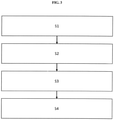
- FIG. 3 illustrates a flowchart of a method according to an exemplary embodiment of the invention.
- a process for dynamically provisioning wireless network capacity is described. The process is designed to identify anomalous activity in a network and, through the use of minimally invasive drone surveillance and drone capacity provisioning, optimally deploy network resources to ensure that an adequate quality of service is maintained.
- the method comprising the following steps: Creating (S1), by the network, a predictive model of the network and subscriber activity.
- This process is performed by the network modelling sub-system 10.
- the predictive model of the network may be in the form of a "digital twin" of the network, maintaining a virtual instance of the real network, which is continually updated with real network data but with the ability to simulate and predict future network operations.
- a set of predictions may be produced for each node of the network in terms of usage, capacity requirements, numbers of subscribers at future points in time.
- network activity prediction data is output to the network behavior comparison algorithm 12.
- the network activity prediction data may comprise tolerances for what is considered the range of normal operation.
- the network behavior comparison algorithm performs the steps of: comparing (S2) an actual network activity against the predictive model of the network and subscriber activity, identifying any anomalies and sending network anomaly data to the drone provisioning system.
- the network behavior comparison algorithm 12 looks at the network activity prediction for the current time, compares it against the actual measured activity for each node in the network, and identifies significant differences.
- anomalous activities may comprise, but are not limited to: unexpected spikes in demand at particular locations, a significant difference in the number of active subscribers at a location compared to the prediction, an increase in emergency calls, unexpected movements of large numbers of subscribers away or towards a location.
- the network behavior comparison algorithm 12 may consider the range of normal operation. For example, it may be normal for between 10 and 100 subscribers to be active on a particular cell covering a train station at 11am based on historical data and subscriber modelling. However, if there are 150 subscribers active, that would be indicative of anomalous activity which may be a precursor to an unexpected event that will require additional network capacity. It may also be that usage is less than normally expected. This may also be worth investigating as it may enable network optimization by rerouting resources to other areas, depending on the cause of the low usage.
- the drone provisioning system 20 performs the steps of: receiving the network anomaly data, optimally deploying (S3) drones with surveillance capabilities for detecting reasons of unexpected network activity, and predicting upcoming activity and network capacity requirements.
- the surveillance drone routing algorithm 22 (which considers a pool of available surveillance drones) sends a request for re-routing and performing surveillance operations to one or more drones of the drone platoon sub-system 21 to the areas of anomalous activity.
- the surveillance drone routing algorithm may take the above actions based on one or more of the following information: the current locations and activities of the surveillance drones and thus how long it would take for a drone to reach the desired point of surveillance, the battery status of the surveillance drones, the capabilities of the surveillance drones - while audio and video capabilities are likely to be a pre-requisite, other capabilities may be useful, such as Light Detection and Ranging (LIDAR) or other time-of-flight technologies for 3D mapping of the area, infra-red or hyperspectral imaging, etc.
- LIDAR Light Detection and Ranging
- an initial route that is likely to provide complete surveillance of the location where anomalous activity was detected is calculated. This may include for example moving around the perimeter of the area to generate a 360-degree picture of the area.
- the surveillance data provided by the drone platoon sub-system 21 is sent/routed to the anomalous behavior detection and prediction algorithm 23 and used to understand the situation causing the anomaly.
- the anomalous behavior detection and prediction algorithm 23 may use deep learning techniques to perform object analysis, individual activity analysis and crowd analysis.
- the deep learning techniques may also be used to predict future behavior and thus likely future network capacity needs. For example, if subscribers in vehicles are moving slower than expected, this could be due to heavy traffic or a car accident. If due to heavy traffic, no particular spike in usage may be expected so no additional capacity is needed. However, in the case of a car accident there may be a need for increased capacity due to emergency services in the near future, plus held-up drivers and connected cars may be expected to increase network usage.
- the anomalous behavior detection and prediction algorithm 23 outputs/sends the current and near-future capacity requirements, based on the received surveillance data and/or the above optional analyses, to the communication drone placement algorithm 24.
- the communication drone placement algorithm 24 uses the analysis of the anomalies identified, the results of the surveillance activities and the current and near-future capacity requirements to generate and send one or more communication drone routing requests to the drone platoon sub-system.
- the drone platoon sub-system optimally places (S4) drones with network capacity provision capabilities to provide additional network coverage.
- the communication drone placement algorithm 24 may further receive: the current locations and activities of the communication drones and thus how long it would take for a drone to reach the point of surveillance, the battery status of the communication drones, the capabilities of the communication drones, the priority of the situation - for example an emergency situation would have a higher priority than a shopping event.
- a surveillance drone already on-site providing surveillance may also be able to function as a communication drone and provide some or all of the capacity to cover the situation.
Landscapes
- Engineering & Computer Science (AREA)
- Signal Processing (AREA)
- Computer Networks & Wireless Communication (AREA)
- Multimedia (AREA)
- Alarm Systems (AREA)
- Traffic Control Systems (AREA)
Abstract
Description
- This invention relates to an ad-hoc drone network with minimally invasive video surveillance. In particular, the invention relates to a system comprising a communication network and a drone provisioning system.
- Mobile networks have increasingly sophisticated ways to predict network loading based on subscriber data.
- One particular type of ad-hoc network provision may be provided via drones. For example, drones have the capability to act as temporary base stations in mobile networks to provide on-demand network coverage such as, for example, in emergency situations. The following link https://www.pwc.pl/en/drone-powered-solutions/Articles/2018/drone-as-emergency-ad-hoc-networks.html relates to drones acting as emergency ad-hoc network provisions.
- In this regard, there is a significant and growing interest into researching for an optimal placement of drones for provision of network services. "UAV Base Station Location Optimization for Next Generation Wireless Networks: Overview and Future Research Directions", ISBN: 978-1-5386-9368-1, https://ieeexplore.ieee.org/document/8658363, relates to location optimization of UAV-BSs in NGWNs.
- Deep learning techniques are enabling increasingly sophisticated identification of activities in video surveillance. Some of these deep learning techniques may range, for example, from basic object recognition to analysis of the behavior of individuals and crowds, and identification of escalating tensions in crowds. Similar techniques are also able to predict future behavior of individuals and crowds from images and video footage.
- Sreenu, G., Saleem Durai, M.A. Intelligent video surveillance: a review through deep learning techniques for crowd analysis. J Big Data 6, 48 (2019). https://doi.org/10.1186/s40537-019-0212-5, relates to intelligent video surveillance through deep learning techniques for crowd analysis.
- F.L. Sanchez, I. Hupont, S. Tabik, F. Herreraa Revisiting crowd behaviour analysis through deep learning: Taxonomy, anomaly detection, crowd emotions, datasets, opportunities and prospects", https://doi.org/10.1016/j.inffus.2020.07.008, relates to deep learning techniques for revisiting crowd behavior analysis.
- However, there is an increasing concern about ubiquitous video surveillance in some countries, particularly with facial recognition technologies.
- Mobile network demand in unusual and unexpected situations can spike and overload a network just when the services are needed most. Although continual video surveillance could rapidly identify situations where unusual demand may be needed, enabling deployment of extra capacity, people are often not comfortable with ubiquitous surveillance.
- Another problem that occurs with some highly efficient systems without redundancy, is that they can struggle to cope with unexpected events.
- In view of the above, it is an object of the present invention to provide a drone network, with minimally invasive video surveillance, with a sophisticated and efficient load balancing within the overall network.
- Further, another object of the present invention is to provide a drone network capable of providing on-demand capacity when and where needed.
- These objects are achieved with the features of the independent claims. Preferred aspects are defined in the dependent claims.
- According to the invention, network operators could achieve a precise average loading prediction in their networks with minimally invasive video surveillance.
- According to a first aspect of the invention, there is provided a system comprising a communication network and a drone provisioning system, the communication network comprising a network modelling sub-system and a network behavior comparison algorithm, the drone provisioning system comprising a drone platoon sub-system comprising a set of drones, wherein the set of drones comprises at least a surveillance drone and a communication drone, a surveillance drone routing algorithm, an anomalous behavior detection and prediction algorithm and a communication drone placement algorithm, wherein: the network modelling sub-system is configured to create a predictive model of subscriber behavior in terms of network traffic; the network behavior comparison algorithm is configured to compare the predicted model of subscriber behavior, with real network traffic and output a result of the comparison to the drone provisioning system; the surveillance drone routing algorithm is configured to send one or more surveillance drone routing requests to the drone platoon sub-system, based on the result of the comparison; the drone platoon sub-system is configured to deploy one or more surveillance drones to an anomaly location specified by the one or more surveillance drone routing requests, wherein the deployed drone or drones are configured to: perform surveillance at the anomaly location, collect surveillance information, assess the reason for the anomaly, provide temporary additional service capabilities, and send the surveillance information and reason for the anomaly to the anomalous behavior detection and prediction algorithm; the anomalous behavior detection and prediction algorithm is configured to: detect anomalous behavior based on the surveillance information and the reason for the anomaly, predict future capacity requirements and future subscriber behavior, based on the above information, and send the predicted future capacity requirements to the communication drone placement algorithm; the communication drone placement algorithm is configured to: calculate an optimal placement of one or more communication drones to meet current and predicted network capacity requirements, based on available resources and the predicted future network capacity requirements, send one or more communication drone routing requests, for communication drone routing and placement for provision of network capacity, to the drone platoon sub-system; the drone platoon sub-system is configured to optimally deploy communication drones to an anomaly location specified by the one or more communication drone routing requests.
- Preferably, the result of the comparison comprises network anomaly information for indicating anomalous subscriber behavior within a locality of subscribers, wherein the subscriber behavior is regarded as normal when it is within a predefined range and is regarded as anomalous when it is not within the predefined range.
- Preferably, the one or more surveillance drone routing requests comprises the network anomaly information.
- Preferably, the surveillance drone routing algorithm is configured to receive information regarding a drone status from the drone platoon sub-system.
- Preferably, the drone information comprises one or more of the following information of a drone: location, capabilities, availability, battery status, ongoing activity.
- Preferably, the surveillance drone is configured to perform one or more of: video or audio surveillance, and/or environmental sensing, and/or wherein the communication drone is configured to provide additional network communications and/or processing capacity on an ad-hoc basis as part of the communication network.
- Preferably the communication drone is configured as a mobile base station.
- Preferably, a single drone is configured to function as both a surveillance drone and a communication drone.
- Preferably, the surveillance drone routing algorithm is configured to receive data on drone status from the drone platoon sub-system, wherein the drone information comprises on or more of: location, capabilities, availability, battery status, and/or ongoing activity information; and/or wherein the surveillance information comprises one or more of: surveillance information, drone locations, network activity and subscriber activity.
- According to a second aspect of the invention, there is provided a method for provisioning drones in a system, the system comprising a communication network and a drone provisioning system, the communication network comprising a network modelling sub-system and a network behavior comparison algorithm, the drone provisioning system comprising a drone platoon sub-system comprising a set of drones, wherein the set of drones comprises at least a surveillance drone and a communication drone, a surveillance drone routing algorithm, an anomalous behavior detection and prediction algorithm and a communication drone placement algorithm, the method comprising the steps of: creating, by the network modelling sub-system, a predictive model of subscriber behavior in terms of network traffic; comparing, by the network behavior comparison algorithm, the predicted model of subscriber behavior, with real network traffic and outputting a result of the comparison to the drone provisioning system; sending, by the surveillance drone routing algorithm, one or more surveillance drone routing requests to the drone platoon sub-system, based on the result of the comparison; deploying, by the drone platoon sub-system, one or more surveillance drones to an anomaly location specified by the one or more surveillance drone routing requests, wherein the deployed drone or drones: perform surveillance at the anomaly location, collect surveillance information, assess the reason for the anomaly, provide temporary additional service capabilities, and send the surveillance information and reason for the anomaly to the anomalous behavior detection and prediction algorithm, wherein the anomalous behavior detection and prediction algorithm performs the steps of: detecting anomalous behavior based on the surveillance information and the reason for the anomaly, predicting future capacity requirements and future subscriber behavior, based on the above information, and sending the predicted future capacity requirements to the communication drone placement algorithm, wherein the communication drone placement algorithm performs the steps of: calculating an optimal placement of one or more communication drones to meet current and predicted network capacity requirements, based on available resources and the predicted future network capacity requirements, sending one or more communication drone routing requests, for communication drone routing and placement for provision of network capacity, to the drone platoon sub-system; and optimally deploying, by the drone platoon sub-system, communication drones to an anomaly location specified by the one or more communication drone routing requests.
- Preferably, the result of the comparing step comprises network anomaly information for indicating anomalous subscriber behavior within a locality of subscribers, wherein the subscriber behavior is regarded as normal when it is within a predefined range and is regarded as anomalous when it is not within the predefined range
Preferably, the one or more surveillance drone routing requests comprises the network anomaly information. - Preferably, the method further comprising the step of: receiving, by the surveillance drone routing algorithm, information regarding a drone status from the drone platoon sub-system.
- Preferably, the drone information comprises one or more of the following information of a drone: location, capabilities, availability, battery status, ongoing activity.
- Preferably, the method further comprising the steps of: performing, by the surveillance drone, one or more of: video or audio surveillance, and/or environmental sensing, and/or providing, by the communication drone, additional network communications and/or processing capacity on an ad-hoc basis as part of the communication network.
- Preferably, the communication drone acts/is used as a mobile base station.
- Preferably, a single drone functions as both a surveillance drone and a communication drone.
- Preferably, the method further comprises the step of: receiving, by surveillance drone routing algorithm, data on drone status from the drone platoon sub-system, wherein the drone information comprises on or more of: location, capabilities, availability, battery status, and/or ongoing activity information; and/or
Preferably, the surveillance information comprises one or more of: surveillance information, drone locations, network activity and subscriber activity. - In view of the above, the system and method of the present invention enable identification of anomalous communications network activity, by optimally deploying surveillance drones for identifying the causes of anomalous network activity when needed, while minimizing unnecessary surveillance.
- Further, according to the present invention, it is possible to optimally deploy network capacity drones to maintain quality of service in areas of current and predicted increases in network activity.
- Other aspects, features, and advantages will be apparent from the summary above, as well as from the description that follows, including the figures and the claims.
- In the drawings:
- FIG. 1
- illustrates an overview of the system according to an exemplary embodiment of the invention;
- FIG. 2
- illustrates a process flow diagram according to an exemplary embodiment of the invention; and
- FIG. 3
- illustrates a flowchart of a method according to an exemplary embodiment of the invention.
-
FIG. 1 illustrates an overview of the system according to an exemplary embodiment of the invention. The system illustrated byFIG. 1 comprises acommunication network 10 and adrone provisioning system 20. - The
communication network 10 may comprise anetwork modelling sub-system 11 and a networkbehavior comparison algorithm 12. - The
drone provisioning system 20 may comprise adrone platoon sub-system 21, a surveillancedrone routing algorithm 22, an anomalous behavior detection andprediction algorithm 23 and a communicationdrone placement algorithm 24. - The network modelling sub-system creates a predictive model of subscriber behavior in terms of network traffic, e.g. by creating a digital twin of the network. The predicted behavior is compared, by the network
behavior comparison algorithm 12, to the real network activity. - If, within a locality, the behavior of enough individuals goes outside one or more predefined bounds, a video/base station drone is deployed, by the
drone provisioning system 20, to that location to both assess the reason for the divergence and to also provide temporary additional service capabilities. In this way, video surveillance is only performed when and where the benefit is likely to be high. -
FIG. 2 illustrates a detailed process flow diagram according to an exemplary embodiment of the invention. Hereinbelow, thecommunication network 10 and thedrone provisioning system 20 will be described in detail with reference toFIG. 2 . - The tasks of the
communication network 10 are to model network activity, predict future activity and identify anomalous activity. In detail,
Thenetwork modelling sub-system 11 is configured to monitor network activity and to predict future network activity. In particular, thenetwork modelling sub-system 11 models the network activity and predicts future network activity based on various inputs. These inputs will be referred to as network modelling inputs and may comprise one or more of the following: historical network activity, consumer data and locations, real-time monitoring of network activity, news and events. Once the prediction of future activity is completed, thenetwork modelling sub-system 11 outputs the prediction of future network activity to the networkbehavior comparison algorithm 12. - The network
behavior comparison algorithm 12 is configured to compare current network activity with the received predicted network activity and to identify anomalous activity. Thus, the inputs to the networkbehavior comparison algorithm 12 comprise the prediction of future network activity and the current network activity. As a result of the comparison, the networkbehavior comparison algorithm 12 outputs network anomaly data to thedrone provisioning system 20. The network anomaly data may comprise a set of anomalous activities within the network. - The
drone provisioning system 20 is configured to provide and to manage a set of drones. A drone is to be understood as a vehicle which may move and navigate autonomously without human input. In this context, drones may include, but are not limited to, air-based flying vehicles and ground-based wheeled vehicle. All drones are capable of communicating with the network and, optionally, with each other. - The
drone platoon sub-system 21 comprises of the set of drones and infrastructure to manage their operation, including activities, routing, charging, maintenance, etc. Here, two specific types of drones are defined: - Surveillance drone - a drone capable of carrying out surveillance activities, including but not limited to video or audio surveillance, environmental sensing such as temperature, humidity, electromagnetic activity, etc.
- Communication drone - a drone capable of providing additional network communications or processing capacity on an ad-hoc basis as part of the network, for example acting as a mobile base station. Note that this is in addition to communication capabilities for its own purposes.
- A single drone may function as both a surveillance drone and a communication drone. In addition, drones in the
drone platoon sub-system 21 may be additionally performing other activities such as delivery services until required to assist with network management activities. - The surveillance
drone routing algorithm 22 is configured to select and redirect one or more surveillance drones to areas of anomalous network activity to perform surveillance activities. The inputs to the surveillancedrone routing algorithm 22 may comprise: the network anomaly data from the networkbehavior comparison algorithm 12, data on drone status from thedrone platoon sub-system 21, wherein the drone (status) data may include: location, capabilities, availability, battery status, ongoing activity, or any other similar drone information. - In sum, the surveillance
drone routing algorithm 22 is configured to output requests for surveillance activities, in particular surveillance drone routing requests, based on the above-mentioned inputs to thedrone platoon sub-system 21. - The anomalous behavior detection and
prediction algorithm 23 is configured to detect anomalous behavior based on surveillance data received from thedrone platoon sub-system 21, and to predict future behavior that will impact the network's capacity requirements. The surveillance data may comprise one or more of: surveillance data from surveillance drones, drone locations, and network and subscriber activity. Thereafter, the anomalous behavior detection andprediction algorithm 23 is configured to output predicted network capacity requirements based on detected current subscriber behavior and predicted future subscriber behavior, i.e. predicted future capacity requirements. - The communication
drone placement algorithm 24 is configured to calculate an optimal placement of communication drones to meet current and predicted network capacity requirements, based on available resources and the outputted predicted network capacity requirements from the anomalous behavior detection andprediction algorithm 23. - Based on the above, the communication
drone placement algorithm 24 is configured to send one or more communication drone routing requests for communication drone routing and placement for provision of network capacity to thedrone platoon sub-system 21. - Further, the
drone platoon sub-system 21 is configured to optimally place drones with network capacity provision capabilities to provide additional network coverage, based on the received communication drone routing requests. -
FIG. 3 illustrates a flowchart of a method according to an exemplary embodiment of the invention. A process for dynamically provisioning wireless network capacity is described. The process is designed to identify anomalous activity in a network and, through the use of minimally invasive drone surveillance and drone capacity provisioning, optimally deploy network resources to ensure that an adequate quality of service is maintained. The method comprising the following steps:
Creating (S1), by the network, a predictive model of the network and subscriber activity. This process is performed by thenetwork modelling sub-system 10. For example, the predictive model of the network may be in the form of a "digital twin" of the network, maintaining a virtual instance of the real network, which is continually updated with real network data but with the ability to simulate and predict future network operations. - Preferably, based on said predictive model, a set of predictions may be produced for each node of the network in terms of usage, capacity requirements, numbers of subscribers at future points in time.
- As a result, network activity prediction data is output to the network
behavior comparison algorithm 12. The network activity prediction data may comprise tolerances for what is considered the range of normal operation. - Then, the network behavior comparison algorithm performs the steps of: comparing (S2) an actual network activity against the predictive model of the network and subscriber activity, identifying any anomalies and sending network anomaly data to the drone provisioning system.
- Preferably, the network
behavior comparison algorithm 12 looks at the network activity prediction for the current time, compares it against the actual measured activity for each node in the network, and identifies significant differences. - By way of examples, anomalous activities may comprise, but are not limited to: unexpected spikes in demand at particular locations, a significant difference in the number of active subscribers at a location compared to the prediction, an increase in emergency calls, unexpected movements of large numbers of subscribers away or towards a location.
- Preferably, the network
behavior comparison algorithm 12 may consider the range of normal operation. For example, it may be normal for between 10 and 100 subscribers to be active on a particular cell covering a train station at 11am based on historical data and subscriber modelling. However, if there are 150 subscribers active, that would be indicative of anomalous activity which may be a precursor to an unexpected event that will require additional network capacity. It may also be that usage is less than normally expected. This may also be worth investigating as it may enable network optimization by rerouting resources to other areas, depending on the cause of the low usage. - The
drone provisioning system 20 performs the steps of: receiving the network anomaly data, optimally deploying (S3) drones with surveillance capabilities for detecting reasons of unexpected network activity, and predicting upcoming activity and network capacity requirements. - Based on the network anomaly data, the surveillance drone routing algorithm 22 (which considers a pool of available surveillance drones) sends a request for re-routing and performing surveillance operations to one or more drones of the
drone platoon sub-system 21 to the areas of anomalous activity. - Preferably, the surveillance drone routing algorithm may take the above actions based on one or more of the following information: the current locations and activities of the surveillance drones and thus how long it would take for a drone to reach the desired point of surveillance, the battery status of the surveillance drones, the capabilities of the surveillance drones - while audio and video capabilities are likely to be a pre-requisite, other capabilities may be useful, such as Light Detection and Ranging (LIDAR) or other time-of-flight technologies for 3D mapping of the area, infra-red or hyperspectral imaging, etc.
- Preferably, an initial route that is likely to provide complete surveillance of the location where anomalous activity was detected is calculated. This may include for example moving around the perimeter of the area to generate a 360-degree picture of the area.
- The surveillance data provided by the
drone platoon sub-system 21 is sent/routed to the anomalous behavior detection andprediction algorithm 23 and used to understand the situation causing the anomaly. - Preferably, the anomalous behavior detection and
prediction algorithm 23 may use deep learning techniques to perform object analysis, individual activity analysis and crowd analysis. - These analyses can identify specific activities (e.g. car accidents, a medical emergency, crowd violence, location-based games or activities that are attracting a crowd, queues for a store sales event or pop-up event, etc.) that may be the cause of the anomalous network activity. If the network usage is lower than expected, this may be due to an area being closed off for building works, for example. In this case, any dynamically allocated resources covering the area could be redeployed more optimally elsewhere.
- Additionally, the deep learning techniques may also be used to predict future behavior and thus likely future network capacity needs. For example, if subscribers in vehicles are moving slower than expected, this could be due to heavy traffic or a car accident. If due to heavy traffic, no particular spike in usage may be expected so no additional capacity is needed. However, in the case of a car accident there may be a need for increased capacity due to emergency services in the near future, plus held-up drivers and connected cars may be expected to increase network usage.
- The anomalous behavior detection and
prediction algorithm 23 outputs/sends the current and near-future capacity requirements, based on the received surveillance data and/or the above optional analyses, to the communicationdrone placement algorithm 24. - The communication
drone placement algorithm 24 uses the analysis of the anomalies identified, the results of the surveillance activities and the current and near-future capacity requirements to generate and send one or more communication drone routing requests to the drone platoon sub-system. - Lastly, the drone platoon sub-system optimally places (S4) drones with network capacity provision capabilities to provide additional network coverage.
- In addition to the current and near-future capacity requirements, the communication
drone placement algorithm 24 may further receive: the current locations and activities of the communication drones and thus how long it would take for a drone to reach the point of surveillance, the battery status of the communication drones, the capabilities of the communication drones, the priority of the situation - for example an emergency situation would have a higher priority than a shopping event. - In some instances, a surveillance drone already on-site providing surveillance may also be able to function as a communication drone and provide some or all of the capacity to cover the situation.
- While the invention has been illustrated and described in detail in the drawings and foregoing description, such illustration and description are to be considered illustrative or exemplary and not restrictive. It will be understood that changes and modifications may be made by those of ordinary skill within the scope of the following claims. In particular, the present invention covers further embodiments with any combination of features from different embodiments described above and below.
- Furthermore, in the claims the word "comprising" does not exclude other elements or steps, and the indefinite article "a" or "an" does not exclude a plurality. A single unit may fulfill the functions of several features recited in the claims. The terms "essentially", "about", "approximately" and the like in connection with an attribute or a value particularly also define exactly the attribute or exactly the value, respectively. Any reference signs in the claims should not be construed as limiting the scope.
Claims (14)
- A system comprising a communication network (10) and a drone provisioning system (20), the communication network (10) comprising a network modelling sub-system (11) and a network behavior comparison algorithm (12), the drone provisioning system (20) comprising a drone platoon sub-system (21) comprising a set of drones, wherein the set of drones comprises at least a surveillance drone and a communication drone, a surveillance drone routing algorithm (22), an anomalous behavior detection and prediction algorithm (23) and a communication drone placement algorithm (24), wherein:the network modelling sub-system (11) is configured to create a predictive model of subscriber behavior in terms of network traffic;the network behavior comparison algorithm (12) is configured to compare the predicted model of subscriber behavior, with real network traffic and output a result of the comparison to the drone provisioning system (20);the surveillance drone routing algorithm (22) is configured to send one or more surveillance drone routing requests to the drone platoon sub-system (21), based on the result of the comparison;the drone platoon sub-system (21) is configured to deploy one or more surveillance drones to an anomaly location specified by the one or more surveillance drone routing requests, wherein the deployed drone or drones are configured to:perform surveillance at the anomaly location,collect surveillance information,assess the reason for the anomaly,provide temporary additional service capabilities, andsend the surveillance information and reason for the anomaly to the anomalous behavior detection and prediction algorithm (23);the anomalous behavior detection and prediction algorithm (23) is configured to:detect anomalous behavior based on the surveillance information and the reason for the anomaly,predict future capacity requirements and future subscriber behavior, based on the above information, andsend the predicted future capacity requirements to the communication drone placement algorithm (24);the communication drone placement algorithm (24) is configured to:calculate an optimal placement of one or more communication drones to meet current and predicted network capacity requirements, based on available resources and the predicted future network capacity requirements,send one or more communication drone routing requests, for communication drone routing and placement for provision of network capacity, to the drone platoon sub-system (21);the drone platoon sub-system (21) is configured to optimally deploy communication drones to an anomaly location specified by the one or more communication drone routing requests.
- The system of claim 1, wherein the result of the comparison comprises network anomaly information for indicating anomalous subscriber behavior within a locality of subscribers, wherein the subscriber behavior is regarded as normal when it is within a predefined range and is regarded as anomalous when it is not within the predefined range, and
wherein the one or more surveillance drone routing requests comprises the network anomaly information. - The system of claim 1 or 2, wherein the surveillance drone routing algorithm (22) is configured to receive information regarding a drone status from the drone platoon sub-system (21).
- The system of claim 3, wherein the drone information comprises one or more of the following information of a drone: location, capabilities, availability, battery status, ongoing activity.
- The system of any one of claims 1 to 4, wherein the surveillance drone is configured to perform one or more of: video or audio surveillance, and/or environmental sensing, and/or
wherein the communication drone is configured to provide additional network communications and/or processing capacity on an ad-hoc basis as part of the communication network, and/or
wherein the communication drone is configured as a mobile base station. - The system of claim 5, wherein a single drone is configured to function as both a surveillance drone and a communication drone.
- The system of any one of claims 1 to 6, wherein the surveillance drone routing algorithm (22) is configured to receive data on drone status from the drone platoon sub-system (21), wherein the drone information comprises on or more of: location, capabilities, availability, battery status, and/or ongoing activity information; and/or
wherein the surveillance information comprises one or more of: surveillance information, drone locations, network activity and subscriber activity. - A method for provisioning drones in a system, the system comprising a communication network and a drone provisioning system, the communication network comprising a network modelling sub-system and a network behavior comparison algorithm, the drone provisioning system comprising a drone platoon sub-system comprising a set of drones, wherein the set of drones comprises at least a surveillance drone and a communication drone, a surveillance drone routing algorithm, an anomalous behavior detection and prediction algorithm and a communication drone placement algorithm, the method comprising the steps of:creating (S1), by the network modelling sub-system, a predictive model of subscriber behavior in terms of network traffic;comparing (S2), by the network behavior comparison algorithm, the predicted model of subscriber behavior, with real network traffic and outputting a result of the comparison to the drone provisioning system;sending, by the surveillance drone routing algorithm, one or more surveillance drone routing requests to the drone platoon sub-system, based on the result of the comparison;deploying (S3), by the drone platoon sub-system, one or more surveillance drones to an anomaly location specified by the one or more surveillance drone routing requests, wherein the deployed drone or drones: perform surveillance at the anomaly location, collect surveillance information, assess the reason for the anomaly, provide temporary additional service capabilities, and send the surveillance information and reason for the anomaly to the anomalous behavior detection and prediction algorithm,wherein the anomalous behavior detection and prediction algorithm performs the steps of:detecting anomalous behavior based on the surveillance information and the reason for the anomaly,predicting future capacity requirements and future subscriber behavior, based on the above information, andsending the predicted future capacity requirements to the communication drone placement algorithm,wherein the communication drone placement algorithm performs the steps of:calculating an optimal placement of one or more communication drones to meet current and predicted network capacity requirements, based on available resources and the predicted future network capacity requirements,sending one or more communication drone routing requests, for communication drone routing and placement for provision of network capacity, to the drone platoon sub-system; andoptimally deploying (S4), by the drone platoon sub-system, communication drones to an anomaly location specified by the one or more communication drone routing requests.
- The method of claim 8, wherein the result of the comparing (S2) step comprises network anomaly information for indicating anomalous subscriber behavior within a locality of subscribers, wherein the subscriber behavior is regarded as normal when it is within a predefined range and is regarded as anomalous when it is not within the predefined range, and
wherein the one or more surveillance drone routing requests comprises the network anomaly information. - The method of claim 8 or 9, further comprising the step of:
receiving, by the surveillance drone routing algorithm, information regarding a drone status from the drone platoon sub-system. - The method of claim 10, wherein the drone information comprises one or more of the following information of a drone: location, capabilities, availability, battery status, ongoing activity.
- The method of any one of claims 8 to 11, further comprising the steps of:performing, by the surveillance drone, one or more of: video or audio surveillance, and/or environmental sensing, and/orproviding, by the communication drone, additional network communications and/or processing capacity on an ad-hoc basis as part of the communication network, and/orusing the communication drone as a mobile base station.
- The method of claim 12, wherein a single drone functions as both a surveillance drone and a communication drone.
- The method of any one of claims 8 to 13, further comprising the step of:receiving, by surveillance drone routing algorithm, data on drone status from the drone platoon sub-system, wherein the drone information comprises on or more of: location, capabilities, availability, battery status, and/or ongoing activity information; and/orwherein the surveillance information comprises one or more of: surveillance information, drone locations, network activity and subscriber activity.
Priority Applications (1)
| Application Number | Priority Date | Filing Date | Title |
|---|---|---|---|
| EP20275135.0A EP3965414B1 (en) | 2020-09-03 | 2020-09-03 | A system comprising a communication network and a drone provisioning system and a method thereof |
Applications Claiming Priority (1)
| Application Number | Priority Date | Filing Date | Title |
|---|---|---|---|
| EP20275135.0A EP3965414B1 (en) | 2020-09-03 | 2020-09-03 | A system comprising a communication network and a drone provisioning system and a method thereof |
Publications (2)
| Publication Number | Publication Date |
|---|---|
| EP3965414A1 true EP3965414A1 (en) | 2022-03-09 |
| EP3965414B1 EP3965414B1 (en) | 2023-02-01 |
Family
ID=72355938
Family Applications (1)
| Application Number | Title | Priority Date | Filing Date |
|---|---|---|---|
| EP20275135.0A Active EP3965414B1 (en) | 2020-09-03 | 2020-09-03 | A system comprising a communication network and a drone provisioning system and a method thereof |
Country Status (1)
| Country | Link |
|---|---|
| EP (1) | EP3965414B1 (en) |
Cited By (2)
| Publication number | Priority date | Publication date | Assignee | Title |
|---|---|---|---|---|
| CN115802362A (en) * | 2022-08-18 | 2023-03-14 | 电子科技大学 | Unmanned aerial vehicle-assisted wireless network deployment method based on autonomous learning |
| CN116033437A (en) * | 2022-12-08 | 2023-04-28 | 国网湖北省电力有限公司信息通信公司 | A network deployment method with maximum communication service coverage |
Families Citing this family (1)
| Publication number | Priority date | Publication date | Assignee | Title |
|---|---|---|---|---|
| US12208930B1 (en) | 2023-11-01 | 2025-01-28 | T-Mobile Usa, Inc. | 5G-connected drone routing system capable of monitoring interior environments |
Citations (4)
| Publication number | Priority date | Publication date | Assignee | Title |
|---|---|---|---|---|
| WO2016012889A1 (en) * | 2014-07-22 | 2016-01-28 | International Business Machines Corporation | Deployment criteria for unmanned aerial vehicles to improve cellular phone communications |
| US20160373963A1 (en) * | 2015-06-19 | 2016-12-22 | Fortinet, Inc. | Automatically deployed wireless network |
| US9973261B1 (en) * | 2016-12-28 | 2018-05-15 | Echostar Technologies Llc | Rapidly-deployable, drone-based wireless communications systems and methods for the operation thereof |
| US20180253606A1 (en) * | 2017-03-03 | 2018-09-06 | International Business Machines Corporation | Crowd detection, analysis, and categorization |
-
2020
- 2020-09-03 EP EP20275135.0A patent/EP3965414B1/en active Active
Patent Citations (4)
| Publication number | Priority date | Publication date | Assignee | Title |
|---|---|---|---|---|
| WO2016012889A1 (en) * | 2014-07-22 | 2016-01-28 | International Business Machines Corporation | Deployment criteria for unmanned aerial vehicles to improve cellular phone communications |
| US20160373963A1 (en) * | 2015-06-19 | 2016-12-22 | Fortinet, Inc. | Automatically deployed wireless network |
| US9973261B1 (en) * | 2016-12-28 | 2018-05-15 | Echostar Technologies Llc | Rapidly-deployable, drone-based wireless communications systems and methods for the operation thereof |
| US20180253606A1 (en) * | 2017-03-03 | 2018-09-06 | International Business Machines Corporation | Crowd detection, analysis, and categorization |
Non-Patent Citations (3)
| Title |
|---|
| F.L. SANCHEZI. HUPONTS. TABIKF. HERRERAA, REVISITING CROWD BEHAVIOUR ANALYSIS THROUGH DEEP LEARNING: TAXONOMY, ANOMALY DETECTION, CROWD EMOTIONS, DATASETS, OPPORTUNITIES AND PROSPECTS, Retrieved from the Internet <URL:https://doi.org/l0.1016/j.inffus.2020.07.008> |
| SREENU, G.SALEEM DURAI, M.A.: "Intelligent video surveillance: a review through deep learning techniques for crowd analysis", J BIG DATA, vol. 6, 2019, pages 48, Retrieved from the Internet <URL:https://doi.org/10.1186/s40537-019-0212-5> |
| UAV BASE STATION LOCATION OPTIMIZATION FOR NEXT GENERATION WIRELESS NETWORKS: OVERVIEW AND FUTURE RESEARCH DIRECTIONS, ISBN: 978-1-5386-9368-1, Retrieved from the Internet <URL:https://ieeexplore.ieee.org/document/8658363> |
Cited By (3)
| Publication number | Priority date | Publication date | Assignee | Title |
|---|---|---|---|---|
| CN115802362A (en) * | 2022-08-18 | 2023-03-14 | 电子科技大学 | Unmanned aerial vehicle-assisted wireless network deployment method based on autonomous learning |
| CN115802362B (en) * | 2022-08-18 | 2024-05-24 | 电子科技大学 | UAV-assisted wireless network deployment method based on autonomous learning |
| CN116033437A (en) * | 2022-12-08 | 2023-04-28 | 国网湖北省电力有限公司信息通信公司 | A network deployment method with maximum communication service coverage |
Also Published As
| Publication number | Publication date |
|---|---|
| EP3965414B1 (en) | 2023-02-01 |
Similar Documents
| Publication | Publication Date | Title |
|---|---|---|
| EP3965414B1 (en) | A system comprising a communication network and a drone provisioning system and a method thereof | |
| JP7588853B2 (en) | Systems and methods for adapting communications in response to actionable intelligence - Patents.com | |
| US10973083B2 (en) | Multiple mesh drone communication | |
| Savkin et al. | Navigation of a UAV network for optimal surveillance of a group of ground targets moving along a road | |
| US11513539B2 (en) | Information collection system and server apparatus | |
| Abbas et al. | Integration of UAVs and FANETs in disaster management: A review on applications, challenges and future directions | |
| KR102300124B1 (en) | video surveillance system by use of core VMS and edge VMS in mobile edge computing | |
| Khanmohammadi et al. | An enhanced AHP-TOPSIS-based clustering algorithm for high-quality live video streaming in flying ad hoc networks | |
| Abu-Elkheir et al. | Enhancing emergency response systems through leveraging crowdsensing and heterogeneous data | |
| EP4127951A1 (en) | Communications system, first node, second node, third node and methods performed thereby for handling a prediction of an event | |
| Abraham et al. | Evacuation management framework towards smart city-wide intelligent emergency interactive response system | |
| KR102423415B1 (en) | System and method for managing network of control robot | |
| Picard | Trajectory coordination based on distributed constraint optimization techniques in unmanned air traffic management | |
| Bine et al. | Flavors of the next generation of unmanned aerial vehicles networks | |
| Almaameri et al. | An overview of drones communication, application and challenge in 5g network | |
| CN119946560A (en) | A flood discharge warning system and method based on multi-mode broadcasting | |
| Hao et al. | A robot-assisted adaptive communication recovery method in disaster scenarios | |
| Alhammadi et al. | Envisioning the future role of 3D wireless networks in preventing and managing disasters and emergency situations | |
| US12035355B2 (en) | Intelligent antenna adaptive directed beamforming based on totality of circumstances | |
| CN121961804A (en) | Linkage management method for patrol and security monitoring of unmanned aerial vehicle | |
| Basir et al. | Performance analysis of UAV‐enabled disaster recovery networks | |
| Djeradi et al. | Toward the integration of UAVs' services into the cloud | |
| Qian et al. | Digital twin based internet of vehicles | |
| Darko et al. | Proactive distributed emergency response with heterogeneous tasks allocation | |
| CN120542785A (en) | A smart patrol control method |
Legal Events
| Date | Code | Title | Description |
|---|---|---|---|
| PUAI | Public reference made under article 153(3) epc to a published international application that has entered the european phase |
Free format text: ORIGINAL CODE: 0009012 |
|
| STAA | Information on the status of an ep patent application or granted ep patent |
Free format text: STATUS: REQUEST FOR EXAMINATION WAS MADE |
|
| STAA | Information on the status of an ep patent application or granted ep patent |
Free format text: STATUS: EXAMINATION IS IN PROGRESS |
|
| 17P | Request for examination filed |
Effective date: 20210505 |
|
| AK | Designated contracting states |
Kind code of ref document: A1 Designated state(s): AL AT BE BG CH CY CZ DE DK EE ES FI FR GB GR HR HU IE IS IT LI LT LU LV MC MK MT NL NO PL PT RO RS SE SI SK SM TR |
|
| 17Q | First examination report despatched |
Effective date: 20220228 |
|
| GRAP | Despatch of communication of intention to grant a patent |
Free format text: ORIGINAL CODE: EPIDOSNIGR1 |
|
| STAA | Information on the status of an ep patent application or granted ep patent |
Free format text: STATUS: GRANT OF PATENT IS INTENDED |
|
| INTG | Intention to grant announced |
Effective date: 20221019 |
|
| GRAS | Grant fee paid |
Free format text: ORIGINAL CODE: EPIDOSNIGR3 |
|
| GRAA | (expected) grant |
Free format text: ORIGINAL CODE: 0009210 |
|
| STAA | Information on the status of an ep patent application or granted ep patent |
Free format text: STATUS: THE PATENT HAS BEEN GRANTED |
|
| AK | Designated contracting states |
Kind code of ref document: B1 Designated state(s): AL AT BE BG CH CY CZ DE DK EE ES FI FR GB GR HR HU IE IS IT LI LT LU LV MC MK MT NL NO PL PT RO RS SE SI SK SM TR |
|
| REG | Reference to a national code |
Ref country code: GB Ref legal event code: FG4D |
|
| REG | Reference to a national code |
Ref country code: CH Ref legal event code: EP Ref country code: AT Ref legal event code: REF Ref document number: 1547219 Country of ref document: AT Kind code of ref document: T Effective date: 20230215 |
|
| REG | Reference to a national code |
Ref country code: DE Ref legal event code: R096 Ref document number: 602020007931 Country of ref document: DE |
|
| REG | Reference to a national code |
Ref country code: IE Ref legal event code: FG4D |
|
| REG | Reference to a national code |
Ref country code: LT Ref legal event code: MG9D |
|
| REG | Reference to a national code |
Ref country code: NL Ref legal event code: MP Effective date: 20230201 |
|
| REG | Reference to a national code |
Ref country code: AT Ref legal event code: MK05 Ref document number: 1547219 Country of ref document: AT Kind code of ref document: T Effective date: 20230201 |
|
| PG25 | Lapsed in a contracting state [announced via postgrant information from national office to epo] |
Ref country code: RS Free format text: LAPSE BECAUSE OF FAILURE TO SUBMIT A TRANSLATION OF THE DESCRIPTION OR TO PAY THE FEE WITHIN THE PRESCRIBED TIME-LIMIT Effective date: 20230201 Ref country code: PT Free format text: LAPSE BECAUSE OF FAILURE TO SUBMIT A TRANSLATION OF THE DESCRIPTION OR TO PAY THE FEE WITHIN THE PRESCRIBED TIME-LIMIT Effective date: 20230601 Ref country code: NO Free format text: LAPSE BECAUSE OF FAILURE TO SUBMIT A TRANSLATION OF THE DESCRIPTION OR TO PAY THE FEE WITHIN THE PRESCRIBED TIME-LIMIT Effective date: 20230501 Ref country code: NL Free format text: LAPSE BECAUSE OF FAILURE TO SUBMIT A TRANSLATION OF THE DESCRIPTION OR TO PAY THE FEE WITHIN THE PRESCRIBED TIME-LIMIT Effective date: 20230201 Ref country code: LV Free format text: LAPSE BECAUSE OF FAILURE TO SUBMIT A TRANSLATION OF THE DESCRIPTION OR TO PAY THE FEE WITHIN THE PRESCRIBED TIME-LIMIT Effective date: 20230201 Ref country code: LT Free format text: LAPSE BECAUSE OF FAILURE TO SUBMIT A TRANSLATION OF THE DESCRIPTION OR TO PAY THE FEE WITHIN THE PRESCRIBED TIME-LIMIT Effective date: 20230201 Ref country code: HR Free format text: LAPSE BECAUSE OF FAILURE TO SUBMIT A TRANSLATION OF THE DESCRIPTION OR TO PAY THE FEE WITHIN THE PRESCRIBED TIME-LIMIT Effective date: 20230201 Ref country code: ES Free format text: LAPSE BECAUSE OF FAILURE TO SUBMIT A TRANSLATION OF THE DESCRIPTION OR TO PAY THE FEE WITHIN THE PRESCRIBED TIME-LIMIT Effective date: 20230201 Ref country code: AT Free format text: LAPSE BECAUSE OF FAILURE TO SUBMIT A TRANSLATION OF THE DESCRIPTION OR TO PAY THE FEE WITHIN THE PRESCRIBED TIME-LIMIT Effective date: 20230201 |
|
| PG25 | Lapsed in a contracting state [announced via postgrant information from national office to epo] |
Ref country code: SE Free format text: LAPSE BECAUSE OF FAILURE TO SUBMIT A TRANSLATION OF THE DESCRIPTION OR TO PAY THE FEE WITHIN THE PRESCRIBED TIME-LIMIT Effective date: 20230201 Ref country code: PL Free format text: LAPSE BECAUSE OF FAILURE TO SUBMIT A TRANSLATION OF THE DESCRIPTION OR TO PAY THE FEE WITHIN THE PRESCRIBED TIME-LIMIT Effective date: 20230201 Ref country code: IS Free format text: LAPSE BECAUSE OF FAILURE TO SUBMIT A TRANSLATION OF THE DESCRIPTION OR TO PAY THE FEE WITHIN THE PRESCRIBED TIME-LIMIT Effective date: 20230601 Ref country code: GR Free format text: LAPSE BECAUSE OF FAILURE TO SUBMIT A TRANSLATION OF THE DESCRIPTION OR TO PAY THE FEE WITHIN THE PRESCRIBED TIME-LIMIT Effective date: 20230502 Ref country code: FI Free format text: LAPSE BECAUSE OF FAILURE TO SUBMIT A TRANSLATION OF THE DESCRIPTION OR TO PAY THE FEE WITHIN THE PRESCRIBED TIME-LIMIT Effective date: 20230201 |
|
| PG25 | Lapsed in a contracting state [announced via postgrant information from national office to epo] |
Ref country code: SM Free format text: LAPSE BECAUSE OF FAILURE TO SUBMIT A TRANSLATION OF THE DESCRIPTION OR TO PAY THE FEE WITHIN THE PRESCRIBED TIME-LIMIT Effective date: 20230201 Ref country code: RO Free format text: LAPSE BECAUSE OF FAILURE TO SUBMIT A TRANSLATION OF THE DESCRIPTION OR TO PAY THE FEE WITHIN THE PRESCRIBED TIME-LIMIT Effective date: 20230201 Ref country code: EE Free format text: LAPSE BECAUSE OF FAILURE TO SUBMIT A TRANSLATION OF THE DESCRIPTION OR TO PAY THE FEE WITHIN THE PRESCRIBED TIME-LIMIT Effective date: 20230201 Ref country code: DK Free format text: LAPSE BECAUSE OF FAILURE TO SUBMIT A TRANSLATION OF THE DESCRIPTION OR TO PAY THE FEE WITHIN THE PRESCRIBED TIME-LIMIT Effective date: 20230201 Ref country code: CZ Free format text: LAPSE BECAUSE OF FAILURE TO SUBMIT A TRANSLATION OF THE DESCRIPTION OR TO PAY THE FEE WITHIN THE PRESCRIBED TIME-LIMIT Effective date: 20230201 |
|
| REG | Reference to a national code |
Ref country code: DE Ref legal event code: R097 Ref document number: 602020007931 Country of ref document: DE |
|
| PG25 | Lapsed in a contracting state [announced via postgrant information from national office to epo] |
Ref country code: SK Free format text: LAPSE BECAUSE OF FAILURE TO SUBMIT A TRANSLATION OF THE DESCRIPTION OR TO PAY THE FEE WITHIN THE PRESCRIBED TIME-LIMIT Effective date: 20230201 |
|
| PLBE | No opposition filed within time limit |
Free format text: ORIGINAL CODE: 0009261 |
|
| STAA | Information on the status of an ep patent application or granted ep patent |
Free format text: STATUS: NO OPPOSITION FILED WITHIN TIME LIMIT |
|
| 26N | No opposition filed |
Effective date: 20231103 |
|
| PG25 | Lapsed in a contracting state [announced via postgrant information from national office to epo] |
Ref country code: SI Free format text: LAPSE BECAUSE OF FAILURE TO SUBMIT A TRANSLATION OF THE DESCRIPTION OR TO PAY THE FEE WITHIN THE PRESCRIBED TIME-LIMIT Effective date: 20230201 |
|
| REG | Reference to a national code |
Ref country code: CH Ref legal event code: PL |
|
| PG25 | Lapsed in a contracting state [announced via postgrant information from national office to epo] |
Ref country code: LU Free format text: LAPSE BECAUSE OF NON-PAYMENT OF DUE FEES Effective date: 20230903 |
|
| REG | Reference to a national code |
Ref country code: BE Ref legal event code: MM Effective date: 20230930 |
|
| PG25 | Lapsed in a contracting state [announced via postgrant information from national office to epo] |
Ref country code: LU Free format text: LAPSE BECAUSE OF NON-PAYMENT OF DUE FEES Effective date: 20230903 Ref country code: IT Free format text: LAPSE BECAUSE OF FAILURE TO SUBMIT A TRANSLATION OF THE DESCRIPTION OR TO PAY THE FEE WITHIN THE PRESCRIBED TIME-LIMIT Effective date: 20230201 Ref country code: MC Free format text: LAPSE BECAUSE OF FAILURE TO SUBMIT A TRANSLATION OF THE DESCRIPTION OR TO PAY THE FEE WITHIN THE PRESCRIBED TIME-LIMIT Effective date: 20230201 |
|
| REG | Reference to a national code |
Ref country code: IE Ref legal event code: MM4A |
|
| PG25 | Lapsed in a contracting state [announced via postgrant information from national office to epo] |
Ref country code: IE Free format text: LAPSE BECAUSE OF NON-PAYMENT OF DUE FEES Effective date: 20230903 |
|
| PG25 | Lapsed in a contracting state [announced via postgrant information from national office to epo] |
Ref country code: CH Free format text: LAPSE BECAUSE OF NON-PAYMENT OF DUE FEES Effective date: 20230930 |
|
| PG25 | Lapsed in a contracting state [announced via postgrant information from national office to epo] |
Ref country code: IE Free format text: LAPSE BECAUSE OF NON-PAYMENT OF DUE FEES Effective date: 20230903 Ref country code: CH Free format text: LAPSE BECAUSE OF NON-PAYMENT OF DUE FEES Effective date: 20230930 |
|
| PG25 | Lapsed in a contracting state [announced via postgrant information from national office to epo] |
Ref country code: BE Free format text: LAPSE BECAUSE OF NON-PAYMENT OF DUE FEES Effective date: 20230930 |
|
| PG25 | Lapsed in a contracting state [announced via postgrant information from national office to epo] |
Ref country code: BG Free format text: LAPSE BECAUSE OF FAILURE TO SUBMIT A TRANSLATION OF THE DESCRIPTION OR TO PAY THE FEE WITHIN THE PRESCRIBED TIME-LIMIT Effective date: 20230201 |
|
| PG25 | Lapsed in a contracting state [announced via postgrant information from national office to epo] |
Ref country code: BG Free format text: LAPSE BECAUSE OF FAILURE TO SUBMIT A TRANSLATION OF THE DESCRIPTION OR TO PAY THE FEE WITHIN THE PRESCRIBED TIME-LIMIT Effective date: 20230201 |
|
| PG25 | Lapsed in a contracting state [announced via postgrant information from national office to epo] |
Ref country code: CY Free format text: LAPSE BECAUSE OF FAILURE TO SUBMIT A TRANSLATION OF THE DESCRIPTION OR TO PAY THE FEE WITHIN THE PRESCRIBED TIME-LIMIT; INVALID AB INITIO Effective date: 20200903 |
|
| PG25 | Lapsed in a contracting state [announced via postgrant information from national office to epo] |
Ref country code: HU Free format text: LAPSE BECAUSE OF FAILURE TO SUBMIT A TRANSLATION OF THE DESCRIPTION OR TO PAY THE FEE WITHIN THE PRESCRIBED TIME-LIMIT; INVALID AB INITIO Effective date: 20200903 |
|
| PGFP | Annual fee paid to national office [announced via postgrant information from national office to epo] |
Ref country code: DE Payment date: 20250919 Year of fee payment: 6 |
|
| PGFP | Annual fee paid to national office [announced via postgrant information from national office to epo] |
Ref country code: GB Payment date: 20250923 Year of fee payment: 6 |
|
| PGFP | Annual fee paid to national office [announced via postgrant information from national office to epo] |
Ref country code: FR Payment date: 20250922 Year of fee payment: 6 |
|
| PG25 | Lapsed in a contracting state [announced via postgrant information from national office to epo] |
Ref country code: TR Free format text: LAPSE BECAUSE OF FAILURE TO SUBMIT A TRANSLATION OF THE DESCRIPTION OR TO PAY THE FEE WITHIN THE PRESCRIBED TIME-LIMIT Effective date: 20230201 |