EP3964416A1 - Apparatus for controlling autonomous driving of a vehicle and method thereof - Google Patents
Apparatus for controlling autonomous driving of a vehicle and method thereof Download PDFInfo
- Publication number
- EP3964416A1 EP3964416A1 EP21181411.6A EP21181411A EP3964416A1 EP 3964416 A1 EP3964416 A1 EP 3964416A1 EP 21181411 A EP21181411 A EP 21181411A EP 3964416 A1 EP3964416 A1 EP 3964416A1
- Authority
- EP
- European Patent Office
- Prior art keywords
- function
- autonomous driving
- driving control
- processor
- activation condition
- Prior art date
- Legal status (The legal status is an assumption and is not a legal conclusion. Google has not performed a legal analysis and makes no representation as to the accuracy of the status listed.)
- Granted
Links
Images


Classifications
-
- B—PERFORMING OPERATIONS; TRANSPORTING
- B60—VEHICLES IN GENERAL
- B60W—CONJOINT CONTROL OF VEHICLE SUB-UNITS OF DIFFERENT TYPE OR DIFFERENT FUNCTION; CONTROL SYSTEMS SPECIALLY ADAPTED FOR HYBRID VEHICLES; ROAD VEHICLE DRIVE CONTROL SYSTEMS FOR PURPOSES NOT RELATED TO THE CONTROL OF A PARTICULAR SUB-UNIT
- B60W60/00—Drive control systems specially adapted for autonomous road vehicles
- B60W60/001—Planning or execution of driving tasks
-
- B—PERFORMING OPERATIONS; TRANSPORTING
- B60—VEHICLES IN GENERAL
- B60W—CONJOINT CONTROL OF VEHICLE SUB-UNITS OF DIFFERENT TYPE OR DIFFERENT FUNCTION; CONTROL SYSTEMS SPECIALLY ADAPTED FOR HYBRID VEHICLES; ROAD VEHICLE DRIVE CONTROL SYSTEMS FOR PURPOSES NOT RELATED TO THE CONTROL OF A PARTICULAR SUB-UNIT
- B60W60/00—Drive control systems specially adapted for autonomous road vehicles
- B60W60/005—Handover processes
- B60W60/0051—Handover processes from occupants to vehicle
-
- B—PERFORMING OPERATIONS; TRANSPORTING
- B60—VEHICLES IN GENERAL
- B60K—ARRANGEMENT OR MOUNTING OF PROPULSION UNITS OR OF TRANSMISSIONS IN VEHICLES; ARRANGEMENT OR MOUNTING OF PLURAL DIVERSE PRIME-MOVERS IN VEHICLES; AUXILIARY DRIVES FOR VEHICLES; INSTRUMENTATION OR DASHBOARDS FOR VEHICLES; ARRANGEMENTS IN CONNECTION WITH COOLING, AIR INTAKE, GAS EXHAUST OR FUEL SUPPLY OF PROPULSION UNITS IN VEHICLES
- B60K35/00—Instruments specially adapted for vehicles; Arrangement of instruments in or on vehicles
- B60K35/20—Output arrangements, i.e. from vehicle to user, associated with vehicle functions or specially adapted therefor
- B60K35/21—Output arrangements, i.e. from vehicle to user, associated with vehicle functions or specially adapted therefor using visual output, e.g. blinking lights or matrix displays
- B60K35/22—Display screens
-
- B—PERFORMING OPERATIONS; TRANSPORTING
- B60—VEHICLES IN GENERAL
- B60W—CONJOINT CONTROL OF VEHICLE SUB-UNITS OF DIFFERENT TYPE OR DIFFERENT FUNCTION; CONTROL SYSTEMS SPECIALLY ADAPTED FOR HYBRID VEHICLES; ROAD VEHICLE DRIVE CONTROL SYSTEMS FOR PURPOSES NOT RELATED TO THE CONTROL OF A PARTICULAR SUB-UNIT
- B60W30/00—Purposes of road vehicle drive control systems not related to the control of a particular sub-unit, e.g. of systems using conjoint control of vehicle sub-units
- B60W30/10—Path keeping
- B60W30/12—Lane keeping
-
- B—PERFORMING OPERATIONS; TRANSPORTING
- B60—VEHICLES IN GENERAL
- B60W—CONJOINT CONTROL OF VEHICLE SUB-UNITS OF DIFFERENT TYPE OR DIFFERENT FUNCTION; CONTROL SYSTEMS SPECIALLY ADAPTED FOR HYBRID VEHICLES; ROAD VEHICLE DRIVE CONTROL SYSTEMS FOR PURPOSES NOT RELATED TO THE CONTROL OF A PARTICULAR SUB-UNIT
- B60W30/00—Purposes of road vehicle drive control systems not related to the control of a particular sub-unit, e.g. of systems using conjoint control of vehicle sub-units
- B60W30/14—Adaptive cruise control
- B60W30/16—Control of distance between vehicles, e.g. keeping a distance to preceding vehicle
-
- B—PERFORMING OPERATIONS; TRANSPORTING
- B60—VEHICLES IN GENERAL
- B60W—CONJOINT CONTROL OF VEHICLE SUB-UNITS OF DIFFERENT TYPE OR DIFFERENT FUNCTION; CONTROL SYSTEMS SPECIALLY ADAPTED FOR HYBRID VEHICLES; ROAD VEHICLE DRIVE CONTROL SYSTEMS FOR PURPOSES NOT RELATED TO THE CONTROL OF A PARTICULAR SUB-UNIT
- B60W40/00—Estimation or calculation of non-directly measurable driving parameters for road vehicle drive control systems not related to the control of a particular sub unit, e.g. by using mathematical models
- B60W40/10—Estimation or calculation of non-directly measurable driving parameters for road vehicle drive control systems not related to the control of a particular sub unit, e.g. by using mathematical models related to vehicle motion
- B60W40/105—Speed
-
- B—PERFORMING OPERATIONS; TRANSPORTING
- B60—VEHICLES IN GENERAL
- B60W—CONJOINT CONTROL OF VEHICLE SUB-UNITS OF DIFFERENT TYPE OR DIFFERENT FUNCTION; CONTROL SYSTEMS SPECIALLY ADAPTED FOR HYBRID VEHICLES; ROAD VEHICLE DRIVE CONTROL SYSTEMS FOR PURPOSES NOT RELATED TO THE CONTROL OF A PARTICULAR SUB-UNIT
- B60W50/00—Details of control systems for road vehicle drive control not related to the control of a particular sub-unit, e.g. process diagnostic or vehicle driver interfaces
- B60W50/08—Interaction between the driver and the control system
- B60W50/14—Means for informing the driver, warning the driver or prompting a driver intervention
-
- B—PERFORMING OPERATIONS; TRANSPORTING
- B60—VEHICLES IN GENERAL
- B60W—CONJOINT CONTROL OF VEHICLE SUB-UNITS OF DIFFERENT TYPE OR DIFFERENT FUNCTION; CONTROL SYSTEMS SPECIALLY ADAPTED FOR HYBRID VEHICLES; ROAD VEHICLE DRIVE CONTROL SYSTEMS FOR PURPOSES NOT RELATED TO THE CONTROL OF A PARTICULAR SUB-UNIT
- B60W60/00—Drive control systems specially adapted for autonomous road vehicles
- B60W60/005—Handover processes
- B60W60/0061—Aborting handover process
-
- G—PHYSICS
- G05—CONTROLLING; REGULATING
- G05D—SYSTEMS FOR CONTROLLING OR REGULATING NON-ELECTRIC VARIABLES
- G05D1/00—Control of position, course, altitude or attitude of land, water, air or space vehicles, e.g. using automatic pilots
- G05D1/0055—Control of position, course, altitude or attitude of land, water, air or space vehicles, e.g. using automatic pilots with safety arrangements
- G05D1/0061—Control of position, course, altitude or attitude of land, water, air or space vehicles, e.g. using automatic pilots with safety arrangements for transition from automatic pilot to manual pilot and vice versa
-
- B—PERFORMING OPERATIONS; TRANSPORTING
- B60—VEHICLES IN GENERAL
- B60K—ARRANGEMENT OR MOUNTING OF PROPULSION UNITS OR OF TRANSMISSIONS IN VEHICLES; ARRANGEMENT OR MOUNTING OF PLURAL DIVERSE PRIME-MOVERS IN VEHICLES; AUXILIARY DRIVES FOR VEHICLES; INSTRUMENTATION OR DASHBOARDS FOR VEHICLES; ARRANGEMENTS IN CONNECTION WITH COOLING, AIR INTAKE, GAS EXHAUST OR FUEL SUPPLY OF PROPULSION UNITS IN VEHICLES
- B60K2360/00—Indexing scheme associated with groups B60K35/00 or B60K37/00 relating to details of instruments or dashboards
- B60K2360/16—Type of output information
- B60K2360/172—Driving mode indication
-
- B—PERFORMING OPERATIONS; TRANSPORTING
- B60—VEHICLES IN GENERAL
- B60K—ARRANGEMENT OR MOUNTING OF PROPULSION UNITS OR OF TRANSMISSIONS IN VEHICLES; ARRANGEMENT OR MOUNTING OF PLURAL DIVERSE PRIME-MOVERS IN VEHICLES; AUXILIARY DRIVES FOR VEHICLES; INSTRUMENTATION OR DASHBOARDS FOR VEHICLES; ARRANGEMENTS IN CONNECTION WITH COOLING, AIR INTAKE, GAS EXHAUST OR FUEL SUPPLY OF PROPULSION UNITS IN VEHICLES
- B60K2360/00—Indexing scheme associated with groups B60K35/00 or B60K37/00 relating to details of instruments or dashboards
- B60K2360/16—Type of output information
- B60K2360/175—Autonomous driving
-
- B—PERFORMING OPERATIONS; TRANSPORTING
- B60—VEHICLES IN GENERAL
- B60K—ARRANGEMENT OR MOUNTING OF PROPULSION UNITS OR OF TRANSMISSIONS IN VEHICLES; ARRANGEMENT OR MOUNTING OF PLURAL DIVERSE PRIME-MOVERS IN VEHICLES; AUXILIARY DRIVES FOR VEHICLES; INSTRUMENTATION OR DASHBOARDS FOR VEHICLES; ARRANGEMENTS IN CONNECTION WITH COOLING, AIR INTAKE, GAS EXHAUST OR FUEL SUPPLY OF PROPULSION UNITS IN VEHICLES
- B60K35/00—Instruments specially adapted for vehicles; Arrangement of instruments in or on vehicles
- B60K35/20—Output arrangements, i.e. from vehicle to user, associated with vehicle functions or specially adapted therefor
- B60K35/28—Output arrangements, i.e. from vehicle to user, associated with vehicle functions or specially adapted therefor characterised by the type of the output information, e.g. video entertainment or vehicle dynamics information; characterised by the purpose of the output information, e.g. for attracting the attention of the driver
-
- B—PERFORMING OPERATIONS; TRANSPORTING
- B60—VEHICLES IN GENERAL
- B60W—CONJOINT CONTROL OF VEHICLE SUB-UNITS OF DIFFERENT TYPE OR DIFFERENT FUNCTION; CONTROL SYSTEMS SPECIALLY ADAPTED FOR HYBRID VEHICLES; ROAD VEHICLE DRIVE CONTROL SYSTEMS FOR PURPOSES NOT RELATED TO THE CONTROL OF A PARTICULAR SUB-UNIT
- B60W50/00—Details of control systems for road vehicle drive control not related to the control of a particular sub-unit, e.g. process diagnostic or vehicle driver interfaces
- B60W2050/0001—Details of the control system
- B60W2050/0002—Automatic control, details of type of controller or control system architecture
- B60W2050/0004—In digital systems, e.g. discrete-time systems involving sampling
- B60W2050/0005—Processor details or data handling, e.g. memory registers or chip architecture
-
- B—PERFORMING OPERATIONS; TRANSPORTING
- B60—VEHICLES IN GENERAL
- B60W—CONJOINT CONTROL OF VEHICLE SUB-UNITS OF DIFFERENT TYPE OR DIFFERENT FUNCTION; CONTROL SYSTEMS SPECIALLY ADAPTED FOR HYBRID VEHICLES; ROAD VEHICLE DRIVE CONTROL SYSTEMS FOR PURPOSES NOT RELATED TO THE CONTROL OF A PARTICULAR SUB-UNIT
- B60W50/00—Details of control systems for road vehicle drive control not related to the control of a particular sub-unit, e.g. process diagnostic or vehicle driver interfaces
- B60W50/08—Interaction between the driver and the control system
- B60W50/14—Means for informing the driver, warning the driver or prompting a driver intervention
- B60W2050/146—Display means
-
- B—PERFORMING OPERATIONS; TRANSPORTING
- B60—VEHICLES IN GENERAL
- B60W—CONJOINT CONTROL OF VEHICLE SUB-UNITS OF DIFFERENT TYPE OR DIFFERENT FUNCTION; CONTROL SYSTEMS SPECIALLY ADAPTED FOR HYBRID VEHICLES; ROAD VEHICLE DRIVE CONTROL SYSTEMS FOR PURPOSES NOT RELATED TO THE CONTROL OF A PARTICULAR SUB-UNIT
- B60W2520/00—Input parameters relating to overall vehicle dynamics
- B60W2520/10—Longitudinal speed
-
- B—PERFORMING OPERATIONS; TRANSPORTING
- B60—VEHICLES IN GENERAL
- B60W—CONJOINT CONTROL OF VEHICLE SUB-UNITS OF DIFFERENT TYPE OR DIFFERENT FUNCTION; CONTROL SYSTEMS SPECIALLY ADAPTED FOR HYBRID VEHICLES; ROAD VEHICLE DRIVE CONTROL SYSTEMS FOR PURPOSES NOT RELATED TO THE CONTROL OF A PARTICULAR SUB-UNIT
- B60W2540/00—Input parameters relating to occupants
- B60W2540/215—Selection or confirmation of options
-
- B—PERFORMING OPERATIONS; TRANSPORTING
- B60—VEHICLES IN GENERAL
- B60W—CONJOINT CONTROL OF VEHICLE SUB-UNITS OF DIFFERENT TYPE OR DIFFERENT FUNCTION; CONTROL SYSTEMS SPECIALLY ADAPTED FOR HYBRID VEHICLES; ROAD VEHICLE DRIVE CONTROL SYSTEMS FOR PURPOSES NOT RELATED TO THE CONTROL OF A PARTICULAR SUB-UNIT
- B60W2552/00—Input parameters relating to infrastructure
- B60W2552/05—Type of road, e.g. motorways, local streets, paved or unpaved roads
-
- B—PERFORMING OPERATIONS; TRANSPORTING
- B60—VEHICLES IN GENERAL
- B60W—CONJOINT CONTROL OF VEHICLE SUB-UNITS OF DIFFERENT TYPE OR DIFFERENT FUNCTION; CONTROL SYSTEMS SPECIALLY ADAPTED FOR HYBRID VEHICLES; ROAD VEHICLE DRIVE CONTROL SYSTEMS FOR PURPOSES NOT RELATED TO THE CONTROL OF A PARTICULAR SUB-UNIT
- B60W2720/00—Output or target parameters relating to overall vehicle dynamics
- B60W2720/10—Longitudinal speed
-
- B—PERFORMING OPERATIONS; TRANSPORTING
- B60—VEHICLES IN GENERAL
- B60Y—INDEXING SCHEME RELATING TO ASPECTS CROSS-CUTTING VEHICLE TECHNOLOGY
- B60Y2300/00—Purposes or special features of road vehicle drive control systems
- B60Y2300/10—Path keeping
- B60Y2300/12—Lane keeping
-
- B—PERFORMING OPERATIONS; TRANSPORTING
- B60—VEHICLES IN GENERAL
- B60Y—INDEXING SCHEME RELATING TO ASPECTS CROSS-CUTTING VEHICLE TECHNOLOGY
- B60Y2300/00—Purposes or special features of road vehicle drive control systems
- B60Y2300/14—Cruise control
- B60Y2300/16—Control of distance between vehicles, e.g. keeping a distance to preceding vehicle
Definitions
- the present disclosure relates to an autonomous driving control apparatus for a vehicle and an autonomous driving control method, and more particularly, to a technique for implementing an autonomous driving control function.
- the processor when the activation condition is not satisfied but a request to activate the autonomous driving function is inputted from a user, may activate at least one of the smart cruise control (SCC) function and the lane following assist (LFA) function.
- SCC smart cruise control
- LFA lane following assist
- the processor in the case where it is determined that the activation condition is dissatisfied through the re-determination, may control the output device to output a message indicating that automatic adjustment of a lateral position of the vehicle and a vehicle speed is impossible when a predetermined time has elapsed.
- an autonomous driving control method for a vehicle includes: determining whether a current driving situation satisfies an activation condition of an autonomous driving function during autonomous driving control; performing activation of the autonomous driving function when the activation condition is satisfied and a request to activate the autonomous driving function is inputted from a user; controlling a vehicle to satisfy the activation condition when the activation condition is not satisfied but the request to activate the autonomous driving function is inputted from the user; and re-determining whether or not the activation condition is satisfied, and when the activation condition is satisfied, determining the activation of the autonomous driving function.
- the determining of whether the activation condition is satisfied may include determining whether the activation condition is satisfied by using a vehicle speed condition and an in-lane alignment condition.
- the autonomous driving control apparatus 100 may determine activation of a highway autonomous driving function depending on whether a current driving condition satisfies an activation condition of an autonomous driving function during autonomous driving control. In addition, when the activation condition is not satisfied, but a request to activate the autonomous driving function is inputted from a user, the autonomous driving control apparatus 100 may control the vehicle to satisfy the activation condition and then may determine activation of the autonomous driving function. In addition, the autonomous driving control apparatus 100 may determine the activation of the autonomous driving function depending on user's will when the activation condition of the autonomous driving function is satisfied.
- a level of the autonomous driving control function is divided from 0 to 5.
- Autonomous driving control function level 0 is a stage in which a driver directly drives the vehicle without a function related to autonomous driving
- level 1 is a stage in which speed and braking are performed by some autonomous driving control functions.
- Level 2 is a stage in which the SCC function, the LFA function, etc. are performed
- level 3 is a stage in which the HDP function is performed
- level 4 is a stage in which a fully autonomous driving function is performed when the driver sets a desired destination only
- level 5 is a stage of performing an unmanned autonomous driving control function.
- the autonomous driving control apparatus 100 may enable a current driving situation to satisfy the activation condition of the autonomous driving control function of level 3 or higher by controlling the vehicle using the autonomous driving control function of level 2.
- the autonomous driving control apparatus 100 may include a communication device 110, a storage 120, a processor 130, an input device 140, an output device 150, and a sensing device 160.
- the processor 130 determines activation of the autonomous driving function (HDP) depending on whether the current driving situation satisfies the activation condition of the autonomous driving function during autonomous driving control. In addition, when the activation condition of the autonomous driving function is not satisfied but a request for activating the autonomous driving function is inputted by a user, the processor 130 may control the vehicle to satisfy the activation condition. In addition, the processor 130 may determine activation of the autonomous driving function depending on user's will to use the autonomous driving function after satisfying the activation condition. In this case, the processor 130 may determine whether the activation condition is satisfied by using the vehicle speed condition and the in-lane alignment condition. That is, the processor 130 may determine that the activation condition is satisfied when the vehicle speed of a host vehicle is within a predetermined speed range and an approach distance from the host vehicle to an inside of the lane is greater than a predetermined distance.
- HDP autonomous driving function
- the processor 130 activates it by using the SCC function and the LFA function and then re-determines that the activation condition of the autonomous driving function is satisfied, and as a result, when it is determined that the activation condition is satisfied, the processor 130 immediately transitions a state of the autonomous driving function from a standby state to a ready state and maintains at least one of the SCC function and the LFA function as an activated state. Subsequently, the processor 130 controls the output device 150 to output a message inquiring about user's will to use the autonomous driving function.
- the processor 130 may immediately activate the autonomous driving function without inquiring about the user's will to use the autonomous driving function, and may deactivate at least one of the SCC function and the LFA function.
- the input device 140 receives a control command from a user, and the output device 150 may output an operation state, a result, and the like of the apparatus 100.
- the input device 140 and the output device 150 are illustrated as separate configurations, but the present disclosure is not limited thereto, and they may be integrated as a single device.
- the sensing device 160 may sense vehicle information such as a relative position of a host vehicle in a lane, a distance between the lane and an outer tire of the vehicle, and a vehicle speed, and vehicle surrounding information.
- the autonomous driving control apparatus 100 determines whether an activation request button of the HDP function has been inputted (S104), and when the activation request button of the HDP function is inputted, transitions the state of the HDP function to an active state, and transitions the states of the SCC function and the LFA function to an off state (S105).
- the autonomous driving control apparatus 100 determines whether the activation request button of the HDP function has been inputted (S106), and enters step S200 when the activation request button of the HDP function is inputted in a state where the activation condition of the HDP function is dissatisfied.
- a case where the activation condition of the HDP function is dissatisfied may include a case where the vehicle speed is less than a predetermined speed and an approach distance to an inside of the lane is less than a predetermined distance.
- the autonomous driving control apparatus 100 determines whether the current driving situation of the vehicle satisfies the activation condition of the HDP function (S202), and when the activation condition of the HDP function is satisfied, transitions a state of the HDP function to a ready state, maintains the SCC function and the LFA function as active states, and outputs an inquiry pop-up for checking whether the user is willing to use the HDP function (S203). Accordingly, when a message such as "NO” or "YES" is touched by the user in a corresponding pop-up window, the autonomous driving control apparatus 100 may recognize that a user's answer to the corresponding inquiry has been inputted. In this case, in FIG.
- steps of the autonomous driving control apparatus 100 are illustrated for inquiring the user to use the autonomous driving function after transitioning it to the ready state without immediately activating the autonomous driving function when it is determined that the activation condition is satisfied through the re-determination, the present disclosure is not limited thereto, and when it is determined that the activation condition is satisfied through the re-determination, the autonomous driving control apparatus 100 may immediately activate the autonomous driving function without inquiring about user's will to use the autonomous driving function, and may deactivate at least one of the SCC function and the LFA function.
- the autonomous driving control apparatus 100 determines whether the pop-up maintenance time has elapsed (S210), and when the pop-up maintenance time has not elapsed, continues to output the pop-up notifying that automatic adjustment of the lateral position and the vehicle speed for using the HDP function is impossible, while when the pop-up maintenance time has elapsed, the autonomous driving control apparatus 100 maintains the HDP function as the stand-by state, and maintains the SCC function and the LFA function as the active states to change the vehicle speed and the lateral position of the vehicle in order to satisfy the activation condition of the HDP function.
- the present disclosure it is possible to increase user convenience by performing vehicle control to satisfy the activation condition of the autonomous driving control function of level 3 and activating the autonomous driving control function of level 3 by recognizing the user's will even when the activation condition of the autonomous driving control function of level 3 is not satisfied.
Landscapes
- Engineering & Computer Science (AREA)
- Automation & Control Theory (AREA)
- Transportation (AREA)
- Mechanical Engineering (AREA)
- Human Computer Interaction (AREA)
- Physics & Mathematics (AREA)
- Combustion & Propulsion (AREA)
- Chemical & Material Sciences (AREA)
- General Physics & Mathematics (AREA)
- Remote Sensing (AREA)
- Radar, Positioning & Navigation (AREA)
- Aviation & Aerospace Engineering (AREA)
- Mathematical Physics (AREA)
- Traffic Control Systems (AREA)
- Control Of Driving Devices And Active Controlling Of Vehicle (AREA)
- Business, Economics & Management (AREA)
- Health & Medical Sciences (AREA)
- Artificial Intelligence (AREA)
- Evolutionary Computation (AREA)
- Game Theory and Decision Science (AREA)
- Medical Informatics (AREA)
Abstract
Description
- This application claims priority to and benefits of Korean Patent Application No.
10-2020-0114824, filed on September 8, 2020 - The present disclosure relates to an autonomous driving control apparatus for a vehicle and an autonomous driving control method, and more particularly, to a technique for implementing an autonomous driving control function.
- The statements in this section merely provide background information related to the present disclosure and may not constitute prior art.
- With the development of the automobile industry, the development of an autonomous driving system and a driving assistance system (Hereinafter, for convenience of description, both autonomous driving and driving assistance are referred to as autonomous driving) that partially enables autonomous driving has been developed.
- The autonomous driving system may provide various functions such as maintaining a predetermined speed, maintaining a distance between vehicles, maintaining a lane, and changing a lane. The autonomous driving system may perform autonomous driving by using various devices such as sensors for sensing vehicle's external environment, sensors for sensing vehicle information, GPS, precision maps, user state sensing systems, steering actuators, acceleration and deceleration actuators, communication circuits, and control circuits (e.g., electronic control units (ECUs)).
- A level of automation of autonomous vehicles performing such autonomous driving is divided into six levels from level 0 to level 5 depending on the guideline (J3016) proposed by Society of Automotive Engineers (SAE).
- Recently, automakers are launching vehicles with autonomous driving control of level 2, and efforts are being made to implement autonomous vehicles of level 3 capable of autonomous driving in specific road environments such as highways and parking lots. Autonomous vehicles of level 3 must avoid predictable collisions and must stop the vehicles in the event of a collision. In addition, the autonomous vehicles of level 3 activate a function of level 3 when a vehicle speed condition and an in-lane alignment condition are satisfied. However, conventionally, when the function of level 3 is deactivated due to dissatisfaction with this condition or the like, usability of autonomous driving is poor since it is difficult for a user to clearly know a cause of whether the vehicle speed condition and the in-lane alignment condition are dissatisfied.
- The above information disclosed in this Background section is only for enhancement of understanding of the background of the present disclosure, and therefore, it may contain information that does not form the prior art that is already known in this country to a person of ordinary skill in the art.
- The present disclosure provides an autonomous driving control apparatus for a vehicle and an autonomous driving control method, capable of activating an autonomous driving control function of level by satisfying a predetermined condition by using an autonomous driving control function of level 2 when a condition for activating an autonomous driving control function of level 3 or higher is not satisfied.
- The technical objects of the present disclosure are not limited to the objects mentioned above, and other technical objects not mentioned can be clearly understood by those skilled in the art from the description of the claims.
- In an exemplary form of the present disclosure, an autonomous driving control apparatus for a vehicle includes: a processor that is configured to determine whether a current driving situation of a vehicle satisfies an activation condition of an autonomous driving function during an autonomous driving control, and when the current driving situation of the vehicle does not satisfy the activation condition and a request to activate the autonomous driving function is inputted from a user, control the vehicle to cause the current driving situation satisfy the activation condition, and then perform the autonomous driving function when satisfied; and; and a storage configured to store a set of instructions executed by the processor and data for determination and performance by the processor.
- In an exemplary form, the apparatus may further include an output device configured to display a state of the autonomous driving control.
- In an exemplary form, the activation condition may include a vehicle speed condition and an in-lane alignment condition.
- In an exemplary form, the processor may determine that the activation condition is satisfied when a vehicle speed of a host vehicle is within a predetermined speed range and an approach distance from the host vehicle to an inside of a lane is greater than or equal to a predetermined distance.
- In an exemplary form, the processor, among multiple levels of the autonomous driving control function, controls the vehicle to satisfy an activation condition of the autonomous driving control function of level 3 or higher by using the autonomous driving control function of level 2 when it is desired to activate the autonomous driving control function of level 3 or higher.
- In an exemplary form, the autonomous driving control function may include at least one of the HDP function, a fully autonomous driving control function, and an unmanned autonomous driving control function.
- In an exemplary form, the processor, when the activation condition is not satisfied but a request to activate the autonomous driving function is inputted from a user, may activate at least one of the smart cruise control (SCC) function and the lane following assist (LFA) function.
- In an exemplary form, the processor, when the activation condition is not satisfied but a request to activate the autonomous driving function is inputted from a user, may the output device to output a message indicating that a lateral position of the vehicle and a vehicle speed are being adjusted to satisfy the activation condition of the autonomous driving function.
- In an exemplary form, the processor may activate at least one of the smart cruise control (SCC) function and the lane following assist (LFA) function, and then may re-determine whether or not the activation condition is satisfied.
- In an exemplary form, the processor, when it is determined that the activation condition is satisfied through the re-determination, may transition a state of the autonomous driving function from a standby state to a ready state and activates at least one of the SCC function and the LFA function.
- In an exemplary form, the processor may control the output device to output a message inquiring about user's will to use the autonomous driving function.
- In an exemplary form, the processor, when a user is willing to use the autonomous driving function, may activate the autonomous driving function and deactivate at least one of the SCC function and the LFA function.
- In an exemplary form, the processor, in the case where a user is not willing to use the autonomous driving function, may maintain the autonomous driving function as the ready state, and maintain at least one of the SCC function and the LFA function as the activated state when a predetermined time has elapsed after outputting the message inquiring about the user's will to use it.
- In an exemplary form, the processor, in the case where it is determined that the activation condition is dissatisfied through the re-determination, may control the output device to output a message indicating that automatic adjustment of a lateral position of the vehicle and a vehicle speed is impossible when a predetermined time has elapsed.
- In an exemplary form, the processor may maintain the autonomous driving function as the standby state, and maintains at least one of the SCC function and the LFA function as the activated state when a predetermined time elapses after outputting the message indicating that the automatic adjustment is impossible.
- In an exemplary form, the processor, when it is determined that the activation condition is satisfied through the re-determination, may activate the autonomous driving function and deactivate at least one of the SCC function and the LFA function.
- In another exemplary form of the present disclosure, an autonomous driving control method for a vehicle includes: determining whether a current driving situation satisfies an activation condition of an autonomous driving function during autonomous driving control; performing activation of the autonomous driving function when the activation condition is satisfied and a request to activate the autonomous driving function is inputted from a user; controlling a vehicle to satisfy the activation condition when the activation condition is not satisfied but the request to activate the autonomous driving function is inputted from the user; and re-determining whether or not the activation condition is satisfied, and when the activation condition is satisfied, determining the activation of the autonomous driving function.
- In an exemplary form, the determining of whether the activation condition is satisfied may include determining whether the activation condition is satisfied by using a vehicle speed condition and an in-lane alignment condition.
- In an exemplary form, the performing of the activation of the autonomous driving function may include activating the autonomous driving function and deactivating at least one of a smart cruise control (SCC) function and a lane following assist (LFA) function.
- In an exemplary form, the controlling of the vehicle to satisfy the activation condition may include:, when the activation condition is not satisfied but a request to activate the autonomous driving function is inputted from a user, controlling a vehicle speed and a lateral position of the vehicle by activating at least one of the SCC function and the LFA function in a state where the autonomous driving function is in a standby state; and outputting a message notifying that the vehicle speed and the lateral position of the vehicle are being controlled.
- The present technique enables the autonomous driving control function of level 3 to be activated by satisfying a predetermined condition by using the autonomous driving control function of level 3 when the activation condition the autonomous driving control function of level 3 are not satisfied.
- In addition, various effects that can be directly or indirectly identified through this document may be provided.
- Further areas of applicability will become apparent from the description provided herein. It should be understood that the description and specific examples are intended for purposes of illustration only and are not intended to limit the scope of the present disclosure.
- In order that the disclosure may be well understood, there will now be described various forms thereof, given by way of example, reference being made to the accompanying drawings, in which:
-
FIG. 1 illustrates a block diagram showing a configuration of a vehicle system including an autonomous driving control apparatus according to an exemplary form of the present disclosure; -
FIG. 2 andFIG. 3 illustrate flowcharts showing an autonomous driving control method according to an exemplary form of the present disclosure; and -
FIG. 4 illustrates a computing system according to an exemplary form of the present disclosure. - The drawings described herein are for illustration purposes only and are not intended to limit the scope of the present disclosure in any way.
- The following description is merely exemplary in nature and is not intended to limit the present disclosure, application, or uses. It should be understood that throughout the drawings, corresponding reference numerals indicate like or corresponding parts and features.
- Hereinafter, some exemplary forms of the present disclosure will be described in detail with reference to exemplary drawings. It should be noted that in adding reference numerals to constituent elements of each drawing, the same constituent elements have the same reference numerals as possible even though they are indicated on different drawings. In addition, in describing exemplary forms of the present disclosure, when it is determined that detailed descriptions of related well-known configurations or functions interfere with understanding of the exemplary forms of the present disclosure, the detailed descriptions thereof will be omitted.
- In describing constituent elements according to an exemplary form of the present disclosure, terms such as first, second, A, B, (a), and (b) may be used. These terms are only for distinguishing the constituent elements from other constituent elements, and the nature, sequences, or orders of the constituent elements are not limited by the terms. In addition, all terms used herein including technical scientific terms have the same meanings as those which are generally understood by those skilled in the technical field to which the present disclosure pertains (those skilled in the art) unless they are differently defined. Terms defined in a generally used dictionary shall be construed to have meanings matching those in the context of a related art, and shall not be construed to have idealized or excessively formal meanings unless they are clearly defined in the present specification.
- Hereinafter, exemplary forms of the present disclosure will be described in detail with reference to
FIG. 1 to FIG. 4 . -
FIG. 1 illustrates a block diagram showing a configuration of a vehicle system including an autonomous driving control apparatus according to an exemplary form of the present disclosure. - The autonomous driving control apparatus 100 for a vehicle according to the exemplary form of the present disclosure may be implemented inside the vehicle. In this case, the autonomous driving control apparatus 100 may be integrally formed with internal control units of the vehicle, or may be implemented as a separate device to be connected to control units of the vehicle by a separate connection means.
- The autonomous driving control apparatus 100 may perform a smart cruise control (SCC) function, a lane following assist (LFA) function, a highway driving pilot (HDP) function, and the like, and may additionally perform at least one of a forward collision warning (FCW) function, a lane keeping assist (LKA) and lane departure warning (LDW) function, and a lane change alert (LCA) function.
- The autonomous driving control apparatus 100 may determine activation of a highway autonomous driving function depending on whether a current driving condition satisfies an activation condition of an autonomous driving function during autonomous driving control. In addition, when the activation condition is not satisfied, but a request to activate the autonomous driving function is inputted from a user, the autonomous driving control apparatus 100 may control the vehicle to satisfy the activation condition and then may determine activation of the autonomous driving function. In addition, the autonomous driving control apparatus 100 may determine the activation of the autonomous driving function depending on user's will when the activation condition of the autonomous driving function is satisfied.
- A level of the autonomous driving control function is divided from 0 to 5. Autonomous driving control function level 0 is a stage in which a driver directly drives the vehicle without a function related to autonomous driving, and level 1 is a stage in which speed and braking are performed by some autonomous driving control functions. Level 2 is a stage in which the SCC function, the LFA function, etc. are performed, level 3 is a stage in which the HDP function is performed, level 4 is a stage in which a fully autonomous driving function is performed when the driver sets a desired destination only, and level 5 is a stage of performing an unmanned autonomous driving control function.
- When the autonomous driving control function of level 3 or higher is activated, the autonomous driving control apparatus 100 may enable a current driving situation to satisfy the activation condition of the autonomous driving control function of level 3 or higher by controlling the vehicle using the autonomous driving control function of level 2.
- For example, when dissatisfied with the activation condition of the HDP function, which is level 3 of the autonomous driving control function, the autonomous driving control apparatus 100 may enable the current driving situation to satisfy the activation condition of the HDP function by controlling the vehicle by using at least one of the SCC function and the LFA function, as level 2 of the autonomous driving control function.
- Referring to
FIG. 1 , the autonomous driving control apparatus 100 may include acommunication device 110, astorage 120, aprocessor 130, aninput device 140, anoutput device 150, and asensing device 160. - The
communication device 110, which is a hardware device implemented with various electronic circuits to transmit and receive signals through a wireless or wired connection, may perform communications with devices in the vehicle by using a network communication technique in the vehicle, and the communications with the devices in the vehicle may be performed through controller area network (CAN) communication, local interconnect network (LIN) communication, and flex-ray communication. - As an example, the
communication device 110 may transmit and receive control signals and data between thestorage 120, theprocessor 130, theinput device 140, theoutput device 150, and thesensing device 160. - The
storage 120 may store sensing results of thesensing device 160, data obtained by theprocessor 130, data and/or algorithms required for theprocessor 130 to operate, and the like. - As an example, the
storage 120 may store road information for autonomous driving. For example, the road information may include a map, and the like. For example, the road information may include information related to road types (e.g., an automobile road or a general road), road end points, and characteristics of lanes (e.g., confluence lanes, etc.) - The
storage 120 may include a storage medium of at least one type among memories of types such as a flash memory, a hard disk, a micro, a card (e.g., a secure digital (SD) card or an extreme digital (XD) card), a random access memory (RAM), a static RAM (SRAM), a read-only memory (ROM), a programmable ROM (PROM), an electrically erasable PROM (EEPROM), a magnetic memory (MRAM), a magnetic disk, and an optical disk. - The
processor 130 may be electrically connected to thecommunication device 110, thestorage 120, and the like, may electrically control each component, and may be an electrical circuit that executes software commands, thereby performing various data processing and calculations described below. - The
processor 130 may process signals transferred between constituent elements of the autonomous driving control apparatus 100 and the devices in the vehicle. Theprocessor 130 may be, e.g., an electronic control unit (ECU), a micro controller unit (MCU), or other subcontrollers mounted in the vehicle. - The
processor 130 may perform autonomous driving control. For example, theprocessor 130 can perform autonomous driving control on a general road, a freeway, and a high speed road. In addition, theprocessor 130 may control activation of the autonomous driving control function or deactivation (release) of the autonomous driving control function depending on whether or not a predetermined activation condition is satisfied. In addition, theprocessor 130 may perform control depending on the level (level 0 to level 5) of the autonomous driving control function. In the present disclosure, the autonomous driving control function of level 3 or higher is activated to increase usability by using the SCC function and the LFA function for performing the autonomous driving control function of level 2. In this case, the autonomous driving control function of level 3 or higher may include at least one of the HDP function, a fully autonomous driving control function, and an unmanned autonomous driving control function. - The
processor 130 determines activation of the autonomous driving function (HDP) depending on whether the current driving situation satisfies the activation condition of the autonomous driving function during autonomous driving control. In addition, when the activation condition of the autonomous driving function is not satisfied but a request for activating the autonomous driving function is inputted by a user, theprocessor 130 may control the vehicle to satisfy the activation condition. In addition, theprocessor 130 may determine activation of the autonomous driving function depending on user's will to use the autonomous driving function after satisfying the activation condition. In this case, theprocessor 130 may determine whether the activation condition is satisfied by using the vehicle speed condition and the in-lane alignment condition. That is, theprocessor 130 may determine that the activation condition is satisfied when the vehicle speed of a host vehicle is within a predetermined speed range and an approach distance from the host vehicle to an inside of the lane is greater than a predetermined distance. - In this case, the
processor 130 may activate the autonomous driving control function of level 3 or higher such that the activation condition of the autonomous driving control function of level 3 or higher is satisfied by controlling the vehicle to satisfy the activation condition, by using the autonomous driving control function of level 2 when it is desired to the autonomous driving control function of level 3 or higher among multiple levels of the autonomous driving control function (e.g., level 0, level 1, level 2, level 3, level 4, level 5, etc.). In this case, the autonomous driving control function of level 3 or higher may include at least one of the HDP function, a fully autonomous driving control function, and an unmanned autonomous driving control function. - When the activation condition of the autonomous driving function (level 3, 4, or 5) is not satisfied but a request to activate the autonomous driving function is inputted by a user, the
processor 130 controls a lateral position of the vehicle and the vehicle speed to satisfy the activation condition of the autonomous driving function by using at least one of the SCC function and the LFA function which perform level 2 without deactivating the autonomous driving function. That is,processor 130 can control the lateral position and the vehicle speed of the vehicle by activating at least one of at least one of the SCC function and the LFA function. - In addition, when the activation condition of the autonomous driving function is not satisfied but a request for activating the autonomous driving function is inputted by a user, the
processor 130 may control theoutput device 150 to output a message indicating that the lateral position of the vehicle and the vehicle speed are being adjusted. - The
processor 130 activates it by using the SCC function and the LFA function and then re-determines that the activation condition of the autonomous driving function is satisfied, and as a result, when it is determined that the activation condition is satisfied, theprocessor 130 immediately transitions a state of the autonomous driving function from a standby state to a ready state and maintains at least one of the SCC function and the LFA function as an activated state. Subsequently, theprocessor 130 controls theoutput device 150 to output a message inquiring about user's will to use the autonomous driving function. - In this case, when it is determined that the activation condition has been satisfied through the re-determination, the
processor 130 may immediately activate the autonomous driving function without inquiring about the user's will to use the autonomous driving function, and may deactivate at least one of the SCC function and the LFA function. - When the activation condition of the autonomous driving function is satisfied and a user is willing to use the HDP function, the
processor 130 activates the autonomous driving function and deactivates at least one of the SCC function and the LFA function. - On the other hand, when the activation condition of the autonomous driving function is satisfied but a user is not willing to use the autonomous driving function, the
processor 130 outputs a message inquiring about a will to use it, and when a predetermined time (e.g., 10 seconds) has elapsed, maintains the autonomous driving function as the ready state, and maintains at least one of the SCC function and the LFA function as the activated state. When the predetermined time (e.g., 10 seconds) has elapsed after outputting the message asking for the will to use it, theprocessor 130 controls theoutput device 150 to maintain the output of the message inquiring about the will to use it. - In the case where it is determined that the activation condition is unsatisfied through the re-determination, when a predetermined time has elapsed, the
processor 130 may control theoutput device 150 to output a message indicating that automatic adjustment of the lateral position of the vehicle and the vehicle speed is impossible. - When a predetermined time elapses after outputting message indicating that the automatic adjustment is impossible, the
processor 130 may maintain the autonomous driving function as the standby state, and maintains at least one of the SCC function and the LFA function as the activated state. - The
input device 140 receives a control command from a user, and theoutput device 150 may output an operation state, a result, and the like of the apparatus 100. InFIG. 1 , theinput device 140 and theoutput device 150 are illustrated as separate configurations, but the present disclosure is not limited thereto, and they may be integrated as a single device. - Herein, the
input device 140 may include a key button, and may include a mouse, a joystick, a jog shuttle, a stylus pen, and the like. In addition, theinput device 140 may include soft keys implemented on a display. As an example, theinput device 140 may perform a button input for using the autonomous driving control functions such as the HDP function, the SCC function, and the LFA function, a response input of a pop-up window for inquiring about the user's will to use it, and the like. - The
output device 150 may include a display, and may also include a voice output means such as a speaker. In this case, when a touch sensor formed of a touch film, a touch sheet, or a touch pad is provided on the display, the display may operate as a touch screen, and may be implemented in a form in which theinput device 140 and theoutput device 150 are integrated. - As an example, the
output device 150 may output and display an activated or deactivated state of the autonomous driving control function, the message indicating that the lateral position of the vehicle and the vehicle speed are being adjusted for using the HDP function, the message indicating that automatic adjustment of the lateral position of the vehicle and the vehicle speed is impossible for using the HDP function, the inquiry about the user will to use the HDP function, and the like in a pop-up format. Theoutput device 150 may output notifications of, e.g., a demand for control authority transition, a message reporting that the autonomous driving control function cannot be reactivated. In addition, theoutput device 150 may provide a notification that the user of the vehicle can sensibly perceive. For example, theoutput device 150 may include a display, a voice output means such as a speaker, and/or a vibration motor. - In this case, the display may include at least one of a liquid crystal display (LCD), a thin film transistor liquid crystal display (TFT LCD), an organic light emitting diode display (OLED display), a flexible display, a field emission display (FED), and a 3D display.
- The
sensing device 160 may sense vehicle information such as a relative position of a host vehicle in a lane, a distance between the lane and an outer tire of the vehicle, and a vehicle speed, and vehicle surrounding information. - In addition, the
sensing device 160 may sense a position, a speed, acceleration, and a steering angle of the vehicle, and may sense a wheel speed of the host vehicle. To this end, thesensing device 160 may include an ultrasonic sensor, a radar, a camera, a laser scanner, and/or a corner radar, a lidar, an acceleration sensor, a yaw rate sensor, a torque measurement sensor and/or a wheel speed sensor, a steering angle sensor, a wheel speed sensor, etc. - Hereinafter, an autonomous driving control method according to an exemplary form of the present disclosure will be described in detail with reference to
FIG. 2 andFIG. 3 .FIG. 2 andFIG. 3 illustrate flowcharts showing an autonomous driving control method according to an exemplary form of the present disclosure. Hereinafter, inFIG. 2 andFIG. 3 , the HDP function as the autonomous driving control function of level 3 will be described as an example, but the present disclosure is not limited thereto, and when the function of level 4 or level 5 is activated, the autonomous driving control function of level 2 may be used. - Hereinafter, it is assumed that the autonomous driving control apparatus 100 of the vehicle of
FIG. 1 performs the processes ofFIG. 2 andFIG. 3 . In addition, in the description ofFIG. 2 andFIG. 3 , operations described as being performed by the device may be understood as being controlled by theprocessor 130 of the autonomous driving control apparatus 100 of the vehicle. - The autonomous driving control function may include the HDP function, the SCC function, and the LFA function, a state thereof may be transitioned depending on a driving situation, and they may include on/off, standby, ready, active, and the like. In this case, the HDP function is driven at the autonomous driving control function of level 3, while the SCC function and the LFA function are driven at the autonomous driving control function of level 2.
- Referring to
FIG. 2 , when the vehicle is ignited on, a state of the autonomous driving control function is transitioned (S101). That is, the autonomous driving control apparatus 100 transitions the state of the HDP function to a standby state, and the SCC function and the LFA function to an off state. - Subsequently, in order to activate the autonomous driving control function of level 3, the autonomous driving control apparatus 100 determines whether a current driving situation of the vehicle satisfies an activation condition of the HDP function (S102). In this case, the activation condition includes a vehicle speed condition and an in-lane alignment condition.
- That is, the autonomous driving control apparatus 100 may determine that the activation condition of the HDP function is satisfied when the vehicle speed is within a predetermined speed range and an approach distance to an inside of the lane is equal to or greater than a predetermined distance.
- When the current driving situation of the vehicle satisfies the activation condition of the HDP function, the autonomous driving control apparatus 100 transitions a state of the HDP function to a ready state, and the SCC function and the LFA function are maintained as states of previous values depending on a previous SCC request and a previous LFA request (S103).
- Subsequently, the autonomous driving control apparatus 100 determines whether an activation request button of the HDP function has been inputted (S104), and when the activation request button of the HDP function is inputted, transitions the state of the HDP function to an active state, and transitions the states of the SCC function and the LFA function to an off state (S105).
- On the other hand, when the activation condition of the HDP function is dissatisfied in step S102, the autonomous driving control apparatus 100 determines whether the activation request button of the HDP function has been inputted (S106), and enters step S200 when the activation request button of the HDP function is inputted in a state where the activation condition of the HDP function is dissatisfied. In this case, a case where the activation condition of the HDP function is dissatisfied may include a case where the vehicle speed is less than a predetermined speed and an approach distance to an inside of the lane is less than a predetermined distance.
- Referring to
FIG. 3 , when the activation condition of the HDP function is satisfied and the activation request button of the HDP function is inputted, the autonomous driving control apparatus 100 maintains the HDP function as a standby state, and transitions the states of the SCC function and the LFA function to active states to change the vehicle speed and the lateral position of the vehicle in order to satisfy the activation condition of the HDP function (S201). In this case, the autonomous driving control apparatus 100 immediately performs lane maintenance control when the LFA function is activated, but when the SCC function is activated, a current vehicle speed may enter an SCC predetermined speed range to start to control a distance between vehicles. In addition, the autonomous driving control apparatus 100 displays a message indicating that the lateral position and the vehicle speed are being adjusted for using the HDP function in a pop-up form so that a user can recognize it. - Subsequently, the autonomous driving control apparatus 100 determines whether the current driving situation of the vehicle satisfies the activation condition of the HDP function (S202), and when the activation condition of the HDP function is satisfied, transitions a state of the HDP function to a ready state, maintains the SCC function and the LFA function as active states, and outputs an inquiry pop-up for checking whether the user is willing to use the HDP function (S203). Accordingly, when a message such as "NO" or "YES" is touched by the user in a corresponding pop-up window, the autonomous driving control apparatus 100 may recognize that a user's answer to the corresponding inquiry has been inputted. In this case, in
FIG. 3 , although steps of the autonomous driving control apparatus 100 are illustrated for inquiring the user to use the autonomous driving function after transitioning it to the ready state without immediately activating the autonomous driving function when it is determined that the activation condition is satisfied through the re-determination, the present disclosure is not limited thereto, and when it is determined that the activation condition is satisfied through the re-determination, the autonomous driving control apparatus 100 may immediately activate the autonomous driving function without inquiring about user's will to use the autonomous driving function, and may deactivate at least one of the SCC function and the LFA function. - Subsequently, the autonomous driving control apparatus 100 determines whether an input of user's will to use the HDP function has been received from a user, and when the user's will to use the HDP function is confirmed, transitions the state of the HDP function to an active state, and transitions the states of the SCC function and the LFA function to an off state (S205).
- On the other hand, when it is confirmed that the user is not willing to use the HDP function, the autonomous driving control apparatus 100 determines whether a predetermined pop-up maintenance time (e.g., 10 seconds) has elapsed (S206).
- When the predetermined pop-up maintenance time has not elapsed, the autonomous driving control apparatus 100 continuously outputs a pop-up inquiring about the user's will to use the HDP function. On the other hand, when the predetermined pop-up maintenance time has elapsed, the autonomous driving control apparatus 100 determines that the user is not willing to use the HDP function, maintains the HDP function as a ready state, and maintains the SCC function and the LFA function as activated states (S207).
- In the meantime, when a driving situation of the vehicle dissatisfies the activation condition of the HDP function in step S202, the autonomous driving control apparatus 100 determines whether the pop-up maintenance time has elapsed (S208), and when the pop-up maintenance time has not elapsed, continues to output a pop-up message indicating that the lateral position and the vehicle speed are being adjusted for using the HDP function.
- On the other hand, when the pop-up maintenance time has elapsed, the autonomous driving control apparatus 100 maintains the HDP function as a standby state, and maintains the SCC function and the LFA function as the active states to change the vehicle speed and the lateral position of the vehicle in order to satisfy the activation condition of the HDP function and outputs a pop-up notifying that automatic adjustment of the lateral position and the vehicle speed for using the HDP function is impossible (S209).
- Subsequently, the autonomous driving control apparatus 100 determines whether the pop-up maintenance time has elapsed (S210), and when the pop-up maintenance time has not elapsed, continues to output the pop-up notifying that automatic adjustment of the lateral position and the vehicle speed for using the HDP function is impossible, while when the pop-up maintenance time has elapsed, the autonomous driving control apparatus 100 maintains the HDP function as the stand-by state, and maintains the SCC function and the LFA function as the active states to change the vehicle speed and the lateral position of the vehicle in order to satisfy the activation condition of the HDP function.
- As such, according to the present disclosure, when the activation condition of the autonomous driving control function of level 3 is not satisfied in determining the activation of the autonomous driving control function of level 3, the vehicle is controlled to reach the activation condition of the autonomous driving control function of level 3 by activating the SCC and LFA functions as the autonomous driving control function of level 2, thereby satisfying the activation condition of the autonomous driving control function of level 3, and when the user is willing to use the autonomous driving control function of the level 3, the autonomous driving control function of level 3 is activated.
- Accordingly, according to the present disclosure, it is possible to increase user convenience by performing vehicle control to satisfy the activation condition of the autonomous driving control function of level 3 and activating the autonomous driving control function of level 3 by recognizing the user's will even when the activation condition of the autonomous driving control function of level 3 is not satisfied.
-
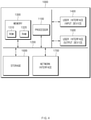
FIG. 4 illustrates a computing system according to an exemplary form of the present disclosure. - Referring to
FIG. 4 , thecomputing system 1000 includes at least oneprocessor 1100 connected through abus 1200, amemory 1300, a userinterface input device 1400, a userinterface output device 1500, and astorage 1600, and anetwork interface 1700. - The
processor 1100 may be a central processing unit (CPU) or a semiconductor device that performs processing on commands stored in thememory 1300 and/or thestorage 1600. Thememory 1300 and thestorage 1600 may include various types of volatile or nonvolatile storage media. For example, thememory 1300 may include a read only memory (ROM) and a random access memory (RAM). - Accordingly, steps of a method or algorithm described in connection with the exemplary forms disclosed herein may be directly implemented by hardware, a software module, or a combination of the two, executed by the
processor 1100. The software module may reside in a storage medium (i.e., thememory 1300 and/or the storage 1600) such as a RAM memory, a flash memory, a ROM memory, an EPROM memory, a EEPROM memory, a register, a hard disk, a removable disk, and a CD-ROM. - An exemplary storage medium is coupled to the
processor 1100, which can read information from and write information to the storage medium. Alternatively, the storage medium may be integrated with theprocessor 1100. The processor and the storage medium may reside within an application specific integrated circuit (ASIC). The ASIC may reside within a user terminal. Alternatively, the processor and the storage medium may reside as separate components within the user terminal. - The above description is merely illustrative of the technical idea of the present disclosure, and those skilled in the art to which the present disclosure pertains may make various modifications and variations without departing from the essential characteristics of the present disclosure.
- Therefore, the exemplary forms disclosed in the present disclosure are not intended to limit the technical ideas of the present disclosure, but to explain them, and the scope of the technical ideas of the present disclosure is not limited by these exemplary forms. The protection range of the present disclosure should be interpreted by the claims below, and all technical ideas within the equivalent range should be interpreted as being included in the scope of the present disclosure.
Claims (15)
- An autonomous driving control apparatus comprising:a processor configured to:determine whether a current driving situation of a vehicle satisfies an activation condition of an autonomous driving function during an autonomous driving control, andwhen the current driving situation of the vehicle does not satisfy the activation condition and a request to activate the autonomous driving function is inputted from a user, control the vehicle to cause the current driving situation satisfy the activation condition, and then perform the autonomous driving function when satisfied; anda storage configured to store a set of instructions executed by the processor and data for determination and performance by the processor.
- The autonomous driving control apparatus of claim 1, further comprising:
an output device configured to display a state of the autonomous driving control. - The autonomous driving control apparatus of claim 1 or 2, wherein the activation condition includes a vehicle speed of the vehicle and an in-lane alignment condition.
- The autonomous driving control apparatus of any one of the preceding claims, wherein the processor is further configured to determine that the activation condition is satisfied when the vehicle speed is within a predetermined speed range and an approach distance from the vehicle to an inside of a lane is greater than or equal to a predetermined distance.
- The autonomous driving control apparatus of any one of the preceding claims, wherein when activating the autonomous driving control function of level 3 or higher among multiple levels of the autonomous driving control function, the processor is configured to control the vehicle to satisfy an activation condition of the autonomous driving control function of level 3 or higher by using the autonomous driving control function of level 2 .
- The autonomous driving control apparatus of any one of the preceding claims, wherein the autonomous driving function includes at least one of a highway driving pilot (HDP) function, a fully autonomous driving control function, or an unmanned autonomous driving control function.
- The autonomous driving control apparatus of any one of the preceding claims, wherein when the processor controls the vehicle to cause the current driving situation satisfy the activation condition, the processor is configured to activate at least one of a smart cruise control (SCC) function or a lane following assist (LFA) function.
- The autonomous driving control apparatus of any one of the preceding claims, wherein the processor is configured to control an output device to output a message indicating that a lateral position of the vehicle and a vehicle speed are being adjusted to satisfy the activation condition of the autonomous driving function.
- The autonomous driving control apparatus of claim 7, wherein the processor is configured to:
activate at least one of the SCC function or the LFA function, and then re-determine whether or not the activation condition is satisfied. - The autonomous driving control apparatus of claim 9, wherein when the activation condition is satisfied through the re-determination, the processor is configured to transition a state of the autonomous driving function from a standby state to a ready state and activate at least one of the SCC function or the LFA function; and.
control an output device to output a message inquiring the user whether to use the autonomous driving function. - The autonomous driving control apparatus of claim 10, wherein when the user is willing to use the autonomous driving function, the processor is configured to activate the autonomous driving function and deactivate at least one of the SCC function or the LFA function.
- The autonomous driving control apparatus of claim 10, wherein when the user is not willing to use the autonomous driving function, the processor is configured to maintain the autonomous driving function as the ready state, and maintain at least one of the SCC function or the LFA function as an activated state when a predetermined time has elapsed after outputting the message inquiring whether to use the autonomous driving function.
- The autonomous driving control apparatus of claim 9, wherein when the activation condition is dissatisfied through the re-determination, the processor is configured to:control an output device to output a message indicating that automatic adjustment of a lateral position of the vehicle and a vehicle speed is impossible when a predetermined time has elapsed; andmaintain the autonomous driving function as a standby state, and maintain at least one of the SCC function or the LFA function as an activated state when a predetermined time elapses after outputting the message indicating that the automatic adjustment is impossible.
- The autonomous driving control apparatus of claim 9, wherein when the activation condition is satisfied through the re-determination, the processor is configured to activate the autonomous driving function and deactivate at least one of the SCC function or the LFA function.
- An autonomous driving control method comprising:determining, by a processor, whether a current driving situation of a vehicle satisfies an activation condition of an autonomous driving function during an autonomous driving control;performing, by the processor, activation of the autonomous driving function when the activation condition is satisfied and a request to activate the autonomous driving function is inputted from a user;controlling, by the processor, the vehicle to satisfy the activation condition when the activation condition is not satisfied and the request to activate the autonomous driving function is inputted from the user; andre-determining, by the processor, whether or not the activation condition is satisfied, and when the activation condition is satisfied, performing the autonomous driving function.
Applications Claiming Priority (1)
| Application Number | Priority Date | Filing Date | Title |
|---|---|---|---|
| KR1020200114824A KR20220033087A (en) | 2020-09-08 | 2020-09-08 | Apparatus for controlling autonomous driving of a vehicle and method thereof |
Publications (2)
| Publication Number | Publication Date |
|---|---|
| EP3964416A1 true EP3964416A1 (en) | 2022-03-09 |
| EP3964416B1 EP3964416B1 (en) | 2025-02-26 |
Family
ID=76601063
Family Applications (1)
| Application Number | Title | Priority Date | Filing Date |
|---|---|---|---|
| EP21181411.6A Active EP3964416B1 (en) | 2020-09-08 | 2021-06-24 | Apparatus for controlling autonomous driving of a vehicle and method thereof |
Country Status (5)
| Country | Link |
|---|---|
| US (1) | US11801873B2 (en) |
| EP (1) | EP3964416B1 (en) |
| KR (1) | KR20220033087A (en) |
| CN (1) | CN114148345A (en) |
| ES (1) | ES3019390T3 (en) |
Families Citing this family (5)
| Publication number | Priority date | Publication date | Assignee | Title |
|---|---|---|---|---|
| KR20220033087A (en) * | 2020-09-08 | 2022-03-16 | 현대자동차주식회사 | Apparatus for controlling autonomous driving of a vehicle and method thereof |
| JP7605332B2 (en) * | 2021-09-21 | 2024-12-24 | 日産自動車株式会社 | Operation control method and operation control device |
| TWI868525B (en) * | 2022-11-28 | 2025-01-01 | 系統電子工業股份有限公司 | Vehicle auxiliary driving control system and operation method thereof |
| DE102023106656B3 (en) | 2023-03-16 | 2024-06-06 | Cariad Se | Method for generating activation information relating to the release of an autonomous driving mode of a vehicle, as well as electronic verification system and vehicle |
| JP2025018293A (en) * | 2023-07-26 | 2025-02-06 | トヨタ自動車株式会社 | Vehicle equipped with a vehicle control device |
Citations (5)
| Publication number | Priority date | Publication date | Assignee | Title |
|---|---|---|---|---|
| WO2014085380A1 (en) * | 2012-11-30 | 2014-06-05 | Google Inc. | Engaging and disengaging for autonomous driving |
| US20170341661A1 (en) * | 2016-05-26 | 2017-11-30 | Kabushiki Kaisha Toshiba | Information processing apparatus, information processing method, and computer program product |
| WO2019088893A1 (en) * | 2017-11-03 | 2019-05-09 | Scania Cv Ab | Method and system for shifting between manual and autonomous drive operation modes in vehicles |
| FR3086249A1 (en) * | 2018-09-25 | 2020-03-27 | Psa Automobiles Sa | METHOD FOR ACTIVATING AN AUTONOMOUS DRIVING MODE FOR A MOTOR VEHICLE |
| US20200103896A1 (en) * | 2018-10-02 | 2020-04-02 | Aptiv Technologies Limited | Automated vehicle steering control for transitioning from manual mode to automated mode |
Family Cites Families (3)
| Publication number | Priority date | Publication date | Assignee | Title |
|---|---|---|---|---|
| CN119705061A (en) * | 2020-08-21 | 2025-03-28 | 株式会社电装 | Display device for vehicle |
| KR20220033087A (en) * | 2020-09-08 | 2022-03-16 | 현대자동차주식회사 | Apparatus for controlling autonomous driving of a vehicle and method thereof |
| KR20220117407A (en) * | 2021-02-16 | 2022-08-24 | 현대자동차주식회사 | Apparatus for providing information for autonomous driving and method thereof |
-
2020
- 2020-09-08 KR KR1020200114824A patent/KR20220033087A/en not_active Ceased
-
2021
- 2021-06-24 EP EP21181411.6A patent/EP3964416B1/en active Active
- 2021-06-24 ES ES21181411T patent/ES3019390T3/en active Active
- 2021-07-01 US US17/365,297 patent/US11801873B2/en active Active
- 2021-07-13 CN CN202110789887.7A patent/CN114148345A/en active Pending
Patent Citations (5)
| Publication number | Priority date | Publication date | Assignee | Title |
|---|---|---|---|---|
| WO2014085380A1 (en) * | 2012-11-30 | 2014-06-05 | Google Inc. | Engaging and disengaging for autonomous driving |
| US20170341661A1 (en) * | 2016-05-26 | 2017-11-30 | Kabushiki Kaisha Toshiba | Information processing apparatus, information processing method, and computer program product |
| WO2019088893A1 (en) * | 2017-11-03 | 2019-05-09 | Scania Cv Ab | Method and system for shifting between manual and autonomous drive operation modes in vehicles |
| FR3086249A1 (en) * | 2018-09-25 | 2020-03-27 | Psa Automobiles Sa | METHOD FOR ACTIVATING AN AUTONOMOUS DRIVING MODE FOR A MOTOR VEHICLE |
| US20200103896A1 (en) * | 2018-10-02 | 2020-04-02 | Aptiv Technologies Limited | Automated vehicle steering control for transitioning from manual mode to automated mode |
Also Published As
| Publication number | Publication date |
|---|---|
| US20220073107A1 (en) | 2022-03-10 |
| ES3019390T3 (en) | 2025-05-20 |
| US11801873B2 (en) | 2023-10-31 |
| CN114148345A (en) | 2022-03-08 |
| KR20220033087A (en) | 2022-03-16 |
| EP3964416B1 (en) | 2025-02-26 |
Similar Documents
| Publication | Publication Date | Title |
|---|---|---|
| EP3964416B1 (en) | Apparatus for controlling autonomous driving of a vehicle and method thereof | |
| US10535269B2 (en) | Apparatus and method for collision control of vehicle based on boundary | |
| US12233920B2 (en) | Apparatus for controlling autonomous driving of a vehicle, system having the same and method thereof | |
| US11548525B2 (en) | Apparatus and method for providing notification of control authority transition in vehicle | |
| EP3552911A2 (en) | Apparatus and method for providing safety strategy in vehicle | |
| EP3552906A1 (en) | Lane change controller for vehicle, system including the same, and method thereof | |
| KR20210124603A (en) | Apparatus for controlling autonomous driving of a vehicle, system having the same and method thereof | |
| US12145629B2 (en) | Apparatus for controlling autonomous driving of a vehicle, system having the same and method thereof | |
| US20240425086A1 (en) | Apparatus for controlling automatic driving of vehicle and method for determining state of a driver | |
| US20230264719A1 (en) | Apparatus for Controlling Autonomous Driving Control Apparatus, System Having the Same, and Method Thereof | |
| US20230264720A1 (en) | Autonomous Vehicle and Control Method Thereof | |
| US12280773B2 (en) | Apparatus for controlling lane keeping, vehicle system having the same and method thereof | |
| US20250002086A1 (en) | Apparatus and method for generating path of a vehicle | |
| KR20210055155A (en) | Apparatus for assisting lane change, system having the same and method thereof | |
| US12558959B2 (en) | Driving assistance device | |
| KR20230088156A (en) | Apparatus for controlling Distance between platooning vehicle and method thereof |
Legal Events
| Date | Code | Title | Description |
|---|---|---|---|
| PUAI | Public reference made under article 153(3) epc to a published international application that has entered the european phase |
Free format text: ORIGINAL CODE: 0009012 |
|
| STAA | Information on the status of an ep patent application or granted ep patent |
Free format text: STATUS: THE APPLICATION HAS BEEN PUBLISHED |
|
| AK | Designated contracting states |
Kind code of ref document: A1 Designated state(s): AL AT BE BG CH CY CZ DE DK EE ES FI FR GB GR HR HU IE IS IT LI LT LU LV MC MK MT NL NO PL PT RO RS SE SI SK SM TR |
|
| STAA | Information on the status of an ep patent application or granted ep patent |
Free format text: STATUS: REQUEST FOR EXAMINATION WAS MADE |
|
| 17P | Request for examination filed |
Effective date: 20220831 |
|
| RBV | Designated contracting states (corrected) |
Designated state(s): AL AT BE BG CH CY CZ DE DK EE ES FI FR GB GR HR HU IE IS IT LI LT LU LV MC MK MT NL NO PL PT RO RS SE SI SK SM TR |
|
| P01 | Opt-out of the competence of the unified patent court (upc) registered |
Effective date: 20230505 |
|
| STAA | Information on the status of an ep patent application or granted ep patent |
Free format text: STATUS: EXAMINATION IS IN PROGRESS |
|
| 17Q | First examination report despatched |
Effective date: 20240517 |
|
| GRAP | Despatch of communication of intention to grant a patent |
Free format text: ORIGINAL CODE: EPIDOSNIGR1 |
|
| STAA | Information on the status of an ep patent application or granted ep patent |
Free format text: STATUS: GRANT OF PATENT IS INTENDED |
|
| RIC1 | Information provided on ipc code assigned before grant |
Ipc: B60W 50/14 20200101ALN20240918BHEP Ipc: B60W 30/16 20200101ALI20240918BHEP Ipc: B60W 30/12 20200101ALI20240918BHEP Ipc: B60W 60/00 20200101AFI20240918BHEP |
|
| INTG | Intention to grant announced |
Effective date: 20241010 |
|
| GRAS | Grant fee paid |
Free format text: ORIGINAL CODE: EPIDOSNIGR3 |
|
| GRAA | (expected) grant |
Free format text: ORIGINAL CODE: 0009210 |
|
| STAA | Information on the status of an ep patent application or granted ep patent |
Free format text: STATUS: THE PATENT HAS BEEN GRANTED |
|
| AK | Designated contracting states |
Kind code of ref document: B1 Designated state(s): AL AT BE BG CH CY CZ DE DK EE ES FI FR GB GR HR HU IE IS IT LI LT LU LV MC MK MT NL NO PL PT RO RS SE SI SK SM TR |
|
| REG | Reference to a national code |
Ref country code: GB Ref legal event code: FG4D |
|
| REG | Reference to a national code |
Ref country code: CH Ref legal event code: EP |
|
| REG | Reference to a national code |
Ref country code: DE Ref legal event code: R096 Ref document number: 602021026648 Country of ref document: DE |
|
| REG | Reference to a national code |
Ref country code: IE Ref legal event code: FG4D |
|
| REG | Reference to a national code |
Ref country code: ES Ref legal event code: FG2A Ref document number: 3019390 Country of ref document: ES Kind code of ref document: T3 Effective date: 20250520 |
|
| REG | Reference to a national code |
Ref country code: NL Ref legal event code: MP Effective date: 20250226 |
|
| PG25 | Lapsed in a contracting state [announced via postgrant information from national office to epo] |
Ref country code: RS Free format text: LAPSE BECAUSE OF FAILURE TO SUBMIT A TRANSLATION OF THE DESCRIPTION OR TO PAY THE FEE WITHIN THE PRESCRIBED TIME-LIMIT Effective date: 20250526 |
|
| PG25 | Lapsed in a contracting state [announced via postgrant information from national office to epo] |
Ref country code: FI Free format text: LAPSE BECAUSE OF FAILURE TO SUBMIT A TRANSLATION OF THE DESCRIPTION OR TO PAY THE FEE WITHIN THE PRESCRIBED TIME-LIMIT Effective date: 20250226 |
|
| PG25 | Lapsed in a contracting state [announced via postgrant information from national office to epo] |
Ref country code: PL Free format text: LAPSE BECAUSE OF FAILURE TO SUBMIT A TRANSLATION OF THE DESCRIPTION OR TO PAY THE FEE WITHIN THE PRESCRIBED TIME-LIMIT Effective date: 20250226 |
|
| PGFP | Annual fee paid to national office [announced via postgrant information from national office to epo] |
Ref country code: DE Payment date: 20250624 Year of fee payment: 5 |
|
| PGFP | Annual fee paid to national office [announced via postgrant information from national office to epo] |
Ref country code: GB Payment date: 20250624 Year of fee payment: 5 |
|
| REG | Reference to a national code |
Ref country code: LT Ref legal event code: MG9D |
|
| PG25 | Lapsed in a contracting state [announced via postgrant information from national office to epo] |
Ref country code: NO Free format text: LAPSE BECAUSE OF FAILURE TO SUBMIT A TRANSLATION OF THE DESCRIPTION OR TO PAY THE FEE WITHIN THE PRESCRIBED TIME-LIMIT Effective date: 20250526 Ref country code: IS Free format text: LAPSE BECAUSE OF FAILURE TO SUBMIT A TRANSLATION OF THE DESCRIPTION OR TO PAY THE FEE WITHIN THE PRESCRIBED TIME-LIMIT Effective date: 20250626 |
|
| PG25 | Lapsed in a contracting state [announced via postgrant information from national office to epo] |
Ref country code: NL Free format text: LAPSE BECAUSE OF FAILURE TO SUBMIT A TRANSLATION OF THE DESCRIPTION OR TO PAY THE FEE WITHIN THE PRESCRIBED TIME-LIMIT Effective date: 20250226 |
|
| PG25 | Lapsed in a contracting state [announced via postgrant information from national office to epo] |
Ref country code: HR Free format text: LAPSE BECAUSE OF FAILURE TO SUBMIT A TRANSLATION OF THE DESCRIPTION OR TO PAY THE FEE WITHIN THE PRESCRIBED TIME-LIMIT Effective date: 20250226 |
|
| PG25 | Lapsed in a contracting state [announced via postgrant information from national office to epo] |
Ref country code: LV Free format text: LAPSE BECAUSE OF FAILURE TO SUBMIT A TRANSLATION OF THE DESCRIPTION OR TO PAY THE FEE WITHIN THE PRESCRIBED TIME-LIMIT Effective date: 20250226 Ref country code: PT Free format text: LAPSE BECAUSE OF FAILURE TO SUBMIT A TRANSLATION OF THE DESCRIPTION OR TO PAY THE FEE WITHIN THE PRESCRIBED TIME-LIMIT Effective date: 20250626 |
|
| PGFP | Annual fee paid to national office [announced via postgrant information from national office to epo] |
Ref country code: FR Payment date: 20250624 Year of fee payment: 5 |
|
| PG25 | Lapsed in a contracting state [announced via postgrant information from national office to epo] |
Ref country code: GR Free format text: LAPSE BECAUSE OF FAILURE TO SUBMIT A TRANSLATION OF THE DESCRIPTION OR TO PAY THE FEE WITHIN THE PRESCRIBED TIME-LIMIT Effective date: 20250527 Ref country code: BG Free format text: LAPSE BECAUSE OF FAILURE TO SUBMIT A TRANSLATION OF THE DESCRIPTION OR TO PAY THE FEE WITHIN THE PRESCRIBED TIME-LIMIT Effective date: 20250226 |
|
| REG | Reference to a national code |
Ref country code: AT Ref legal event code: MK05 Ref document number: 1770384 Country of ref document: AT Kind code of ref document: T Effective date: 20250226 |
|
| PG25 | Lapsed in a contracting state [announced via postgrant information from national office to epo] |
Ref country code: SE Free format text: LAPSE BECAUSE OF FAILURE TO SUBMIT A TRANSLATION OF THE DESCRIPTION OR TO PAY THE FEE WITHIN THE PRESCRIBED TIME-LIMIT Effective date: 20250226 |
|
| PG25 | Lapsed in a contracting state [announced via postgrant information from national office to epo] |
Ref country code: SM Free format text: LAPSE BECAUSE OF FAILURE TO SUBMIT A TRANSLATION OF THE DESCRIPTION OR TO PAY THE FEE WITHIN THE PRESCRIBED TIME-LIMIT Effective date: 20250226 |
|
| PGFP | Annual fee paid to national office [announced via postgrant information from national office to epo] |
Ref country code: ES Payment date: 20250701 Year of fee payment: 5 |
|
| PG25 | Lapsed in a contracting state [announced via postgrant information from national office to epo] |
Ref country code: DK Free format text: LAPSE BECAUSE OF FAILURE TO SUBMIT A TRANSLATION OF THE DESCRIPTION OR TO PAY THE FEE WITHIN THE PRESCRIBED TIME-LIMIT Effective date: 20250226 |
|
| PGFP | Annual fee paid to national office [announced via postgrant information from national office to epo] |
Ref country code: IT Payment date: 20250620 Year of fee payment: 5 |
|
| PG25 | Lapsed in a contracting state [announced via postgrant information from national office to epo] |
Ref country code: AT Free format text: LAPSE BECAUSE OF FAILURE TO SUBMIT A TRANSLATION OF THE DESCRIPTION OR TO PAY THE FEE WITHIN THE PRESCRIBED TIME-LIMIT Effective date: 20250226 |
|
| PG25 | Lapsed in a contracting state [announced via postgrant information from national office to epo] |
Ref country code: CZ Free format text: LAPSE BECAUSE OF FAILURE TO SUBMIT A TRANSLATION OF THE DESCRIPTION OR TO PAY THE FEE WITHIN THE PRESCRIBED TIME-LIMIT Effective date: 20250226 Ref country code: EE Free format text: LAPSE BECAUSE OF FAILURE TO SUBMIT A TRANSLATION OF THE DESCRIPTION OR TO PAY THE FEE WITHIN THE PRESCRIBED TIME-LIMIT Effective date: 20250226 |
|
| PG25 | Lapsed in a contracting state [announced via postgrant information from national office to epo] |
Ref country code: RO Free format text: LAPSE BECAUSE OF FAILURE TO SUBMIT A TRANSLATION OF THE DESCRIPTION OR TO PAY THE FEE WITHIN THE PRESCRIBED TIME-LIMIT Effective date: 20250226 |
|
| PG25 | Lapsed in a contracting state [announced via postgrant information from national office to epo] |
Ref country code: SK Free format text: LAPSE BECAUSE OF FAILURE TO SUBMIT A TRANSLATION OF THE DESCRIPTION OR TO PAY THE FEE WITHIN THE PRESCRIBED TIME-LIMIT Effective date: 20250226 |
|
| REG | Reference to a national code |
Ref country code: DE Ref legal event code: R097 Ref document number: 602021026648 Country of ref document: DE |
|
| PLBE | No opposition filed within time limit |
Free format text: ORIGINAL CODE: 0009261 |
|
| STAA | Information on the status of an ep patent application or granted ep patent |
Free format text: STATUS: NO OPPOSITION FILED WITHIN TIME LIMIT |
|
| REG | Reference to a national code |
Ref country code: CH Ref legal event code: L10 Free format text: ST27 STATUS EVENT CODE: U-0-0-L10-L00 (AS PROVIDED BY THE NATIONAL OFFICE) Effective date: 20260107 |
|
| REG | Reference to a national code |
Ref country code: CH Ref legal event code: H13 Free format text: ST27 STATUS EVENT CODE: U-0-0-H10-H13 (AS PROVIDED BY THE NATIONAL OFFICE) Effective date: 20260127 |
|
| PG25 | Lapsed in a contracting state [announced via postgrant information from national office to epo] |
Ref country code: MC Free format text: LAPSE BECAUSE OF FAILURE TO SUBMIT A TRANSLATION OF THE DESCRIPTION OR TO PAY THE FEE WITHIN THE PRESCRIBED TIME-LIMIT Effective date: 20250226 |
|
| 26N | No opposition filed |
Effective date: 20251127 |
|
| PG25 | Lapsed in a contracting state [announced via postgrant information from national office to epo] |
Ref country code: LU Free format text: LAPSE BECAUSE OF NON-PAYMENT OF DUE FEES Effective date: 20250624 |
|
| REG | Reference to a national code |
Ref country code: BE Ref legal event code: MM Effective date: 20250630 |
|
| PG25 | Lapsed in a contracting state [announced via postgrant information from national office to epo] |
Ref country code: IE Free format text: LAPSE BECAUSE OF NON-PAYMENT OF DUE FEES Effective date: 20250624 |
|
| PG25 | Lapsed in a contracting state [announced via postgrant information from national office to epo] |
Ref country code: BE Free format text: LAPSE BECAUSE OF NON-PAYMENT OF DUE FEES Effective date: 20250630 |
|
| PG25 | Lapsed in a contracting state [announced via postgrant information from national office to epo] |
Ref country code: CH Free format text: LAPSE BECAUSE OF NON-PAYMENT OF DUE FEES Effective date: 20250630 |